Gyeongju's royal tombs, observatory and Wolji Pond, Bulguksa and Seokguram, then Busan's sea temple, beaches, Gamcheon village, Taejongdae and Beomeosa.
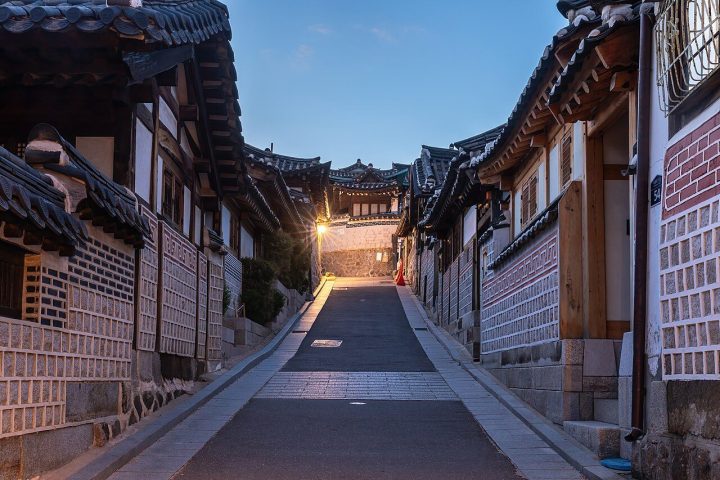
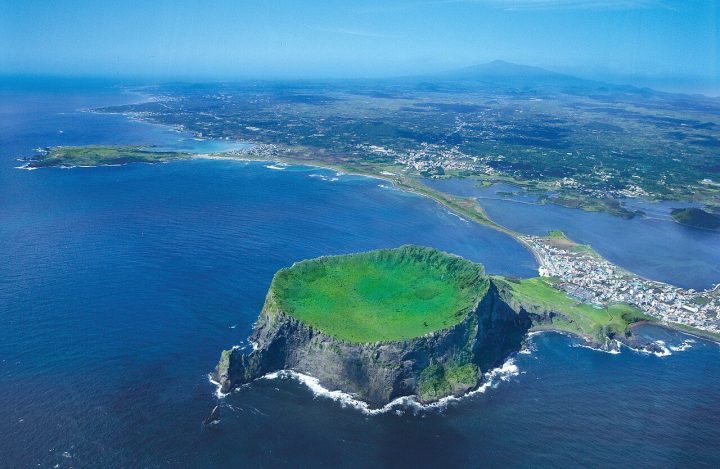
Southeast Korea pairs a 'museum without walls' with a lively port city. Gyeongju was the Silla capital for a thousand years: walk among the grassy royal tombs, see the Cheomseongdae observatory and Wolji Pond lit up at night, and visit Bulguksa temple and the Seokguram Grotto Buddha. Then head to Busan for Haedong Yonggungsa temple on the rocks, Haeundae and Gwangalli beaches, the painted hillside village of Gamcheon, the cliffs of Taejongdae and the mountain temple of Beomeosa.
01
STOP 1 OF 11
Daereungwon Tomb Complex
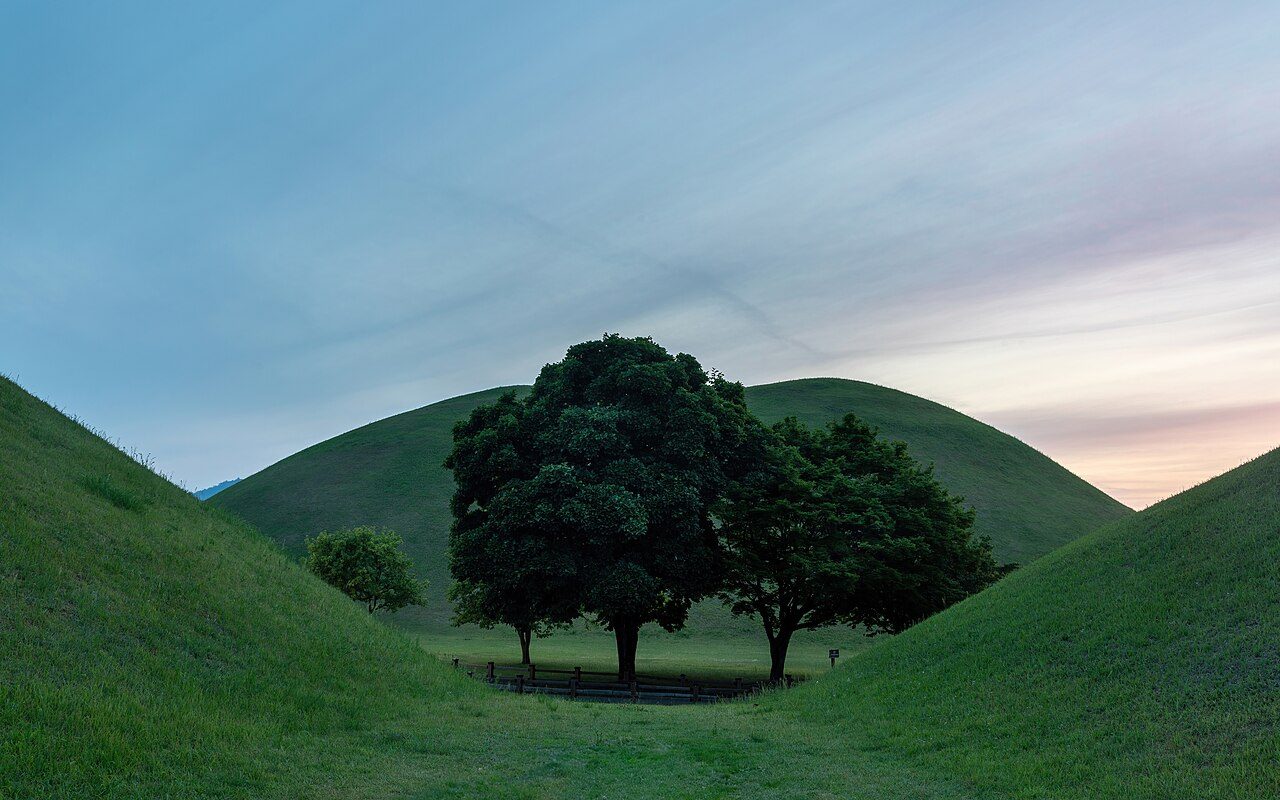
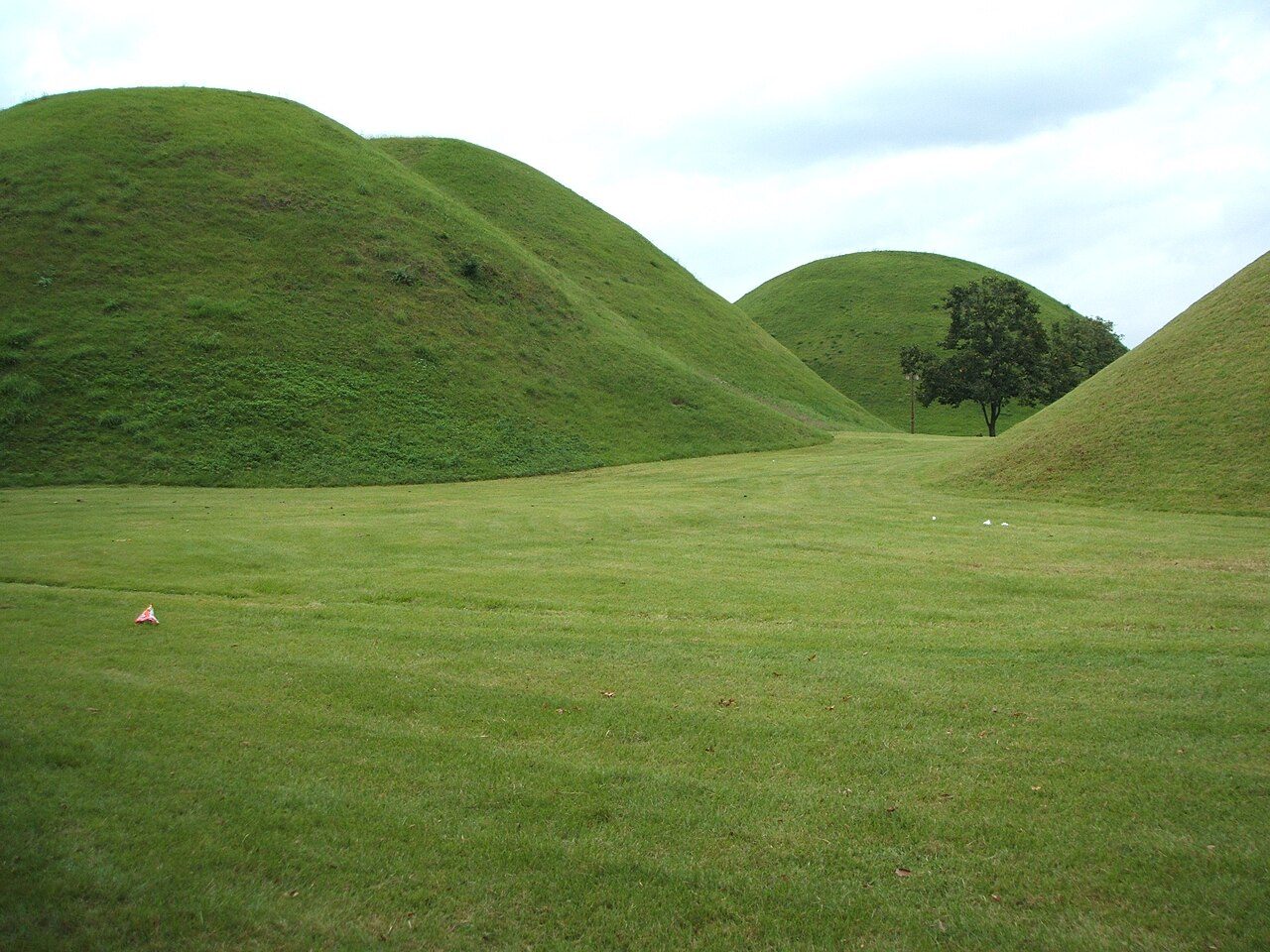
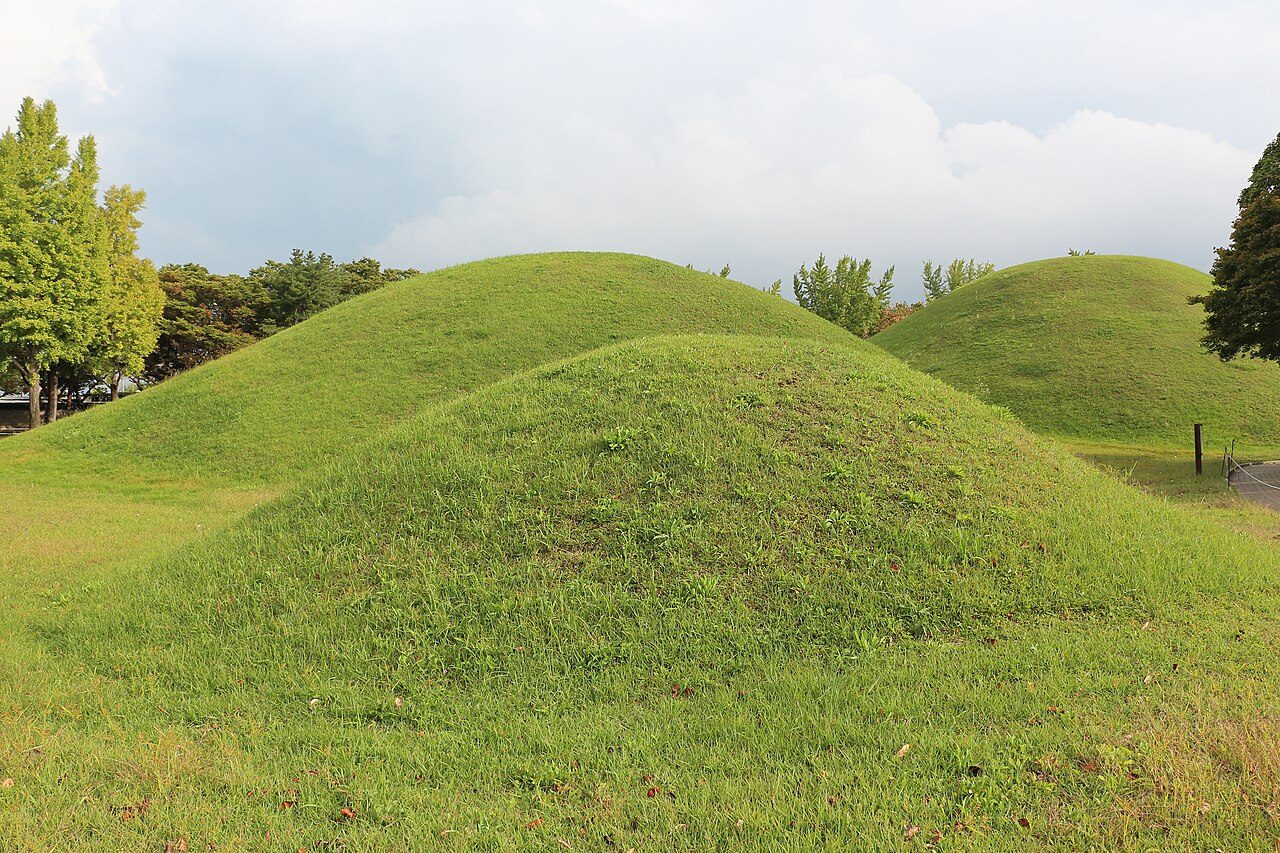
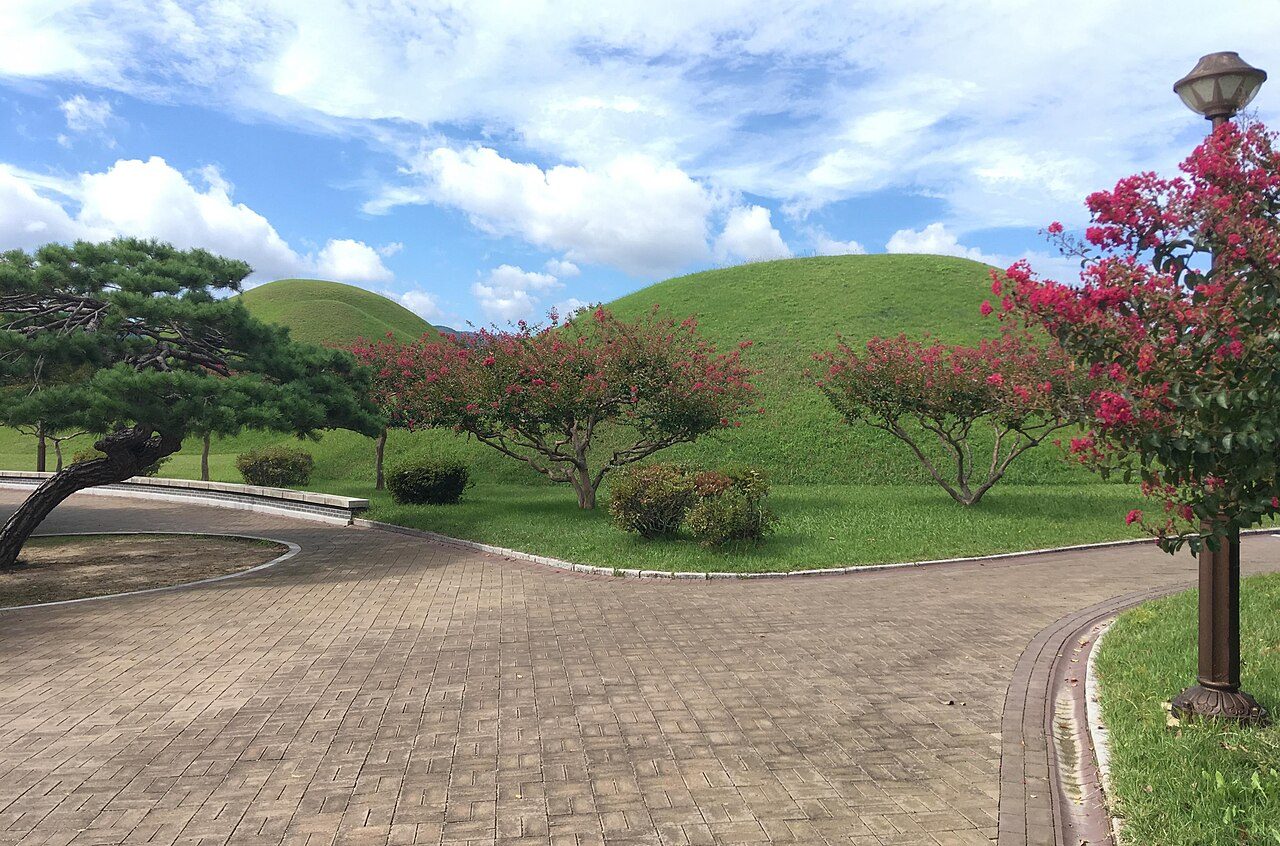
Daereungwon is a park in central Gyeongju with 23 large grassy burial mounds of Silla kings and nobles. Inside one tomb, Cheonmachong, visitors can see how the tombs were built and replicas of gold crowns and the famous painting of a flying horse. The green mounds and paths are lovely in every season, and the area is popular for evening walks.
02
STOP 2 OF 11
Cheomseongdae Observatory
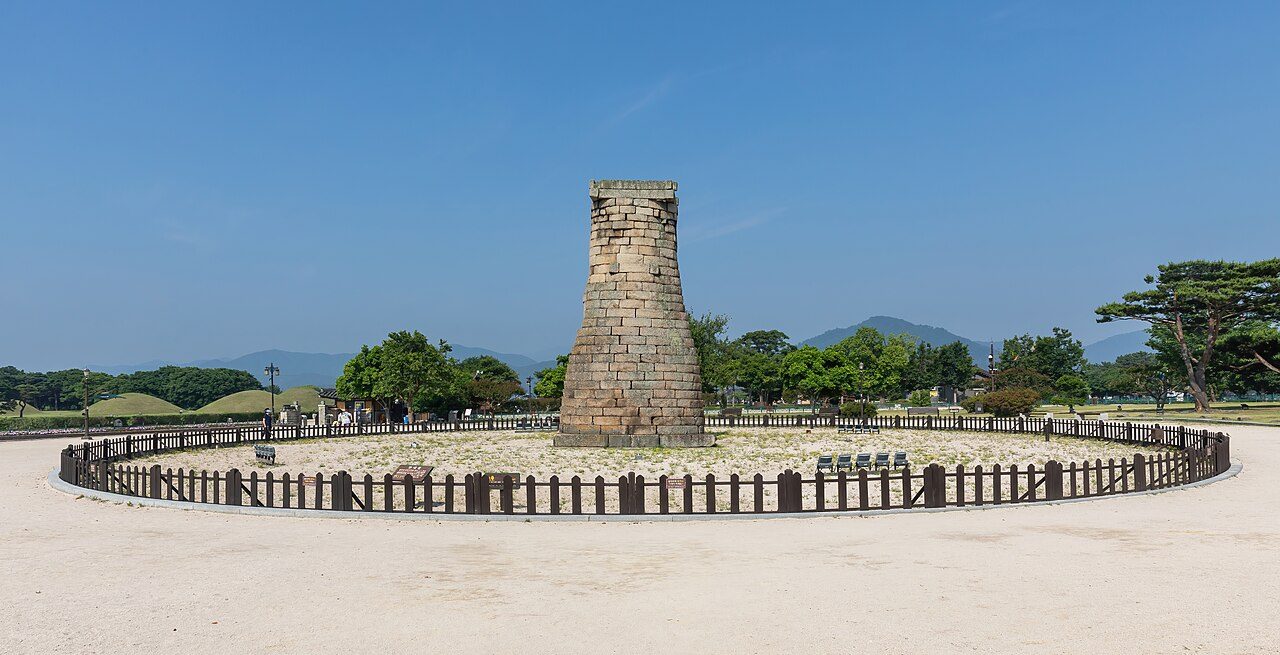
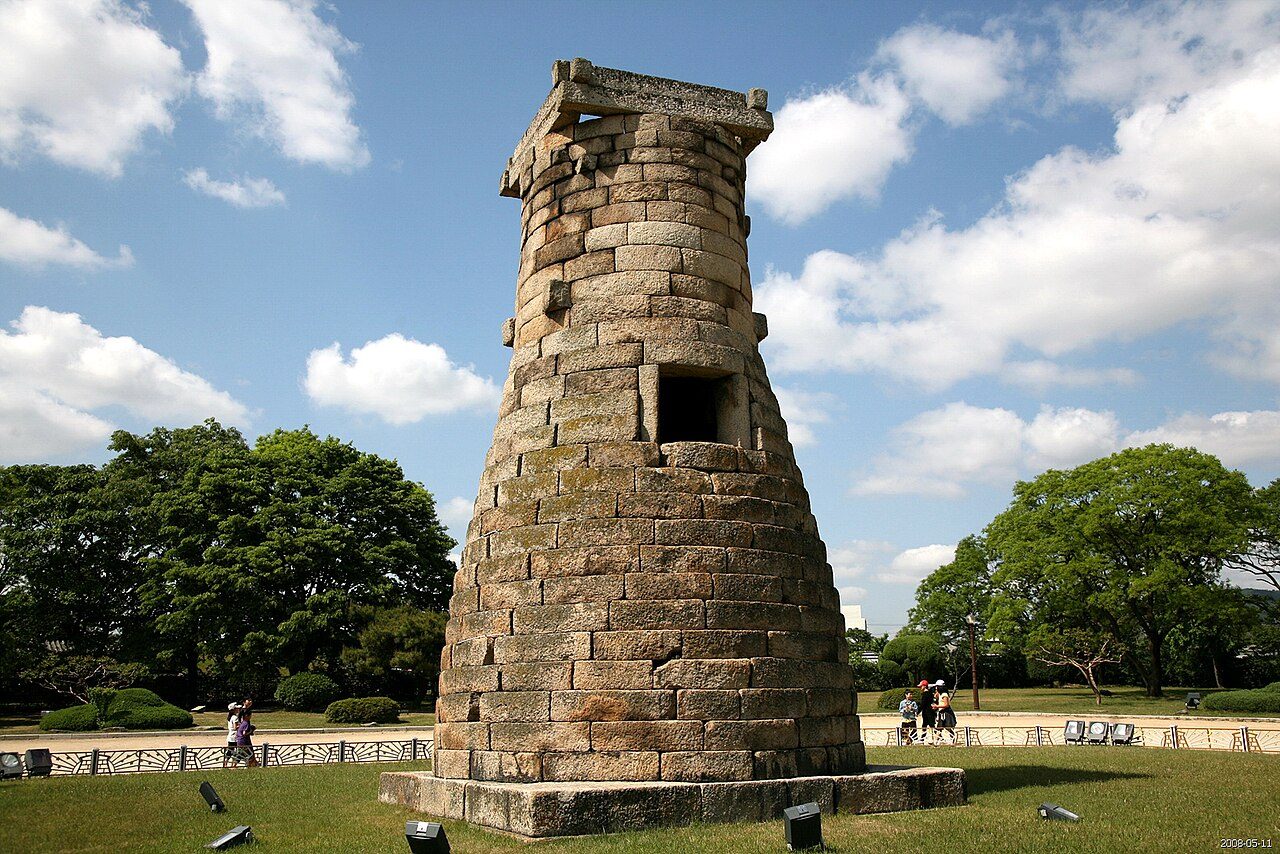
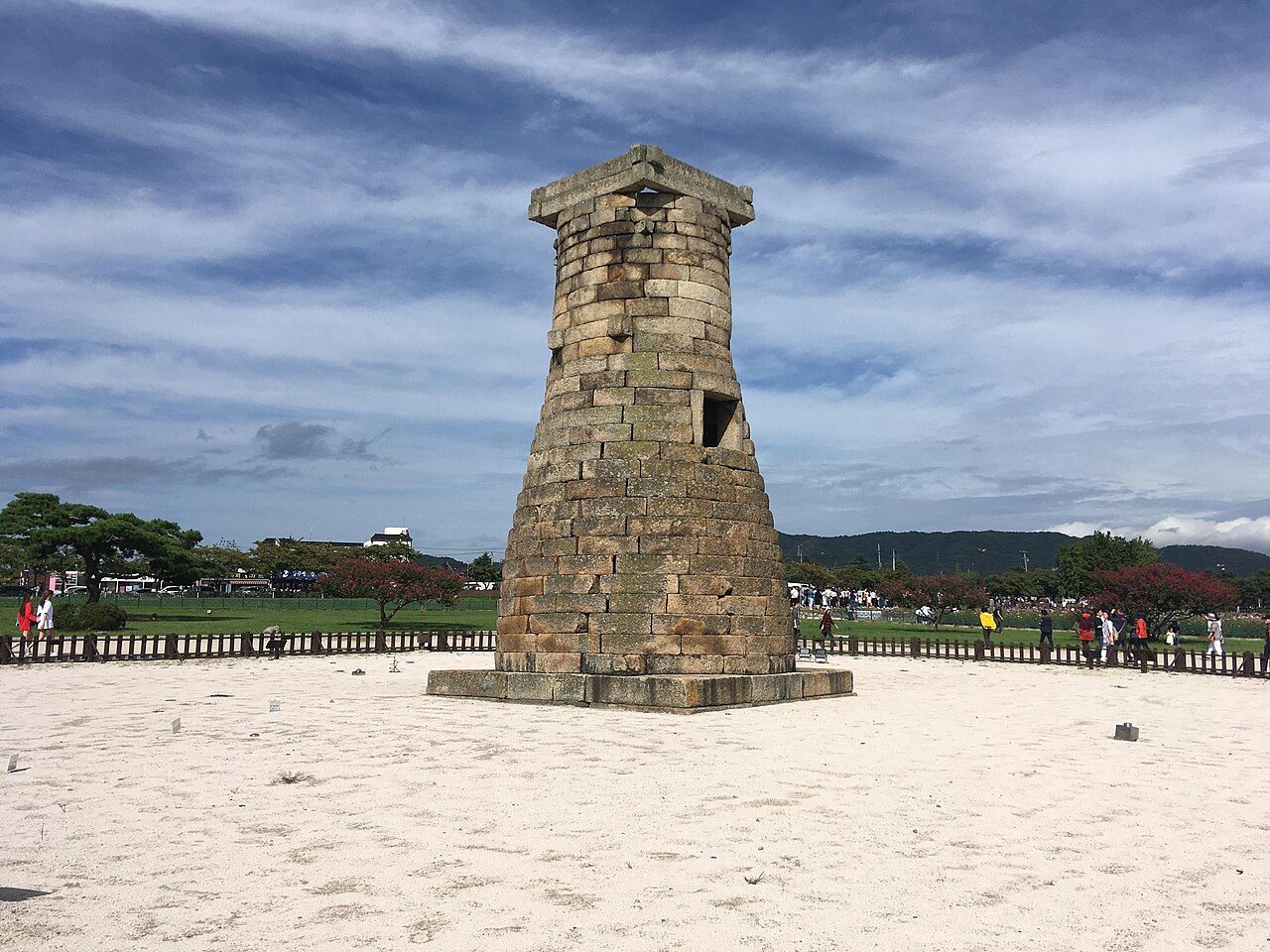
Cheomseongdae is one of the oldest surviving astronomical observatories in East Asia, built during the reign of Queen Seondeok of Silla in the 7th century. The bottle-shaped stone tower is made of hundreds of granite blocks. It stands in a park in central Gyeongju surrounded by seasonal flower fields. It is lit up at night and easy to visit with Daereungwon.
03
STOP 3 OF 11
Donggung Palace and Wolji Pond
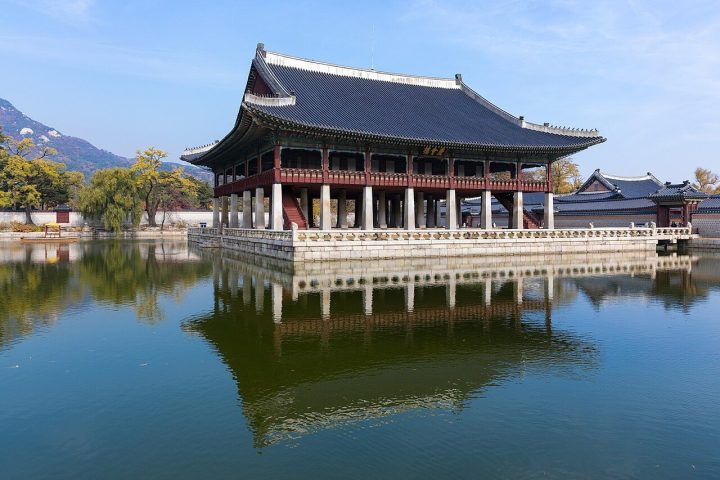
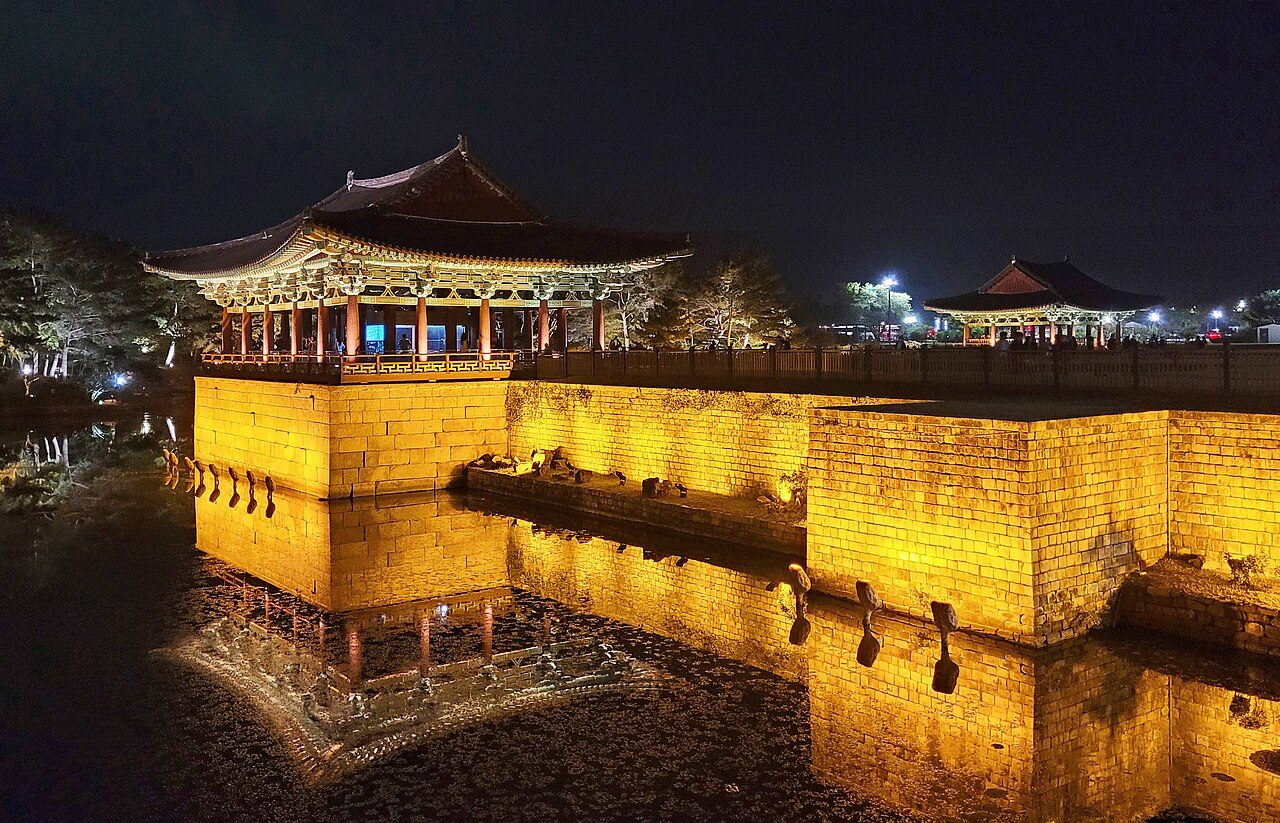
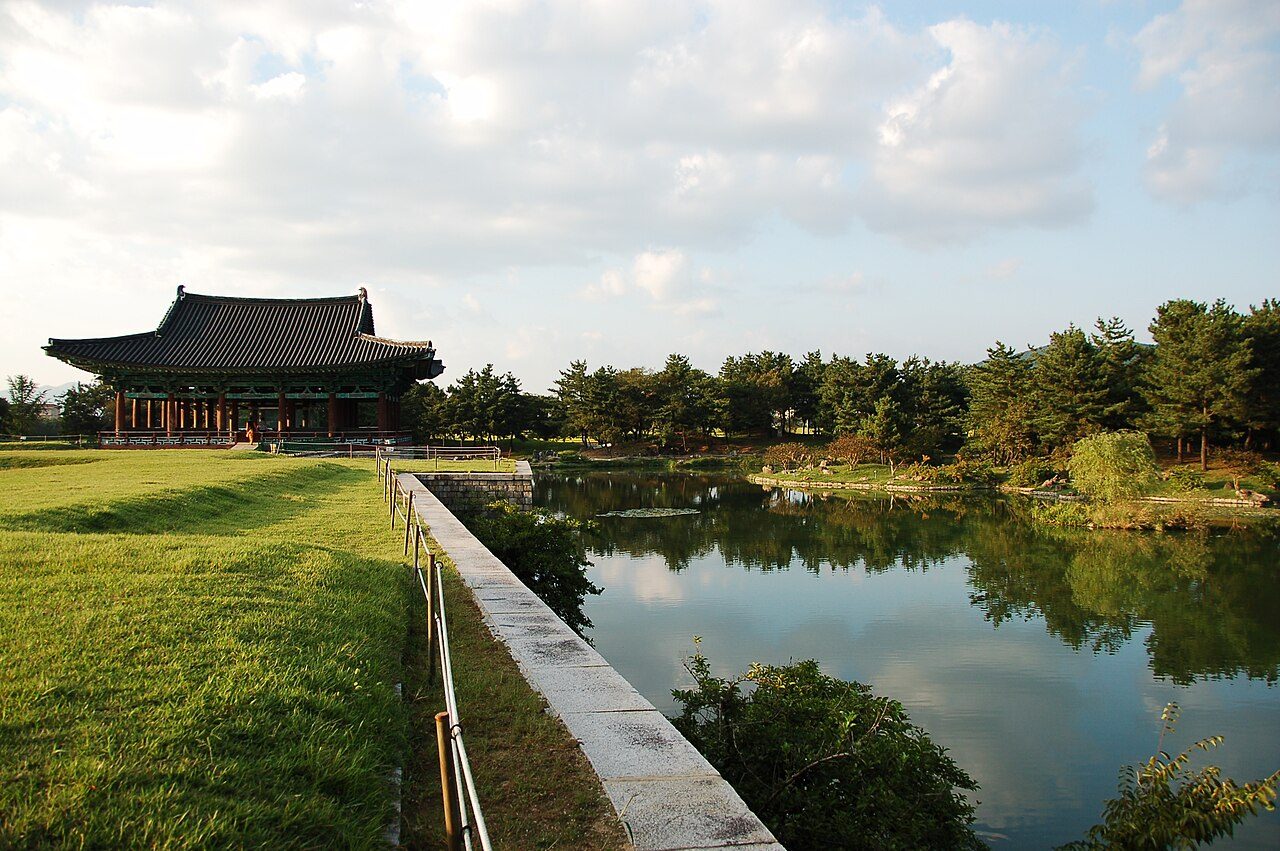
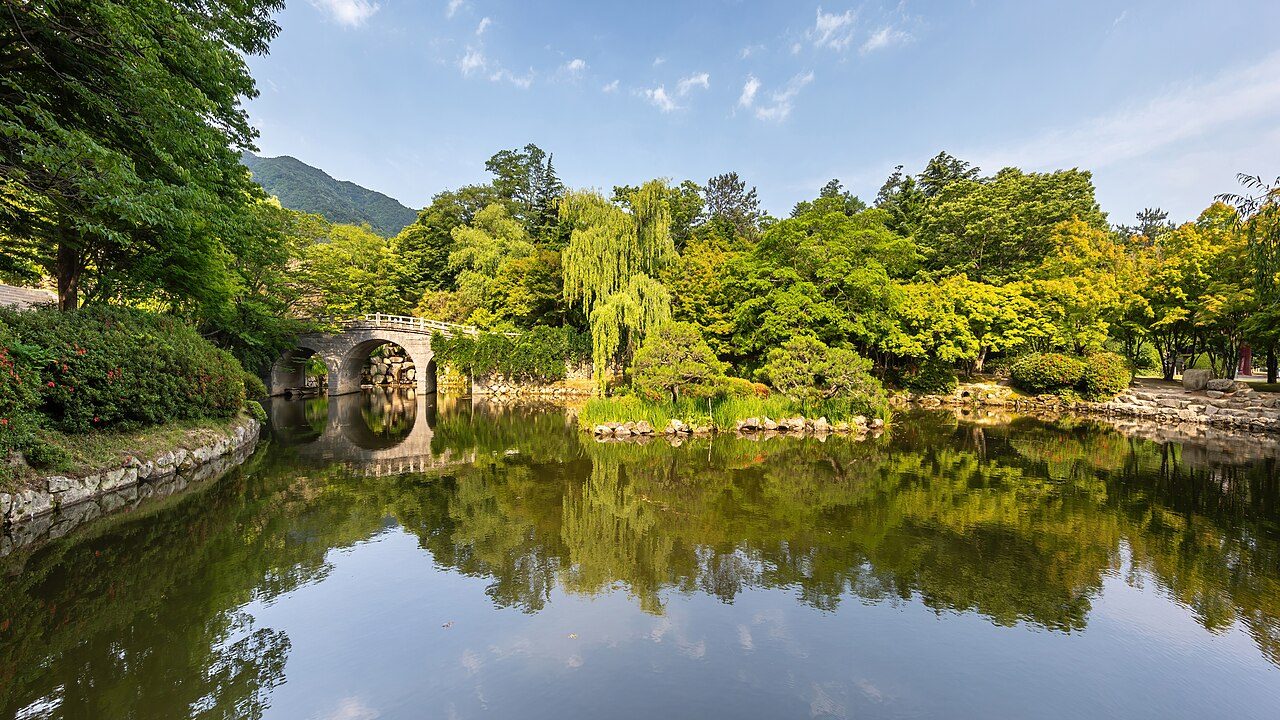
Donggung Palace and Wolji Pond were part of a Silla royal palace built in the 7th century and used for banquets. The pond, once called Anapji, was designed with islands and curved shores so that it never appears whole from any one place. Several pavilions have been reconstructed beside the water. The site is most beautiful after dark, when the buildings are reflected in the pond.
04
STOP 4 OF 11
Bulguksa Temple
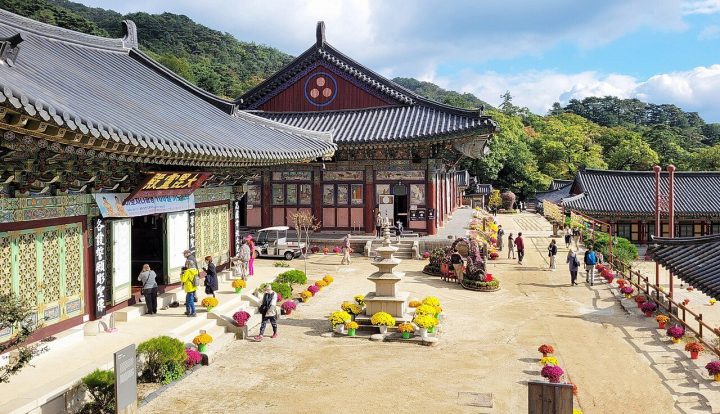
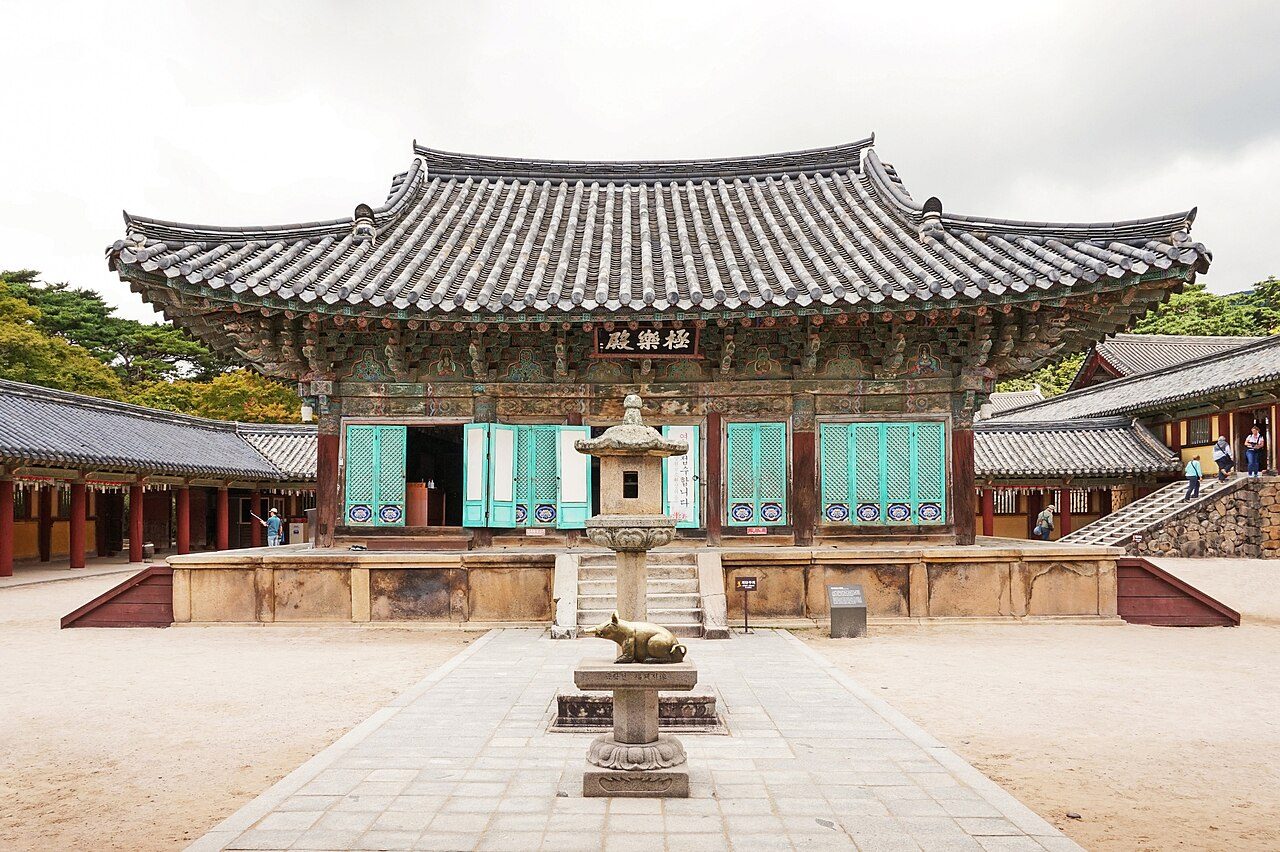
Bulguksa is one of the most important Buddhist temples in Korea, built in the 8th century during the Silla kingdom. Its stone terraces, bridges and the Dabotap and Seokgatap pagodas are masterpieces of Silla art. The temple is a UNESCO World Heritage Site together with nearby Seokguram Grotto. Autumn foliage and spring cherry blossoms make it especially beautiful.
05
STOP 5 OF 11
Seokguram Grotto
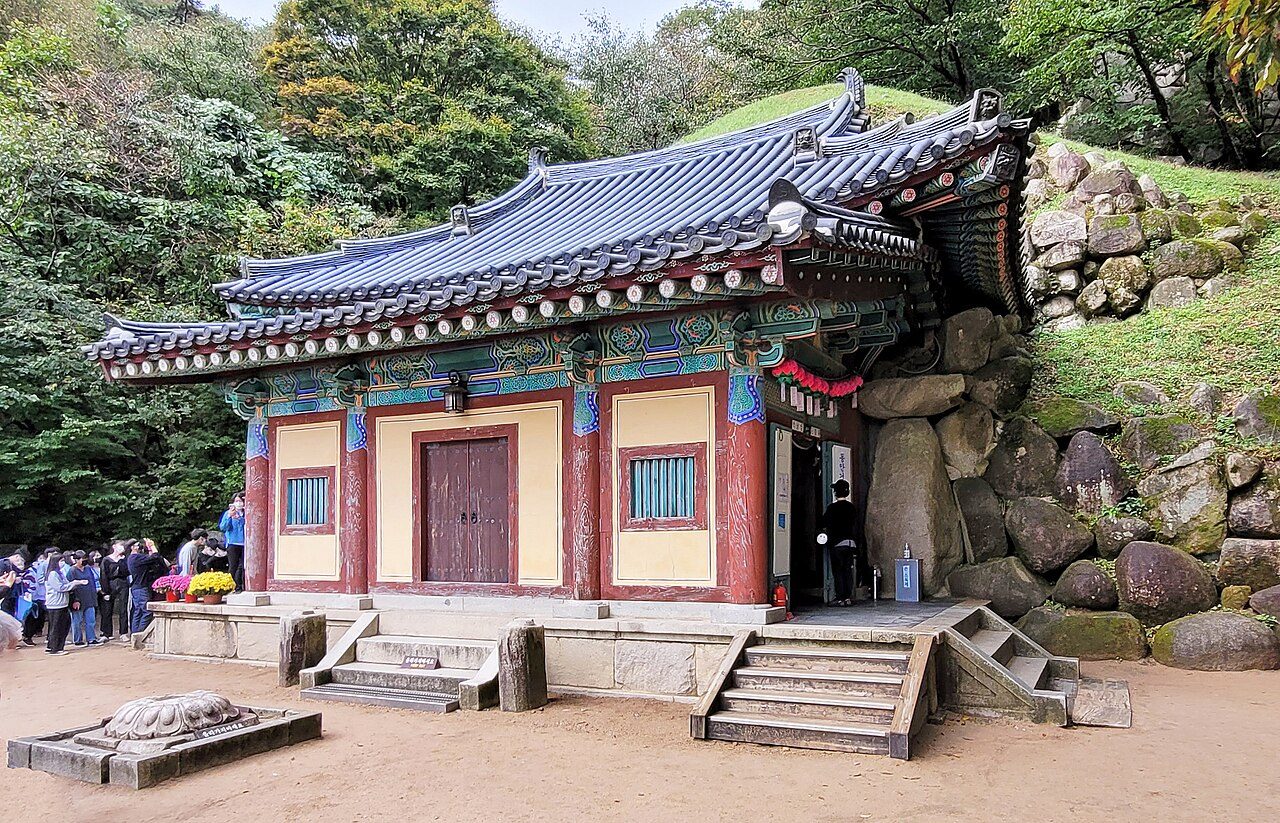
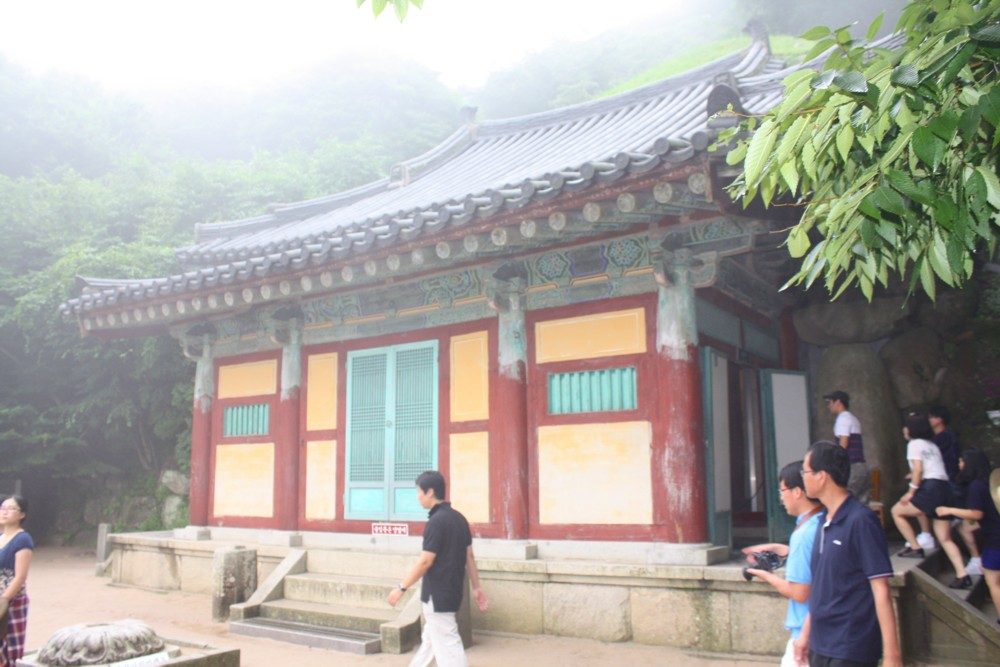
Seokguram Grotto is a man-made cave temple on Mount Toham above Bulguksa, built in the 8th century. Inside sits a serene granite Buddha surrounded by carved bodhisattvas and guardians, viewed through a glass screen to protect it. It is a UNESCO World Heritage Site. Many visitors come at sunrise, when the sun rises over the East Sea in front of the grotto.
06
STOP 6 OF 11
Haedong Yonggungsa
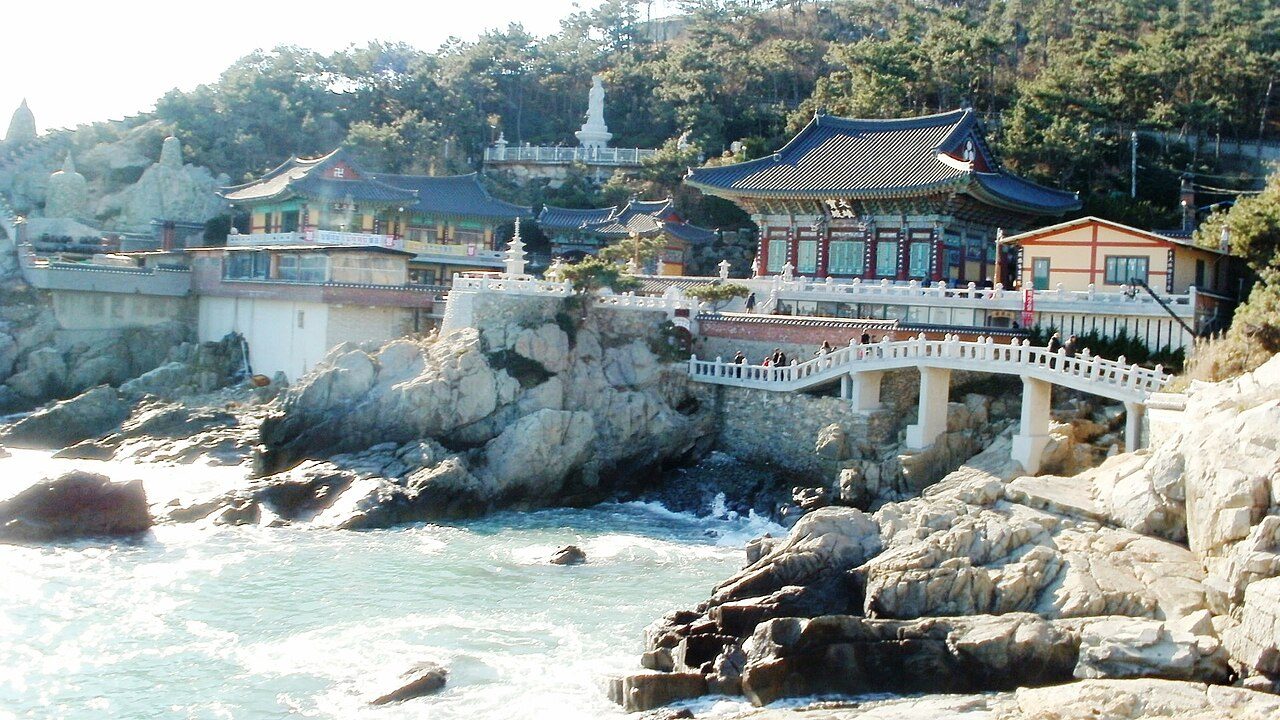
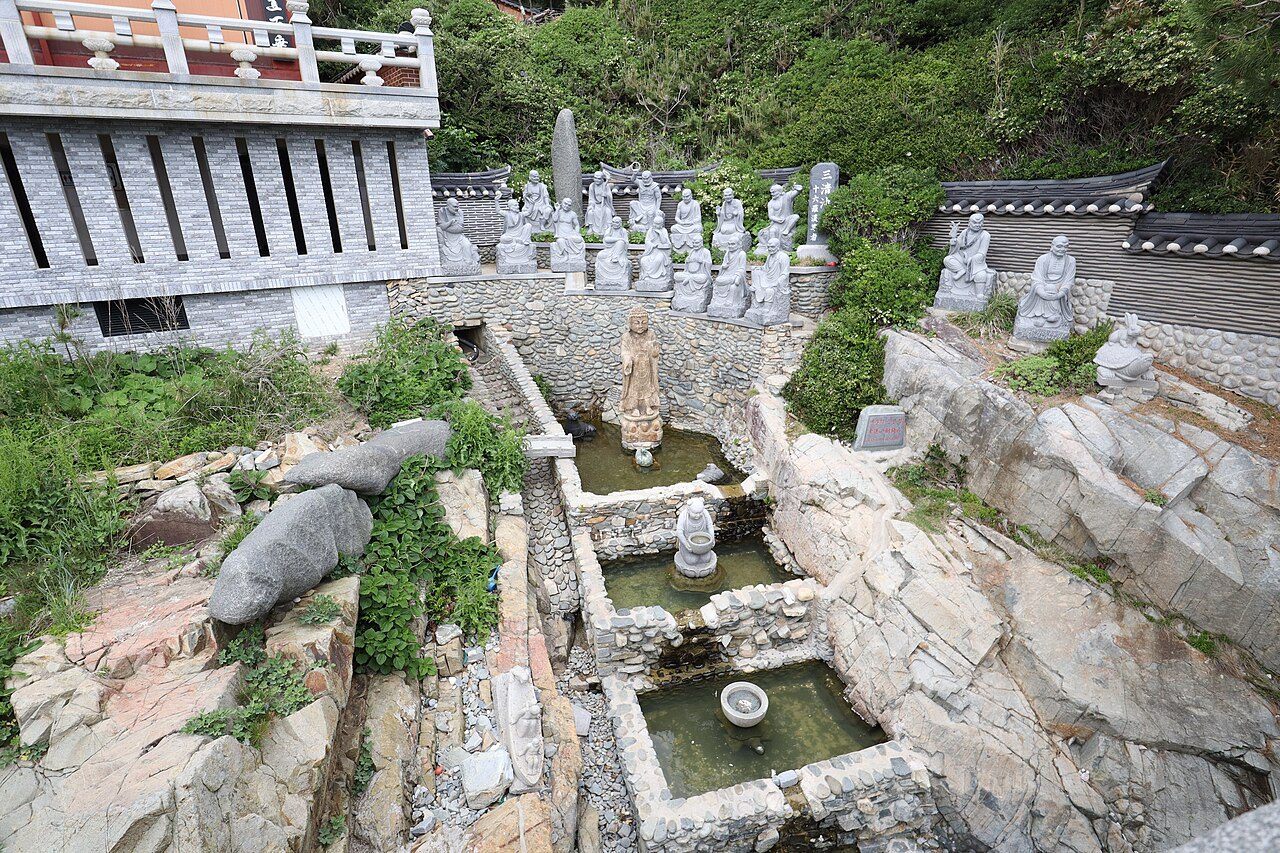
Haedong Yonggungsa is a Buddhist temple built on rocks beside the sea on Busan's east coast, first founded in the 14th century. Its halls, stairways and statues sit just above the crashing waves, unusual for Korean temples, which are usually in the mountains. It is a popular spot to watch the sunrise. The temple can be very busy on weekends and holidays.
07
STOP 7 OF 11
Haeundae Beach
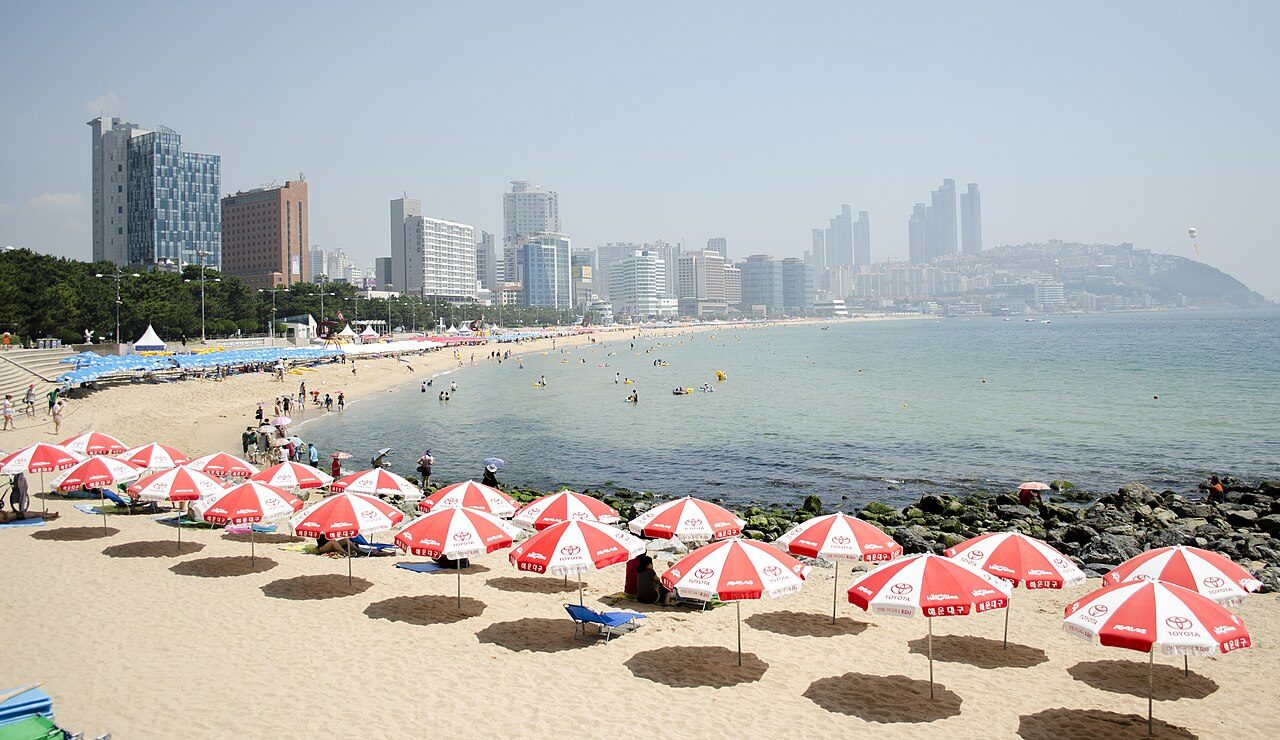
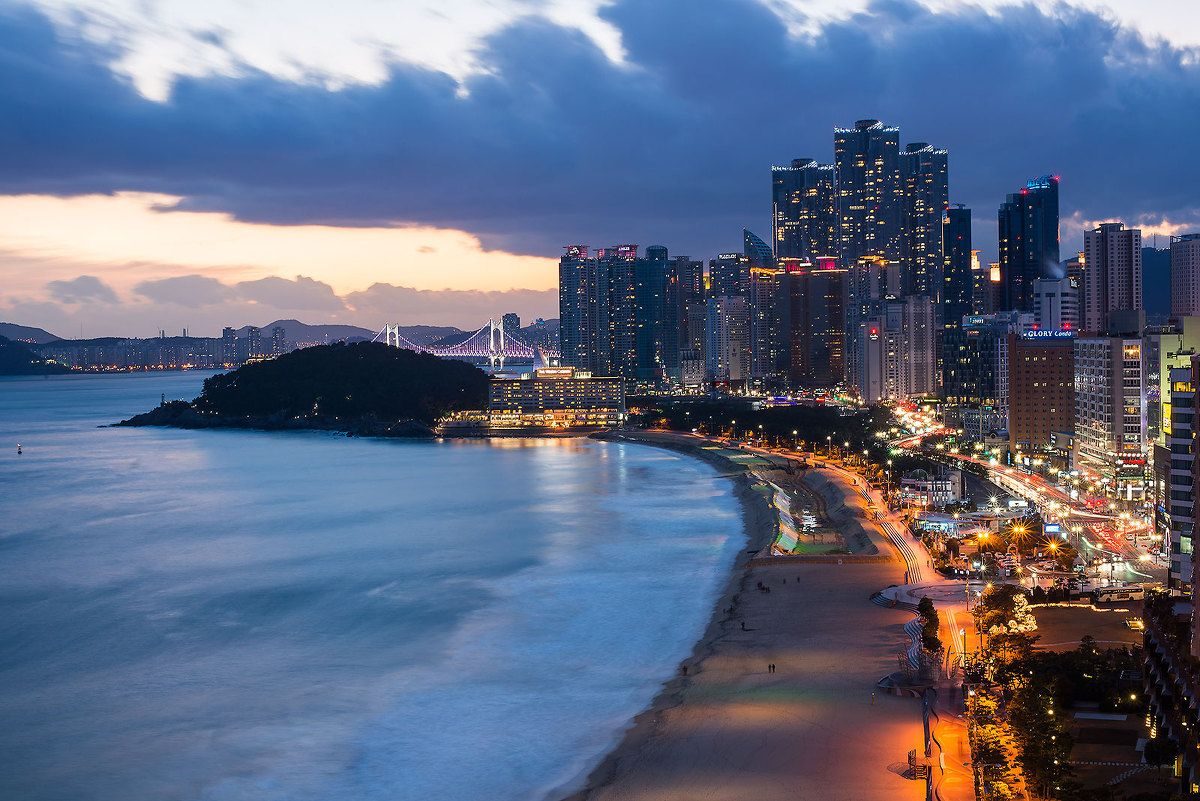
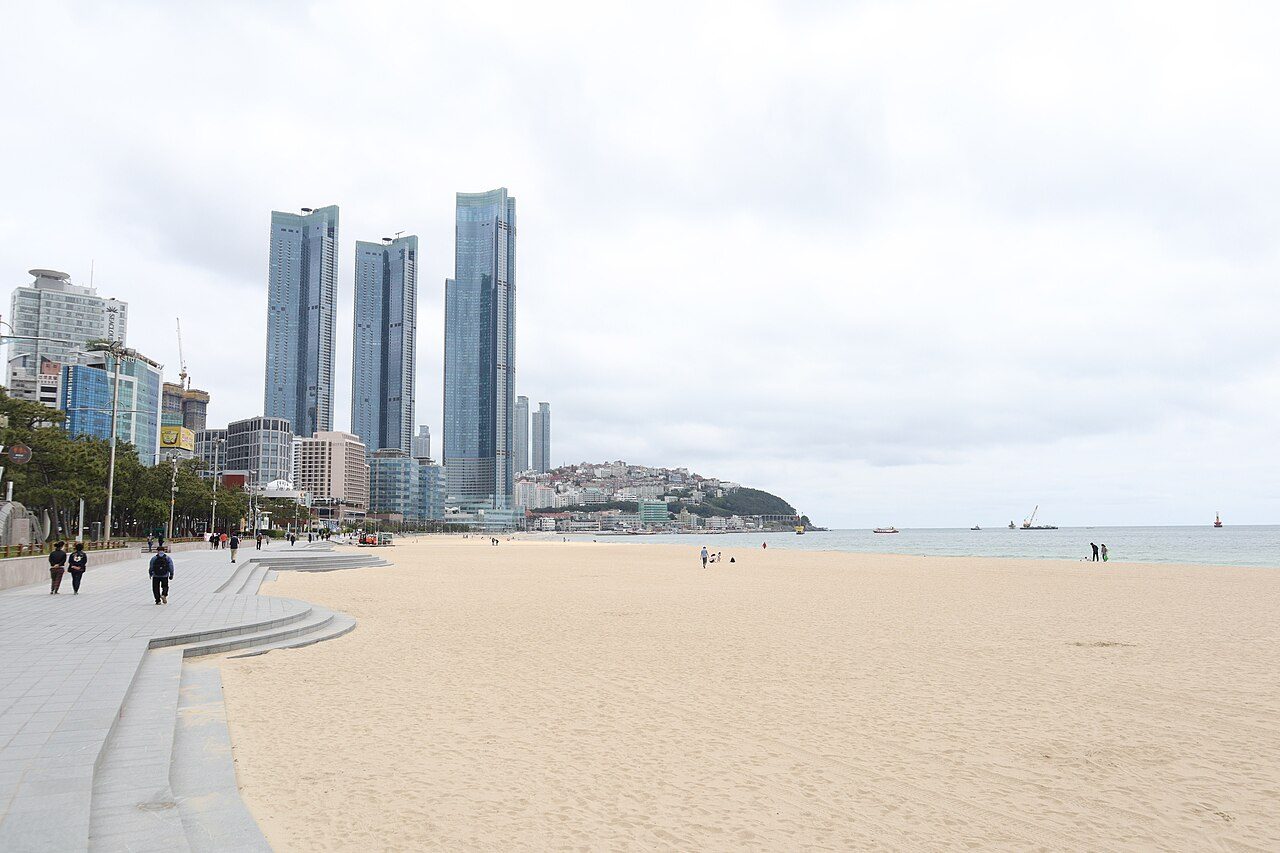
Haeundae Beach is Busan's most famous beach, a long curve of fine sand framed by high-rise hotels and apartments. In summer it is one of the busiest beaches in Korea, with festivals and events. Dongbaekseom island at its western end has a coastal walking path and the APEC House. The Haeundae Blueline Park beach train runs along the coast nearby.
08
STOP 8 OF 11
Gwangalli Beach
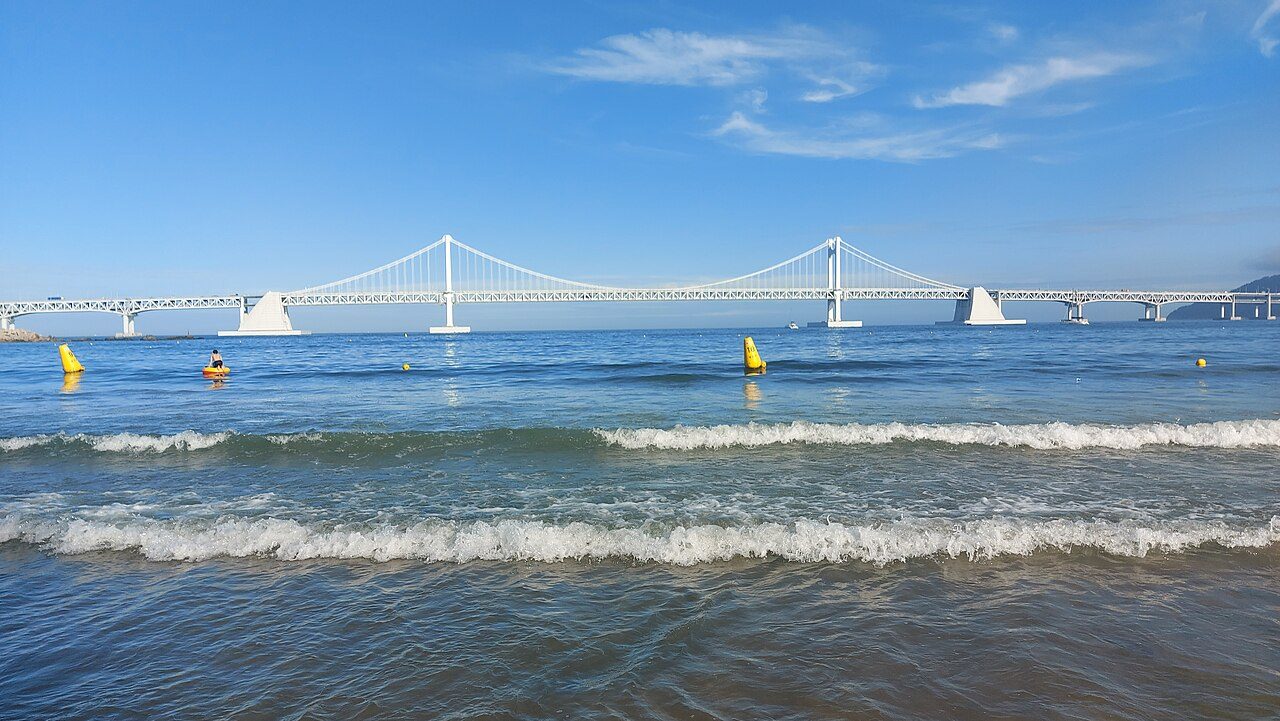
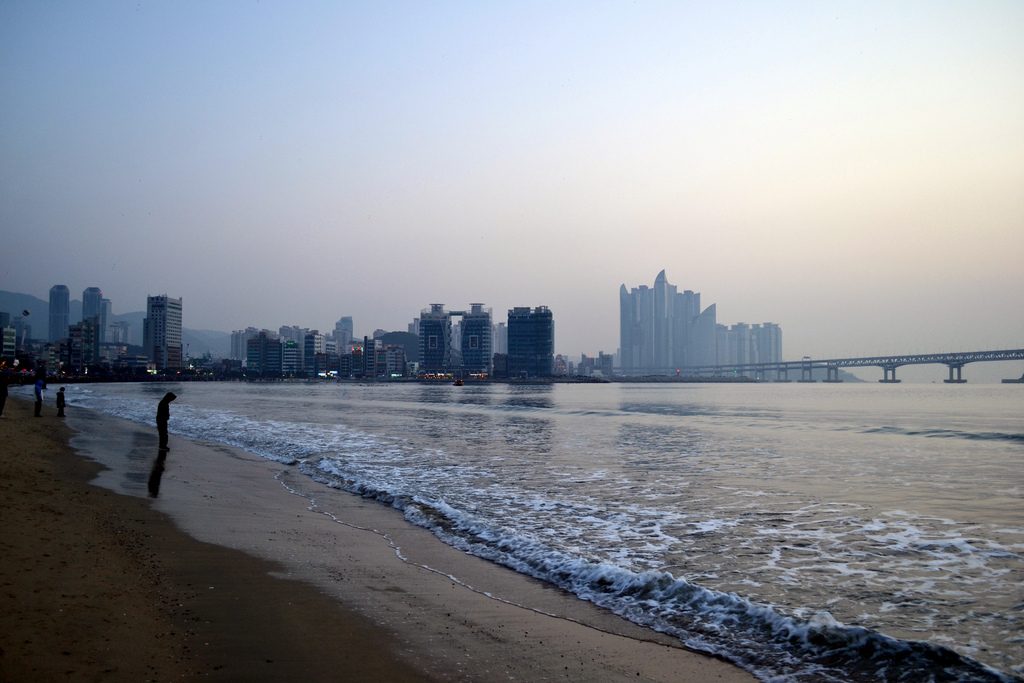
Gwangalli Beach is a lively beach in Busan facing the Gwangan Bridge, which lights up in changing colours at night. The beachfront is lined with cafés, bars and seafood restaurants. Drone light shows are held over the water on many weekend evenings. It is a great place to watch the city lights and the bridge from the sand after dark.
09
STOP 9 OF 11
Gamcheon Culture Village
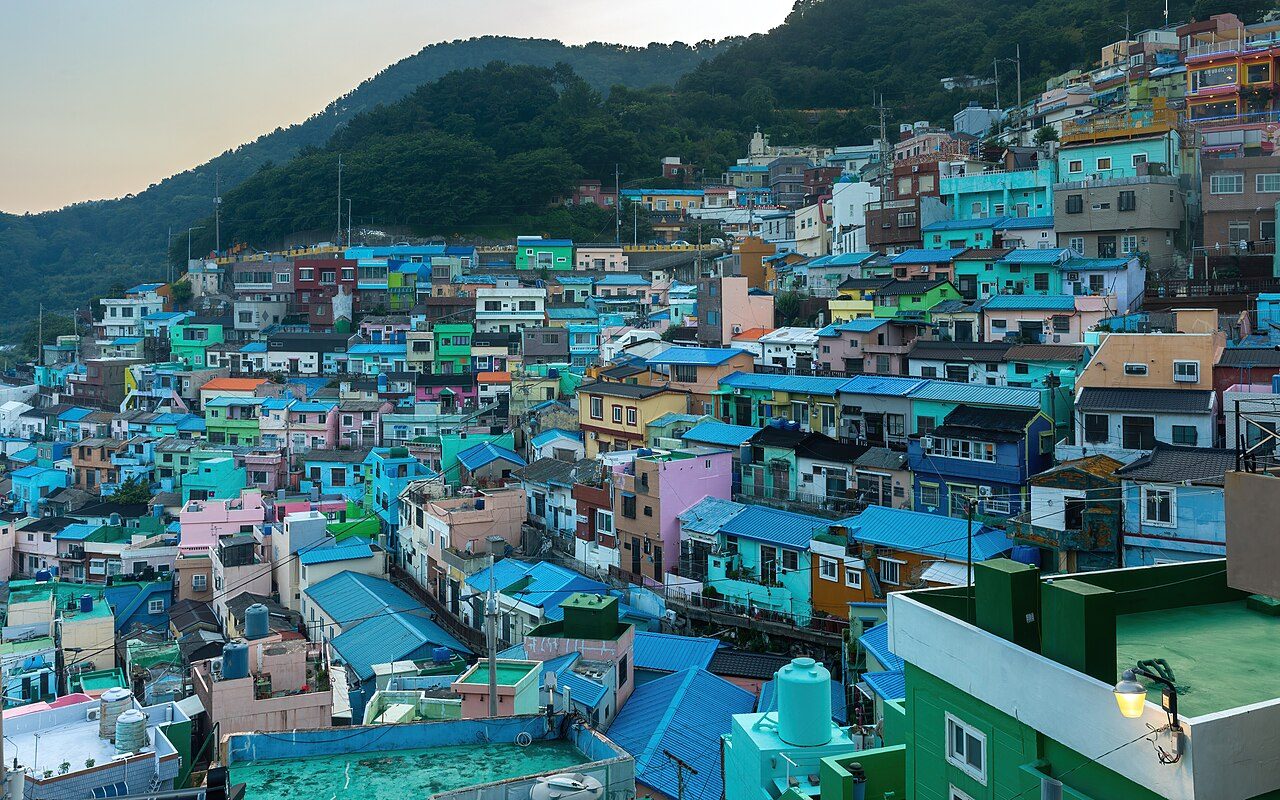
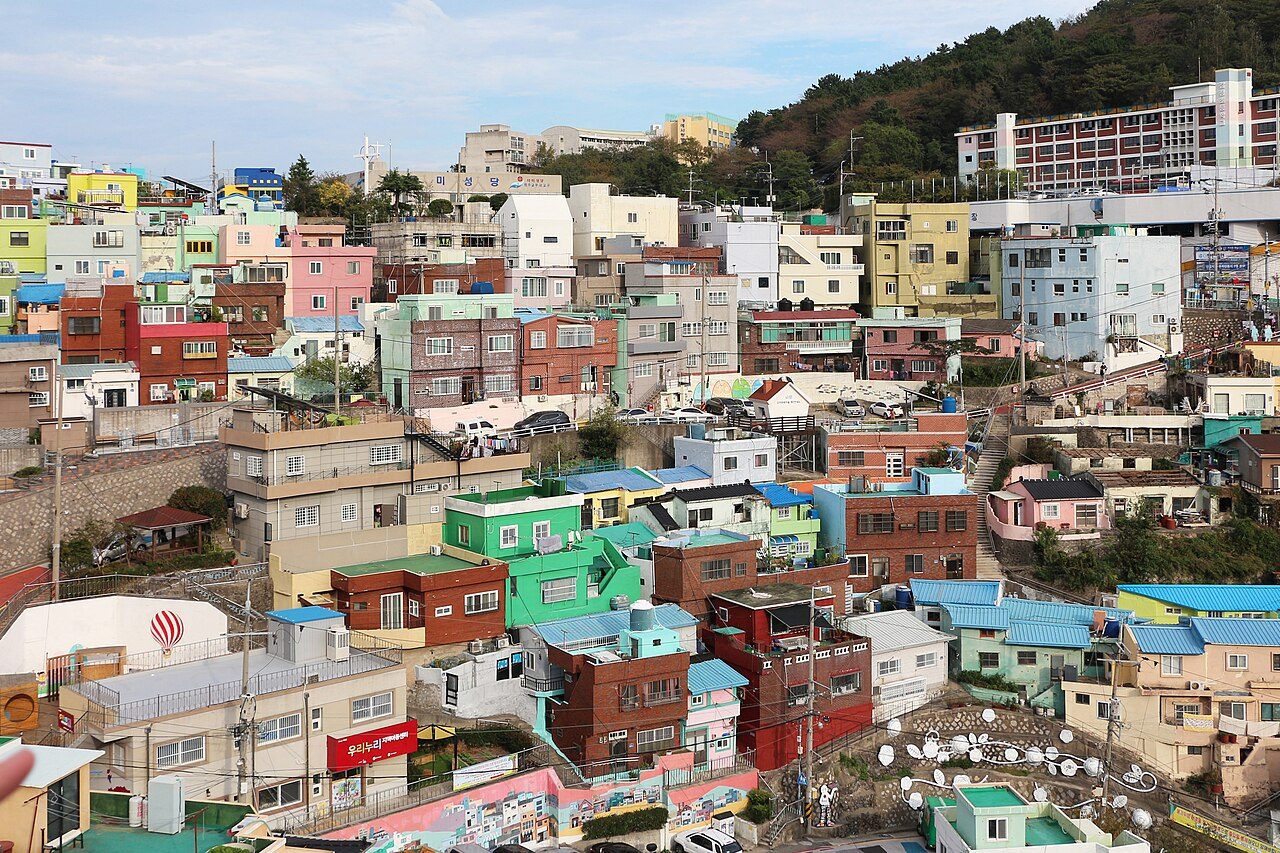
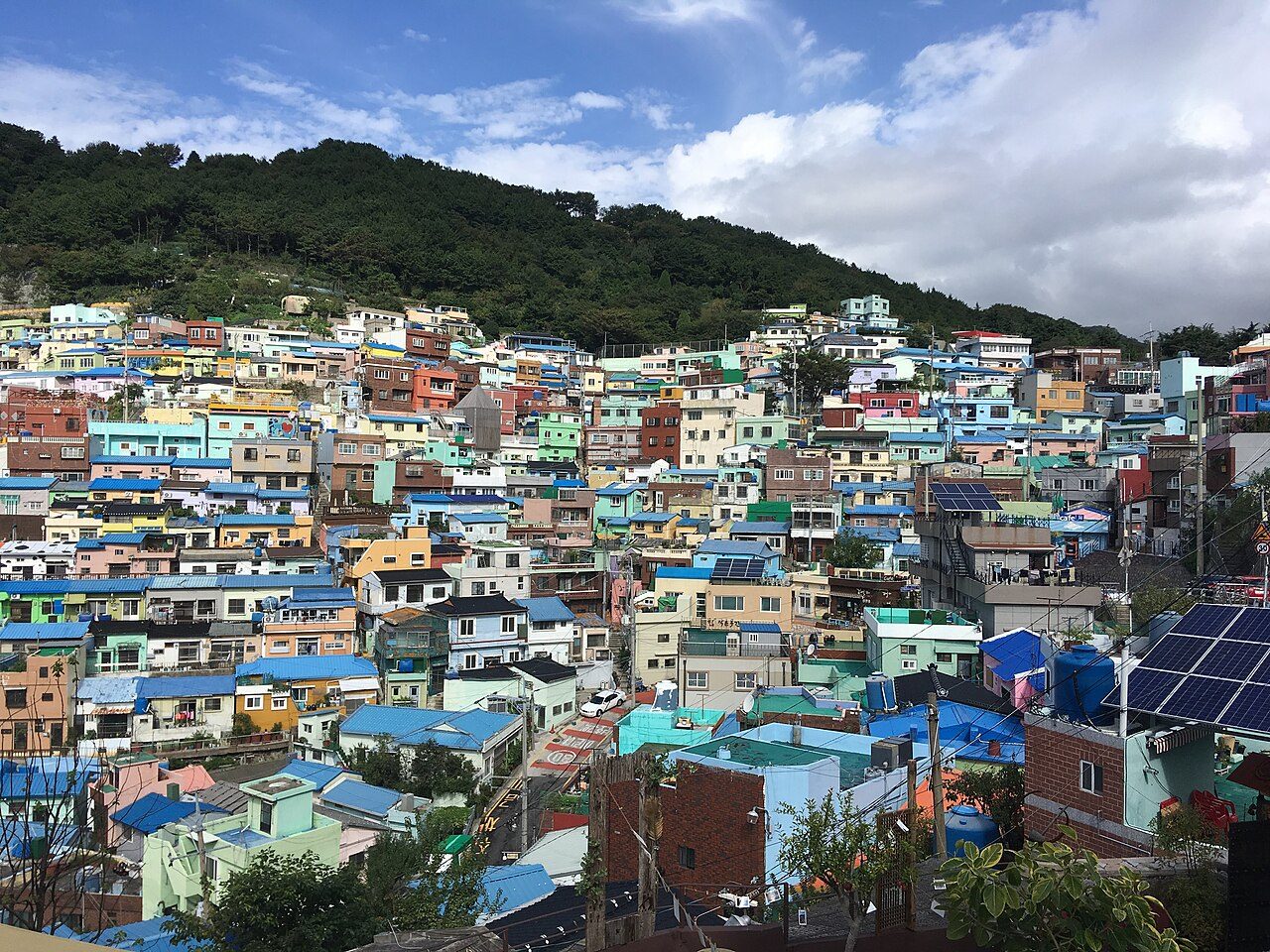
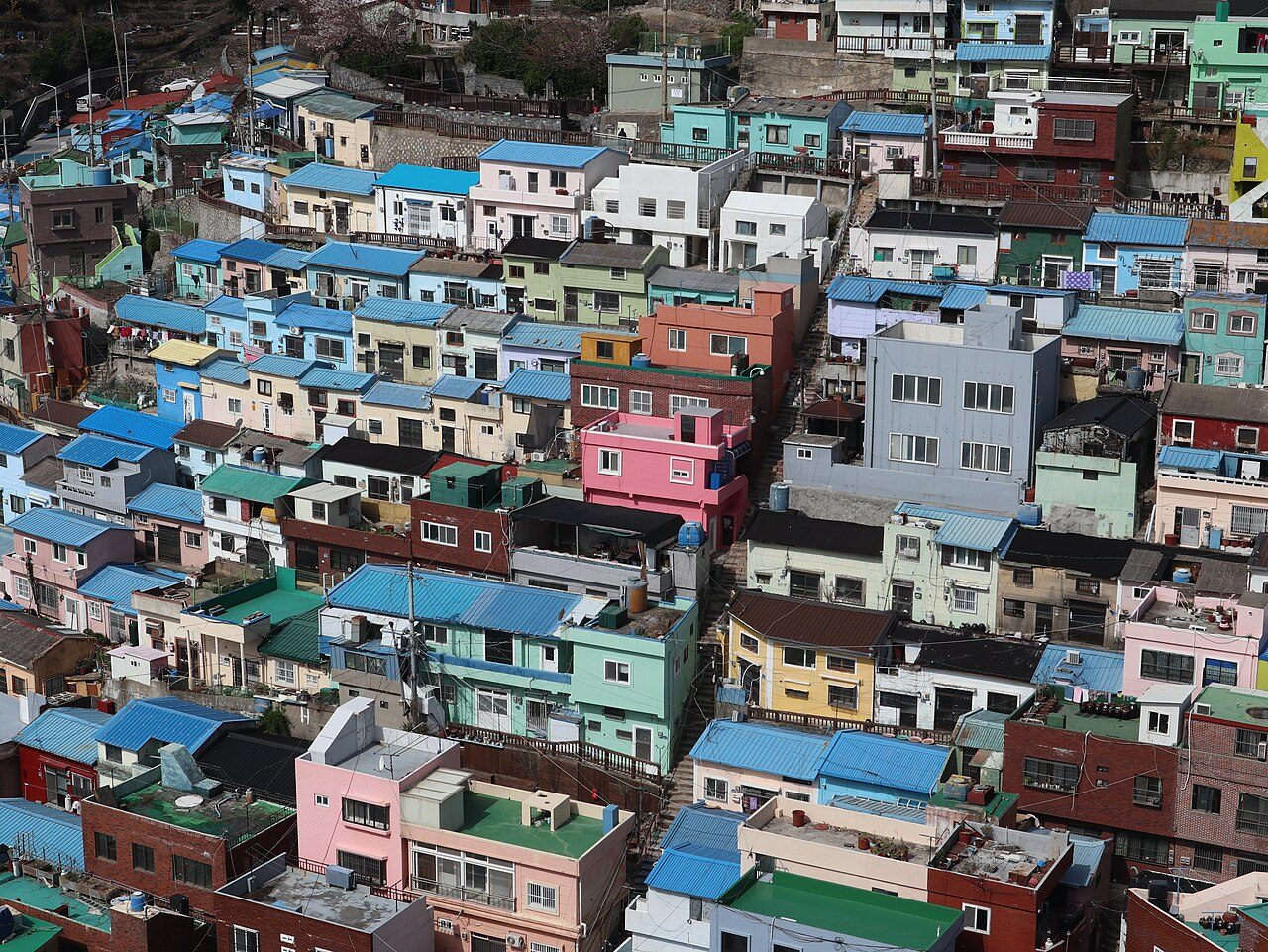
Gamcheon Culture Village is a hillside neighbourhood in Busan with brightly painted houses stacked up the slopes. It was founded by refugees during the Korean War and was later revived through art projects. Narrow alleys lead past murals, sculptures, galleries and cafés with views over the harbour. Buy a map at the information centre to follow the art trail.
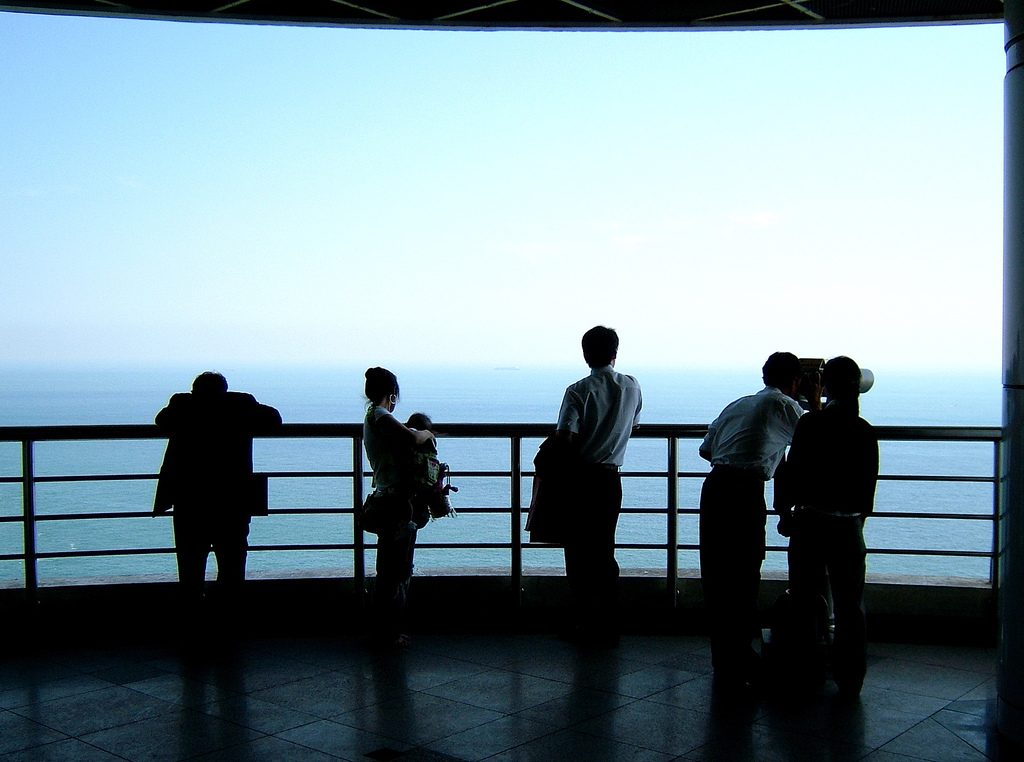
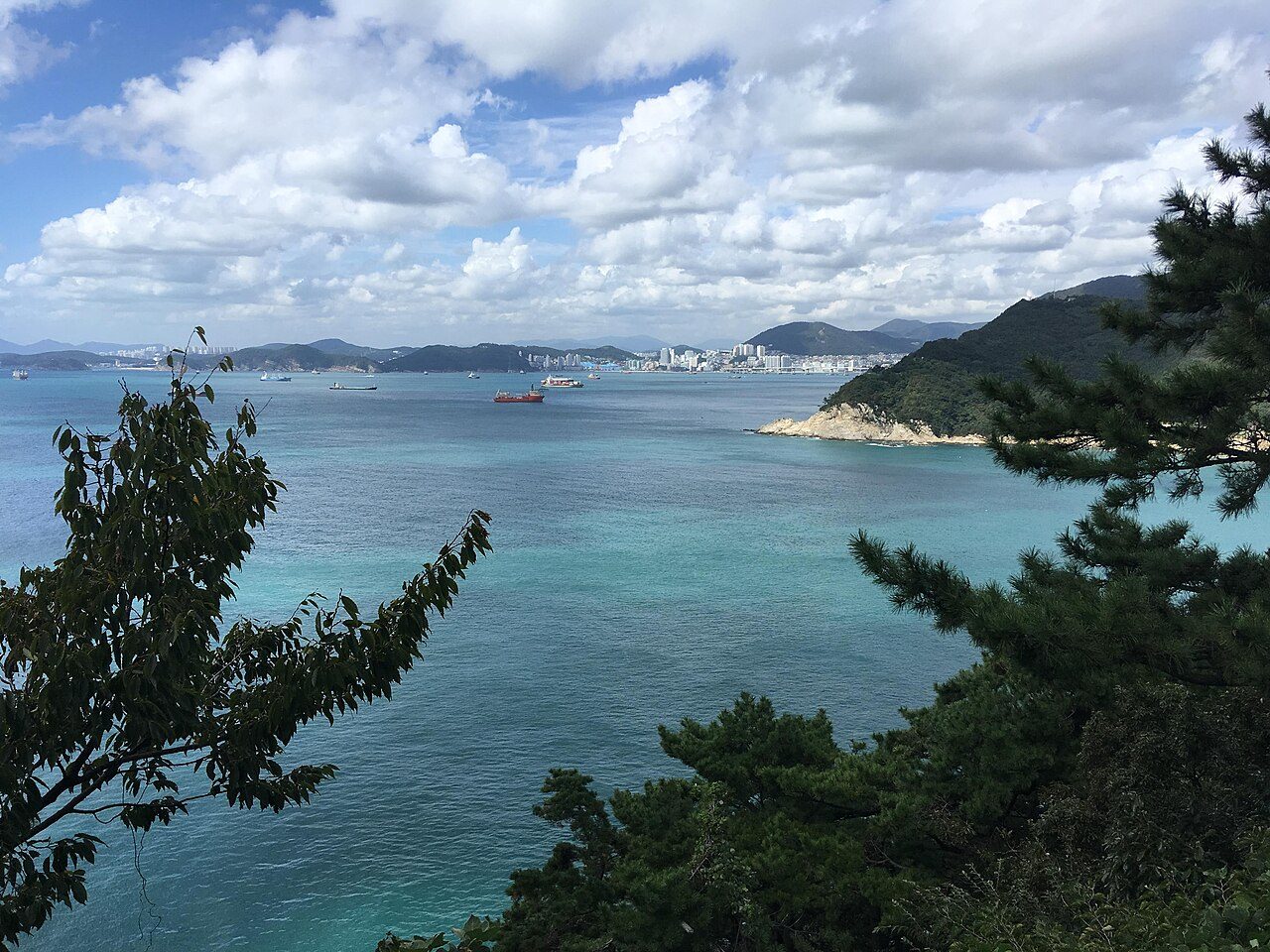
Taejongdae is a rocky headland on the southern tip of Yeongdo island in Busan, covered in pine forest above sheer cliffs. A road loop with a tourist train leads to an observatory, a lighthouse and the Sinseon rock, with views across to Japan's Tsushima on clear days. The cliffs are a dramatic place to watch waves breaking below.
11
STOP 11 OF 11 · LAST STOP
Beomeosa Temple
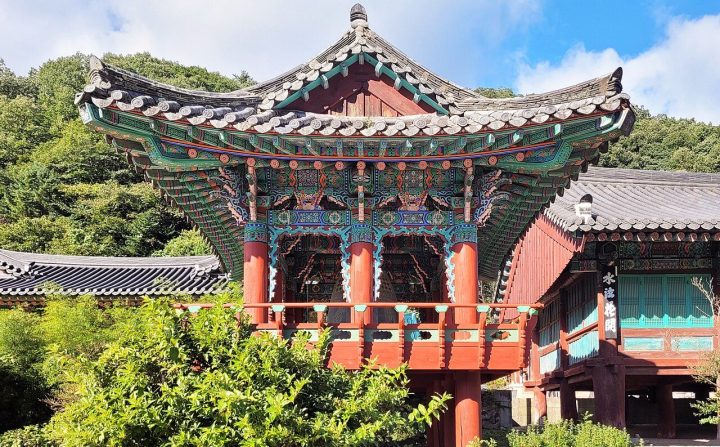
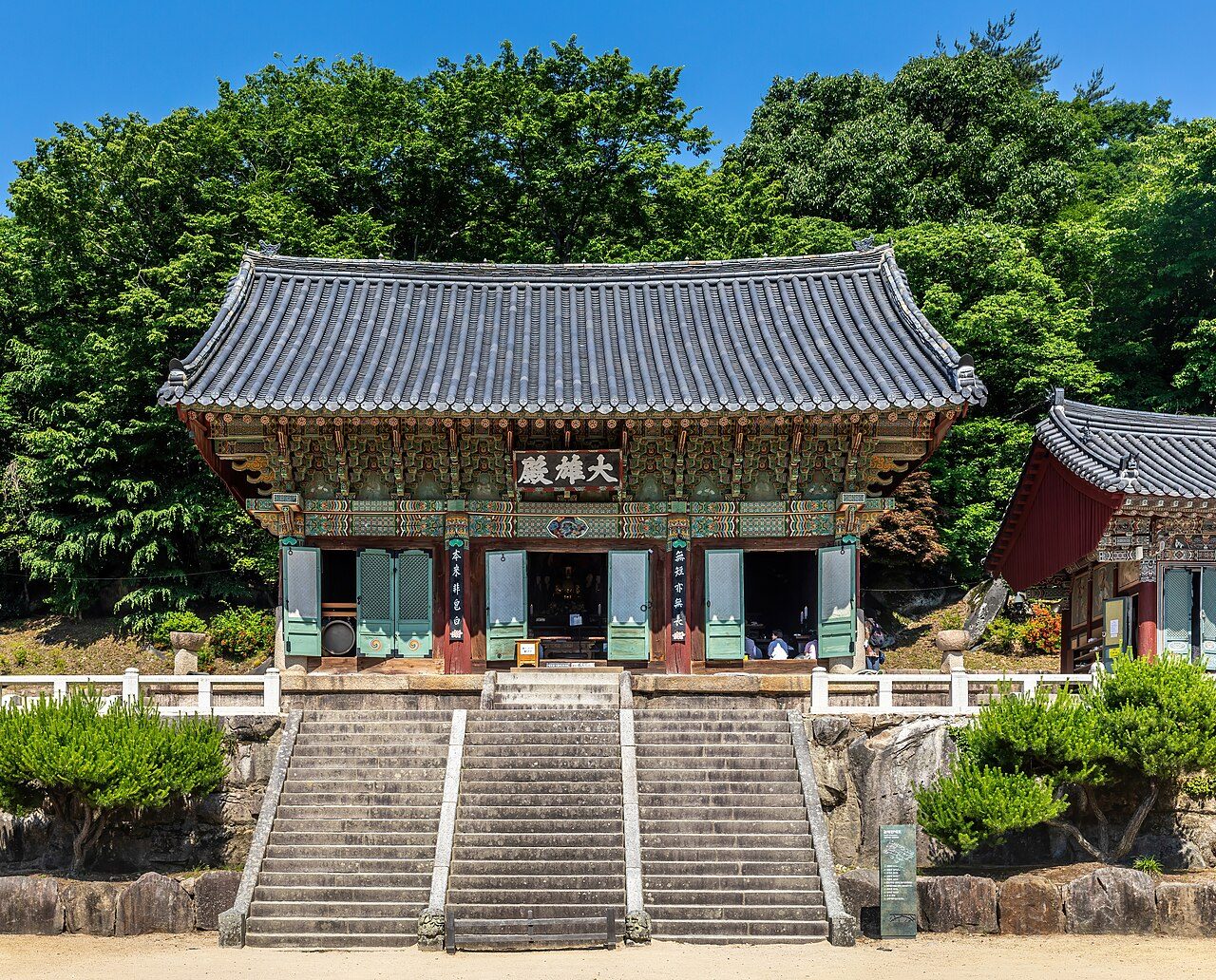
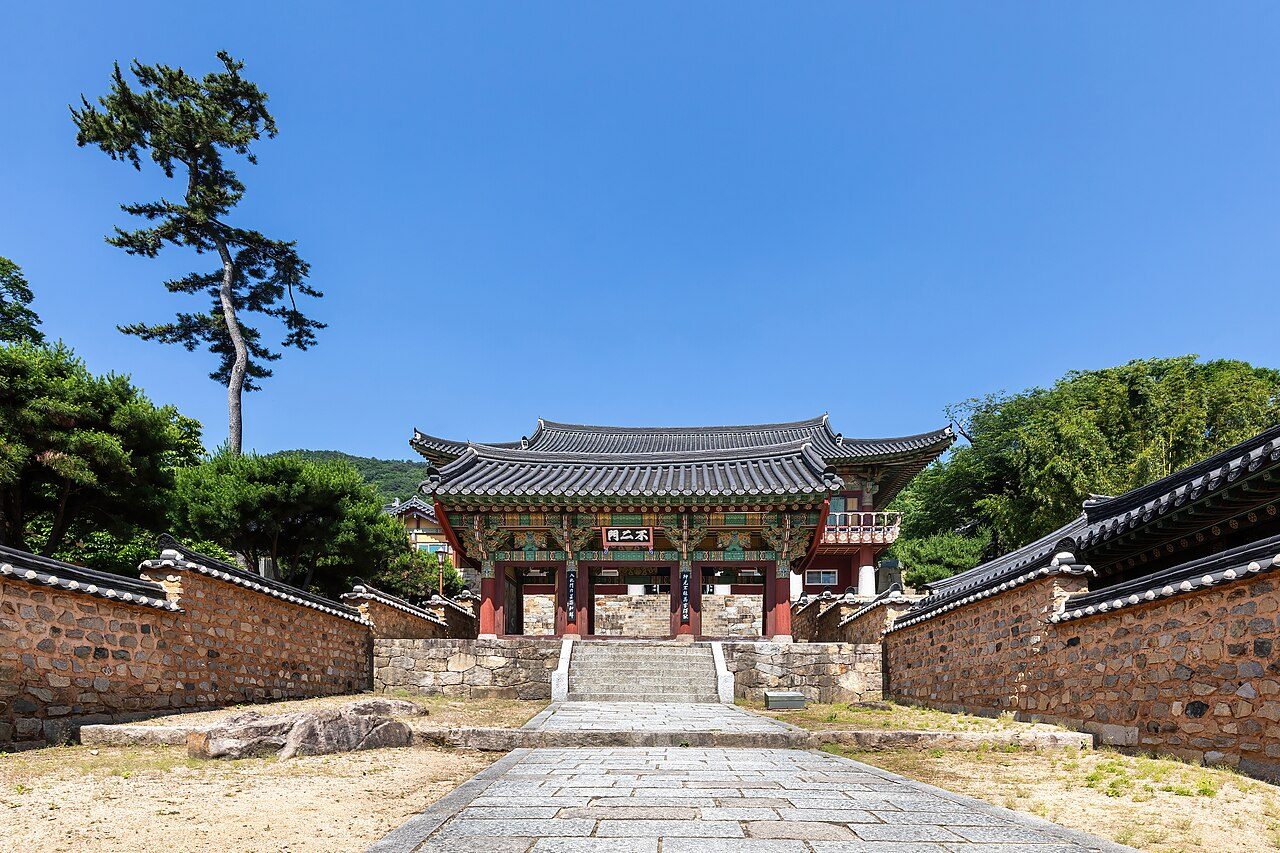
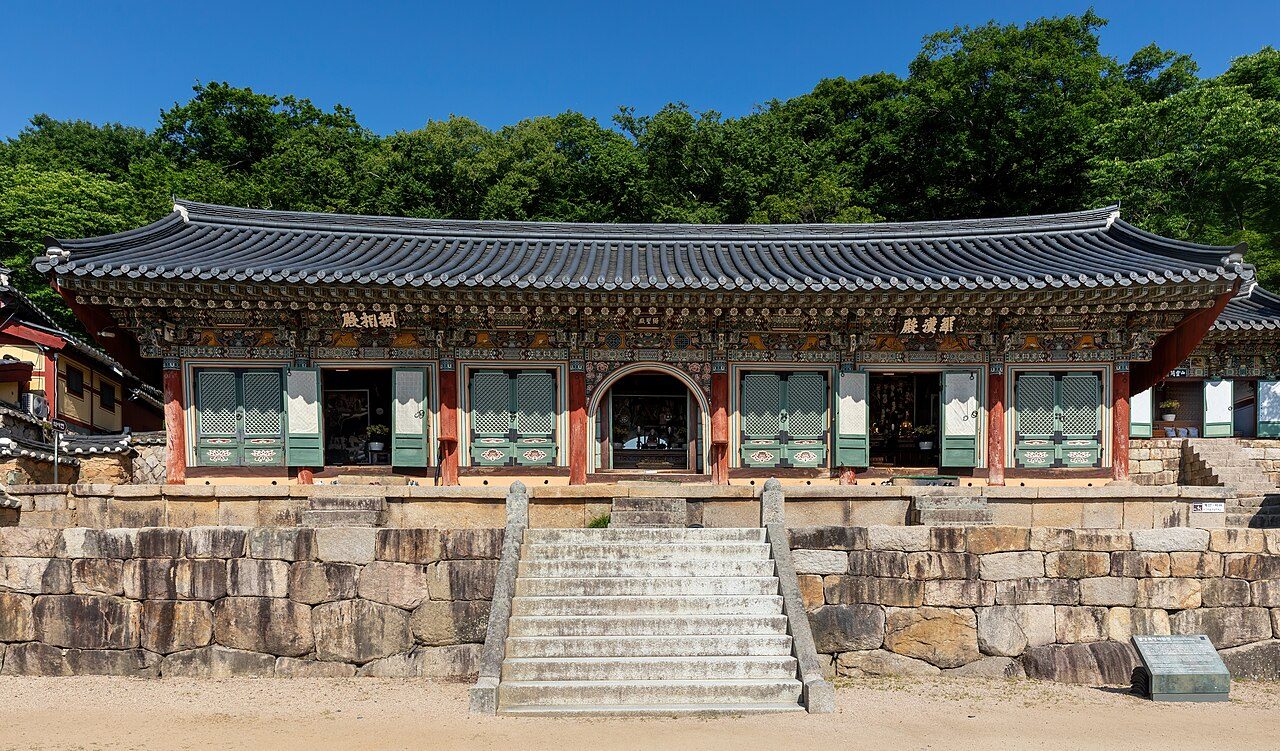
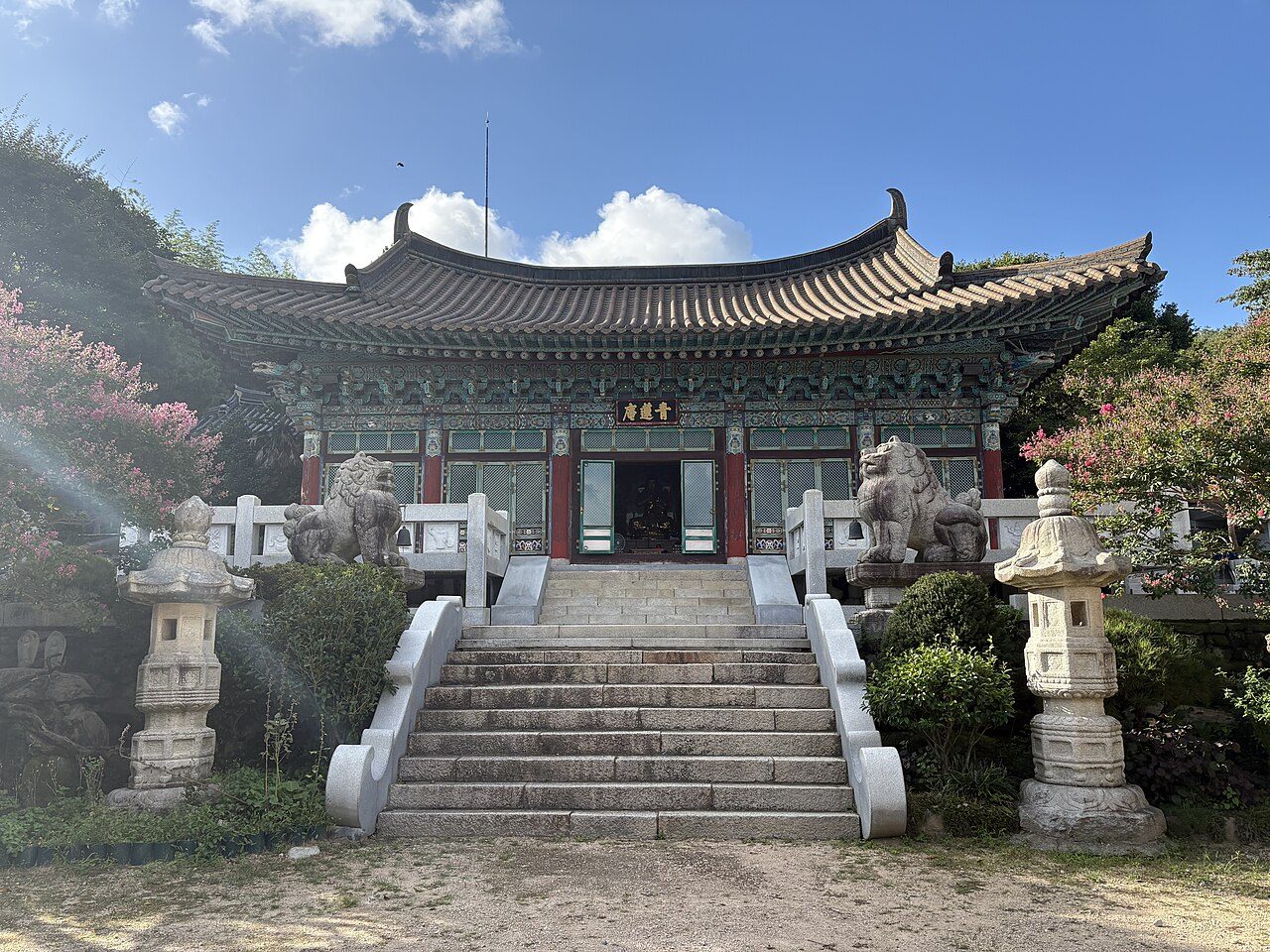
Beomeosa is one of the largest temples in southern Korea, founded in 678 on the slopes of Geumjeongsan in Busan. Its main hall and gateways sit among old trees, and the stream valley below is famous for wisteria in spring. Hiking trails lead from the temple to Geumjeong Fortress. The temple offers temple stay programmes for visitors who wish to stay overnight.
 WaTrips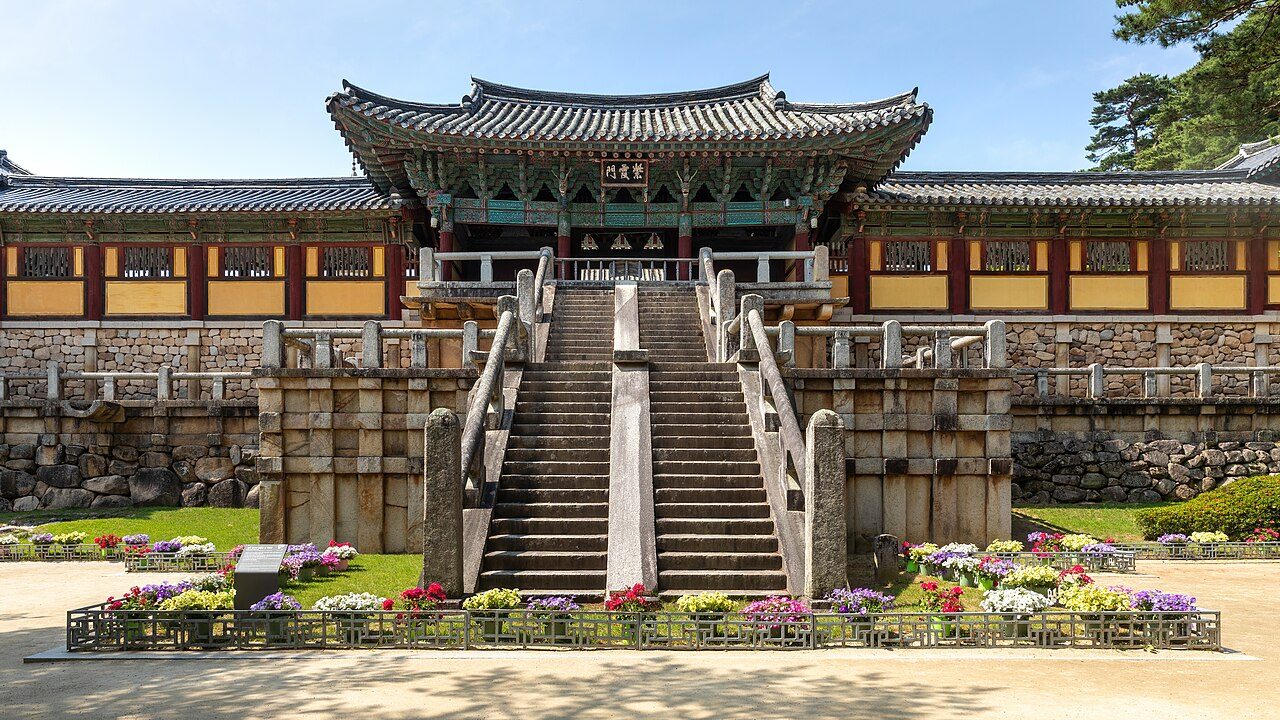




 BikesBooking
 Localrent
 Airalo
 Tiqets