Jogyesa and Bongeunsa in Seoul, Beopjusa, Hahoe Folk Village, Bulguksa and Seokguram, Haeinsa's Tripitaka Koreana and Busan's temples.
Korea's mountain temples are peaceful places, and many offer temple stays. Start in Seoul at Jogyesa and Bongeunsa, then head to Beopjusa with its giant bronze Buddha and wooden pagoda. Stay in the hanok houses of Hahoe Folk Village, see Bulguksa and the Seokguram Grotto in Gyeongju, and visit Haeinsa, home of the 80,000 woodblocks of the Tripitaka Koreana. End in Busan at Haedong Yonggungsa by the sea and Beomeosa in the mountains. Several temples are UNESCO sites; Buddha's Birthday brings lanterns everywhere.
01
STOP 1 OF 9
Jogyesa Temple
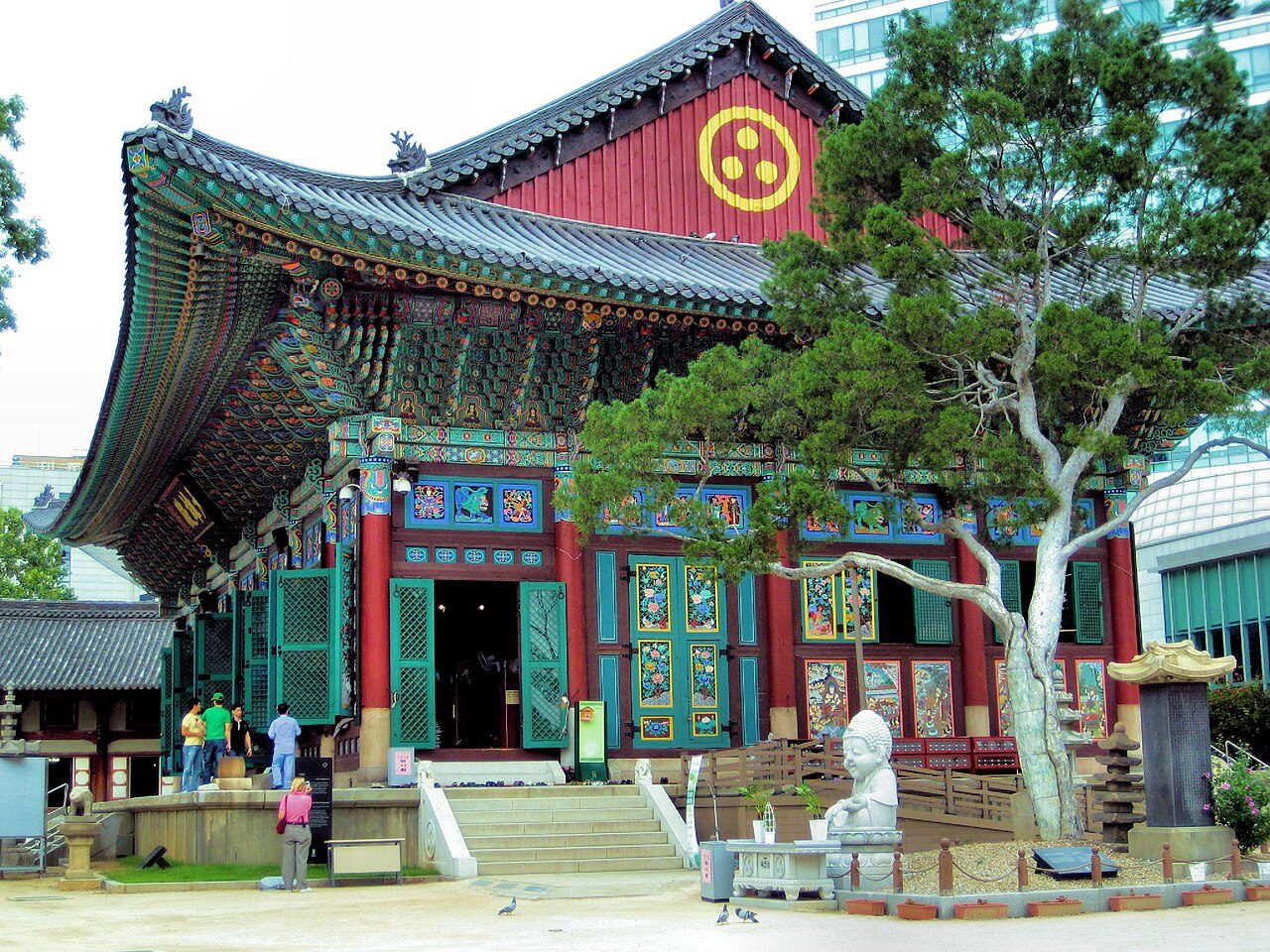
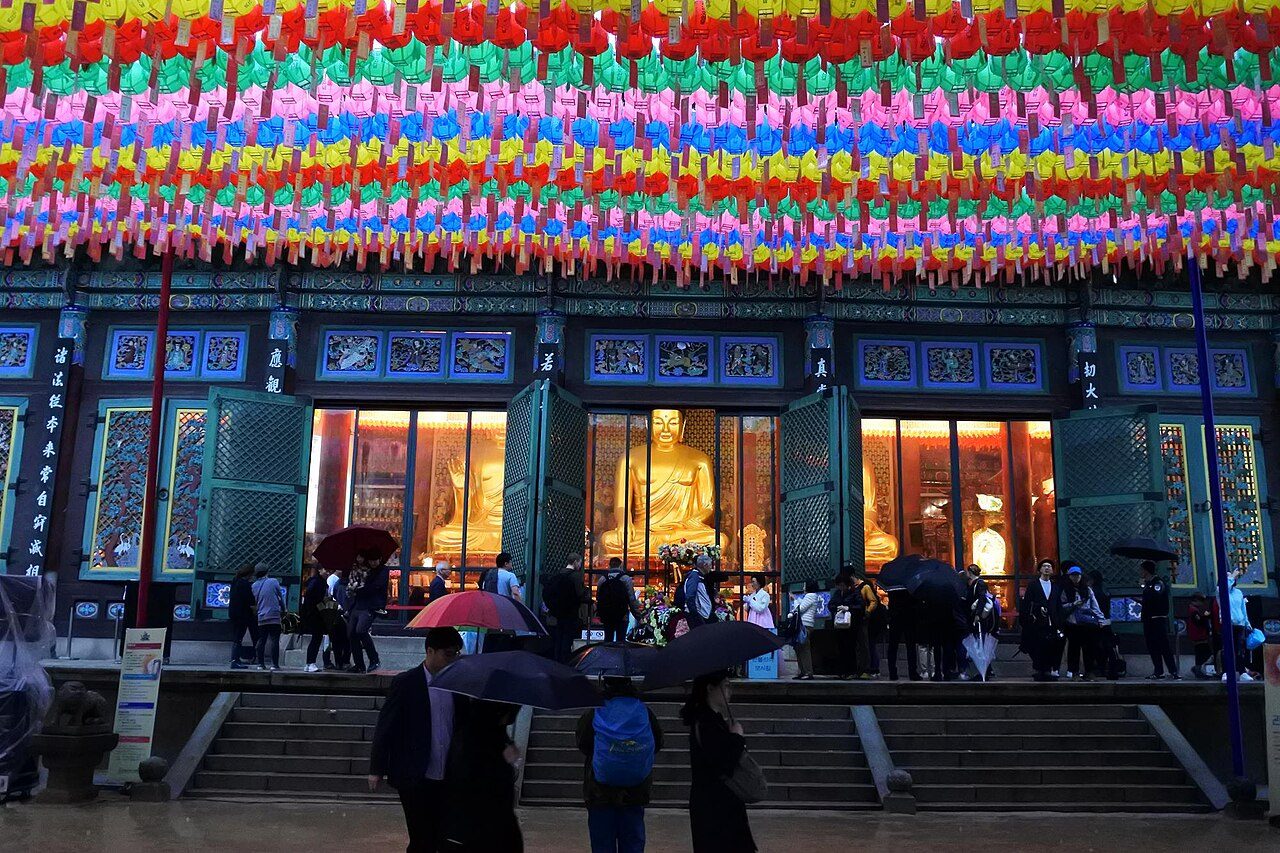
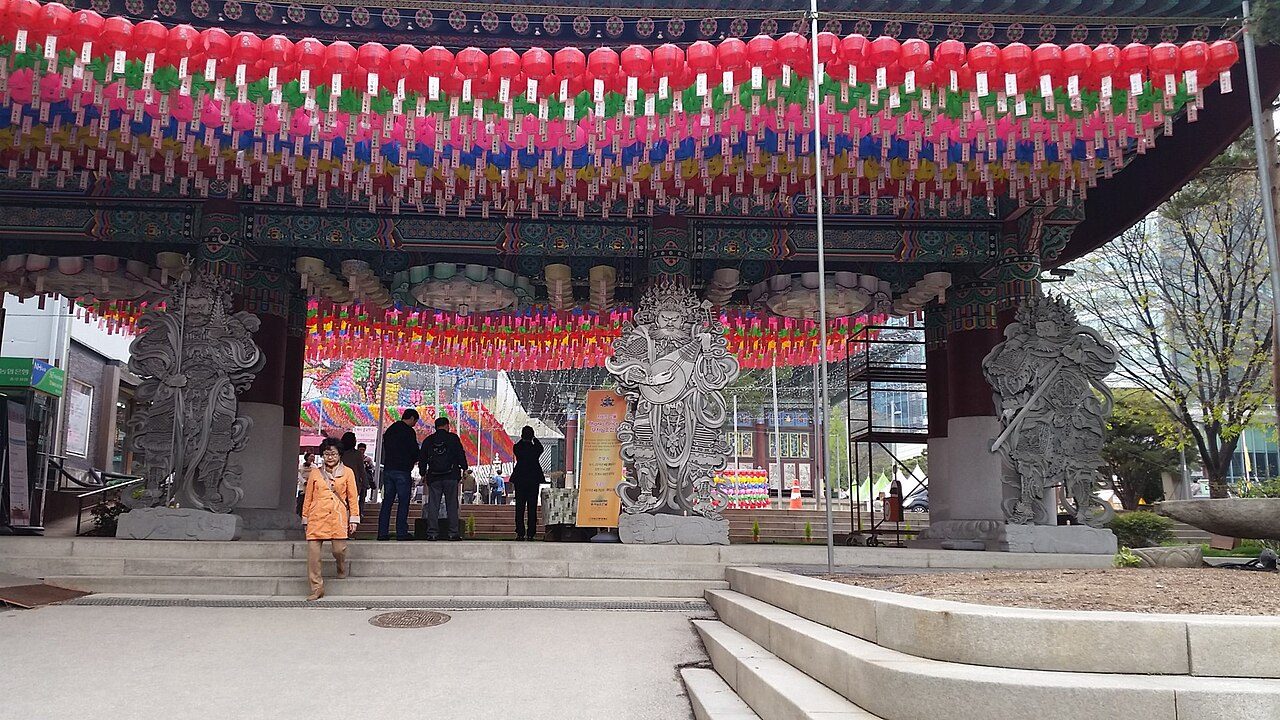
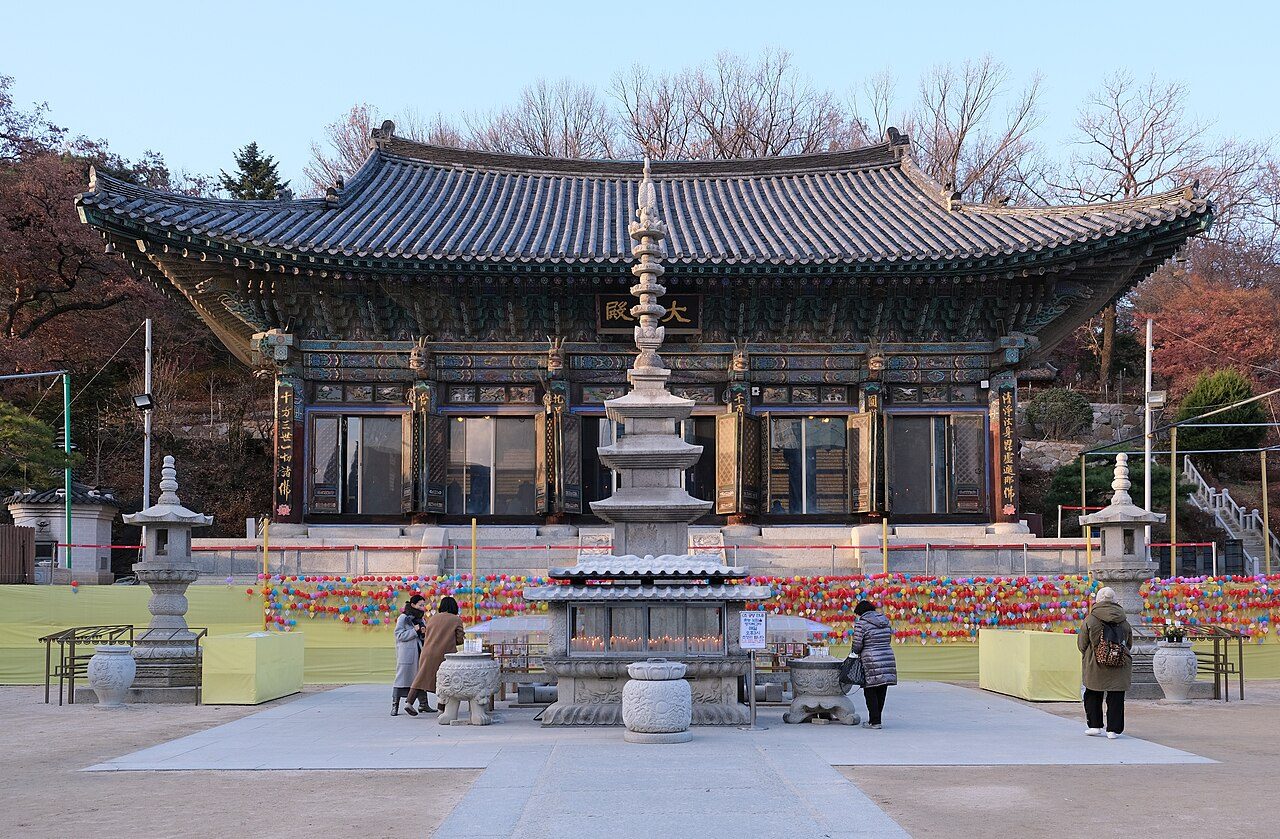
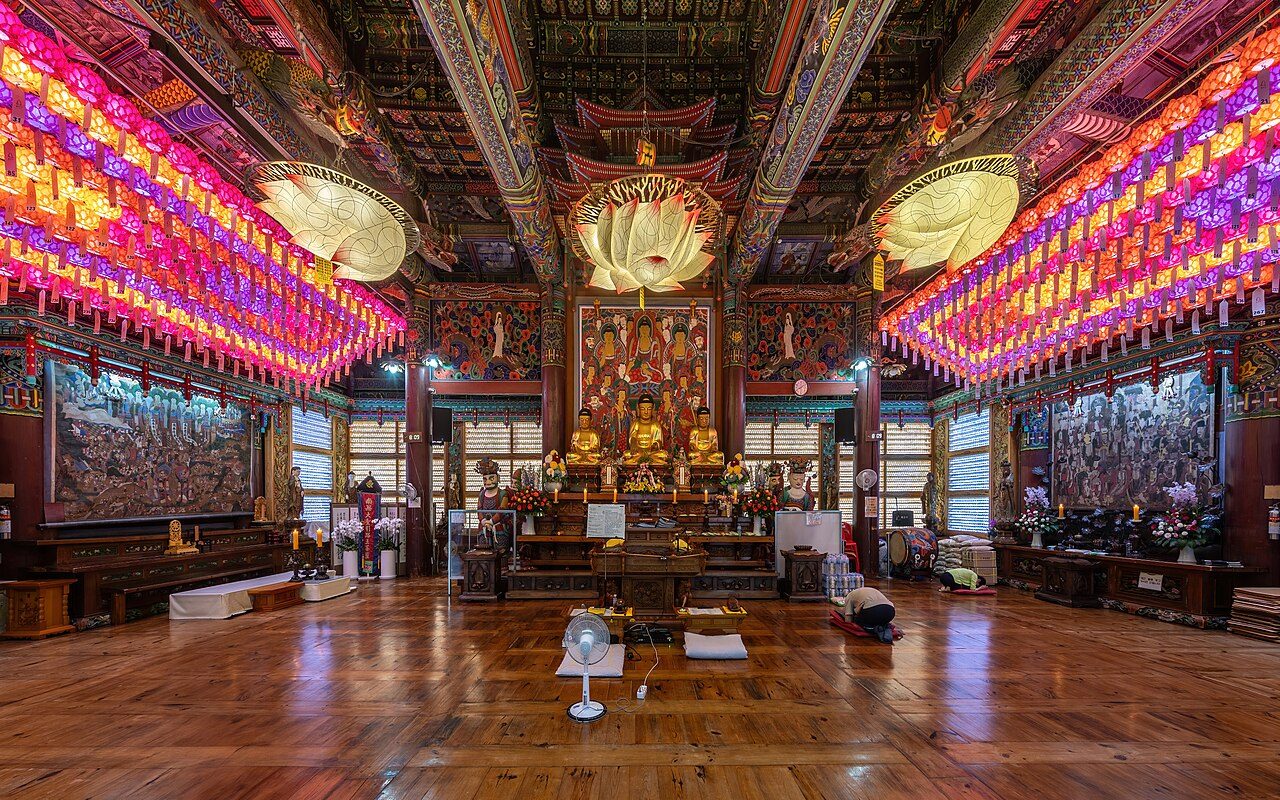
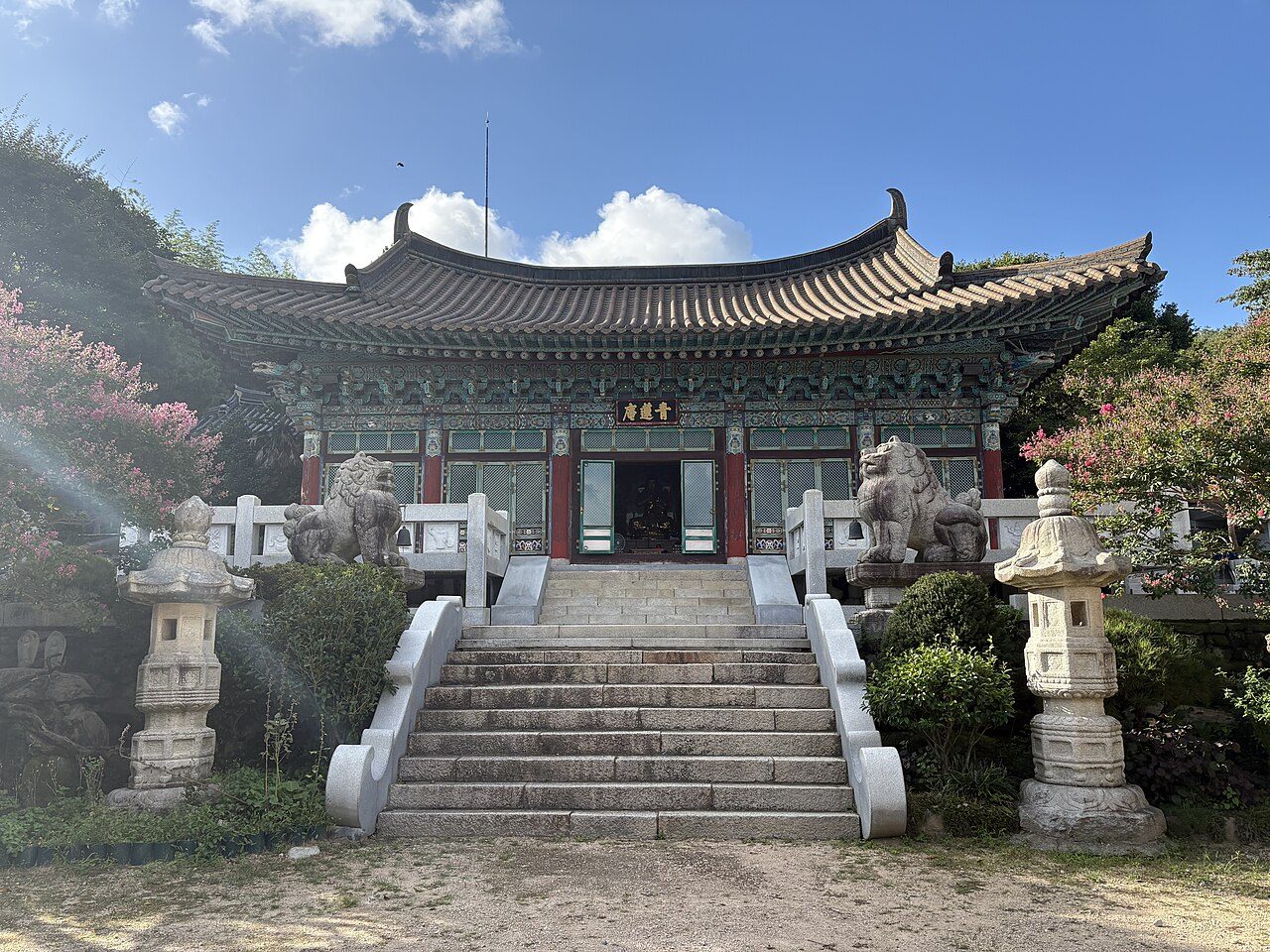
Jogyesa Temple is the chief temple of the Jogye Order, the largest branch of Korean Buddhism. It sits in central Seoul near Insadong, with an ornate main hall and ancient trees in its courtyard. During the Lotus Lantern Festival before Buddha's Birthday, thousands of colourful lanterns hang above the grounds. Visitors can join temple stay programmes and meditation sessions.
02
STOP 2 OF 9
Bongeunsa Temple
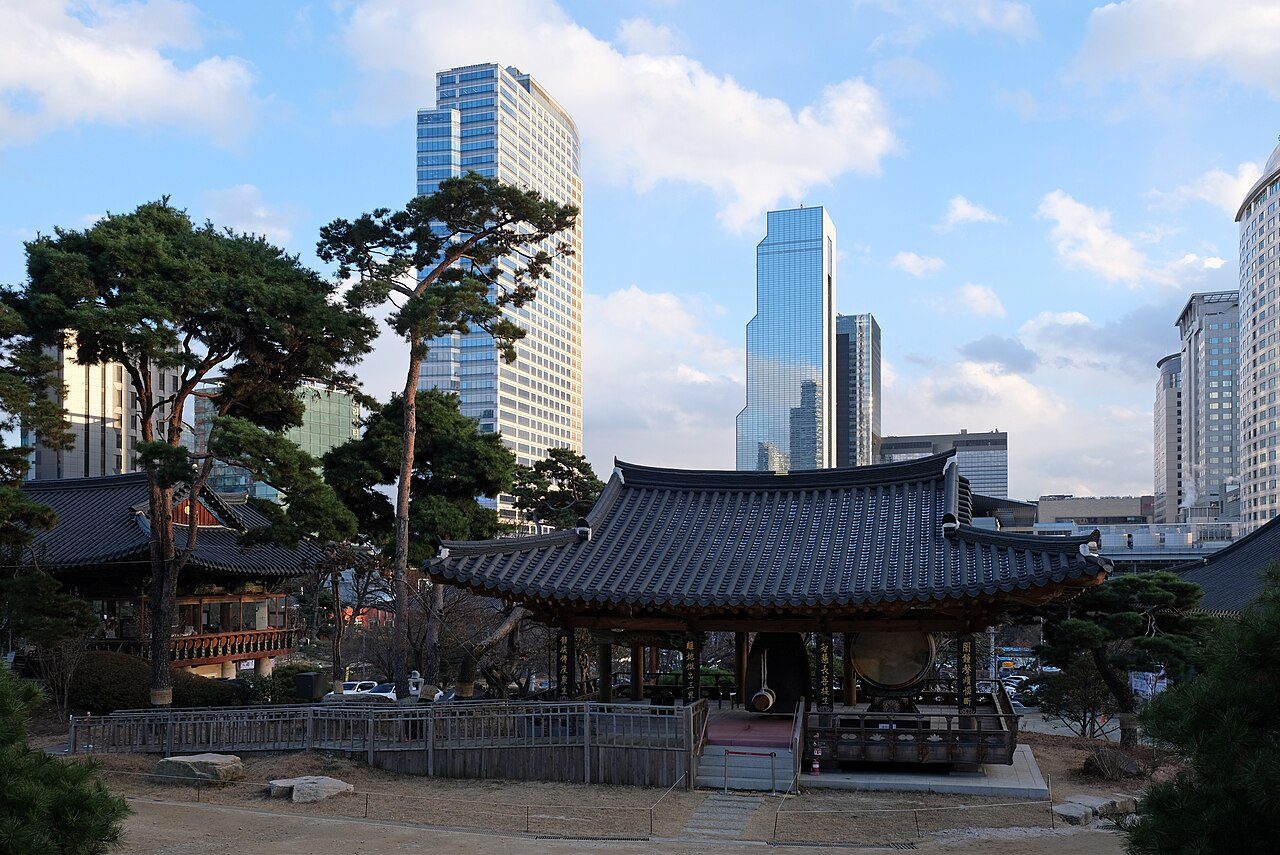
Bongeunsa is a Buddhist temple founded about 1,200 years ago, now surrounded by the skyscrapers of Gangnam. A huge standing statue of Maitreya Buddha looks over the grounds, and the halls hold old woodblocks of Buddhist scriptures. The temple offers temple stay programmes in English. It sits right across from the COEX Mall and is a calm escape from the city.
03
STOP 3 OF 9
Beopjusa Temple
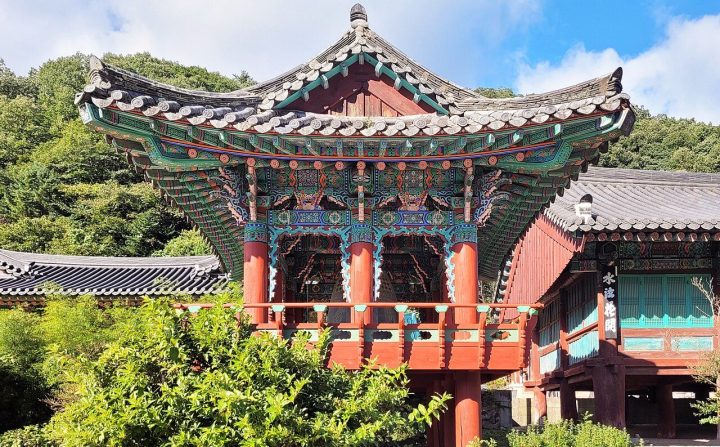
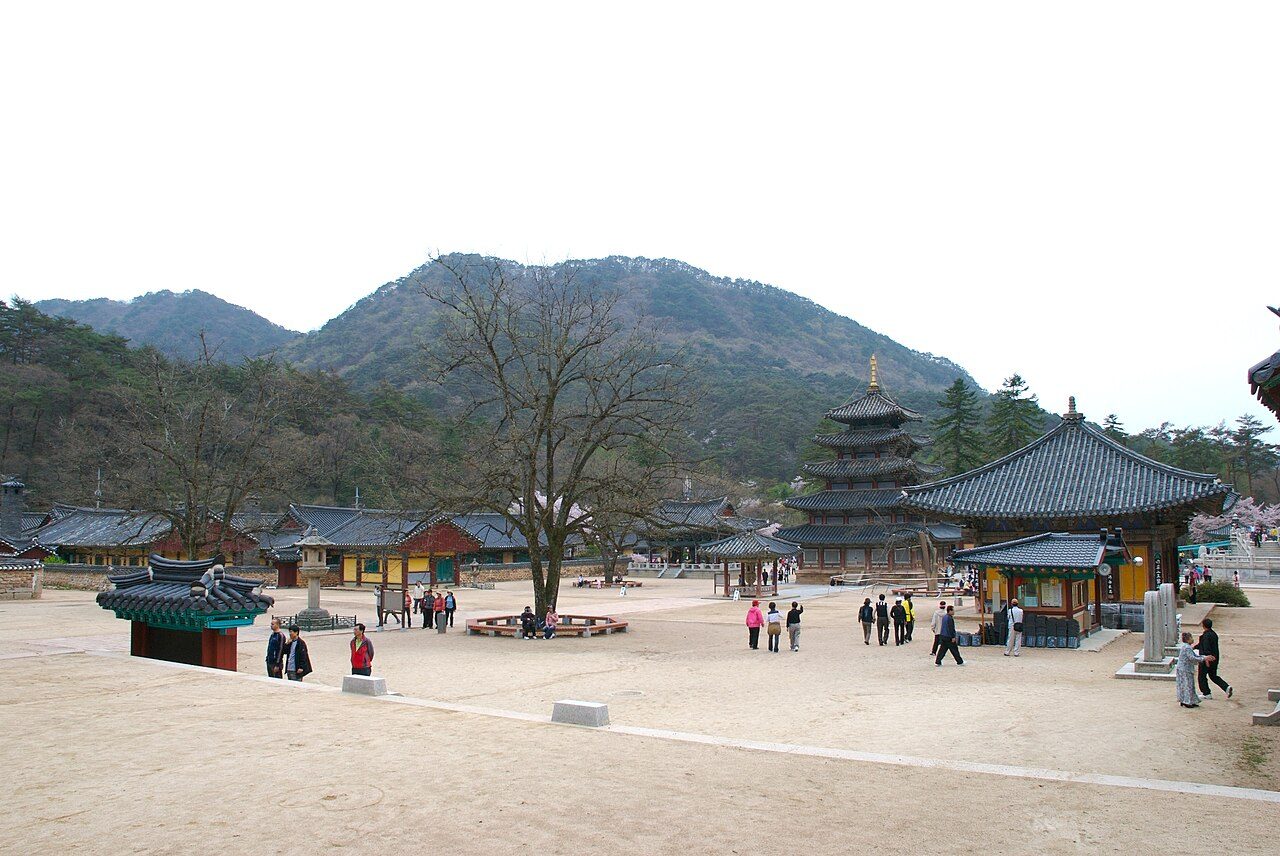
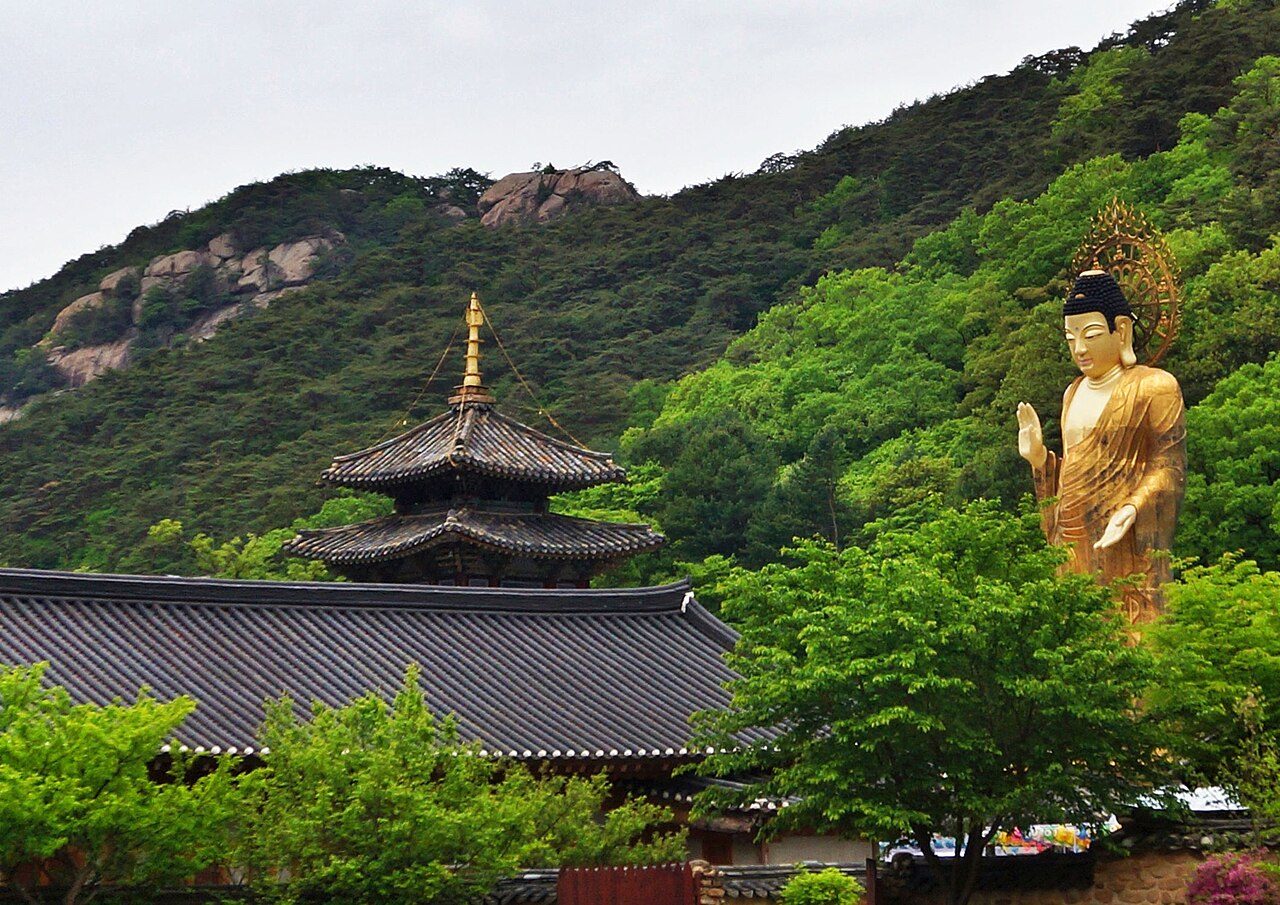
Beopjusa is one of the oldest Buddhist temples in Korea, founded in the 6th century in Songnisan National Park. It is famous for Palsangjeon, the only surviving five-storey wooden pagoda in Korea, and a huge gilded bronze statue of Maitreya Buddha. The temple is part of the UNESCO-listed Sansa, Buddhist Mountain Monasteries. Autumn foliage here is especially beautiful.
04
STOP 4 OF 9
Hahoe Folk Village
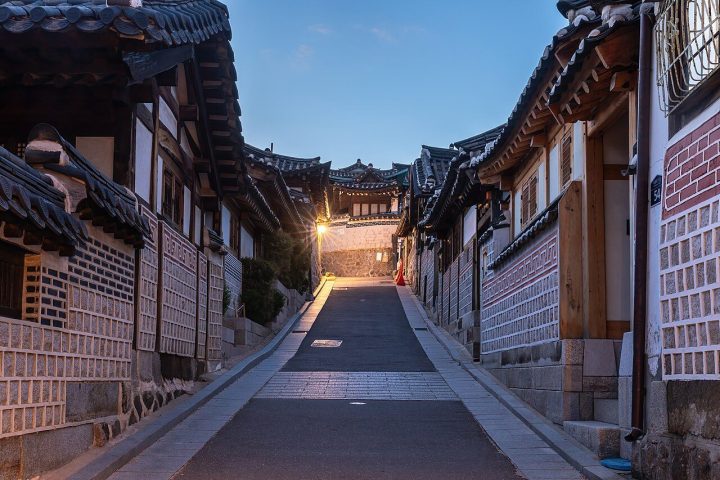
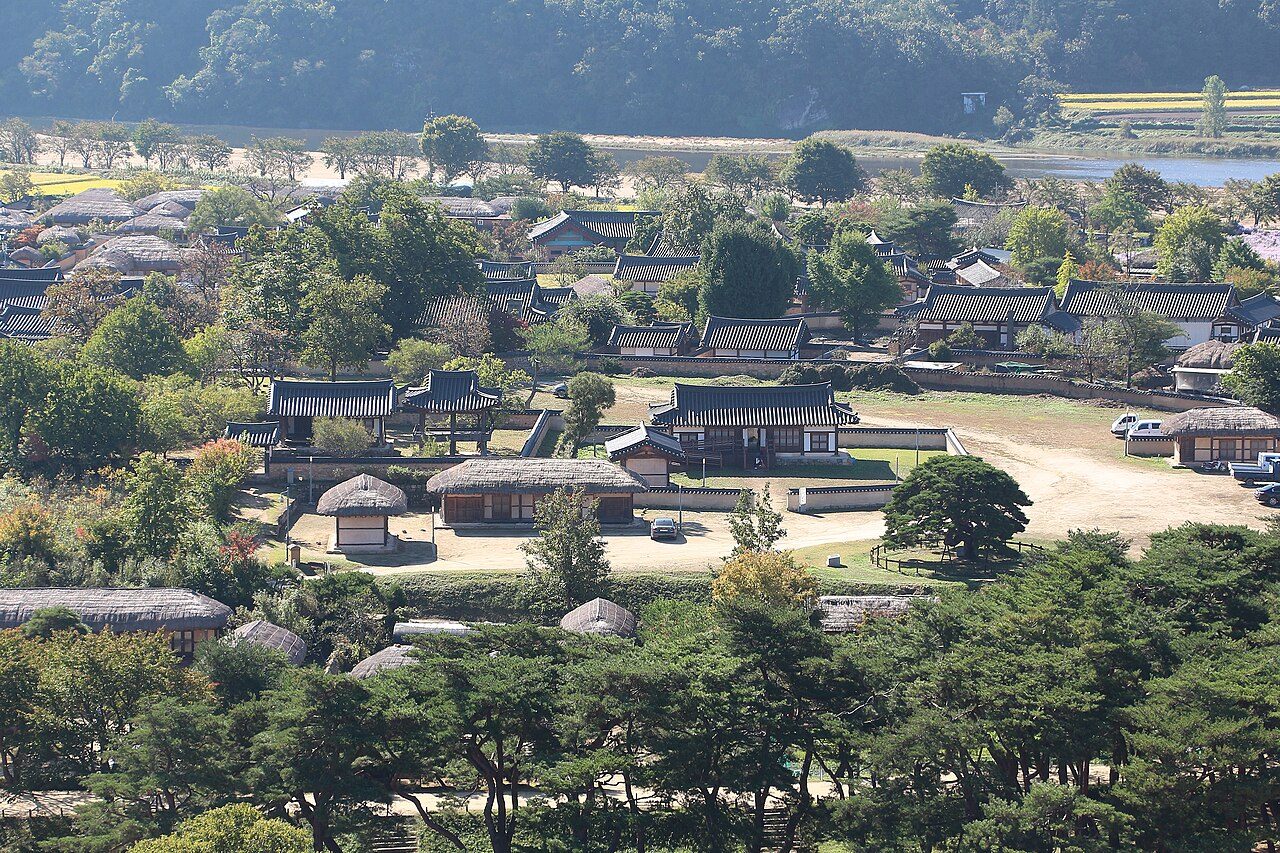
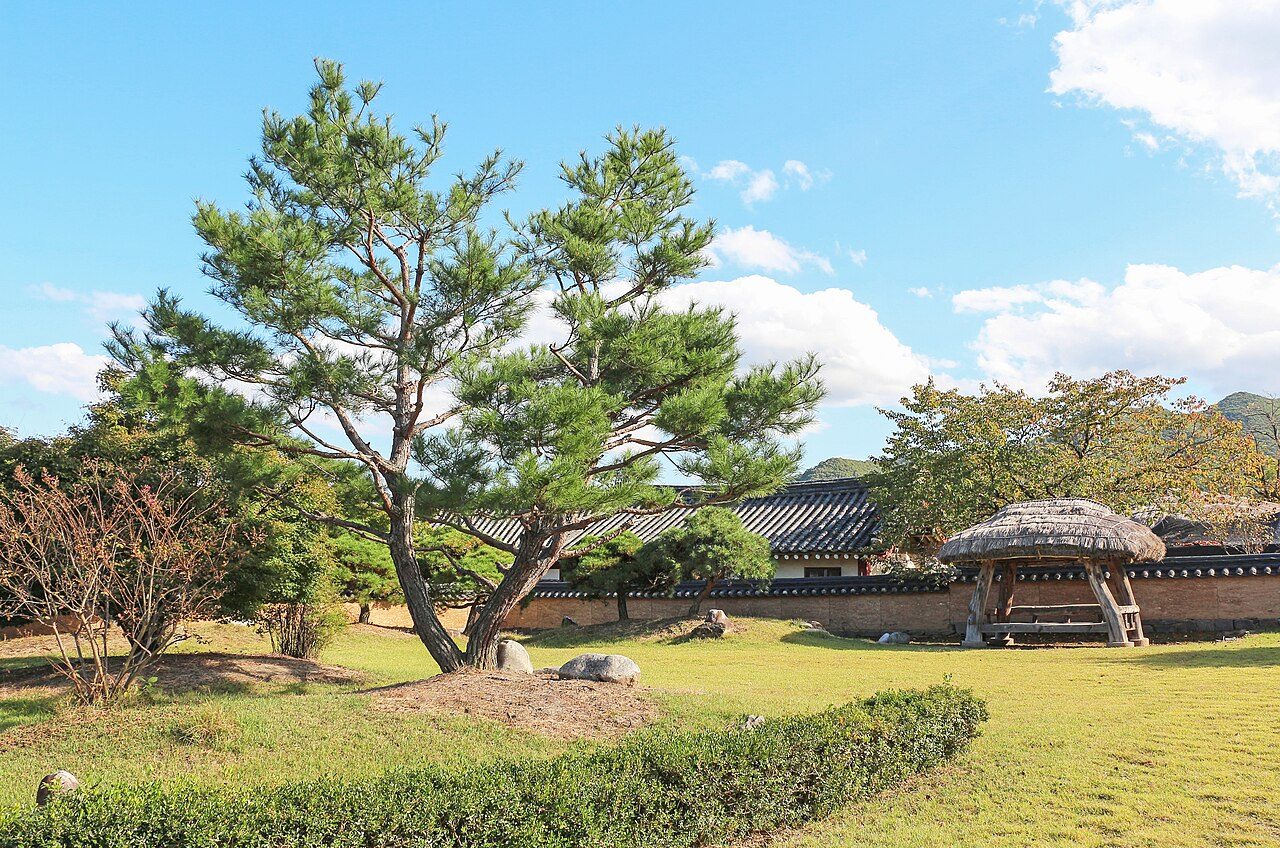
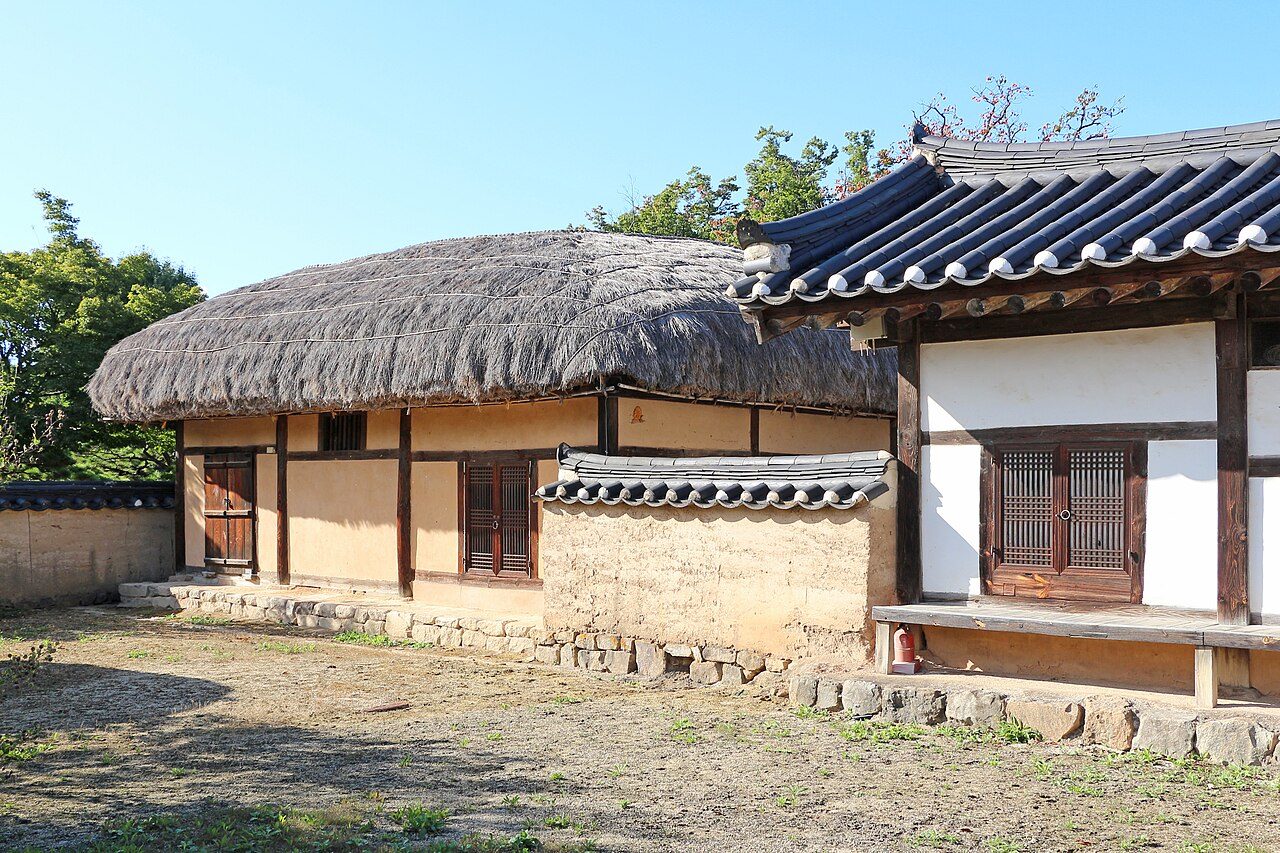
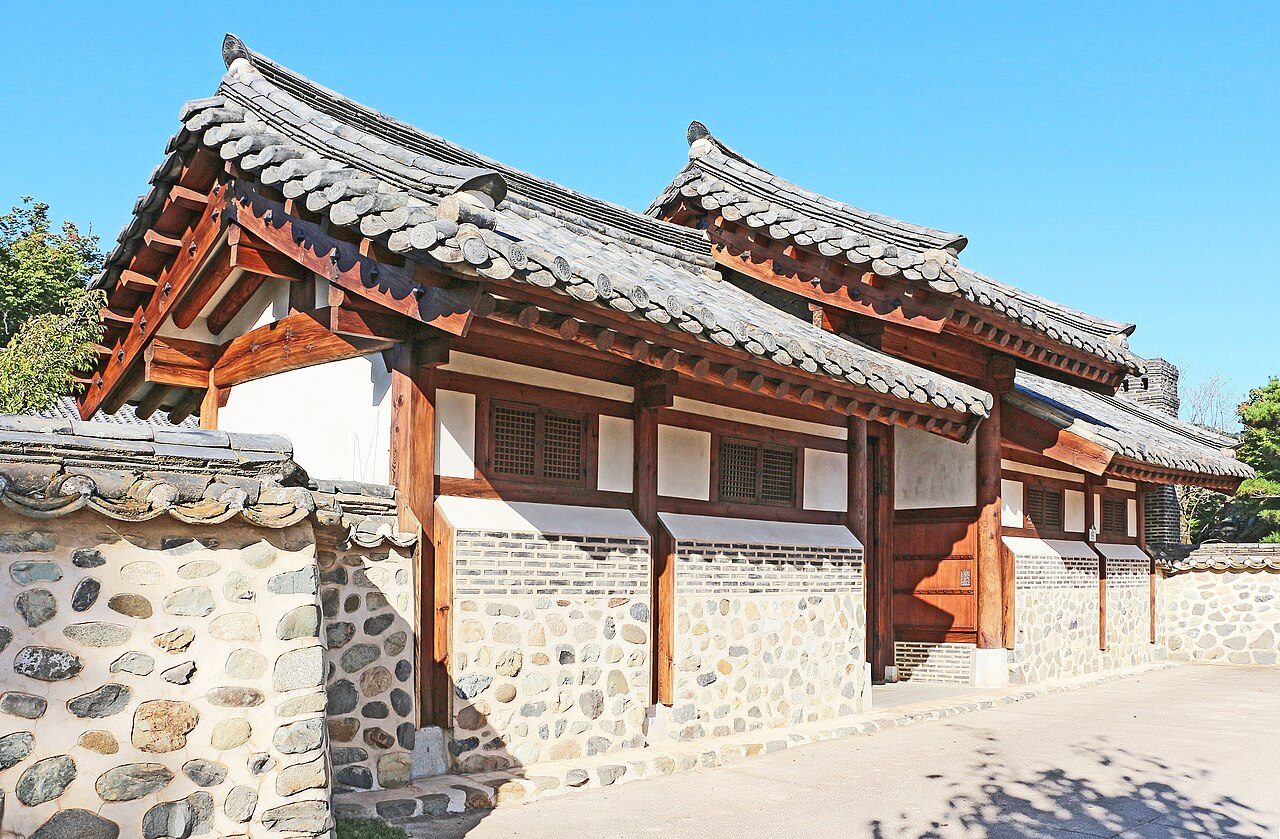
Hahoe Folk Village is a traditional village of the Ryu clan of Pungsan, set in a bend of the Nakdong River. Its tiled noble houses and thatched commoner homes are still lived in today. It is a UNESCO World Heritage Site, known for the Hahoe mask dance drama, performed regularly. Climb Buyongdae cliff across the river for a view over the whole village.
05
STOP 5 OF 9
Bulguksa Temple
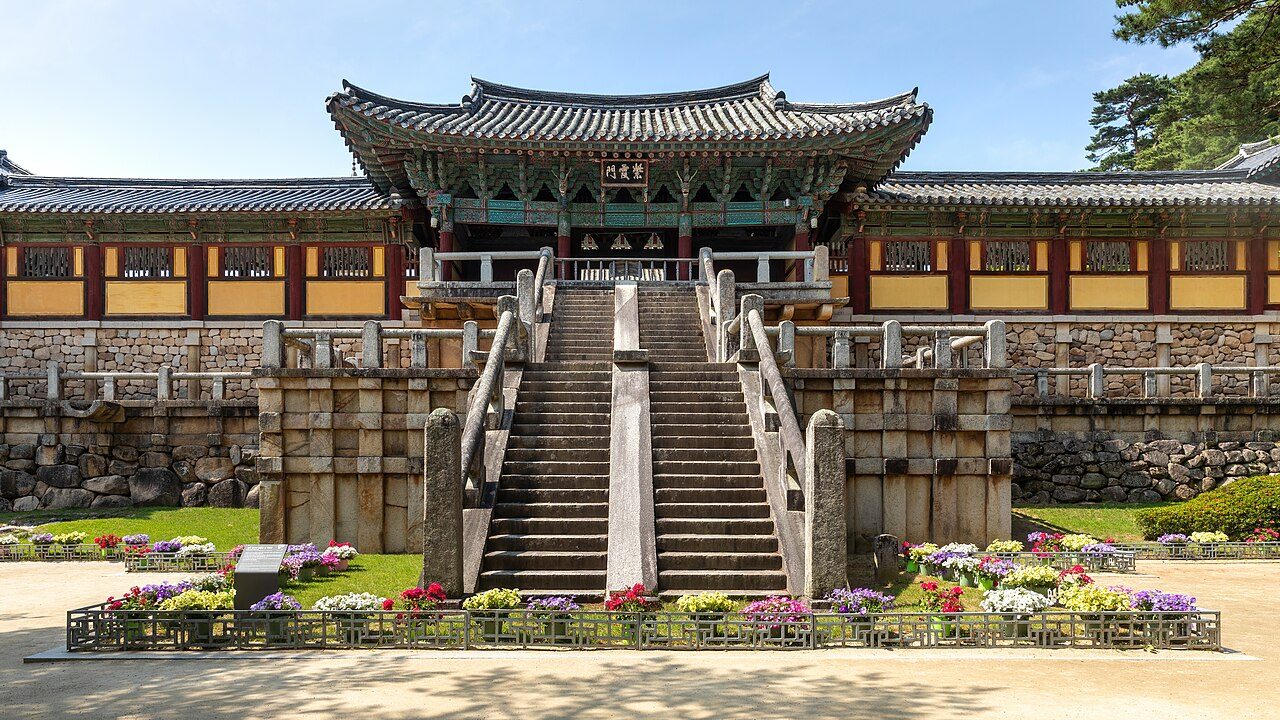
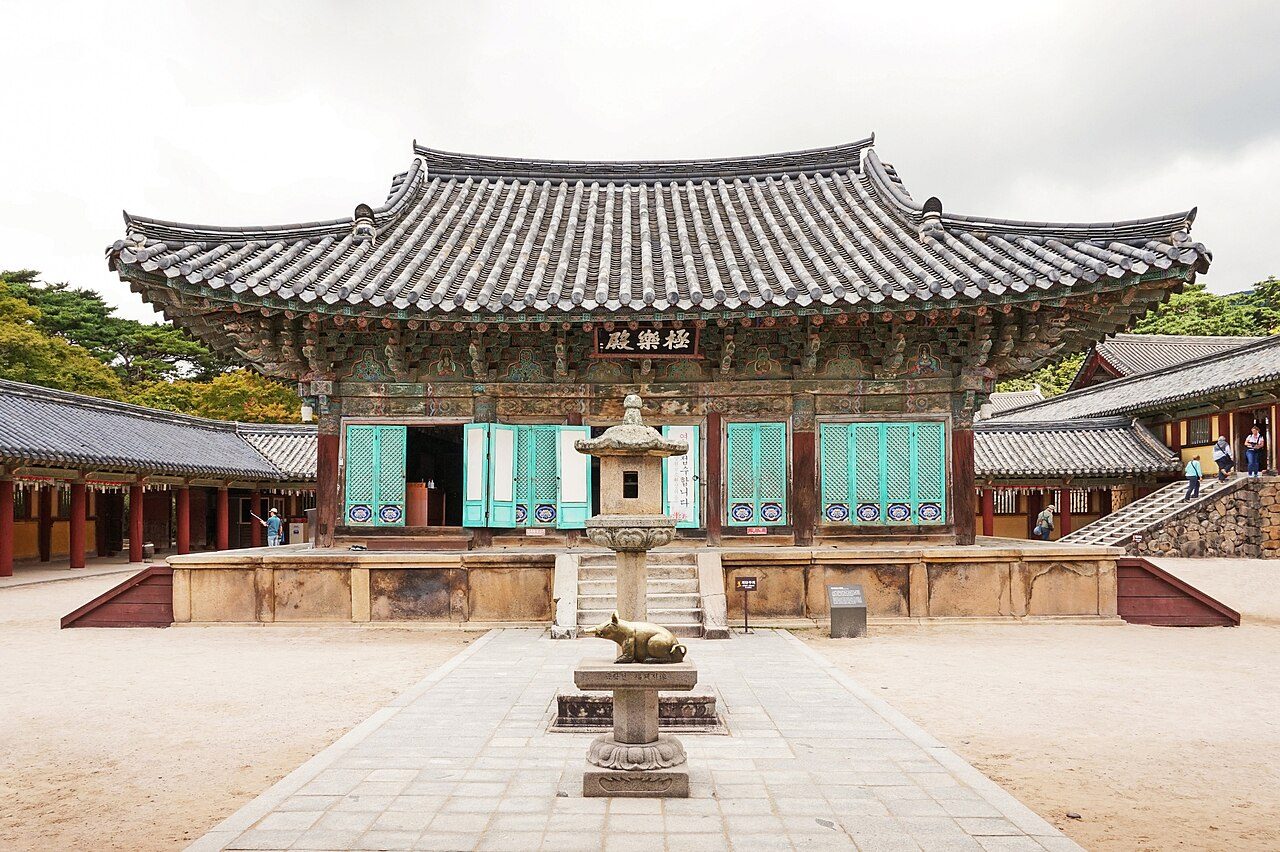
Bulguksa is one of the most important Buddhist temples in Korea, built in the 8th century during the Silla kingdom. Its stone terraces, bridges and the Dabotap and Seokgatap pagodas are masterpieces of Silla art. The temple is a UNESCO World Heritage Site together with nearby Seokguram Grotto. Autumn foliage and spring cherry blossoms make it especially beautiful.
06
STOP 6 OF 9
Seokguram Grotto
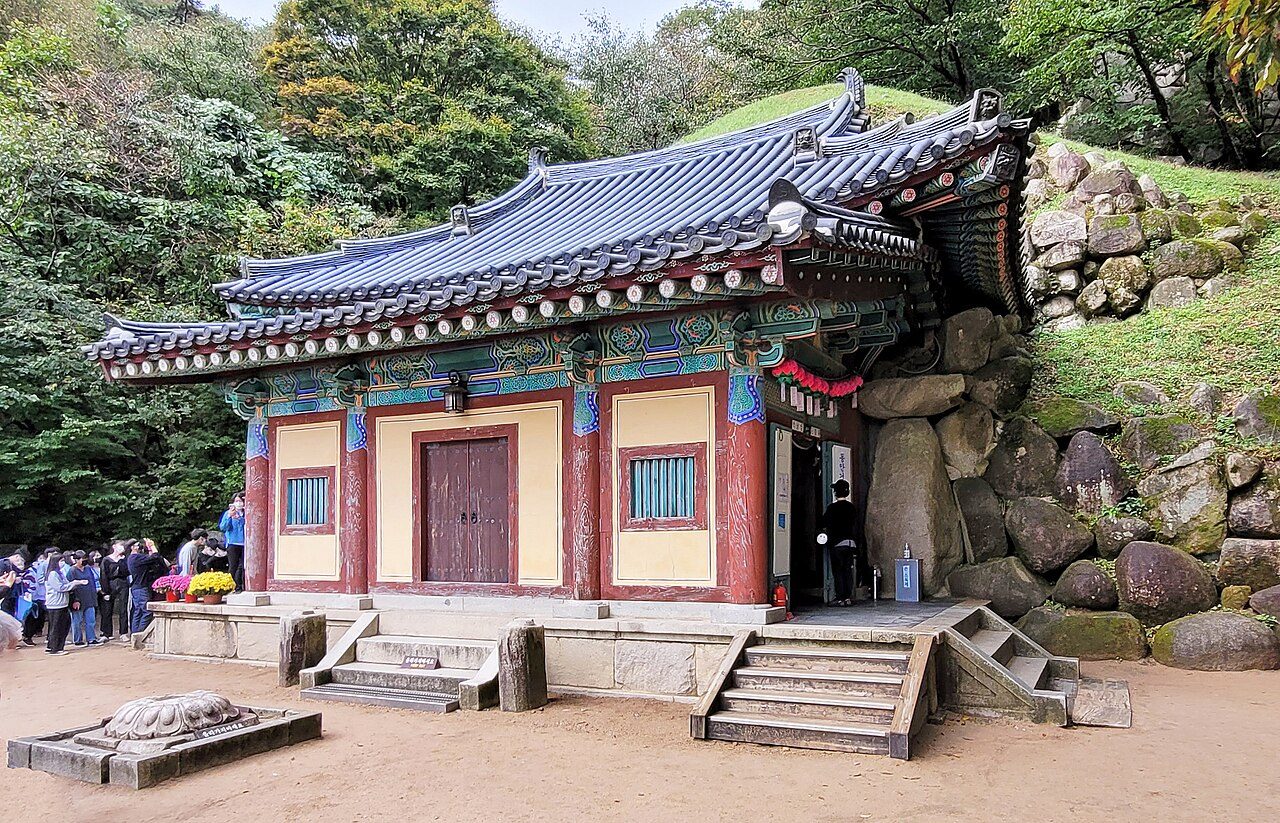
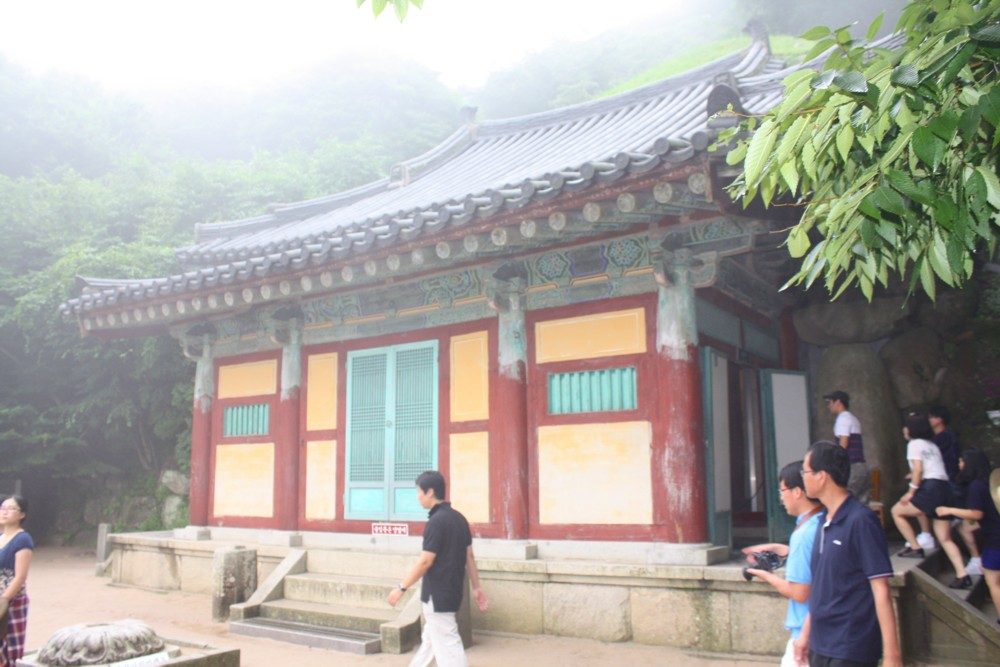
Seokguram Grotto is a man-made cave temple on Mount Toham above Bulguksa, built in the 8th century. Inside sits a serene granite Buddha surrounded by carved bodhisattvas and guardians, viewed through a glass screen to protect it. It is a UNESCO World Heritage Site. Many visitors come at sunrise, when the sun rises over the East Sea in front of the grotto.
07
STOP 7 OF 9
Haeinsa Temple
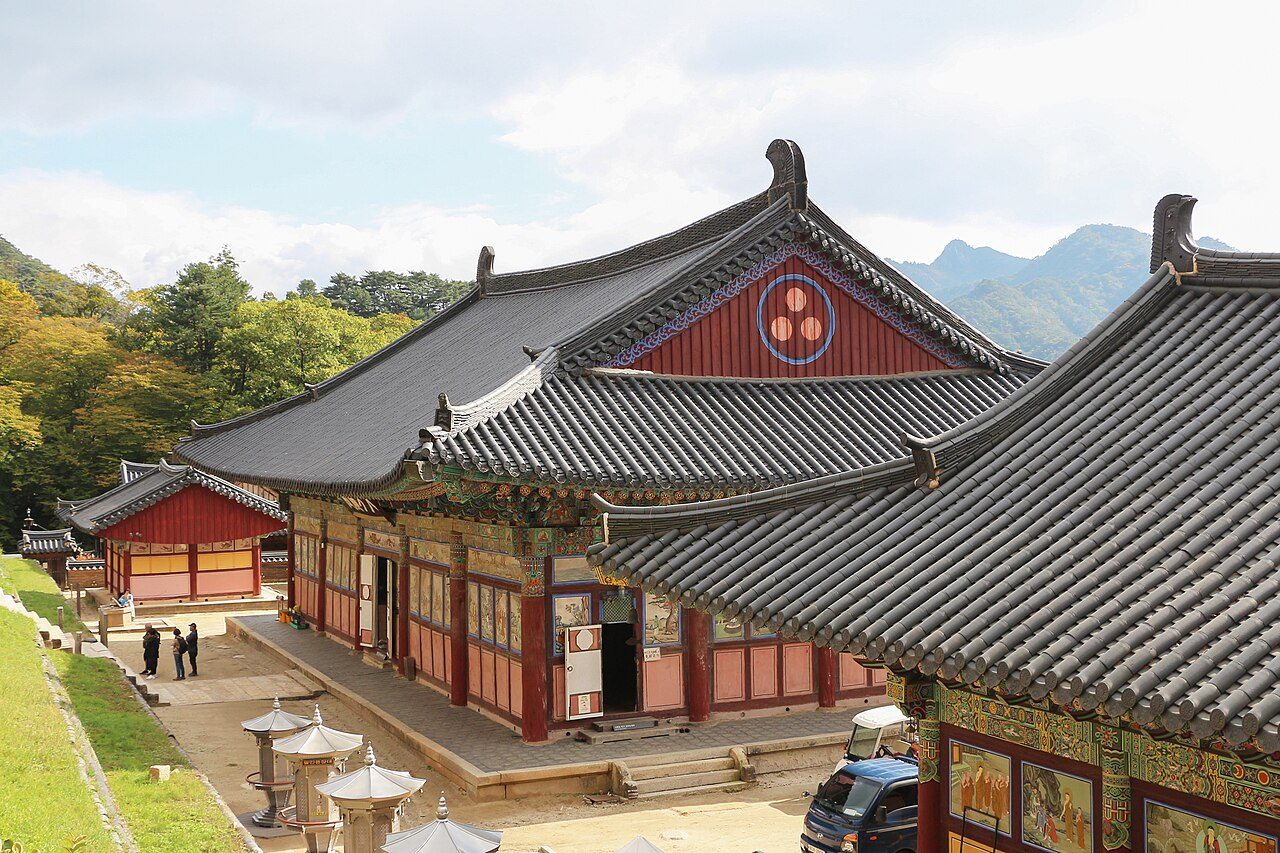
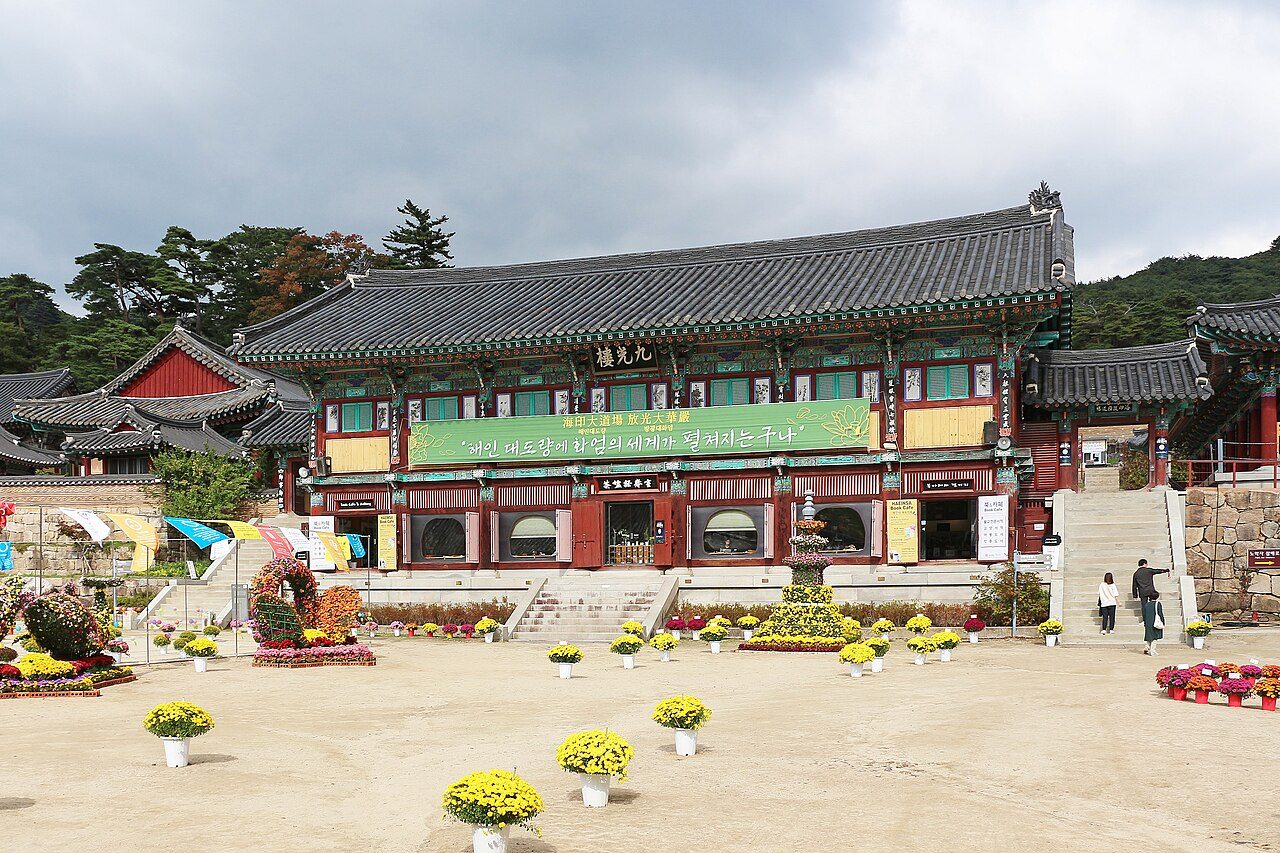
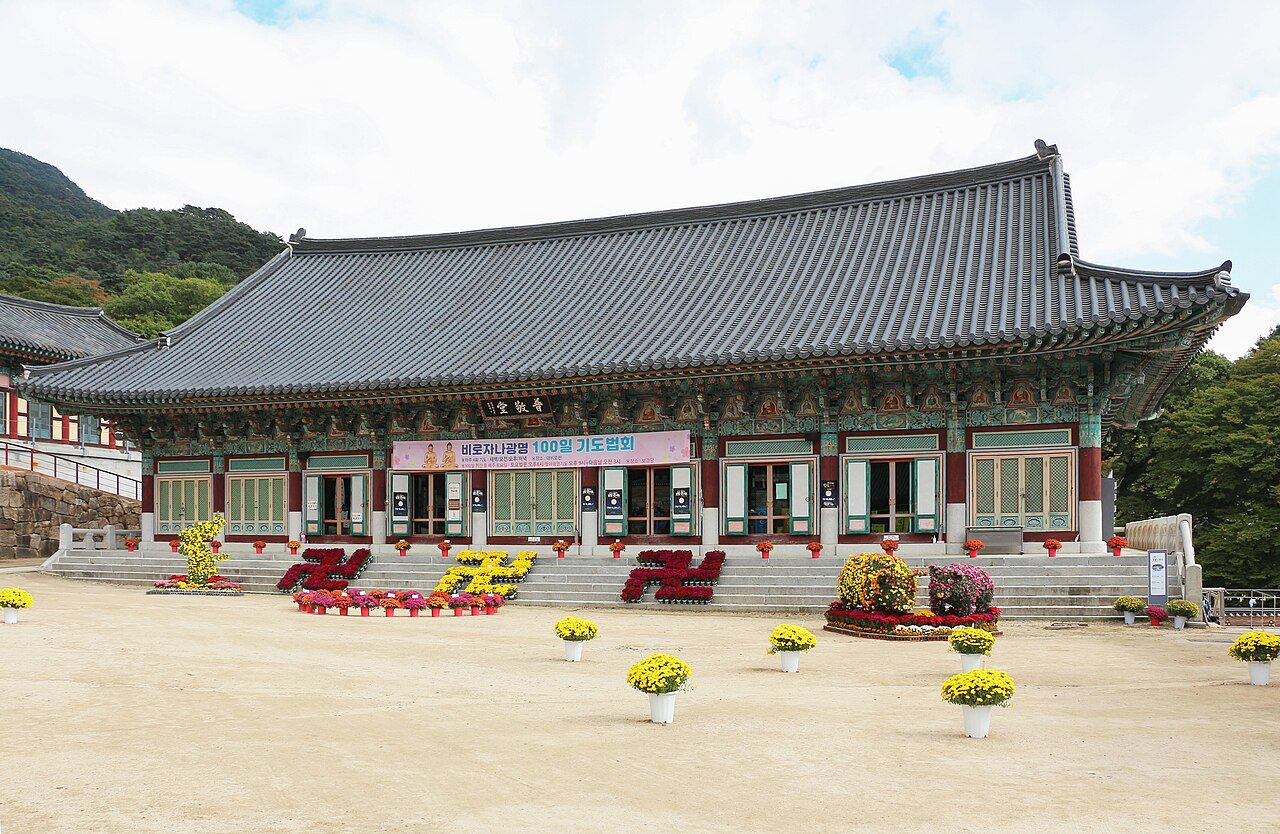
Haeinsa is a major Buddhist temple in Gayasan National Park, founded in 802. It houses the Tripitaka Koreana, more than 80,000 woodblocks of Buddhist scriptures carved in the 13th century, stored in halls designed to keep them in perfect condition. The storage halls are a UNESCO World Heritage Site. The walk along the forest stream to the temple is beautiful.
08
STOP 8 OF 9
Haedong Yonggungsa
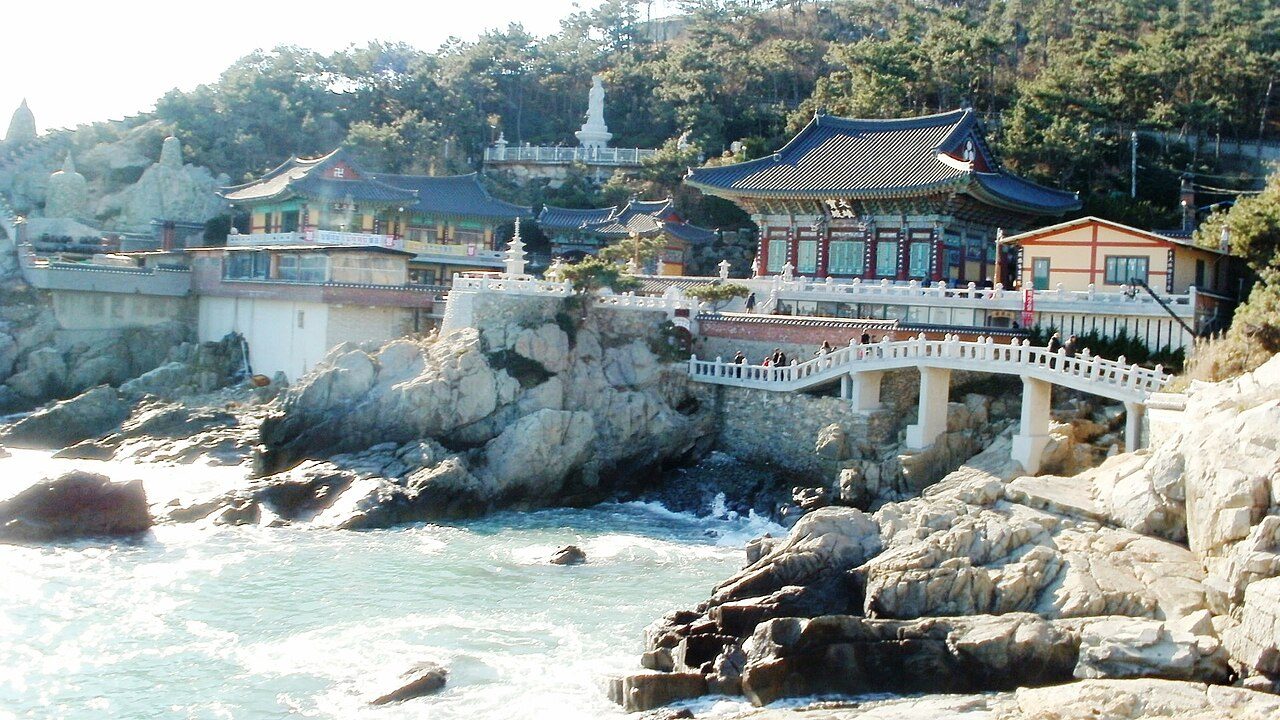
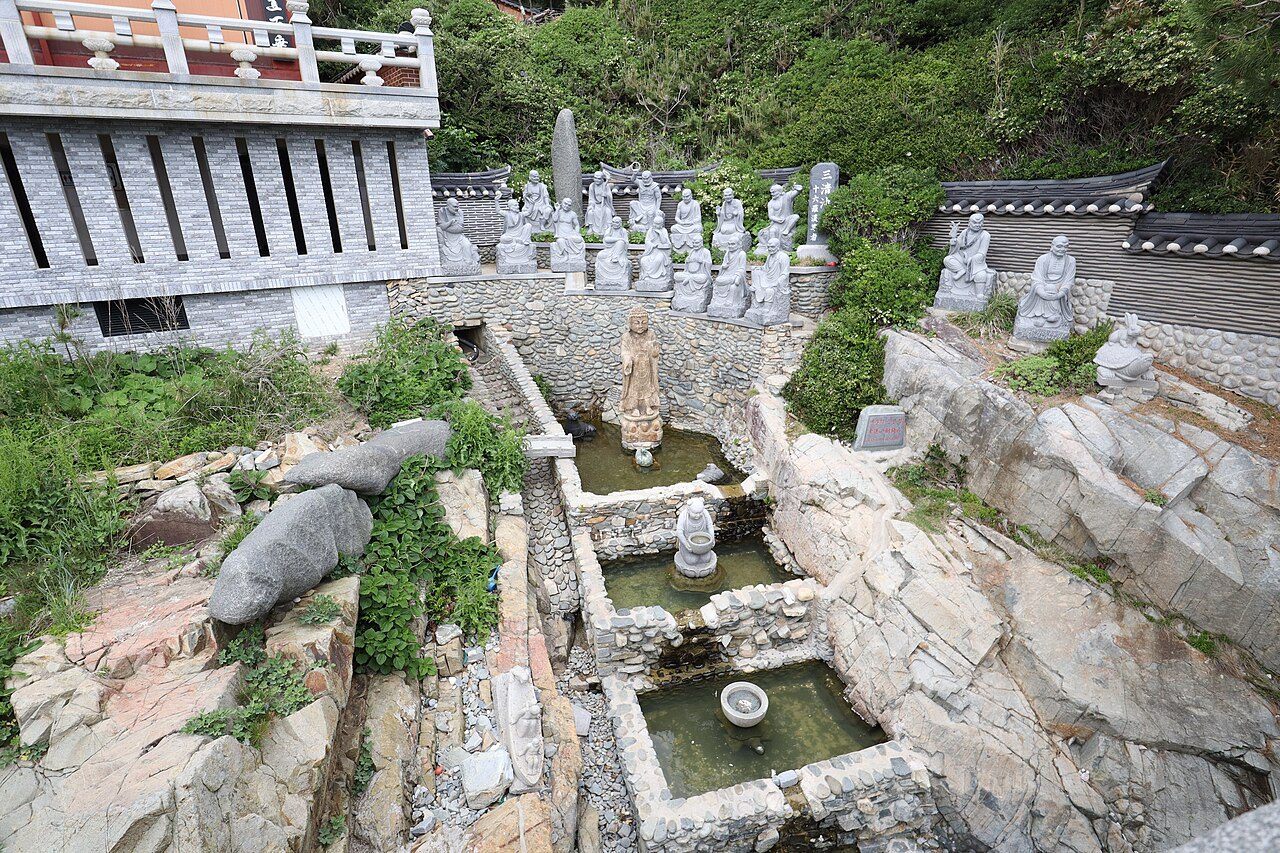
Haedong Yonggungsa is a Buddhist temple built on rocks beside the sea on Busan's east coast, first founded in the 14th century. Its halls, stairways and statues sit just above the crashing waves, unusual for Korean temples, which are usually in the mountains. It is a popular spot to watch the sunrise. The temple can be very busy on weekends and holidays.
09
STOP 9 OF 9 · LAST STOP
Beomeosa Temple
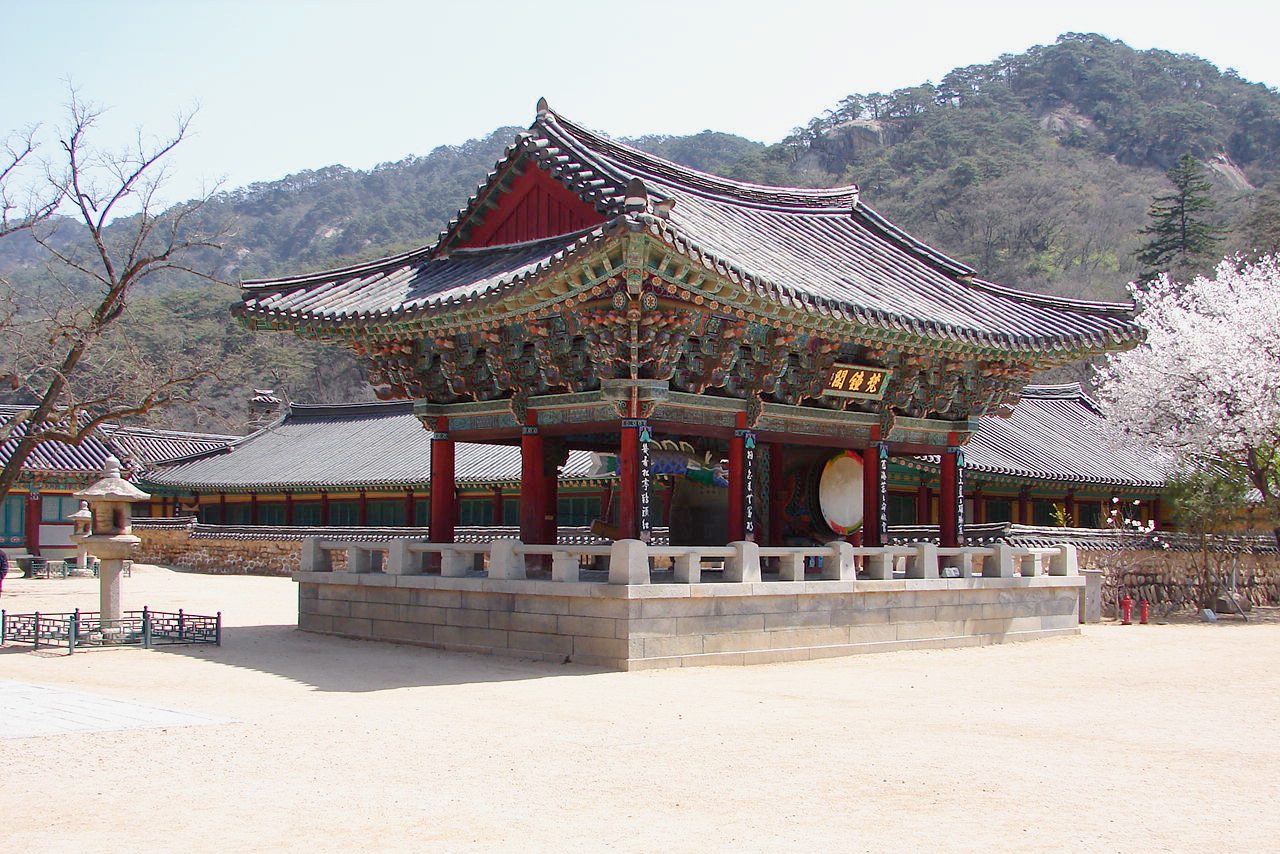
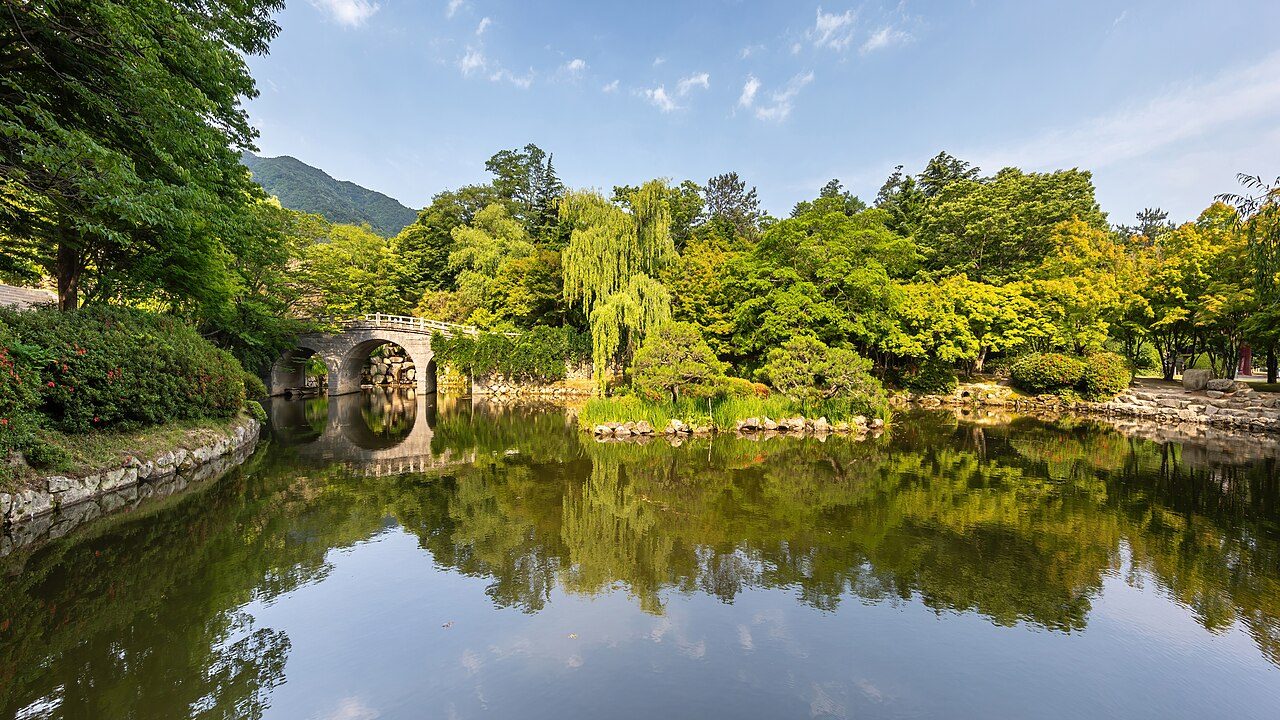
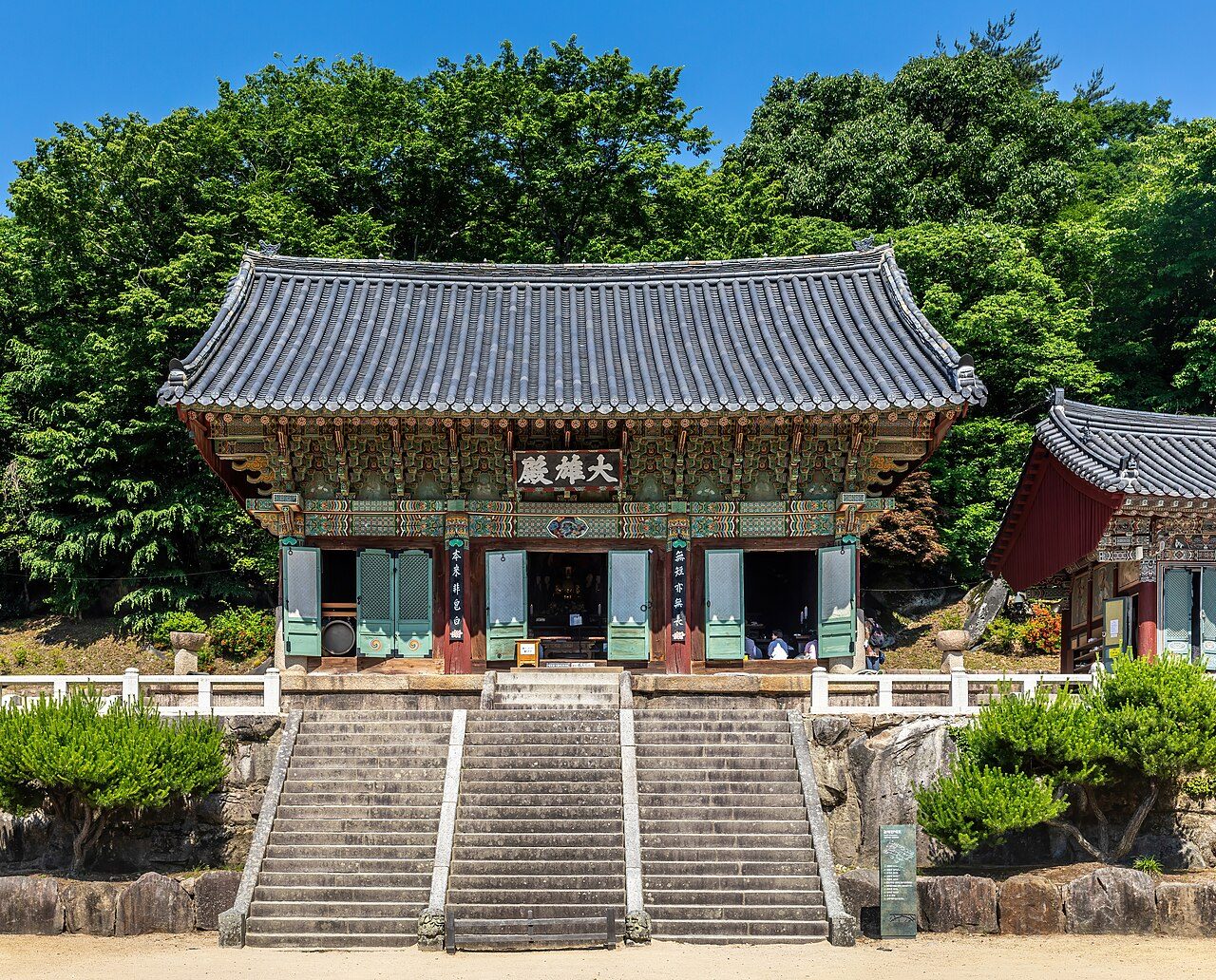
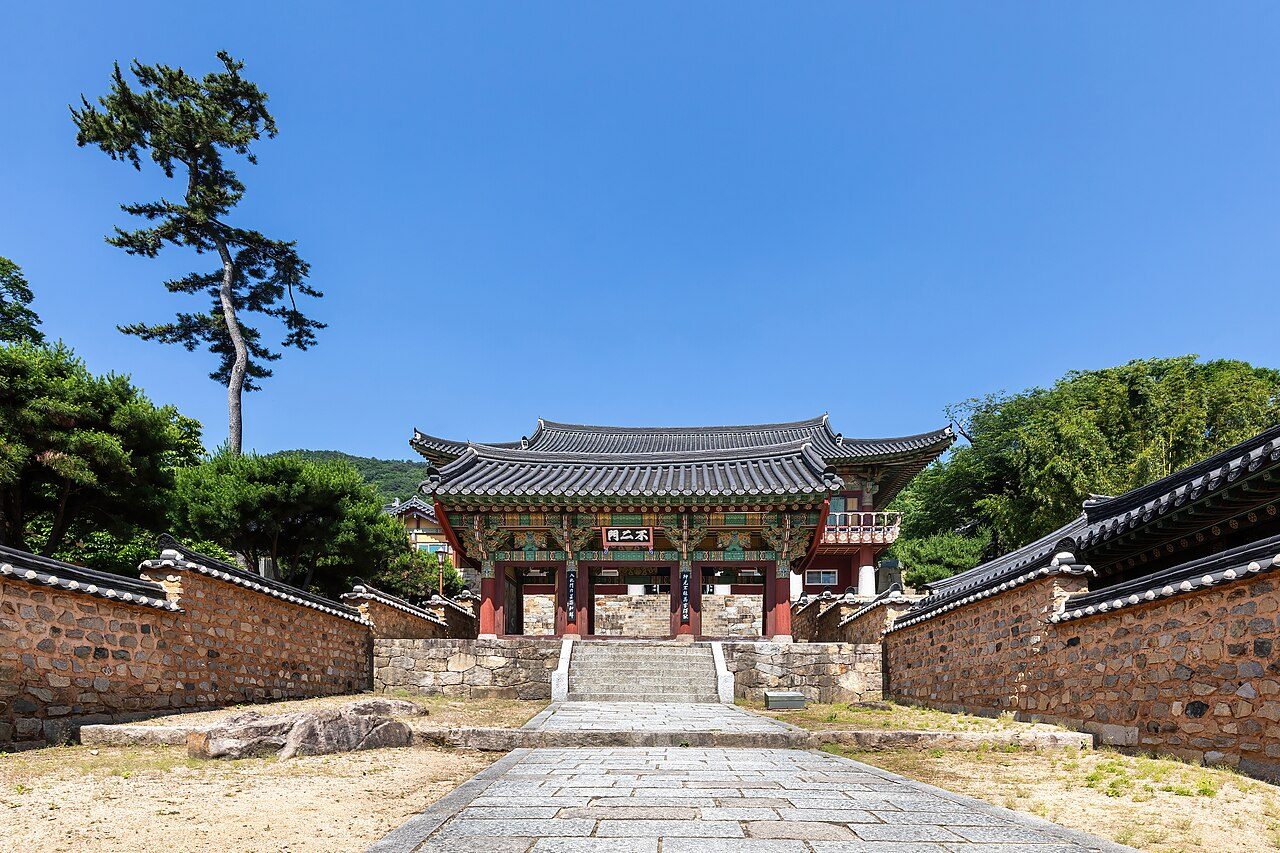
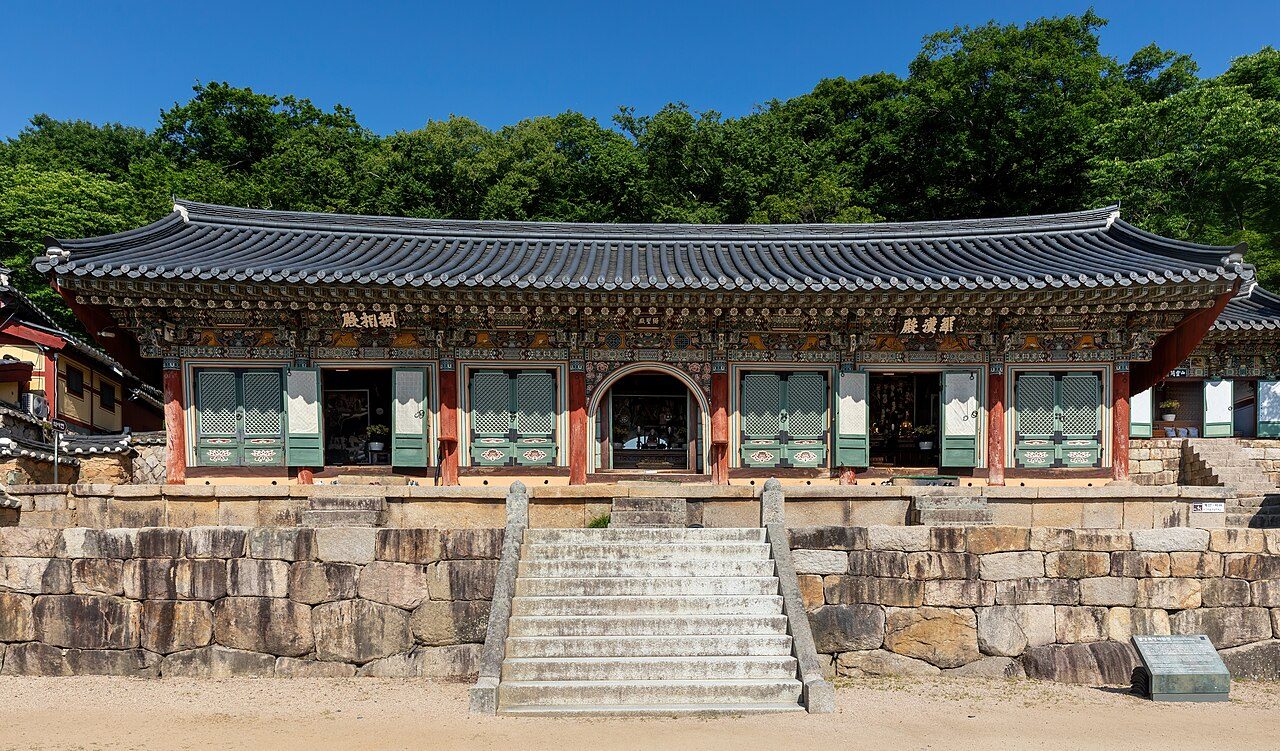
Beomeosa is one of the largest temples in southern Korea, founded in 678 on the slopes of Geumjeongsan in Busan. Its main hall and gateways sit among old trees, and the stream valley below is famous for wisteria in spring. Hiking trails lead from the temple to Geumjeong Fortress. The temple offers temple stay programmes for visitors who wish to stay overnight.
 WaTrips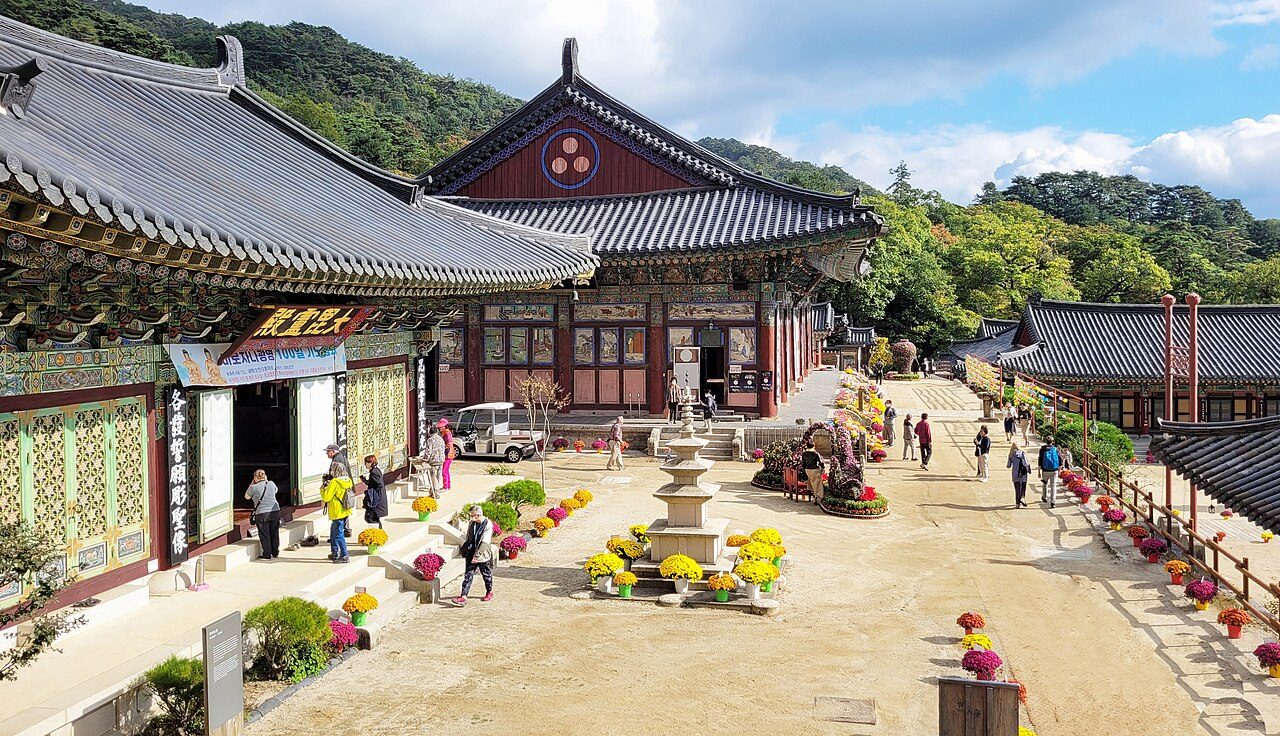


 BikesBooking
 Localrent
 Airalo
 Tiqets