Edinburgh Castle, the Royal Mile, Holyrood and Arthur's Seat, Stirling Castle, Glasgow Cathedral, Glencoe and Ben Nevis, Glenfinnan, Eilean Donan, Skye and Loch Ness.
Scotland is castles, lochs and empty mountains. Spend two days in Edinburgh at the castle, the Royal Mile, Holyrood Palace and on top of Arthur's Seat. See Stirling Castle and Glasgow Cathedral, then drive into the Highlands through Glencoe, below Ben Nevis. Watch the steam train cross the Glenfinnan Viaduct, photograph Eilean Donan castle and spend a day on the Isle of Skye, then follow the Great Glen to Loch Ness. May to September is best; bring midge spray in summer.
01
STOP 1 OF 12
Edinburgh Castle
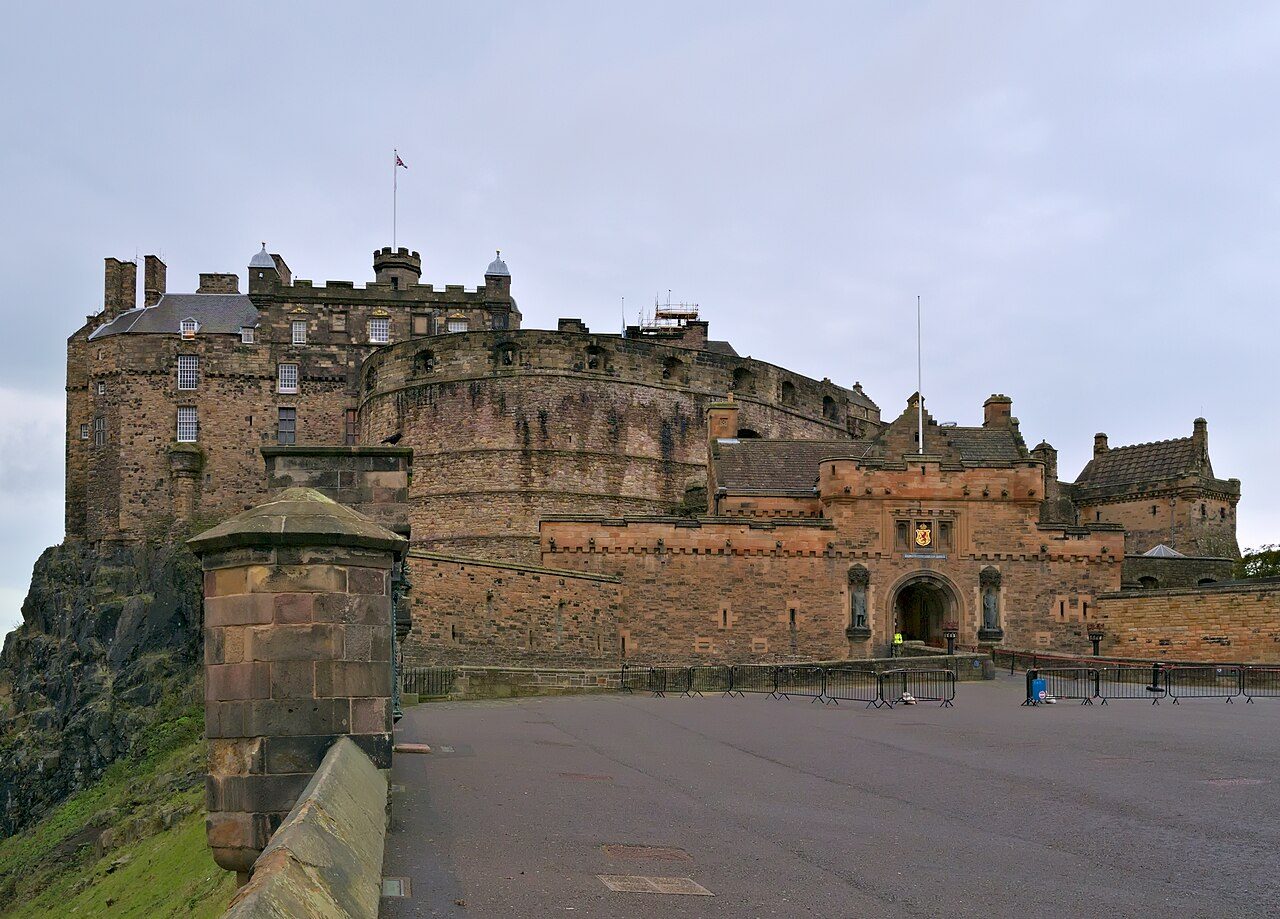
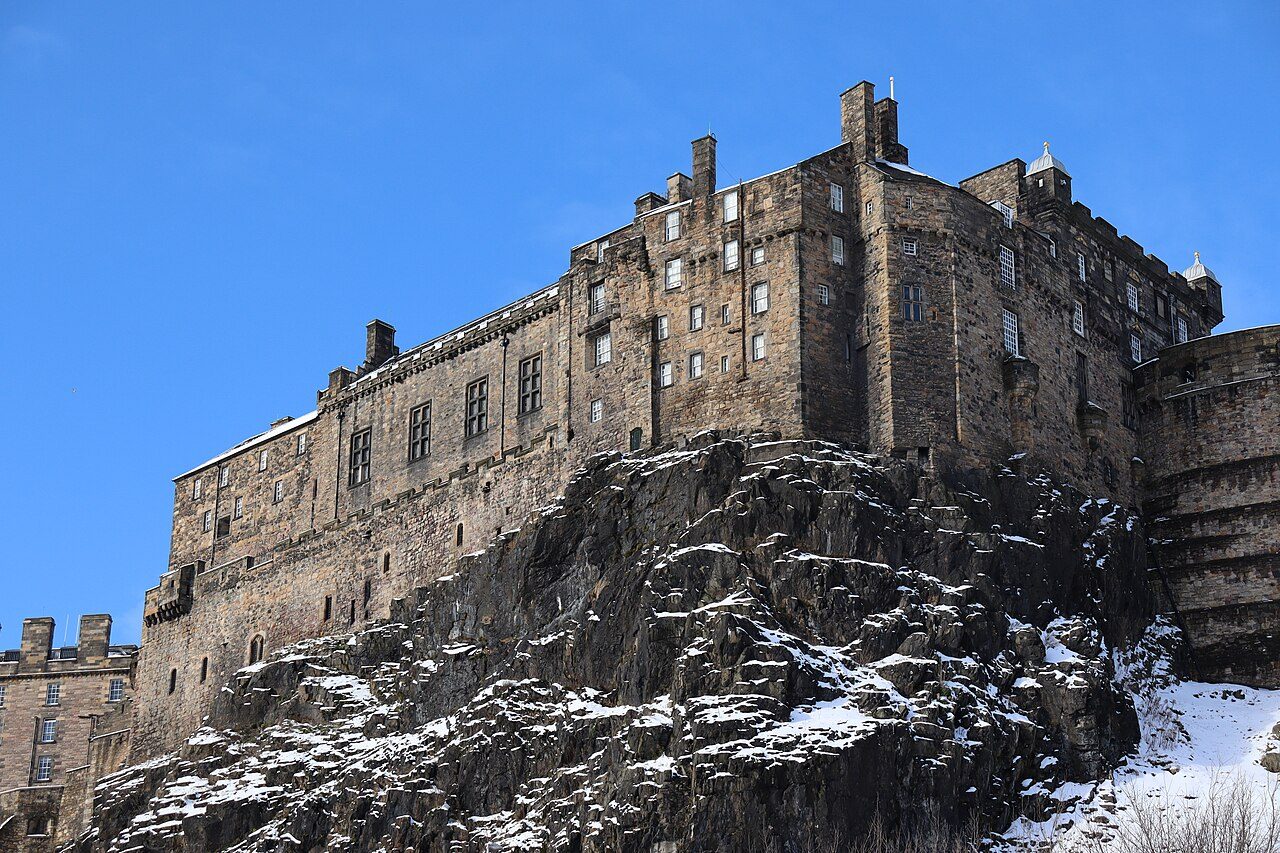
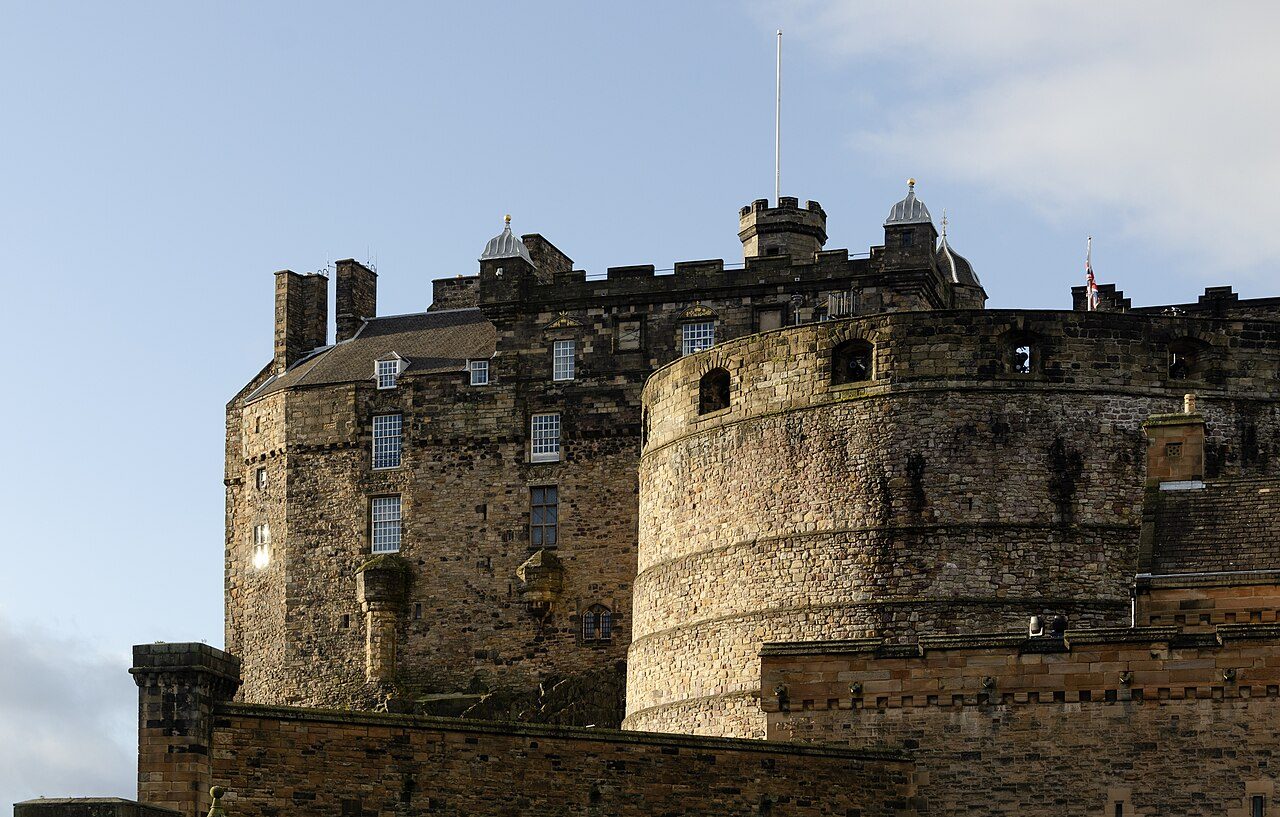
Edinburgh Castle stands on Castle Rock, an extinct volcano above the Scottish capital. People have lived on the rock since the Iron Age. The castle holds the Scottish Crown Jewels, the Stone of Destiny and St Margaret's Chapel, the oldest building in Edinburgh. The One O'Clock Gun is fired every day except Sunday.
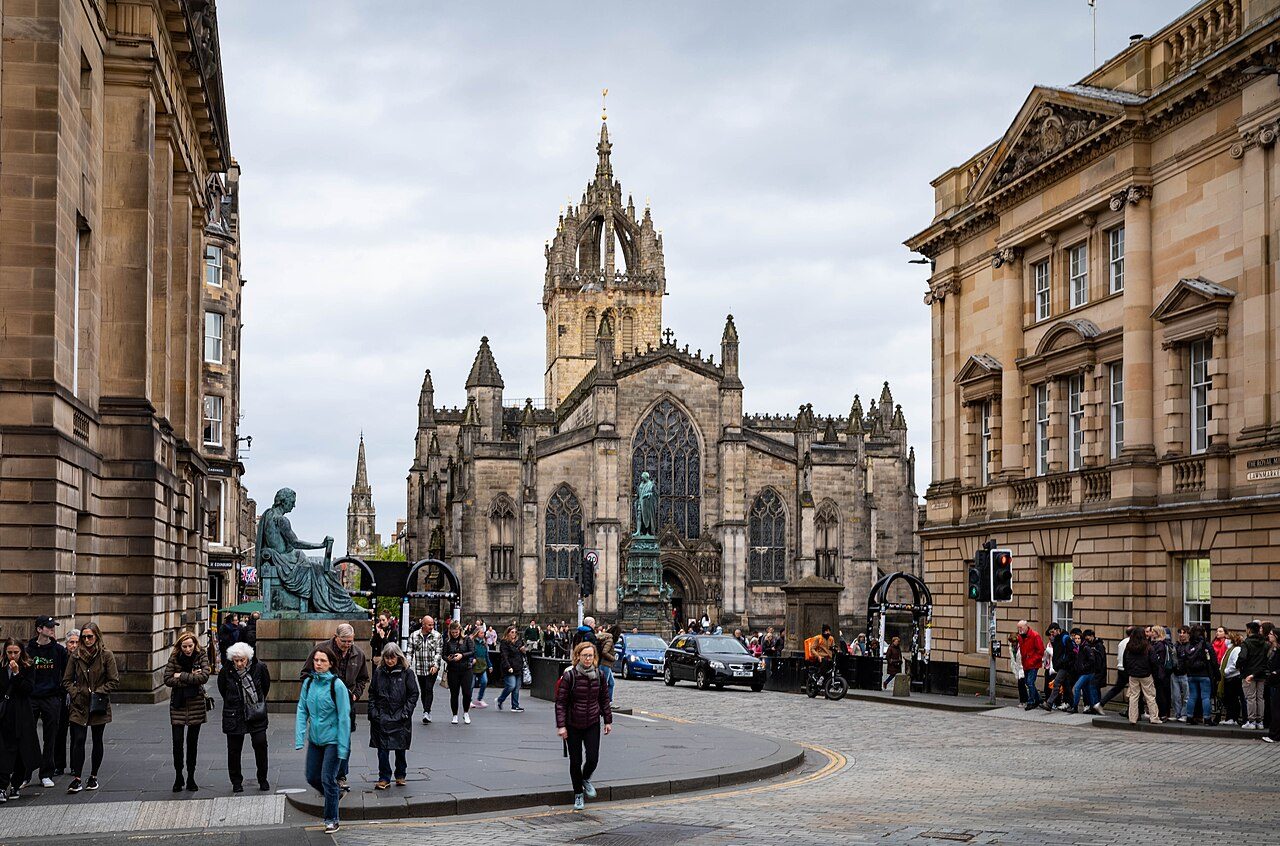
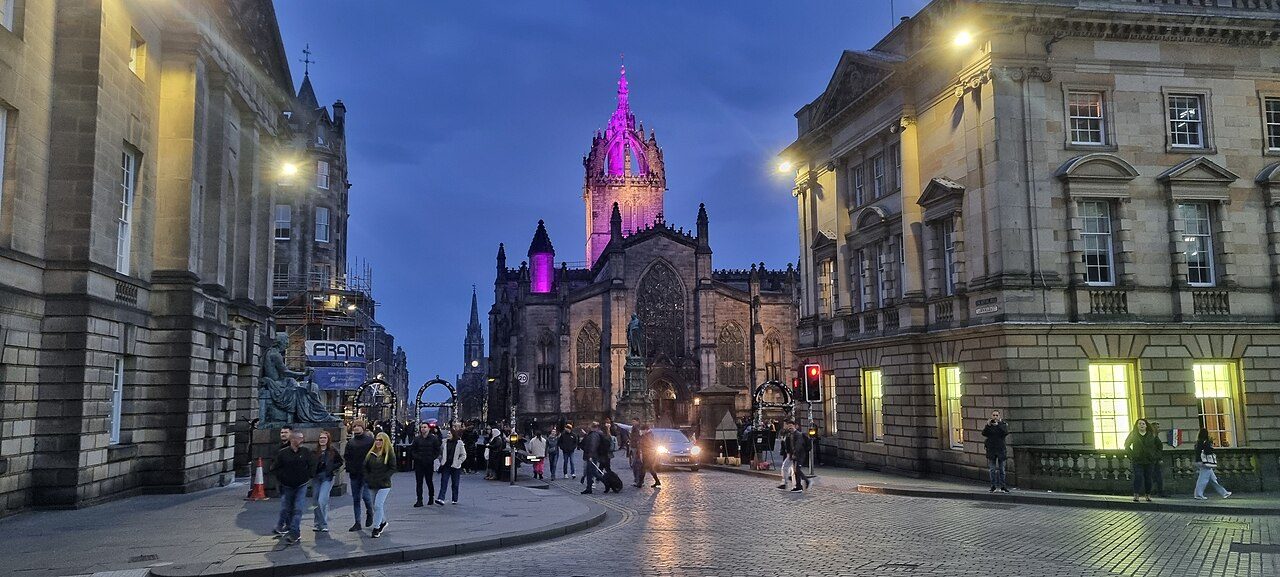
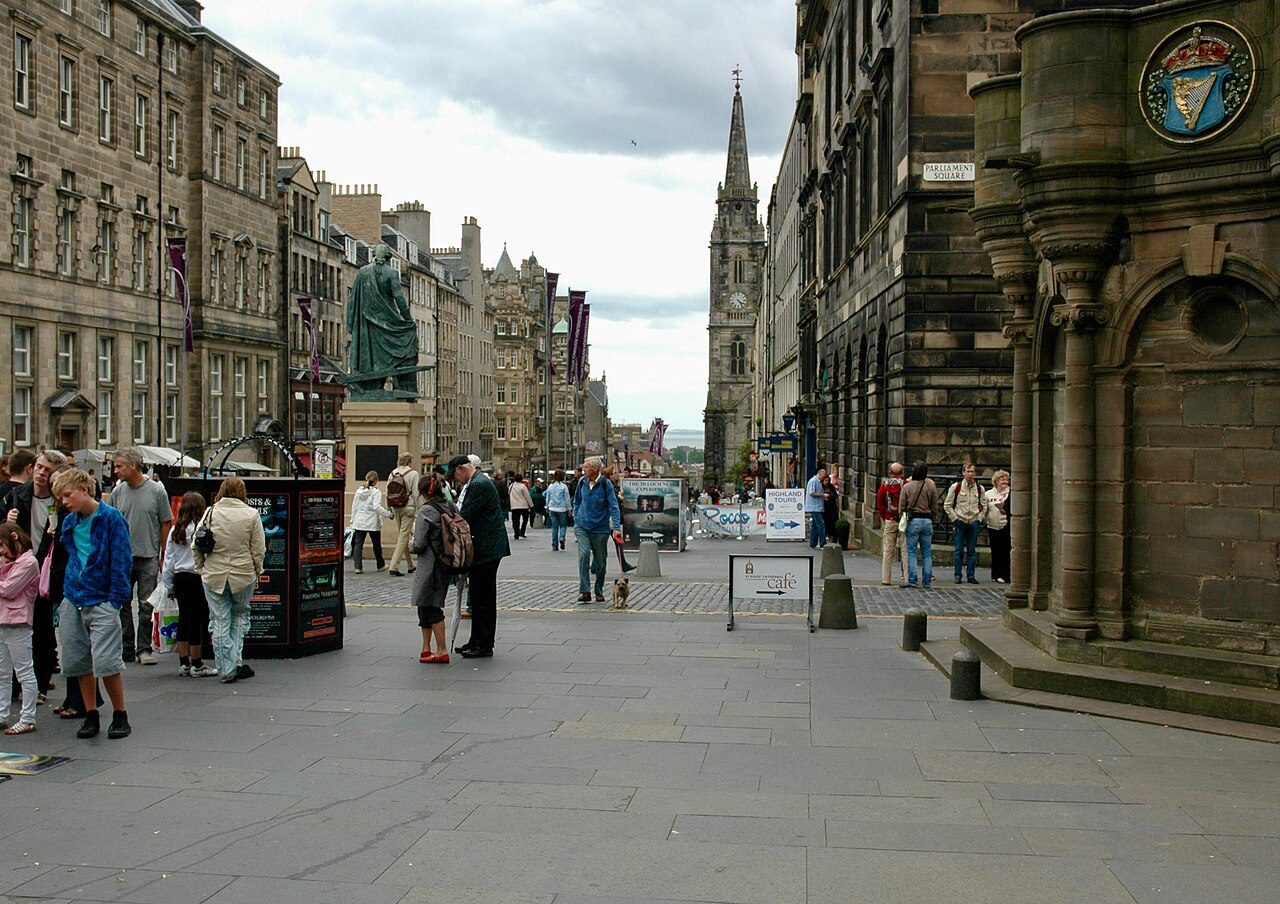
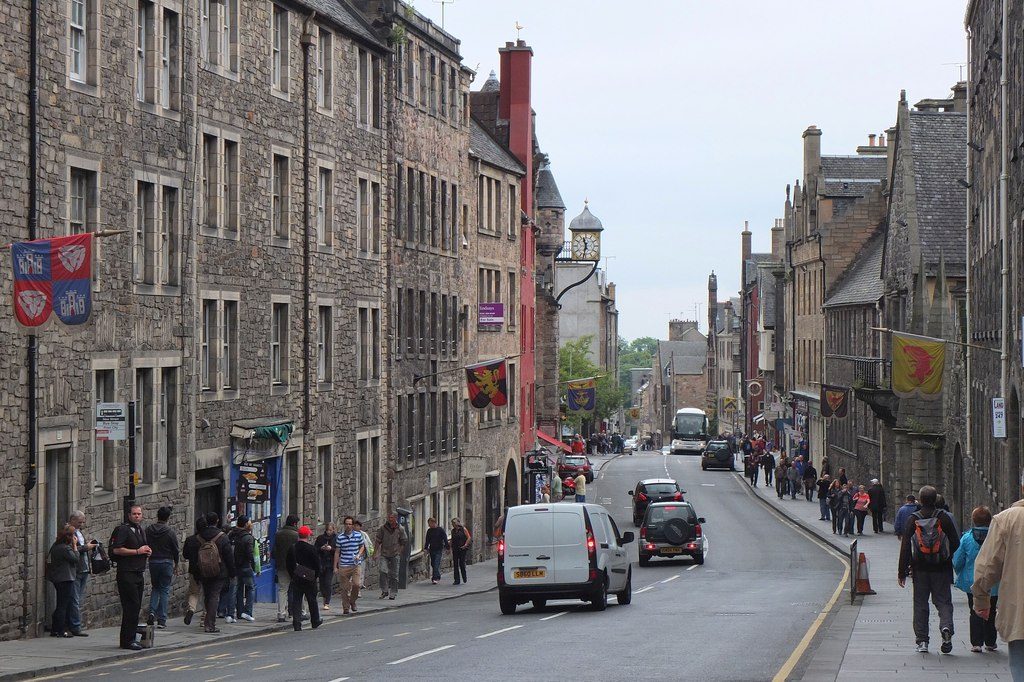
The Royal Mile is the main street of Edinburgh's Old Town, running about a mile between Edinburgh Castle and Holyrood Palace. It is lined with tall stone buildings, narrow closes, shops and pubs. St Giles' Cathedral, with its crown spire, stands halfway along. During the Fringe festival in August it fills with performers.
03
STOP 3 OF 12
Holyrood Palace
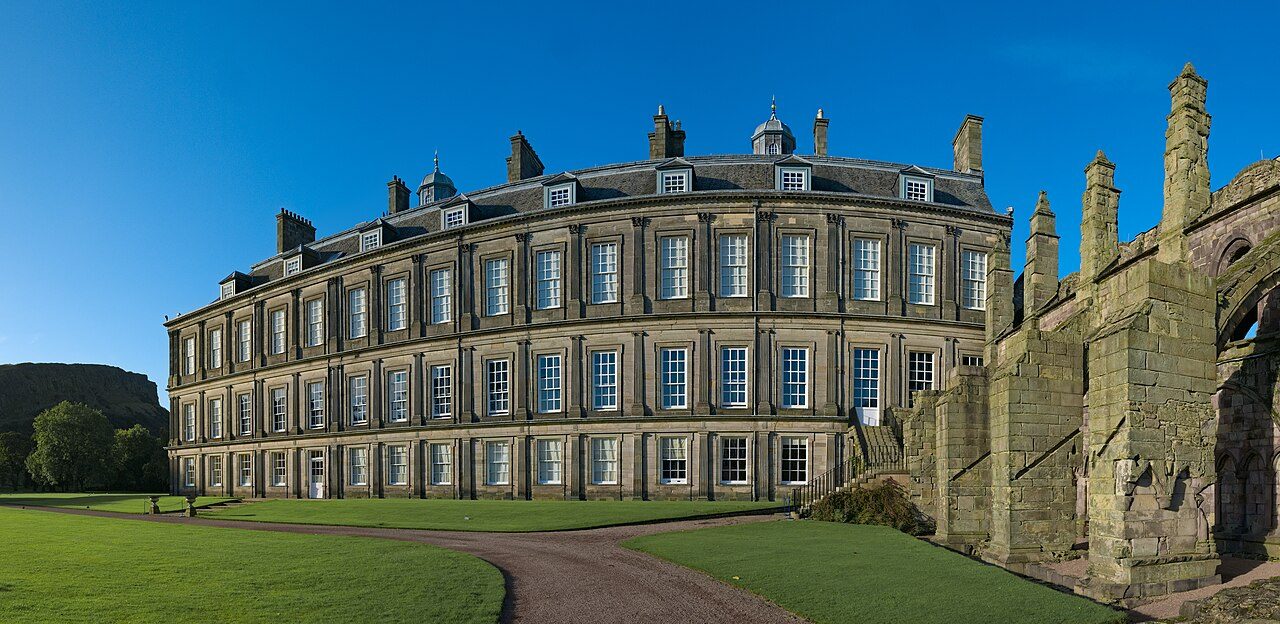
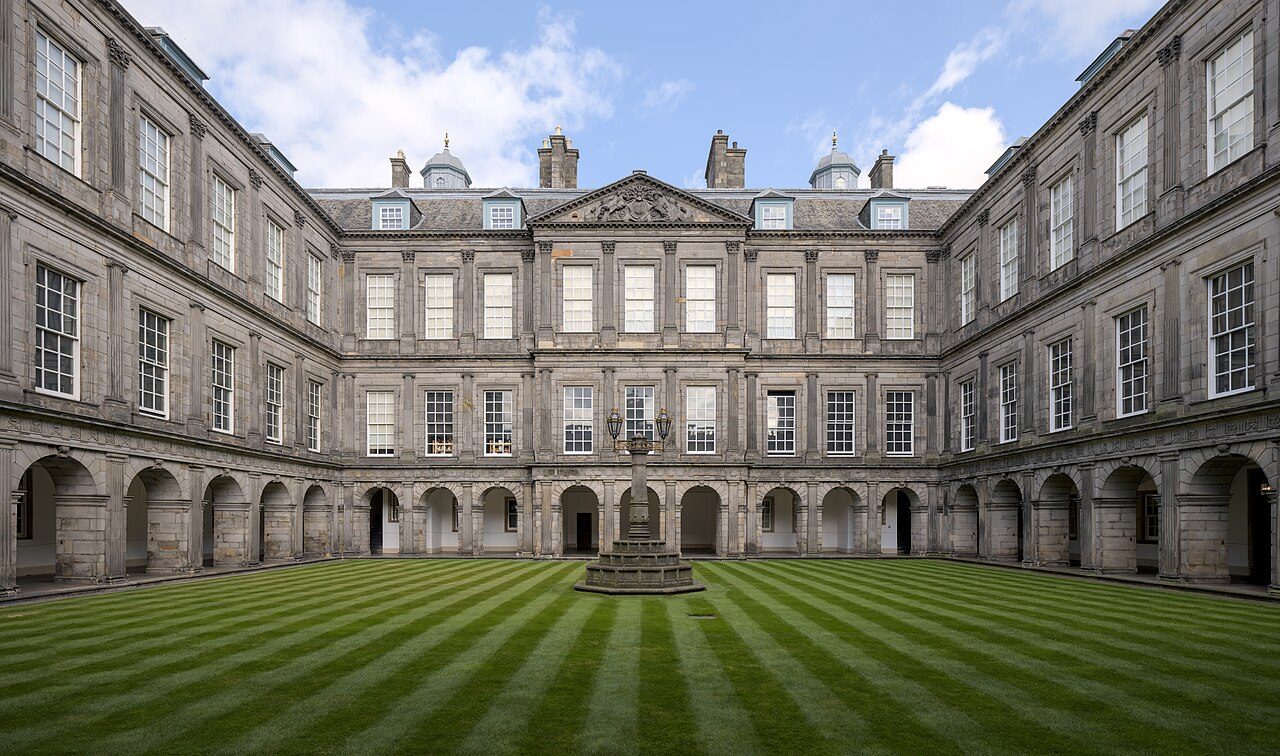
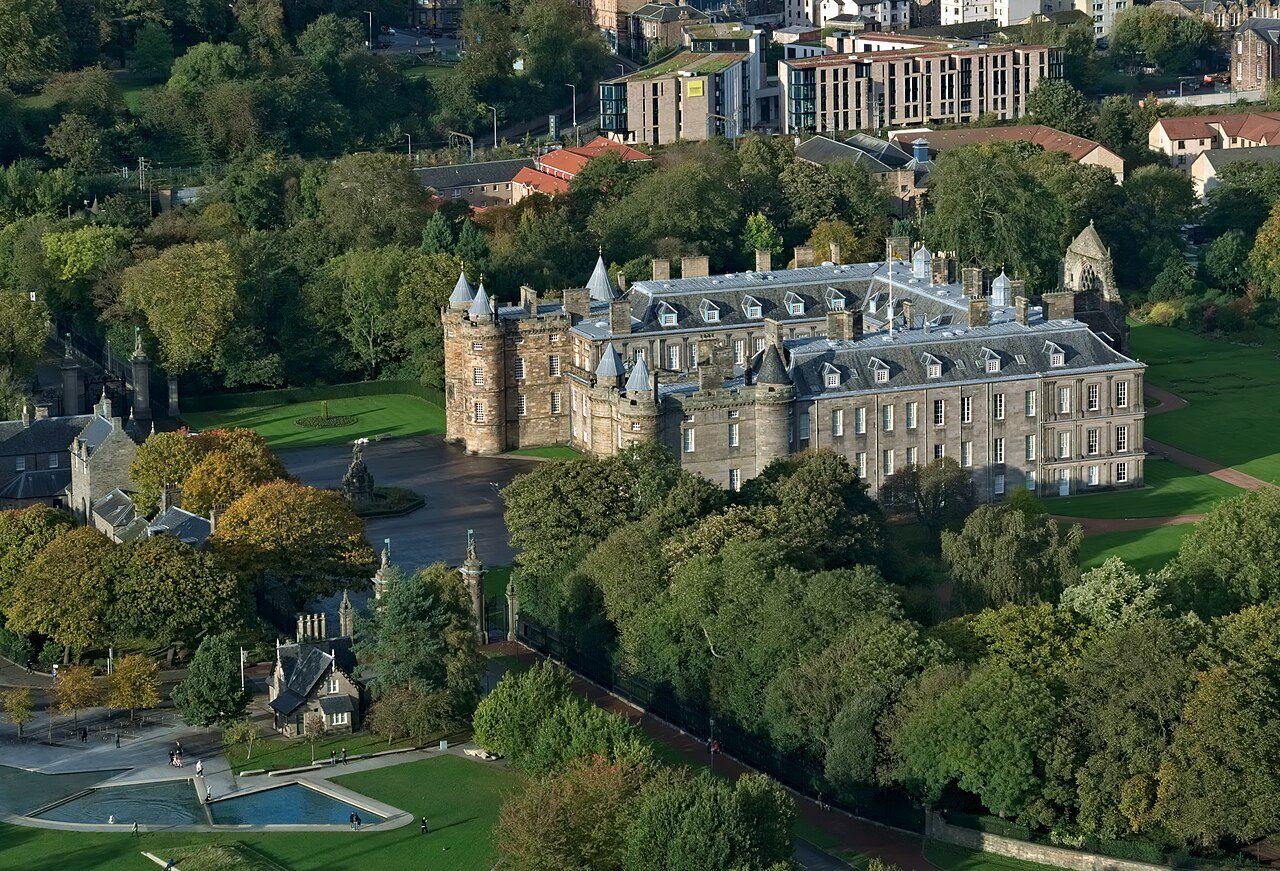
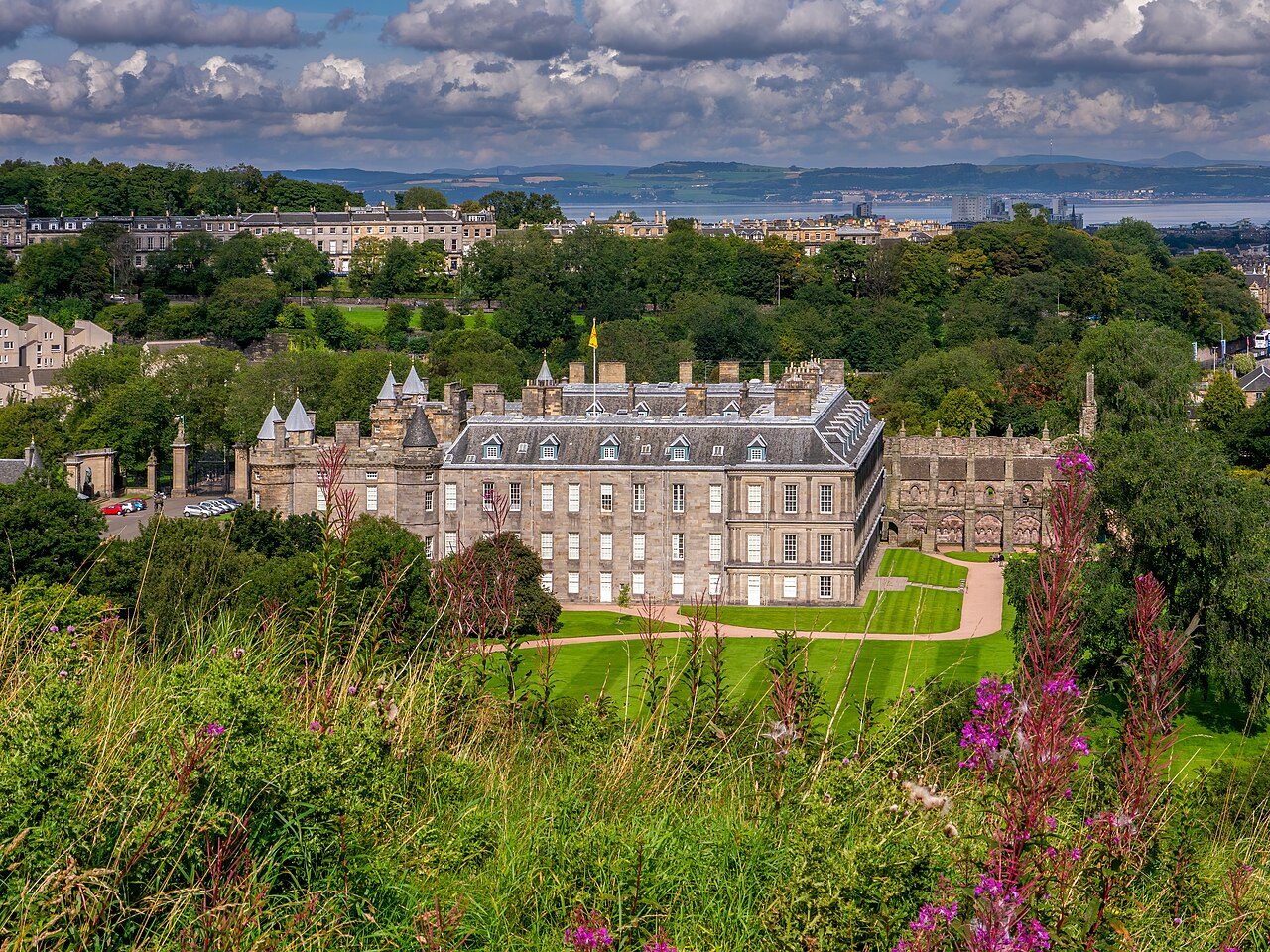
The Palace of Holyroodhouse, at the end of the Royal Mile, is the official residence of the British monarch in Scotland. It was the home of Mary, Queen of Scots, whose apartments can be visited. The ruins of the 12th-century Holyrood Abbey stand beside it, with Arthur's Seat rising behind.
04
STOP 4 OF 12
Arthur's Seat
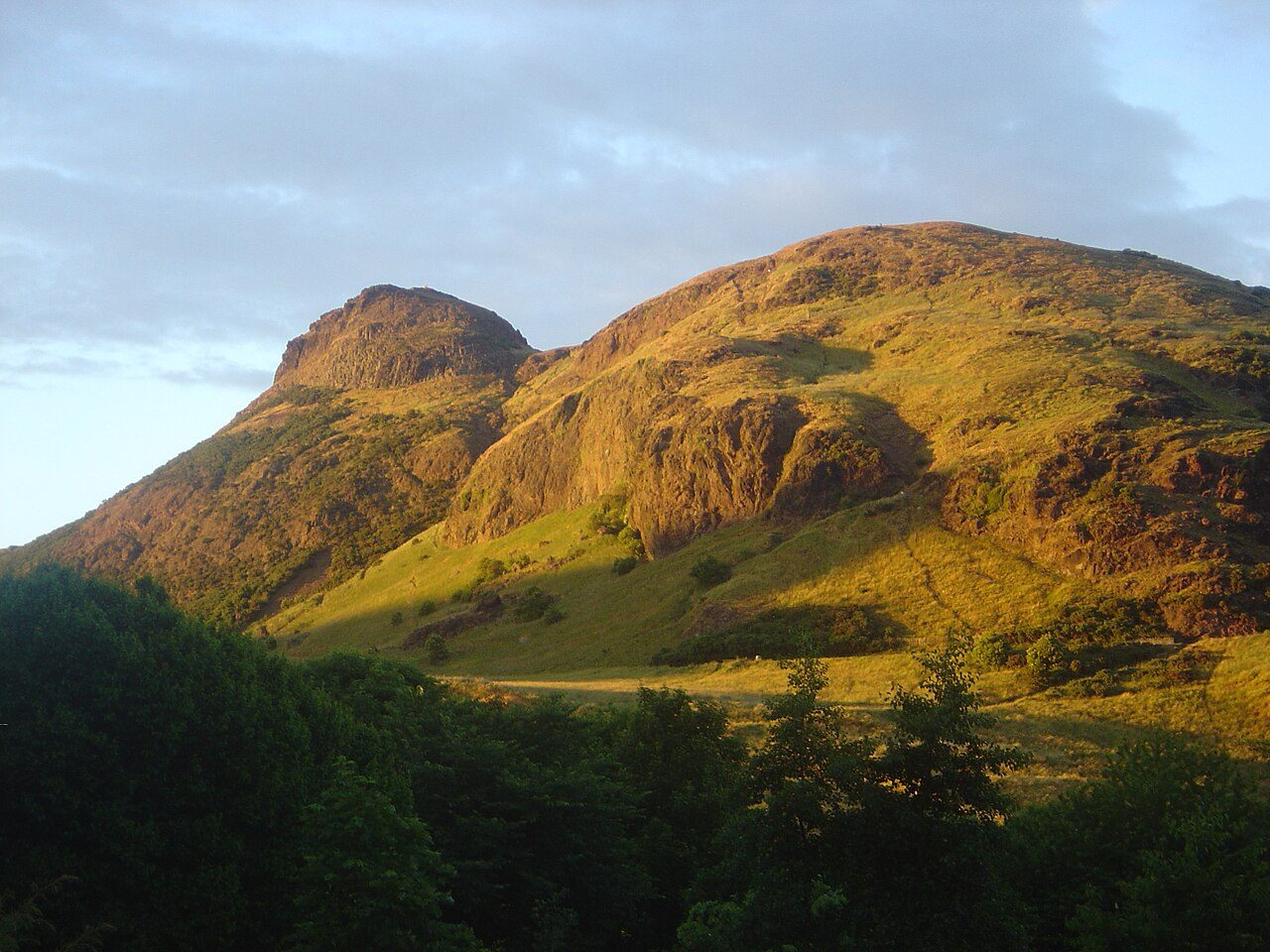
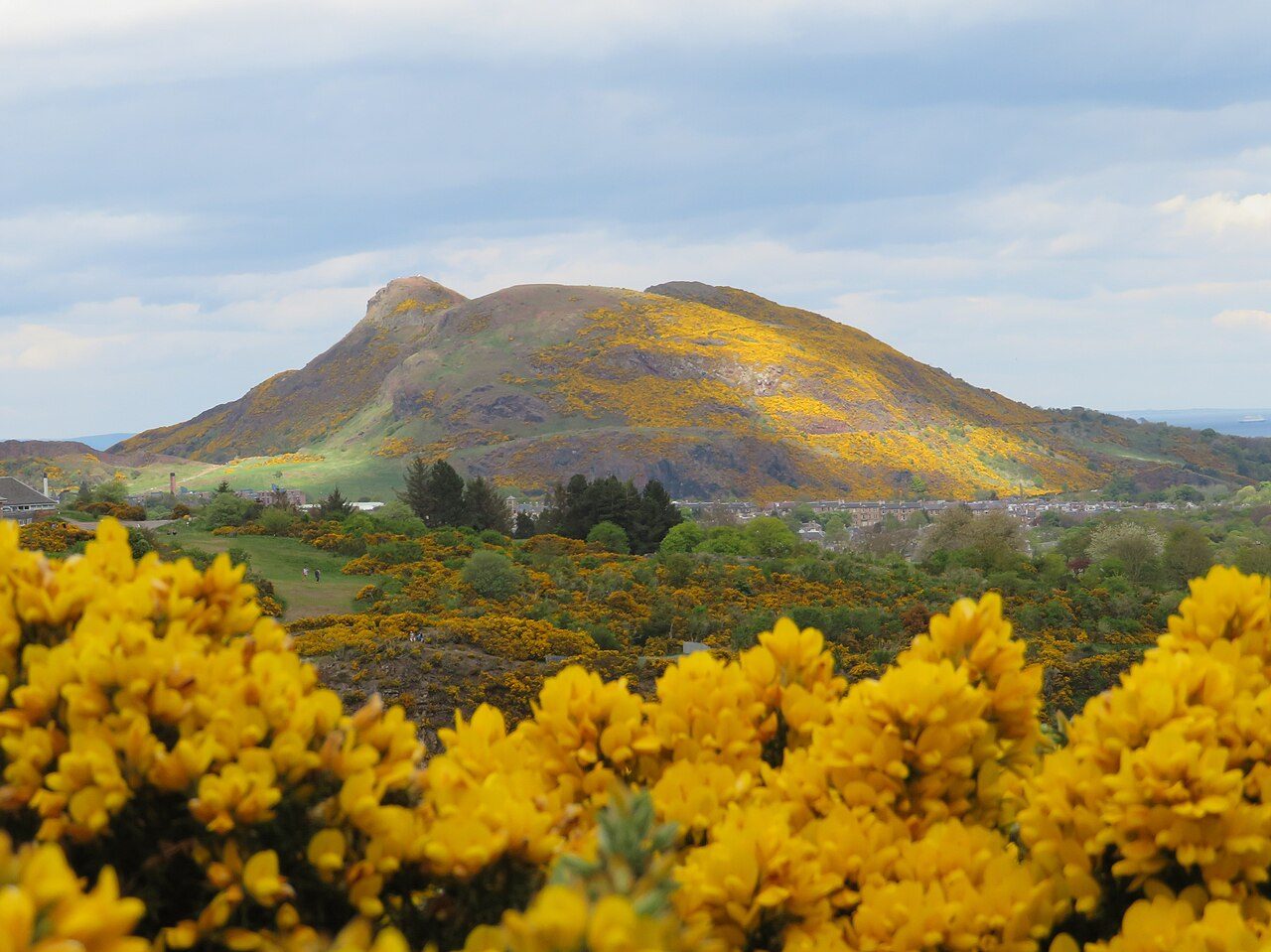
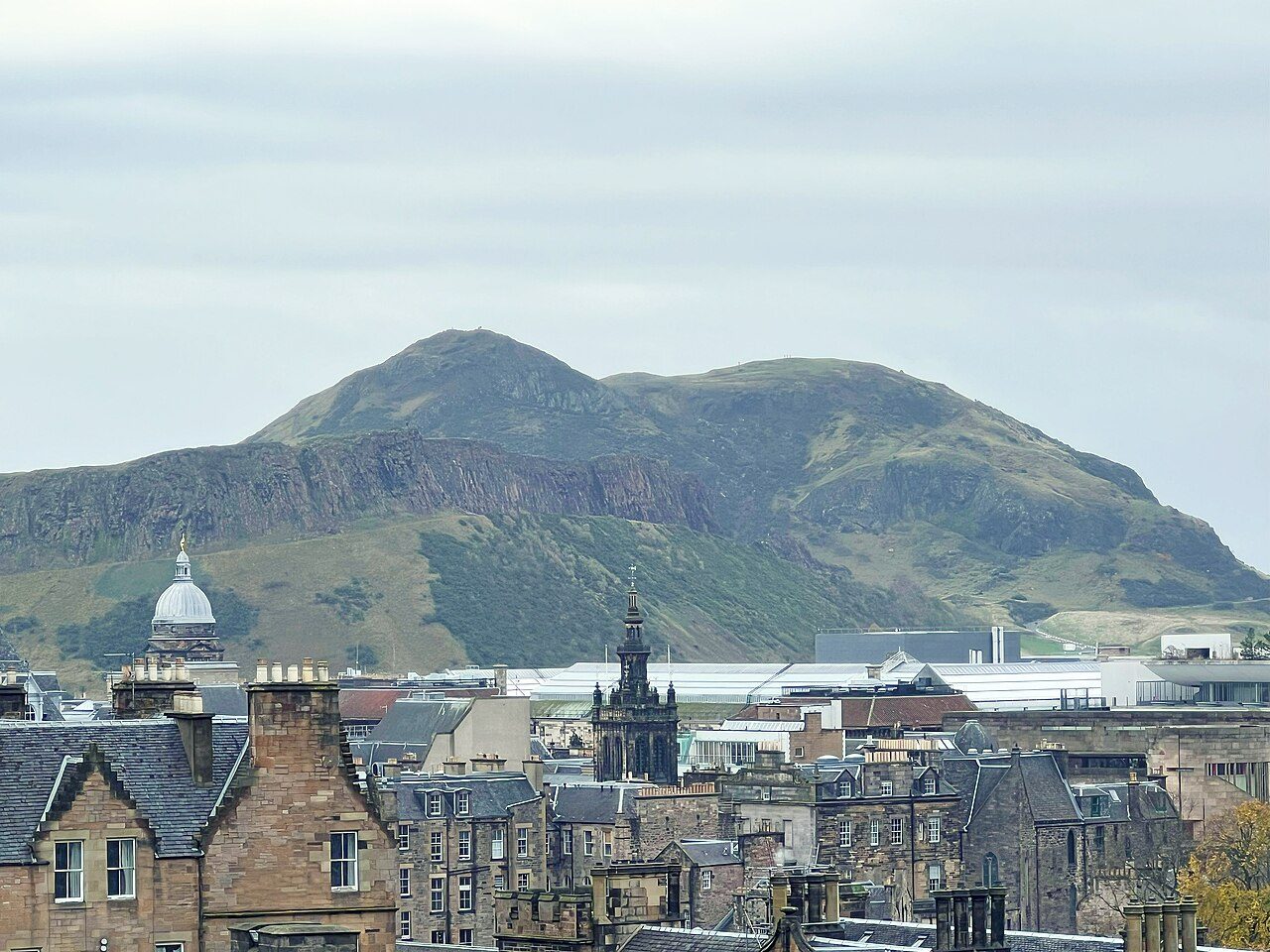
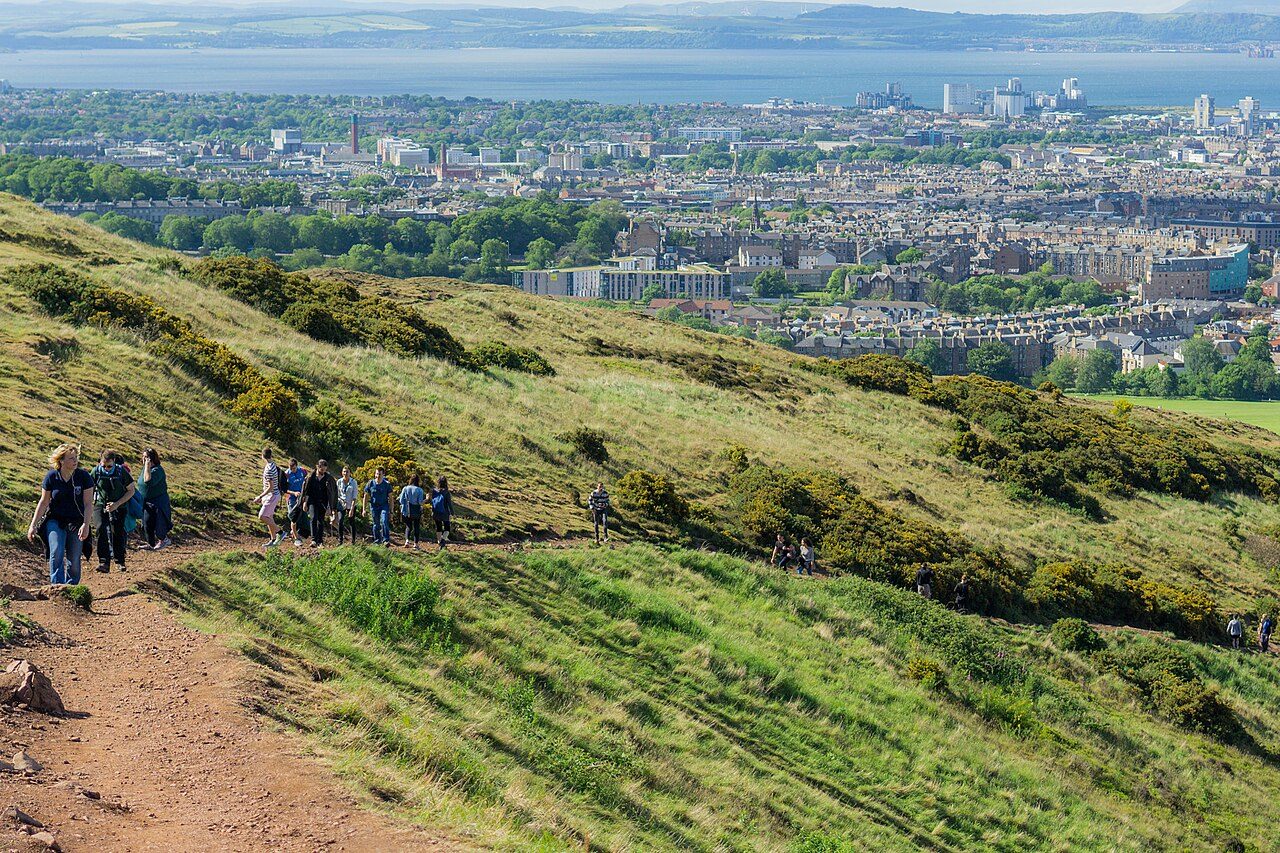
Arthur's Seat is an extinct volcano in Holyrood Park, rising about 251 metres above Edinburgh. It is a short but steep climb from the city centre. The summit gives panoramic views of Edinburgh, the castle and the Firth of Forth. Salisbury Crags, a line of cliffs, run along its western side.
05
STOP 5 OF 12
Stirling Castle
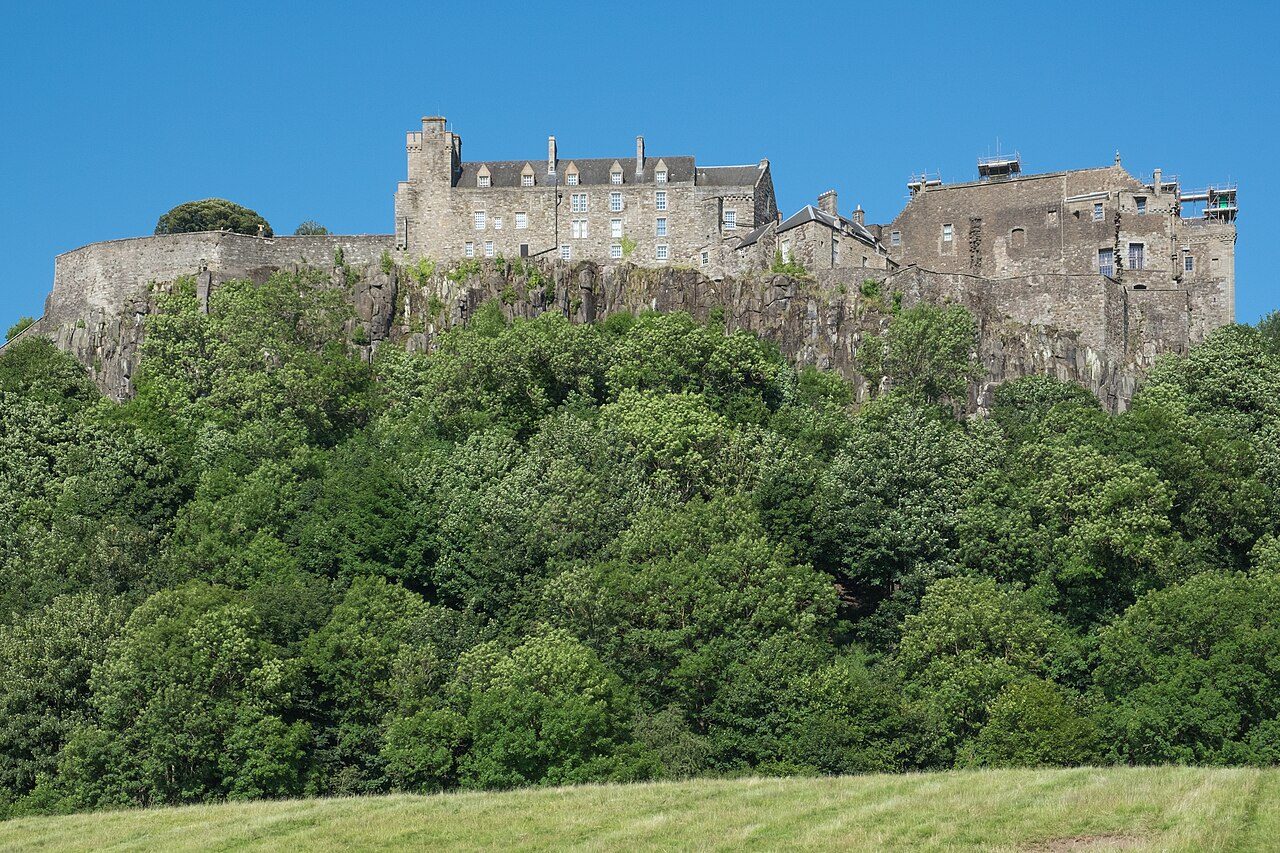
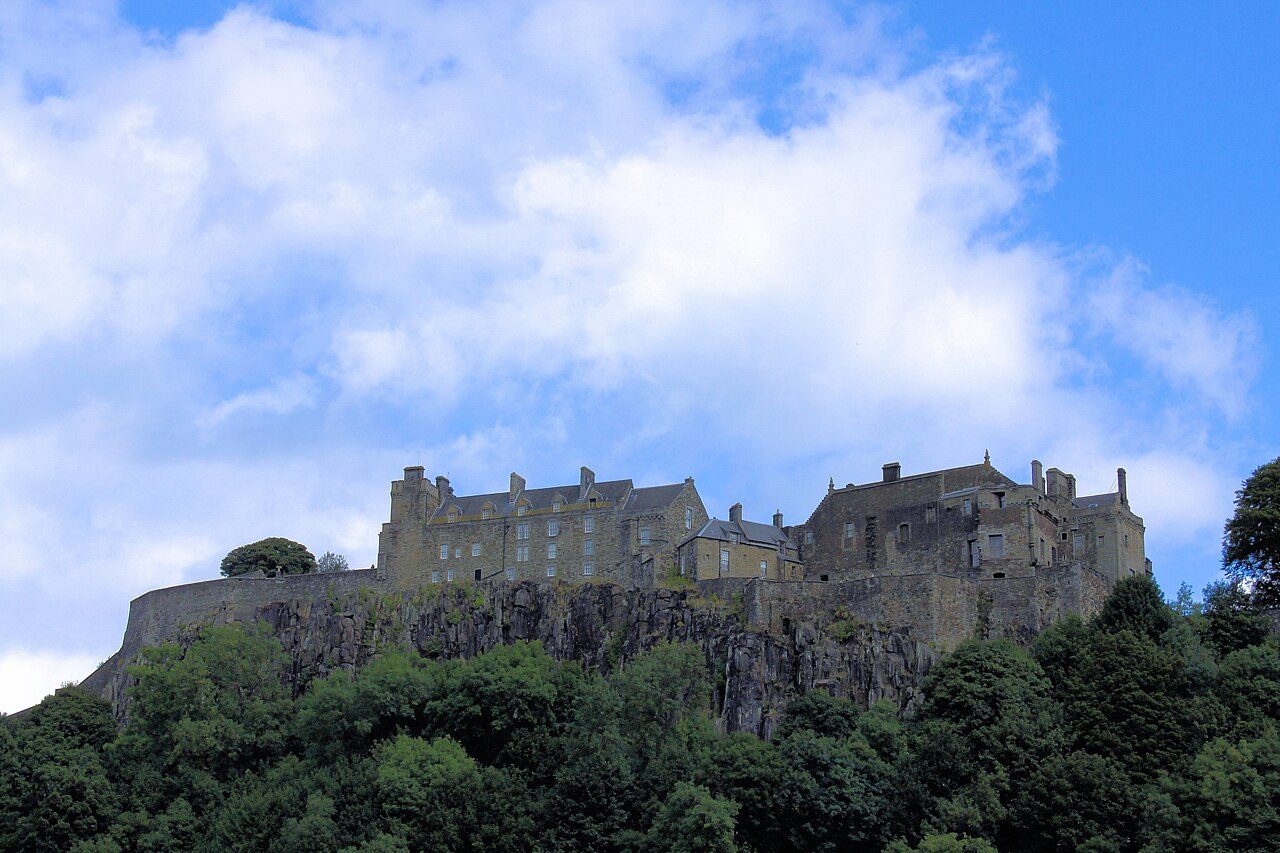
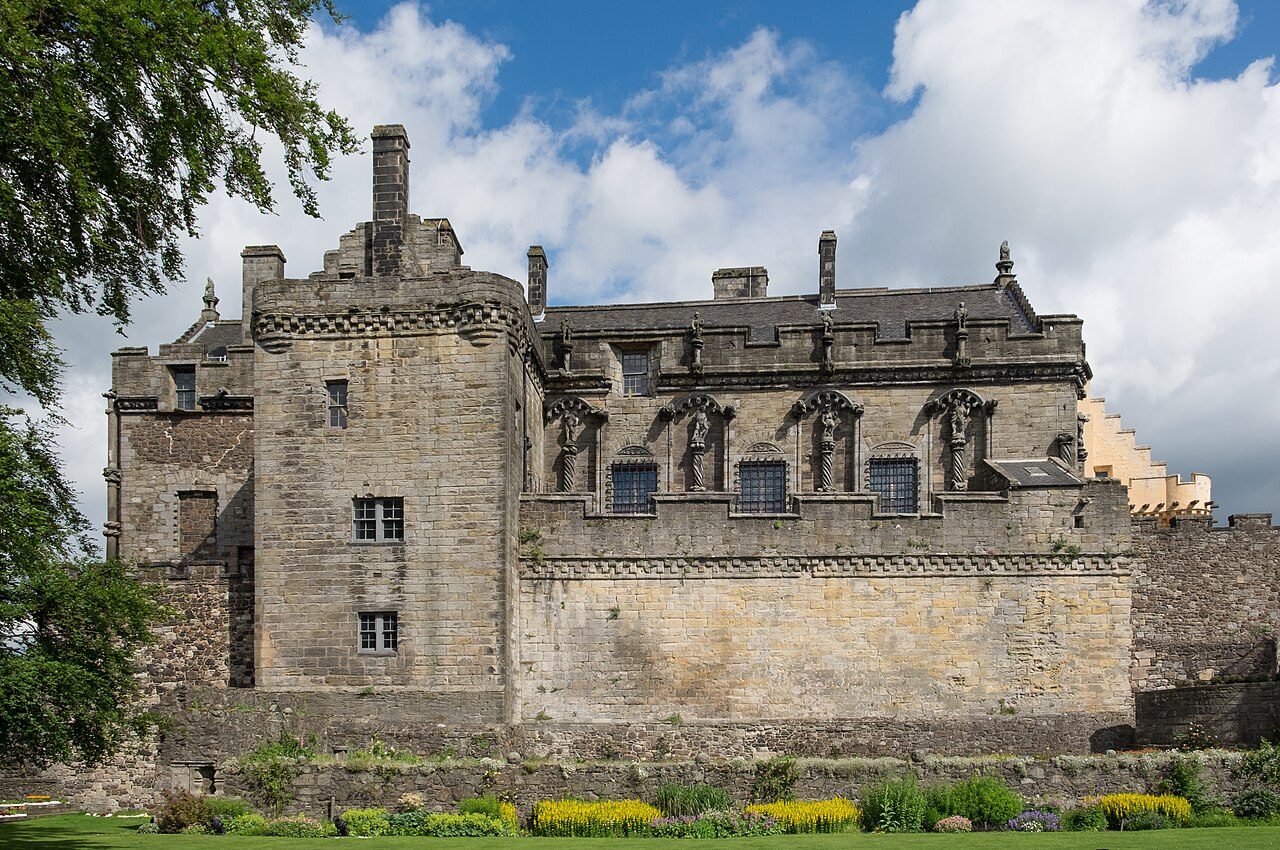
Stirling Castle stands on a volcanic crag above the town of Stirling and was one of the most important castles in Scotland. Mary, Queen of Scots, was crowned here in 1543. Its Renaissance Royal Palace has been restored with colourful furnishings. Nearby are the battlefields of Stirling Bridge and Bannockburn.
06
STOP 6 OF 12
Glasgow Cathedral
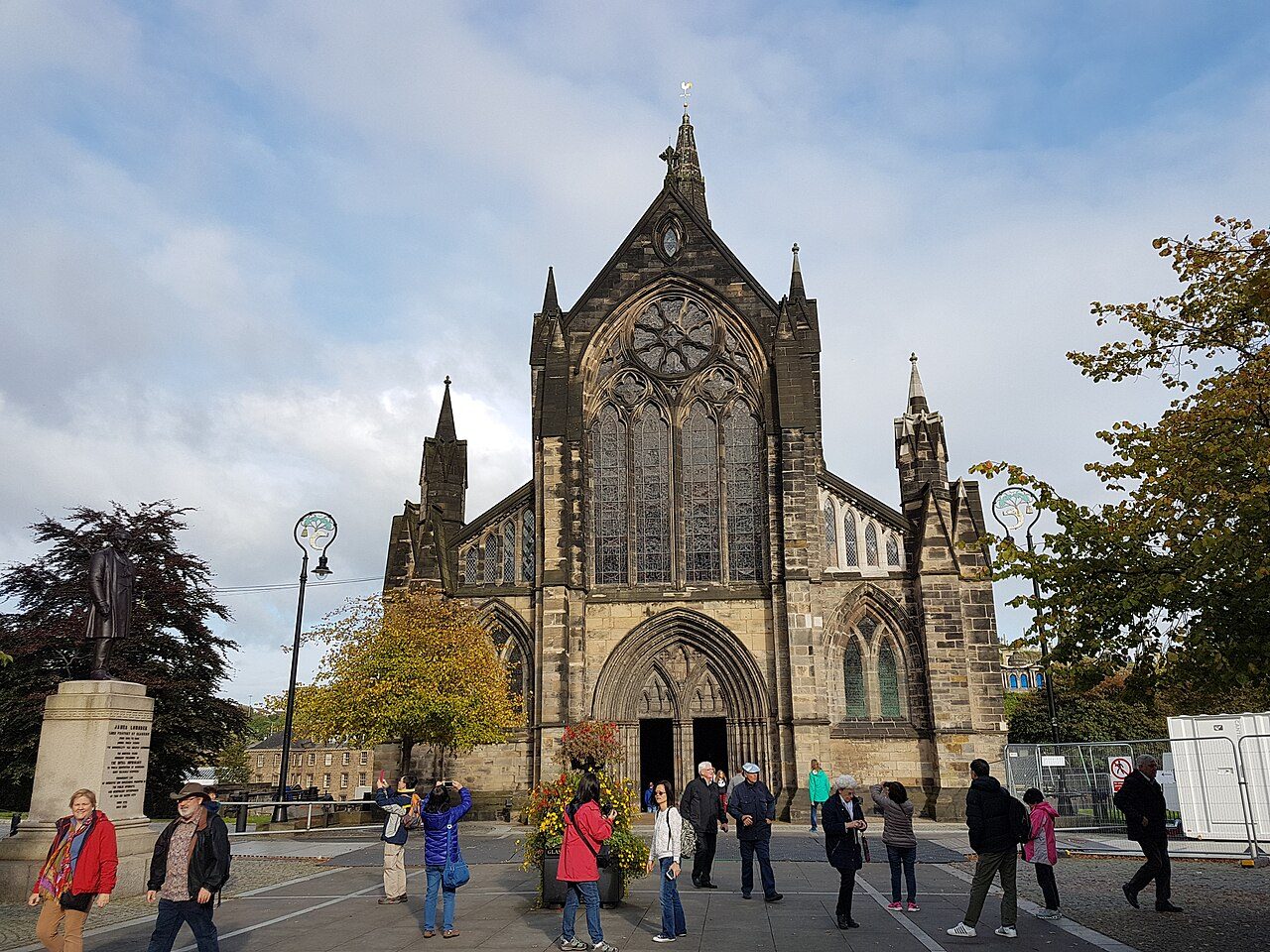
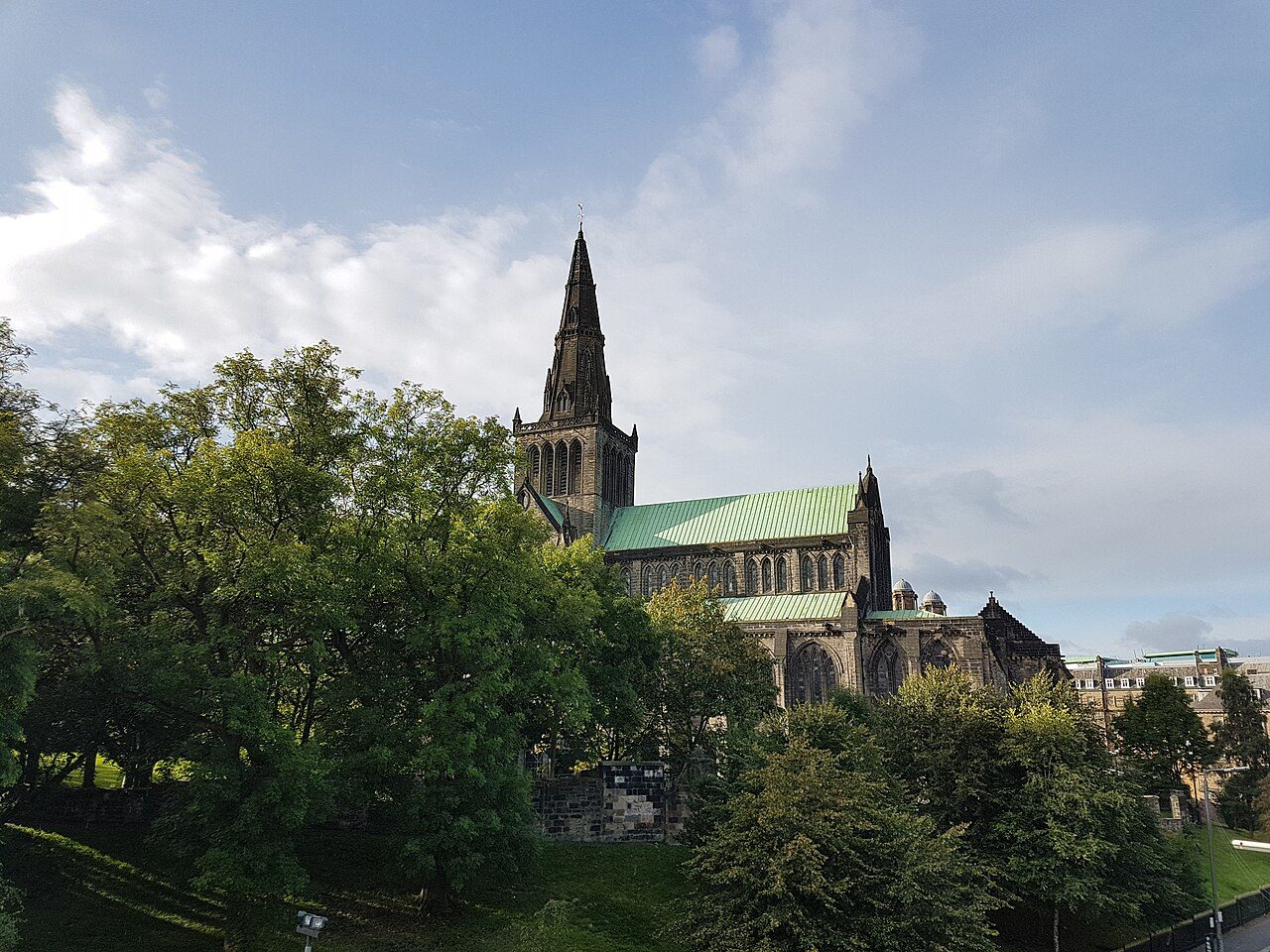
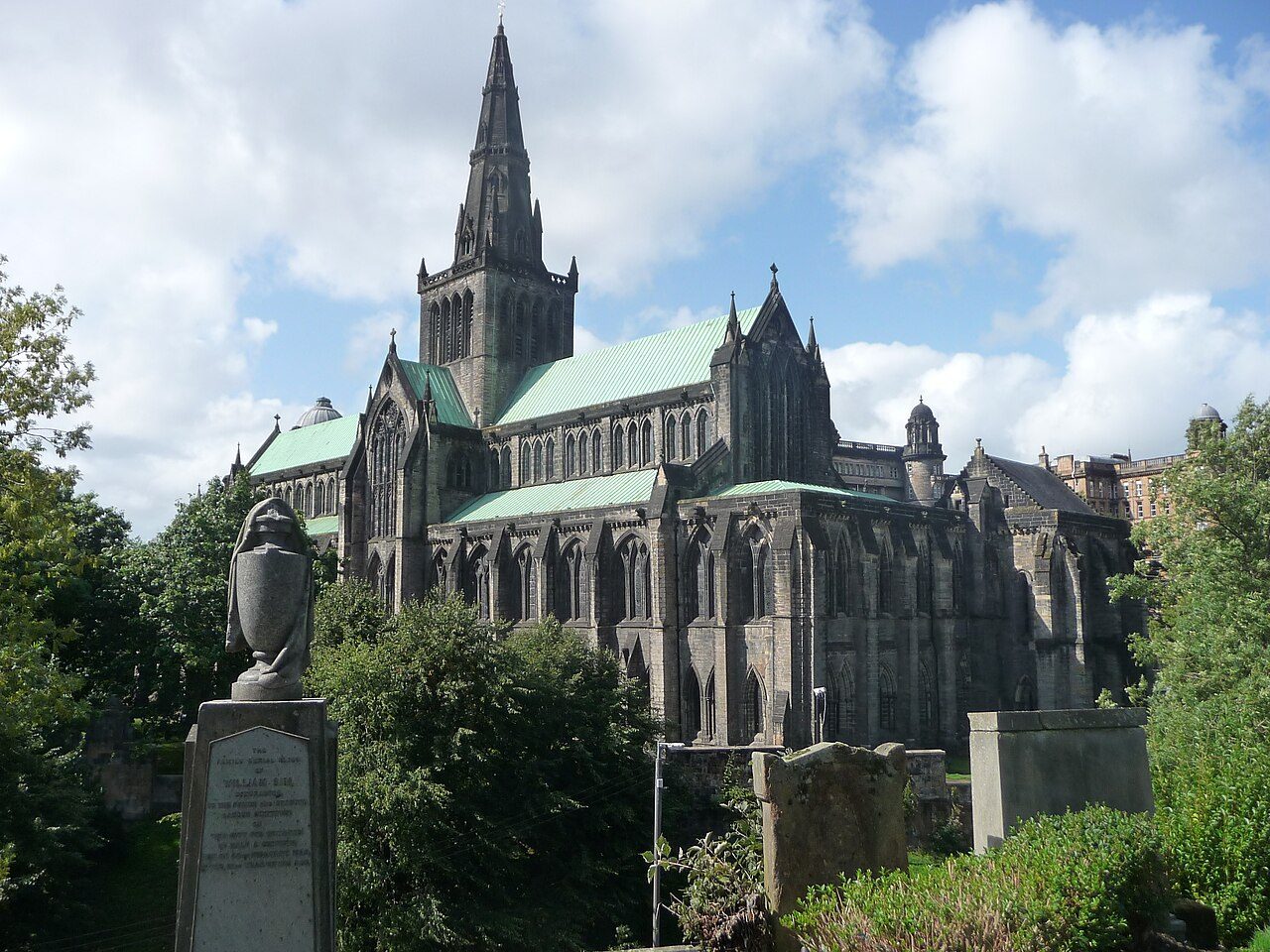
Glasgow Cathedral is the only medieval cathedral on the Scottish mainland to have survived the Reformation almost intact. It was built mainly in the 13th century over the tomb of Saint Mungo, the city's patron saint. Behind it on a hill lies the Glasgow Necropolis, a Victorian cemetery with grand monuments.
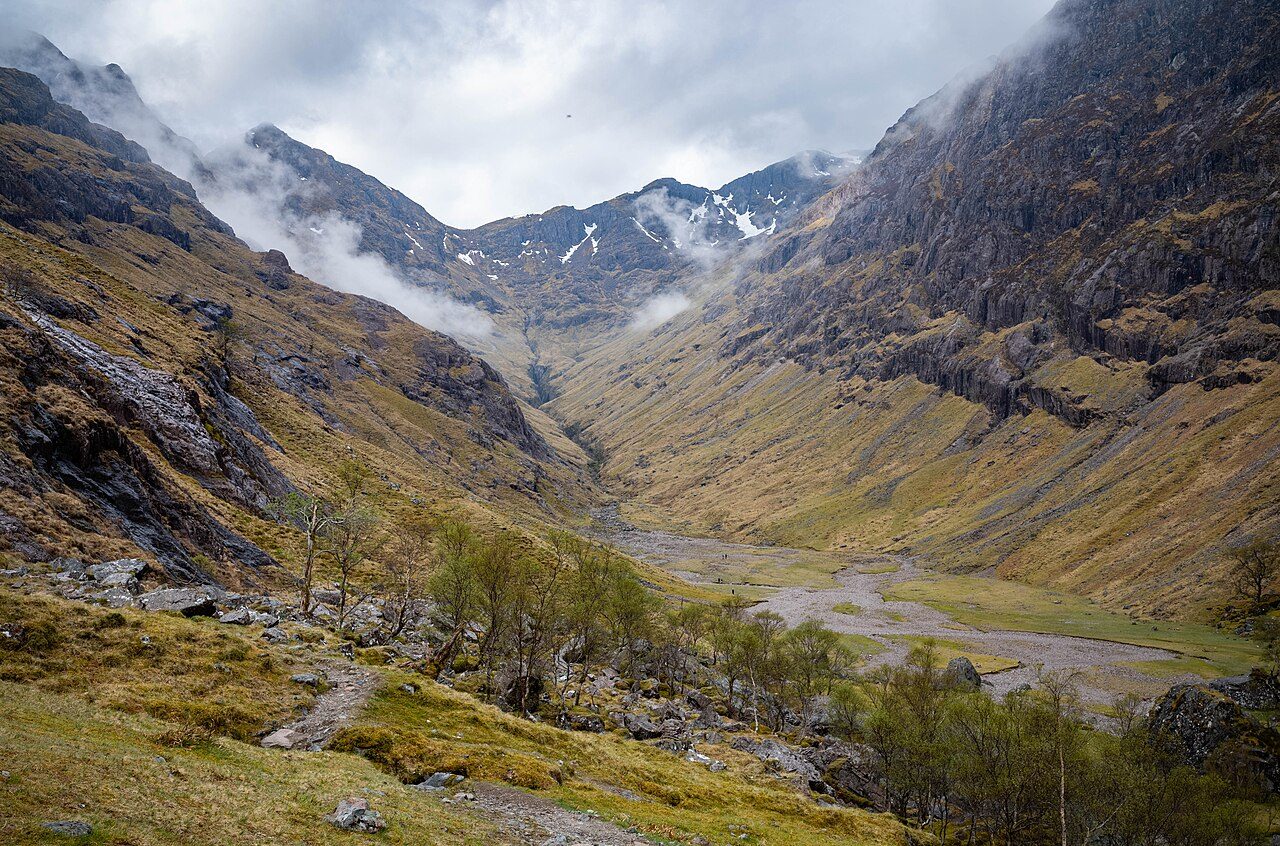
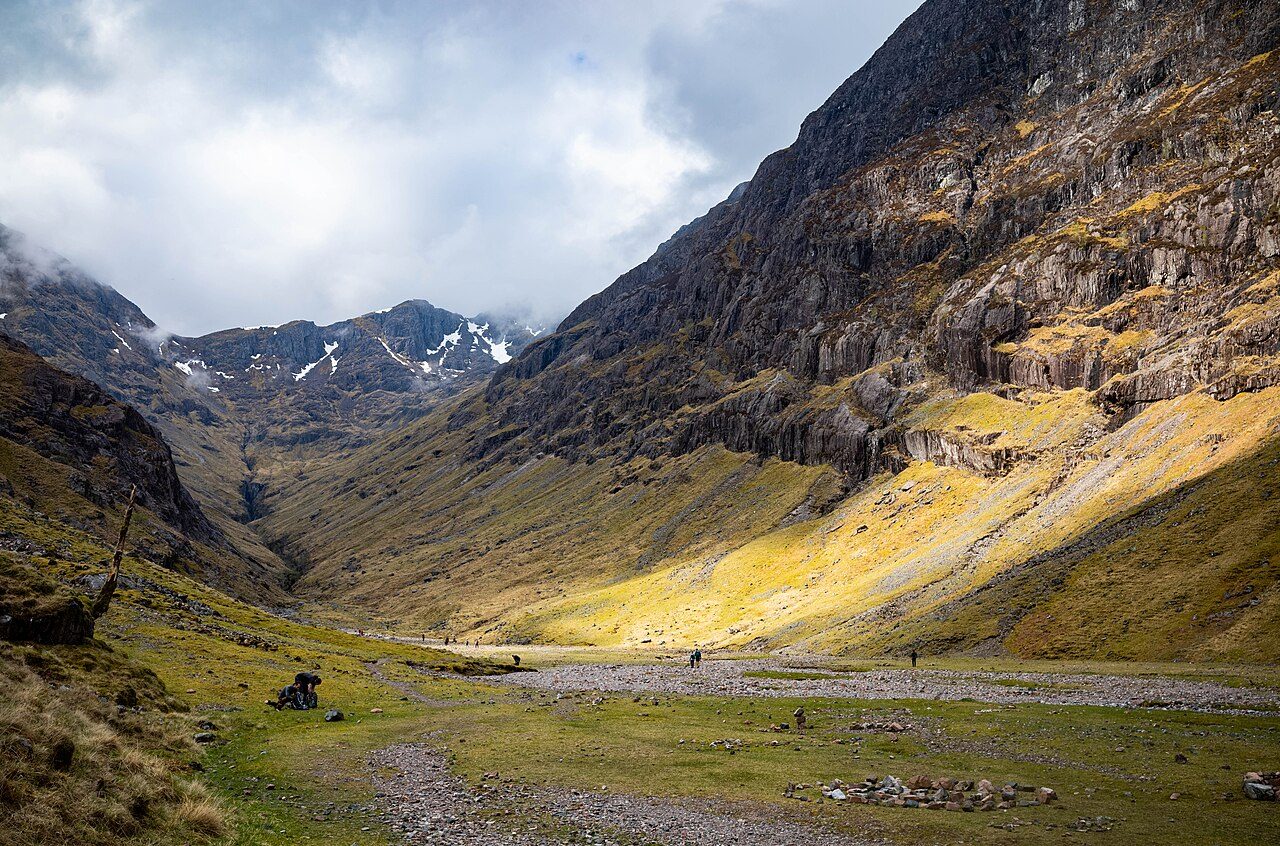
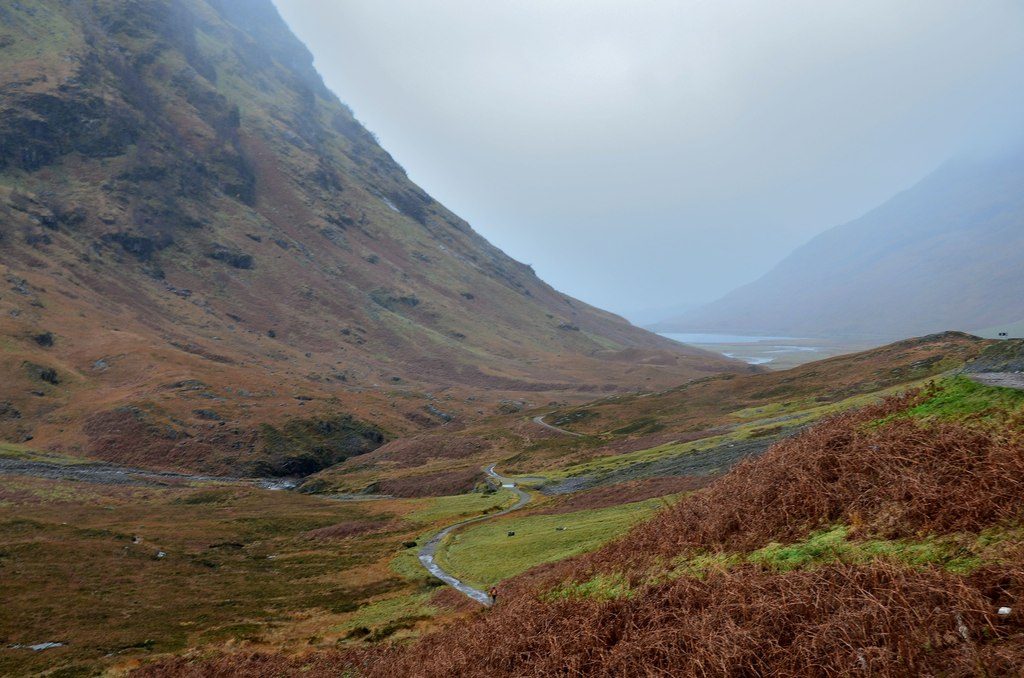
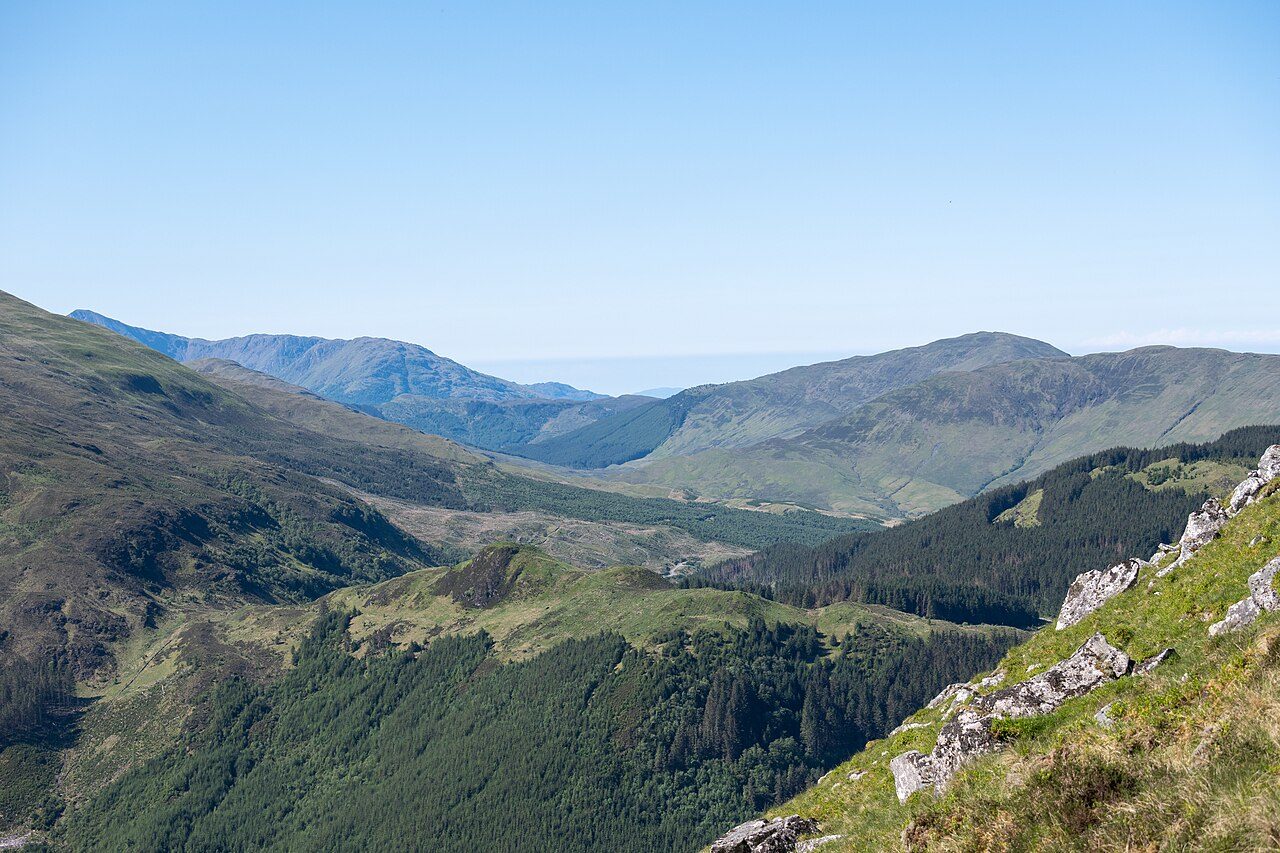
Glencoe is a dramatic glen in the Scottish Highlands, surrounded by steep volcanic mountains. In 1692 it was the scene of the Massacre of Glencoe. The pyramid of Buachaille Etive Mòr guards its eastern entrance. It is popular for hiking, climbing and skiing, and has appeared in many films.
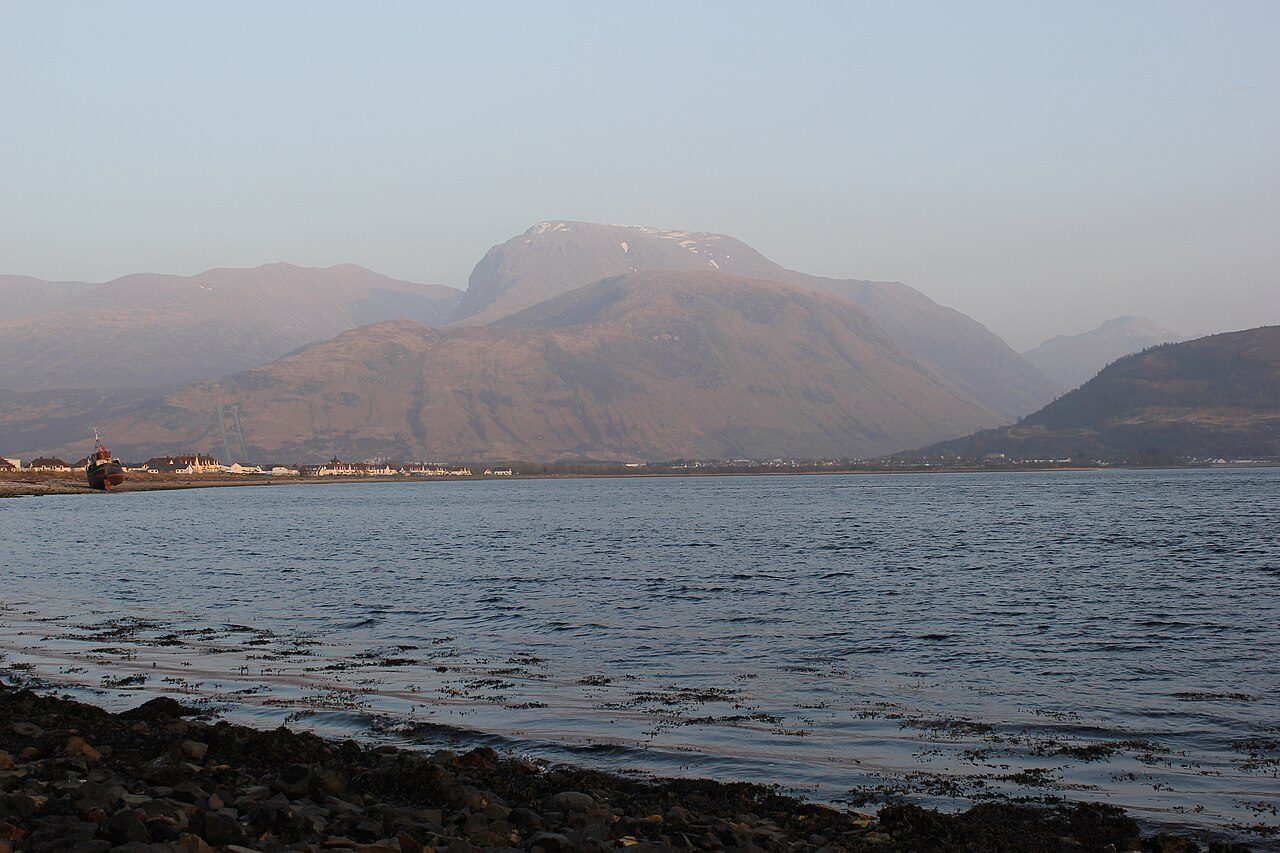
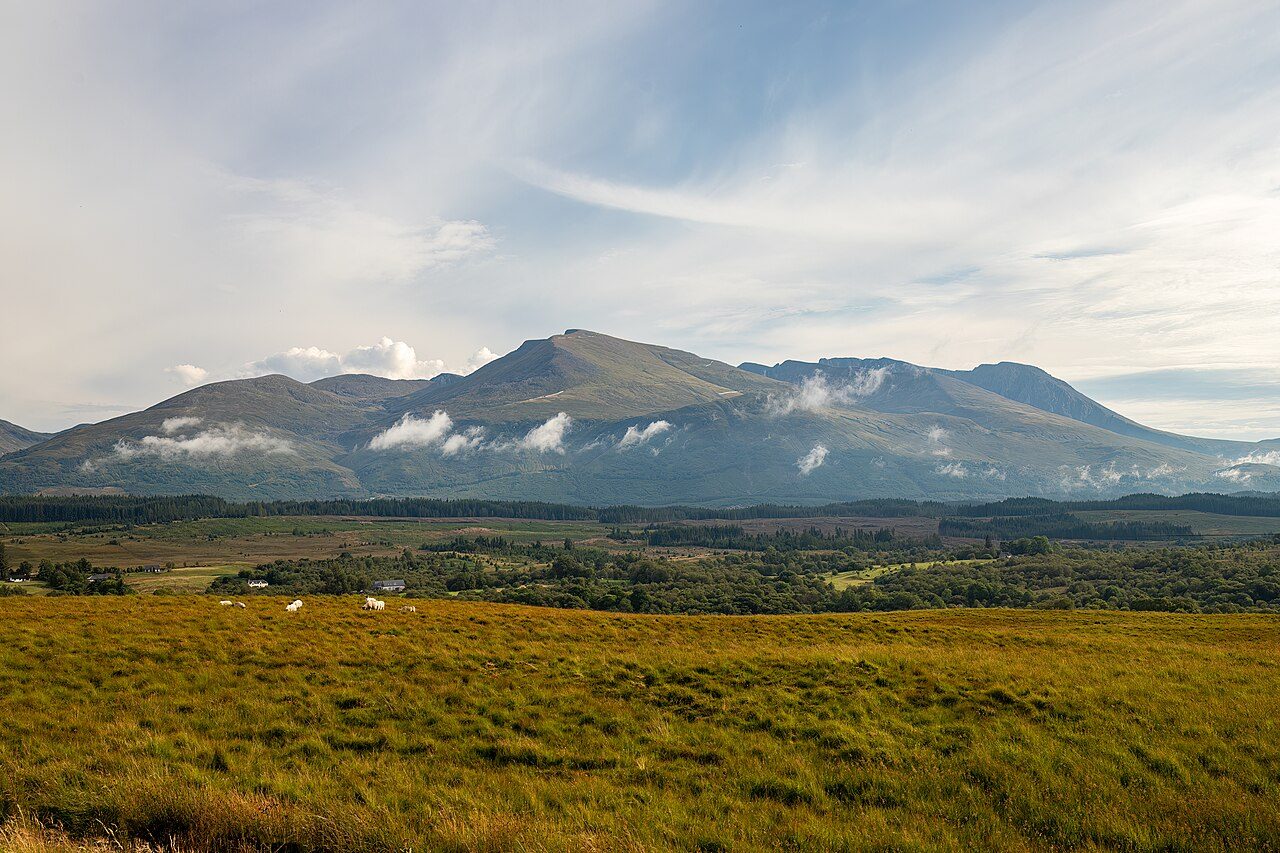
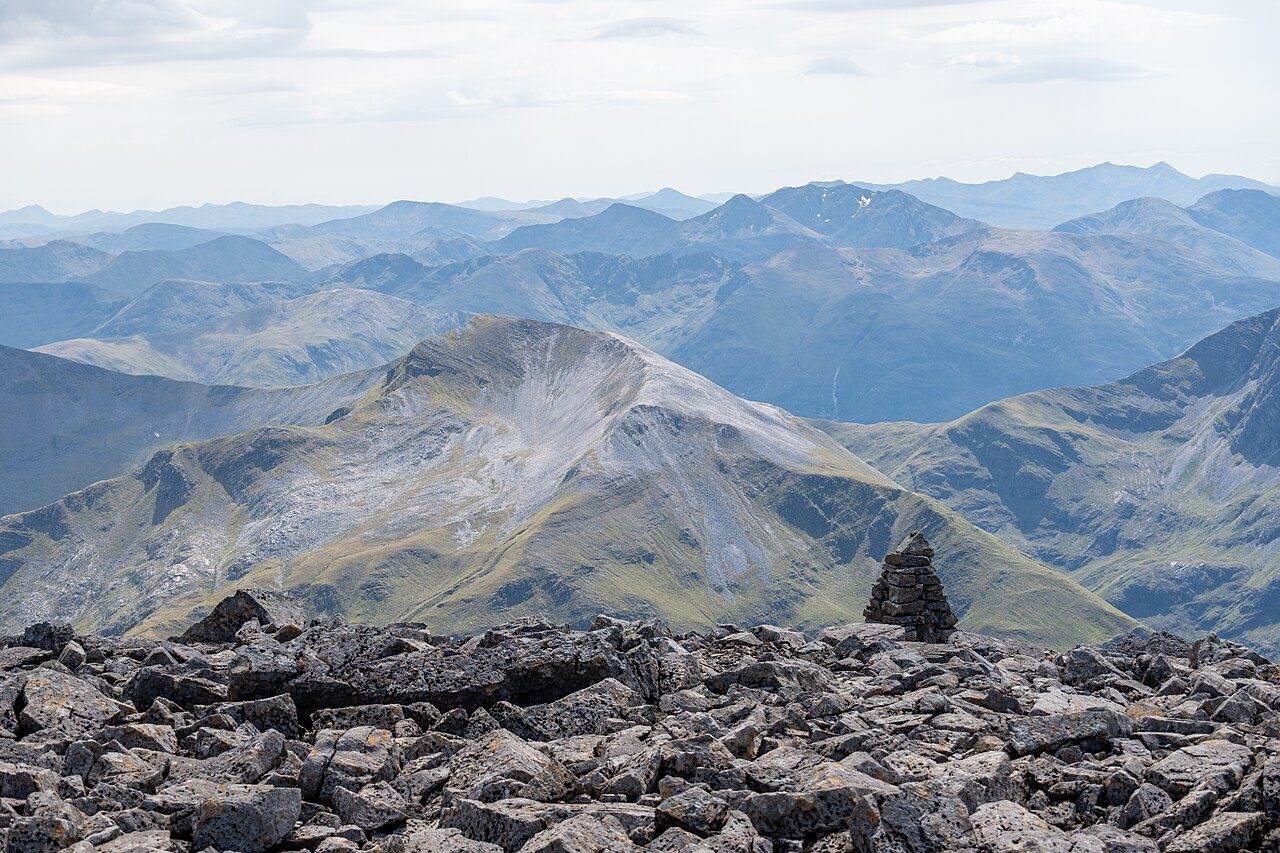
Ben Nevis near Fort William is the highest mountain in the British Isles, at 1,345 metres. A popular path, the Mountain Track, climbs to the summit, where the ruins of an old weather observatory stand. Its north face has huge cliffs used by climbers. The summit is often covered in cloud.
09
STOP 9 OF 12
Glenfinnan Viaduct
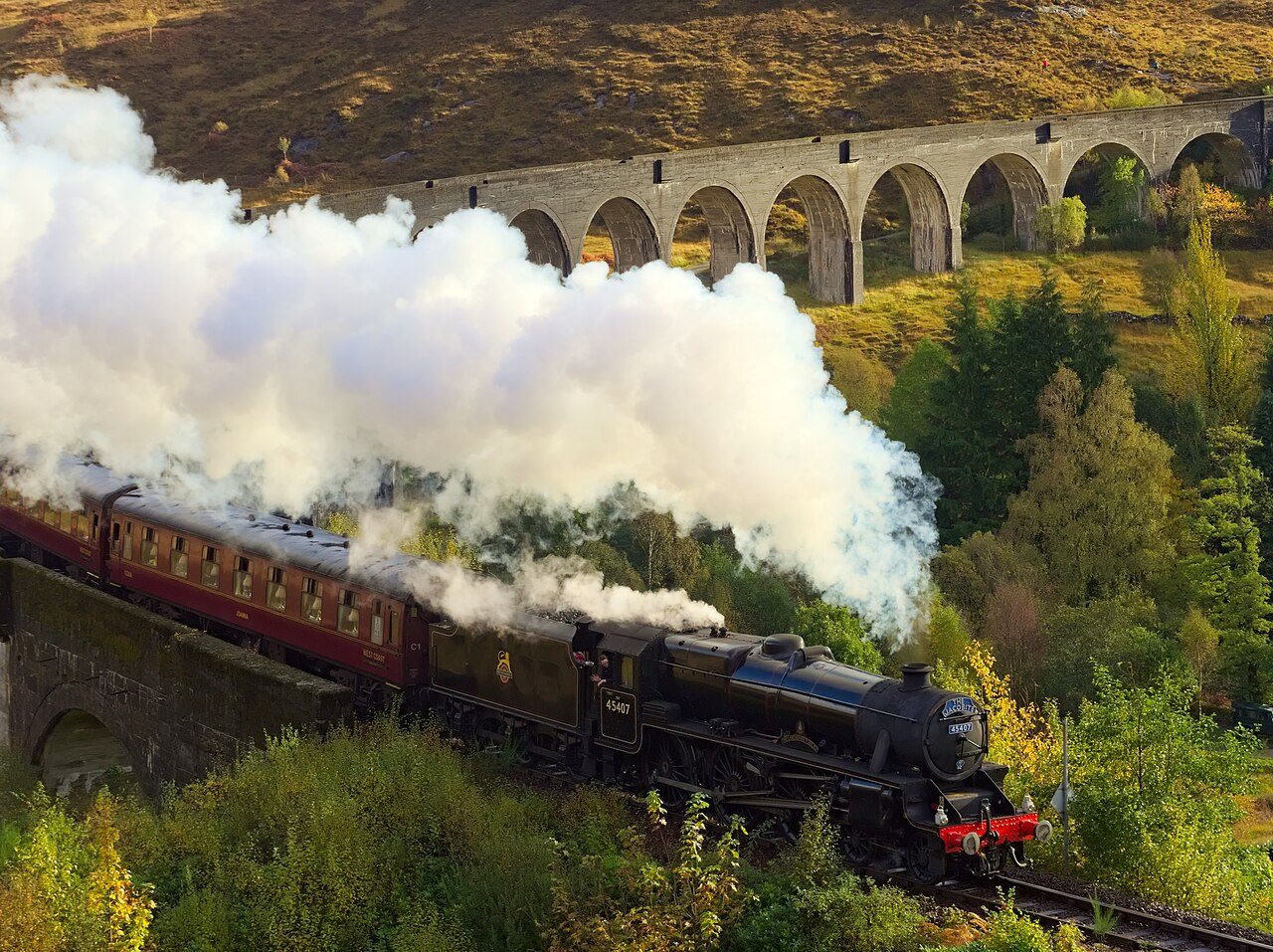
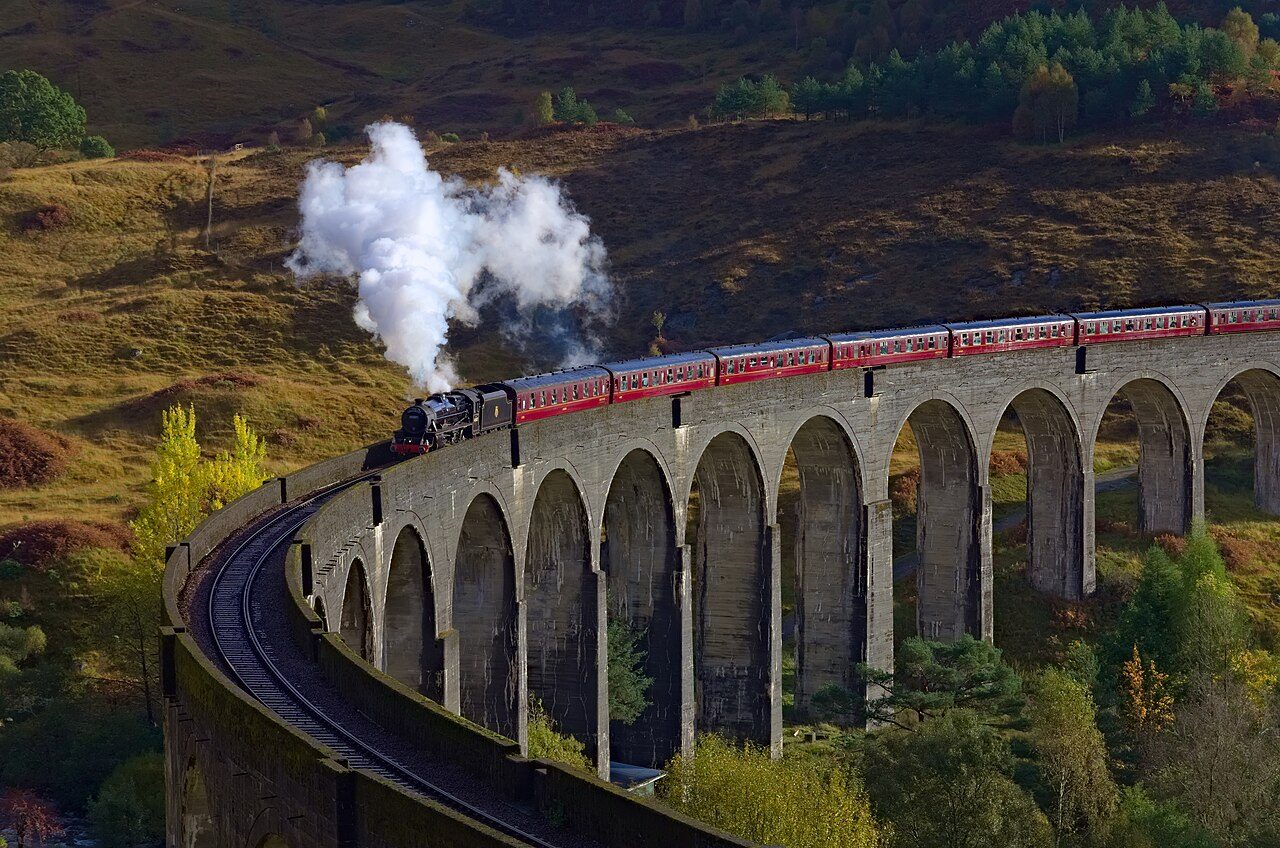
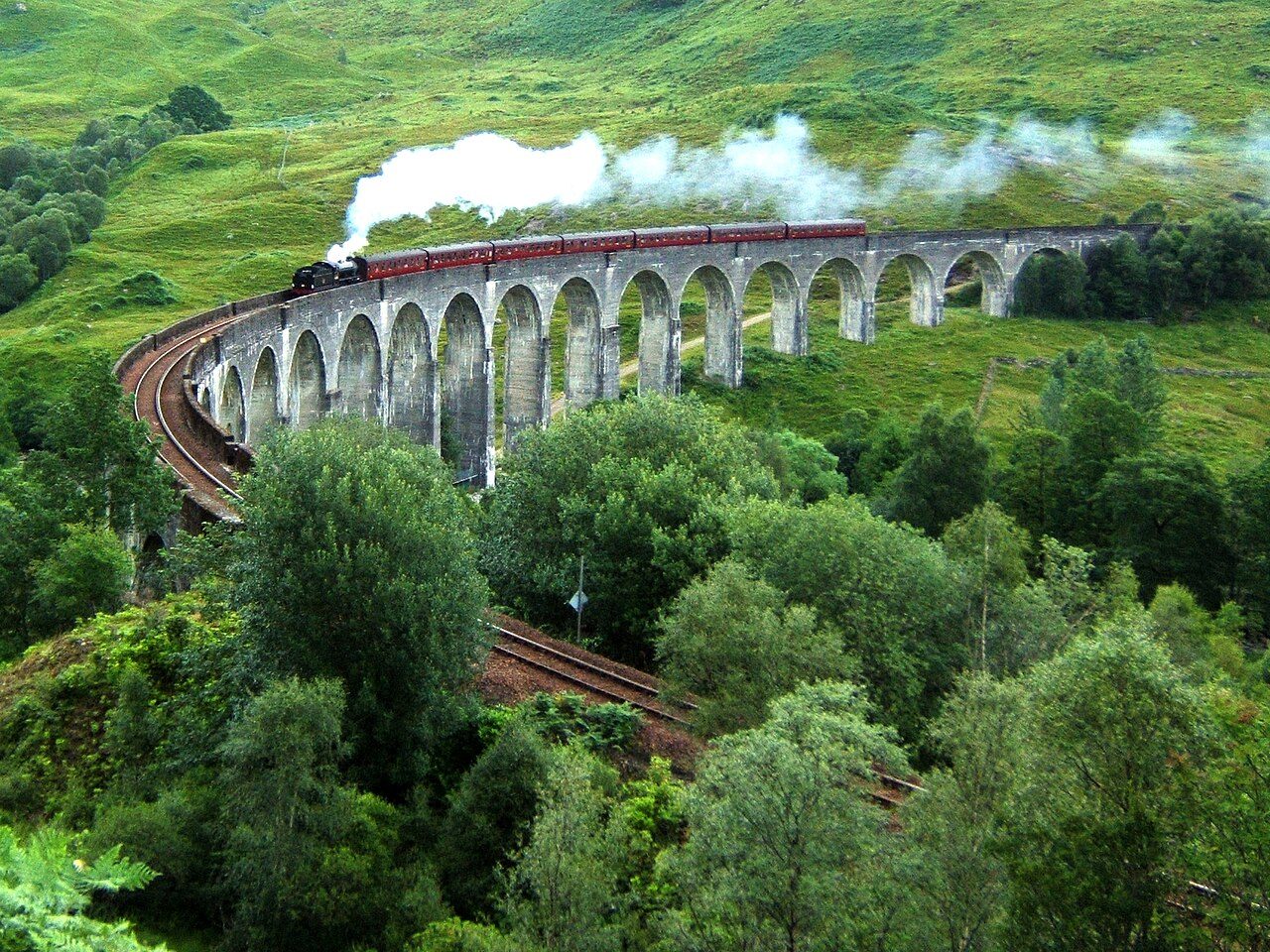
The Glenfinnan Viaduct is a curved railway viaduct in the western Highlands, completed in 1901. Its 21 concrete arches carry the West Highland Line above the River Finnan. The Jacobite steam train crosses it and it became famous in the Harry Potter films. The Glenfinnan Monument on Loch Shiel stands nearby.
10
STOP 10 OF 12
Eilean Donan
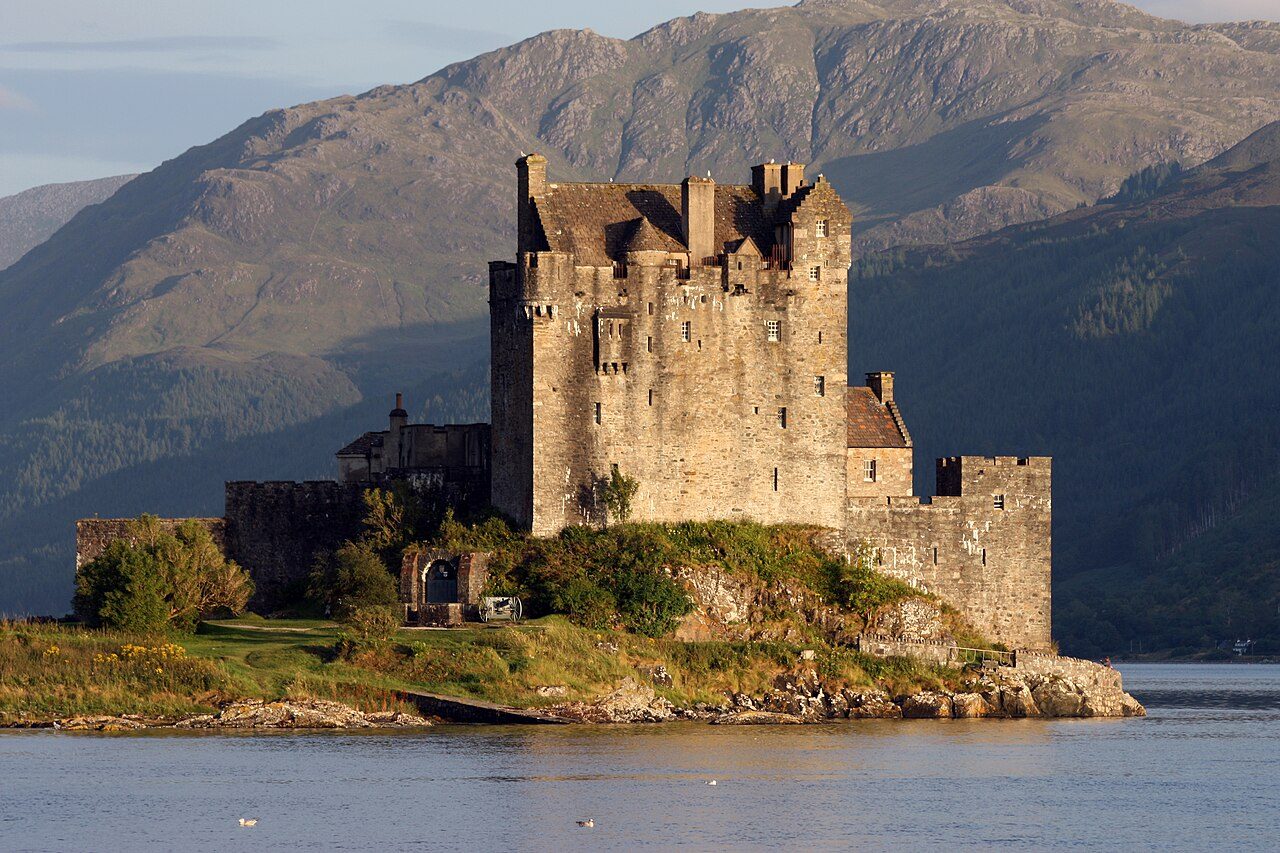
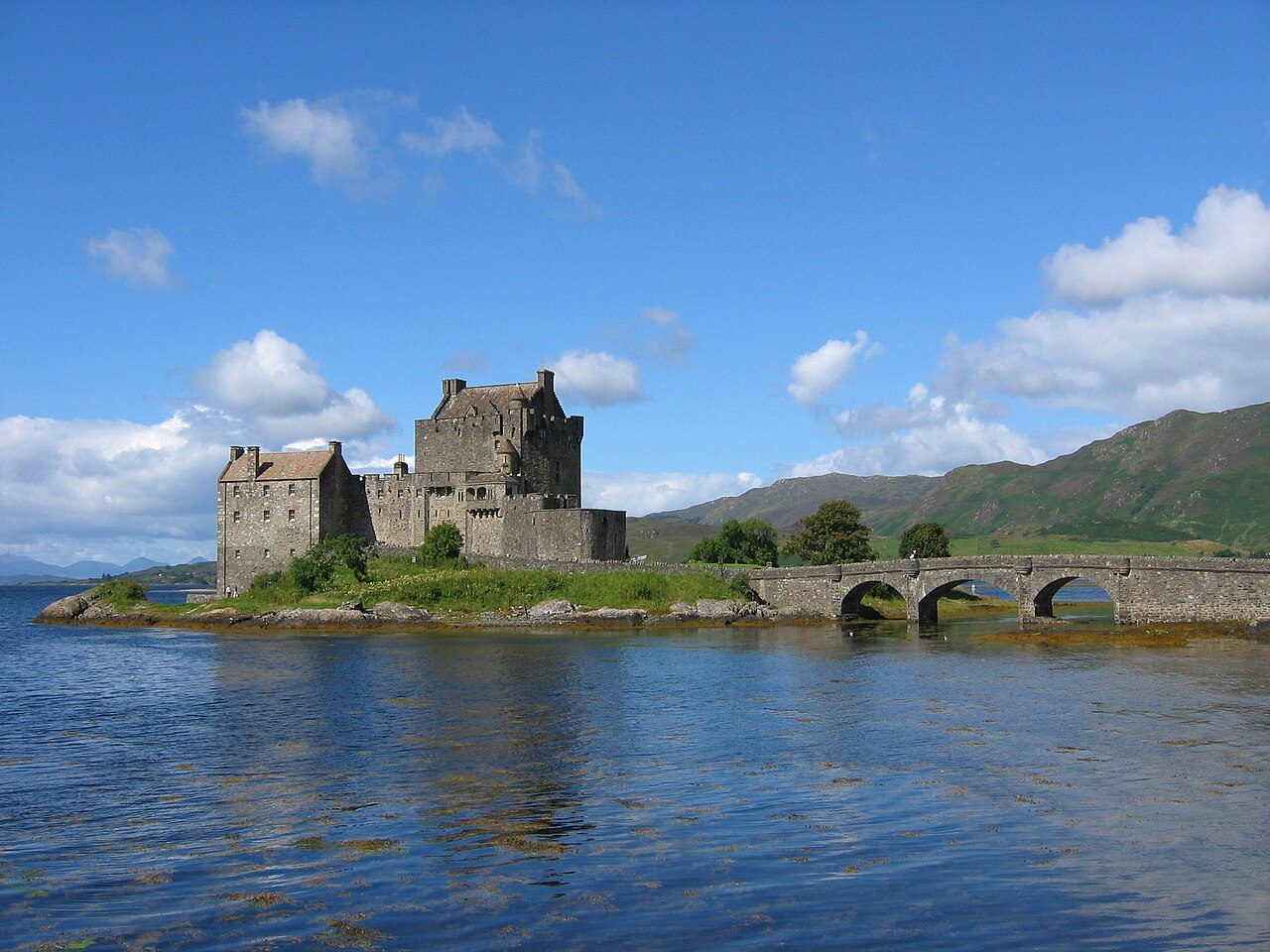
Eilean Donan is a castle on a small tidal island where three sea lochs meet in the western Highlands. A castle was first built here in the 13th century; it was destroyed in 1719 and rebuilt in the early 20th century. A stone footbridge leads to it. It is one of the most photographed castles in Scotland.
11
STOP 11 OF 12
Isle of Skye
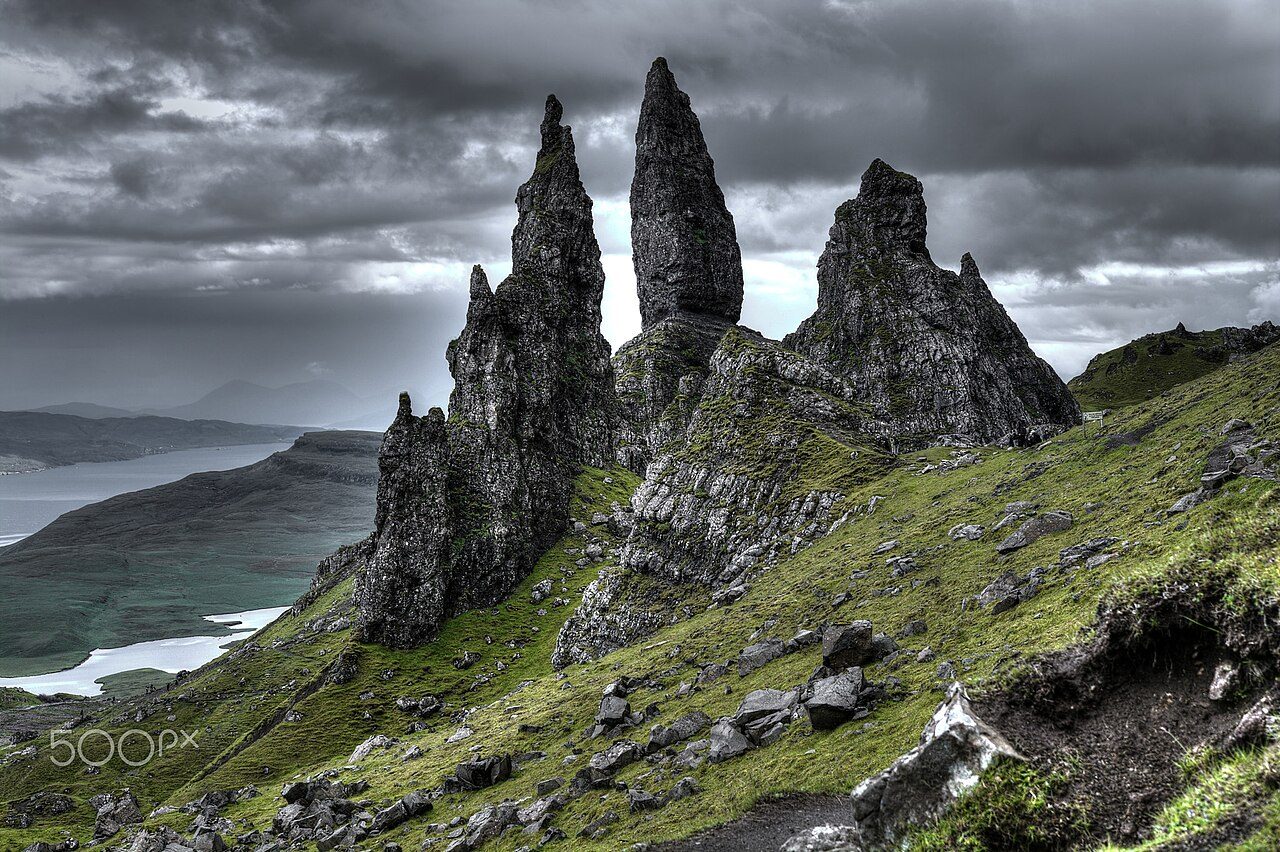
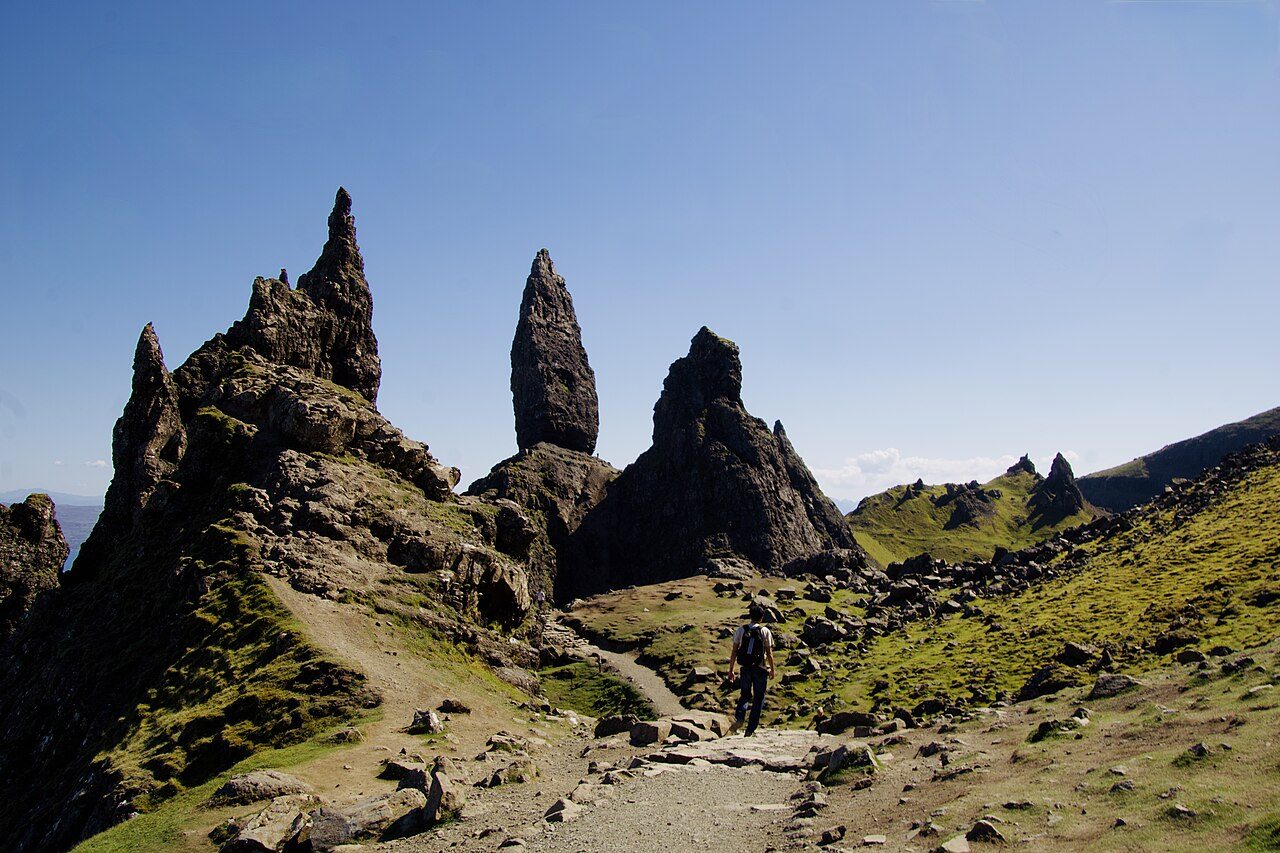
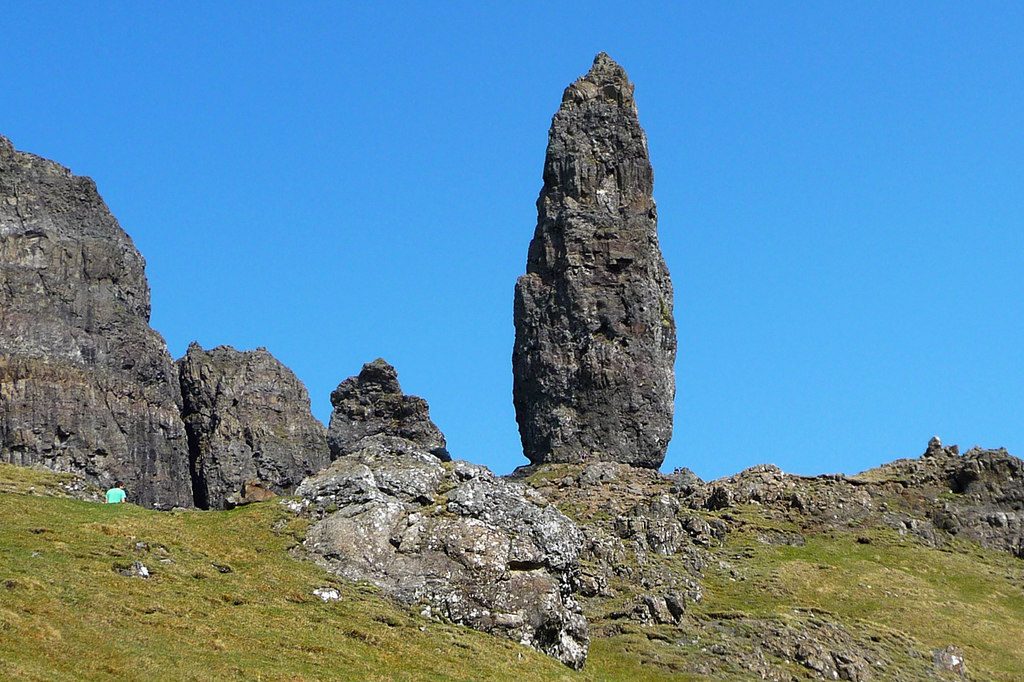
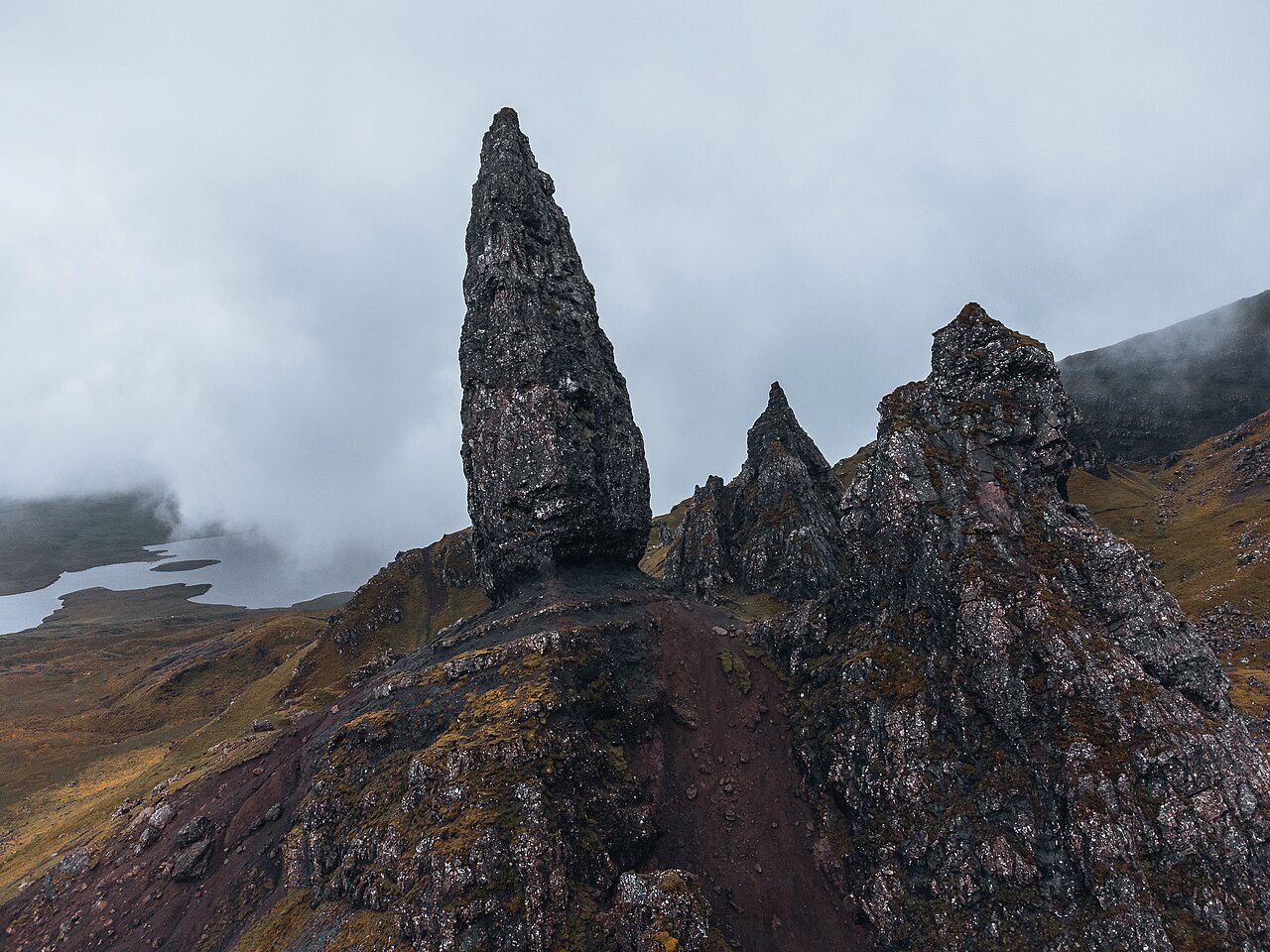
The Isle of Skye is the largest island of the Inner Hebrides in Scotland. It is famous for dramatic landscapes, including the rock pinnacles of the Old Man of Storr, the landslip of the Quiraing, the Fairy Pools and the Cuillin mountains. Portree, its main town, has colourful houses around the harbour.
12
STOP 12 OF 12 · LAST STOP
Loch Ness
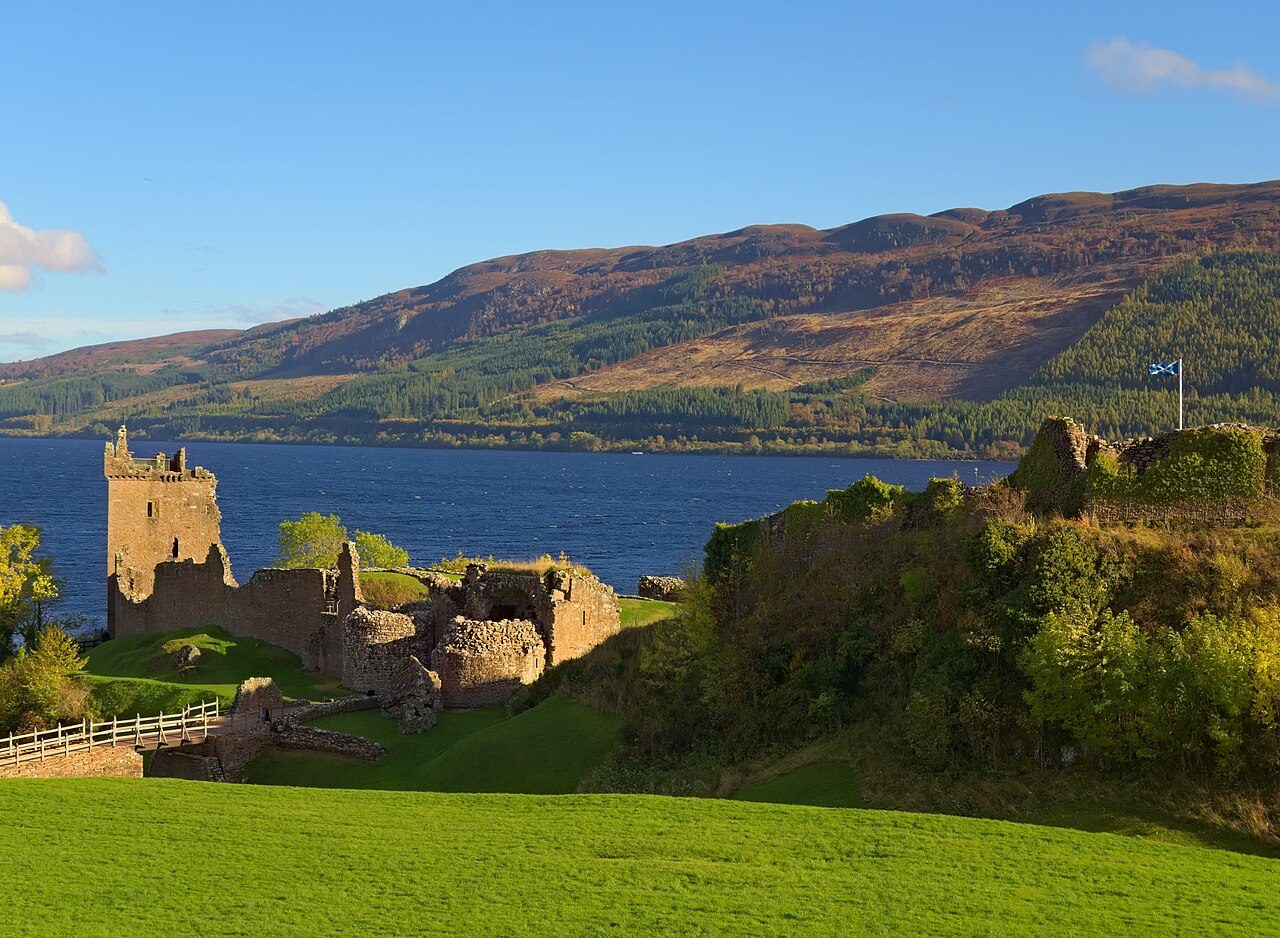
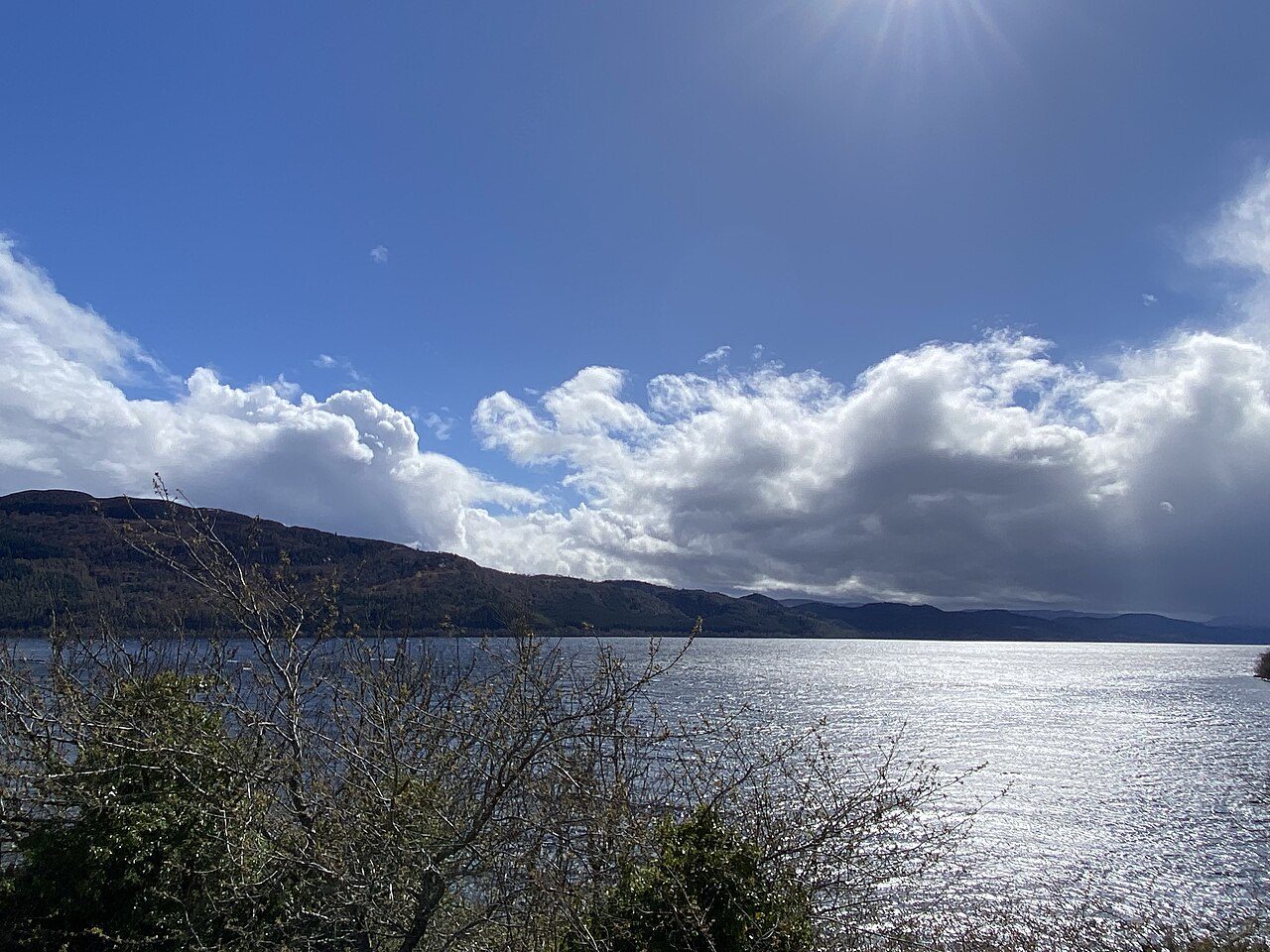
Loch Ness is a long, deep freshwater lake in the Scottish Highlands, about 37 kilometres long. It holds more water than all the lakes of England and Wales combined. It is famous for legends of the Loch Ness Monster, Nessie. The ruins of Urquhart Castle stand on its shore near Drumnadrochit.
Seasons from 20 years of NASA POWER climate data.
 WaTrips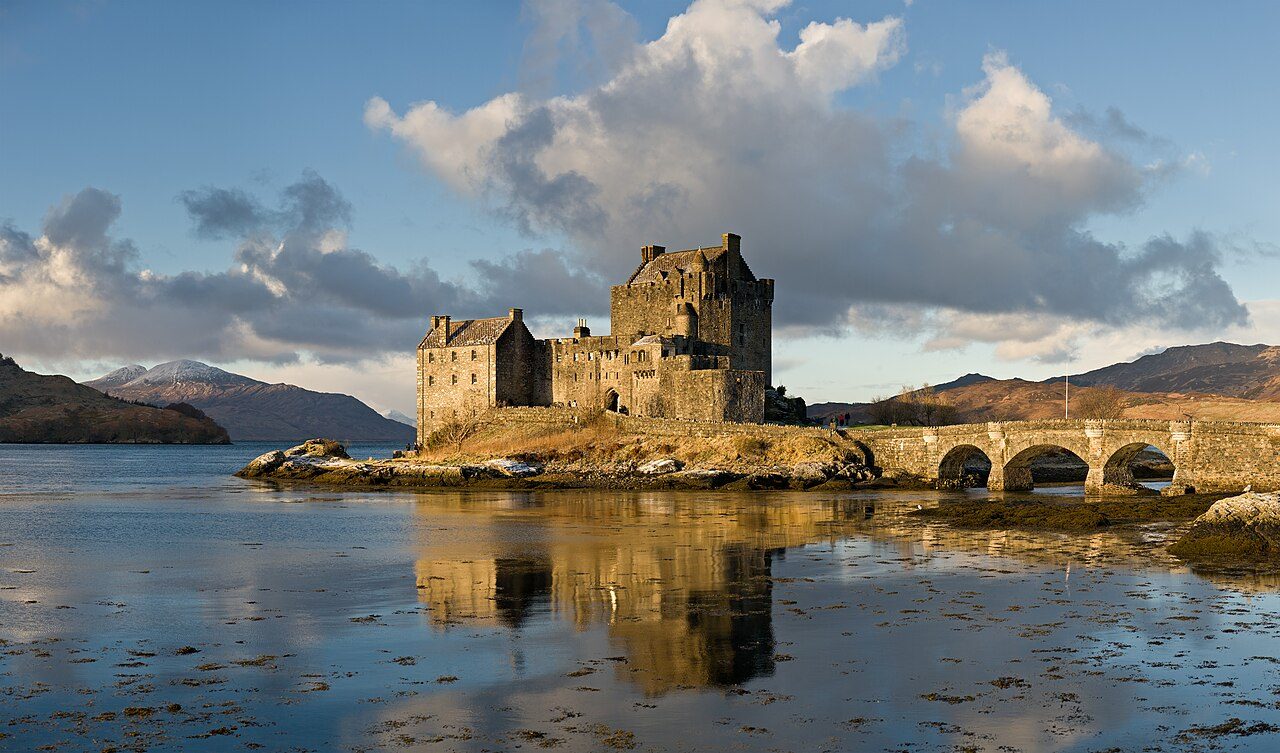








 BikesBooking
 Localrent
 Airalo
 Tiqets