London's landmarks, Windsor, Stonehenge and Bath, the Cotswolds, Oxford and Stratford, York, the Lake District, Edinburgh, Glencoe, Skye and Loch Ness.
This route runs from London to the Highlands. Spend two days in London at Westminster, the Tower and the British Museum, then visit Windsor Castle, Stonehenge and Georgian Bath with its Roman Baths. Drive through the honey-stone Cotswolds to Oxford and Shakespeare's Stratford, then north to York Minster and the Lake District. Cross into Scotland for Edinburgh Castle and the Royal Mile, then the Highlands: Glencoe, the Harry Potter viaduct at Glenfinnan, Eilean Donan, the Isle of Skye and Loch Ness. May to September is best.
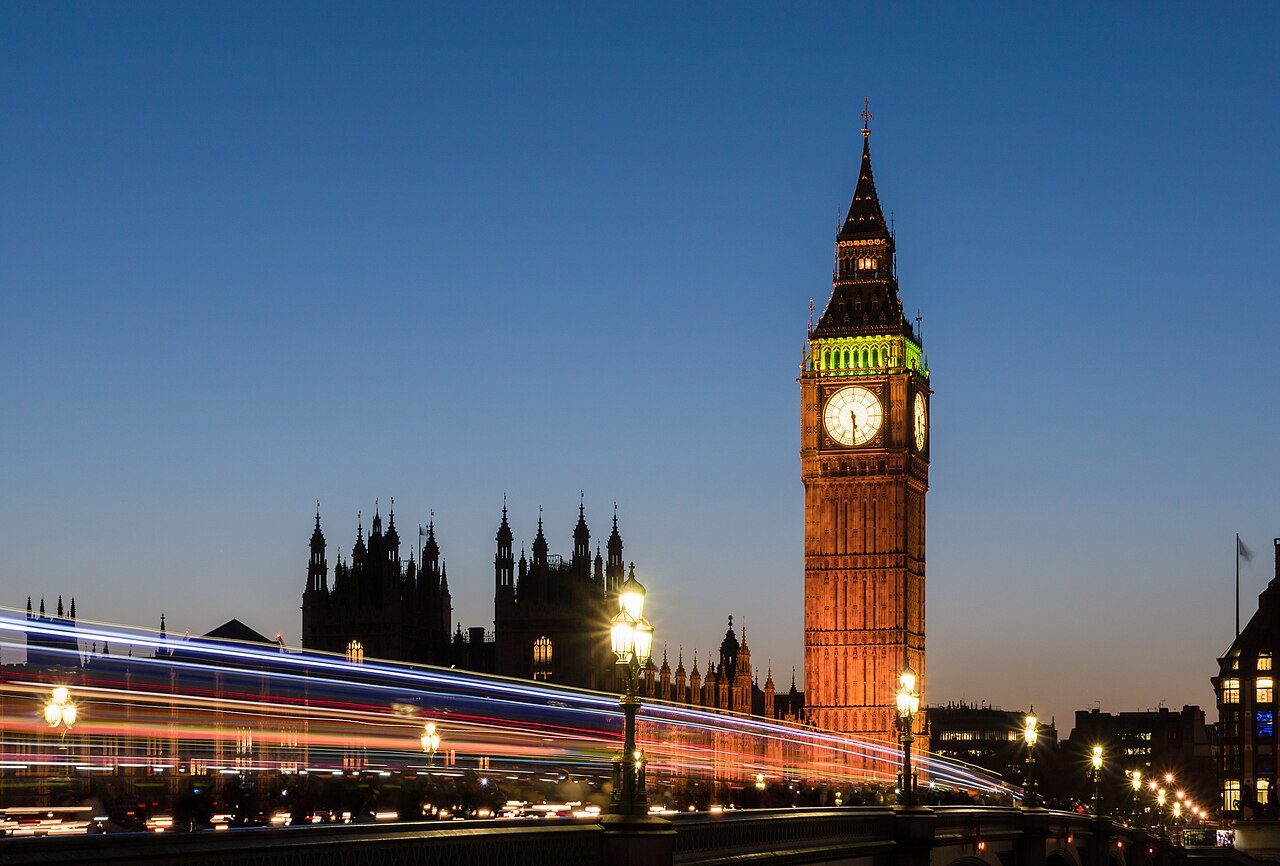
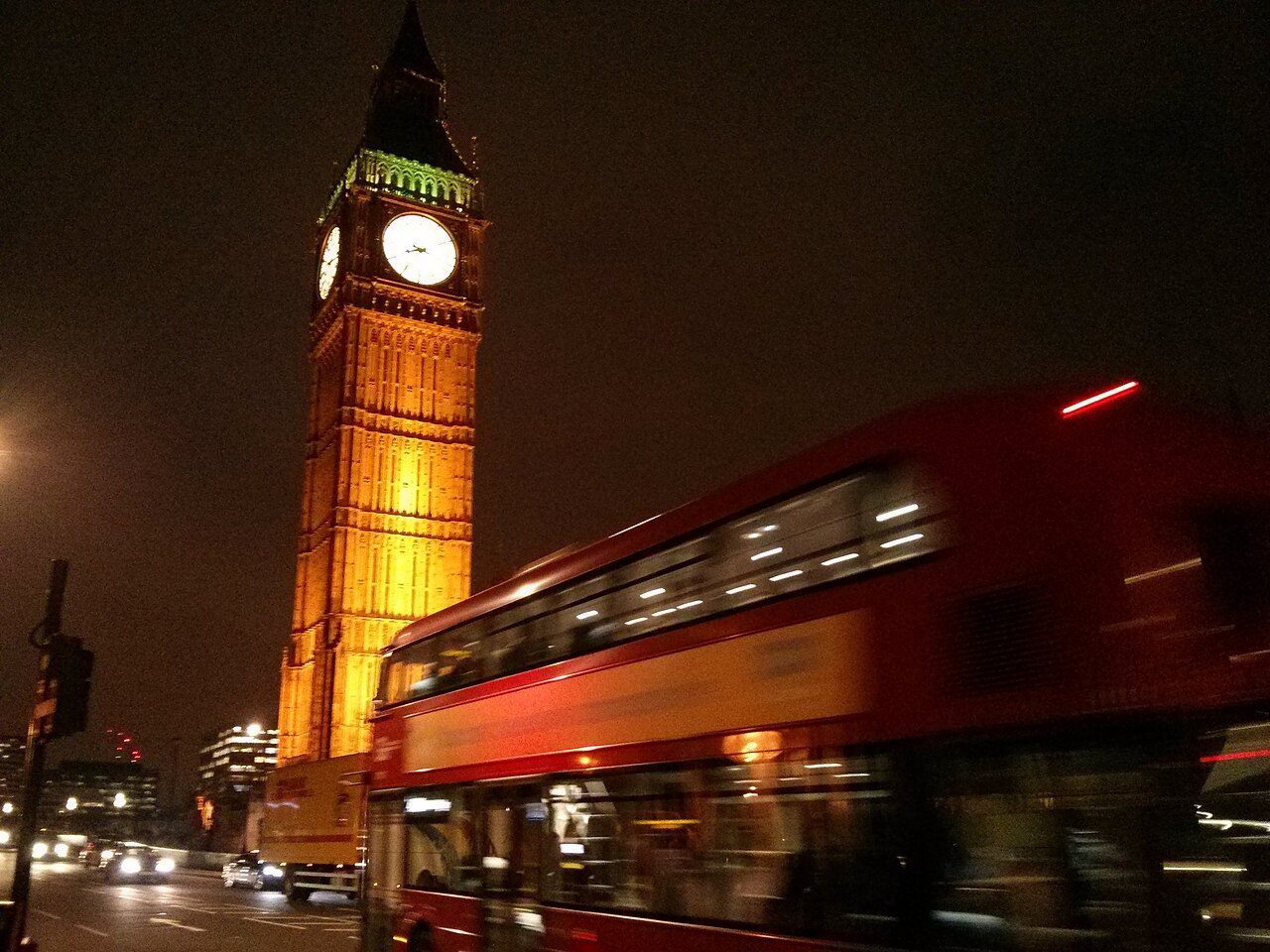
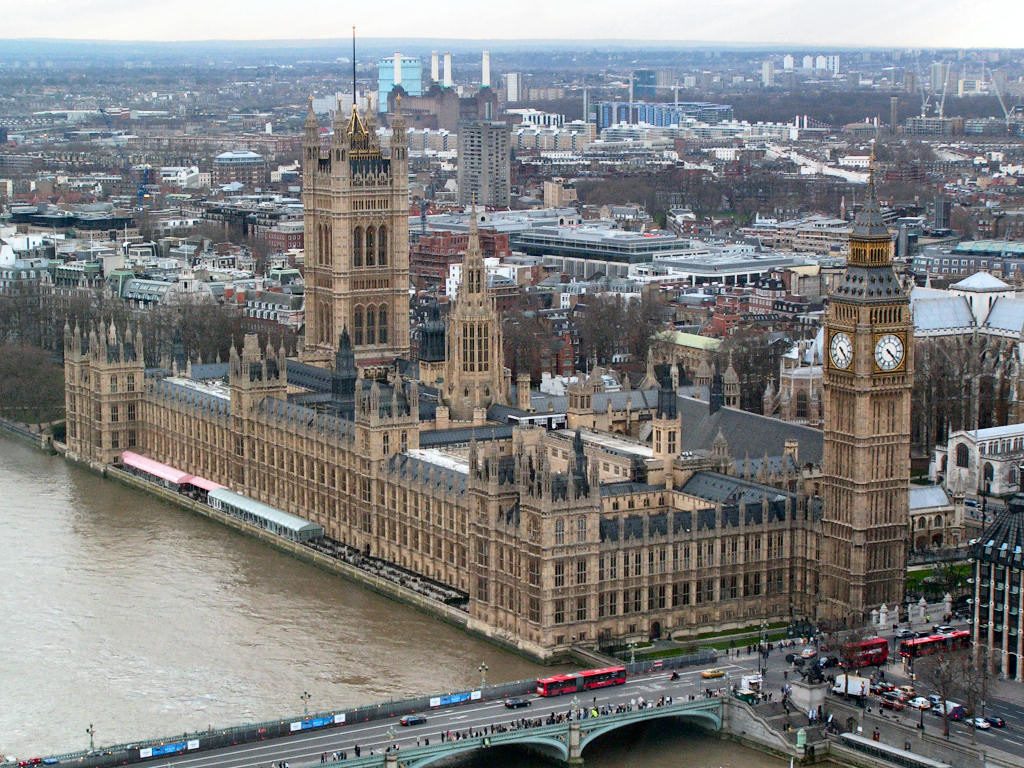
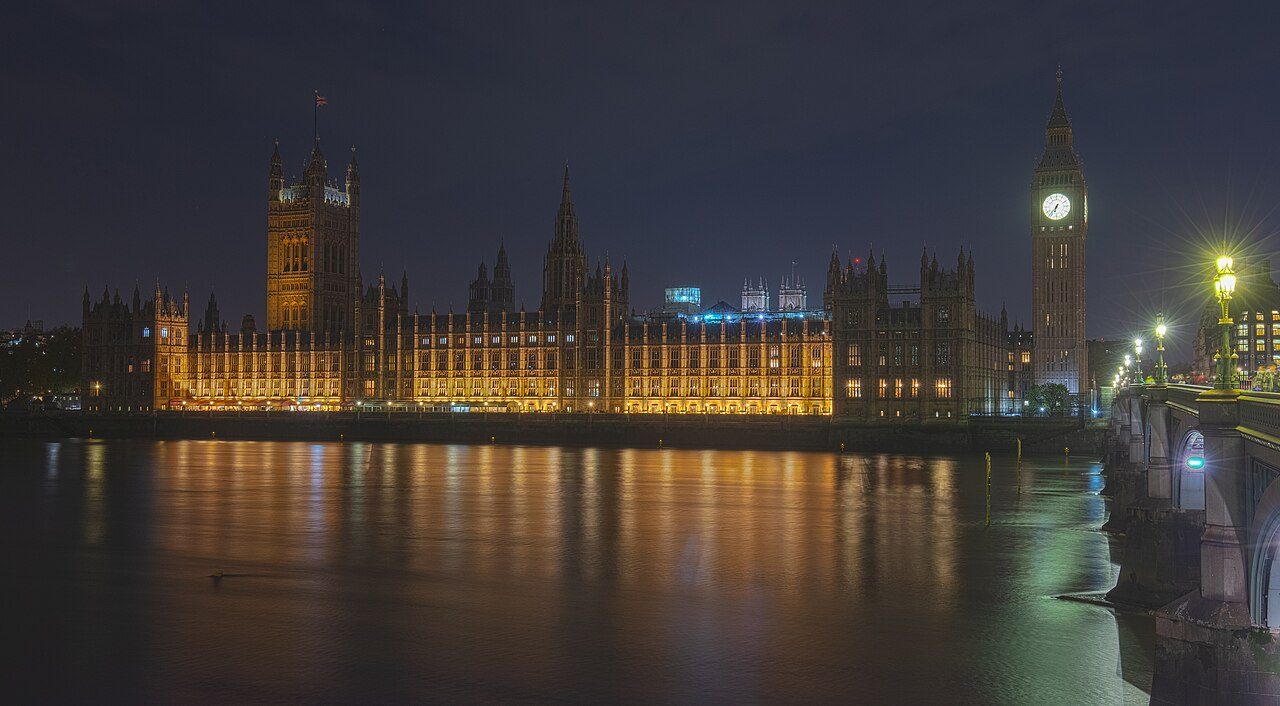
Big Ben is the nickname of the great bell in the clock tower at the north end of the Palace of Westminster, and often of the tower itself, renamed the Elizabeth Tower in 2012. Completed in 1859, the tower is about 96 metres tall. Its four clock faces are among the largest in the world. It was fully restored between 2017 and 2022.
02
STOP 2 OF 28
Palace of Westminster
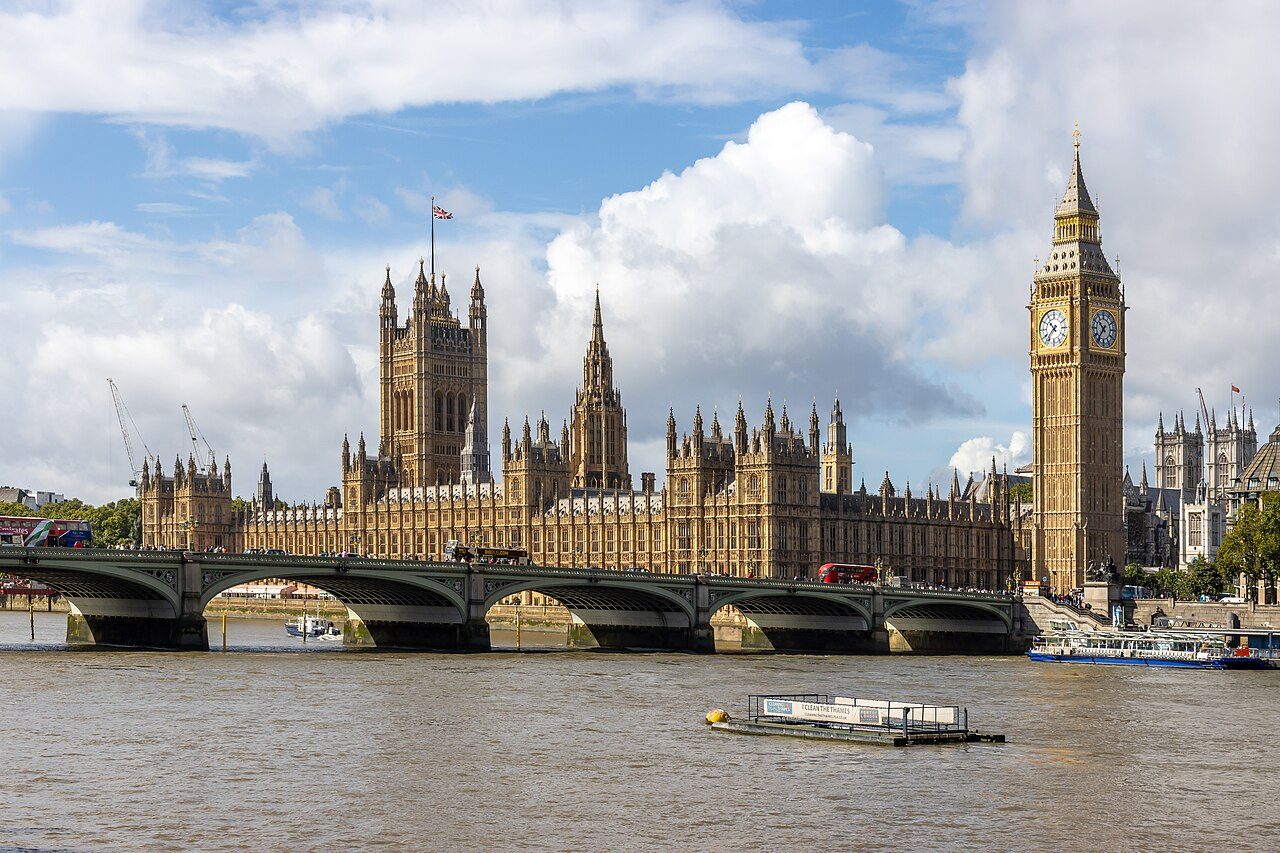
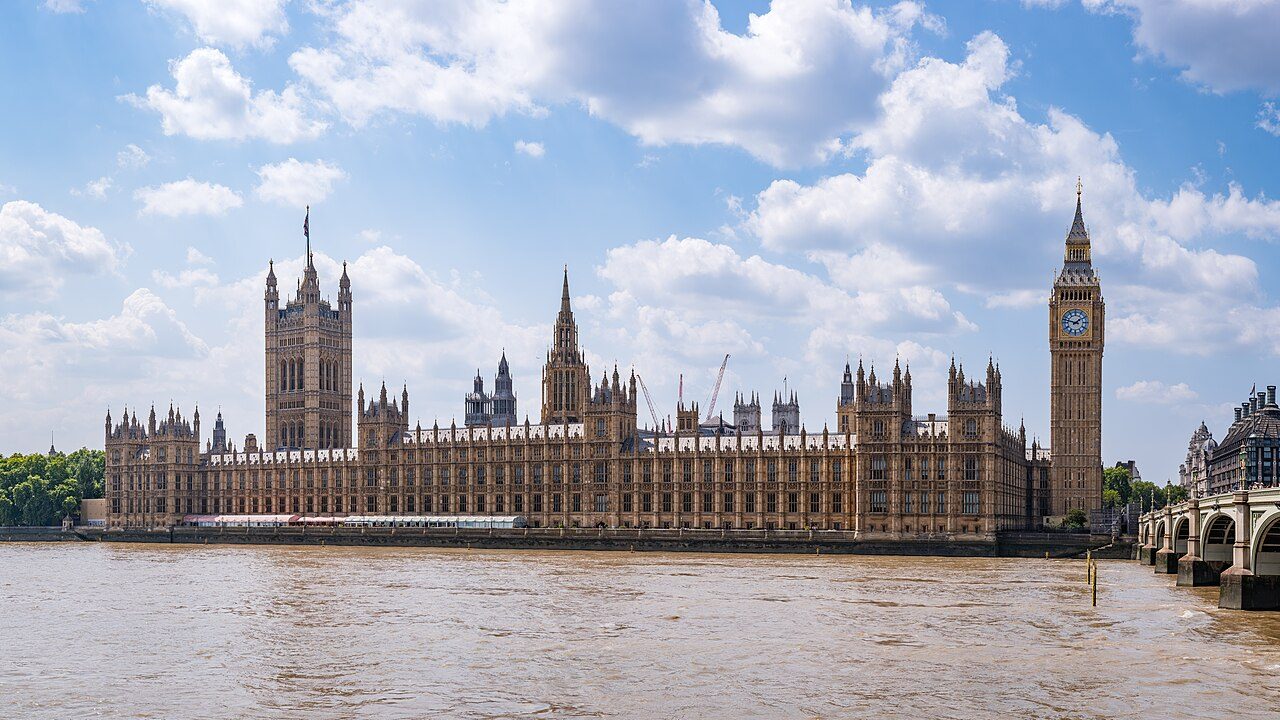
The Palace of Westminster is the home of the UK Parliament, beside the River Thames. After a fire in 1834 destroyed most of the old palace, it was rebuilt in Gothic Revival style by Charles Barry and Augustus Pugin. Westminster Hall, from 1097, survives. Visitors can watch debates and take tours. It is a UNESCO World Heritage Site.
03
STOP 3 OF 28
Westminster Abbey
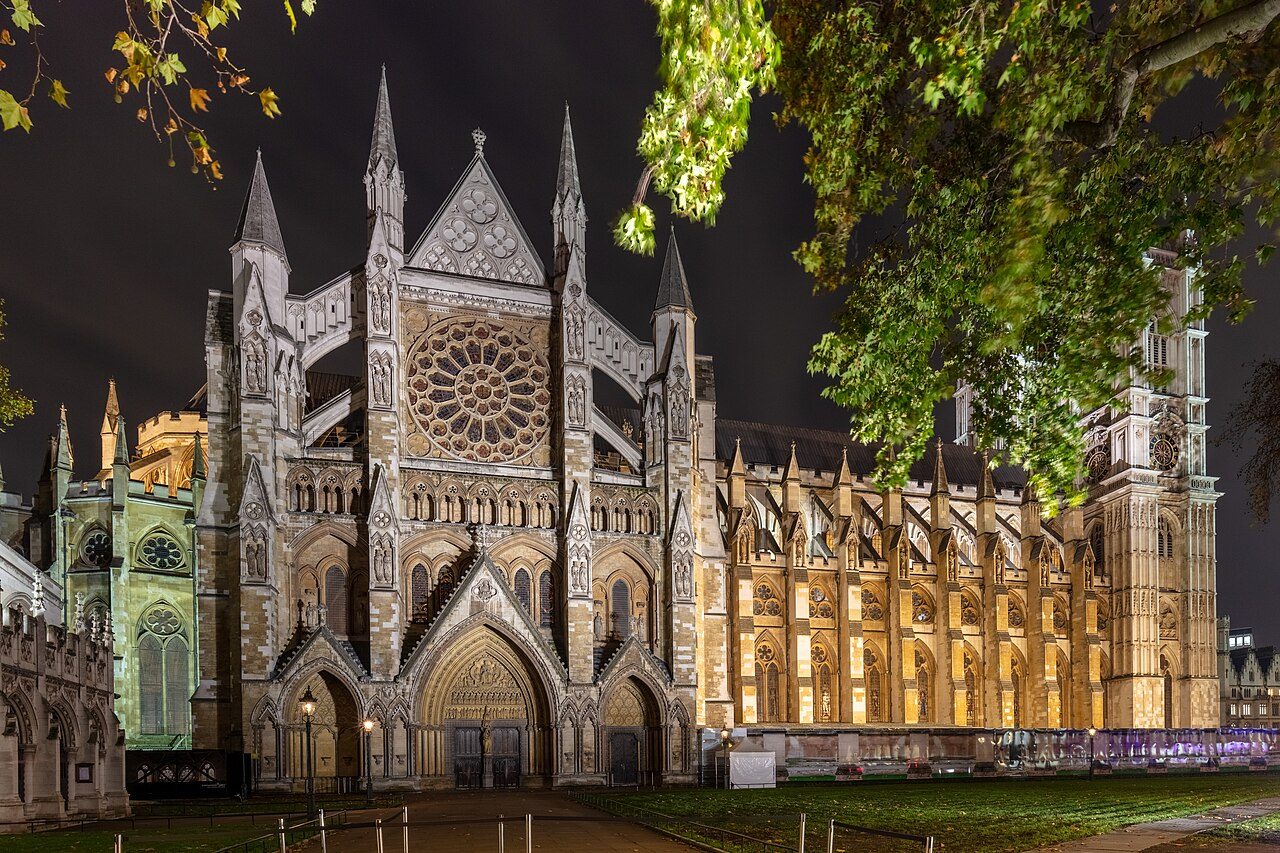
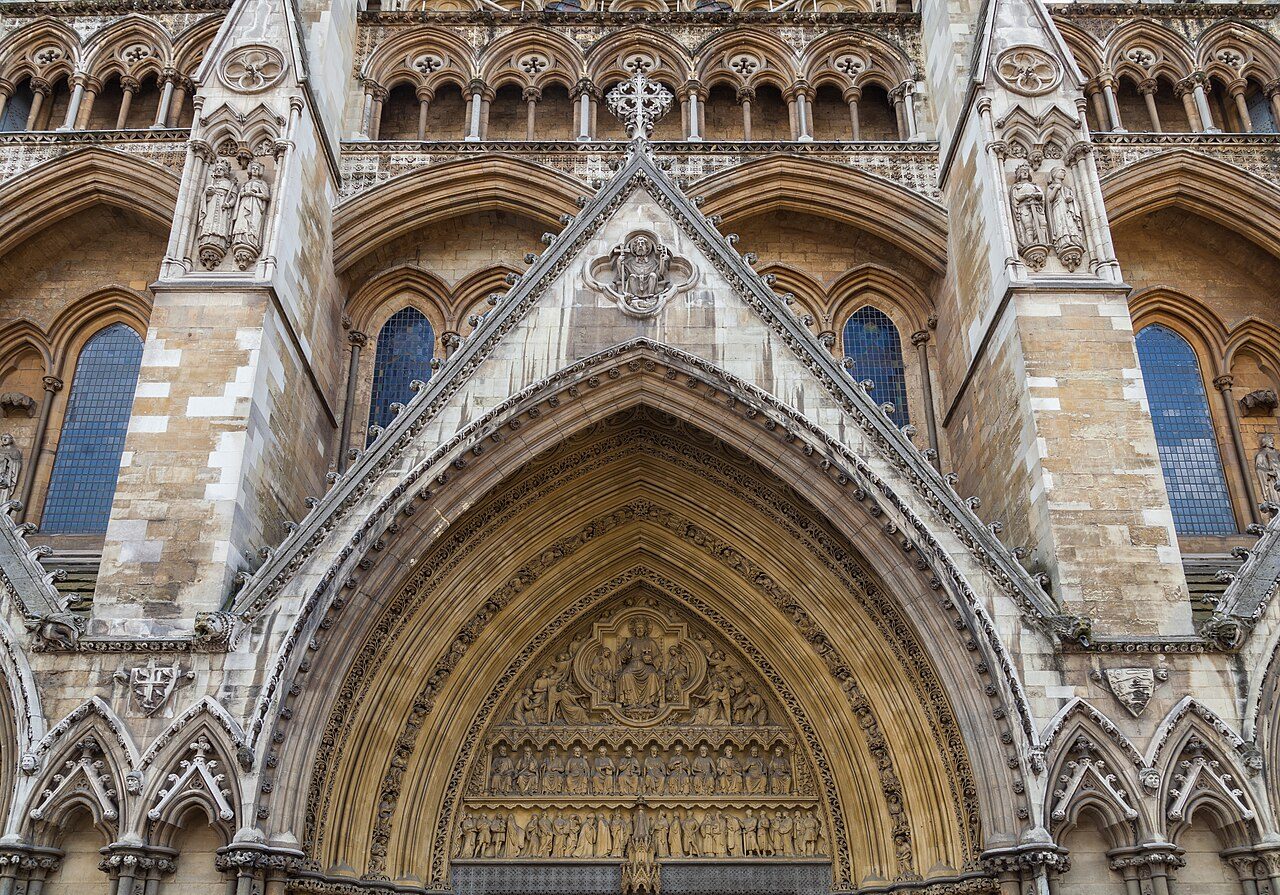
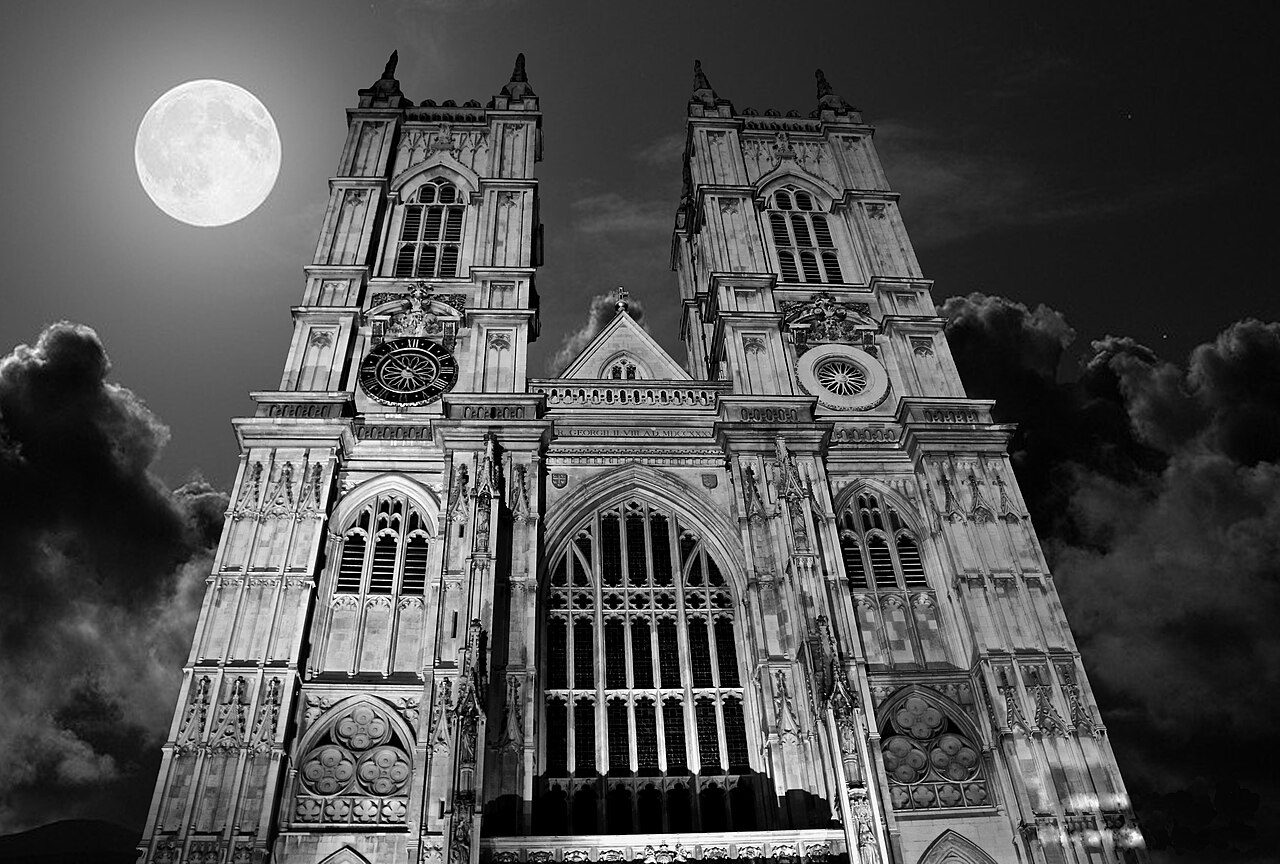
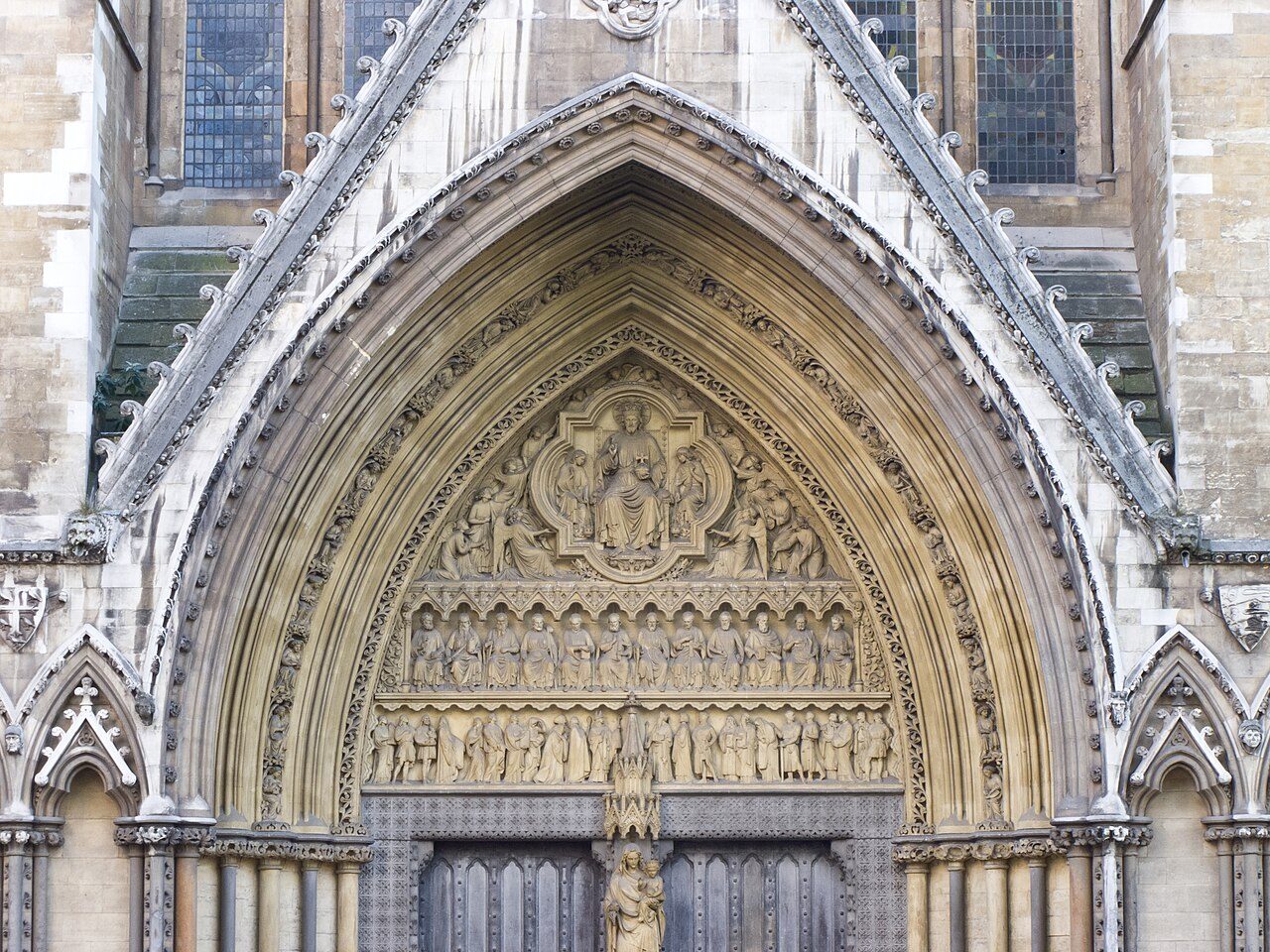
Westminster Abbey is a Gothic church in London where English and British monarchs have been crowned since 1066. The present church was begun in 1245 by Henry III. It holds the tombs of kings, queens, poets and scientists, including Isaac Newton and Charles Darwin. Royal weddings are held here. It is a UNESCO World Heritage Site.
04
STOP 4 OF 28
Buckingham Palace
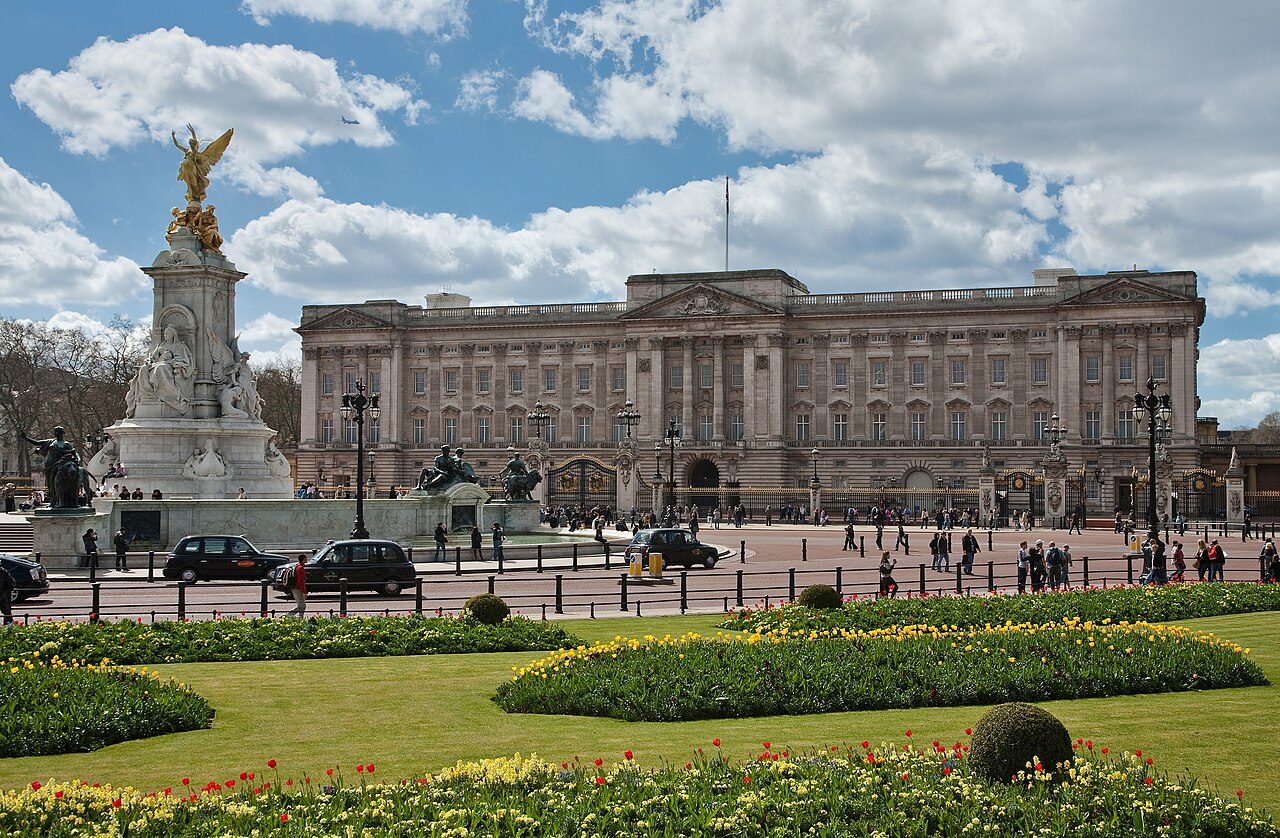
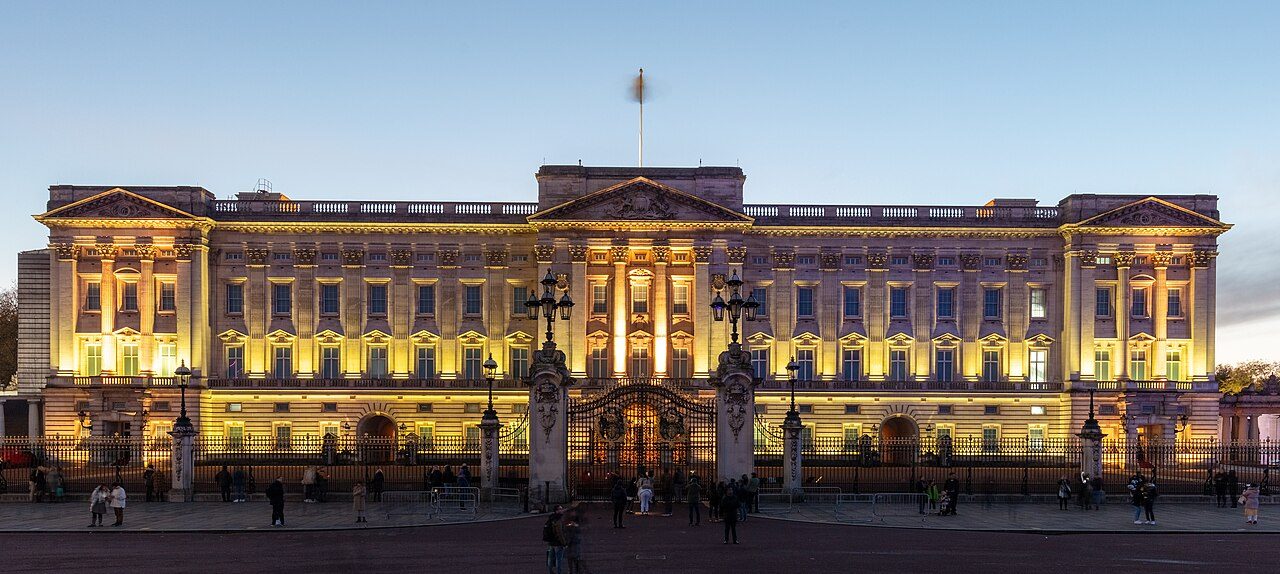
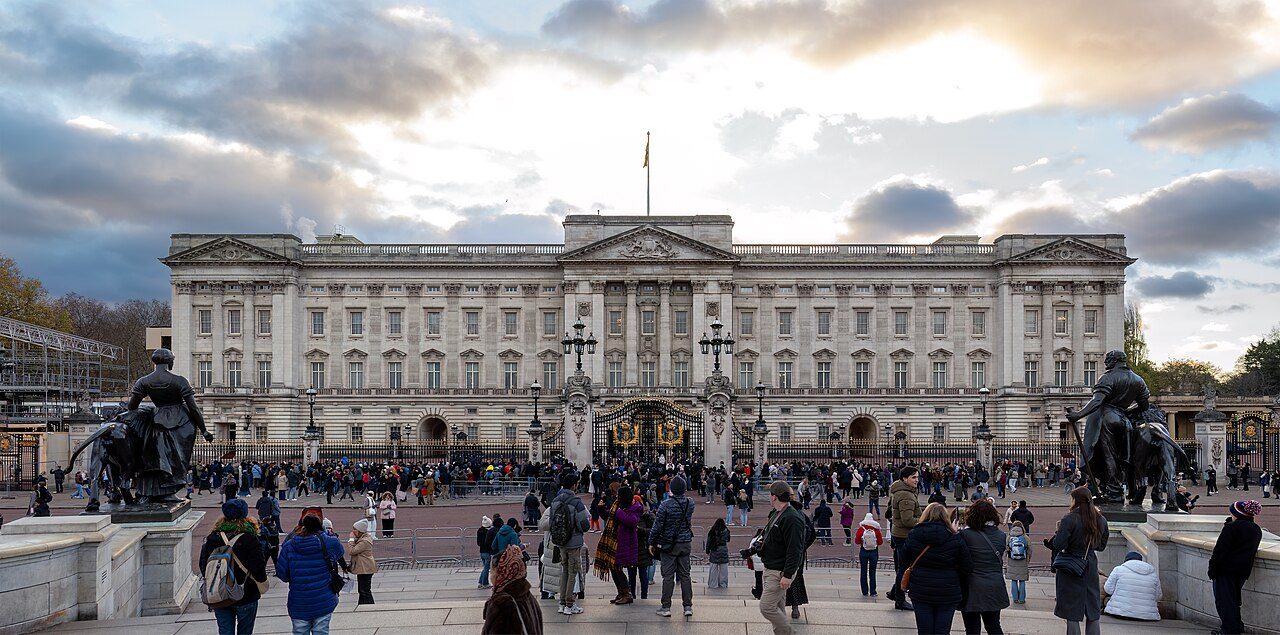
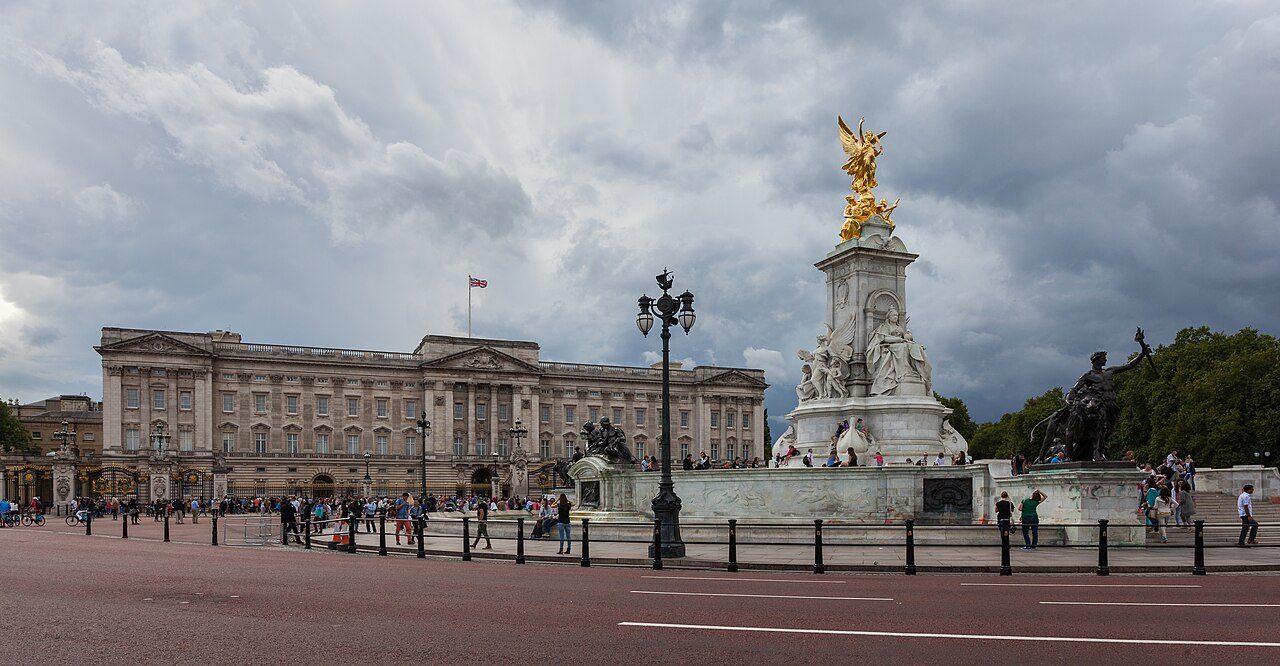
Buckingham Palace is the official London residence of the British monarch. It became the royal palace in 1837 when Queen Victoria moved in. It has 775 rooms. The Changing of the Guard takes place in front of it, and the Victoria Memorial stands at its gates. The State Rooms open to visitors in summer.
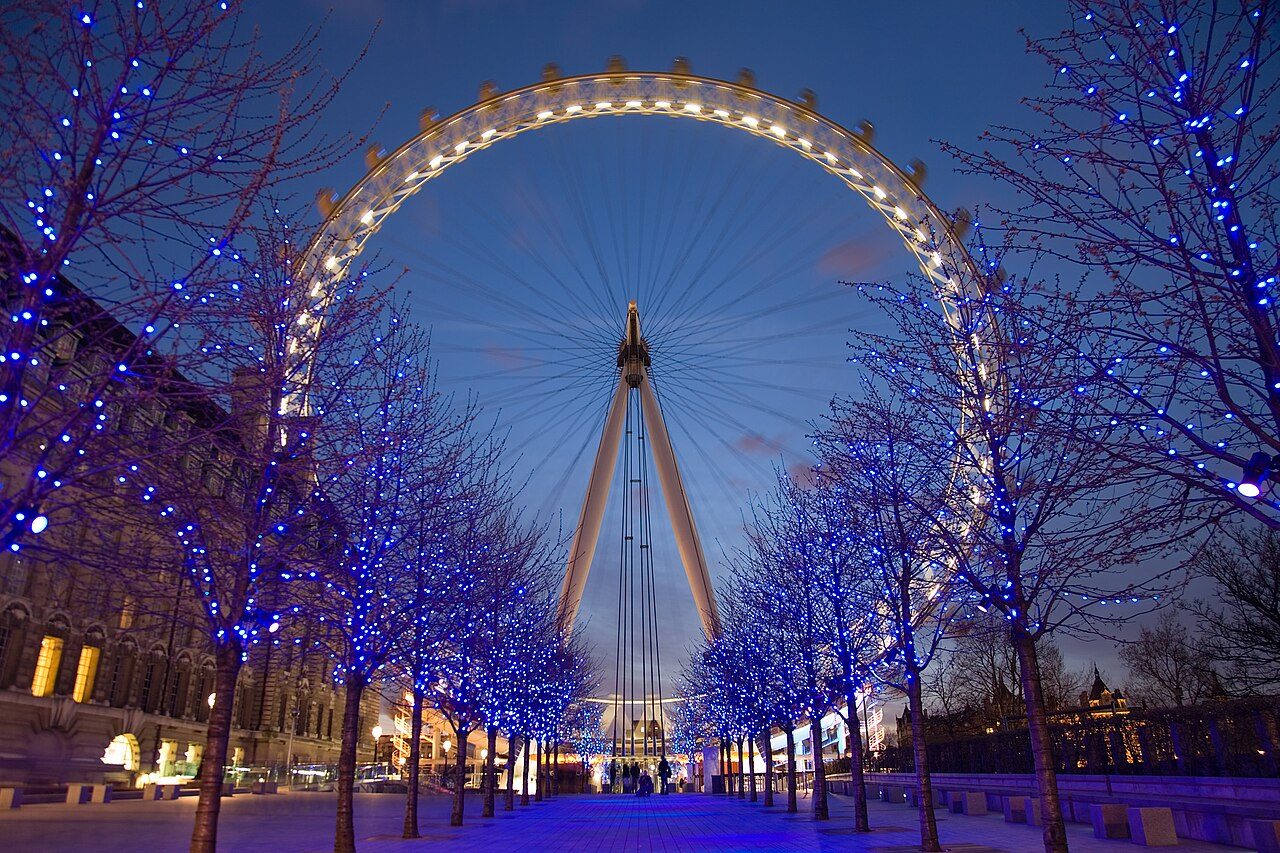
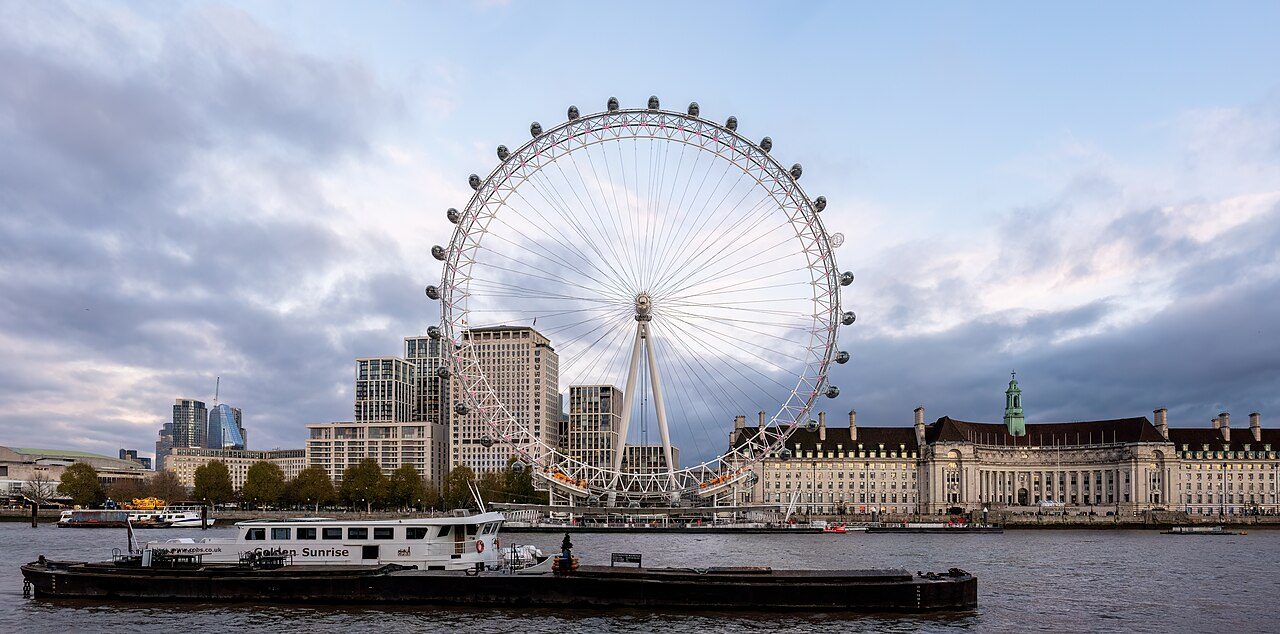
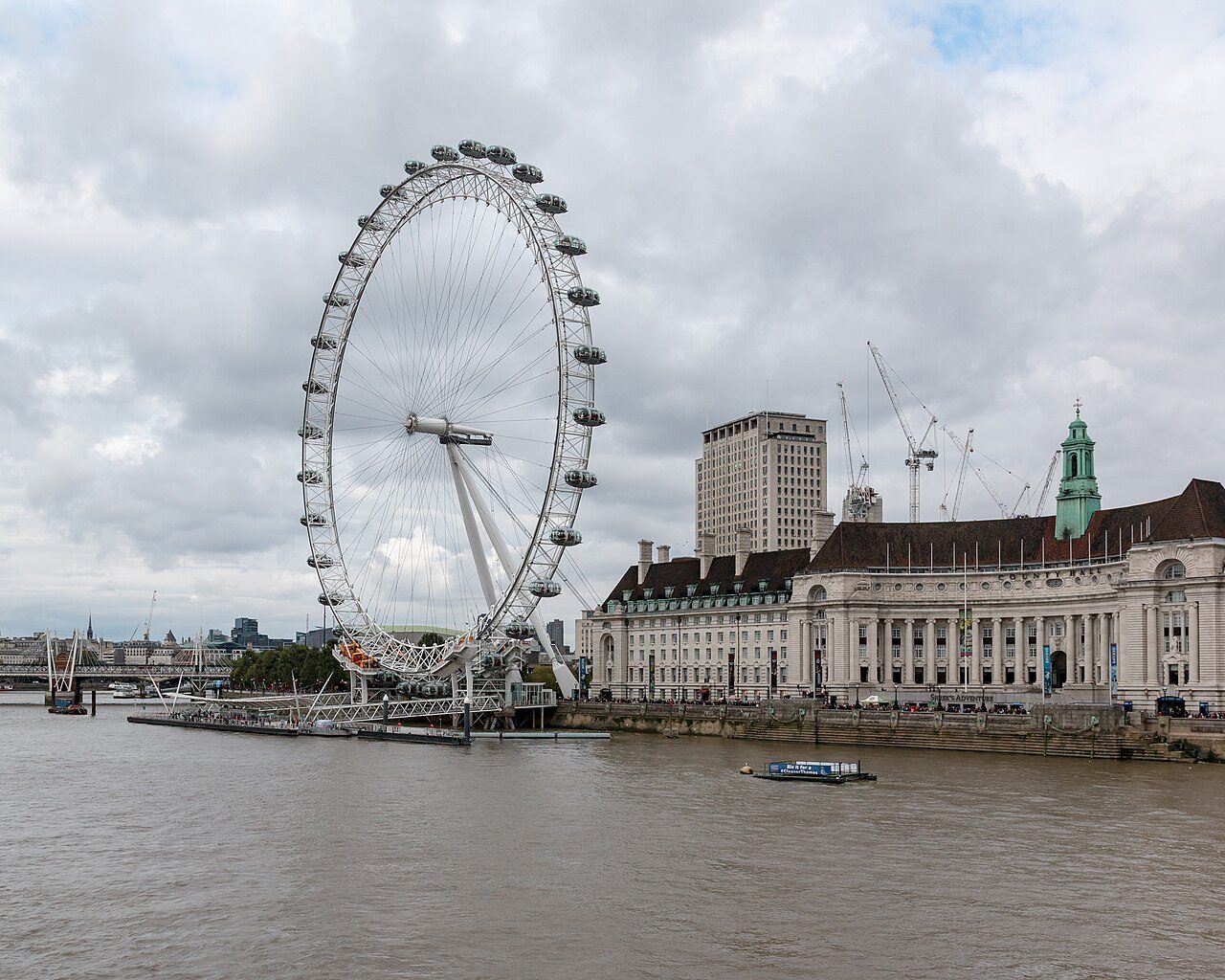
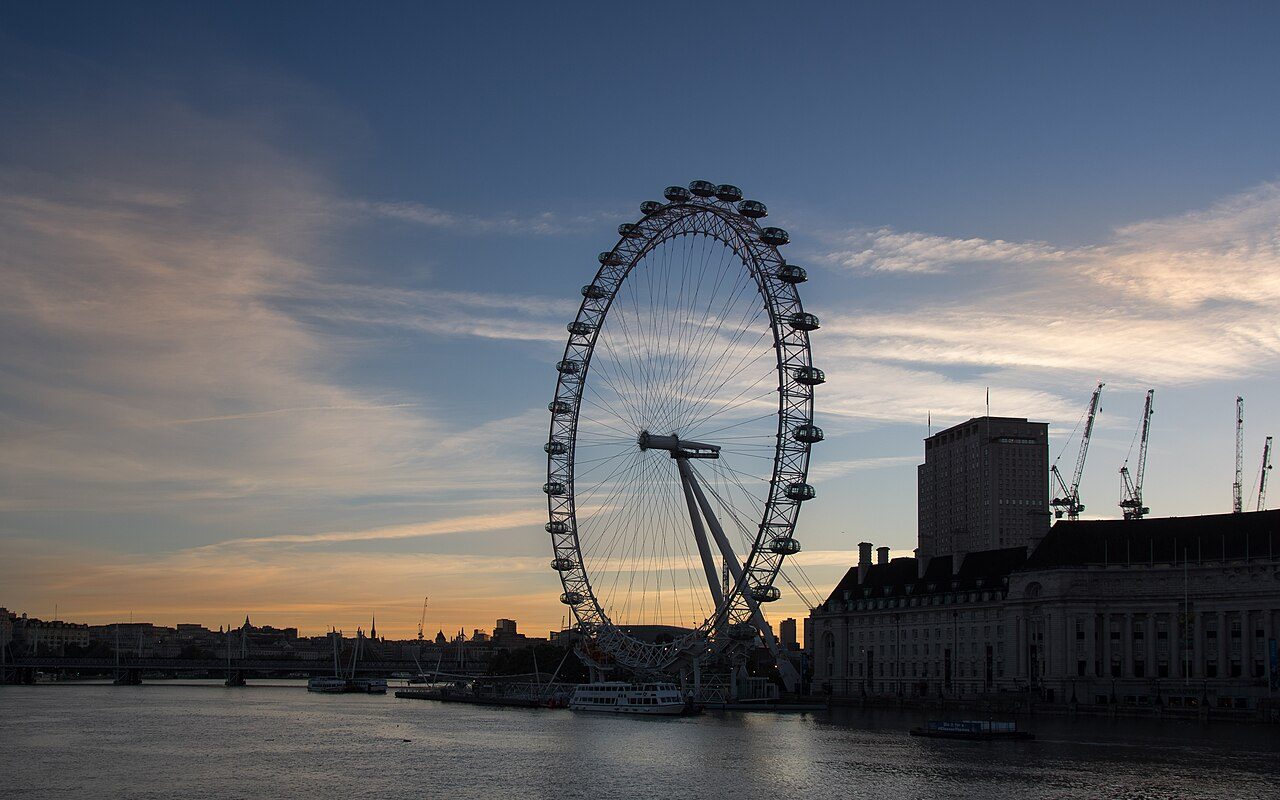
The London Eye is a giant observation wheel on the South Bank of the Thames, opened in 2000. It is 135 metres tall and has 32 glass capsules, each holding up to 25 people. A full rotation takes about 30 minutes and gives views over Westminster and central London.
06
STOP 6 OF 28
Tower of London
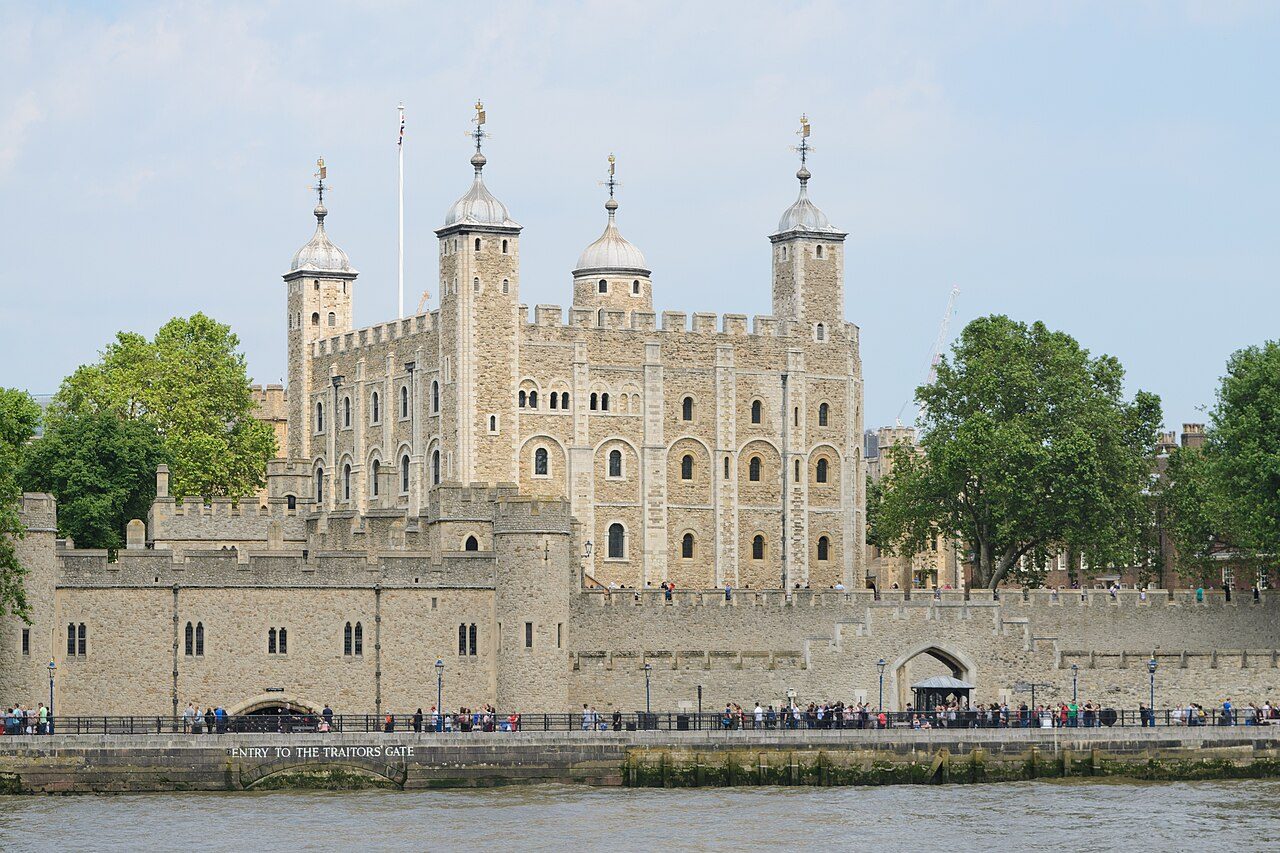
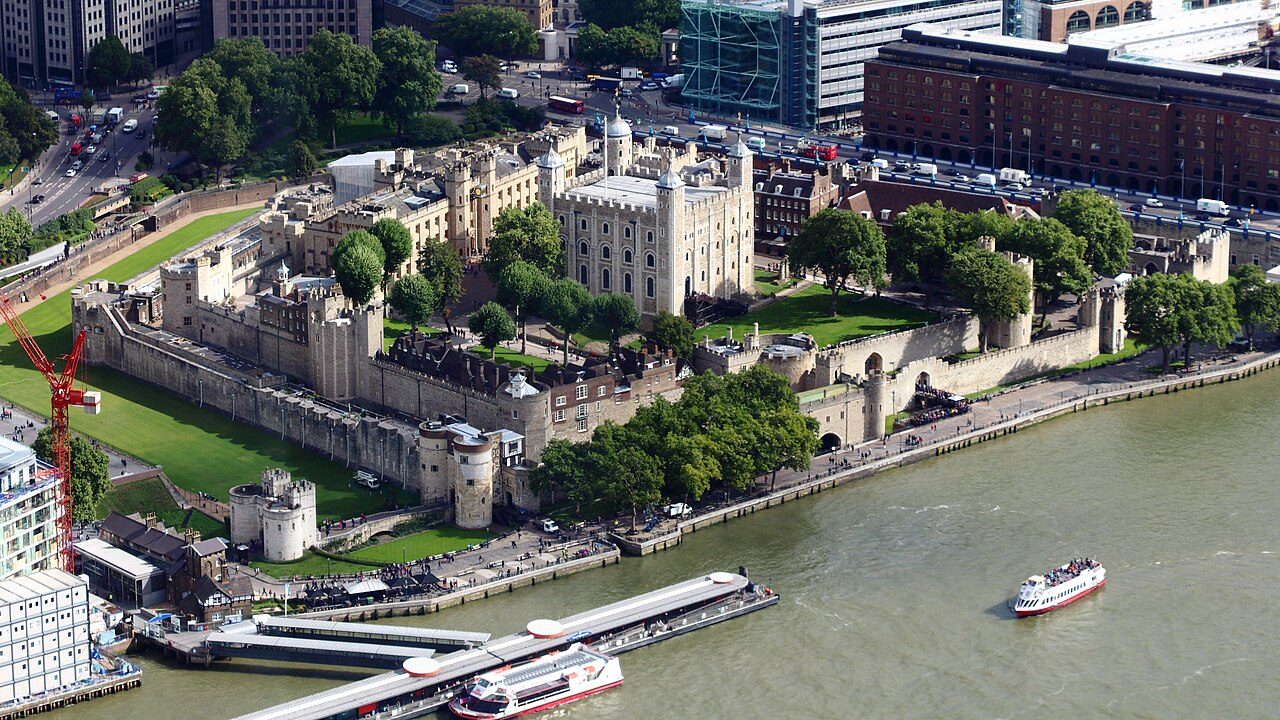
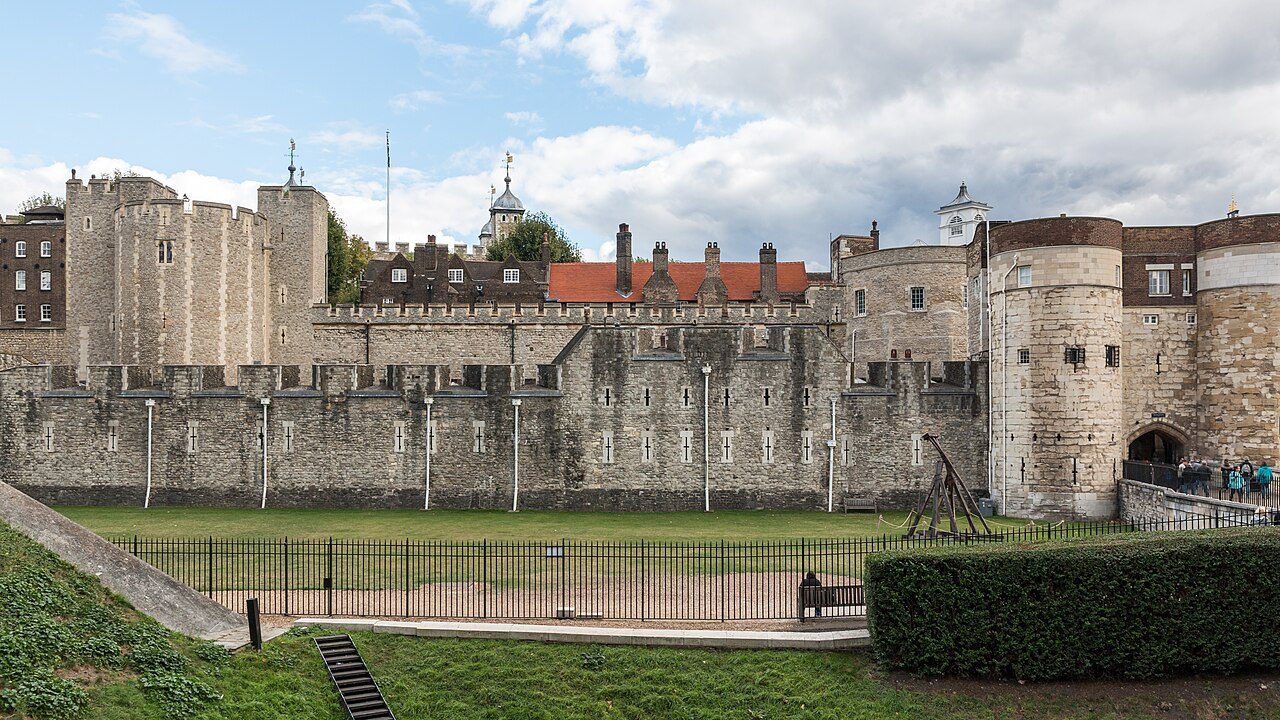
The Tower of London is a historic castle on the north bank of the Thames, founded by William the Conqueror in 1066. Its White Tower was built in the 1070s. It has been a royal palace, prison and treasury, and still holds the Crown Jewels. Yeoman Warders, known as Beefeaters, guide visitors. It is a UNESCO World Heritage Site.
07
STOP 7 OF 28
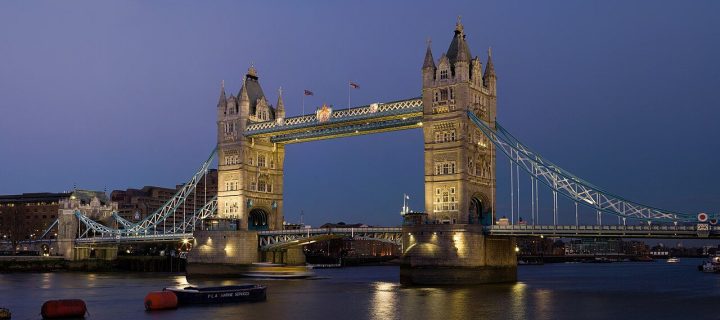
Tower Bridge
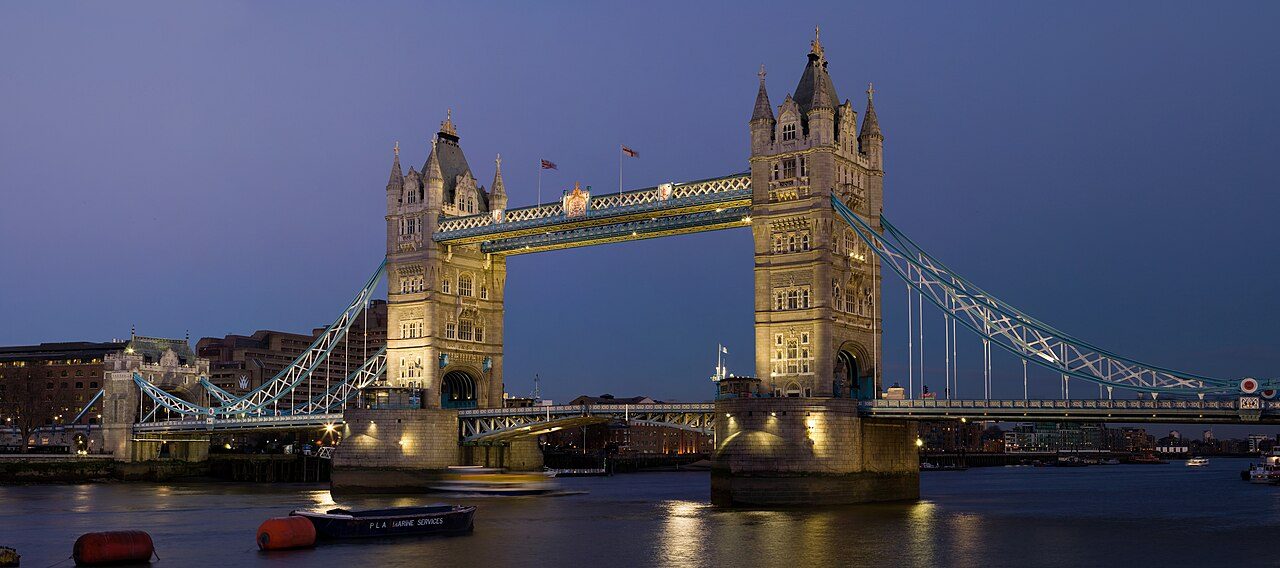
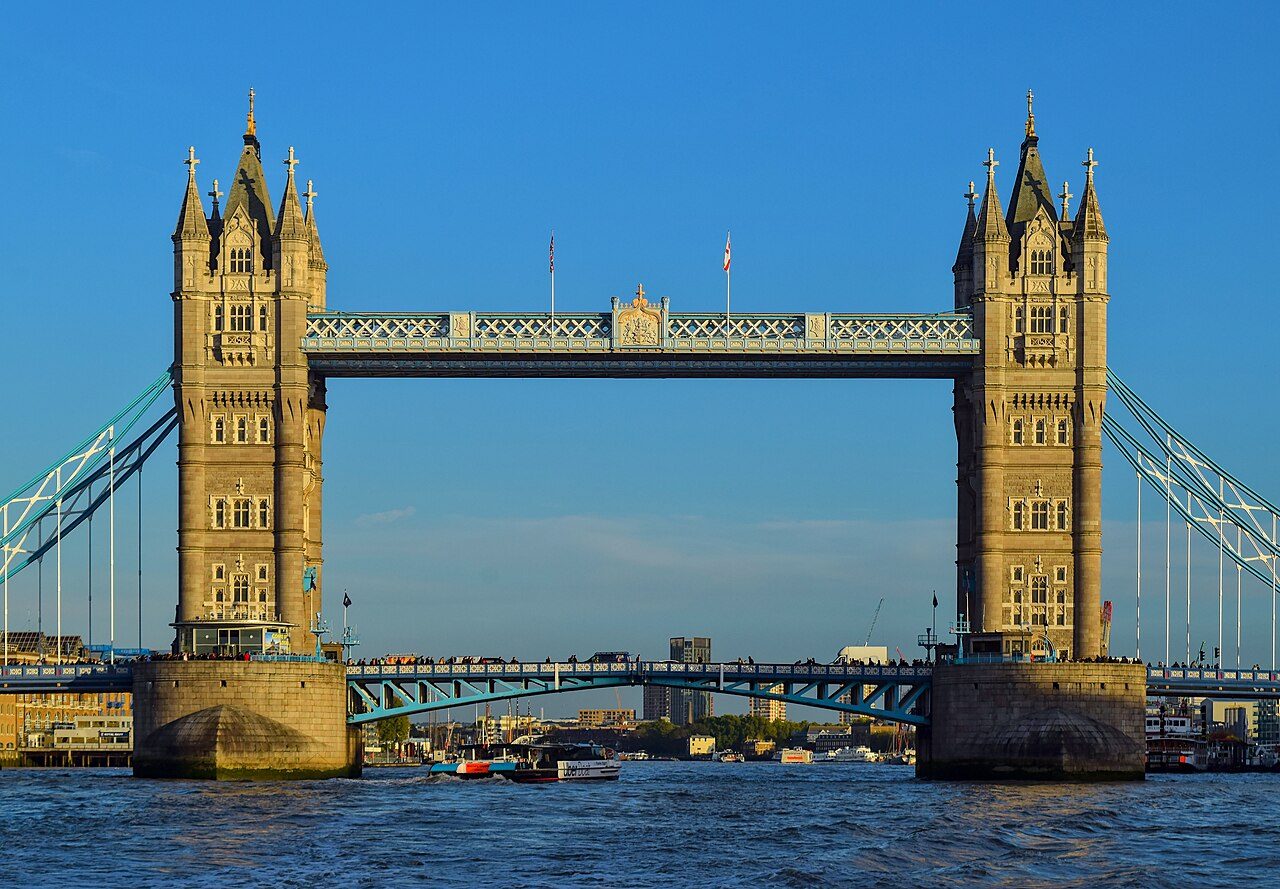
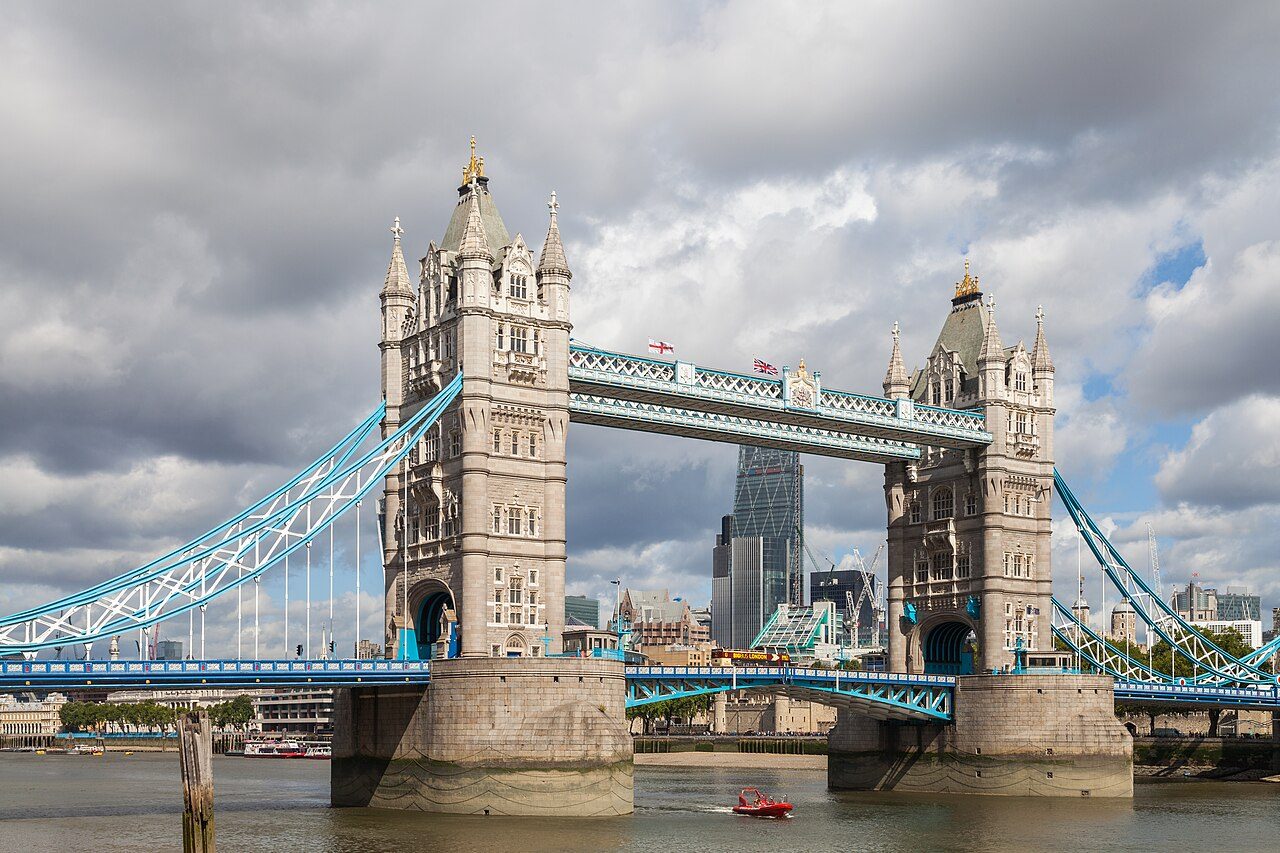
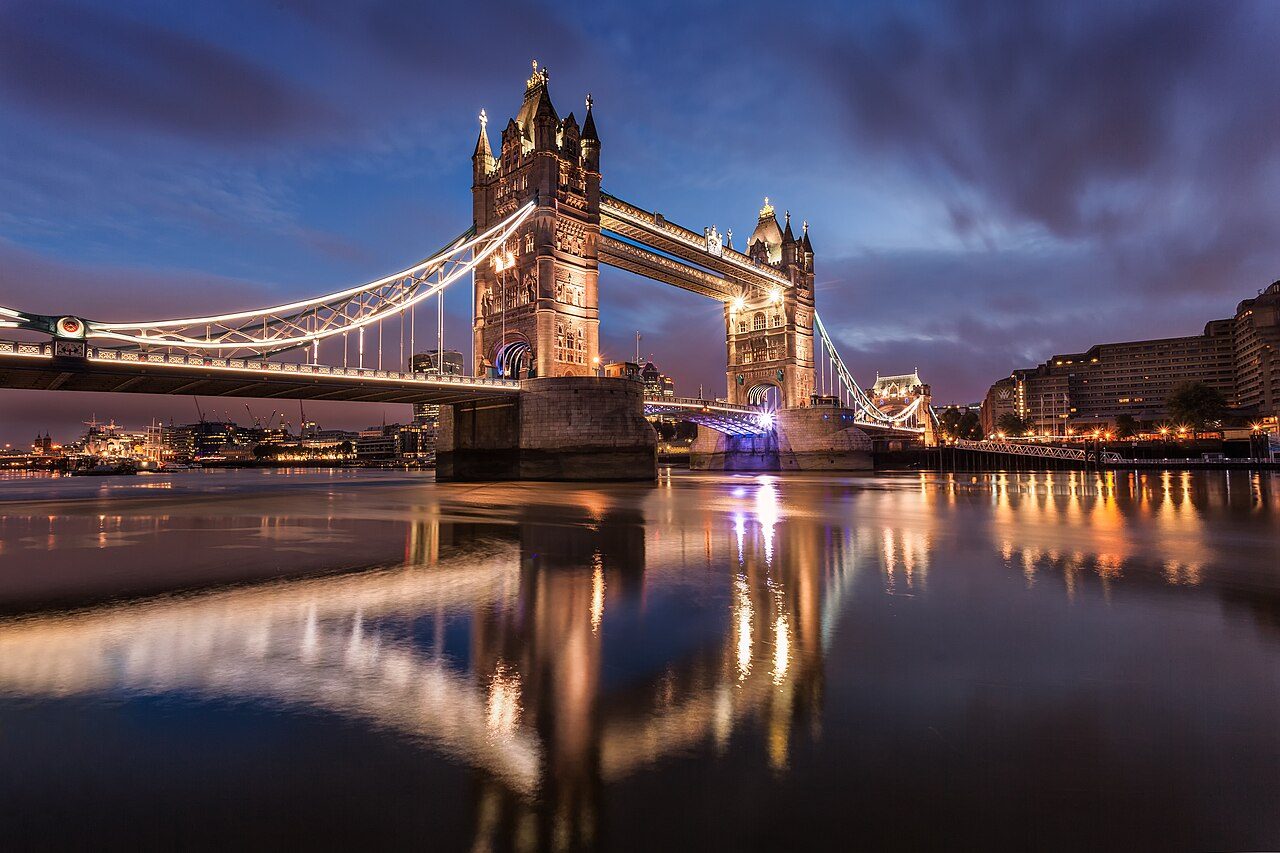
Tower Bridge is a bascule and suspension bridge over the Thames near the Tower of London, opened in 1894. Its two Gothic towers are linked by high-level walkways with glass floors. The roadway still lifts to let ships pass. It is one of the most famous symbols of London.
08
STOP 8 OF 28
St Paul's Cathedral
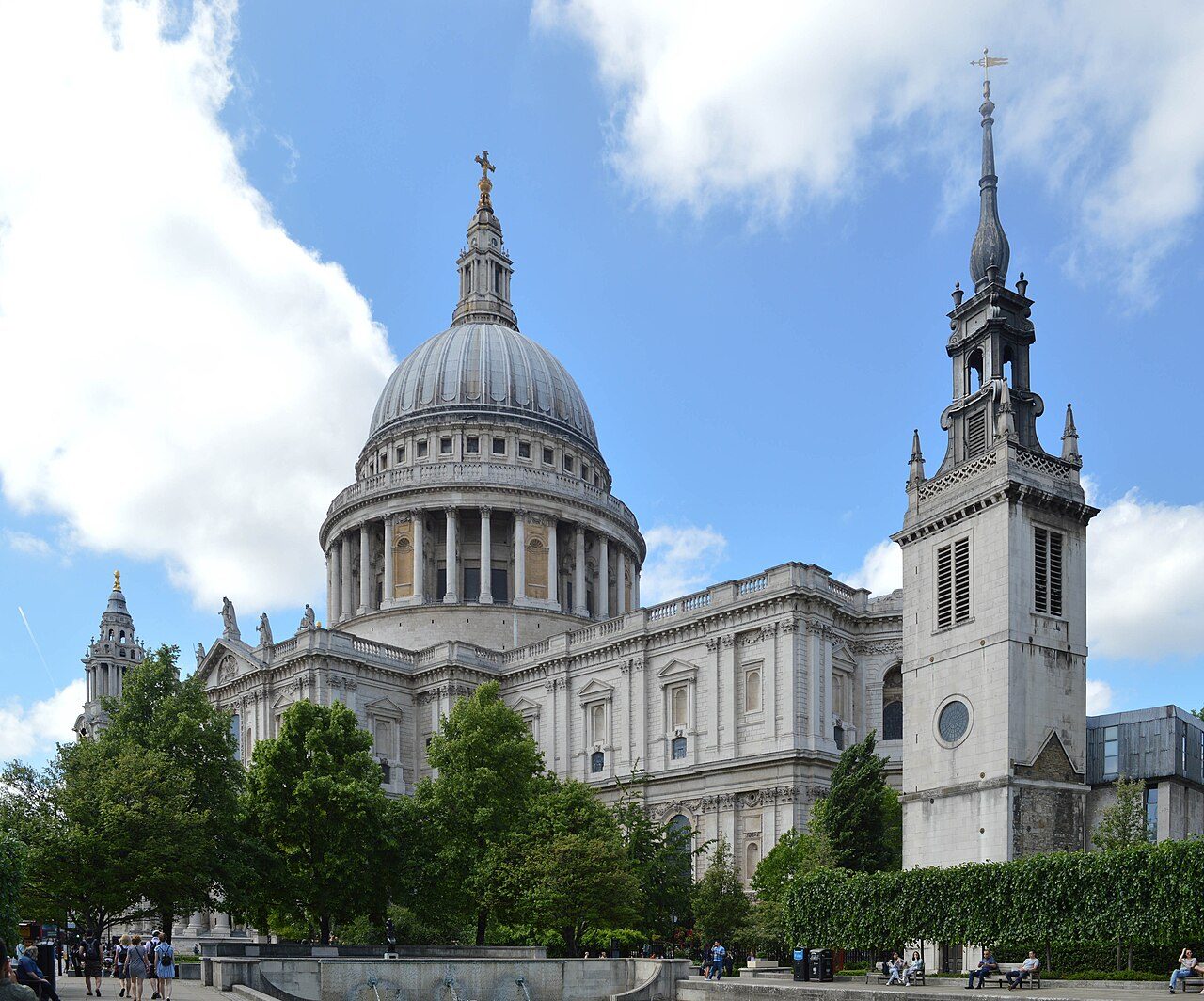
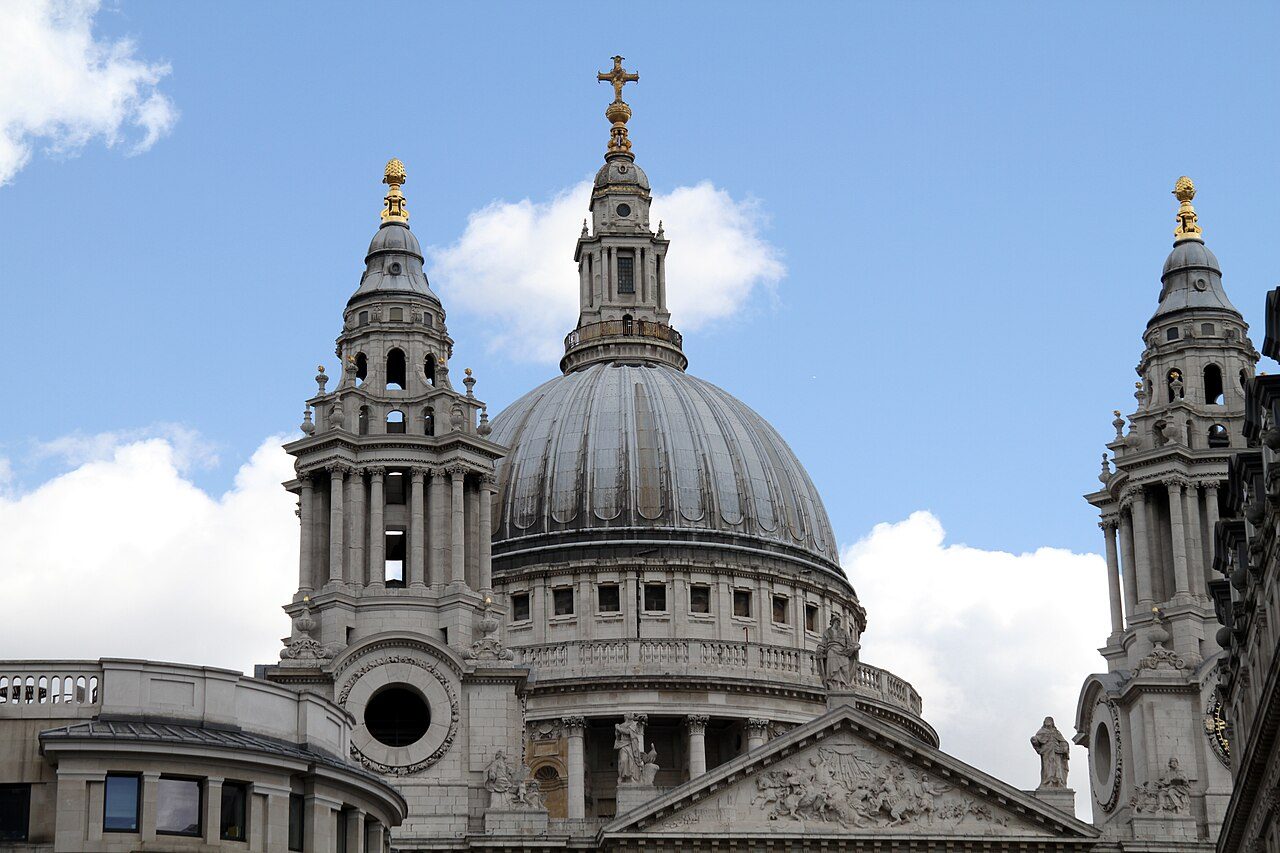
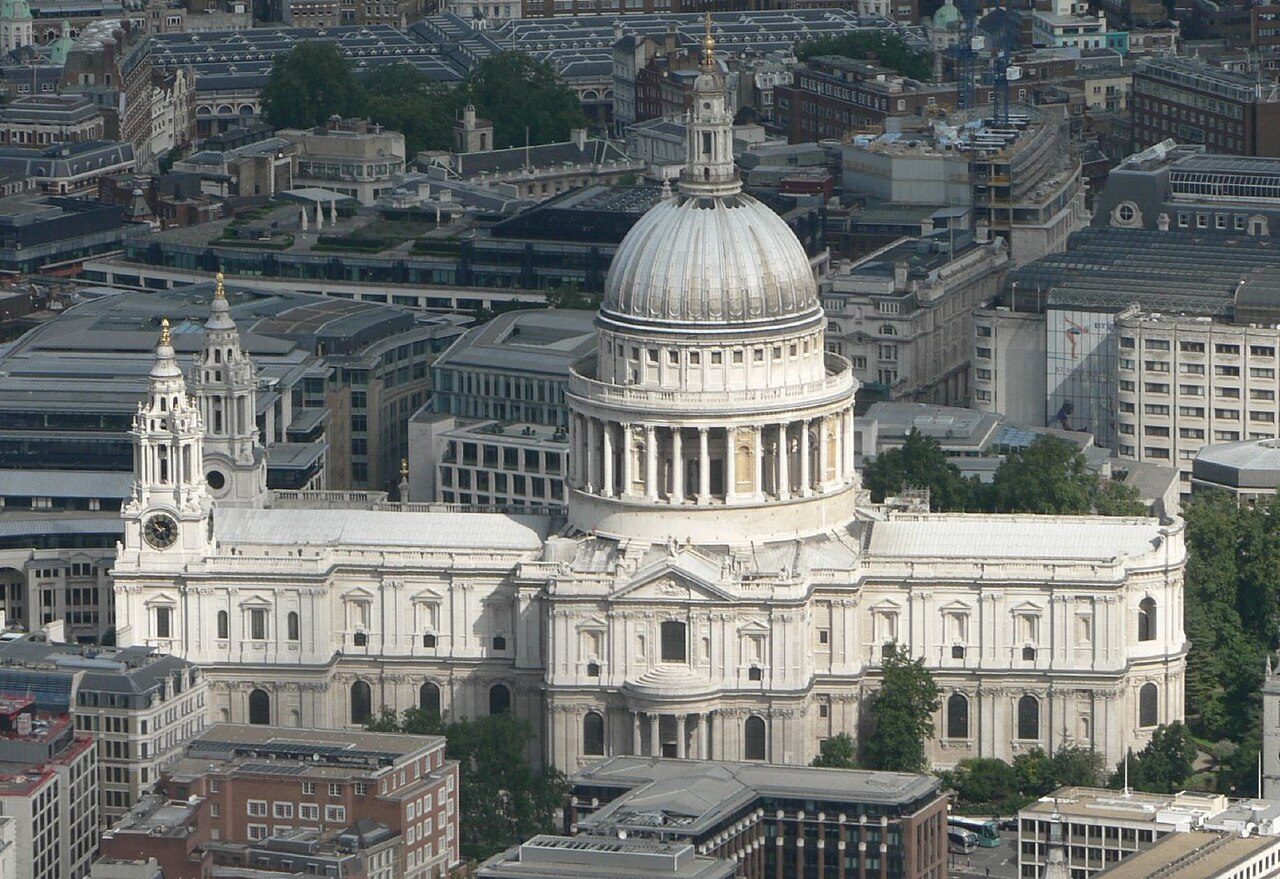
St Paul's Cathedral was designed by Christopher Wren and built from 1675 to 1710 after the Great Fire of London. Its great dome is one of the largest in the world. Visitors climb to the Whispering Gallery and the Golden Gallery for views. It survived the Blitz and has hosted royal events, including the wedding of Prince Charles and Diana.
09
STOP 9 OF 28
British Museum
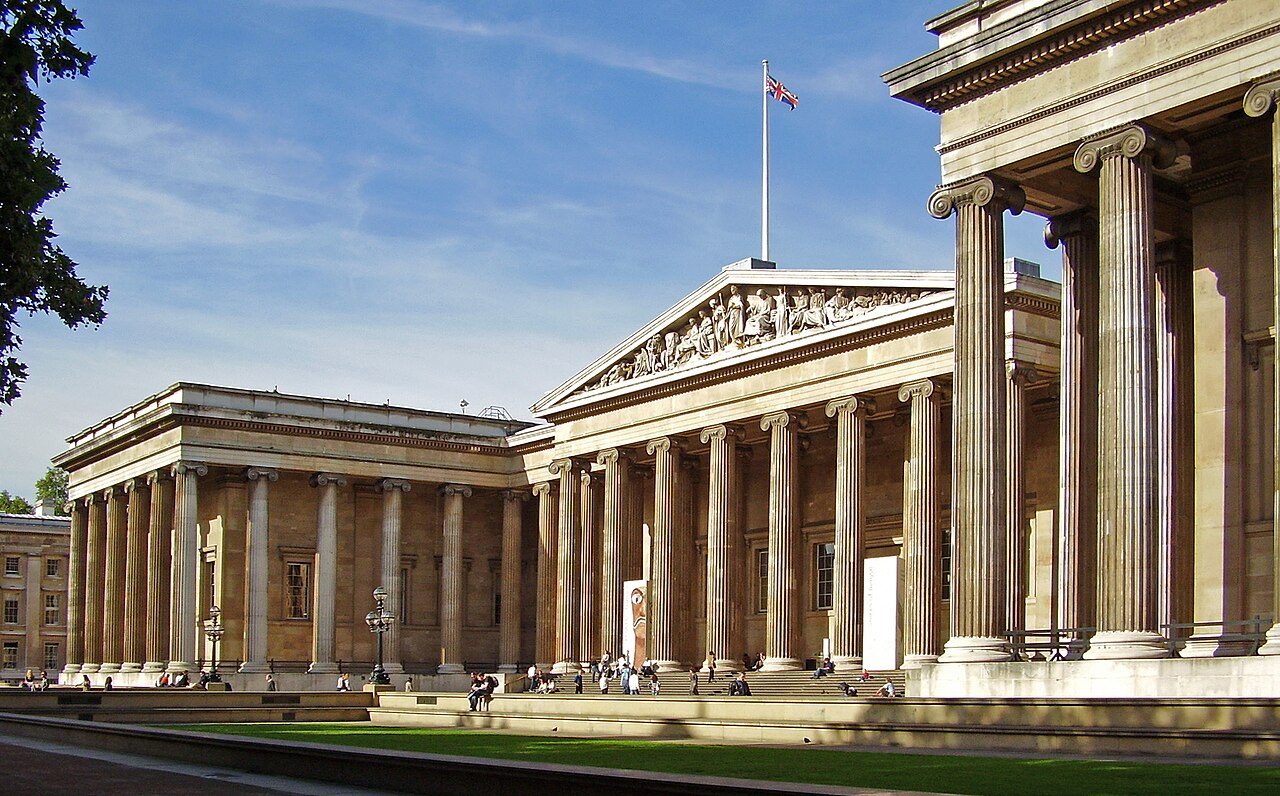
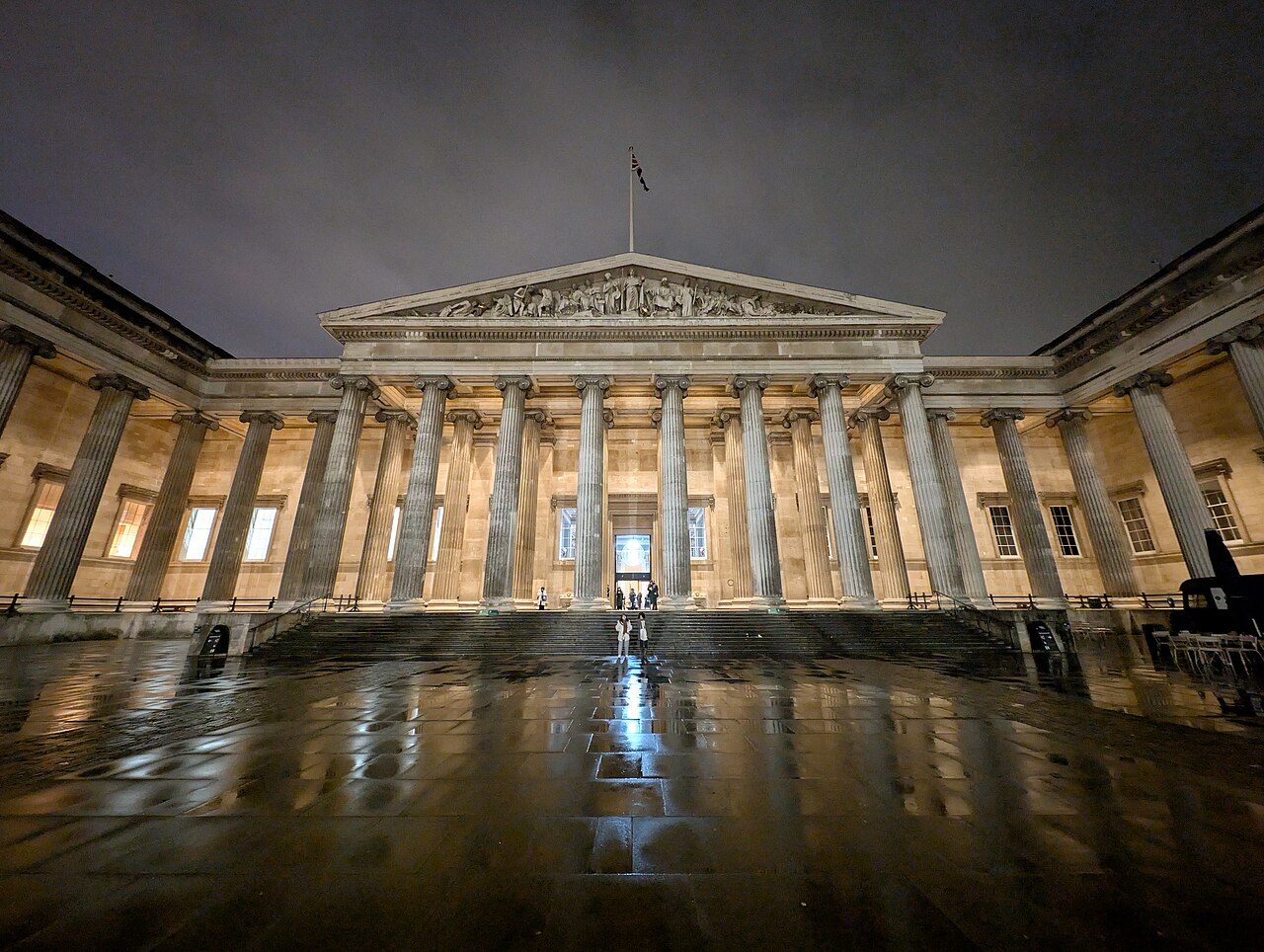
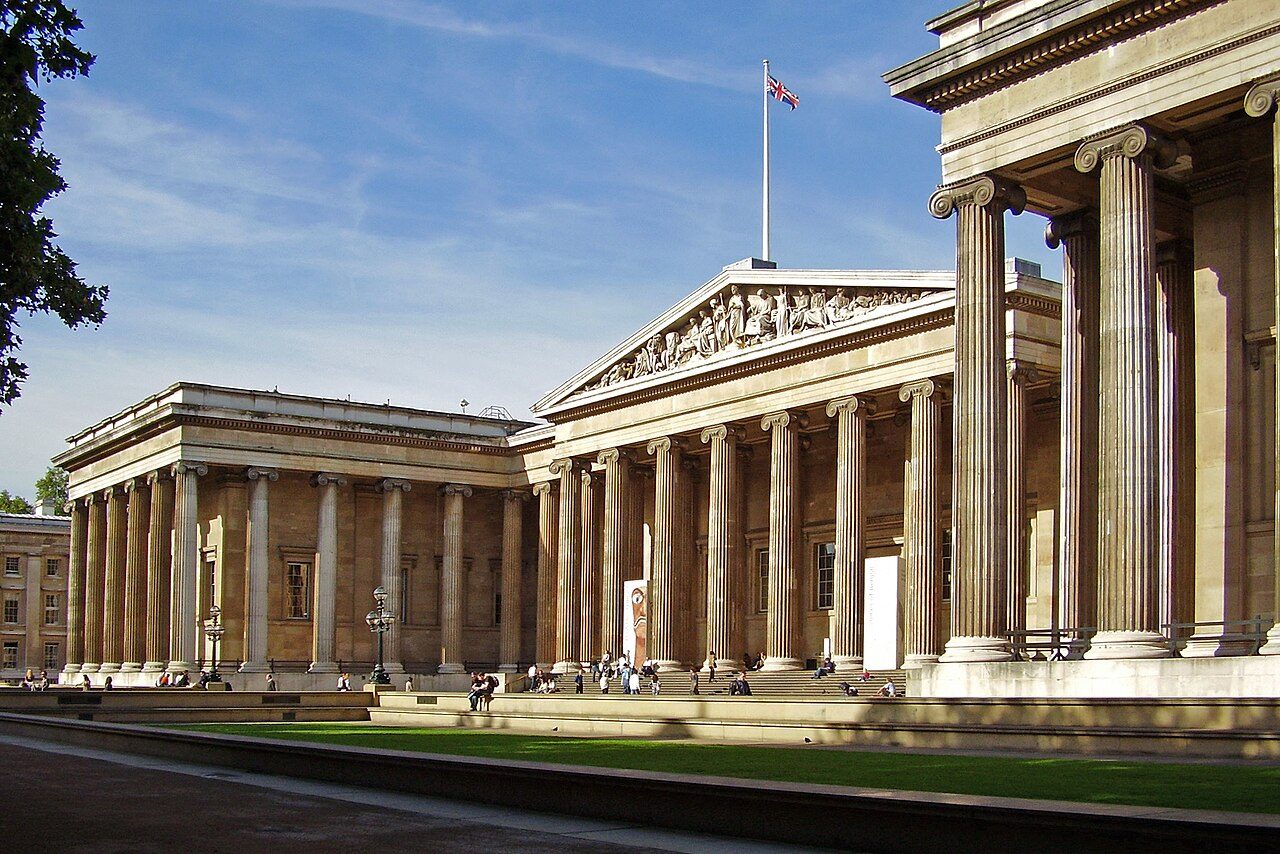
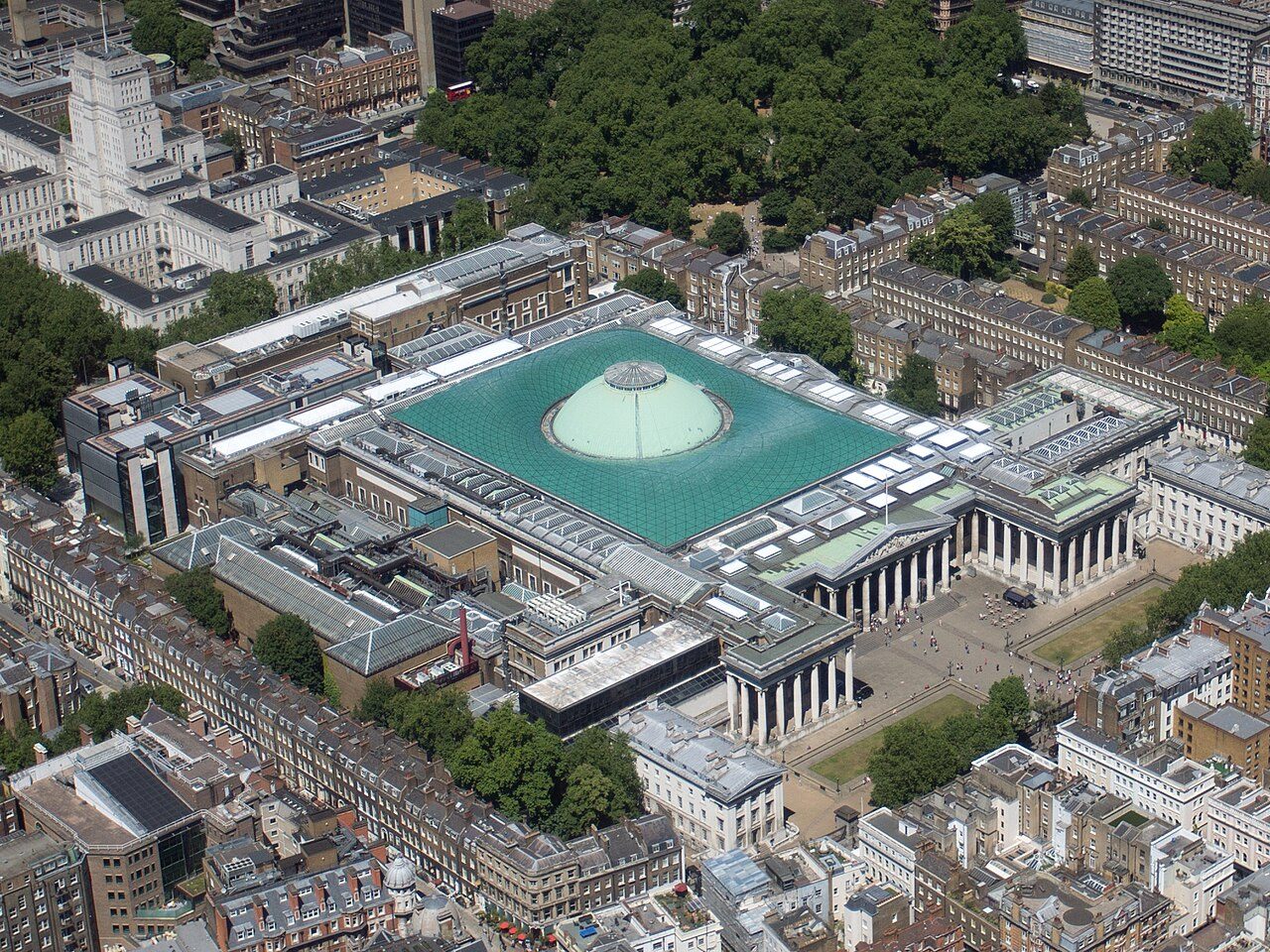
The British Museum in London was founded in 1753 and is one of the largest museums in the world. Its collection of about eight million objects covers human history. Famous items include the Rosetta Stone, the Parthenon sculptures and Egyptian mummies. Its Great Court has a glass roof around the old Reading Room. Entry is free.
10
STOP 10 OF 28
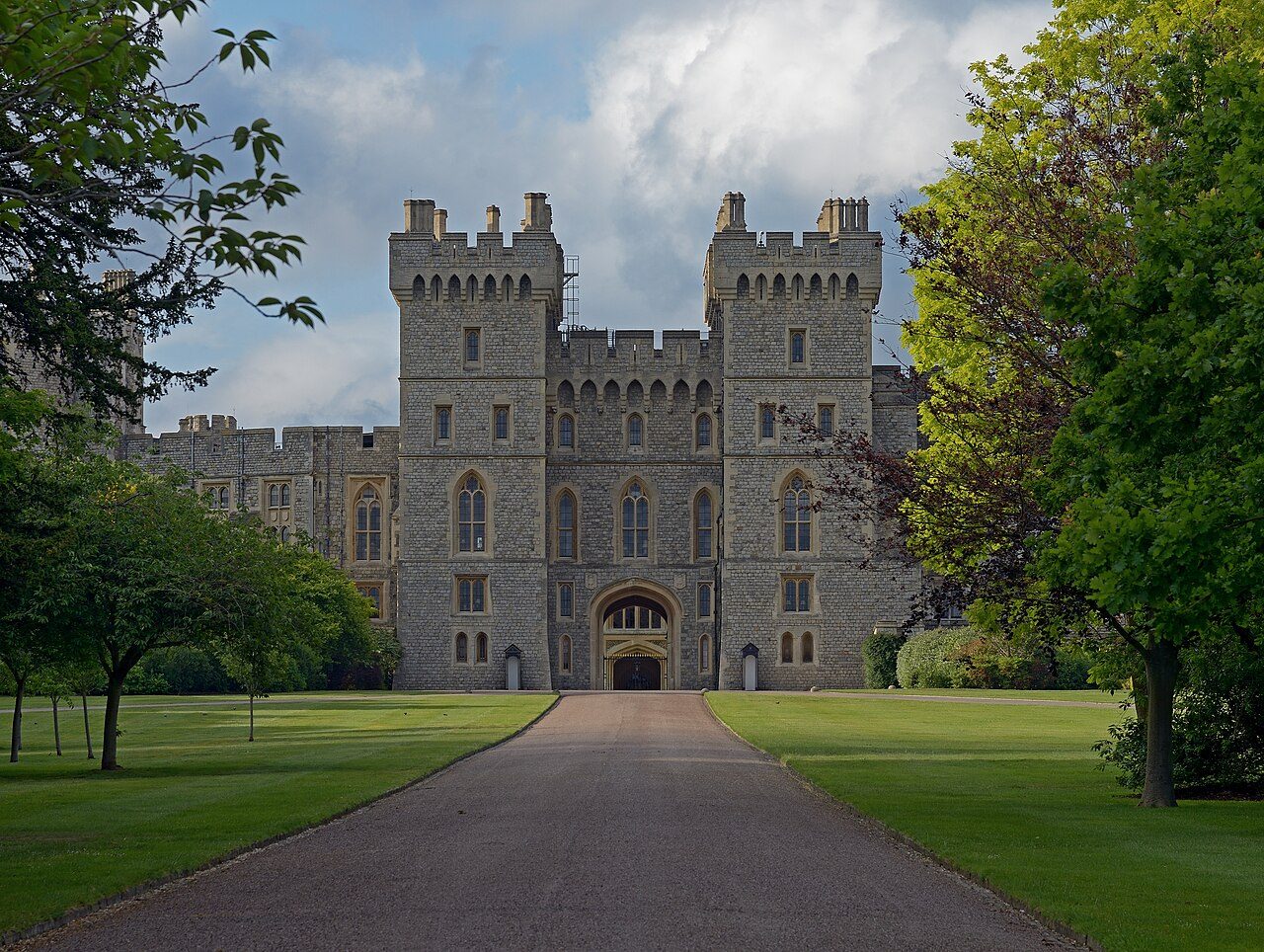
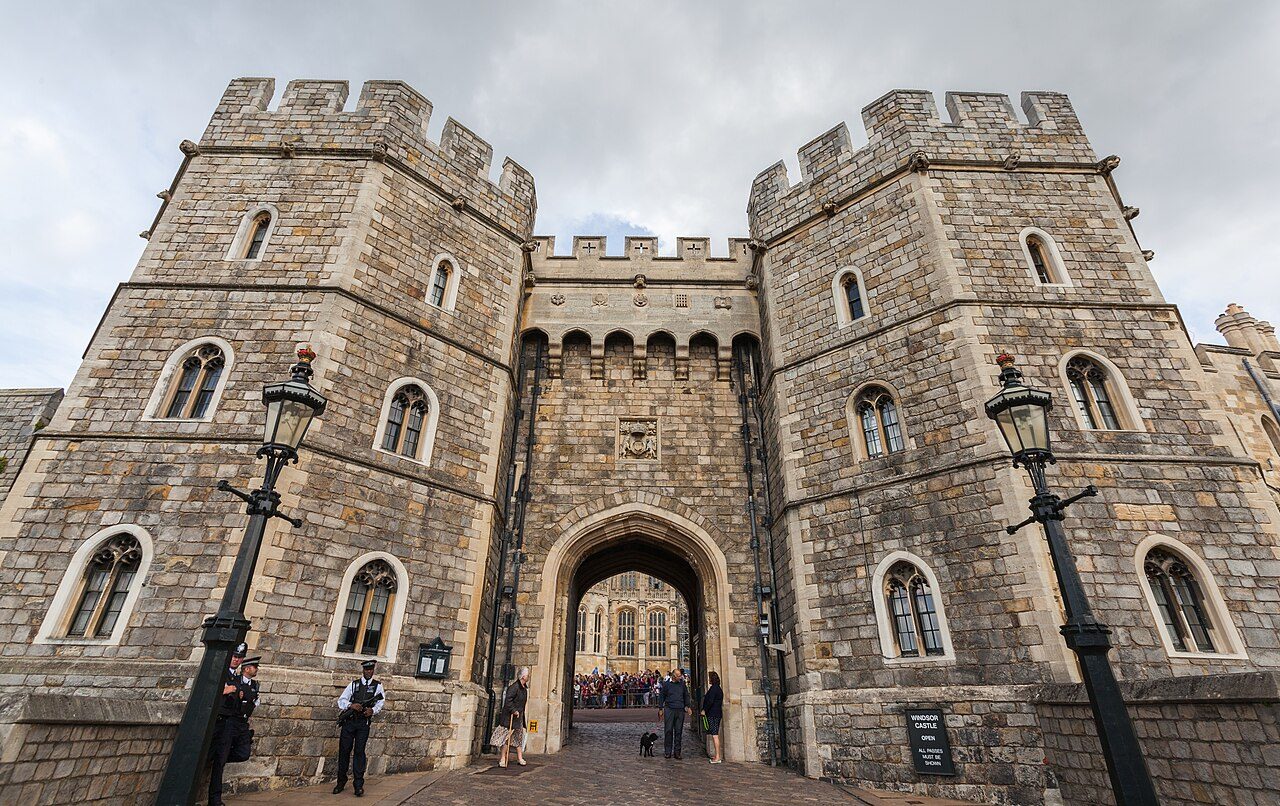
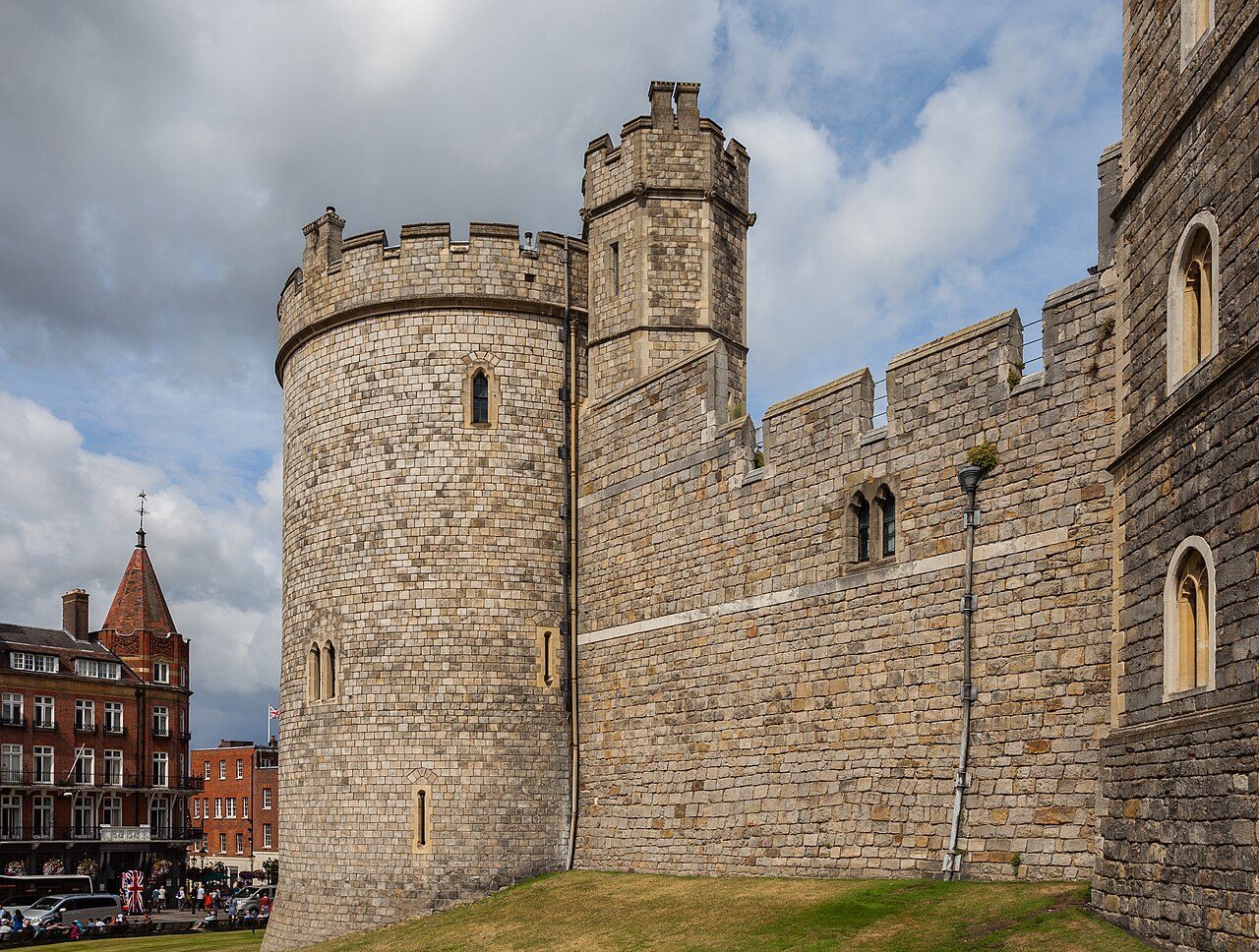
Windsor Castle
Windsor Castle, west of London, is the oldest and largest occupied castle in the world. William the Conqueror built the first castle here in the 11th century. It is a residence of the British monarch. Its State Apartments and St George's Chapel, where many royals are buried and married, are open to visitors.
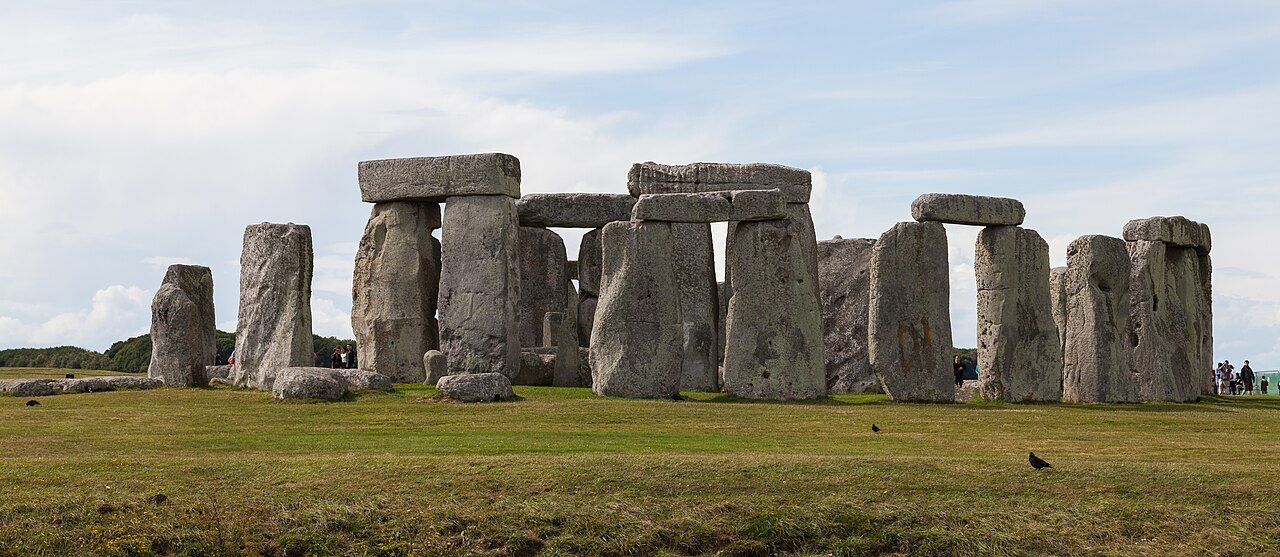
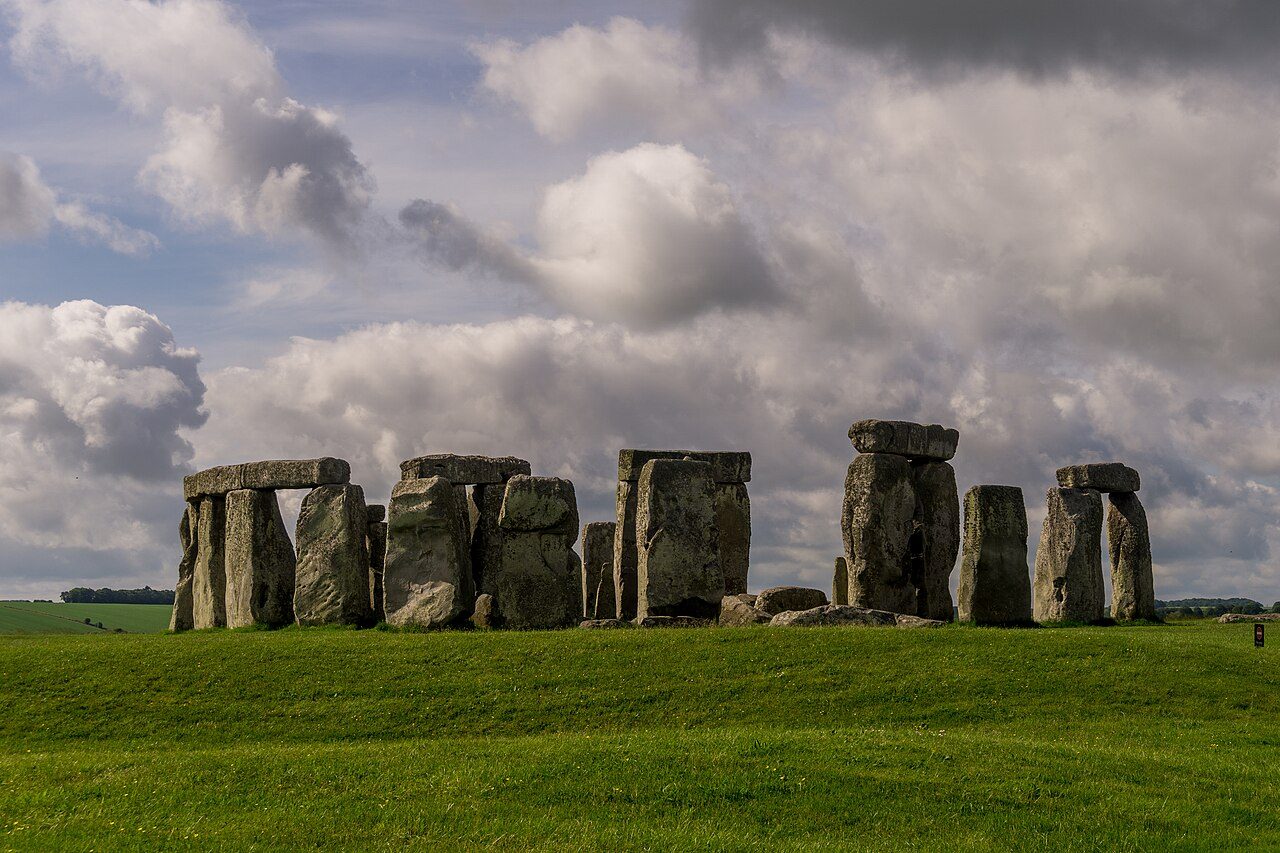
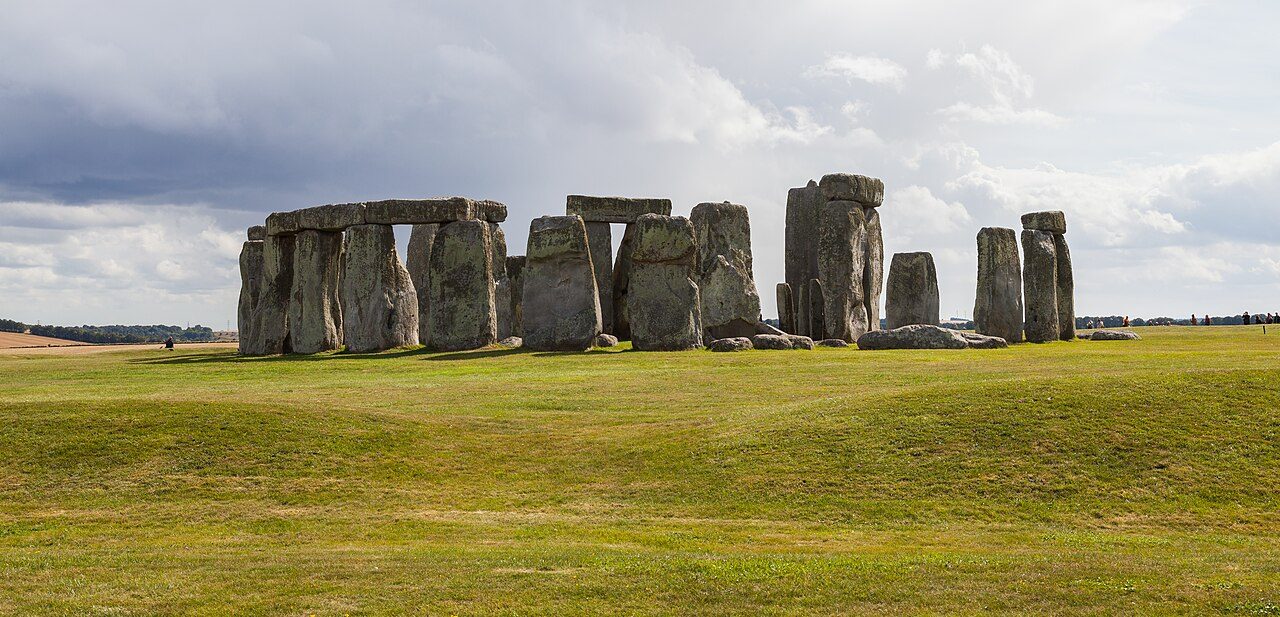
Stonehenge is a prehistoric monument on Salisbury Plain in Wiltshire, built in stages from about 3000 to 1500 BC. Huge sarsen stones and smaller bluestones from Wales are arranged in rings. It is aligned with the sunrise on the summer solstice and sunset on the winter solstice. It is a UNESCO World Heritage Site.
12
STOP 12 OF 28
Roman Baths
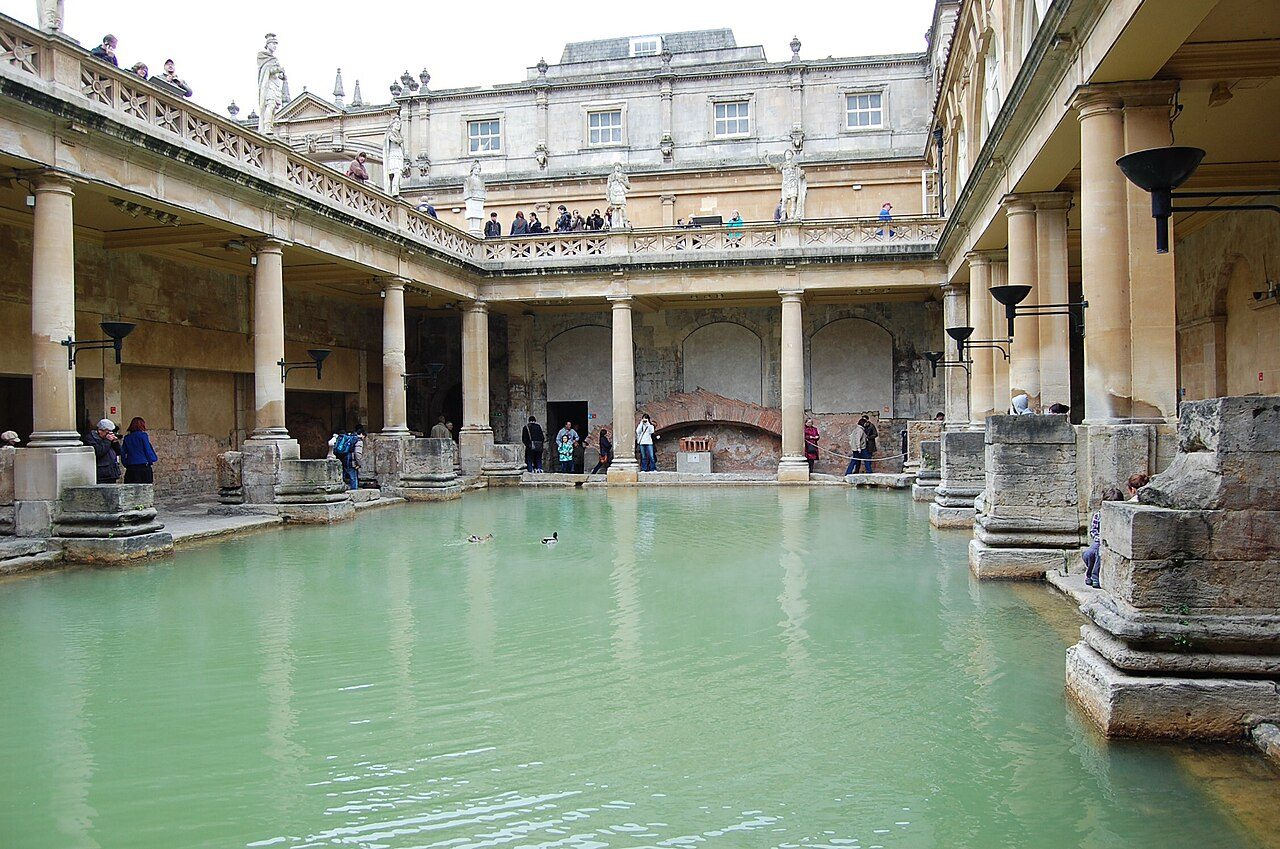
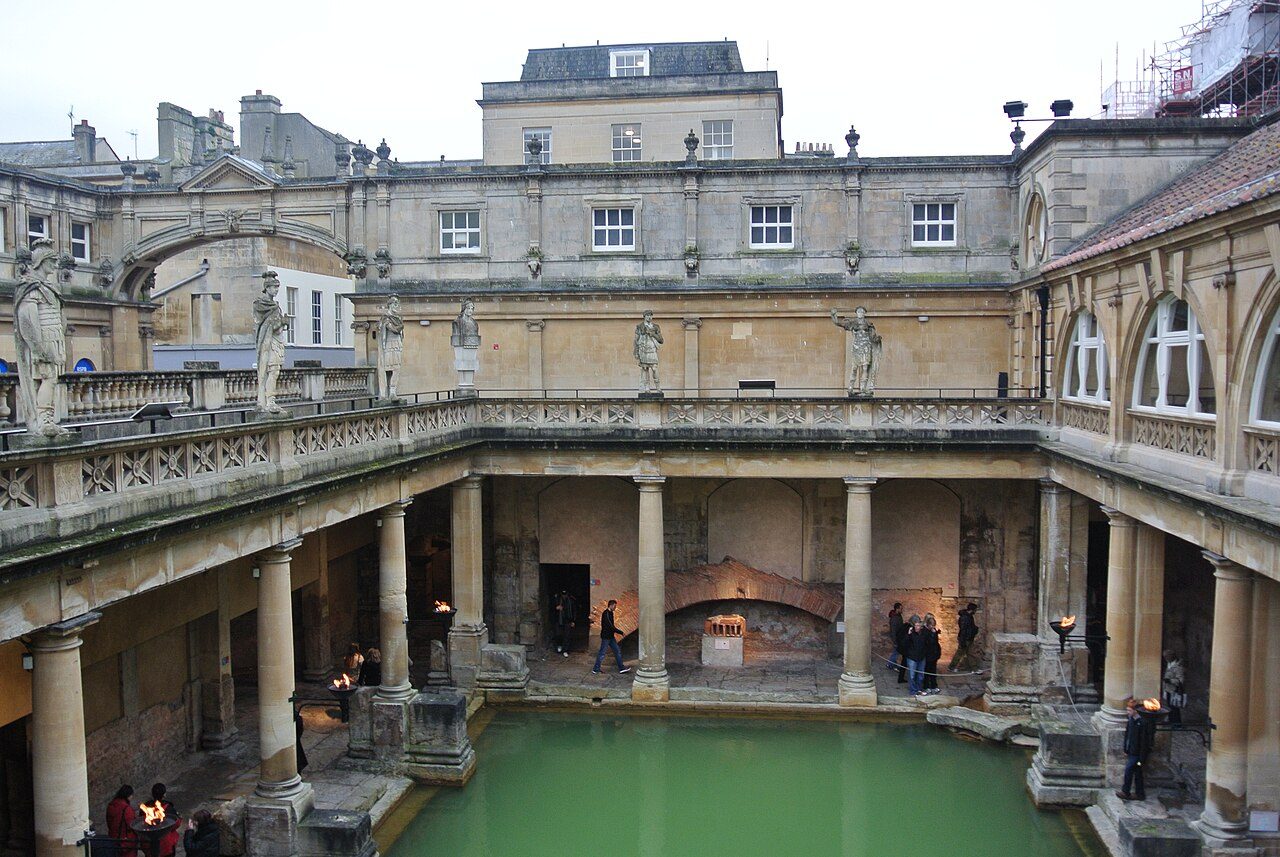
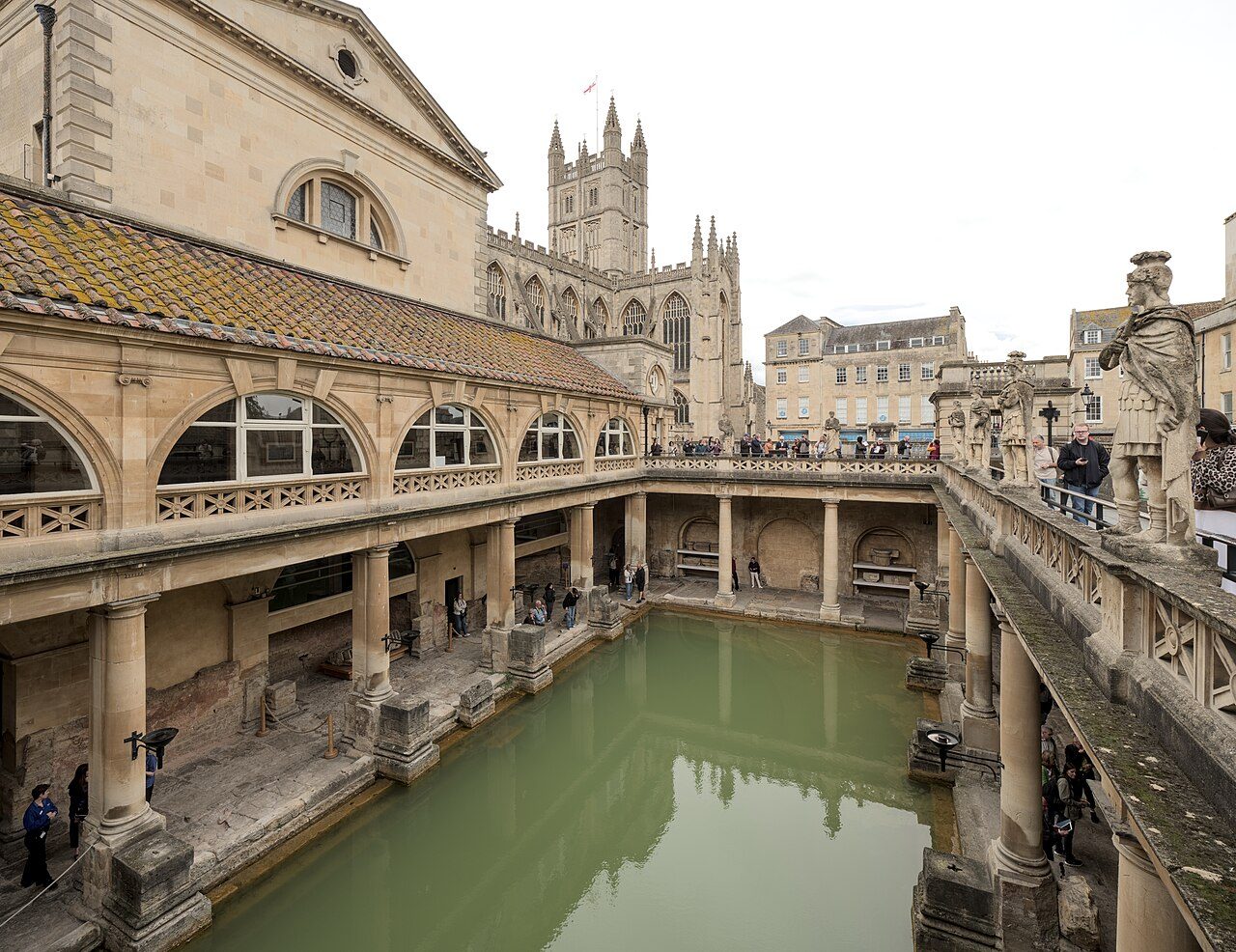
The Roman Baths in Bath were built around the 1st century AD over natural hot springs, the only ones in Britain. The Great Bath, lined with lead, is still filled with steaming water, surrounded by later terraces with Roman statues. A museum shows finds from the temple of Sulis Minerva. Bath Abbey stands next to it.
13
STOP 13 OF 28
Royal Crescent
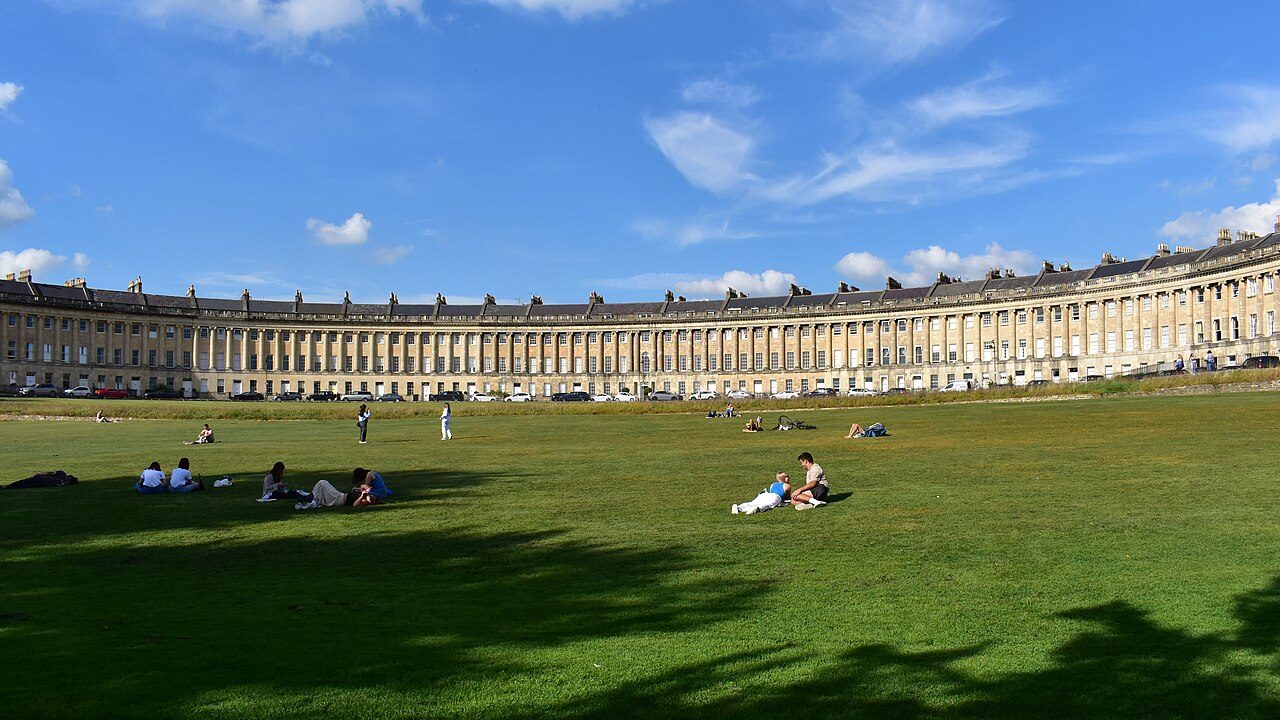
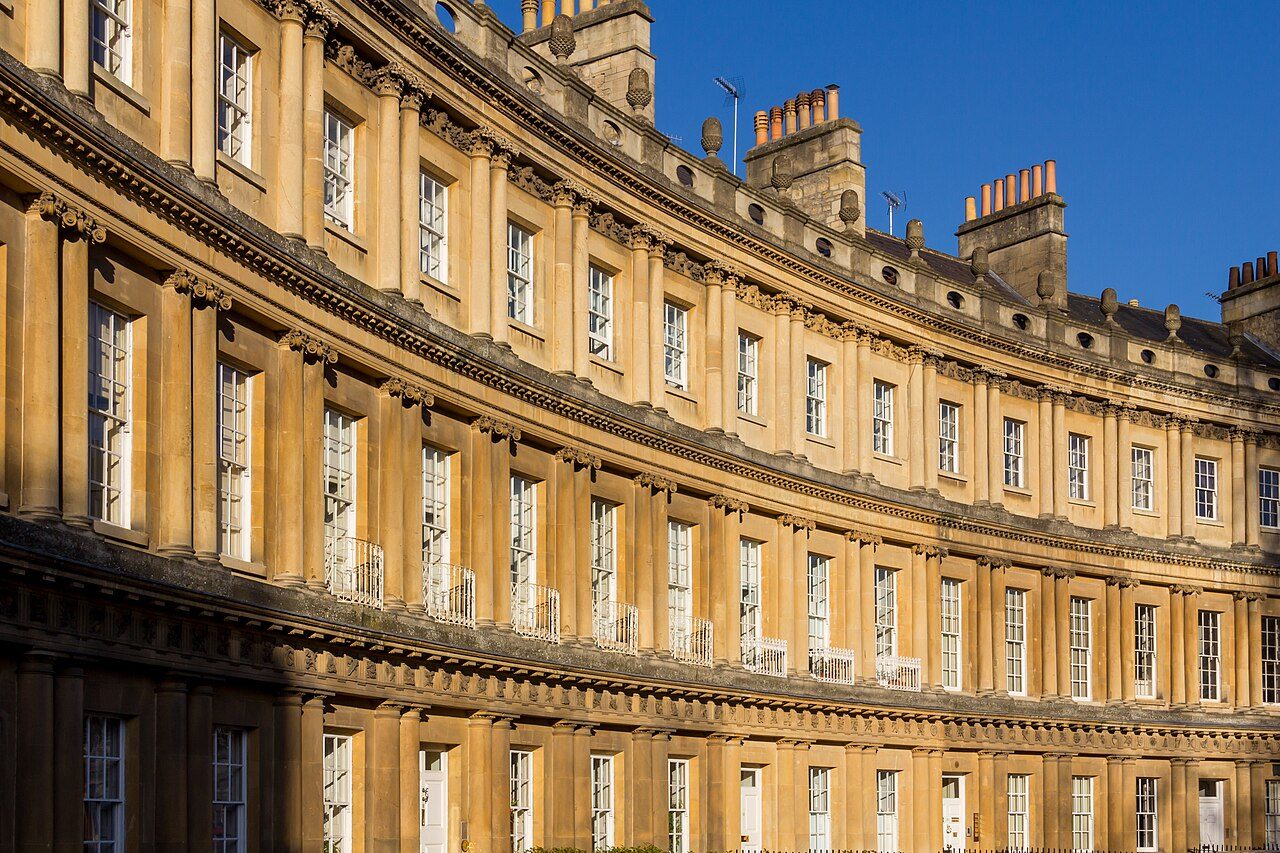
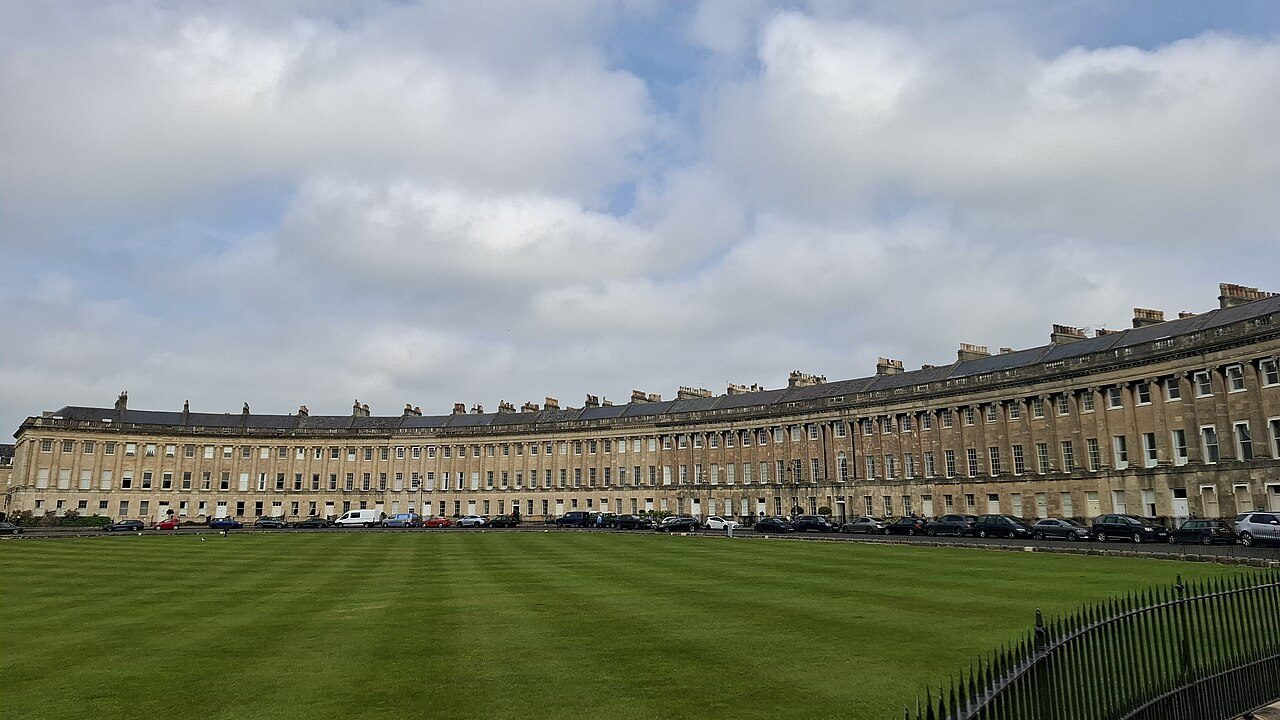
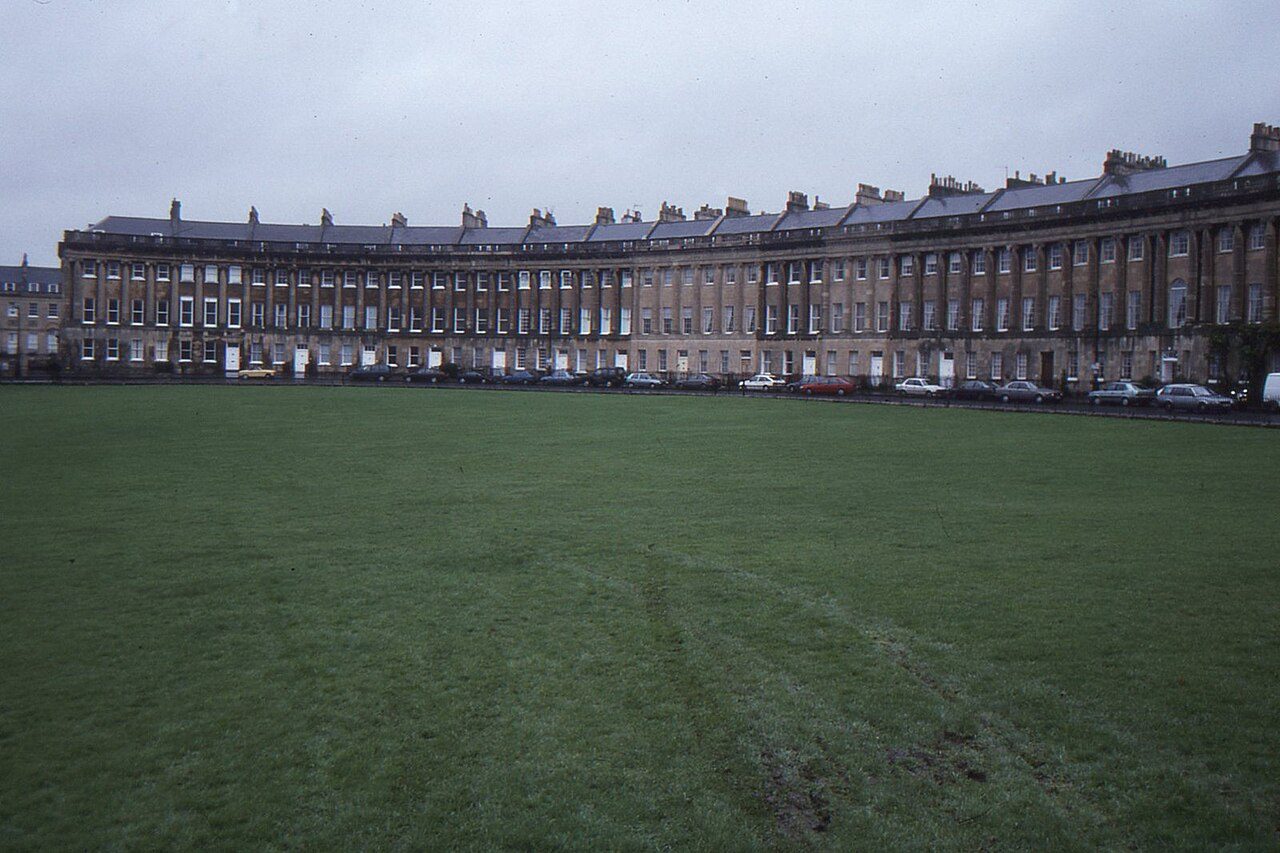
The Royal Crescent in Bath is a curved terrace of 30 Georgian houses built between 1767 and 1774 by John Wood the Younger. Its sweeping facade of honey-coloured Bath stone with columns looks over a large lawn and park. Number 1 is a museum showing Georgian life. Bath is a UNESCO World Heritage Site.
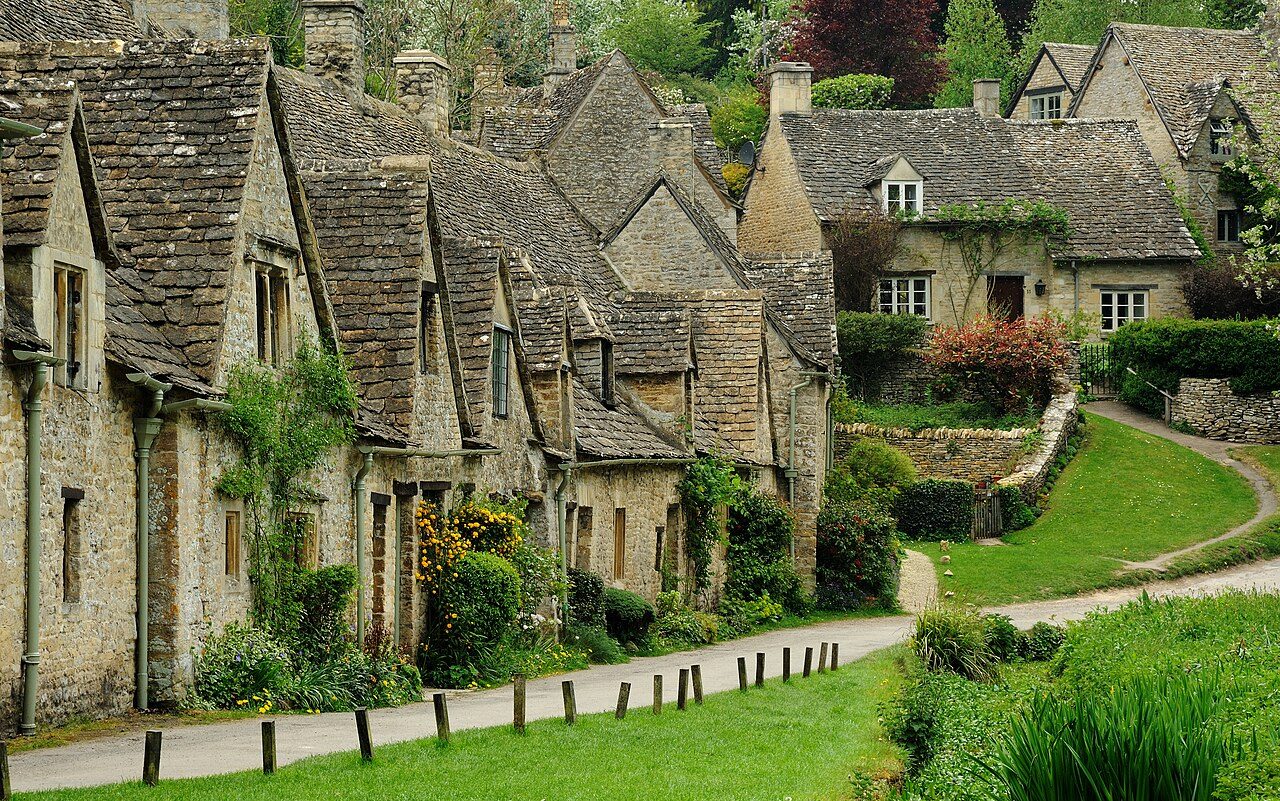
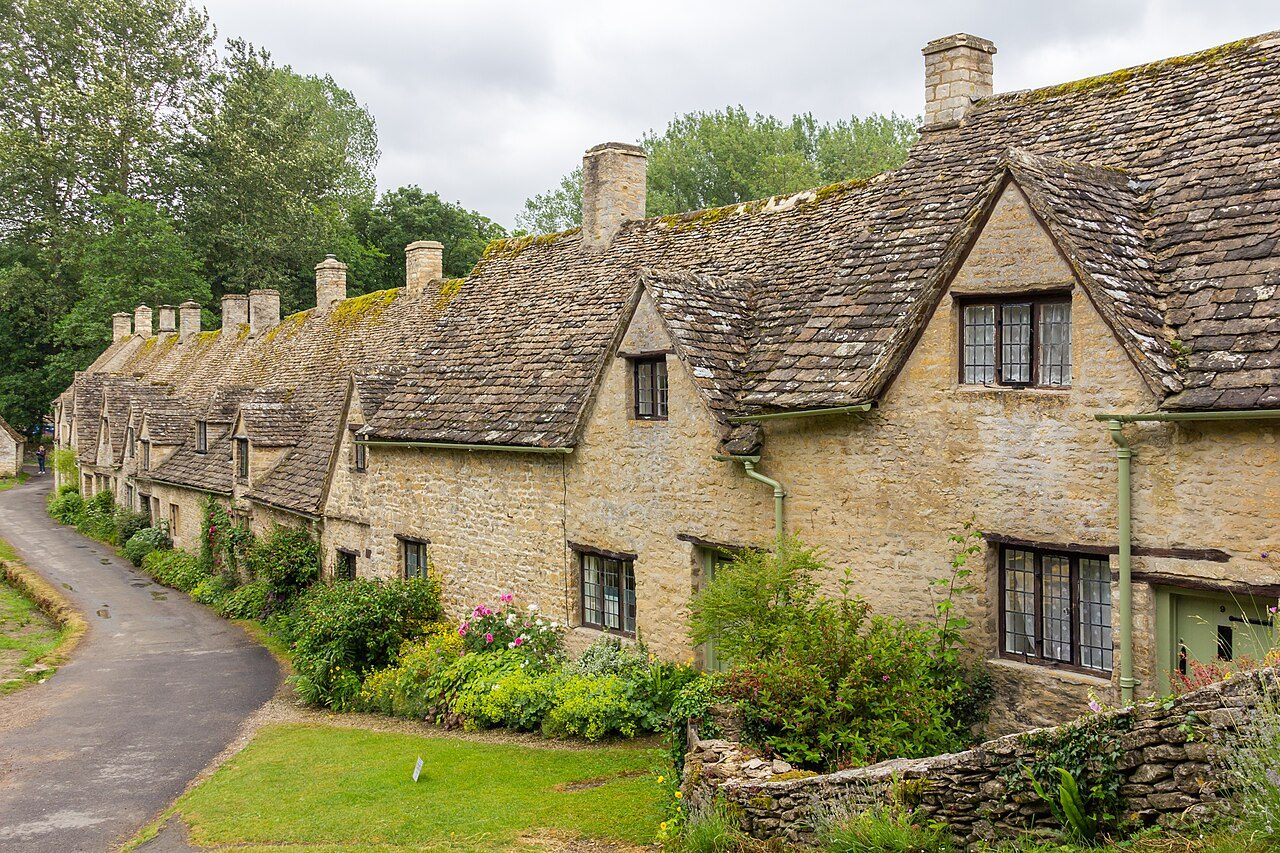
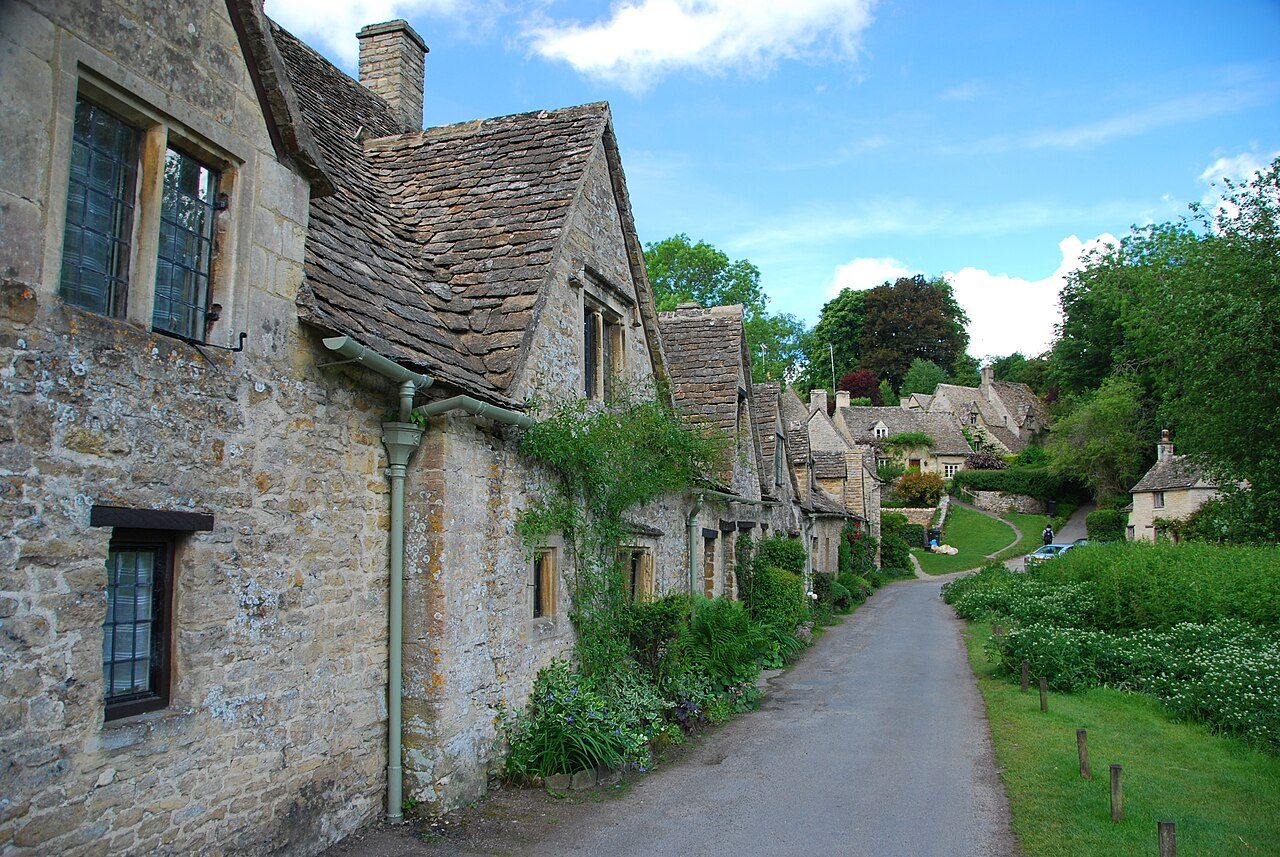
The Cotswolds are an area of rolling hills in southern England known for villages of honey-coloured limestone. Bibury, with its row of 17th-century weavers' cottages called Arlington Row, is often called the most beautiful village in England. Other villages include Bourton-on-the-Water and Castle Combe.
15
STOP 15 OF 28
Oxford University
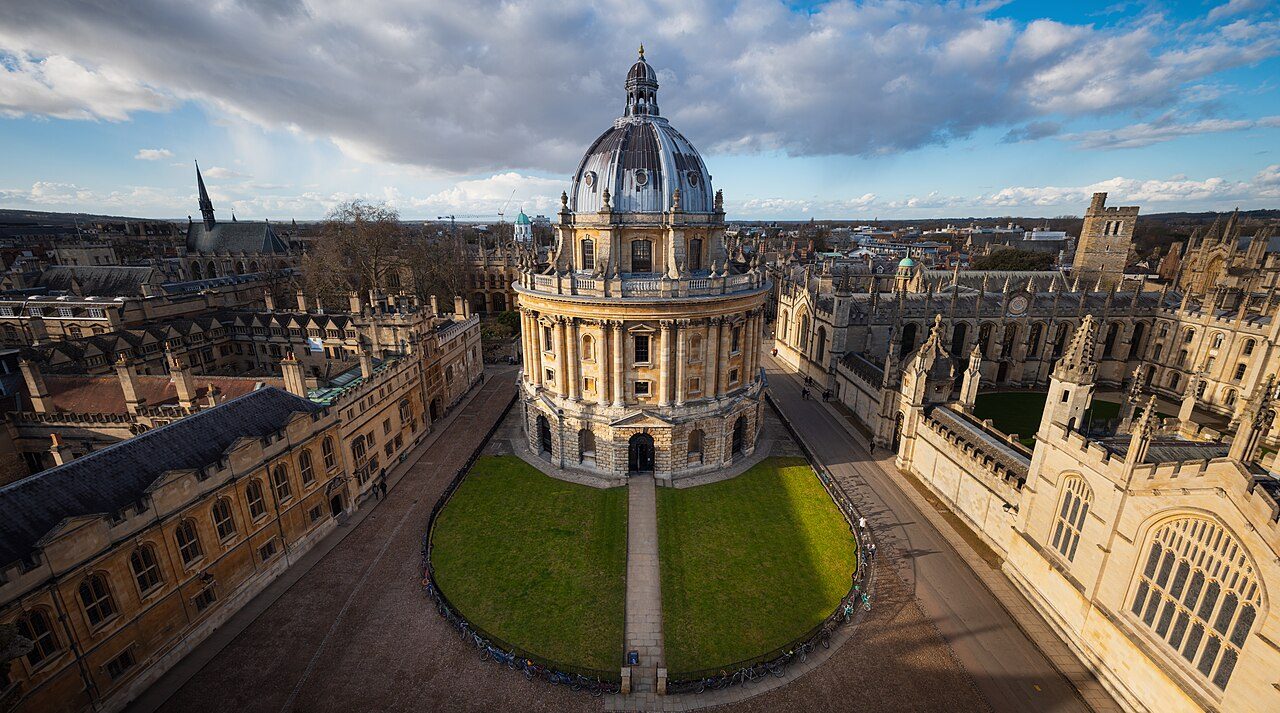
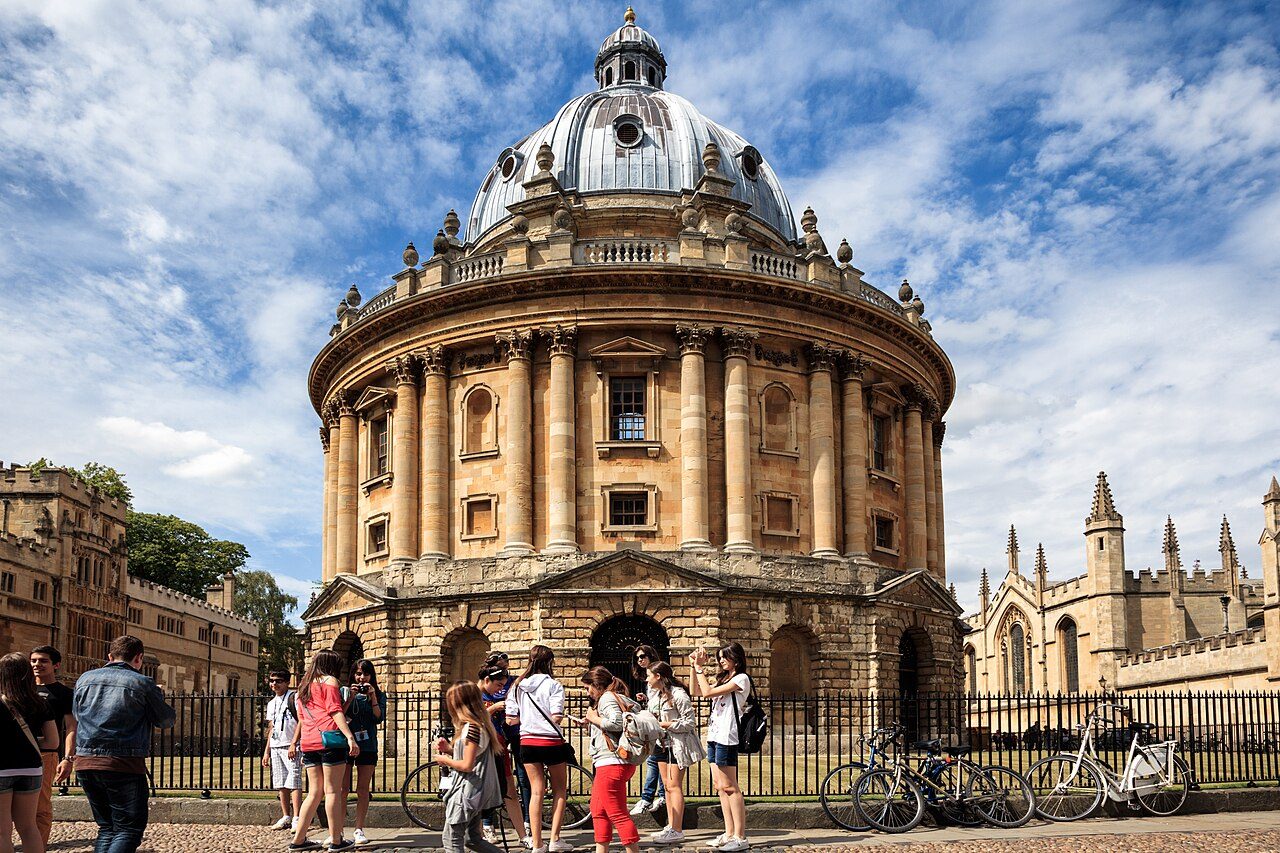
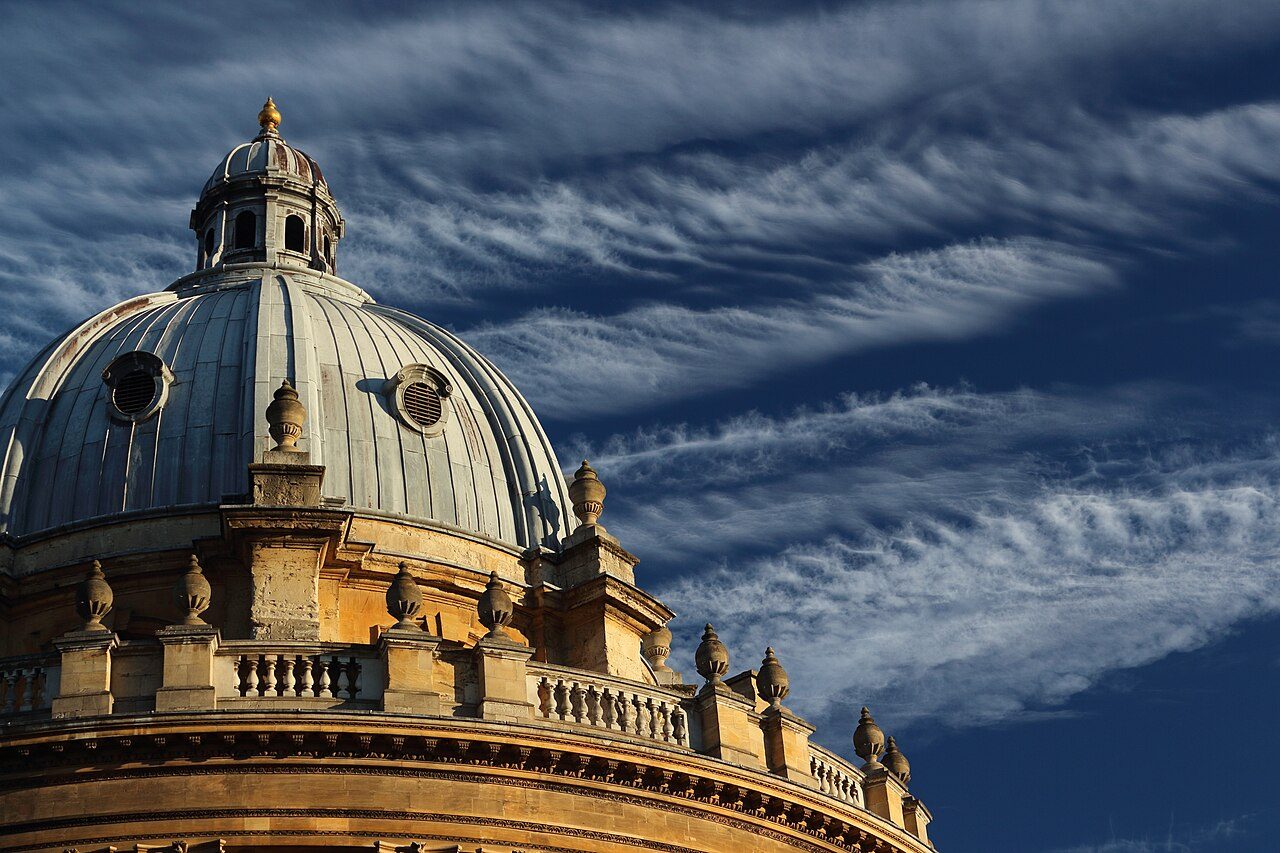
The University of Oxford is the oldest university in the English-speaking world, with teaching from at least 1096. The city centre is filled with colleges built around quadrangles, earning Oxford the name City of Dreaming Spires. The round Radcliffe Camera and the Bodleian Library are its most famous buildings.
16
STOP 16 OF 28
Stratford-upon-Avon
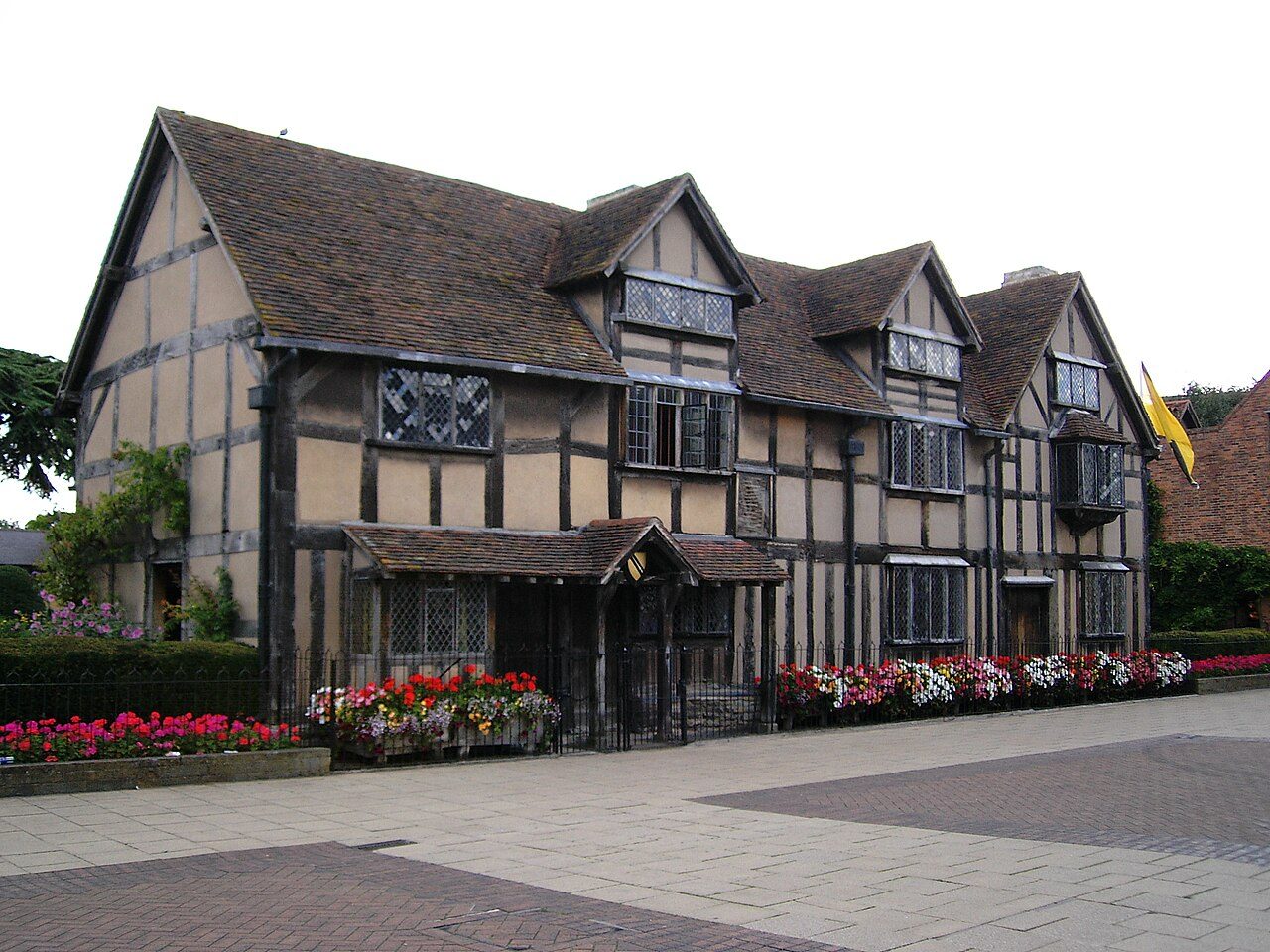
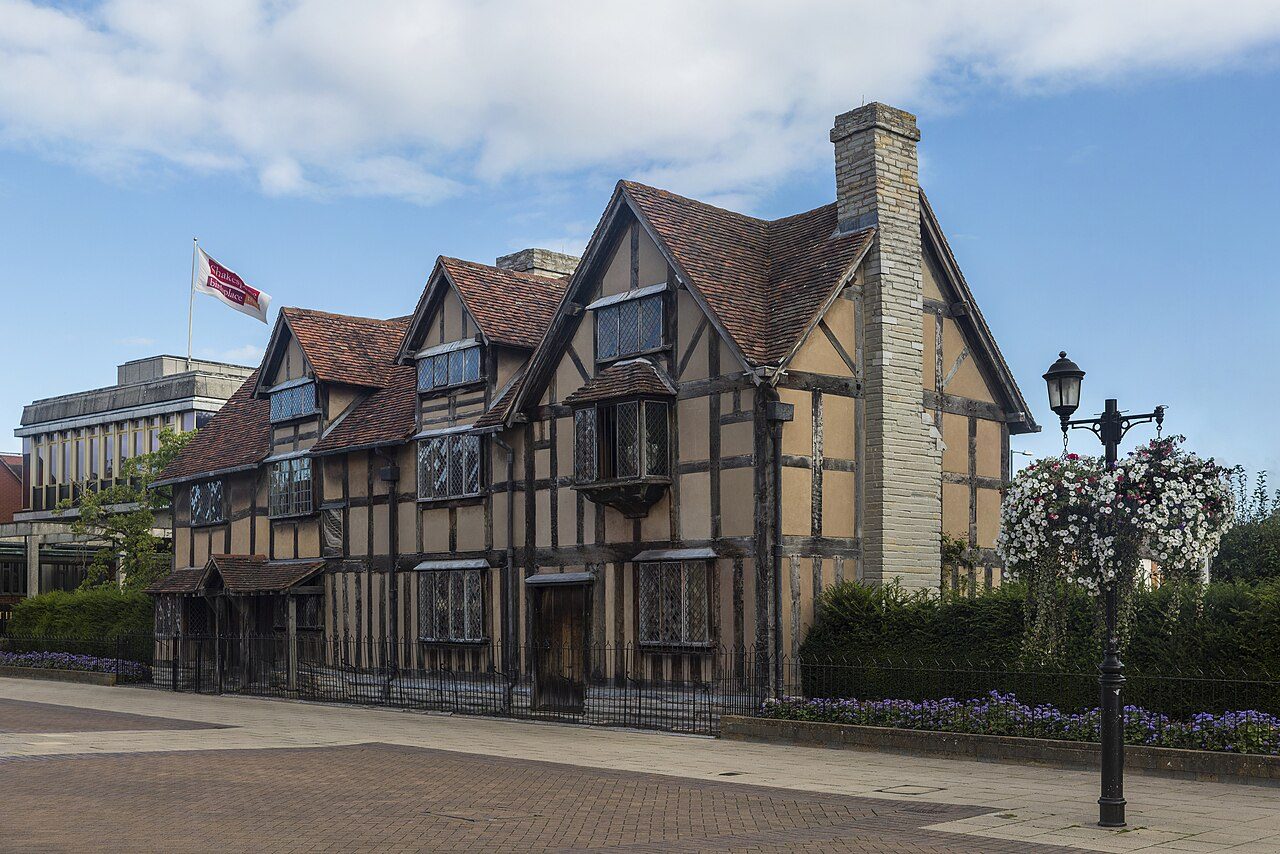
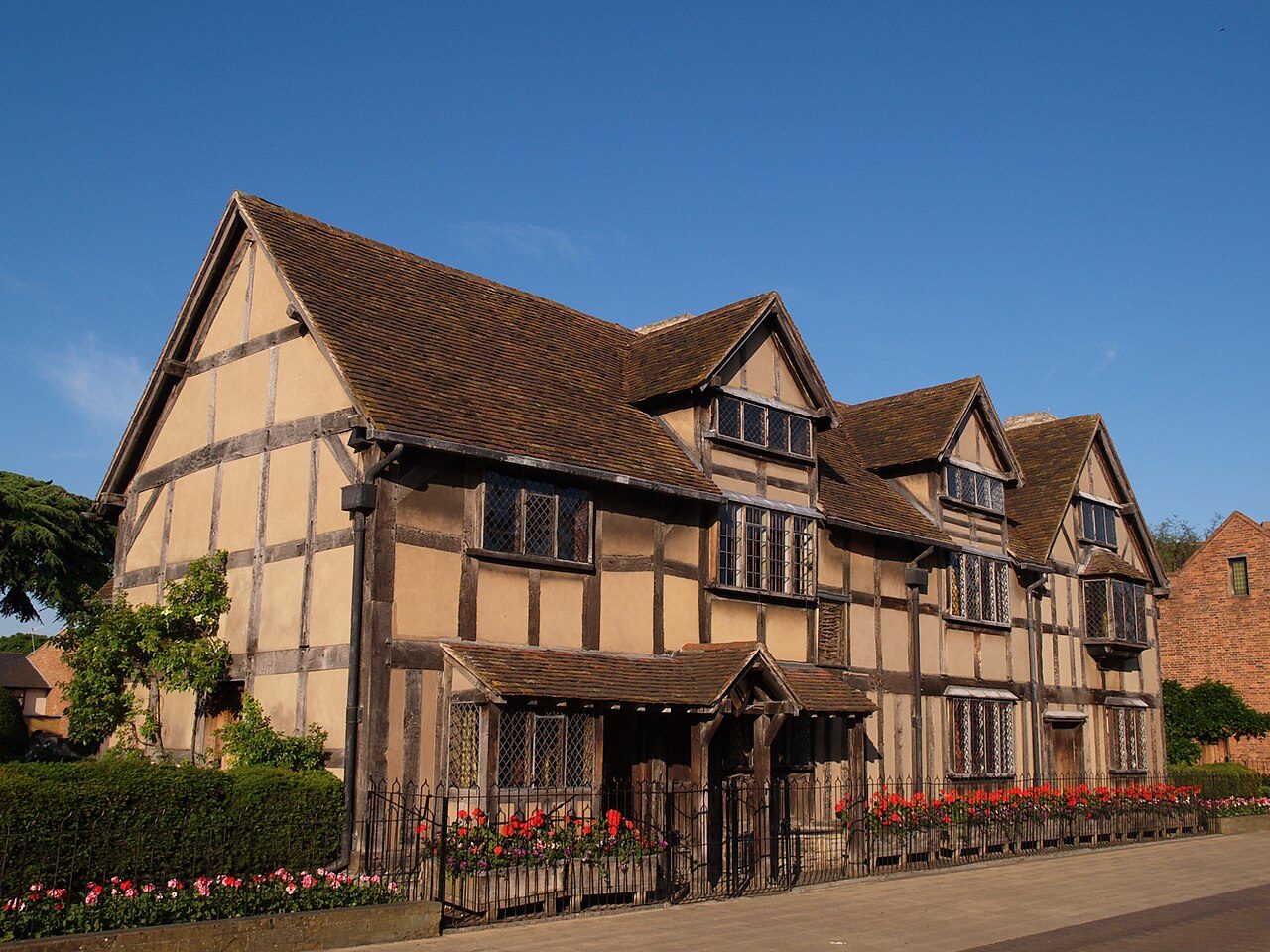
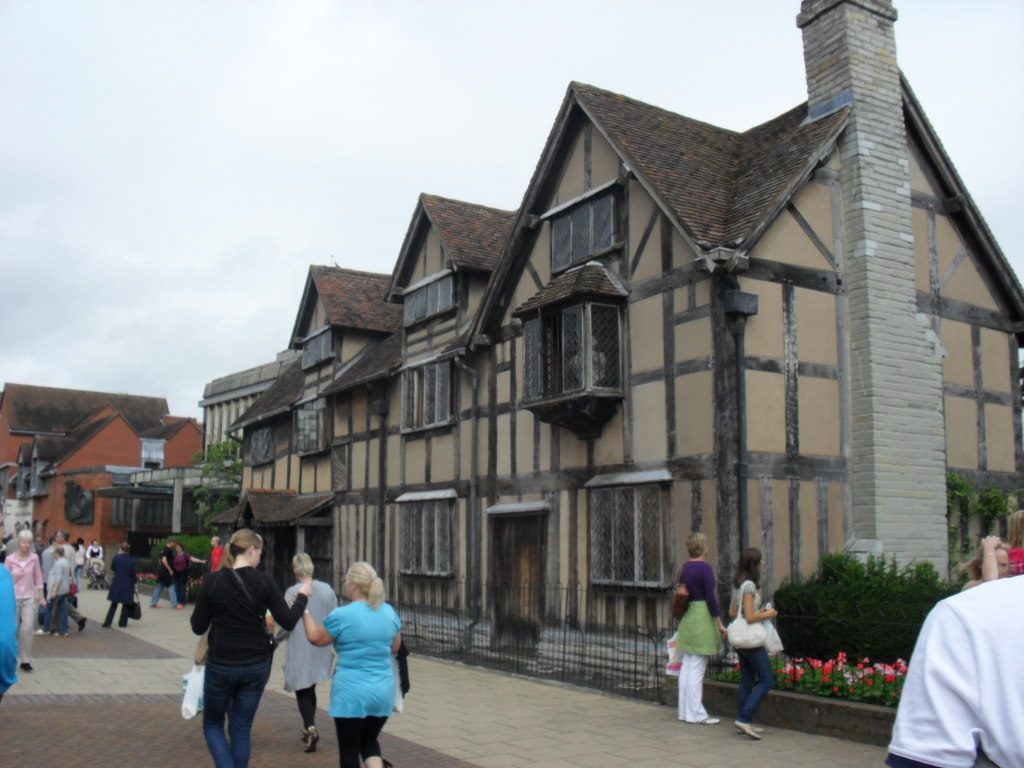
Stratford-upon-Avon is a market town in Warwickshire, famous as the birthplace of William Shakespeare in 1564. His birthplace, a half-timbered house, is a museum. The town also has Anne Hathaway's Cottage, Holy Trinity Church where Shakespeare is buried, and the Royal Shakespeare Theatre on the river.
17
STOP 17 OF 28
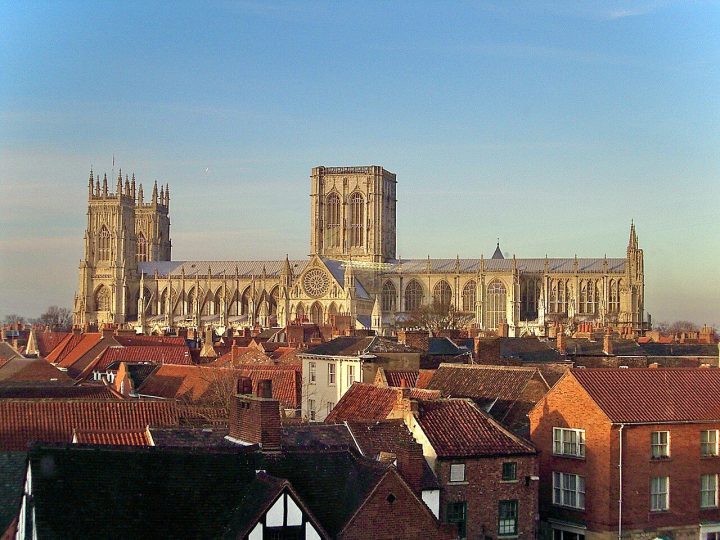
York Minster
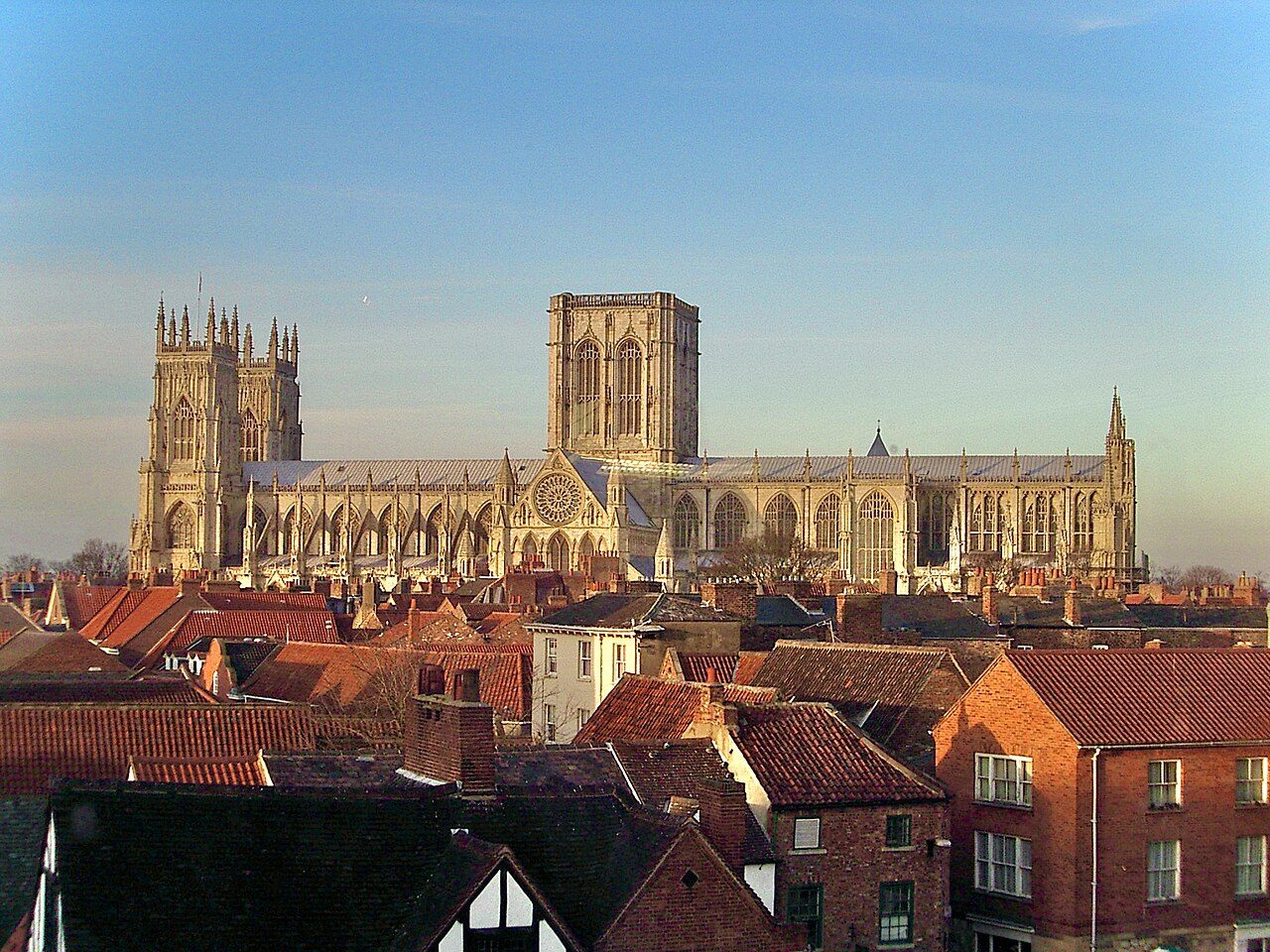
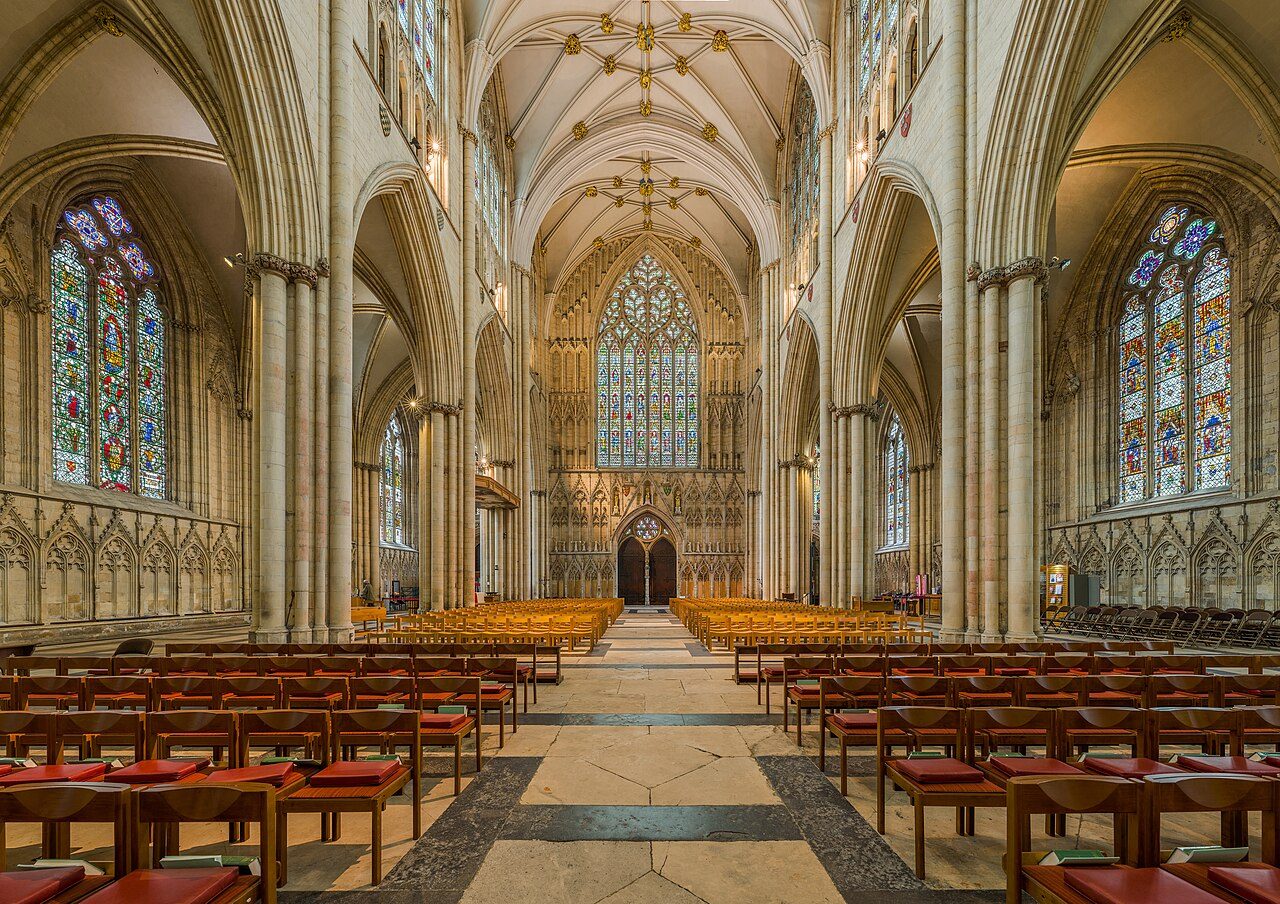
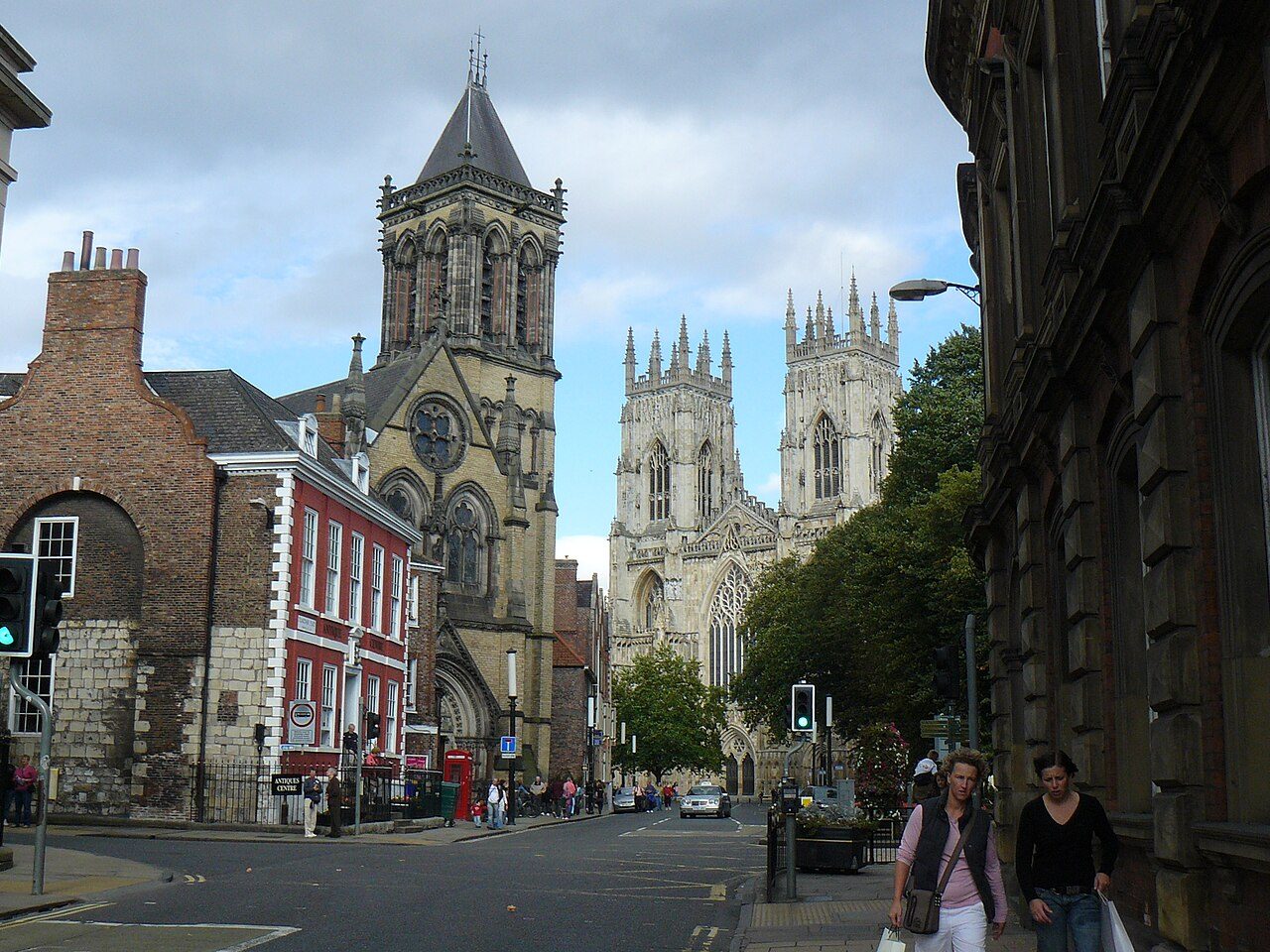
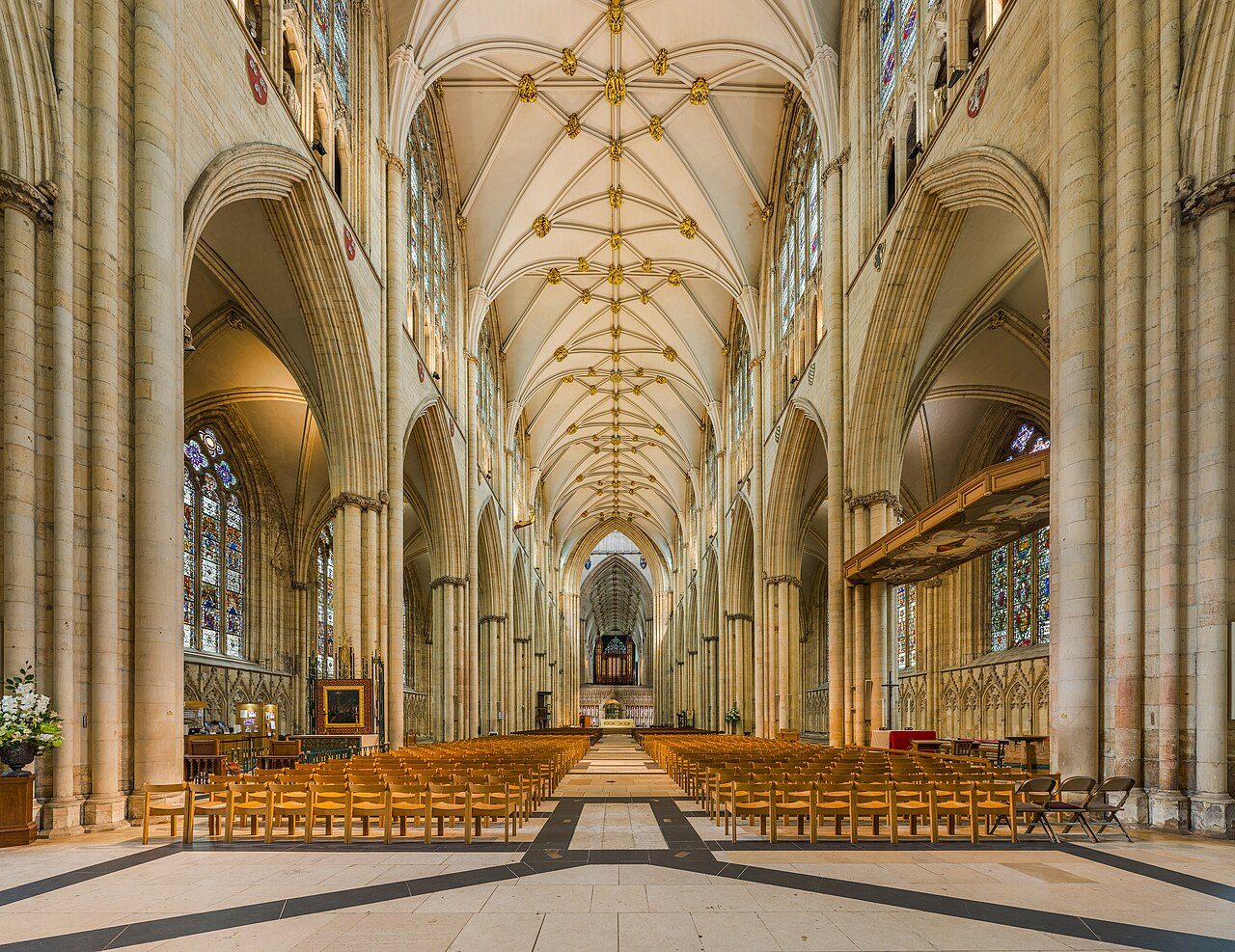
York Minster is one of the largest Gothic cathedrals in Northern Europe, built between 1220 and 1472. It is famous for its medieval stained glass, including the Great East Window, the largest expanse of medieval stained glass in the world. Visitors can climb its central tower for views over the city.
18
STOP 18 OF 28
The Shambles
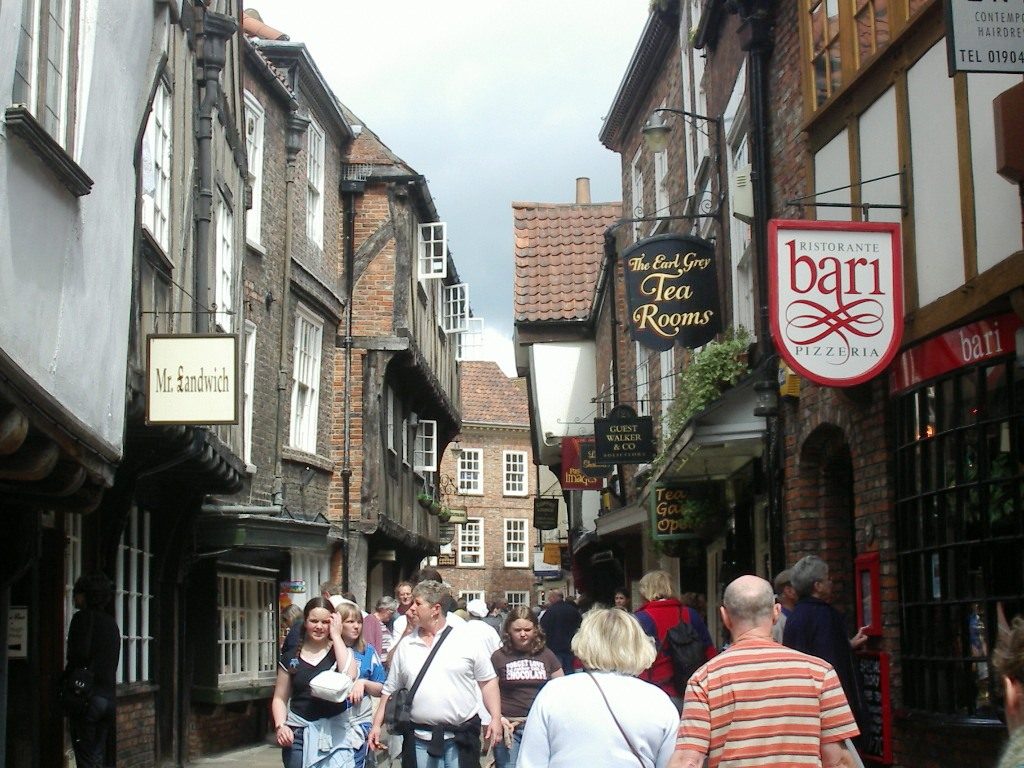
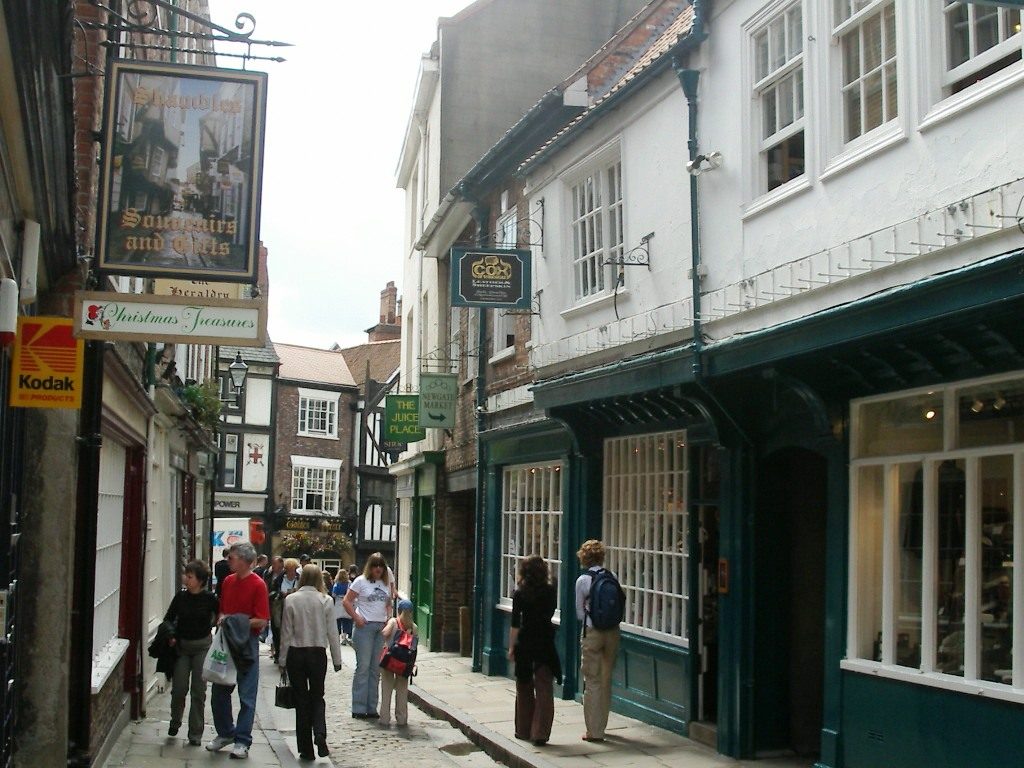
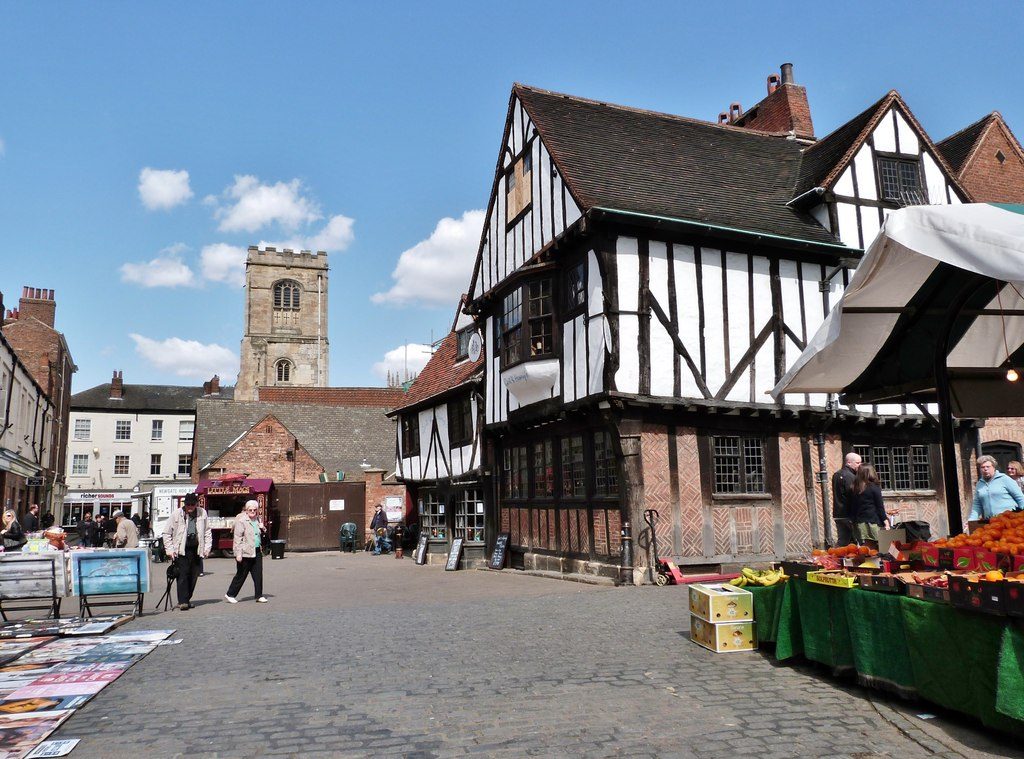
The Shambles is a narrow medieval street in York, with timber-framed buildings from the 14th and 15th centuries that overhang the street. It was once a street of butchers' shops. Today it holds small shops and cafes and is one of the best preserved medieval streets in Europe. It is said to have inspired Diagon Alley.
19
STOP 19 OF 28
Lake District
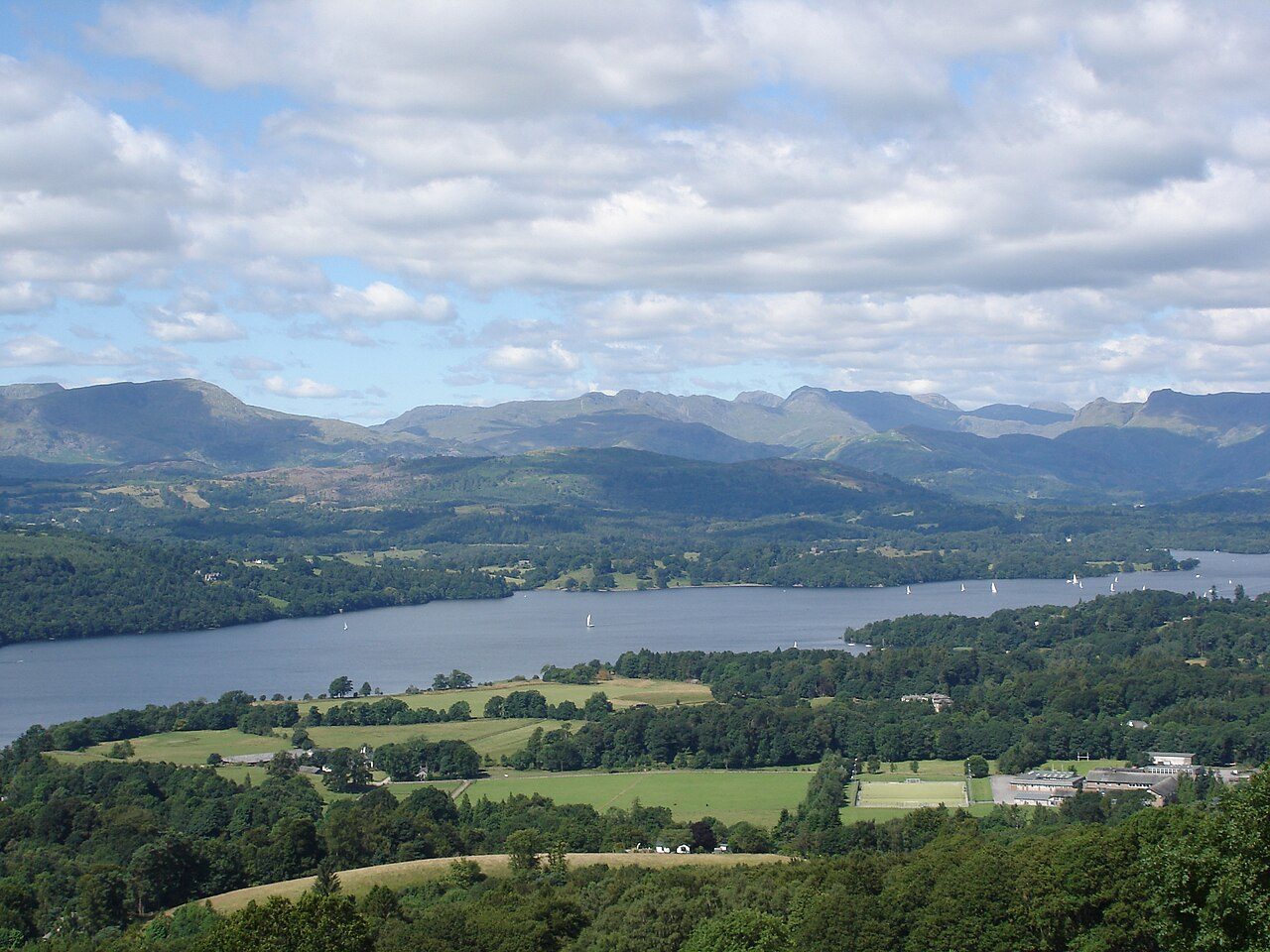
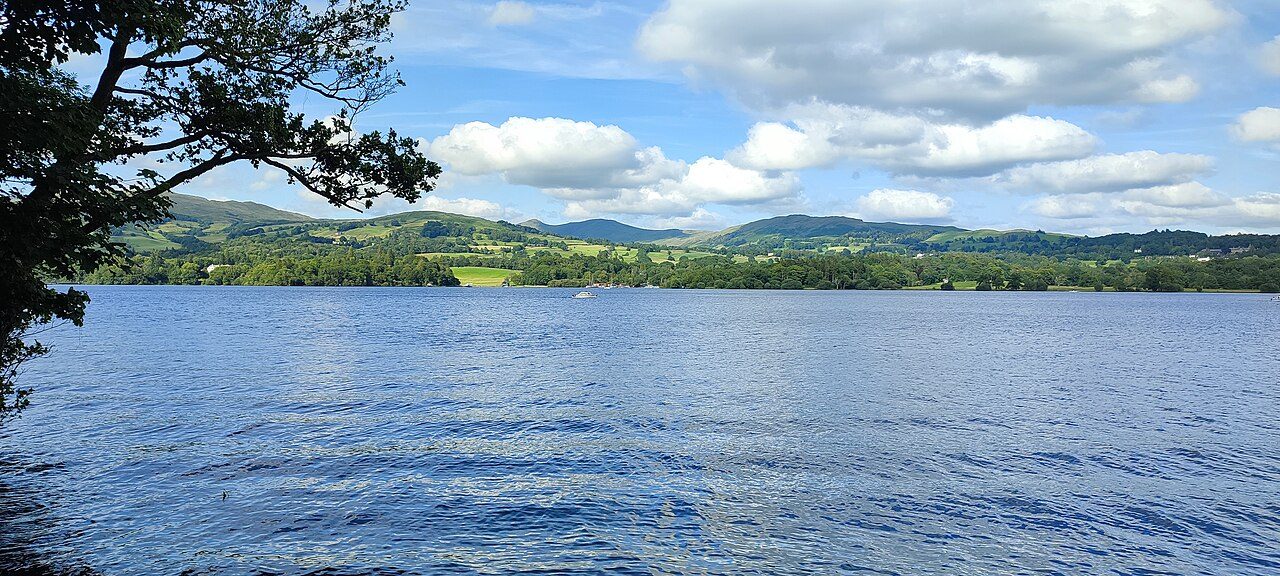
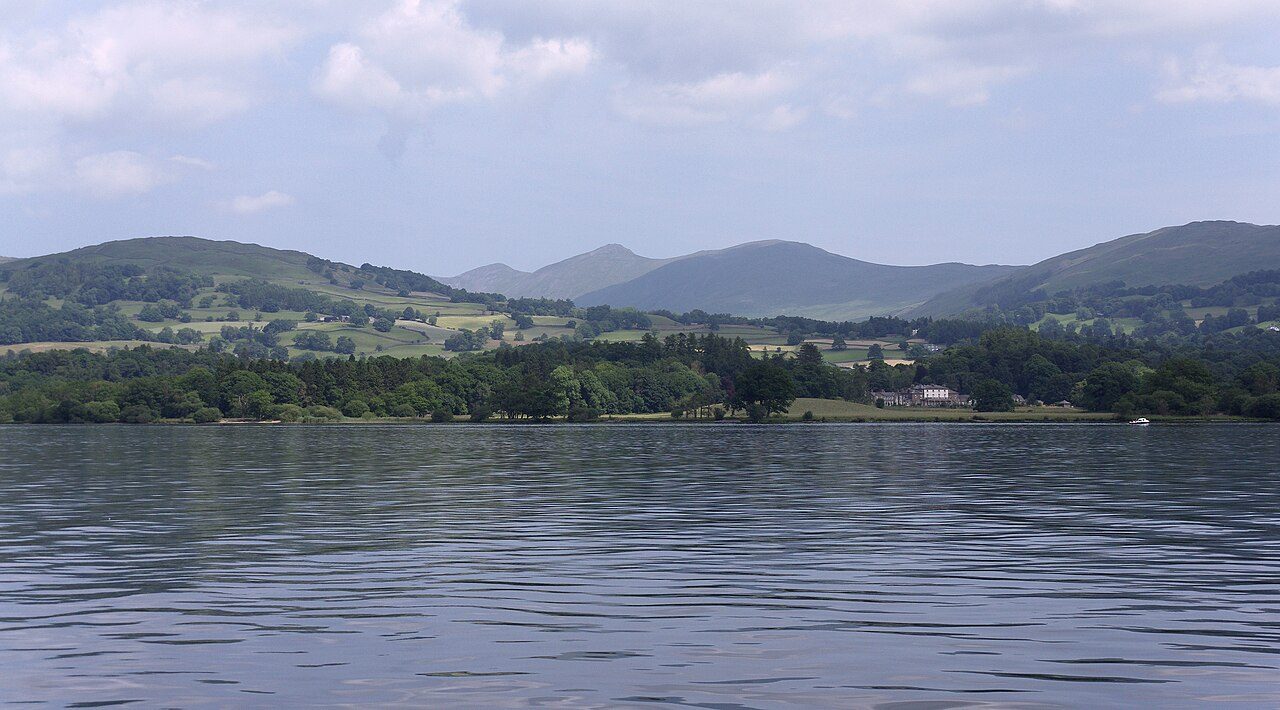
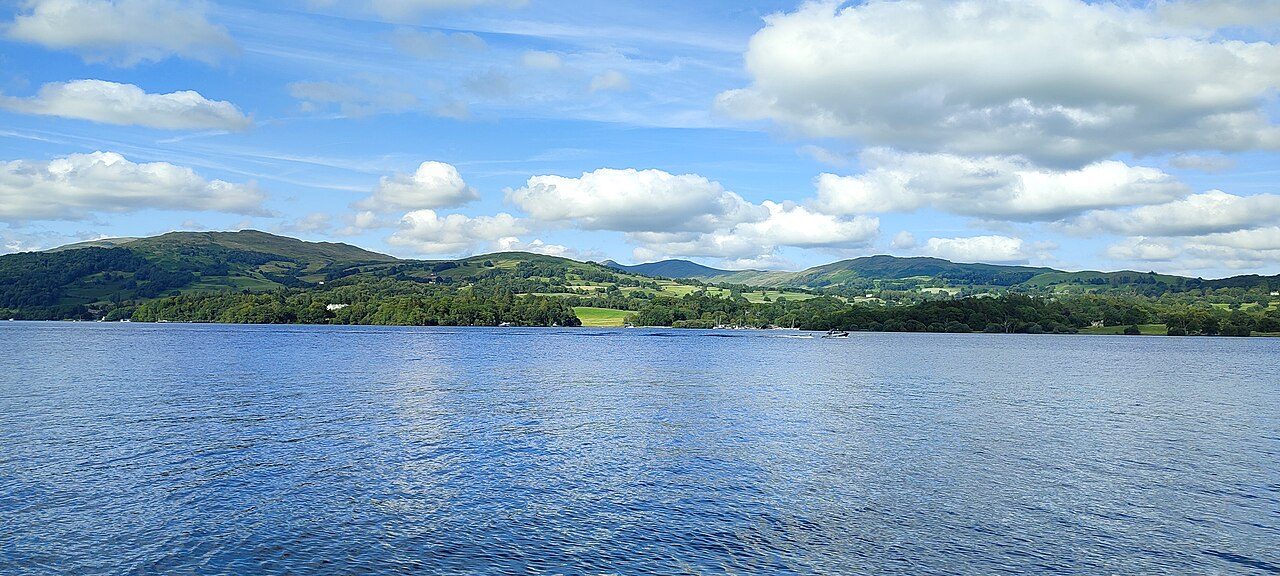
The Lake District in Cumbria is a mountainous region of lakes, fells and valleys in northwest England. It includes Windermere, the largest lake in England, and Scafell Pike, the highest mountain. Poets such as William Wordsworth and writers like Beatrix Potter lived here. It is a national park and a UNESCO World Heritage Site.
20
STOP 20 OF 28
Edinburgh Castle
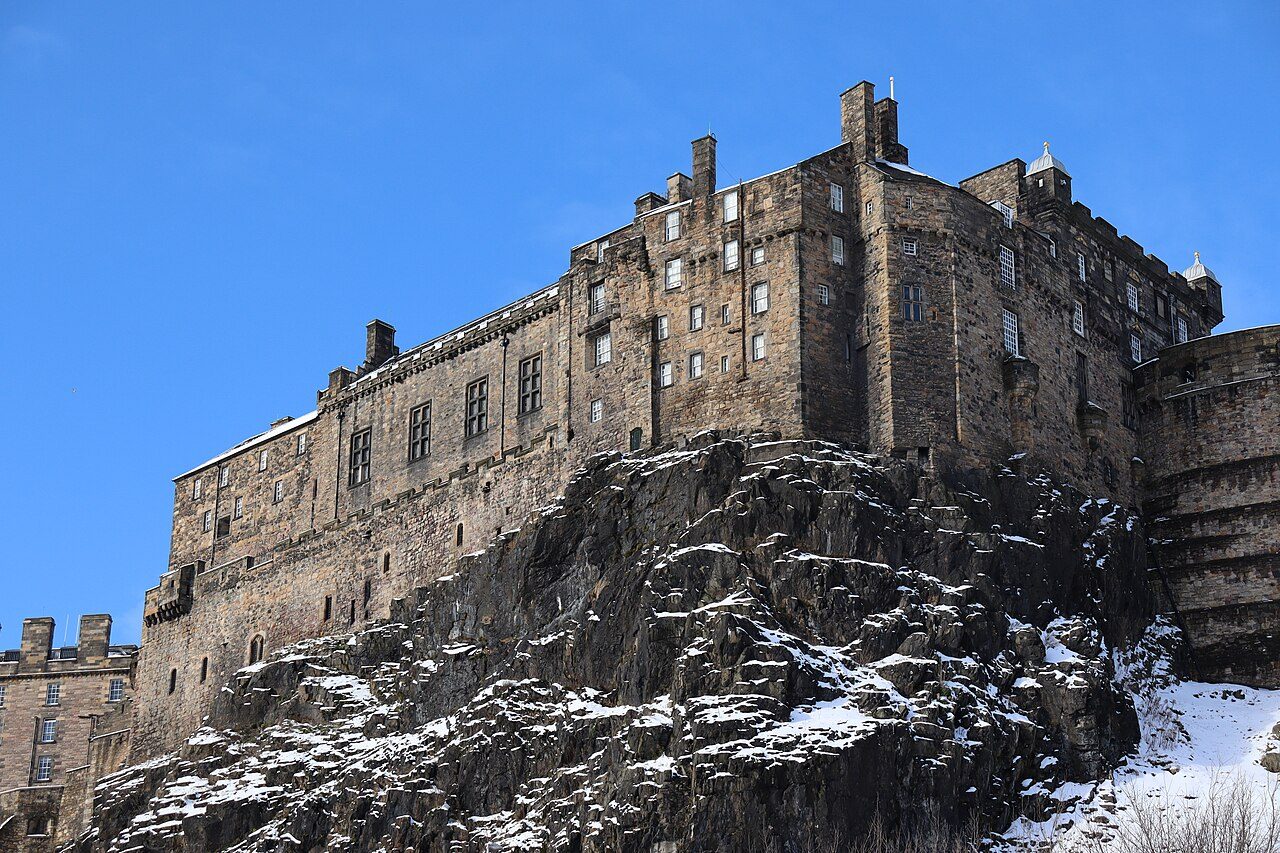
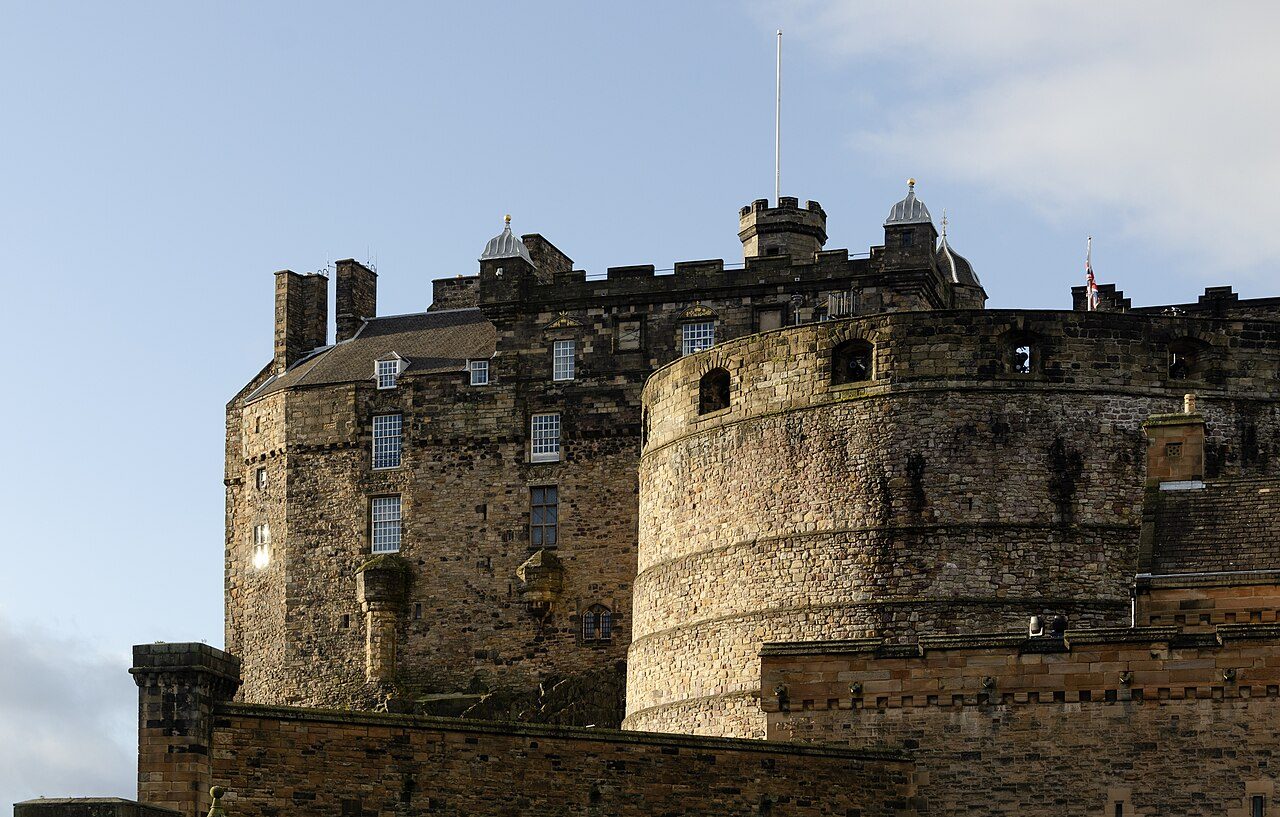
Edinburgh Castle stands on Castle Rock, an extinct volcano above the Scottish capital. People have lived on the rock since the Iron Age. The castle holds the Scottish Crown Jewels, the Stone of Destiny and St Margaret's Chapel, the oldest building in Edinburgh. The One O'Clock Gun is fired every day except Sunday.
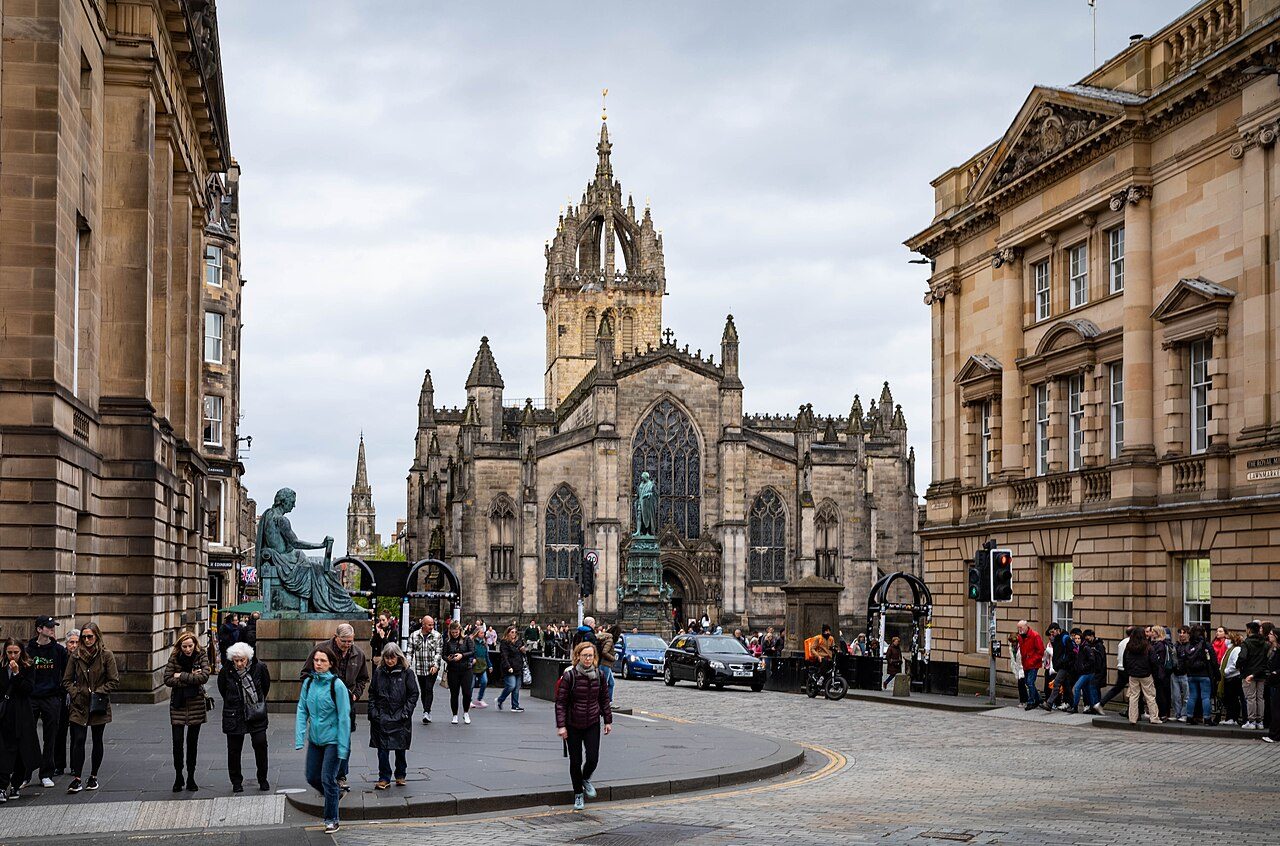
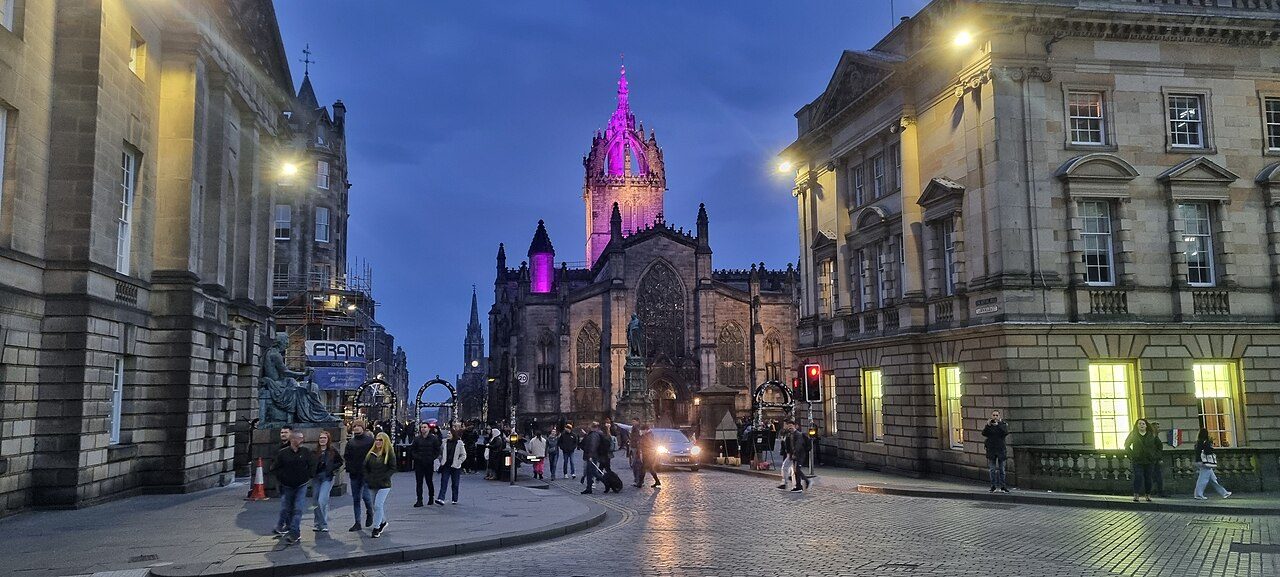
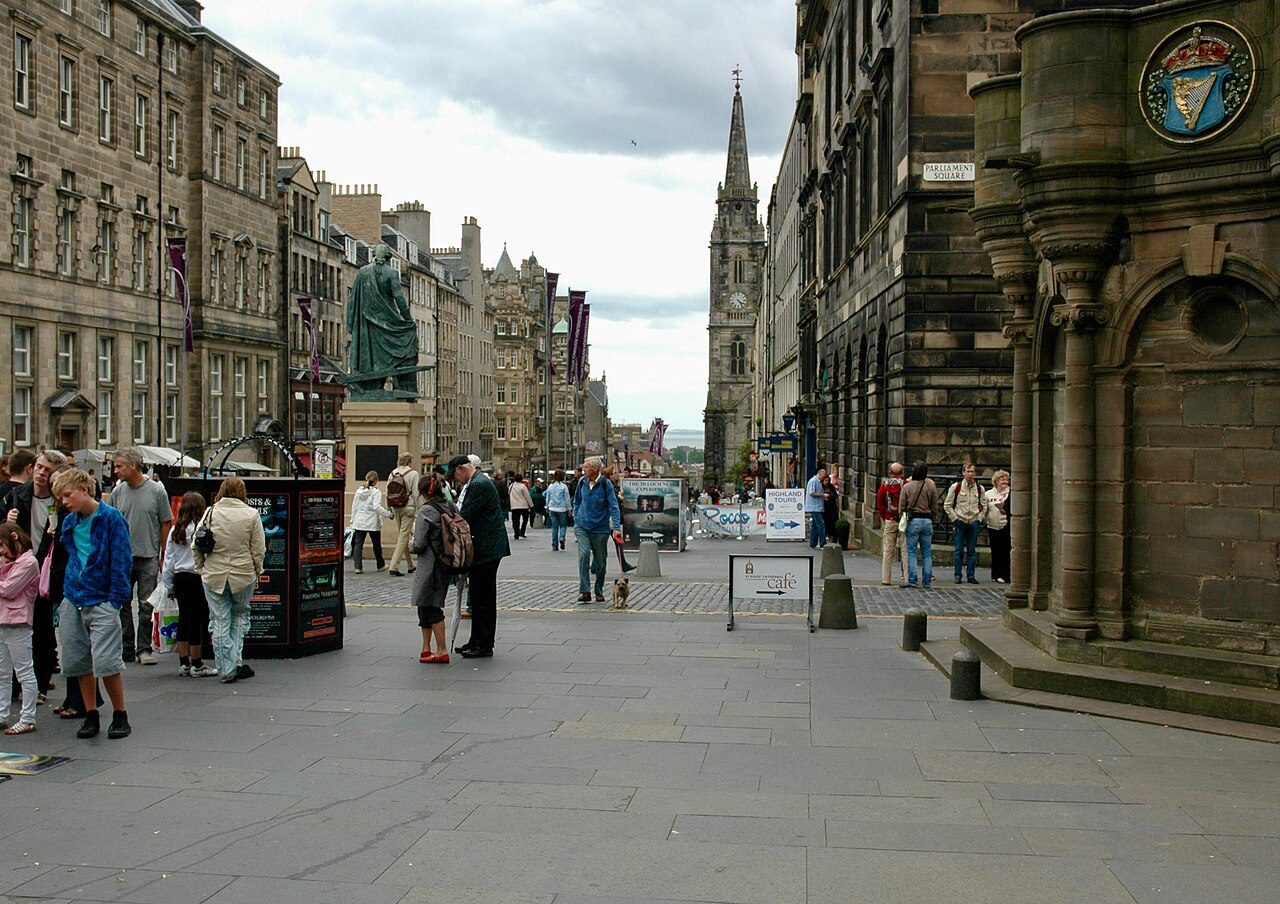
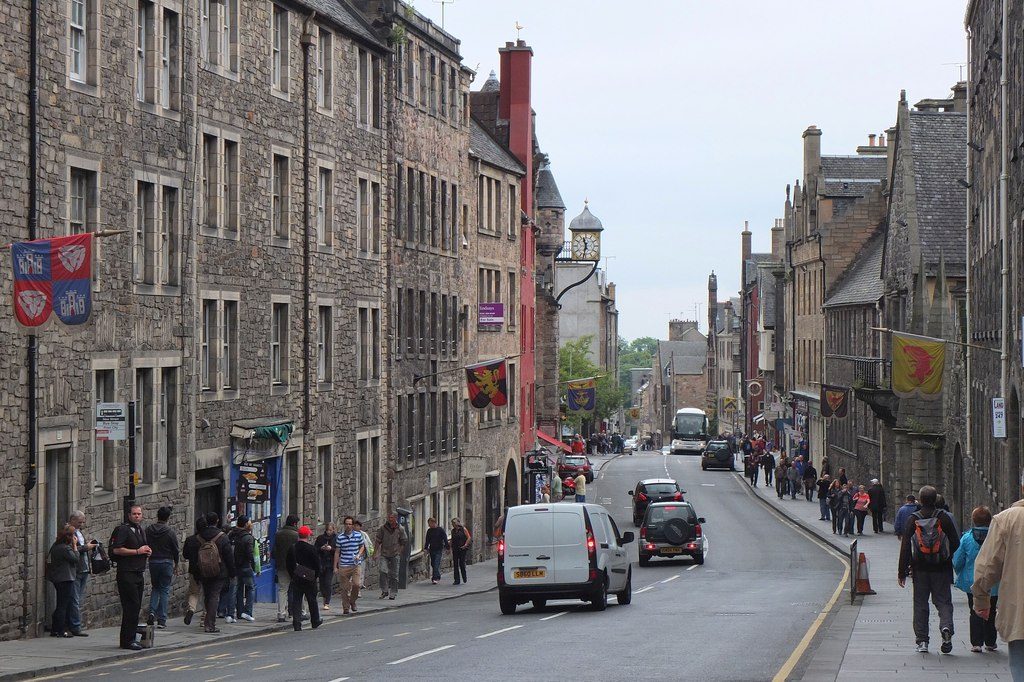
The Royal Mile is the main street of Edinburgh's Old Town, running about a mile between Edinburgh Castle and Holyrood Palace. It is lined with tall stone buildings, narrow closes, shops and pubs. St Giles' Cathedral, with its crown spire, stands halfway along. During the Fringe festival in August it fills with performers.
22
STOP 22 OF 28
Holyrood Palace
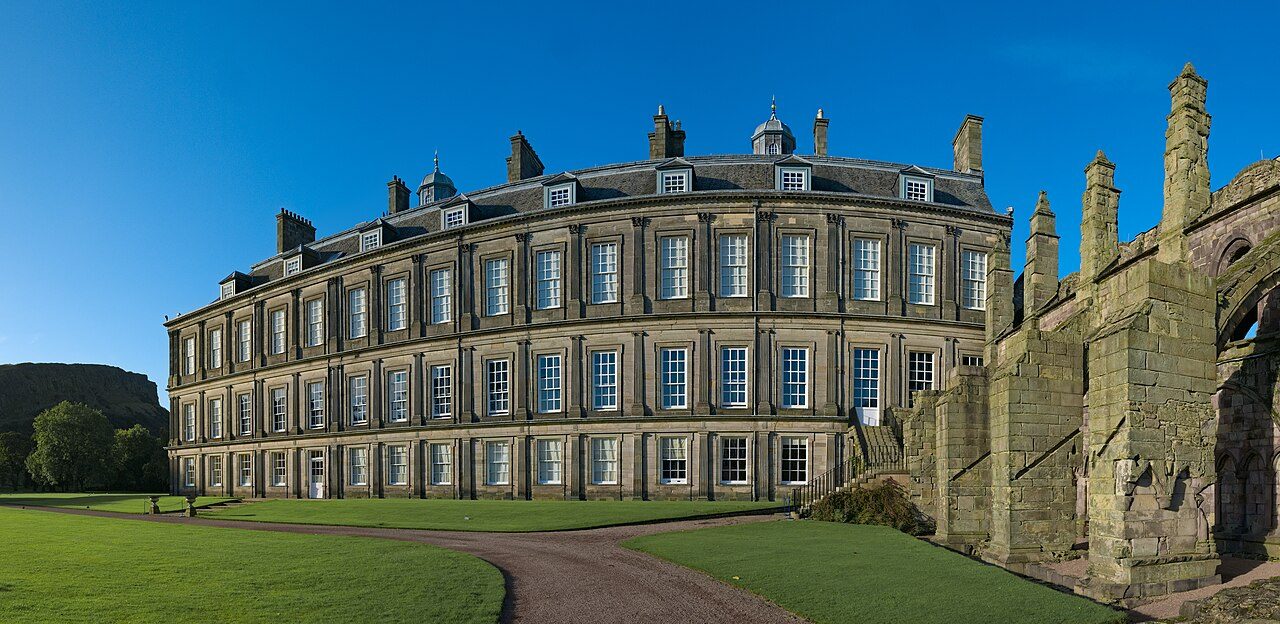
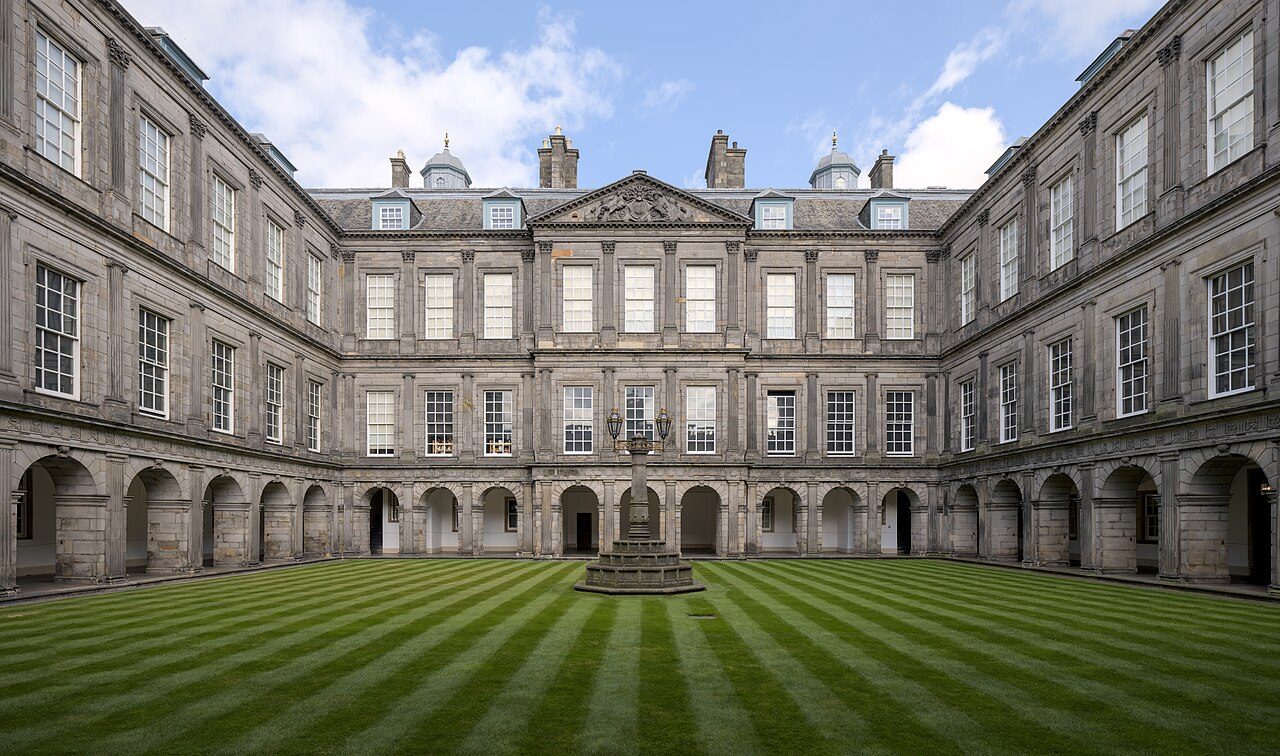
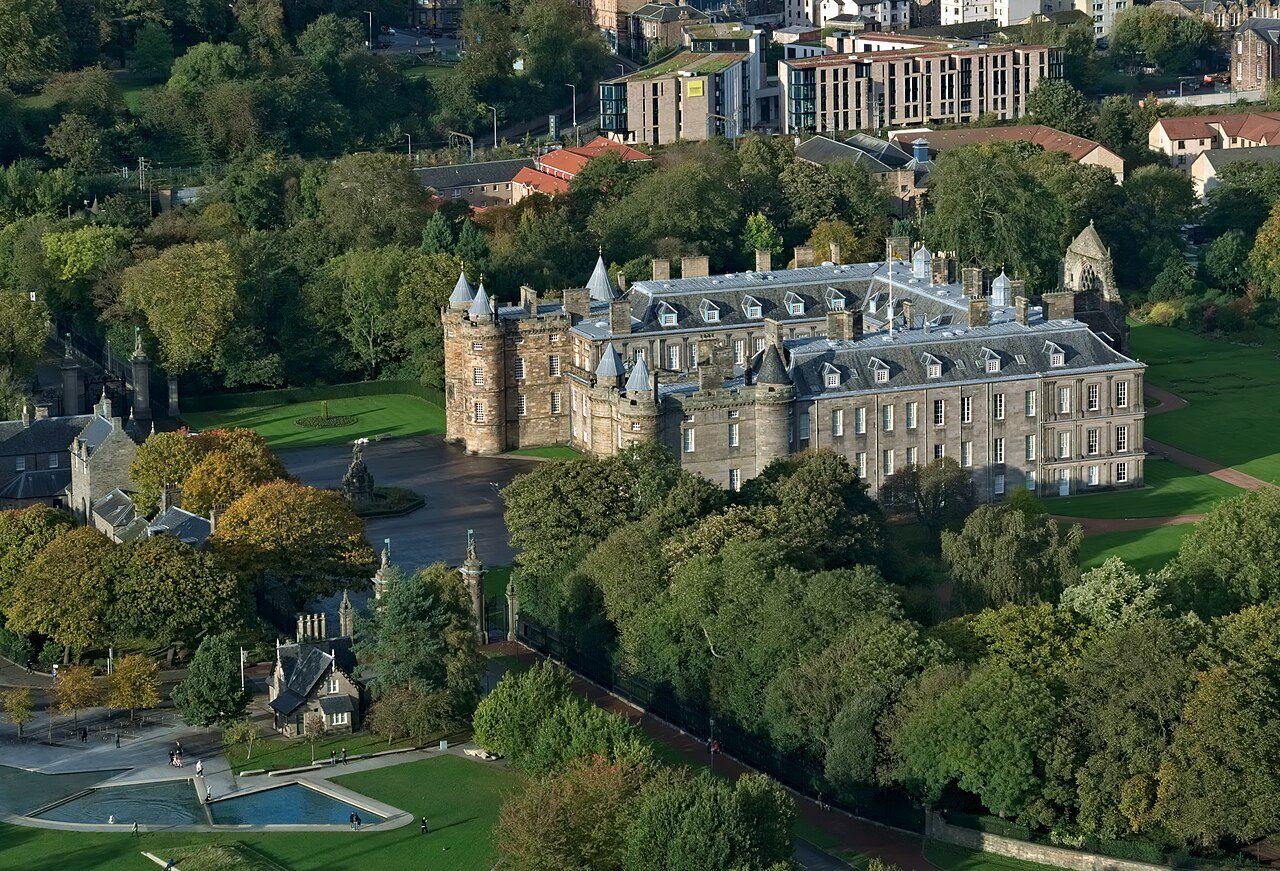
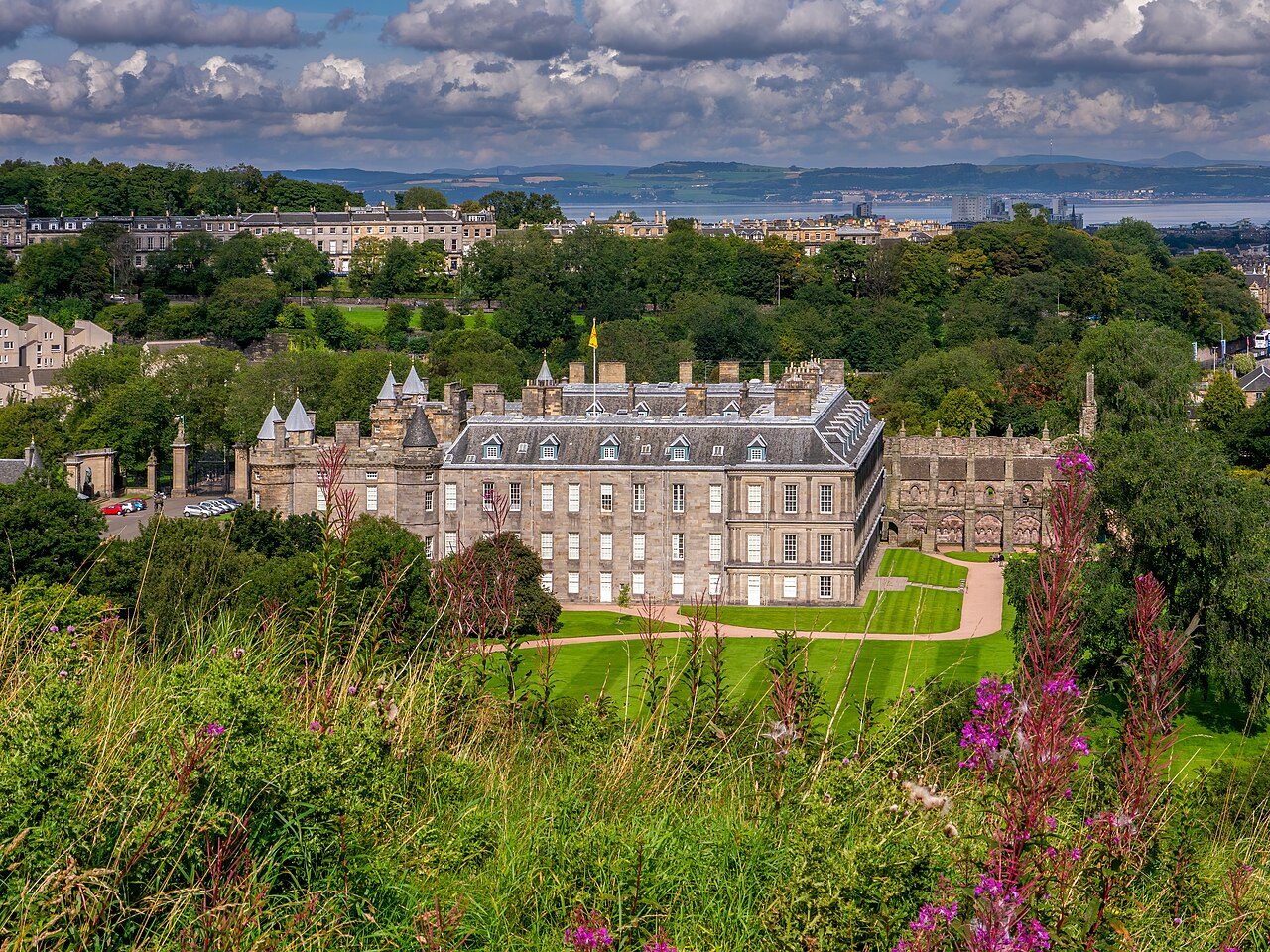
The Palace of Holyroodhouse, at the end of the Royal Mile, is the official residence of the British monarch in Scotland. It was the home of Mary, Queen of Scots, whose apartments can be visited. The ruins of the 12th-century Holyrood Abbey stand beside it, with Arthur's Seat rising behind.
23
STOP 23 OF 28
Arthur's Seat
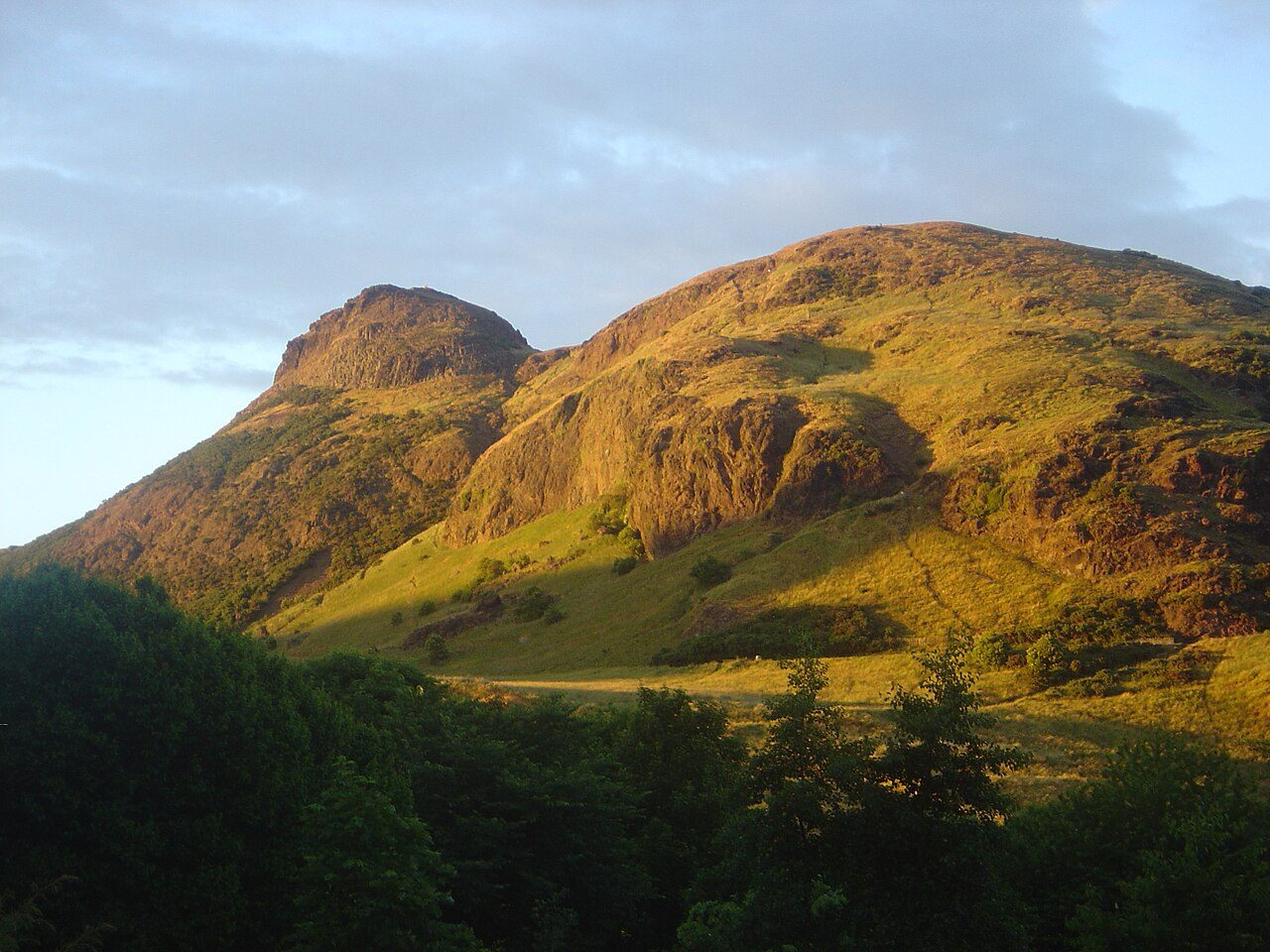
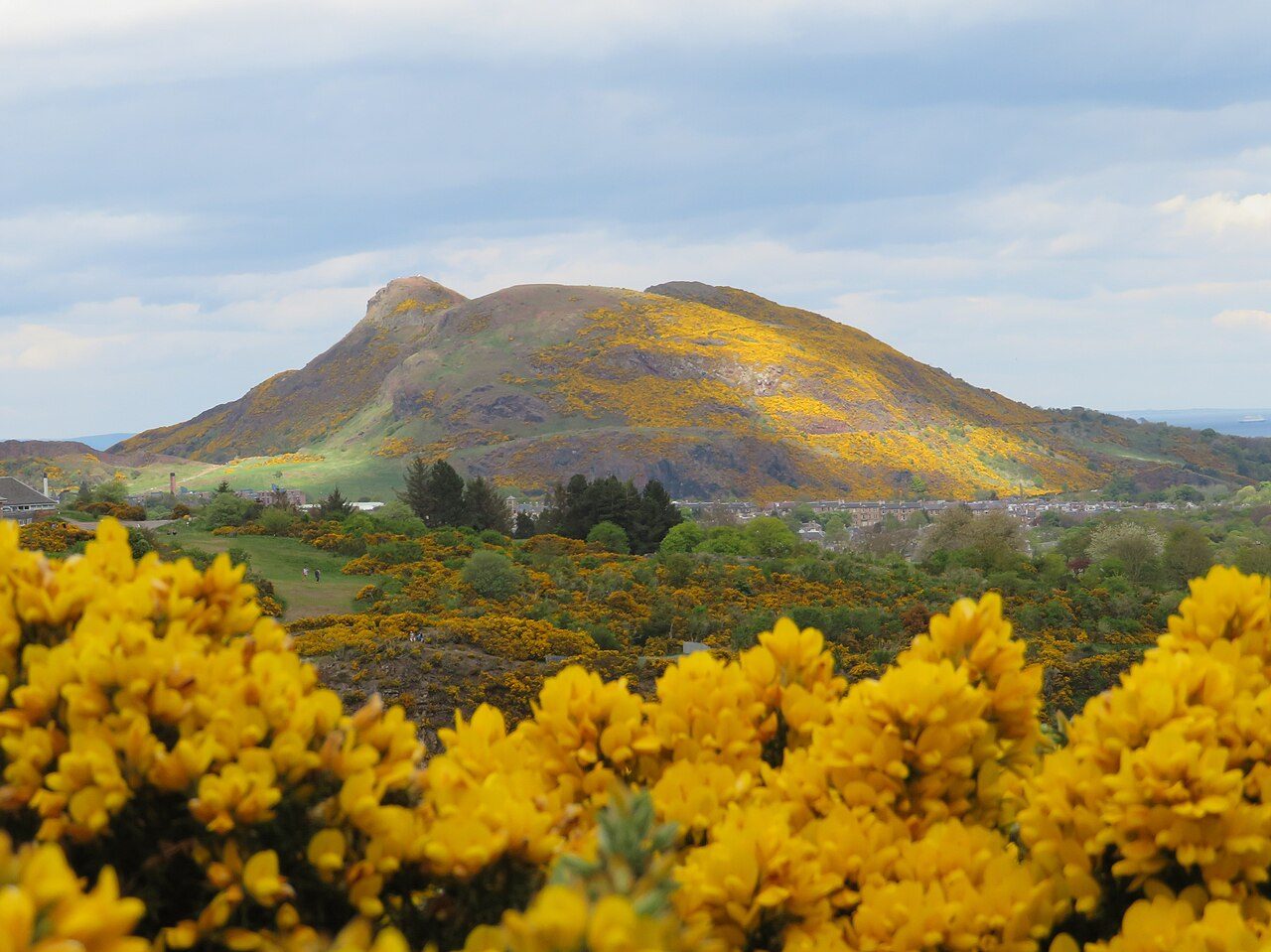
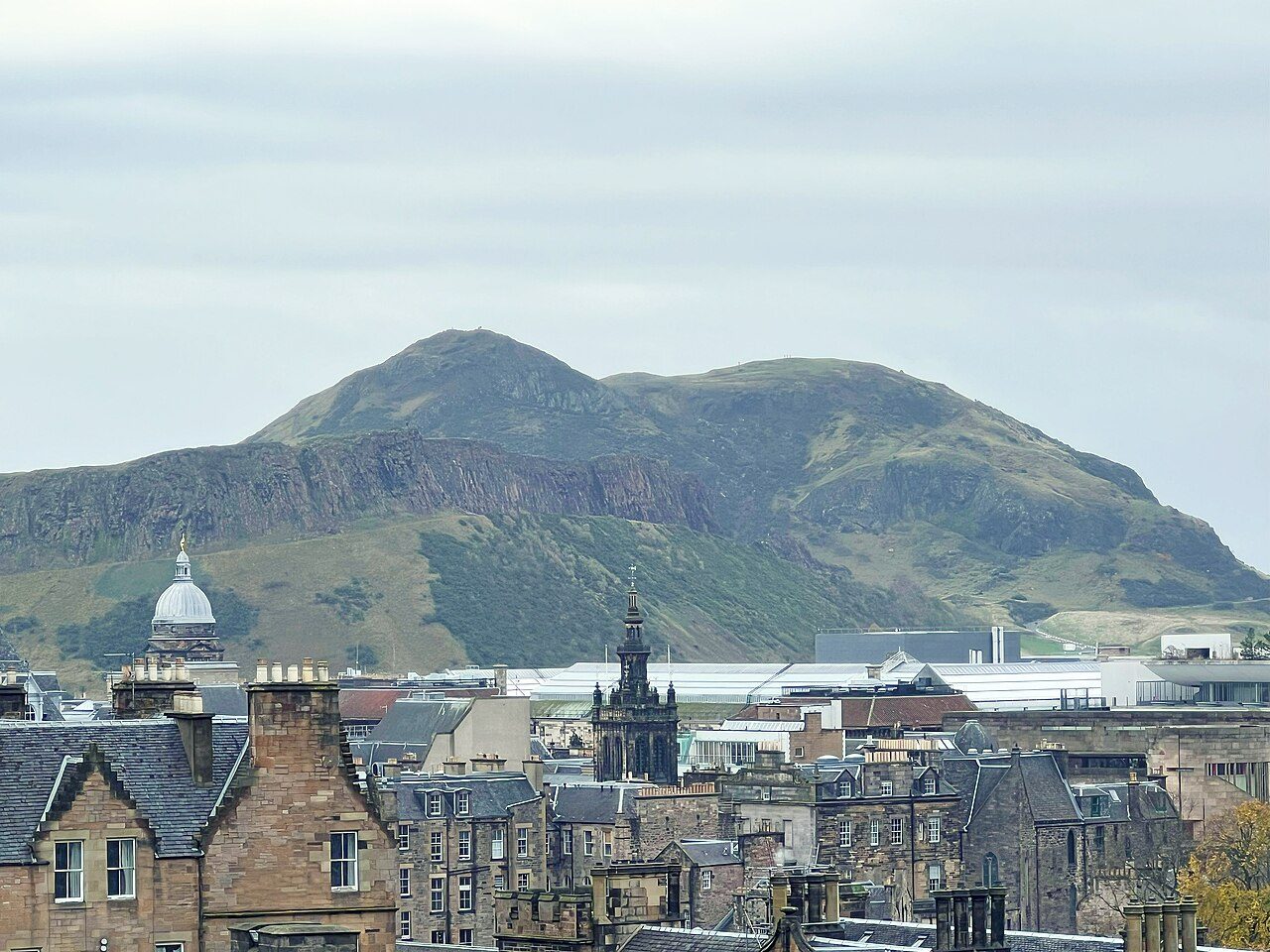
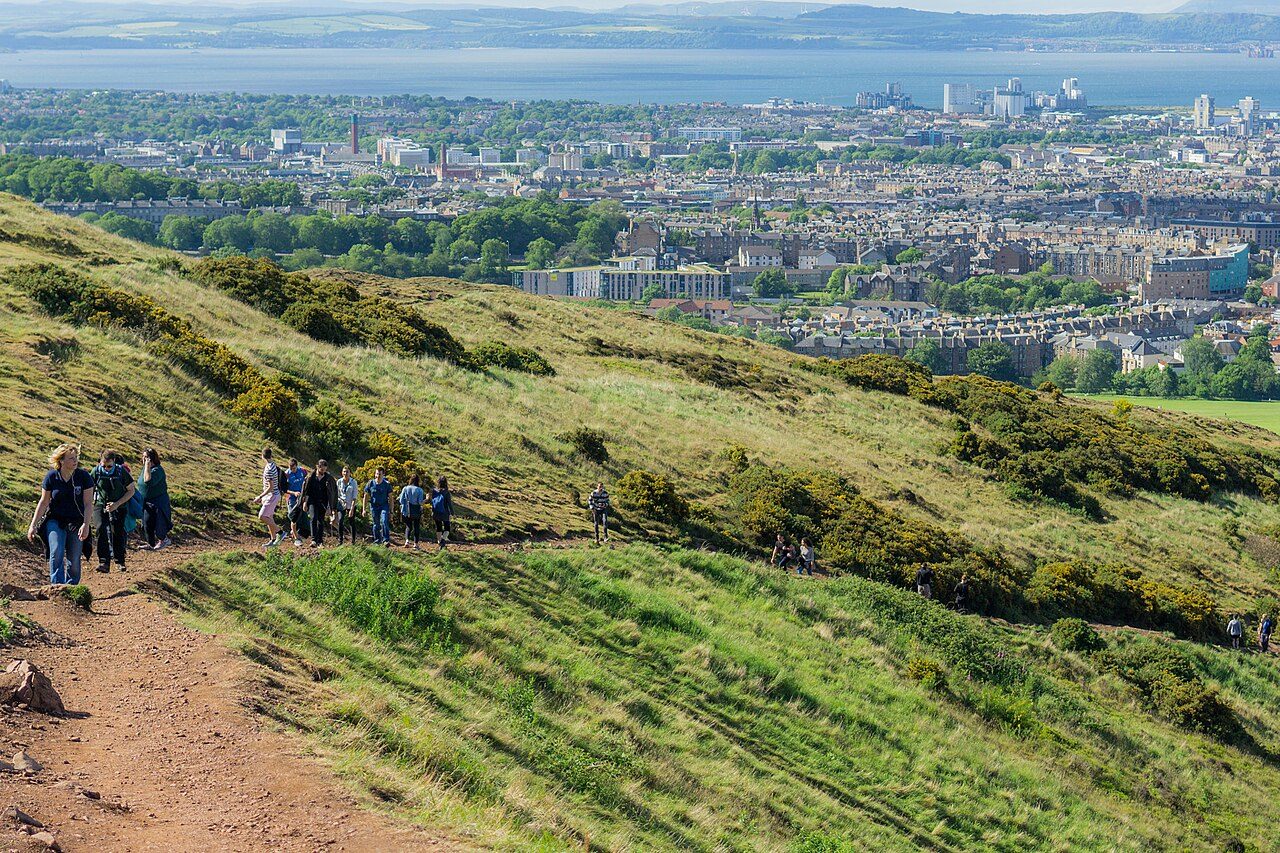
Arthur's Seat is an extinct volcano in Holyrood Park, rising about 251 metres above Edinburgh. It is a short but steep climb from the city centre. The summit gives panoramic views of Edinburgh, the castle and the Firth of Forth. Salisbury Crags, a line of cliffs, run along its western side.
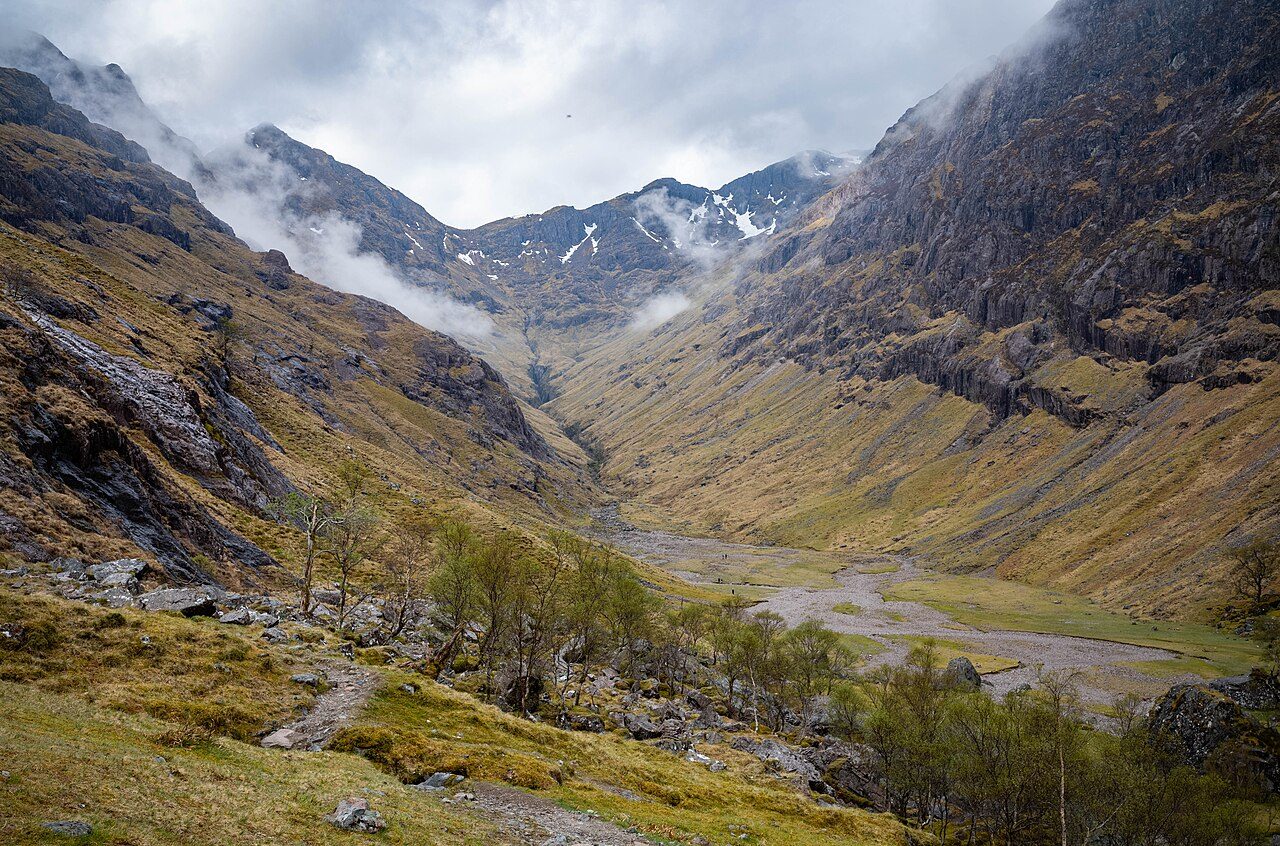
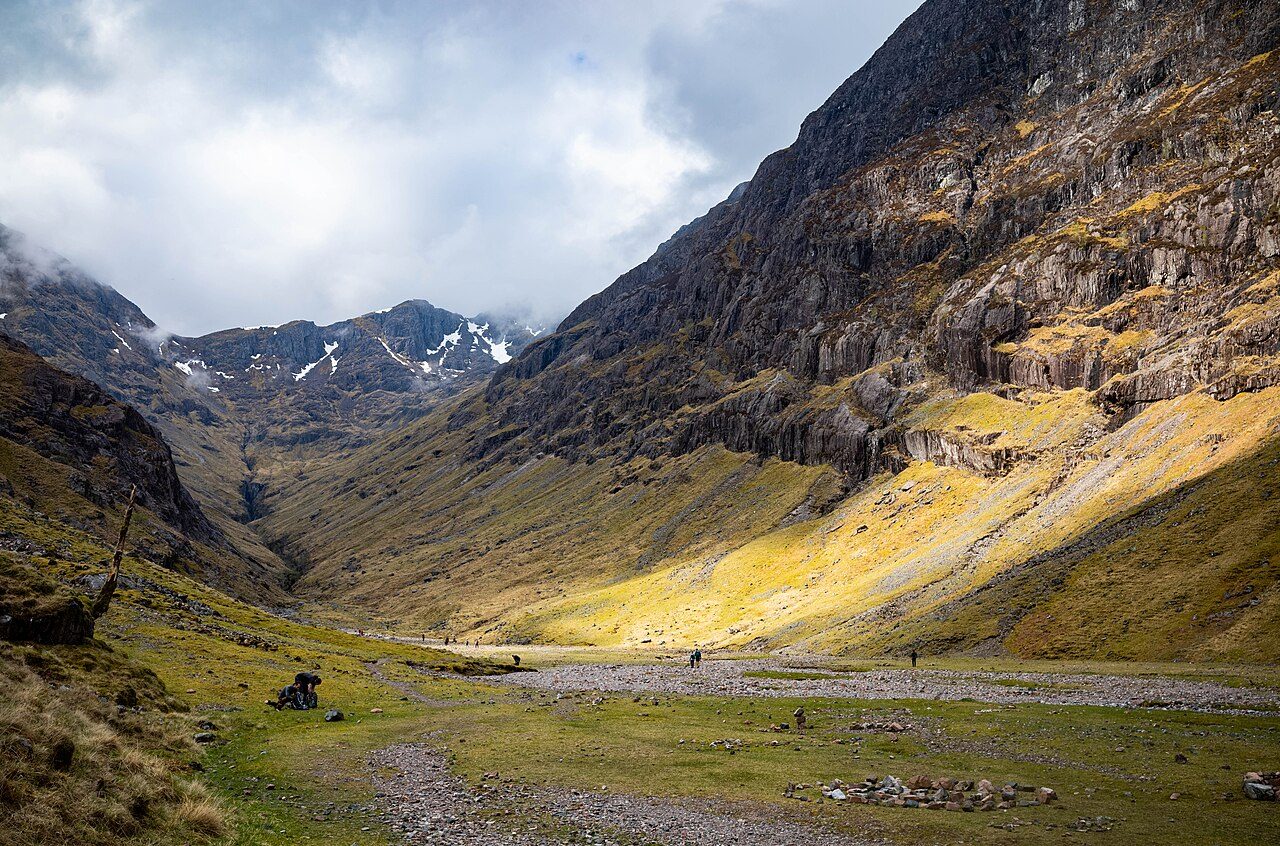
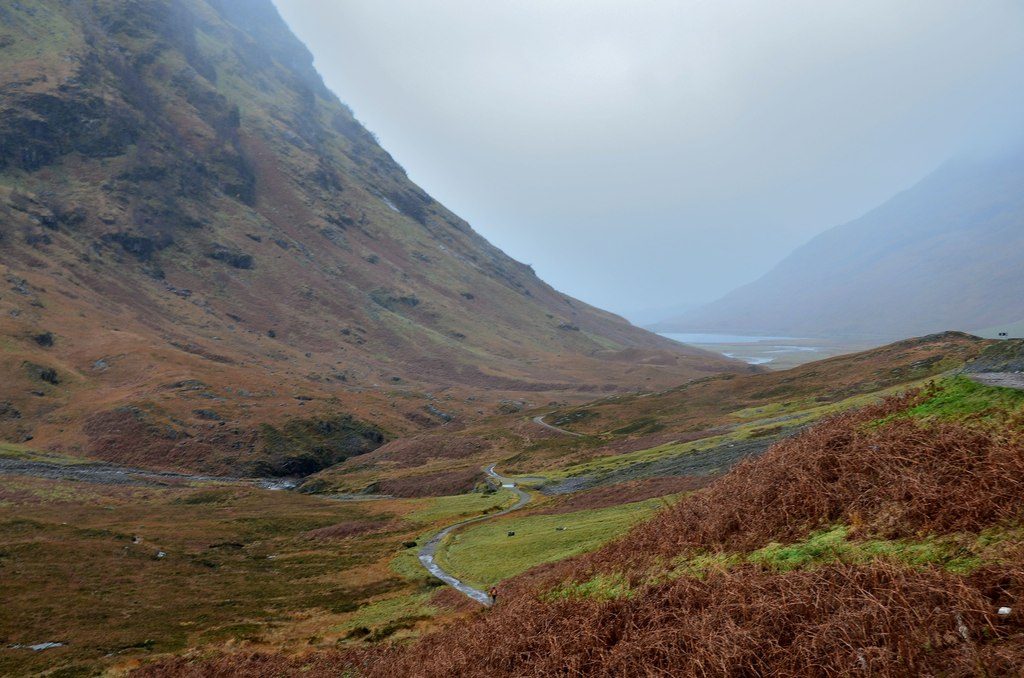
Glencoe is a dramatic glen in the Scottish Highlands, surrounded by steep volcanic mountains. In 1692 it was the scene of the Massacre of Glencoe. The pyramid of Buachaille Etive Mòr guards its eastern entrance. It is popular for hiking, climbing and skiing, and has appeared in many films.
25
STOP 25 OF 28
Glenfinnan Viaduct
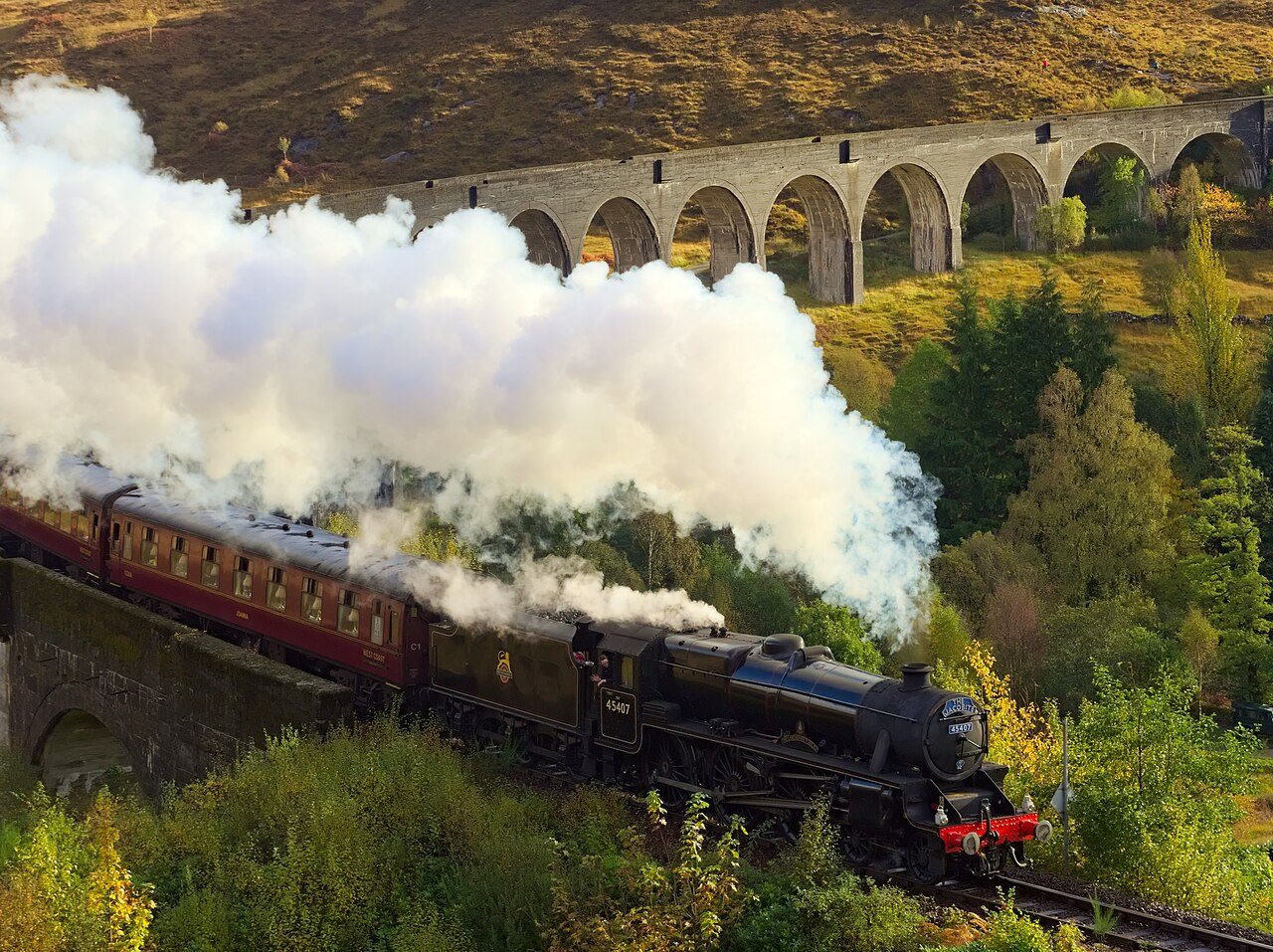
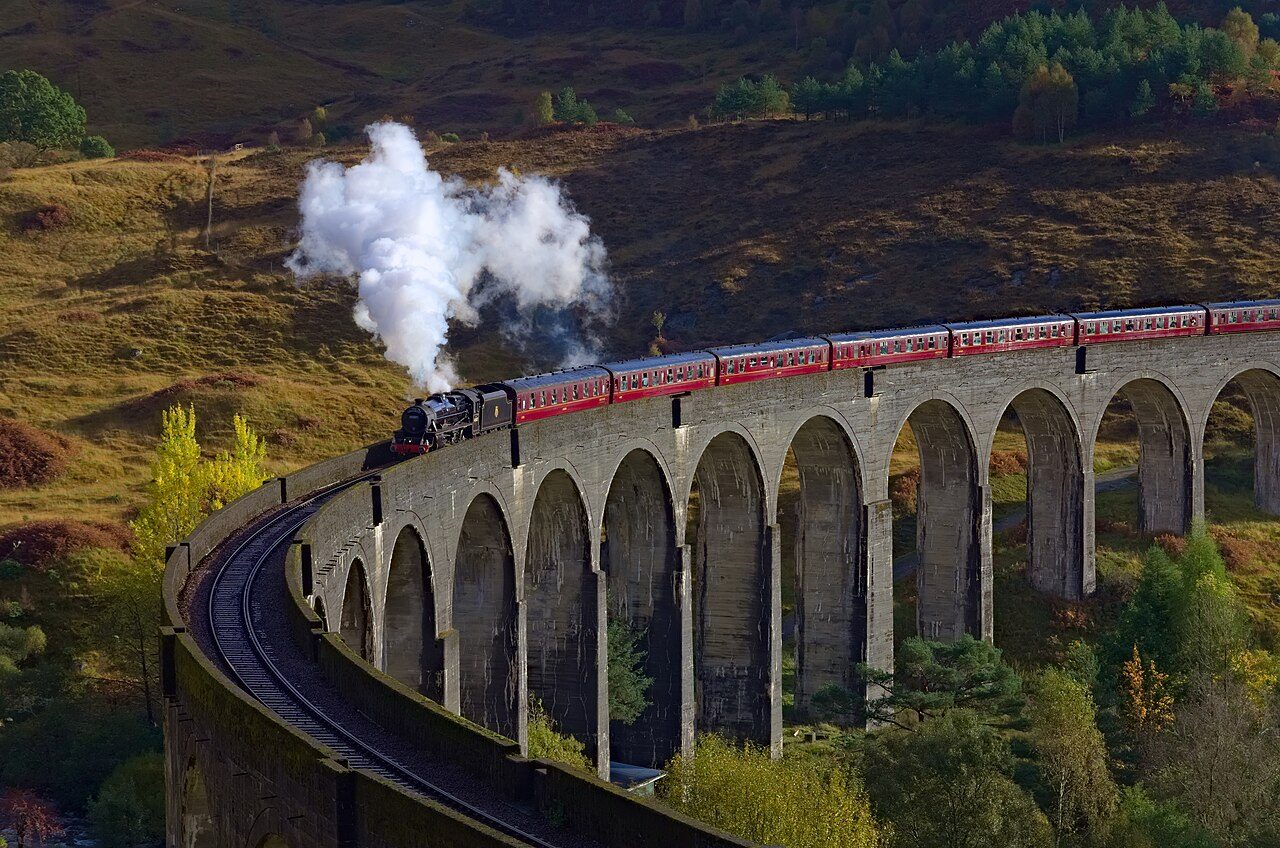
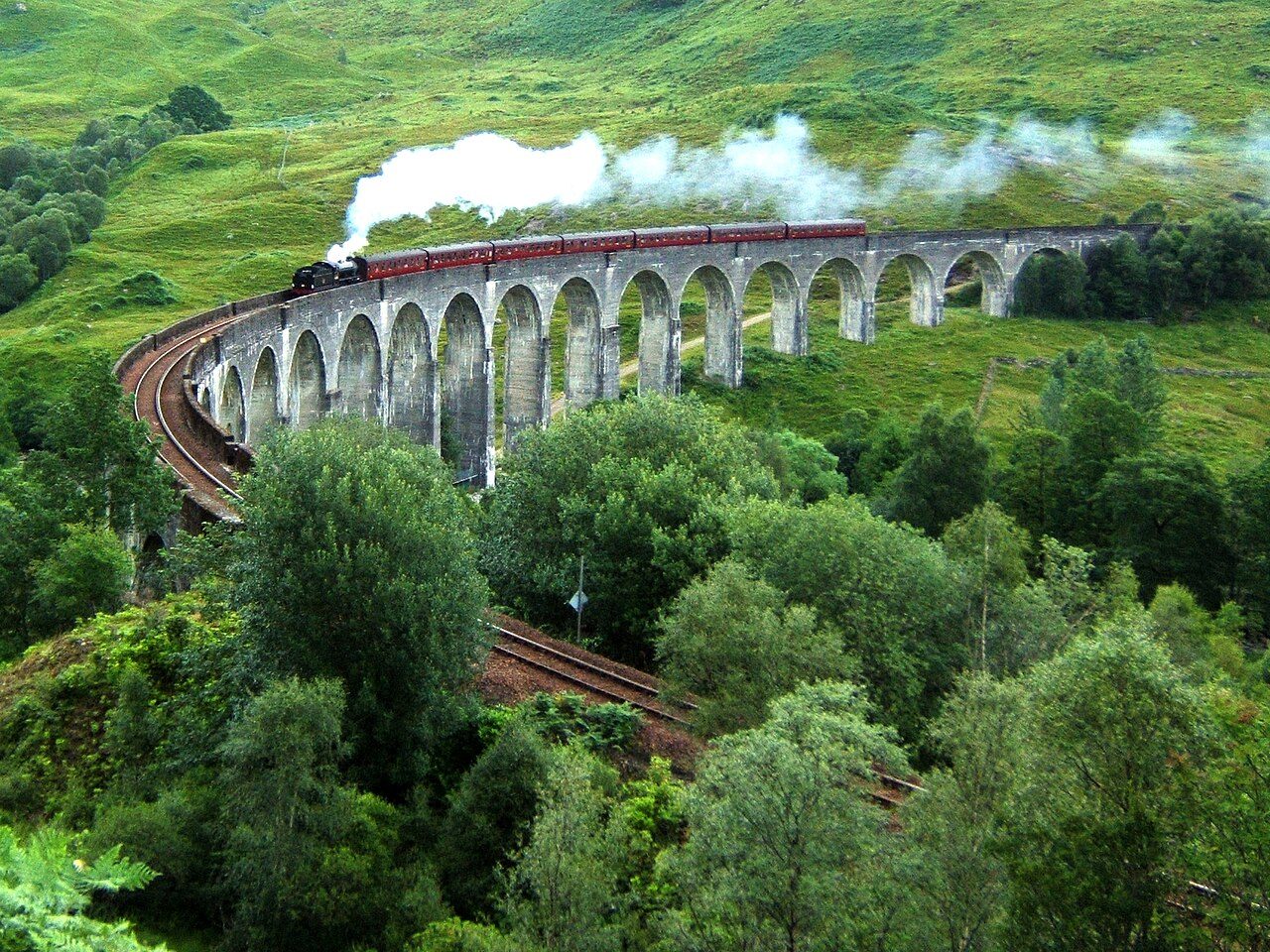
The Glenfinnan Viaduct is a curved railway viaduct in the western Highlands, completed in 1901. Its 21 concrete arches carry the West Highland Line above the River Finnan. The Jacobite steam train crosses it and it became famous in the Harry Potter films. The Glenfinnan Monument on Loch Shiel stands nearby.
26
STOP 26 OF 28
Eilean Donan
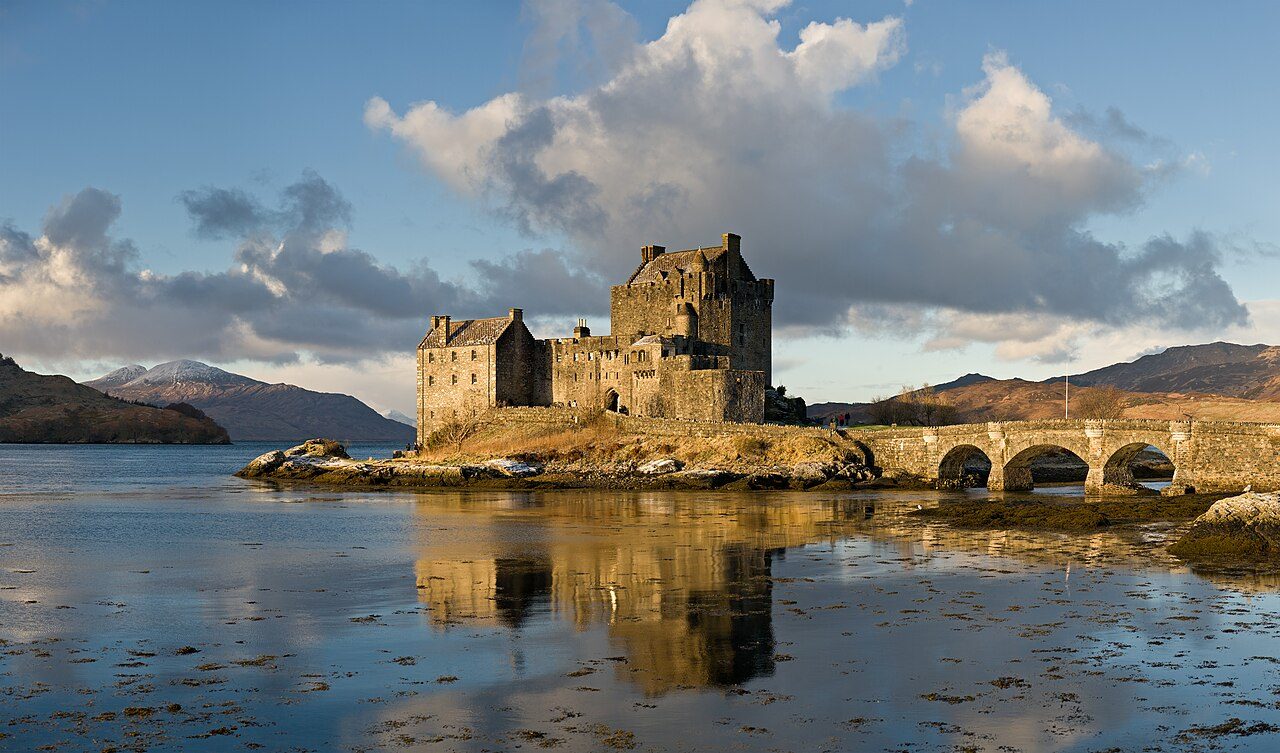
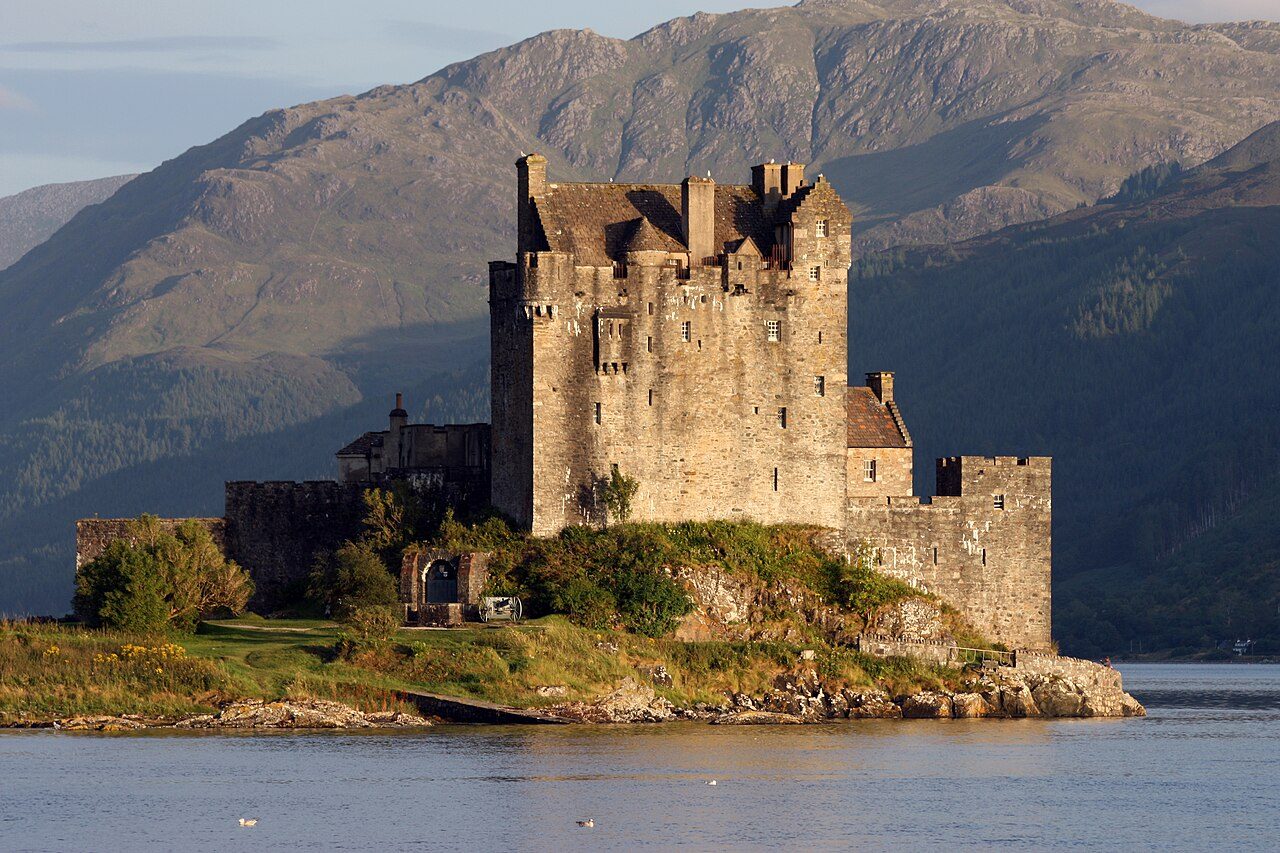
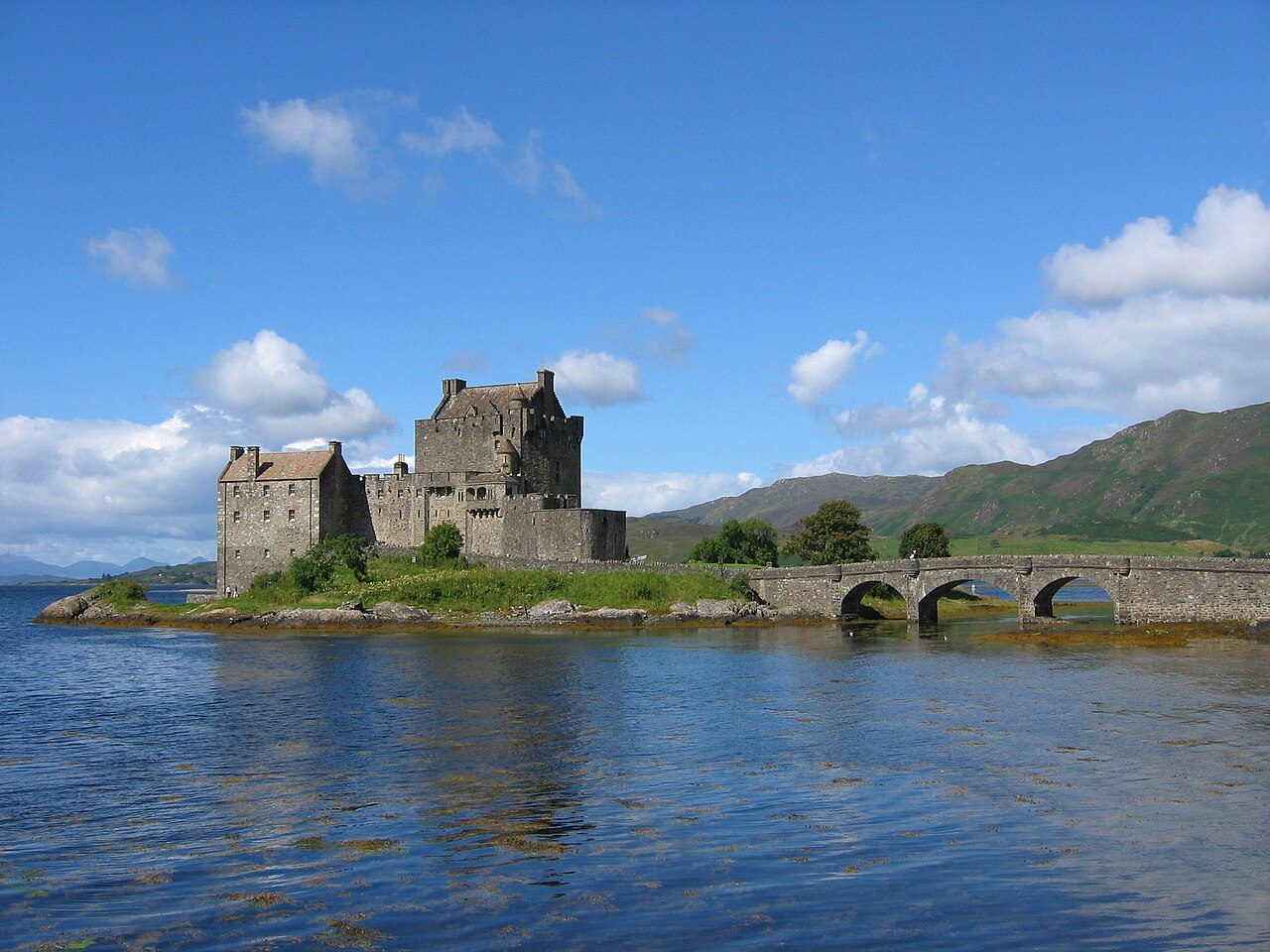
Eilean Donan is a castle on a small tidal island where three sea lochs meet in the western Highlands. A castle was first built here in the 13th century; it was destroyed in 1719 and rebuilt in the early 20th century. A stone footbridge leads to it. It is one of the most photographed castles in Scotland.
27
STOP 27 OF 28
Isle of Skye
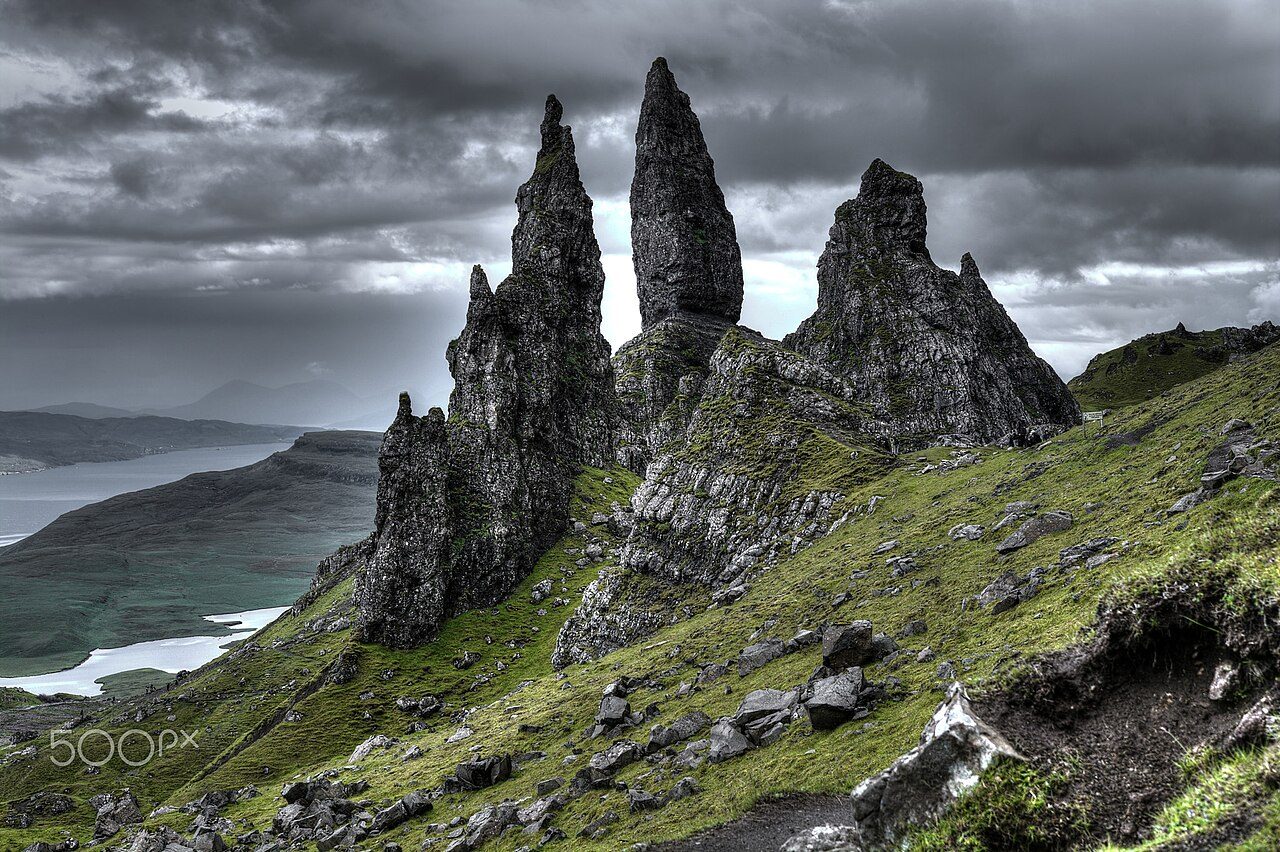
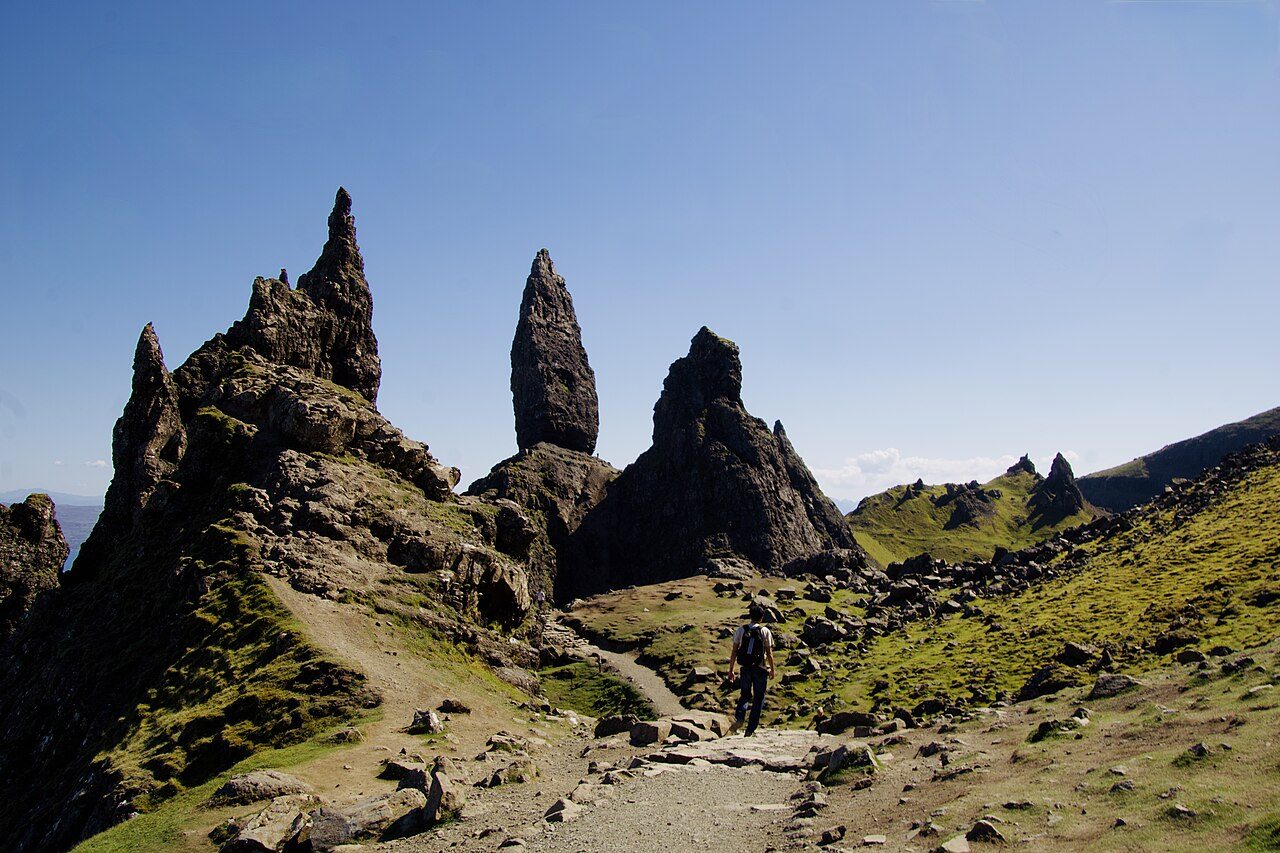
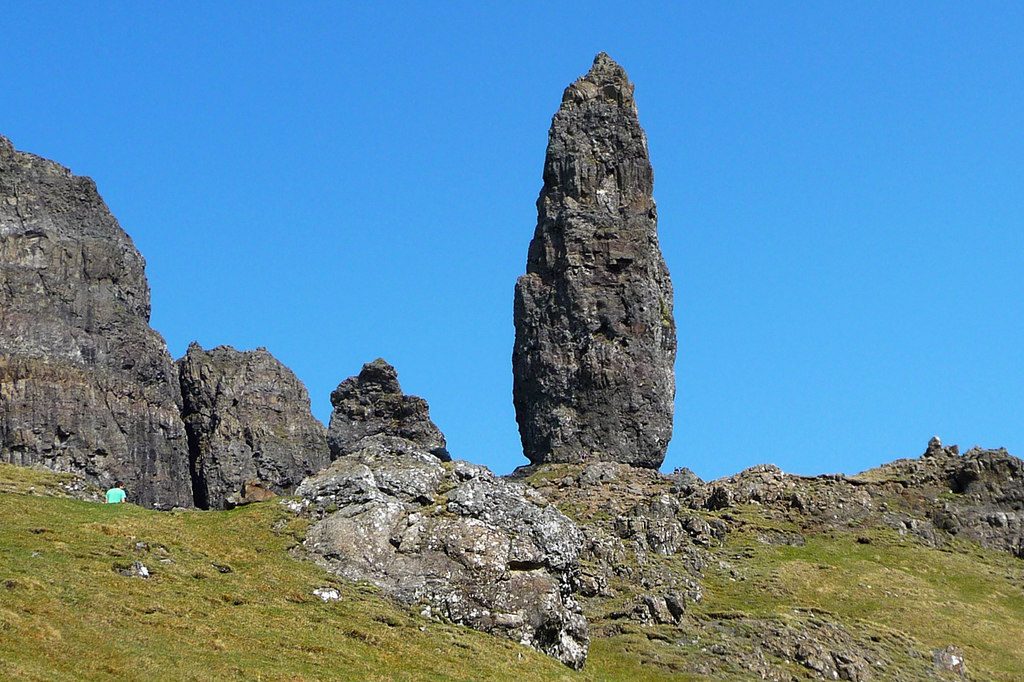
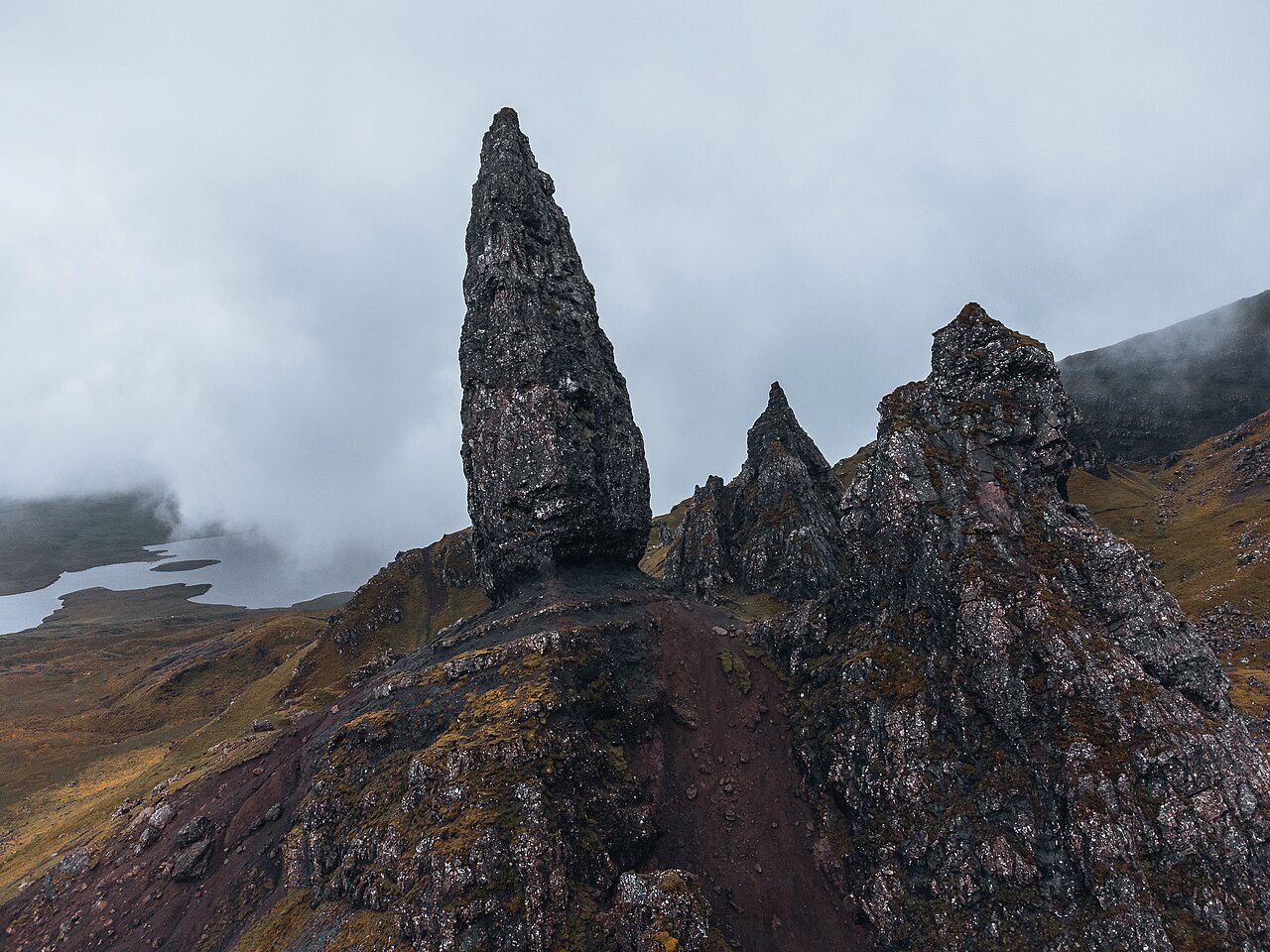
The Isle of Skye is the largest island of the Inner Hebrides in Scotland. It is famous for dramatic landscapes, including the rock pinnacles of the Old Man of Storr, the landslip of the Quiraing, the Fairy Pools and the Cuillin mountains. Portree, its main town, has colourful houses around the harbour.
28
STOP 28 OF 28 · LAST STOP
Loch Ness
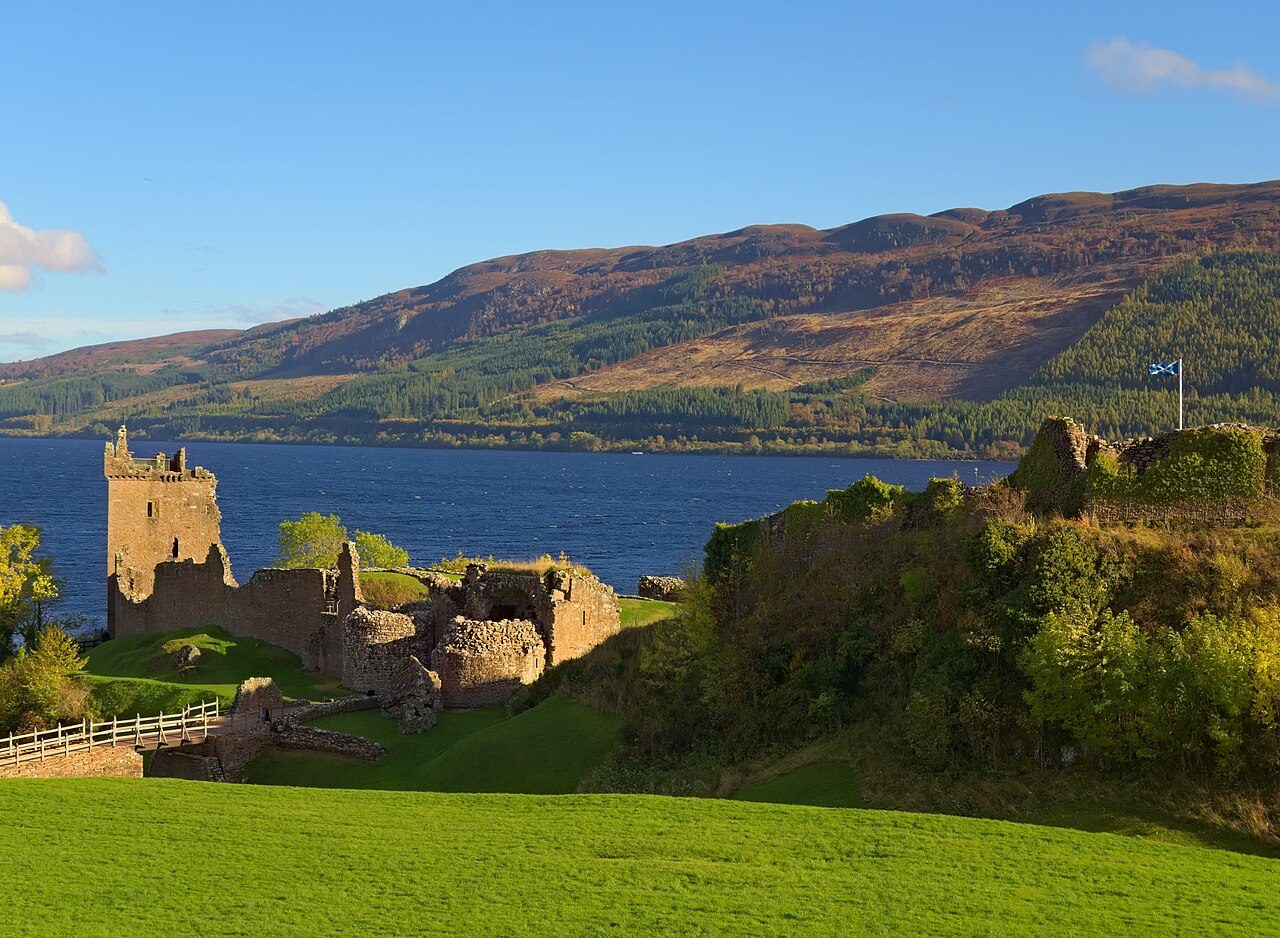
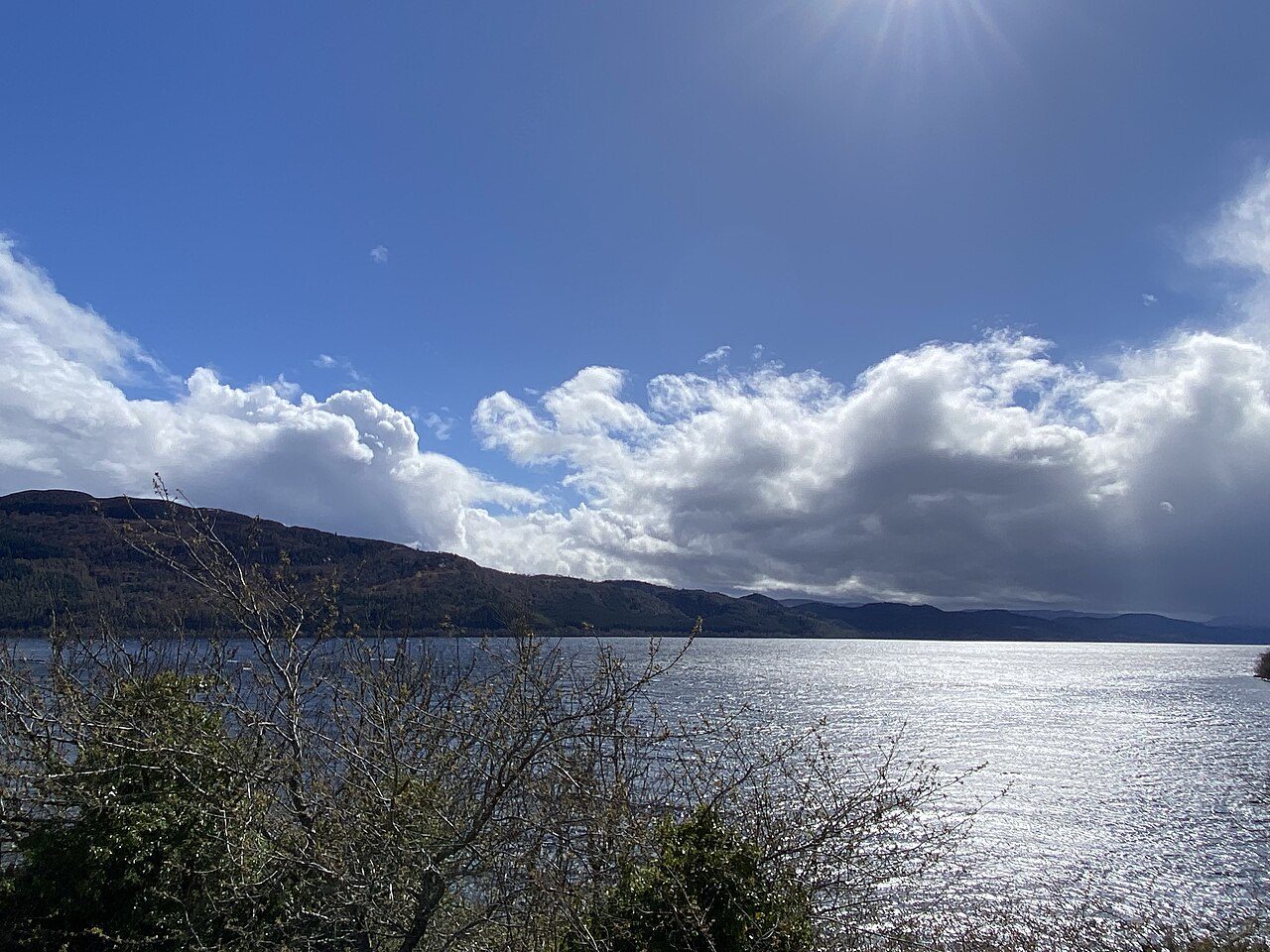
Loch Ness is a long, deep freshwater lake in the Scottish Highlands, about 37 kilometres long. It holds more water than all the lakes of England and Wales combined. It is famous for legends of the Loch Ness Monster, Nessie. The ruins of Urquhart Castle stand on its shore near Drumnadrochit.
Seasons from 20 years of NASA POWER climate data.
 WaTrips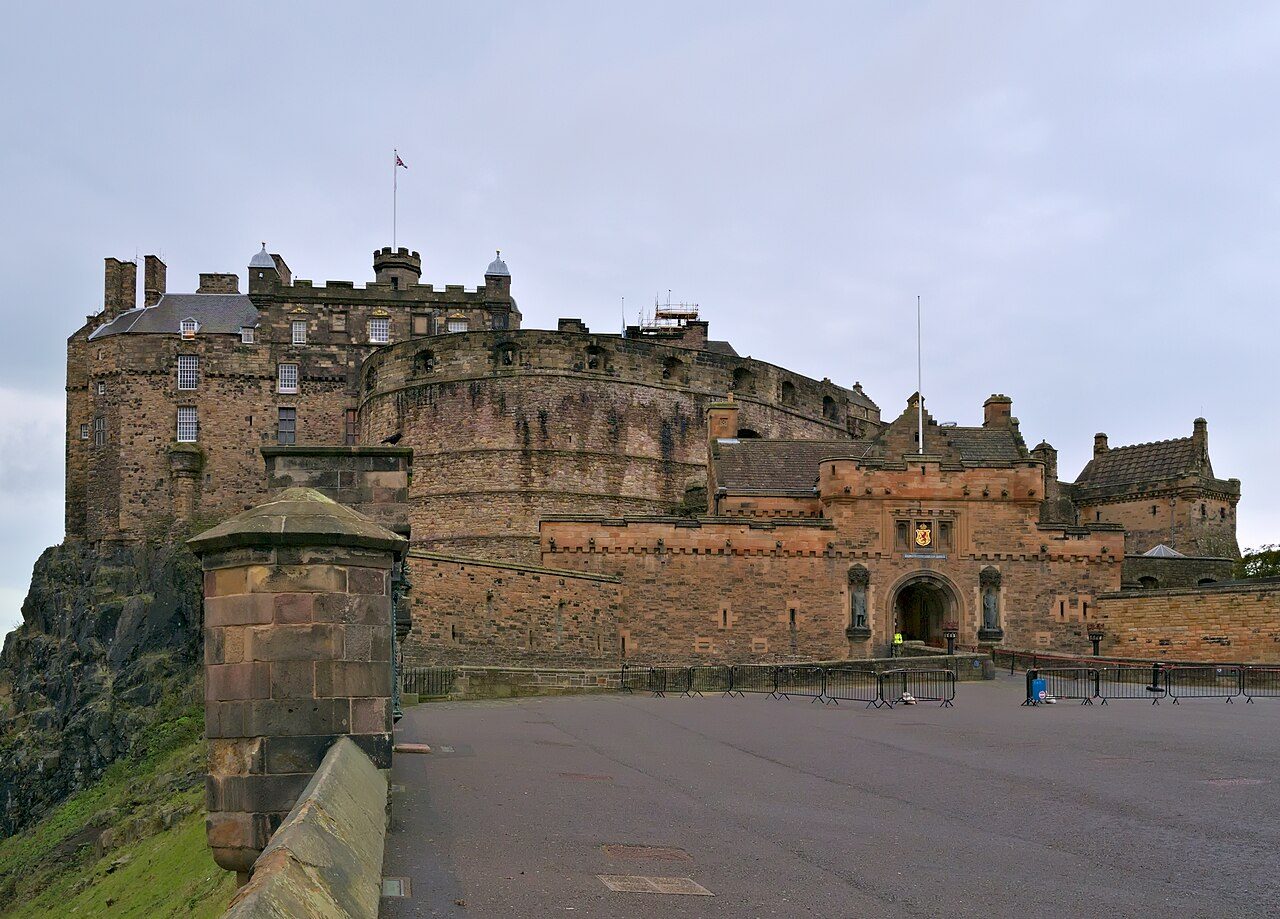
















 BikesBooking
 Localrent
 Airalo
 Tiqets