Big Ben, Westminster Abbey, Buckingham Palace and the London Eye, the Tower and Tower Bridge, St Paul's, the Shard, the British Museum, Camden, Hyde Park and Kew.
London is huge, but its highlights cluster neatly. Start in Westminster with Big Ben, Parliament, Westminster Abbey, Buckingham Palace, Trafalgar Square and the London Eye. Visit the Tower of London and the Crown Jewels, walk over Tower Bridge, climb St Paul's dome and see the view from the Shard. Spend time in the free British Museum and the Natural History Museum, walk Piccadilly, Camden Market and Hyde Park, and end in the glasshouses of Kew Gardens. Many top museums are free; use a contactless card on the Tube.
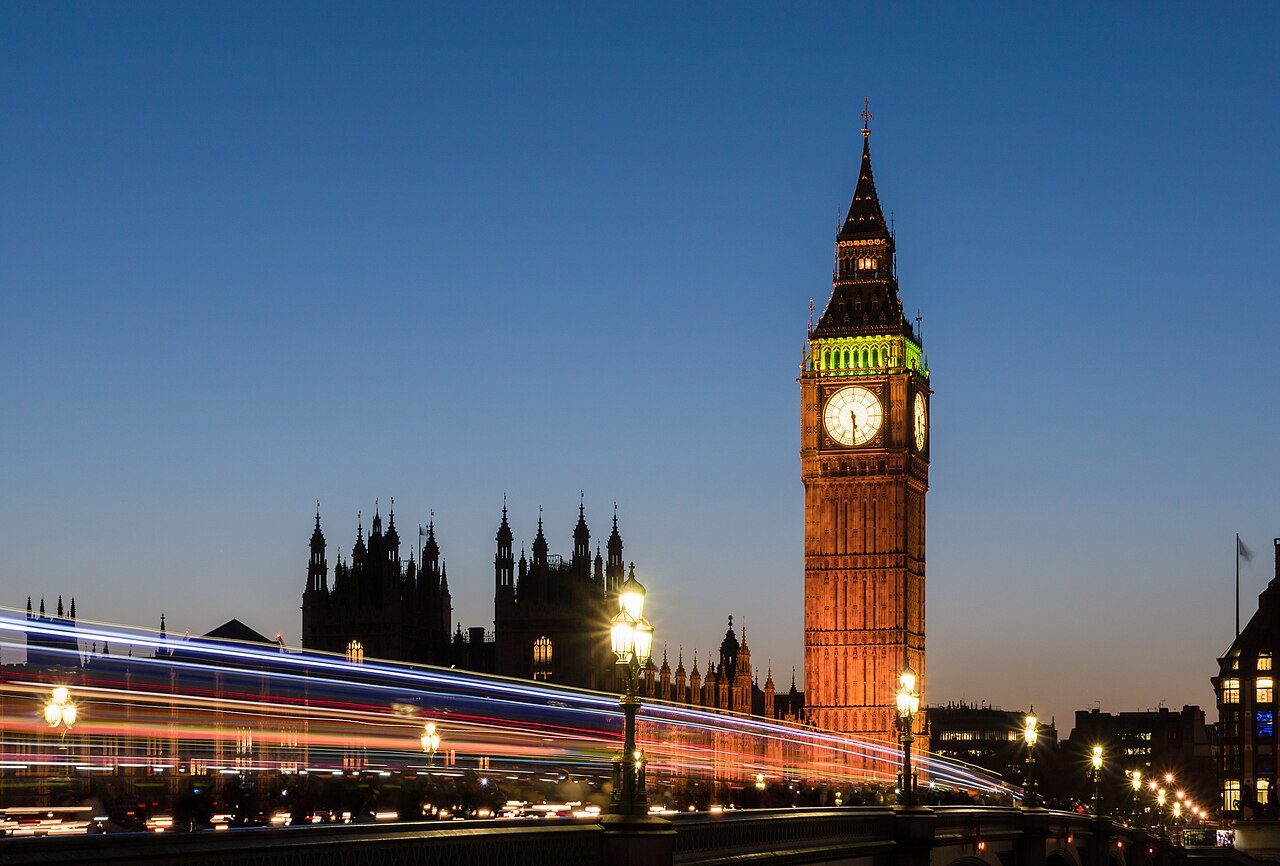
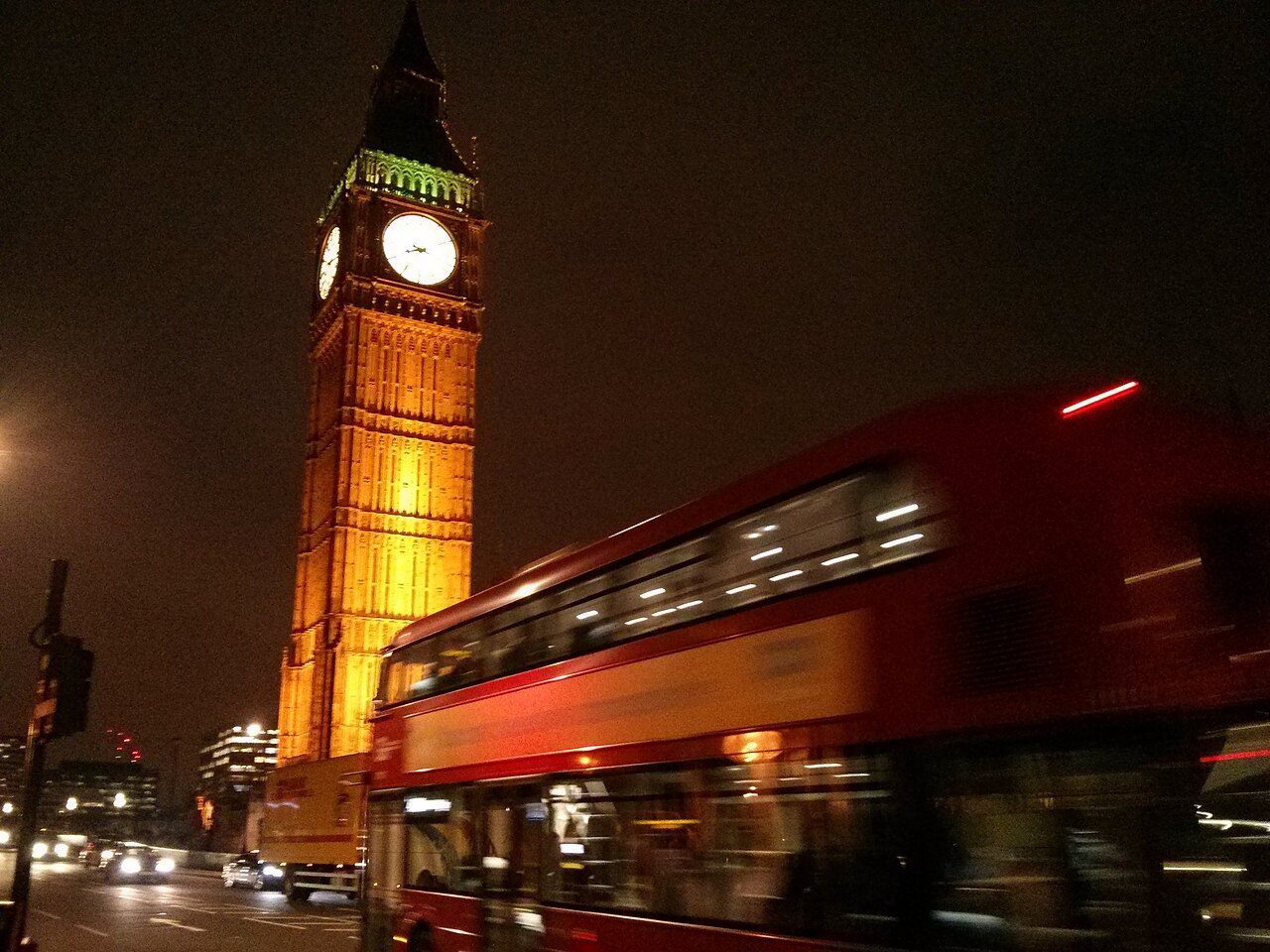
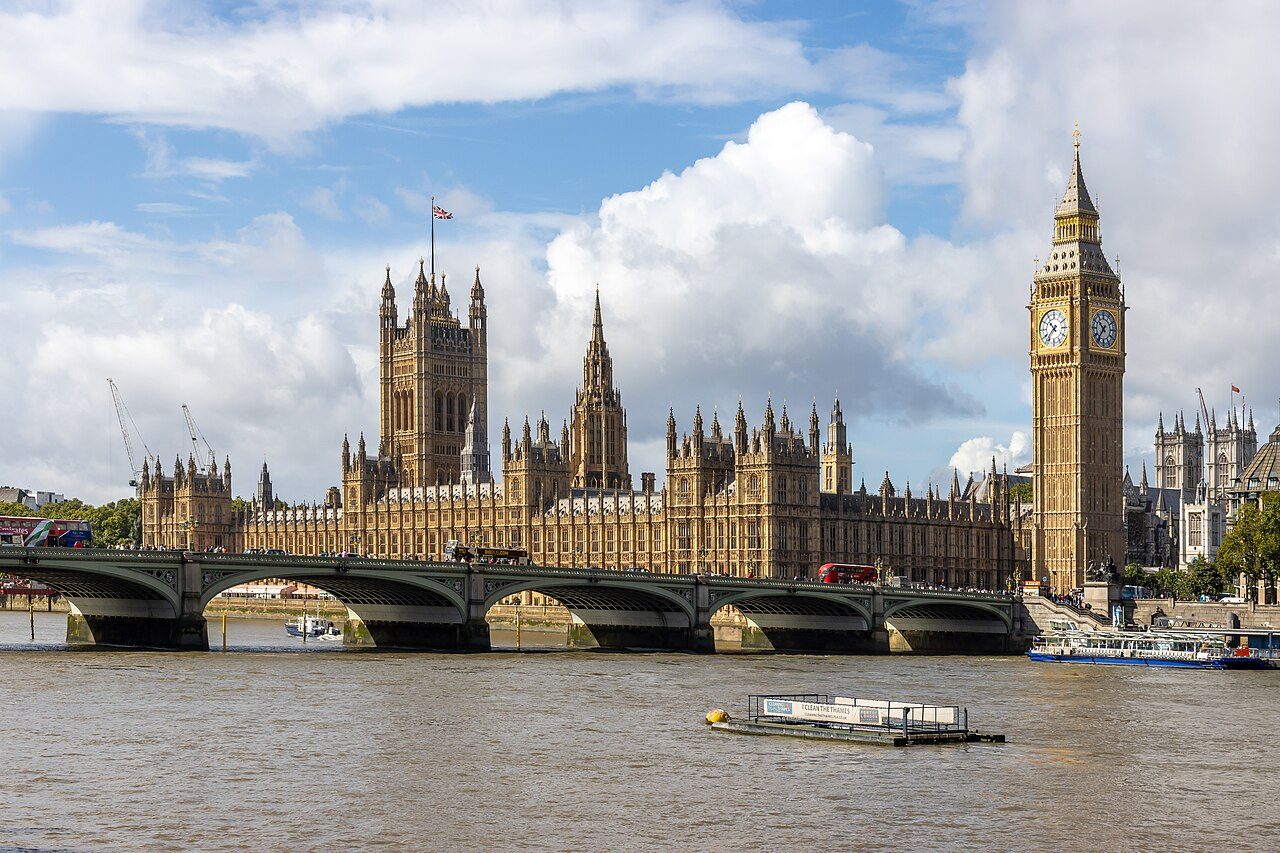
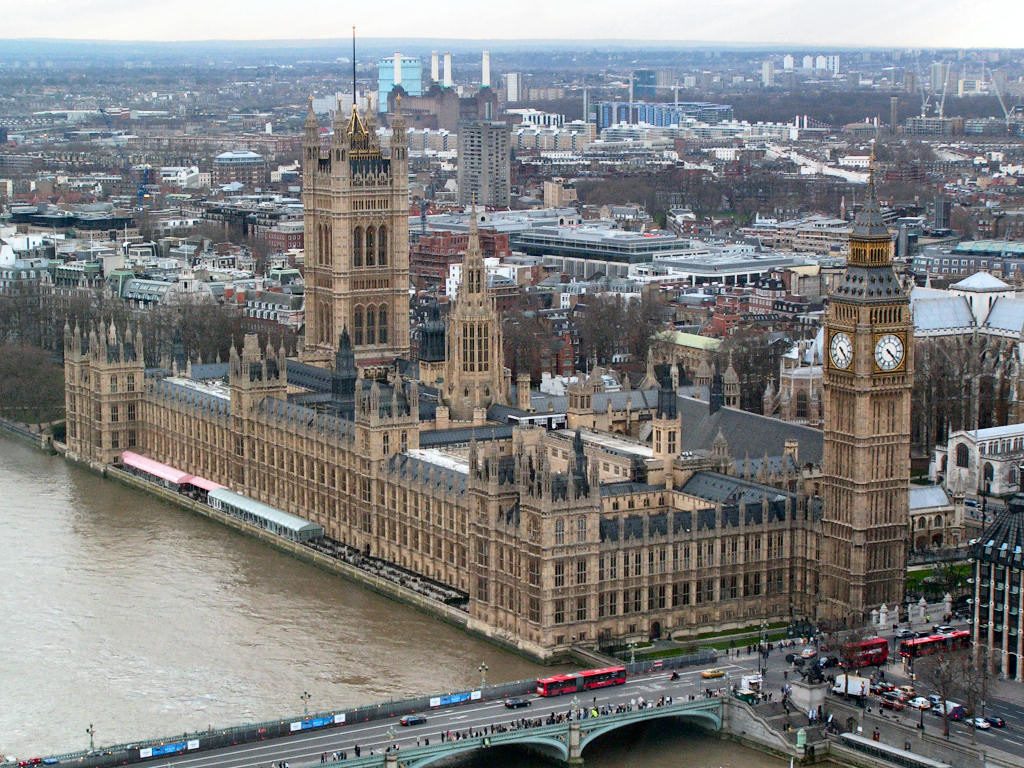
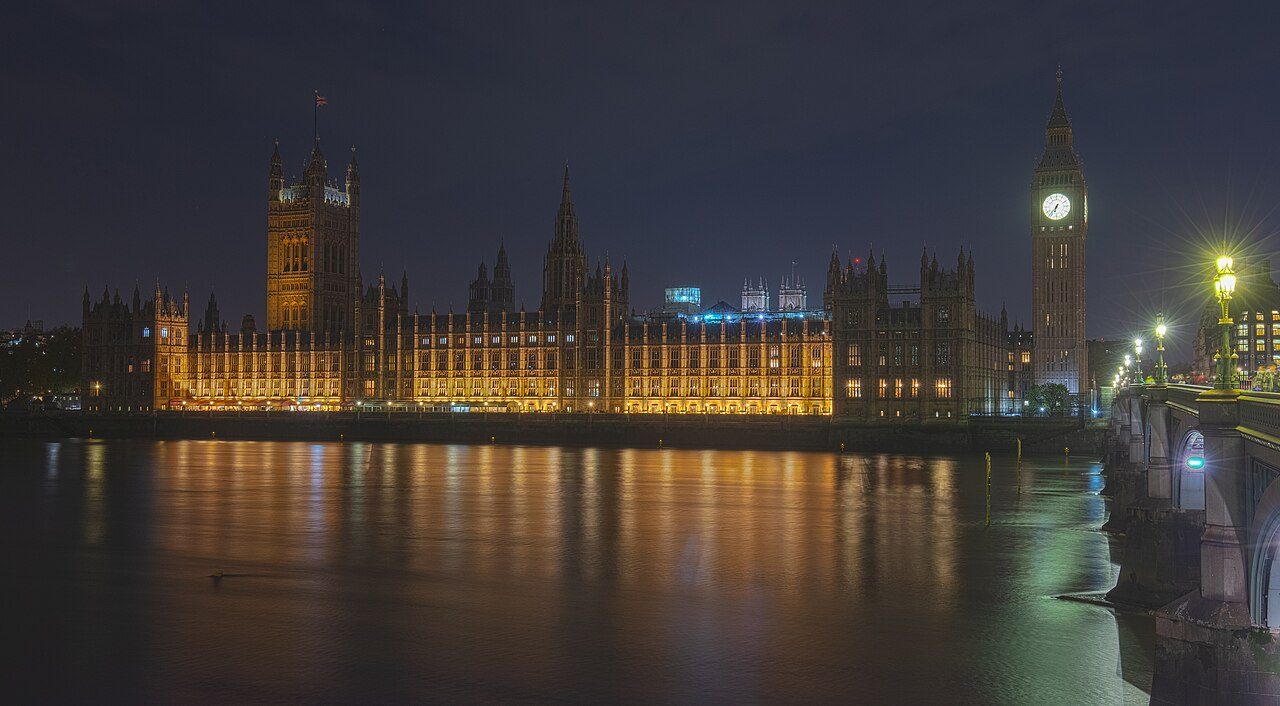
Big Ben is the nickname of the great bell in the clock tower at the north end of the Palace of Westminster, and often of the tower itself, renamed the Elizabeth Tower in 2012. Completed in 1859, the tower is about 96 metres tall. Its four clock faces are among the largest in the world. It was fully restored between 2017 and 2022.
02
STOP 2 OF 16
Palace of Westminster
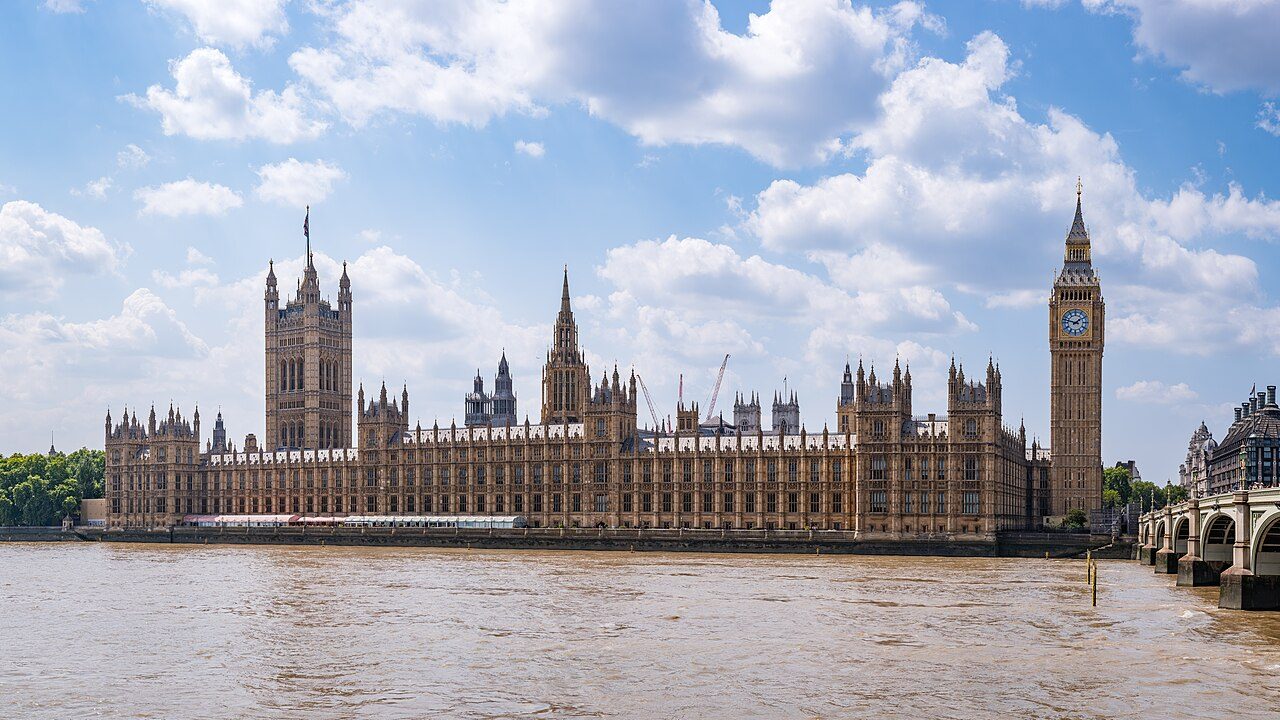
The Palace of Westminster is the home of the UK Parliament, beside the River Thames. After a fire in 1834 destroyed most of the old palace, it was rebuilt in Gothic Revival style by Charles Barry and Augustus Pugin. Westminster Hall, from 1097, survives. Visitors can watch debates and take tours. It is a UNESCO World Heritage Site.
03
STOP 3 OF 16
Westminster Abbey
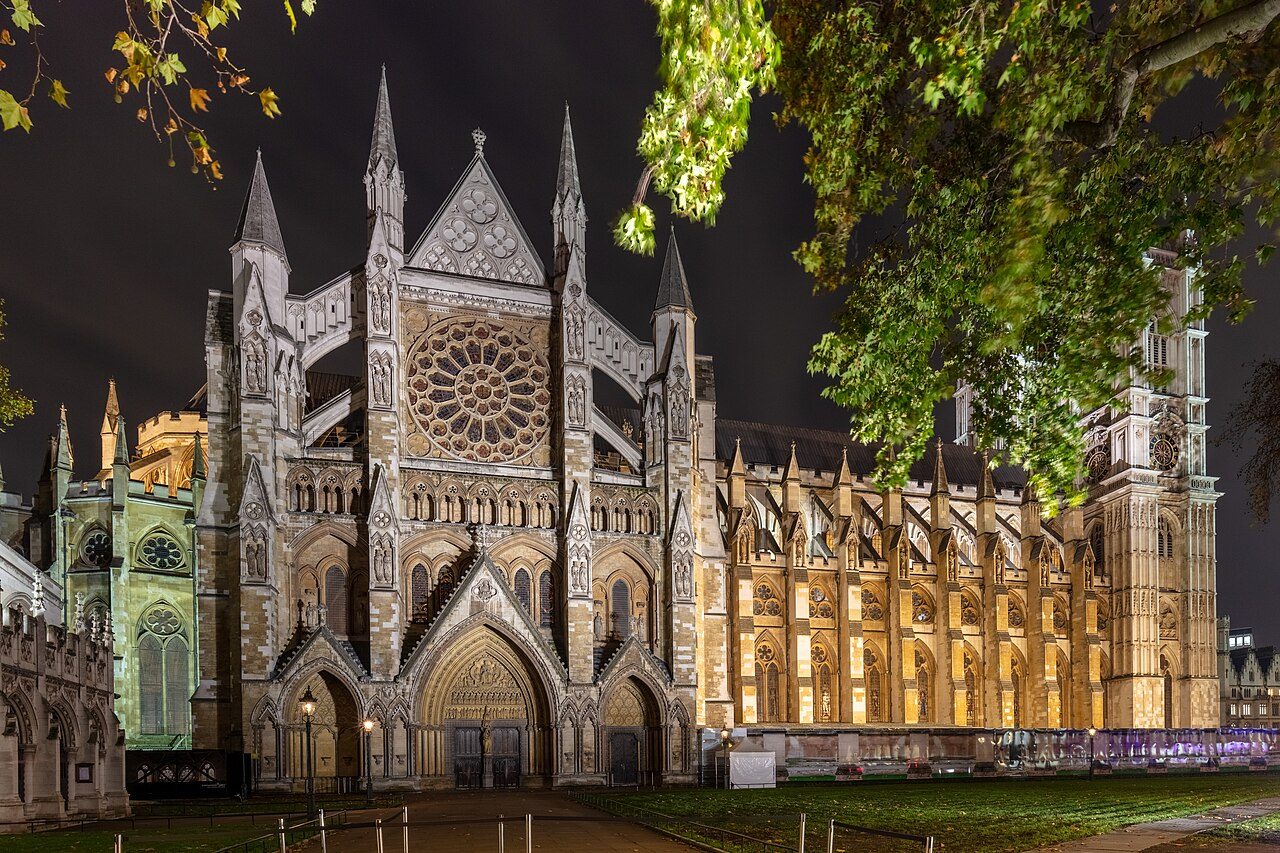
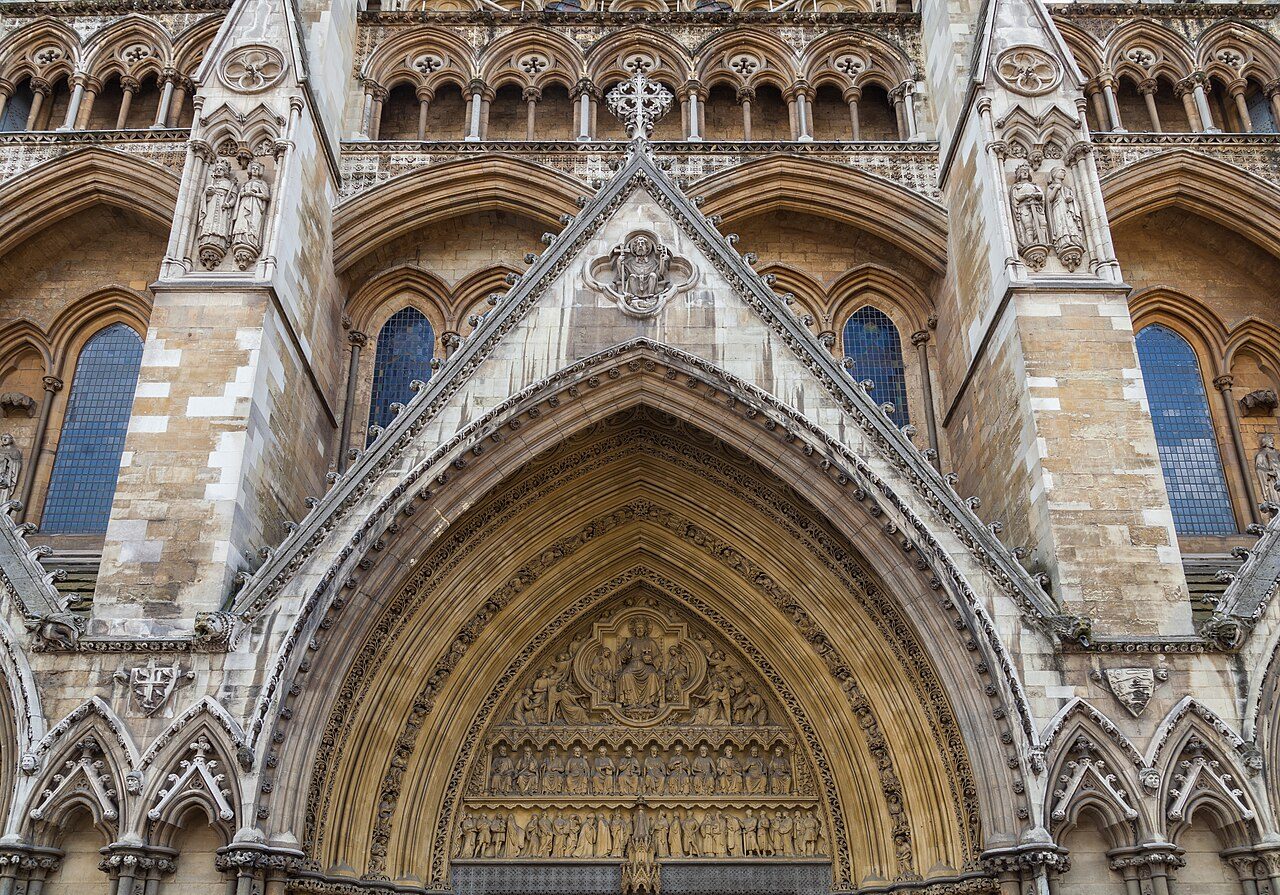
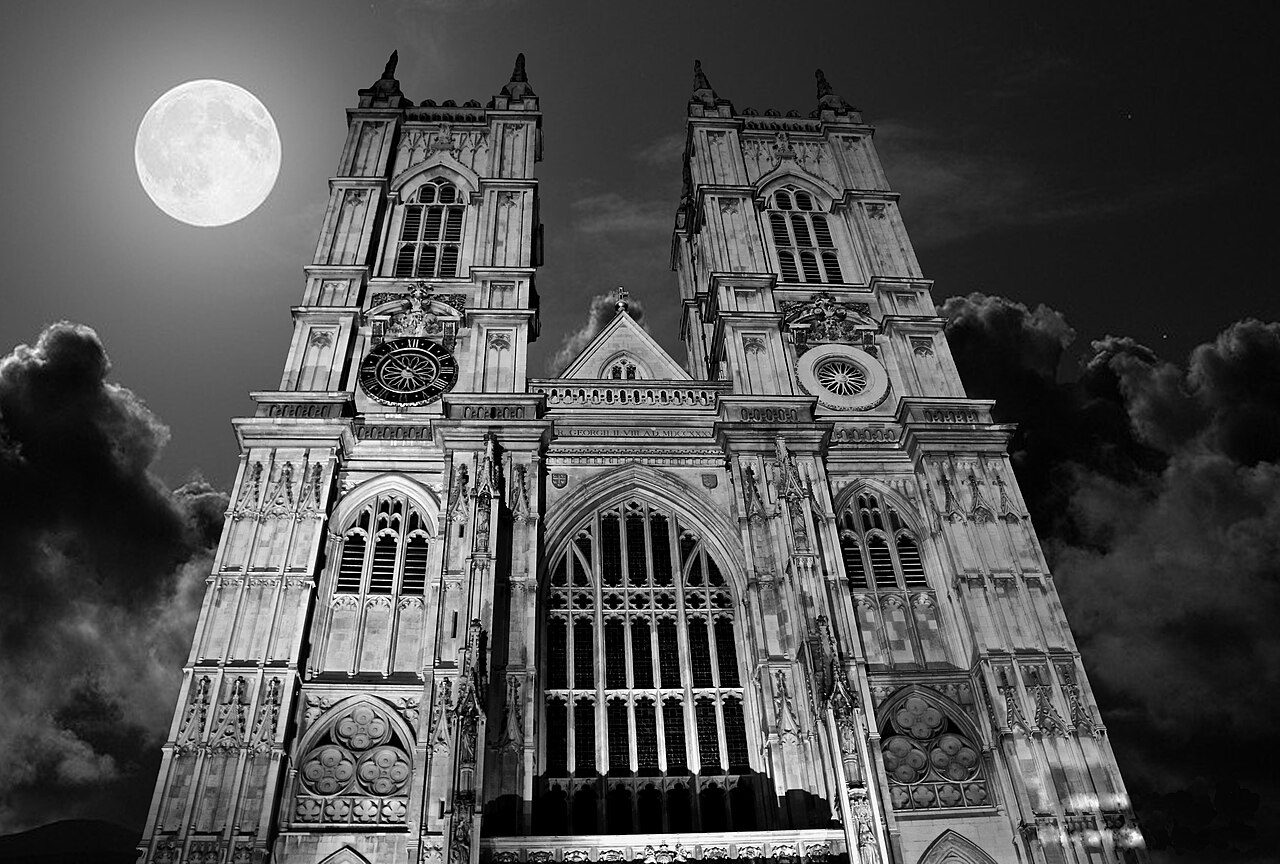
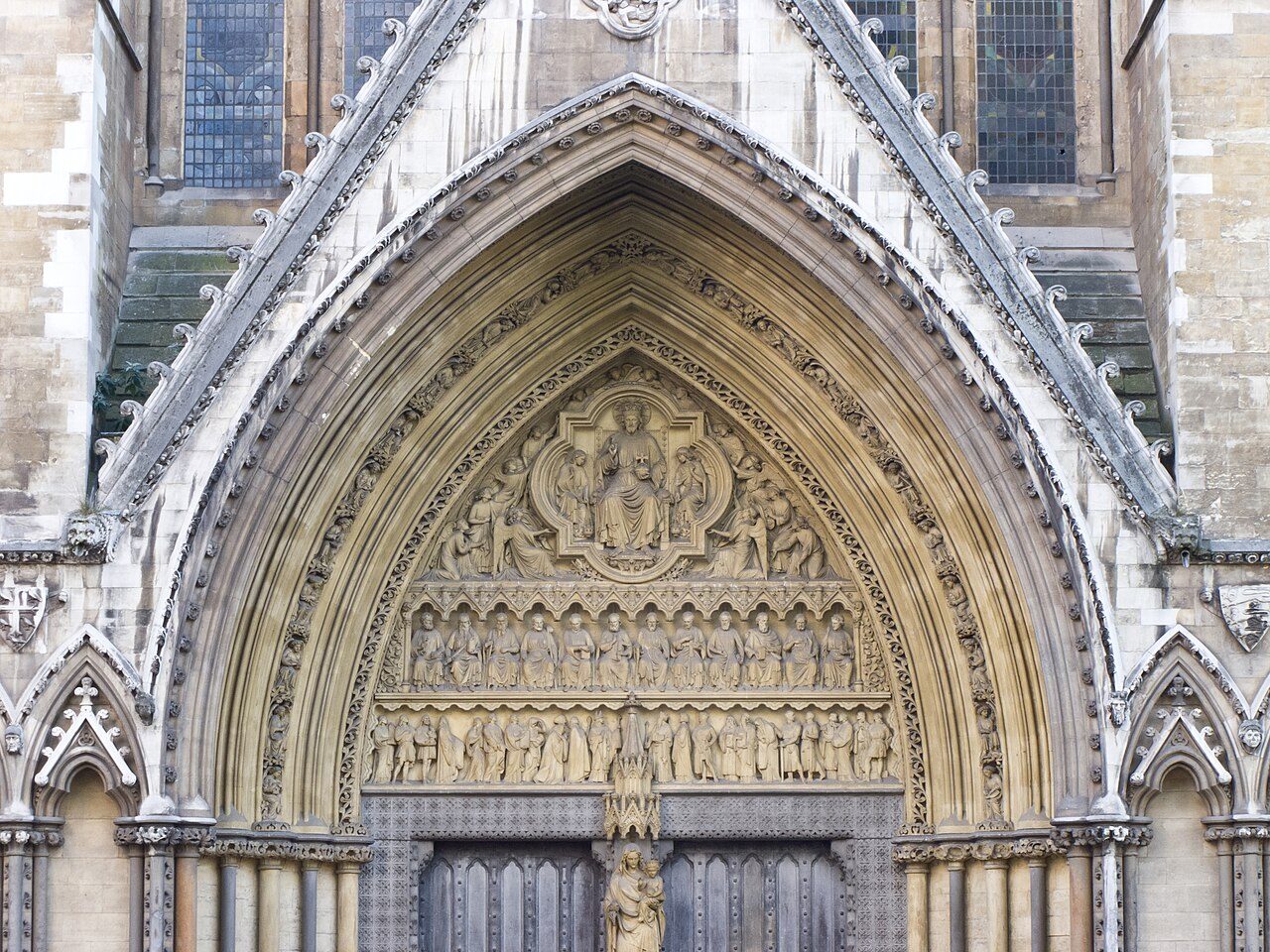
Westminster Abbey is a Gothic church in London where English and British monarchs have been crowned since 1066. The present church was begun in 1245 by Henry III. It holds the tombs of kings, queens, poets and scientists, including Isaac Newton and Charles Darwin. Royal weddings are held here. It is a UNESCO World Heritage Site.
04
STOP 4 OF 16
Buckingham Palace
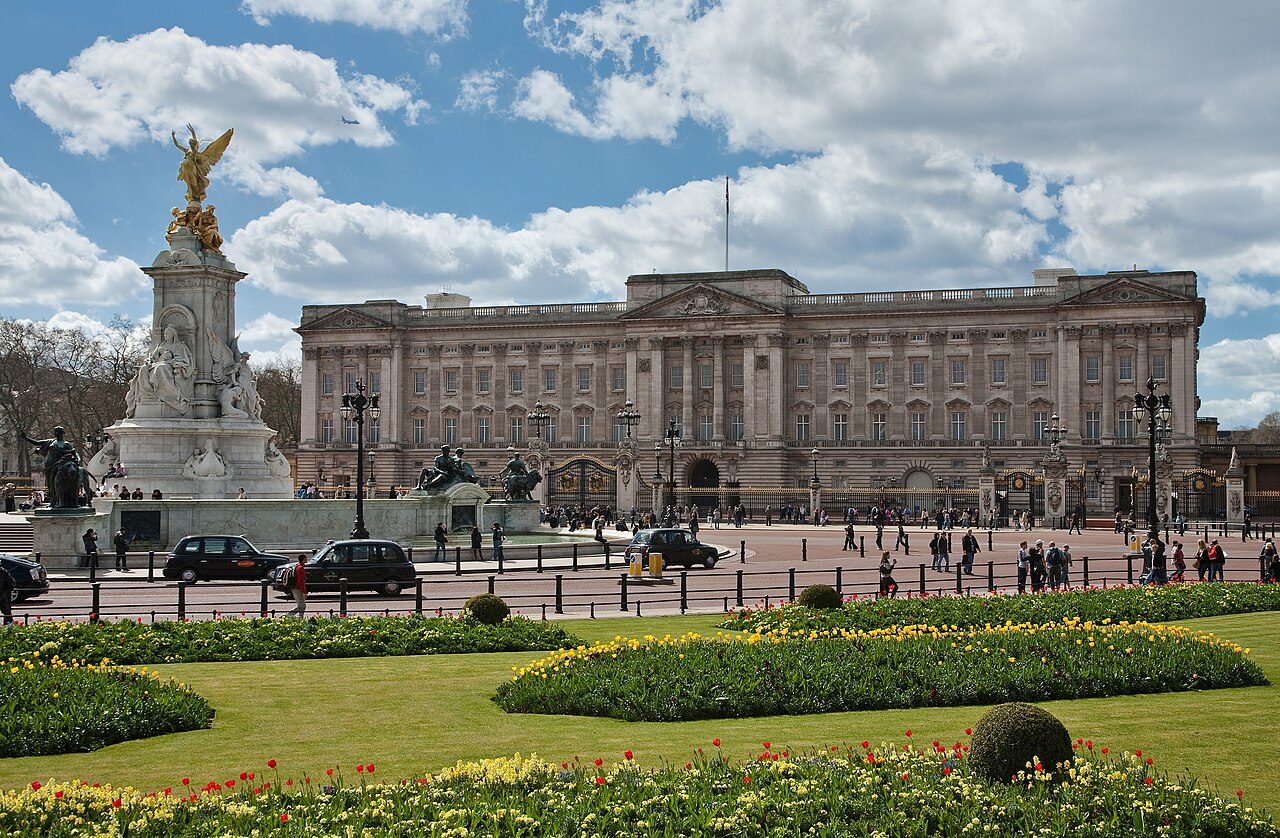
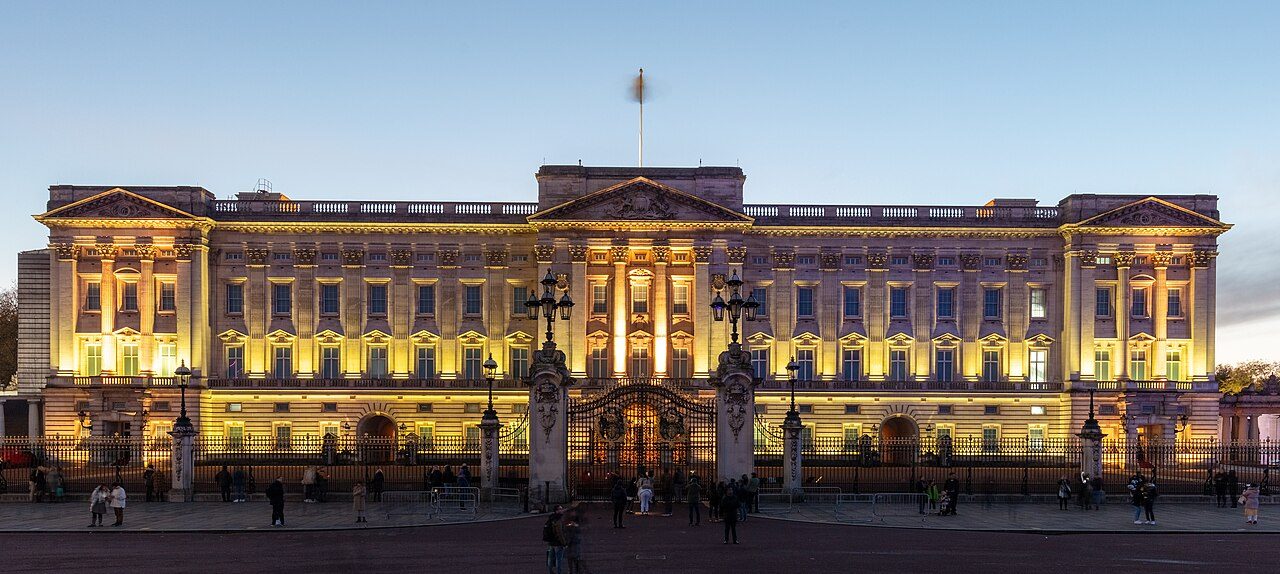
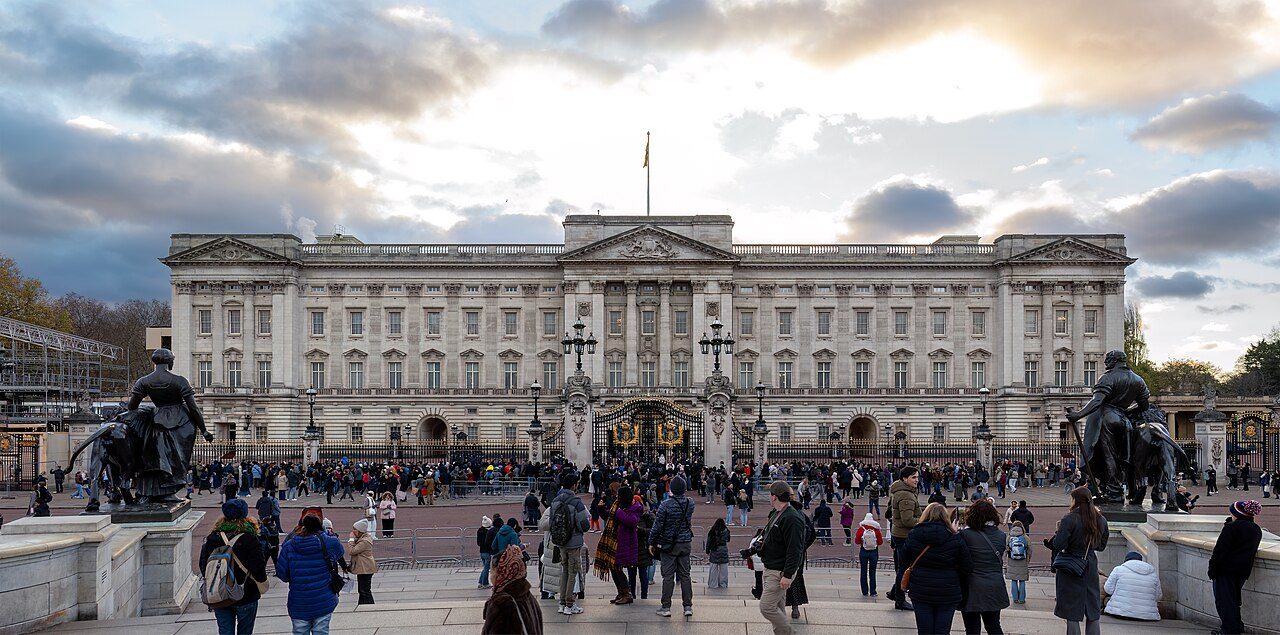
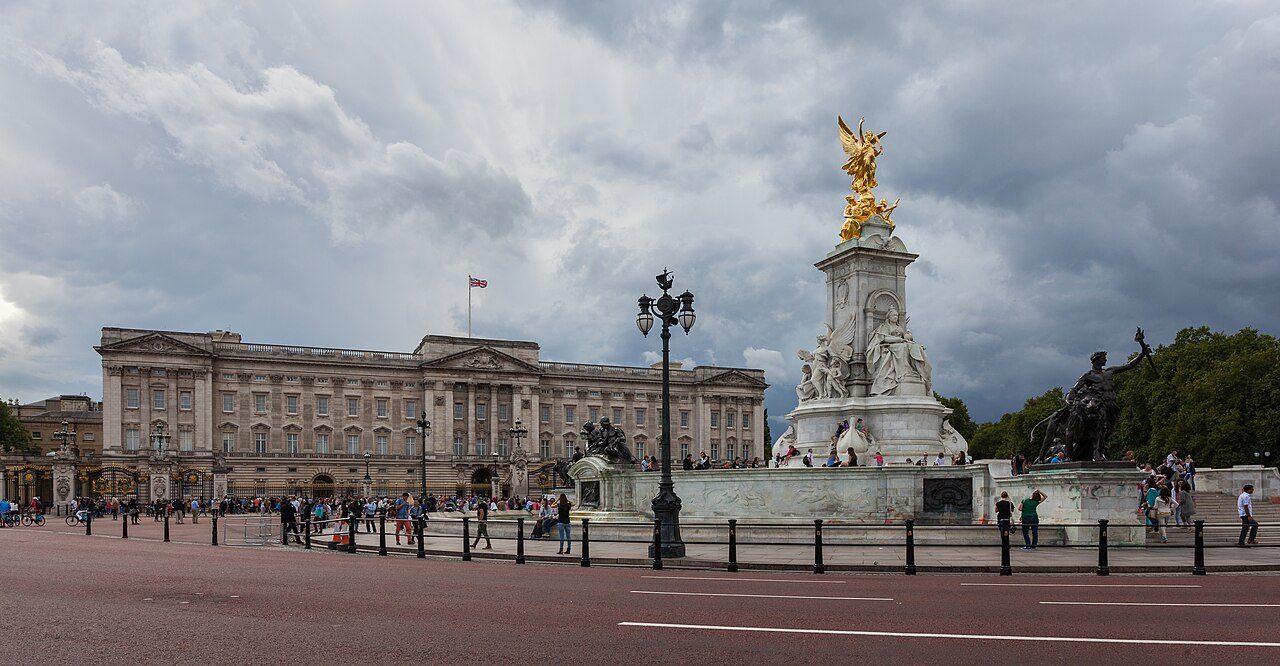
Buckingham Palace is the official London residence of the British monarch. It became the royal palace in 1837 when Queen Victoria moved in. It has 775 rooms. The Changing of the Guard takes place in front of it, and the Victoria Memorial stands at its gates. The State Rooms open to visitors in summer.
05
STOP 5 OF 16
Trafalgar Square
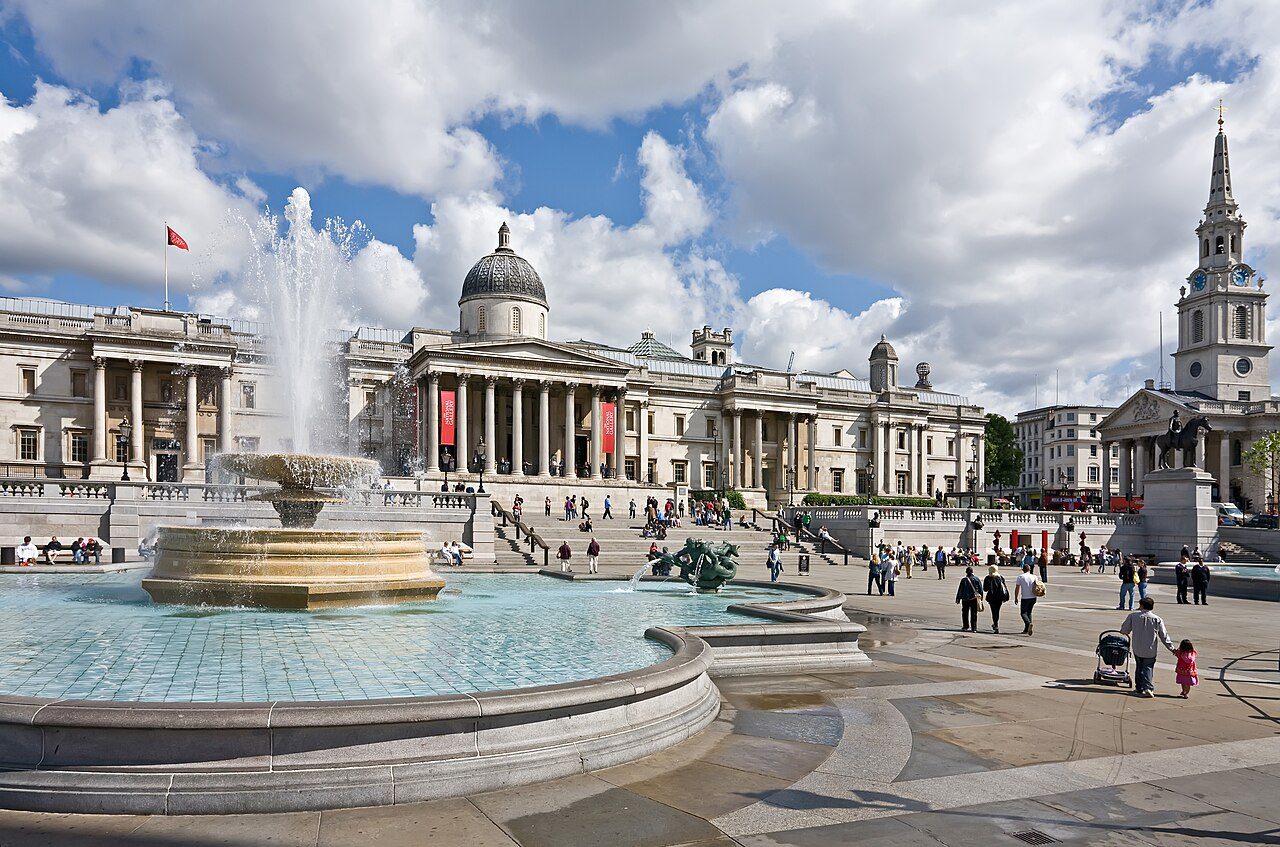
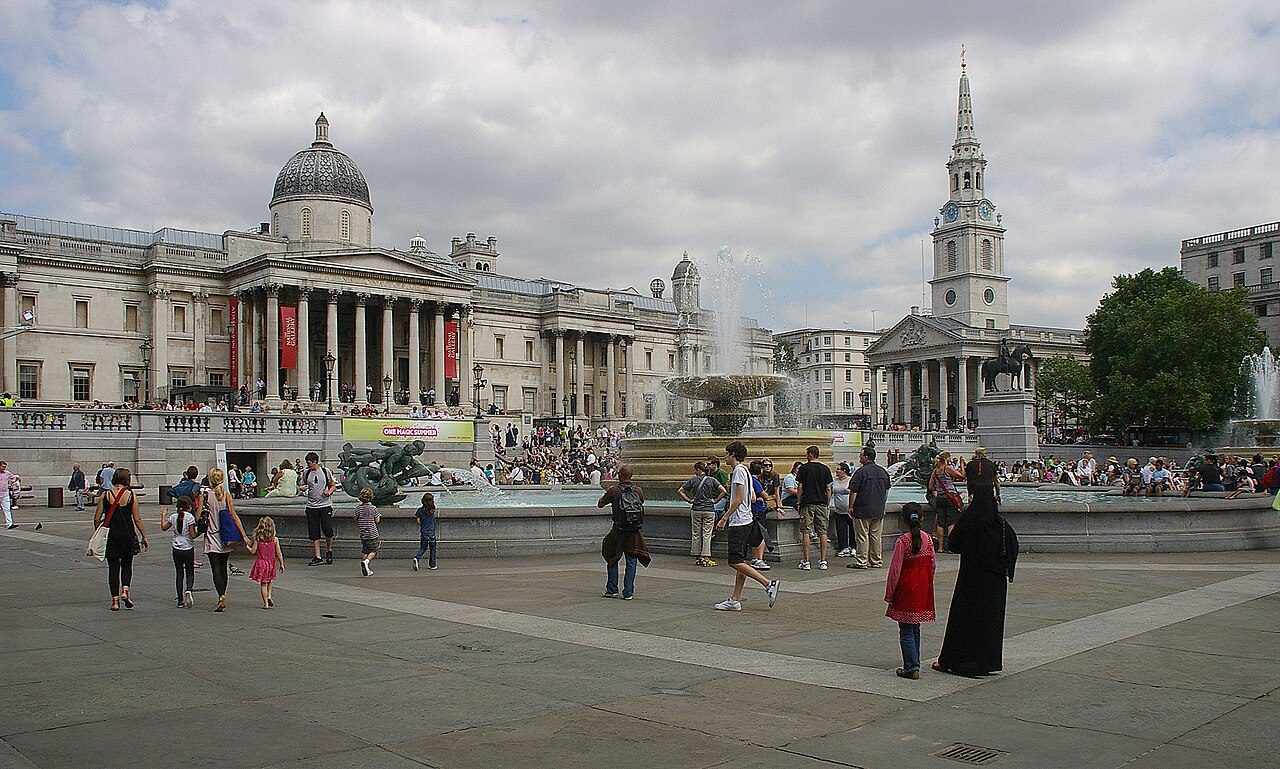
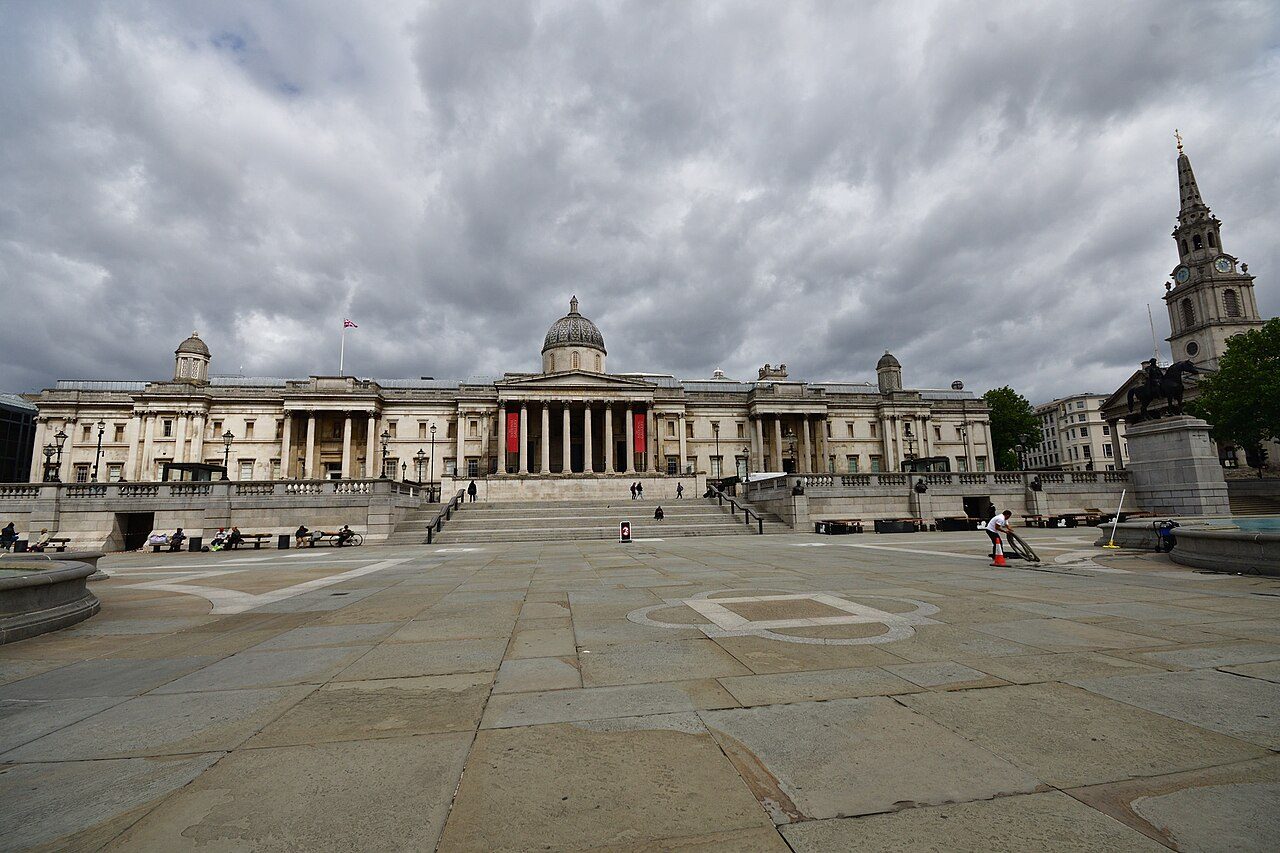
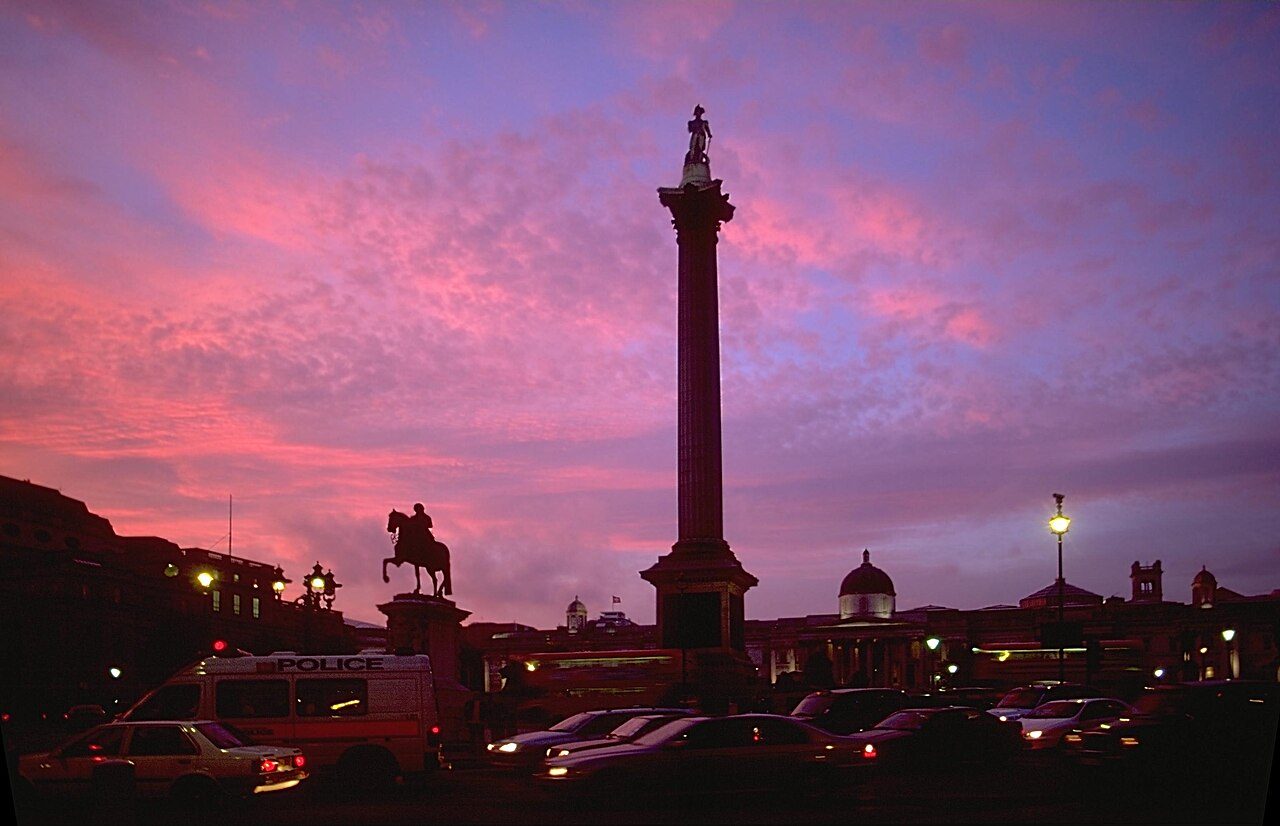
Trafalgar Square in central London commemorates the Battle of Trafalgar of 1805. Nelson's Column rises about 52 metres in the centre, guarded by four bronze lions. The National Gallery, with one of the finest collections of European paintings, lines its north side. The square is a gathering place for celebrations and protests.
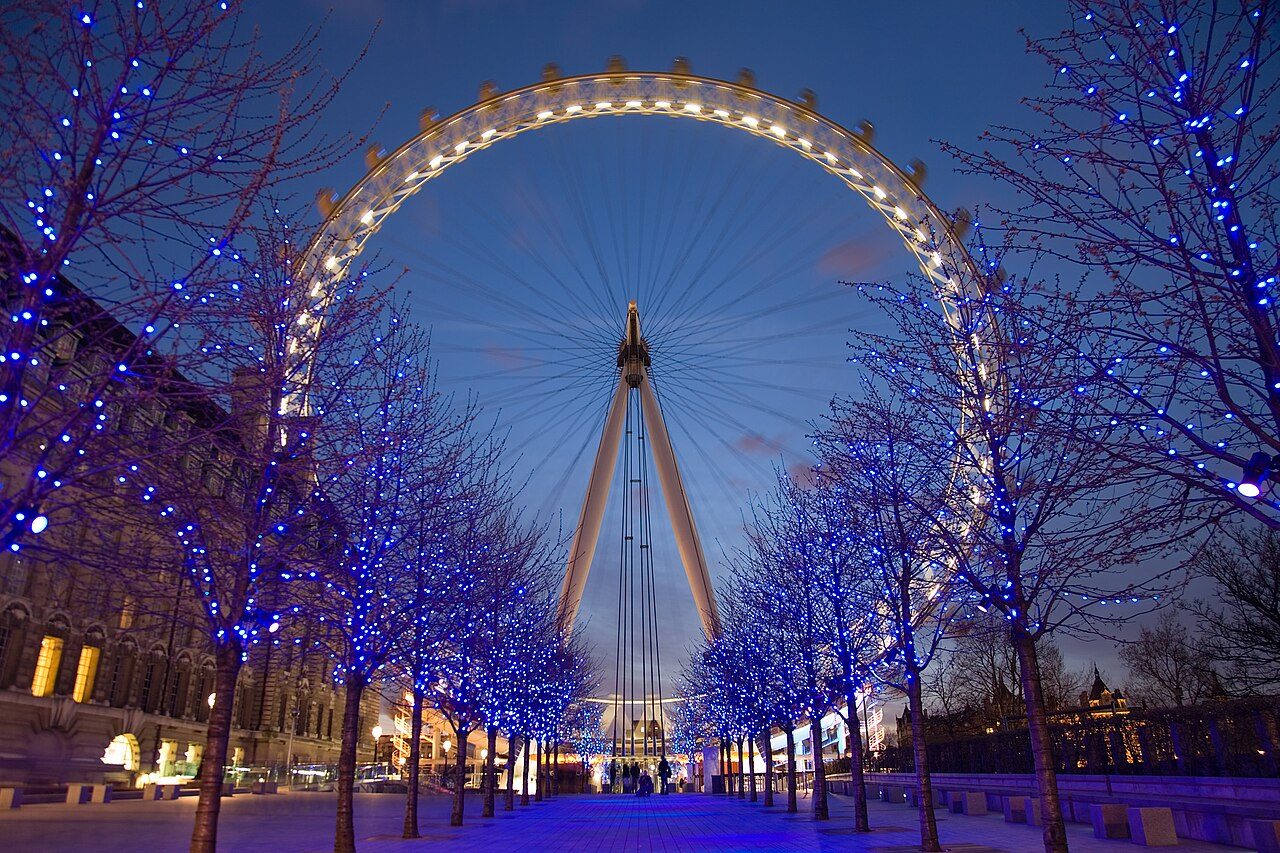
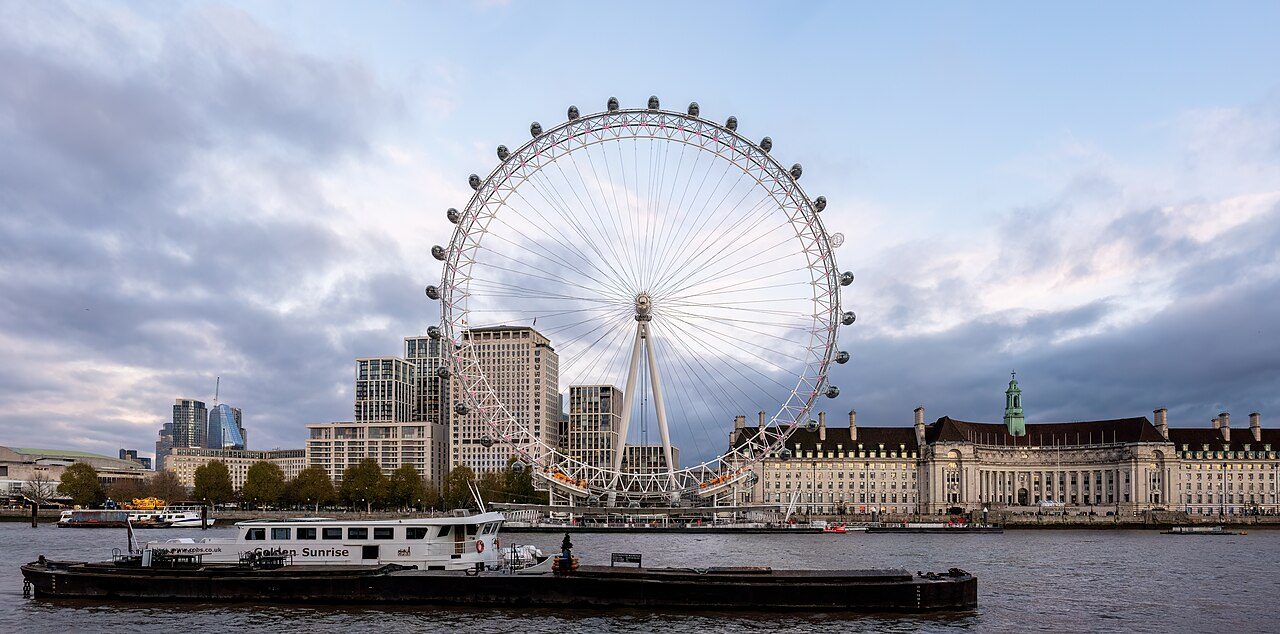
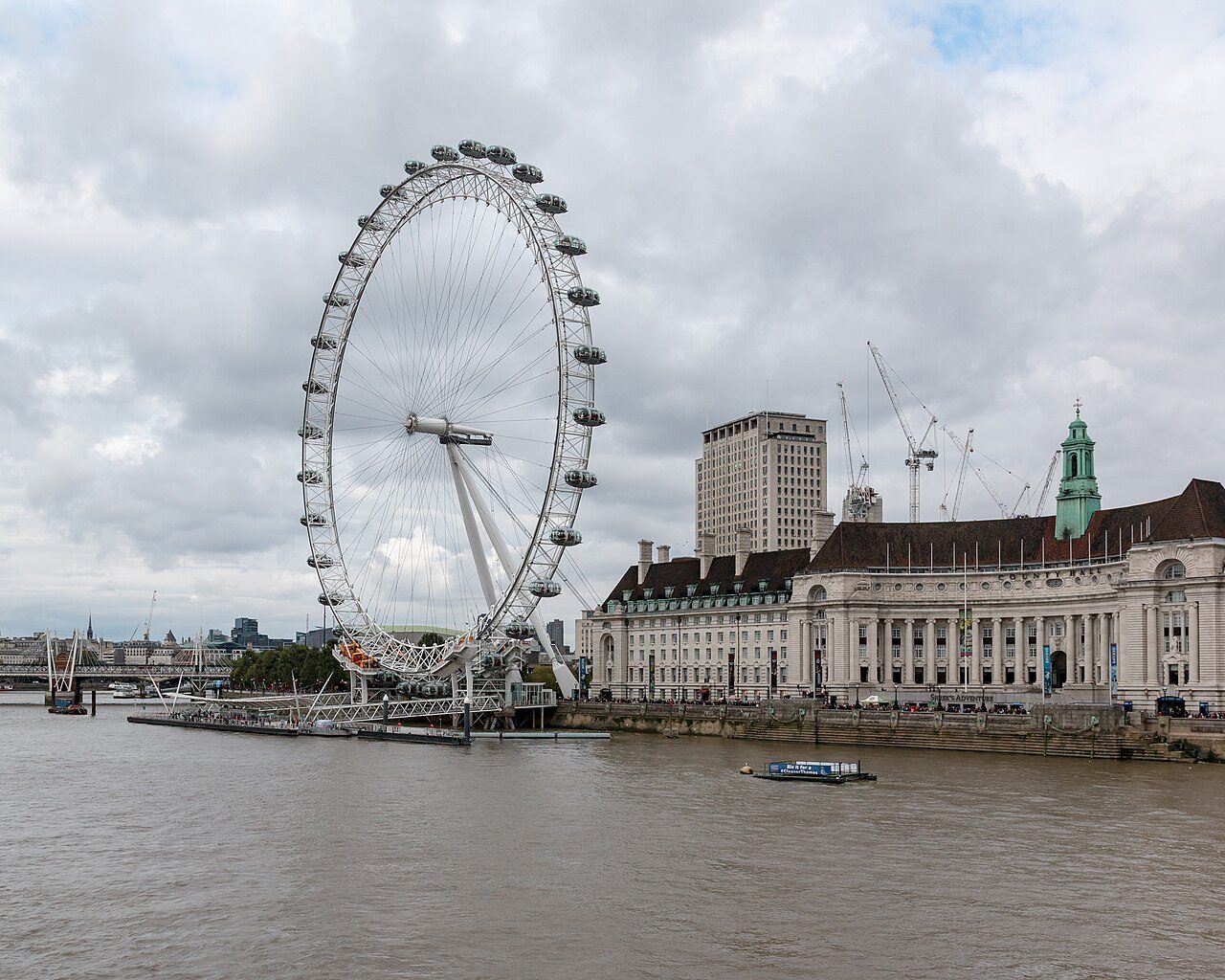
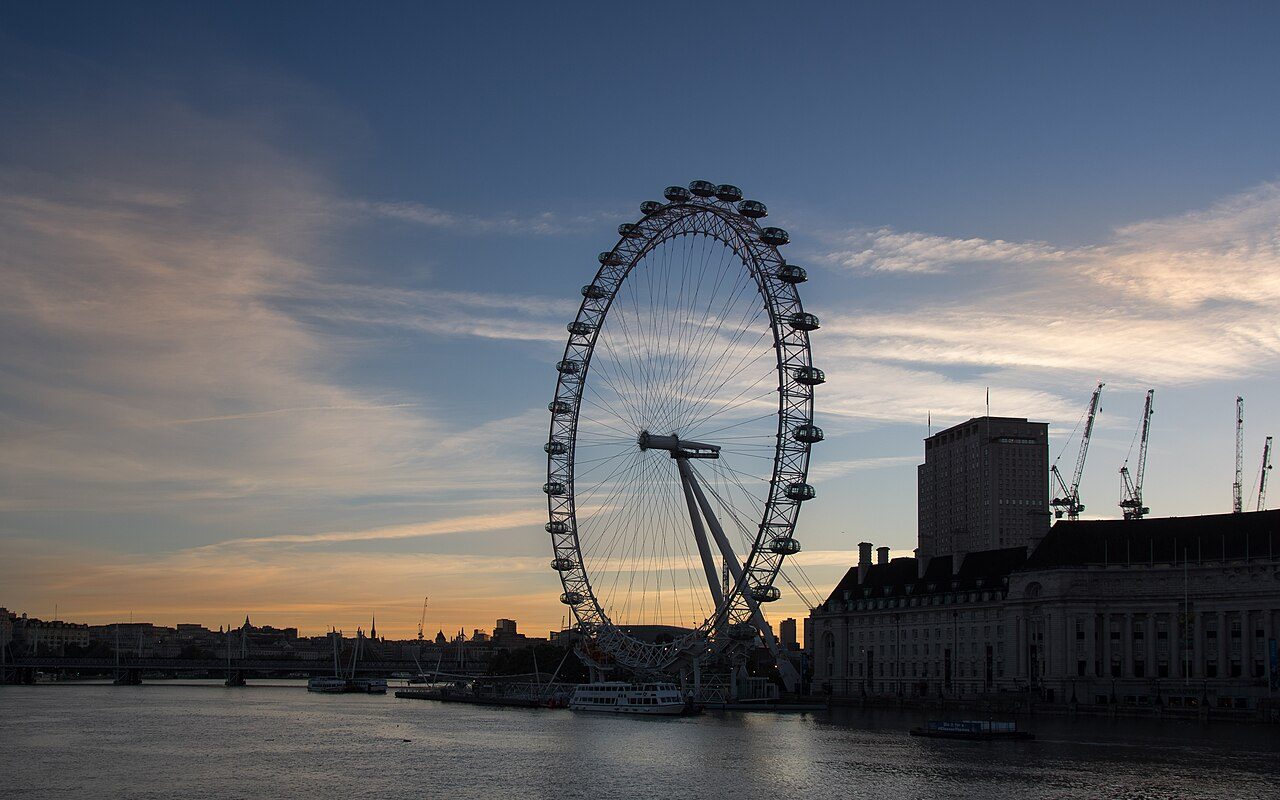
The London Eye is a giant observation wheel on the South Bank of the Thames, opened in 2000. It is 135 metres tall and has 32 glass capsules, each holding up to 25 people. A full rotation takes about 30 minutes and gives views over Westminster and central London.
07
STOP 7 OF 16
Tower of London
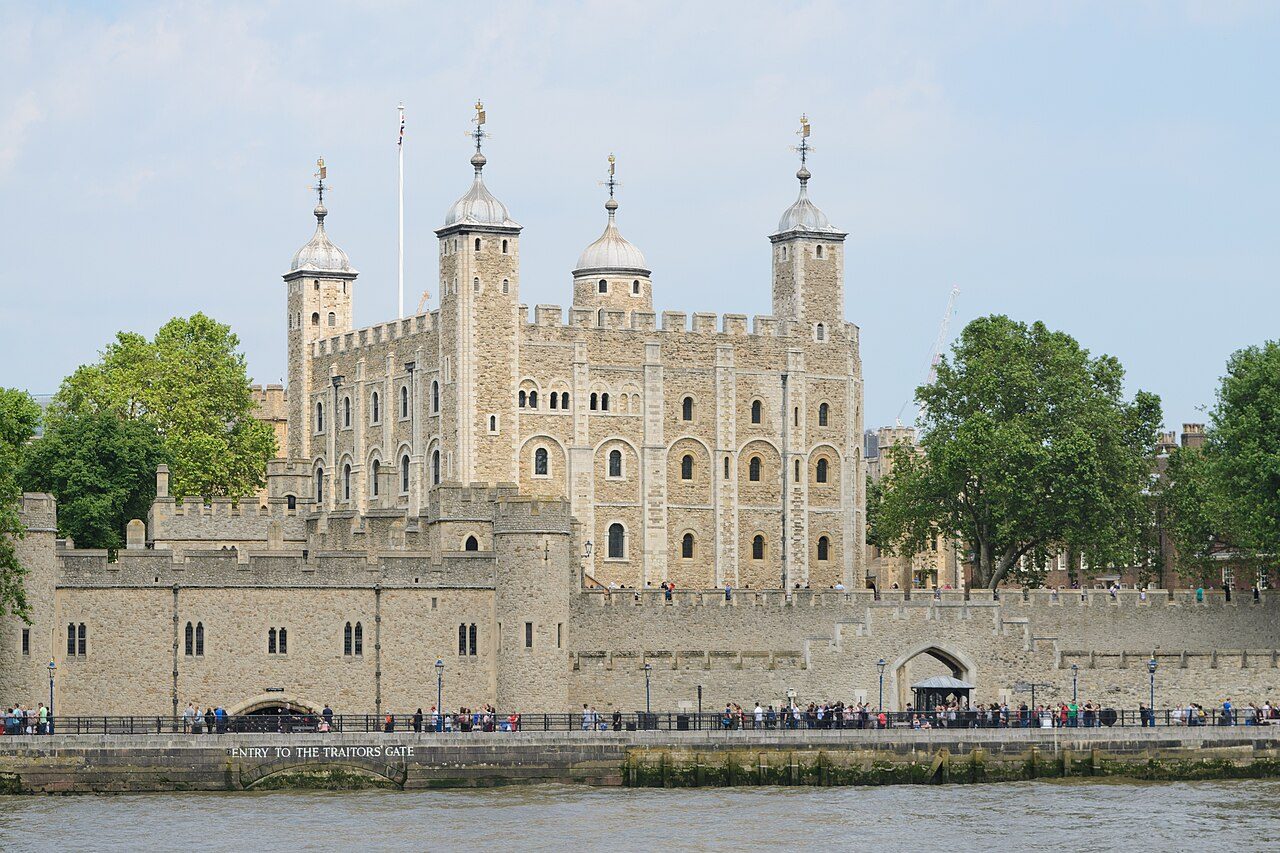
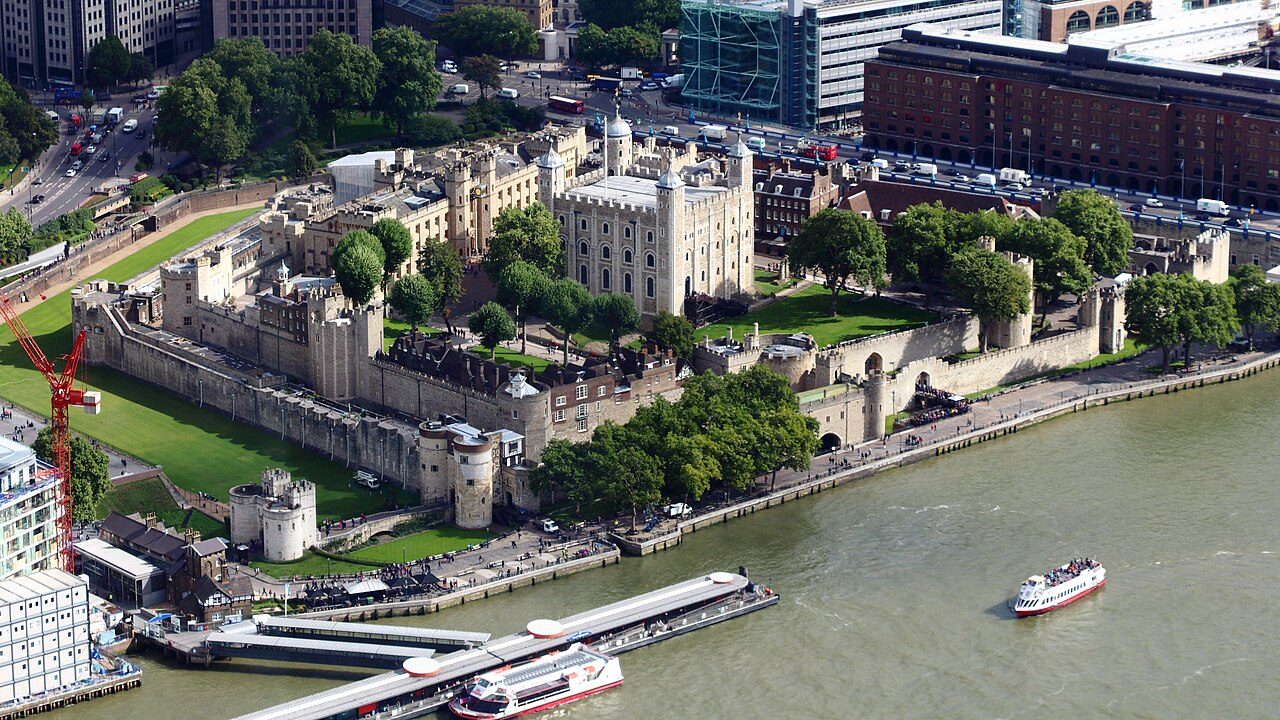
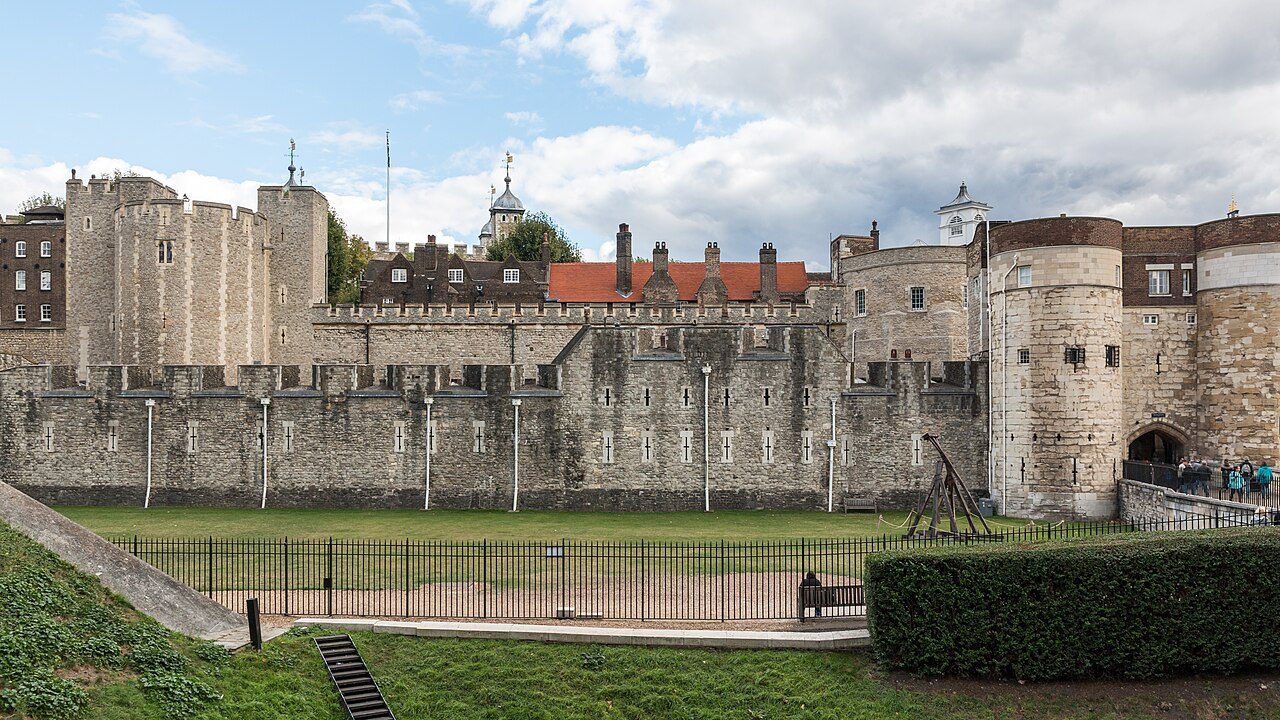
The Tower of London is a historic castle on the north bank of the Thames, founded by William the Conqueror in 1066. Its White Tower was built in the 1070s. It has been a royal palace, prison and treasury, and still holds the Crown Jewels. Yeoman Warders, known as Beefeaters, guide visitors. It is a UNESCO World Heritage Site.
08
STOP 8 OF 16
Tower Bridge
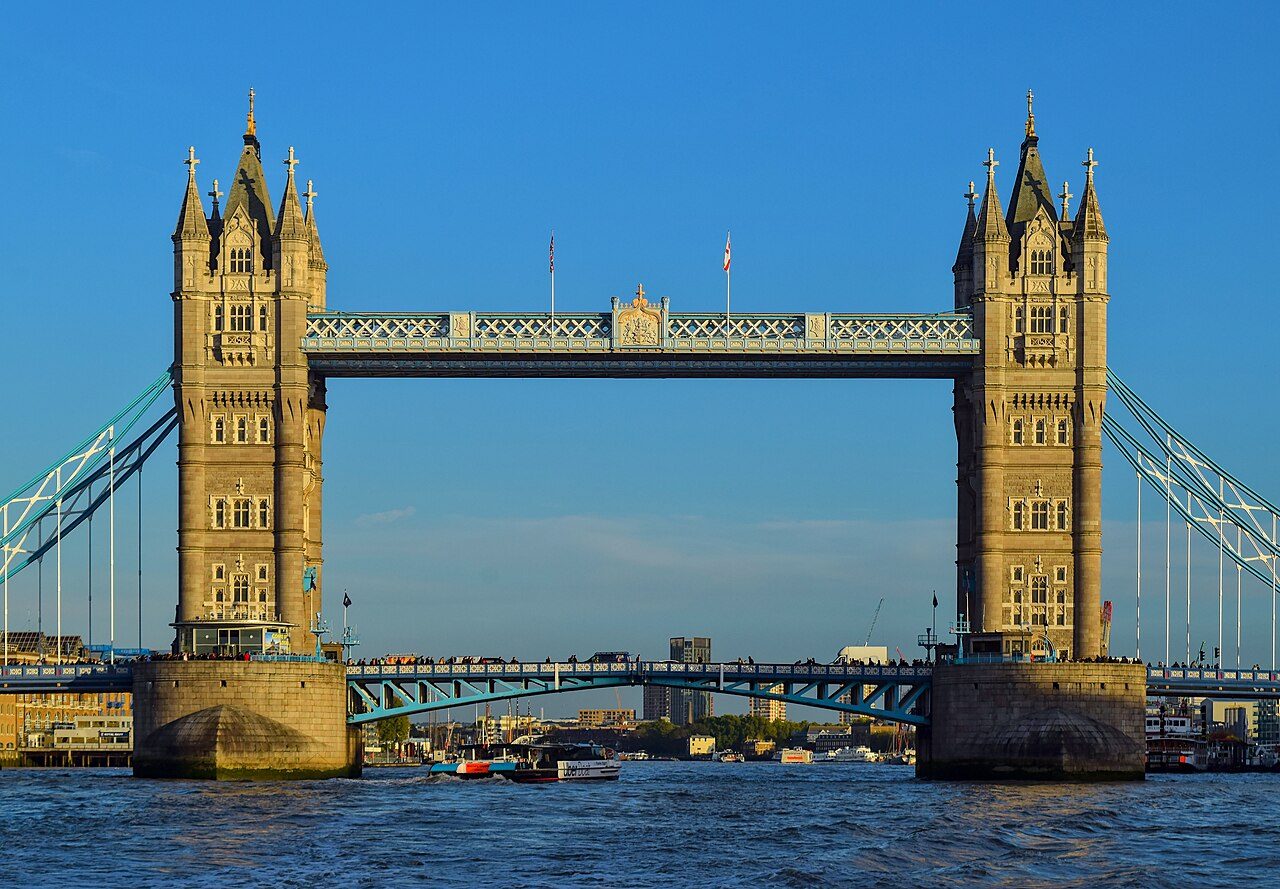
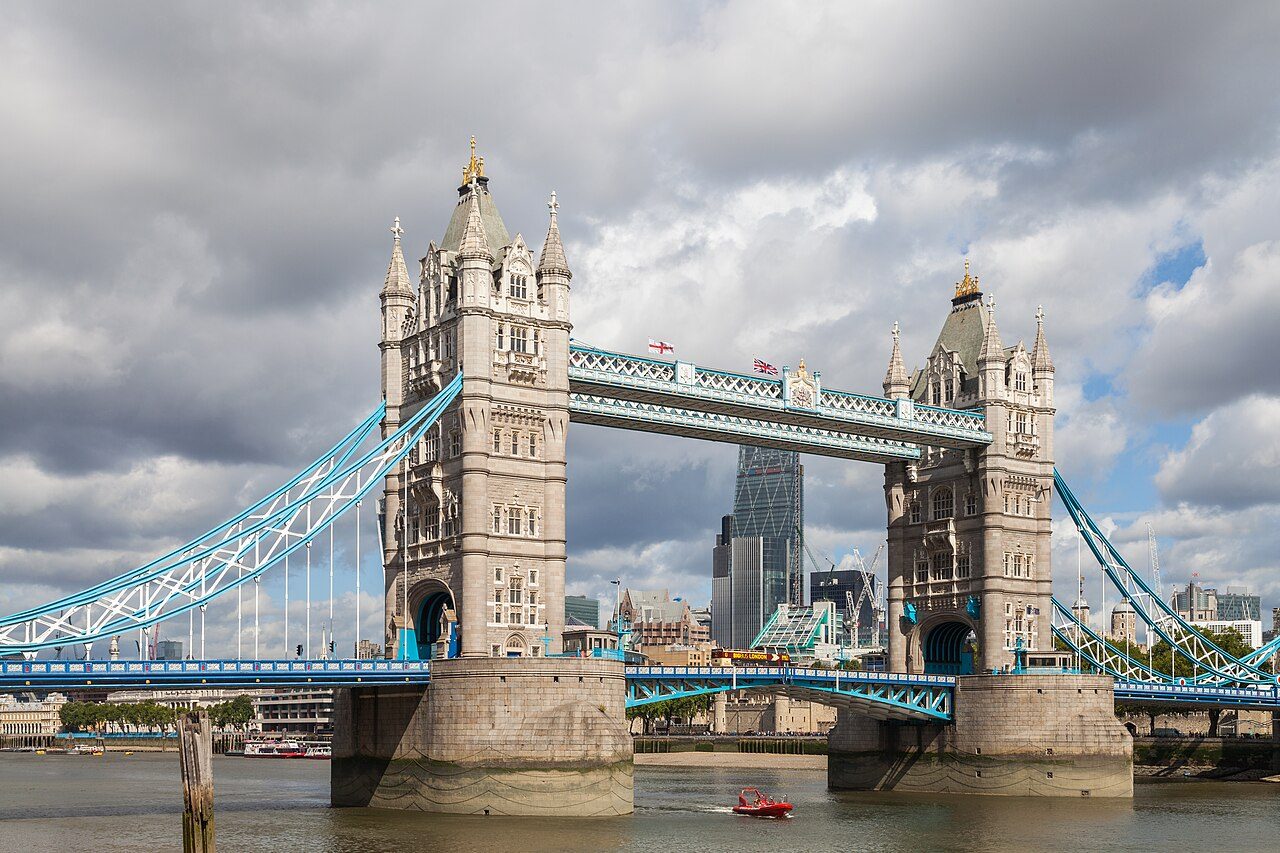
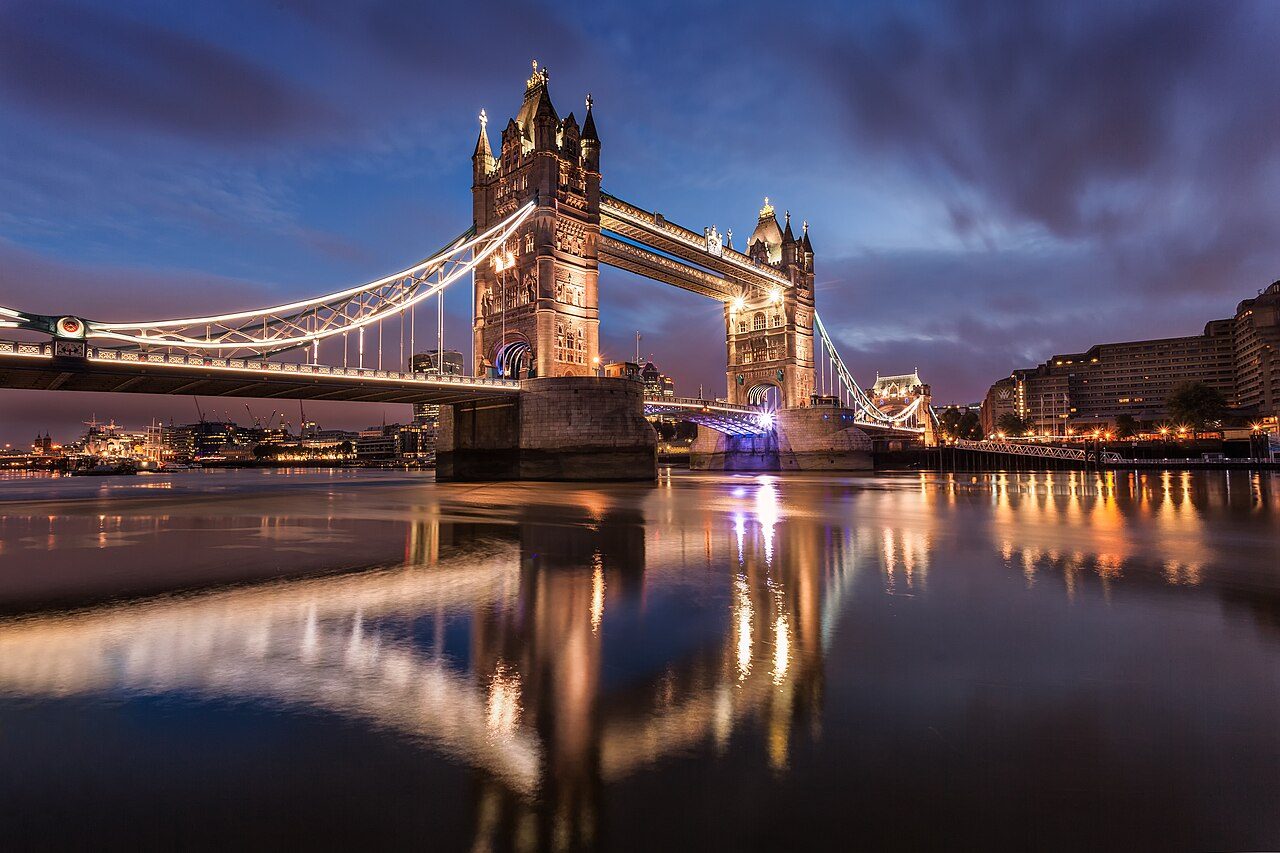
Tower Bridge is a bascule and suspension bridge over the Thames near the Tower of London, opened in 1894. Its two Gothic towers are linked by high-level walkways with glass floors. The roadway still lifts to let ships pass. It is one of the most famous symbols of London.
09
STOP 9 OF 16
St Paul's Cathedral
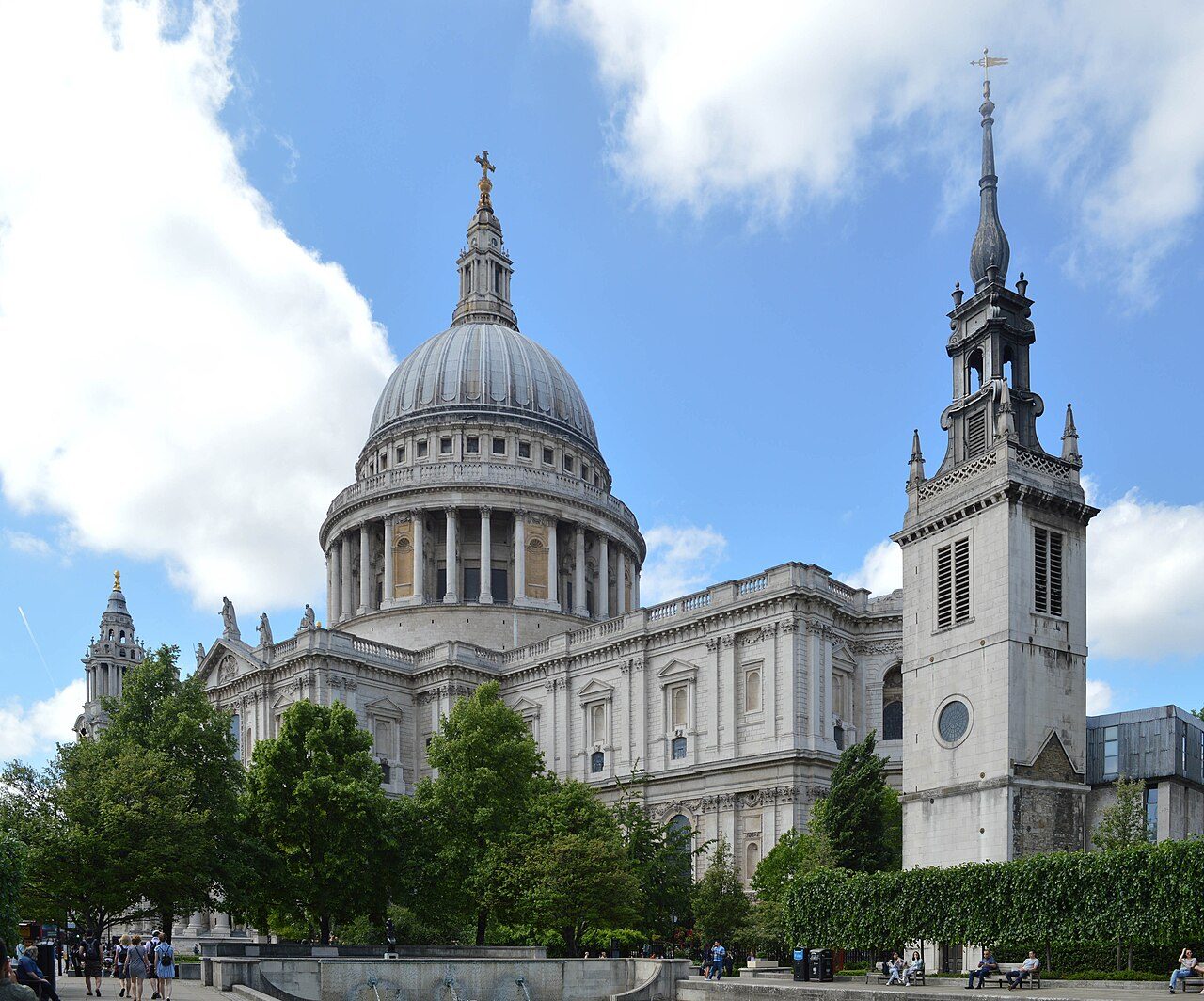
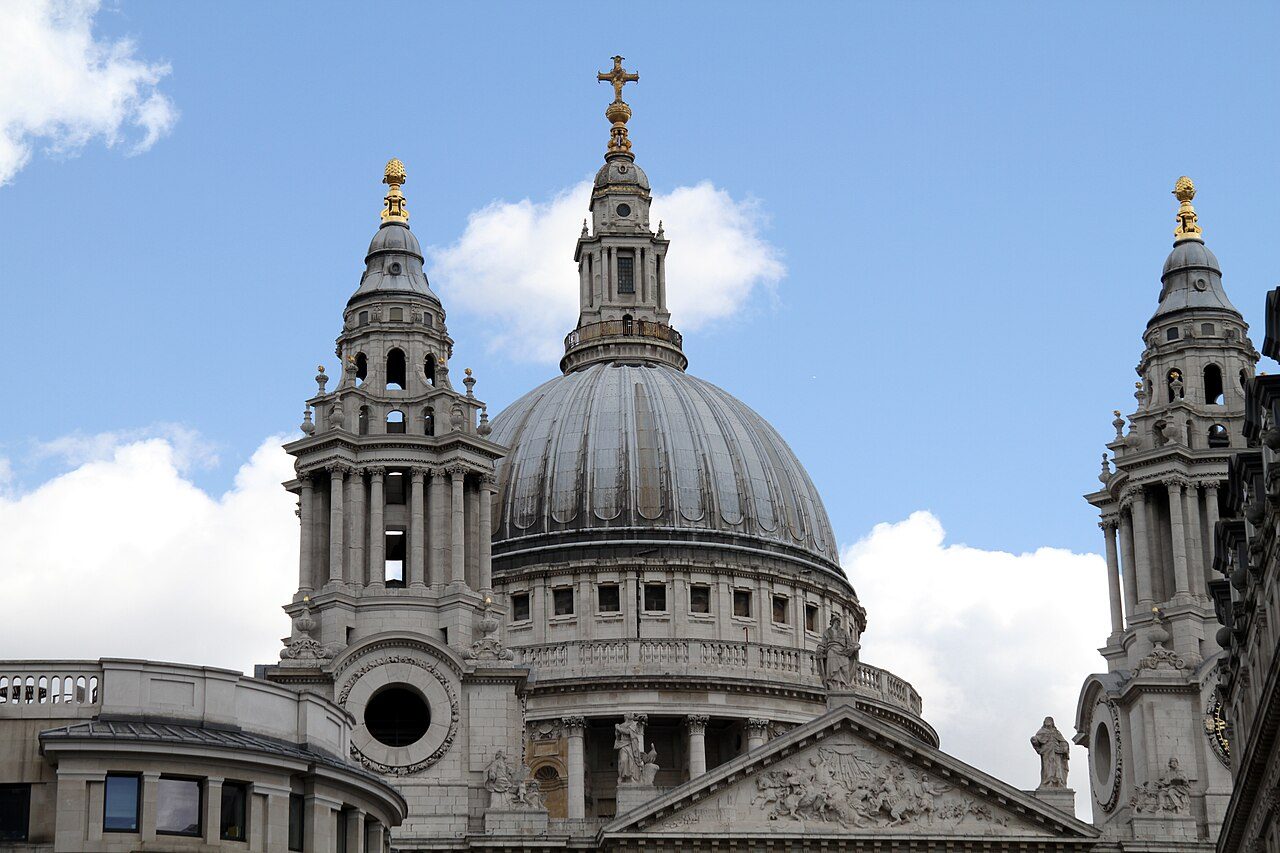
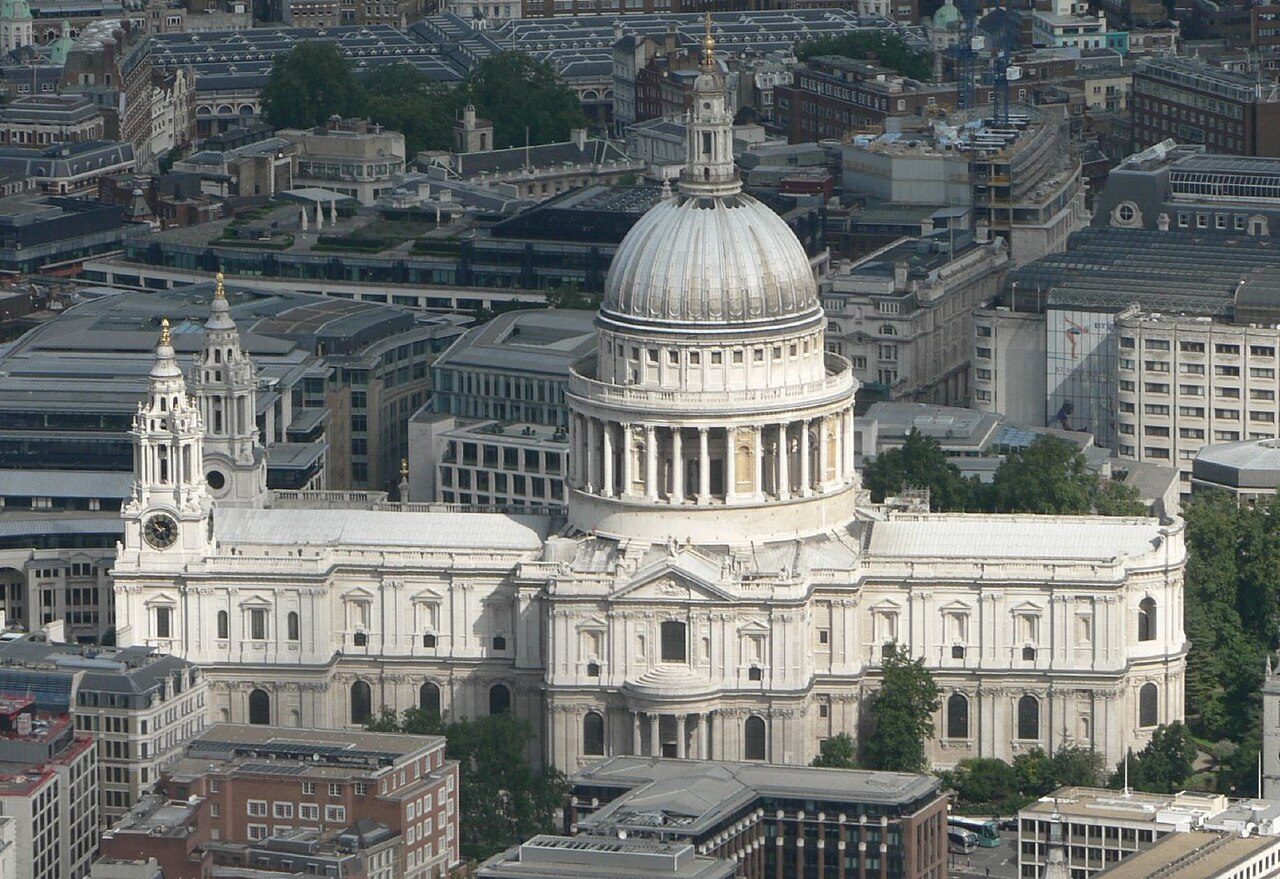
St Paul's Cathedral was designed by Christopher Wren and built from 1675 to 1710 after the Great Fire of London. Its great dome is one of the largest in the world. Visitors climb to the Whispering Gallery and the Golden Gallery for views. It survived the Blitz and has hosted royal events, including the wedding of Prince Charles and Diana.
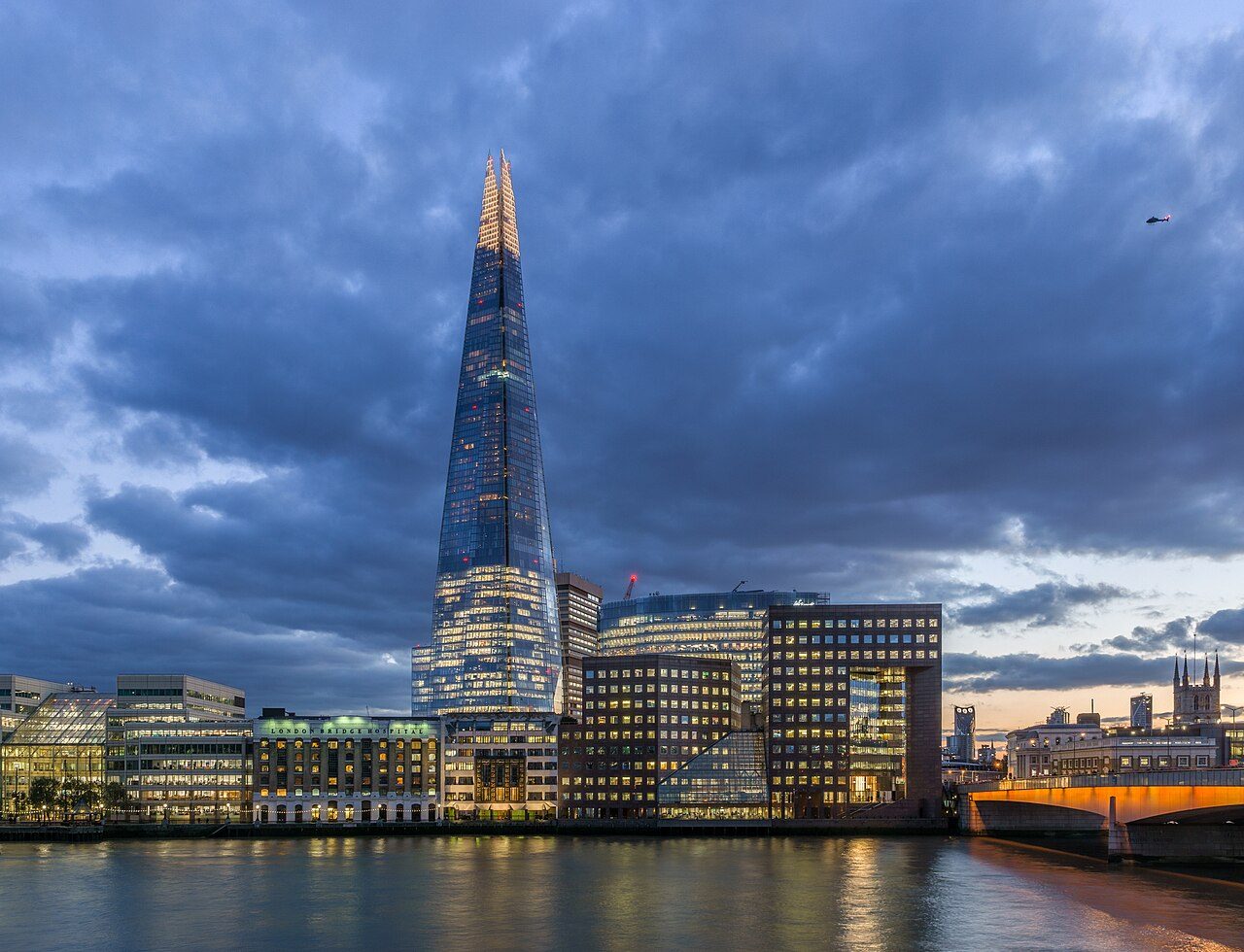
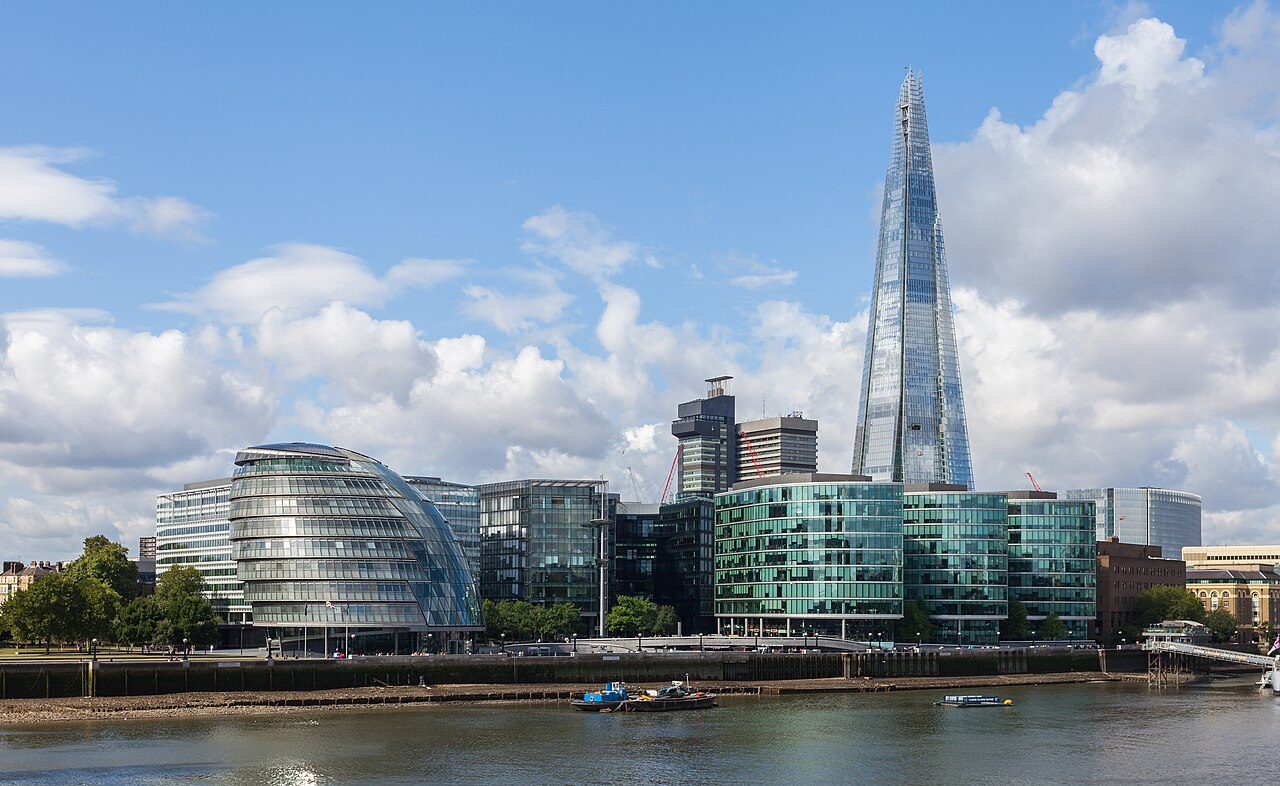
The Shard is a 310-metre skyscraper near London Bridge station, completed in 2012. Designed by Renzo Piano, it is shaped like a shard of glass and was the tallest building in the UK. Its viewing galleries on floors 69 and 72 give views of up to 60 kilometres across London.
11
STOP 11 OF 16
British Museum
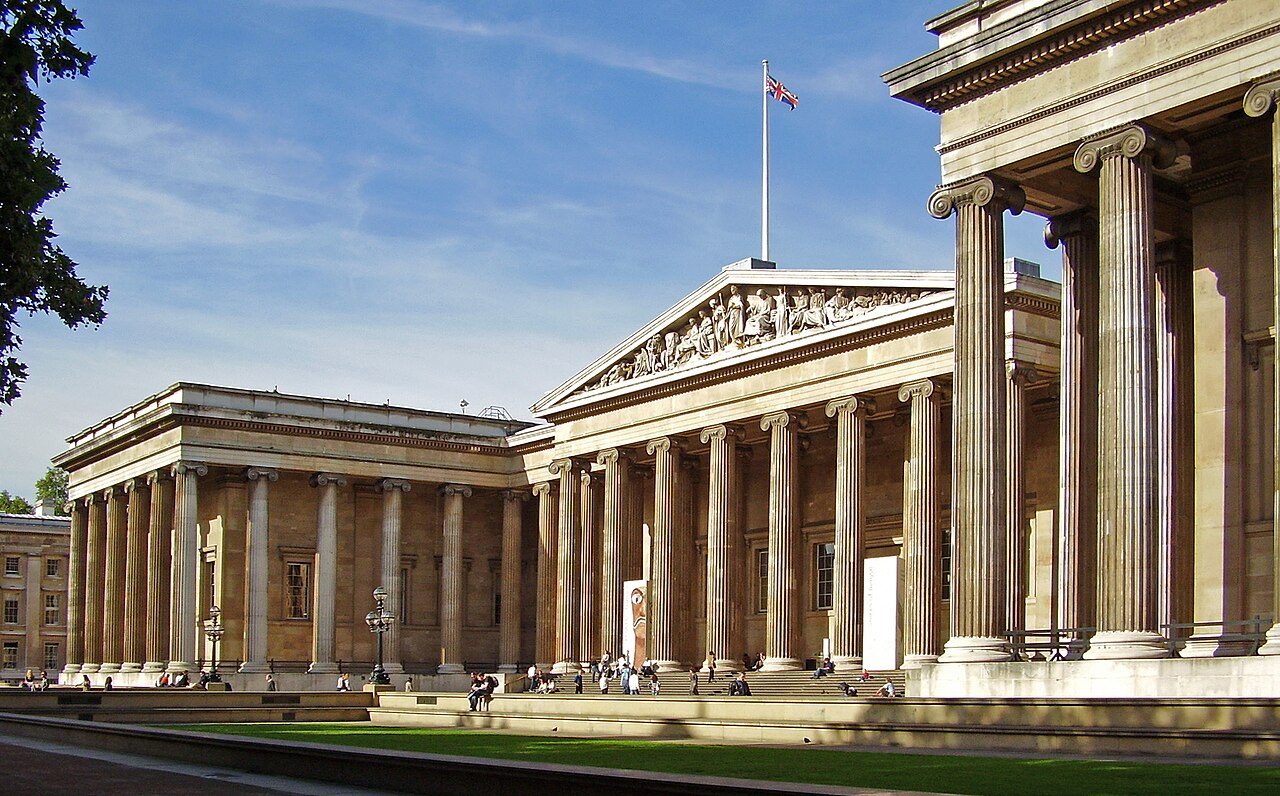
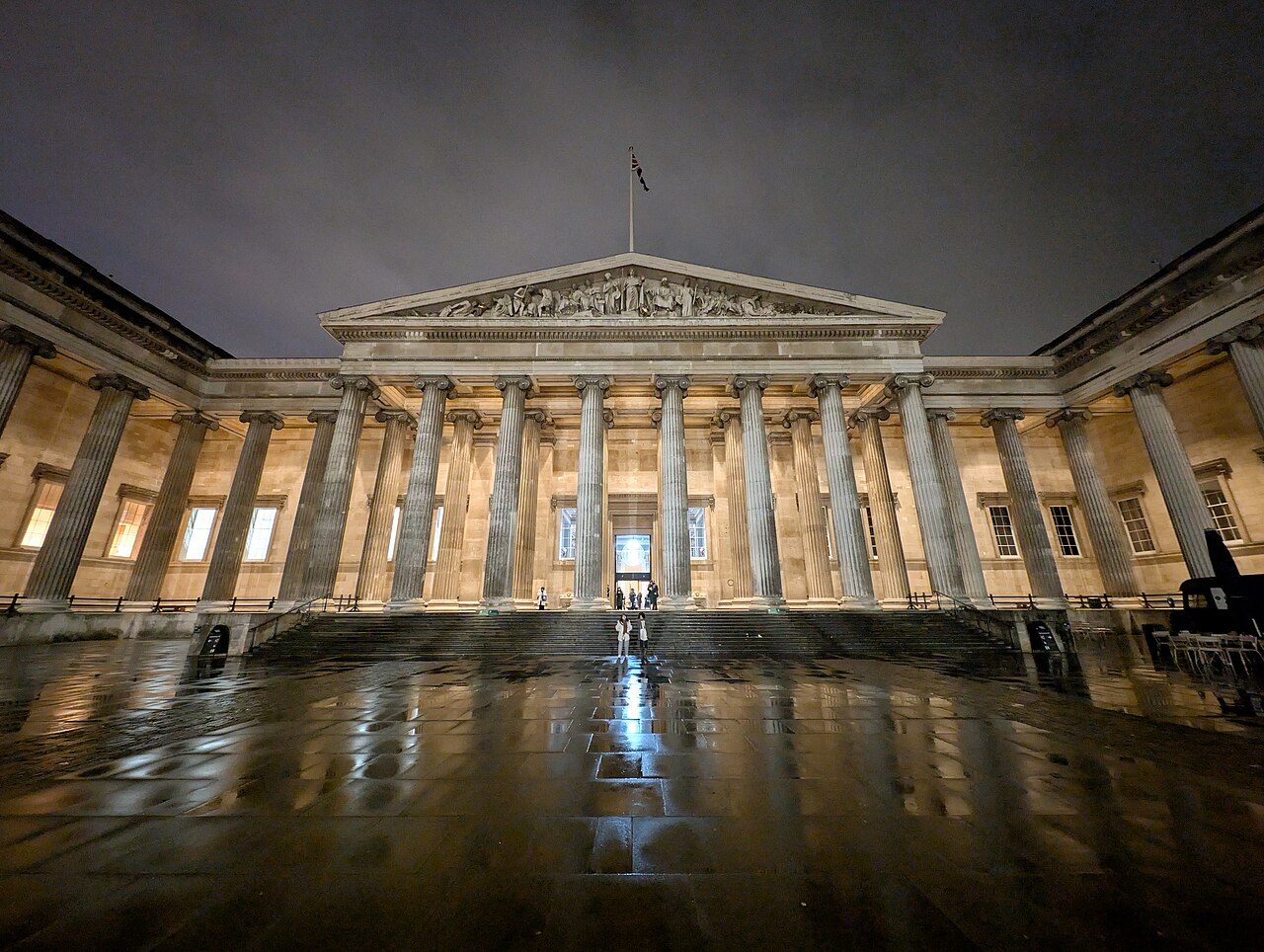
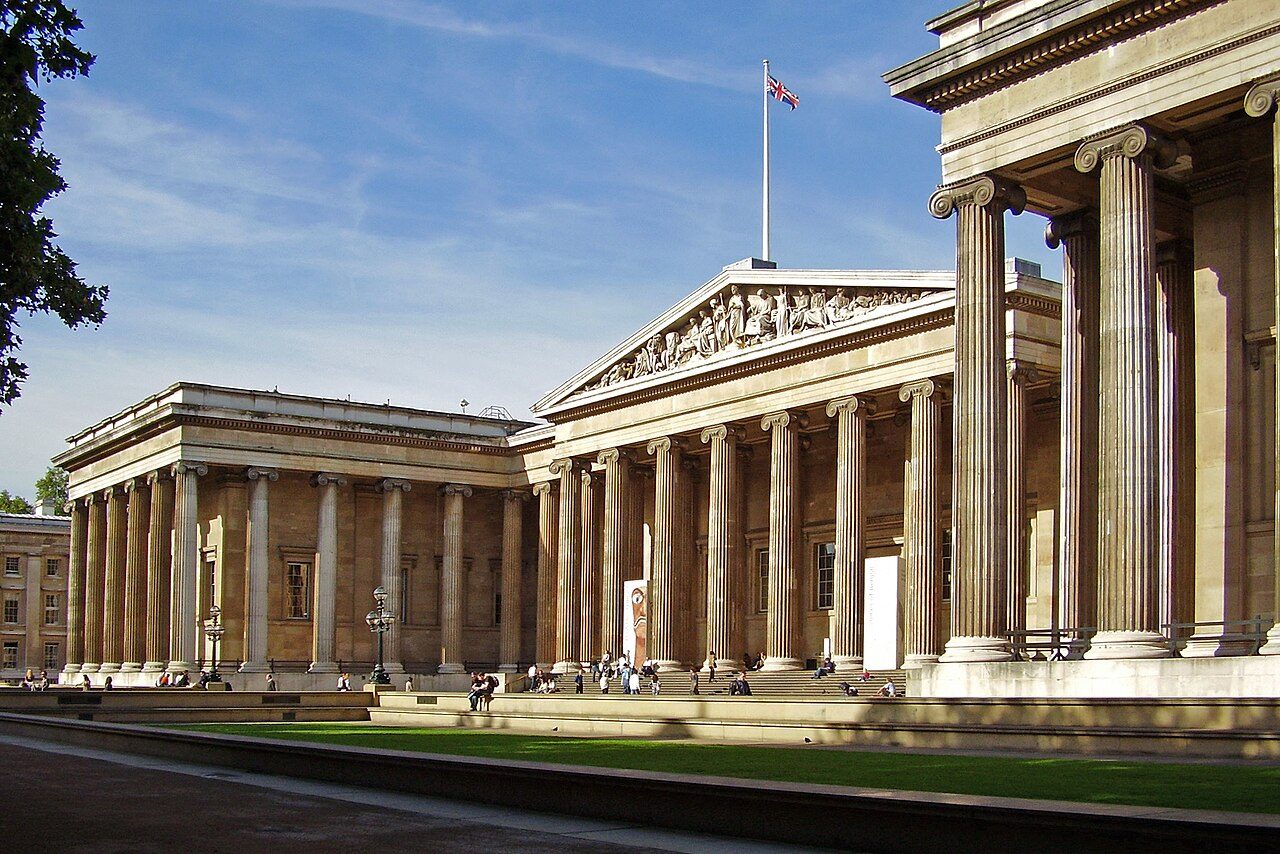
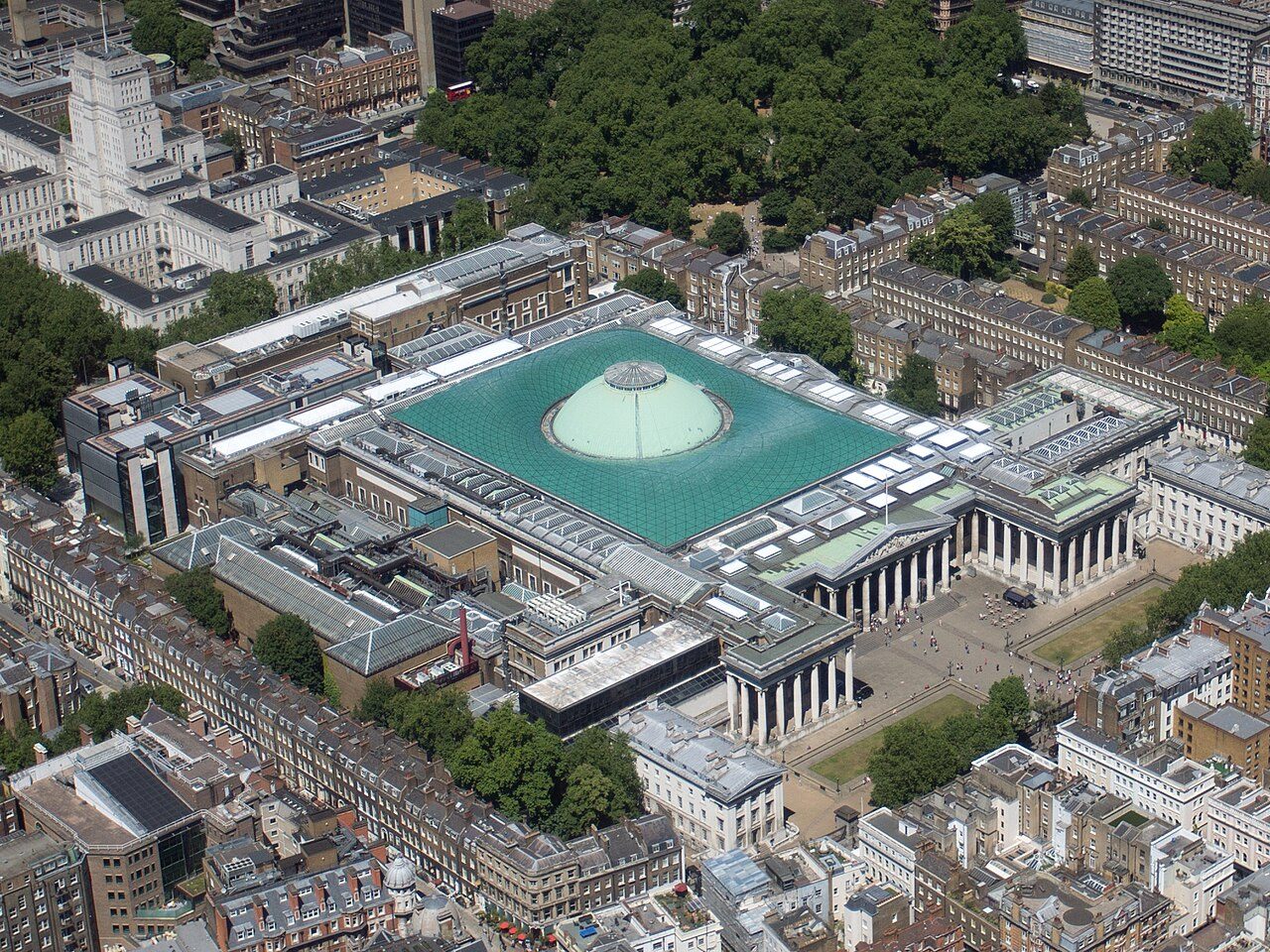
The British Museum in London was founded in 1753 and is one of the largest museums in the world. Its collection of about eight million objects covers human history. Famous items include the Rosetta Stone, the Parthenon sculptures and Egyptian mummies. Its Great Court has a glass roof around the old Reading Room. Entry is free.
12
STOP 12 OF 16
Piccadilly Circus
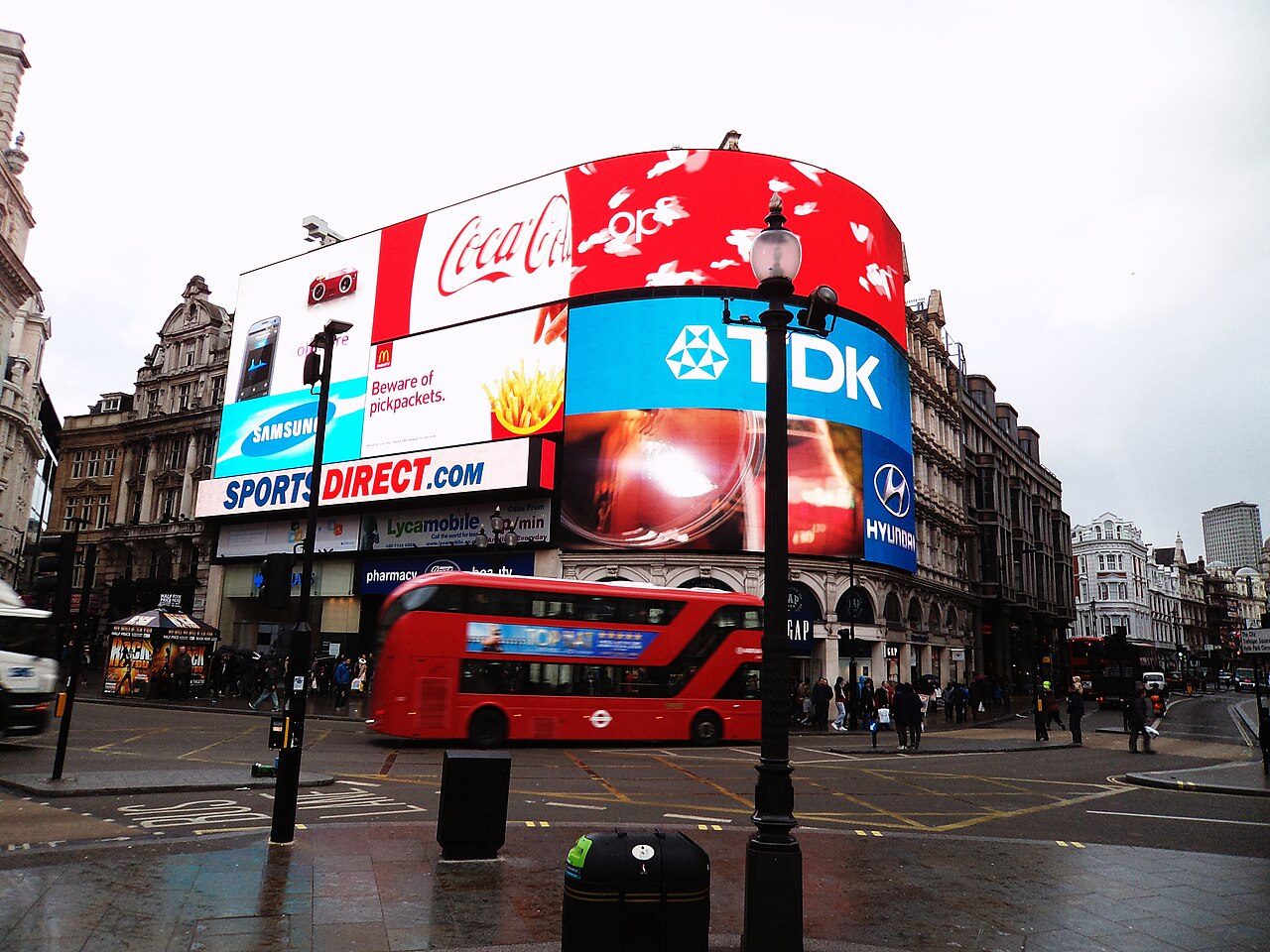
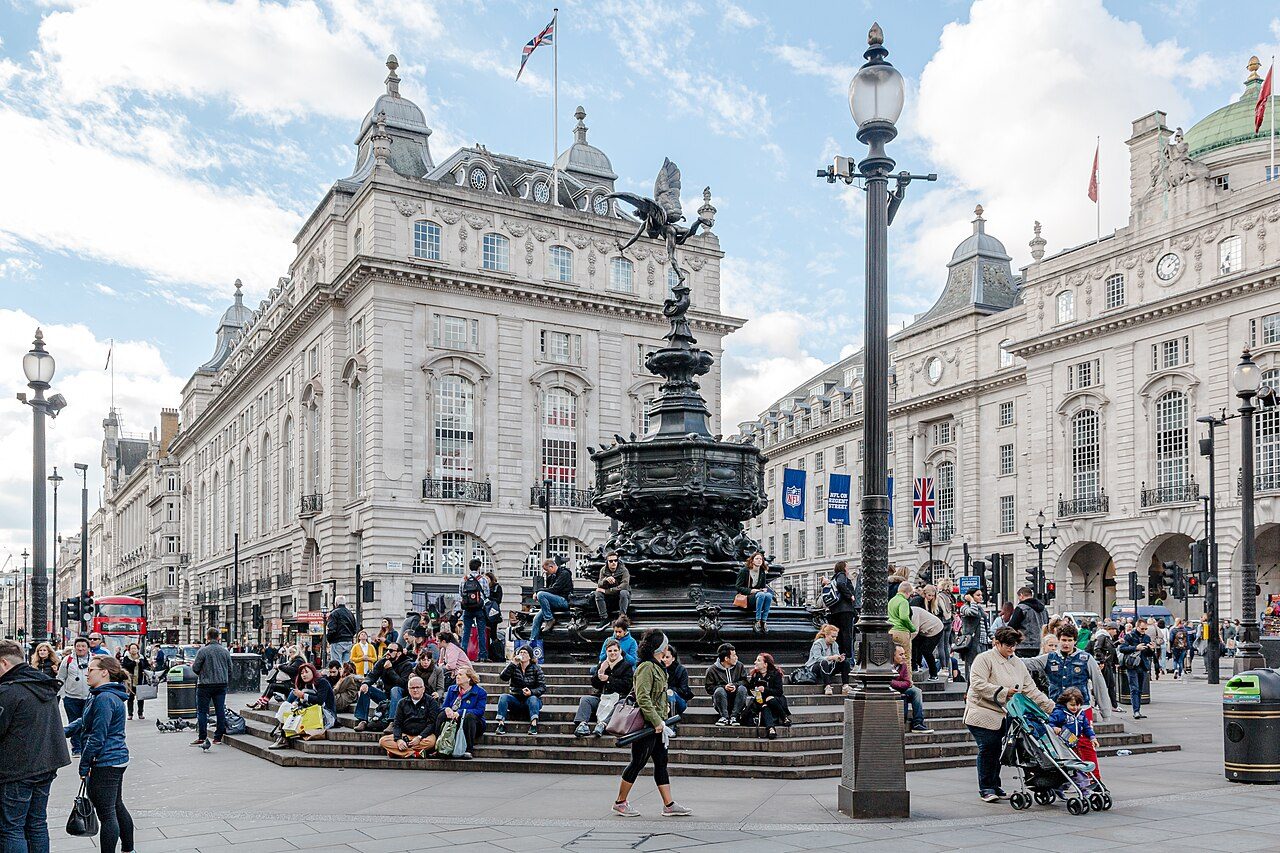
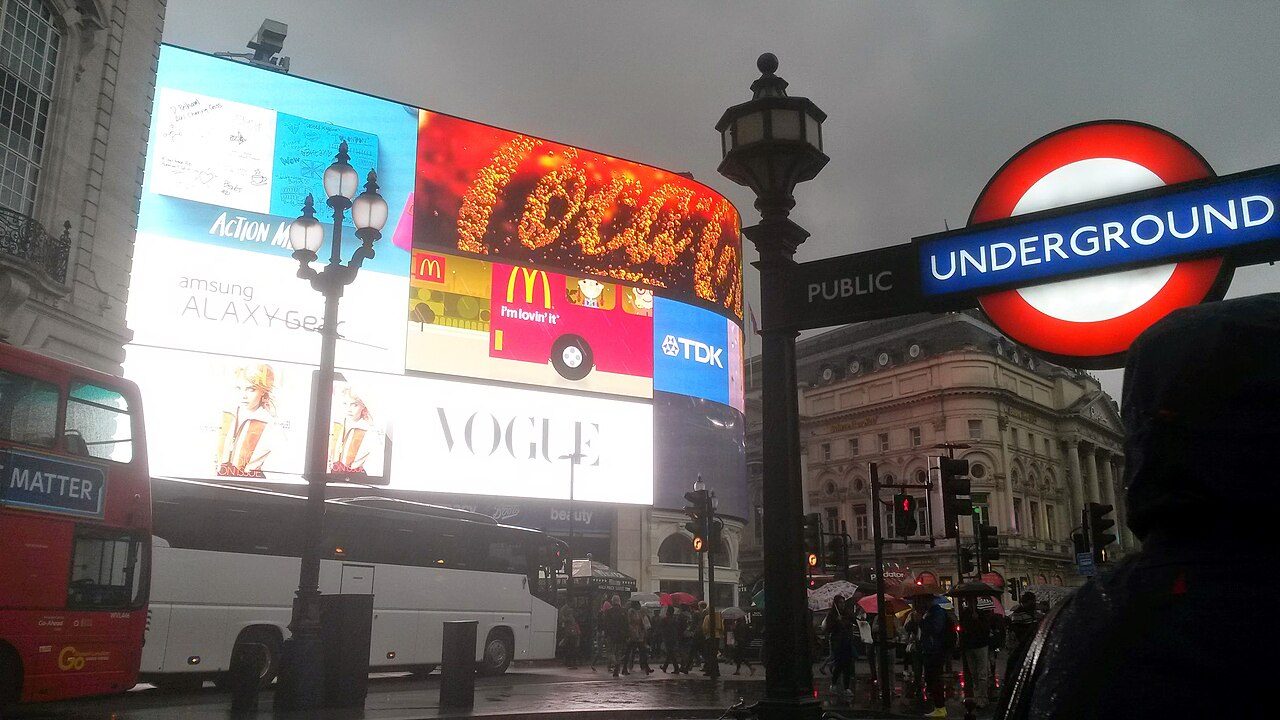
Piccadilly Circus is a busy road junction and public space in London's West End. It is famous for its huge illuminated advertising screens and the Shaftesbury Memorial Fountain with its statue, often called Eros. It connects to Regent Street, Shaftesbury Avenue and the theatres of the West End.
13
STOP 13 OF 16
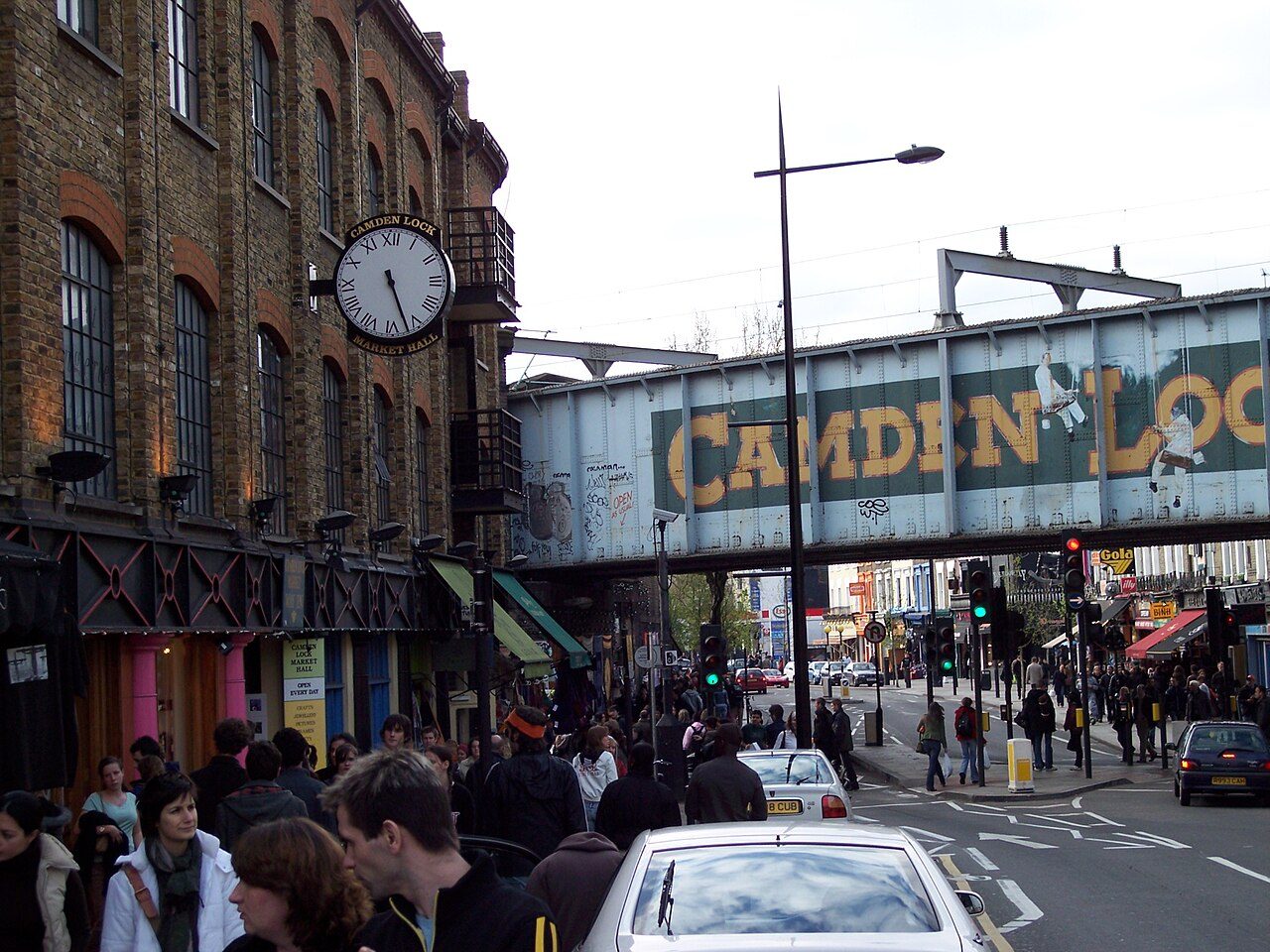
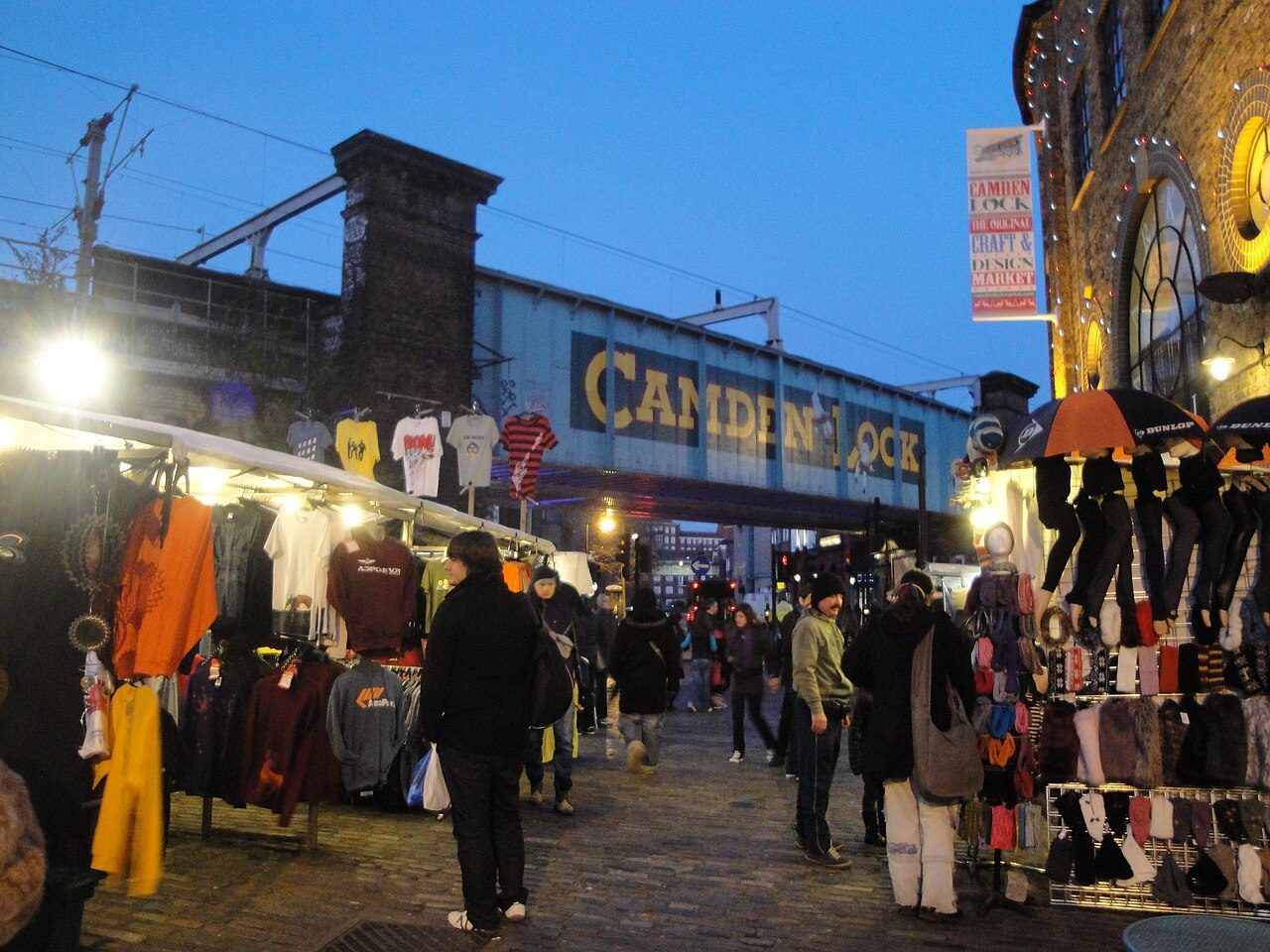
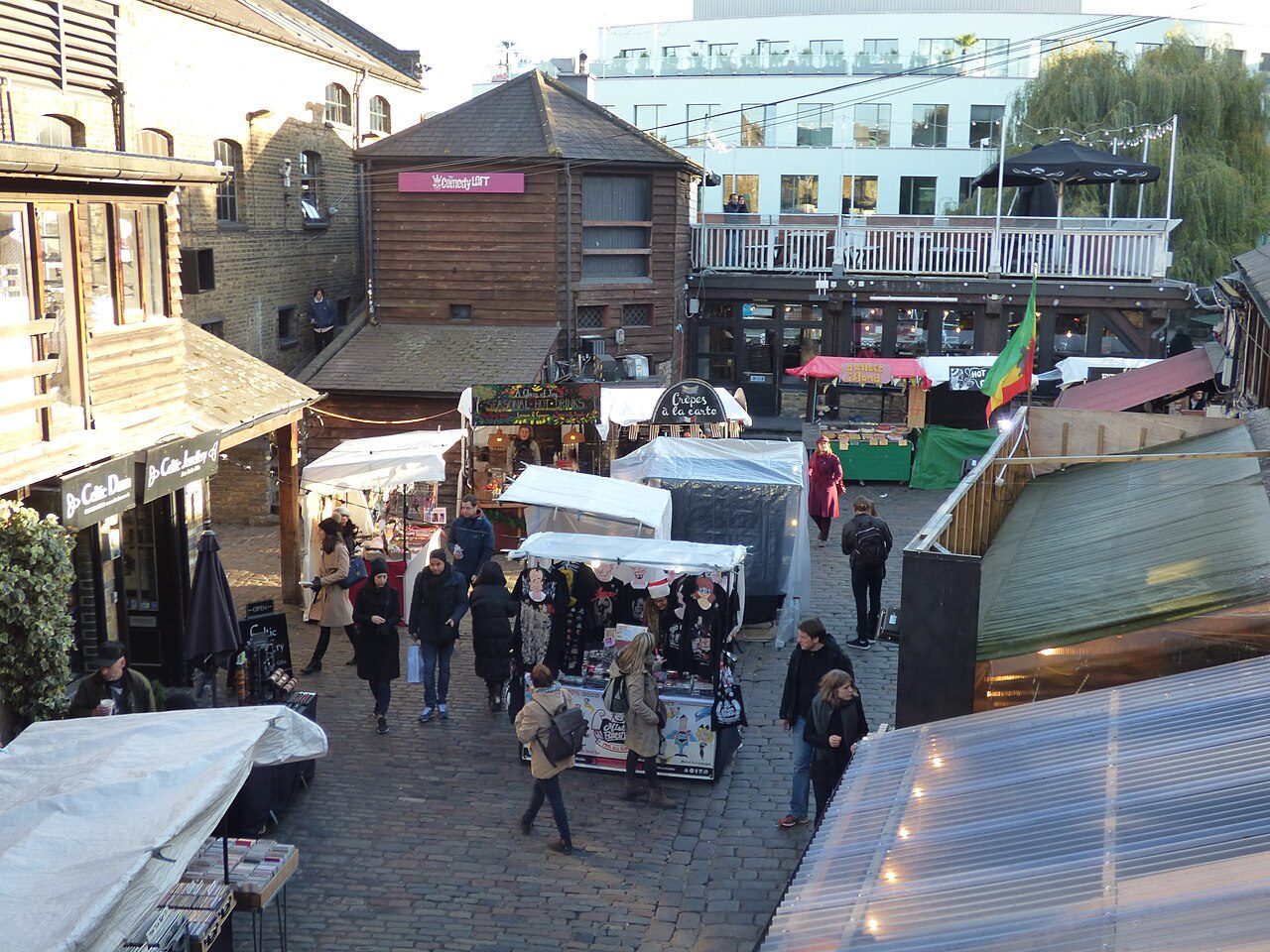
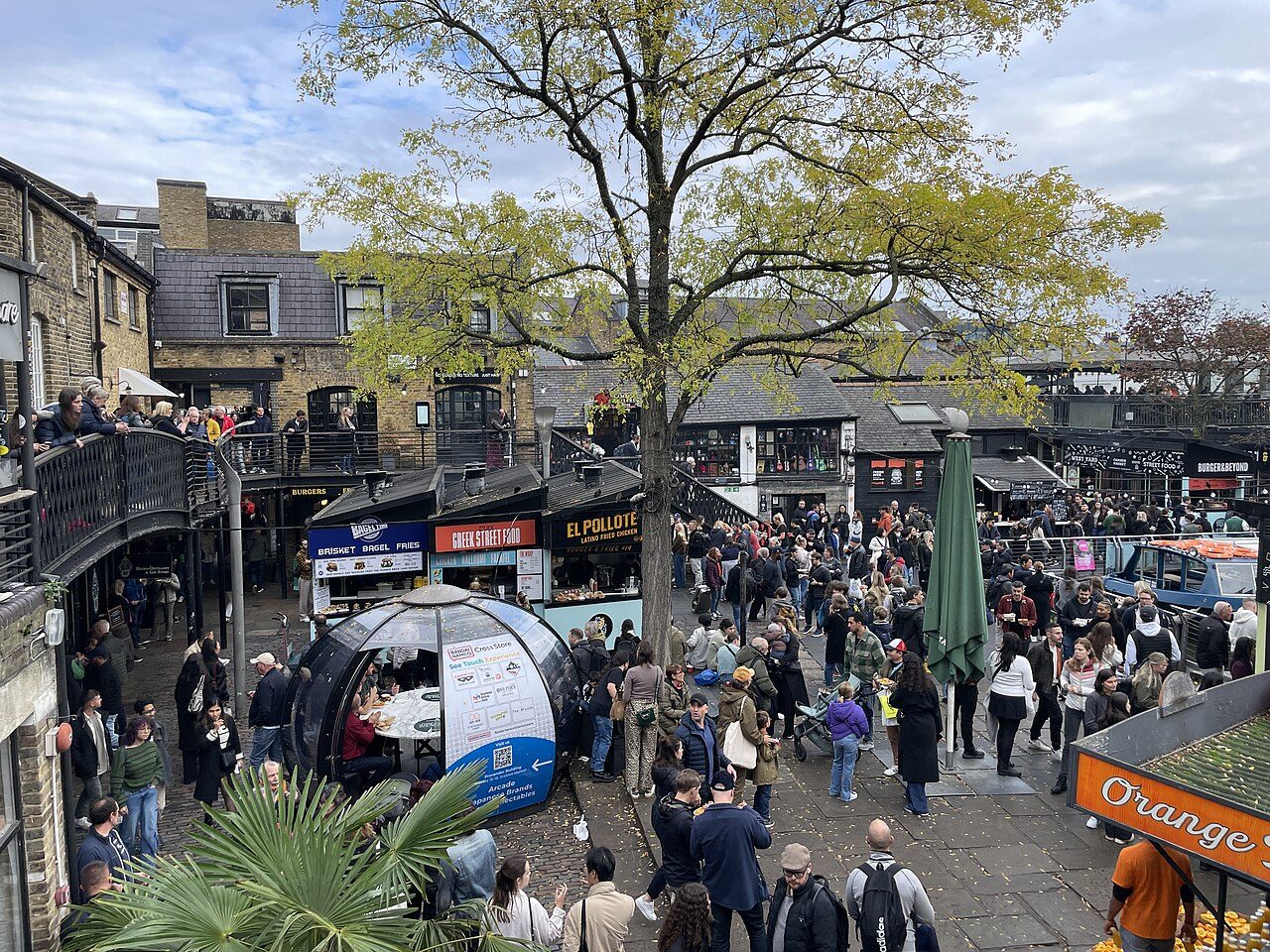
Camden Market
Camden Market is a group of markets beside Regent's Canal in north London. It began in 1974 with craft stalls and grew into one of the most popular markets in London. Its stalls and shops sell clothes, crafts, music and street food from around the world. The area is known for its alternative culture and live music.
14
STOP 14 OF 16
Natural History Museum
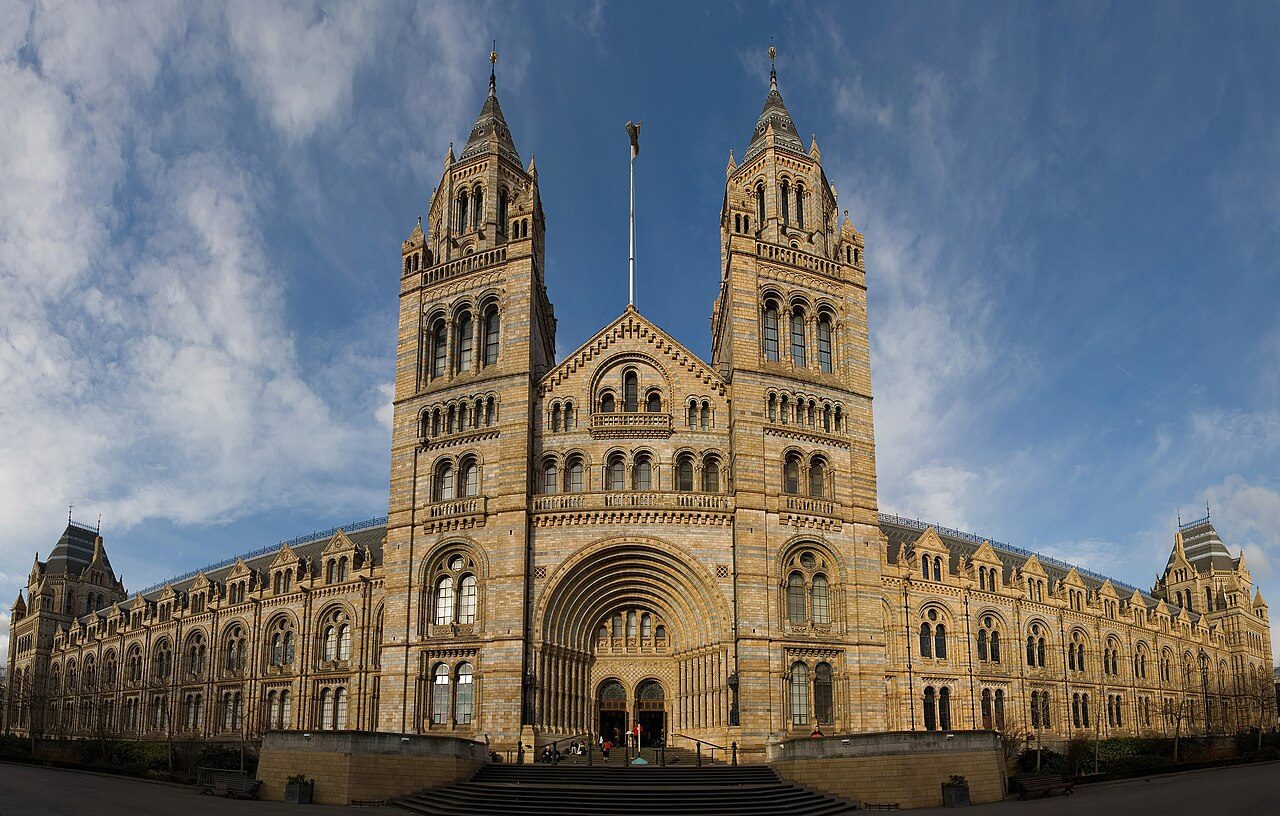
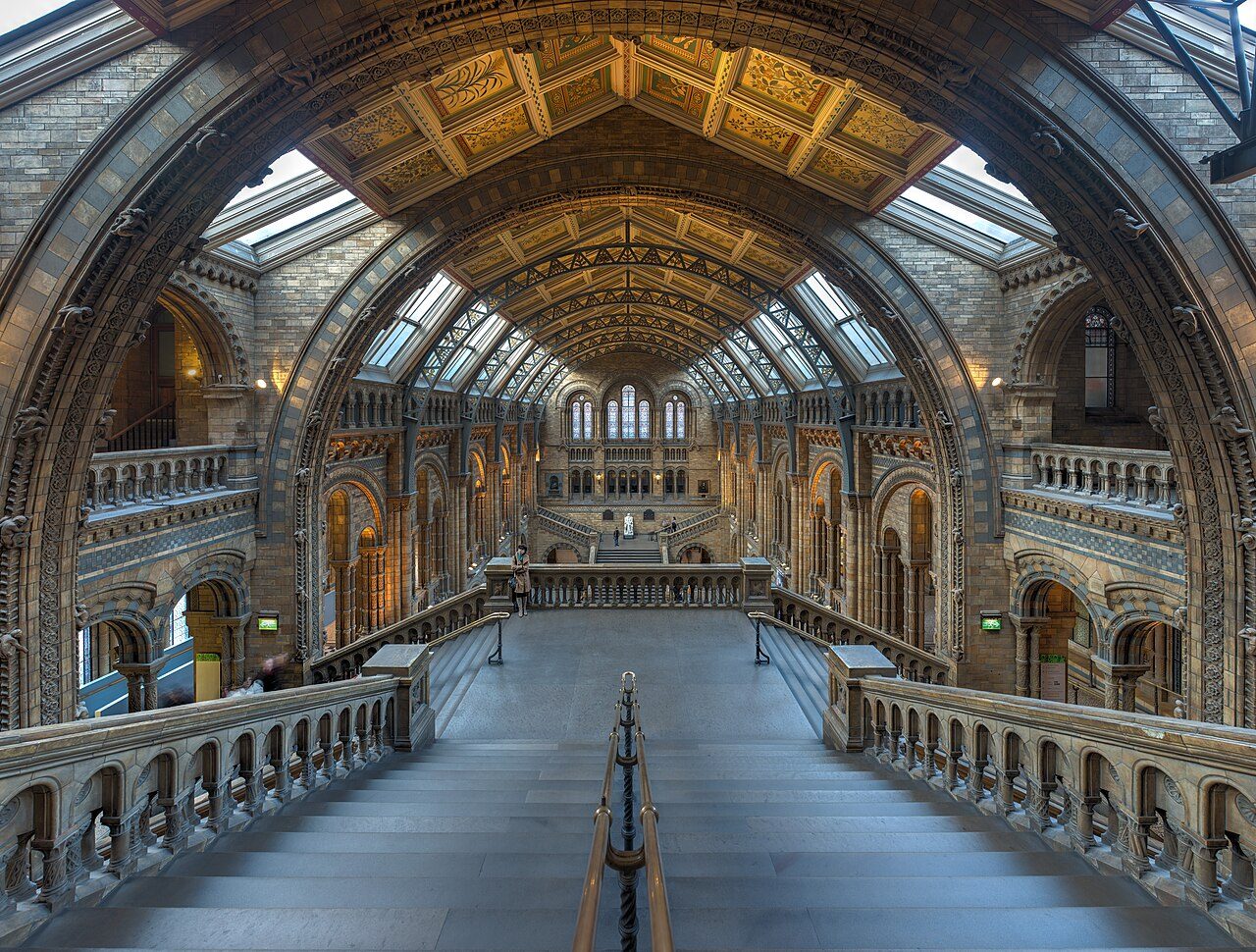
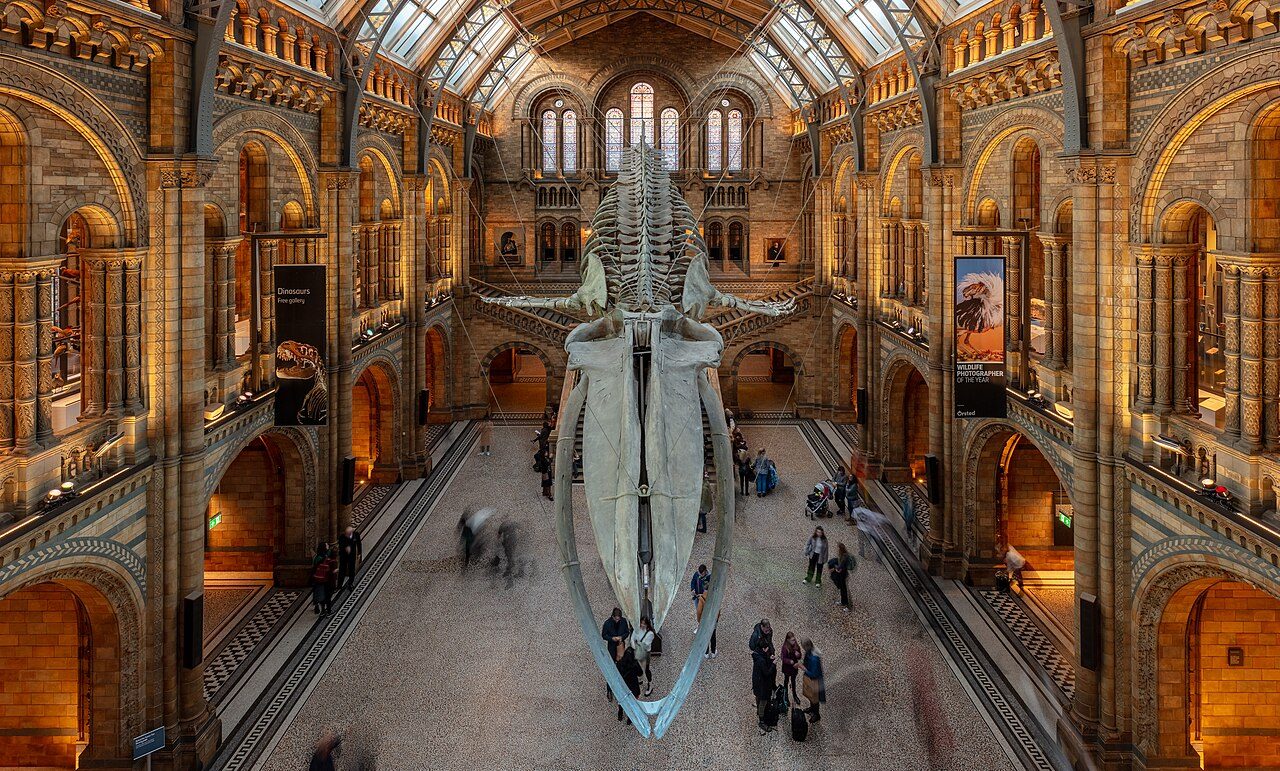
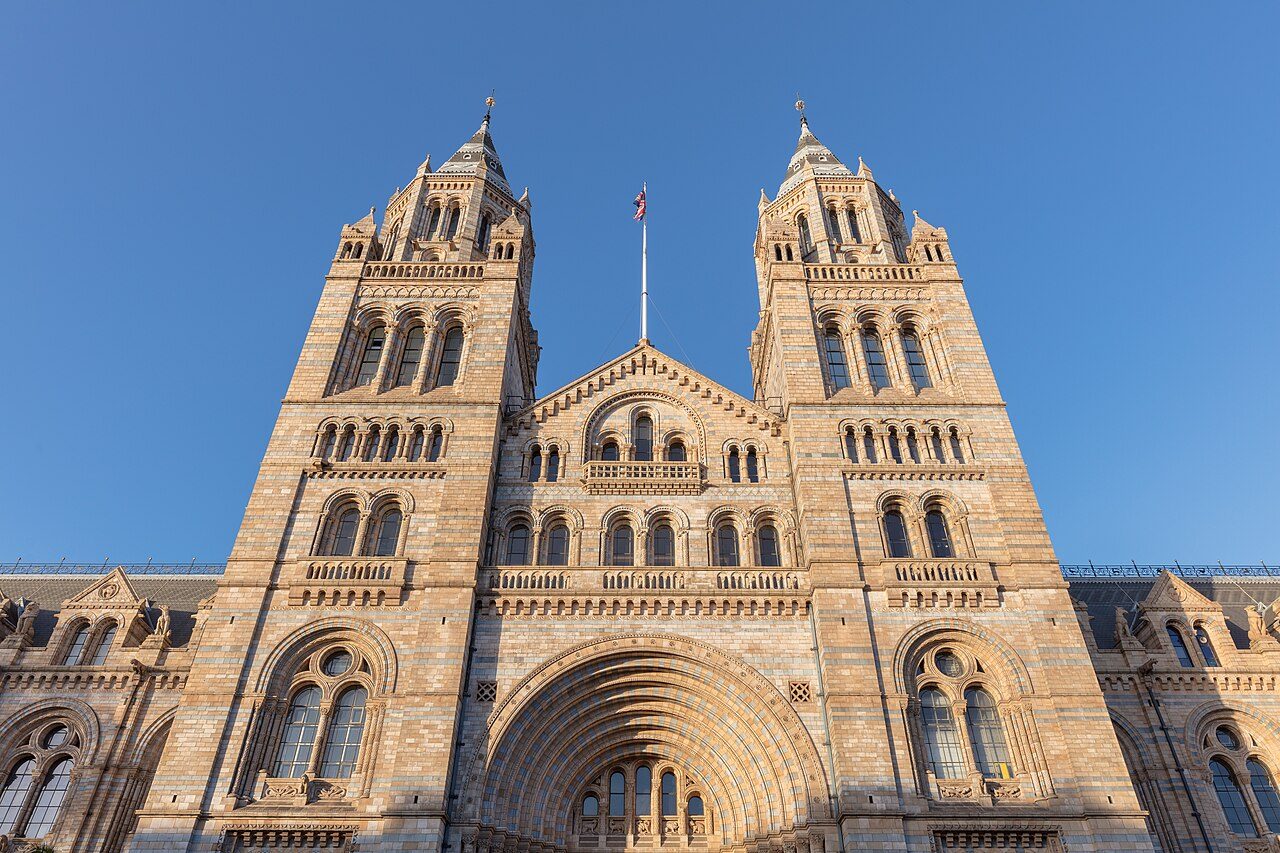
The Natural History Museum in London opened in 1881 in a grand Romanesque building by Alfred Waterhouse, decorated with carvings of animals and plants. It holds about 80 million specimens. Its huge central Hintze Hall has the skeleton of a blue whale hanging from the ceiling. Its dinosaur galleries are famous. Entry is free.
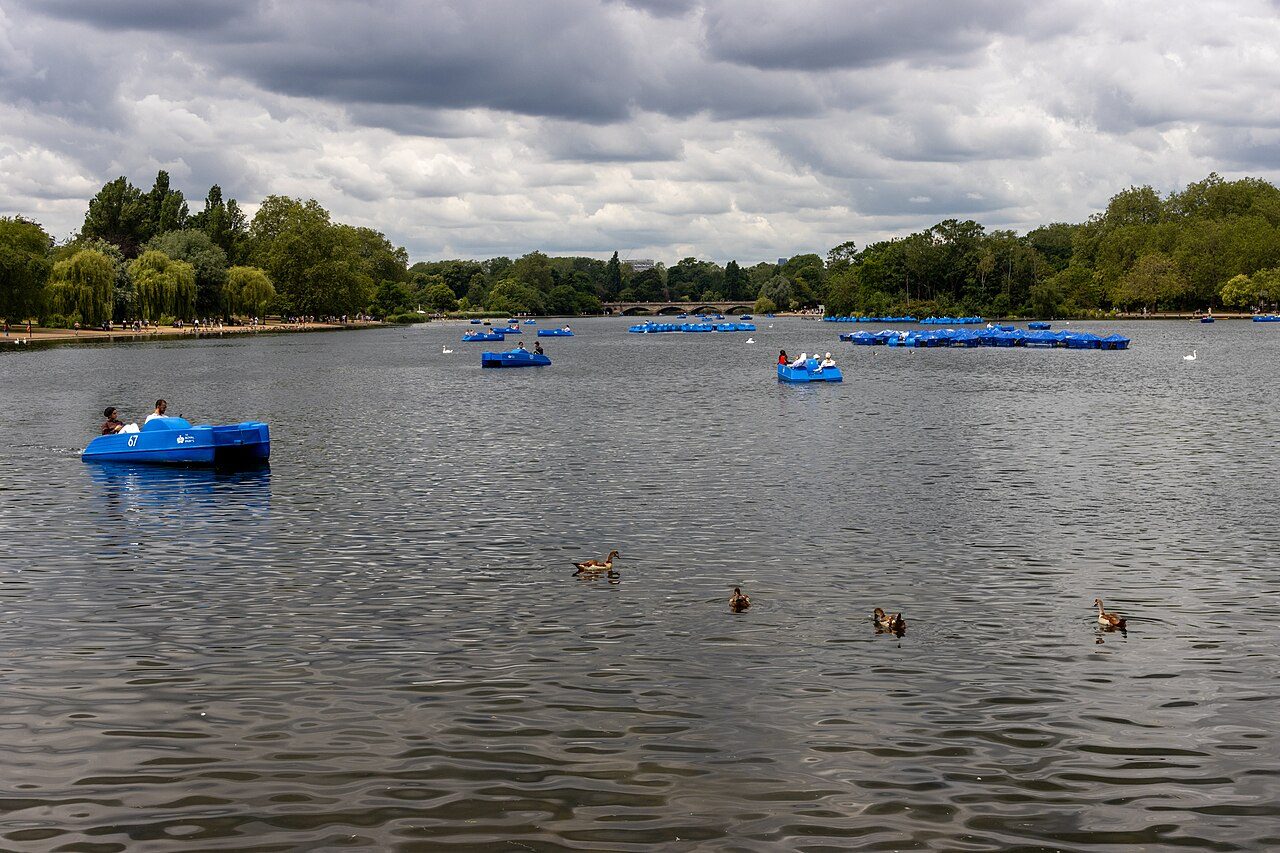
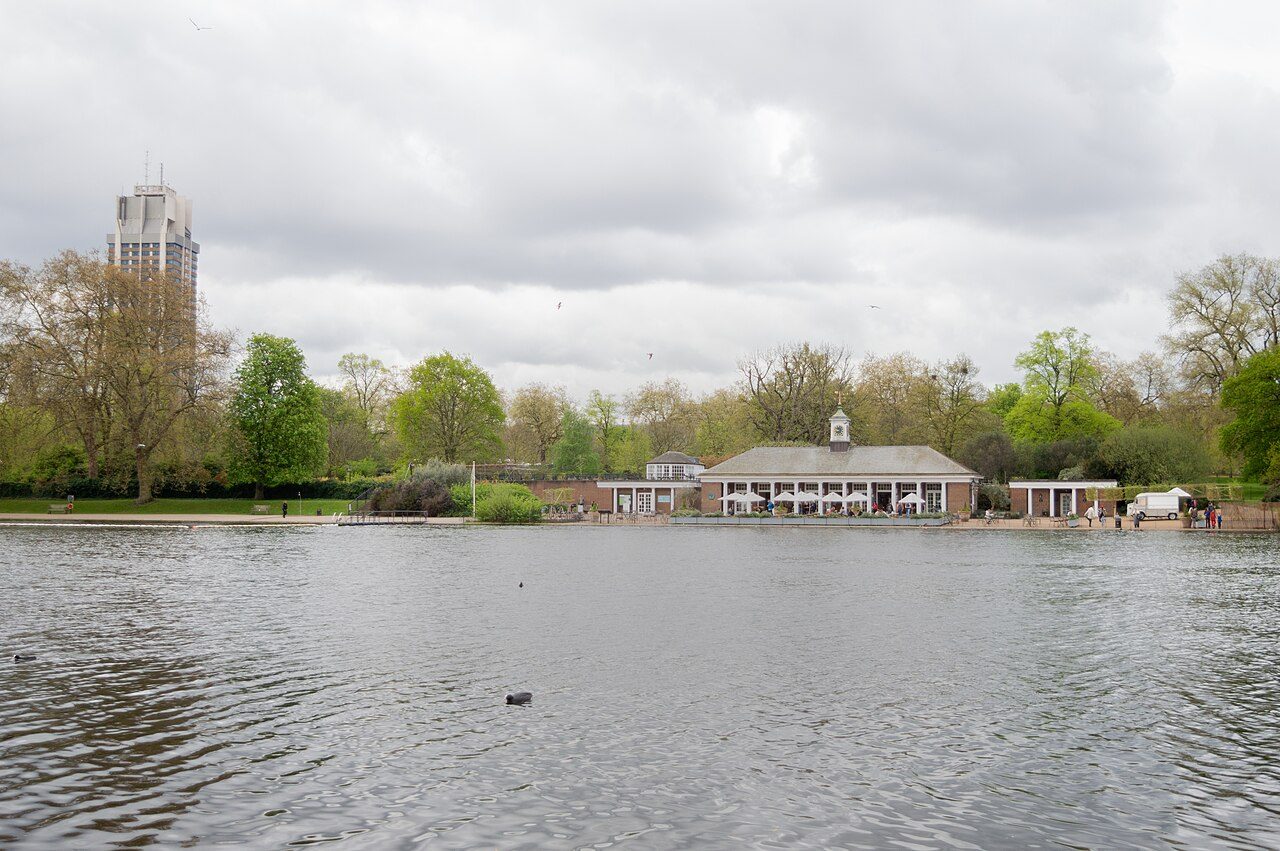
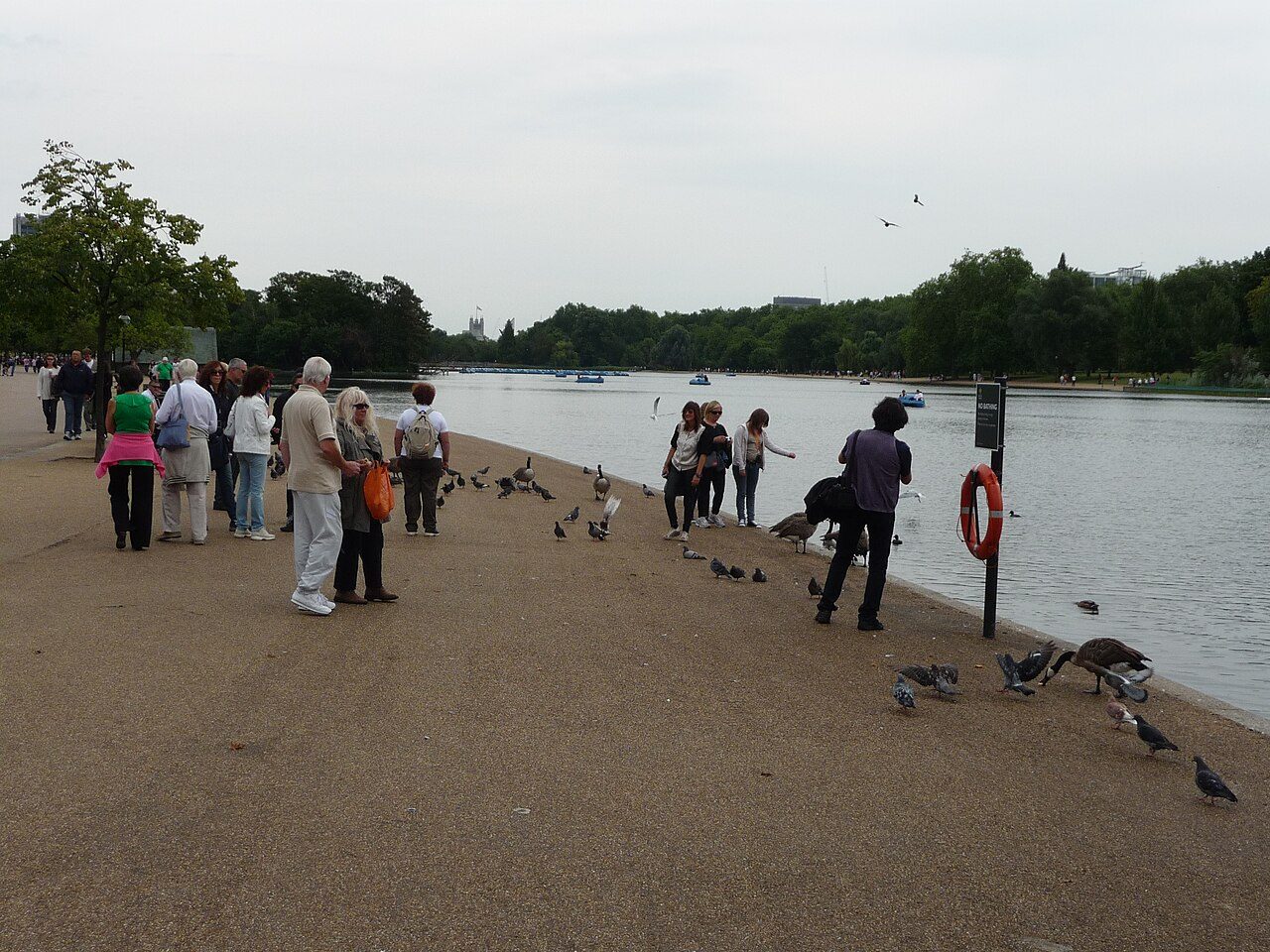
Hyde Park is one of the largest parks in central London, covering about 142 hectares. It was opened to the public in 1637. The Serpentine lake runs through it, with rowing boats and swimming. Speakers' Corner is a famous place for public debate. The Diana Memorial Fountain and Kensington Gardens are nearby.
16
STOP 16 OF 16 · LAST STOP
Kew Gardens
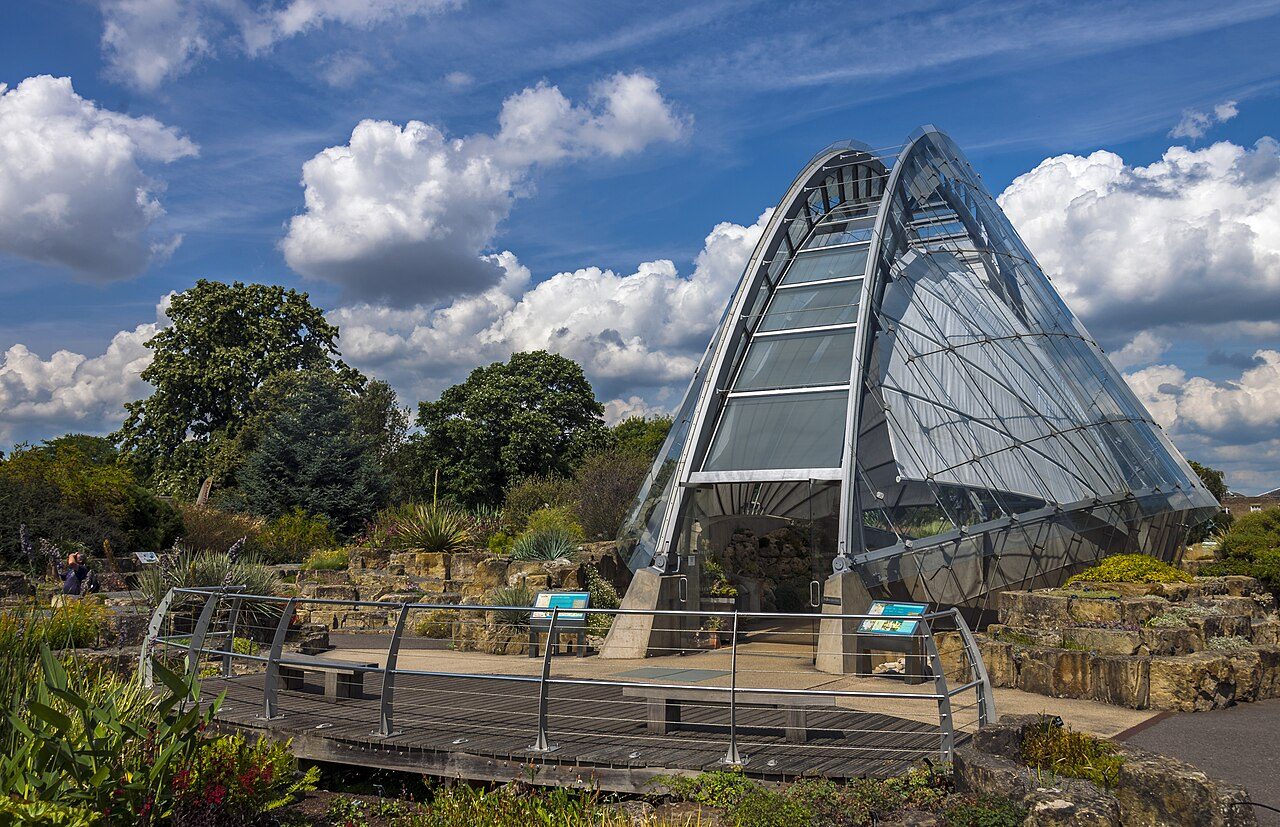
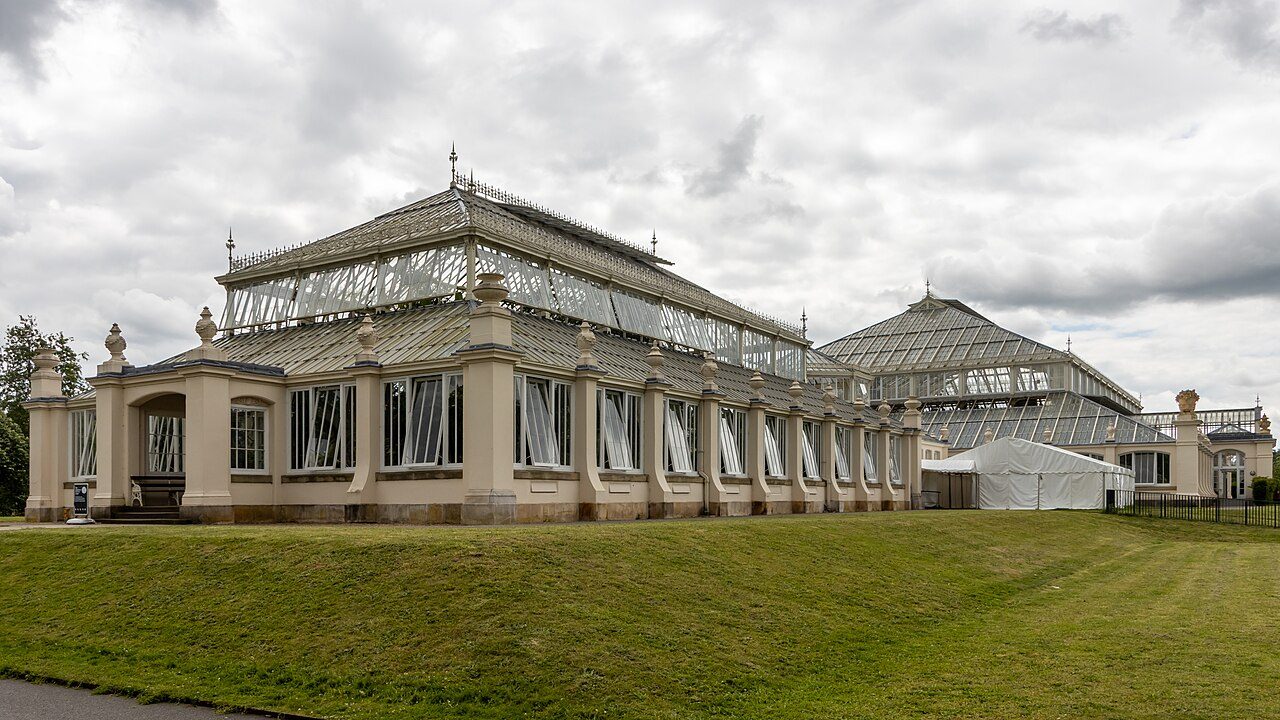
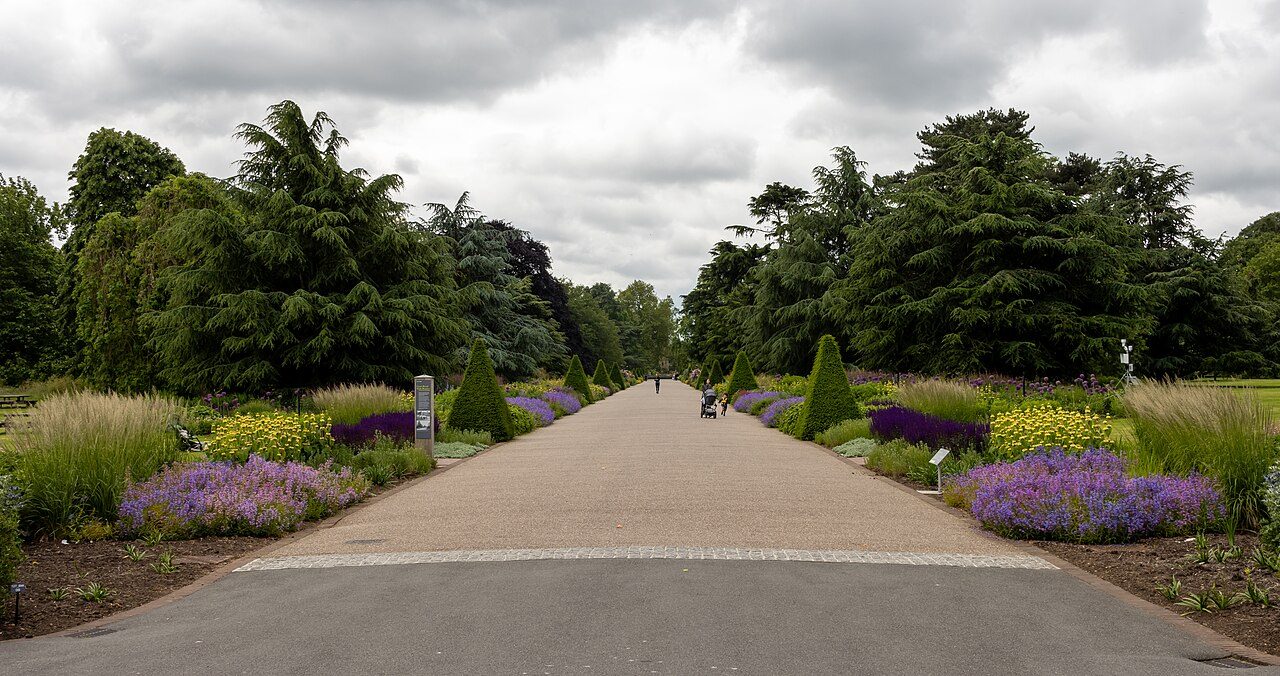
Kew Gardens in southwest London is one of the most important botanical gardens in the world, founded in 1759. It holds the largest collection of living plants anywhere. The Victorian Palm House and Temperate House are huge glasshouses. A treetop walkway and a Chinese pagoda are among its sights. It is a UNESCO World Heritage Site.
Seasons from 20 years of NASA POWER climate data.
 WaTrips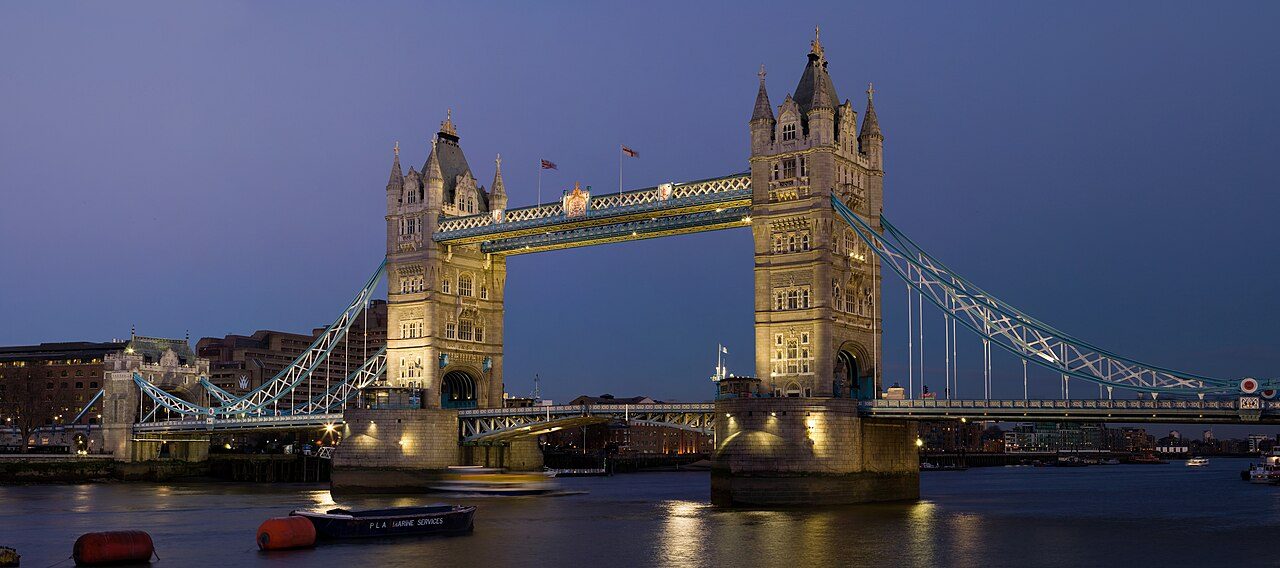









 BikesBooking
 Localrent
 Airalo
 Tiqets