Patna in 2 Days: Golghar, the Bihar Museum and Patna Sahib
2 DAYS10 placesby WaTrips
Golghar, the Bihar Museum, Patna Museum and the Khuda Bakhsh Library, then Patna Sahib, Kumhrar, Agam Kuan, Padri Ki Haveli and Maner Sharif.
Patna, ancient Pataliputra, has layers of history. Day one visits the Golghar granary and its view over the Ganga, the modern Bihar Museum, Patna Museum, Gandhi Maidan and the rare manuscripts of the Khuda Bakhsh Library. Day two goes to Takht Sri Patna Sahib, birthplace of Guru Gobind Singh, the Mauryan ruins at Kumhrar, the ancient well of Agam Kuan, Padri Ki Haveli church and the Sufi shrine at Maner Sharif. October to March is best.
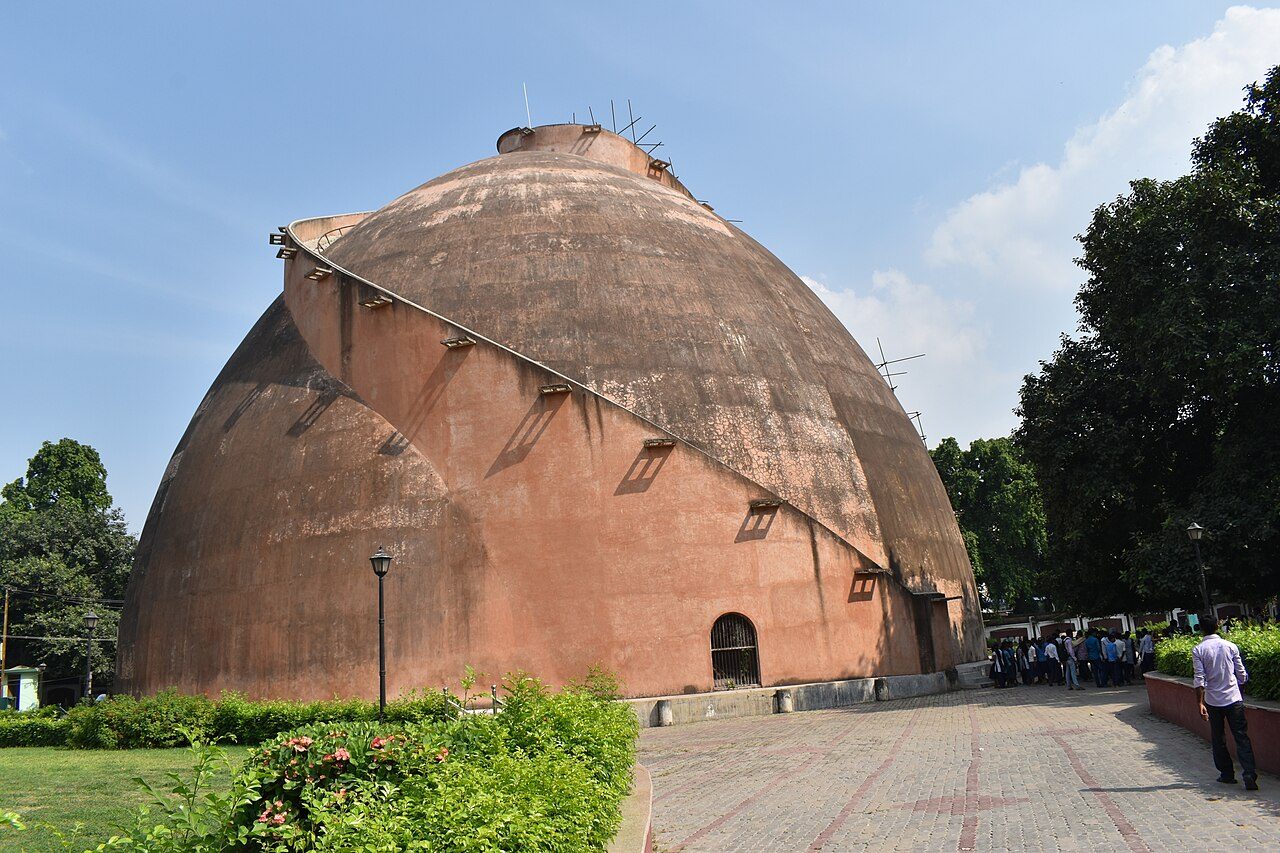
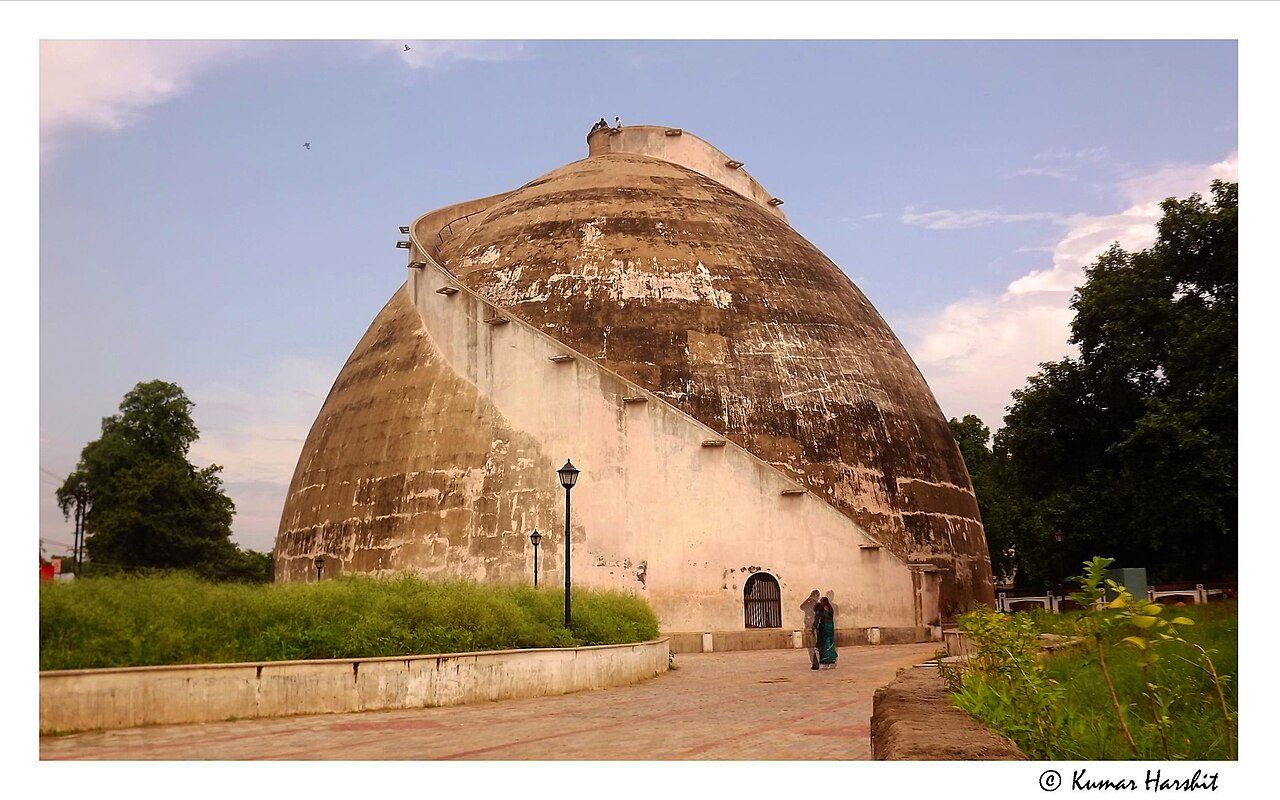
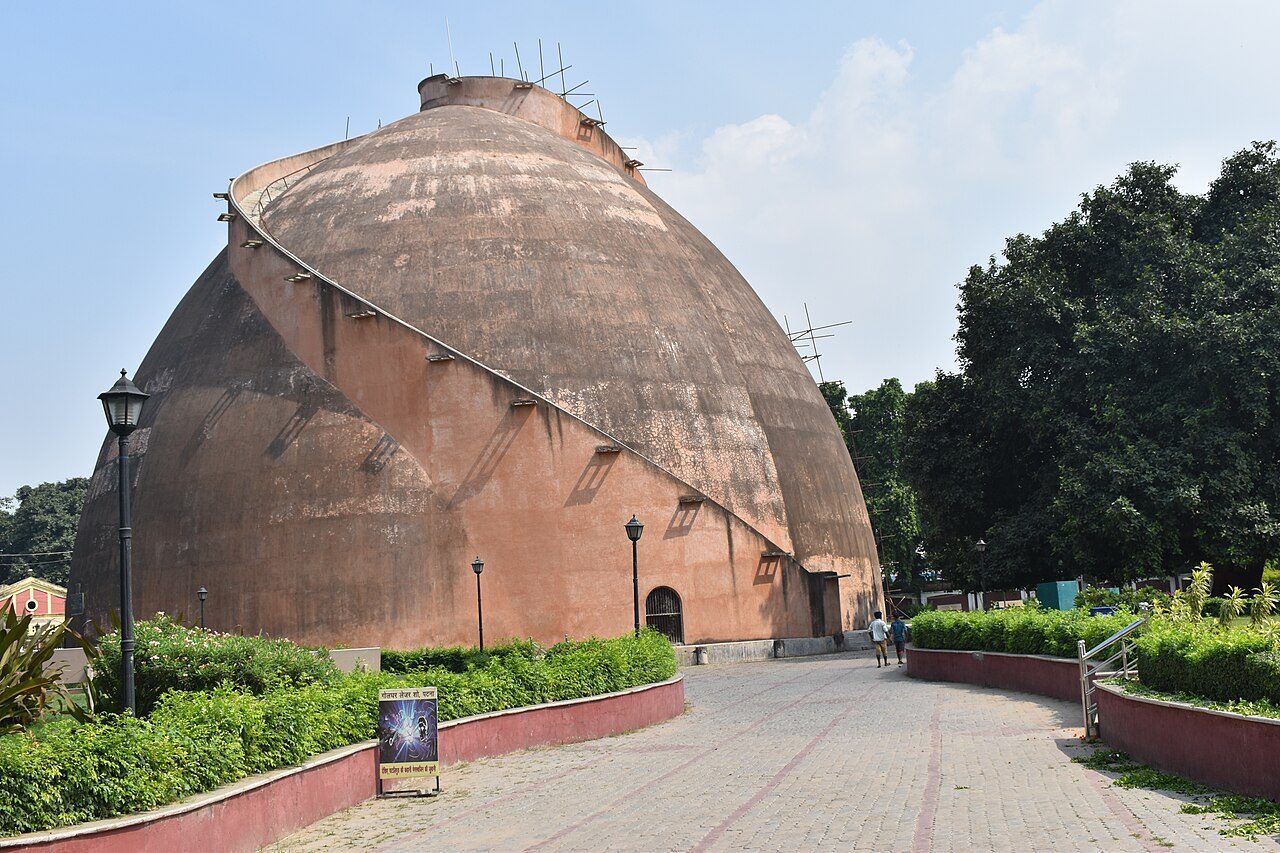
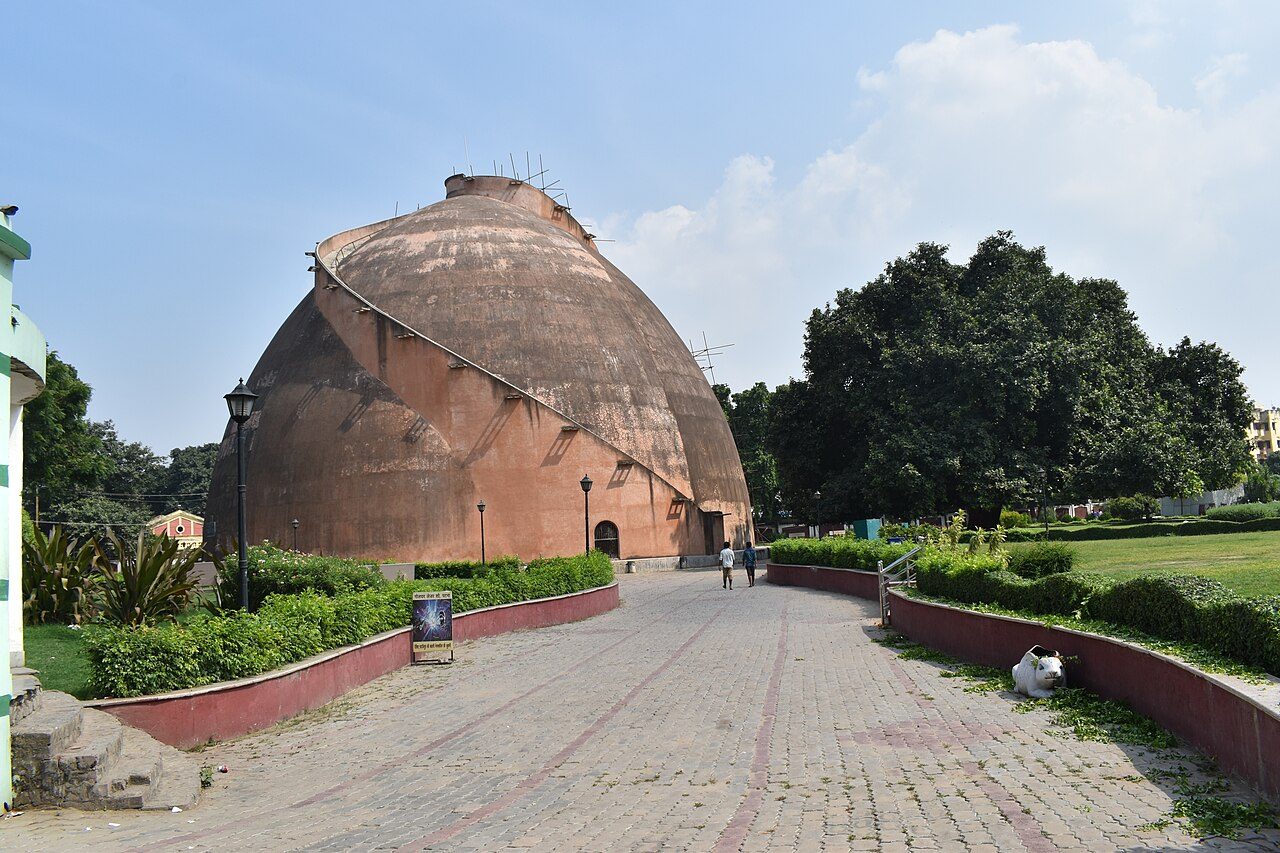
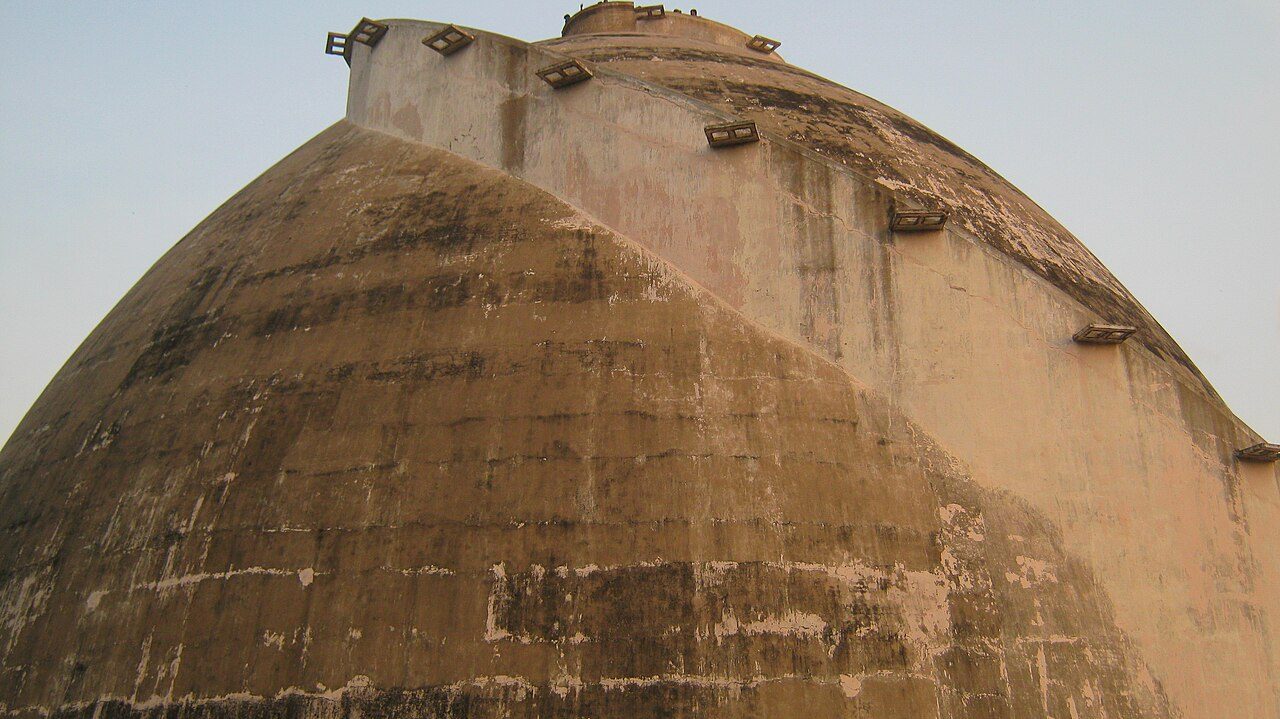
Golghar is a huge beehive-shaped granary in Patna, built in 1786 by Captain John Garstin after a devastating famine. About 29 metres high with walls over three metres thick at the base, it was never filled to capacity. Two spiral stairways wind up the outside to the top, which gives a view over the city and the Ganga.
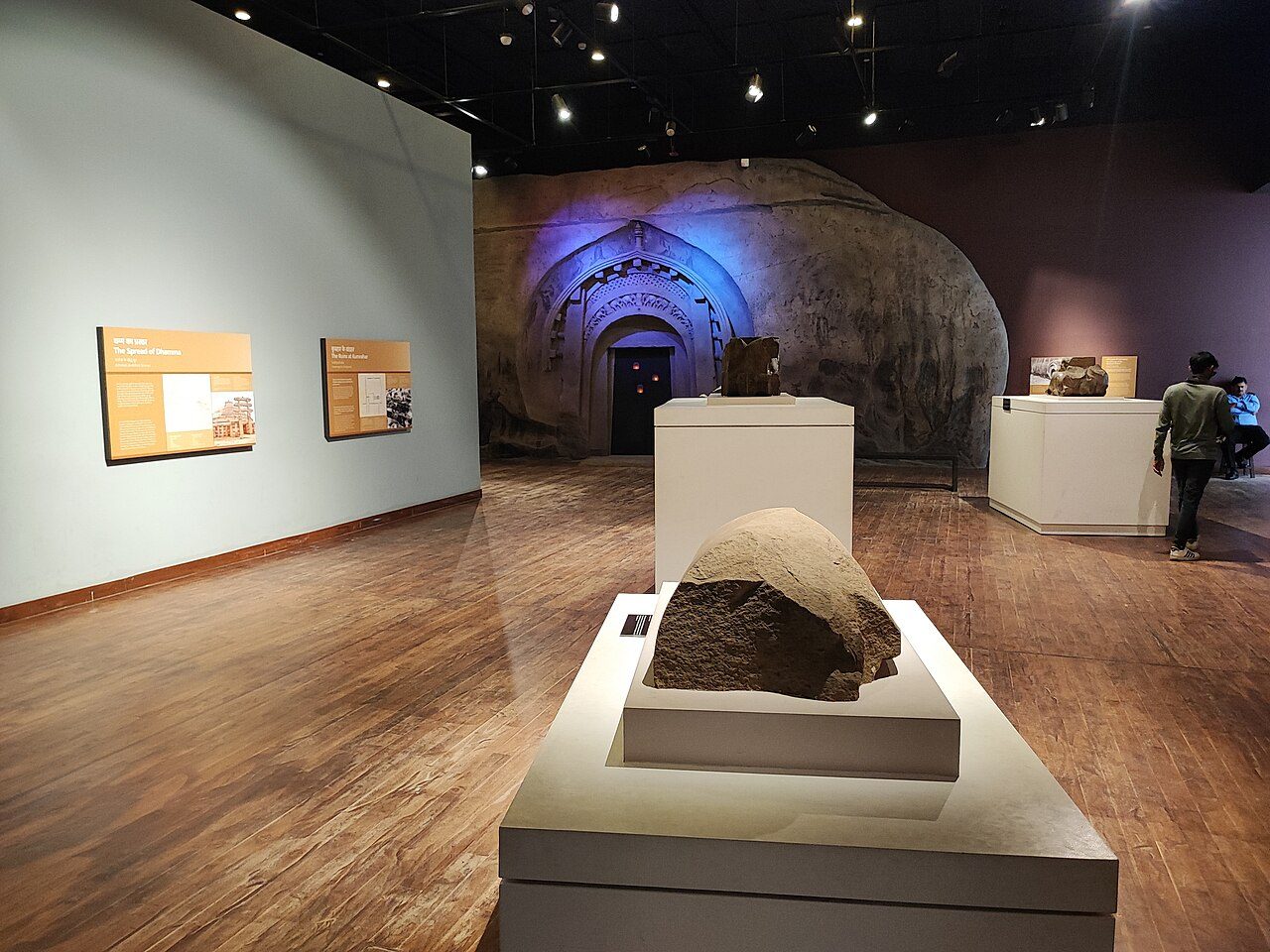
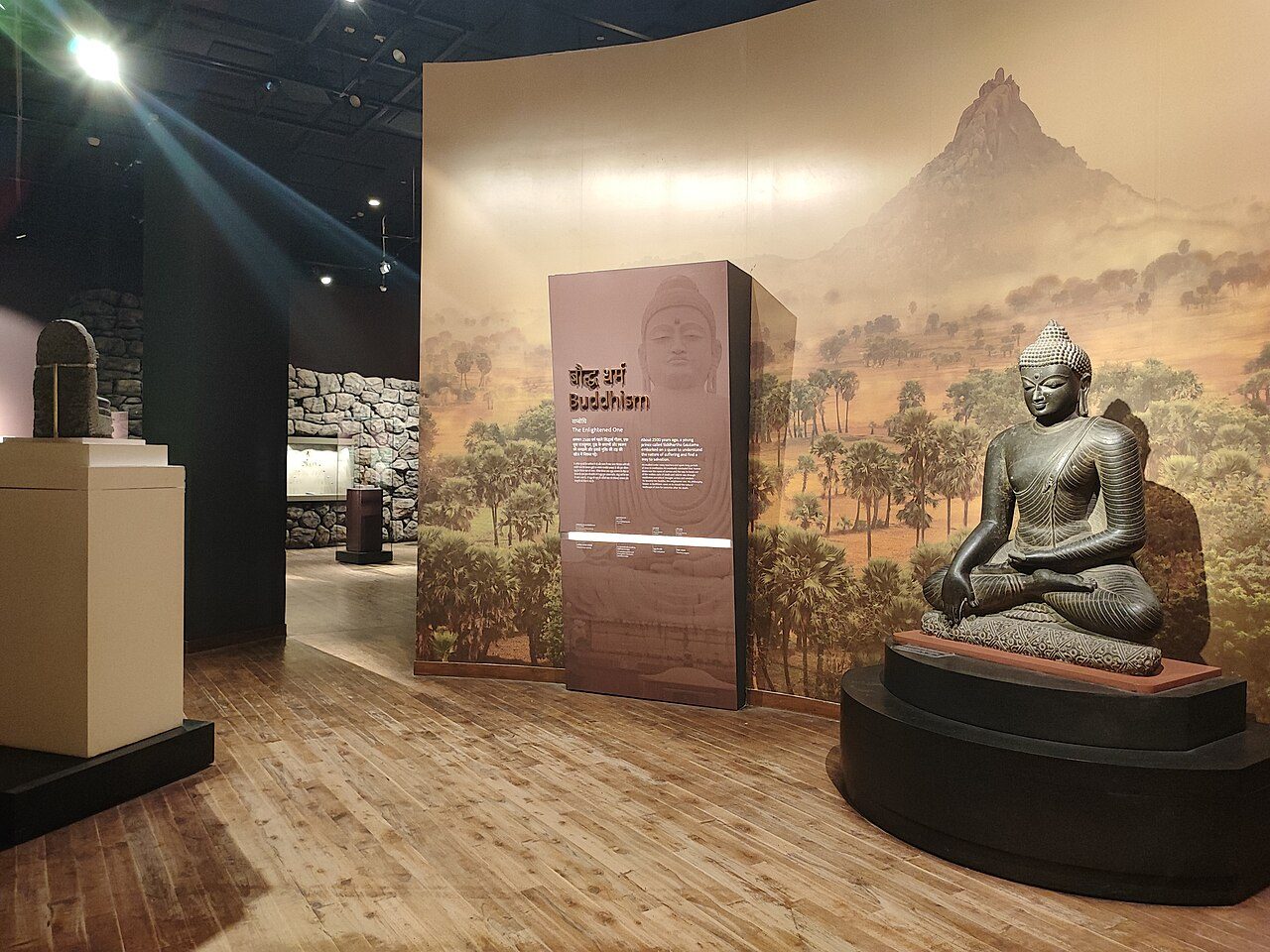
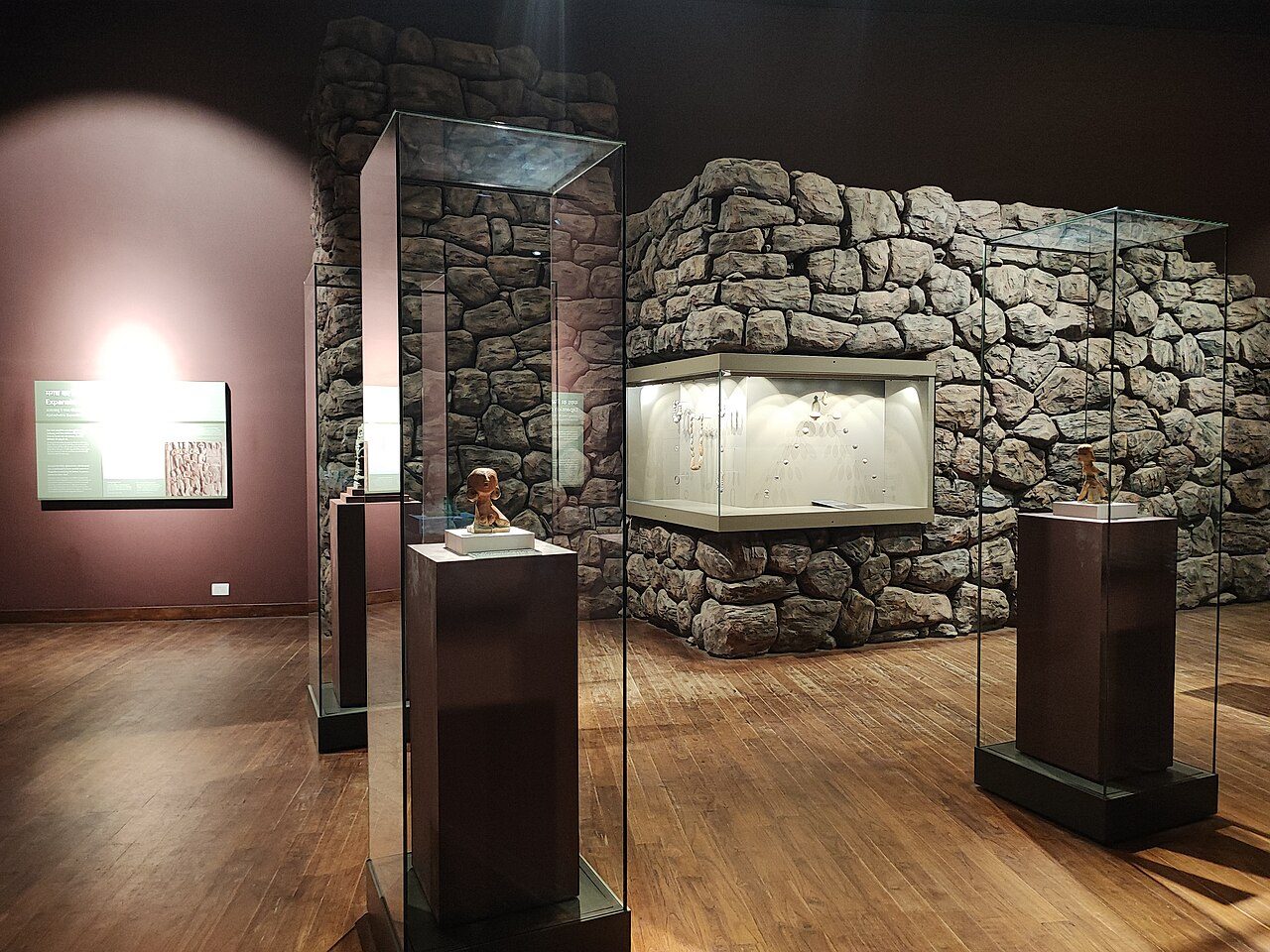
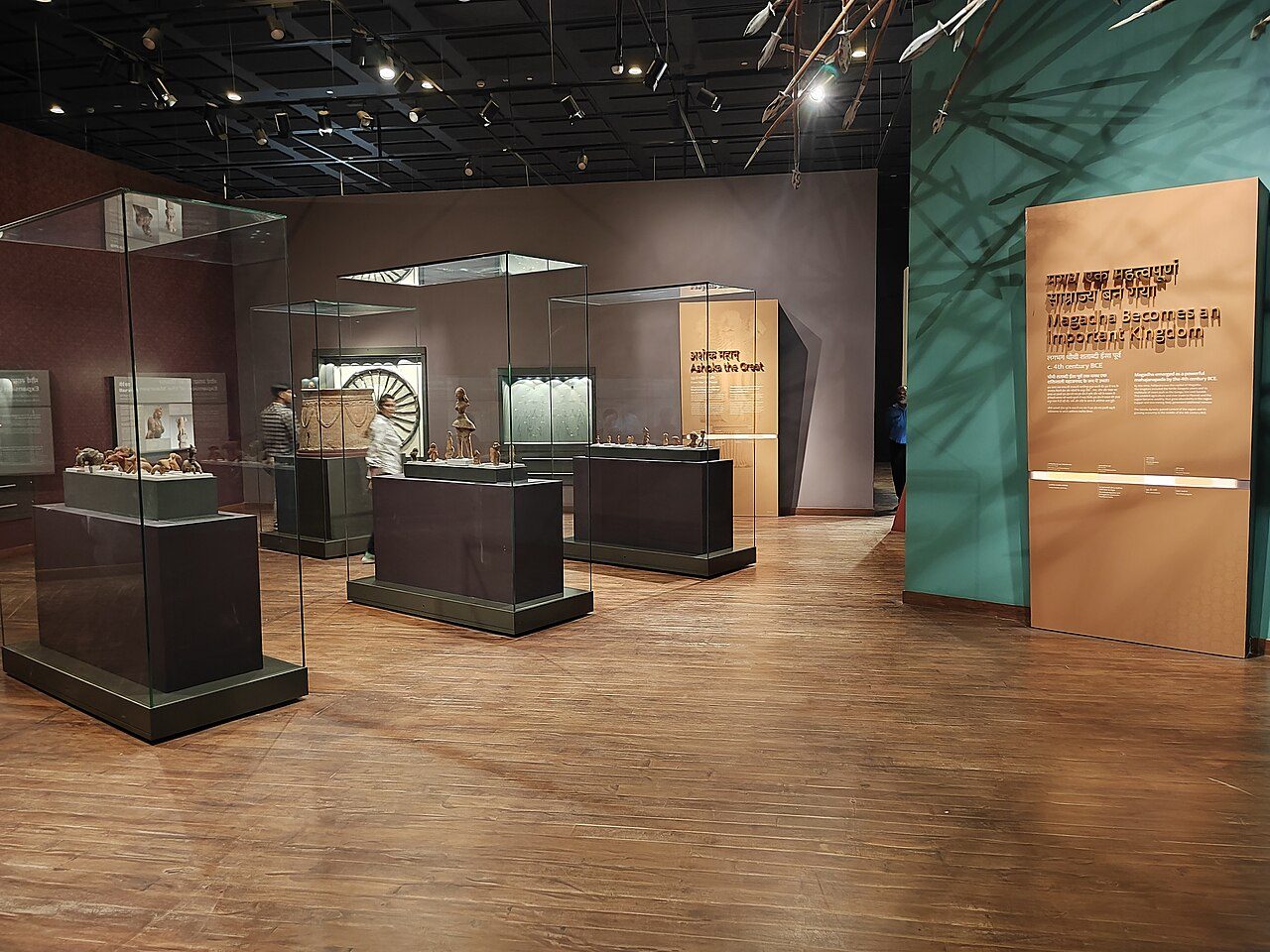
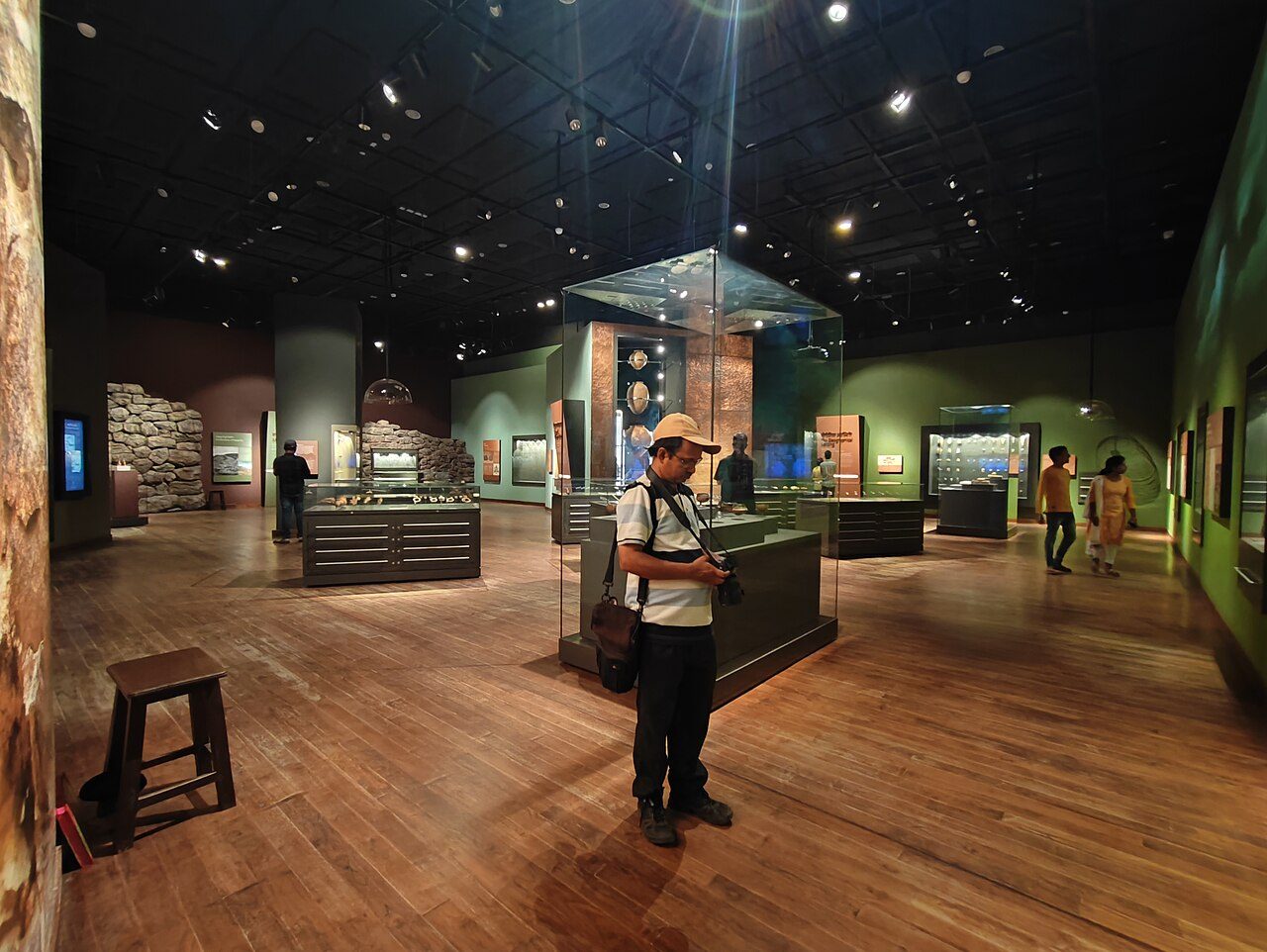
Bihar Museum, opened in Patna in 2015 and designed by the Japanese firm Maki and Associates, is one of the most modern museums in India. Its galleries trace the history of the region from prehistory through the Mauryan and Gupta empires. The highlight is the Didarganj Yakshi, a polished sandstone figure of the Mauryan period. There is also a children's museum. Closed on Mondays.
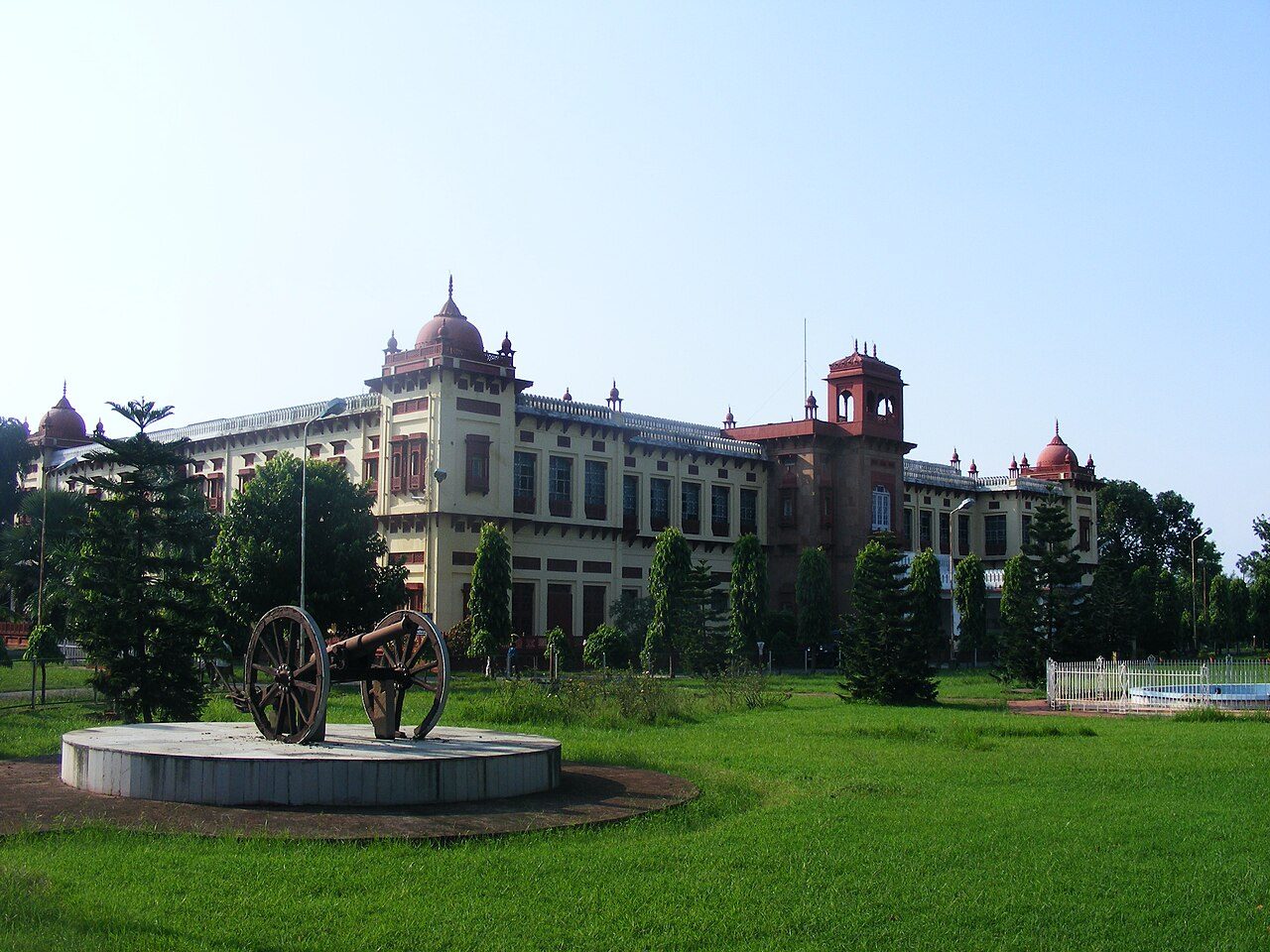
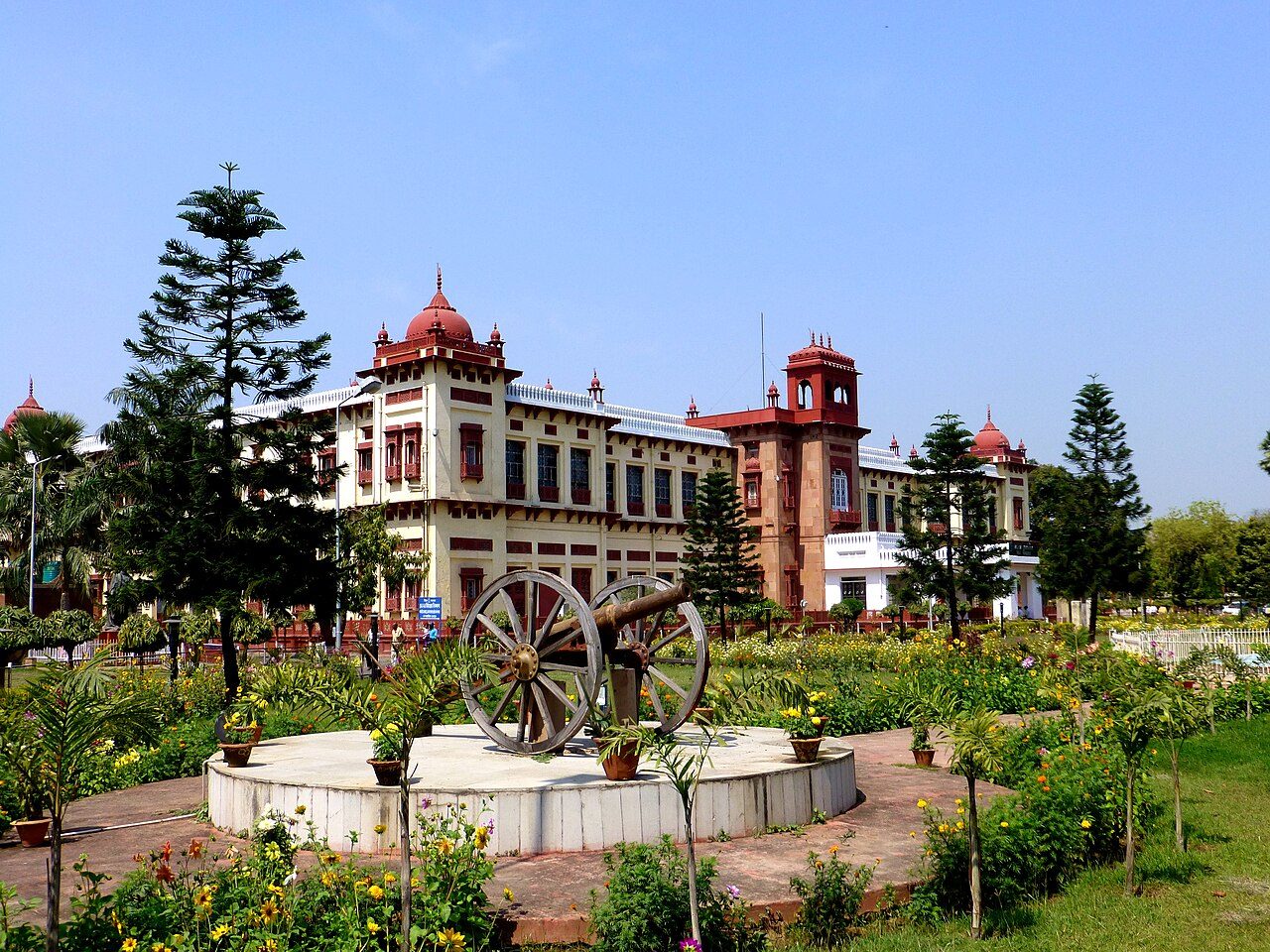
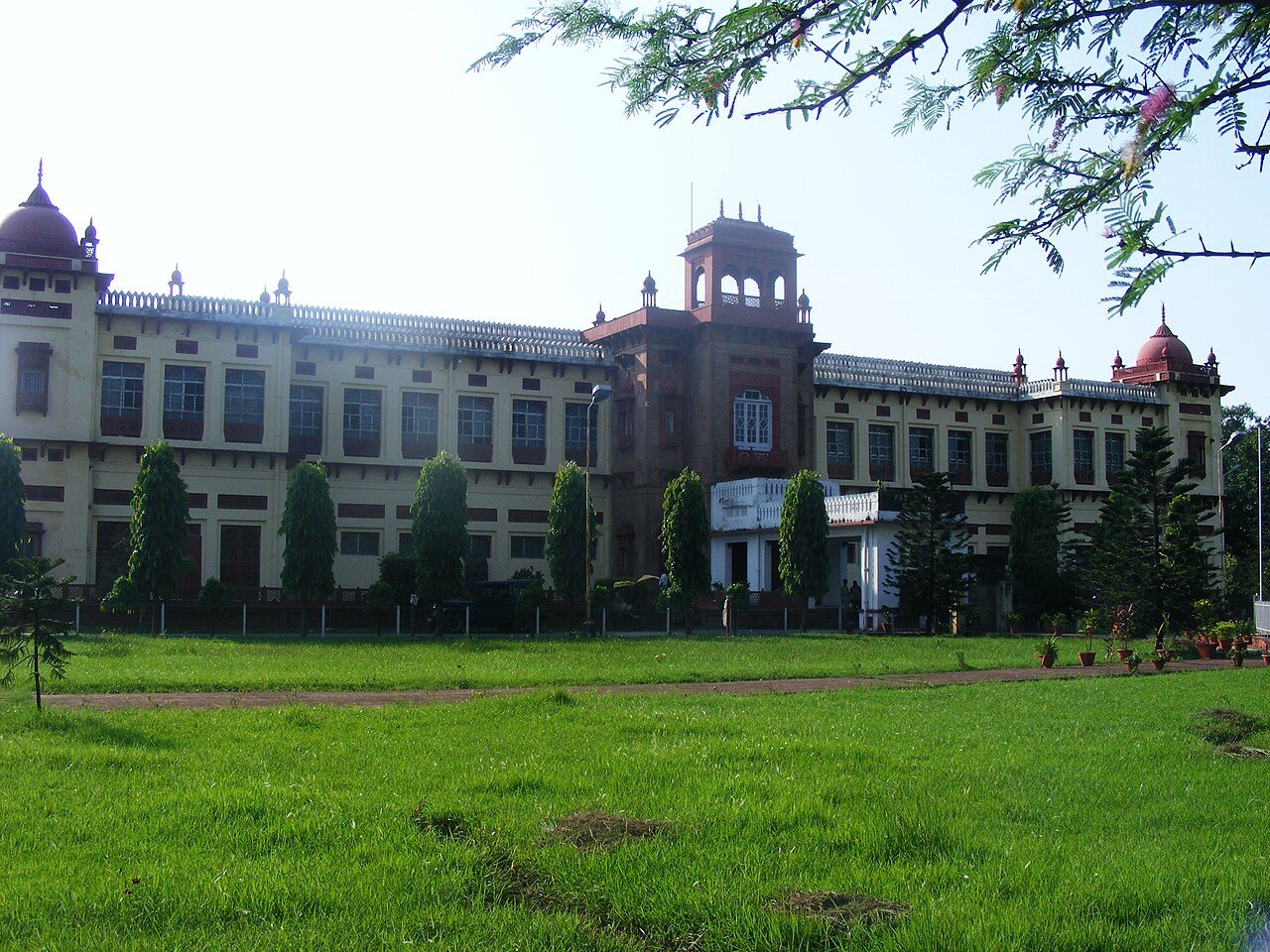
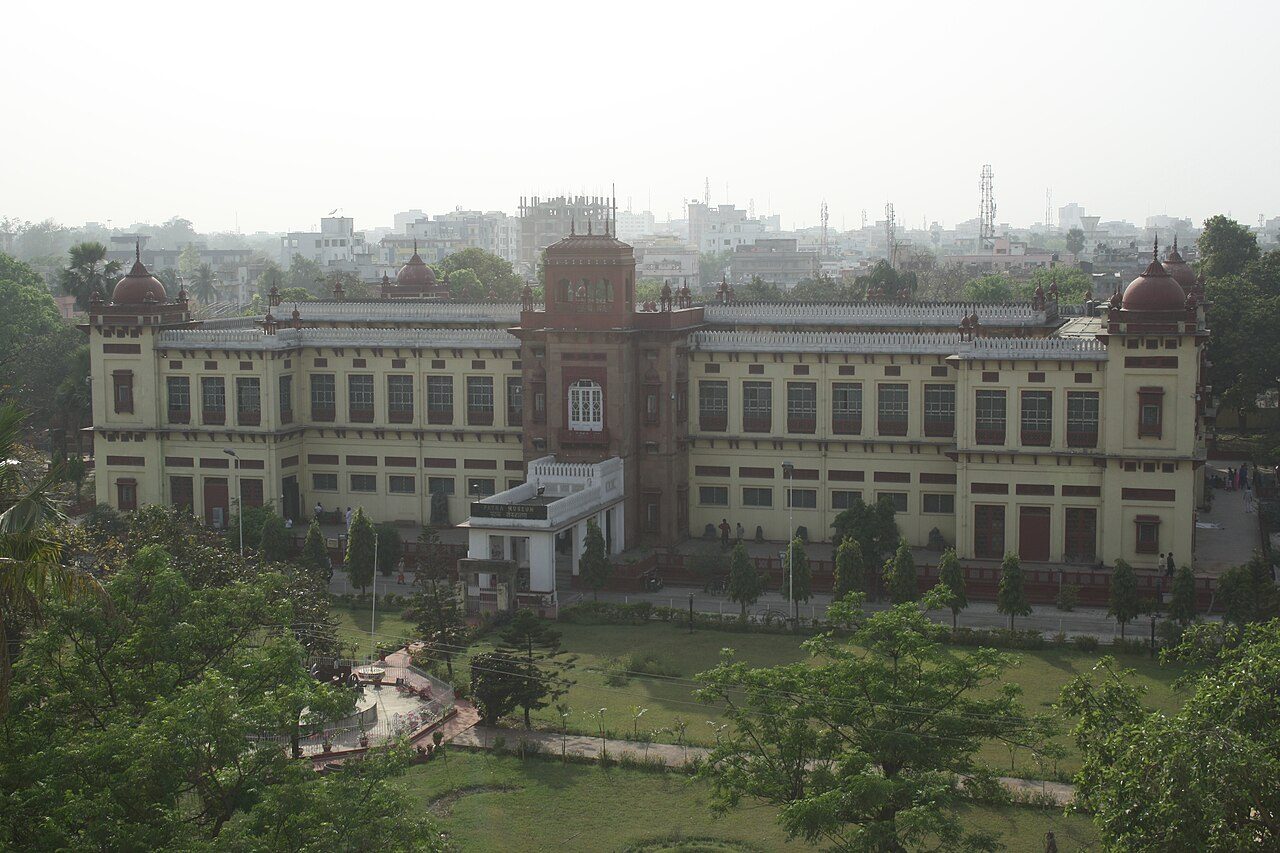
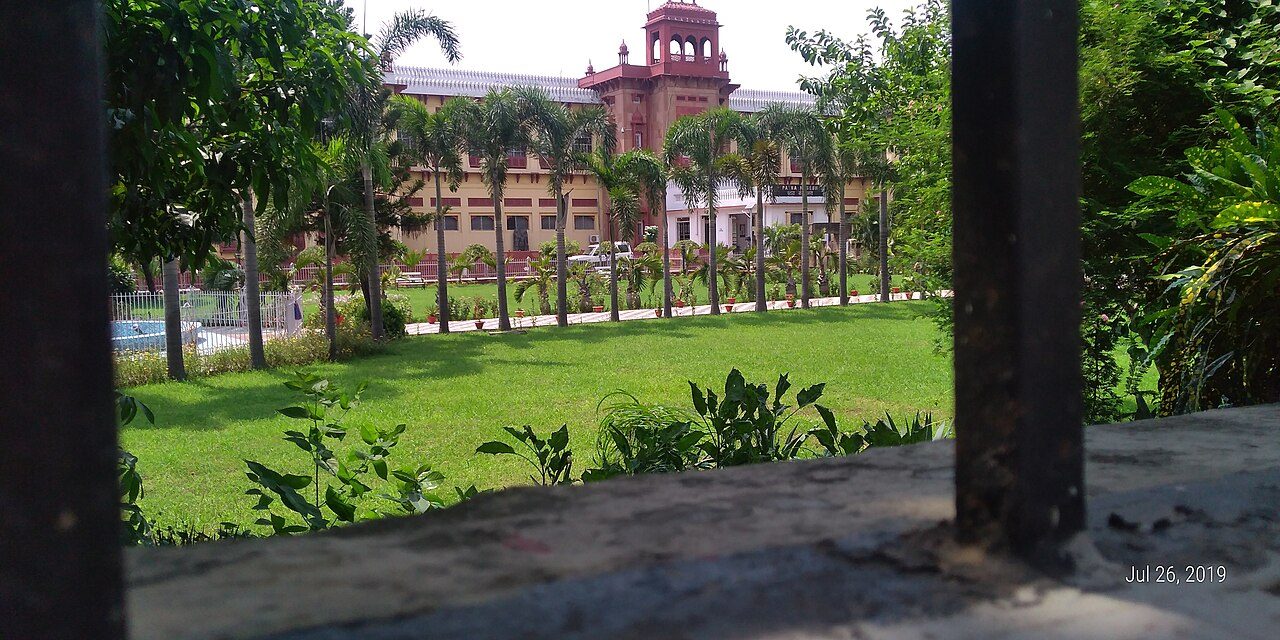
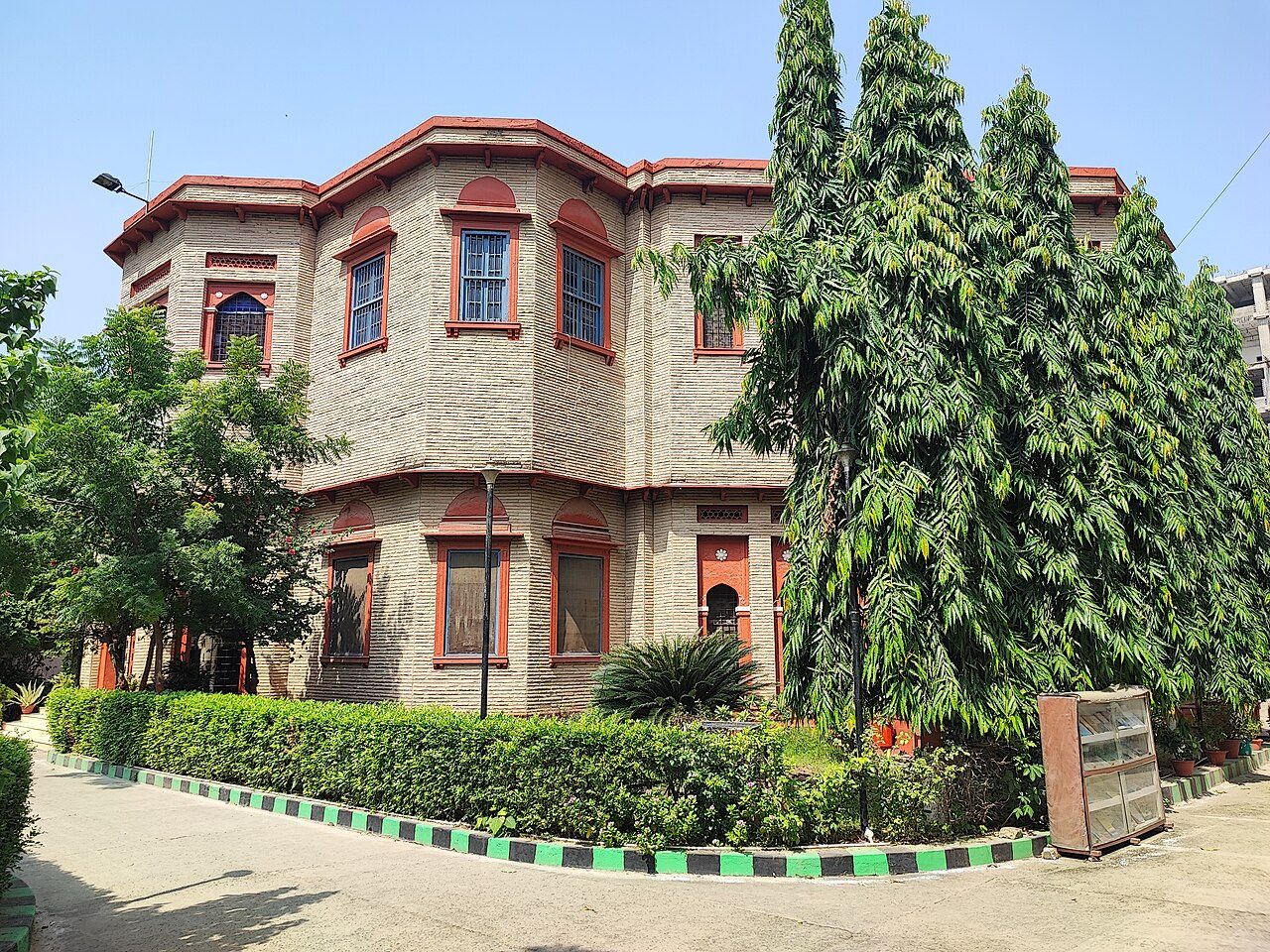
Patna Museum, built in 1917 in Indo-Saracenic style and known locally as Jadu Ghar, is one of the oldest museums in Bihar. Its collections include stone and bronze sculpture, terracottas, coins, paintings and a fossilised tree said to be millions of years old. Many of its star pieces have moved to the newer Bihar Museum, but the building itself is worth seeing.
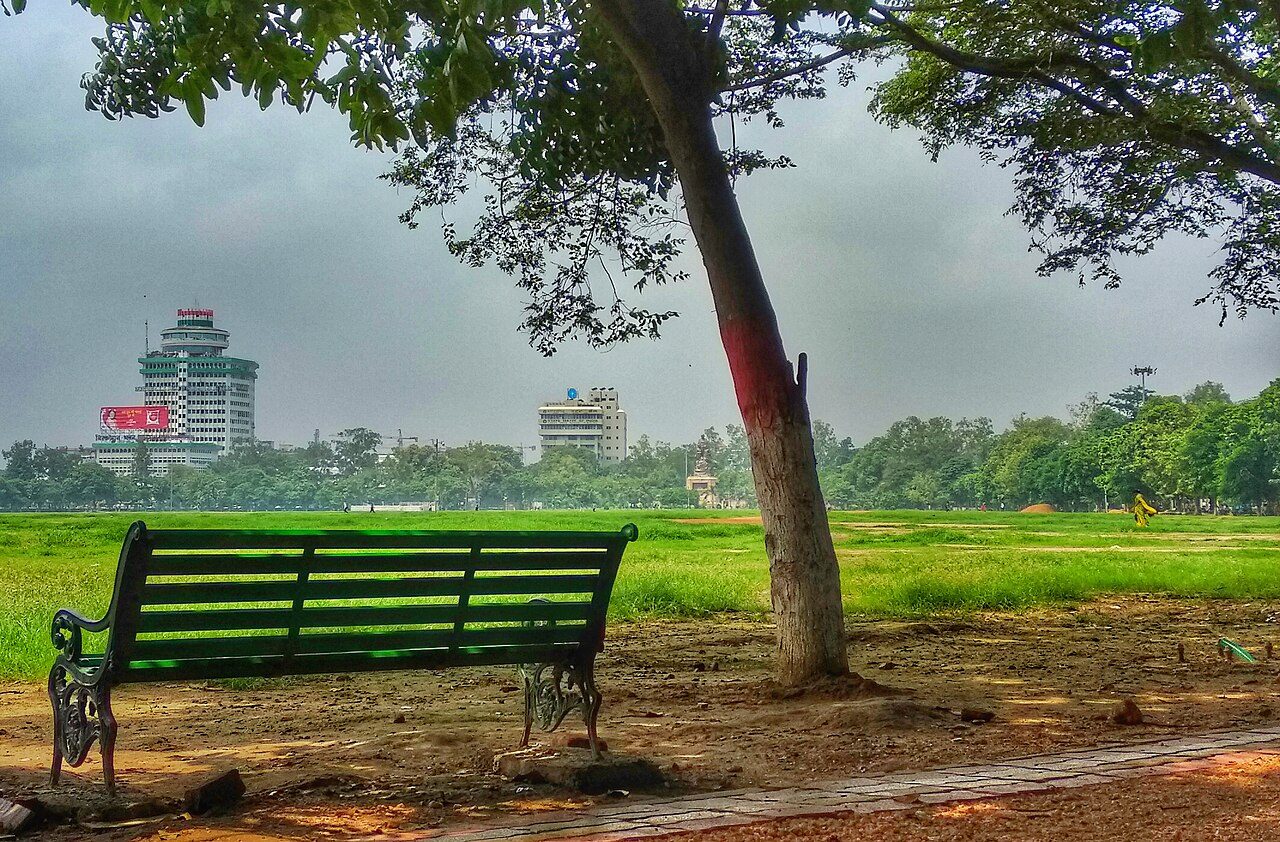
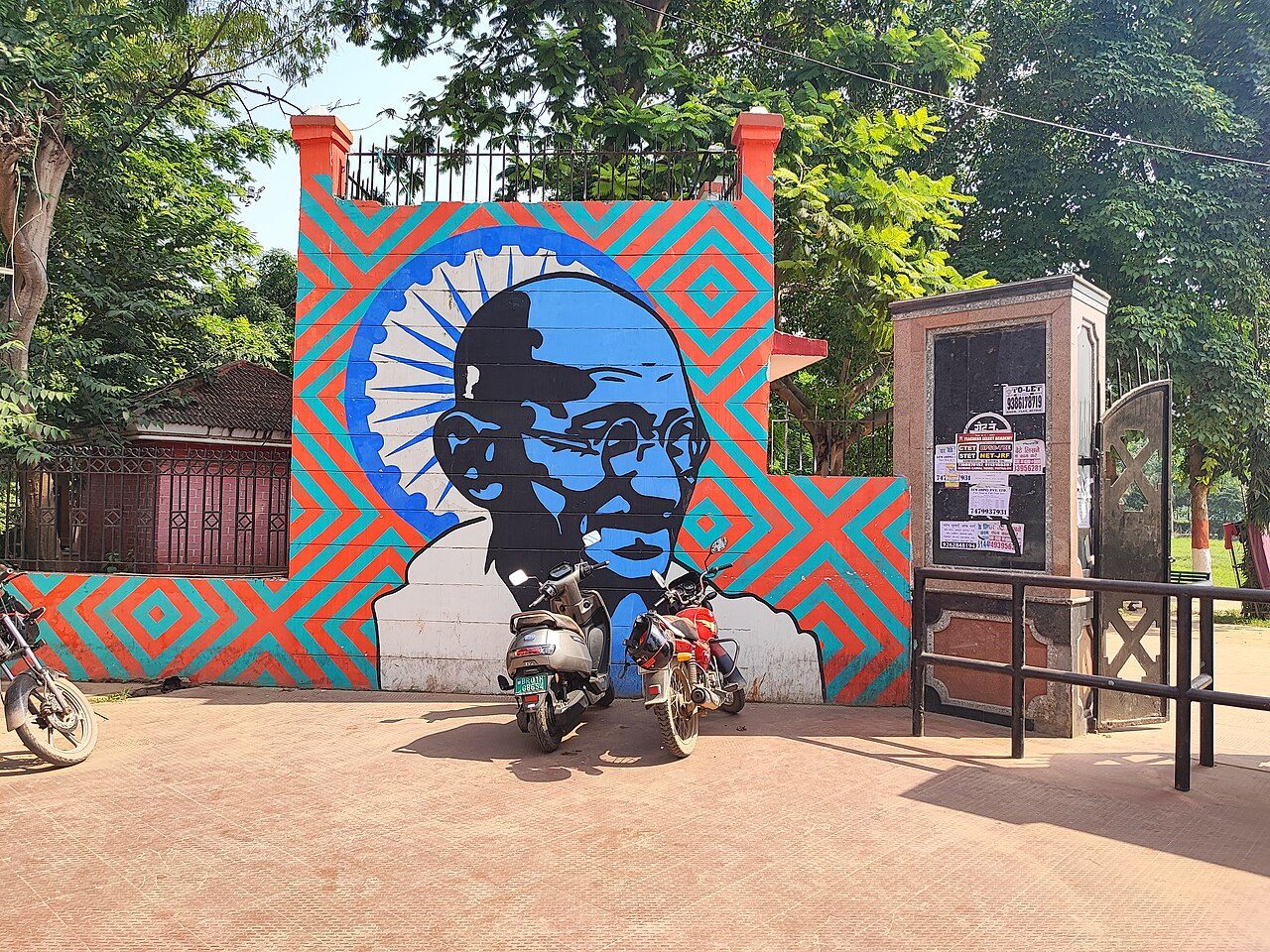
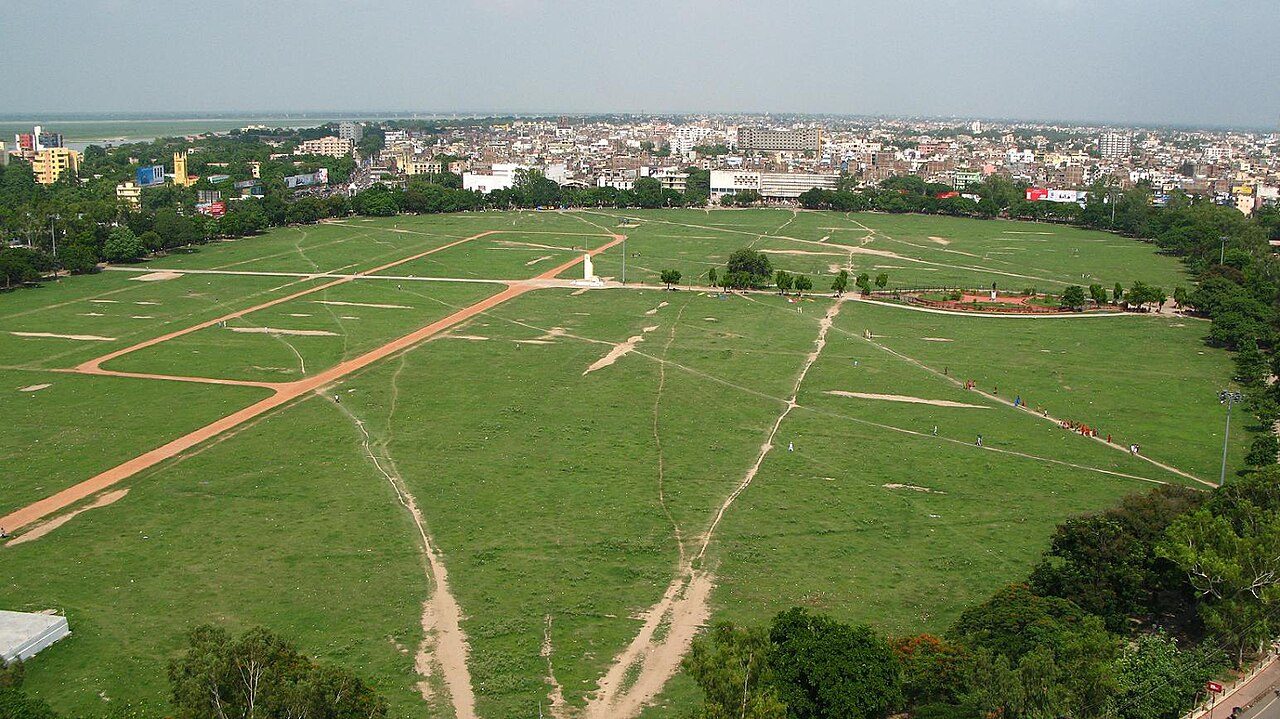
Gandhi Maidan is the large open ground in the heart of Patna, beside the Ganga. Mahatma Gandhi, Jawaharlal Nehru and Jayaprakash Narayan all addressed historic rallies here during the freedom movement and after. A tall bronze statue of Gandhi stands at one end. The ground hosts the Republic Day parade, book fairs and festivals, and is ringed by landmark buildings.
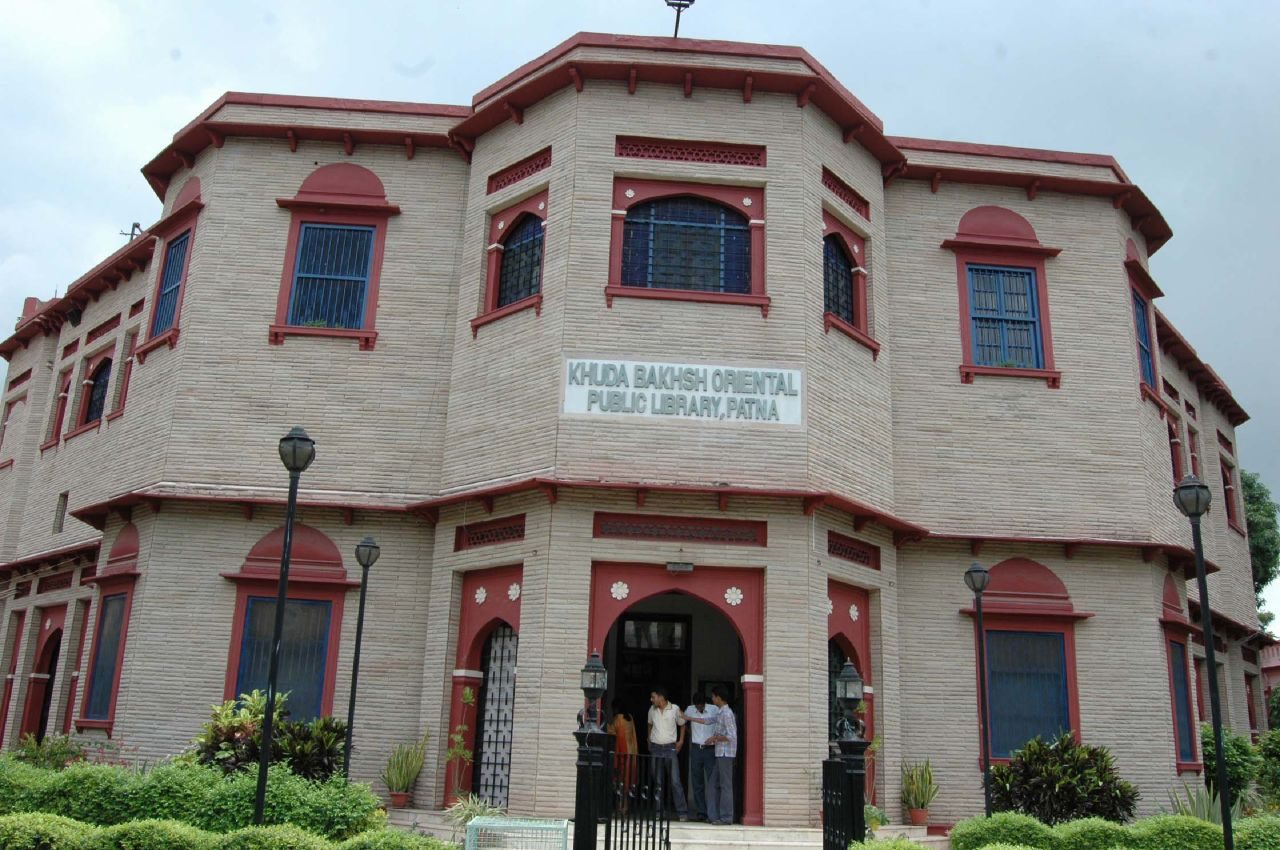
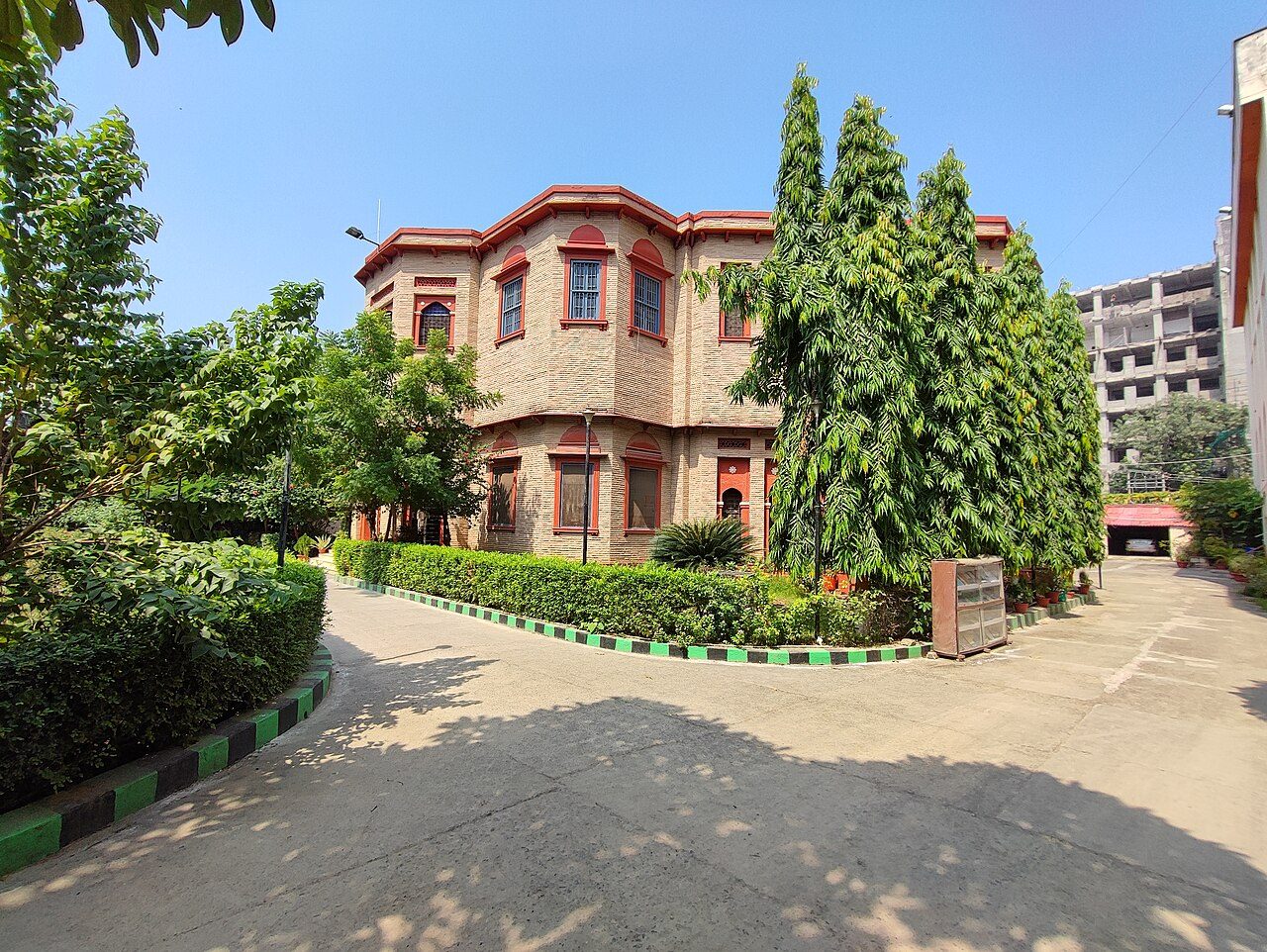
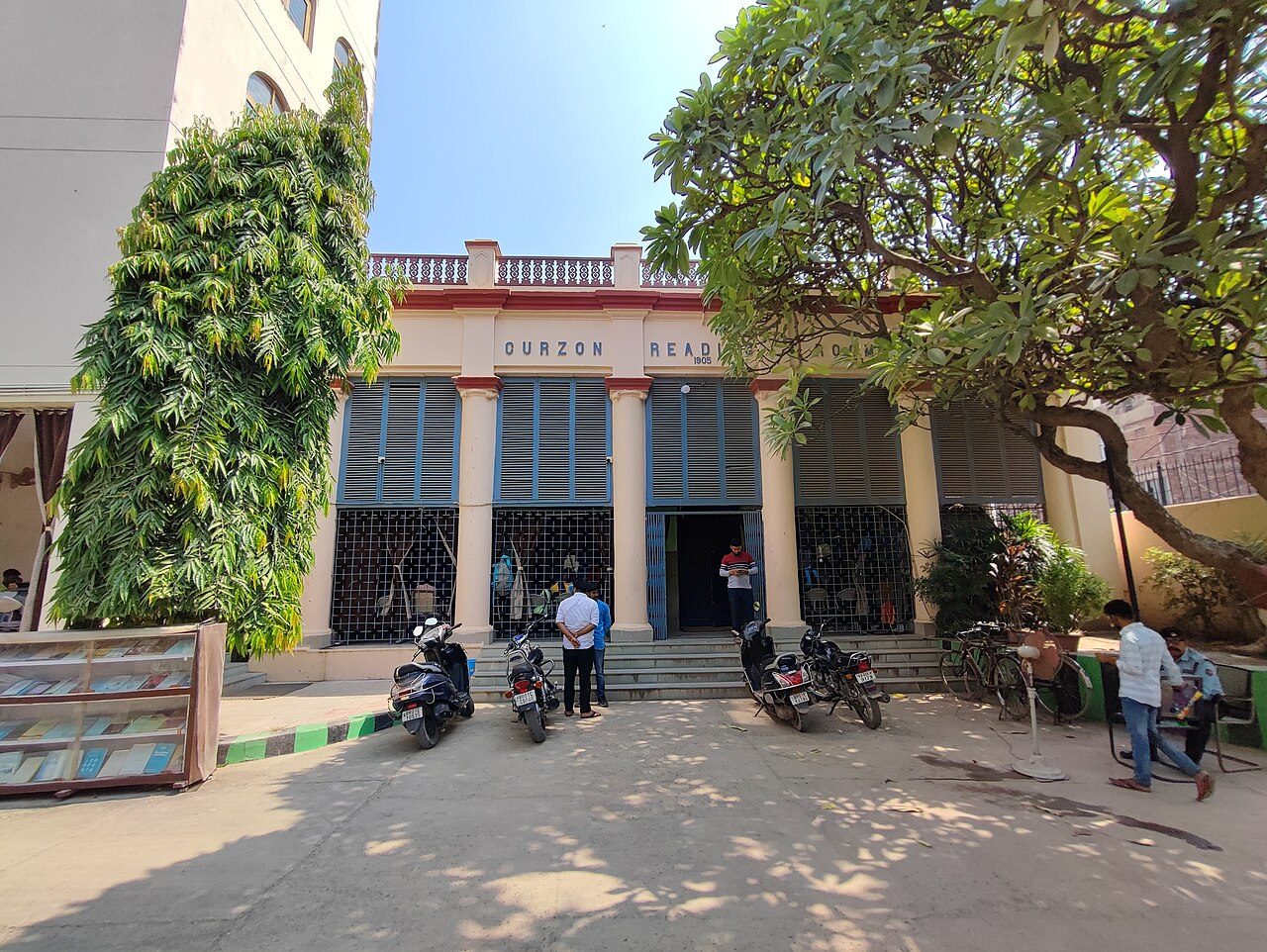
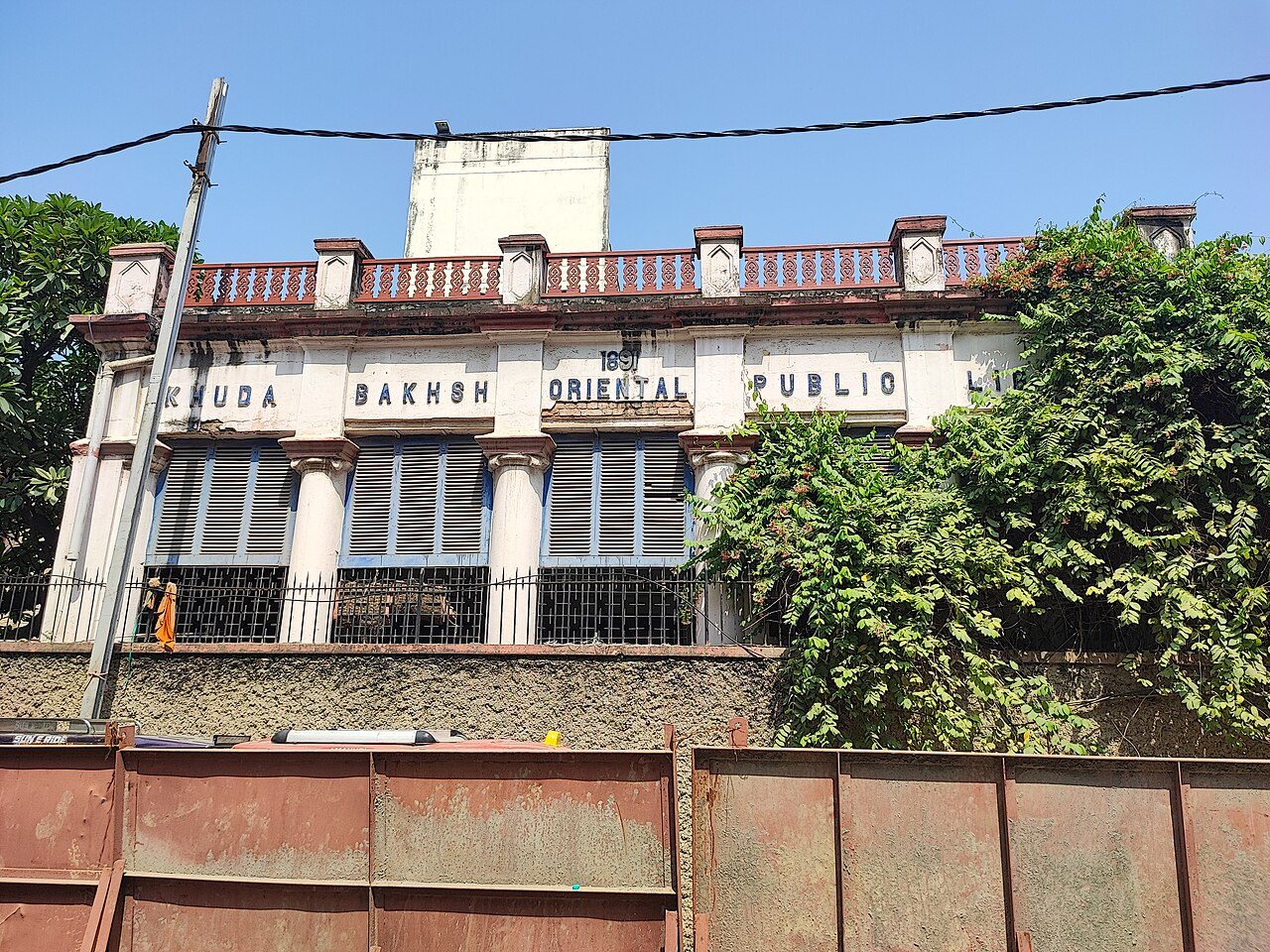
The Khuda Bakhsh Oriental Library in Patna, opened to the public in 1891, grew from the private collection of Maulvi Khuda Bakhsh. It holds one of the world's finest collections of rare Persian and Arabic manuscripts, Mughal and Rajput paintings, and a tiny Quran that fits in the palm. It is an institution of national importance on the bank of the Ganga.
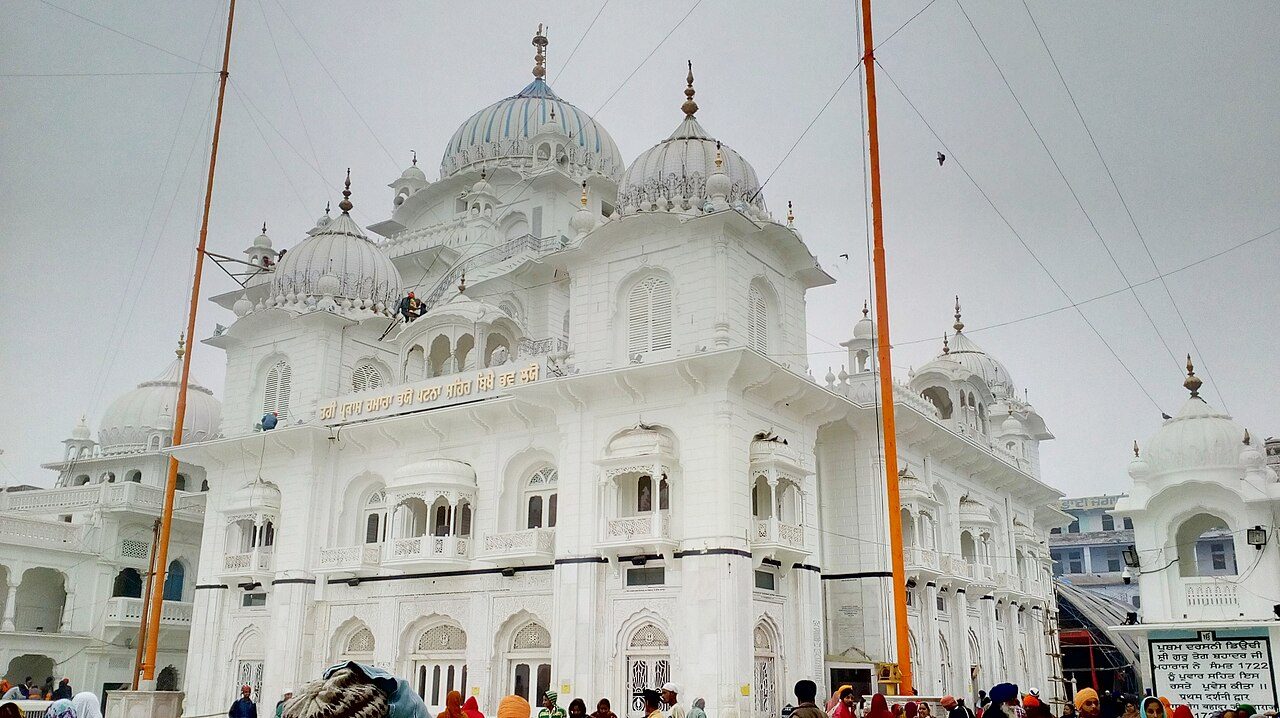
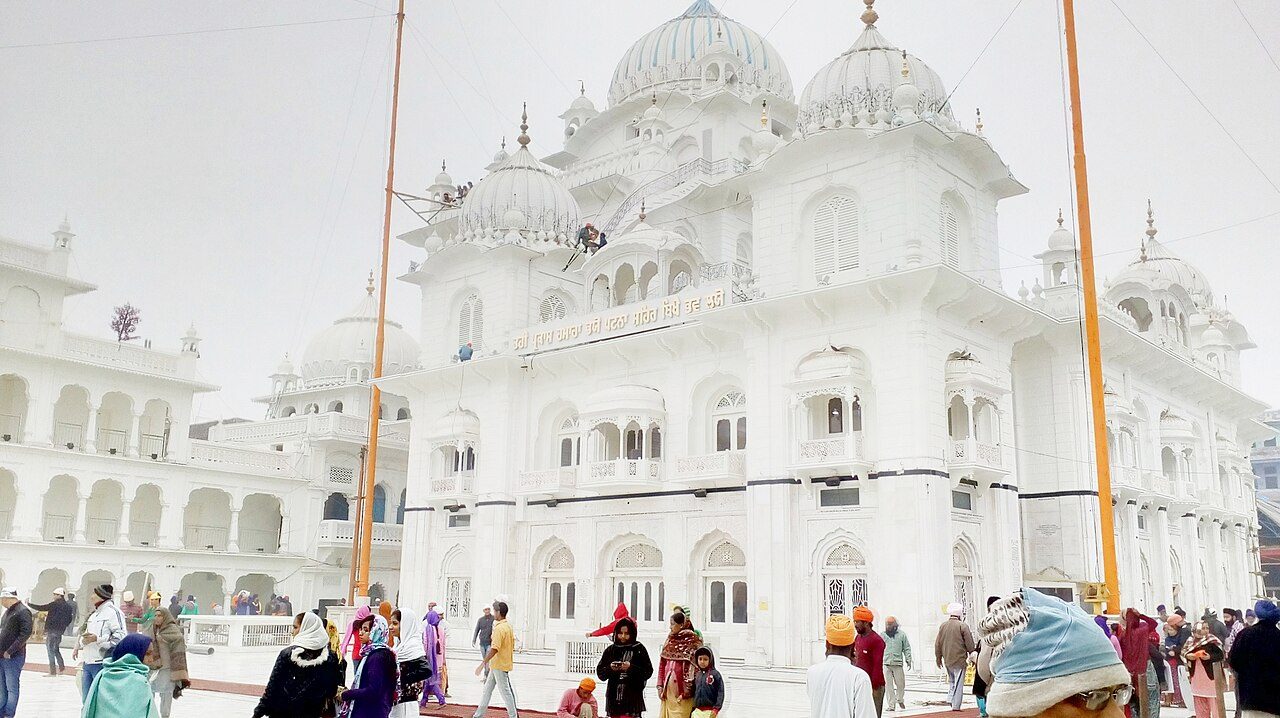
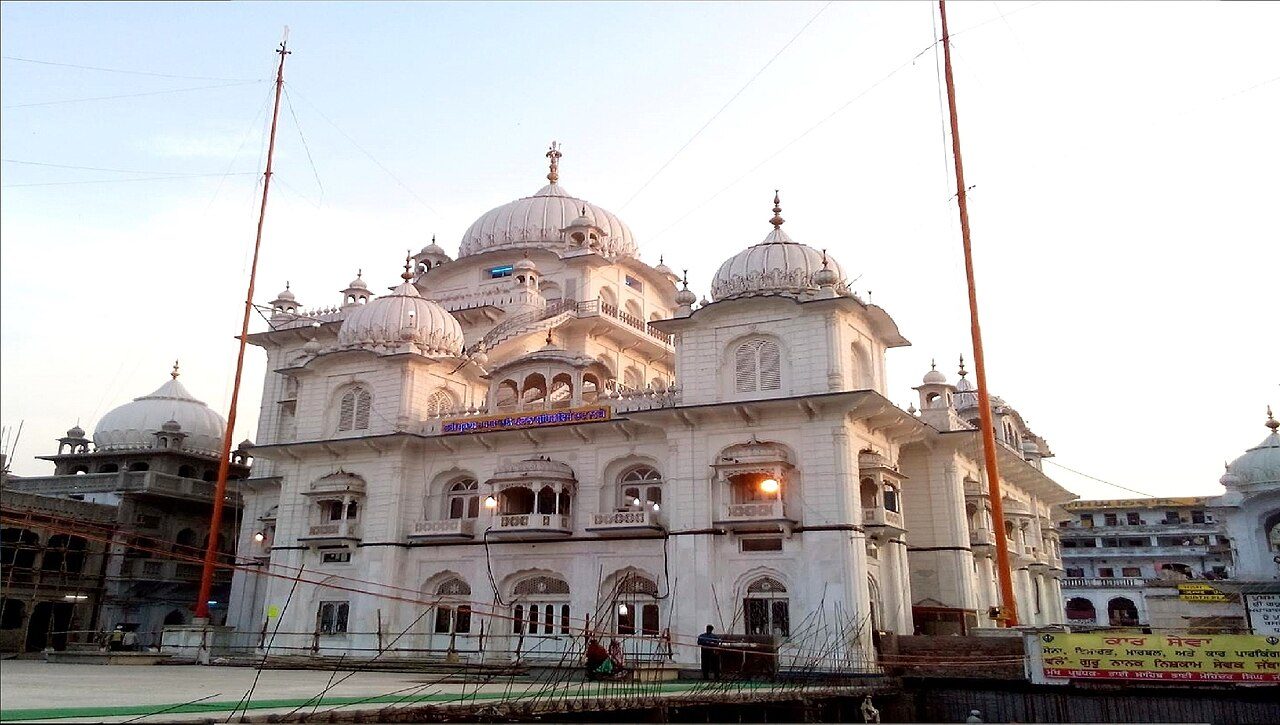
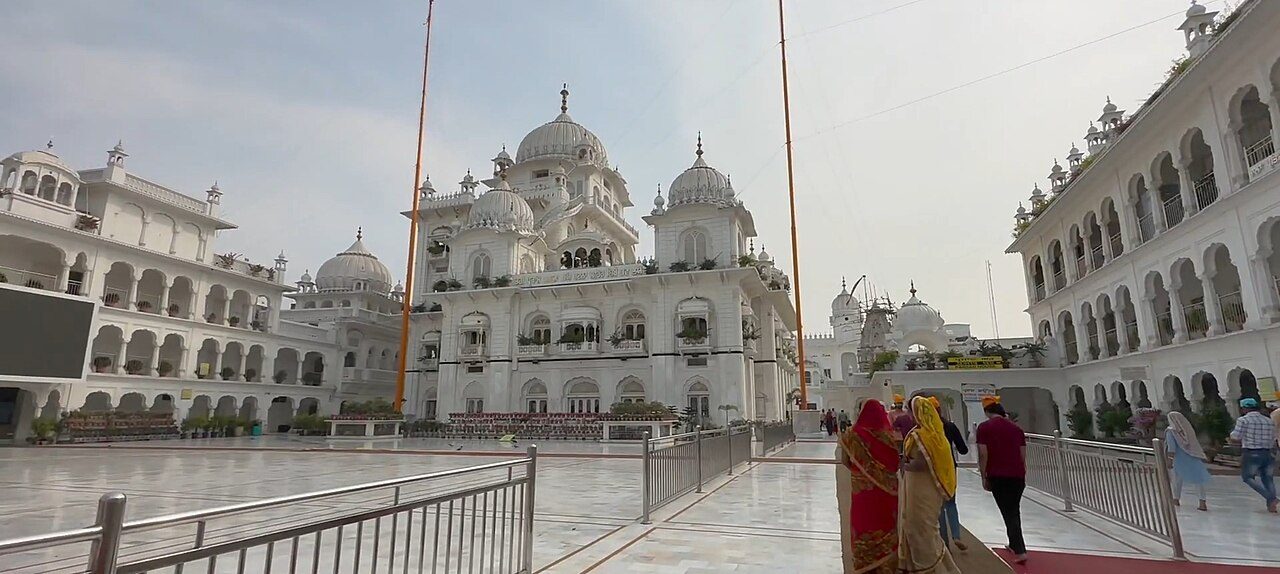
Takht Sri Patna Sahib is one of the five seats of authority of the Sikh faith. It marks the birthplace of Guru Gobind Singh, the tenth Guru, who was born here in 1666 and spent his early years in Patna. The white marble gurdwara was built by Maharaja Ranjit Singh and rebuilt in the 1950s. Relics of the Guru, including his cradle and weapons, are preserved inside.
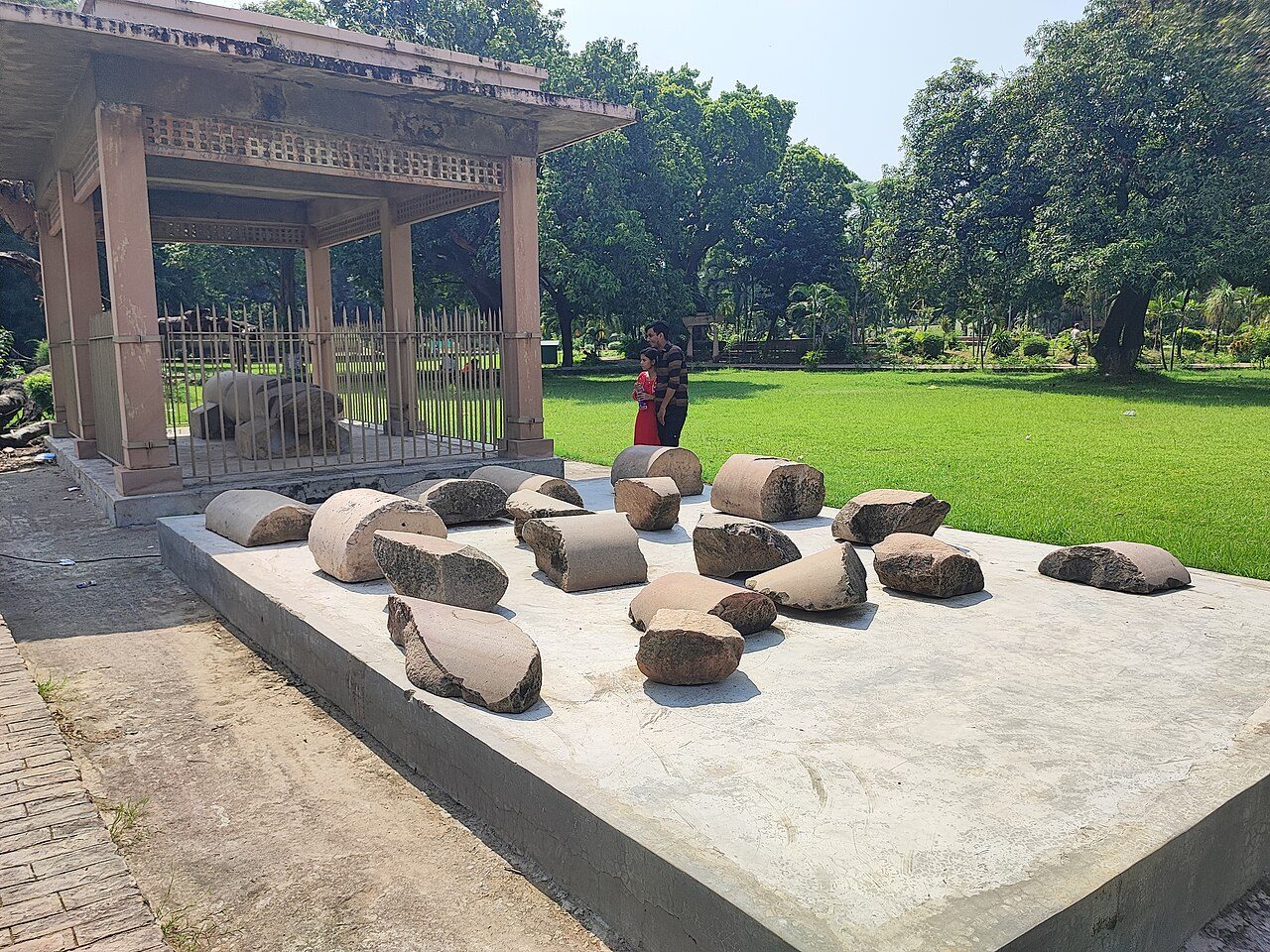
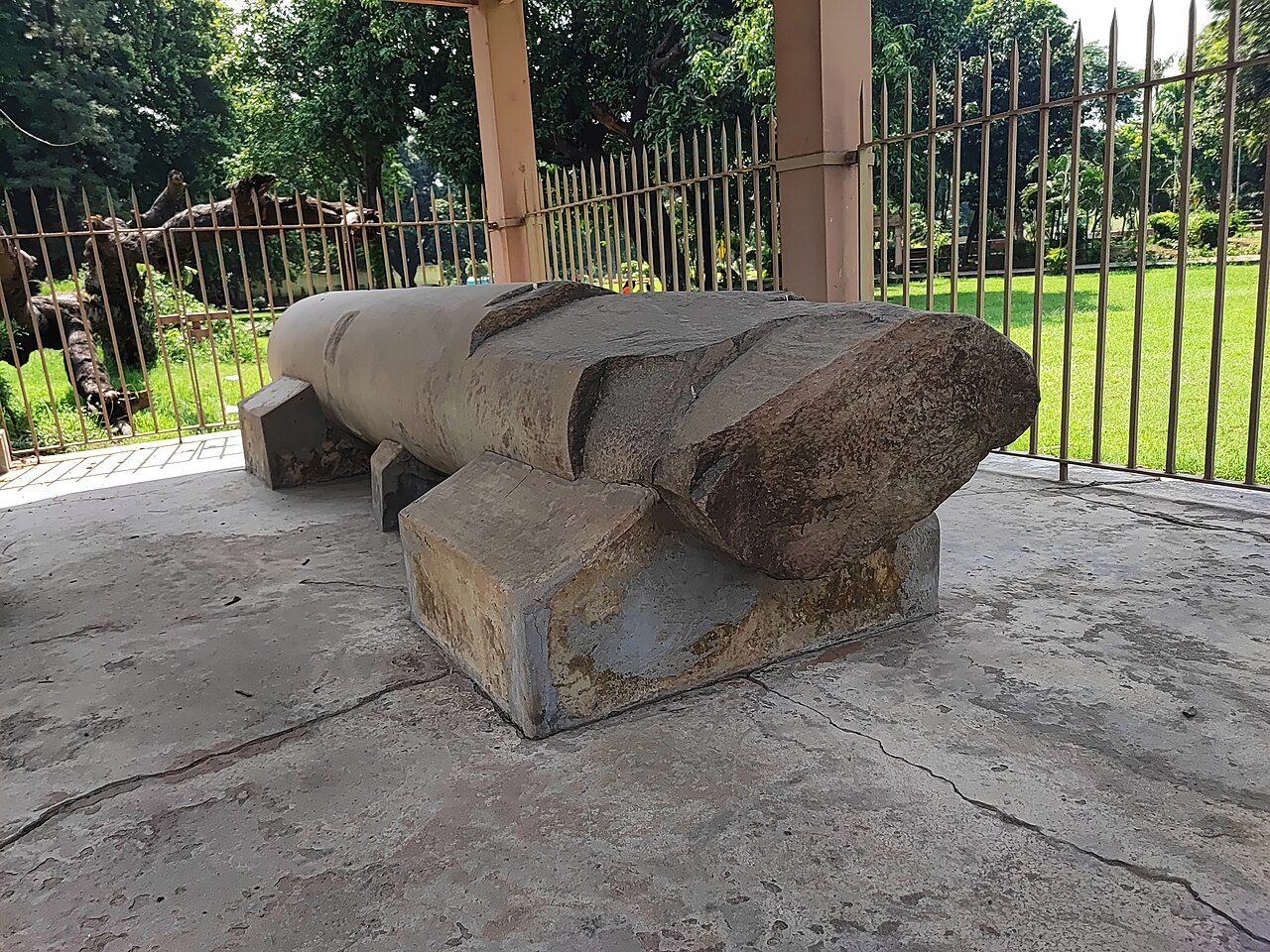
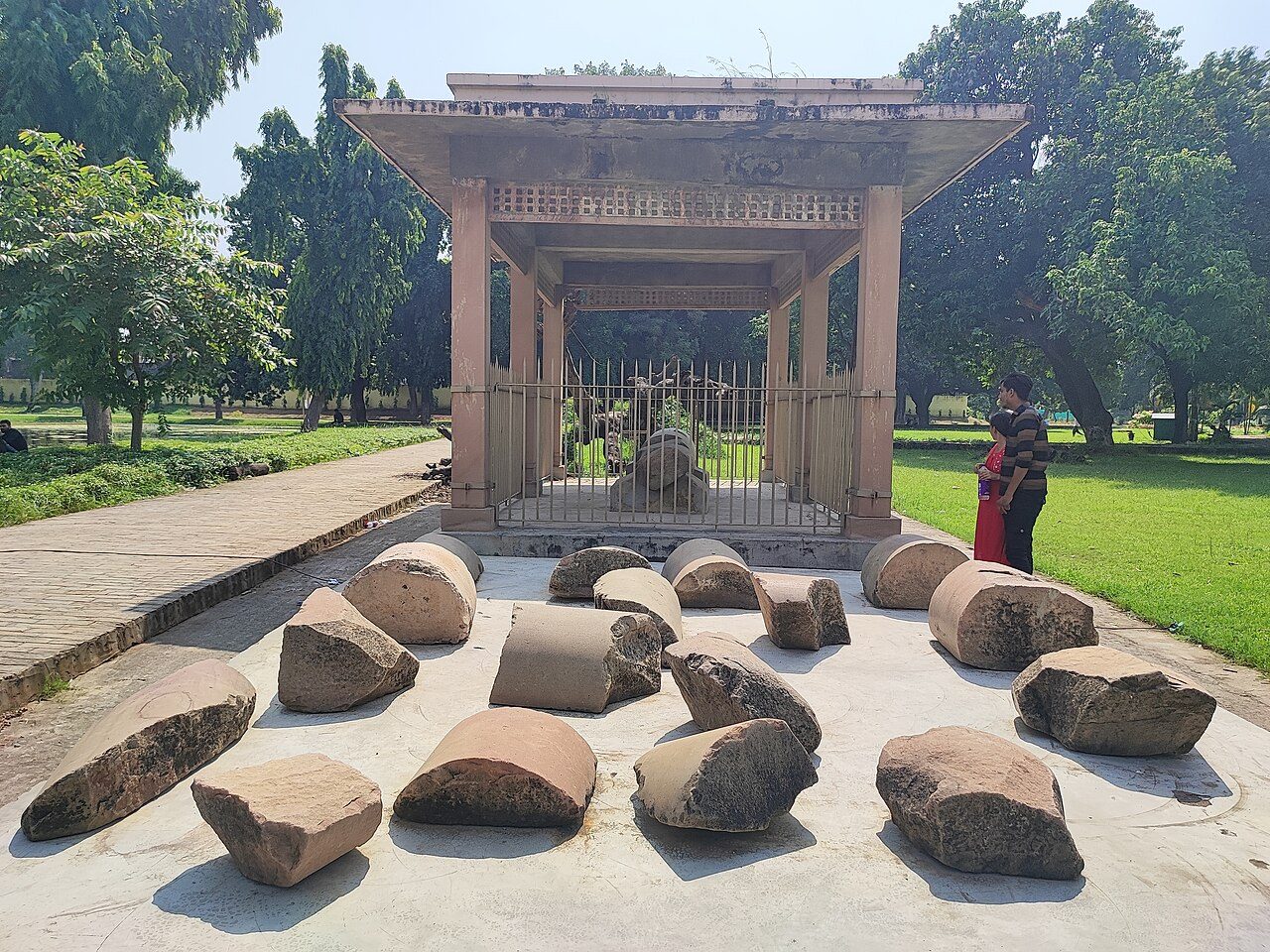
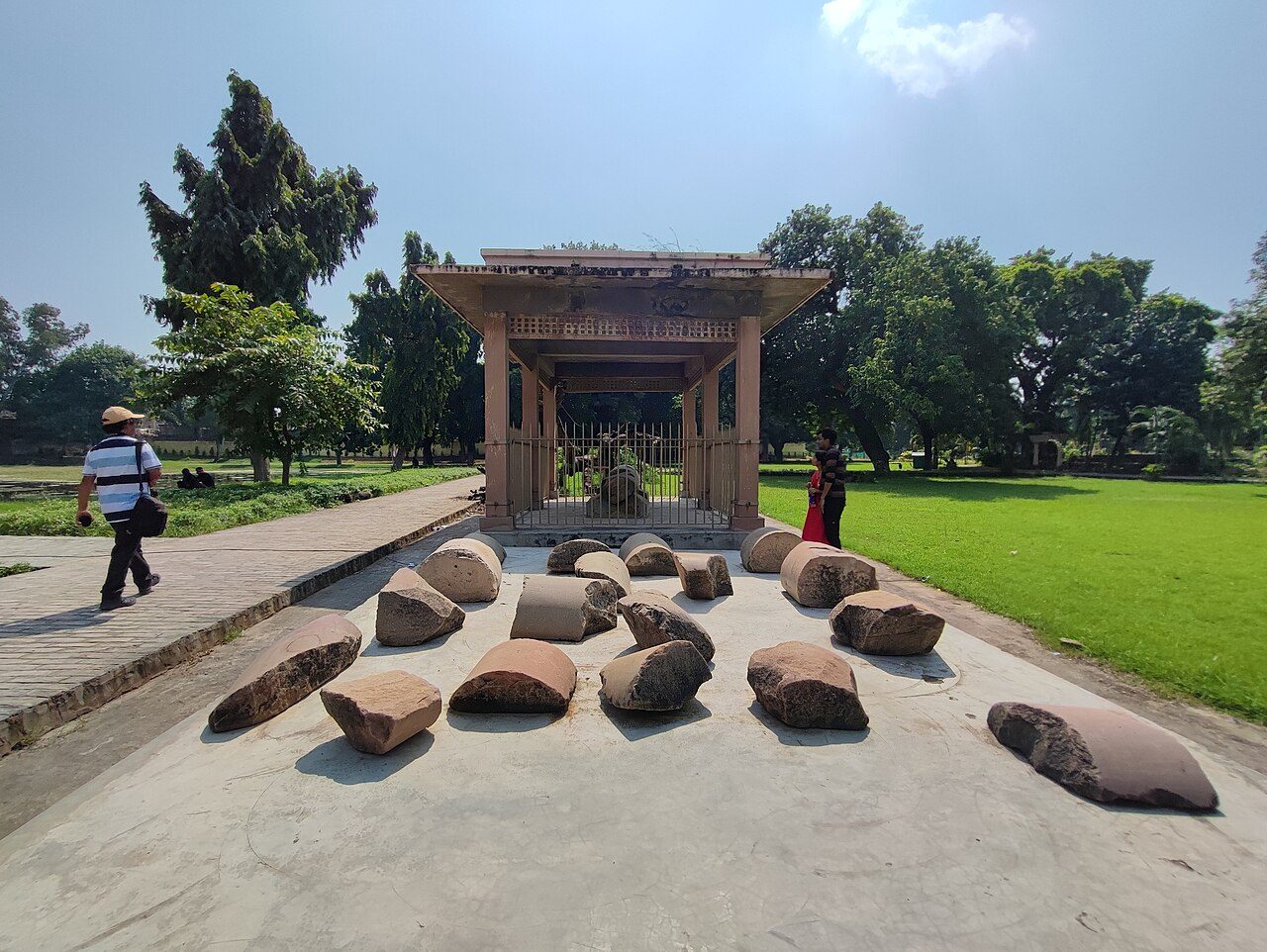
Kumhrar is the archaeological site of ancient Pataliputra, capital of the Mauryan empire. Excavations here uncovered the remains of a great hall with eighty polished sandstone pillars, dating from the 3rd century BCE, of which one pillar survives intact. The site is laid out as a park with a small museum; little is visible above ground, but its importance is great.
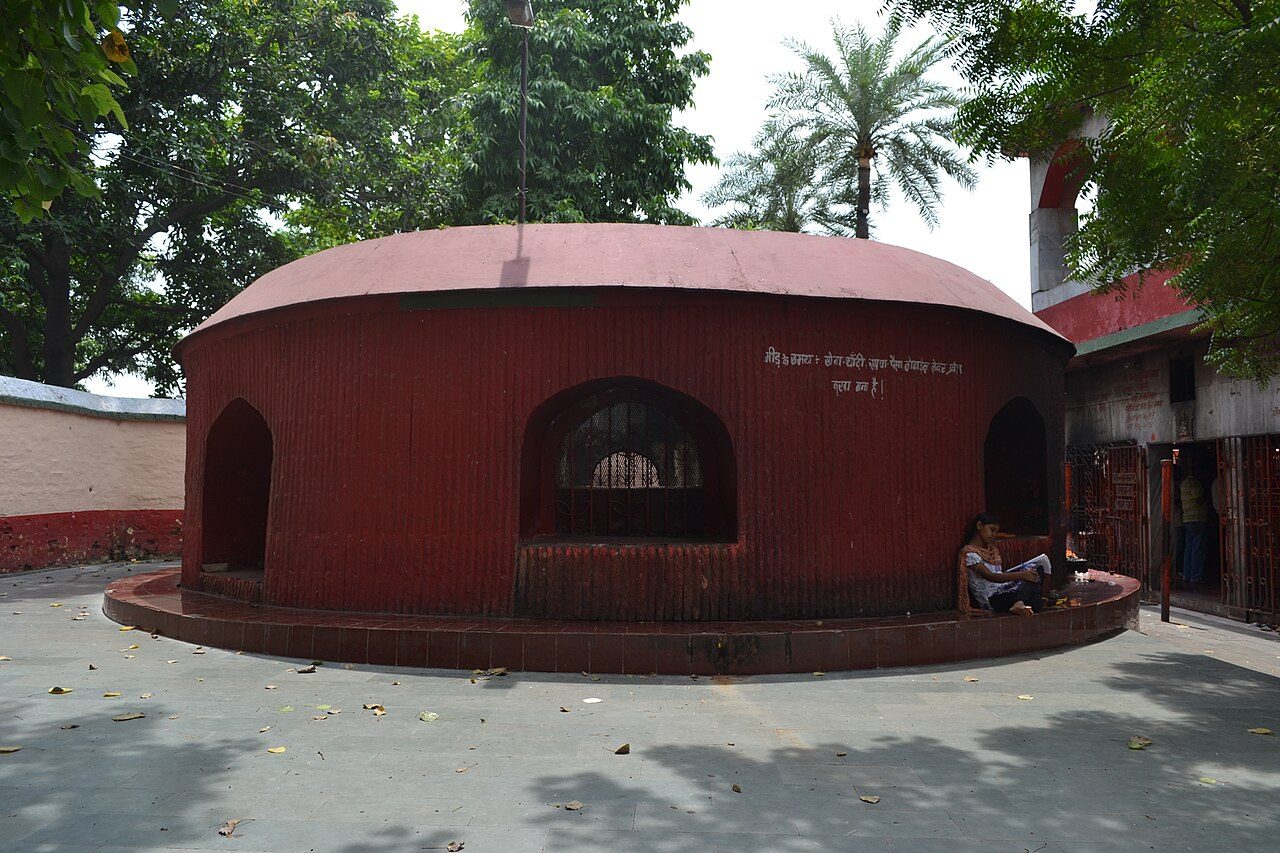
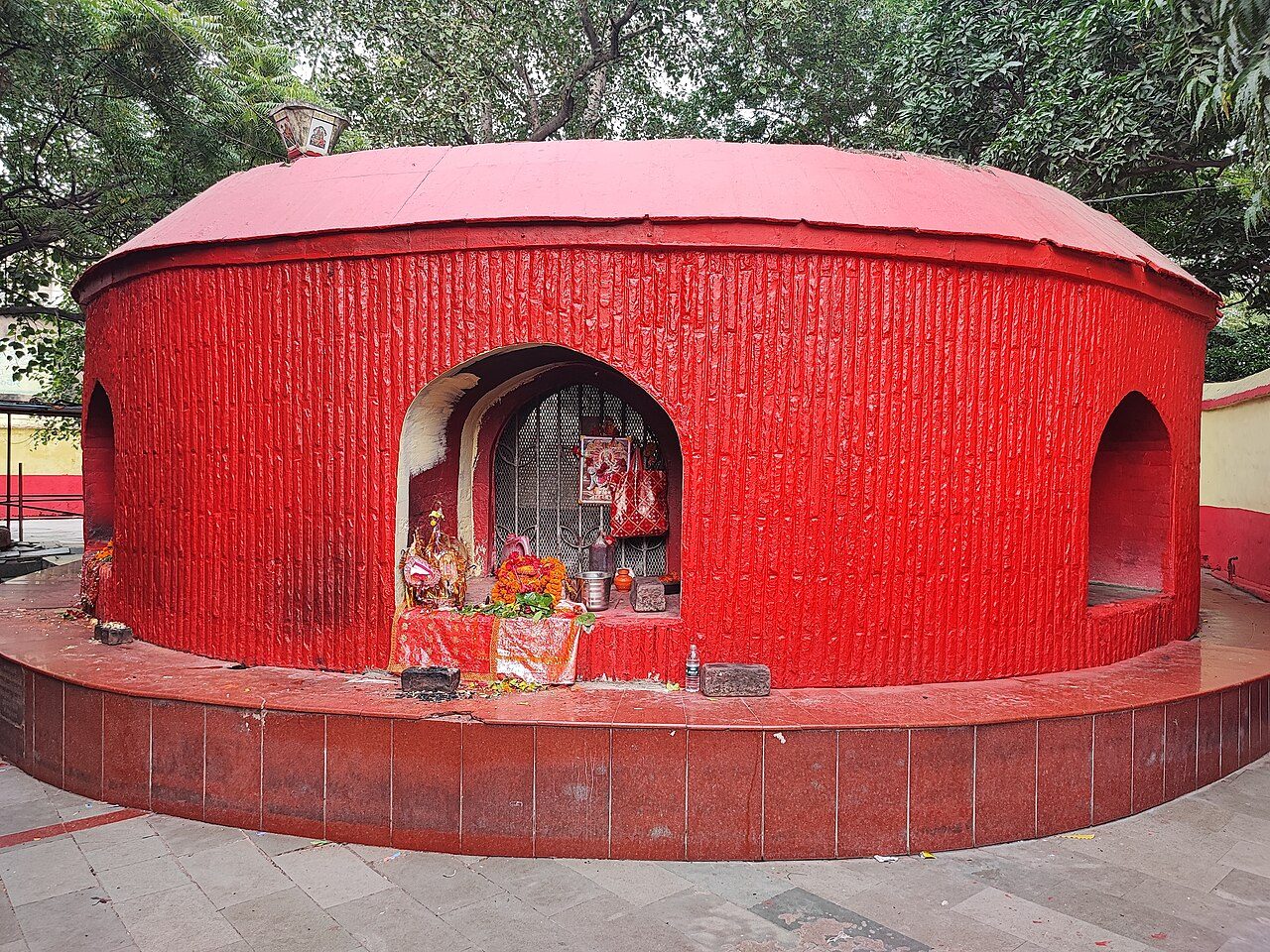
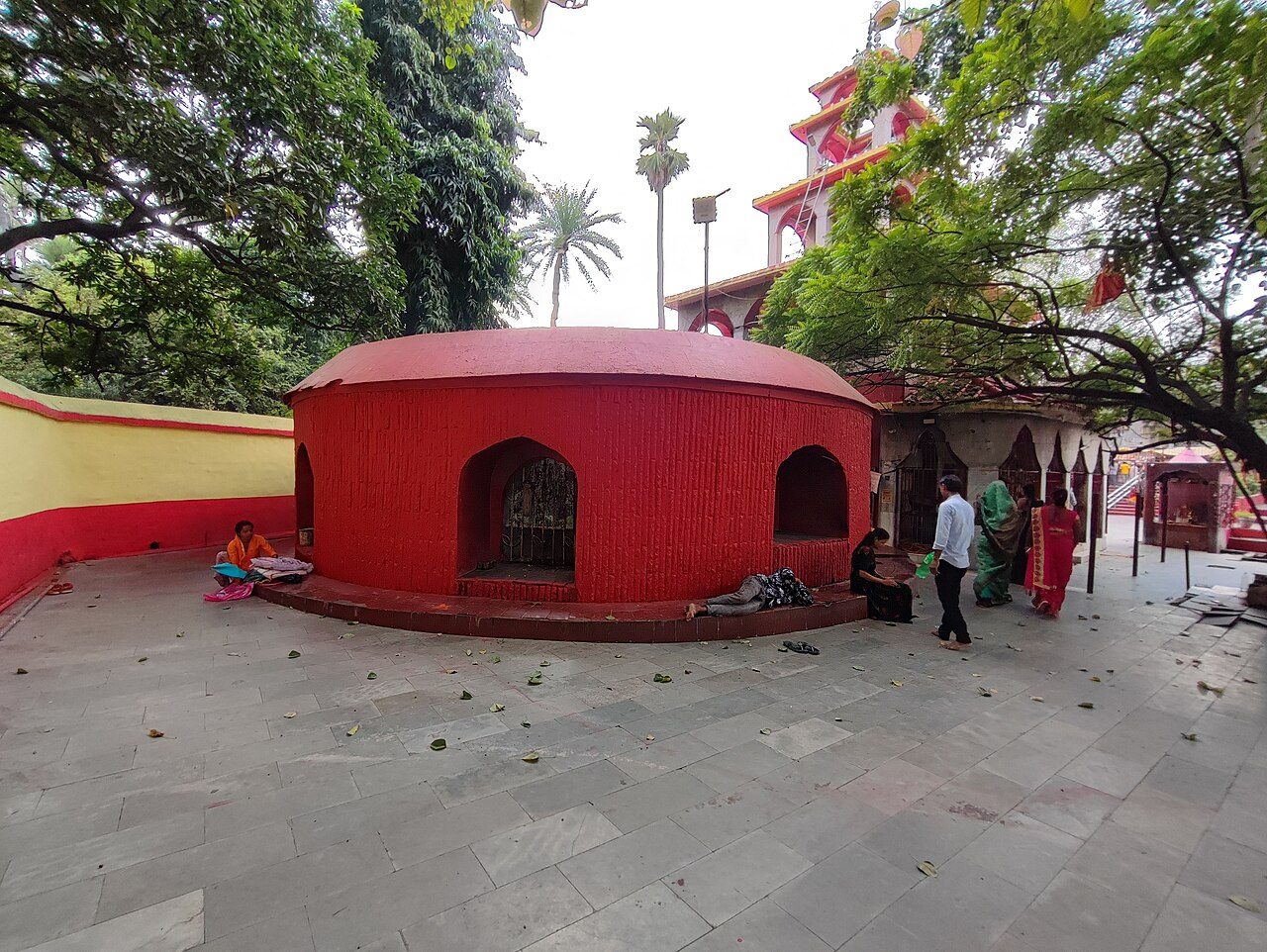
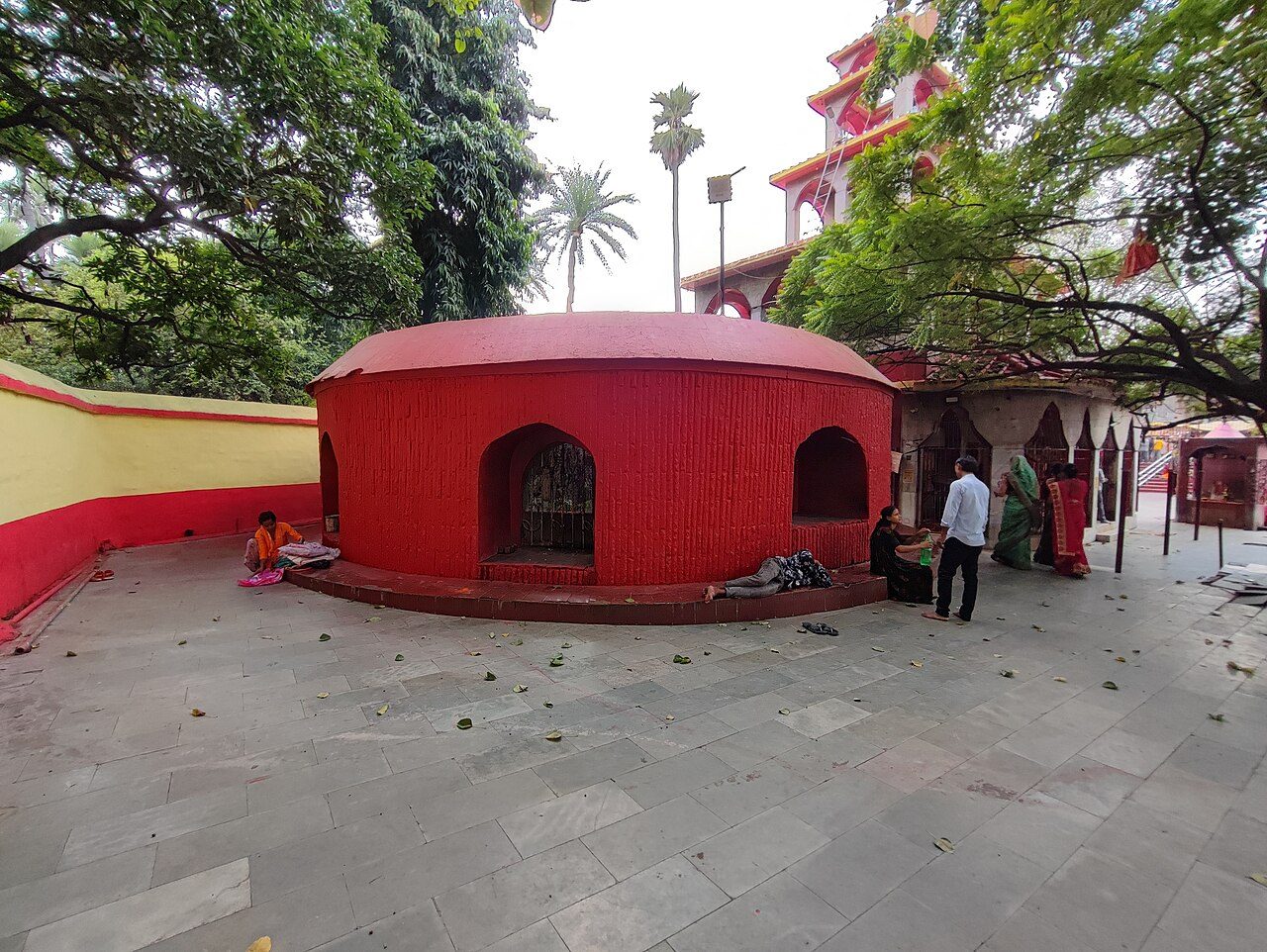
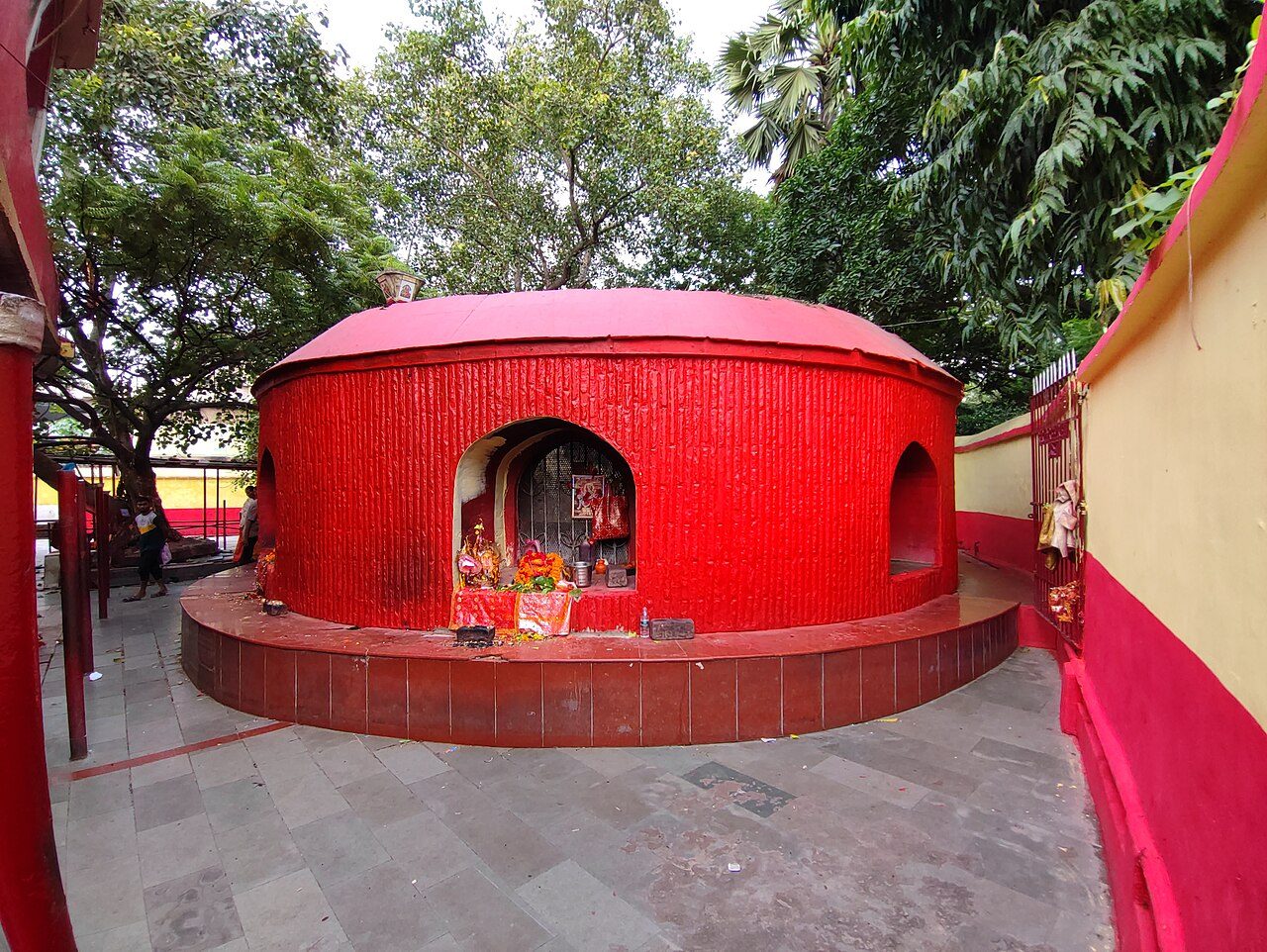
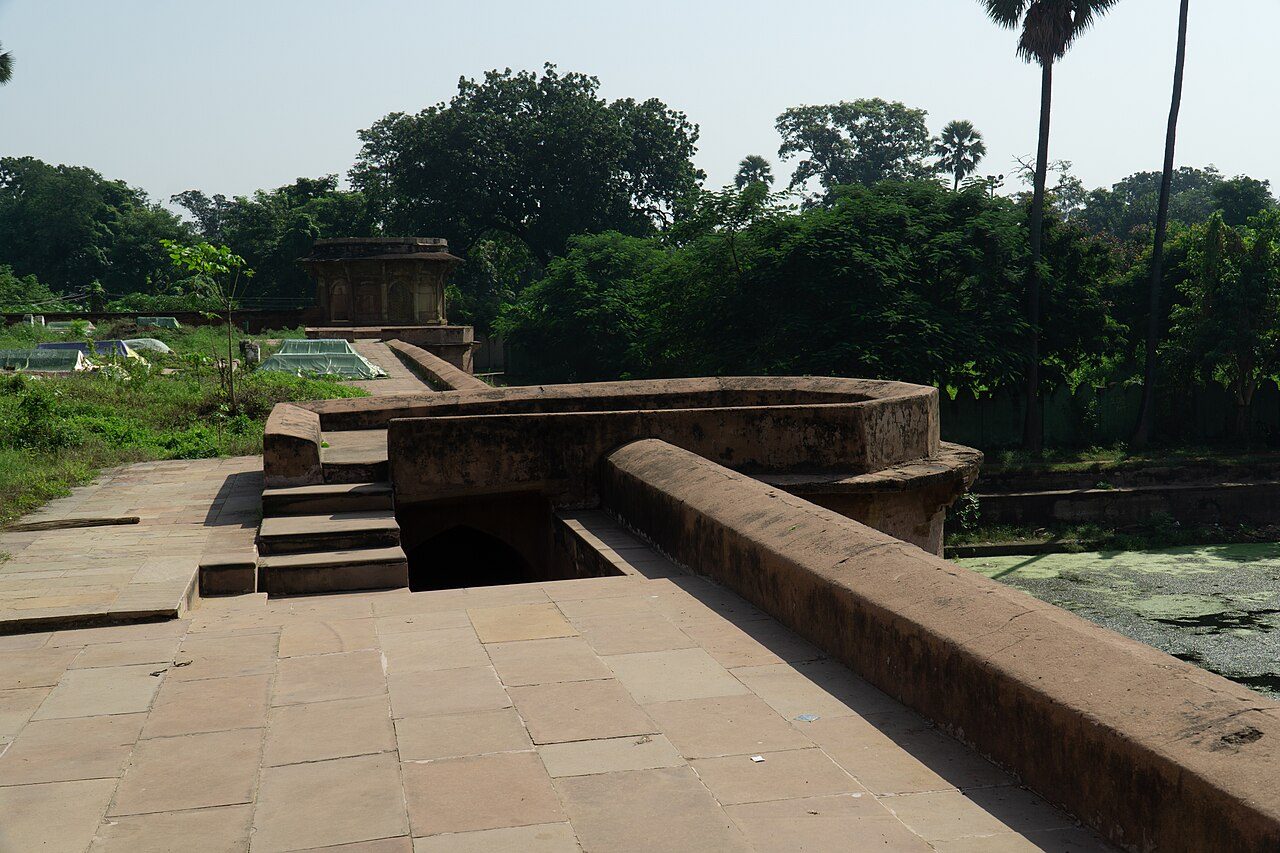
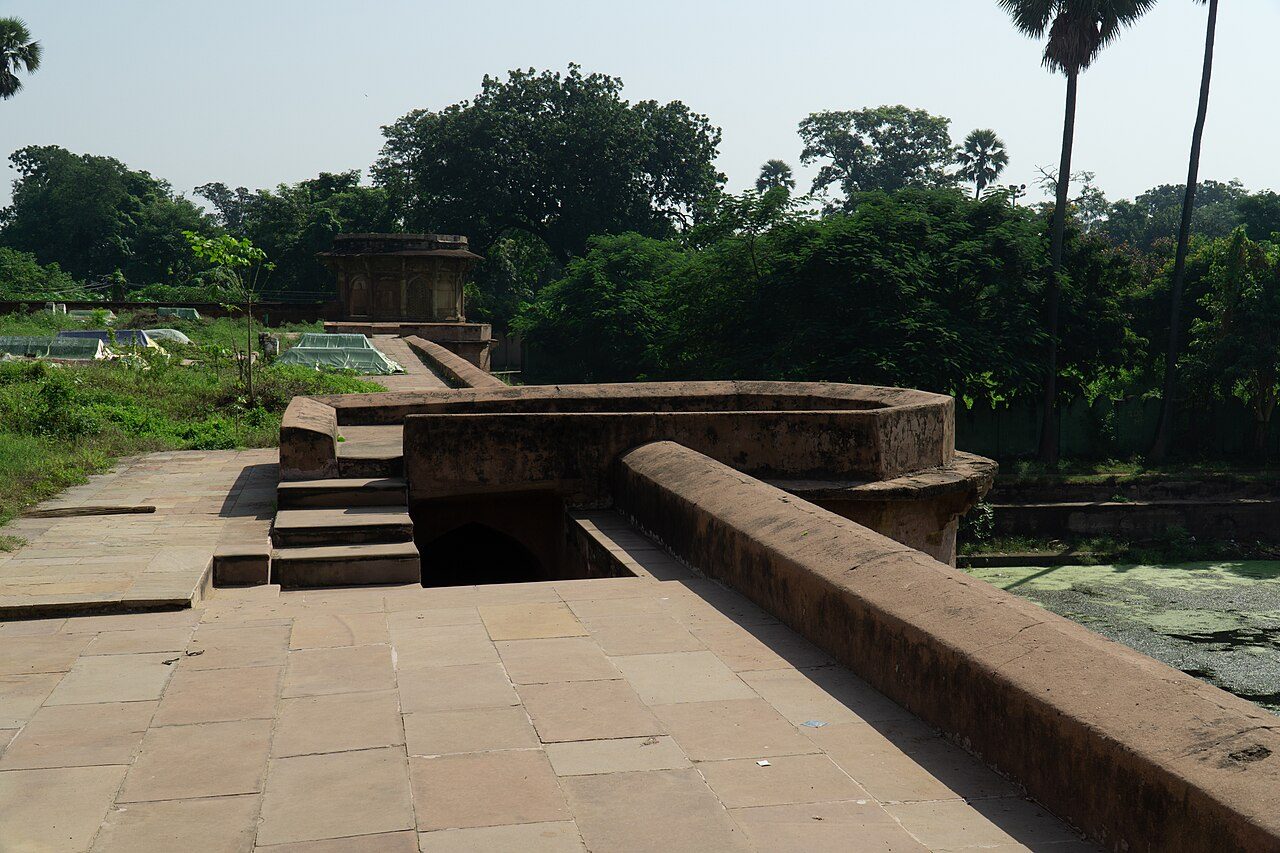
Agam Kuan, the 'unfathomable well', is one of the oldest monuments in Patna, said to date from the time of Emperor Ashoka. The deep circular well, about 4.5 metres across, is enclosed by a brick structure with arched windows. Legend links it to Ashoka's early cruelty. The Shitala Devi temple stands beside it and draws many worshippers.
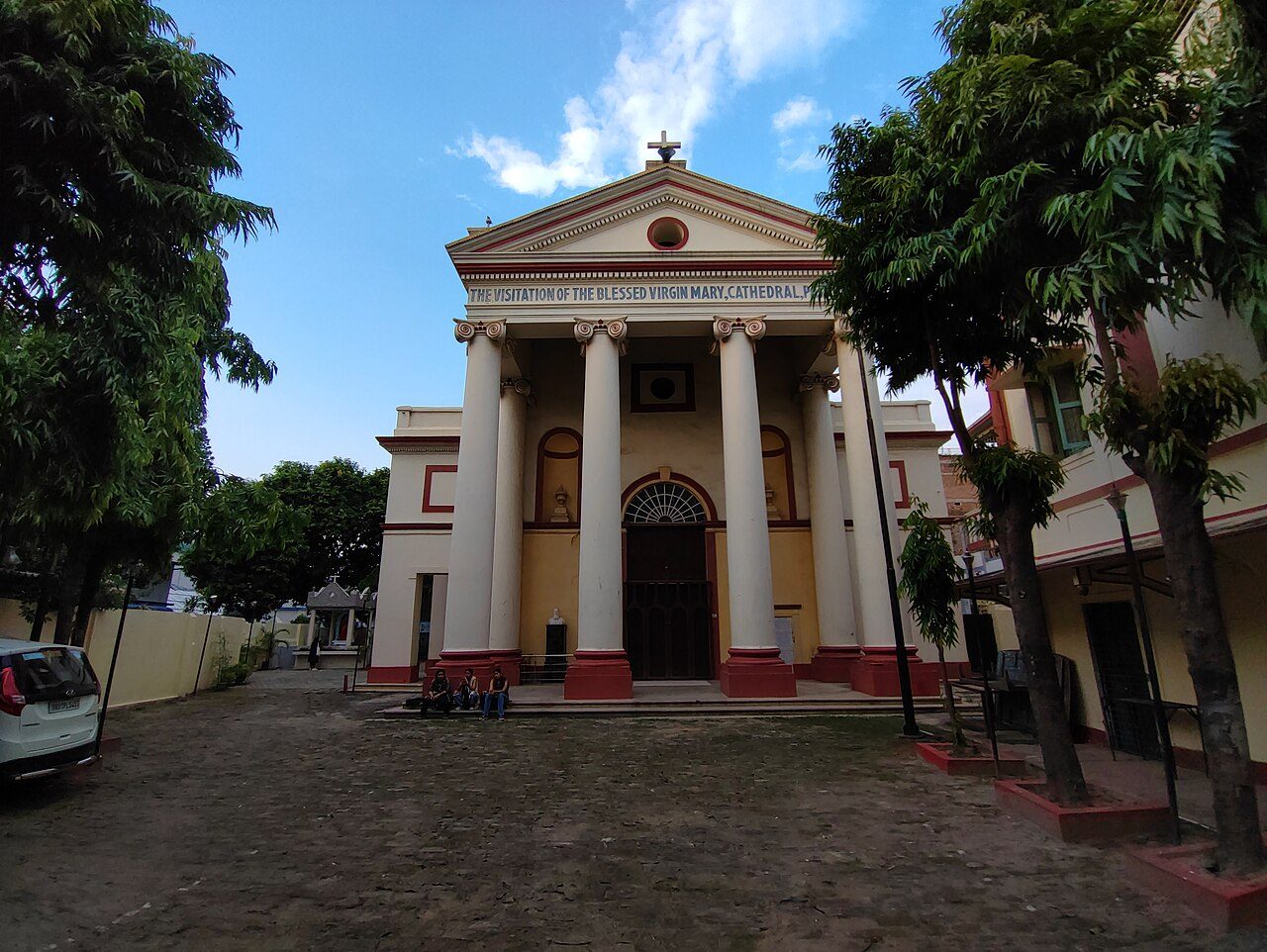
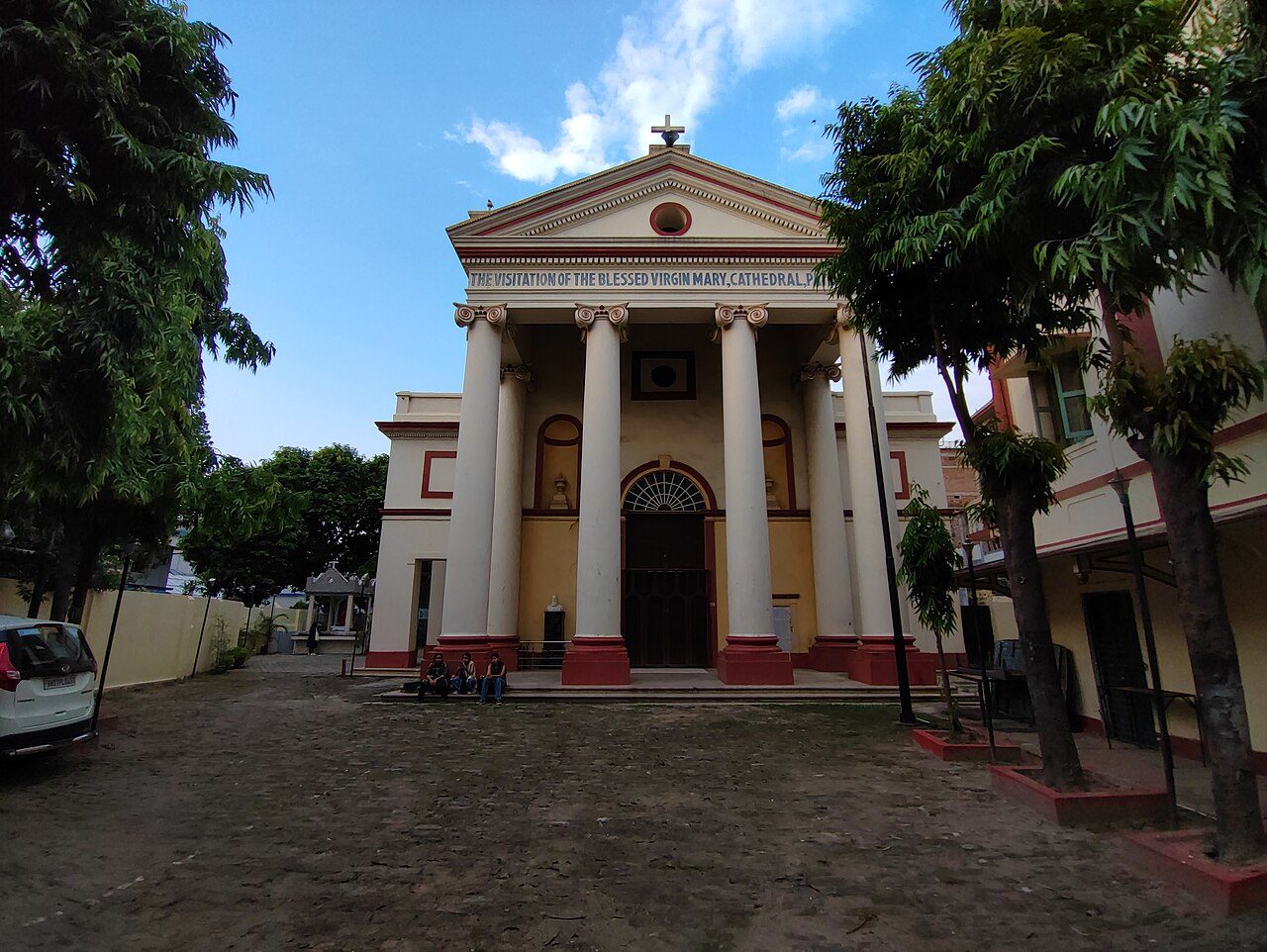
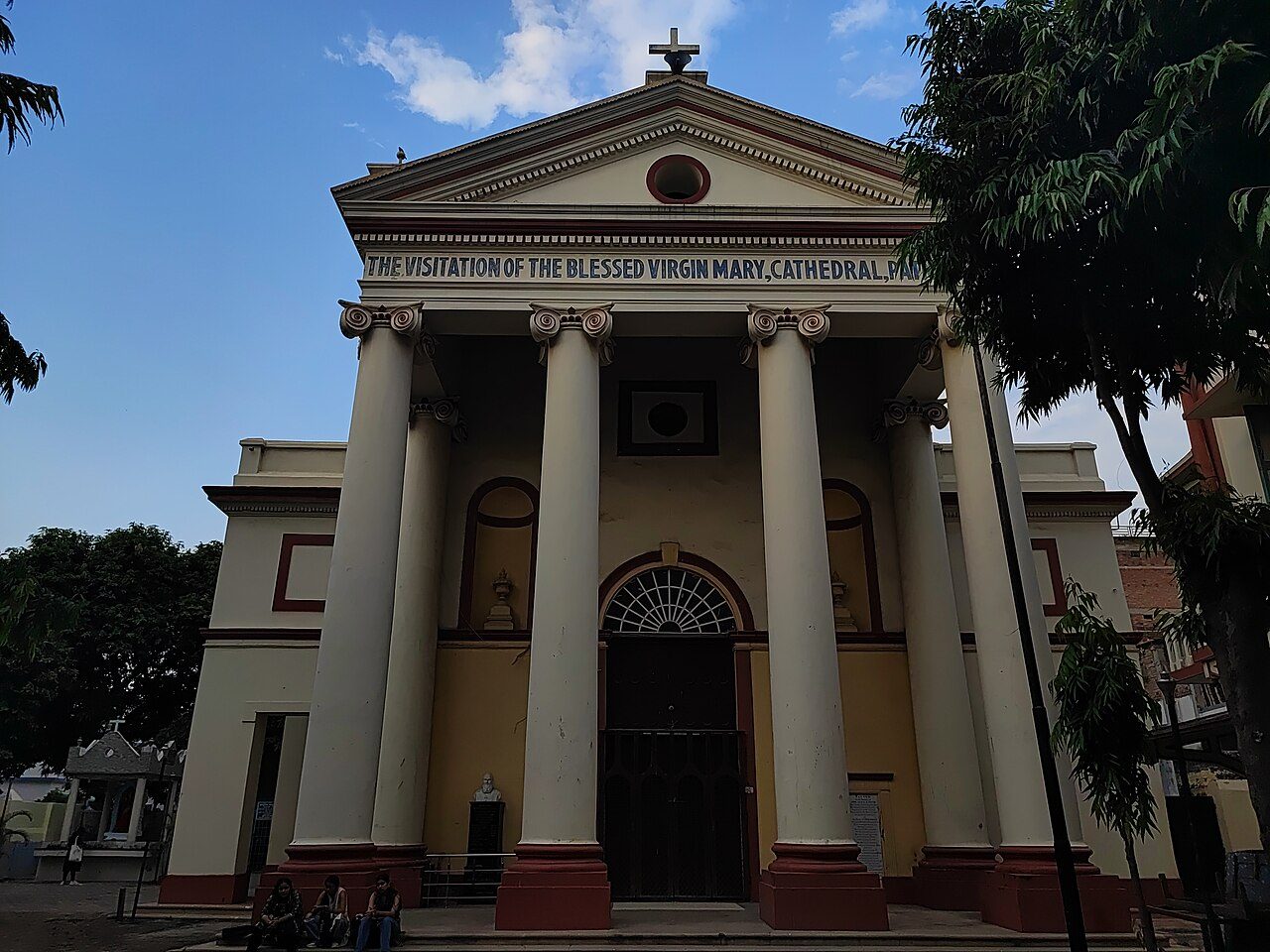
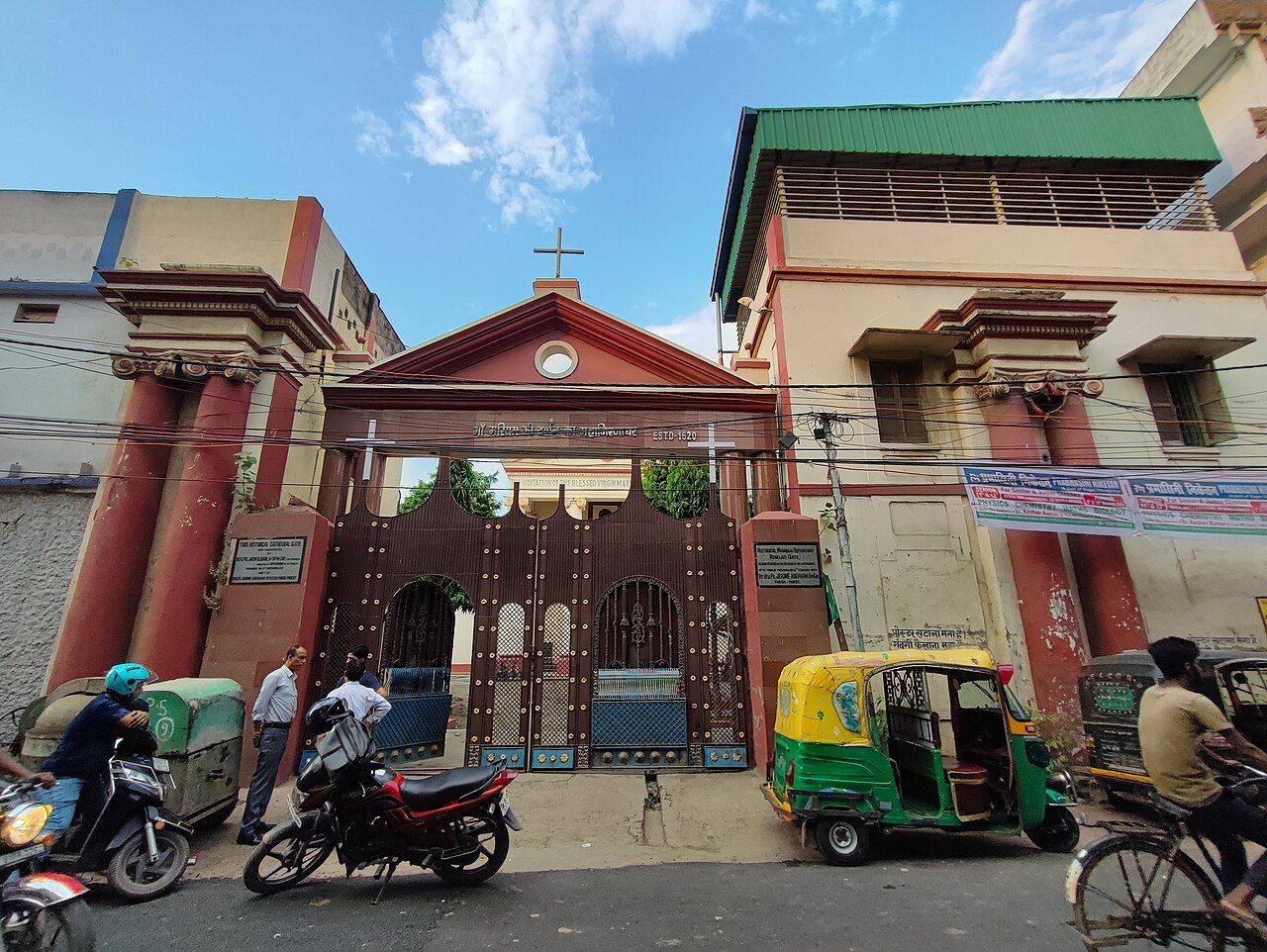
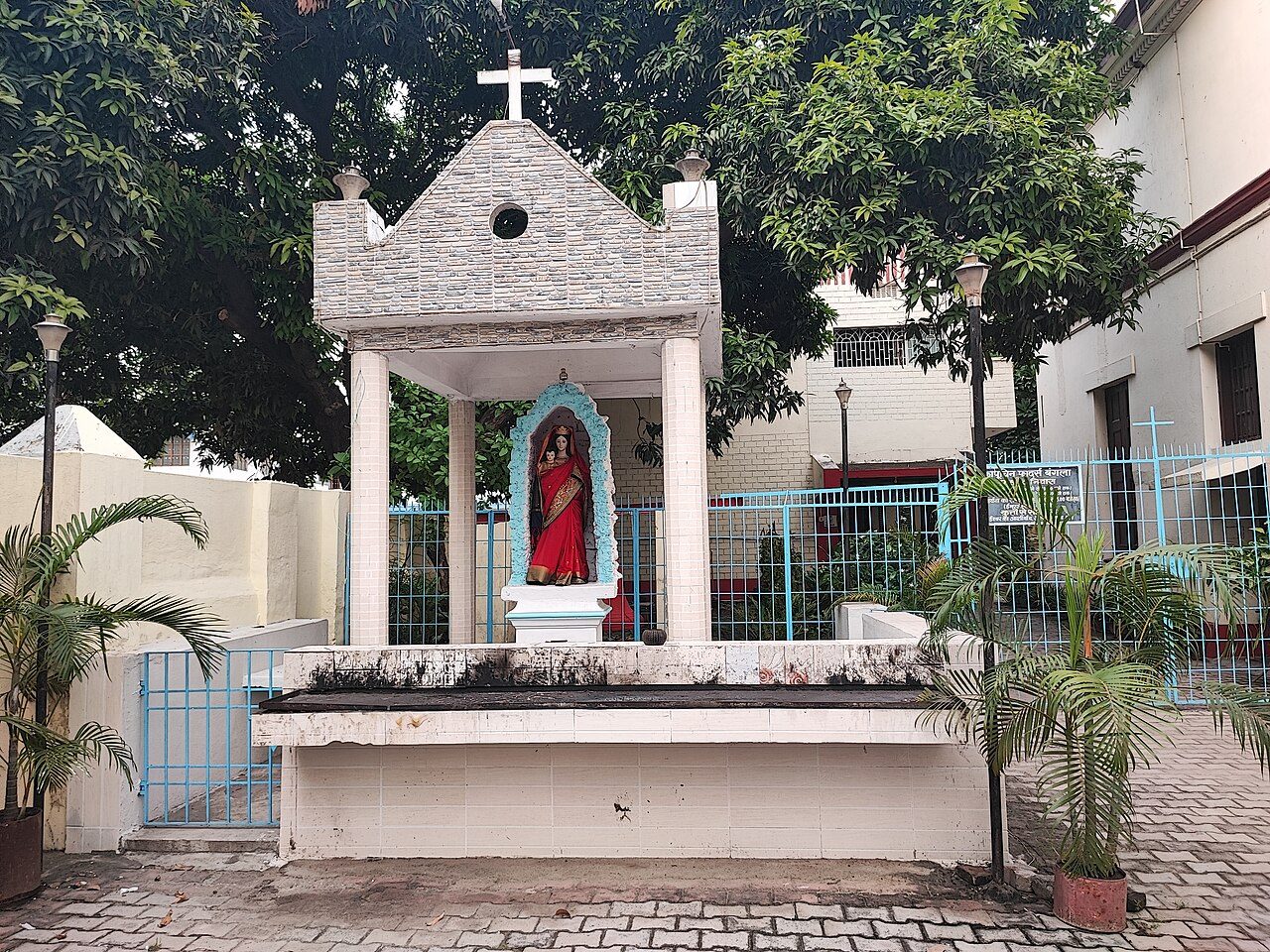
Padri Ki Haveli, the Church of the Visitation of the Blessed Virgin Mary, is the oldest church in Bihar. First built in 1713, it was rebuilt in its present form in 1772 to a design by the Venetian architect Tiretto. The cream-coloured building has a classical facade with Ionic columns and a large bell. Mother Teresa trained in nursing at the adjoining hospital.
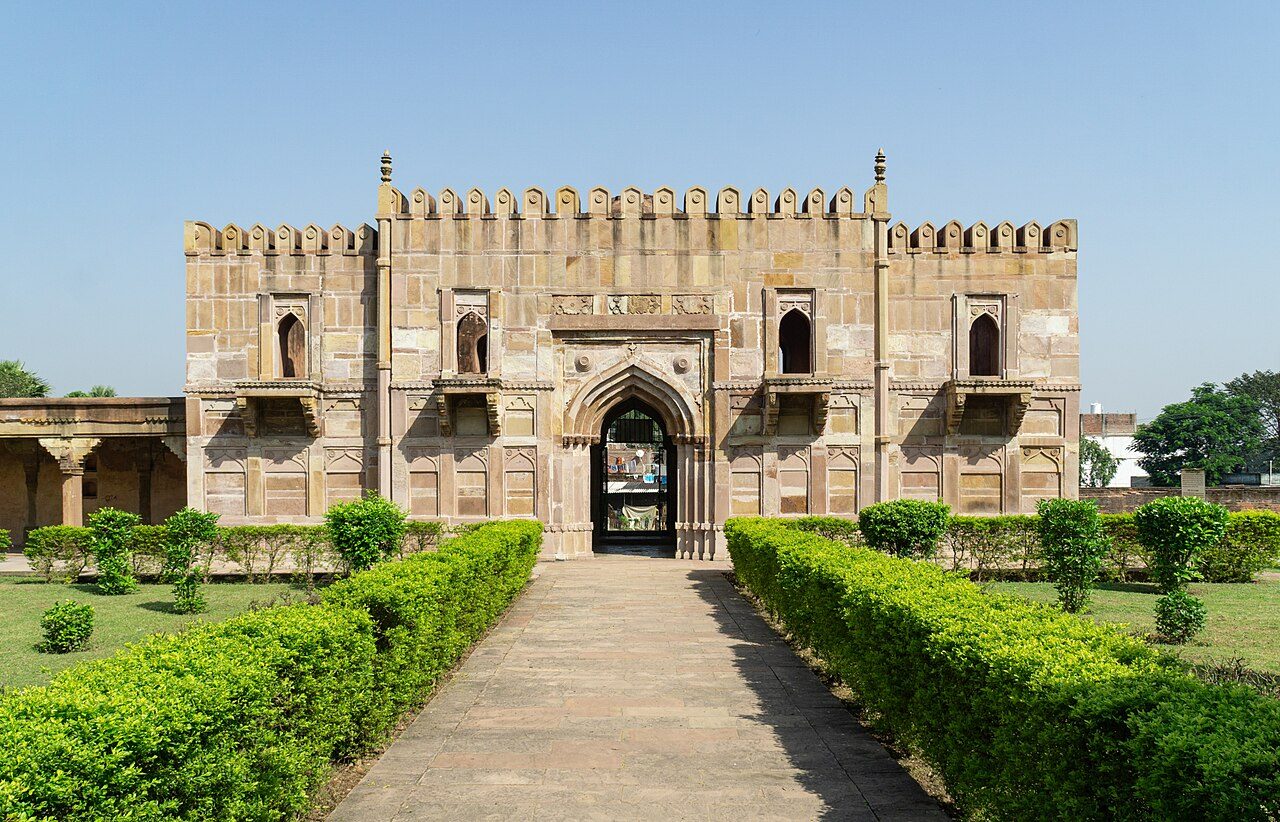
Maner Sharif, about 30 km west of Patna, is an important Sufi centre with two notable tombs. The Bari Dargah holds the 13th-century saint Makhdum Yahya Maneri; the Chhoti Dargah, the tomb of Makhdum Shah Daulat, was completed in 1616 and is among the finest Mughal monuments in eastern India, with a domed hall, carved ceilings and corner pavilions beside a tank.
Best weather: Nov – MarHeavy rain: Jul
Seasons from 20 years of NASA POWER climate data.
Was this trip blog helpful?
0
0
Ready to follow this route?
Copy all 10 stops into your trip plans in the app.
 WaTrips