Buddhist Bihar in 4 Days: Bodh Gaya, Rajgir, Nalanda, Vaishali and Kesaria
4 DAYS13 placesby WaTrips
The Mahabodhi Temple and Bodhi tree, Barabar caves, Rajgir, Nalanda and Pawapuri, then Vaishali and Kesaria.
Bihar is where the Buddha attained enlightenment, and this route follows his path. Day one is Bodh Gaya: the Mahabodhi Temple, a UNESCO World Heritage Site, the Bodhi tree, the Great Buddha statue and the monasteries built by Buddhist countries. Day two visits the Barabar caves and Rajgir's Venuvana grove and Vishwa Shanti Stupa. Day three explores the ruins of Nalanda university and the Jal Mandir at Pawapuri. Day four goes north to Vaishali's Ashokan pillar and the great stupa at Kesaria. October to March is best; Bodh Gaya is busiest in winter.
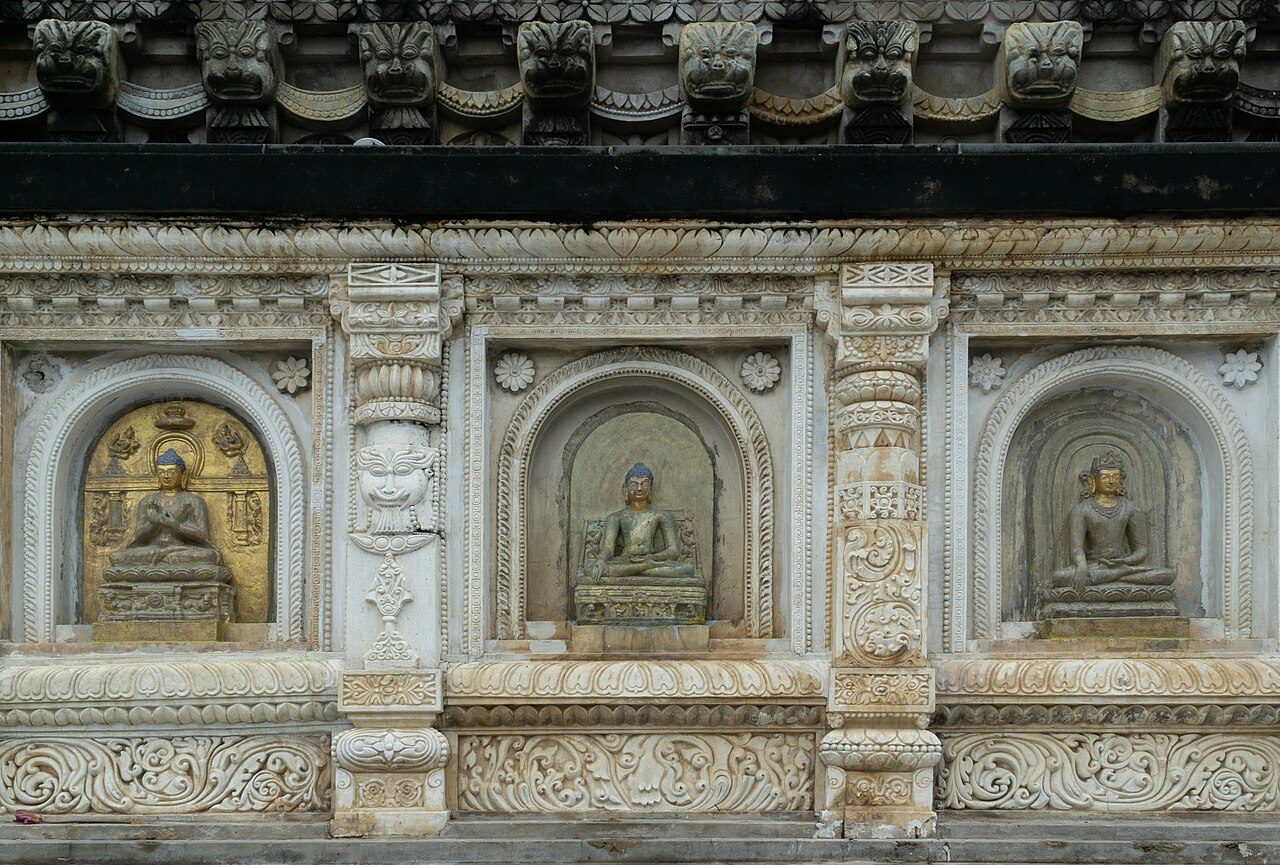
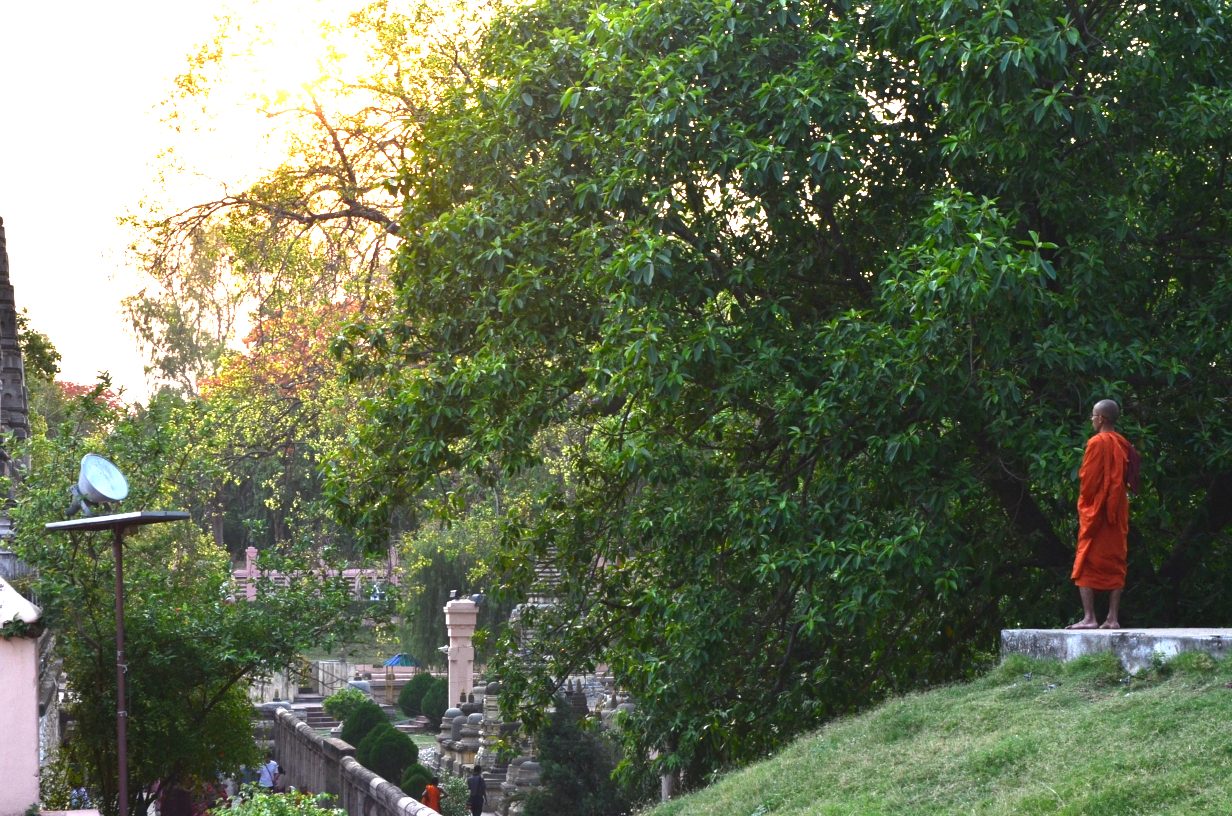
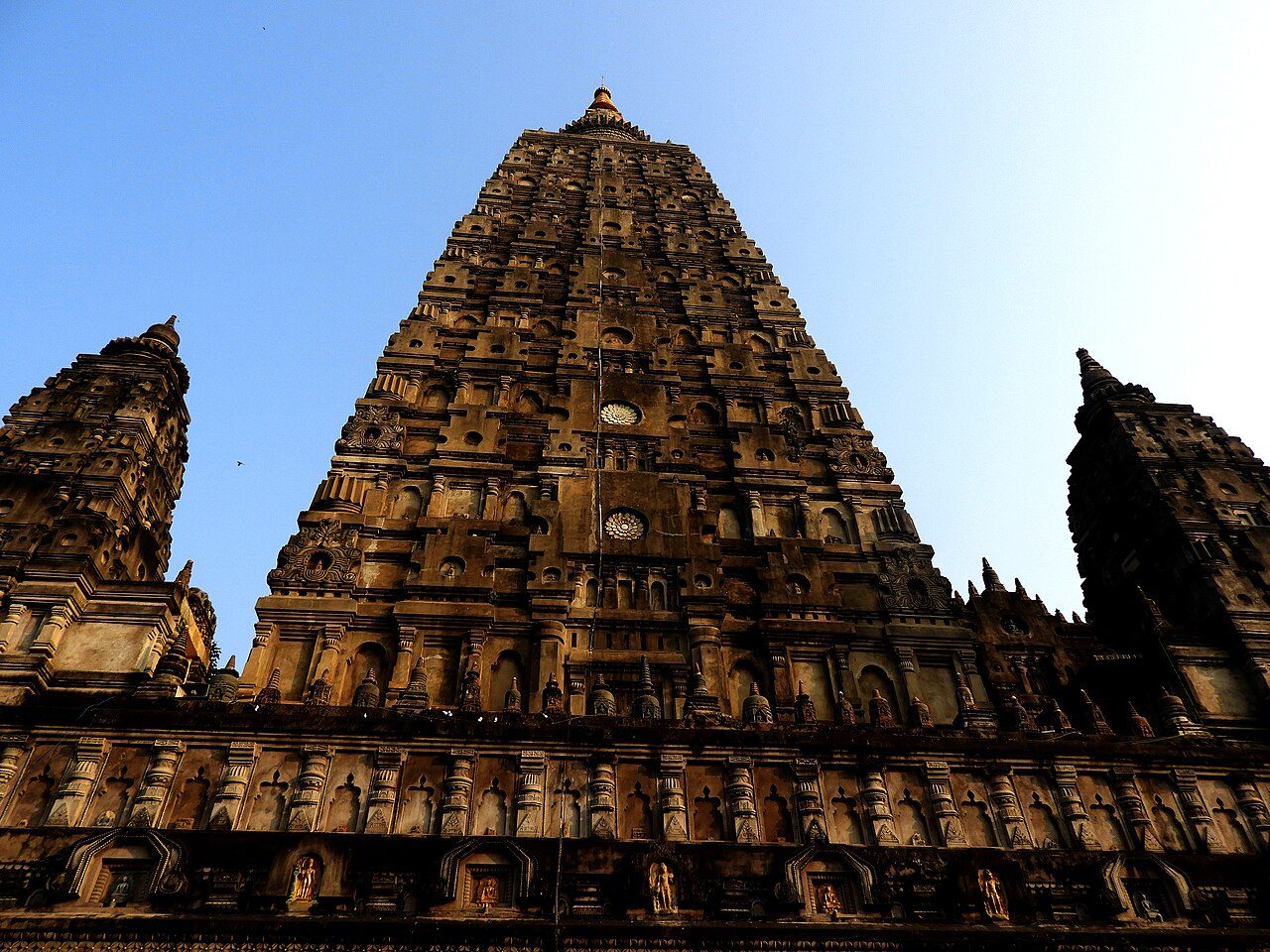
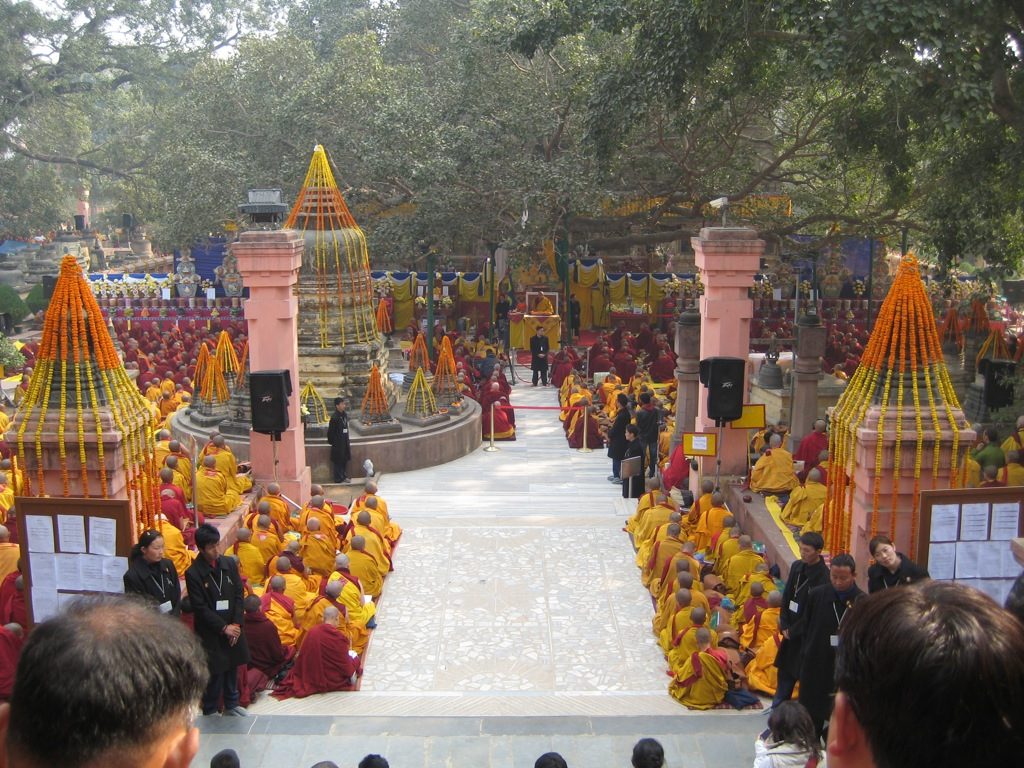
The Mahabodhi Temple at Bodh Gaya marks the place where Siddhartha Gautama attained enlightenment beneath the Bodhi tree and became the Buddha. The brick temple with its 55-metre pyramidal tower dates largely from the 5th and 6th centuries and is a UNESCO World Heritage Site. A descendant of the Bodhi tree grows behind it beside the Diamond Throne. Pilgrims from every Buddhist country gather here; phones are not allowed inside.
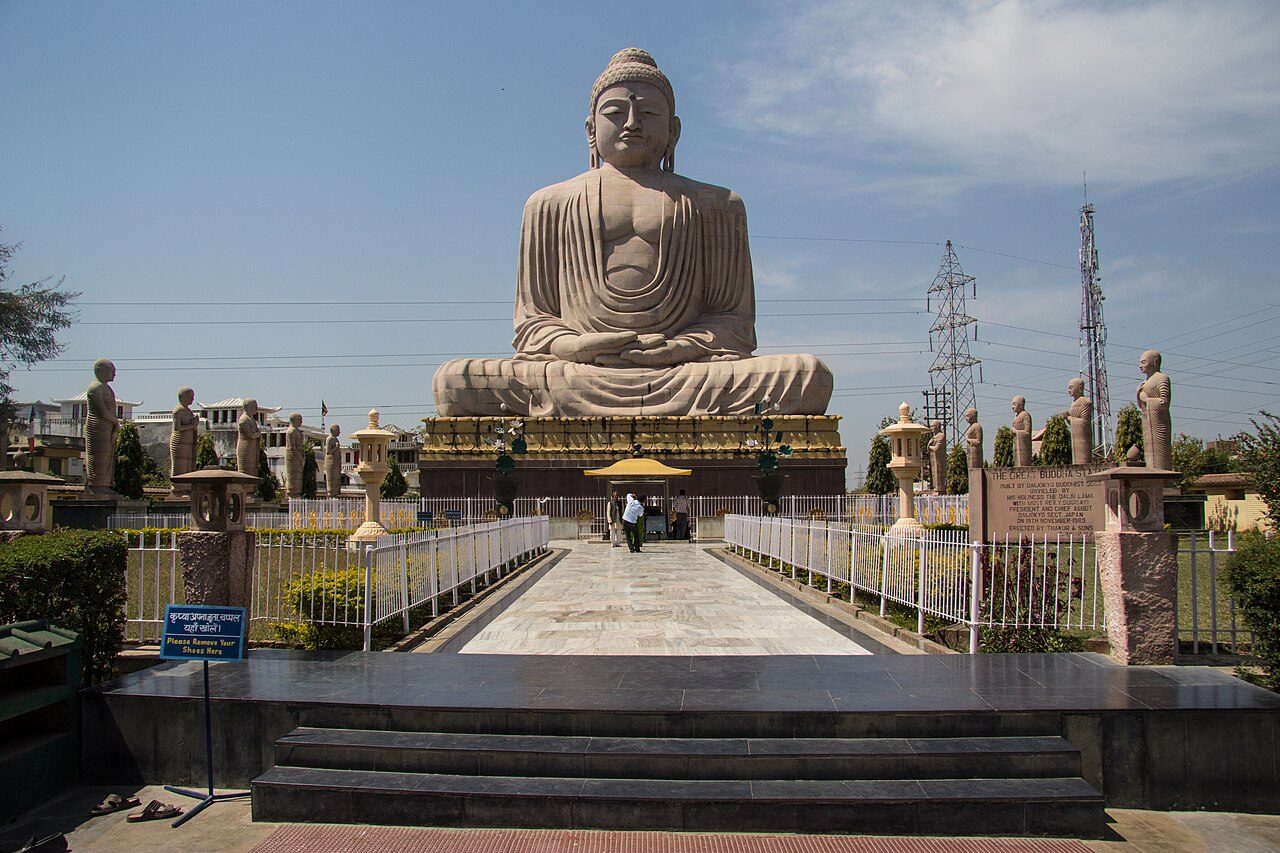
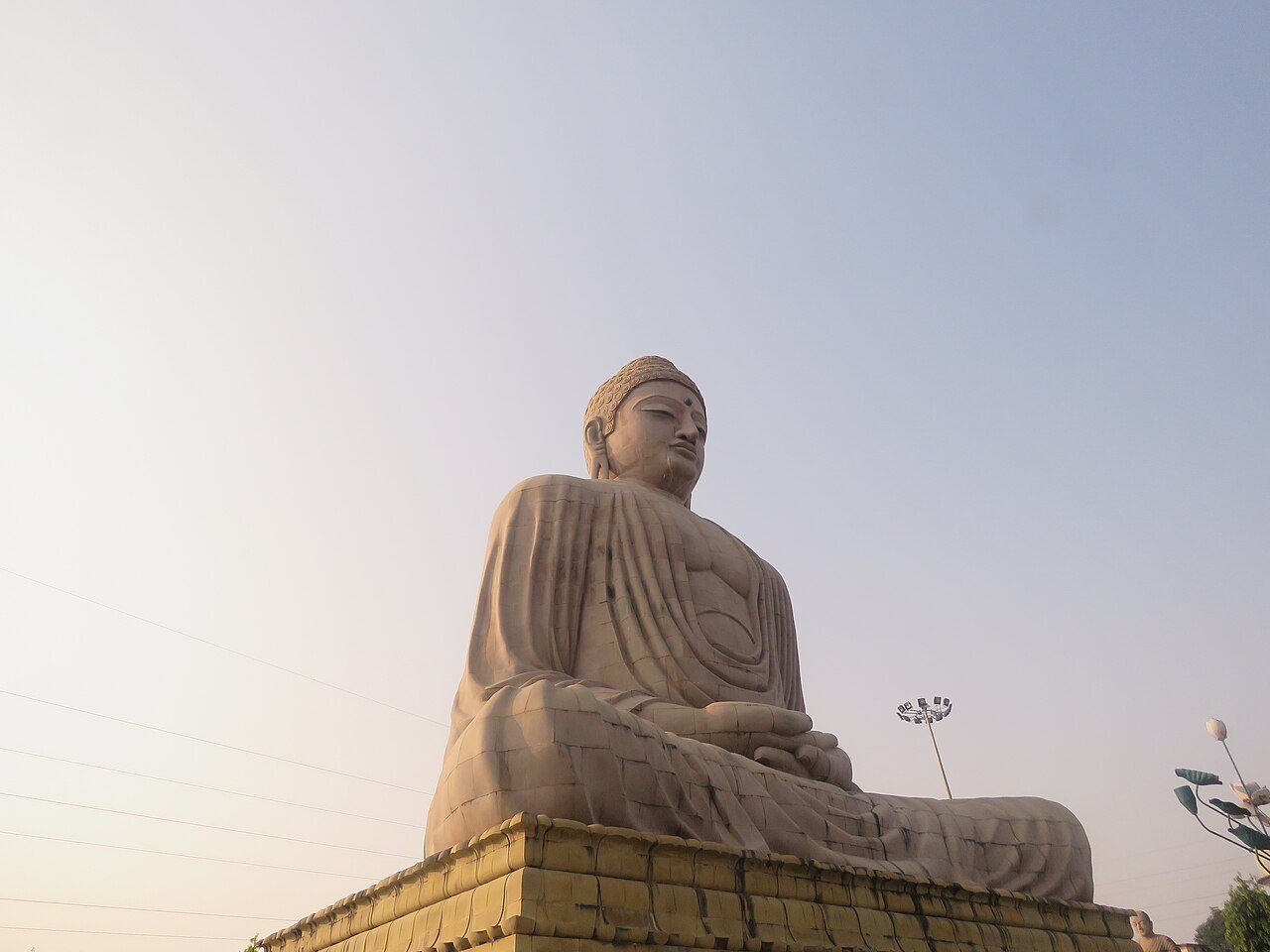
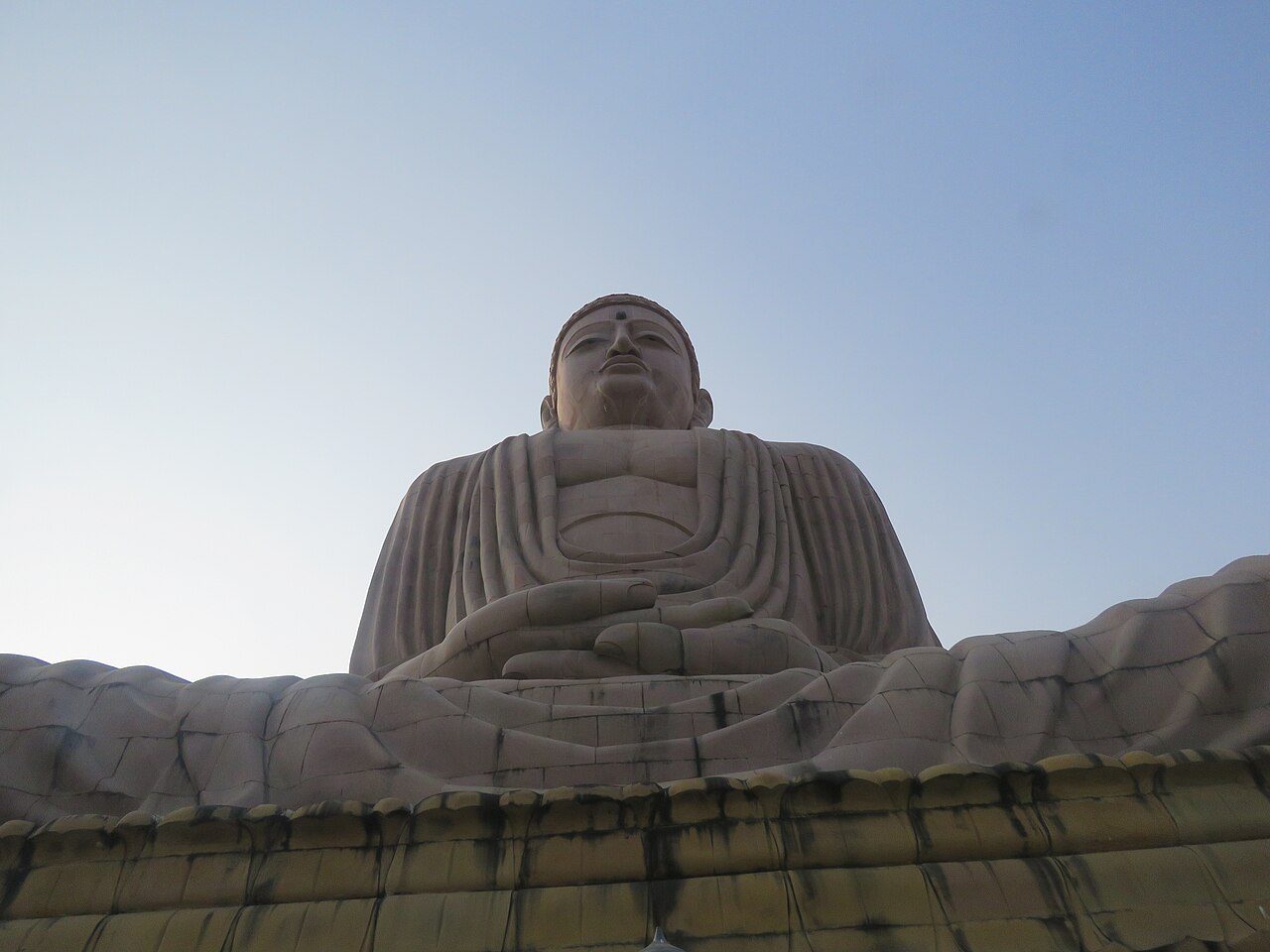
The Great Buddha Statue at Bodh Gaya, about 25 metres high, shows the Buddha seated in meditation on a lotus. Built of sandstone and red granite, it was consecrated by the Dalai Lama in 1989. Ten smaller statues of his chief disciples line the approach. It stands in a garden beside the Japanese Daijokyo temple, a short walk from the Mahabodhi Temple.
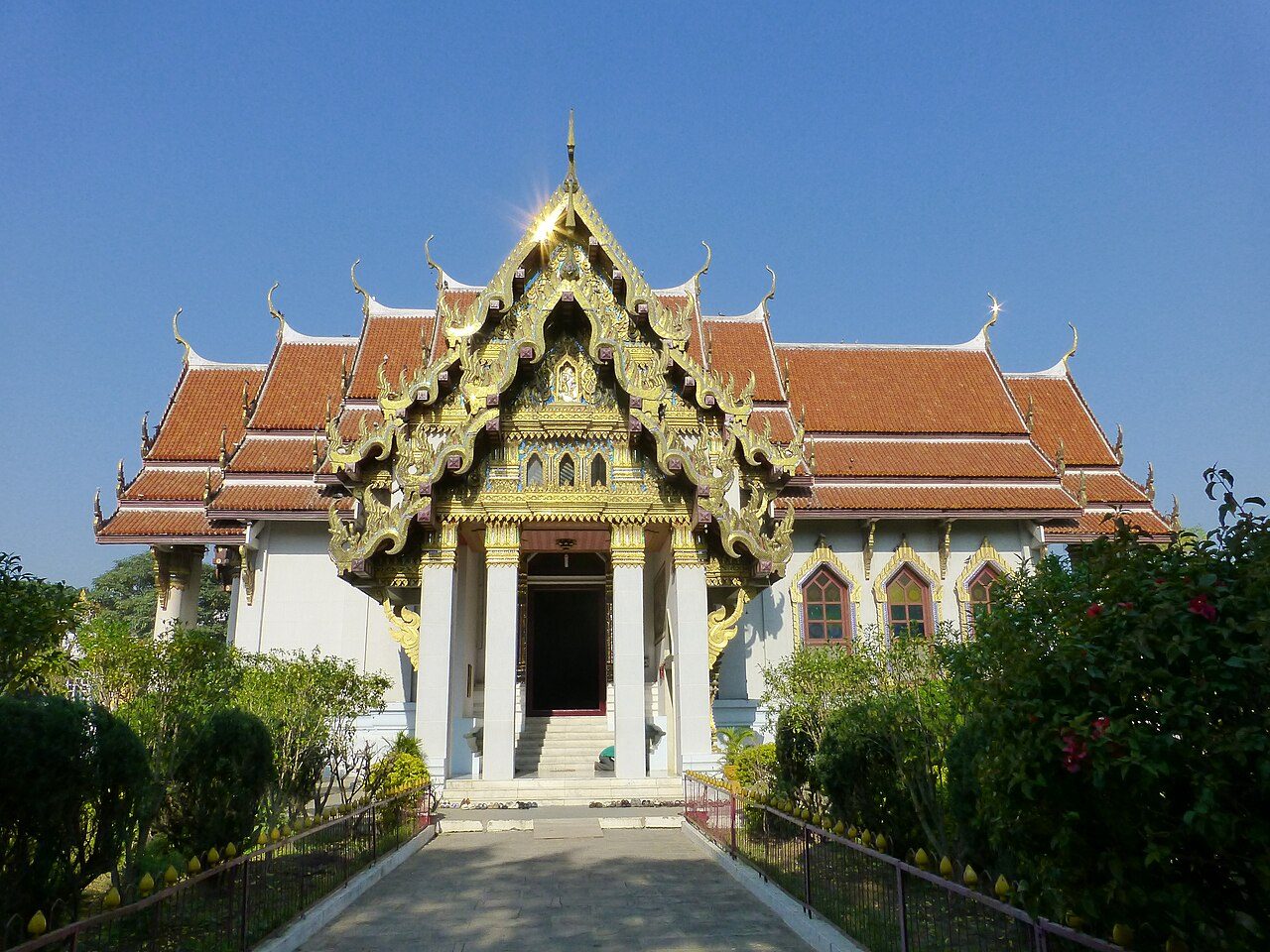
The Thai Monastery at Bodh Gaya, Wat Thai Buddhagaya, was built in 1956 by the Thai monarch at the invitation of the Indian government. Its sloping roof of golden tiles with curved finials is in classic Thai style, and the hall holds a bronze Buddha image and bright murals of his life. It is one of the oldest of the many national monasteries around the Mahabodhi Temple.
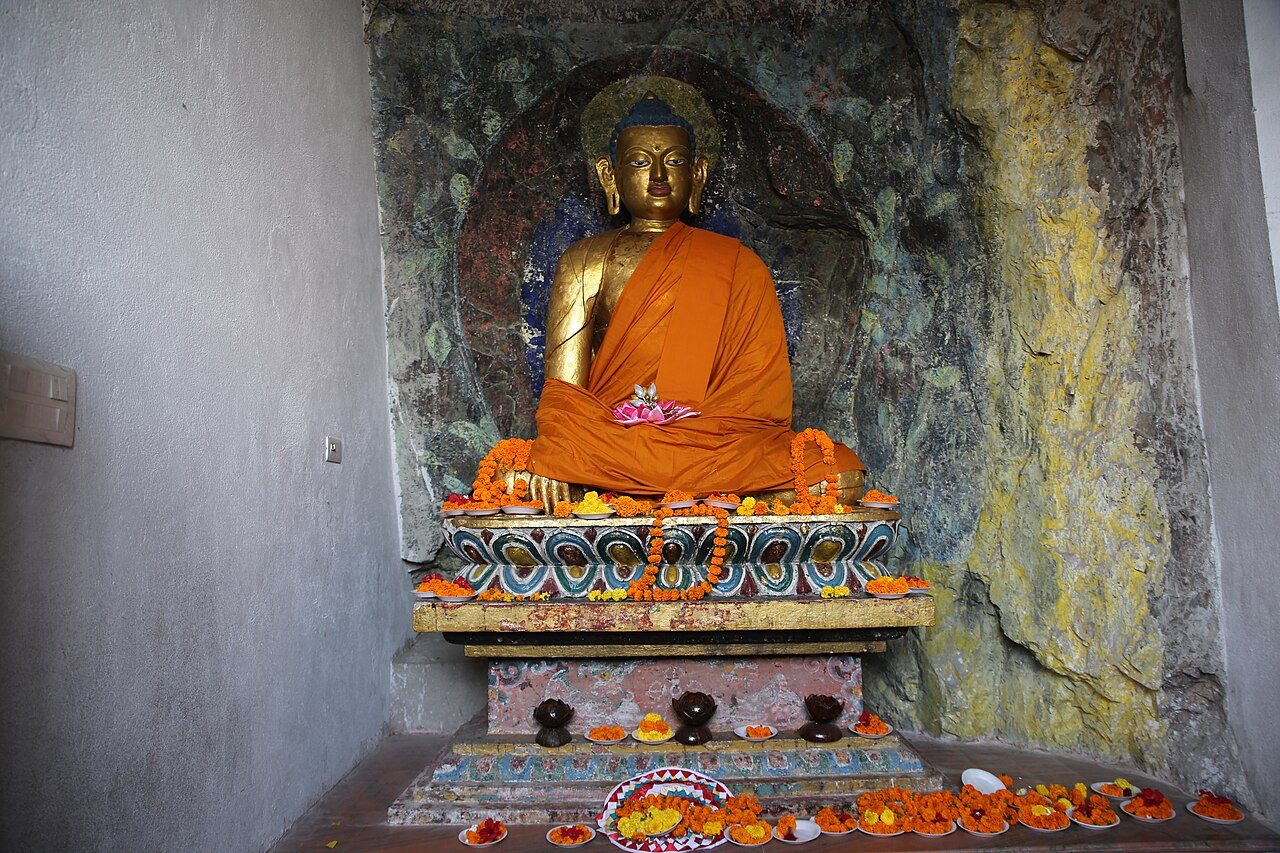
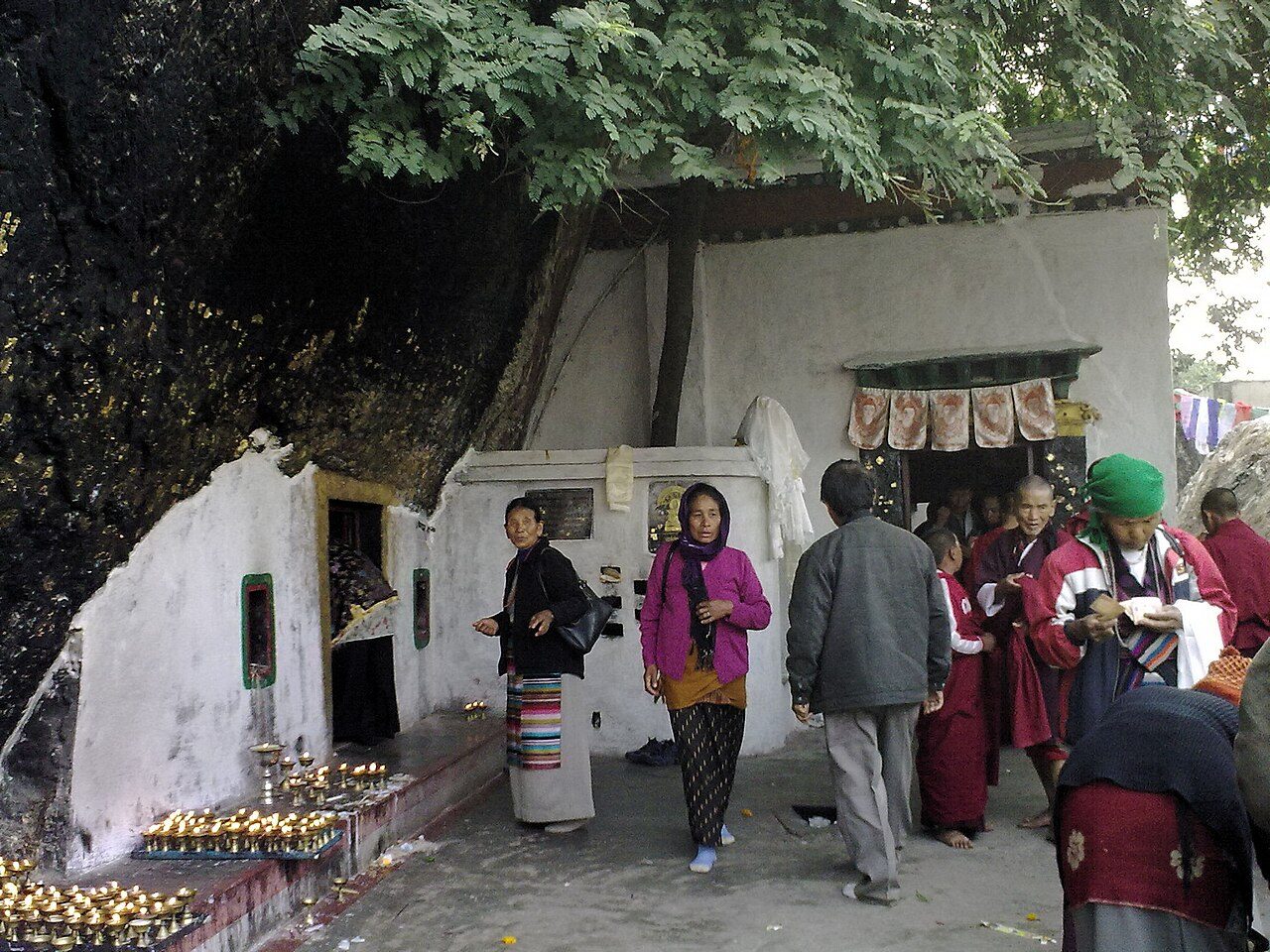
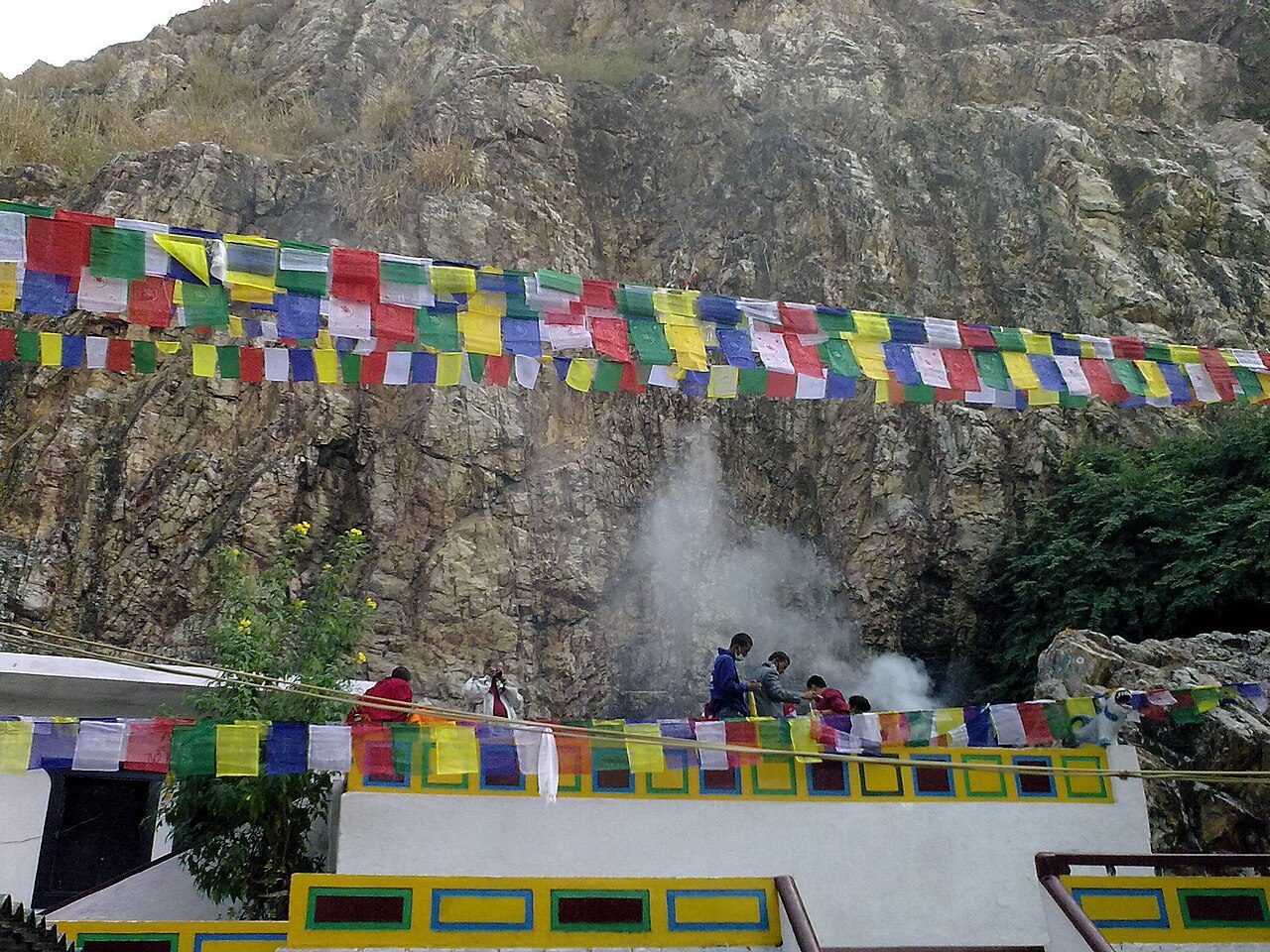
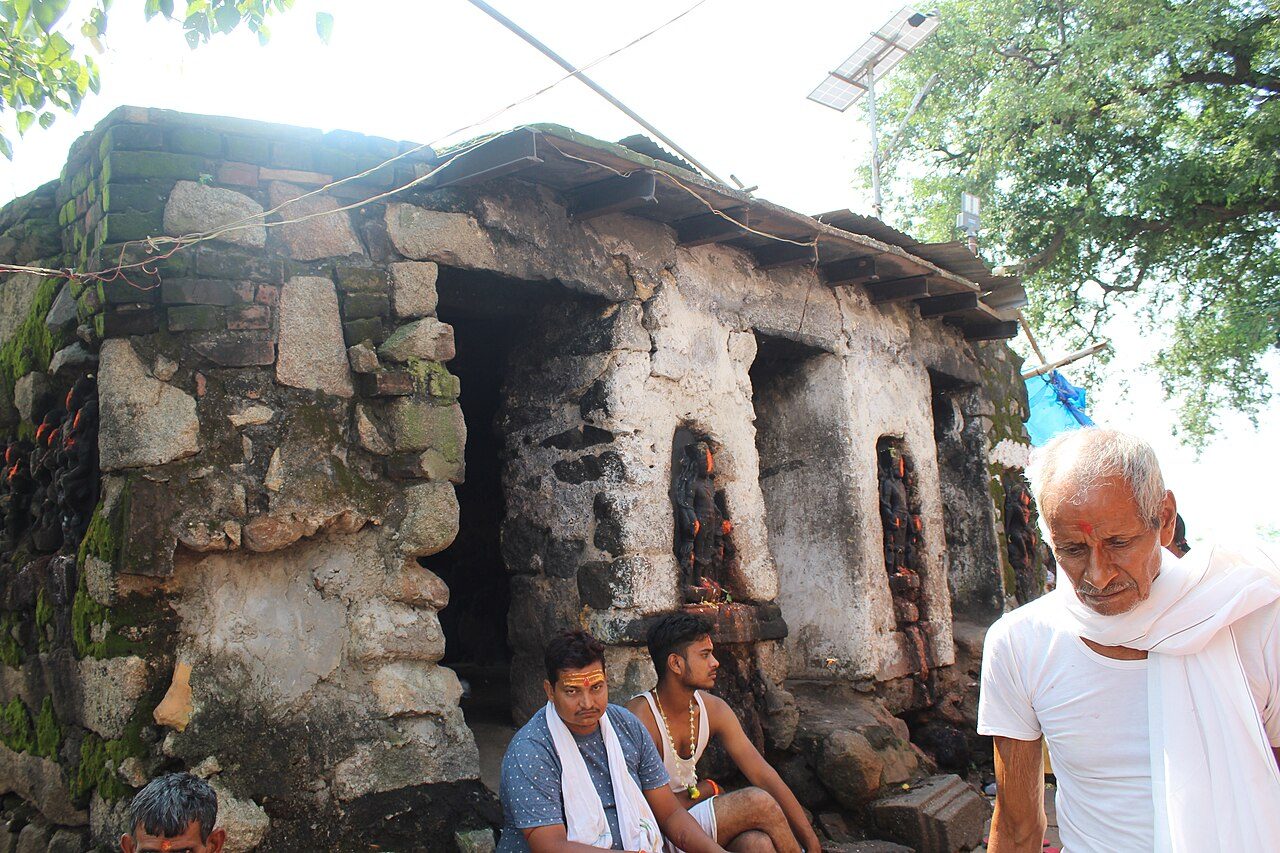
The Dungeshwari caves, also called the Mahakala caves, lie in the hills about 12 km from Bodh Gaya. Tradition holds that Siddhartha practised severe austerities here for six years before walking to Bodh Gaya. Small shrines in the caves hold a gilded image of the emaciated Buddha and a Hindu goddess. A steep path leads up from the road.
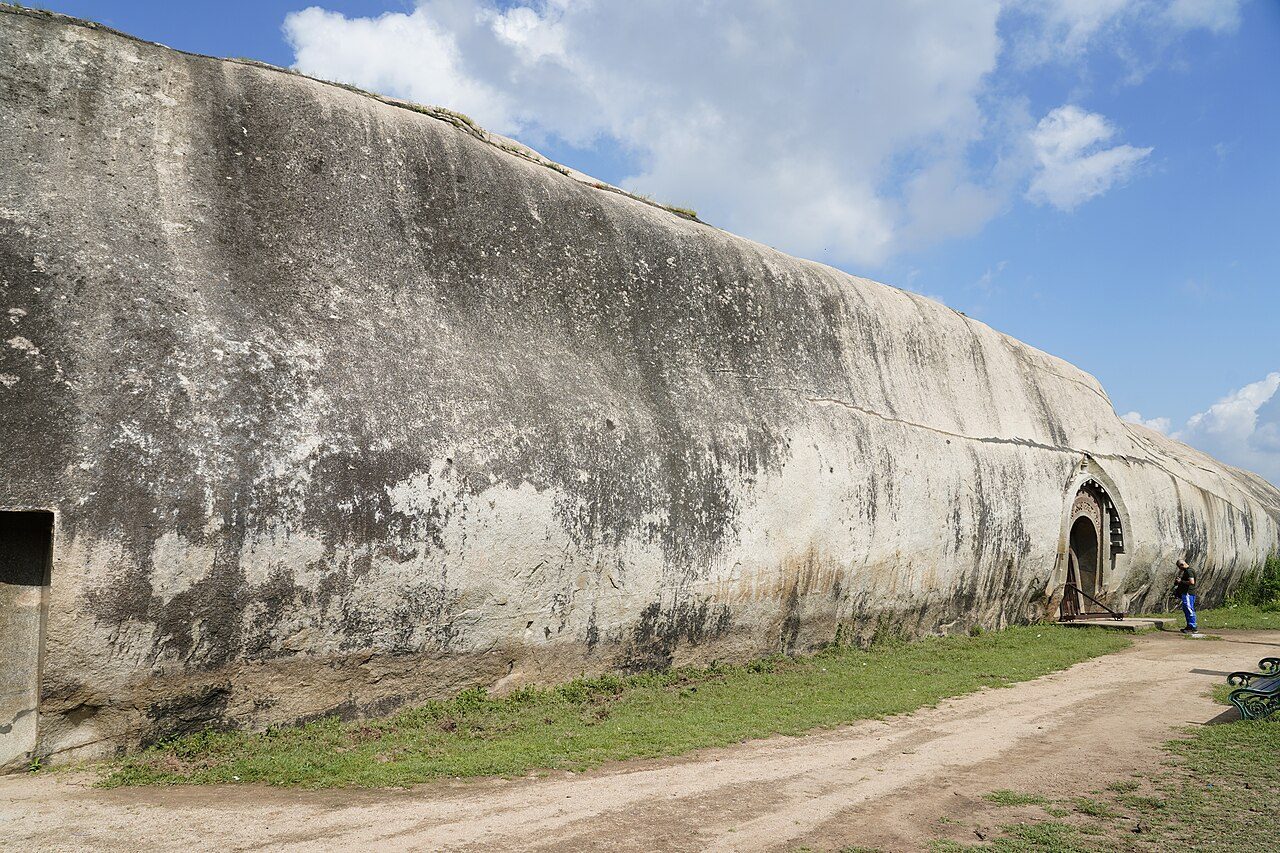
The Barabar Caves in Jehanabad district are the oldest surviving rock-cut caves in India, dating from the 3rd century BCE. Carved from granite for the Ajivika sect under Emperor Ashoka, they have interiors polished to a mirror finish. The Lomas Rishi cave has a famous doorway imitating wood and thatch. The caves inspired the setting of E. M. Forster's A Passage to India.
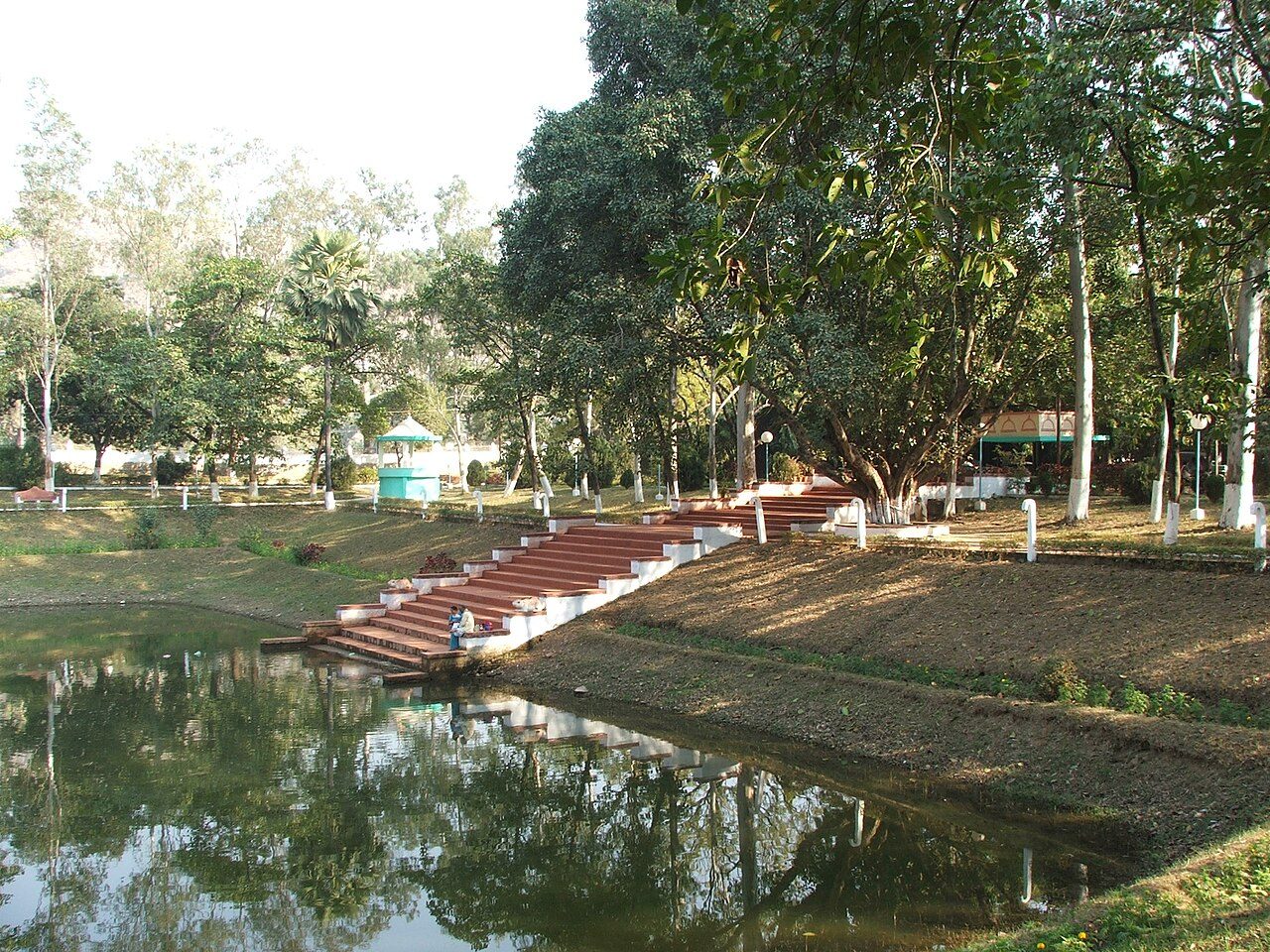
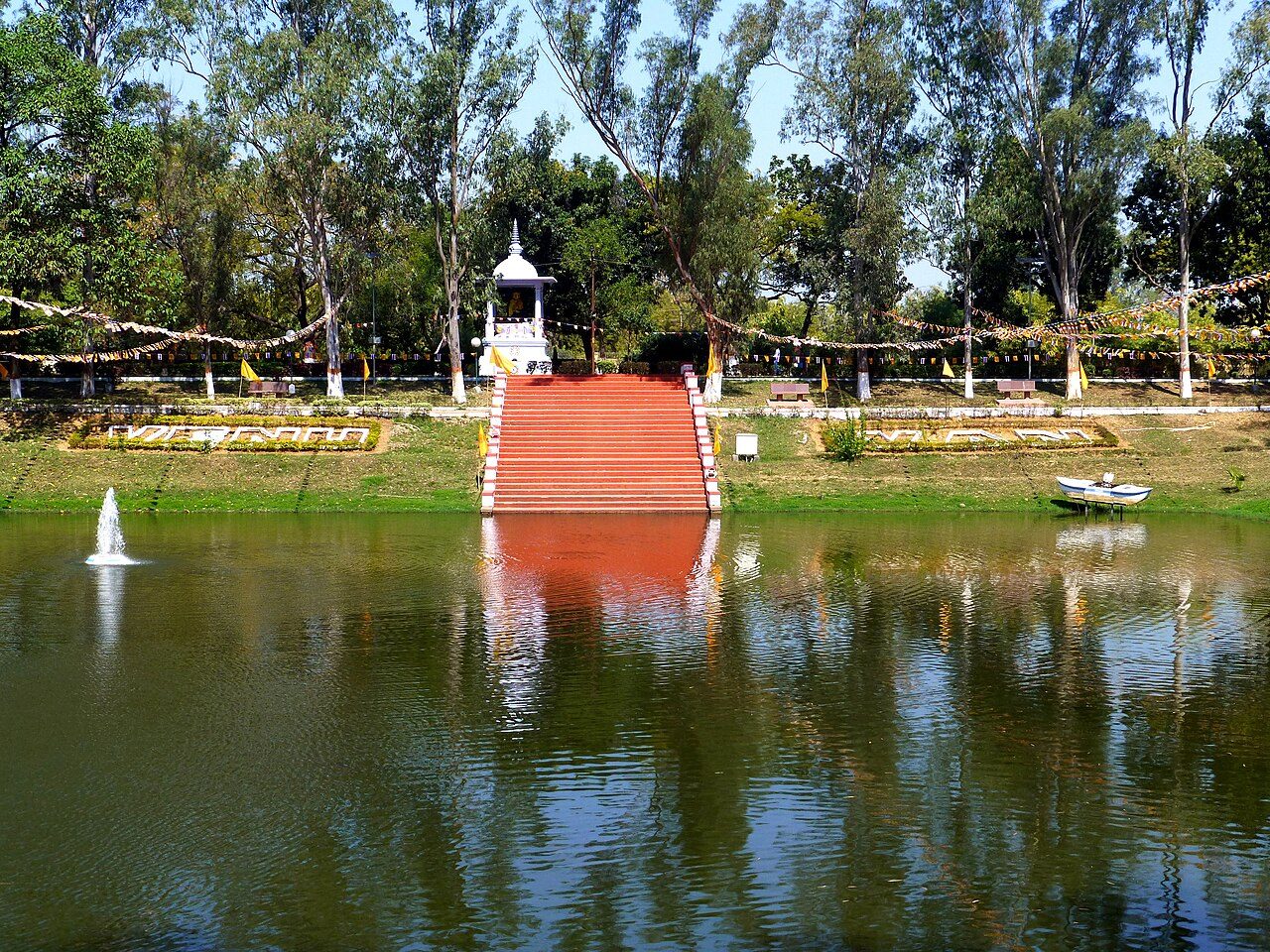
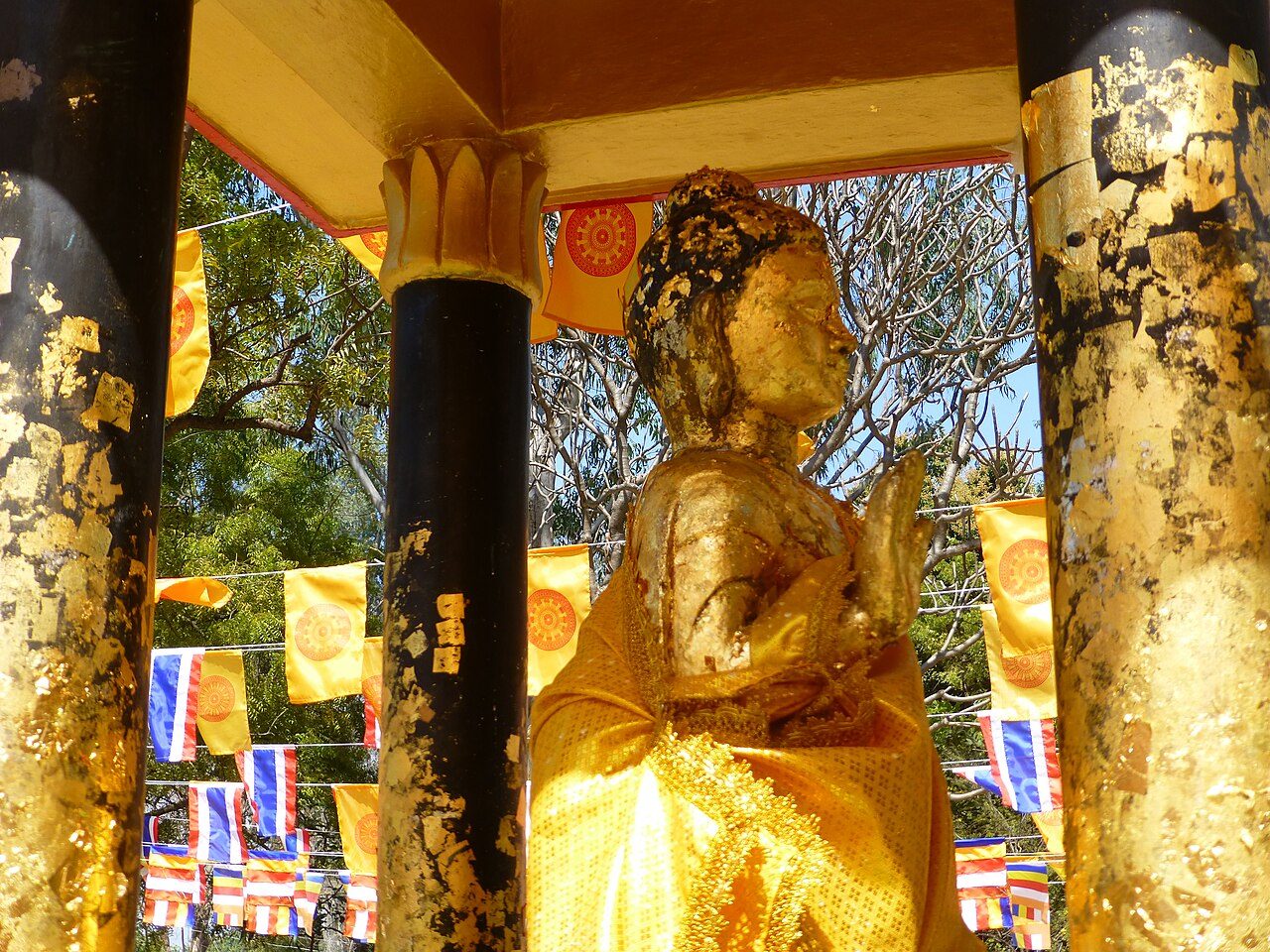
Venuvana, the 'bamboo grove', was the first piece of land given to the Buddha, a gift from King Bimbisara of Magadha, and he spent several rainy seasons here. Today it is a quiet park in Rajgir with bamboo clumps, a large pond called Karanda Tank and a modern shrine with a Buddha image. It lies near the hot springs.
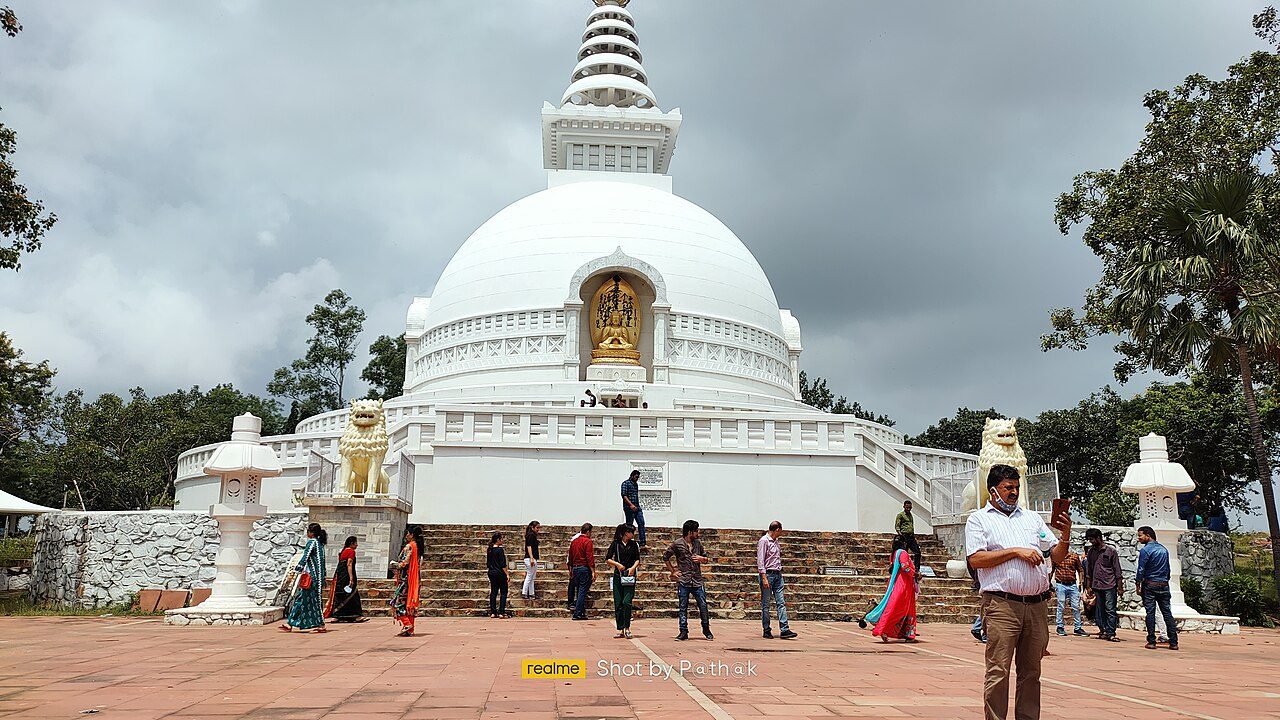
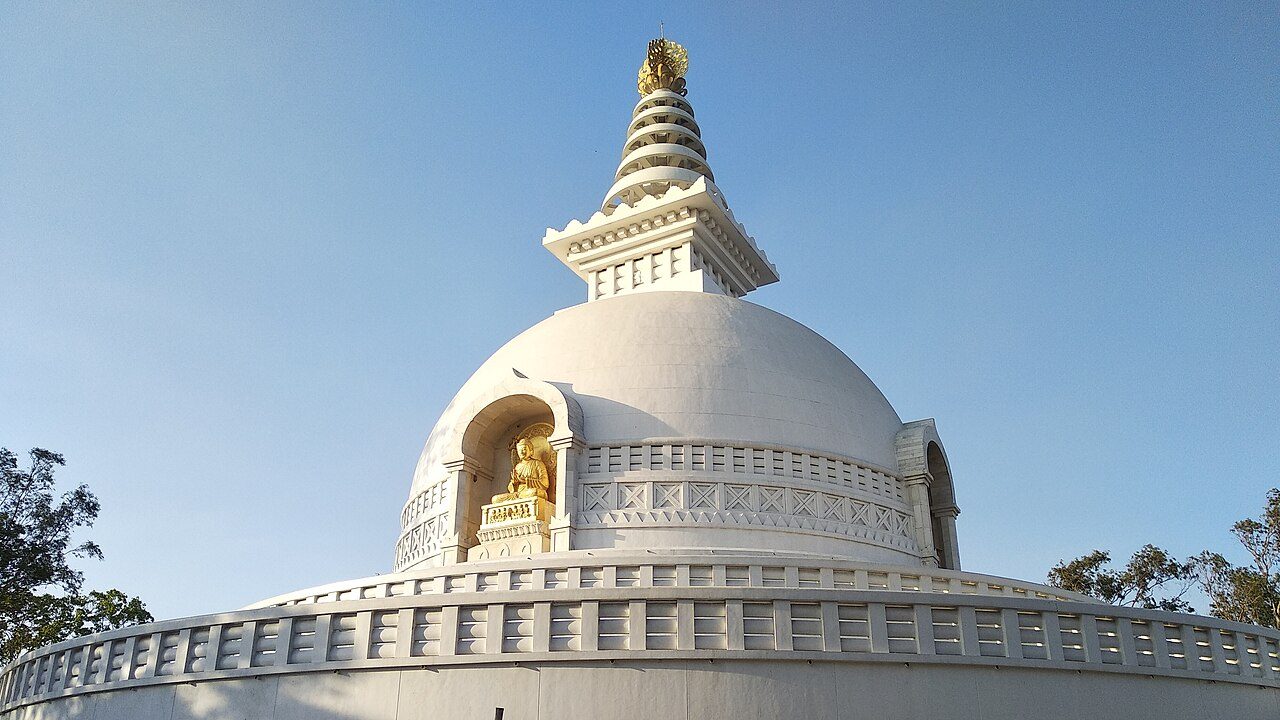
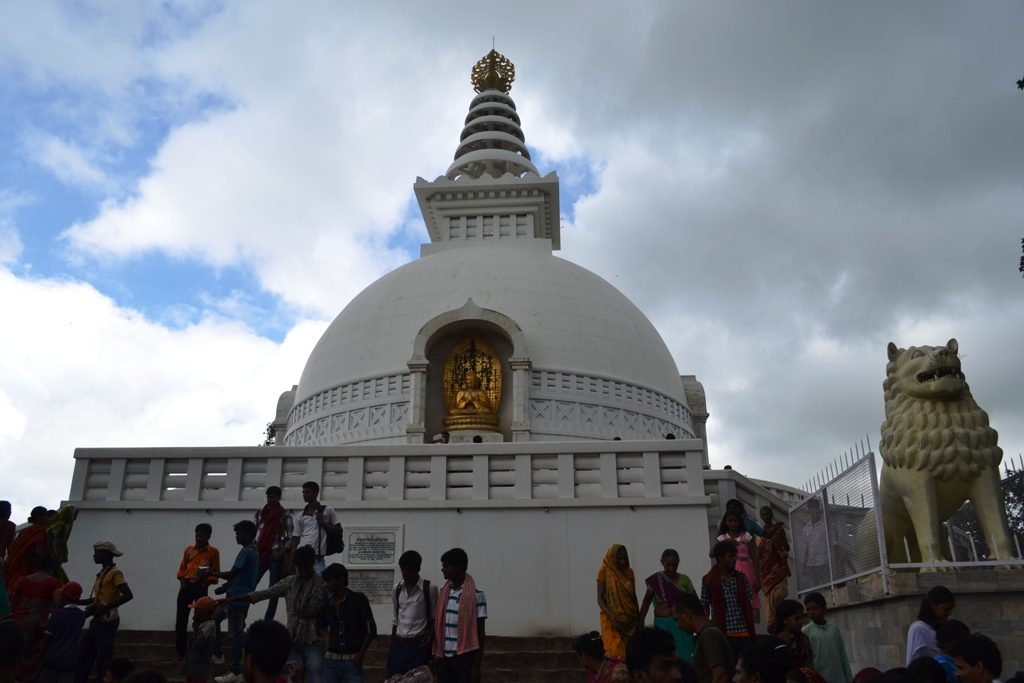
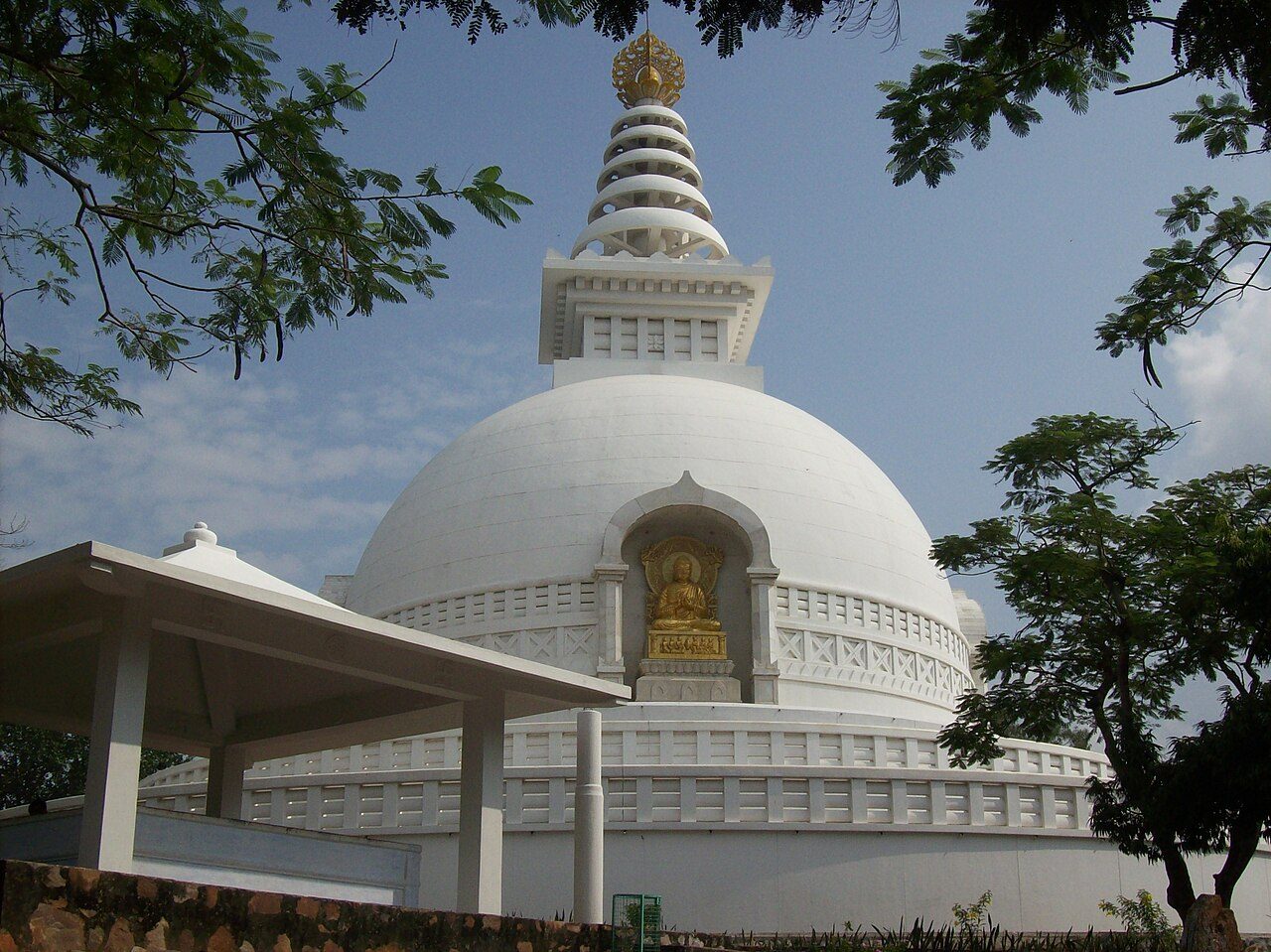
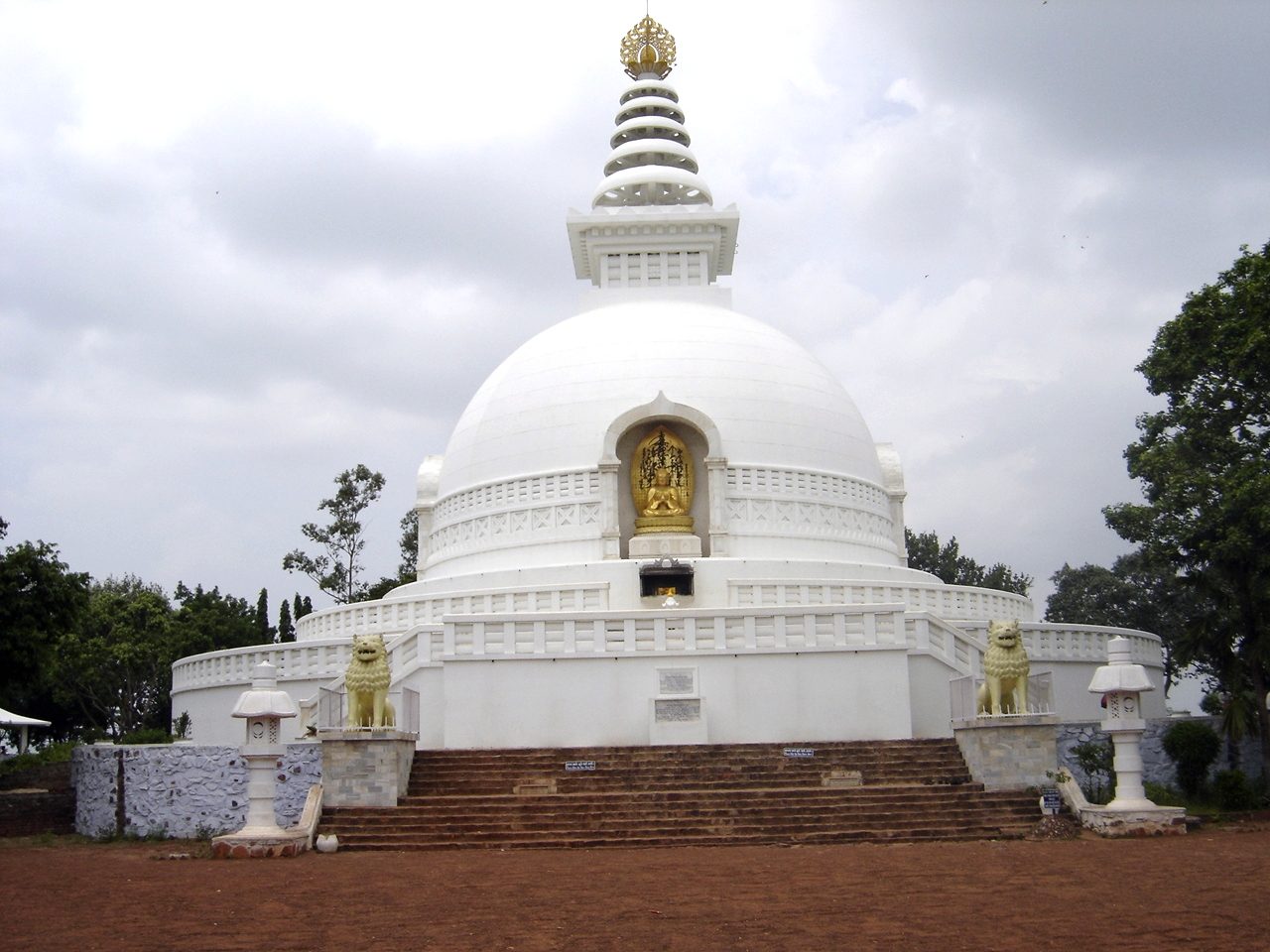
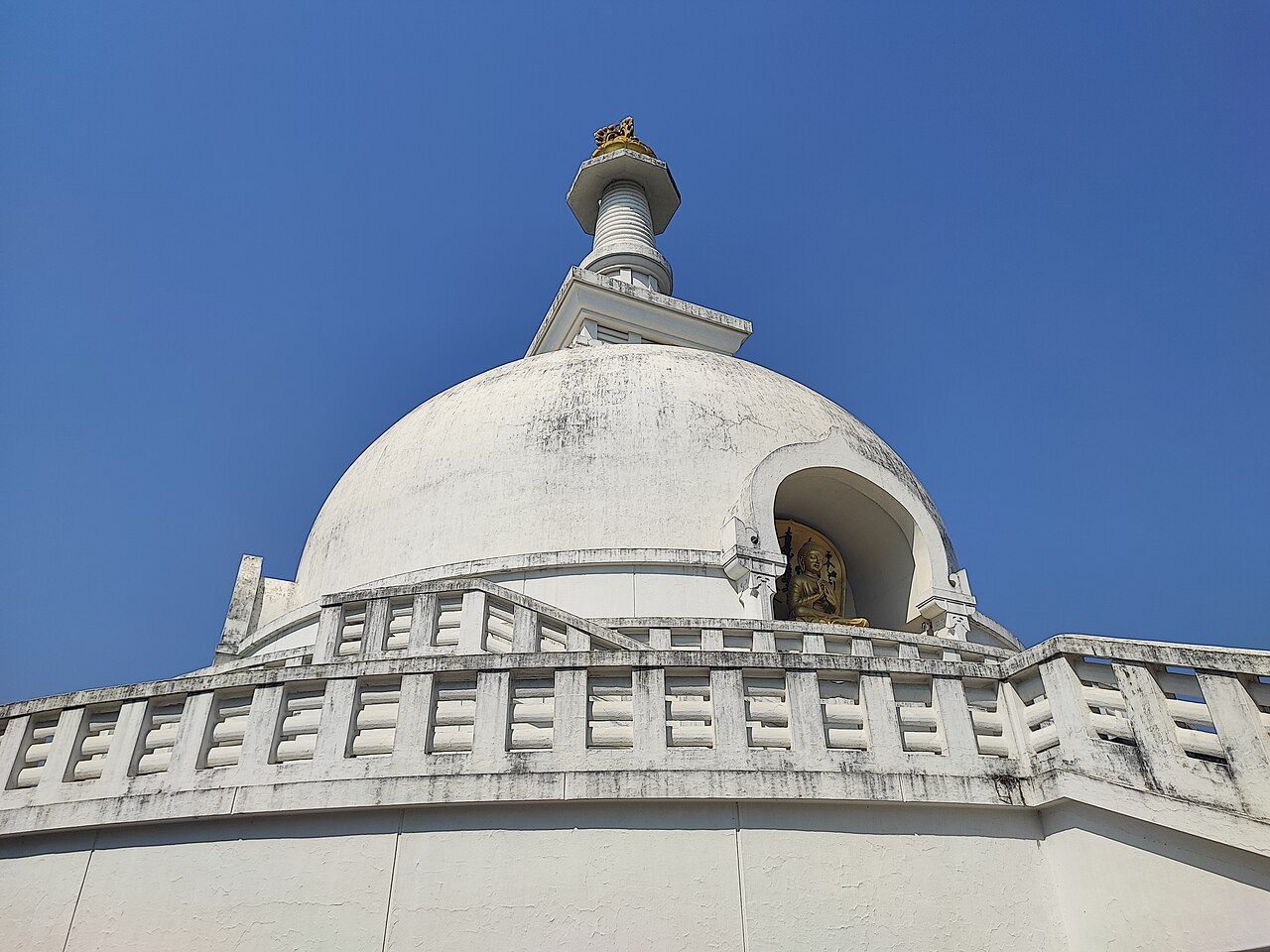
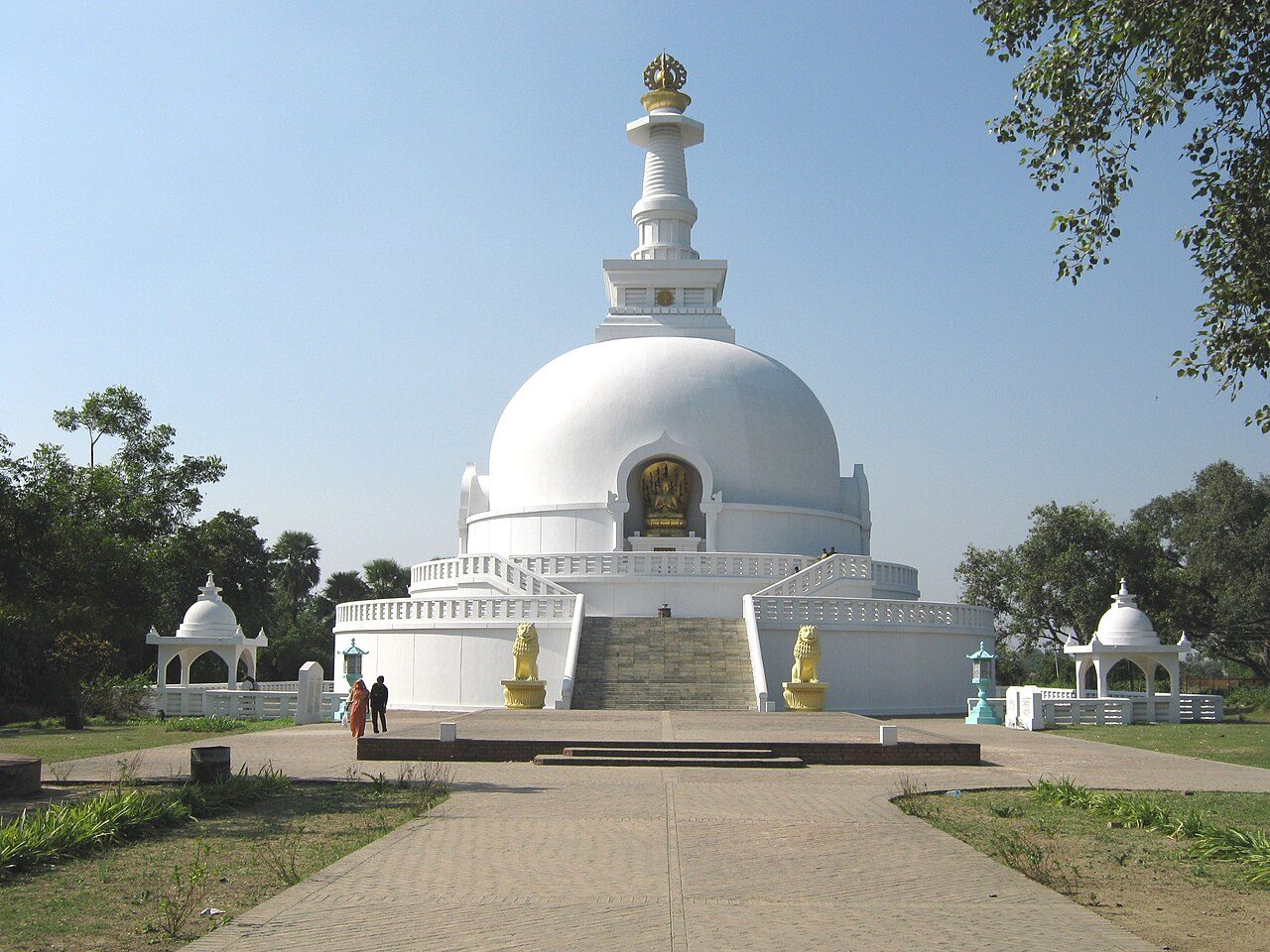
The Vishwa Shanti Stupa at Rajgir is a white peace pagoda built by Japanese Buddhists in 1969 on Ratnagiri hill. Four golden statues around its dome depict the birth, enlightenment, teaching and passing of the Buddha. It is reached by a chairlift ropeway or a long flight of steps, and the path continues to Vulture Peak, where the Buddha preached.
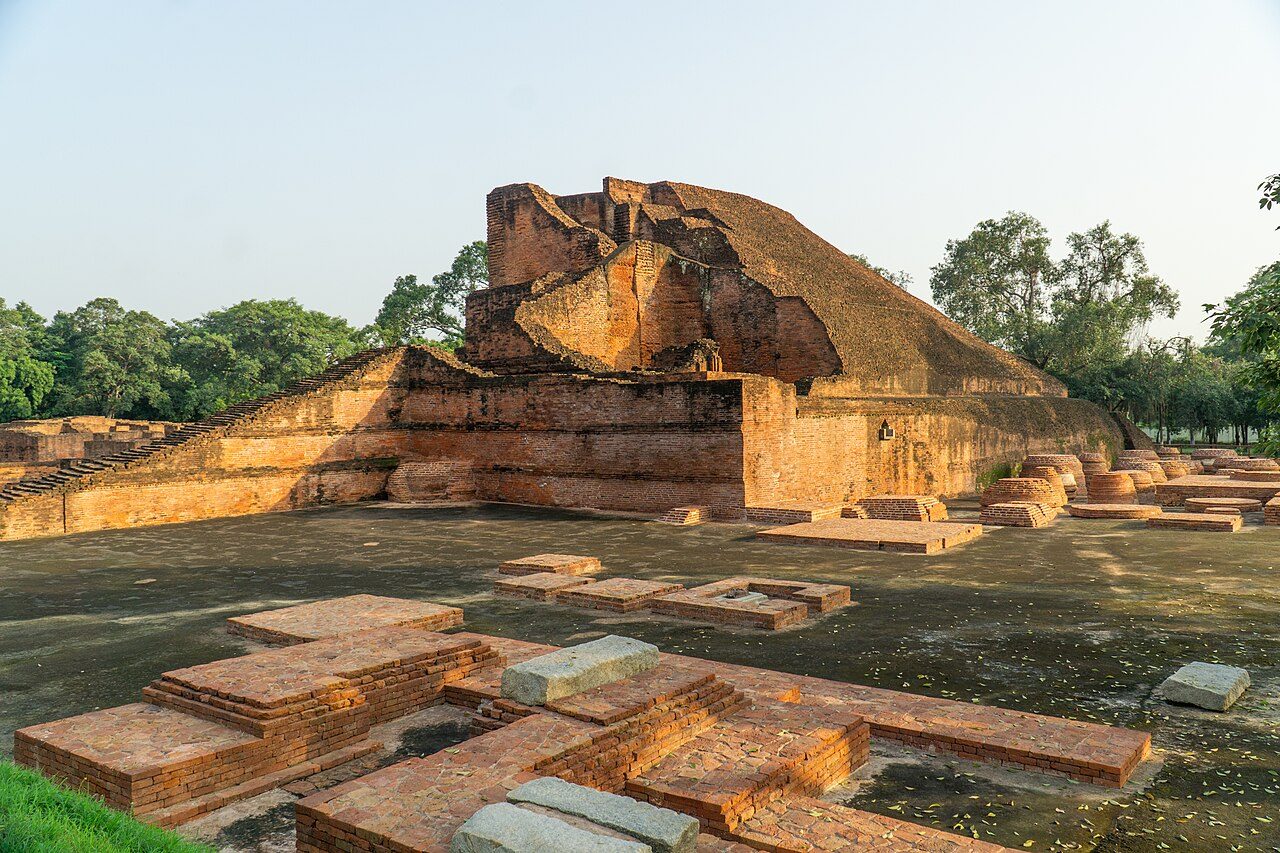
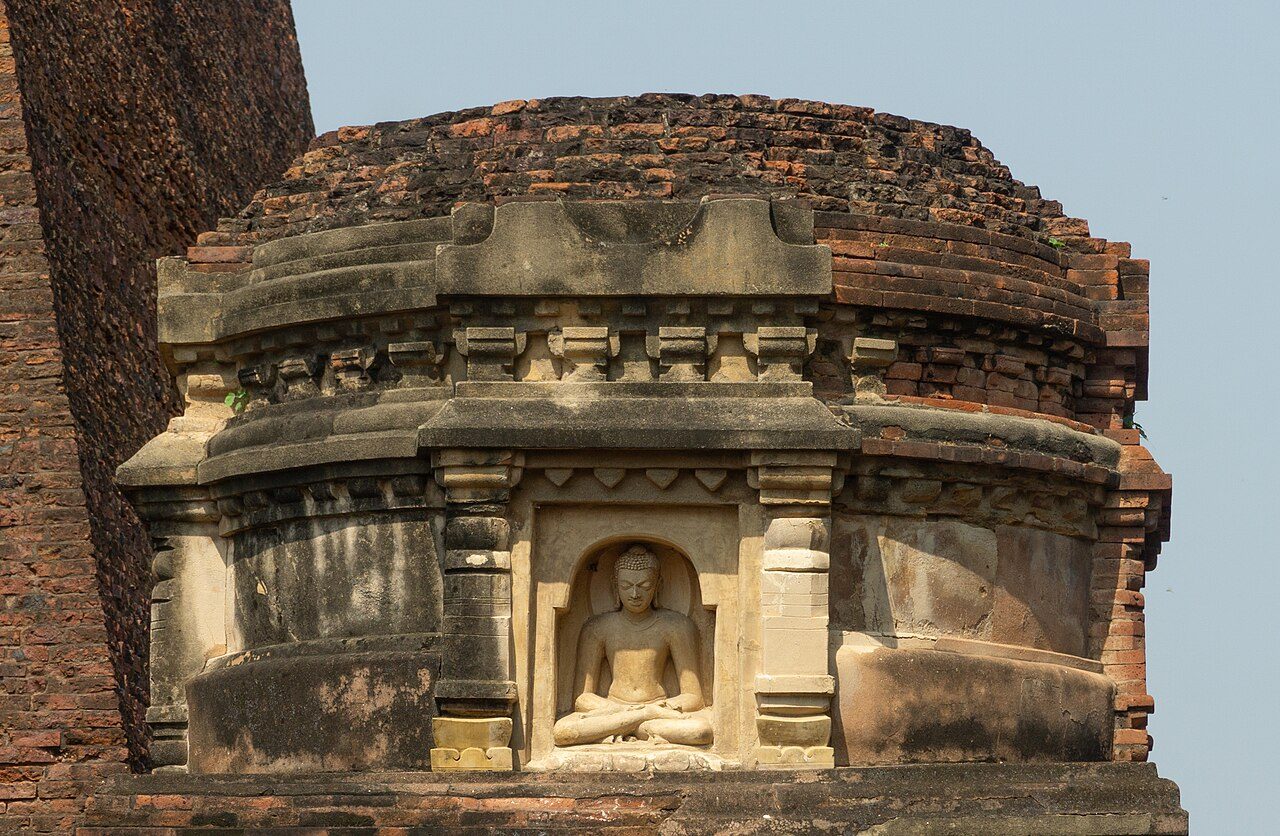
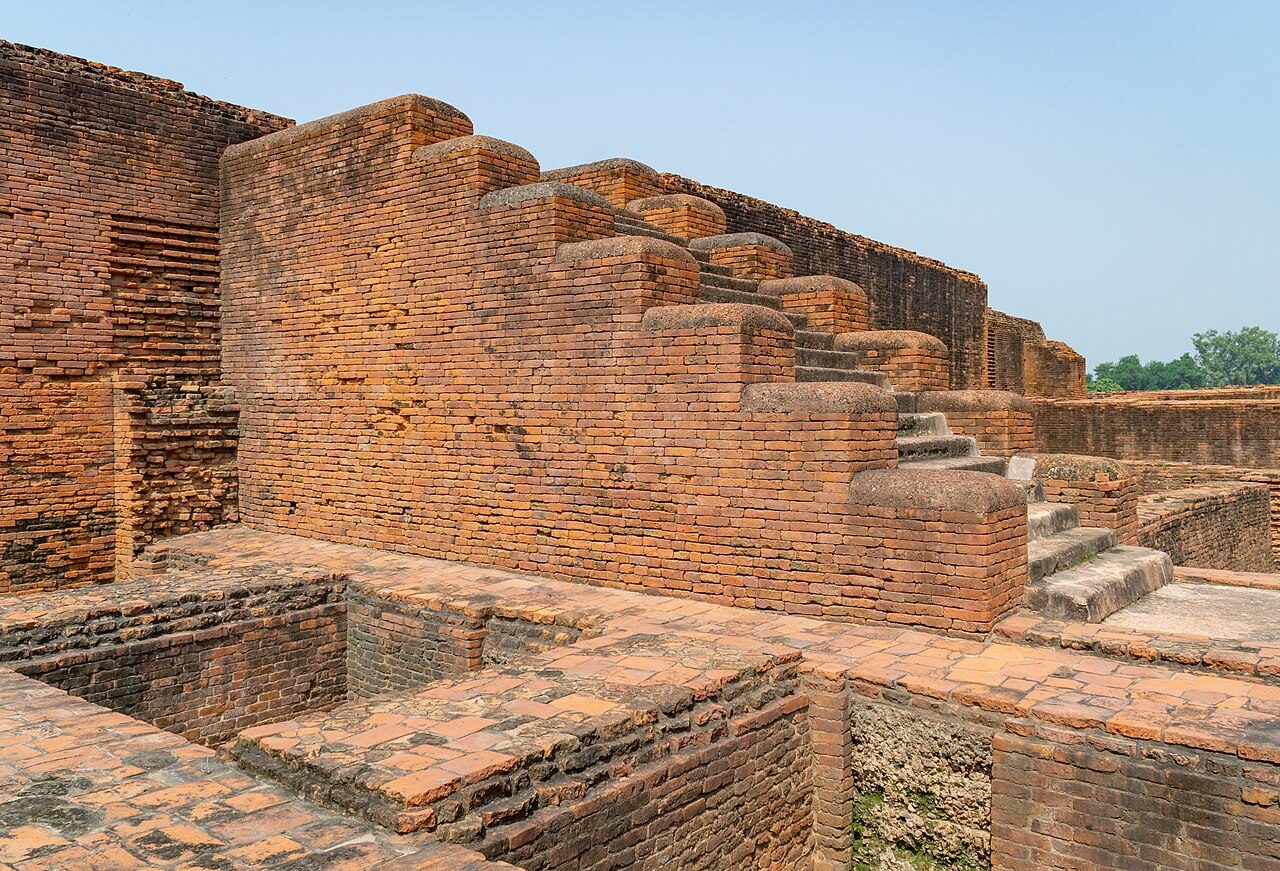
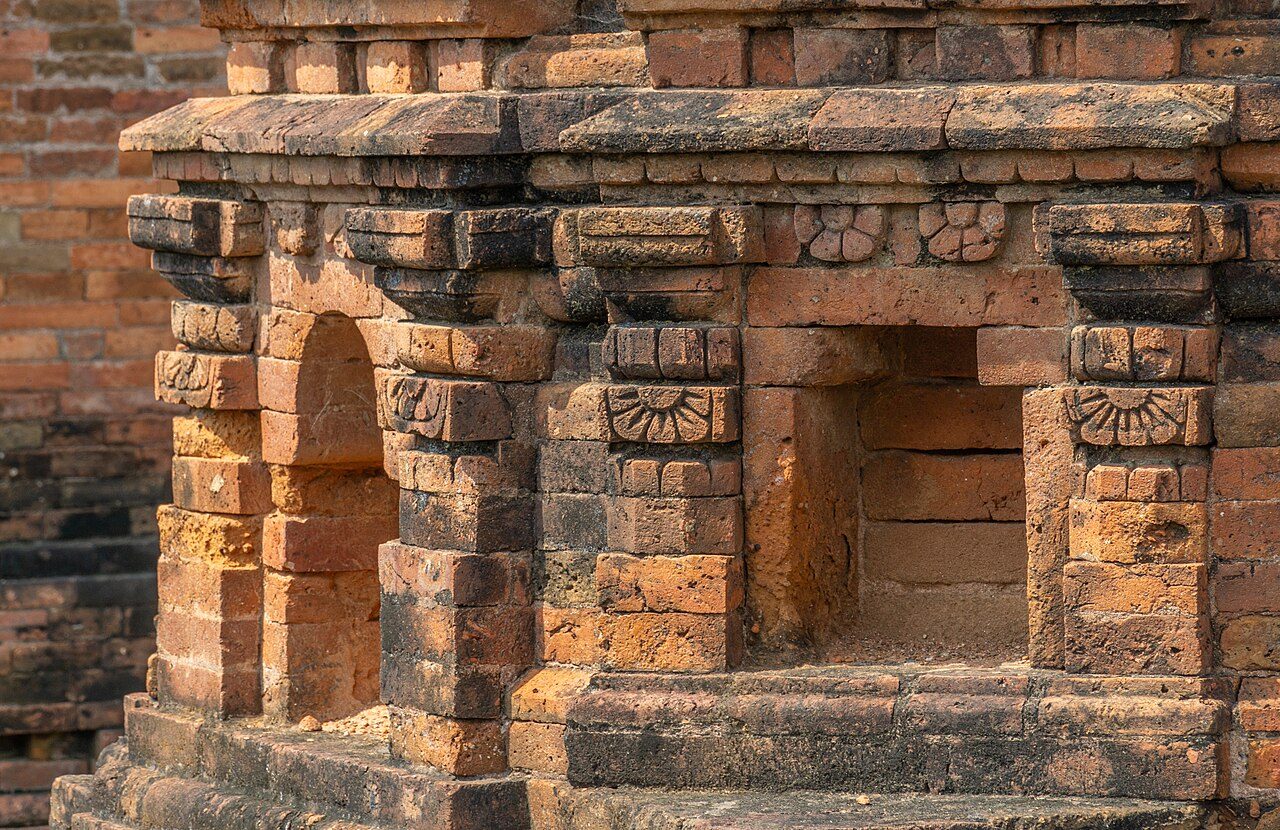
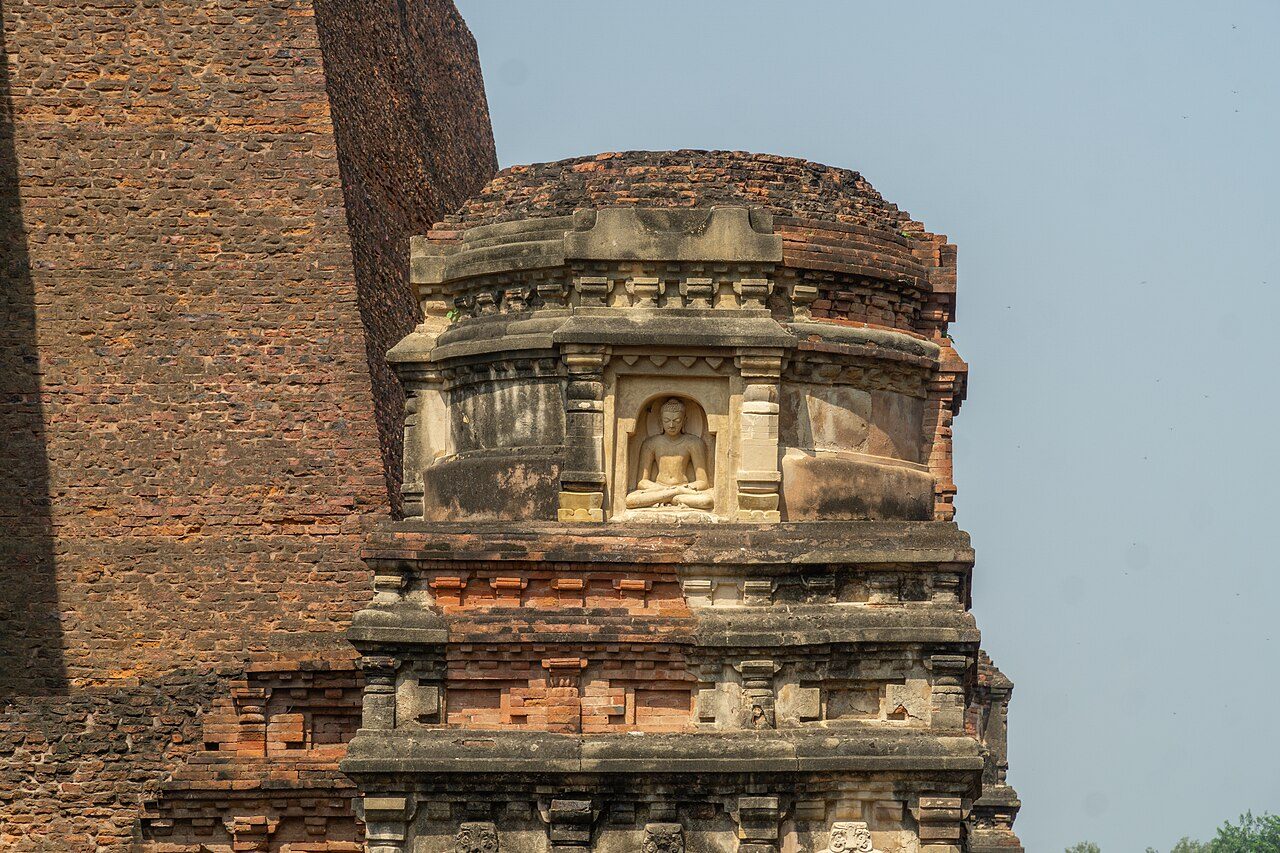
Nalanda was one of the greatest centres of learning in the ancient world, a Buddhist monastic university that flourished from the 5th to the 12th century and drew students from across Asia. The excavated ruins, a UNESCO World Heritage Site, include rows of red-brick monasteries, temples and the great stupa of Sariputta. A museum opposite displays sculpture from the site. Allow two to three hours.
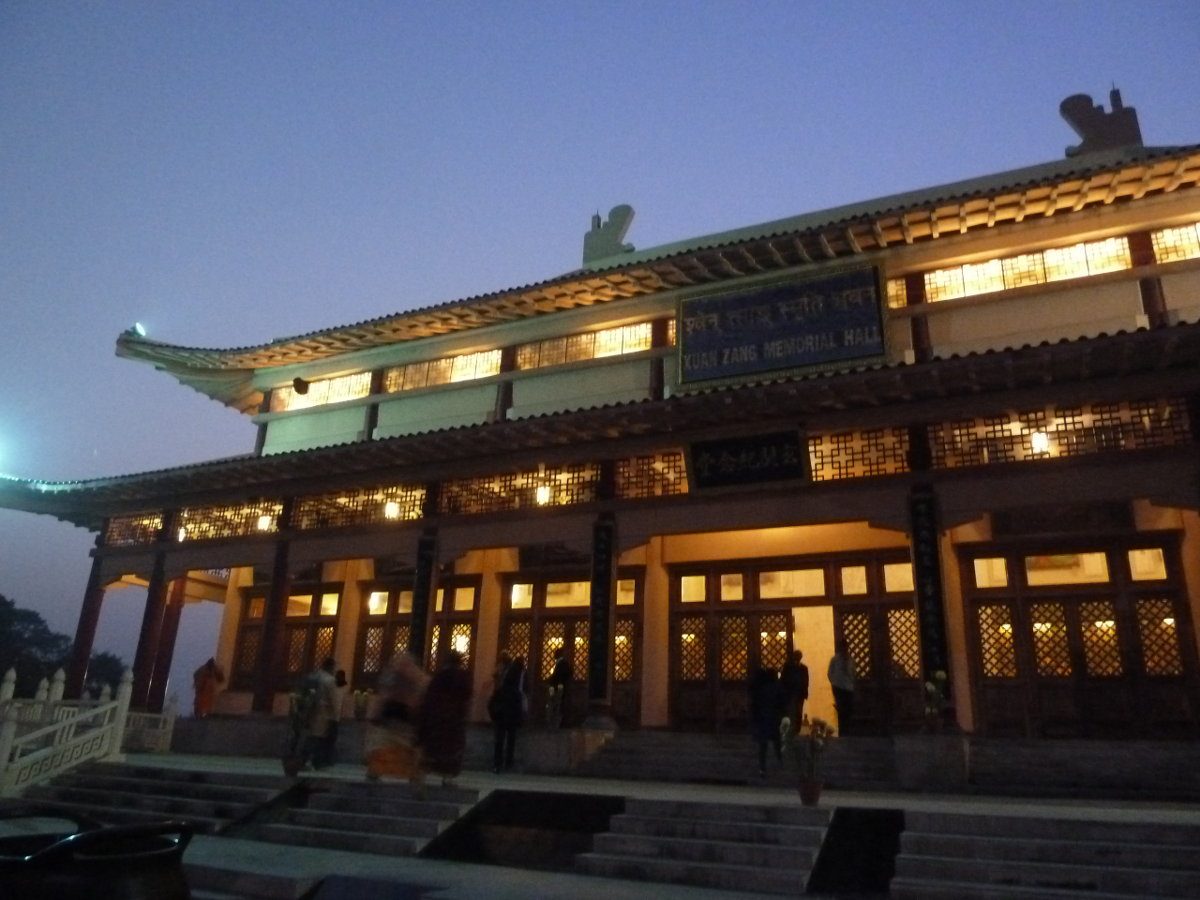
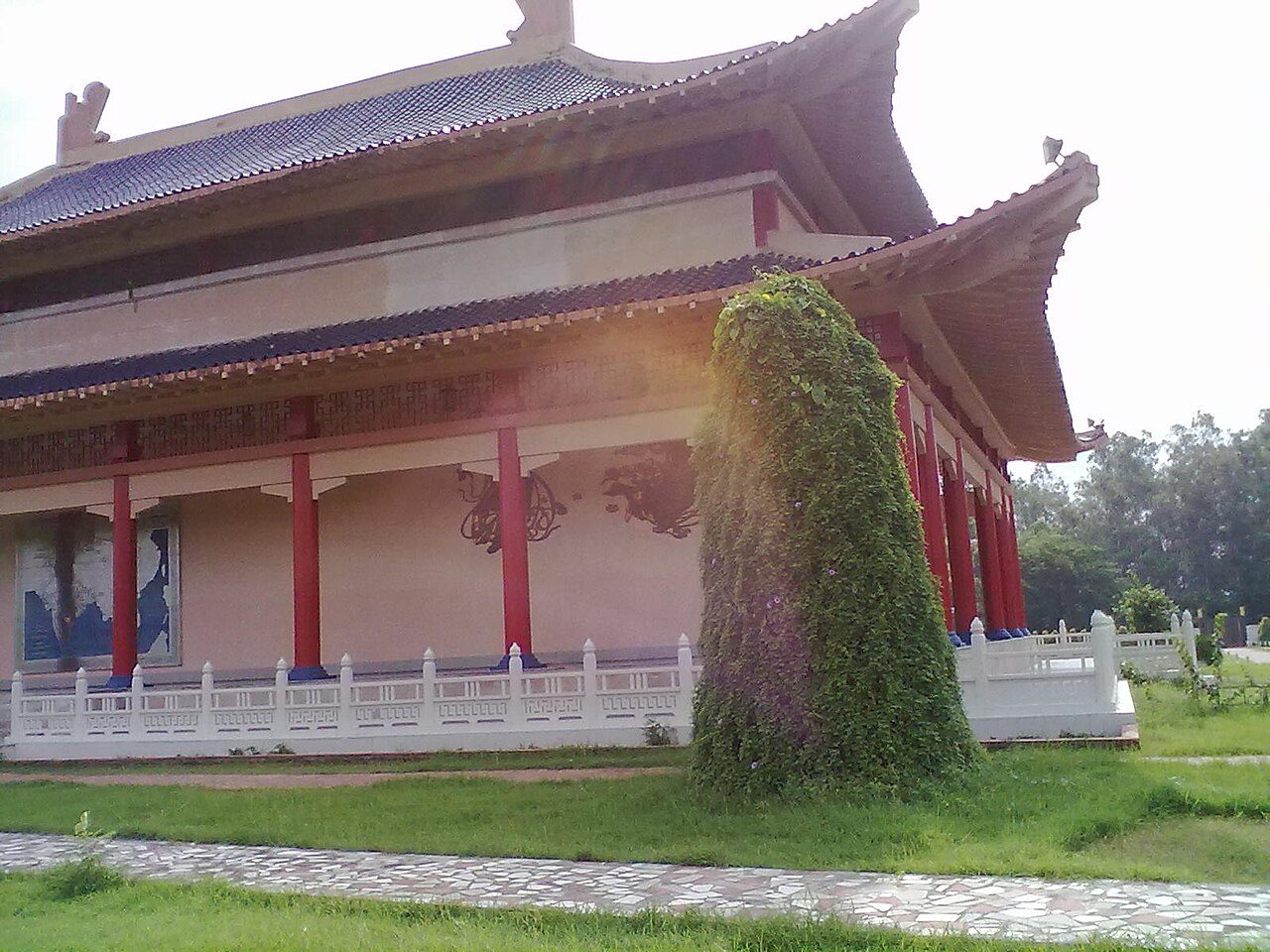
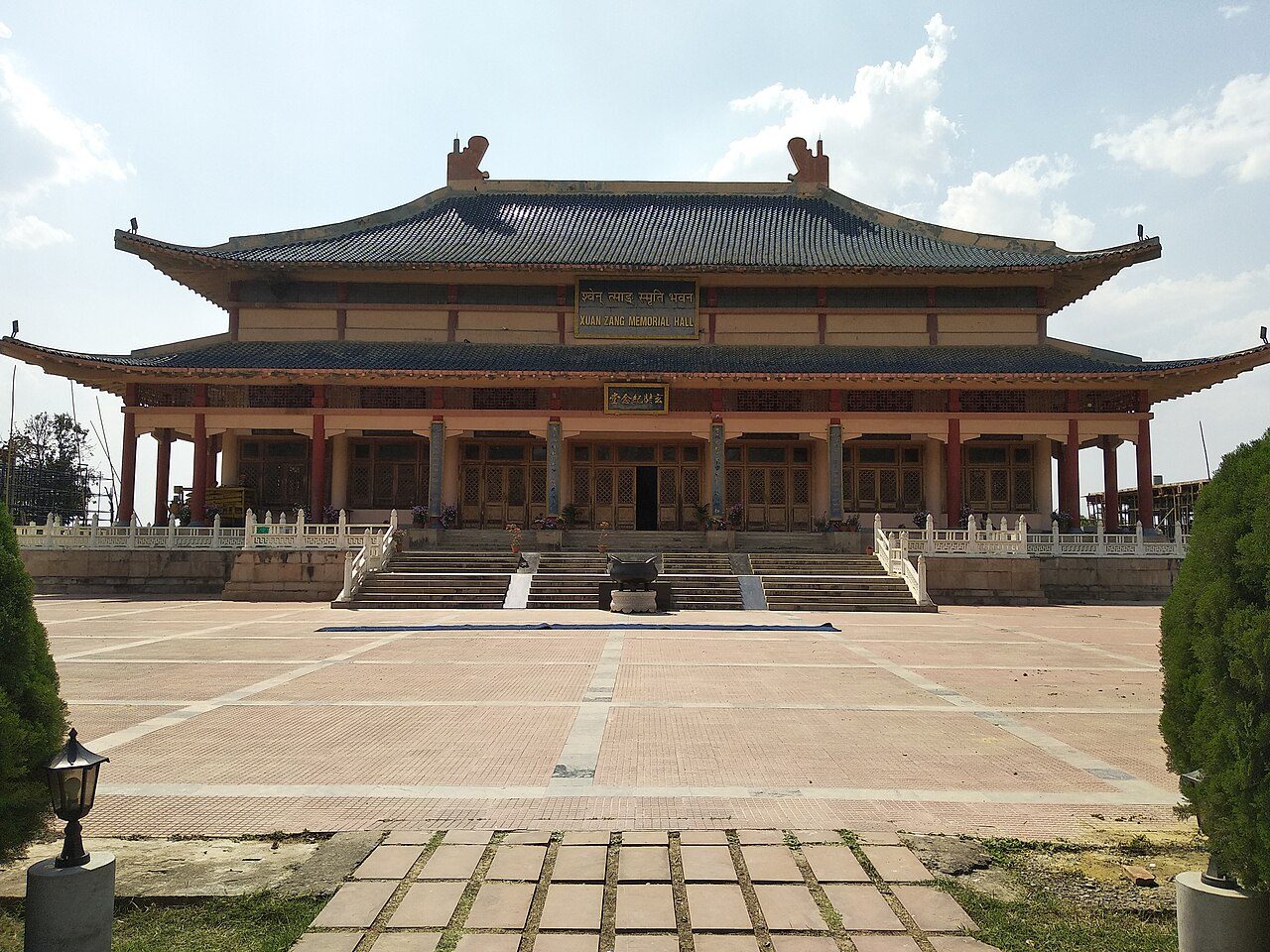
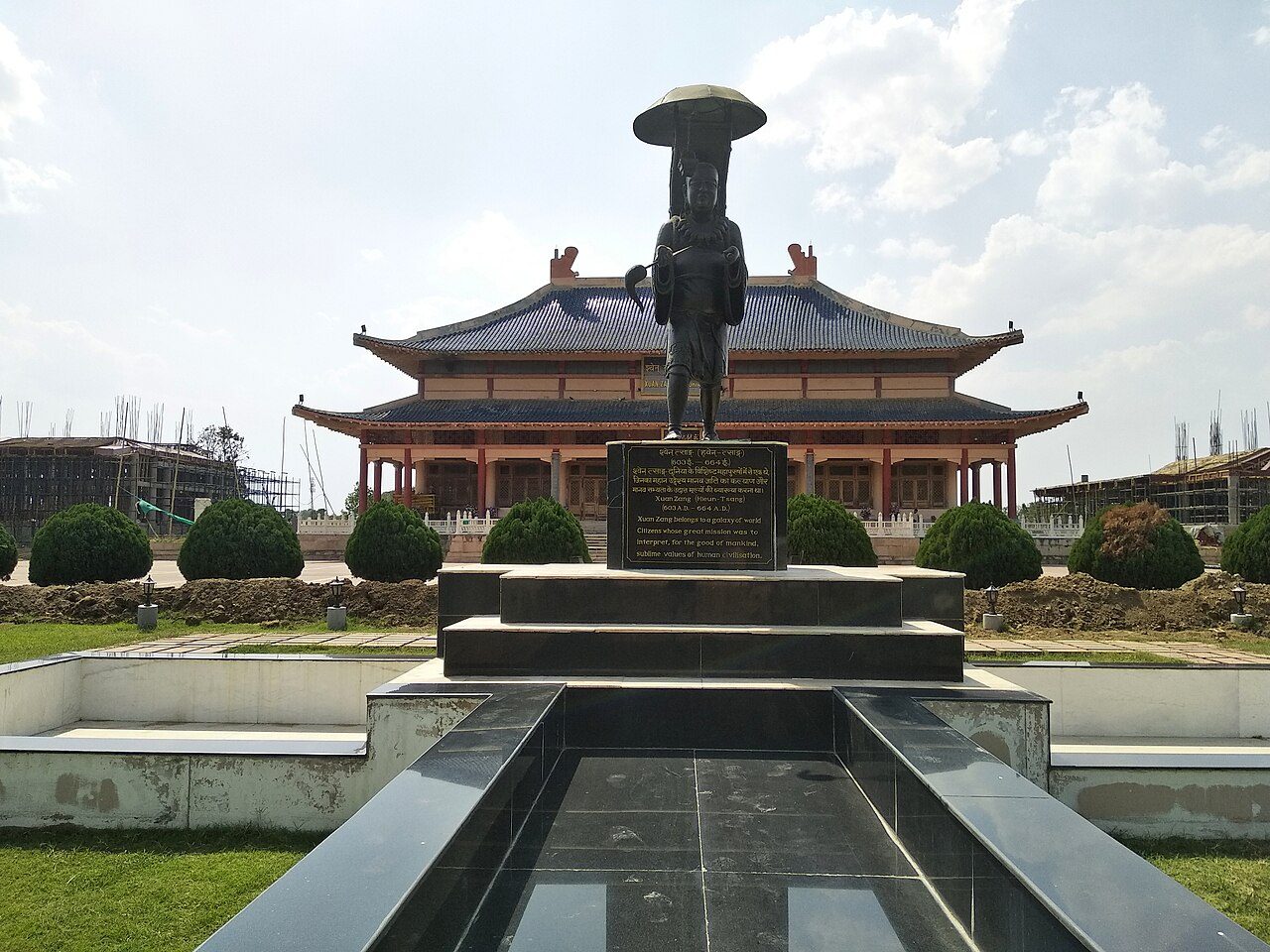
The Xuanzang Memorial Hall at Nalanda honours the 7th-century Chinese monk and traveller who studied and taught at the university for several years and left the most detailed account of it. Built in Chinese style as a joint India-China project and opened in 2007, it has a statue of the pilgrim, murals of his journey and a peaceful garden with a pond.
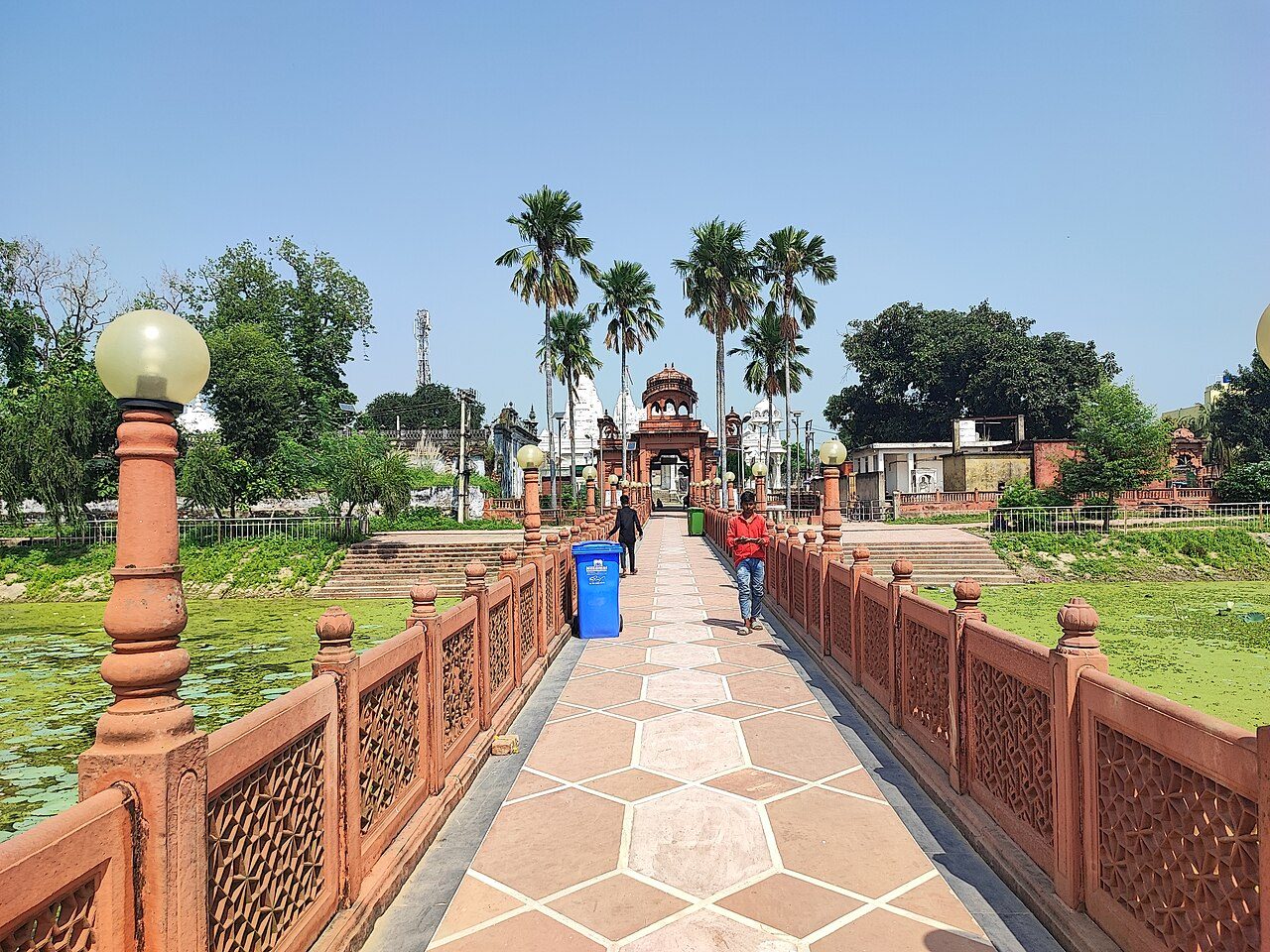
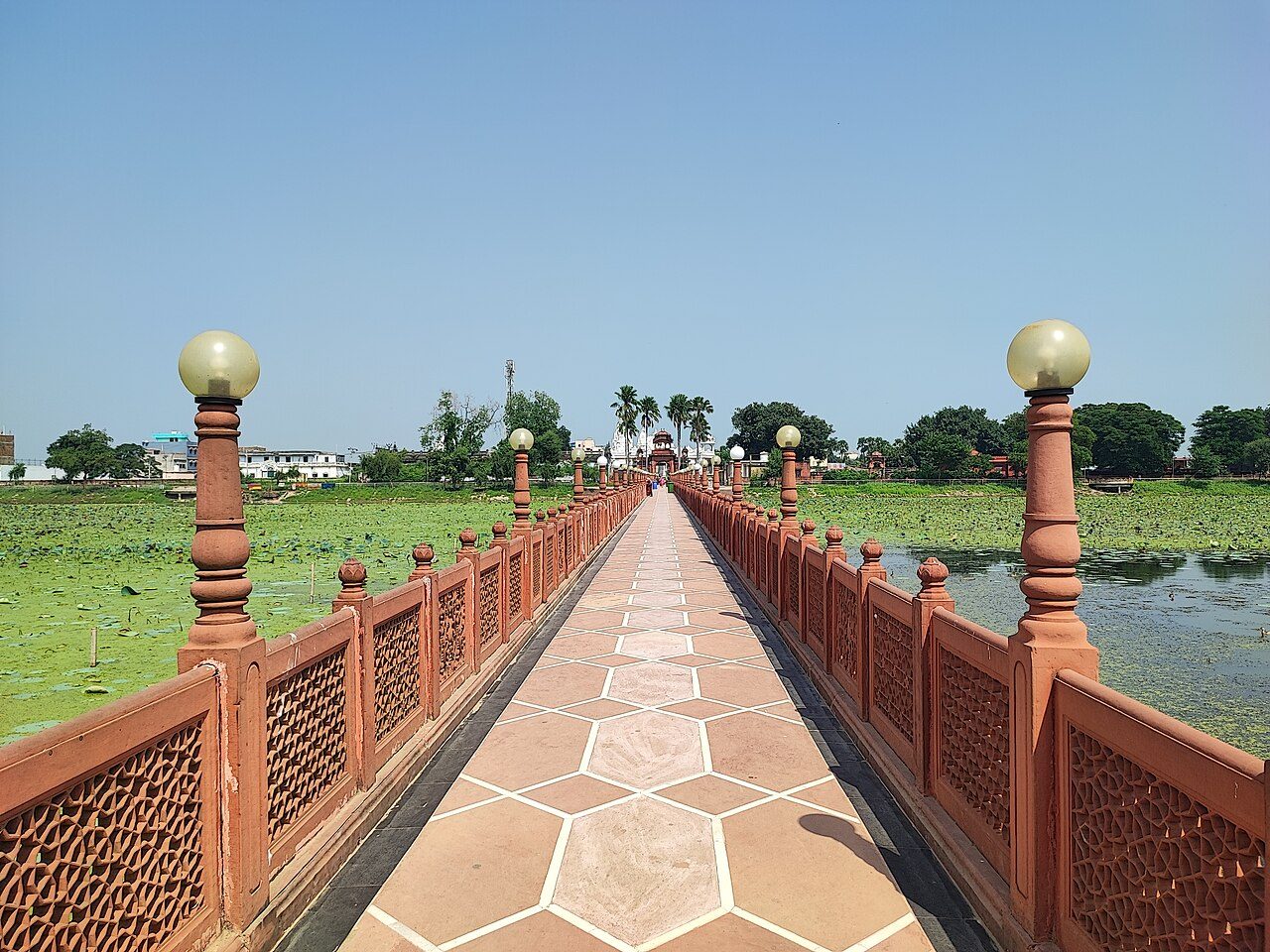
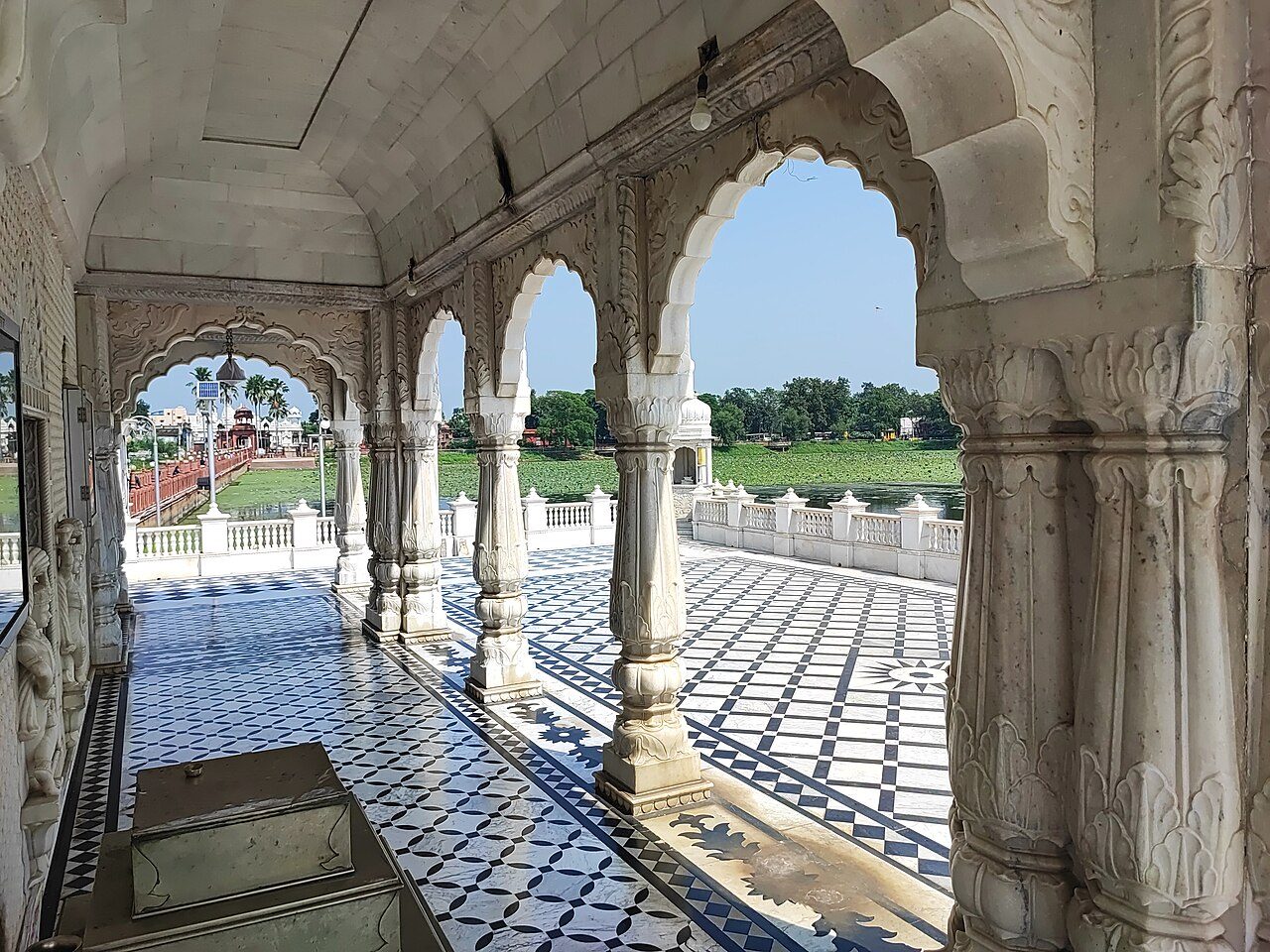
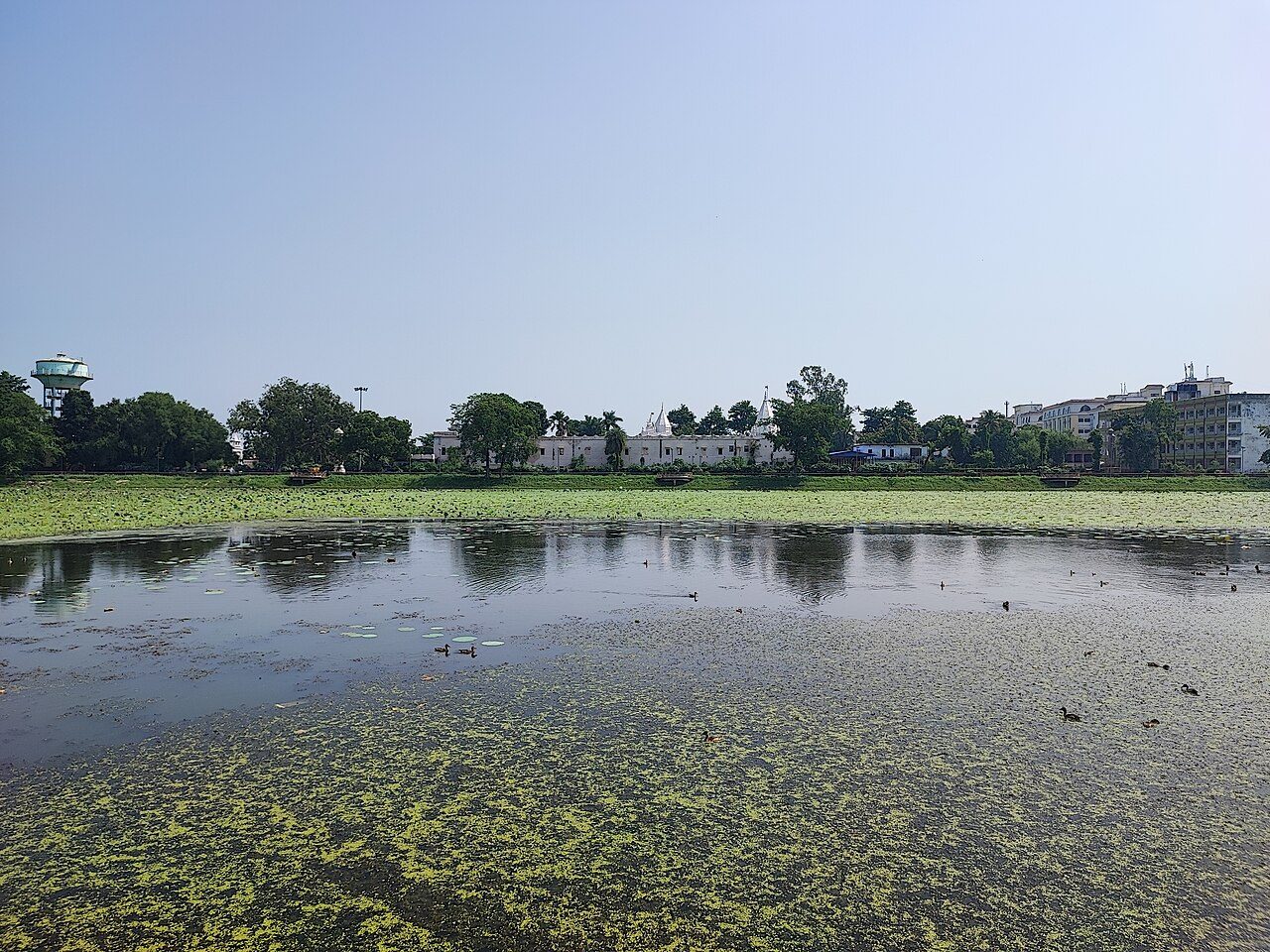
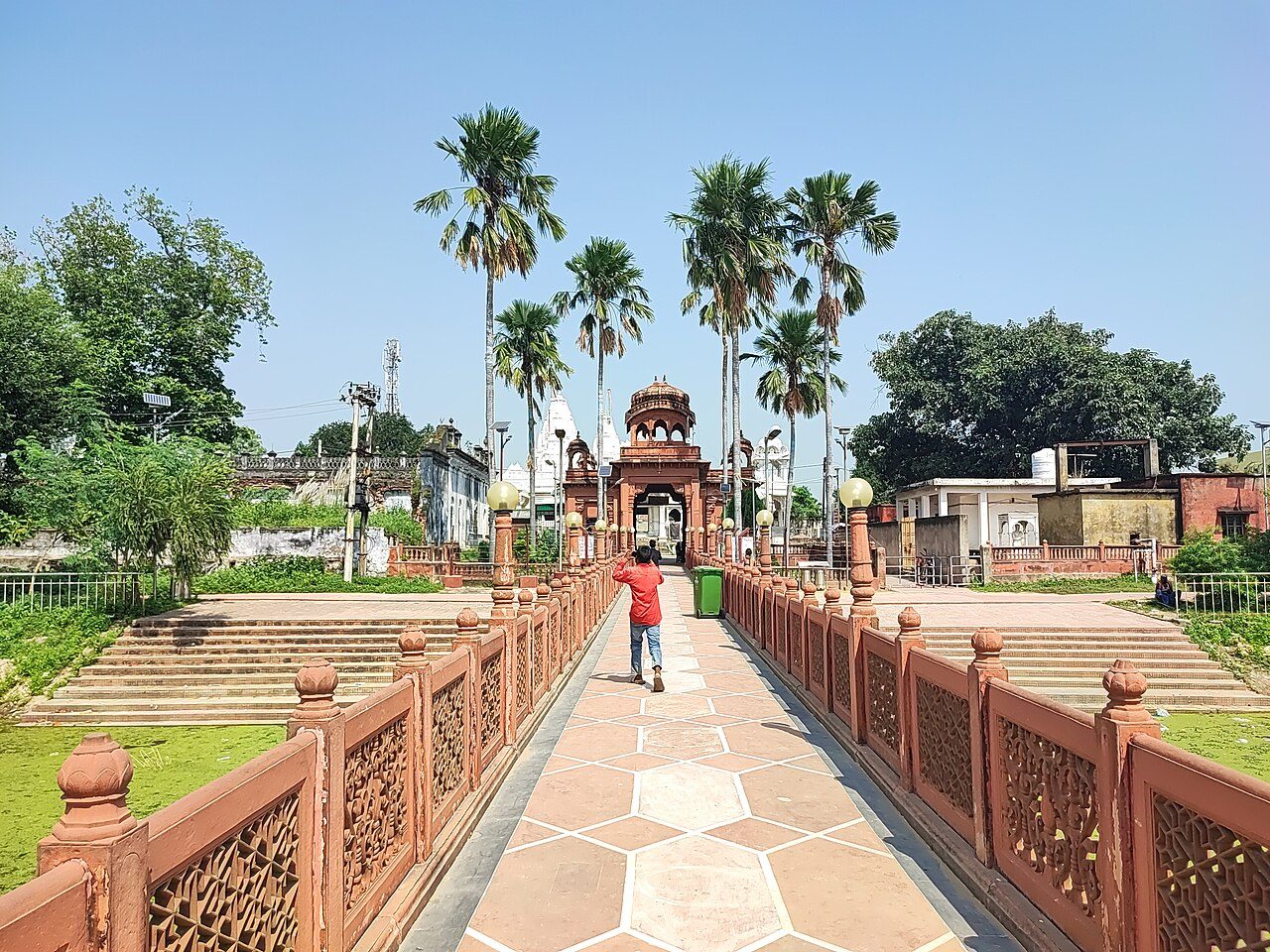
The Jal Mandir at Pawapuri is a white marble temple in the middle of a large lotus-filled tank, reached by a long stone causeway. It marks the place where Mahavira, the 24th Jain tirthankara, was cremated in the 6th century BCE; so many pilgrims took away the sacred earth, it is said, that a pond formed. It is among the holiest sites of Jainism.
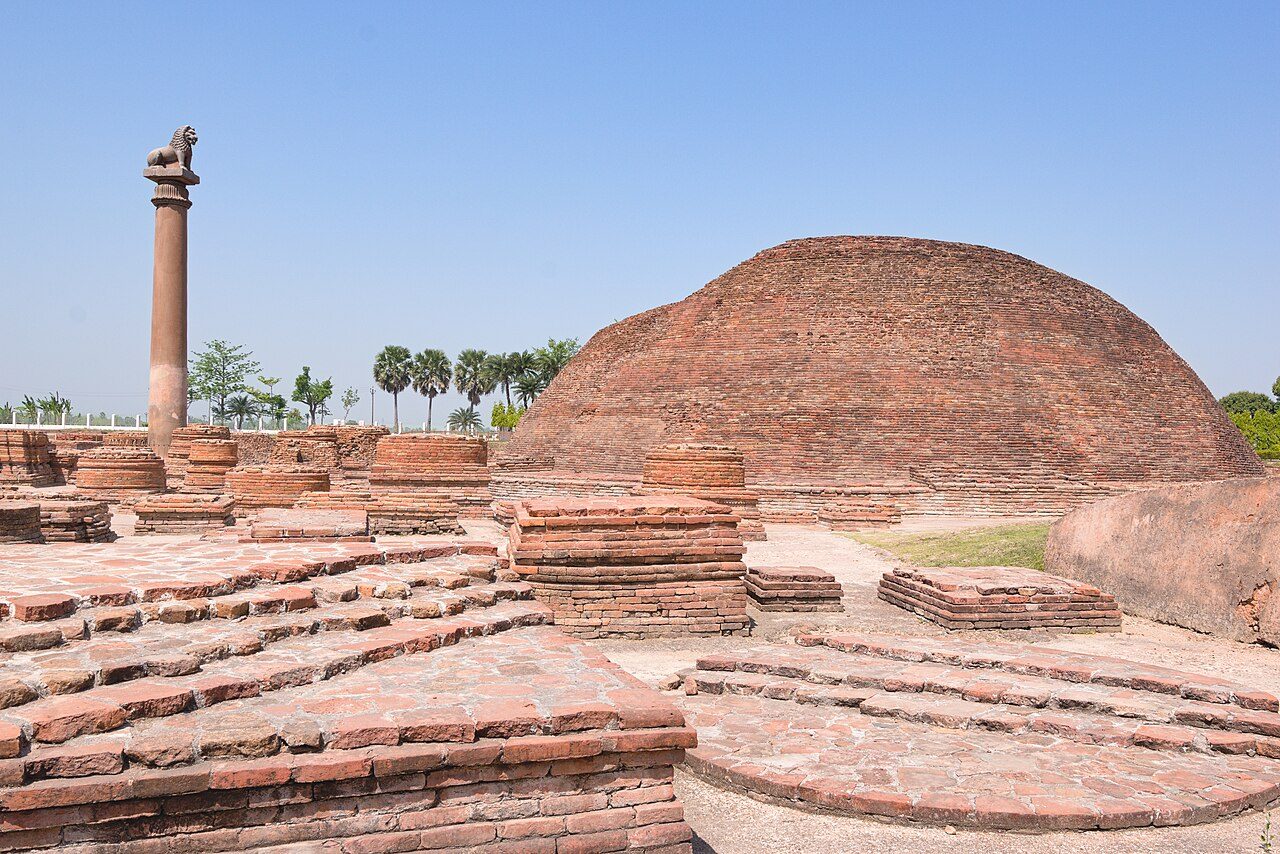
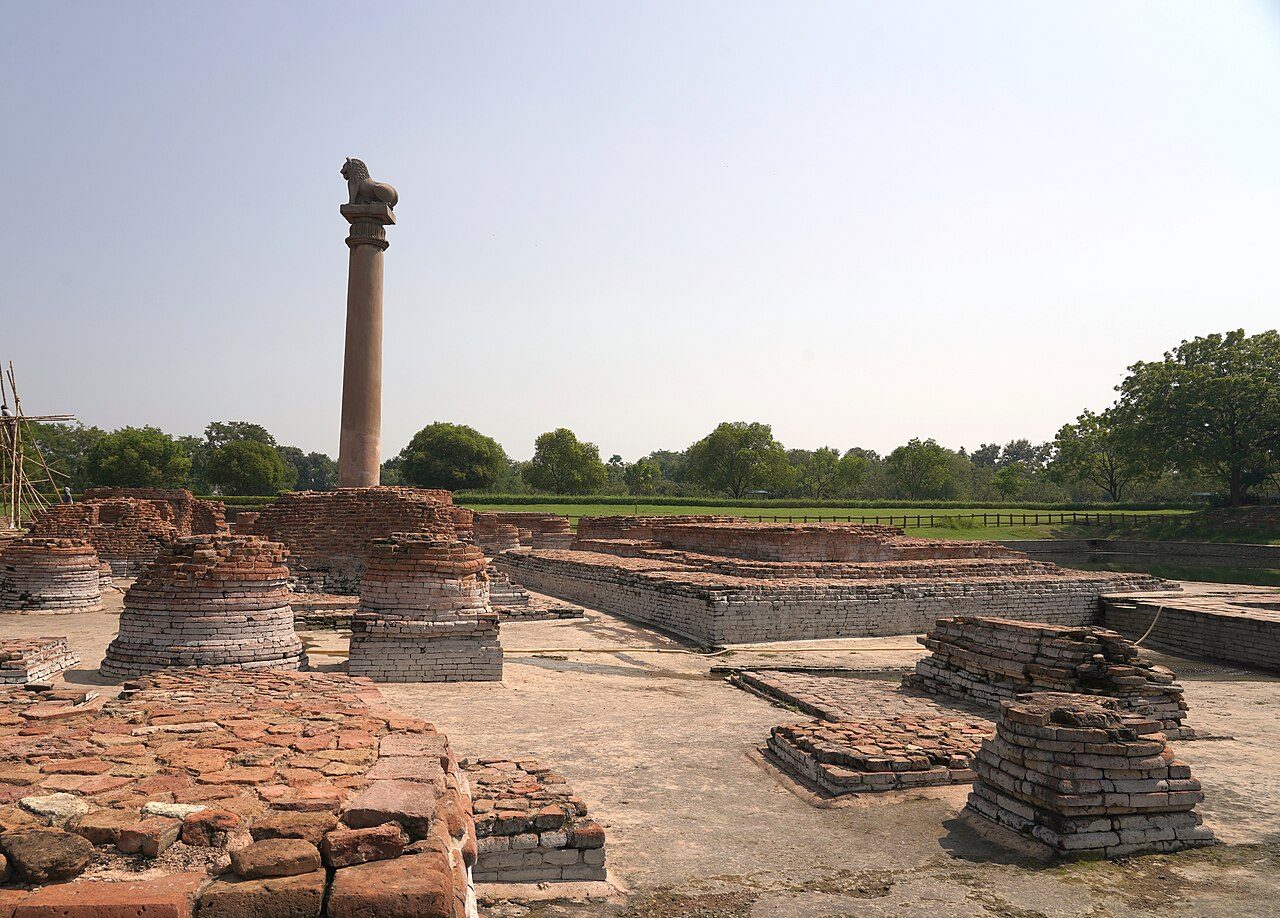
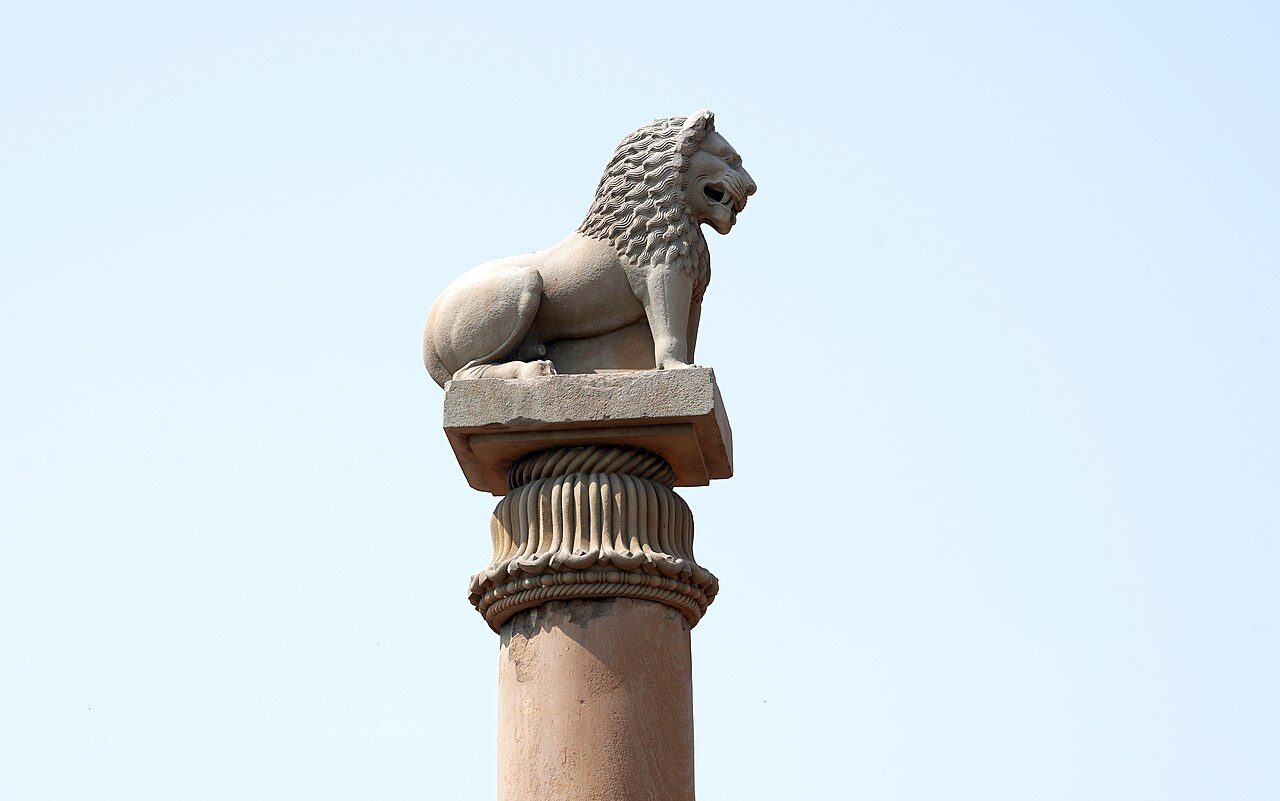
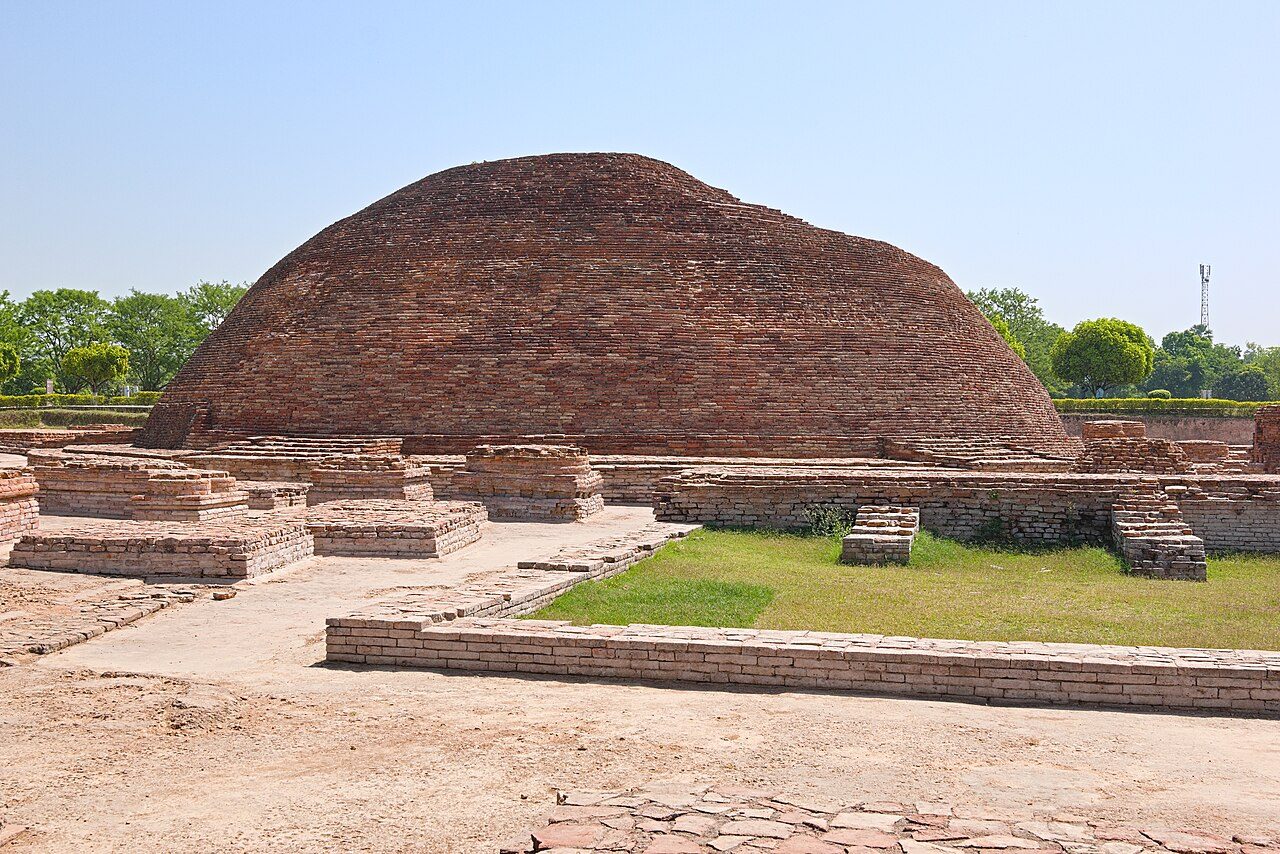
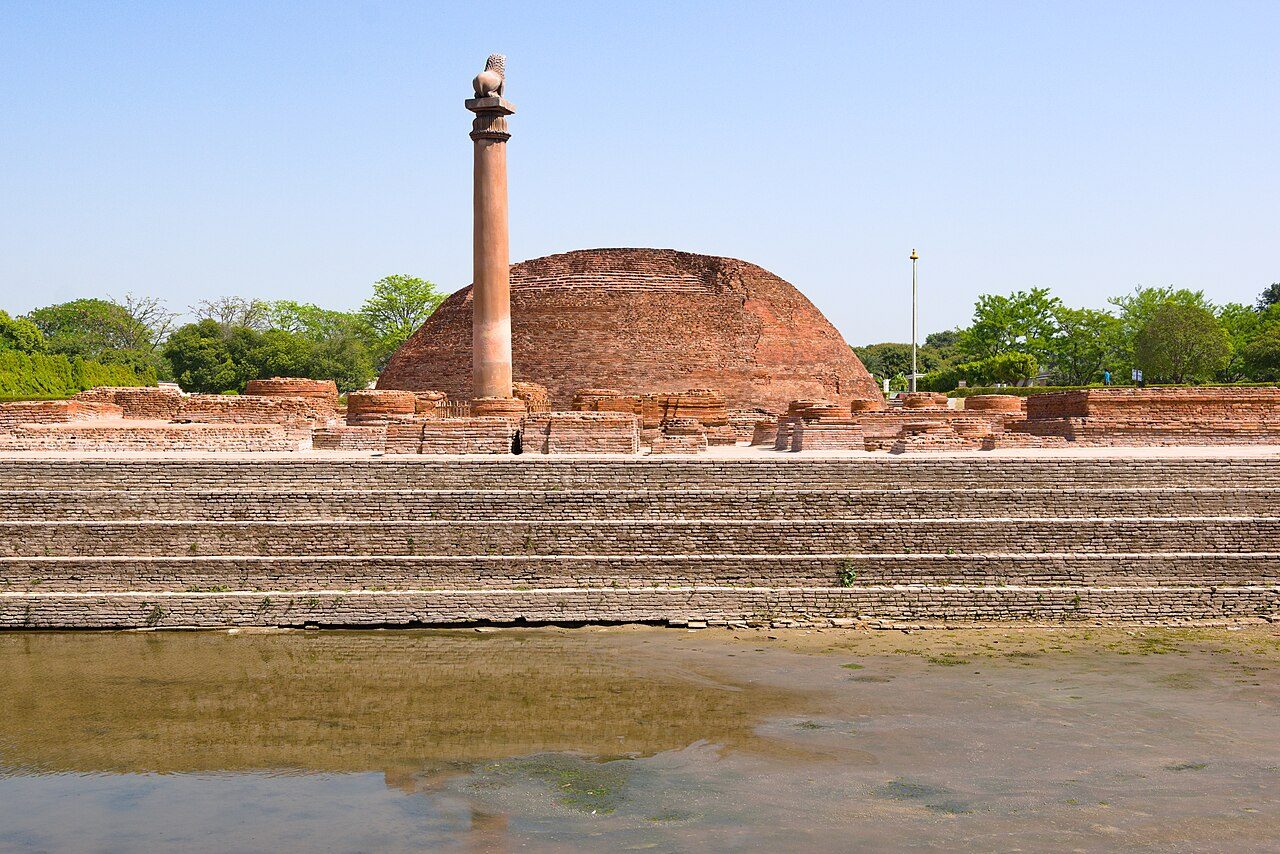
At Kolhua, near Vaishali, stands one of the best-preserved pillars of Emperor Ashoka, a polished sandstone column about 11 metres high topped by a single seated lion facing north. Beside it are the brick Ananda Stupa and an ancient tank. The Buddha is said to have preached his last sermon in Vaishali, and to have accepted a bowl of honey from monkeys here.
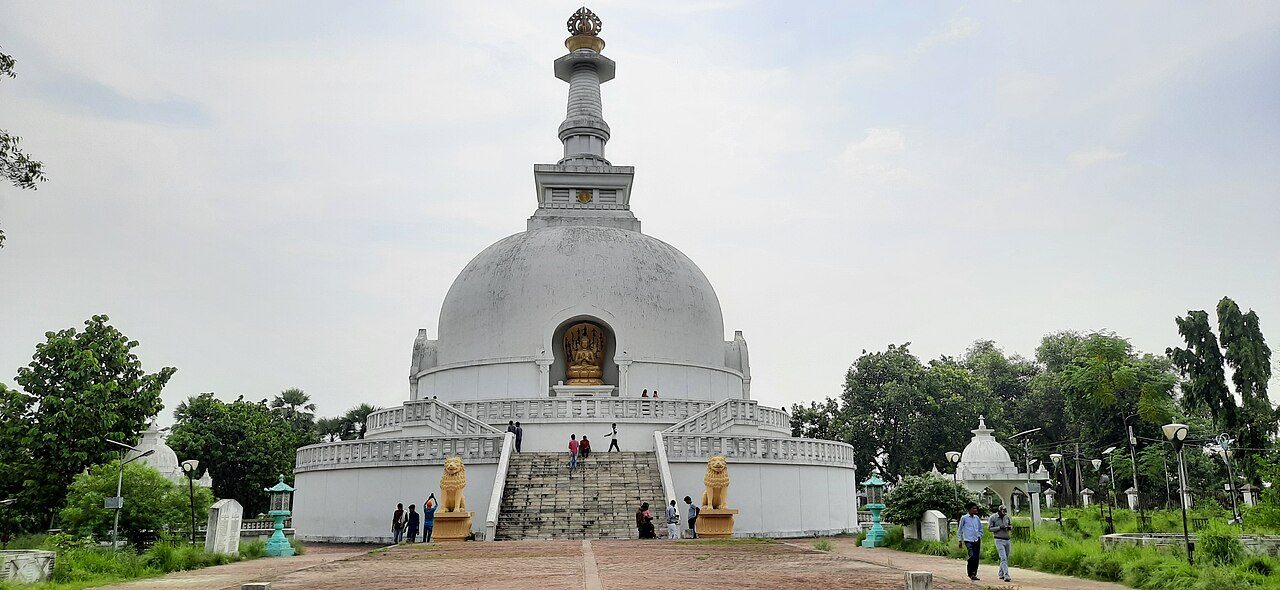
The Vishwa Shanti Stupa at Vaishali is a white peace pagoda built by Japanese Buddhists and inaugurated in 1996. It stands beside the ancient coronation tank of the Lichchhavi republic, close to the relic stupa where a share of the Buddha's ashes was found. Golden statues of the Buddha face the four directions.
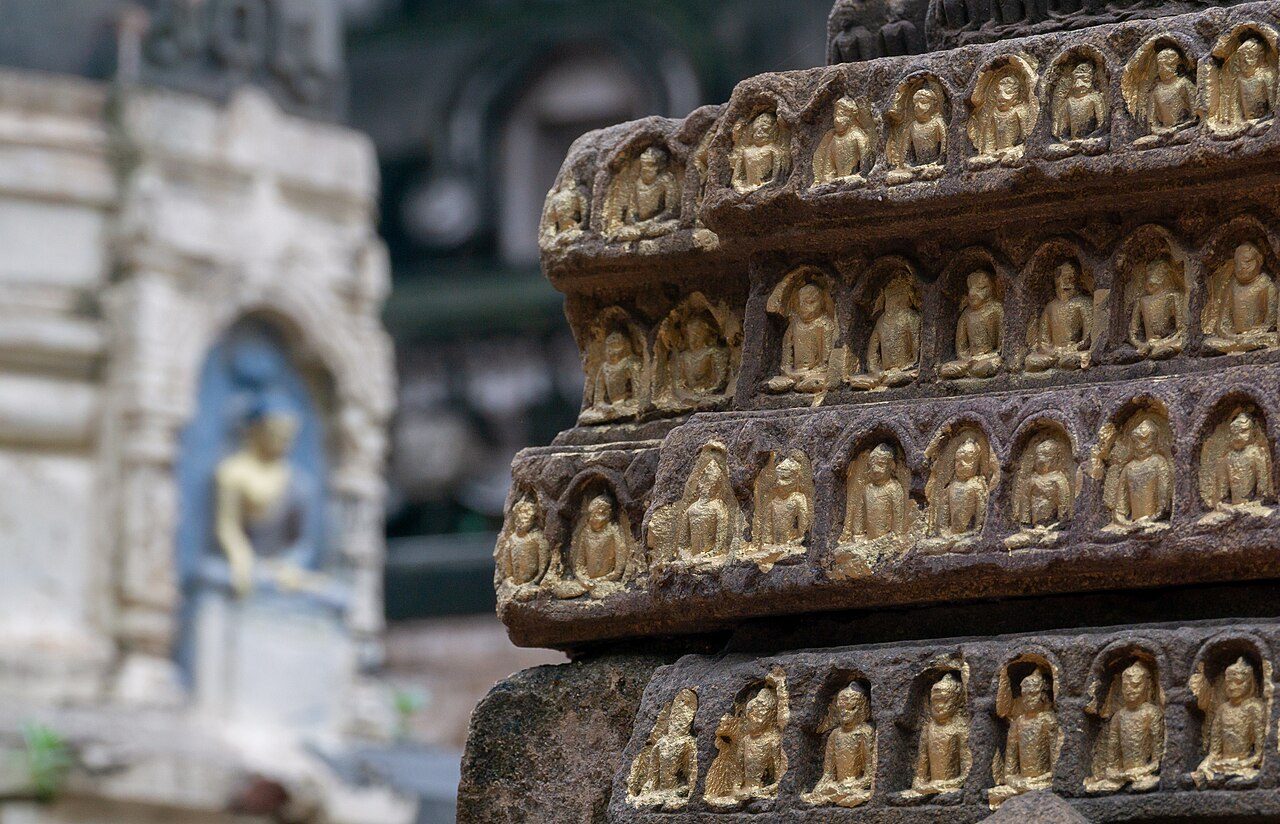
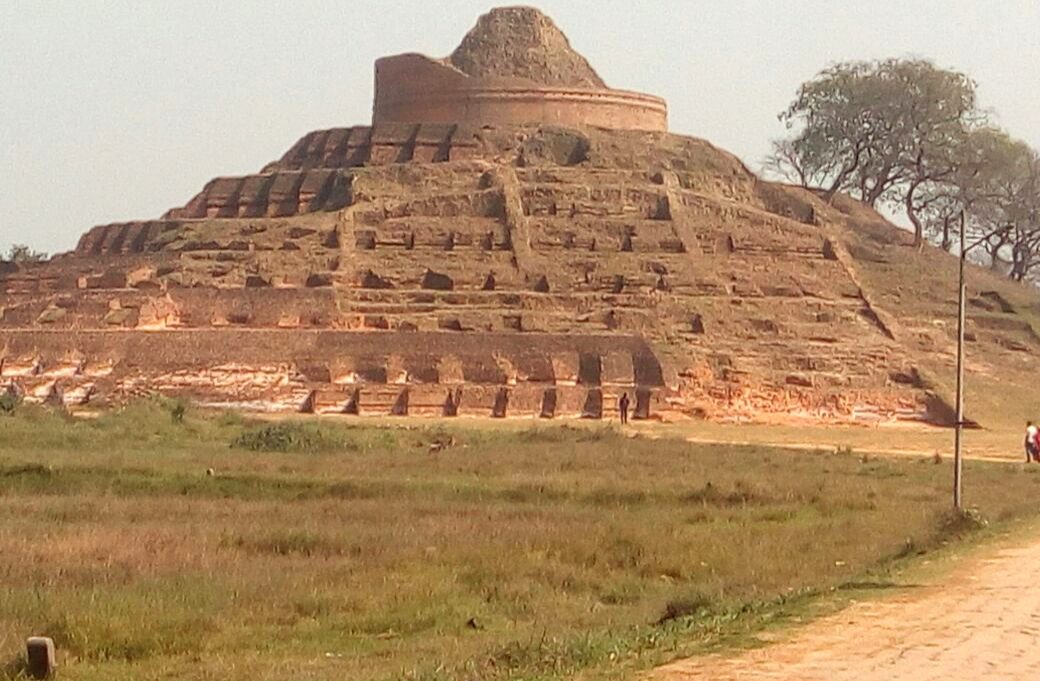
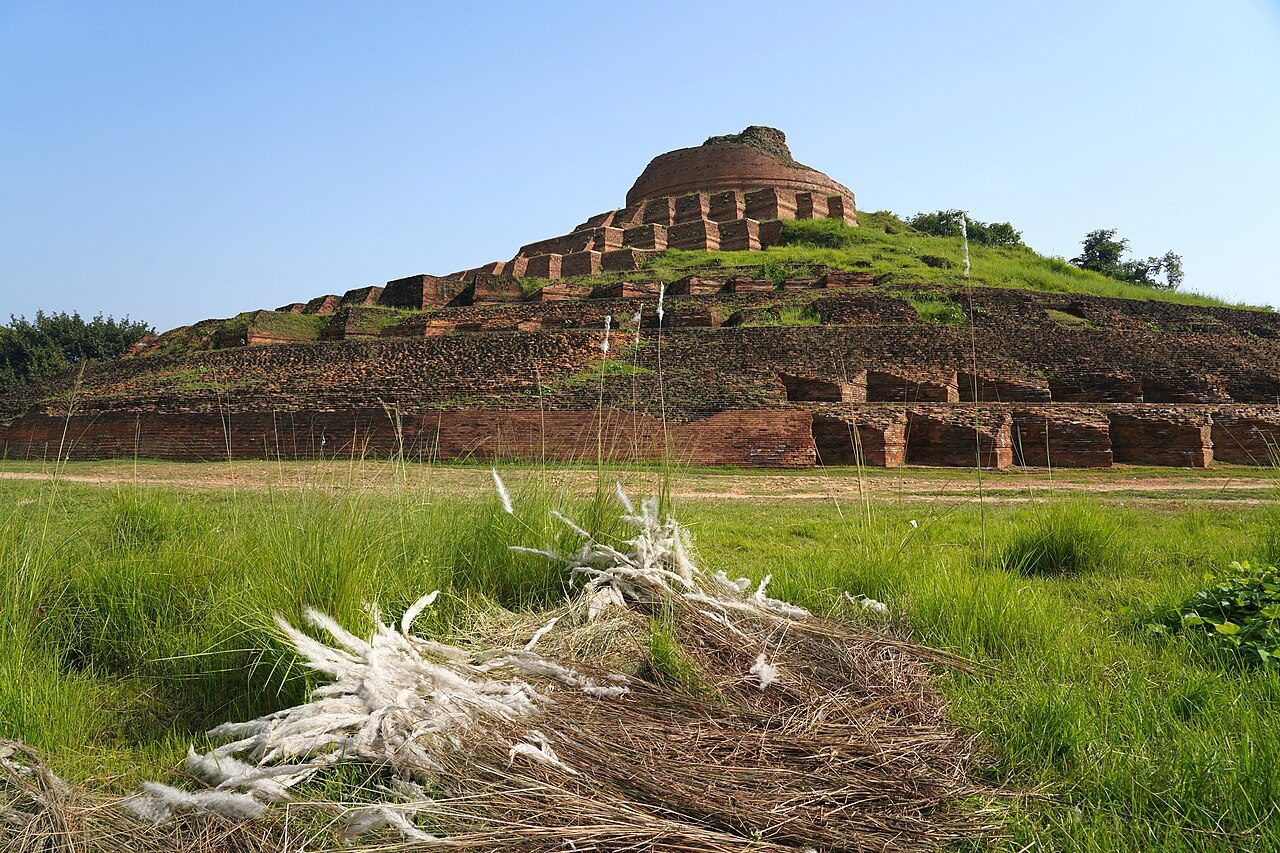
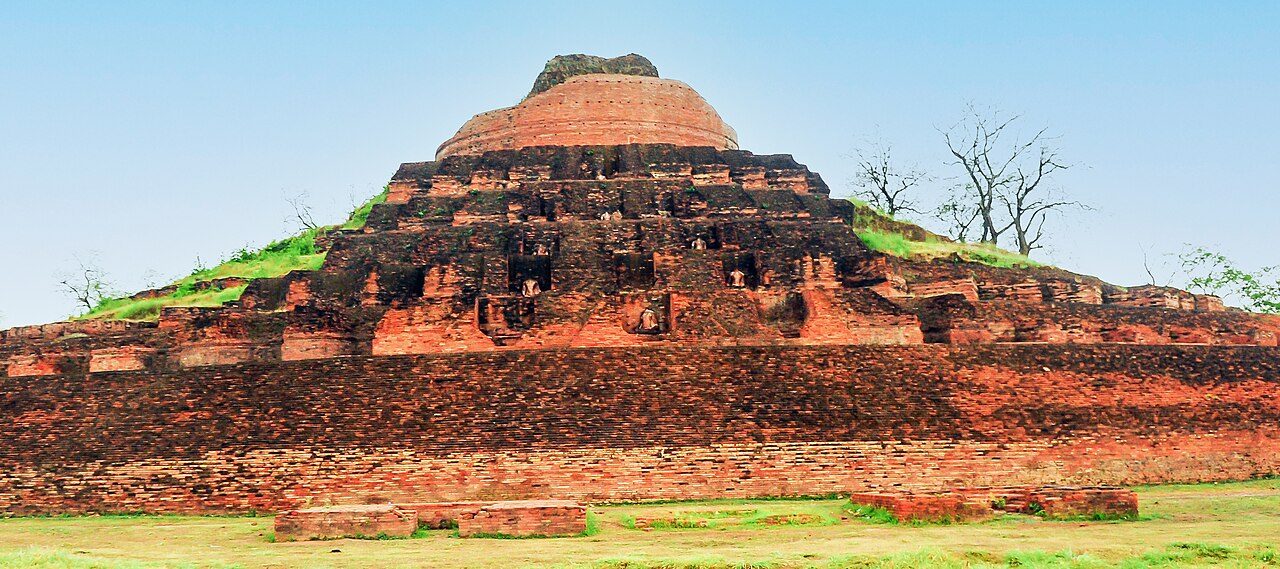
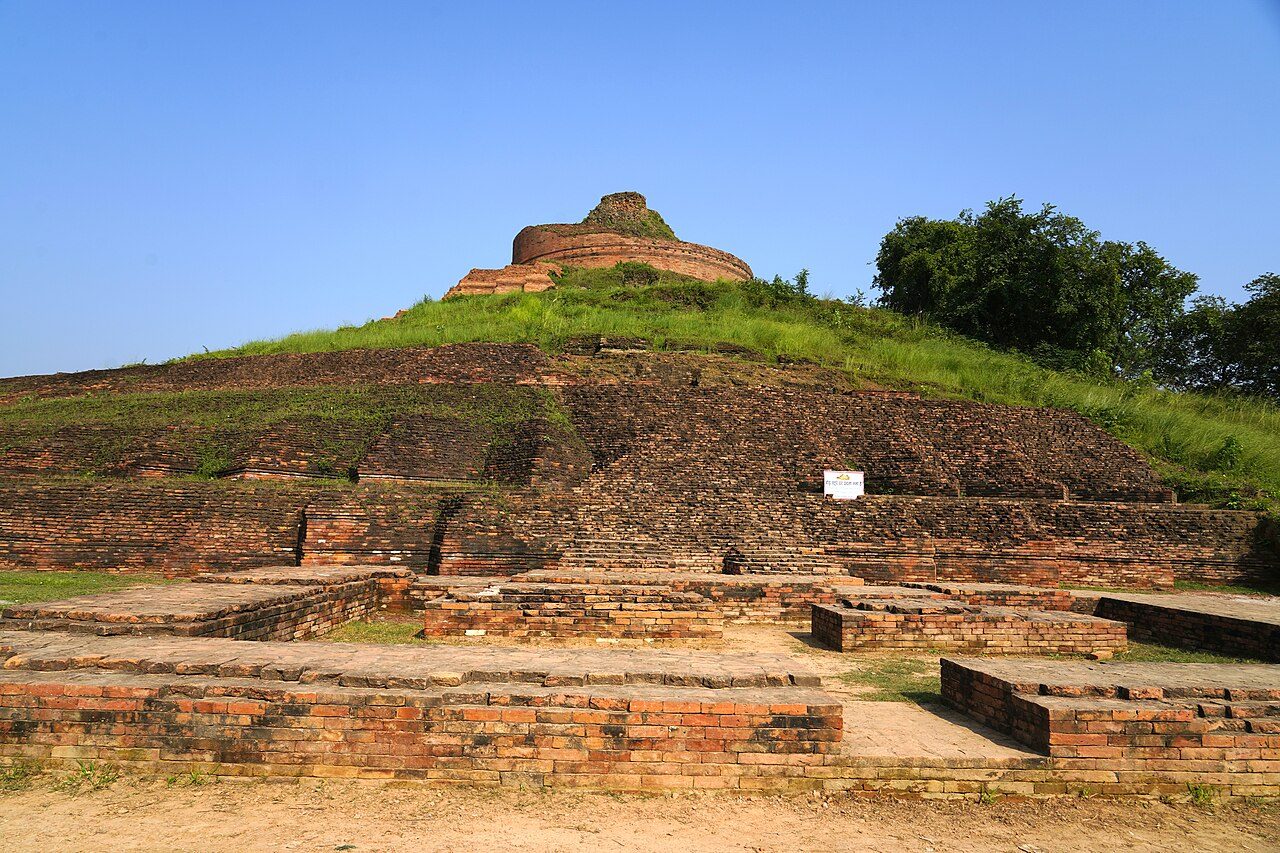
Kesaria Stupa in East Champaran is regarded as one of the tallest and largest Buddhist stupas in the world, rising about 32 metres with a circumference of nearly 400 metres. Dating from between the 3rd century BCE and the Gupta period, it has six terraces lined with niches holding Buddha images. Excavation began only in 1998, and part of the mound is still covered.
Best weather: Nov – MarHeavy rain: Jul – Aug
Seasons from 20 years of NASA POWER climate data.
Was this trip blog helpful?
0
0
Ready to follow this route?
Copy all 13 stops into your trip plans in the app.
 WaTrips