Odisha's Temple Trail in 4 Days: Lingaraja, Jagannath, Biraja and Kapilash
4 DAYS10 placesby WaTrips
Lingaraja, Ananta Vasudeva, Mukteshvara and Hirapur, Jagannath and Konark, Dhabaleswar and Biraja, then Kapilash and Joranda.
Odisha has some of India's greatest temples. Day one visits Lingaraja, Ananta Vasudeva and Mukteshvara in Bhubaneswar and the open-air Chausath Yogini temple at Hirapur. Day two is the Jagannath Temple in Puri and the Konark Sun Temple. Day three visits the Dhabaleswar temple on its river island near Cuttack and the Biraja temple at Jajpur, a Shakti Peetha. Day four climbs to Kapilash temple and visits Joranda, centre of the Mahima Dharma faith. Only Hindus may enter some temples, including Jagannath and Lingaraja. The Rath Yatra in Puri, usually in June or July, is the biggest festival.
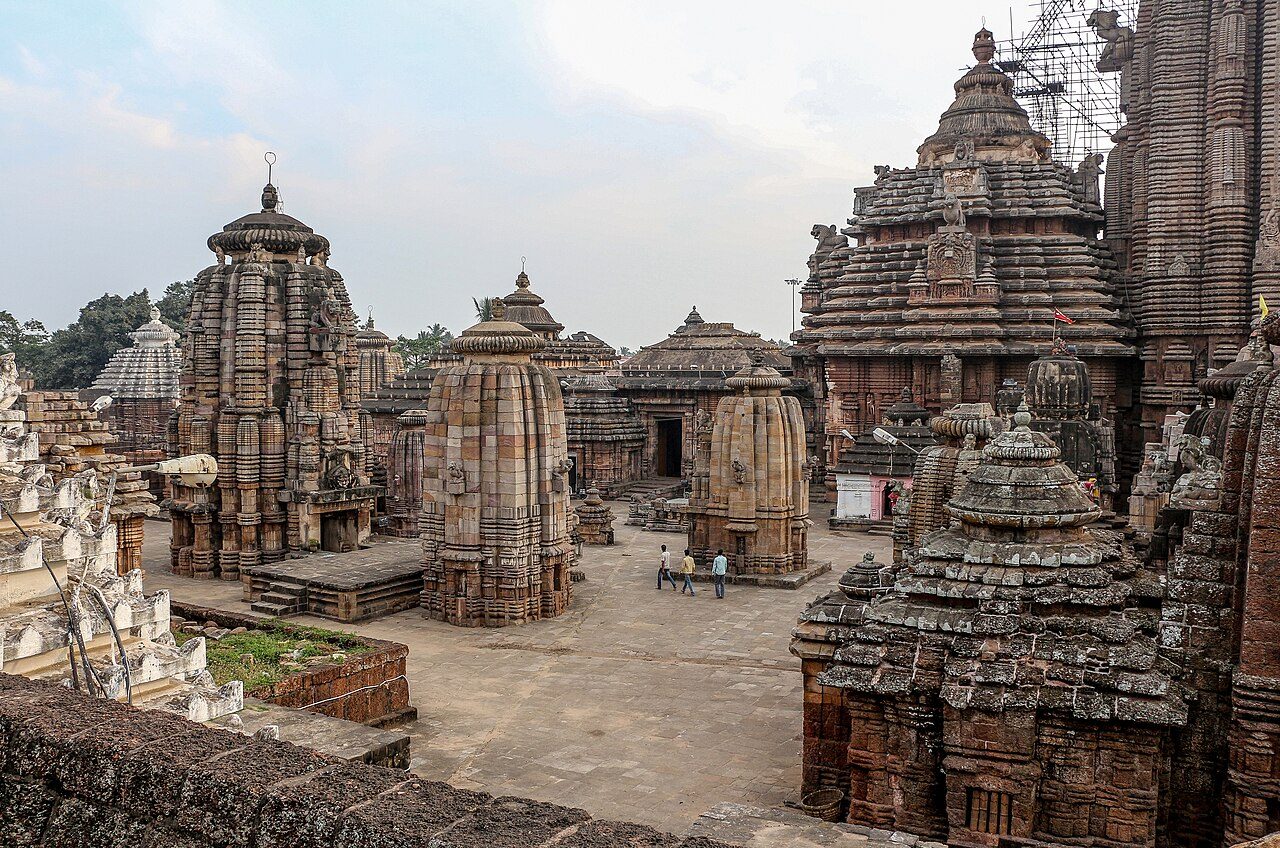
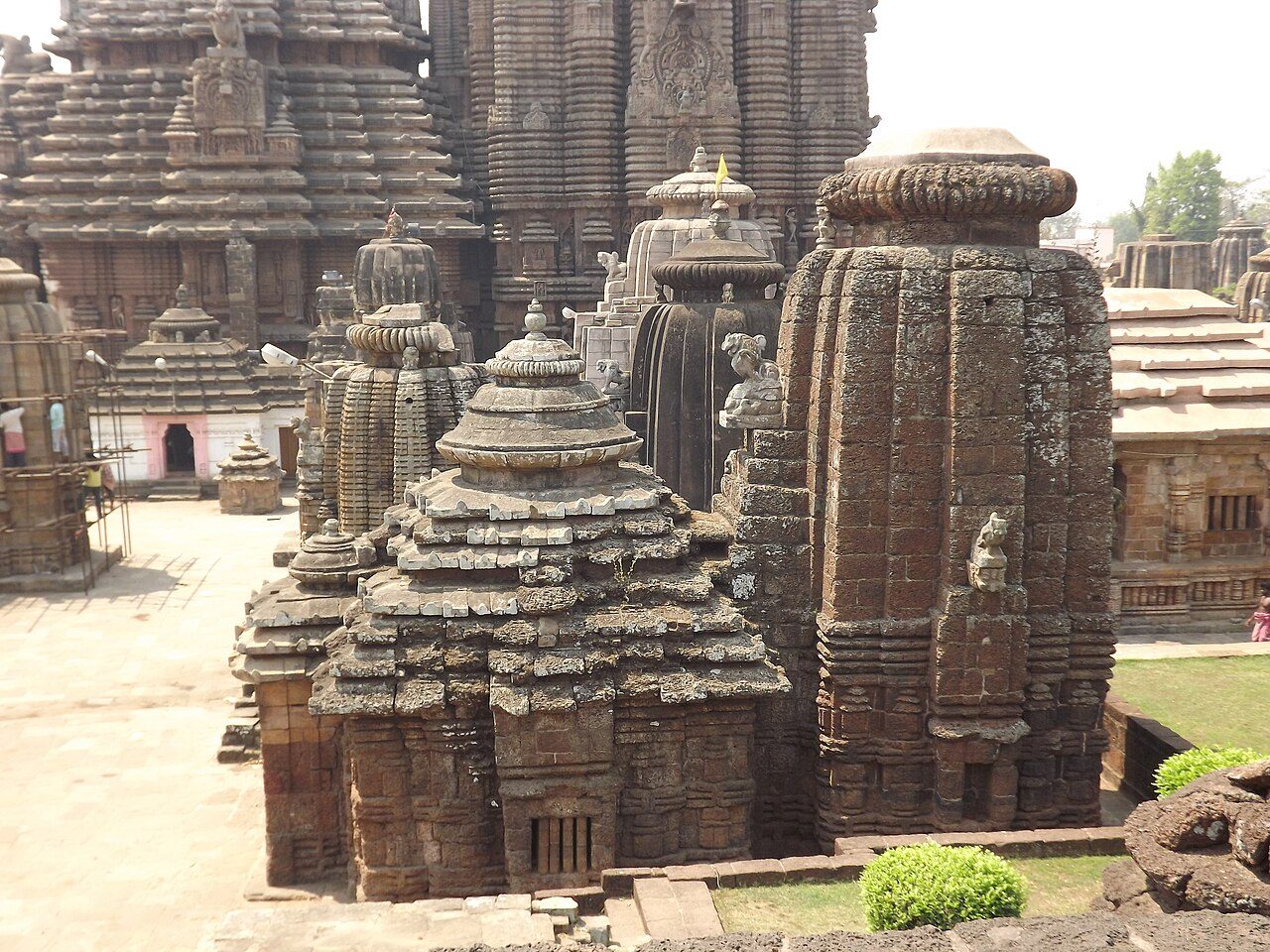
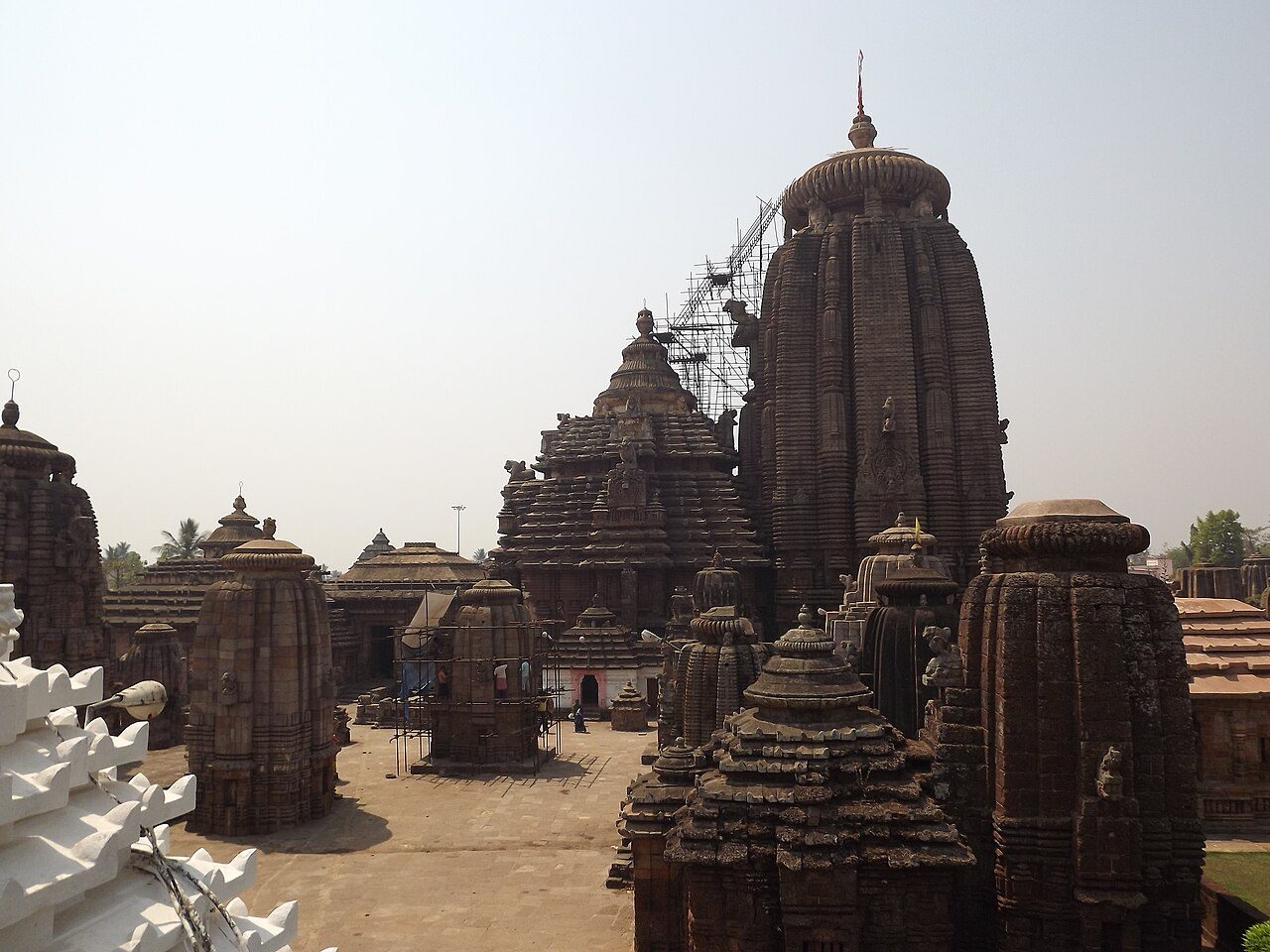
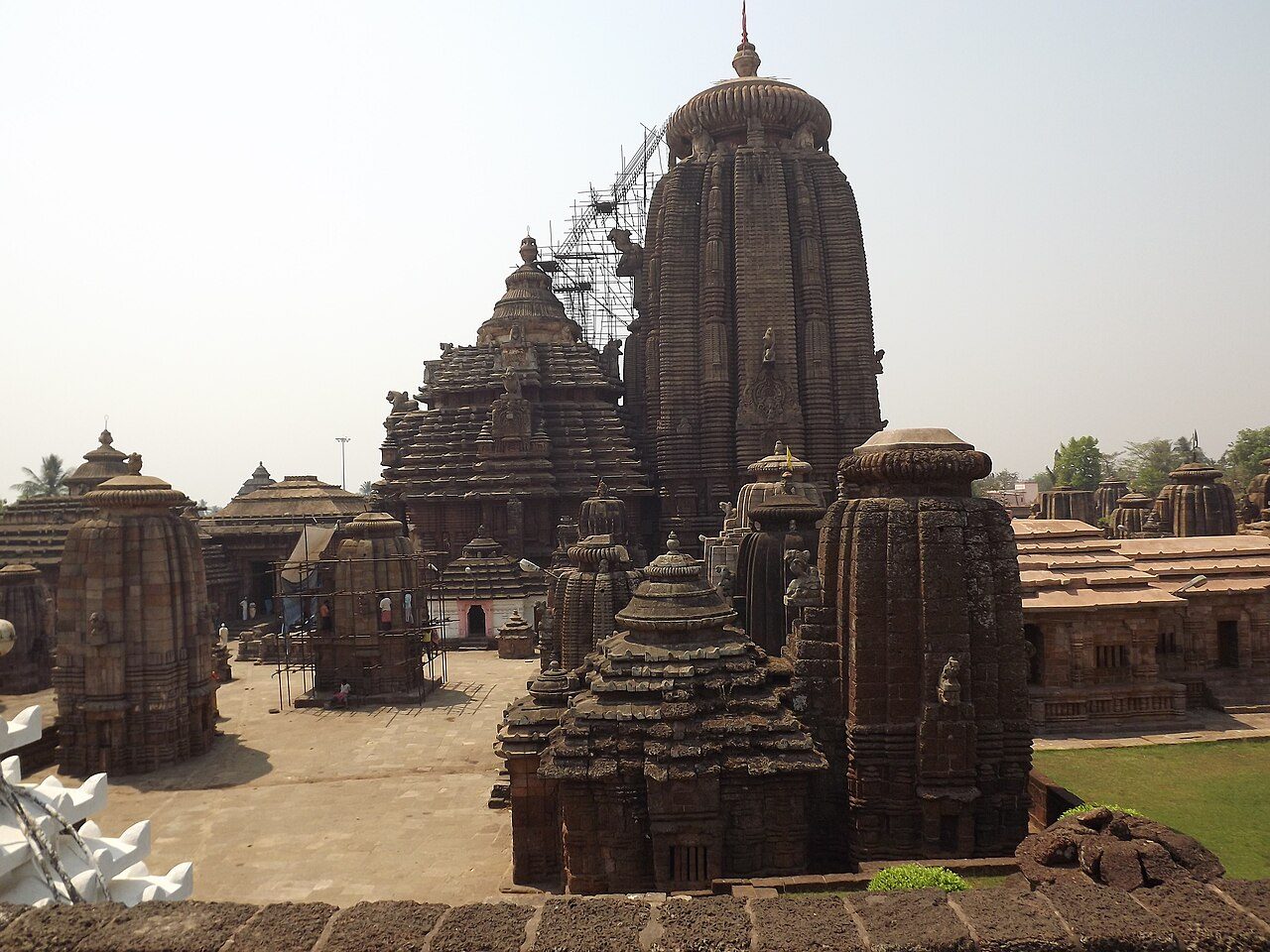
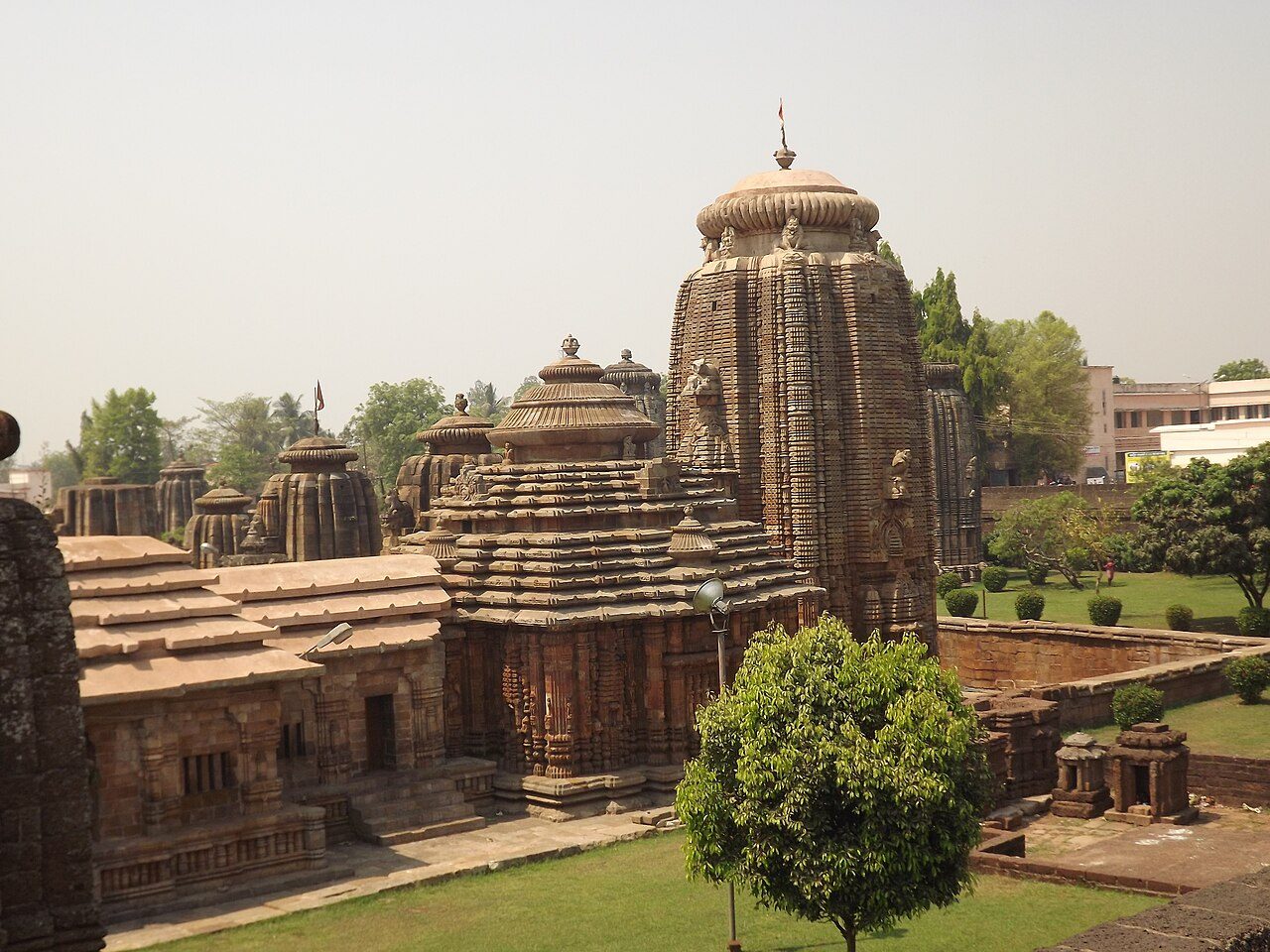
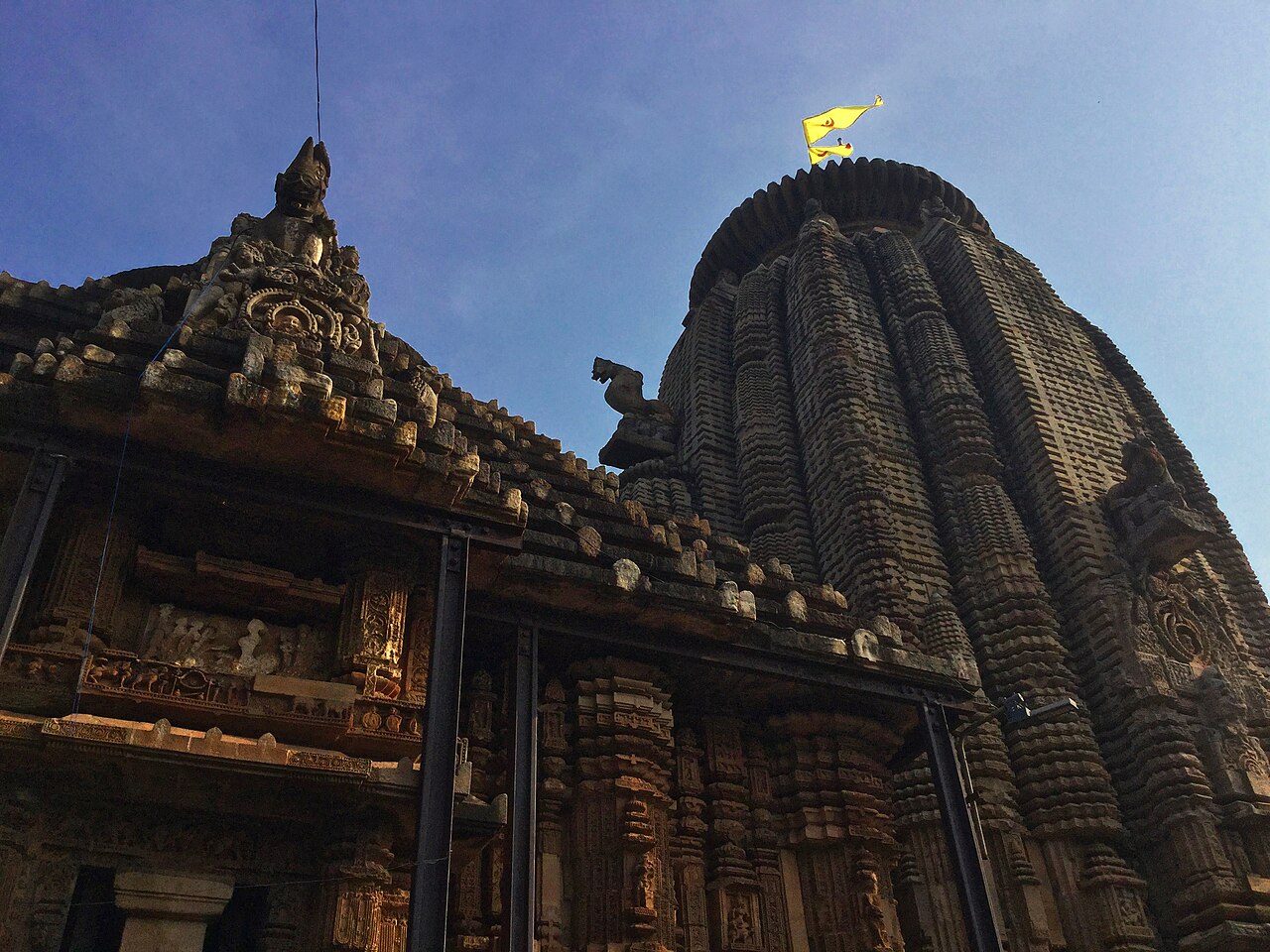
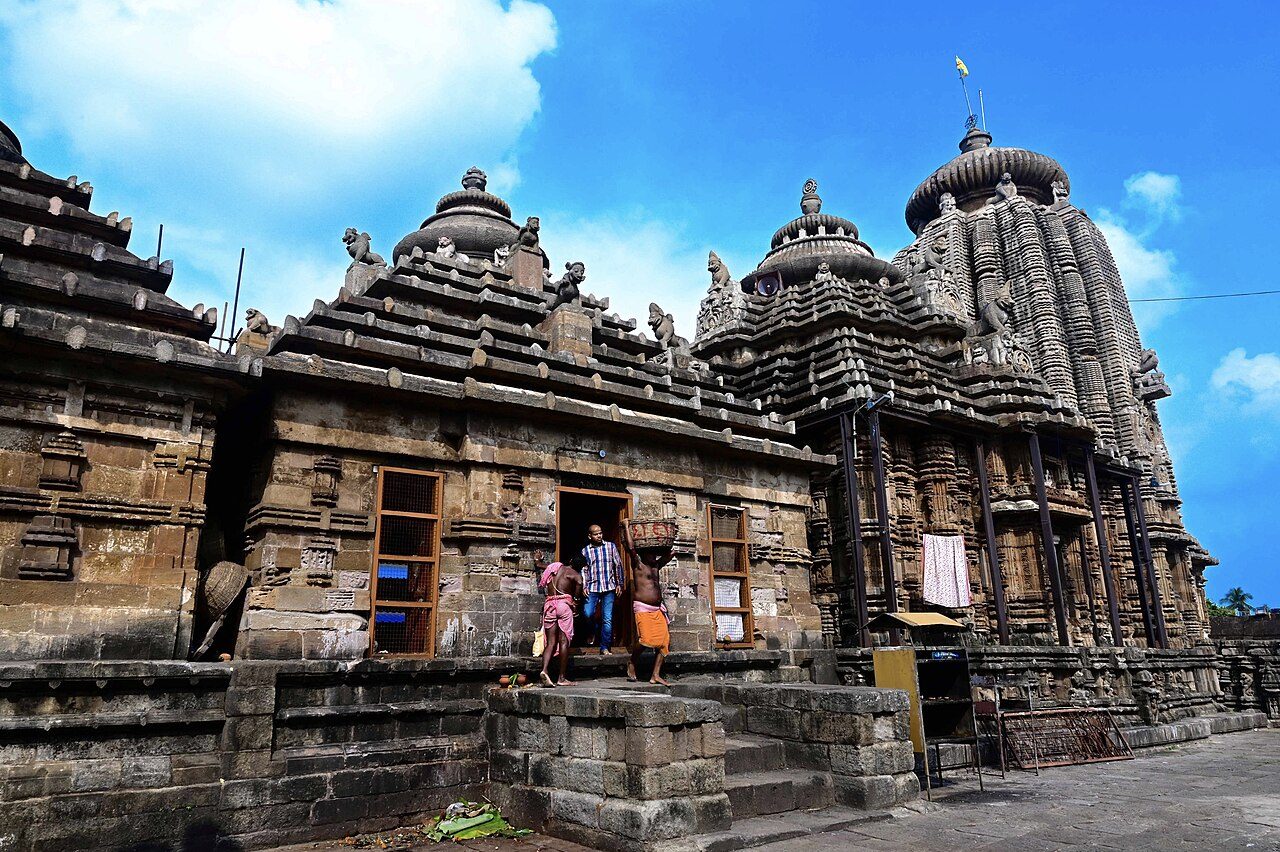
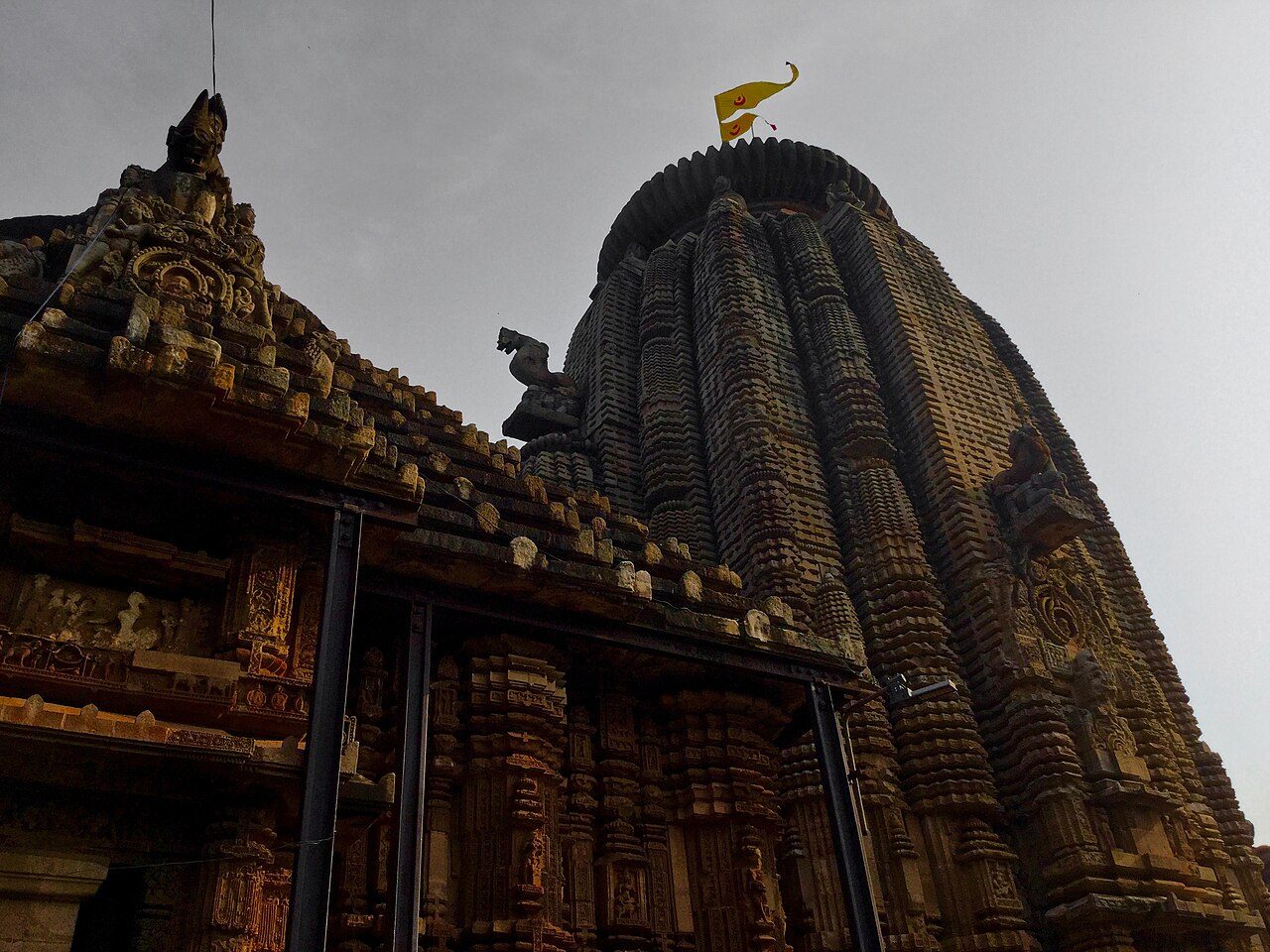
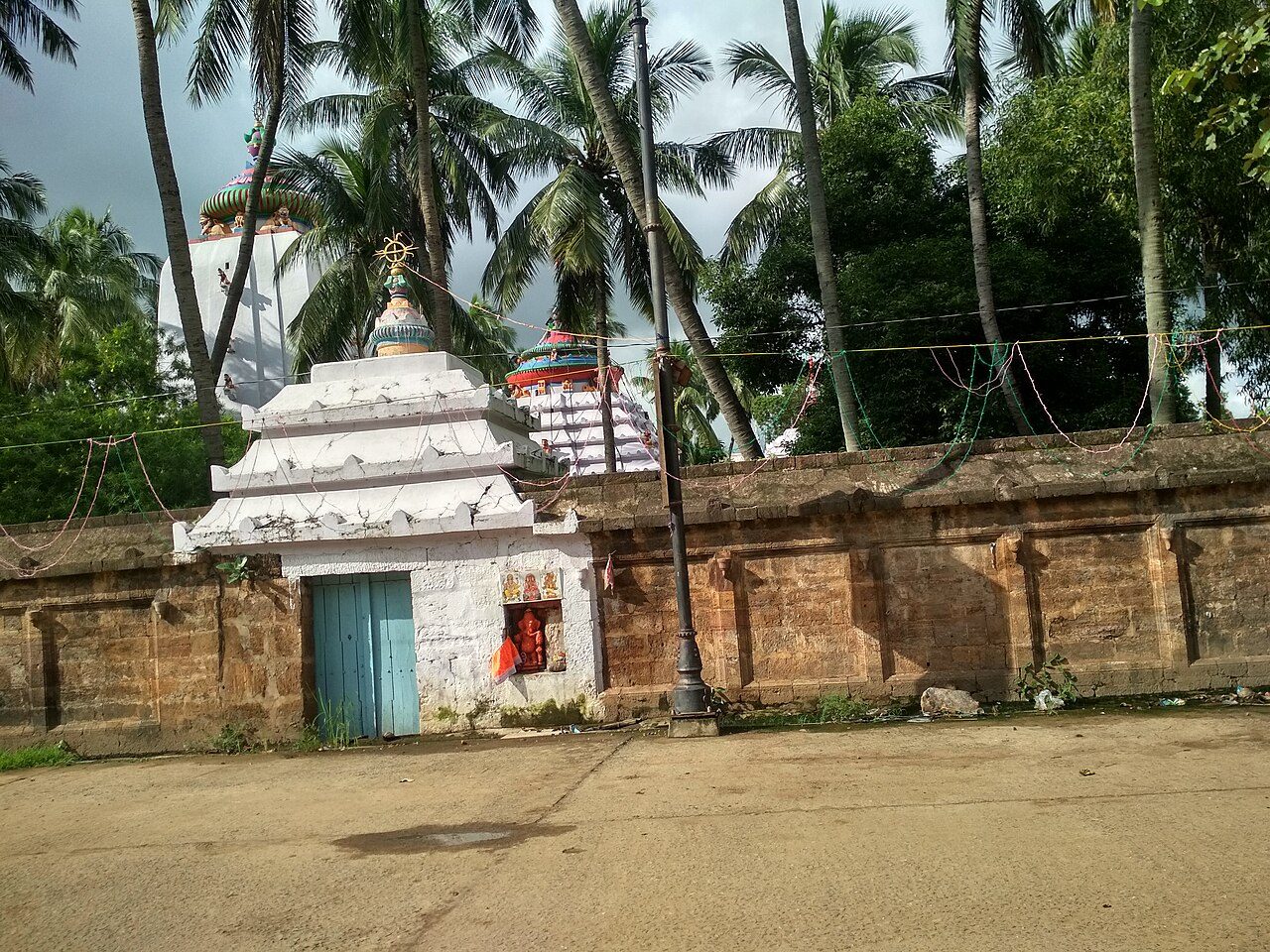
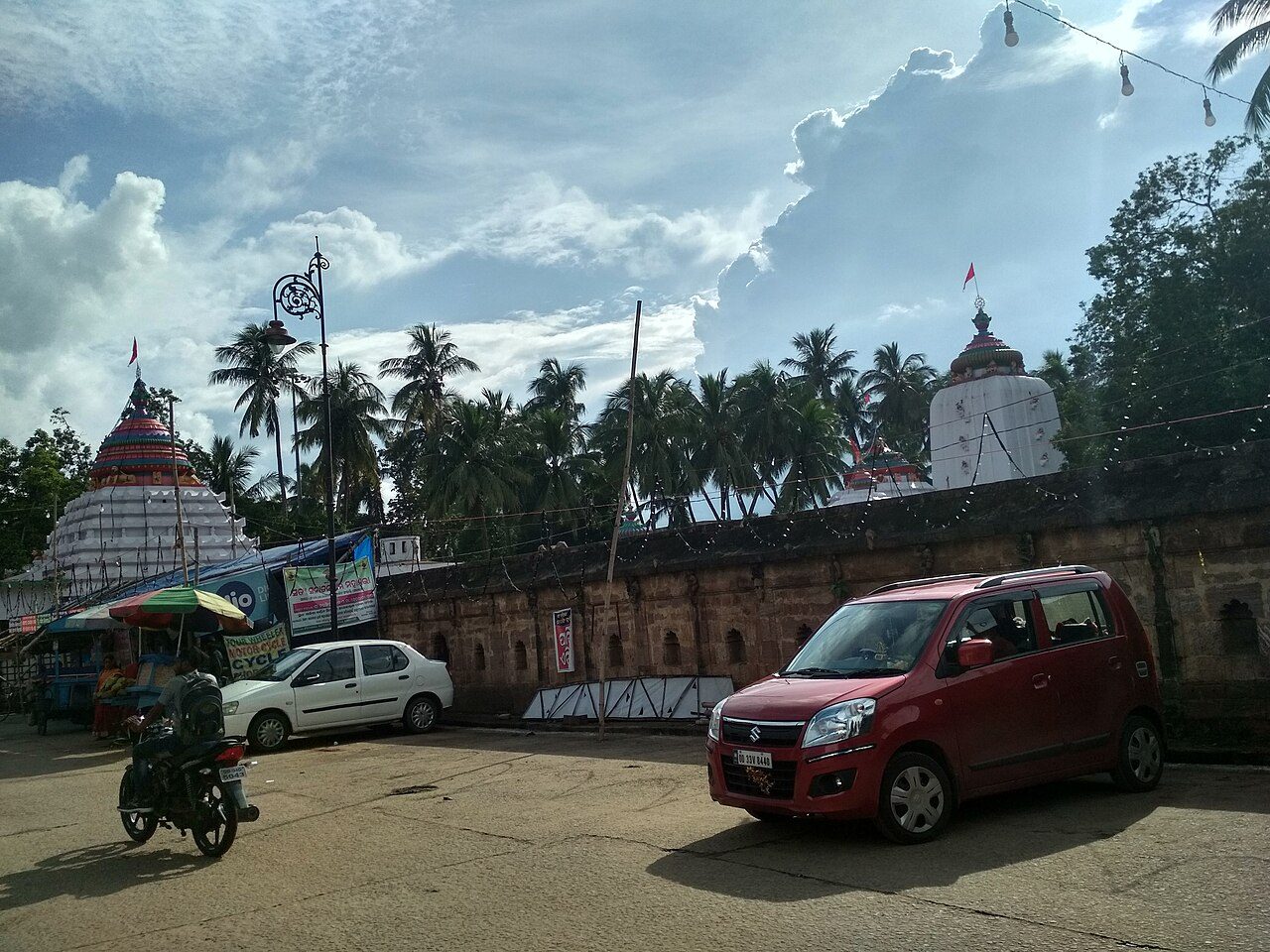
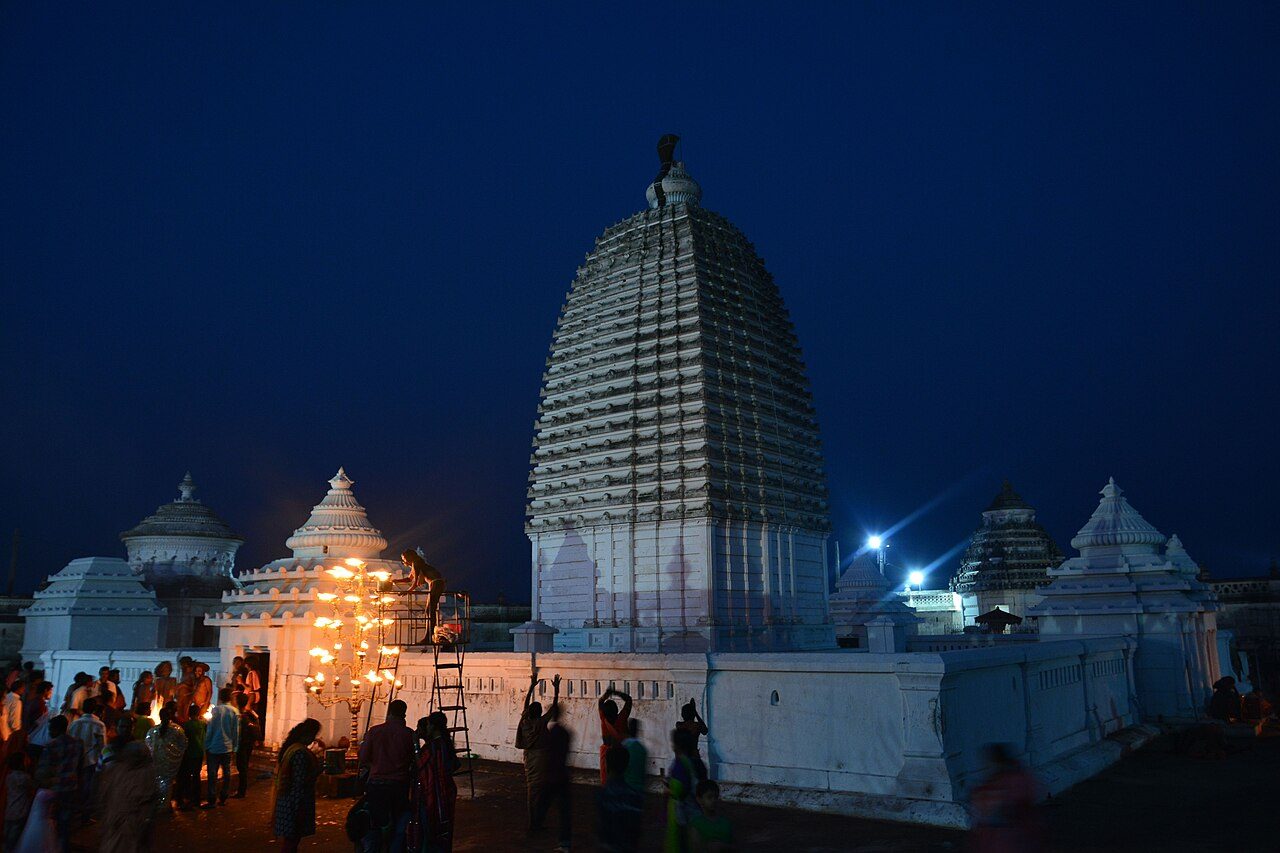
The Lingaraja Temple is the largest and most important temple in Bhubaneswar, built in the 11th century and dedicated to Shiva as Harihara, lord of both Shiva and Vishnu. Its tower rises about 55 metres above a walled compound containing dozens of smaller shrines. It represents the peak of Kalinga architecture. Non-Hindus may view it from a platform outside the north wall.
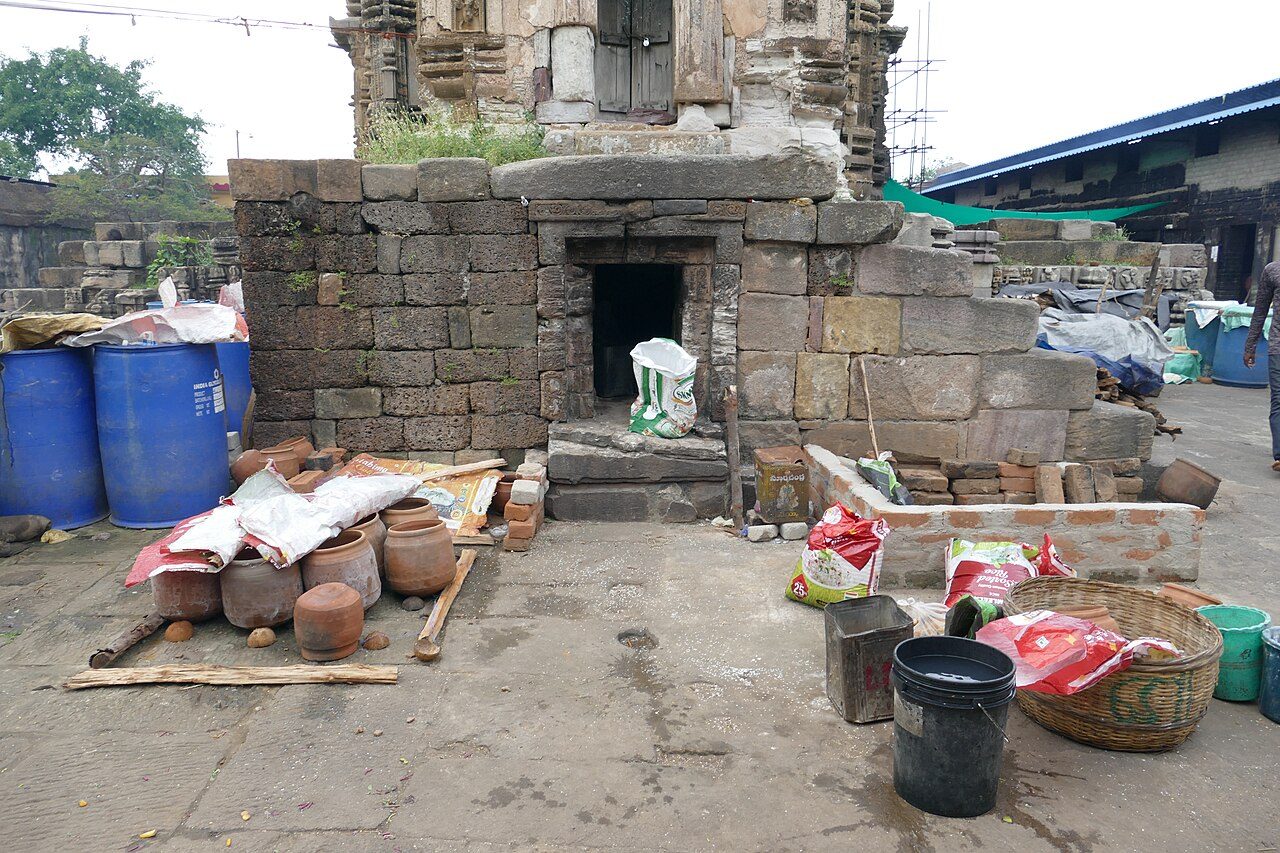
The Ananta Vasudeva Temple, built in 1278 by Queen Chandrika of the Eastern Ganga dynasty, is the principal Vishnu temple in Bhubaneswar, a city otherwise devoted to Shiva. It enshrines Krishna, Balarama and Subhadra. The temple is known for its busy kitchen, where food is cooked in earthen pots over wood fires and offered before being sold to devotees.
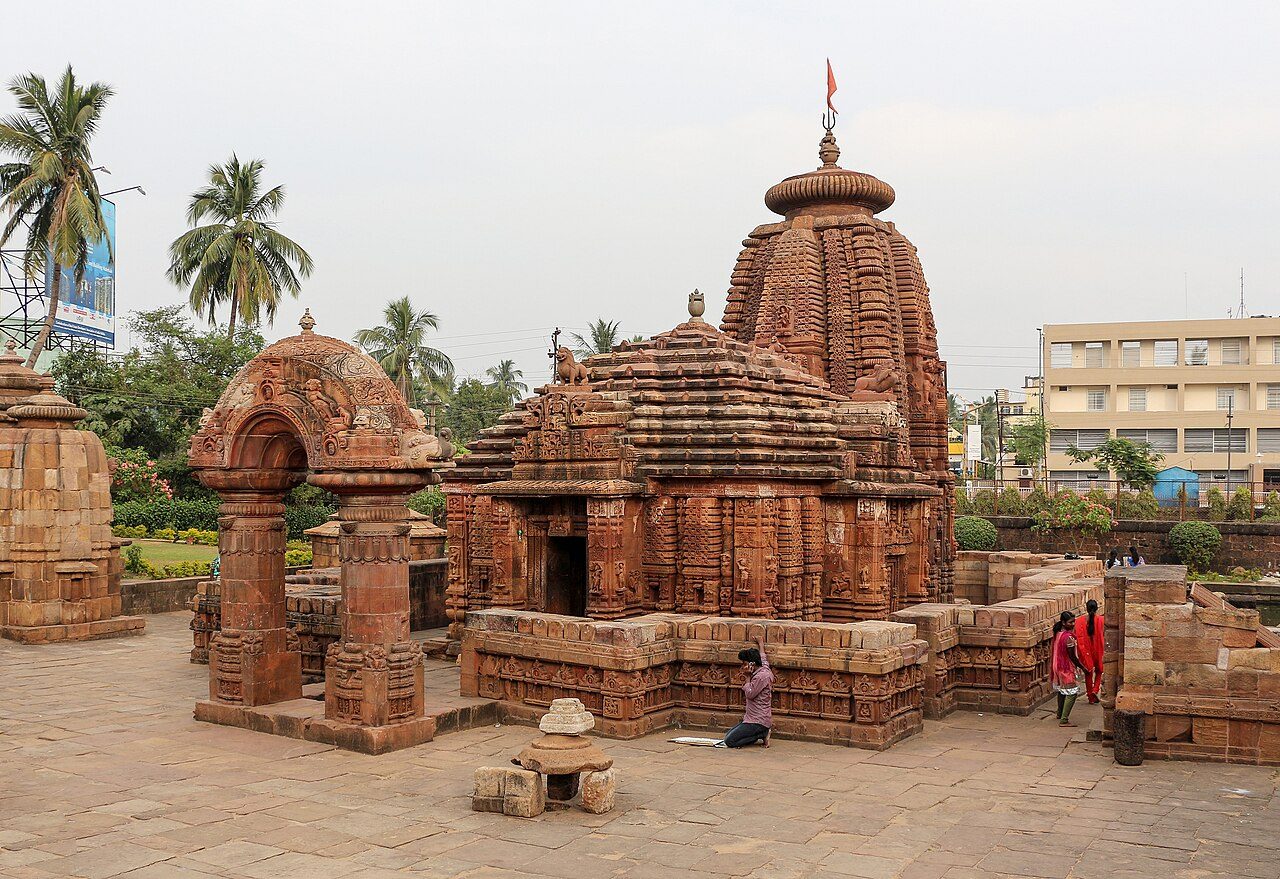
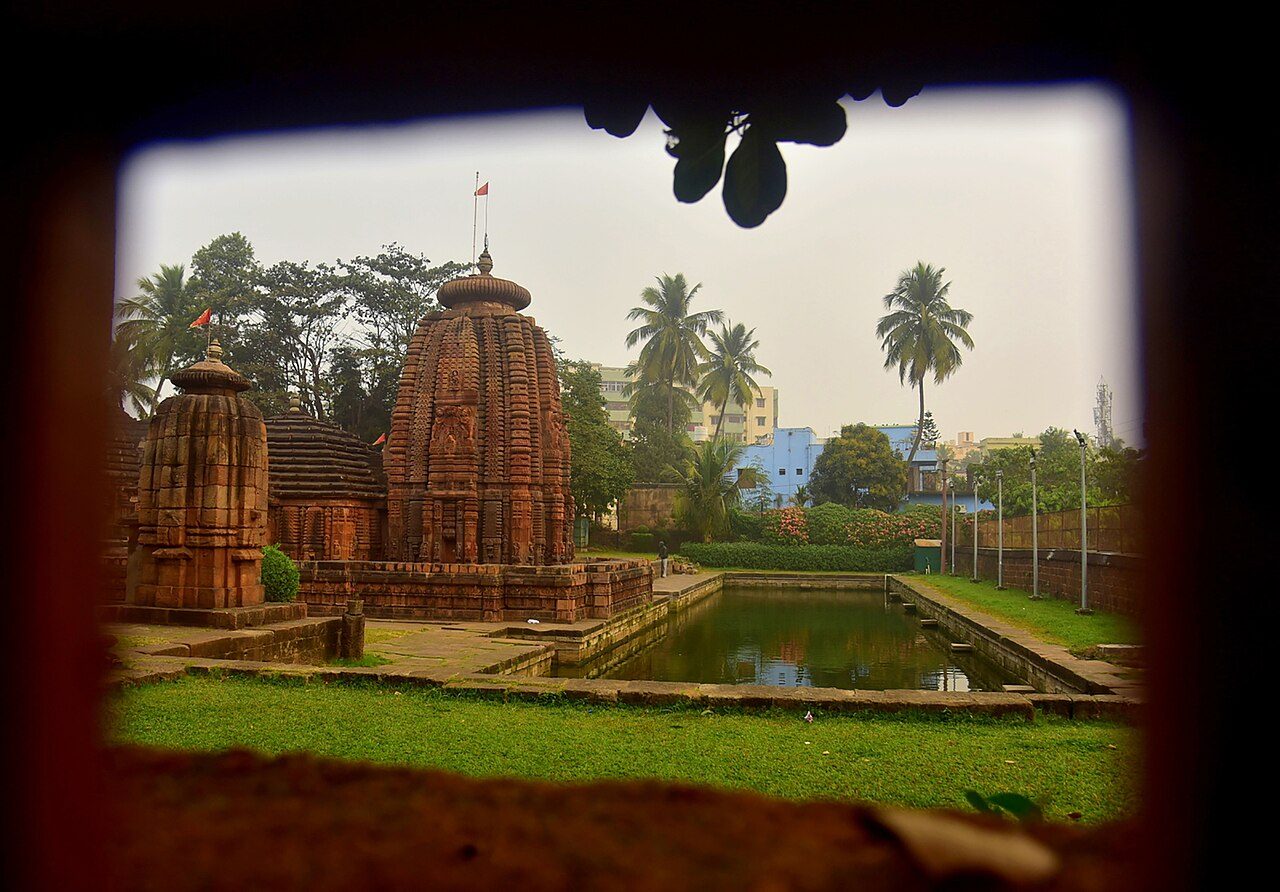
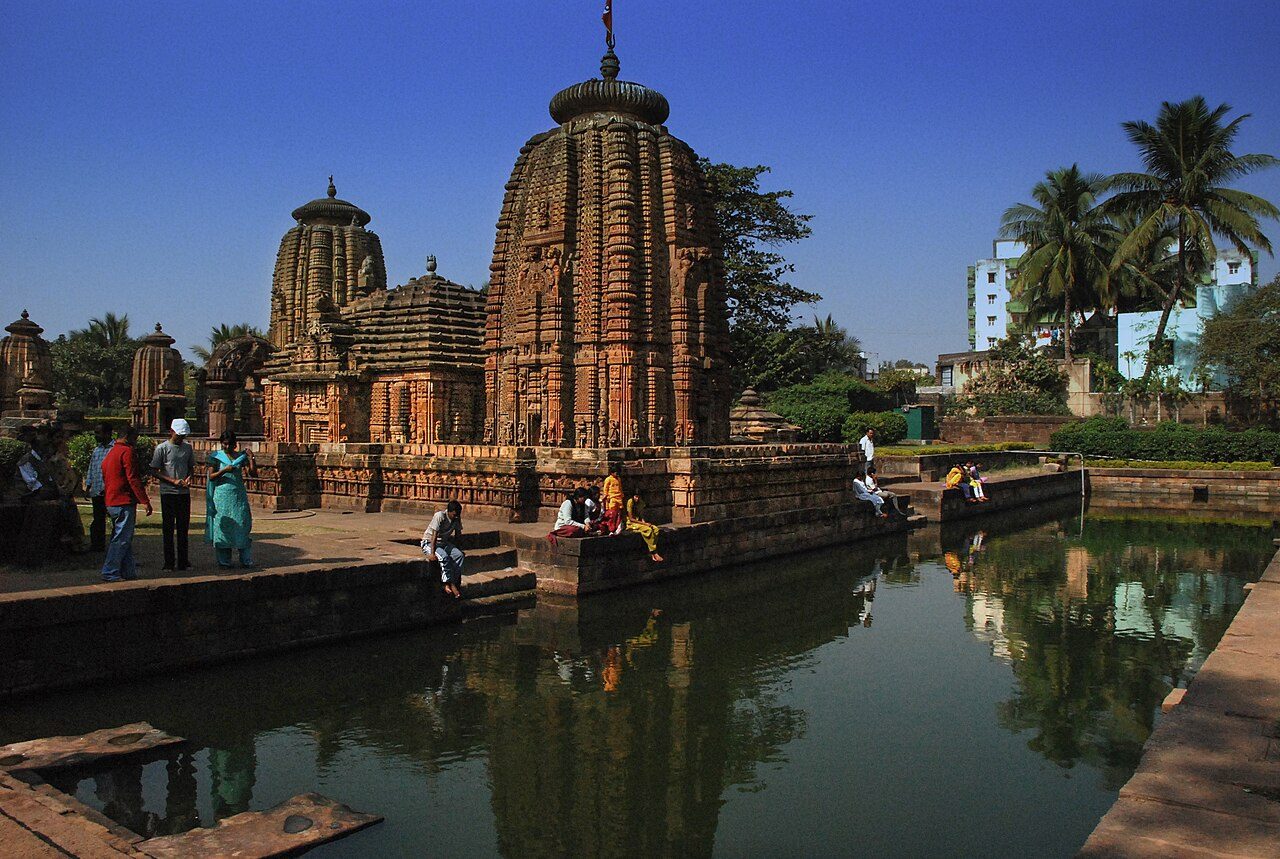
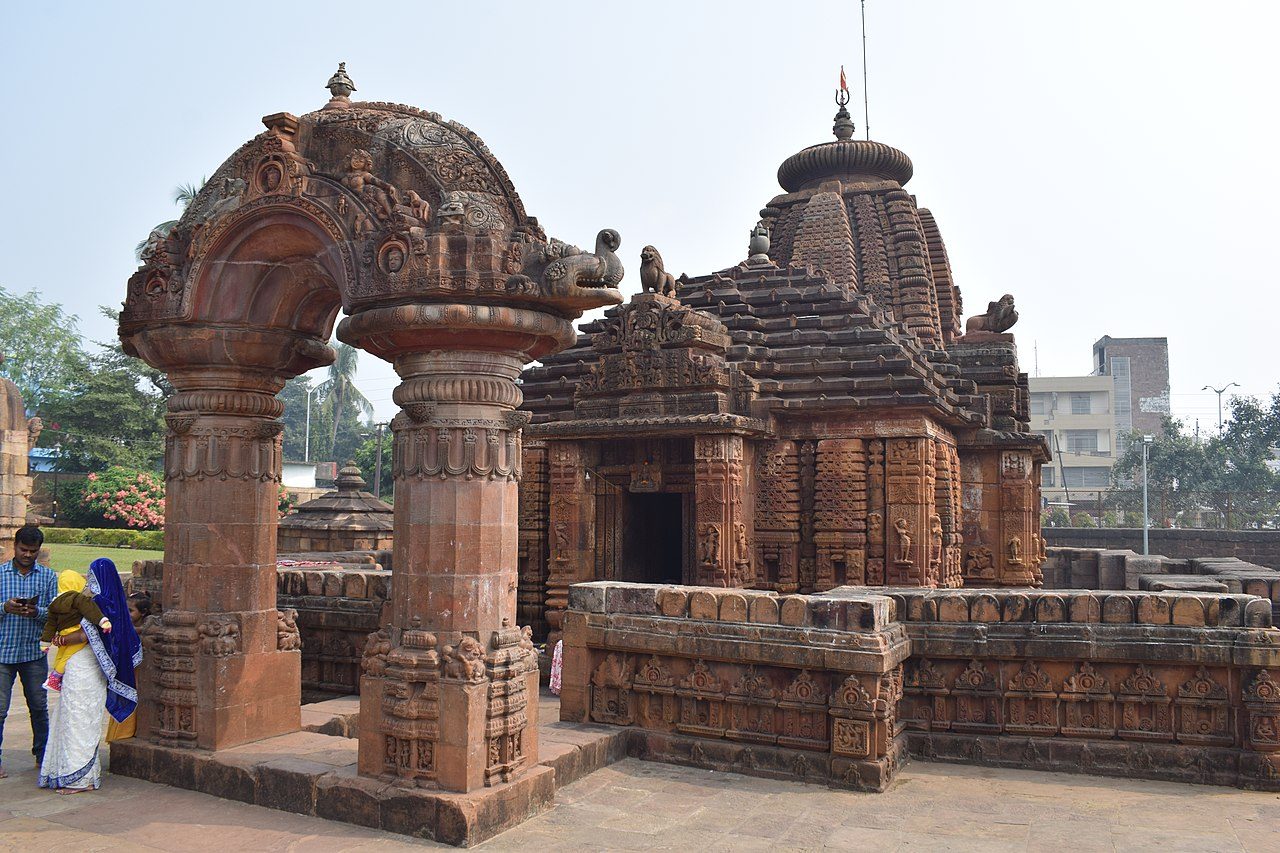
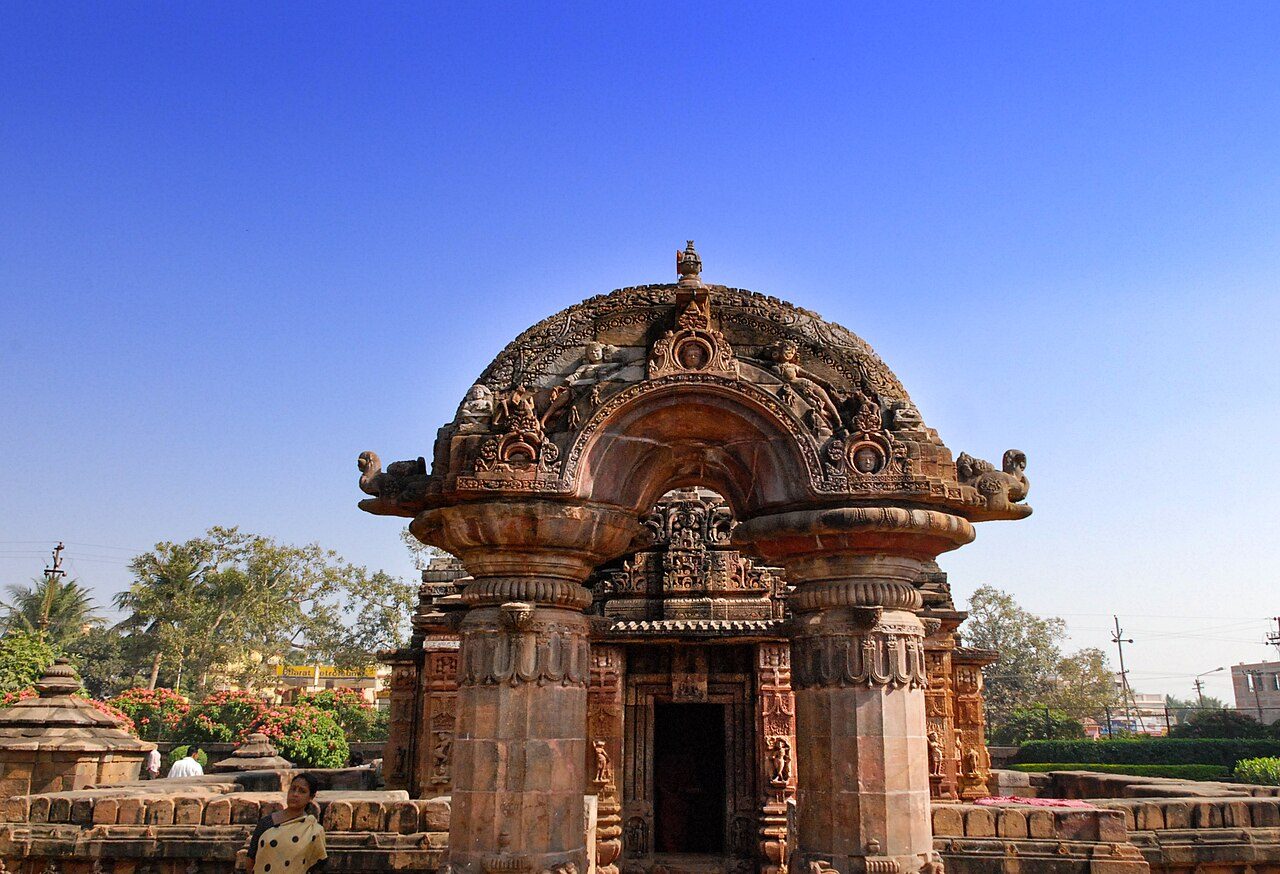
The Mukteshvara Temple, built around the 10th century, is often called the gem of Odisha architecture. Small in scale, it is famous for its sculptured arched gateway, or torana, and for the delicate carving that covers its walls and ceiling. It stands in a garden beside a tank with the Siddheshwara temple. A dance festival is held here each January.
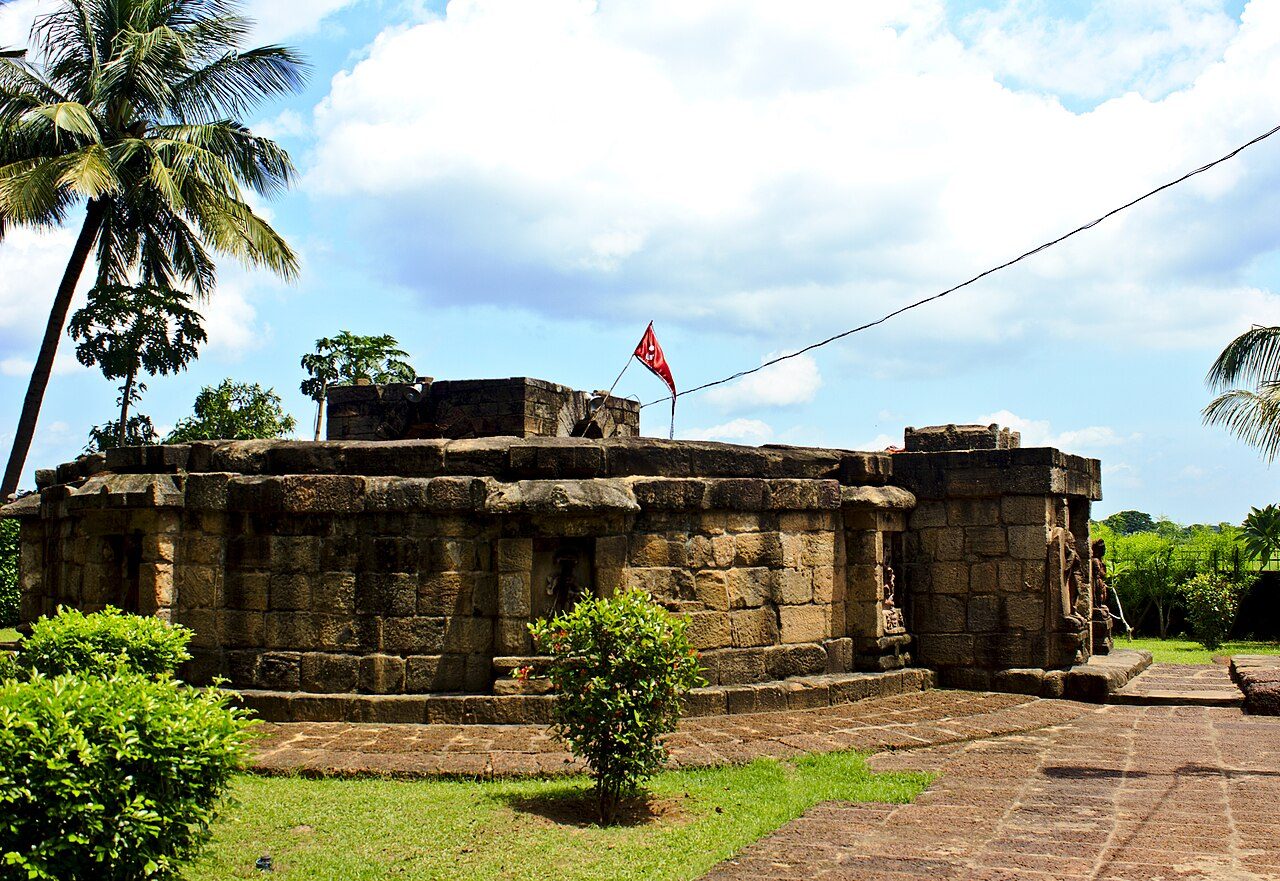
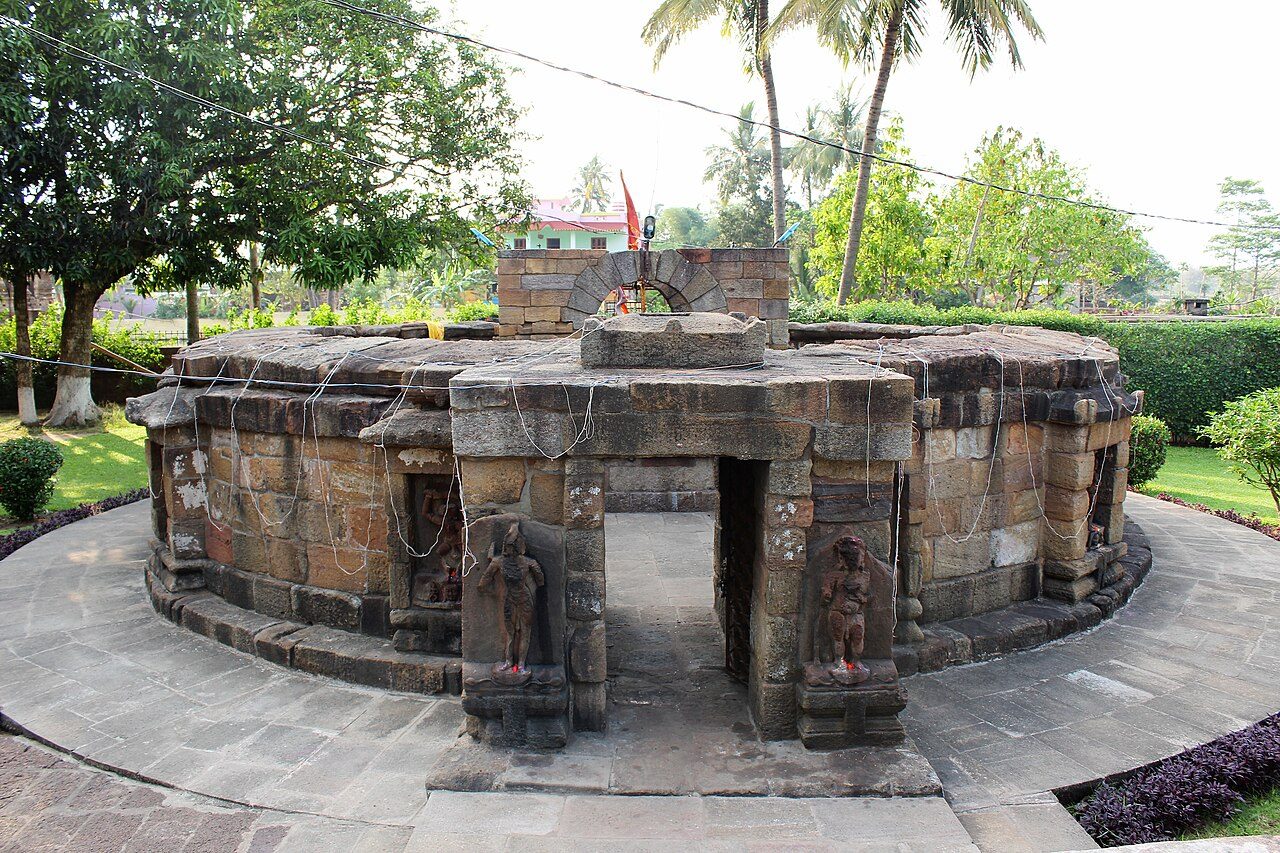
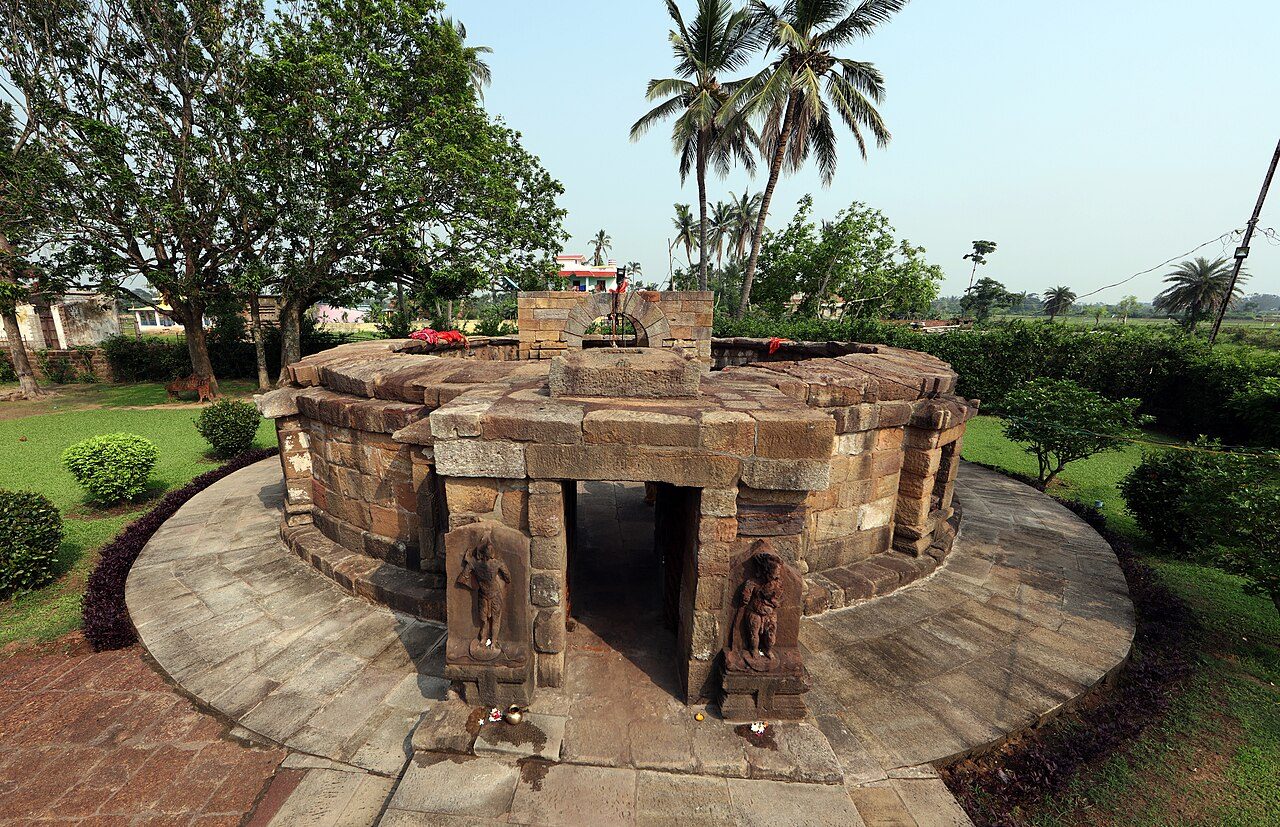
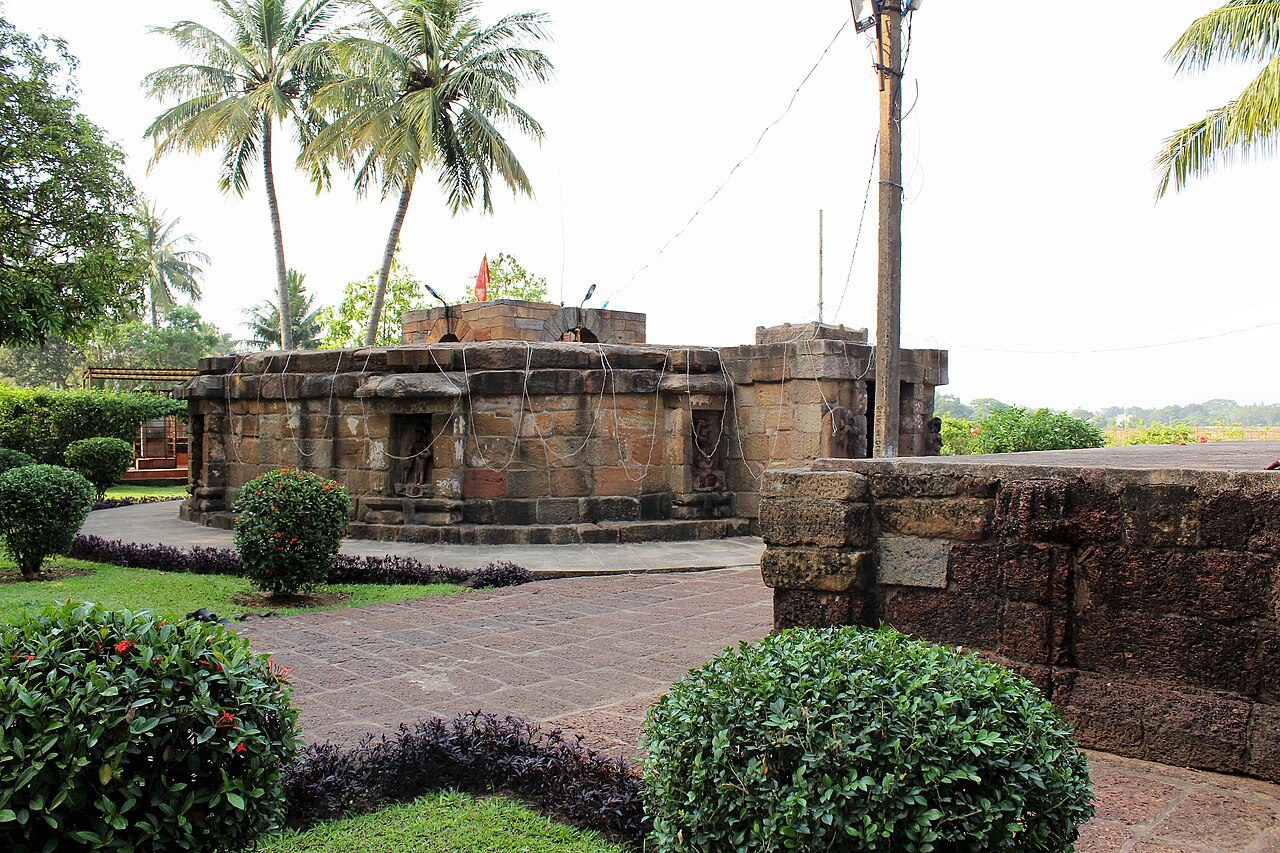
The Chausath Yogini Temple at Hirapur, about 15 km from Bhubaneswar, is a small circular shrine open to the sky, built in the 9th century. Niches around its inner wall hold finely carved black stone images of the sixty-four yoginis, each standing on a different animal or figure. It is one of only a handful of such temples in India and stands among paddy fields.
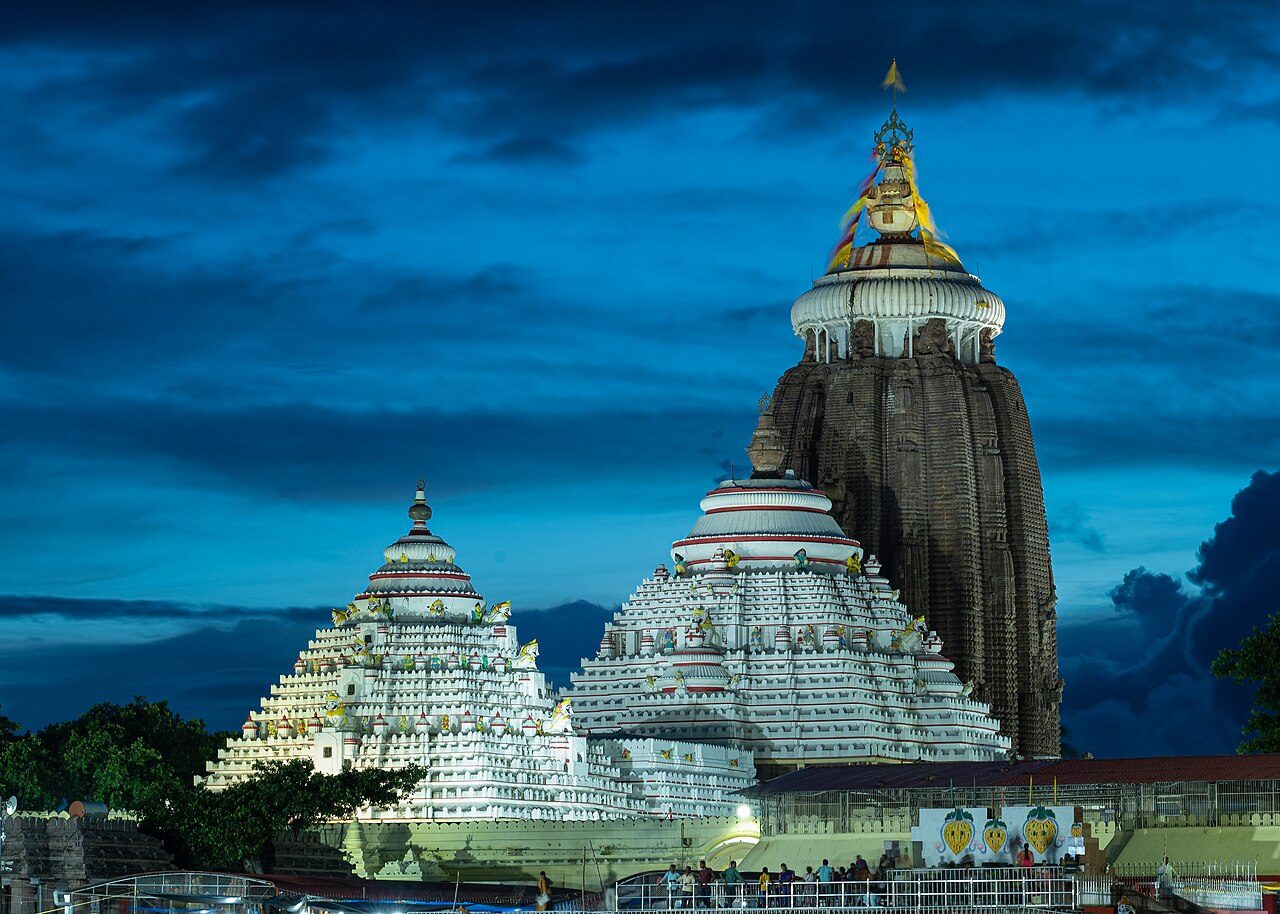
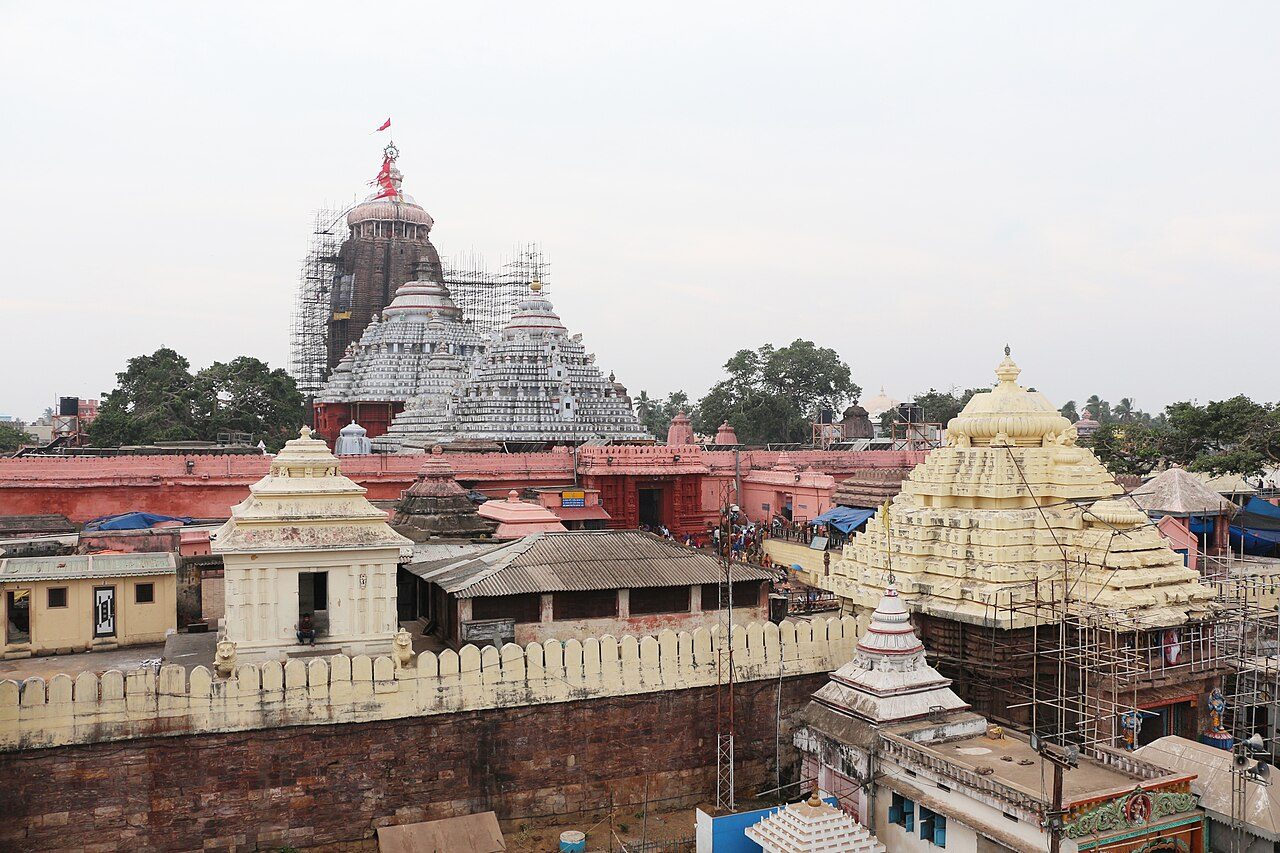
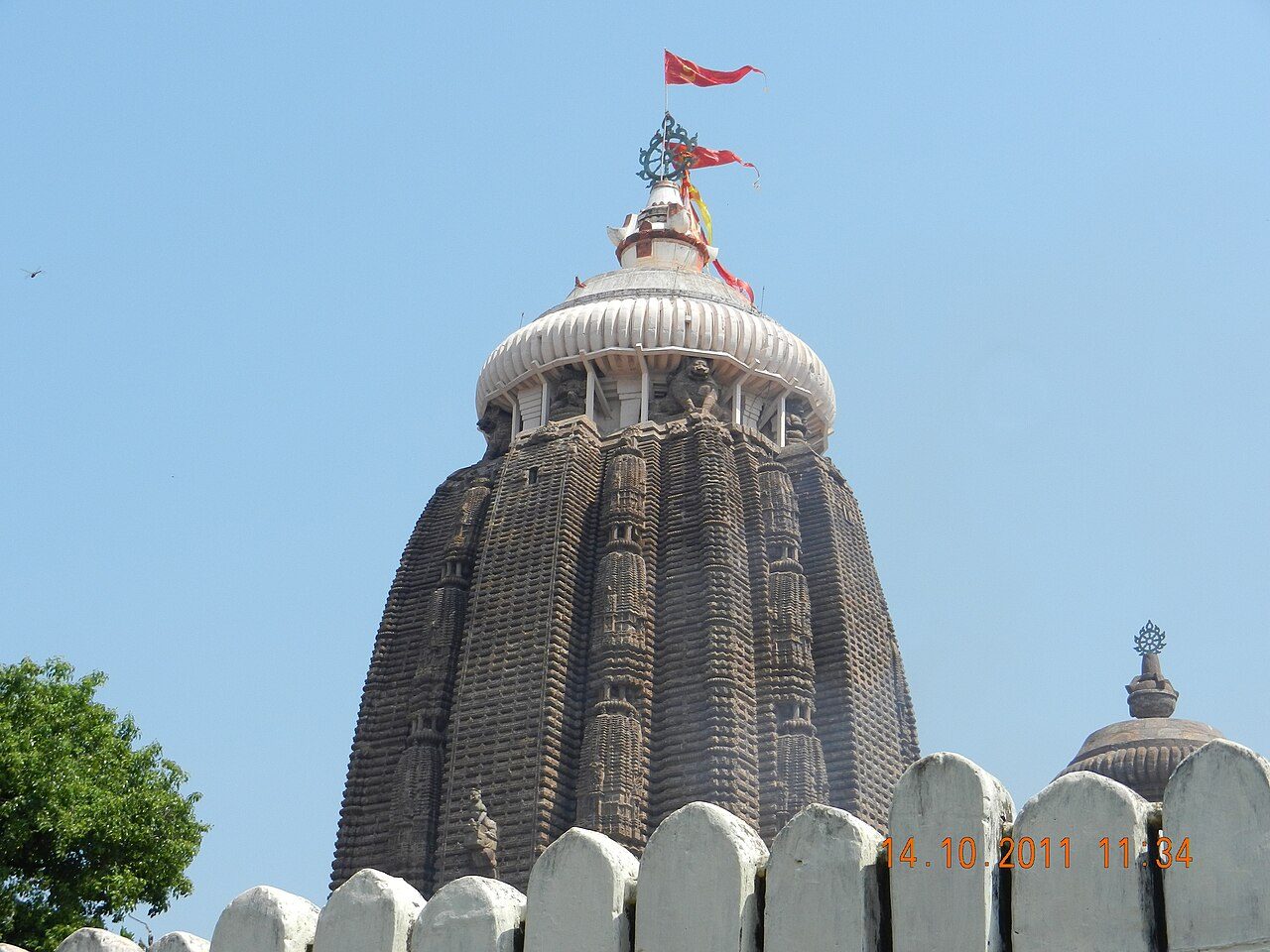
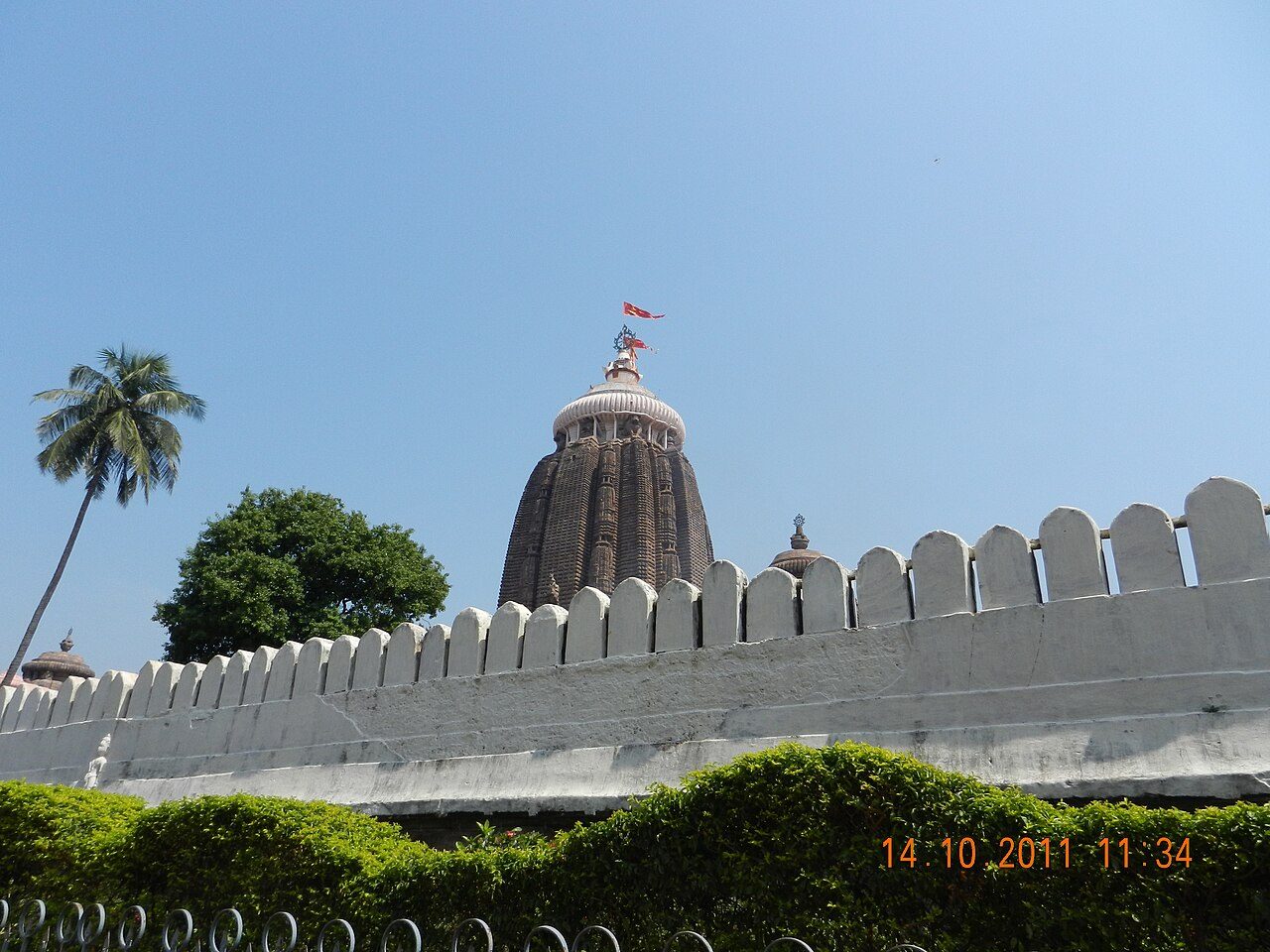
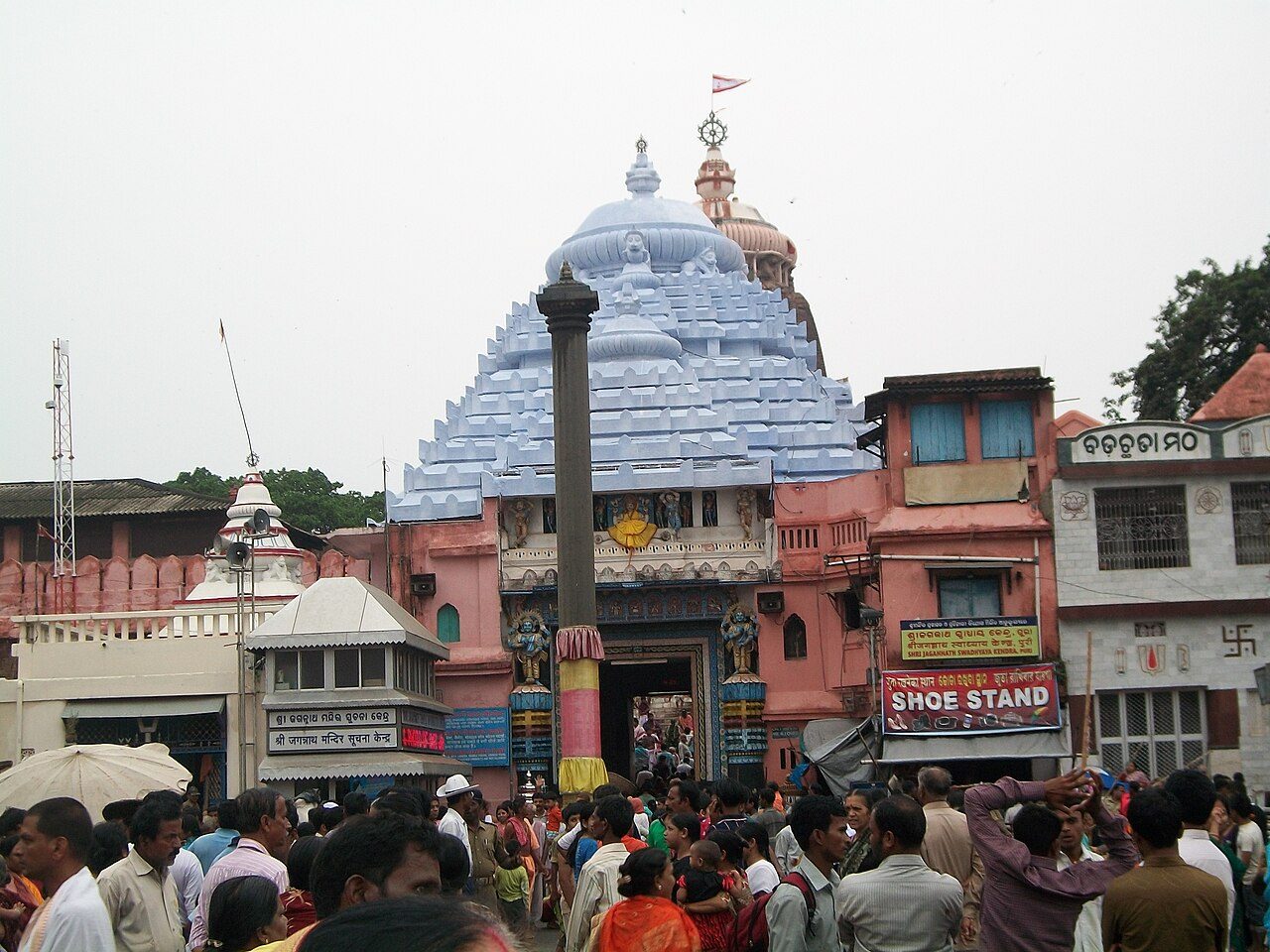
The Jagannath Temple at Puri is one of the Char Dham, the four great pilgrimage sites of India. Built in the 12th century by King Anantavarman Chodaganga, its tower rises about 65 metres over a vast walled compound. The wooden images of Jagannath, Balabhadra and Subhadra are taken out each summer in the Rath Yatra on giant chariots. Only Hindus may enter; others can view the temple from the roof of the library opposite.
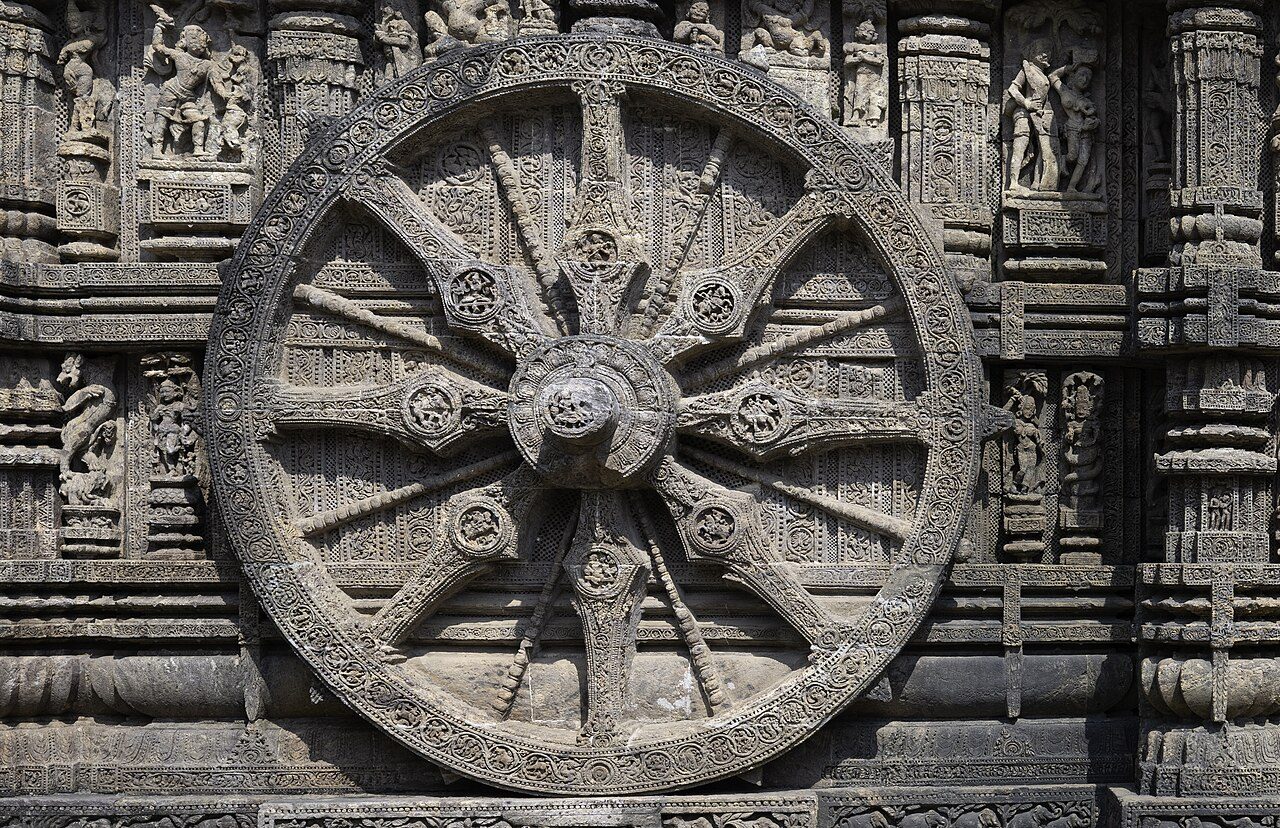
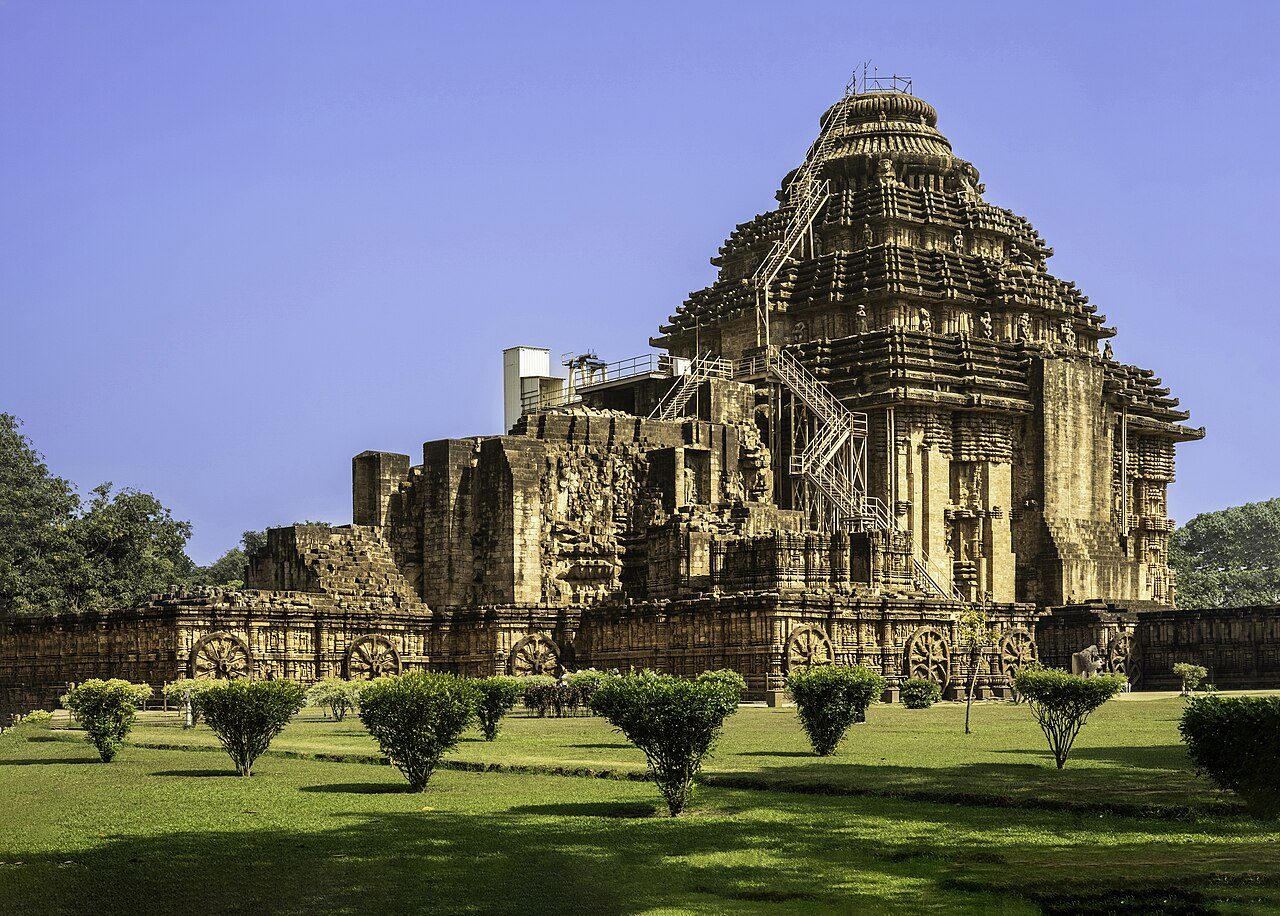
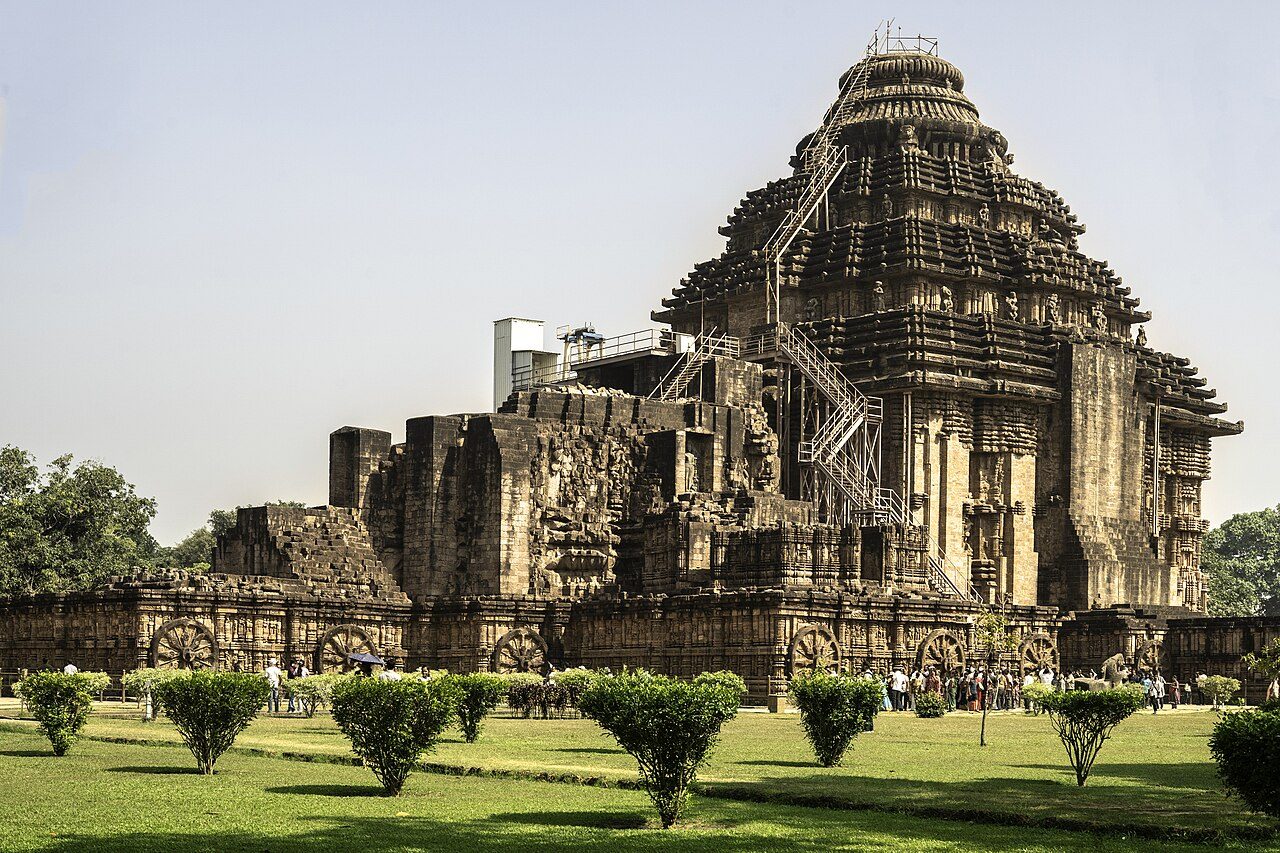
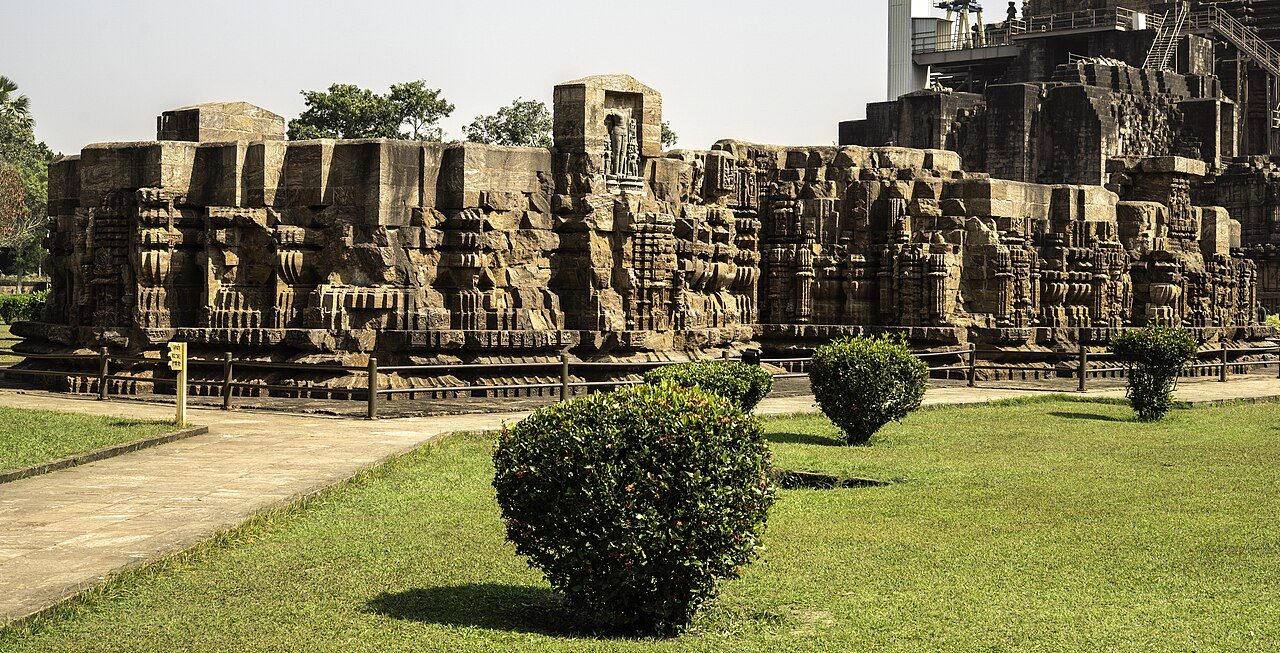
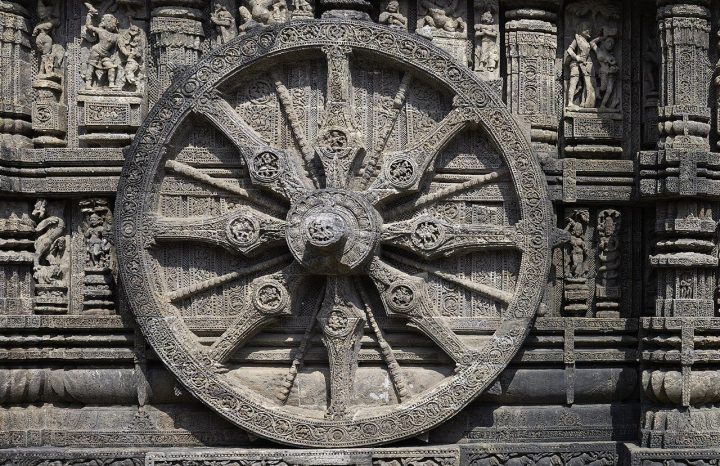
The Sun Temple at Konark, built in the 13th century by King Narasimhadeva I, is conceived as the chariot of the sun god, with twenty-four intricately carved stone wheels and seven horses. Its walls are covered with sculpture of gods, dancers, animals and daily life. The main tower has fallen, but the surviving hall is superb. It is a UNESCO World Heritage Site; the dance festival is held in December.
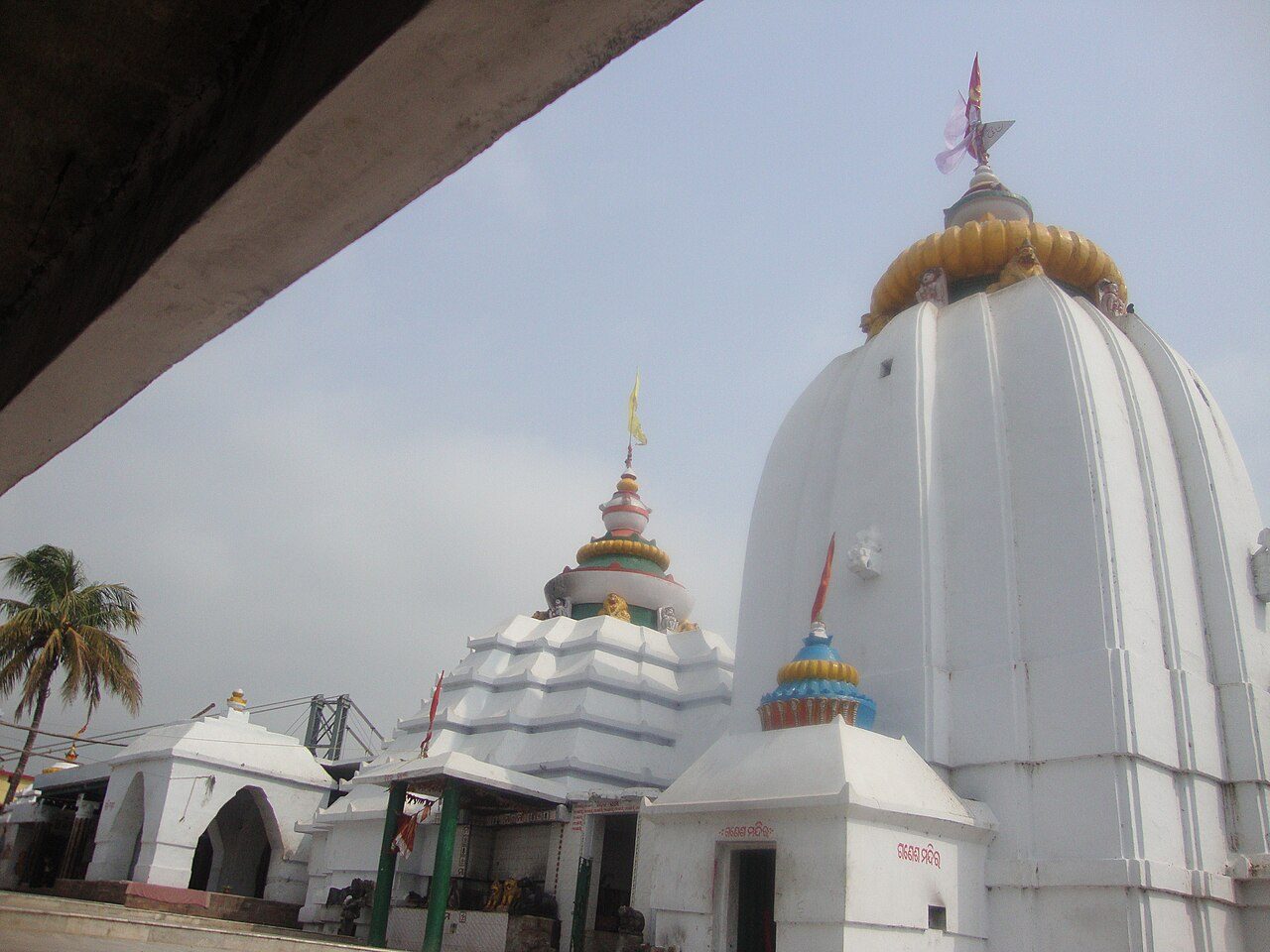
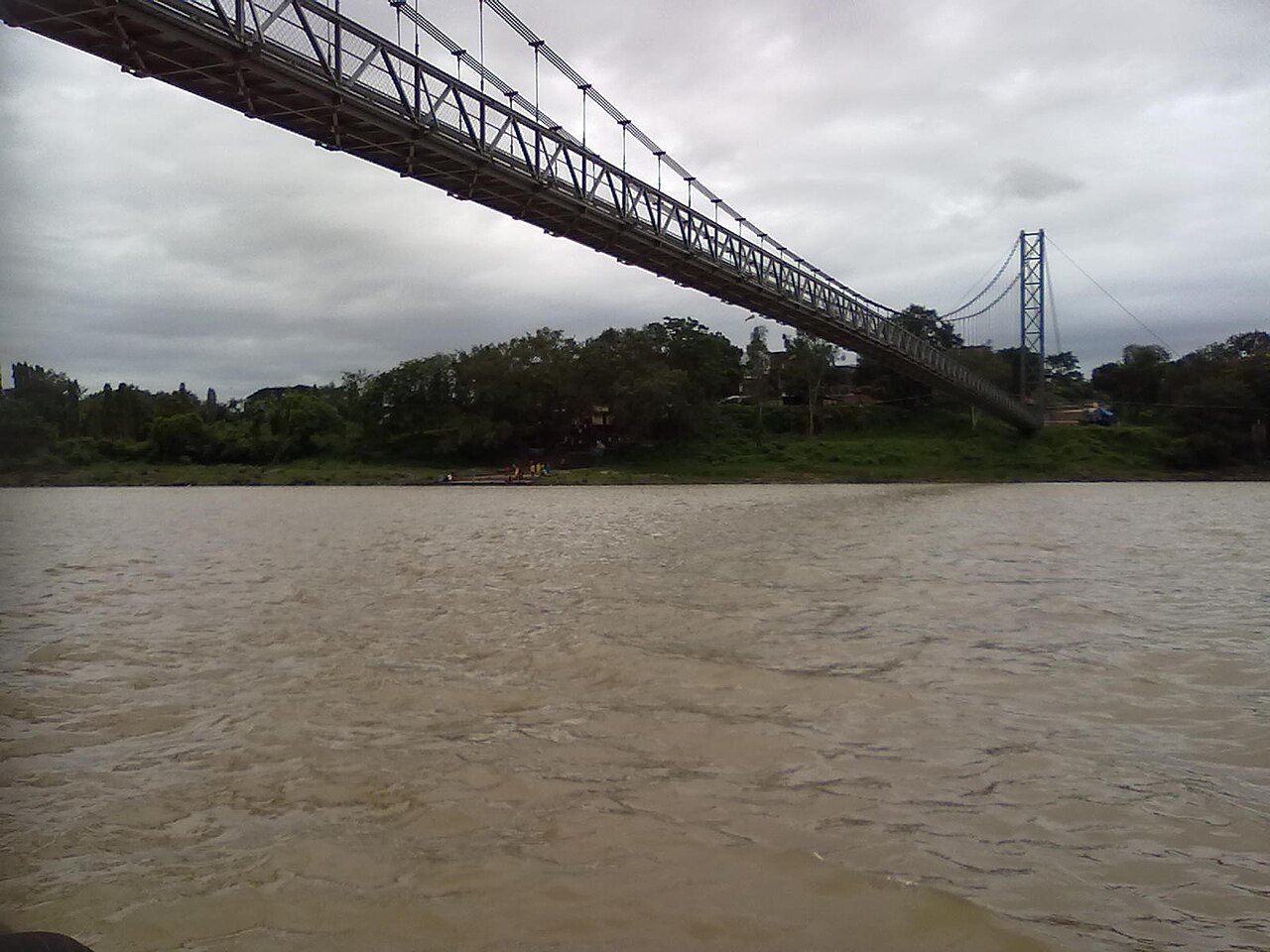
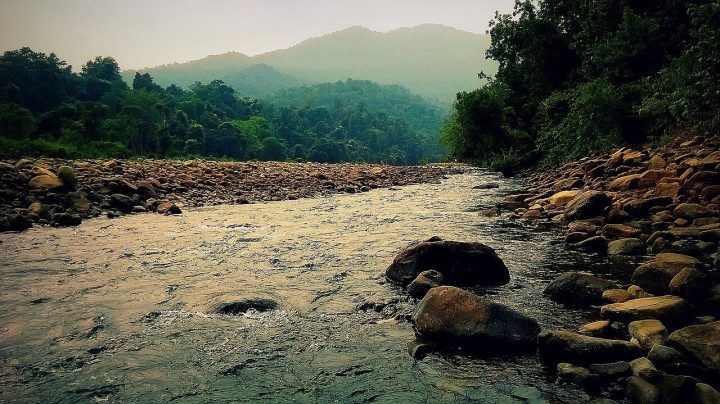
Dhabaleswar Temple stands on an island in the Mahanadi River, about 27 km from Cuttack. Dedicated to Shiva, it dates from around the 10th or 11th century. The island is reached by a long suspension footbridge or by boat. Legend tells of the god turning a black bull white to save a thief. A big fair is held on Bada Osha in the month of Kartik.
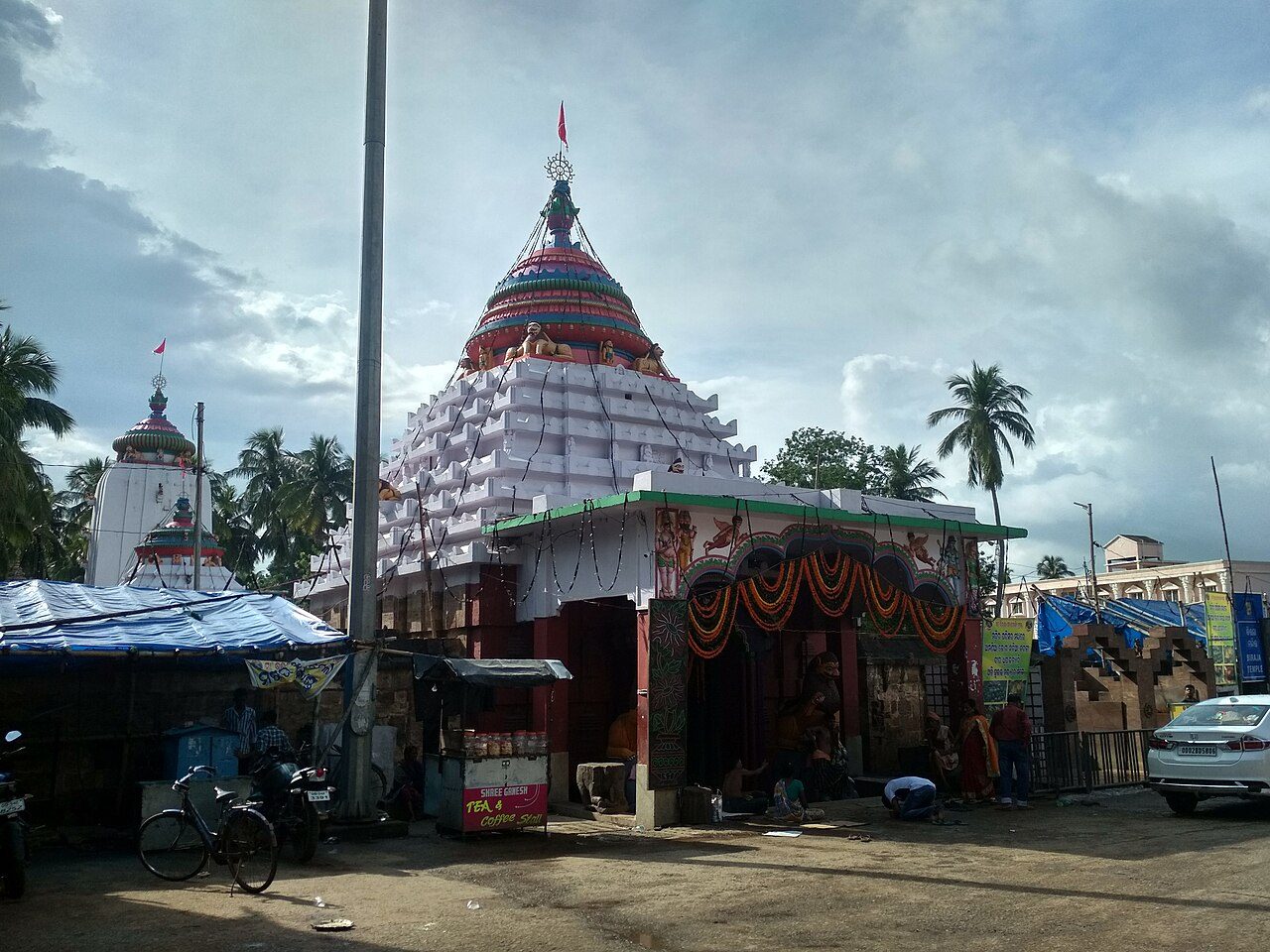
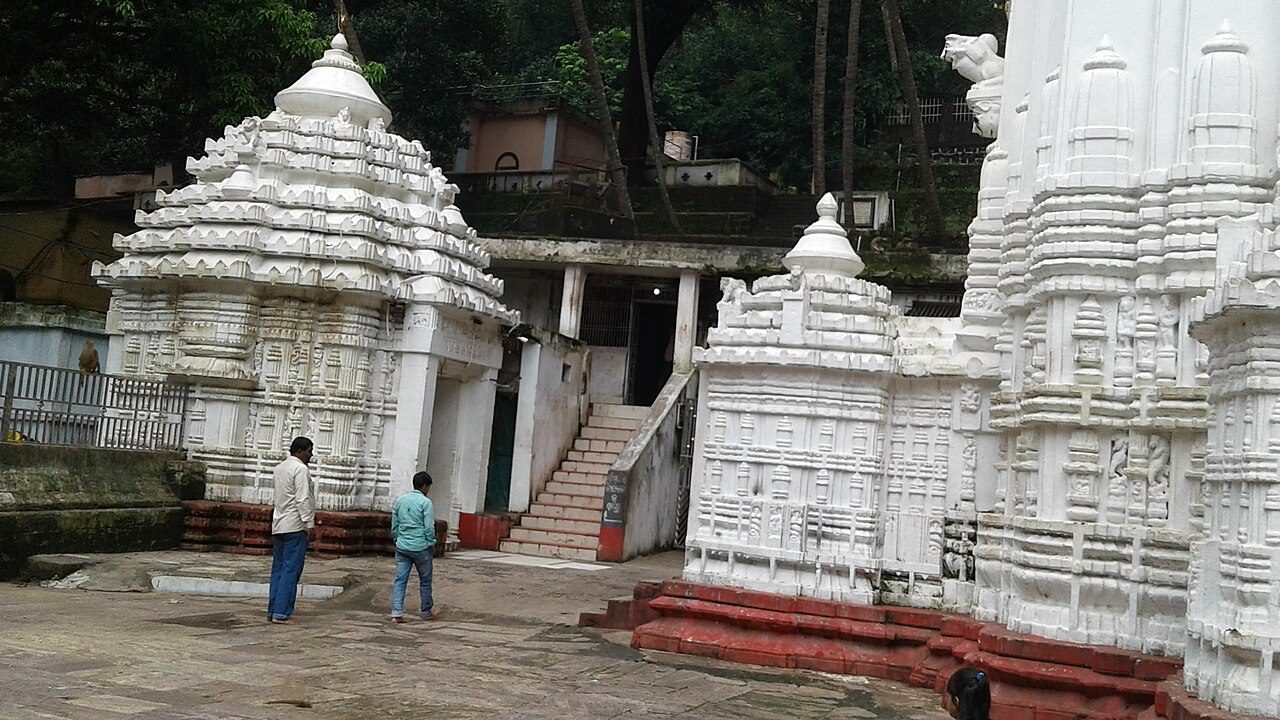
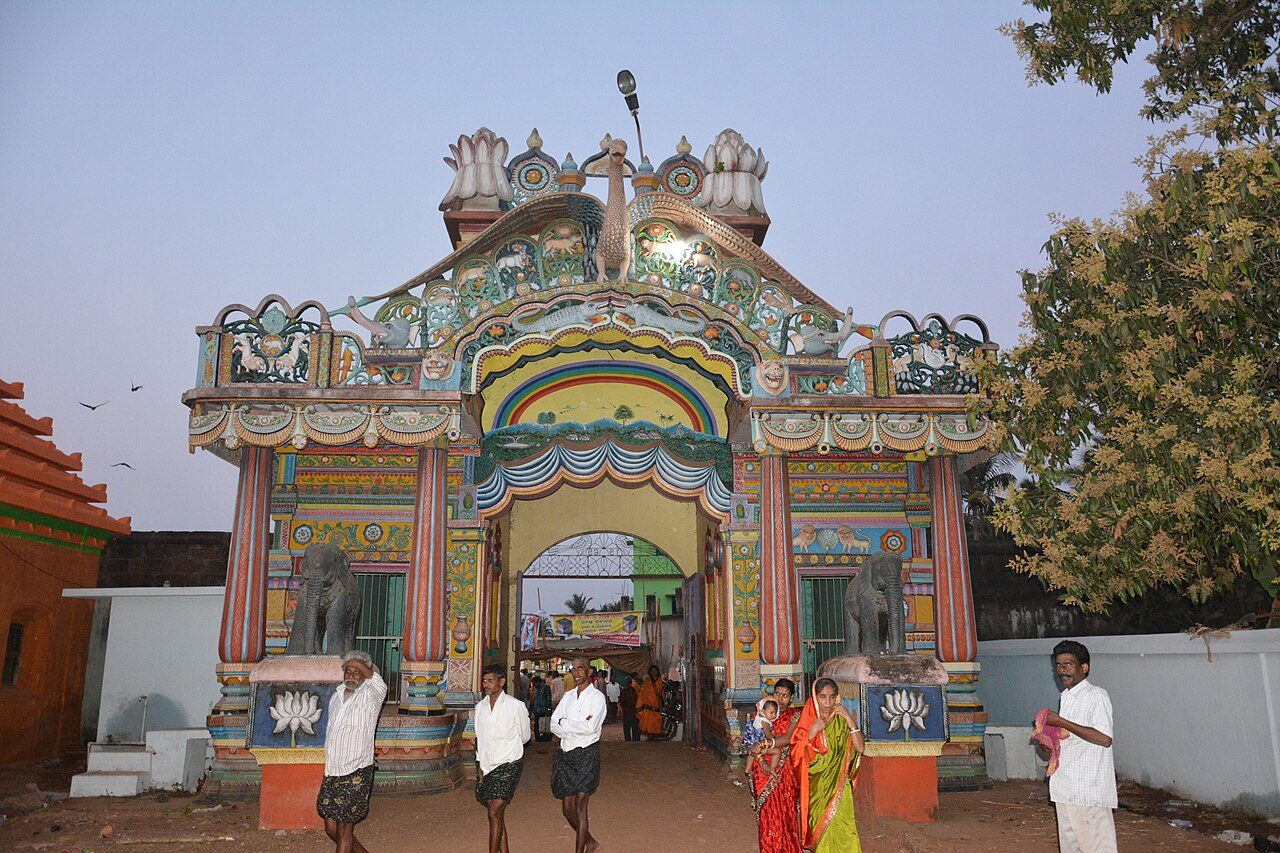
Biraja Temple at Jajpur is one of the major Shakti Peethas, where the navel of Sati is said to have fallen. The goddess is worshipped as a two-armed Durga slaying the buffalo demon. The present temple dates from the 13th century. Jajpur was the ancient capital of Odisha, and the town is also a place for ancestral rites. Navratri is celebrated with a chariot festival.
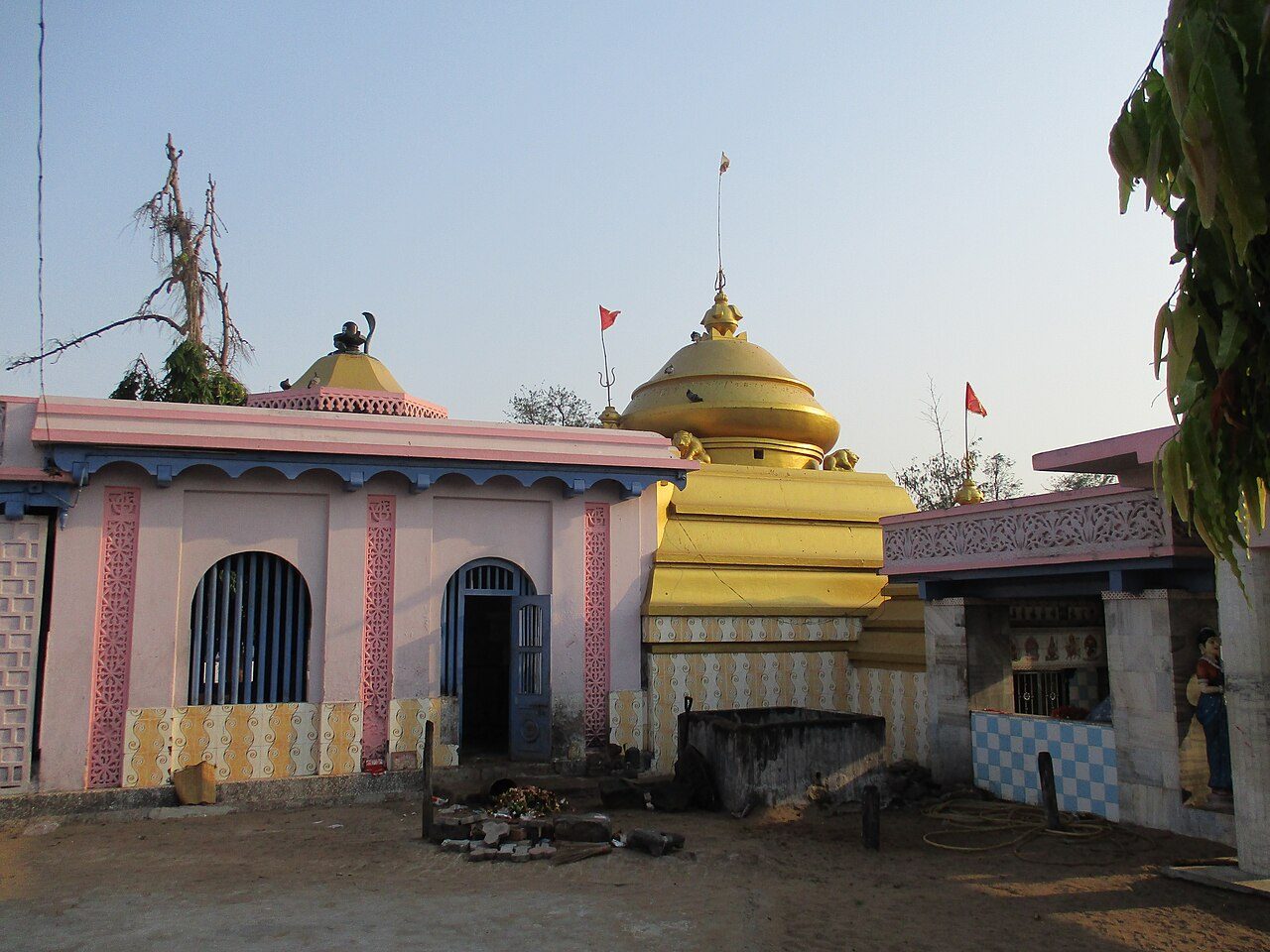
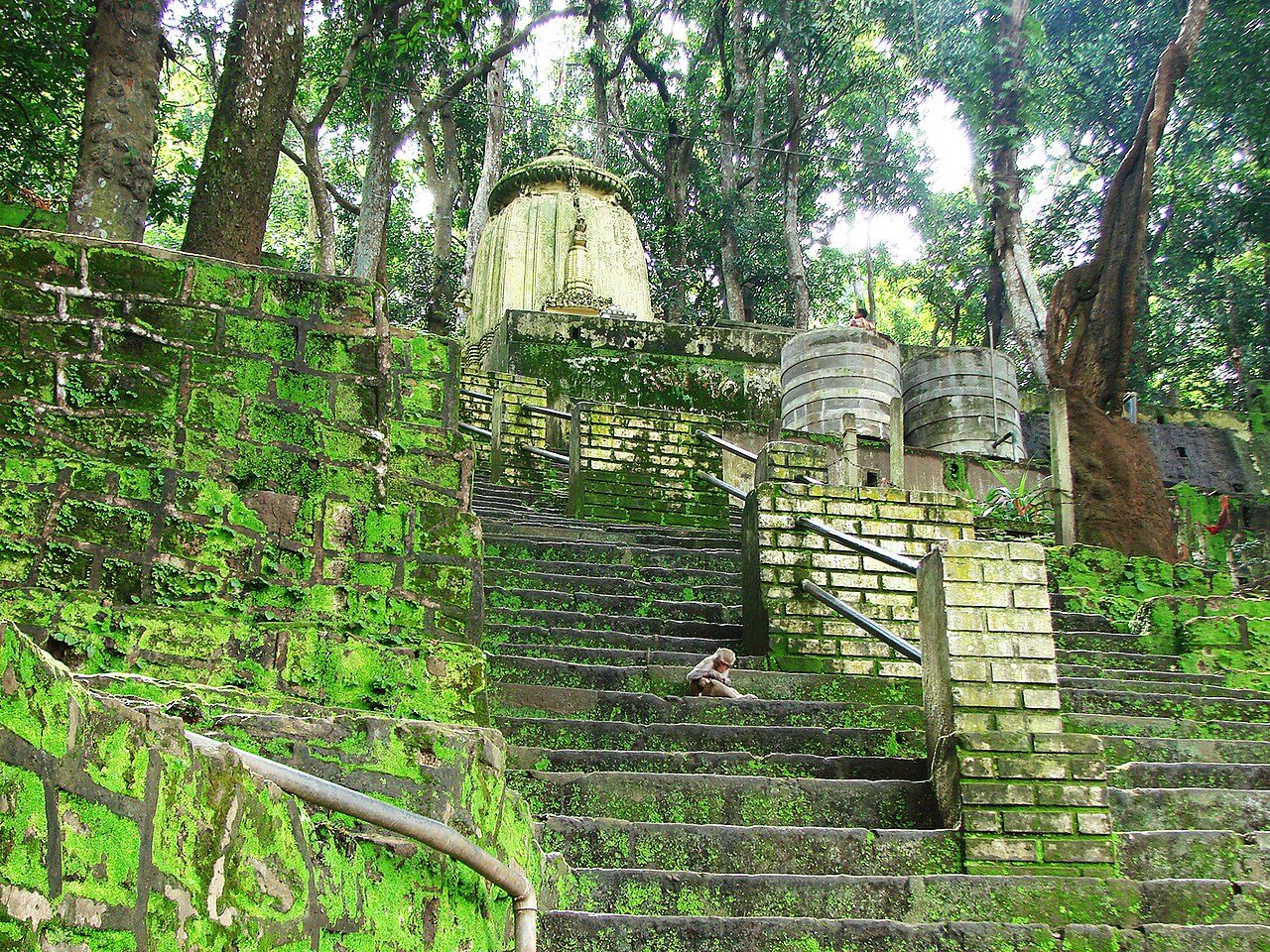
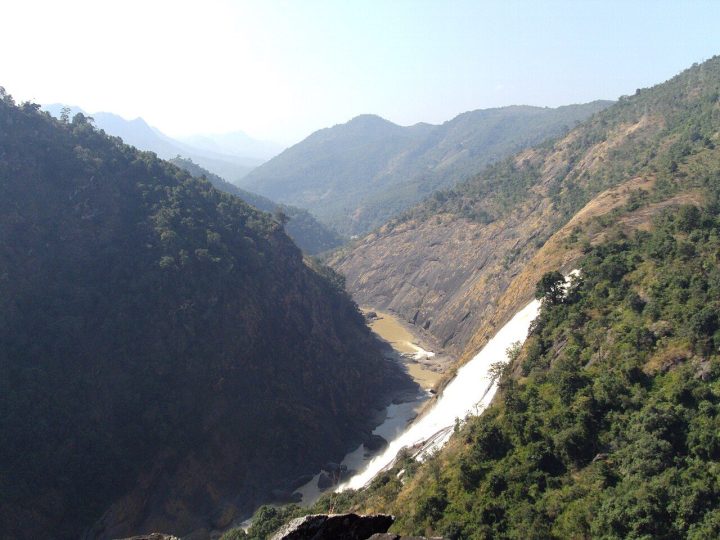
Kapilash Temple stands at about 650 metres on a hill in Dhenkanal district, reached by a winding road or more than 1,300 steps. Built in the 13th century by King Narasimhadeva I, it is dedicated to Shiva as Chandrasekhar and is often called the Kailash of Odisha. Shivaratri draws very large crowds. A deer park and science park lie at the foot of the hill.
Joranda in Dhenkanal district is the headquarters of Mahima Dharma, a reformist faith founded in the 19th century by Mahima Gosain that rejects idol worship and caste. The temple complex centres on his samadhi, along with the Sunya Mandir and Dhuni Mandir, where a sacred fire burns. The Joranda Mela on Magha Purnima gathers its bark-clad ascetics.
Best weather: Nov – MarHeavy rain: Jul – Sep
Seasons from 20 years of NASA POWER climate data.
Was this trip blog helpful?
0
0
Ready to follow this route?
Copy all 10 stops into your trip plans in the app.
 WaTrips