Odisha's Golden Triangle in 4 Days: Bhubaneswar, Konark and Puri
4 DAYS17 placesby WaTrips
Bhubaneswar's old temples, Udayagiri and Dhauli, Hirapur and Nandankanan, Pipili and the Konark Sun Temple, then Puri and Chilika Lake.
Bhubaneswar, Konark and Puri form Odisha's classic triangle. Day one walks old Bhubaneswar, the City of Temples: Lingaraja, Ananta Vasudeva, Mukteshvara, Rajarani and Brahmeswara around Bindusagar lake. Day two visits the Udayagiri and Khandagiri caves, Dhauli's Peace Pagoda on the Kalinga battlefield, the Chausath Yogini temple at Hirapur, the State Museum and Nandankanan. Day three passes Pipili's appliqué workshops on the way to the Konark Sun Temple, a UNESCO World Heritage Site. Day four is the Jagannath Temple in Puri, the beach, and dolphins on Chilika Lake. Only Hindus may enter the Jagannath Temple. October to March is best.
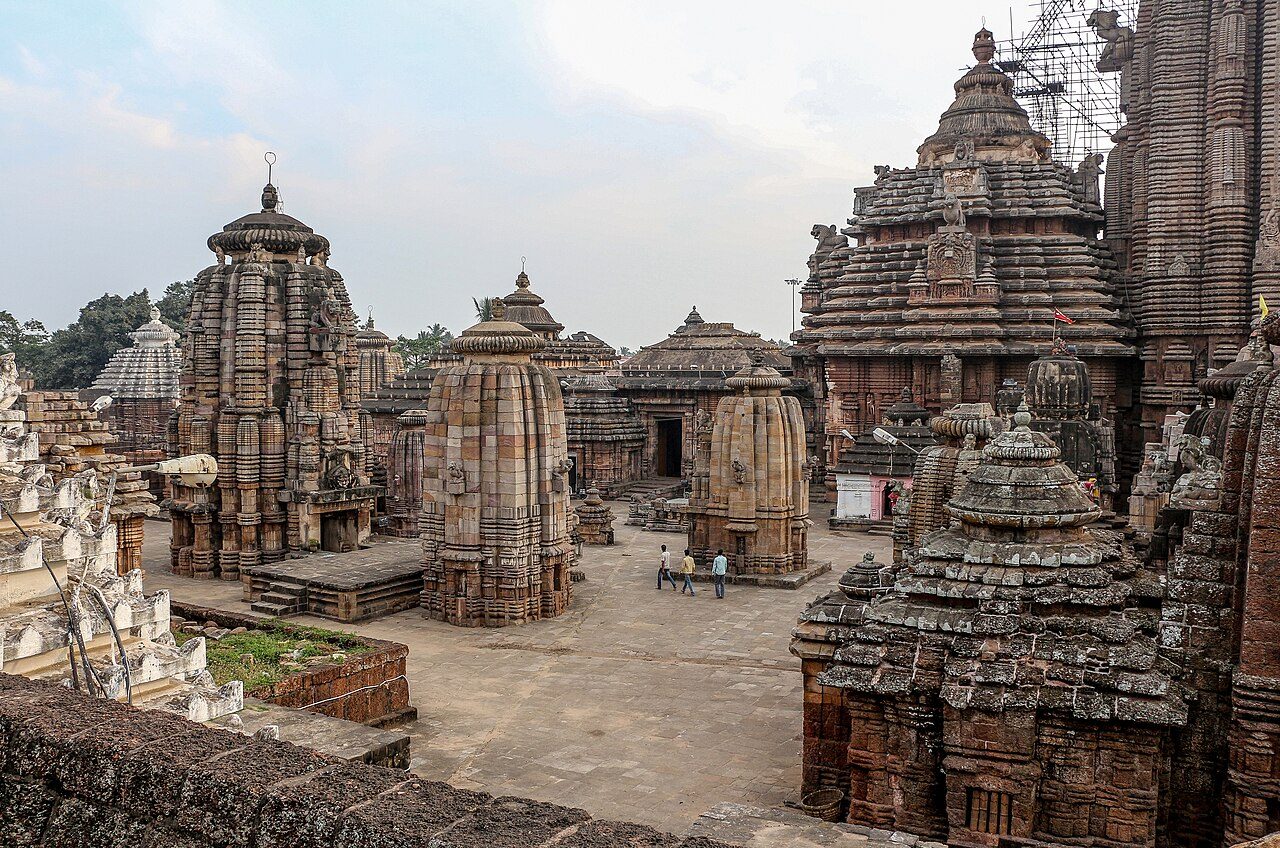
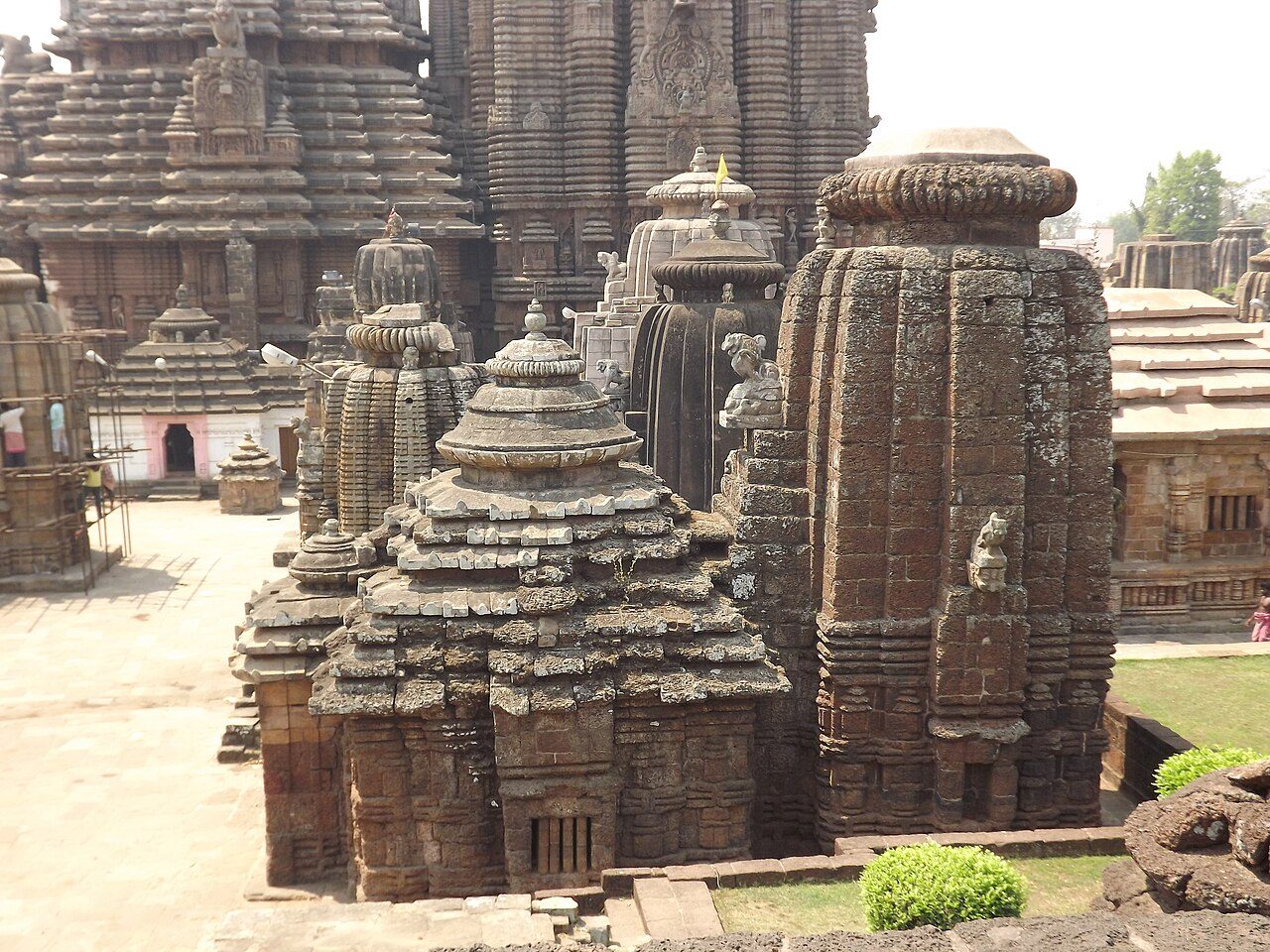
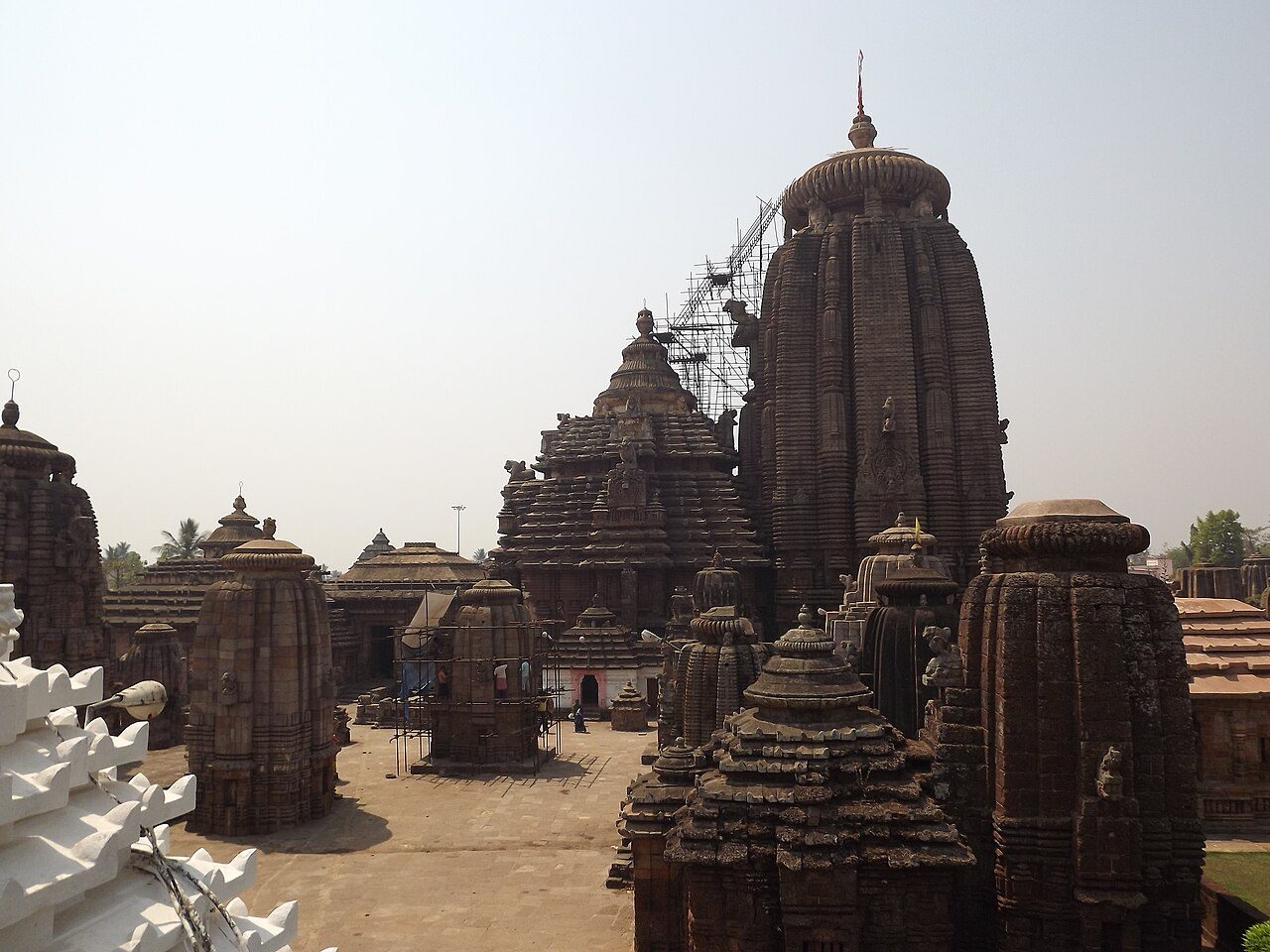
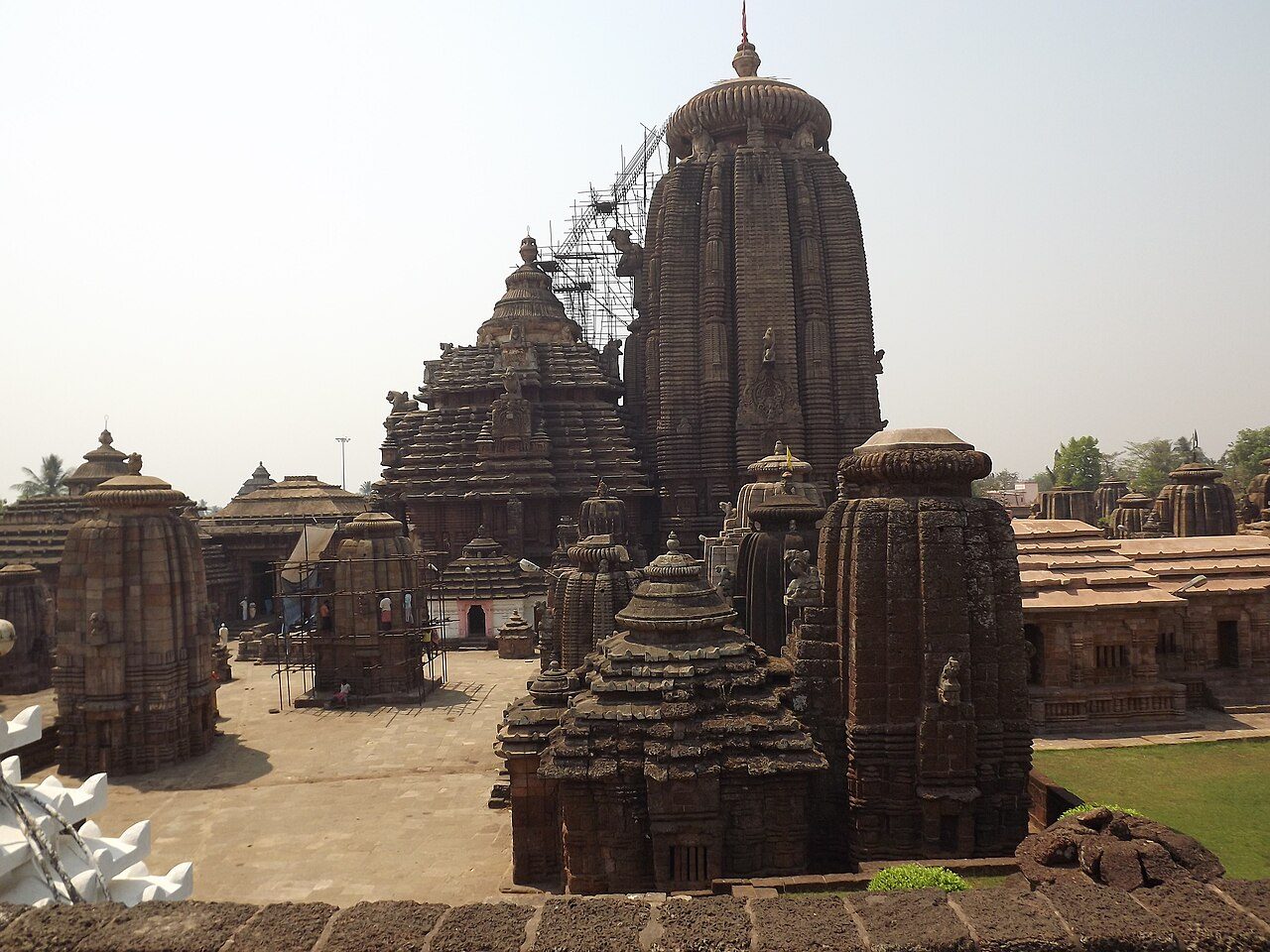
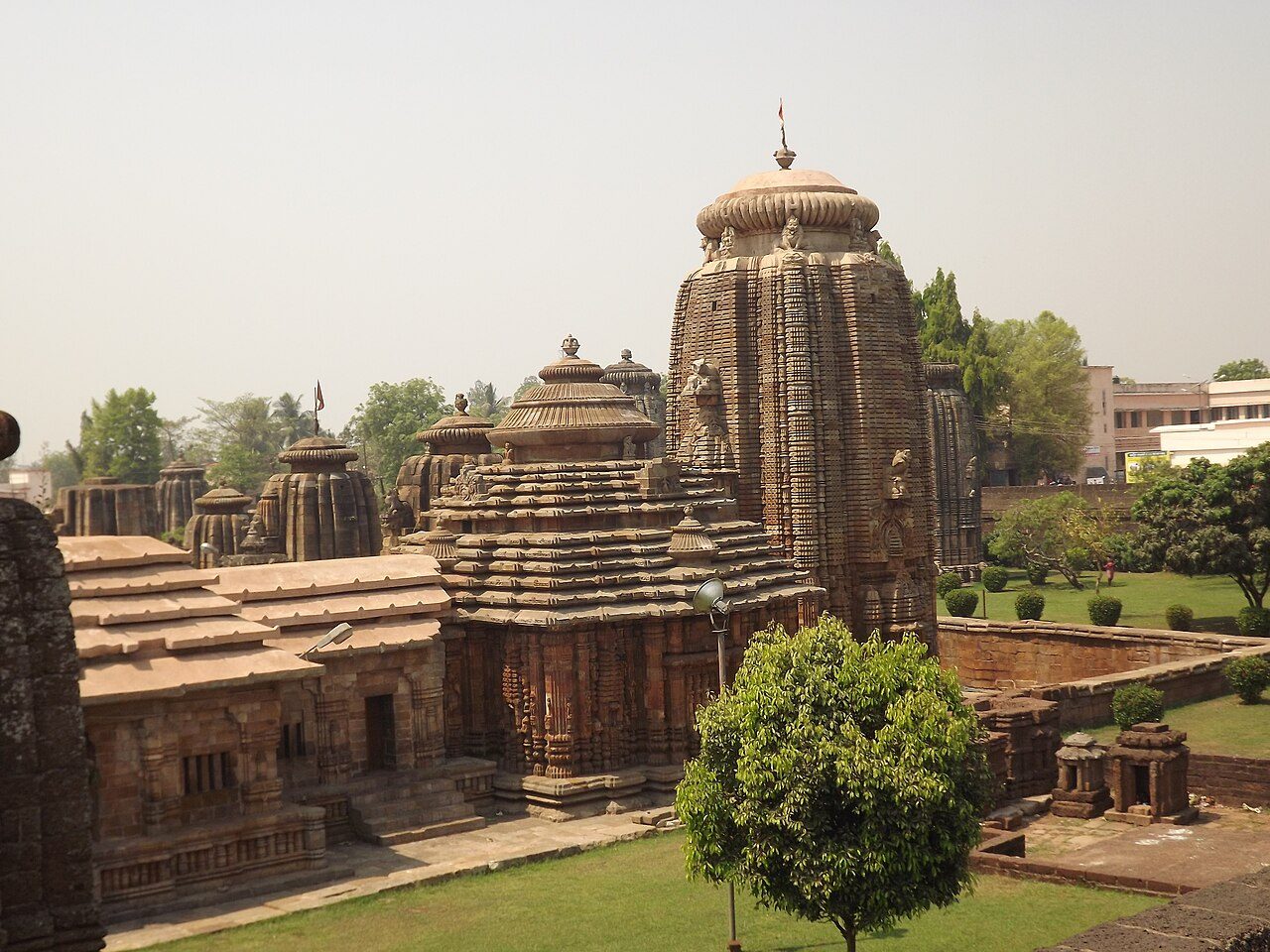
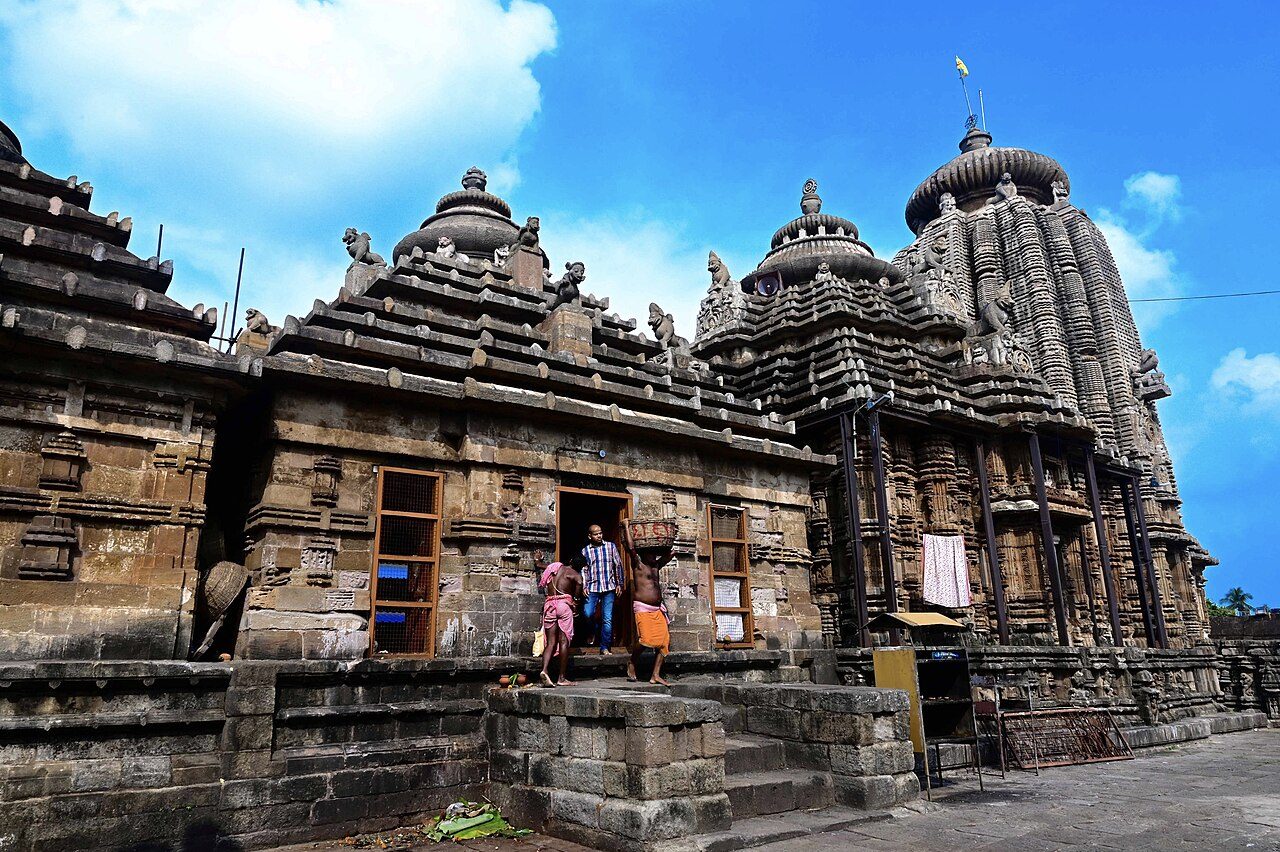
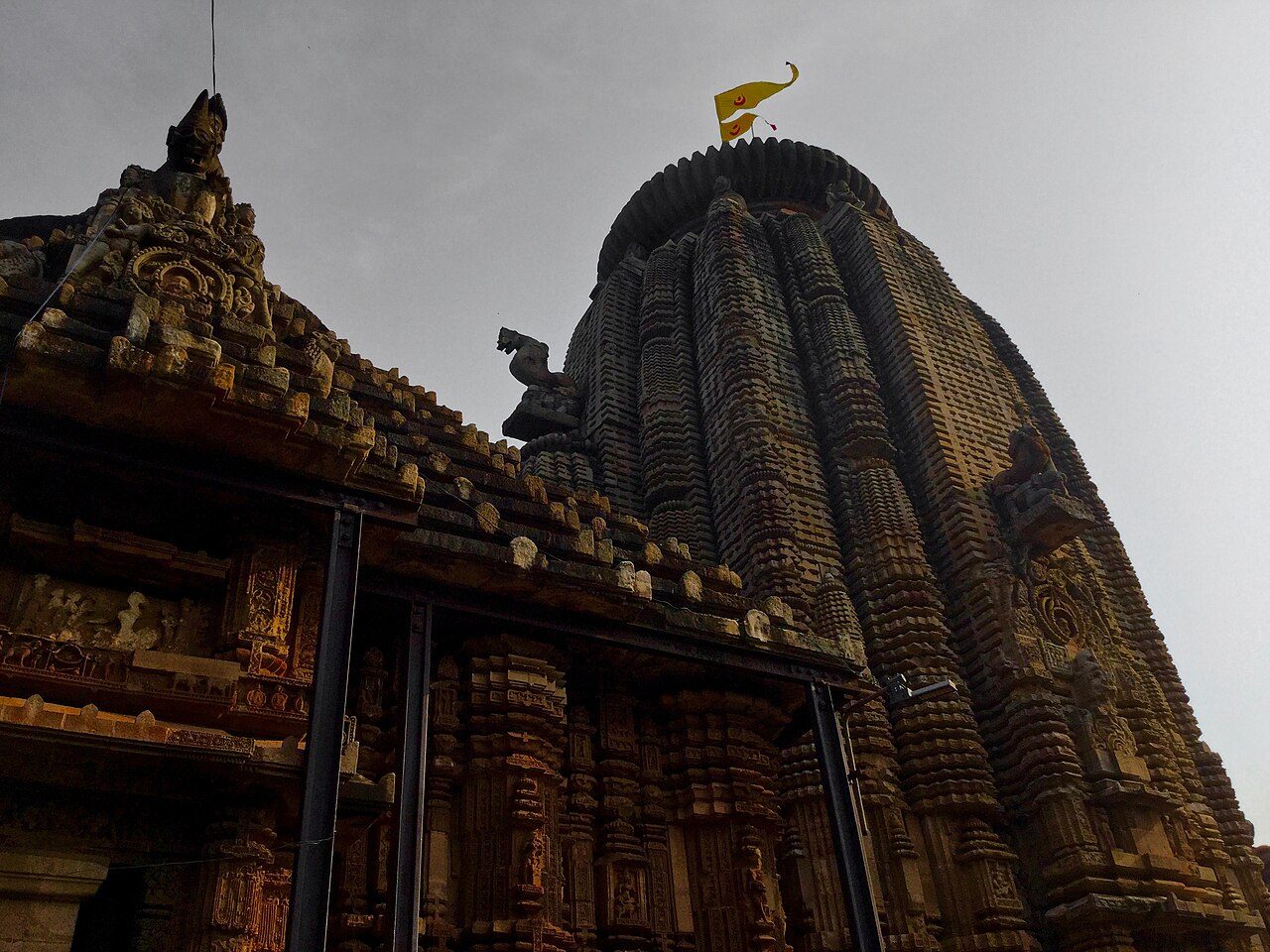
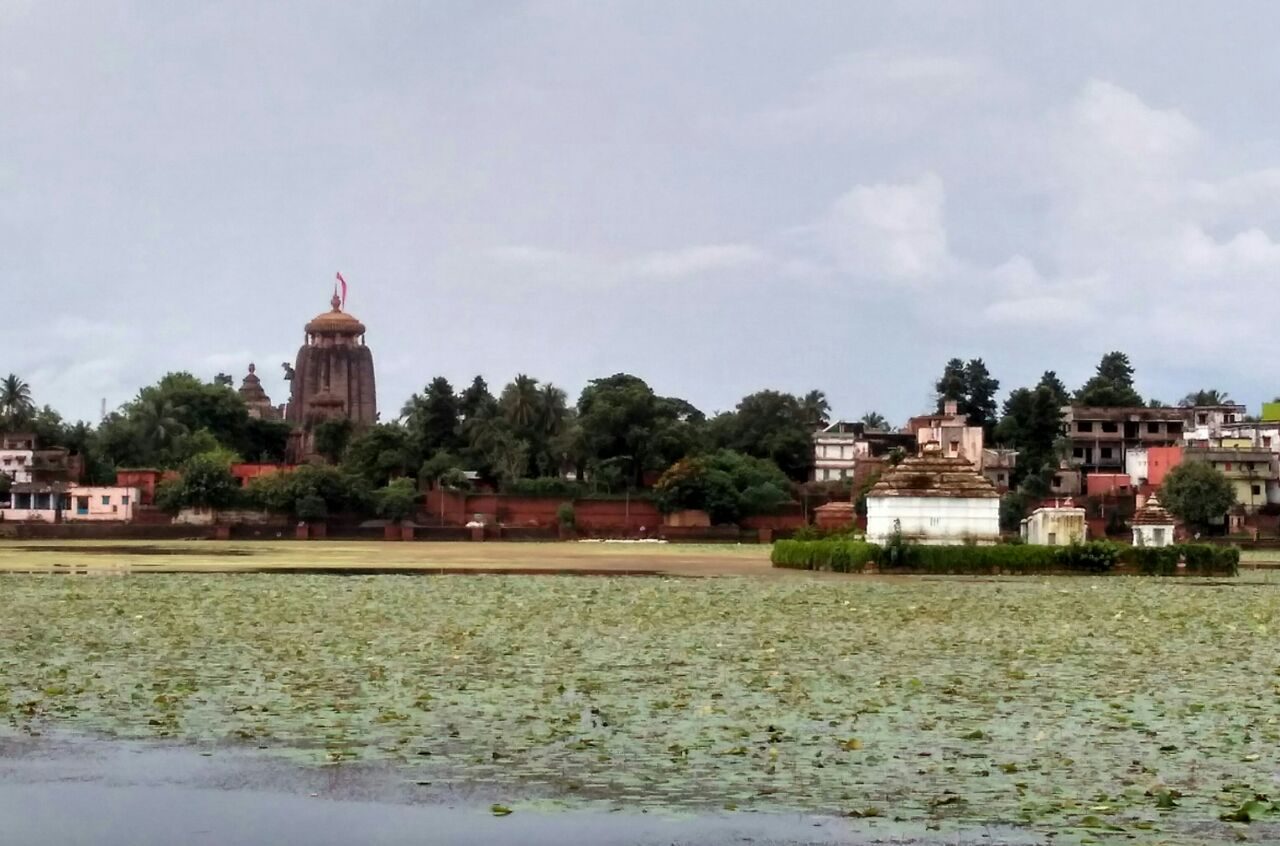
The Lingaraja Temple is the largest and most important temple in Bhubaneswar, built in the 11th century and dedicated to Shiva as Harihara, lord of both Shiva and Vishnu. Its tower rises about 55 metres above a walled compound containing dozens of smaller shrines. It represents the peak of Kalinga architecture. Non-Hindus may view it from a platform outside the north wall.
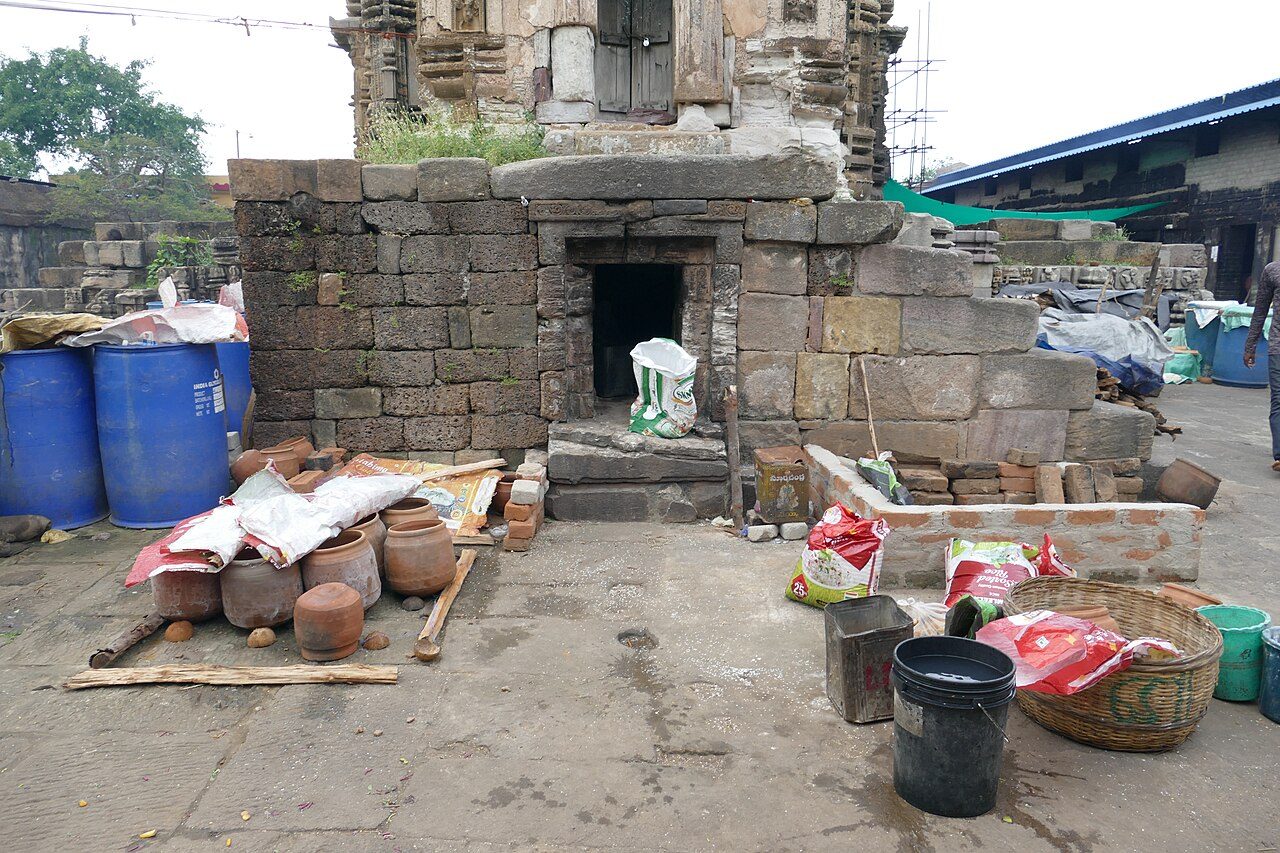
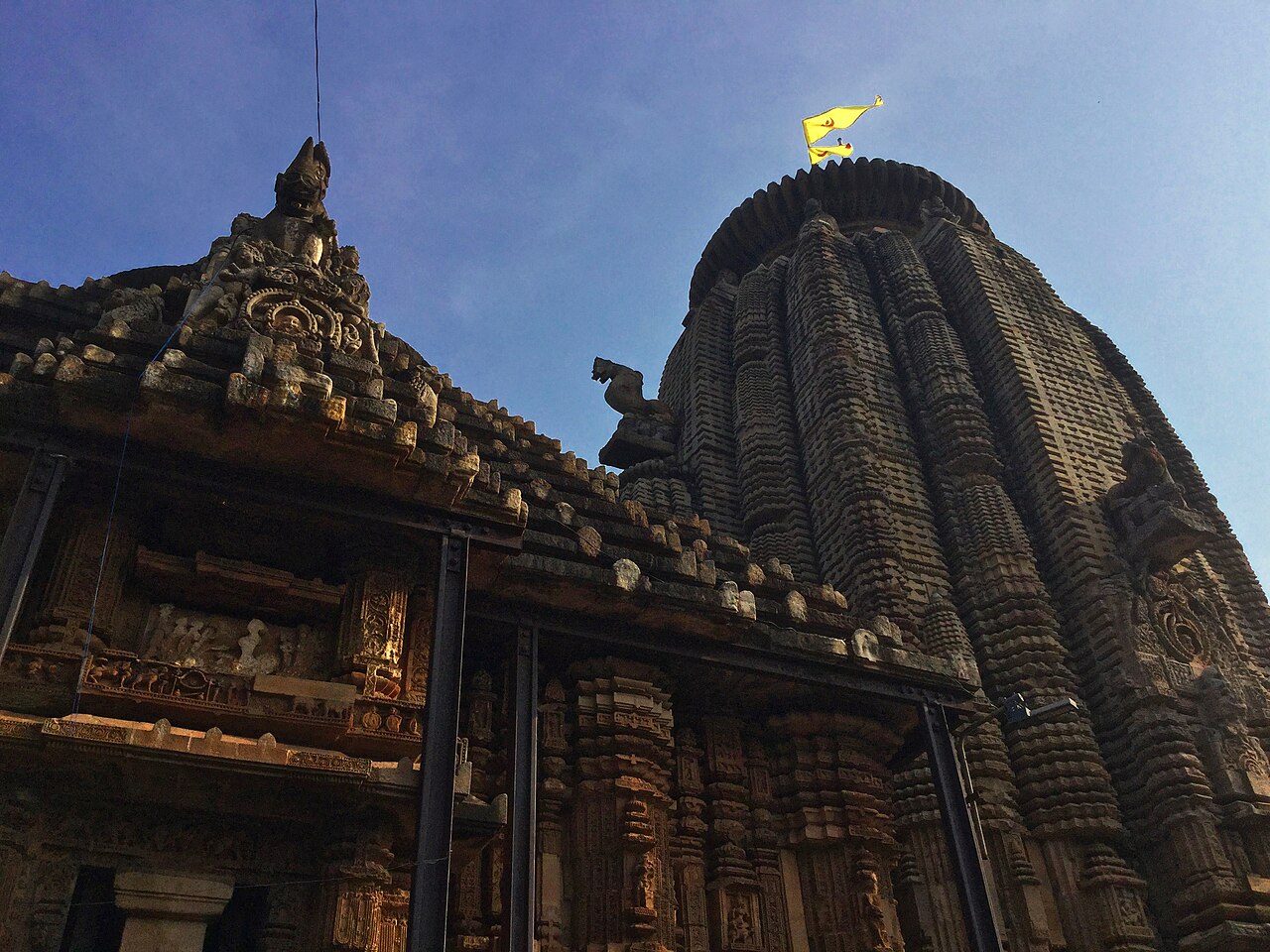
The Ananta Vasudeva Temple, built in 1278 by Queen Chandrika of the Eastern Ganga dynasty, is the principal Vishnu temple in Bhubaneswar, a city otherwise devoted to Shiva. It enshrines Krishna, Balarama and Subhadra. The temple is known for its busy kitchen, where food is cooked in earthen pots over wood fires and offered before being sold to devotees.
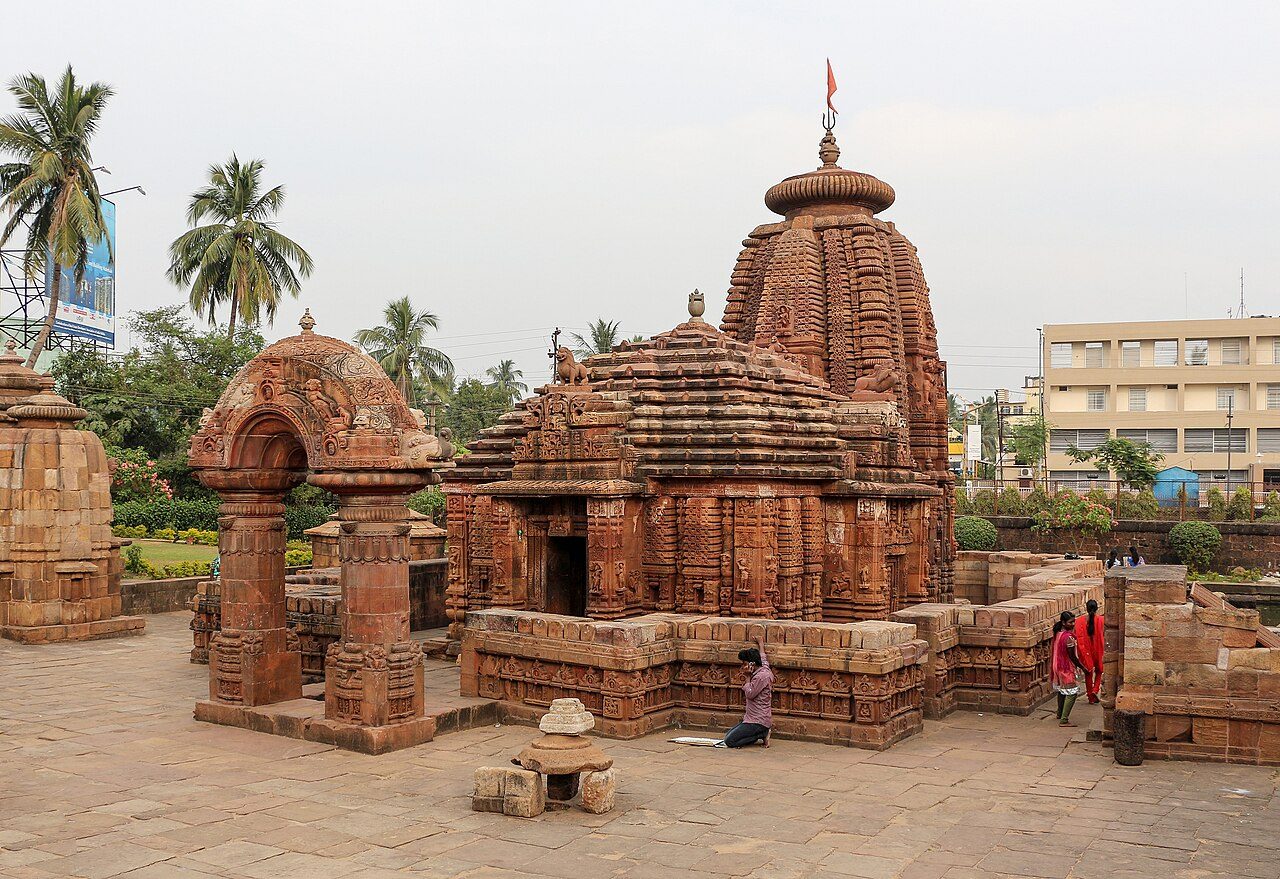
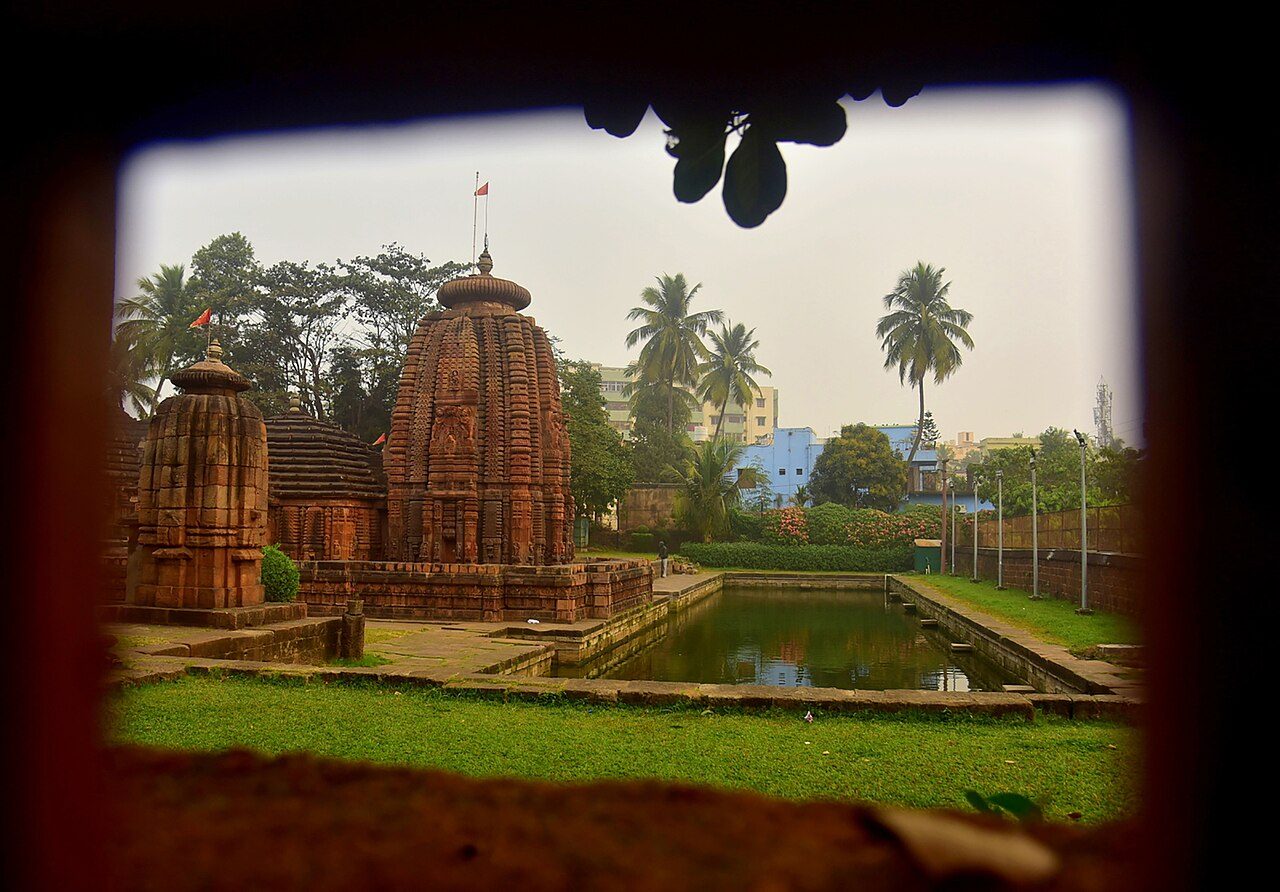
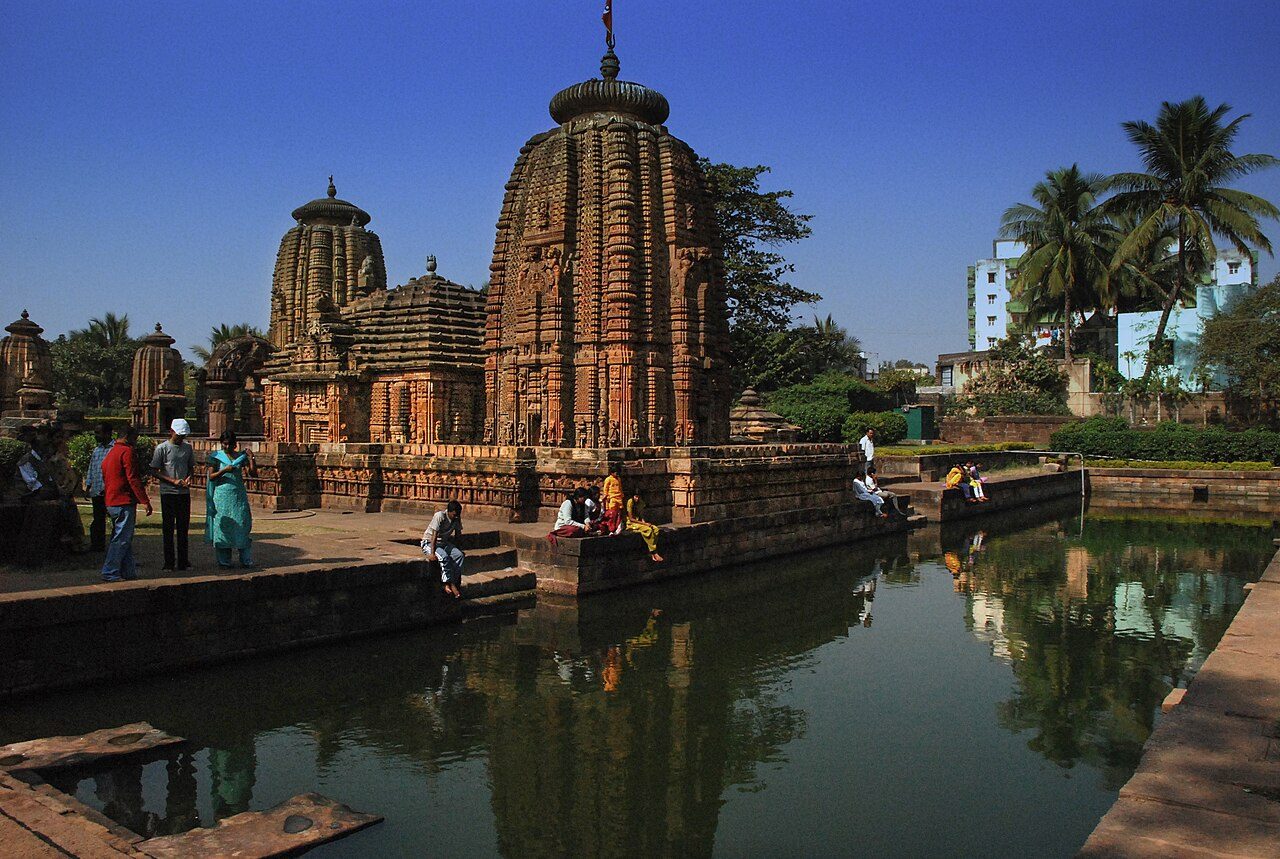
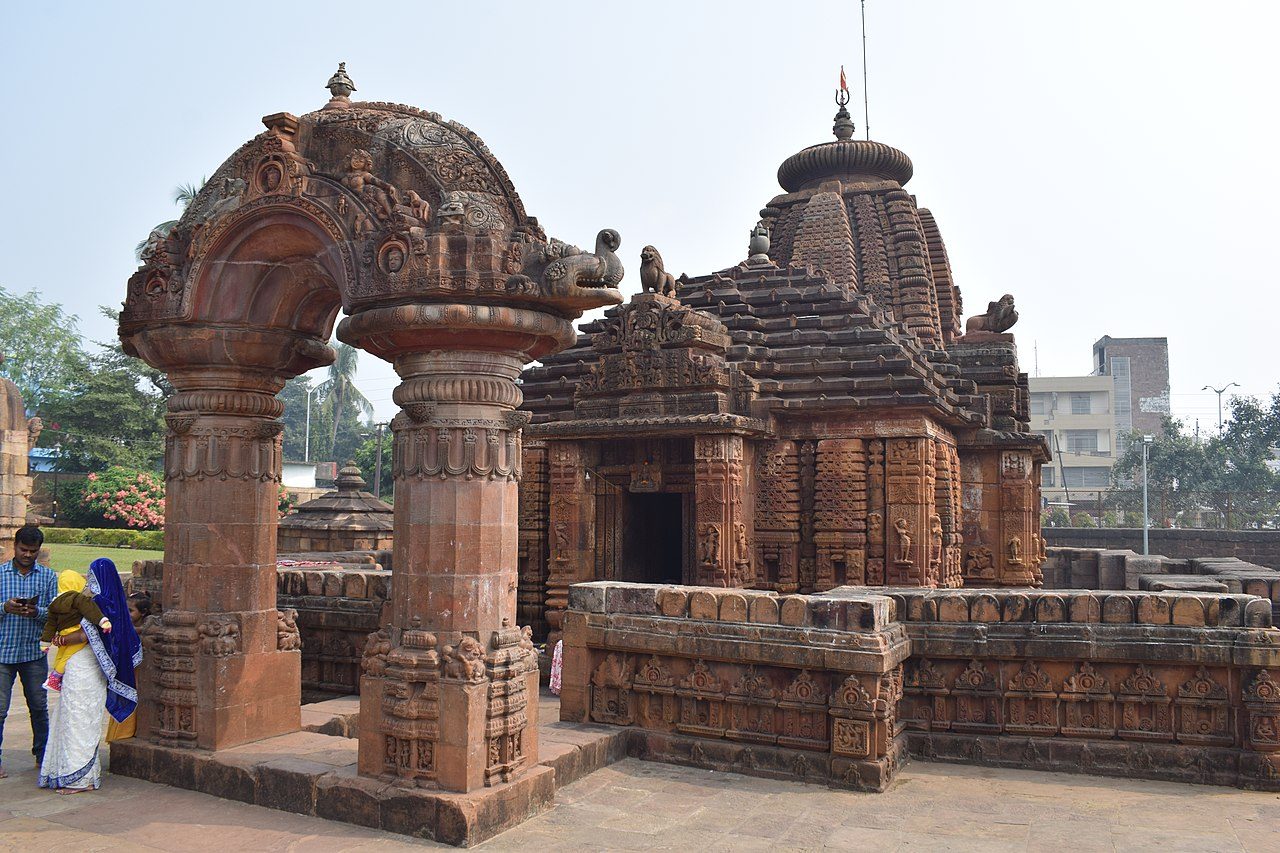
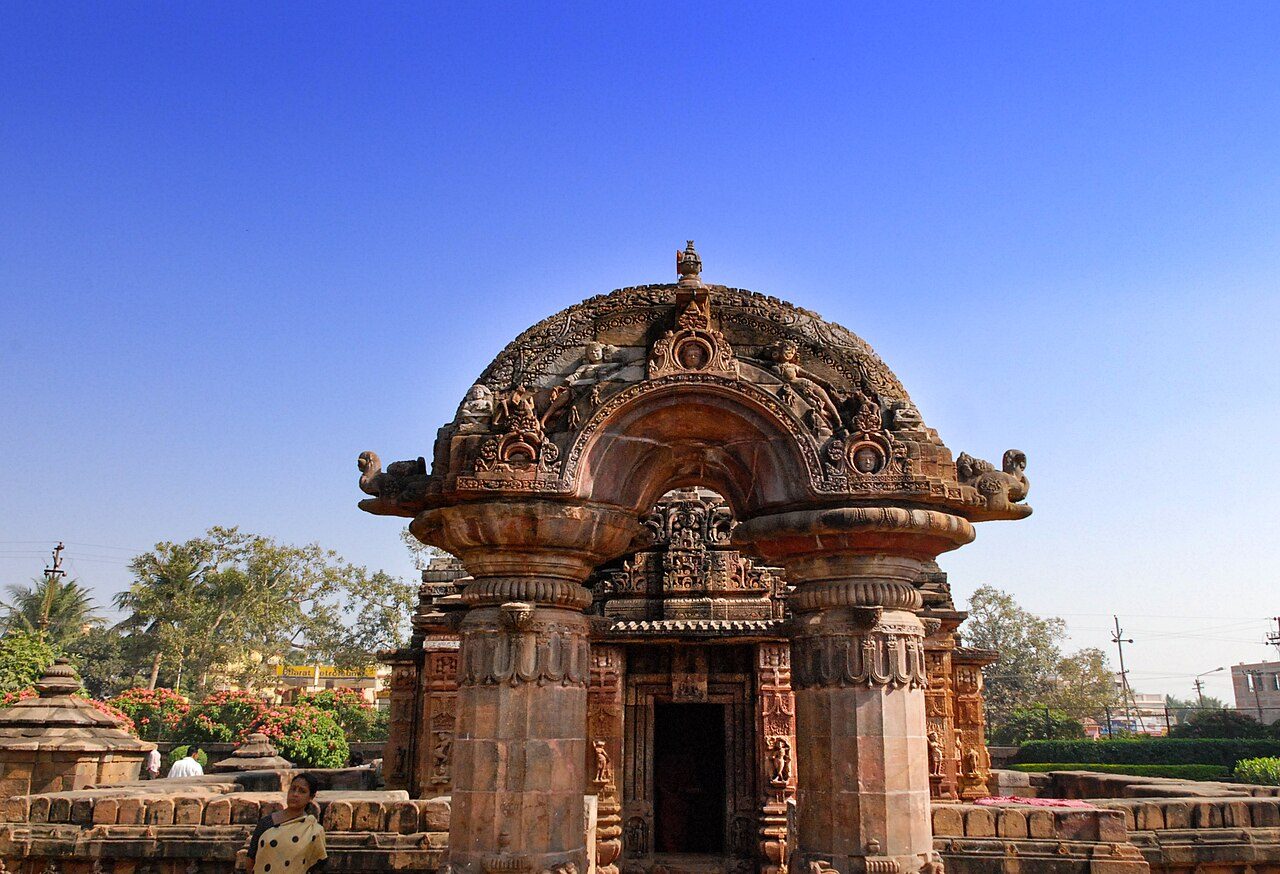
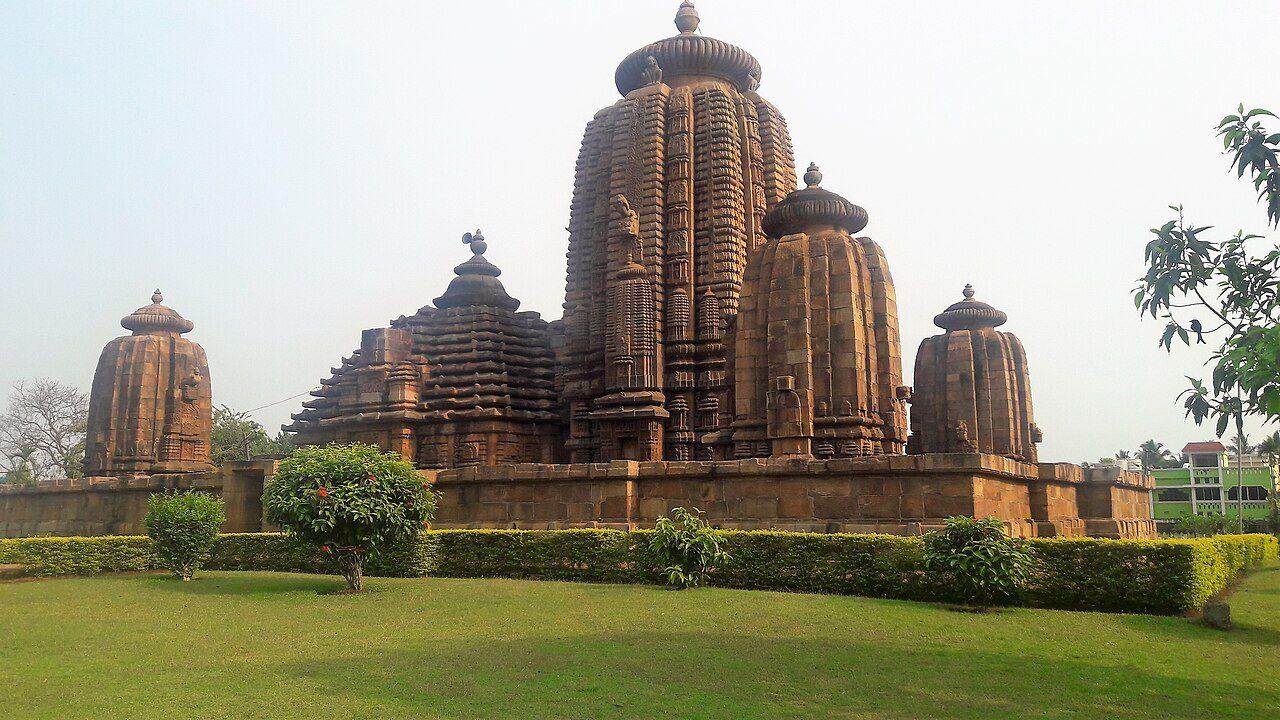
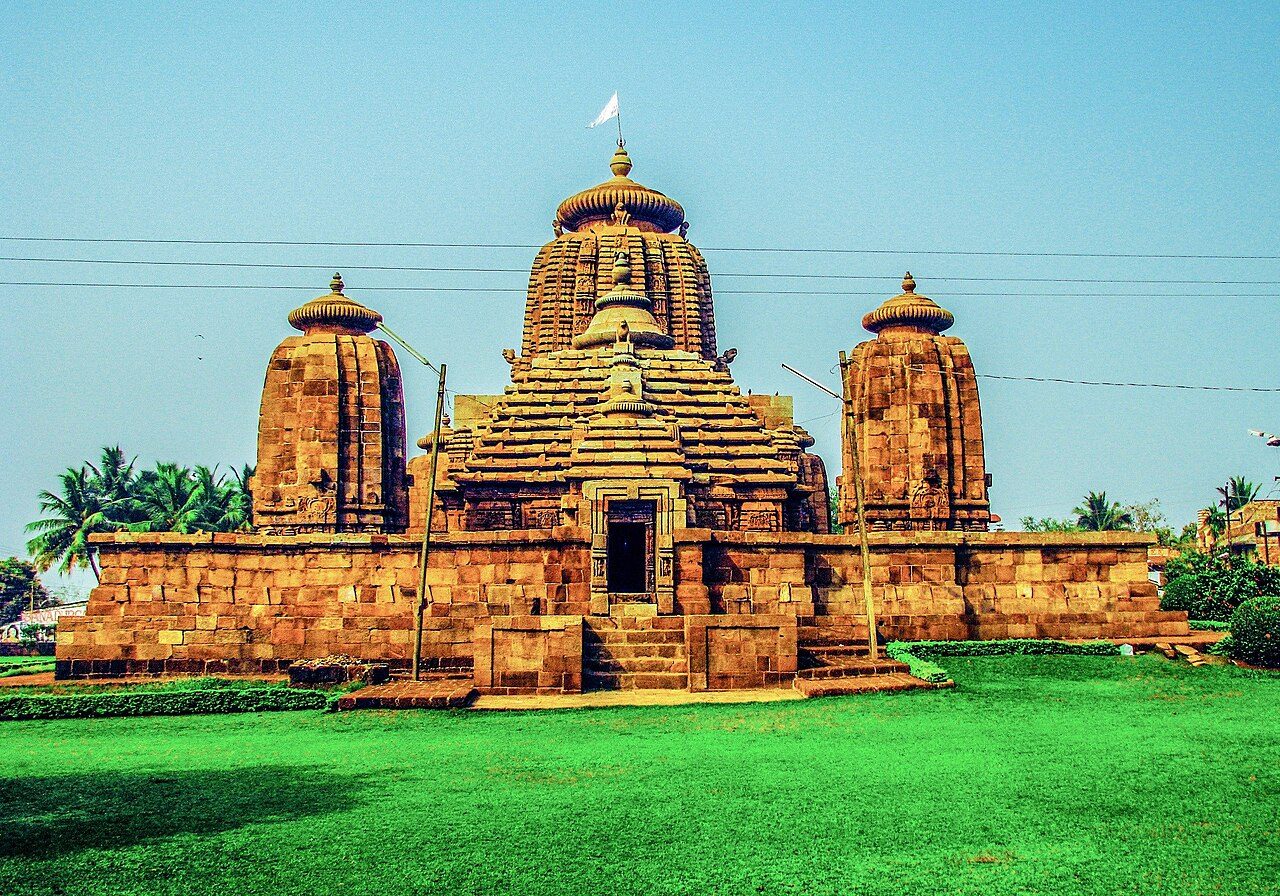
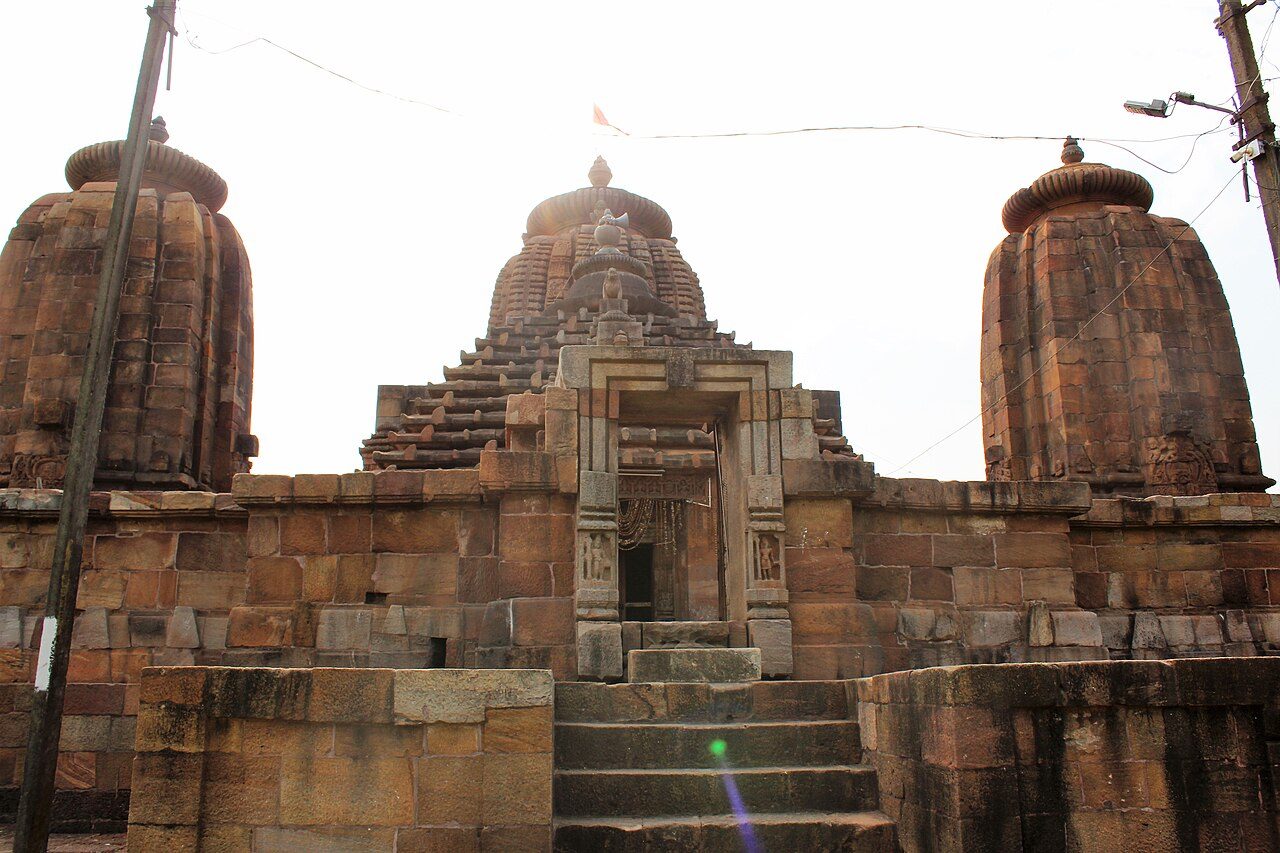
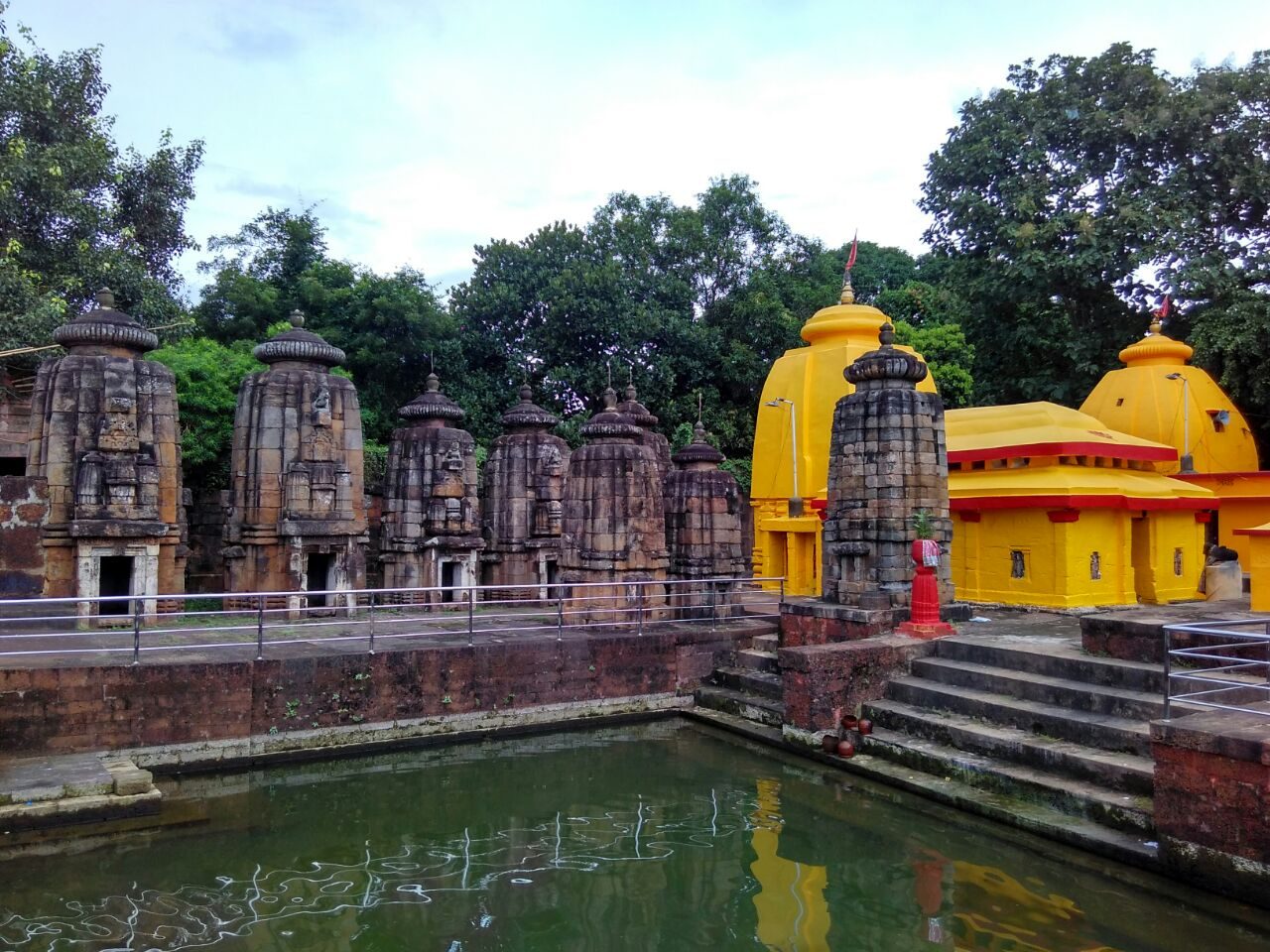
The Mukteshvara Temple, built around the 10th century, is often called the gem of Odisha architecture. Small in scale, it is famous for its sculptured arched gateway, or torana, and for the delicate carving that covers its walls and ceiling. It stands in a garden beside a tank with the Siddheshwara temple. A dance festival is held here each January.
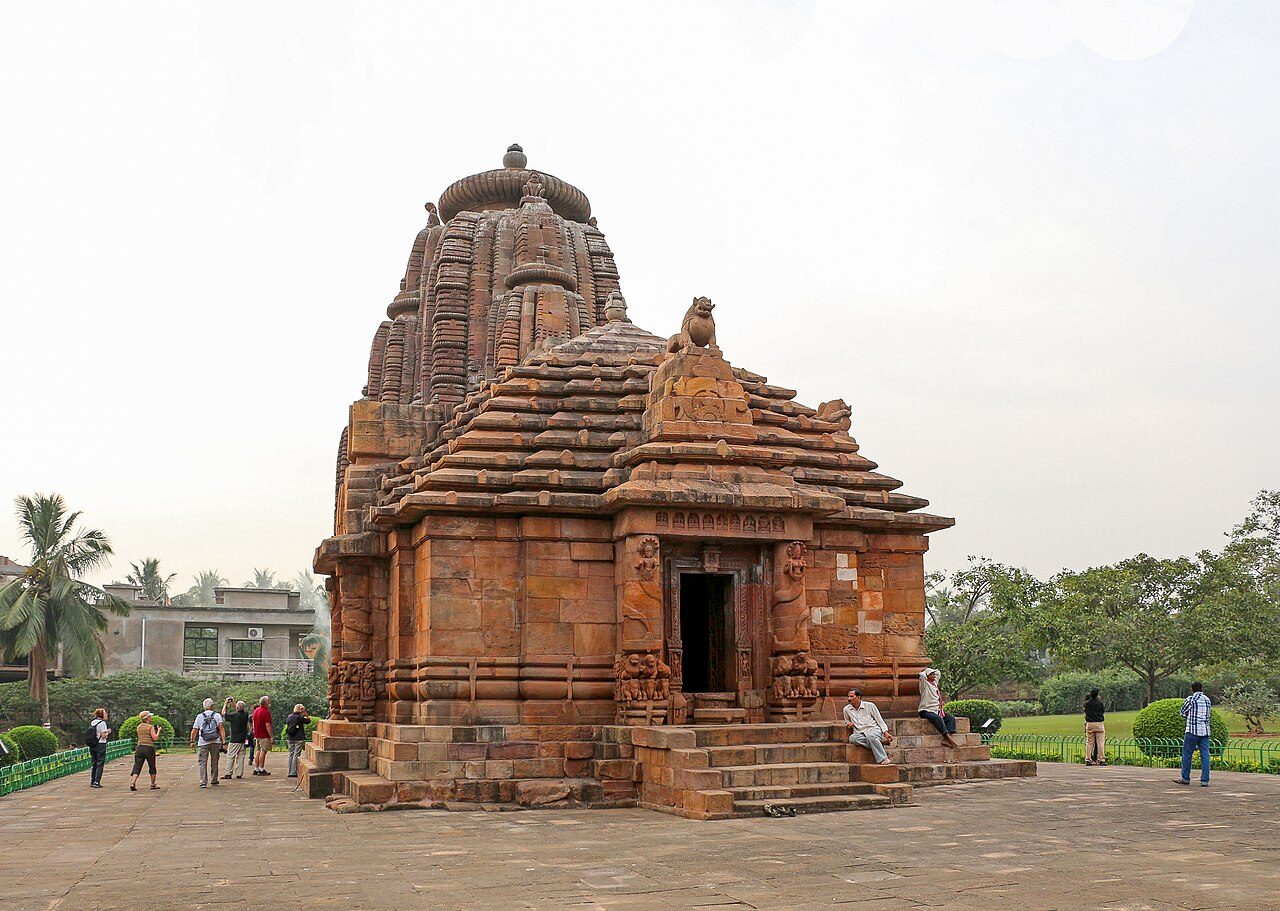
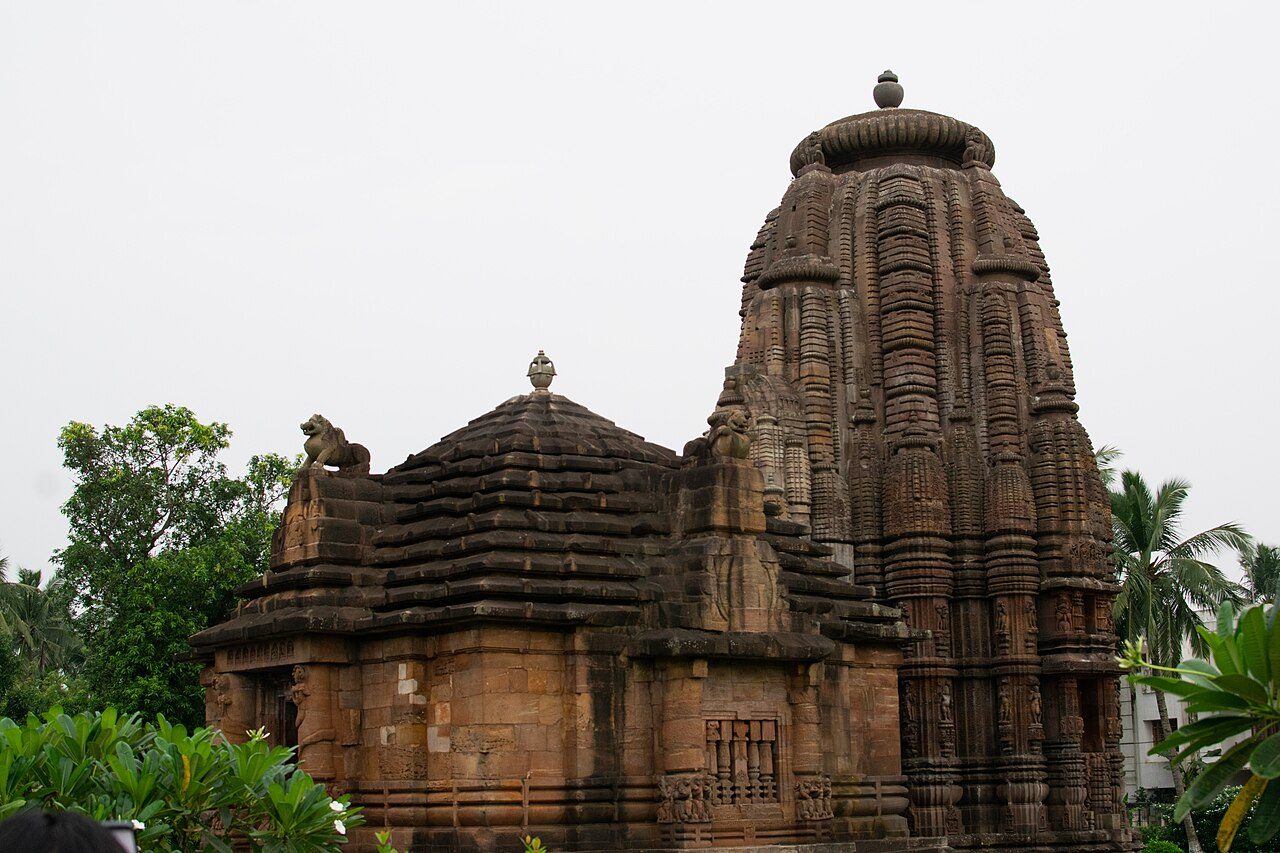
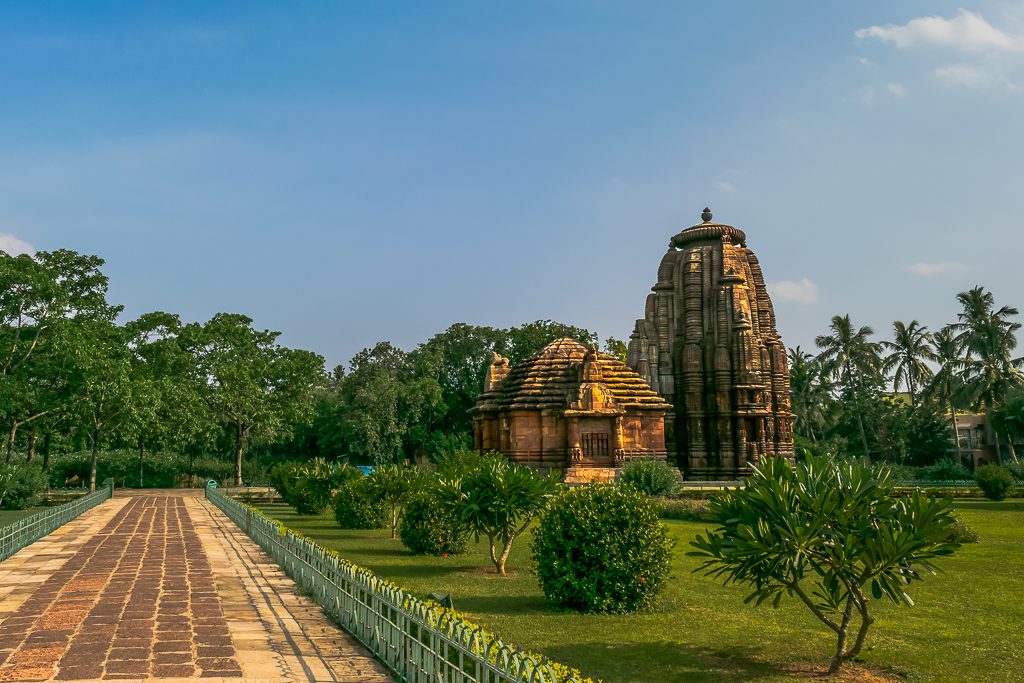
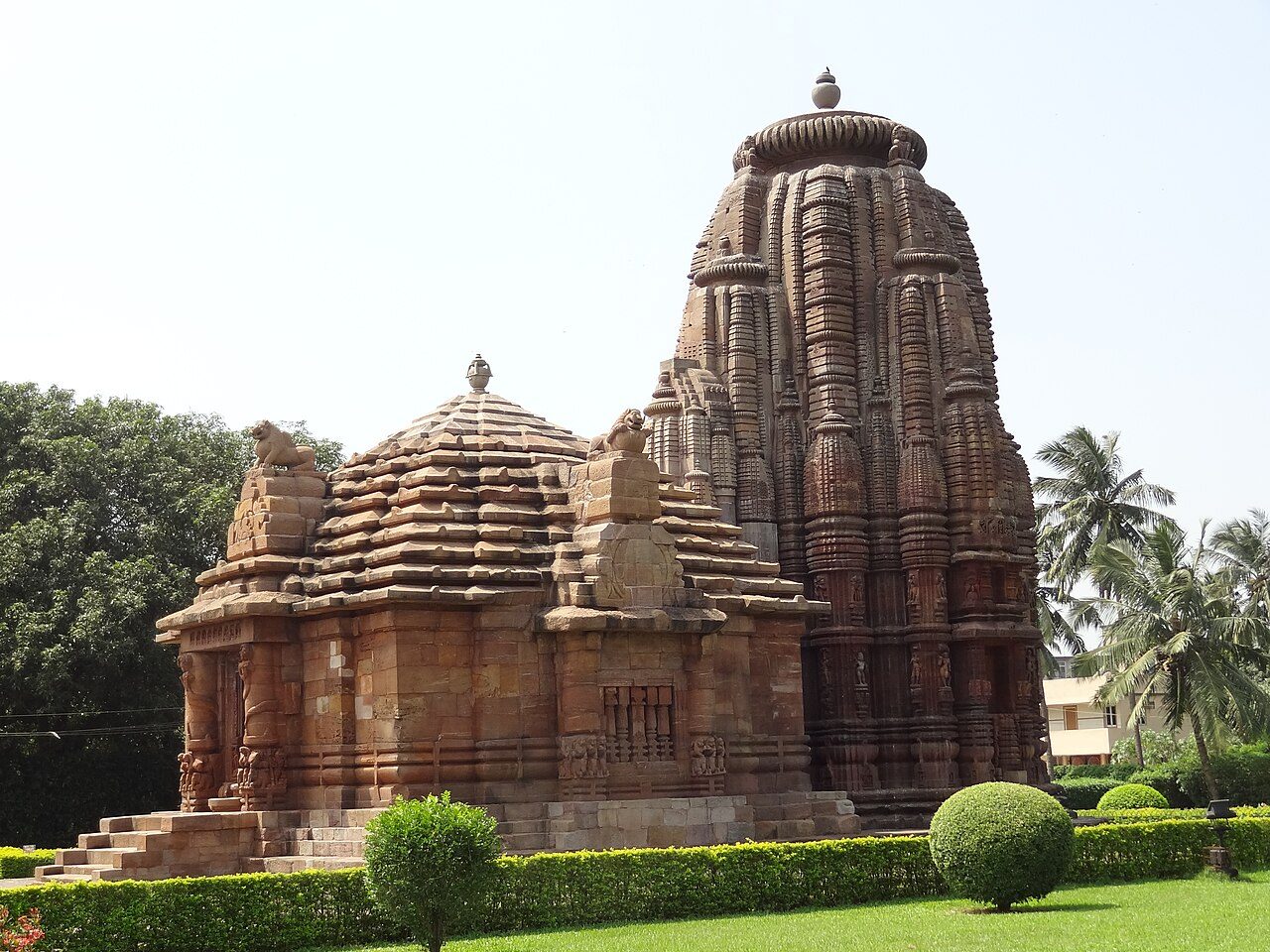
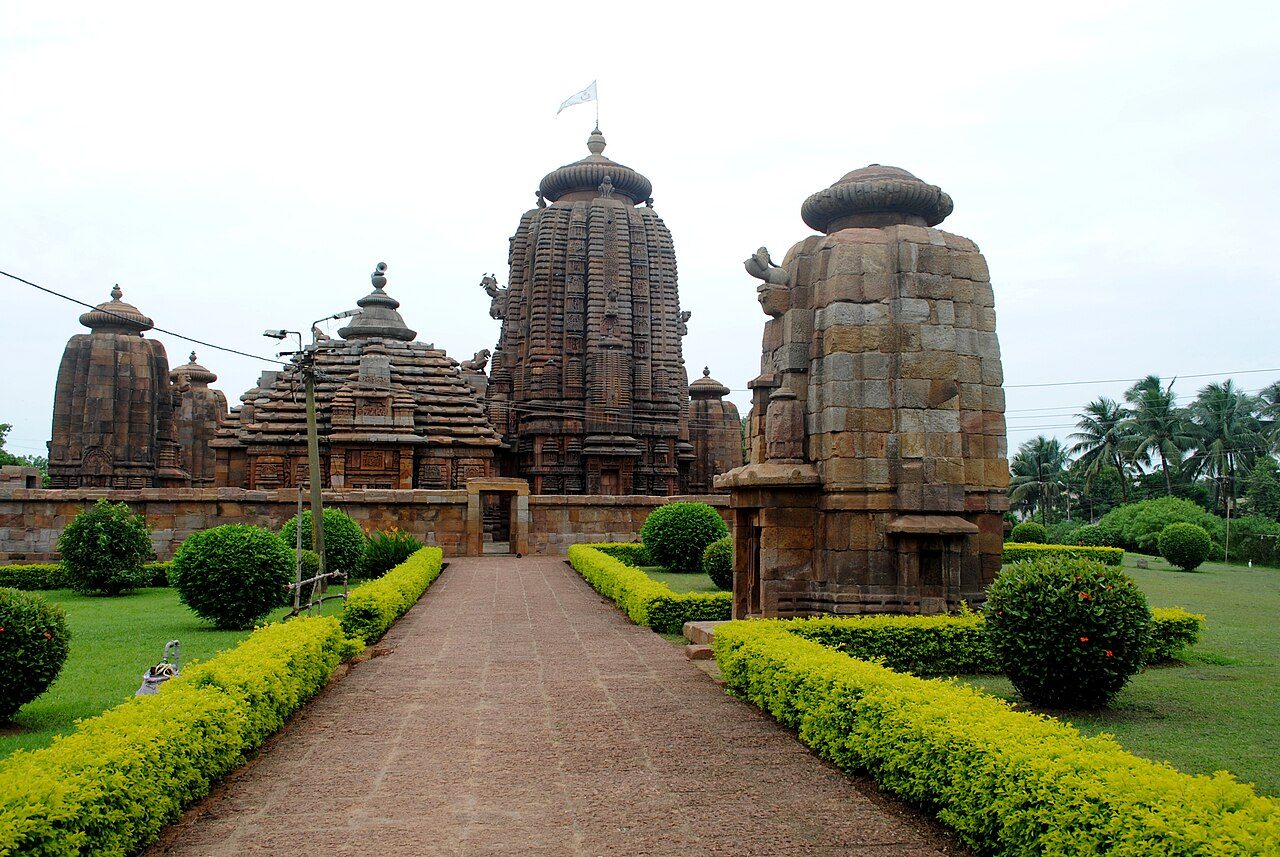
The Rajarani Temple, built in the 11th century, takes its name from the red and yellow sandstone used in its construction. It has no presiding deity today and is admired for its sculpture, particularly the graceful female figures and the guardians of the eight directions on its tower. It stands in well-kept lawns and is a ticketed monument. A music festival is held here in January.
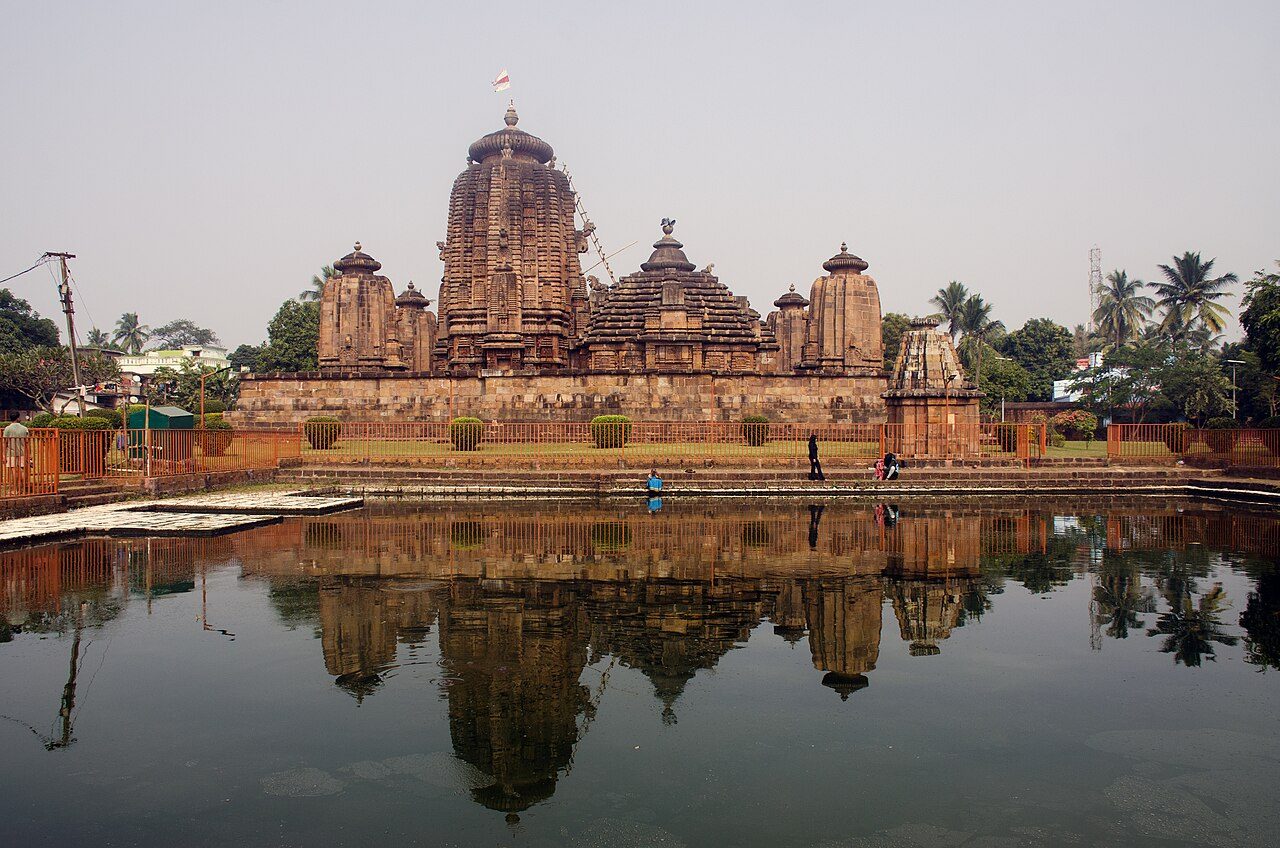
The Brahmeswara Temple in Bhubaneswar was built around 1058 by Queen Kolavati Devi of the Somavamsi dynasty. It stands on a platform with four smaller shrines at the corners, the earliest fully developed five-shrine layout in Odisha. Its sandstone walls are finely carved with deities, musicians and dancers, and it remains in worship.
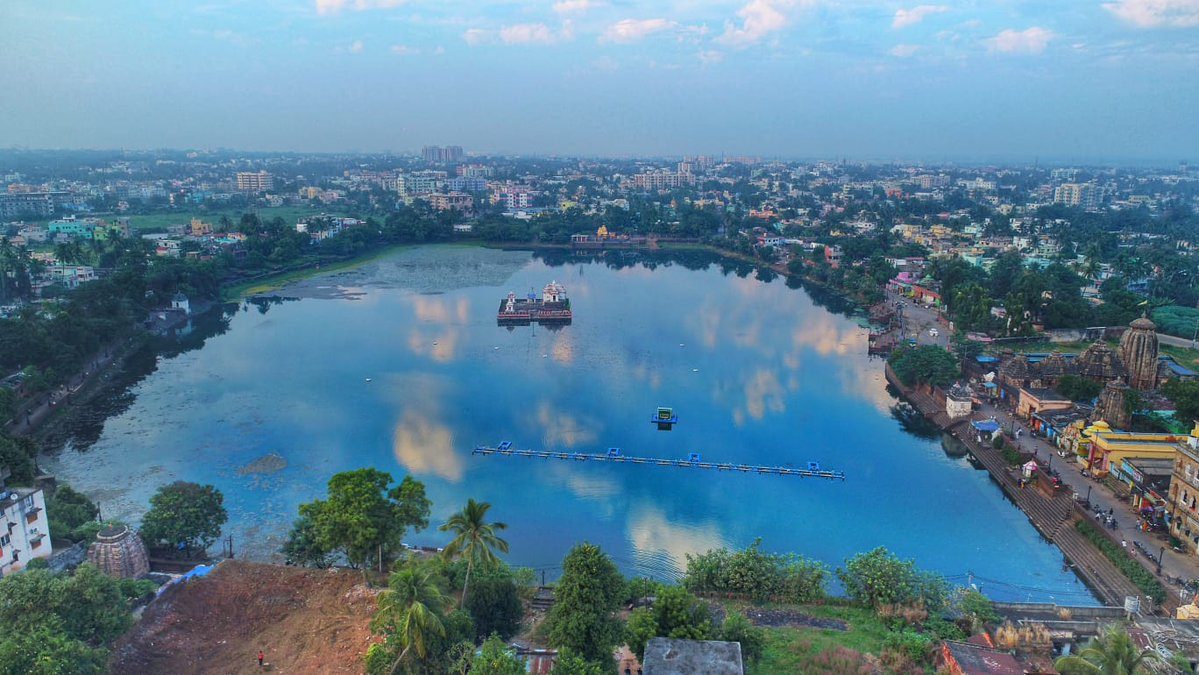
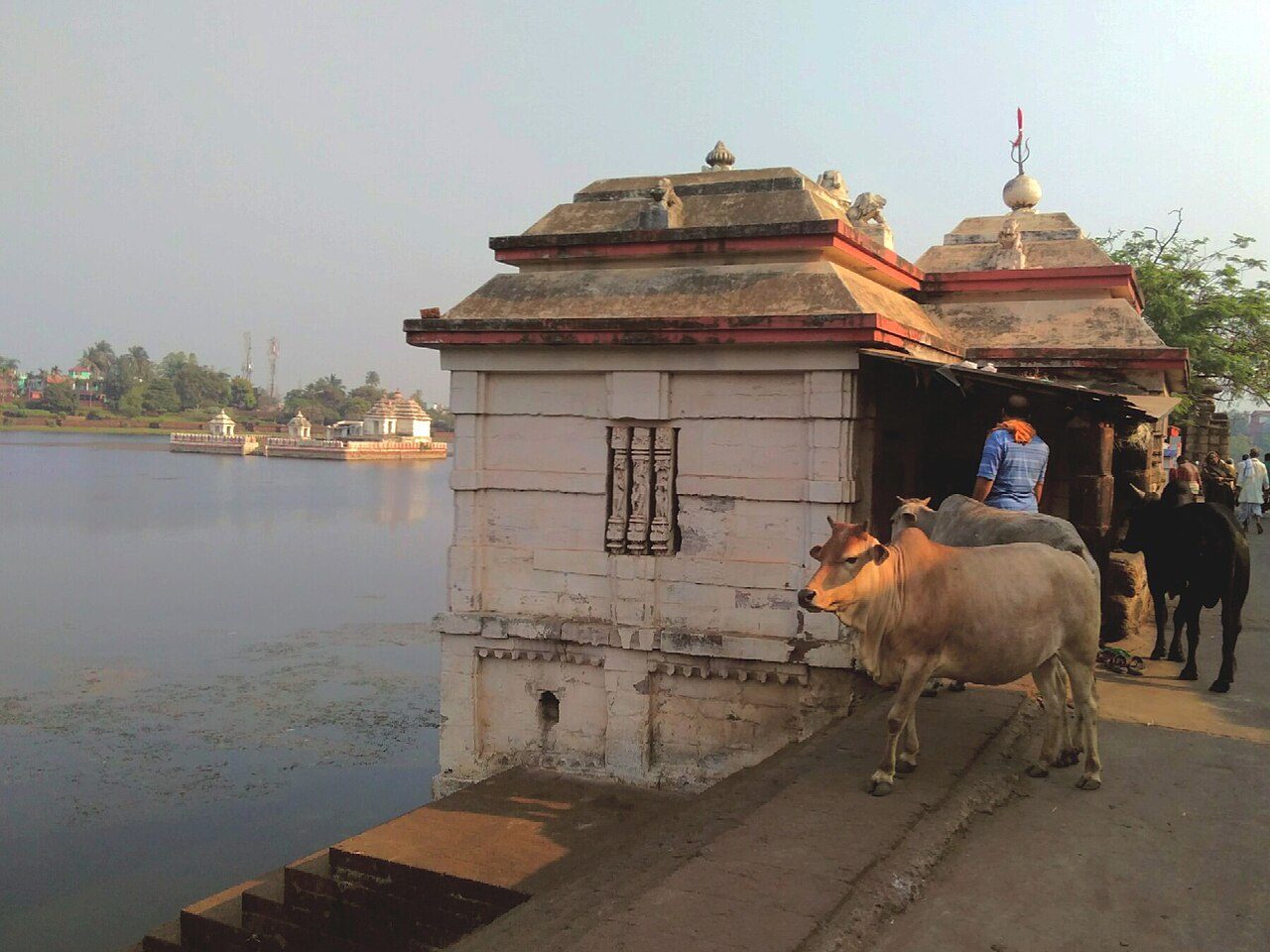
Bindusagar is the large sacred tank at the heart of old Bhubaneswar, north of the Lingaraja Temple. It is believed to contain water from every holy river of India. Dozens of temples stand around its banks, and a small shrine rises from an island in the middle. During the Chandan Yatra the image of Lingaraja is taken out on the water.
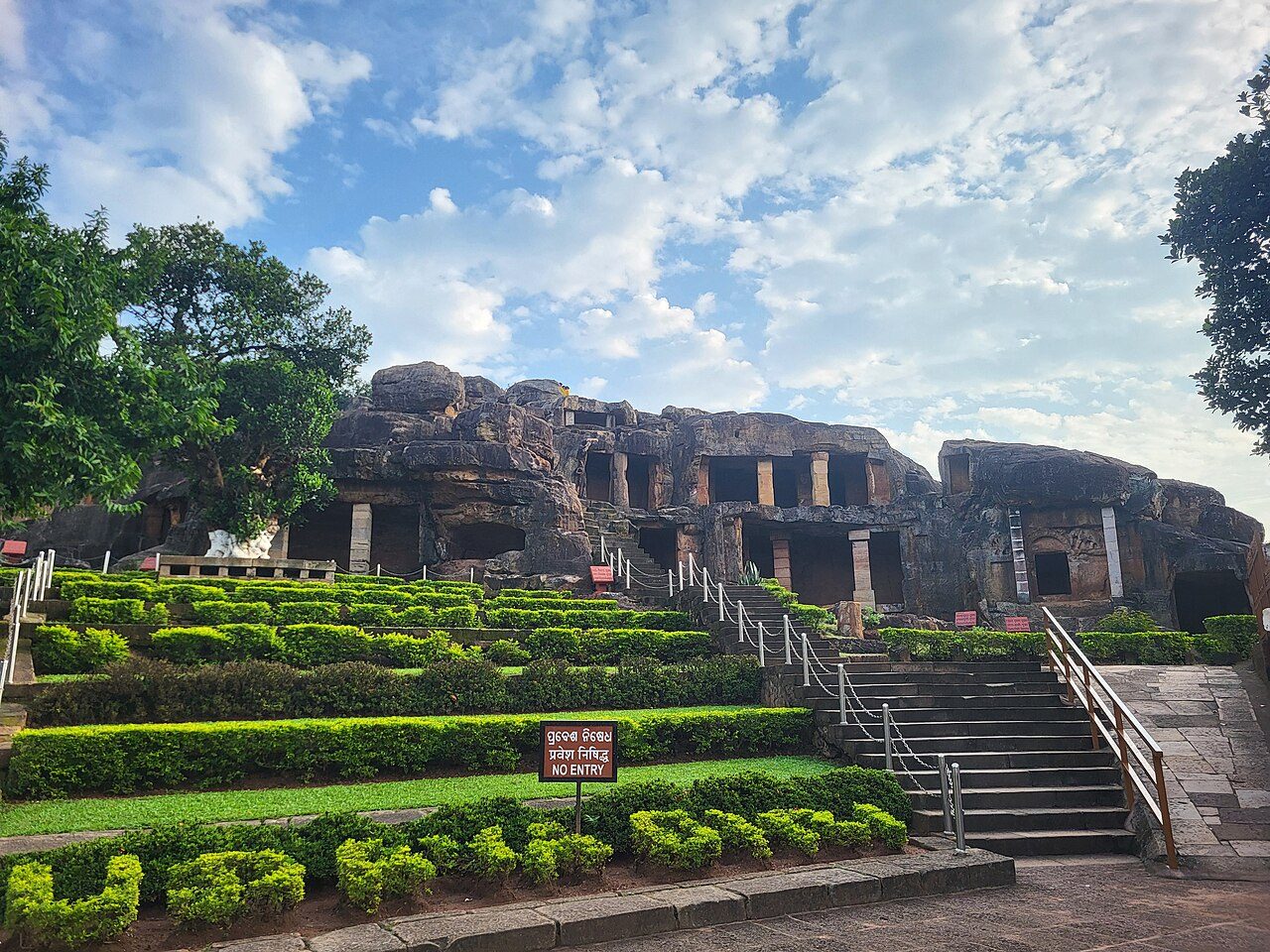
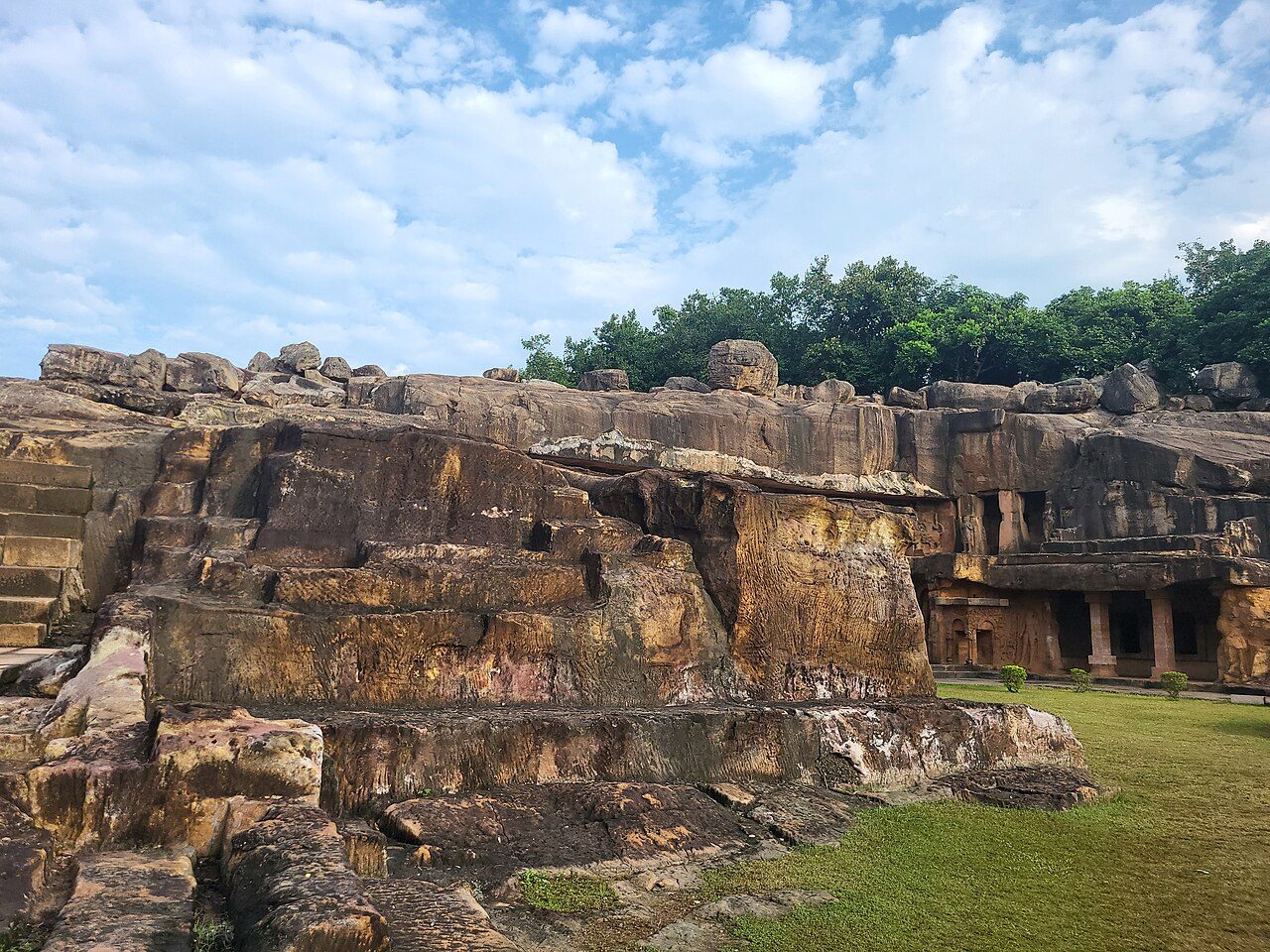
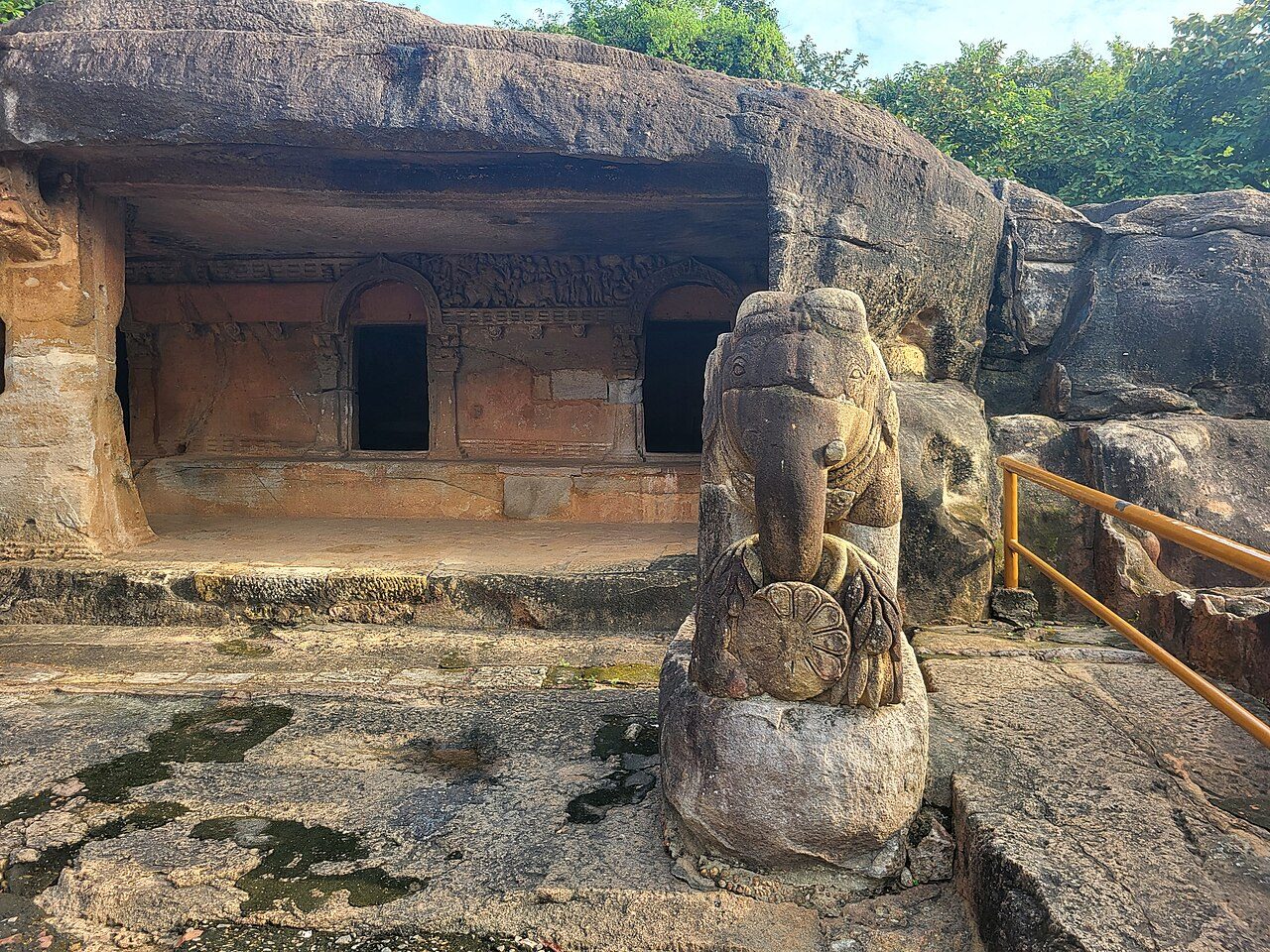
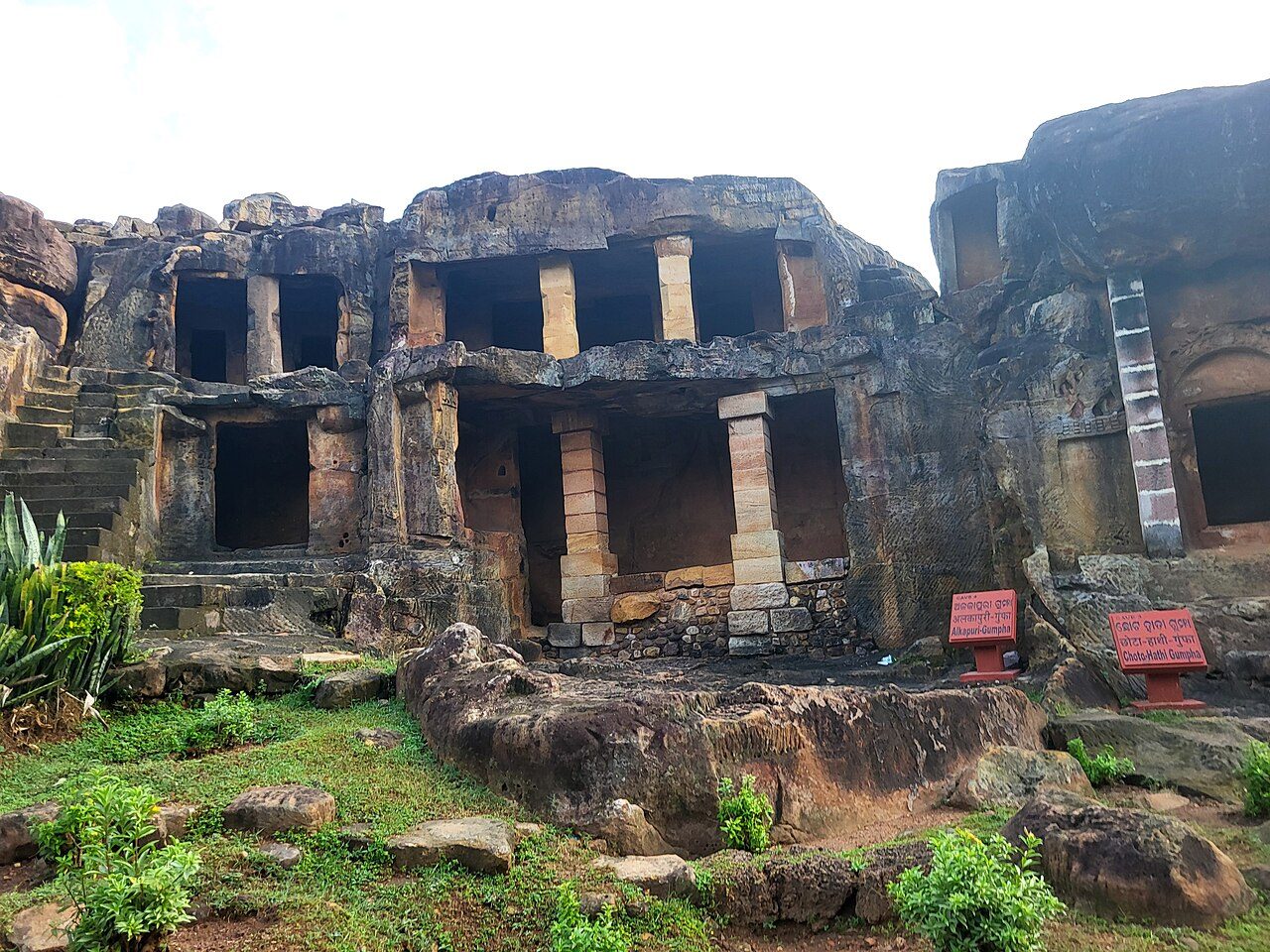
The twin hills of Udayagiri and Khandagiri, on the edge of Bhubaneswar, are honeycombed with caves cut for Jain monks in the 1st century BCE under King Kharavela. Udayagiri has the two-storeyed Rani Gumpha with carved friezes and the Hathi Gumpha with the king's famous inscription. Khandagiri, across the road, has a Jain temple on top with a wide view.
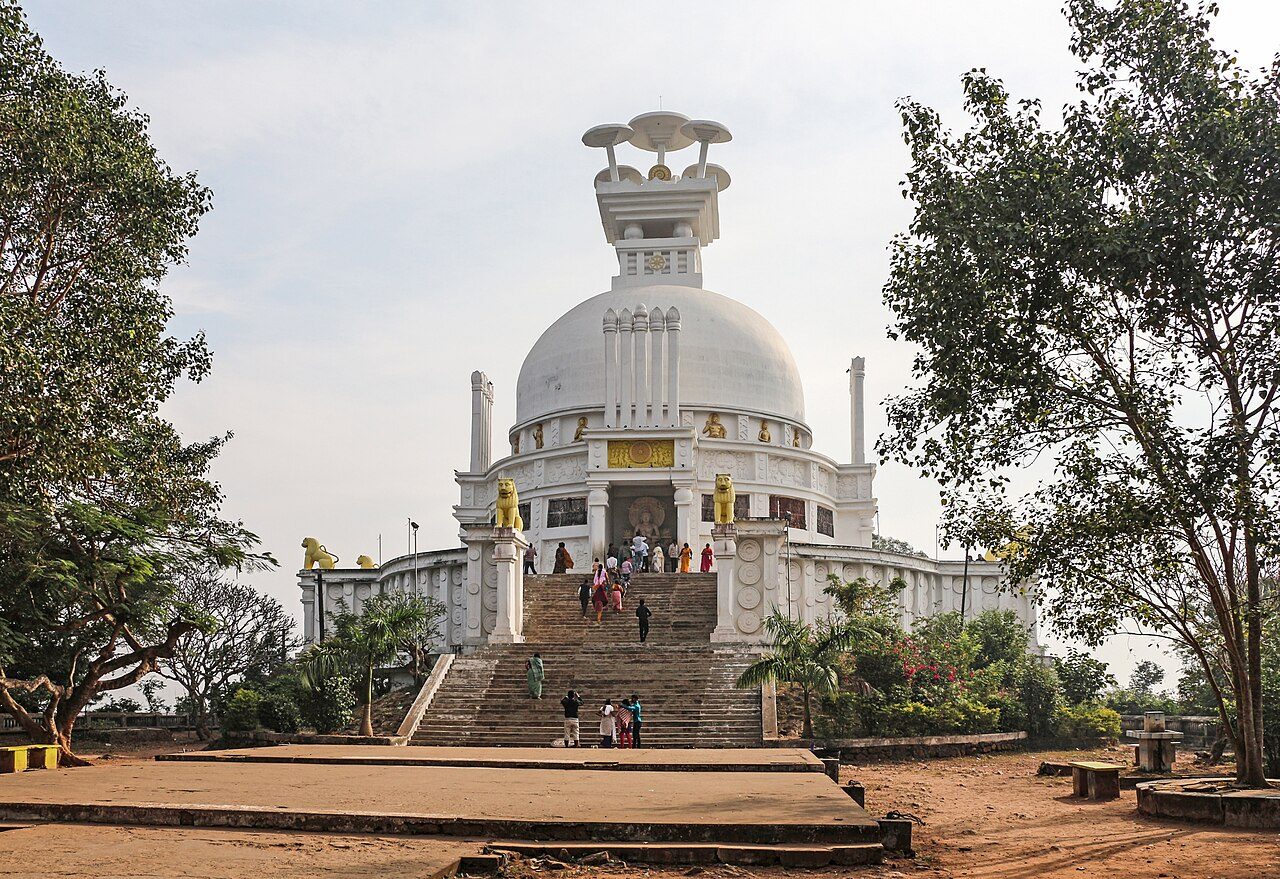
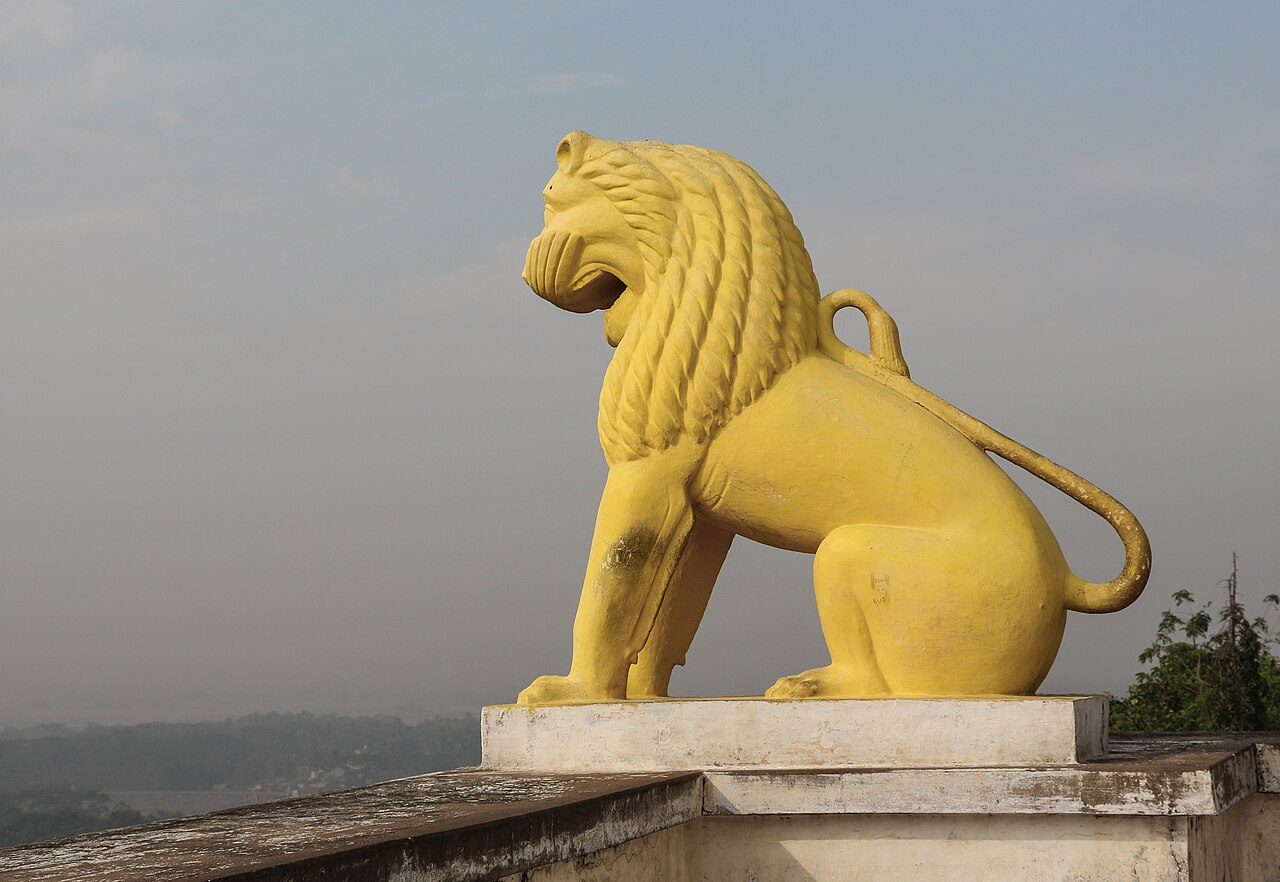
Dhauli hill, beside the Daya River south of Bhubaneswar, is believed to be the site of the Kalinga War of 261 BCE, after which Emperor Ashoka embraced Buddhism. A white Shanti Stupa built by Japanese and Indian Buddhists in 1972 crowns the hill. At its foot are Ashoka's rock edicts and the forepart of an elephant carved from the rock, the earliest Buddhist sculpture in Odisha.
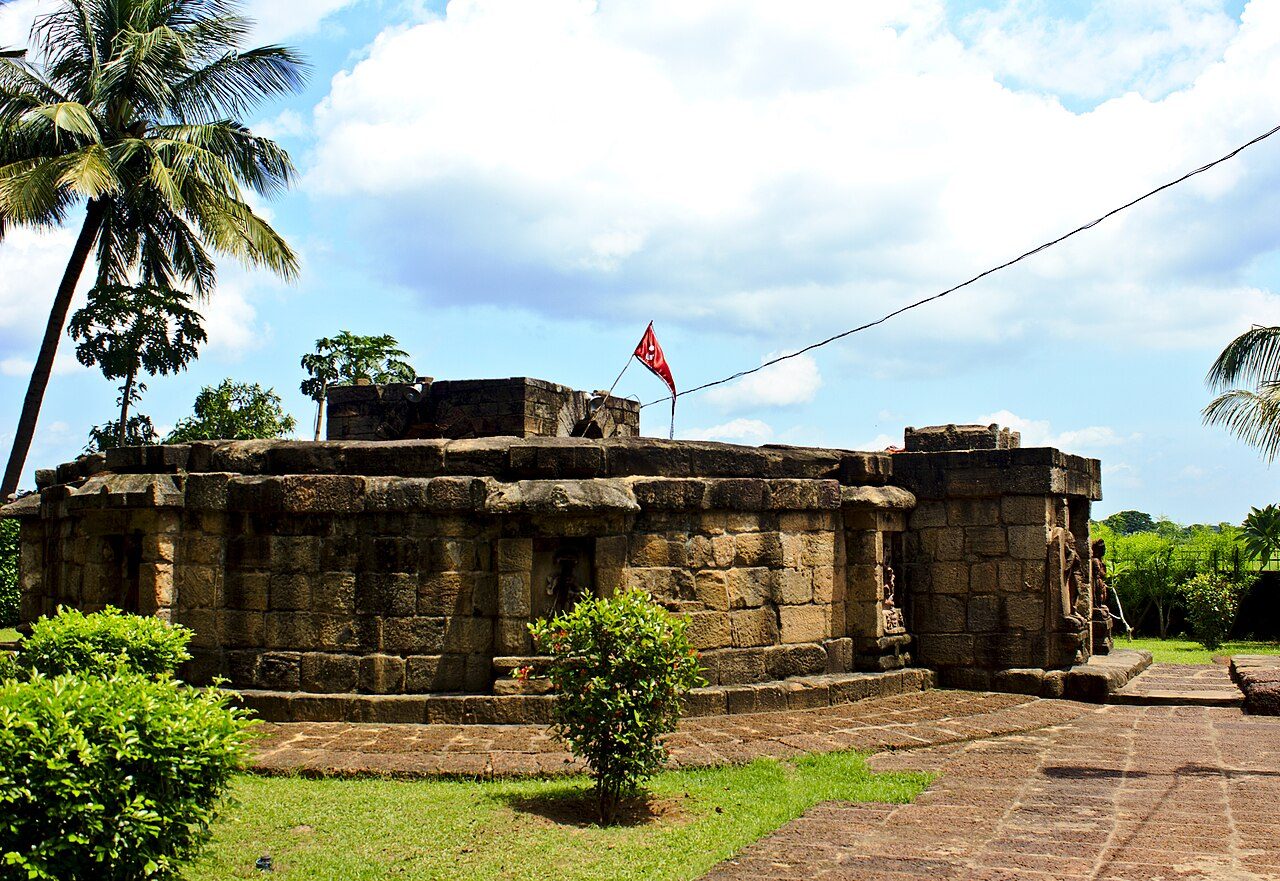
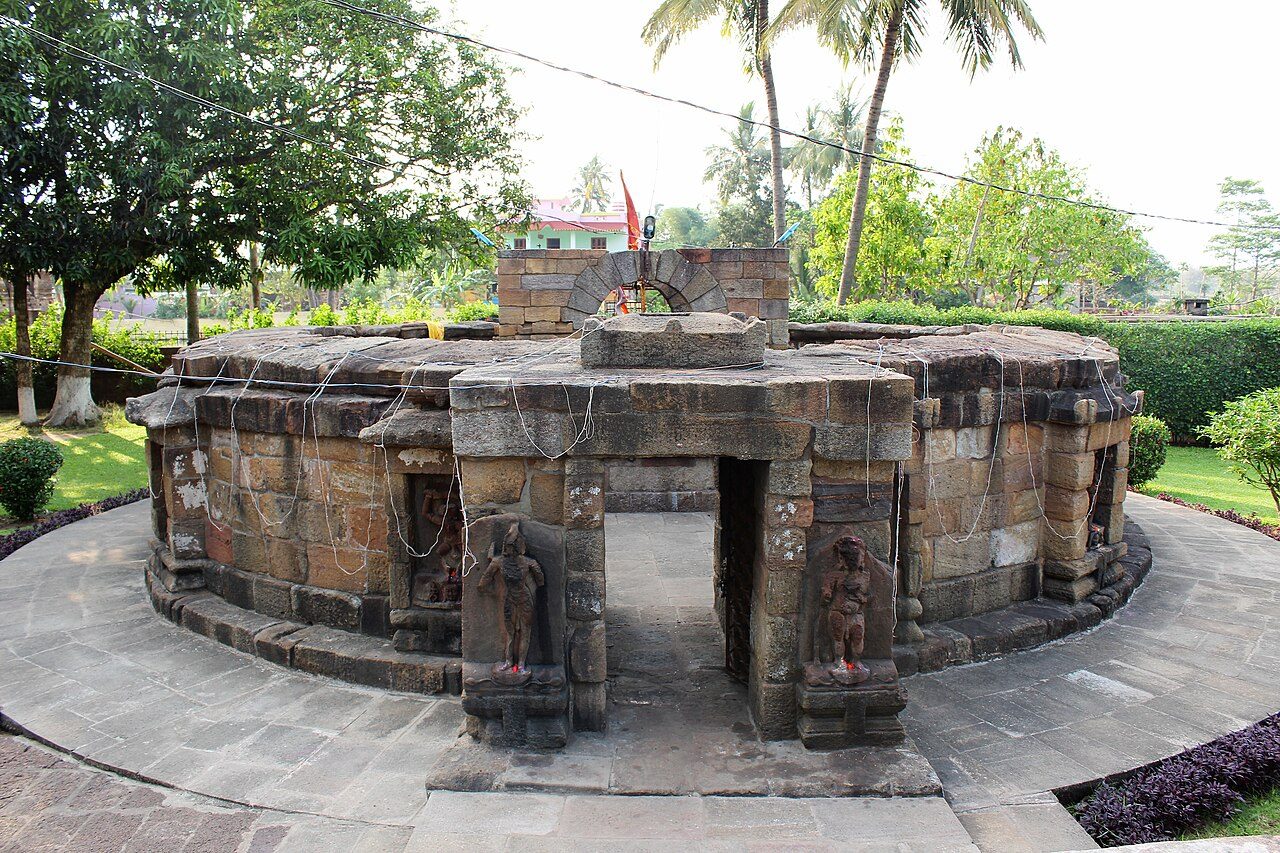
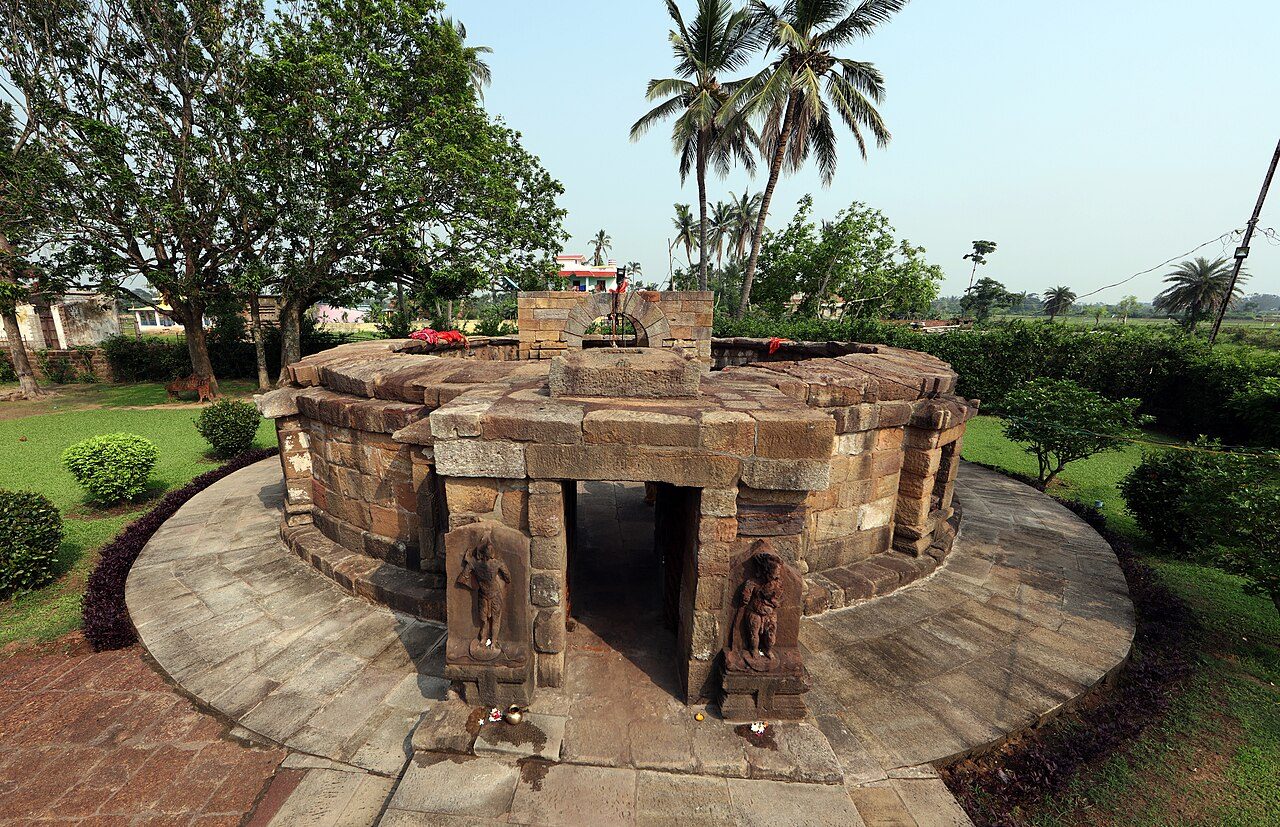
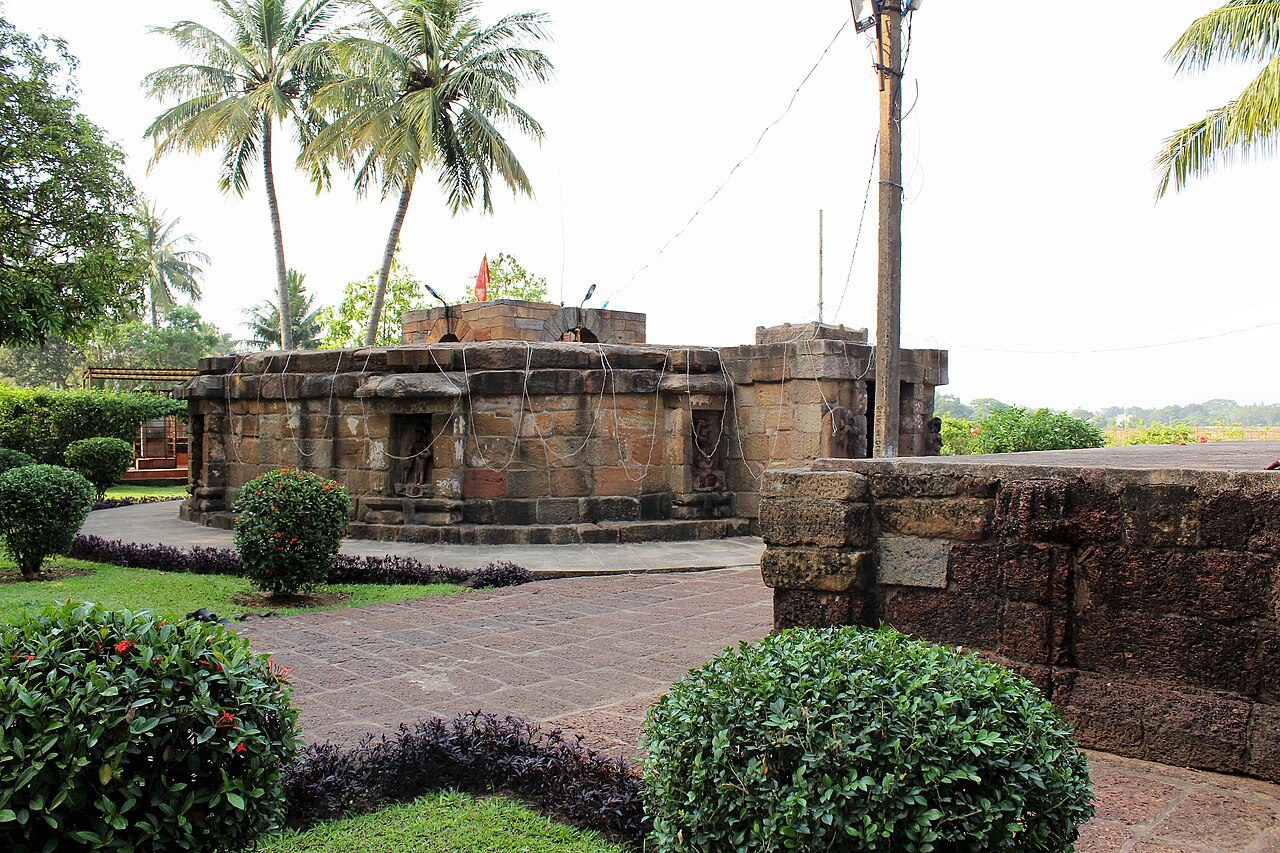
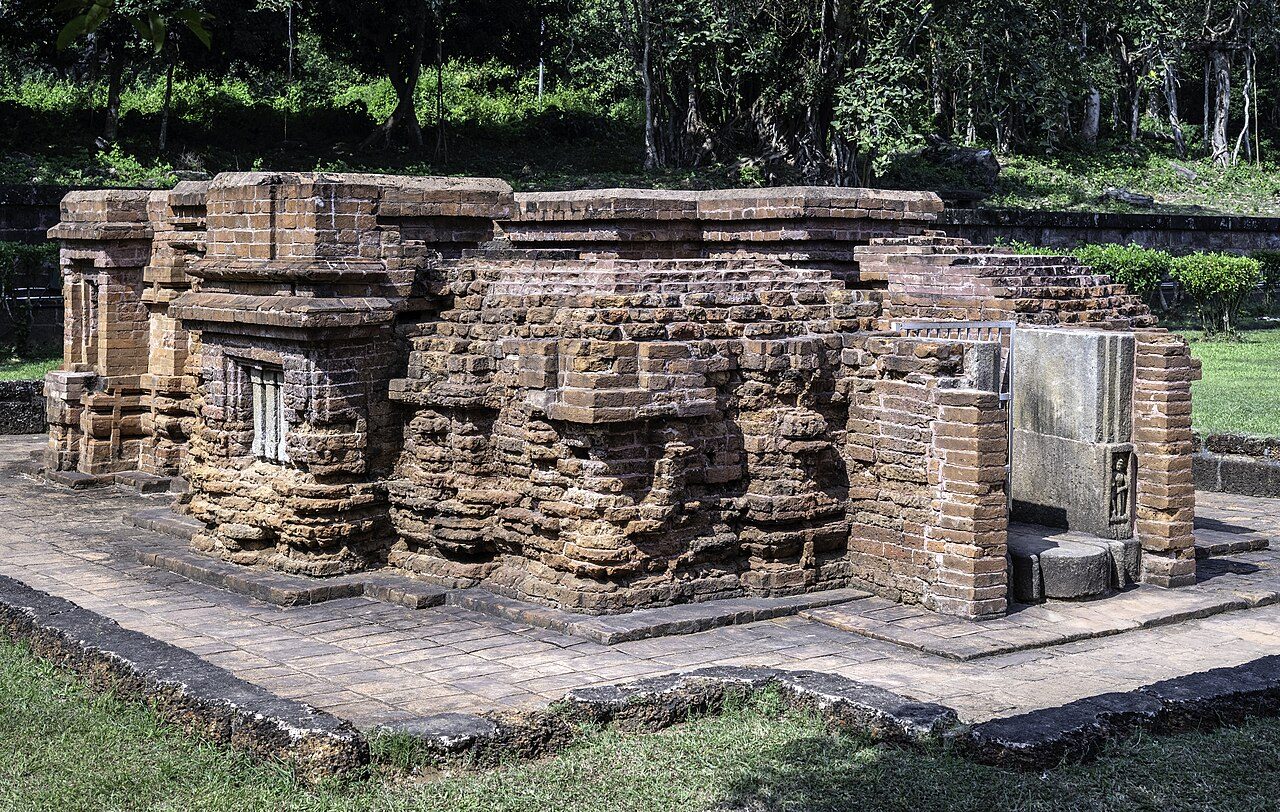
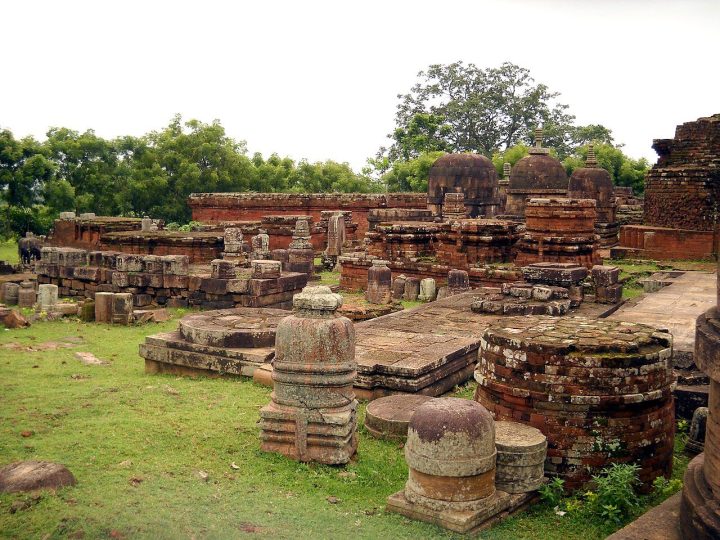
The Chausath Yogini Temple at Hirapur, about 15 km from Bhubaneswar, is a small circular shrine open to the sky, built in the 9th century. Niches around its inner wall hold finely carved black stone images of the sixty-four yoginis, each standing on a different animal or figure. It is one of only a handful of such temples in India and stands among paddy fields.
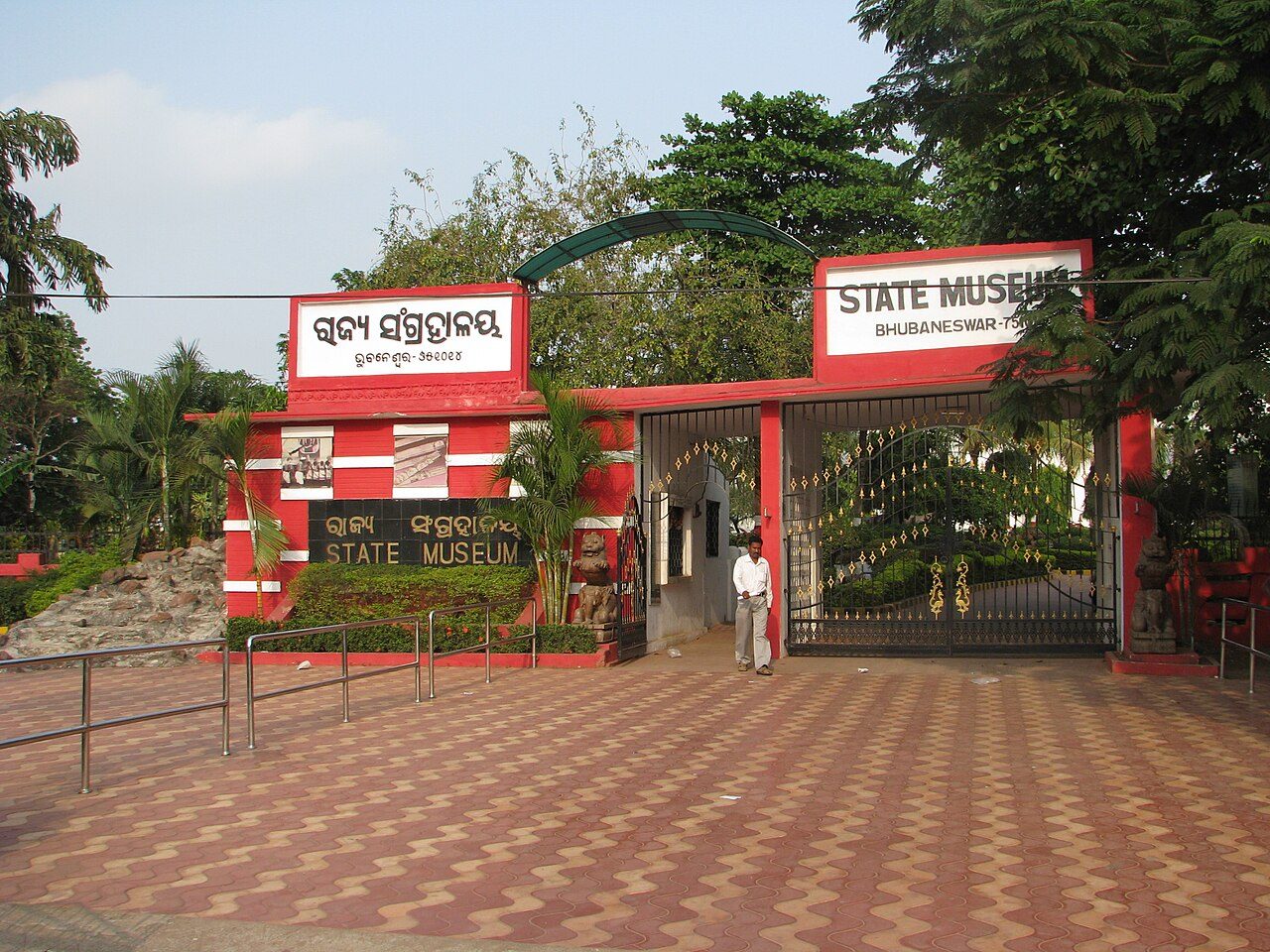
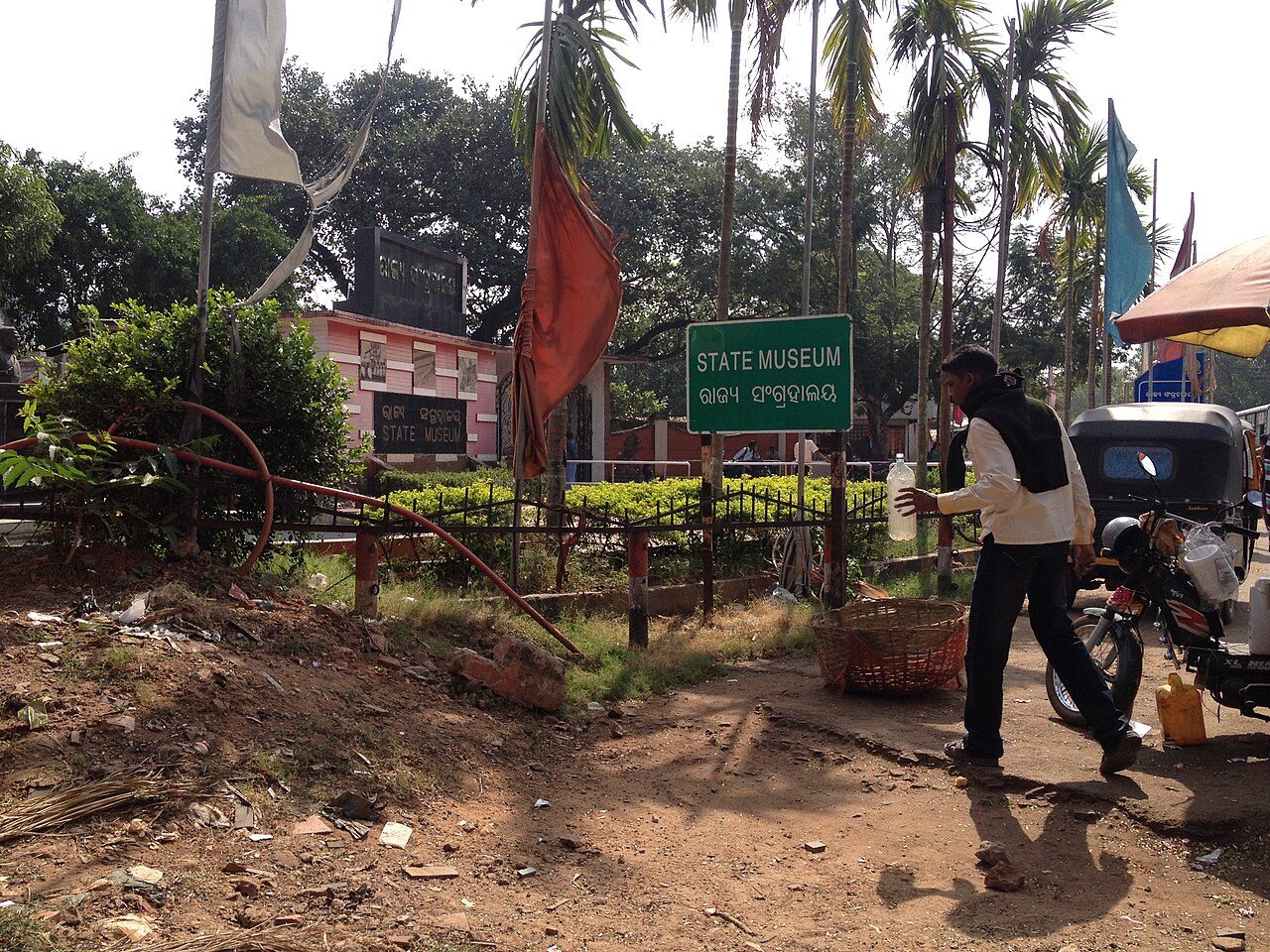
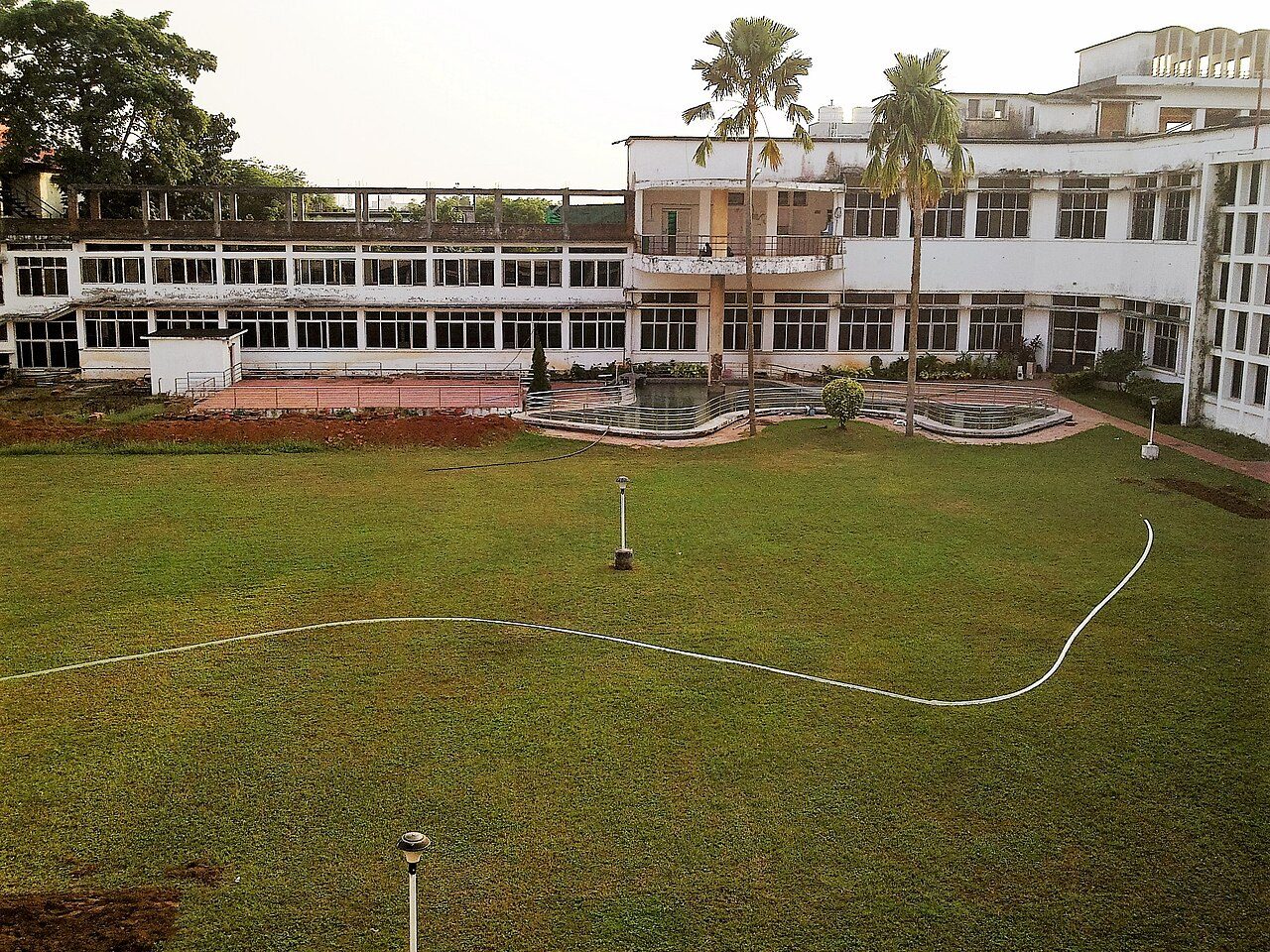
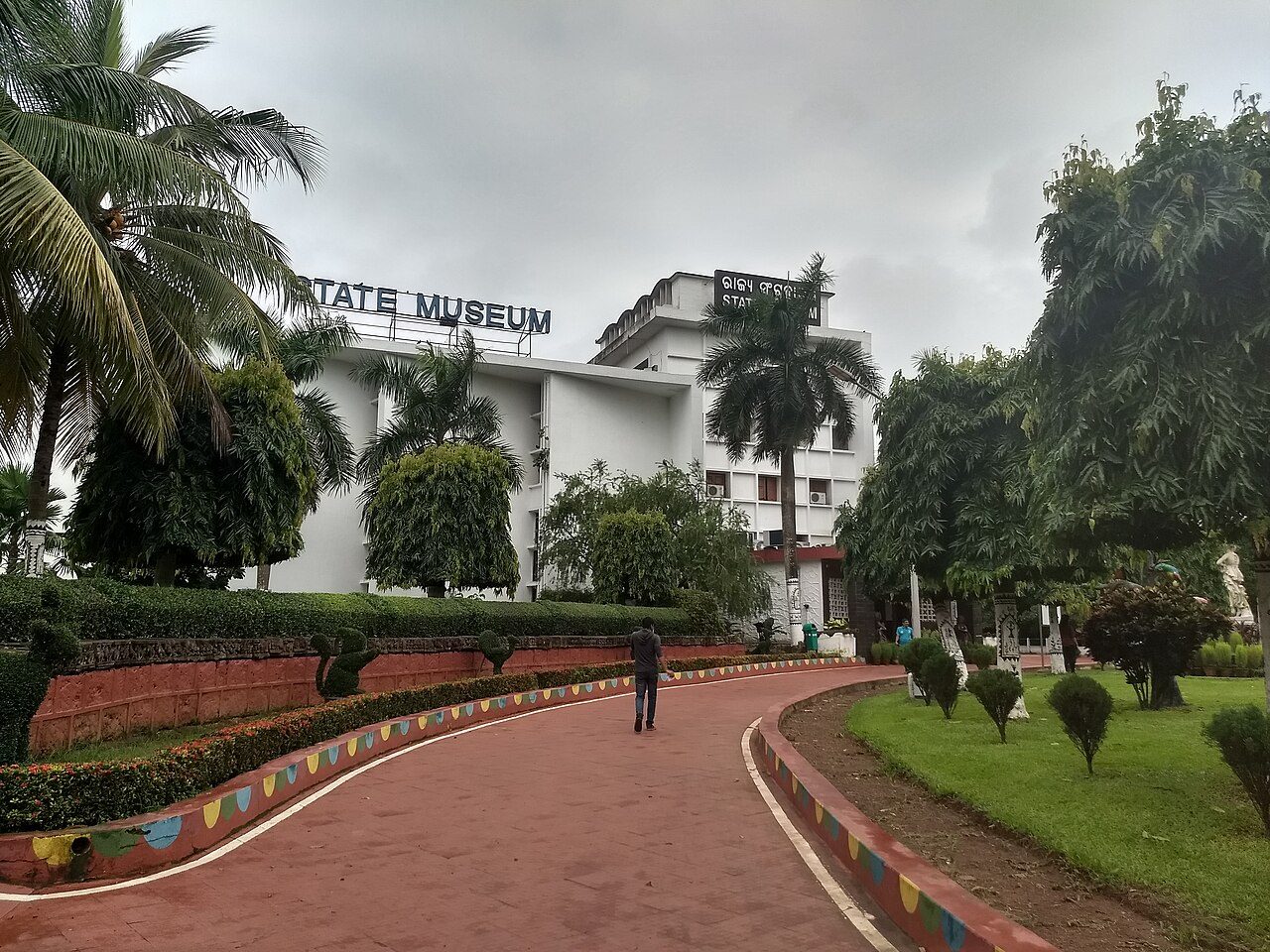
The Odisha State Museum in Bhubaneswar traces its origins to 1932. It is best known for its vast collection of palm-leaf manuscripts, among the largest in the world, many of them illustrated. Other galleries display Buddhist and Jain sculpture, bronzes, coins, tribal artefacts, traditional musical instruments and natural history. It is closed on Mondays.
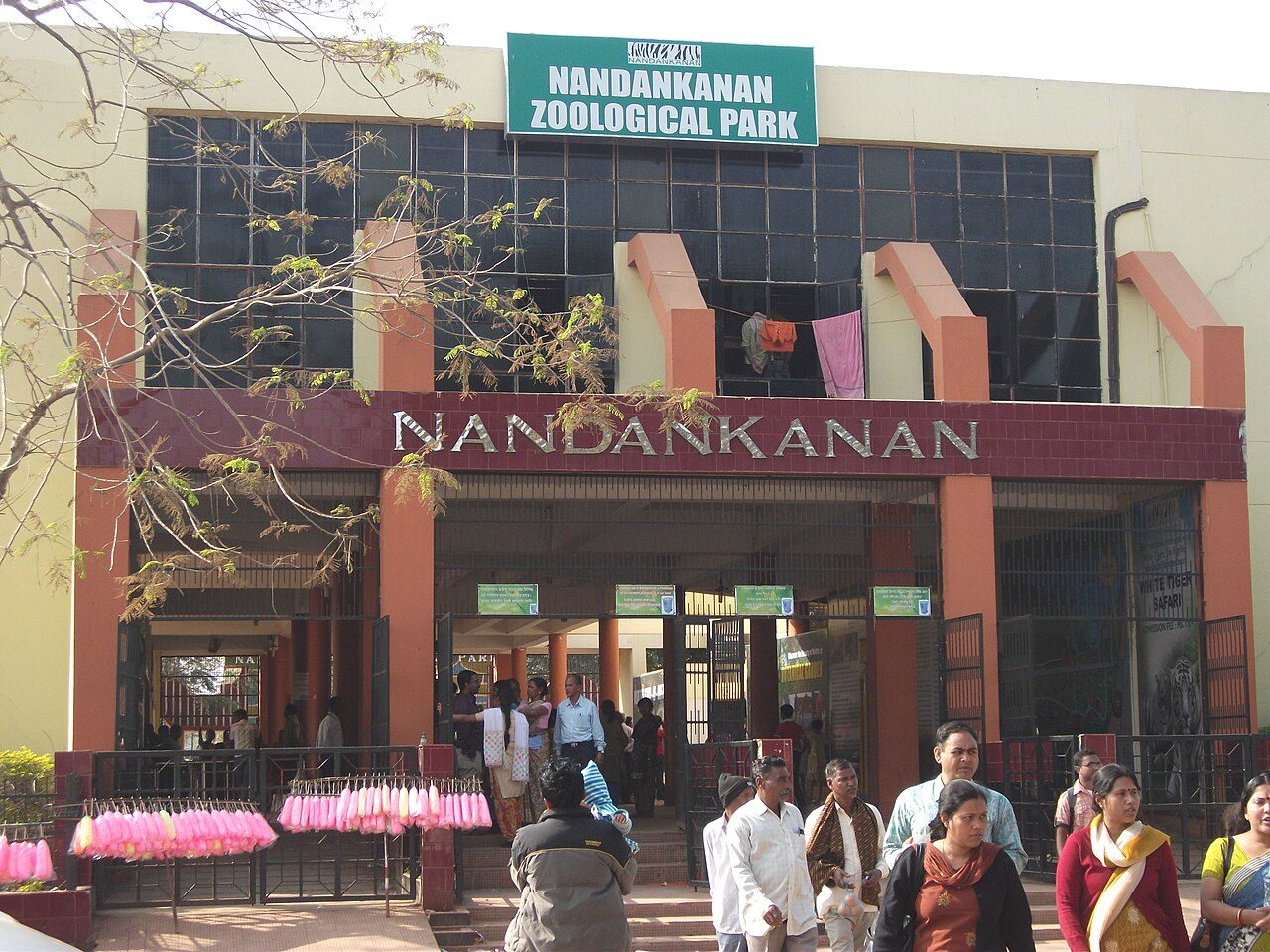
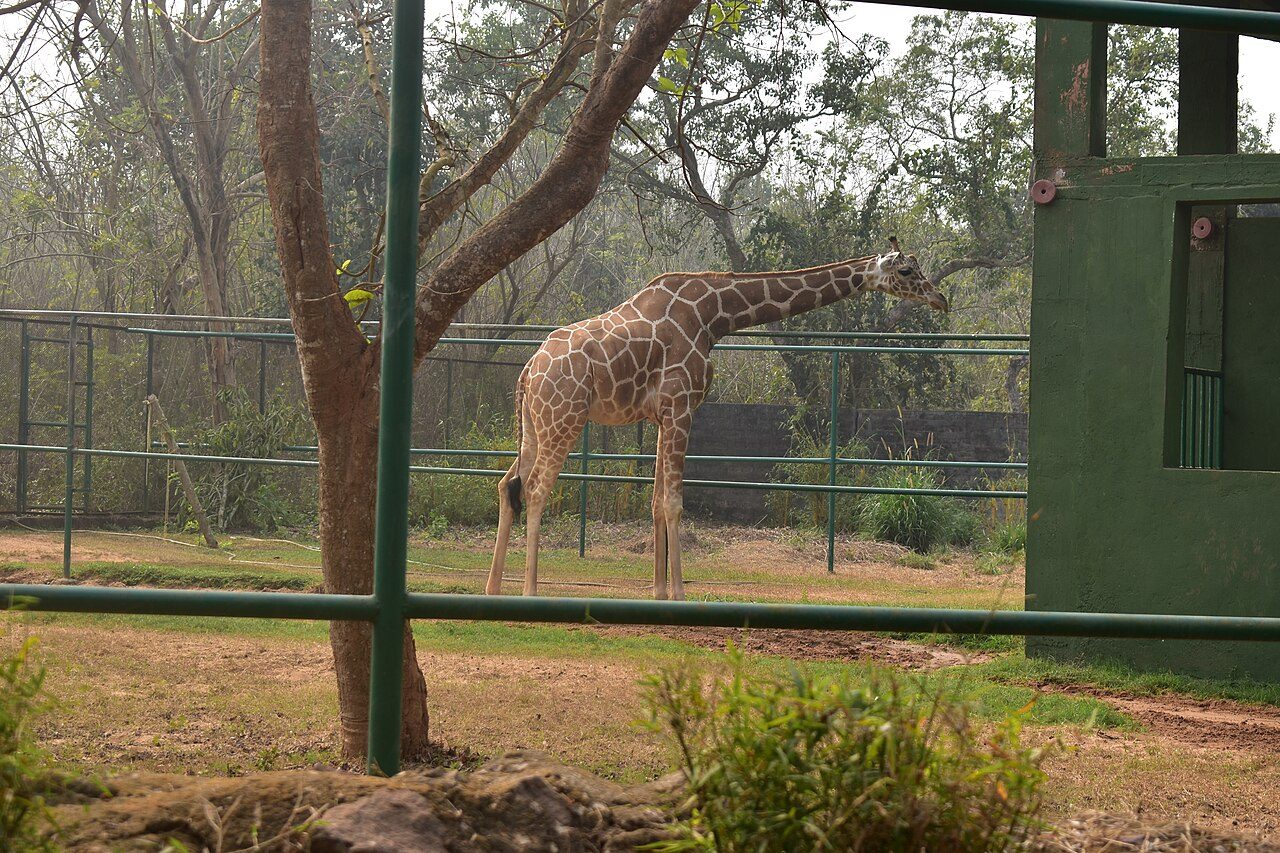
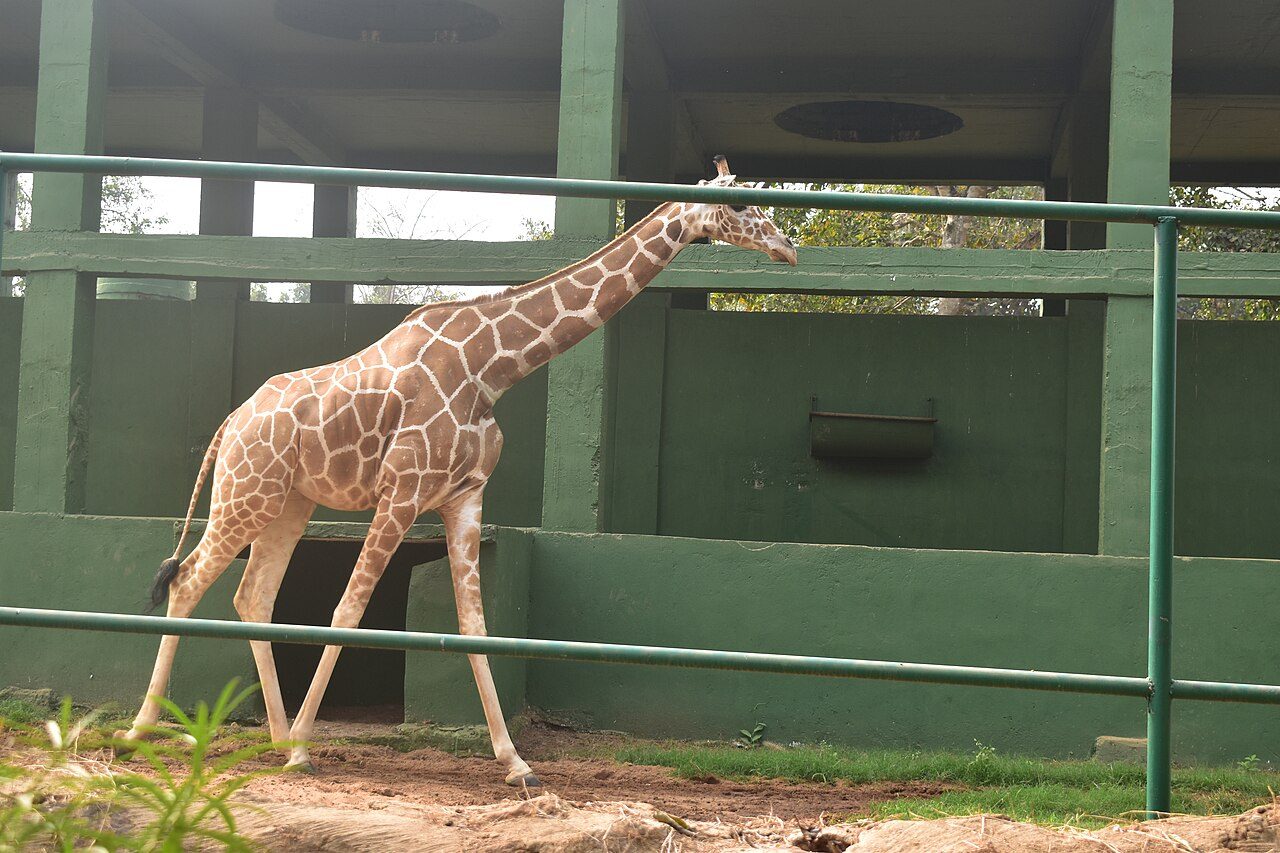
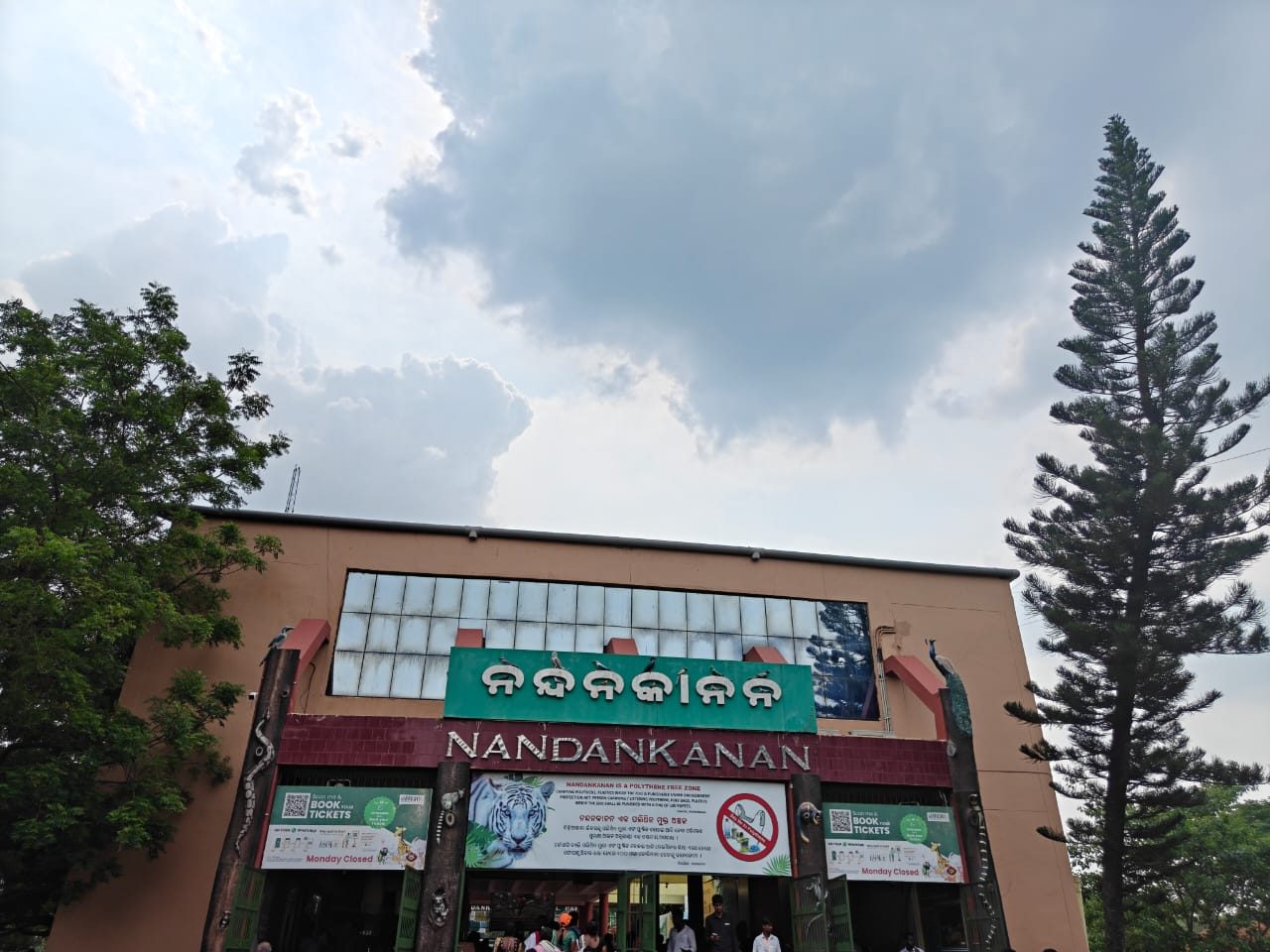
Nandankanan, on the outskirts of Bhubaneswar, combines a zoo and a botanical garden in the natural forest beside Kanjia Lake. It is known for its white tigers, first bred here in 1980, and for breeding gharials and pangolins. Safaris run through lion, tiger and bear enclosures. It is closed on Mondays.
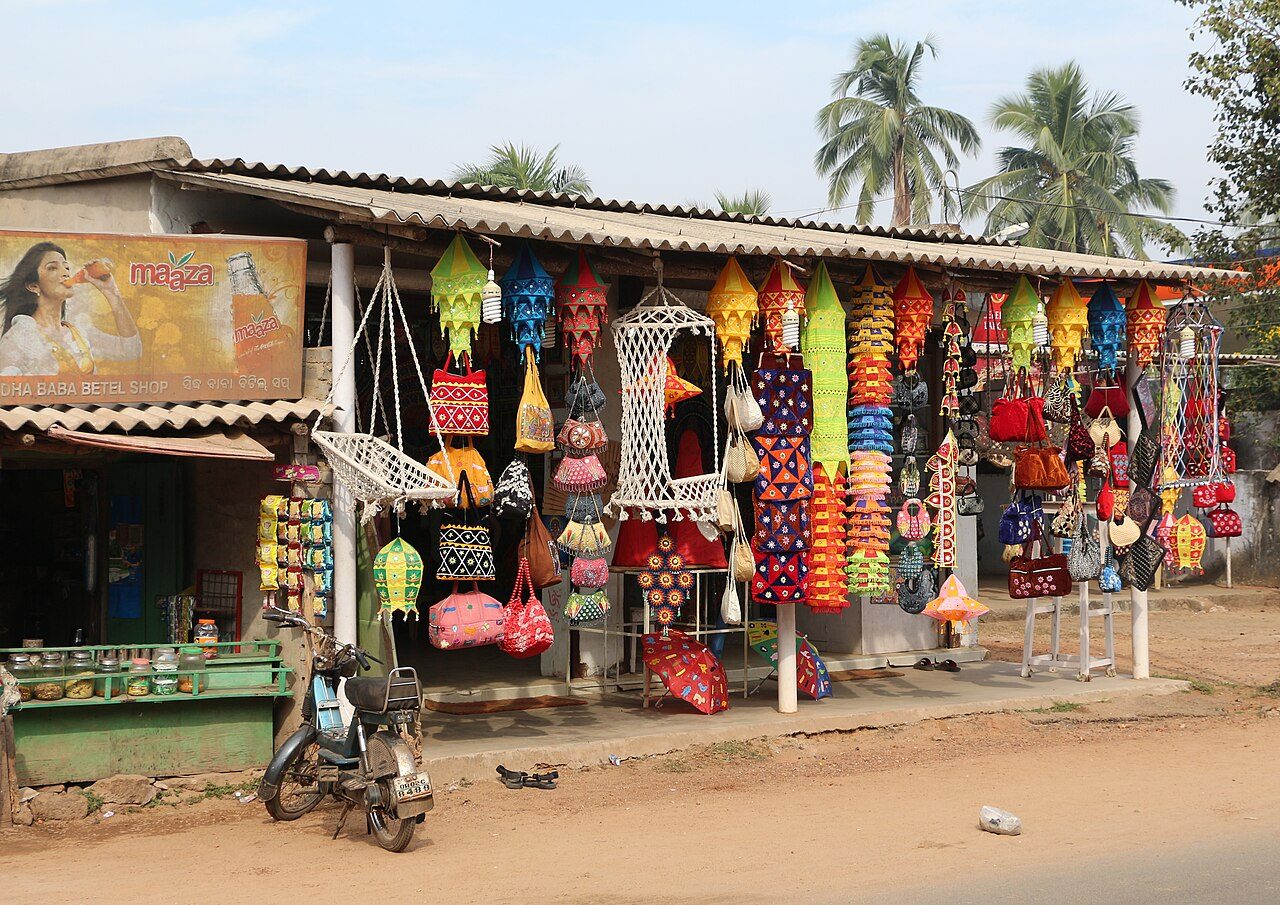
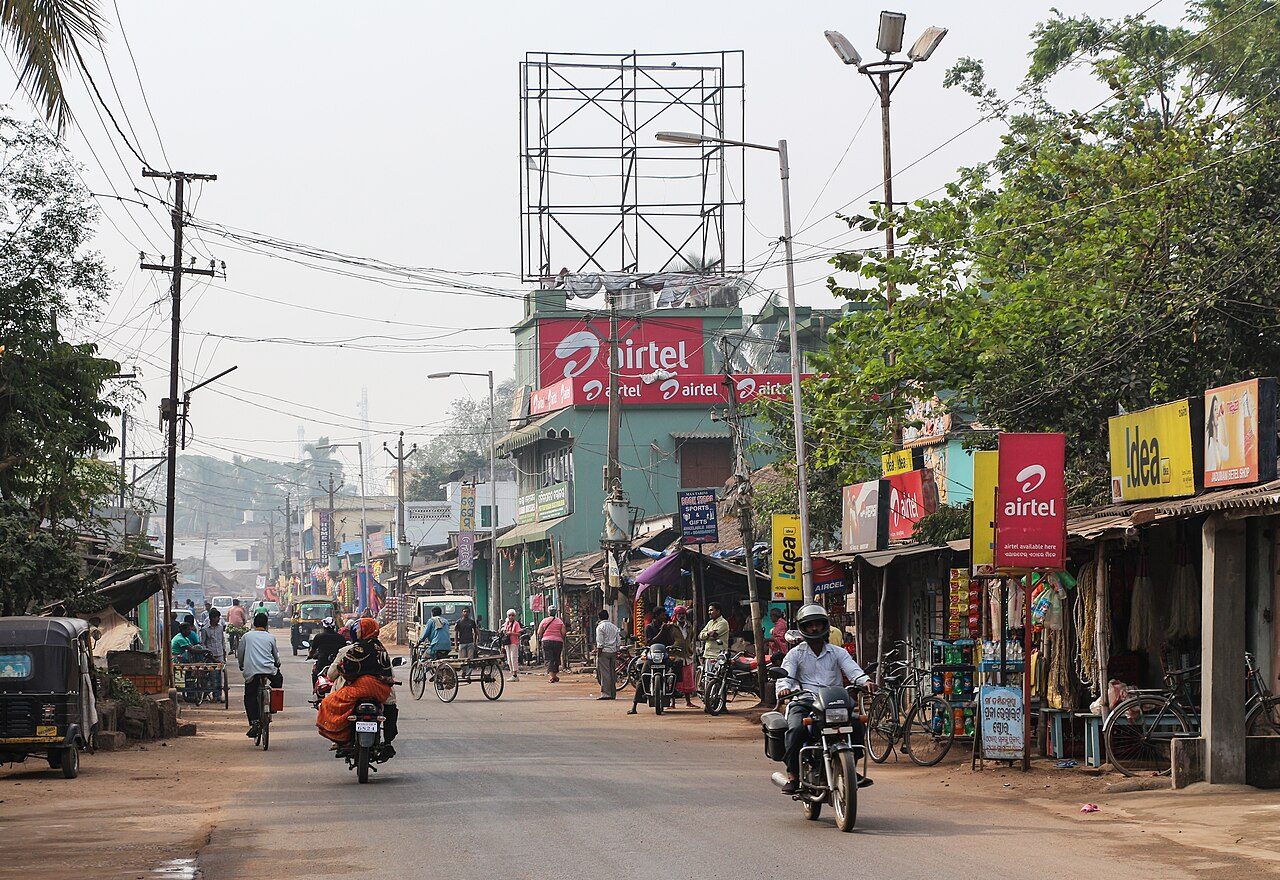
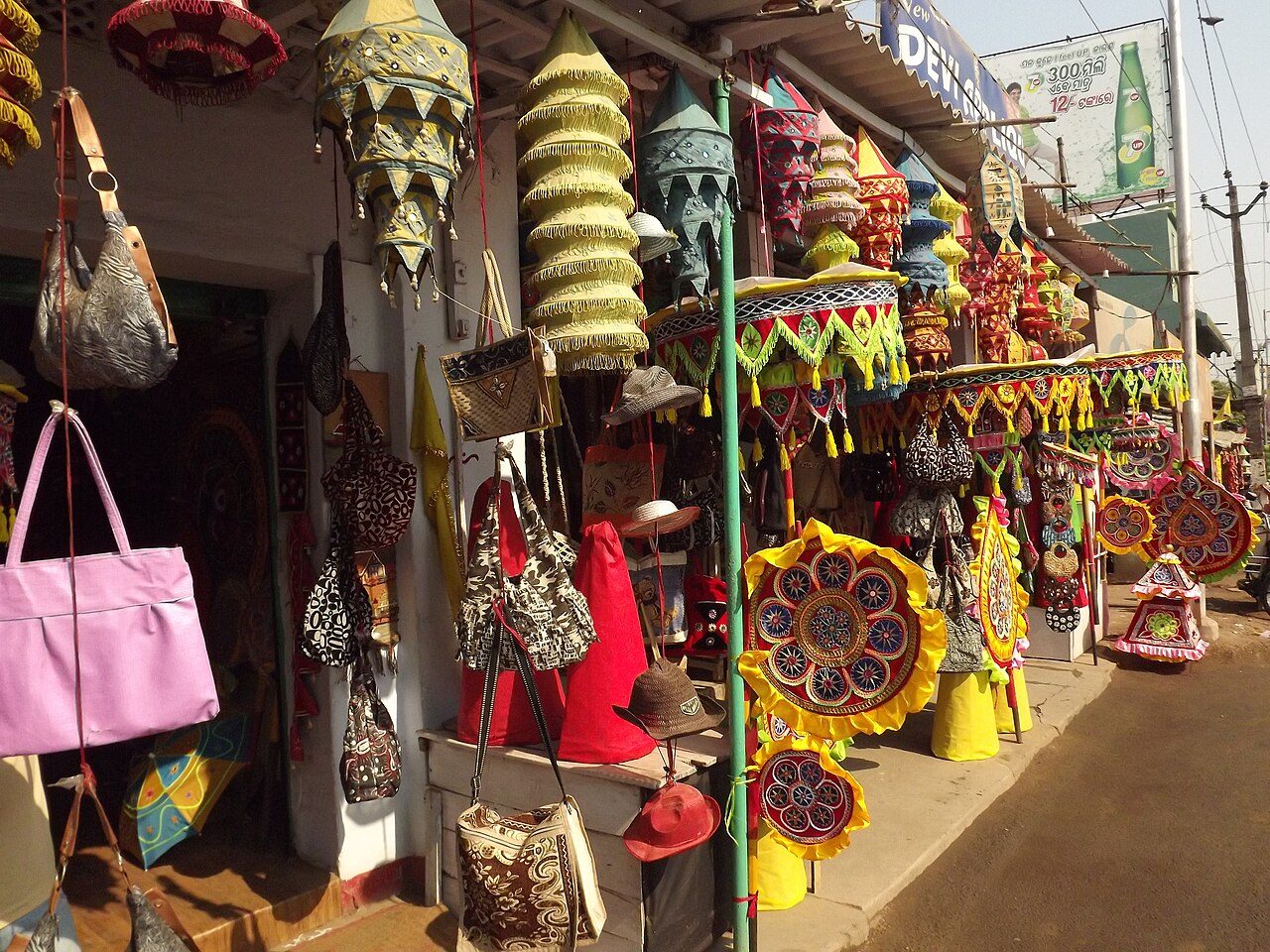
Pipili, on the road between Bhubaneswar and Puri, is famous for its applique work, a craft that began with making canopies and umbrellas for the Jagannath Temple. Shops lining the main street sell brightly coloured wall hangings, lampshades, bags and garden umbrellas stitched with mirrors and cut-out motifs. Most visitors stop here on the way to Puri or Konark.
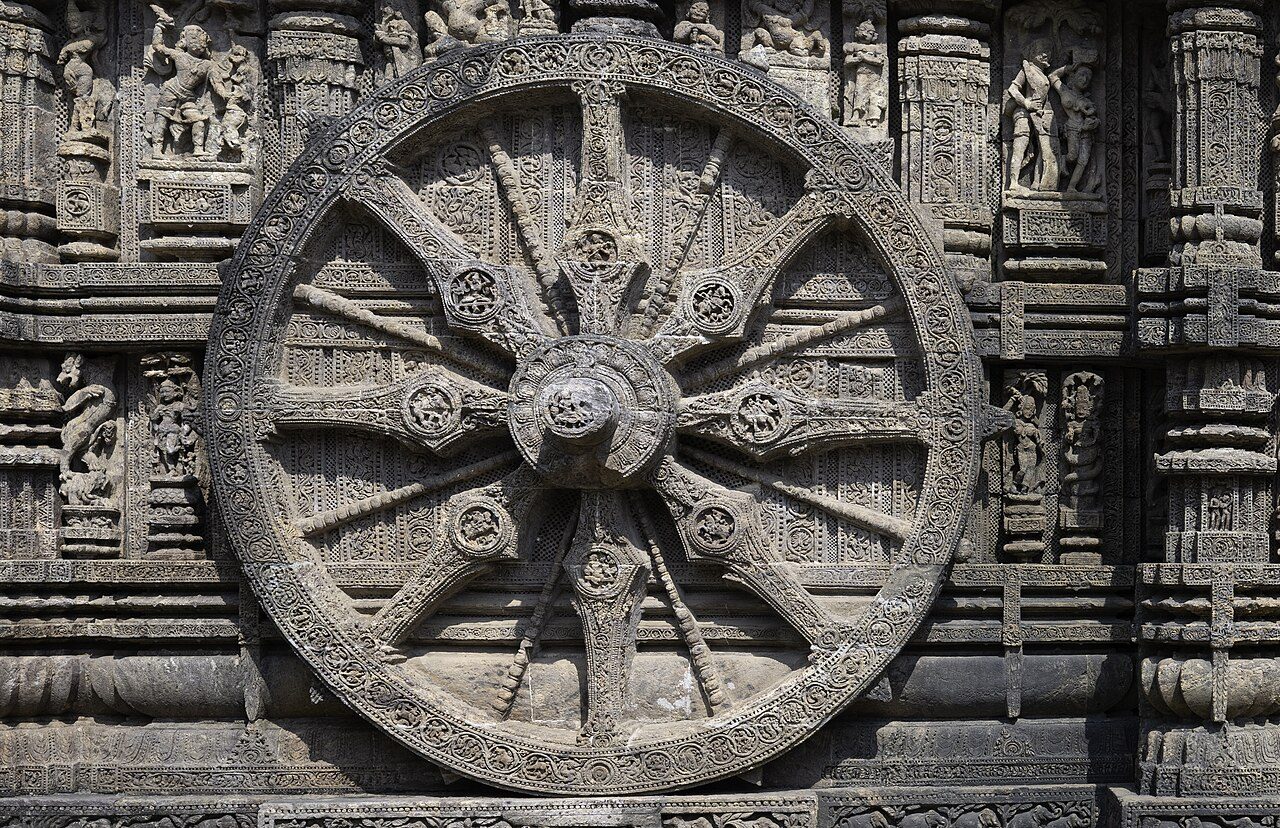
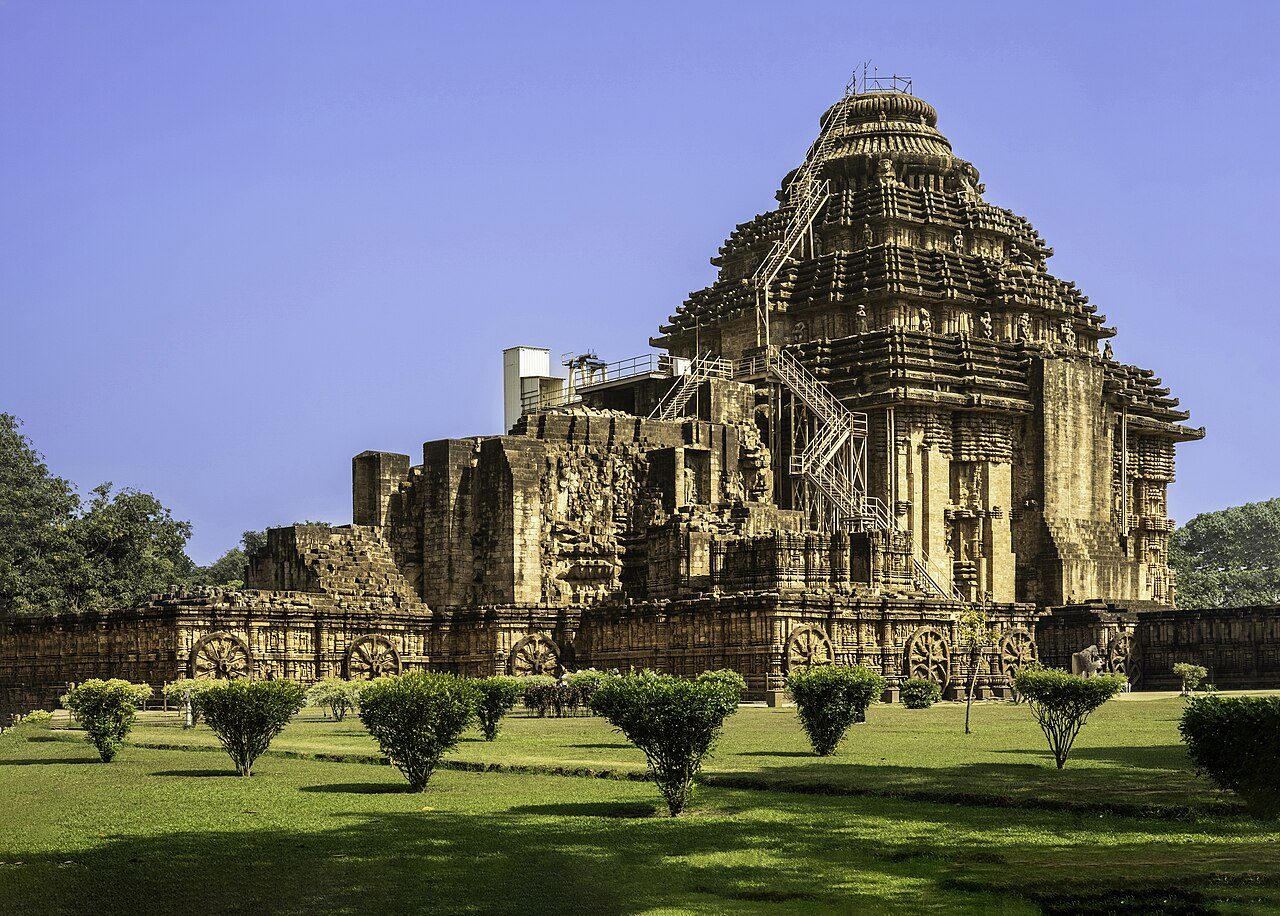
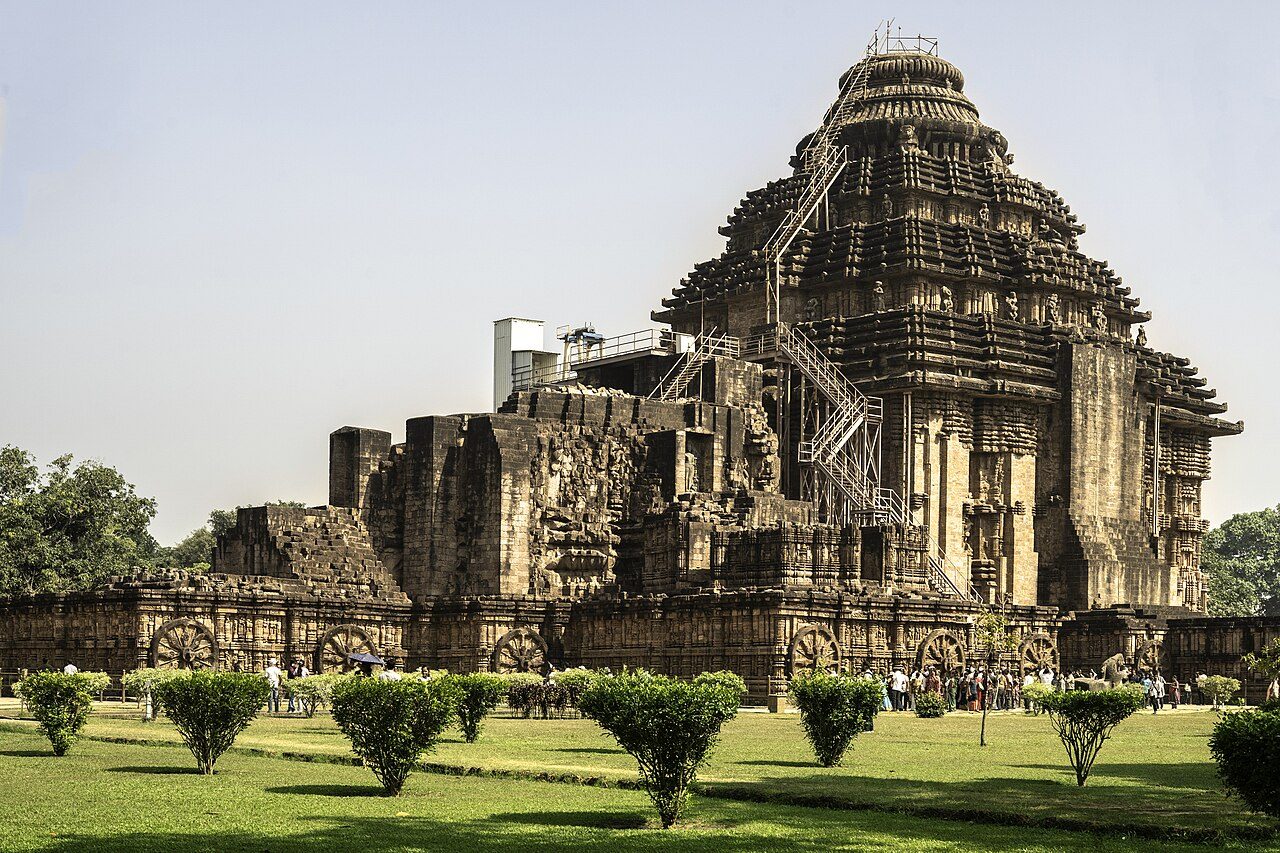
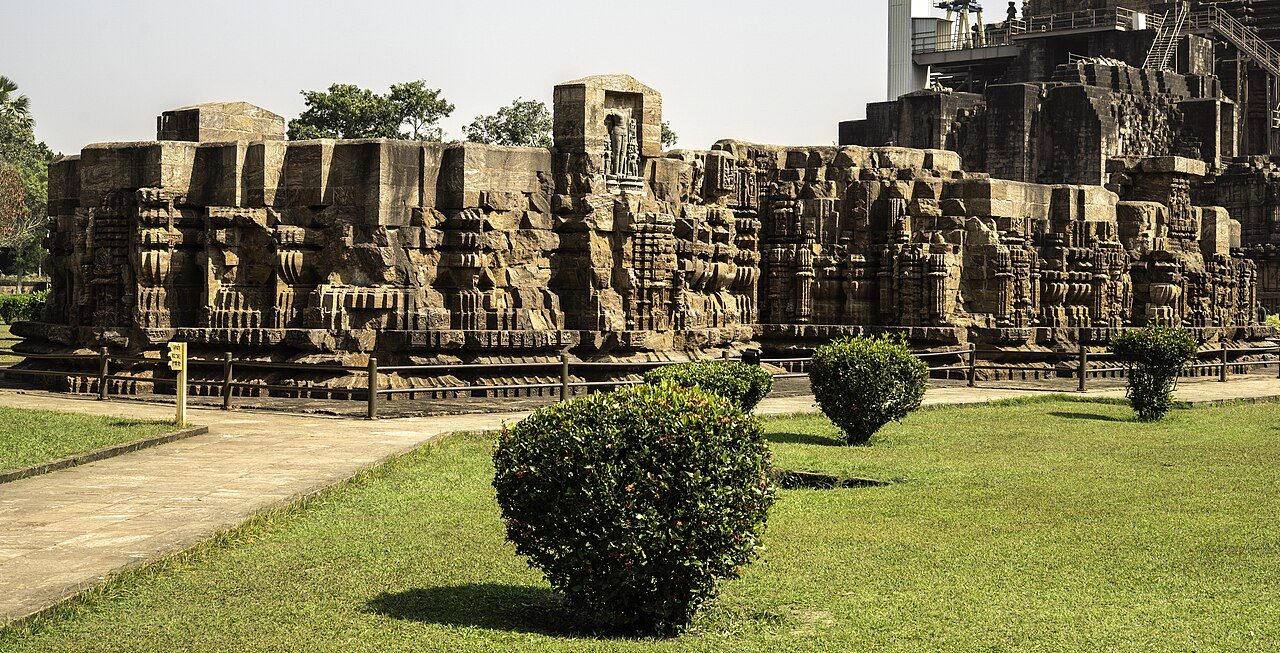
The Sun Temple at Konark, built in the 13th century by King Narasimhadeva I, is conceived as the chariot of the sun god, with twenty-four intricately carved stone wheels and seven horses. Its walls are covered with sculpture of gods, dancers, animals and daily life. The main tower has fallen, but the surviving hall is superb. It is a UNESCO World Heritage Site; the dance festival is held in December.
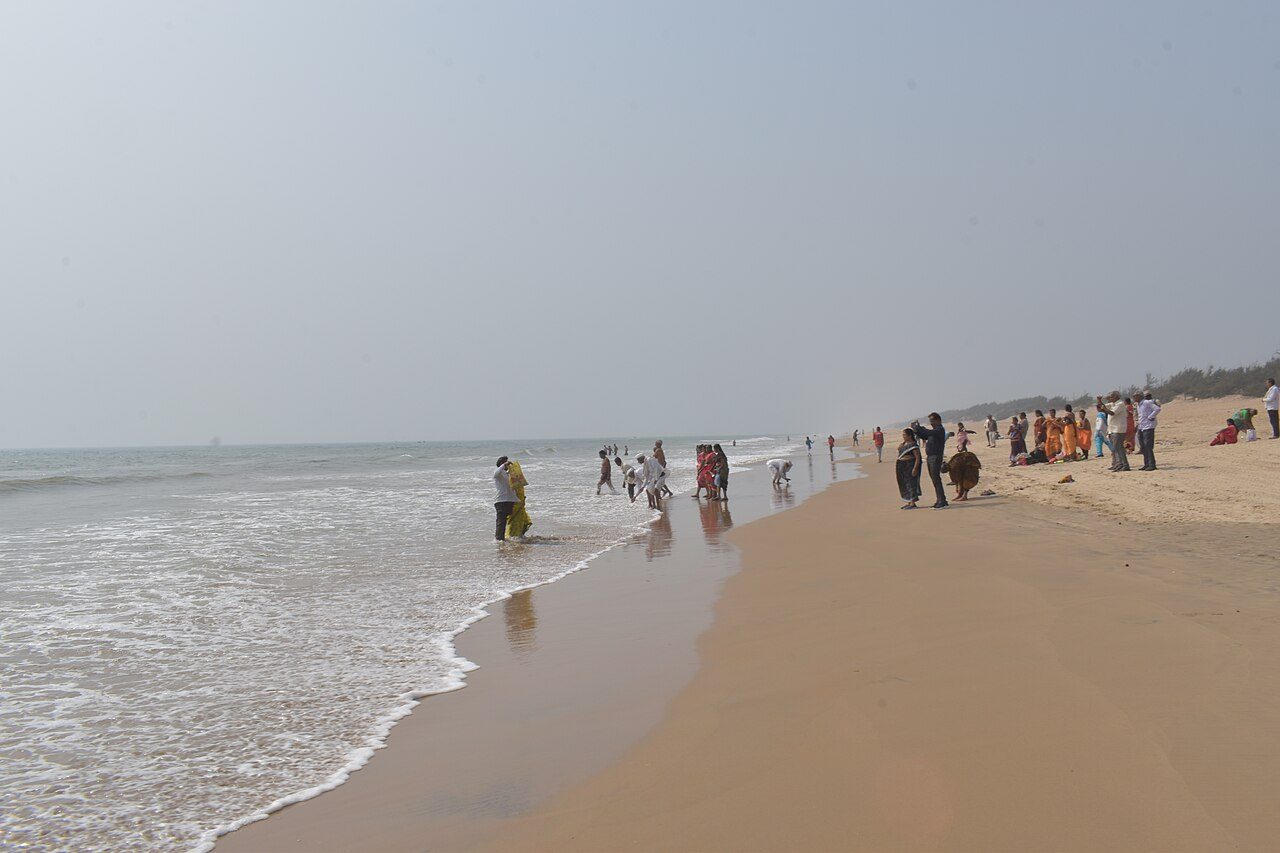
Chandrabhaga Beach lies about three kilometres from the Konark Sun Temple, where the Chandrabhaga River once met the sea. It is one of the cleaner beaches on the Odisha coast and holds international Blue Flag certification. Pilgrims gather here for a holy dip at sunrise on Magha Saptami. The Marine Drive from Puri runs alongside.
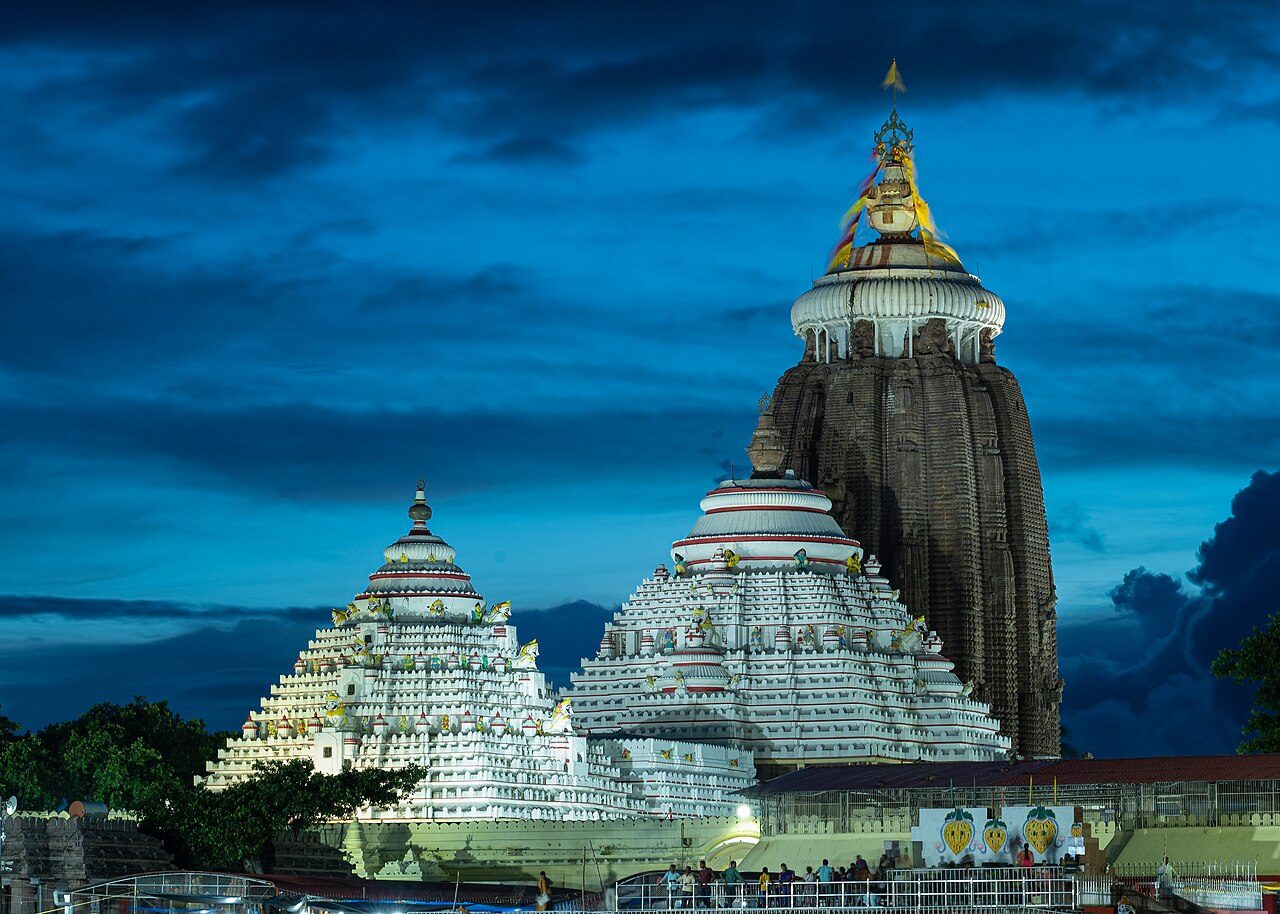
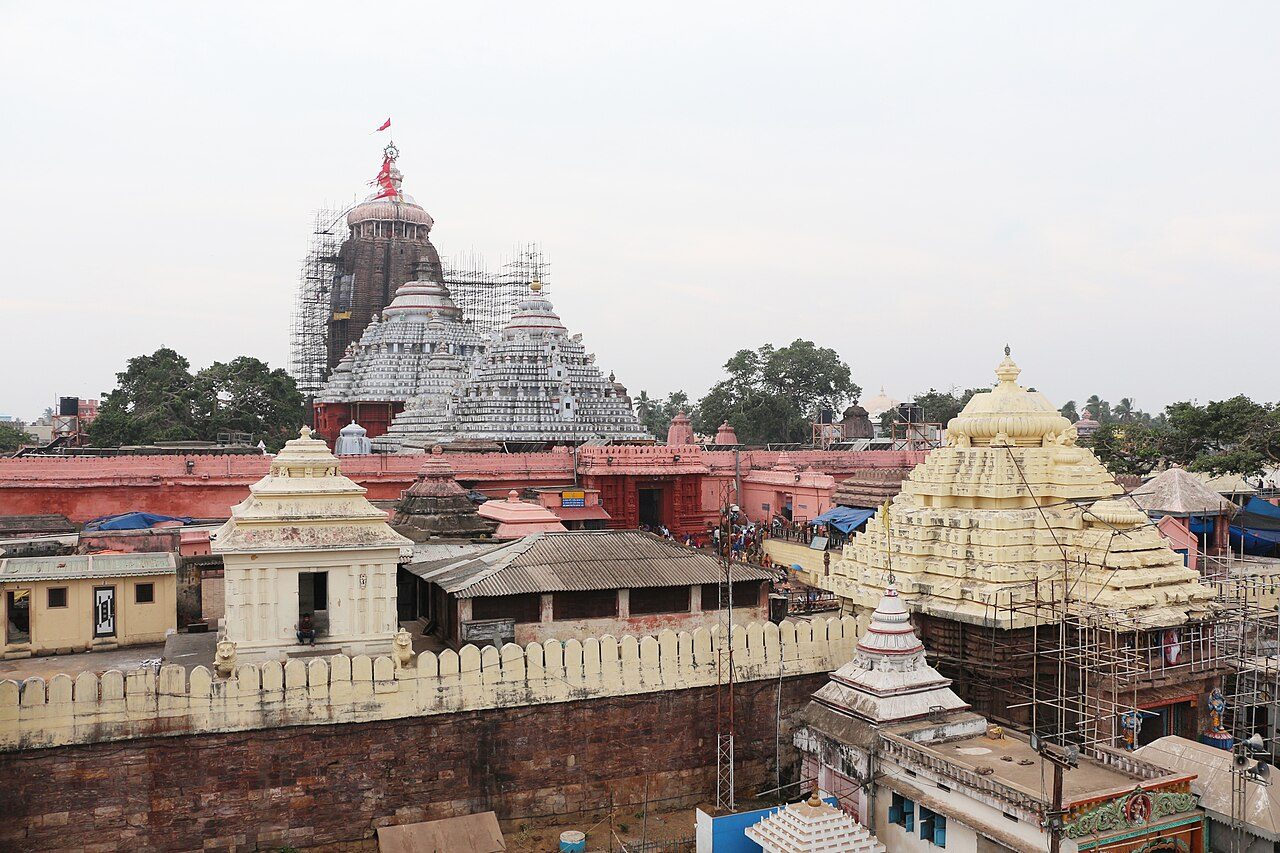
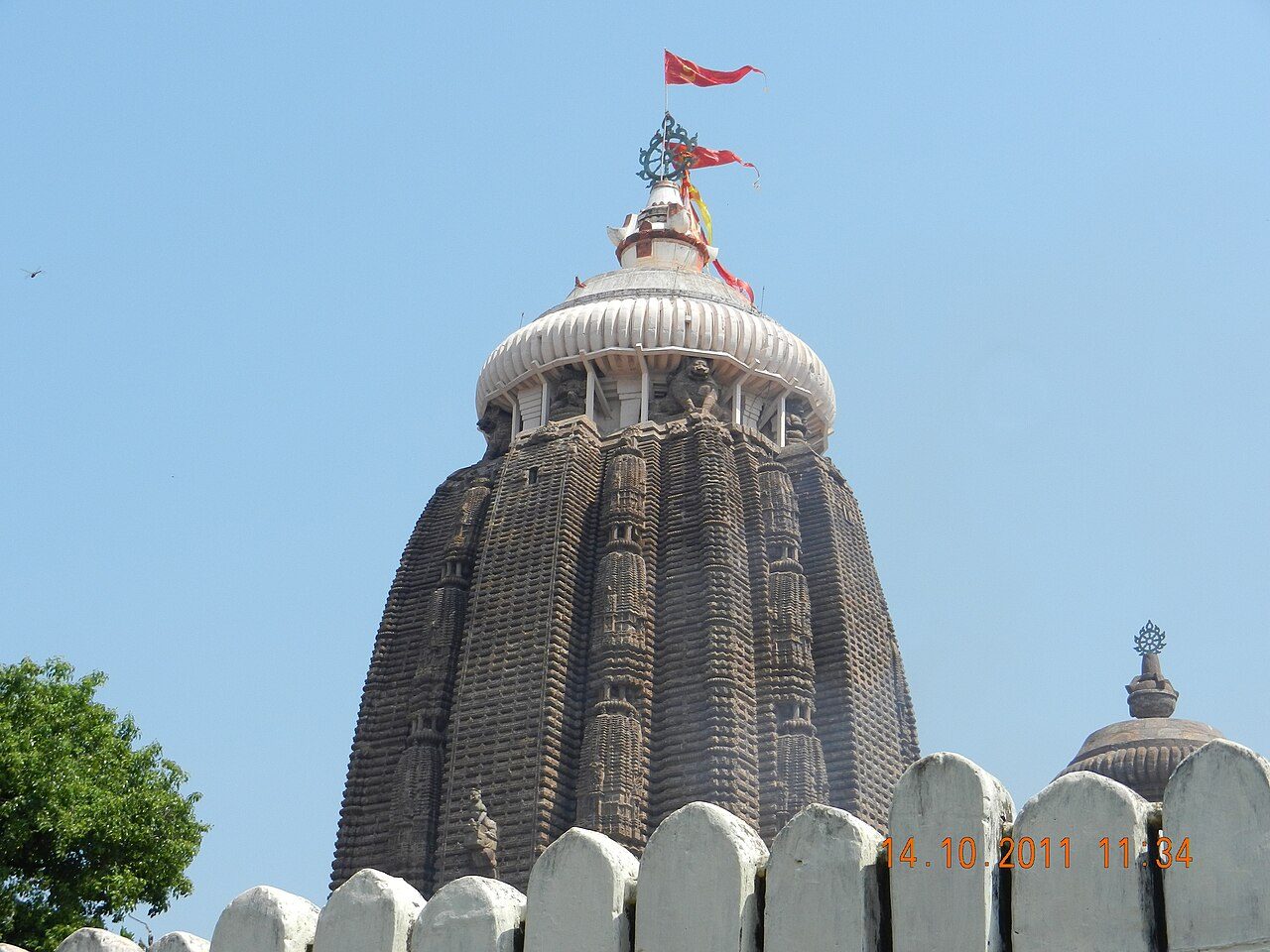
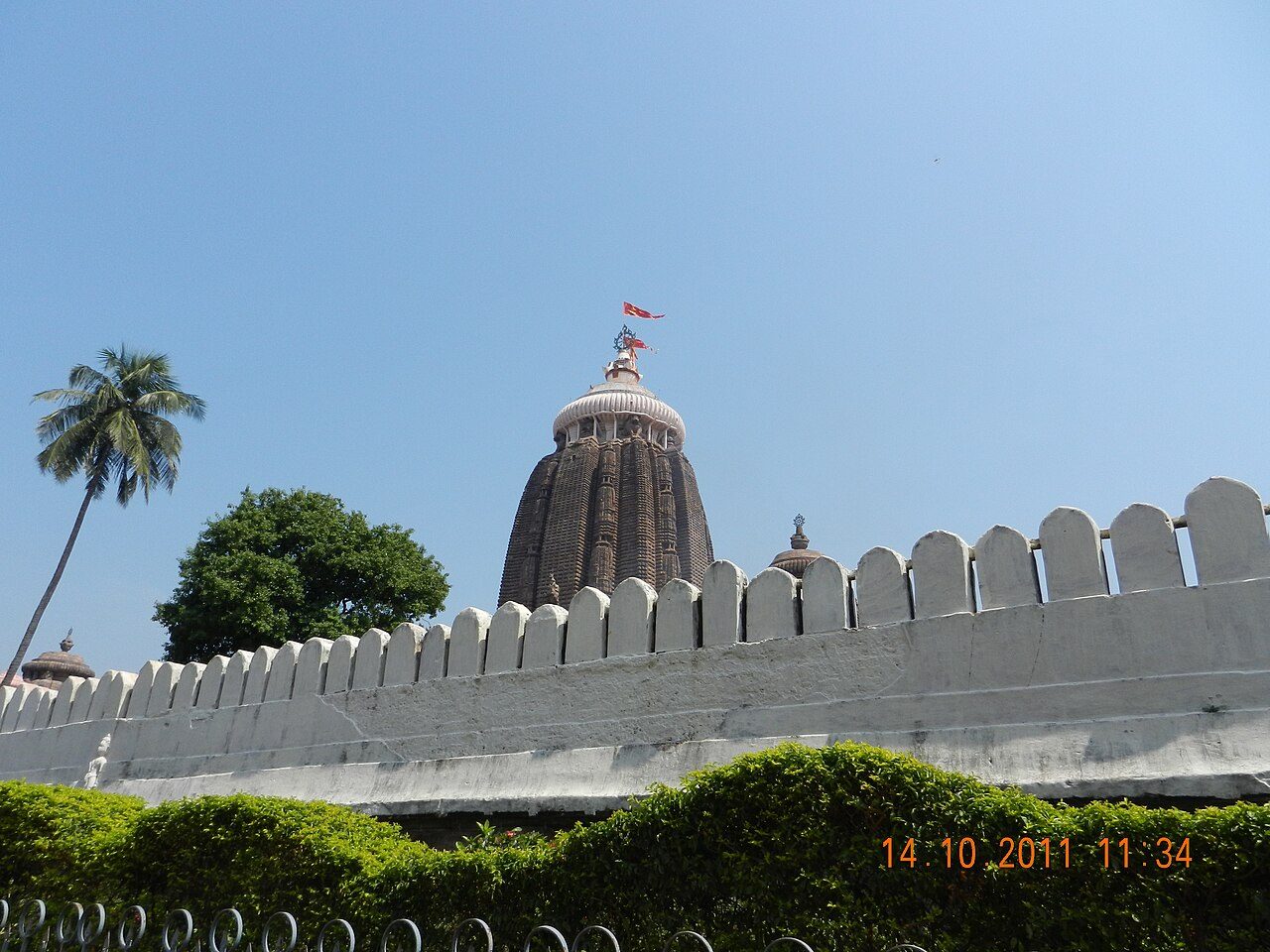
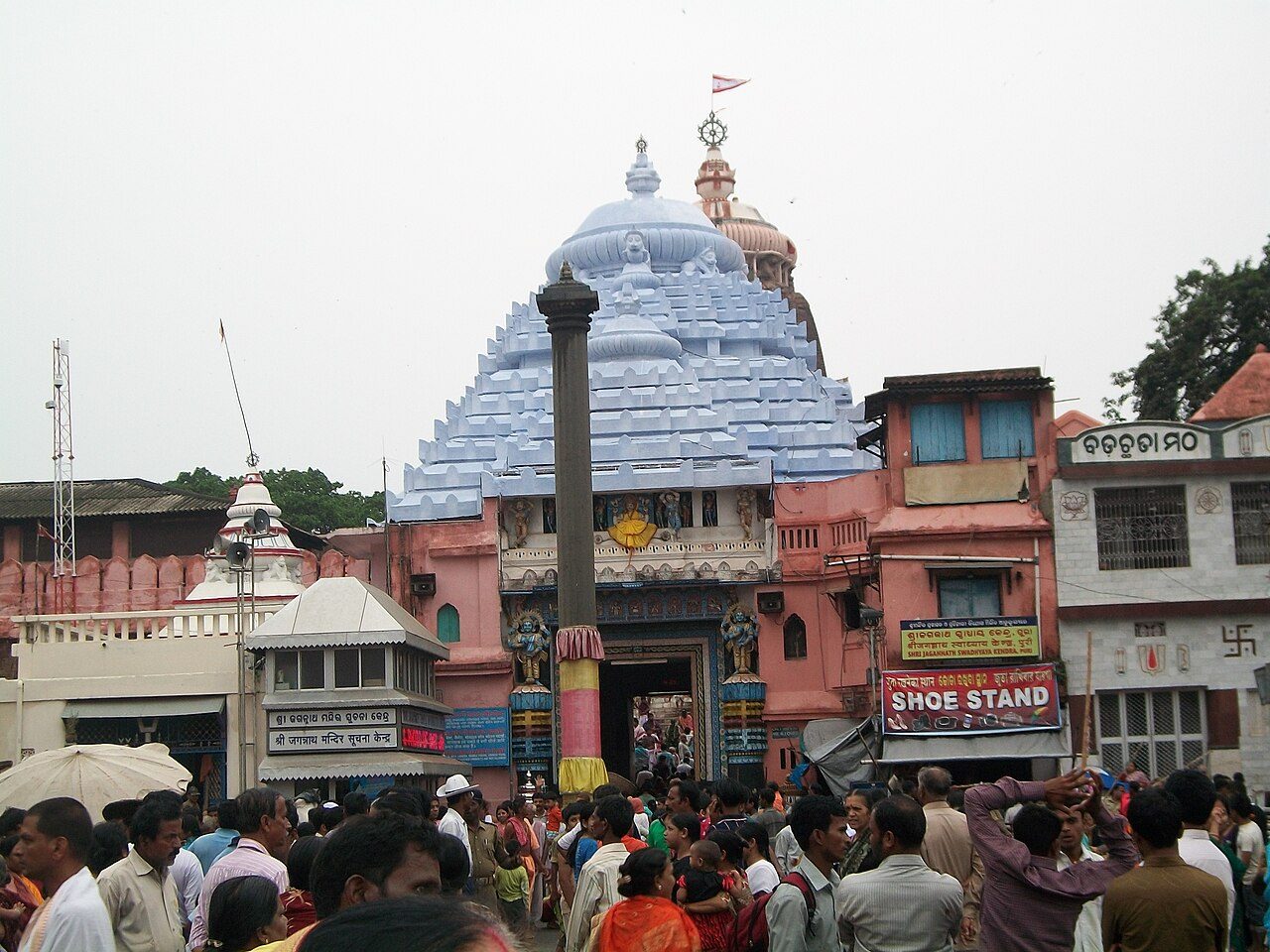
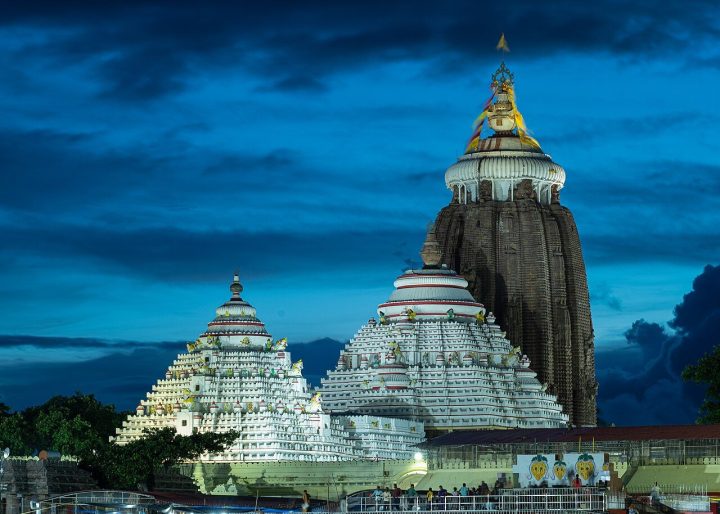
The Jagannath Temple at Puri is one of the Char Dham, the four great pilgrimage sites of India. Built in the 12th century by King Anantavarman Chodaganga, its tower rises about 65 metres over a vast walled compound. The wooden images of Jagannath, Balabhadra and Subhadra are taken out each summer in the Rath Yatra on giant chariots. Only Hindus may enter; others can view the temple from the roof of the library opposite.
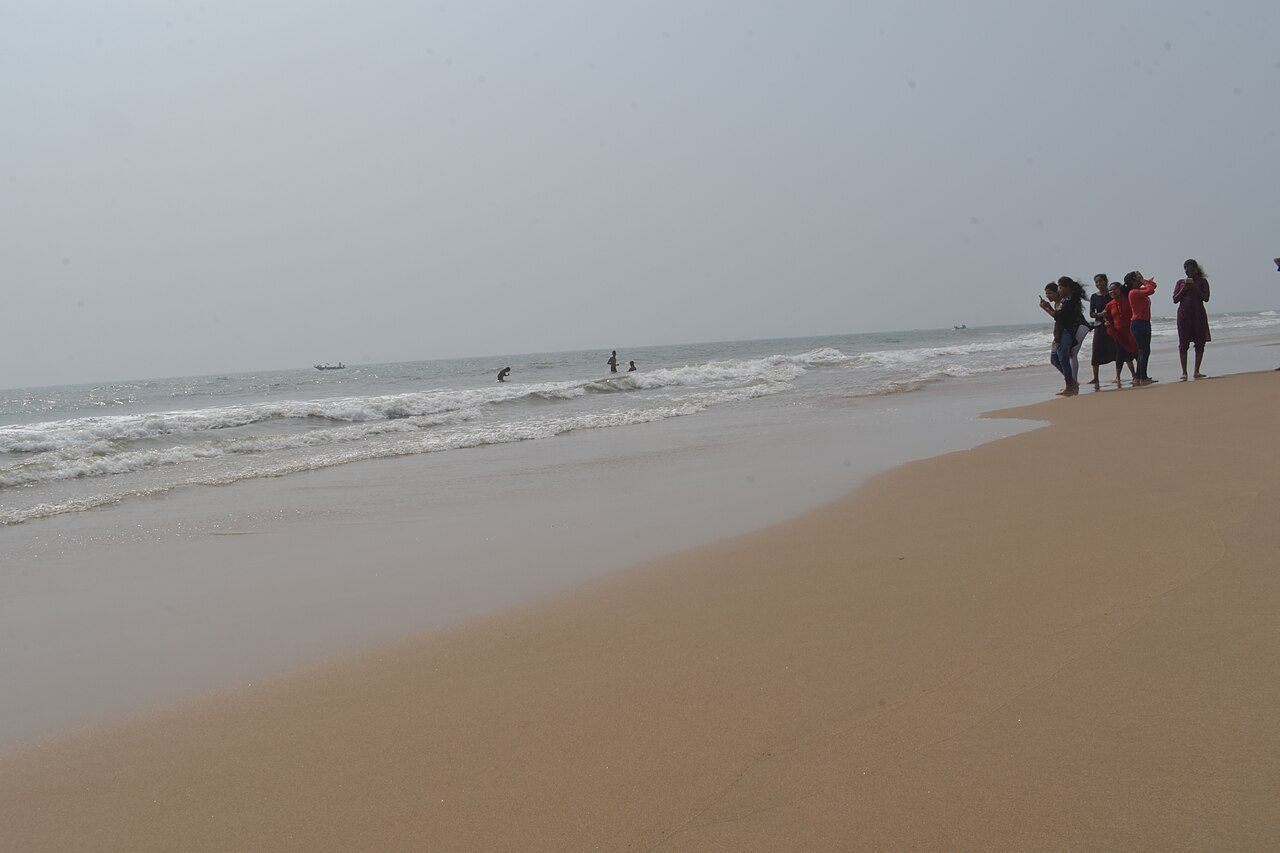
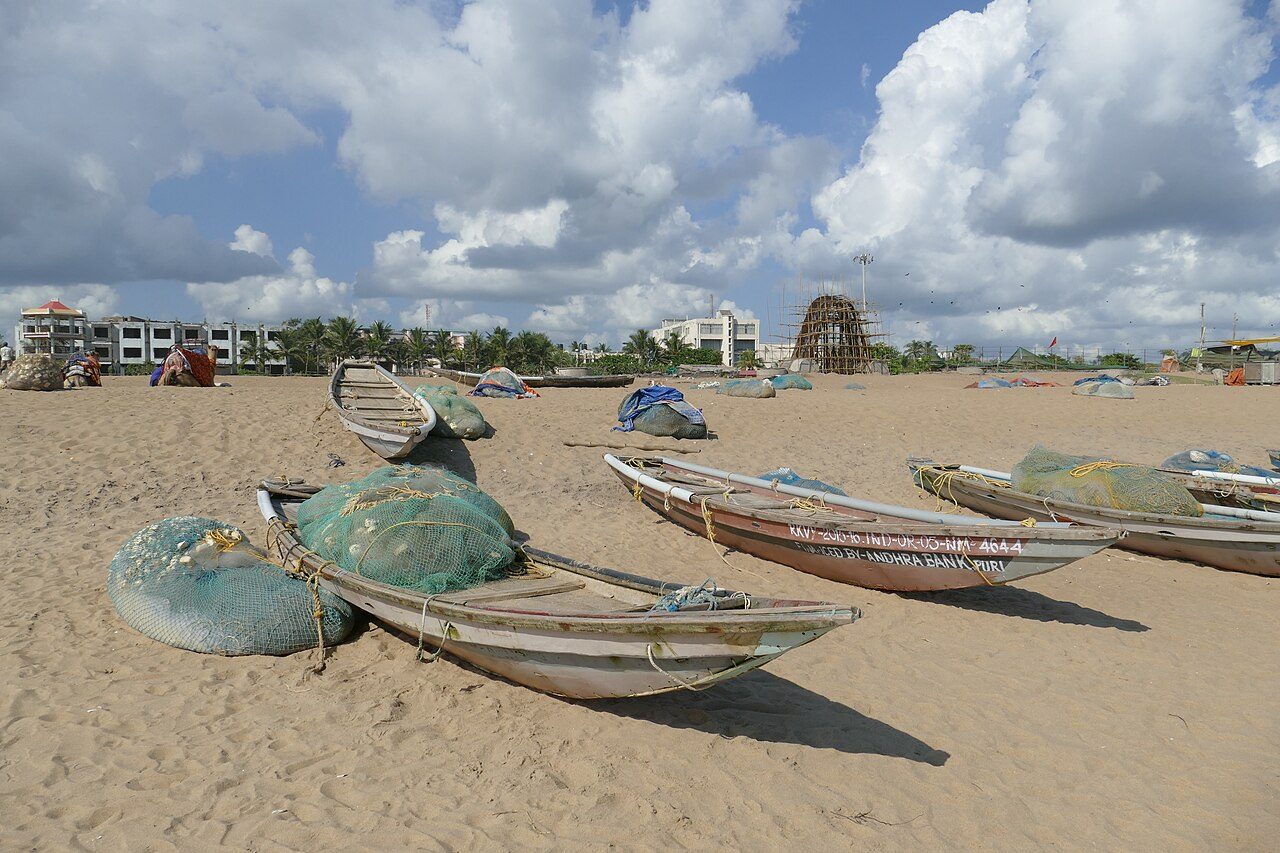
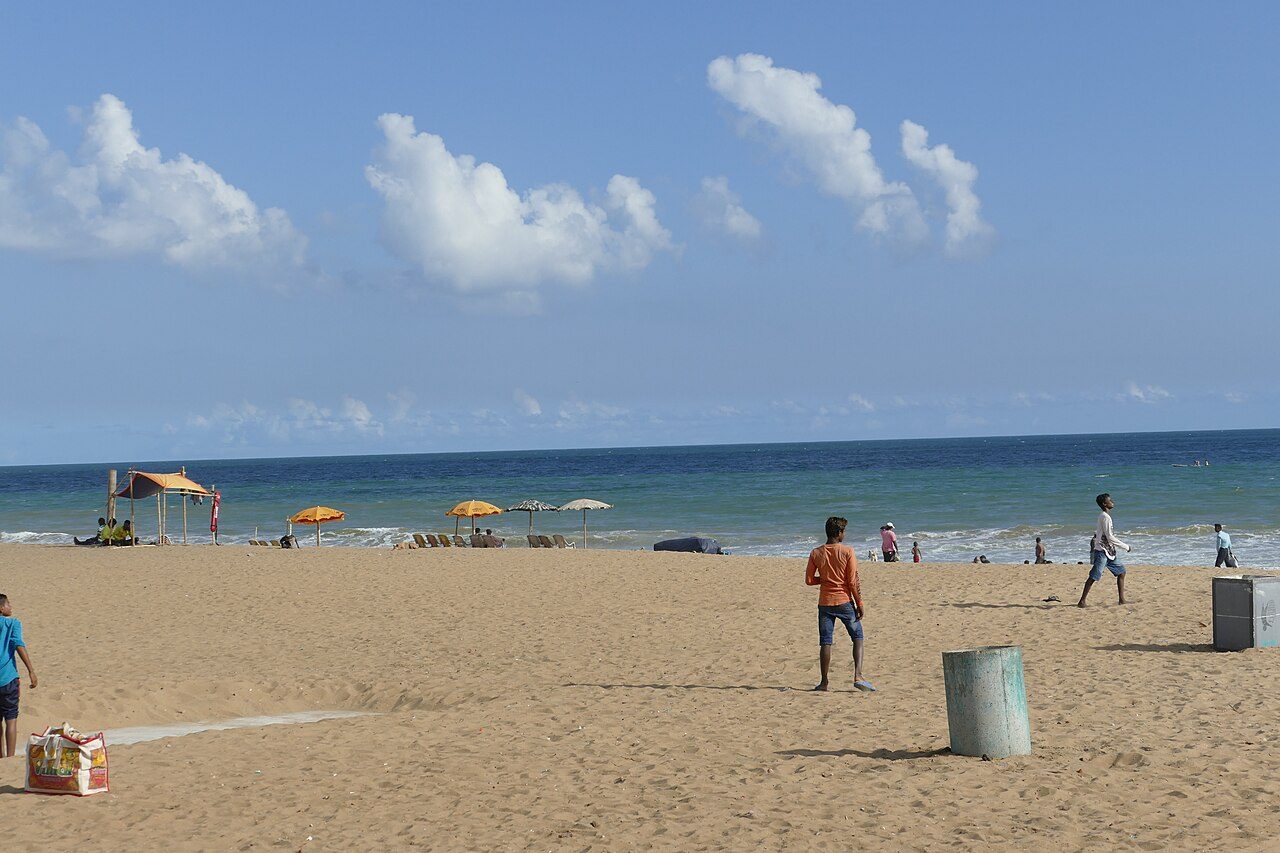
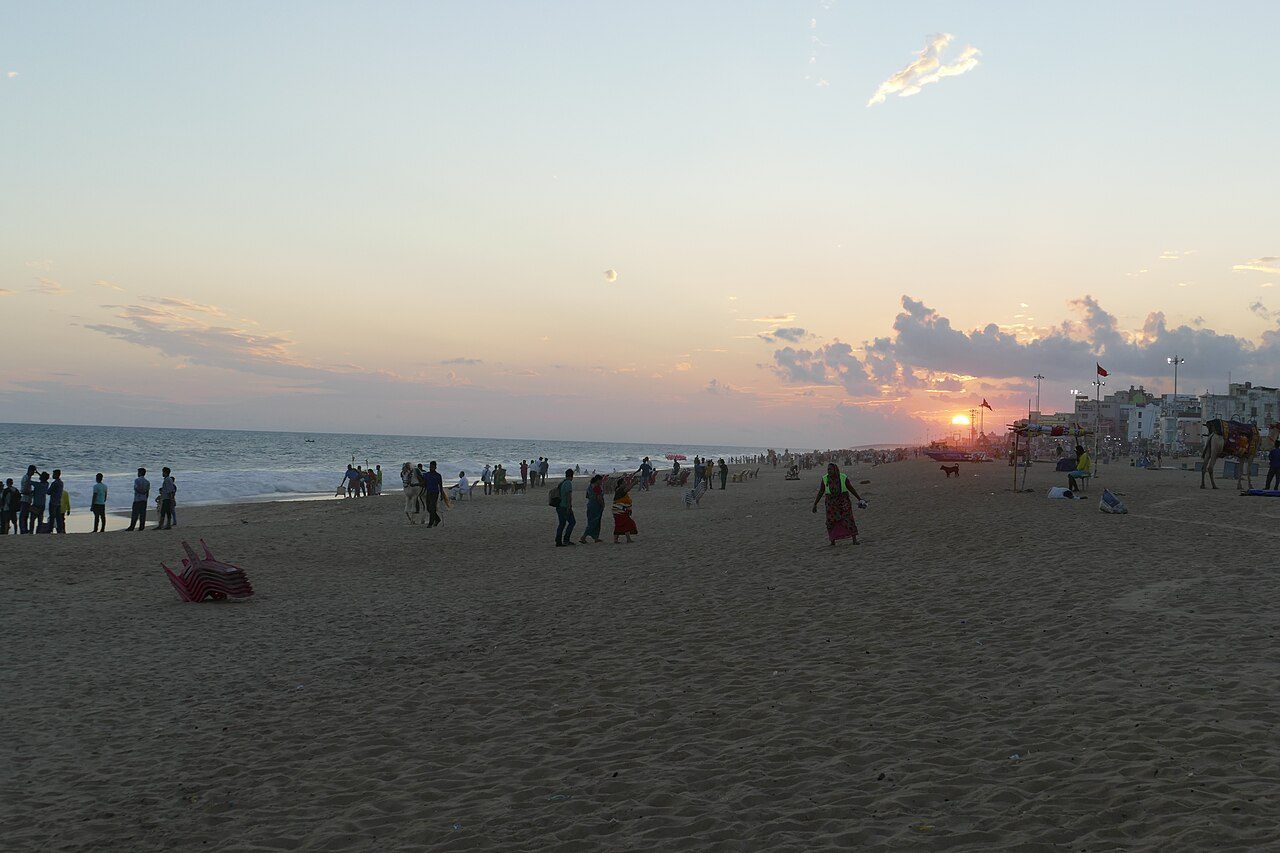
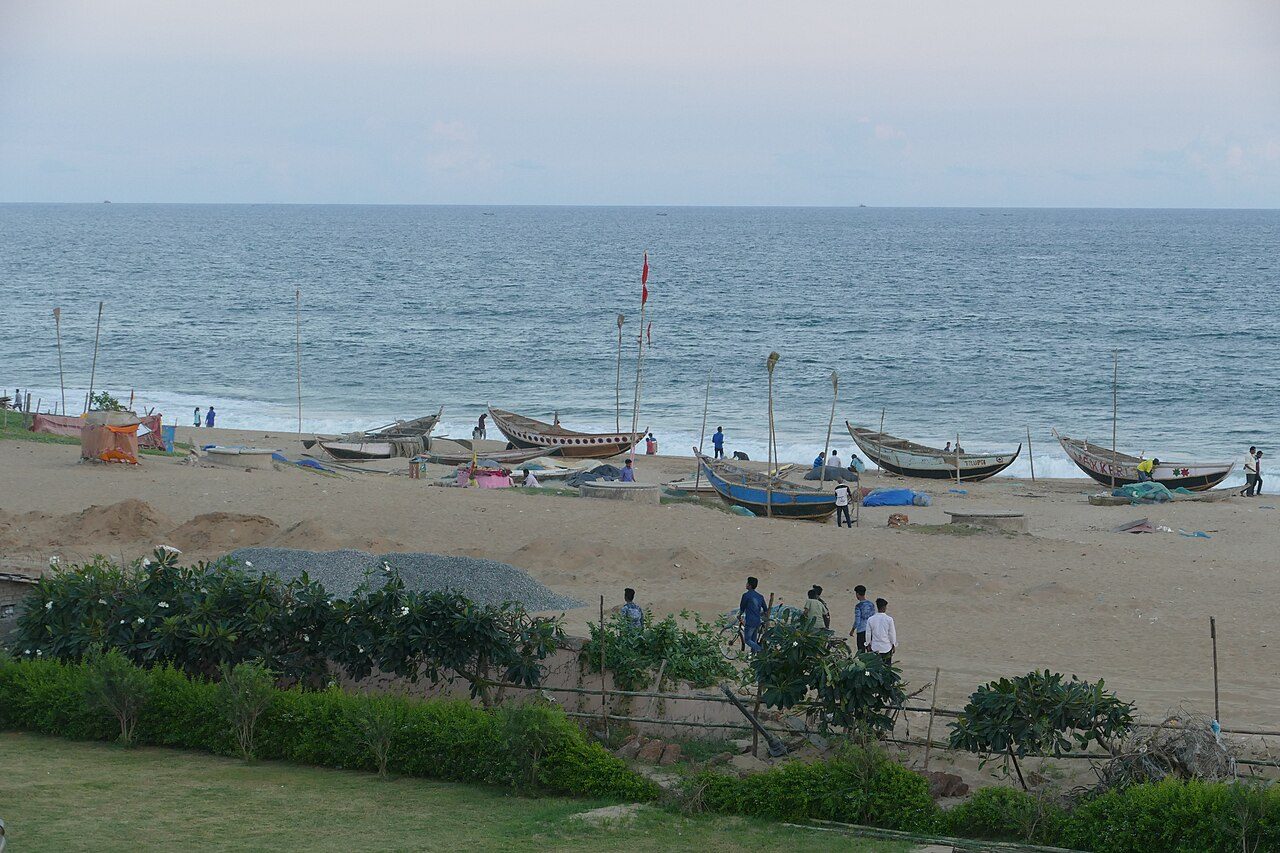
Puri Beach stretches along the Bay of Bengal in front of the temple town. Pilgrims take a ritual dip at Swargadwar, while the wide sands further along draw holidaymakers for camel rides, sand art and seafood. The currents are strong, so swimming needs care and local lifeguards. Sunrise is the best time, and the Puri Beach Festival is held in November.
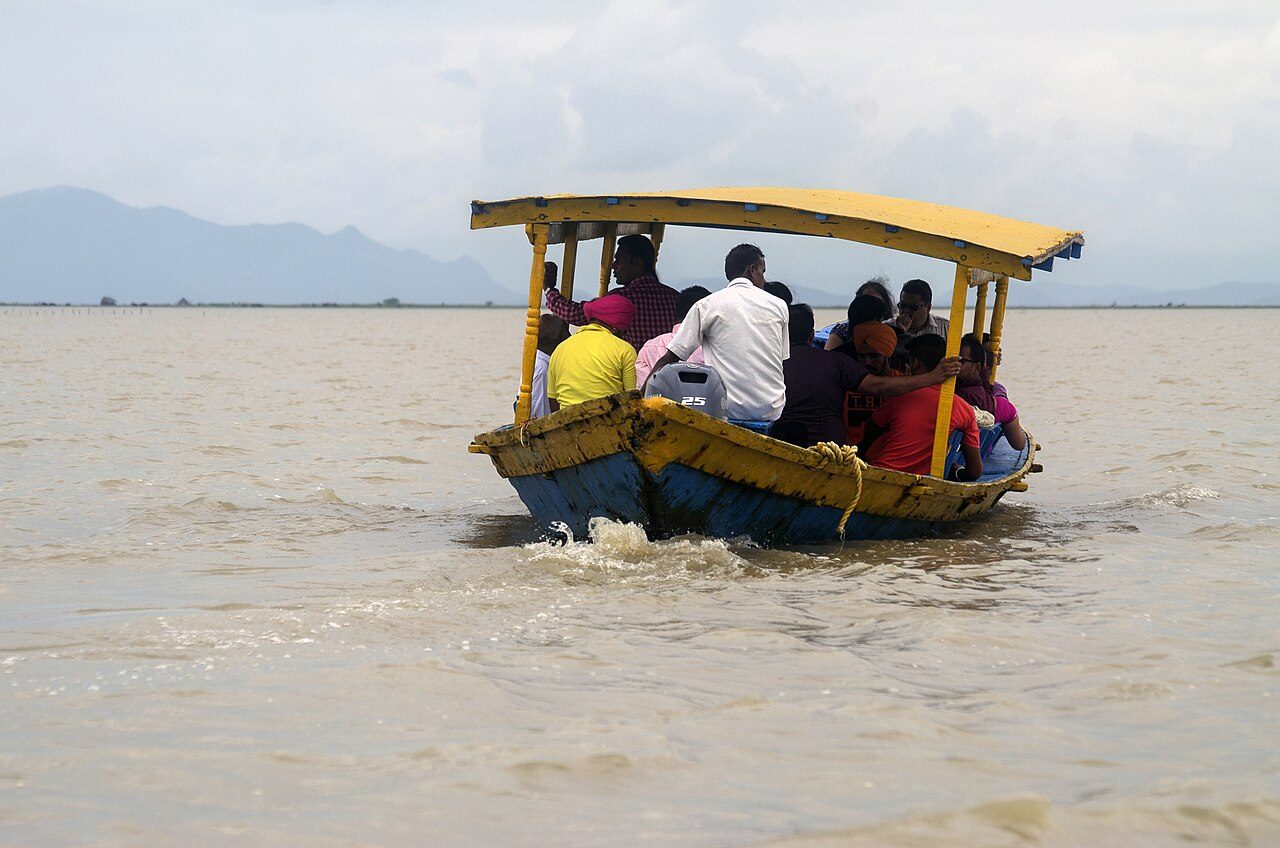
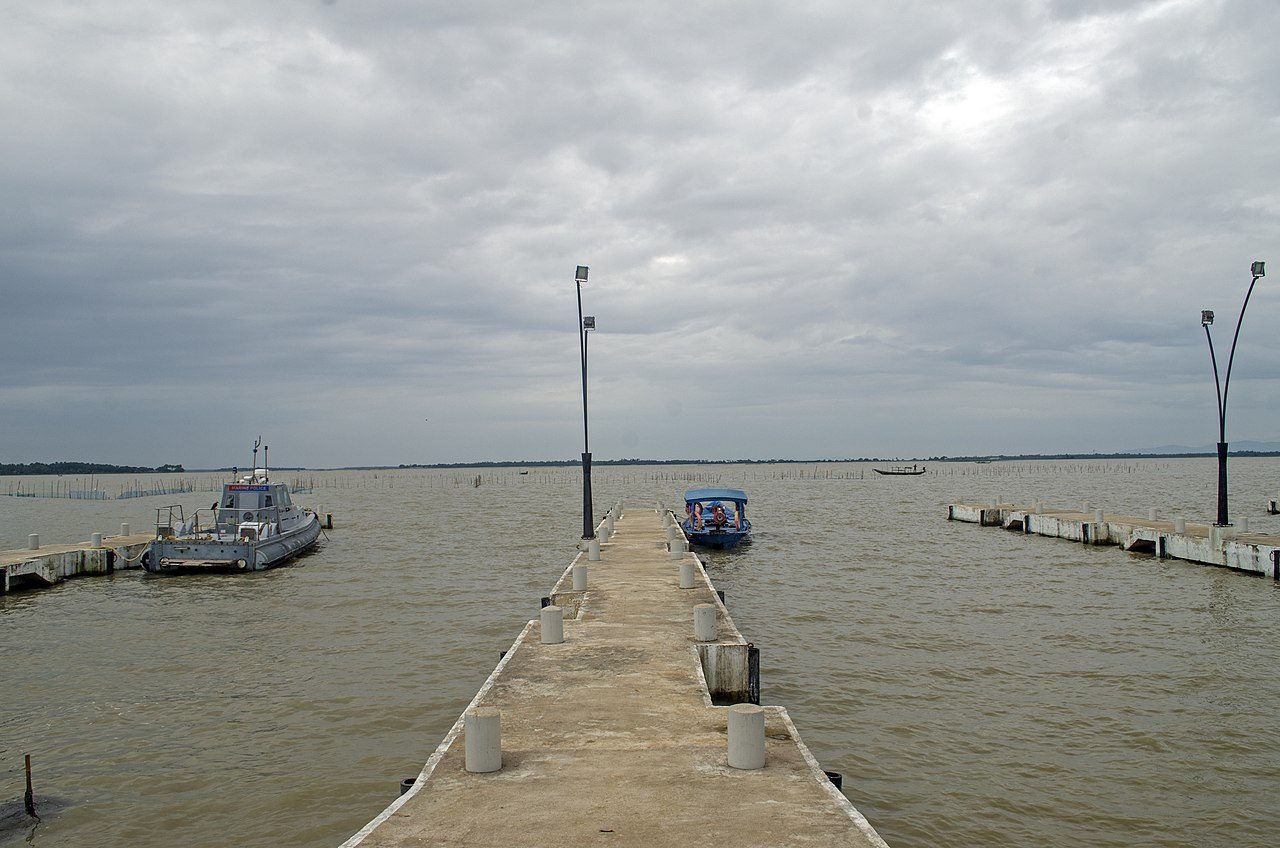
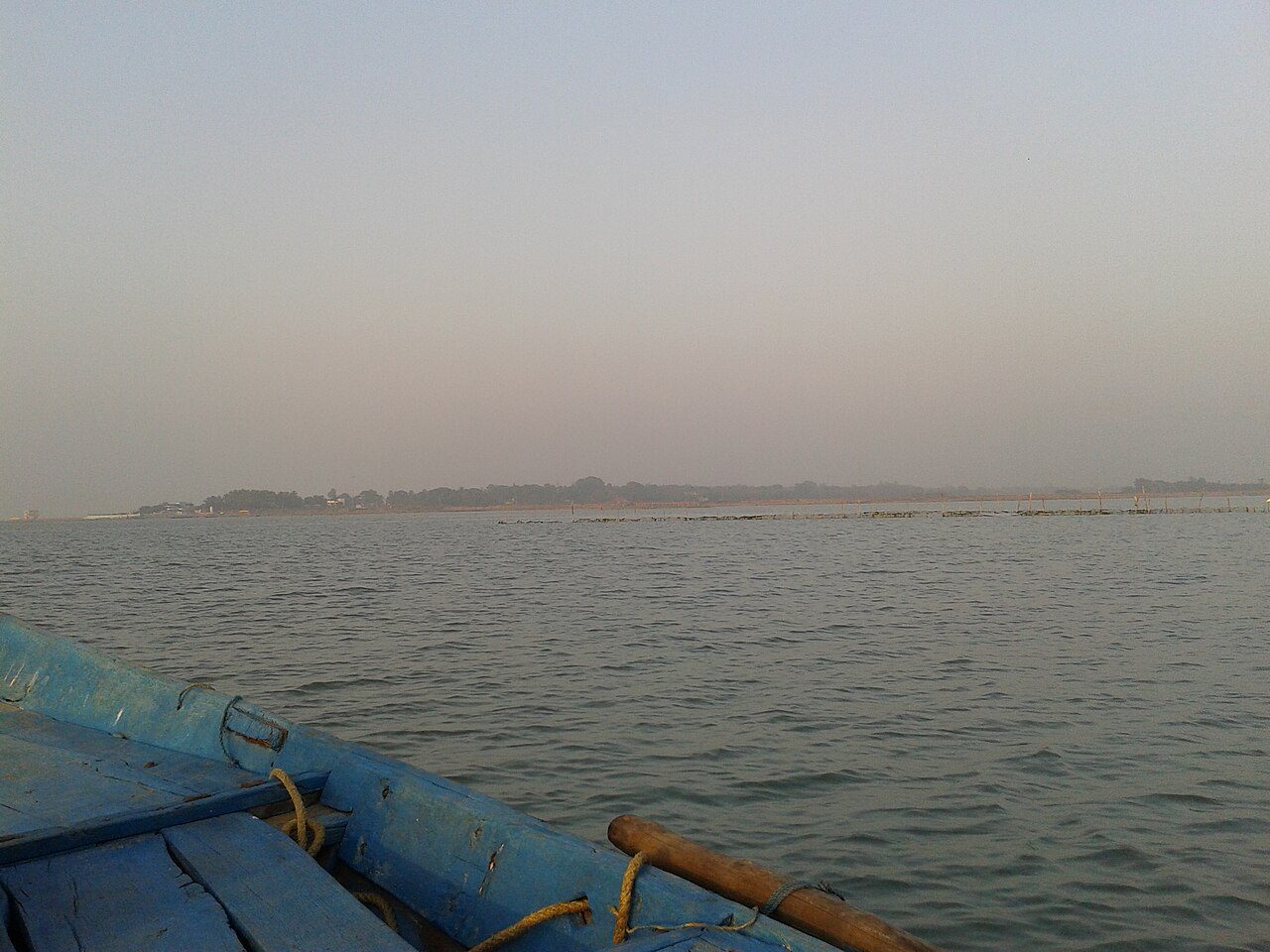
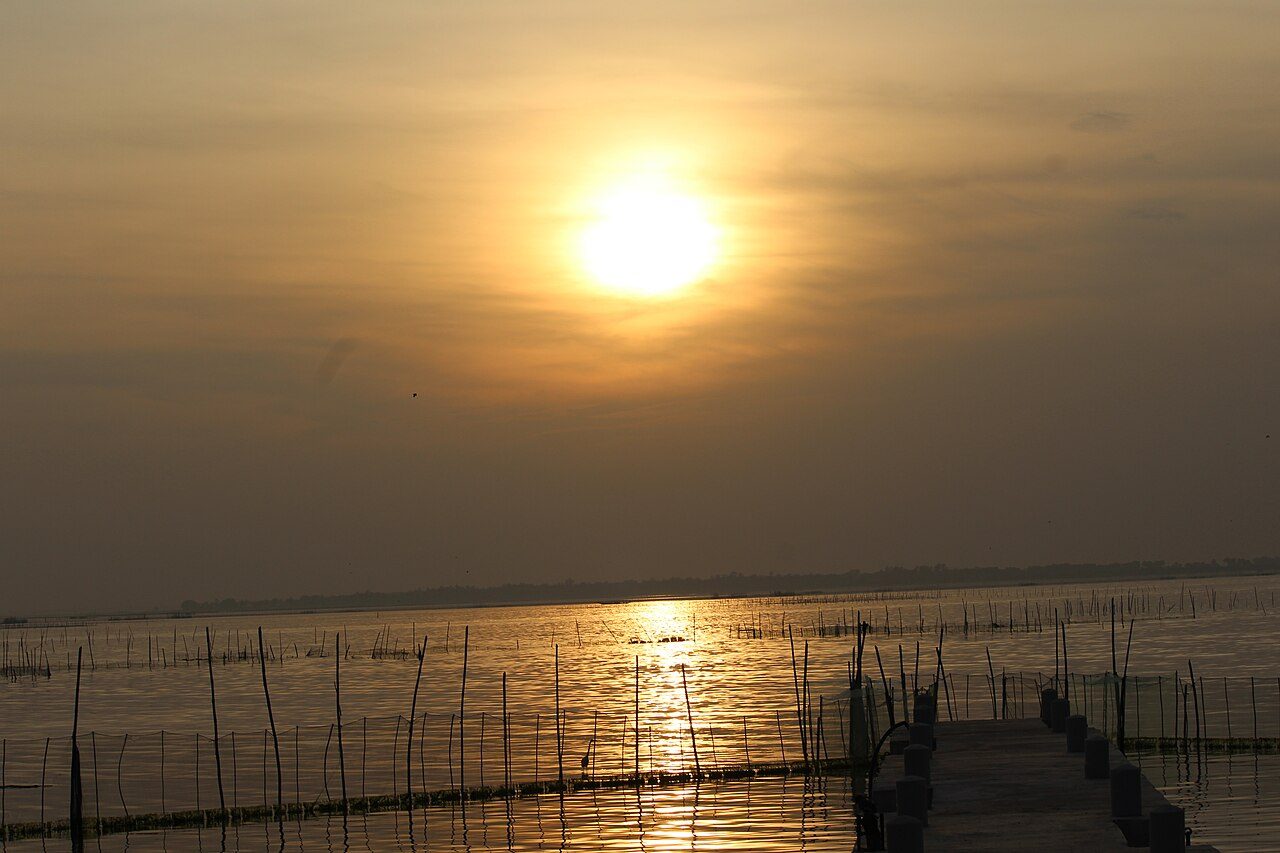
Chilika is the largest brackish-water lagoon in Asia, a Ramsar wetland spread over three districts. Satapada, at its southern mouth about 50 km from Puri, is the place to take a boat to see the rare Irrawaddy dolphins and to visit the sandbar where the lake meets the sea. Winter brings huge numbers of migratory birds. Mornings are best for dolphins.
Best weather: Nov – MarHeavy rain: Jul – Sep
Seasons from 20 years of NASA POWER climate data.
Was this trip blog helpful?
0
0
Ready to follow this route?
Copy all 17 stops into your trip plans in the app.
 WaTrips