Christchurch, Kaikōura's whales, Abel Tasman, Pancake Rocks, the glaciers, Wanaka, Queenstown, Milford and Doubtful Sounds, Mount Cook, Tekapo, the Moeraki Boulders and Dunedin.
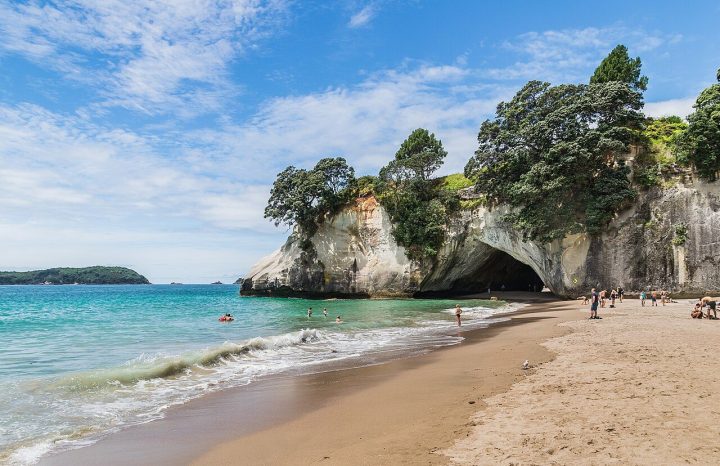
The South Island is one of the world's great road trips. From Christchurch, go whale watching at Kaikōura and kayak in Abel Tasman National Park. Drive the wild West Coast past the Pancake Rocks to the Franz Josef and Fox glaciers, then over Haast Pass to Wanaka and Queenstown. Cruise Milford and Doubtful Sounds, see Aoraki / Mount Cook and the turquoise lakes of Pukaki and Tekapo, and finish with the Moeraki Boulders and Dunedin's Scottish heritage. December to March is best.
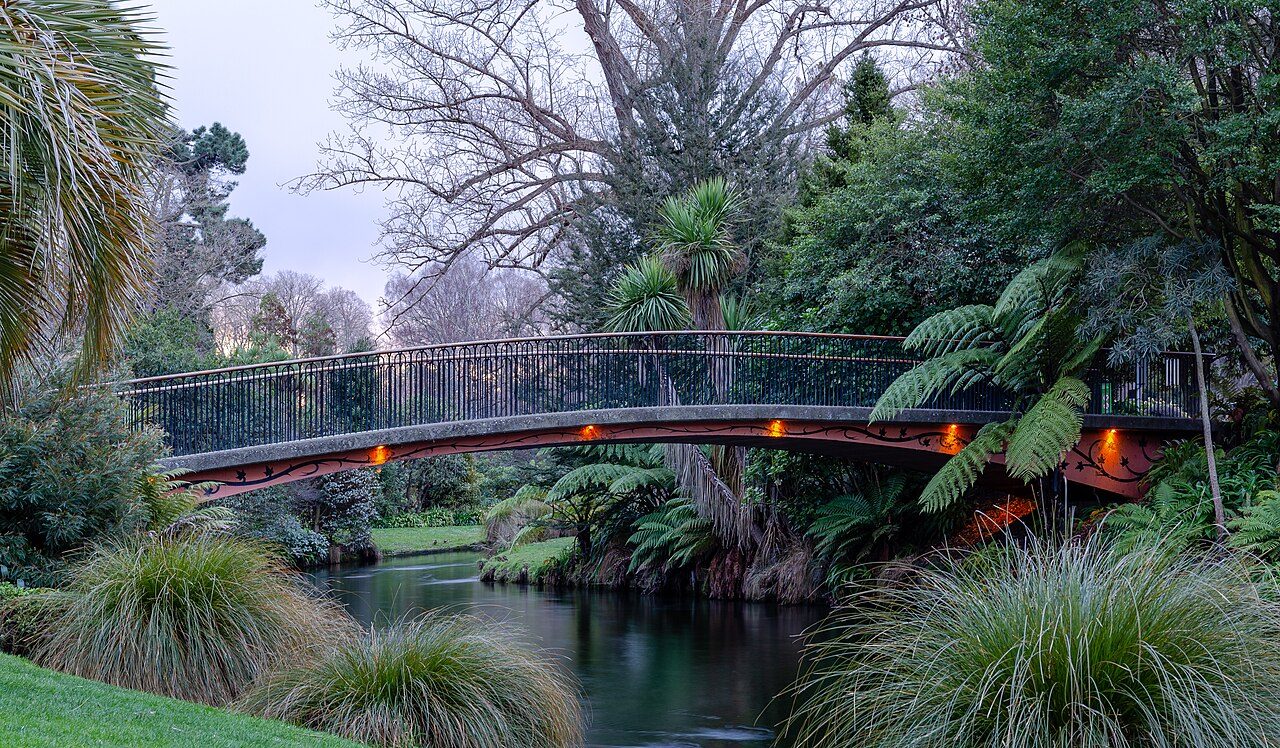
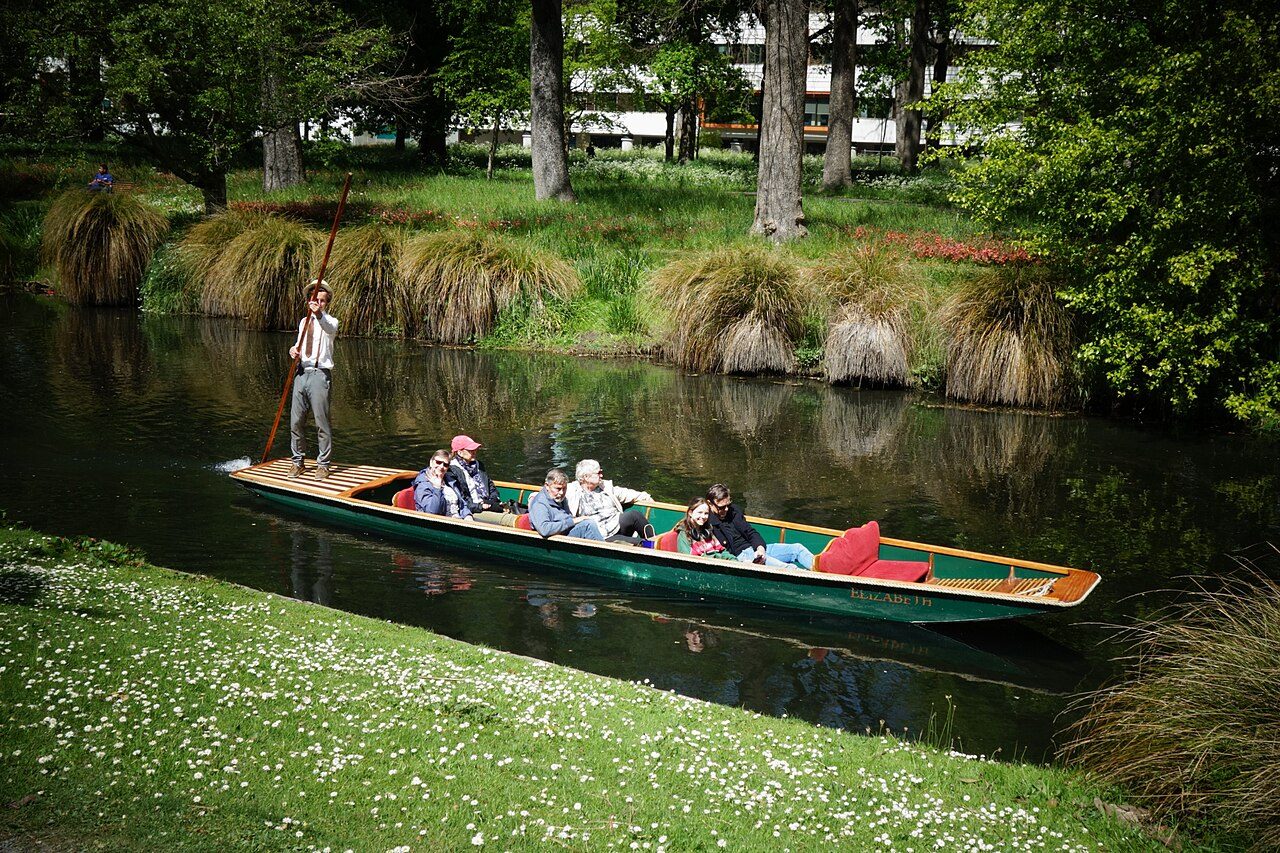
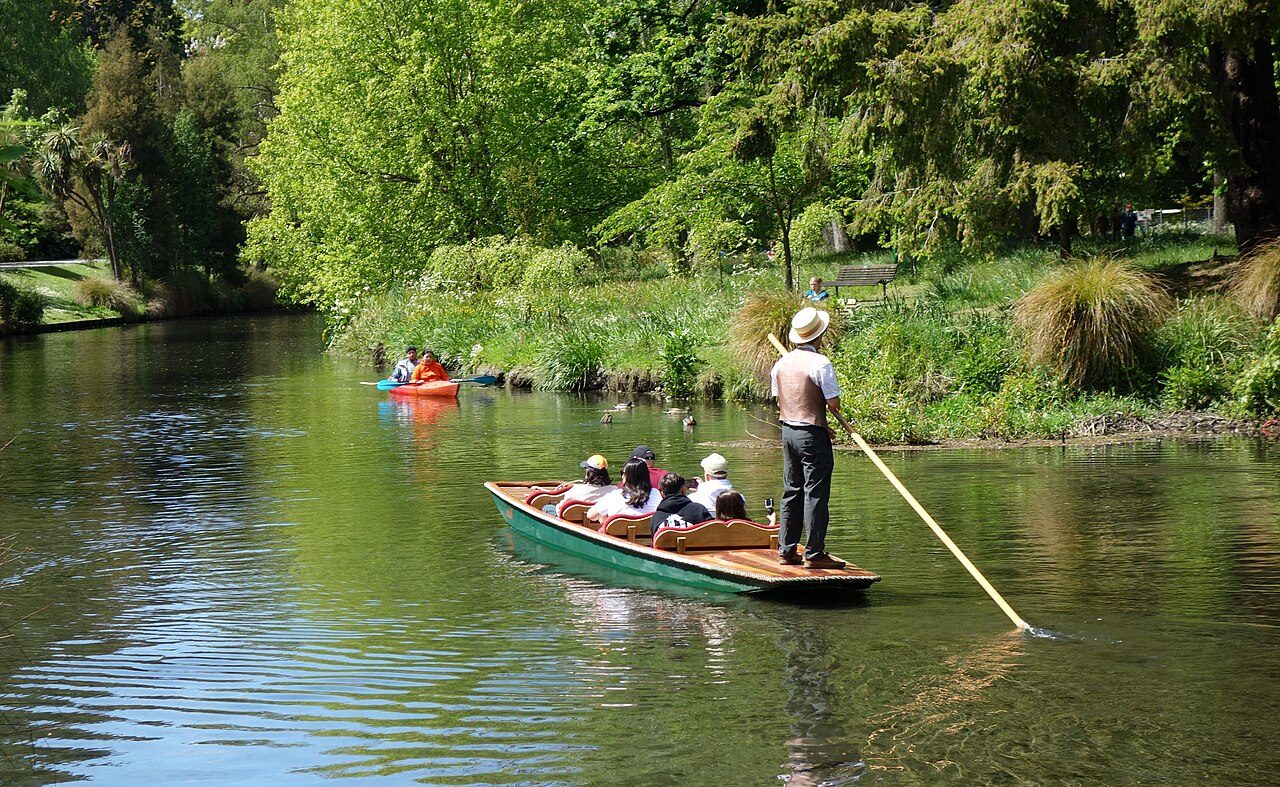
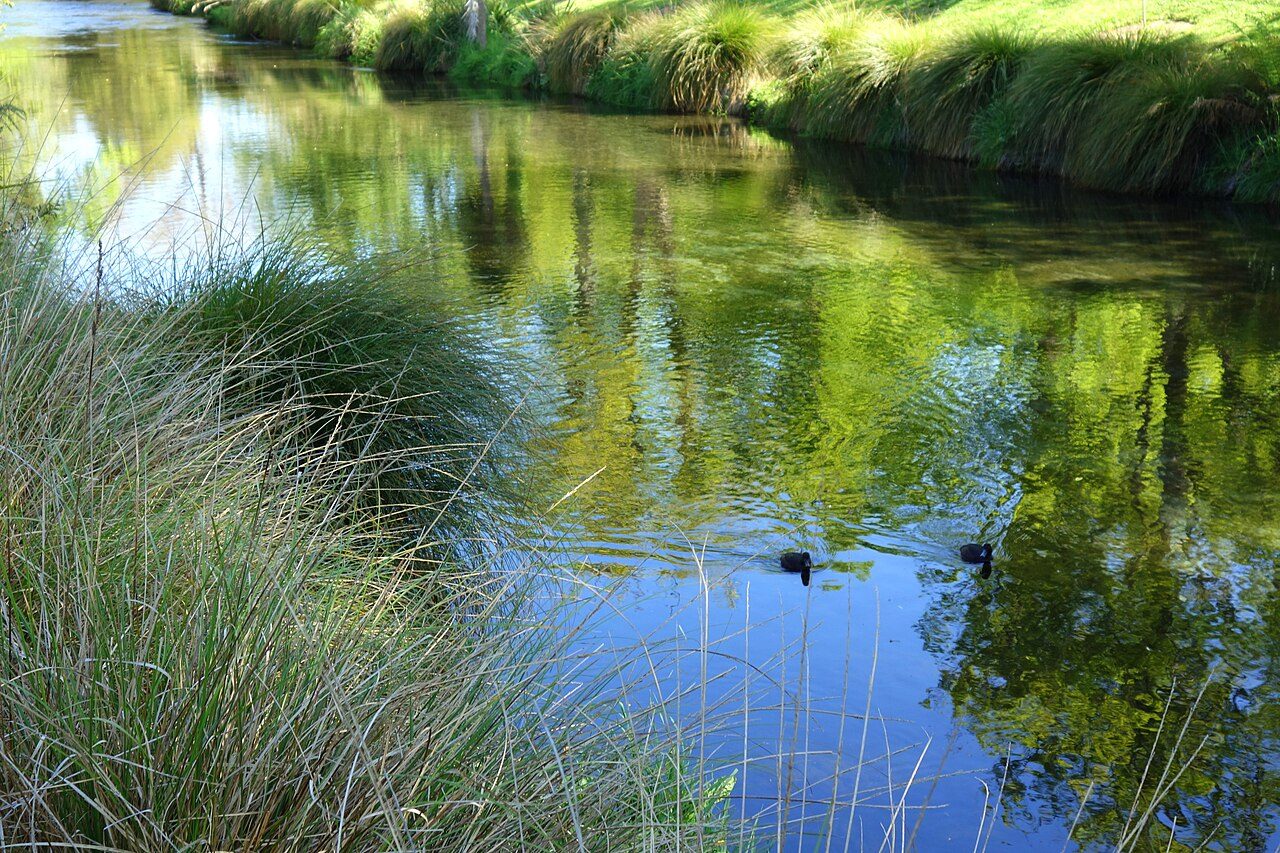
Christchurch Botanic Gardens were founded in 1863 and cover 21 hectares within Hagley Park, beside the winding Avon River. They feature heritage trees, a rose garden, native plant collections and conservatories. Punting on the Avon through the gardens is a popular way to enjoy the city often called the Garden City.
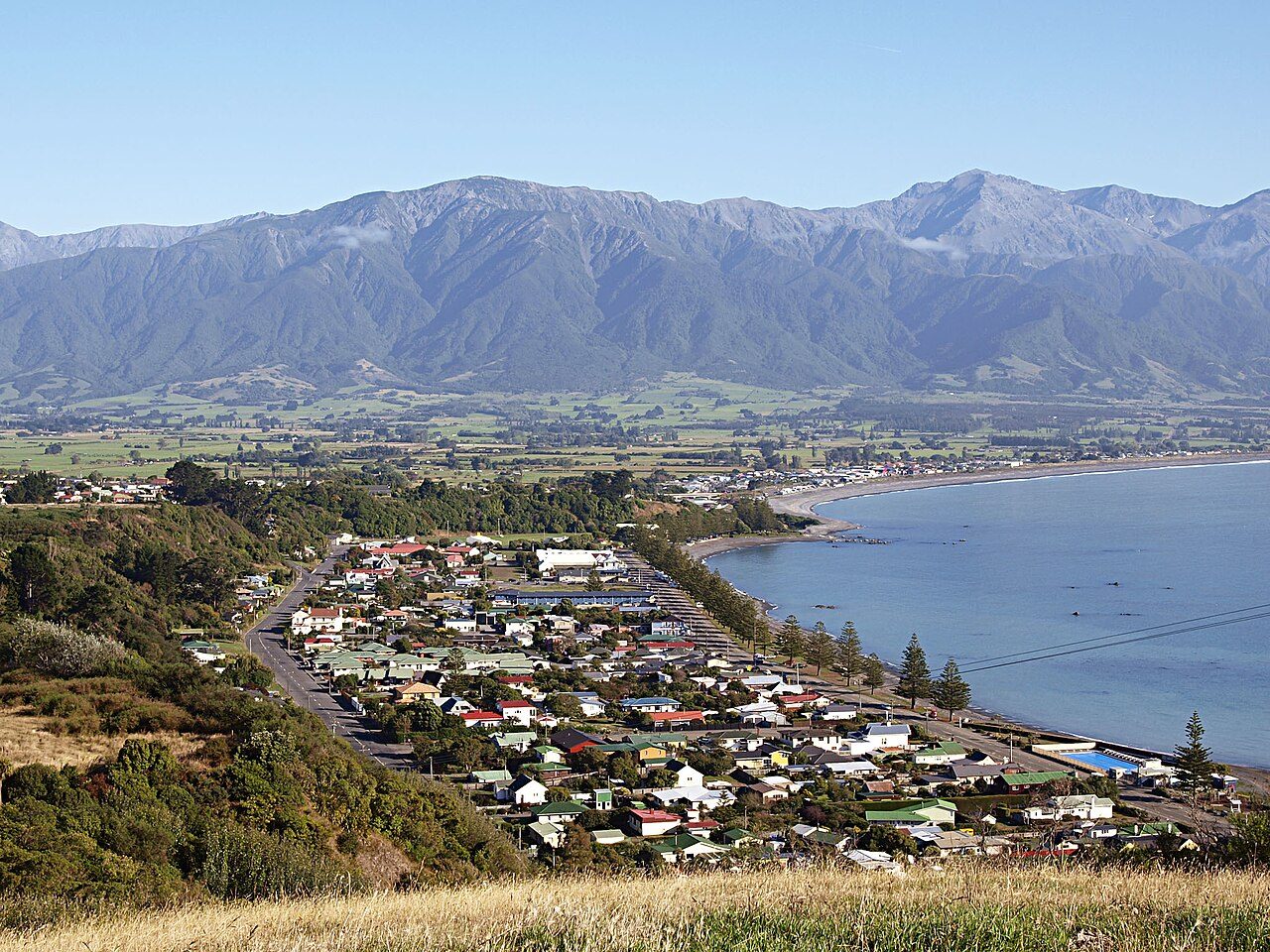
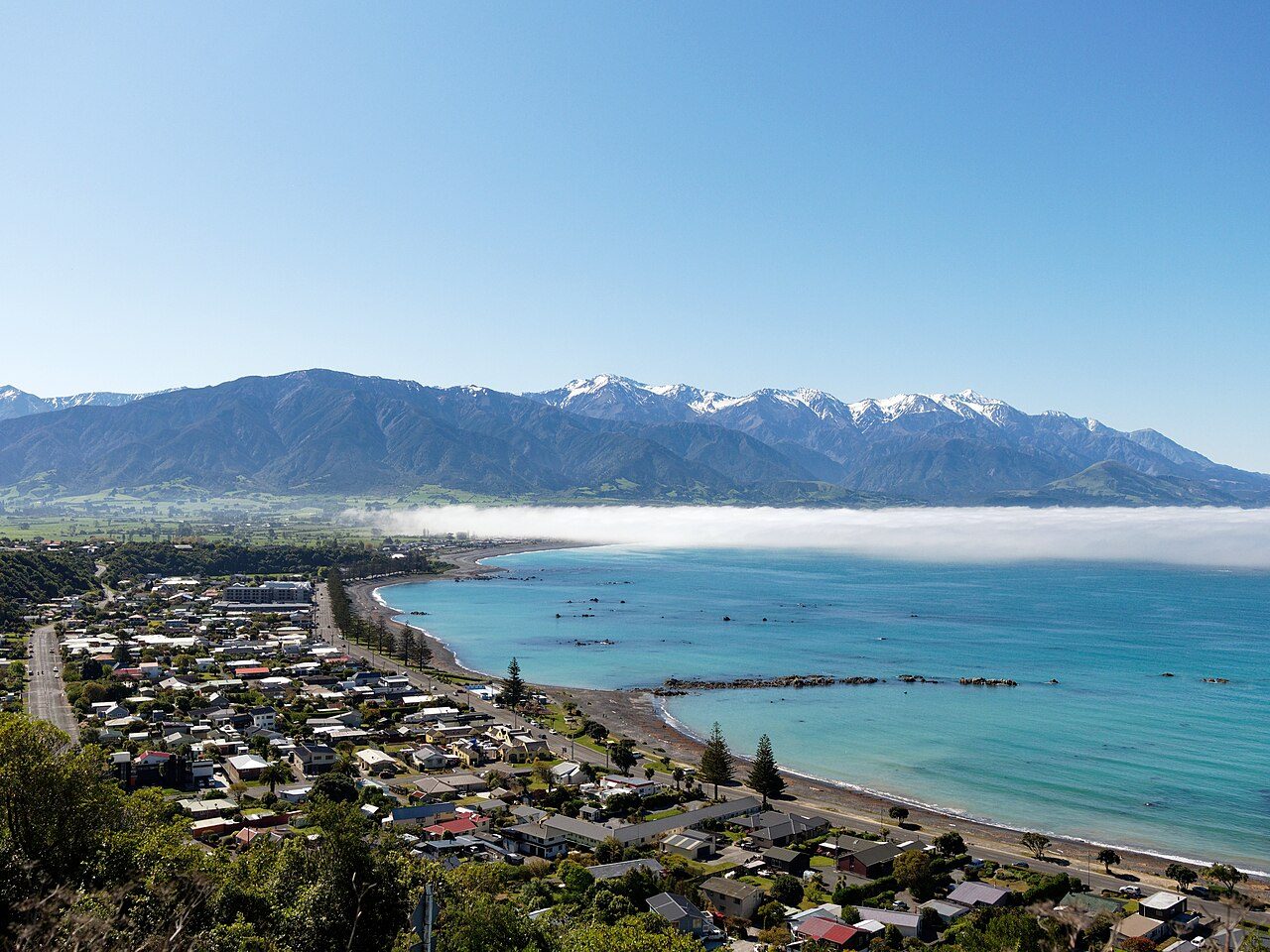
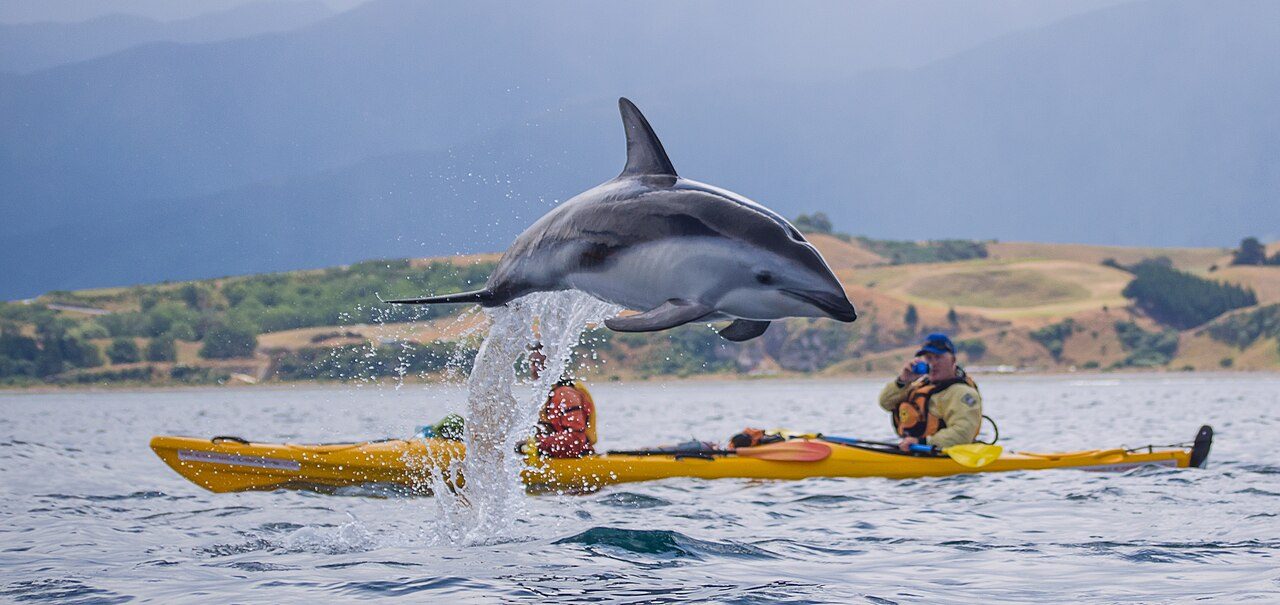
Kaikōura is a coastal town where the Seaward Kaikōura Range meets the Pacific Ocean. A deep underwater canyon close to shore brings rich marine life, making it one of the best places in the world for whale watching, especially sperm whales. Dolphins, fur seals and albatross are also common, and fresh crayfish is a local speciality.
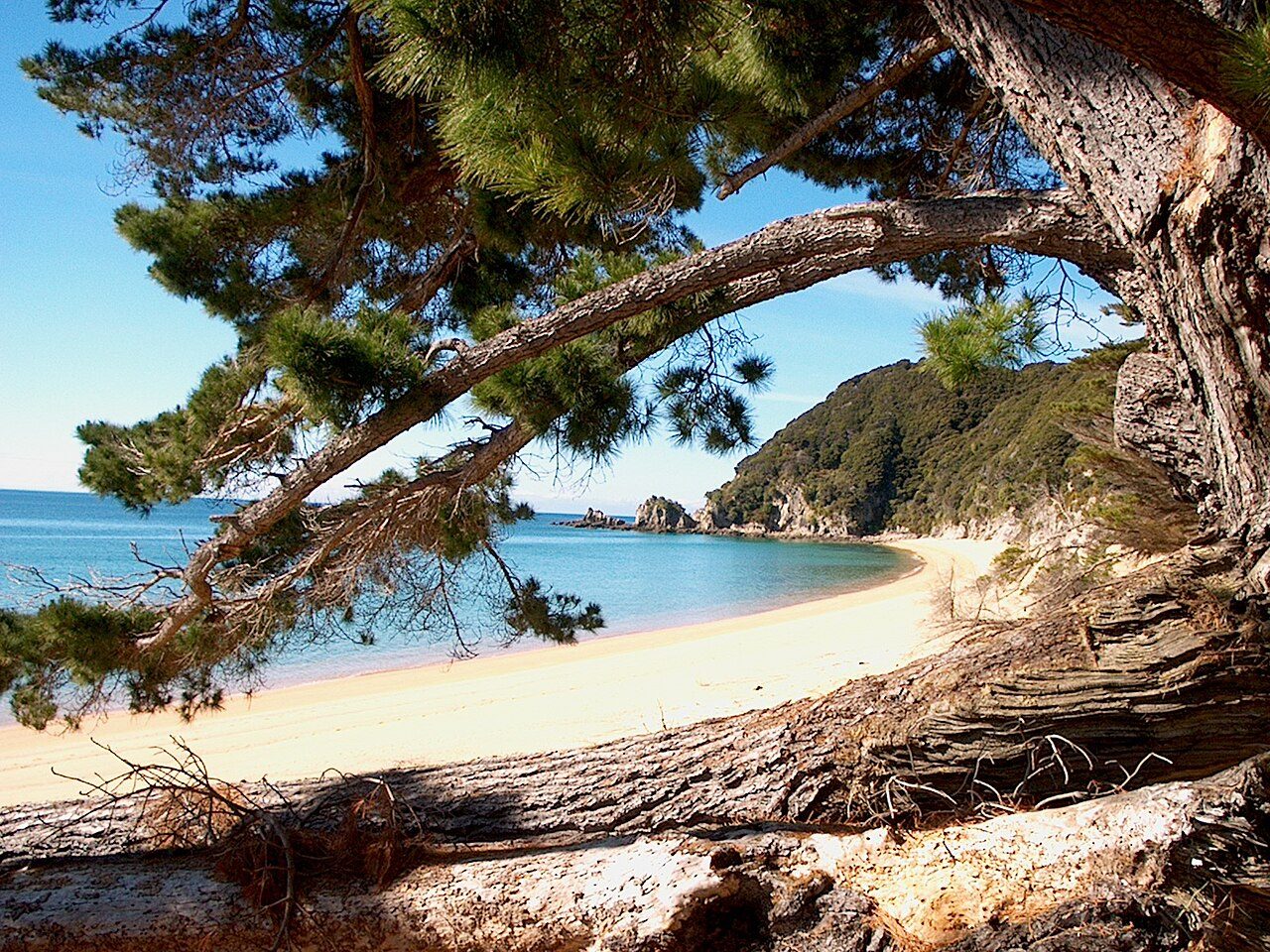
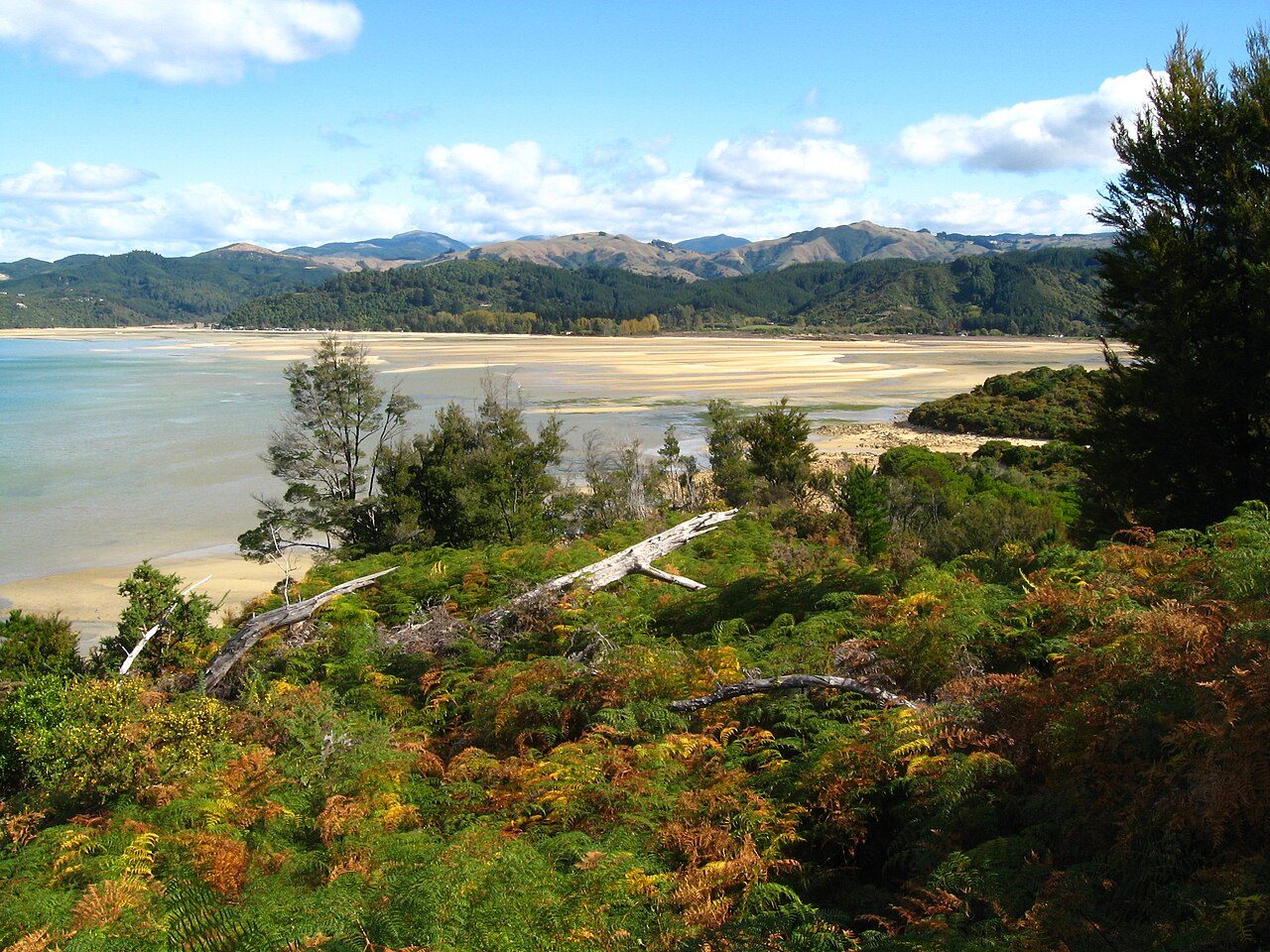
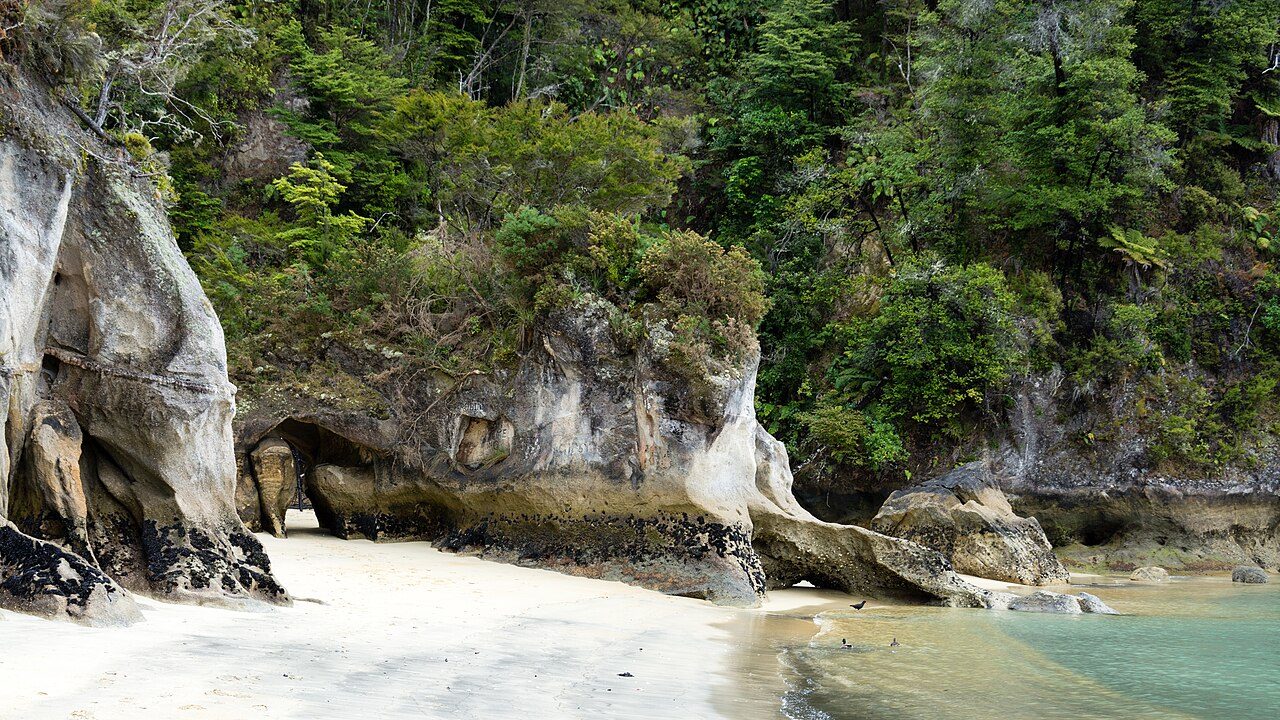
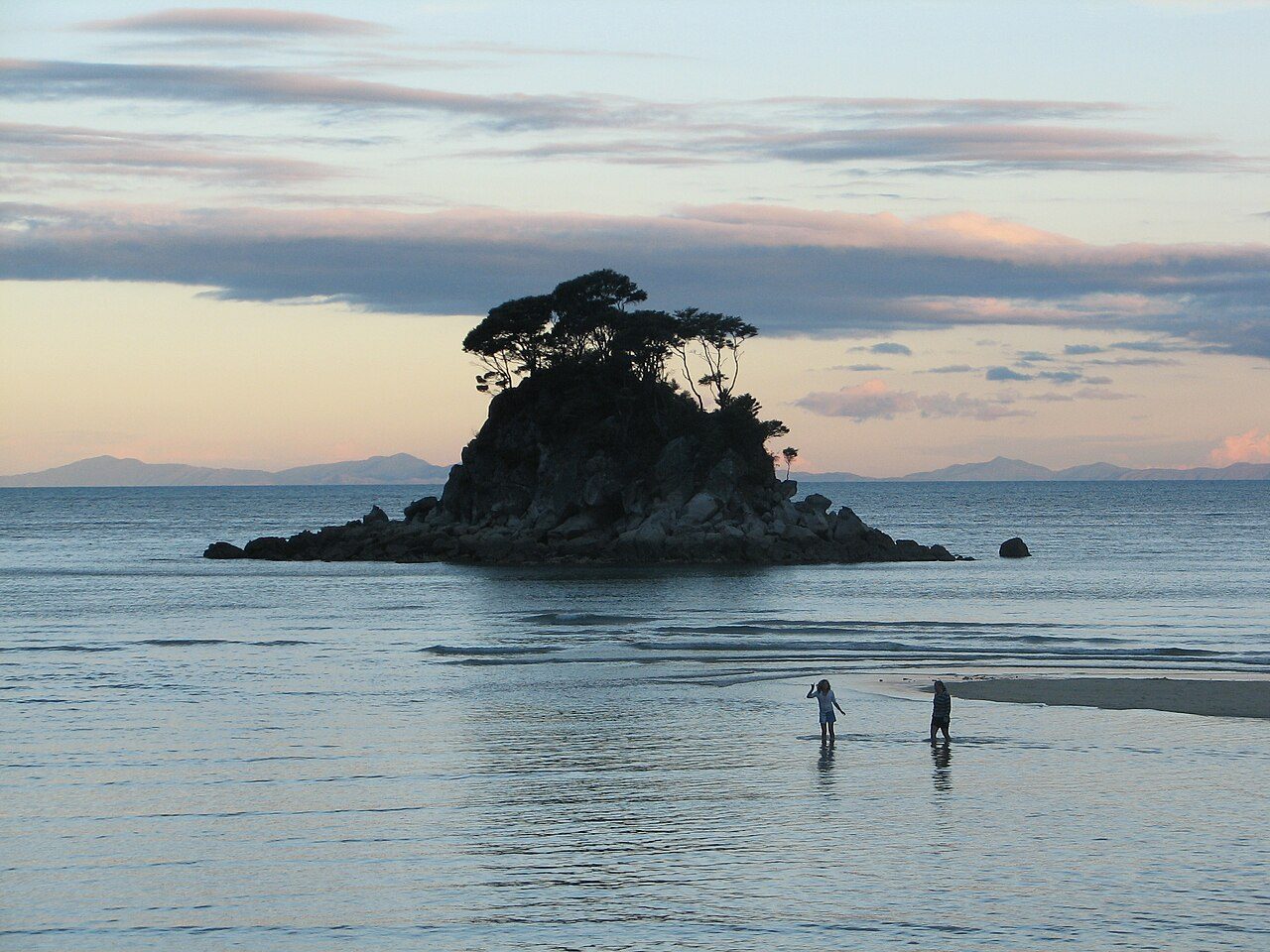
Abel Tasman National Park is New Zealand's smallest national park, known for golden beaches, clear turquoise water and coastal forest. The Abel Tasman Coast Track is one of the country's Great Walks. Visitors explore by kayak, water taxi or on foot, often spotting fur seals at Tonga Island Marine Reserve.
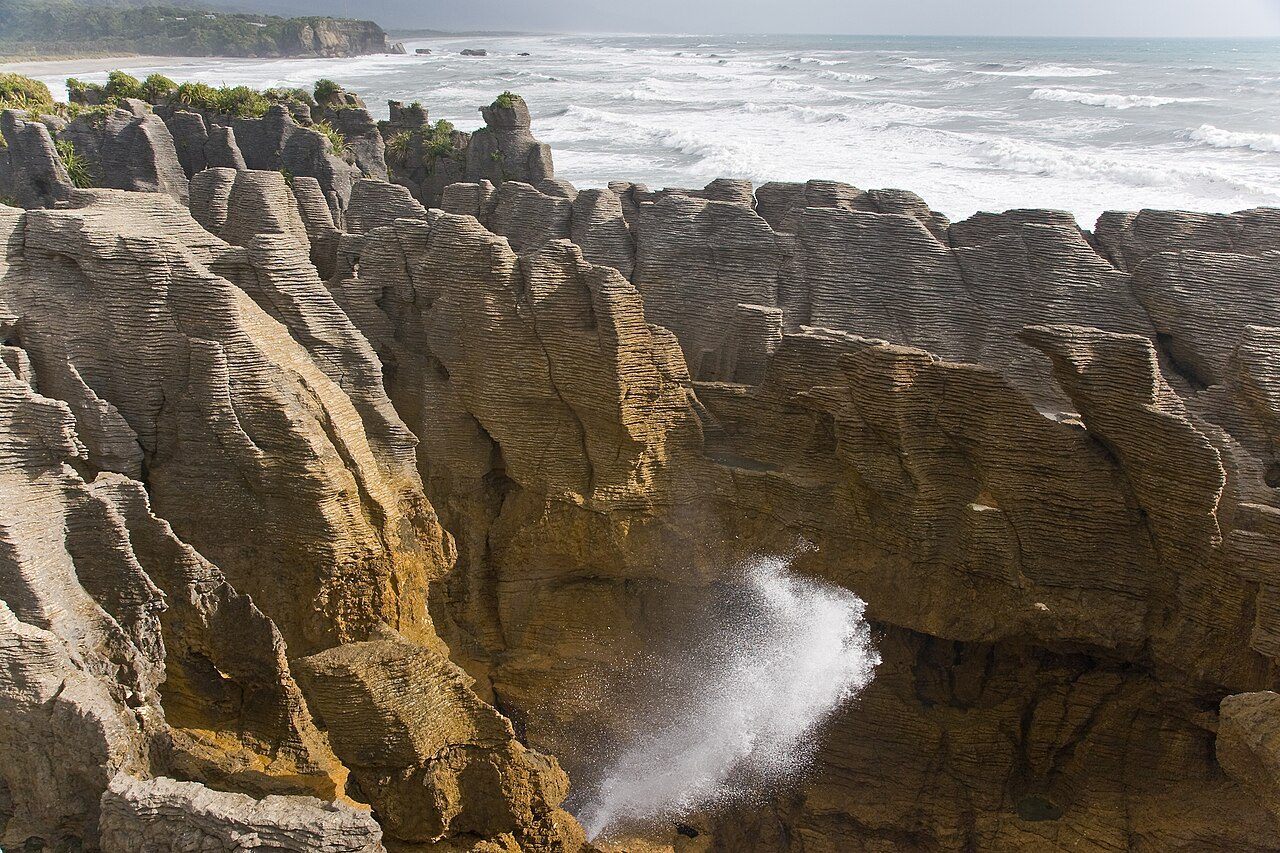
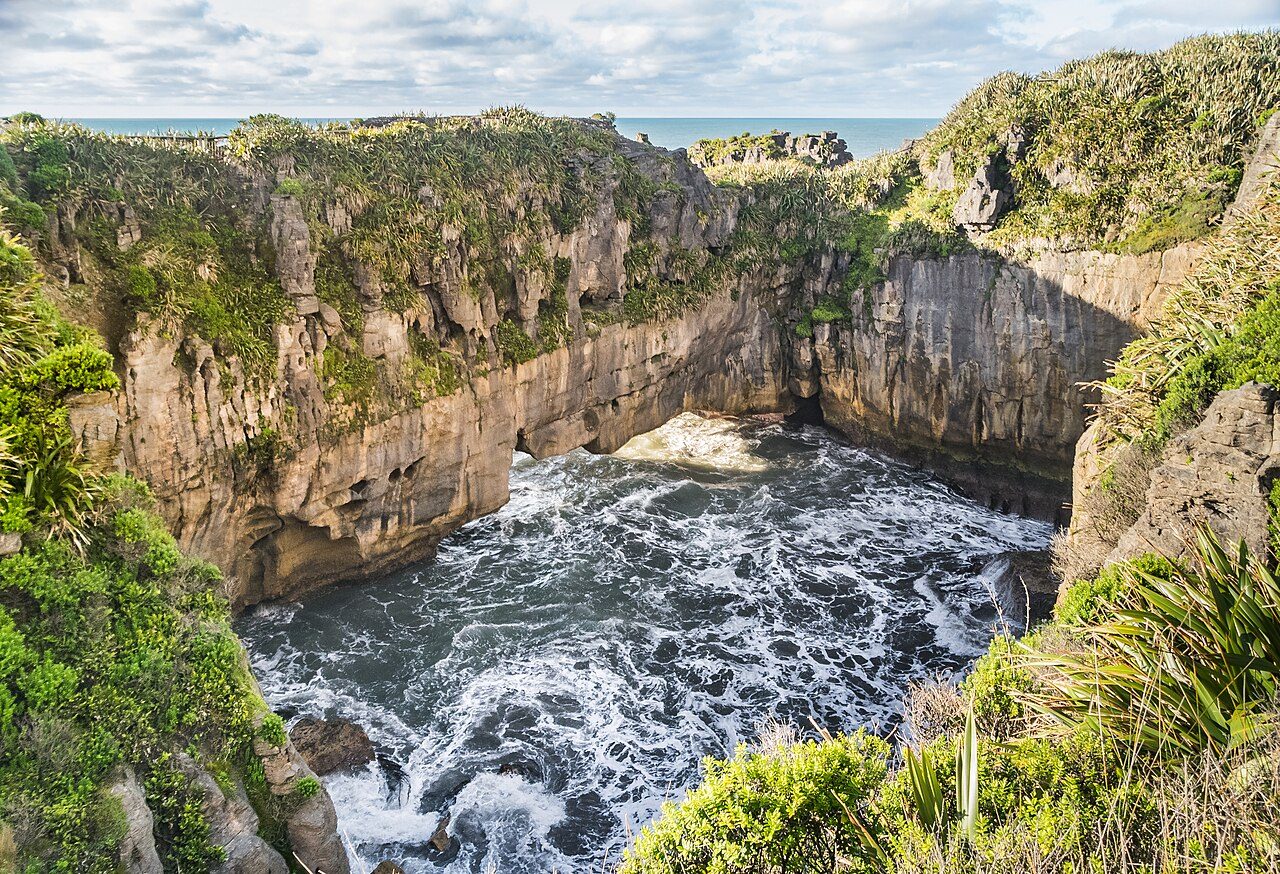
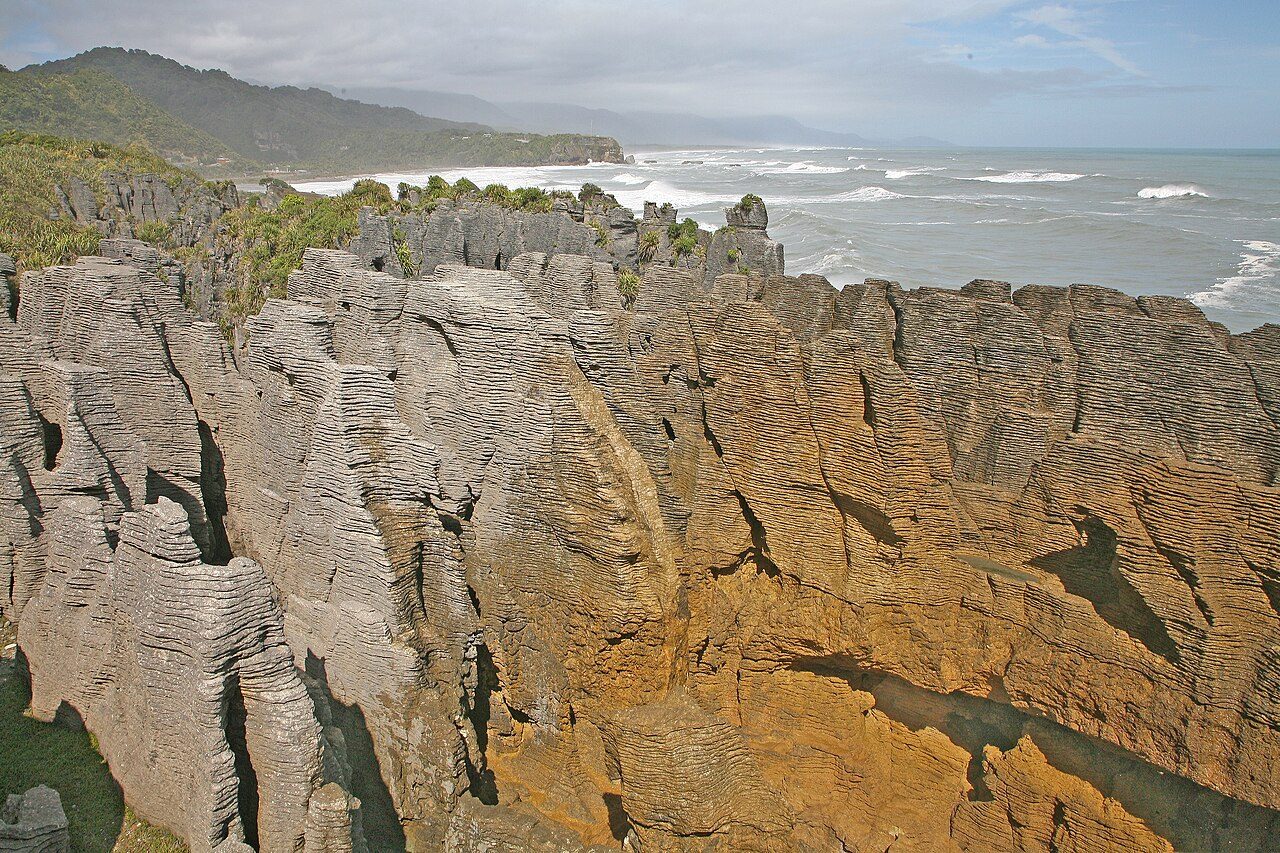
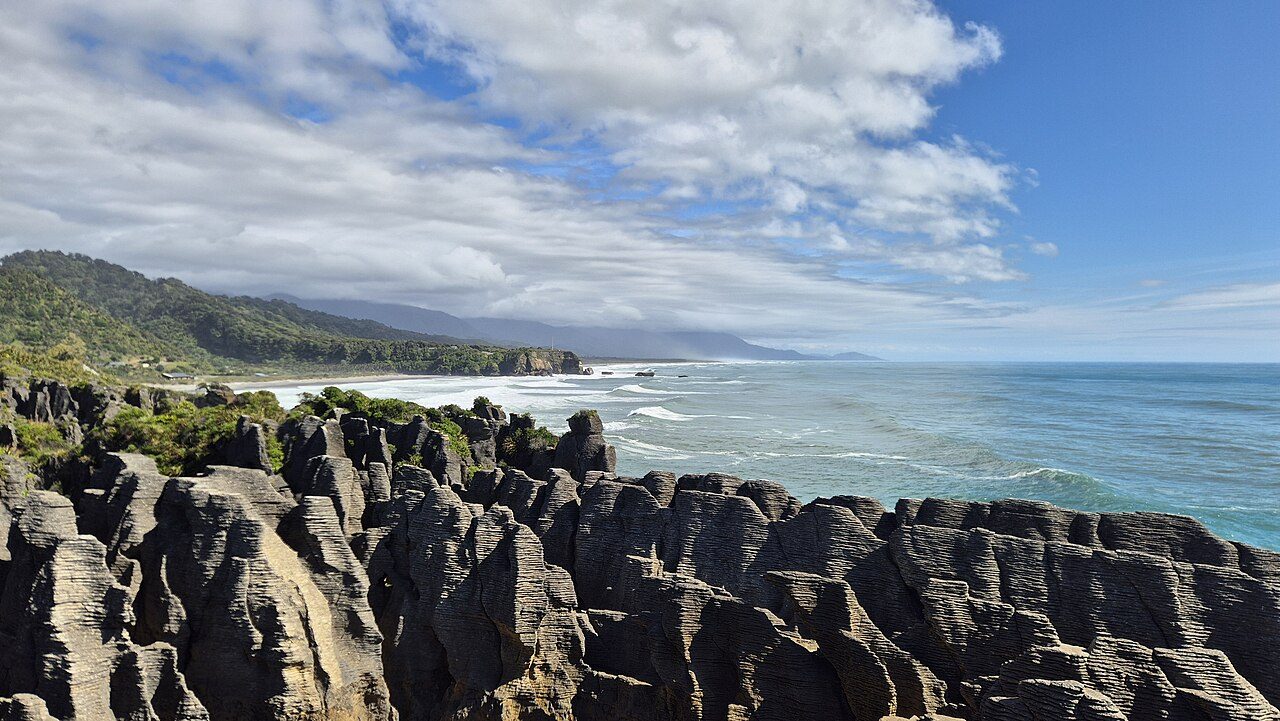
The Pancake Rocks at Punakaiki in Paparoa National Park are limestone formations that look like giant stacks of pancakes. They formed from layers of marine sediment around 30 million years ago. At high tide with a westerly swell, the sea surges through blowholes with dramatic sprays. An easy loop walk passes the main viewpoints.
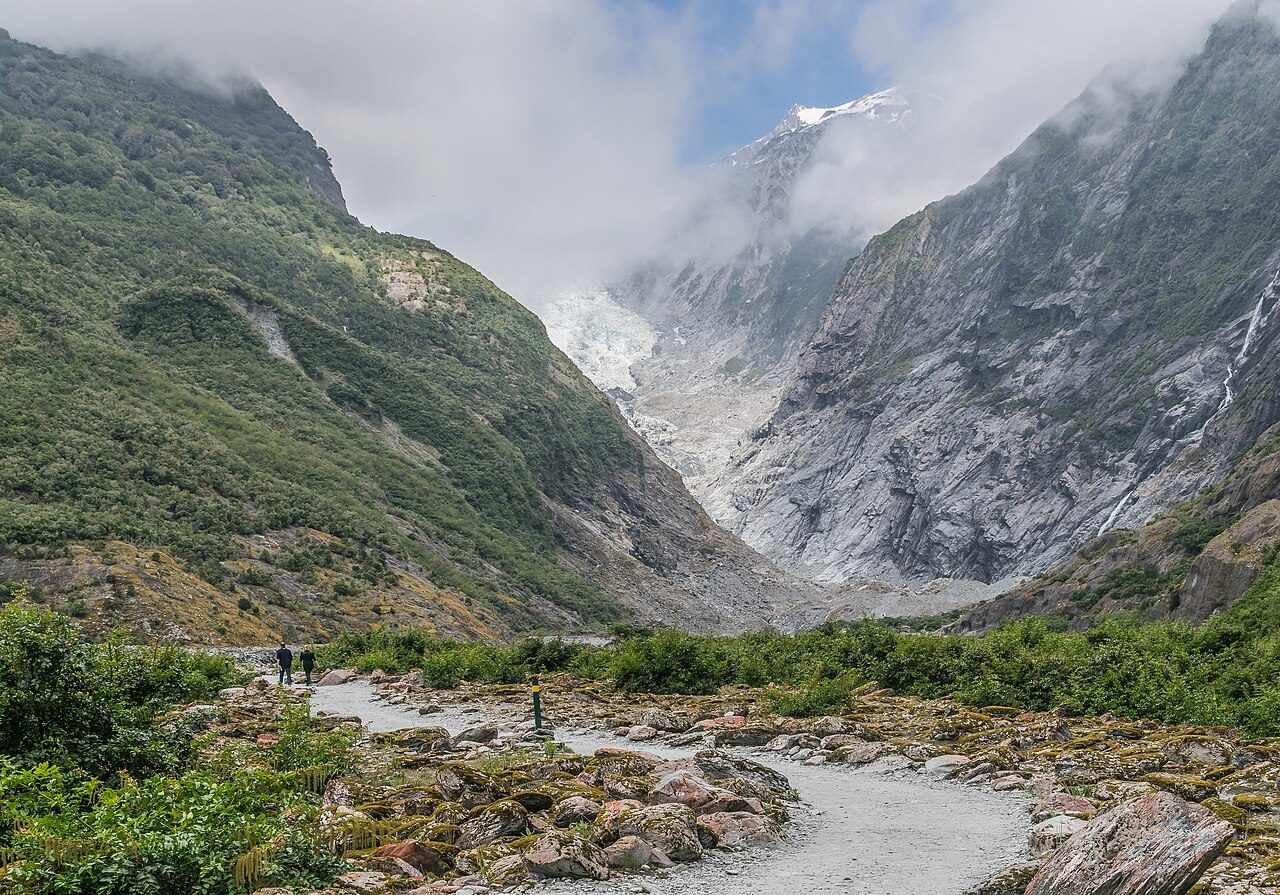
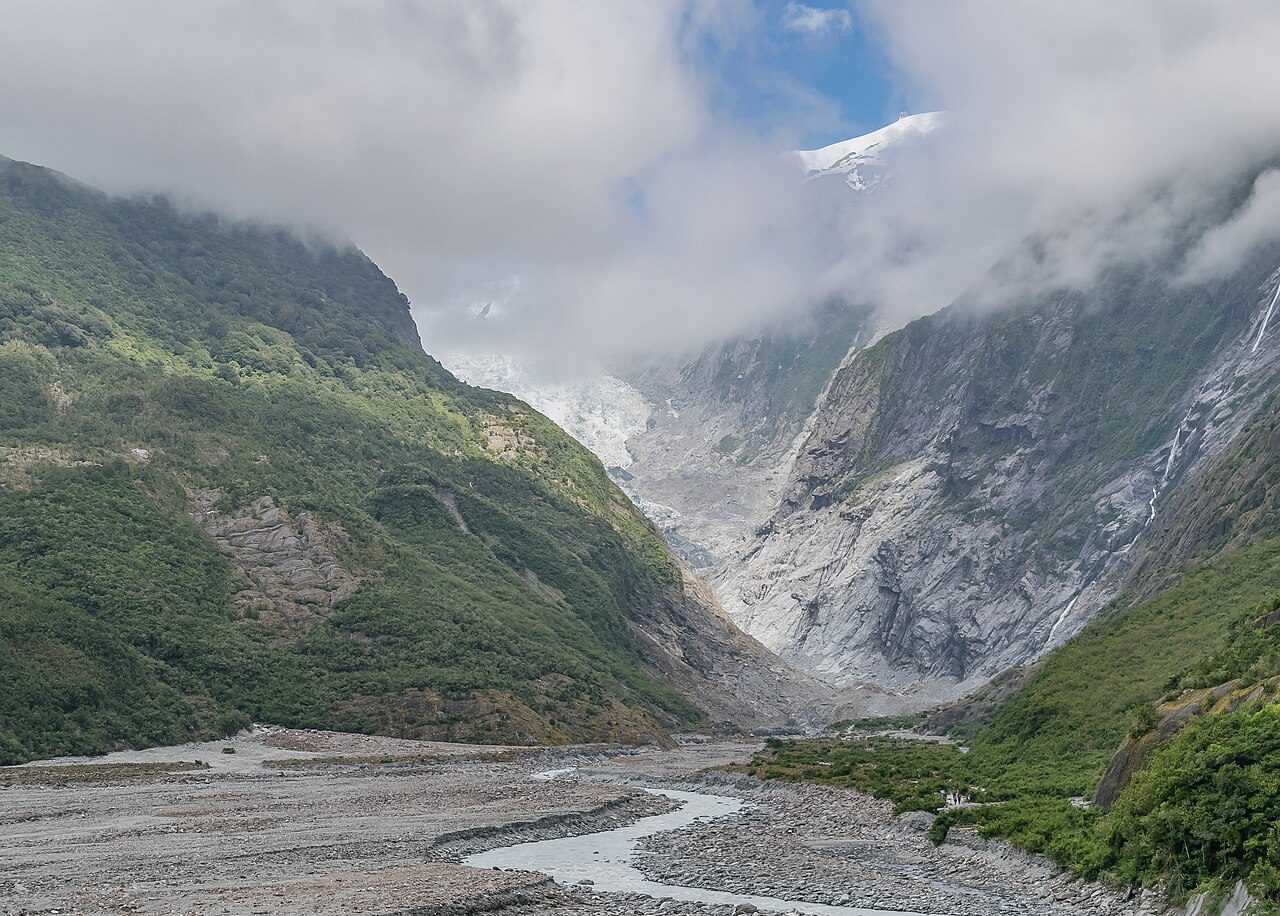
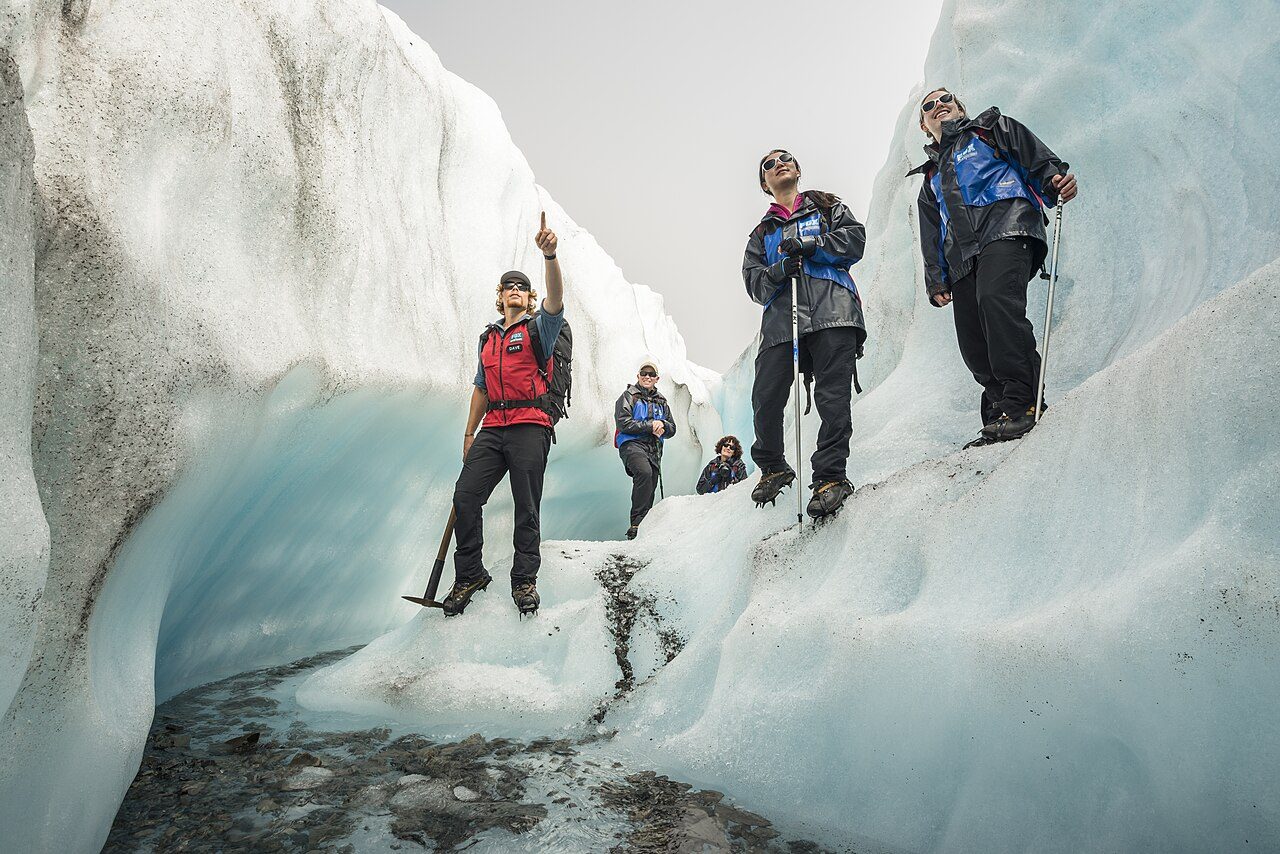
Franz Josef Glacier, known in Māori as Kā Roimata o Hine Hukatere, descends from the Southern Alps toward temperate rainforest on the West Coast. Walking tracks lead to viewpoints of the glacier terminal, while helicopter flights land on the ice for guided glacier hikes. Its rapid changes make it a striking example of glacial movement.
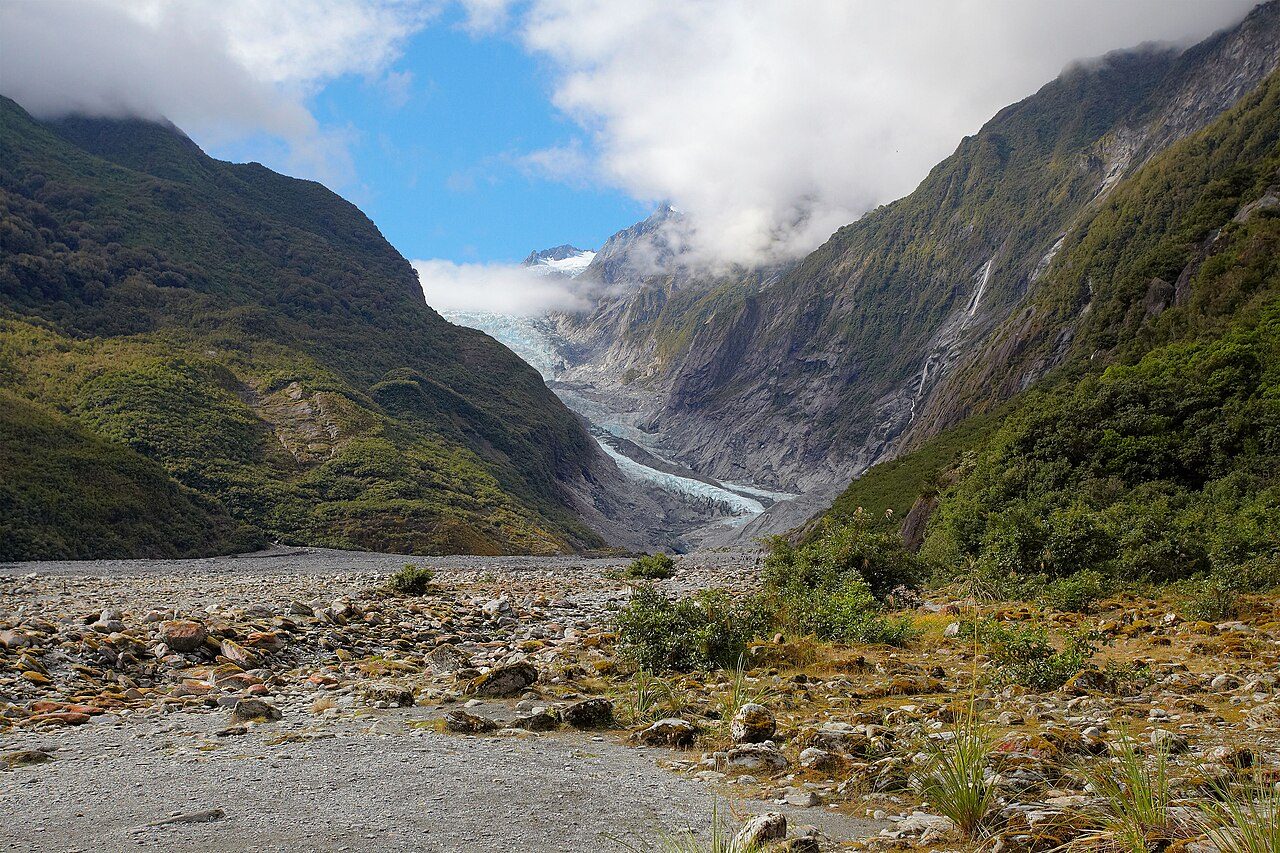
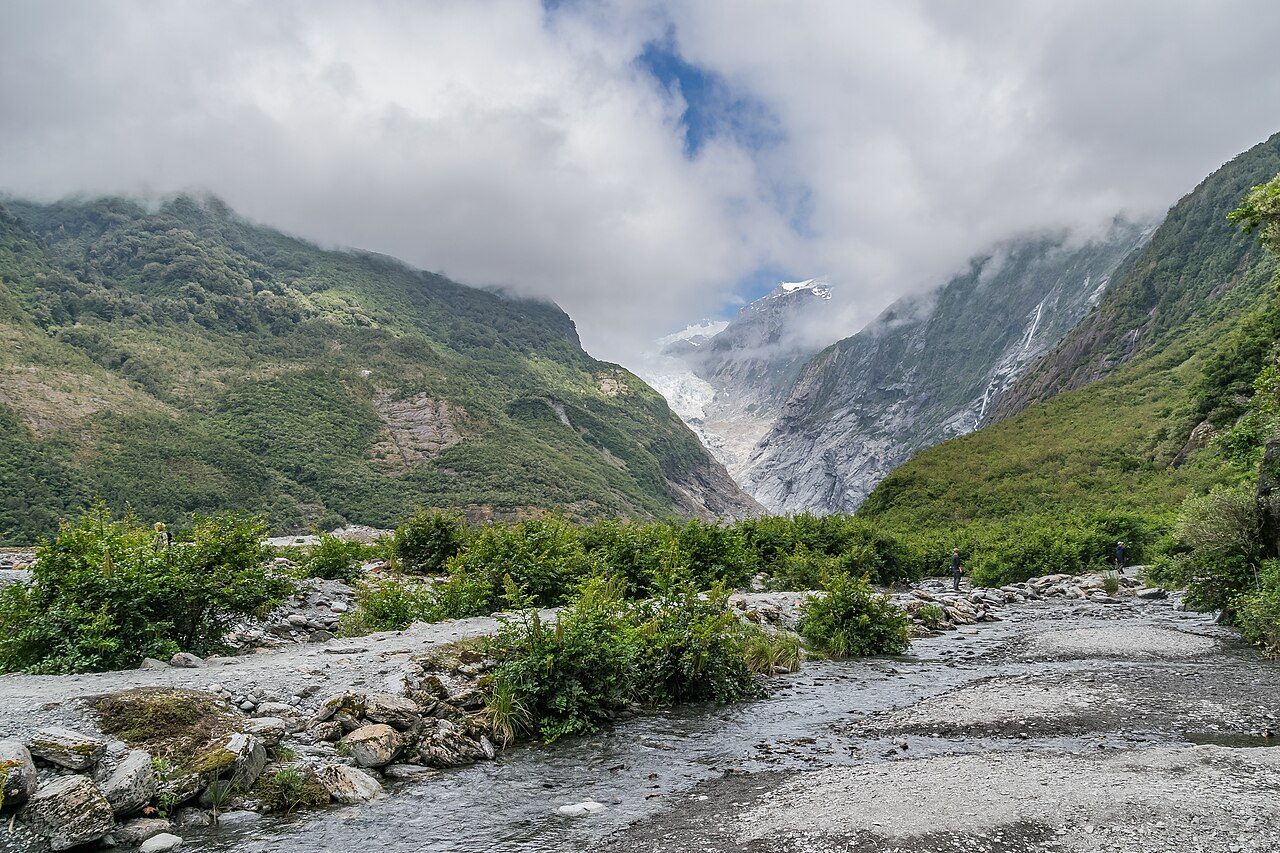
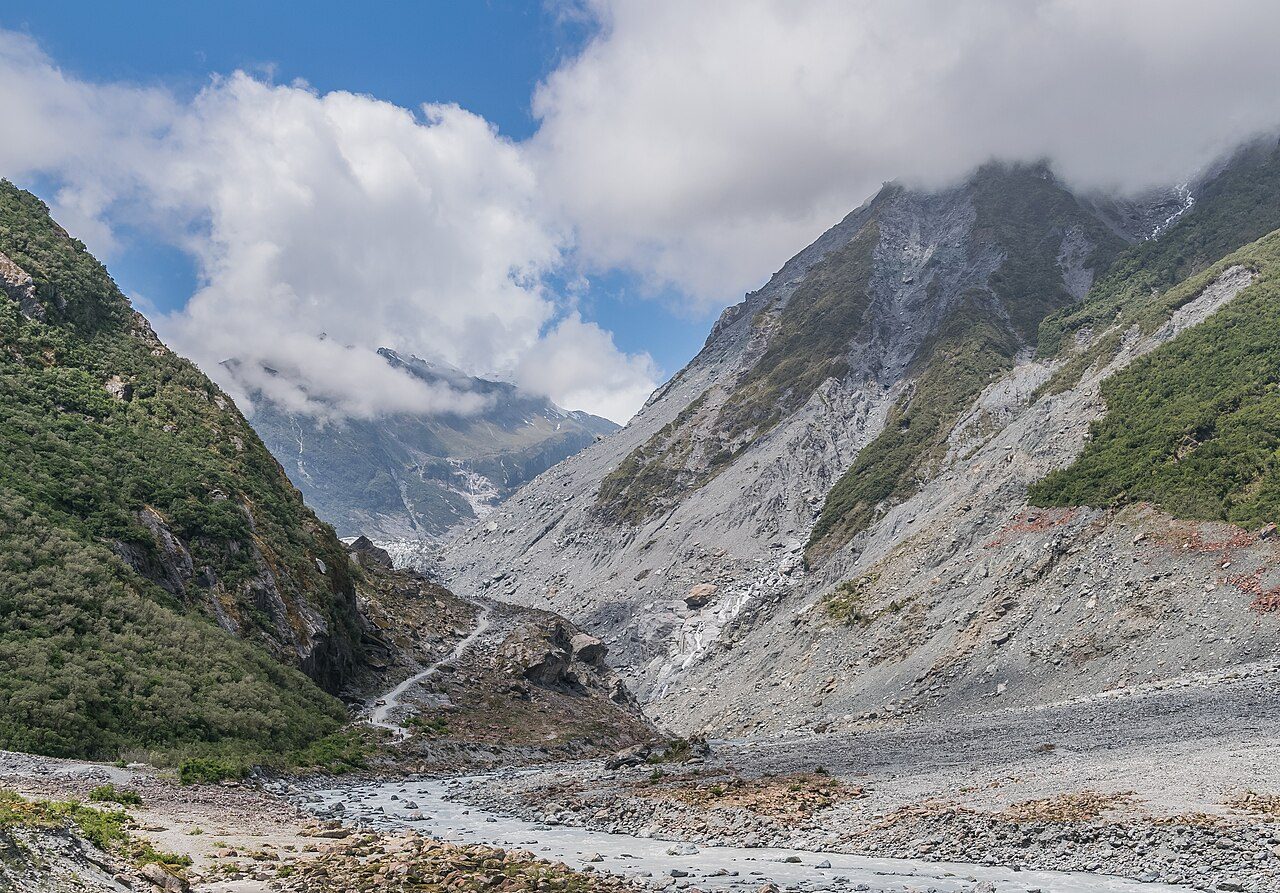
Fox Glacier, or Te Moeka o Tuawe, flows about 13 km from the Southern Alps on New Zealand's West Coast. Walking tracks lead toward the glacier valley, and heli-hikes offer access to the ice. Nearby Lake Matheson is famous for its mirror reflections of Aoraki / Mount Cook and Mount Tasman.
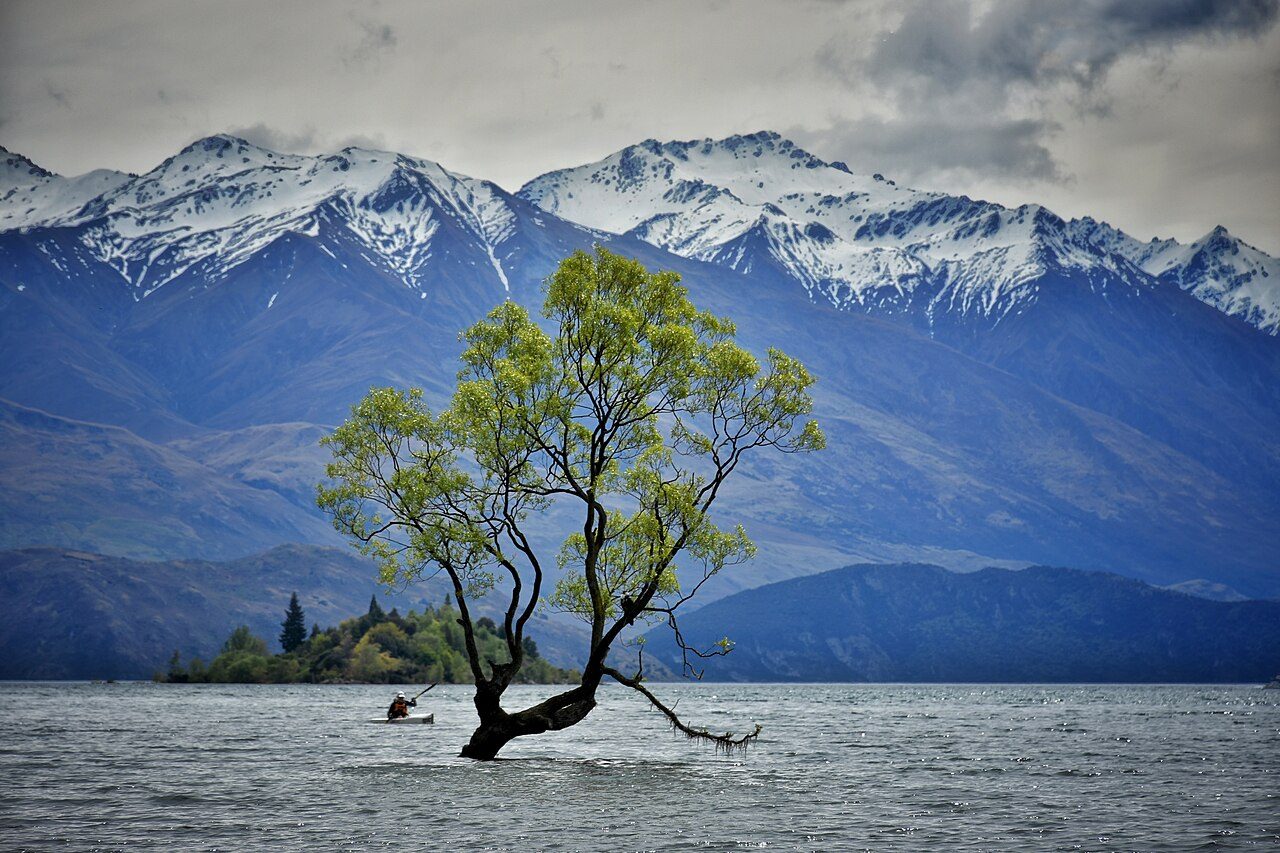
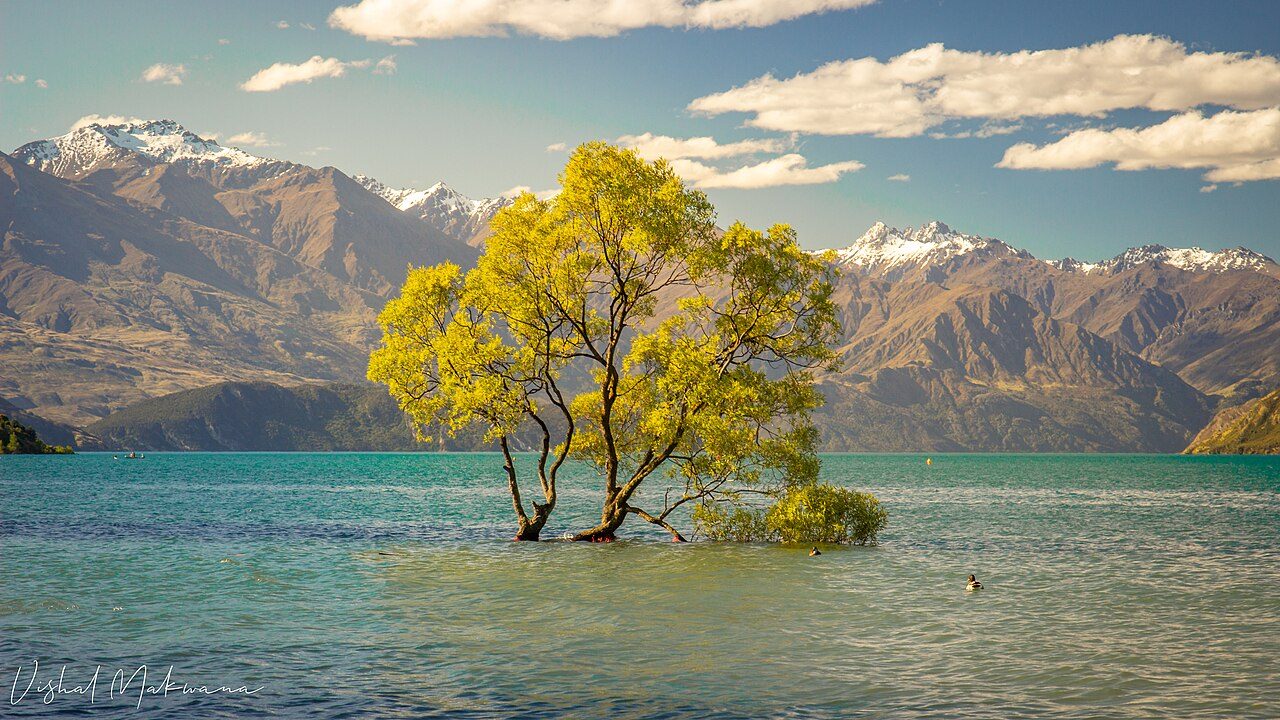
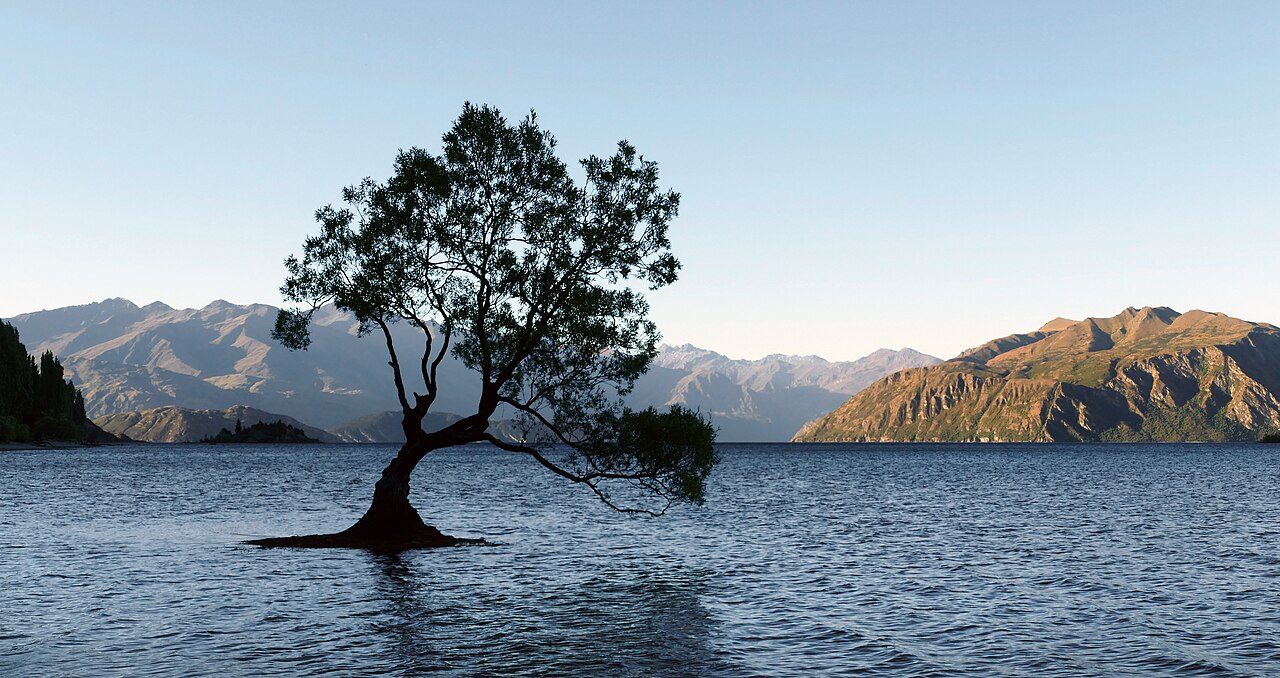
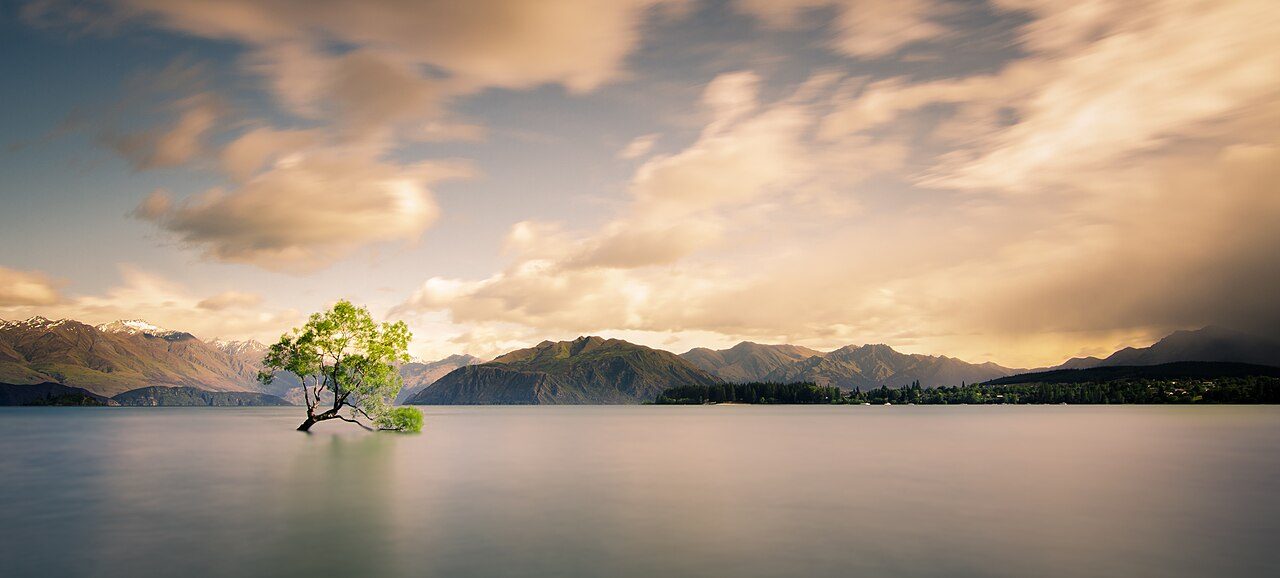
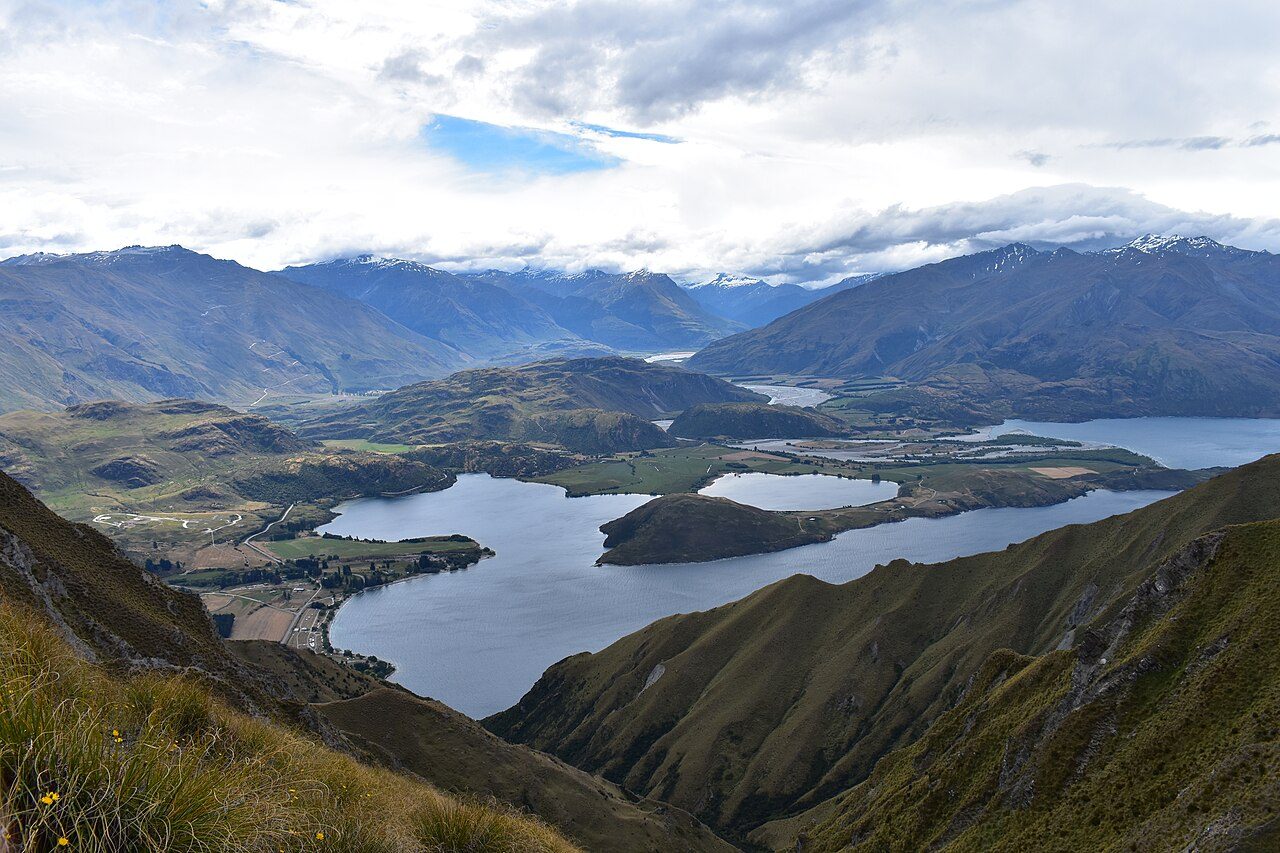
Lake Wanaka is a glacier-carved lake in the Southern Lakes region, framed by the mountains of Mount Aspiring National Park. The town of Wanaka is a relaxed base for hiking, skiing and water sports. The lone willow tree growing in the water, known as "That Wanaka Tree", is one of New Zealand's most photographed sights.
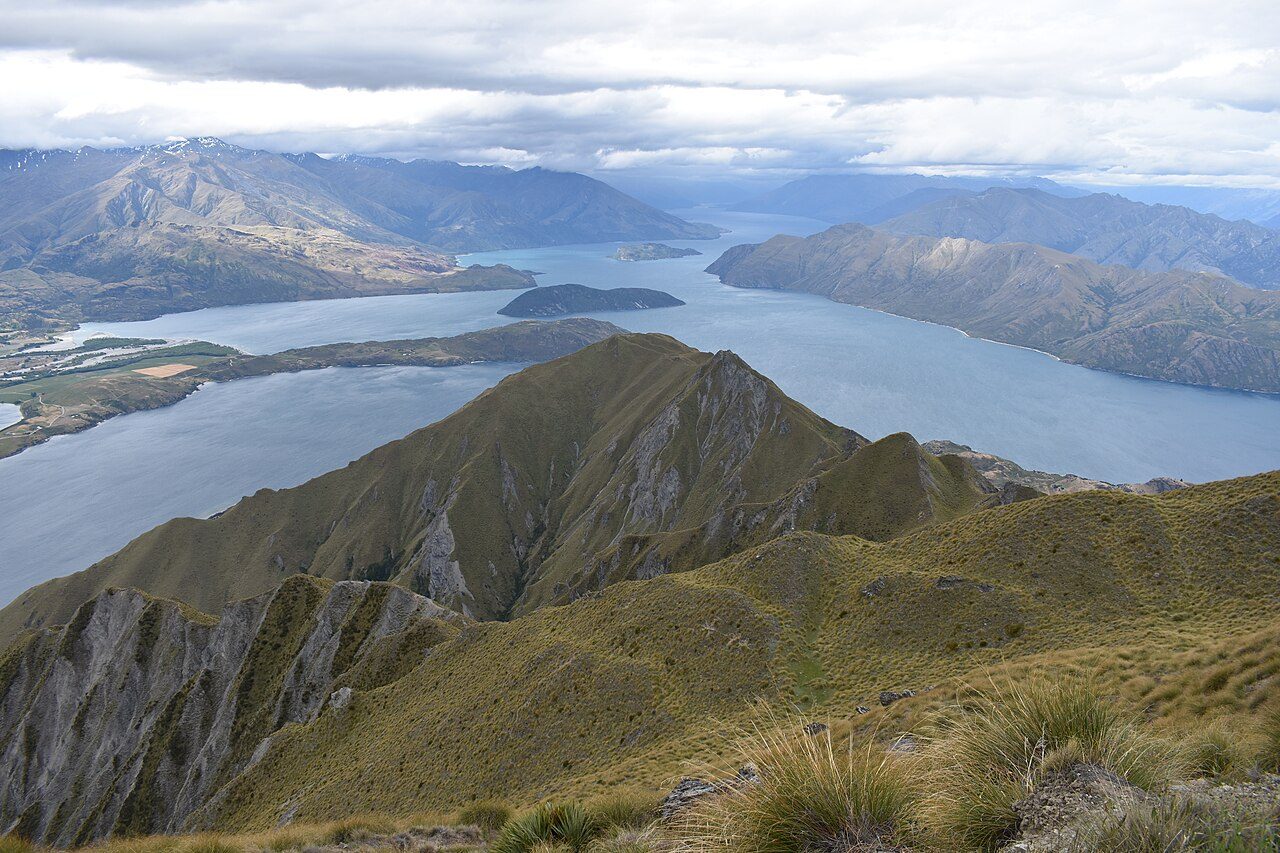
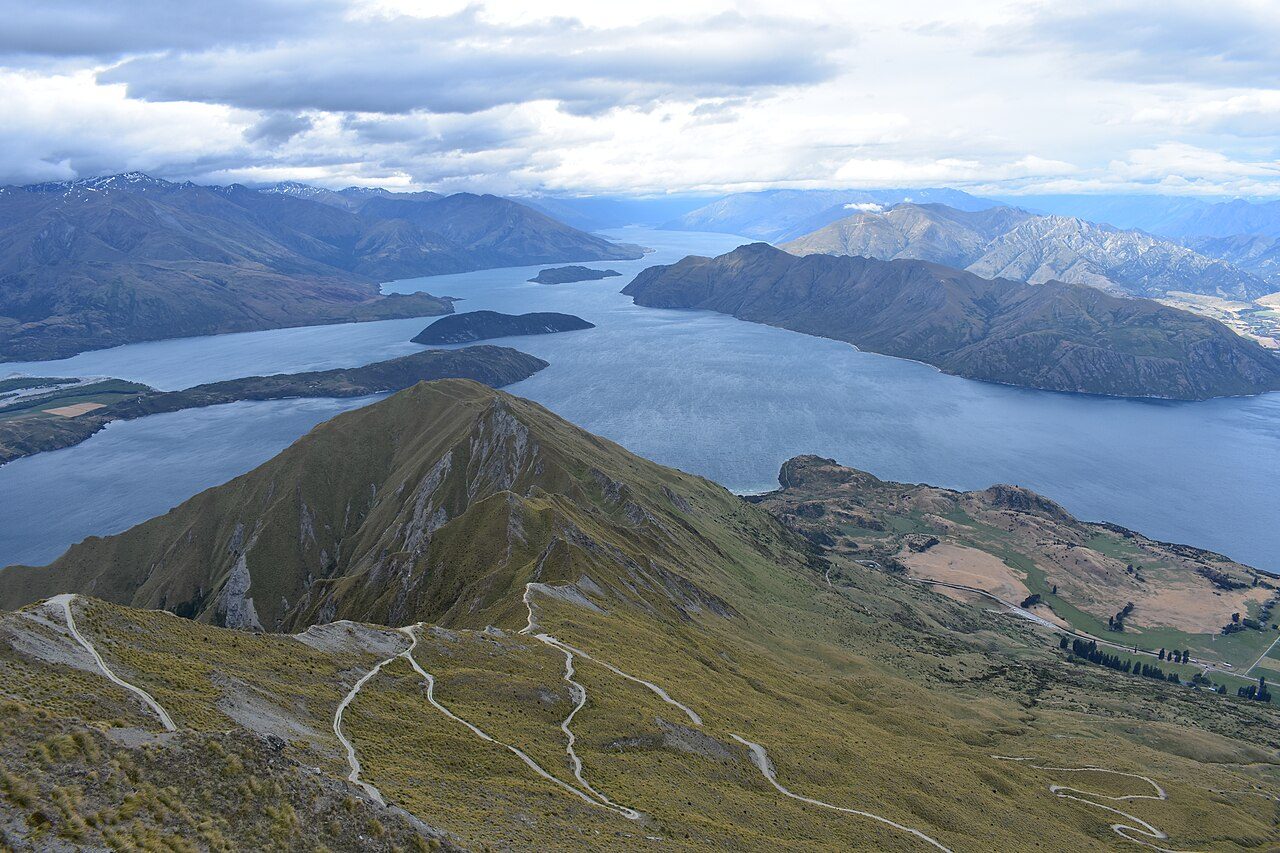
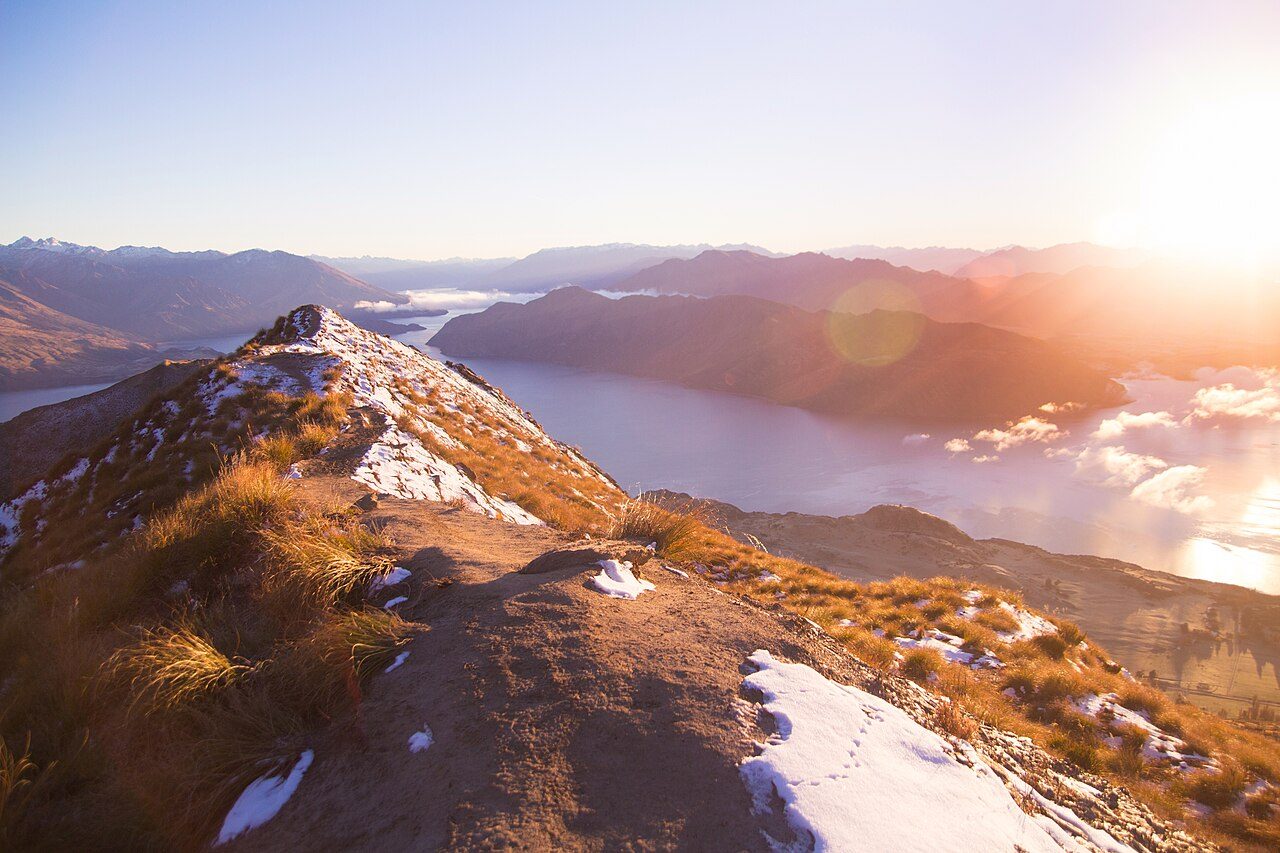
Roys Peak rises 1,578 metres above Lake Wanaka and is famous for its sweeping summit-ridge view over the lake and surrounding peaks. The track is about 16 km return and climbs steadily through farmland. The viewpoint just below the summit is one of the most photographed spots in New Zealand. The track closes for lambing each spring.
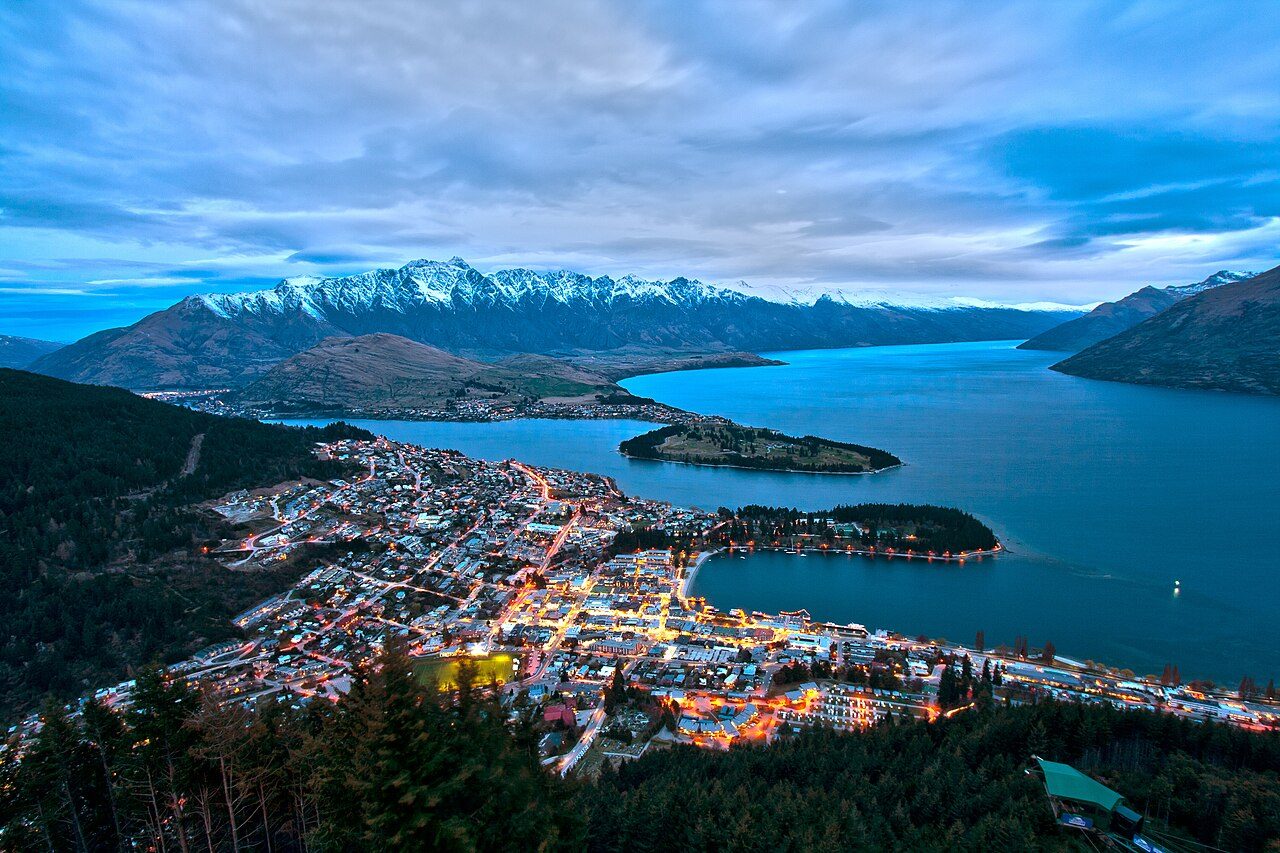
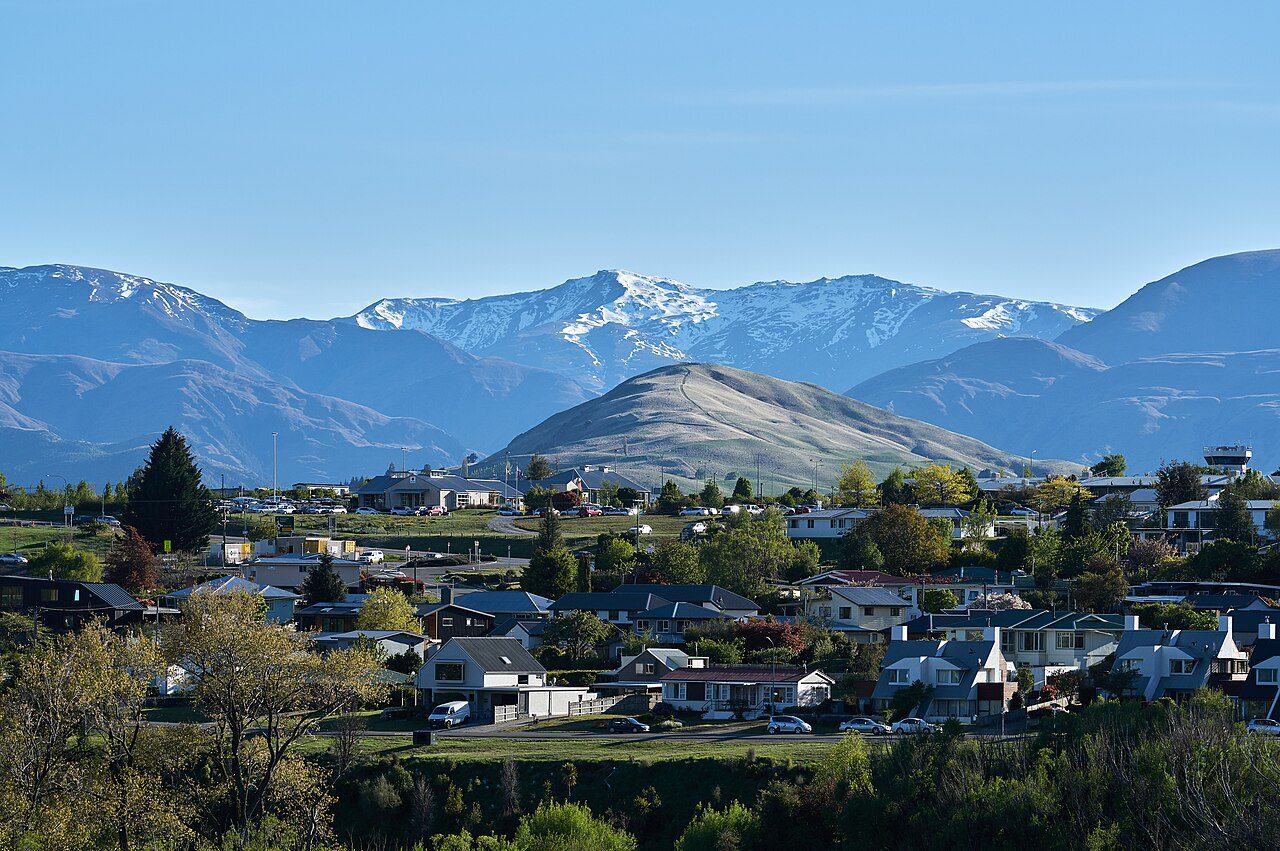
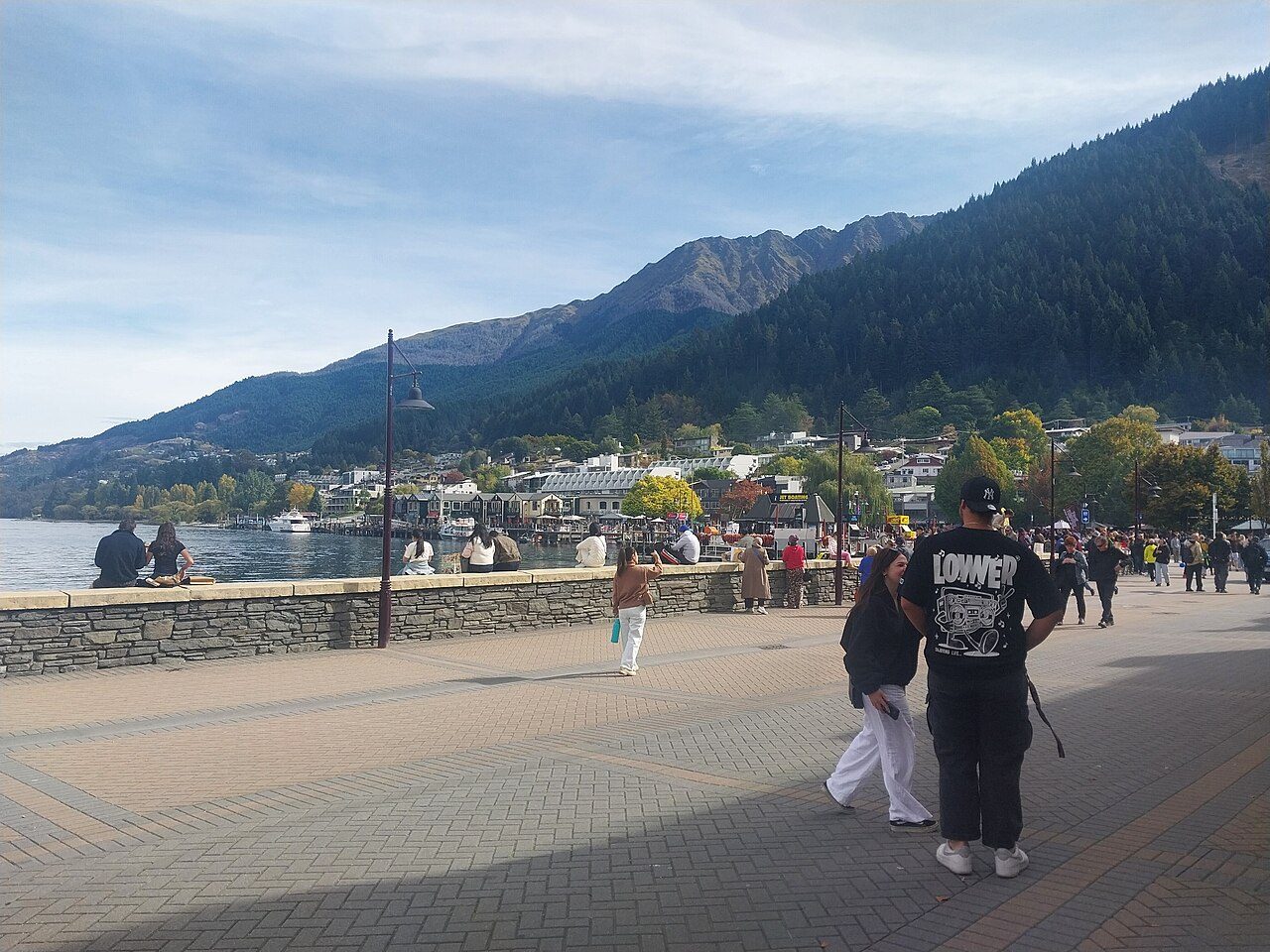
Queenstown sits on the shores of Lake Wakatipu beneath the Remarkables mountain range and is known as the adventure capital of the world. It was here that commercial bungy jumping began. Visitors ride the Skyline Gondola, jet boat the Shotover River, ski in winter and enjoy a lively food and wine scene.
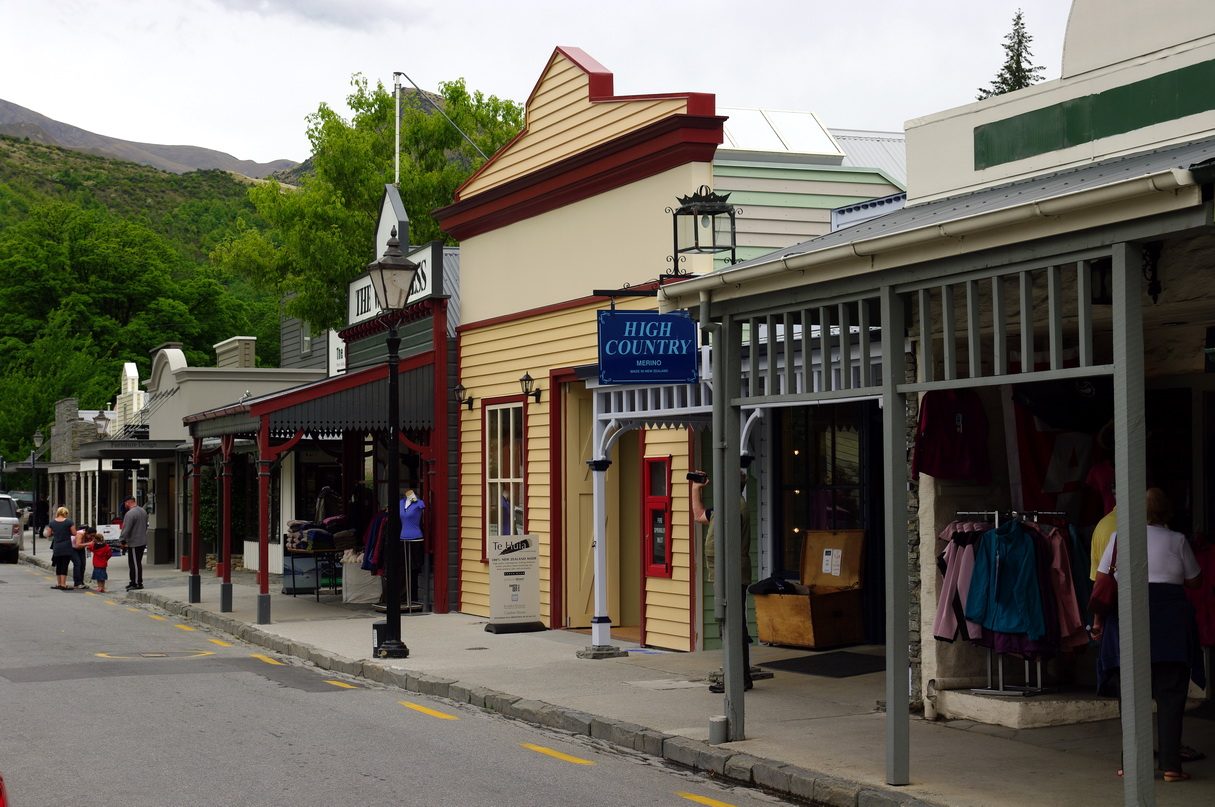
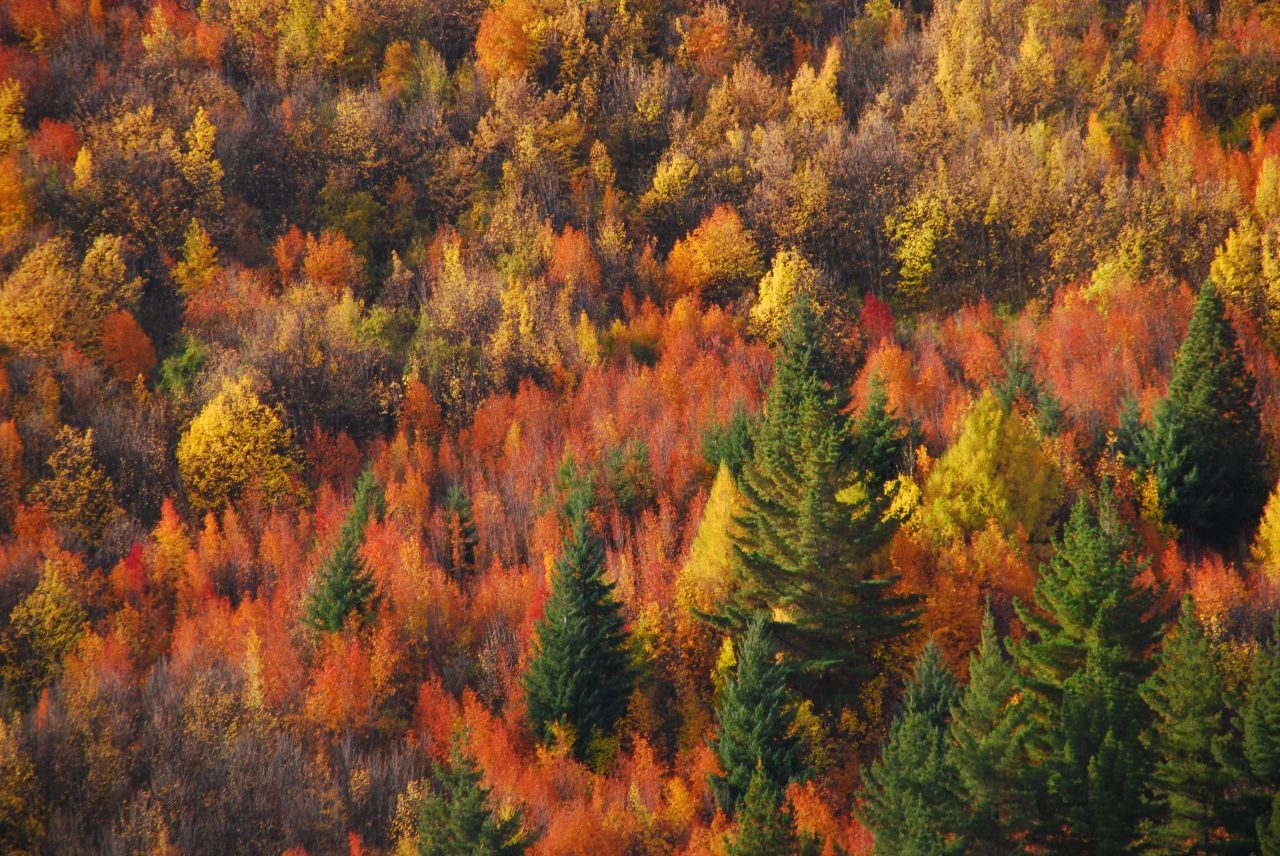
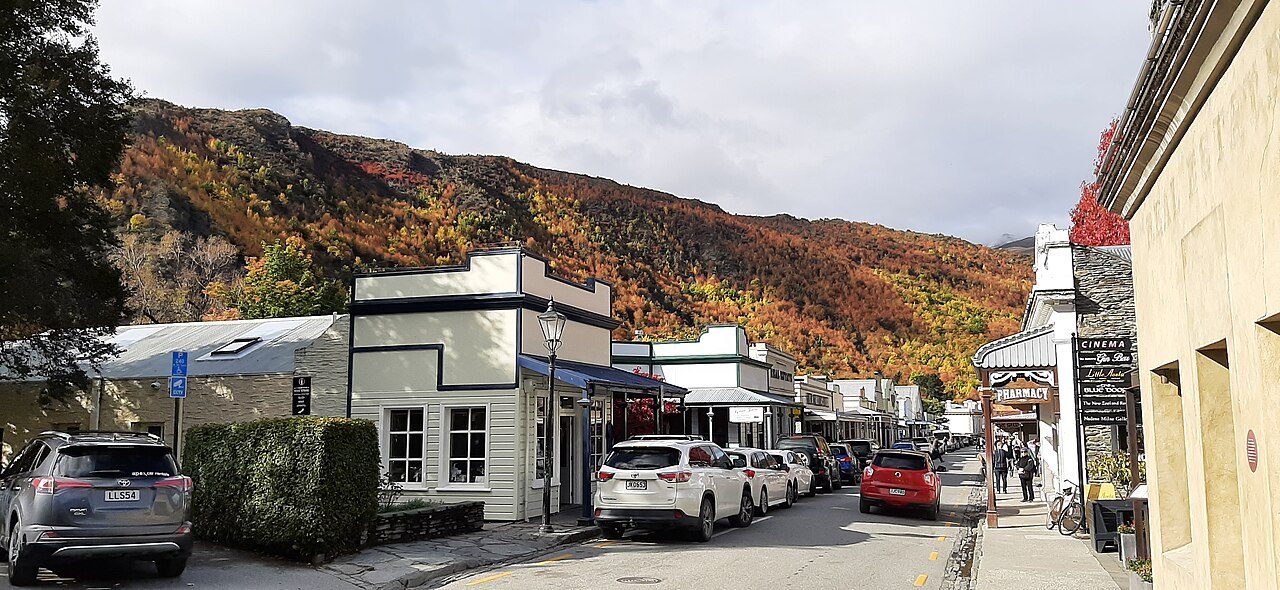
Arrowtown is a charming historic gold-mining town near Queenstown, founded after gold was found in the Arrow River in 1862. Its tree-lined main street has preserved 19th-century cottages and shops. The restored Chinese Settlement recalls the Chinese miners who worked the goldfields, and autumn colours here are spectacular.
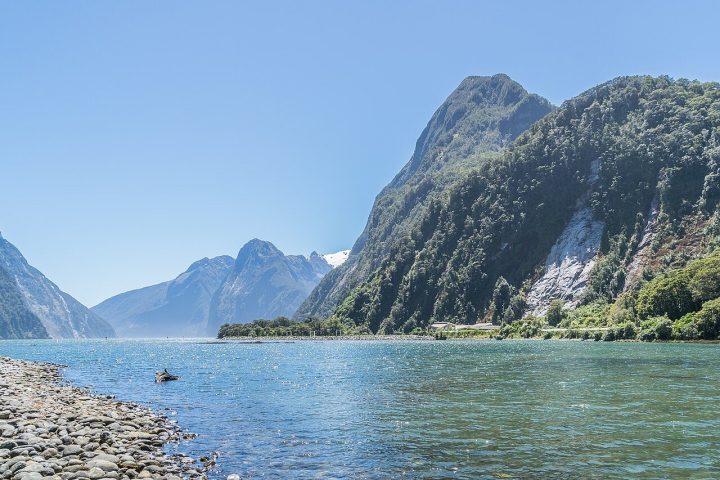
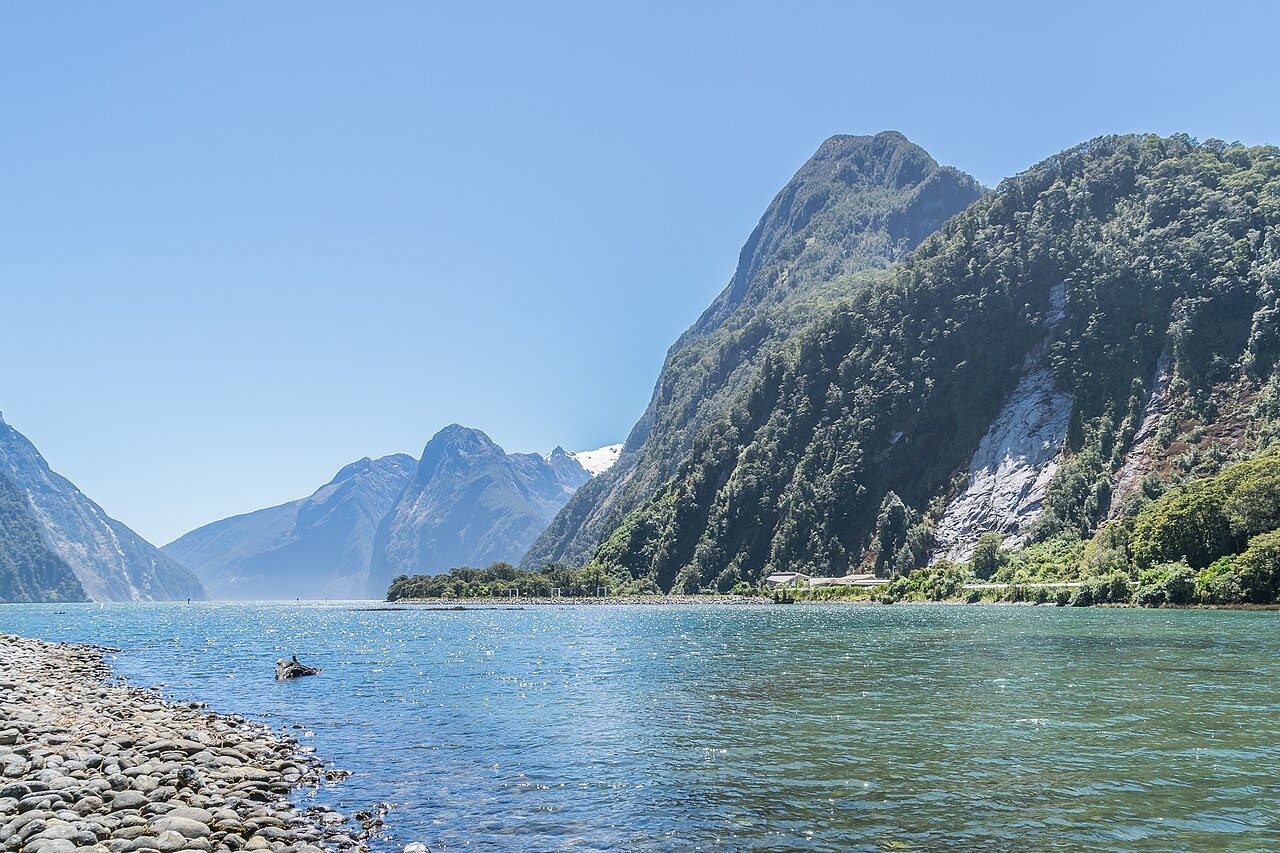
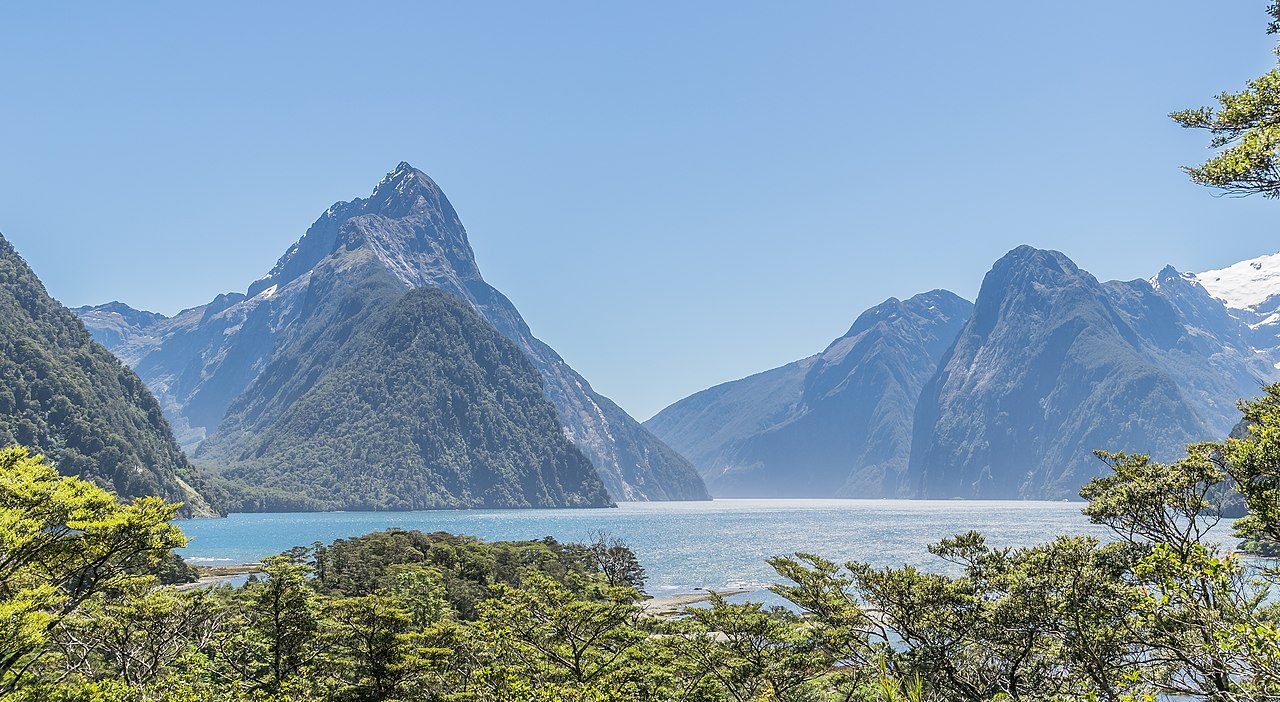
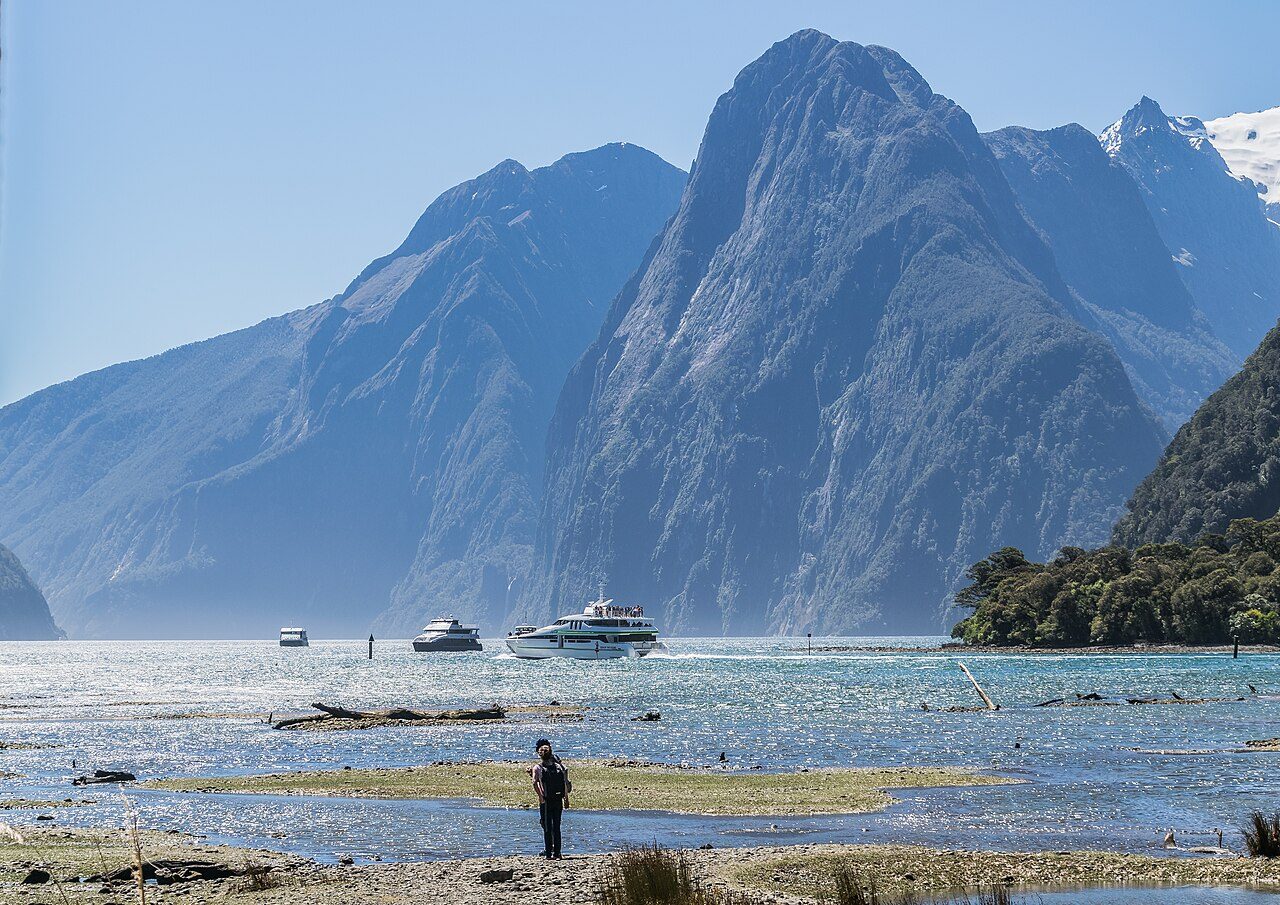
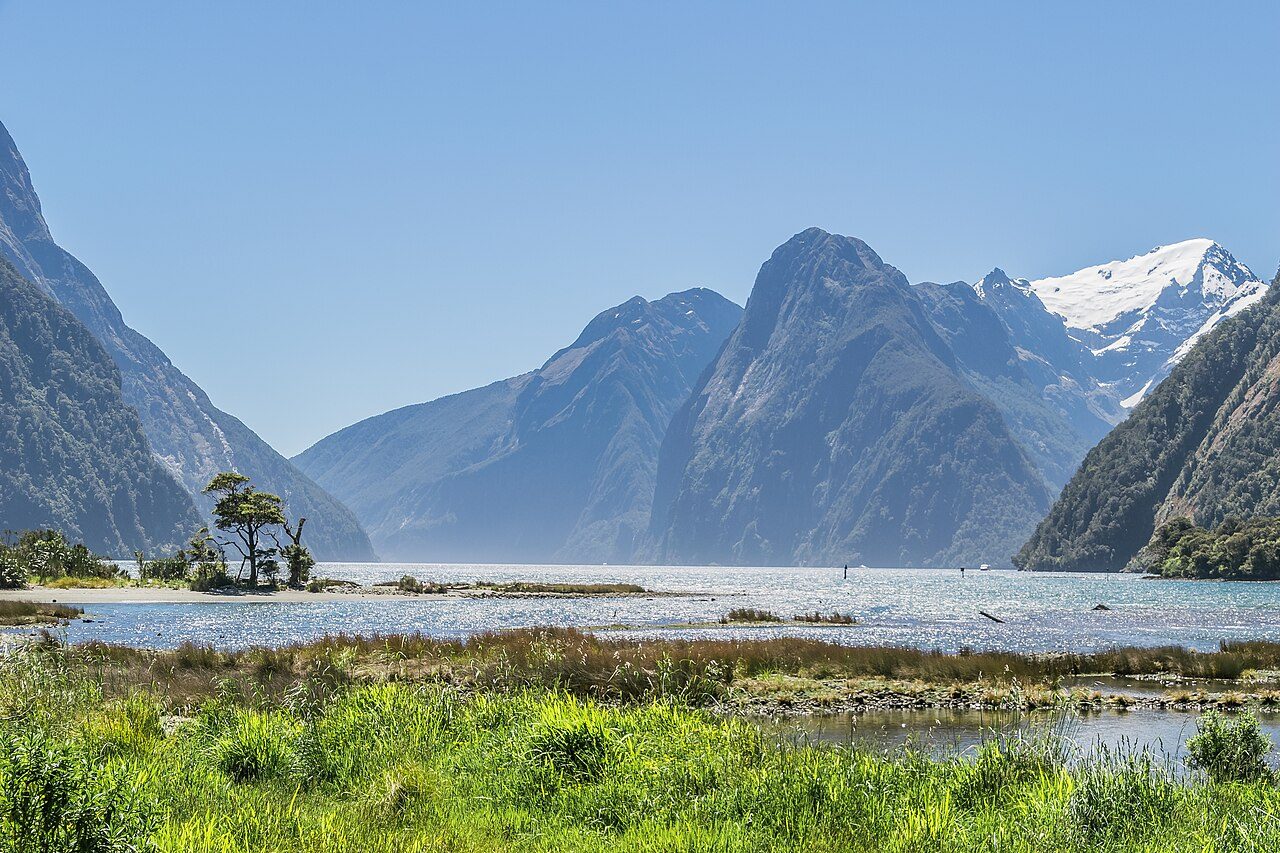
Milford Sound in Fiordland National Park is New Zealand's most famous fiord, carved by glaciers during ice ages. Mitre Peak rises nearly 1,700 metres straight from the water, and waterfalls such as Stirling Falls plunge down sheer cliffs. Boat cruises and kayaks reveal seals, penguins and dolphins. It is part of the Te Wāhipounamu World Heritage Area.
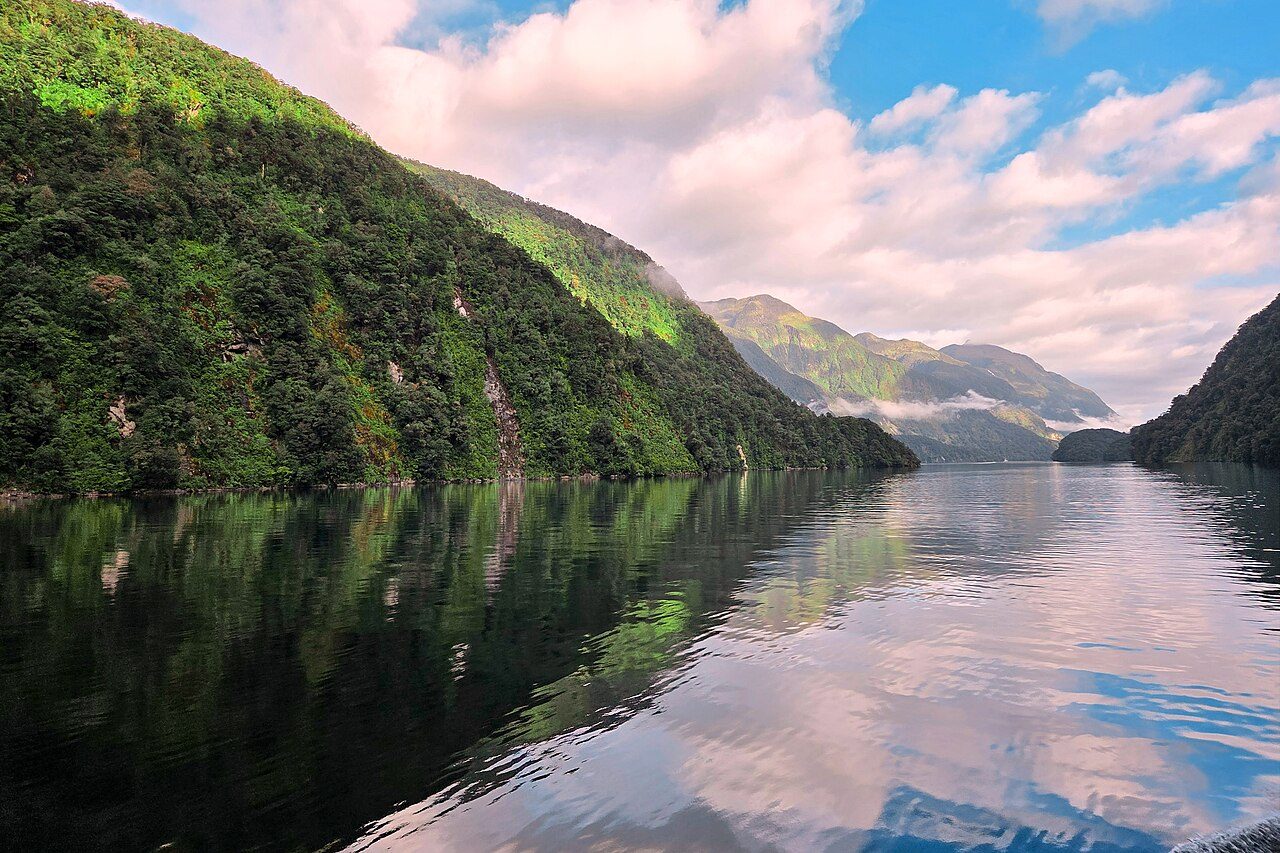
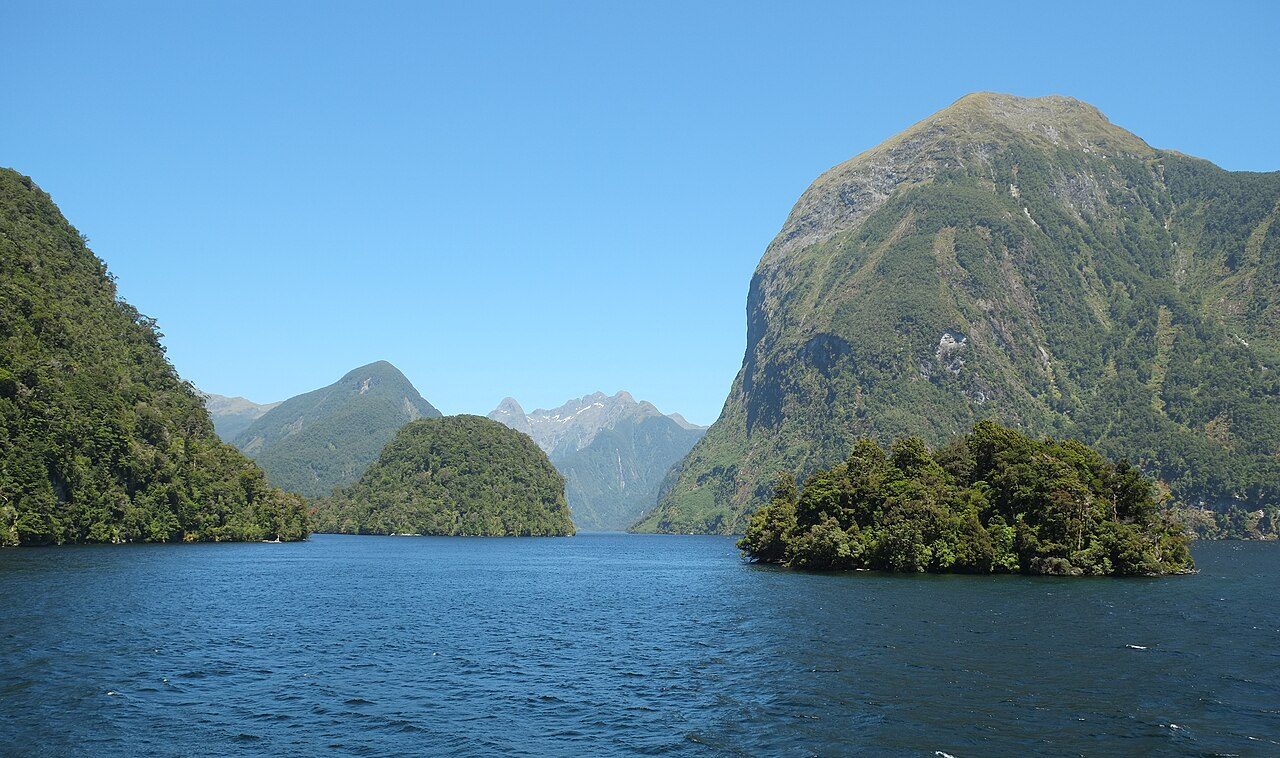
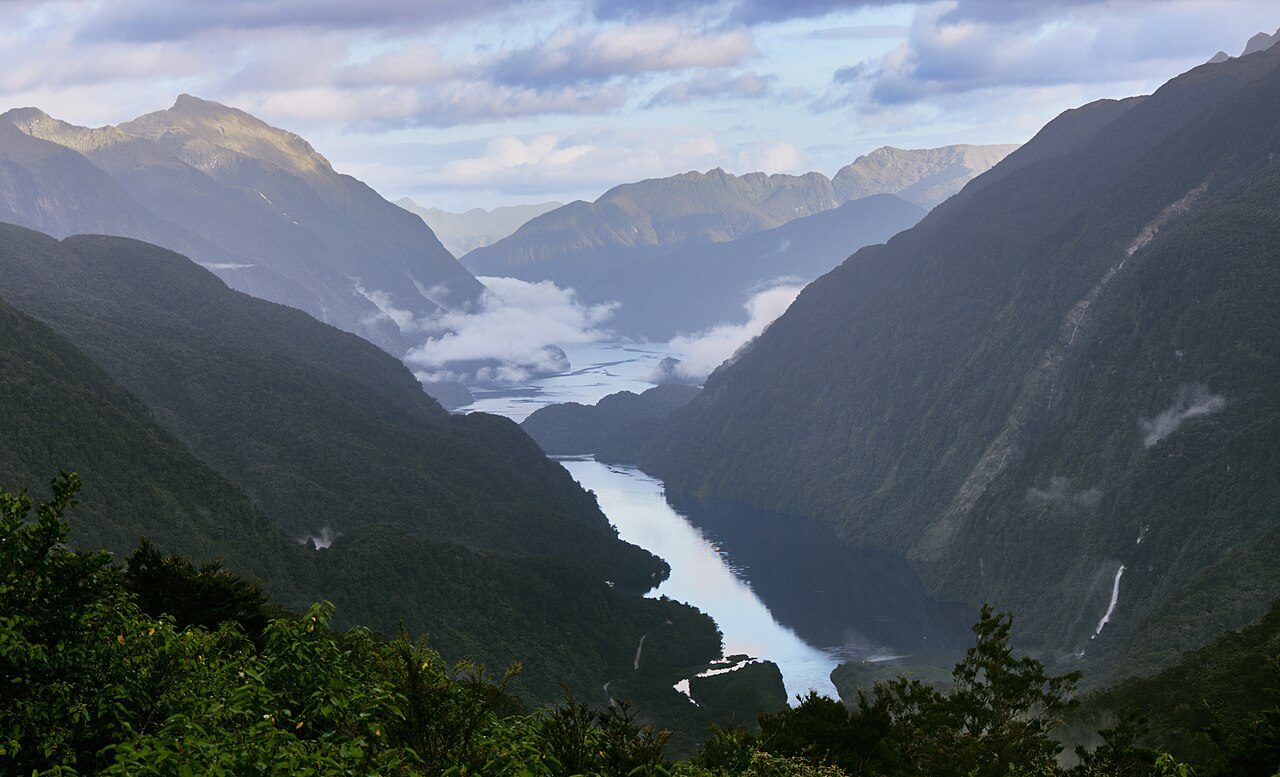
Doubtful Sound is a remote and wild fiord in Fiordland, three times longer than Milford Sound and far quieter. Reaching it involves a boat across Lake Manapouri and a drive over Wilmot Pass. Its deep, still waters are home to bottlenose dolphins, fur seals and Fiordland crested penguins, surrounded by rainforest-clad mountains.
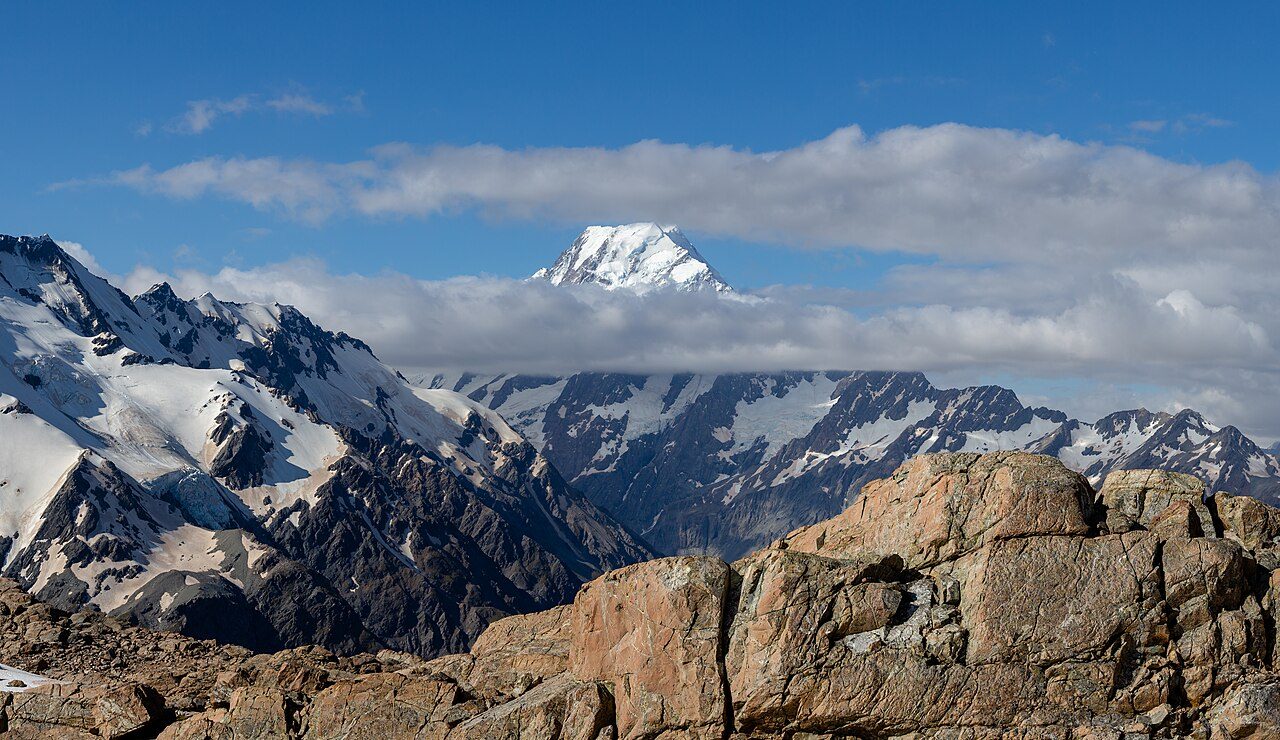
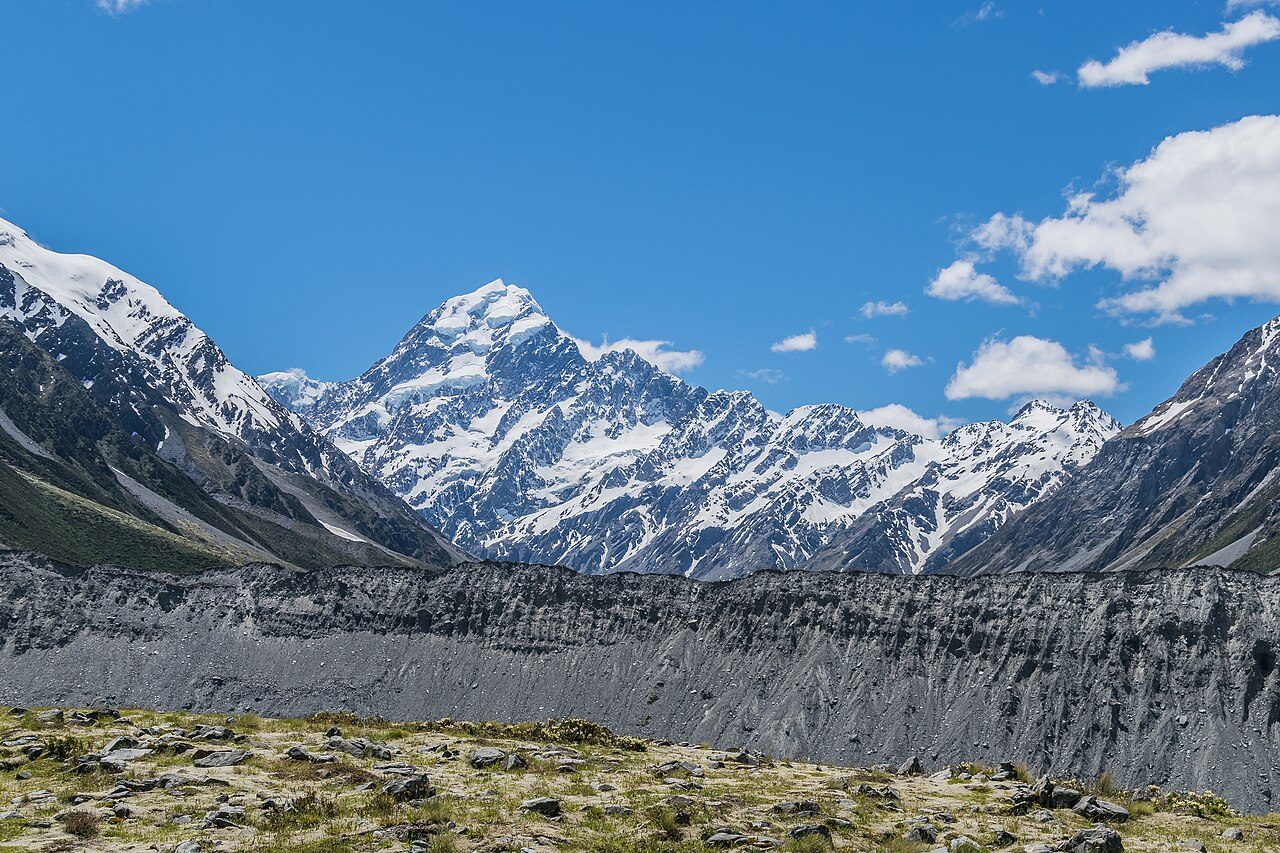
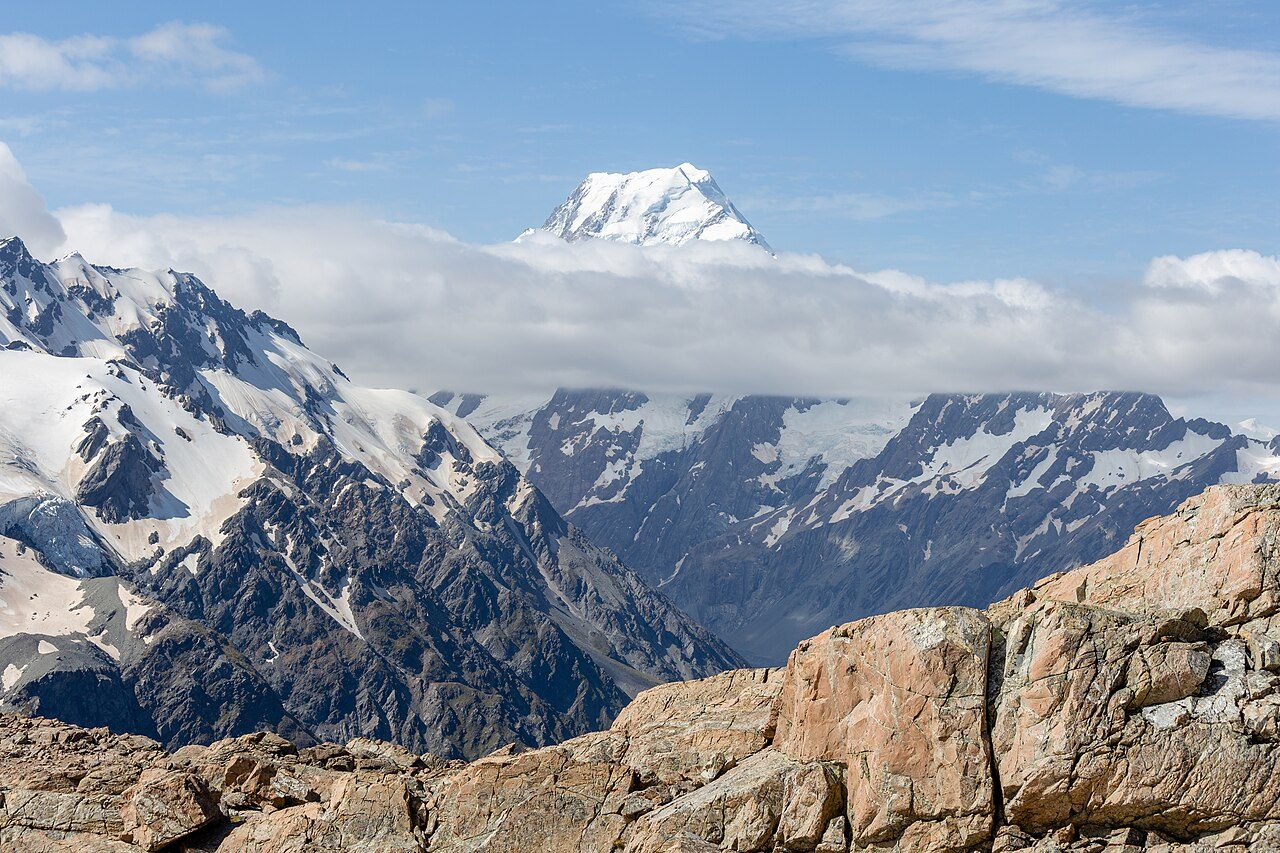
Aoraki / Mount Cook is New Zealand's highest mountain at 3,724 metres, standing in Aoraki / Mount Cook National Park. The park contains more than 20 peaks over 3,000 metres and many glaciers, including the Tasman Glacier. The Hooker Valley Track is an easy walk with swing bridges leading to a glacial lake with views of the mountain.
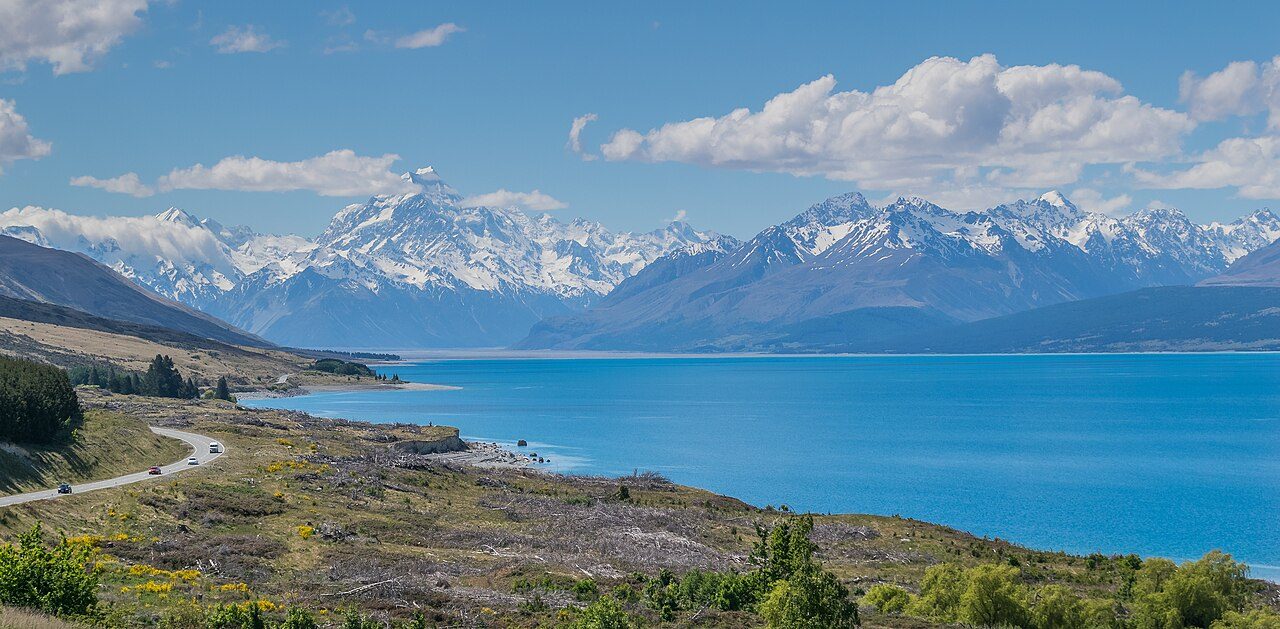
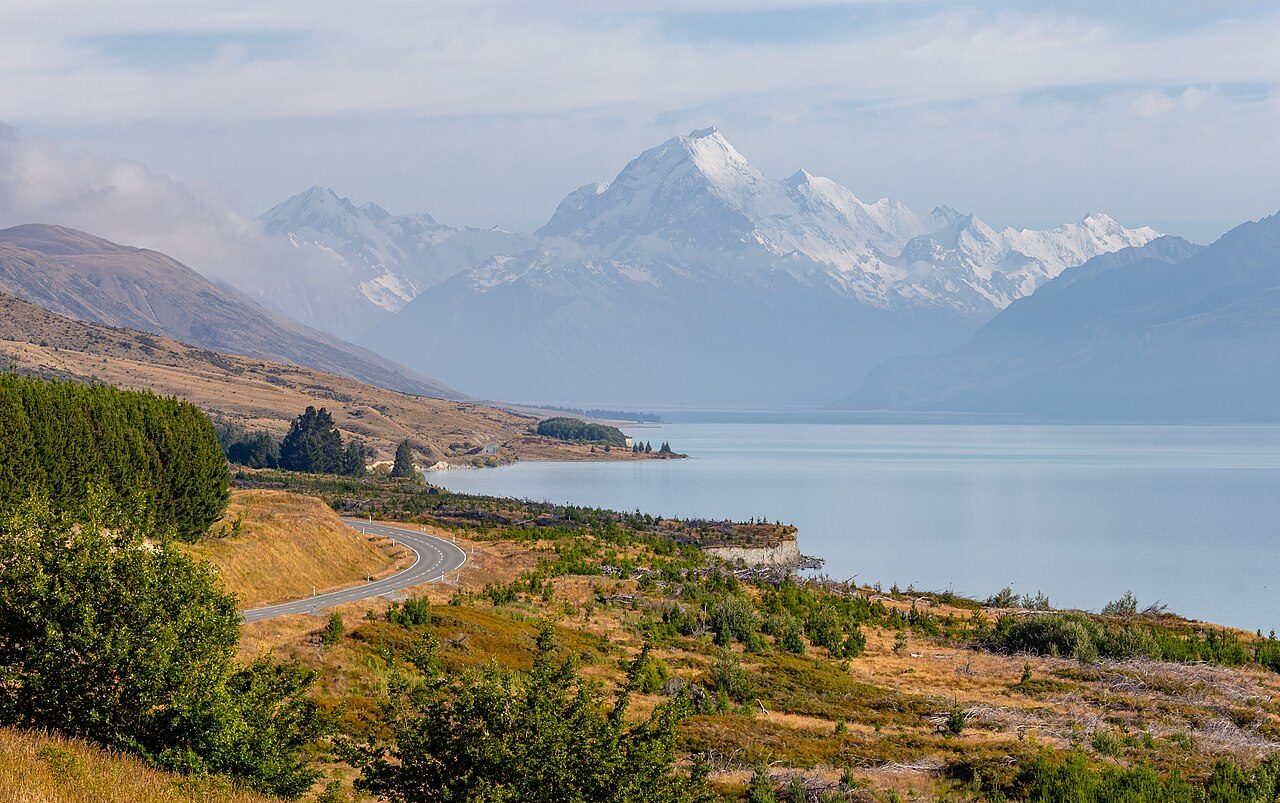
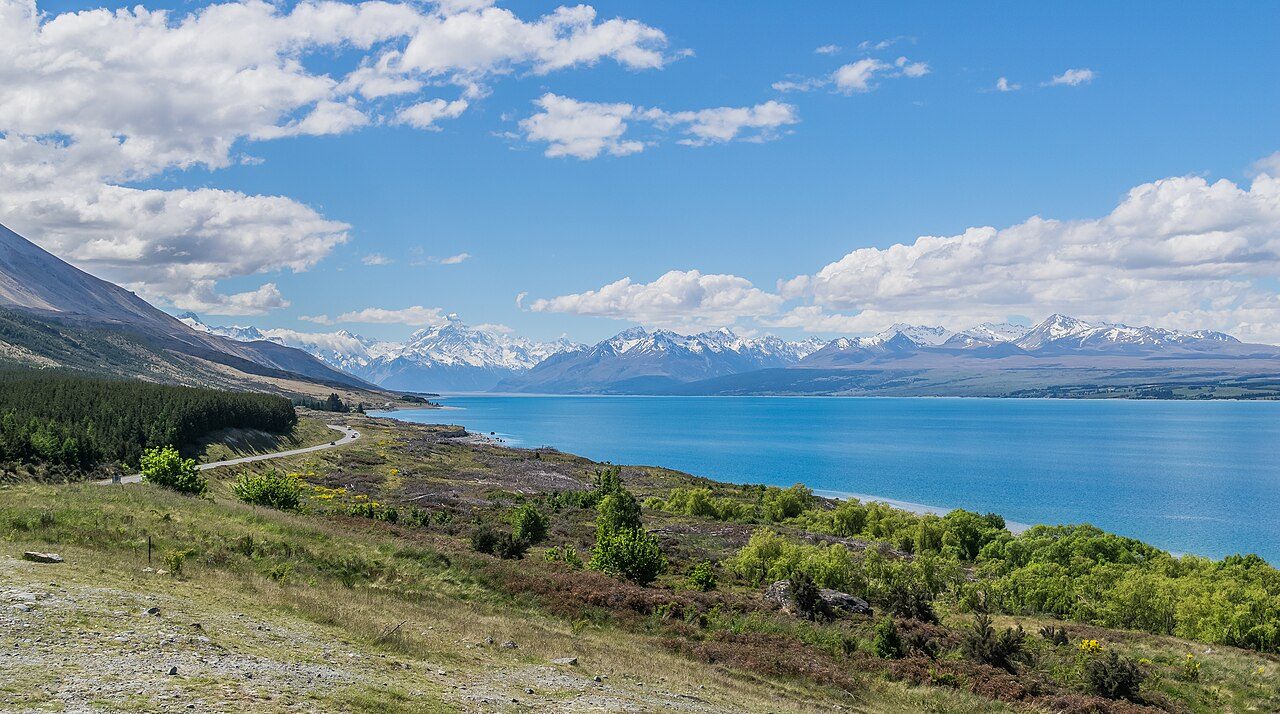
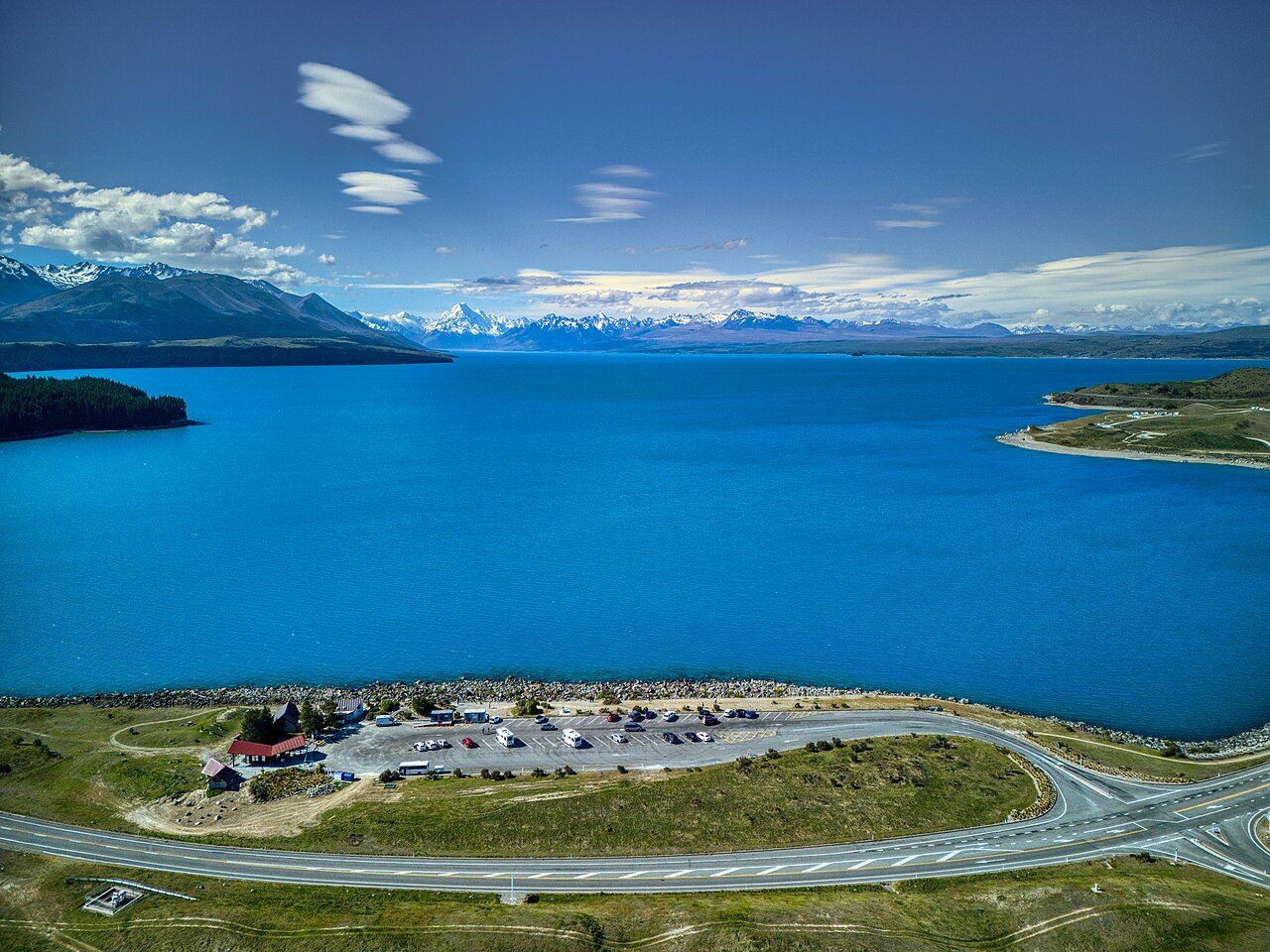
Lake Pukaki is a vivid blue glacial lake in the Mackenzie Basin, fed by the Tasman River. On clear days Aoraki / Mount Cook rises above the far end of the lake, creating one of New Zealand's most famous views. The road to Mount Cook Village runs along its western shore with several scenic lookouts.
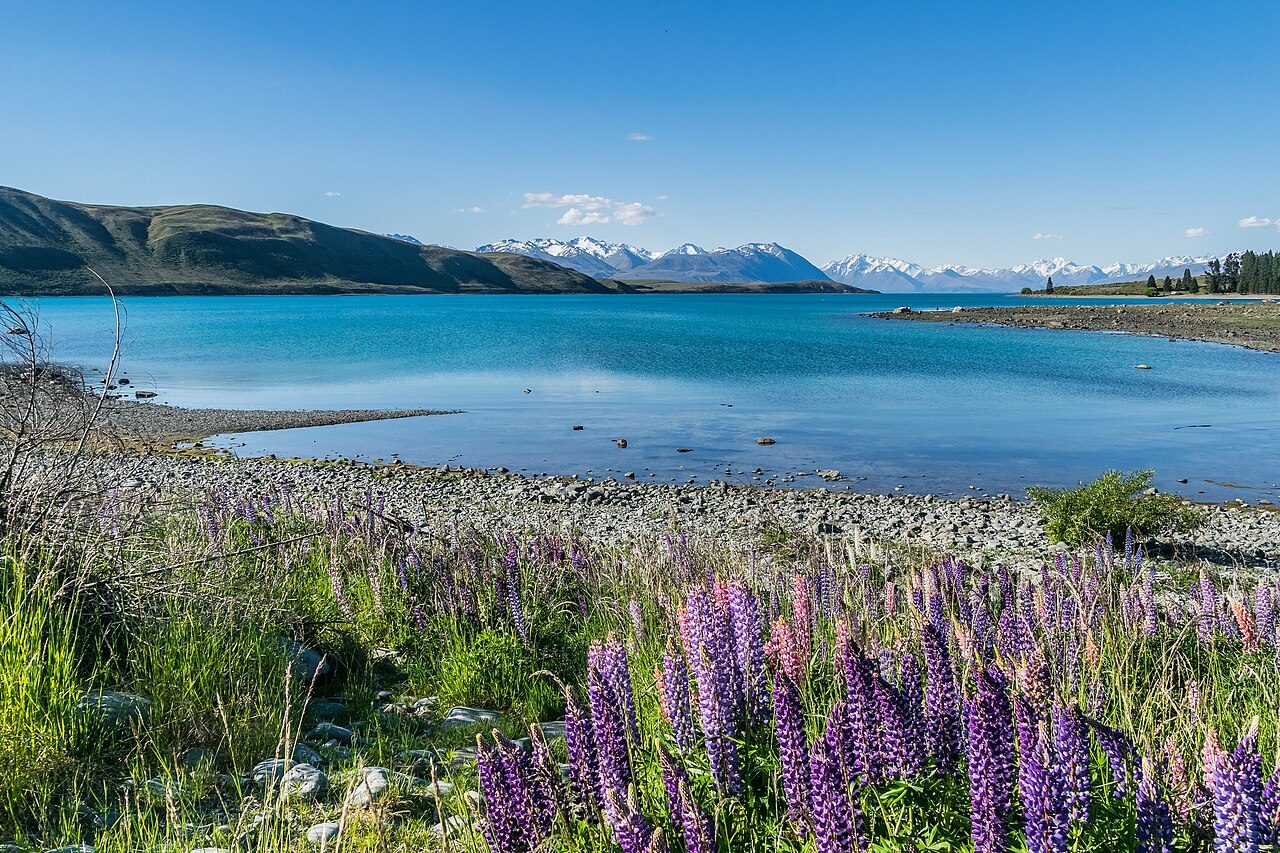
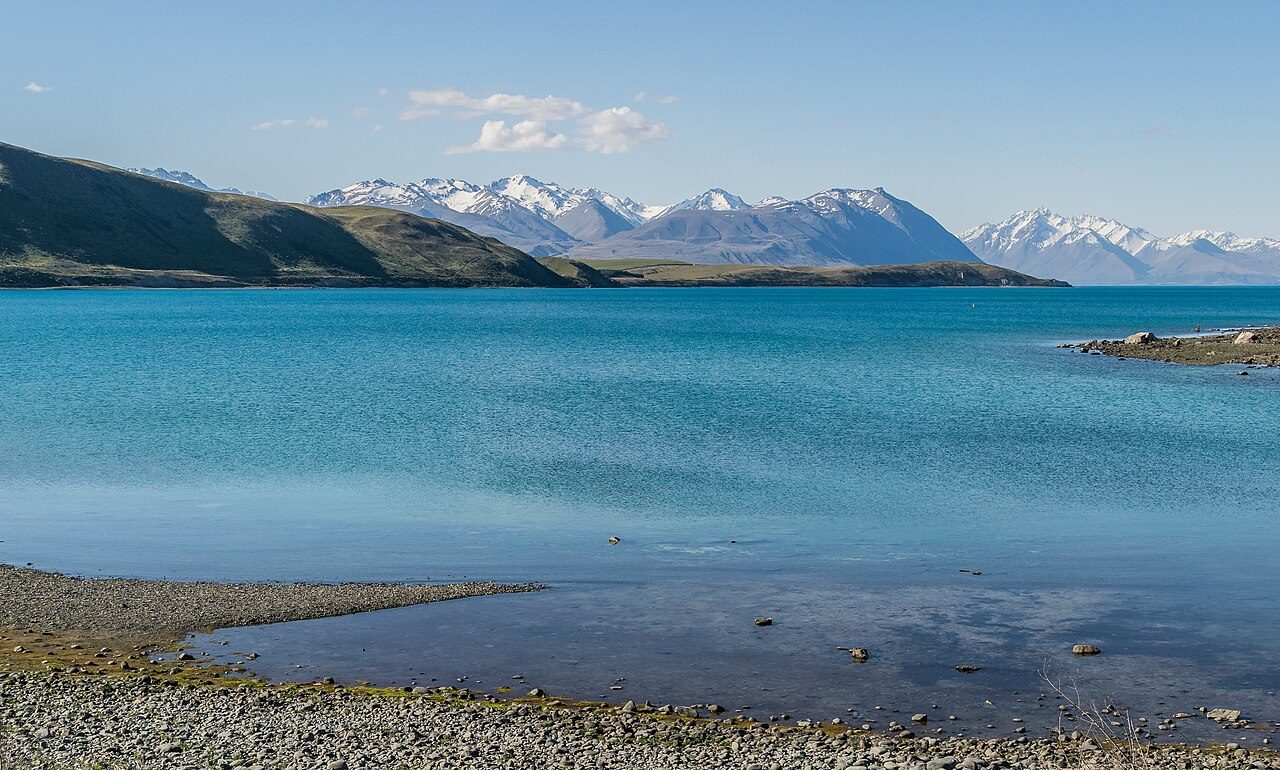
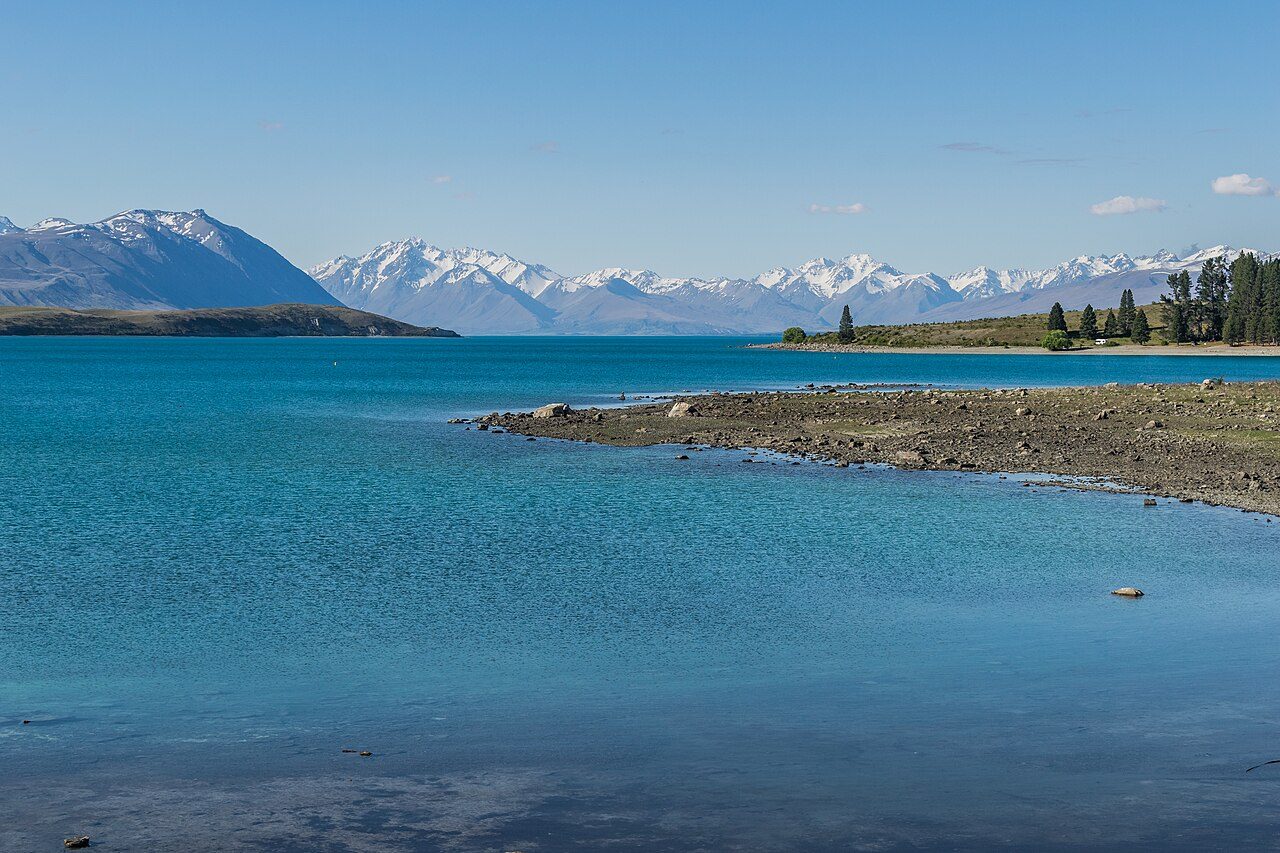
Lake Tekapo is known for its milky turquoise water, coloured by fine glacial rock flour. The small stone Church of the Good Shepherd on its shore is a much-photographed landmark. The area is part of the Aoraki Mackenzie International Dark Sky Reserve, offering superb stargazing, and lupins bloom along the shores in early summer.
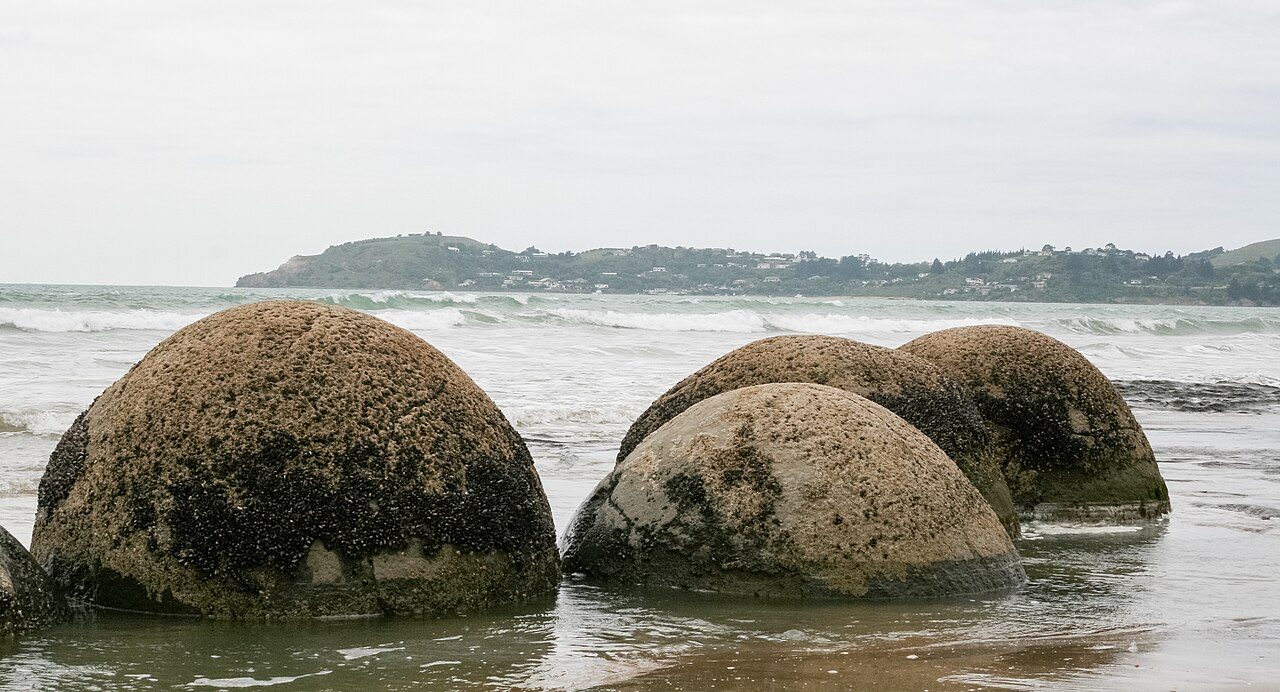
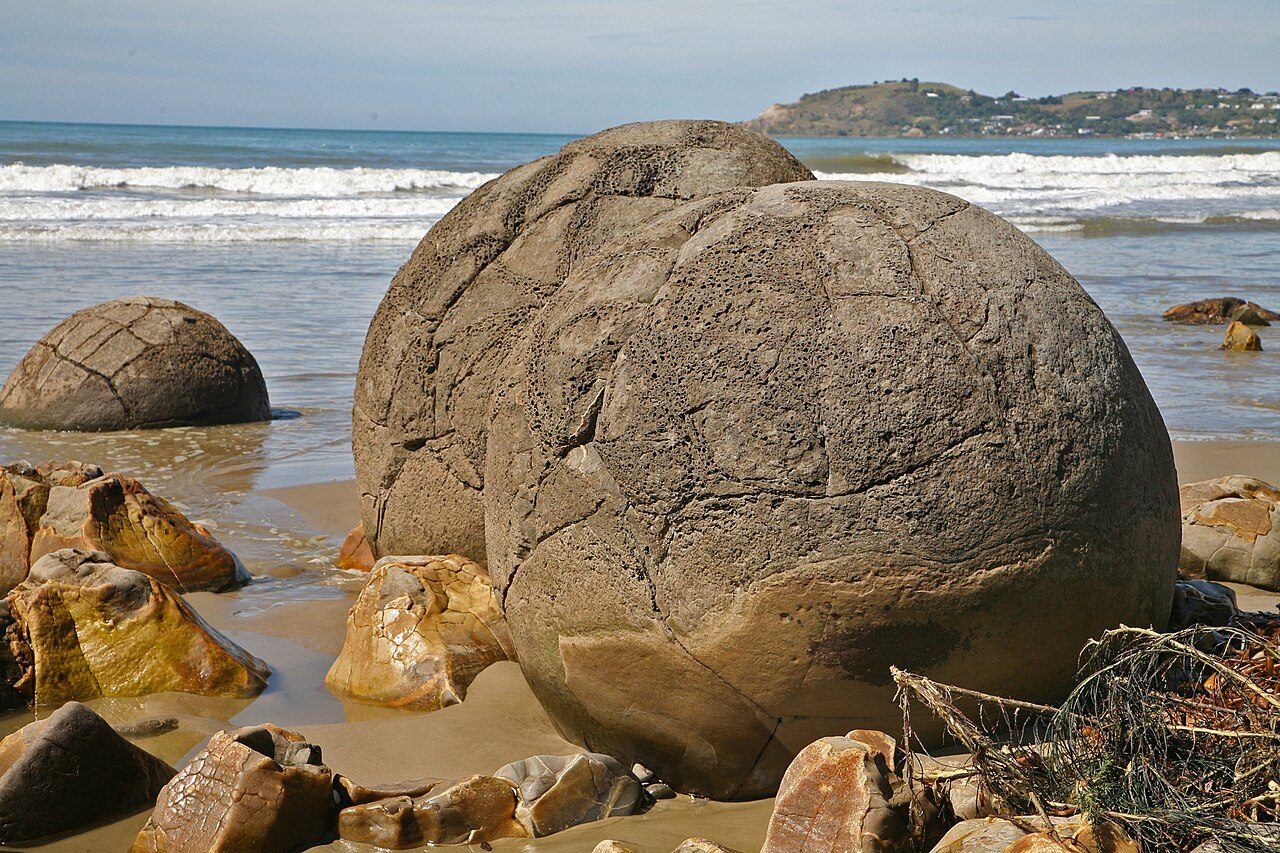
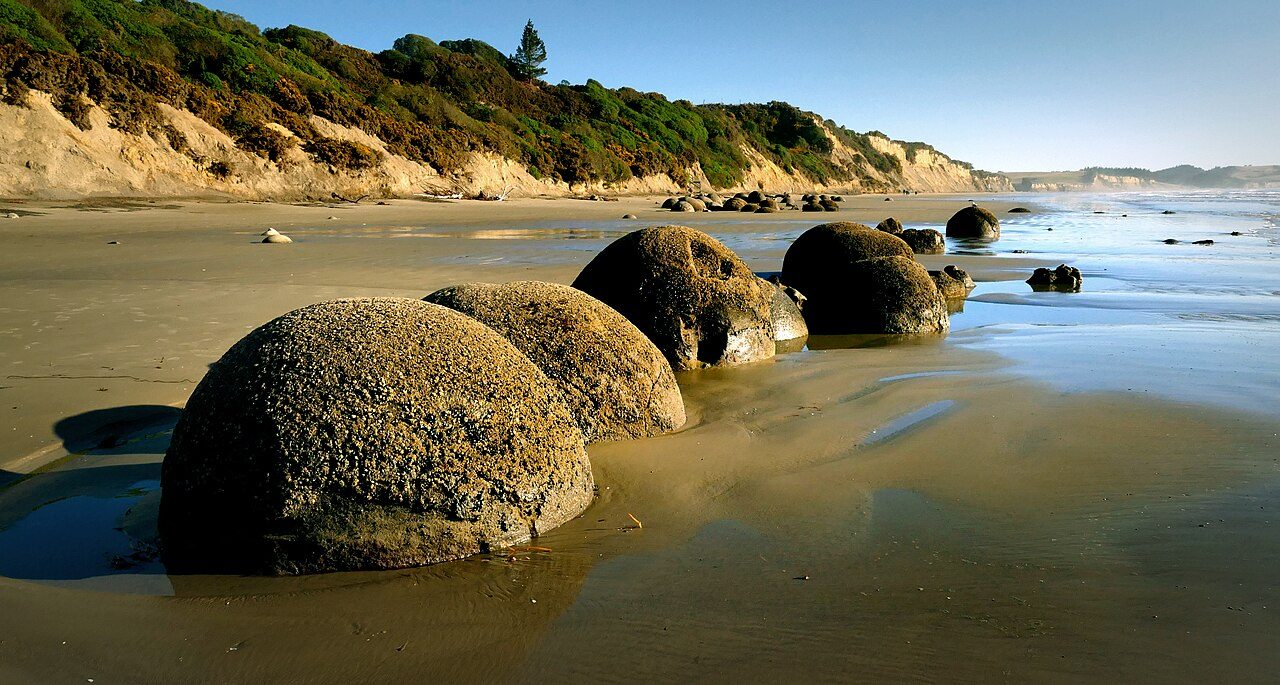
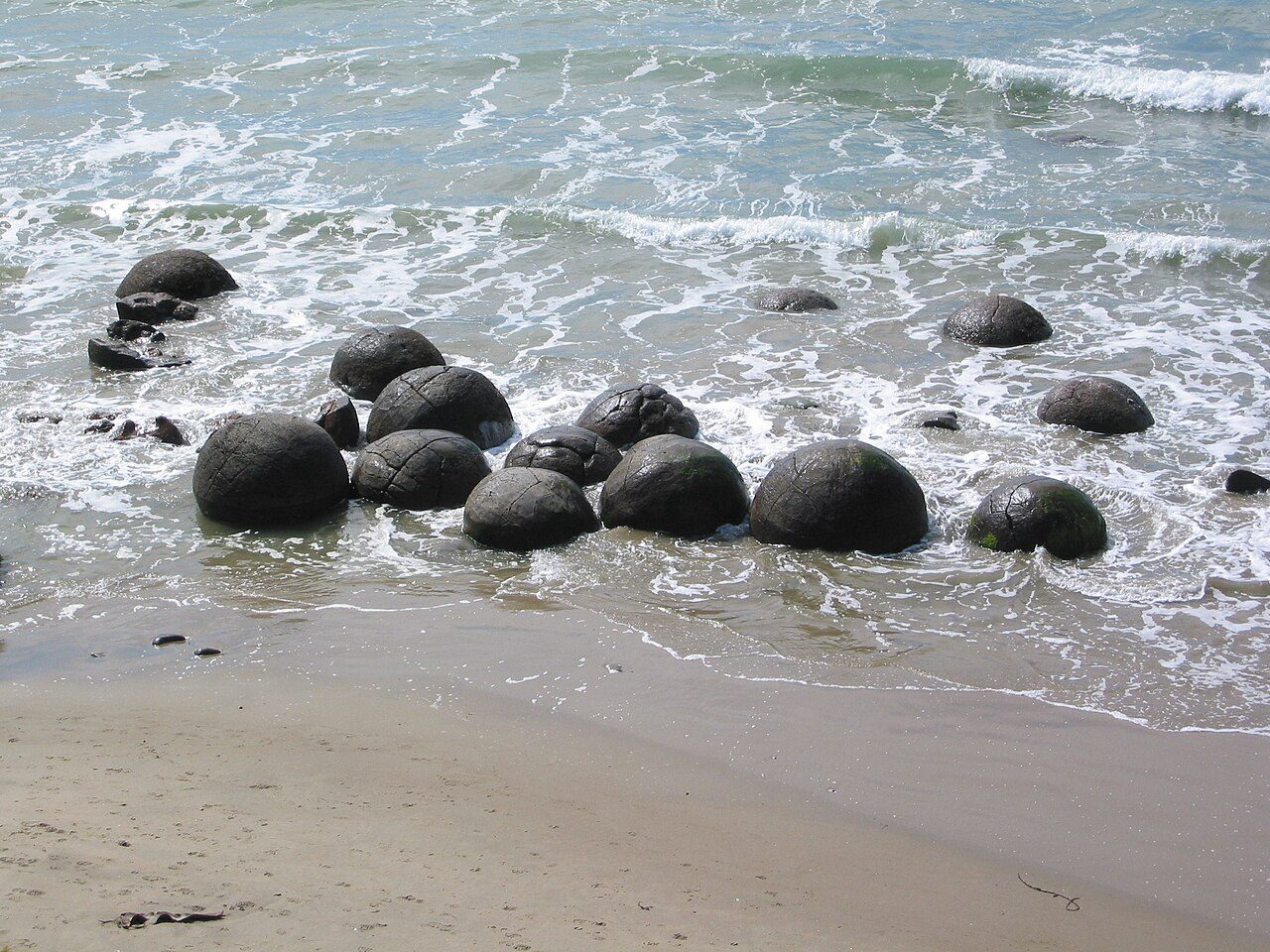
The Moeraki Boulders are large spherical stones scattered along Koekohe Beach on the Otago coast. Some reach about 2 metres in diameter and formed on the ancient sea floor around 60 million years ago before being exposed by coastal erosion. Māori legend says they are gourds washed ashore from the wreck of a great canoe.
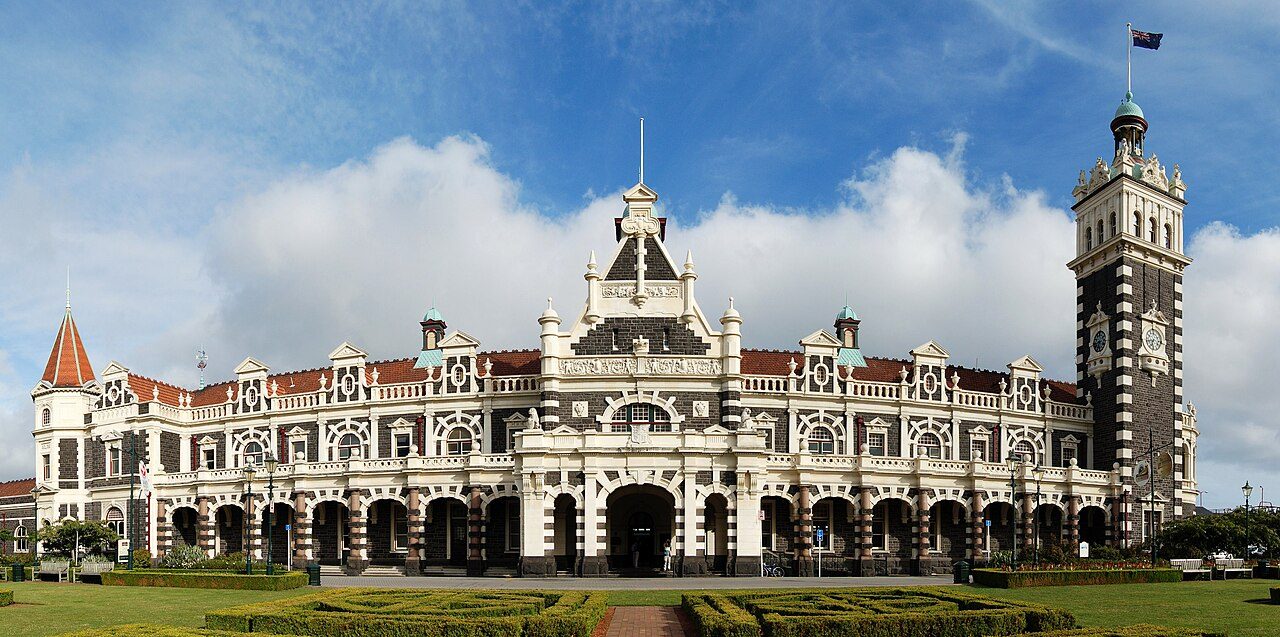
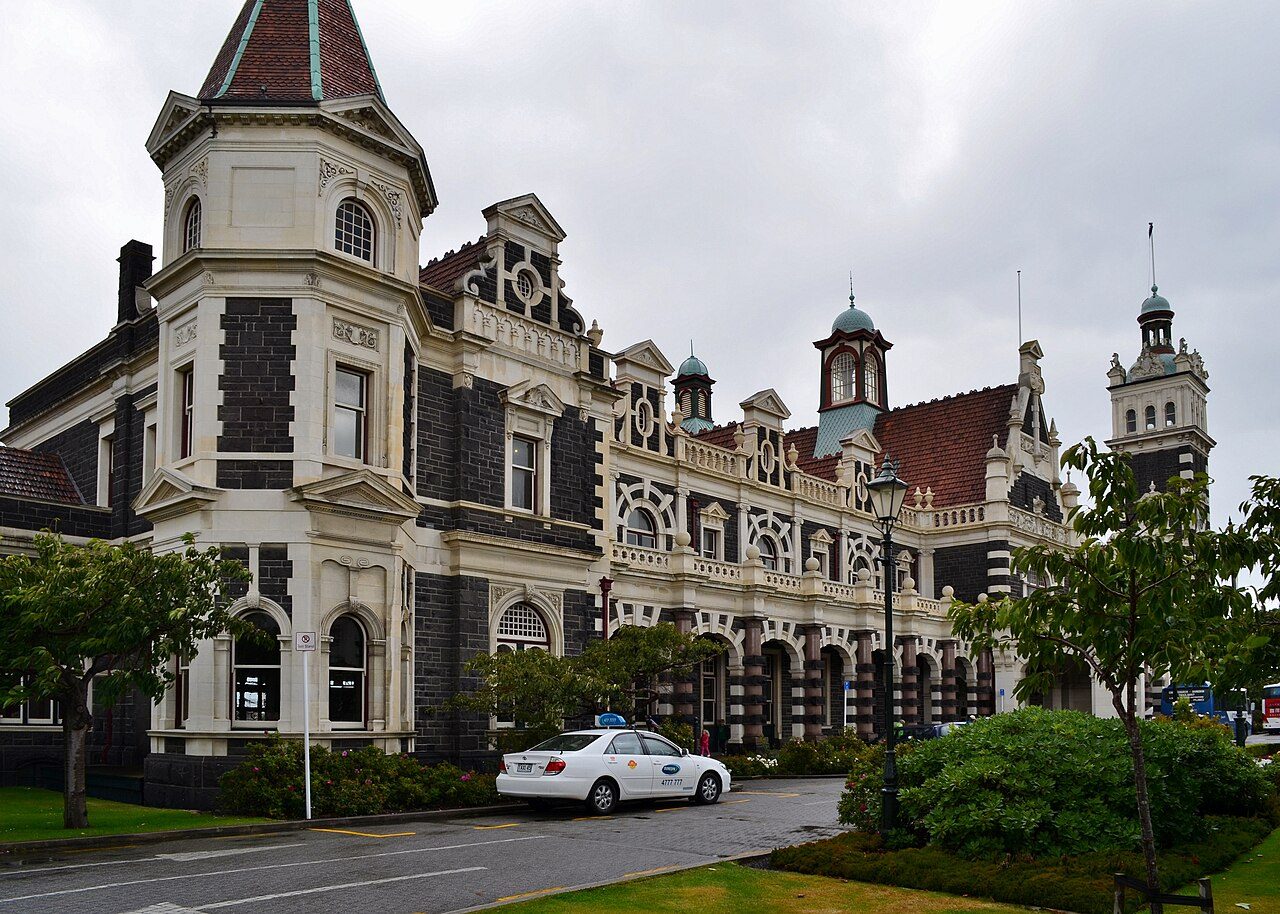
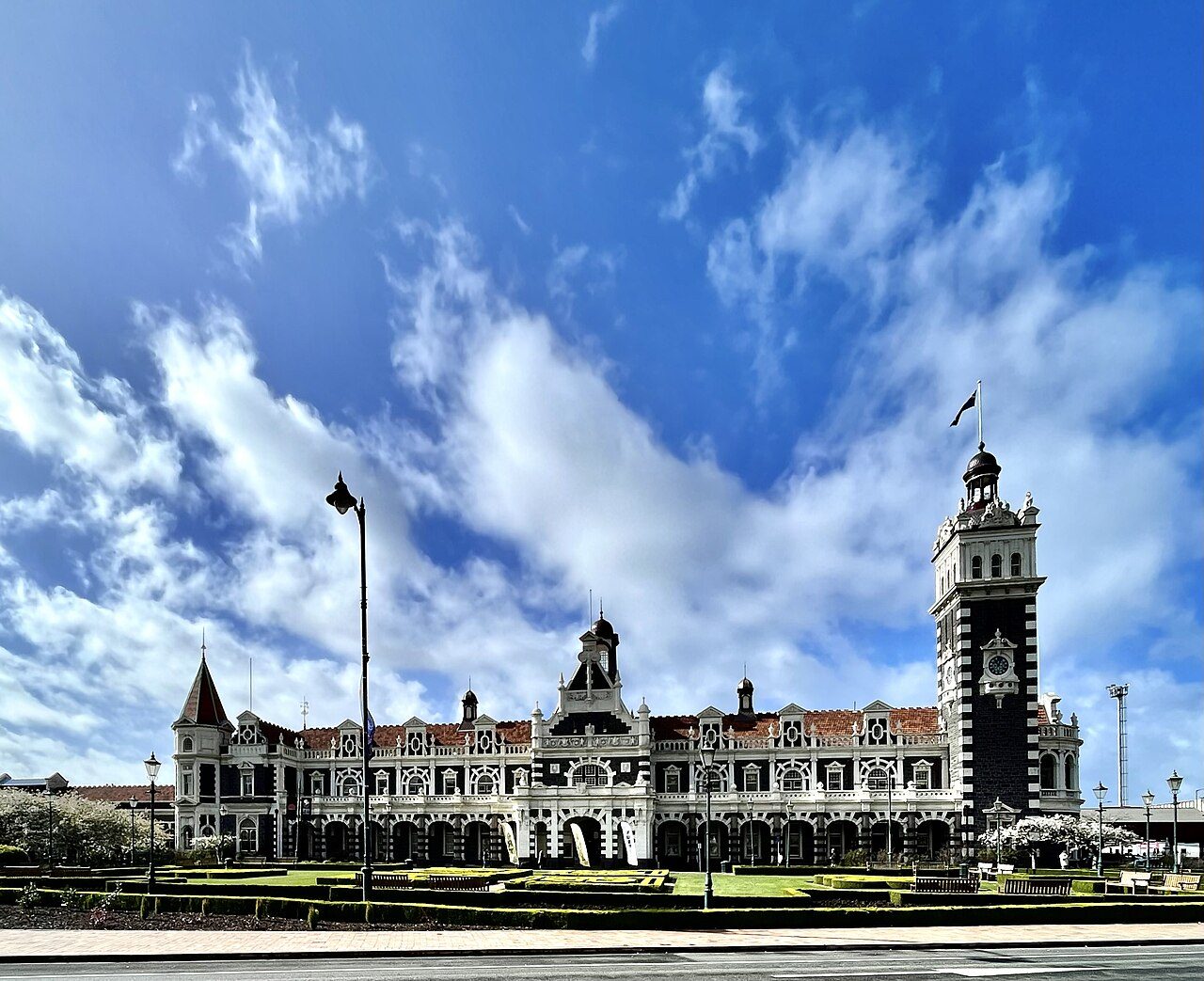
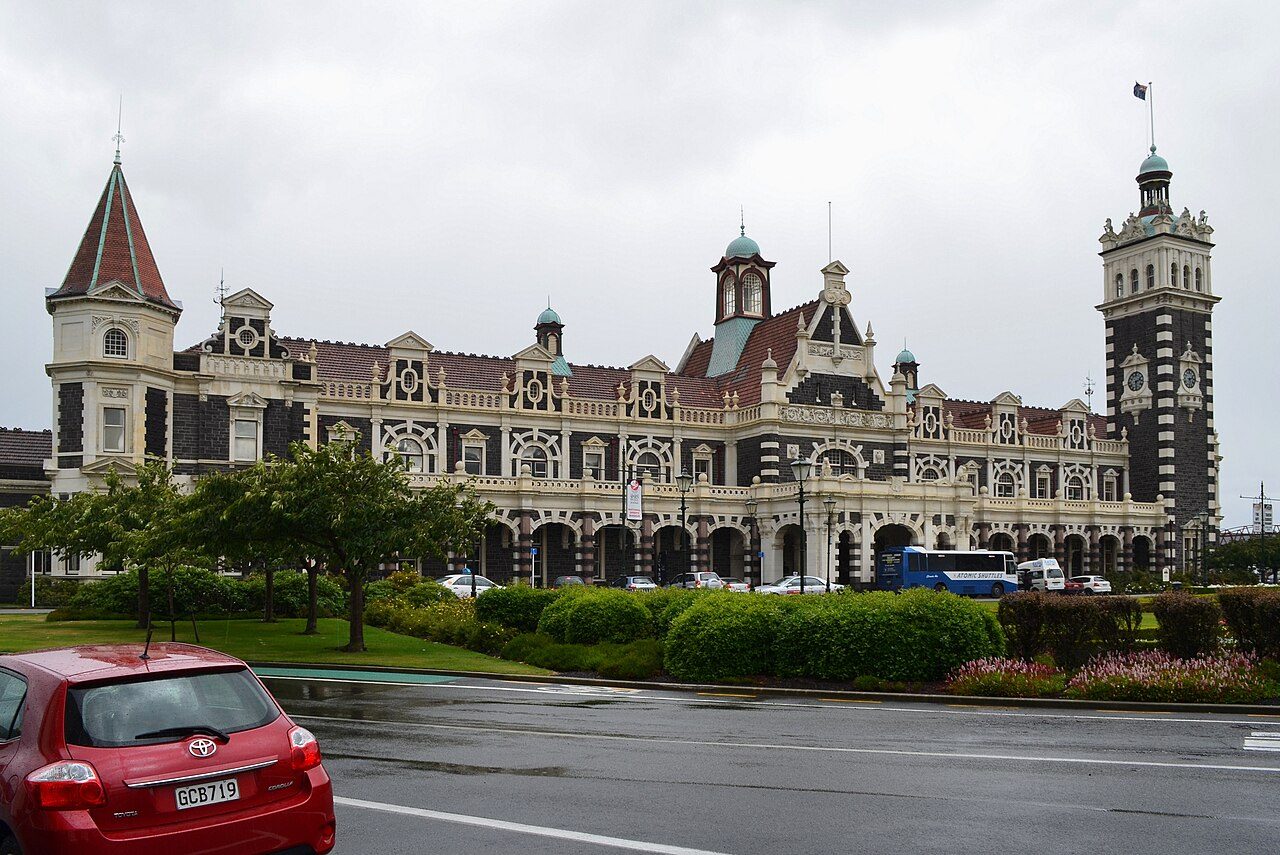
Dunedin Railway Station, completed in 1906, is one of New Zealand's most photographed buildings. Designed by George Troup in Flemish Renaissance style, it is built of dark basalt with white limestone facings. Inside, its mosaic floor contains around 725,000 Royal Doulton porcelain tiles. It is the departure point for scenic rail journeys.
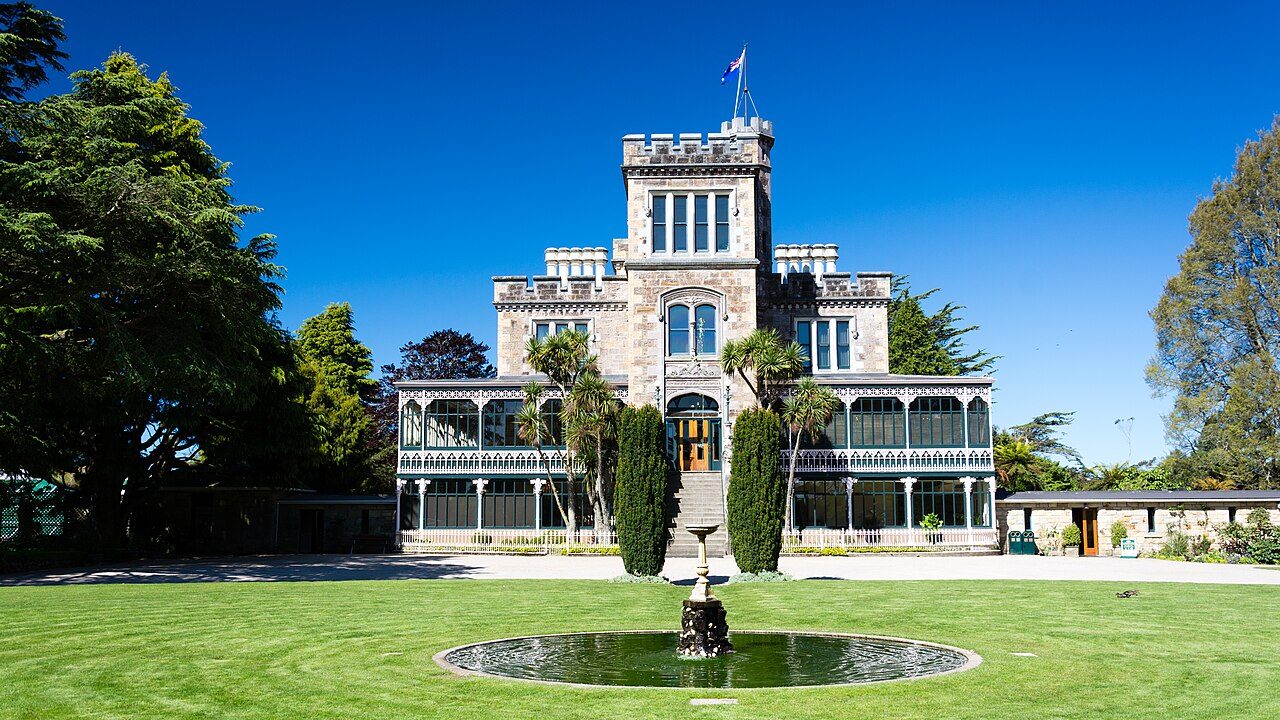
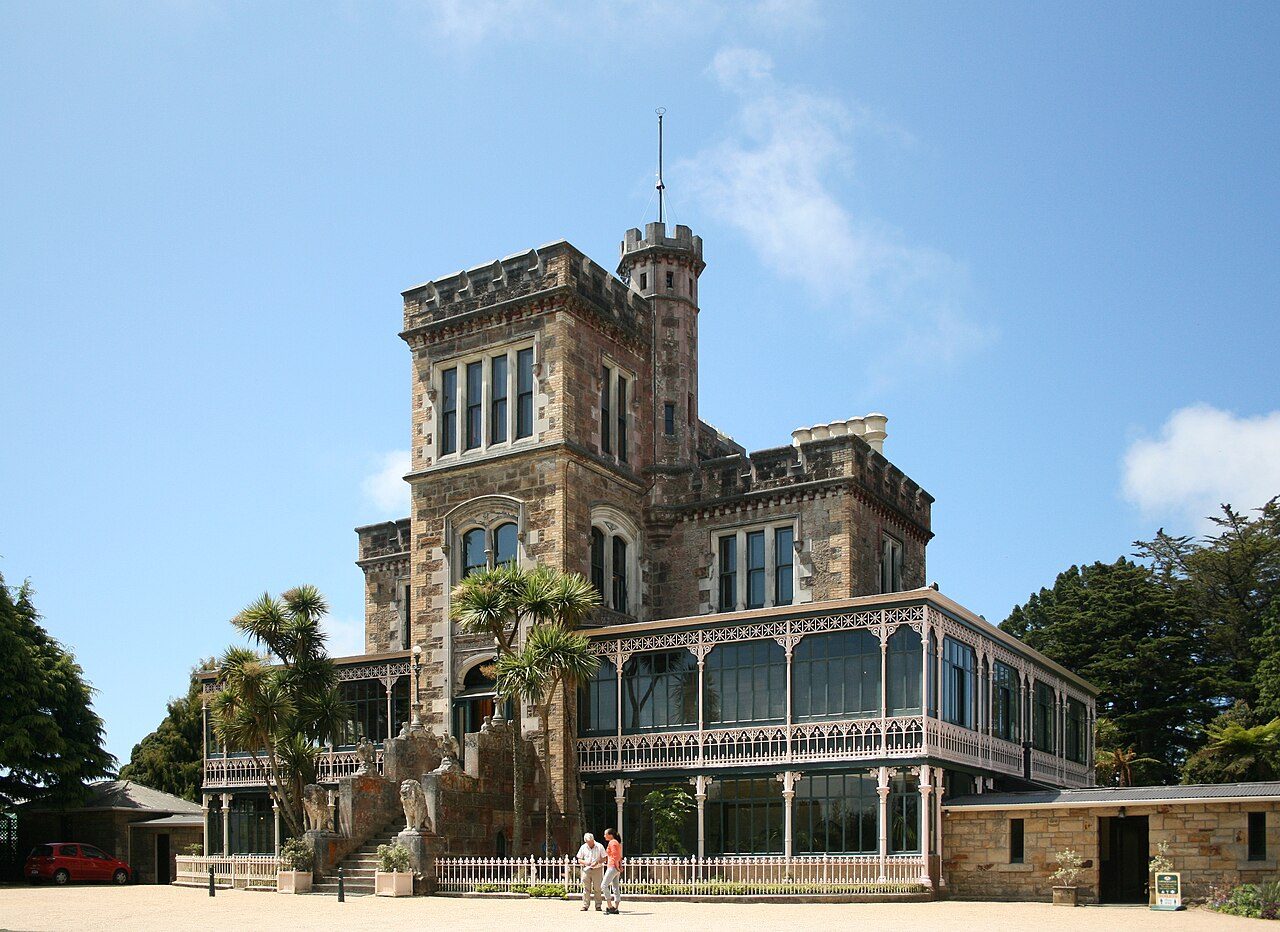
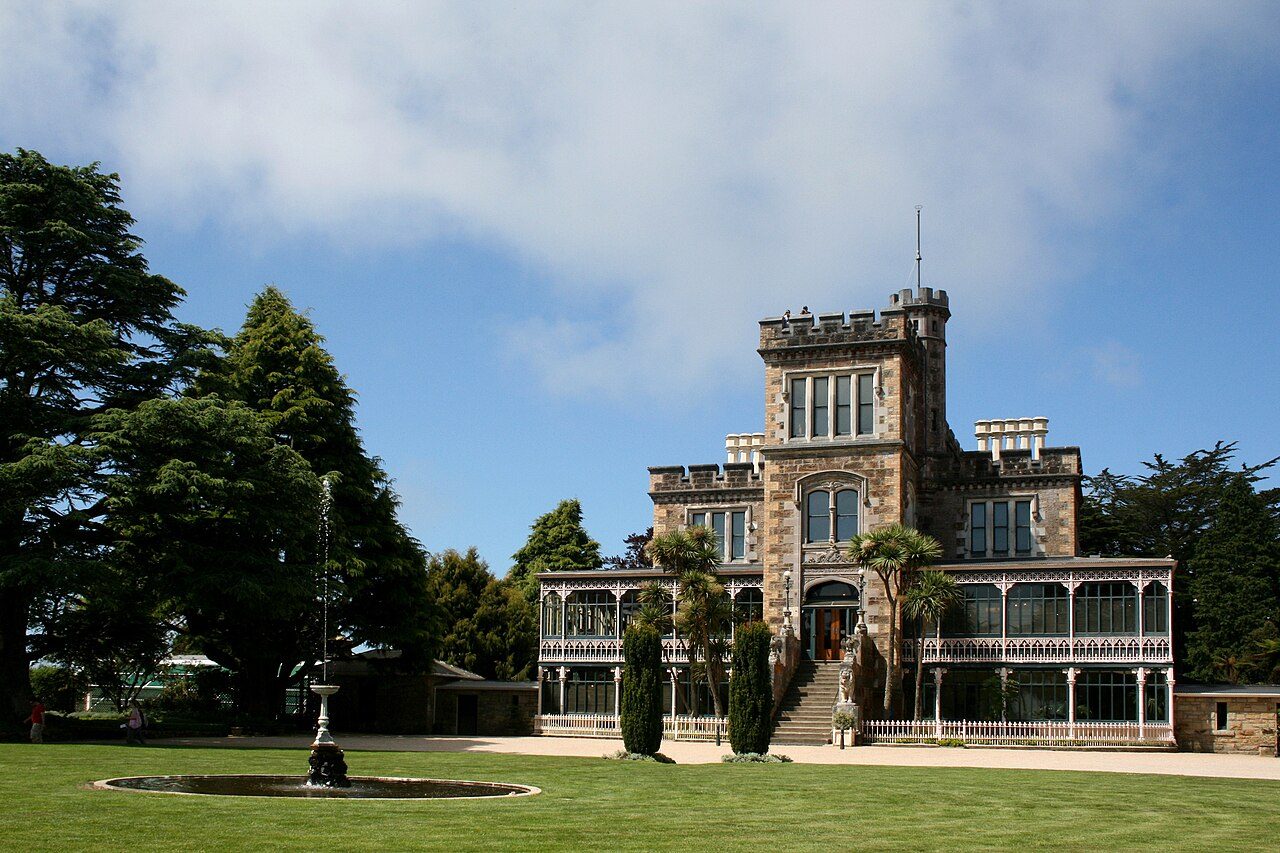
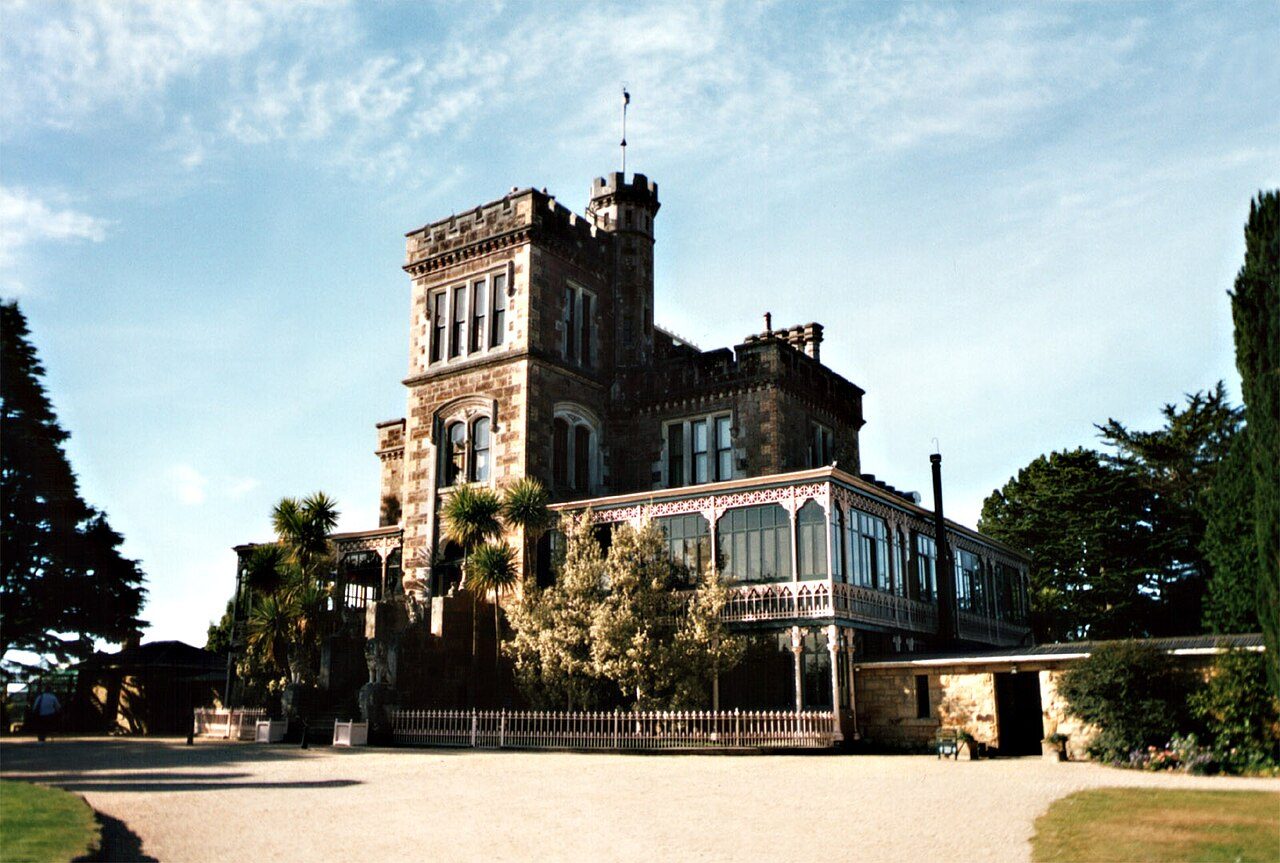
Larnach Castle on the Otago Peninsula was built from 1871 for businessman William Larnach and is often called New Zealand's only castle. The Gothic Revival mansion has been restored with period furnishings, and its gardens are recognised as a Garden of International Significance. The tower offers views over Otago Harbour.
Best weather: Dec – Apr
Seasons from 20 years of NASA POWER climate data.
Was this trip blog helpful?
0
0
Ready to follow this route?
Copy all 18 stops into your trip plans in the app.
 WaTrips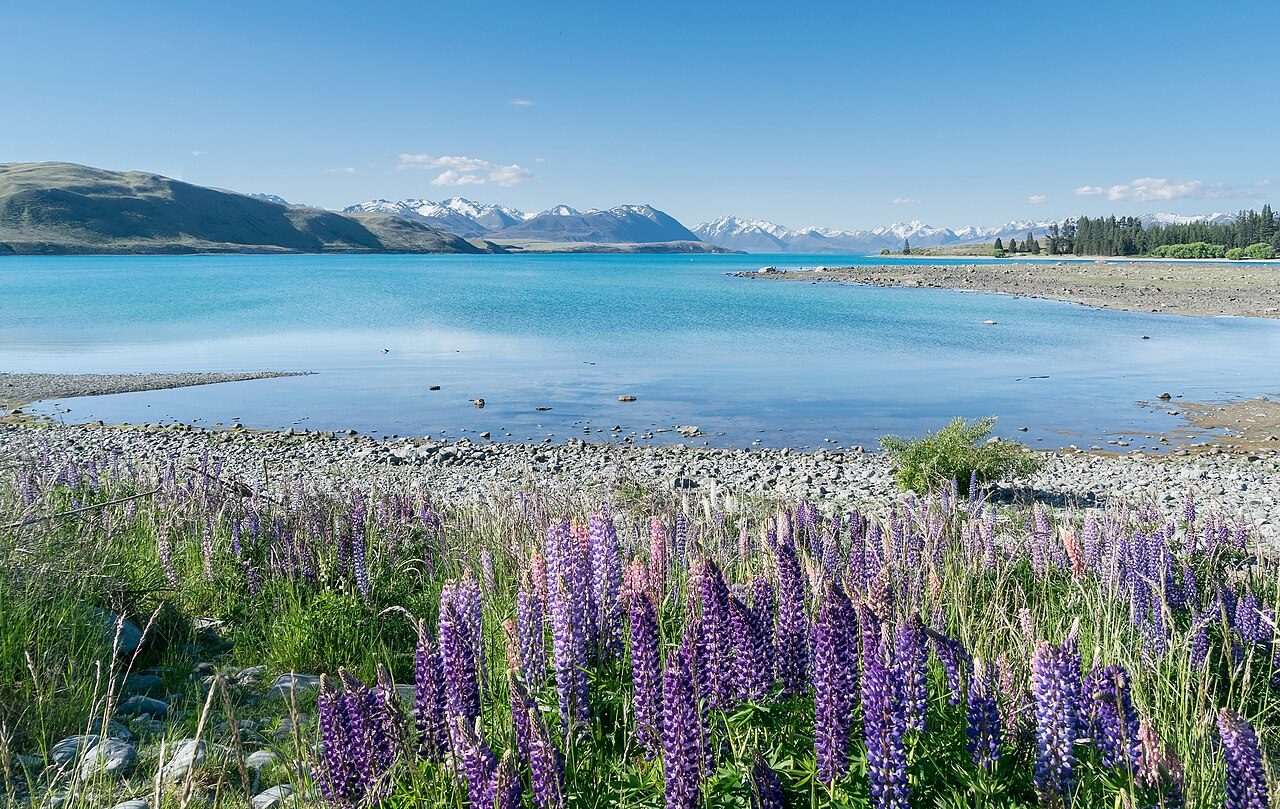







 BikesBooking
 Localrent
 Airalo
 Tiqets