Auckland, Hobbiton, Waitomo, Rotorua, the Tongariro Crossing, Wellington, Abel Tasman, Pancake Rocks, the glaciers, Wanaka, Queenstown, Milford Sound, Mount Cook, Tekapo and Christchurch.
New Zealand packs mountains, fiords, volcanoes and beaches into two islands. On the North Island, see Auckland, Hobbiton, the glow-worm caves of Waitomo and Rotorua's geysers, hike the Tongariro Alpine Crossing and visit Te Papa in Wellington. Ferry to the South Island for Abel Tasman's beaches, the Pancake Rocks, the Franz Josef and Fox glaciers, Lake Wanaka, Queenstown and Milford Sound. End at Aoraki / Mount Cook and the turquoise lakes of Pukaki and Tekapo before Christchurch. December to March is summer.
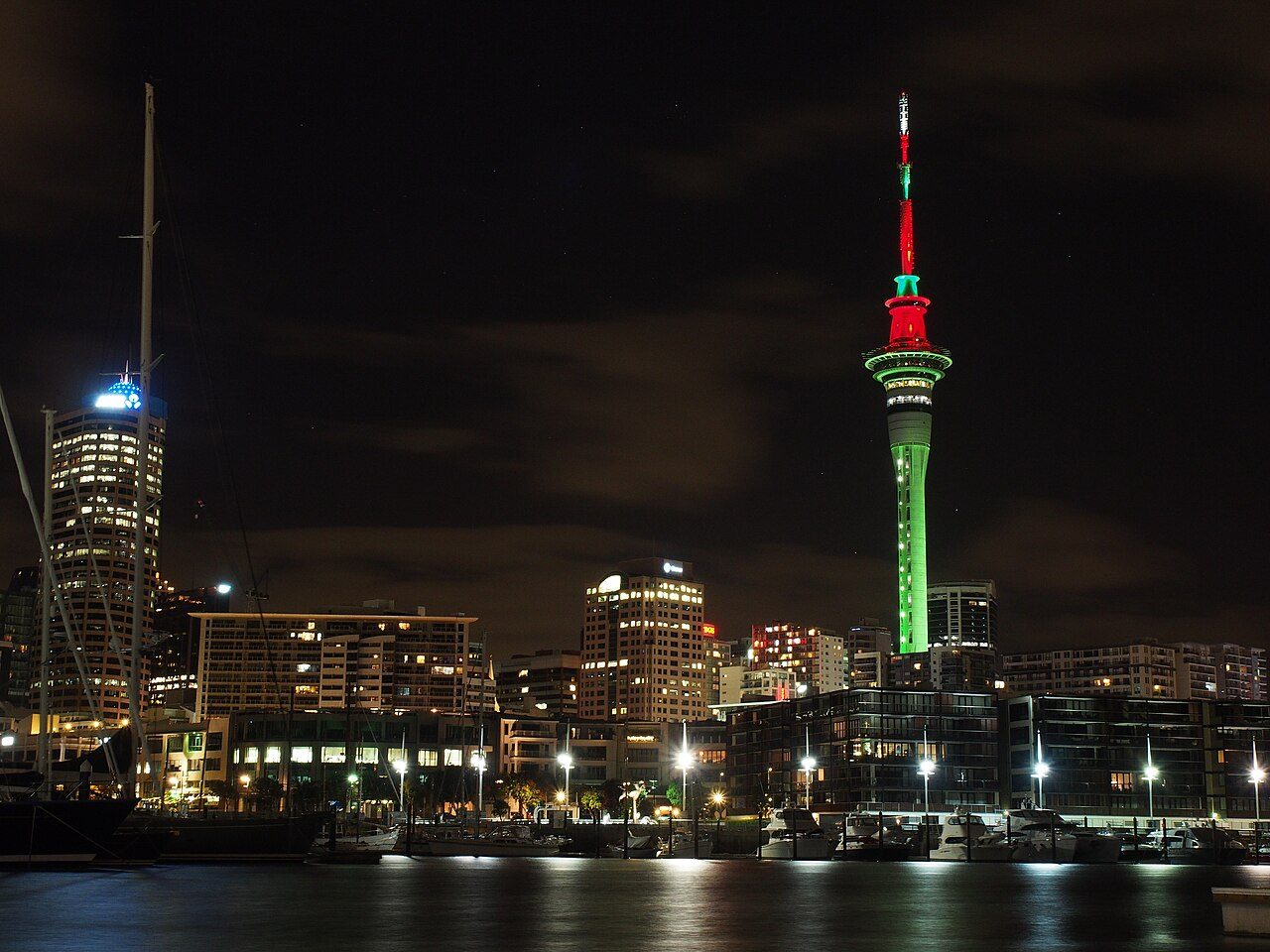
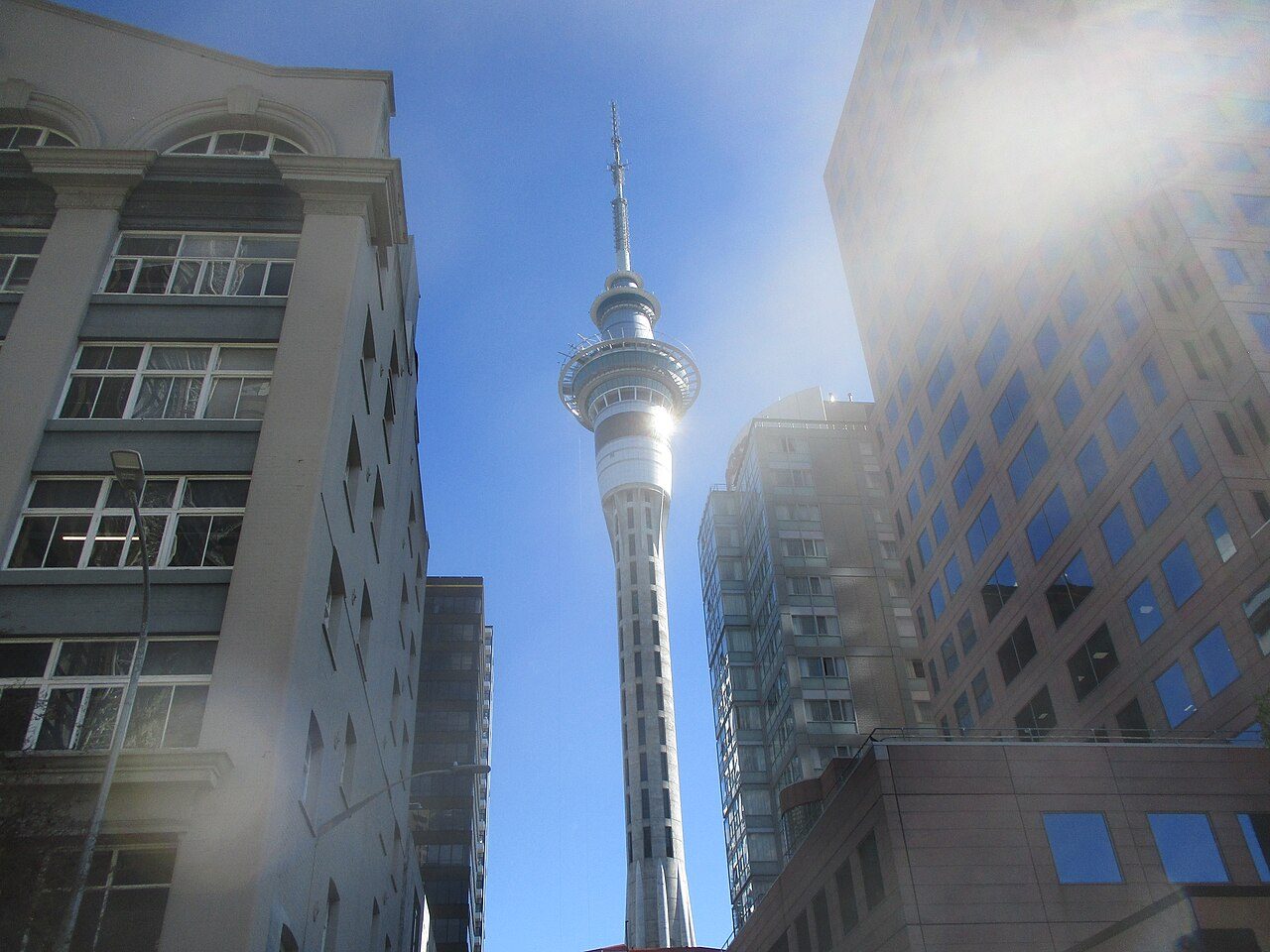
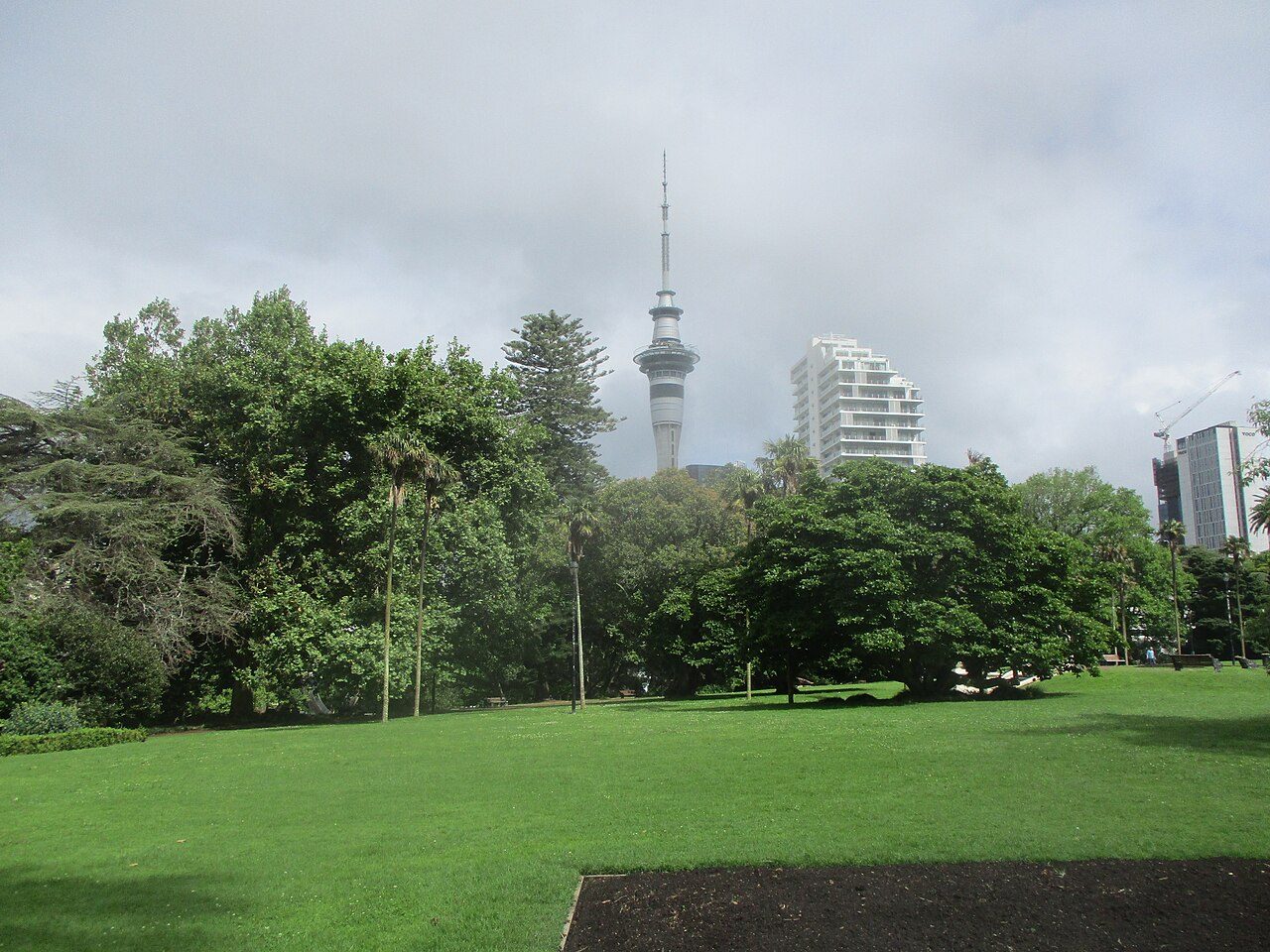
The Sky Tower in Auckland is 328 metres tall, making it the tallest freestanding structure in the Southern Hemisphere when it opened in 1997. Observation decks offer views up to 80 km away, and there is a revolving restaurant. Adventurous visitors can try the SkyJump or SkyWalk around the outside of the tower.
02
STOP 2 OF 22
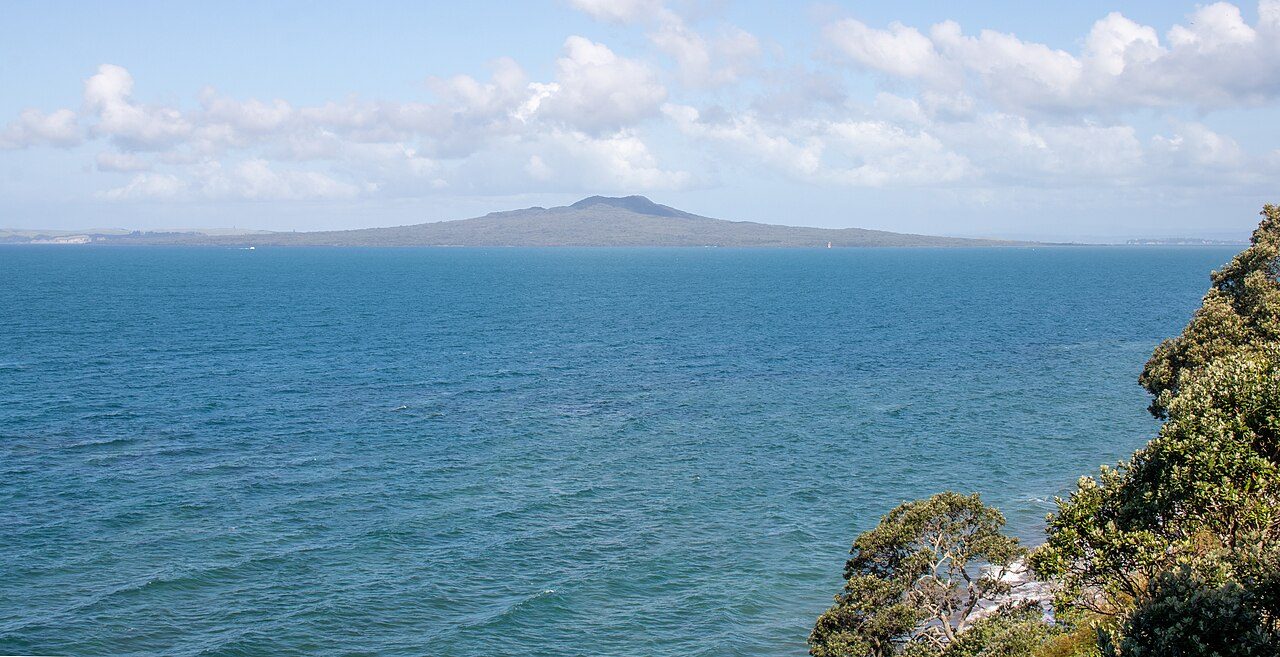
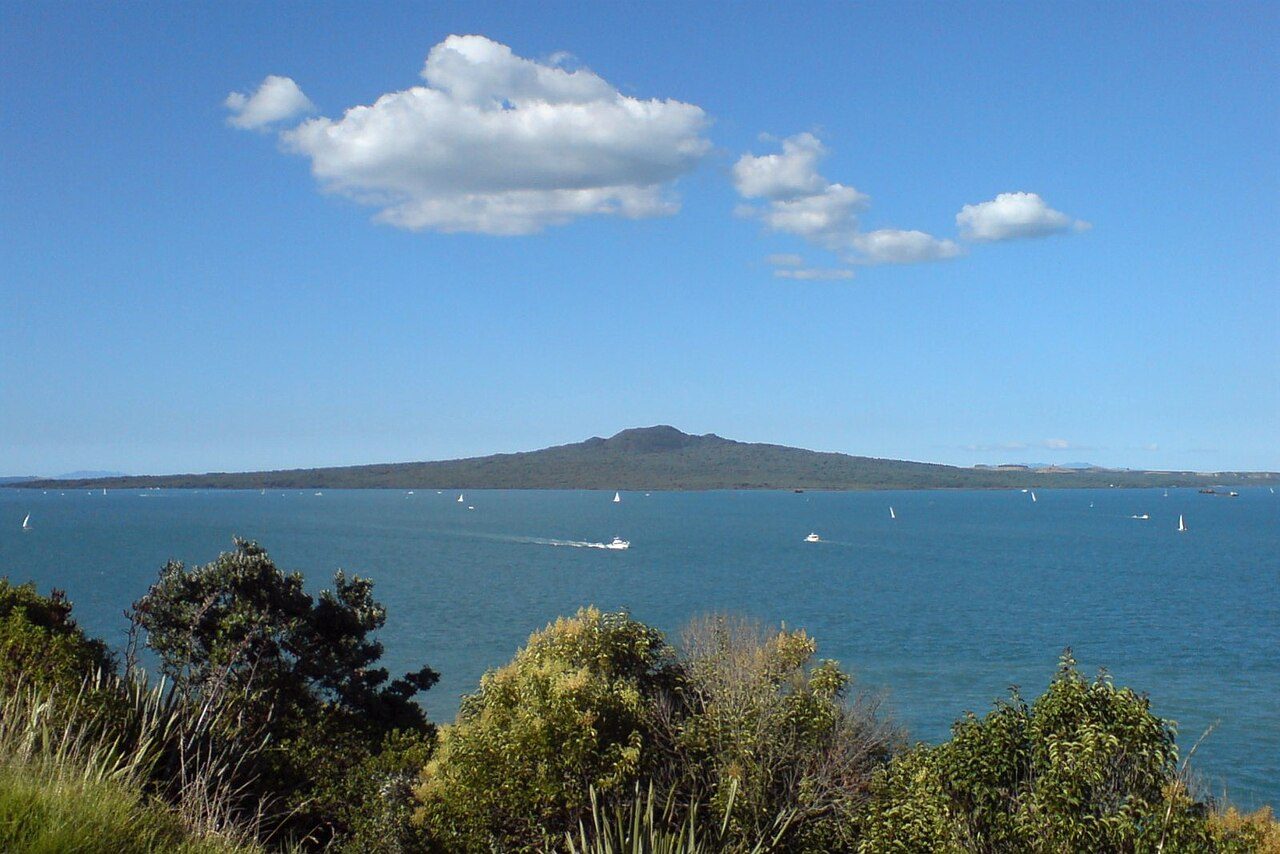
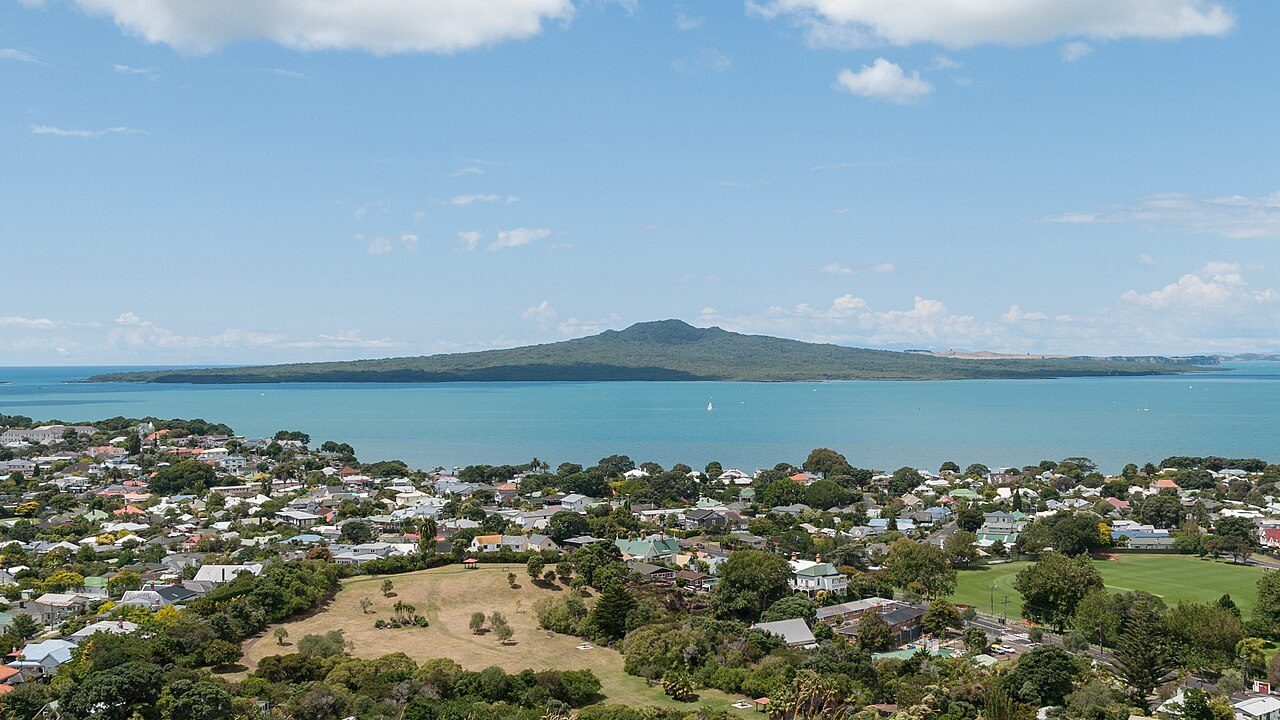
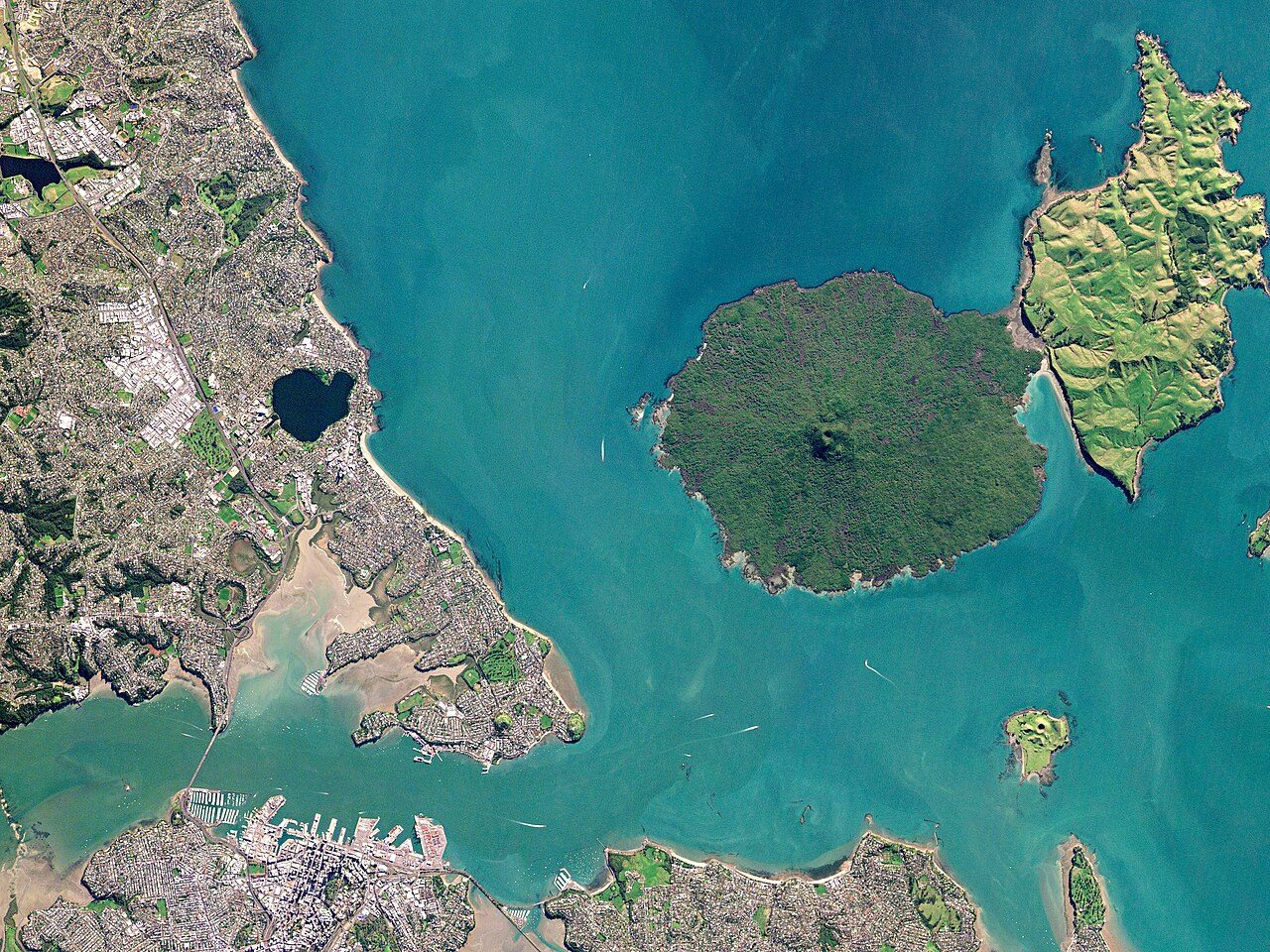
Rangitoto Island
Rangitoto Island is the youngest volcano in the Auckland volcanic field, having erupted from the sea about 600 years ago. Its symmetrical cone is a landmark of the Hauraki Gulf. A walking track leads through lava fields and pōhutukawa forest to the summit crater, with views of Auckland and the gulf, and lava caves to explore.
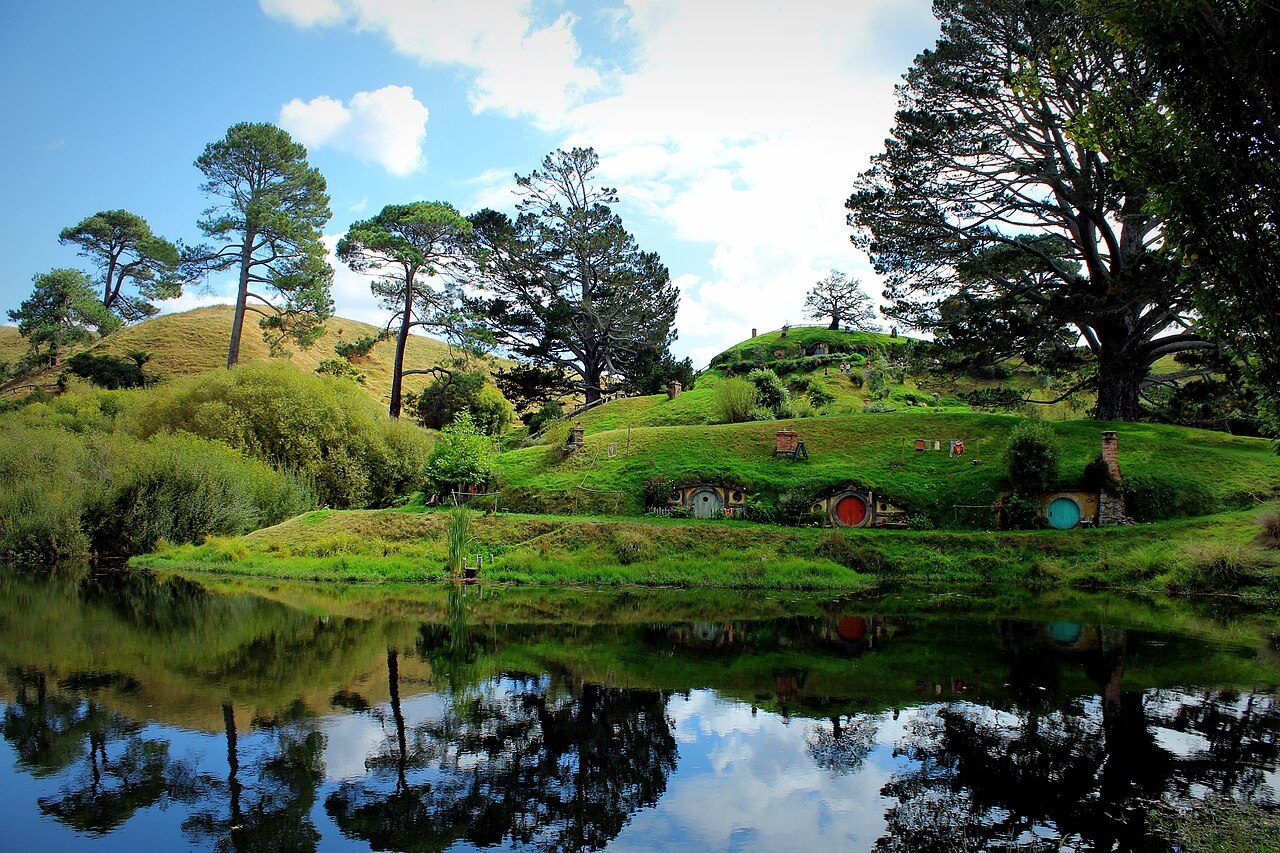
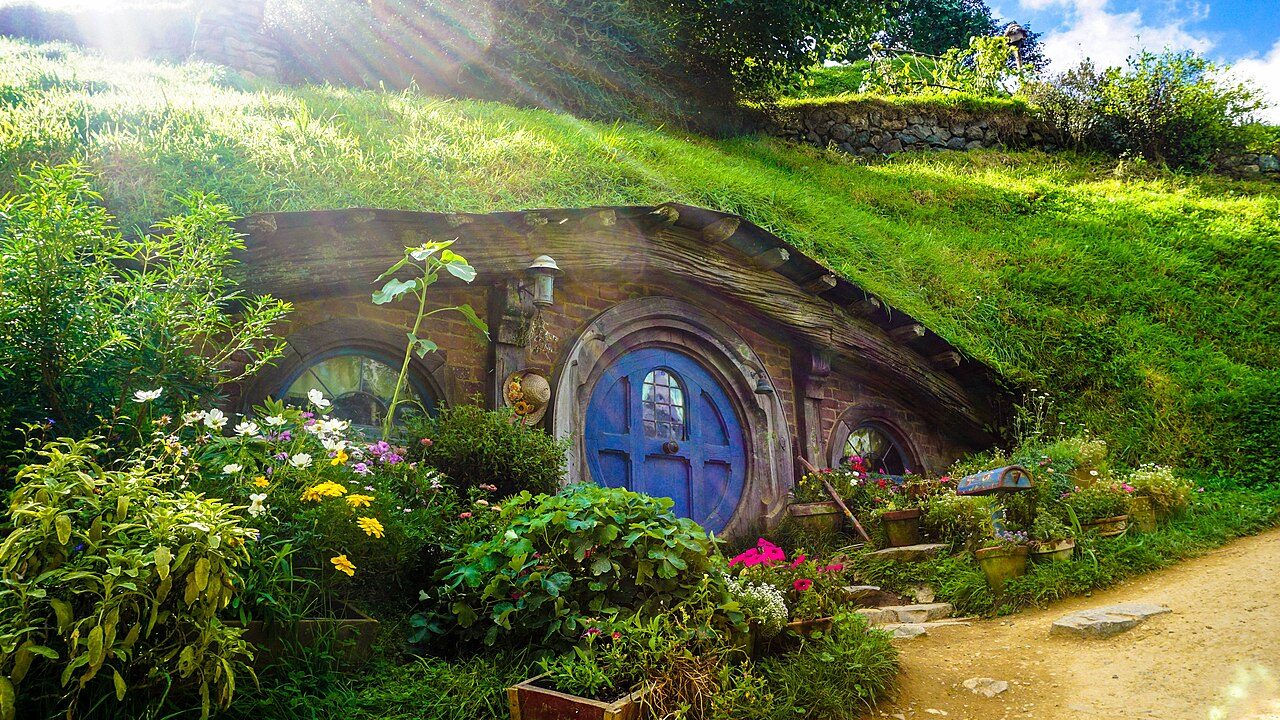
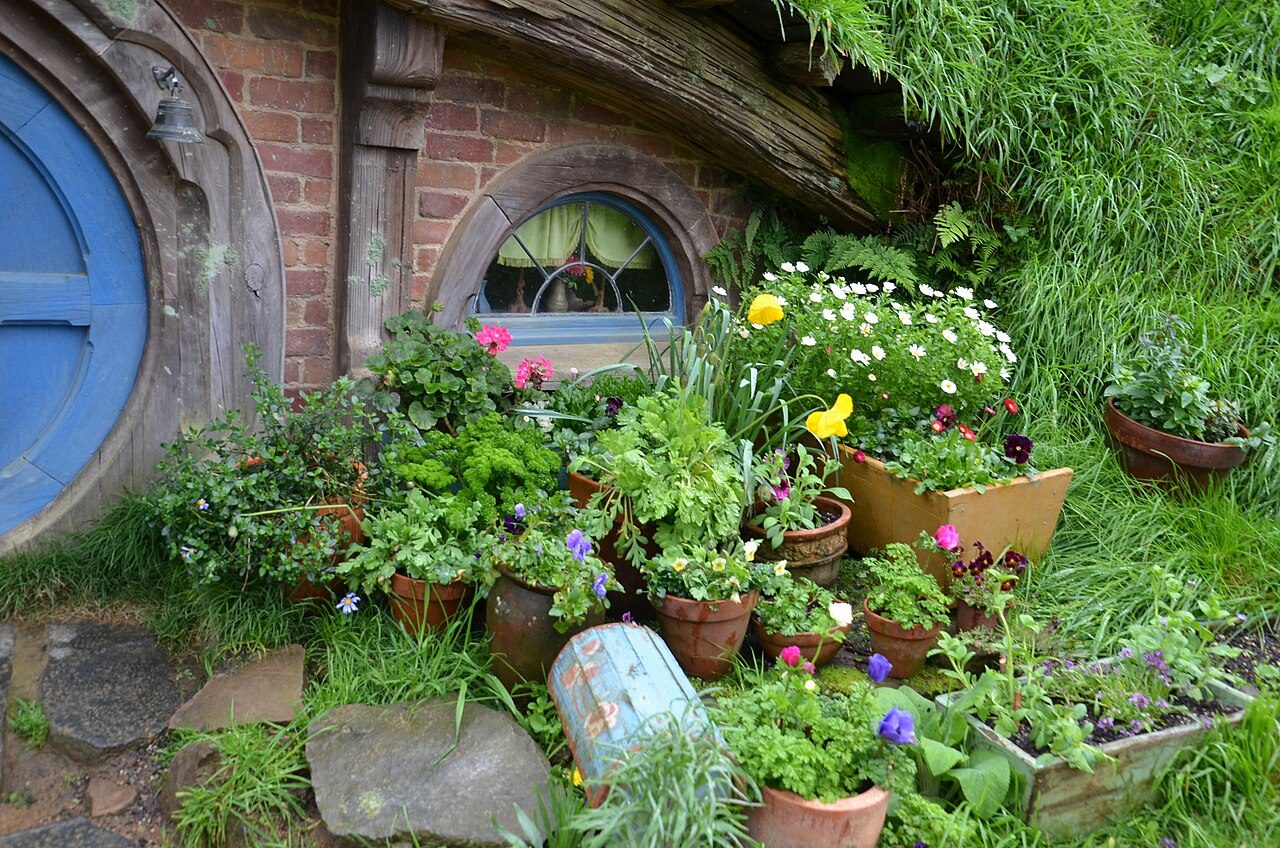
Hobbiton Movie Set near Matamata is where the Shire was filmed for The Lord of the Rings and The Hobbit trilogies. Set on a working sheep farm, the guided tour visits 44 hobbit holes, the Party Tree and the Mill. The tour ends at the Green Dragon Inn with a drink.
04
STOP 4 OF 22
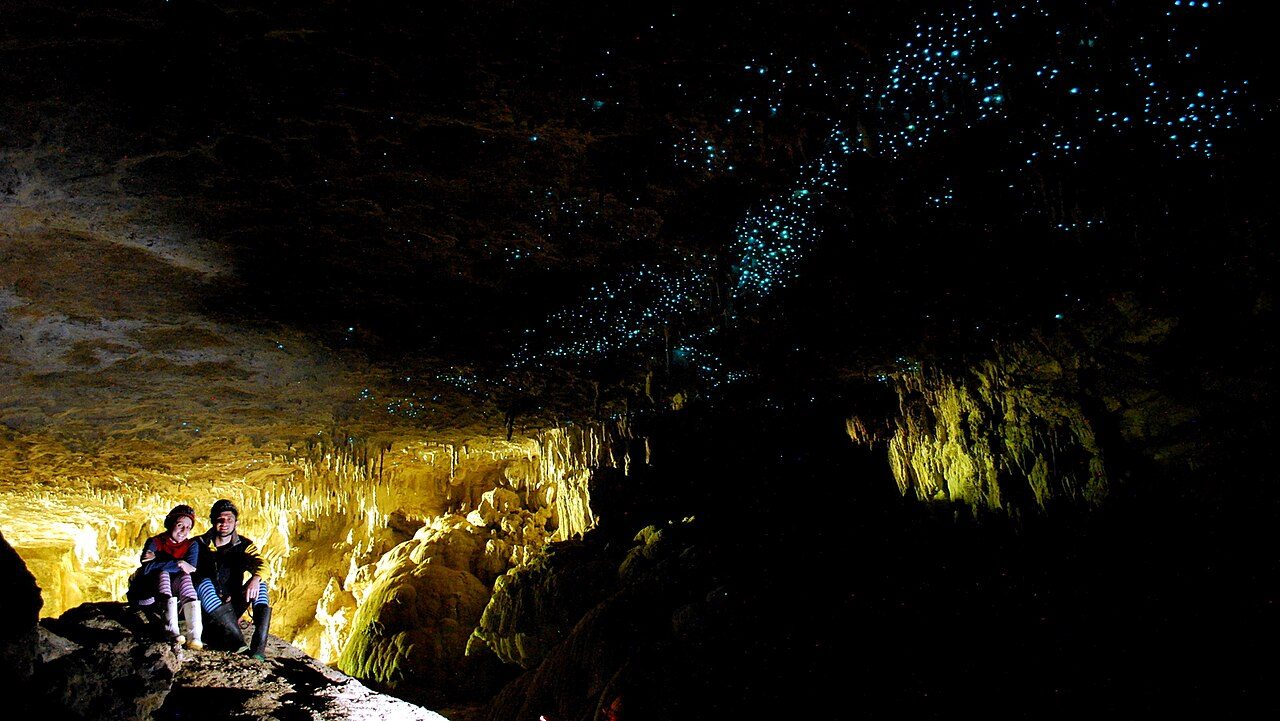
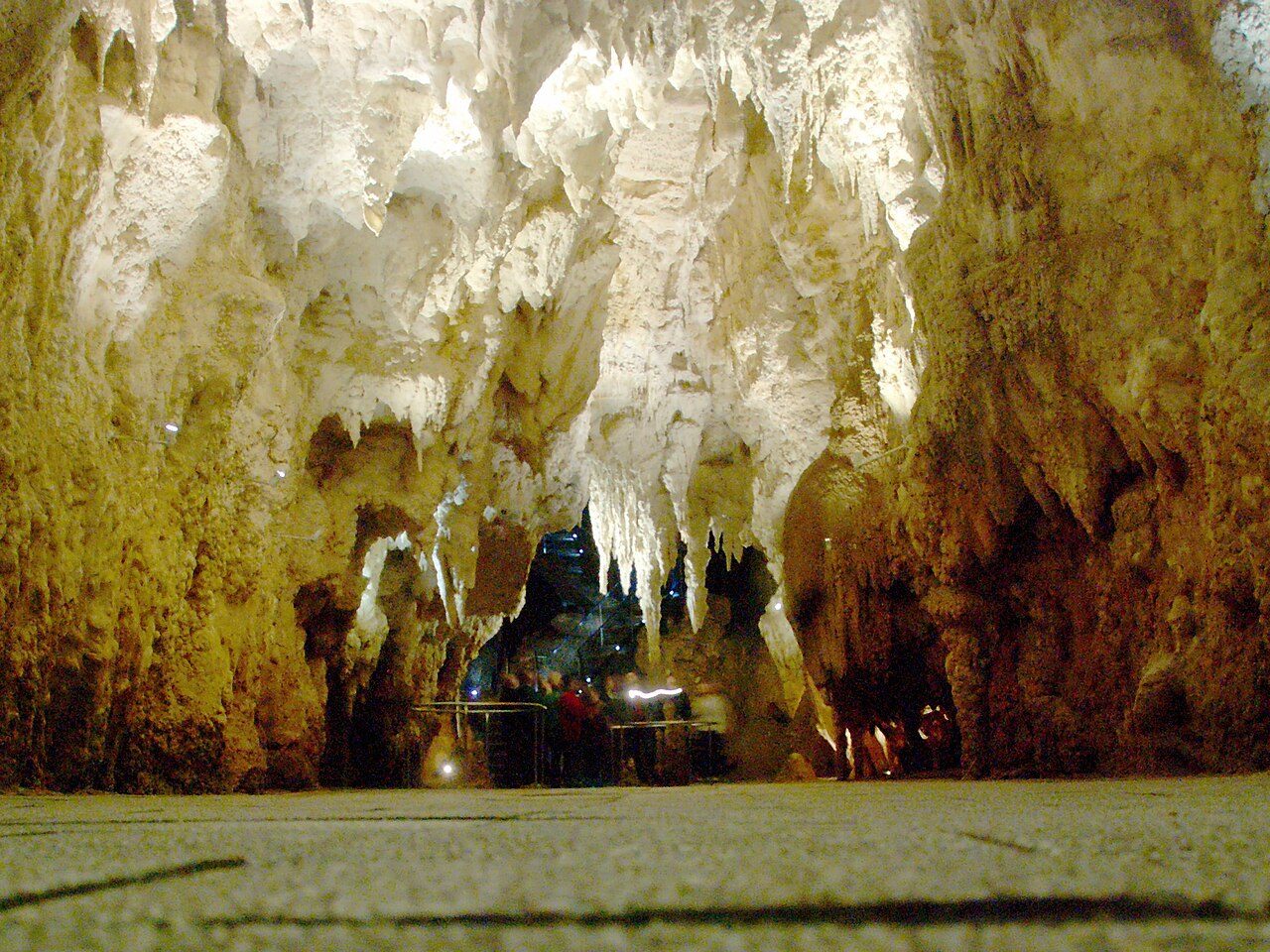
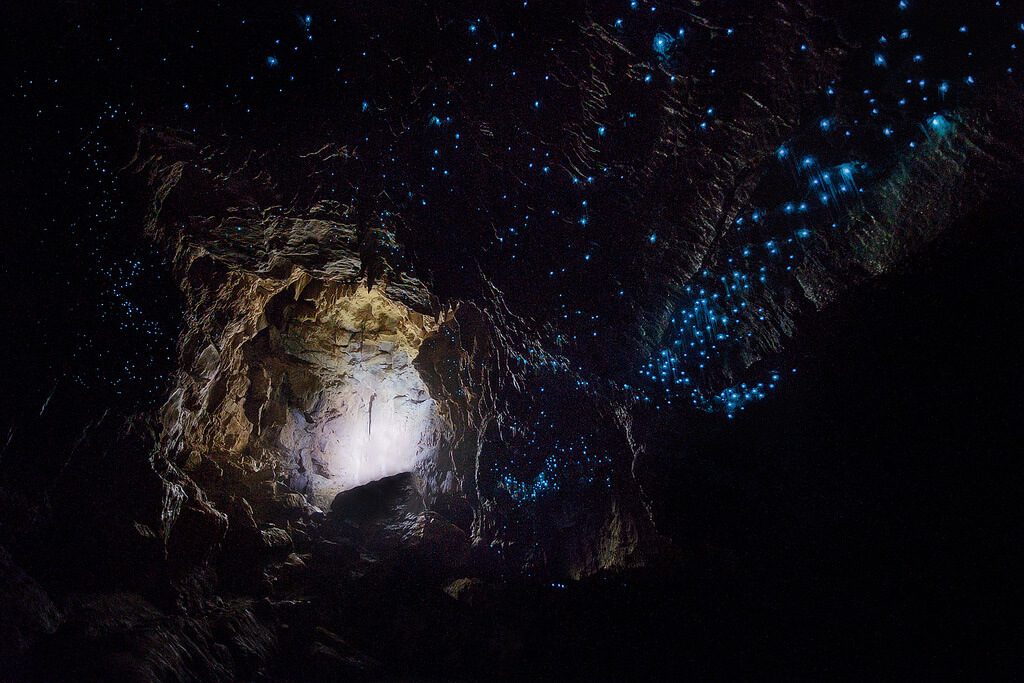
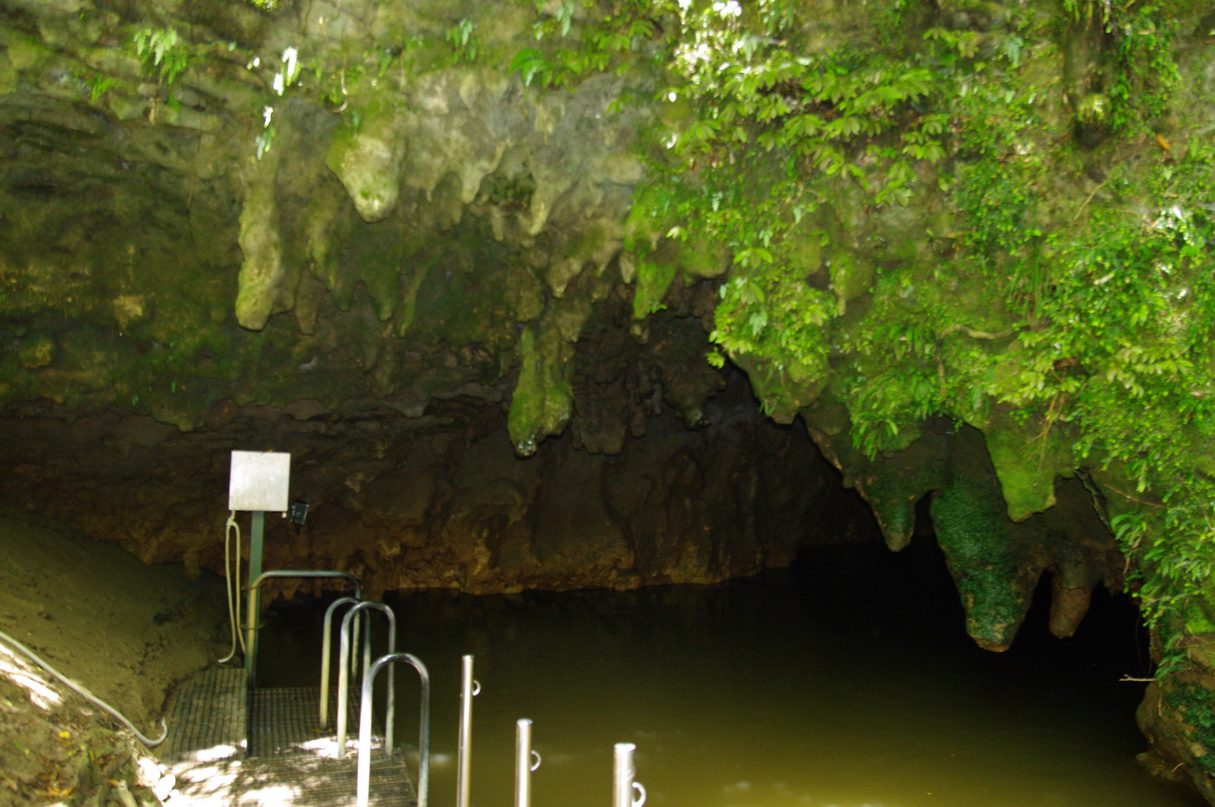
Waitomo Caves
The Waitomo Caves in the King Country are famous for the Glowworm Grotto, where boat rides glide beneath thousands of glowing Arachnocampa luminosa larvae. Formed over 30 million years in limestone, the caves also include the Ruakuri and Aranui caves, and adventure tours offer black-water rafting underground.
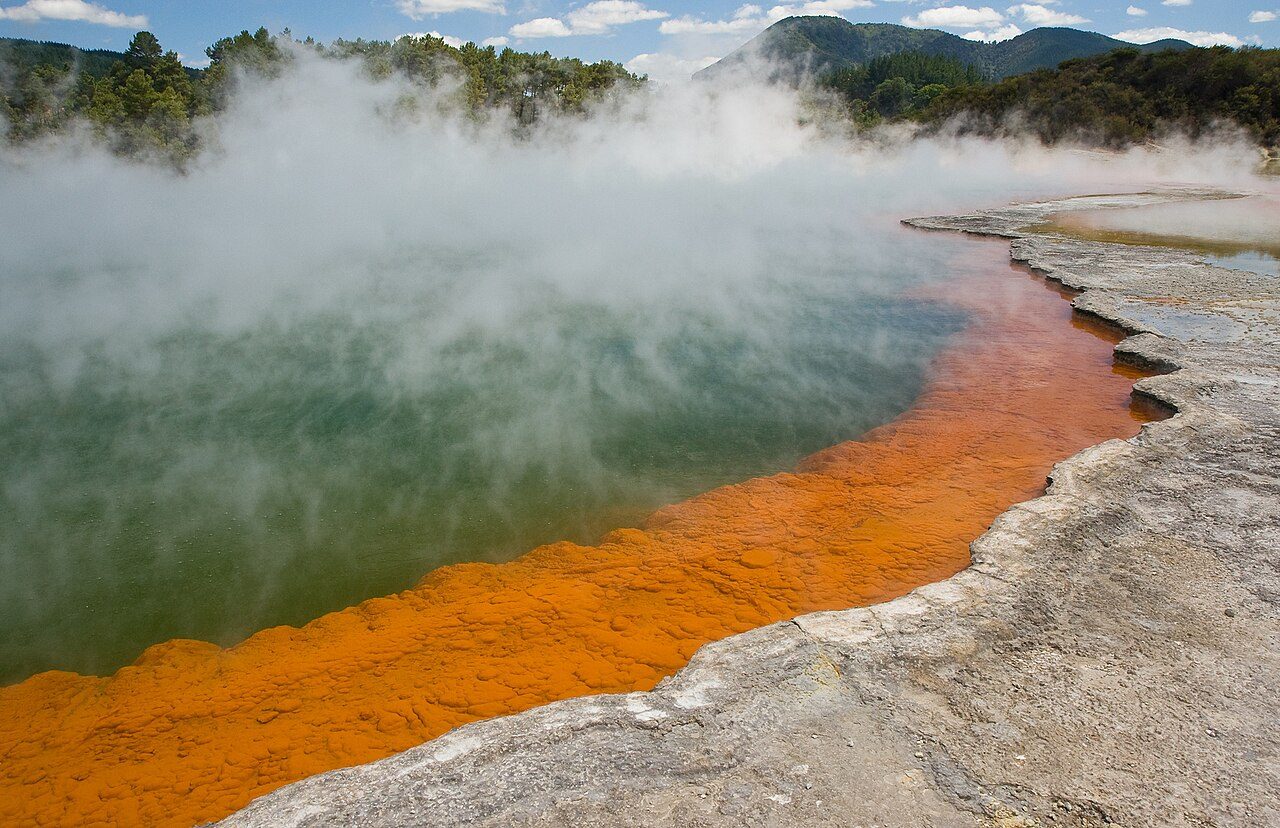
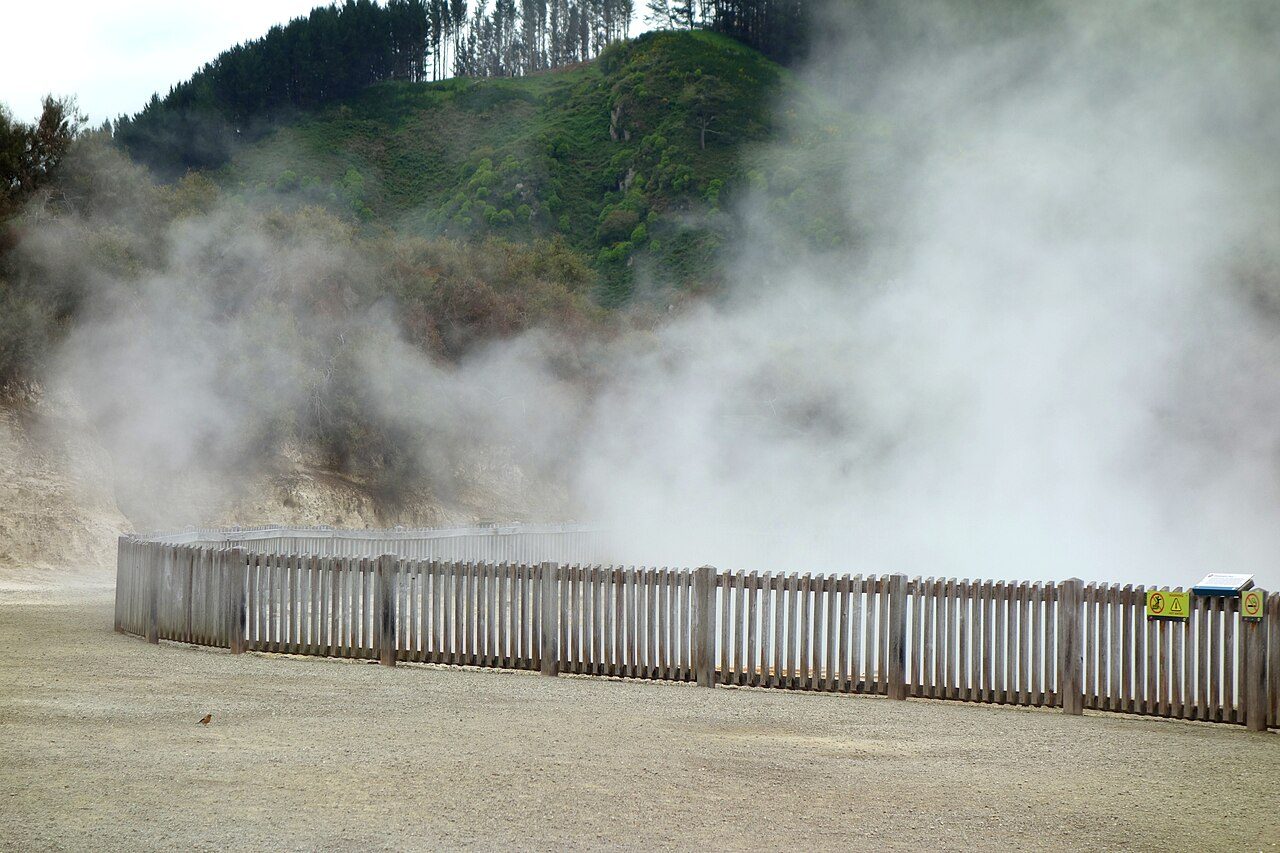
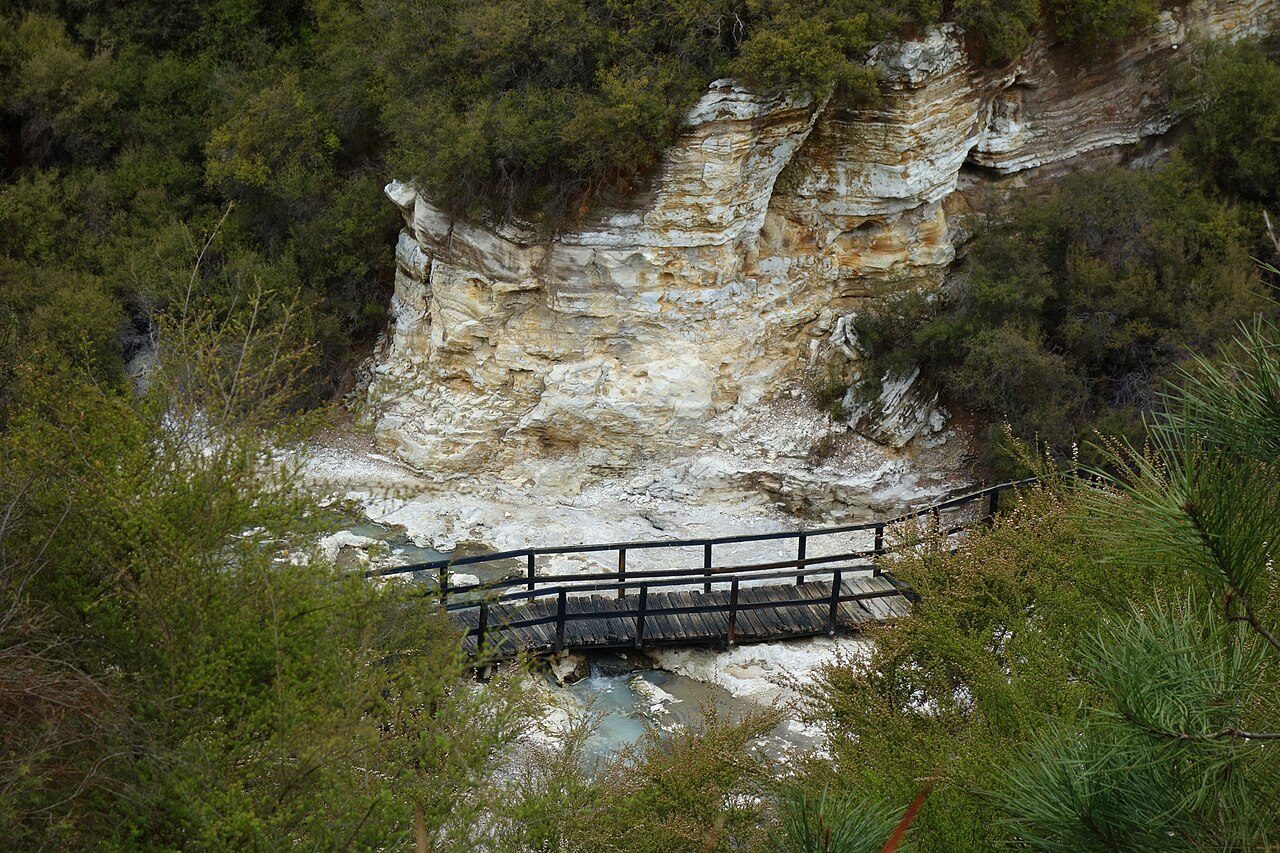
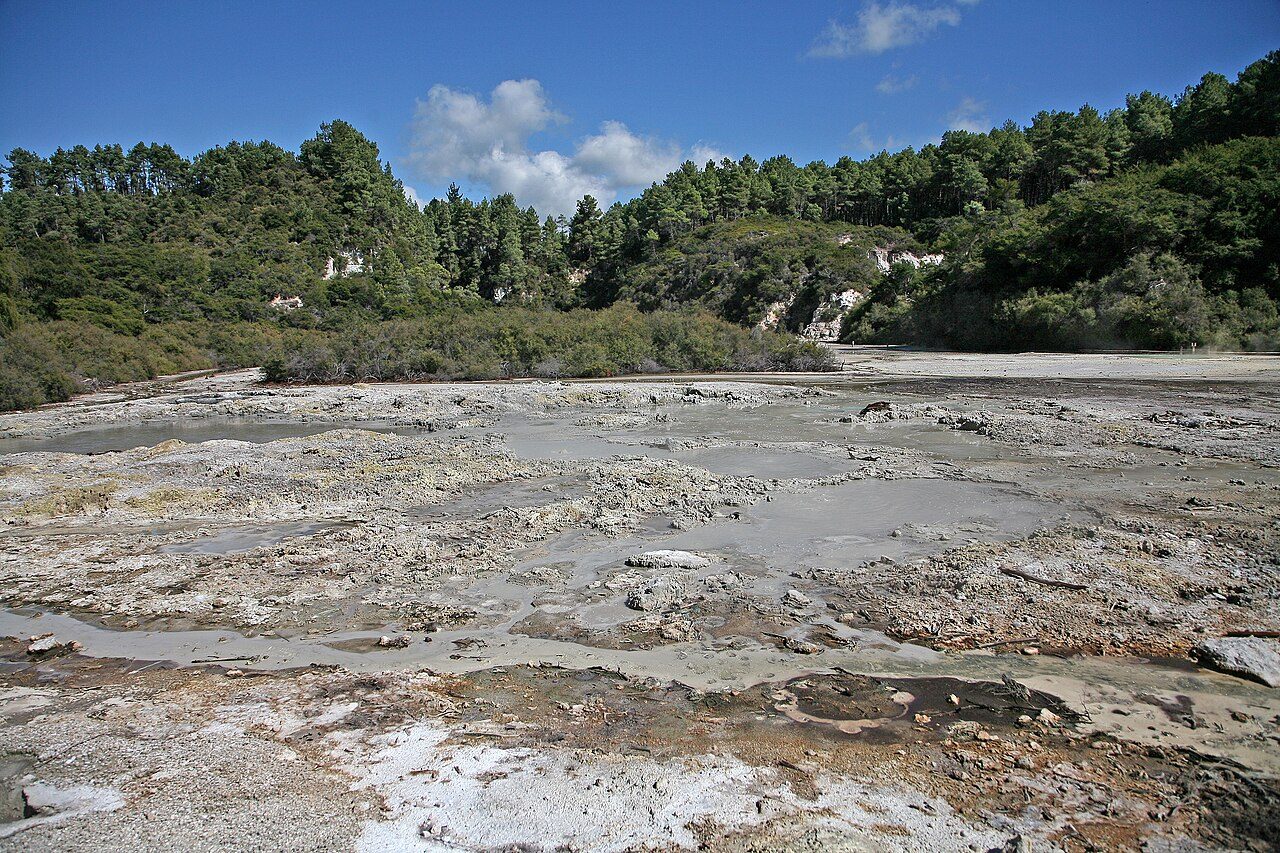
Wai-O-Tapu Thermal Wonderland near Rotorua is an active geothermal area with colourful hot springs and craters. The Champagne Pool shows vivid orange and green, while the Lady Knox Geyser erupts daily. The Devil's Bath glows a bright lime green from minerals, and boiling mud pools bubble nearby.
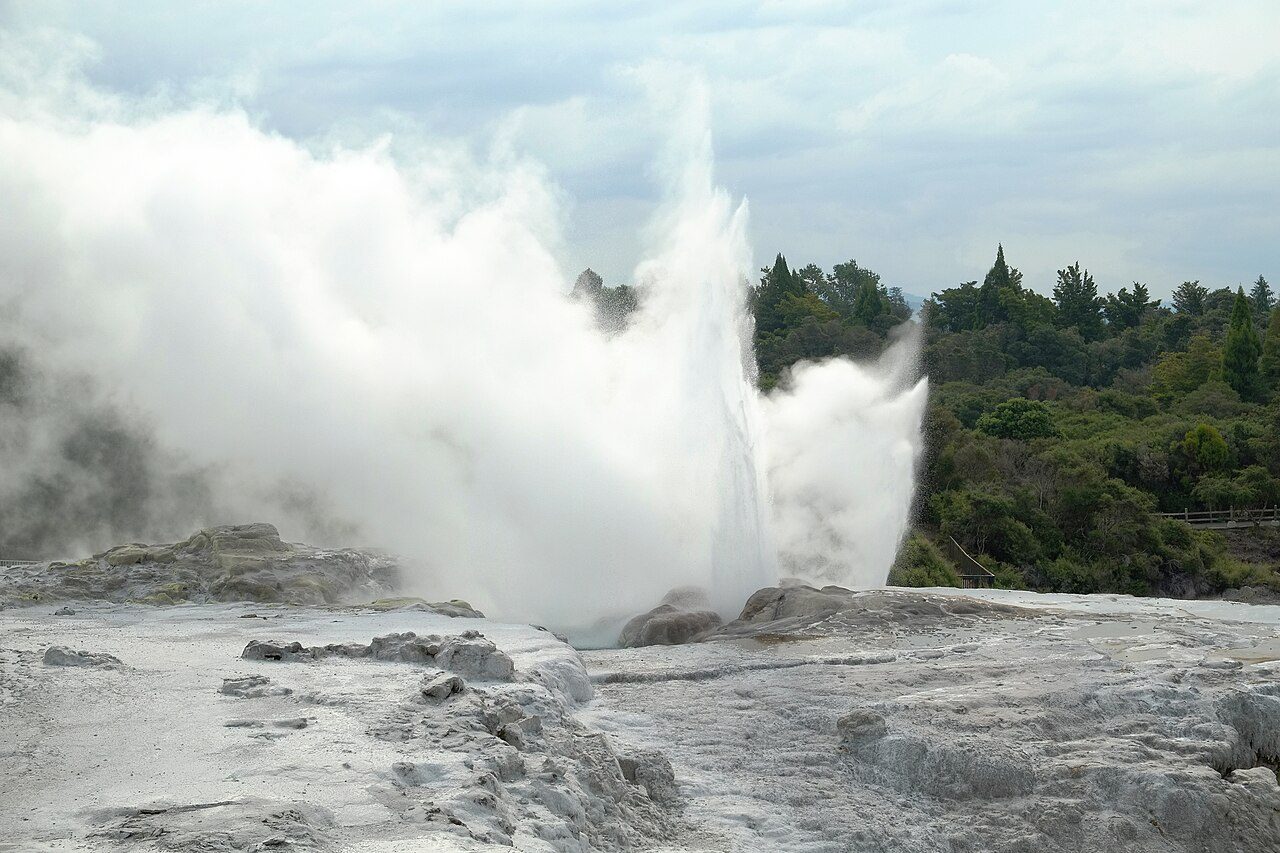
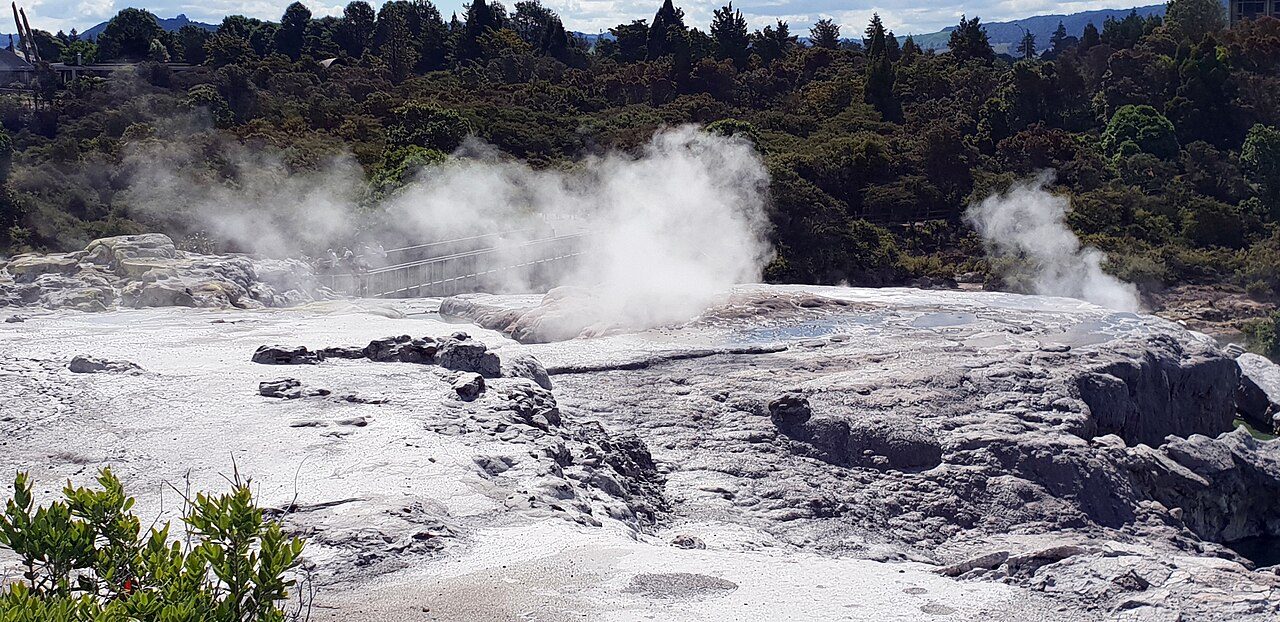
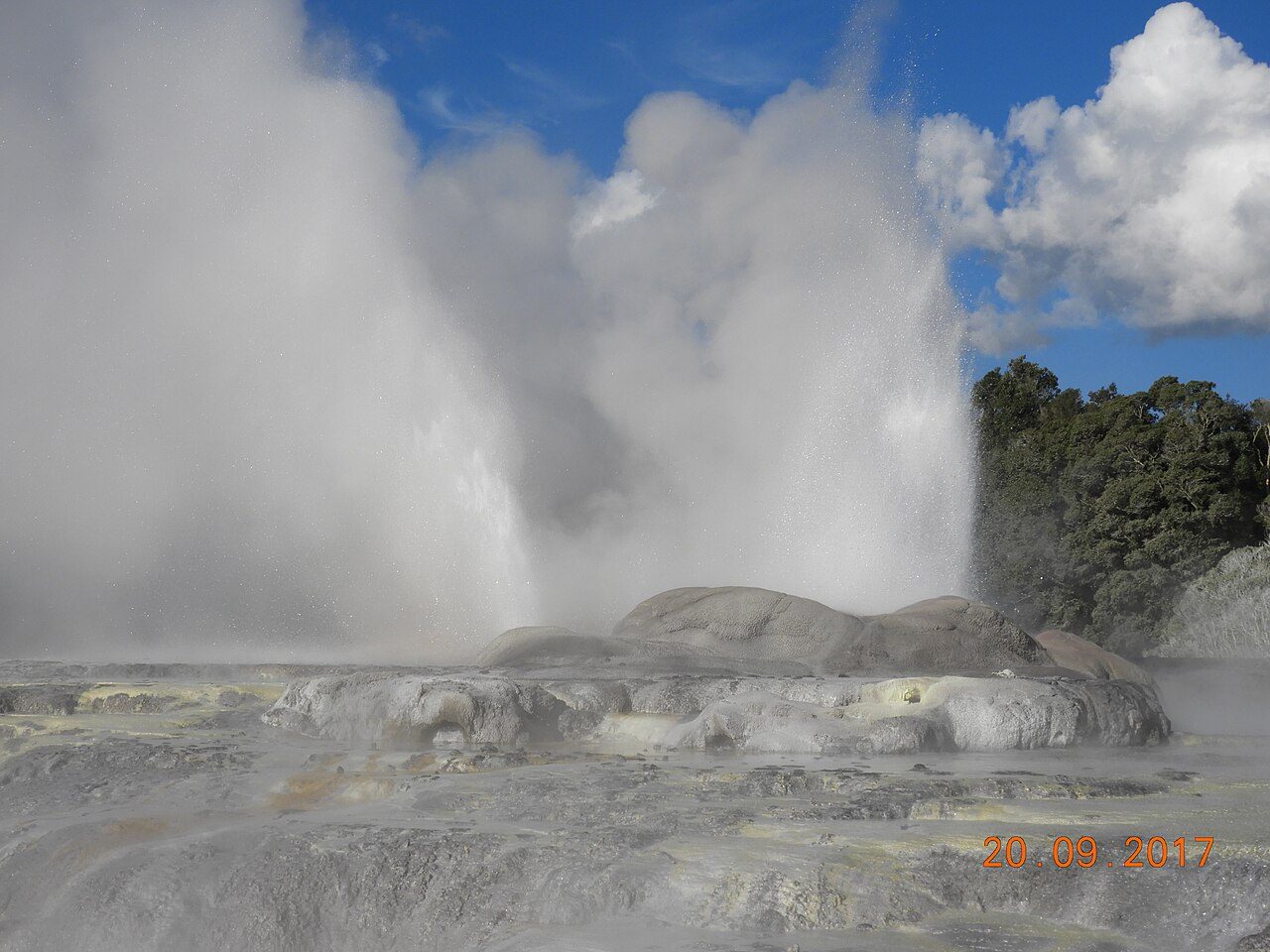
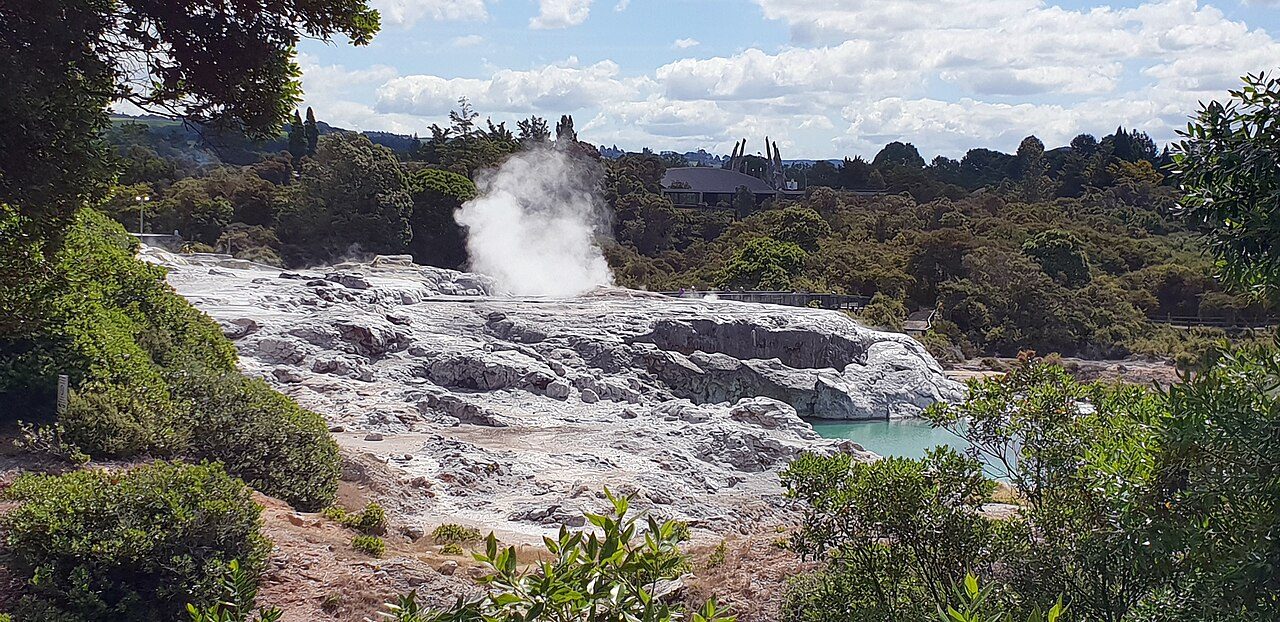
Te Puia in Rotorua is home to the Pōhutu Geyser, the largest active geyser in the Southern Hemisphere, which can erupt up to 20 times a day. It also houses the New Zealand Māori Arts and Crafts Institute, where carvers and weavers train. Visitors see bubbling mud pools, a kiwi house and cultural performances.
07
STOP 7 OF 22
Tongariro Alpine Crossing
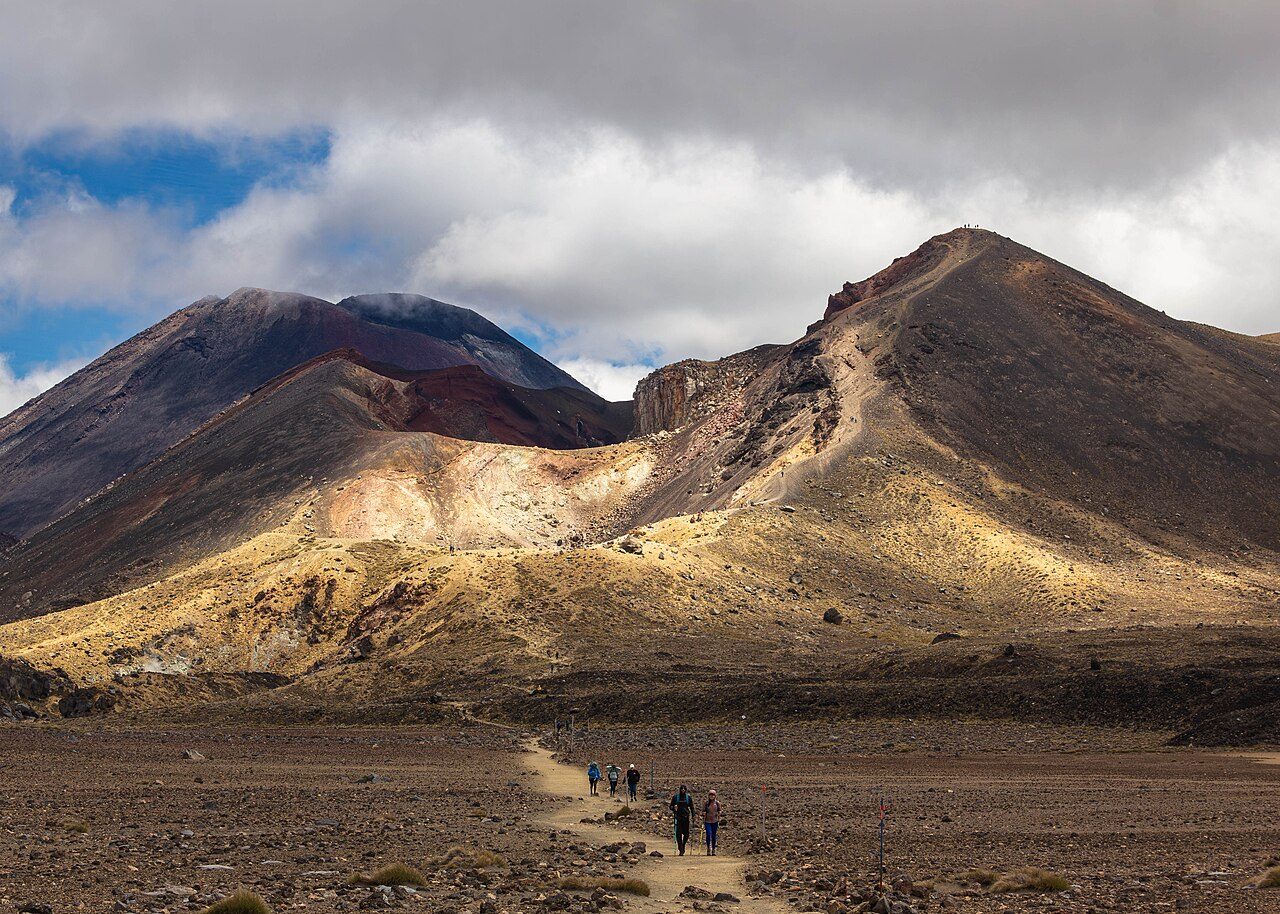
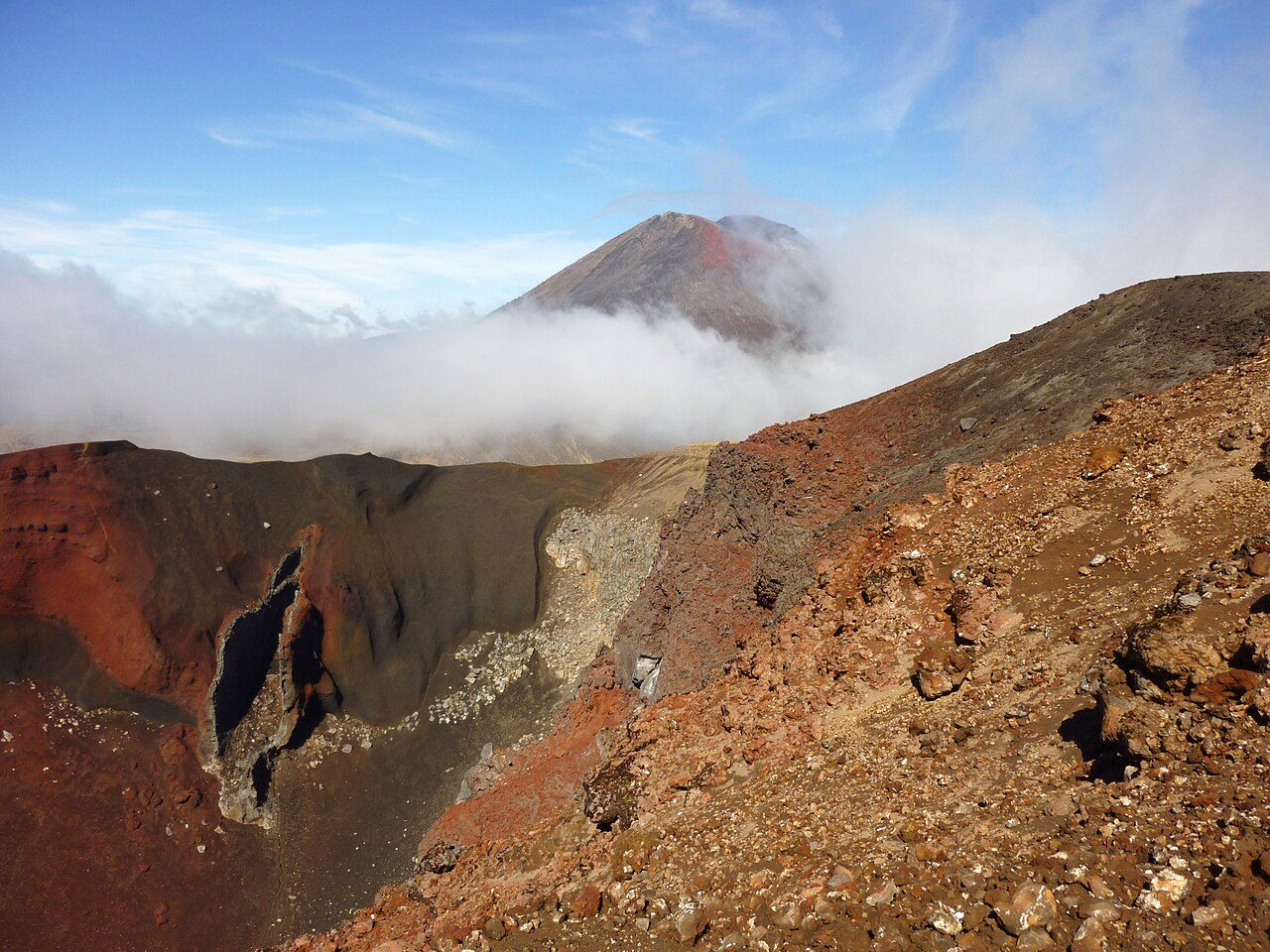
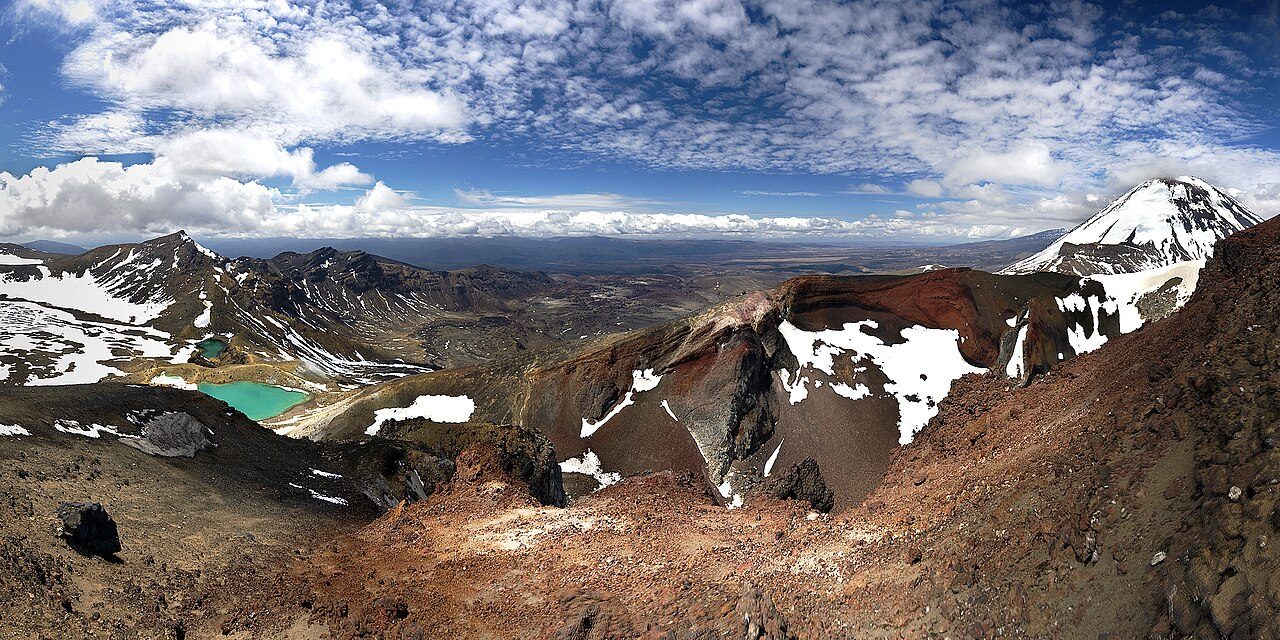
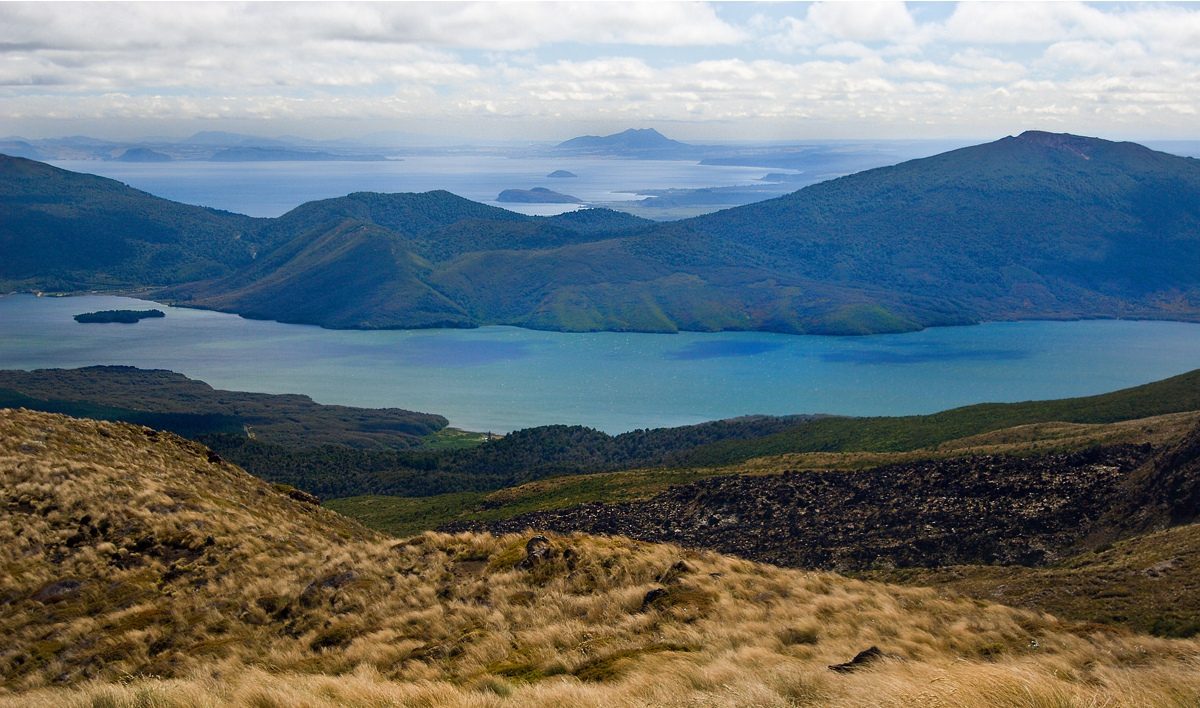
The Tongariro Alpine Crossing is often called New Zealand's best one-day hike, covering 19.4 km across the volcanic landscape of Tongariro National Park. It passes the Red Crater, the vivid Emerald Lakes and Mount Ngauruhoe, which portrayed Mount Doom in The Lord of the Rings. The park is a dual UNESCO World Heritage Site.
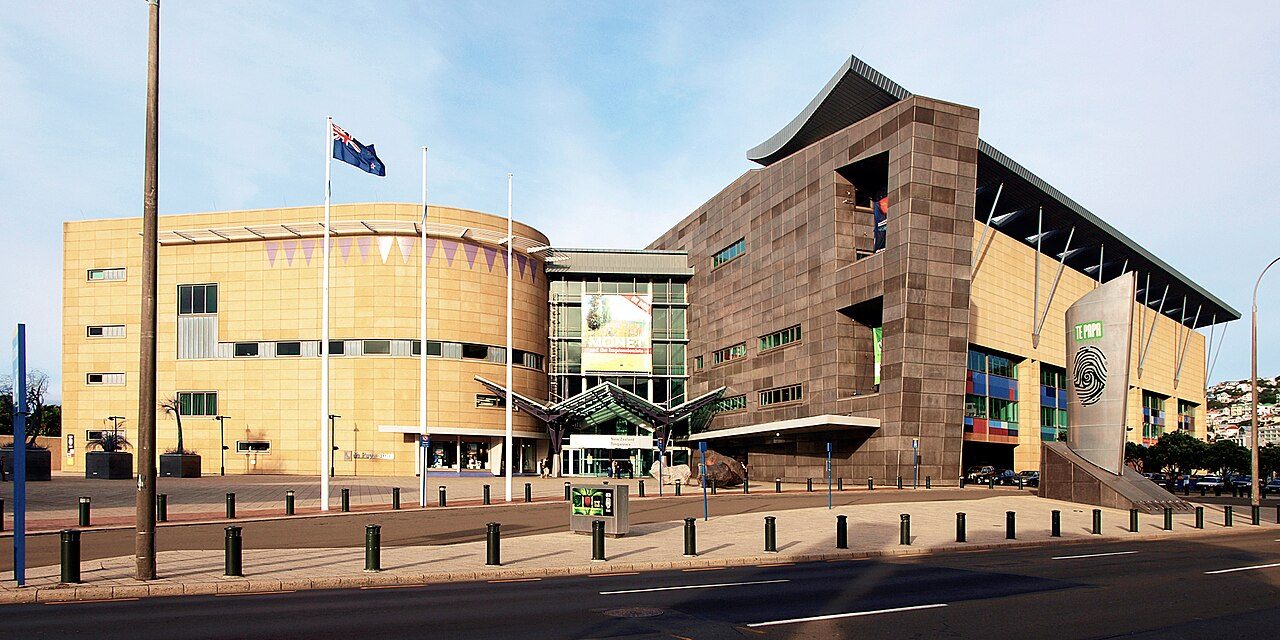
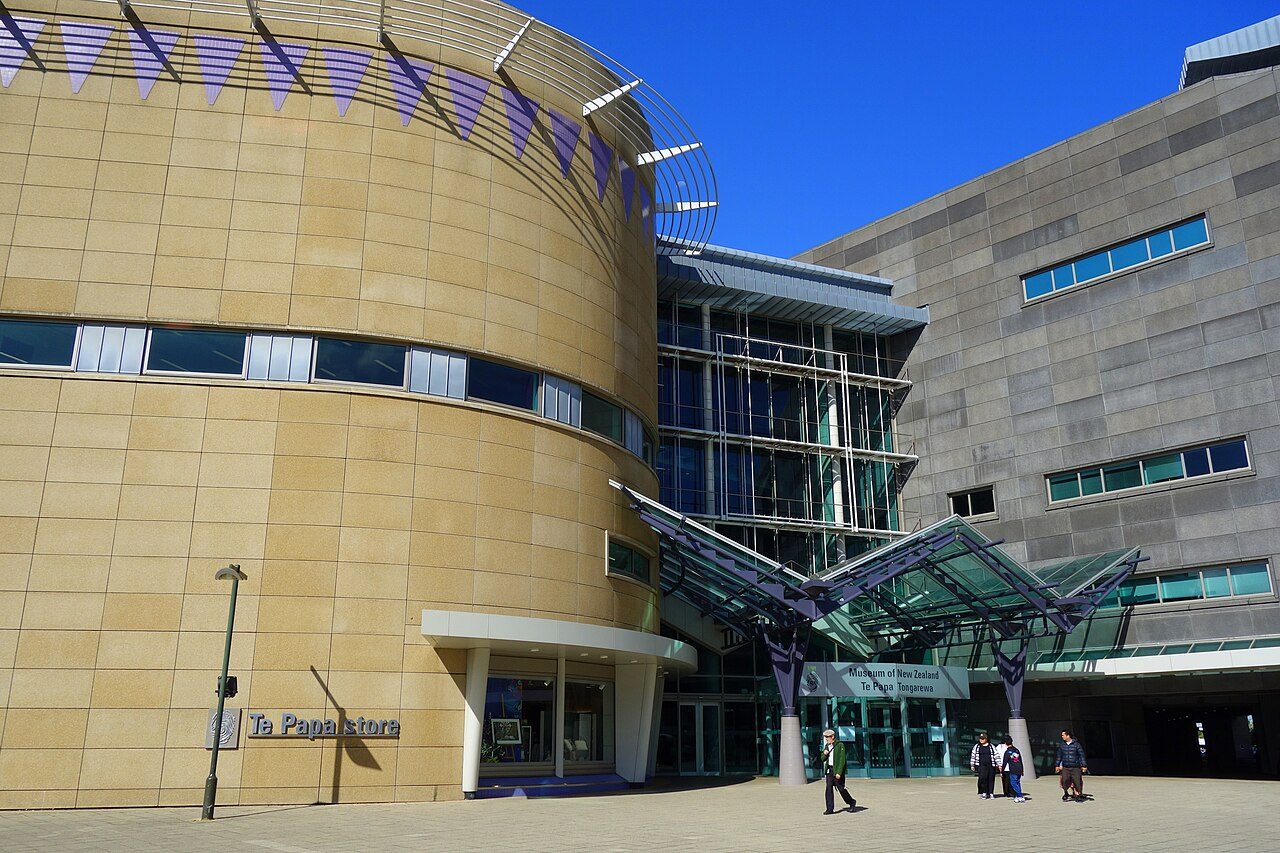
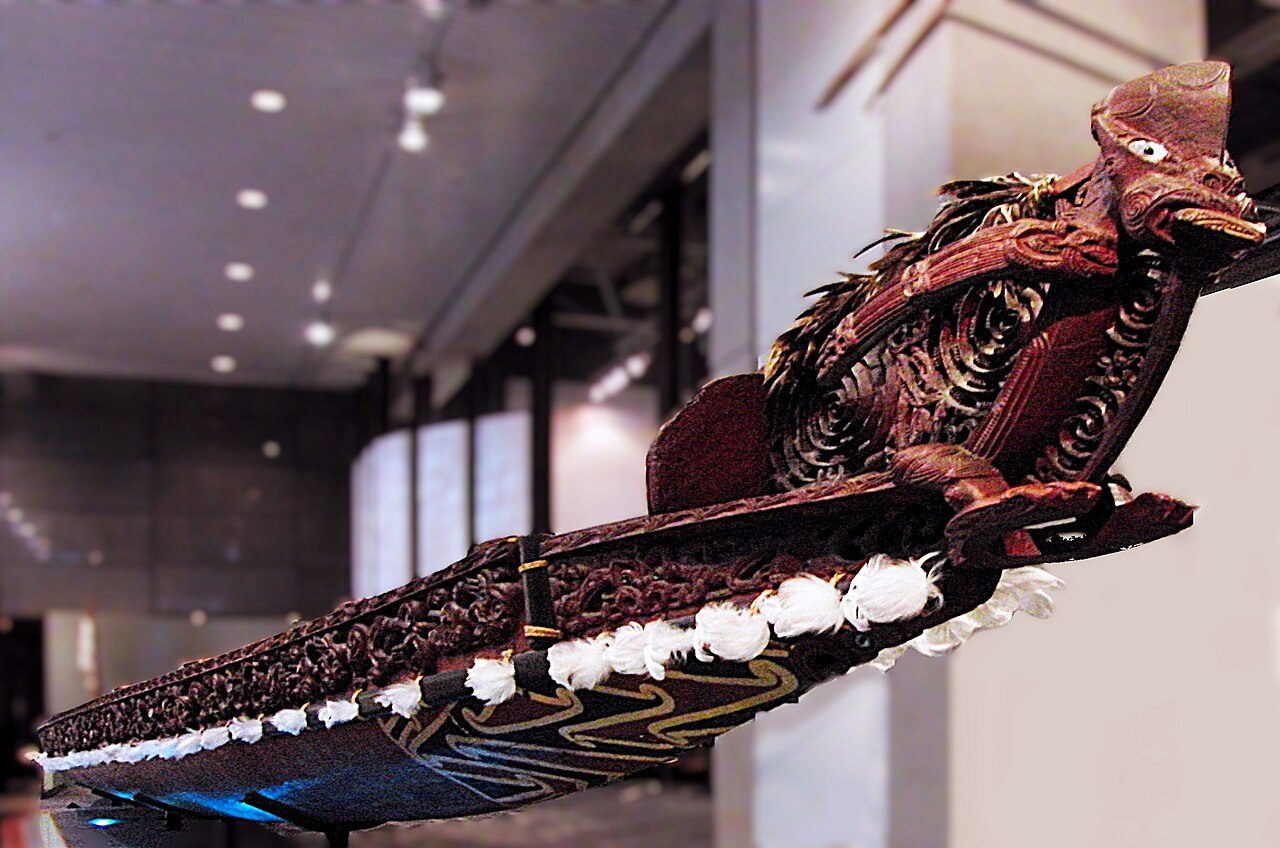
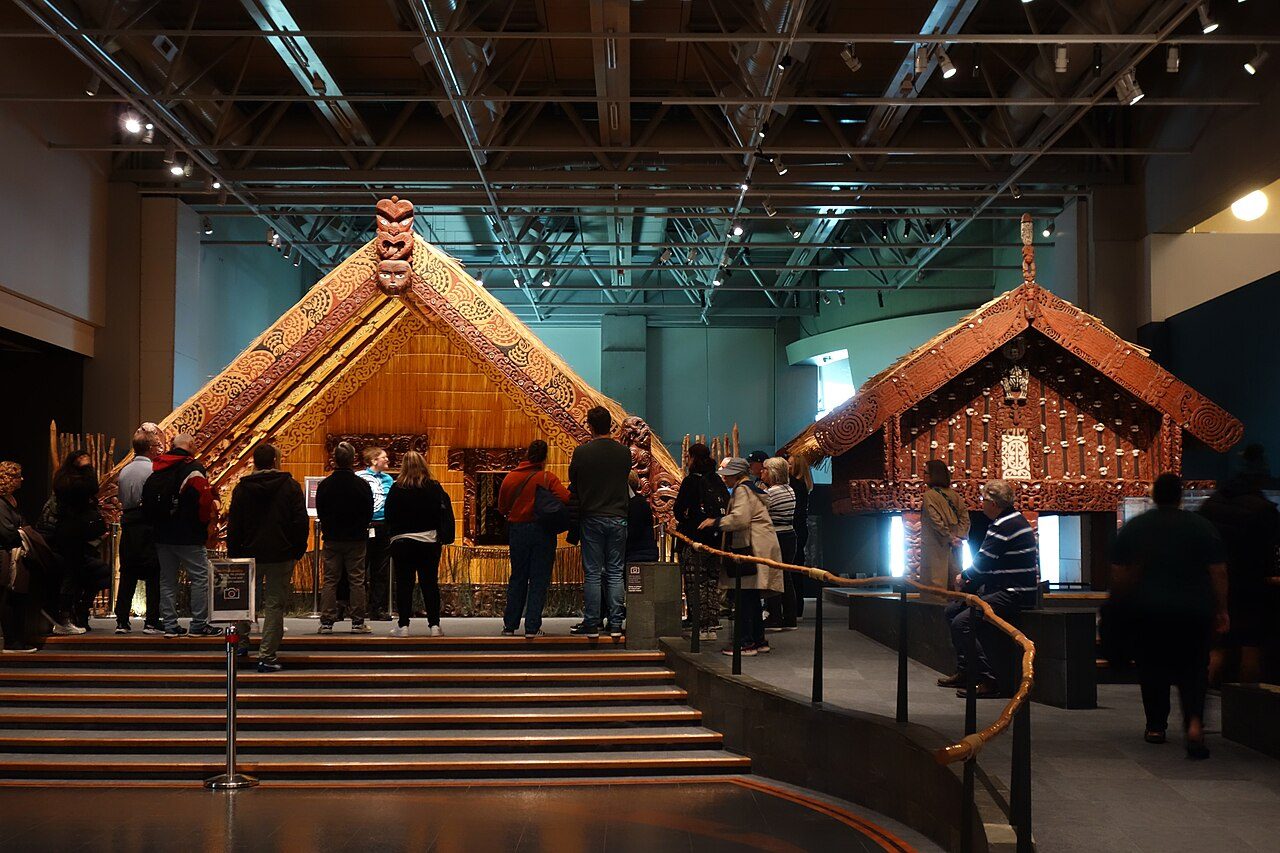
Te Papa Tongarewa is New Zealand's national museum, located on Wellington's waterfront. Opened in 1998, it showcases Māori and Pacific culture, natural history, art and national history. Highlights include a colossal squid and a modern marae. Entry to the museum is free.
09
STOP 9 OF 22
Wellington Cable Car
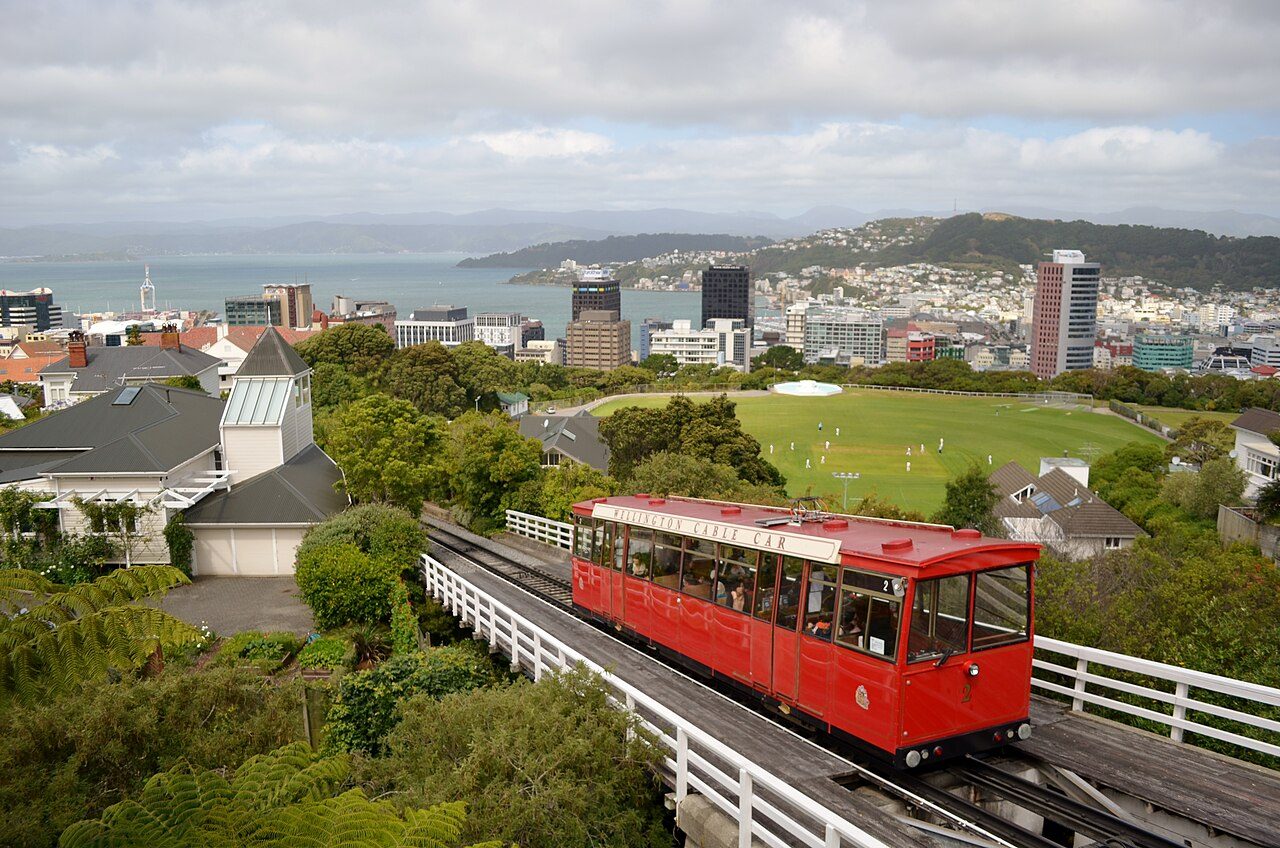
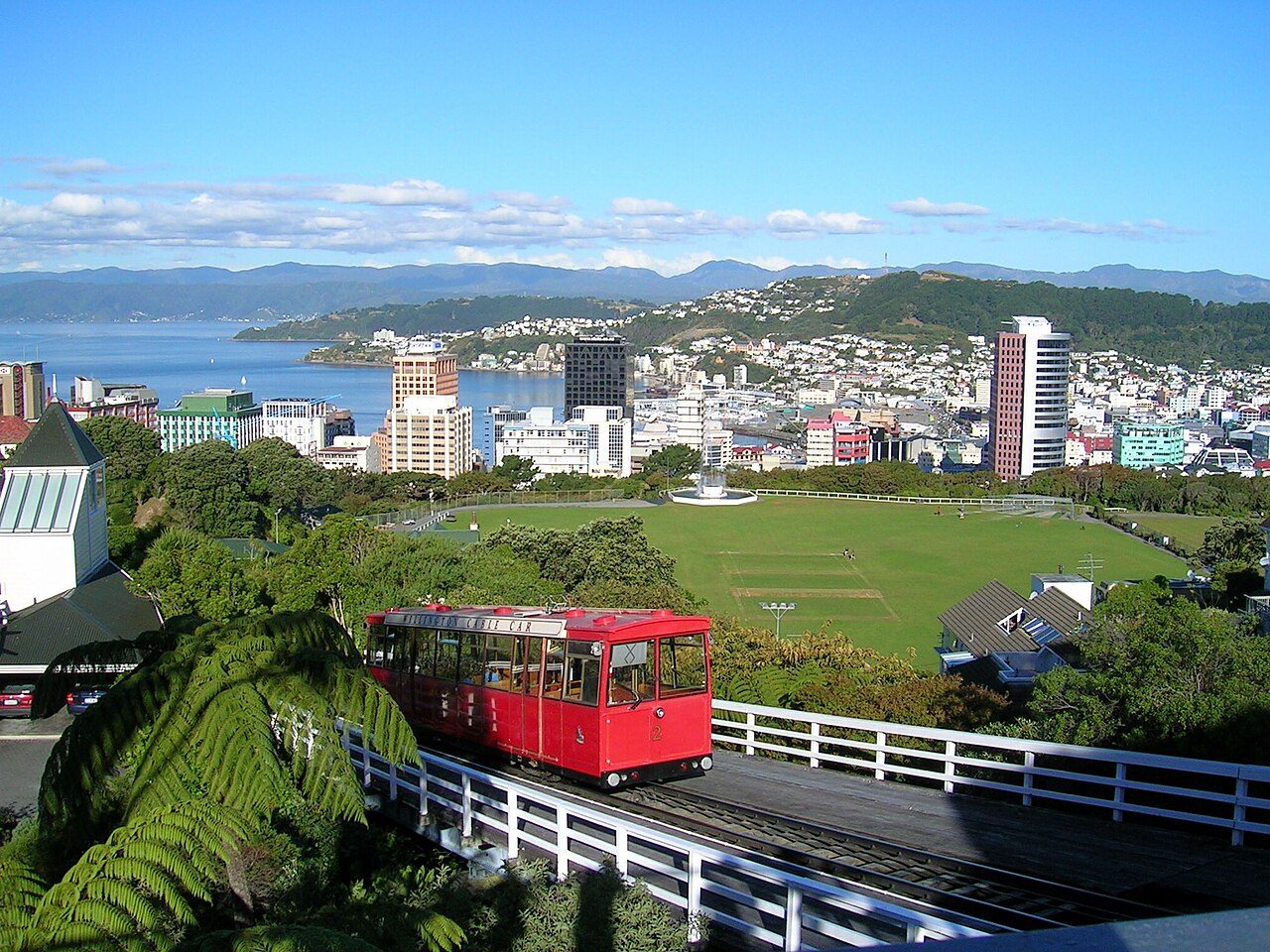
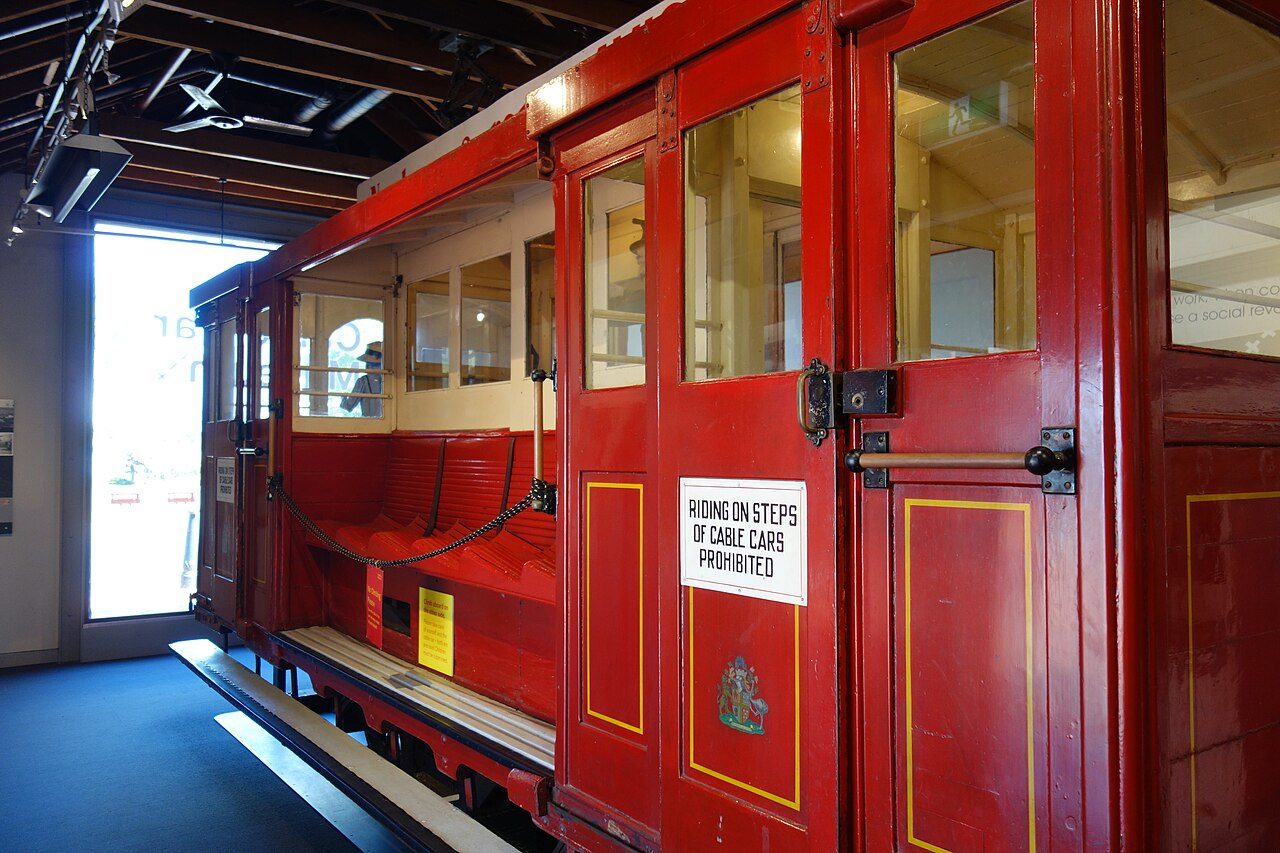
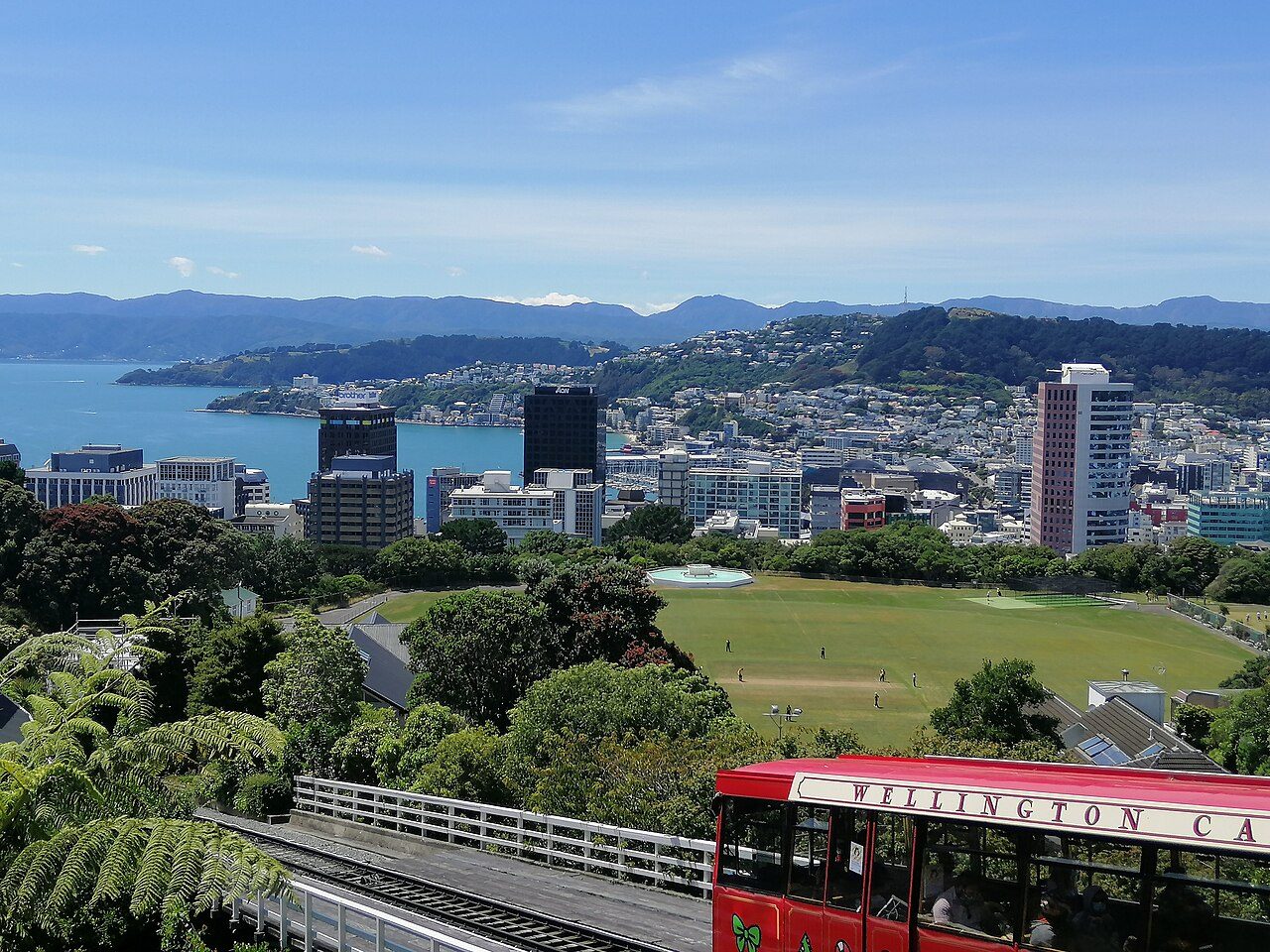
The Wellington Cable Car has run since 1902, climbing from Lambton Quay to the hilltop suburb of Kelburn. Its iconic red cars offer views over the city and harbour. At the top are the Wellington Botanic Garden, the Cable Car Museum and the Space Place observatory.
10
STOP 10 OF 22
Abel Tasman National Park
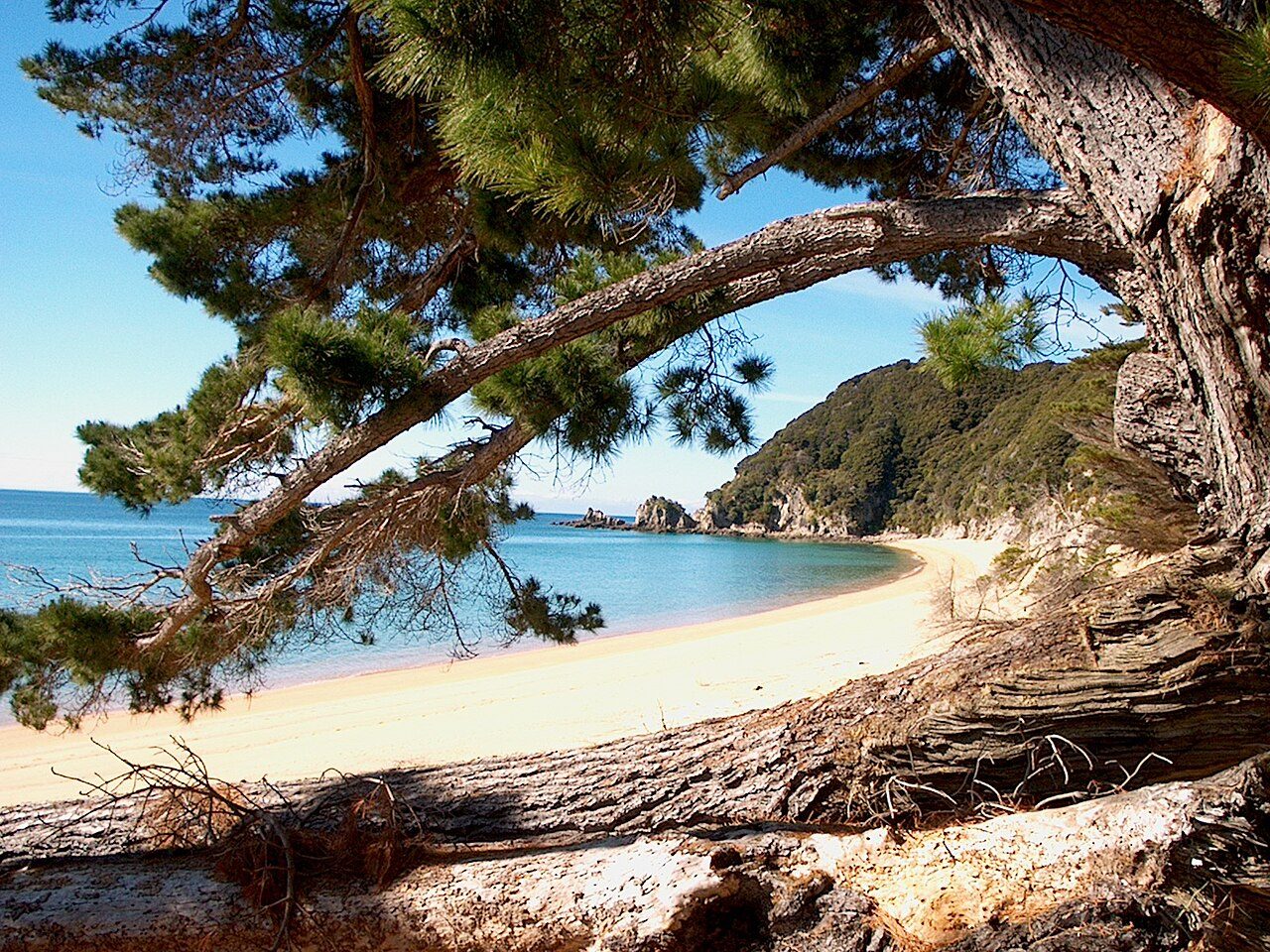
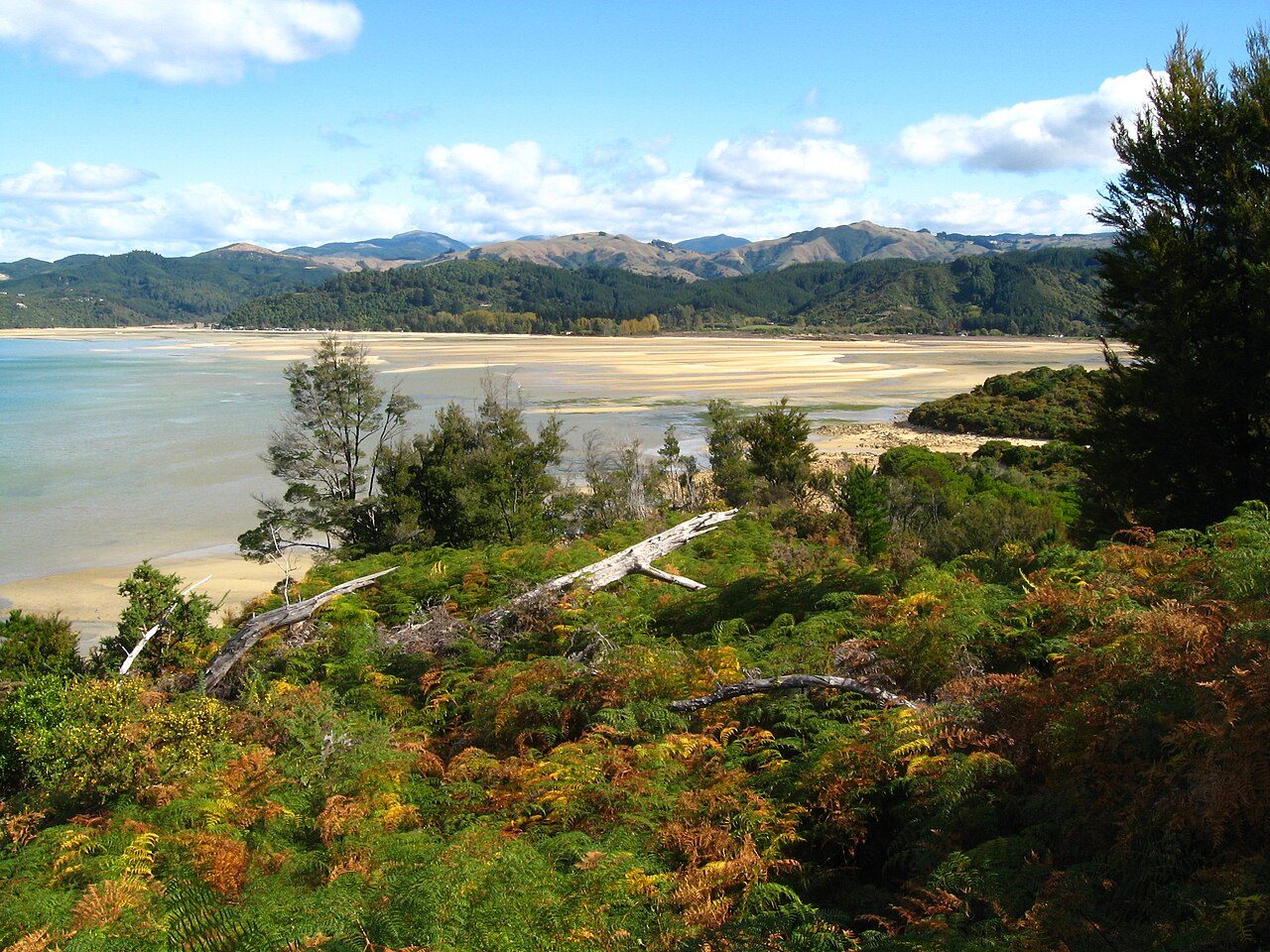
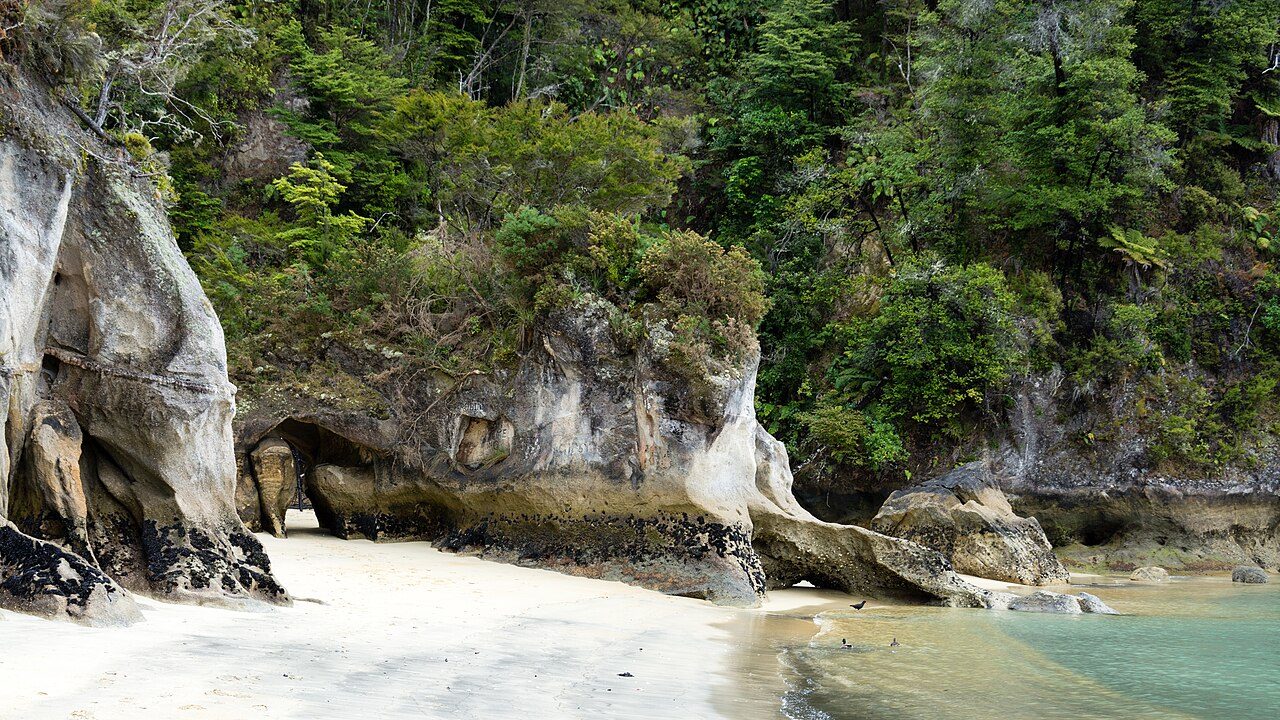
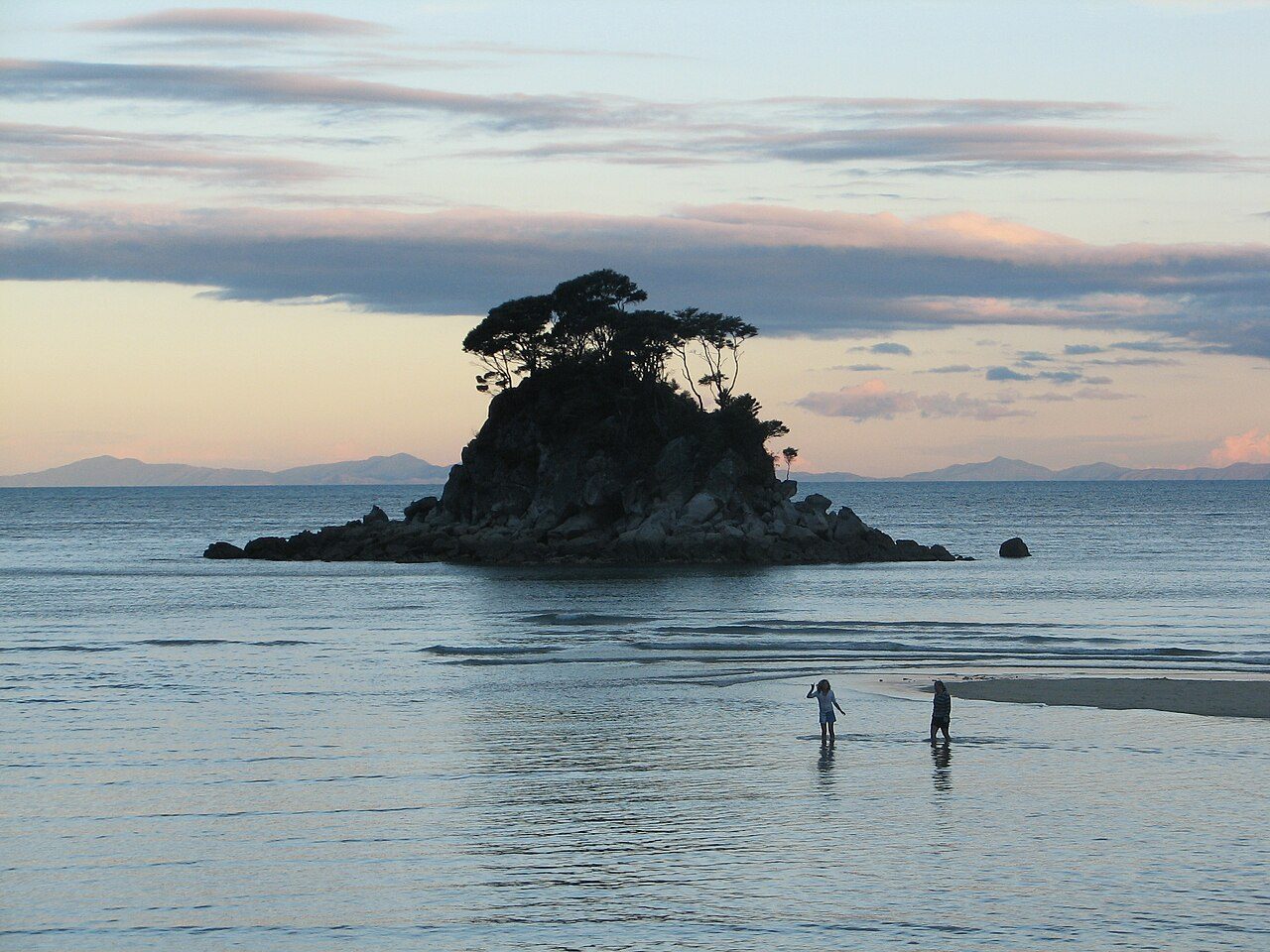
Abel Tasman National Park is New Zealand's smallest national park, known for golden beaches, clear turquoise water and coastal forest. The Abel Tasman Coast Track is one of the country's Great Walks. Visitors explore by kayak, water taxi or on foot, often spotting fur seals at Tonga Island Marine Reserve.
11
STOP 11 OF 22
Pancake Rocks
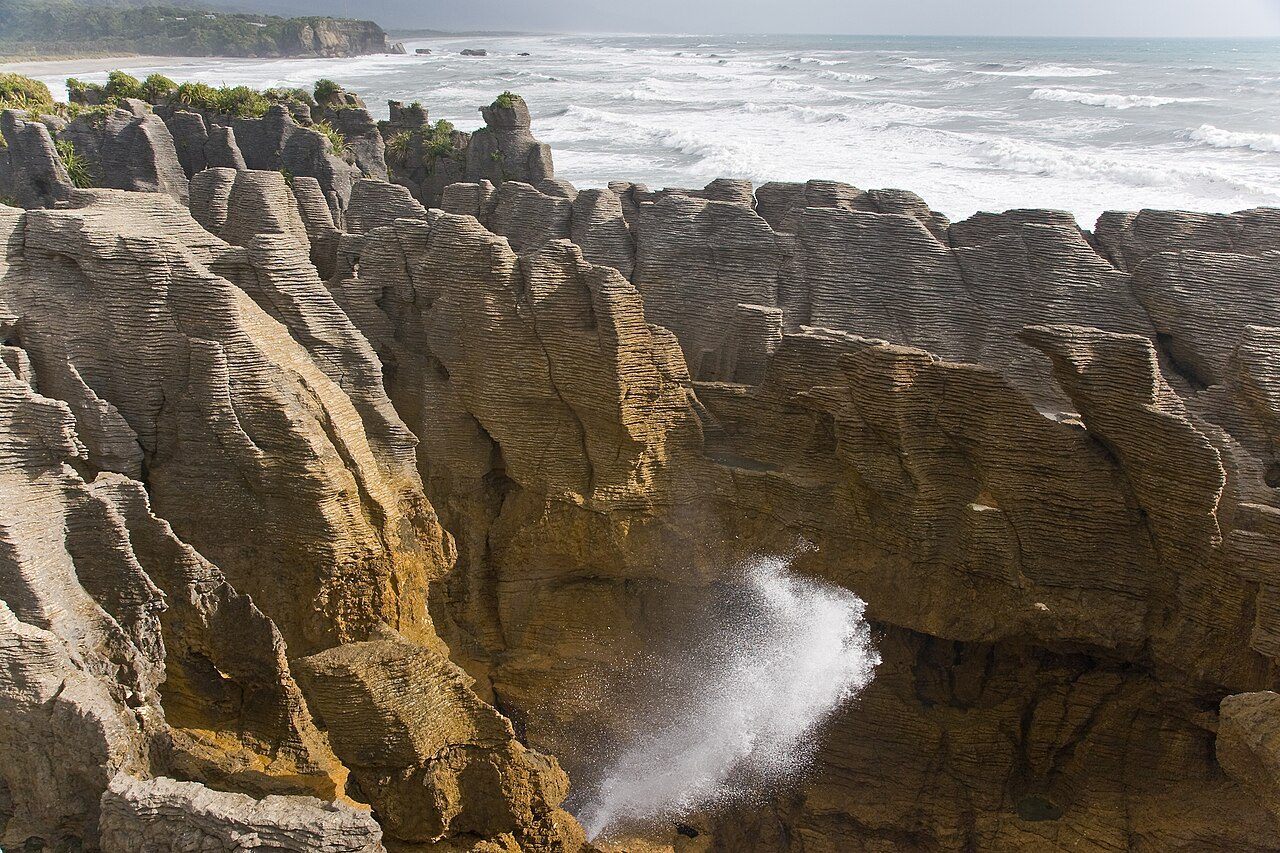
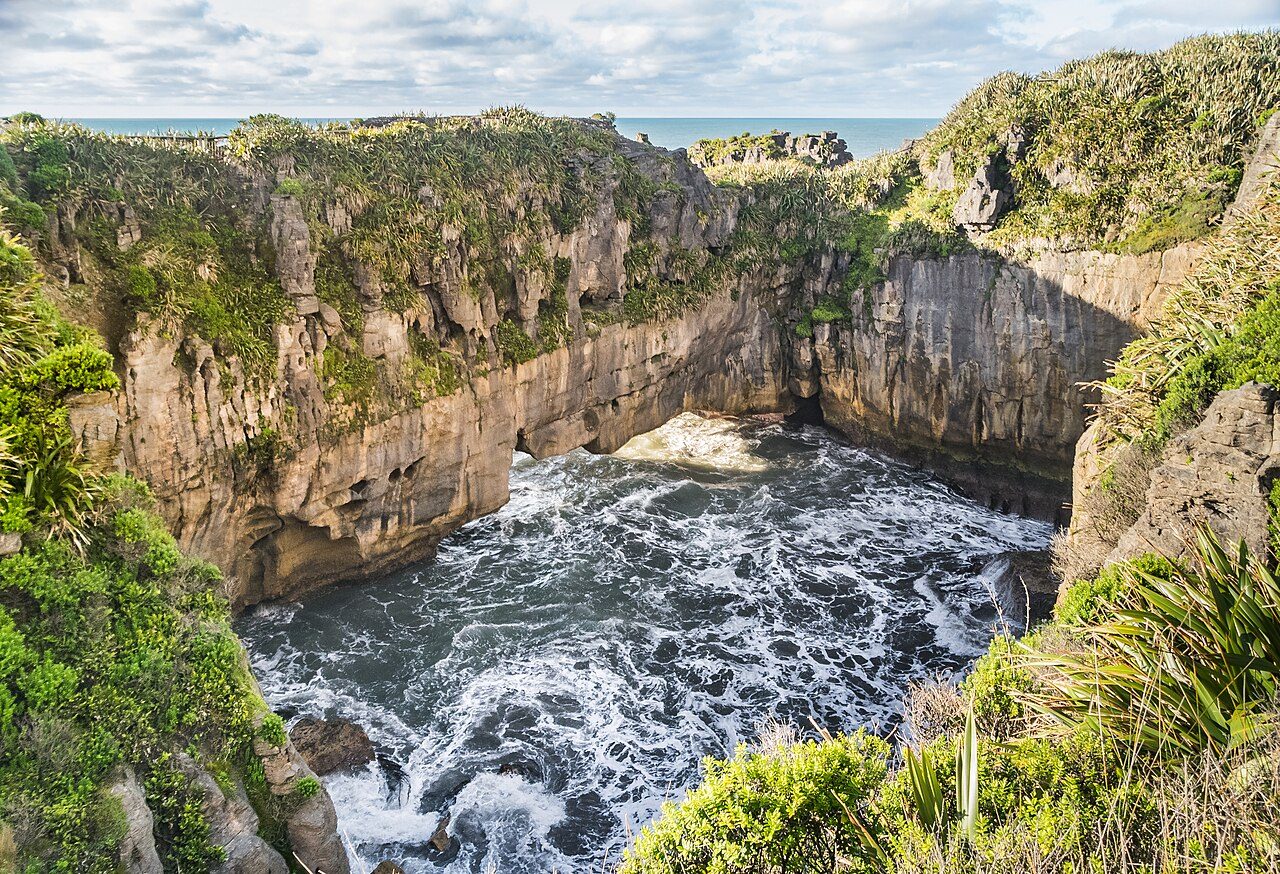
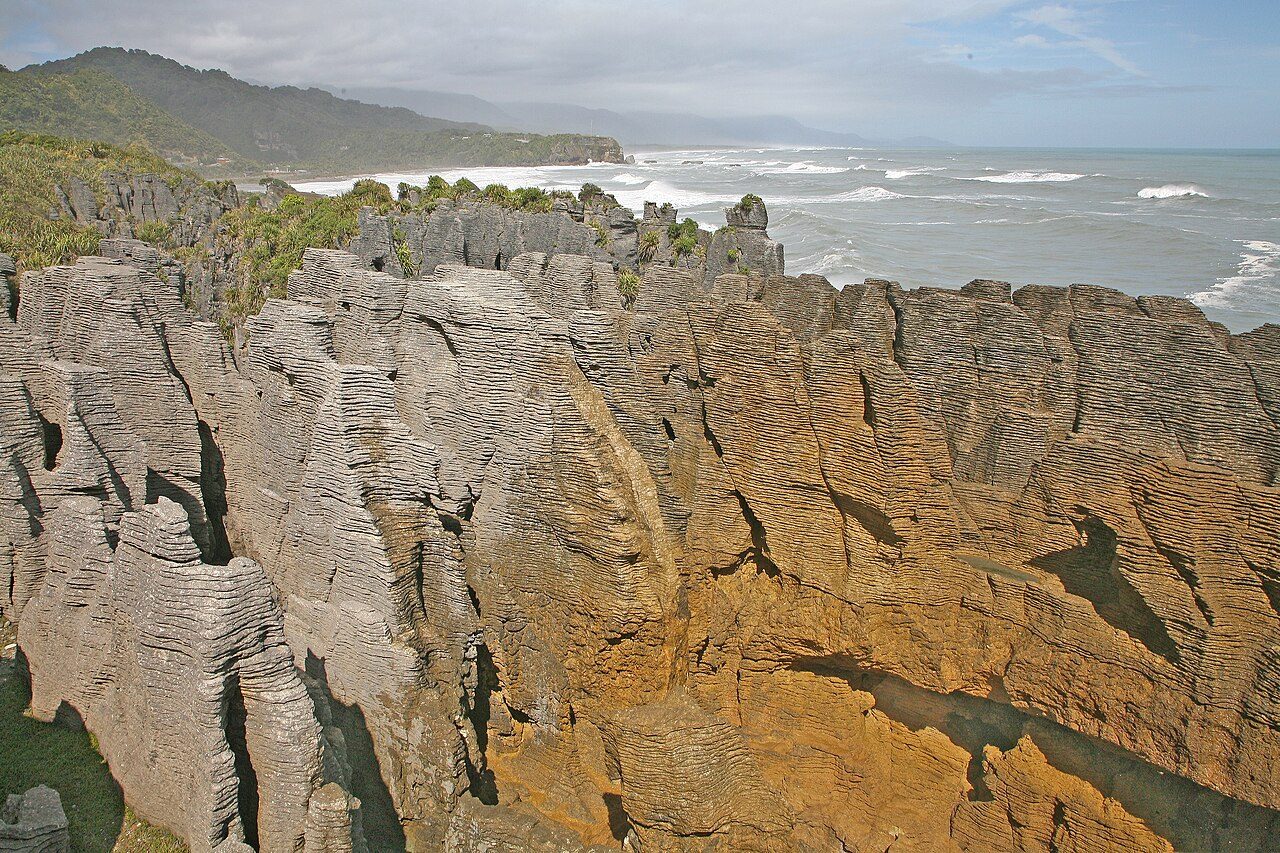
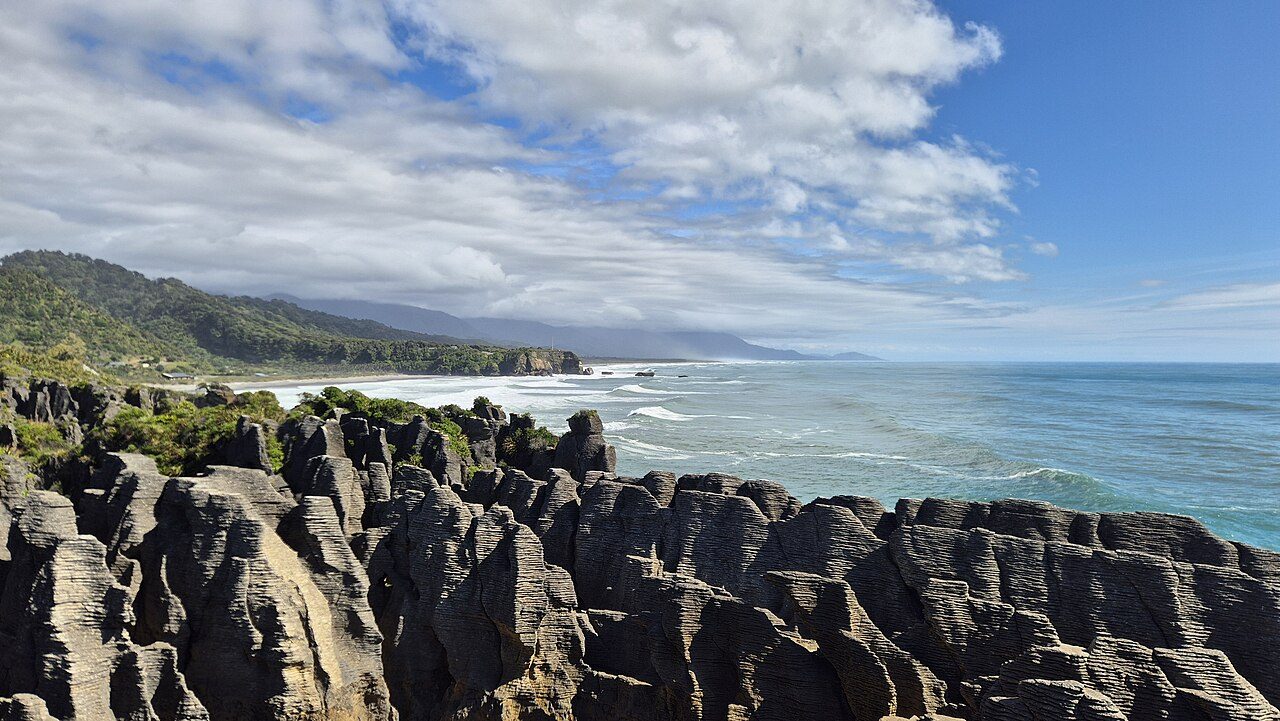
The Pancake Rocks at Punakaiki in Paparoa National Park are limestone formations that look like giant stacks of pancakes. They formed from layers of marine sediment around 30 million years ago. At high tide with a westerly swell, the sea surges through blowholes with dramatic sprays. An easy loop walk passes the main viewpoints.
12
STOP 12 OF 22
Franz Josef Glacier
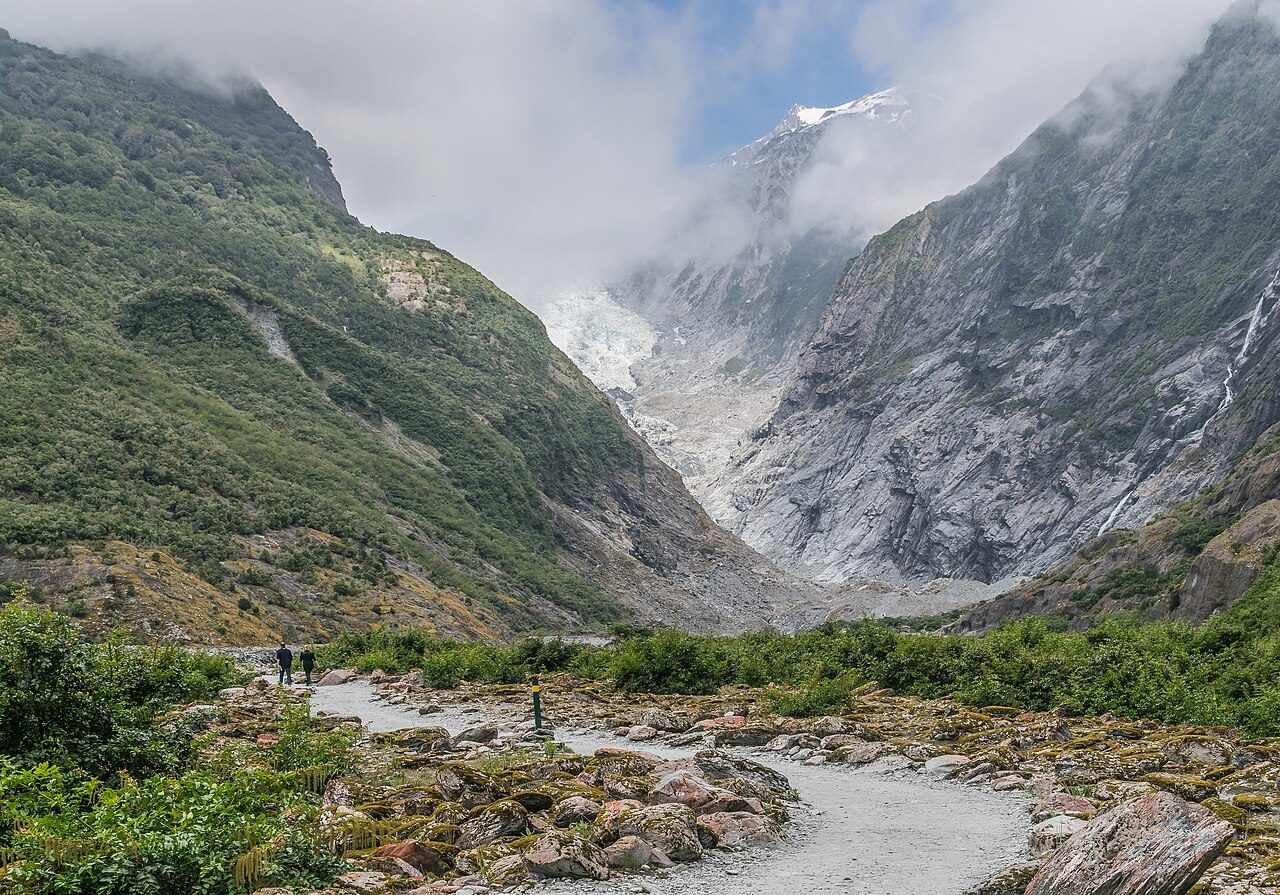
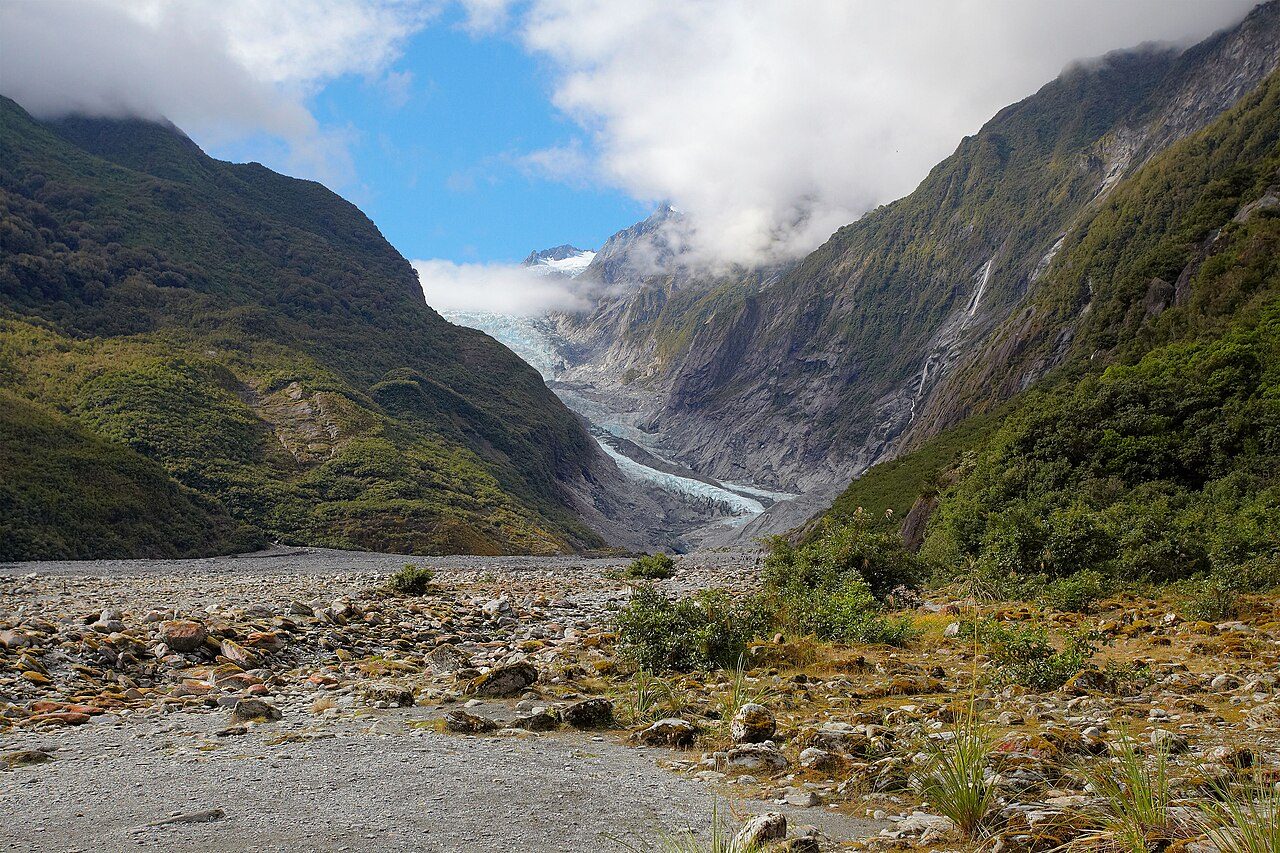
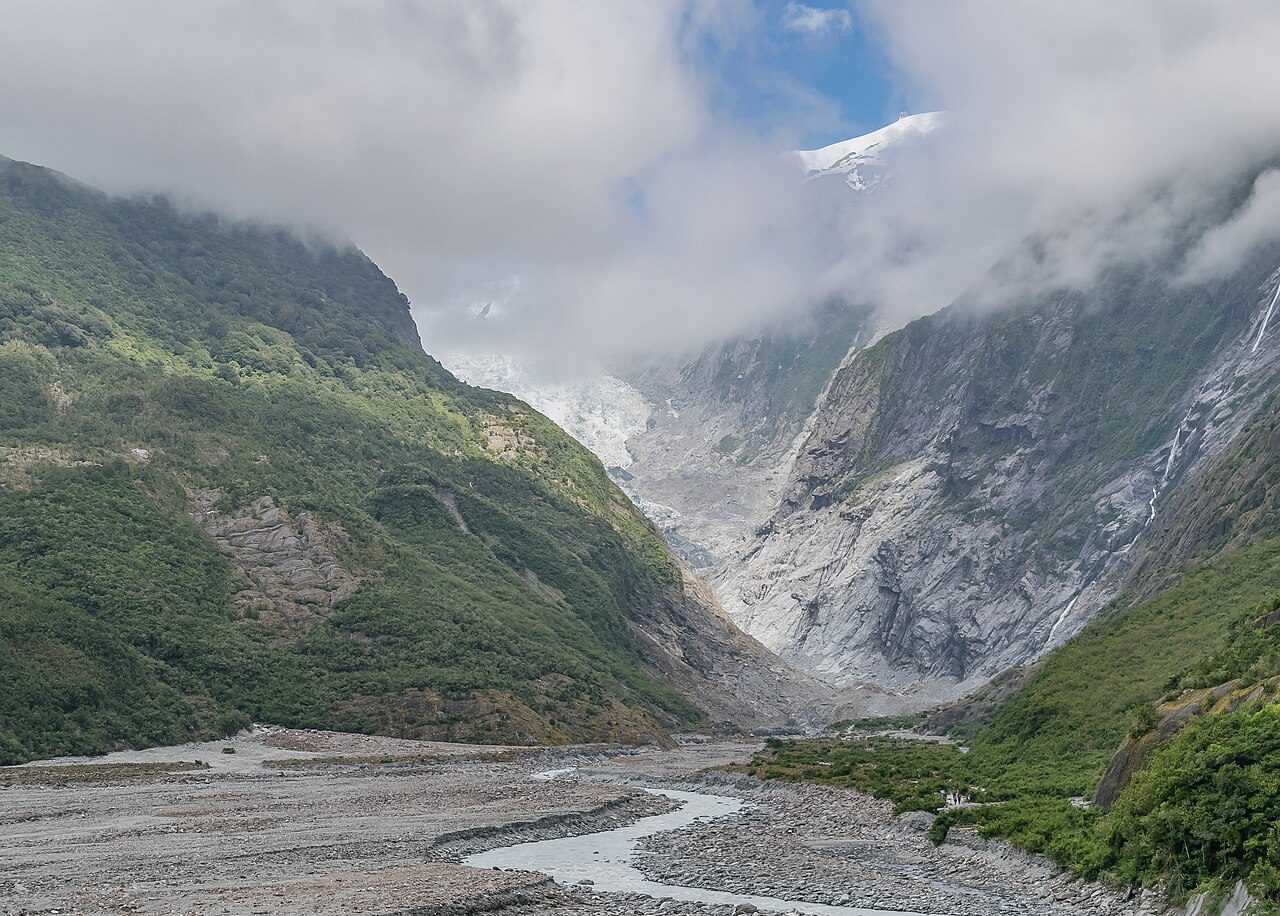
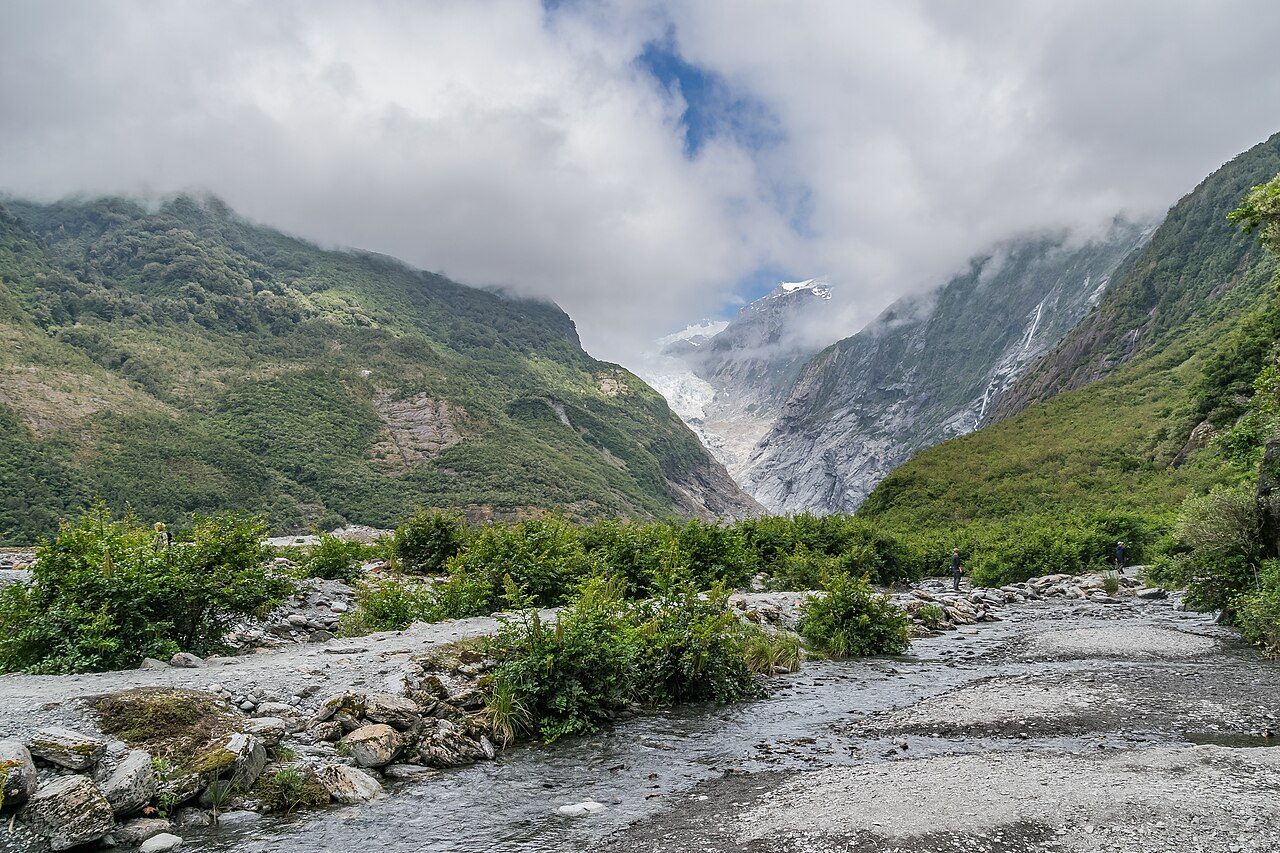
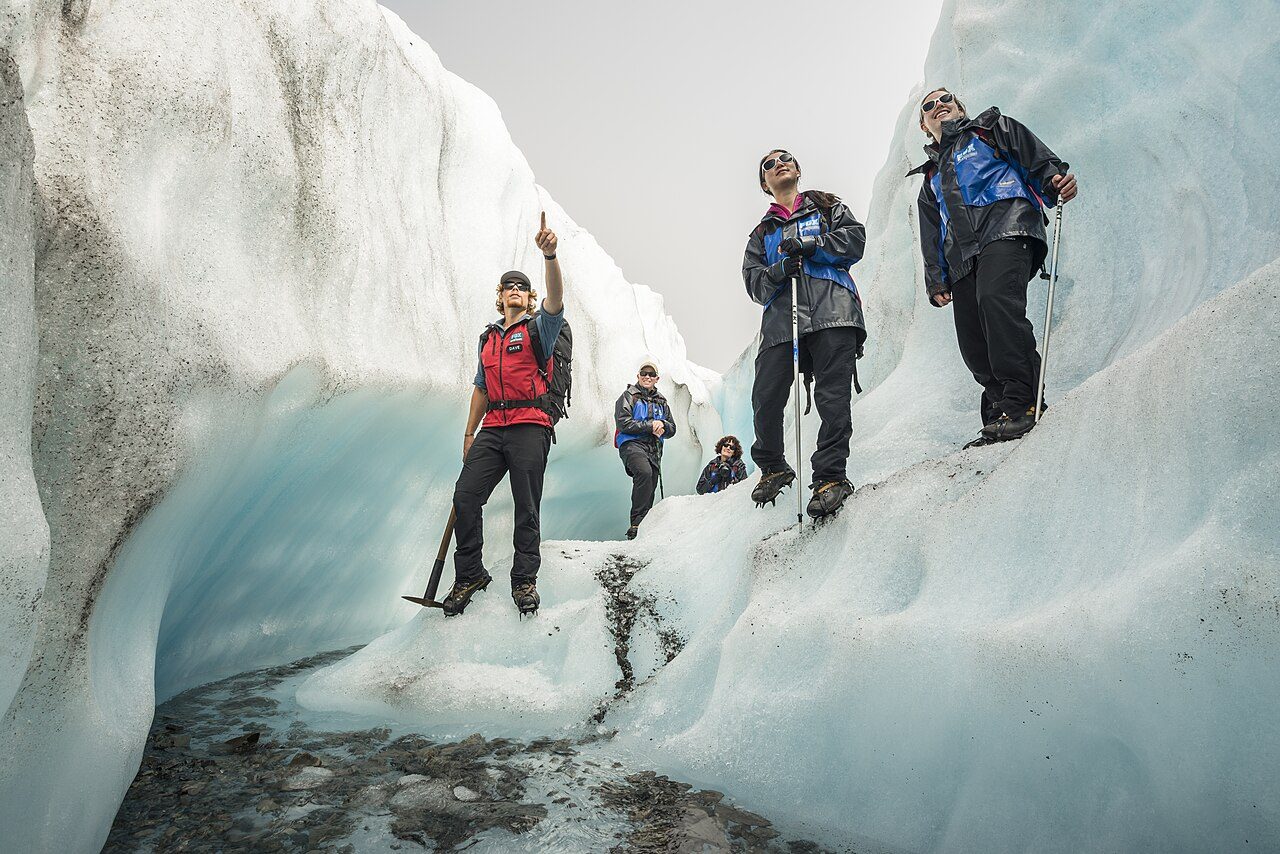
Franz Josef Glacier, known in Māori as Kā Roimata o Hine Hukatere, descends from the Southern Alps toward temperate rainforest on the West Coast. Walking tracks lead to viewpoints of the glacier terminal, while helicopter flights land on the ice for guided glacier hikes. Its rapid changes make it a striking example of glacial movement.
13
STOP 13 OF 22
Fox Glacier
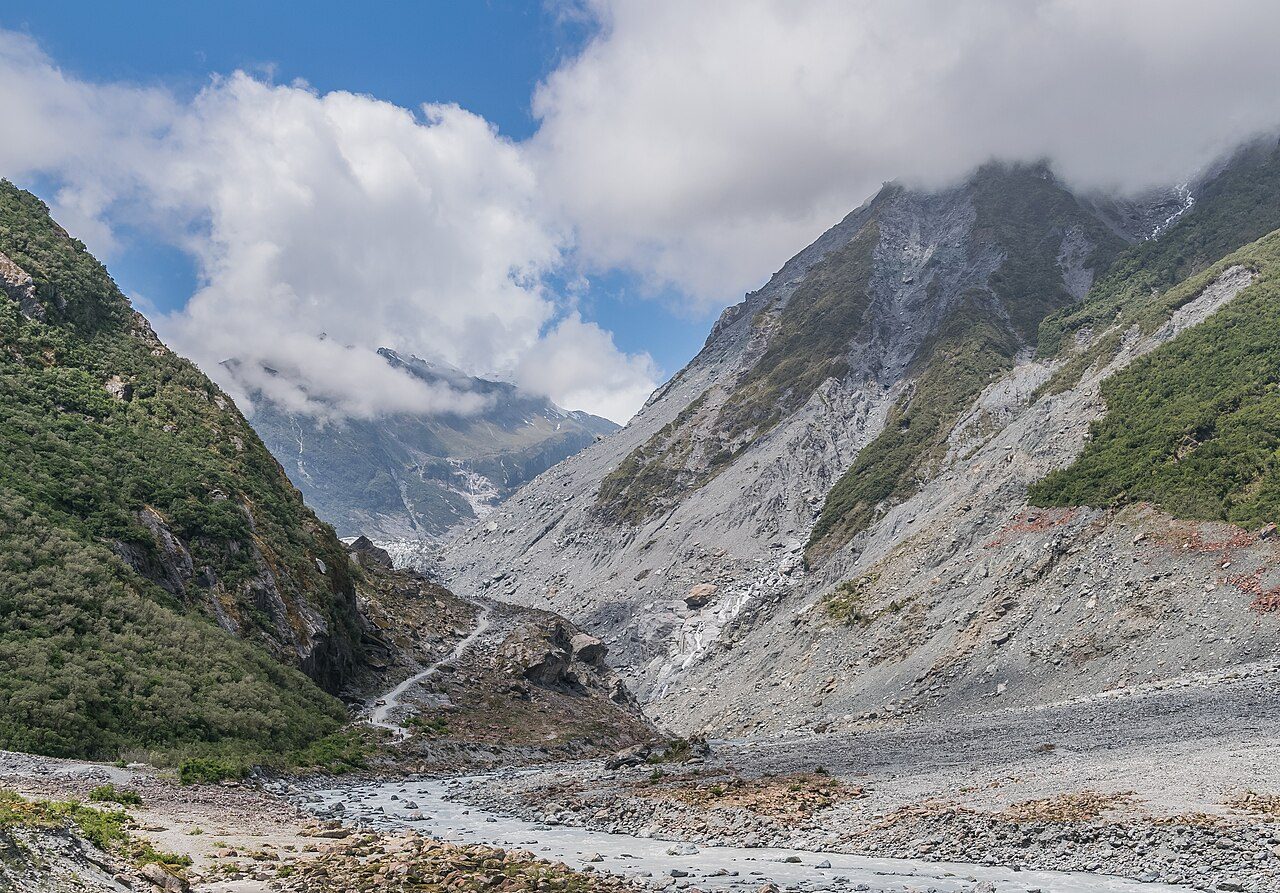
Fox Glacier, or Te Moeka o Tuawe, flows about 13 km from the Southern Alps on New Zealand's West Coast. Walking tracks lead toward the glacier valley, and heli-hikes offer access to the ice. Nearby Lake Matheson is famous for its mirror reflections of Aoraki / Mount Cook and Mount Tasman.
14
STOP 14 OF 22
Lake Wanaka
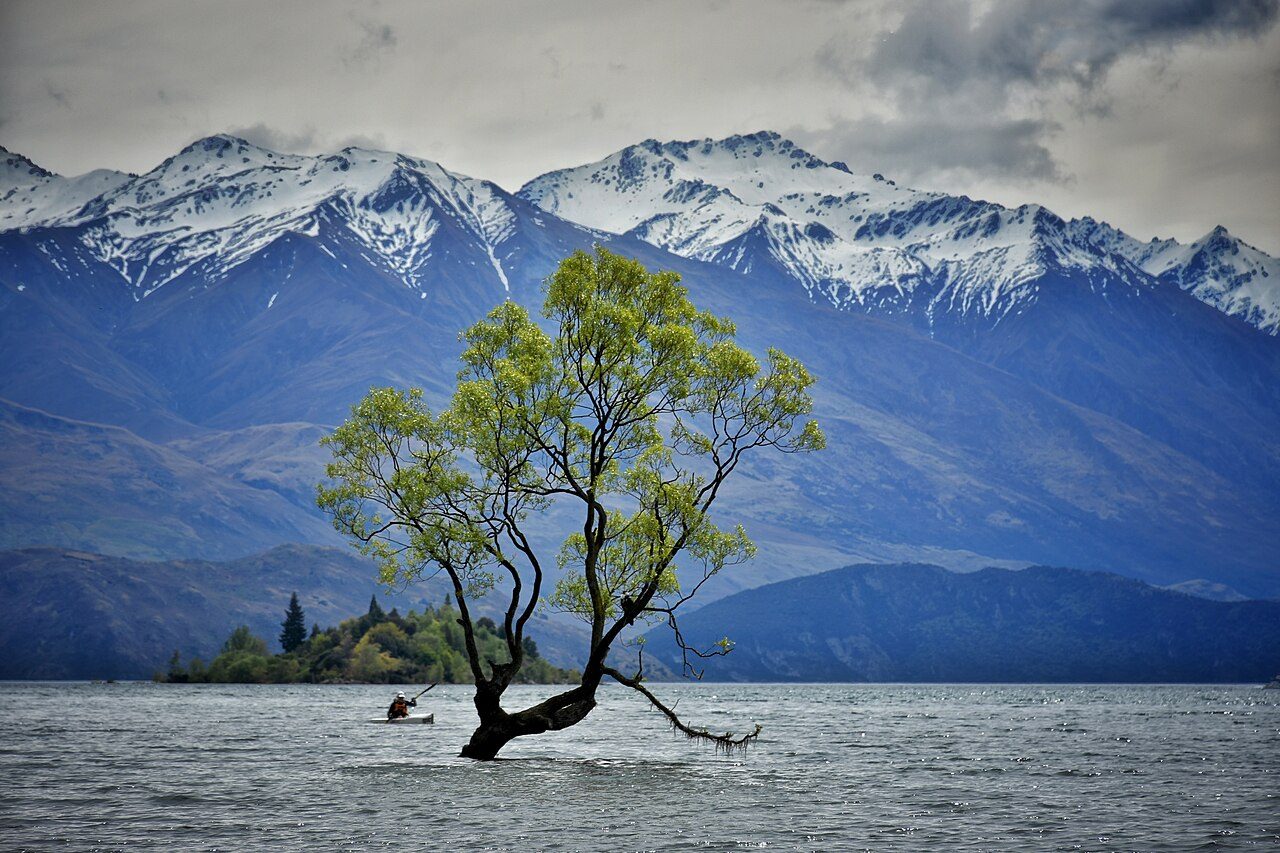
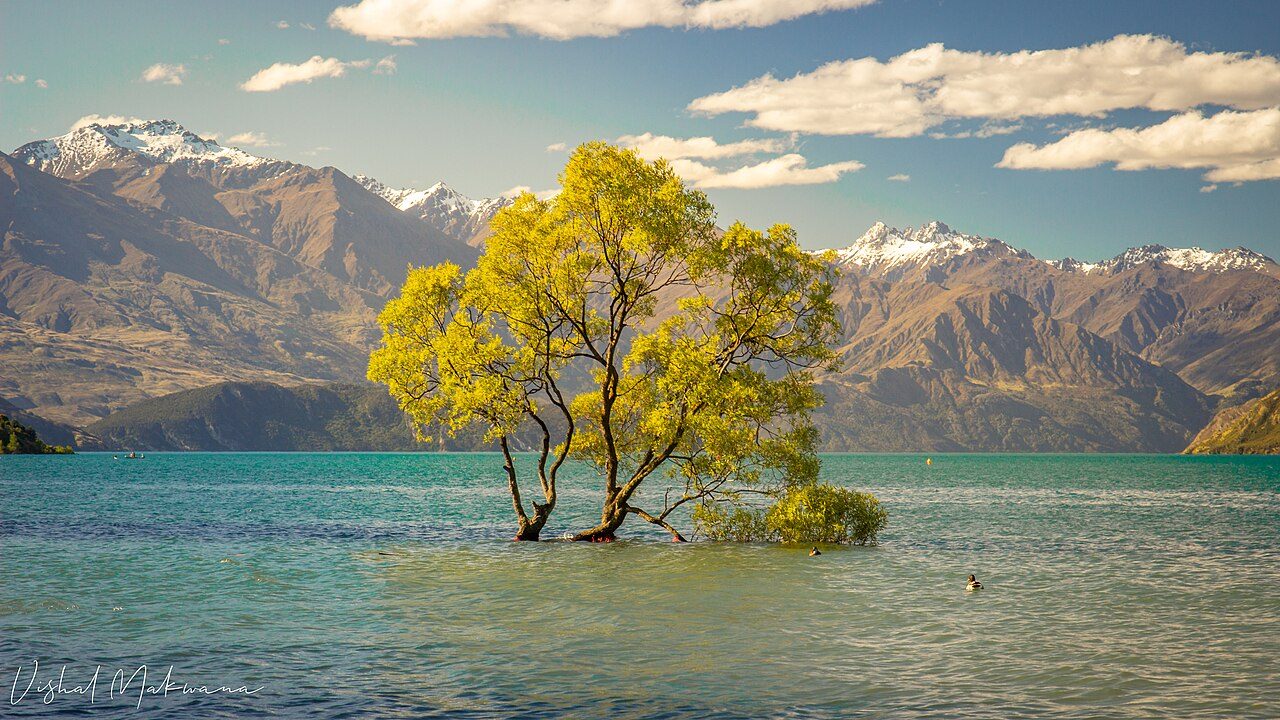
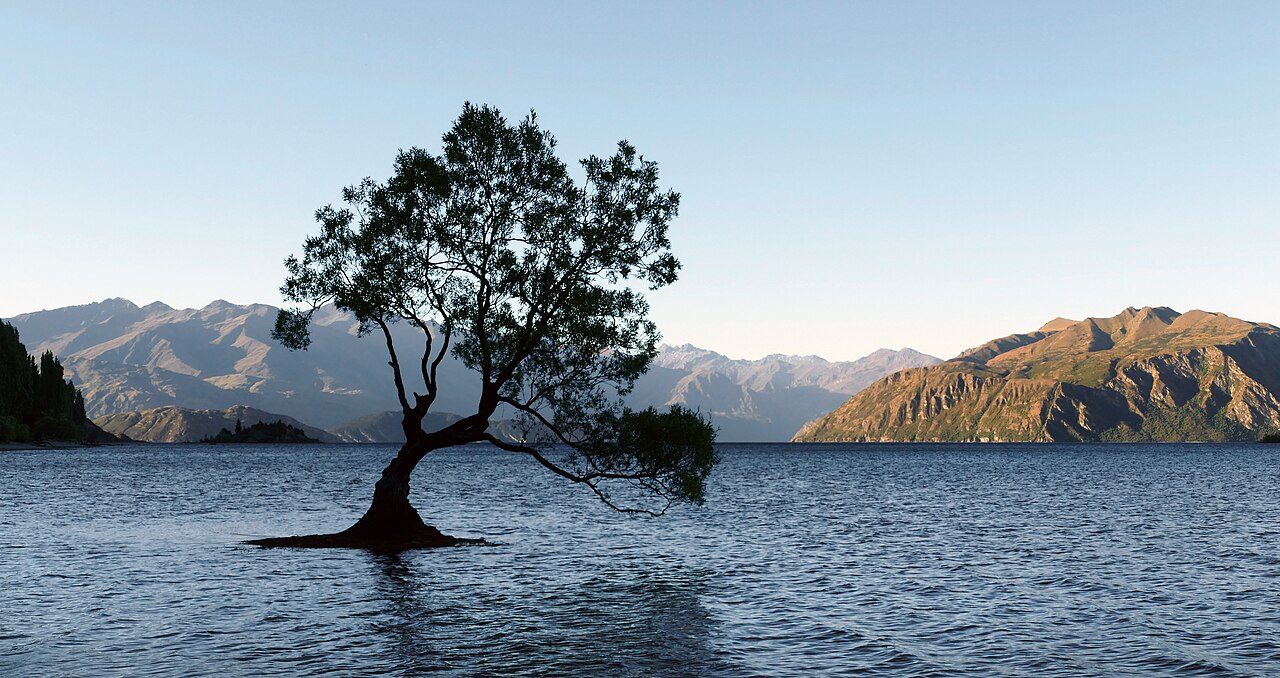
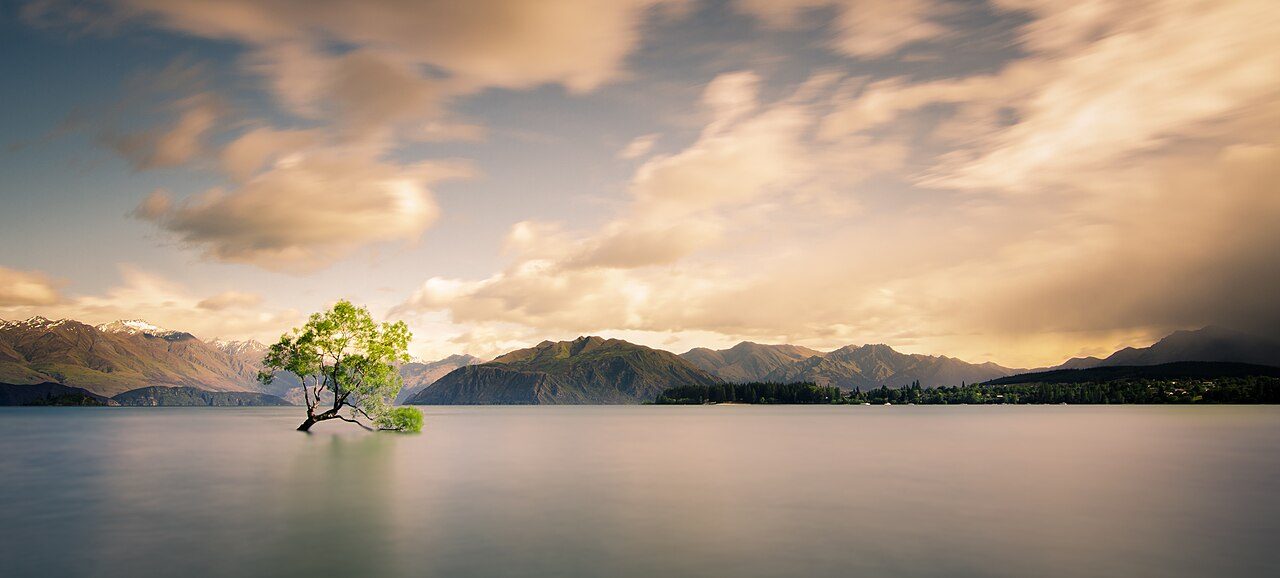
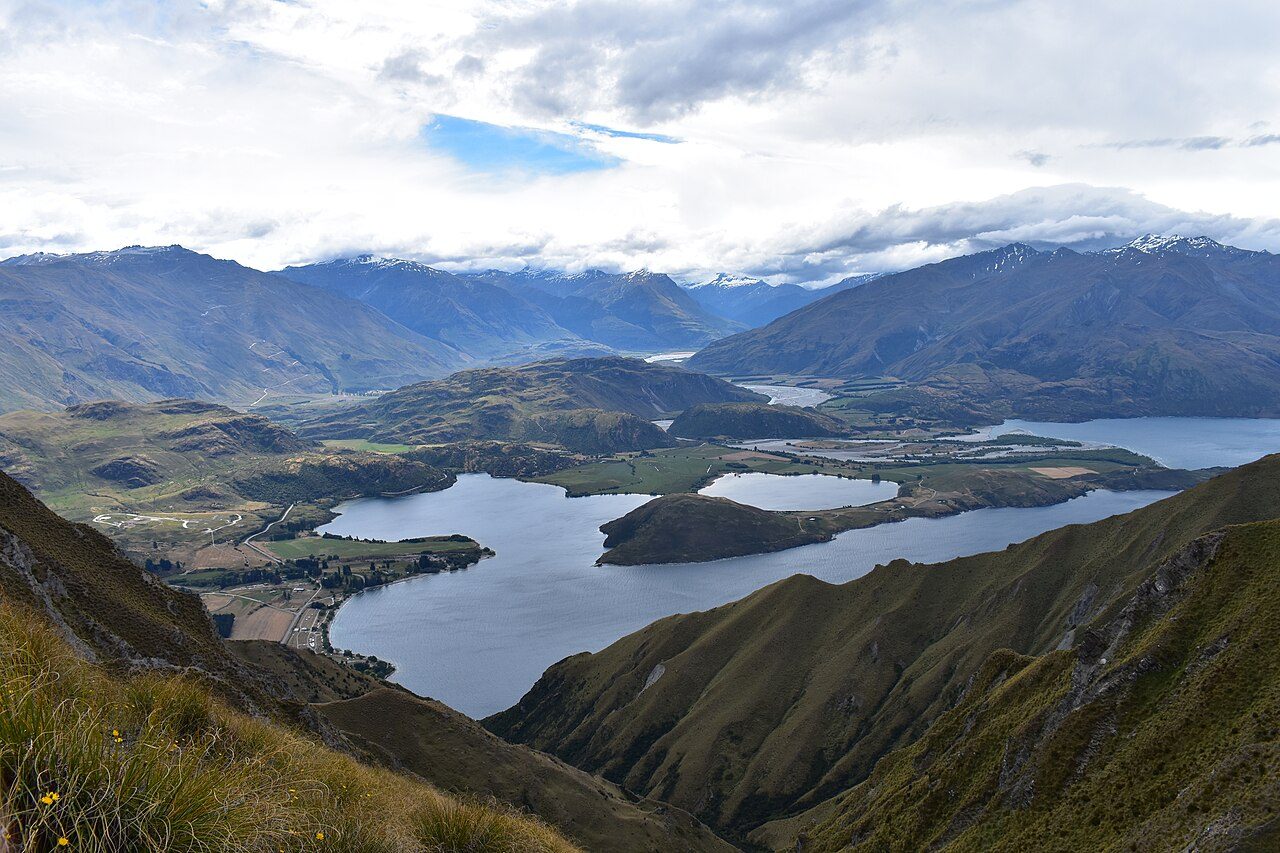
Lake Wanaka is a glacier-carved lake in the Southern Lakes region, framed by the mountains of Mount Aspiring National Park. The town of Wanaka is a relaxed base for hiking, skiing and water sports. The lone willow tree growing in the water, known as "That Wanaka Tree", is one of New Zealand's most photographed sights.
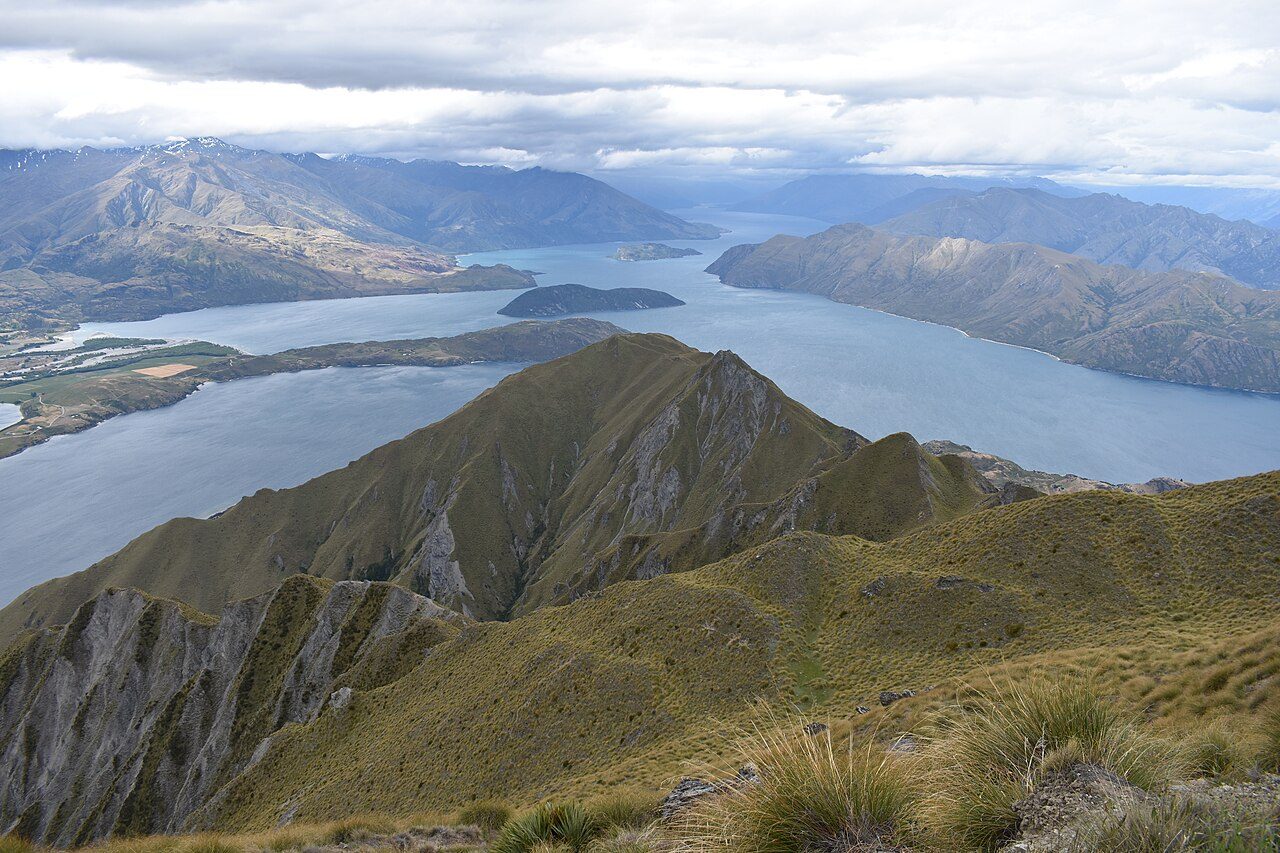
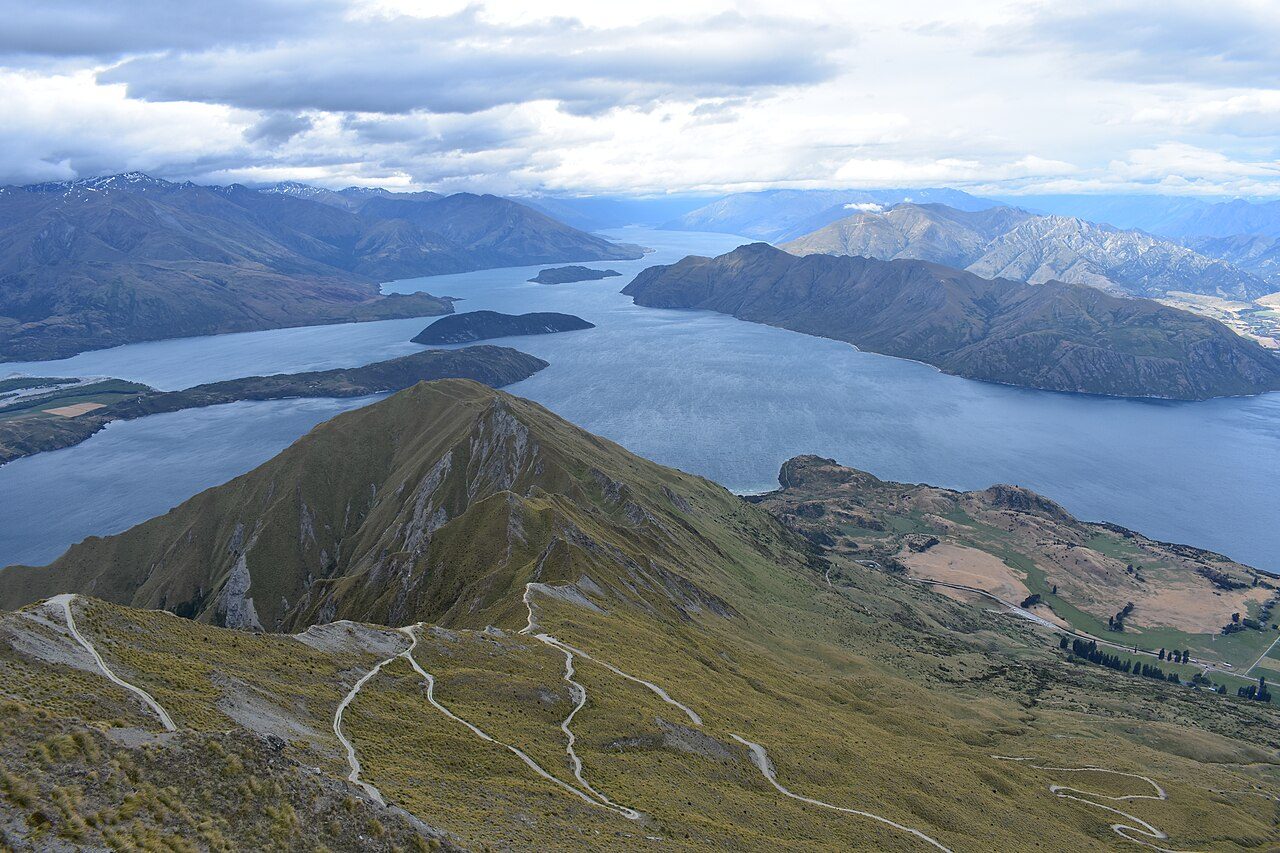
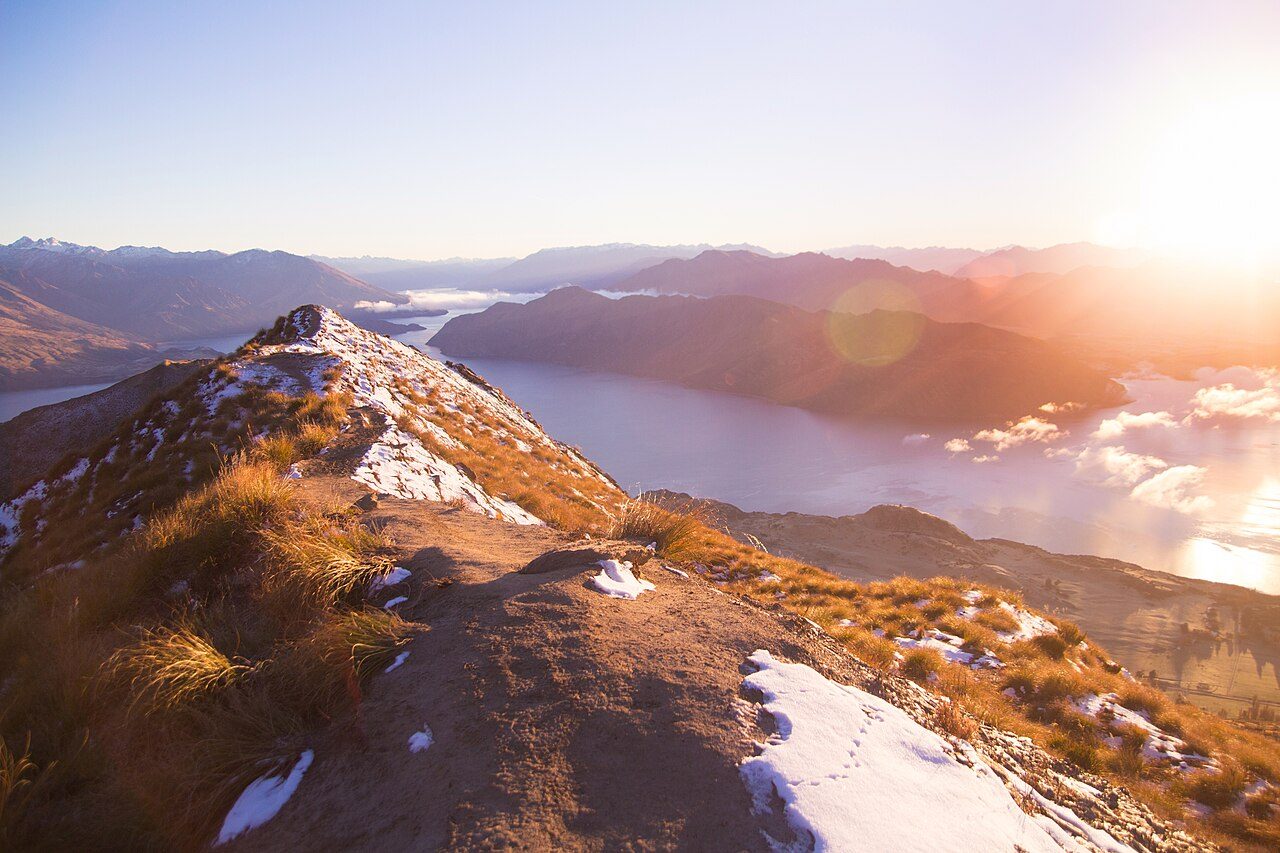
Roys Peak rises 1,578 metres above Lake Wanaka and is famous for its sweeping summit-ridge view over the lake and surrounding peaks. The track is about 16 km return and climbs steadily through farmland. The viewpoint just below the summit is one of the most photographed spots in New Zealand. The track closes for lambing each spring.
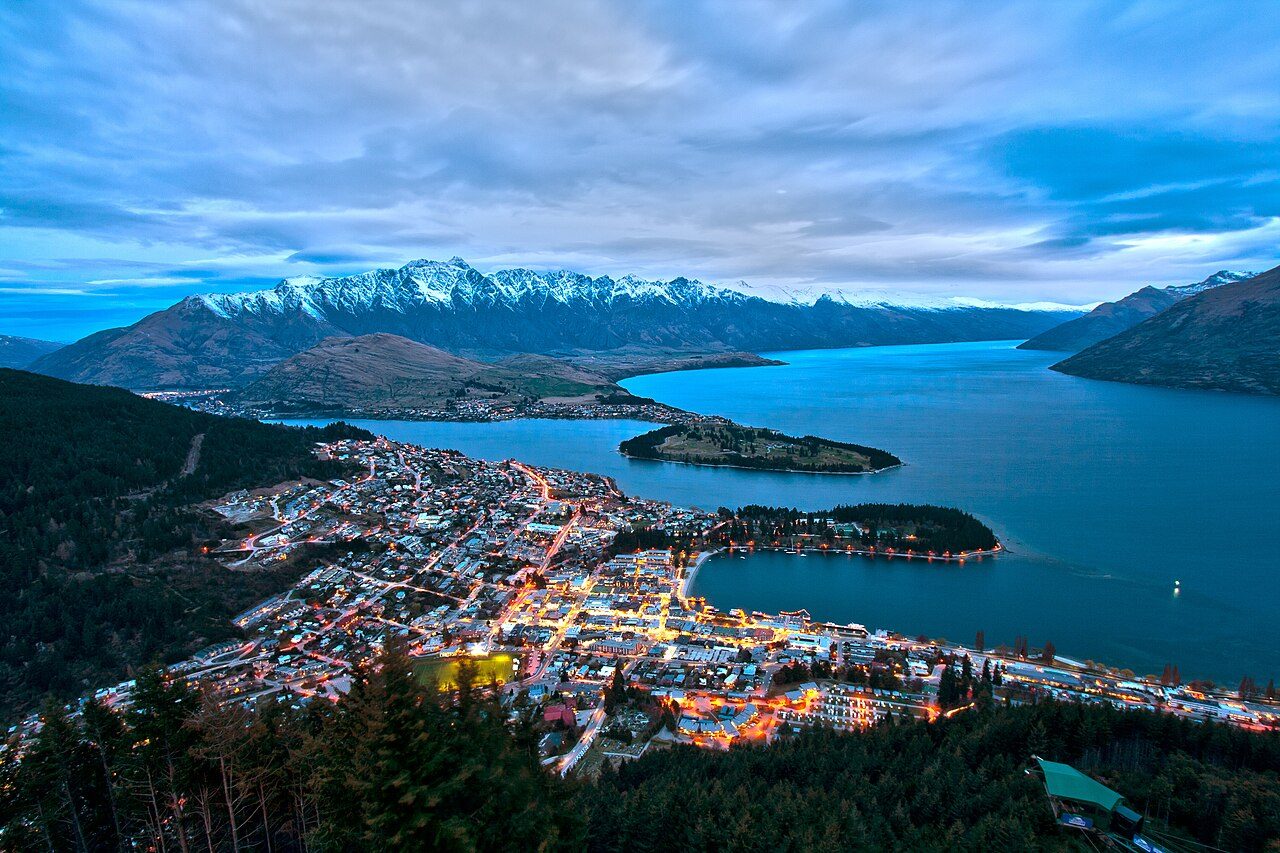
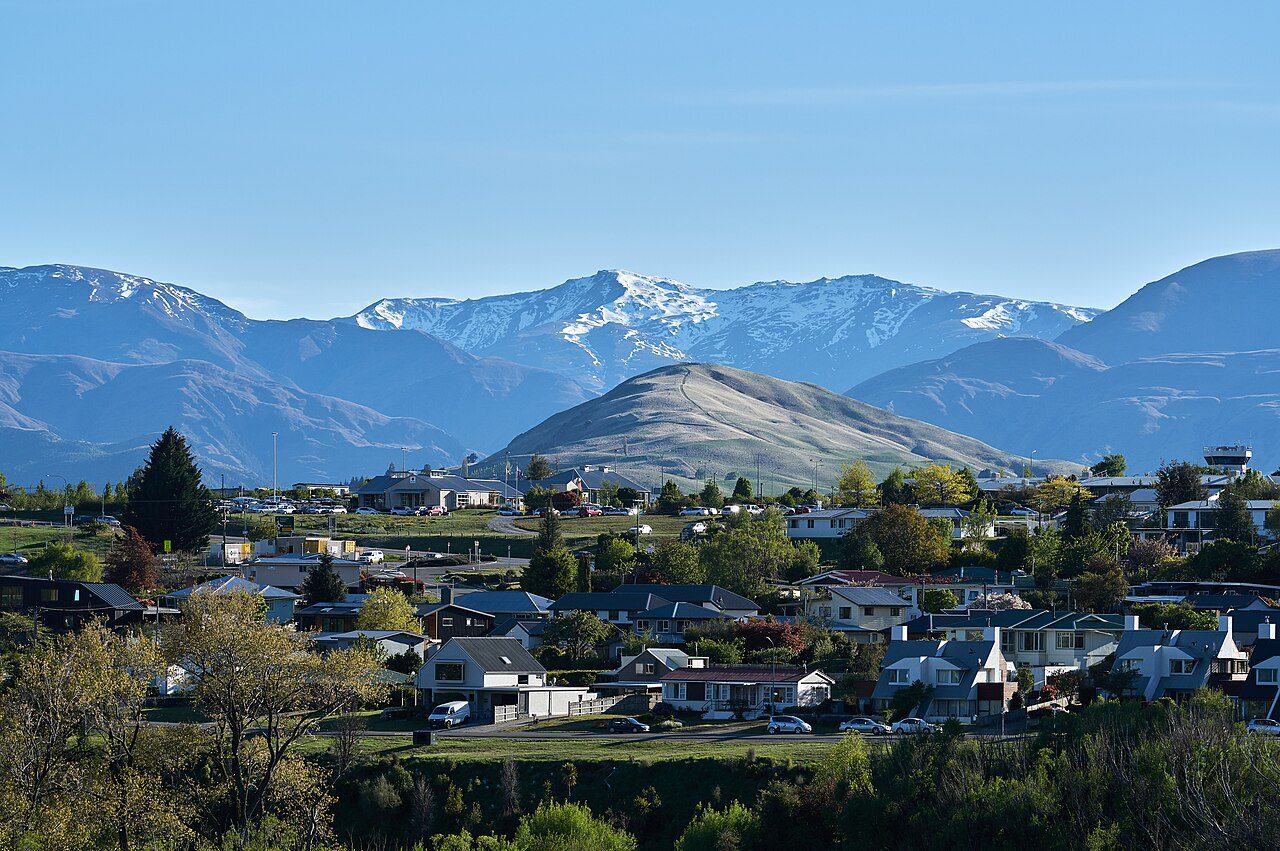
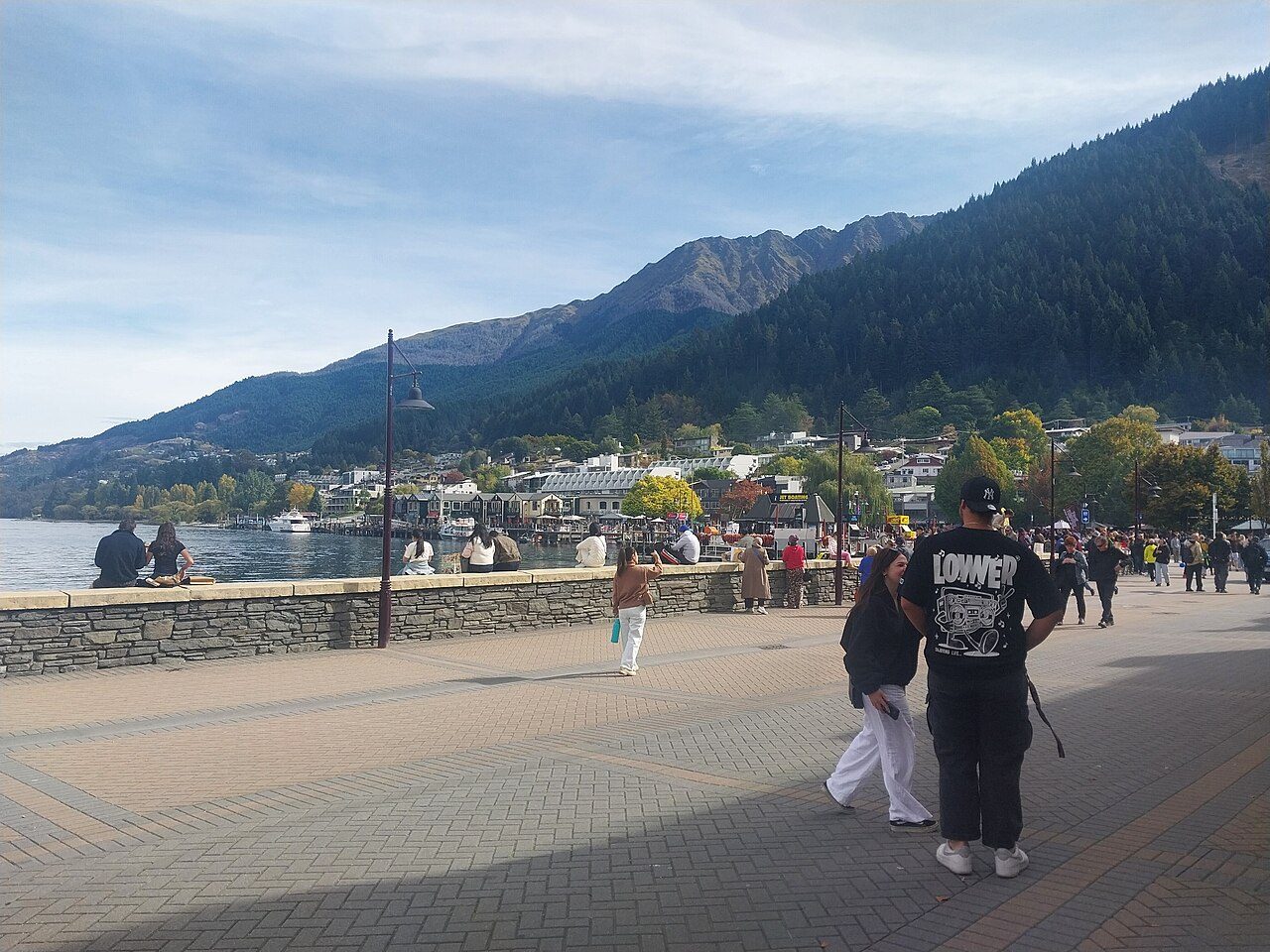
Queenstown sits on the shores of Lake Wakatipu beneath the Remarkables mountain range and is known as the adventure capital of the world. It was here that commercial bungy jumping began. Visitors ride the Skyline Gondola, jet boat the Shotover River, ski in winter and enjoy a lively food and wine scene.
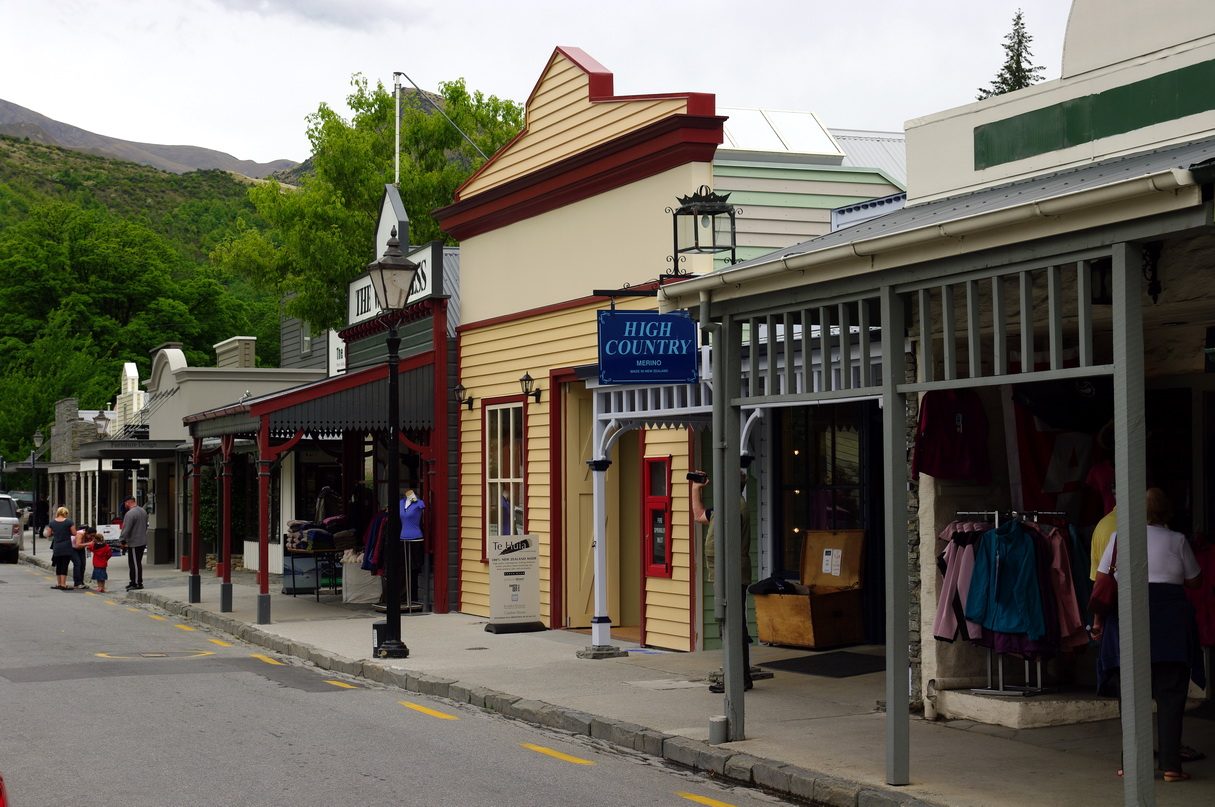
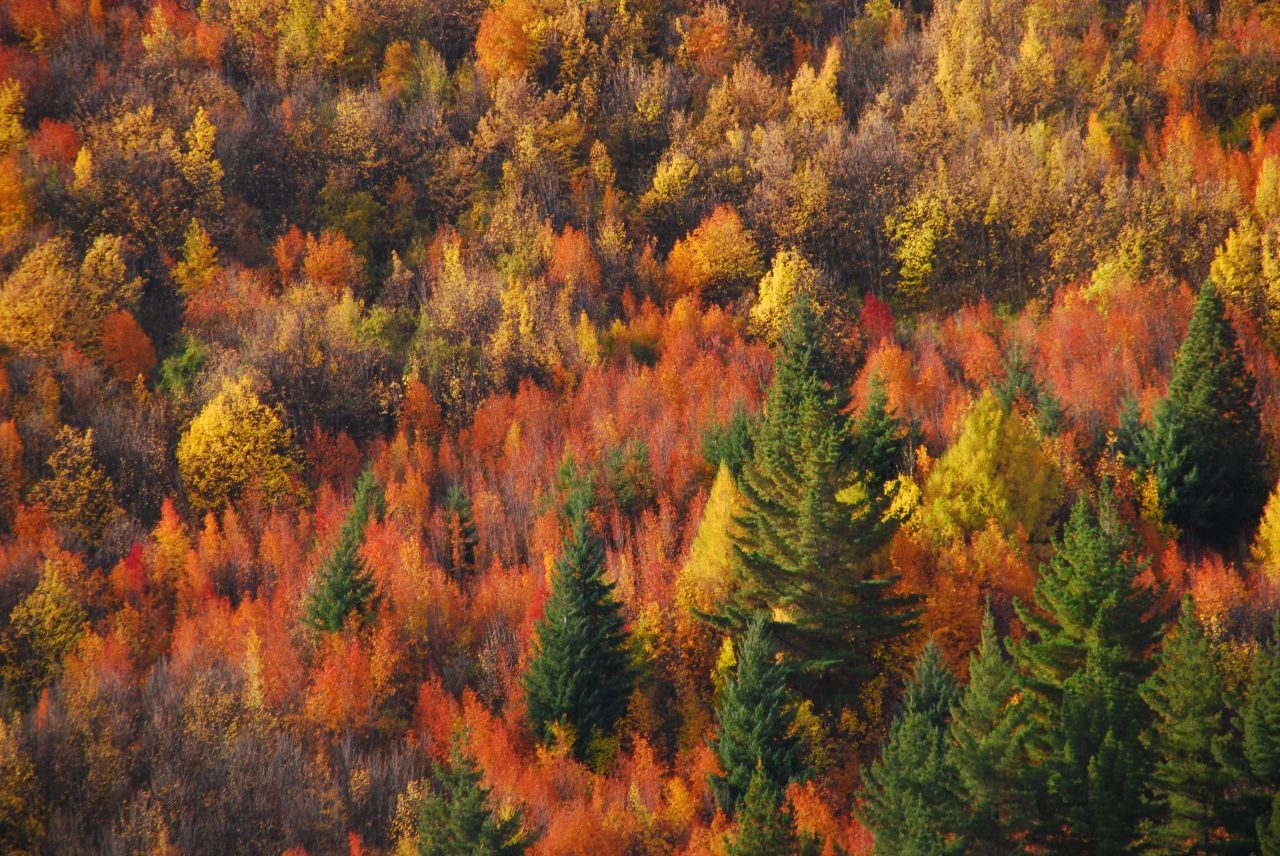
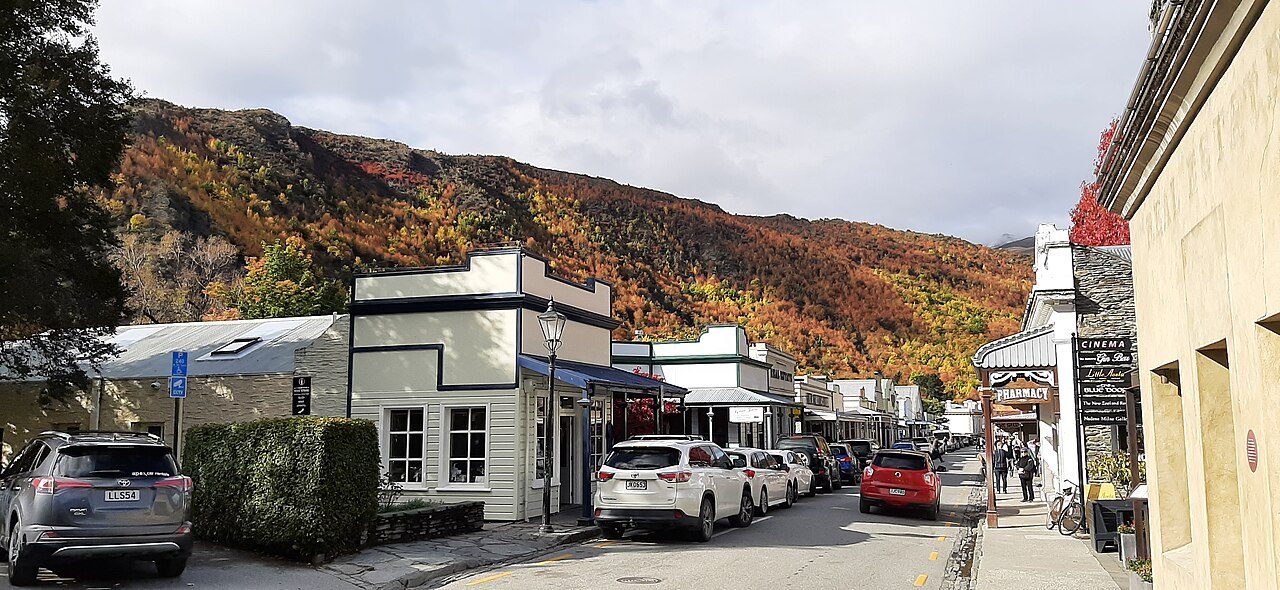
Arrowtown is a charming historic gold-mining town near Queenstown, founded after gold was found in the Arrow River in 1862. Its tree-lined main street has preserved 19th-century cottages and shops. The restored Chinese Settlement recalls the Chinese miners who worked the goldfields, and autumn colours here are spectacular.
18
STOP 18 OF 22
Milford Sound
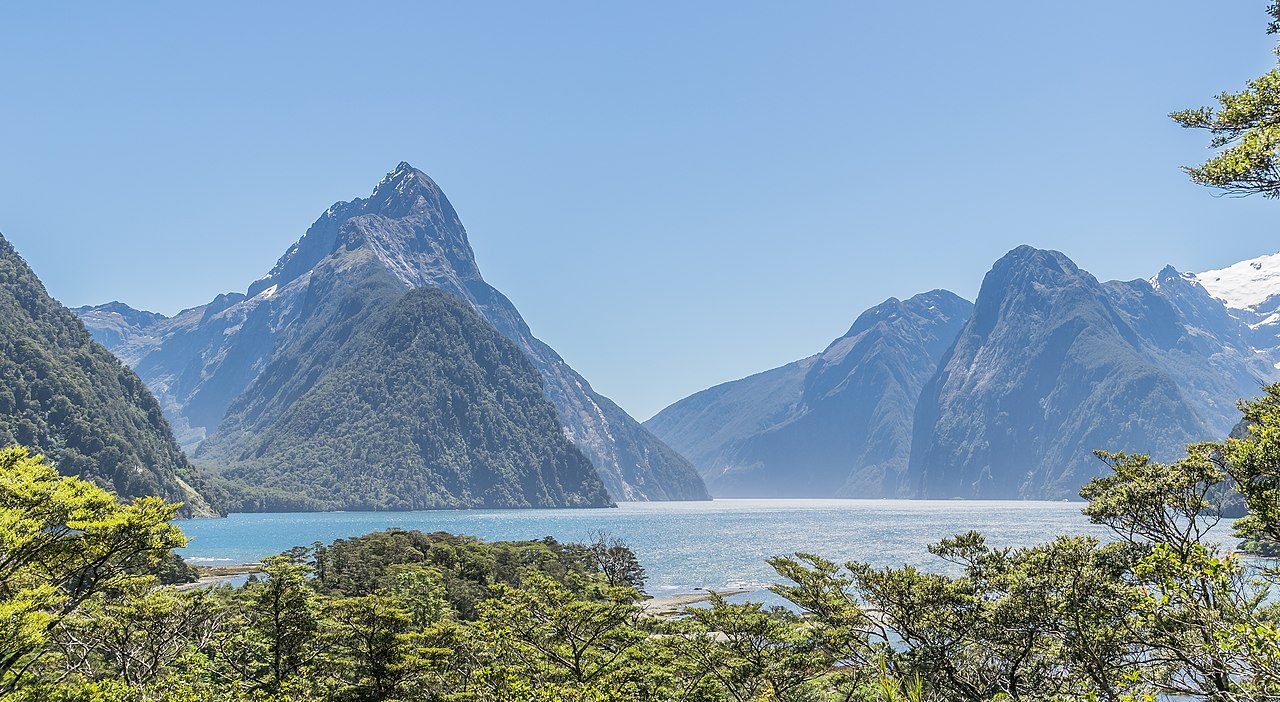
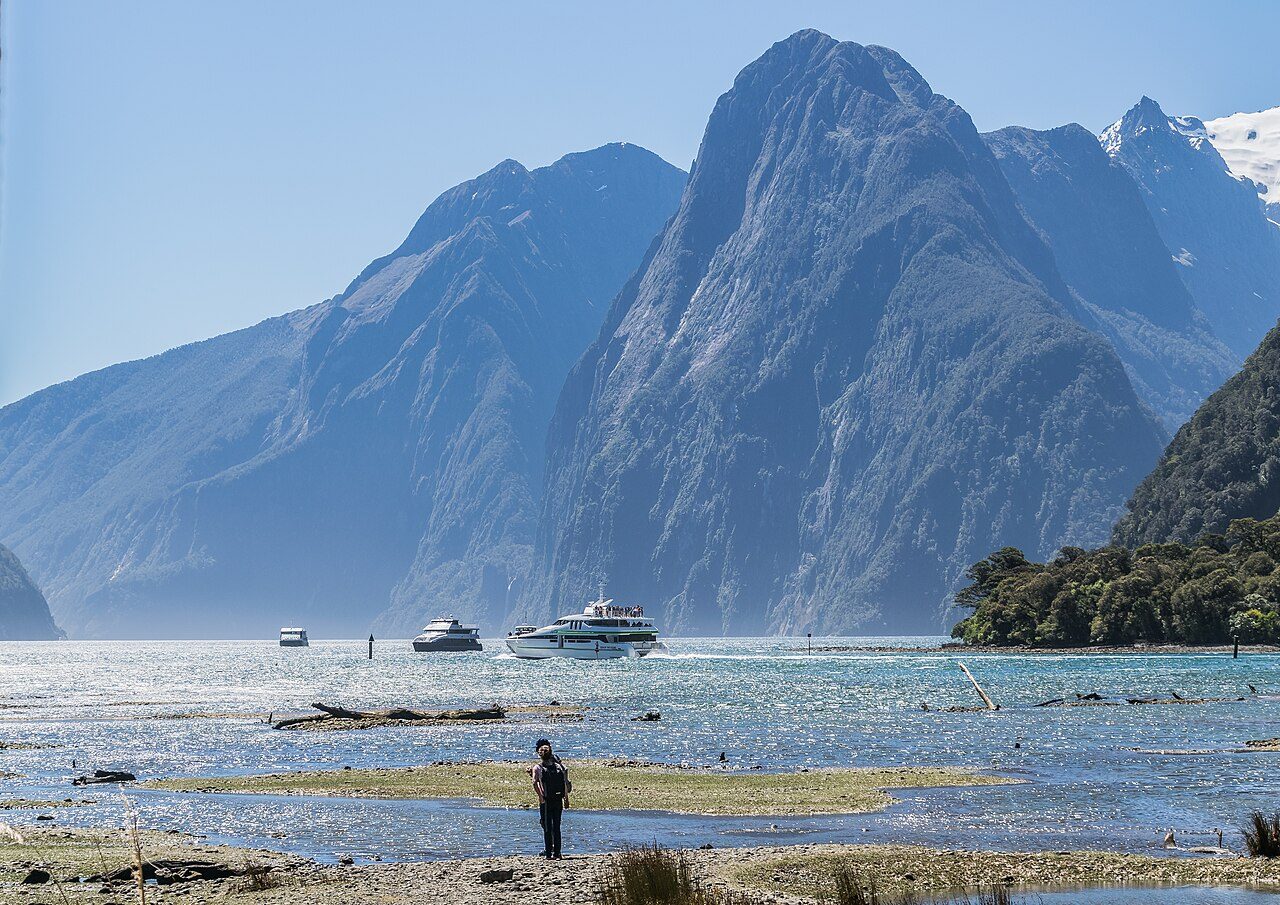
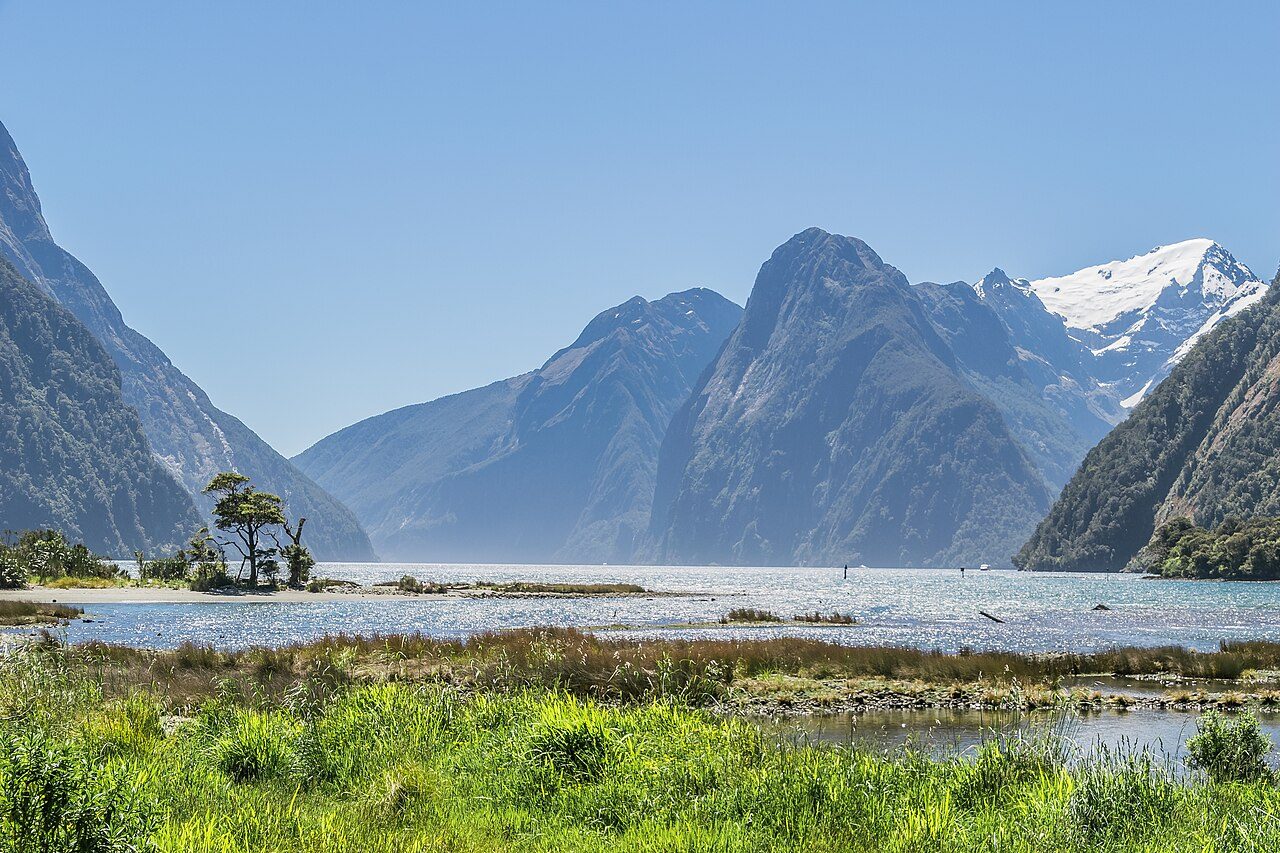
Milford Sound in Fiordland National Park is New Zealand's most famous fiord, carved by glaciers during ice ages. Mitre Peak rises nearly 1,700 metres straight from the water, and waterfalls such as Stirling Falls plunge down sheer cliffs. Boat cruises and kayaks reveal seals, penguins and dolphins. It is part of the Te Wāhipounamu World Heritage Area.
19
STOP 19 OF 22
Aoraki / Mount Cook
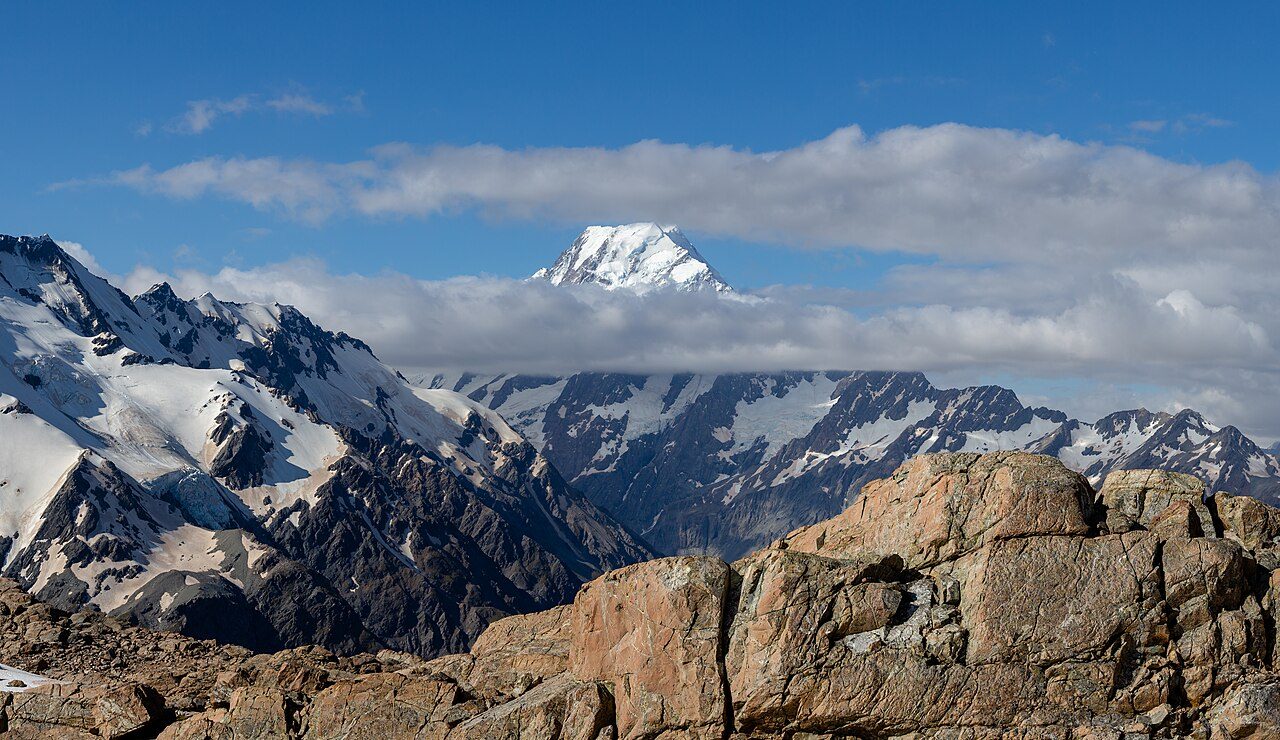
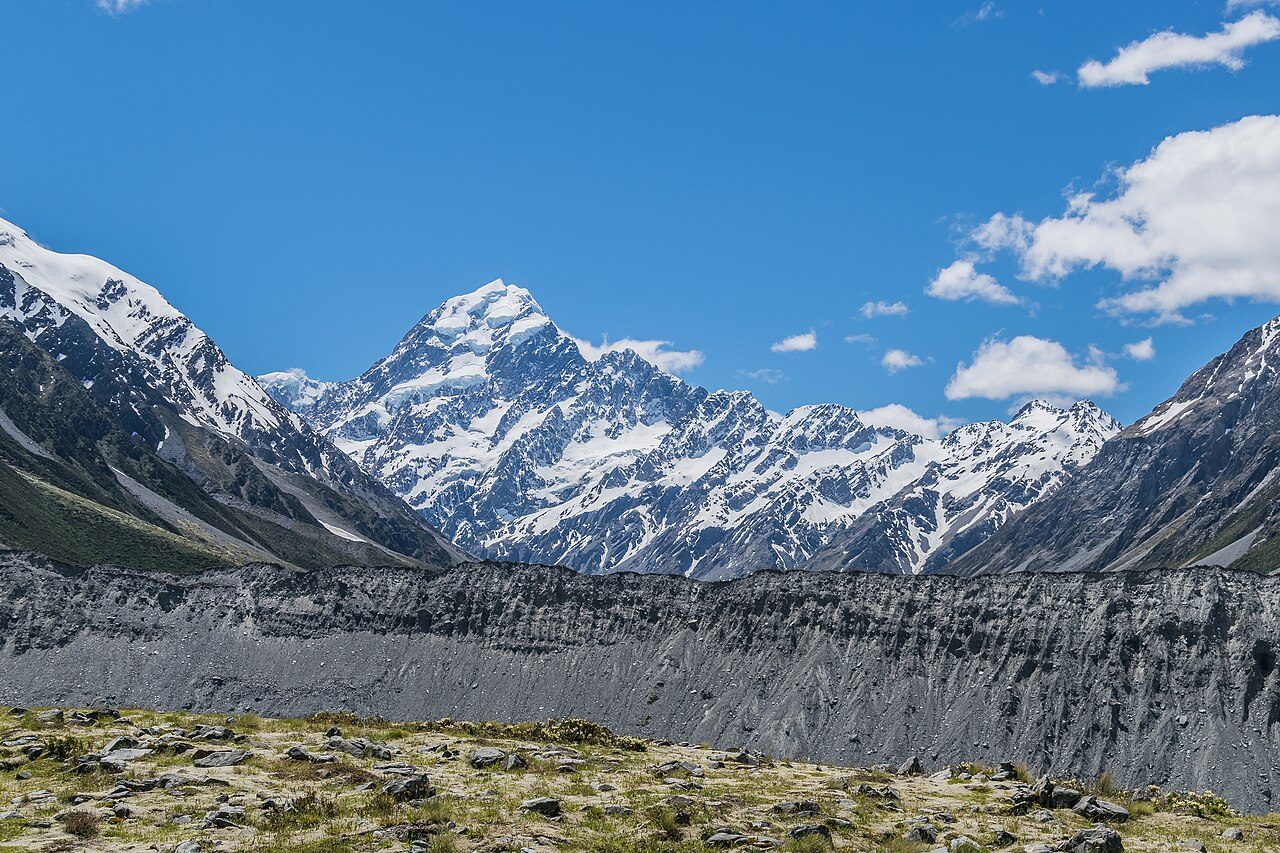
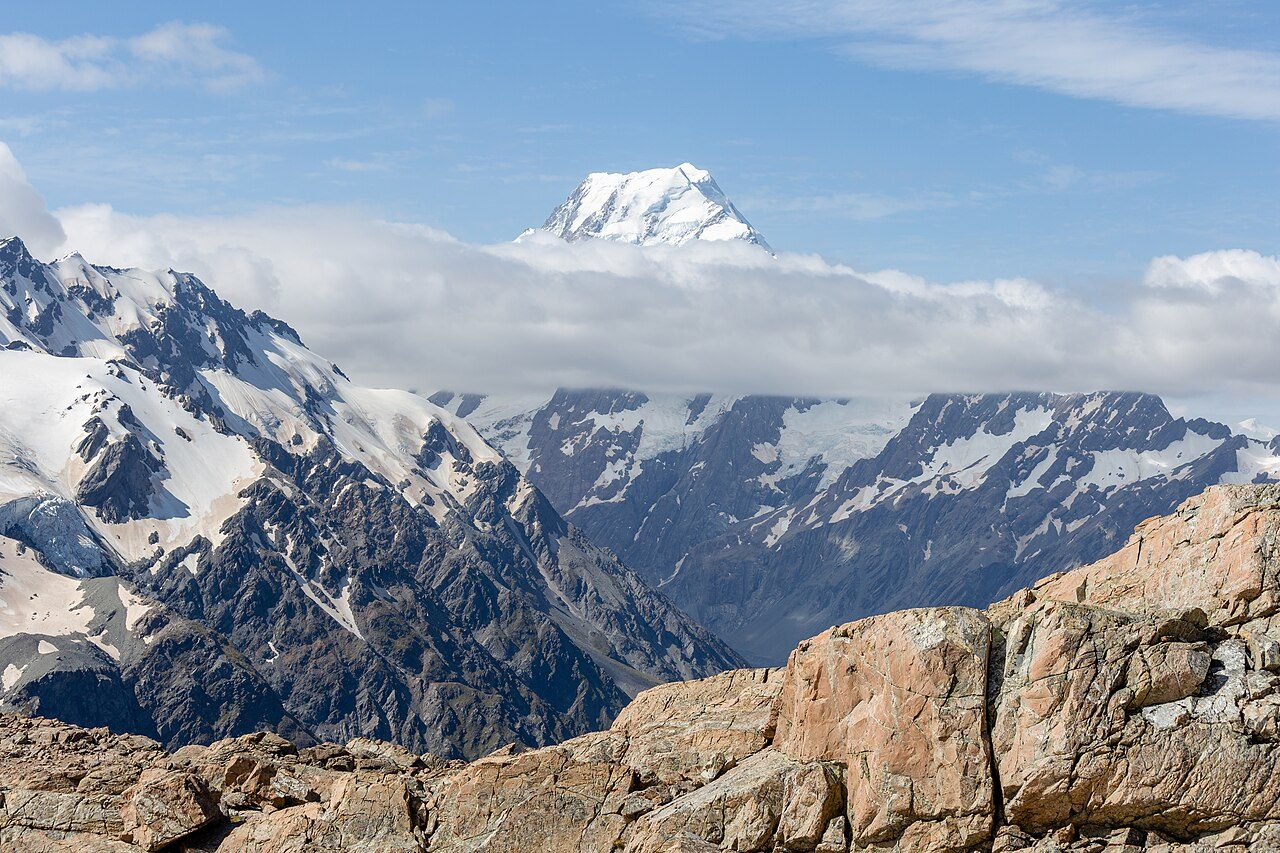
Aoraki / Mount Cook is New Zealand's highest mountain at 3,724 metres, standing in Aoraki / Mount Cook National Park. The park contains more than 20 peaks over 3,000 metres and many glaciers, including the Tasman Glacier. The Hooker Valley Track is an easy walk with swing bridges leading to a glacial lake with views of the mountain.
20
STOP 20 OF 22
Lake Pukaki
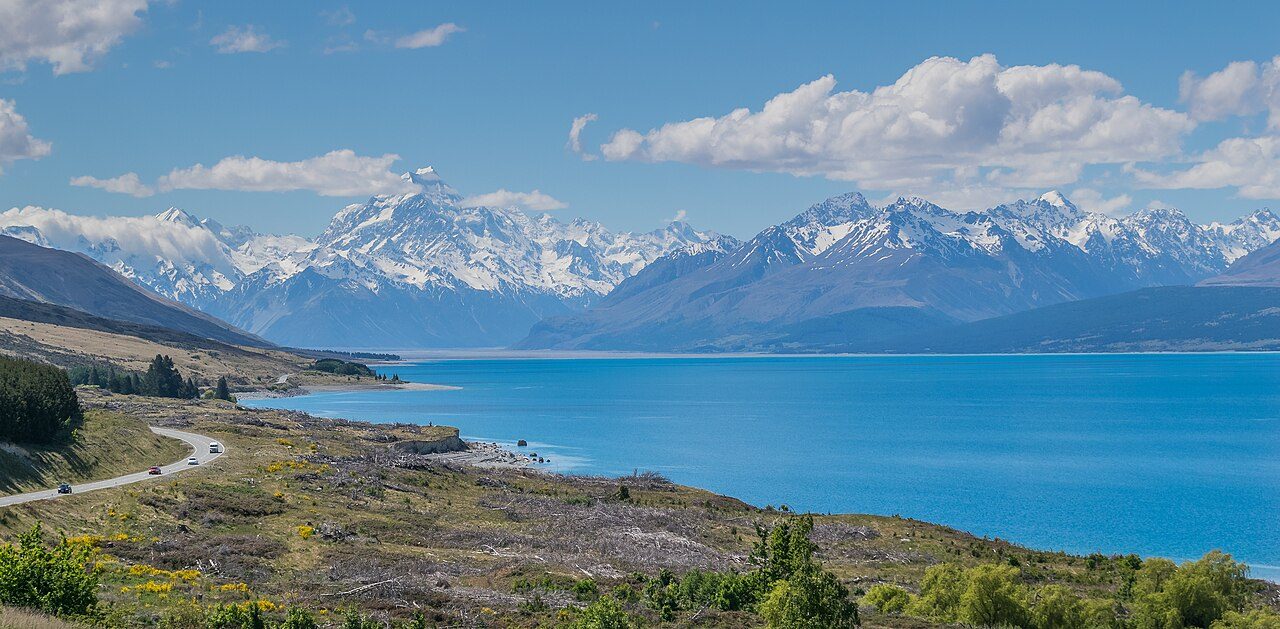
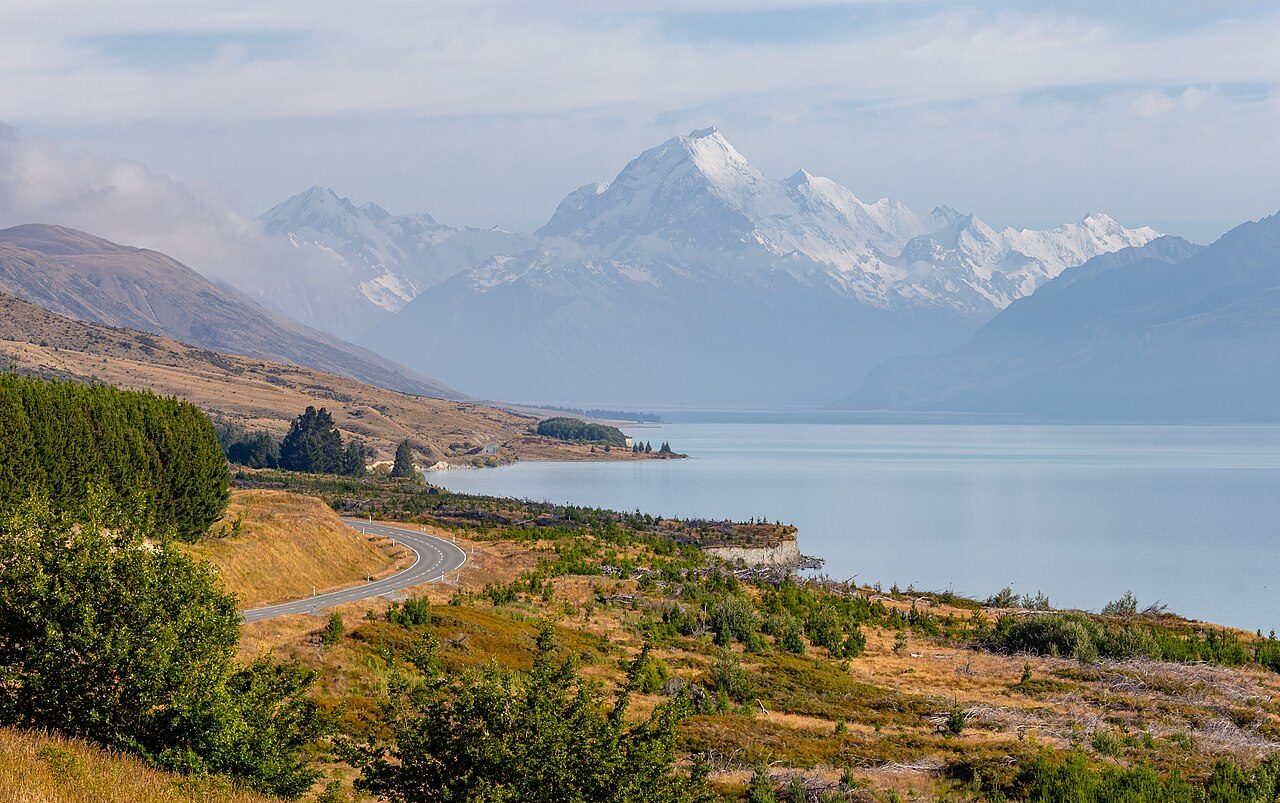
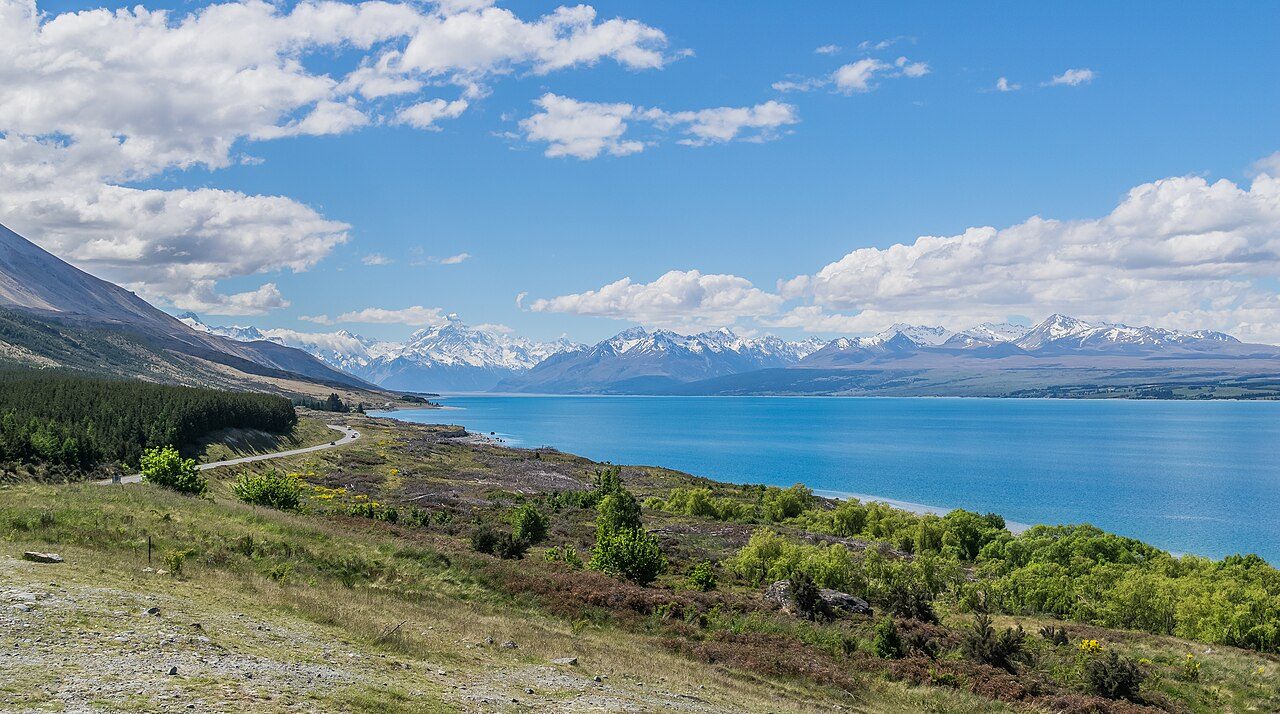
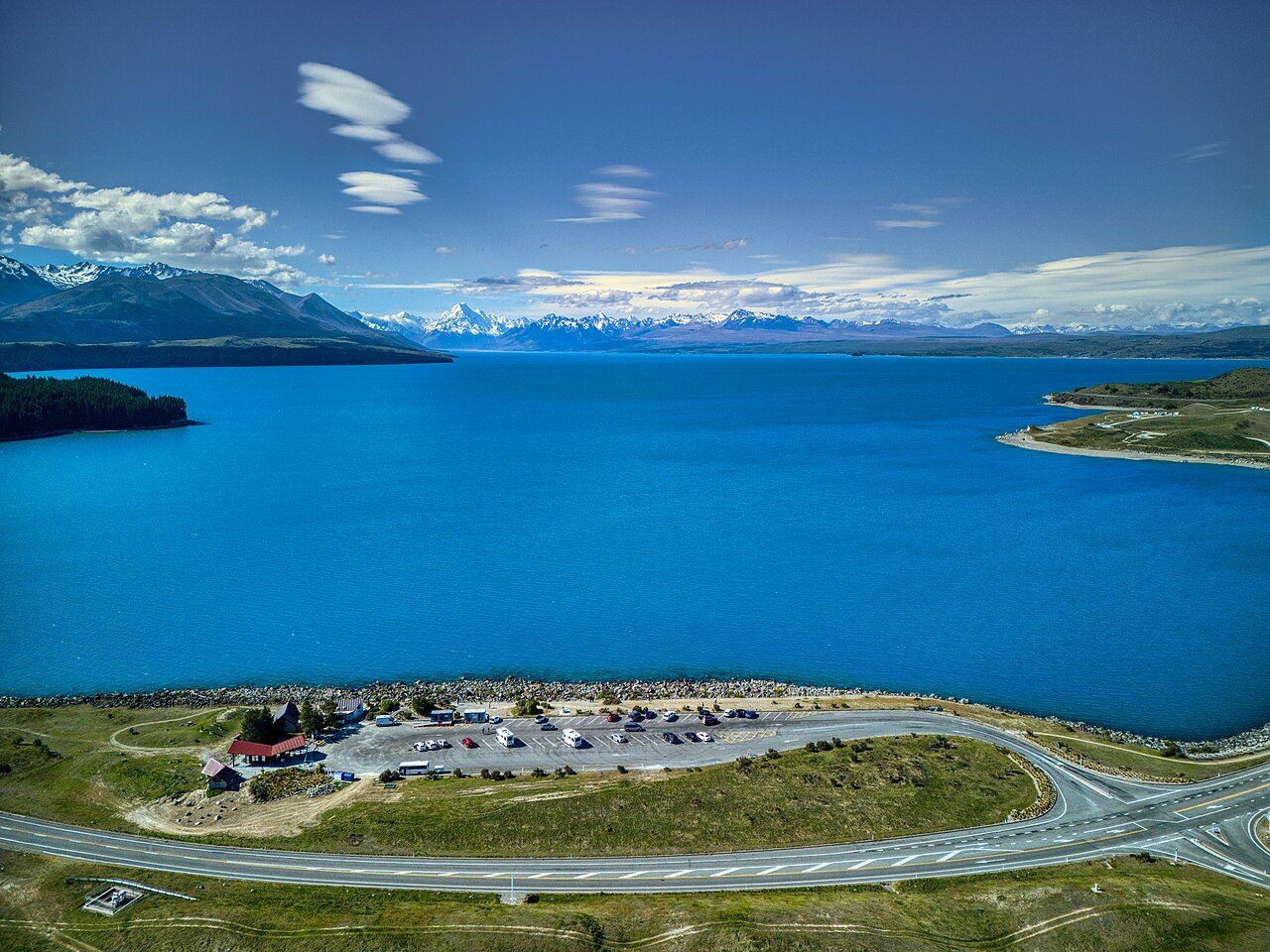
Lake Pukaki is a vivid blue glacial lake in the Mackenzie Basin, fed by the Tasman River. On clear days Aoraki / Mount Cook rises above the far end of the lake, creating one of New Zealand's most famous views. The road to Mount Cook Village runs along its western shore with several scenic lookouts.
21
STOP 21 OF 22
Lake Tekapo
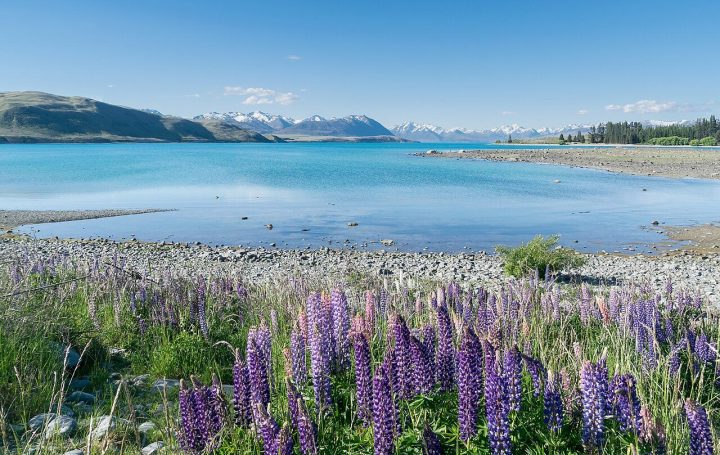
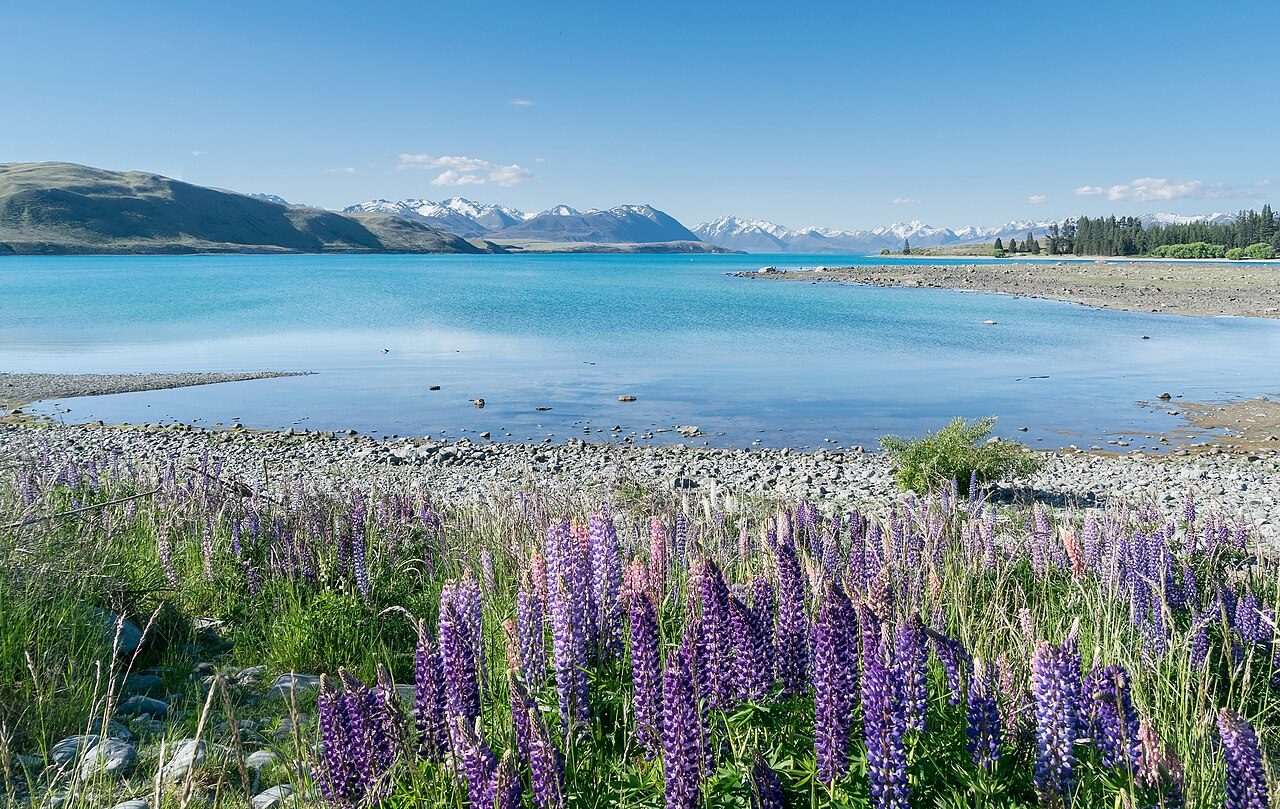
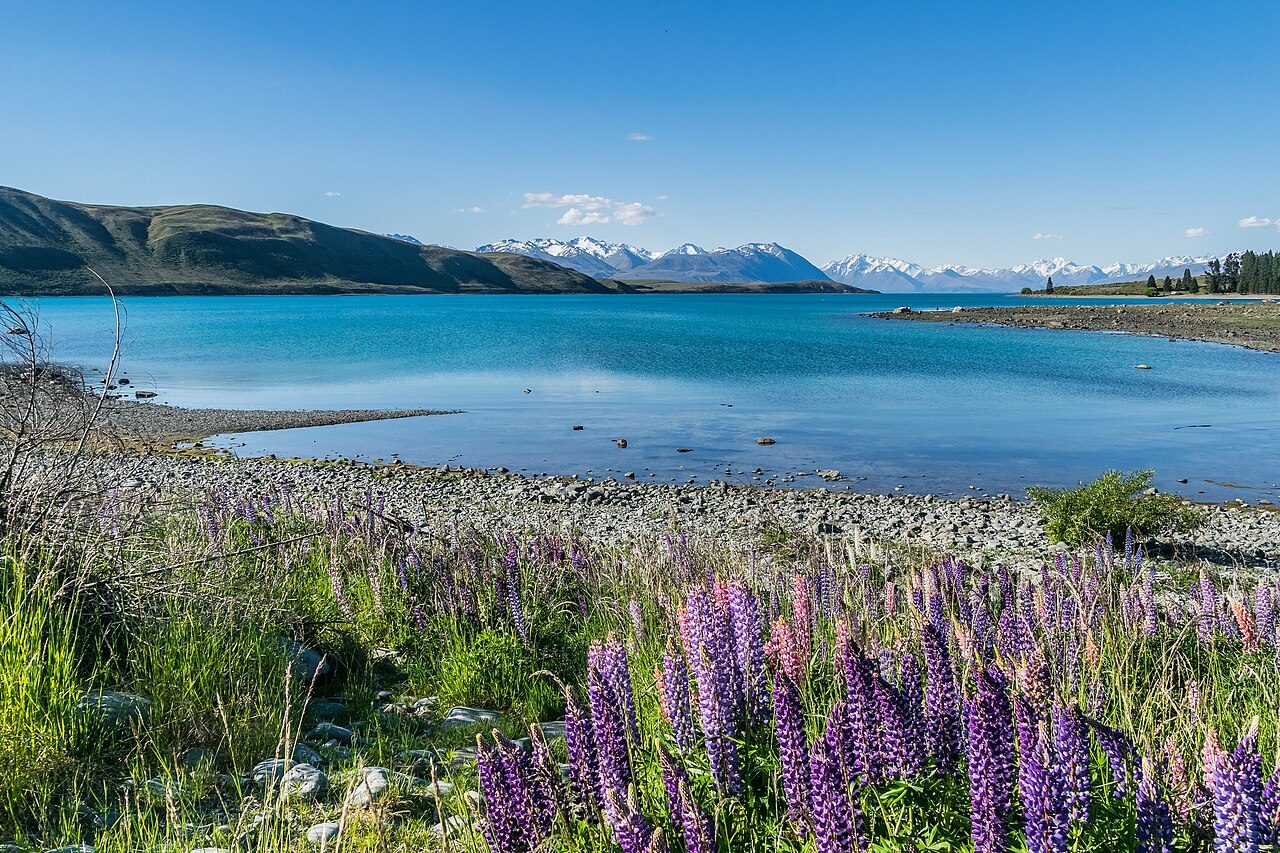
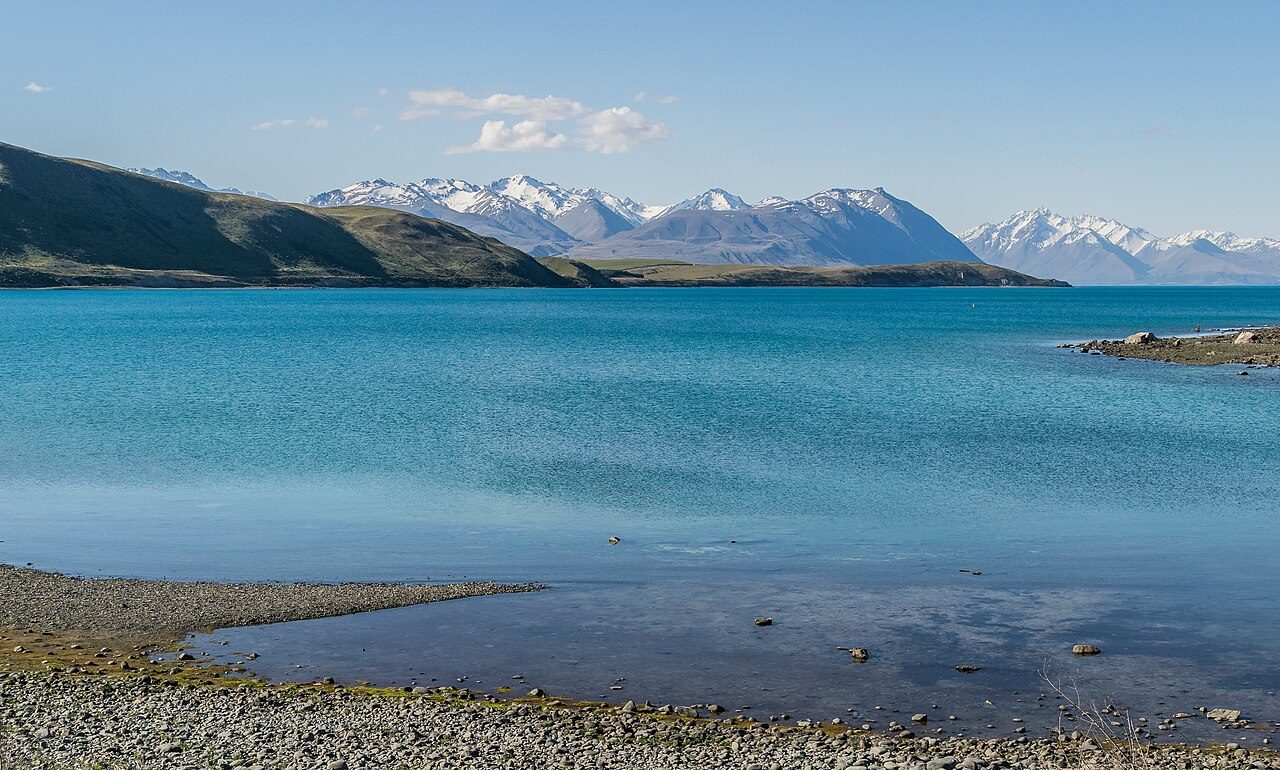
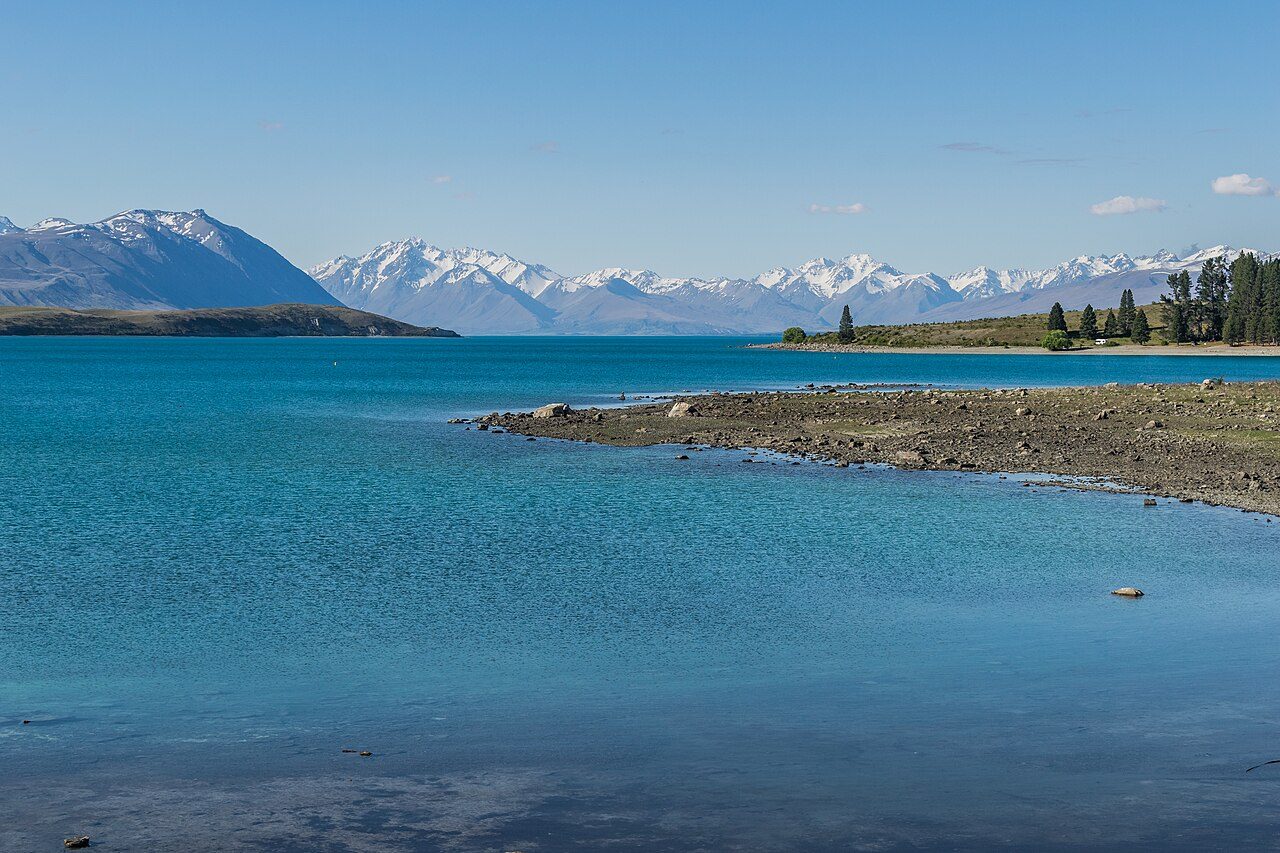
Lake Tekapo is known for its milky turquoise water, coloured by fine glacial rock flour. The small stone Church of the Good Shepherd on its shore is a much-photographed landmark. The area is part of the Aoraki Mackenzie International Dark Sky Reserve, offering superb stargazing, and lupins bloom along the shores in early summer.
22
STOP 22 OF 22 · LAST STOP
Christchurch Botanic Gardens
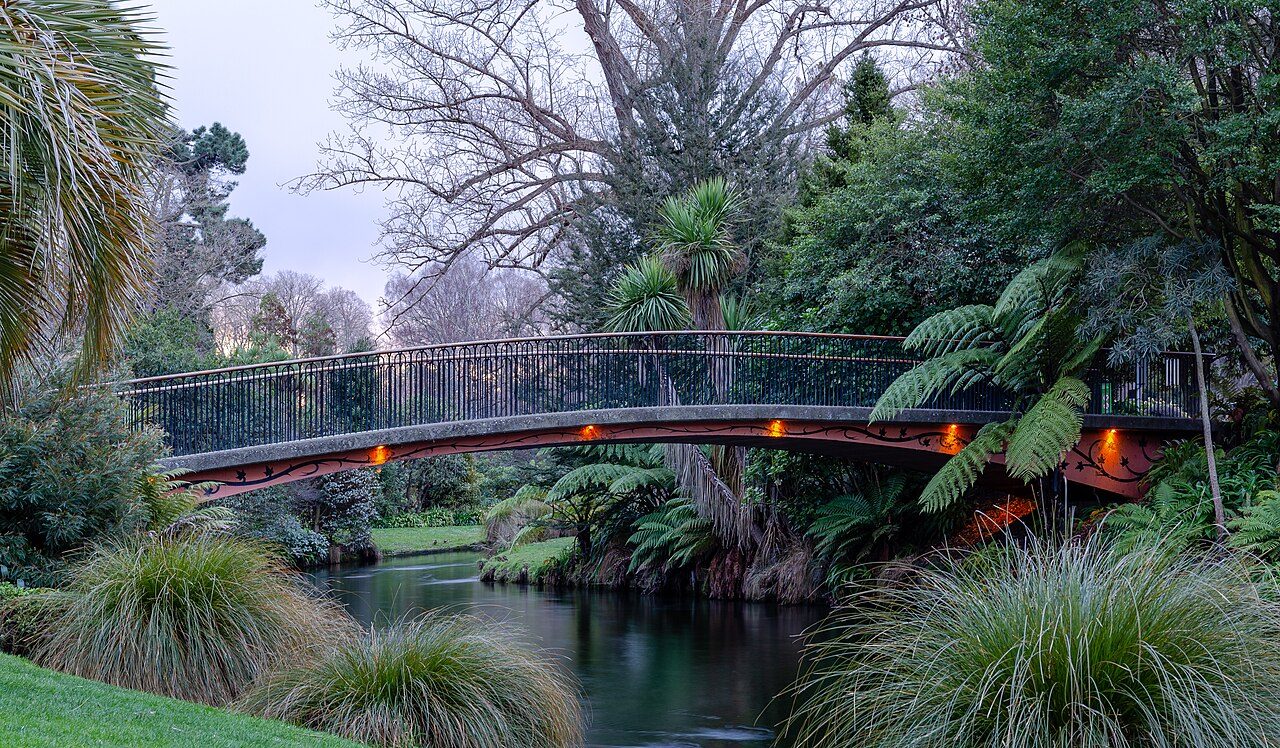
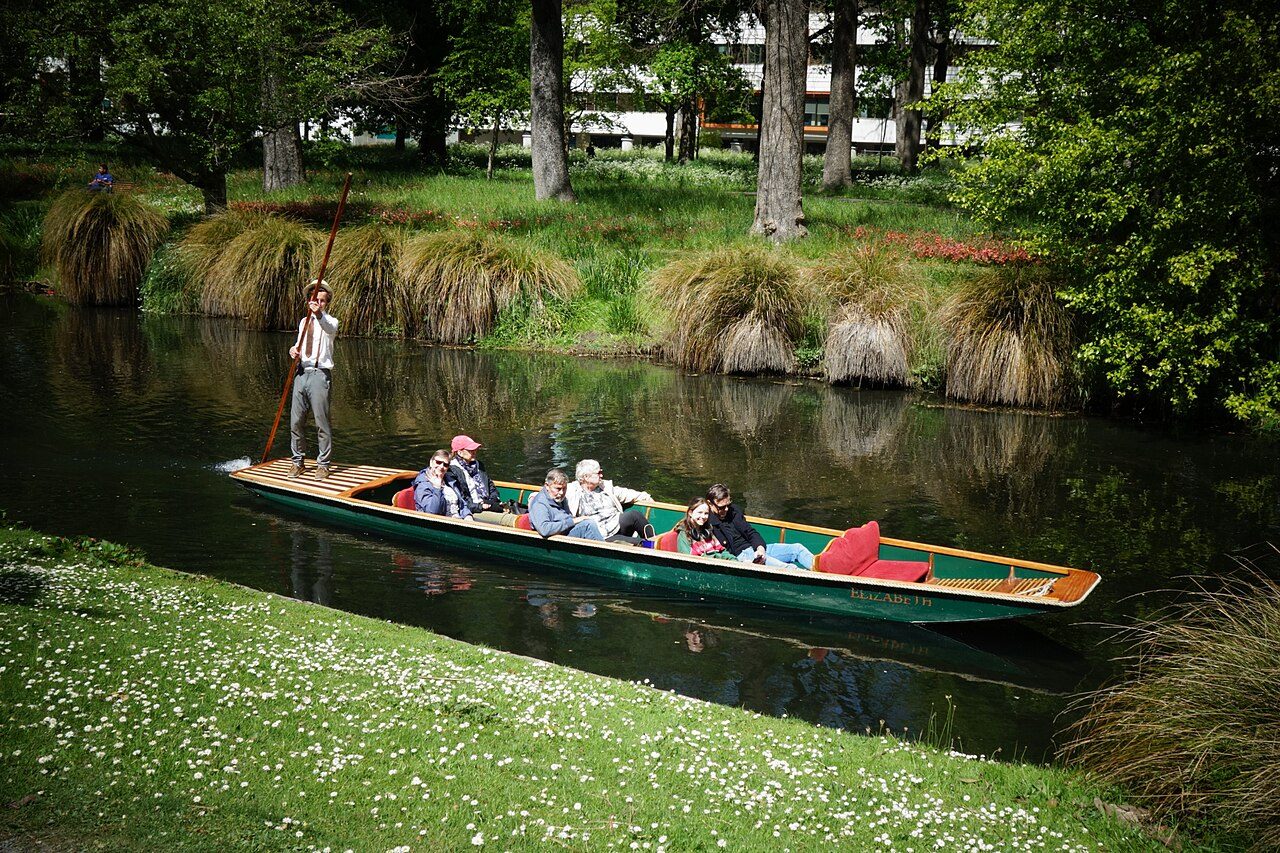
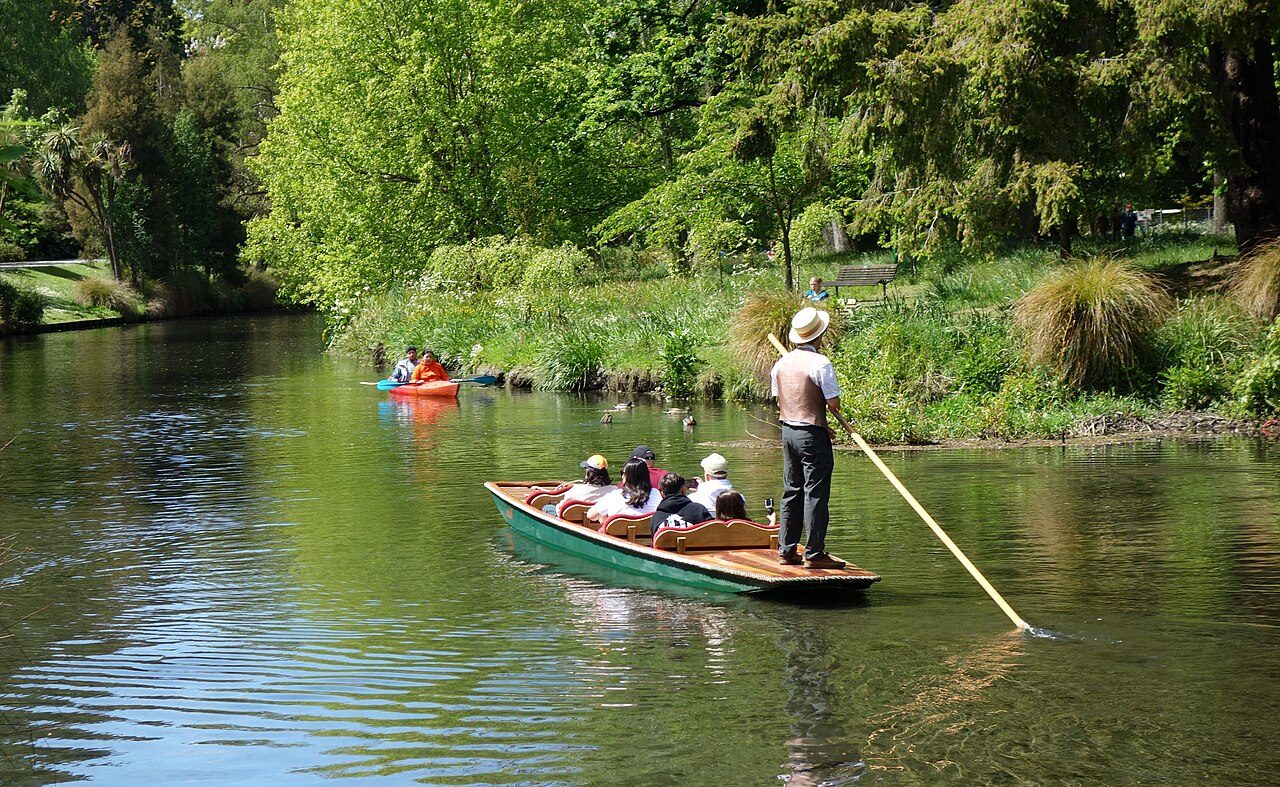
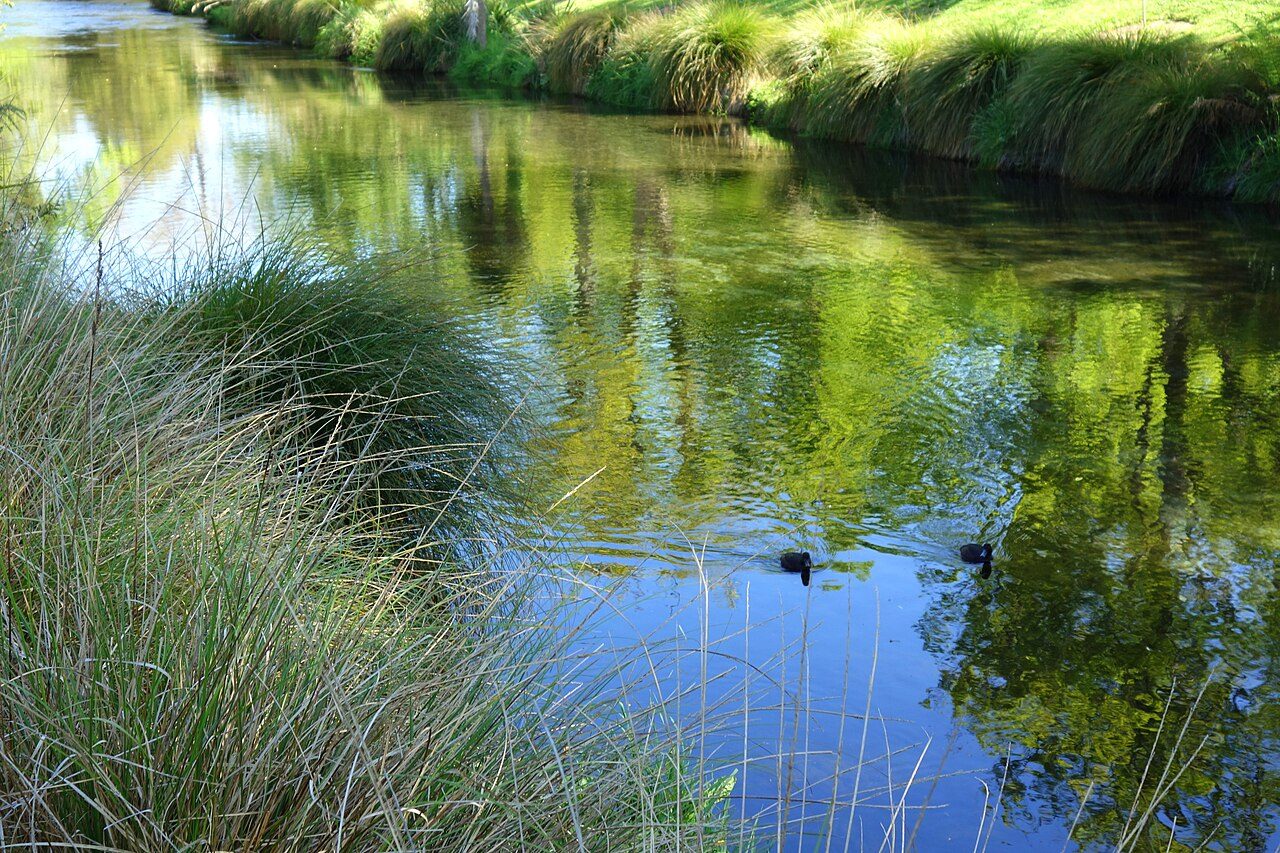
Christchurch Botanic Gardens were founded in 1863 and cover 21 hectares within Hagley Park, beside the winding Avon River. They feature heritage trees, a rose garden, native plant collections and conservatories. Punting on the Avon through the gardens is a popular way to enjoy the city often called the Garden City.
Seasons from 20 years of NASA POWER climate data.
 WaTrips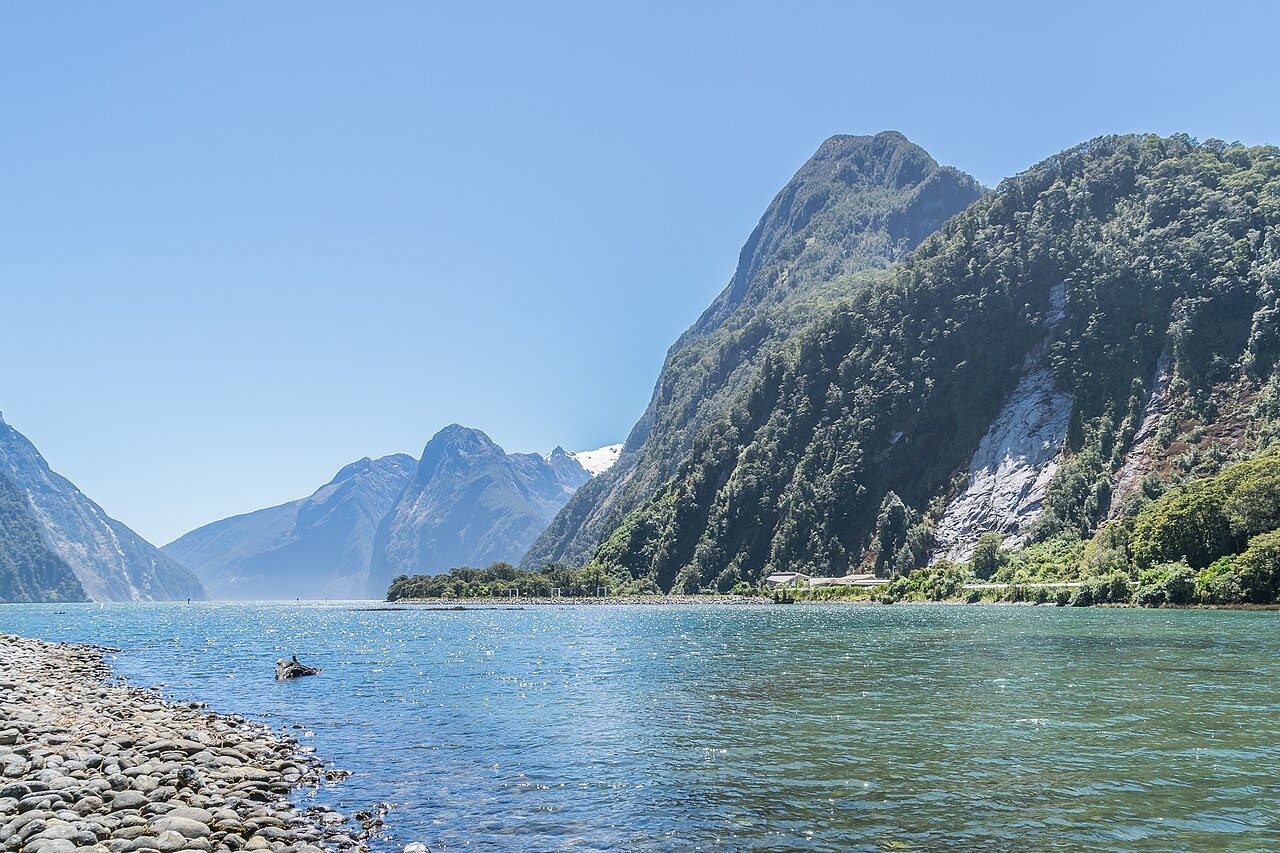






 BikesBooking
 Localrent
 Airalo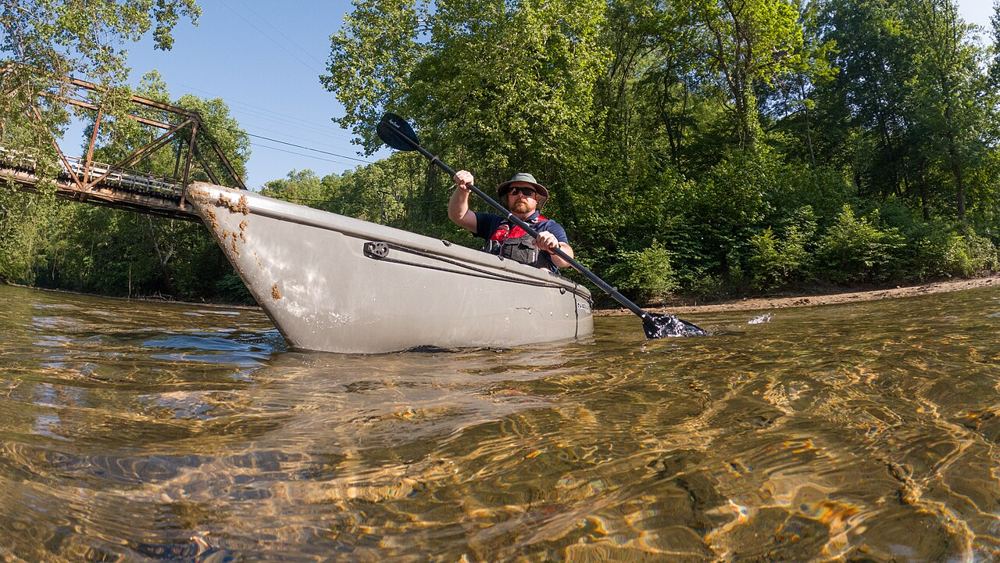
 Tiqets