The Acropolis and Athens, Sounion, Delphi, Meteora, Mykonos and Delos, Santorini's Oia and Akrotiri, Knossos and Chania.
Greece's classic route mixes ancient wonders and islands. Start in Athens at the Acropolis and Parthenon, the Acropolis Museum and Plaka, with sunset at the Temple of Poseidon at Sounion. See Delphi, the ancient centre of the world, and the monasteries perched on rock pillars at Meteora. Take the ferry to Mykonos and sacred Delos, then Santorini for the caldera and sunset in Oia. End on Crete at the Minoan palace of Knossos and Chania's Venetian harbour. May, June and September are ideal.
01
STOP 1 OF 19
Acropolis of Athens
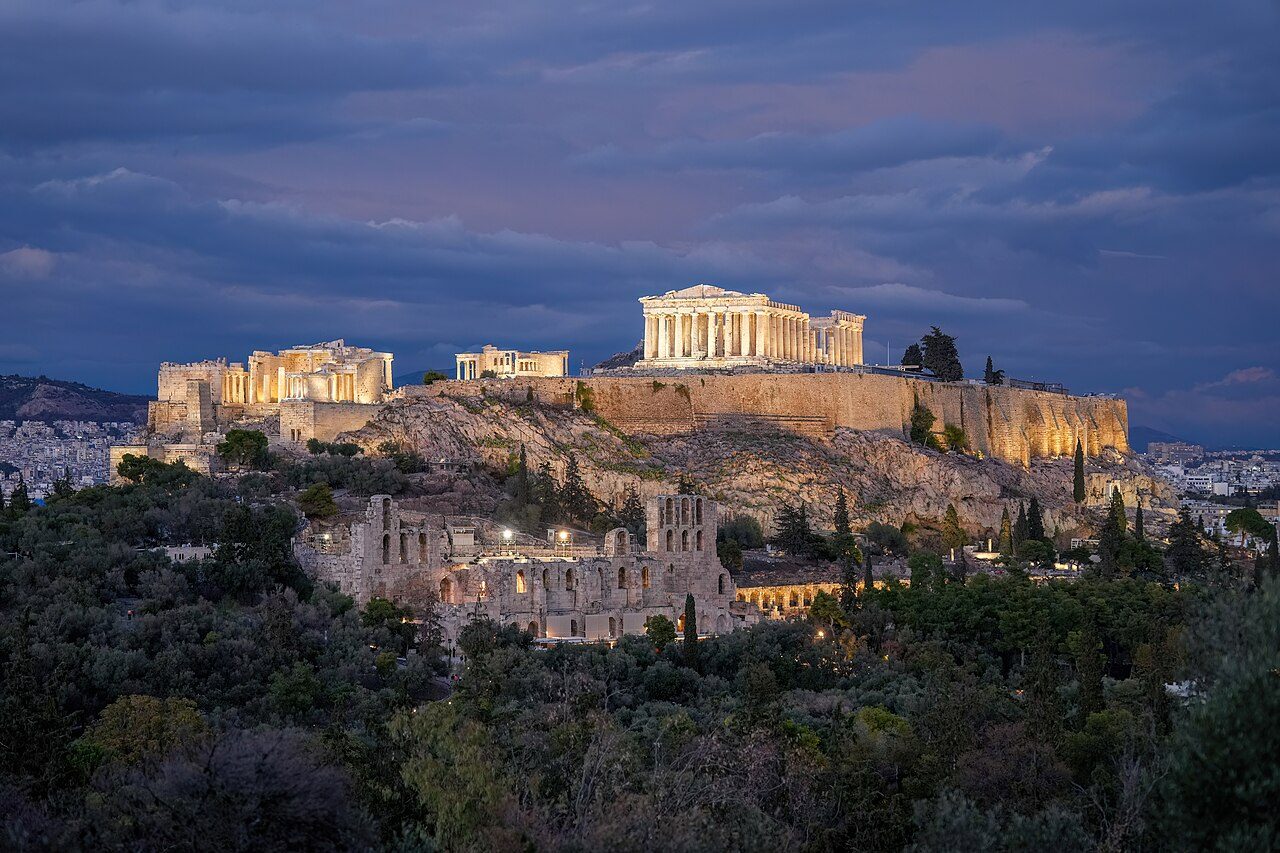
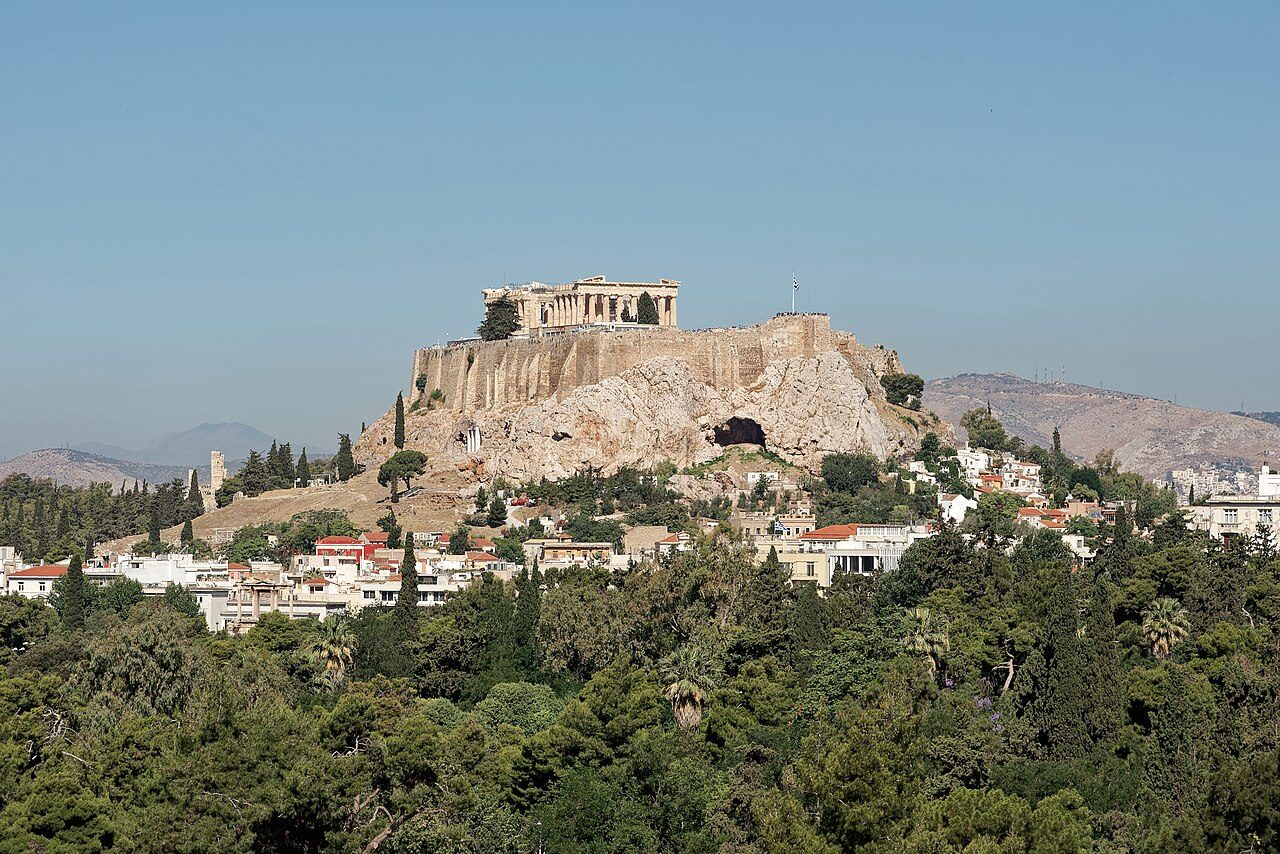
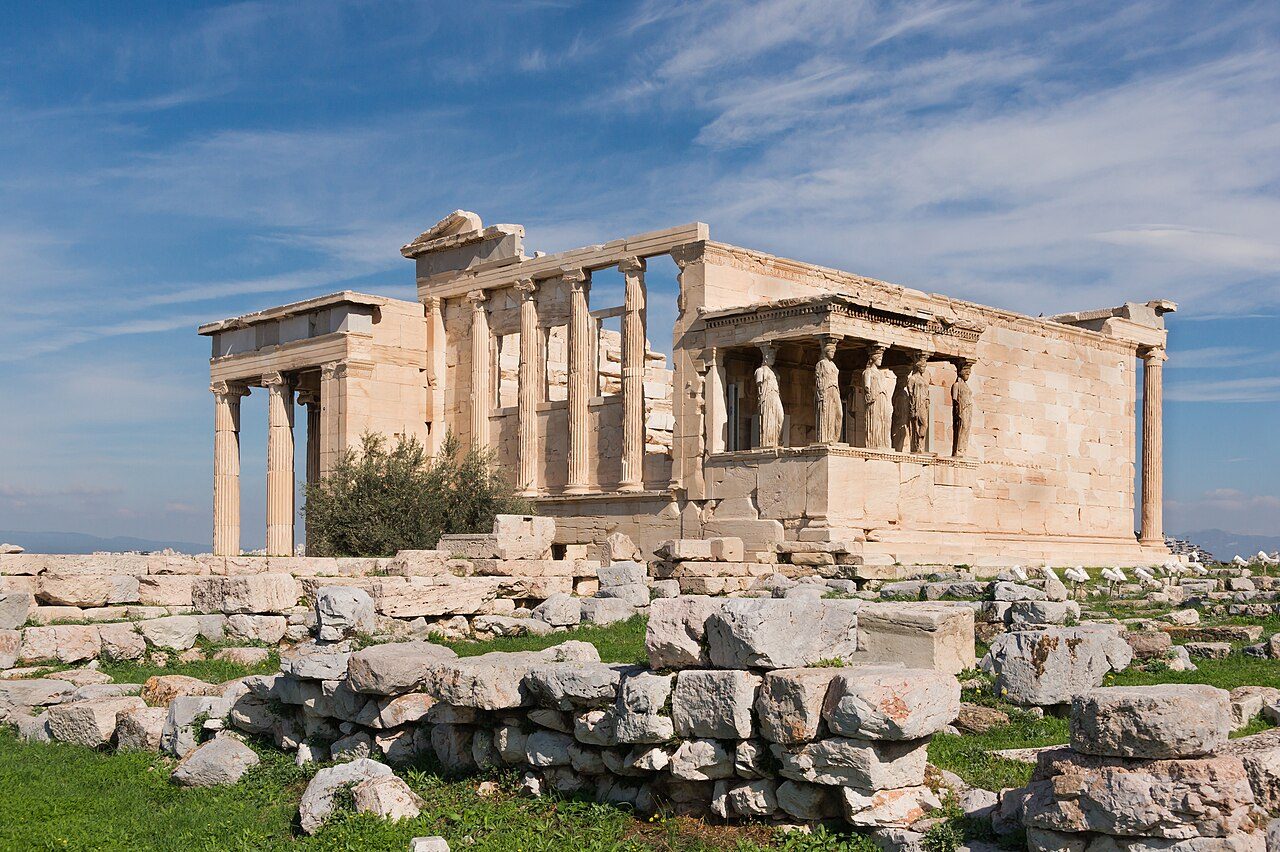
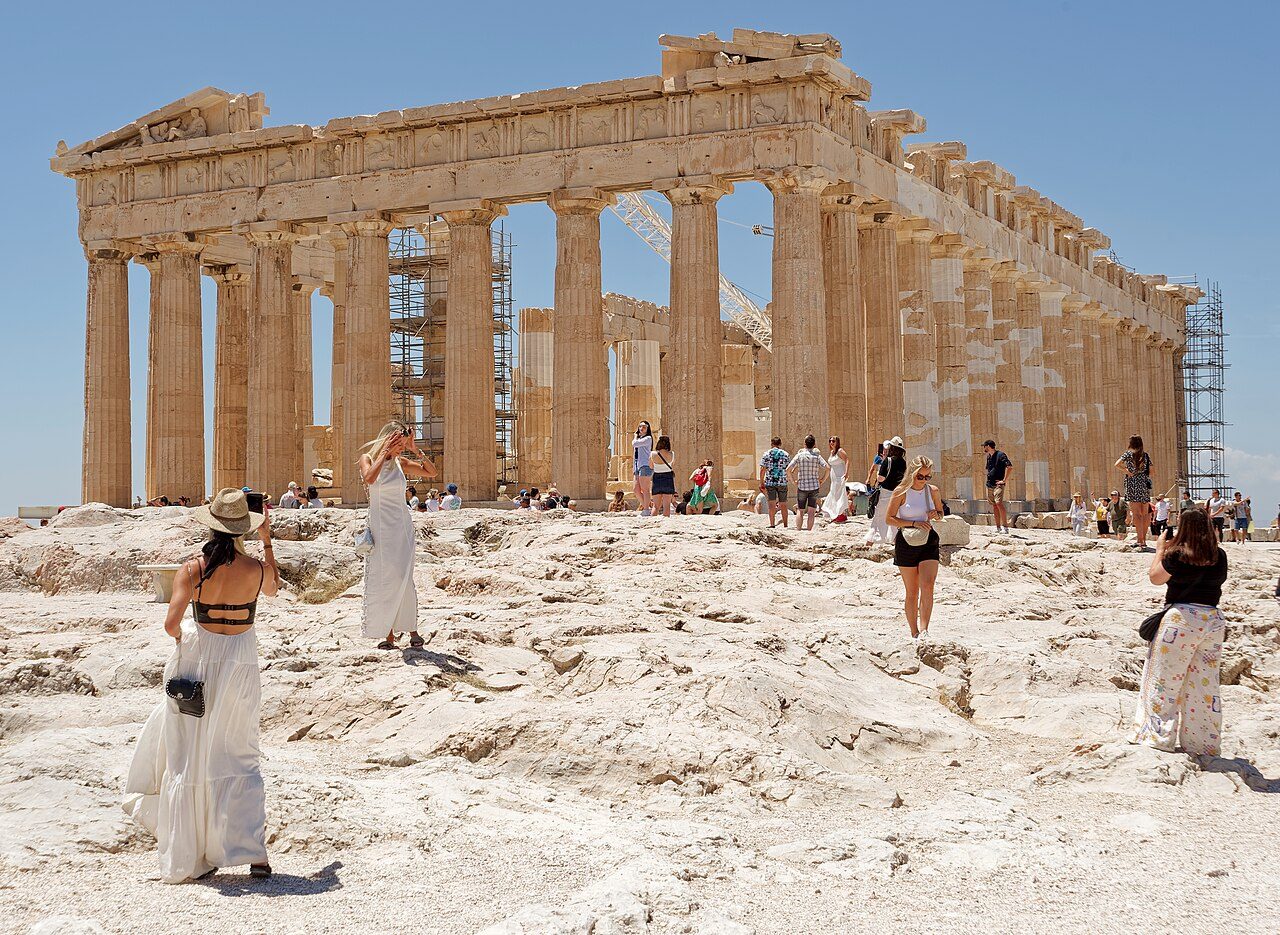
The Acropolis of Athens is a rocky hill above the city crowned by ancient temples built in the 5th century BC under Pericles. Its monuments include the Parthenon, the Erechtheion with its Porch of the Caryatids, the Temple of Athena Nike and the Propylaea gateway. It is the symbol of ancient Greece and a UNESCO World Heritage Site.
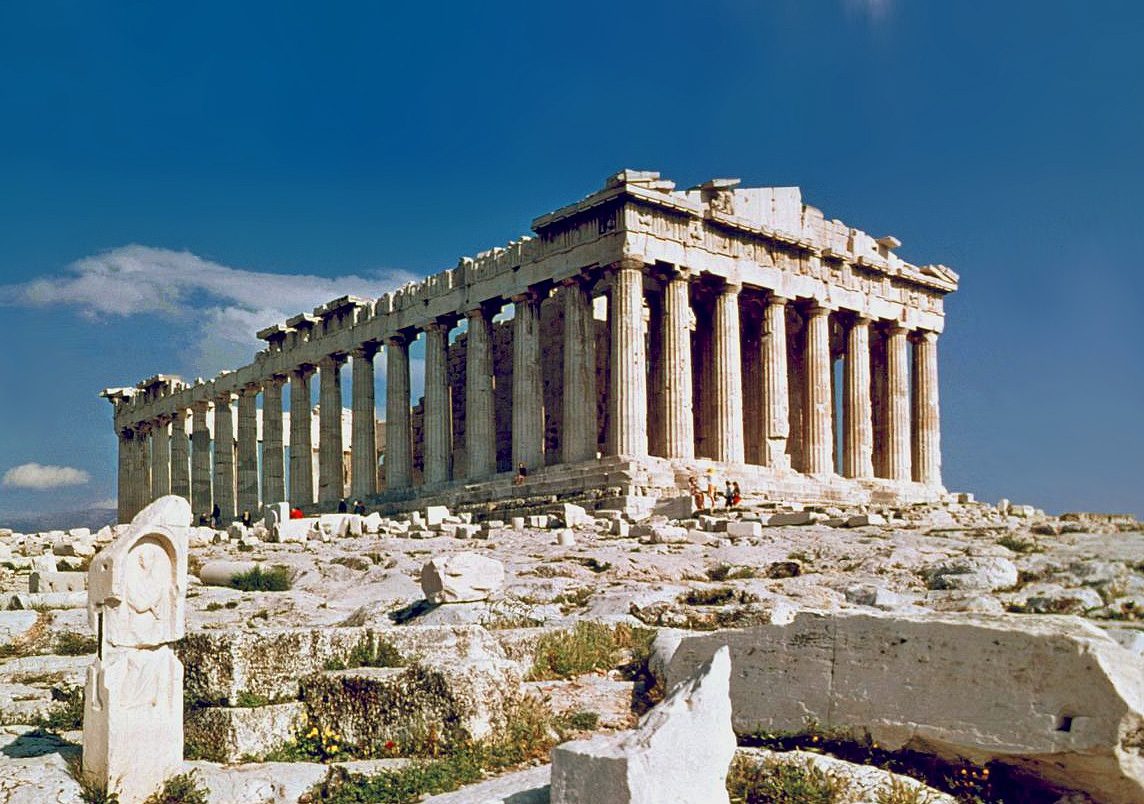
The Parthenon is the great temple of Athena on the Acropolis of Athens, built between 447 and 432 BC. It is the most famous building of ancient Greece and a masterpiece of the Doric order. Its sculptures by Phidias showed gods and myths. It was later a church, a mosque and a gunpowder store, which exploded in 1687.
03
STOP 3 OF 19
Acropolis Museum
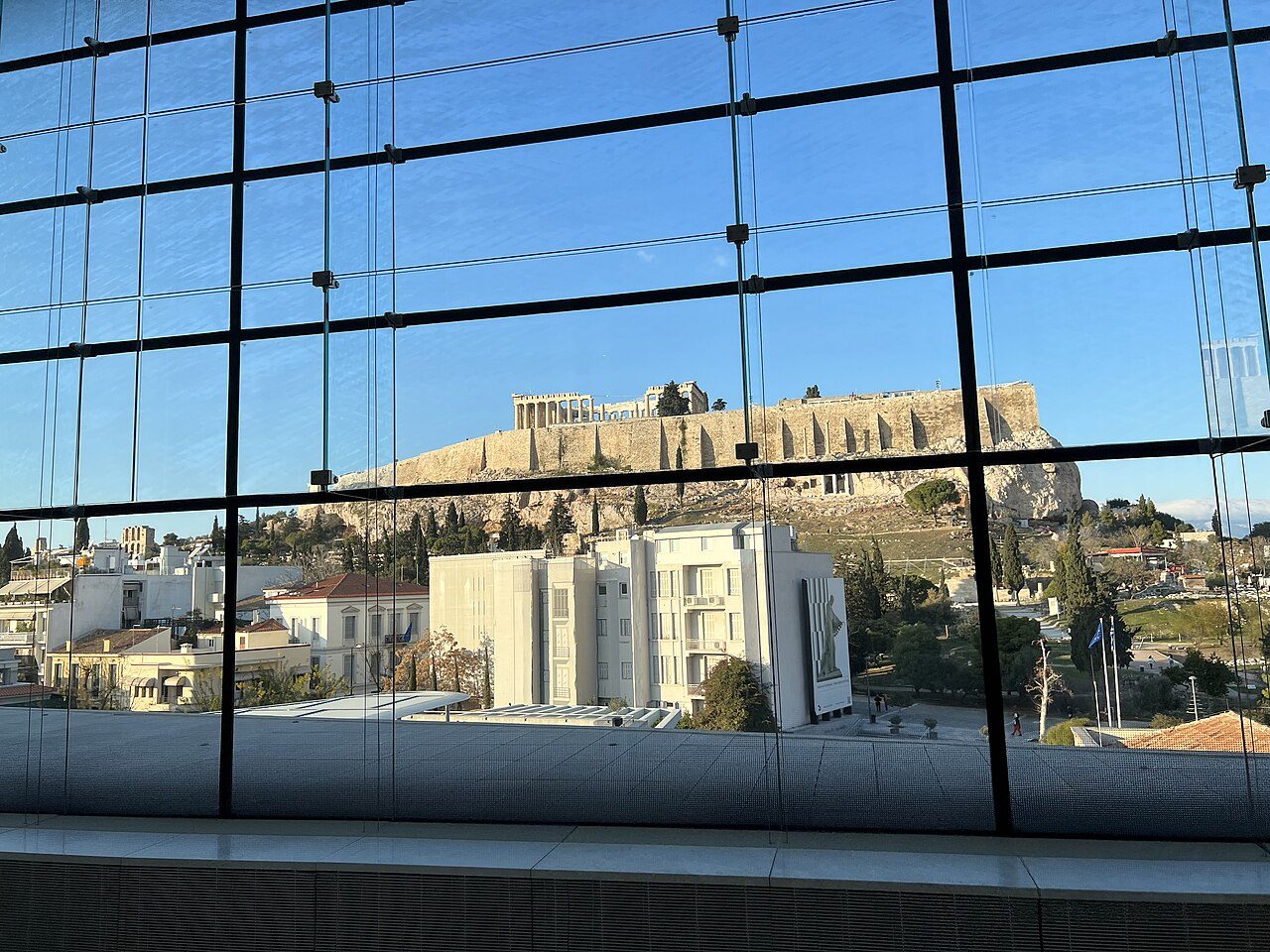
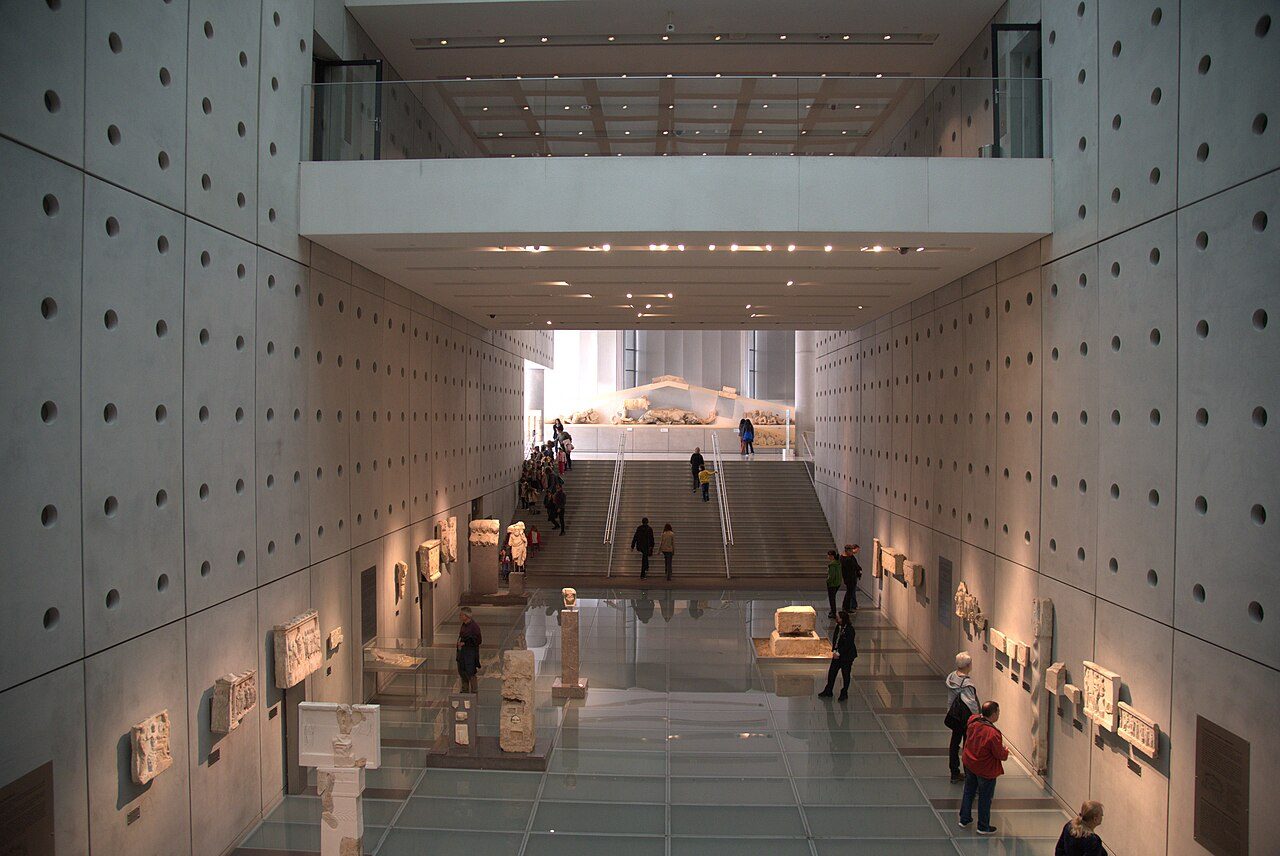
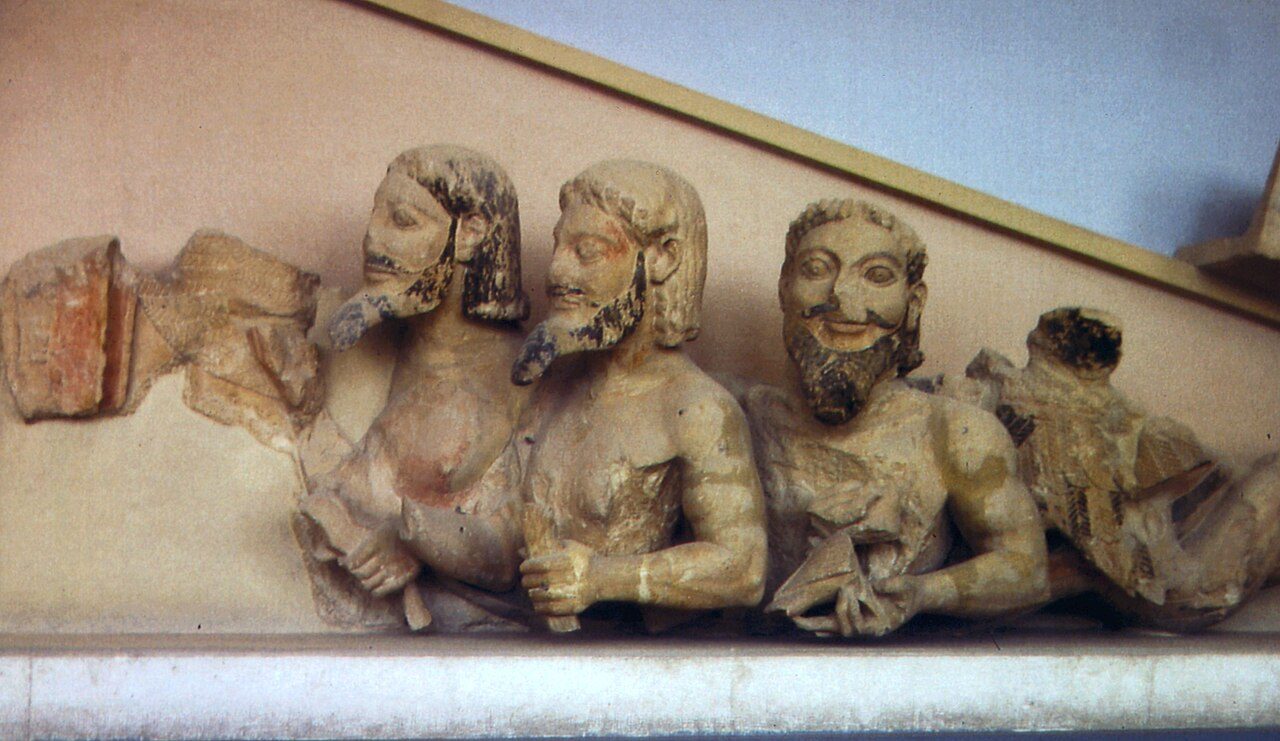
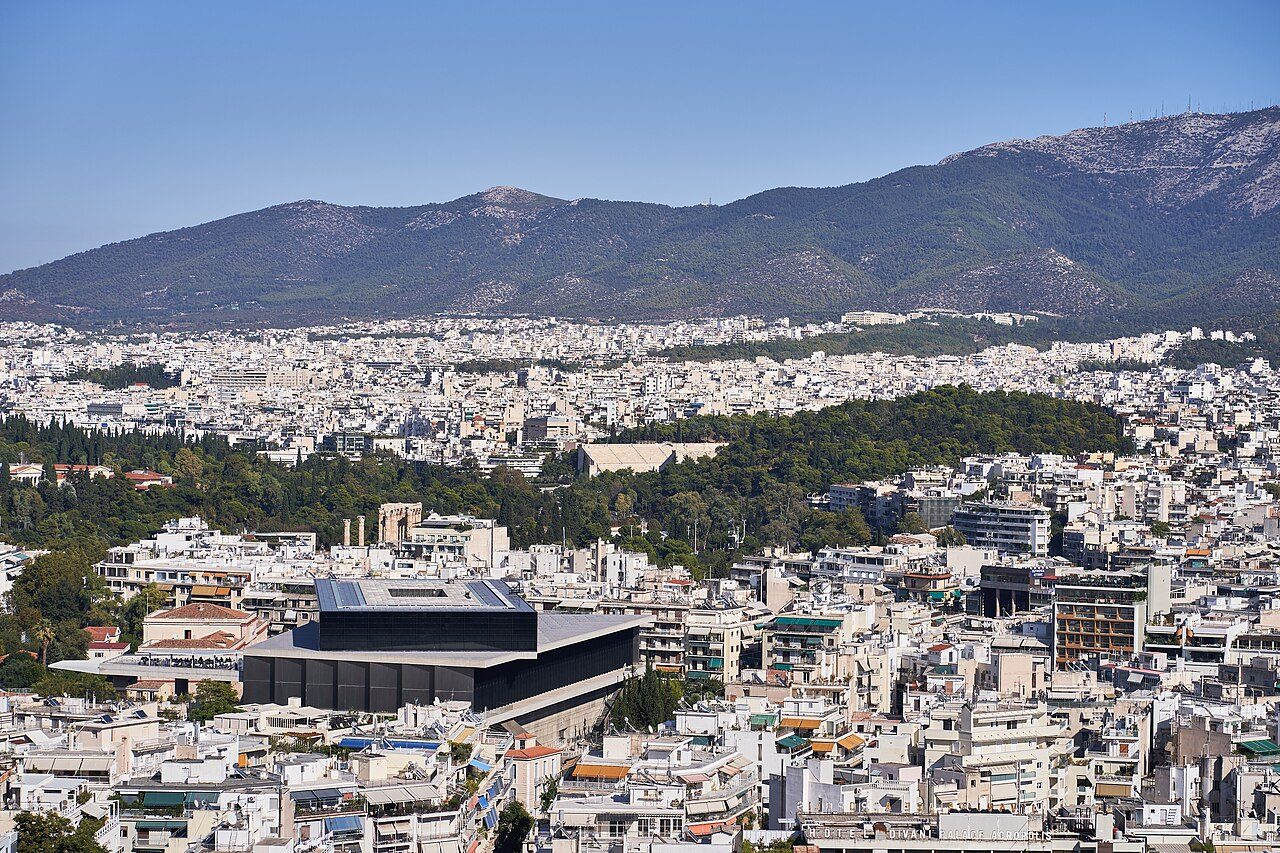
The Acropolis Museum opened in 2009 at the foot of the Acropolis. Designed by Bernard Tschumi, it shows finds from the Acropolis, including the original Caryatids and sculptures of the Parthenon frieze. The top-floor gallery is aligned with the Parthenon itself, visible through glass walls. Glass floors show an ancient neighbourhood beneath.
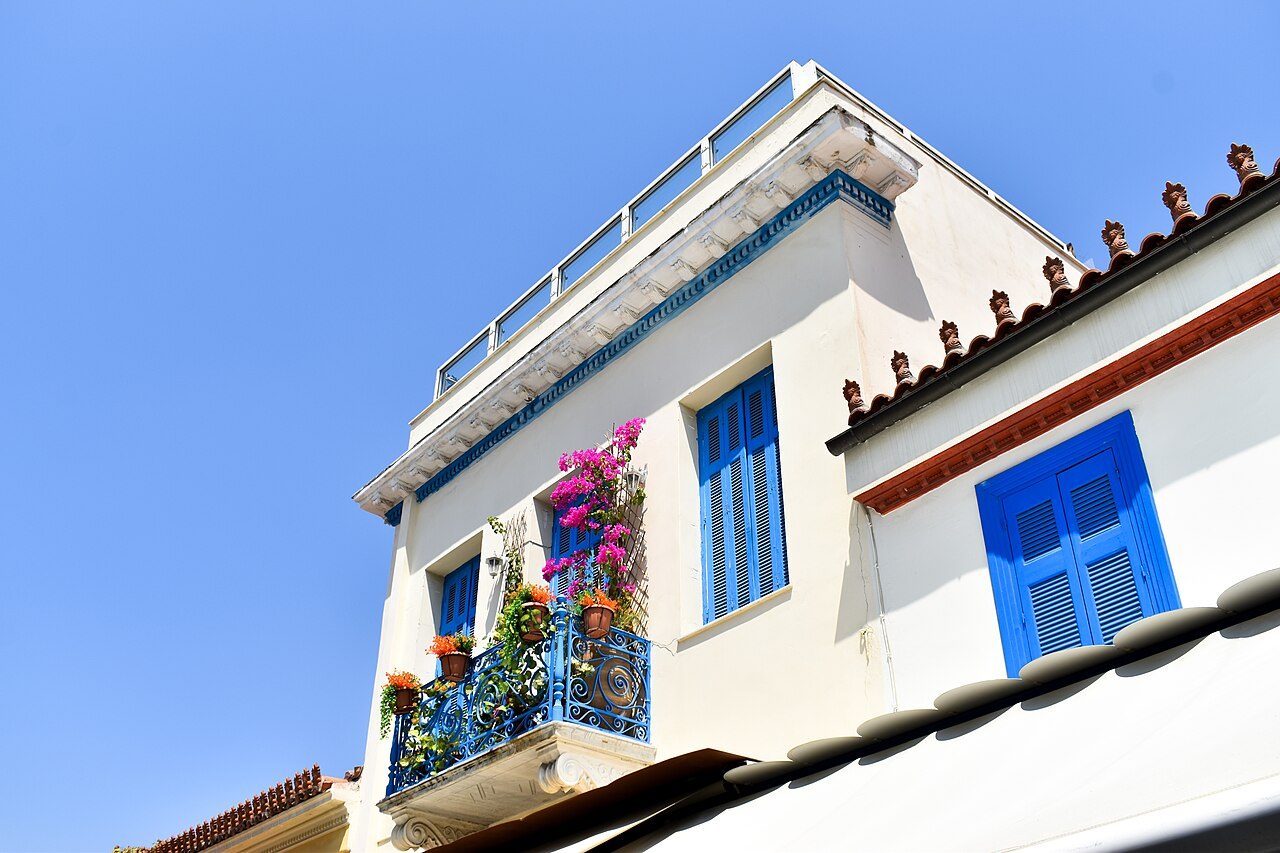
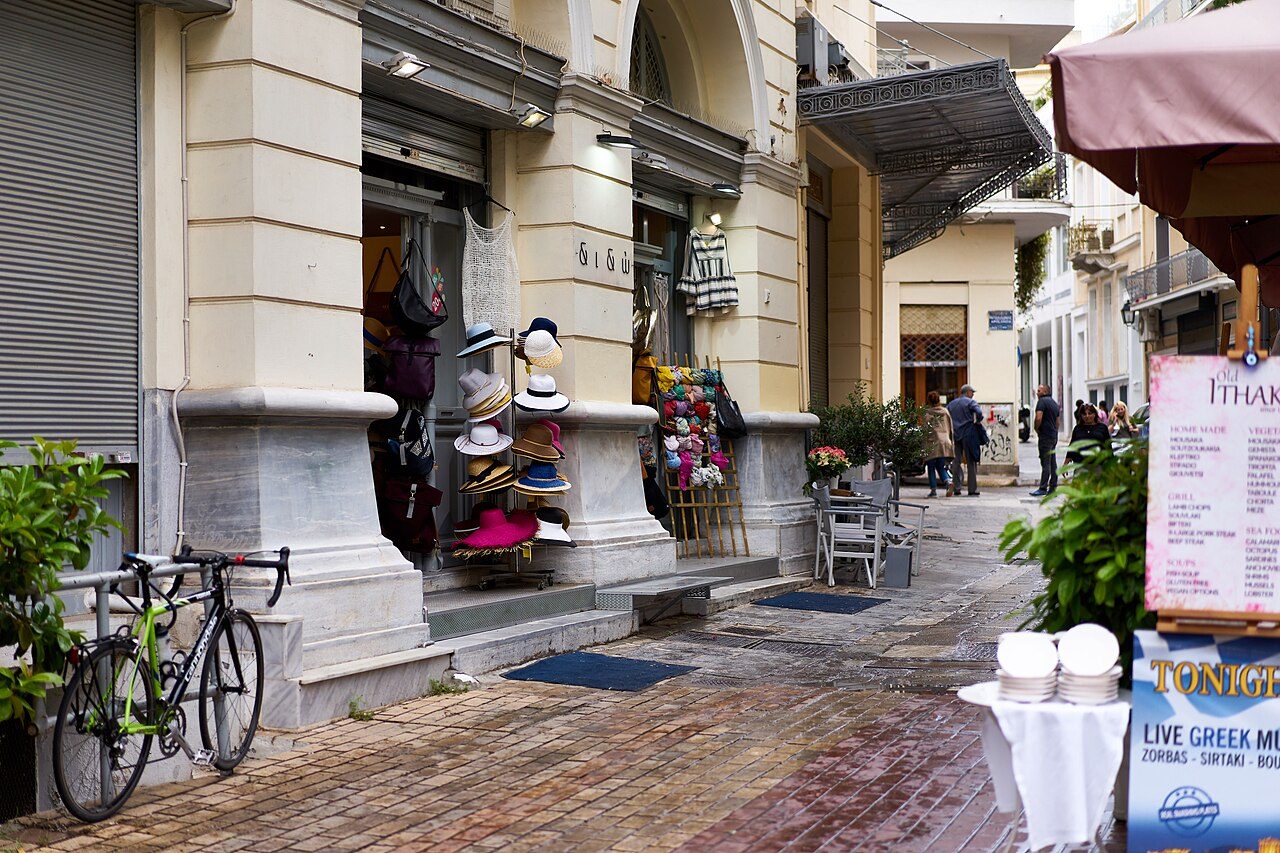
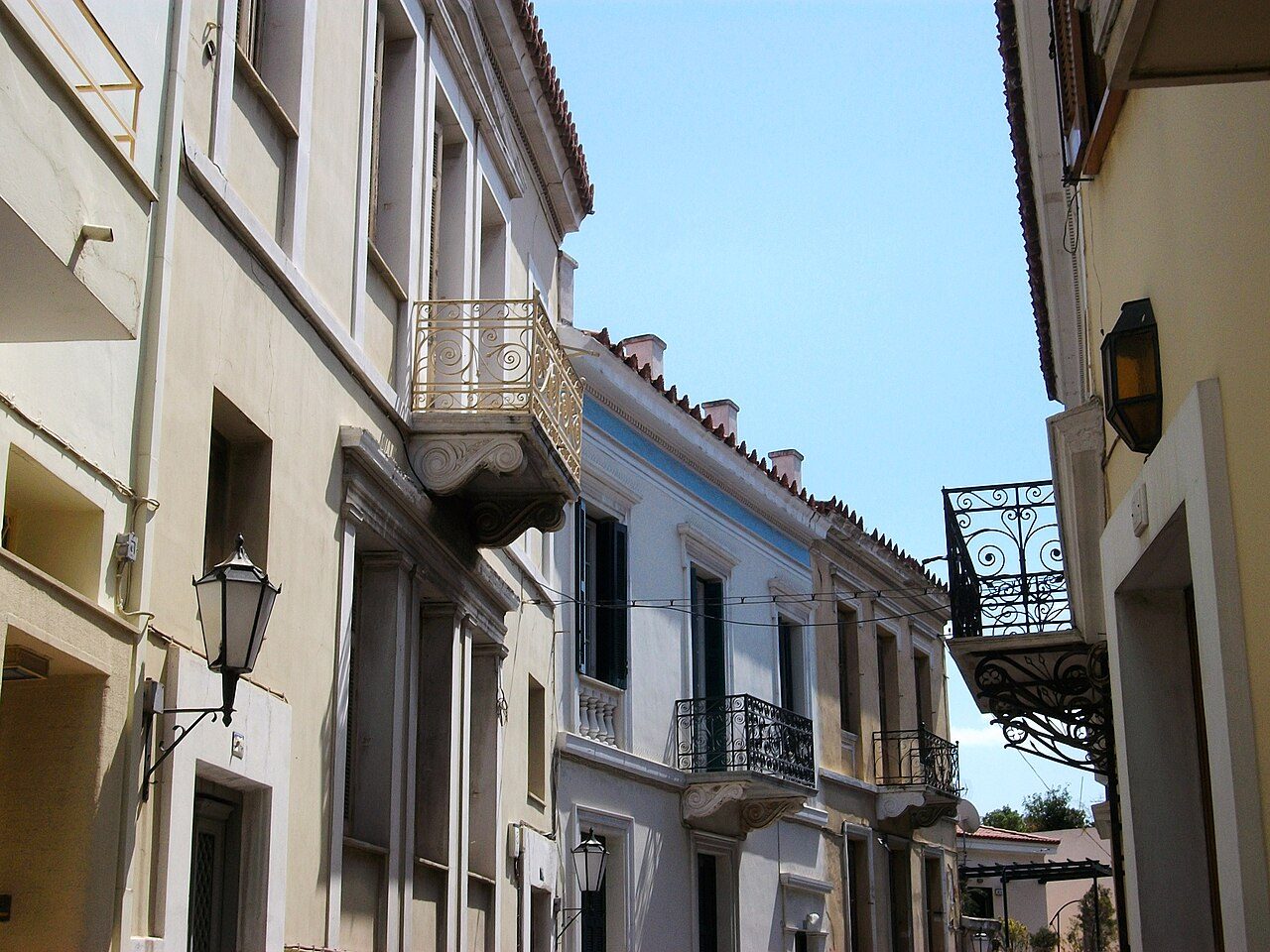
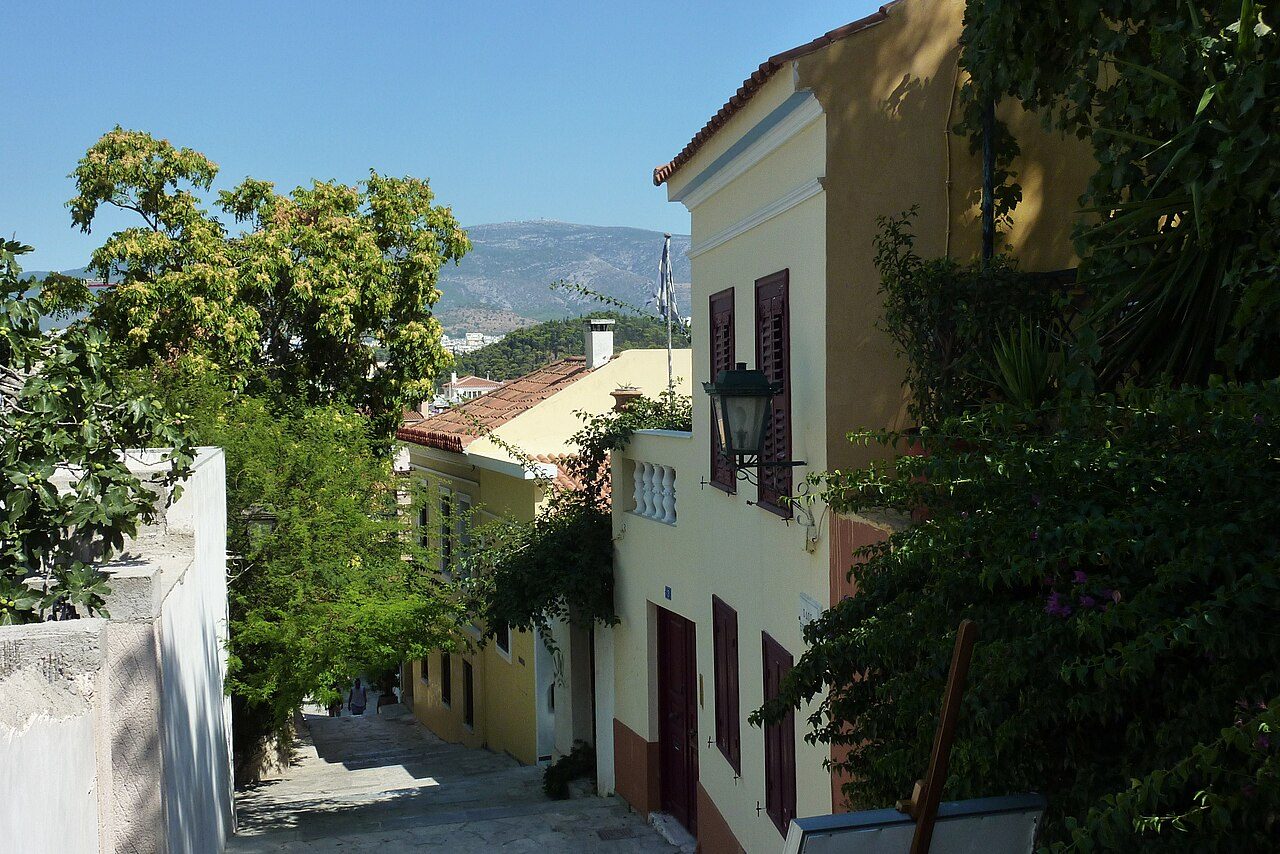
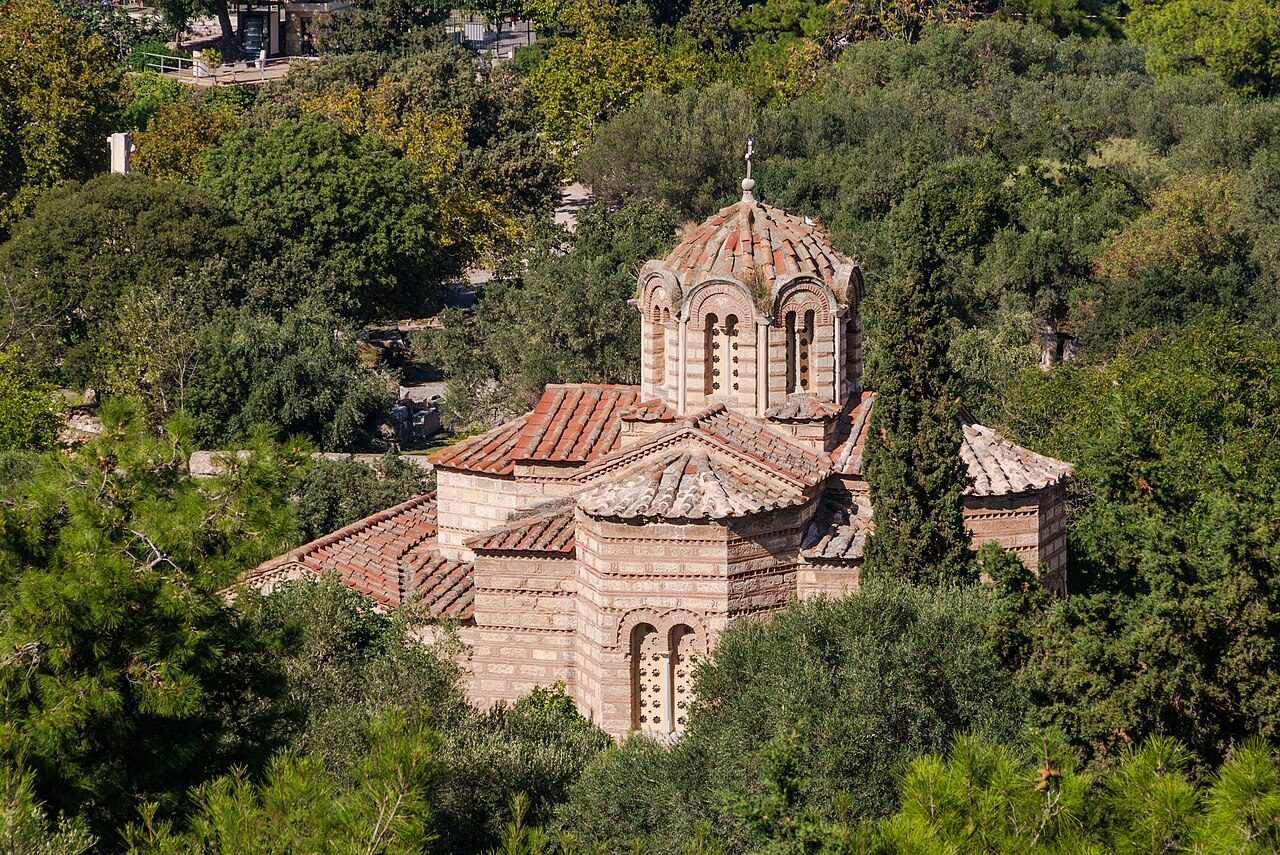
Plaka is the old neighbourhood of Athens at the foot of the Acropolis. Its narrow streets are lined with neoclassical houses, shops, tavernas and small Byzantine churches. Anafiotika, a tiny area of white island-style houses, climbs the slope of the Acropolis. It is one of the oldest continuously inhabited areas of the city.
05
STOP 5 OF 19
Ancient Agora of Athens
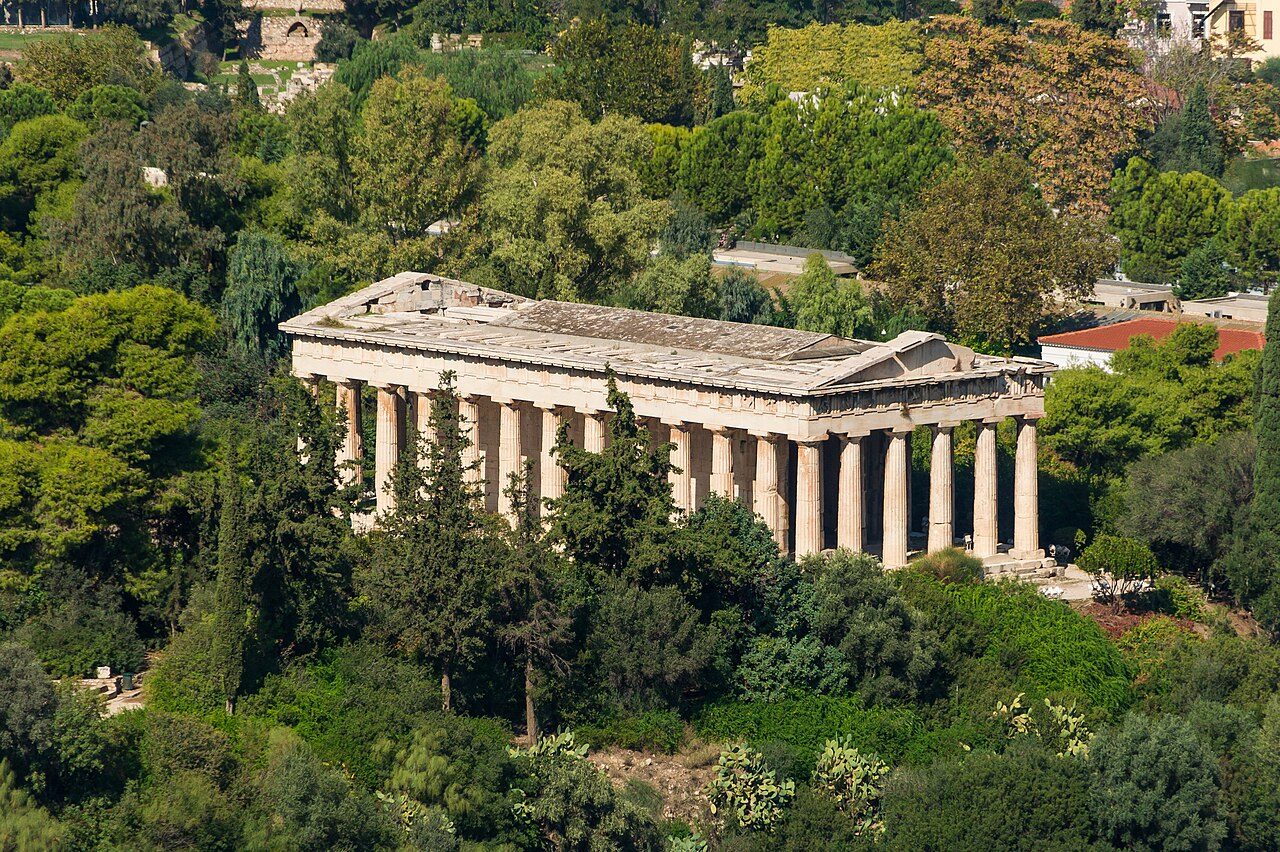
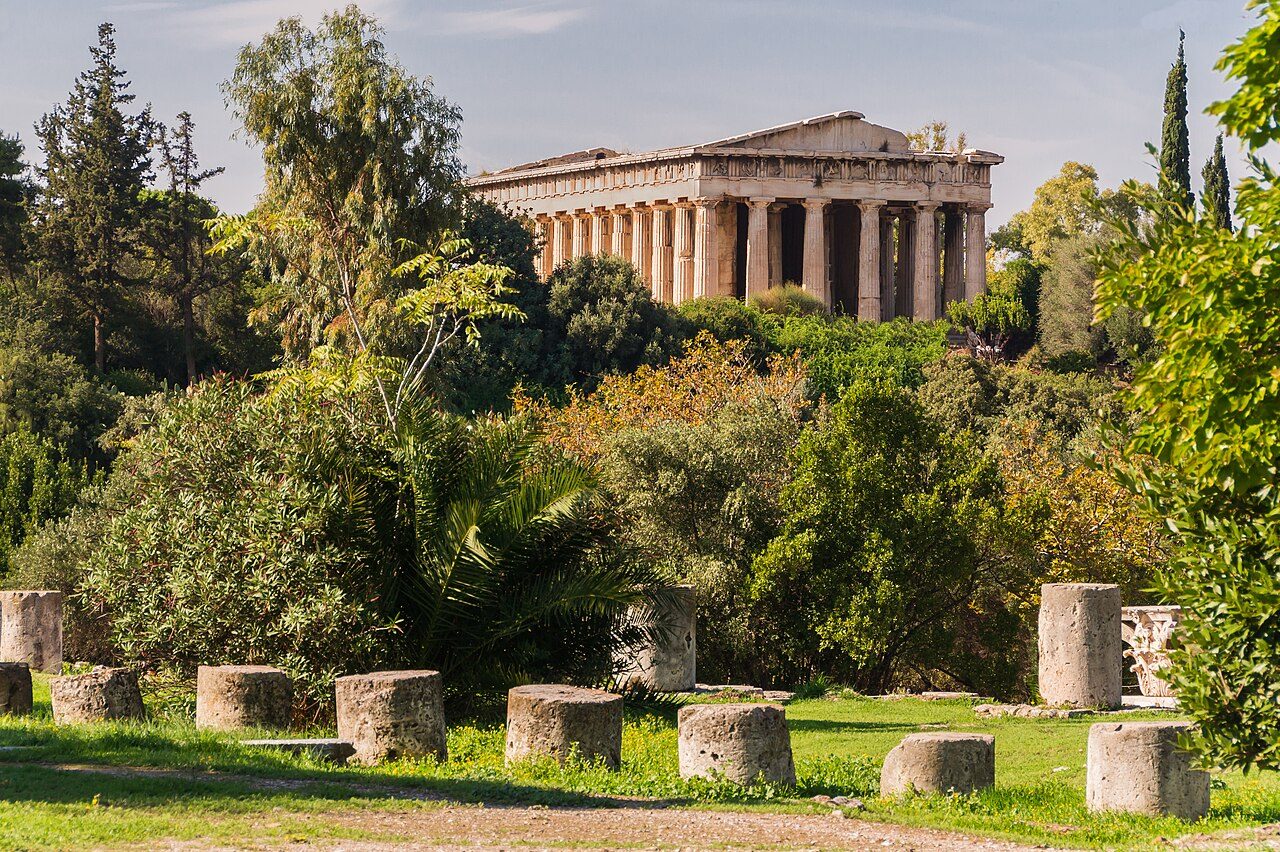
The Ancient Agora of Athens was the heart of public life in the ancient city, a place for markets, politics and philosophy. Socrates taught here. The best preserved building is the Temple of Hephaestus, one of the most complete Greek temples. The rebuilt Stoa of Attalos houses a museum of finds from the site.
06
STOP 6 OF 19
Temple of Olympian Zeus
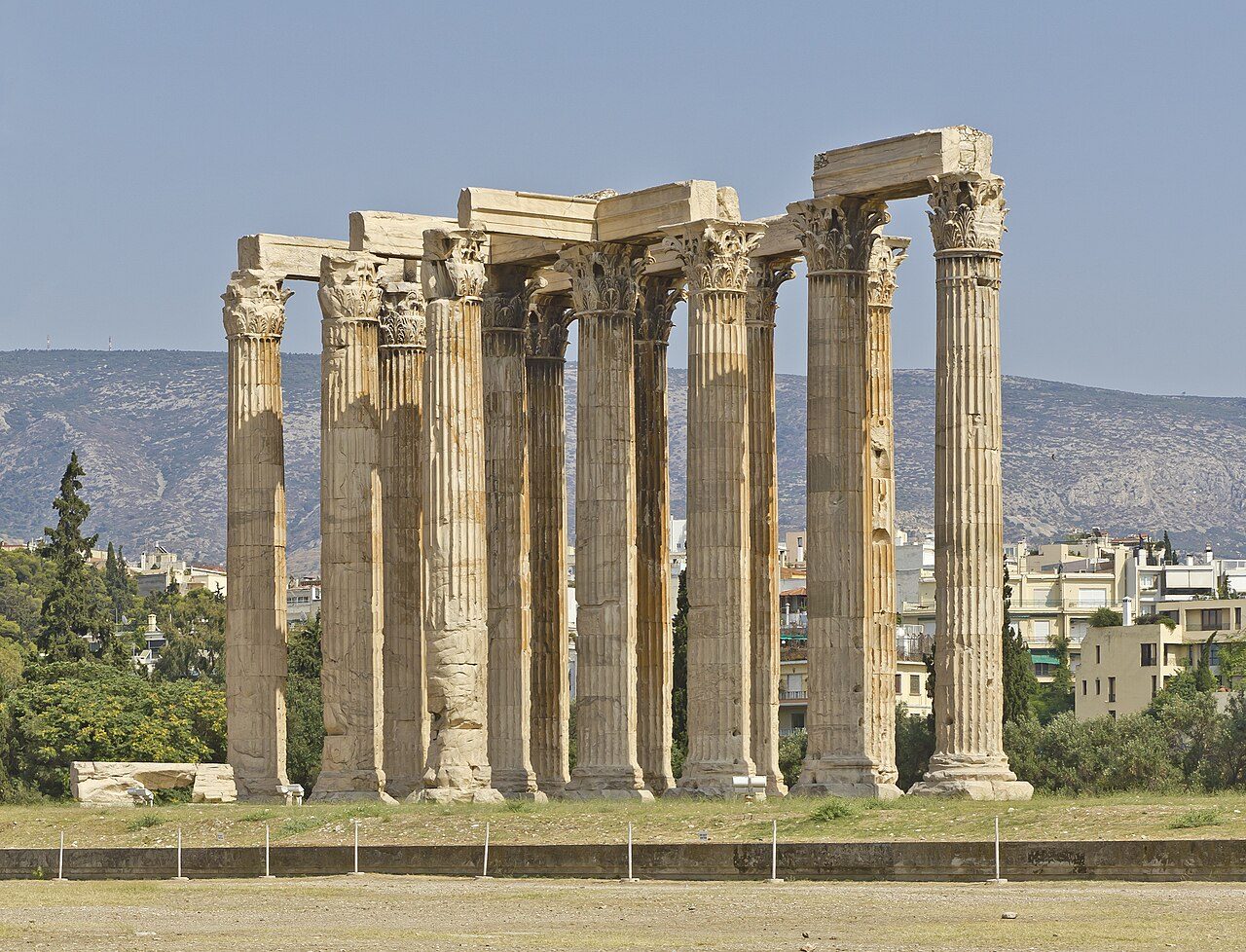
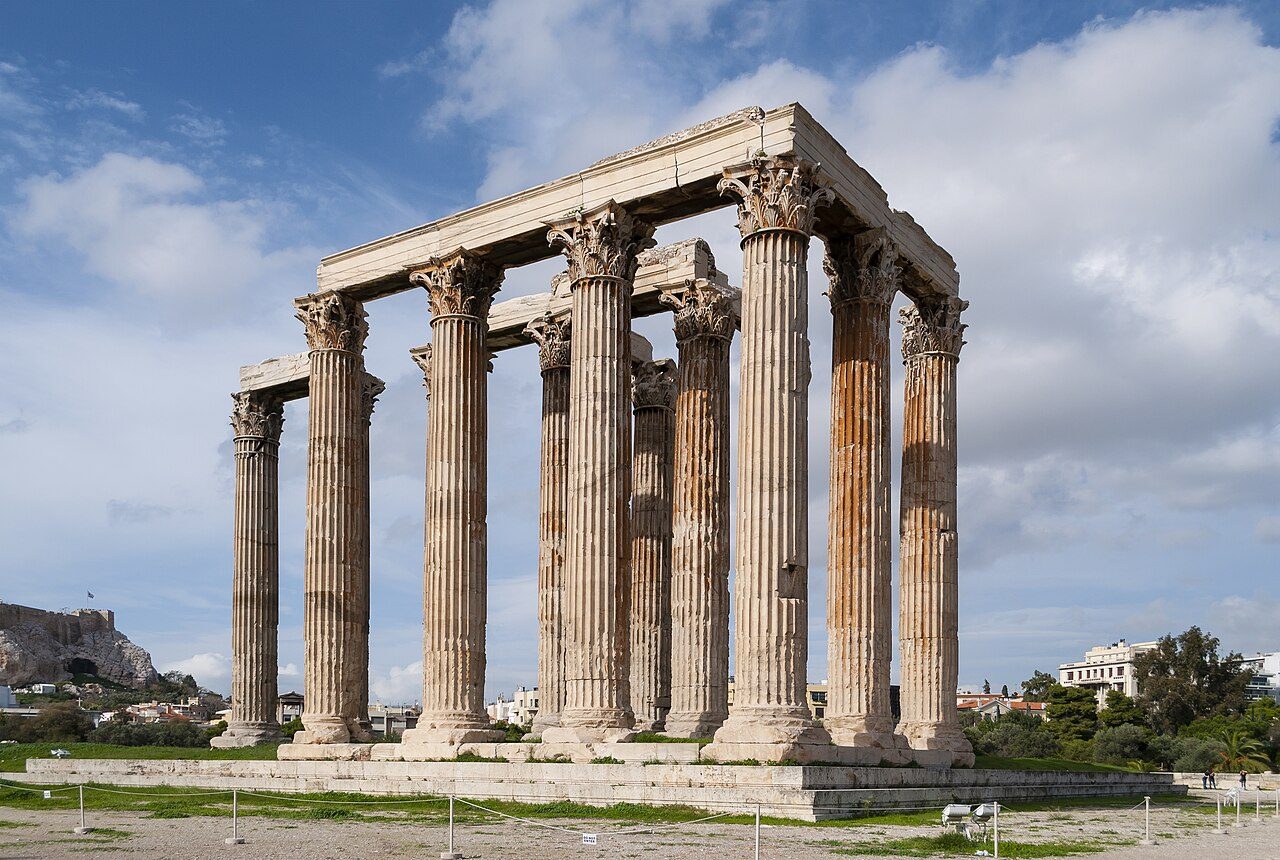
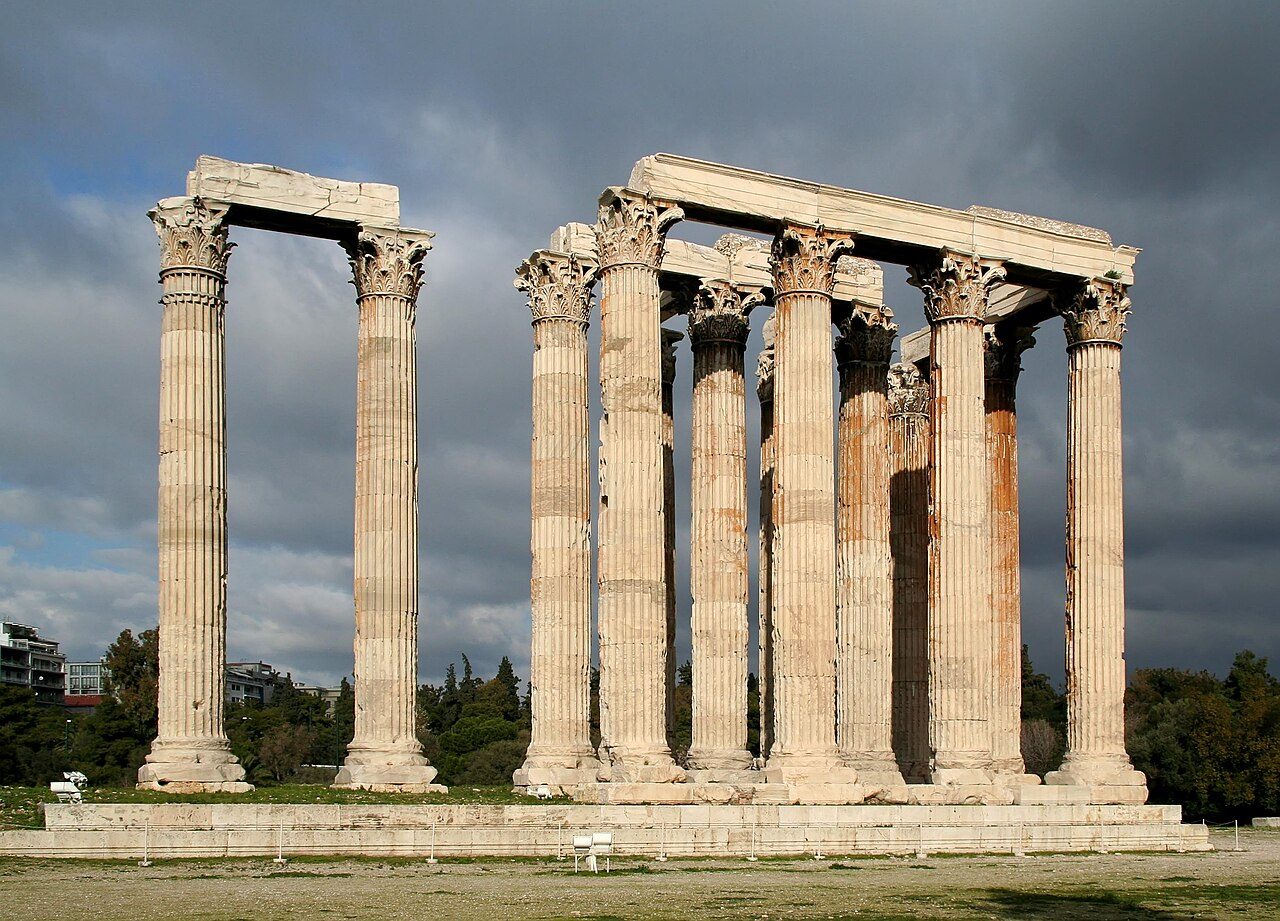
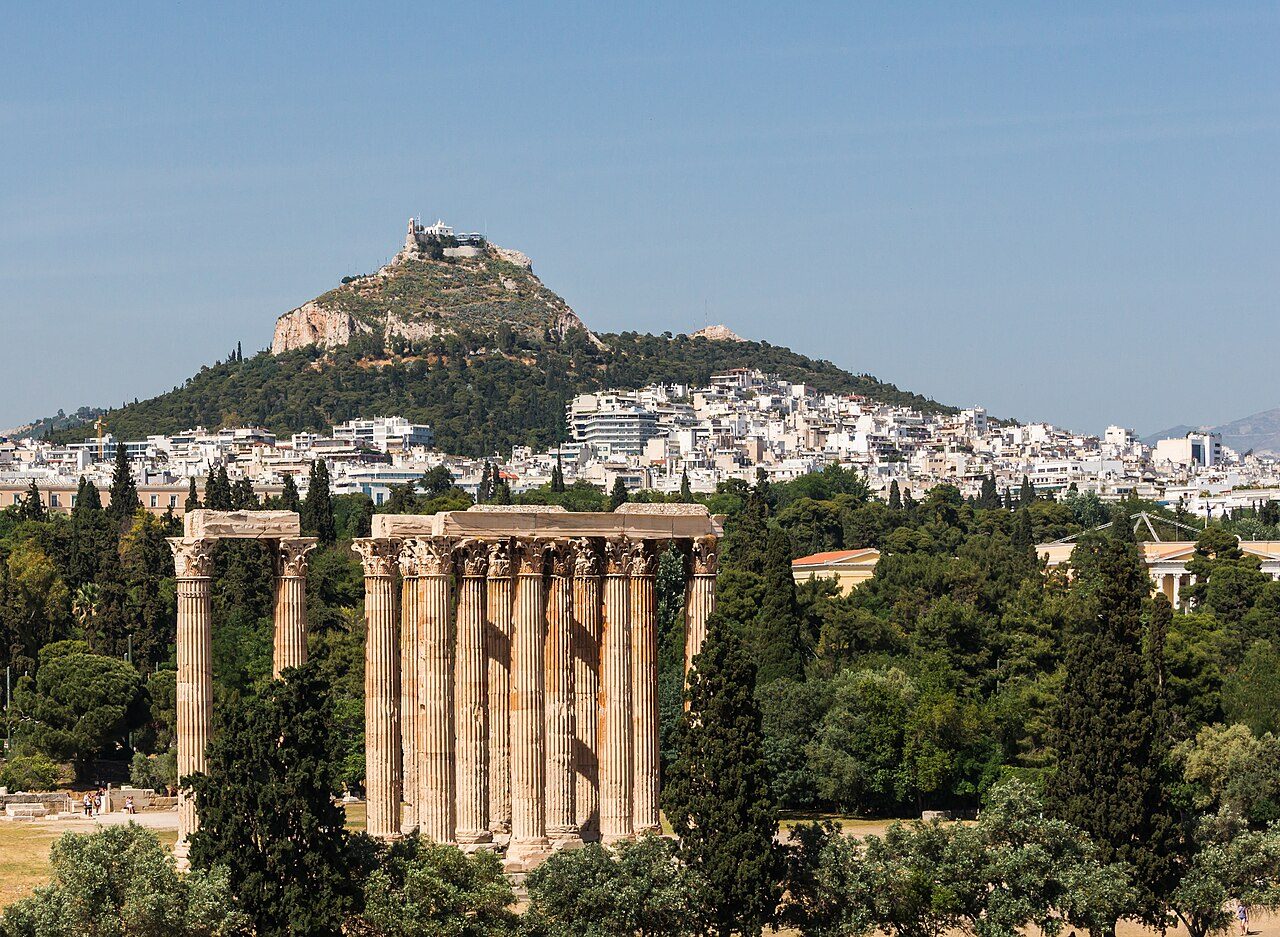
The Temple of Olympian Zeus in Athens was one of the largest temples of the ancient world. Work began in the 6th century BC but it was only finished by the Roman emperor Hadrian in 131 AD. It had 104 huge Corinthian columns, of which 15 still stand. Hadrian's Arch stands nearby.
07
STOP 7 OF 19
Panathenaic Stadium
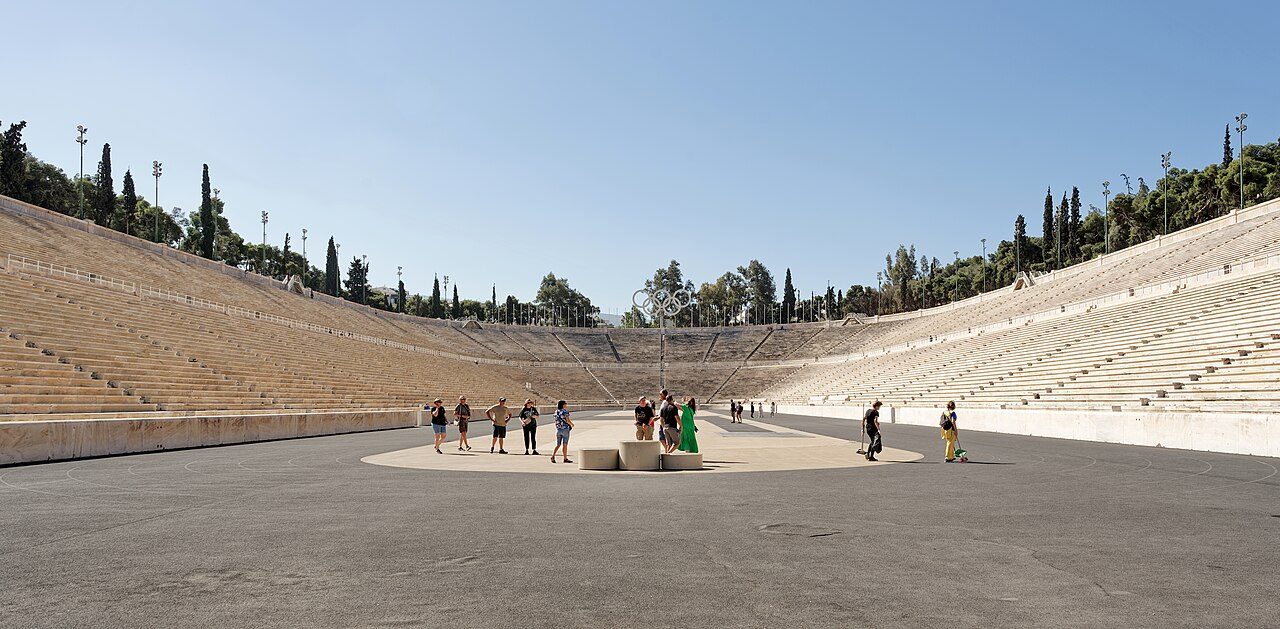
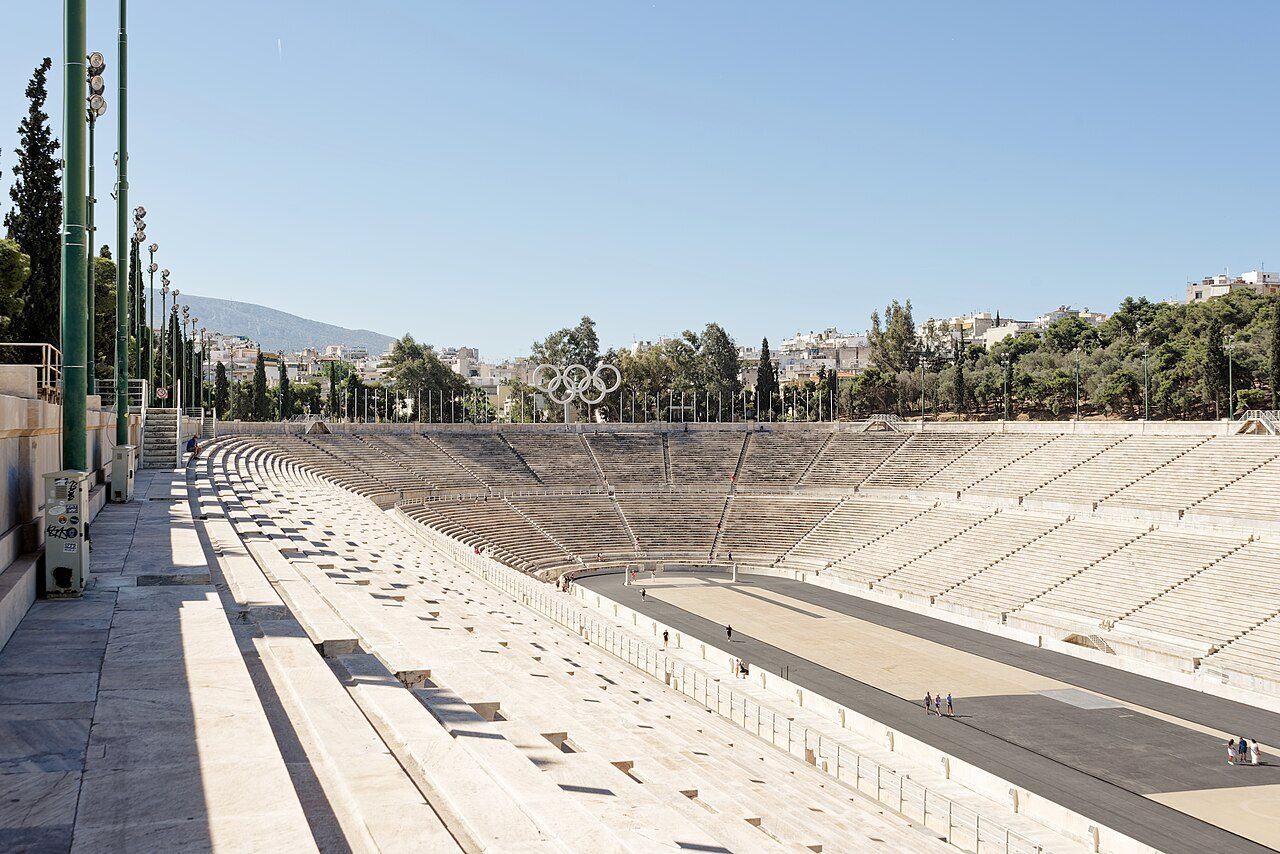
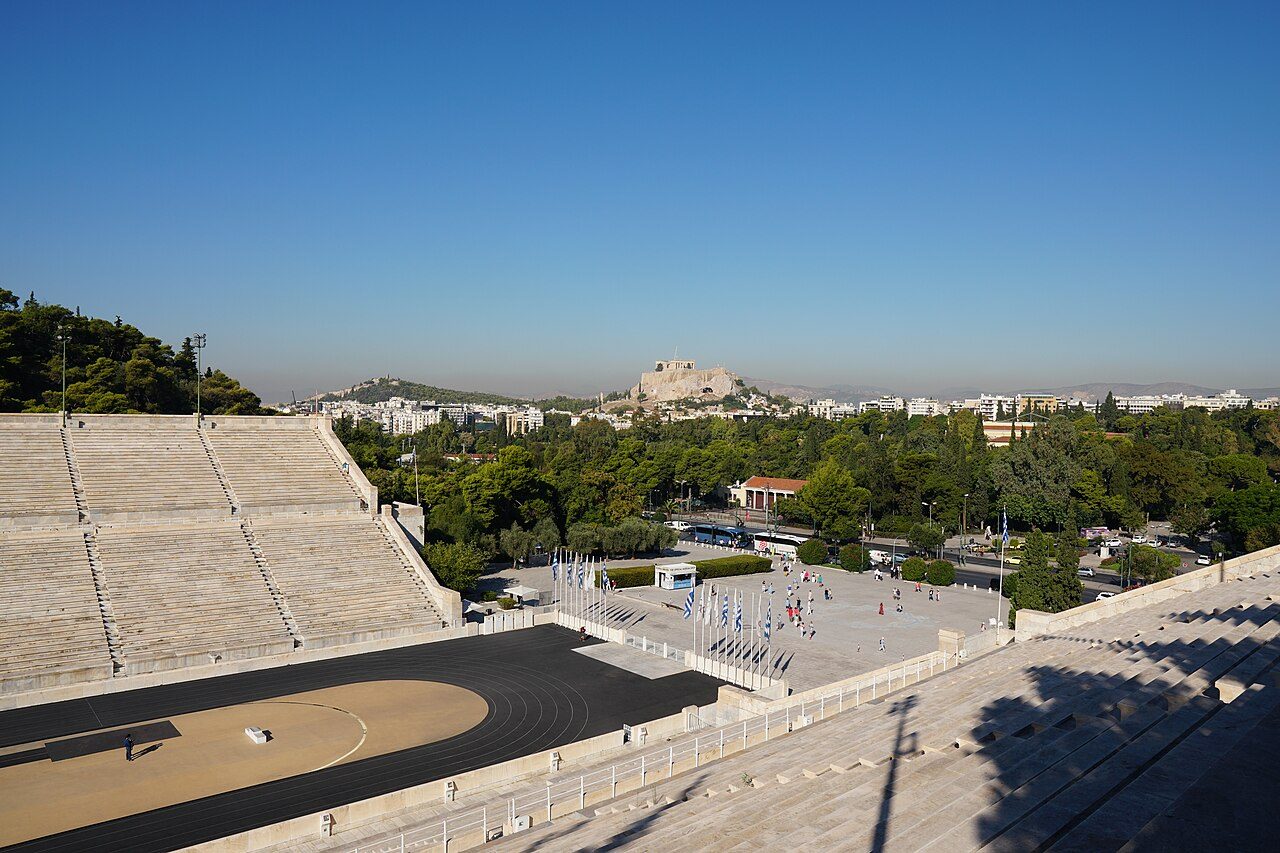
The Panathenaic Stadium in Athens is the only stadium in the world built entirely of marble. An ancient stadium on this site was rebuilt in marble in the 4th century BC and again in the 2nd century AD. Restored, it hosted the first modern Olympic Games in 1896. It is the finishing point of the Athens Marathon.
08
STOP 8 OF 19
Temple of Poseidon Sounion
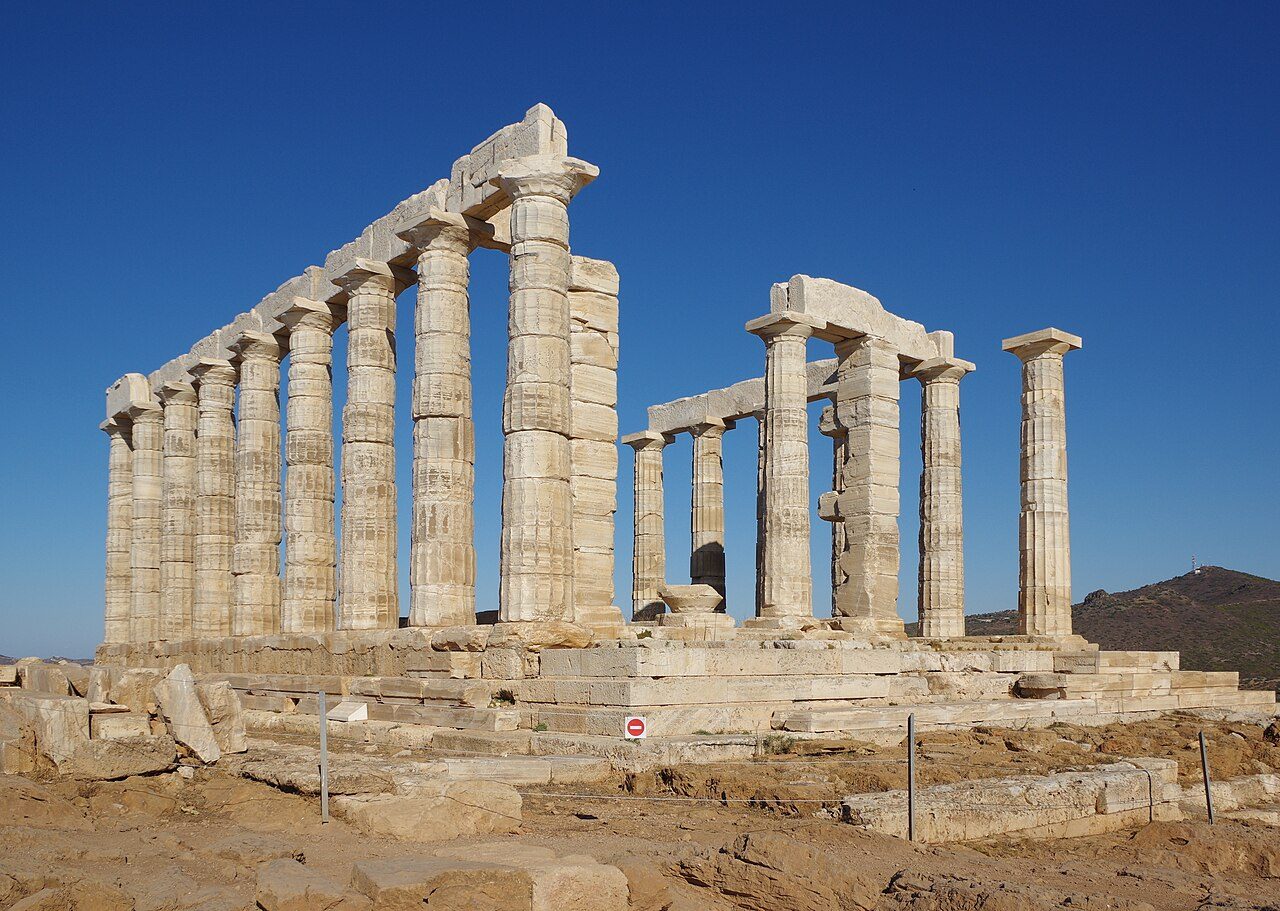
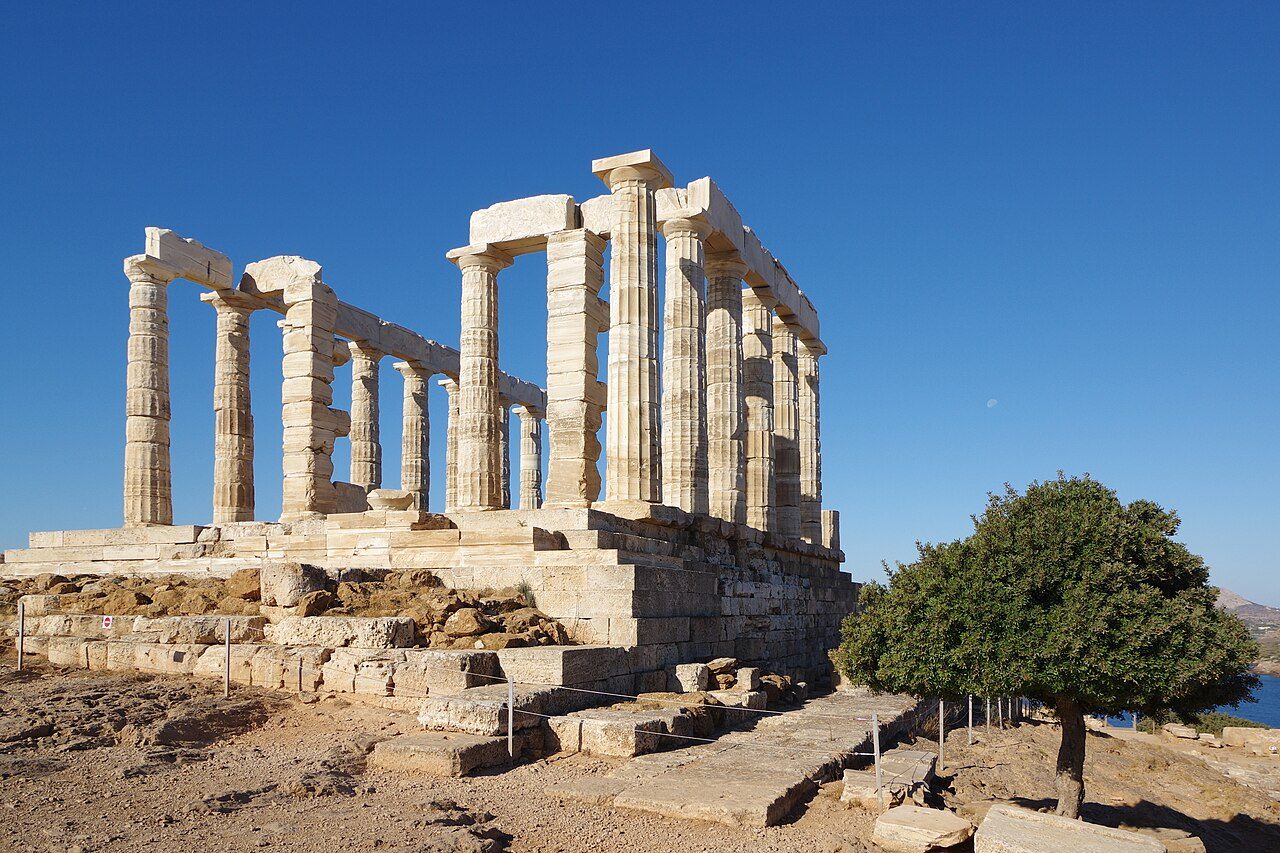
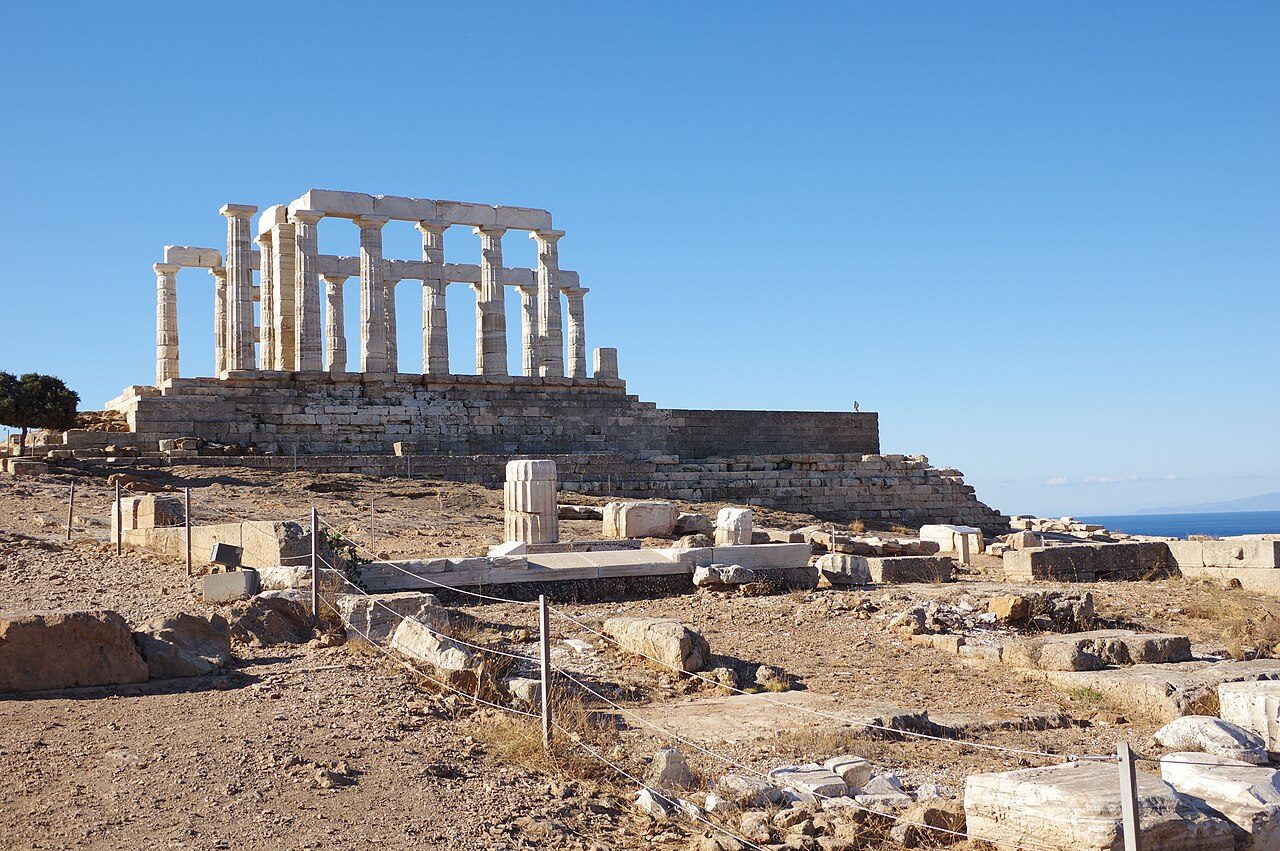
The Temple of Poseidon at Cape Sounion stands on a cliff at the southern tip of Attica, about 60 metres above the sea. It was built around 440 BC. Its white marble columns are a famous sight at sunset. The poet Lord Byron carved his name on one of the columns. Ancient sailors saw the temple as they came home to Athens.
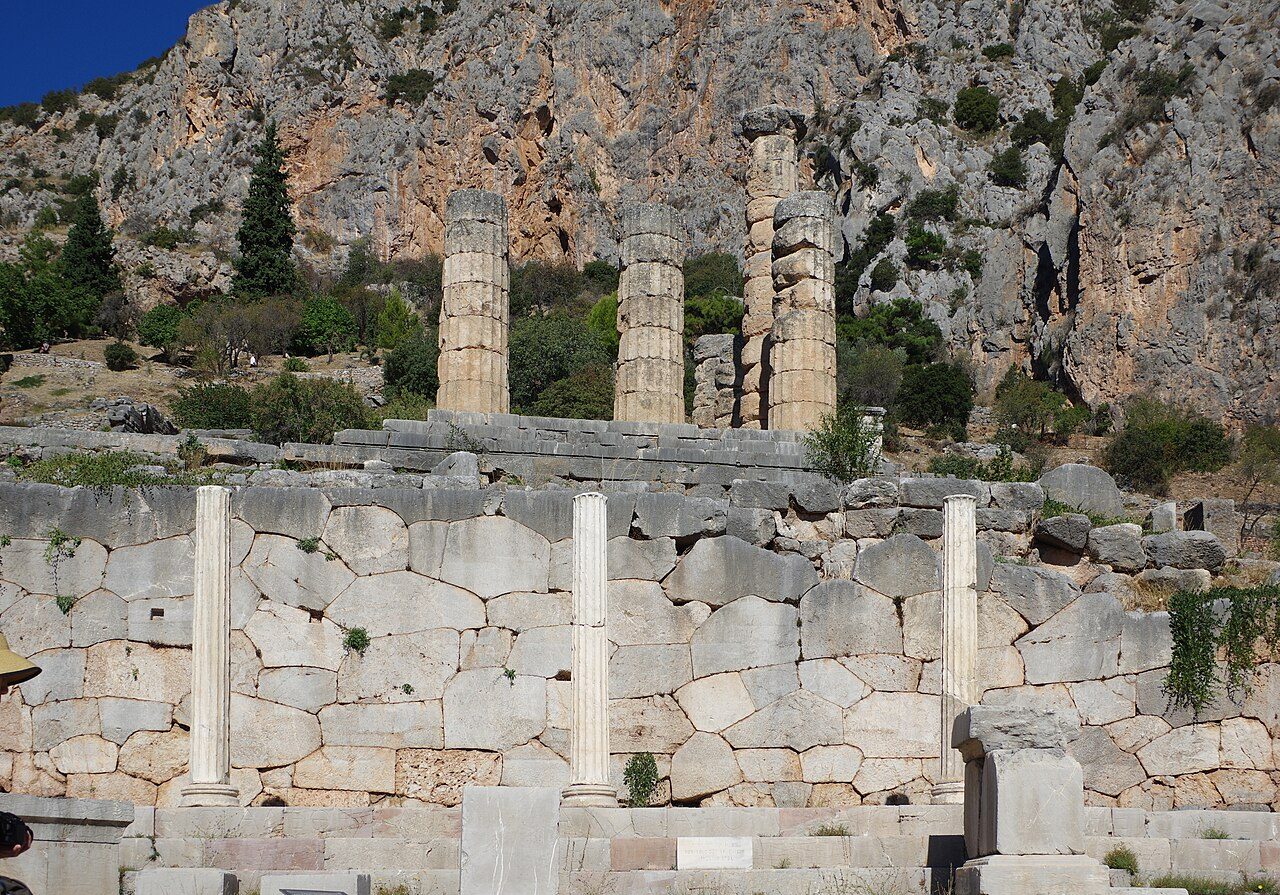
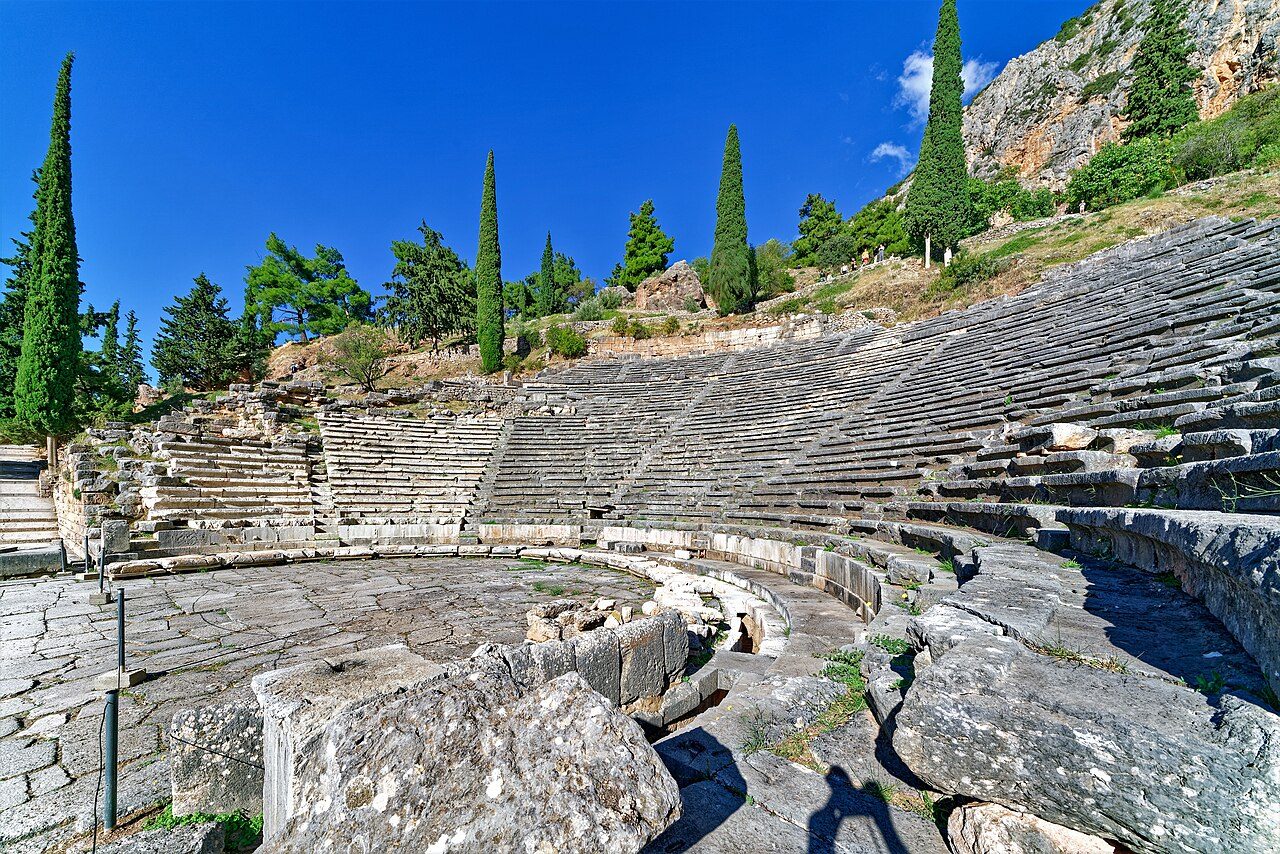
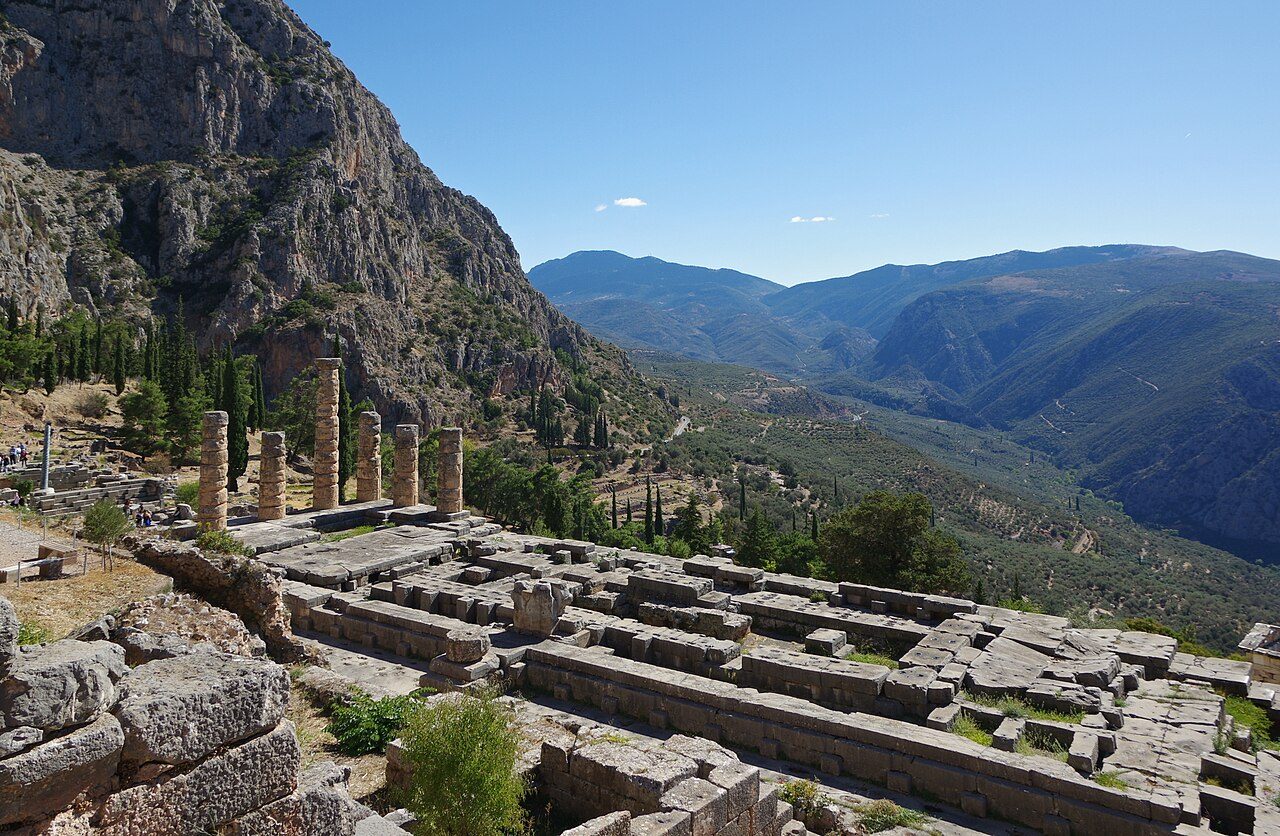
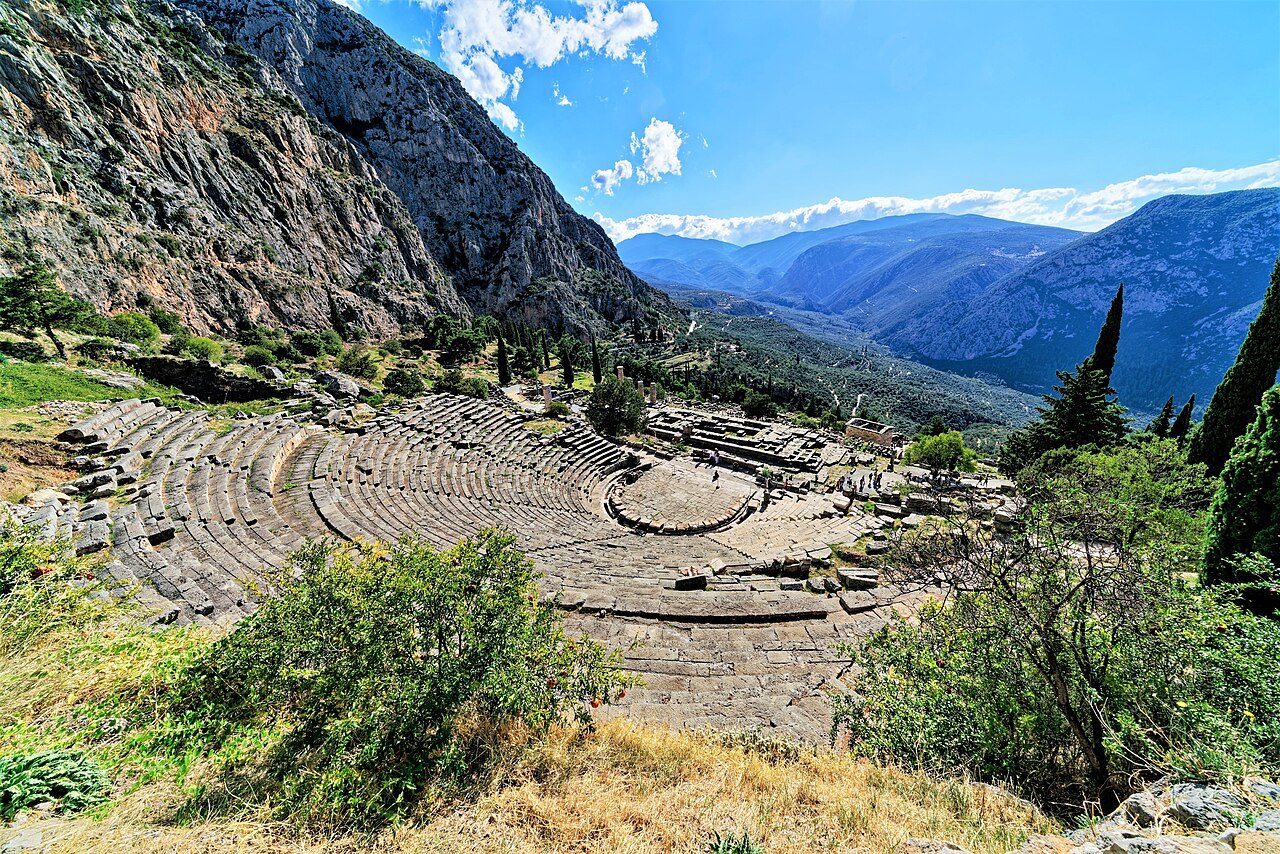
Delphi was the most important religious site of ancient Greece, home to the Oracle of Apollo. It lies on the slopes of Mount Parnassus above a valley of olive trees. Its ruins include the Temple of Apollo, a theatre, a stadium and the round Tholos of Athena Pronaia. It is a UNESCO World Heritage Site.
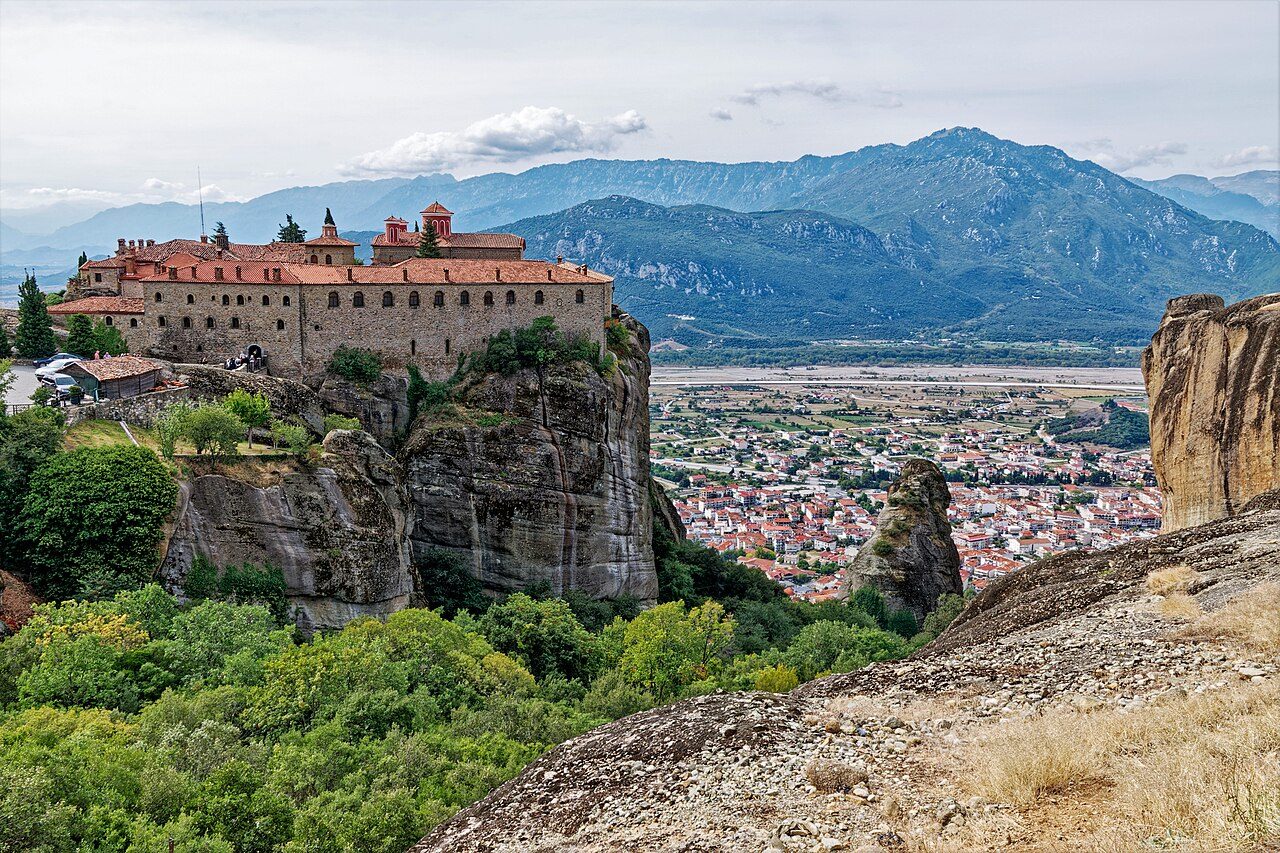
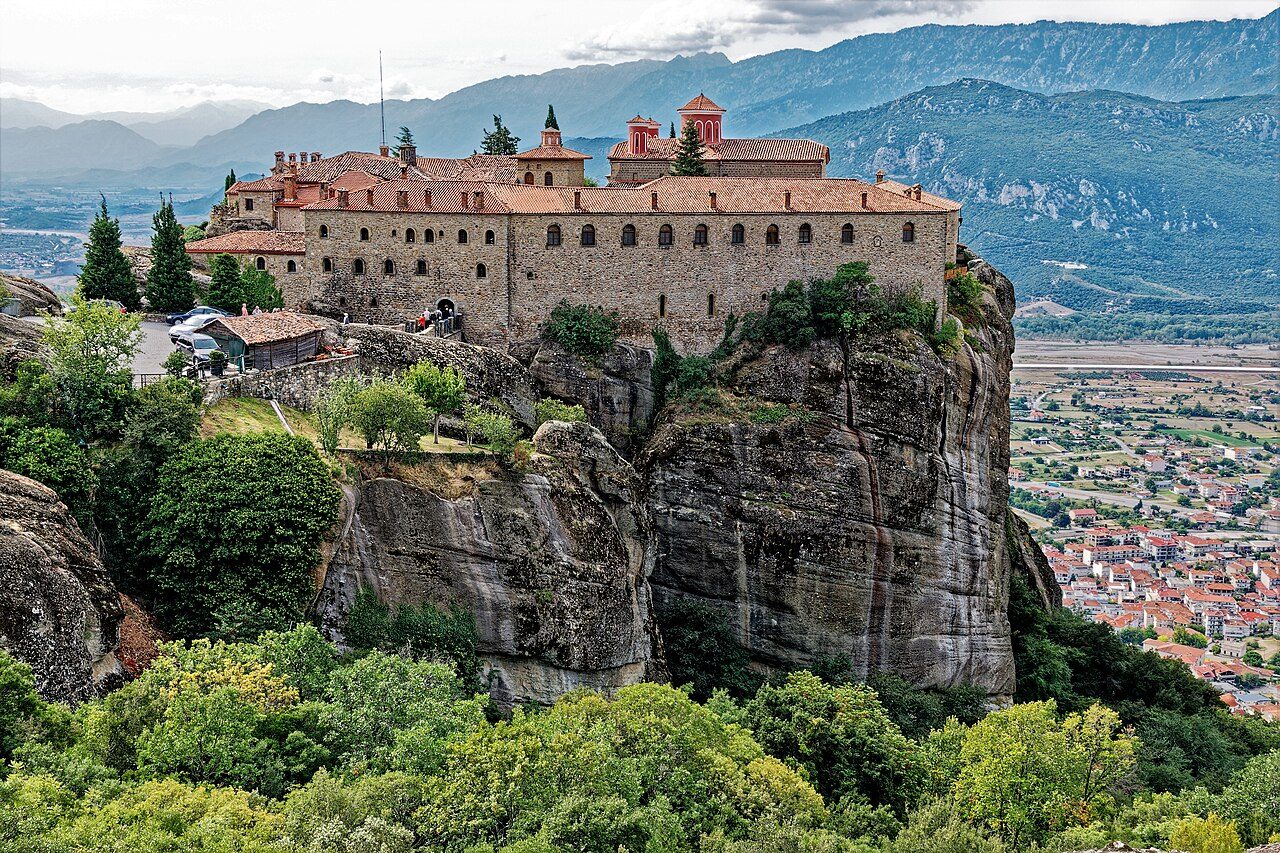
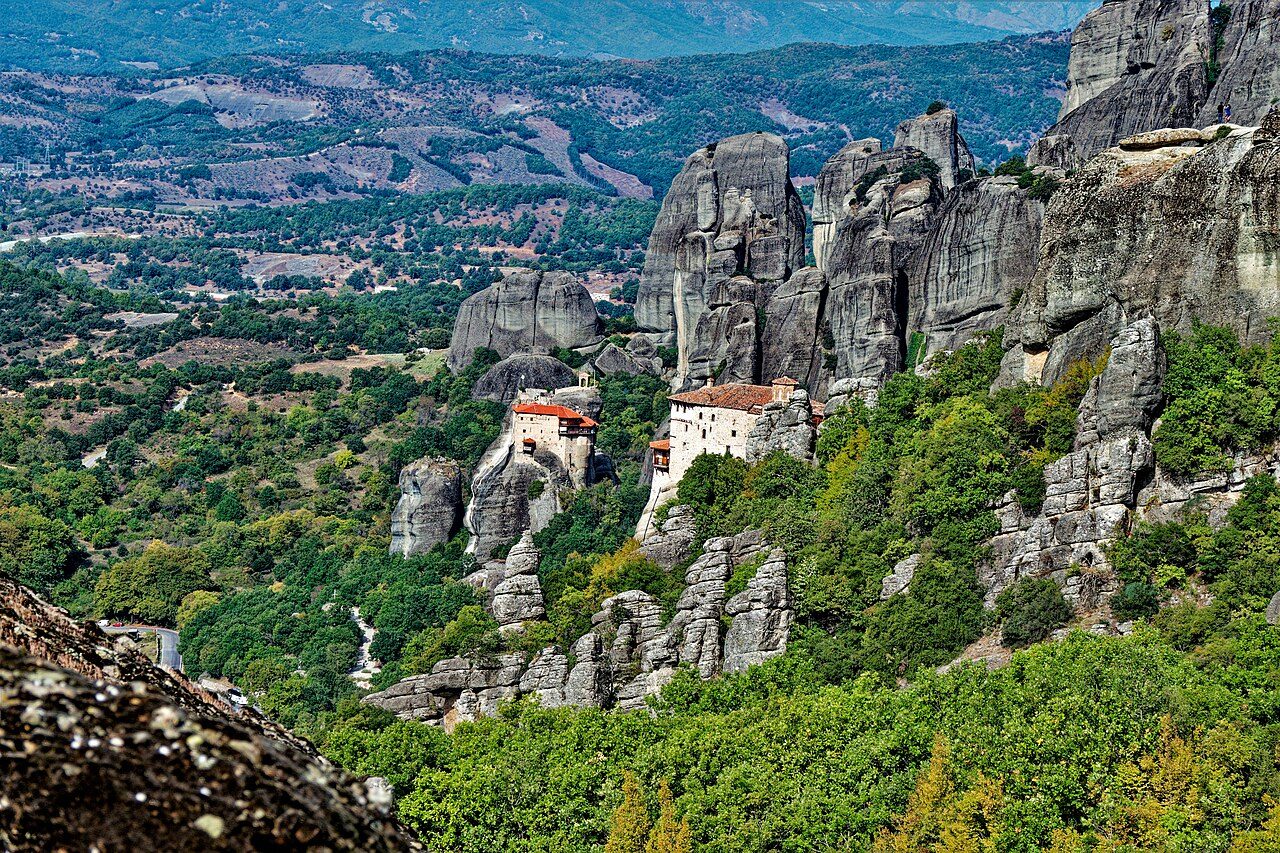
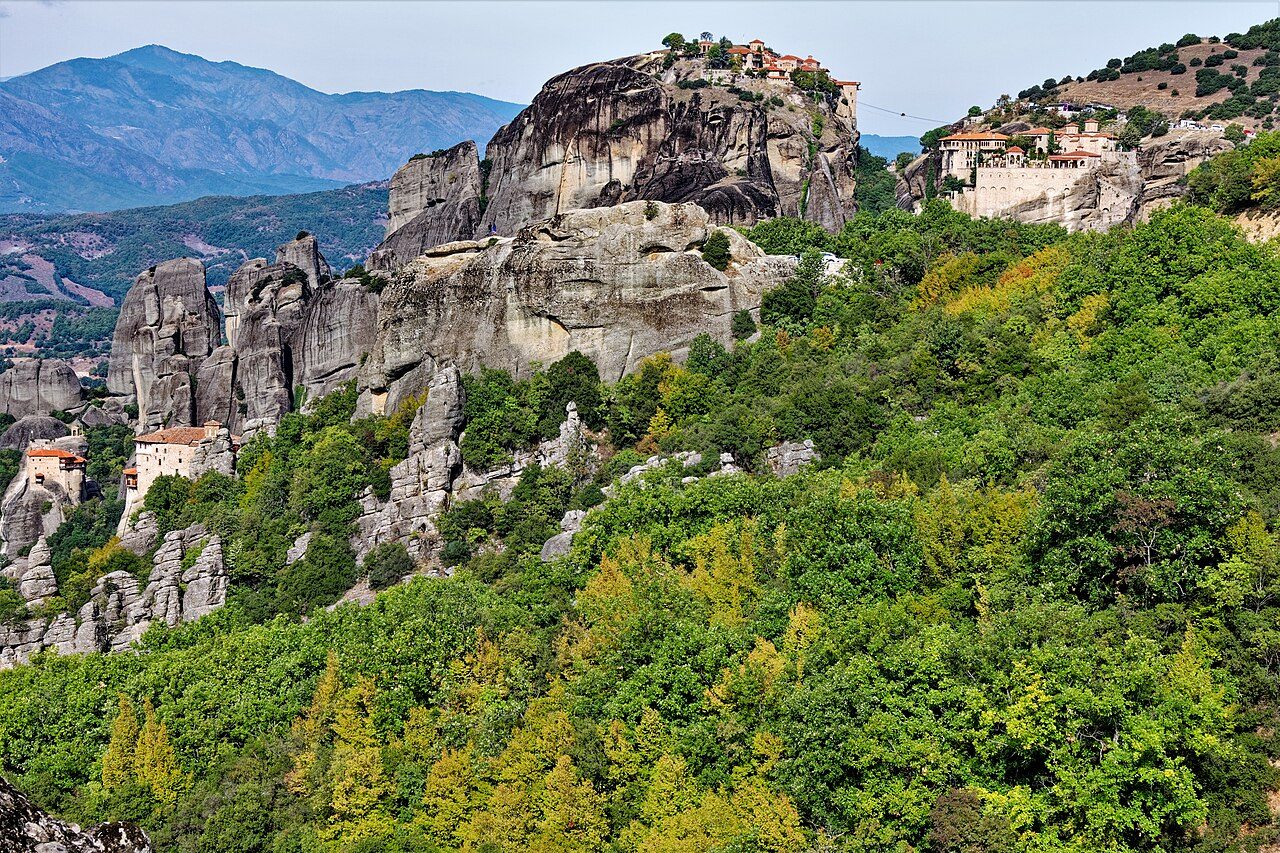
Meteora in Thessaly is a group of huge sandstone pillars rising from the plain near Kalambaka. From the 14th century, Orthodox monks built monasteries on top of the rocks. Six monasteries are still active, including the Great Meteoron. They were once reached only by ladders or nets. It is a UNESCO World Heritage Site.
11
STOP 11 OF 19
Little Venice Mykonos
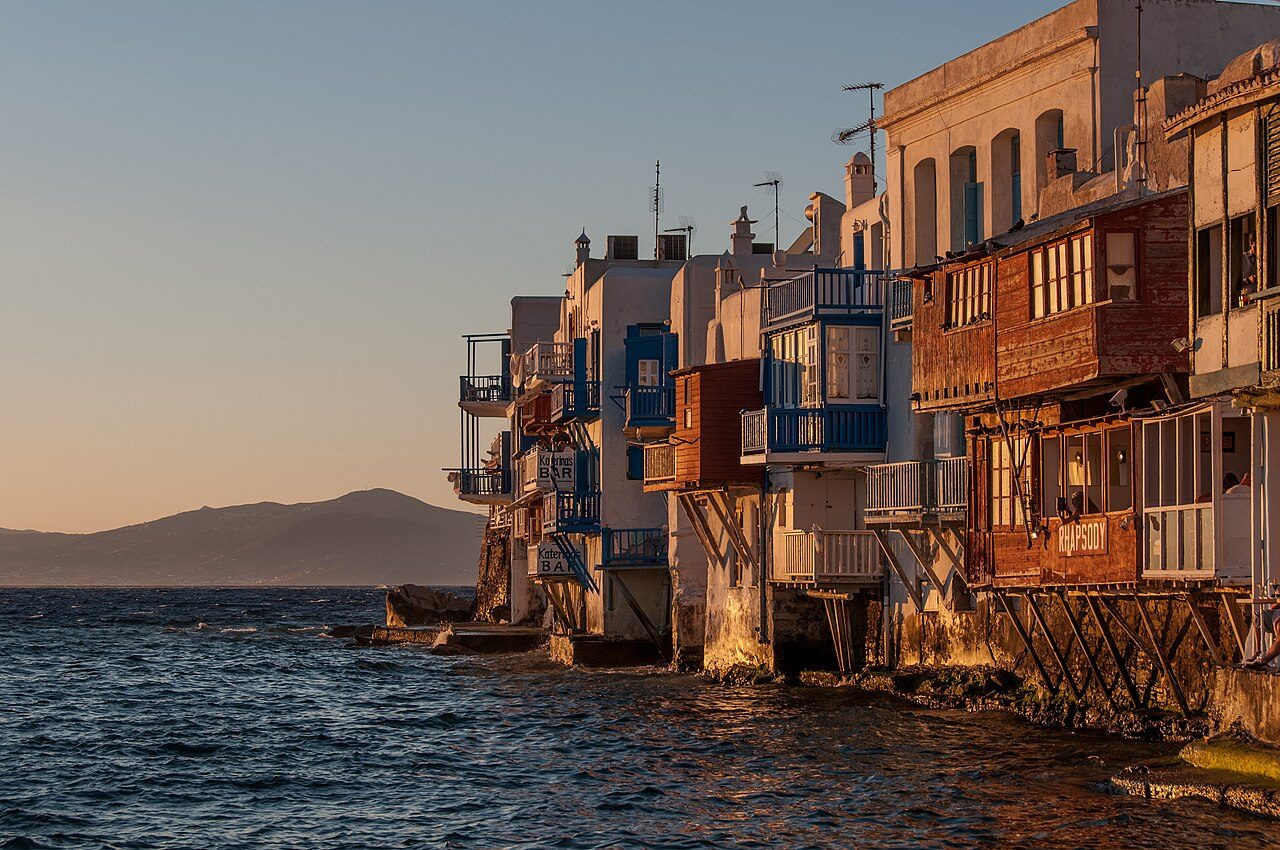
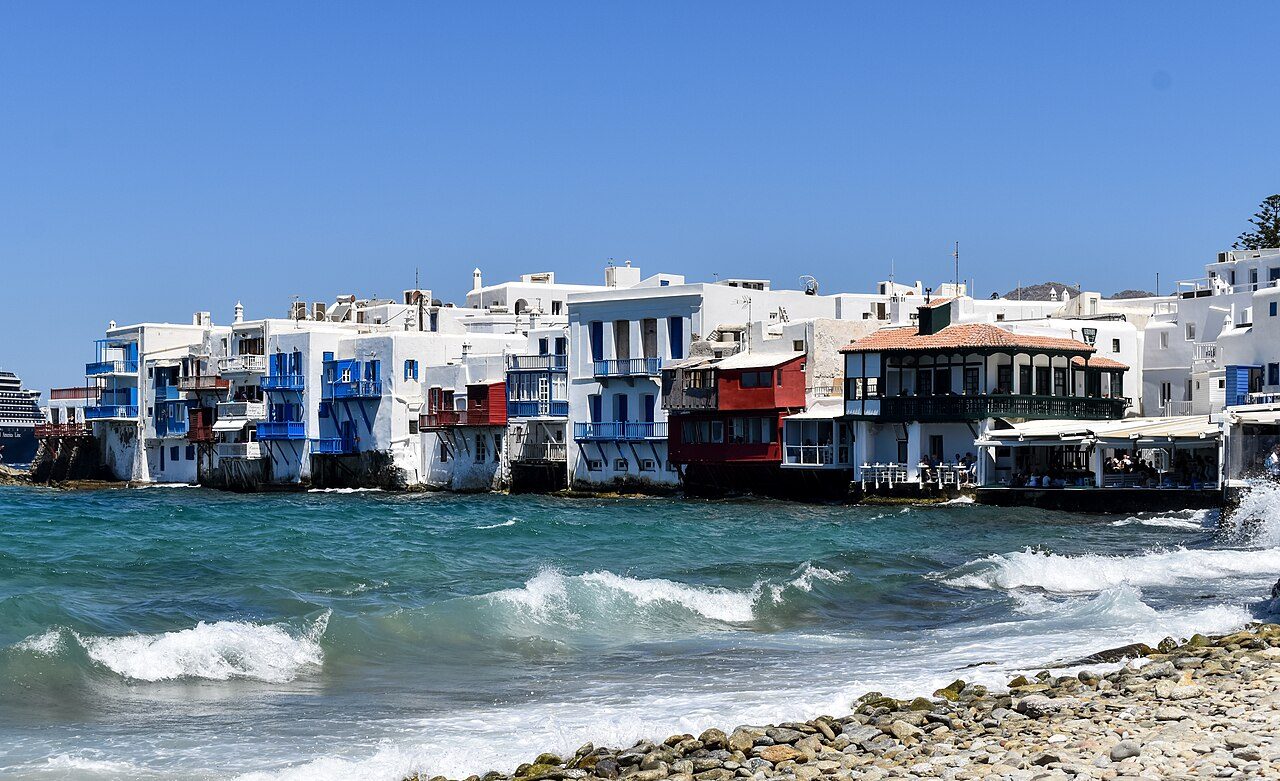
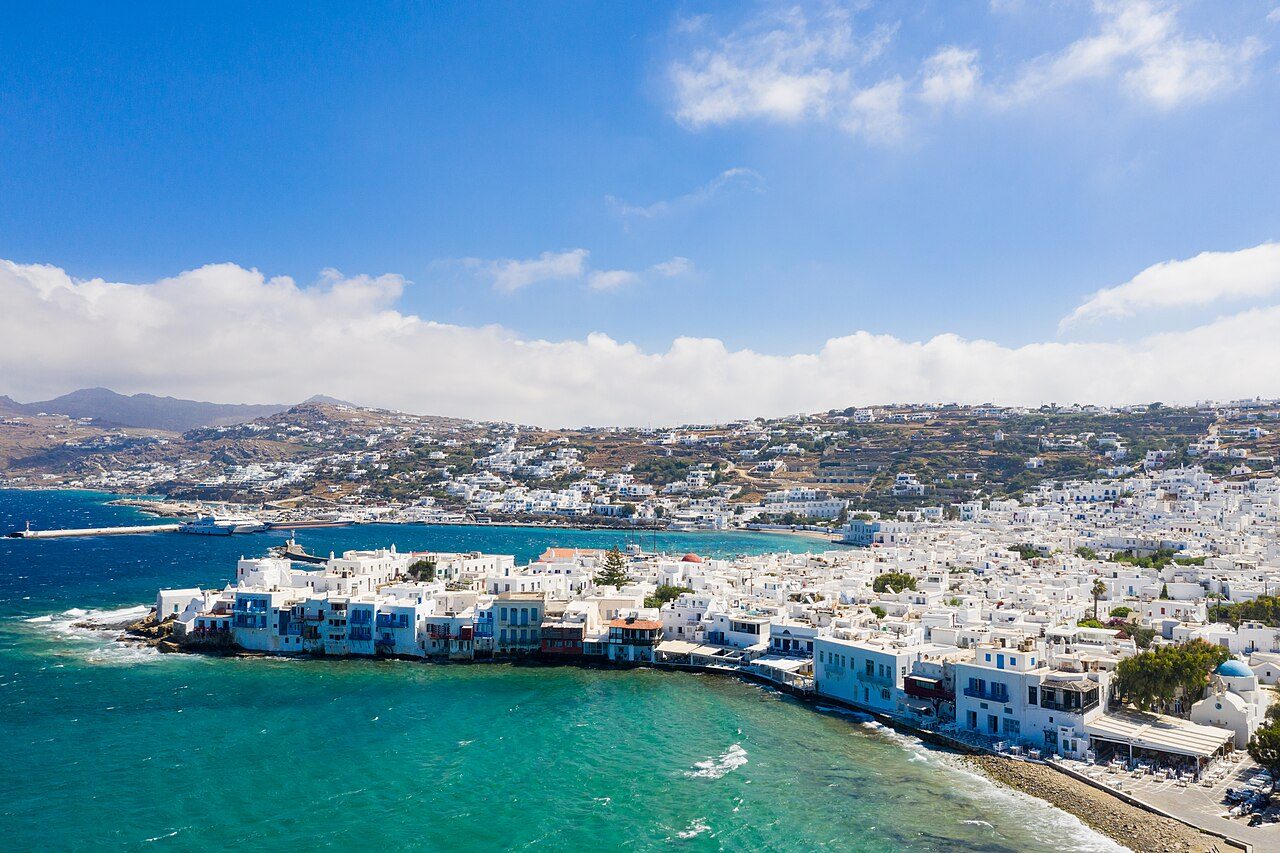
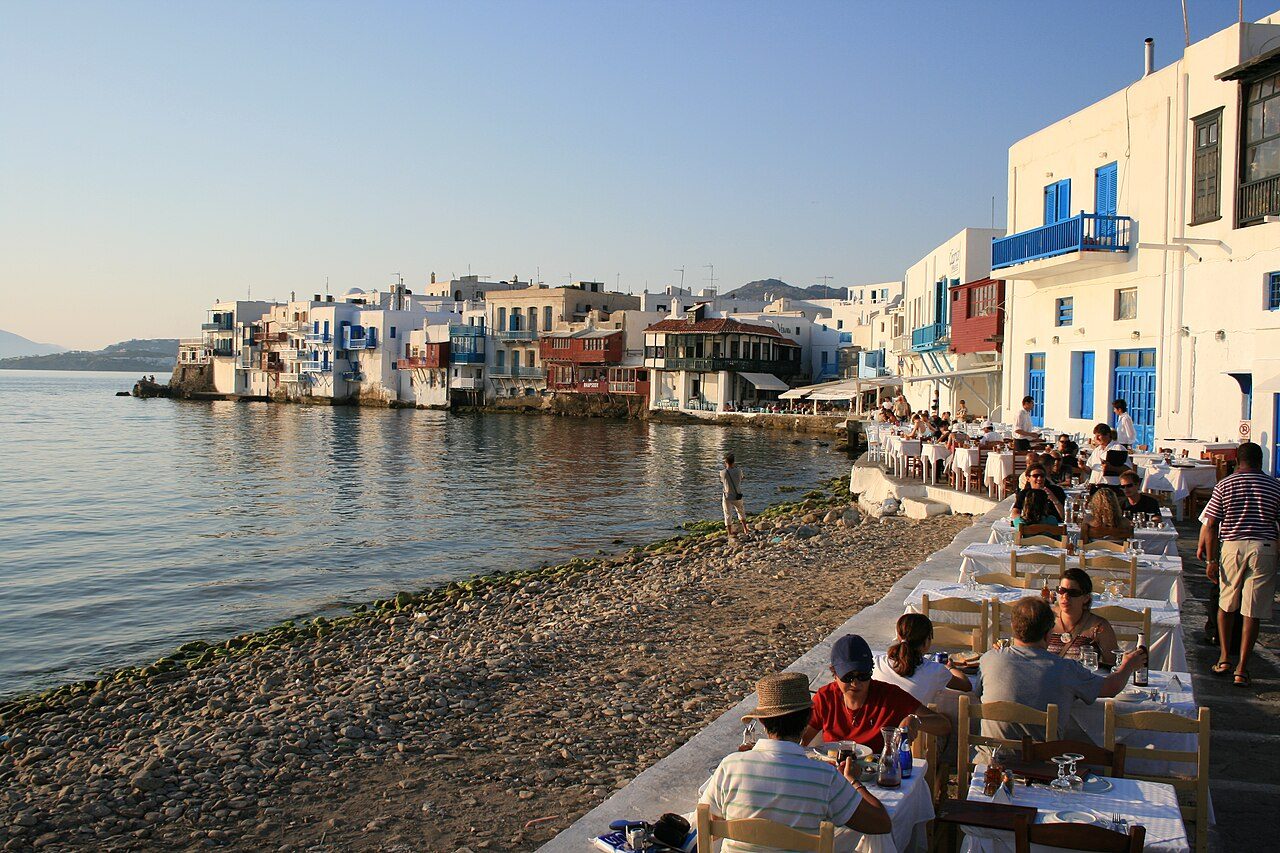
Little Venice is a neighbourhood on the waterfront of Mykonos town, where old captains' houses with wooden balconies stand right at the edge of the sea. Waves splash against their walls. Today they hold bars and restaurants, popular for watching the sunset over the windmills.
12
STOP 12 OF 19
Windmills of Mykonos
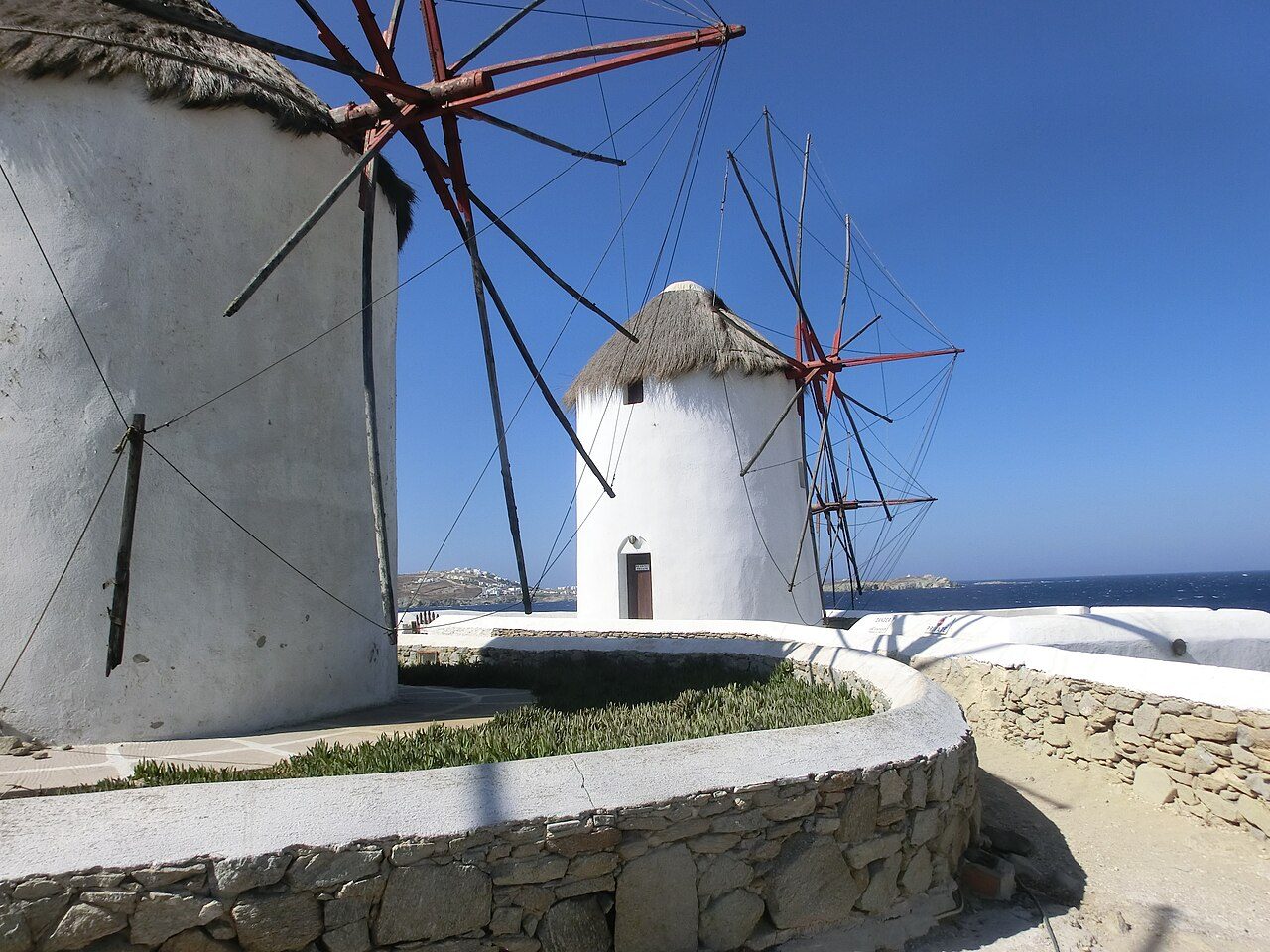
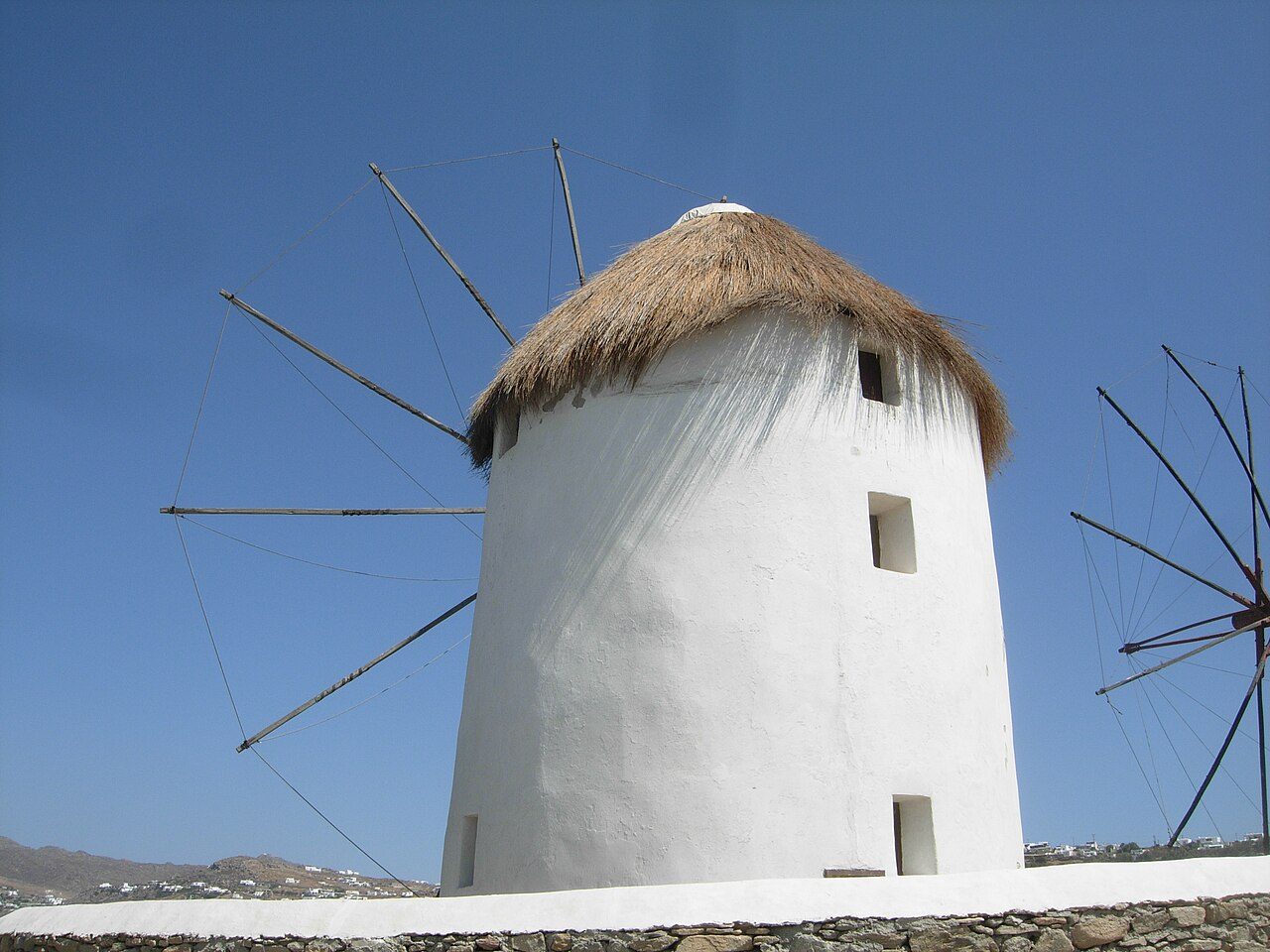
The windmills of Mykonos stand on a hill above the harbour of Mykonos town. Most were built in the 16th century by the Venetians to grind wheat. Their white round towers with thatched roofs are a symbol of the island. They look over Little Venice and are a famous sunset viewpoint.
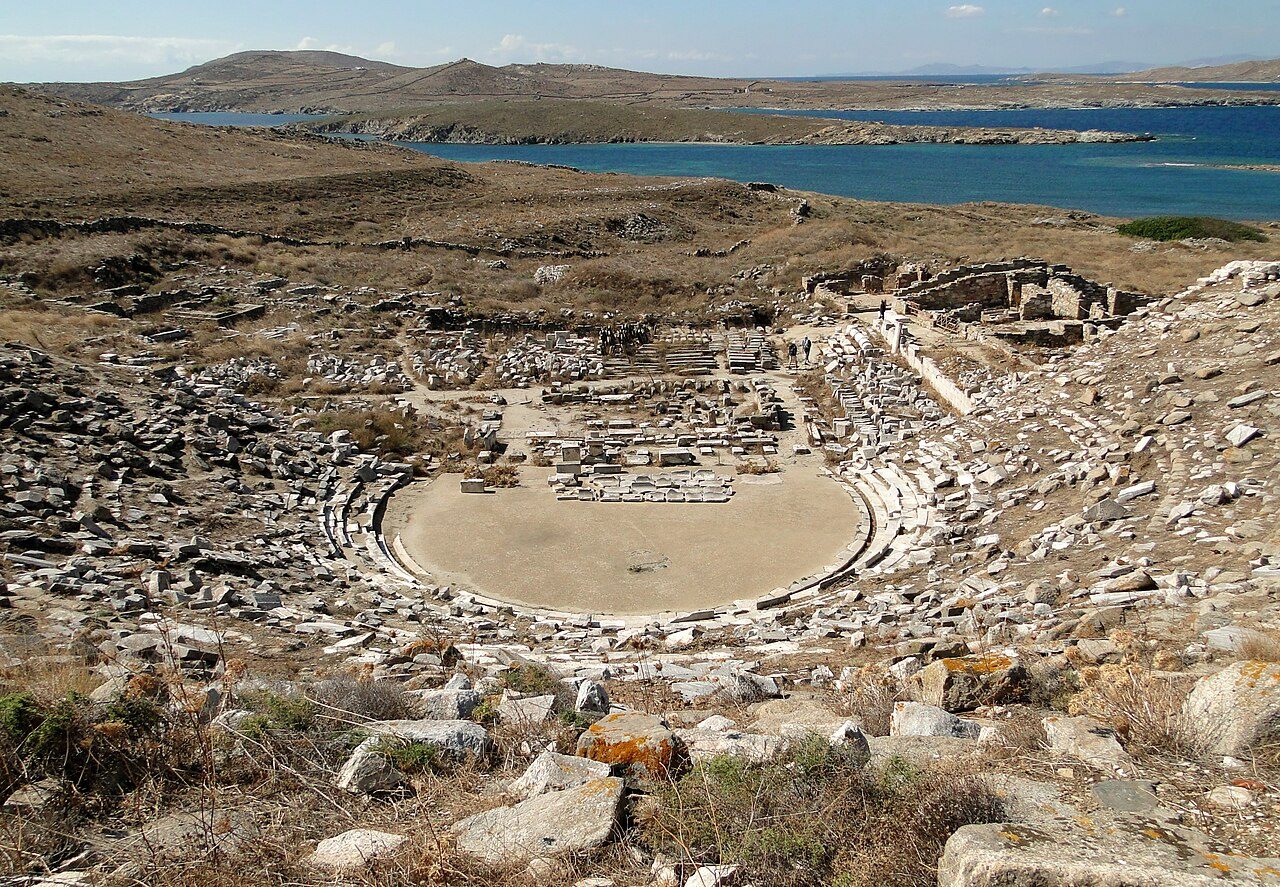
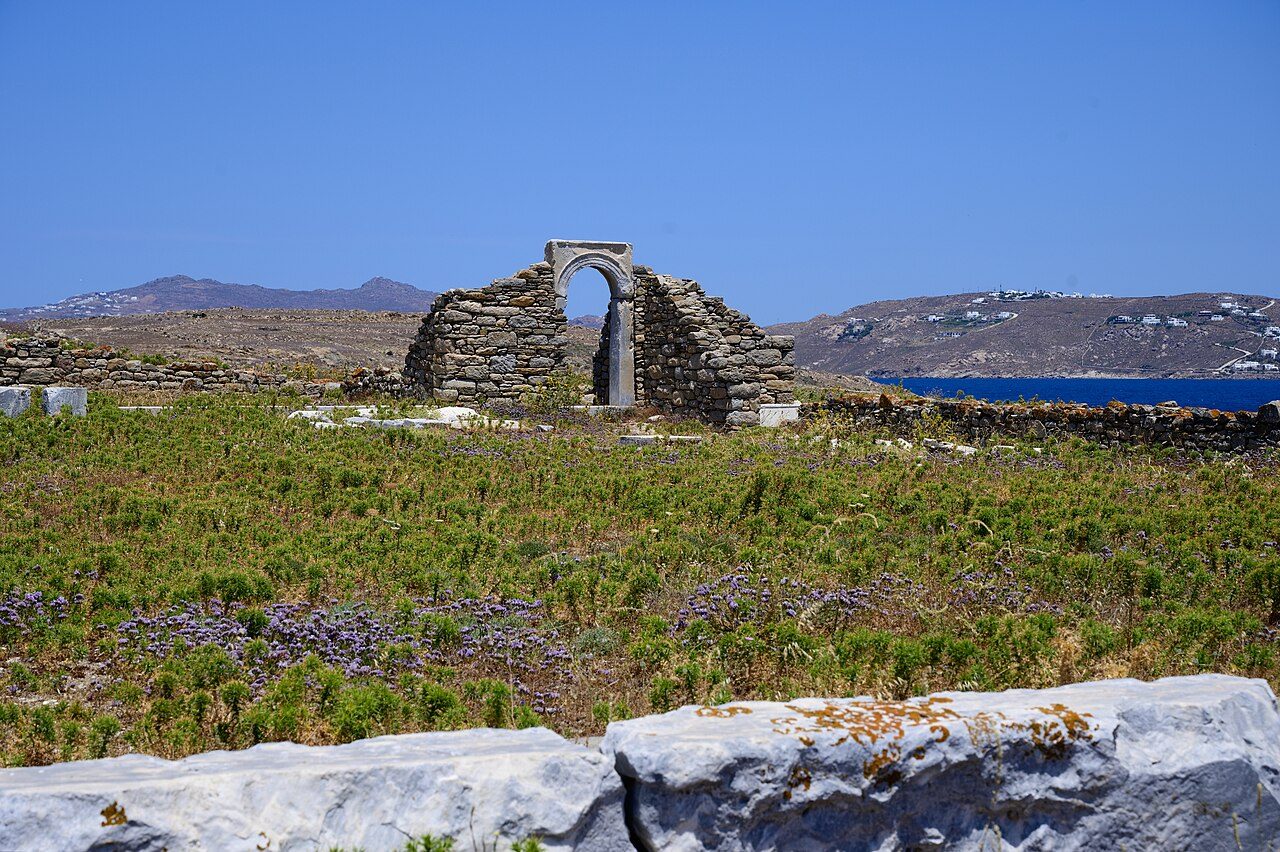
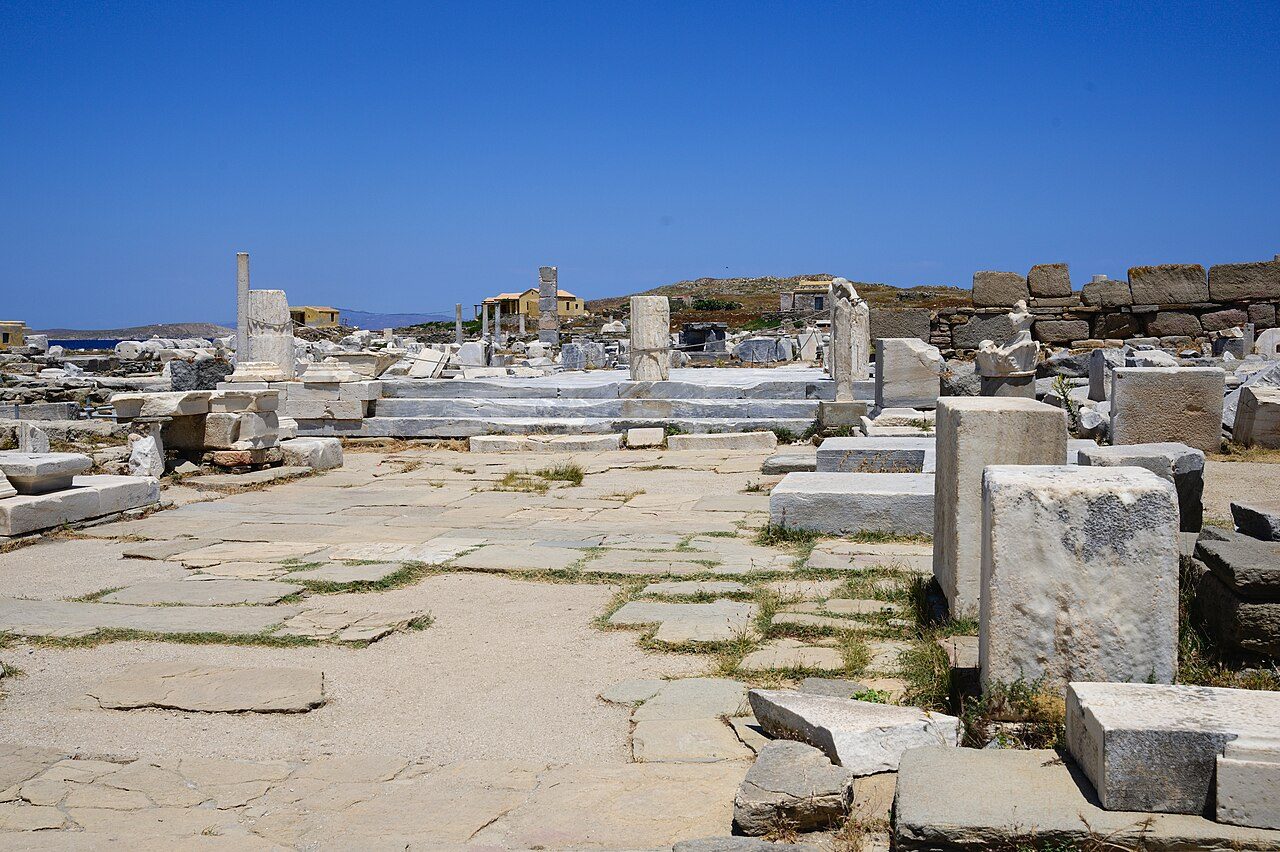
Delos is a small island near Mykonos, sacred in ancient Greek myth as the birthplace of Apollo and Artemis. It was a great religious and trading centre. Its ruins cover most of the island, including the Terrace of the Lions, temples, theatres and houses with mosaics. Nobody lives there today. It is a UNESCO World Heritage Site.
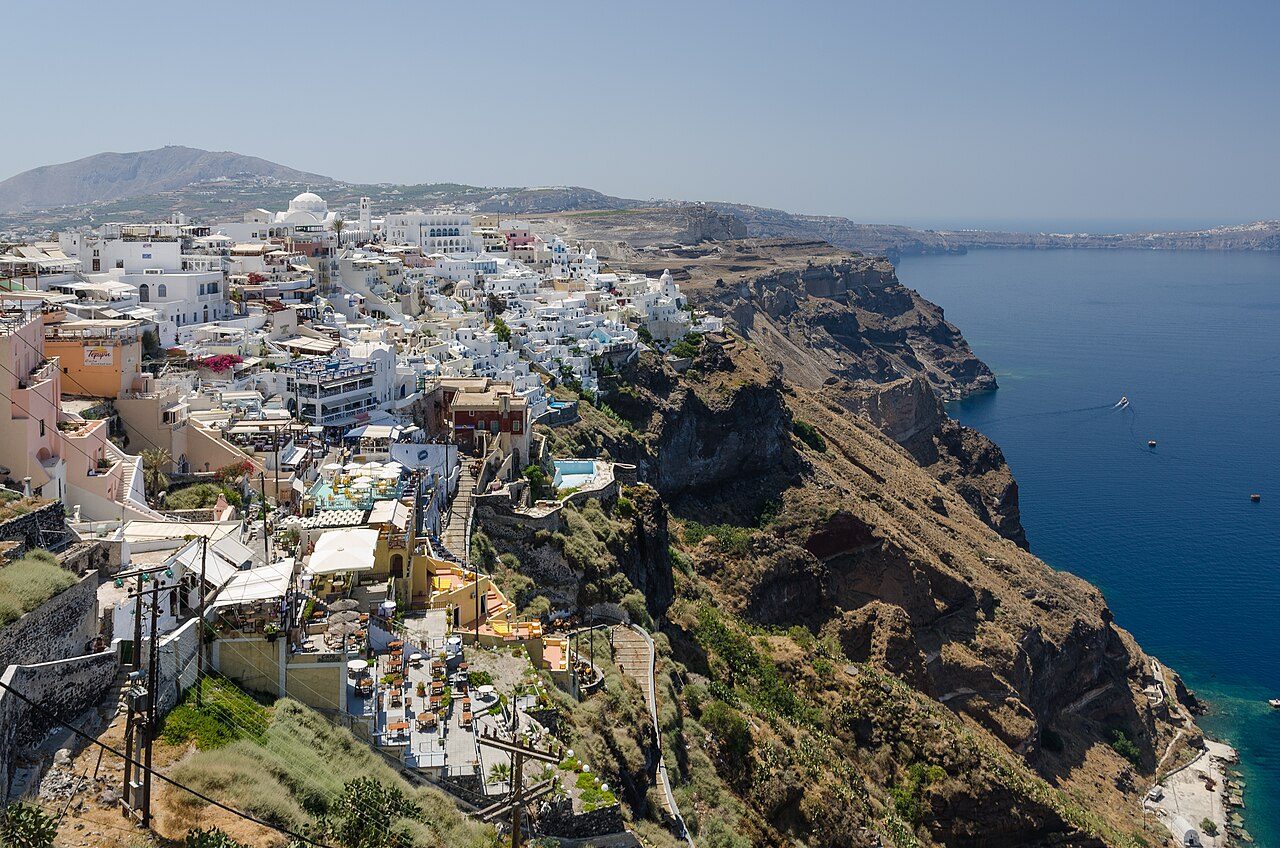
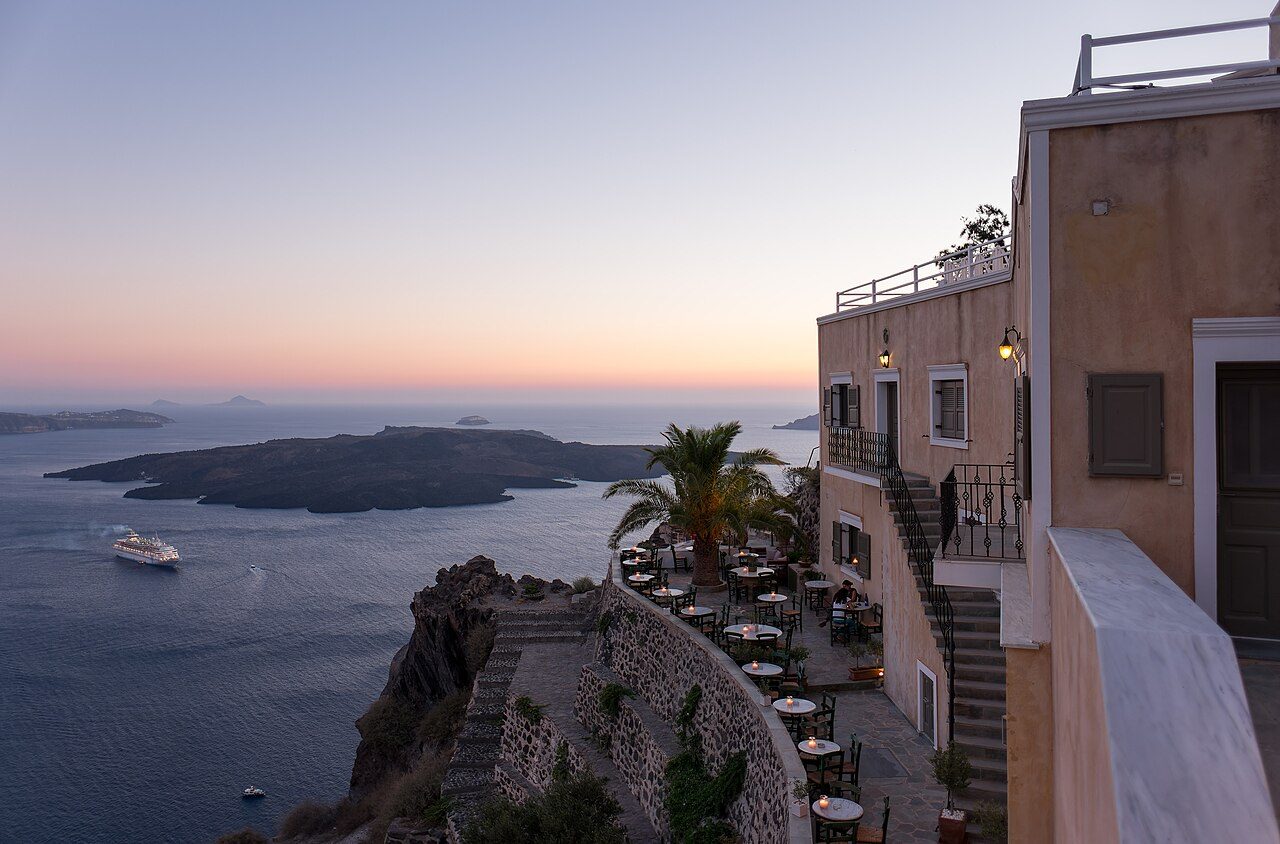
Fira is the main town of Santorini, built on the rim of the caldera about 260 metres above the sea. Its white houses, churches and hotels line the cliff edge, with views over the volcano islands. A cable car and a path of about 600 steps link the town with the old port below. It has museums and lively streets.
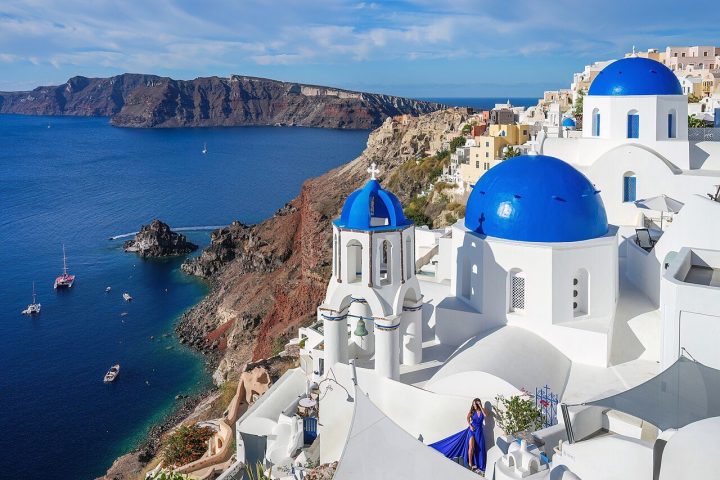
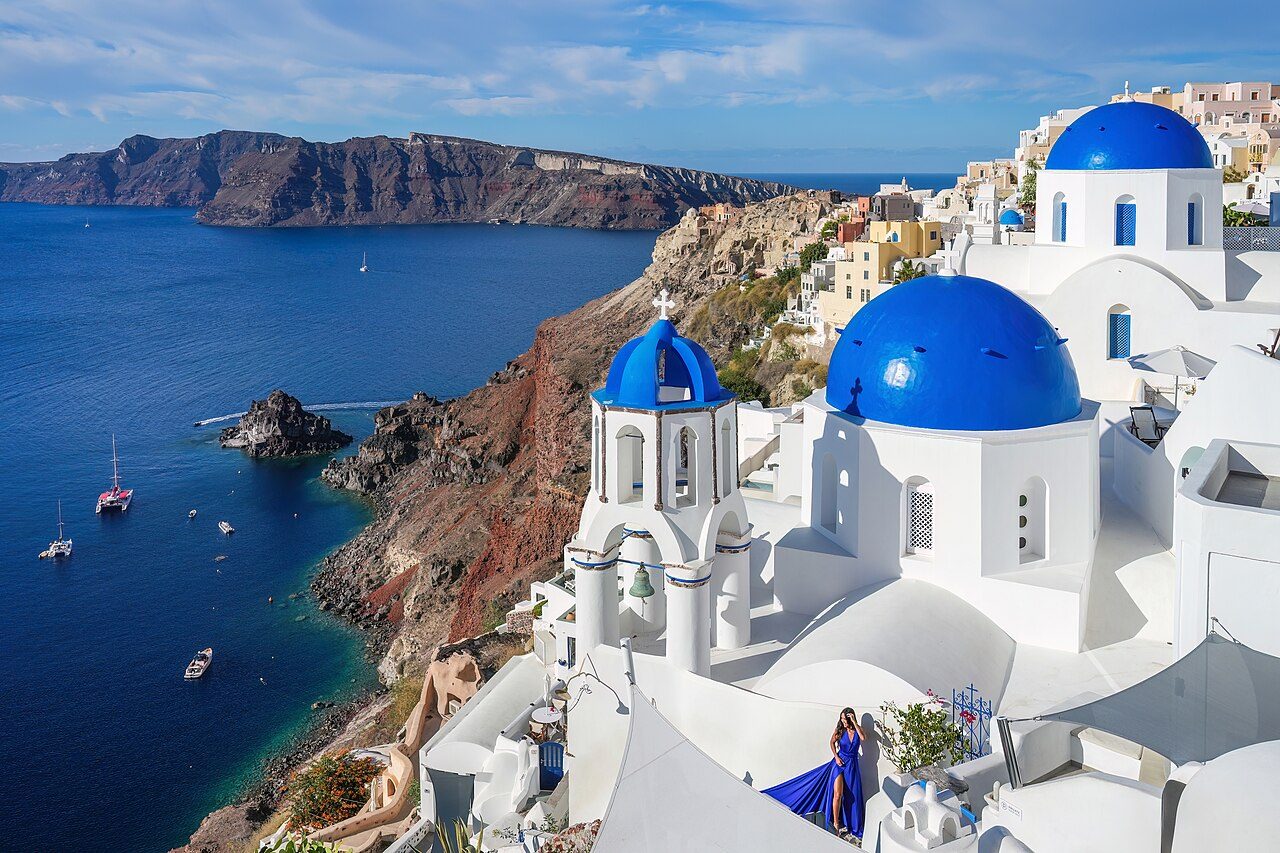
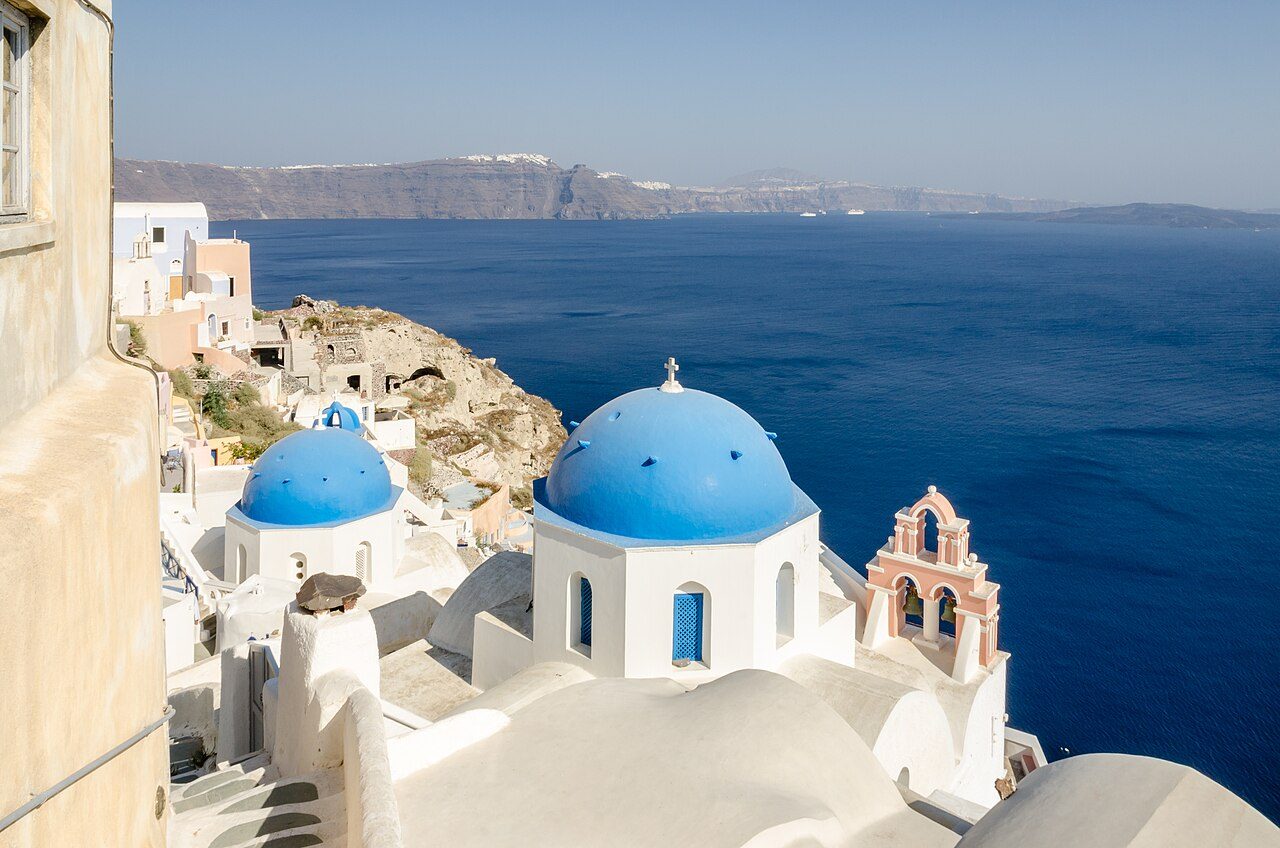
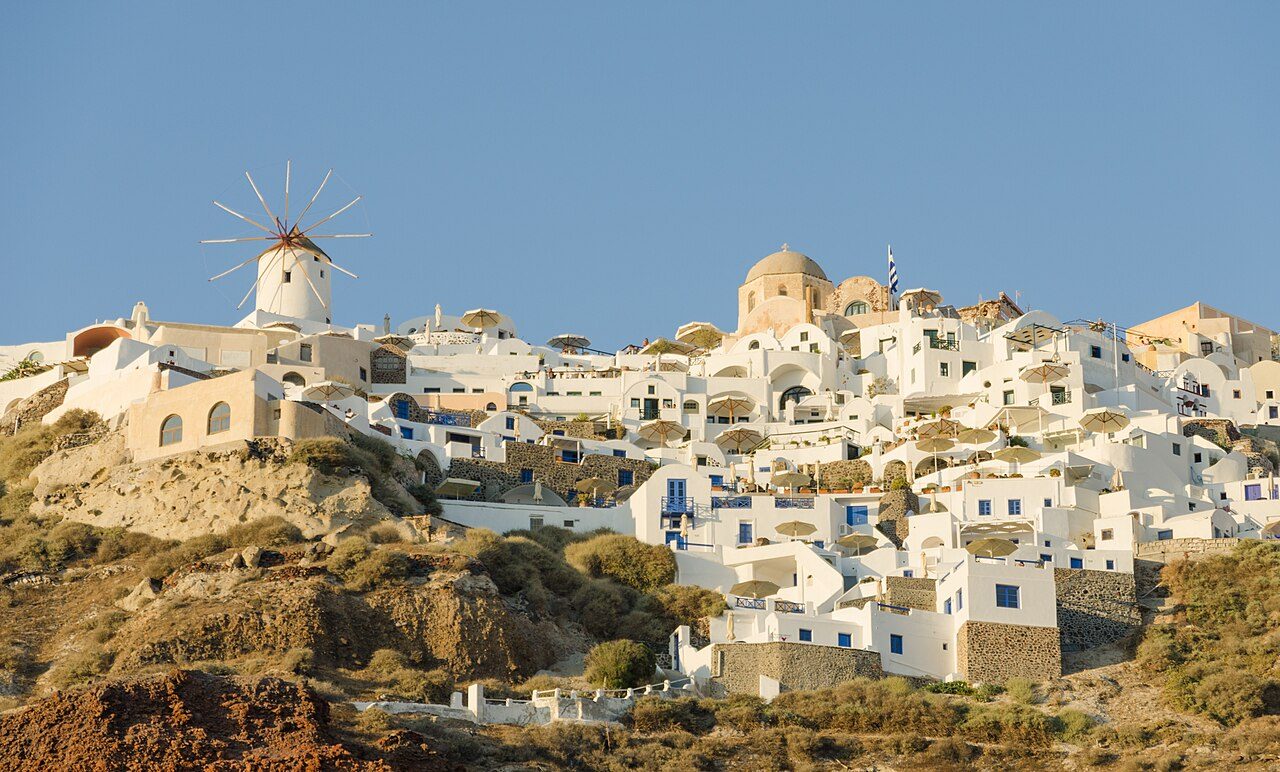
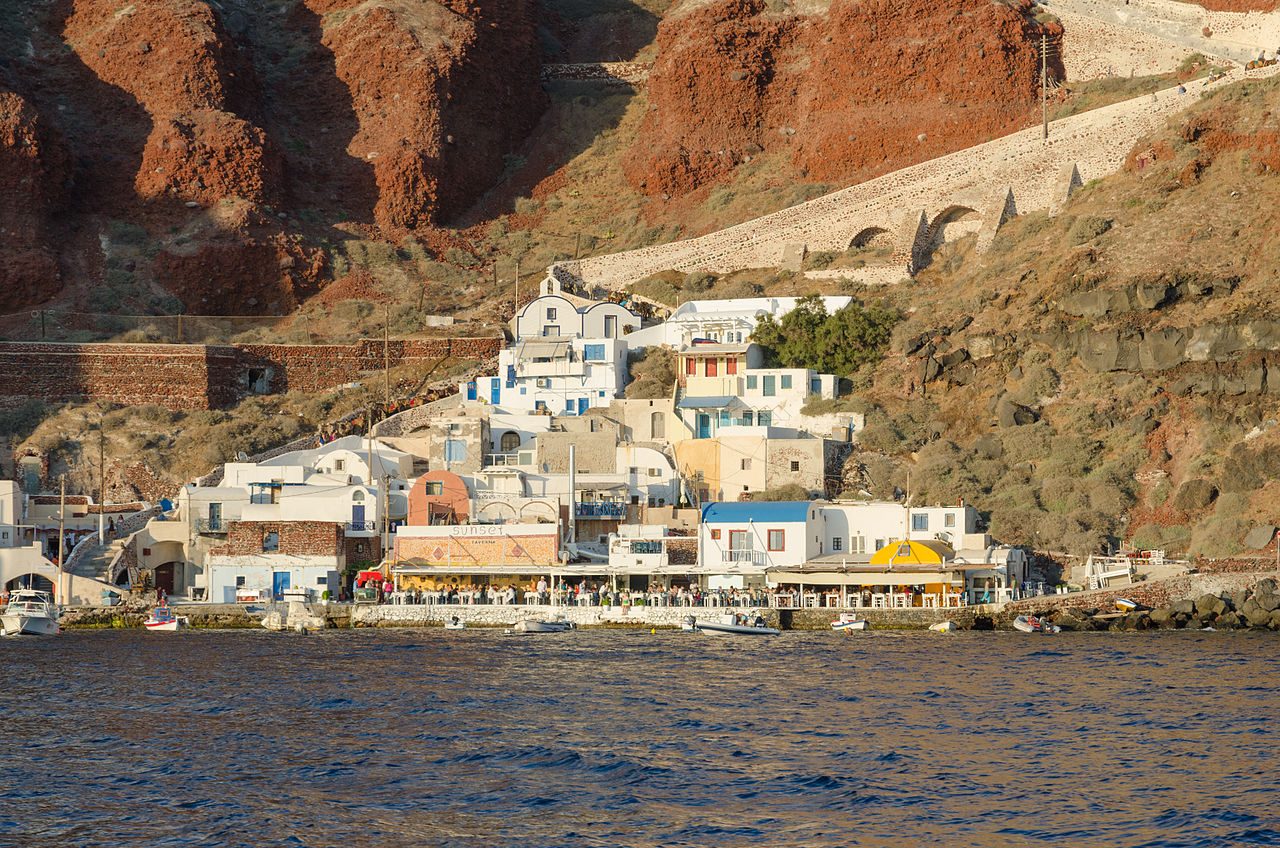
Oia is a village on the northern tip of Santorini, perched on the edge of the volcanic caldera. Its white houses and blue-domed churches cling to the cliffs above the sea. It is famous for its sunsets, which draw crowds to the castle ruins. Steps lead down to the small harbour of Ammoudi.
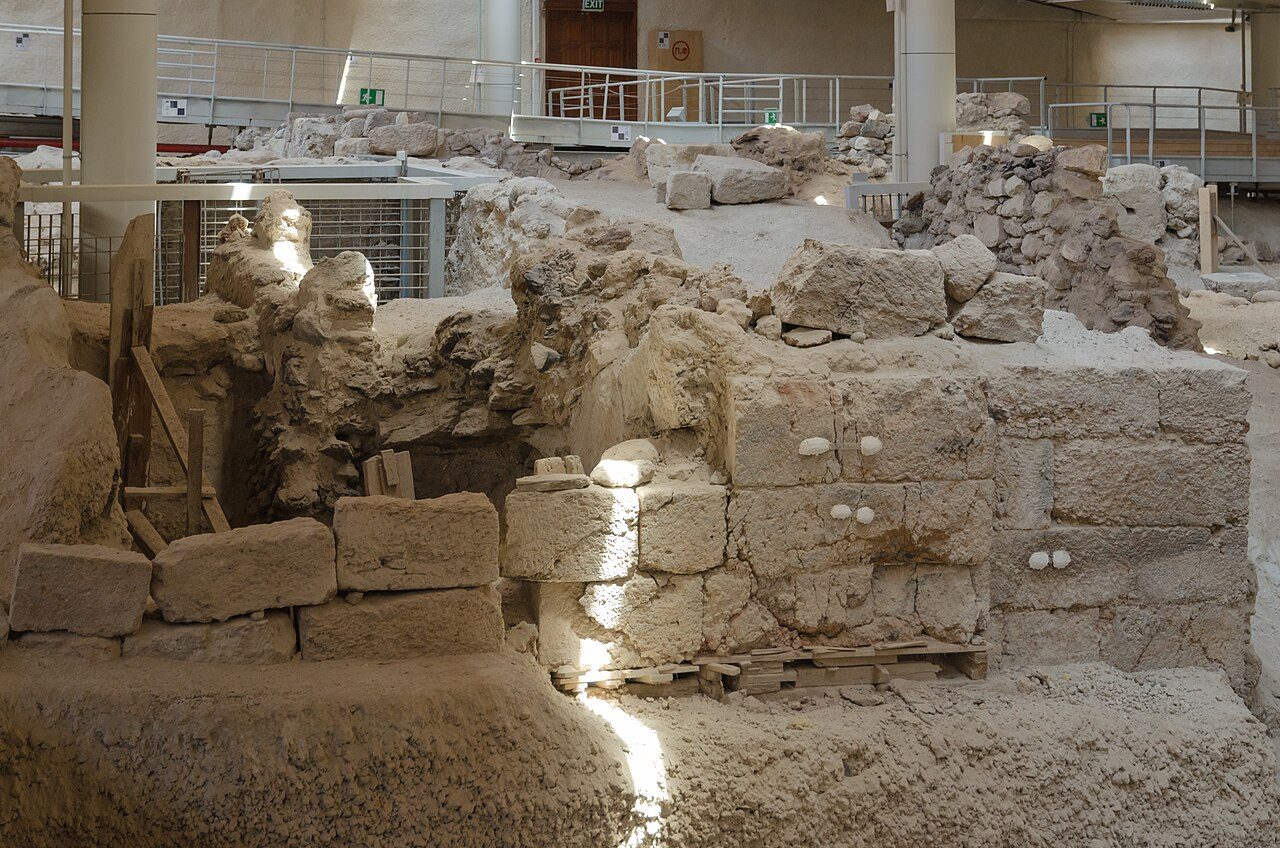
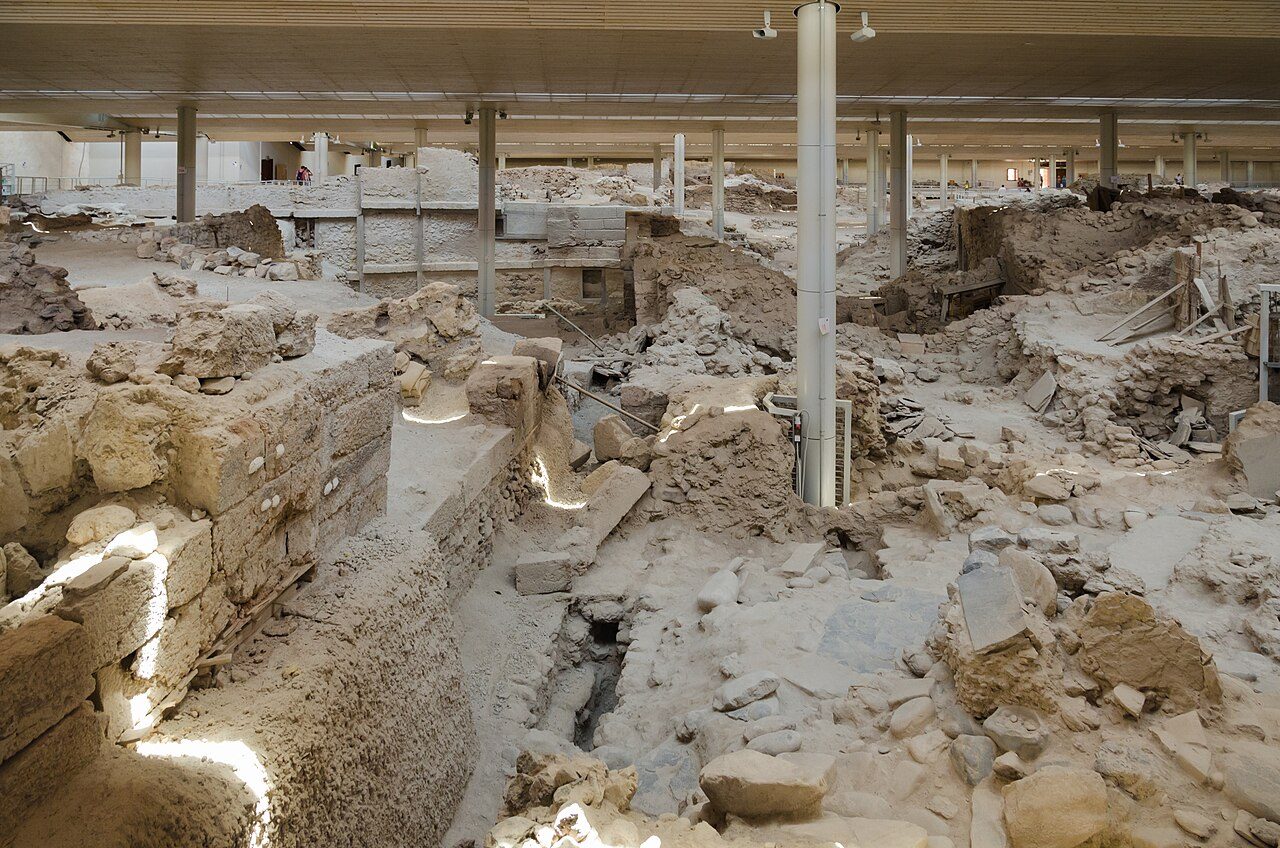
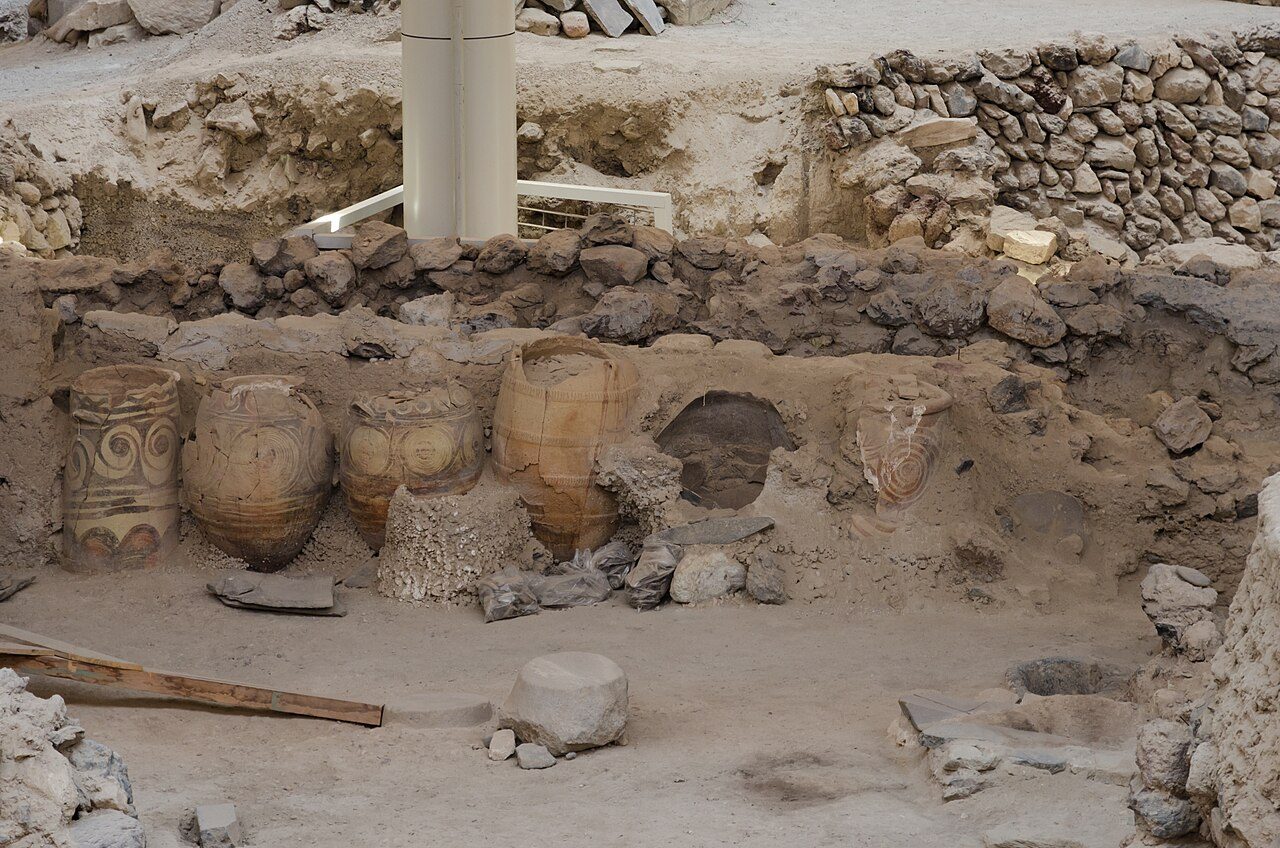
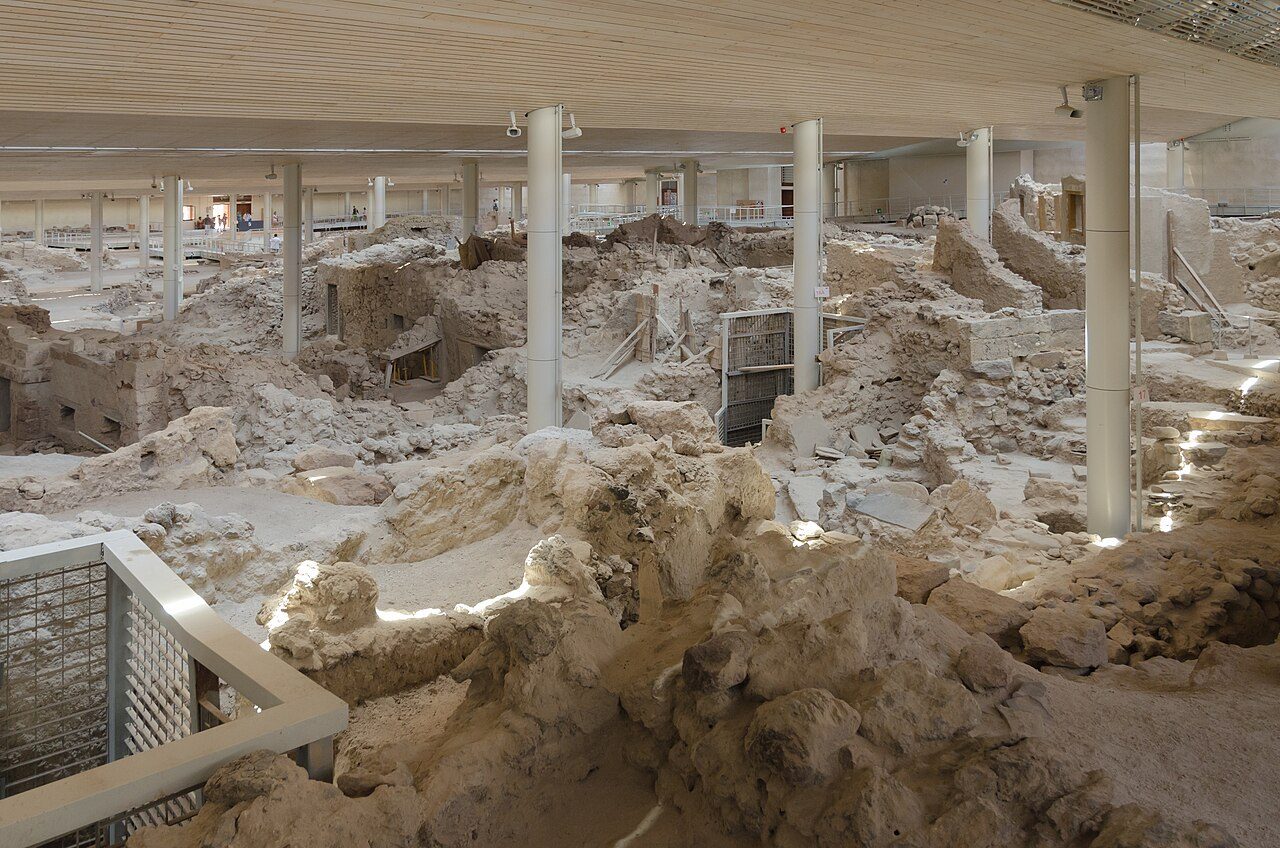
Akrotiri is a Bronze Age settlement on Santorini, buried by a huge volcanic eruption around 1600 BC. The ash preserved multi-storey houses, streets, pottery and colourful wall paintings. It is sometimes linked with the legend of Atlantis. The site is protected under a large modern roof, and walkways lead through the streets.
17
STOP 17 OF 19
Red Beach Santorini
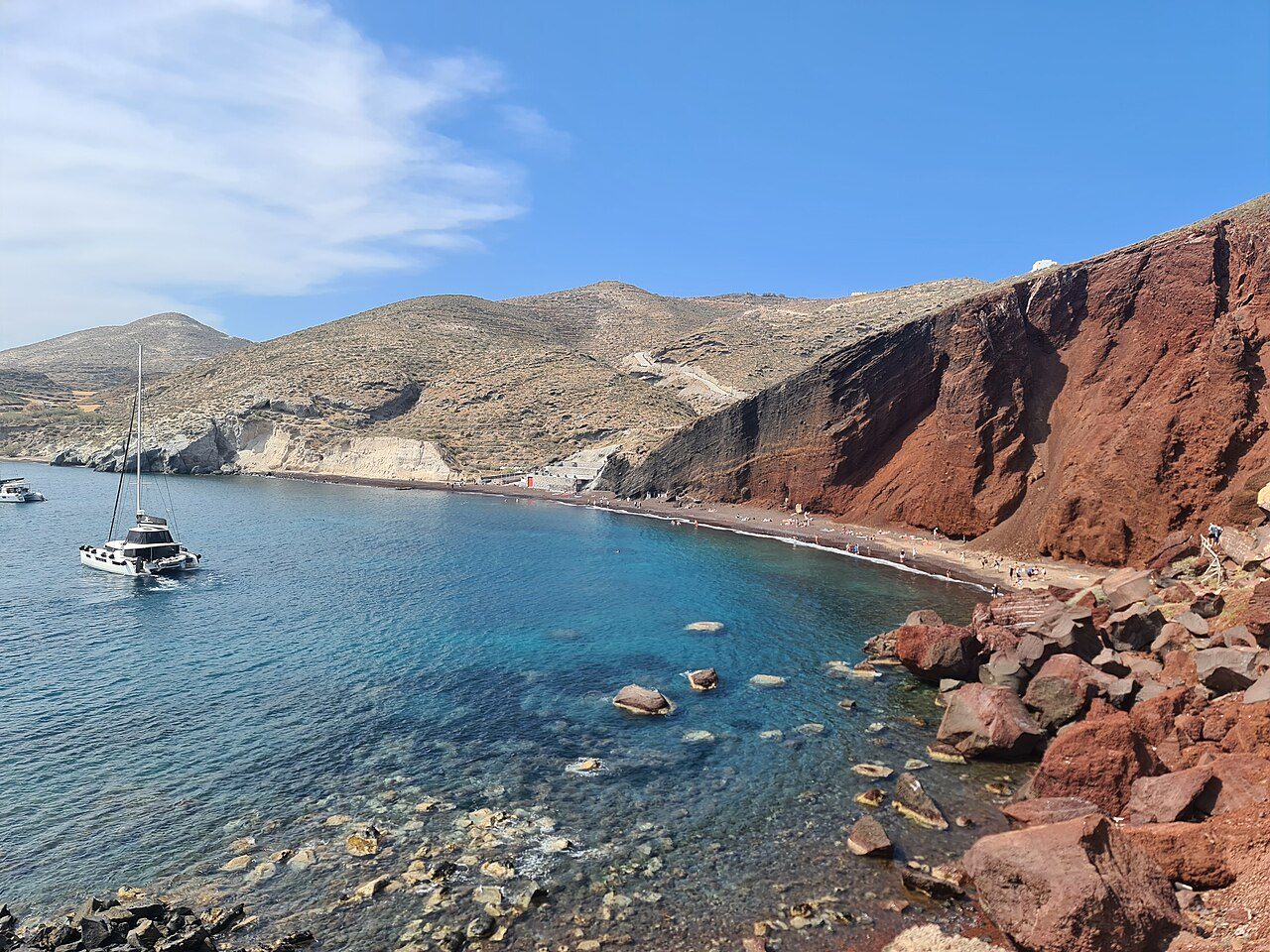
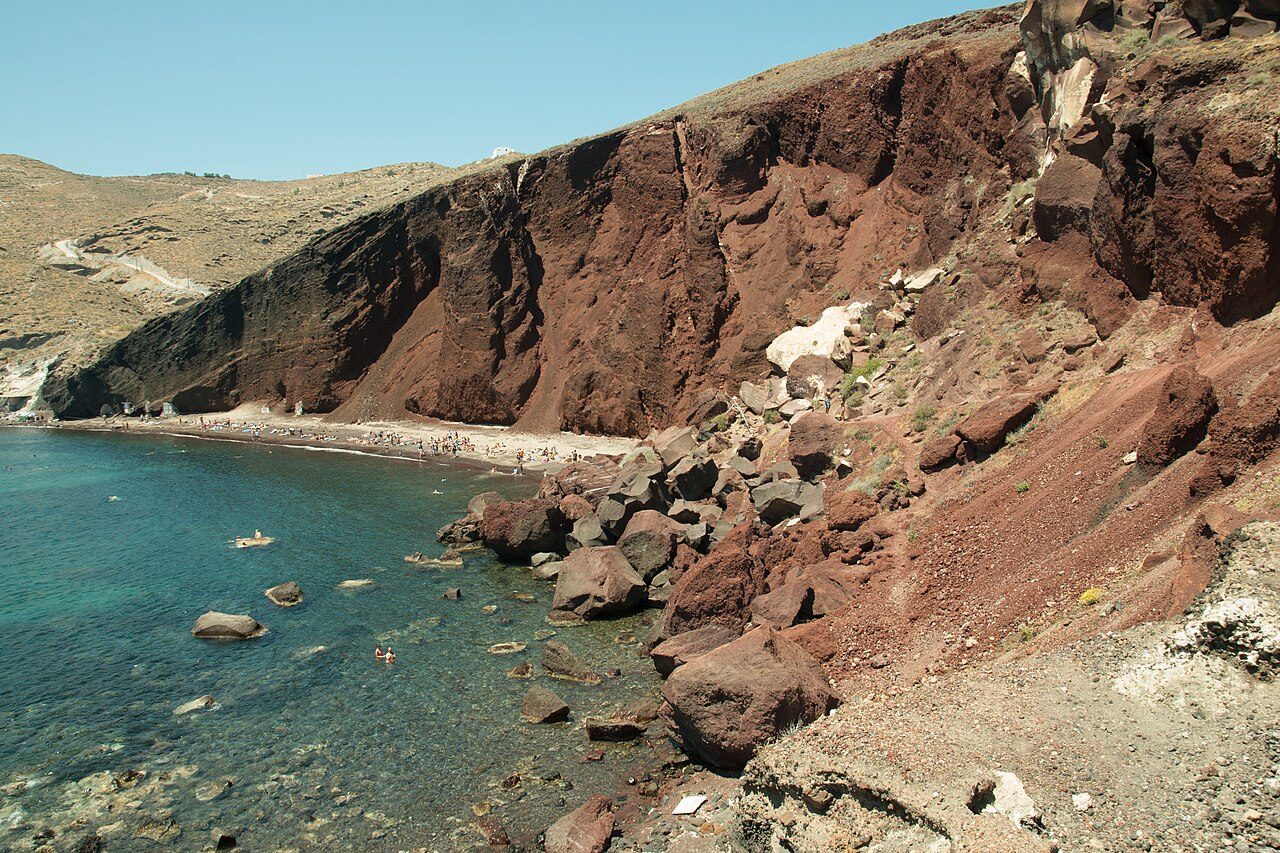
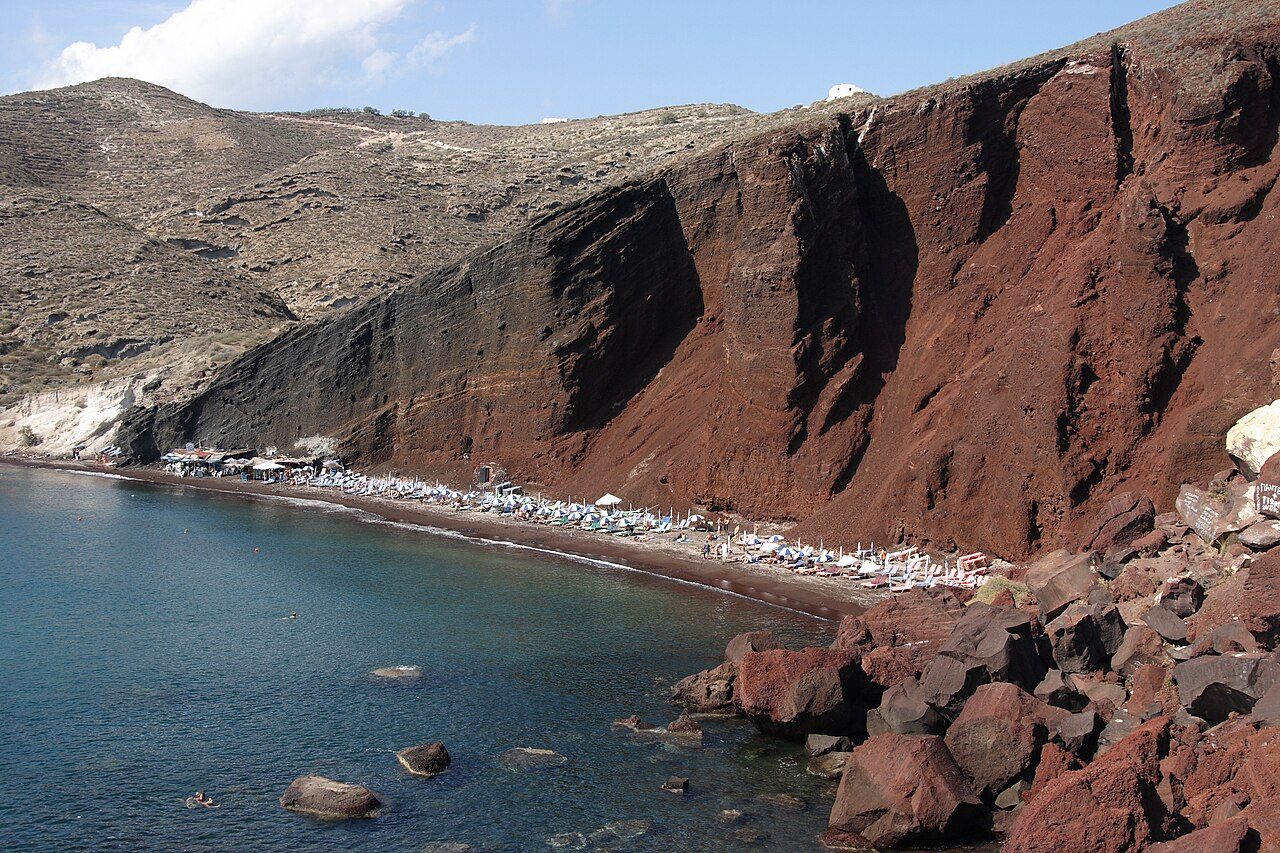
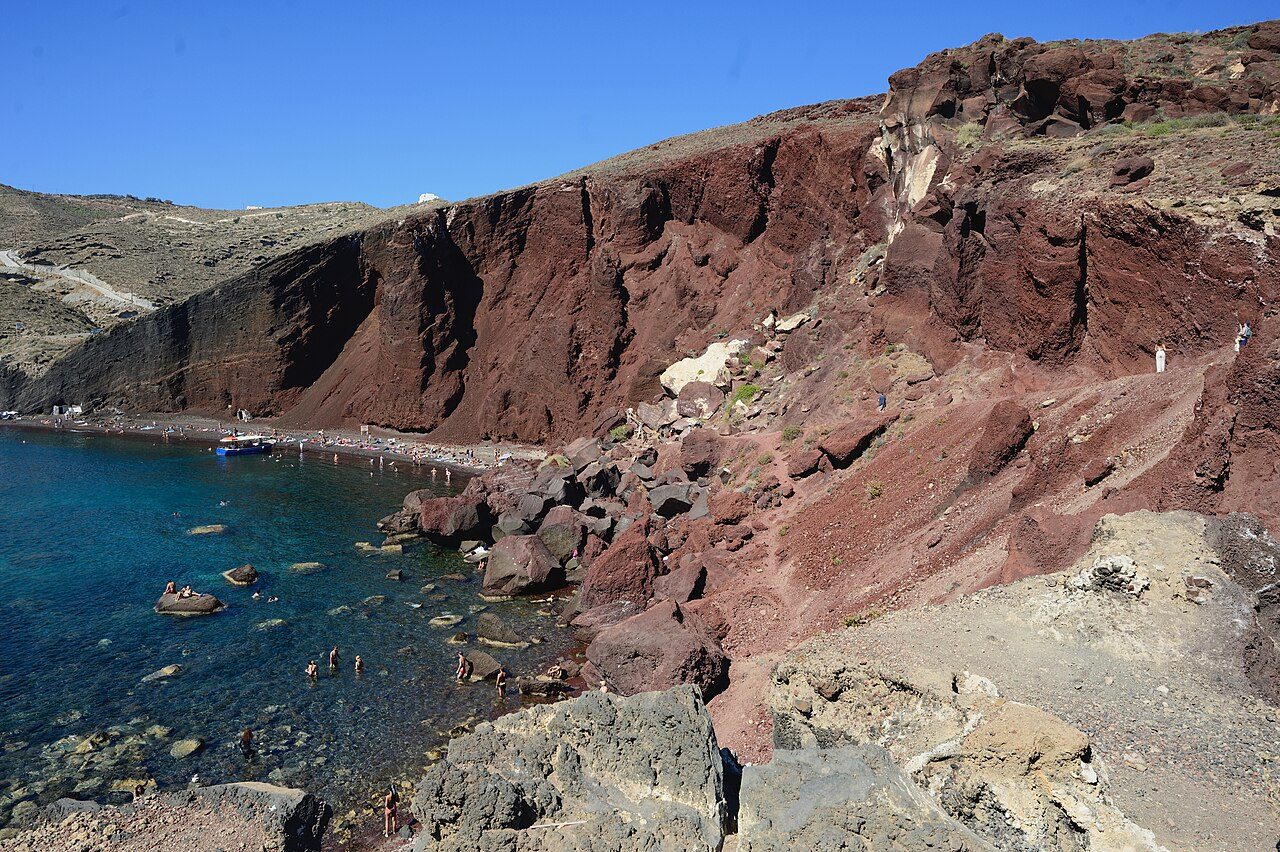
Red Beach is a beach near Akrotiri on Santorini, famous for its red volcanic cliffs and dark red and black sand. The colours come from iron-rich volcanic rock. It is reached by a short path over rocks or by boat. Rock falls are possible, so parts may be closed.
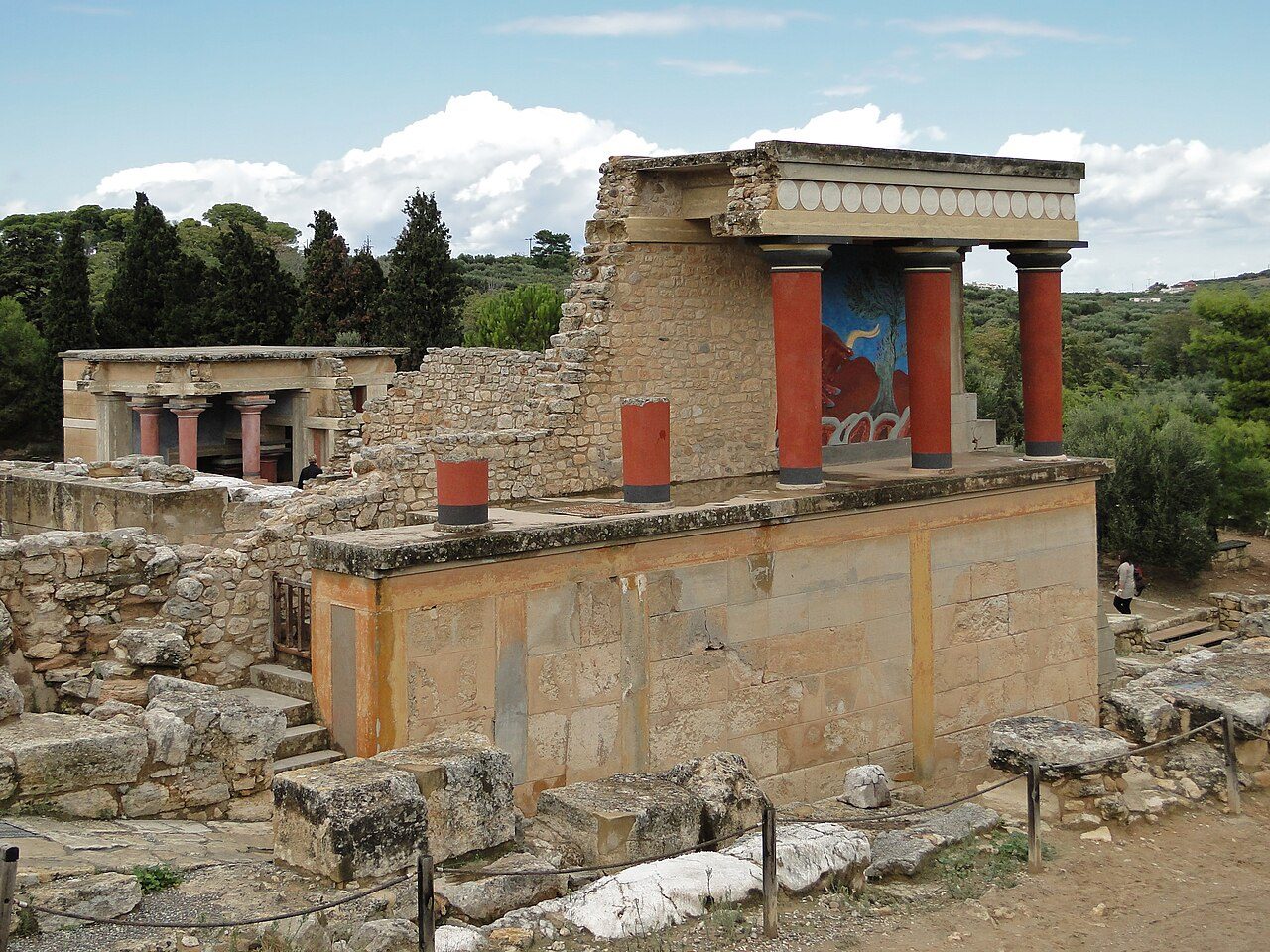
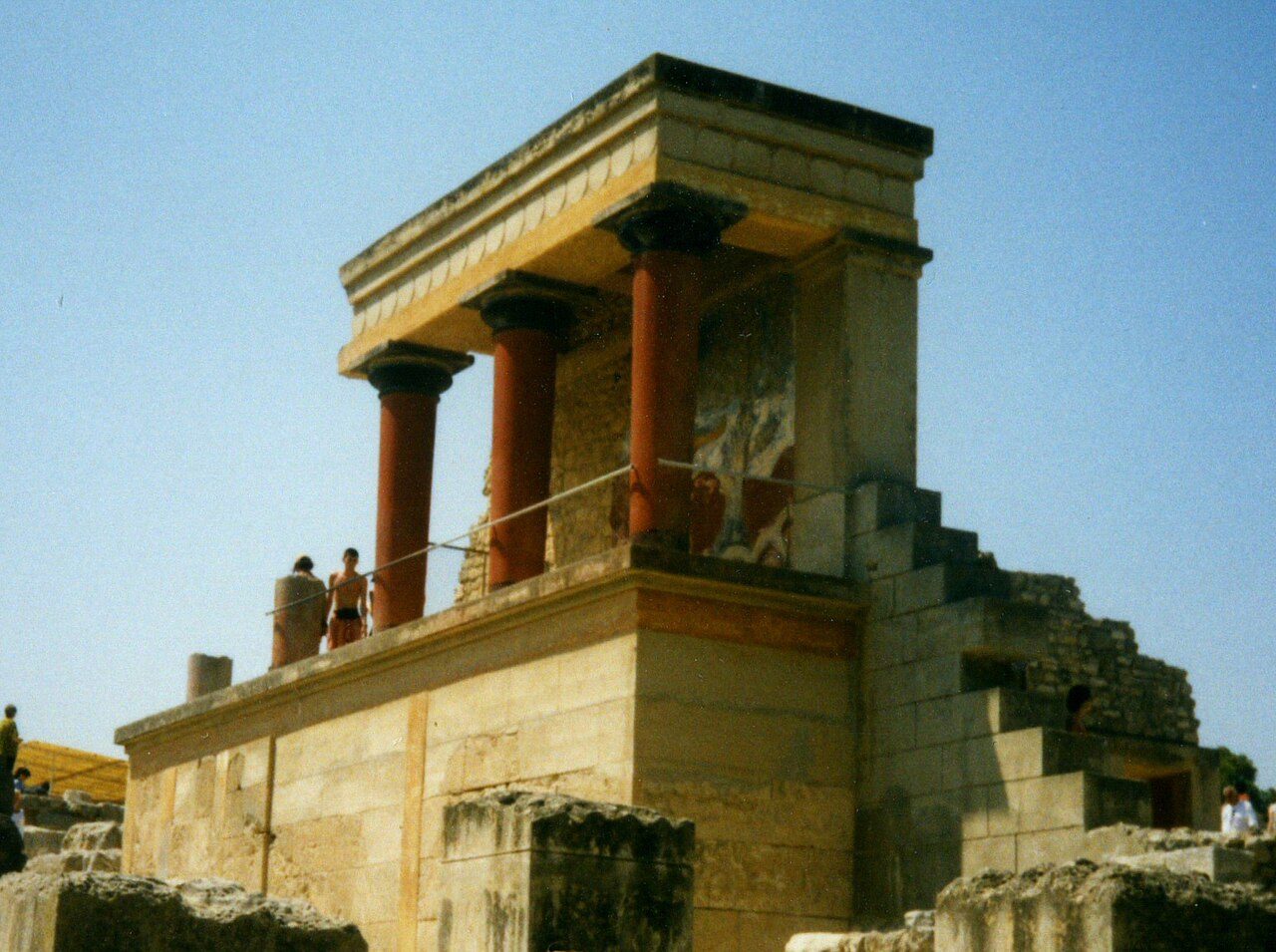
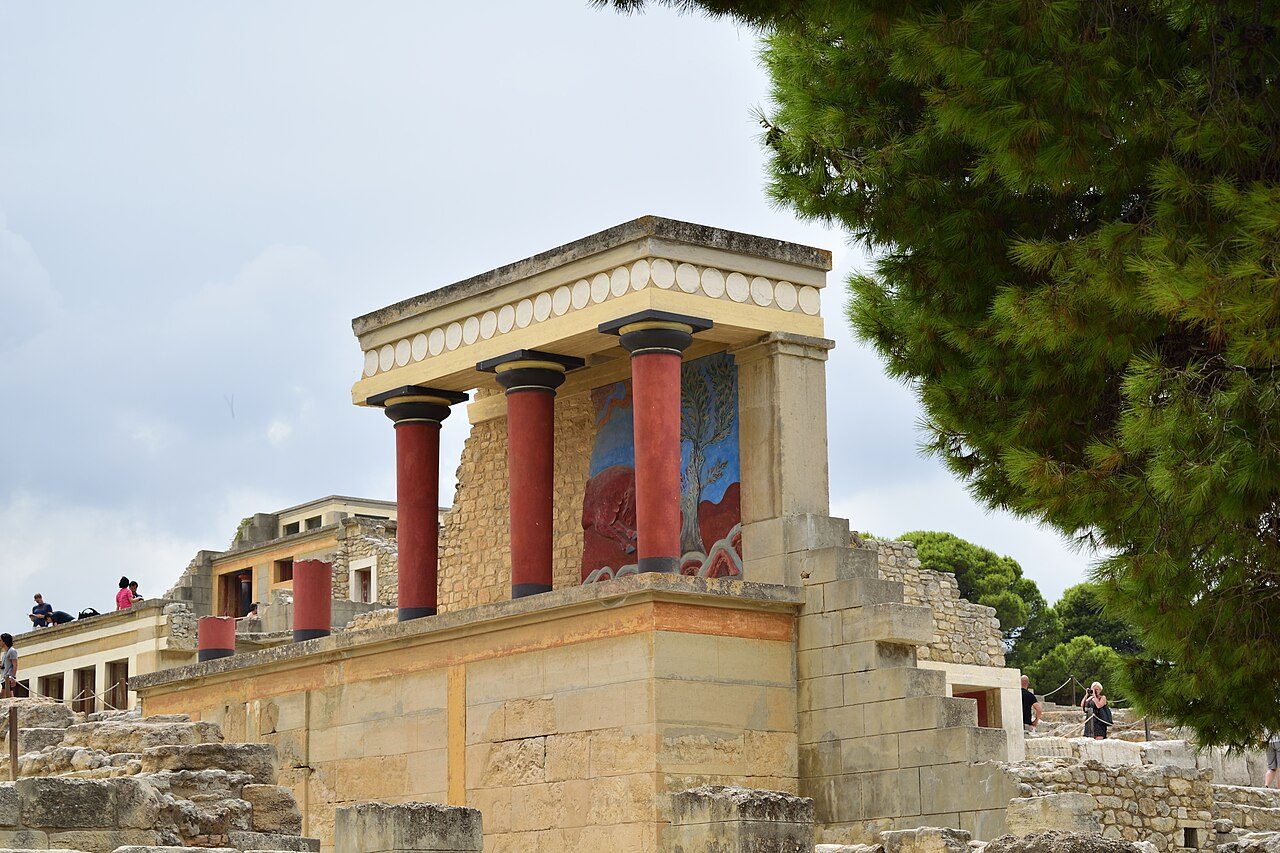
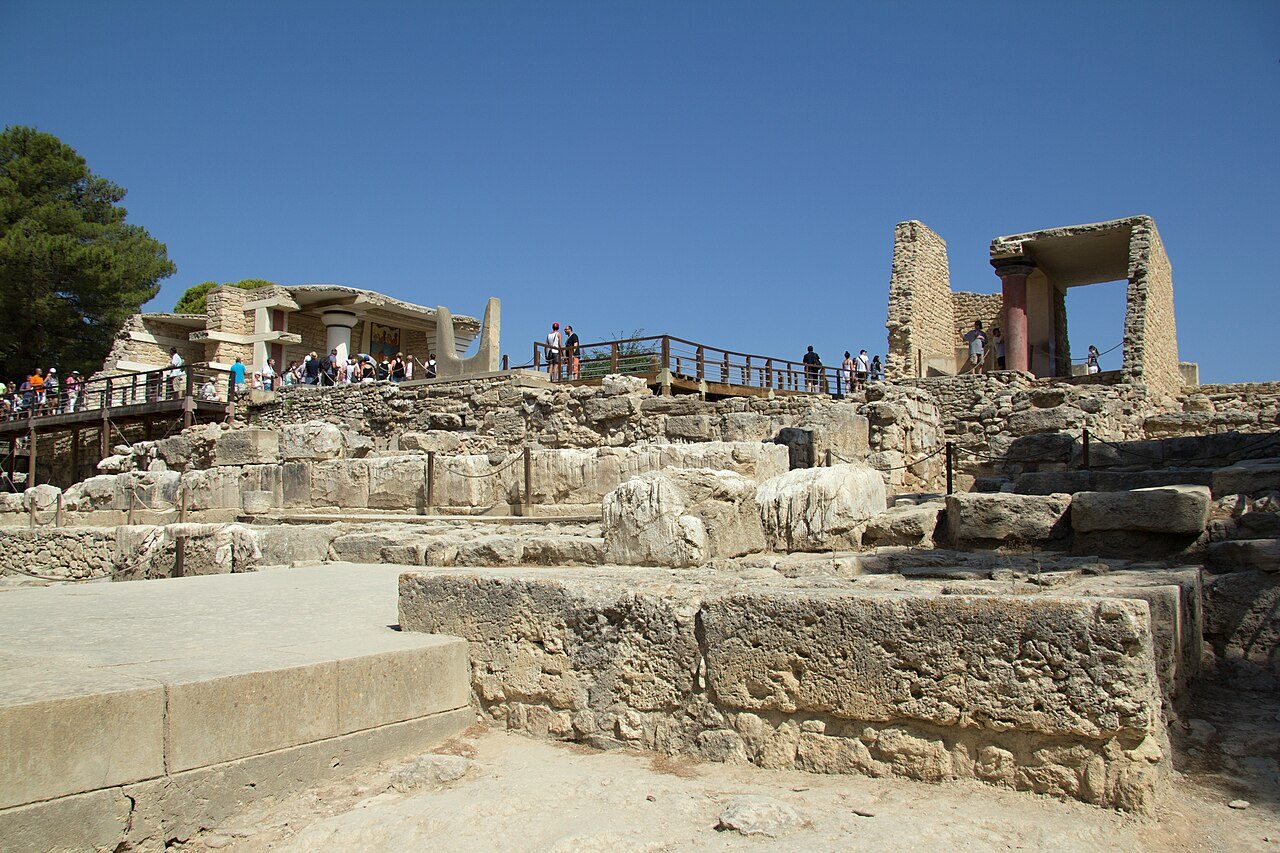
Knossos near Heraklion is the largest Bronze Age site on Crete and was the centre of the Minoan civilisation. The palace was built from around 1900 BC. It is linked with the myth of King Minos and the Minotaur's labyrinth. Arthur Evans excavated and partly rebuilt it in the early 20th century, including red columns and frescoes.
19
STOP 19 OF 19 · LAST STOP
Chania Old Harbour
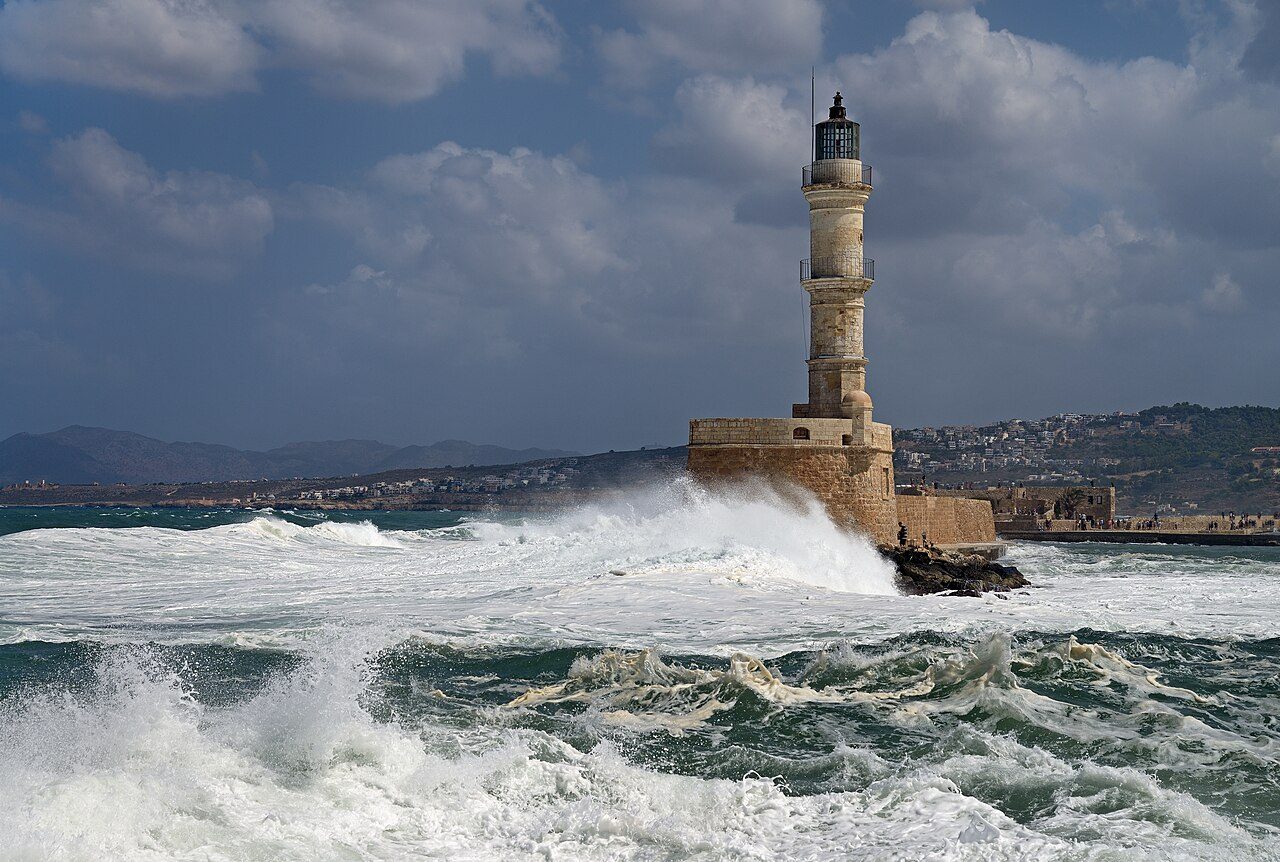
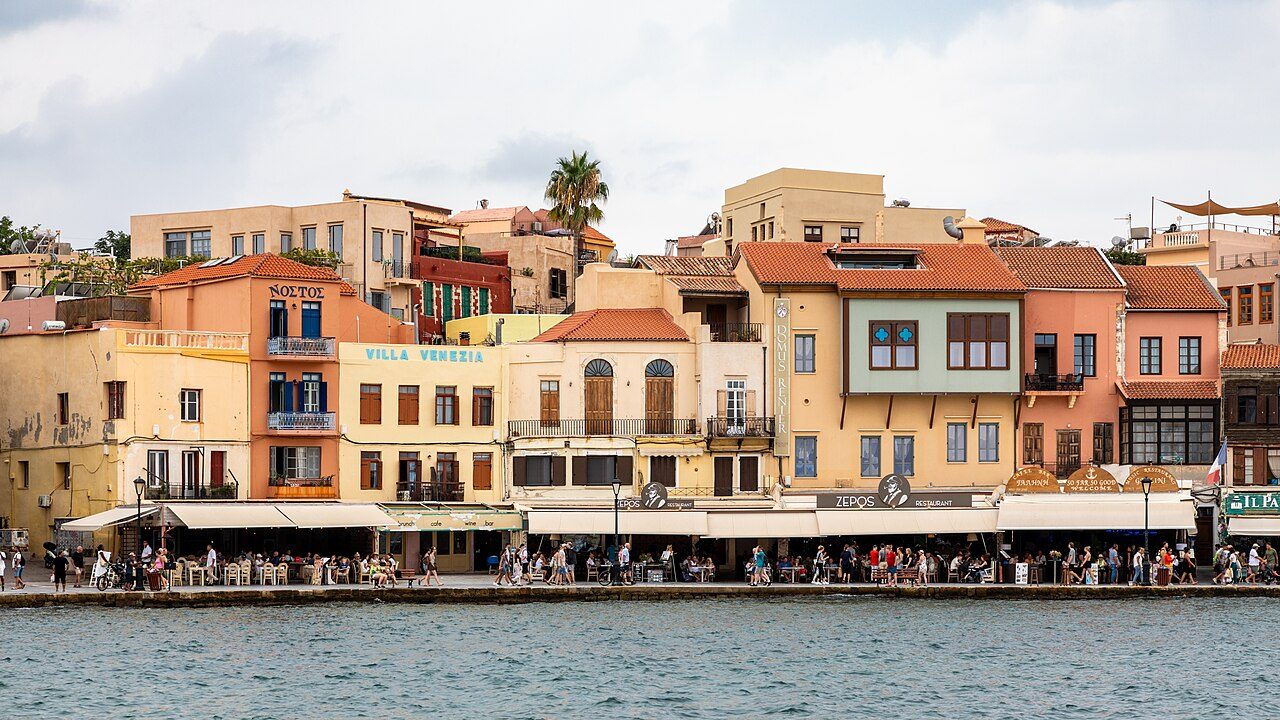
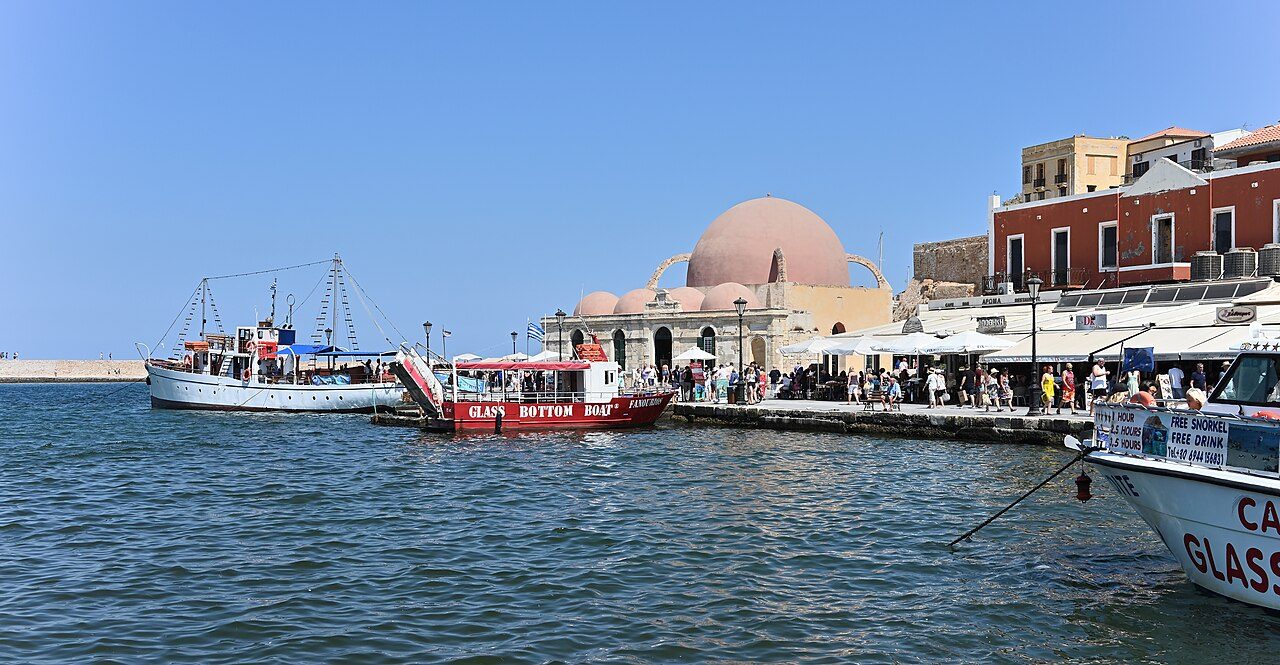
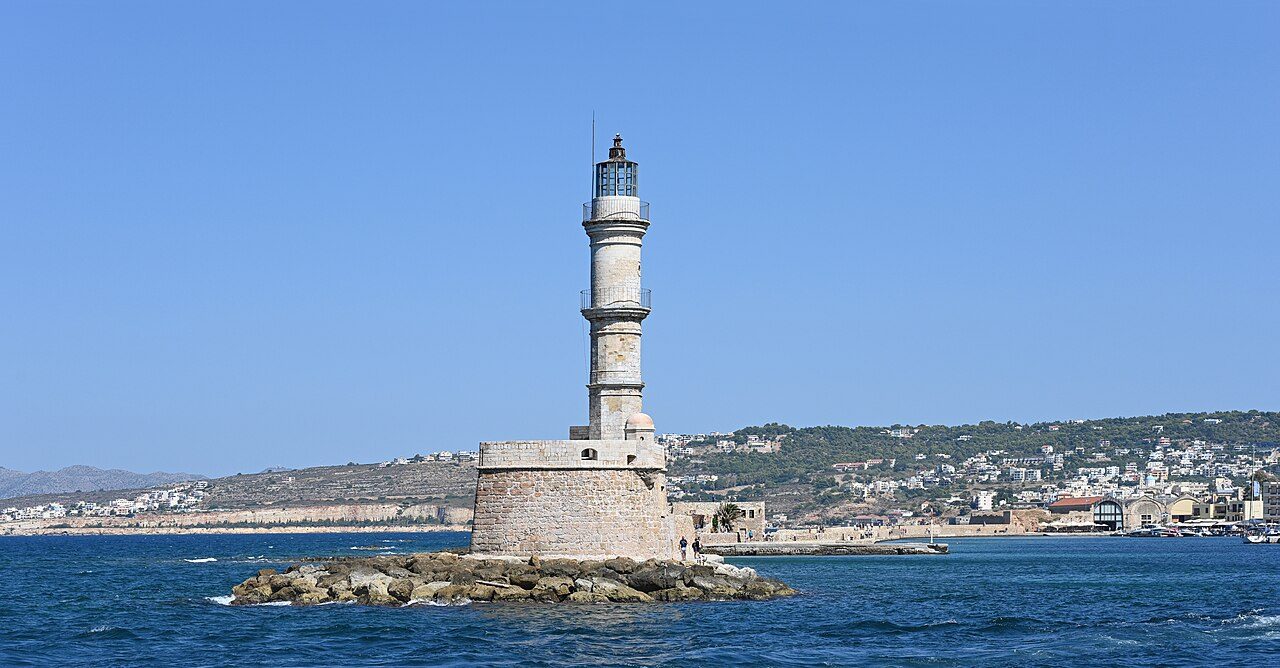
The Old Harbour of Chania in western Crete was built by the Venetians in the 14th century. Its waterfront is lined with colourful houses, cafes and restaurants. An Egyptian-style lighthouse stands at the end of the breakwater. The Mosque of the Janissaries, from the Ottoman period, stands on the quay.
Seasons from 20 years of NASA POWER climate data.
 WaTrips






 BikesBooking
 Localrent
 Airalo
 Tiqets