 WaTrips
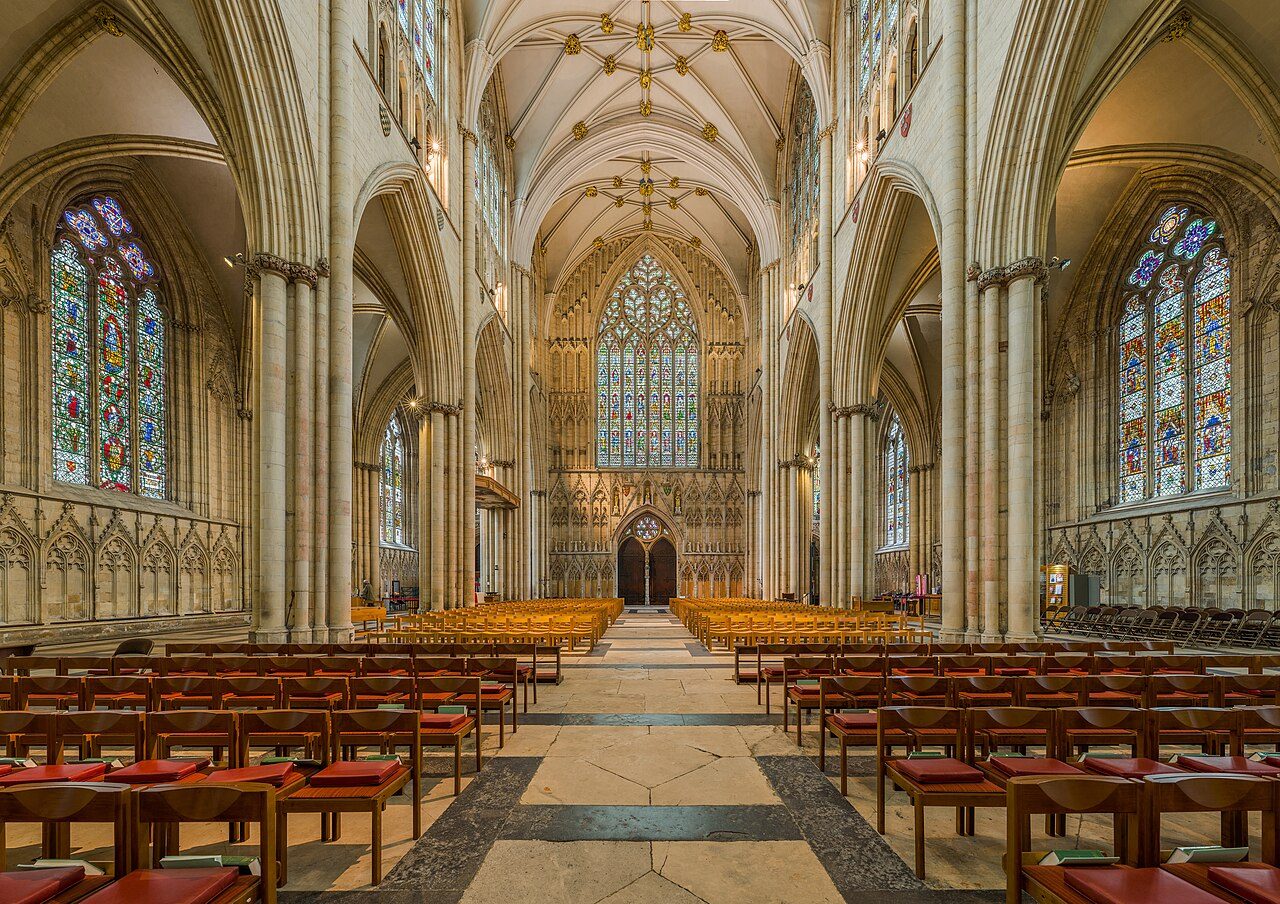
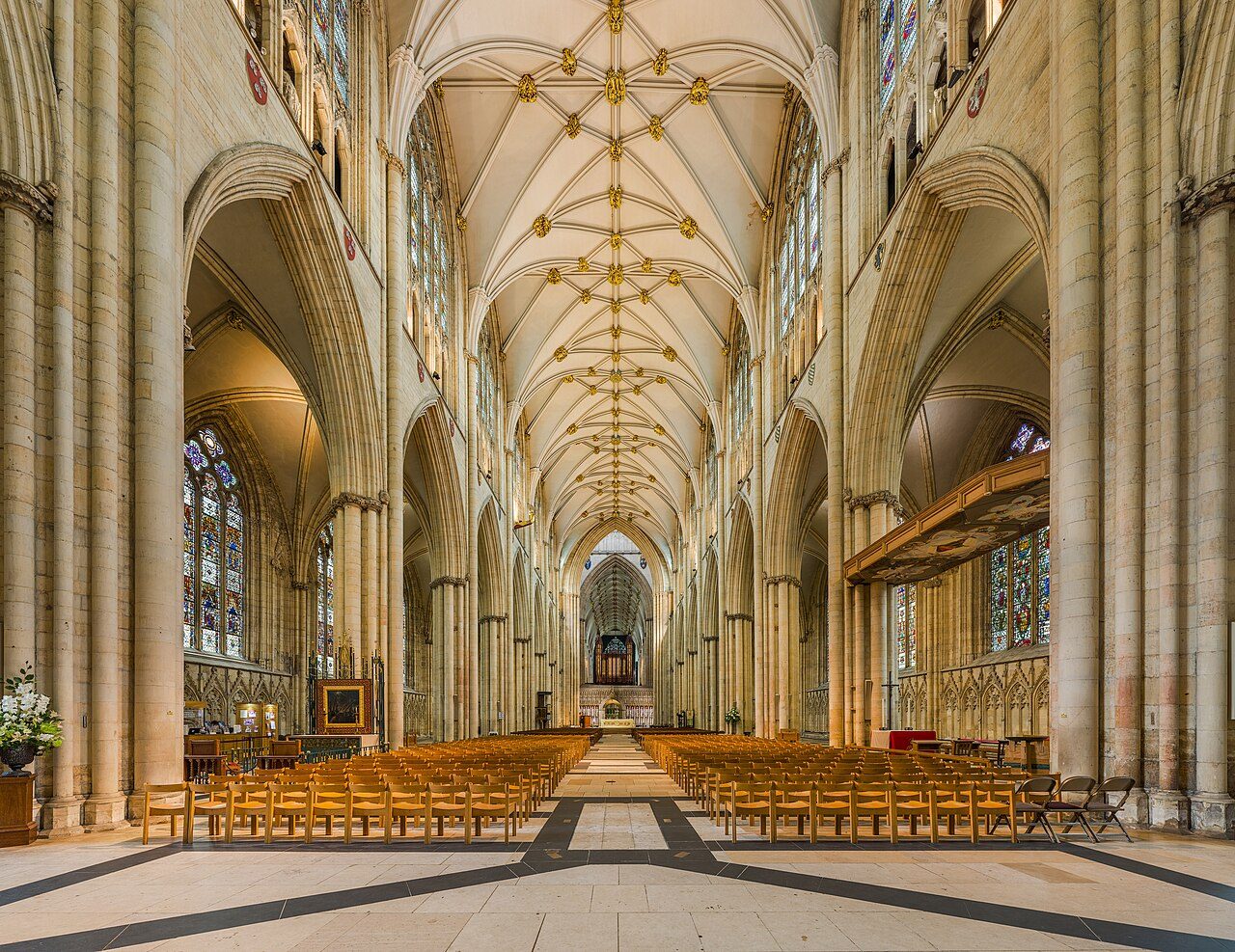
You step inside, and the space rises above you in a forest of slender stone columns, branching into vaults far overhead. At the east end, a single window glows like a wall of jewels: more than a hundred panels of medieval glass, telling the story of the beginning and the end of the world. Light pours through in shades of ruby, sapphire and emerald, falling across the stone floor. For more than five hundred years, this window has dazzled everyone who walks into York Minster.
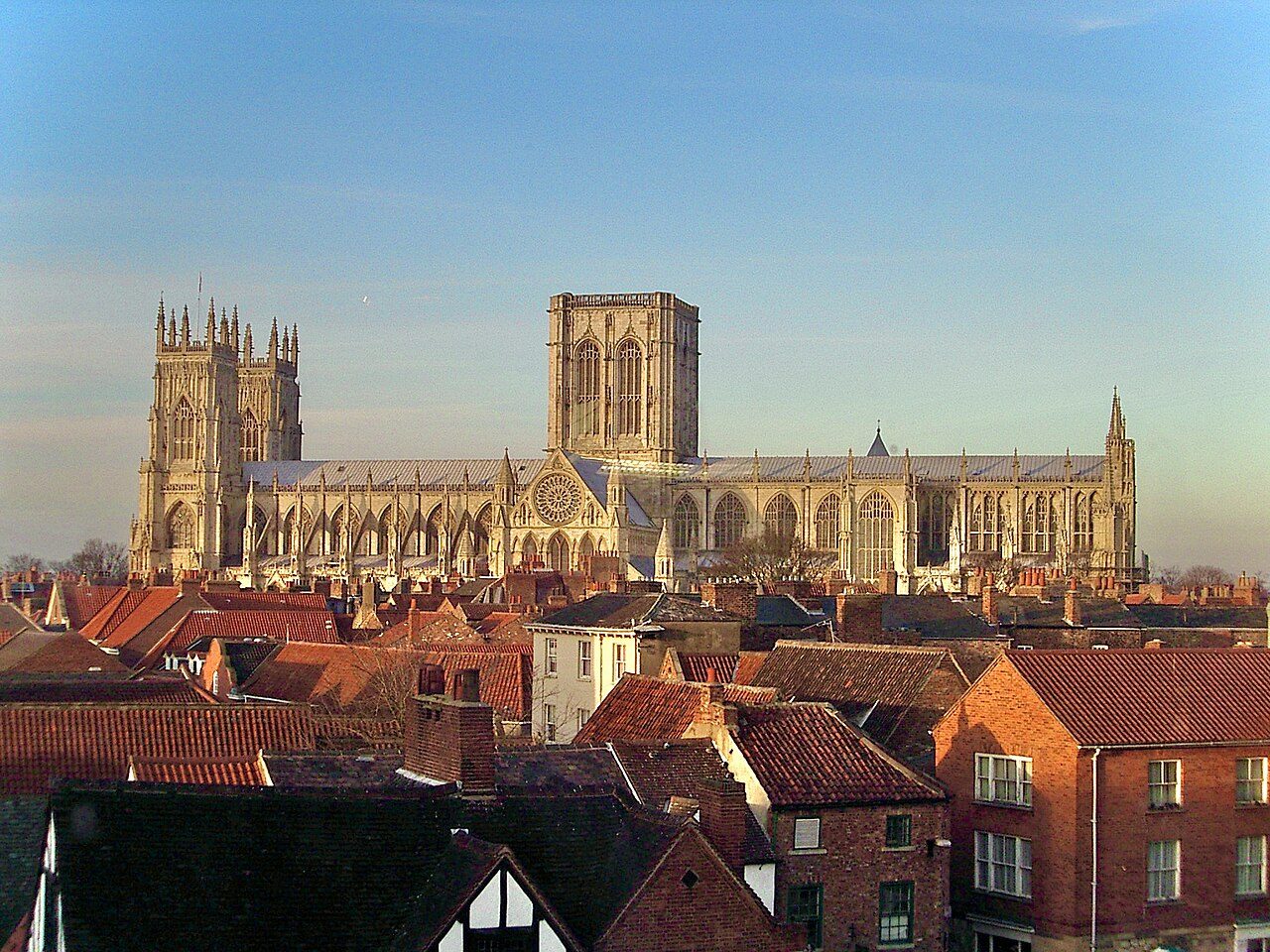
York Minster, in the heart of the historic city of York, is one of the largest Gothic cathedrals in northern Europe and one of the greatest medieval buildings in Britain. This guide explains its story and how to visit.
Roman roots
York was founded by the Romans in AD 71 as the fortress of Eboracum, one of the most important military bases in Roman Britain. In 306, Constantine was proclaimed emperor by his troops in York; he later became the first Christian Roman emperor. The minster stands on the site of the Roman headquarters building, and its remains can be seen in the Undercroft beneath the cathedral.
Building a Gothic giant
A church has stood here since the 7th century, when King Edwin of Northumbria was baptised in a small wooden church in 627. After the Norman Conquest, a large stone cathedral was built. The present Gothic minster was begun in 1220 and took about 250 years to complete, being finally consecrated in 1472. The word minster comes from the Anglo-Saxon term for a missionary church.
The Great East Window
The Great East Window, created by the master glazier John Thornton of Coventry between 1405 and 1408, is the largest expanse of medieval stained glass in a single window in Britain, about the size of a tennis court. It depicts the creation of the world from the Book of Genesis and the end of the world from the Book of Revelation. It was recently restored in a major conservation project.
More windows of wonder
York Minster contains one of the largest collections of medieval stained glass in the world. In the south transept, the Rose Window, with its red and white roses, celebrates the marriage of Henry VII and Elizabeth of York, which ended the Wars of the Roses. In the north transept, the Five Sisters Window, made of tall lancets of grey-green grisaille glass, is the largest example of this kind of glass in the world.
The fire of 1984
On the night of 9 July 1984, a fire, probably caused by lightning, broke out in the roof of the south transept. Firefighters saved the building, but the roof was destroyed, and the heat cracked the Rose Window into tens of thousands of pieces, though it held together. It was painstakingly restored. Some of the new roof bosses were designed by children through a competition.
Climbing the tower and the Undercroft
The central tower, reached by around 275 steps up narrow spiral staircases, offers a panoramic view over York's medieval streets and walls and the Yorkshire countryside. The Undercroft museum, beneath the minster, takes you through its 2,000-year history, from the Roman fortress to the engineering work that saved the building from collapse in the 1960s and 70s.
Things not to miss
- ✓Admire the Great East Window.
- ✓See the Rose Window and the Five Sisters Window.
- ✓Climb the central tower for views over York.
- ✓Explore the Roman remains in the Undercroft.
- ✓Visit the octagonal Chapter House.
- ✓Attend Choral Evensong.
How to get there
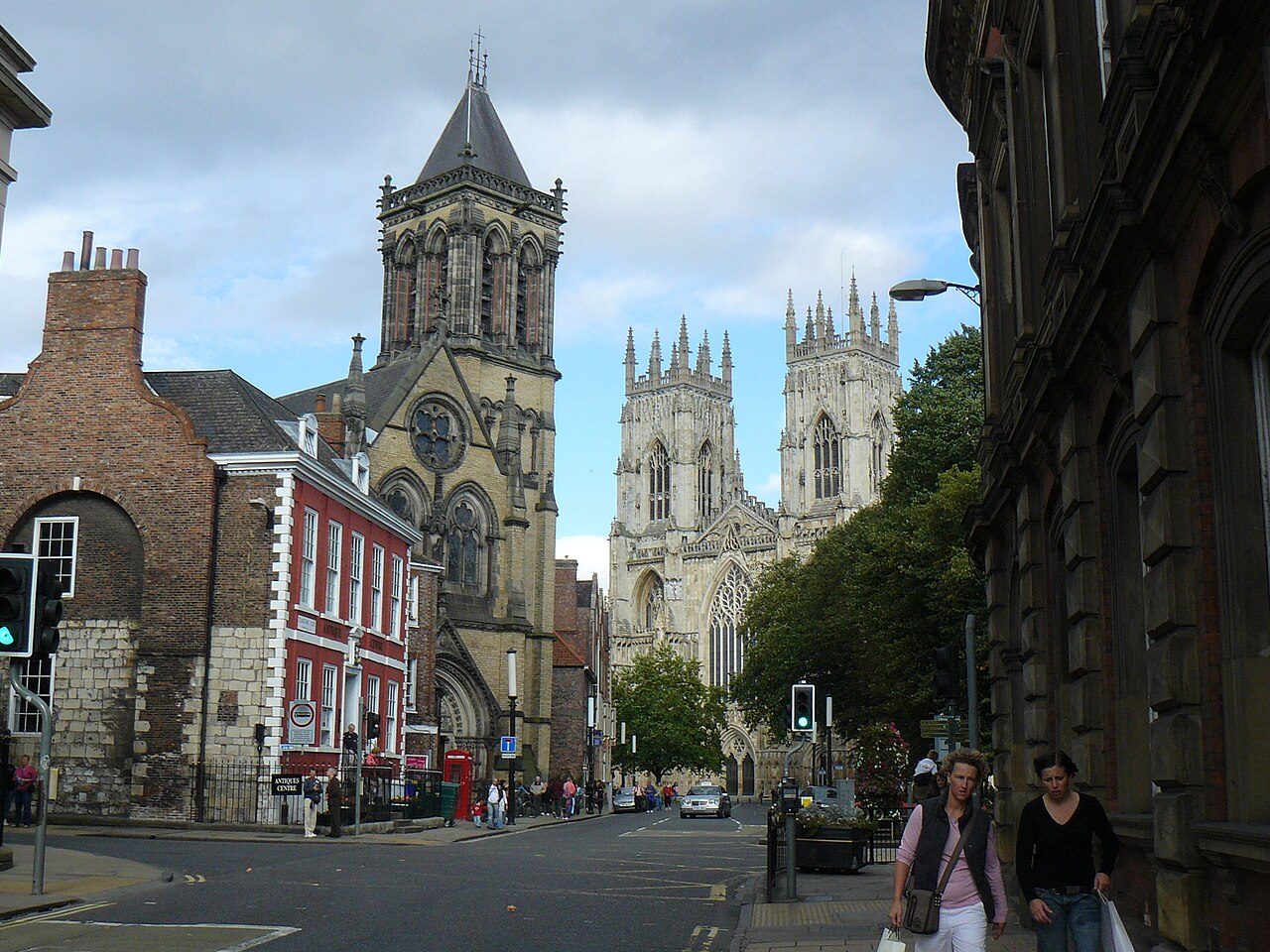
York is about two hours by train from London King's Cross. The minster is about 15 minutes' walk from York station, across the river and through the medieval city walls.
Tickets and opening hours
Tickets are required for sightseeing, with an additional charge for the tower. Services are free. Check current prices and opening times, as the minster may close for services and events.
Best time to visit
Weekday mornings are quieter. Sunny days make the stained glass glow most brilliantly.
Frequently asked questions
How old is York Minster? The present building was begun in 1220 and completed in 1472.
Can I climb the tower? Yes, for an extra fee, when open.
How long should I spend there? Two to three hours.
Stand before the Great East Window as the morning sun pours through, and you'll understand why generations of visitors have been left speechless inside York Minster.

Comments
Been here, or planning to go? Share a tip or ask a question.
Sign in with Google to comment or vote. Your email is never shown.