 WaTrips

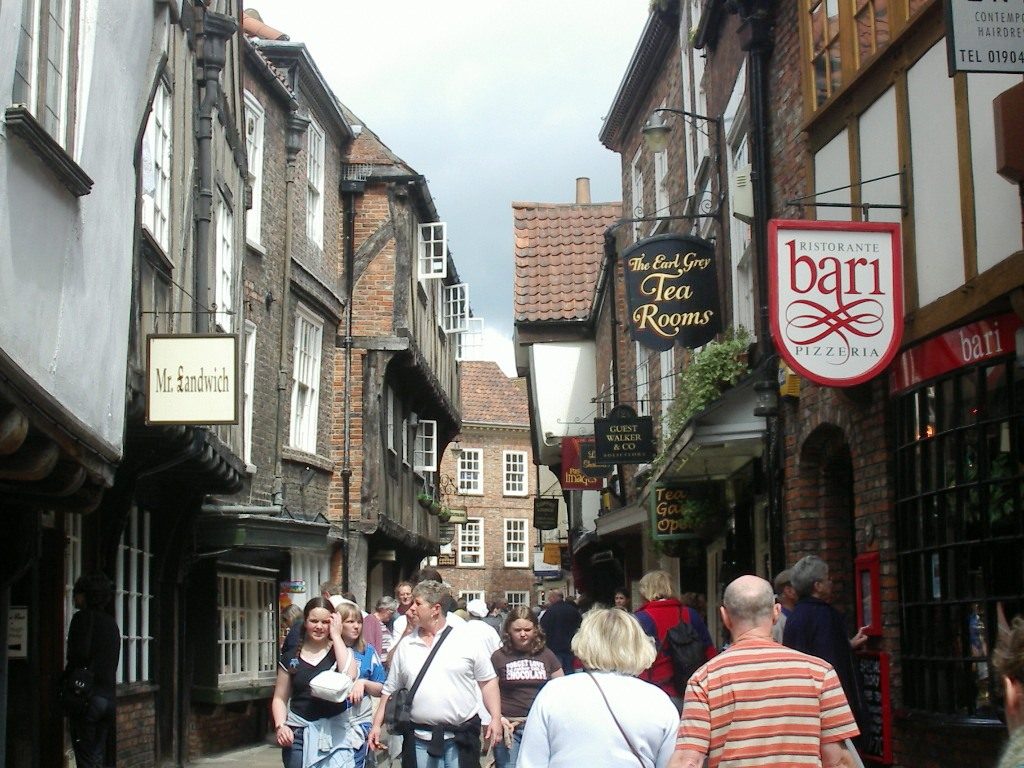
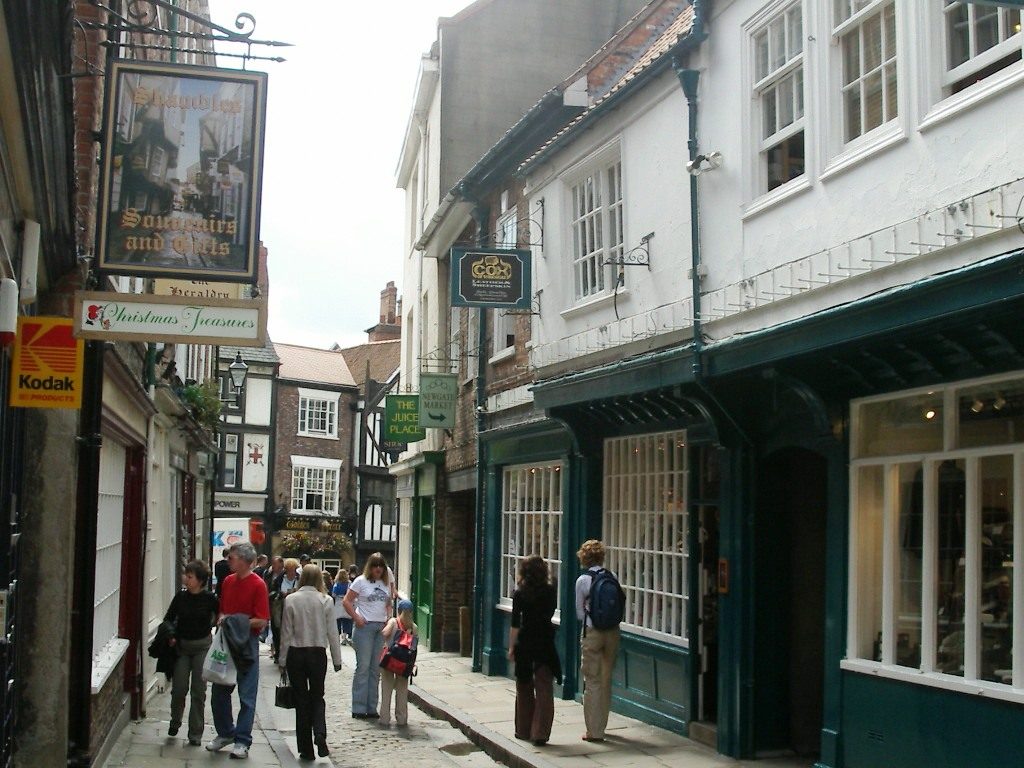
The street is so narrow that, in places, you could almost reach out and touch the houses on both sides. Their upper floors lean forward over the cobbles, crooked and timber-framed, until they nearly meet overhead, leaving just a strip of sky. Little shops with bay windows sell sweets, gifts and curiosities, and outside some of them, old iron hooks still hang from the wooden beams. This is the Shambles, often described as the best-preserved medieval shopping street in Europe.
The Shambles, in the heart of York, is one of the most famous and photographed streets in Britain. This guide explains its history and how to enjoy it.
A street of butchers
The Shambles has existed since at least the 11th century and is mentioned in the Domesday Book of 1086. Its name comes from the Anglo-Saxon word shamel, meaning the benches or stalls used by butchers to display their meat. For centuries, this was York's street of butchers, and in the 19th century, there were still dozens of butchers' shops along it.
Why the houses lean
Most of the timber-framed buildings date from the 14th and 15th centuries. Their upper floors project out over the street, a feature known as jettying, which gave more space upstairs and may have helped shelter the meat on display below from rain and direct sunlight. The narrow street also kept the area shaded and cool. Look closely, and you'll see the wide windowsills where meat was laid out, and the hooks where carcasses were hung.
A saint's shrine
Margaret Clitherow, the wife of a butcher on the Shambles, was executed in 1586 for hiding Catholic priests at a time when Catholicism was persecuted. She was later declared a saint. A small shrine dedicated to her stands on the street, a quiet place amid the bustle.
A wizarding inspiration
Many visitors say the Shambles reminds them of Diagon Alley, the magical shopping street in the Harry Potter stories, and several shops on the street now sell wizard-themed gifts. There's no official link, but the comparison has made the street even more popular.
The snickelways
York's old centre is crisscrossed by narrow alleys and passageways known locally as snickelways. Several lead off the Shambles, connecting it with other streets and hidden courtyards. Exploring them is one of the joys of York.
Things not to miss
- ✓Walk the full length of the Shambles.
- ✓Look for the old meat hooks and display shelves.
- ✓Visit the shrine of St Margaret Clitherow.
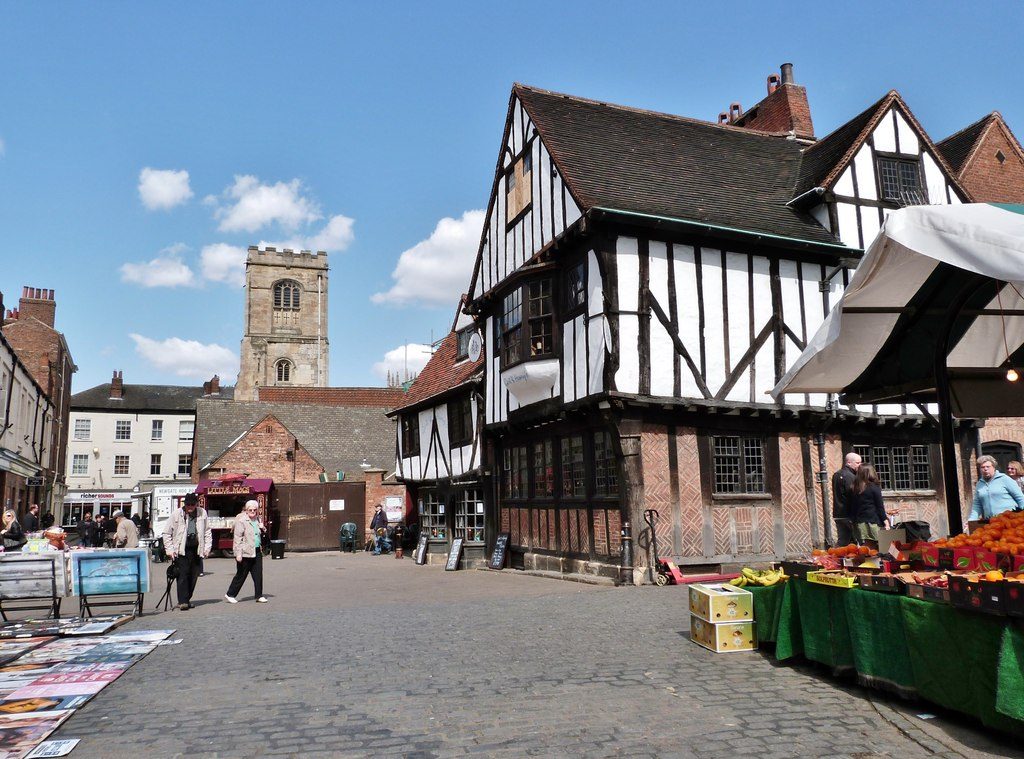
- ✓Browse the Shambles Market nearby.
- ✓Explore York's snickelways.
- ✓Join an evening ghost walk.
How to get there
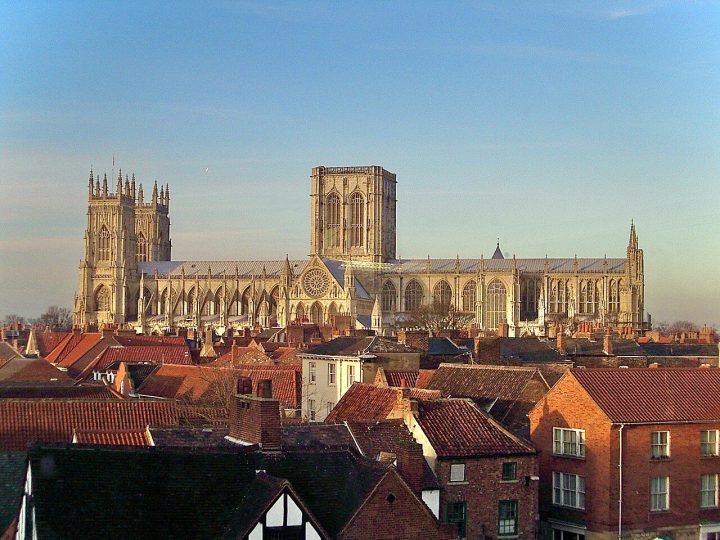
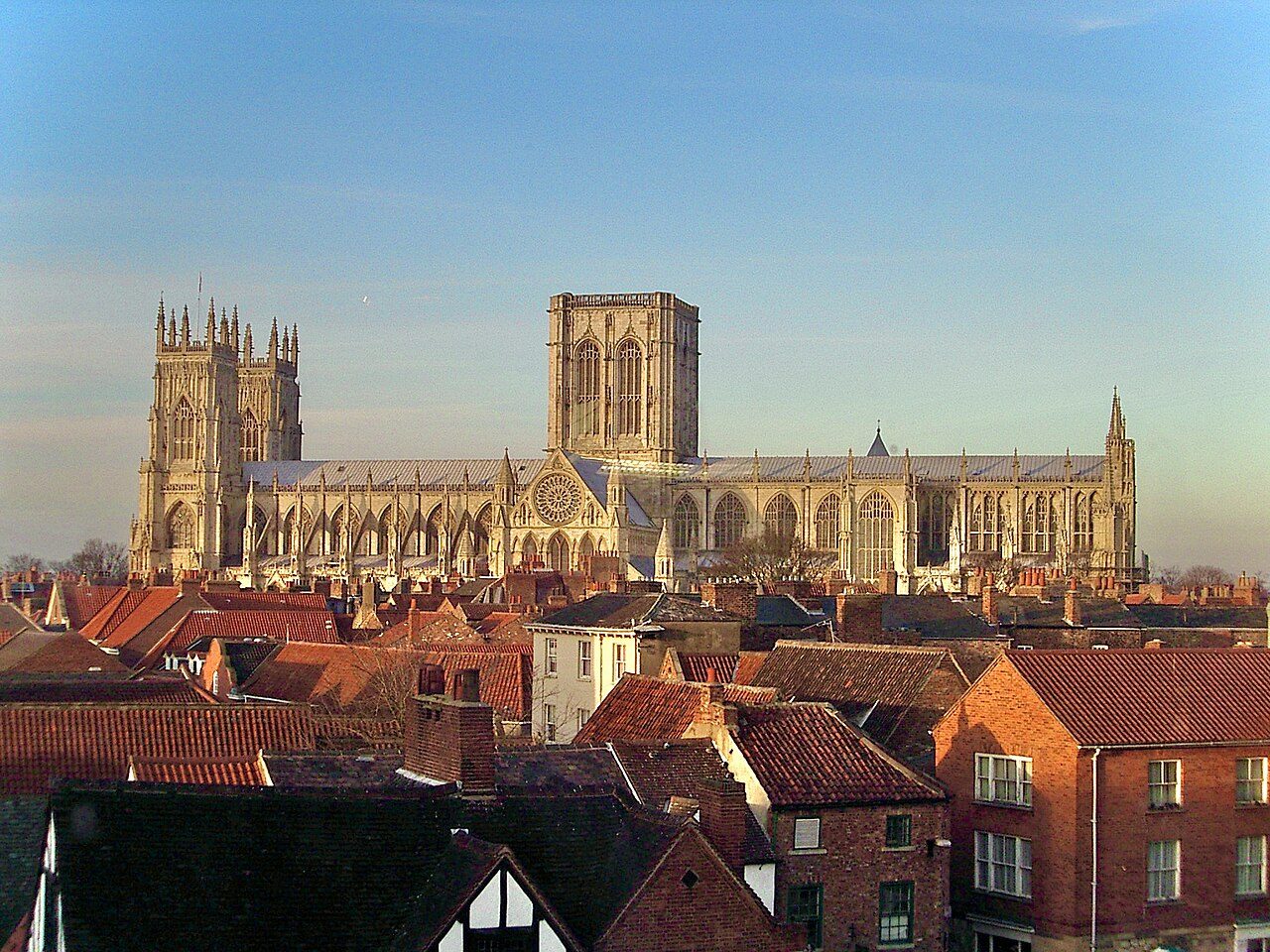
The Shambles is in York's city centre, a short walk from York Minster and about 15 minutes from York station.
Best time to visit
The street is busiest from late morning to late afternoon. For photographs without the crowds, come early in the morning or in the evening, when the shops close and the street is lit by lamps.
Frequently asked questions
Why is it called the Shambles? From an old word for the benches used by butchers.
Is the Shambles Diagon Alley? It's often compared to it, but there's no official link.
Is it free to visit? Yes, it's a public street.
Walk the Shambles in the quiet of early morning, as the light slips between the leaning houses, and you'll feel as if you've stepped back into medieval York.

Comments
Been here, or planning to go? Share a tip or ask a question.
Sign in with Google to comment or vote. Your email is never shown.