 WaTrips
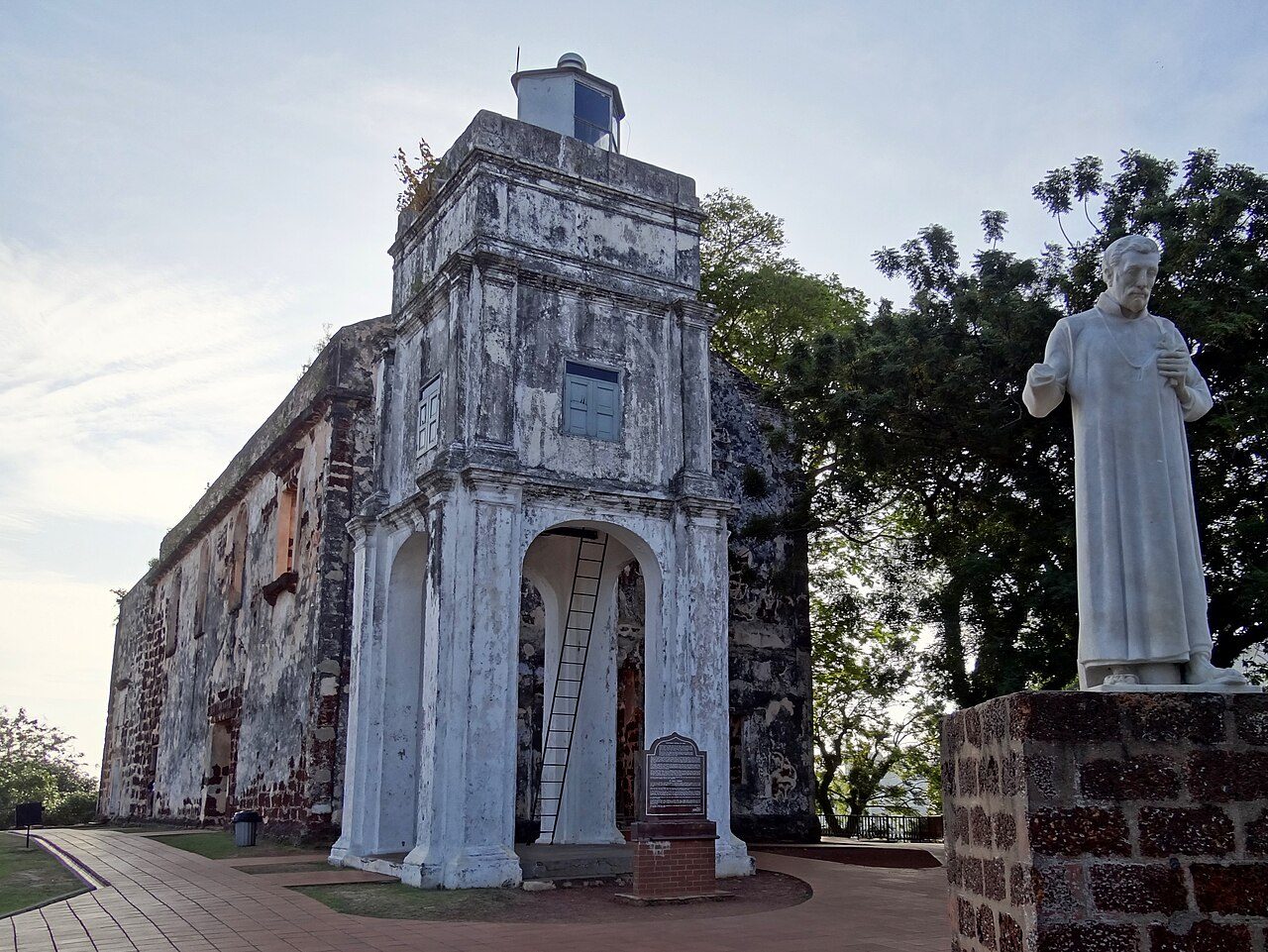
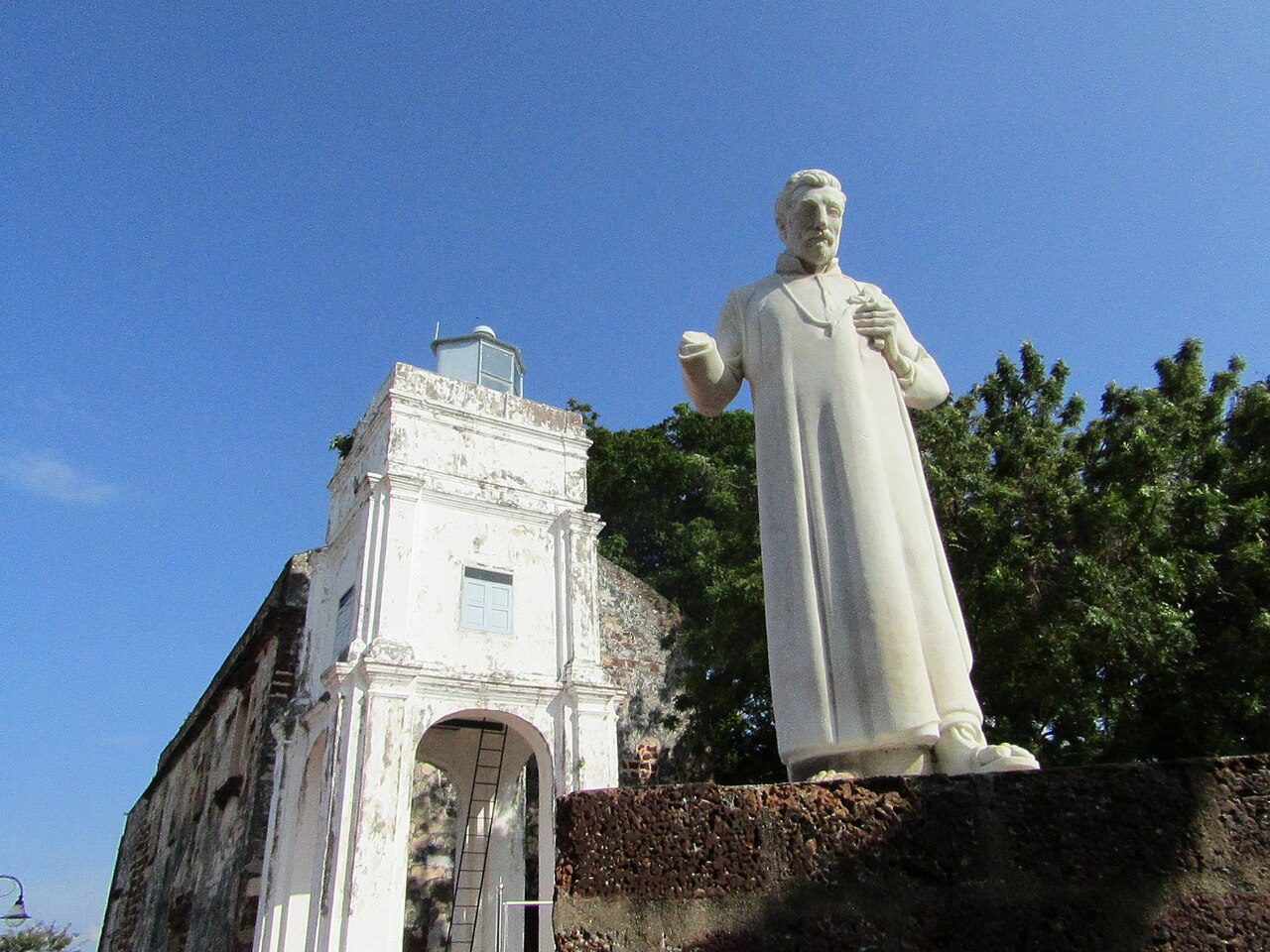
On the hill above Melaka's red square stands the oldest European church building in Southeast Asia - roofless, weathered, and more eloquent for it. St. Paul's began in 1521 as a Portuguese captain's chapel of thanks, Nossa Senhora da Annunciada; the Jesuits made it theirs, and Asia's apostle St Francis Xavier preached here, was buried here briefly after his death in 1552, and now stands armless in marble before the ruin, gazing over the strait he crossed so many times.
Portuguese chapel, Dutch graveyard
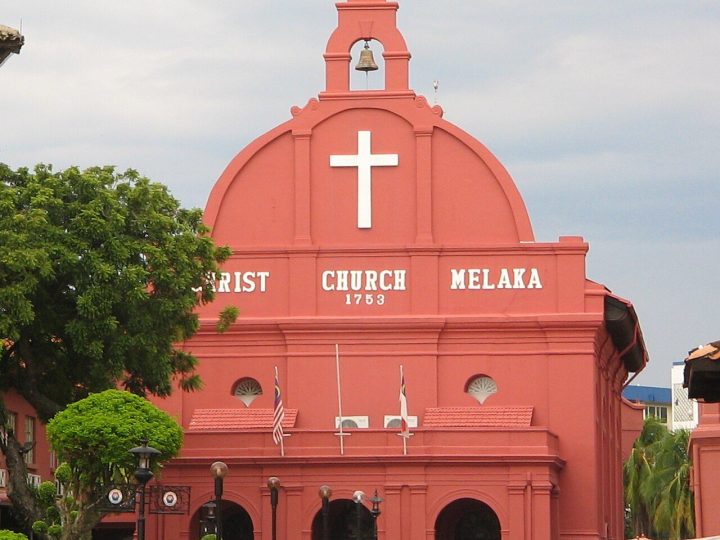
The walls tell the succession plainly: Portuguese laterite masonry raised and enlarged through the 1500s; the Dutch conquest of 1641 converting it briefly to their worship - renamed St. Paul's - until Christ Church below made it redundant, whereupon the old church became a burial ground and, under the British, a gunpowder store. The great engraved tombstones leaning along the interior walls are the Dutch legacy: merchants, matrons and officials of the VOC in deep-cut armorial Dutch, among the finest such collections anywhere - read slowly; the mortality statistics of colonial Melaka are all here.
Xavier and the open grave
Inside the chancel, a wire-fenced pit marks the vault where Francis Xavier's body rested nine months before its translation to Goa - the empty grave is the hill's pilgrimage point, and the 1952 marble statue outside, its right arm broken by a falling branch soon after unveiling (the relic arm itself had already been detached to Rome centuries before, pilgrims enjoy noting), is Melaka's most storied photo subject. The hilltop's real gift is the panorama: red roofs, the river mouth, and the Strait of Melaka shining - the sea lane that made every empire want this hill.
Visiting
Free and open daylight hours; the climb from Dutch Square takes five to ten minutes by the stair path, or gentler from the Porta de Santiago side - descending that way completes the circuit past the A Famosa gate. Late afternoon gives the strait its silver and the ruin its warmth; buskers and sketch artists hold the summit most days. Pair with the Sultanate Palace Museum at the hill's foot and the maritime museum's replica galleon by the river.
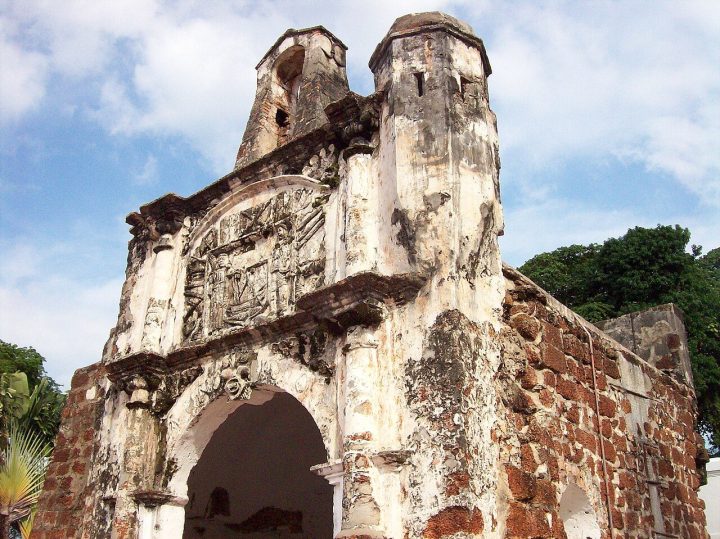
- ✓Porta de Santiago (A Famosa) The surviving Portuguese gate below.
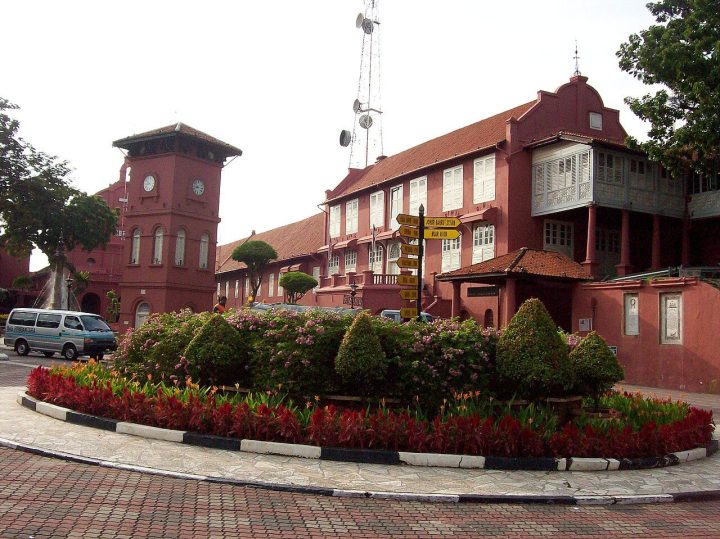
- ✓Dutch Square The red ensemble at the north foot.
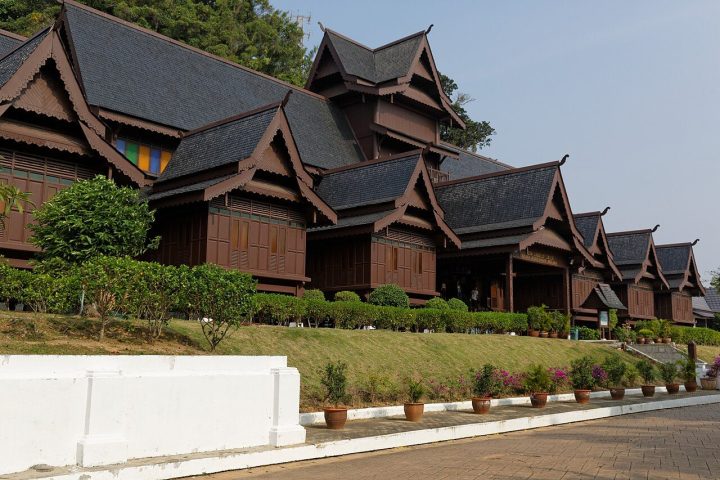
- ✓Sultanate Palace Museum The timber palace replica beneath the hill.
- ✓Maritime Museum The Flor de la Mar galleon replica.

Comments
Been here, or planning to go? Share a tip or ask a question.
Sign in with Google to comment or vote. Your email is never shown.