 WaTrips
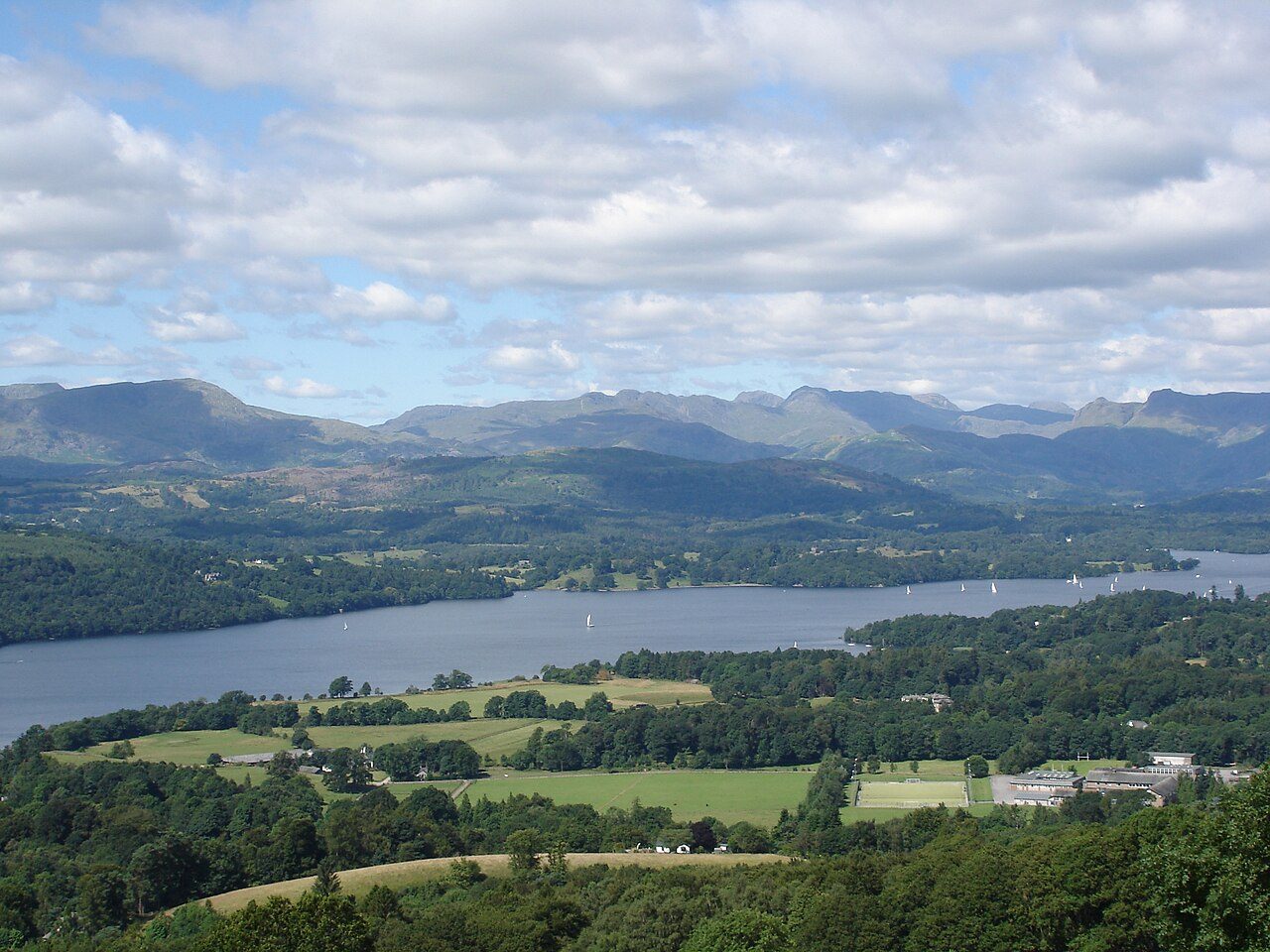
Morning mist hangs low over the lake, the water so still it mirrors the dark green fells perfectly. A steamer glides out from the pier, its wake rippling gently across the surface, and on the hillsides above, sheep graze among drystone walls that climb impossibly steep slopes. Somewhere, a stream tumbles over rocks into the lake. As the mist lifts, the peaks around you emerge one by one, their summits catching the first sunlight. It's easy to see why poets fell in love with this place.
The Lake District, in Cumbria in northwest England, is the country's most famous national park and a UNESCO World Heritage Site, renowned for its lakes, mountains, villages and literary heritage. This guide explains its story and how to explore it.
Carved by ice
The landscape of the Lake District was shaped by glaciers during the Ice Ages. Ice flowing out from the central mountains carved deep valleys, which filled with water when the ice melted, forming lakes that radiate outwards like the spokes of a wheel. The highest mountain in England, Scafell Pike, rises here, along with many other peaks, known locally as fells.
The poets and the Romantic movement
In the late 18th and early 19th centuries, the Lake District became the heart of the Romantic movement in English poetry. William Wordsworth, born in Cockermouth, lived for years at Dove Cottage in Grasmere and later at Rydal Mount, writing poems inspired by the landscape, including his famous lines about daffodils. Samuel Taylor Coleridge and Robert Southey also lived here, and the group became known as the Lake Poets. Their writing helped transform how people saw wild landscapes, from fearsome places to sources of beauty and inspiration.
Beatrix Potter
The author and illustrator Beatrix Potter, creator of Peter Rabbit, fell in love with the Lake District and bought Hill Top, a farmhouse in the village of Near Sawrey, with the proceeds of her books. She became a sheep farmer and conservationist, and when she died in 1943, she left thousands of acres of land and many farms to the National Trust, helping to protect the landscape for the future. Hill Top can be visited today.
Windermere and the lakes
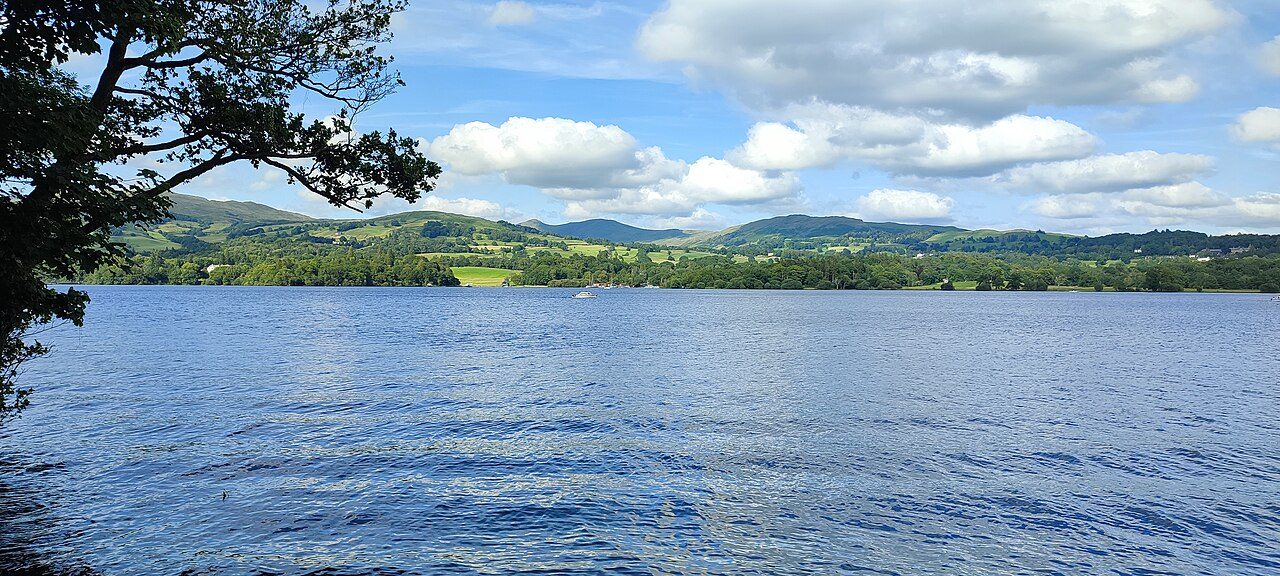
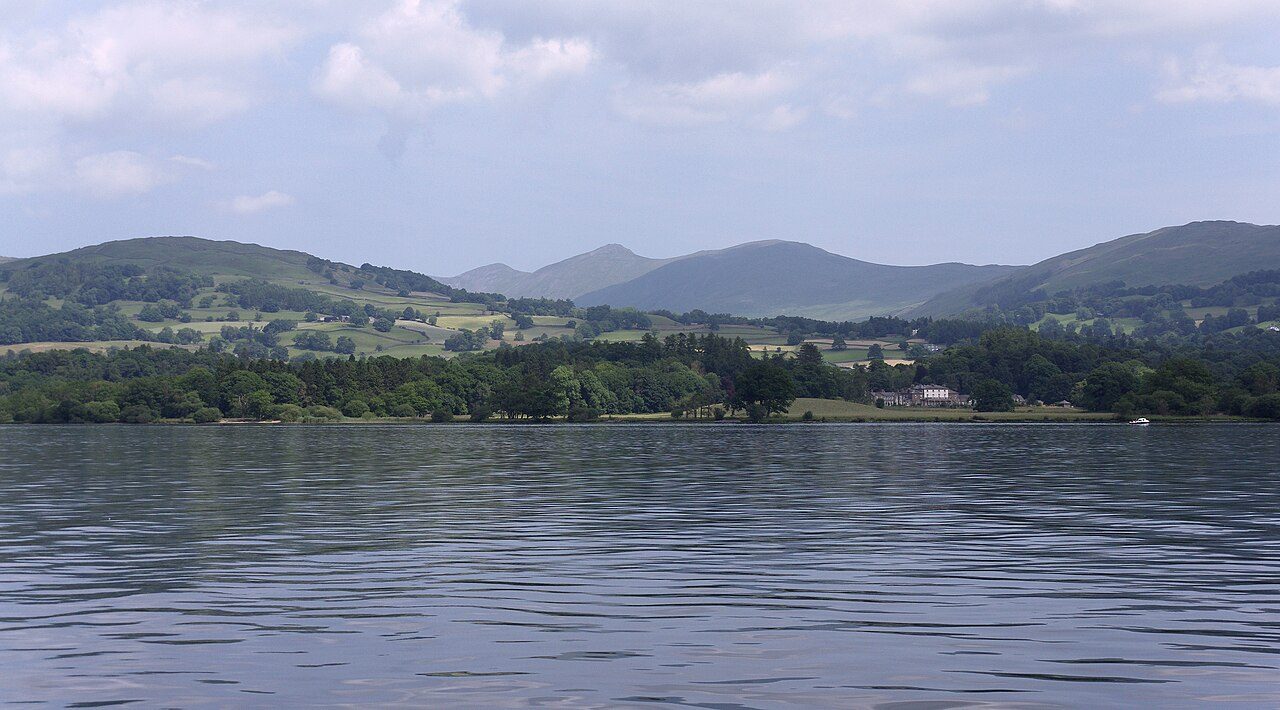
Windermere, the largest natural lake in England, is the busiest part of the park, with lake cruises, boat hire and the lively towns of Bowness and Ambleside. Other lakes each have their own character: Derwentwater, near the market town of Keswick, is surrounded by fells and dotted with islands; Ullswater, often considered one of the most beautiful, is served by historic steamers; and Buttermere, Wastwater and Coniston offer quieter, wilder scenery.
Walking the fells
The Lake District is one of the best walking areas in Britain, with routes for every level. Easy lakeside paths, such as around Buttermere or Tarn Hows, suit families. Classic mountain walks include Catbells above Derwentwater, Helvellyn and its dramatic Striding Edge ridge, and Scafell Pike, the highest point in England. The weather in the mountains changes quickly, so go prepared.
Villages and food
Charming villages such as Grasmere, Hawkshead, Coniston and Keswick are full of stone cottages, tearooms and pubs. Try Grasmere gingerbread, Cumberland sausage, Kendal mint cake and sticky toffee pudding, said to have been popularised at a hotel near Ullswater.
Things not to miss
- ✓Take a cruise on Windermere or Ullswater.
- ✓Visit Dove Cottage in Grasmere.
- ✓Explore Beatrix Potter's Hill Top.
- ✓Walk around Buttermere.
- ✓Climb Catbells for views over Derwentwater.
- ✓Hike Scafell Pike or Helvellyn, if experienced.
How to get there
Trains run from London Euston to Oxenholme, about three hours, connecting with a branch line to Windermere. Buses link the main towns and villages. Driving gives more freedom, but roads and parking can be very busy in summer.
Best time to visit
May to September brings long days and the best walking weather, though it can still rain. Spring brings daffodils and lambs; autumn, golden colours. Summer weekends and school holidays are busiest.
Frequently asked questions
How many days do I need? At least three days, ideally a week.
What is the highest mountain? Scafell Pike, the highest in England.
Is the Lake District good for families? Yes, with easy walks, boat trips and Beatrix Potter attractions.
Sit on a fellside above a lake as the evening light turns the hills gold, and you'll understand why Wordsworth found the Lake District the loveliest spot that man hath ever found.

Comments
Been here, or planning to go? Share a tip or ask a question.
Sign in with Google to comment or vote. Your email is never shown.