

On a sunny Sunday afternoon, it feels as if half of London has come to Hyde Park. Deckchairs are scattered across the lawns, rowing boats drift on the glittering water of the Serpentine, swans glide past, and children chase pigeons. Horses trot along a sandy track under the trees, joggers weave between cyclists, and in one corner, a man stands on a small stepladder, passionately addressing a crowd about whatever is on his mind. In the middle of one of the world's busiest cities, this is a place to breathe.
Hyde Park, covering about 140 hectares in the heart of London, is one of the city's eight Royal Parks and its most famous green space. This guide explains its story and what to see and do.
A royal hunting ground
In 1536, King Henry VIII took the land from the monks of Westminster Abbey and turned it into a private deer park for hunting. In the early 17th century, King Charles I opened it to the public, making it one of the first parks in London open to all.
In the 1730s, Queen Caroline, wife of George II, created the Serpentine, a large lake formed by damming a stream, as part of a redesign of the park and neighbouring Kensington Gardens. The sandy riding track known as Rotten Row was laid out in the late 17th century by William III and is still used by riders today.
The Great Exhibition
In 1851, Hyde Park hosted the Great Exhibition, the first international exhibition of manufactured products, organised by Prince Albert. It was housed in the Crystal Palace, a gigantic building of iron and glass designed by Joseph Paxton, which enclosed several full-grown trees. Millions of visitors came to see the wonders of the industrial age. After the exhibition, the Crystal Palace was moved to south London, where it later burned down.
Speakers' Corner
In the northeast corner of the park, near Marble Arch, is Speakers' Corner, a traditional place for public speaking and debate since the 19th century. Over the years, campaigners, activists and ordinary people have spoken here on every subject imaginable. On Sundays especially, you can still hear speakers and lively debates.
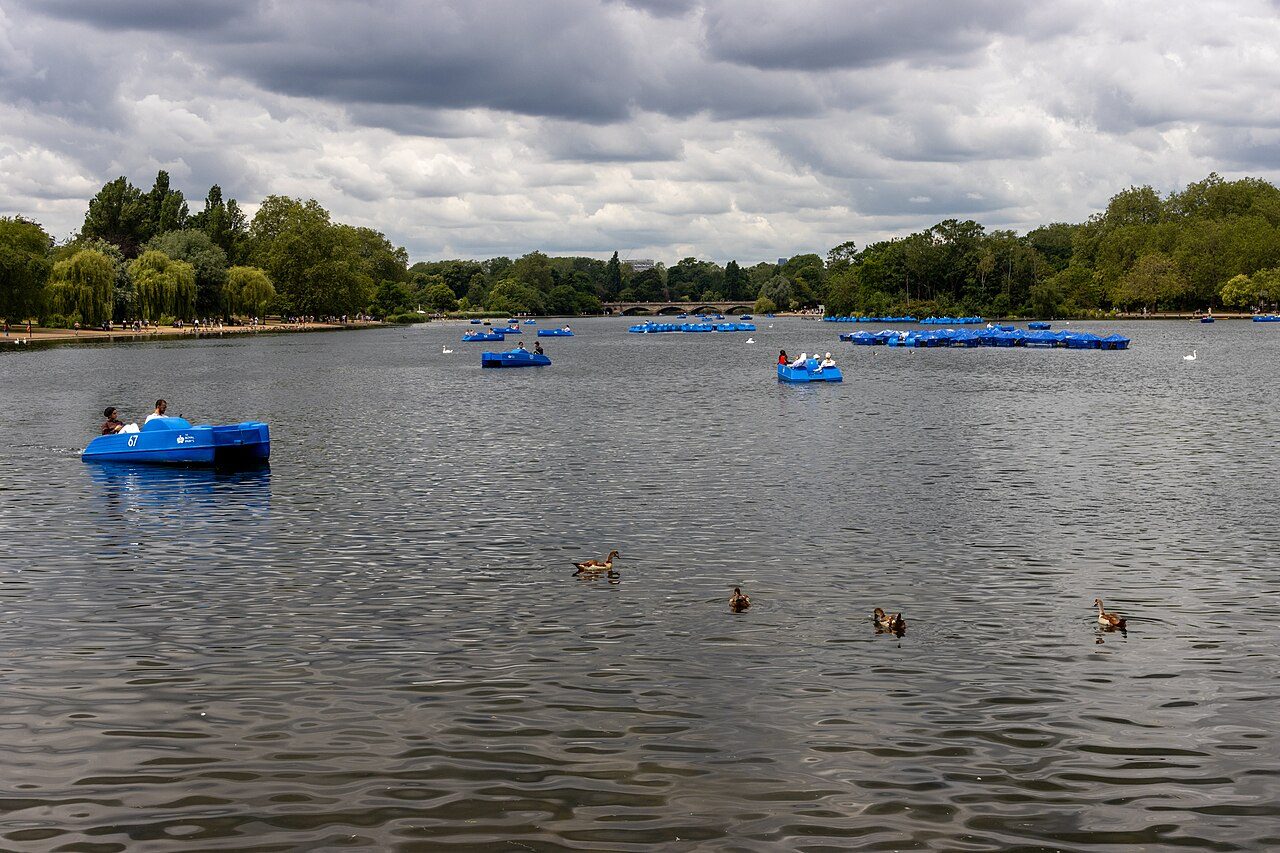
The Serpentine and the Diana Memorial Fountain
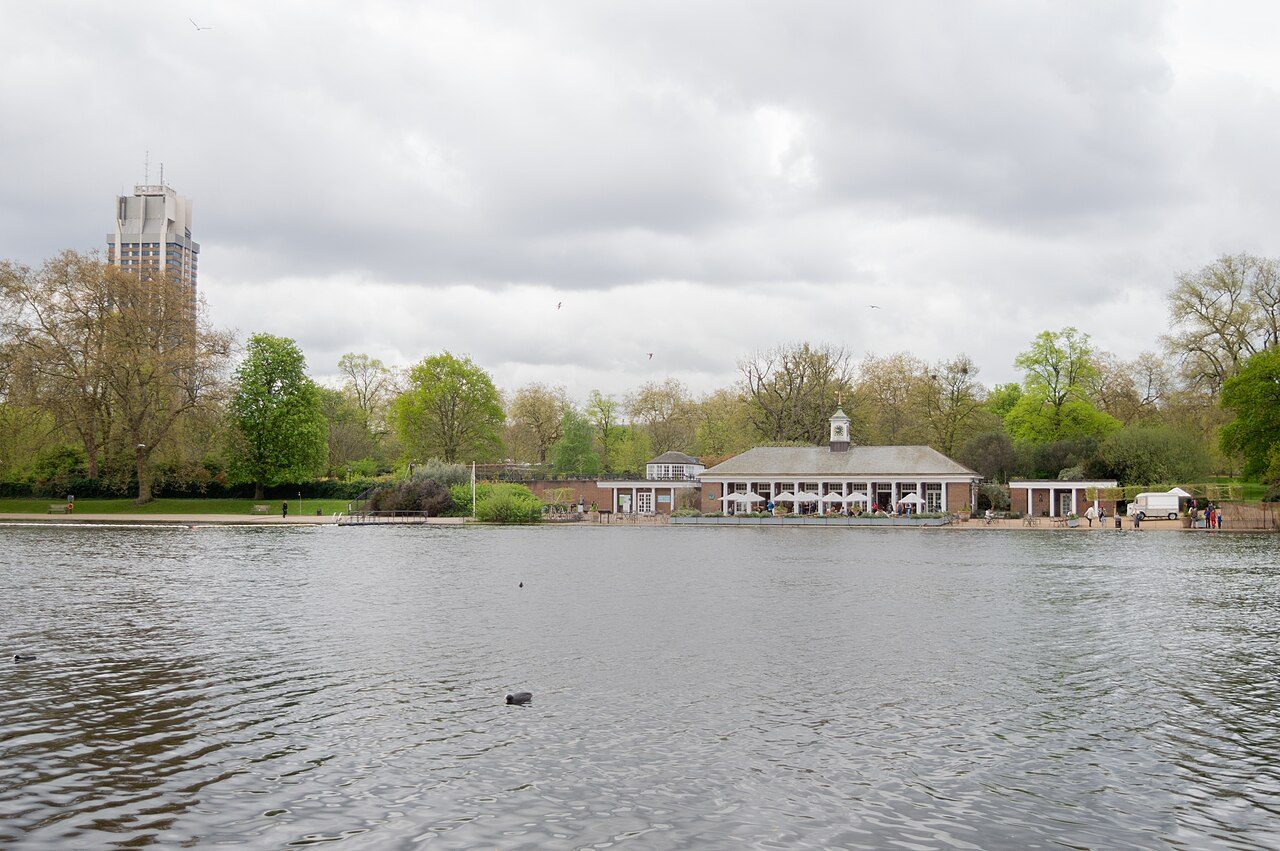
In summer, you can hire rowing boats and pedal boats on the Serpentine, or swim in the Serpentine Lido. Near the lake, the Diana, Princess of Wales Memorial Fountain, opened in 2004, is a gentle, ring-shaped stream of water flowing over granite, where visitors can cool their feet. The Serpentine Galleries, nearby, show contemporary art, and each summer a leading architect designs a temporary pavilion.
Kensington Gardens and Peter Pan
To the west, Hyde Park merges into Kensington Gardens, home to Kensington Palace, the Italian Gardens, the Albert Memorial and the famous statue of Peter Pan, placed here in 1912 by the author J.M. Barrie. The Diana Memorial Playground, with its pirate ship, is a favourite with children.
Events through the year
Hyde Park hosts major summer concerts, and in winter, the Winter Wonderland festival brings rides, markets, ice skating and food stalls. Royal gun salutes are fired in the park on state occasions.
Things not to miss
- ✓Hire a rowing boat on the Serpentine.
- ✓Listen to speakers at Speakers' Corner on Sunday.
- ✓Visit the Diana Memorial Fountain.
- ✓See the Serpentine Galleries and summer pavilion.
- ✓Find the Peter Pan statue in Kensington Gardens.
- ✓Visit Winter Wonderland in December.
How to get there
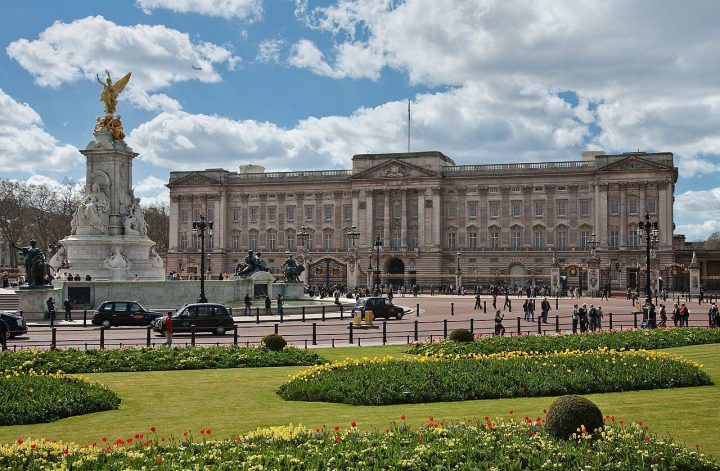
Hyde Park is served by several tube stations: Marble Arch, Hyde Park Corner, Knightsbridge and Lancaster Gate. It's within walking distance of Buckingham Palace and Oxford Street.
Best time to visit
Spring brings blossoms and daffodils, and summer is ideal for boating and picnics. Early mornings are peaceful, with mist over the water and few people. Winter brings the festive Winter Wonderland.
Frequently asked questions
Is Hyde Park free? Yes, entry is free.
Can I swim in the Serpentine? Yes, at the Serpentine Lido in summer, and through swimming clubs at other times.
Are Hyde Park and Kensington Gardens the same park? They're two parks side by side, separated by the Serpentine and a road.
Lie back on the grass by the Serpentine with the city's noise far away, and you'll understand why Londoners call Hyde Park their back garden.

Comments
Been here, or planning to go? Share a tip or ask a question.
Sign in with Google to comment or vote. Your email is never shown.