 WaTrips
Rings of huge stone pillars stand in the earth, carved with wild animals. They were raised more than eleven thousand years ago, long before writing, metal or the wheel.
The site
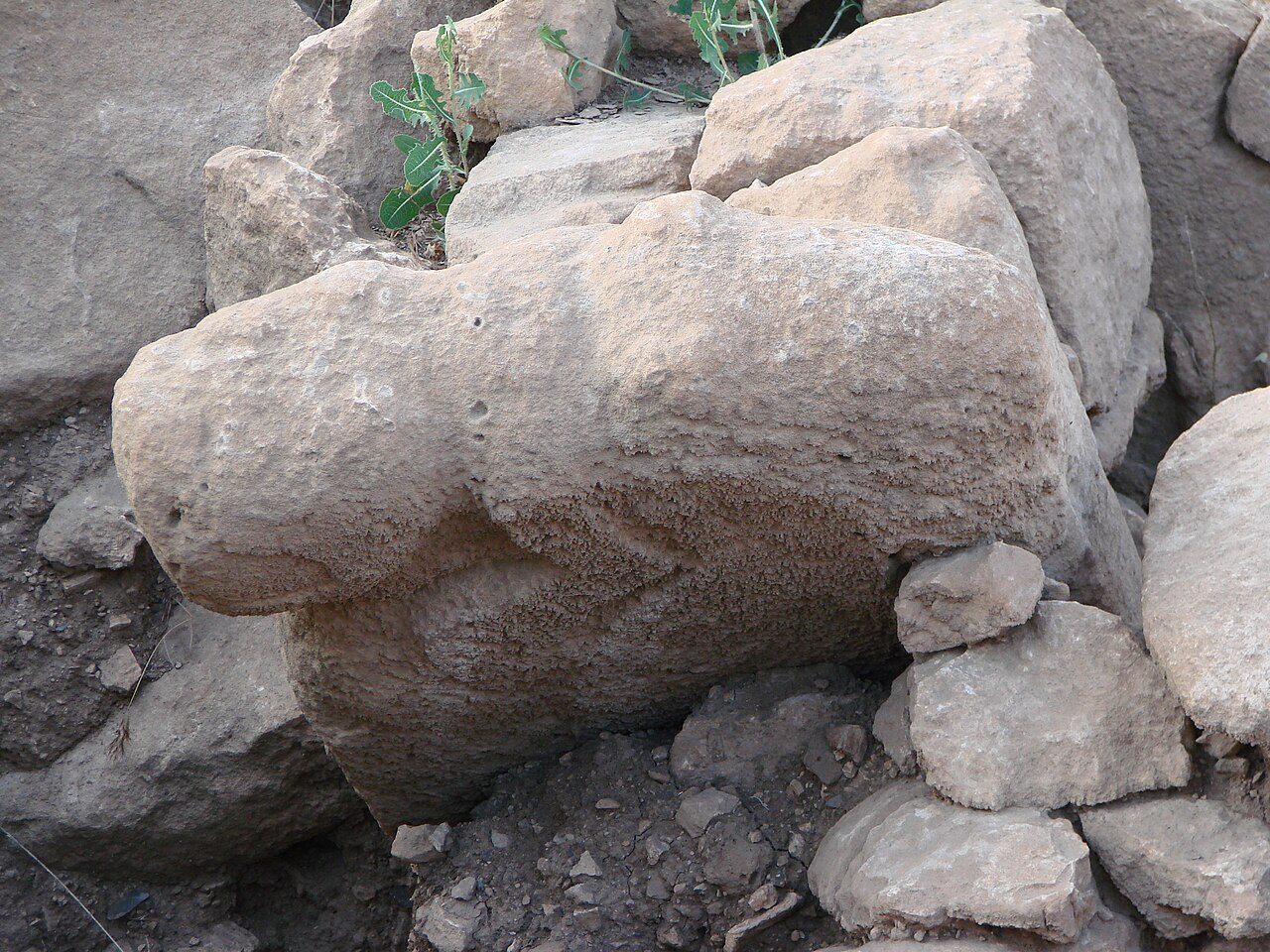
Göbekli Tepe, 'Potbelly Hill', is a Neolithic site near the village of Örencik in Şanlıurfa Province, overlooking the Harran plain. It was inhabited from around 9500 BCE to at least 8000 BCE. It is known for its large circular structures with stone pillars, among the world's oldest known megaliths, many carved with human details, clothing and reliefs of wild animals. The 15 m high mound covers 8 ha. Findings published in 2019 suggest people lived here, with houses, cereal processing and a water supply.

Discovery
The site was first noted in a 1963 survey. The German archaeologist Klaus Schmidt recognised its importance in 1994 and began excavating the following year. After his death in 2014, work continued under Necmi Karul. UNESCO listed it in 2018 as 'one of the first manifestations of human-made monumental architecture'. As of 2021 only around 10% had been excavated, and surveys show at least 20 large enclosures.
Visiting
Entry was about 21 euros as of October 2024, payable in lira or by card; the Museum Card is valid. The visitor centre, shop and café are at the main entrance, and a shuttle bus included in the ticket takes you to the monument, or you can walk the one-kilometre path. The site opens at 08.00 and closes at 19.00 in summer (15 April to 2 October) and 17:00 in winter.
- ✓Enclosures Circles of T-shaped pillars.
- ✓Carved animals Reliefs of wild animals.
- ✓Visitor centre At the entrance.
- ✓Şanlıurfa Museum A partner in the excavations.

Comments
Been here, or planning to go? Share a tip or ask a question.
Sign in with Google to comment or vote. Your email is never shown.