 WaTrips
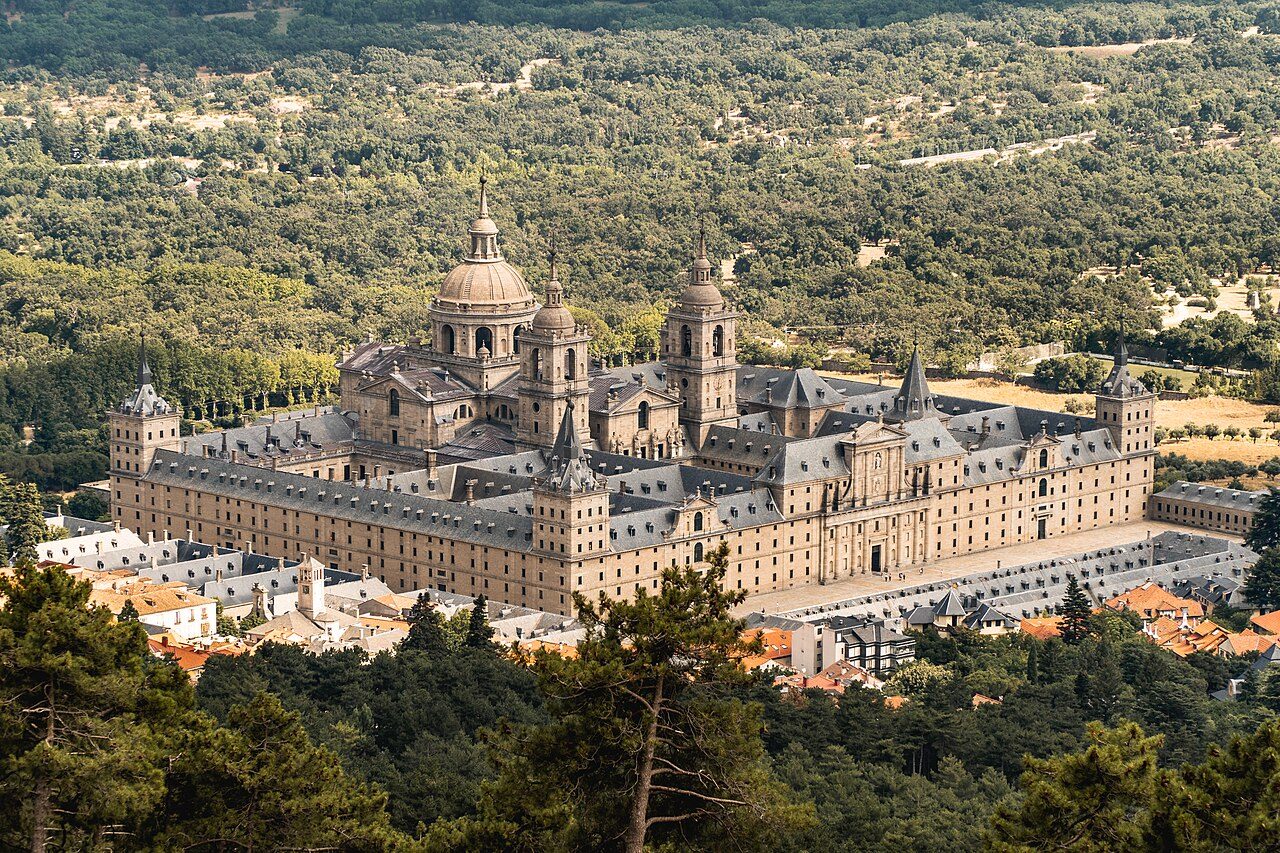
The Royal Monastery of San Lorenzo de El Escorial is one of the most remarkable buildings in Spain: a vast granite complex that is at once a monastery, a royal palace, a basilica, a library, a school and a mausoleum for Spanish kings. It stands in the foothills of the Sierra de Guadarrama, about an hour northwest of Madrid, and its severe, monumental lines have become a symbol of the power and religious devotion of Spain's Golden Age.
Together with its surroundings, the site was declared a UNESCO World Heritage Site in 1984. It makes one of the most rewarding day trips from the capital, combining history, art and mountain scenery.
A Short History
El Escorial was commissioned by King Philip II, partly to commemorate the Spanish victory over the French at the Battle of Saint-Quentin in 1557, won on the feast day of Saint Lawrence, and partly to serve as a burial place for his father, Emperor Charles V, and for future generations of the dynasty. Construction began in 1563 under the architect Juan Bautista de Toledo and, after his death, was continued by his assistant Juan de Herrera. The main building was completed in 1584, a remarkably short time for a project of such size.
Herrera's sober, geometric style, with little decoration and an emphasis on proportion, became known as the Herrerian style and influenced Spanish architecture for generations. The complex has been in the care of a religious community for most of its history and is today managed by Patrimonio Nacional, the agency that looks after Spain's royal sites.
What to See
The heart of the complex is the Basilica, a vast domed church with a towering main altarpiece of marble, jasper and gilded bronze. On either side of the altar, gilded bronze figures of Charles V and Philip II kneel in prayer with members of their families. Beneath the altar lies the Royal Pantheon, an octagonal chamber of dark marble and gilt where most Spanish kings and queens since Charles V are buried in stacked sarcophagi. Nearby, the Pantheon of the Infantes holds the tombs of princes, princesses and other royal relatives.
The library is one of the most beautiful rooms in Spain. Its long barrel-vaulted hall is painted with frescoes by Pellegrino Tibaldi representing the liberal arts, and its shelves hold thousands of rare books and manuscripts, with the books famously shelved with their spines facing inward. Do not miss the Habsburg palace rooms, where Philip II's simple, austere apartments contrast with the grand scale of the building, including the small bedroom from which he could watch Mass at the high altar.
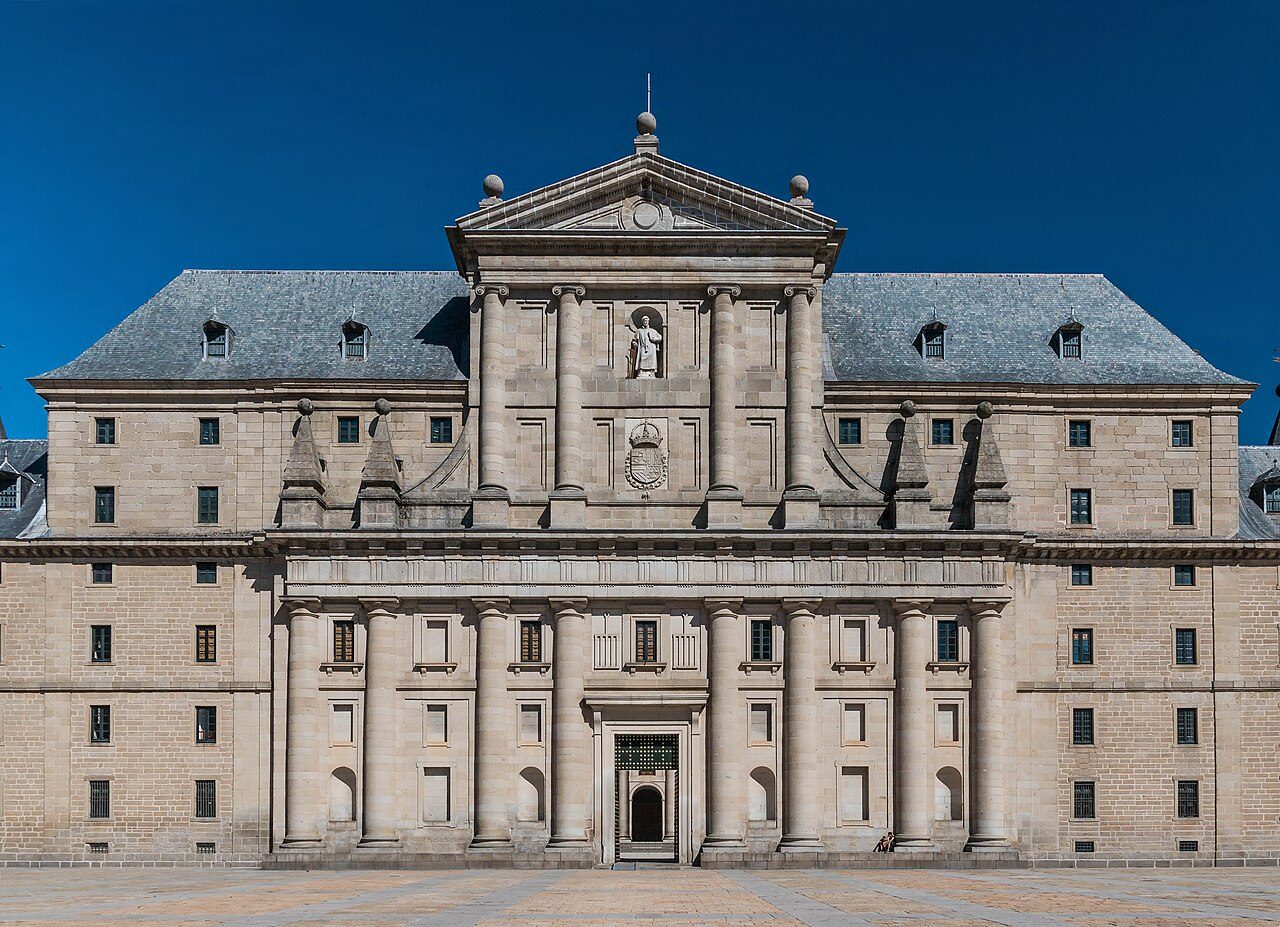
The complex also holds an outstanding art collection, with works by Titian, Tintoretto, Hieronymus Bosch, Rogier van der Weyden and El Greco, whose Martyrdom of Saint Maurice was painted for Philip II. The Hall of Battles, a long gallery painted with vivid scenes of Spanish military victories, and the Bourbon apartments, decorated with tapestries based on designs by Goya, show different eras of royal life.
Things to Do
- ✓Descend to the Royal Pantheon to see the resting place of Spain's kings.
- ✓Admire the frescoed library and its centuries-old books.
- ✓See the paintings by El Greco, Titian and Bosch in the museum rooms.
- ✓Stroll the formal Friars' Garden overlooking the plain towards Madrid.
- ✓Walk up to the Silla de Felipe II, a rocky viewpoint with views of the whole monastery.

Getting There
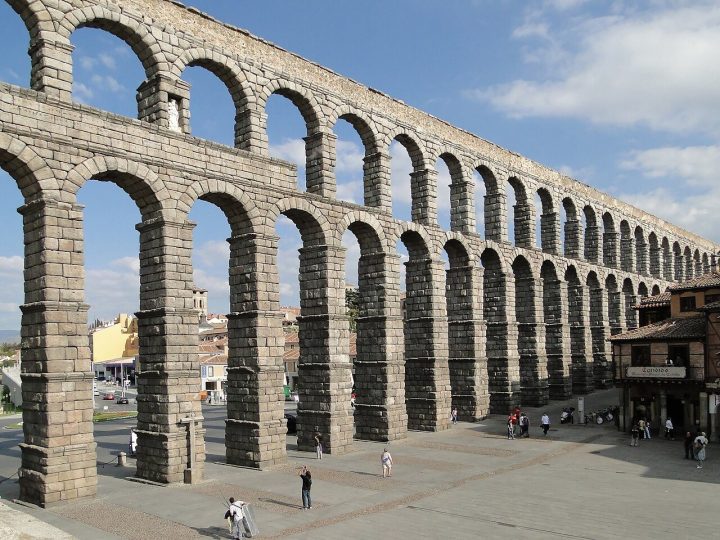
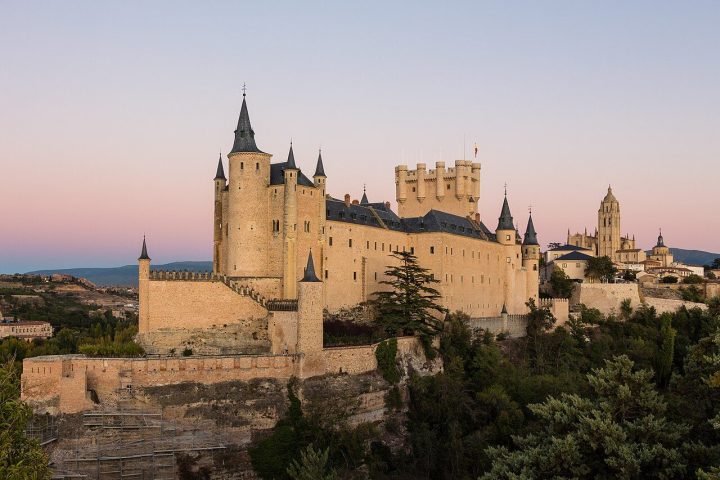
El Escorial lies in the town of San Lorenzo de El Escorial, about 45 kilometres northwest of central Madrid. Cercanías commuter trains on the C3 line run from Atocha and Sol to El Escorial station, taking around an hour; from the station it is a walk of about twenty minutes uphill through a park, or a short local bus ride. Intercity buses from the Moncloa transport hub stop close to the monastery and are often the quickest option. Many organised tours combine El Escorial with other sights in the Sierra de Guadarrama or with the town of Ávila or Segovia.
Practical Tips
The monastery is generally closed on Mondays and has different opening hours in summer and winter. Tickets are sold by Patrimonio Nacional, and booking online in advance is recommended, especially on weekends and holidays. Free entry has been offered at certain times for EU residents, but conditions change, so check the official site before your visit. Photography is restricted in parts of the interior, and large bags must be left in lockers.

Combining Your Visit
The town of San Lorenzo de El Escorial itself is pleasant to explore, with restaurants, cafés and two smaller royal buildings, the Casita del Príncipe and the Casita del Infante, small eighteenth-century pleasure houses built for the sons of Charles III, which open at certain times of year. The surrounding mountains offer walking trails and viewpoints. Allow at least two to three hours for the monastery, and a full day if you want to explore the town and the hills around it at a relaxed pace.

Comments
Been here, or planning to go? Share a tip or ask a question.
Sign in with Google to comment or vote. Your email is never shown.