 WaTrips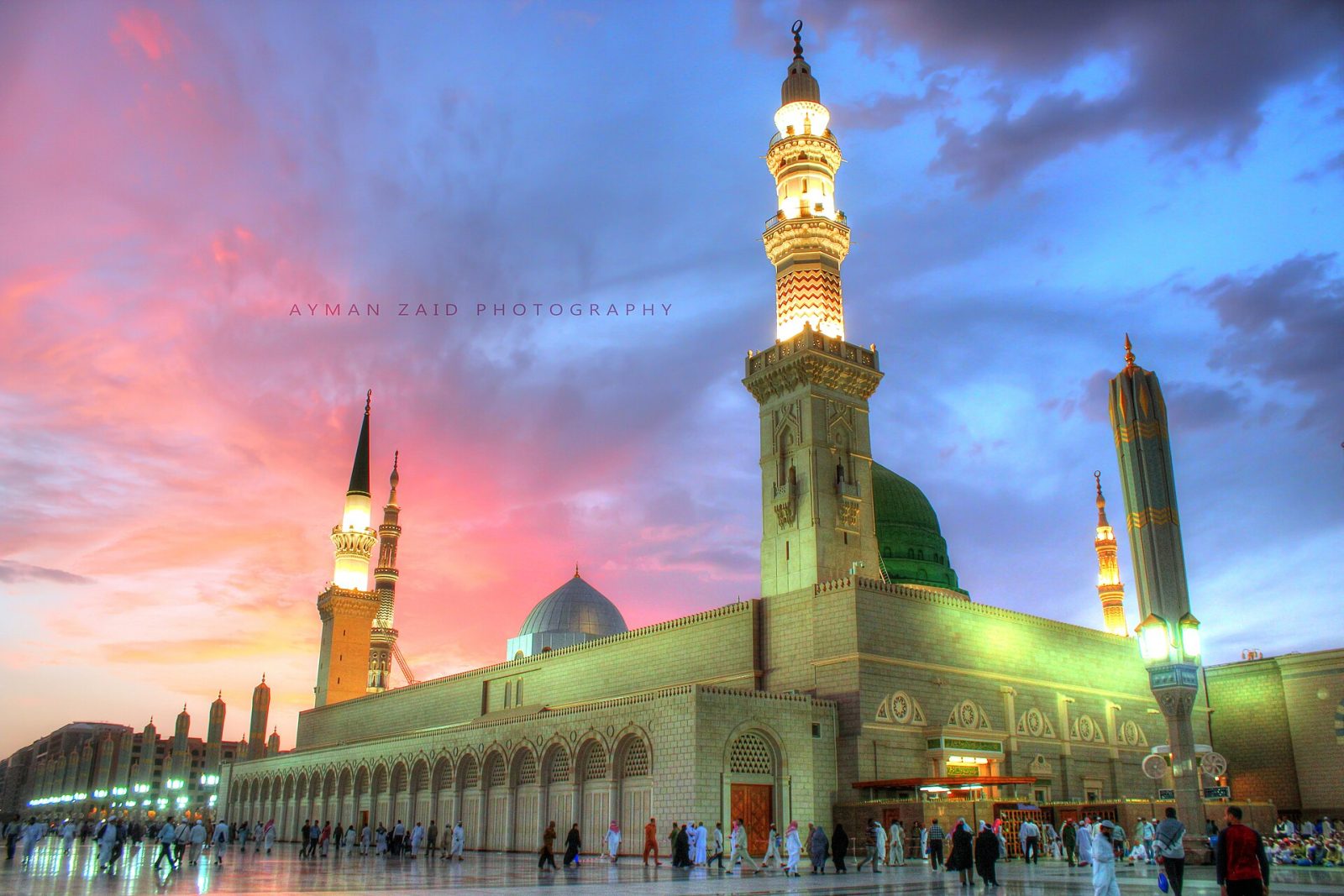
Al-Masjid an-Nabawi, the Prophet's Mosque, stands at the heart of Madinah. It was built by the Prophet Muhammad himself, and it is the second holiest site in Islam after Masjid al-Haram in Makkah.
Built by the Prophet
The mosque was built in 622, soon after the Prophet's migration from Makkah. The land belonged to two orphans, Sahl and Suhayl, who offered it as a gift; the Prophet insisted on paying for it, and the price was paid by Abu Ayyub al-Ansari. The first mosque was a simple open-air building with a roof of palm trunks, and it served as a place of prayer, a court and a school.
The Green Dome and the Rawdah
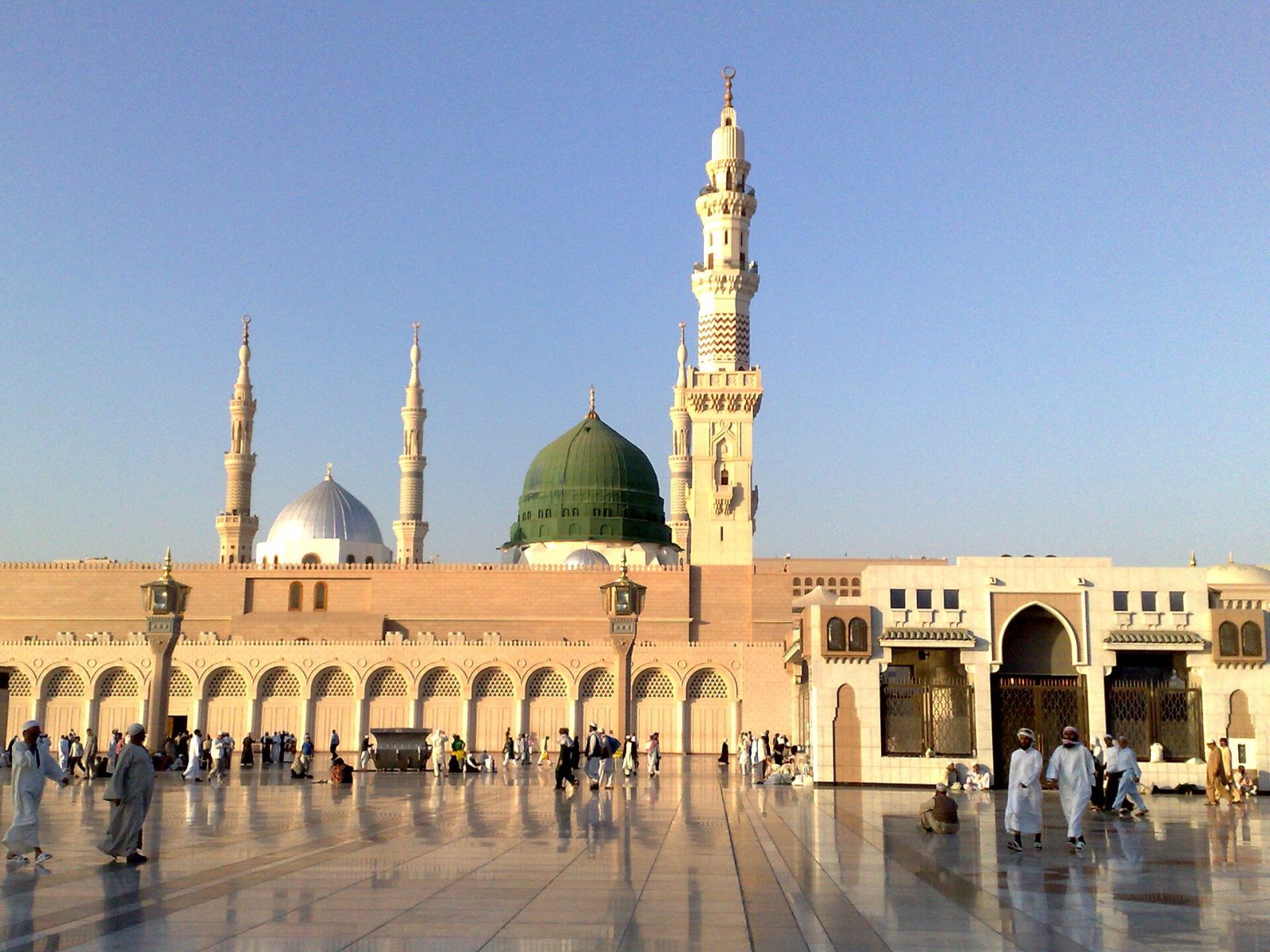
In the south-east corner of the mosque rises the Green Dome, built over the former house of Aisha. Beneath it lie the graves of the Prophet Muhammad and the first two caliphs, Abu Bakr and Umar.
The area between the Prophet's tomb and his pulpit is known as the Rawdah, one of the most sought-after places to pray. Visits to the Rawdah are booked in advance through the official Nusuk app.
Growing over the centuries
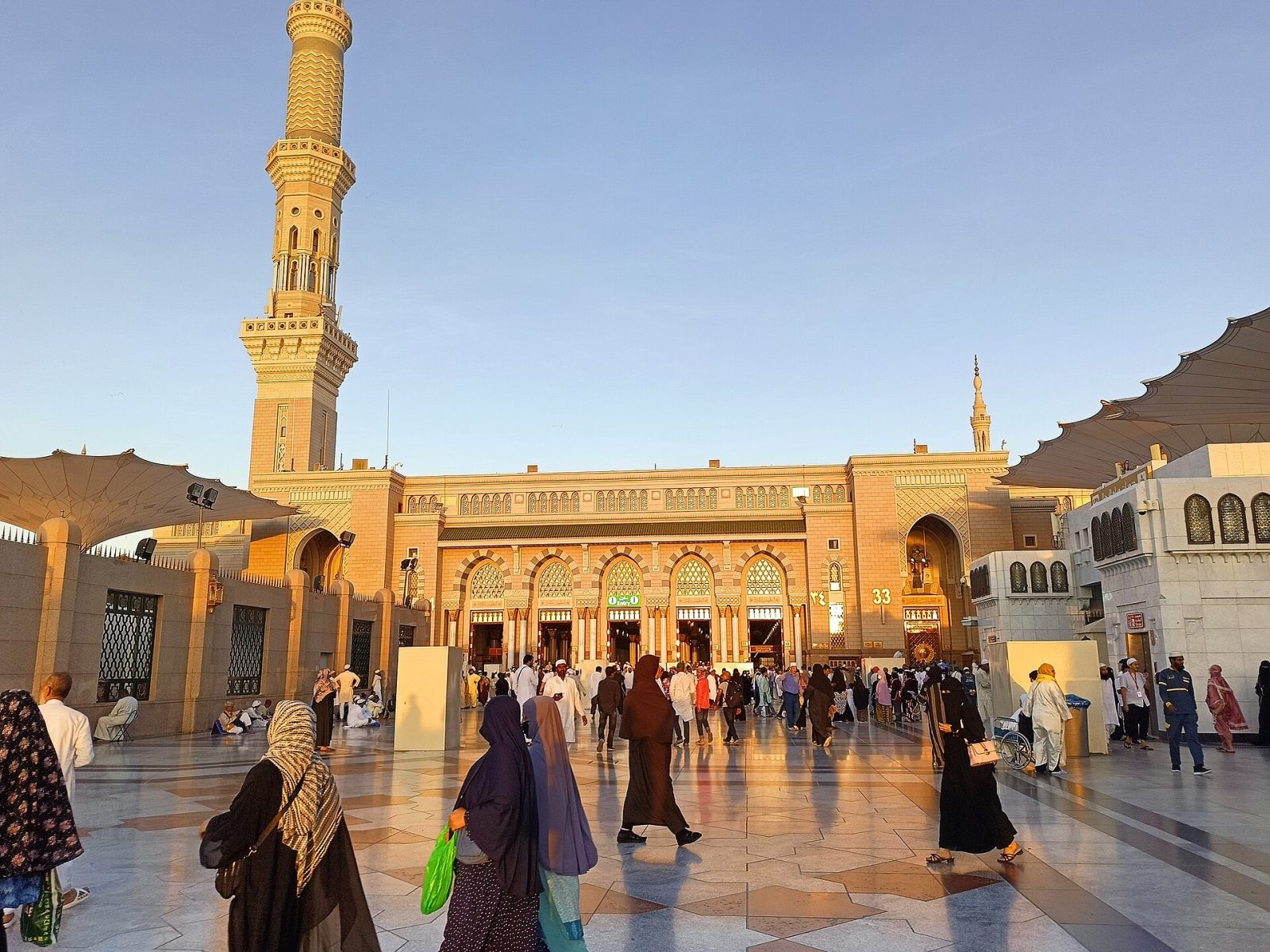
Rulers across the centuries enlarged and decorated the mosque, and in 1909 it became the first place in the Arabian Peninsula to have electric lights. Today it is one of the largest buildings in the world, with giant umbrellas that open over the courtyards to shade worshippers.
Tips for your visit
- Who can visit — the mosque and the central area around it are for Muslim visitors.
- Quieter hours — late at night and early morning are calmer than after the main prayers.
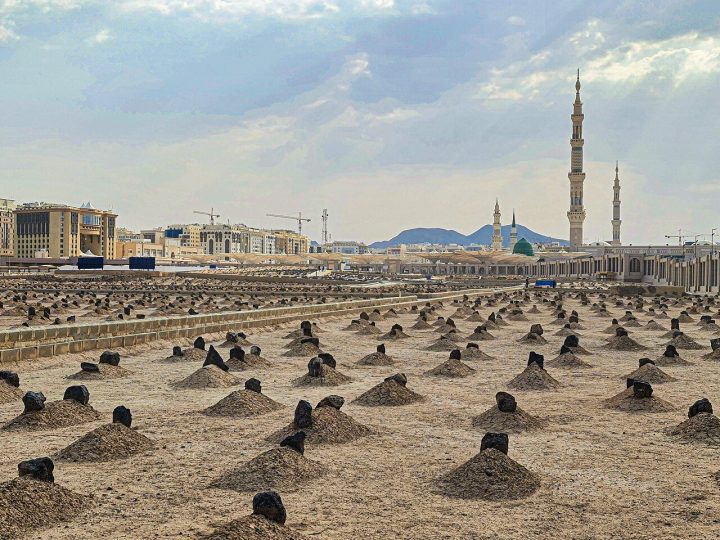
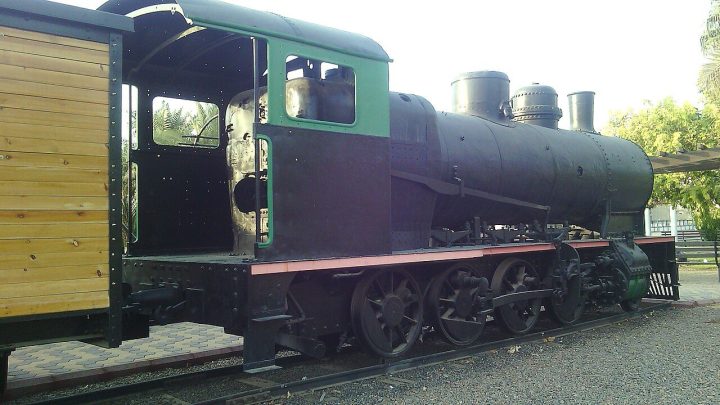
- Nearby — Jannat al-Baqi cemetery is 600 metres away, and the Hejaz Railway Museum about 1.2 km.
- Cooler months — November to March are the most comfortable for visiting.

Comments
Been here, or planning to go? Share a tip or ask a question.
Sign in with Google to comment or vote. Your email is never shown.