The Hassan II Mosque, Rabat, Meknes and Volubilis, Fes's madrasas and tanneries, the Todgha Gorge, Ait Benhaddou, Marrakesh and Essaouira.
Morocco's imperial cities and mountains make an unforgettable loop. See the Hassan II Mosque in Casablanca, one of the few mosques open to non-Muslims, then Rabat and the Roman ruins of Volubilis. Get lost in the medina of Fes among madrasas, Al-Qarawiyyin and the leather tanneries. Cross the Atlas to the Todgha Gorge and the earthen kasbahs of Ait Benhaddou, then explore Marrakesh's palaces, gardens and Jemaa el-Fnaa square at night. End by the sea in Essaouira. Spring and autumn are best.
01
STOP 1 OF 22
Hassan II Mosque
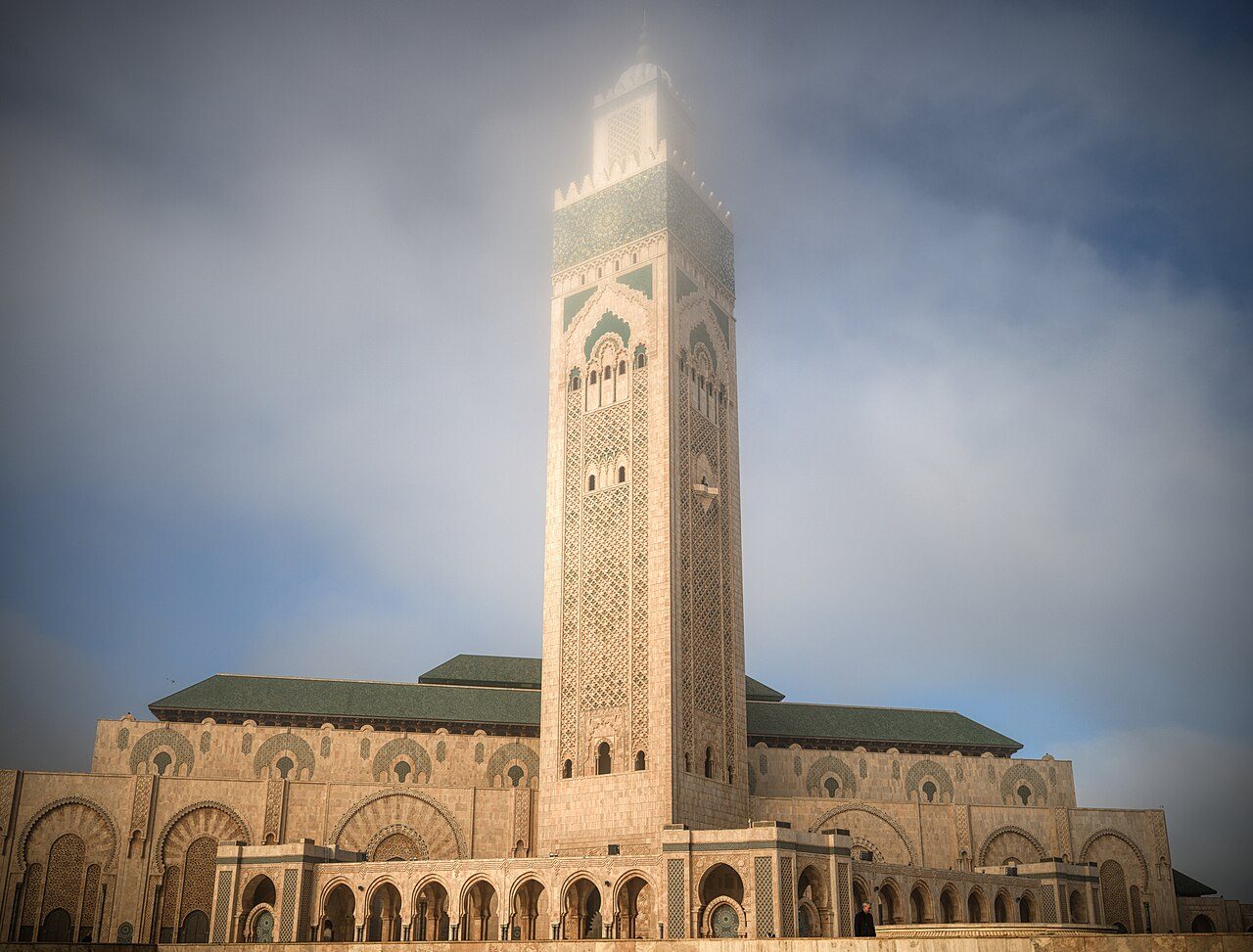
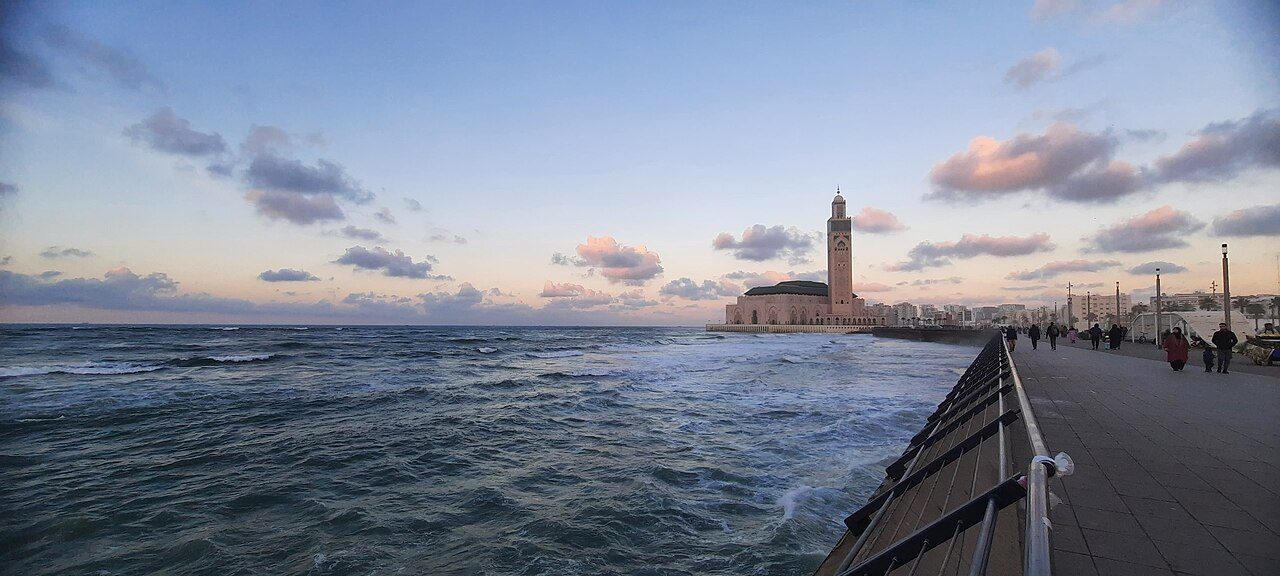
The Hassan II Mosque in Casablanca was completed in 1993 and is one of the largest mosques in the world. Its minaret rises about 210 metres, and part of the building stands over the Atlantic Ocean. The interior has carved marble, cedar and a retractable roof. It is one of the few mosques in Morocco open to non-Muslims on guided tours.
02
STOP 2 OF 22
Hassan Tower
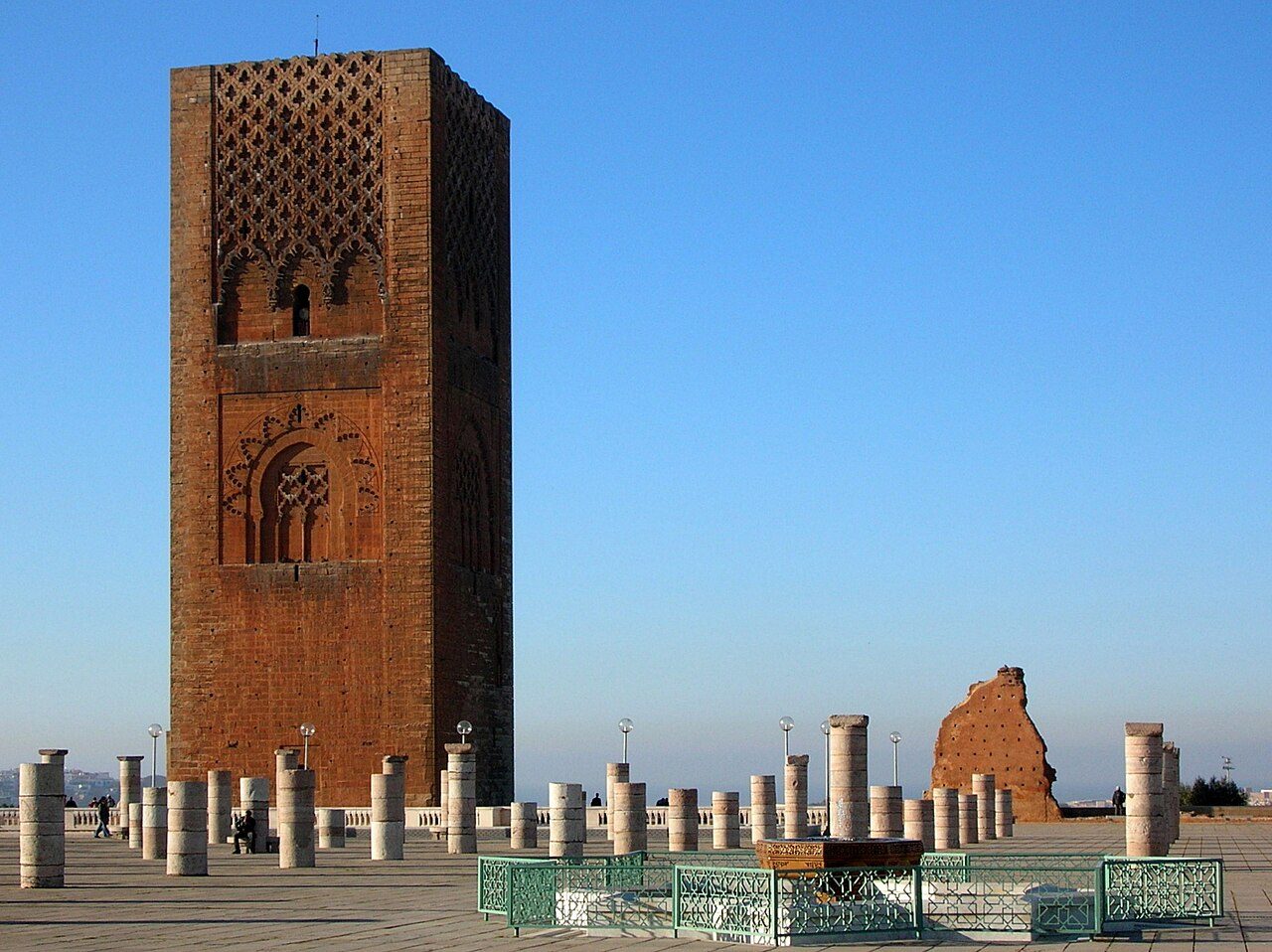
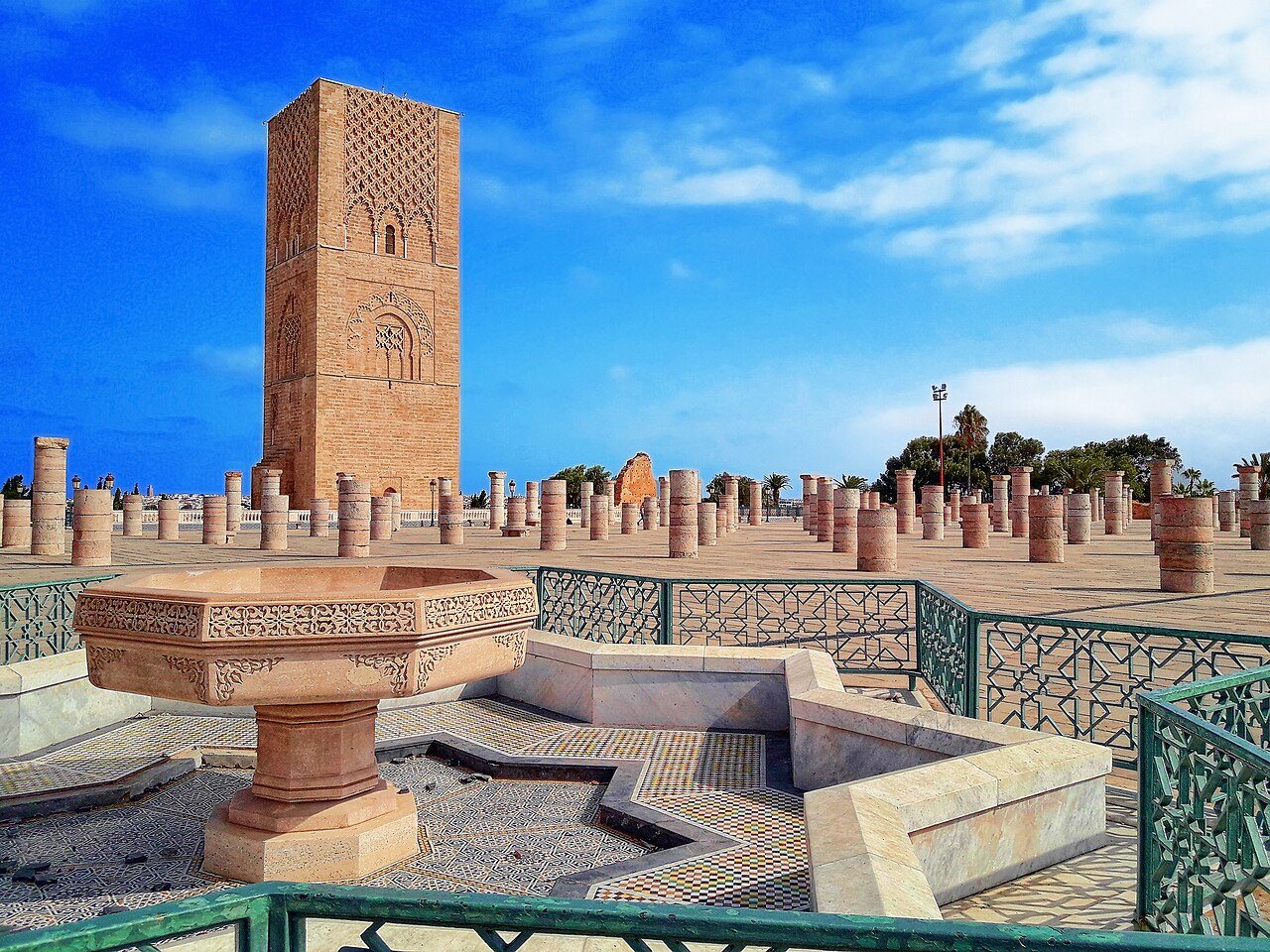
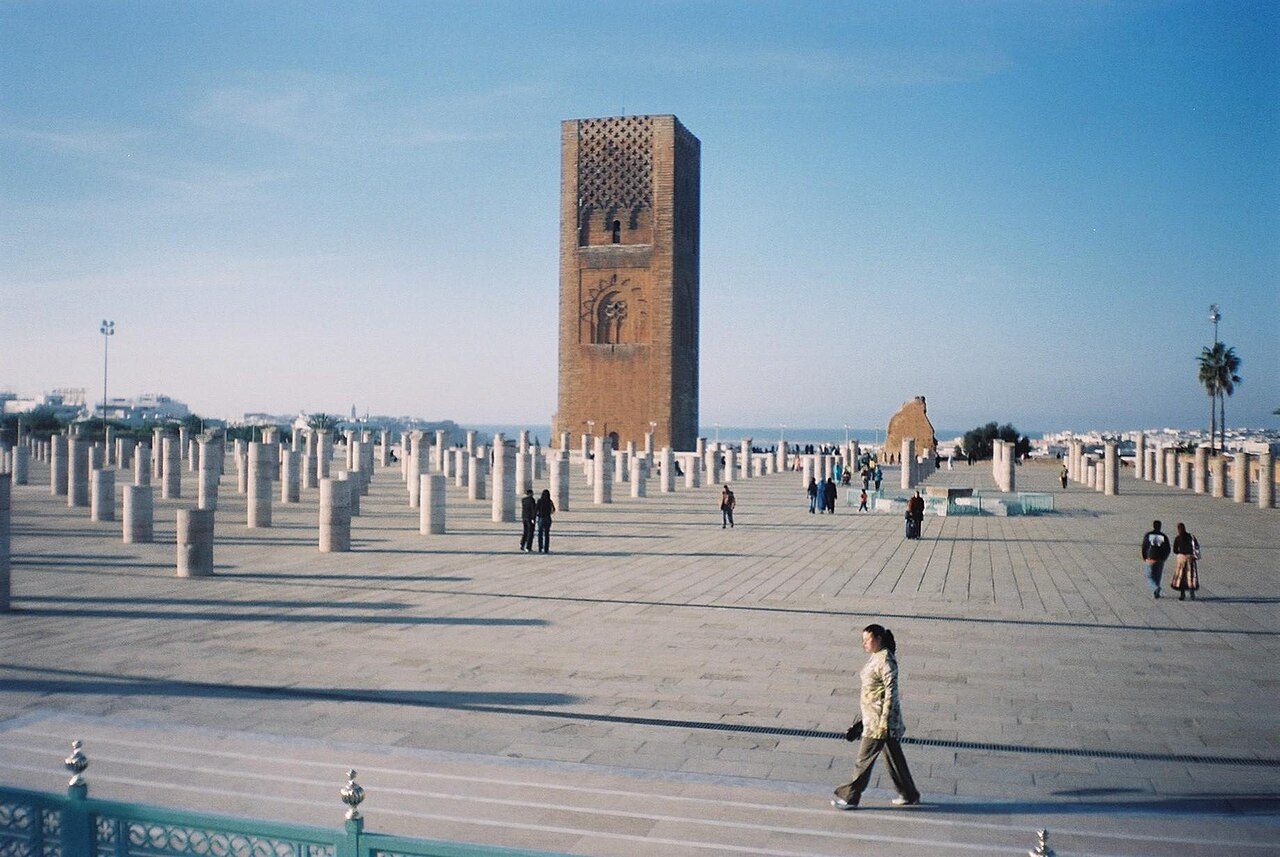
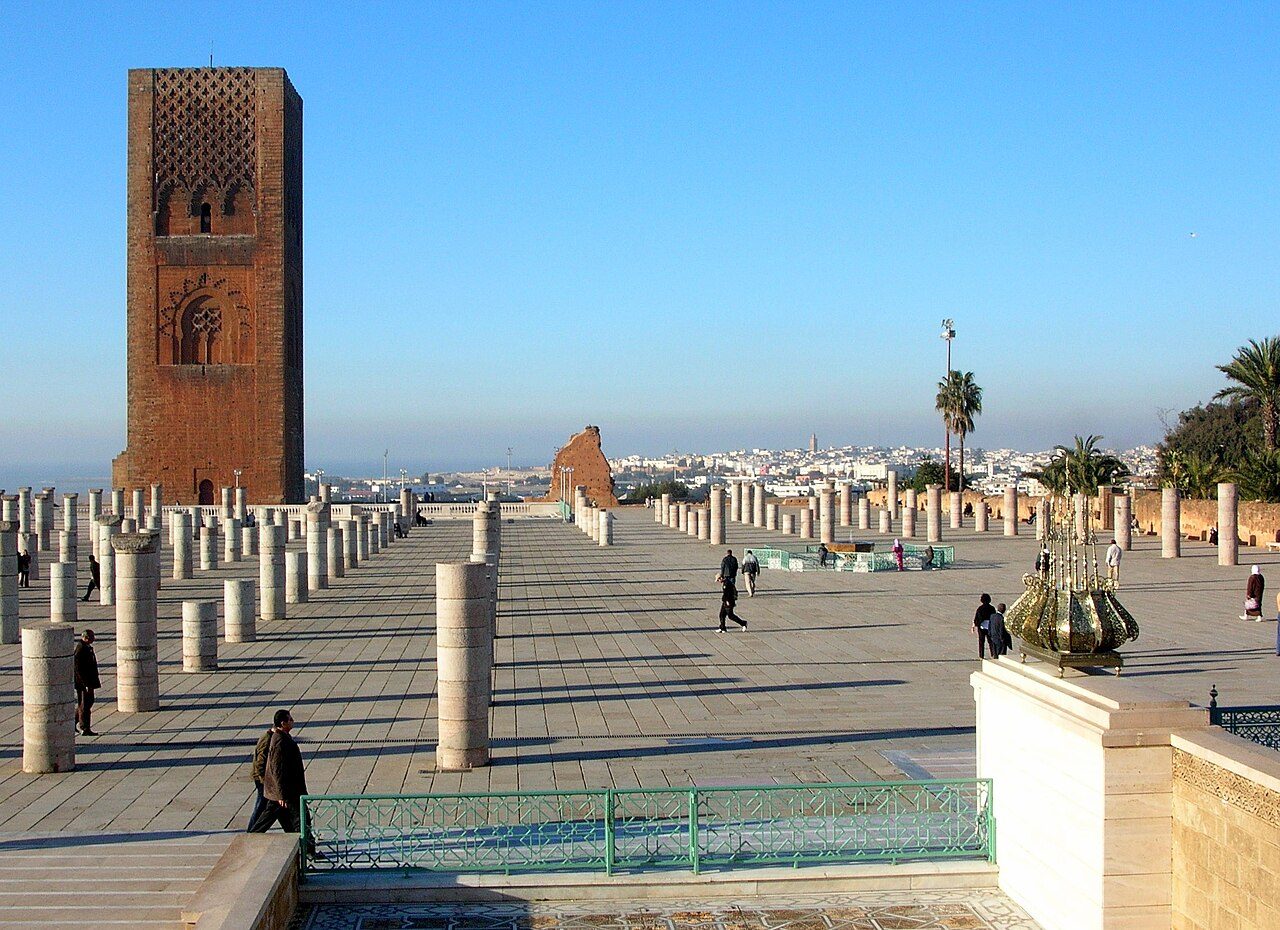
The Hassan Tower is the unfinished minaret of a mosque begun in Rabat in the 1190s by the Almohad sultan Yaqub al-Mansur. It was meant to be the largest mosque in the world, but work stopped after his death. Rows of columns stand in the courtyard. The Mausoleum of Mohammed V, with royal guards, stands opposite.
03
STOP 3 OF 22
Kasbah of the Udayas
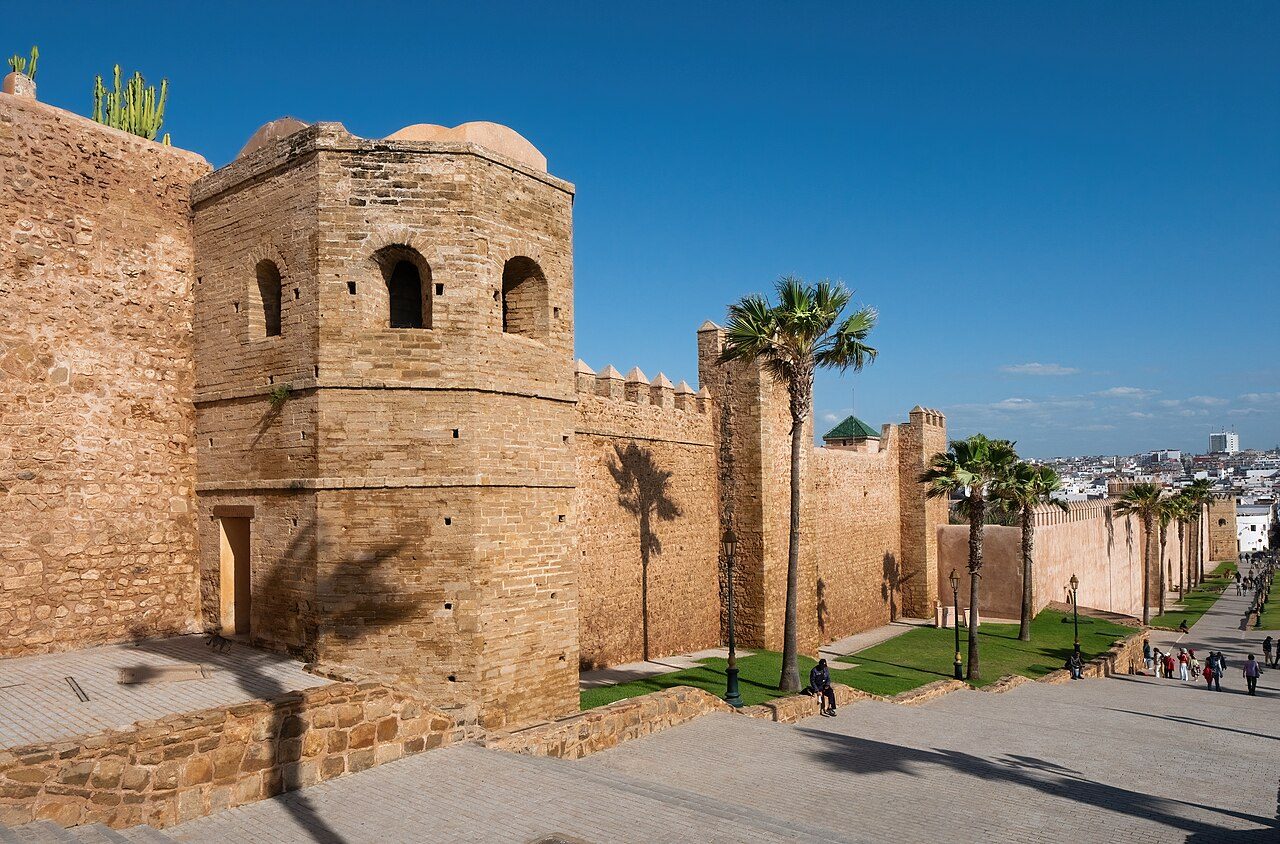
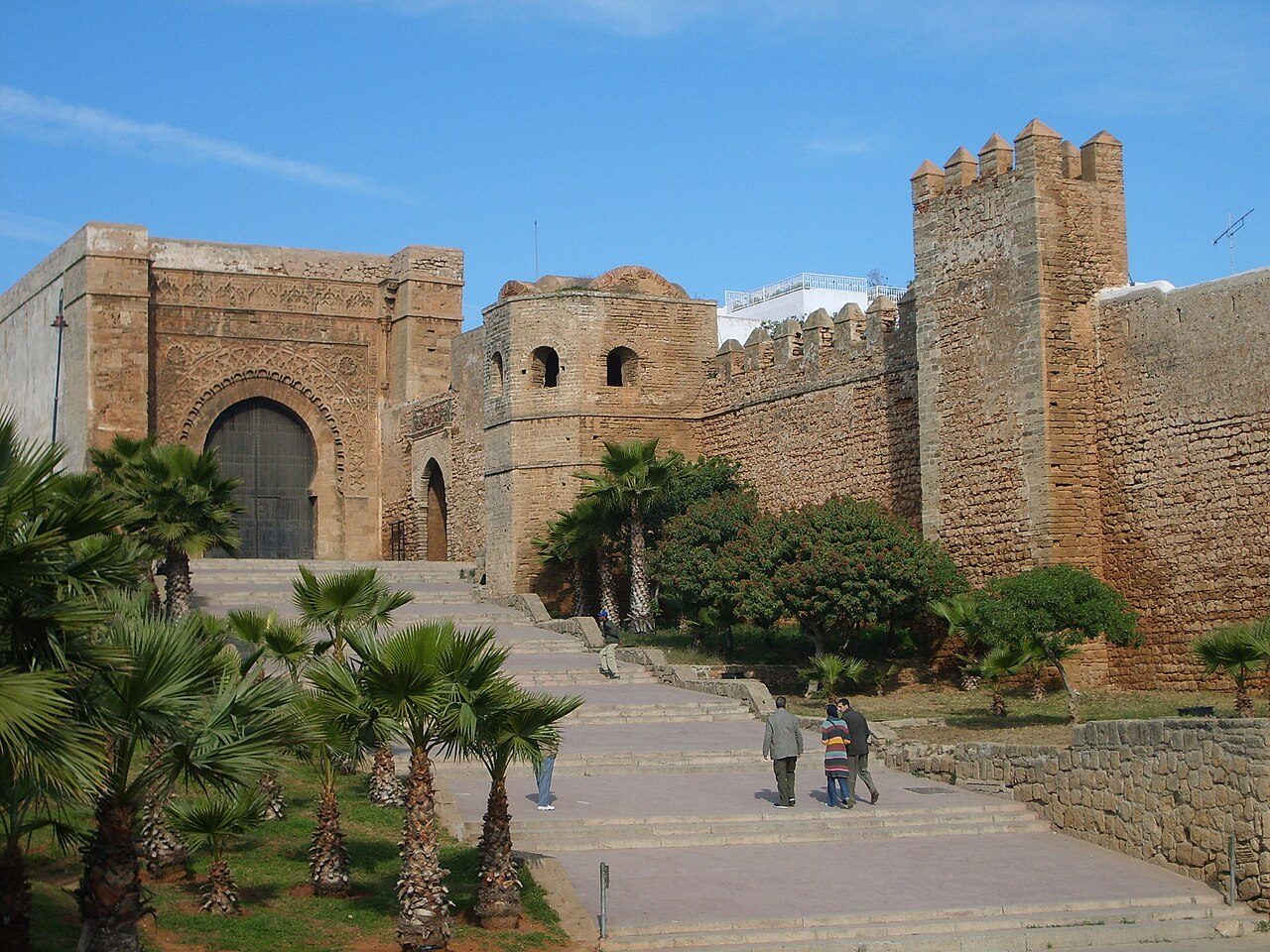
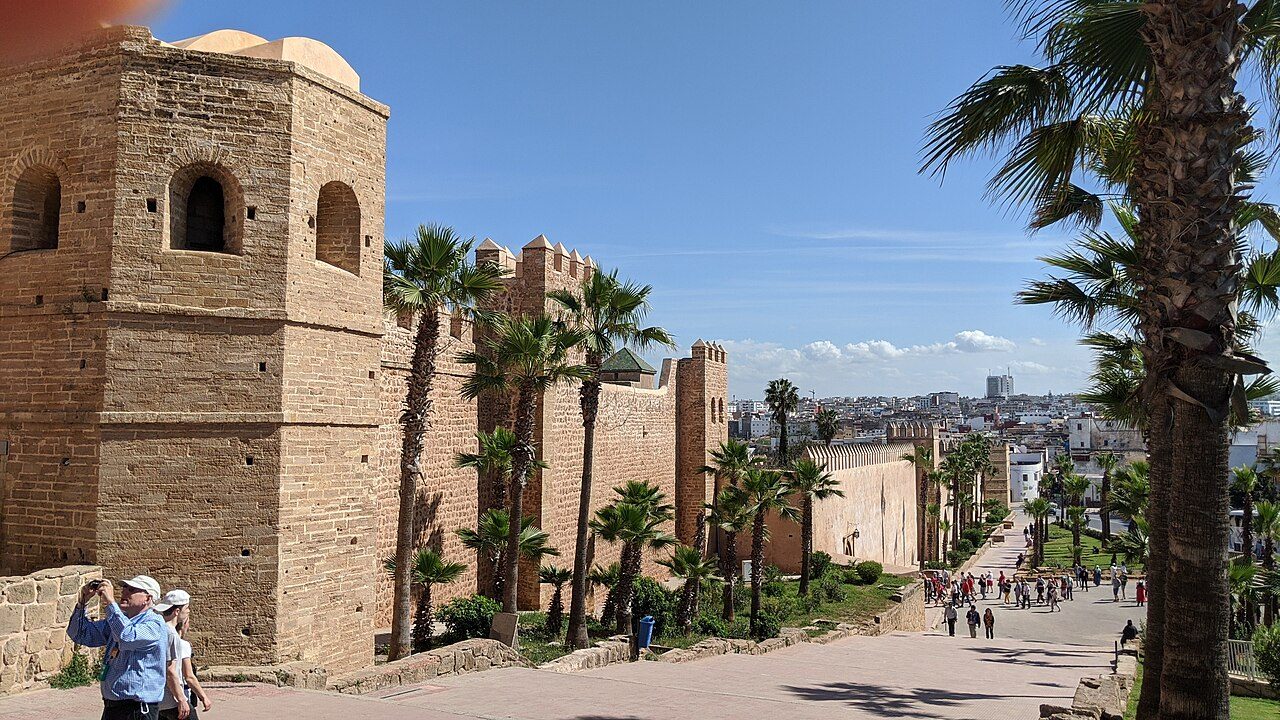
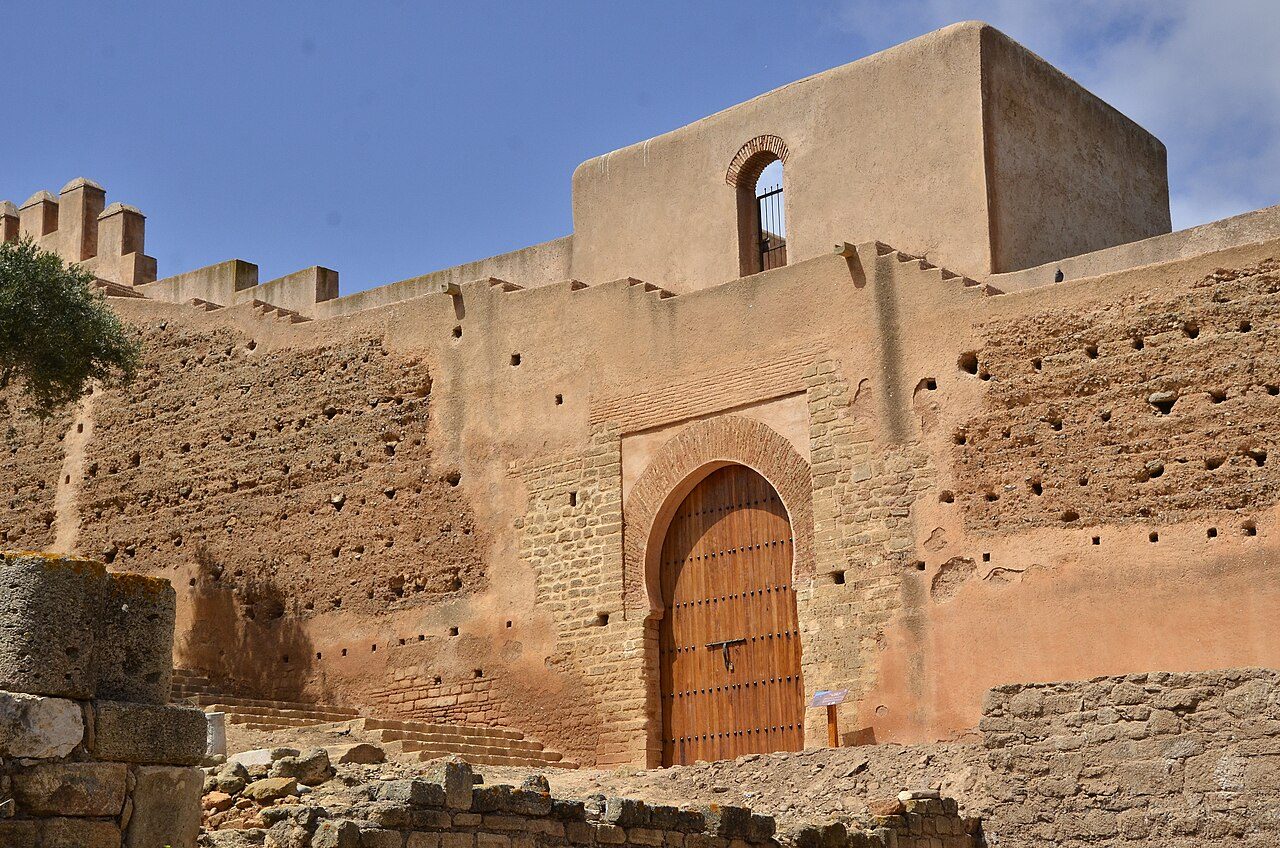
The Kasbah of the Udayas is a 12th-century fortress at the mouth of the Bou Regreg River in Rabat. Inside its gate, quiet lanes of blue and white houses lead to a terrace with views over the ocean and Salé. The Andalusian Gardens and a café with mint tea are popular. It is part of the Rabat UNESCO World Heritage Site.
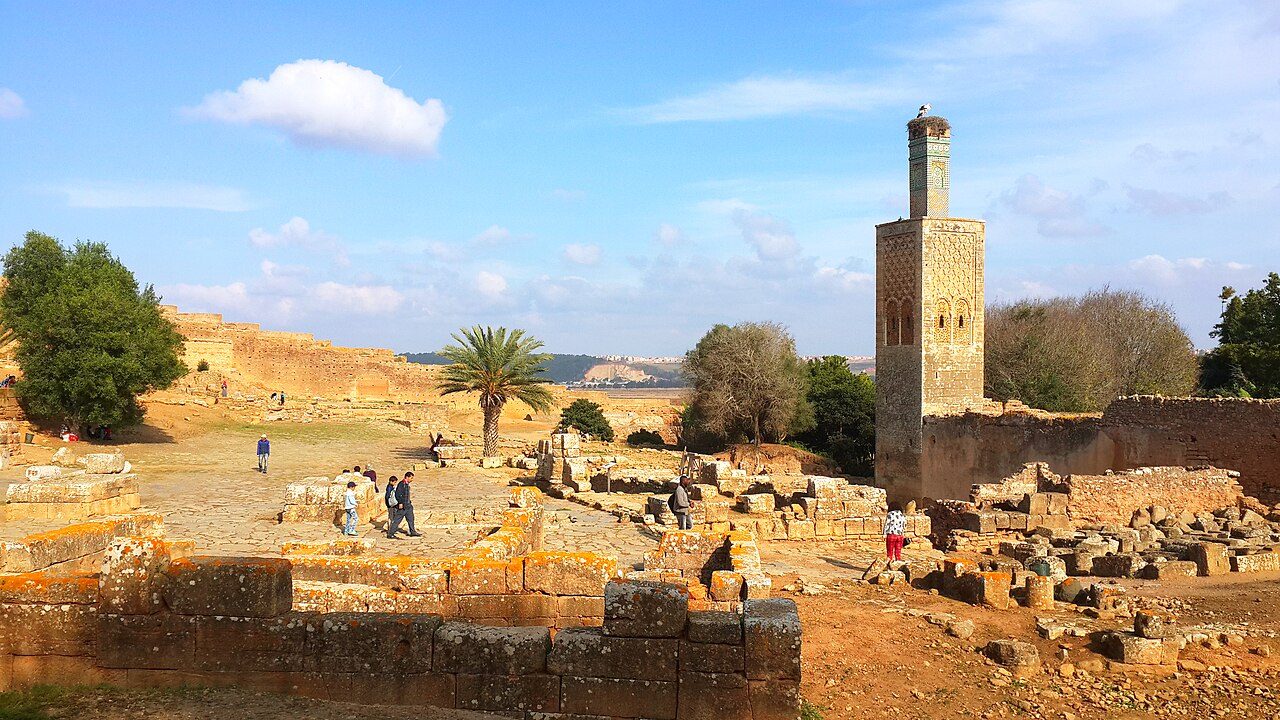
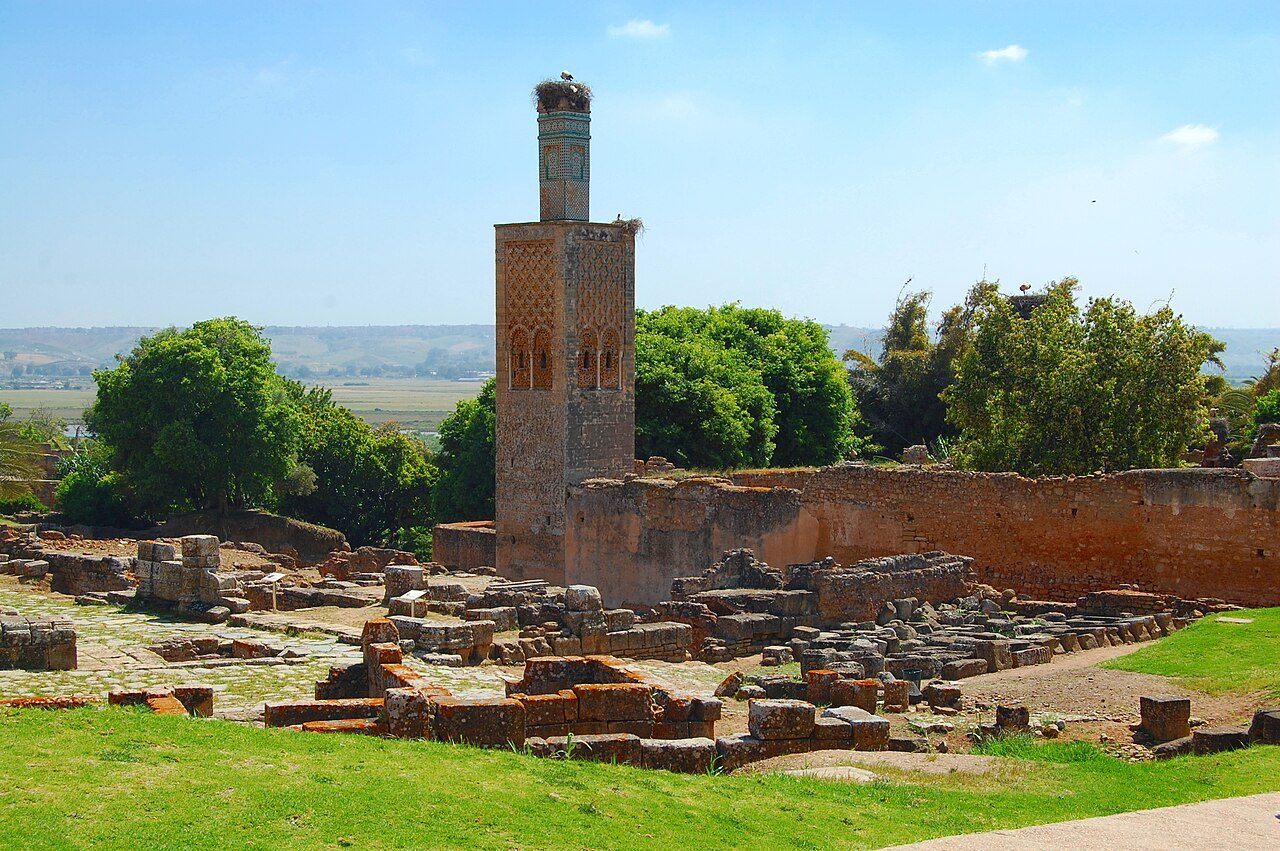
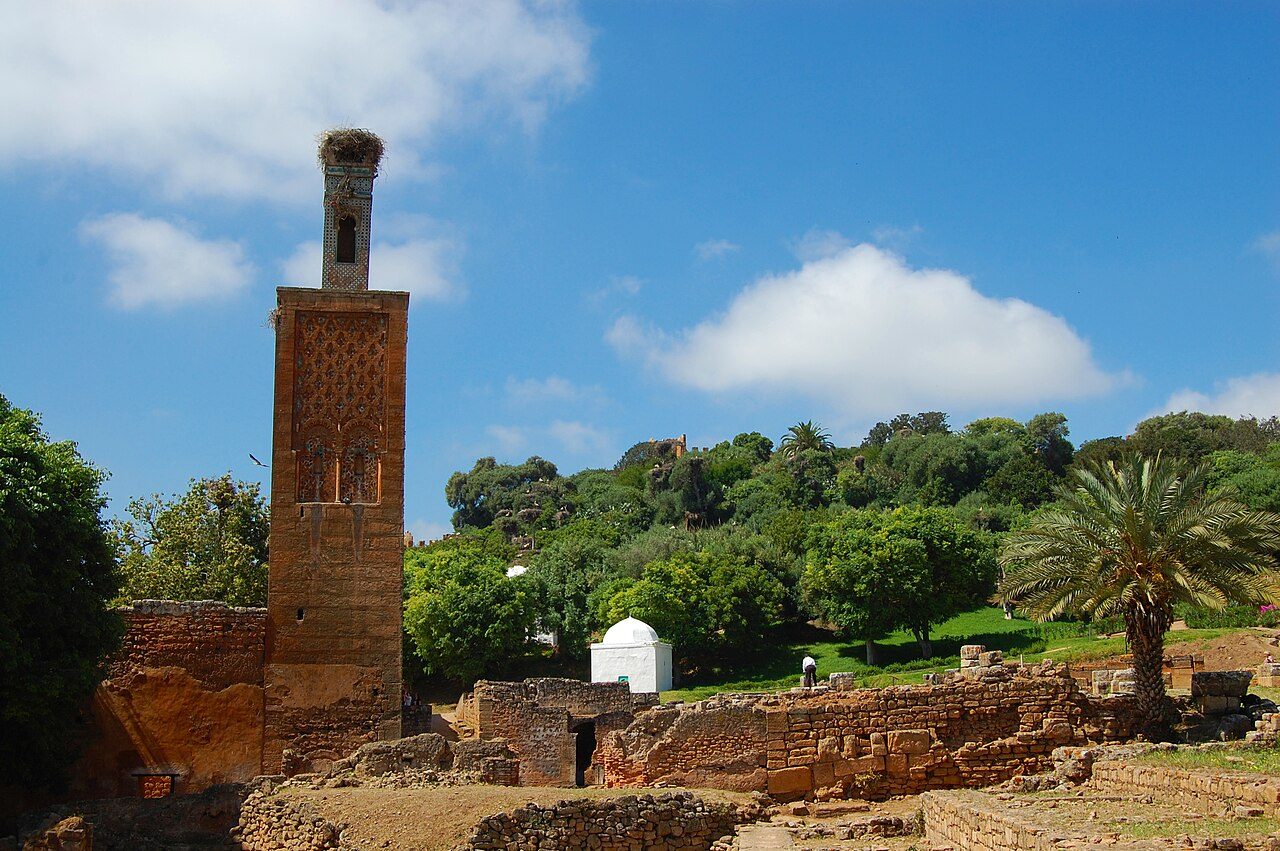
Chellah is a walled necropolis in Rabat containing ruins of the Roman town of Sala Colonia and a Marinid royal burial complex from the 14th century. Gardens, a minaret with storks' nests and Roman streets sit side by side. It has a peaceful, overgrown atmosphere. It is part of the UNESCO-listed historic Rabat.
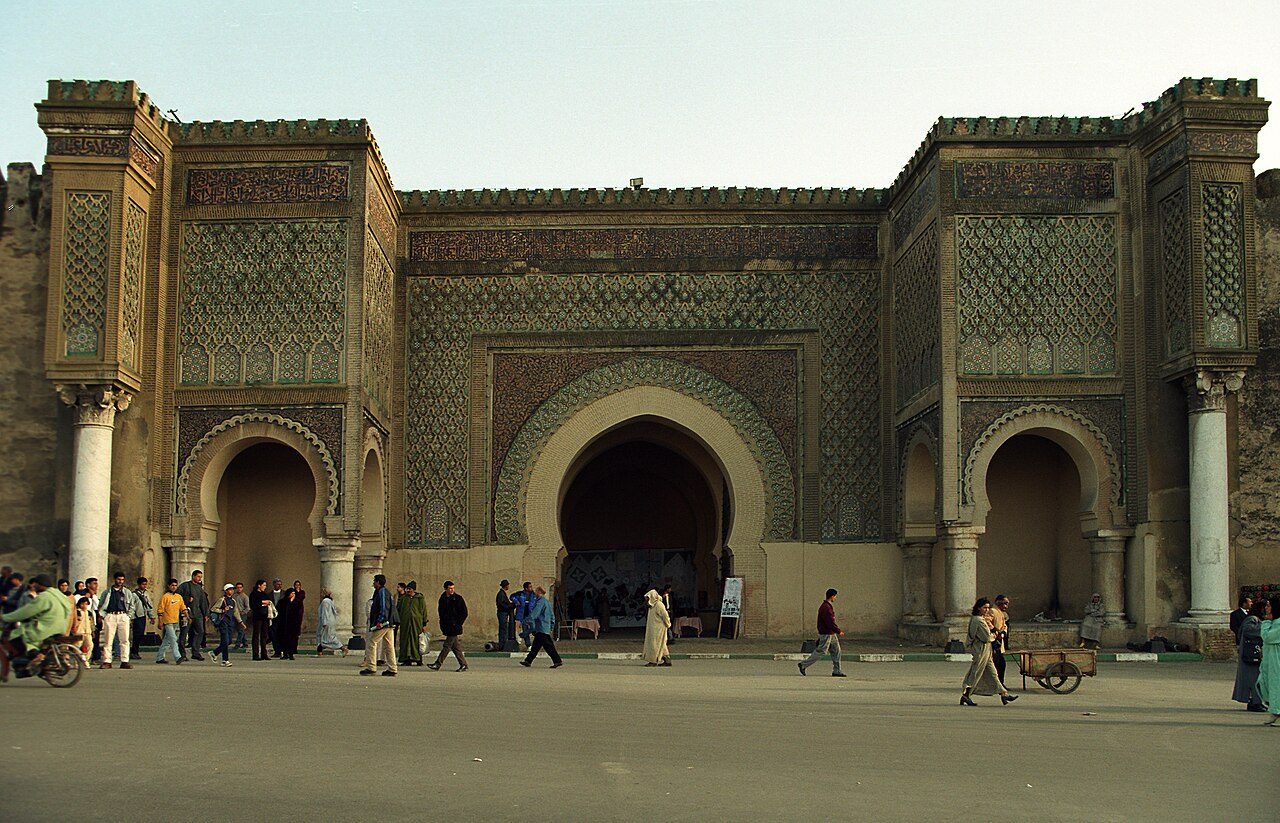
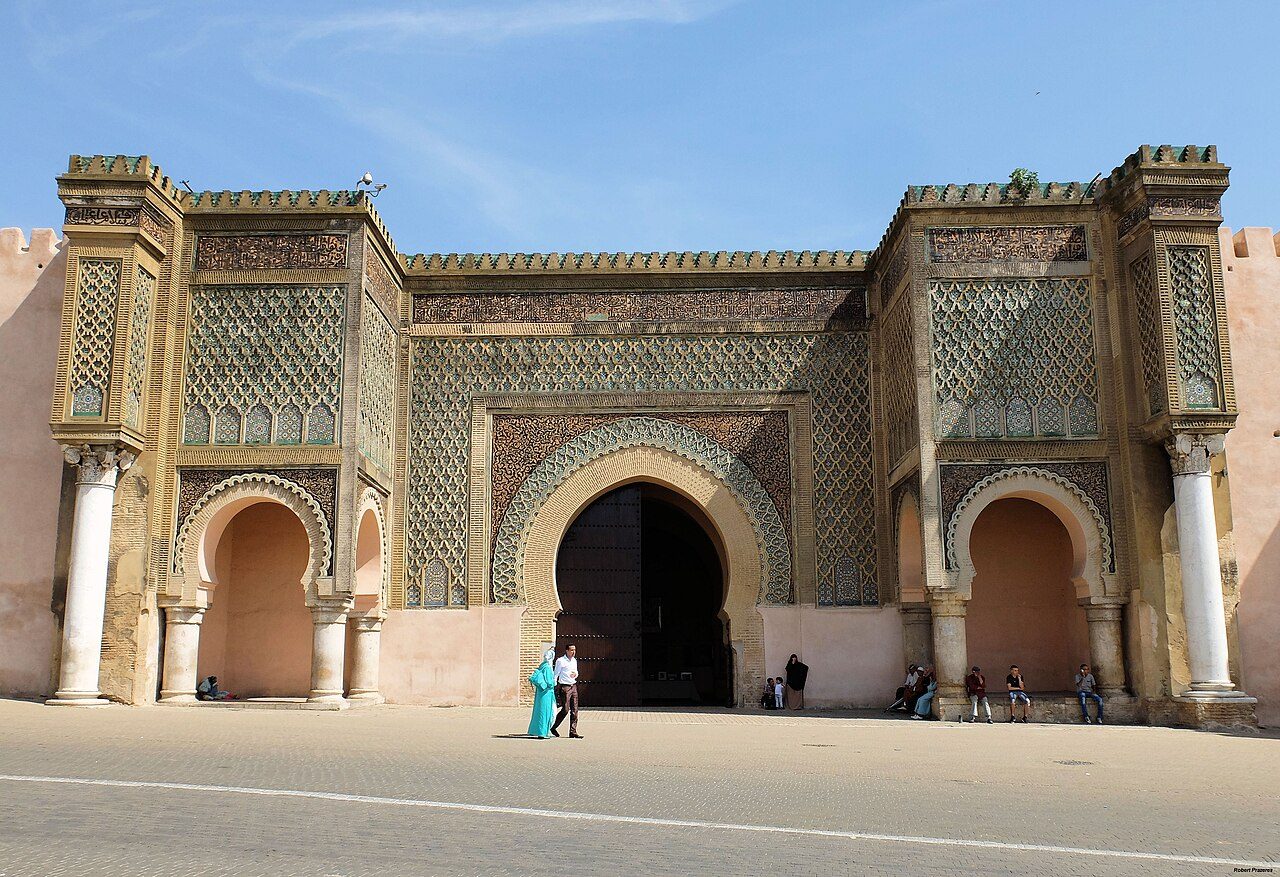
Bab Mansour is the grand gate of Meknes, completed in 1732 during the reign of Moulay Ismail's successor. It is covered with zellij tiles and inscriptions, and its marble columns were reused from Roman Volubilis. It faces El Hedim Square, a lively spot with food stalls in the evening. Behind it lies the former imperial city.
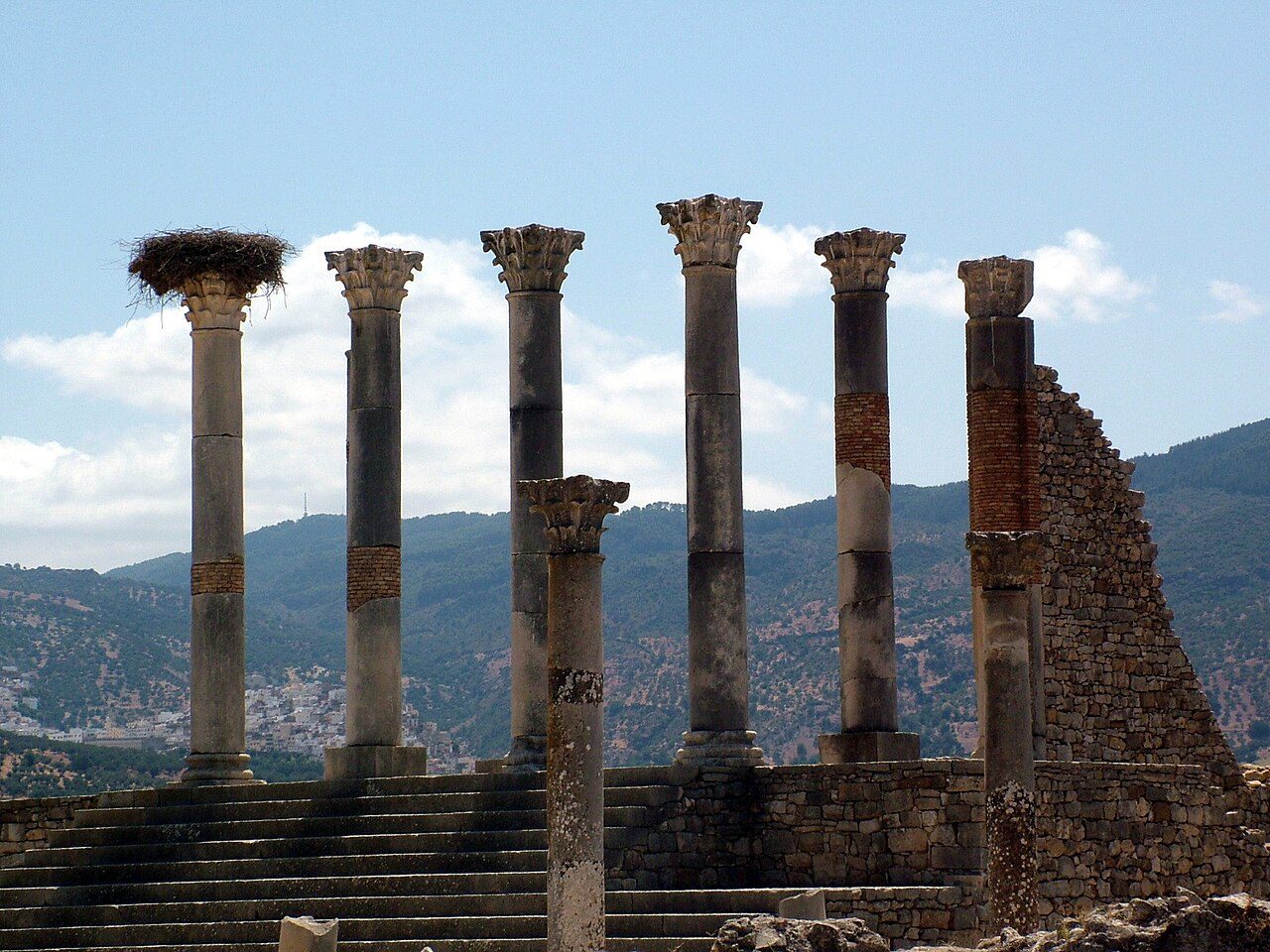
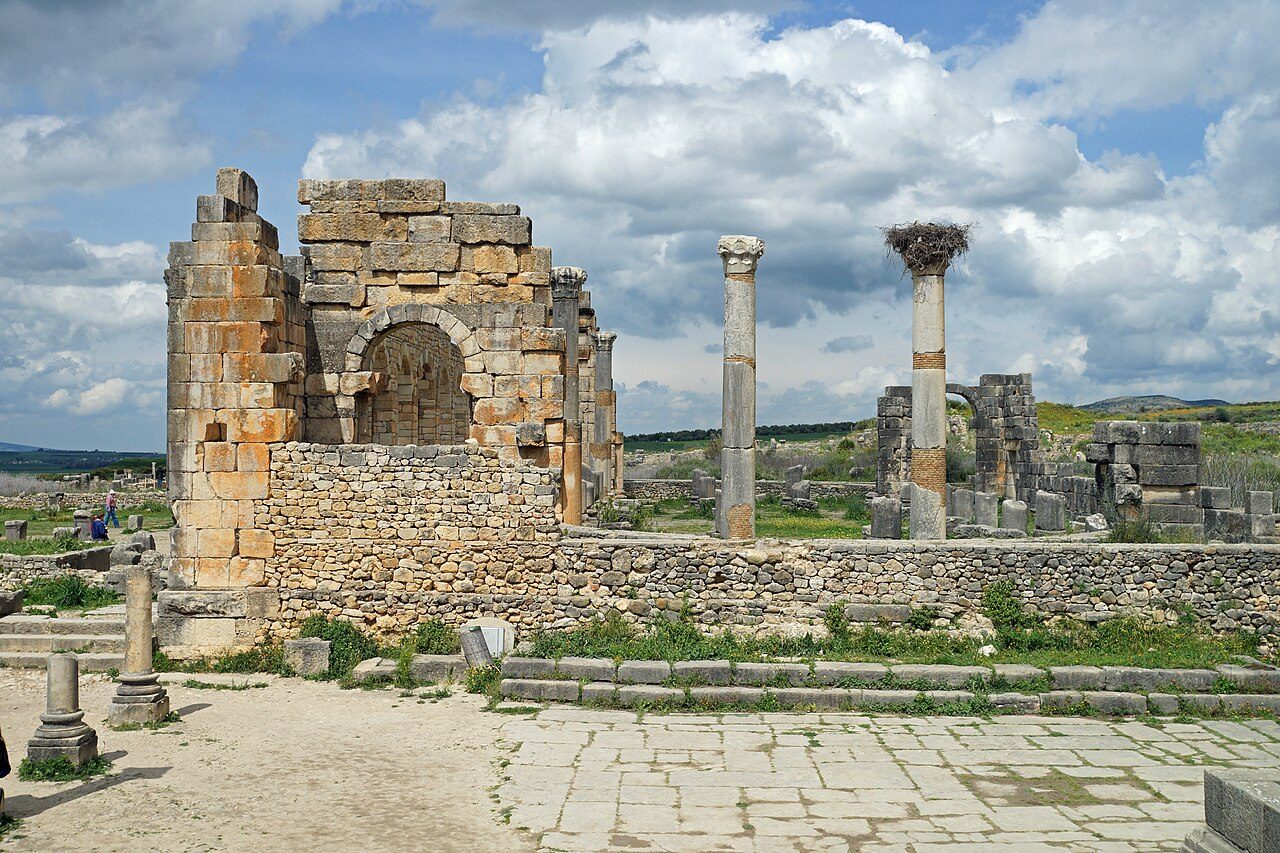
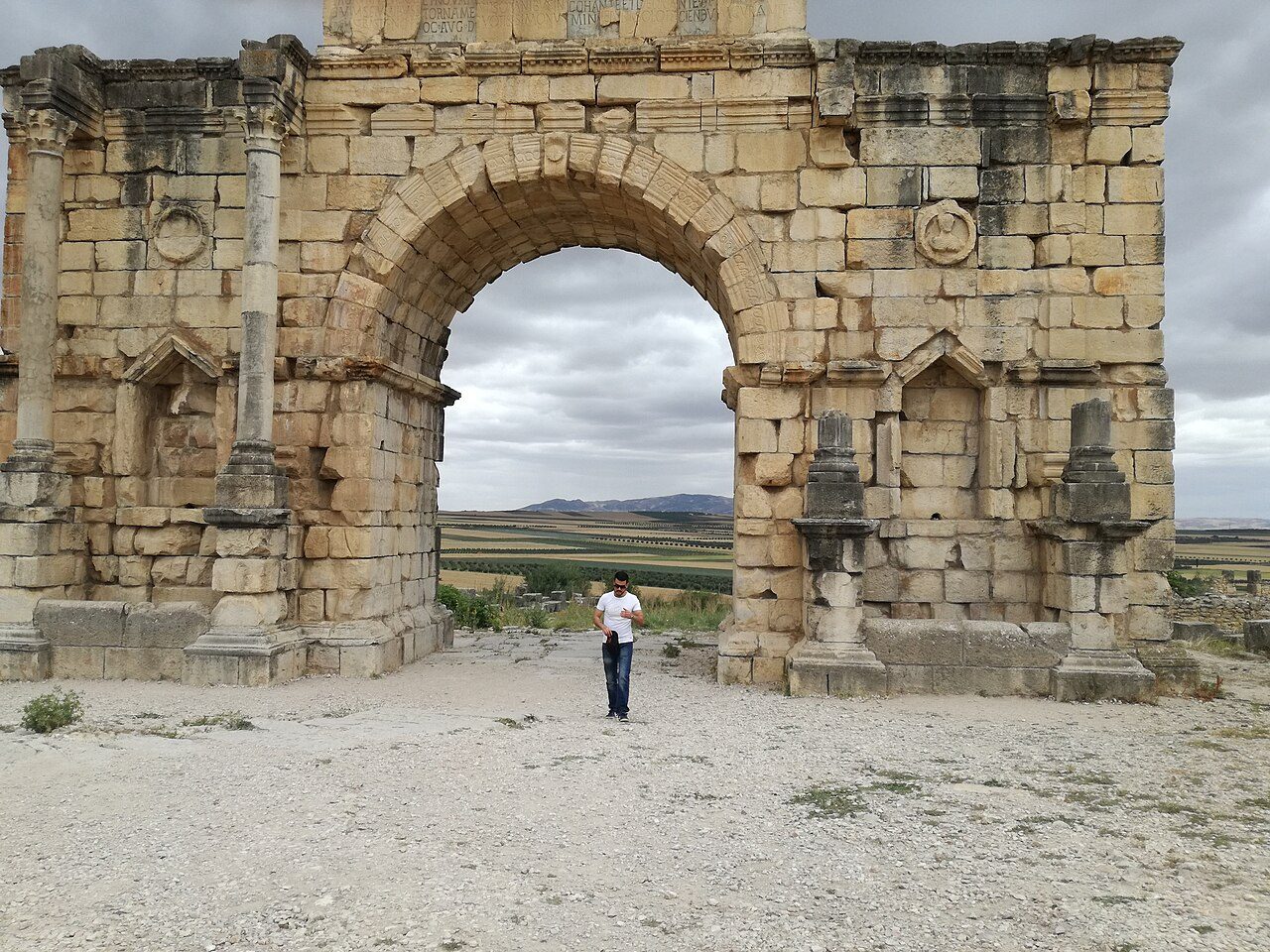
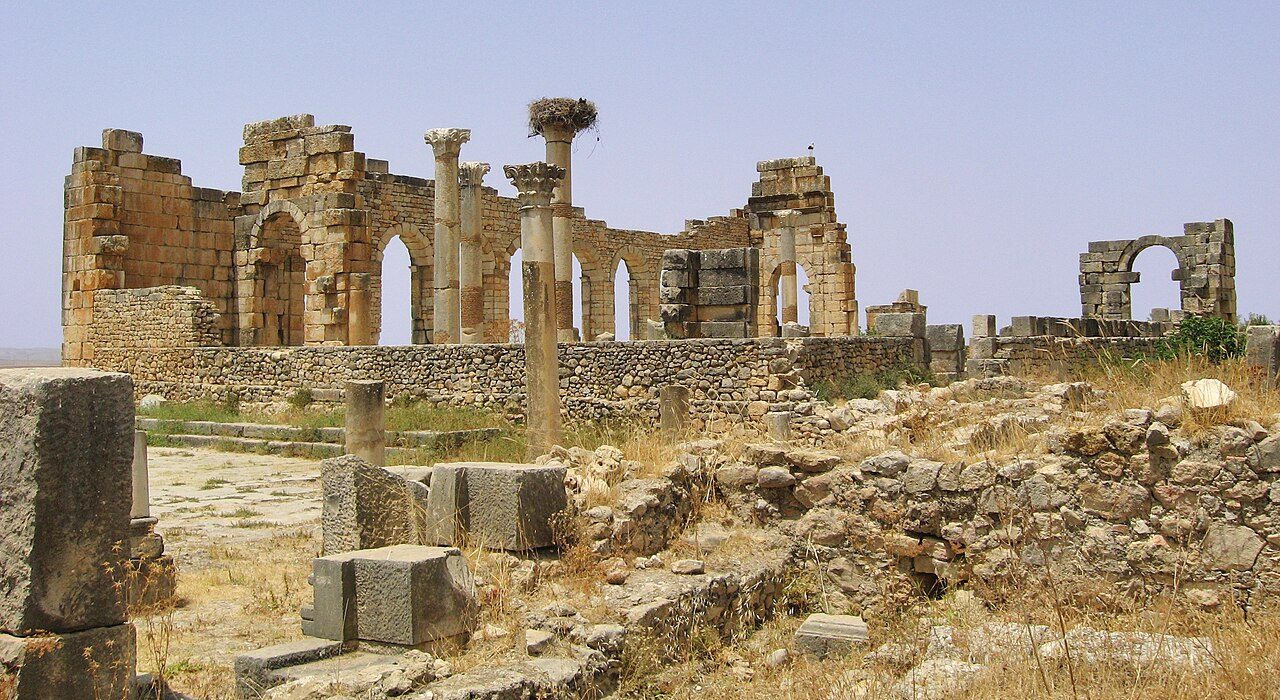
Volubilis is the best preserved Roman city in Morocco, founded on an earlier settlement and once a provincial capital. Its ruins include a triumphal arch, a basilica, the capitol and houses with beautiful floor mosaics. It is a UNESCO World Heritage Site. Visit in the late afternoon, when the light is soft and the heat has eased.
07
STOP 7 OF 22
Bab Bou Jeloud
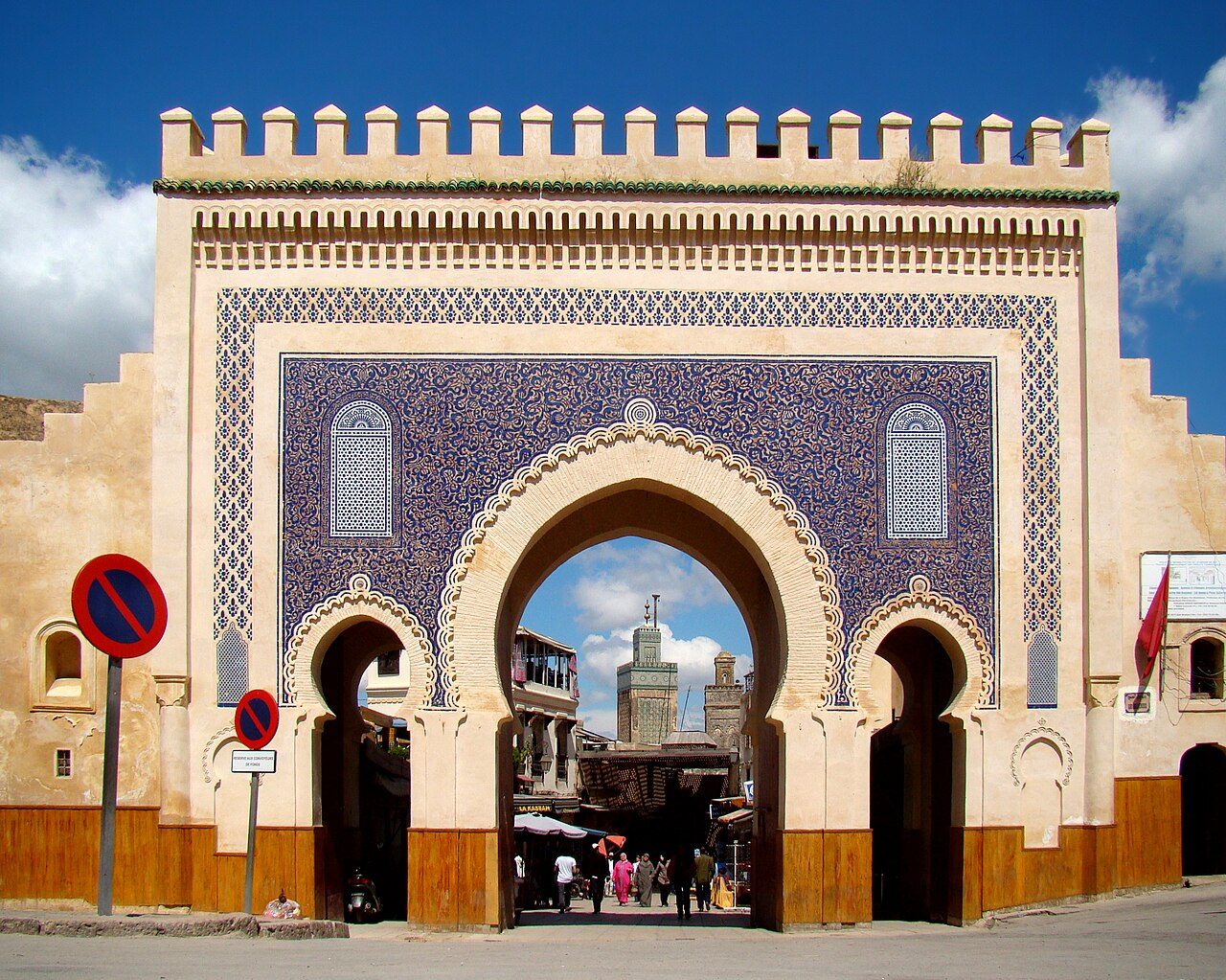
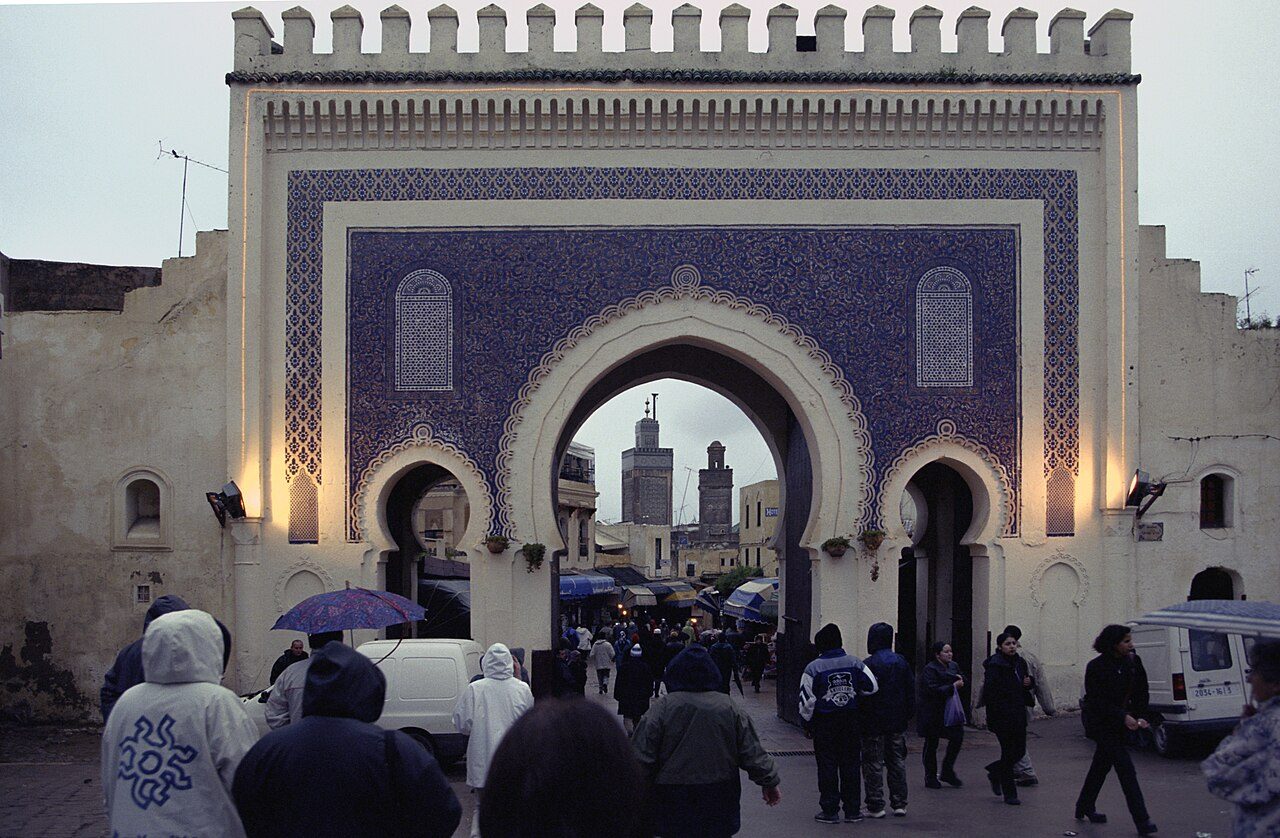
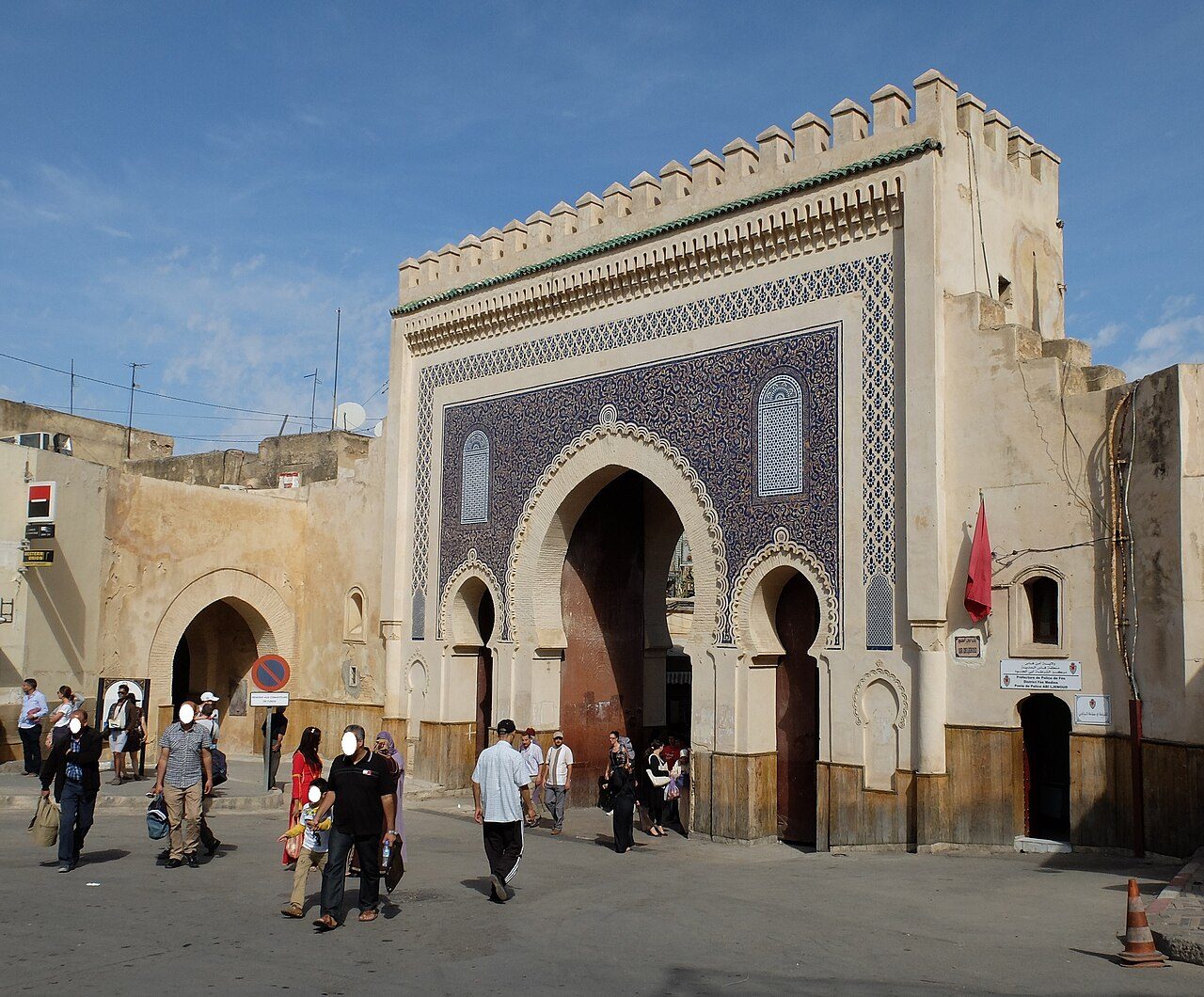
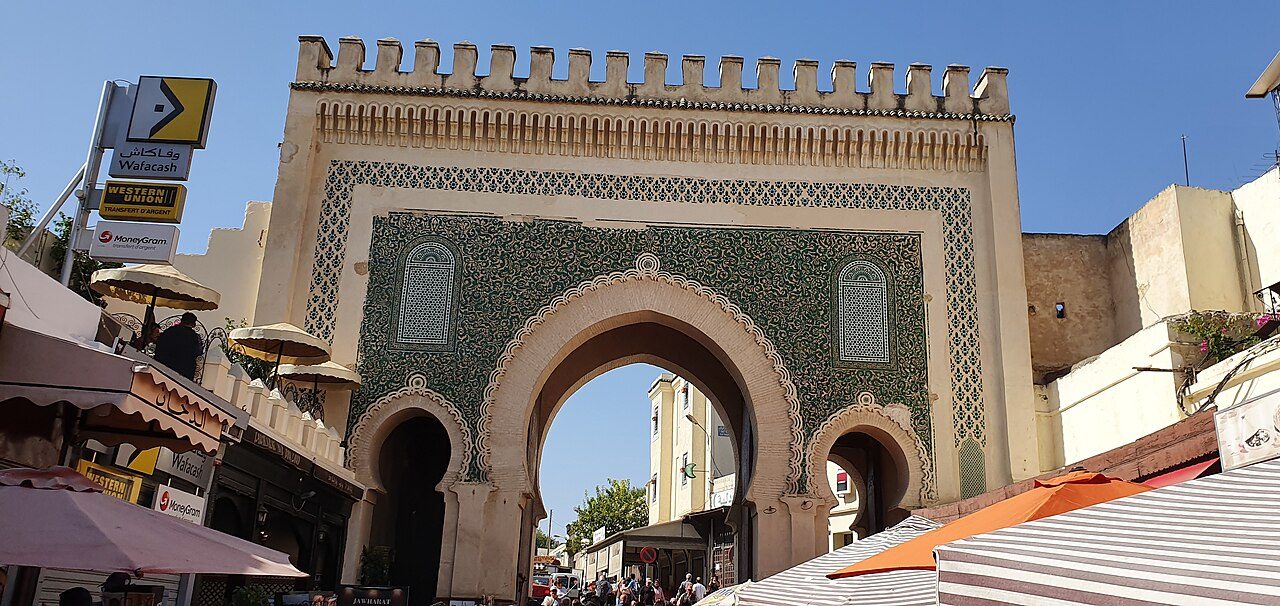
Bab Bou Jeloud is the main western gate into the medina of Fes el-Bali. Built in 1913 in a traditional style, it is decorated with blue tiles on the outside and green tiles on the inside, the colours of Fes and of Islam. Through its arches you can see minarets inside the medina. It is the usual starting point for exploring the old city.
08
STOP 8 OF 22
Bou Inania Madrasa Fes
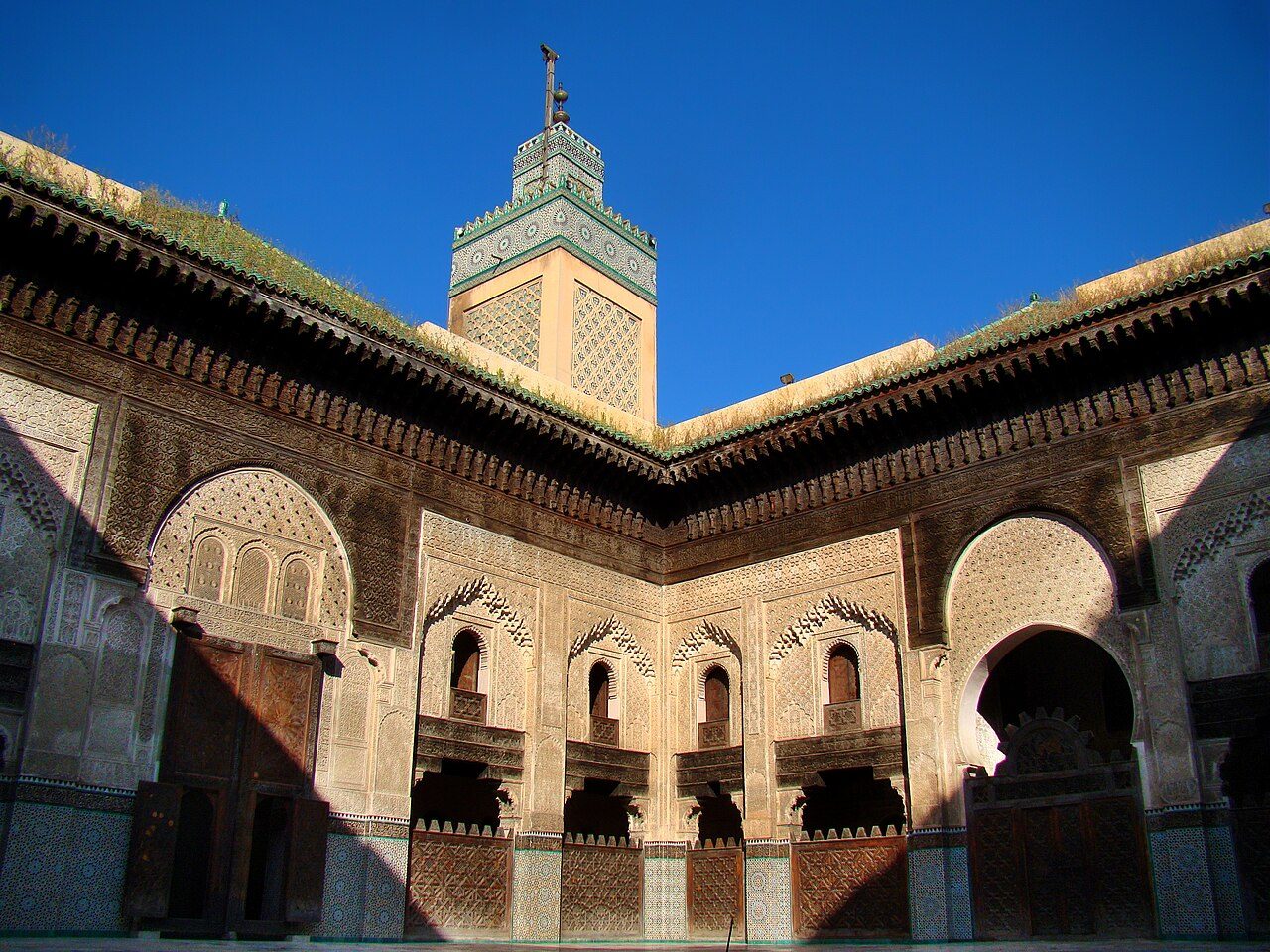
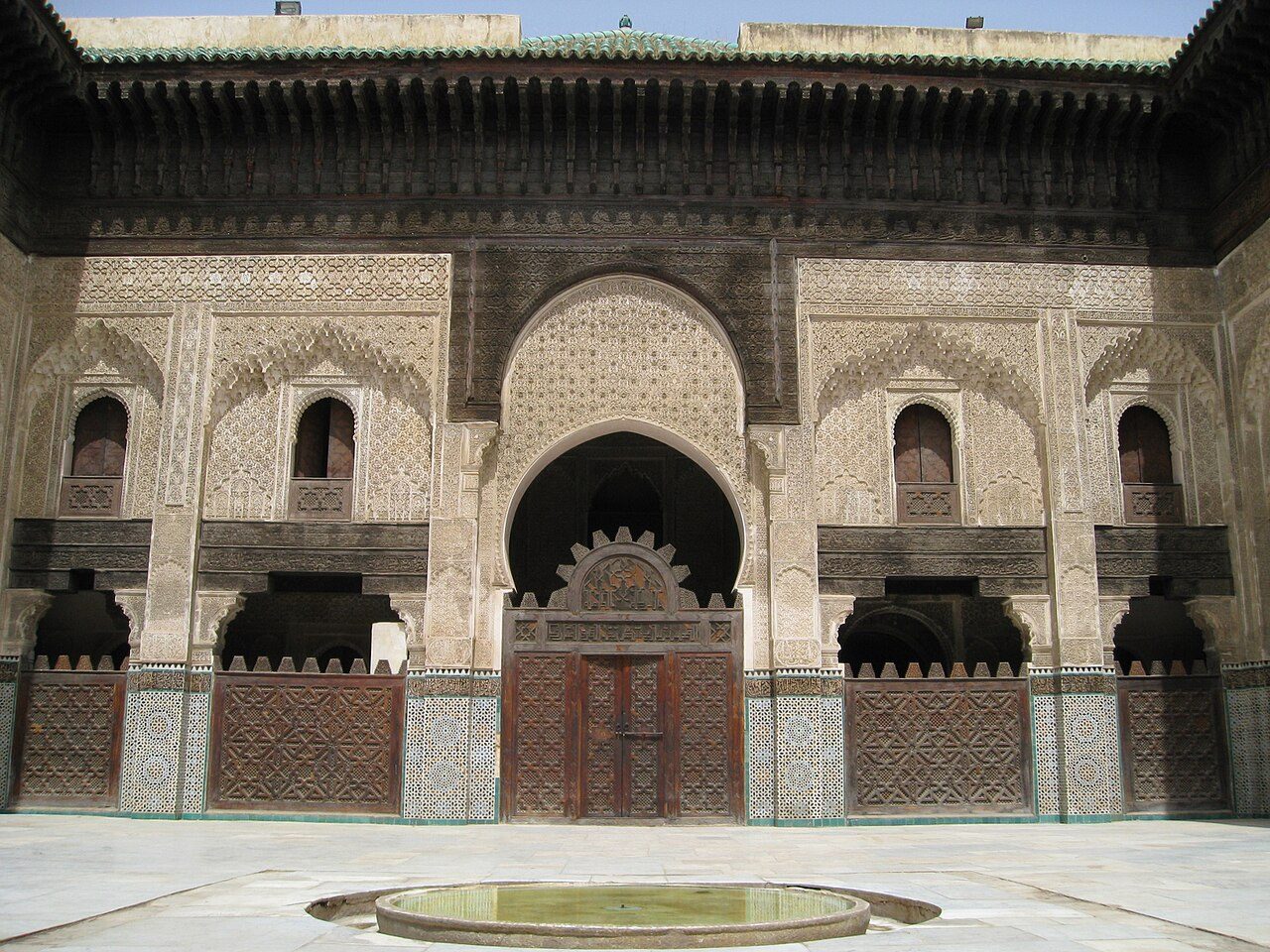
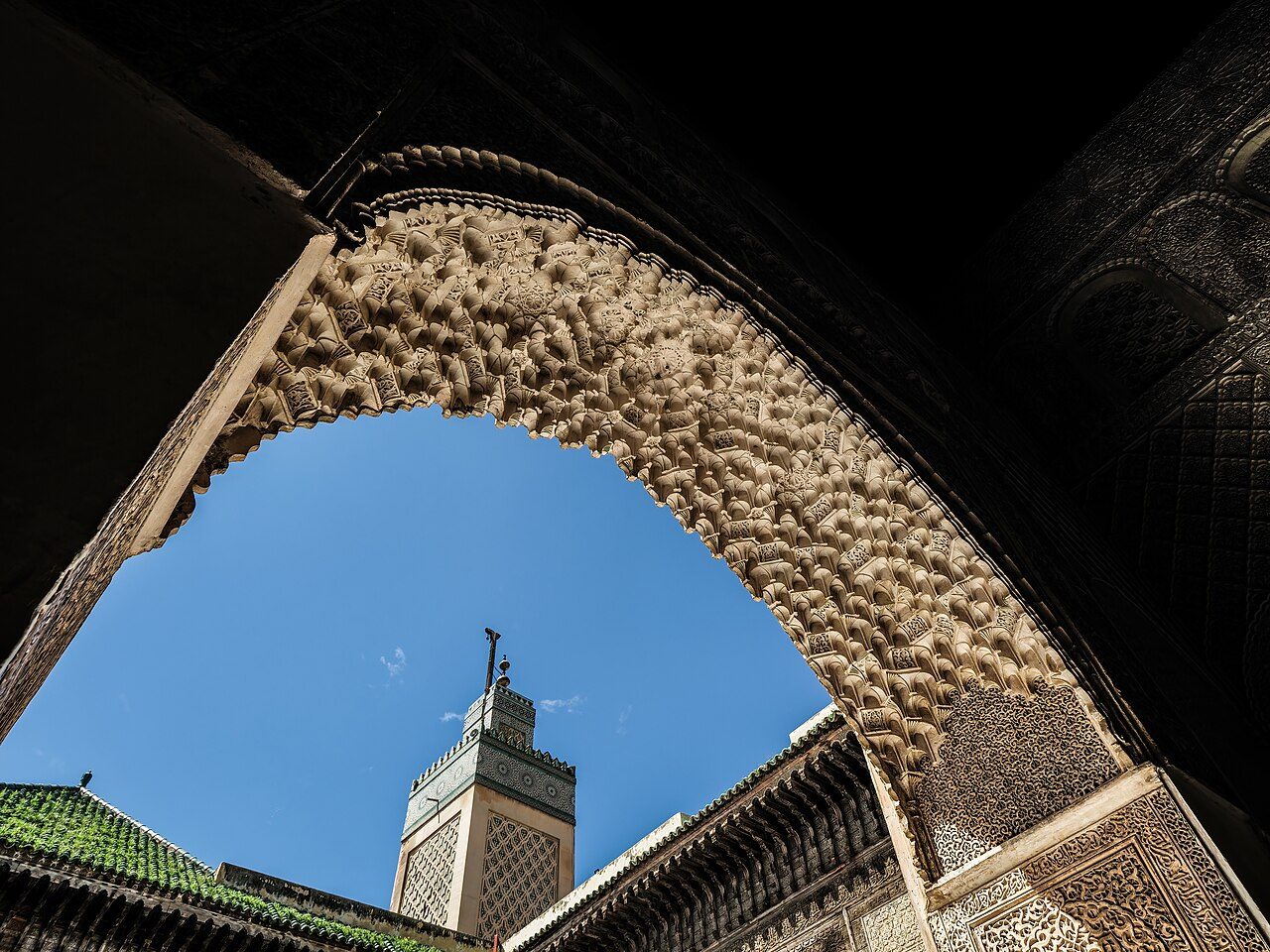
The Bou Inania Madrasa in Fes was built in the 14th century by the Marinid sultan Abu Inan Faris. It is one of the few religious buildings in Morocco open to non-Muslims, and it still serves as a mosque. The courtyard has superb carved cedar, stucco and zellij tiles. A water clock once stood on the facade across the street.
09
STOP 9 OF 22
Al-Attarine Madrasa
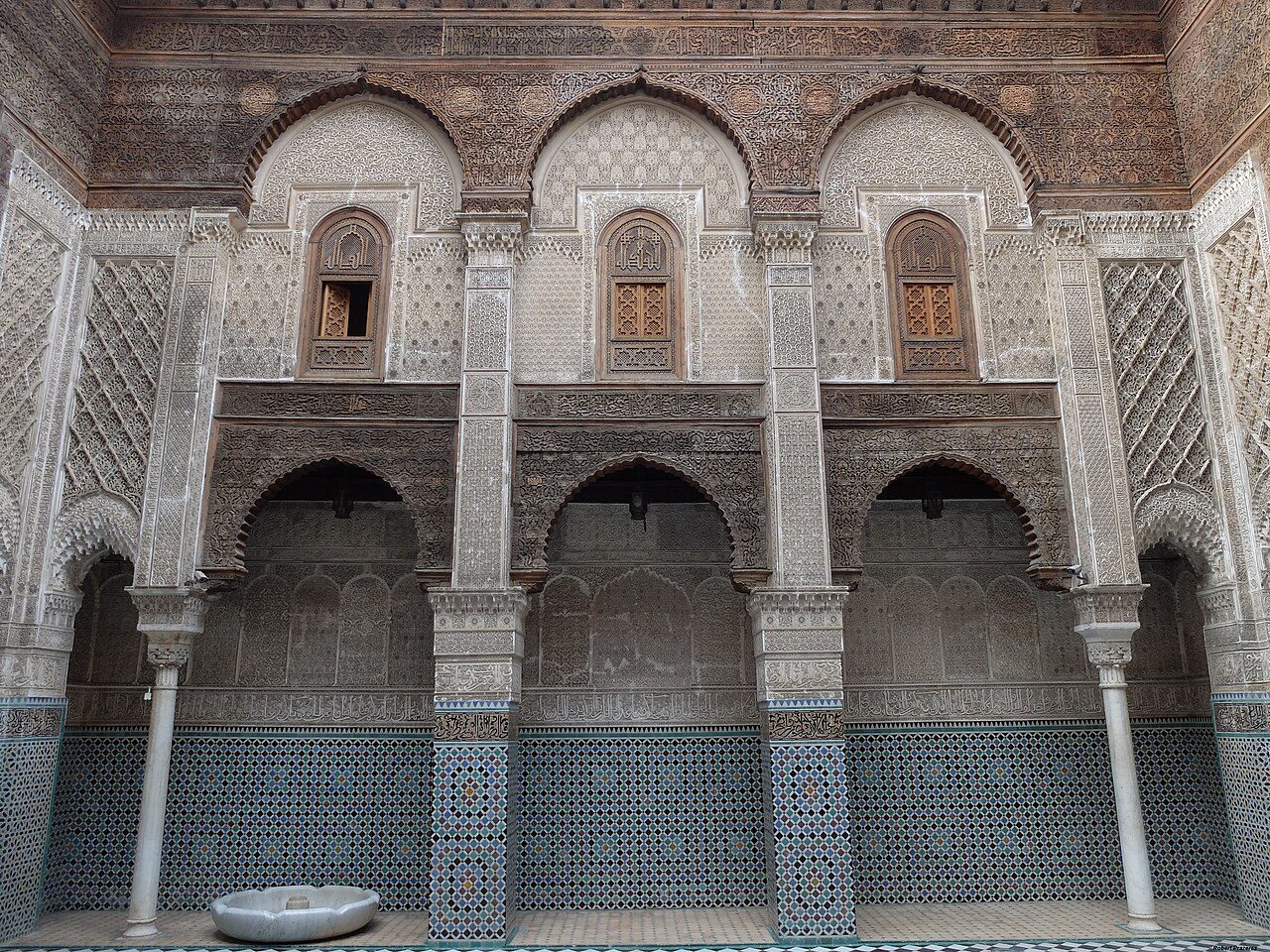
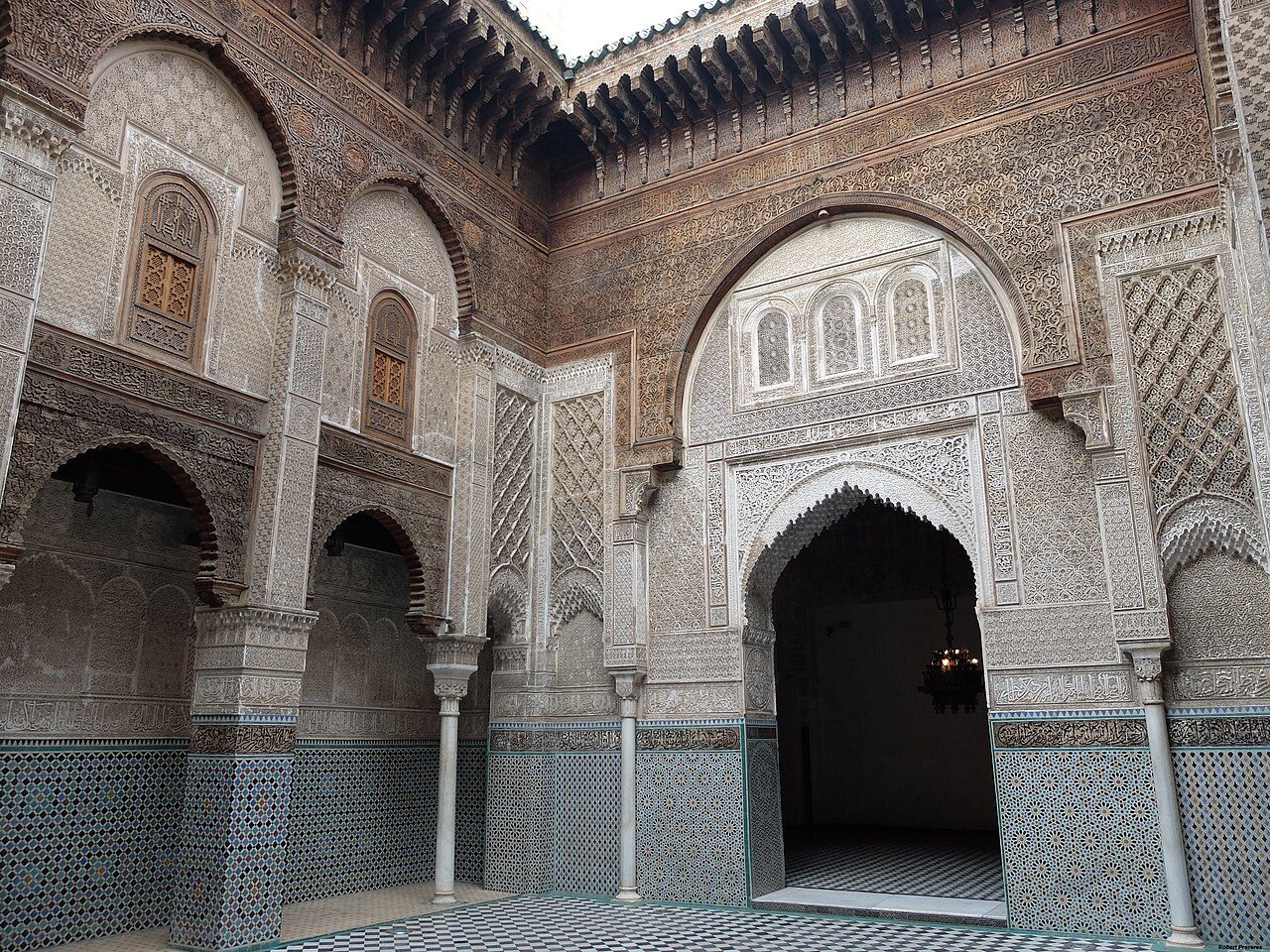
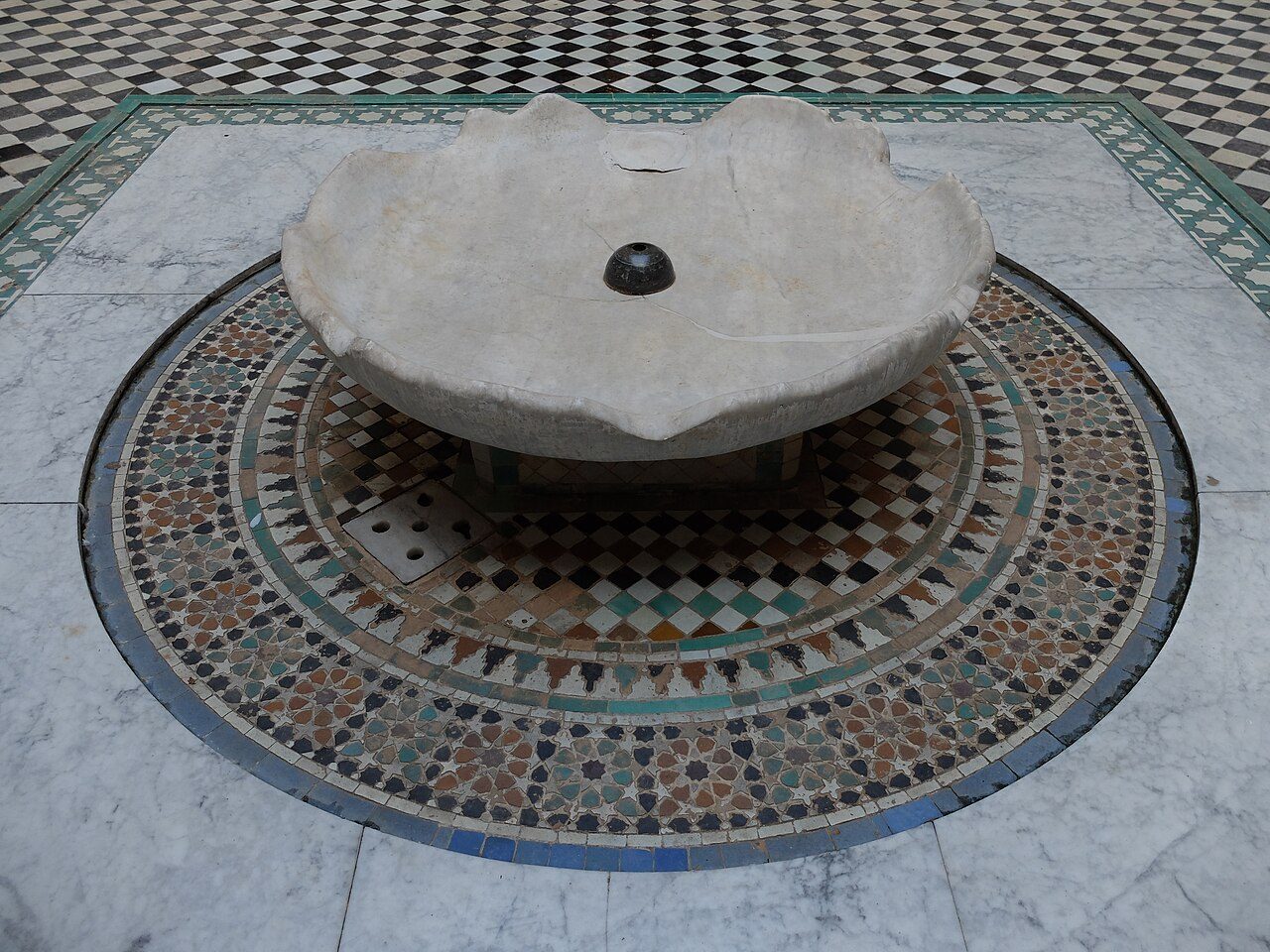
Al-Attarine Madrasa is a 14th-century college built by the Marinid sultan Abu Said near the spice market of Fes. Its small courtyard is one of the most finely decorated in Morocco, with carved stucco, cedar and zellij tilework. Students once lived in the rooms upstairs. It sits close to Al-Qarawiyyin Mosque in the heart of the medina.
10
STOP 10 OF 22
Al-Qarawiyyin Mosque
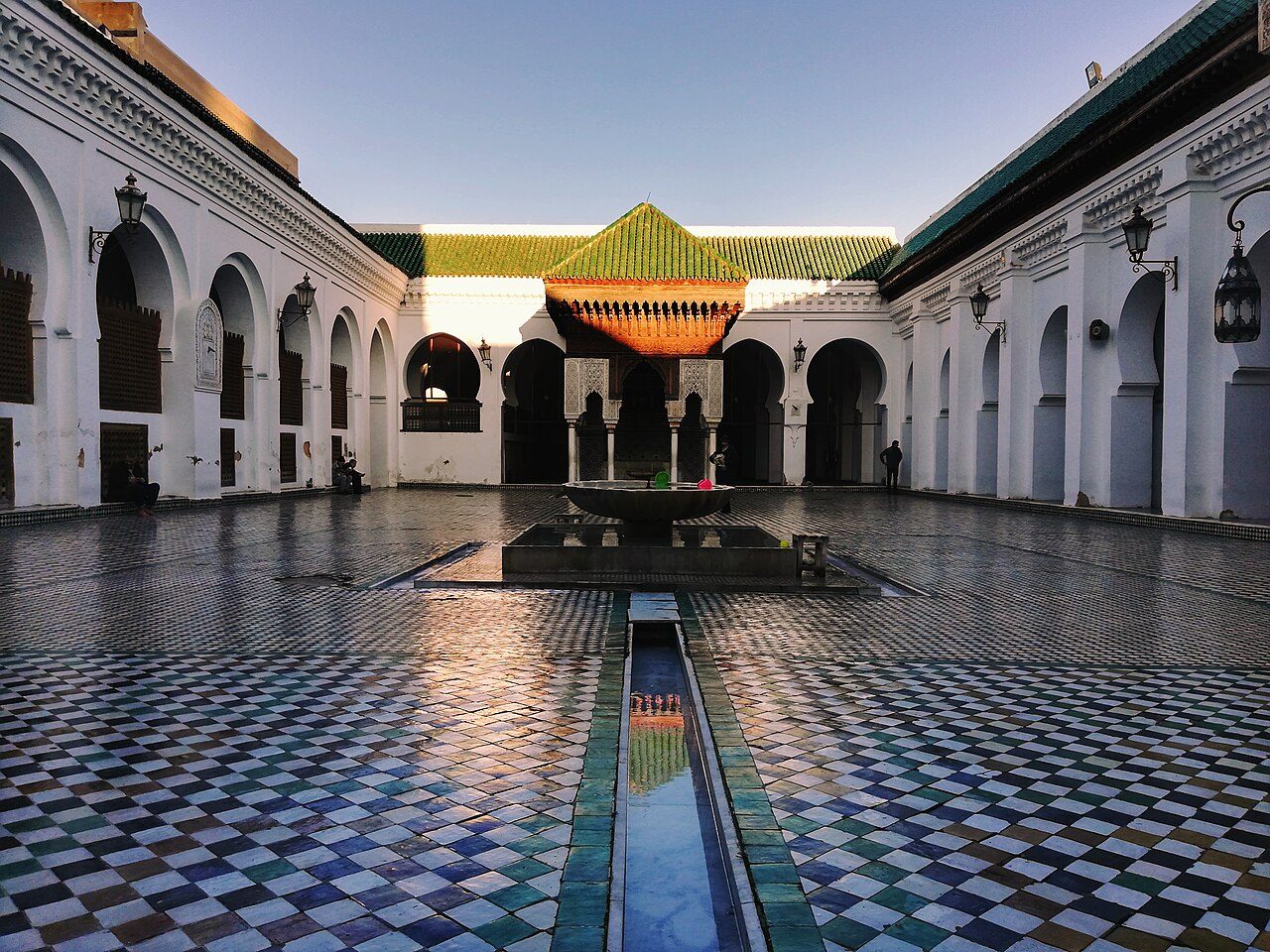
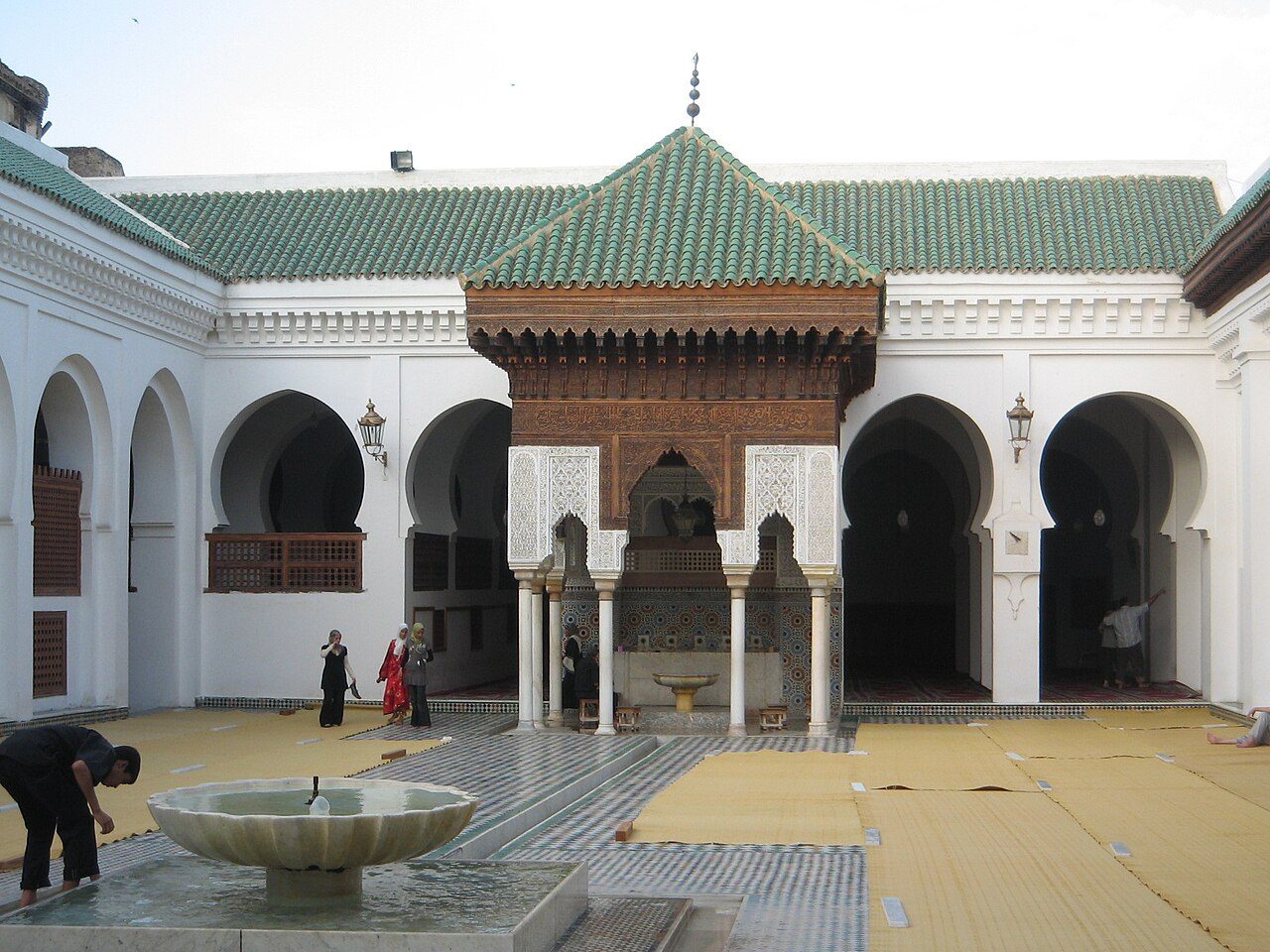
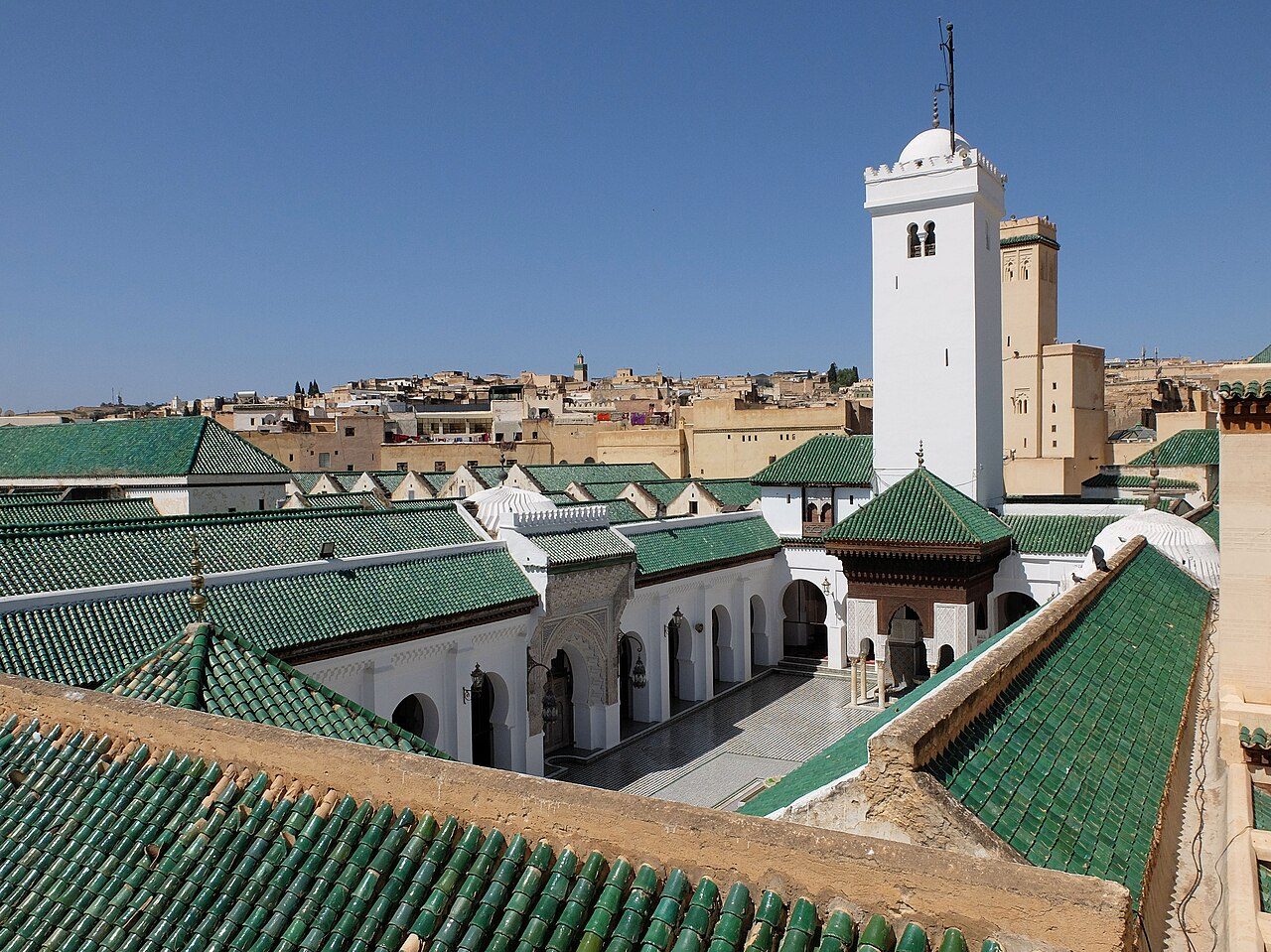
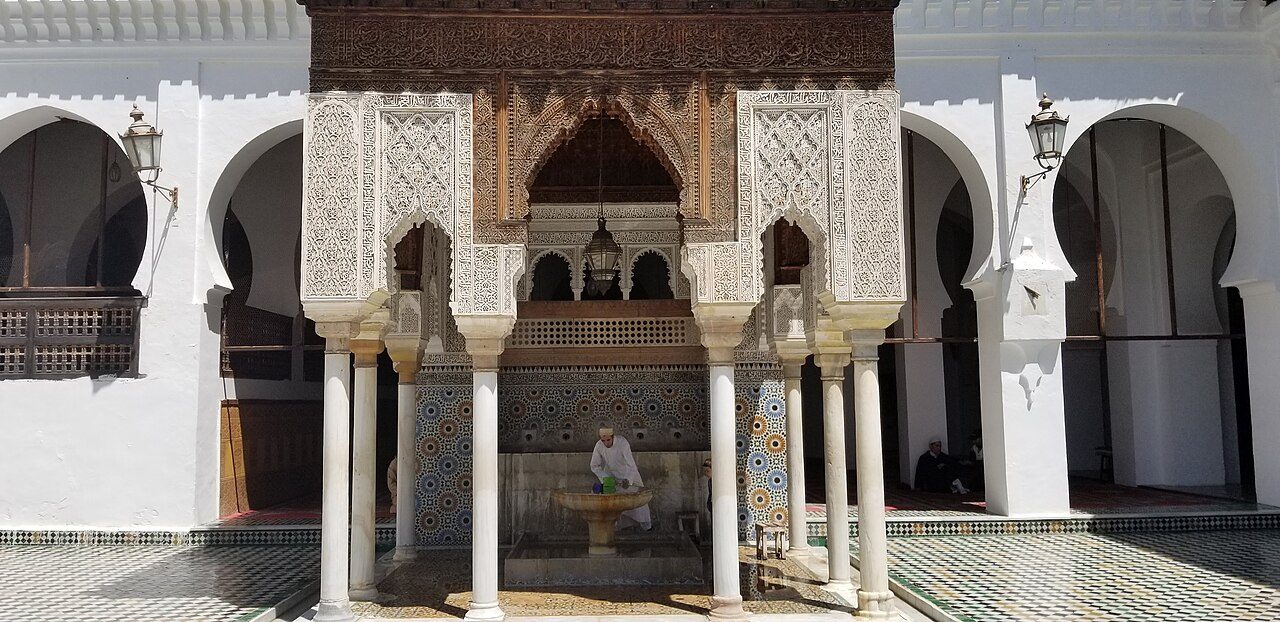
Al-Qarawiyyin was founded in 859 by Fatima al-Fihri and is considered one of the oldest continuously operating universities in the world. The mosque is the heart of the Fes medina. Non-Muslims cannot enter, but they can glimpse the courtyard and fountains through the main doors, and its restored library is sometimes open to visitors.
11
STOP 11 OF 22
Chouara Tannery
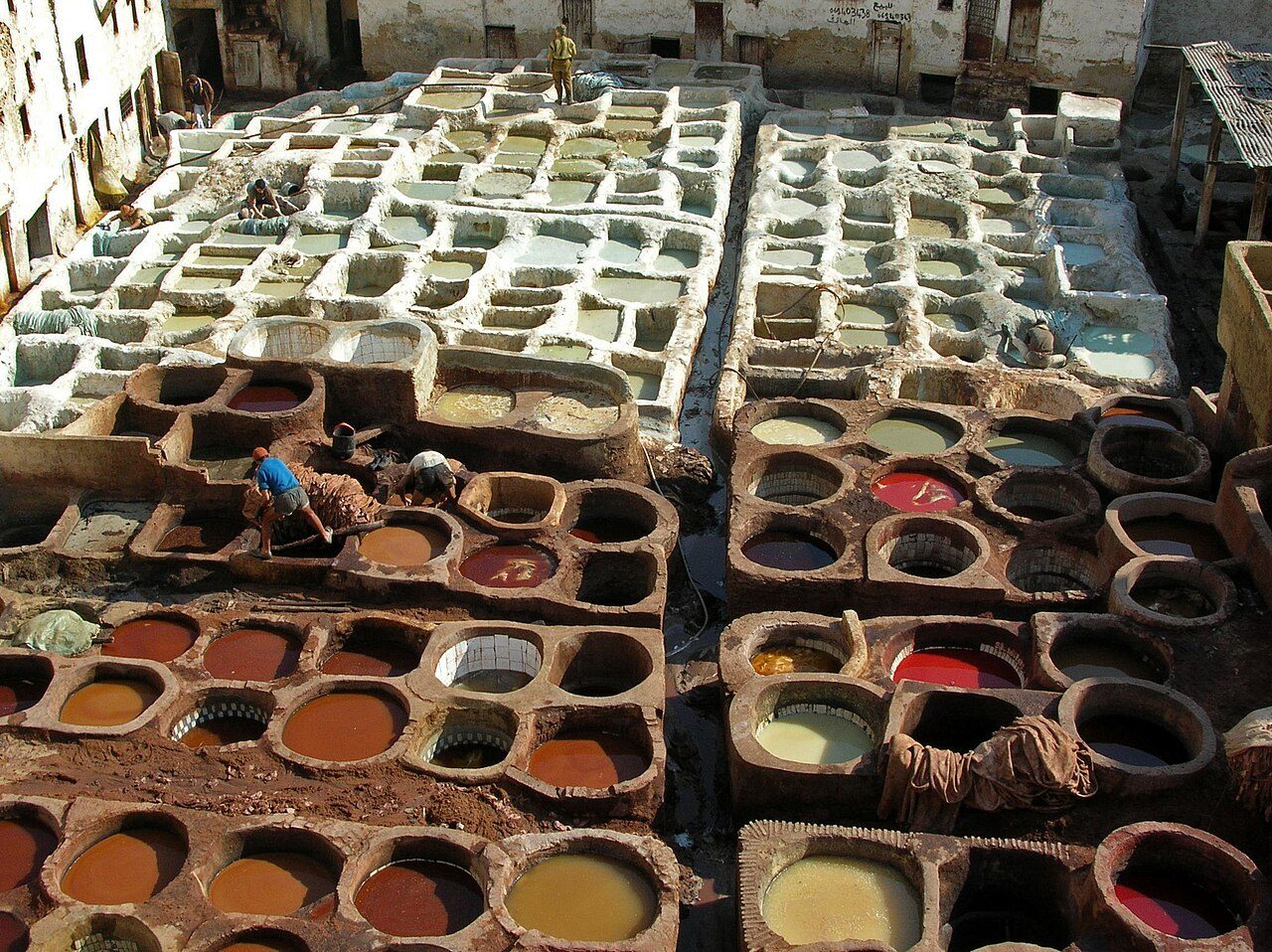
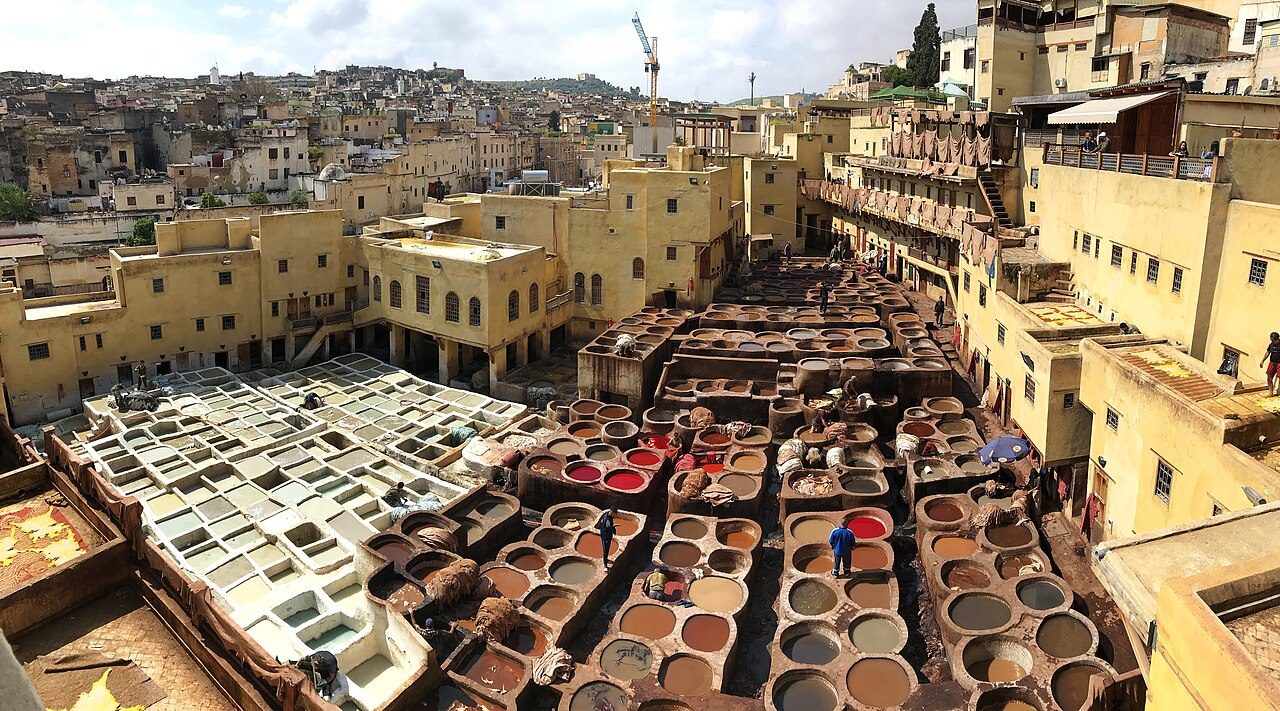
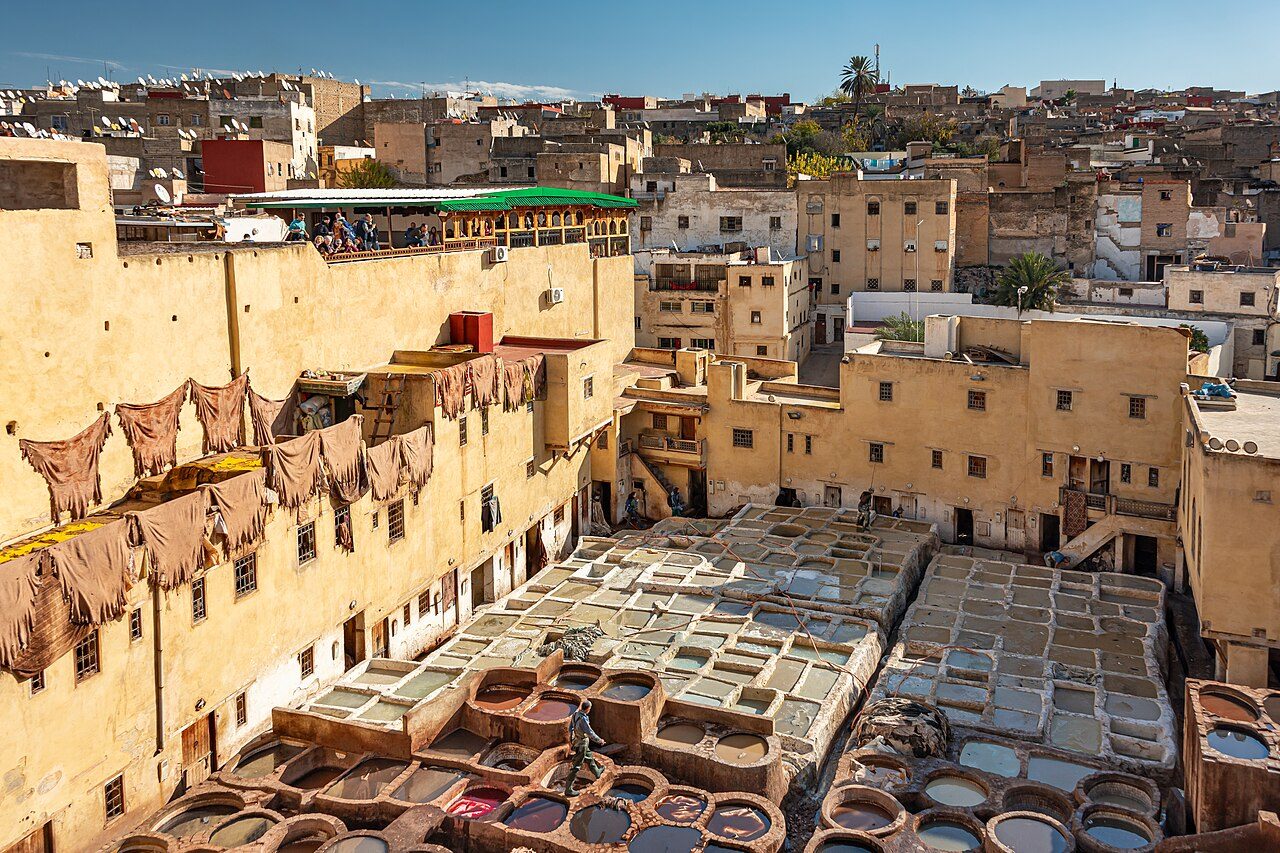
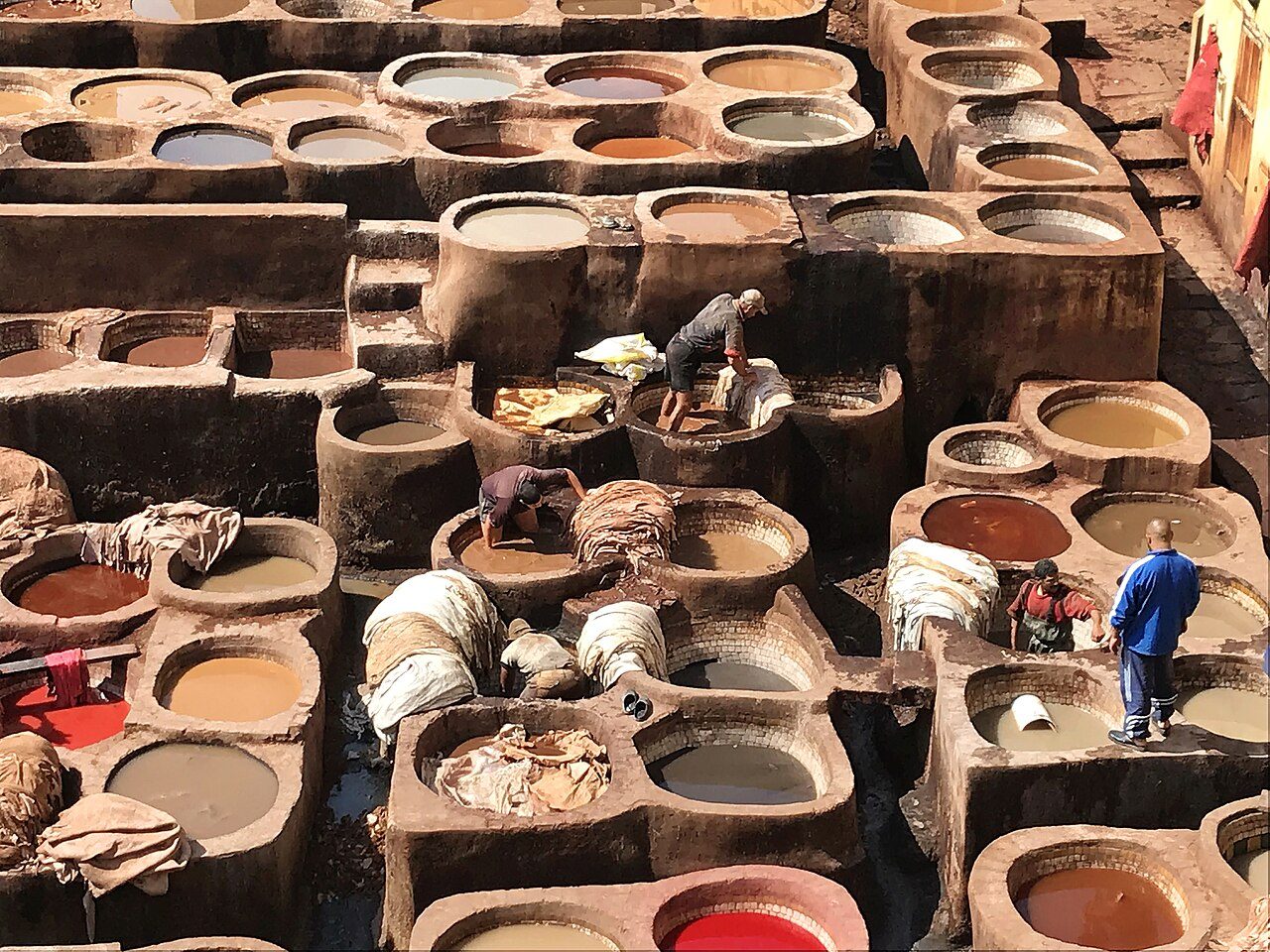
The Chouara Tannery is the largest tannery in Fes and has worked in much the same way since medieval times. Hides are soaked in stone pits filled with dyes and natural materials. The best views are from the terraces of surrounding leather shops. Morning is when the colours are brightest; you will be given mint leaves for the smell.
12
STOP 12 OF 22
Todgha Gorge
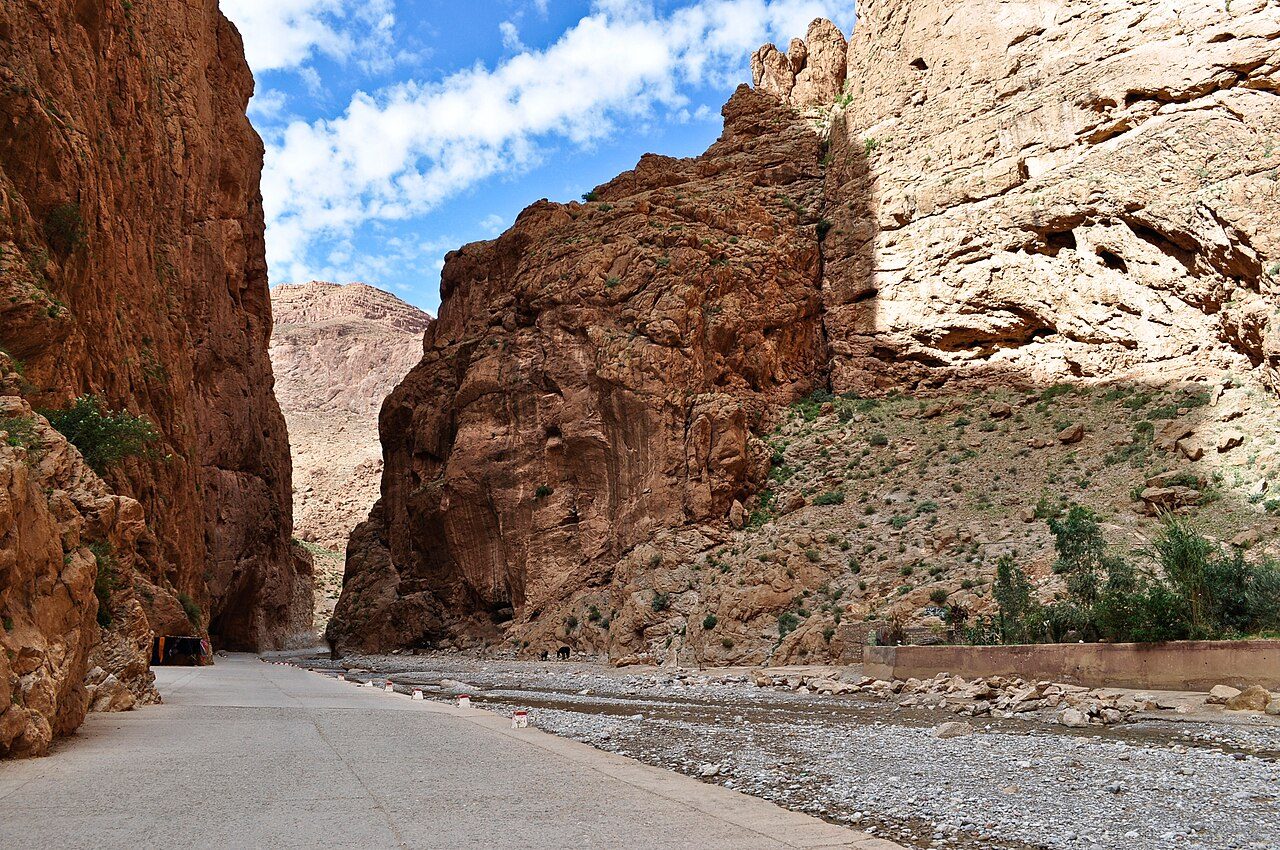
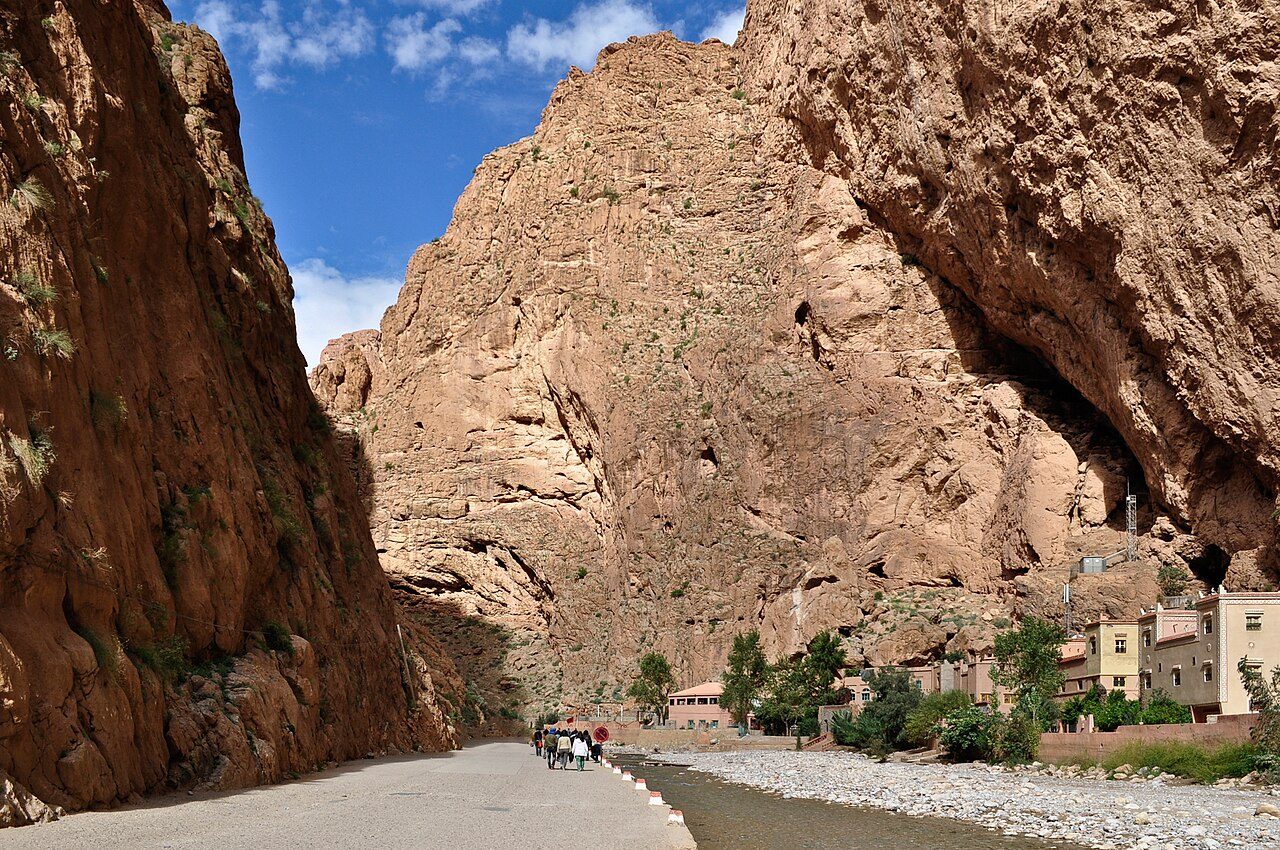
Todgha Gorge is a narrow canyon in the eastern High Atlas, where limestone walls rise up to 300 metres on each side of a river. The narrowest section is only about 10 metres wide. It is popular for hiking and rock climbing. Palm groves and villages line the valley approach from Tinghir. Visit in the morning when the light reaches the canyon floor.
13
STOP 13 OF 22
Taourirt Kasbah
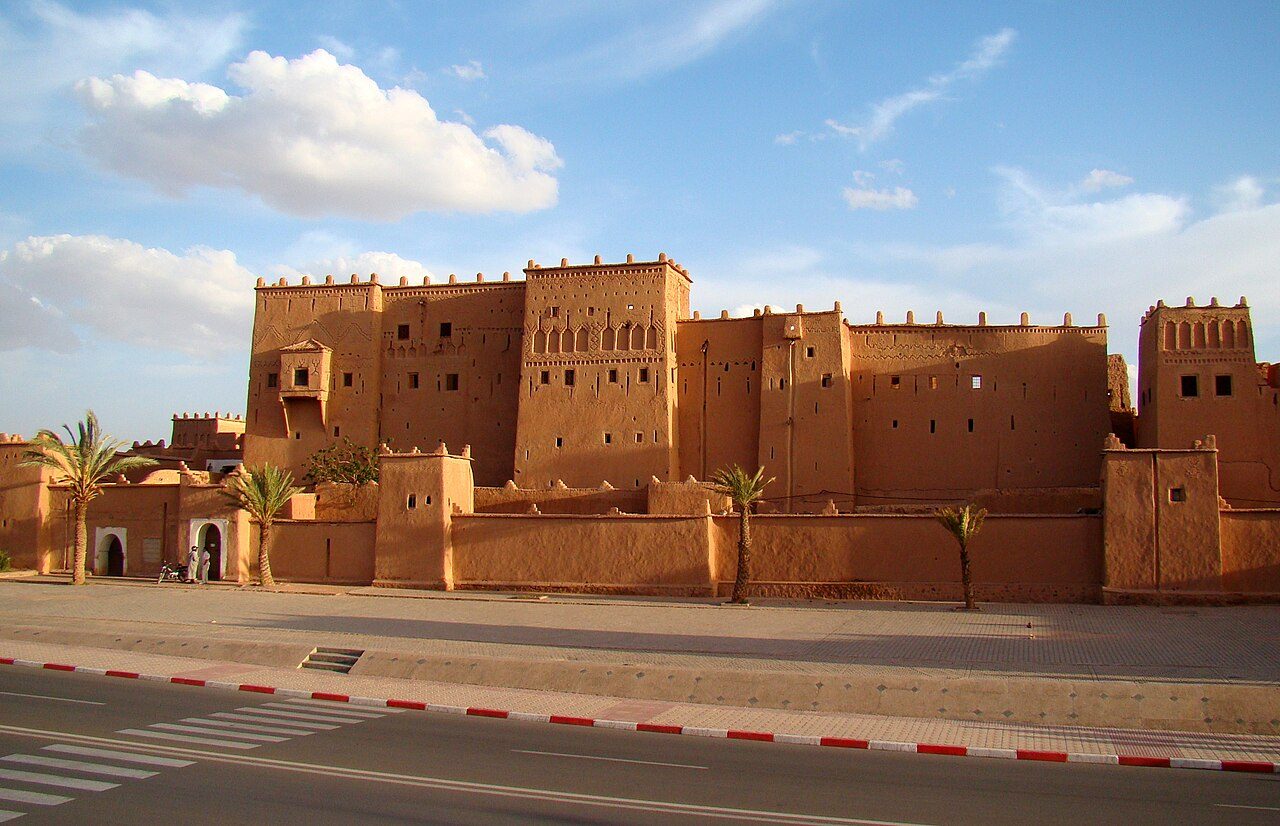
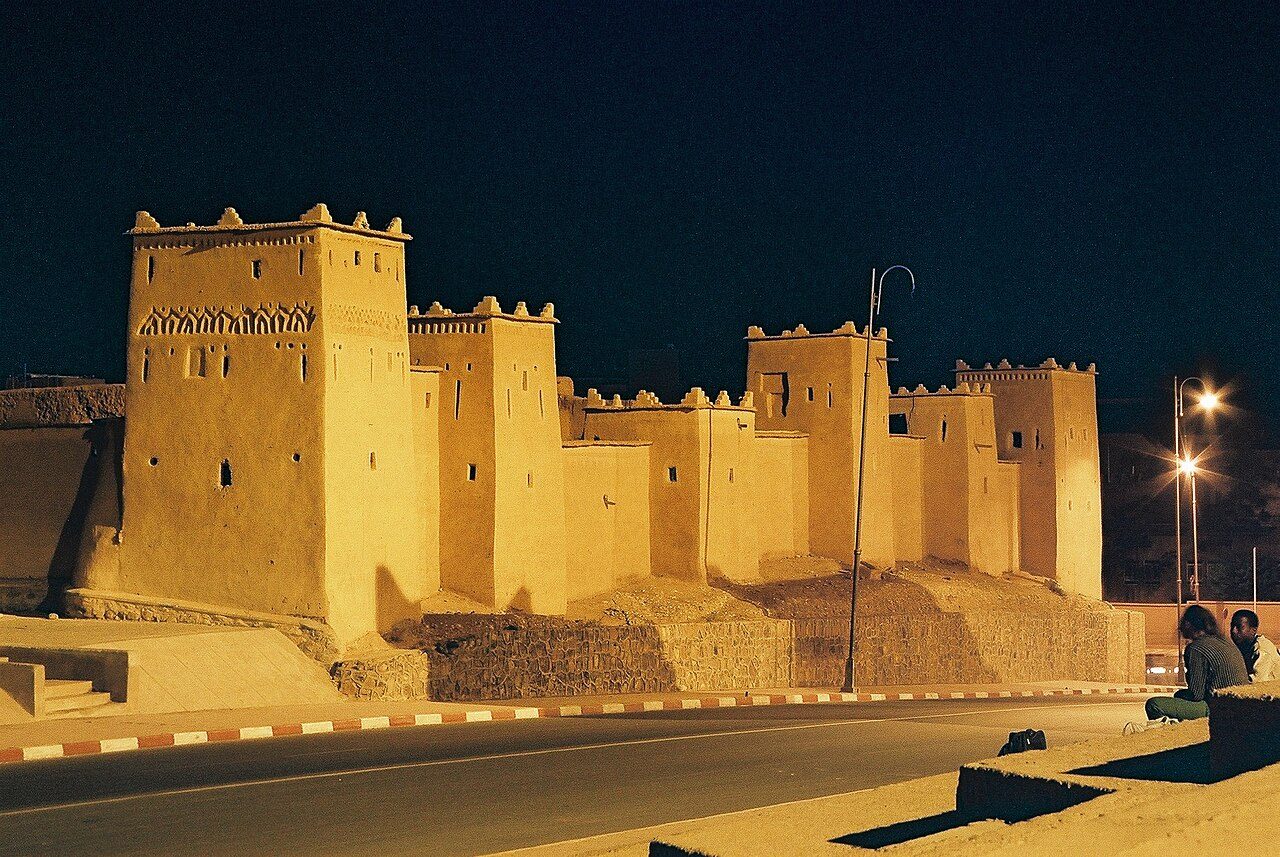
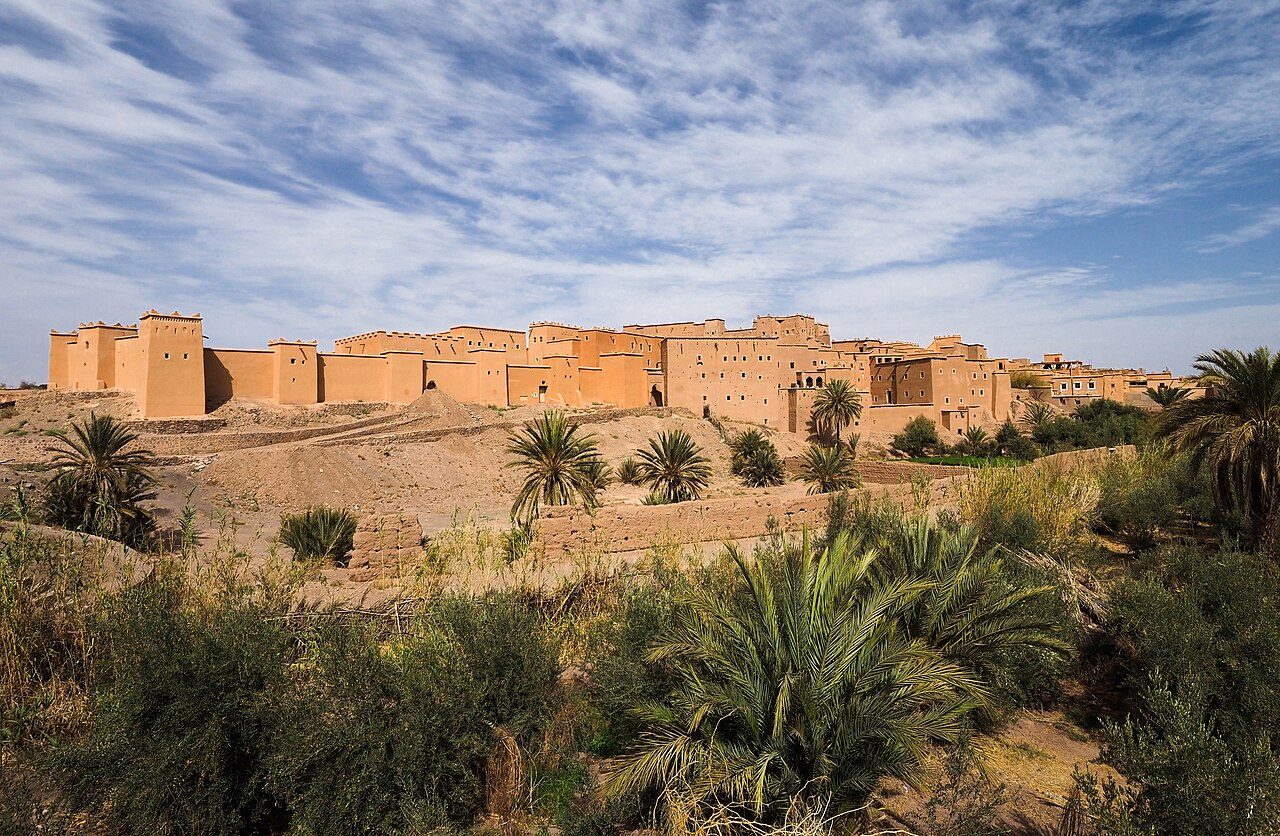
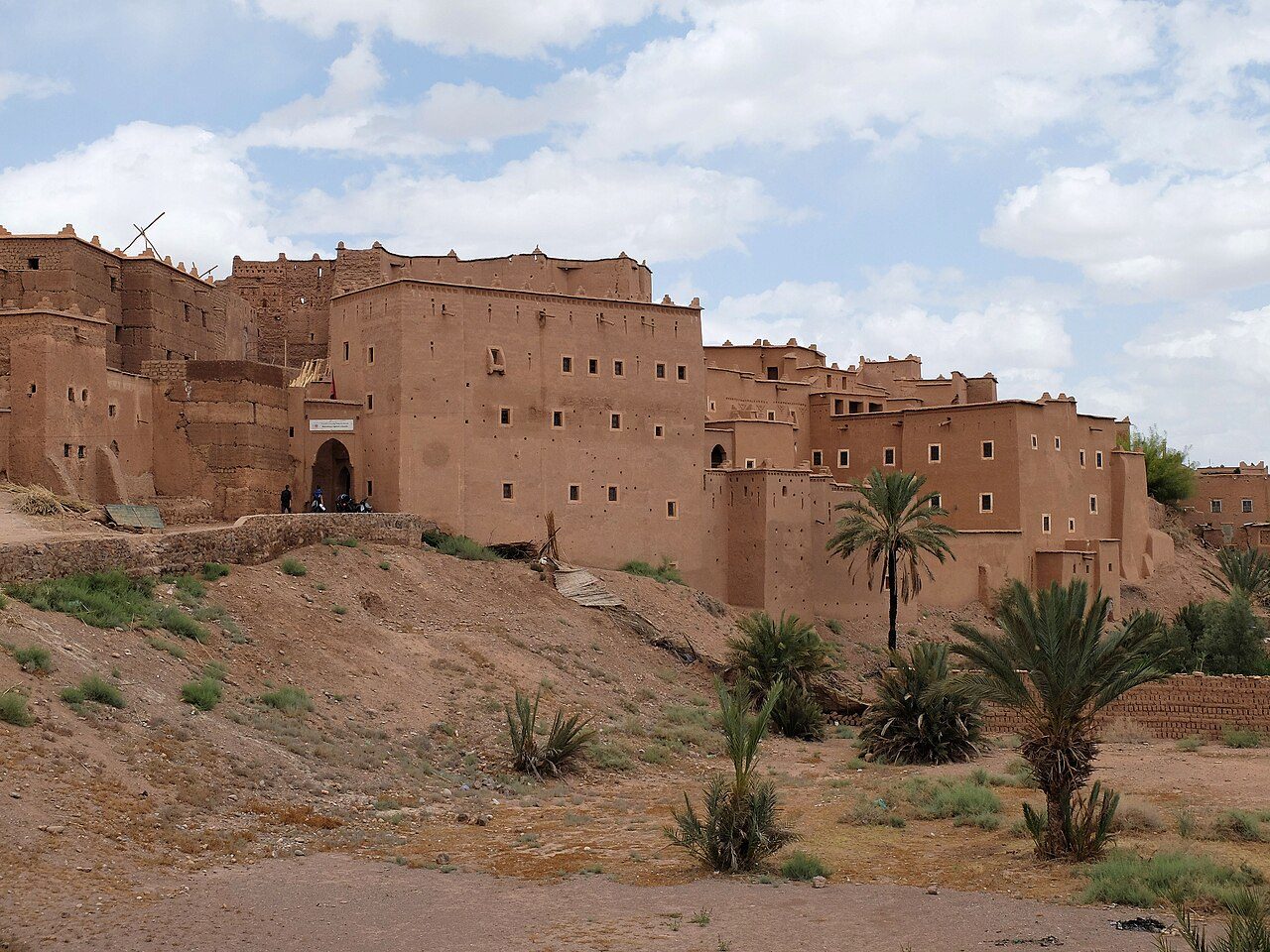
Taourirt Kasbah in Ouarzazate was the home of the powerful Glaoui family, who controlled the caravan routes in the 19th century. Its mud-brick towers and walls contain a maze of rooms, some with painted ceilings and stucco. Part of the kasbah is open to visitors. It stands in the centre of the town, near the film studios.
14
STOP 14 OF 22
Ait Benhaddou
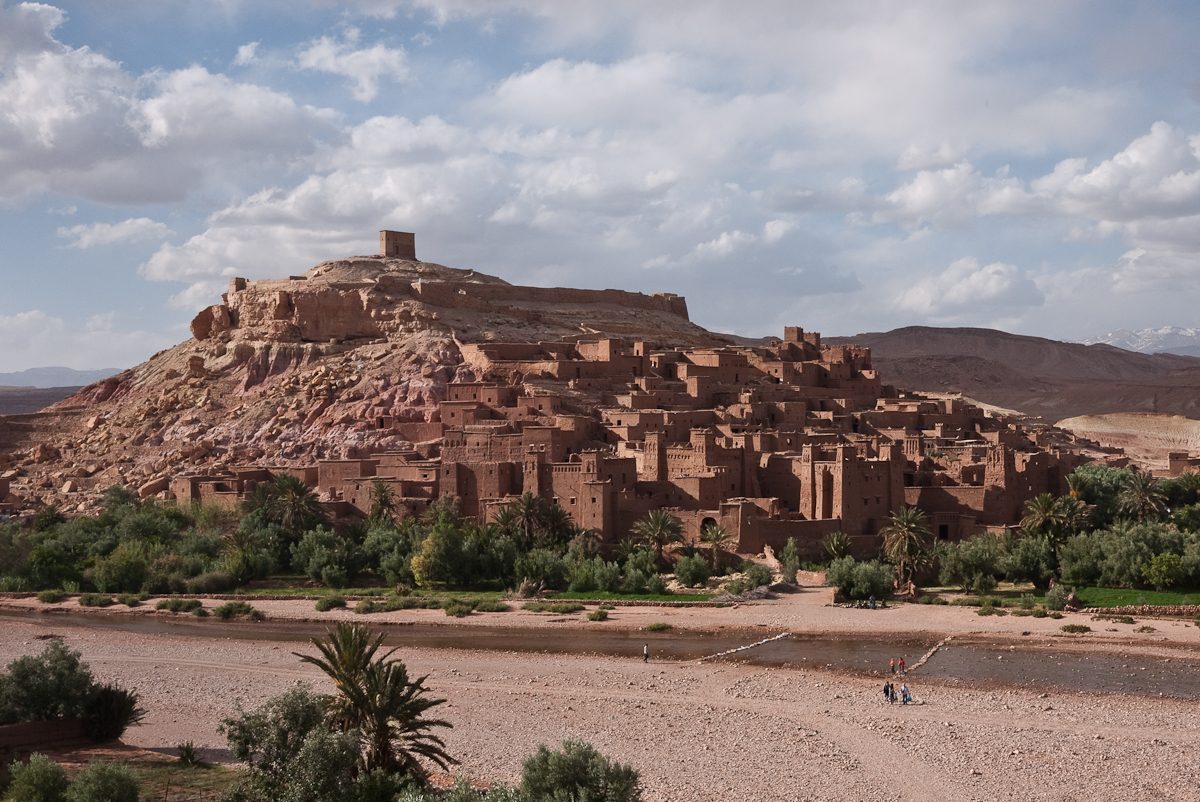
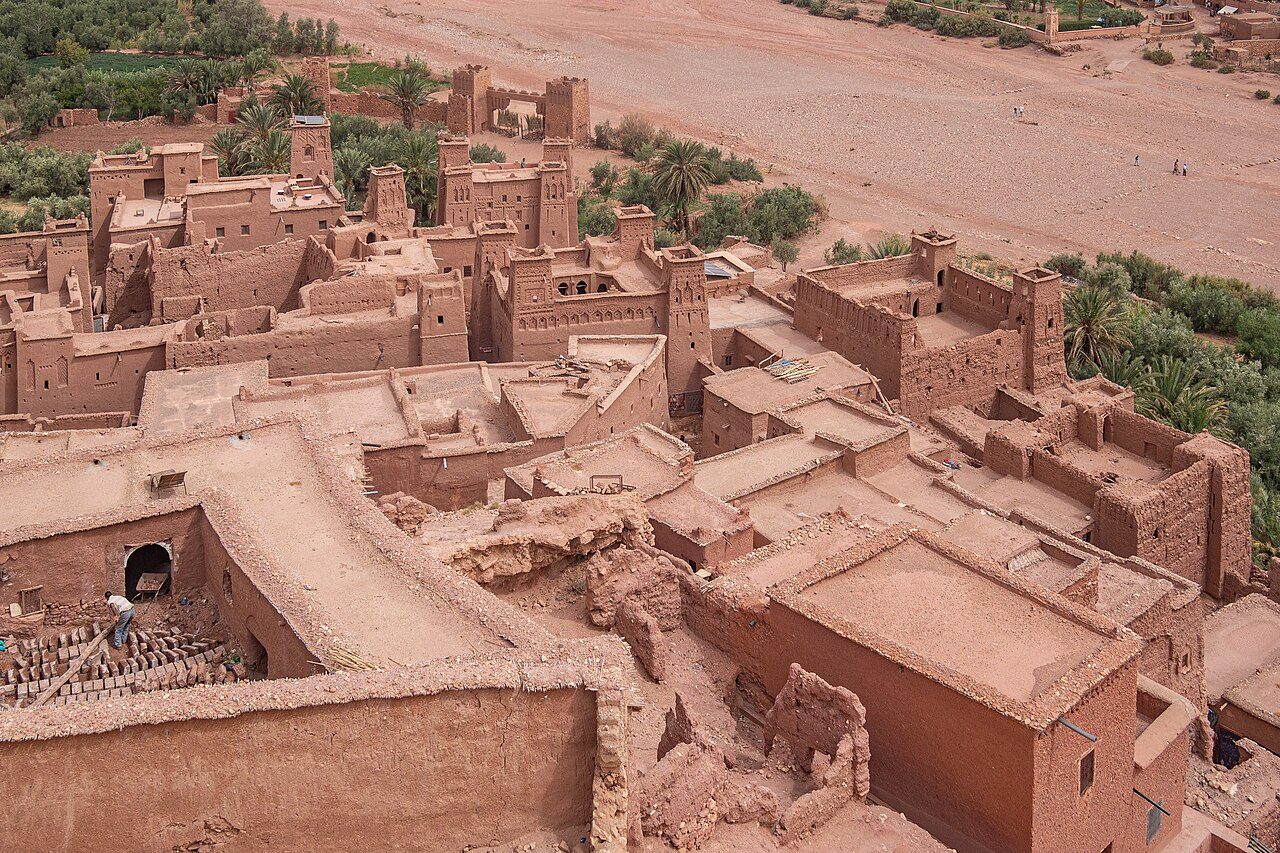
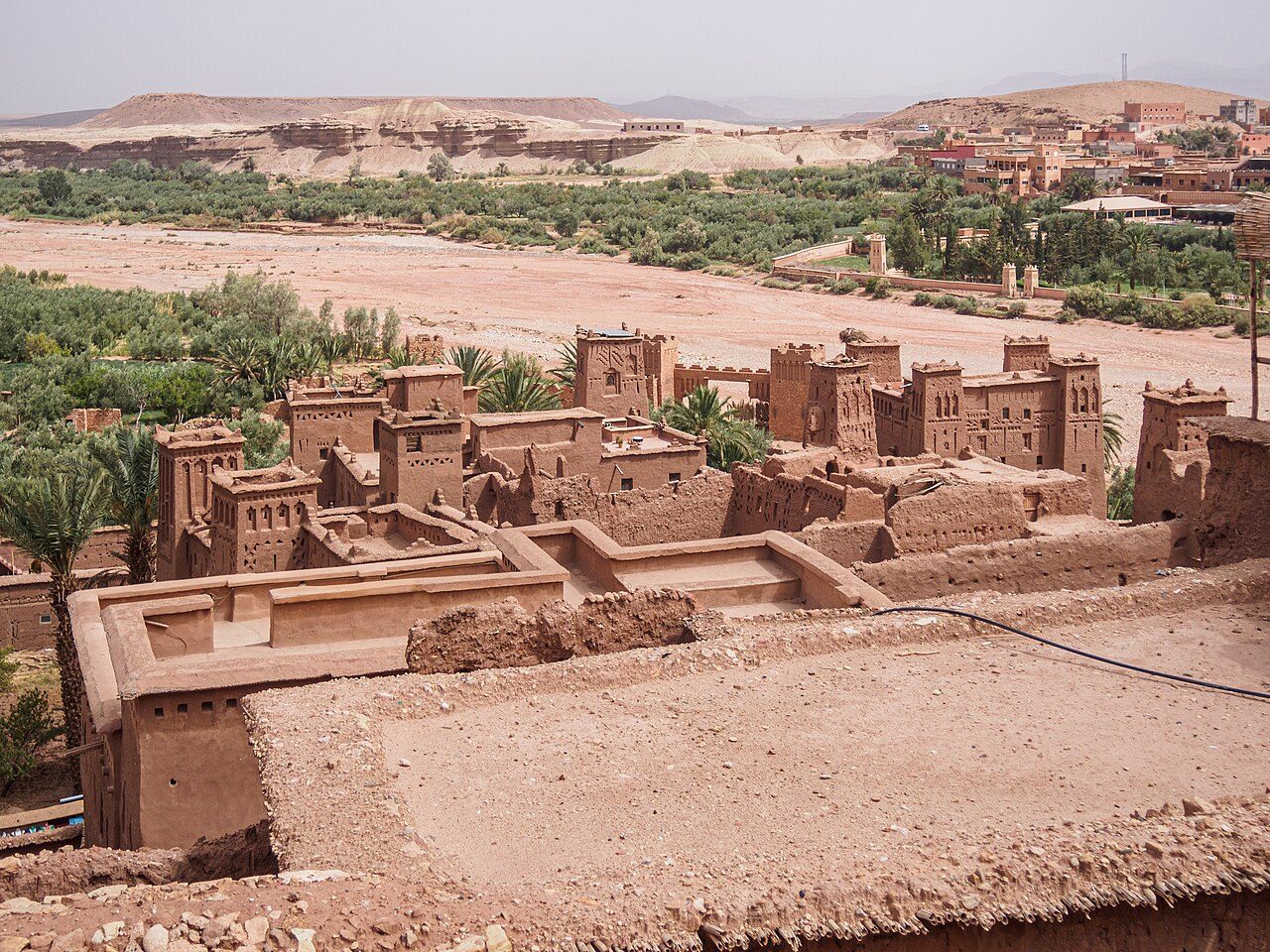
Ait Benhaddou is a fortified village, or ksar, of earthen buildings on a hill above the Ounila River. It lay on the old caravan route between the Sahara and Marrakesh and is a UNESCO World Heritage Site. Its towers and walls have appeared in many films. Climb to the granary at the top for views over the valley, and visit early or late in the day.
15
STOP 15 OF 22
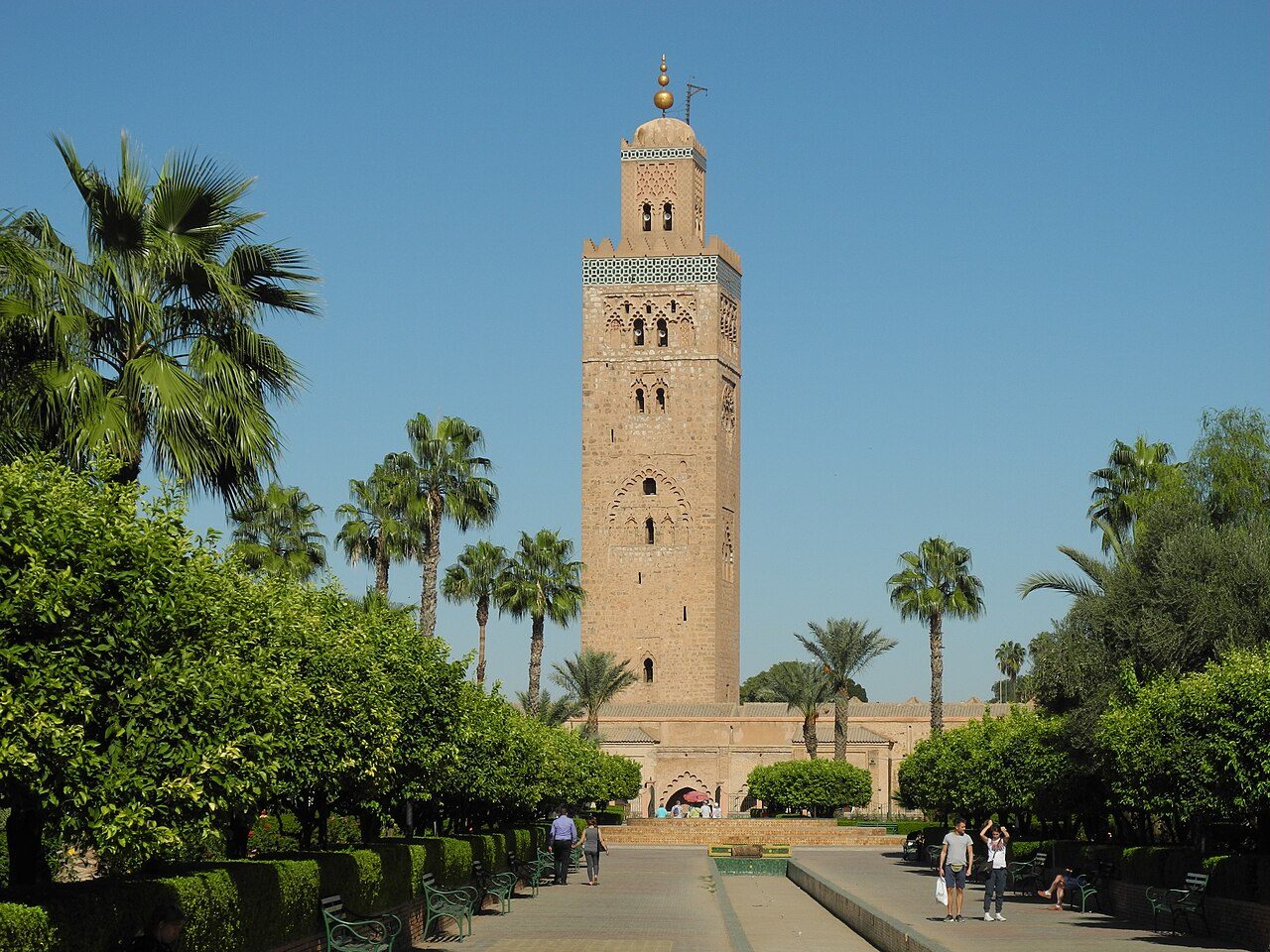
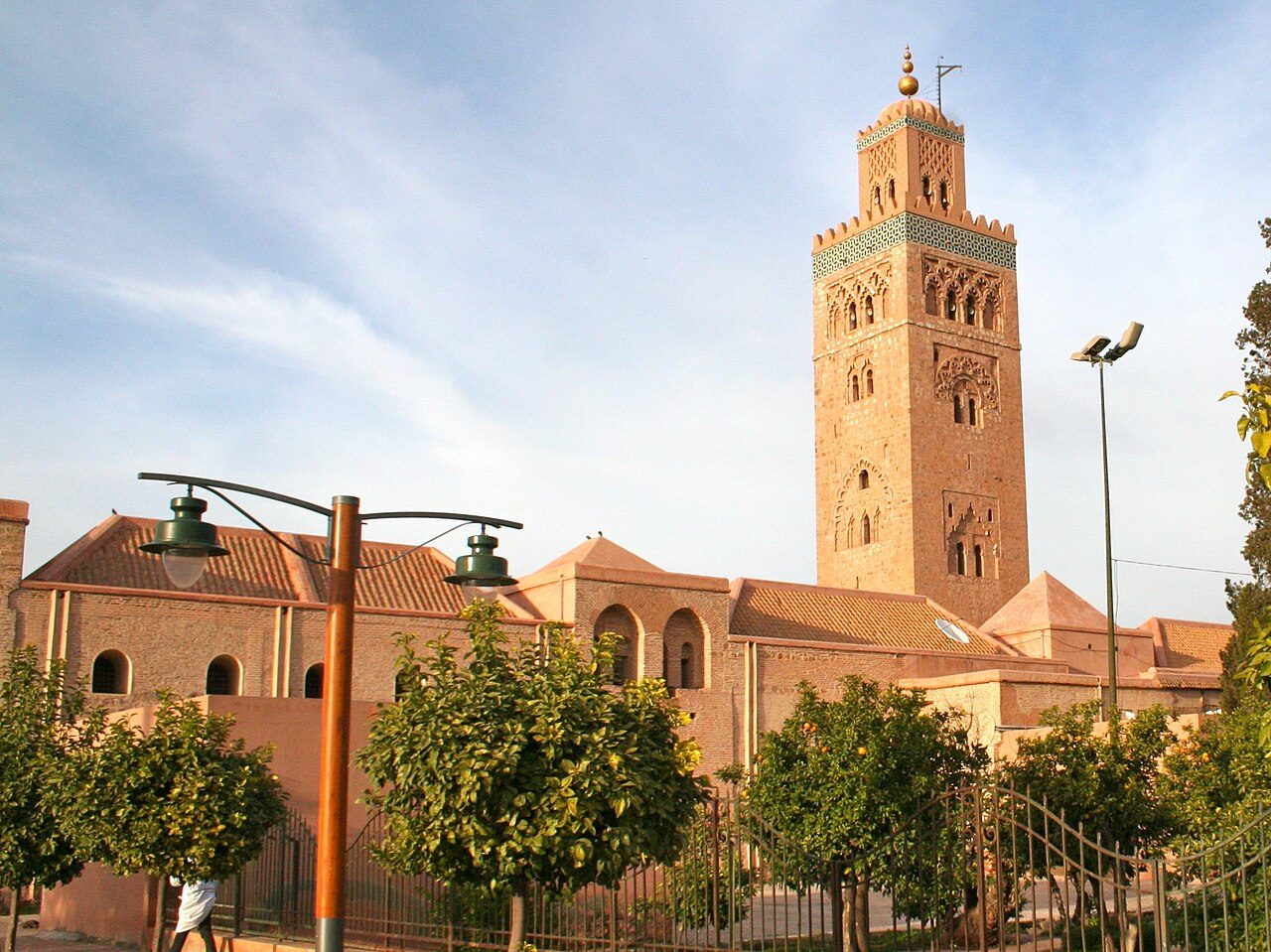
Koutoubia Mosque
The Koutoubia Mosque is the largest mosque in Marrakesh, built in the 12th century under the Almohads. Its 77-metre minaret became a model for the Giralda in Seville and the Hassan Tower in Rabat. Only Muslims may enter, but visitors can admire the minaret and gardens. It stands near Jemaa el-Fnaa and is beautifully lit at night.
16
STOP 16 OF 22
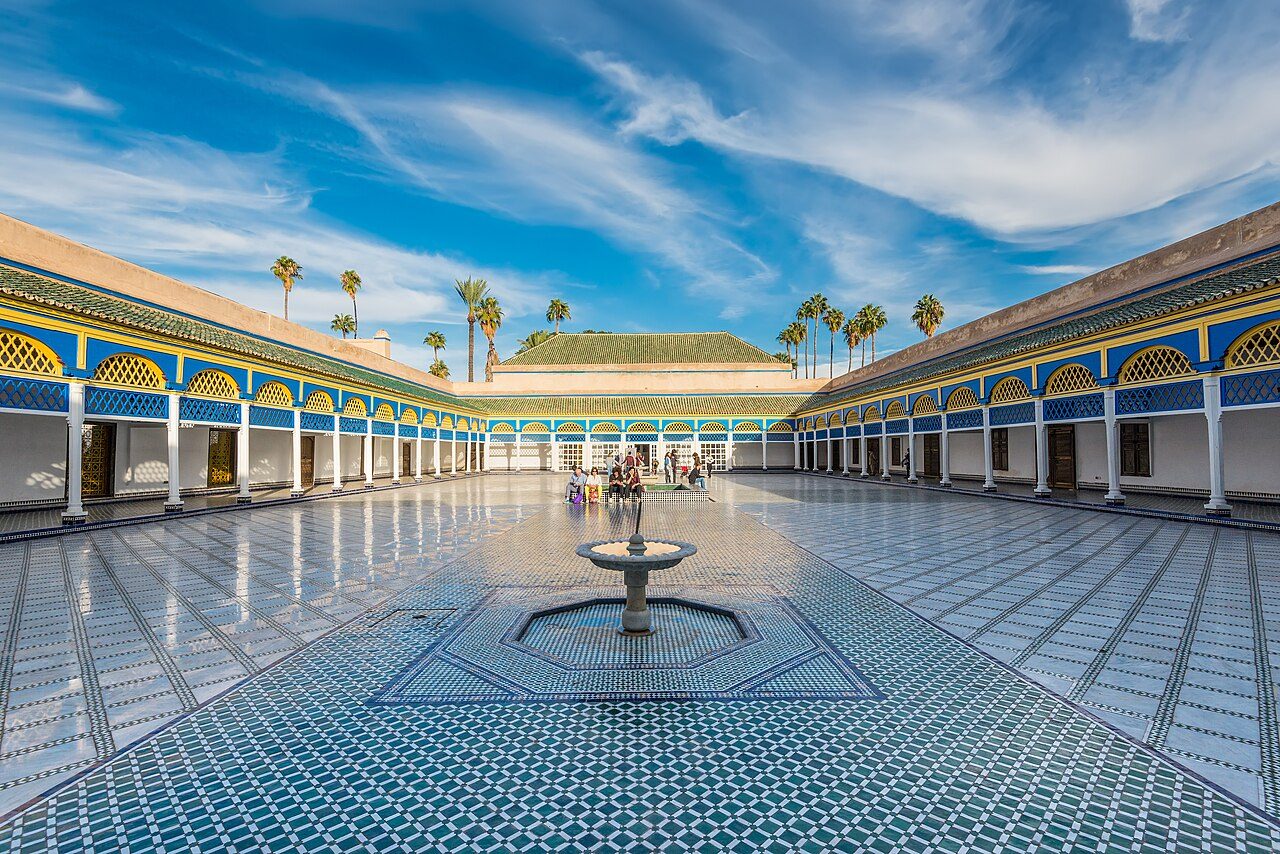
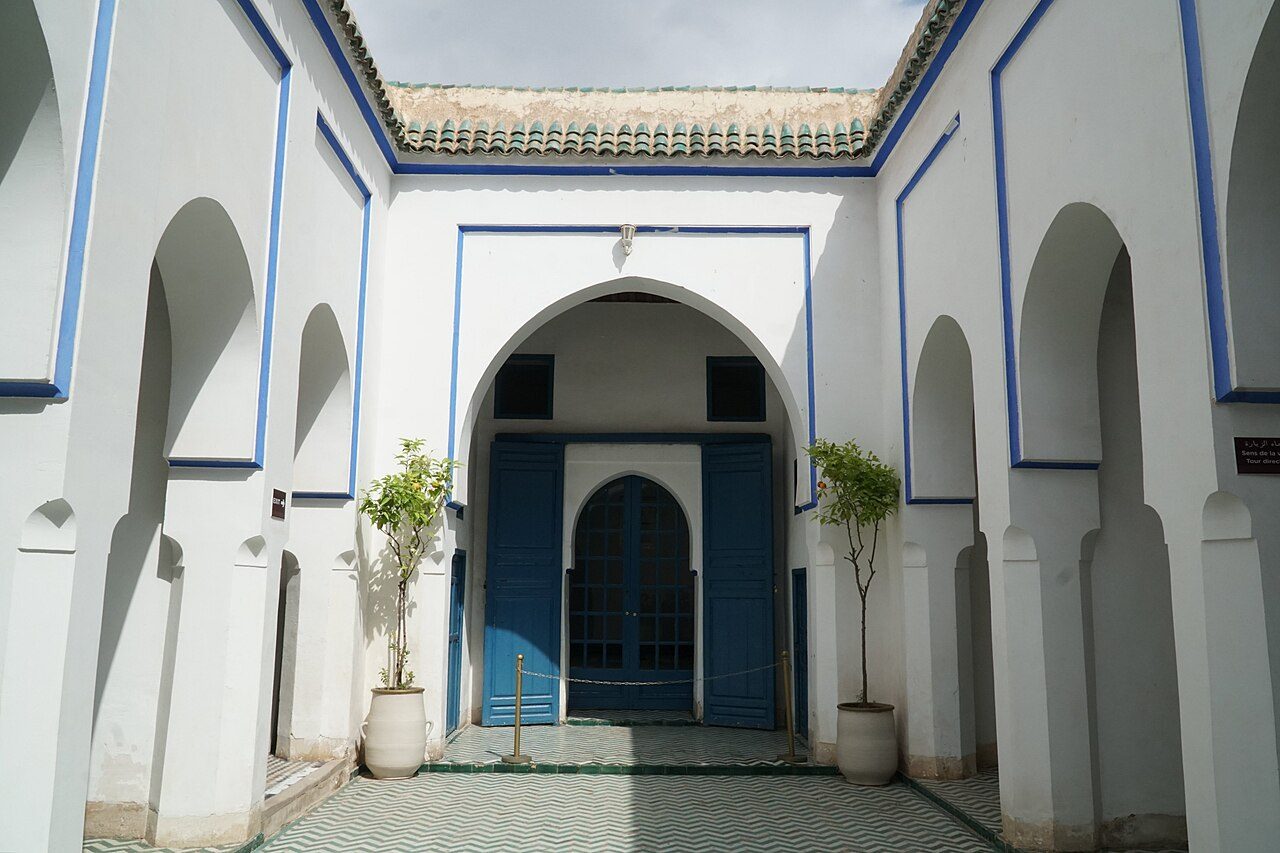
Bahia Palace
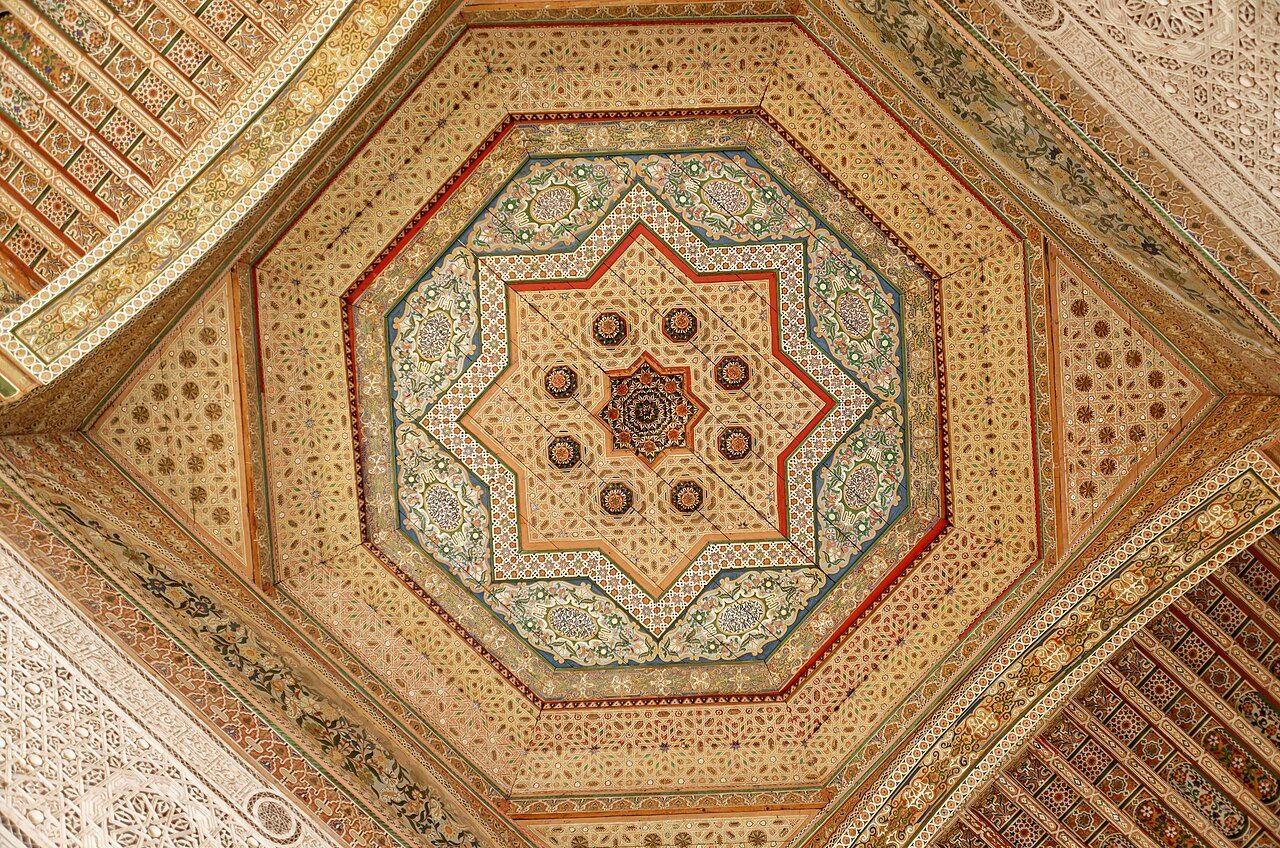
Bahia Palace was built in the late 19th century for the grand vizier of Morocco and was intended to be the greatest palace of its time. Its courtyards, gardens and rooms show fine zellij tilework, painted cedar ceilings and carved stucco. Its name means brilliance. Arrive at opening time to enjoy the rooms before the tour groups.
17
STOP 17 OF 22
Jemaa el-Fnaa
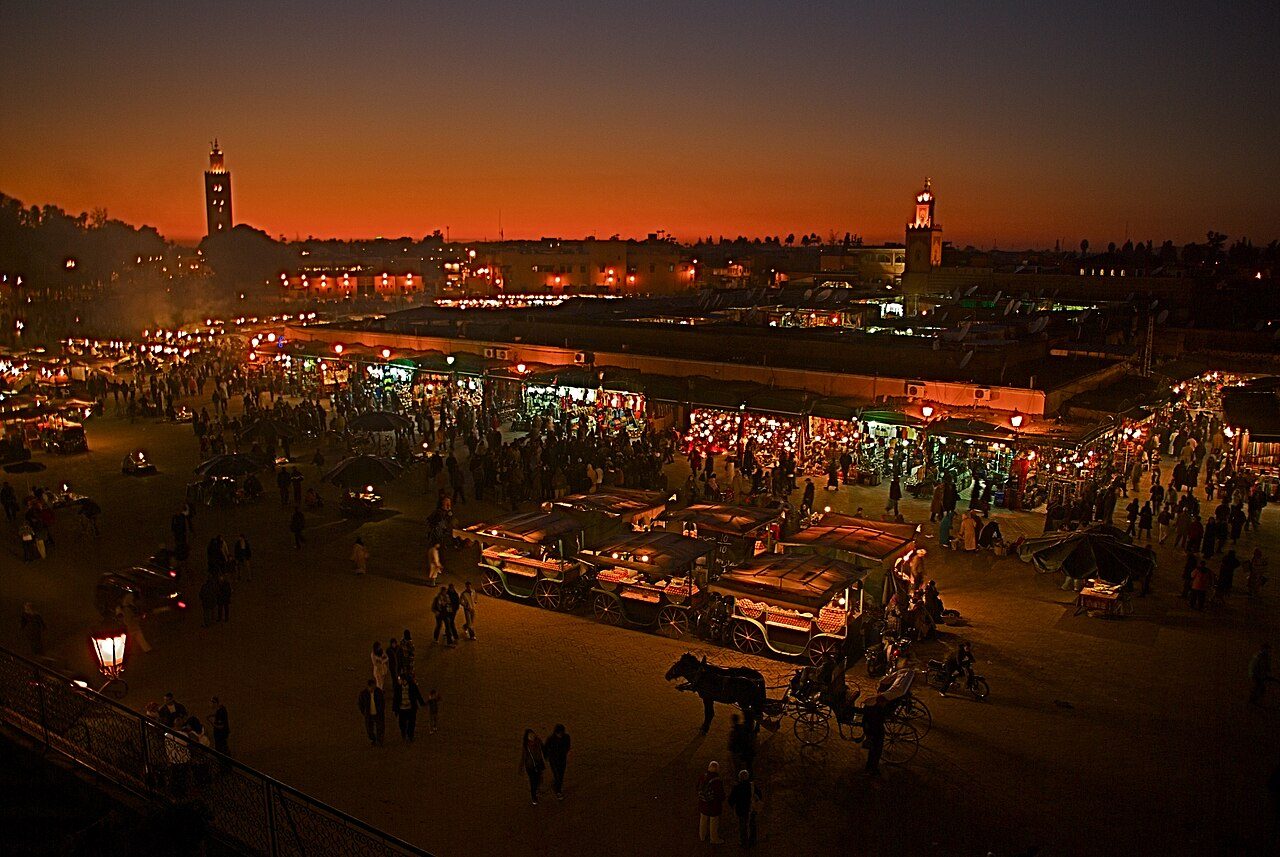
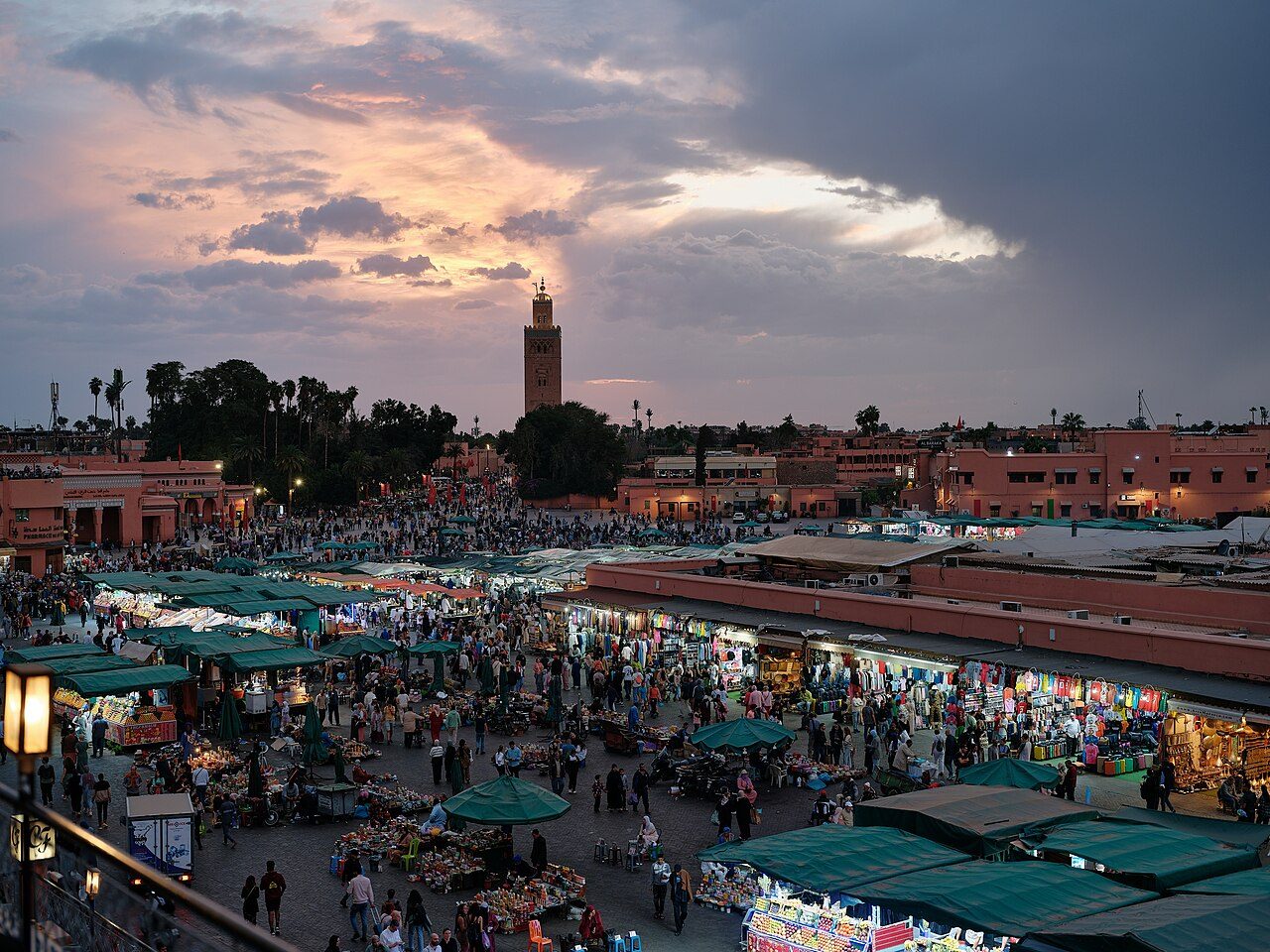
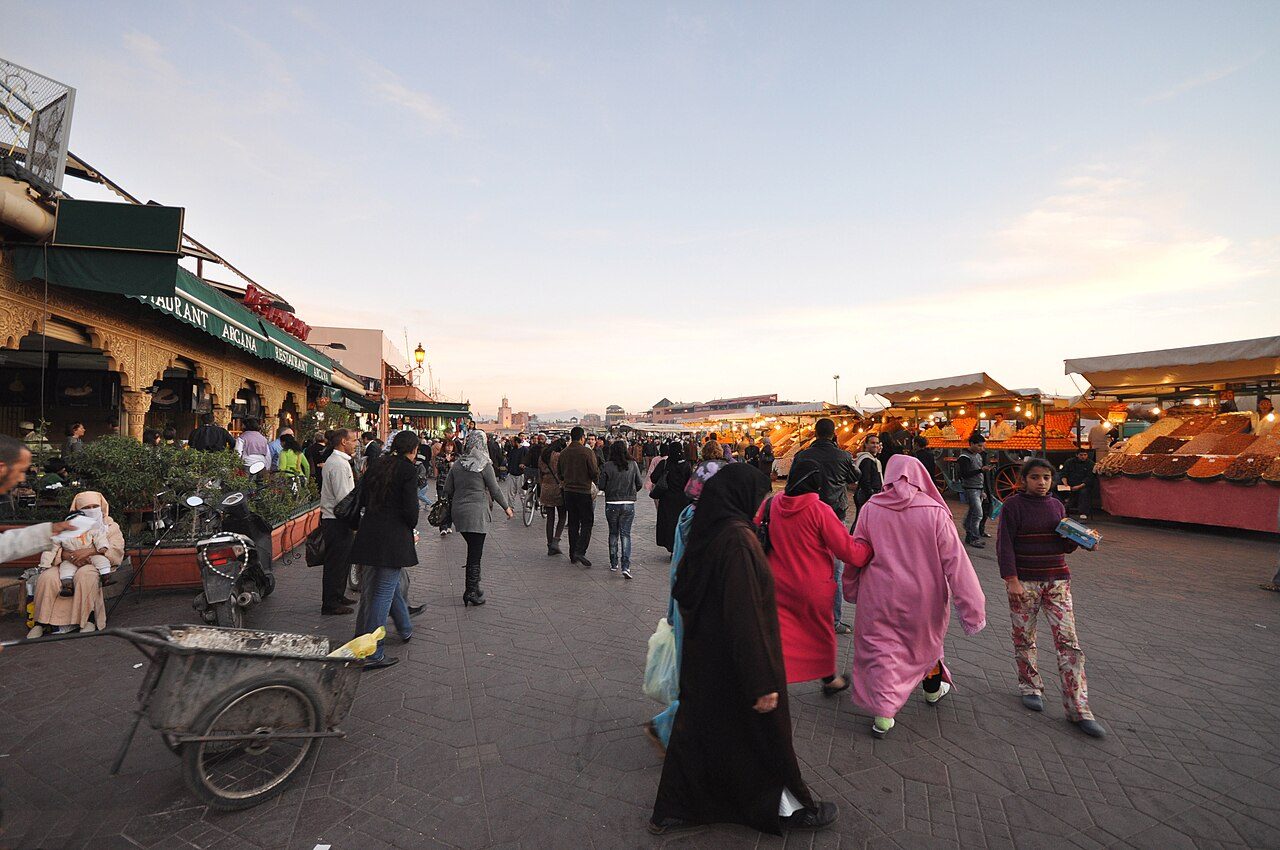
Jemaa el-Fnaa is the main square of Marrakesh's medina and one of the liveliest places in Africa. By day it hosts juice sellers, snake charmers and henna artists. In the evening, food stalls fill the square with smoke and music, and storytellers draw crowds. It is part of the UNESCO-listed Medina of Marrakesh. Watch the scene from a rooftop café at sunset.
18
STOP 18 OF 22
Majorelle Garden
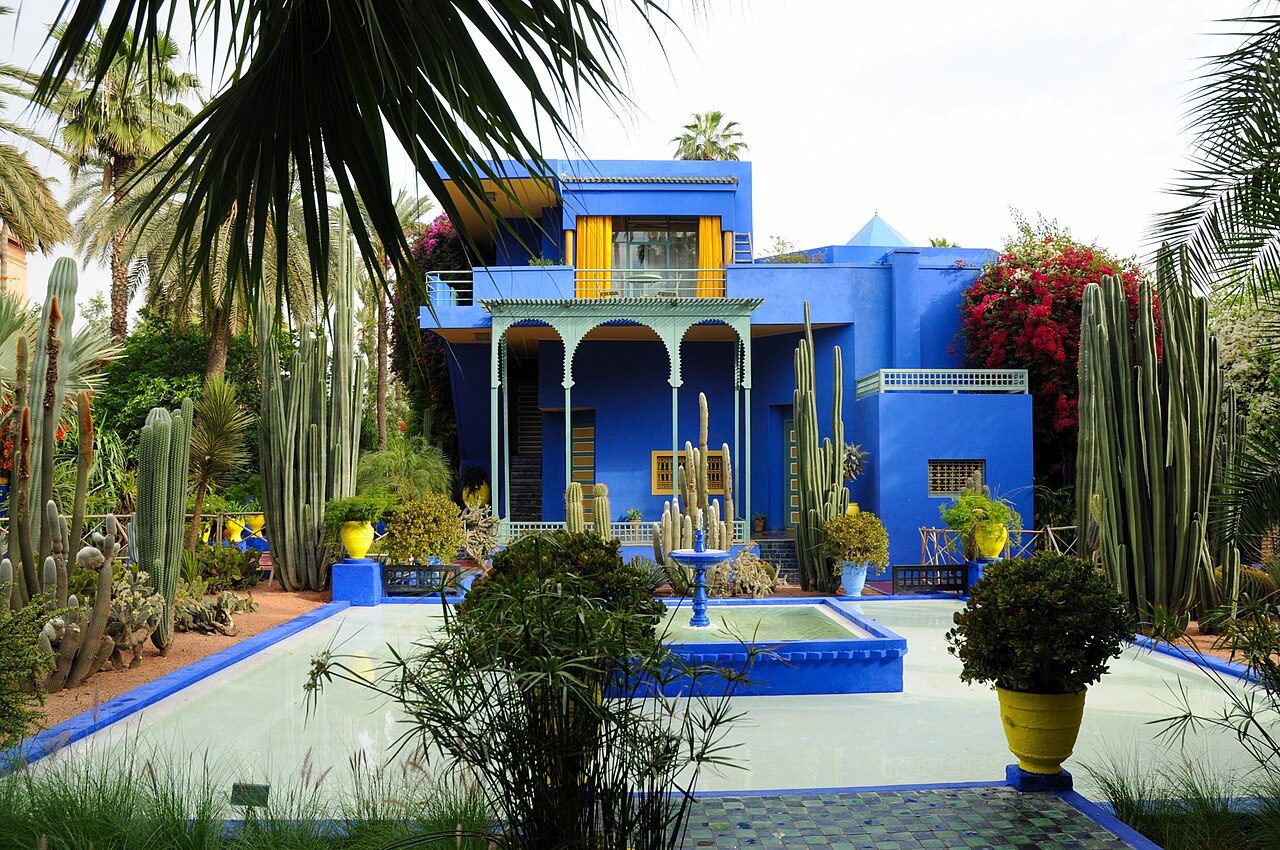
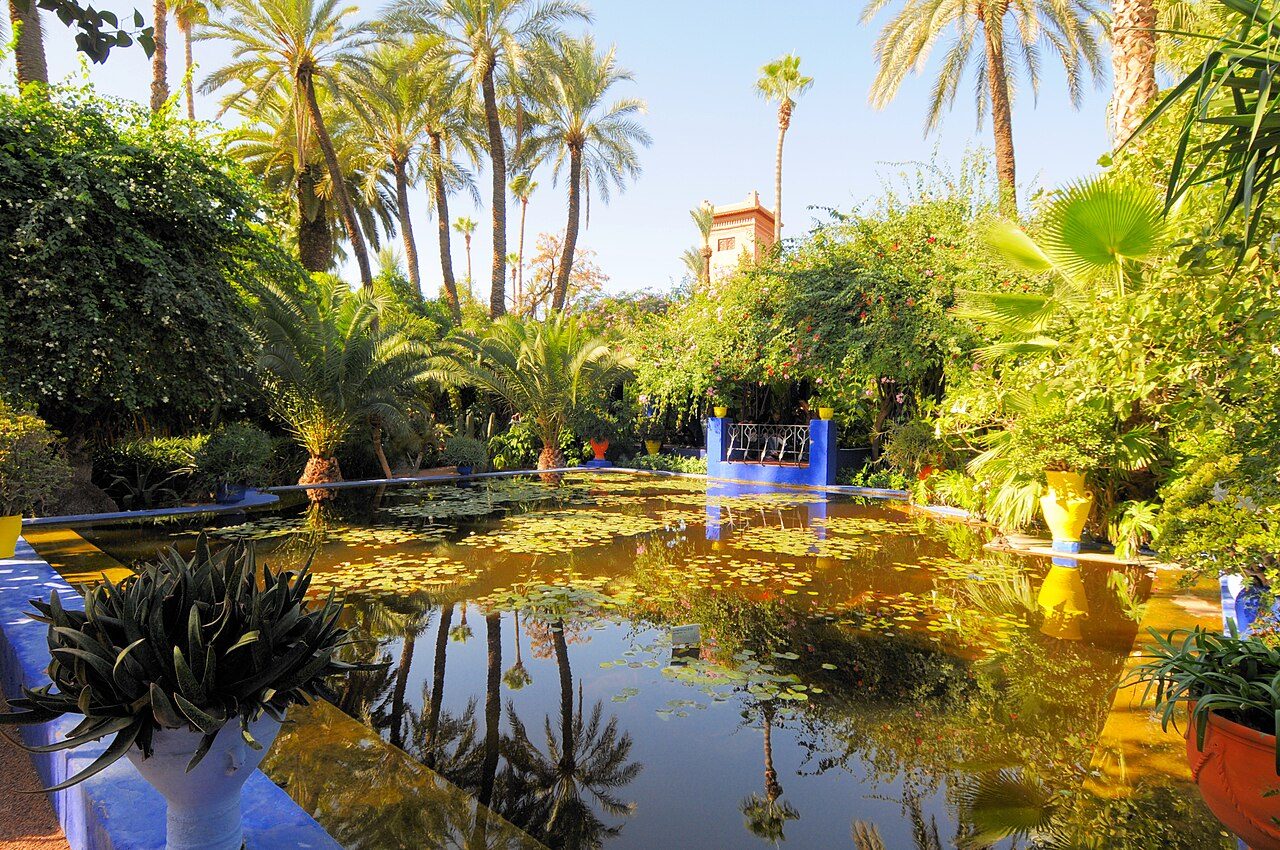
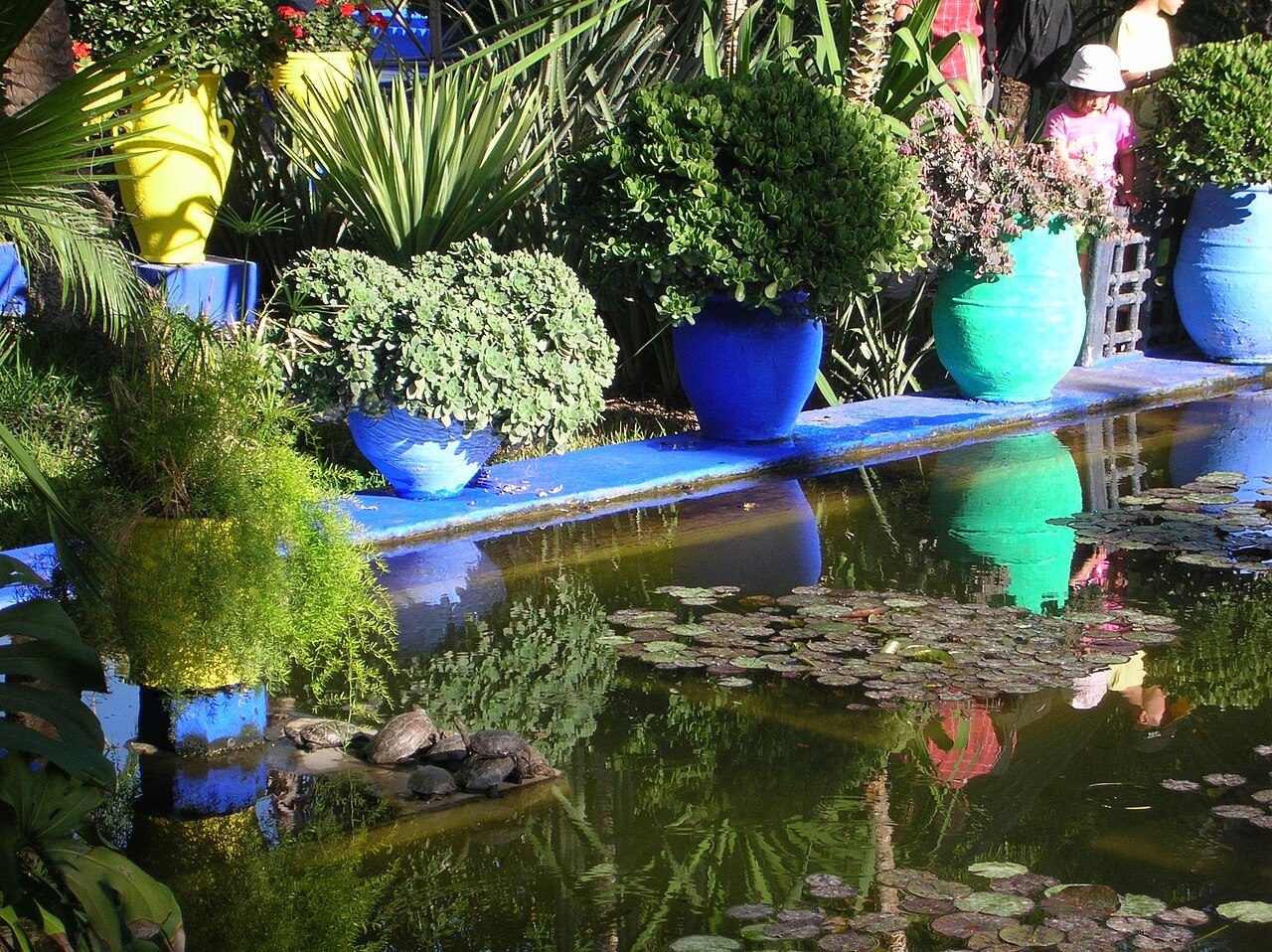
Majorelle Garden was created by French painter Jacques Majorelle from the 1920s and later restored by Yves Saint Laurent and Pierre Bergé. Its bright cobalt blue studio, cactus groves, bamboo and lily ponds make it one of the most visited sites in Marrakesh. The Berber Museum is in the studio, and the Yves Saint Laurent Museum is next door. Book tickets online.
19
STOP 19 OF 22
Ben Youssef Madrasa
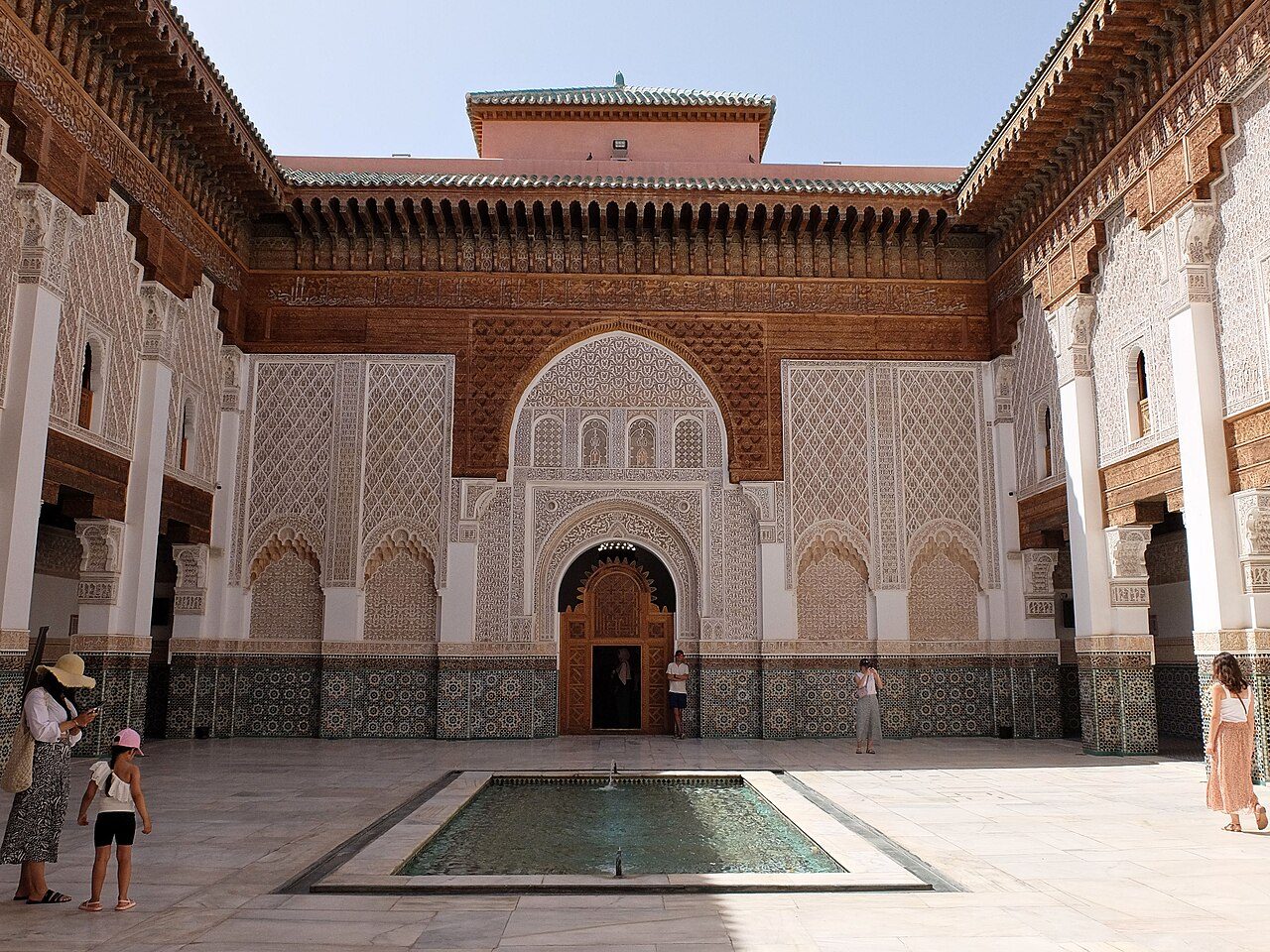
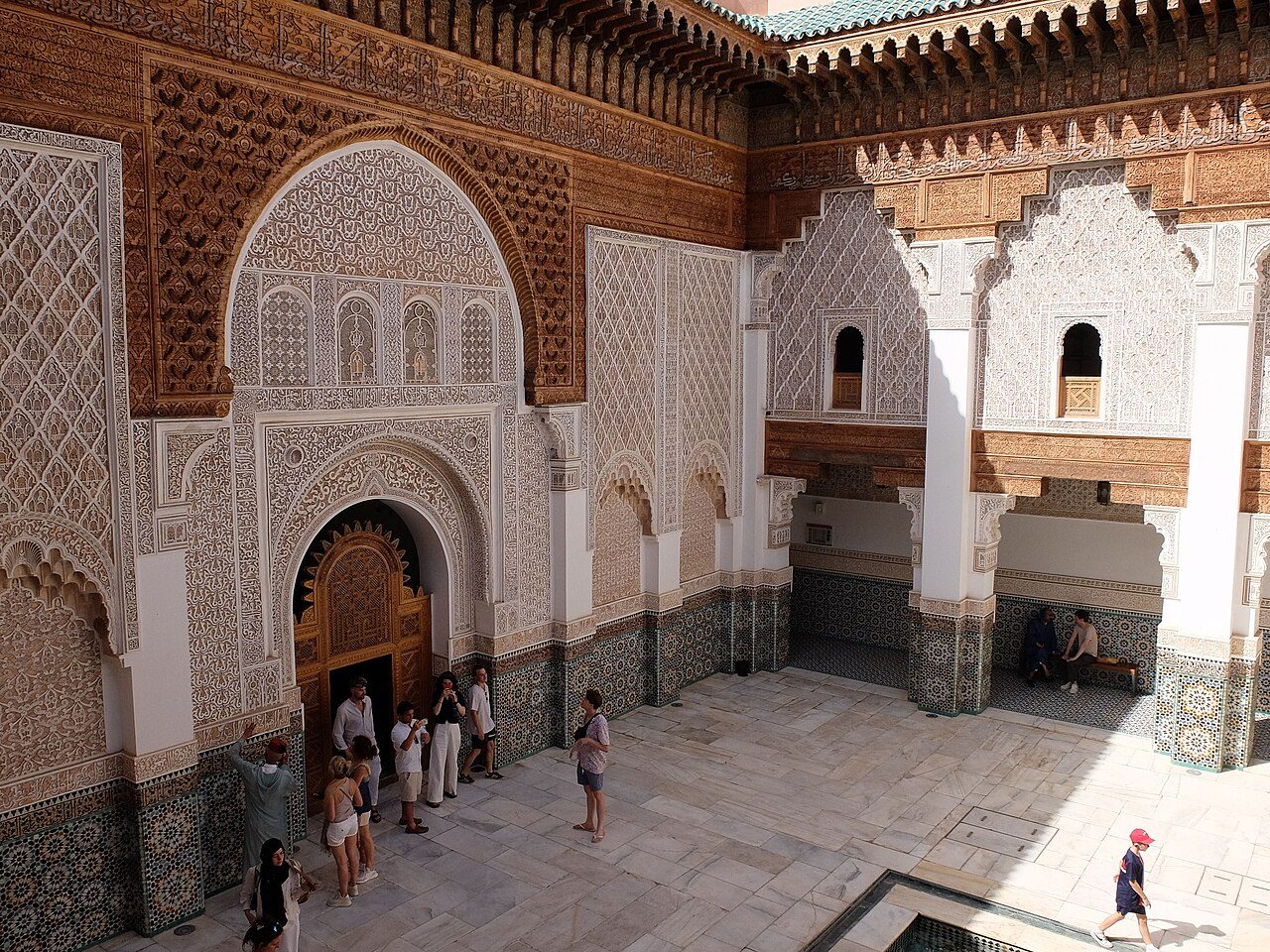
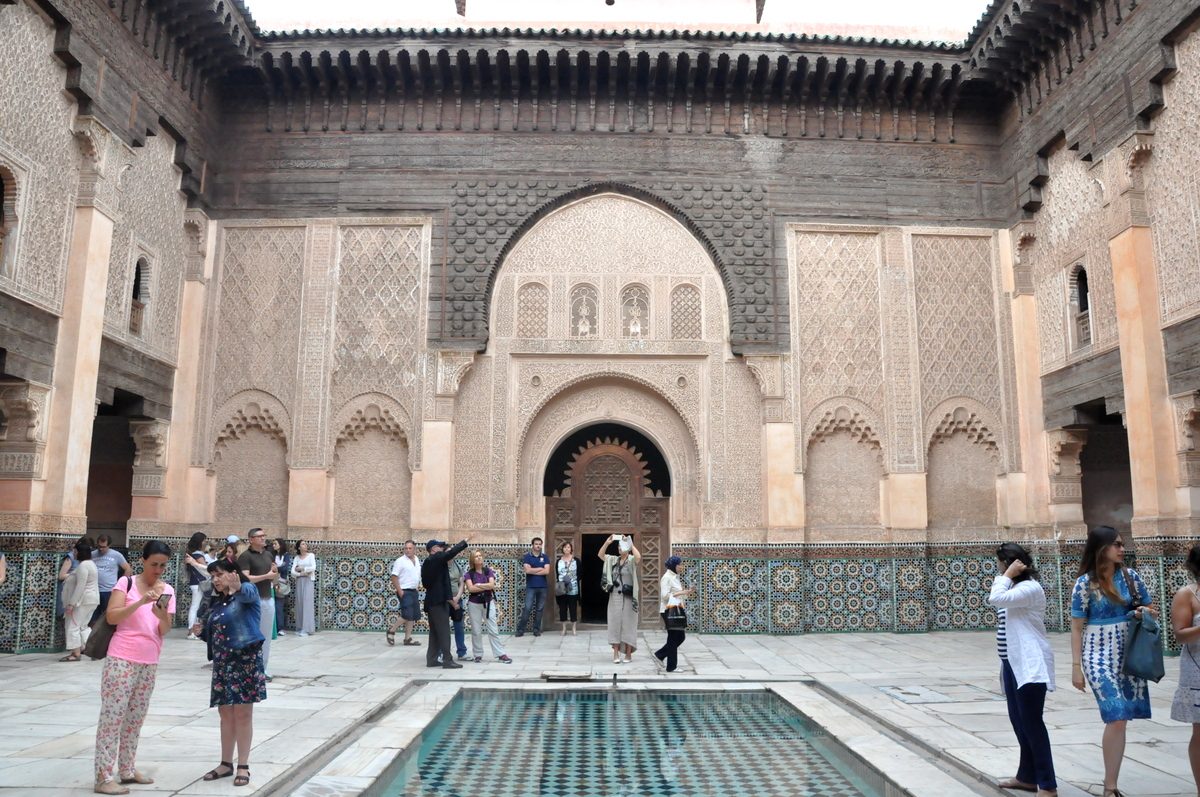
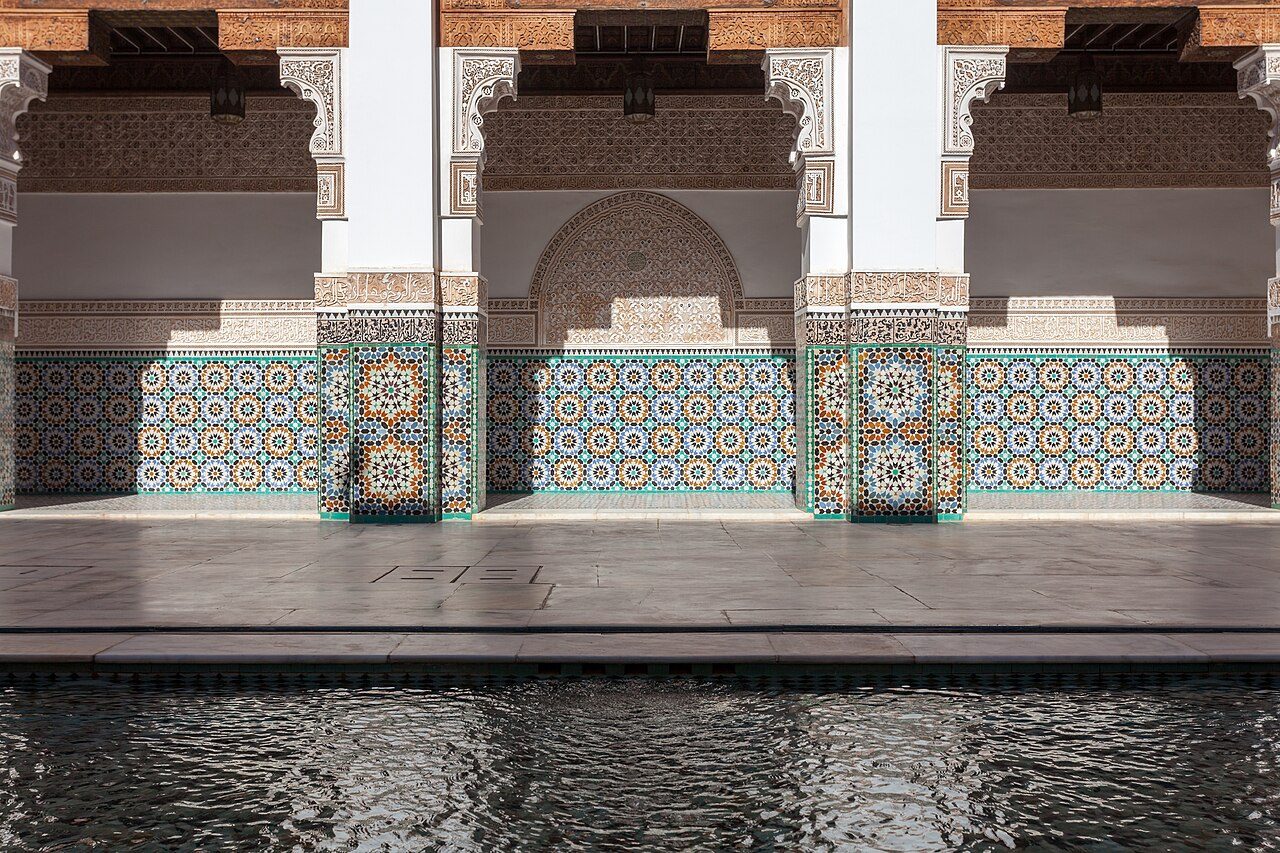
Ben Youssef Madrasa was the largest Islamic college in Morocco, rebuilt in the 16th century under the Saadians. Its central courtyard with a marble pool is surrounded by carved cedar, stucco and zellij tiles. Upstairs, small student rooms open onto inner courtyards. It reopened in 2022 after restoration. Visit early in the morning for soft light.
20
STOP 20 OF 22
Saadian Tombs
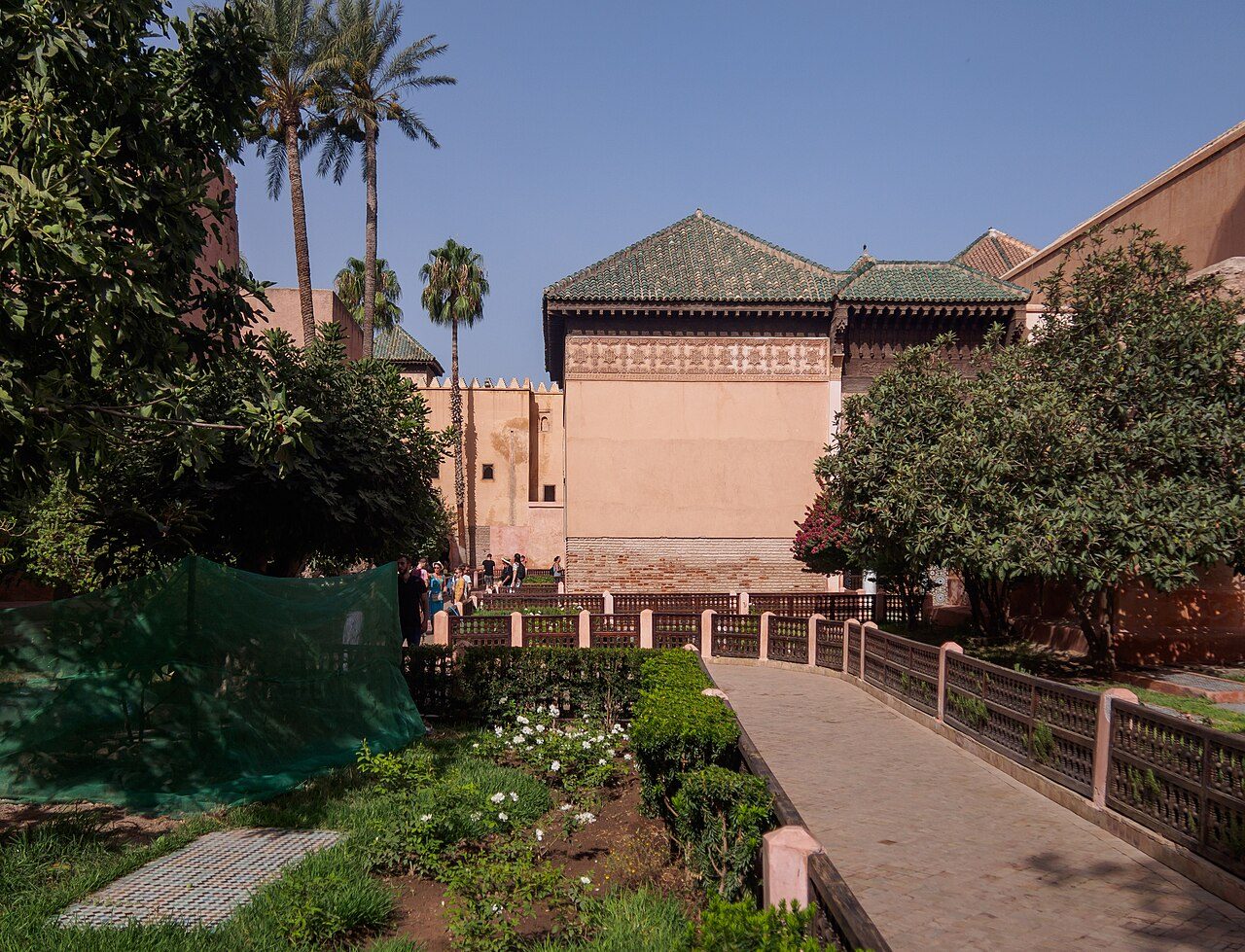
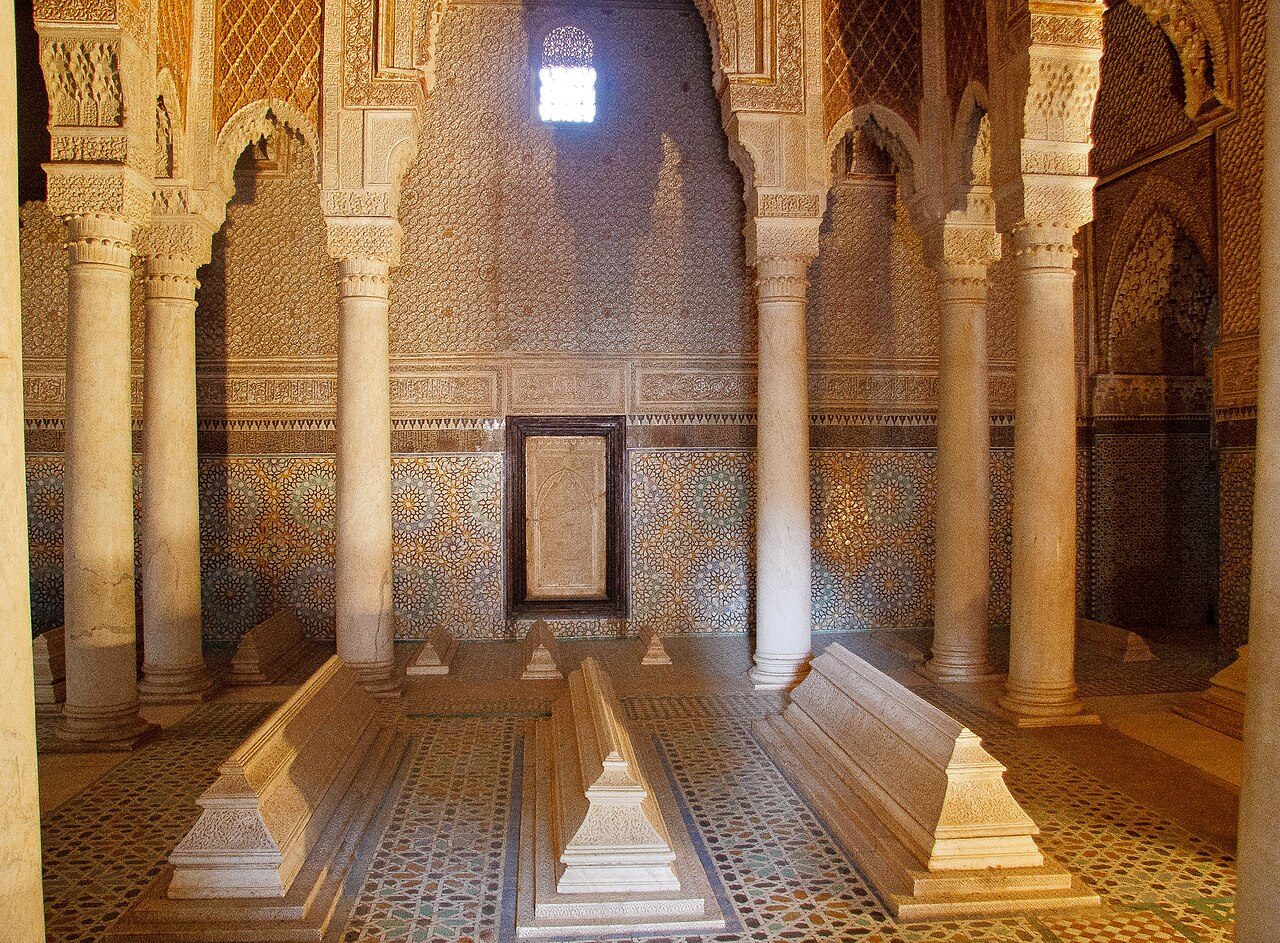
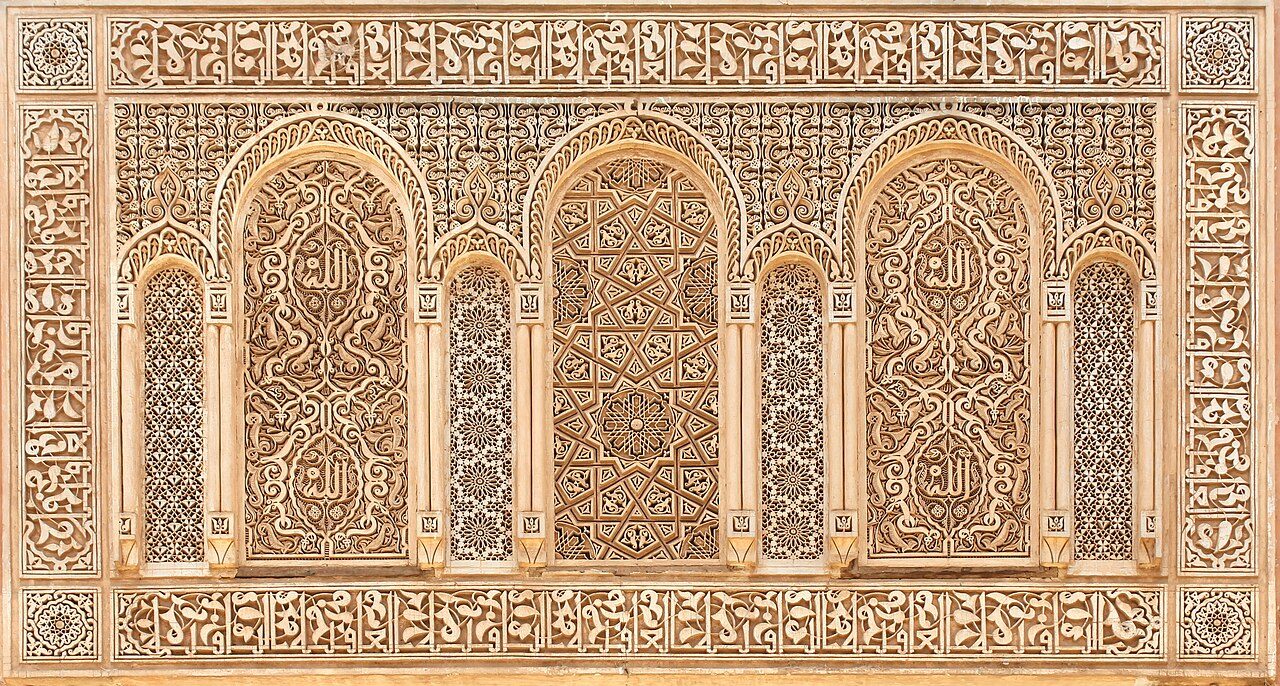
The Saadian Tombs hold members of the Saadian dynasty who ruled Morocco in the 16th and 17th centuries. Sealed off for centuries, they were rediscovered in 1917. The Hall of the Twelve Columns, with Carrara marble and carved stucco, is the highlight. Queues can be long, so arrive early. The tombs are close to the Kasbah Mosque.
21
STOP 21 OF 22
El Badi Palace
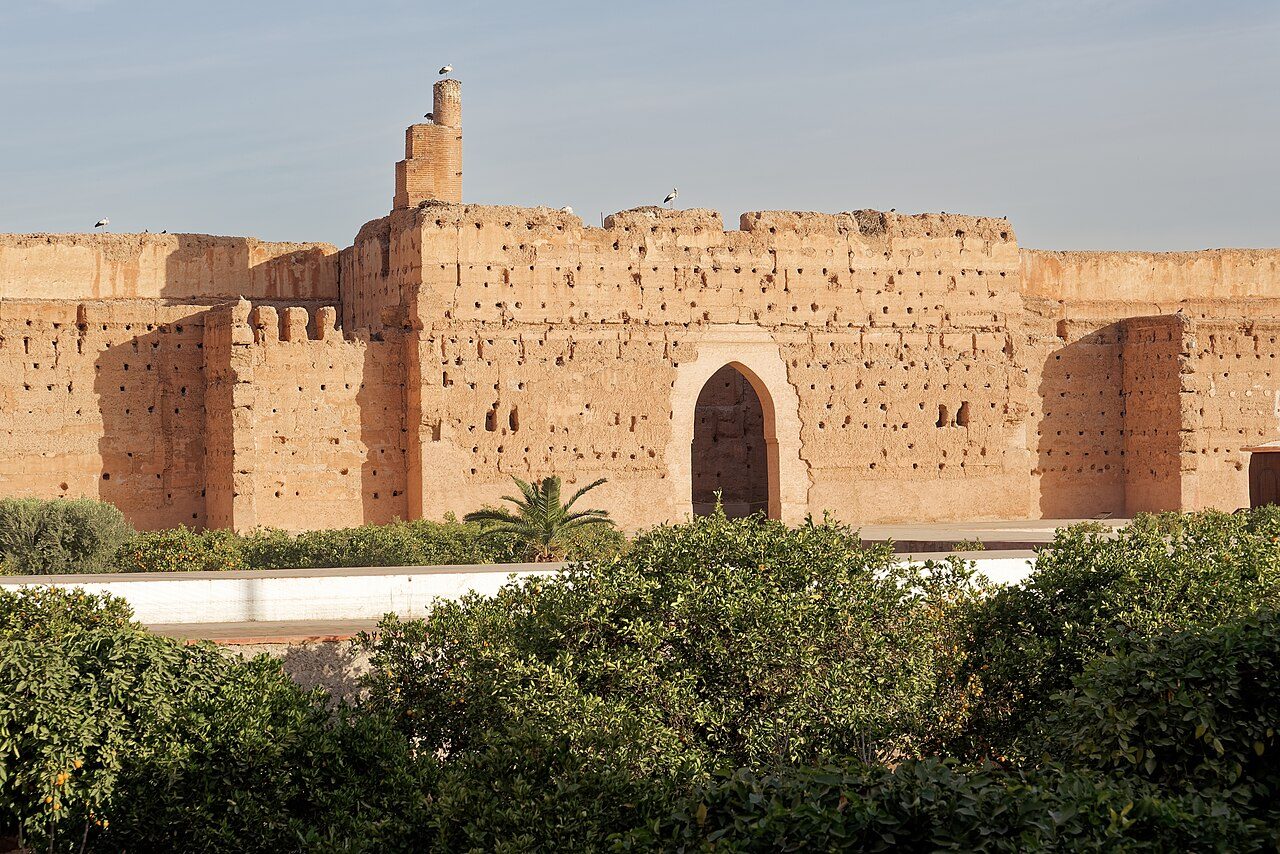
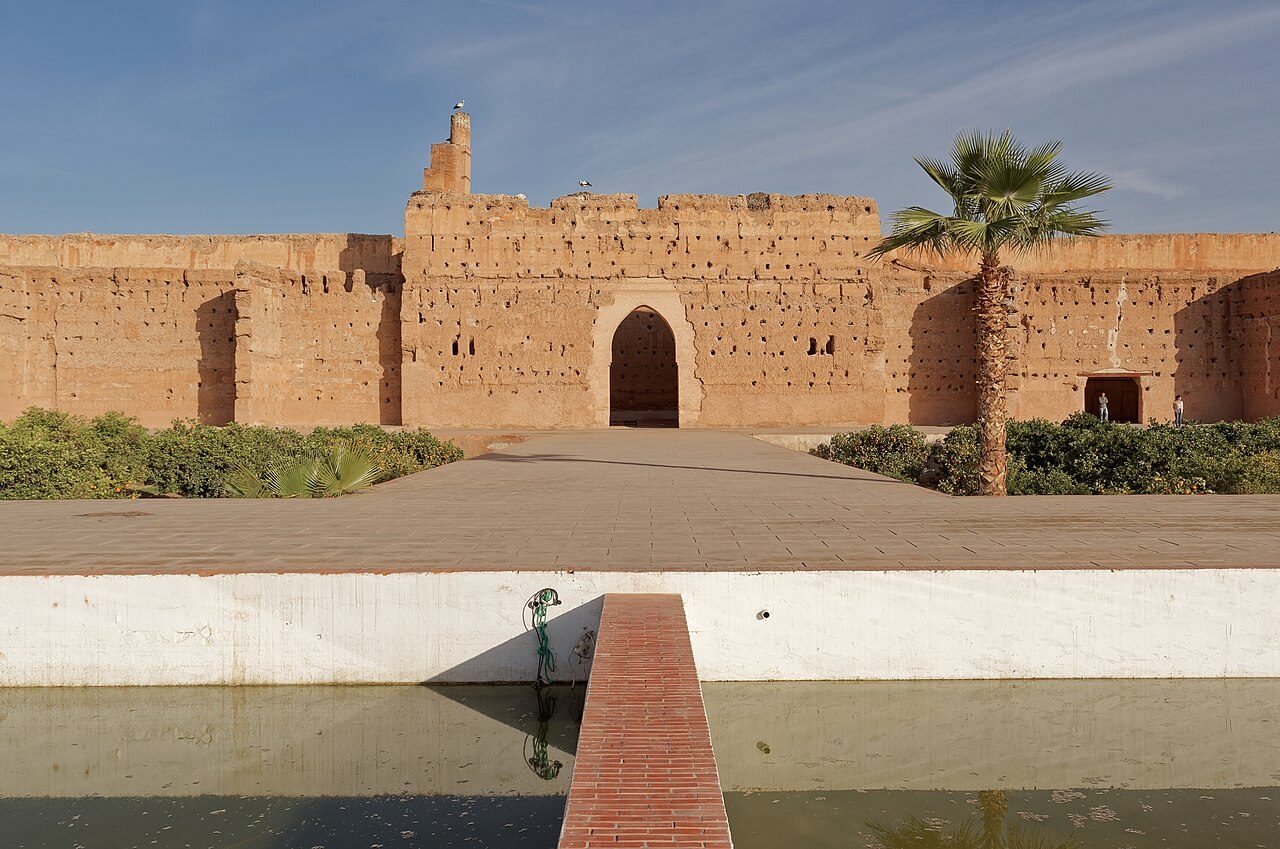
El Badi Palace was built by the Saadian sultan Ahmad al-Mansur in the late 16th century and was once one of the most magnificent palaces in the world. Its riches were later stripped by Sultan Moulay Ismail. Today its vast ruined courtyard with sunken gardens and pools is home to storks. Climb the walls for views over the medina.
22
STOP 22 OF 22 · LAST STOP
Skala de la Ville Essaouira
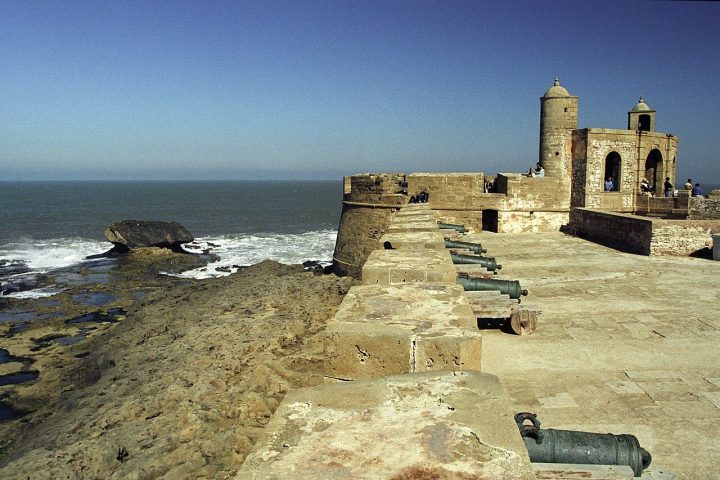
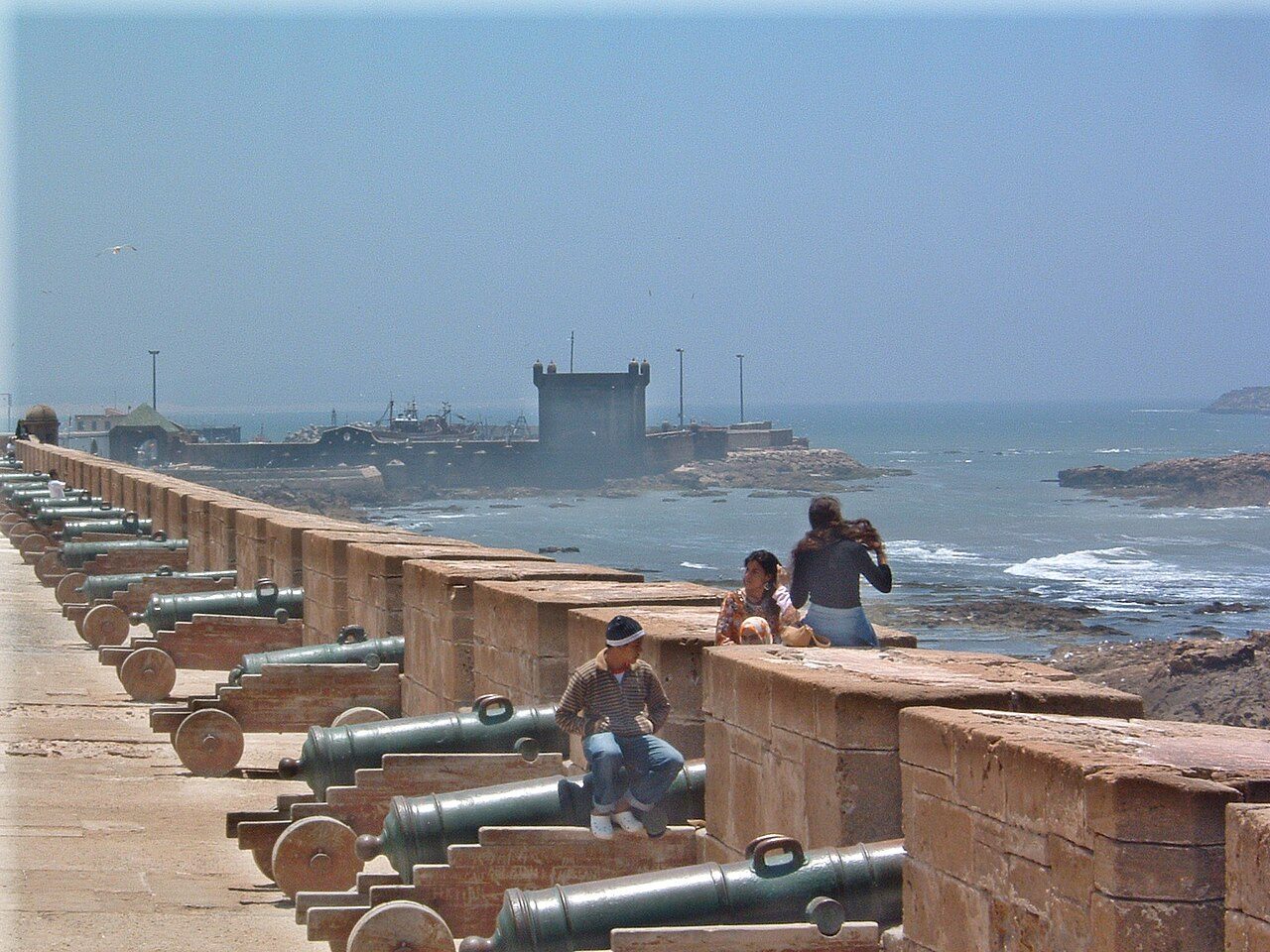
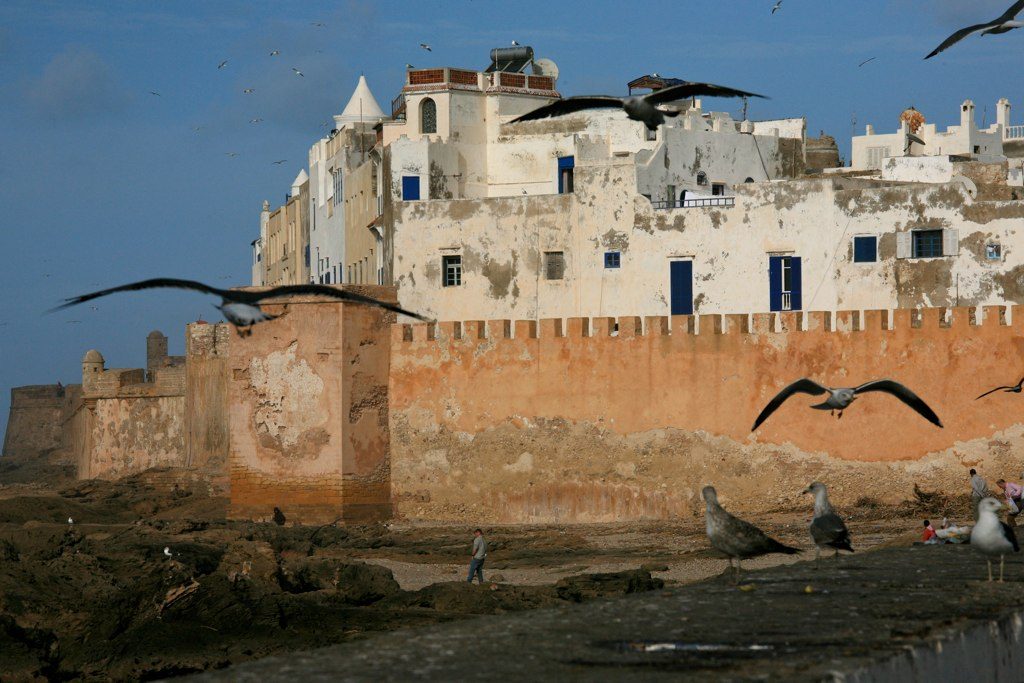
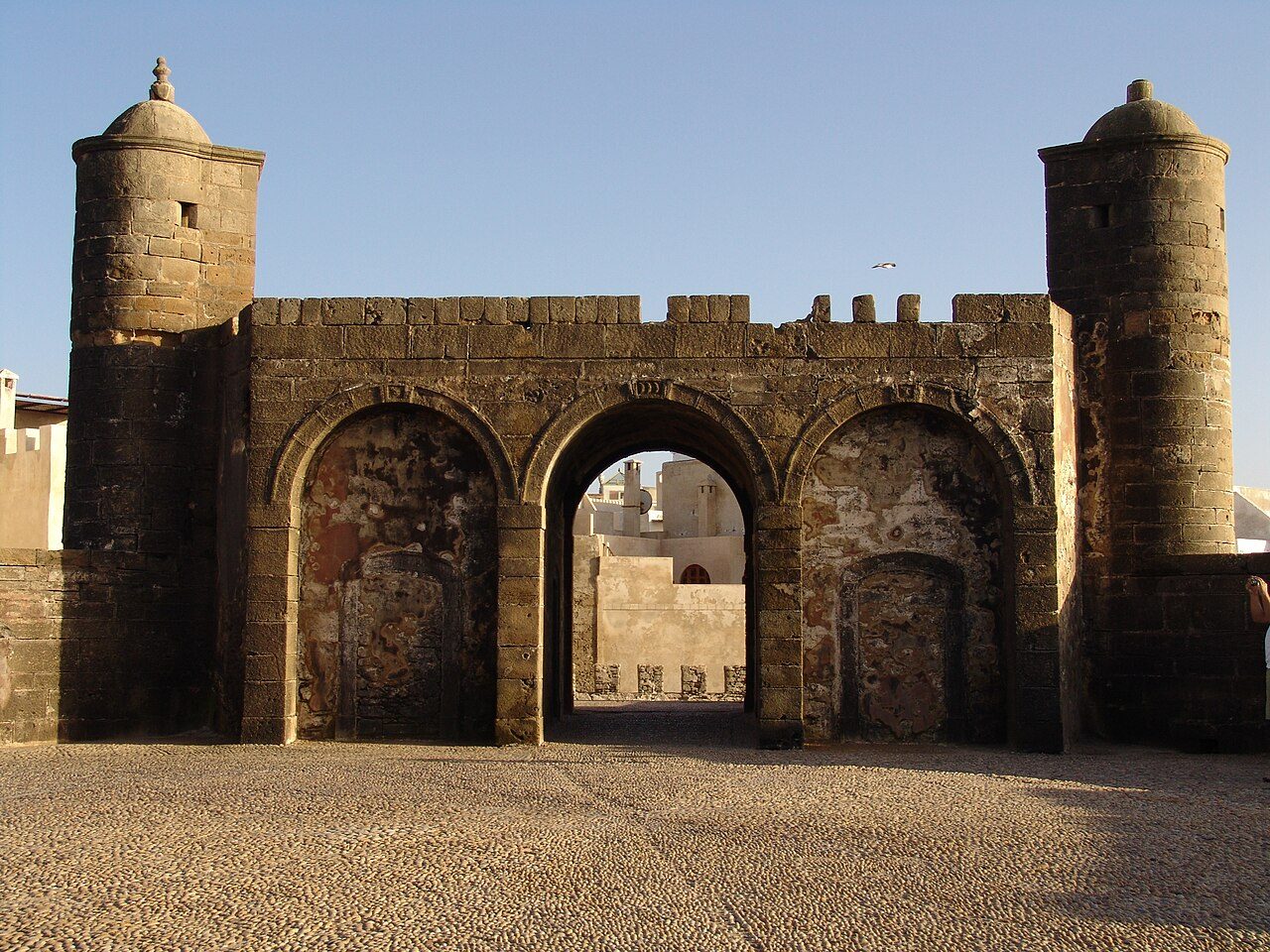
The Skala de la Ville is the seafront rampart of Essaouira's medina, built in the 18th century with a row of old bronze cannons facing the Atlantic. Visitors can walk along the walls for views of the waves crashing below and the town's whitewashed houses. Woodworkers' shops line the arches underneath. Sunset here is especially beautiful.
 WaTrips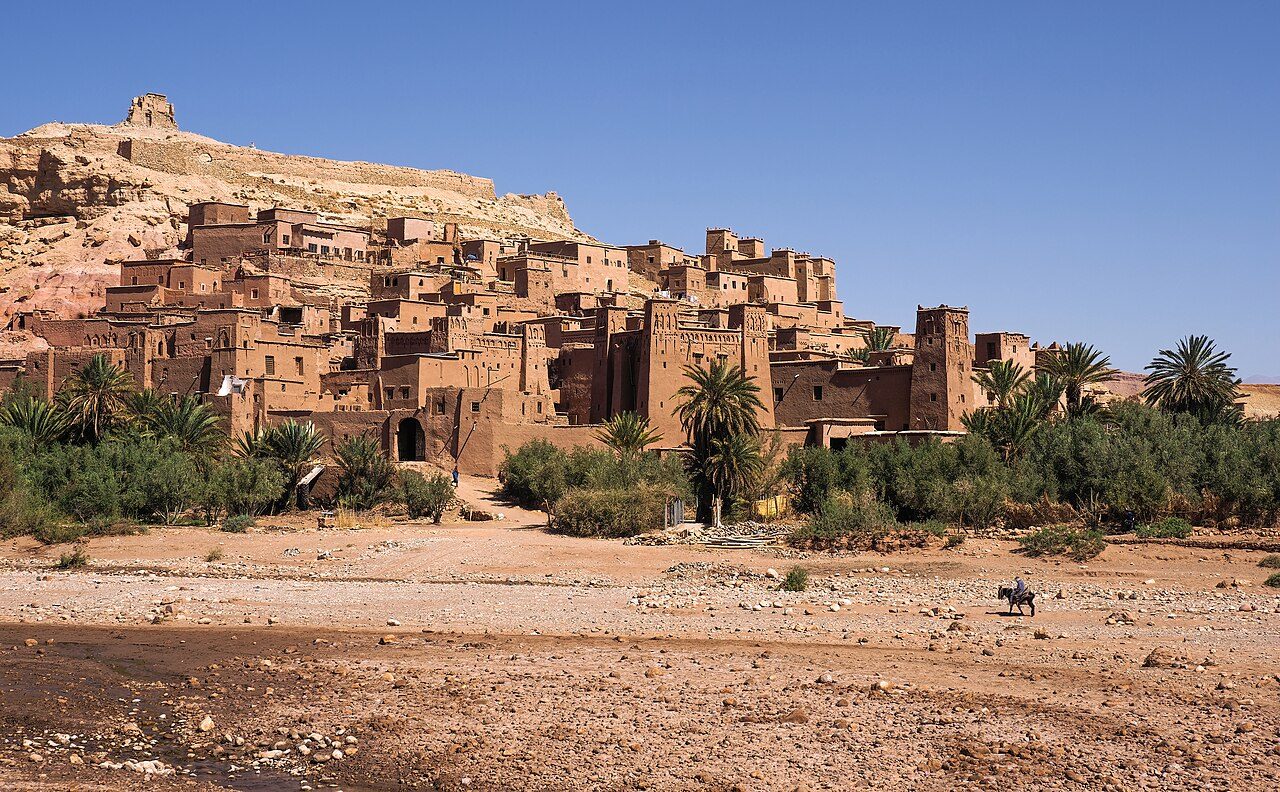











 BikesBooking
 Localrent
 Airalo
 Tiqets