 WaTrips
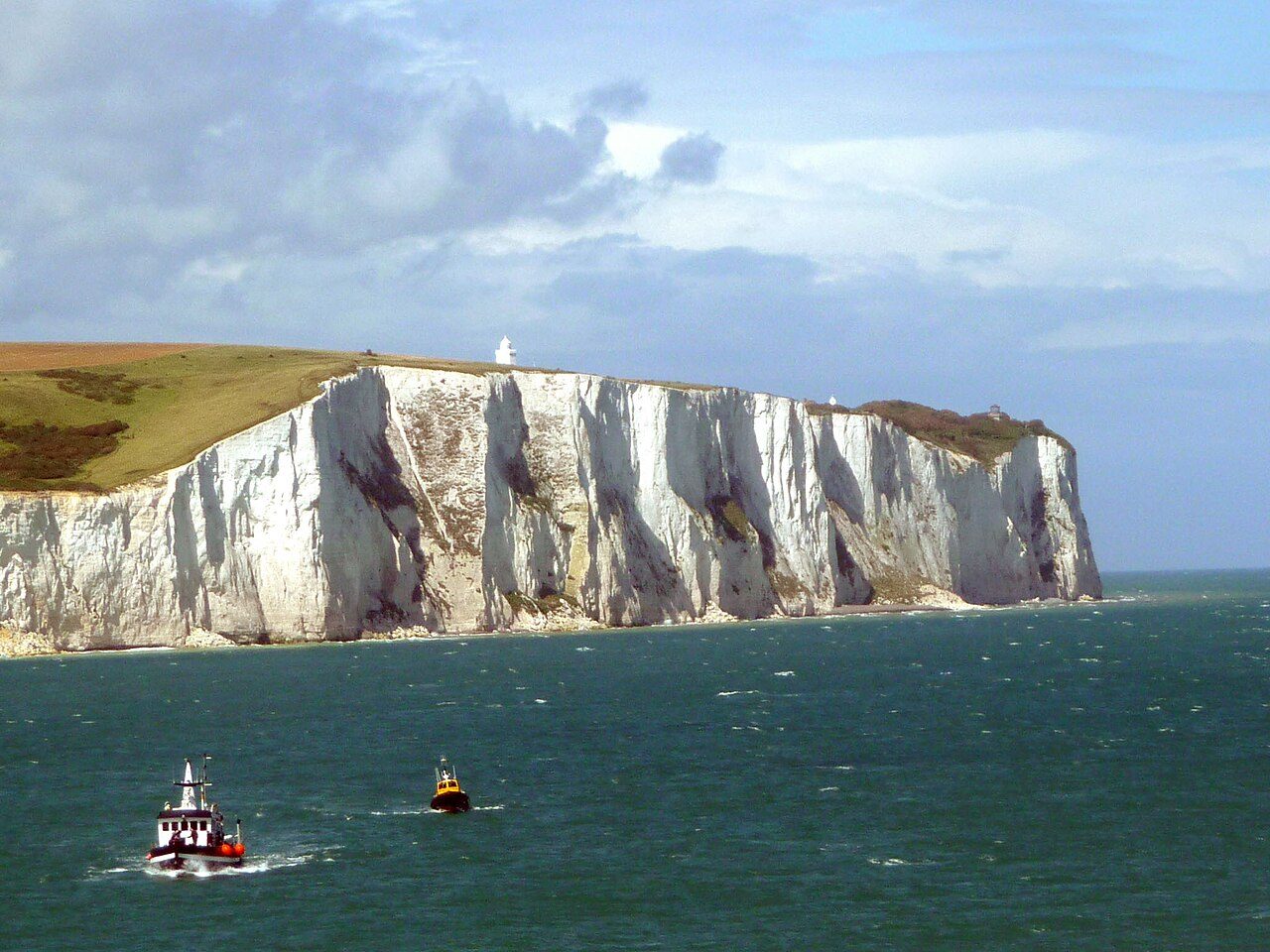
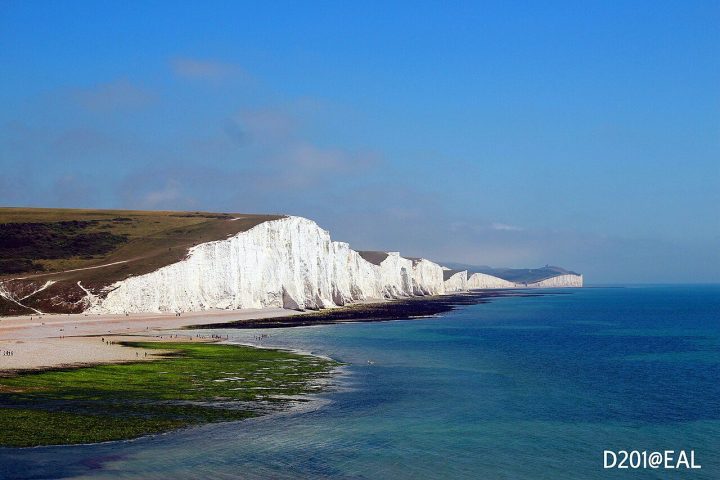
The path runs along the very top of the cliffs, through grassland bright with wild flowers and loud with skylarks. To your right, the land drops away in a sheer wall of dazzling white chalk more than a hundred metres high, plunging into a sea of turquoise and grey. Ferries glide in and out of the busy harbour below, and on a clear day, across the water, you can see a thin line of land on the horizon. It's France, just over 30 kilometres away.
The White Cliffs of Dover, on the southeast coast of England, are one of the most famous natural landmarks in Britain. For centuries, they've been the first sight of home for travellers returning across the Channel and a powerful symbol of the nation. This guide explains their story and how to explore them.
Built by tiny creatures
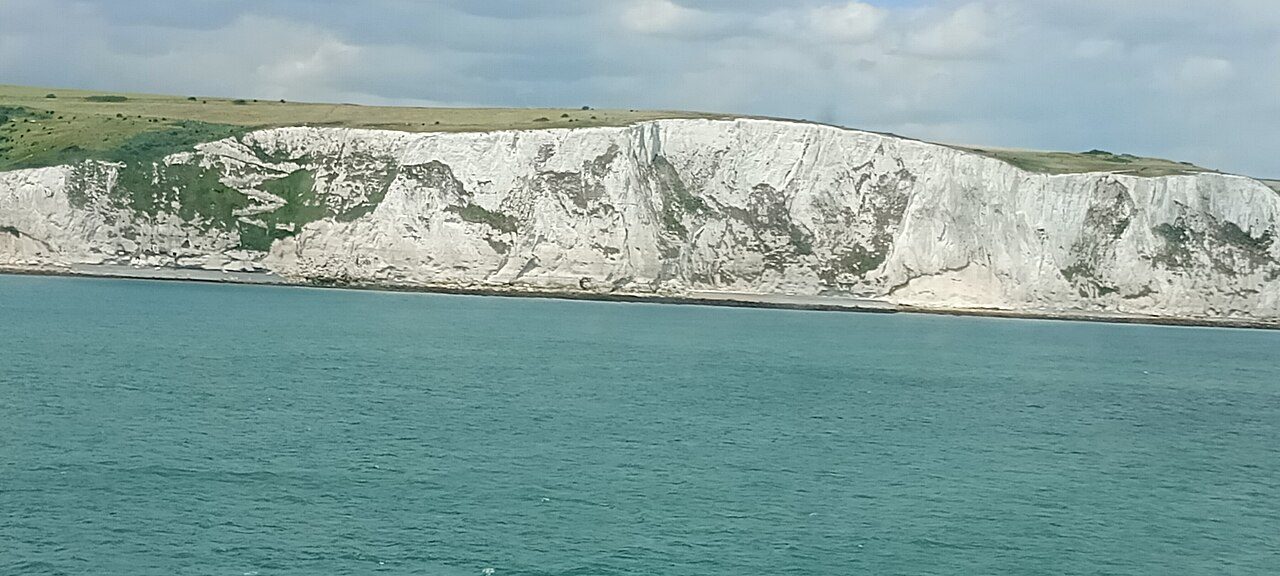
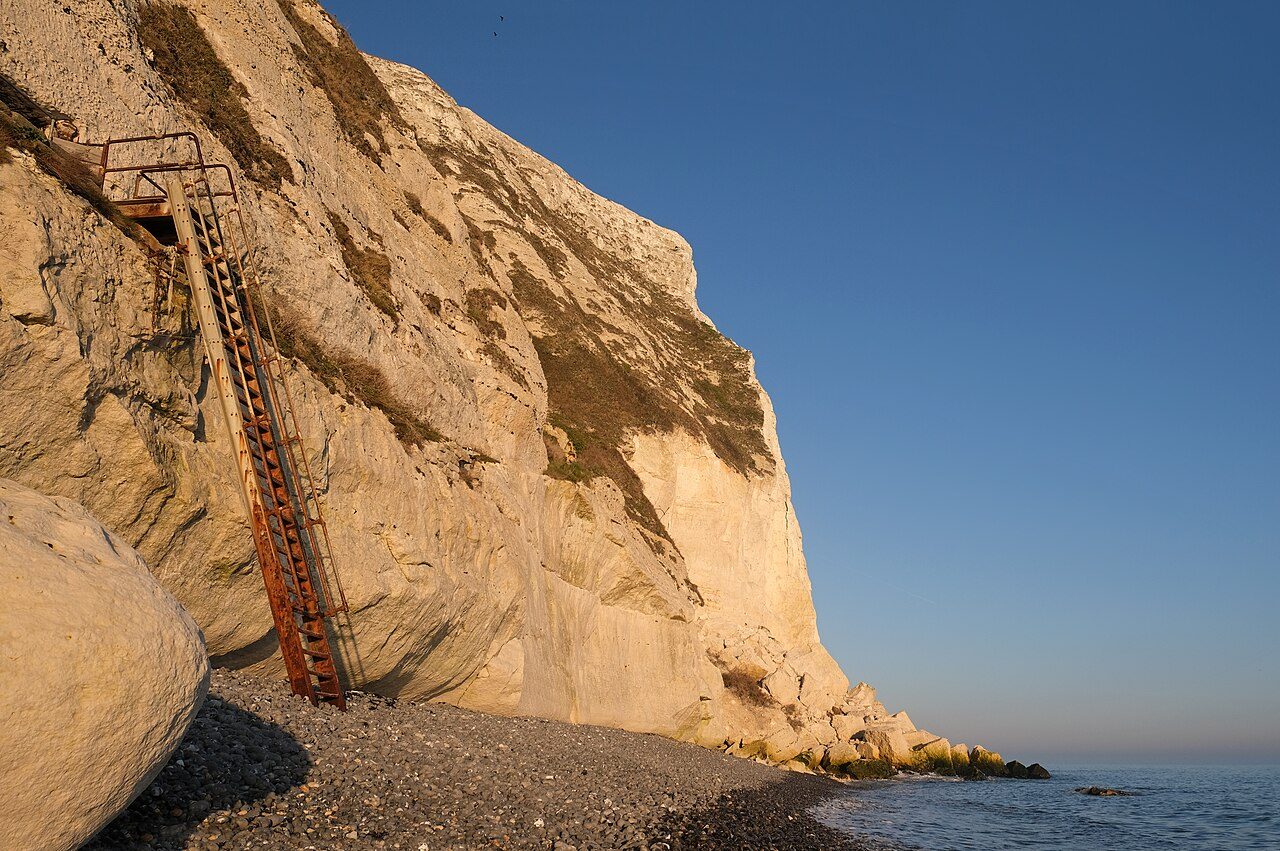
The cliffs are made of chalk, a soft white limestone formed between about 100 and 66 million years ago, when much of northern Europe lay beneath a warm, shallow sea. Over millions of years, the microscopic shells of tiny marine algae, called coccoliths, sank to the seabed and built up into thick layers. Bands of dark flint run through the chalk. The cliffs were exposed when sea levels rose after the last Ice Age, flooding the land that once connected Britain to mainland Europe. They're still eroding, and occasional rockfalls reshape the coastline.
England's front door
Because Dover is the closest point in England to the European mainland, it has always been strategically important. The Romans built a lighthouse here, which still stands within the grounds of Dover Castle, one of the oldest surviving buildings in Britain. In 1066, William the Conqueror secured Dover after his victory at Hastings, and over the centuries, Dover Castle grew into one of the largest and most powerful fortresses in England, known as the key to England.
The Second World War
During the Second World War, the cliffs became a symbol of hope and defiance. In 1940, the evacuation of hundreds of thousands of troops from Dunkirk was directed from secret tunnels dug deep into the cliffs beneath Dover Castle. Later in the war, the cliffs were the front line in the Battle of Britain, and the popular wartime song about bluebirds over the White Cliffs of Dover expressed the longing for peace.
Dover Castle and the secret tunnels
Dover Castle, run by English Heritage, includes the medieval Great Tower, the Roman lighthouse, an Anglo-Saxon church and the Secret Wartime Tunnels, where you can see the operations rooms used during the Dunkirk evacuation and a hospital built inside the cliff. Allow at least half a day to see everything.
Walking the cliffs
The National Trust looks after a stretch of the cliffs east of Dover, where a clifftop path leads from a visitor centre to the Victorian South Foreland Lighthouse, a walk of about two hours there and back. On the way, you'll pass old military defences, sweeping views of the cliffs and, in spring and summer, wild flowers and butterflies. Fan Bay Deep Shelter, a network of Second World War tunnels beneath the cliffs, can sometimes be visited on guided tours.
Things not to miss
- ✓Walk the clifftop path to South Foreland Lighthouse.
- ✓Explore Dover Castle and its Secret Wartime Tunnels.
- ✓See the Roman lighthouse inside the castle grounds.
- ✓Look for the coast of France on a clear day.
- ✓View the cliffs from the sea on a boat trip or ferry.
- ✓Visit St Margaret's Bay, a pretty beach nearby.

How to get there
Dover is about an hour by high-speed train from London St Pancras. From Dover Priory station, buses and taxis run to Dover Castle and the National Trust visitor centre. By car, Dover is about two hours from London.
Tickets and opening hours
Walking the clifftop paths is free, though parking may be charged. Dover Castle and South Foreland Lighthouse charge entry and have seasonal hours. Check current details before you go.
Best time to visit
Clear days from spring to autumn offer the best views, and wild flowers bloom in late spring and summer. The cliffs can be windy, so bring a layer.
Safety
Stay well back from the cliff edges, which can crumble without warning, and keep dogs and children close. Follow marked paths.
Frequently asked questions
Why are the cliffs white? They're made of chalk, formed from the shells of tiny marine algae.
Can you see France from Dover? Yes, on clear days.
How long is the clifftop walk? About two hours there and back to South Foreland Lighthouse.
Stand on the clifftop with the wind in your face and the white chalk gleaming below, and you'll understand why these cliffs have meant home to so many travellers for so many centuries.

Comments
Been here, or planning to go? Share a tip or ask a question.
Sign in with Google to comment or vote. Your email is never shown.