 WaTrips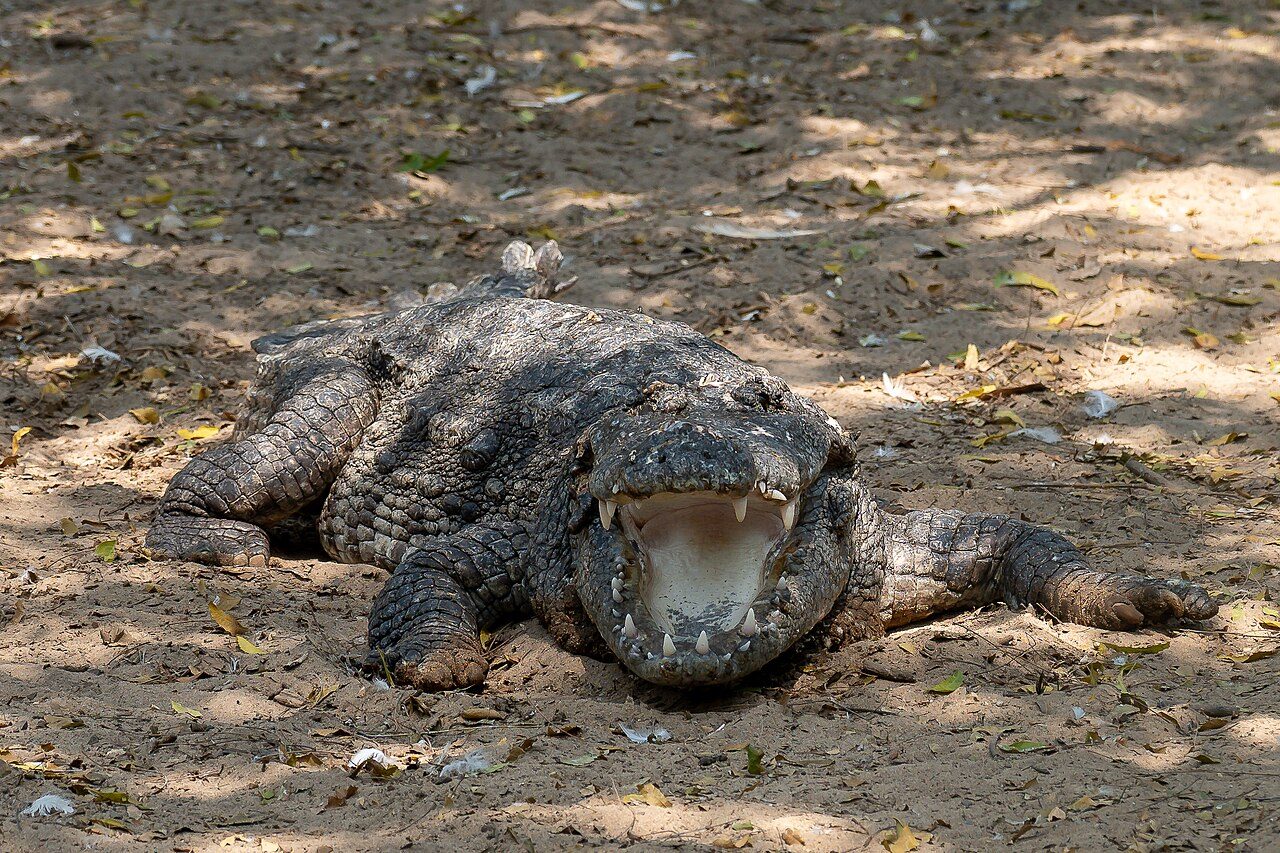
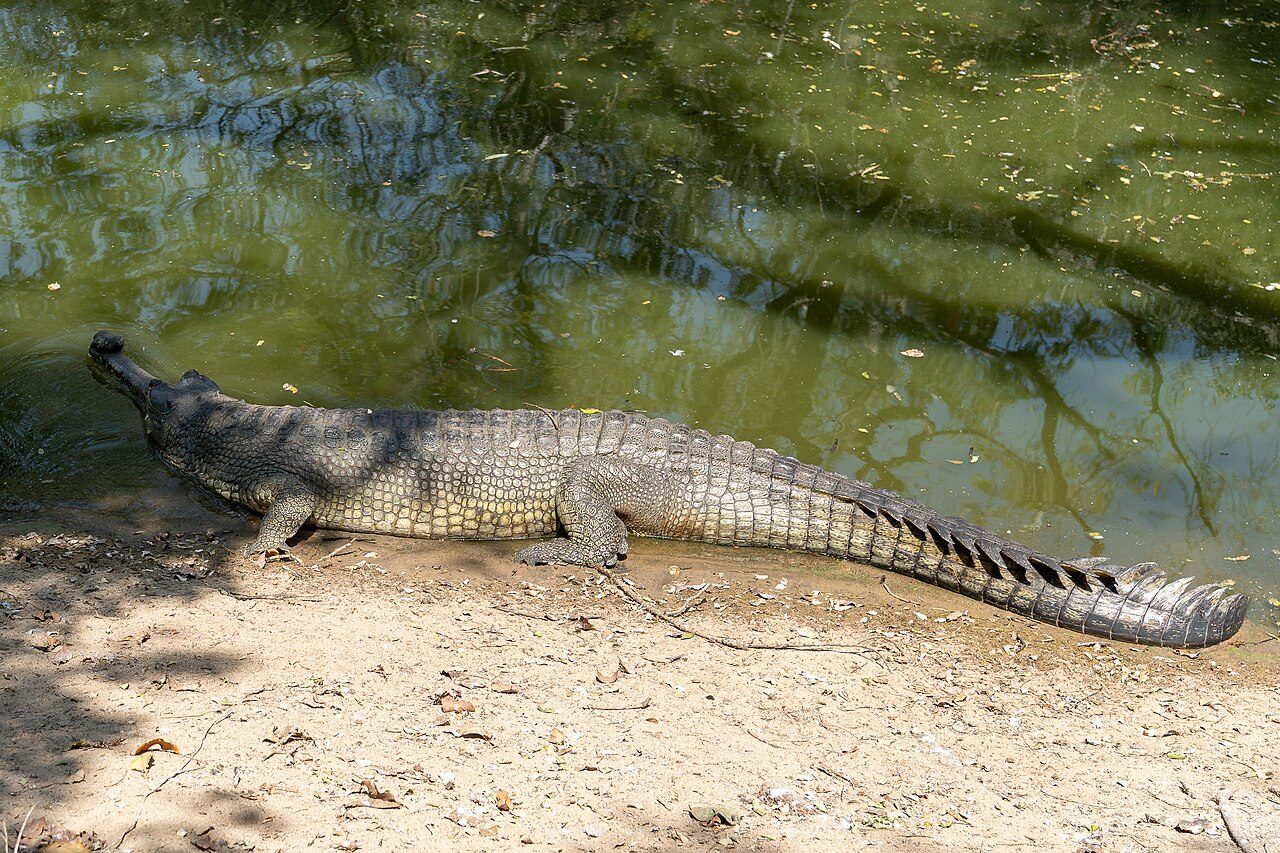
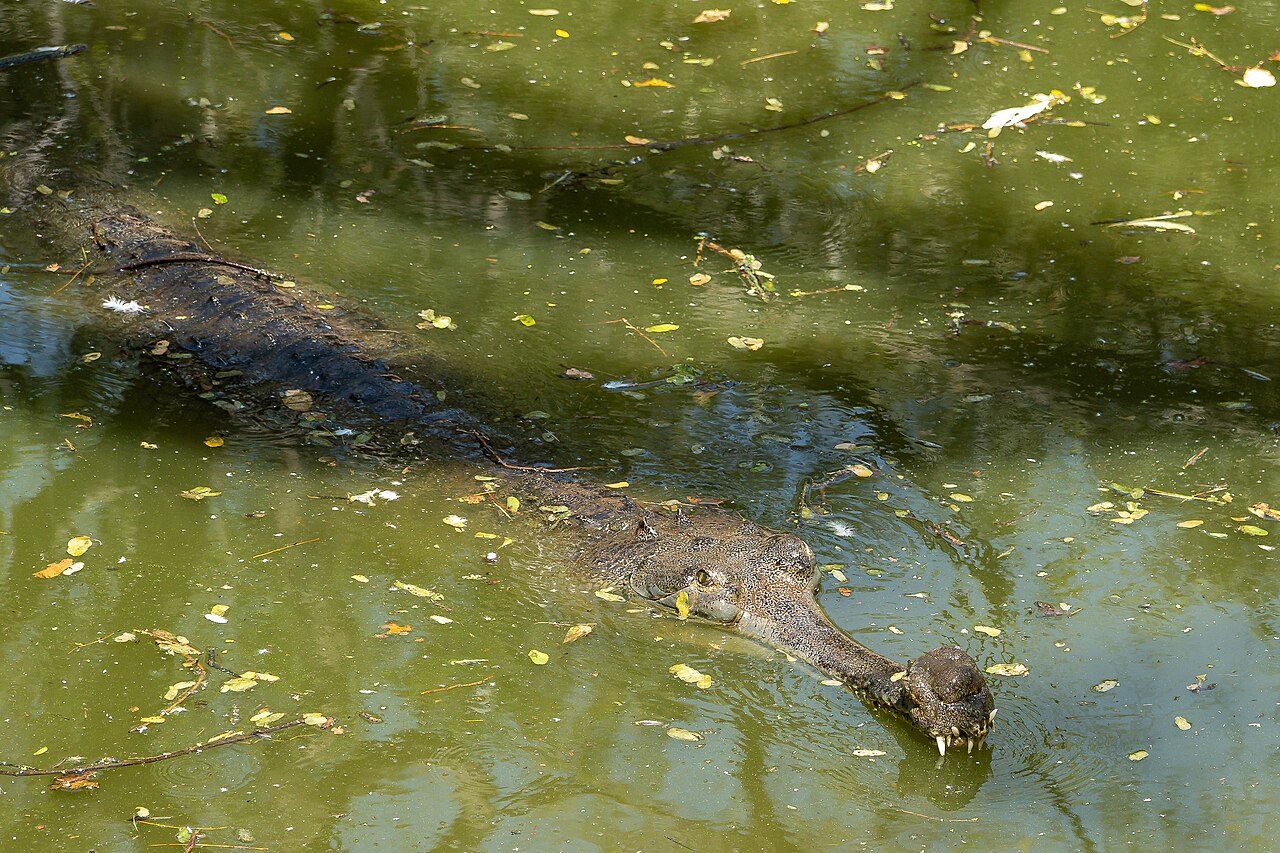
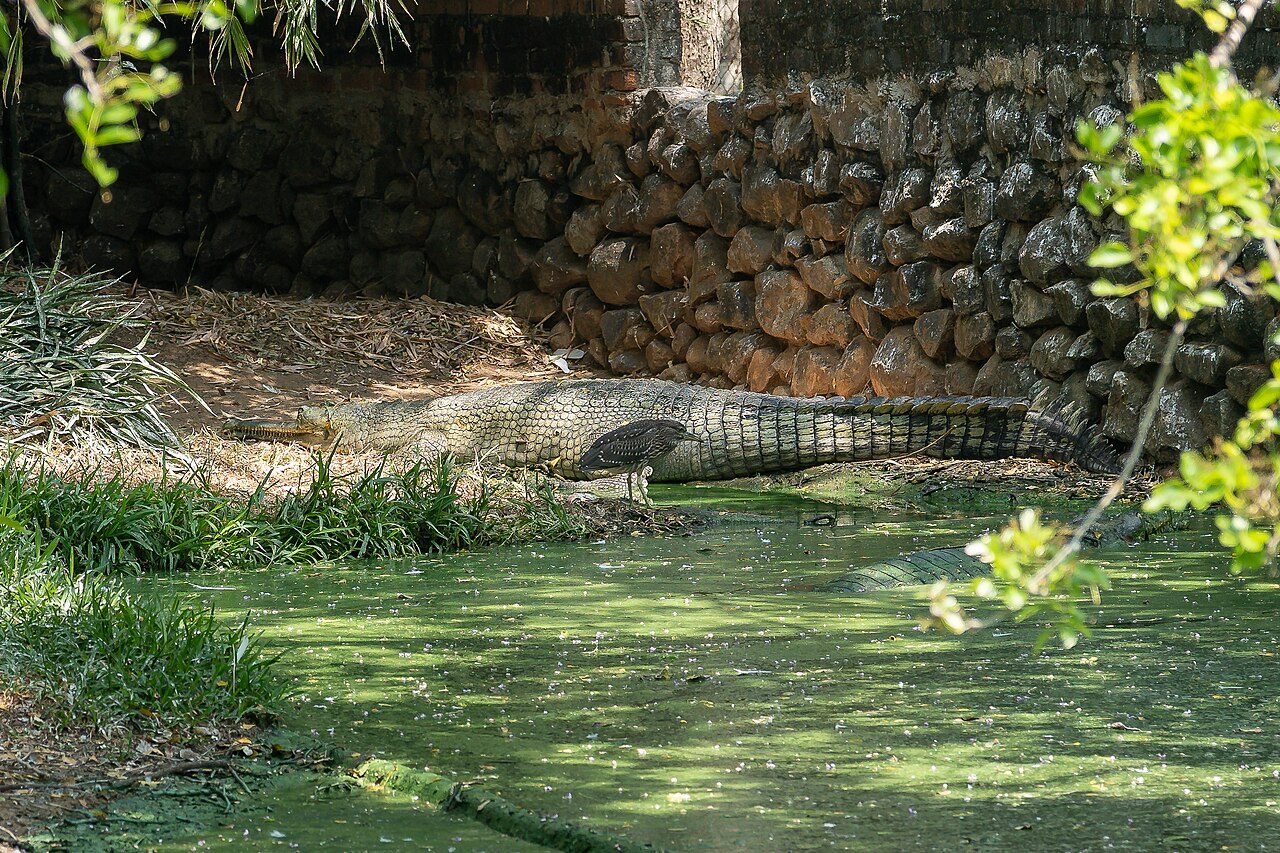
Under the coastal trees, a pool goes perfectly still. You lean on the railing, and slowly realise that the "logs" lining the bank are crocodiles, dozens of them, lying with their jaws open in the sun. One slides into the water without a ripple. A few steps further, a gharial with its long, thin snout floats like a piece of driftwood. This is the Madras Crocodile Bank, and it is one of the largest reptile zoos in the world.
Why it exists
By the 1960s, hunting for skins had pushed India's crocodiles to the edge. The mugger had disappeared from most of its range, the gharial was critically endangered, and saltwater crocodile numbers were threatened. The Crocodile Bank was conceived in 1973 and founded on 26 August 1976 by the herpetologist Romulus Whitaker with his wife Zai Whitaker and others, to protect and breed India's three crocodile species.
It has bred over 5,000 crocodiles since then. In 2003 it became the Madras Crocodile Bank Trust and Centre for Herpetology, with exhibits of other reptiles. Whitaker received the Padma Shri in 2018. As of 2024 the park had 15 species of crocodiles, including three critically endangered species, and 33 other reptile species.
What you will see
The park covers 8.5 acres of coastal sand forest along the Bay of Bengal. Paths wind between pools and enclosures for muggers, saltwater crocodiles and gharials, along with crocodilians from other parts of the world. Look out for the turtles and tortoises too; the Bank later developed a captive breeding programme for them.
Snakes and the Irula
The trust also manages a snake venom extraction centre operated by the Irula people, known for their skill as snake catchers. The trust runs field stations too, at South Andaman, at Agumbe in Karnataka and in the Chambal valley, and it publishes the herpetology journal Hamadryad.
Tips for your visit
The park recorded about 0.42 million visitors in a year (April 2018 to March 2019), so weekends get crowded. Come on a weekday morning, when it is cooler and the animals are more active. Wear a hat, carry water and give yourself time to stand and watch: crocodiles reward patience.
Getting there and nearby
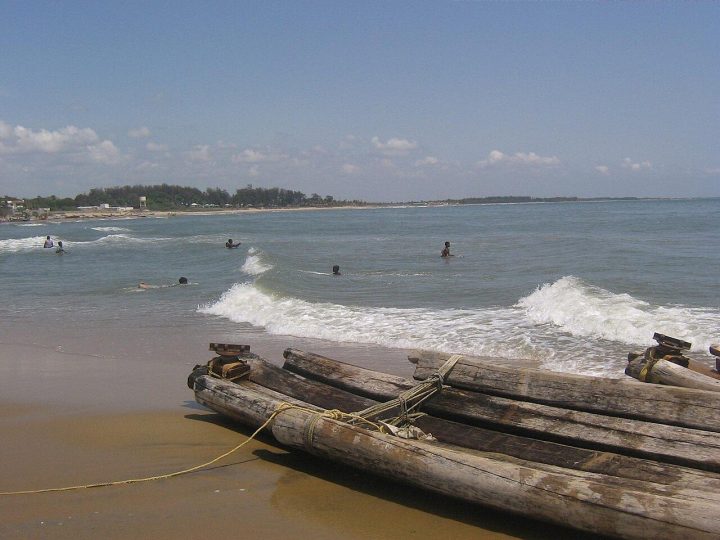
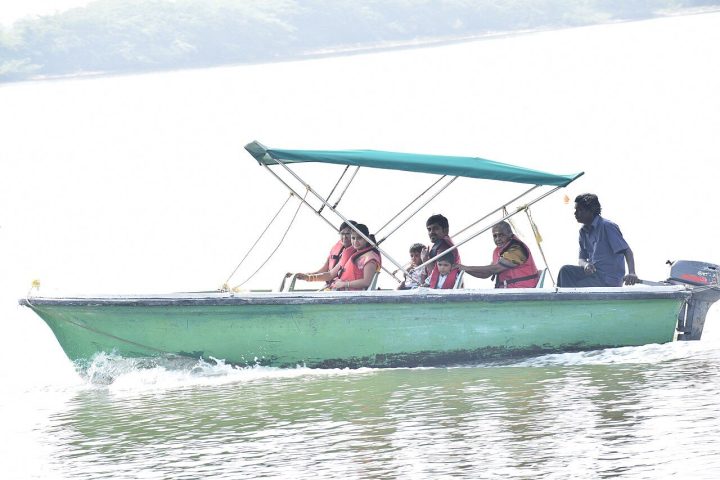
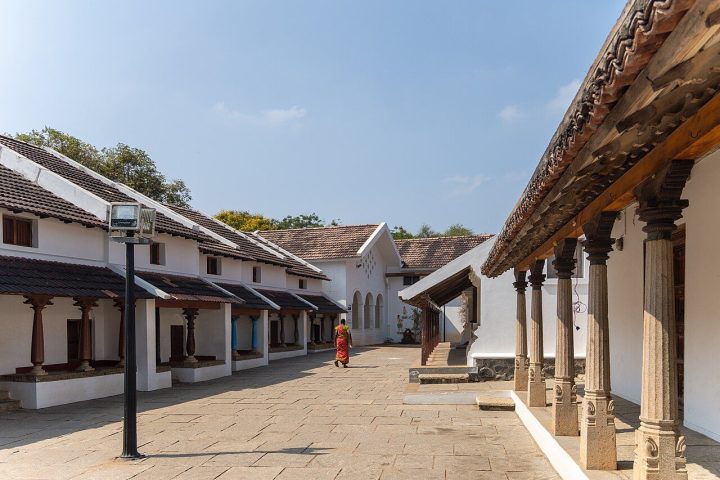
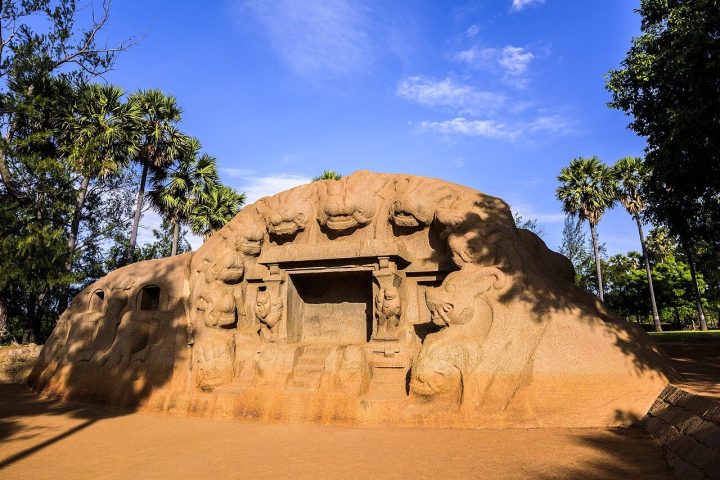
The Bank is about 40 km south of Chennai on the East Coast Road at Vadanemmeli, near Thiruvidandhai, and works well as a stop on the way to Mahabalipuram. Covelong Beach is about 5.4 km away, Muttukadu Boat House about 7.1 km, DakshinaChitra about 8.9 km and the Tiger Cave at Saluvankuppam about 10.1 km.
Comments
Been here, or planning to go? Share a tip or ask a question.
Sign in with Google to comment or vote. Your email is never shown.