 WaTrips
In a quiet corner of the cathedral, a single candle flickers on the stone floor, beside a striking modern sculpture of jagged swords. It marks the spot where, on a winter evening in 1170, four knights burst into the cathedral and murdered the Archbishop of Canterbury, Thomas Becket, as he made his way to evening prayers. The killing shocked Christian Europe, and for centuries afterwards, pilgrims travelled to Canterbury from across the continent to pray at the place where he fell.
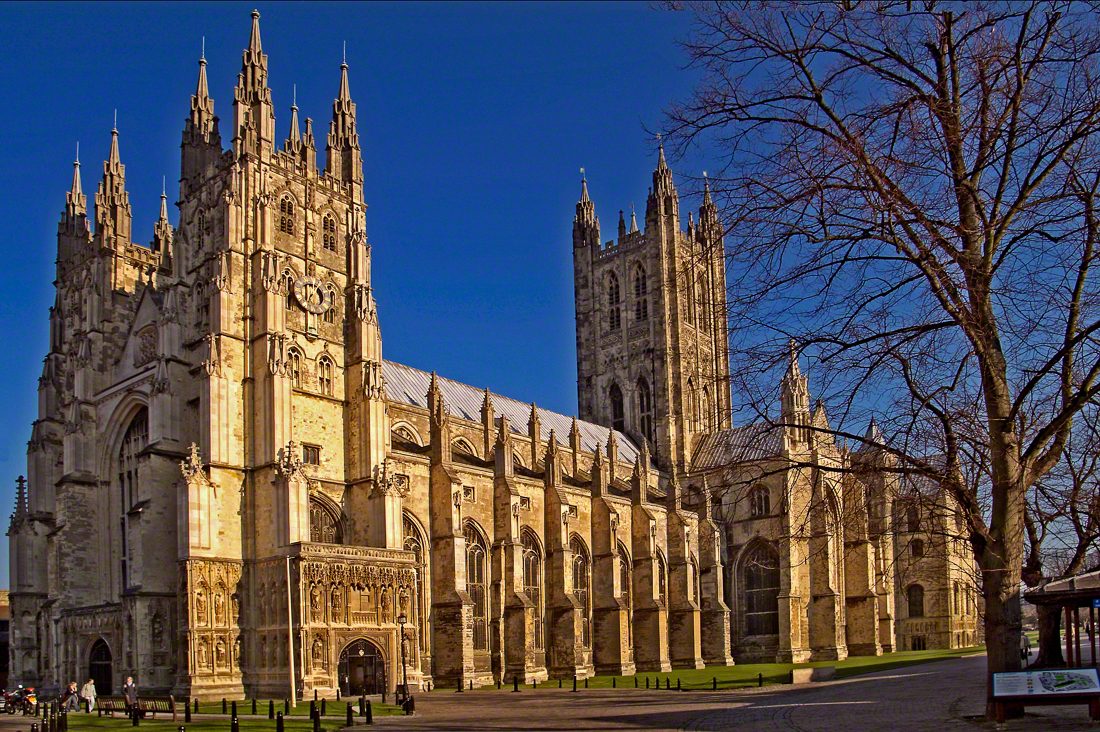
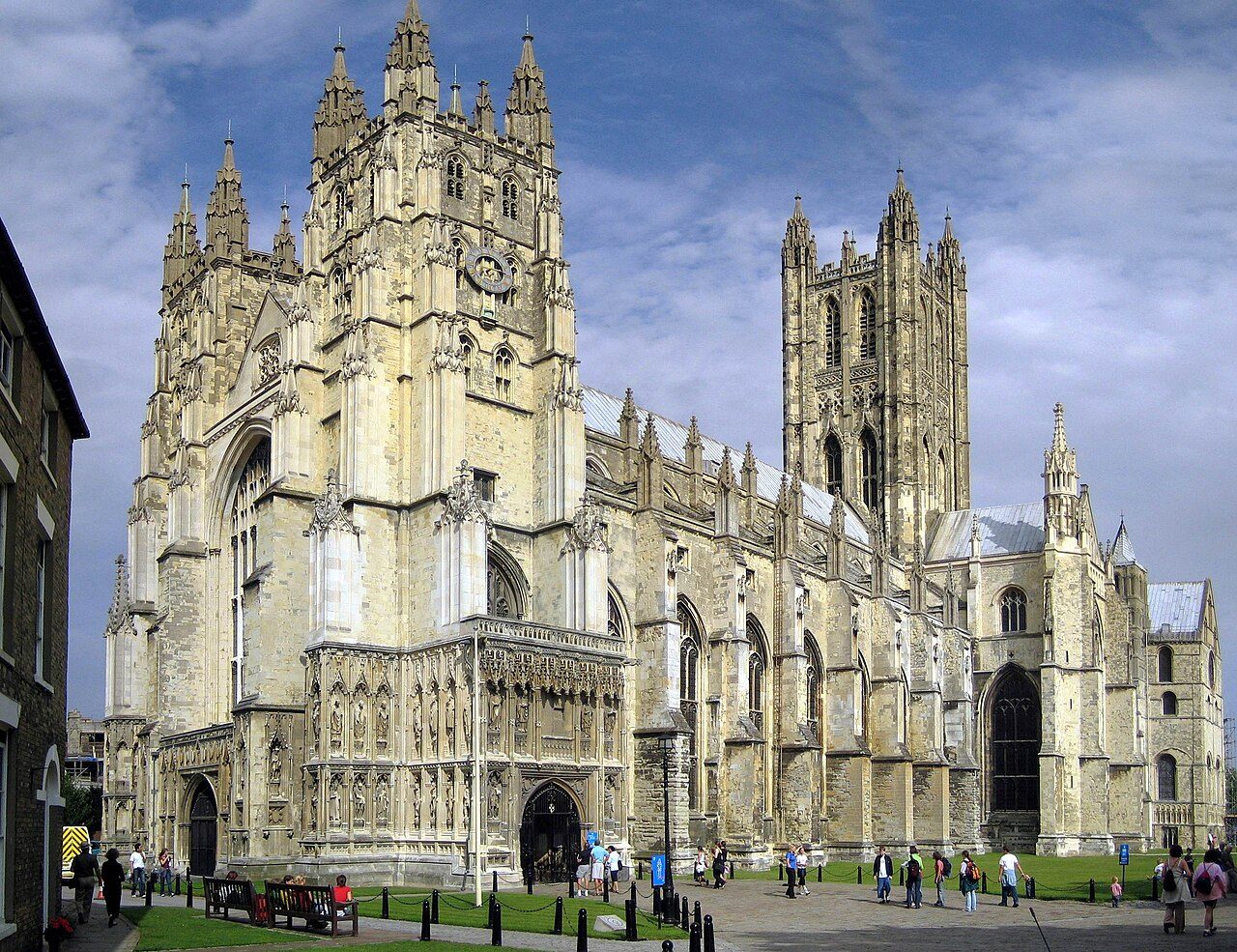
Canterbury Cathedral, in Kent, is the mother church of the Church of England and the worldwide Anglican Communion, and one of the oldest and most important Christian buildings in England. With St Augustine's Abbey and St Martin's Church, it's a UNESCO World Heritage Site. This guide explains its story and how to visit.
St Augustine's mission
In 597, Pope Gregory the Great sent a monk named Augustine to convert the Anglo-Saxons of England to Christianity. Augustine was welcomed by King Ethelbert of Kent, whose wife was already a Christian, and he founded a cathedral in Canterbury, becoming the first Archbishop of Canterbury. The present cathedral was rebuilt after the Norman Conquest, from 1070 onwards, and expanded over the following centuries.
The murder of Thomas Becket
Thomas Becket, once a close friend and chancellor of King Henry II, became Archbishop of Canterbury in 1162. He then clashed bitterly with the king over the rights of the Church. On 29 December 1170, after the king's angry words were taken as an order, four knights rode to Canterbury and killed Becket in the cathedral. He was declared a saint in 1173, and Henry II himself came to the cathedral to do penance.
Pilgrims and Chaucer
Becket's shrine became one of the most important pilgrimage sites in Europe, and the cathedral grew rich from the offerings of pilgrims. In the late 14th century, Geoffrey Chaucer wrote The Canterbury Tales, a collection of stories told by a group of pilgrims travelling from London to Canterbury, one of the great works of English literature. In 1538, during the Reformation, Henry VIII ordered the shrine to be destroyed. A candle now burns where it once stood in the Trinity Chapel.
What to see
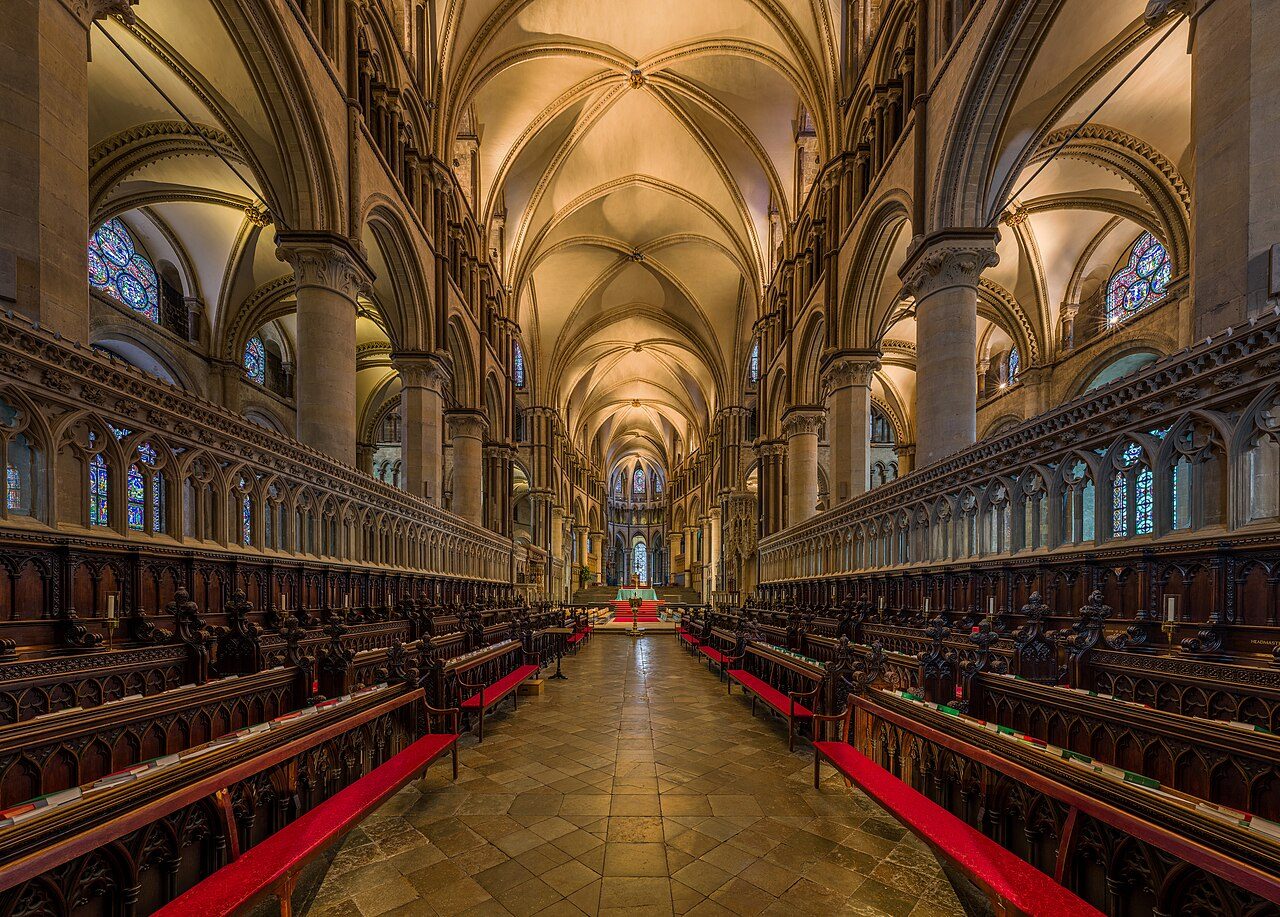
The soaring Perpendicular Gothic nave, rebuilt in the late 14th century, is one of the most beautiful in England. The Martyrdom, the spot where Becket was killed, is marked by the candle and the sculpture of swords. The Trinity Chapel is surrounded by medieval stained-glass windows known as the miracle windows, depicting miracles attributed to Becket. Nearby lie the tombs of King Henry IV and Edward the Black Prince, the famous warrior son of Edward III, whose effigy in armour is one of the finest in England.
Beneath the cathedral, the Romanesque crypt, the largest in England, has beautifully carved capitals and remains of wall paintings. The cloisters and chapter house are also impressive.
Things not to miss
- ✓See the Martyrdom, where Thomas Becket was killed.
- ✓Admire the miracle windows in the Trinity Chapel.
- ✓Visit the tomb of the Black Prince.
- ✓Explore the Romanesque crypt.
- ✓Walk through the cloisters.
- ✓Attend Choral Evensong.
How to get there
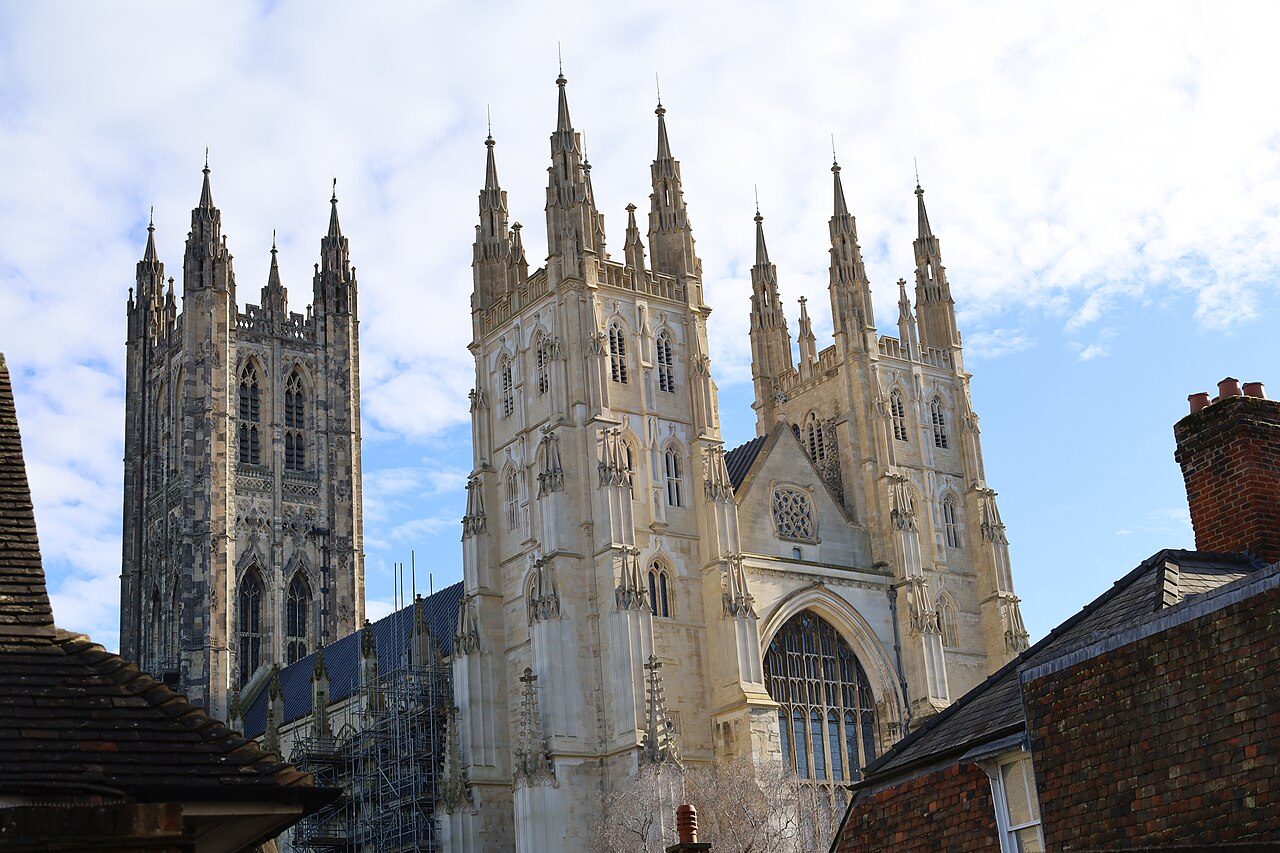
Canterbury is about an hour by high-speed train from London St Pancras, and around 90 minutes from London Victoria. The cathedral is in the city centre, entered through the ornate Christ Church Gate.
Tickets and opening hours
Tickets are required for sightseeing, while services are free to attend. Opening hours can vary for services and events. Check current details before you go.
Best time to visit
Weekday mornings are quieter. Attending Evensong, held most days, is a beautiful way to experience the cathedral as a living place of worship.
Frequently asked questions
Where was Thomas Becket killed? In the northwest transept, now called the Martyrdom.
Is the shrine of Becket still there? No, it was destroyed in 1538; a candle marks its site.
How long should I spend there? About two hours.
Stand by the candle where Becket fell, and you'll feel the presence of the countless pilgrims who have walked to this place for more than eight centuries.

Comments
Been here, or planning to go? Share a tip or ask a question.
Sign in with Google to comment or vote. Your email is never shown.