 WaTrips

The punt glides silently along the River Cam, the student at the back pushing it forward with a long pole while telling stories about the colleges you pass. On one side, lawns slope down to the water, dotted with weeping willows; on the other rise centuries-old buildings of golden stone. You slip beneath a wooden bridge that looks impossibly complex, then past a vast Gothic chapel whose pinnacles soar into the sky. Ducks paddle alongside, and the sound of a choir drifts across the water. It's one of the most beautiful scenes in England.
The University of Cambridge, the second-oldest university in the English-speaking world, is one of the world's great centres of learning. This guide explains its story and how to explore its colleges, river and museums.
A rival to Oxford
Cambridge University was founded in 1209 by scholars who left Oxford after a dispute with the townspeople. The oldest college, Peterhouse, was founded in 1284, and over the following centuries, many more were established by kings, queens, bishops and wealthy benefactors. Today, Cambridge has 31 colleges, where students live, eat and are taught in small groups, alongside university departments and laboratories.
A university of discovery
Cambridge has been home to some of the greatest scientists and thinkers in history. Isaac Newton developed his ideas on gravity and optics as a fellow of Trinity College. Charles Darwin studied at Christ's College. In 1953, Francis Crick and James Watson, using data including Rosalind Franklin's X-ray images, announced the structure of DNA, celebrating at the Eagle pub, where a plaque marks the moment. The university has produced many Nobel Prize winners, as well as poets, writers and leaders.
King's College Chapel
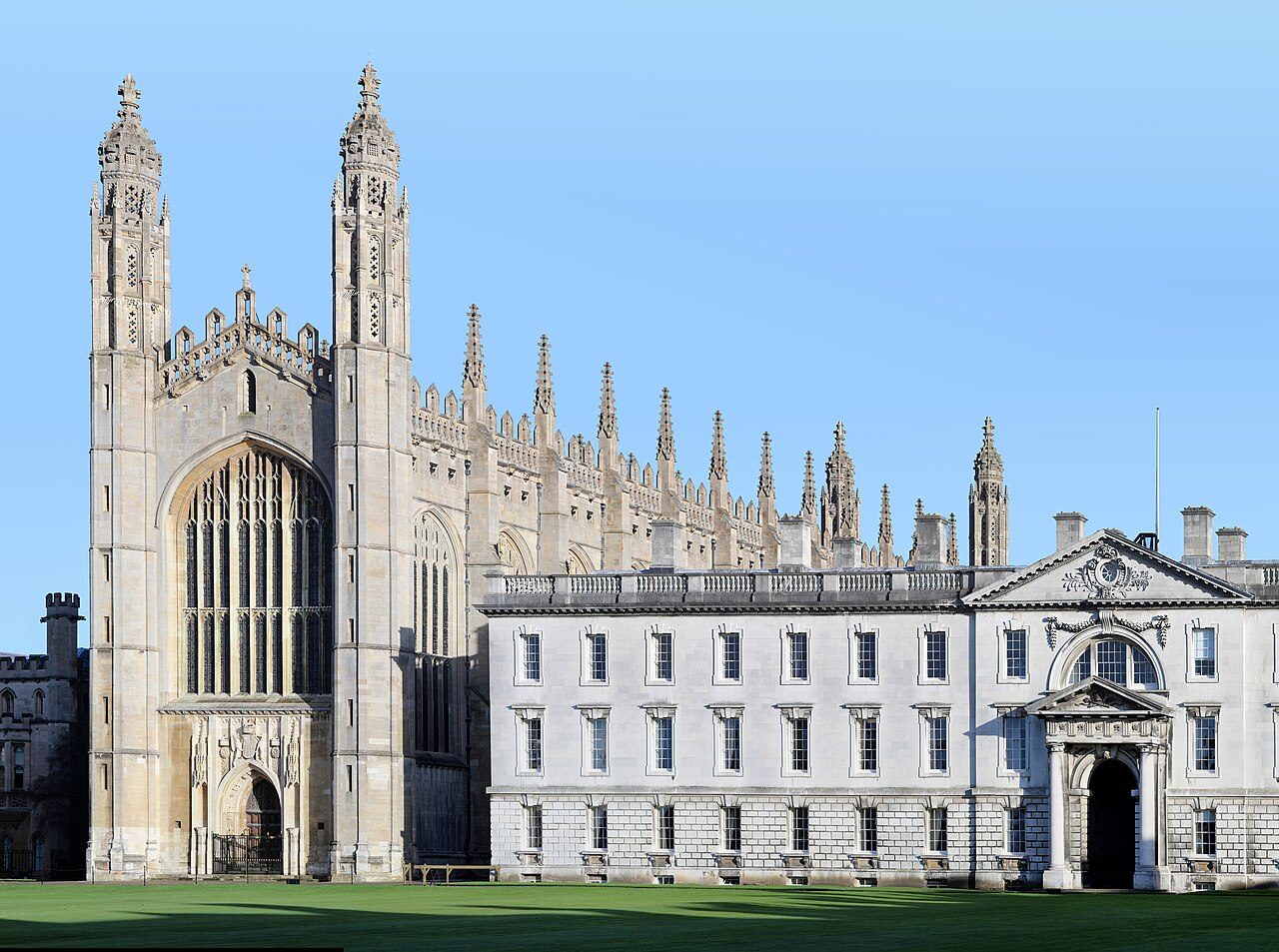
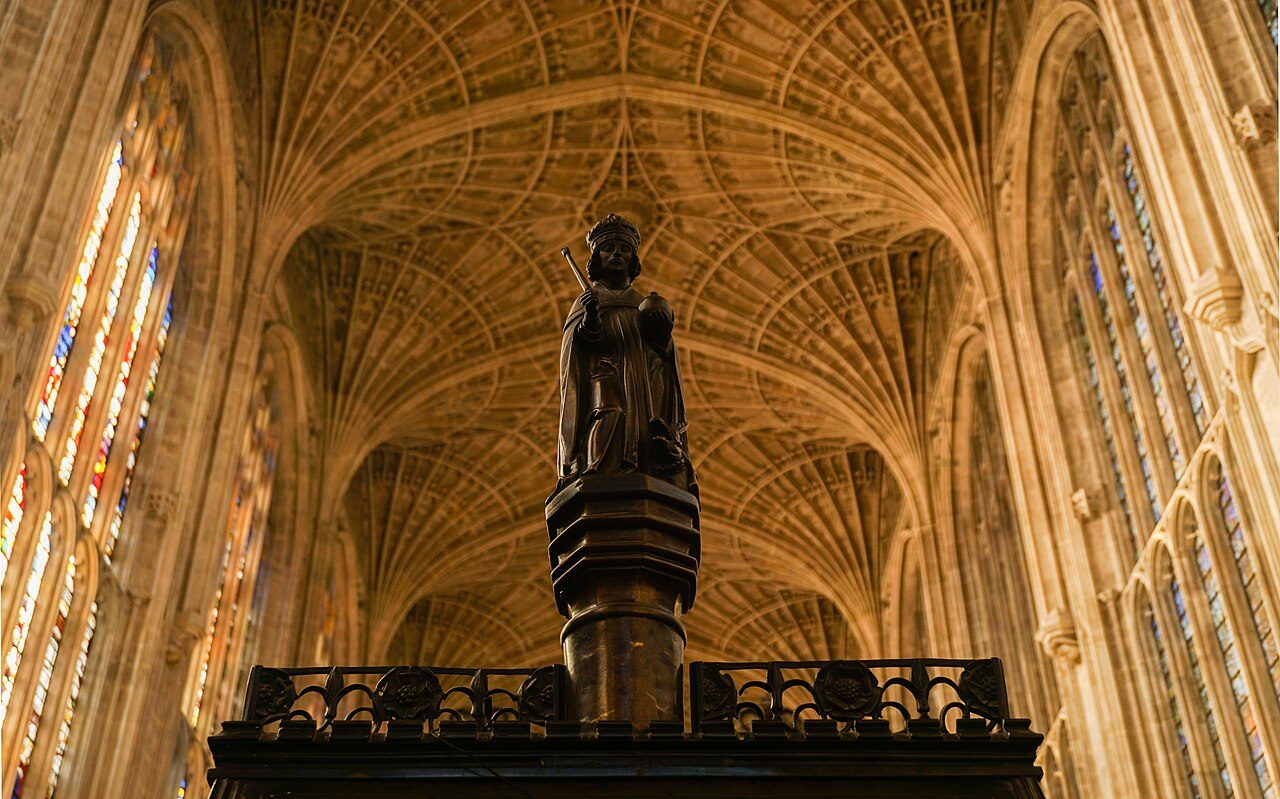
King's College Chapel, begun by King Henry VI in 1446 and completed under Henry VIII, is one of the finest examples of late Gothic architecture in the world. Its fan-vaulted ceiling, the largest of its kind, seems to float above the nave, and its stained-glass windows are among the finest from the Renaissance. Behind the altar hangs Rubens' painting The Adoration of the Magi. The chapel's choir is world-famous, and its Festival of Nine Lessons and Carols on Christmas Eve is broadcast around the world.
The Backs and punting
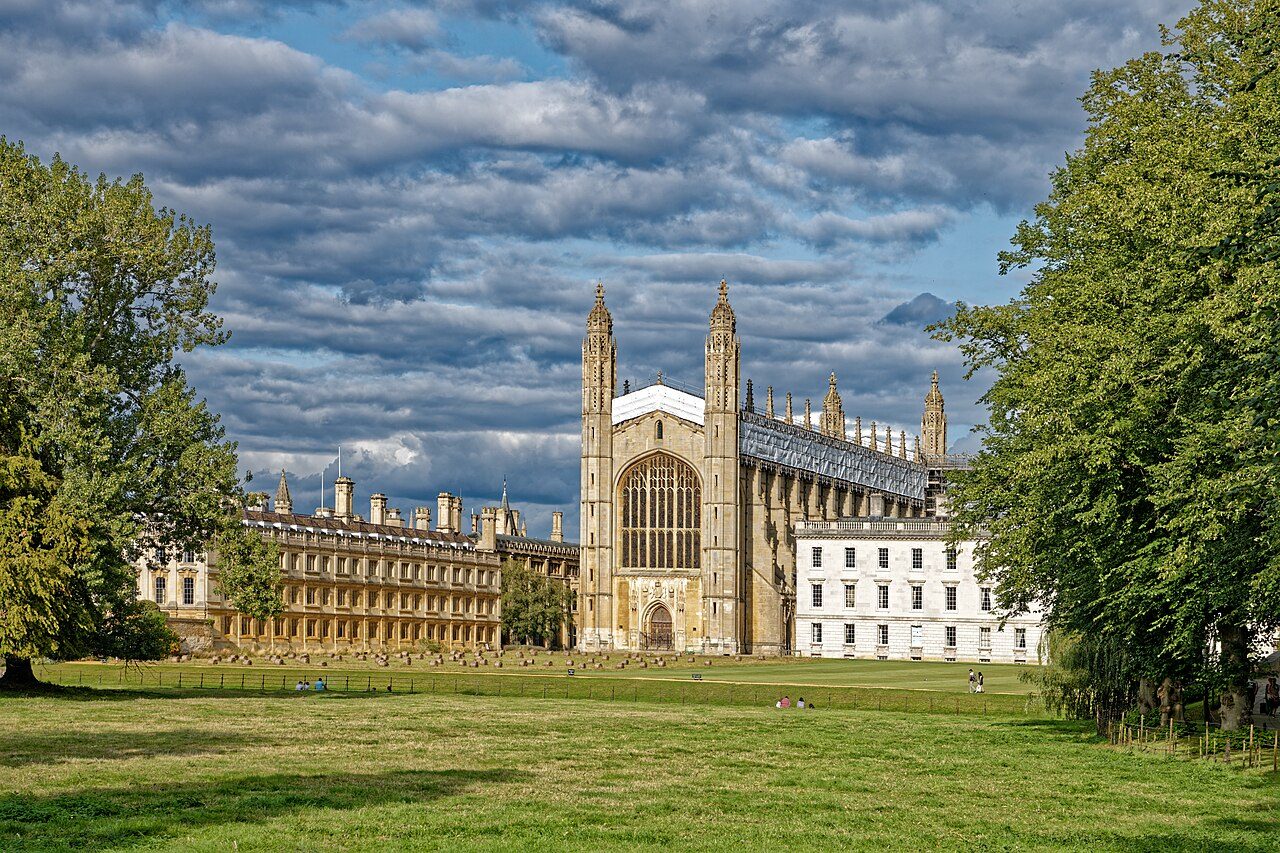
The Backs is the name given to the stretch of the River Cam where several colleges back onto the river, with gardens and lawns sloping down to the water. Punting along the Backs, either on a guided tour or by hiring your own punt, is the classic Cambridge experience. Look out for the wooden Mathematical Bridge at Queens' College, and the covered Bridge of Sighs at St John's College.
Museums
The Fitzwilliam Museum has one of the finest collections of art and antiquities in Britain, from Egyptian treasures to paintings by Titian, Rembrandt and Monet, with free entry. The Museum of Zoology, the Sedgwick Museum of Earth Sciences and Kettle's Yard, a house filled with modern art, are also worth visiting.
Things not to miss
- ✓Visit King's College Chapel and hear the choir at Evensong.
- ✓Go punting along the Backs.
- ✓See the Mathematical Bridge at Queens' College.
- ✓Find the Bridge of Sighs at St John's College.
- ✓Visit the Fitzwilliam Museum.
- ✓Have a drink at the Eagle, where the discovery of DNA was announced.
How to get there
Cambridge is about 50 minutes to an hour by train from London King's Cross or Liverpool Street. The city centre is compact and easy to explore on foot or by bike.
Best time to visit
Spring and summer are ideal for punting and gardens. Some colleges close to visitors during exam periods, usually in May and June, so check before you go.
Frequently asked questions
Can I visit the colleges? Many open to visitors, some for a fee, at certain times.
Is punting difficult? It takes practice; guided punt tours are an easy alternative.
How long should I spend in Cambridge? At least one day.
Drift along the Backs in a punt as the chapel bells ring and the willows trail in the water, and you'll understand why Cambridge has inspired so many great minds.


Comments
Been here, or planning to go? Share a tip or ask a question.
Sign in with Google to comment or vote. Your email is never shown.