 WaTrips
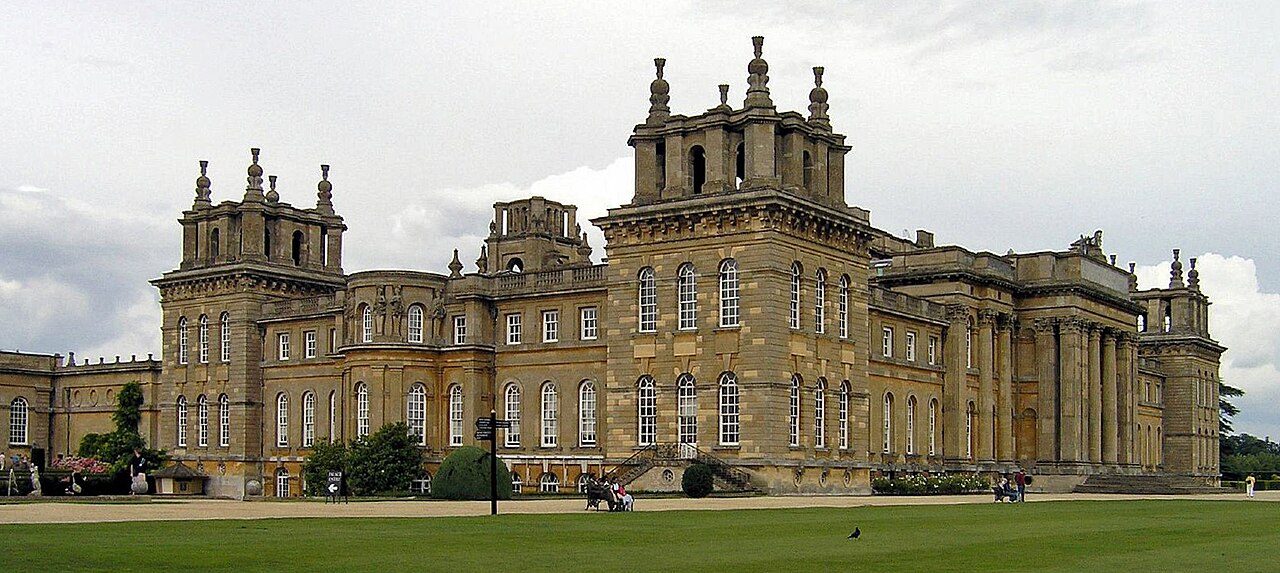
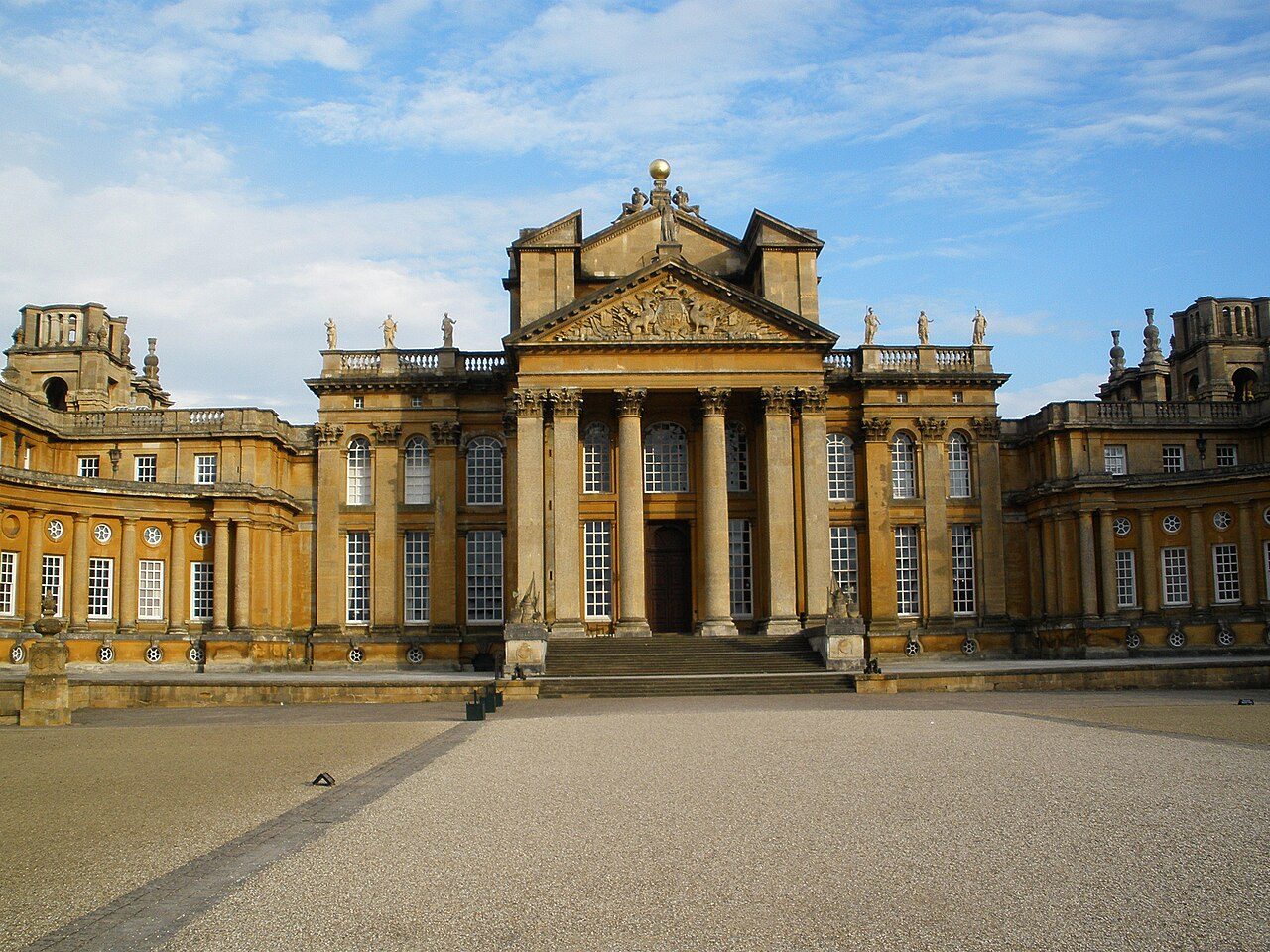
You walk through a stone archway, and the palace appears across a vast, sweeping courtyard: a monumental Baroque building of golden stone, with towers, columns, statues and gilded balls glinting on its rooftops. Behind it, a landscape of rolling parkland, ancient trees and a shimmering lake stretches as far as the eye can see, crossed by a grand bridge. It's hard to believe this was once a gift, from a grateful nation to a victorious general.
Blenheim Palace, near Oxford, is one of the largest country houses in England and a UNESCO World Heritage Site. It's also the birthplace of Sir Winston Churchill. This guide explains its story and how to visit.
A victory and a reward
On 13 August 1704, during the War of the Spanish Succession, an army led by John Churchill, Duke of Marlborough, and his ally Prince Eugene of Savoy won a crushing victory over the forces of France and Bavaria at the village of Blindheim, in Bavaria, known in English as Blenheim. The battle changed the course of the war, and Queen Anne rewarded Marlborough with the royal manor of Woodstock and funds to build a palace.
Vanbrugh's Baroque palace
The palace was designed by Sir John Vanbrugh, a playwright turned architect, assisted by Nicholas Hawksmoor. Construction began in 1705, but it was plagued by political quarrels, rows over money and the Duke's fall from royal favour. Work stopped, and the palace was only completed in the 1720s. The result is one of the grandest examples of English Baroque architecture, designed as a monument to victory as much as a home. It's the only non-royal, non-episcopal country house in England with the title of palace.
Winston Churchill's birthplace
Winston Churchill, grandson of the 7th Duke of Marlborough, was born at Blenheim on 30 November 1874, in a small ground-floor room where his mother had gone into labour unexpectedly during a visit. The room, and an exhibition about his life, can be visited. In 1908, Churchill proposed to Clementine Hozier at the little Temple of Diana in the palace grounds. He is buried in the churchyard at nearby Bladon, within sight of the palace's park.

Inside the palace
The state rooms are filled with treasures: tapestries depicting Marlborough's victories, family portraits, porcelain and fine furniture. The Great Hall, with its painted ceiling, rises to a height of around 20 metres. The Long Library, one of the longest rooms in any private house in England, houses thousands of books and a magnificent organ.
Capability Brown's landscape
In the 1760s, the famous landscape gardener Lancelot Capability Brown reshaped the park, creating a vast lake by damming a river, so that Vanbrugh's Grand Bridge, previously spanning a small stream, now crossed a sweeping expanse of water. His landscape, with its rolling hills and clumps of trees, is considered one of his masterpieces.
Gardens and family fun
Around the palace are formal gardens, including the Water Terraces, the Italian Garden, the Rose Garden and the Secret Garden. In the Pleasure Gardens, families can explore the Marlborough Maze, one of the largest hedge mazes in the world, play areas and a butterfly house. A miniature train links the palace to the Pleasure Gardens.
Things not to miss
- ✓See the room where Winston Churchill was born.
- ✓Admire the Great Hall and the Long Library.
- ✓Walk across the Grand Bridge.
- ✓Find the Temple of Diana, where Churchill proposed.
- ✓Explore the Water Terraces and the Secret Garden.
- ✓Get lost in the Marlborough Maze.
How to get there
Blenheim is about 13 kilometres north of Oxford. Buses run from Oxford city centre to Woodstock, stopping near the palace gates. By car, it's around 90 minutes from London.
Tickets and opening hours
Tickets for the palace, park and gardens are cheaper online. Some tickets can be converted into an annual pass. Check current prices and opening times.
Best time to visit
Spring to autumn is ideal for the gardens and parkland. In winter, the Christmas light trail and festive decorations are popular.

Frequently asked questions
Was Winston Churchill born at Blenheim? Yes, in 1874.
Why is it called a palace? It was built as a national monument and gift to the Duke of Marlborough.
How long should I spend there? Half a day to a full day.
Walk across the Grand Bridge with the palace golden in the evening light, and you'll understand why Churchill once said he took two very important decisions at Blenheim: to be born and to marry.

Comments
Been here, or planning to go? Share a tip or ask a question.
Sign in with Google to comment or vote. Your email is never shown.