Zürich, the Rhine Falls, Lucerne and Mount Pilatus, Interlaken and Lauterbrunnen, the Jungfraujoch, Zermatt and the Matterhorn, Montreux, Chillon and Geneva.
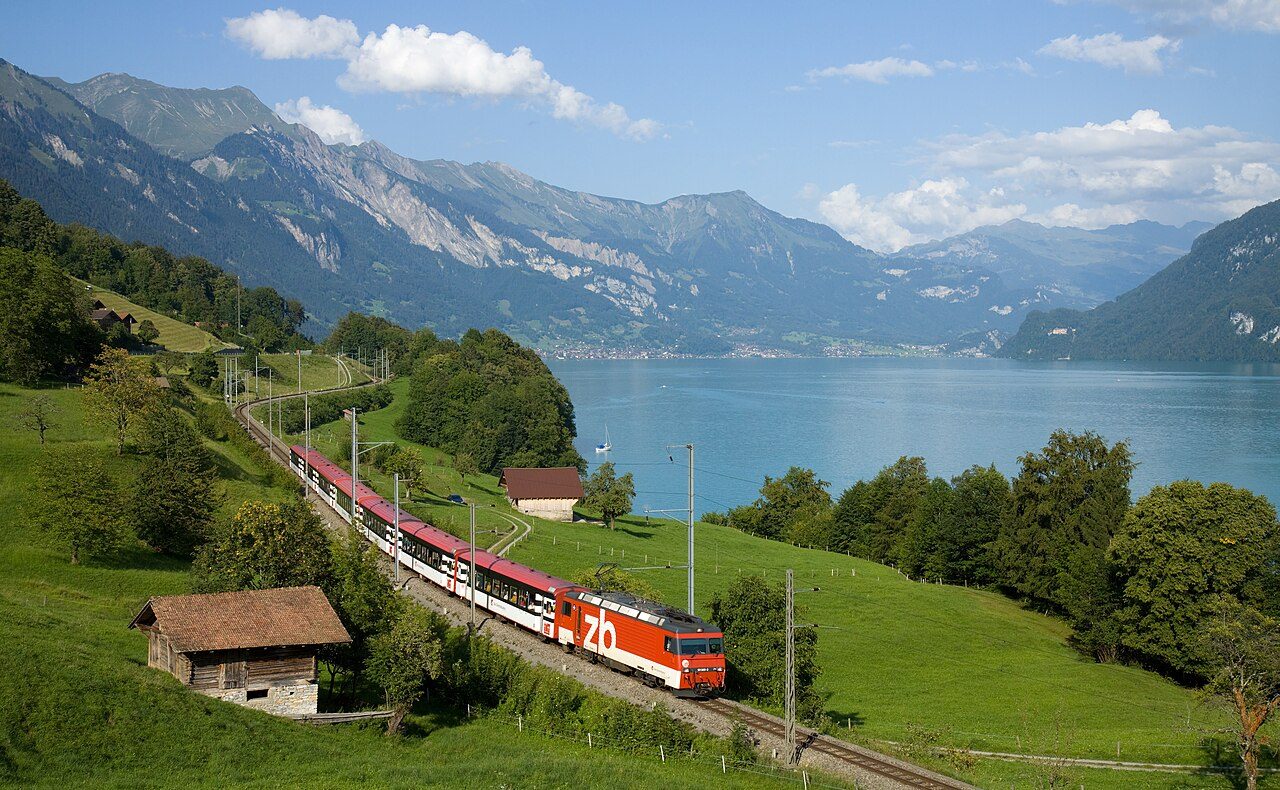
Switzerland is best seen by train. Start in Zürich's old town and at the thundering Rhine Falls, then Lucerne's wooden Chapel Bridge and a cog railway up Mount Pilatus. In the Bernese Oberland, see Interlaken, the waterfalls of Lauterbrunnen and the Jungfraujoch, 'Top of Europe'. Ride to car-free Zermatt for the Matterhorn from the Gornergrat, then along Lake Geneva to Montreux and the Château de Chillon, ending in Geneva. A Swiss Travel Pass covers most trains and boats.
01
STOP 1 OF 16
Zürich Old Town
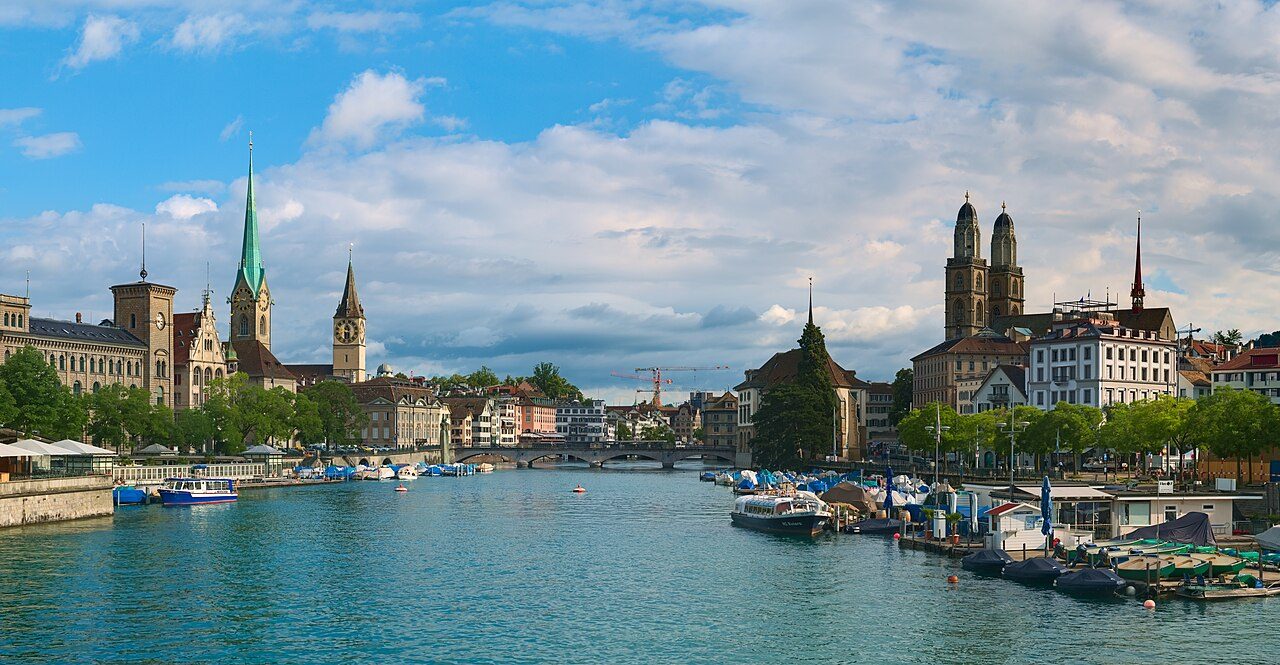
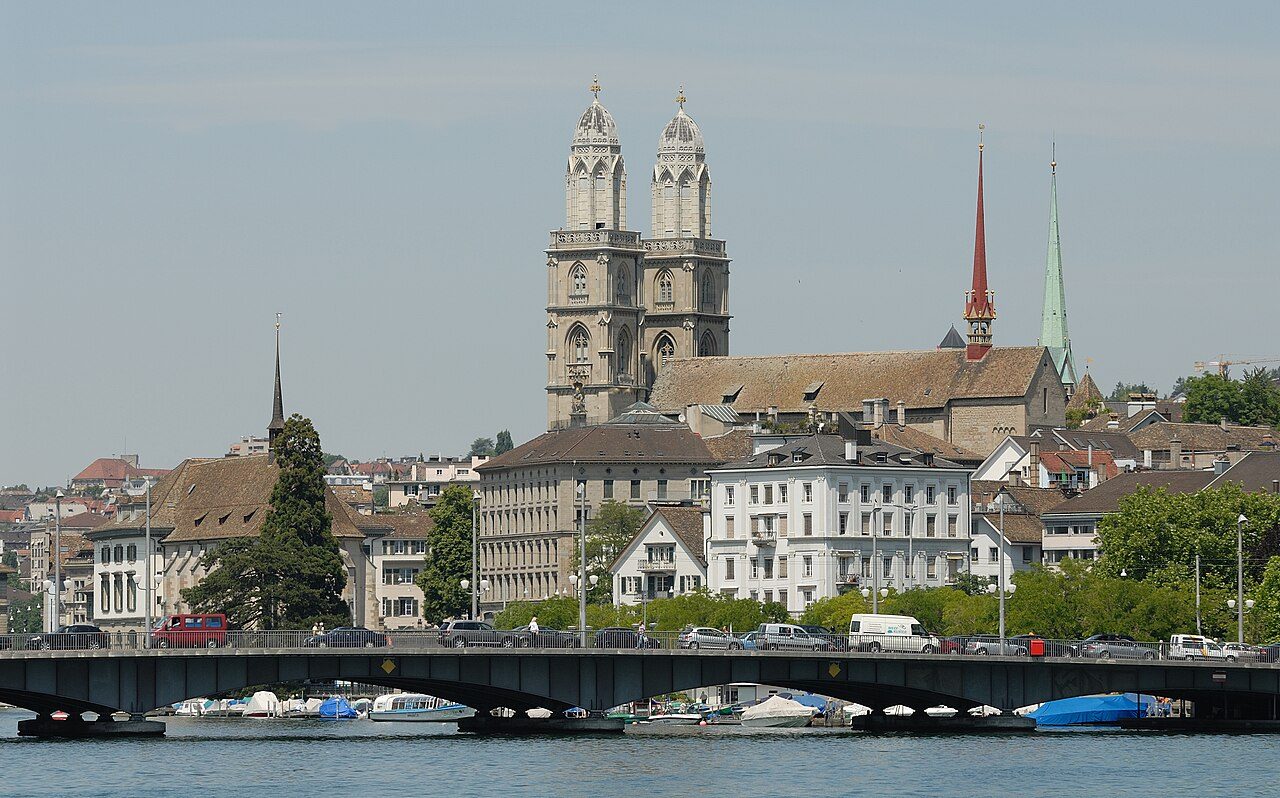
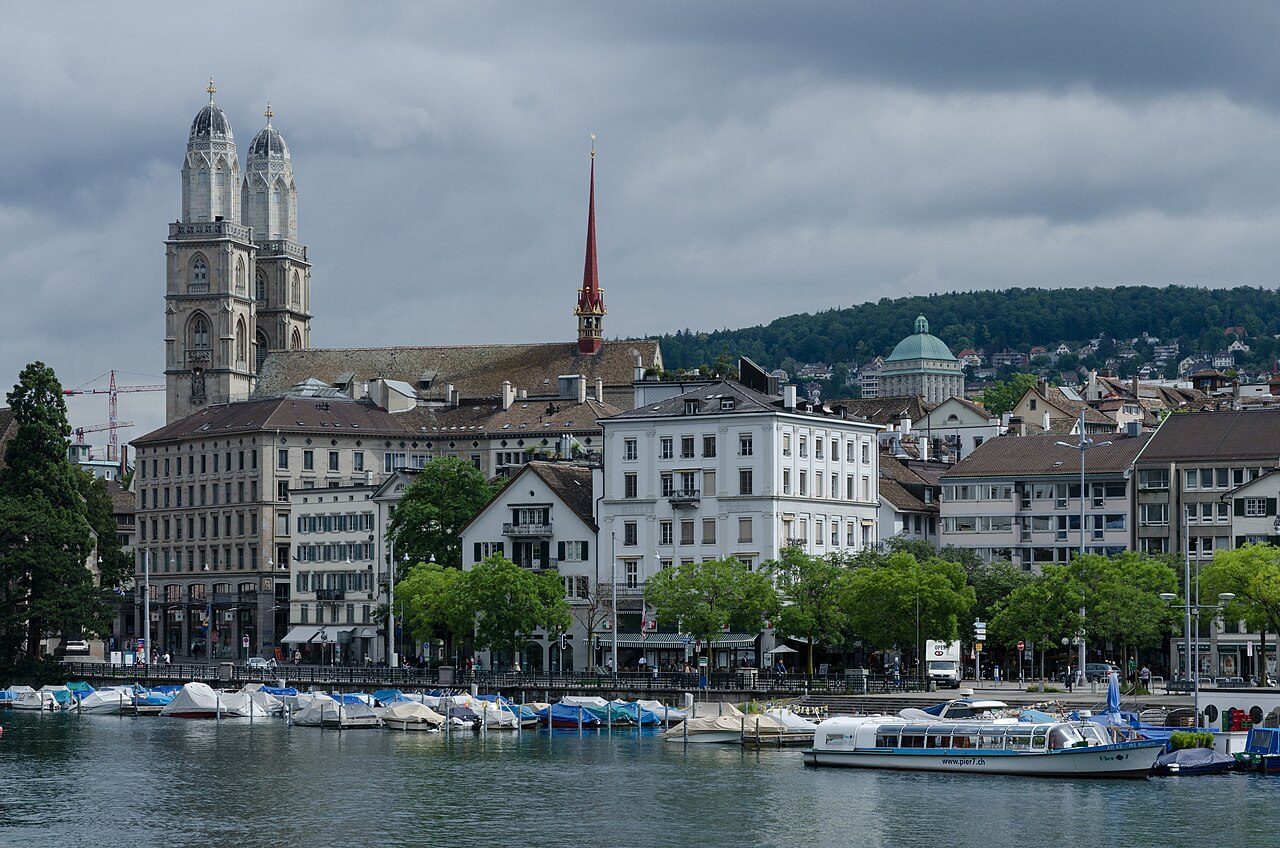
The Old Town of Zürich lies on both banks of the Limmat River where it leaves Lake Zürich. The twin towers of the Grossmünster and the slender spire of the Fraumünster, which has stained glass windows by Marc Chagall, rise above narrow medieval lanes. Guild houses and cafes line the riverbanks.
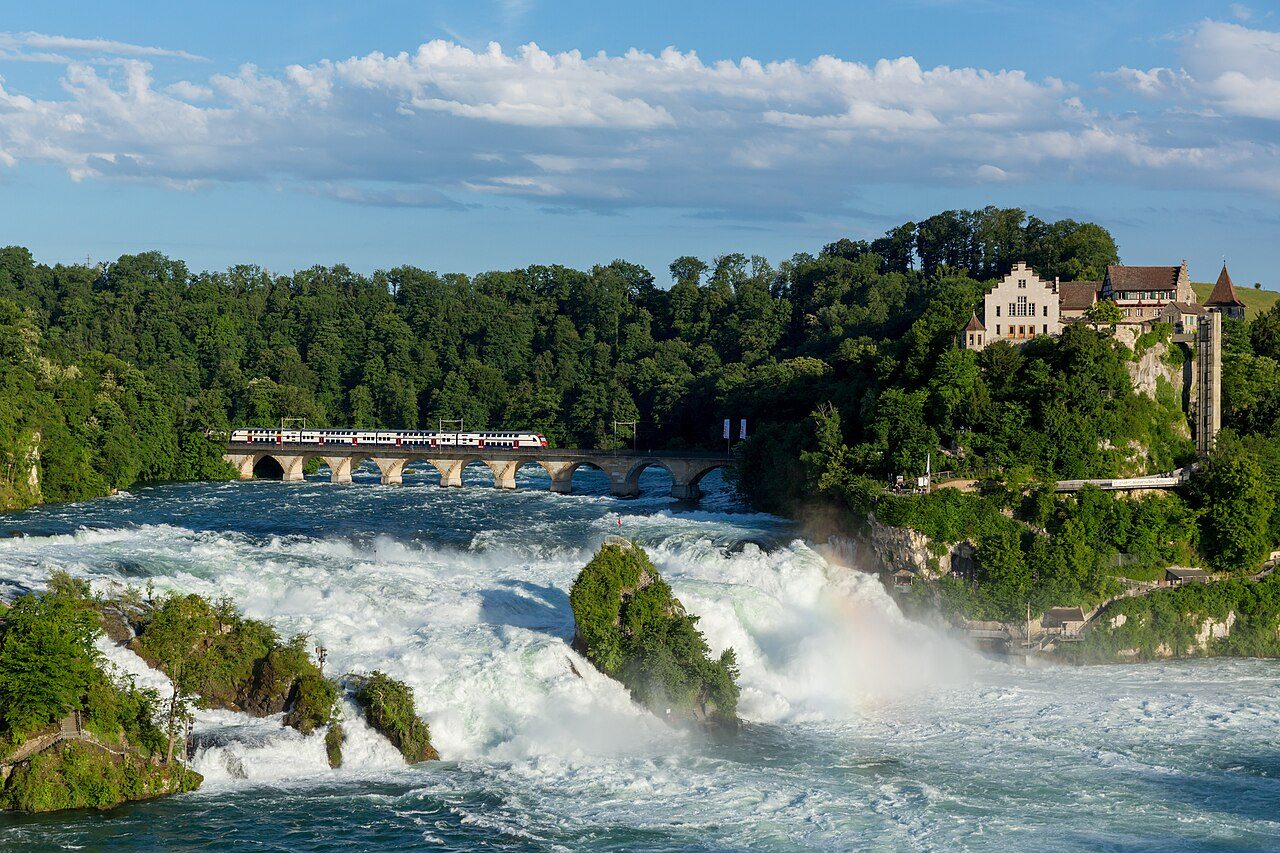
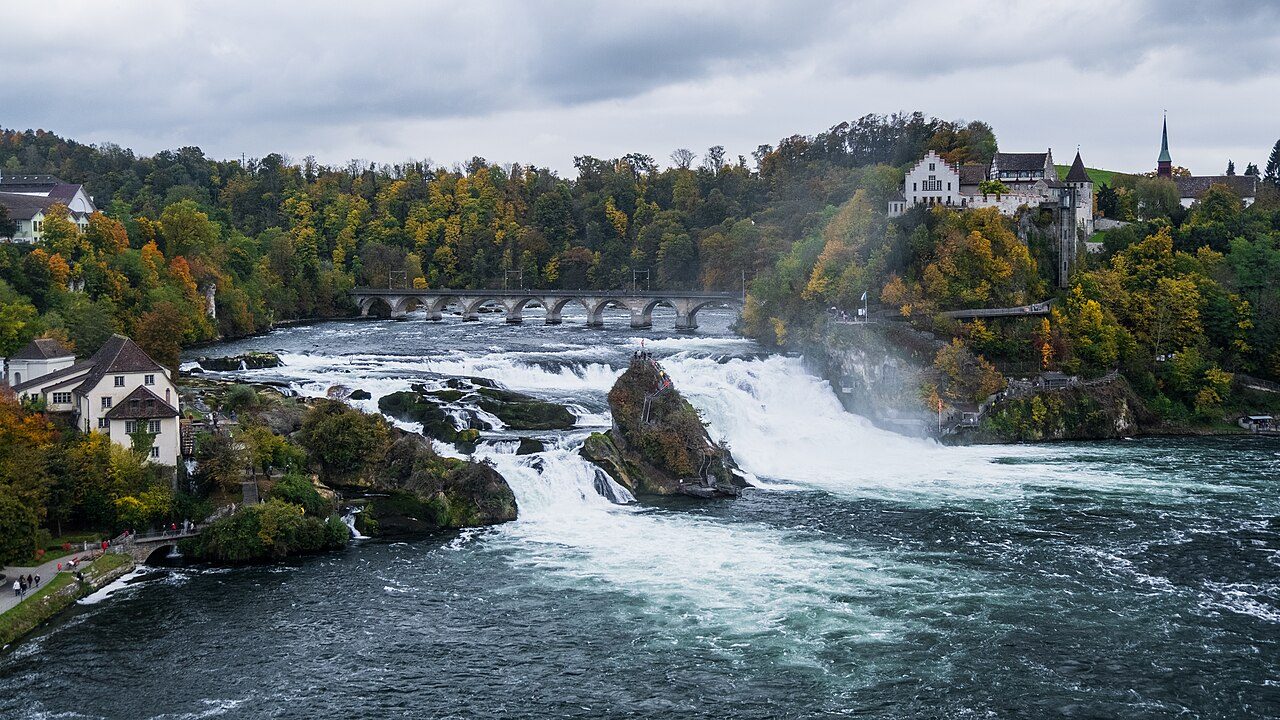
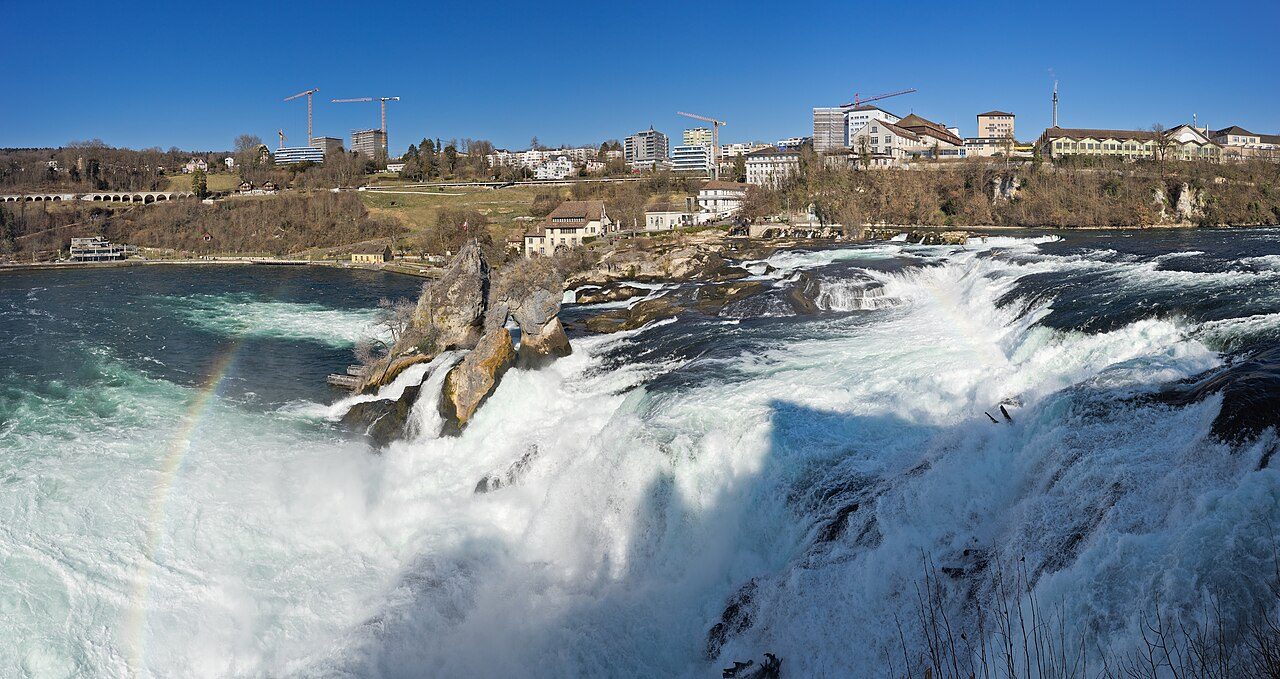
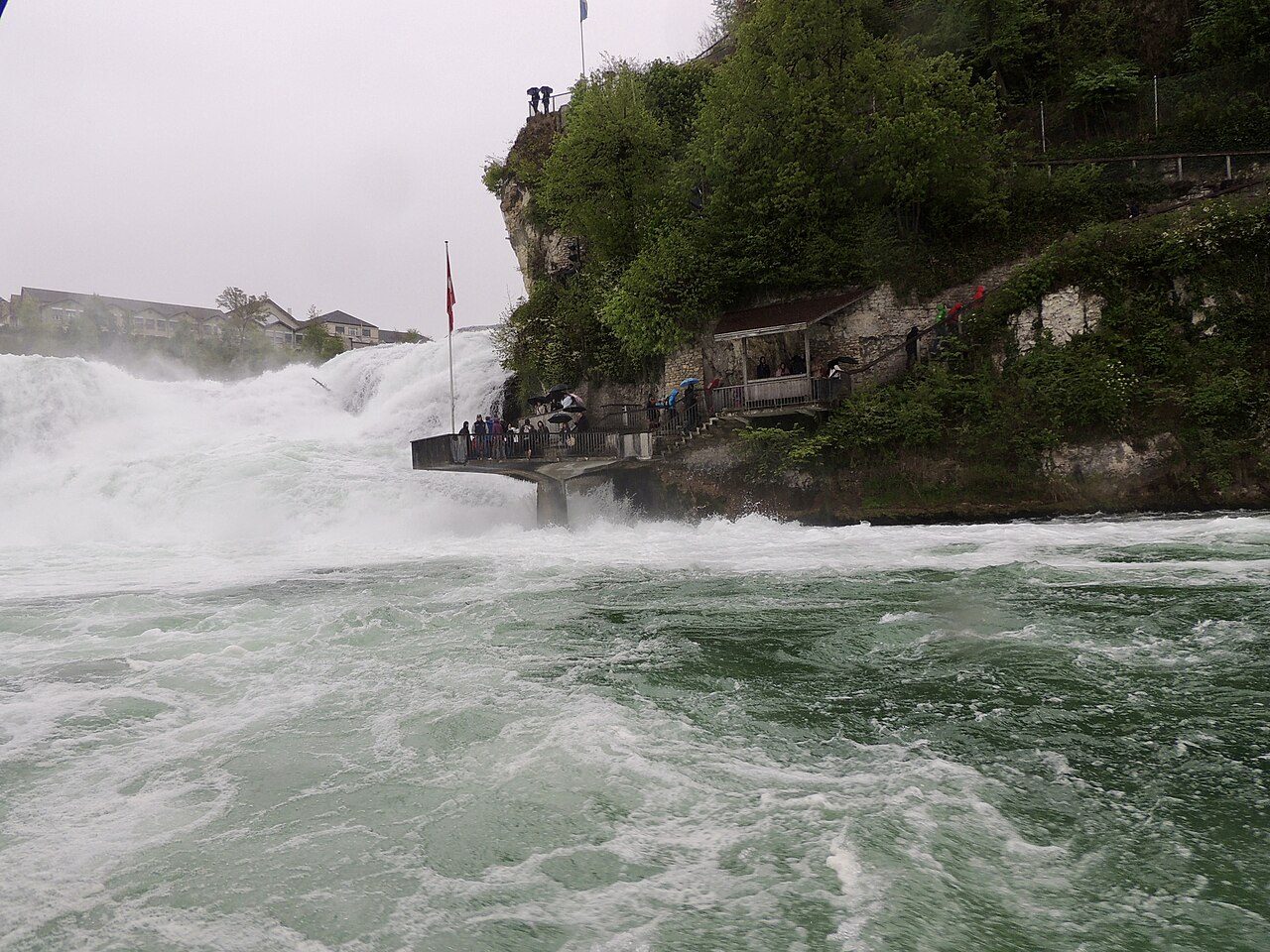
The Rhine Falls near Schaffhausen are the largest plain waterfall in Europe, about 150 metres wide and 23 metres high. The falls formed about 15,000 years ago. Boats take visitors close to the falls and to a rock in the middle. Schloss Laufen castle stands above, with viewing platforms.
03
STOP 3 OF 16
Chapel Bridge
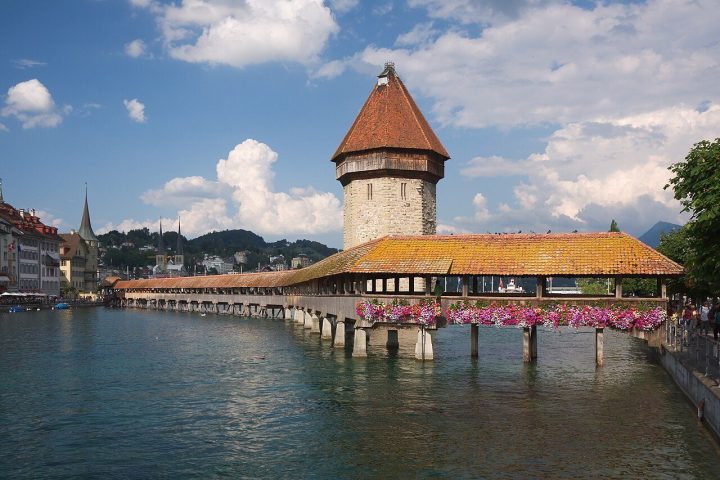
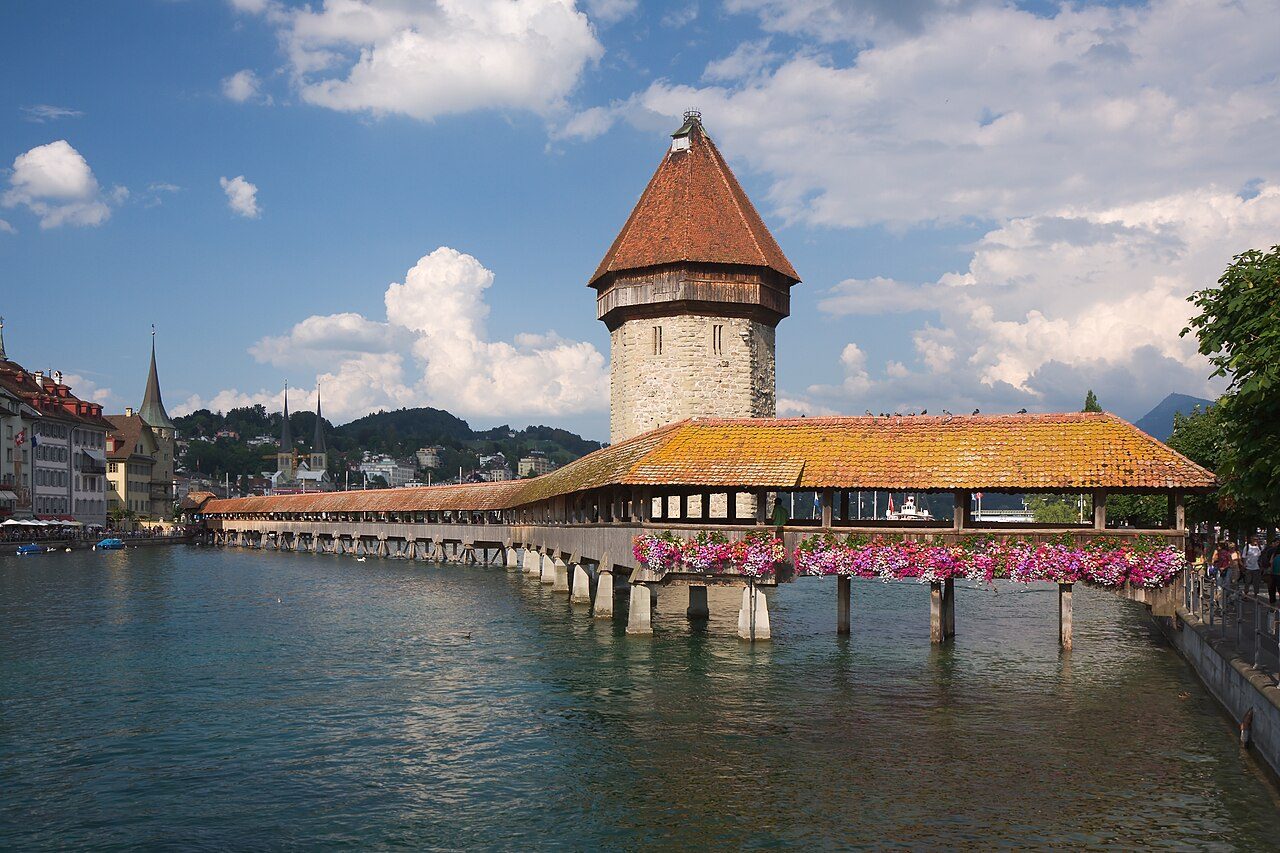
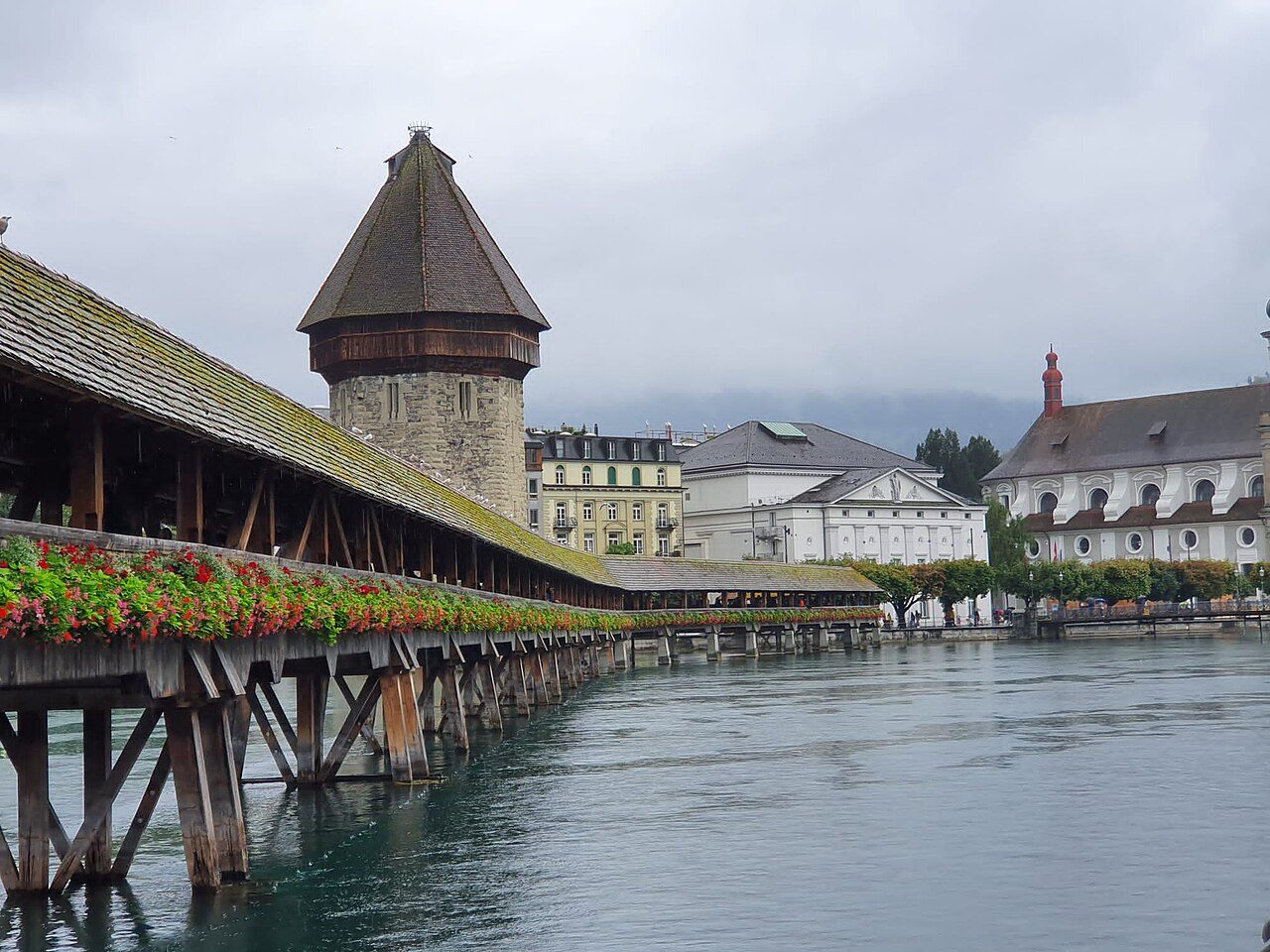
The Chapel Bridge in Lucerne is a covered wooden footbridge built in the 14th century across the Reuss River. It is the oldest covered bridge in Europe. Its roof beams hold painted panels from the 17th century showing local history. The octagonal Water Tower stands beside it. Much of the bridge was rebuilt after a fire in 1993.
04
STOP 4 OF 16
Lion Monument
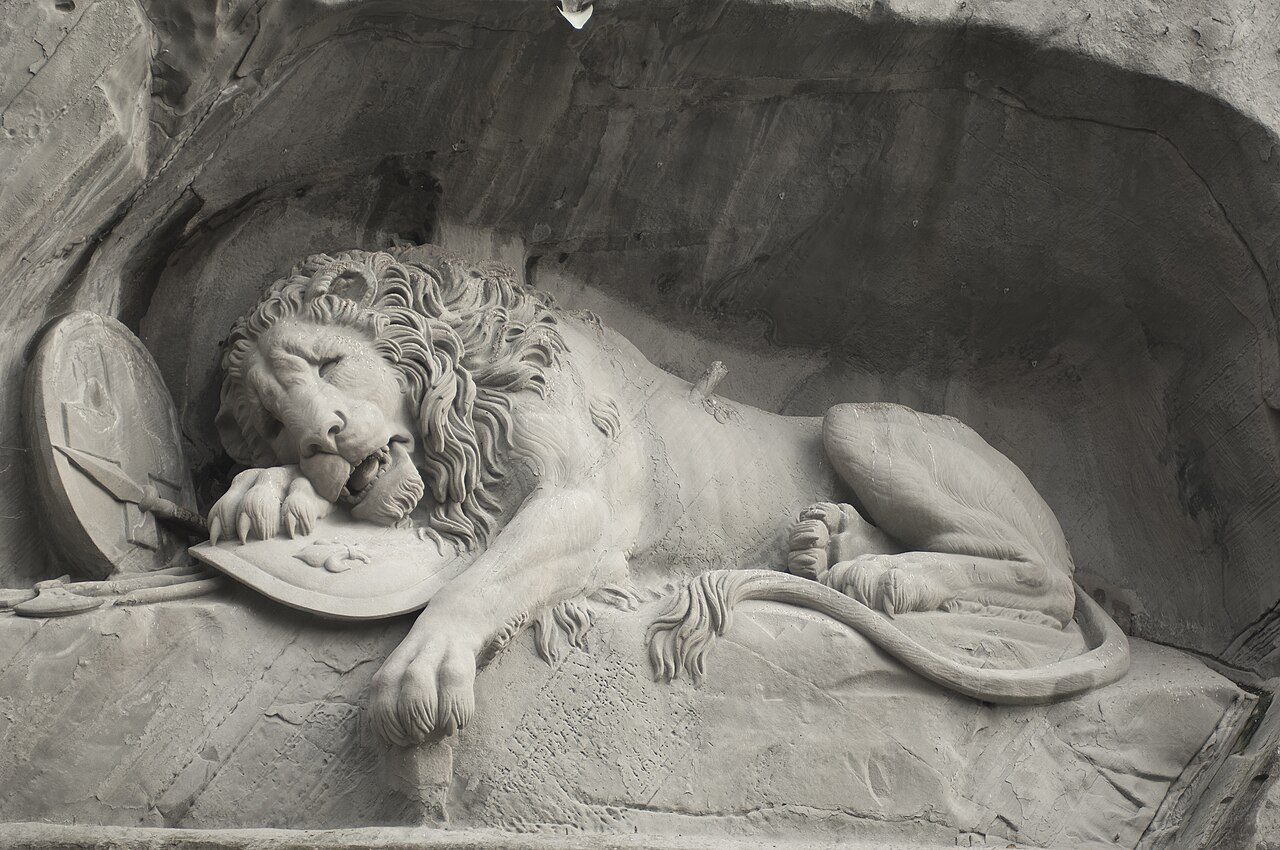
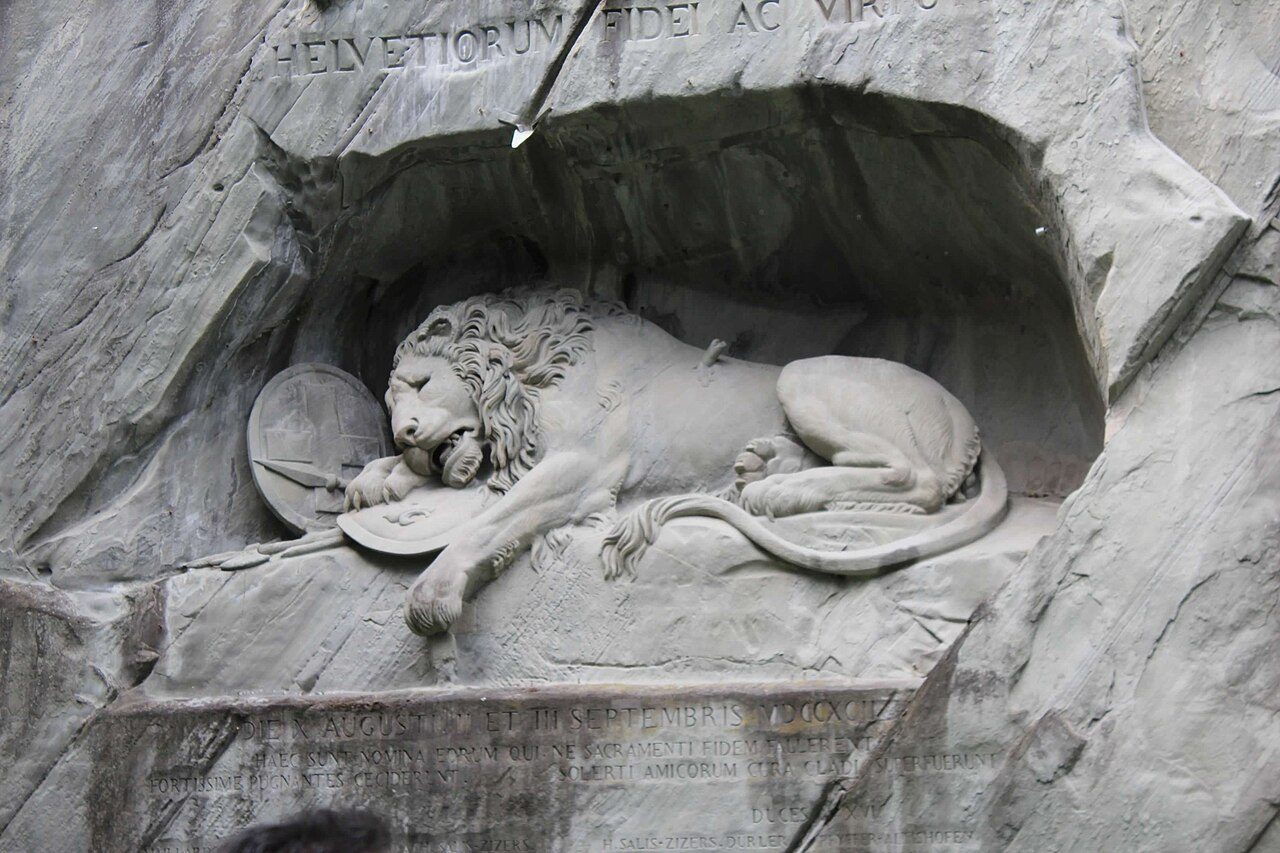
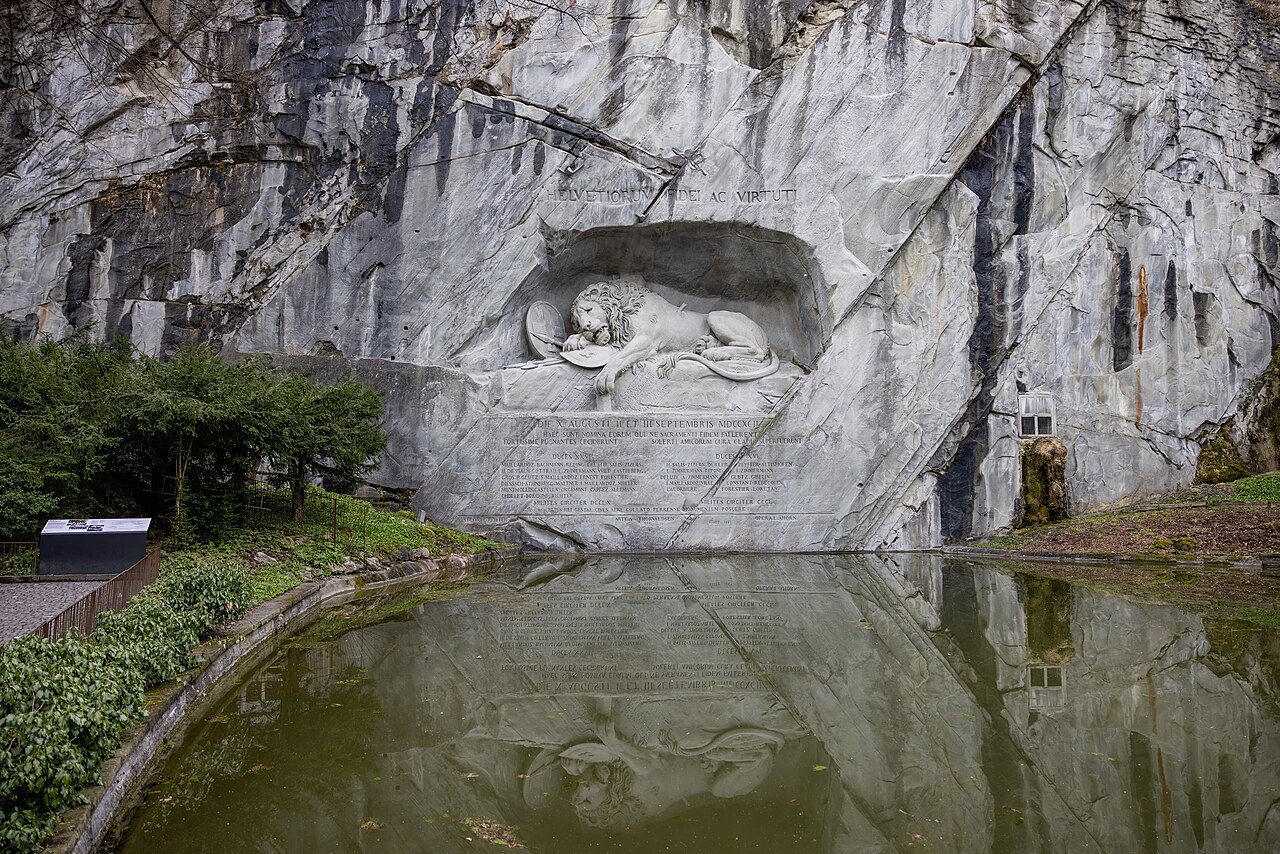
The Lion Monument in Lucerne is a huge carving of a dying lion cut into a sandstone cliff in 1820 to 1821. It honours the Swiss Guards killed in Paris during the French Revolution in 1792. Mark Twain called it the most mournful and moving piece of stone in the world. It is reflected in a small pond.
05
STOP 5 OF 16
Mount Pilatus
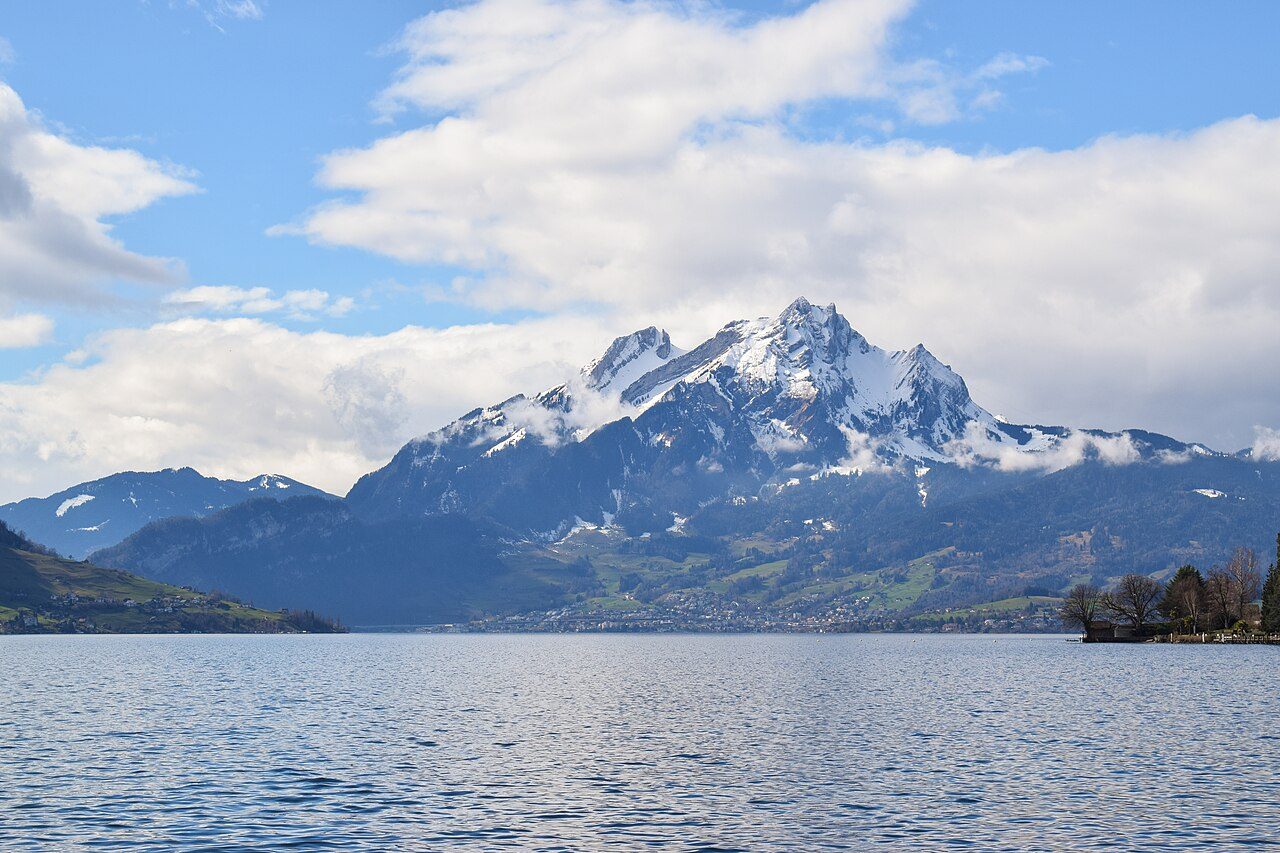
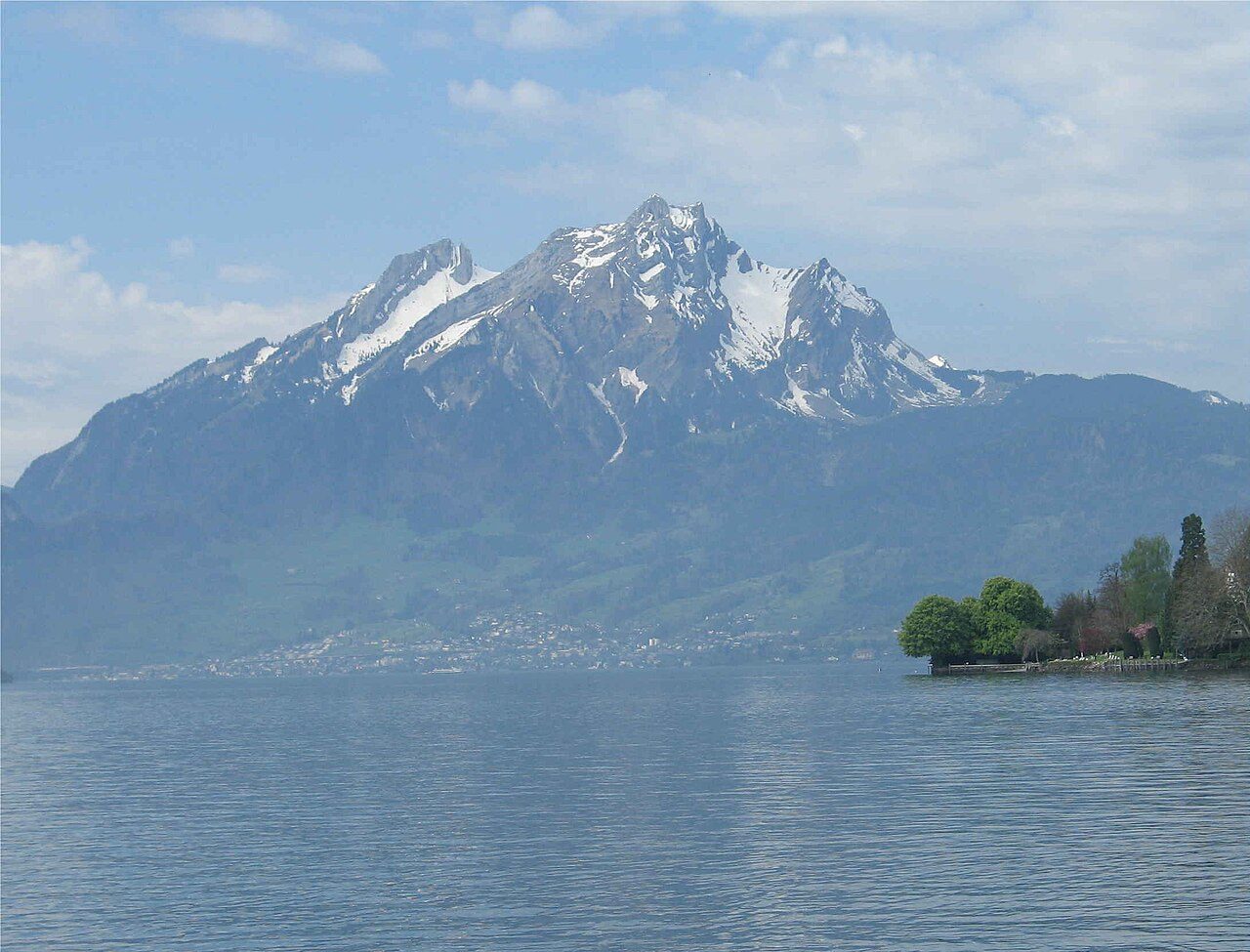
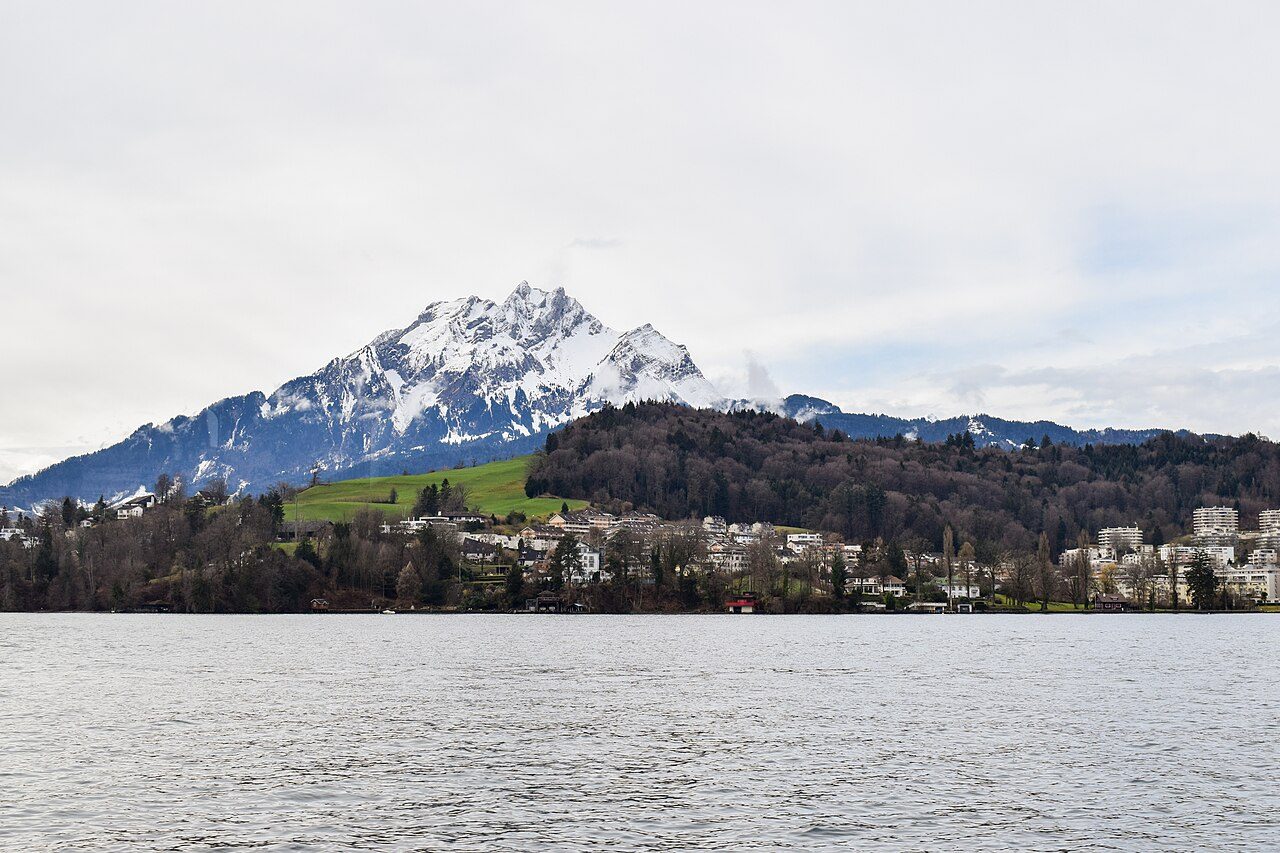
Mount Pilatus rises to about 2,128 metres above Lake Lucerne. The Pilatus Railway, opened in 1889, is the steepest cogwheel railway in the world, with gradients up to 48 percent. A gondola and aerial cableway climb from the Kriens side. Legend says dragons lived on the mountain. The summit gives views of the Alps and the lake.
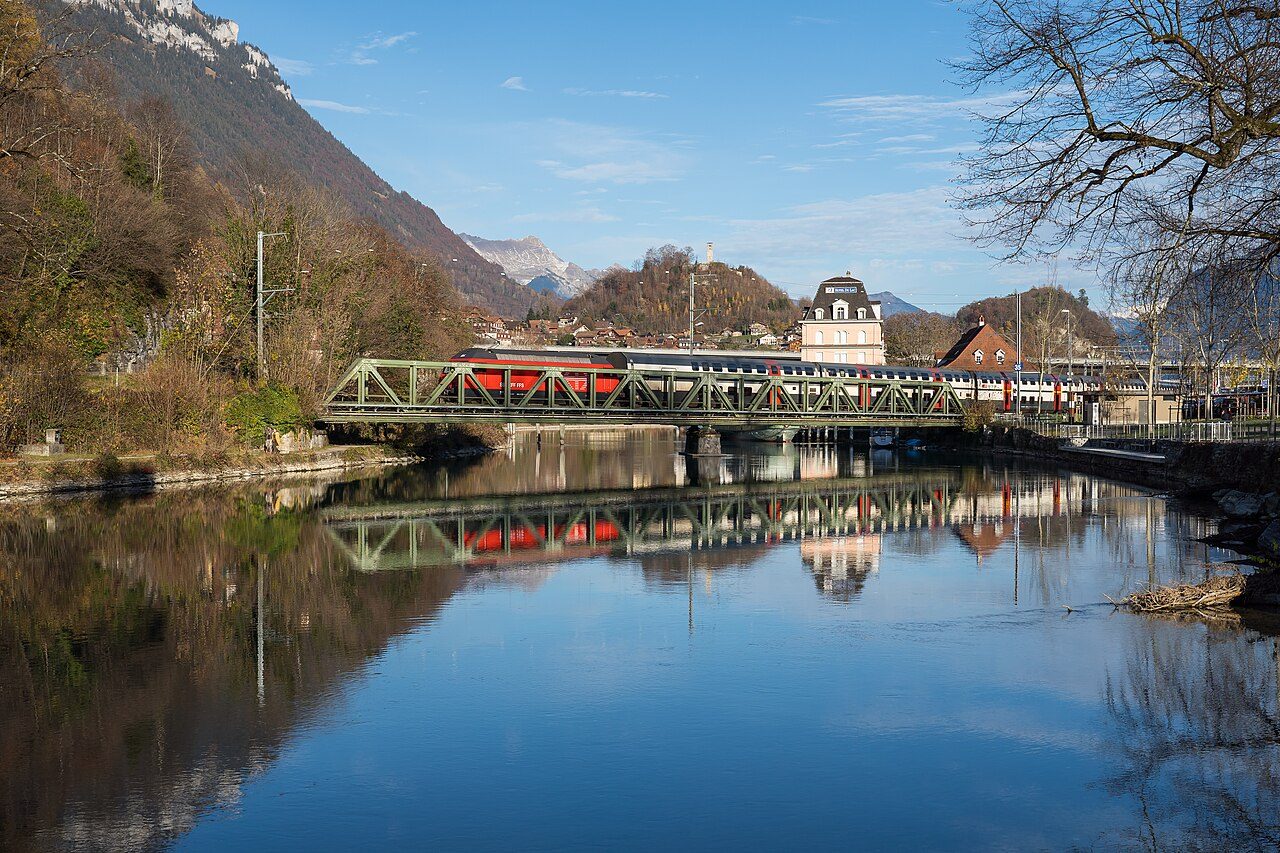
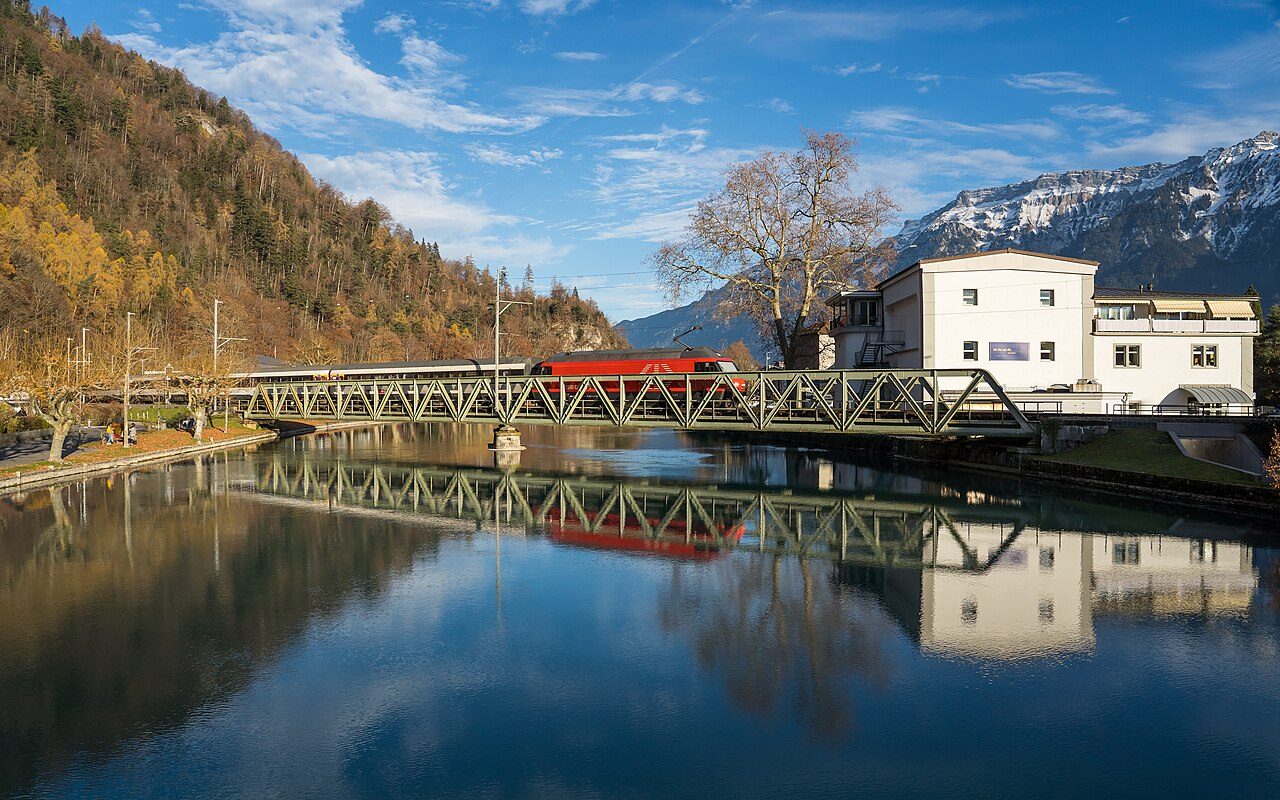
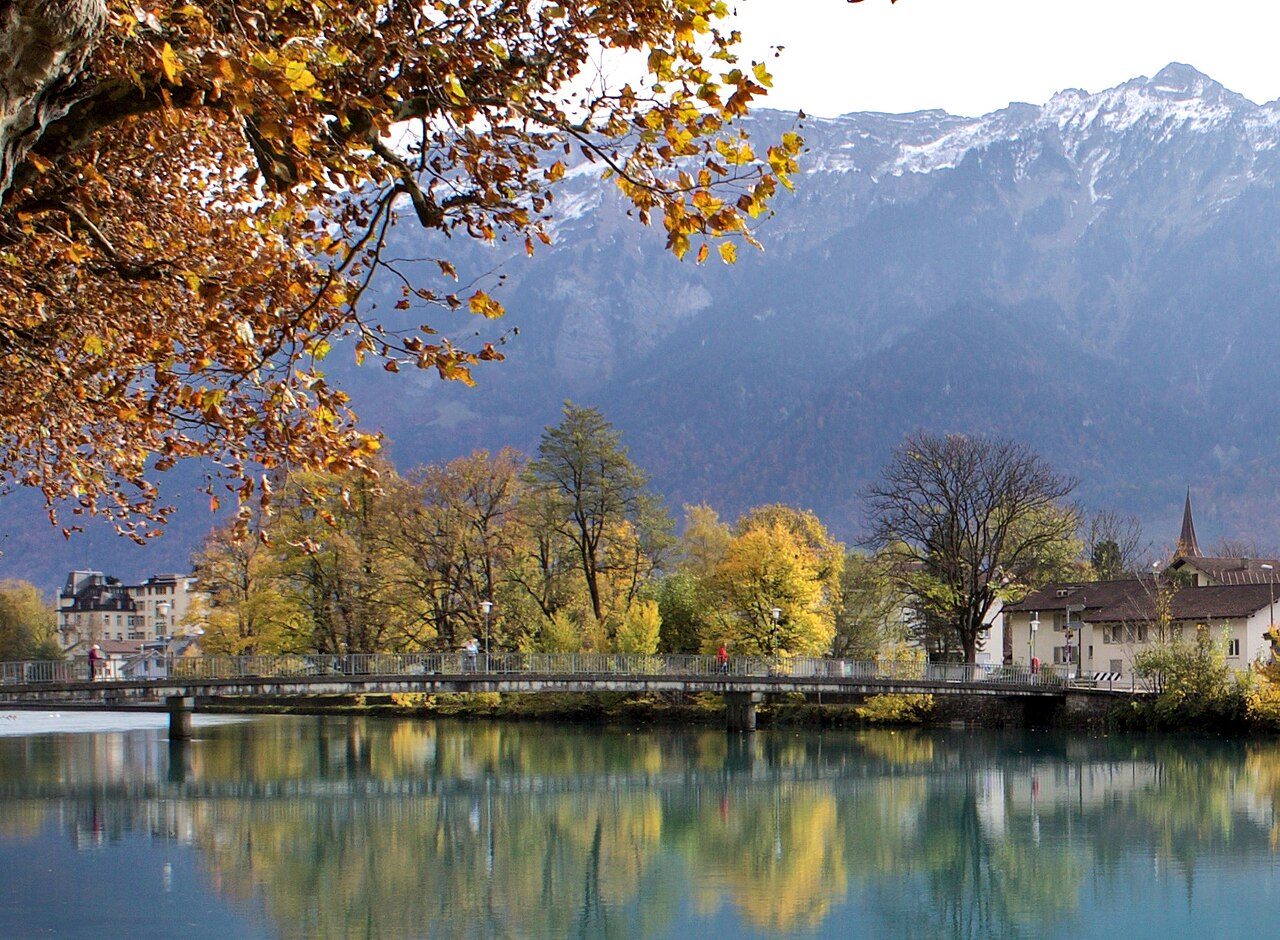
Interlaken is a resort town between Lake Thun and Lake Brienz in the Bernese Oberland. Its large meadow, the Höhematte, gives views of the snow-covered Jungfrau. It is a base for trips into the mountains and for adventure sports like paragliding. Victorian hotels line its main street, the Höheweg.
07
STOP 7 OF 16
Lauterbrunnen Valley
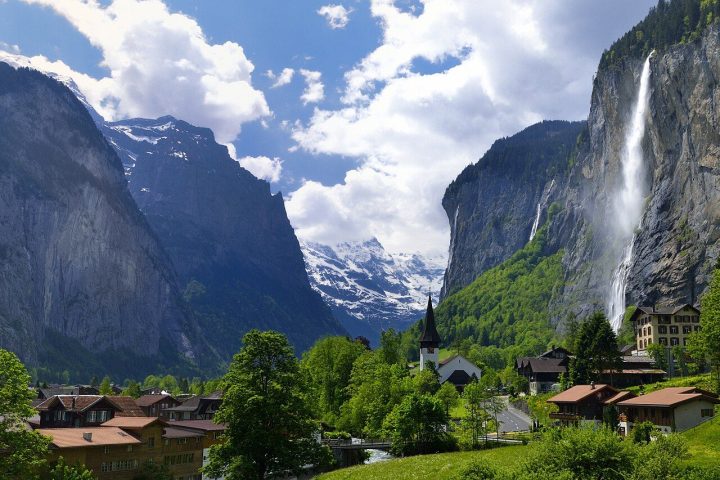
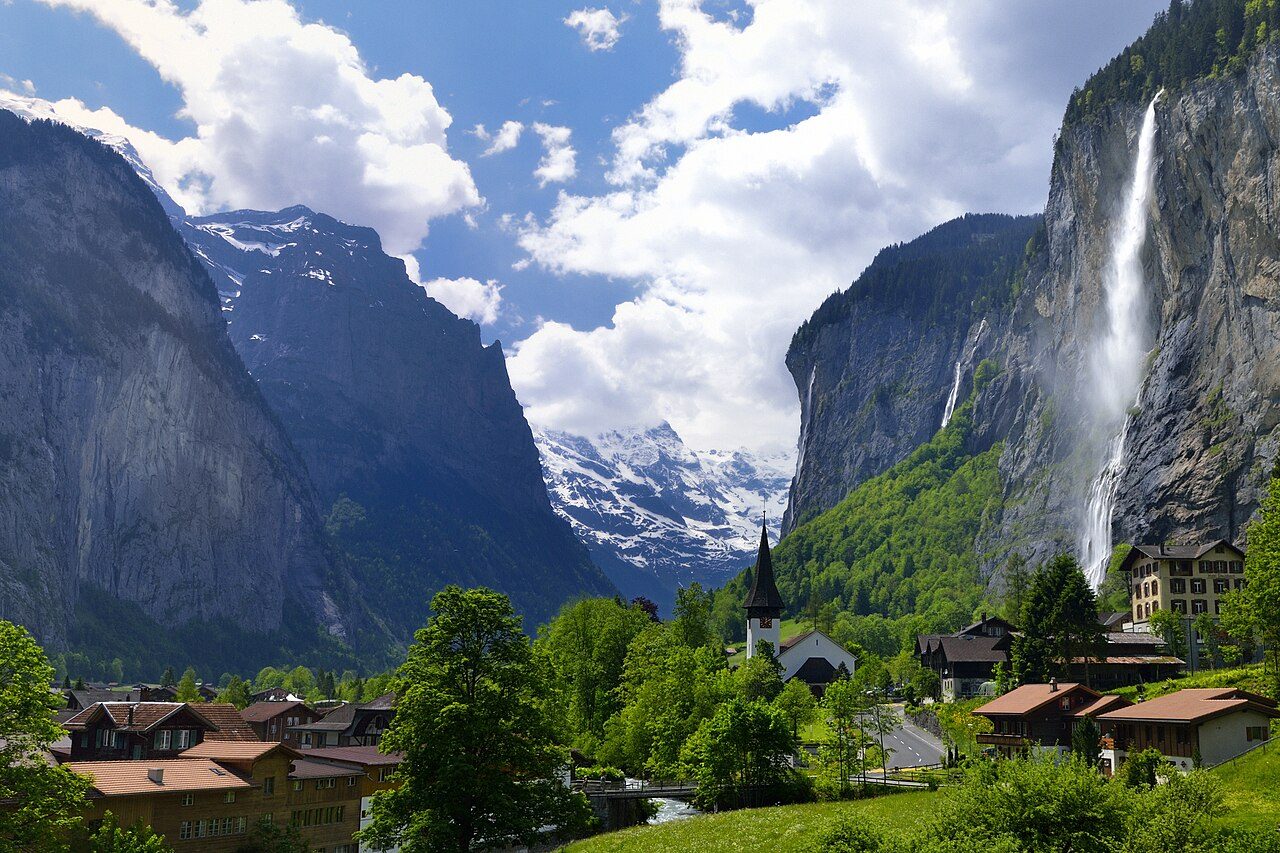
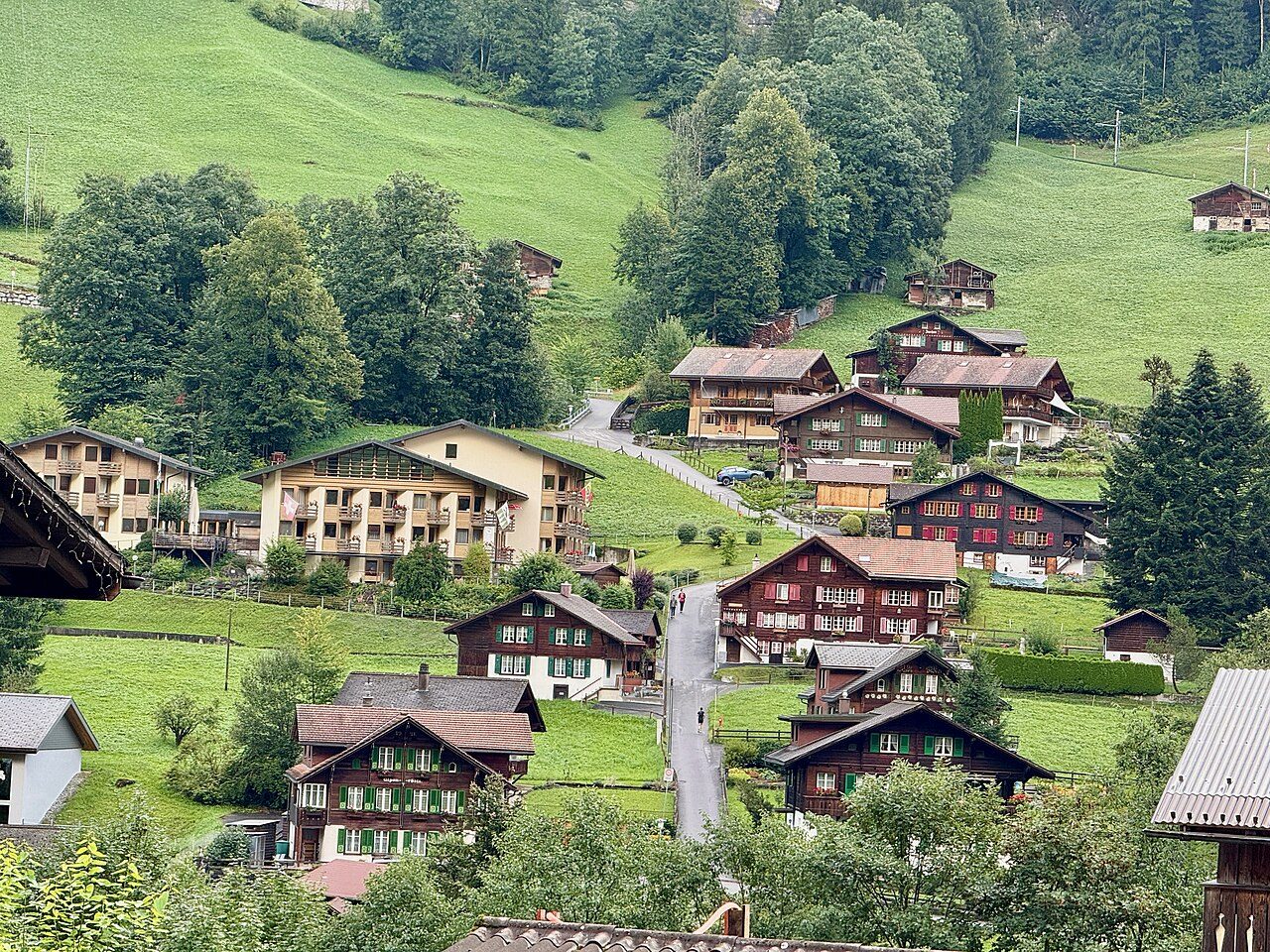
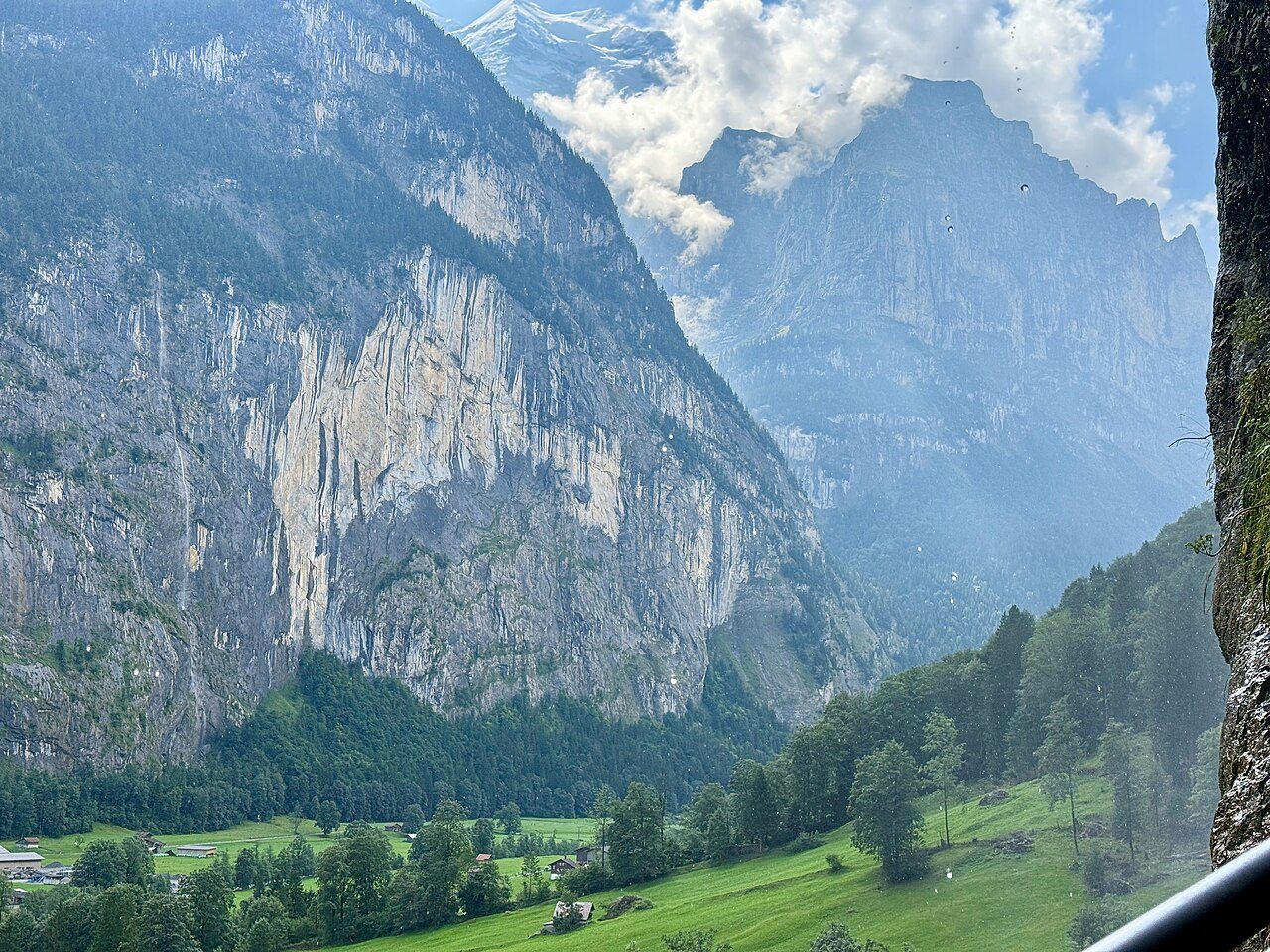
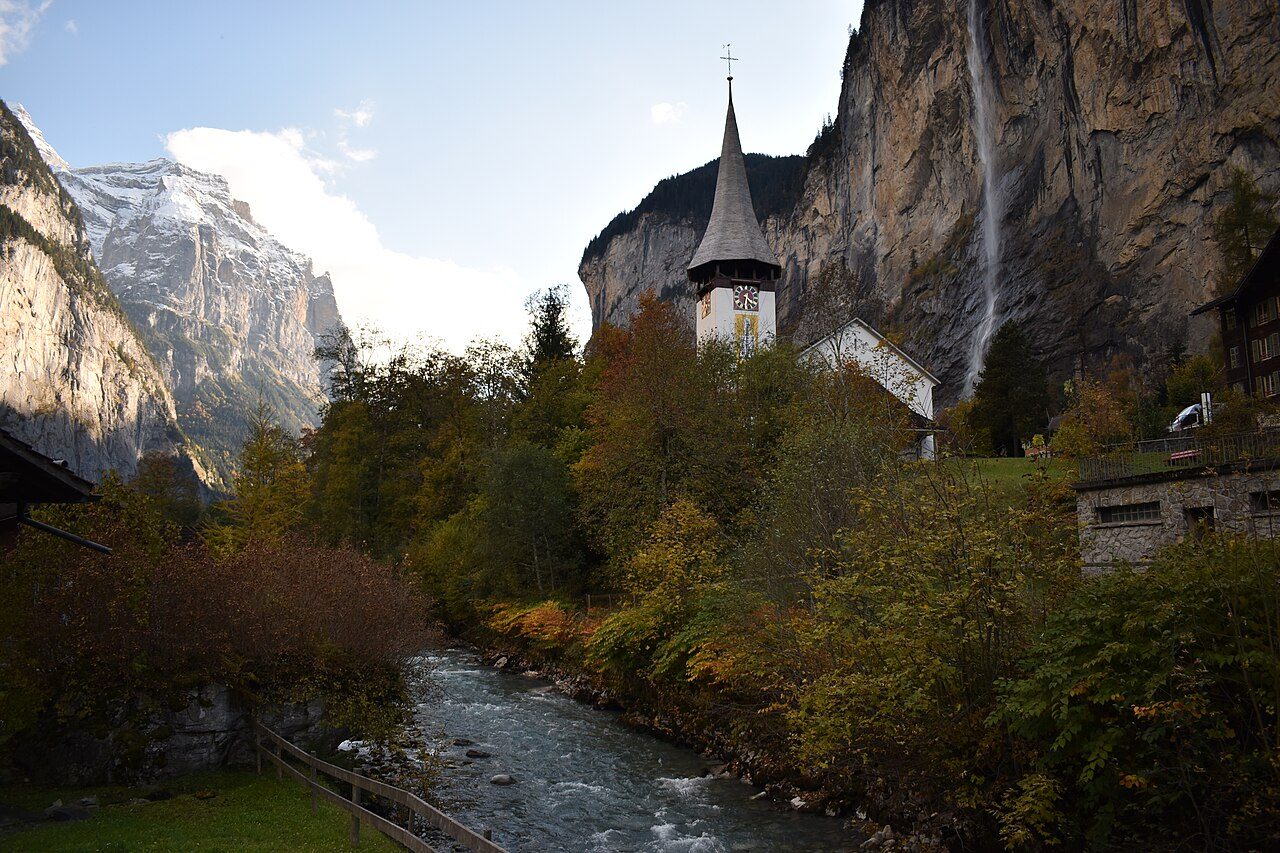
The Lauterbrunnen Valley is a deep glacial valley in the Bernese Oberland, with sheer rock walls and 72 waterfalls. The Staubbach Falls drop nearly 300 metres beside the village. The Trümmelbach Falls thunder inside the mountain. Cable cars climb to car-free villages like Mürren and Wengen.
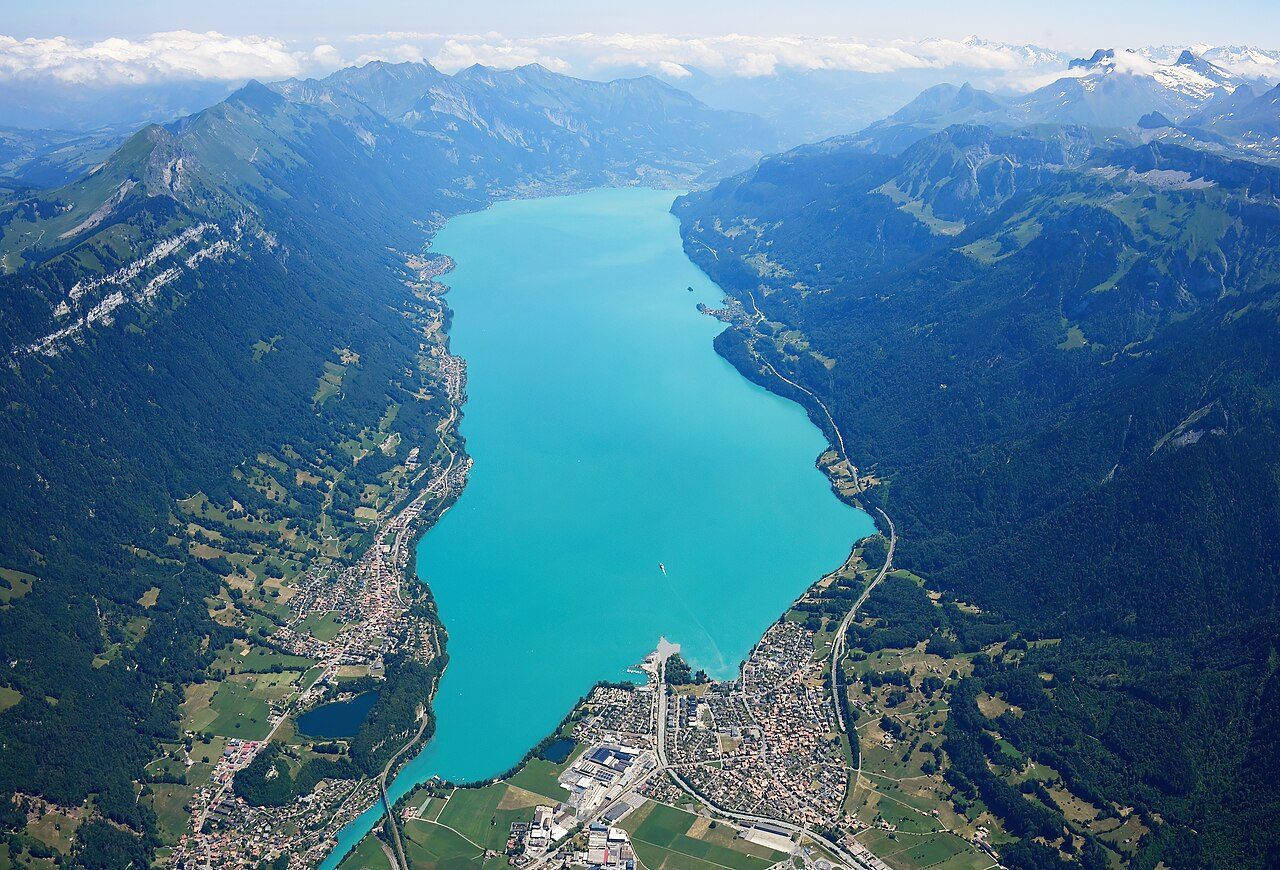
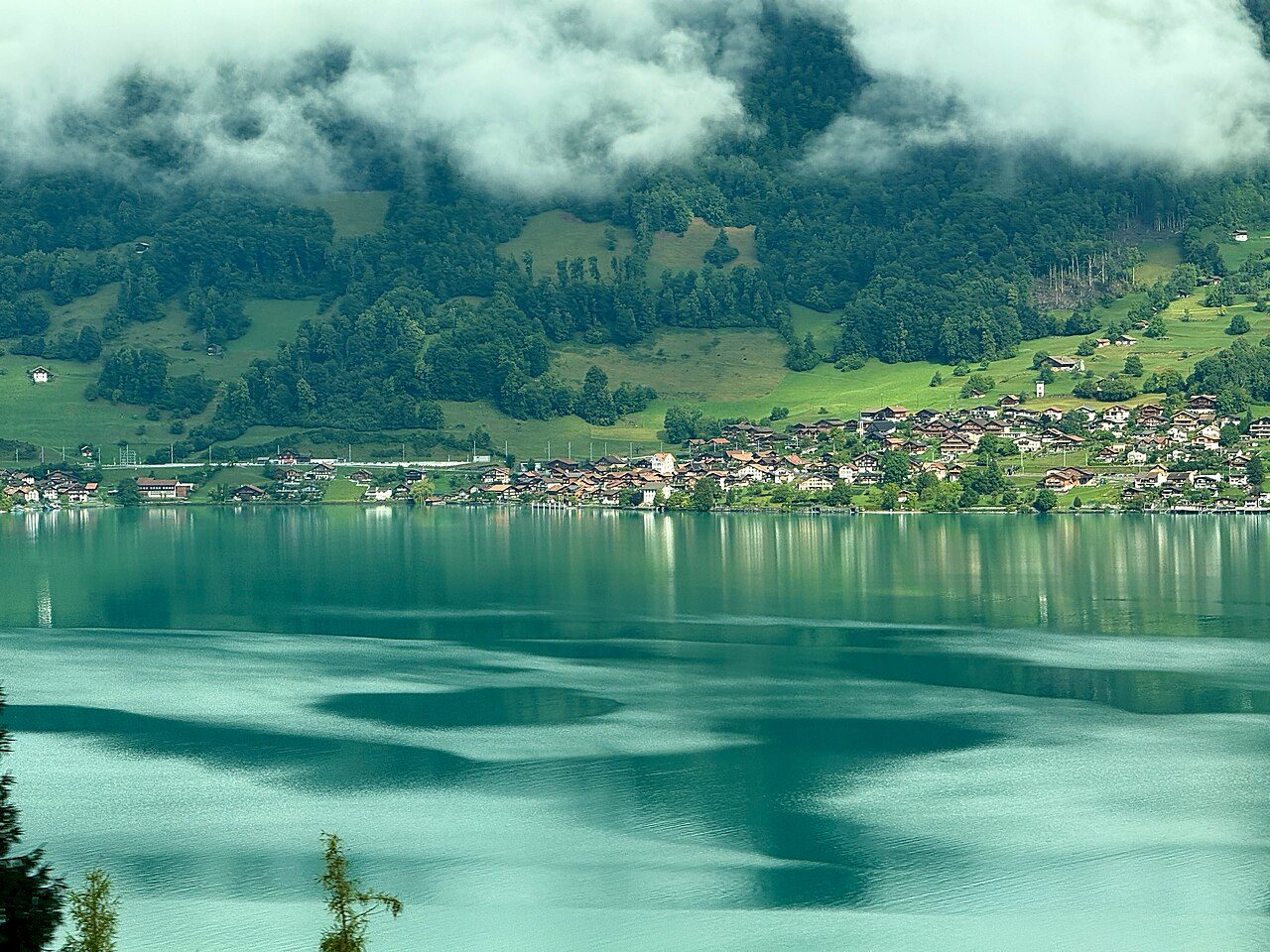
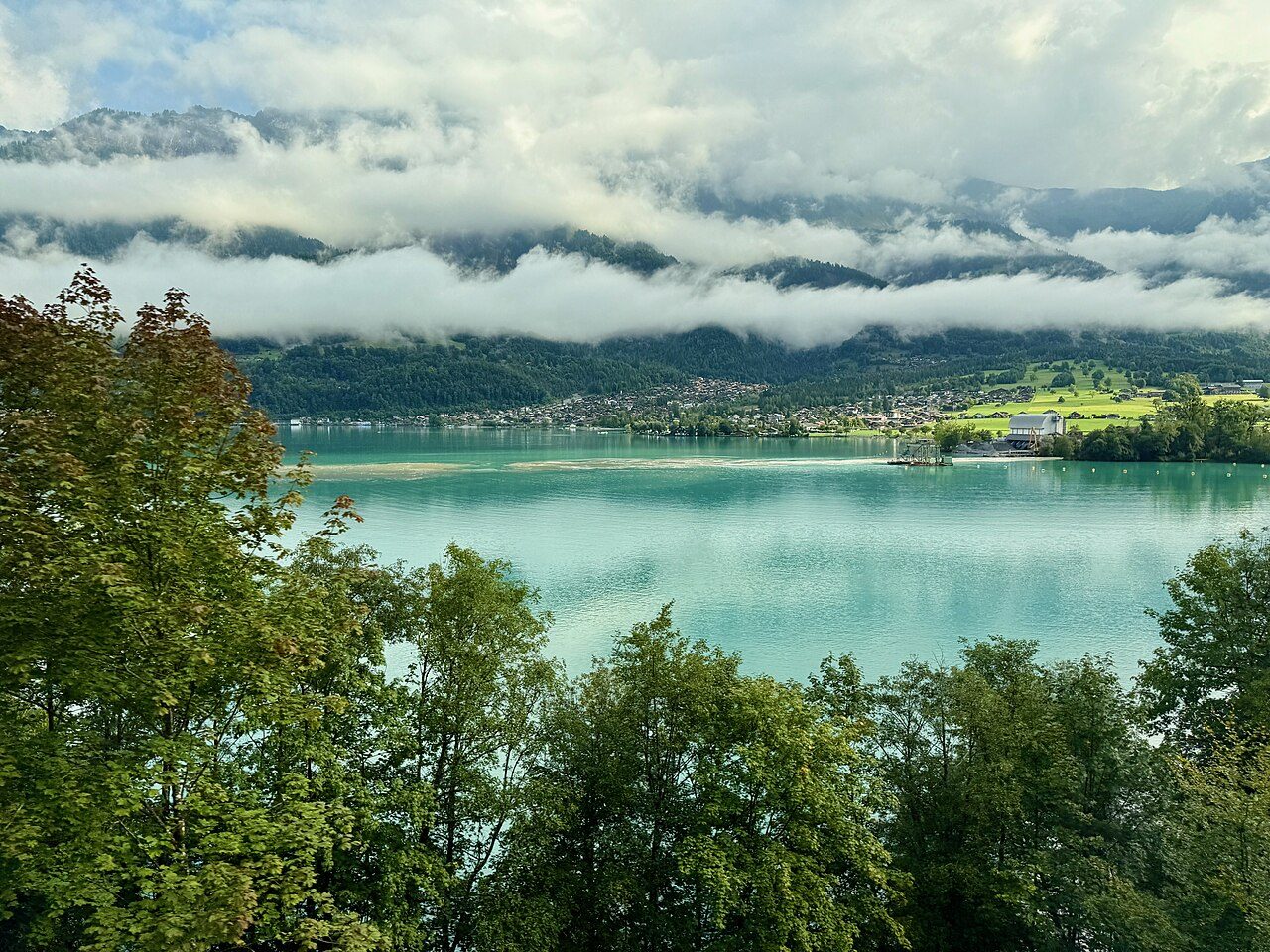
Lake Brienz is a mountain lake in the Bernese Oberland, east of Interlaken, famous for its turquoise water. Steamships cross the lake to villages such as Iseltwald and Brienz, known for woodcarving. The Giessbach Falls tumble down to the lake beside a grand historic hotel.
09
STOP 9 OF 16
Jungfraujoch
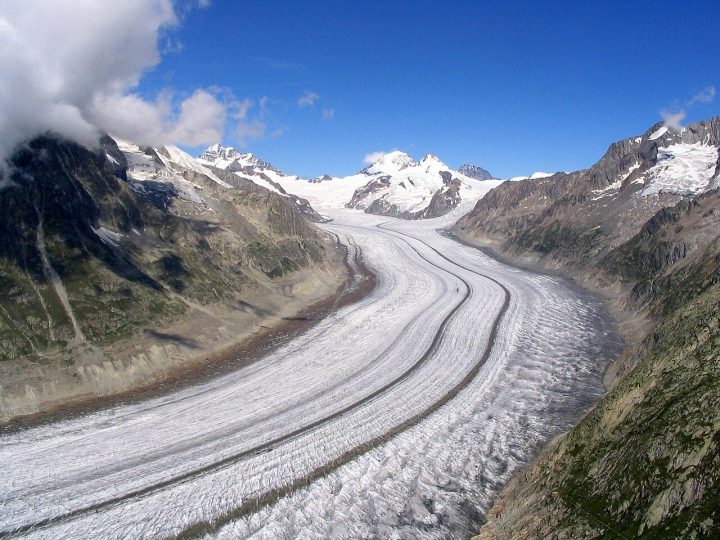
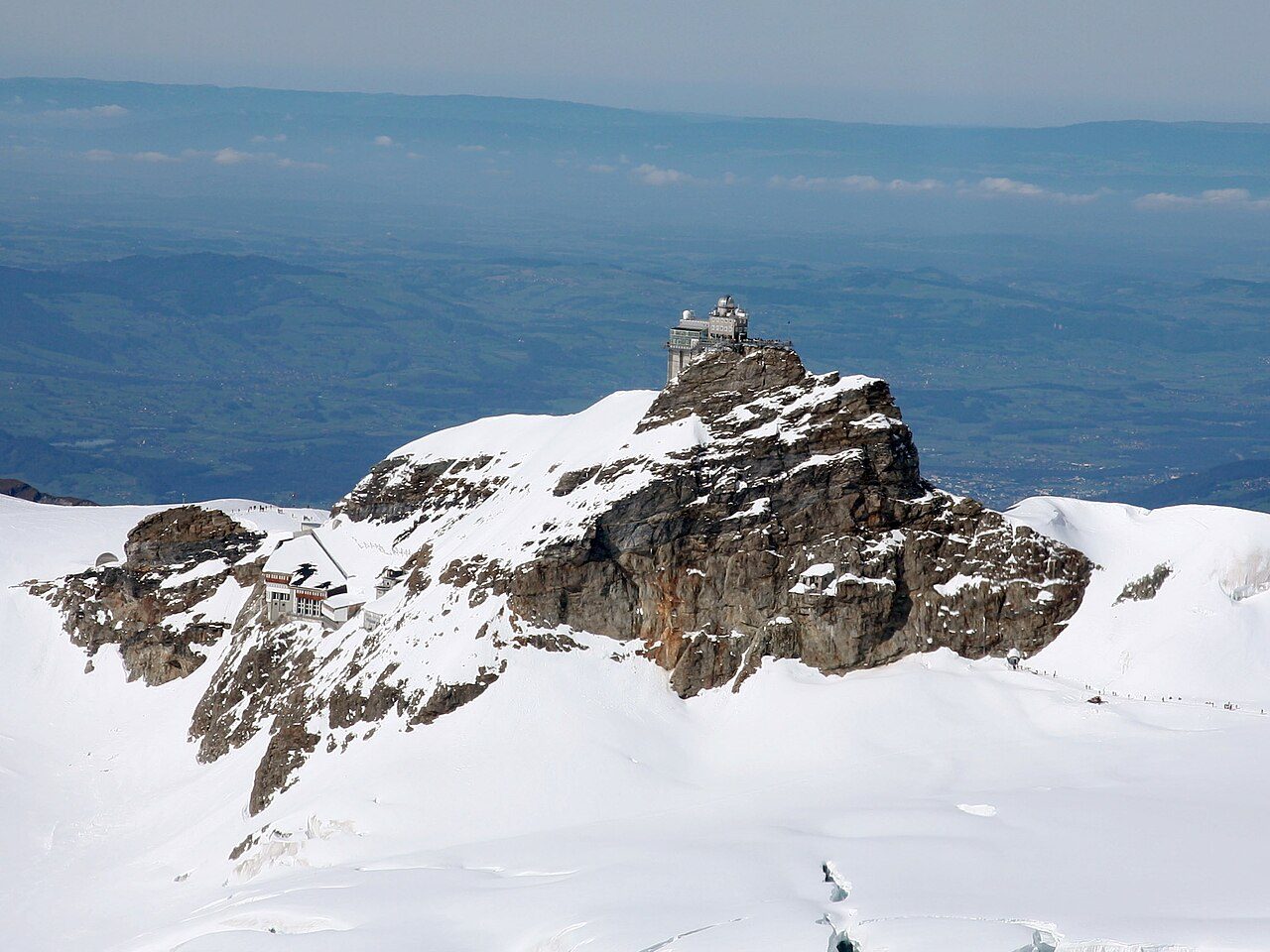
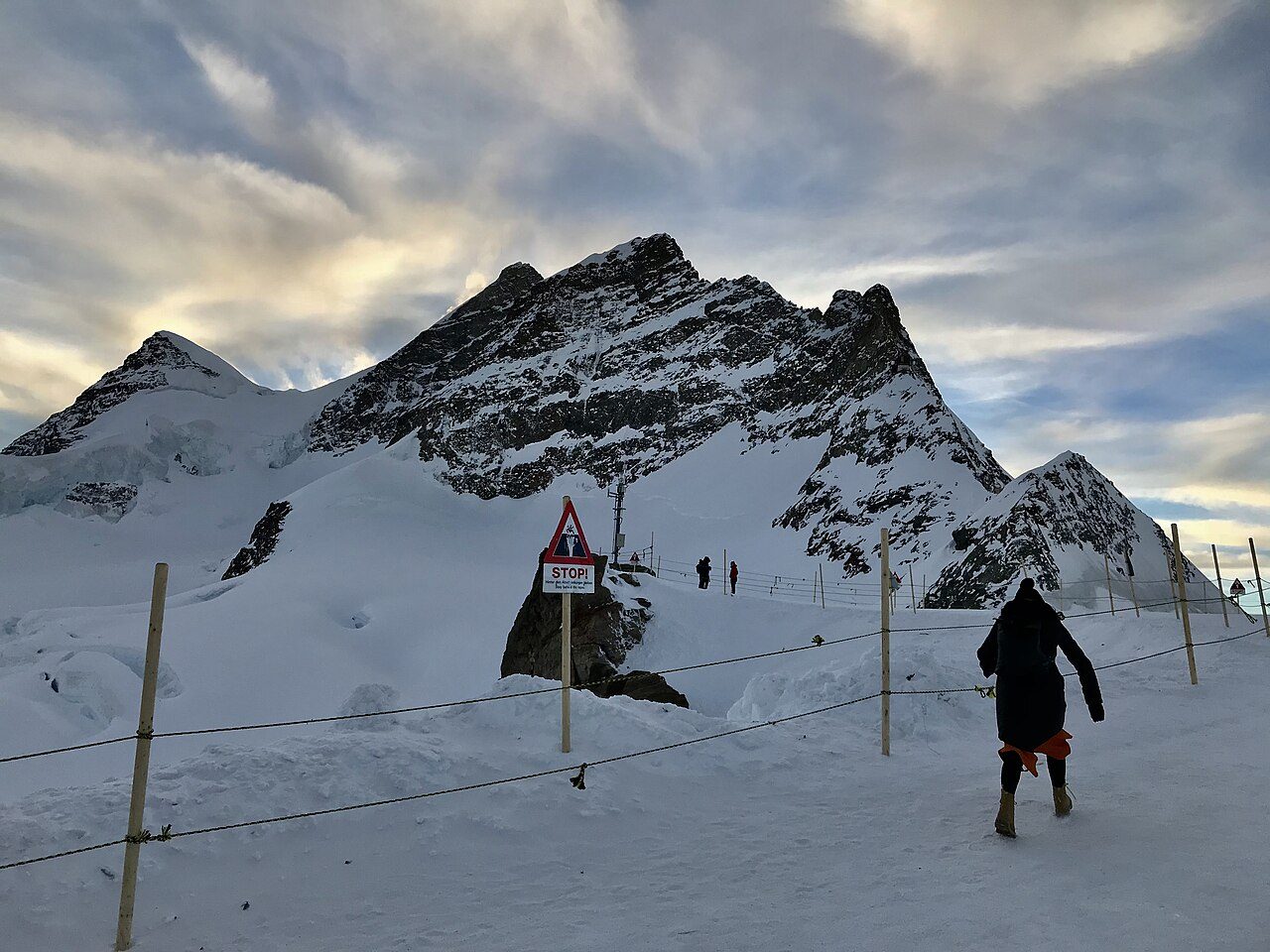
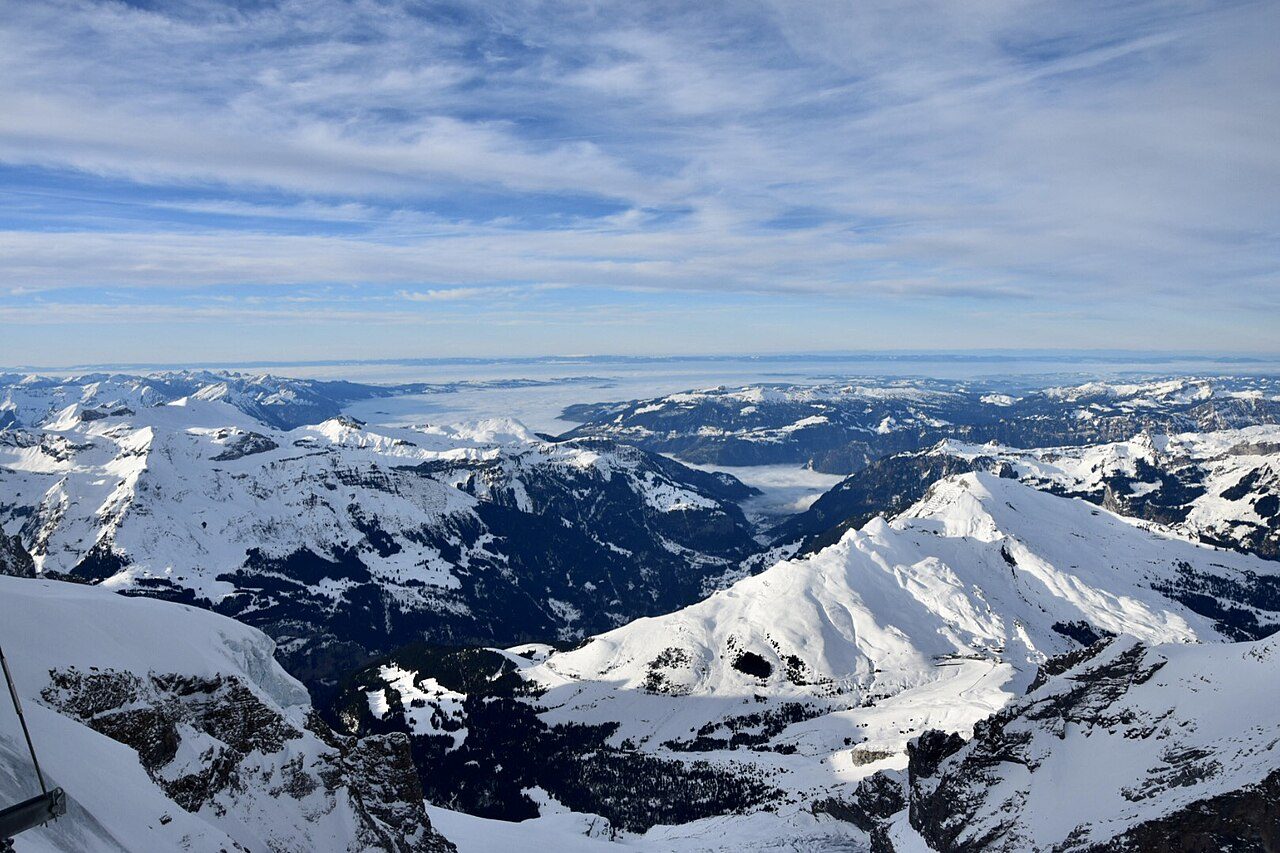
The Jungfraujoch is a saddle between the Mönch and Jungfrau peaks, reached by the Jungfrau Railway, opened in 1912. At 3,454 metres, its station is the highest in Europe. Visitors see the Aletsch Glacier, the Sphinx Observatory, an Ice Palace with carved ice sculptures and snow activities all year.
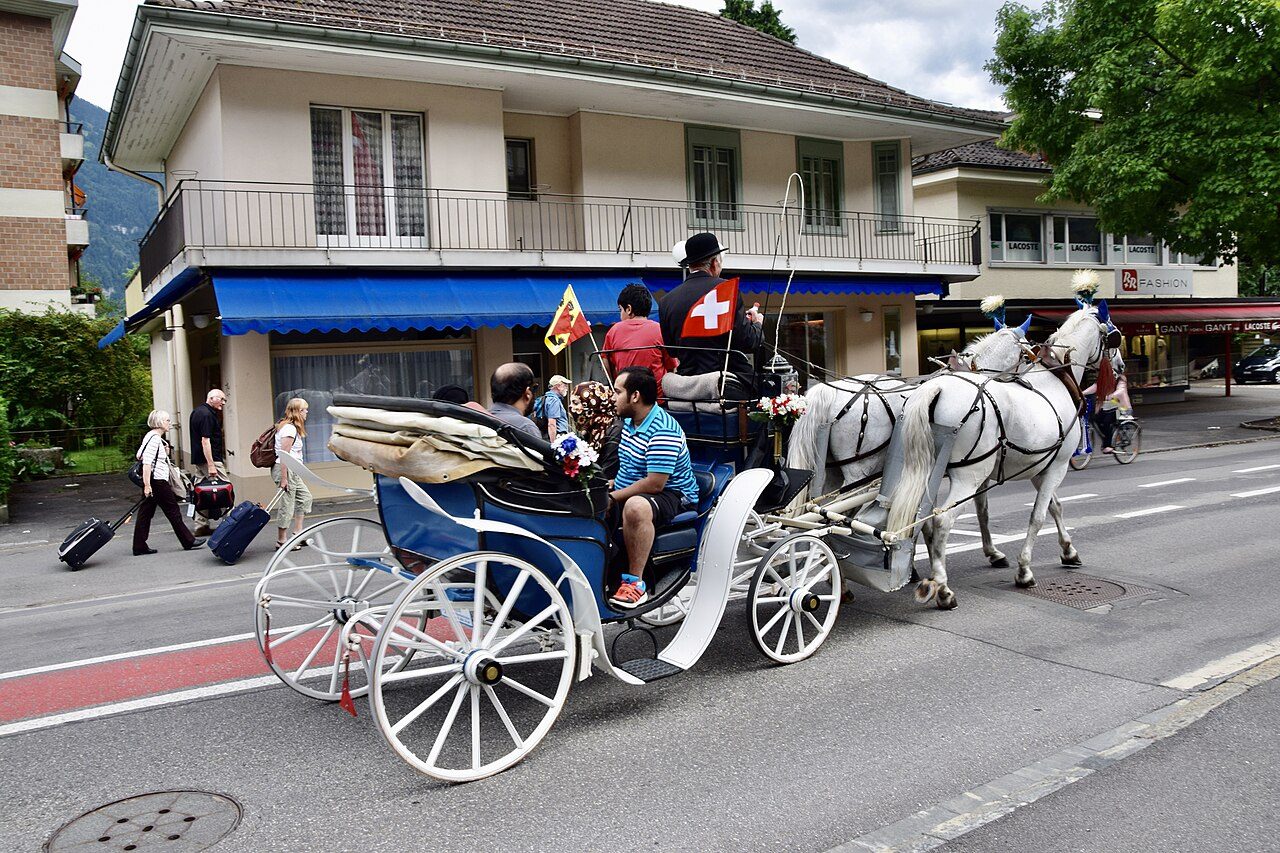
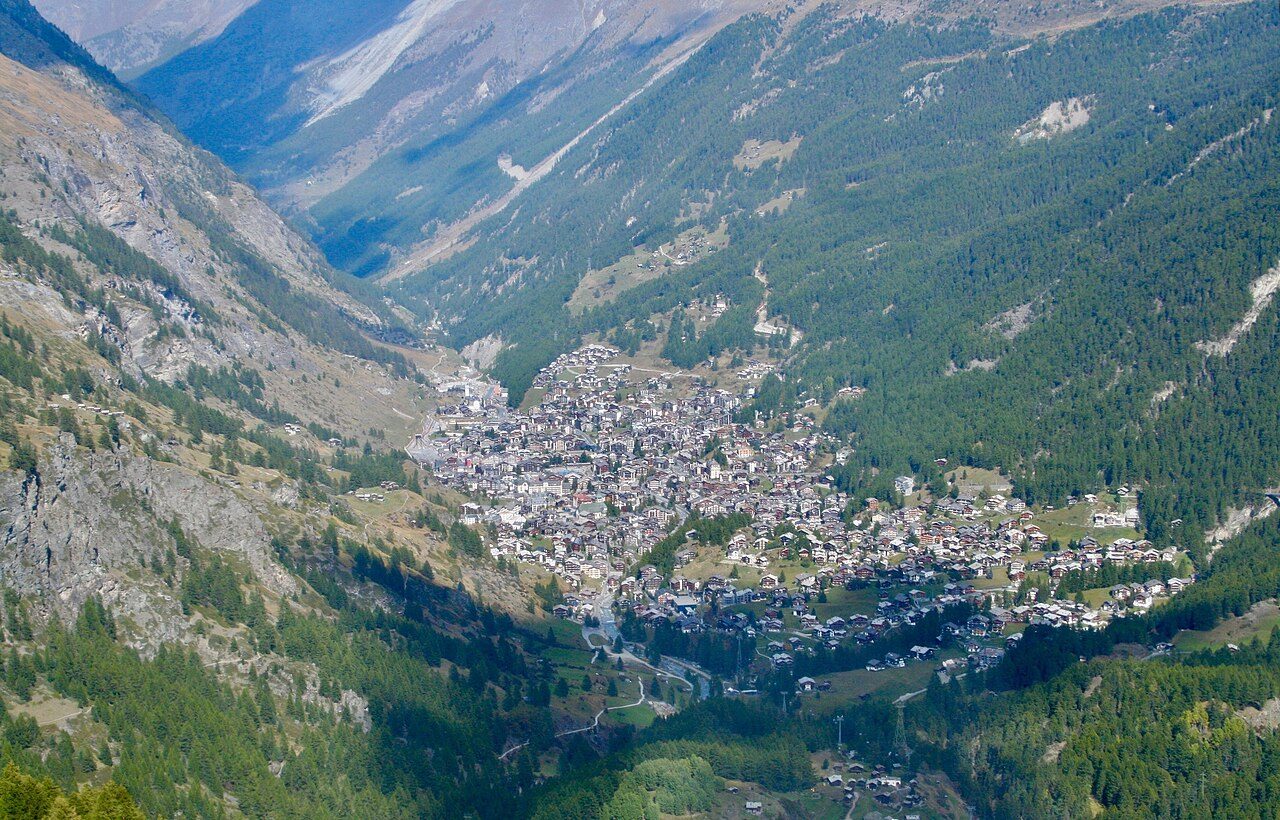
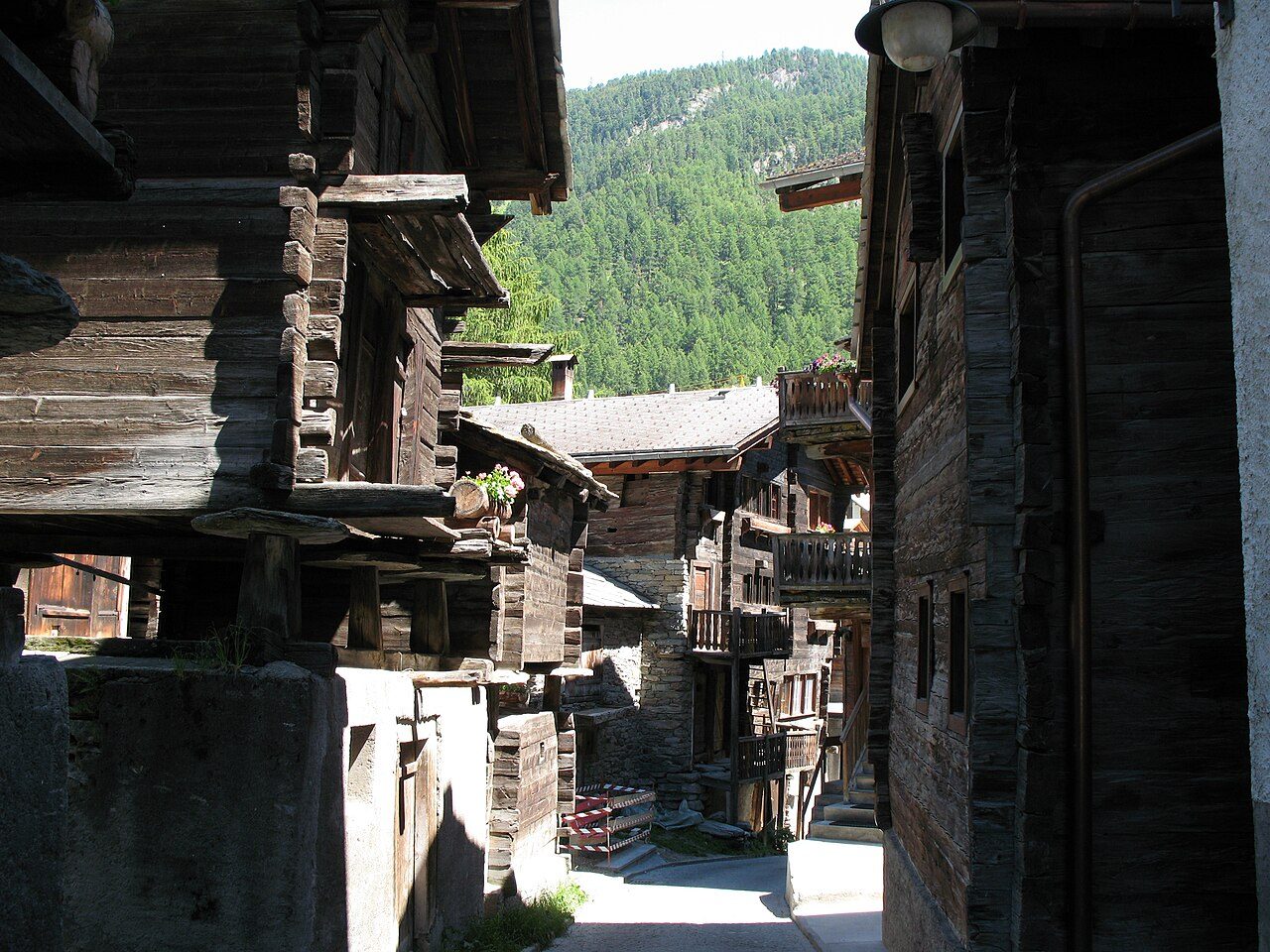
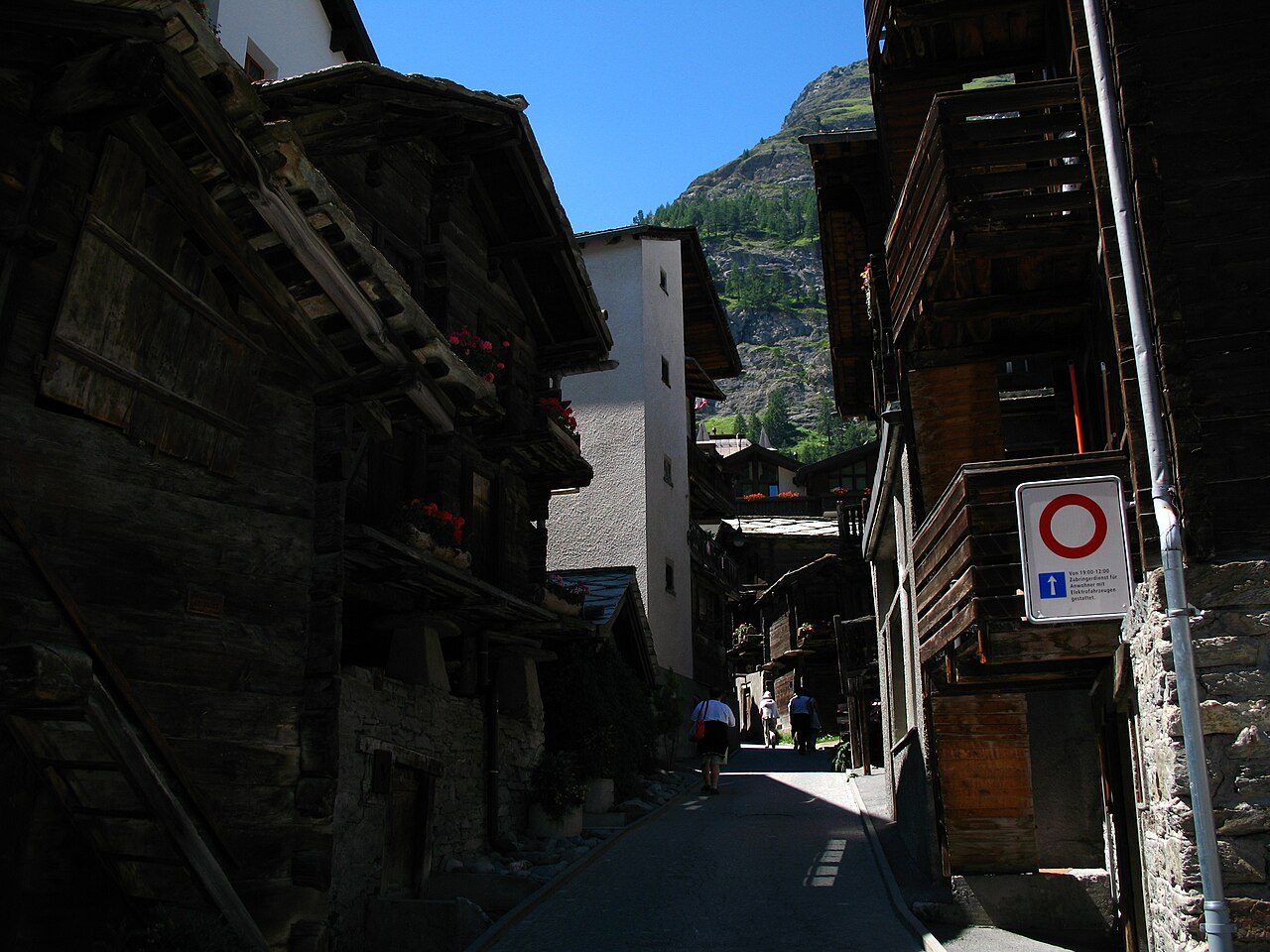
Zermatt is a car-free mountain village at the foot of the Matterhorn in Valais. Electric taxis and horse carriages run through streets of wooden chalets and old barns on stilts. It is a famous resort for skiing, hiking and climbing, with skiing possible year-round on the glacier. Cable cars and trains climb to viewpoints around the Matterhorn.
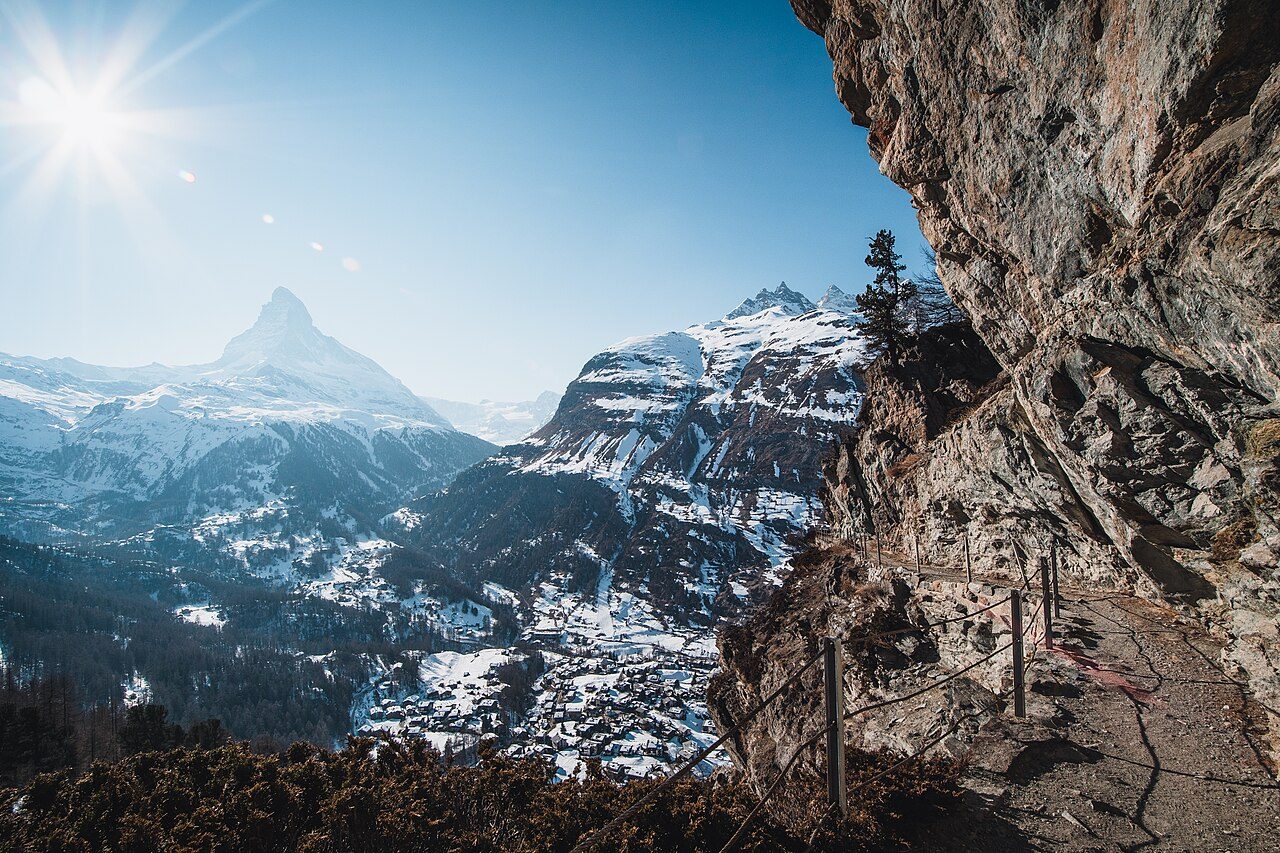
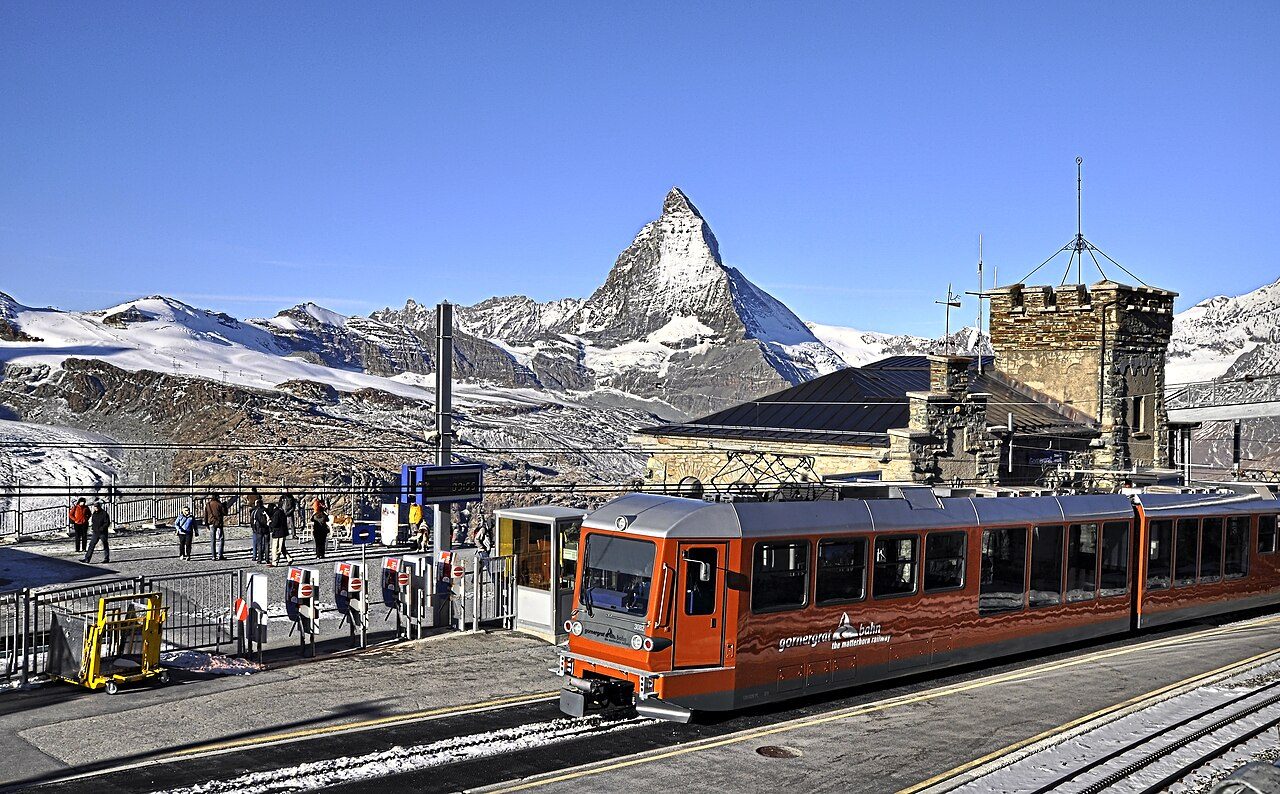
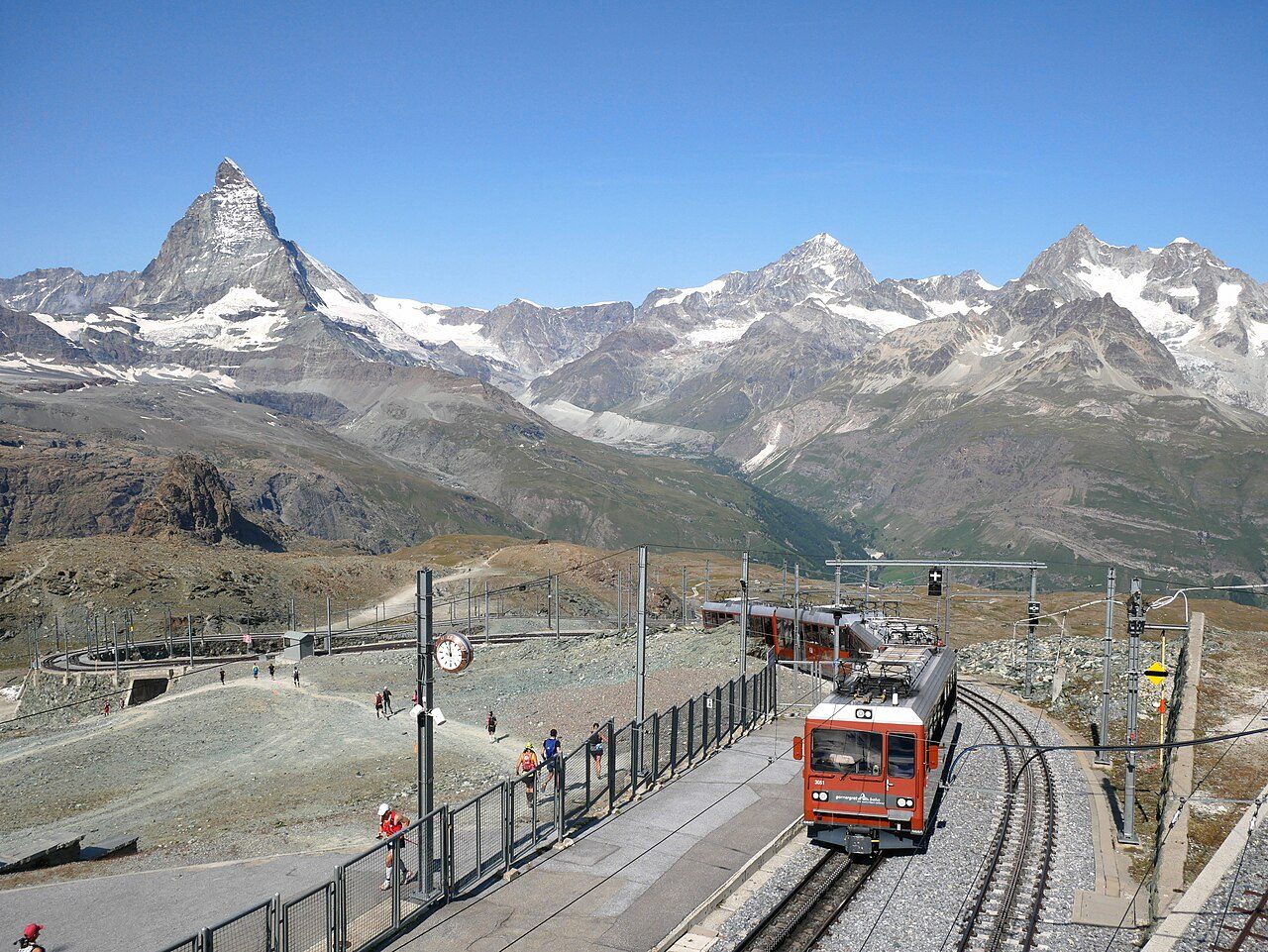
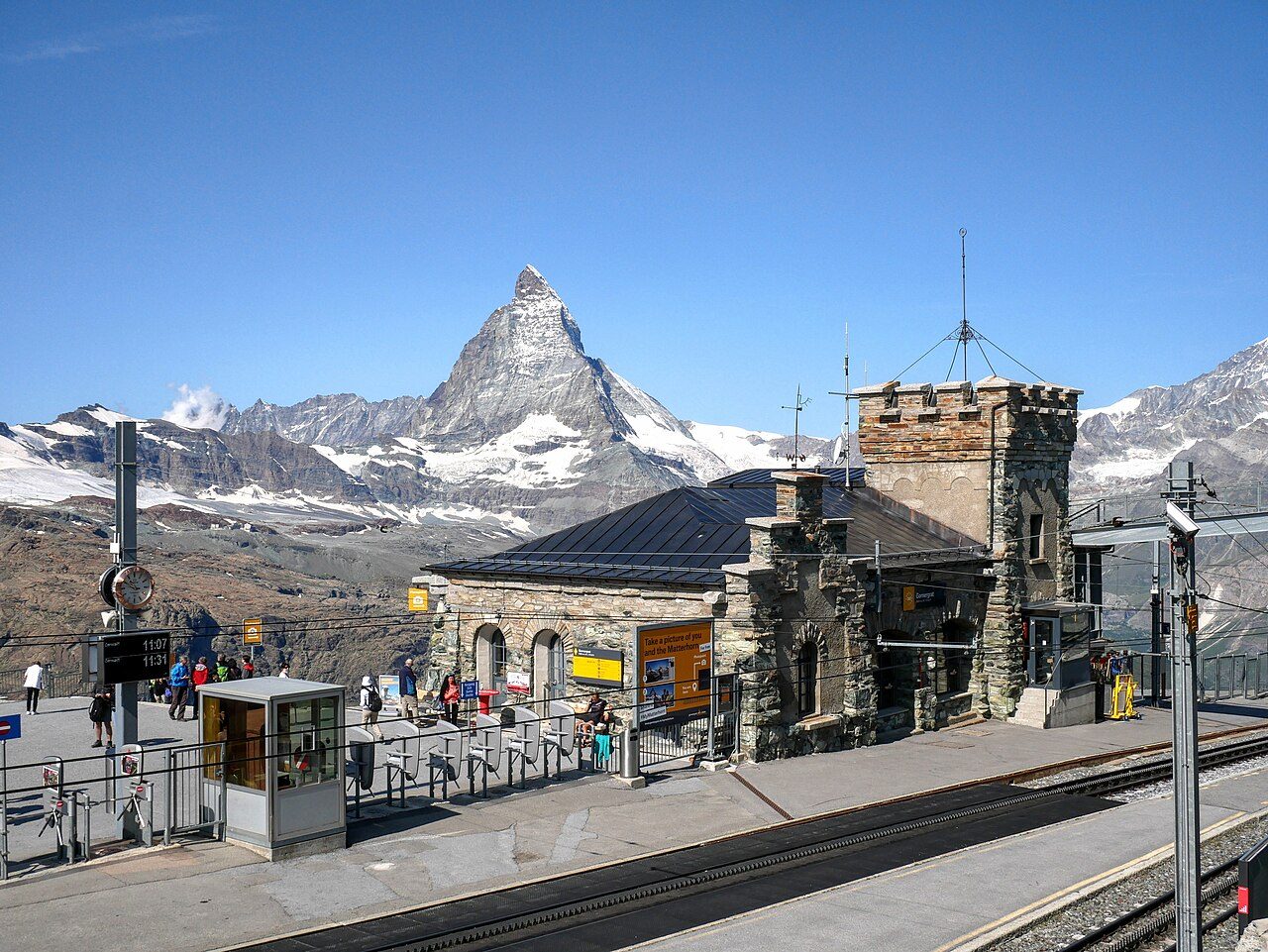
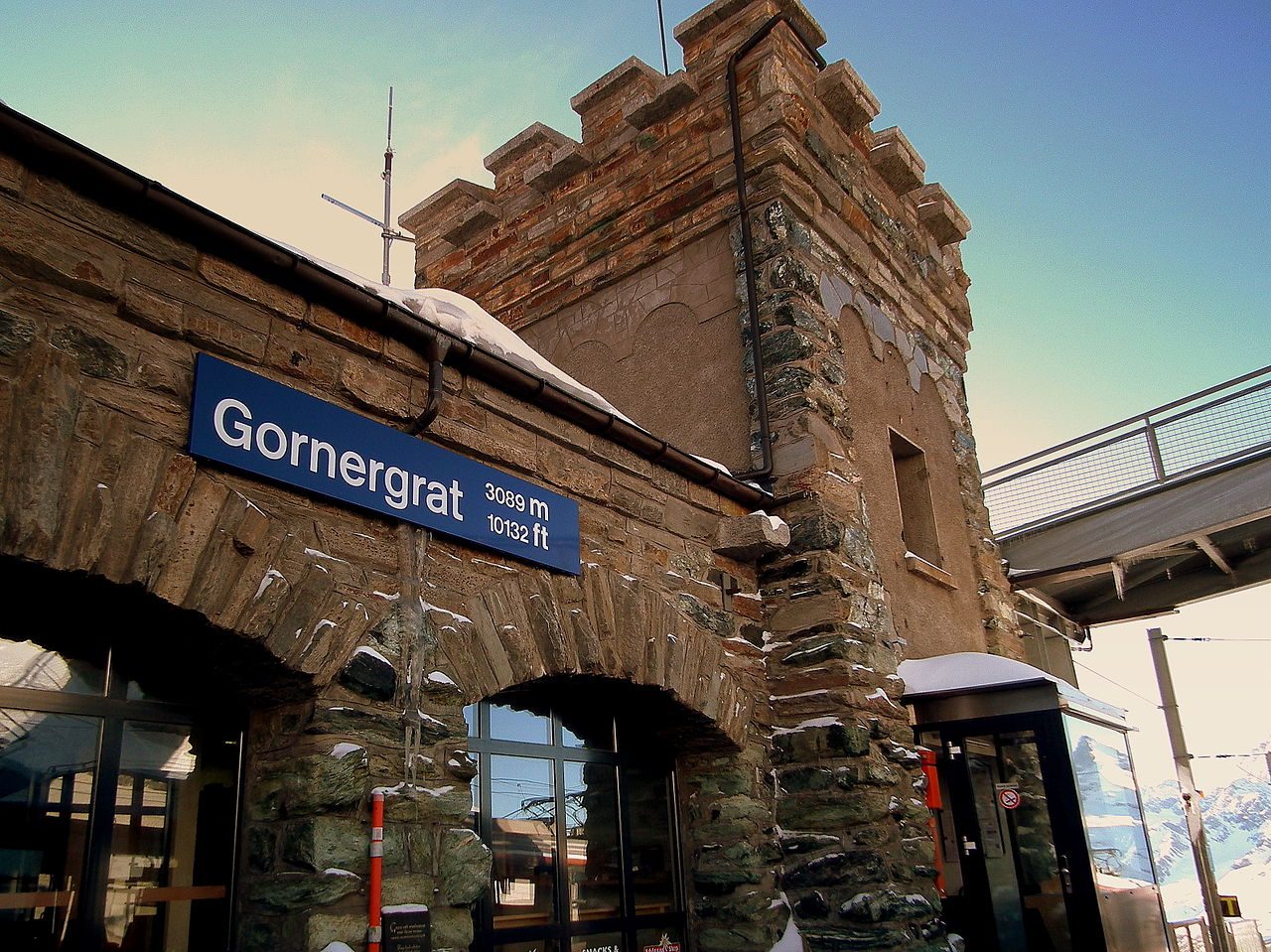
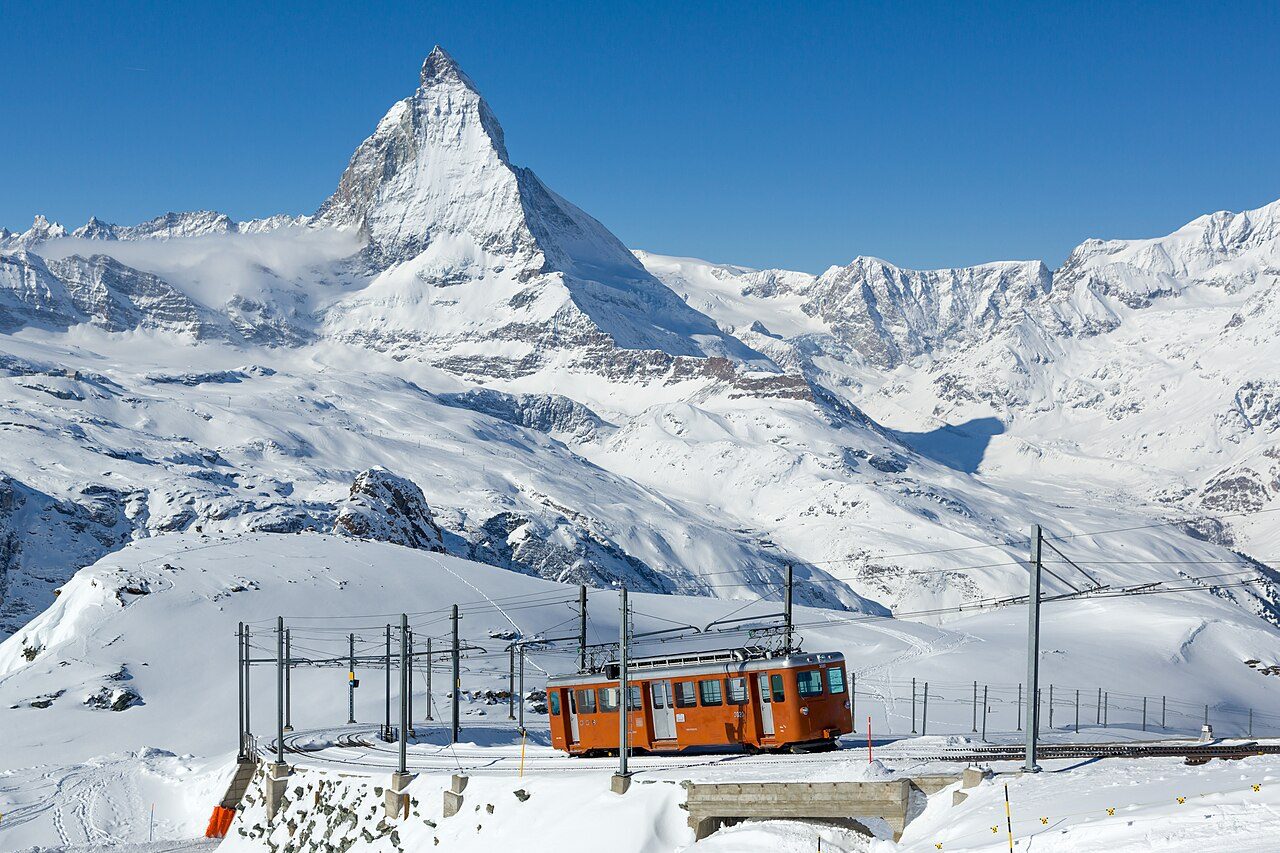
Gornergrat is a rocky ridge above Zermatt, reached by a cog railway opened in 1898, one of the highest open-air railways in Europe. From the summit station at about 3,089 metres, there are views of the Matterhorn, Monte Rosa, the Gorner Glacier and 29 peaks over 4,000 metres. A hotel and observatory stand at the top.
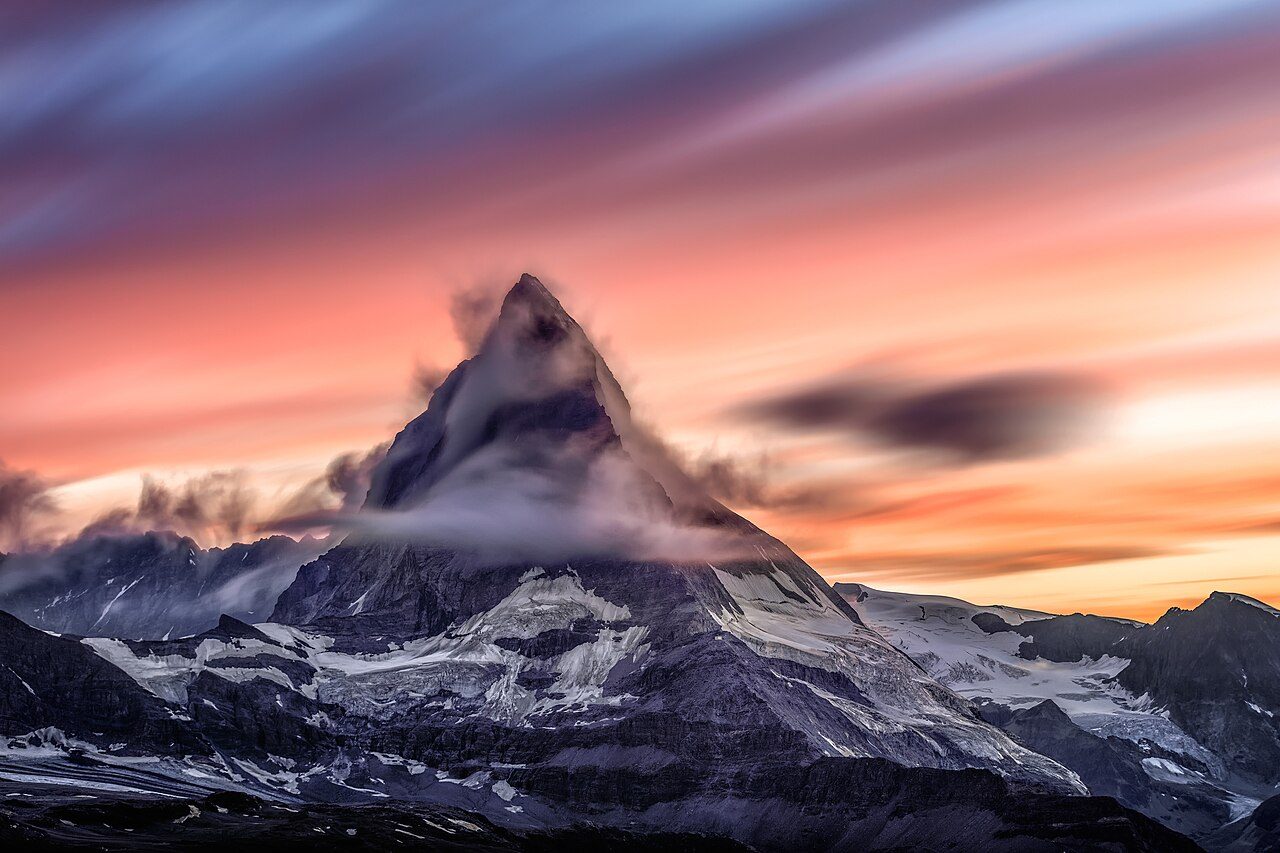
The Matterhorn rises to 4,478 metres on the border of Switzerland and Italy above Zermatt. Its near-perfect pyramid shape makes it one of the most famous mountains in the world. It was first climbed in 1865 by Edward Whymper's party, four of whom died on the descent. Its sharp peak glows at sunrise and is reflected in alpine lakes such as the Stellisee.
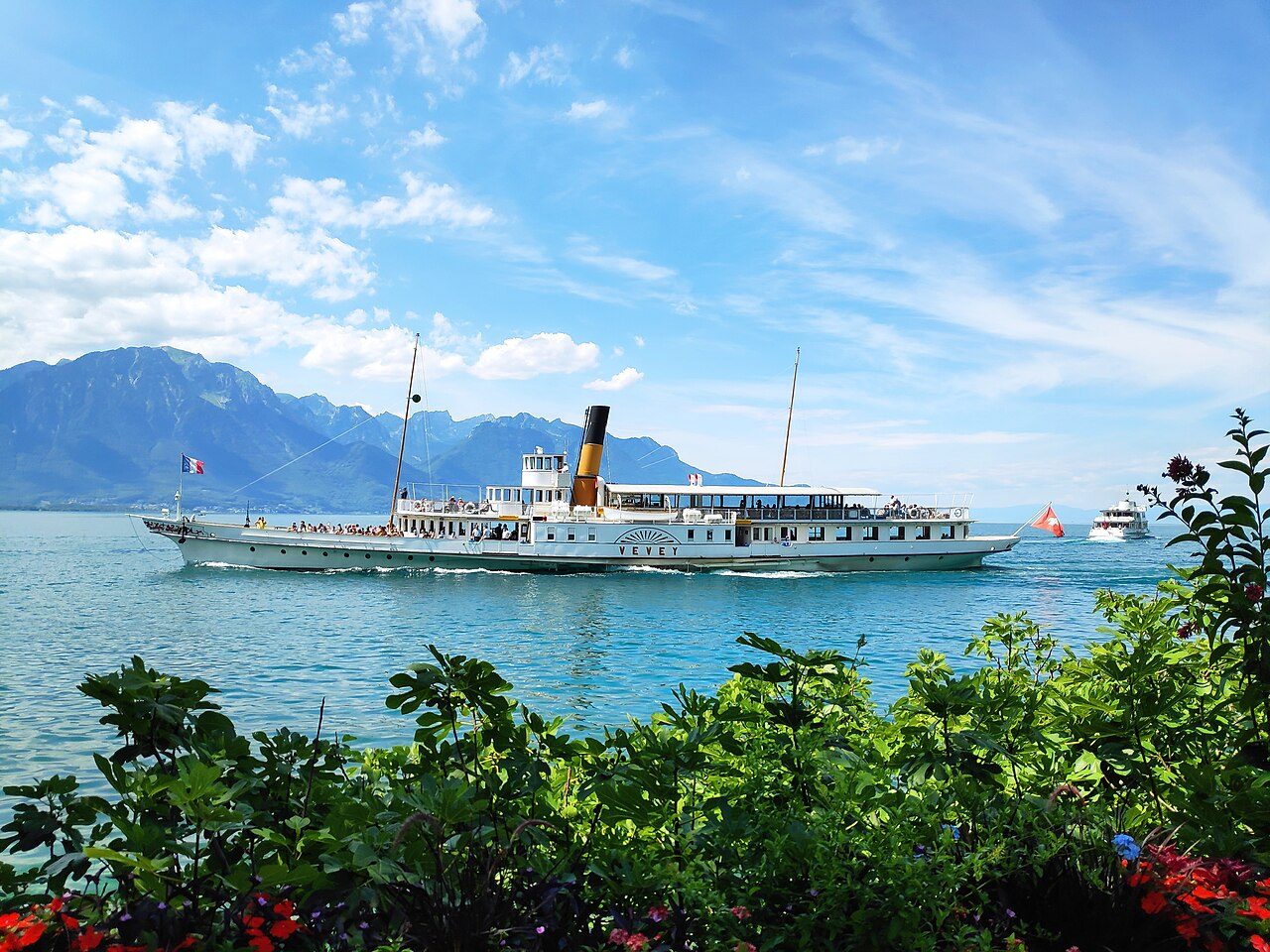
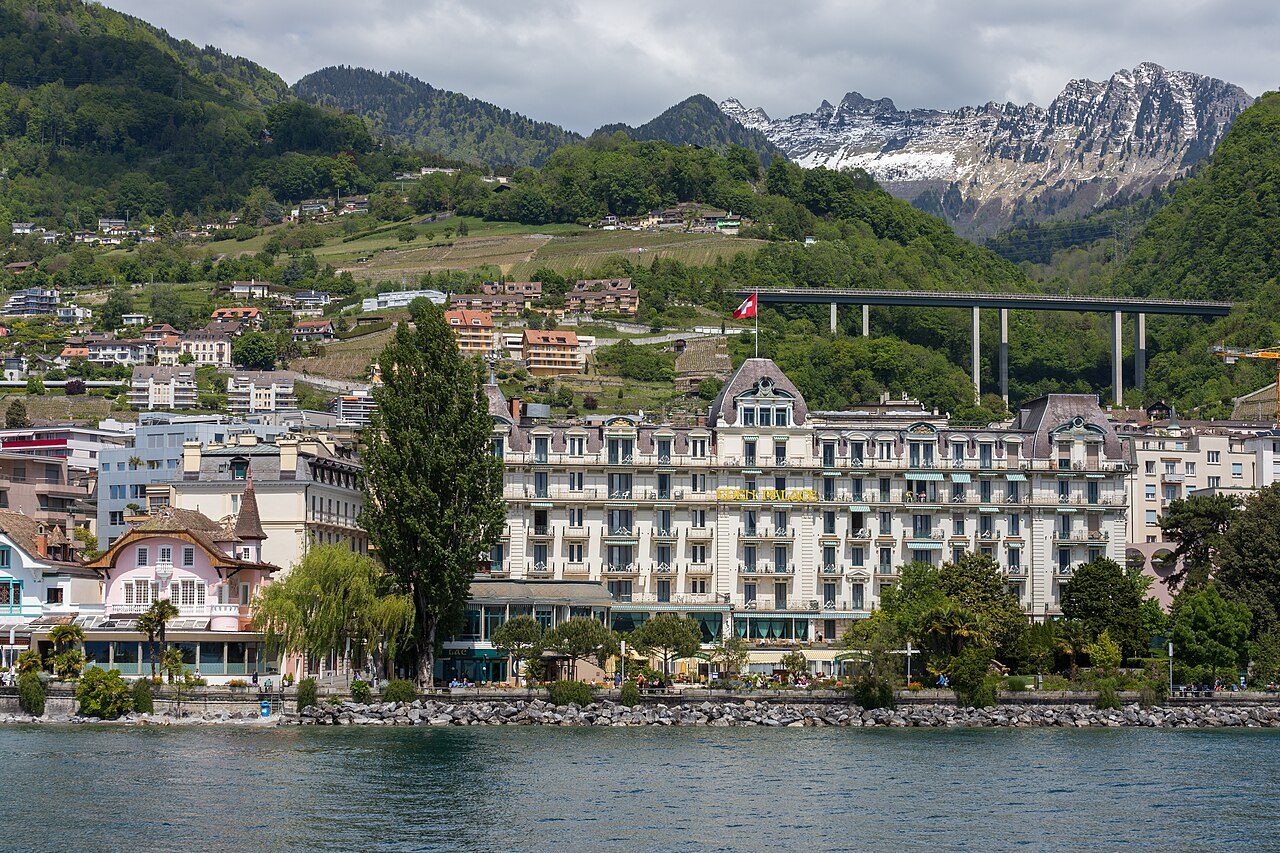
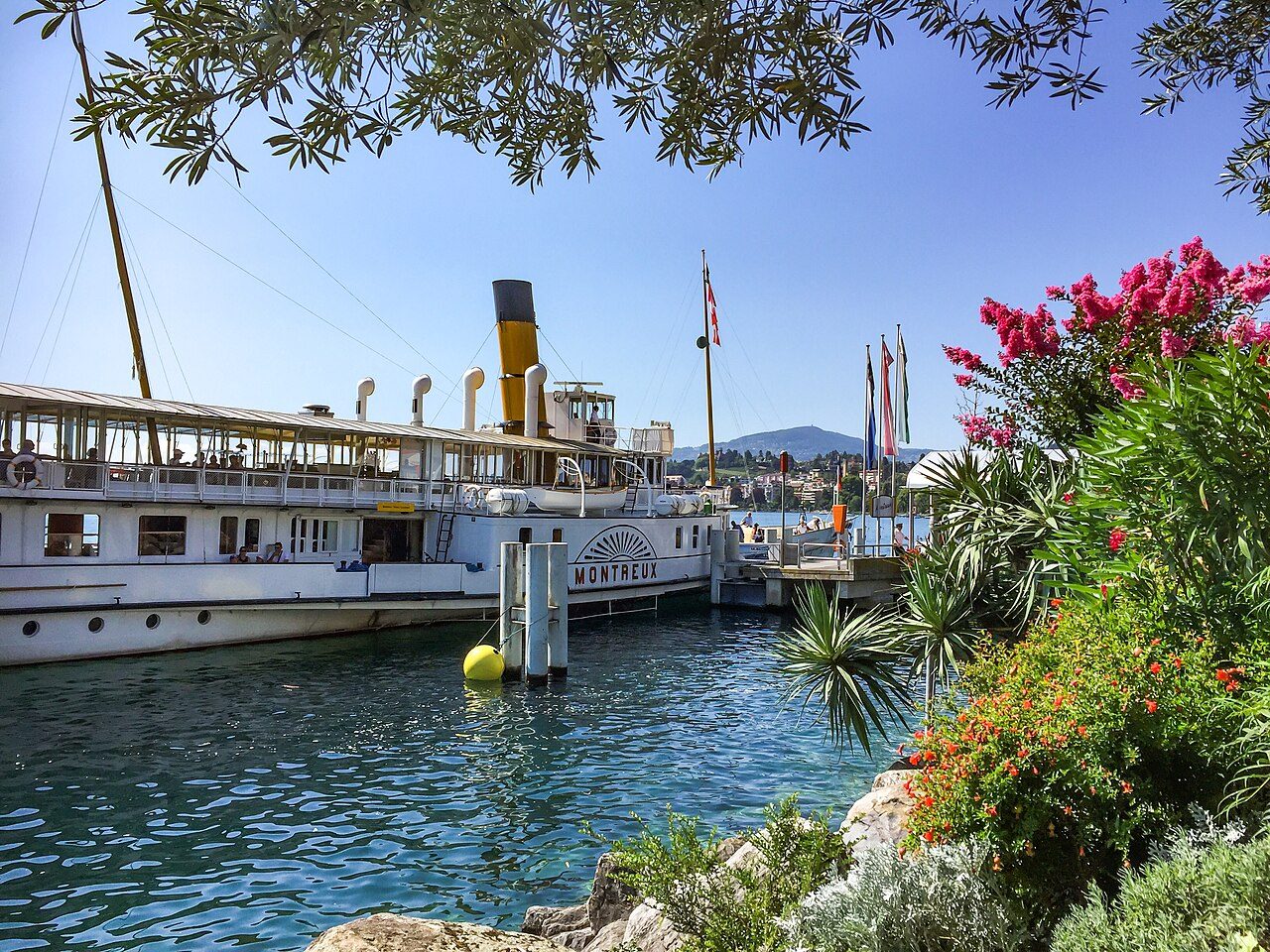
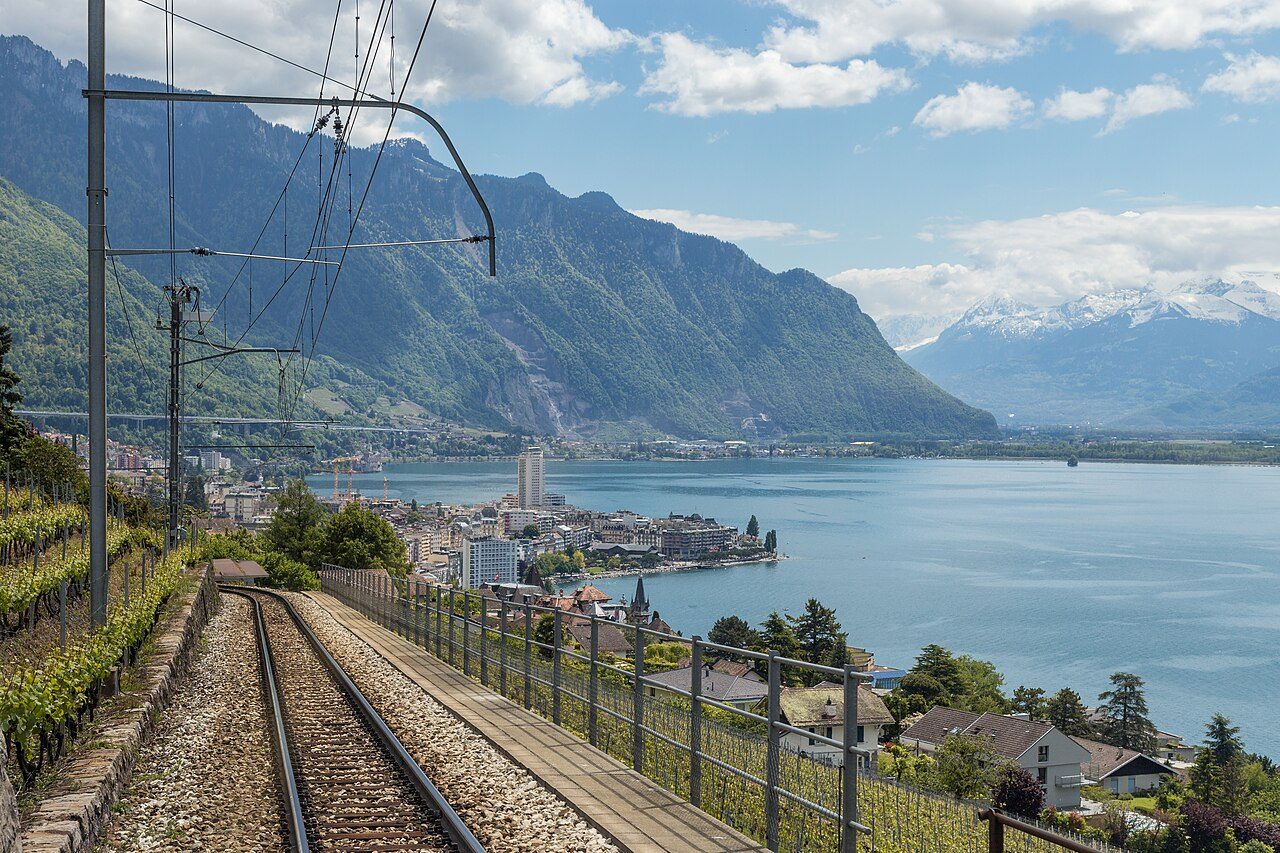
Montreux is a resort town on Lake Geneva, known as the Swiss Riviera for its mild climate. A flower-lined promenade runs along the lake. The Montreux Jazz Festival is held here every July. A statue of Freddie Mercury stands on the waterfront; Queen recorded several albums in Montreux.
14
STOP 14 OF 16
Château de Chillon
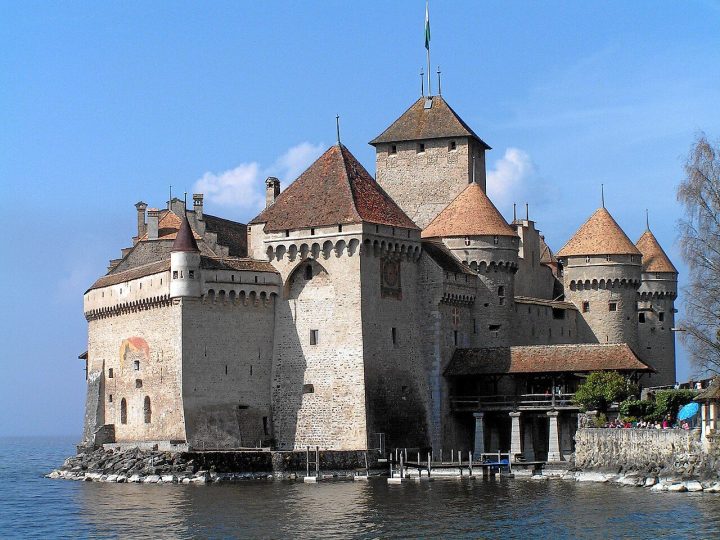
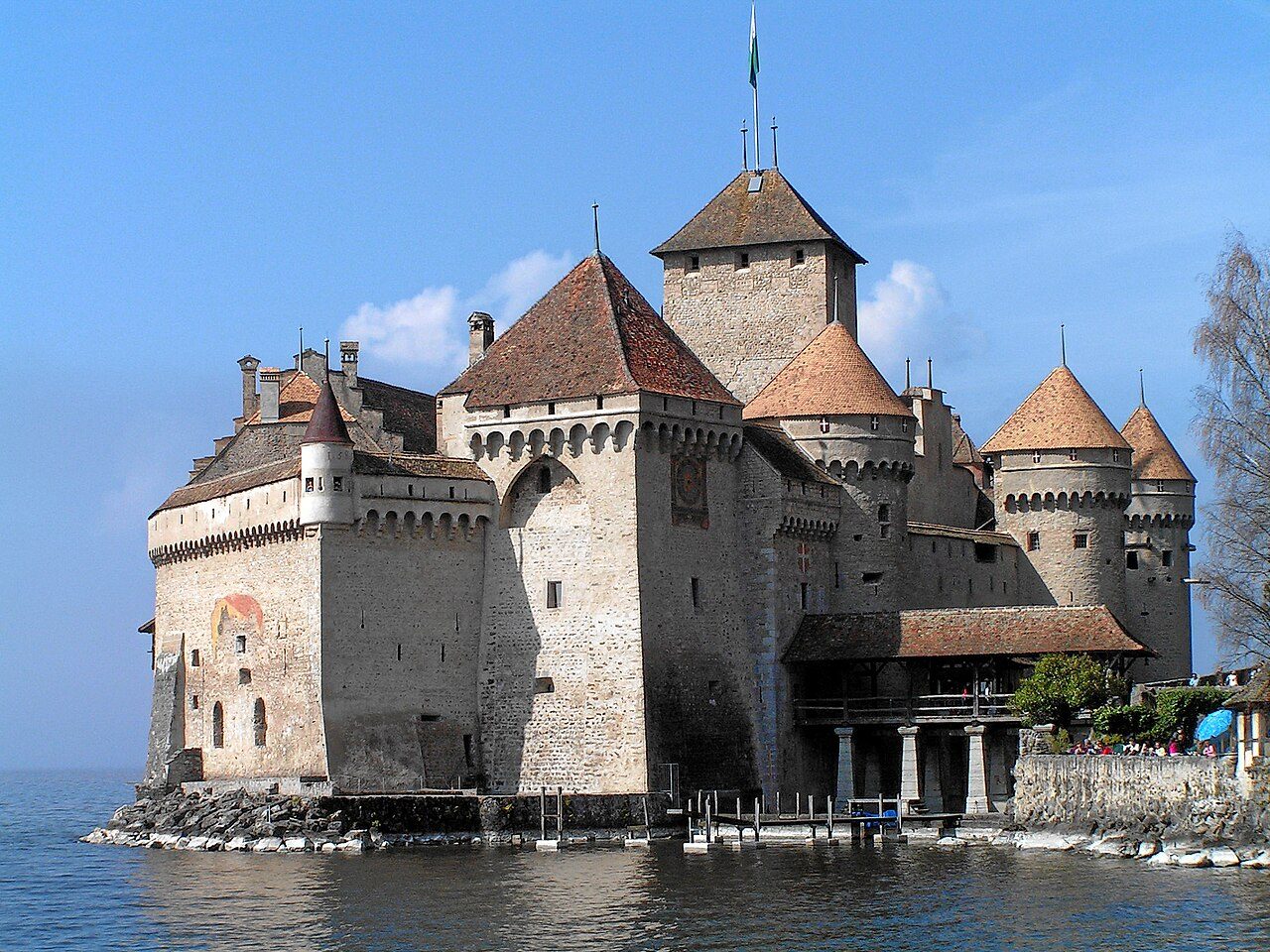
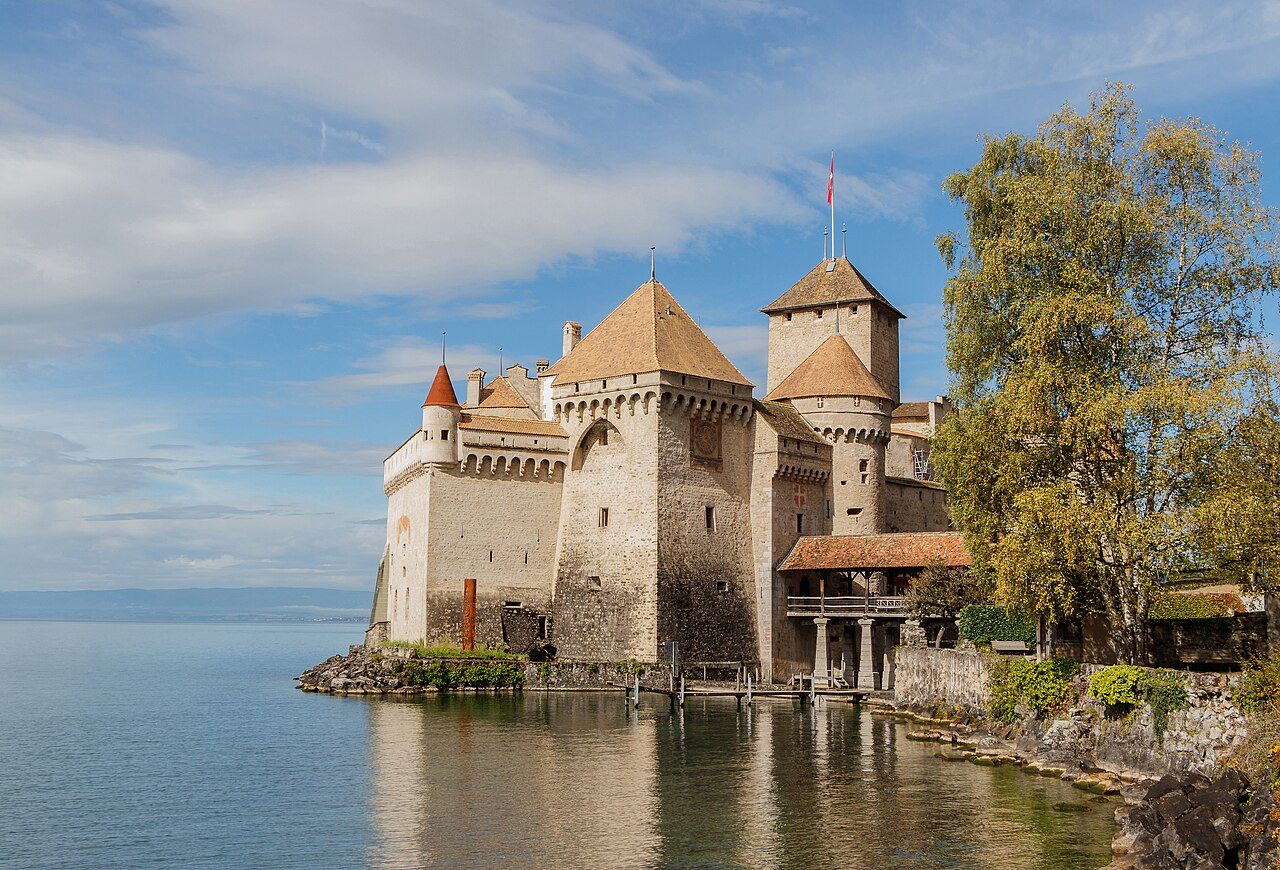
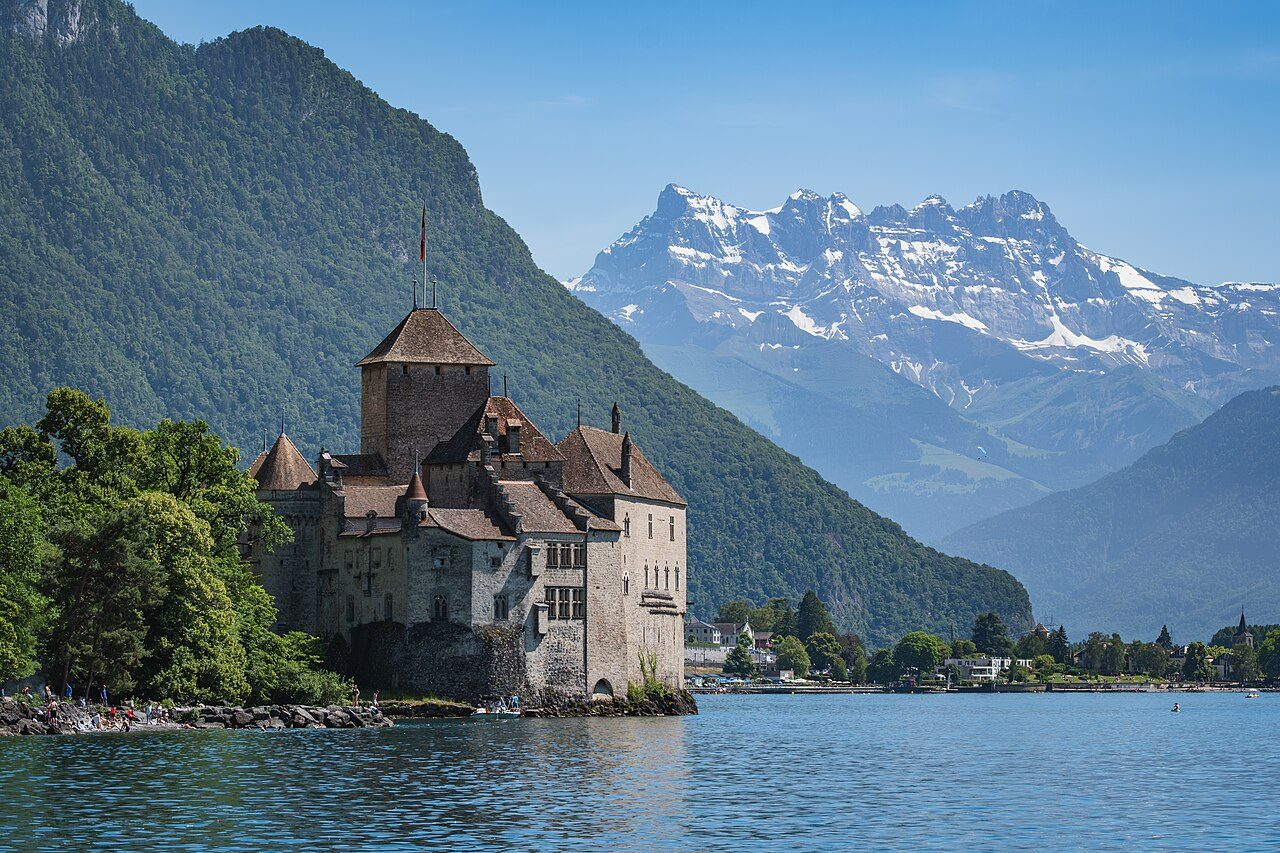
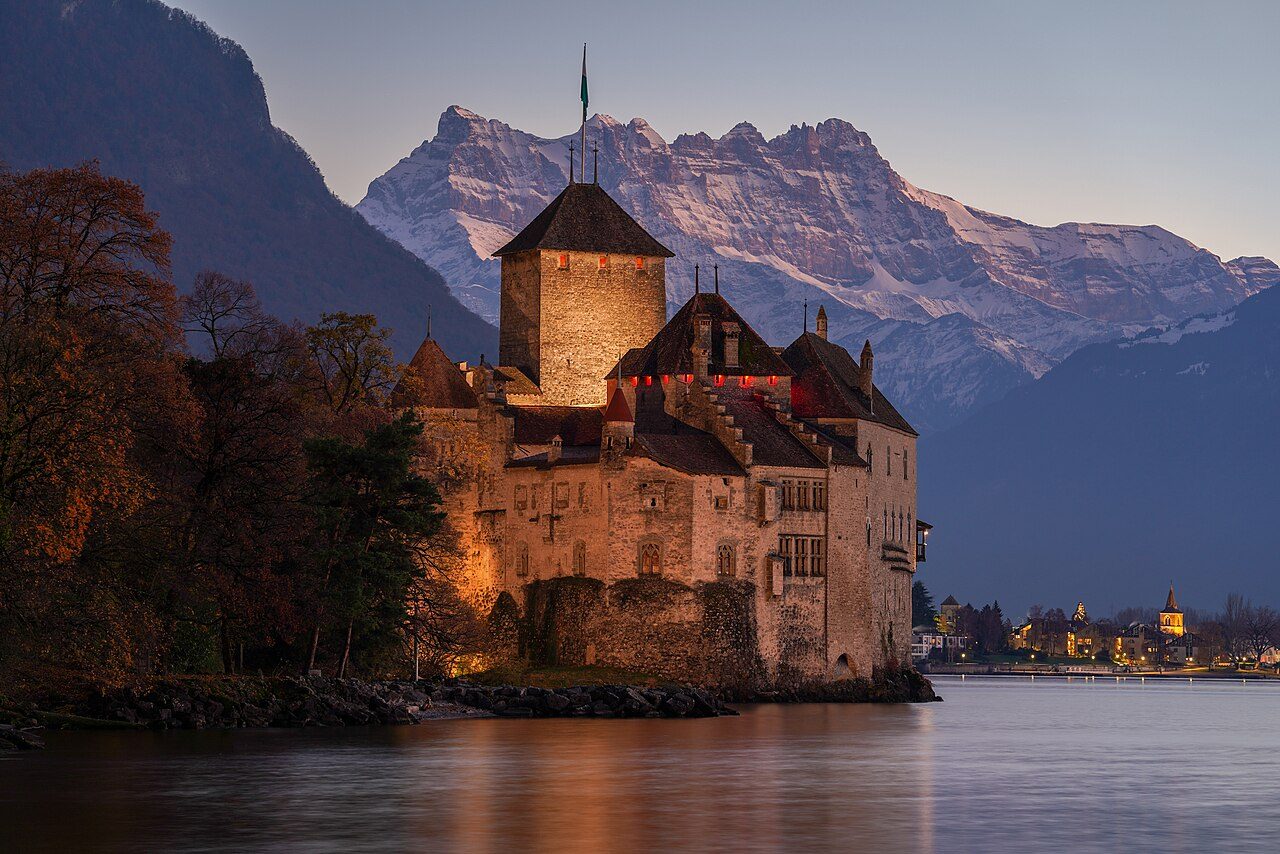
Château de Chillon is a castle on a rocky island on the shore of Lake Geneva near Montreux. Parts of it date from the 11th century, and it was the home of the Counts of Savoy. The poem The Prisoner of Chillon by Lord Byron made it famous. Its halls, dungeons and towers are open to visitors.
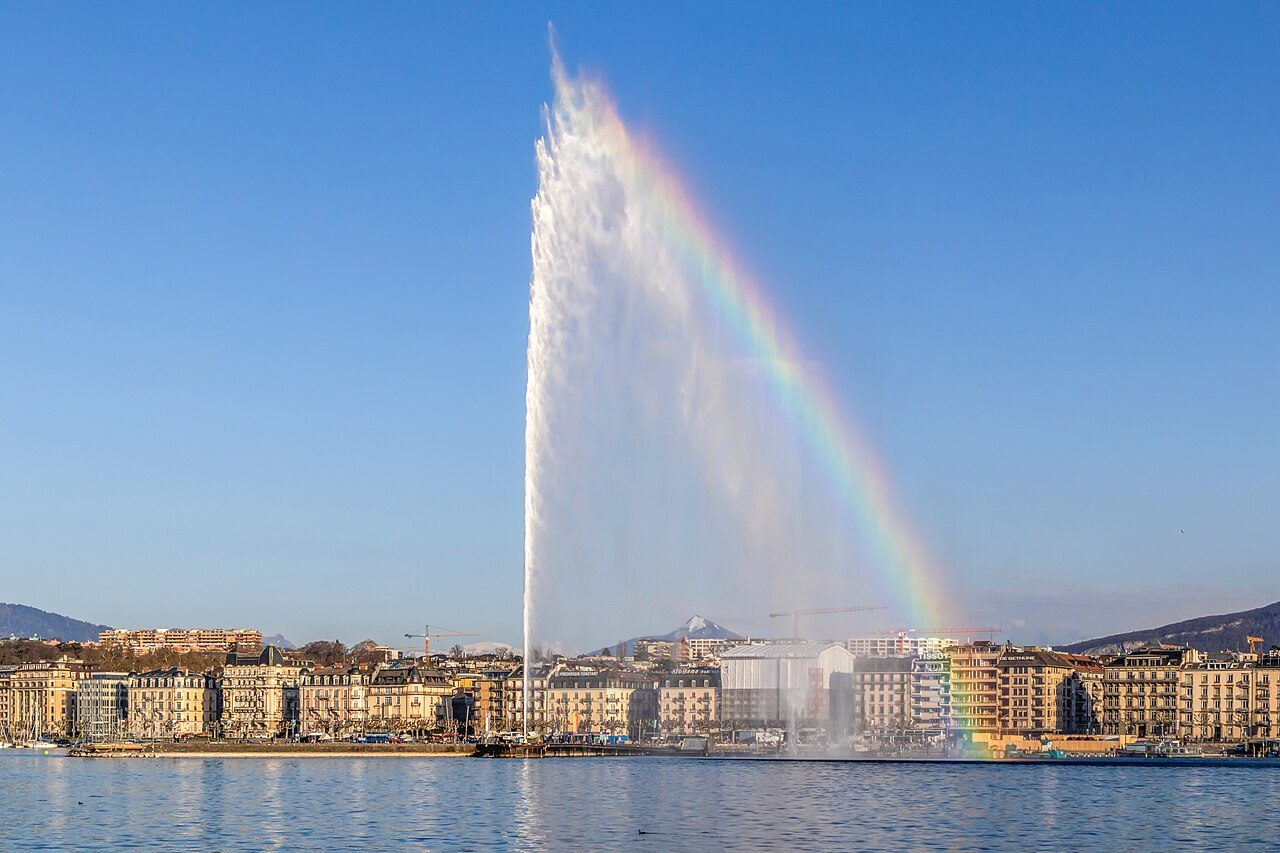
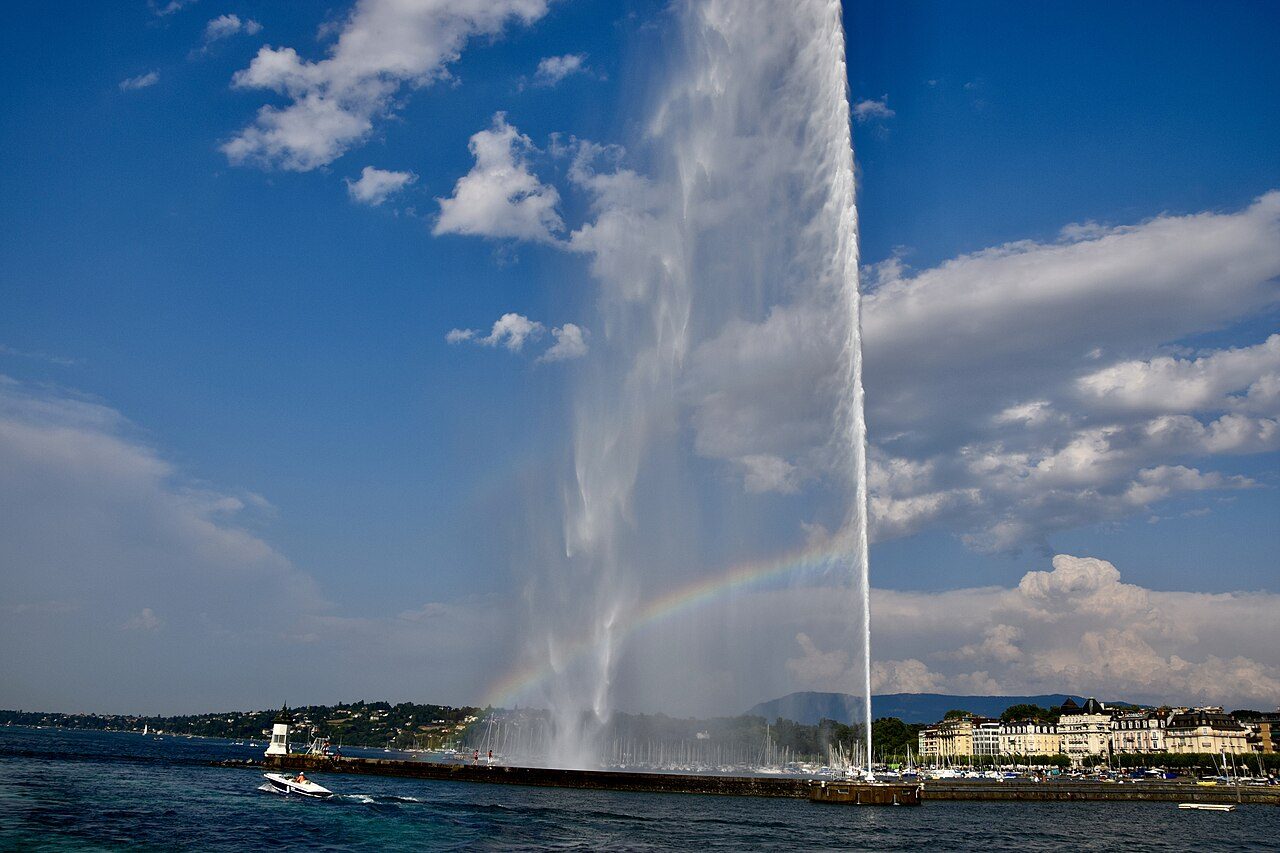
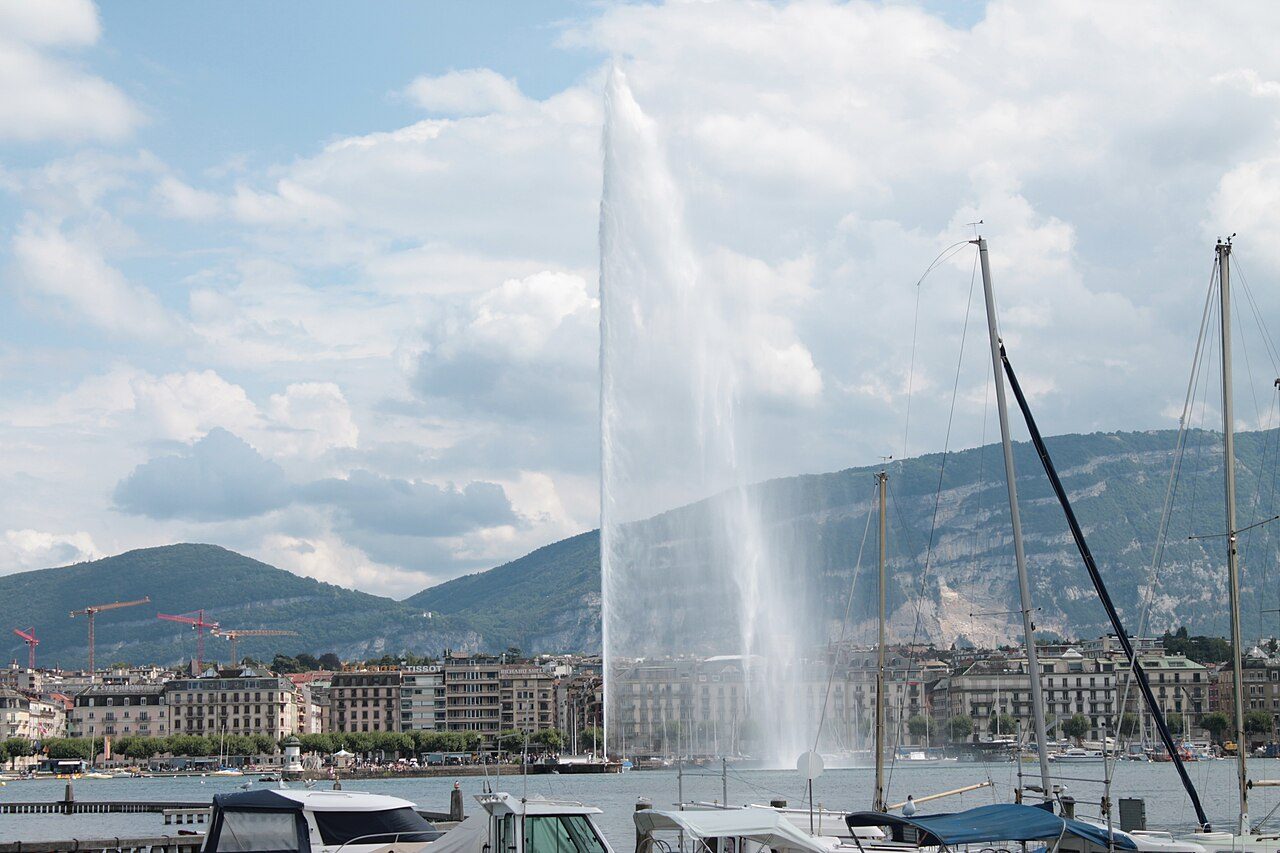
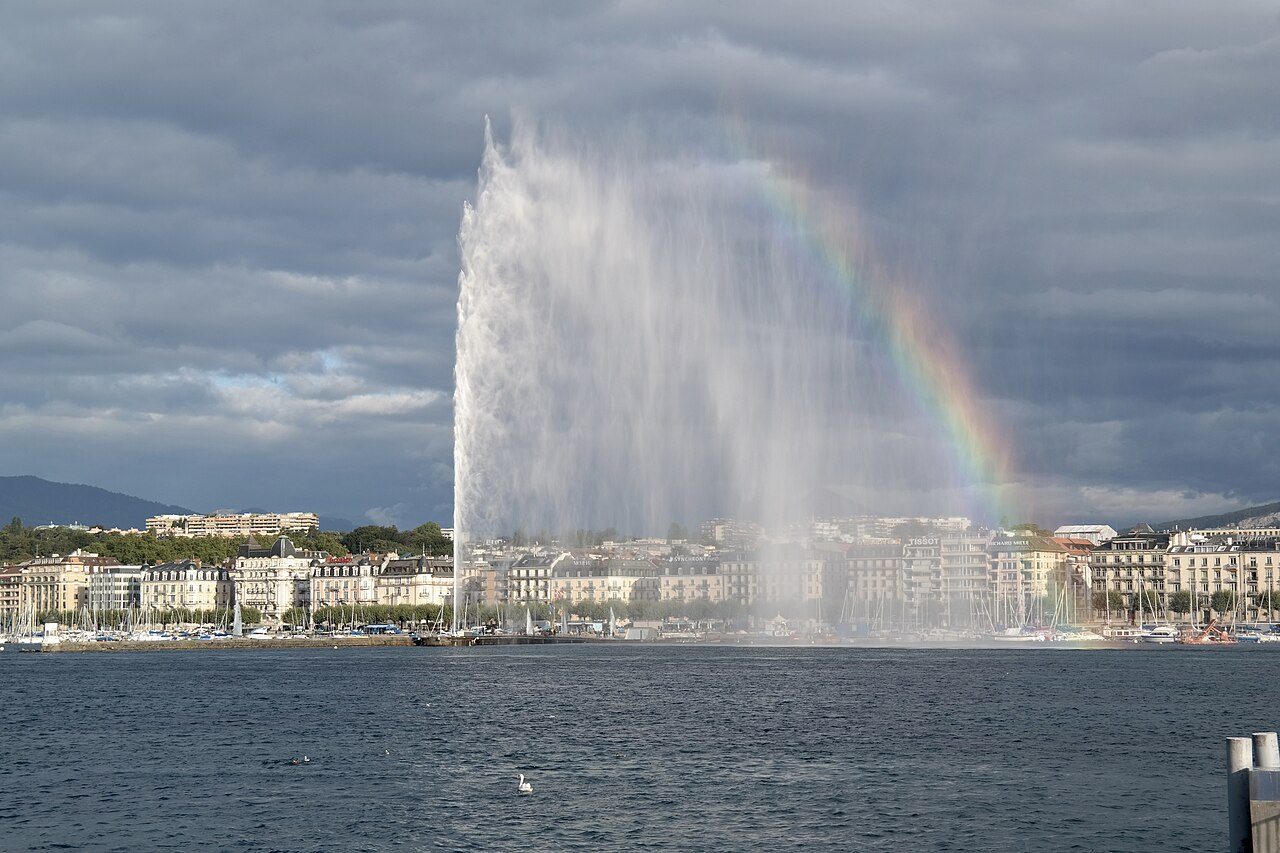
The Jet d'Eau is a huge fountain in Lake Geneva and the symbol of Geneva. It shoots water about 140 metres into the air at around 200 kilometres per hour. It started as a pressure valve for a hydraulic network in 1886 and moved to its present place in 1891. A jetty lets visitors walk out close to it.
16
STOP 16 OF 16 · LAST STOP
St. Pierre Cathedral Geneva
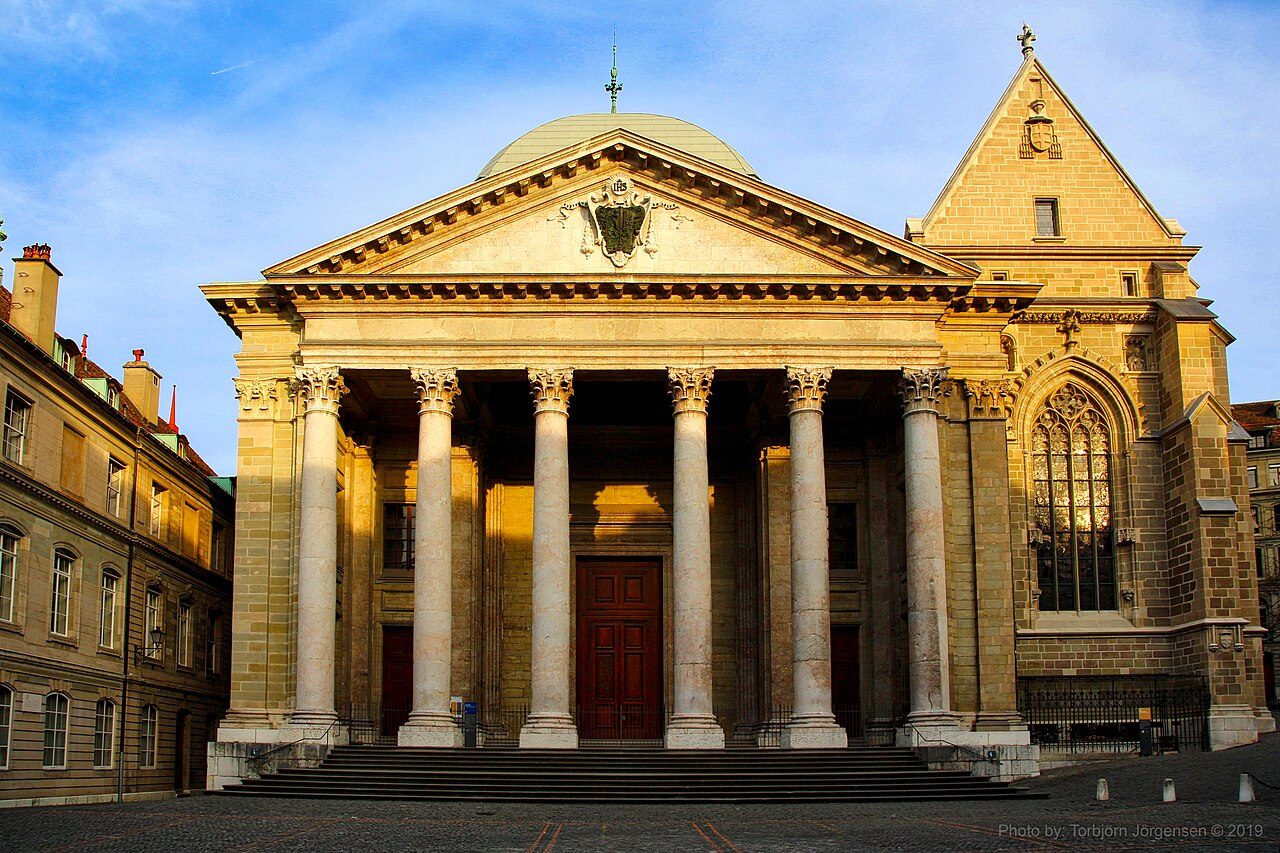
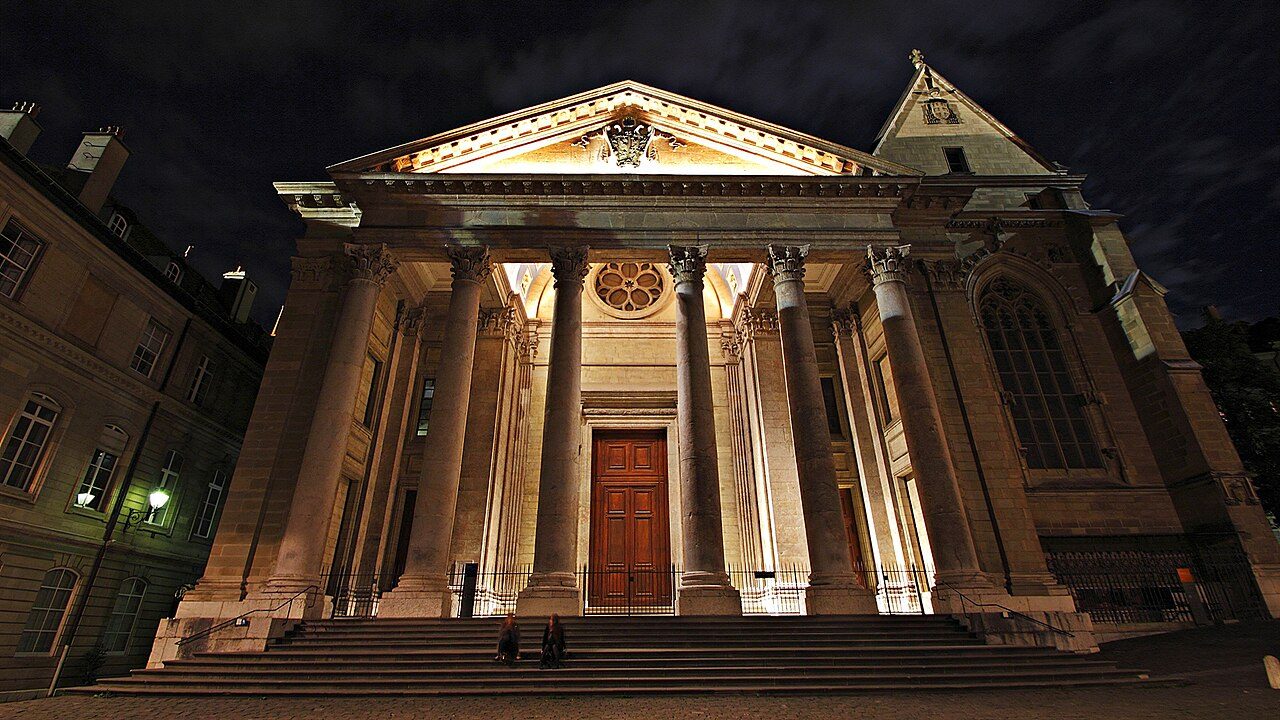
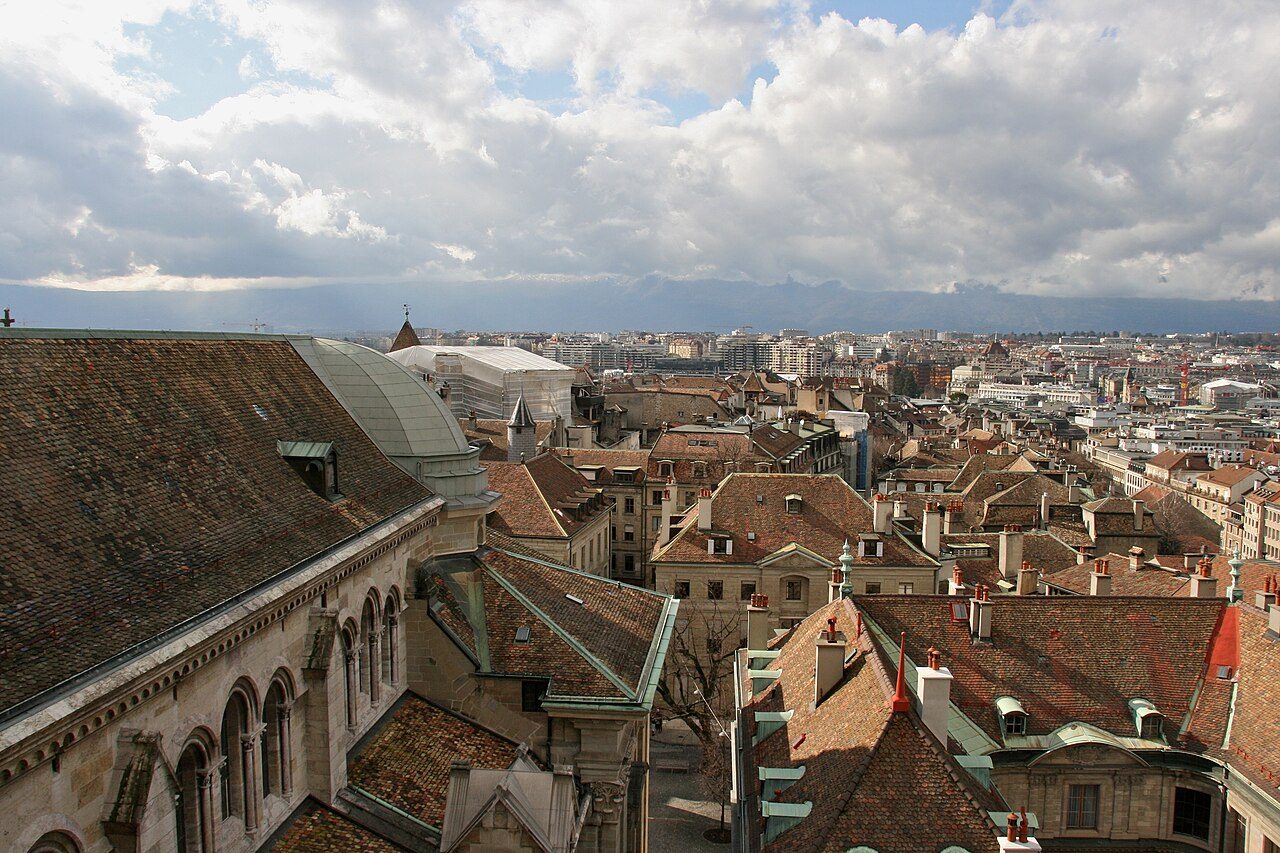
St. Pierre Cathedral in Geneva was built mainly in the 12th and 13th centuries and later given a Neoclassical facade. It became Protestant during the Reformation, when John Calvin preached here. Visitors climb its towers for views over the city and the lake. Archaeological remains lie beneath it.
Seasons from 20 years of NASA POWER climate data.
 WaTrips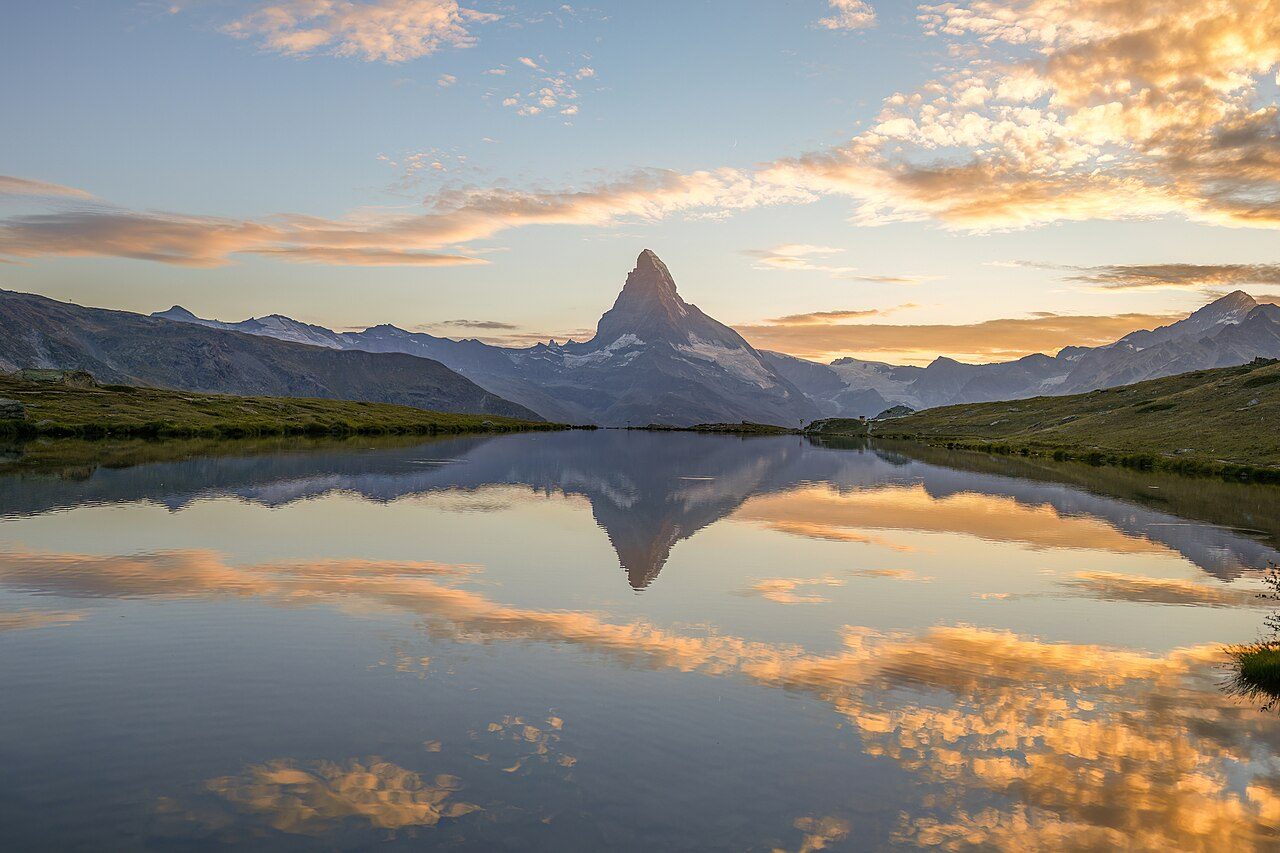





 BikesBooking
 Localrent
 Airalo
 Tiqets