Isan Road Trip: Khao Yai, Khmer Temples and the Mekong
8 DAYS11 placesby WaTrips
Khao Yai, Phimai and Phanom Rung, the bottle temple, Pha Taem cliffs, Wat Phra That Phanom, Ban Chiang and Chiang Khan.
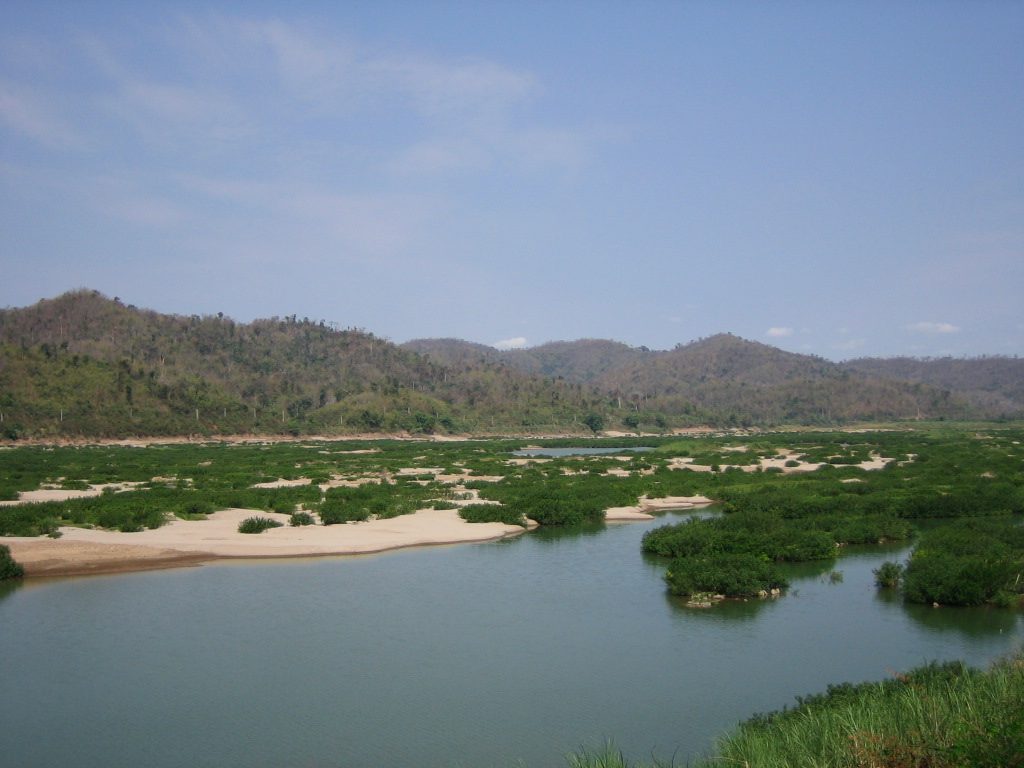
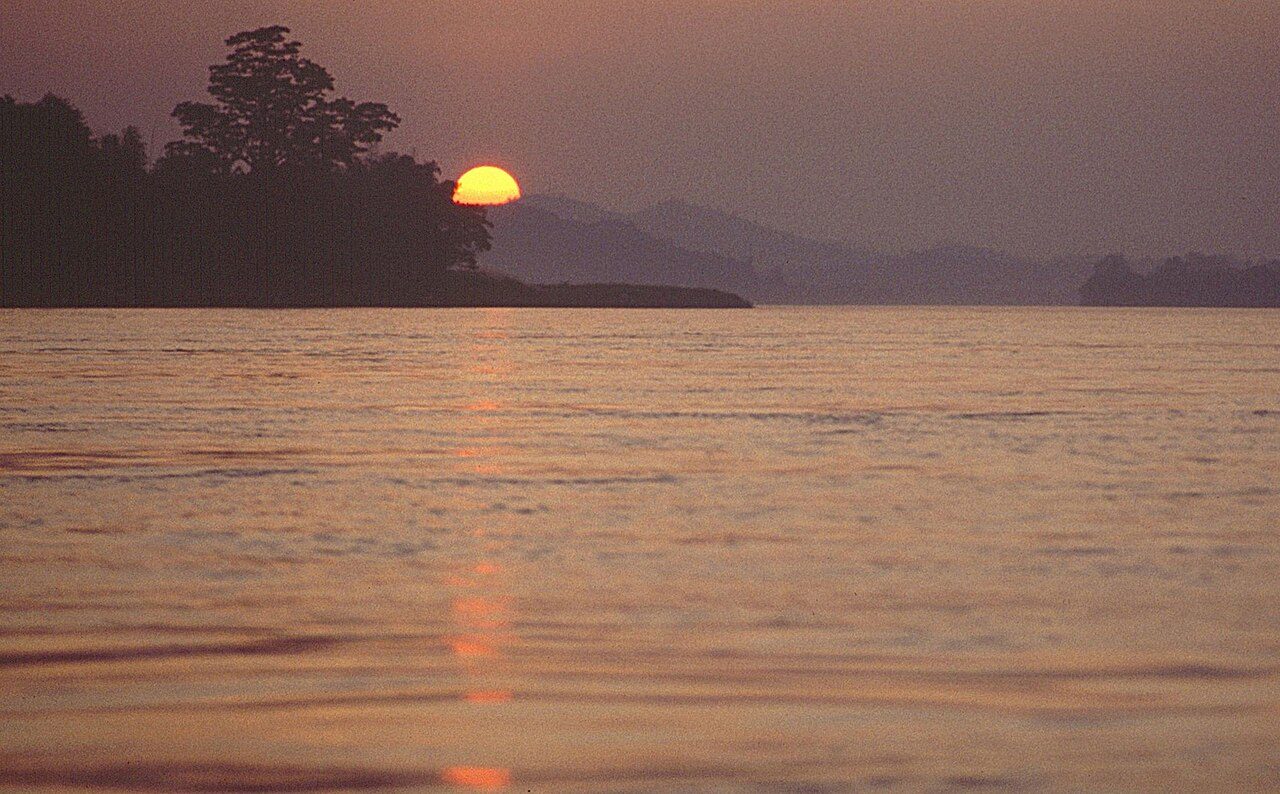
Isan, Thailand's northeast, sees few foreign visitors, and its long empty roads make it a great ride. Begin with wild elephants in Khao Yai, then the Khmer temples that came before Angkor: Phimai, and Phanom Rung on its extinct volcano. Visit the temple made of a million glass bottles, watch Thailand's first sunrise from the Pha Taem cliffs above the Mekong, and follow the river past Wat Phra That Phanom and the giant sculptures of Sala Keoku. Finish in Chiang Khan's wooden riverside street and on top of Phu Kradueng. Go November to February.
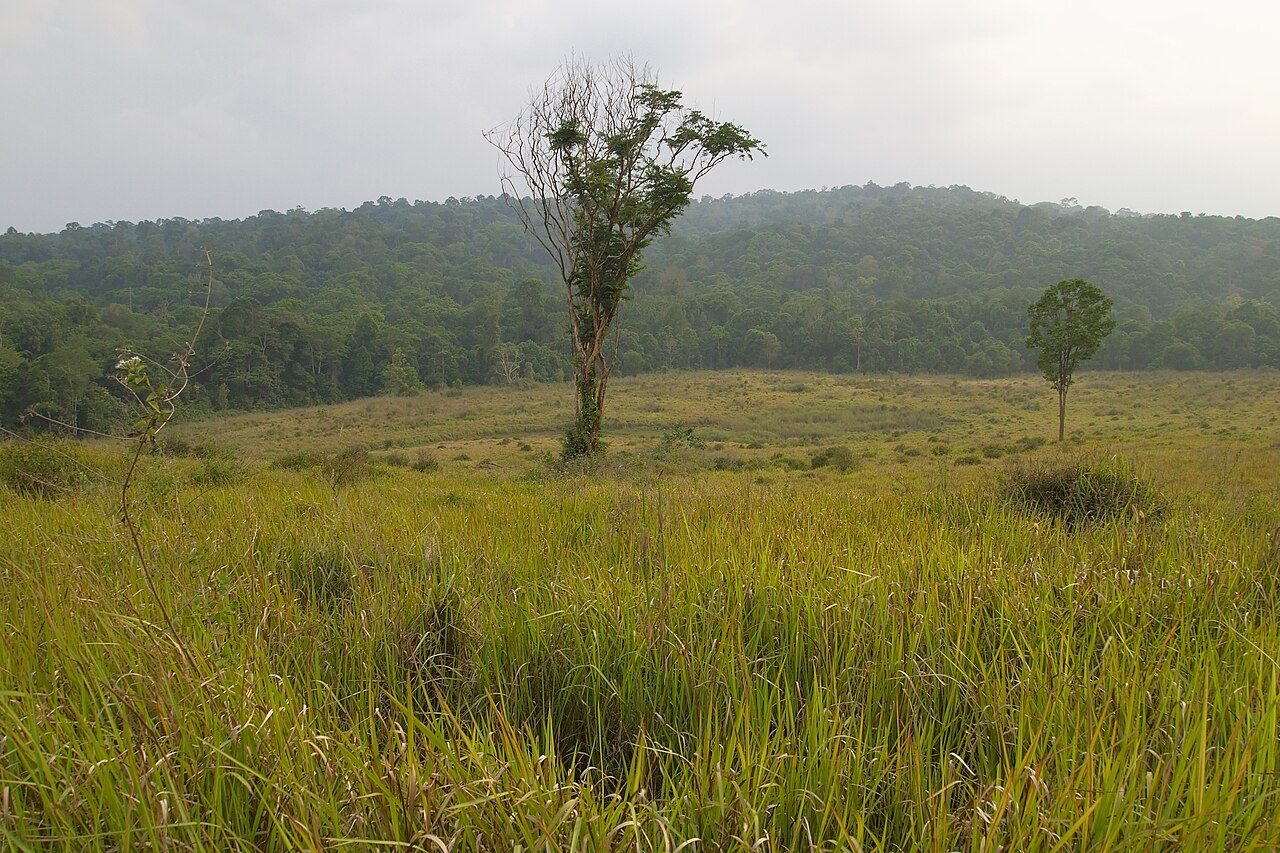
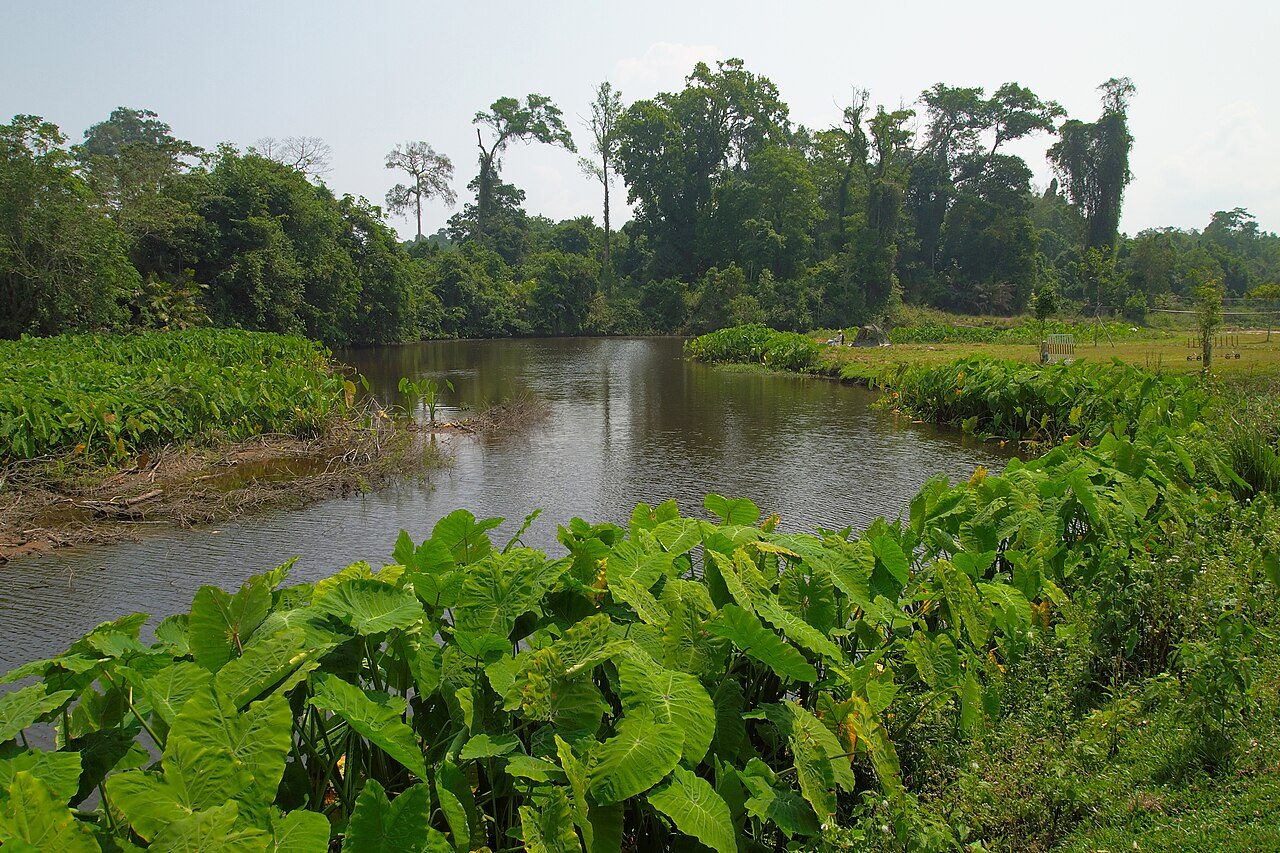
Khao Yai National Park, founded in 1962, was Thailand's first national park. It covers over 2,000 square kilometres of forest and grassland. Wild elephants, gibbons, hornbills and deer live here. Waterfalls include Haew Suwat and Haew Narok. With other forests nearby it forms the Dong Phayayen-Khao Yai Forest Complex, a UNESCO World Heritage Site since 2005.
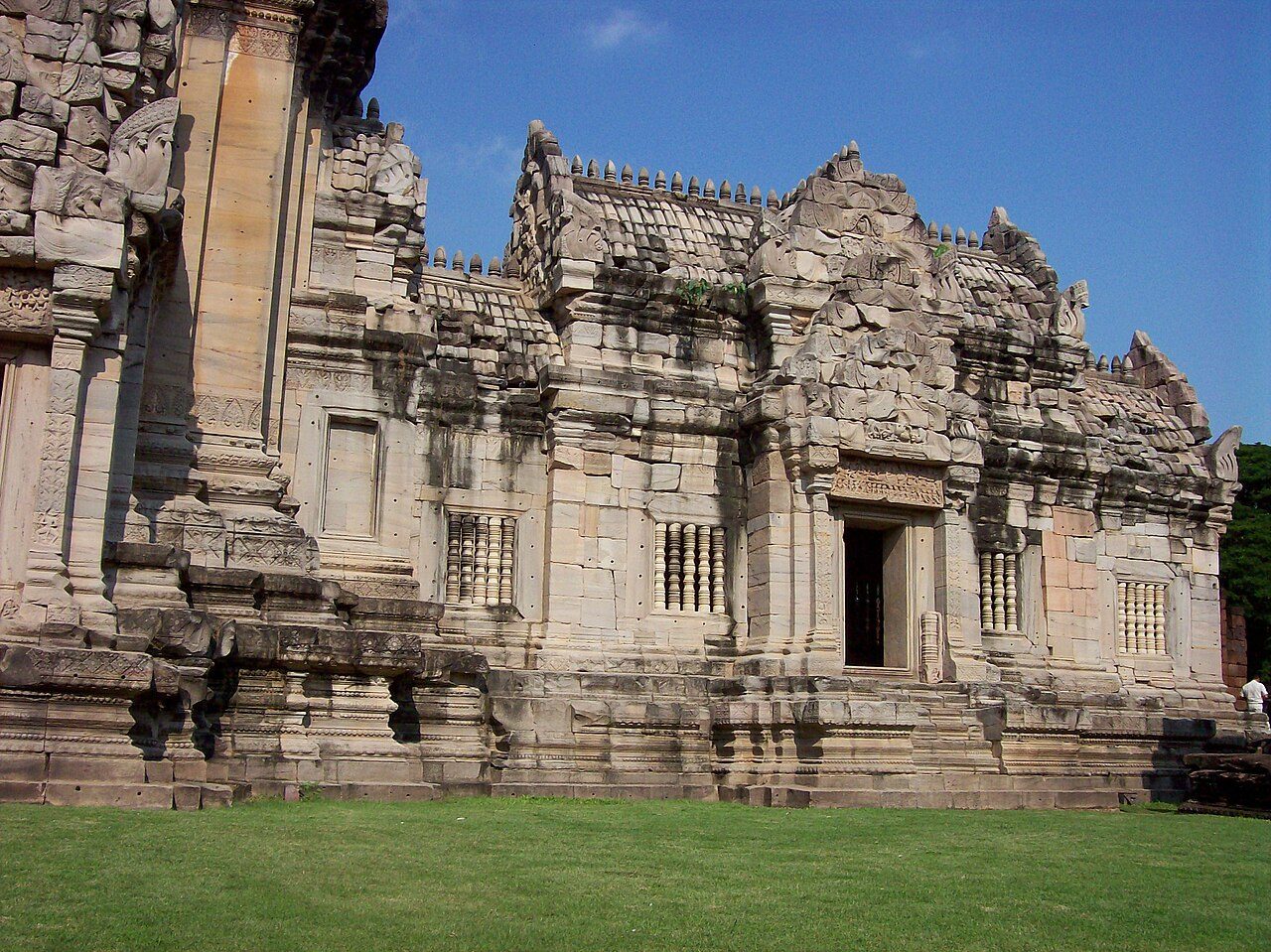
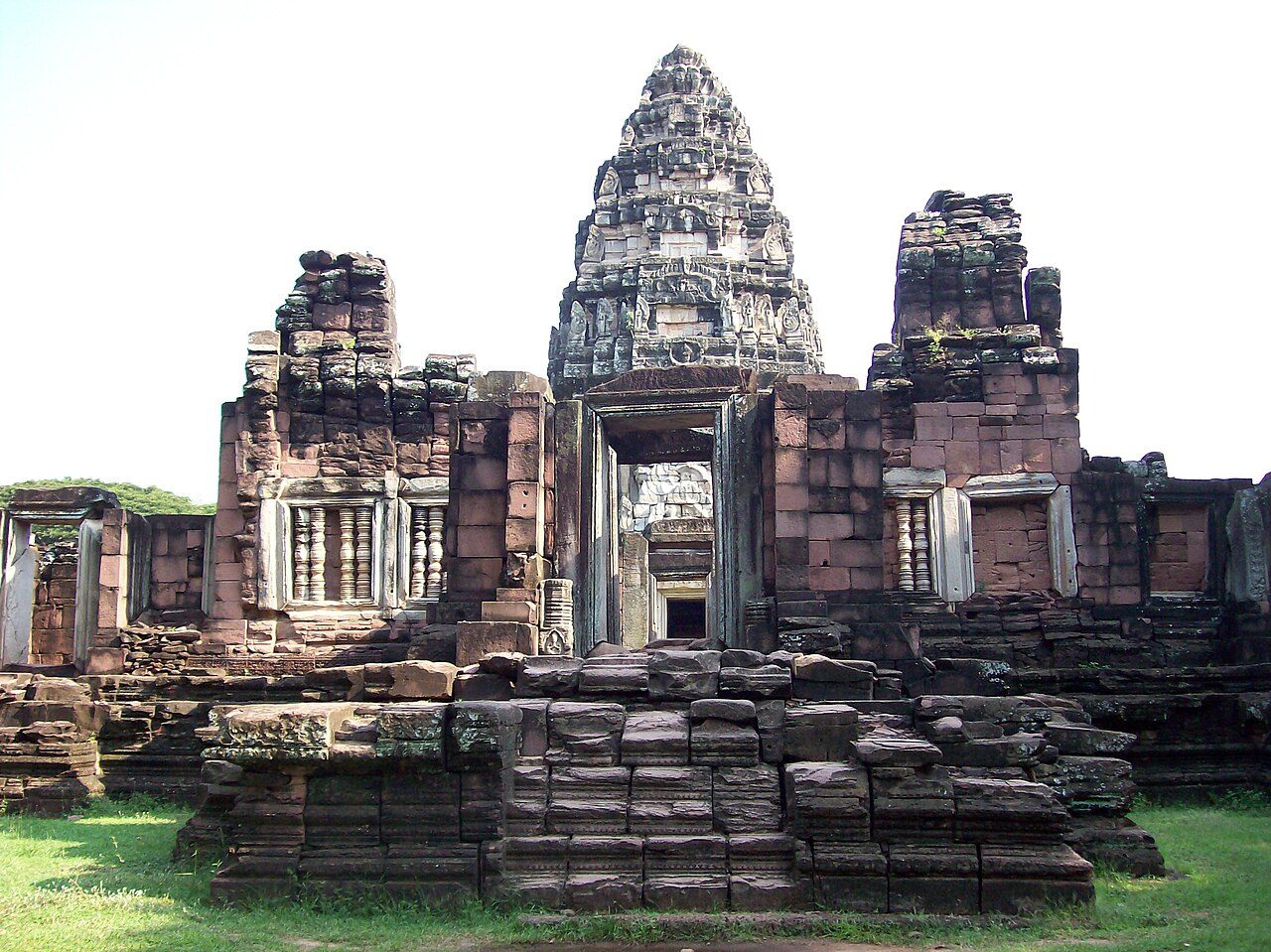
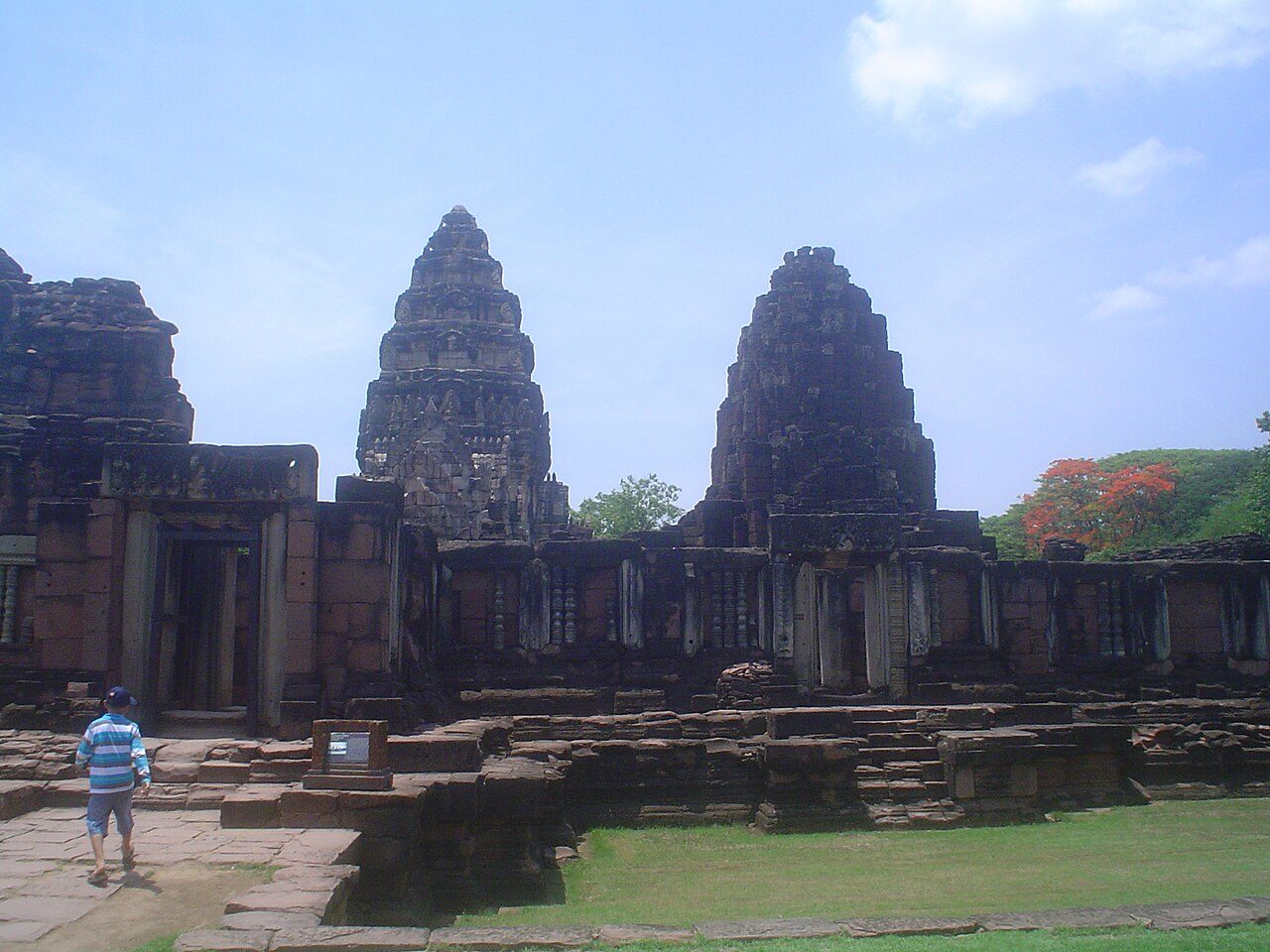
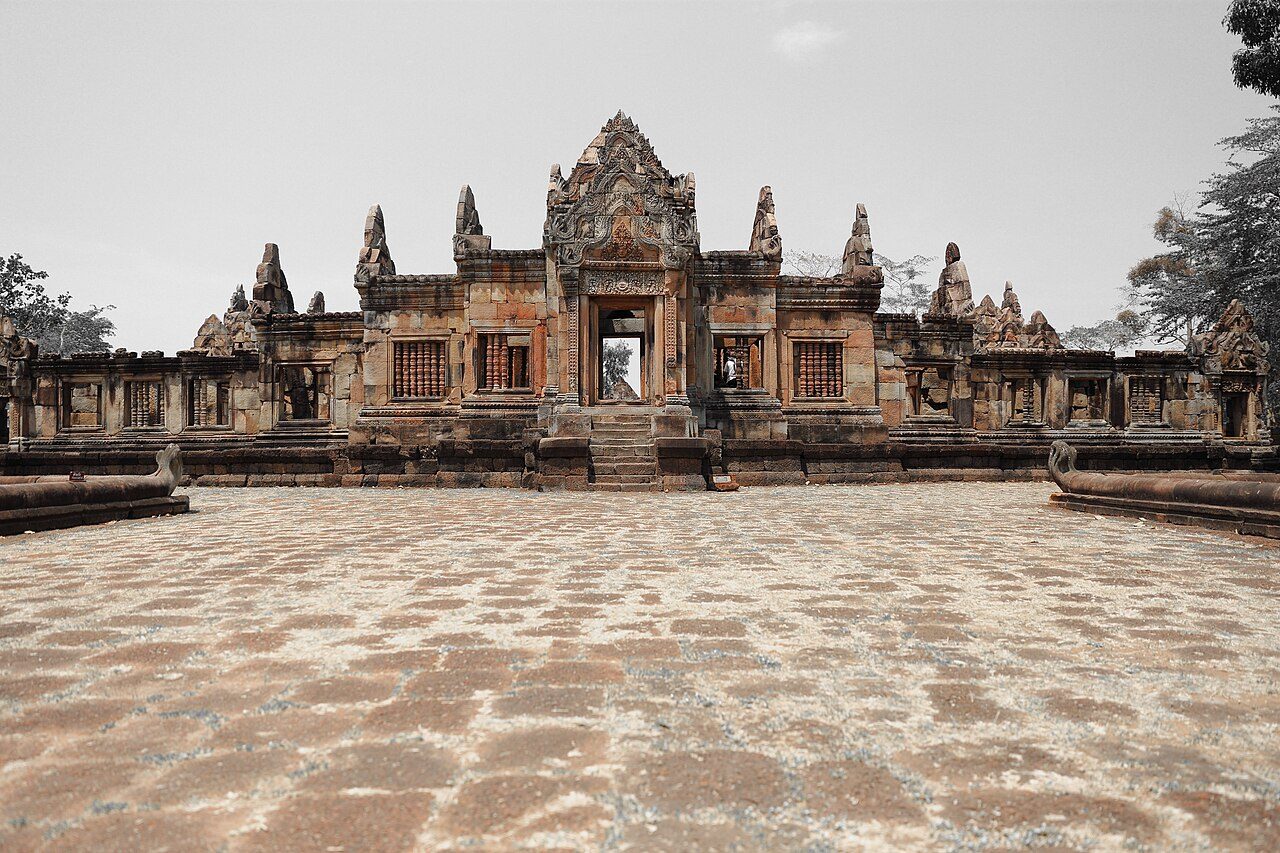
Phimai Historical Park holds one of the largest Khmer temples in Thailand. Prasat Hin Phimai was built of white sandstone in the late 11th and 12th centuries, at the end of an ancient road from Angkor. It was a Mahayana Buddhist shrine. Its central tower, galleries and gates are richly carved, and it is thought to have inspired the design of Angkor Wat.
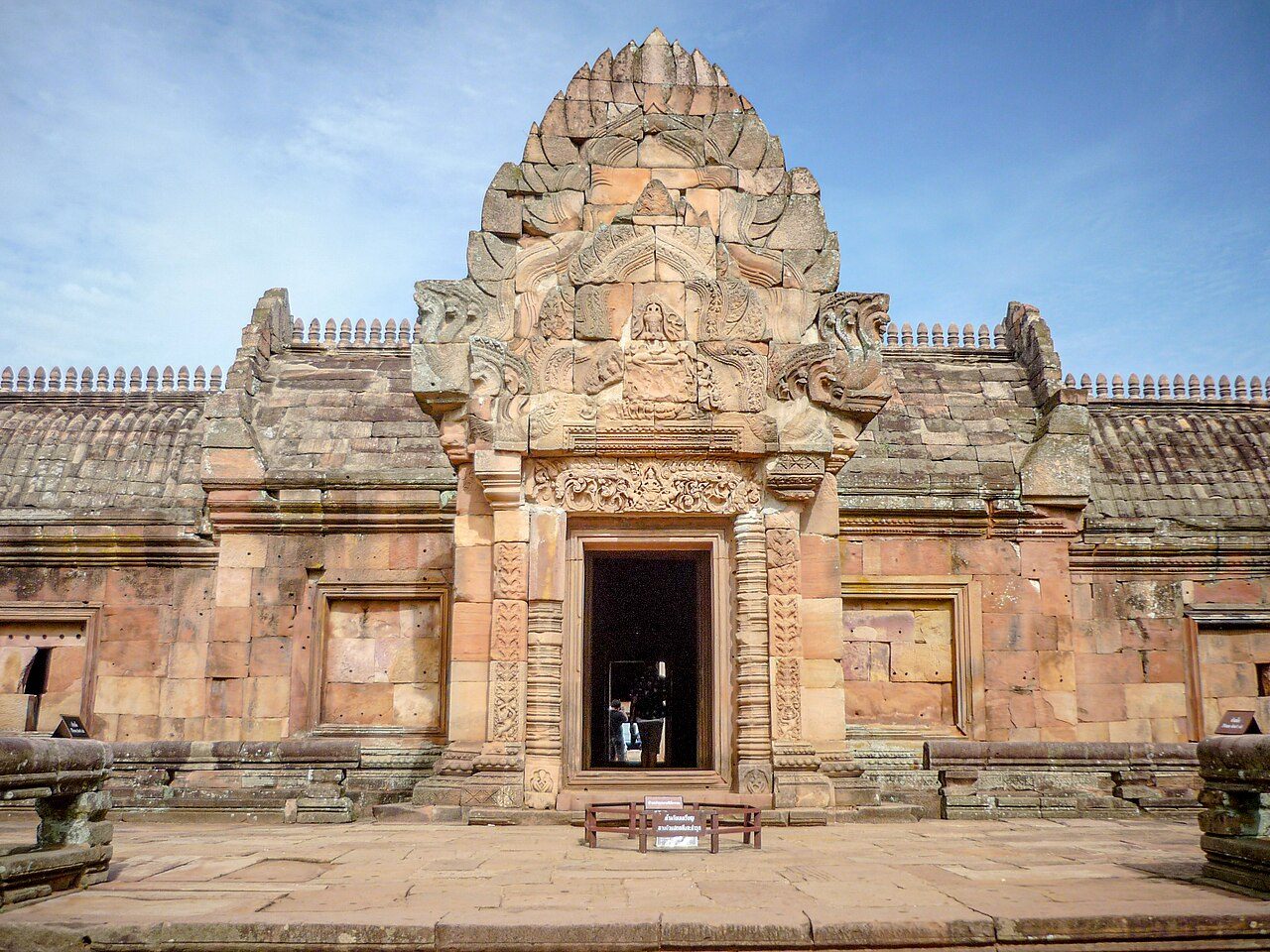
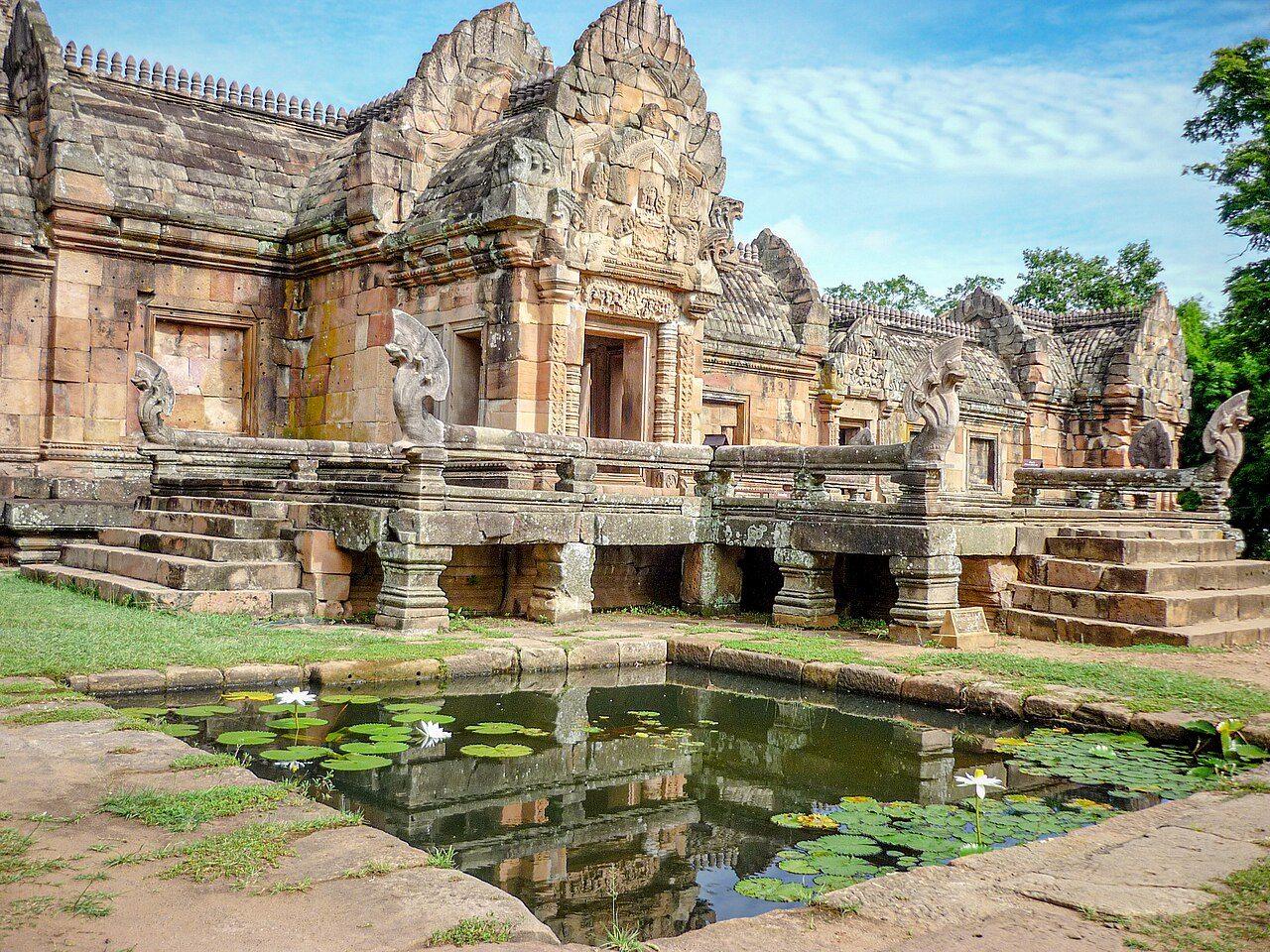
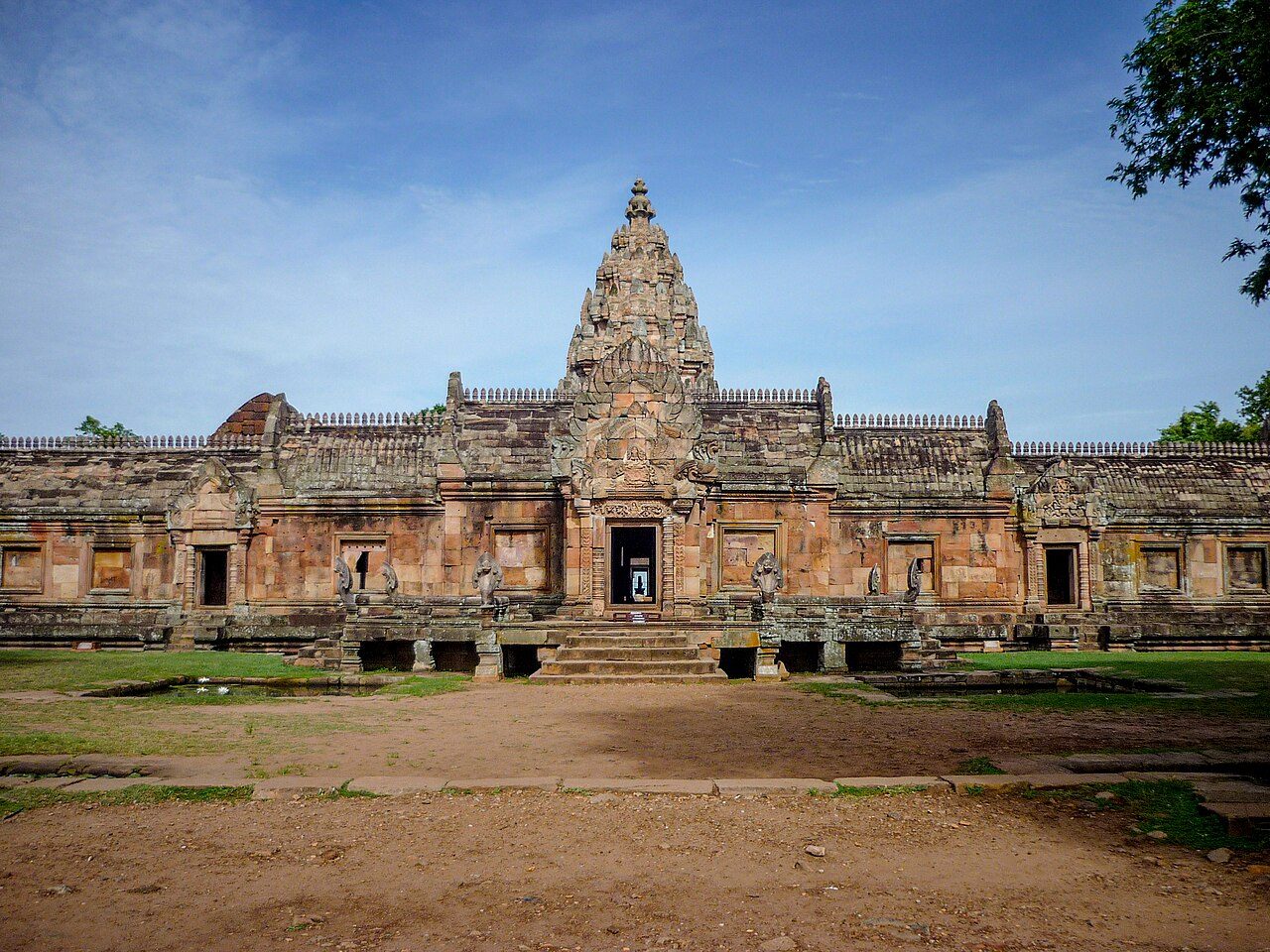
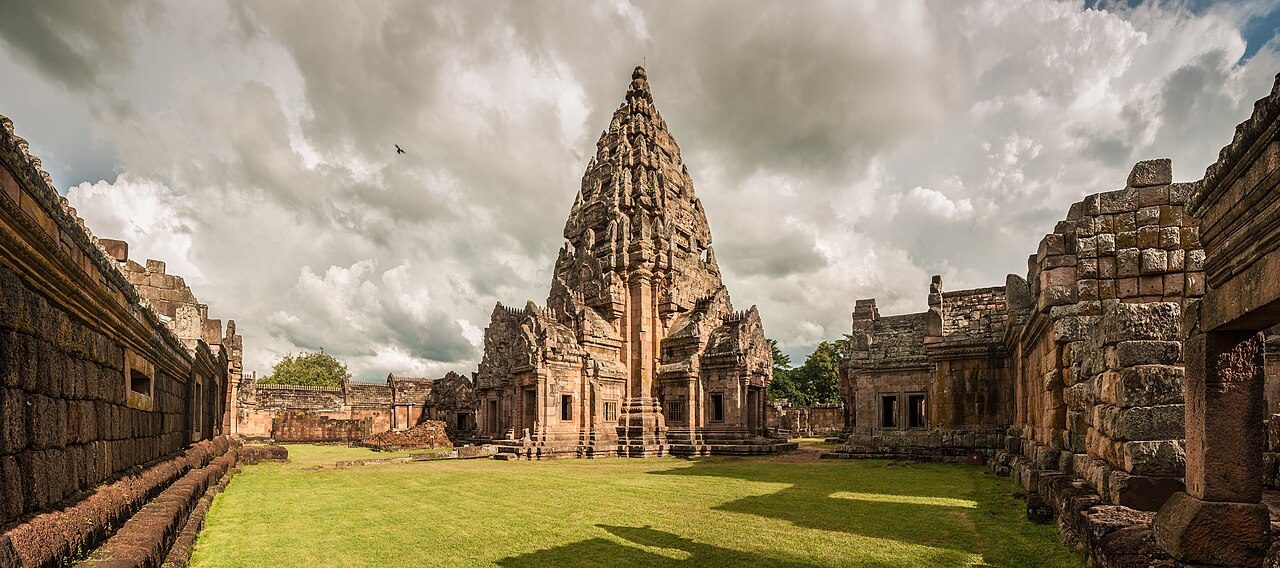
Phanom Rung stands on the rim of an extinct volcano in Buriram province. It is a Khmer Hindu temple built of sandstone and laterite between the 10th and 13th centuries, dedicated to Shiva. A long processional walk lined with lotus-bud posts leads to naga bridges and the main sanctuary. Four times a year the sun shines through all fifteen doorways of the temple.
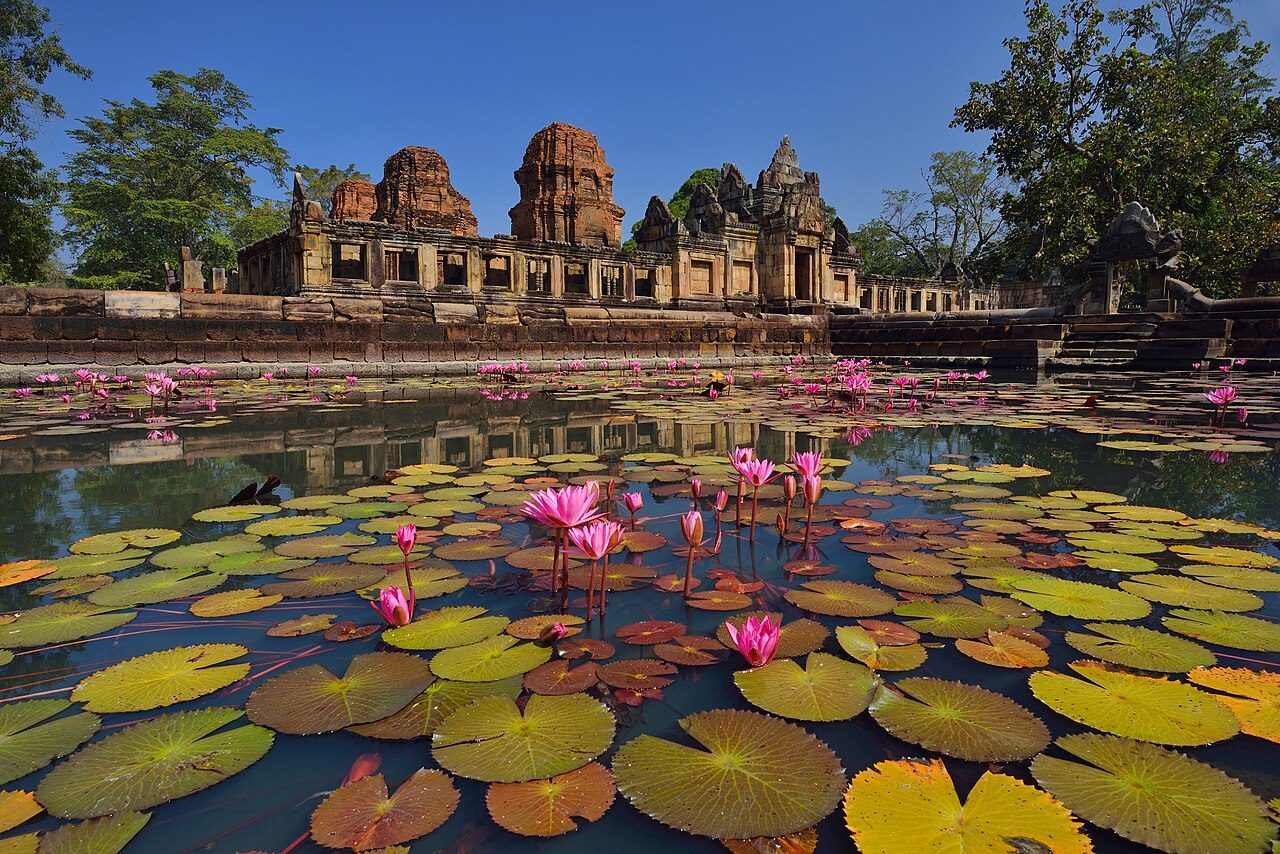
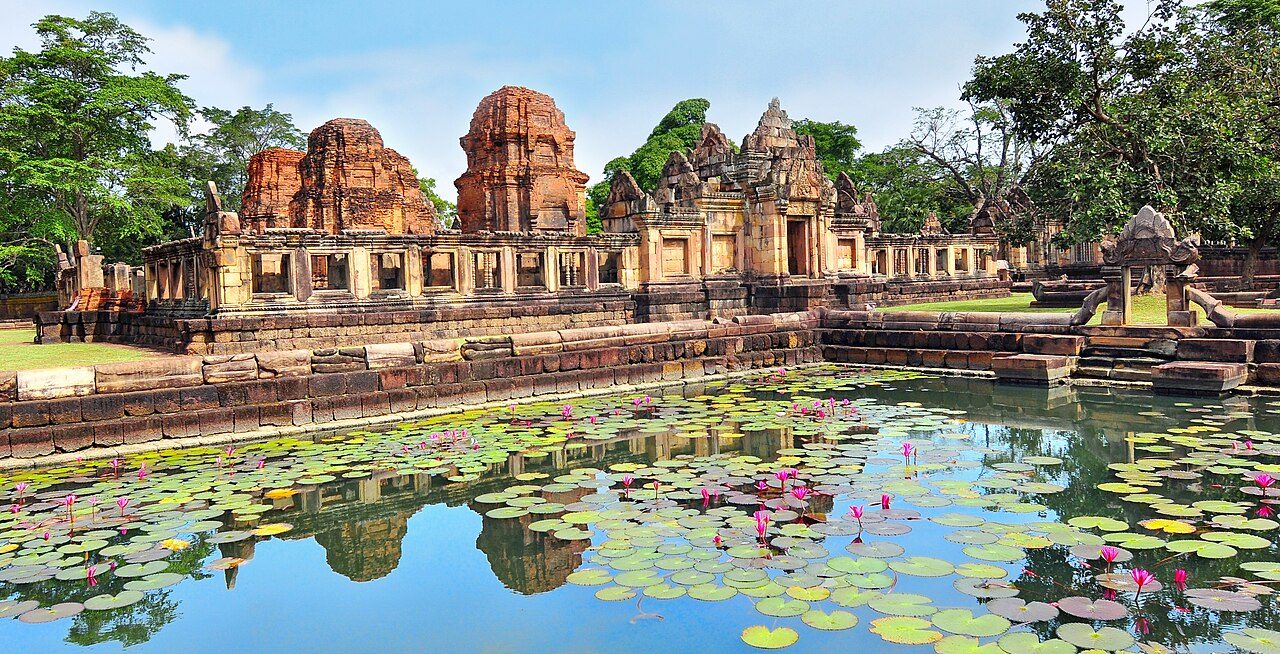
Prasat Mueang Tam is a Khmer temple in Buriram, a few kilometres below Phanom Rung. It was built mainly in the 10th and 11th centuries in honour of Shiva. Five brick towers stand on a platform inside walls, surrounded by four L-shaped ponds lined with naga snakes. The lintels above its doors carry fine carvings of Hindu gods.
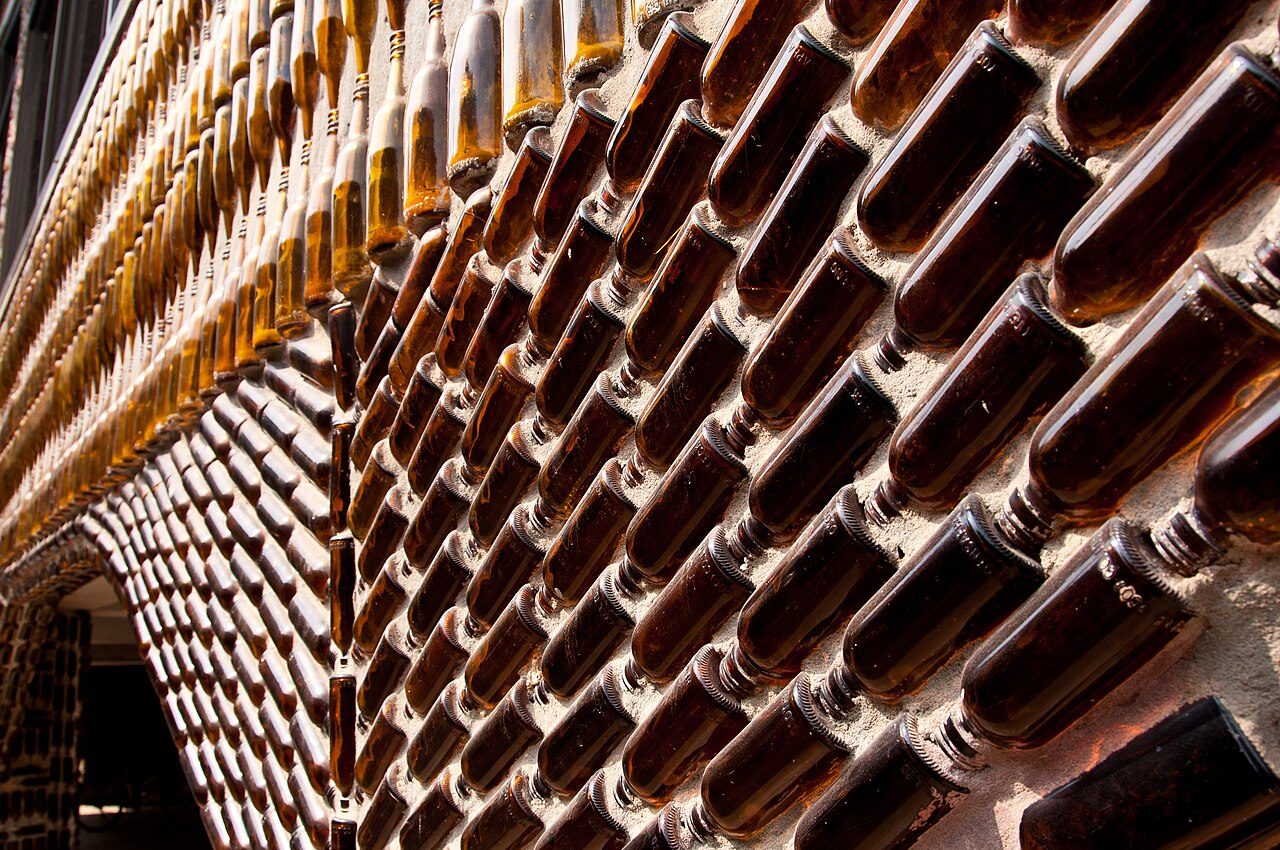
Wat Pa Maha Chedi Kaew, in Khun Han district of Sisaket, is known as the Temple of a Million Bottles. From 1984 the monks began collecting empty glass bottles and set them into the walls and roofs of the temple buildings. Green and brown bottles cover the halls, crematorium and living quarters, while bottle caps form mosaics. The idea has inspired recycling across Thailand.
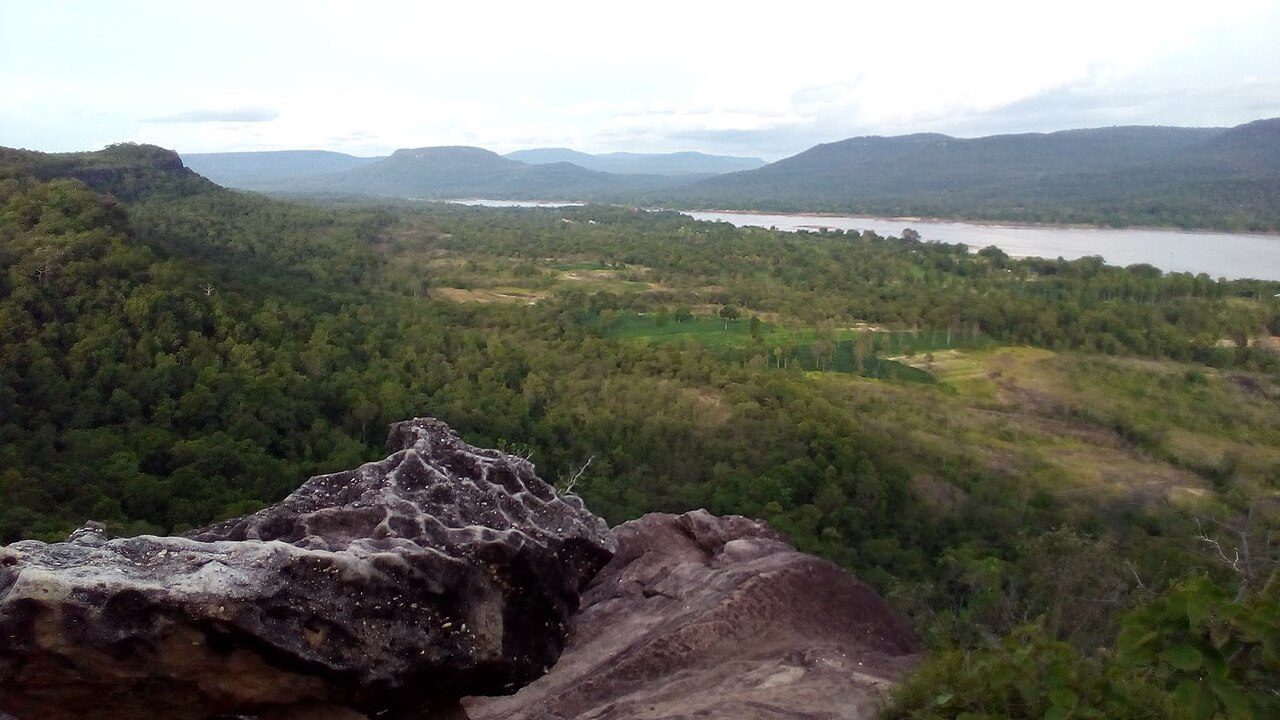
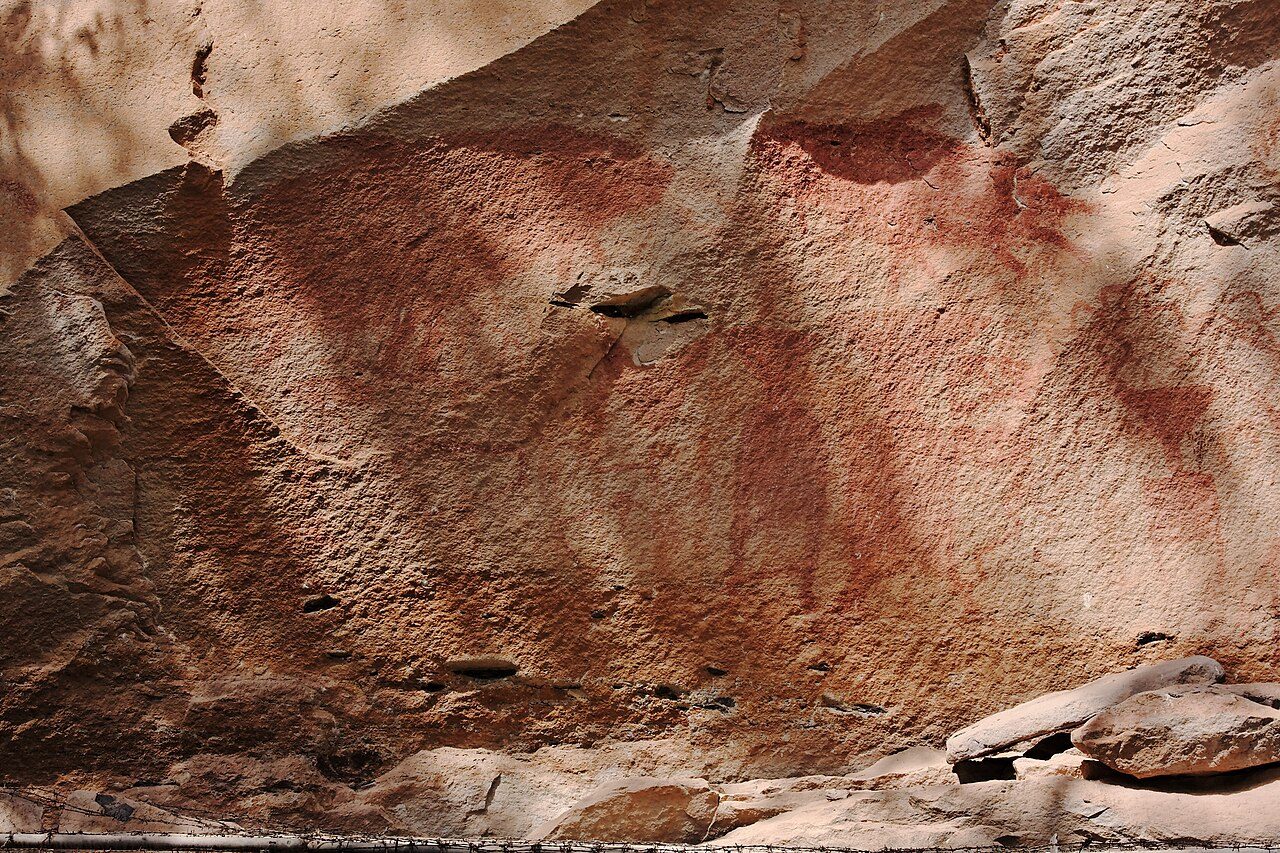
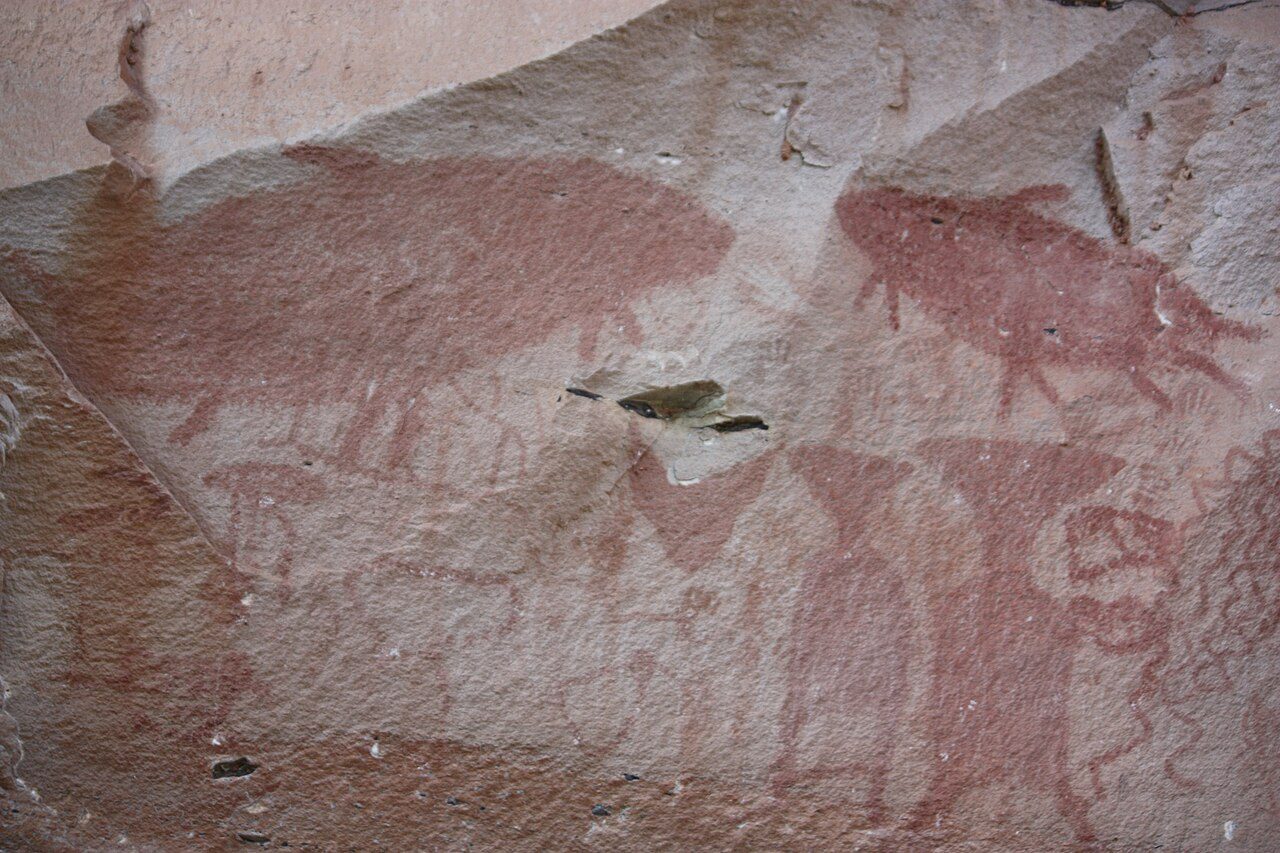
Pha Taem National Park lies along the Mekong River in Ubon Ratchathani, on the eastern edge of Thailand. It is known for its tall cliffs, where prehistoric people painted fish, elephants, hands and human figures around 3,000 years ago. A path along the cliff passes the paintings. The viewpoint is among the first places in Thailand to see the sunrise.
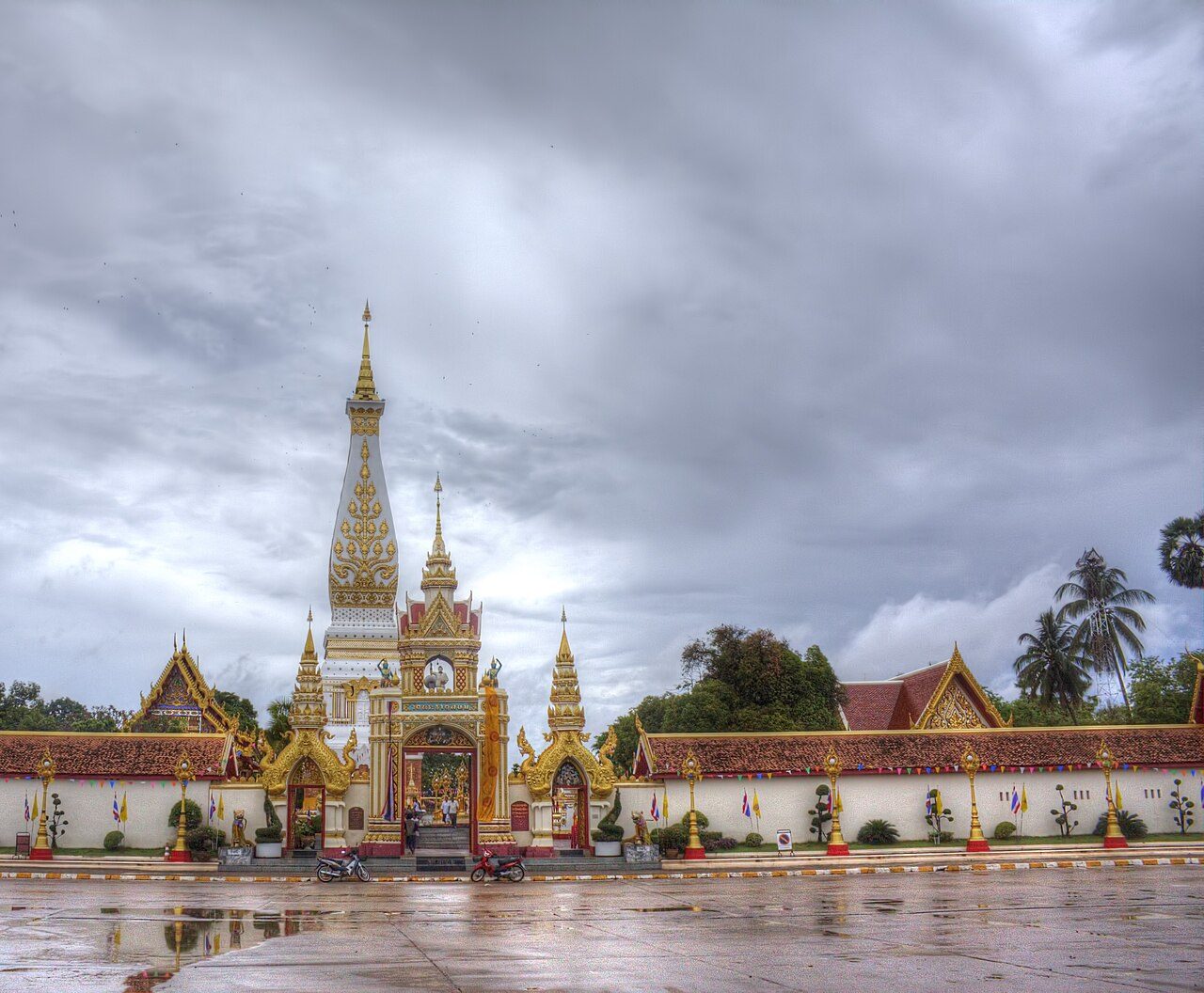
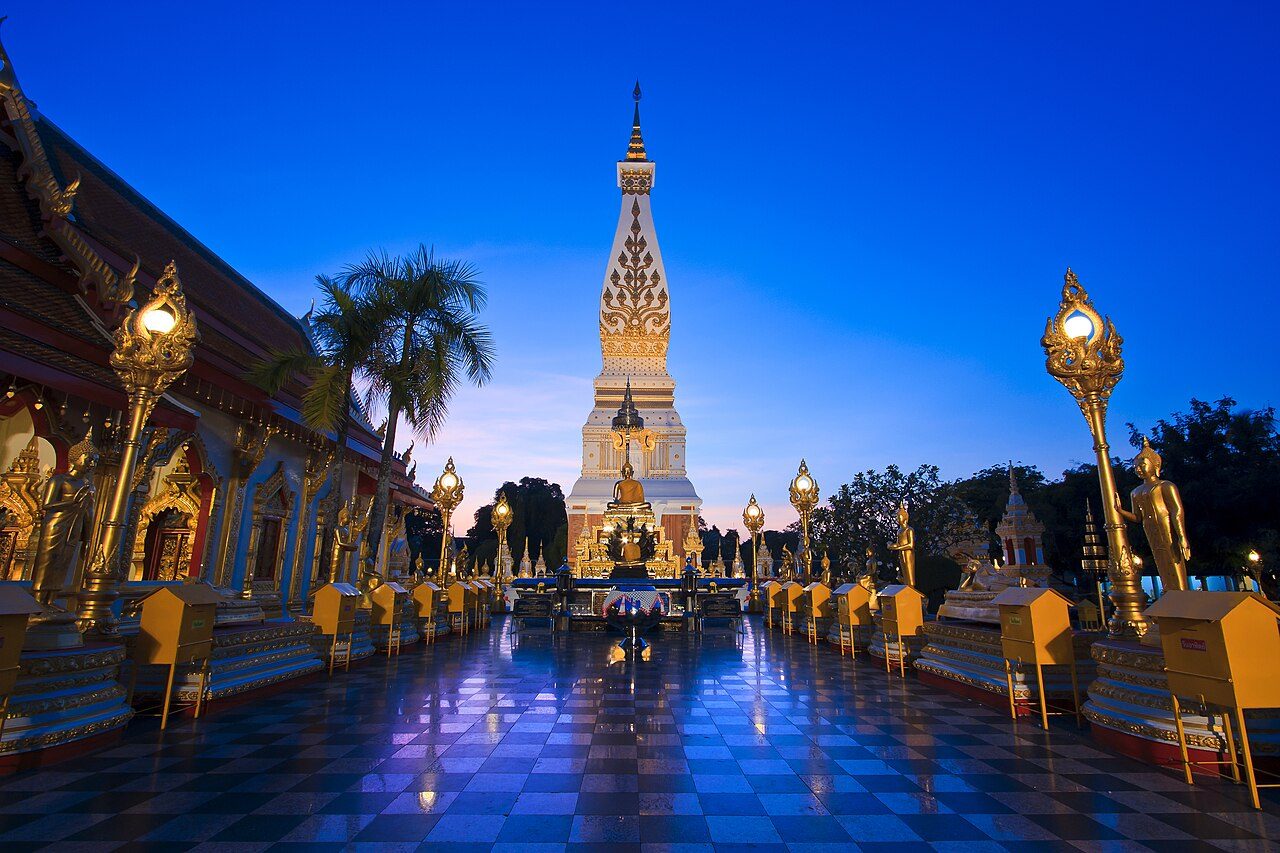
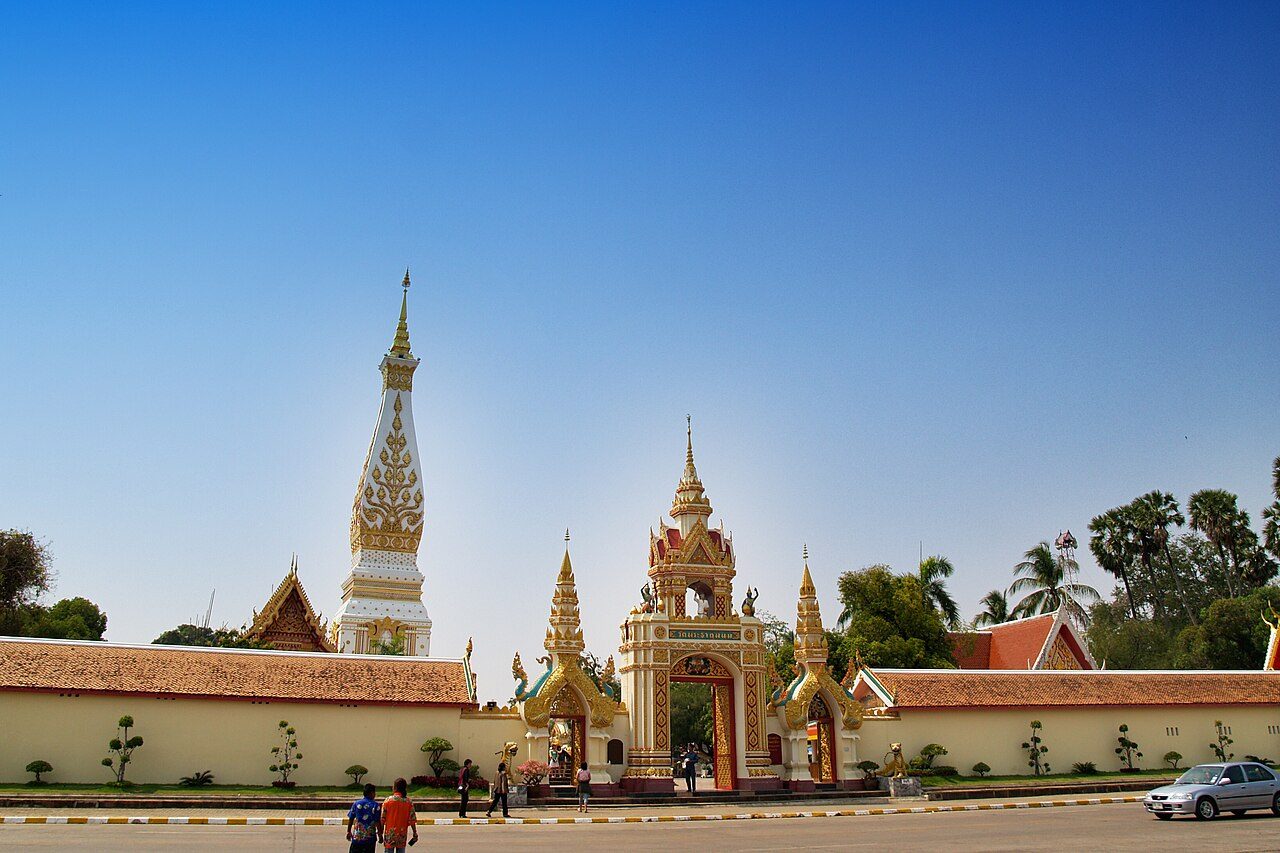
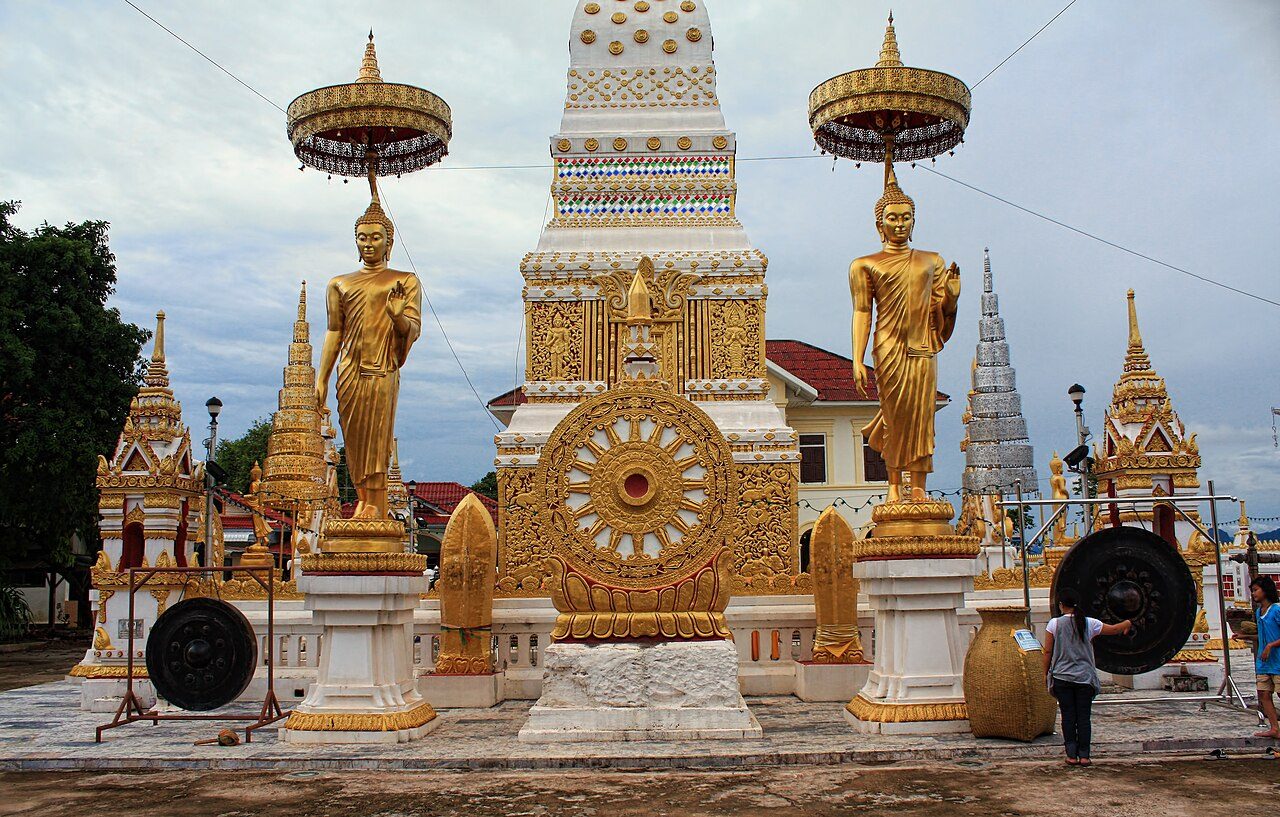
Wat Phra That Phanom stands near the Mekong River in the town of That Phanom, Nakhon Phanom province. Its white and gold chedi, about 53 metres high, is one of the most revered in northeastern Thailand and in Laos. The chedi collapsed after heavy rain in 1975 and was rebuilt in 1979. A large festival is held here each year in February.
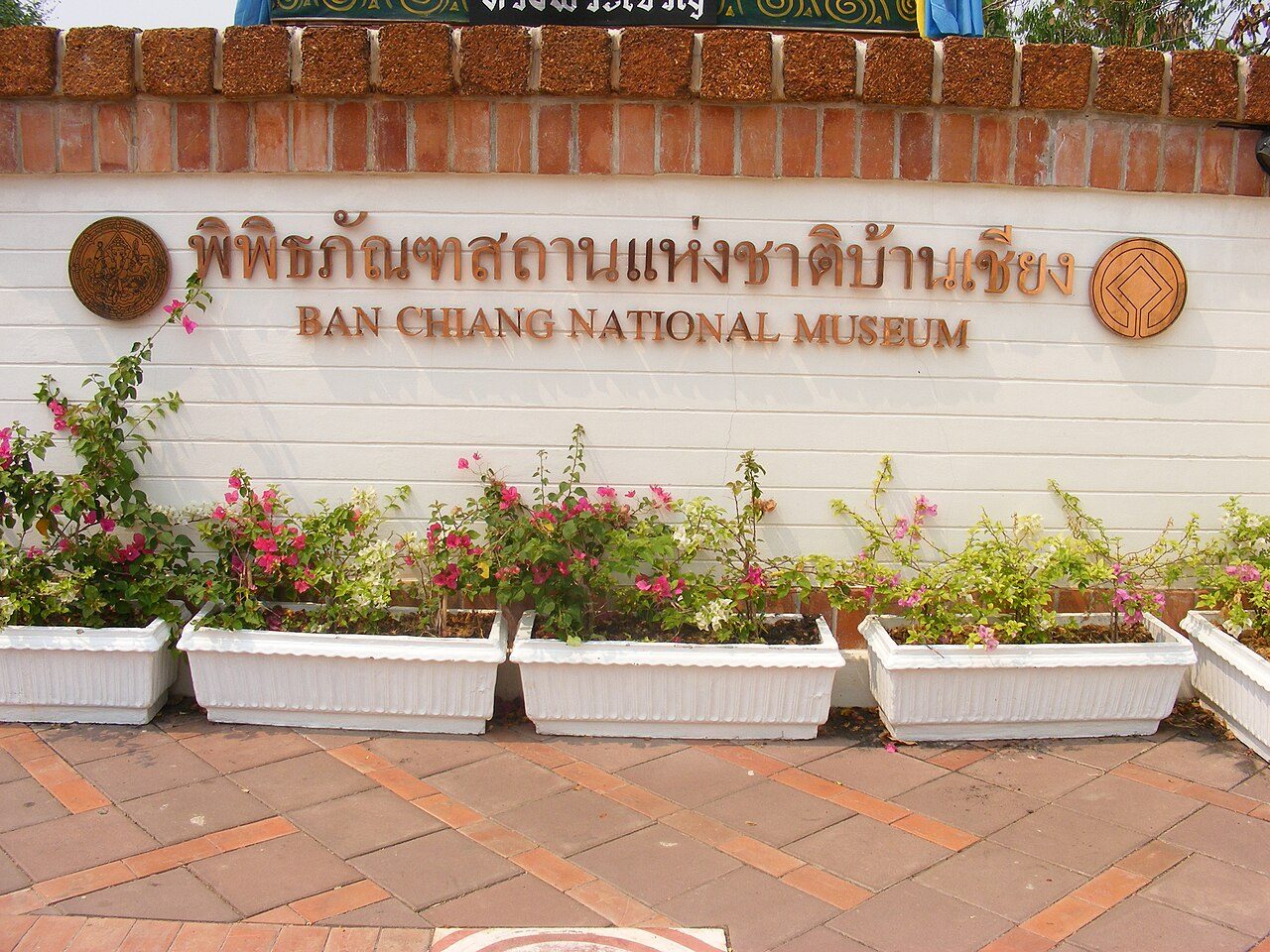
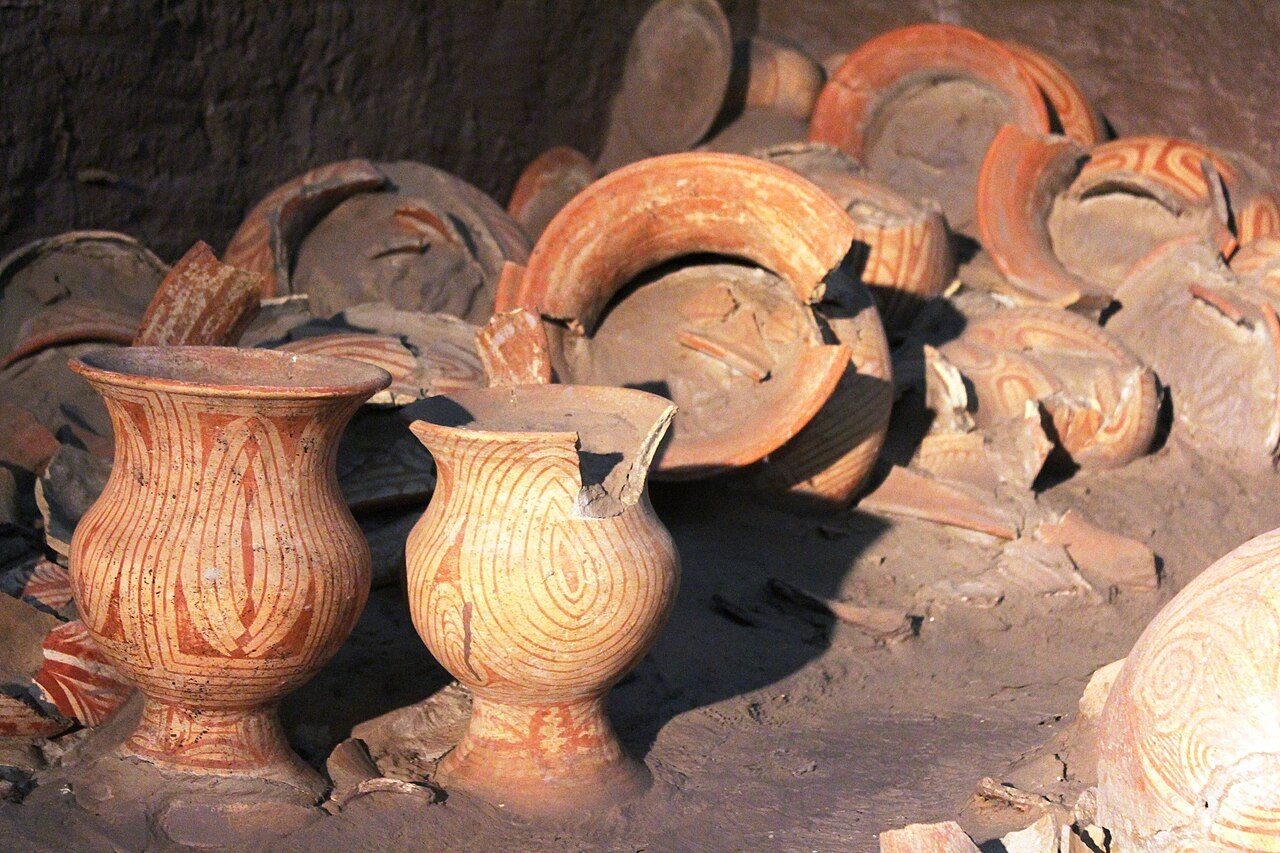
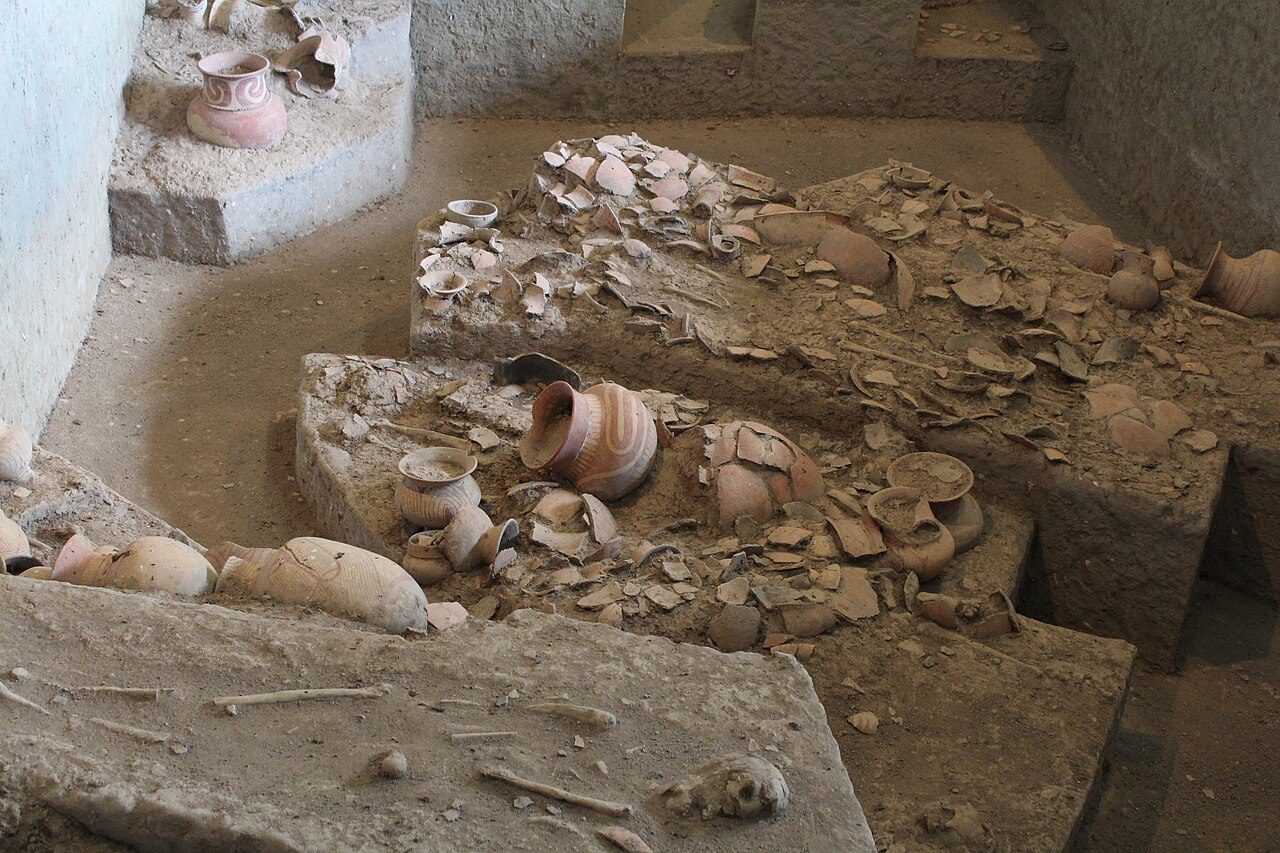
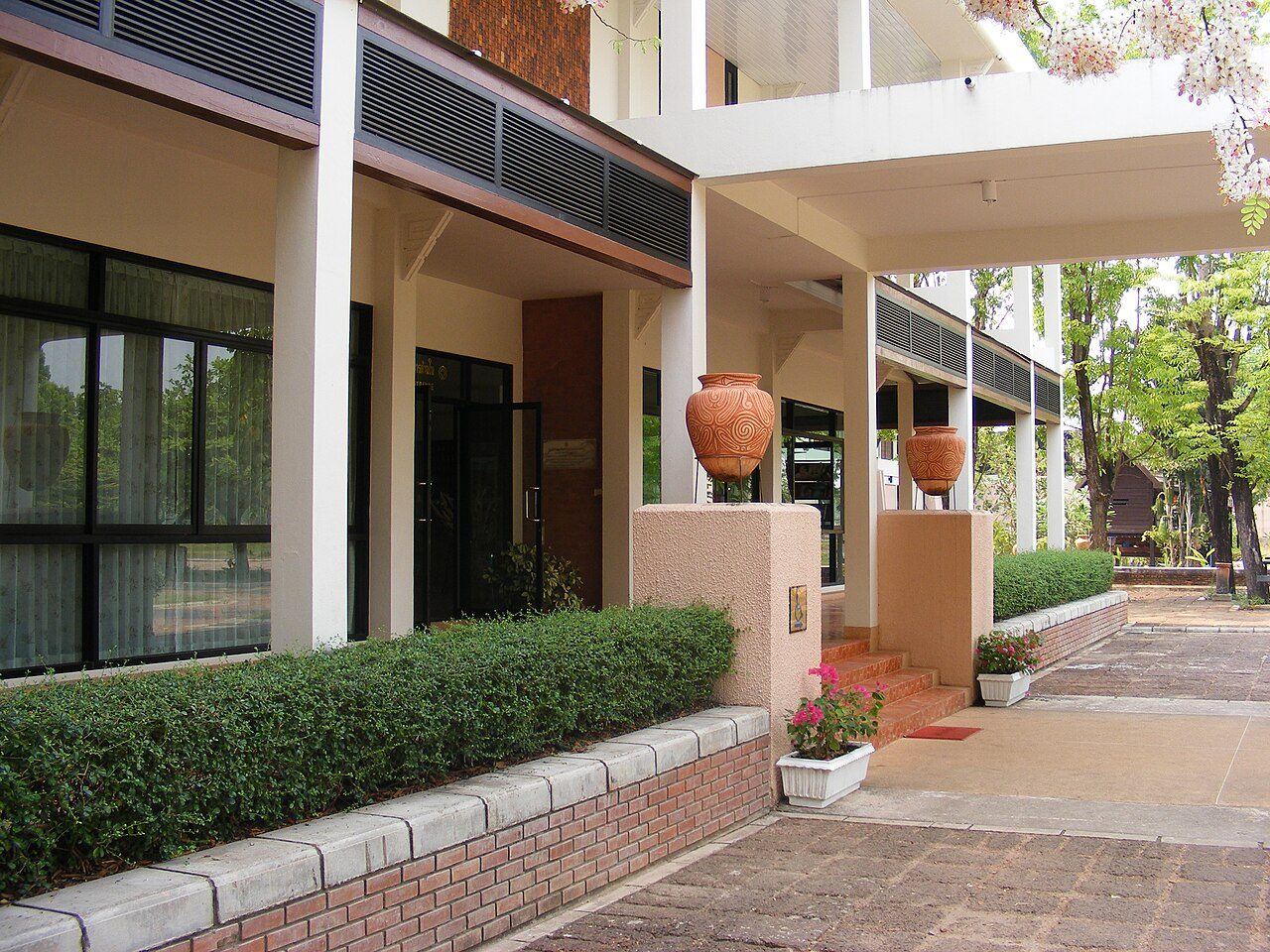
Ban Chiang is a village in Udon Thani where archaeologists found a large prehistoric burial site. The finds include painted pottery with swirling red designs, bronze tools and jewellery dating back to around 2000 BC. They changed ideas about the early Bronze Age in Southeast Asia. The site has been a UNESCO World Heritage Site since 1992, with a museum and an open excavation pit.
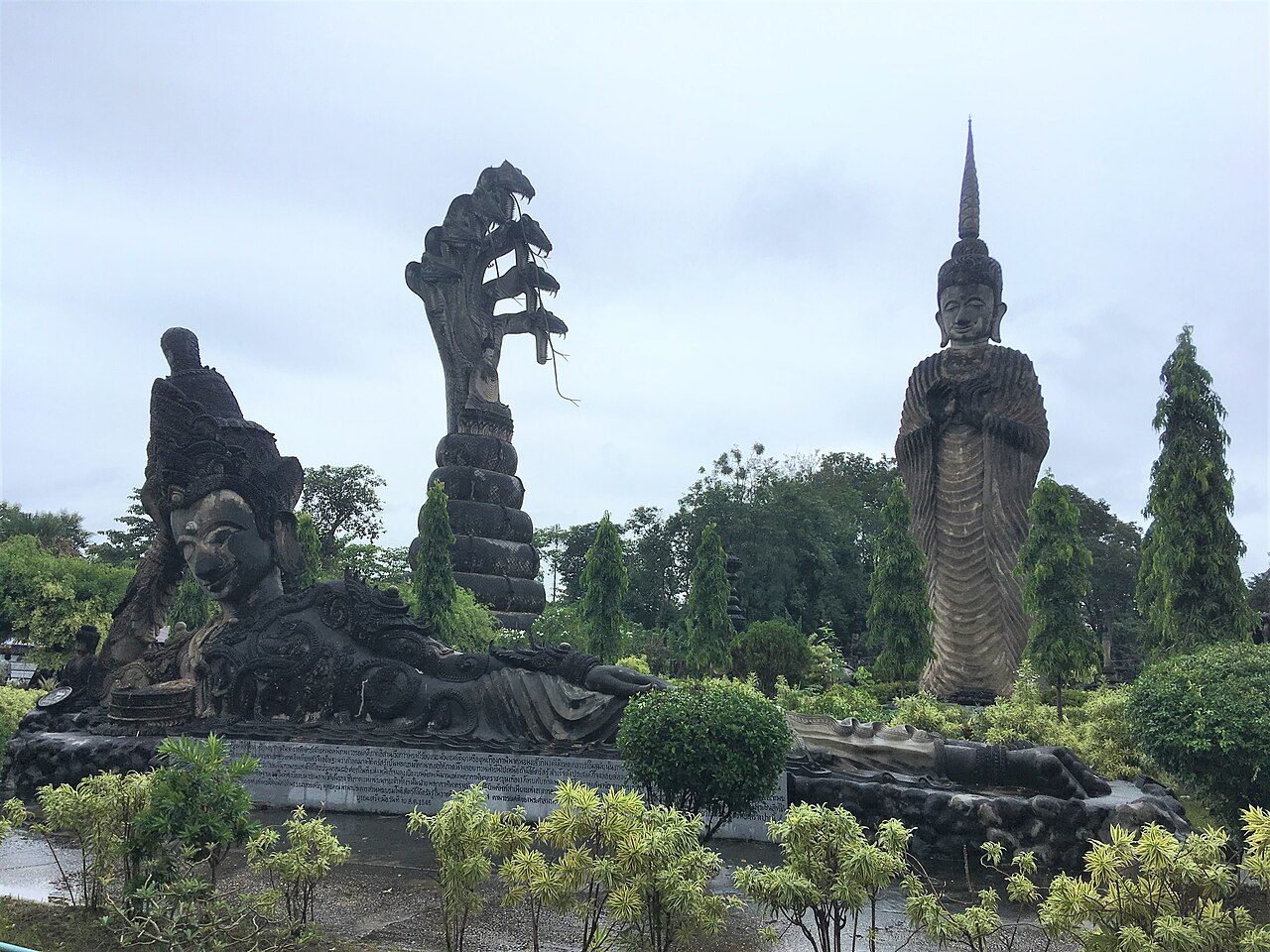
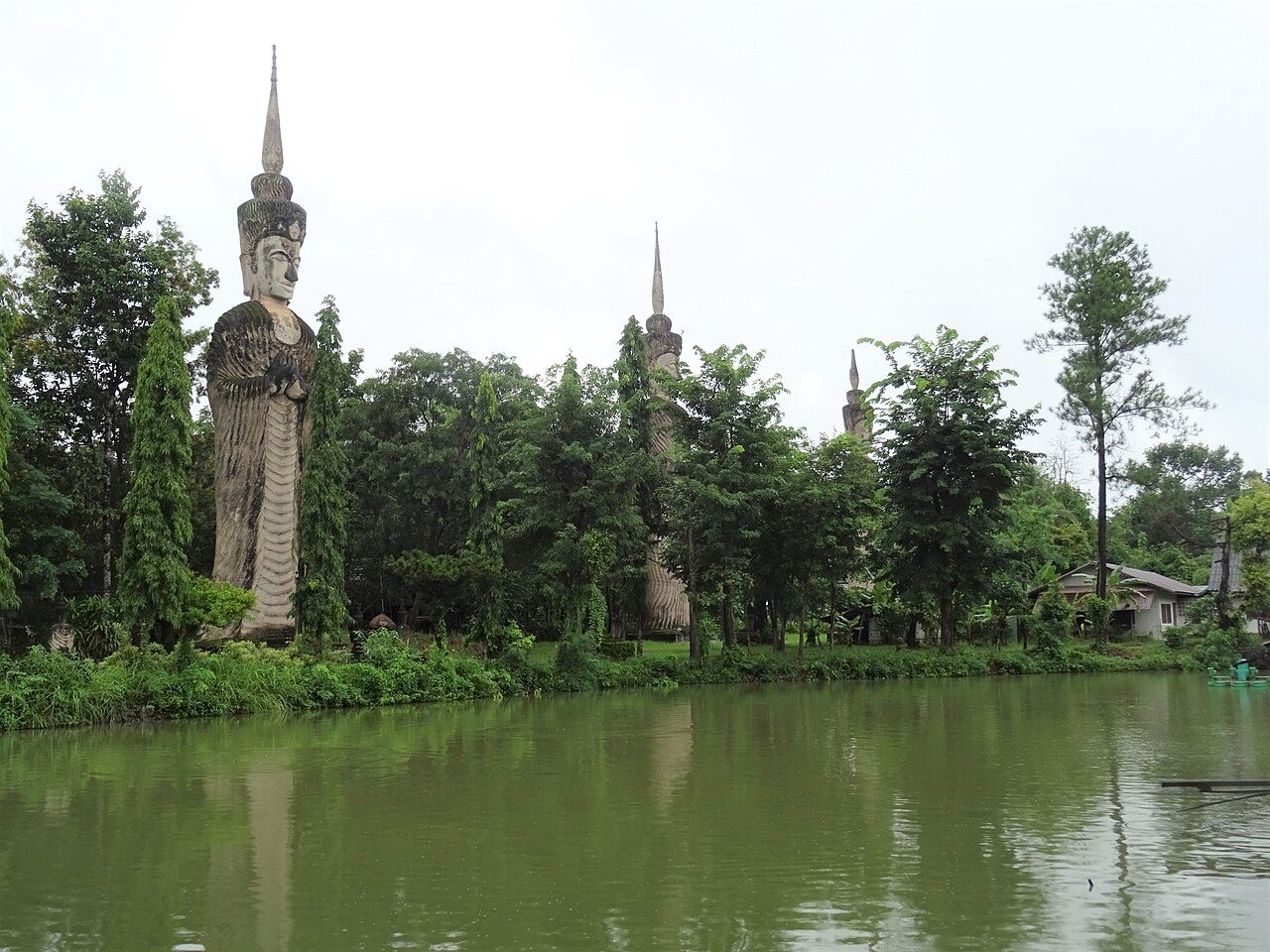
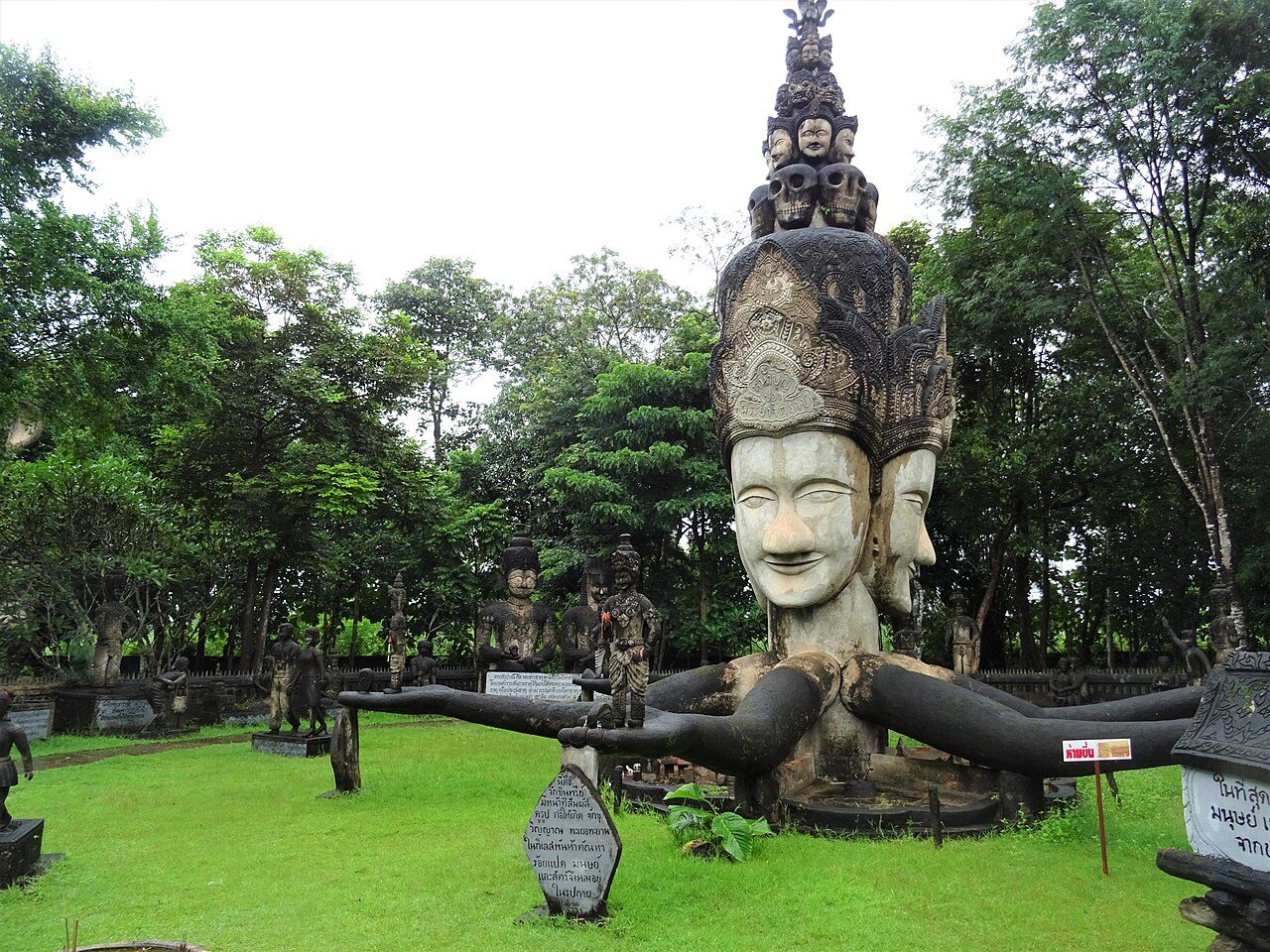
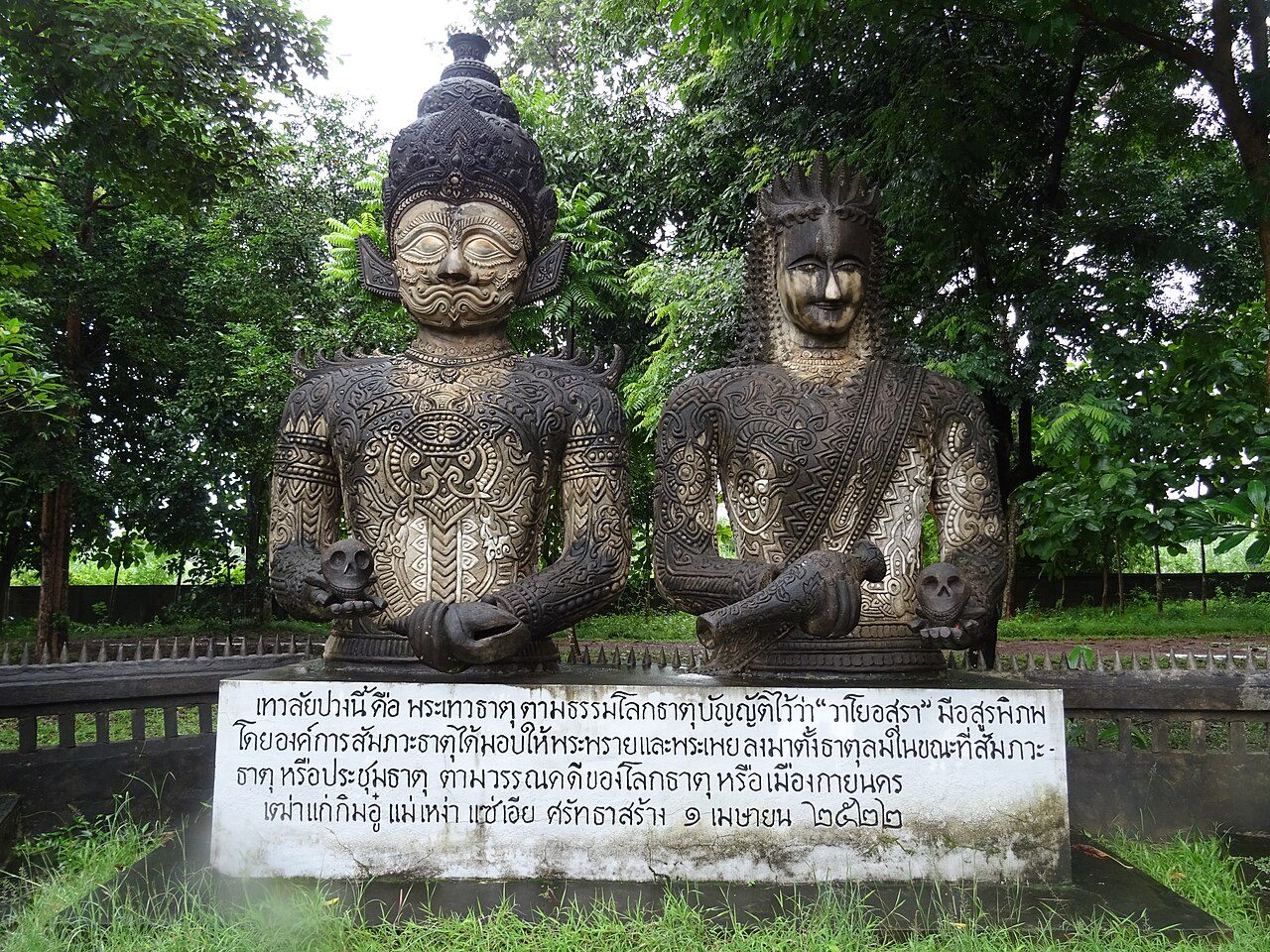
Sala Keoku is a sculpture park near the Mekong River in Nong Khai. It was created from 1978 by the mystic Bunleua Sulilat, who earlier built a similar park in Laos. Dozens of huge concrete statues of gods, Buddhas, naga serpents and demons stand among the trees, some over 20 metres high. Bunleua's preserved body is kept in the main building.
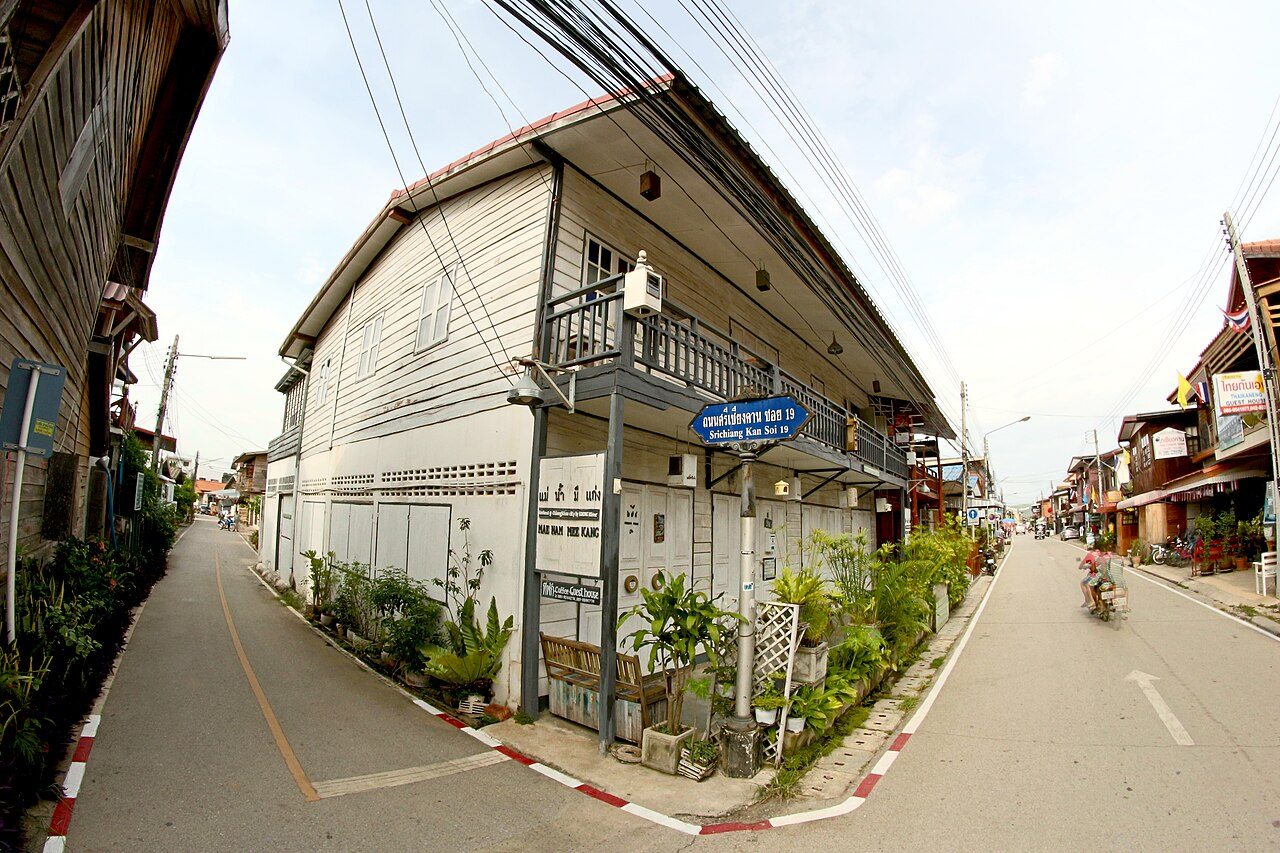
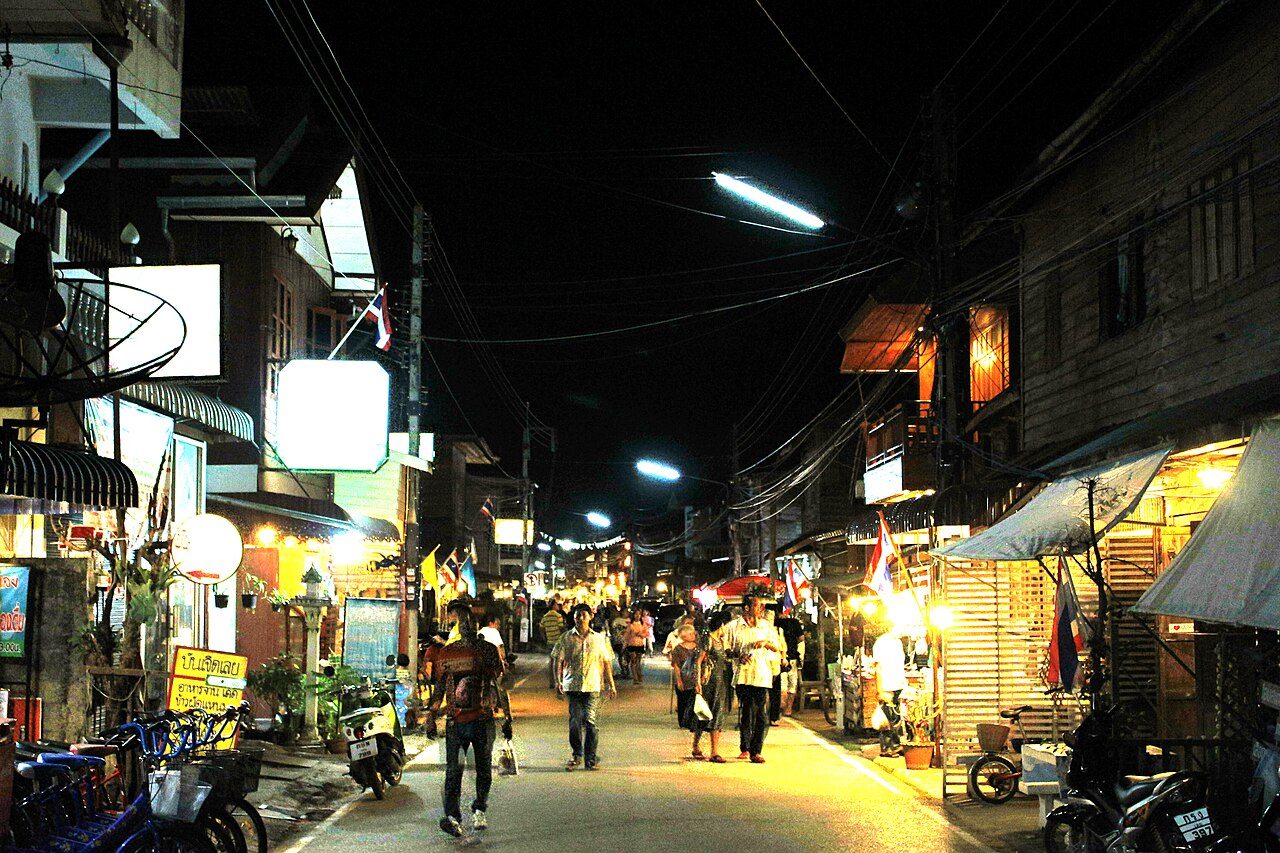
Chiang Khan is a small town on the Mekong River in Loei, facing Laos across the water. Its main streets are lined with old wooden shophouses, many now guesthouses and cafes. In the early morning, monks walk the streets collecting alms. Visitors come to enjoy the slow pace, the riverside walk and the sunrise over the mist at Phu Thok hill.
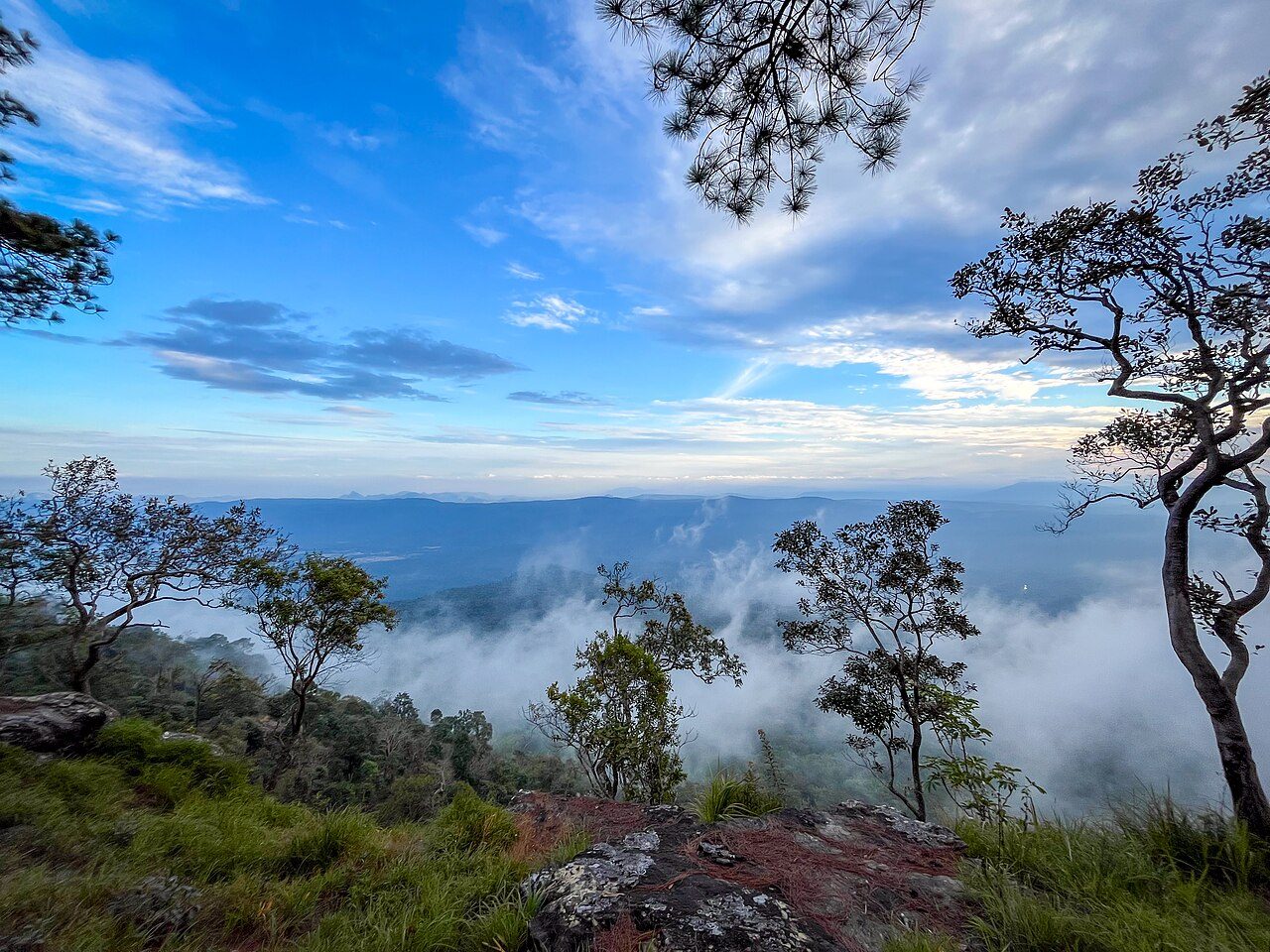
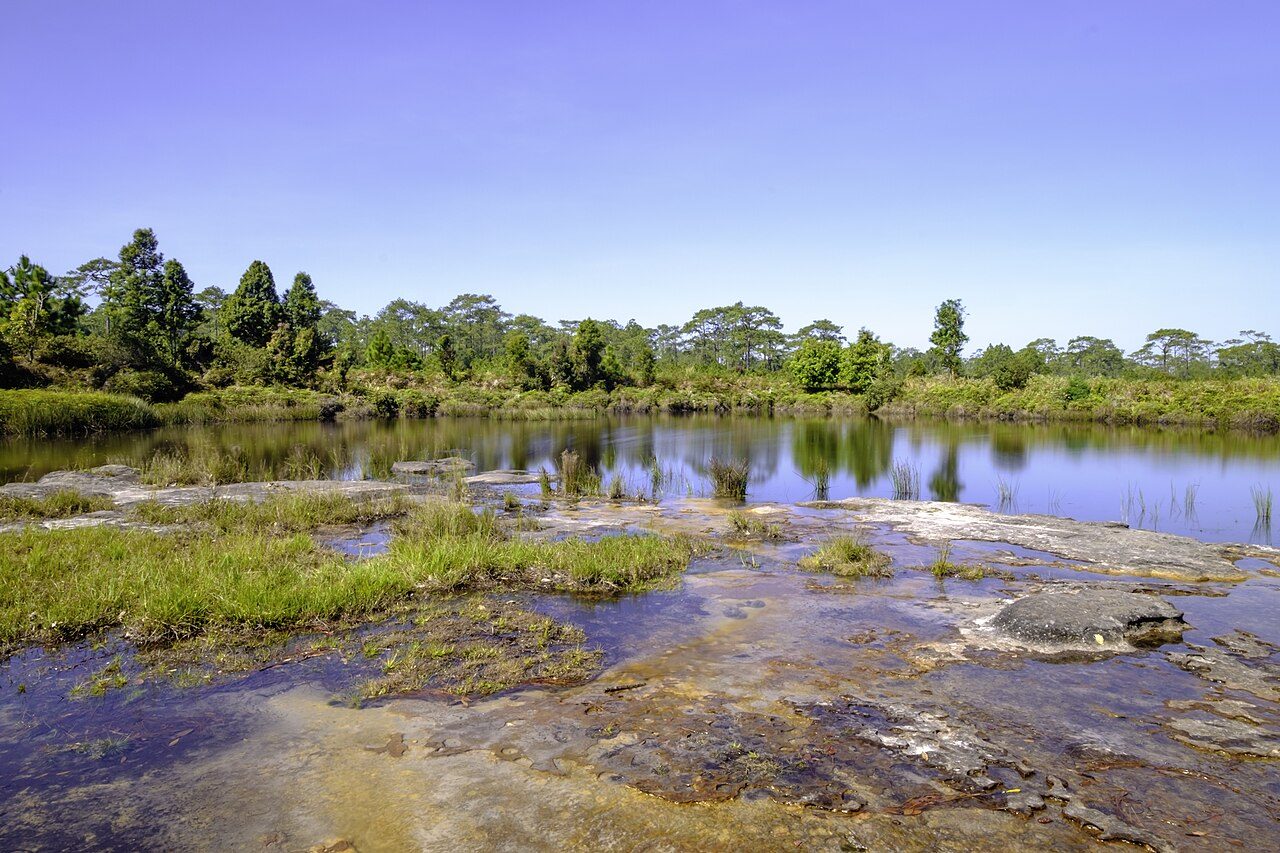
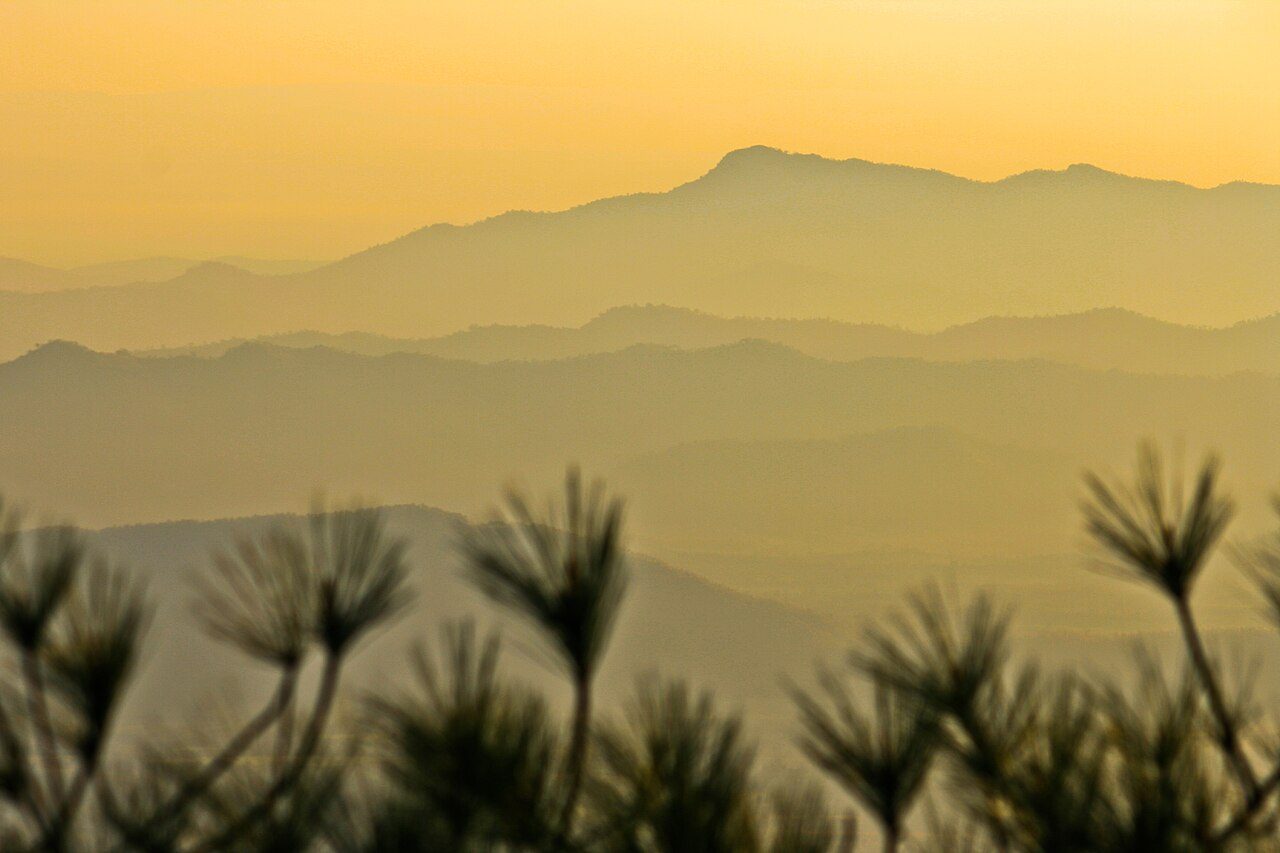
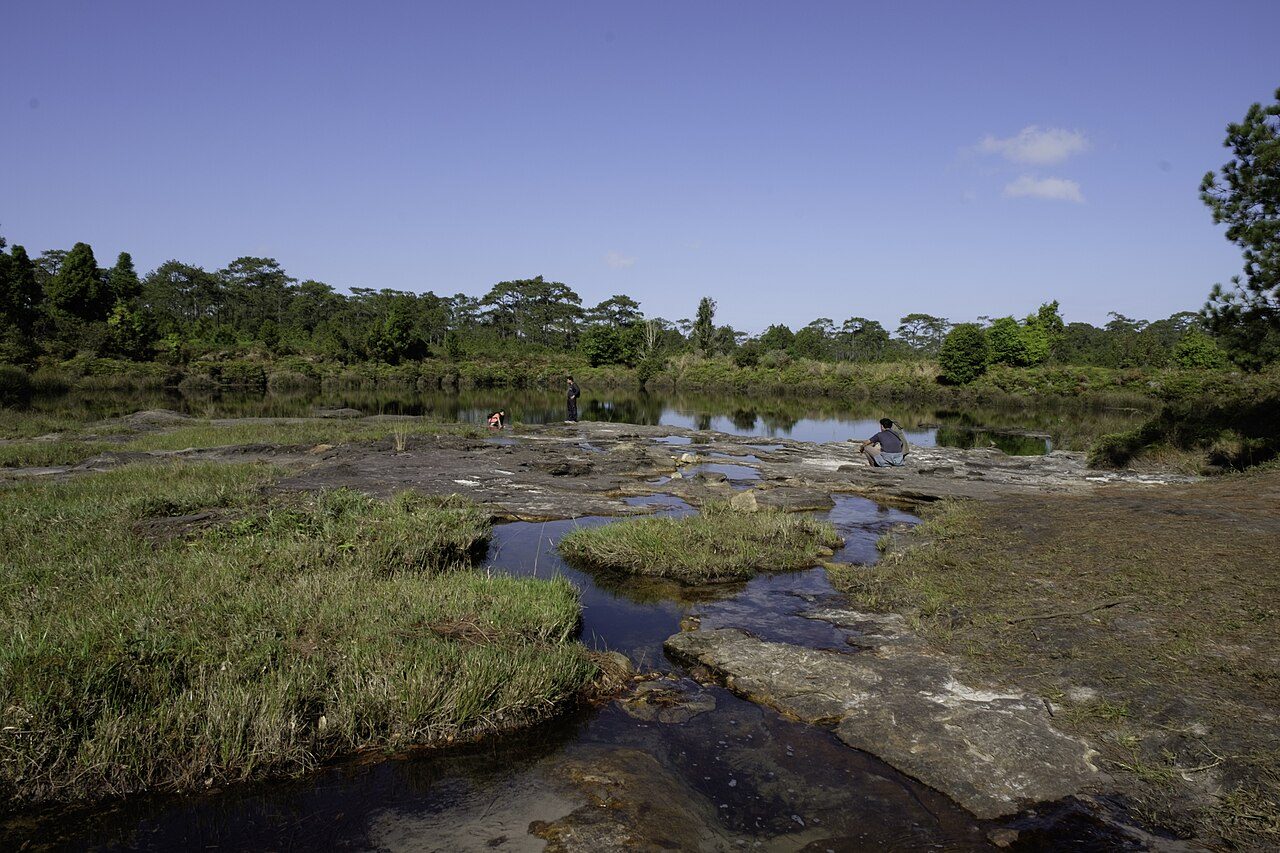
Phu Kradueng is a flat-topped sandstone mountain in Loei province, rising to about 1,300 metres. It became a national park in 1962. A steep trail of about five and a half kilometres climbs to the plateau, a wide area of pine forest, grassland and streams. Visitors camp on top to see waterfalls, red maple leaves in the cool season and sunrise from the cliff edges.
Best weather: Oct – Feb
Seasons from 20 years of NASA POWER climate data.
Was this trip blog helpful?
0
0
Ready to follow this route?
Copy all 11 stops into your trip plans in the app.
 WaTrips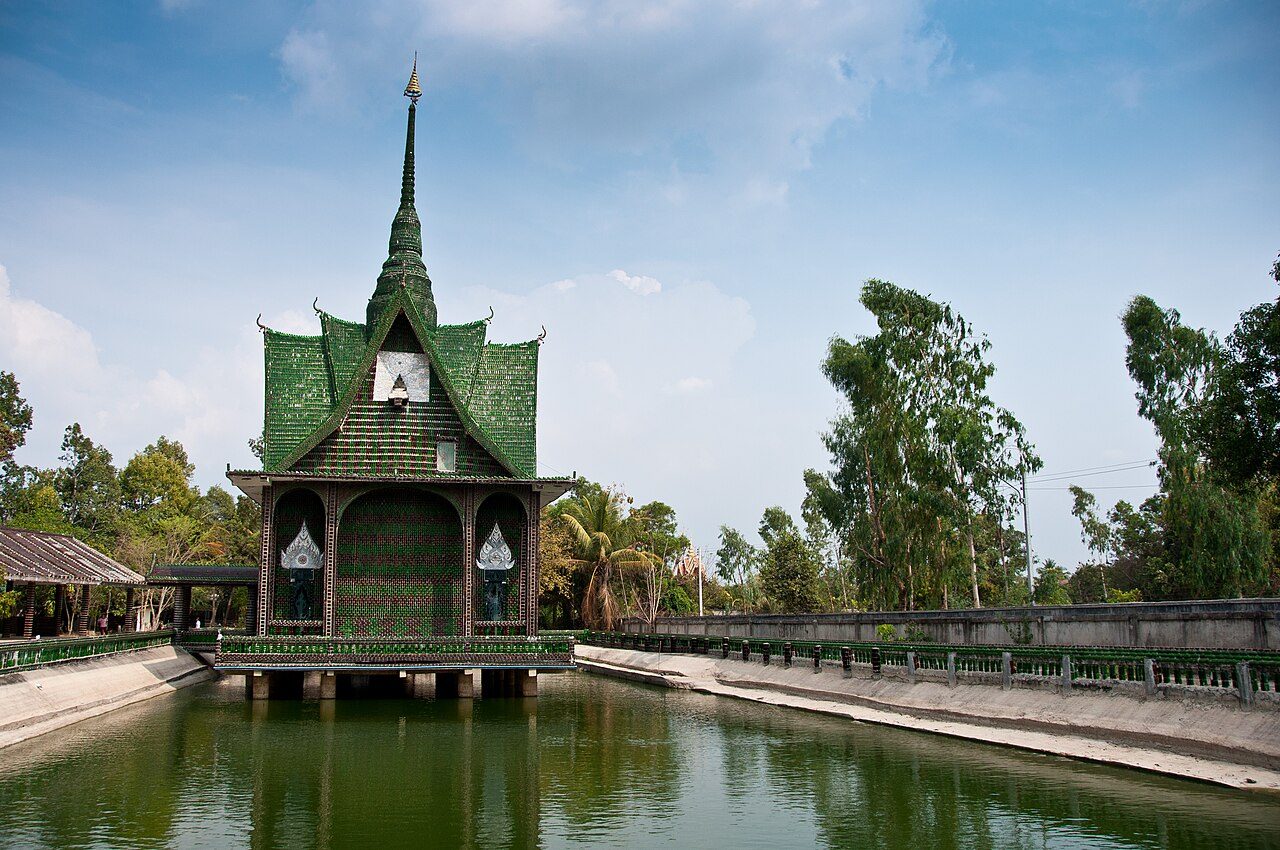



 BikesBooking
 Localrent
 Airalo
 Tiqets