Vizag and Araku Valley in 4 Days: Beaches, Caves and Coffee Hills
4 DAYS10 placesby WaTrips
Vizag's submarine museum, beaches and Kailasagiri, Simhachalam temple, Borra Caves and Araku Valley, misty Lambasingi and the Bojjannakonda caves.
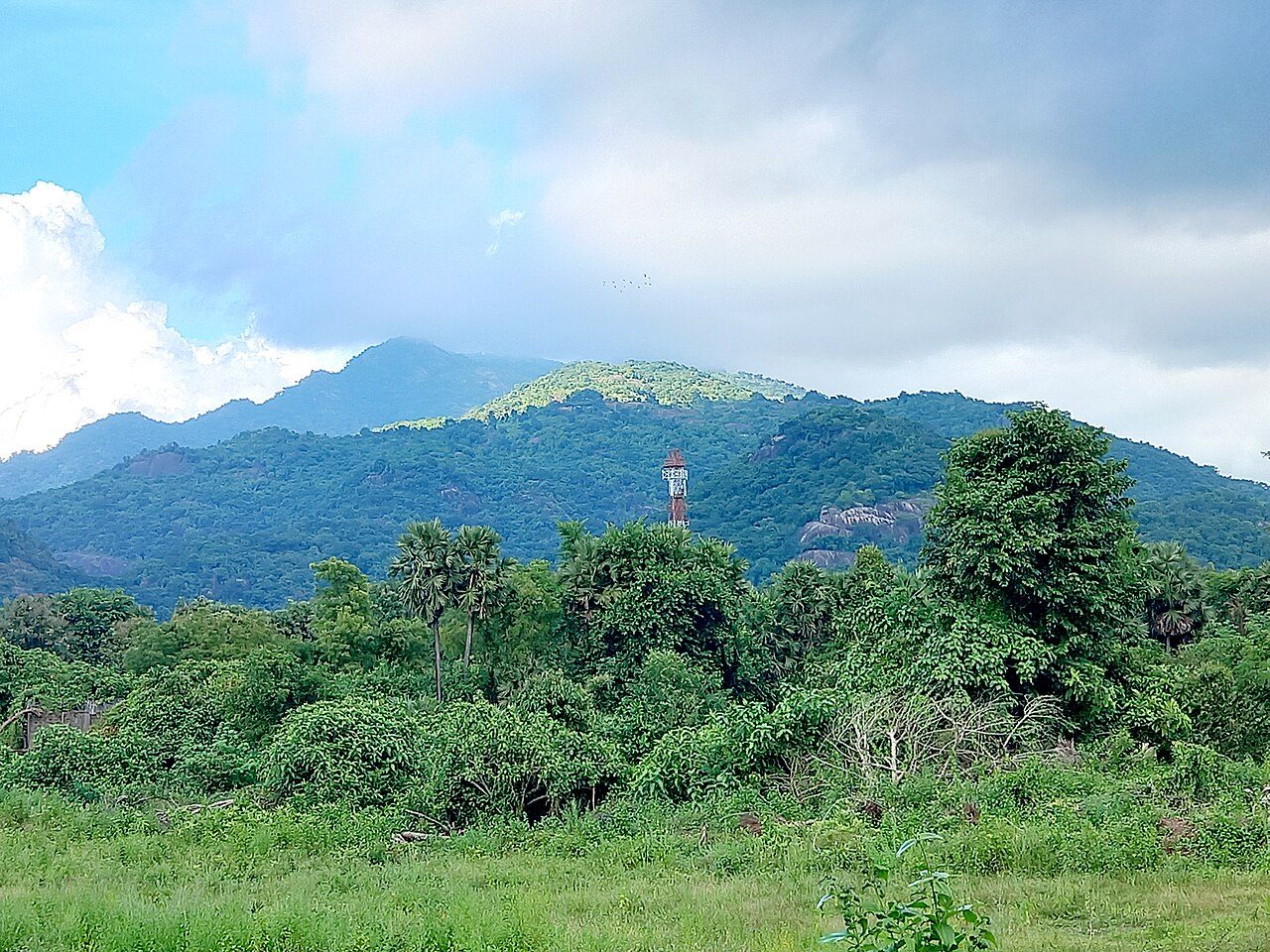
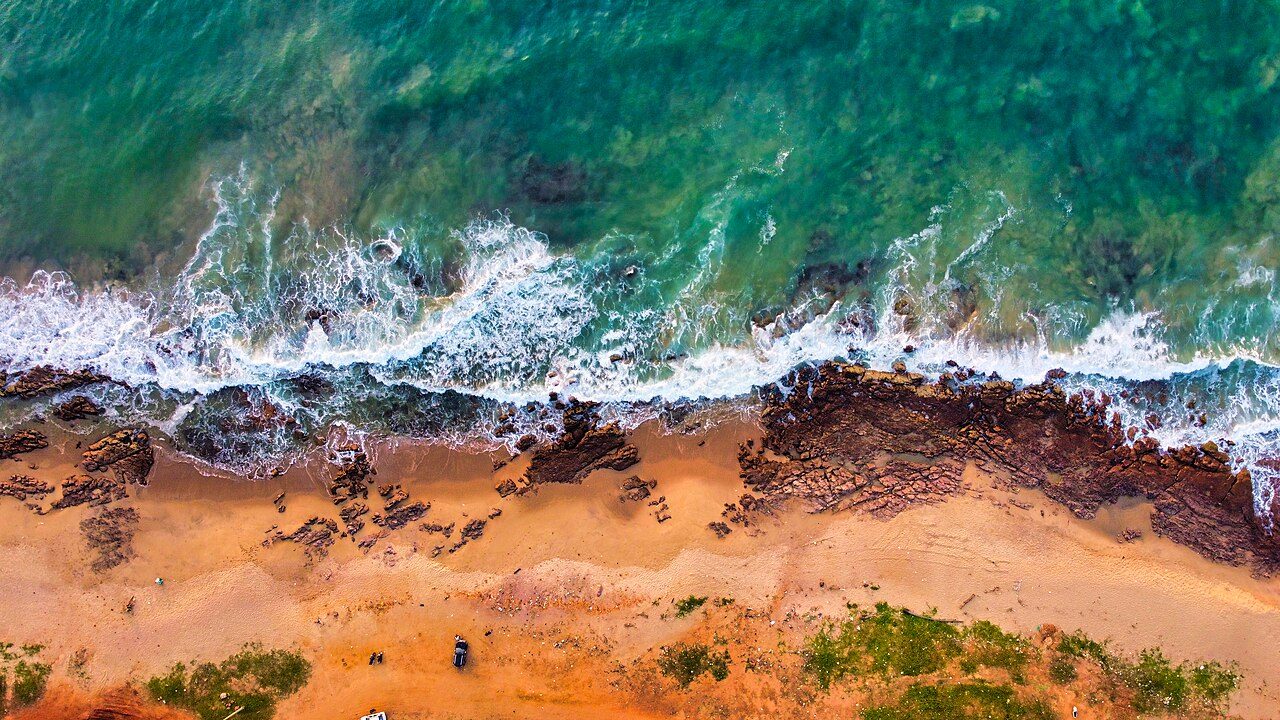
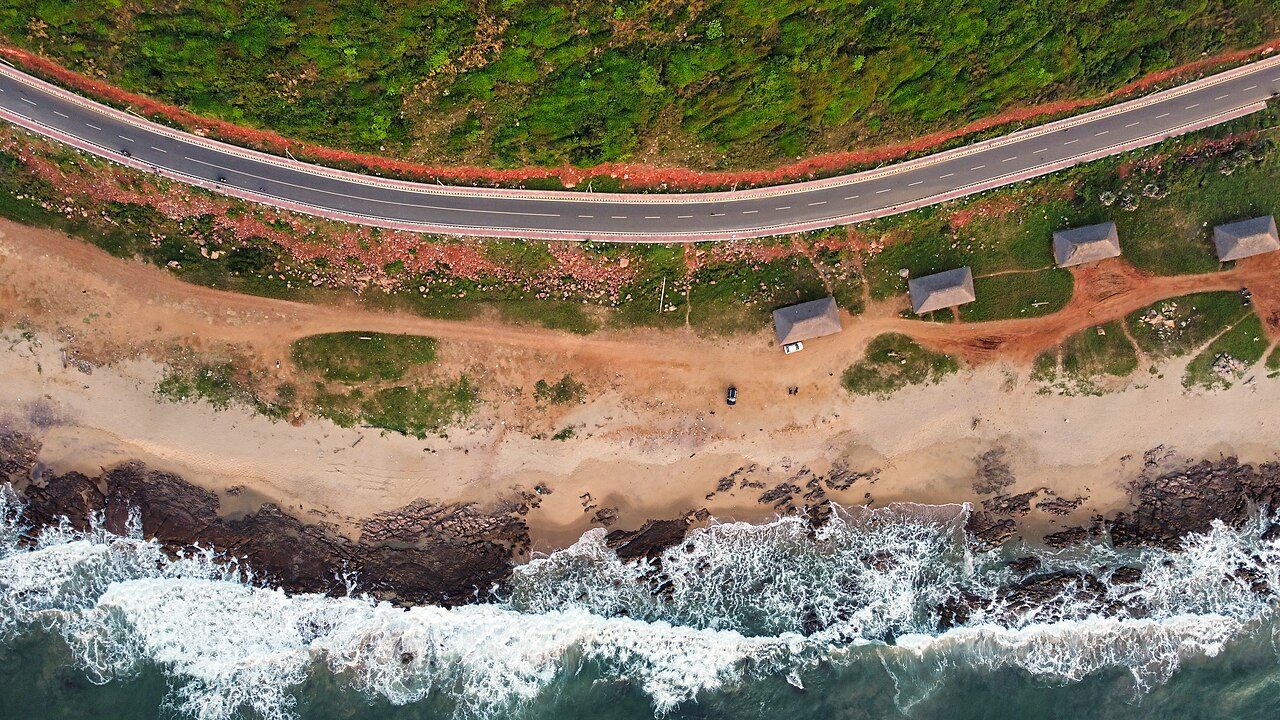
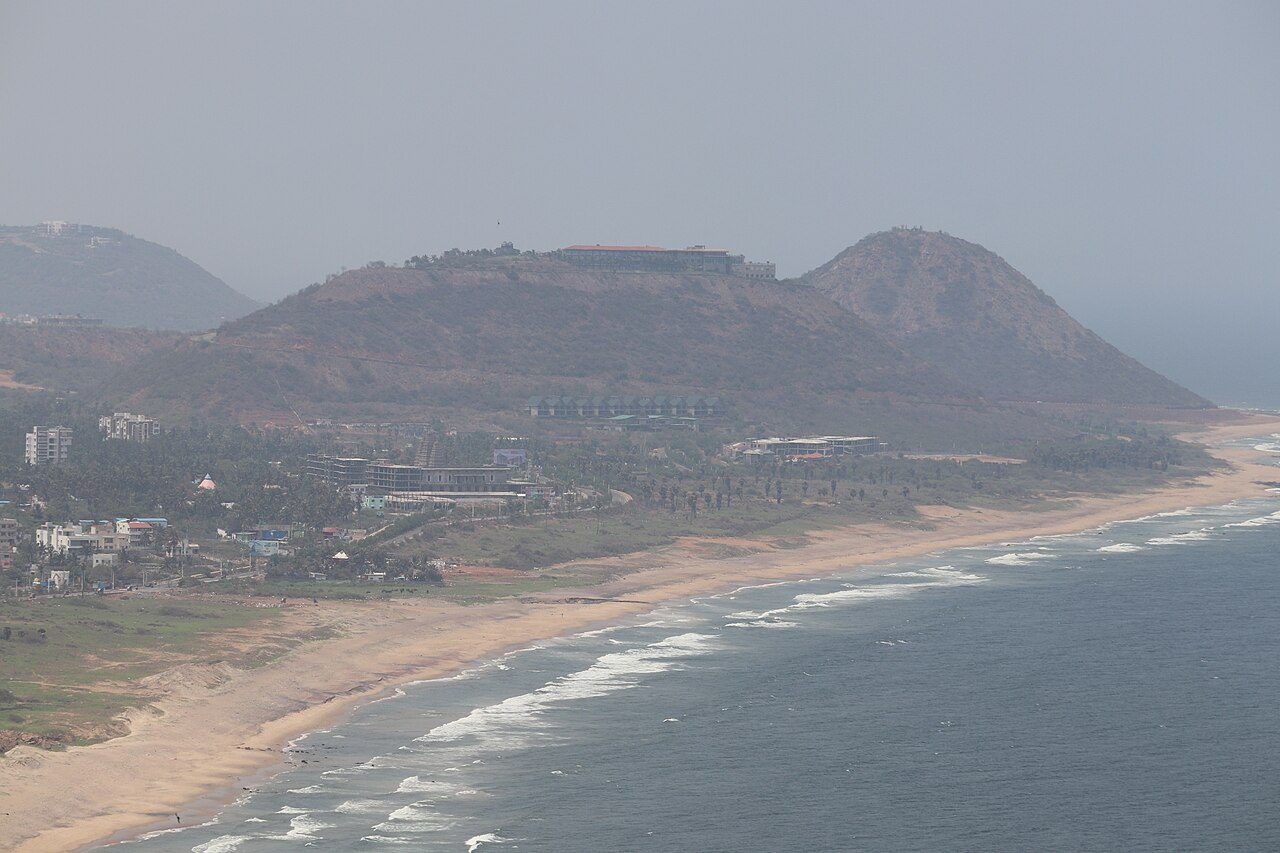
Visakhapatnam has a long beach road, green hills and a cool escape just inland. Day one covers the city: the INS Kursura submarine museum on RK Beach and the view over the bay from Kailasagiri. Day two starts at the hilltop Simhachalam temple, then follows the coast north to Rushikonda beach and the Thotlakonda Buddhist site above the sea. On day three climb the ghat road to Borra Caves, full of stalactites, and Araku Valley with its coffee estates and tribal museum; the Kirandul train from Vizag is a scenic way up. The last day visits Lambasingi, often misty on winter mornings, and the rock-cut Buddhist caves at Bojjannakonda on the way back. October to February is the best season.
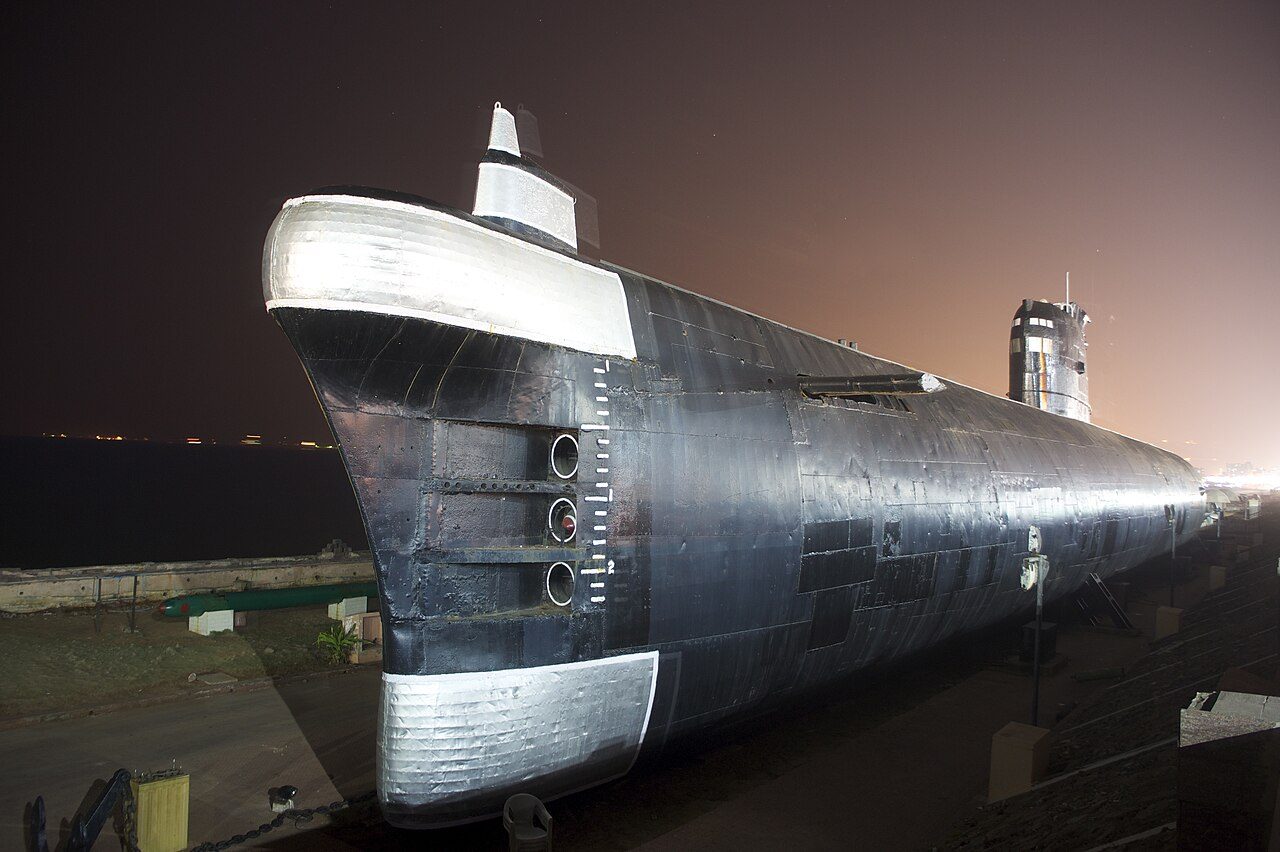
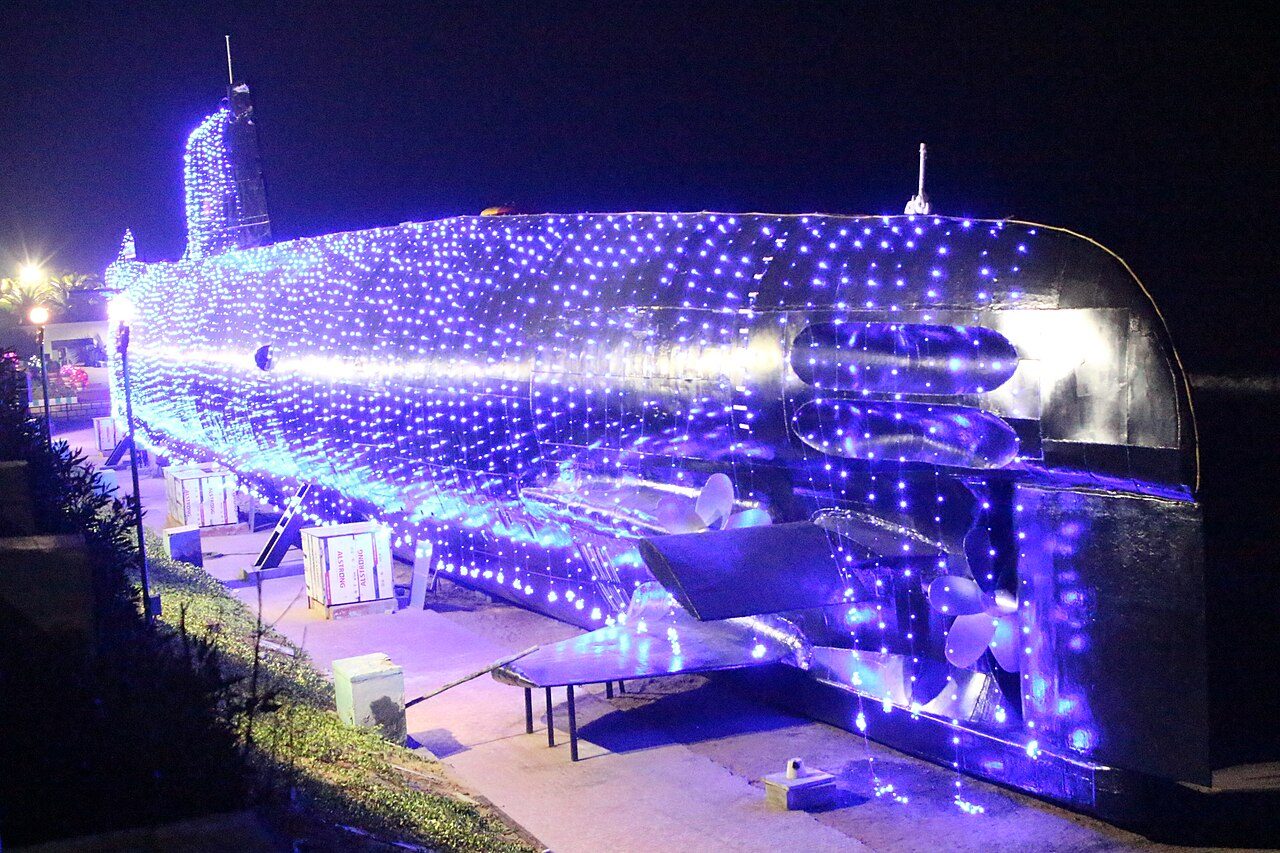
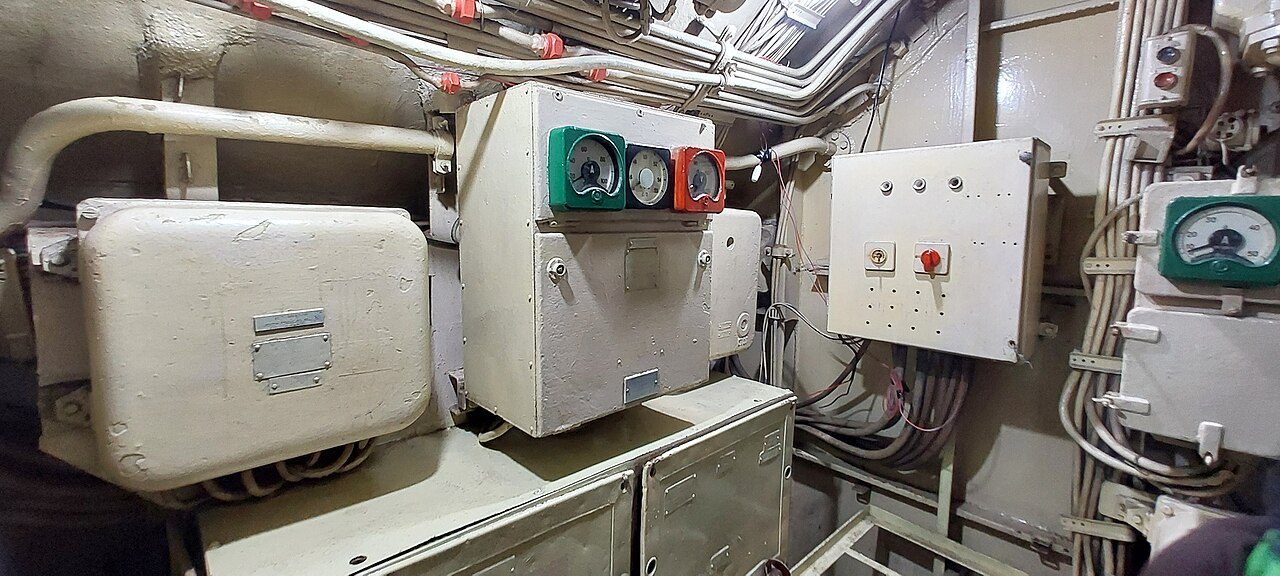
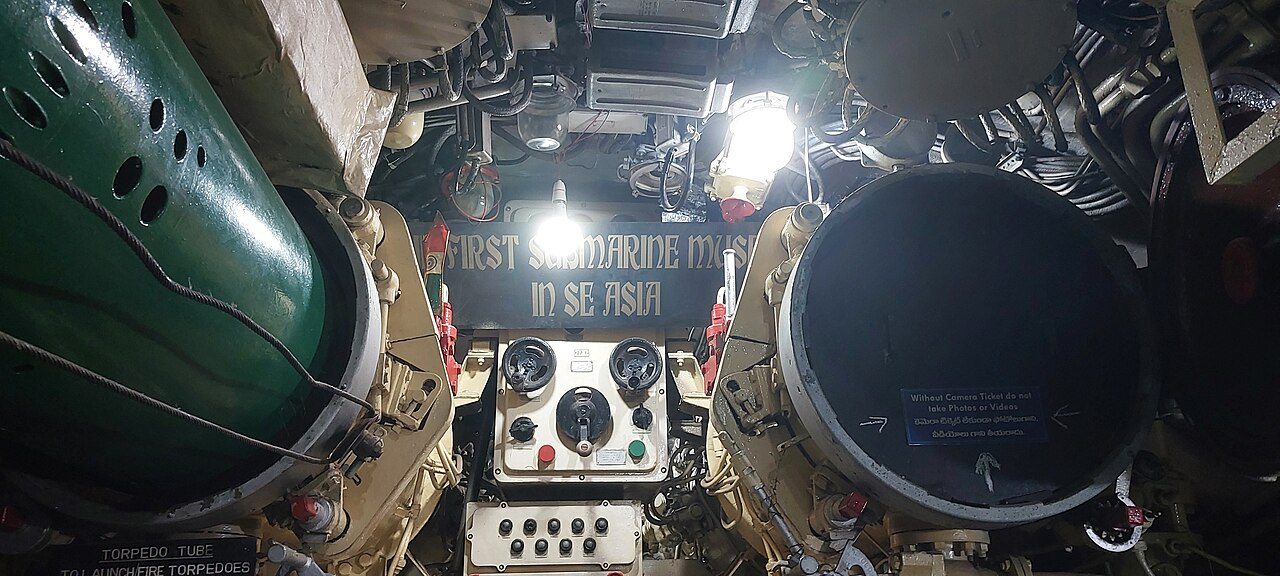
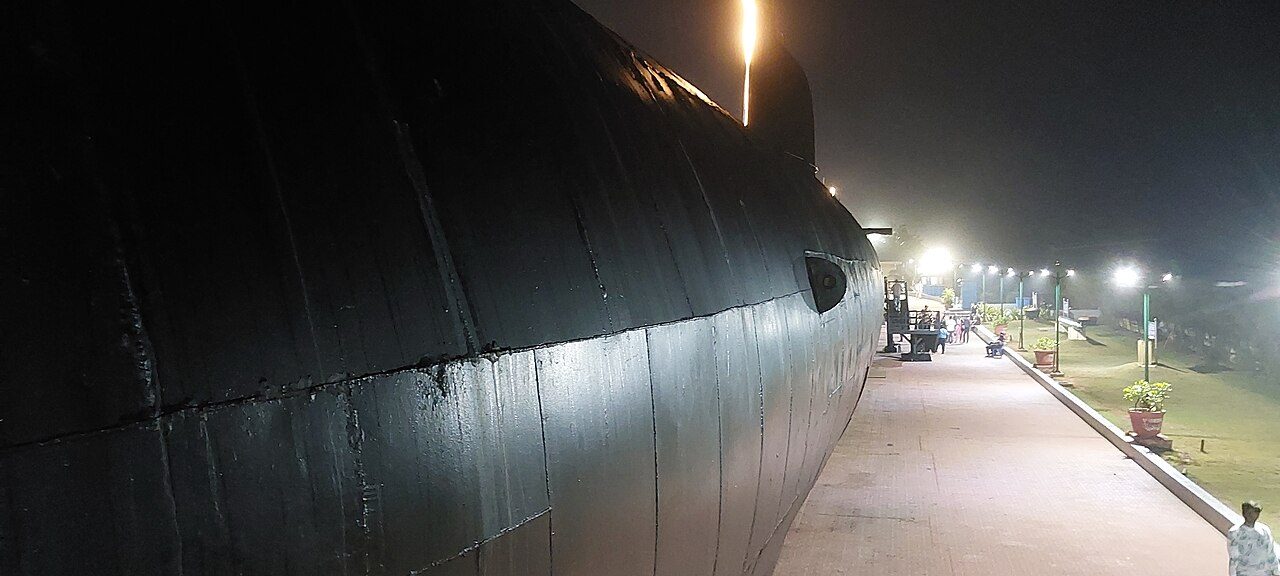
INS Kursura, a Soviet-built submarine that served in the Indian Navy from 1969 to 2001 and saw action in the 1971 war, was brought ashore on RK Beach and opened as a museum in 2002. Visitors walk through its compartments, seeing the torpedo room, controls and crew quarters. It was the first submarine museum in South Asia.
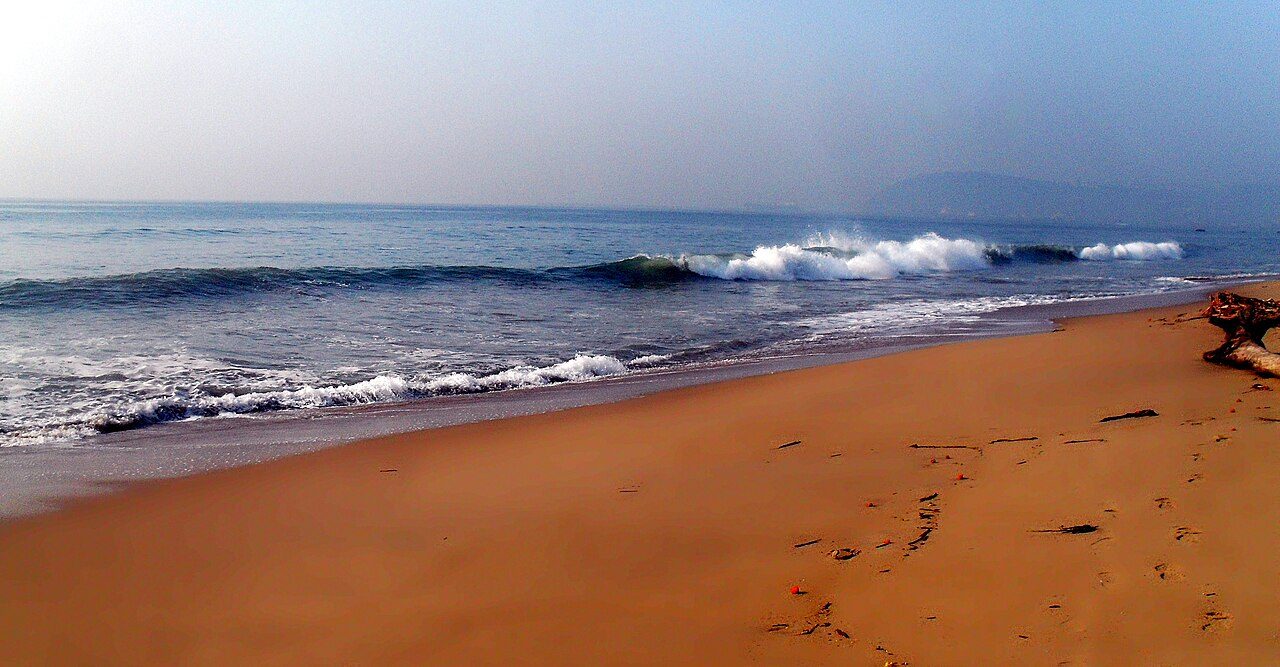
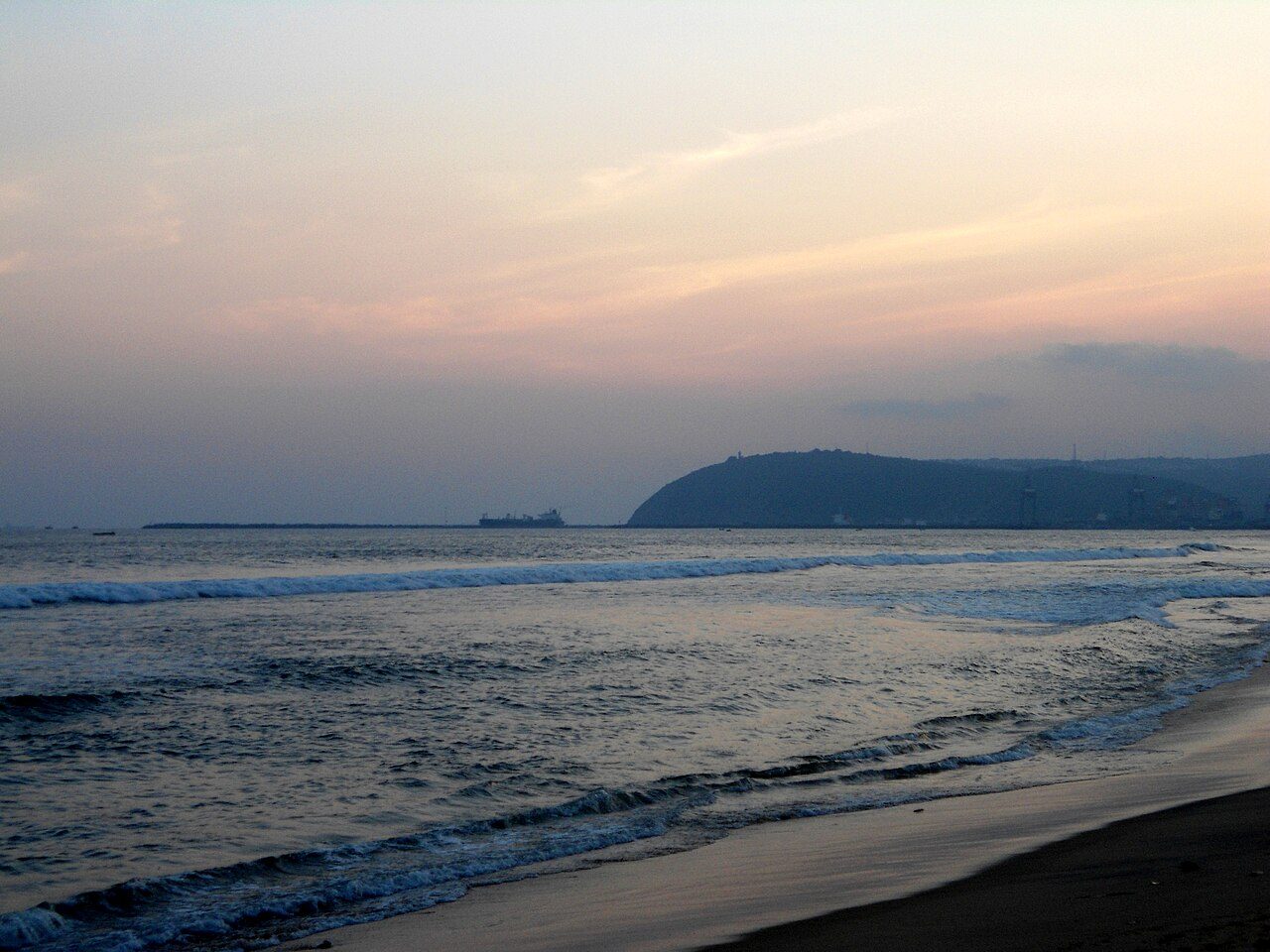
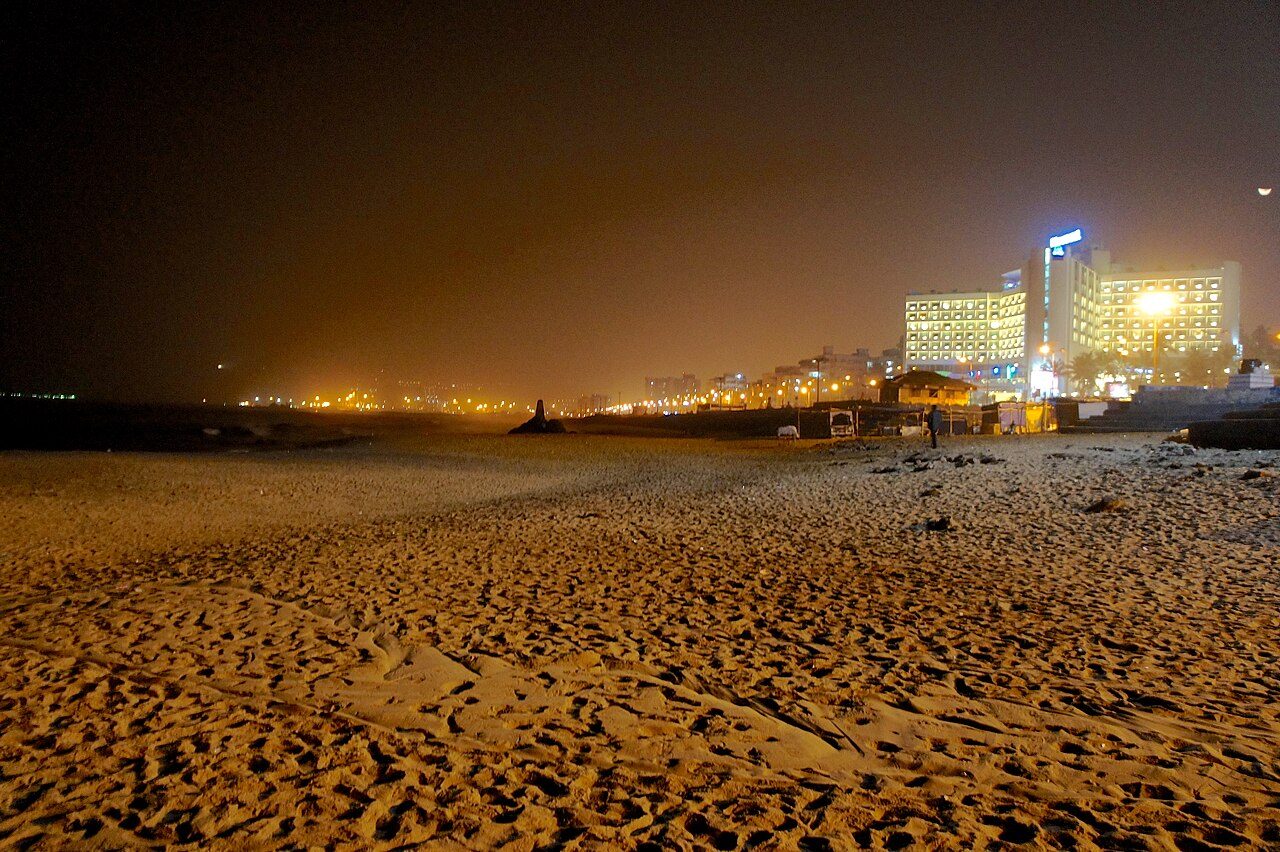
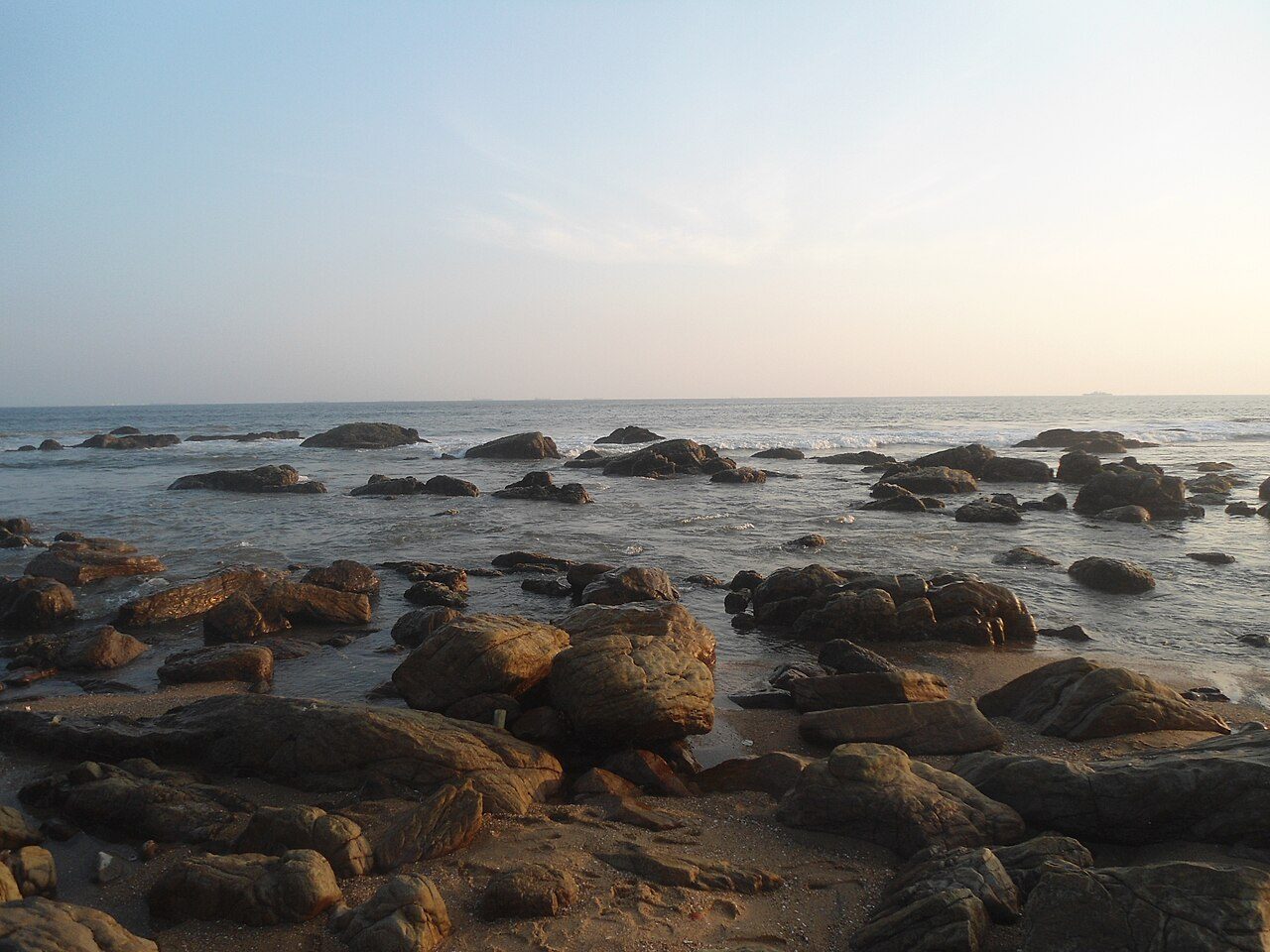
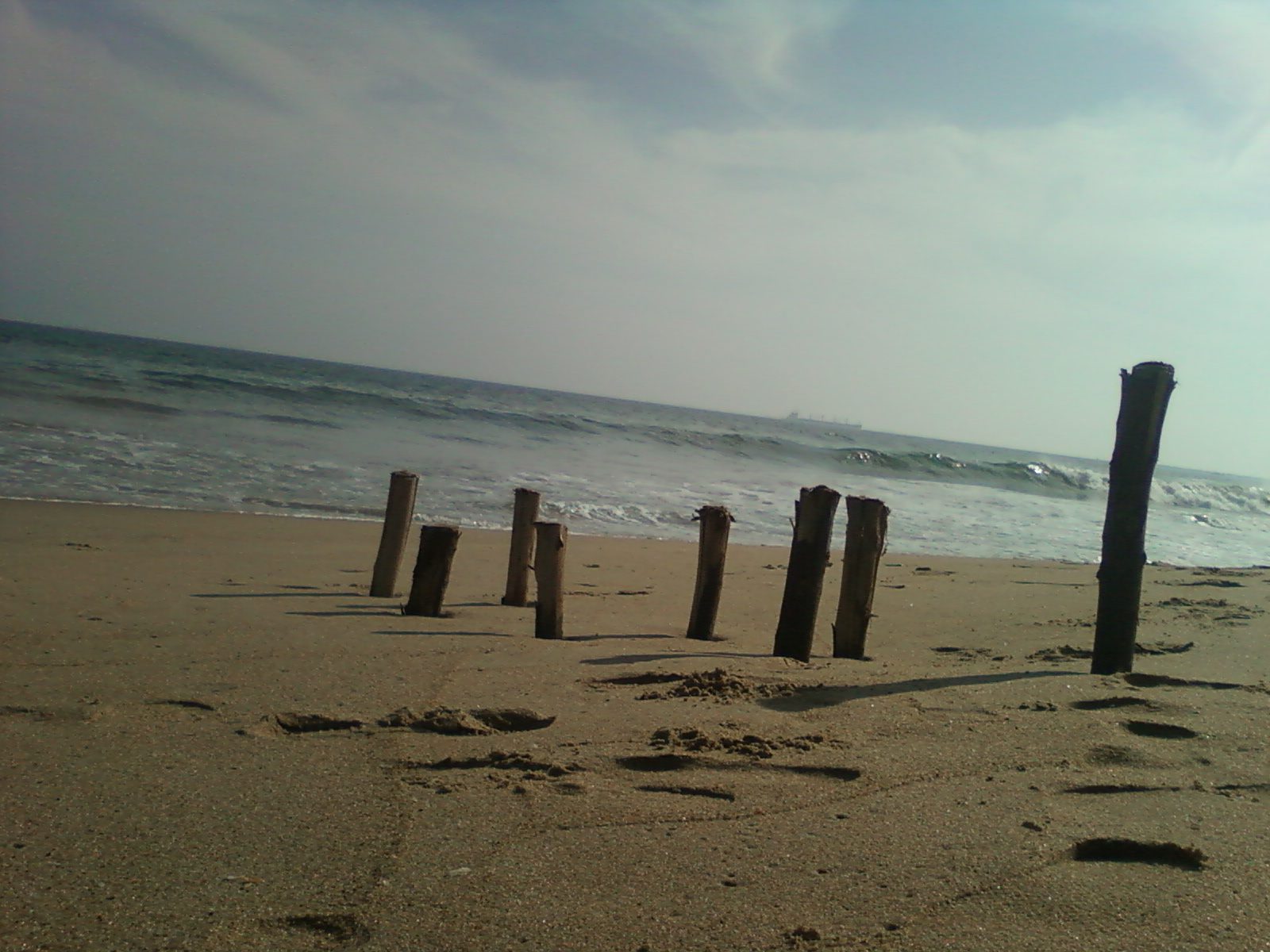
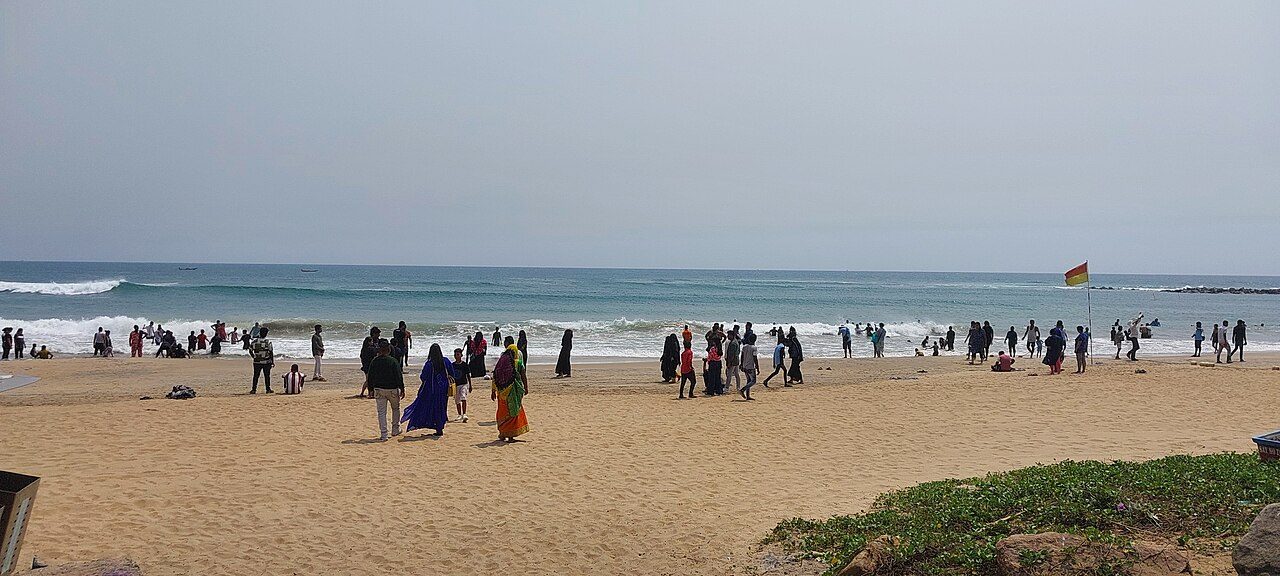
Ramakrishna Beach is Visakhapatnam's main city beach, stretching along Beach Road with the Bay of Bengal on one side and parks, statues and museums on the other. It is a favourite spot for evening walks, and the Kali temple, war memorial and submarine museum are close by.
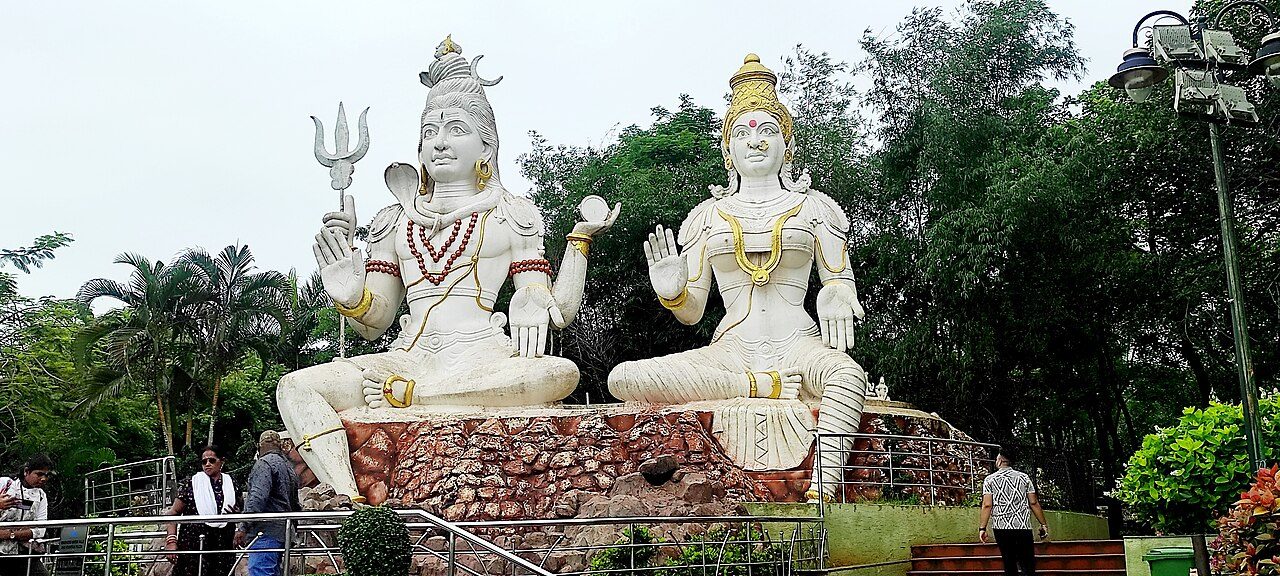
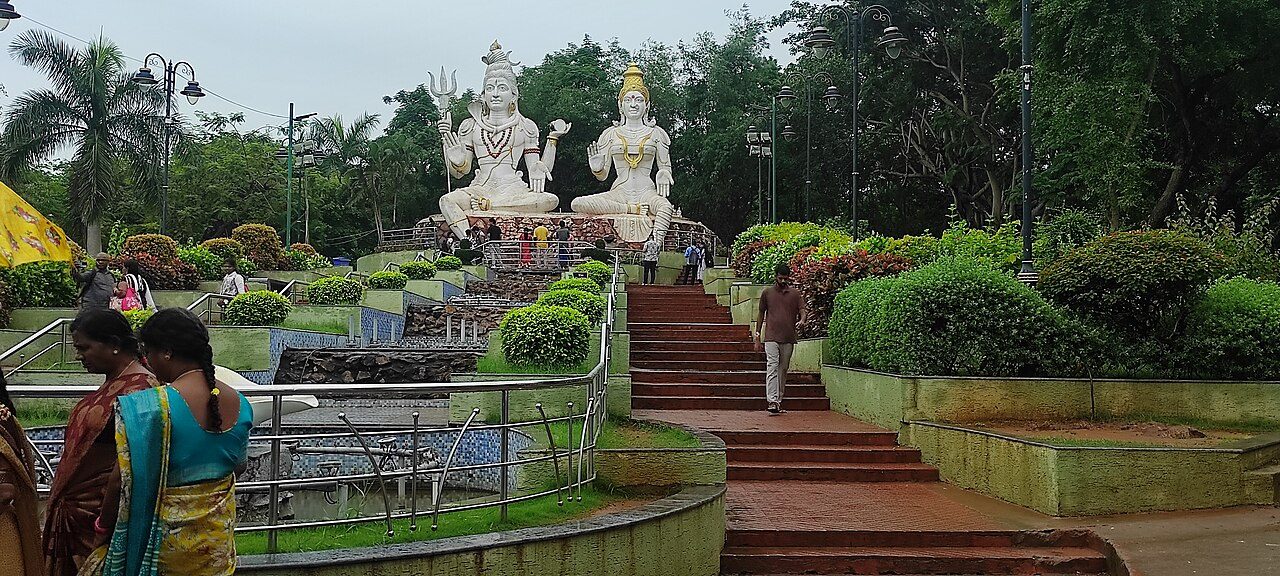
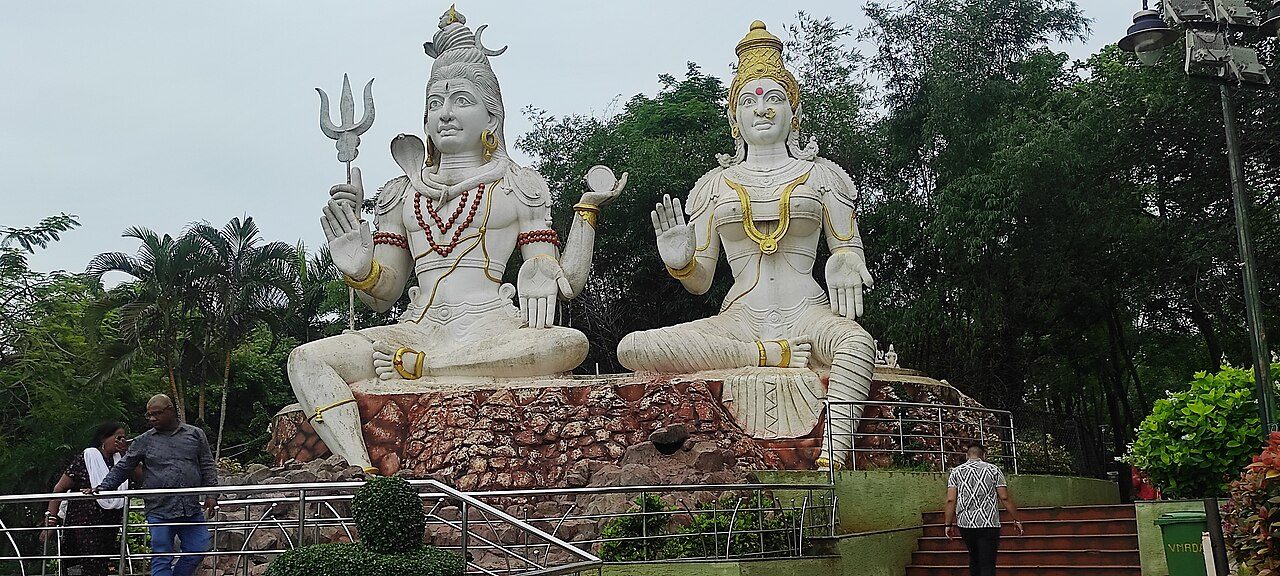
A hilltop park overlooking Visakhapatnam and the Bay of Bengal, Kailasagiri has a large statue of Shiva and Parvati, gardens, viewpoints and a toy train. A ropeway climbs up from the base, and the views over the city and coastline are best at sunset.
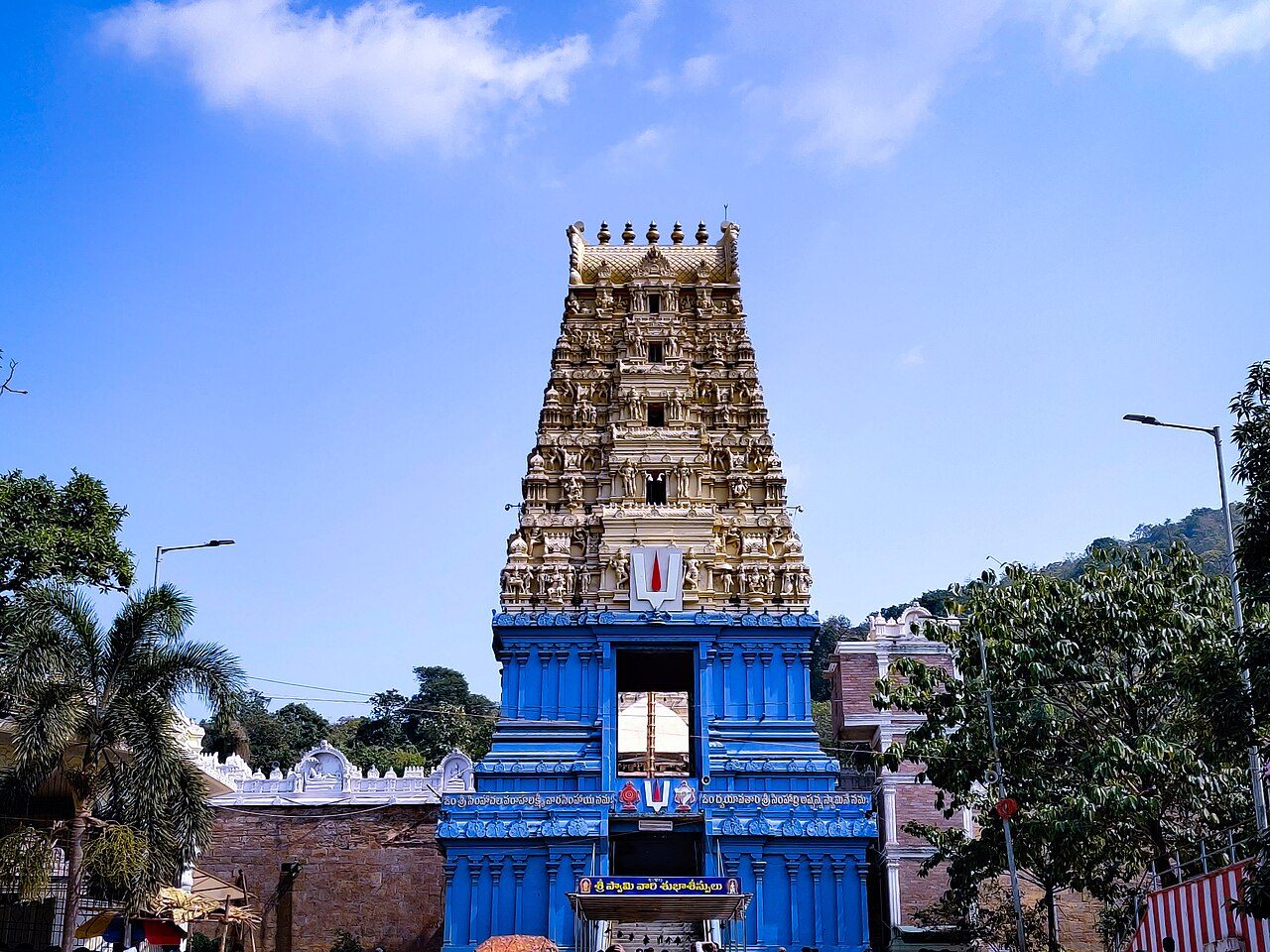
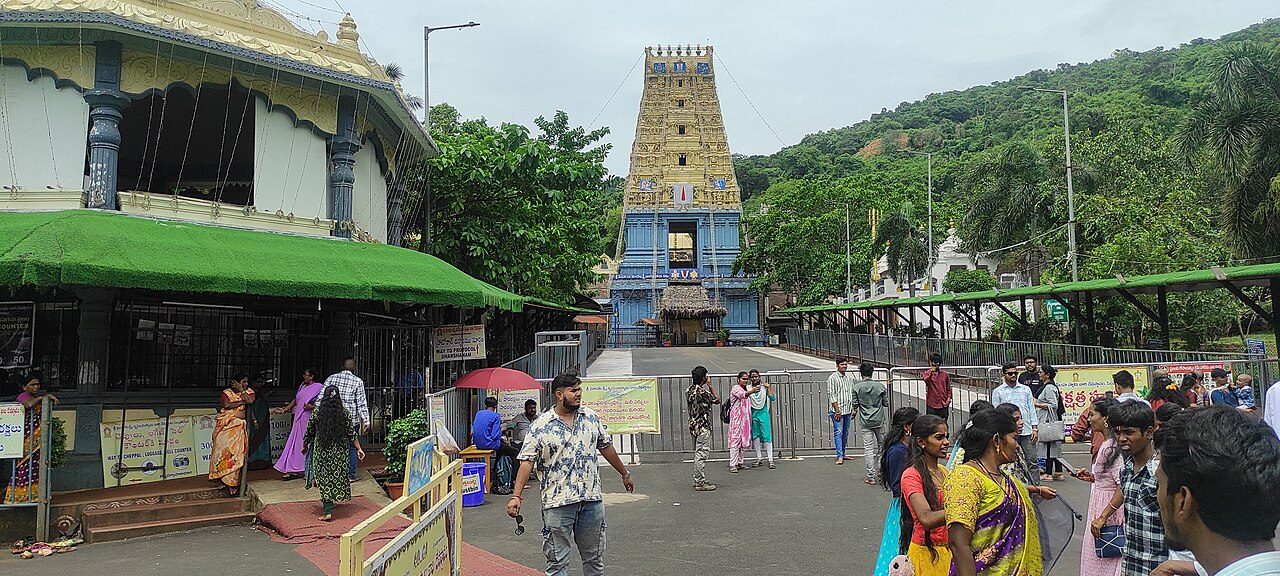
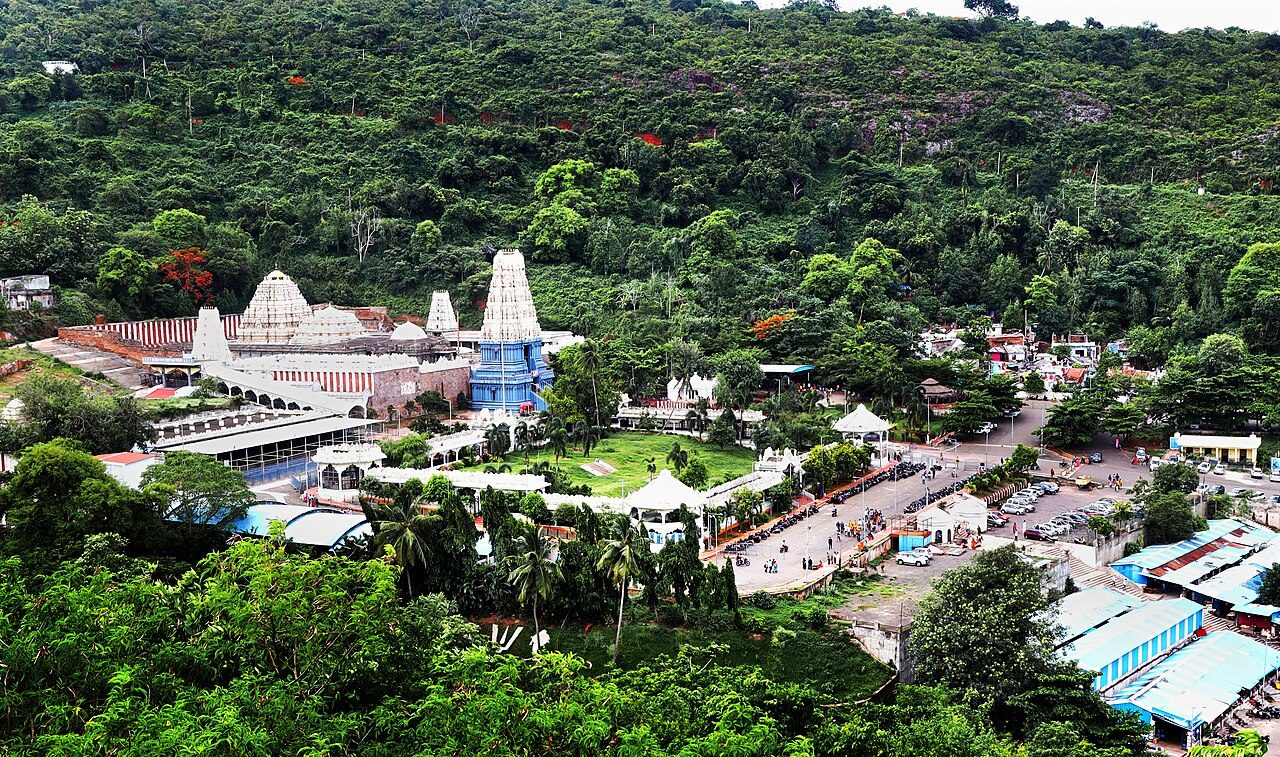
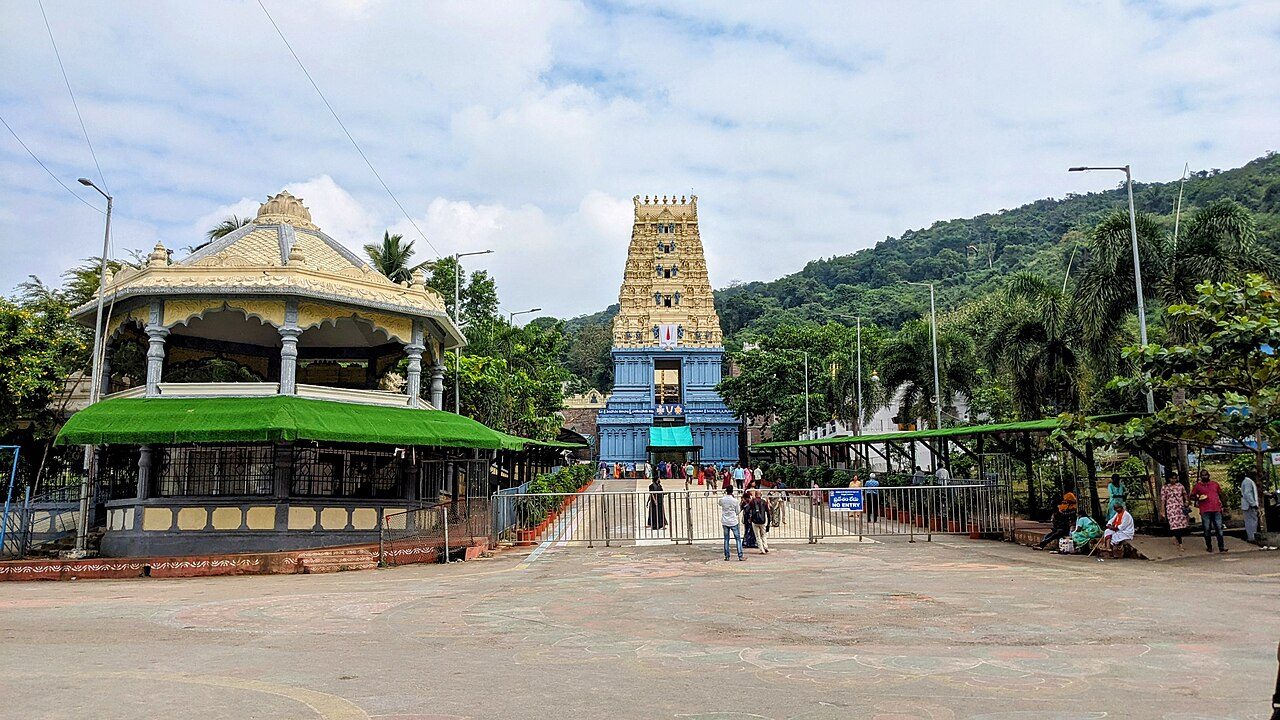
On a hill north of Visakhapatnam, the Varaha Lakshmi Narasimha temple at Simhachalam is one of the most important Vishnu temples in Andhra Pradesh, built in the 11th century and later added to. The deity is covered with sandalwood paste through the year, revealed only on the Chandanotsavam festival in April or May.
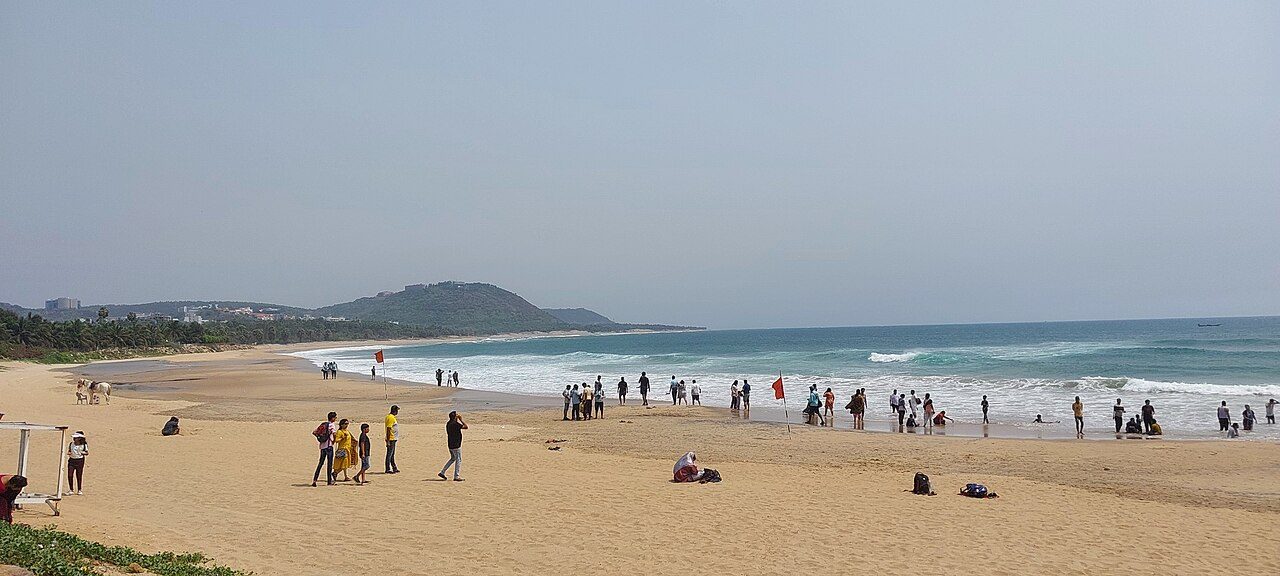
North of Visakhapatnam, Rushikonda is a golden sandy beach backed by green hills, popular for swimming, surfing, jet skiing and other water sports. It is cleaner and less crowded than the city beaches, and is one of India's Blue Flag certified beaches.
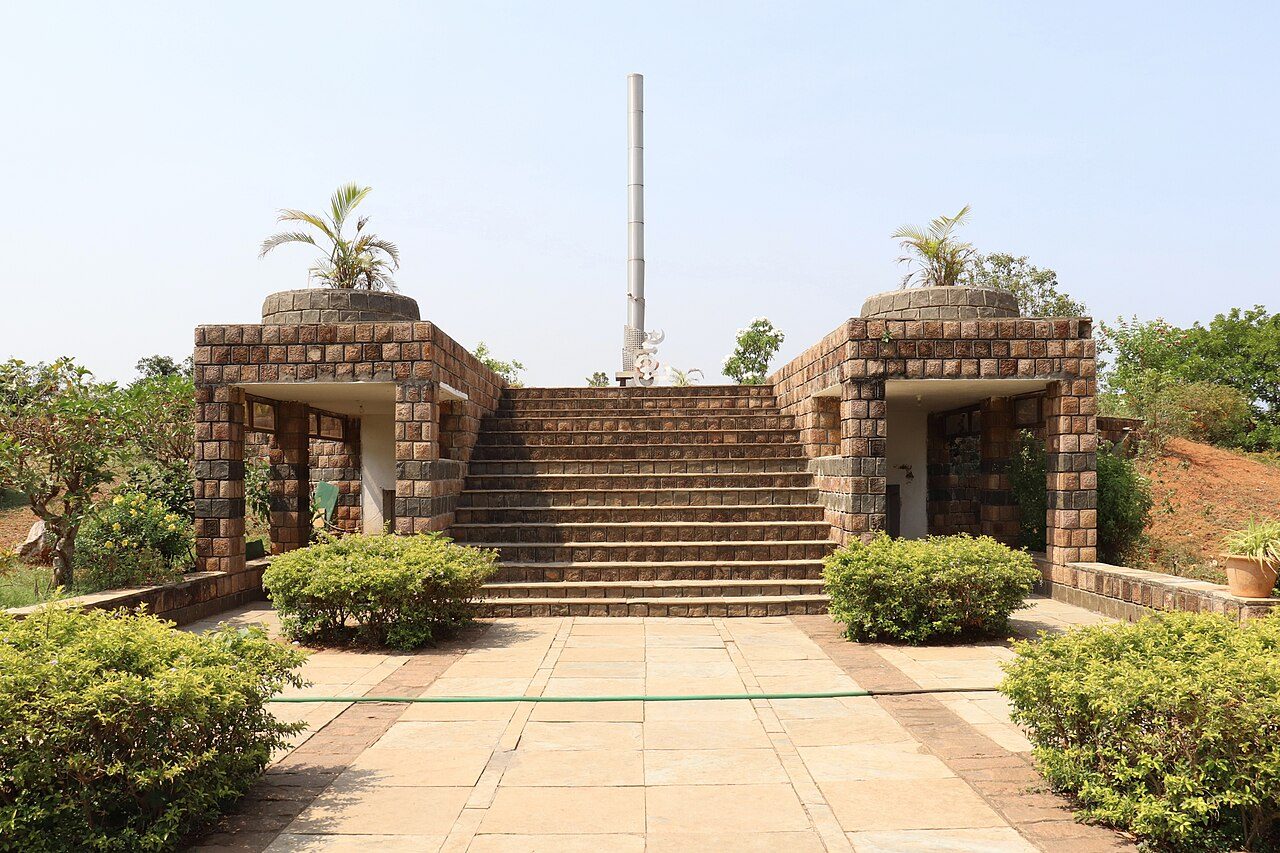
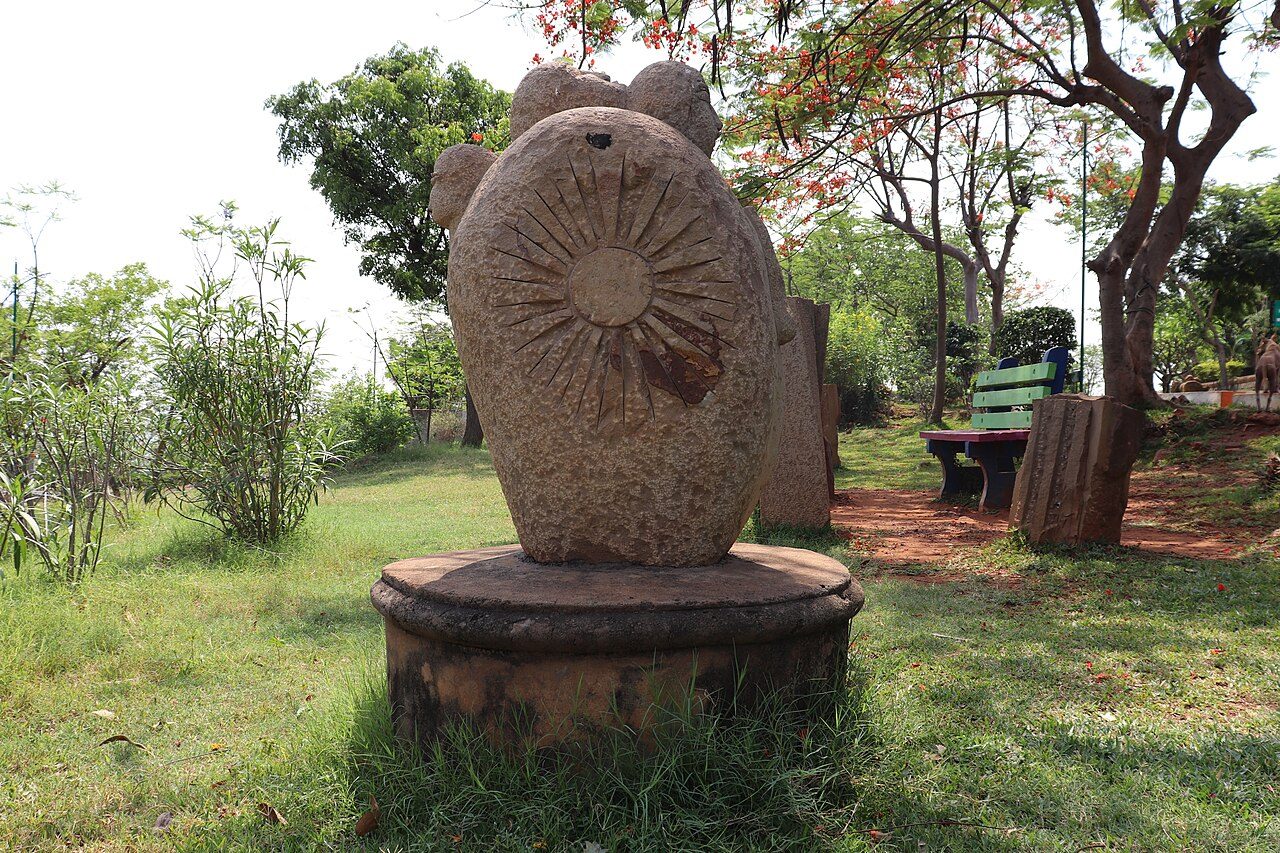
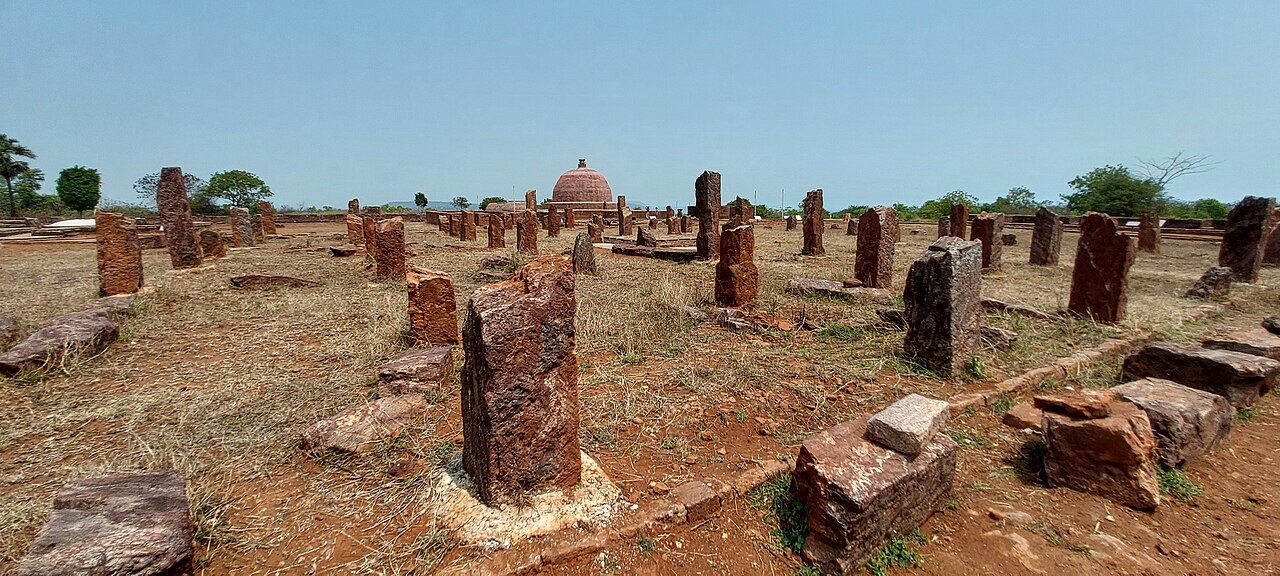
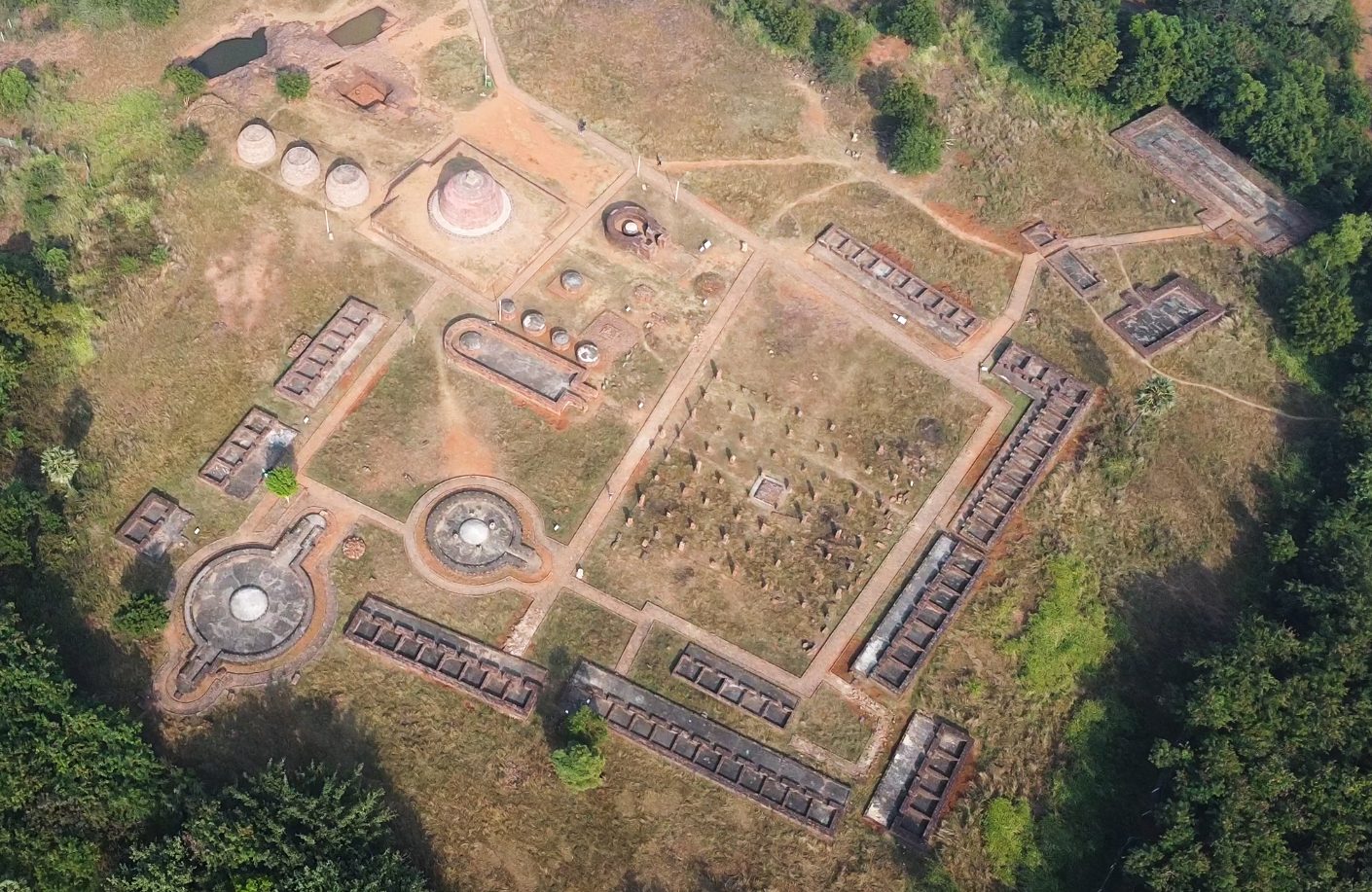
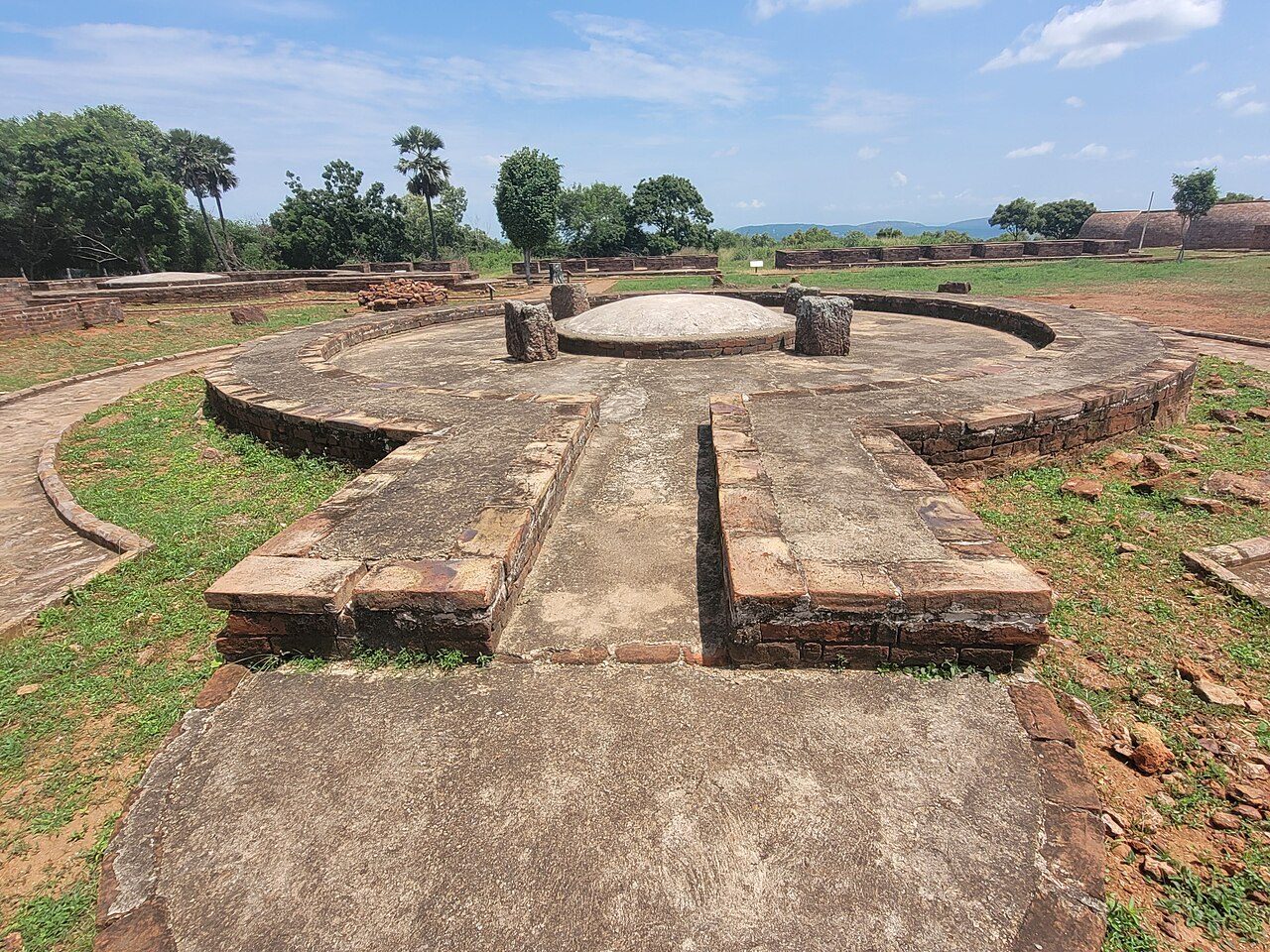
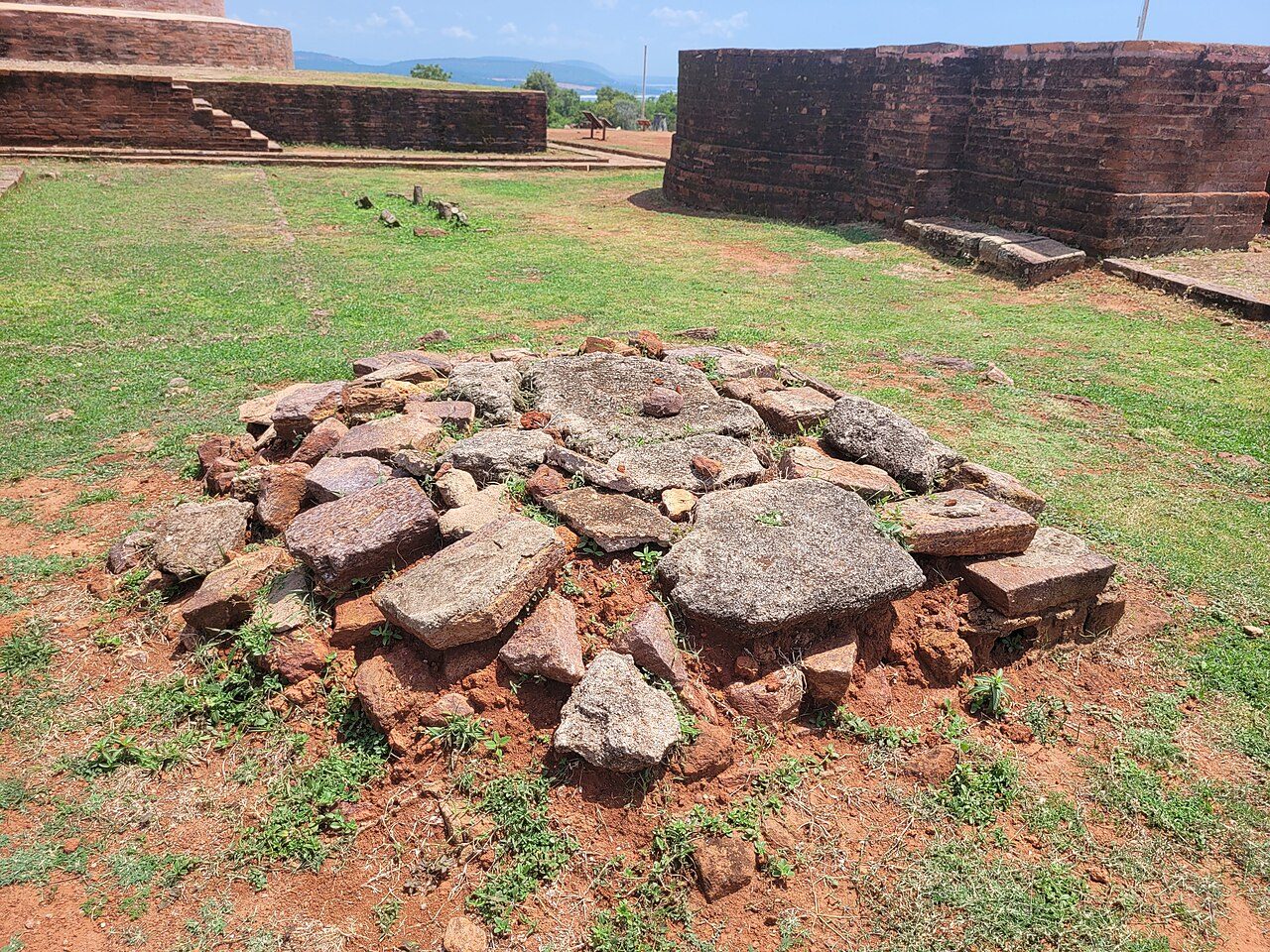
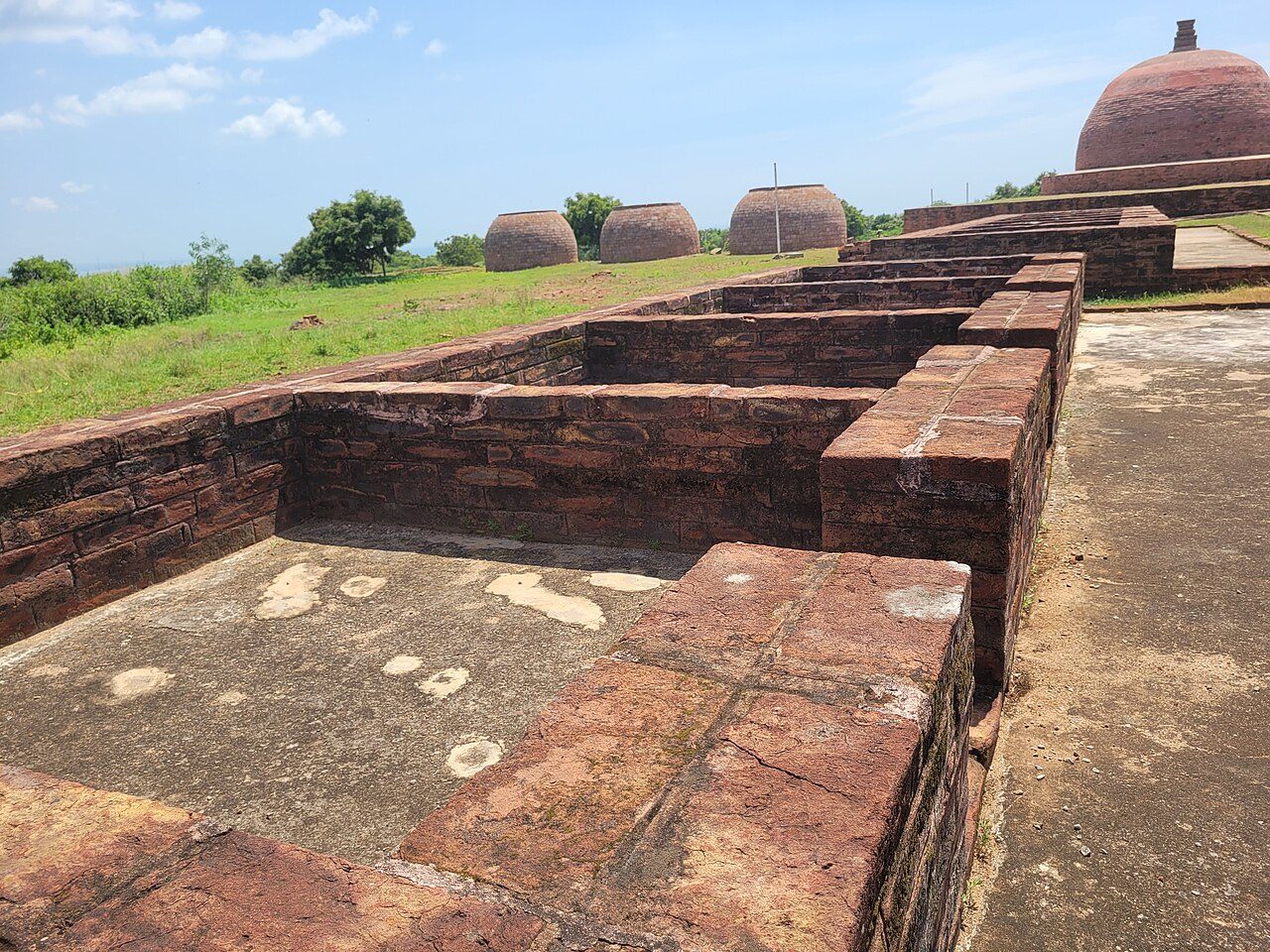
Near Bheemunipatnam, Thotlakonda and Bavikonda are hilltop Buddhist monasteries dating to around the 3rd century BCE to the 3rd century CE. Excavations revealed stupas, chaityas, monk cells and water cisterns cut into the rock. The hills overlook the sea, showing why monks chose these peaceful sites.
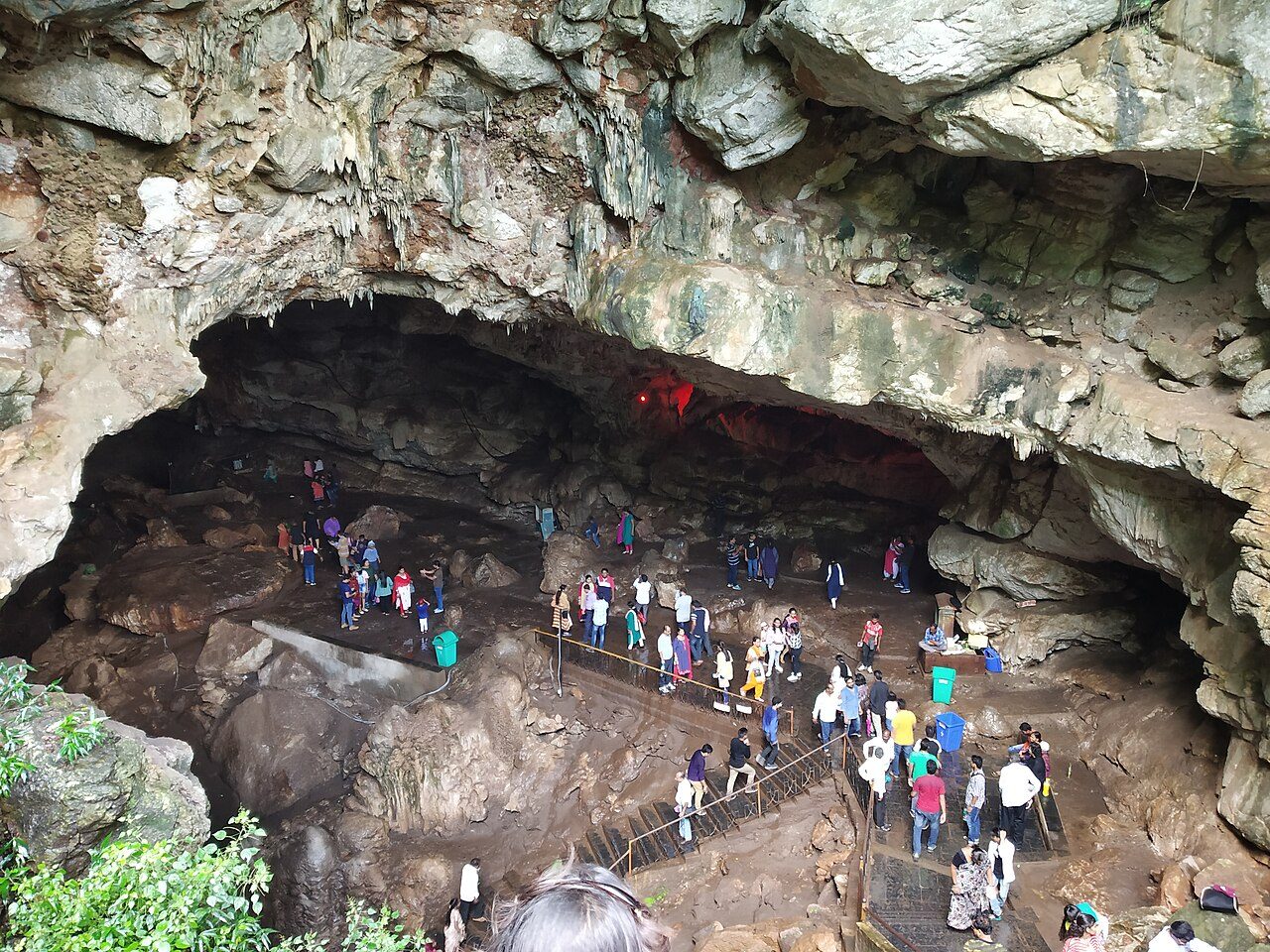
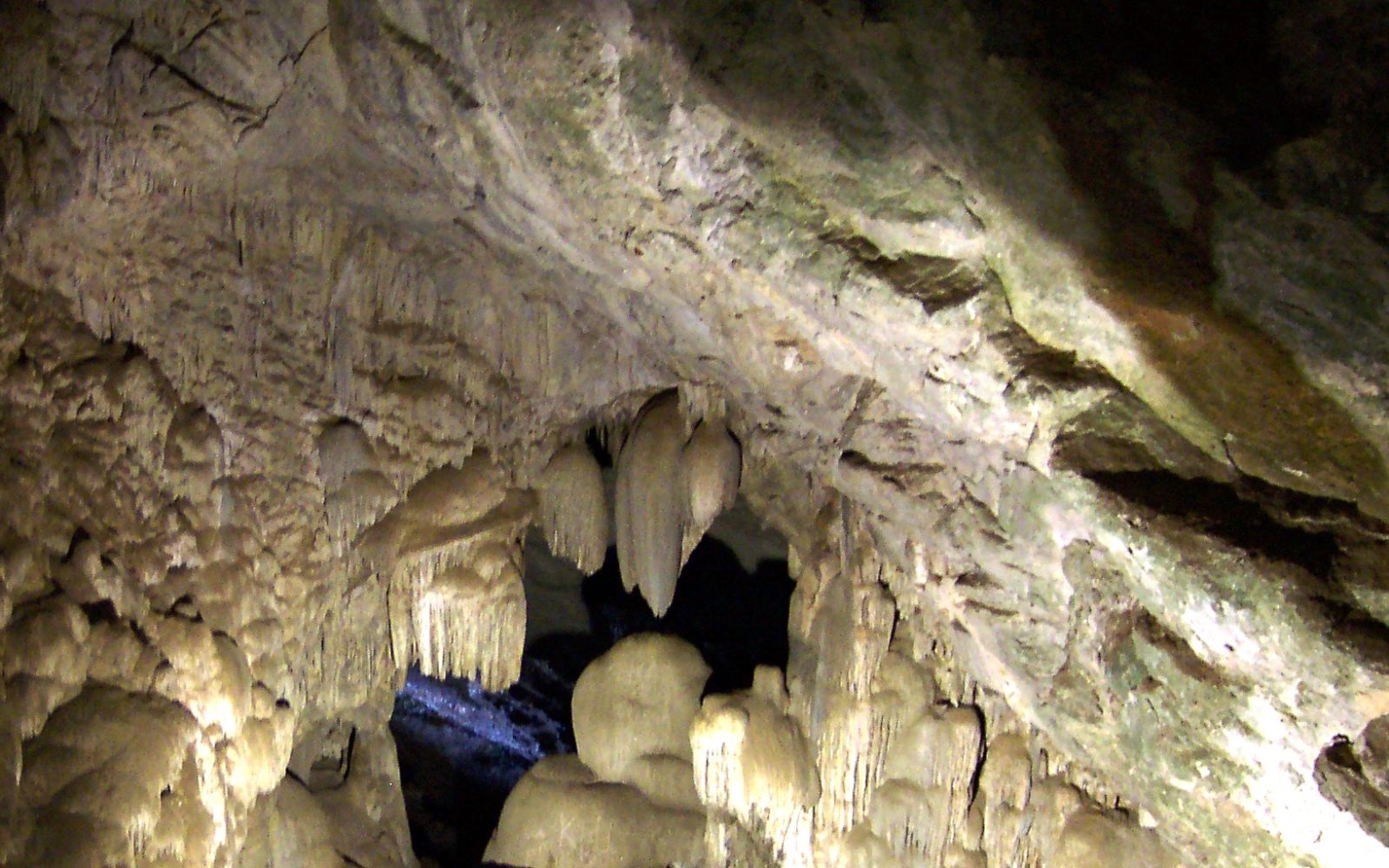
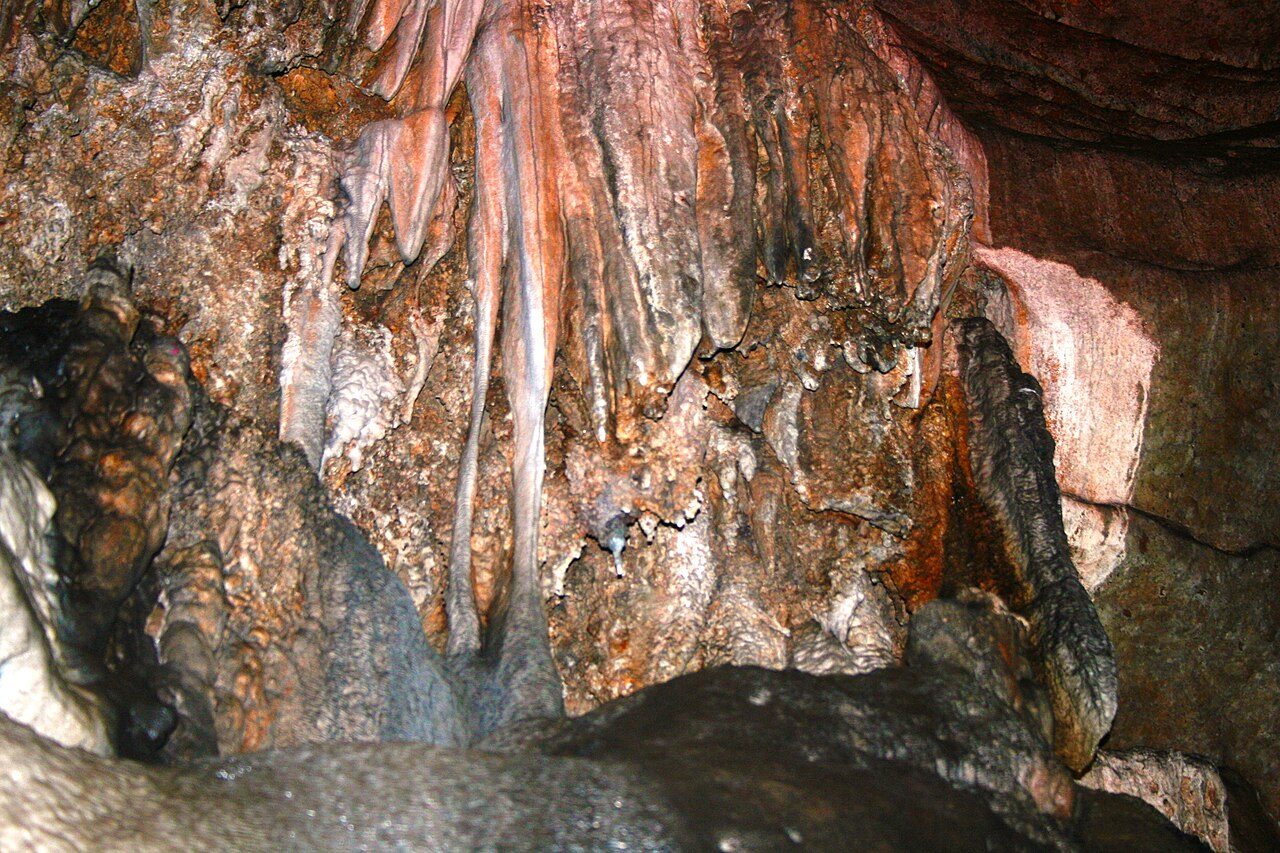
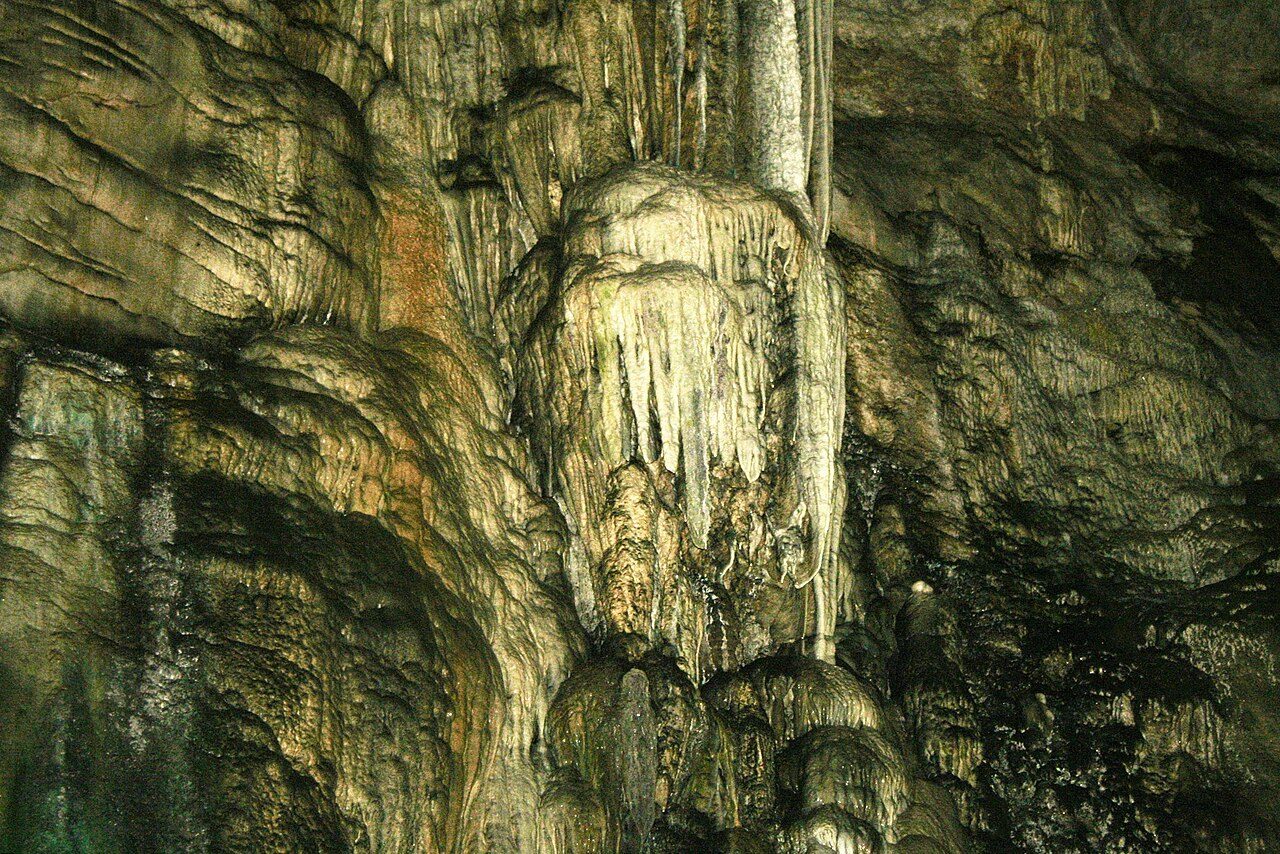
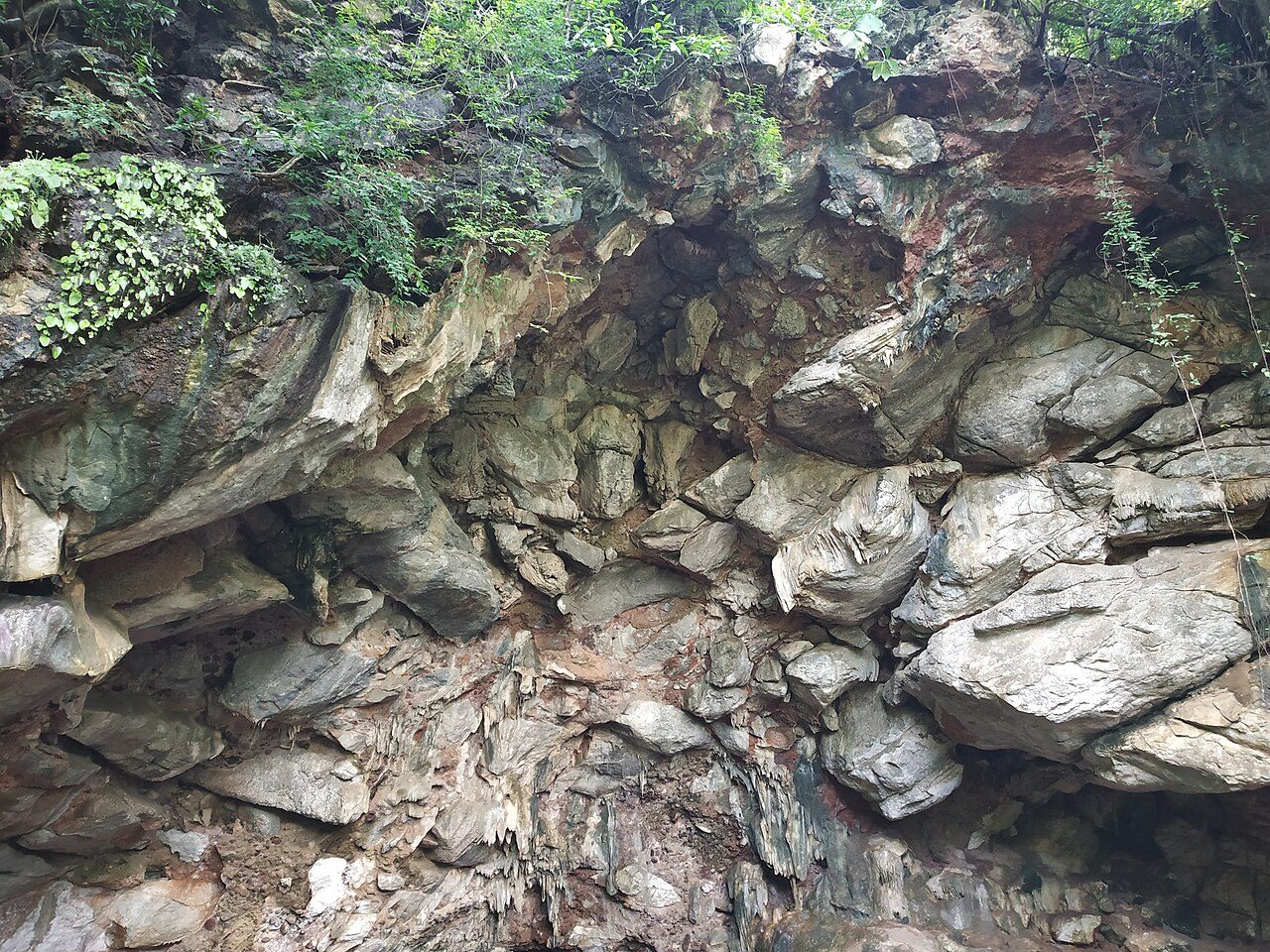
High in the Ananthagiri hills, the Borra Caves are among the largest caves in India, formed in limestone over millions of years. Lit walkways lead down past stalactites and stalagmites into vast chambers, and the Gosthani river flows through them. The caves sit close to the Araku railway line.
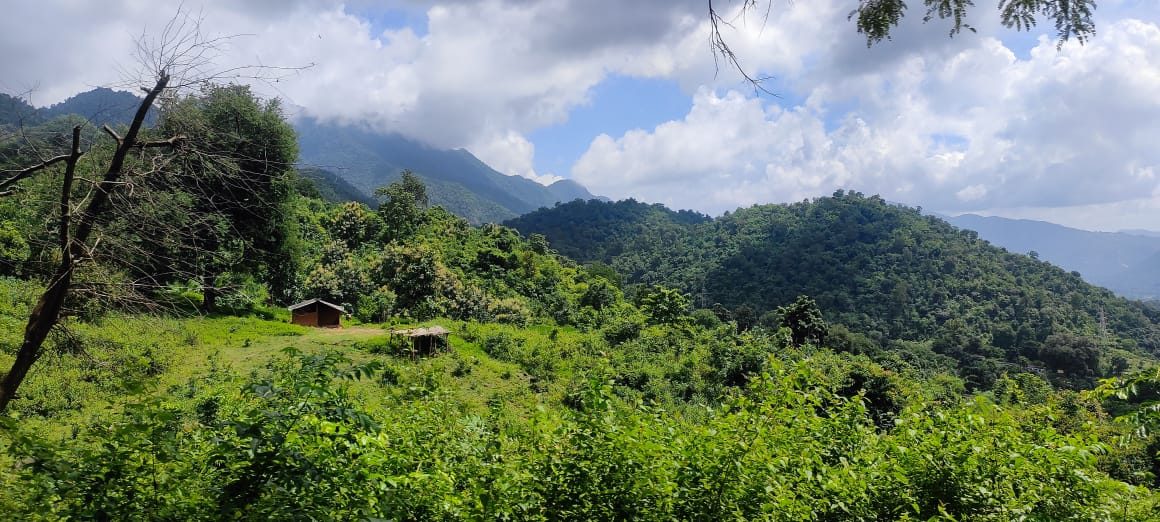
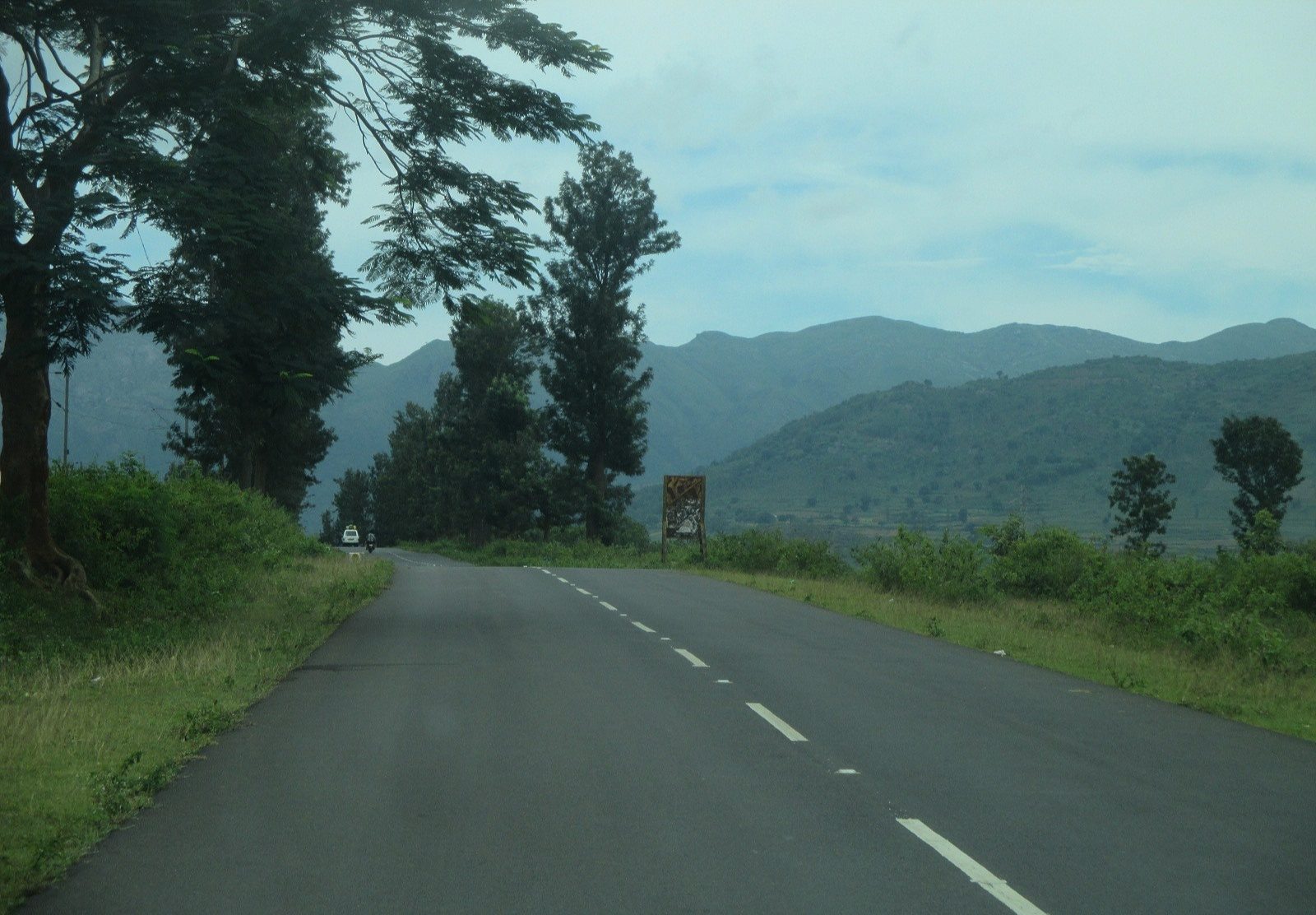
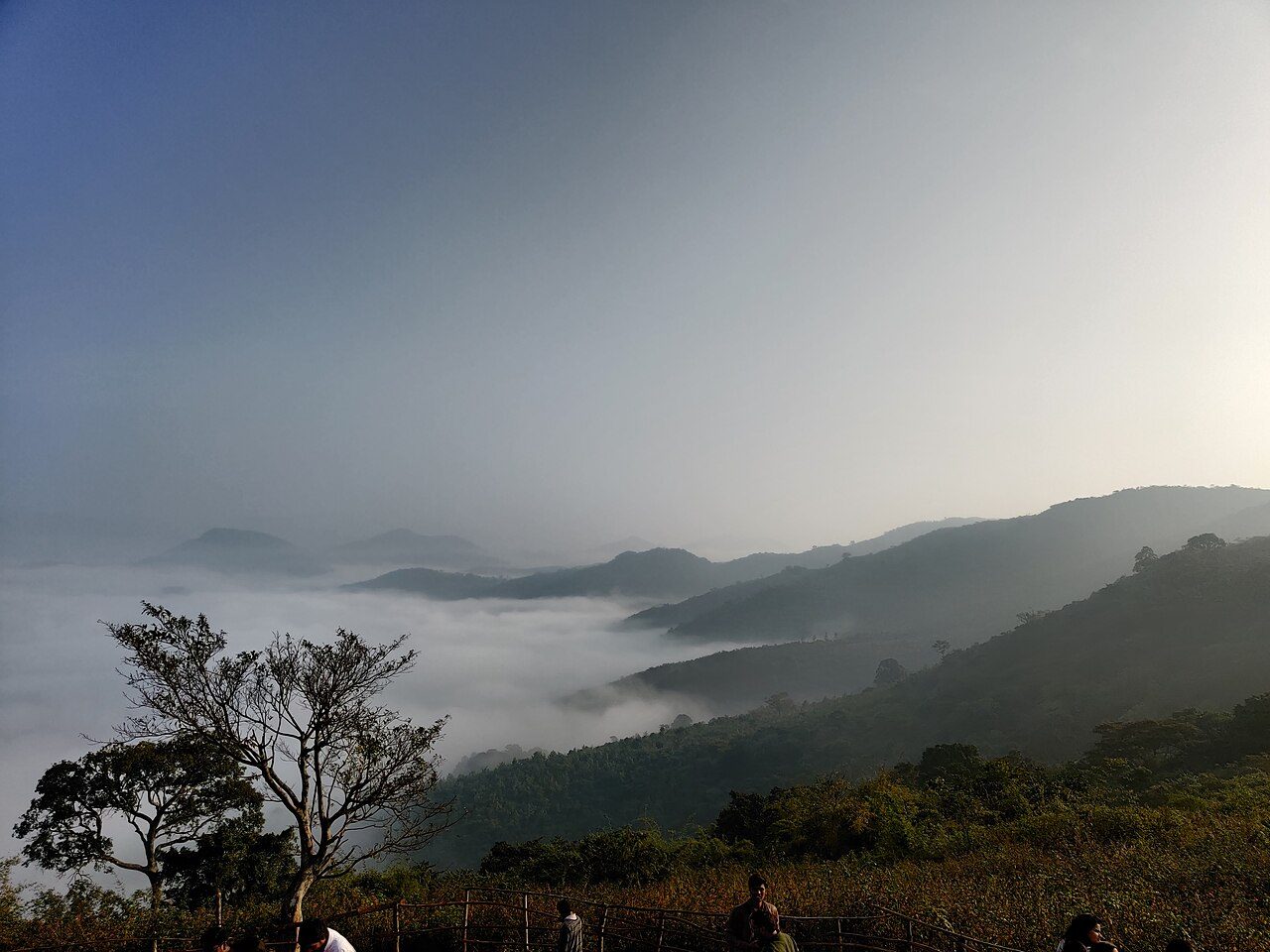
A valley in the Eastern Ghats at about 900 metres, Araku is known for coffee plantations, tribal villages and cool weather. The train ride from Visakhapatnam passes through dozens of tunnels and over bridges, and the Tribal Museum and coffee museum tell the story of the region. Winter mornings bring mist over the valley.
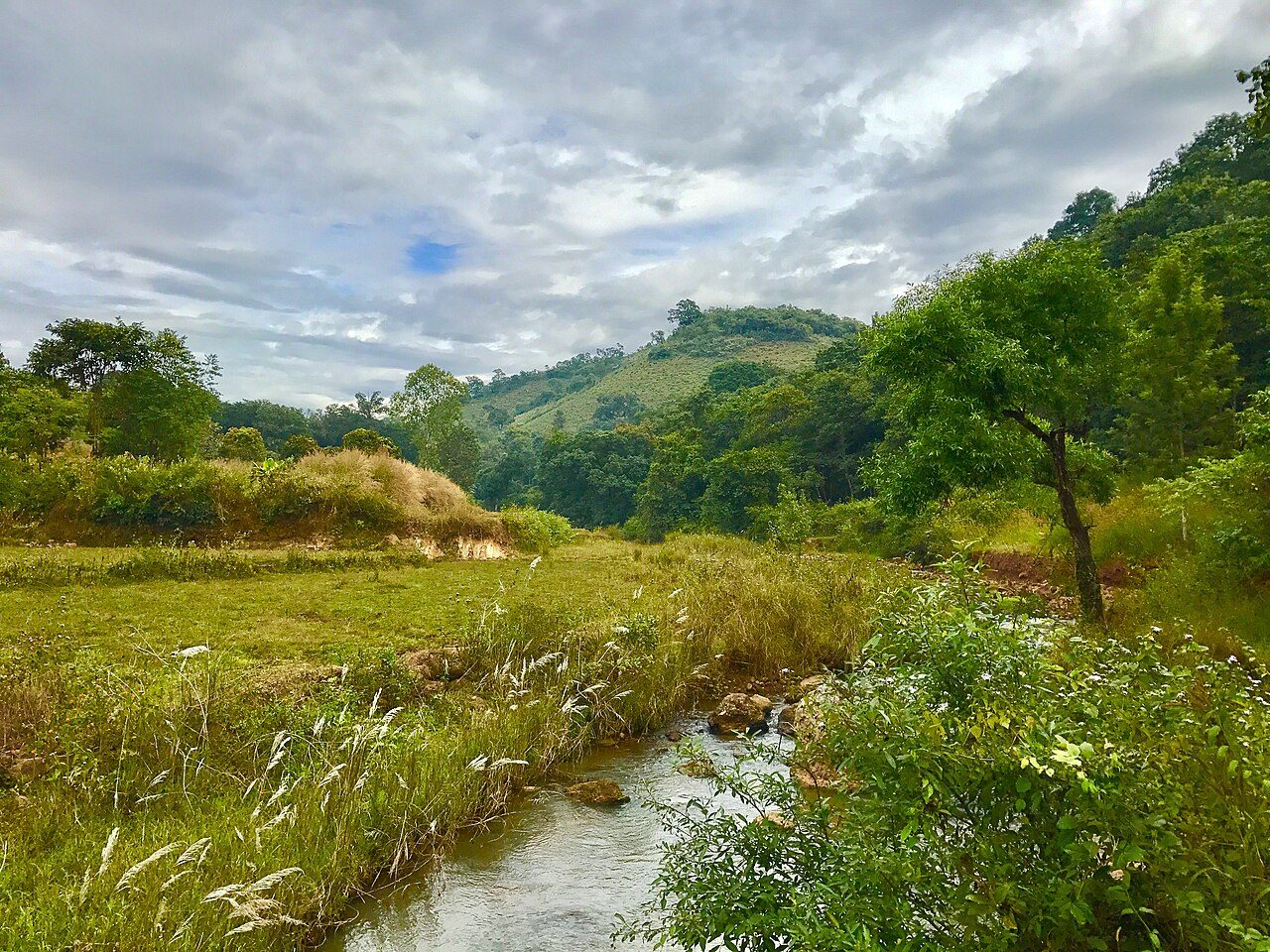
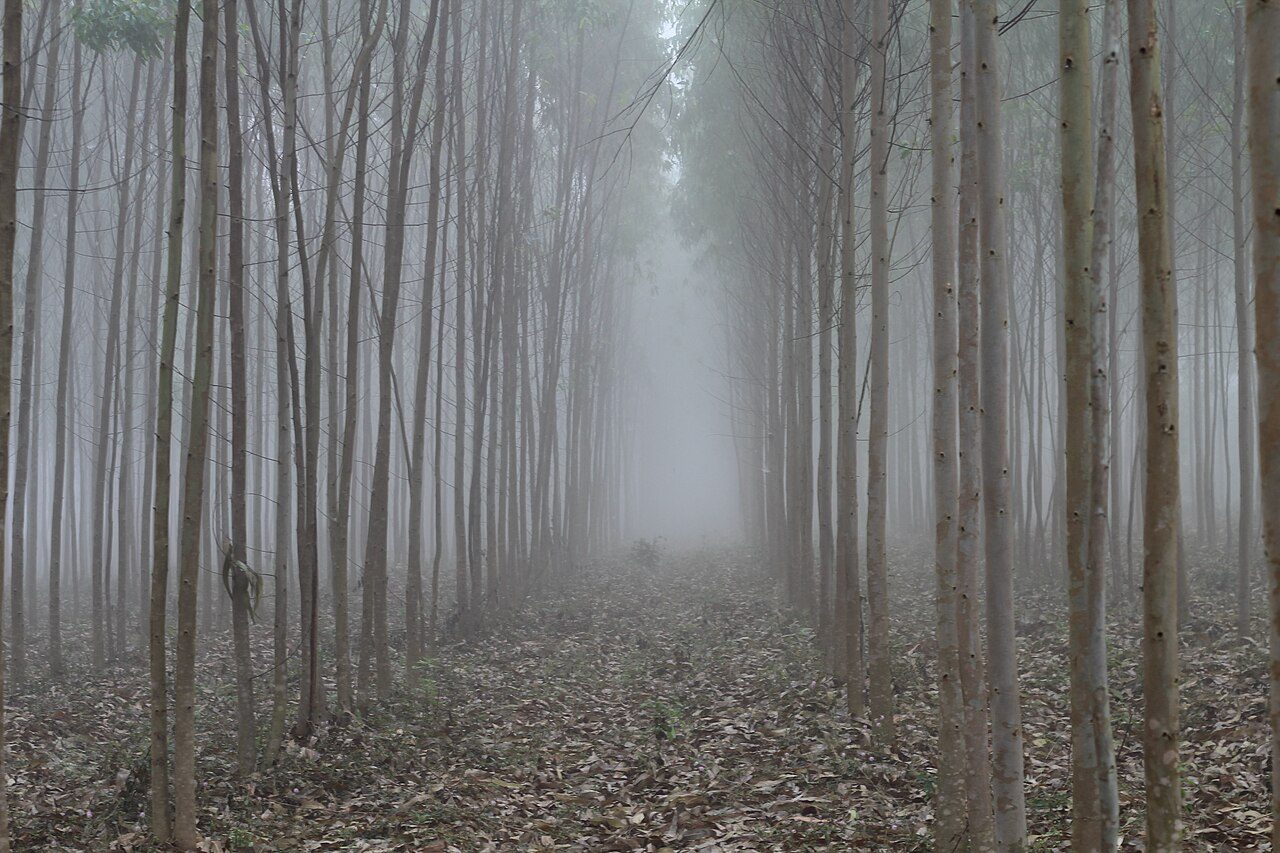
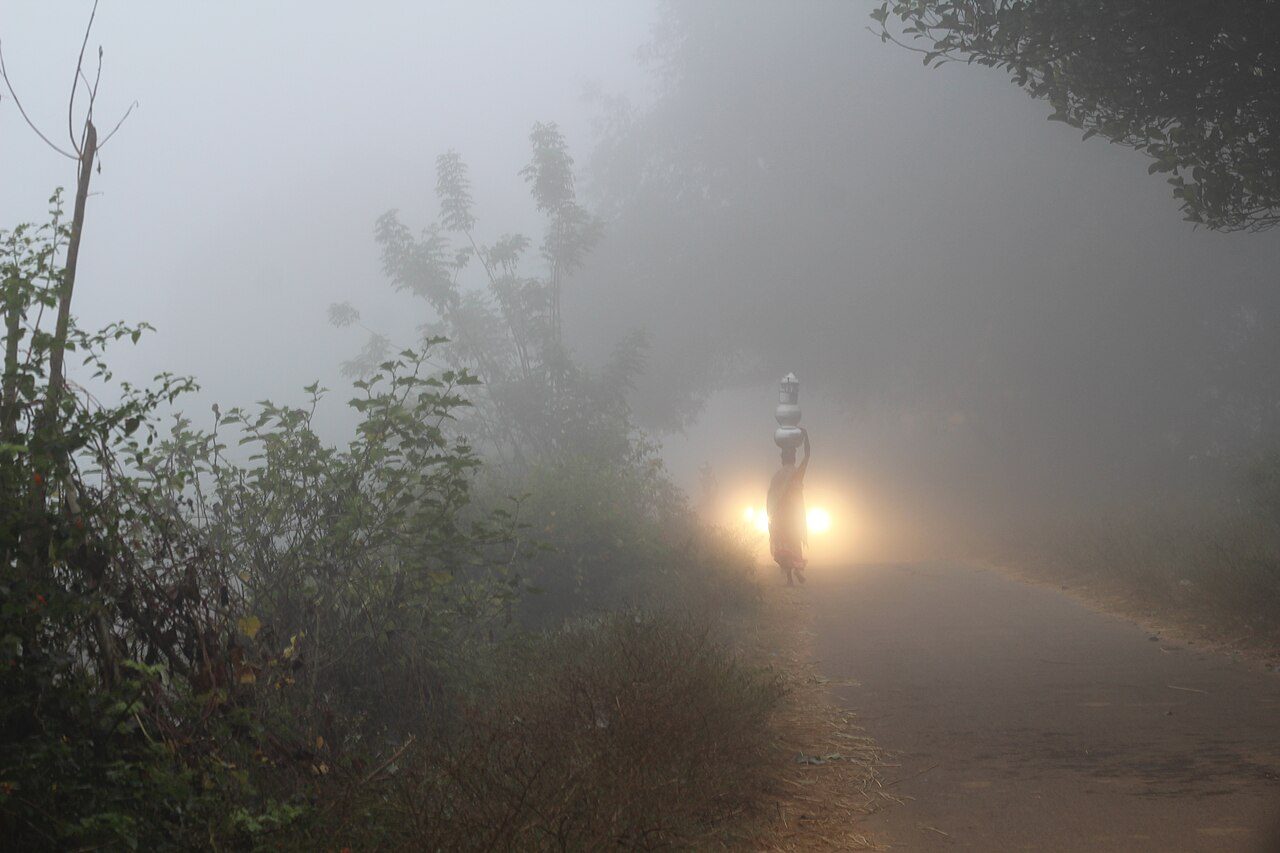
Lambasingi is a tiny village in the Eastern Ghats known as the Kashmir of Andhra Pradesh, as it is one of the few places in South India where temperatures can drop close to freezing in winter. Misty mornings, coffee and pepper plantations and wide valley views draw visitors from November to February.
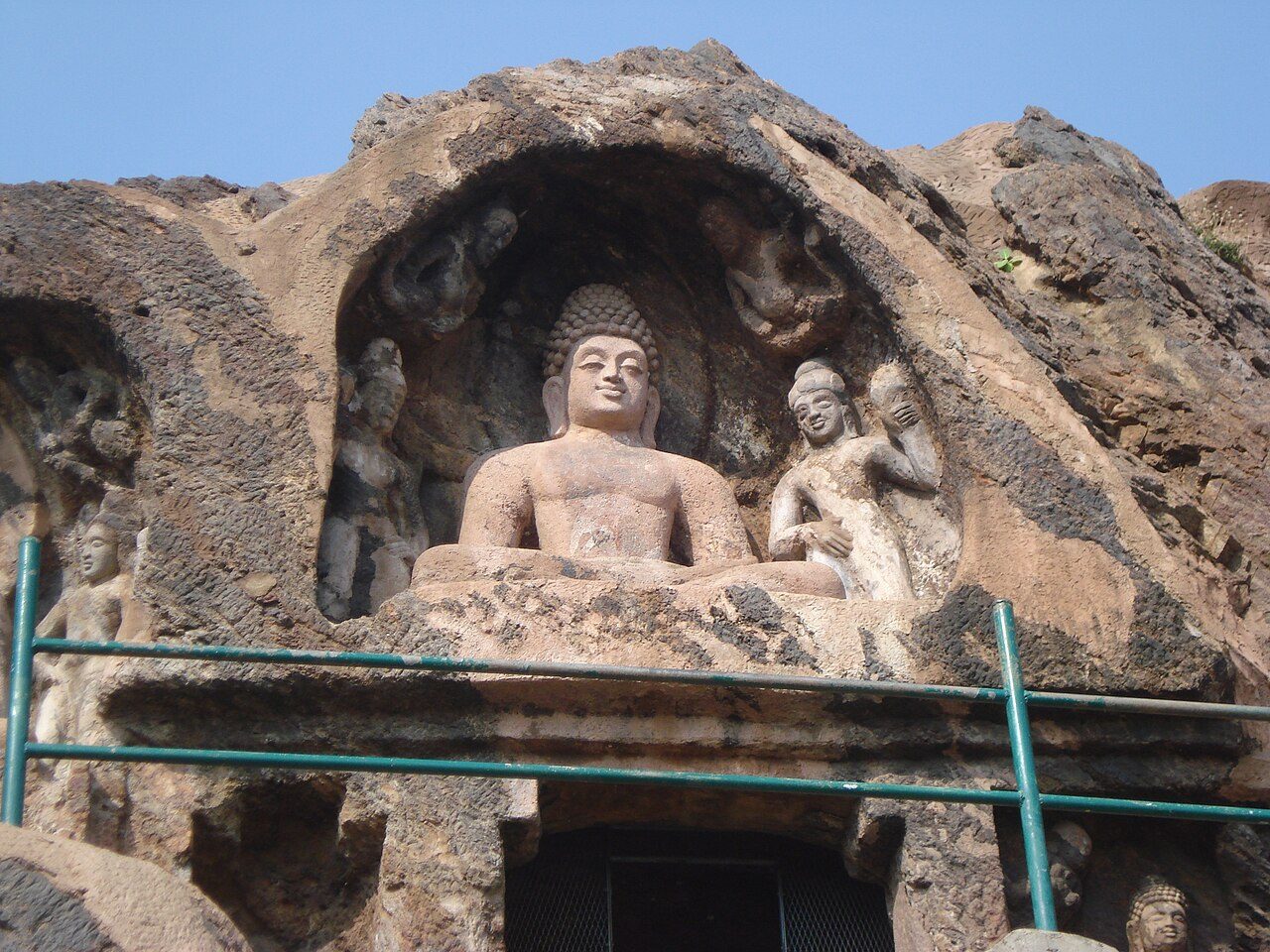
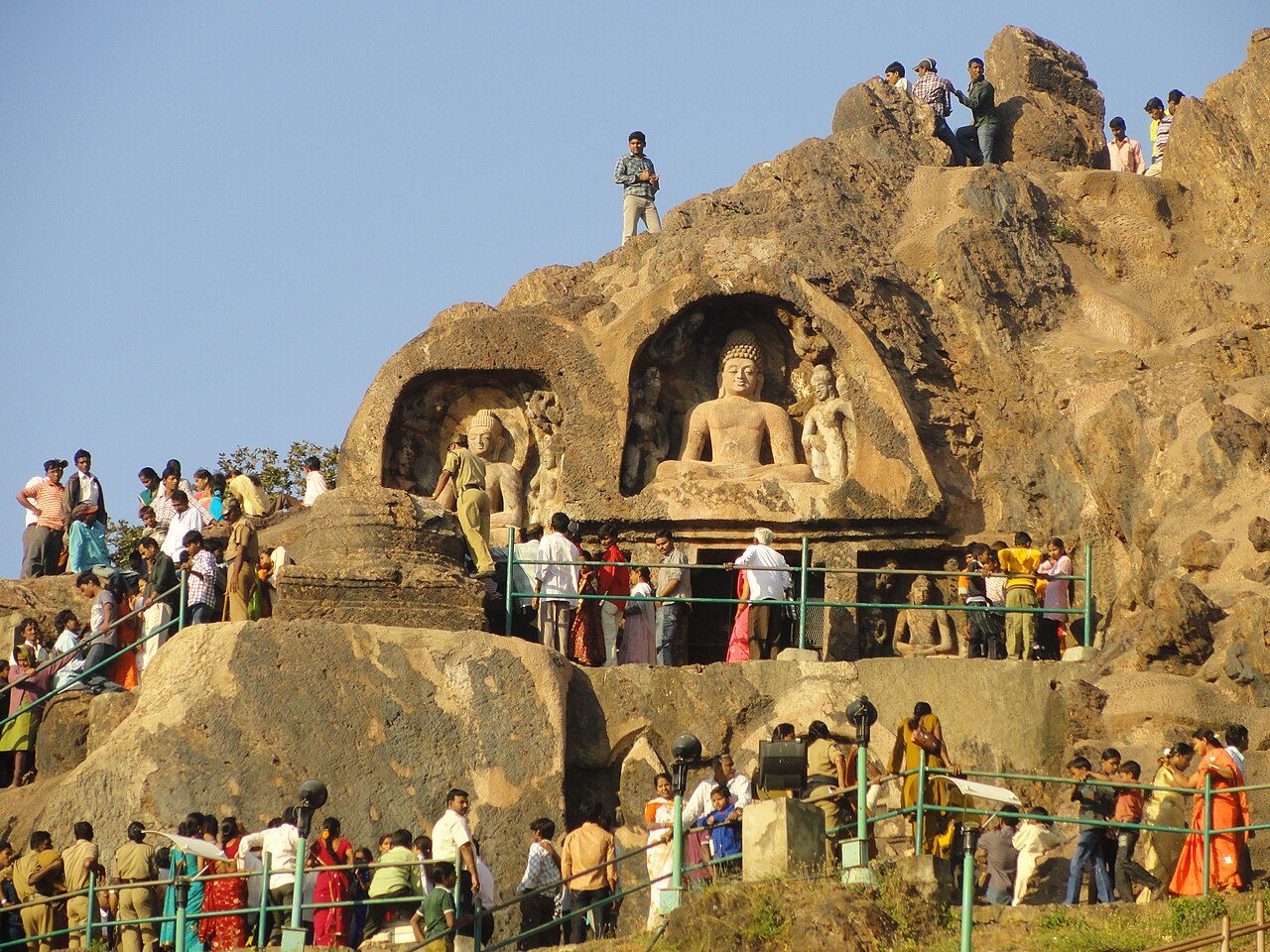
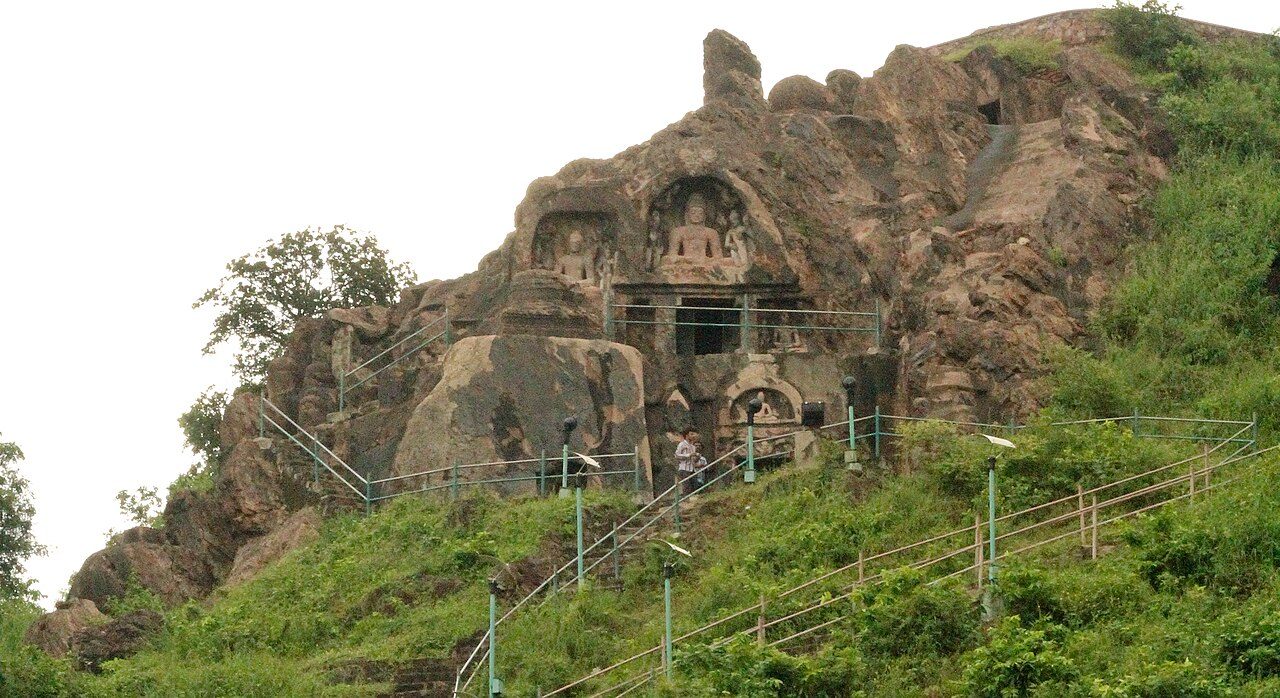
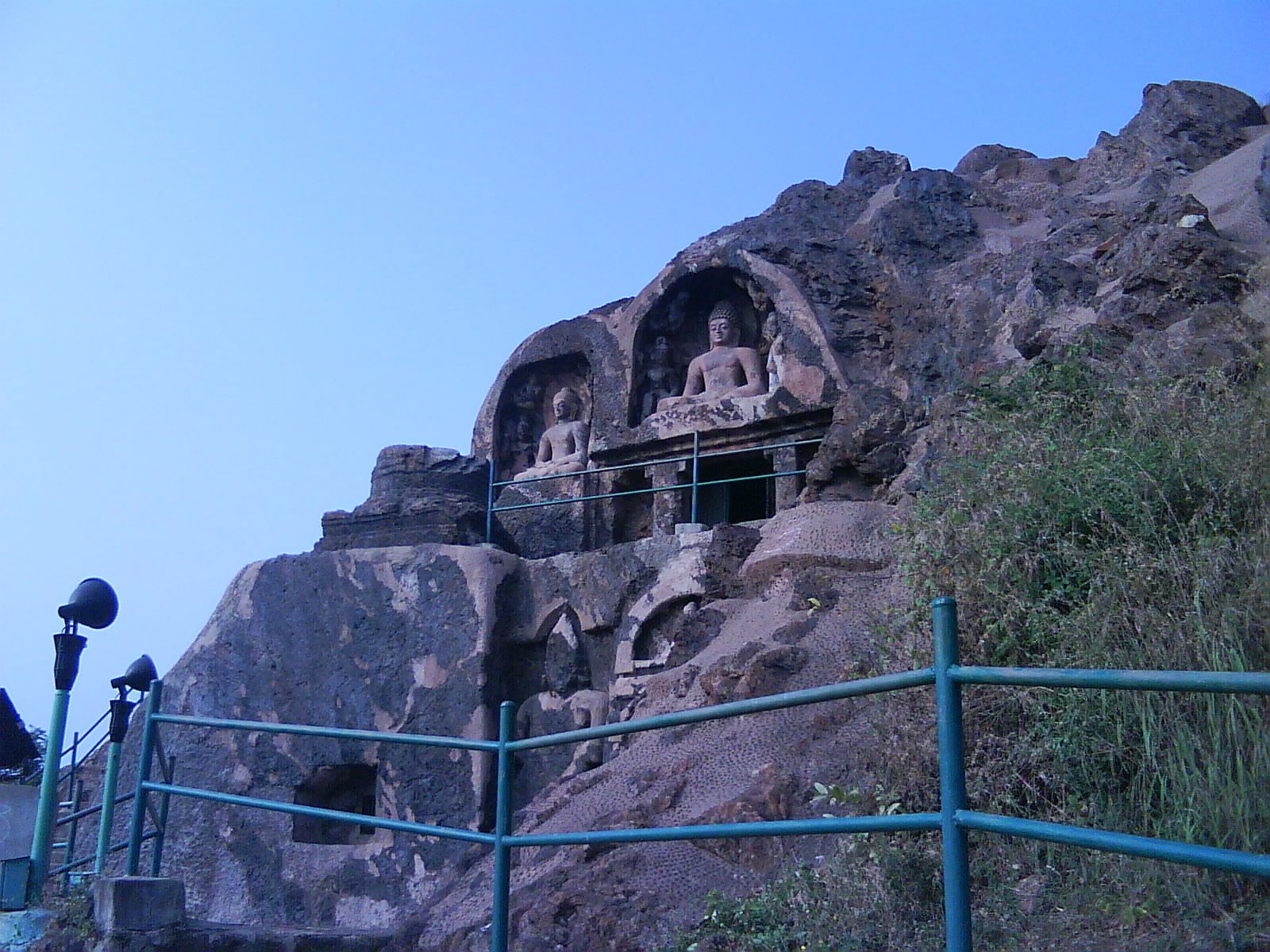
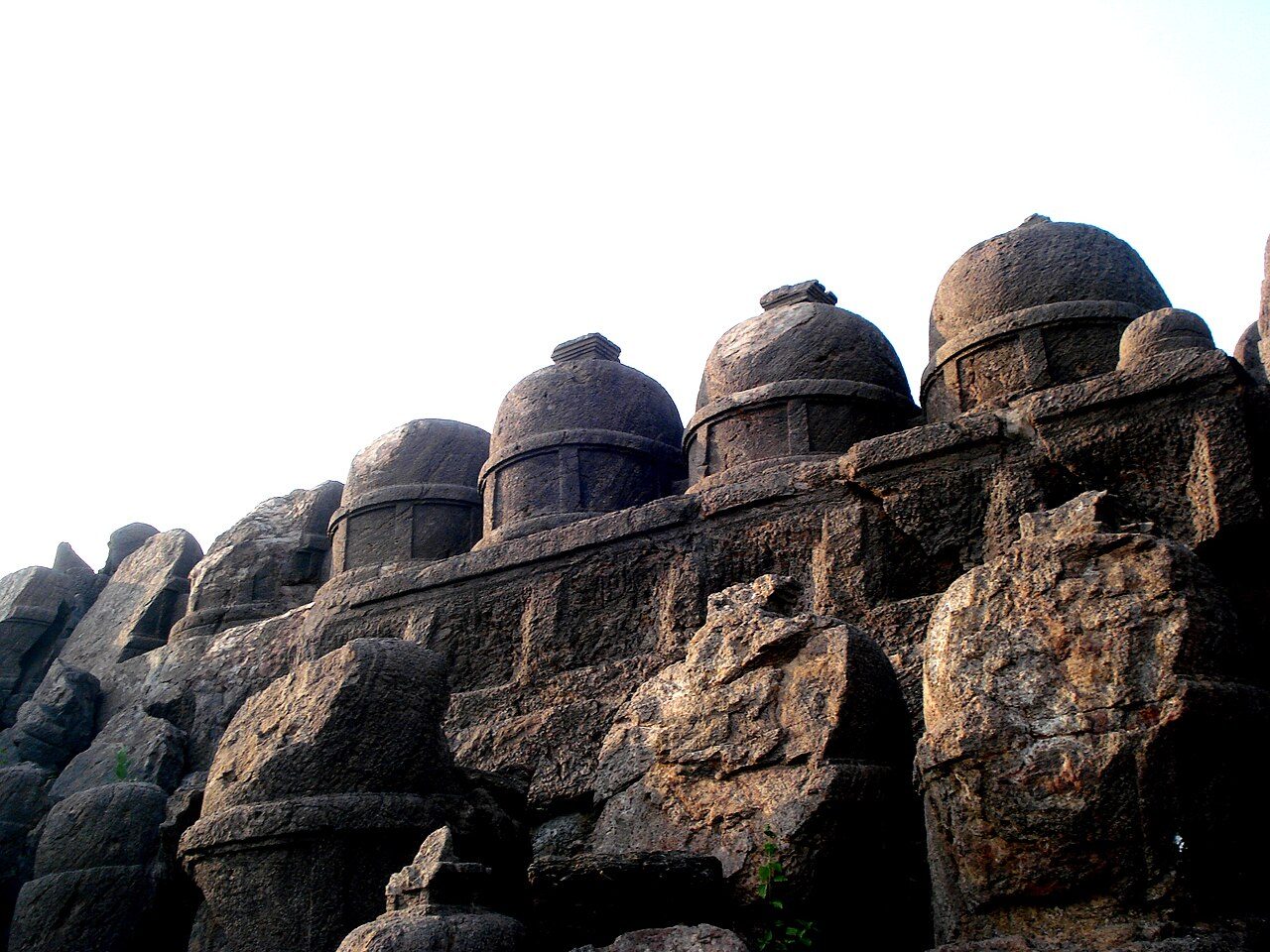
At Sankaram near Anakapalli, the twin hills of Bojjannakonda and Lingalakonda hold rock-cut Buddhist caves, stupas and monasteries from around the 4th to 9th centuries. Bojjannakonda's caves contain carved images of the Buddha and a monolithic stupa cut from the rock, and the hill offers views over the fields.
Best weather: Nov – Mar
Seasons from 20 years of NASA POWER climate data.
Was this trip blog helpful?
0
0
Ready to follow this route?
Copy all 10 stops into your trip plans in the app.
 WaTrips