Vijayawada and Amaravati in 3 Days: Kanaka Durga, Undavalli Caves and an Ancient Stupa TRIP BLOG Photo: Kalasagary · CC BY-SA 4.0
India · Andhra Pradesh · Vijayawada

Vijayawada and Amaravati in 3 Days: Kanaka Durga, Undavalli Caves and an Ancient Stupa

3 DAYS 6 places by WaTrips

Kanaka Durga temple, the Prakasam Barrage, the rock-cut Undavalli caves, Kondapalli Fort, the Amaravati stupa and Manginapudi beach.

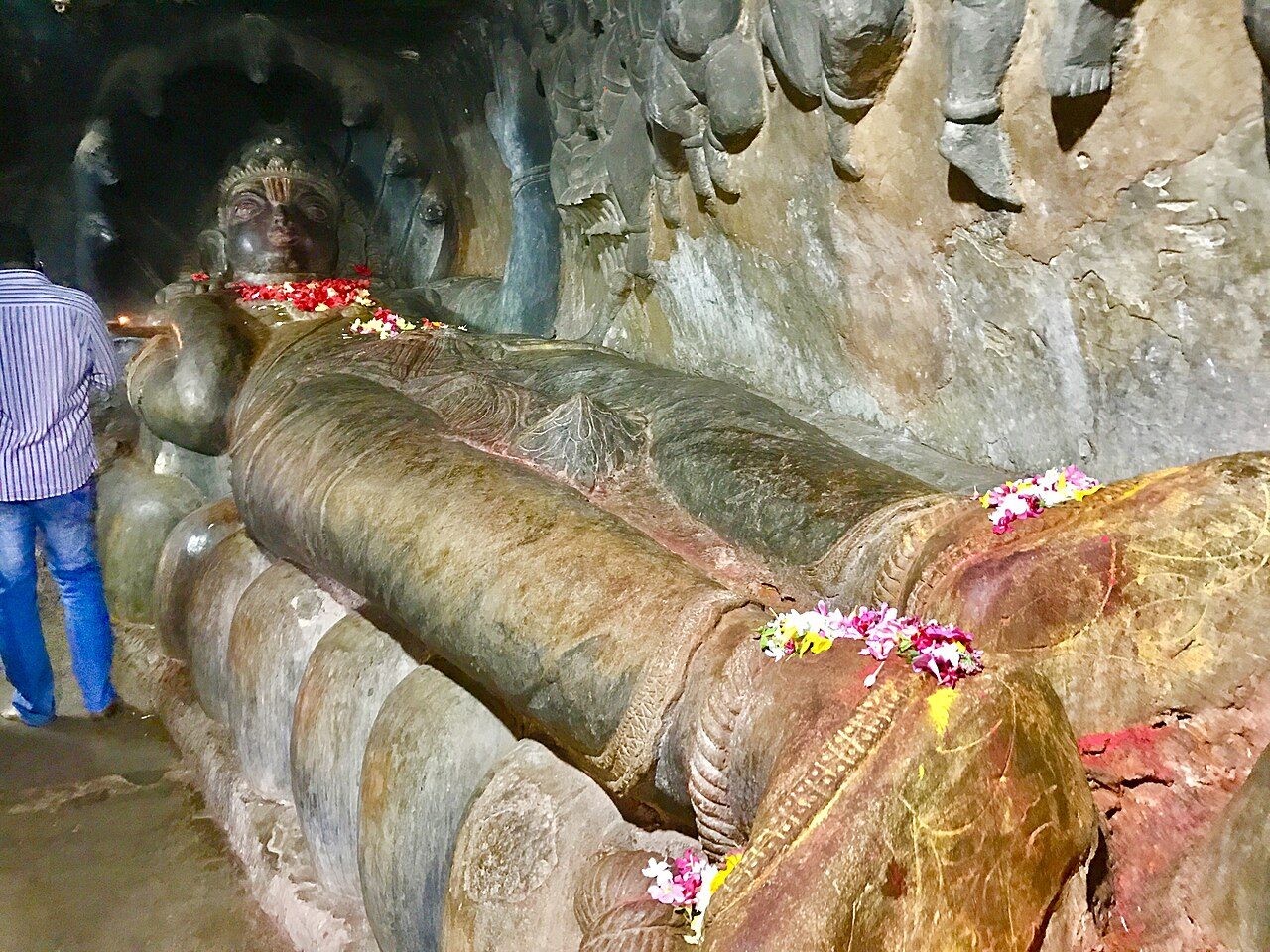
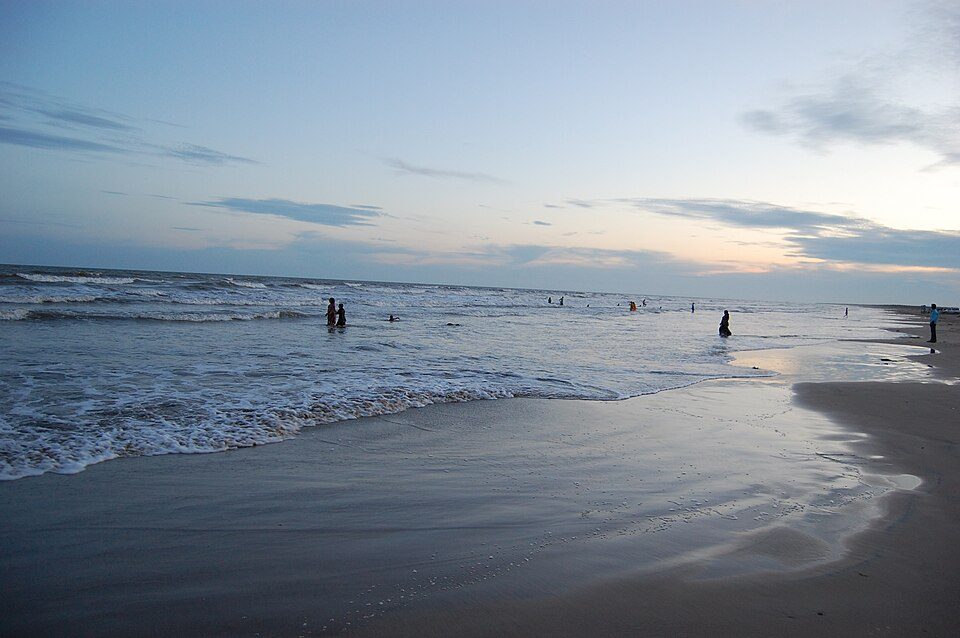
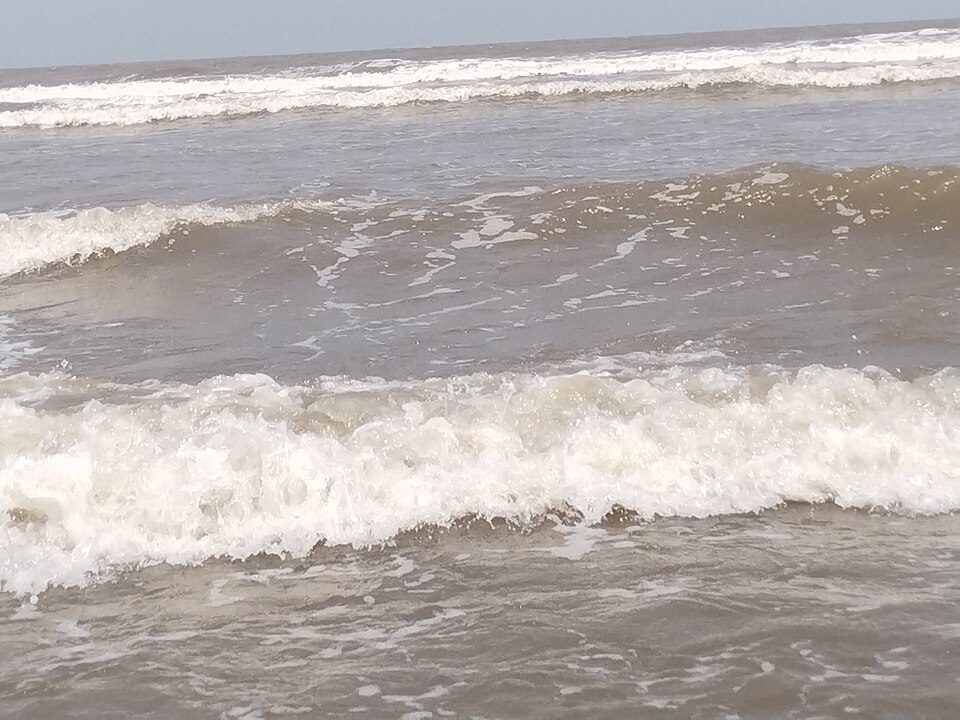
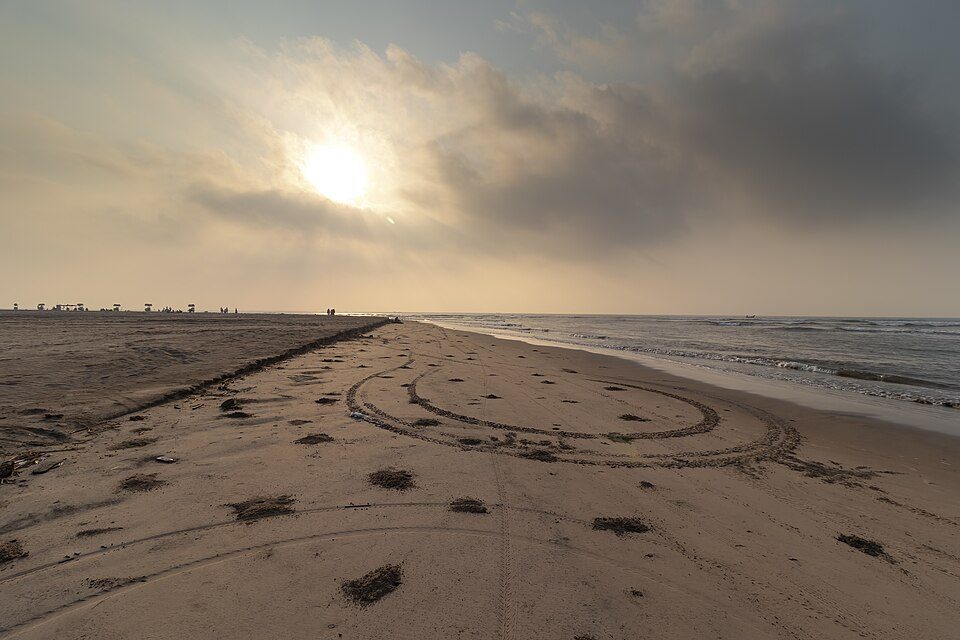
Vijayawada sits on the Krishna, with history on both banks. Day one climbs to the Kanaka Durga temple on Indrakeeladri hill, then watches the sunset from the Prakasam Barrage before crossing to the rock-cut Undavalli caves, with a huge reclining Vishnu inside. Day two visits Kondapalli Fort above the village known for its painted wooden toys, then Amaravati, where a great Buddhist stupa stood two thousand years ago; the site museum shows its carved panels. On the last day drive to the coast at Machilipatnam for Manginapudi beach. It is a compact trip with short drives, and October to February is the most comfortable time, as summers here are very hot.

01
STOP 1 OF 6

Kanaka Durga Temple
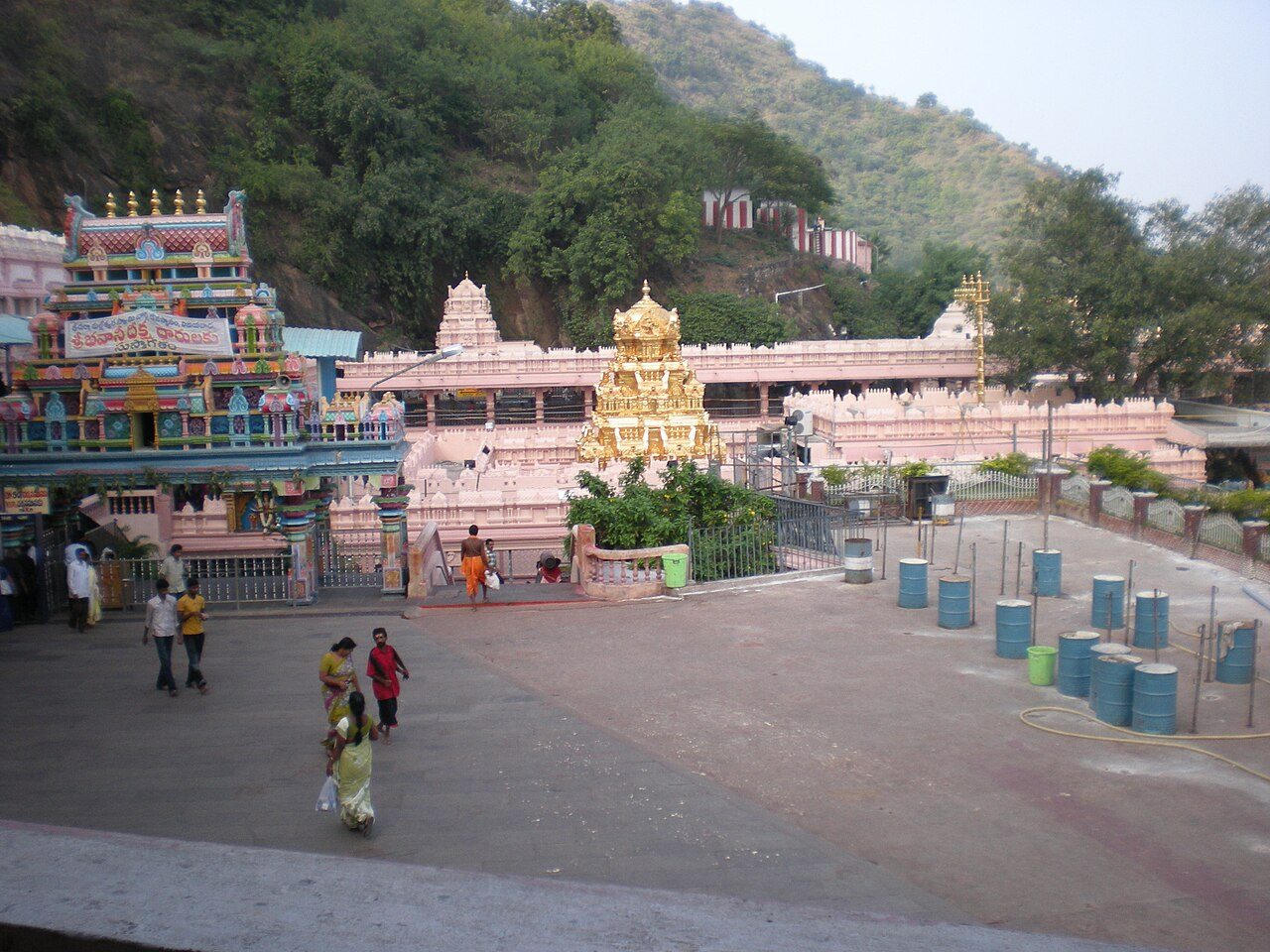
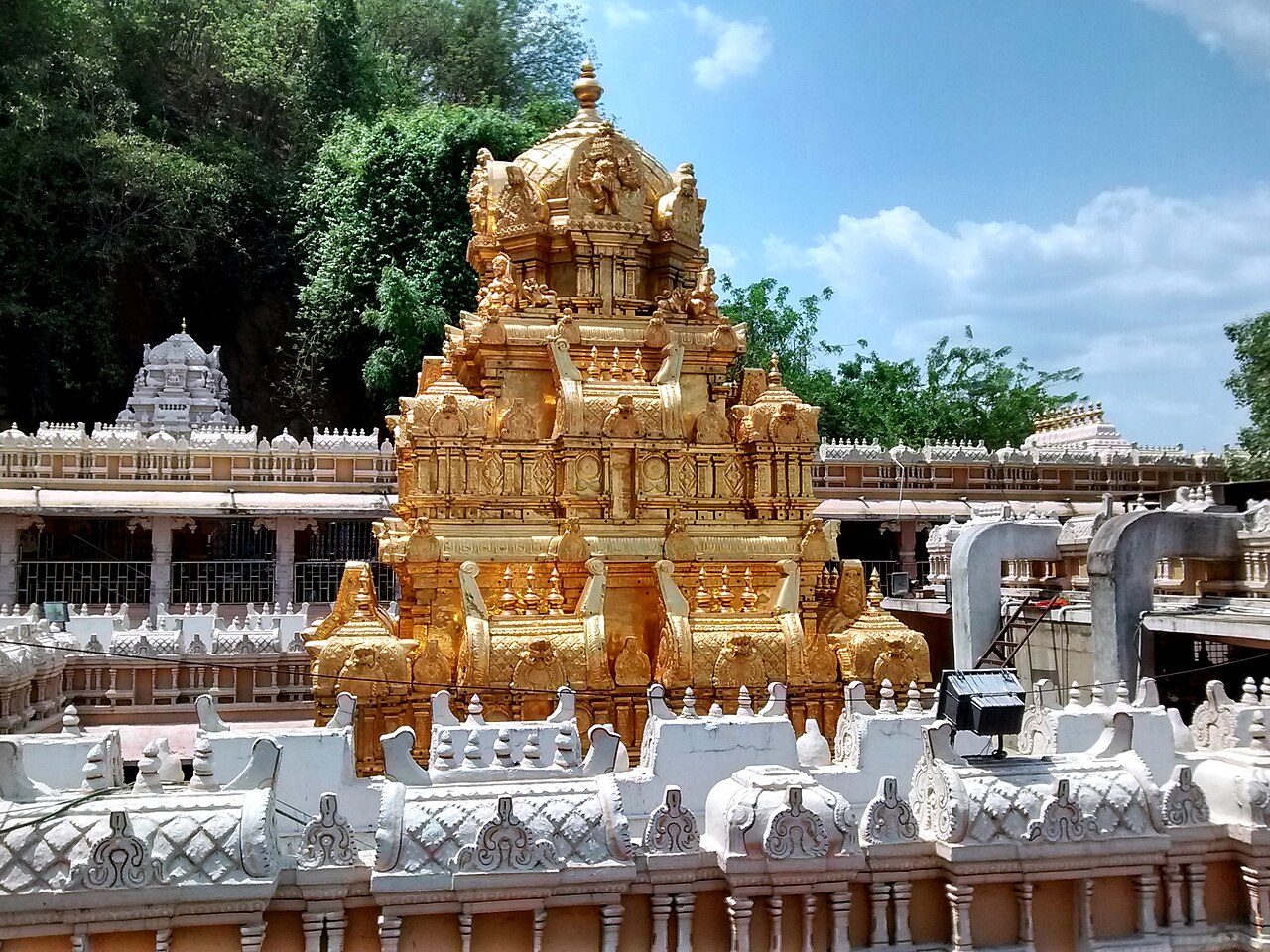
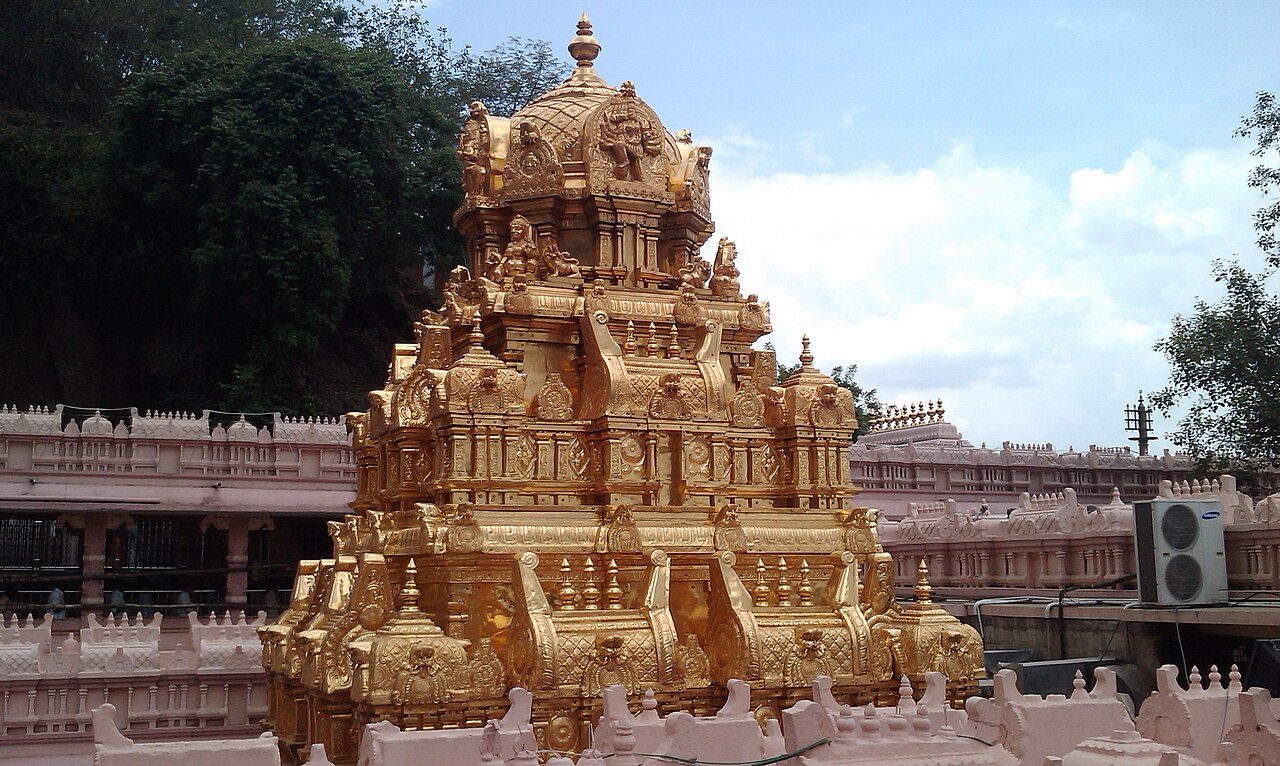
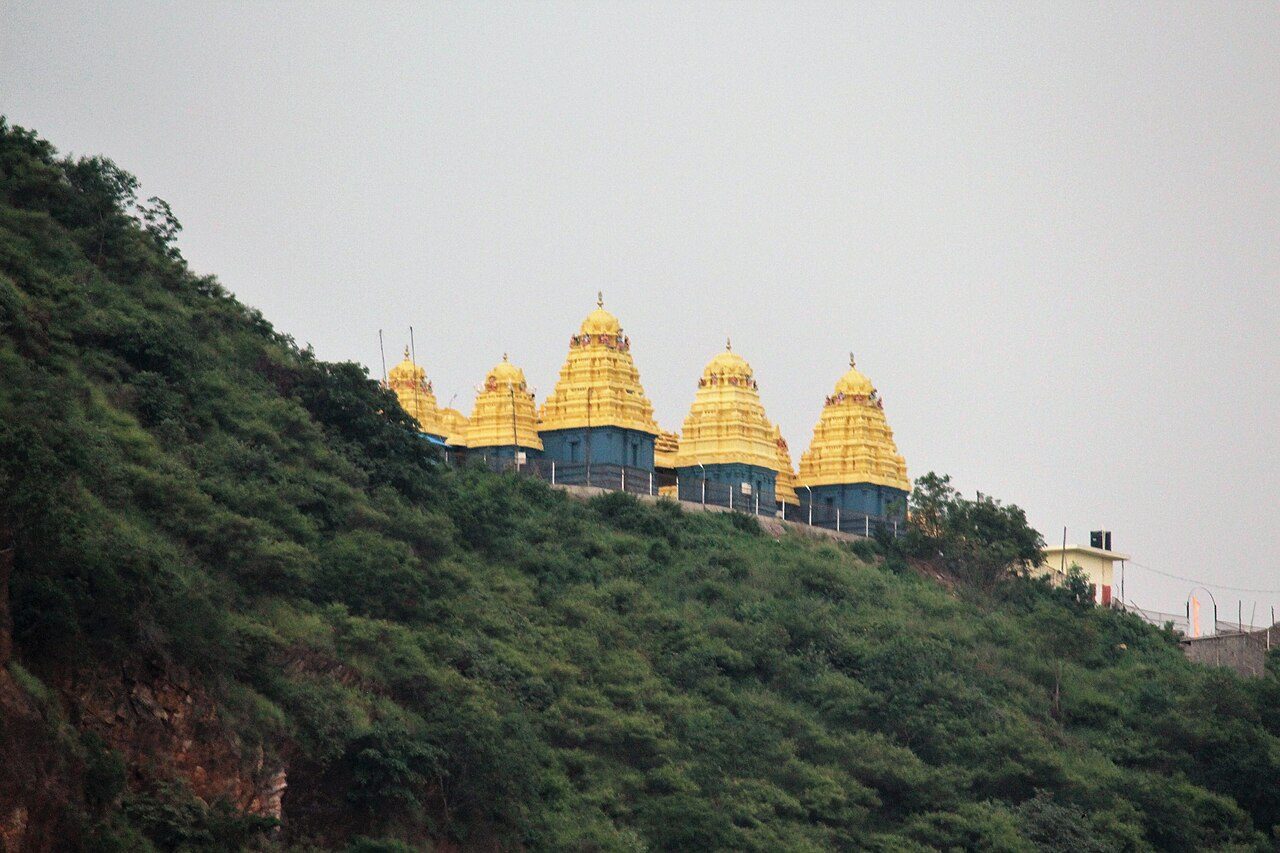
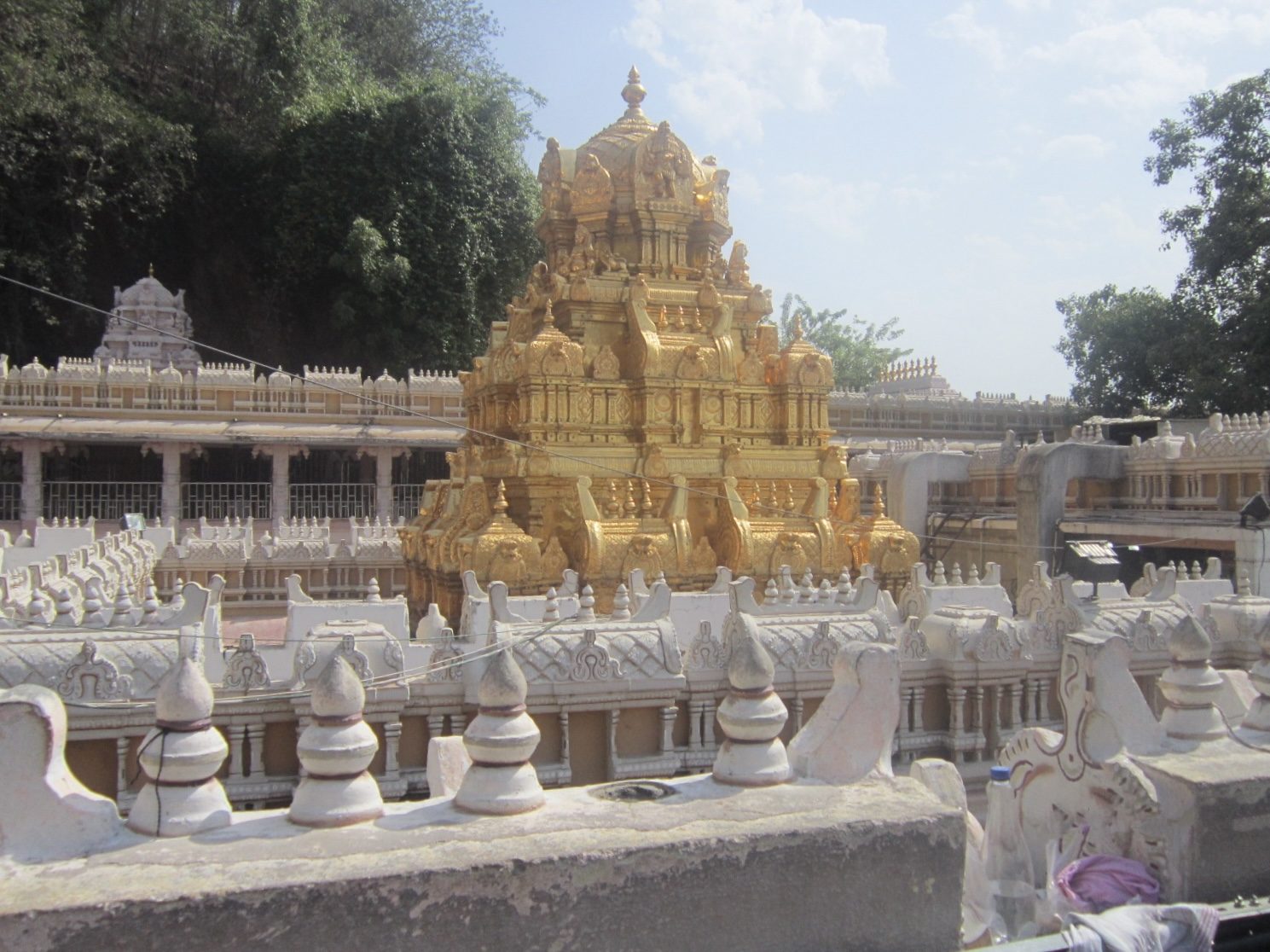
On Indrakeeladri hill above the Krishna river in Vijayawada, the Kanaka Durga temple is one of the most important goddess temples in Andhra Pradesh. Its Dasara festival draws huge crowds, when the deity is decorated in a different form each day. A flyover and ghat road lead up to the temple.

Best weather: Nov – Feb
02
STOP 2 OF 6

Prakasam Barrage

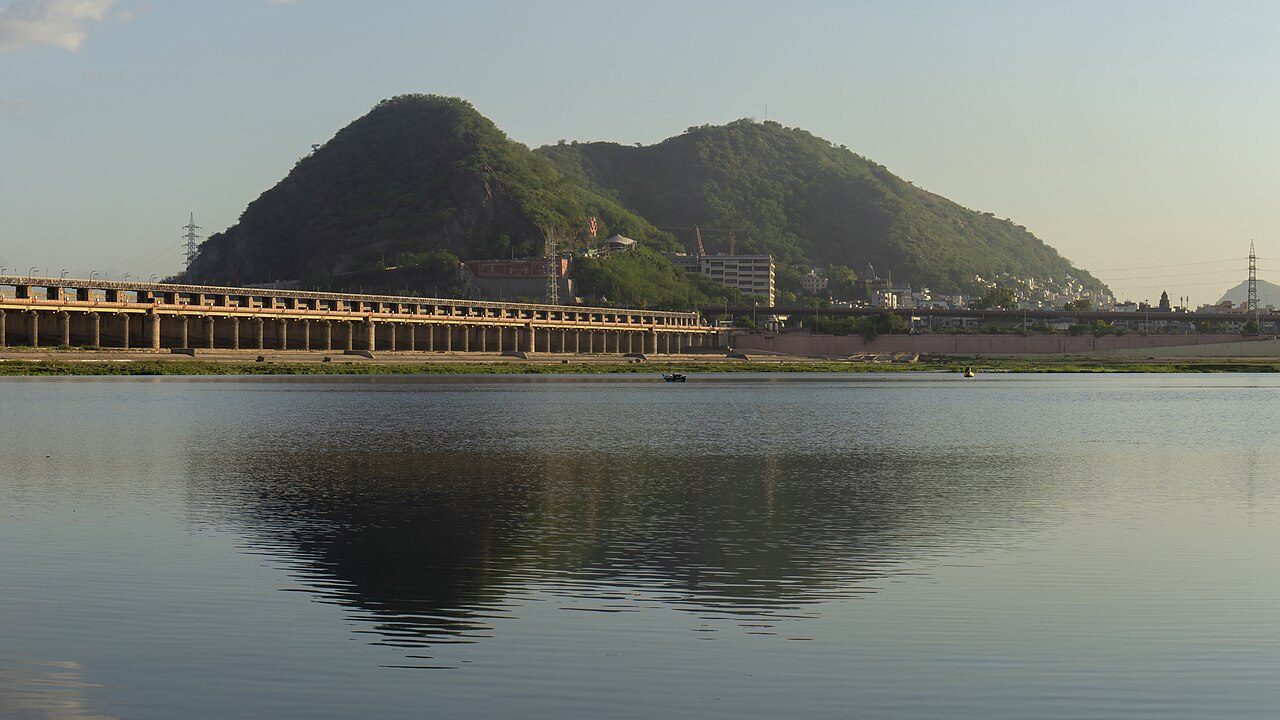
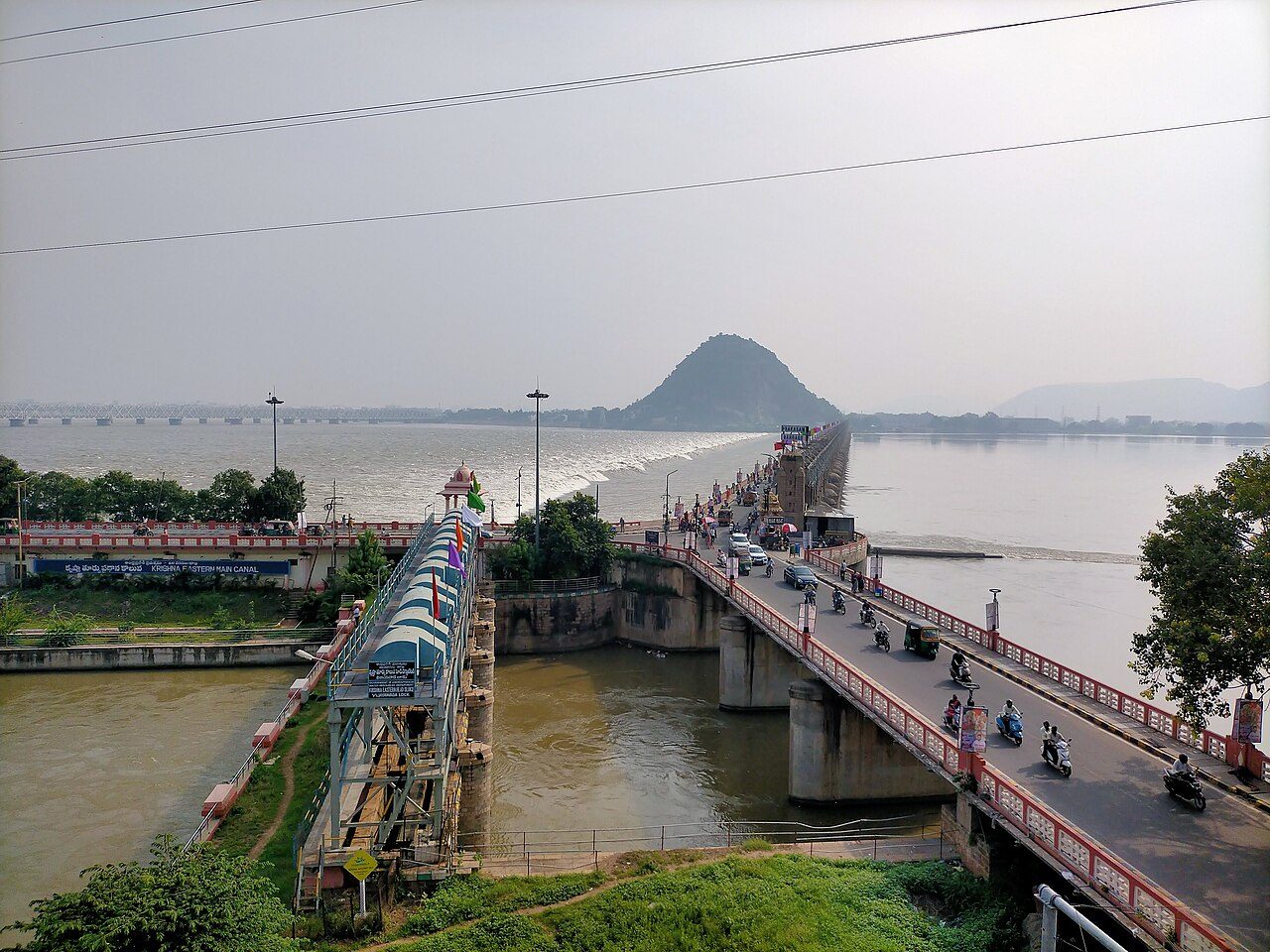
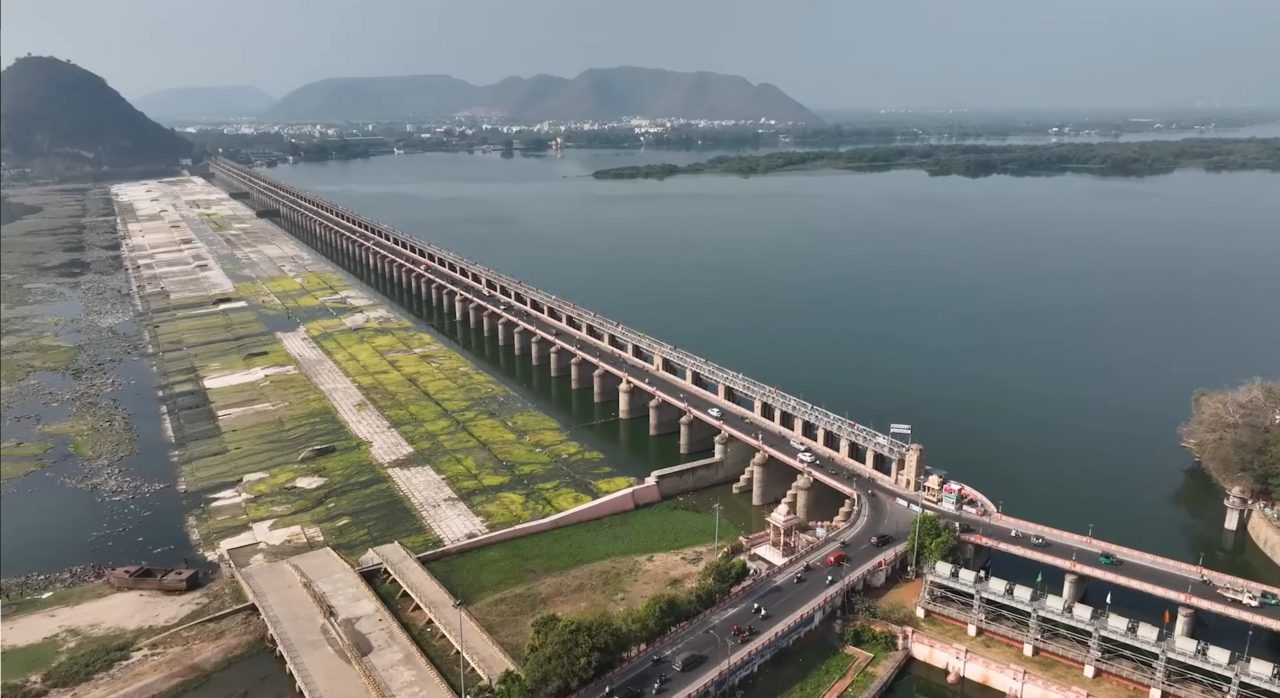
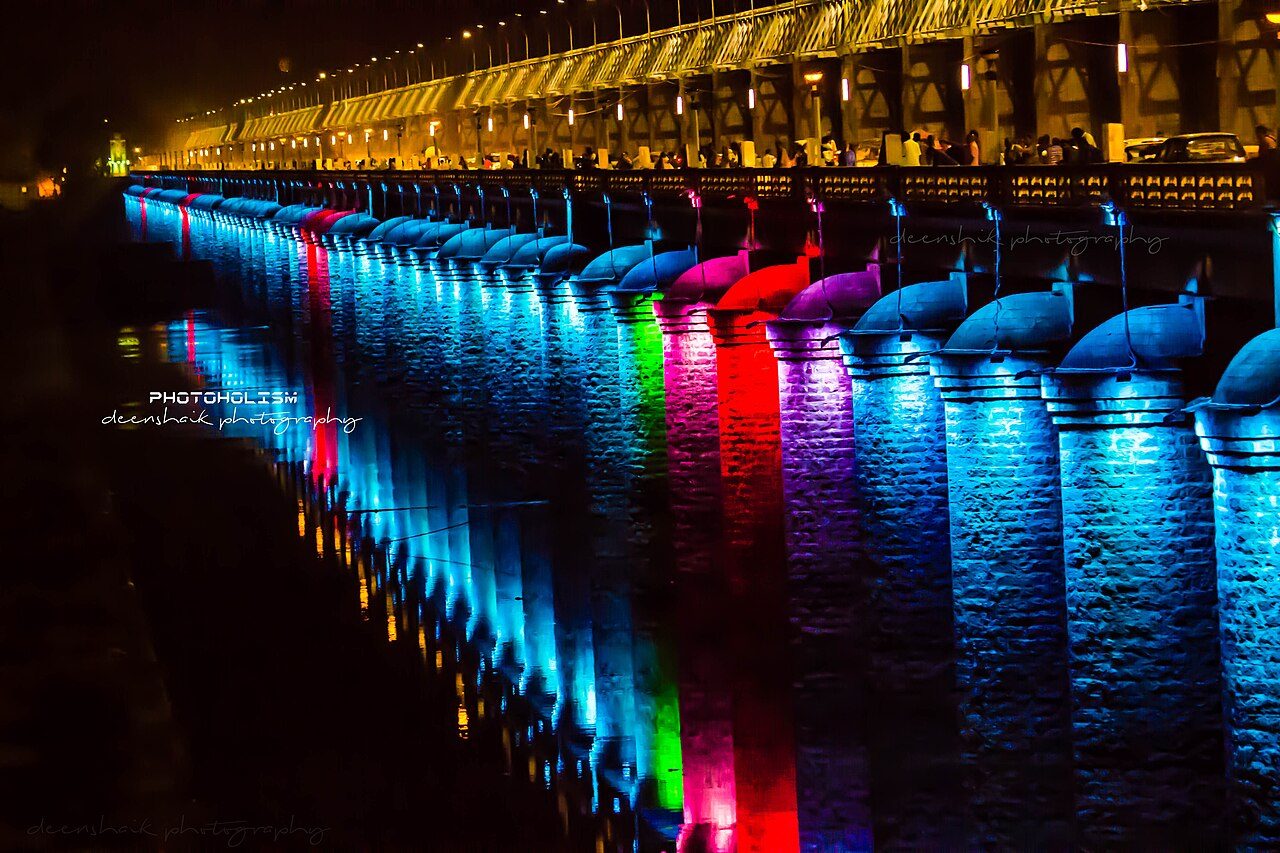
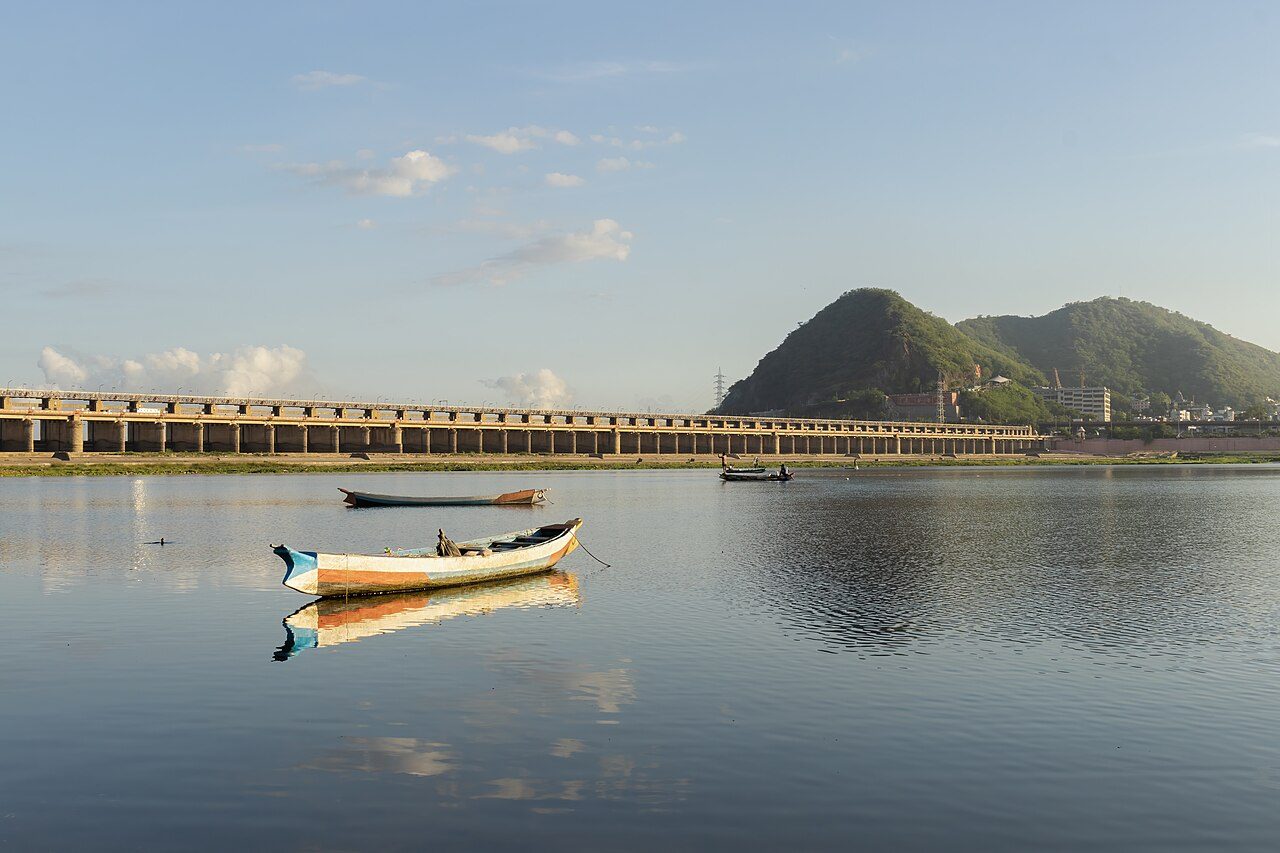
Built across the Krishna river at Vijayawada and completed in 1957, the Prakasam Barrage replaced an older anicut from 1855 and irrigates large parts of the Krishna delta. The barrage road links Vijayawada with Guntur and gives a long view of the wide river, lit up beautifully in the evenings.

Best weather: Nov – Feb
03
STOP 3 OF 6

Undavalli Caves

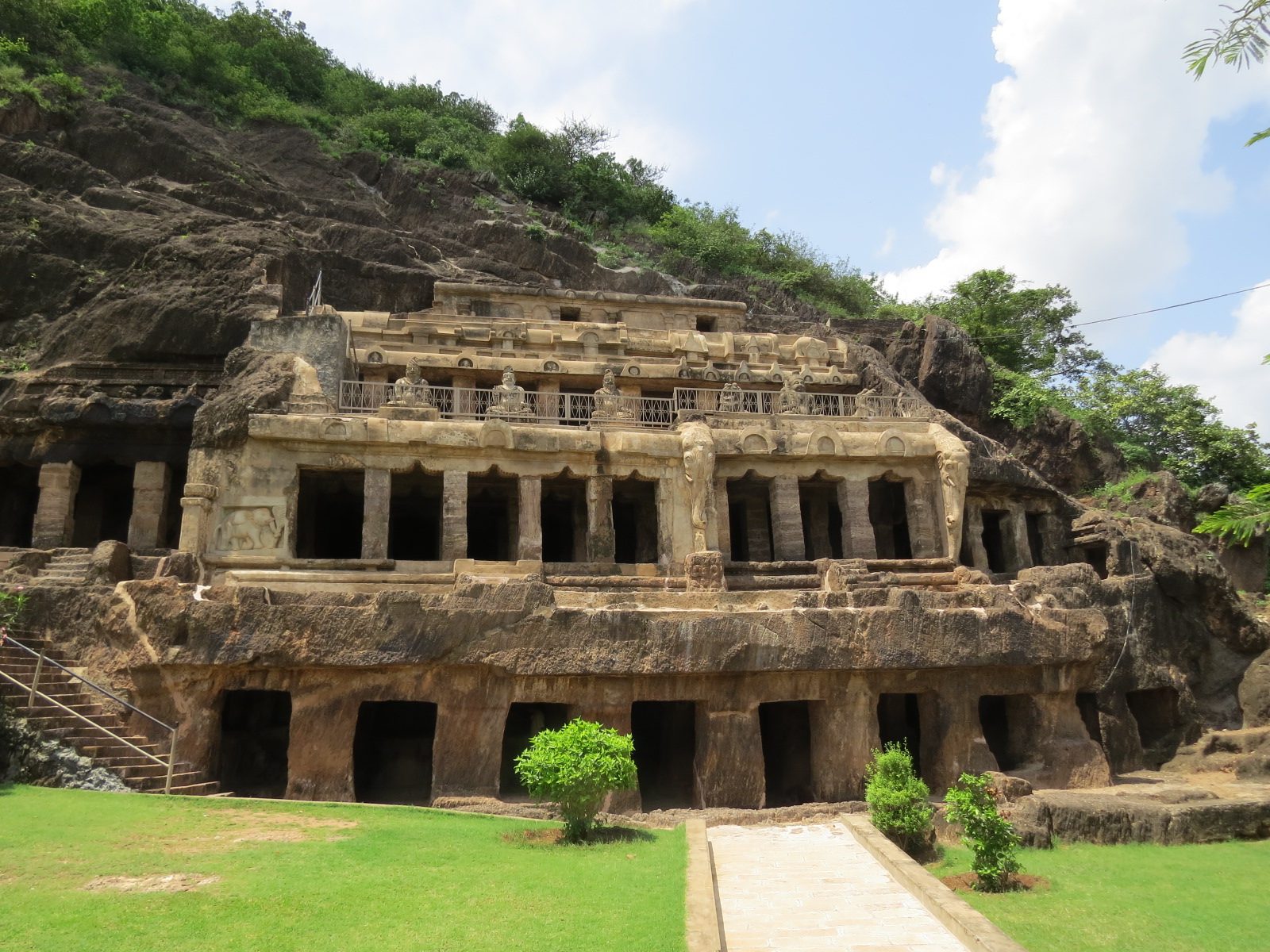
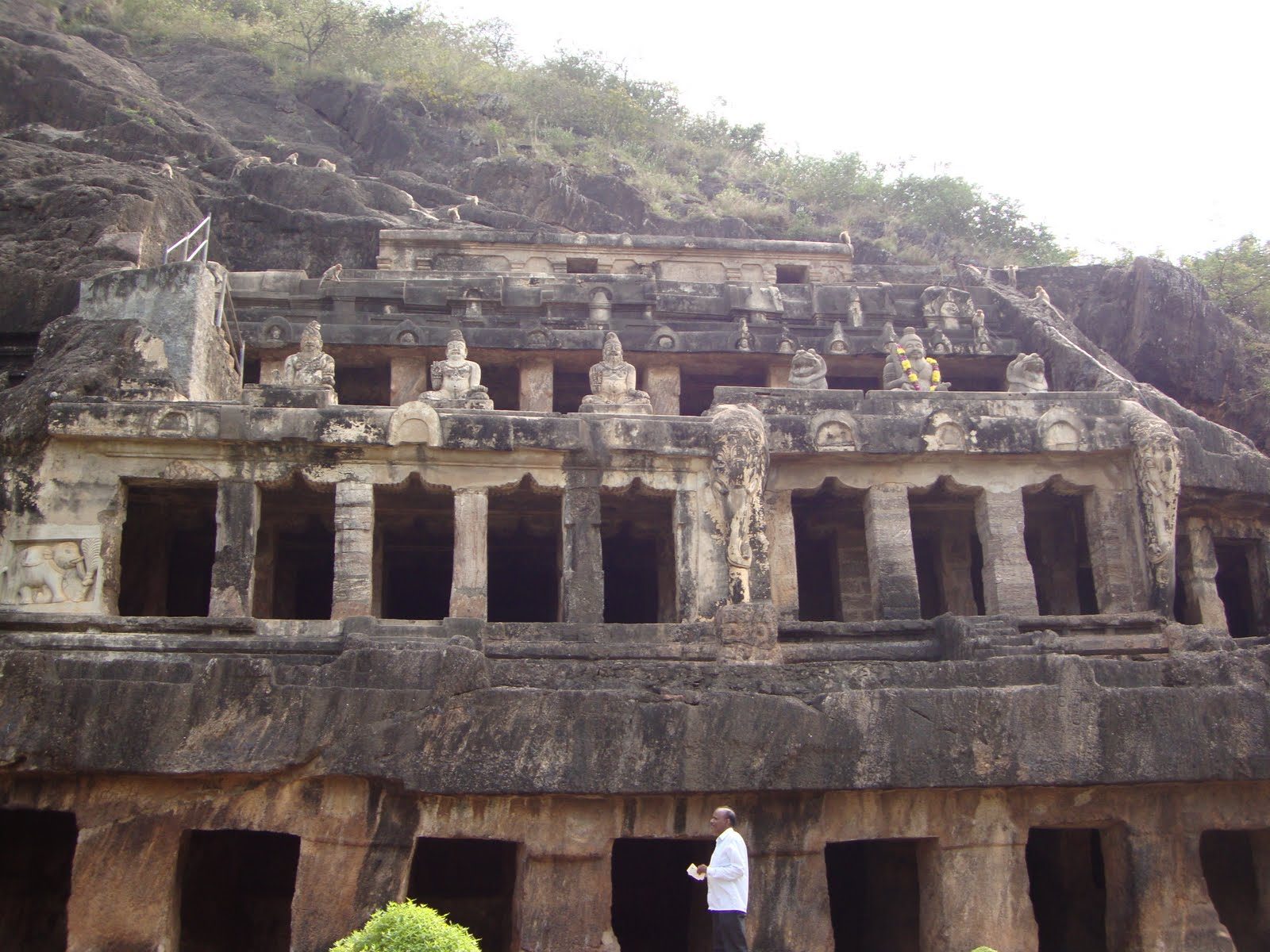
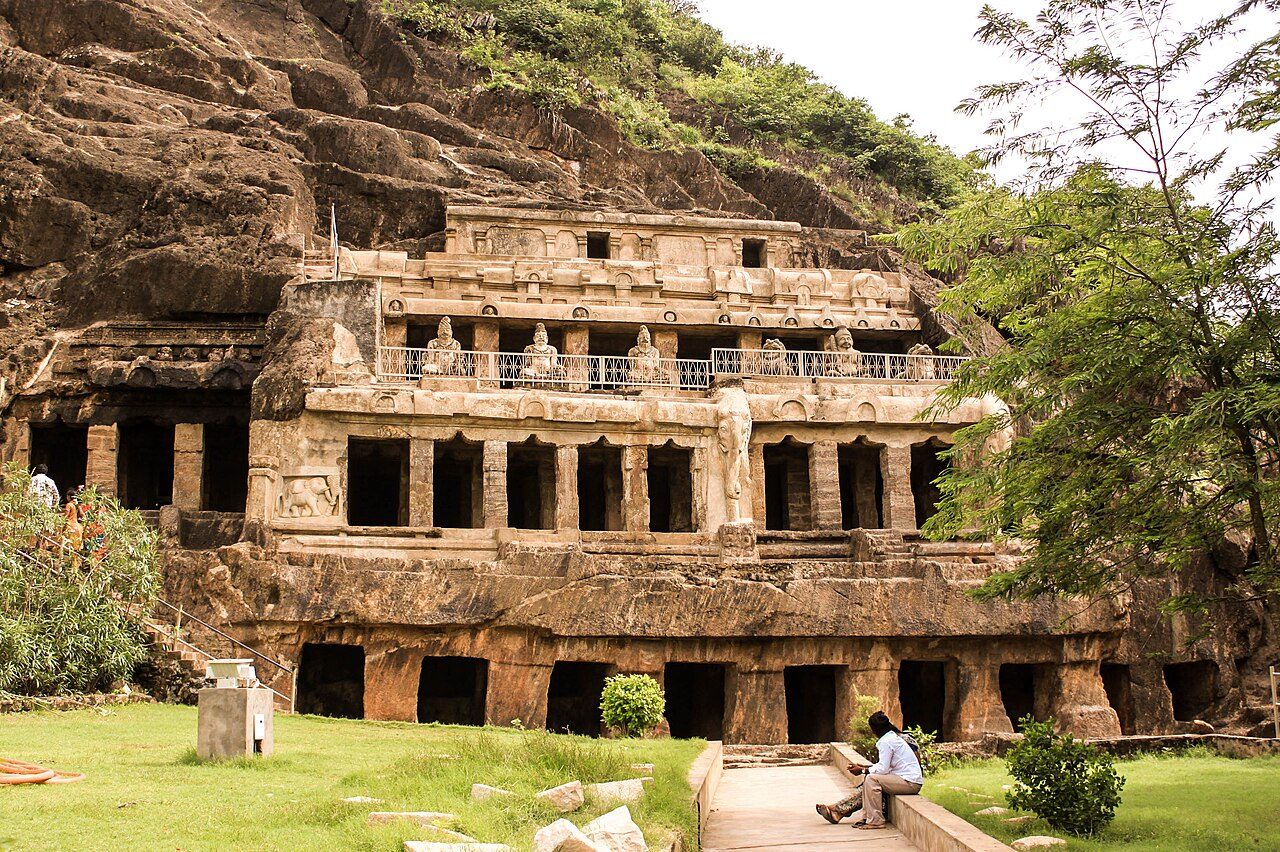
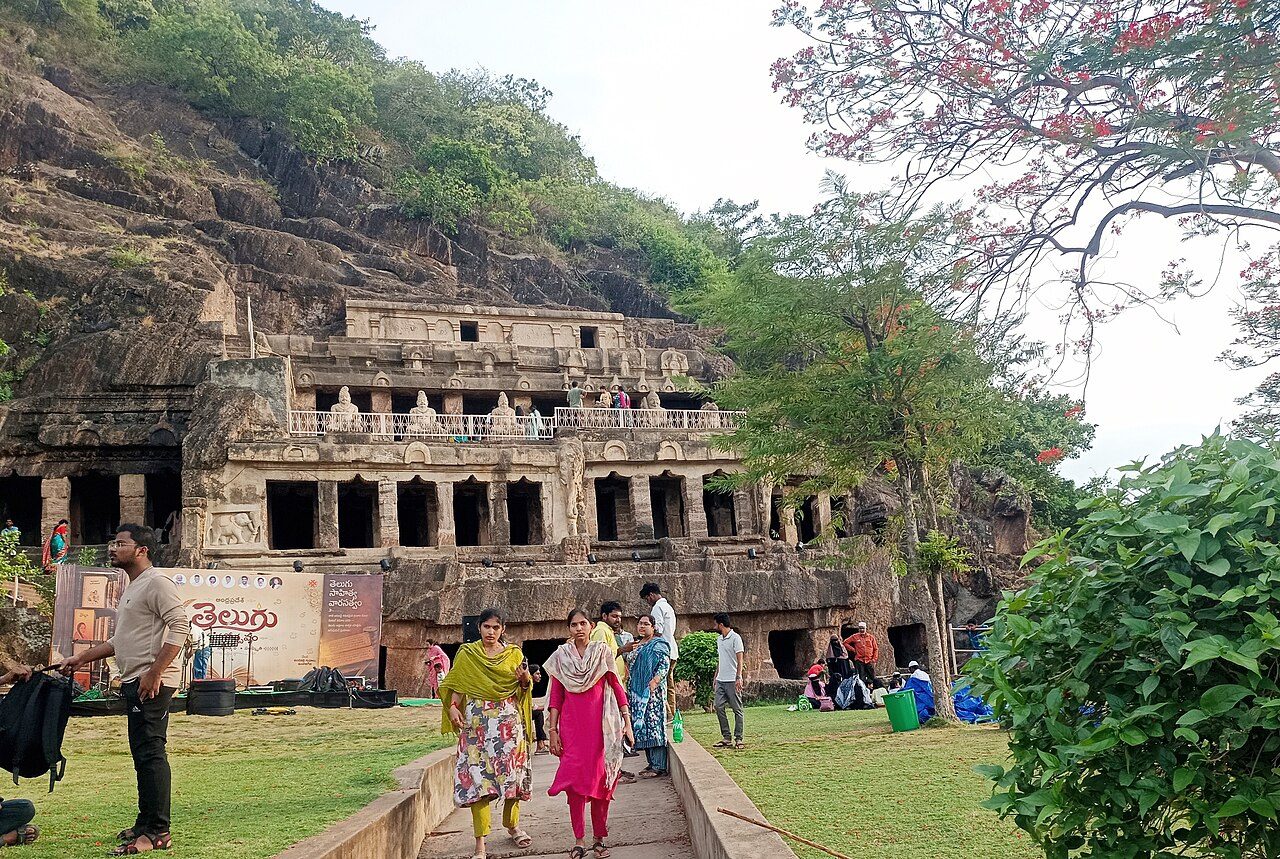
Carved into a hillside on the banks of the Krishna near Vijayawada, the Undavalli Caves date from around the 4th to 7th centuries. The largest is four storeys high and holds a huge reclining Vishnu carved from a single block of granite. The caves were originally Buddhist and later adapted for Hindu worship.

Best weather: Nov – Feb
05
STOP 5 OF 6

Amaravati Stupa

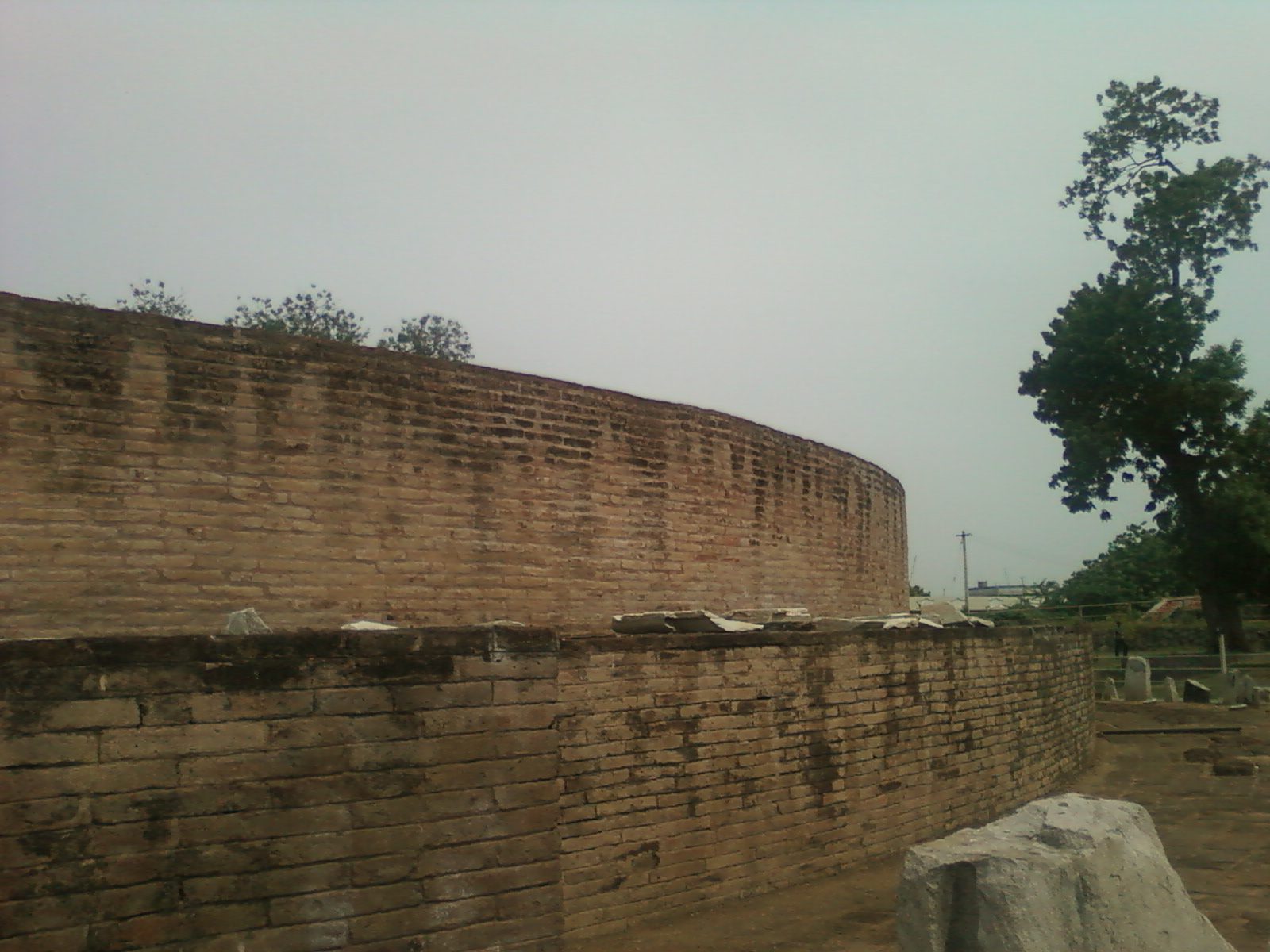
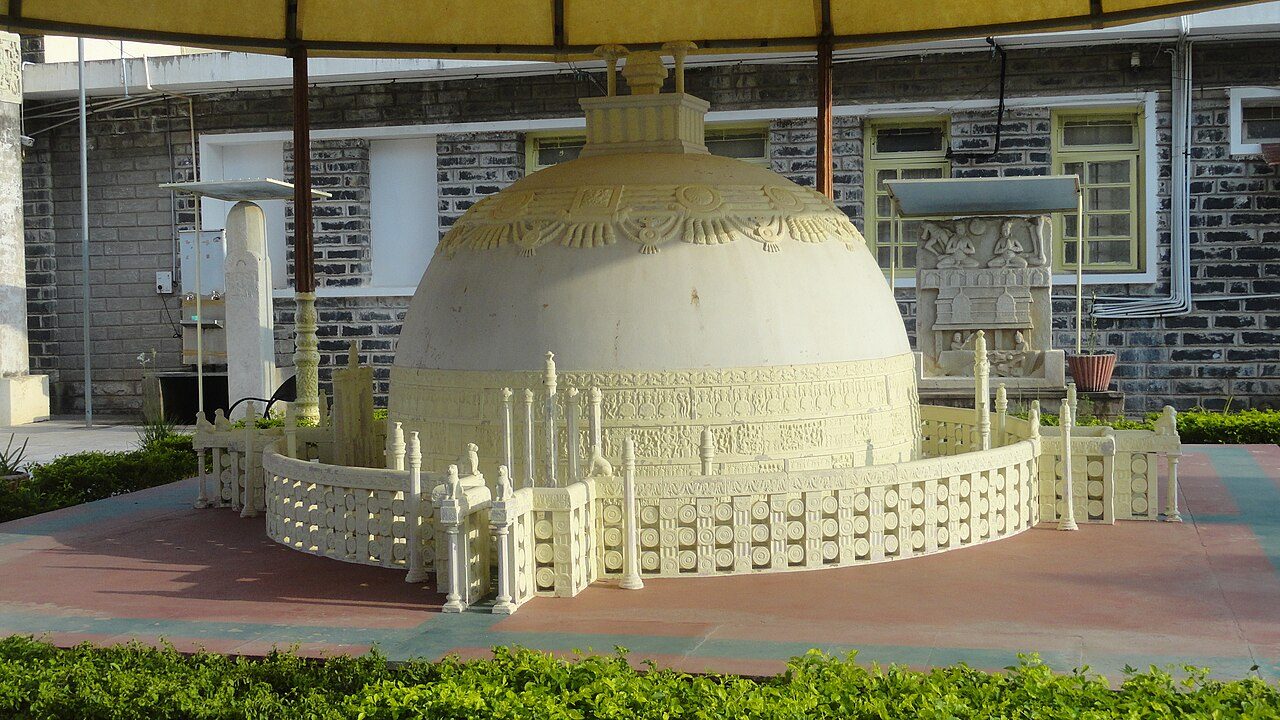
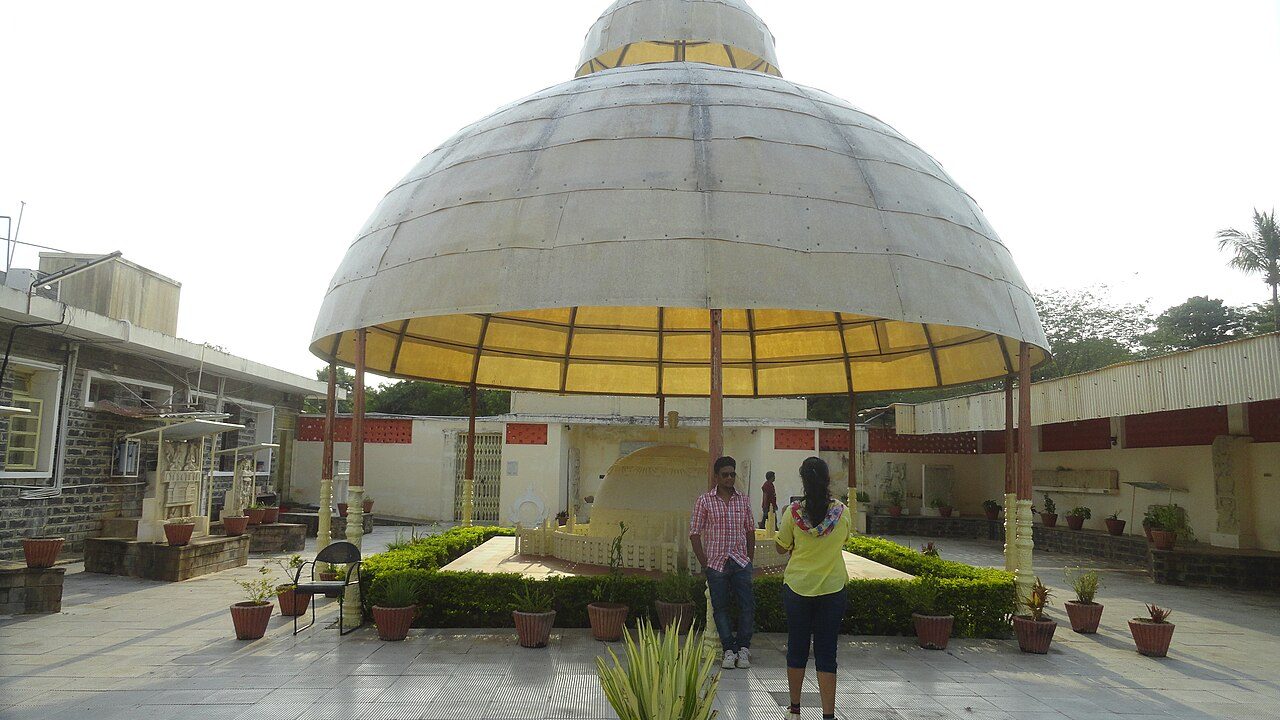
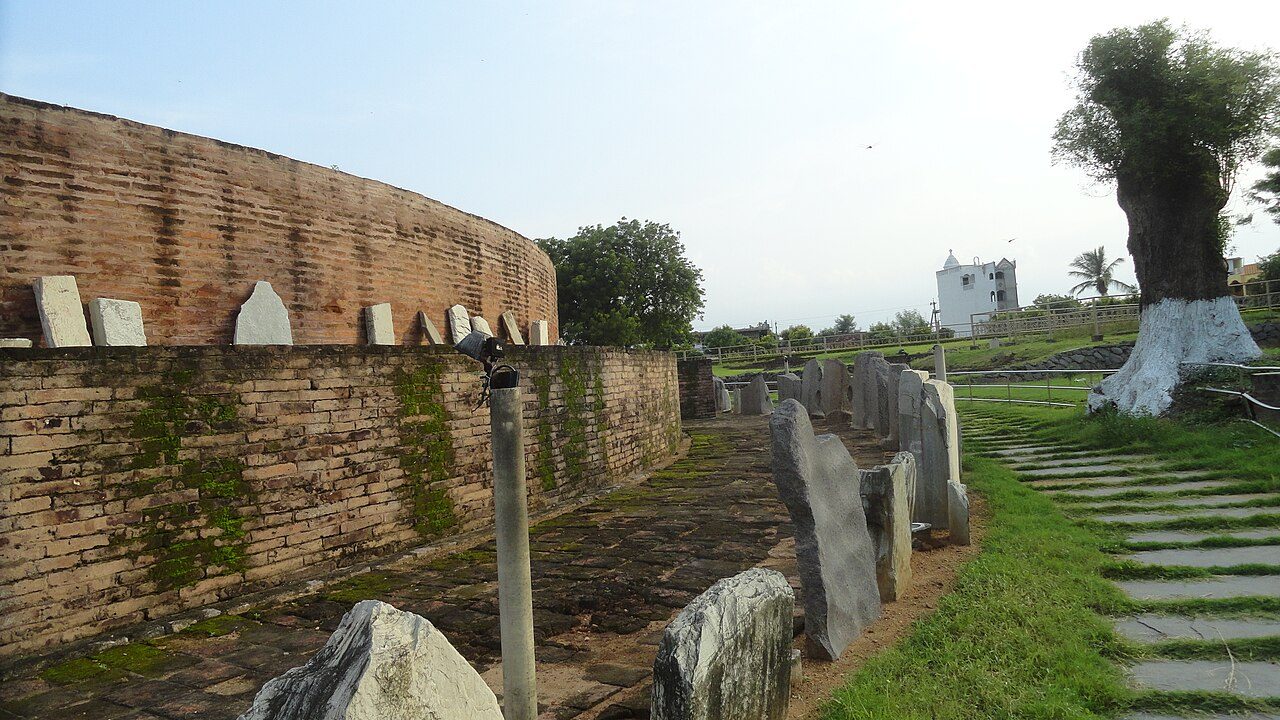
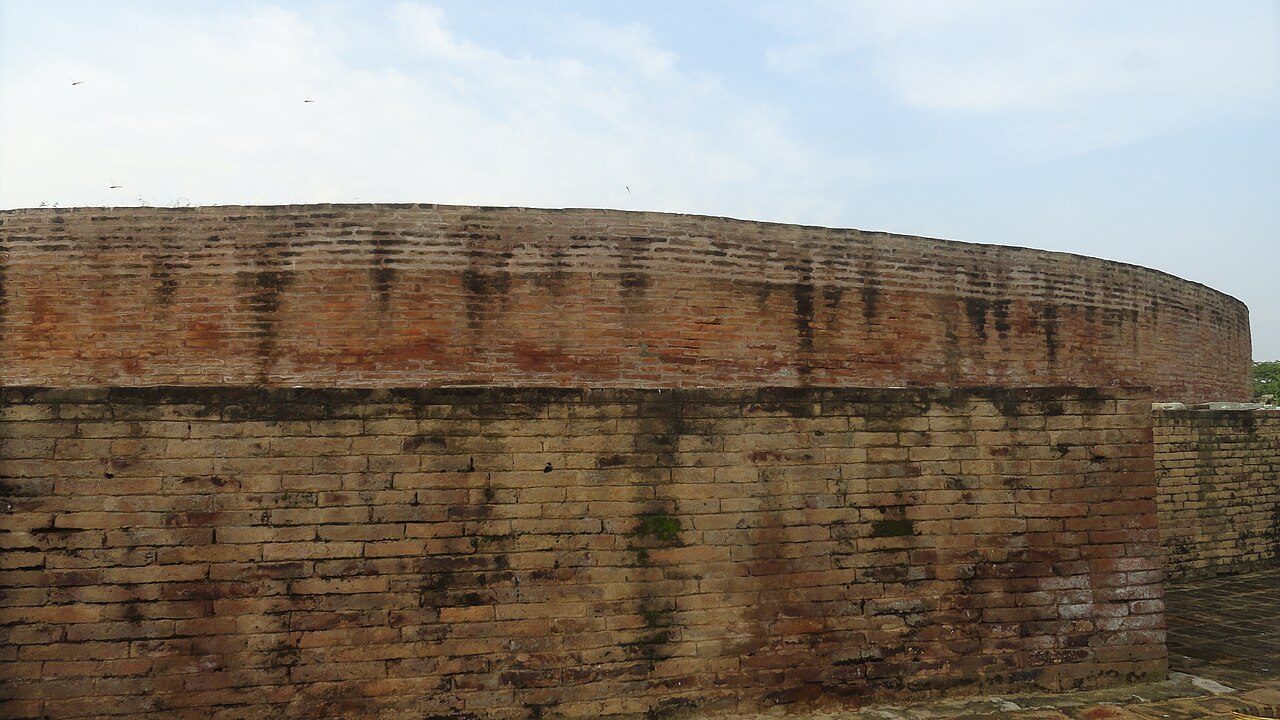
Amaravati was a great Buddhist centre from around the 3rd century BCE, and its Mahachaitya stupa was among the largest in India, decorated with finely carved limestone panels. Today the mound and a reconstructed stupa base can be seen, with a museum displaying sculptures from the site.

Best weather: Nov – Feb
Seasons from 20 years of NASA POWER climate data.

Was this trip blog helpful?

0
0

Ready to follow this route?

Copy all 6 stops into your trip plans in the app.

Open in WaTrips
More trip blogs