Vellore, Tiruvannamalai & Gingee: Forts, Temples and Auroville in 4 Days
4 DAYS11 placesby WaTrips
Vellore's moated fort and golden temple, Arunachaleswarar and Ramana Ashram, the hill citadels of Gingee, and Auroville's Matrimandir.
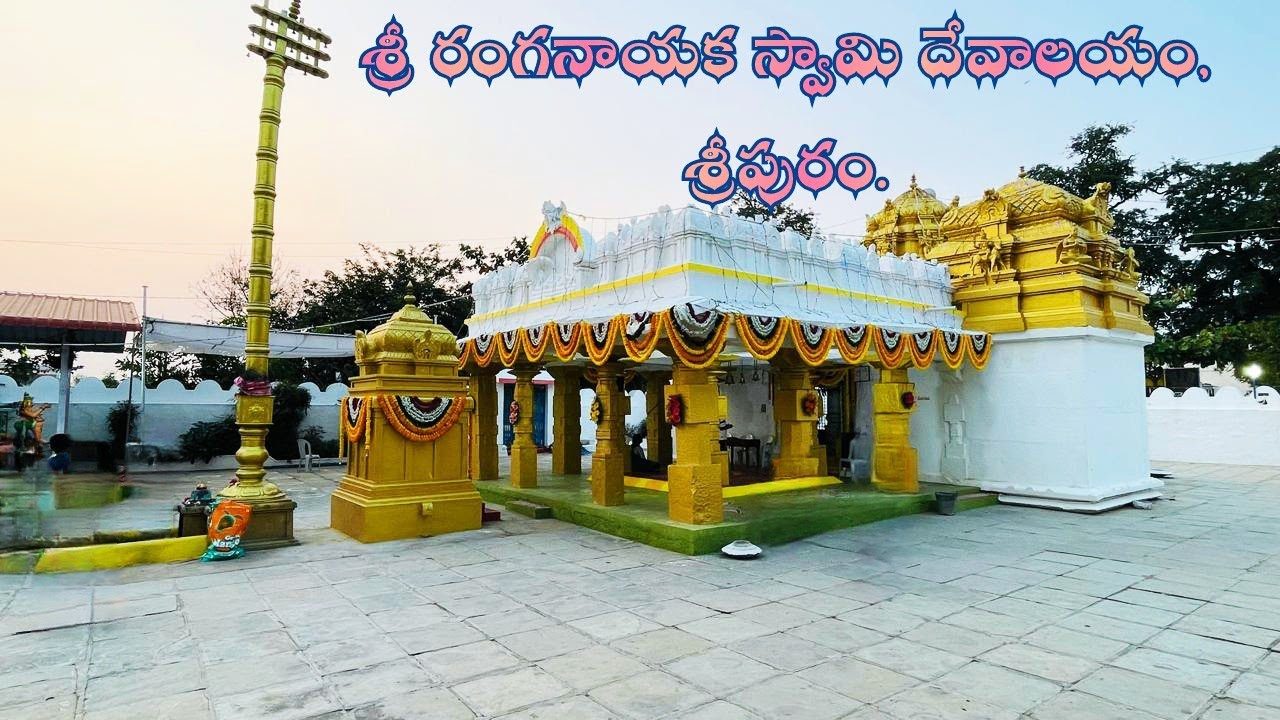
This route links some of Tamil Nadu's best forts and holiest temples. In Vellore, walk the moated fort with the Jalakandeswarar Temple inside, then visit the Sripuram Golden Temple in the evening, when it is lit up. Day two is Tiruvannamalai: the Arunachaleswarar Temple at the foot of the sacred hill and the peaceful Sri Ramana Ashram. On day three, visit the old temples at Thirukovilur, then climb Gingee Fort, which spreads across three hills (the Rajagiri climb takes a couple of hours). The last day ends near Puducherry at Auroville's Matrimandir (book the inner chamber in advance) and the fossil wood park at Thiruvakkarai. Tiruvannamalai is packed on full-moon nights.
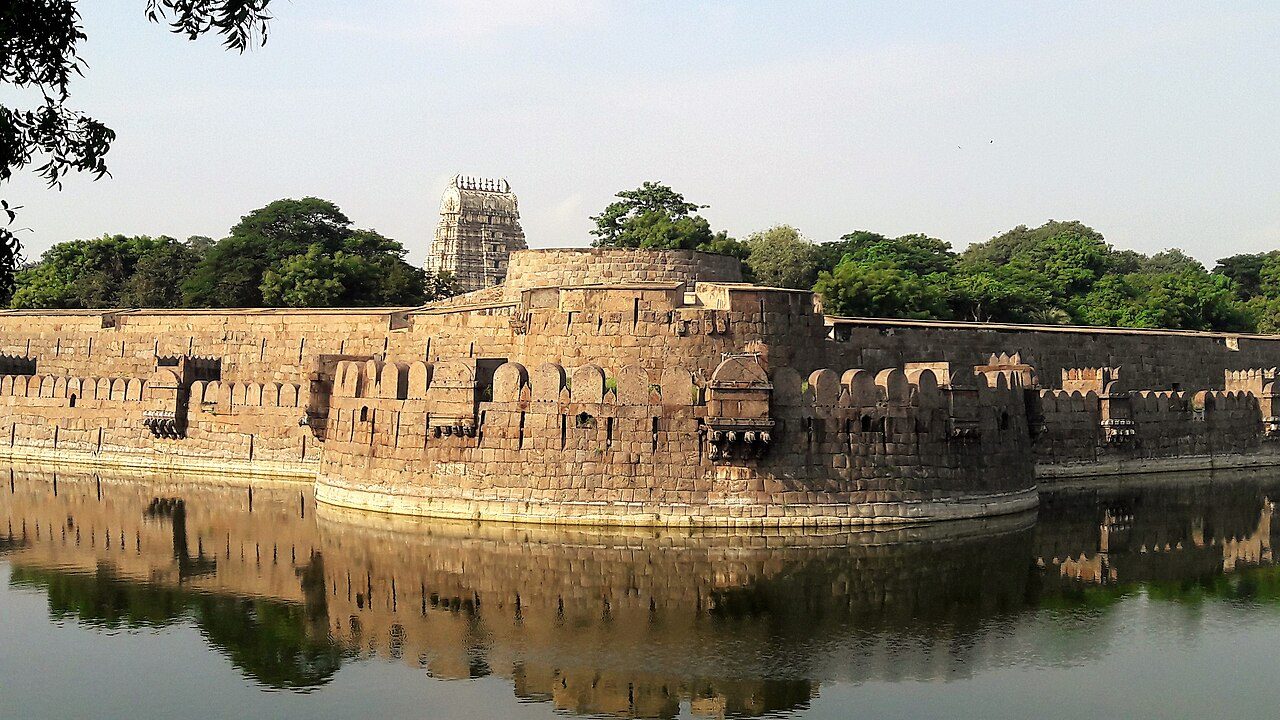
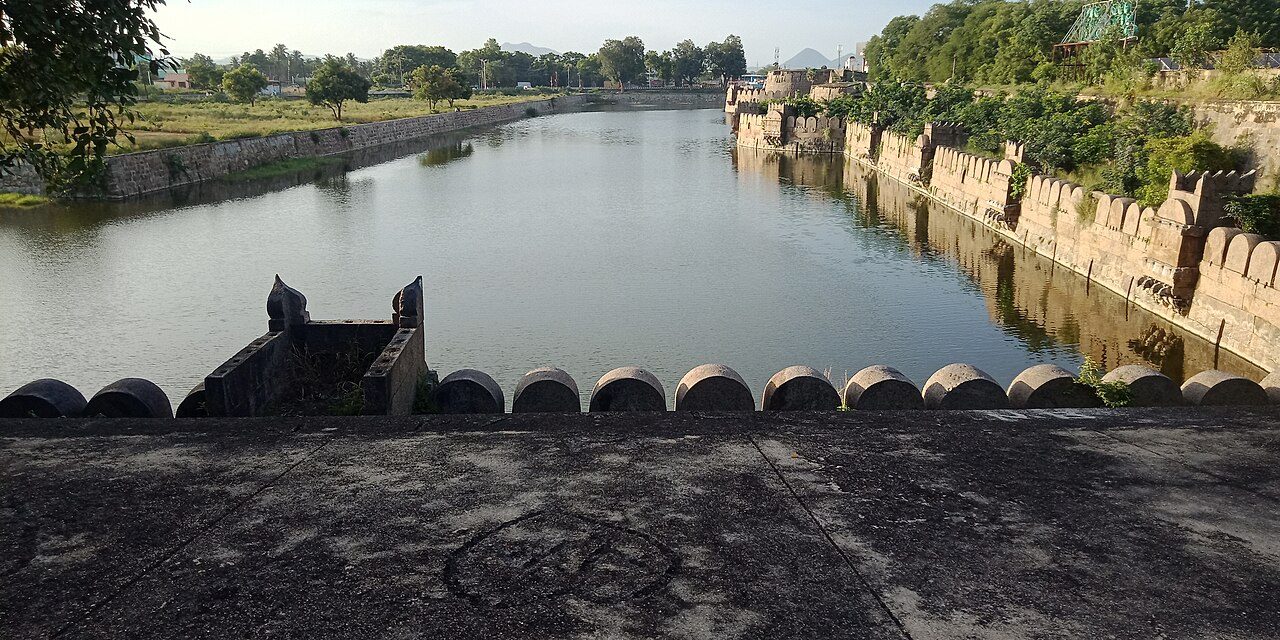
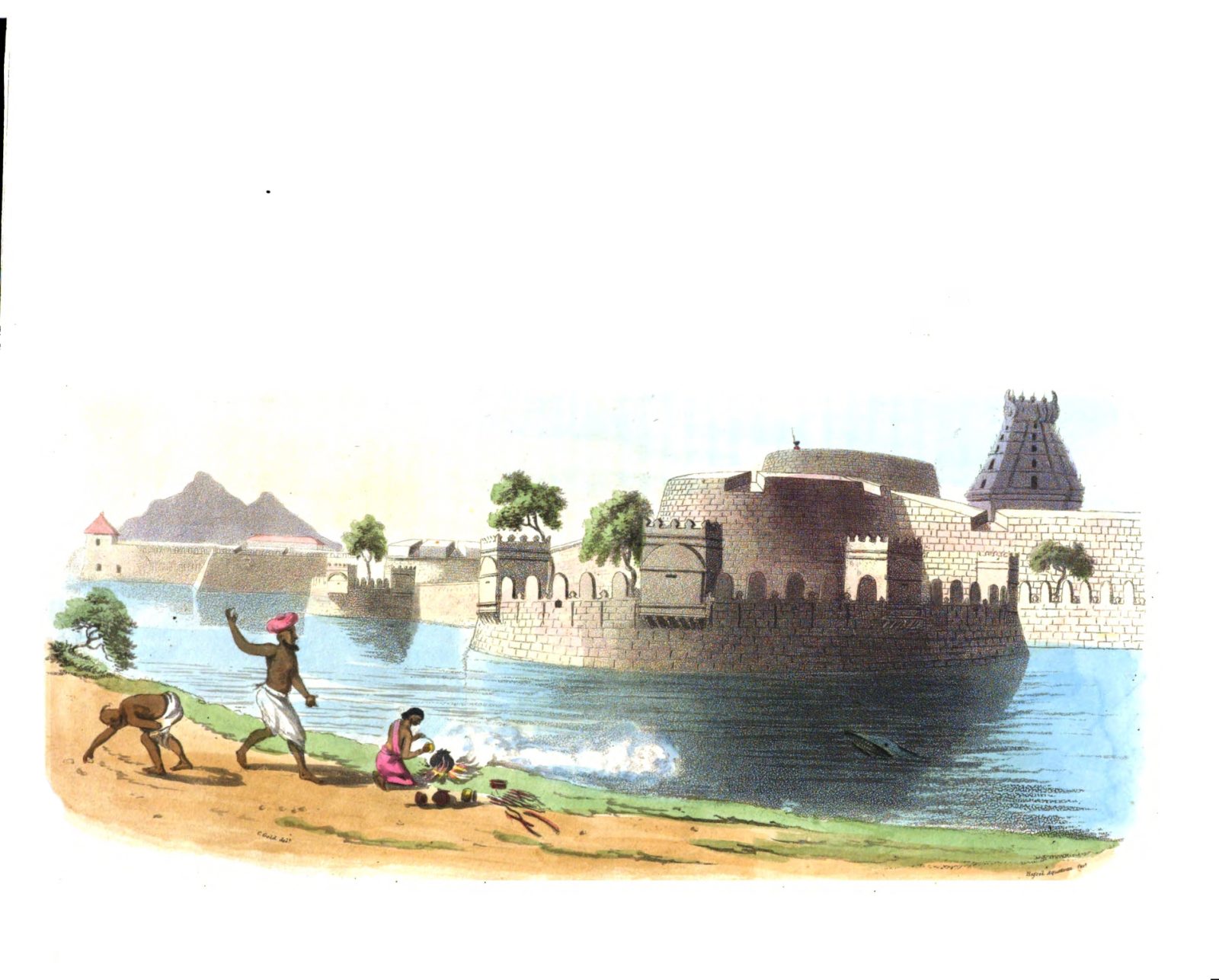
Built in the 16th century by the Vijayanagara chieftains of Vellore, this granite fort is ringed by a broad moat once said to have held crocodiles. It passed through the hands of the Bijapur Sultans, the Marathas, the Nawabs of Arcot and the British, and in 1806 saw the Vellore Mutiny, an uprising of Indian soldiers against the East India Company half a century before 1857. Inside its walls are a temple, a church, a mosque and a museum.
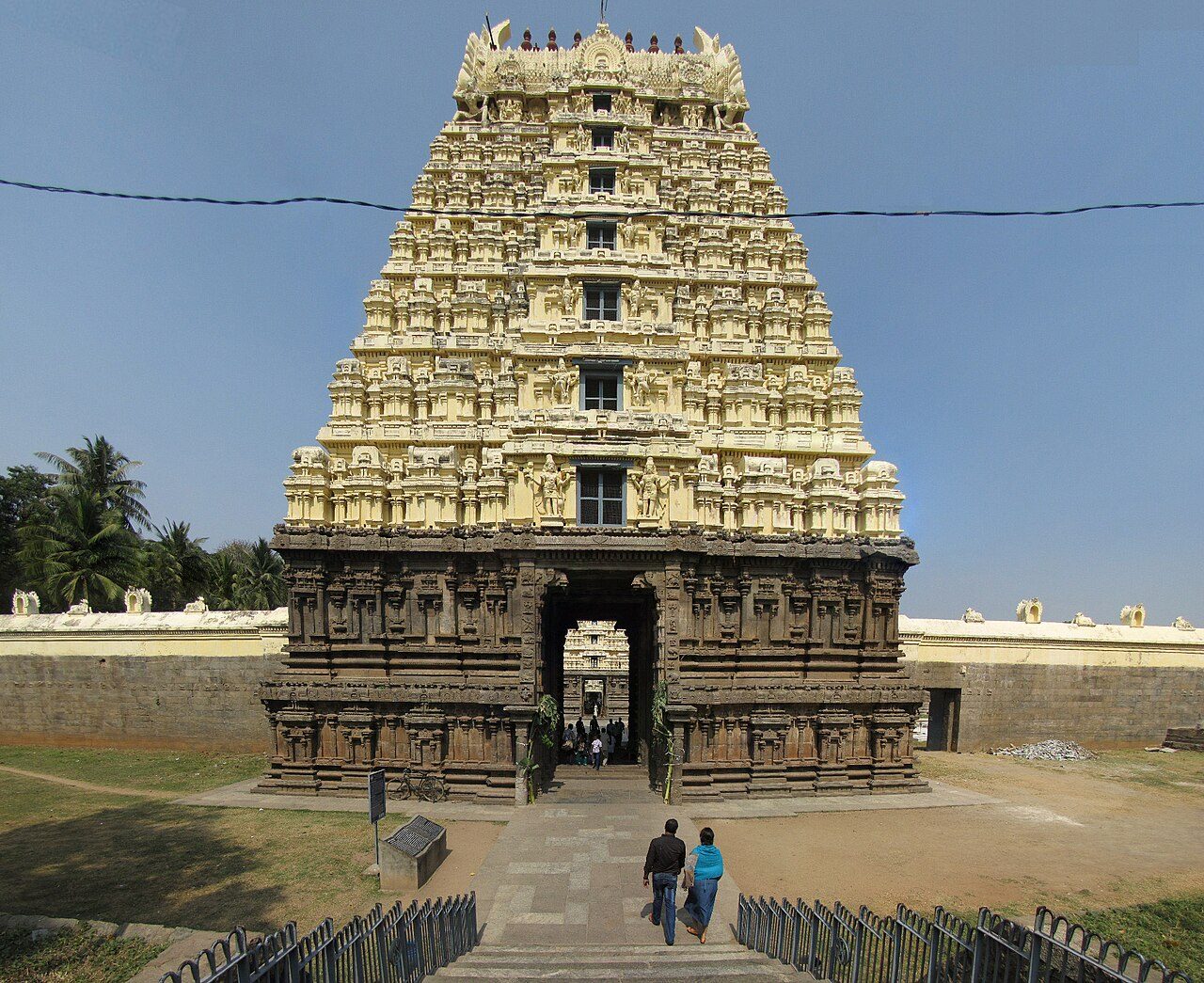
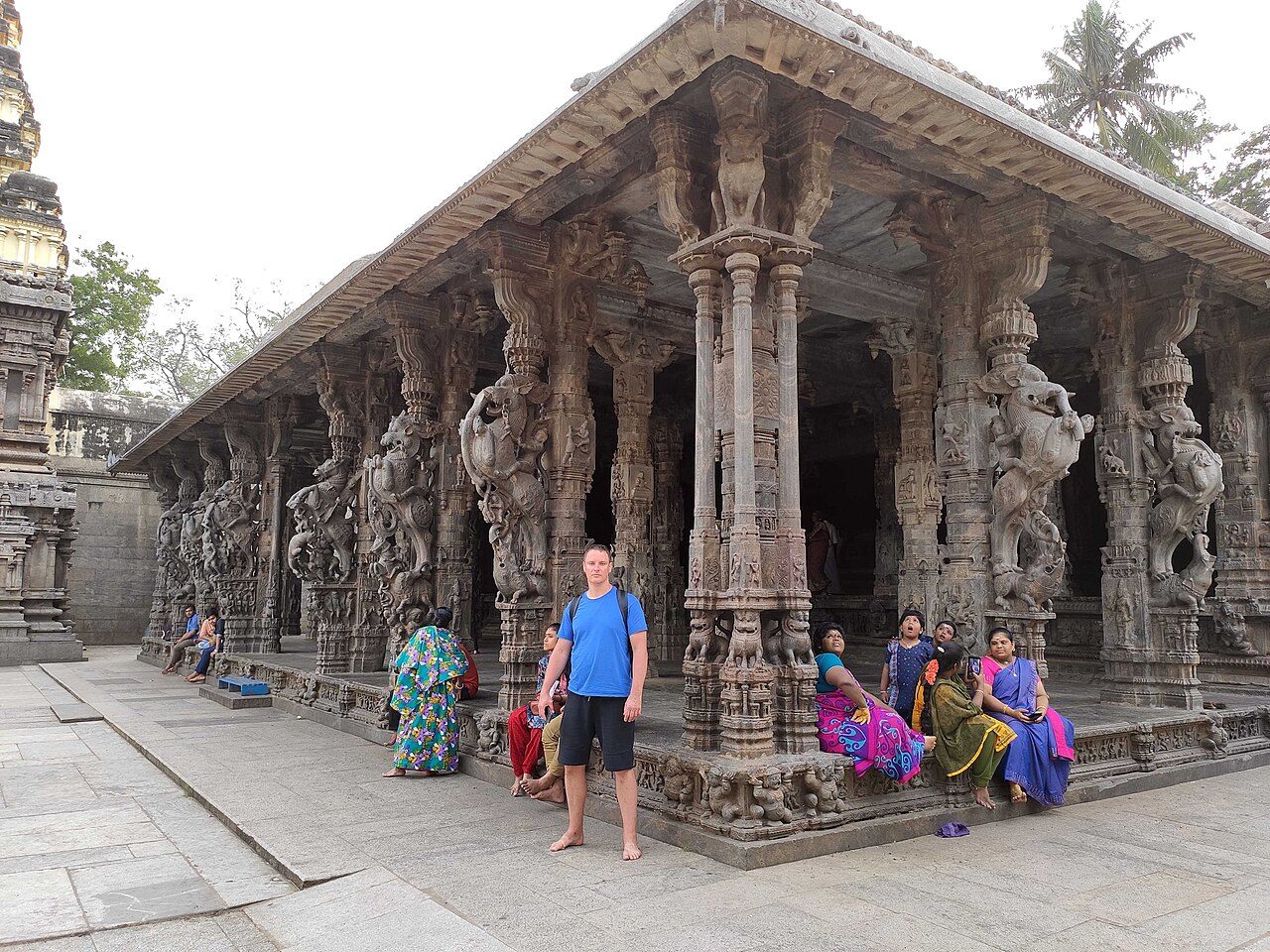
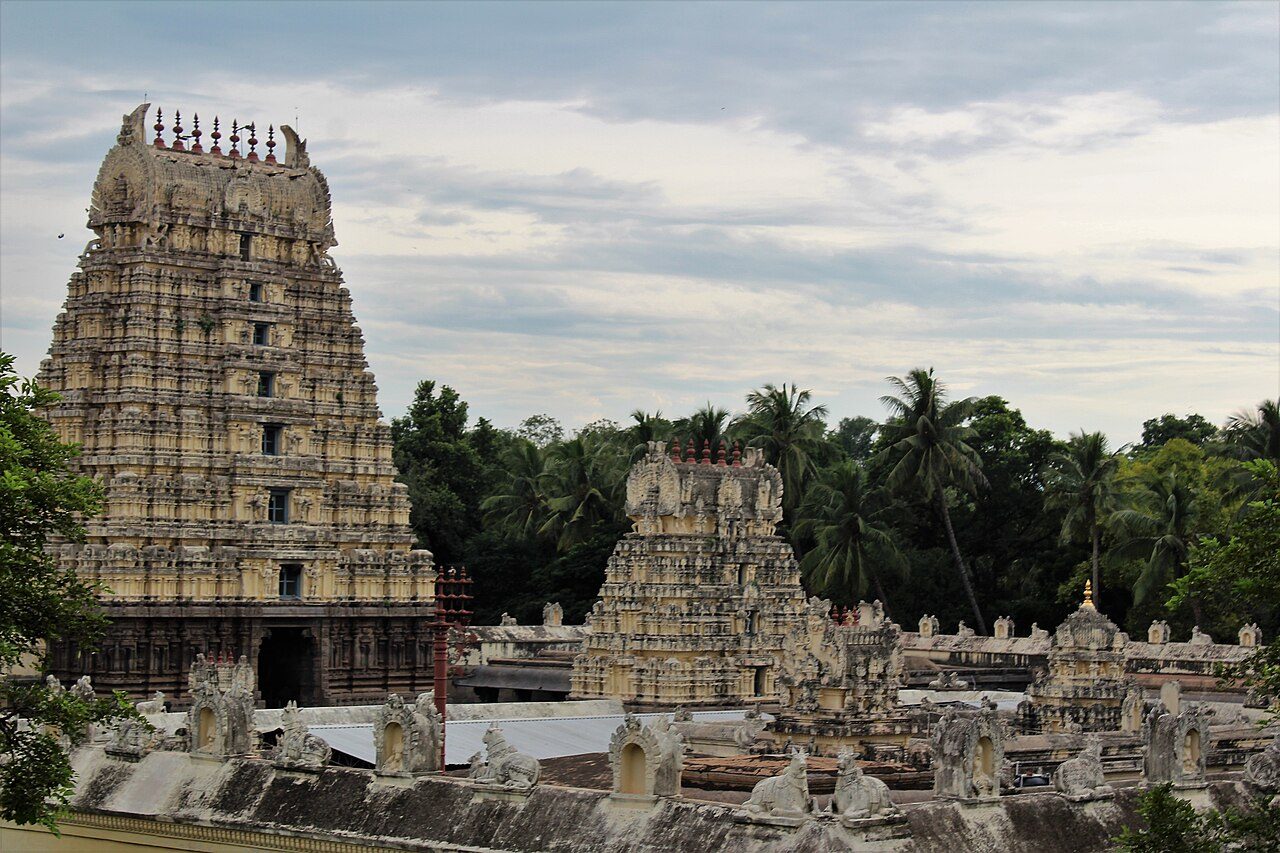
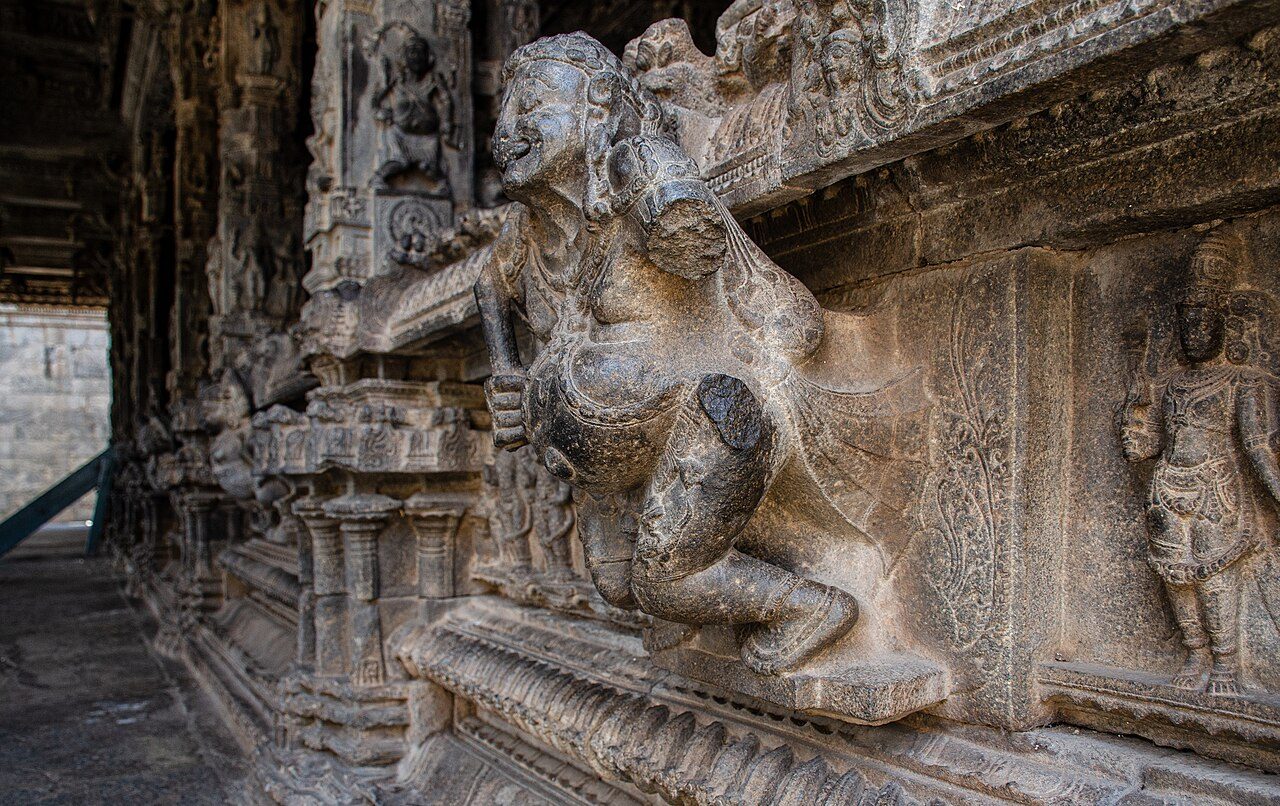
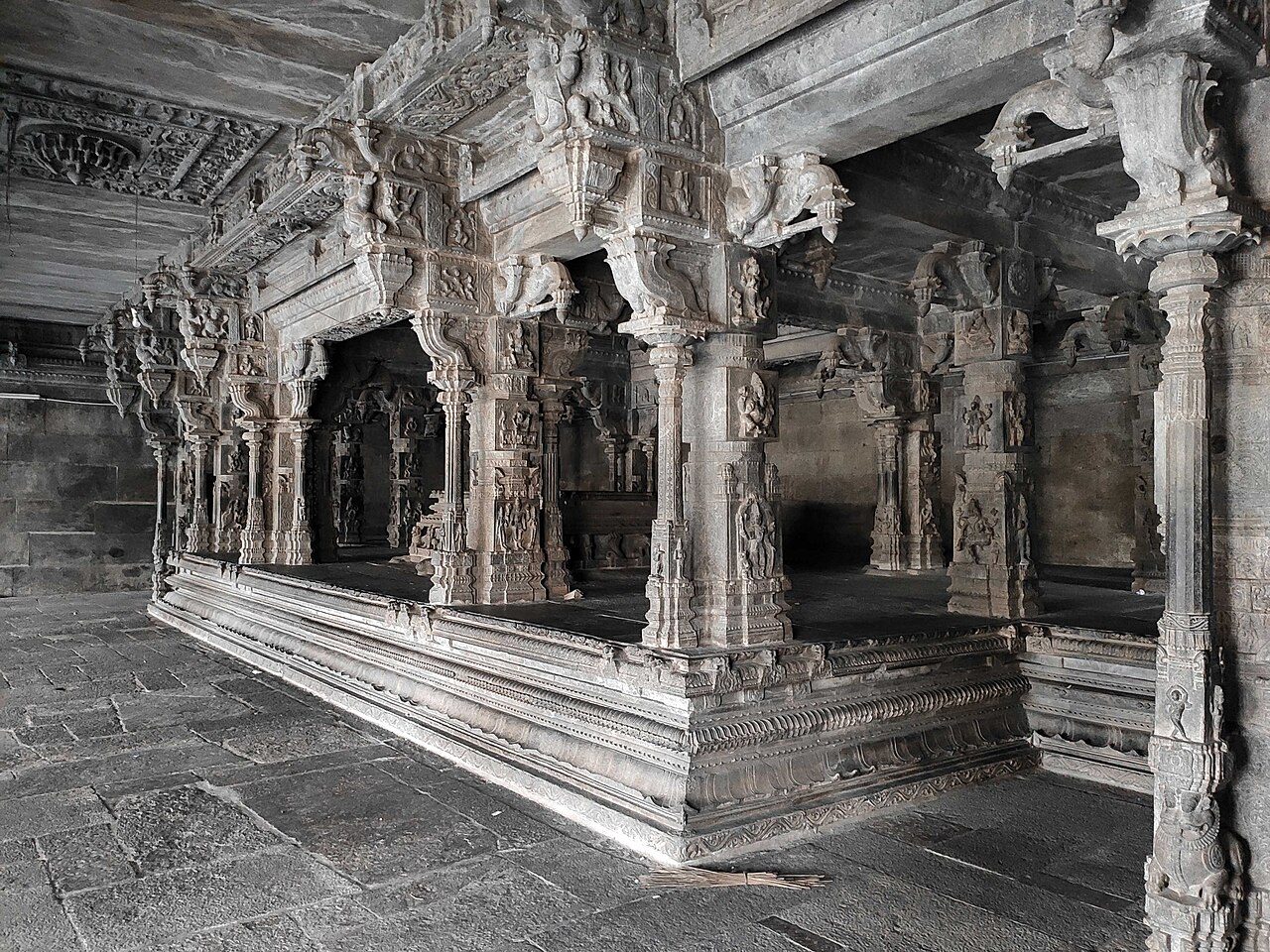
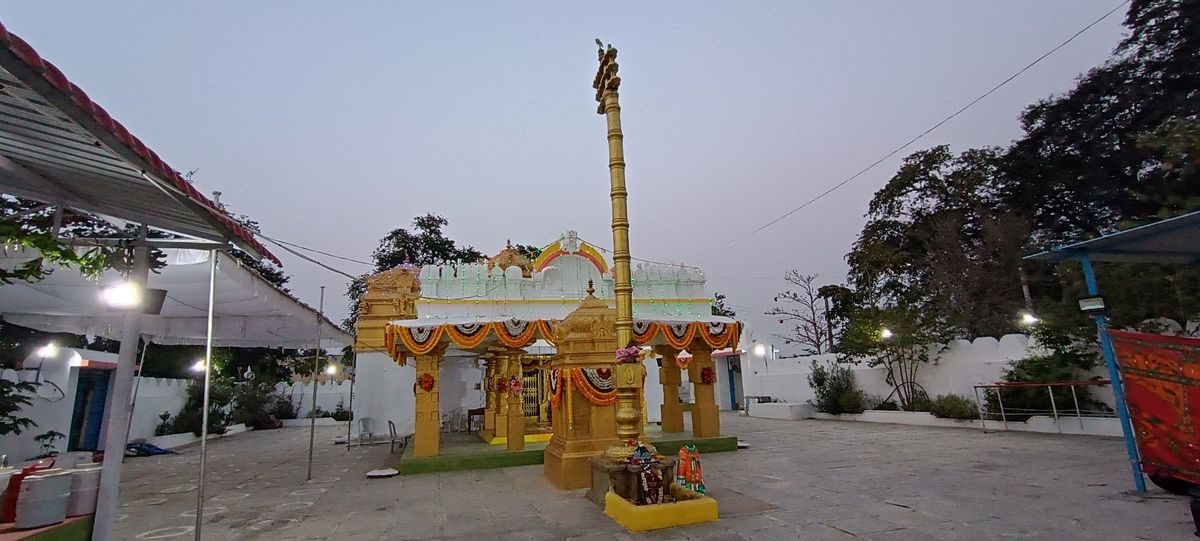
A Shiva temple inside Vellore Fort, built in the Vijayanagara style in the 16th century and celebrated for its Kalyana Mandapam, whose pillars are carved with rearing yalis, horsemen and fine detail. Worship lapsed for centuries after the fort changed hands, and the temple was reconsecrated only in 1981. It is now active again and draws devotees as well as admirers of its sculpture.
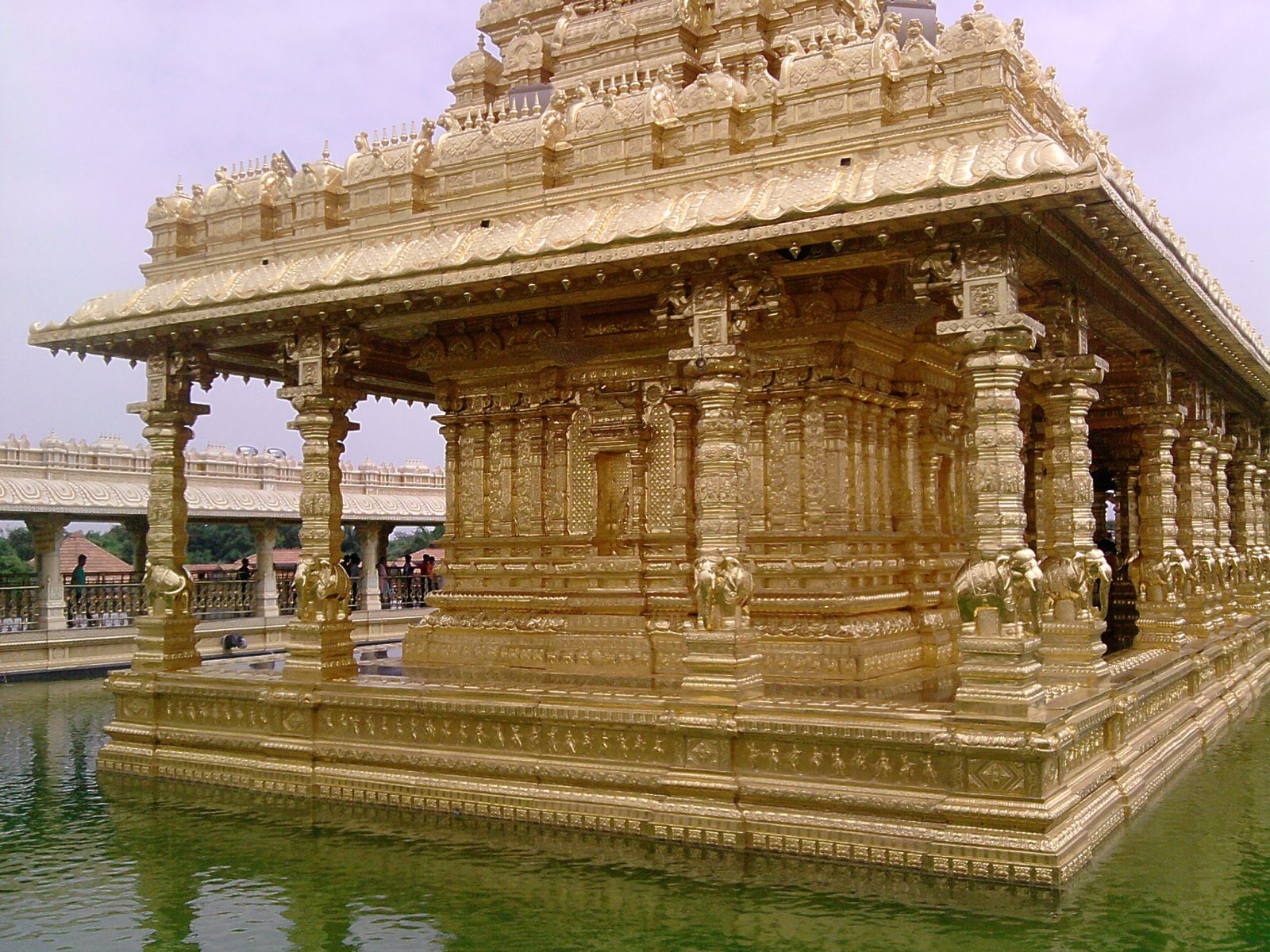
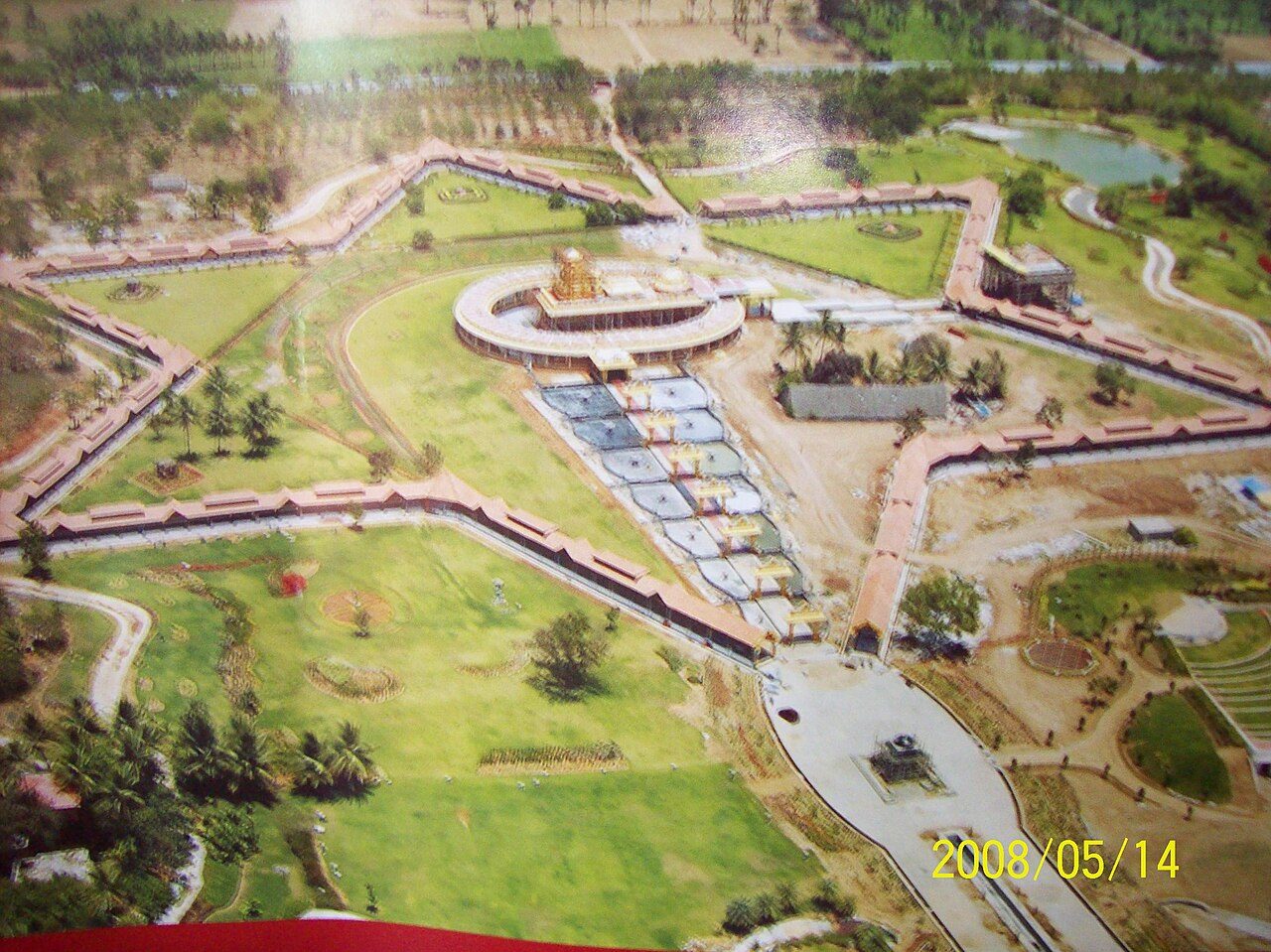
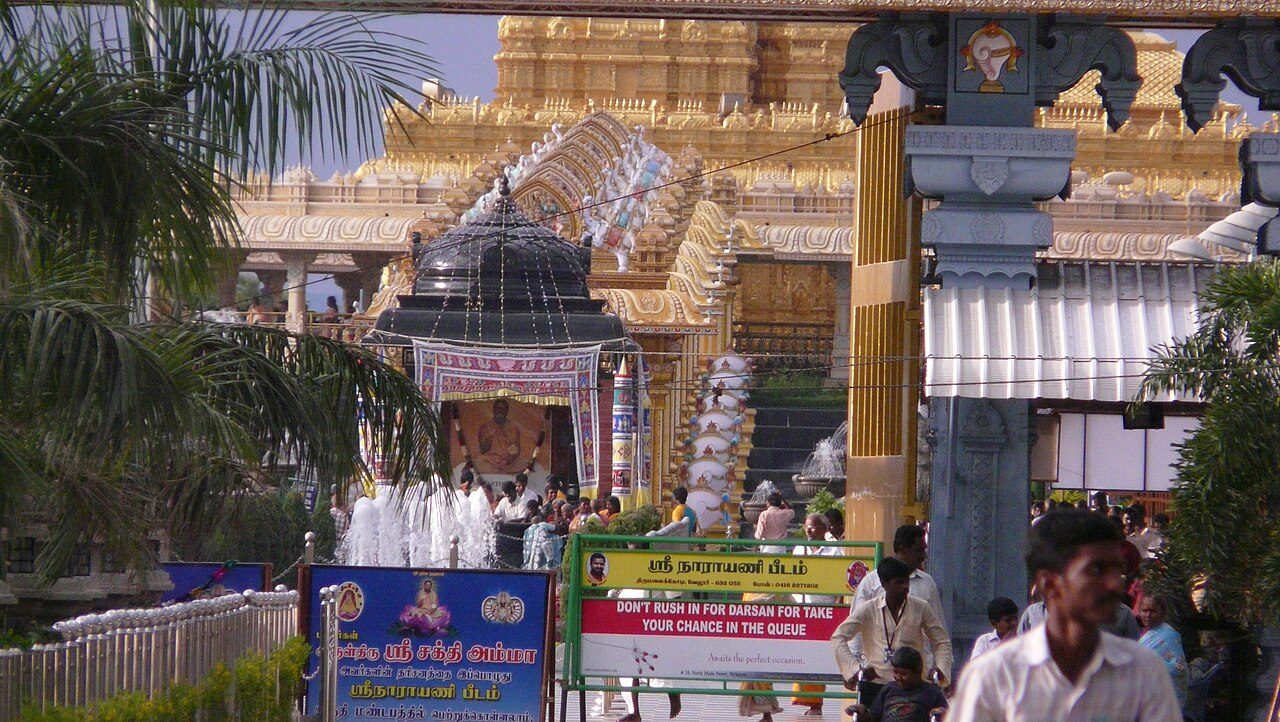
Opened in 2007, this temple to the goddess Lakshmi Narayani is covered inside and out with gold, some 1,500 kilograms of it, laid as gold leaf over copper. It stands at the centre of a star-shaped path that winds through landscaped gardens, and glows brightly when lit at night. It is run by the Sri Narayani Peedam trust, and visitors pass through strict security and leave phones outside.
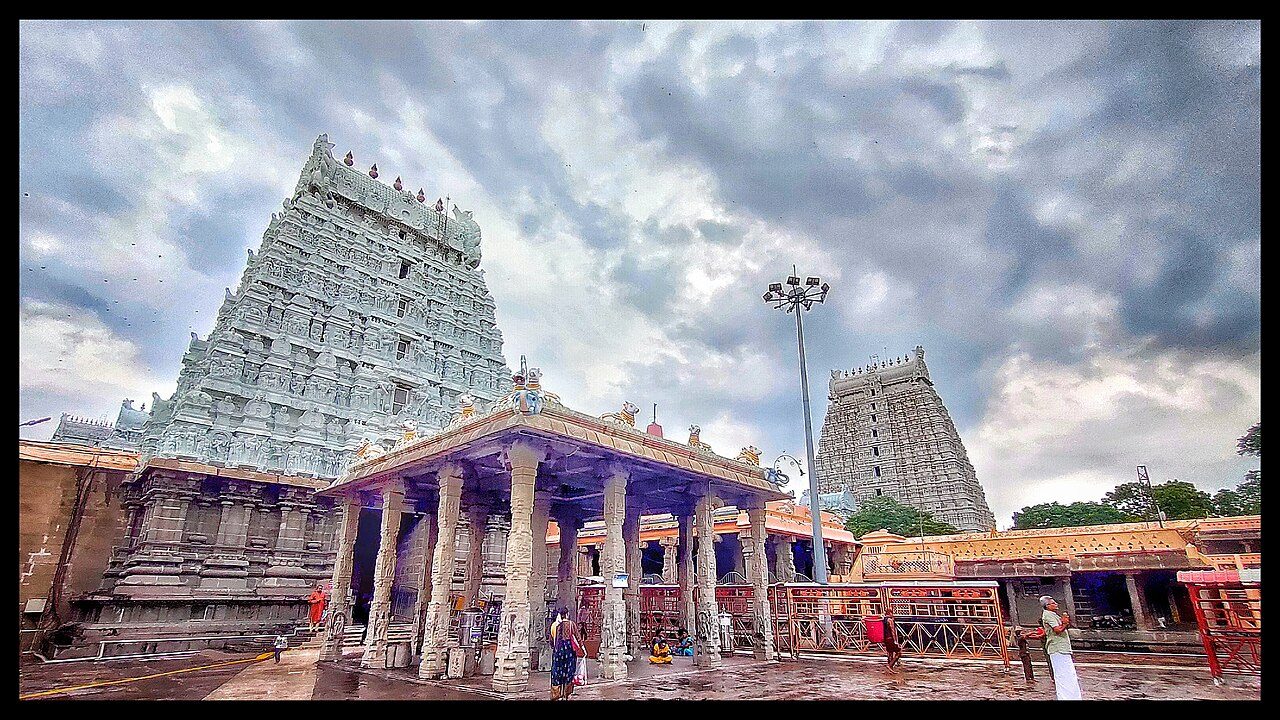
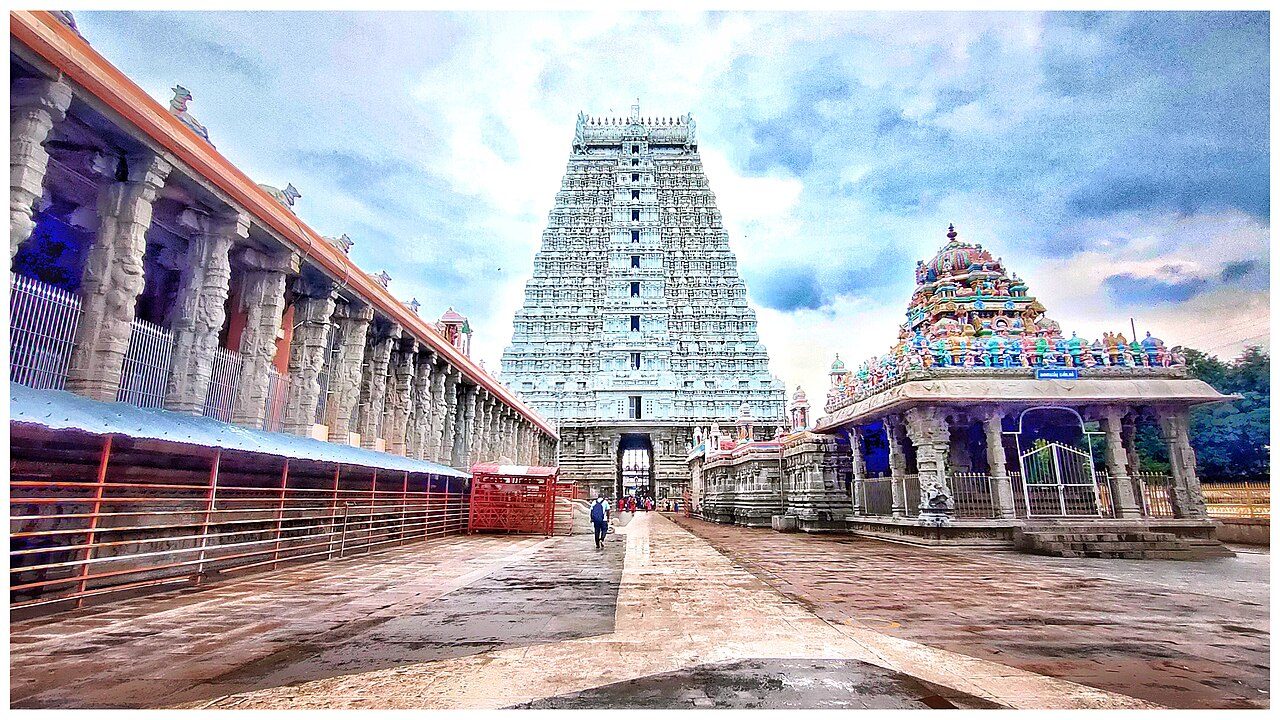
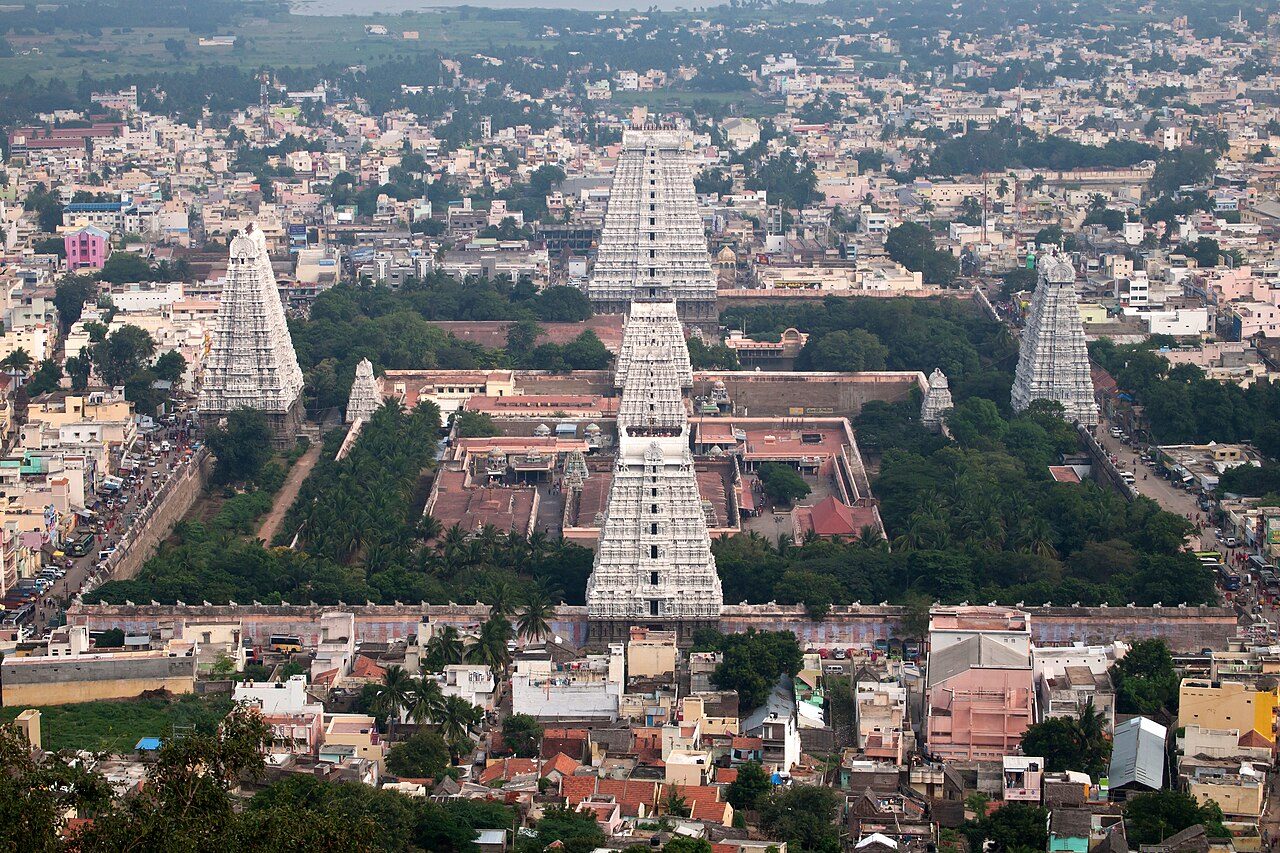
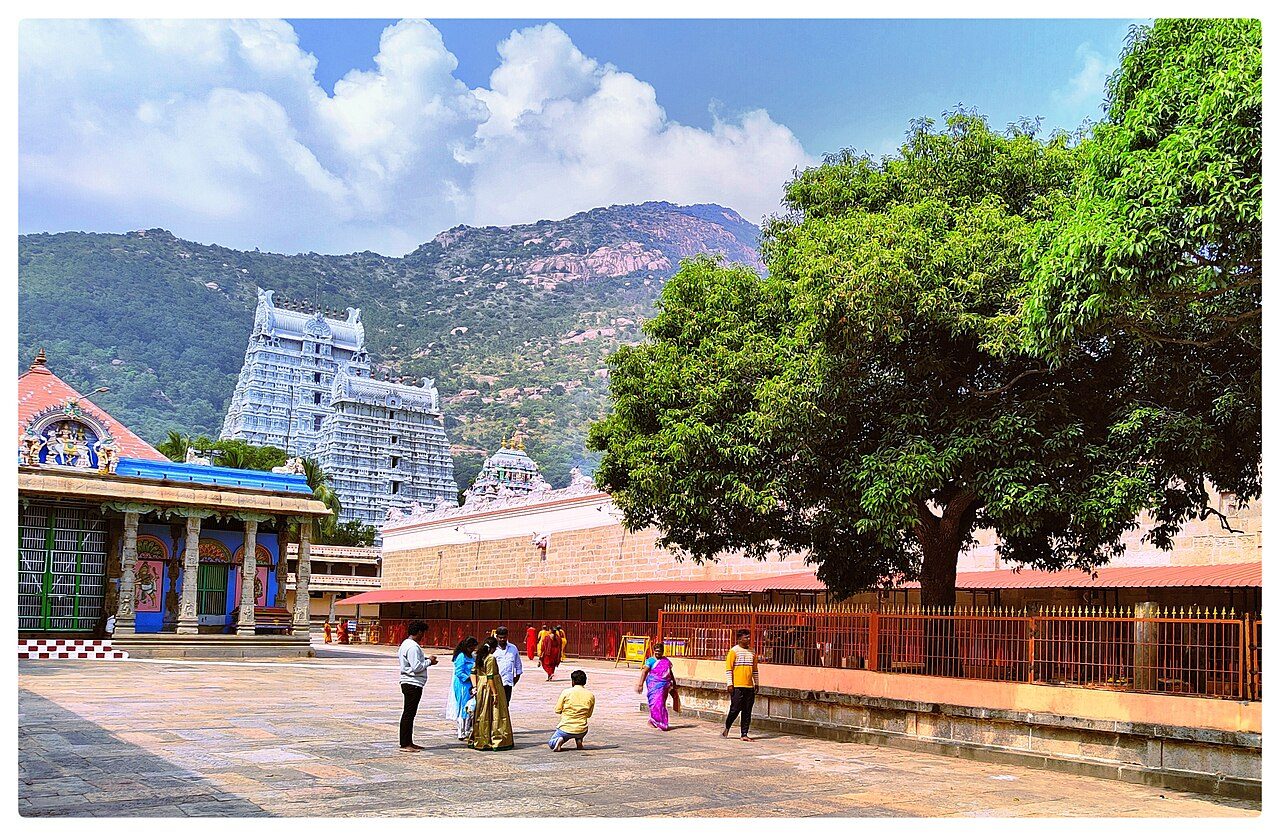
One of the largest temples in India, Arunachaleswarar stands at the foot of the sacred Arunachala hill and represents fire among the five temples of Shiva that stand for the elements. Its 66-metre east gopuram is among the tallest in the country. Every full moon, huge numbers walk the 14-kilometre path around the hill, and at the Karthigai Deepam festival in November and December a great flame is lit on the summit.
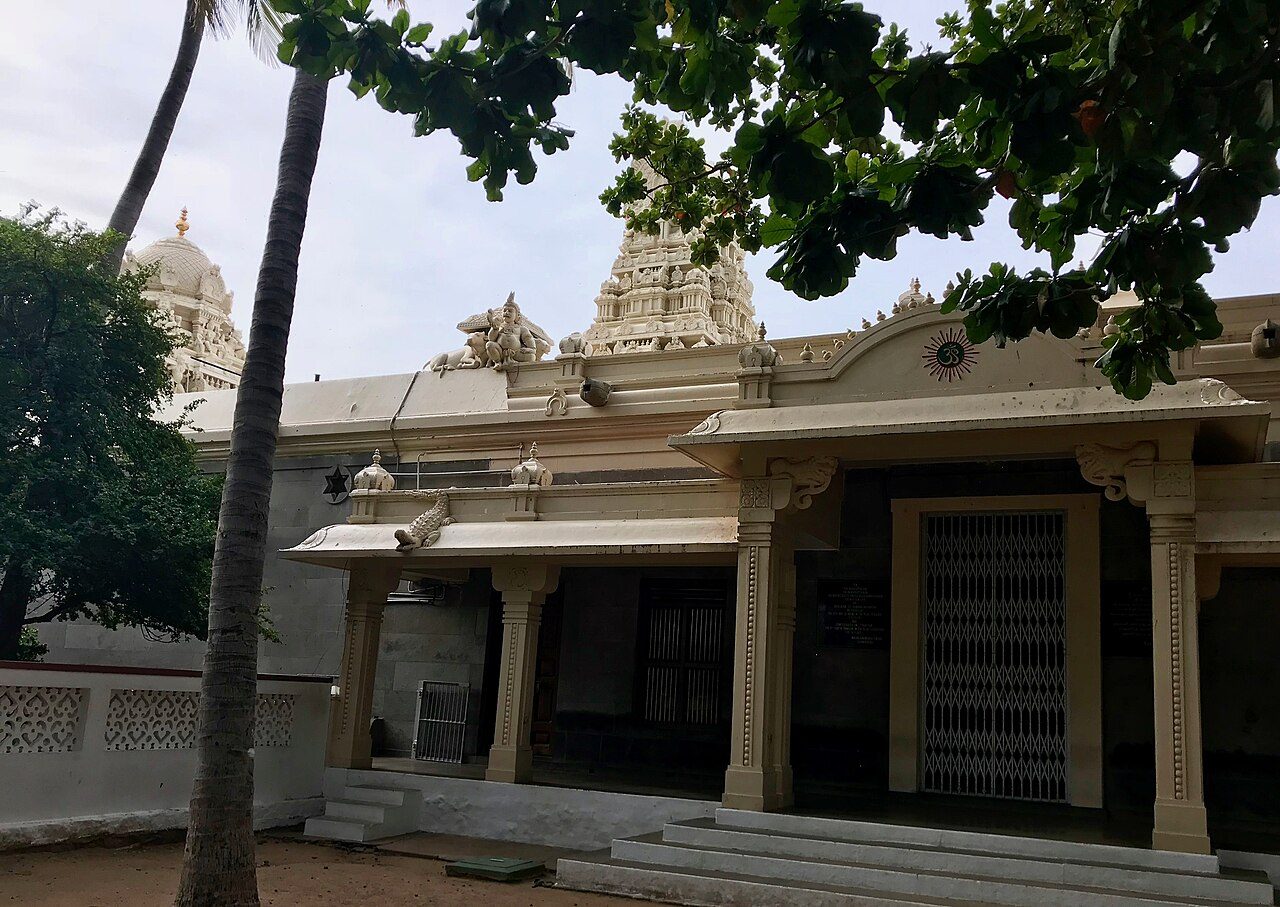
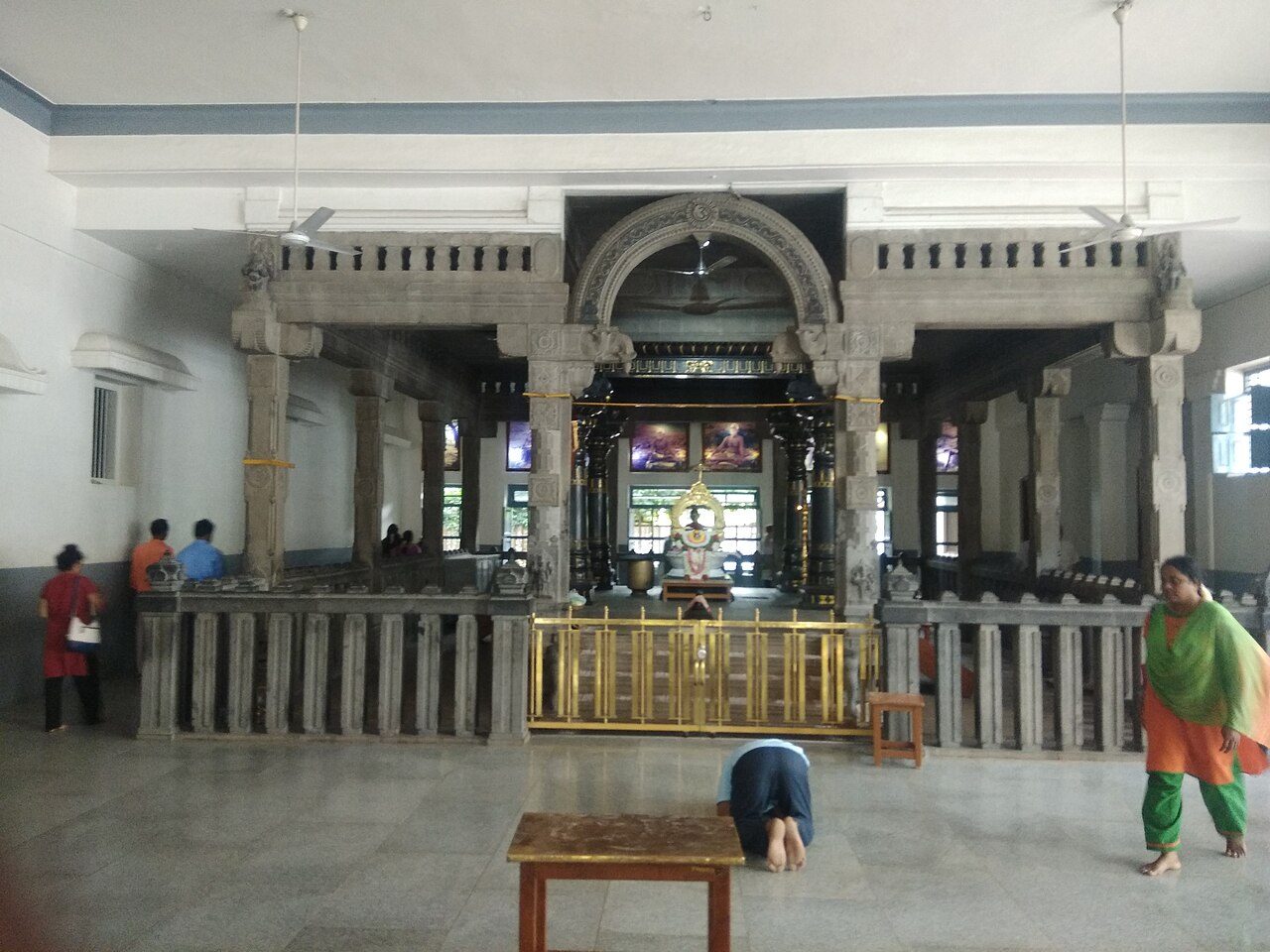
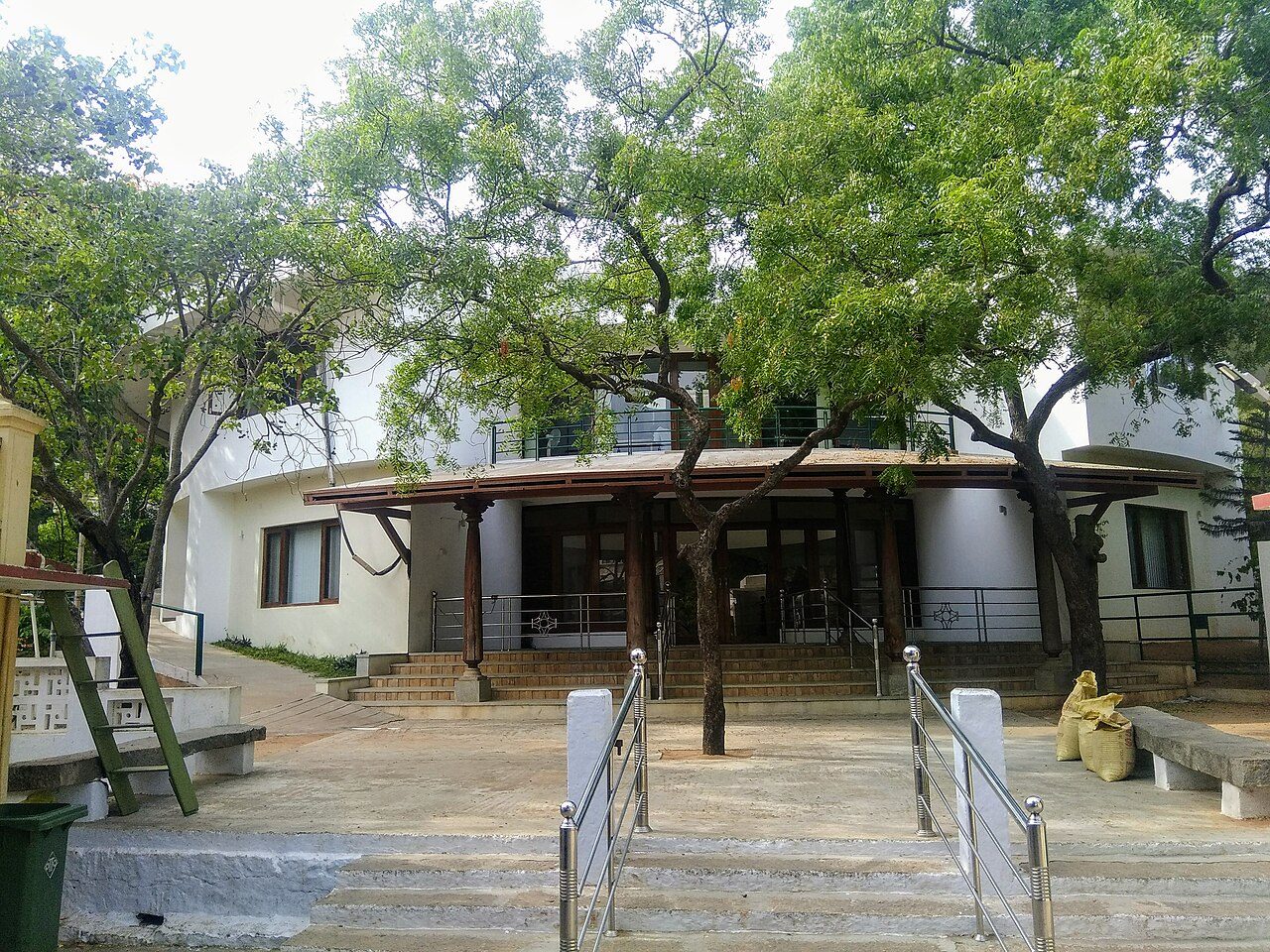
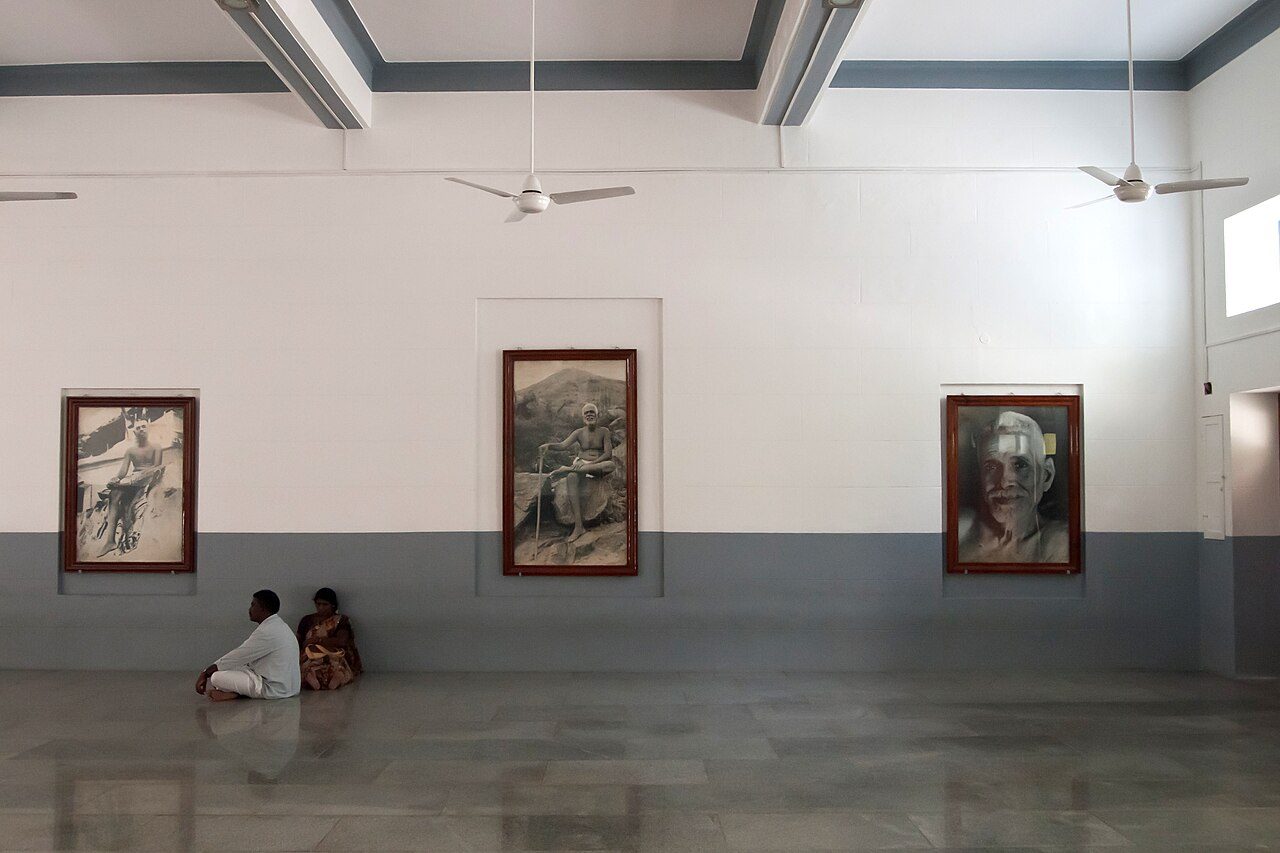
The ashram grew up at the foot of Arunachala in 1922 around the tomb of Ramana Maharshi's mother, and the sage lived here until his death in 1950. Visitors from all over the world come to meditate in the old hall where he sat and received visitors, to see his shrine and to walk up to the caves on the hill above. The grounds are quiet, with a library, and peacocks and monkeys about.
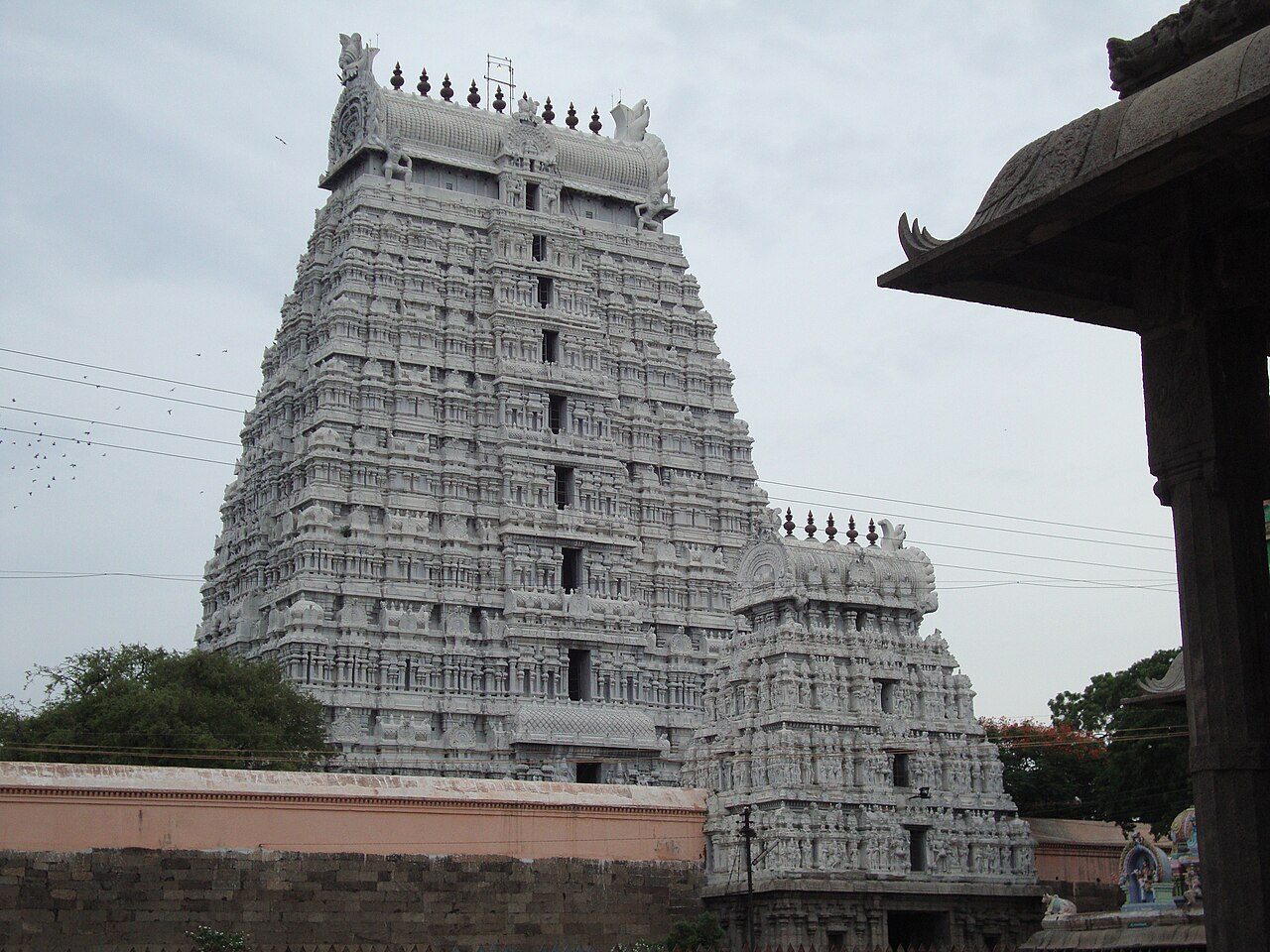
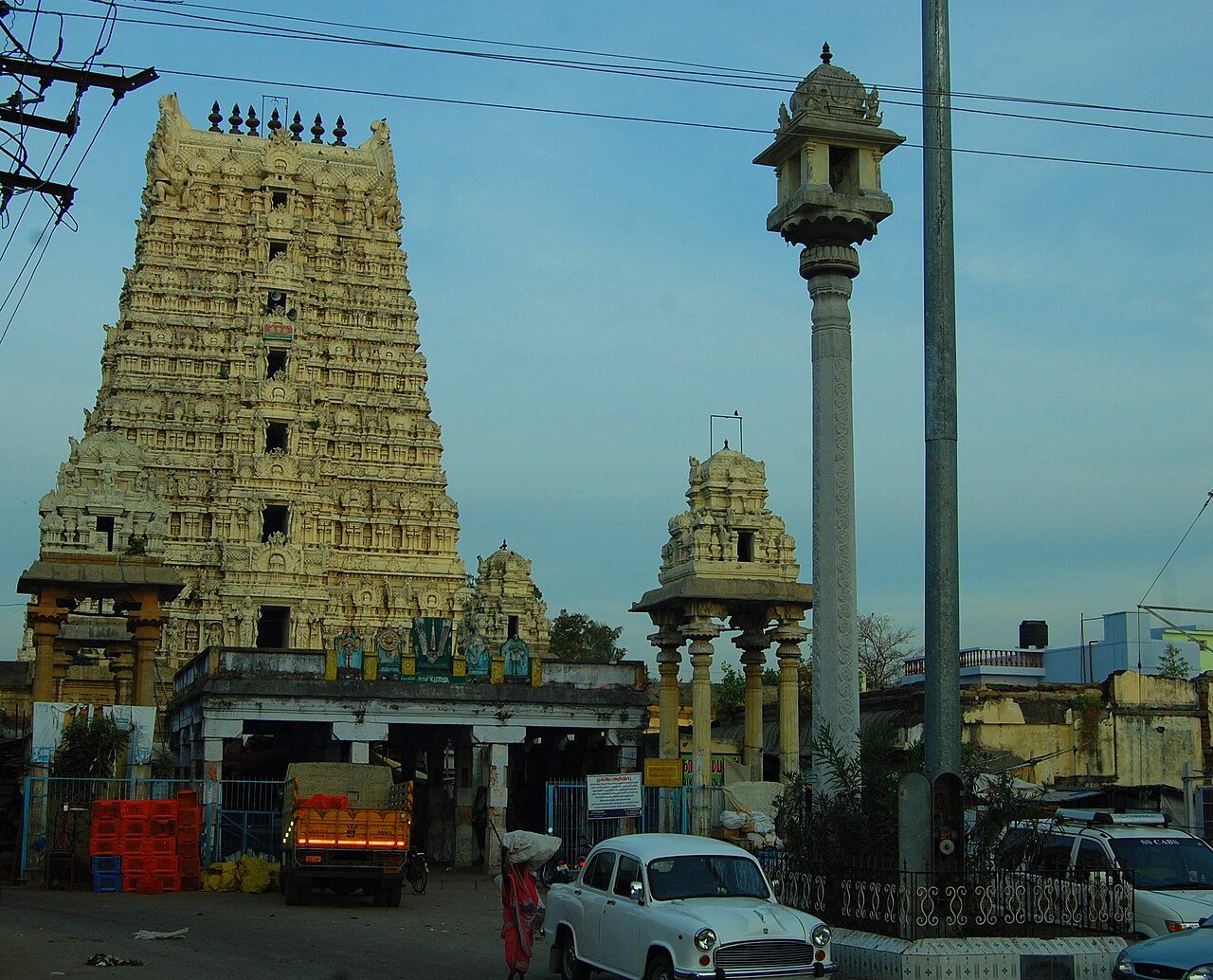
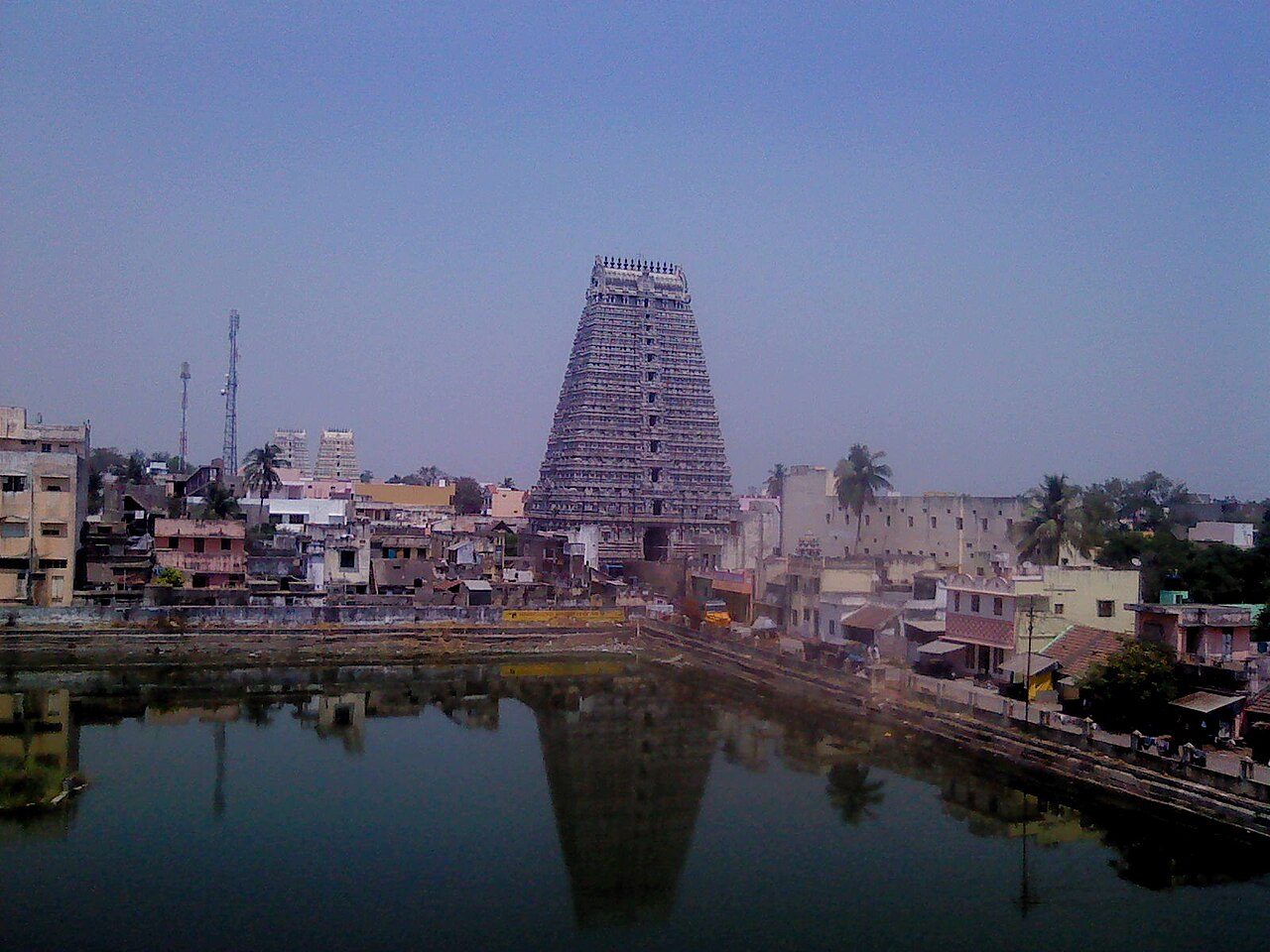
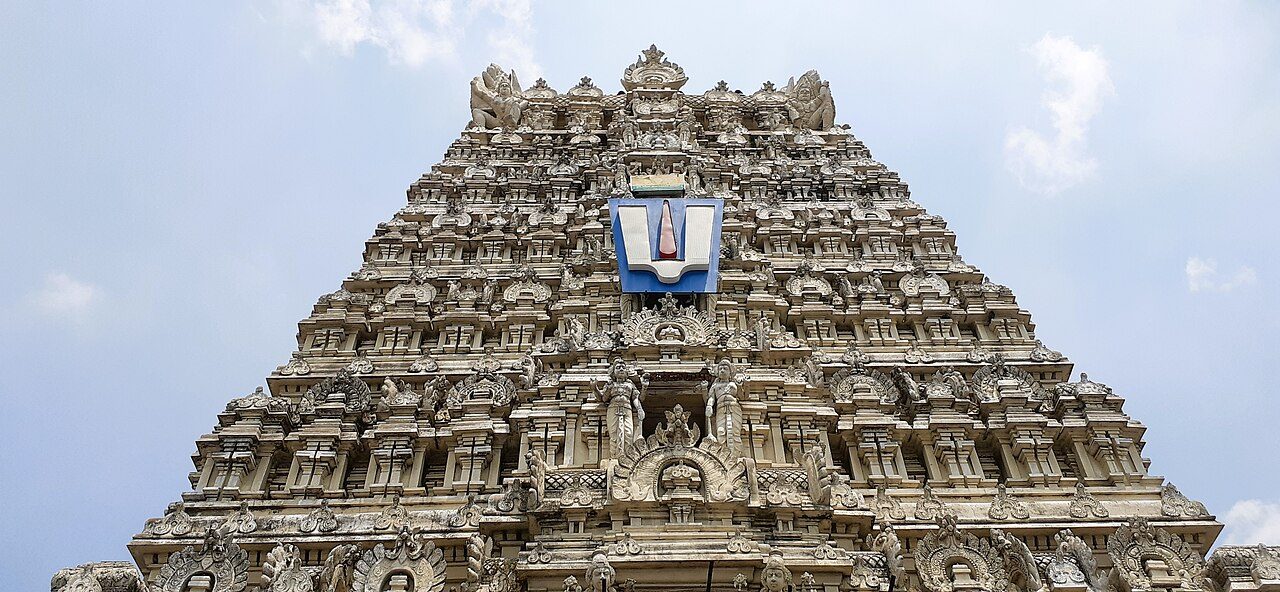
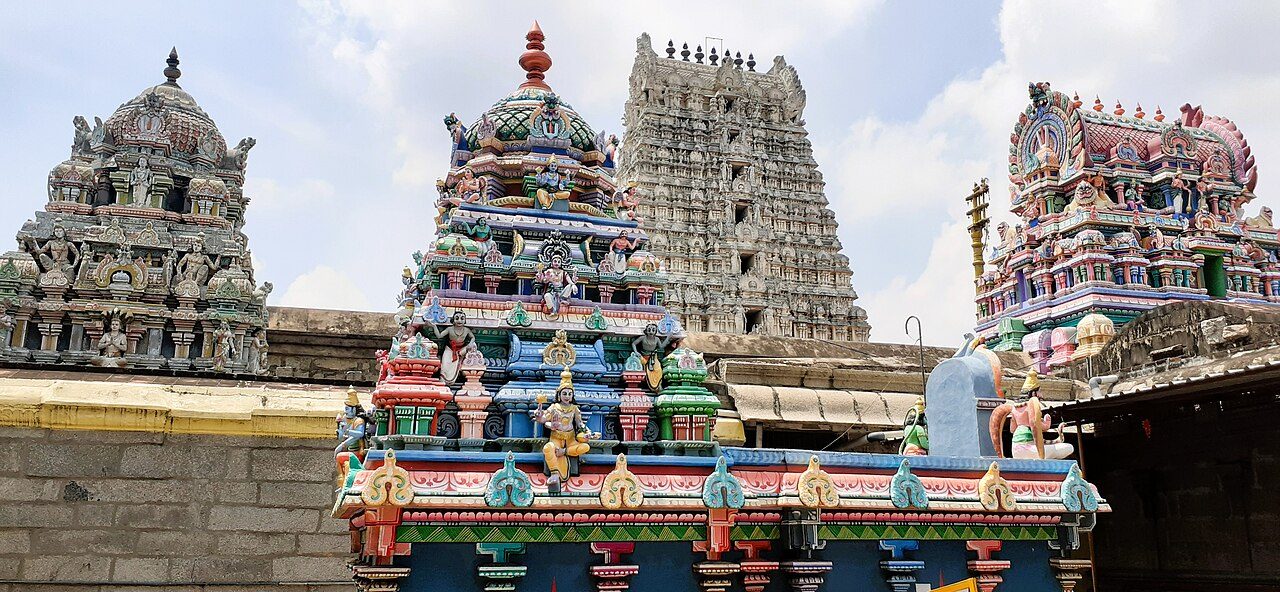
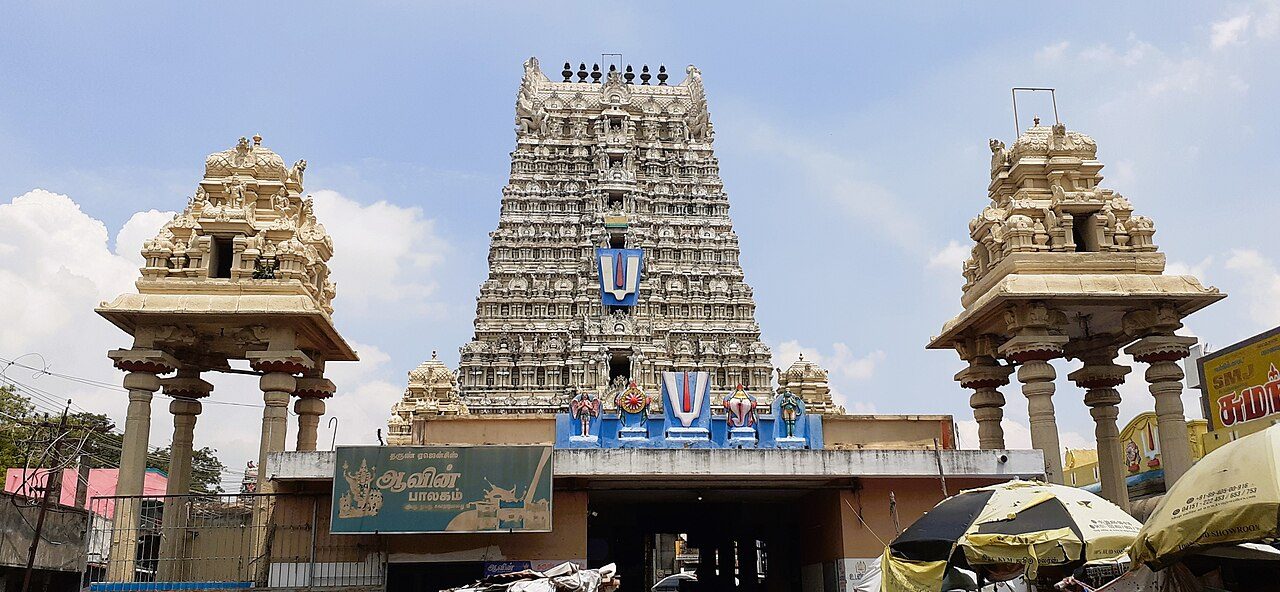
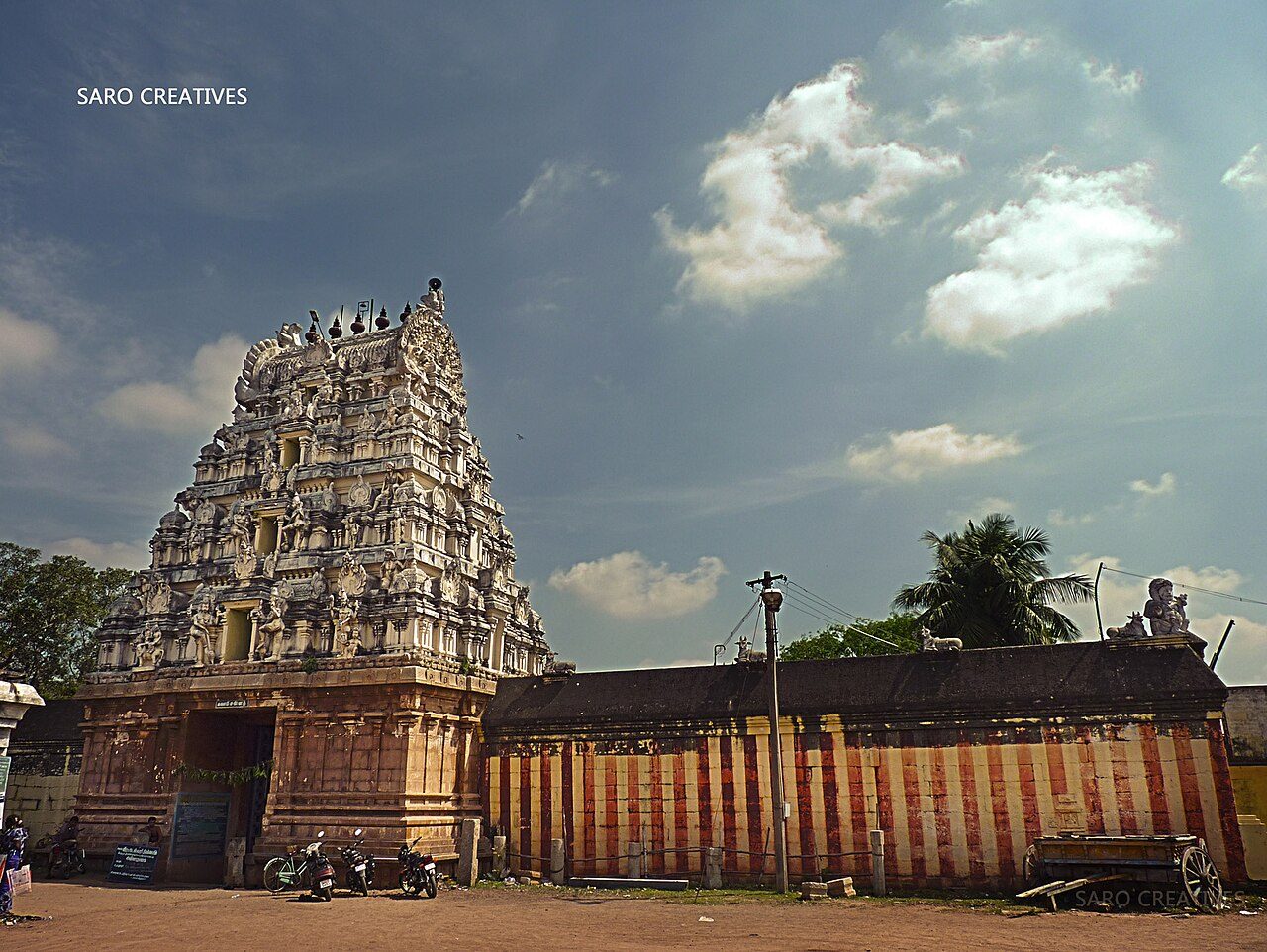
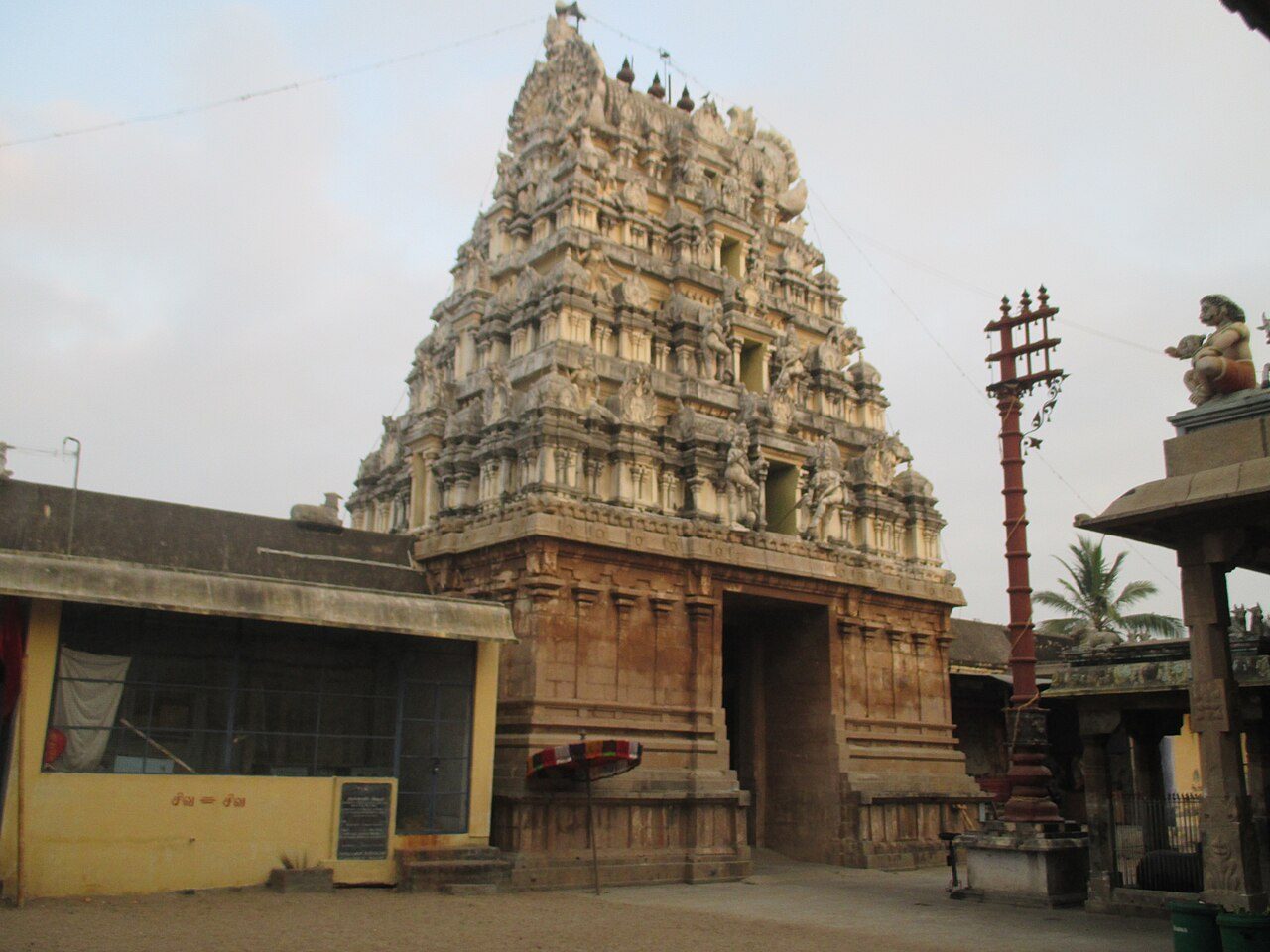
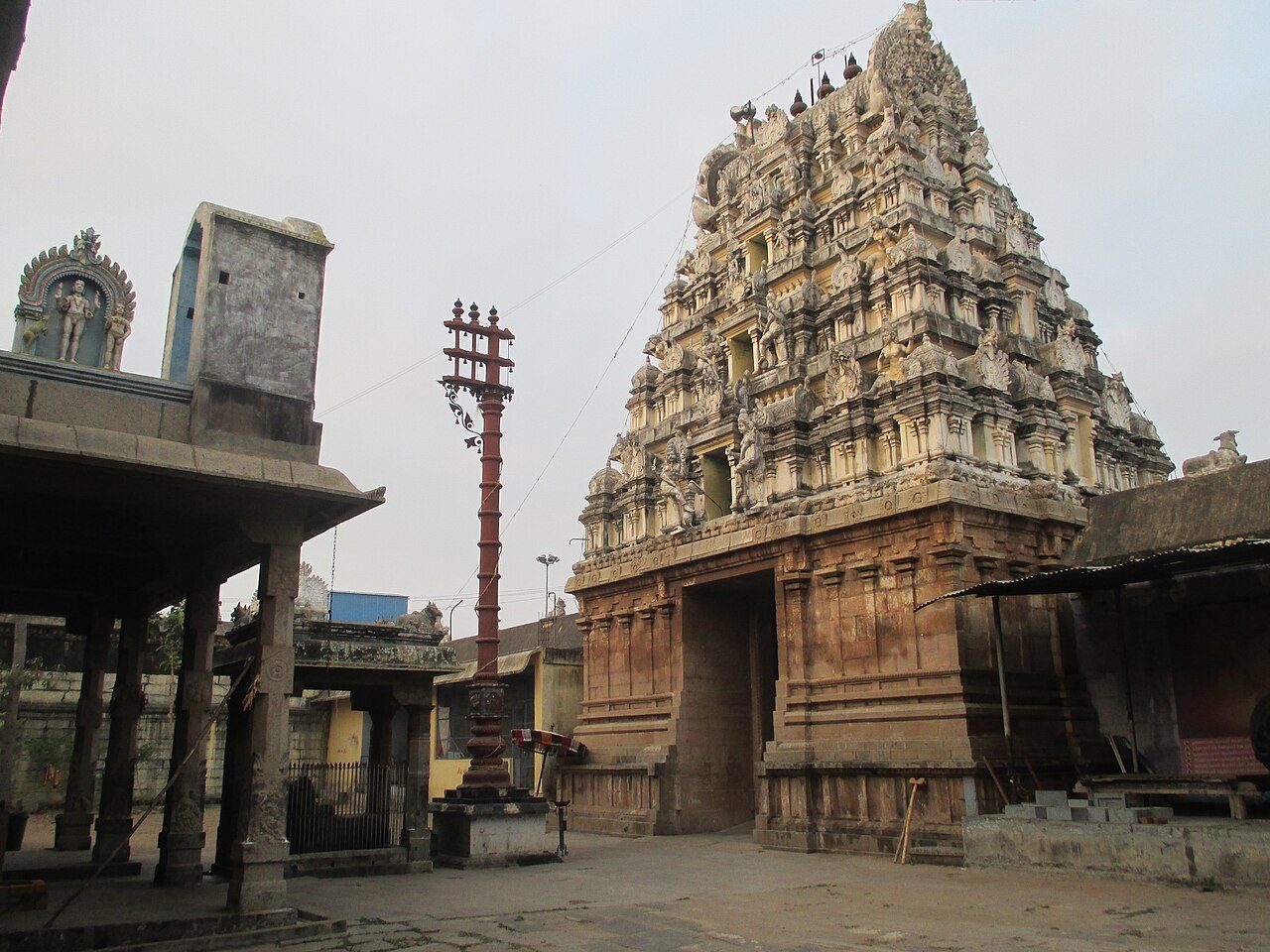
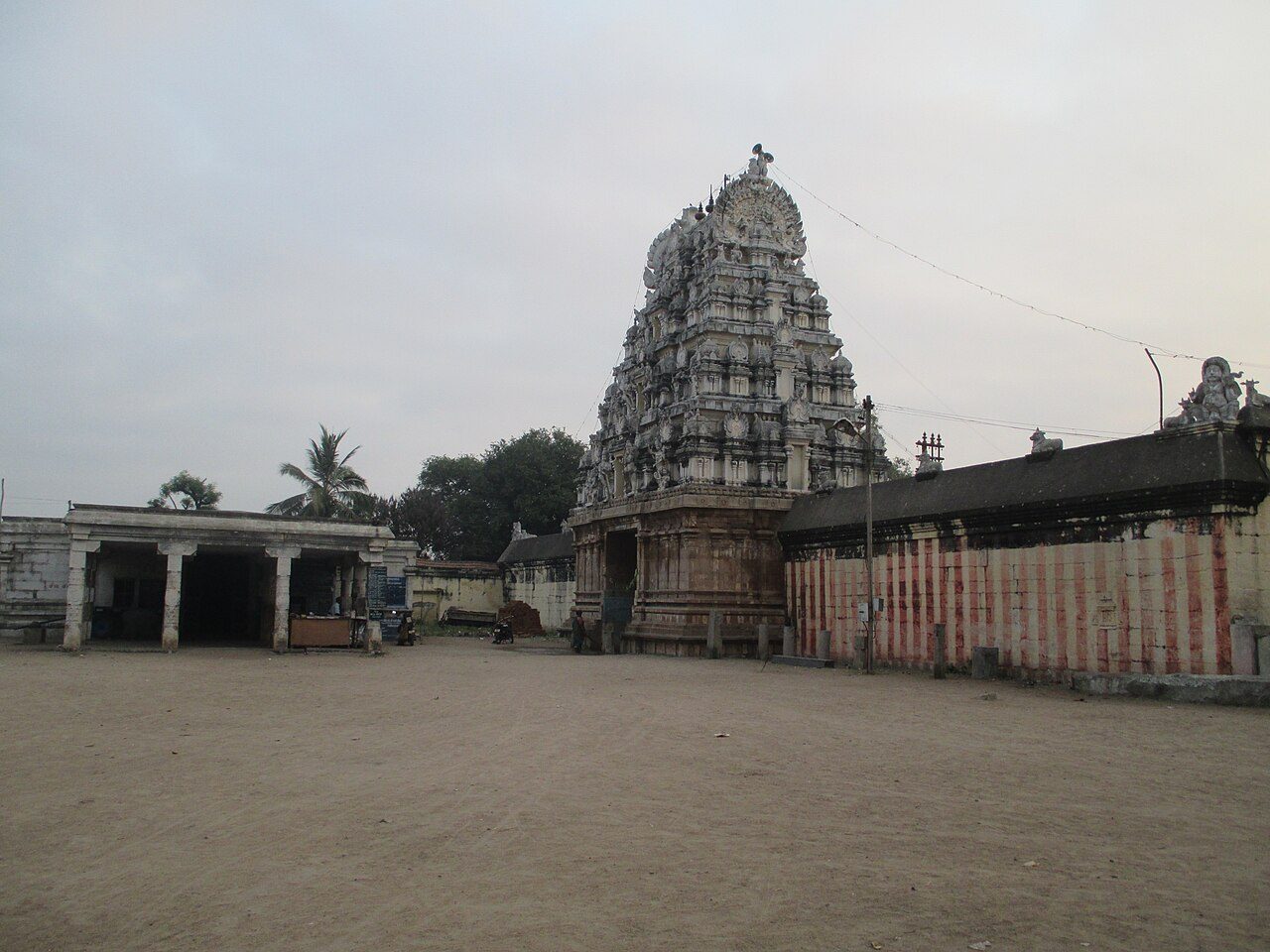
This Divya Desam on the bank of the South Pennar honours Vishnu as Trivikrama, striding across the worlds, in a towering standing image. Tirukoyilur is where the three earliest Alvars - Poigai, Bhutha and Pei - are said to have sheltered together in a narrow doorway during a storm, a meeting Tamil tradition treats as the beginning of Vaishnava bhakti poetry. The eleven-tier eastern gopuram is among the tallest temple towers in Tamil Nadu.
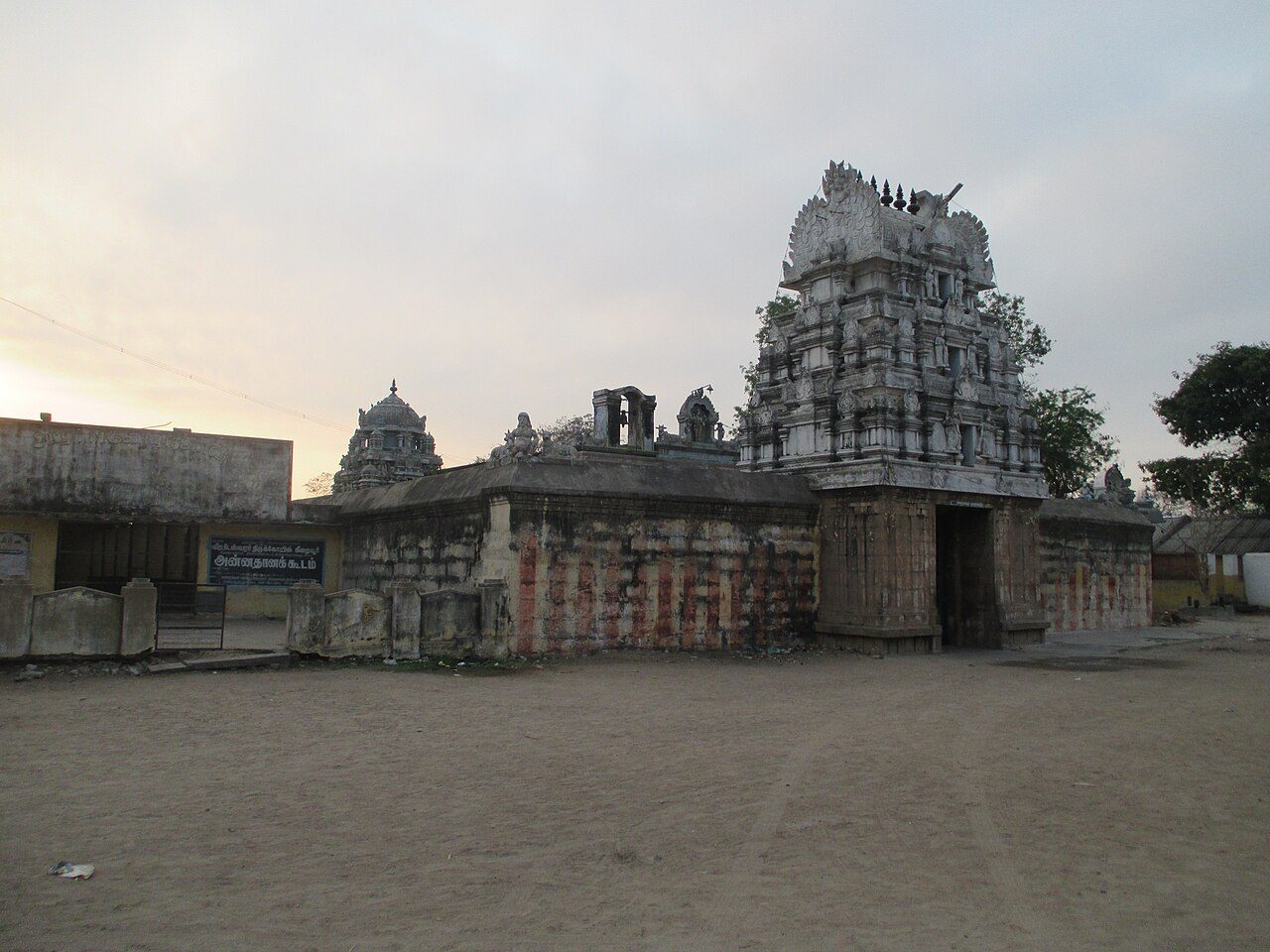
One of the eight Atta Veerattanam shrines, this temple marks the place where Shiva is said to have destroyed the demon Andhakasura. It stands near the South Pennar river and the rock of Kabilar Kundru, and is a Padal Petra Sthalam praised in the Thevaram hymns. Inscriptions and later additions record centuries of Chola and post-Chola patronage.
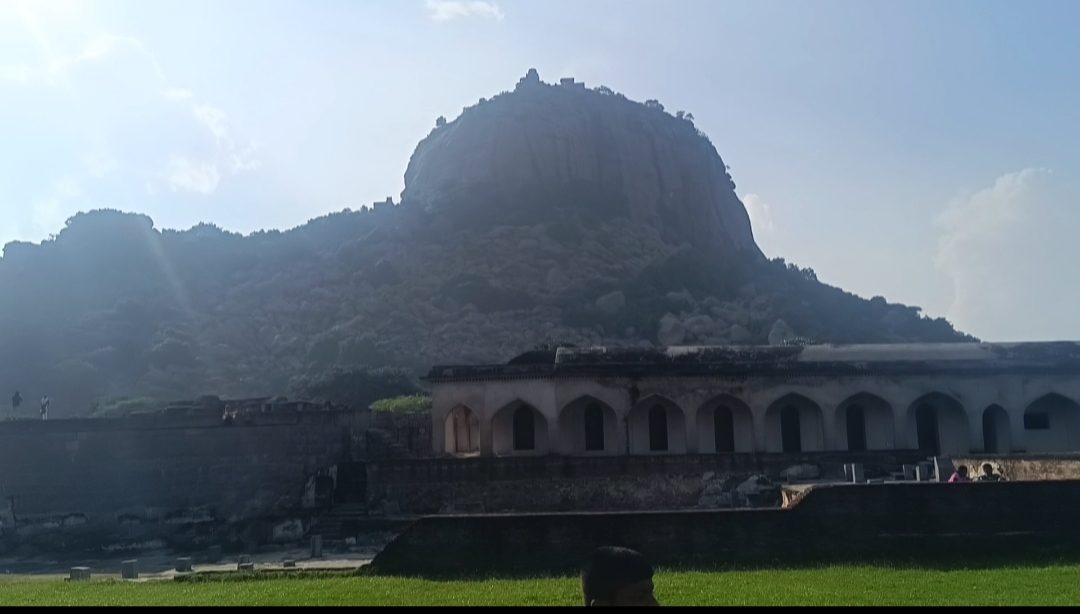
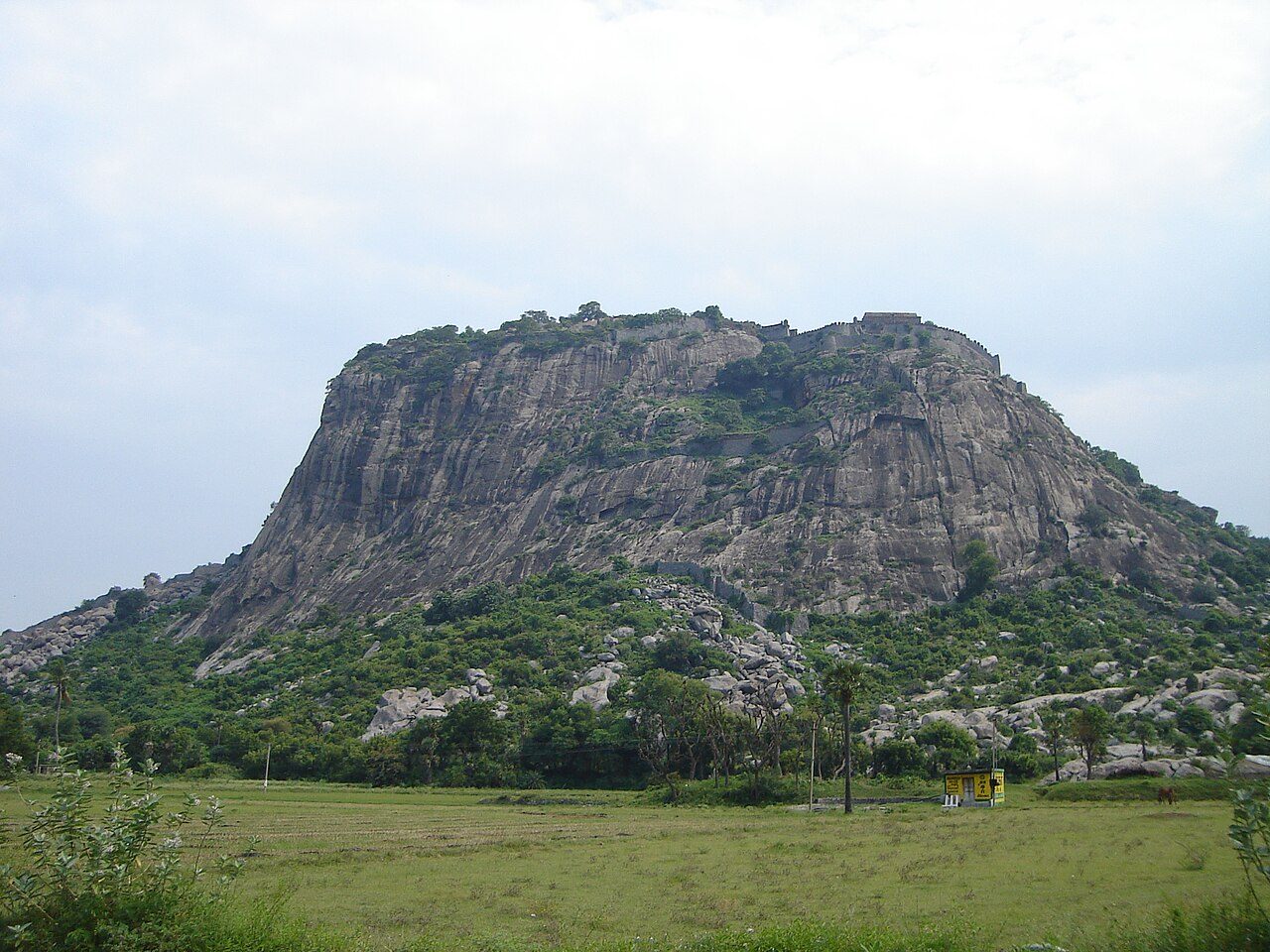
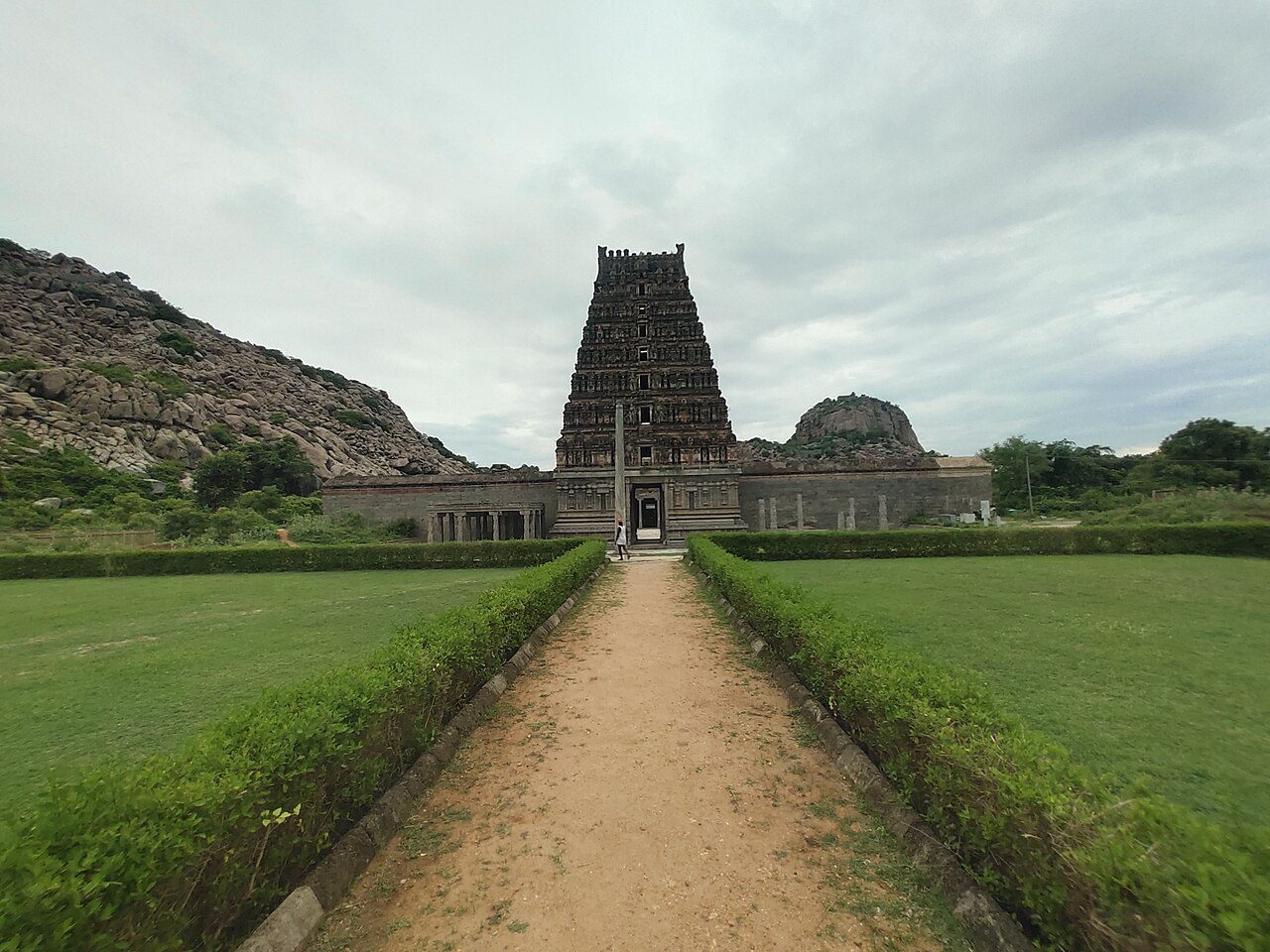
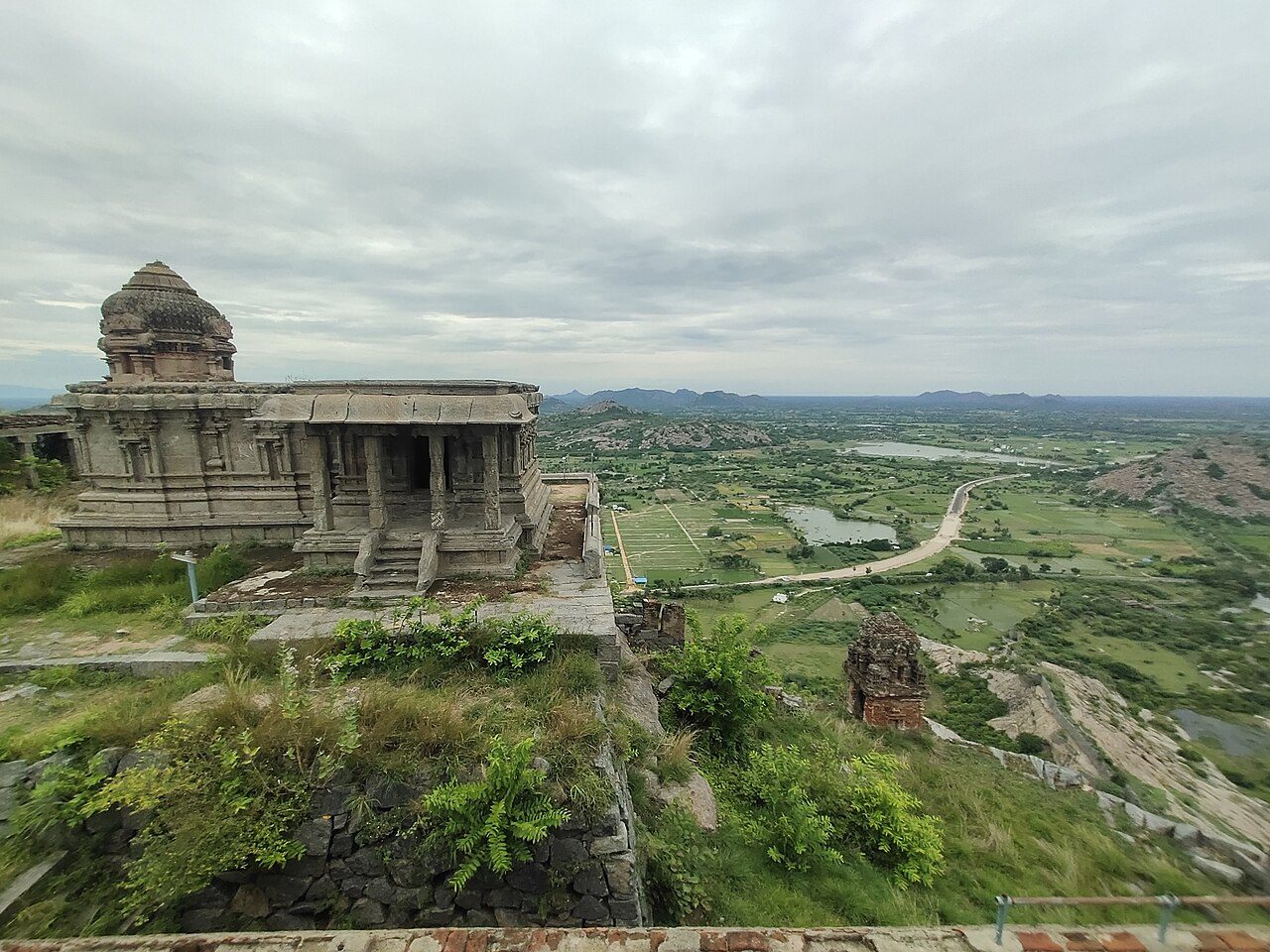
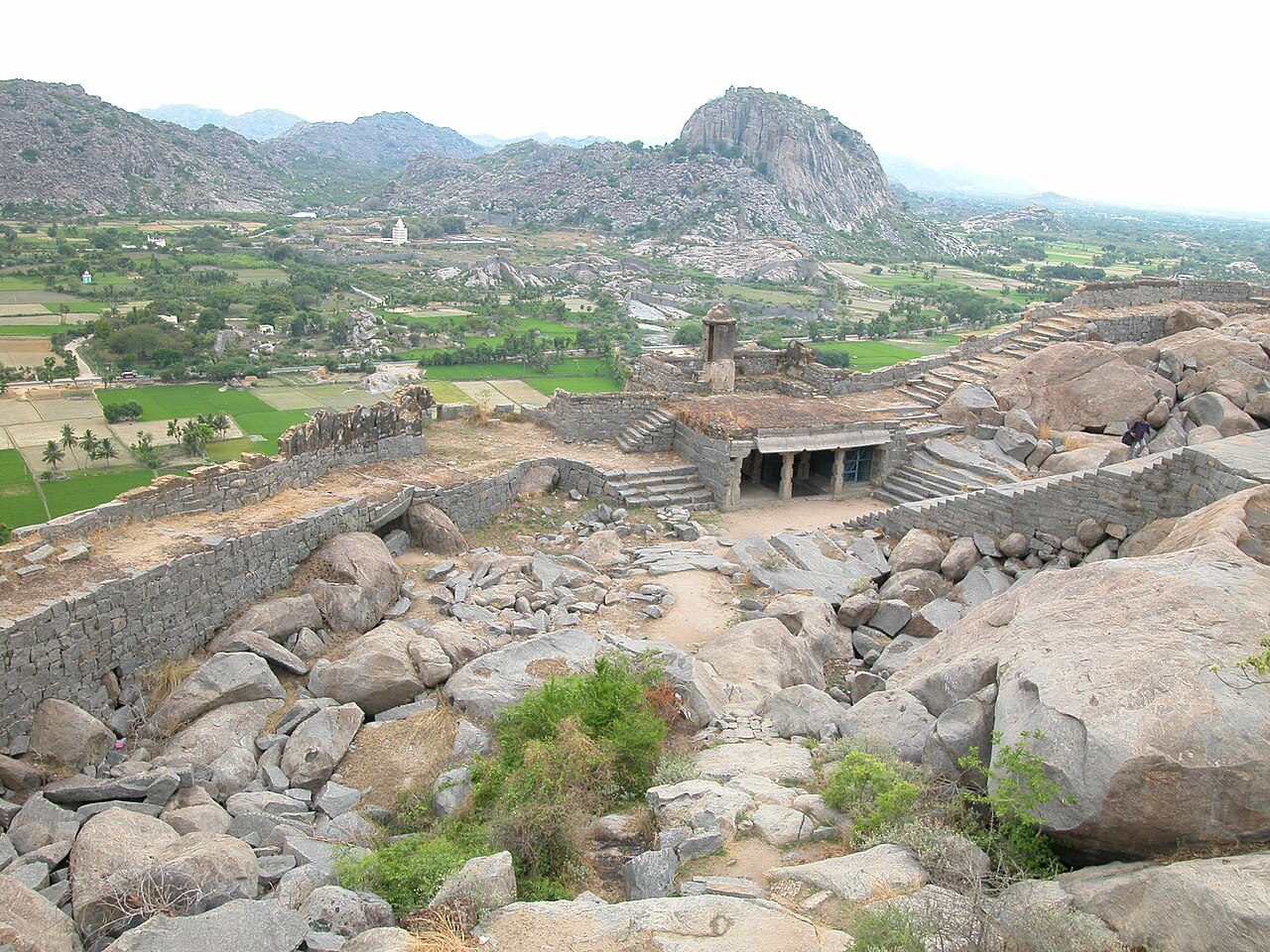
Spread over three hills joined by high walls, Gingee Fort was so strong that the British called it the Troy of the East. Its highest citadel, Rajagiri, rises about 240 metres. Built up largely by the Gingee Nayaks in the 16th century, it was later held by the Marathas under Shivaji, the Mughals, the French and the British. The climb up Rajagiri passes granaries, a temple and a series of gateways, and the tiered Kalyana Mahal stands below.
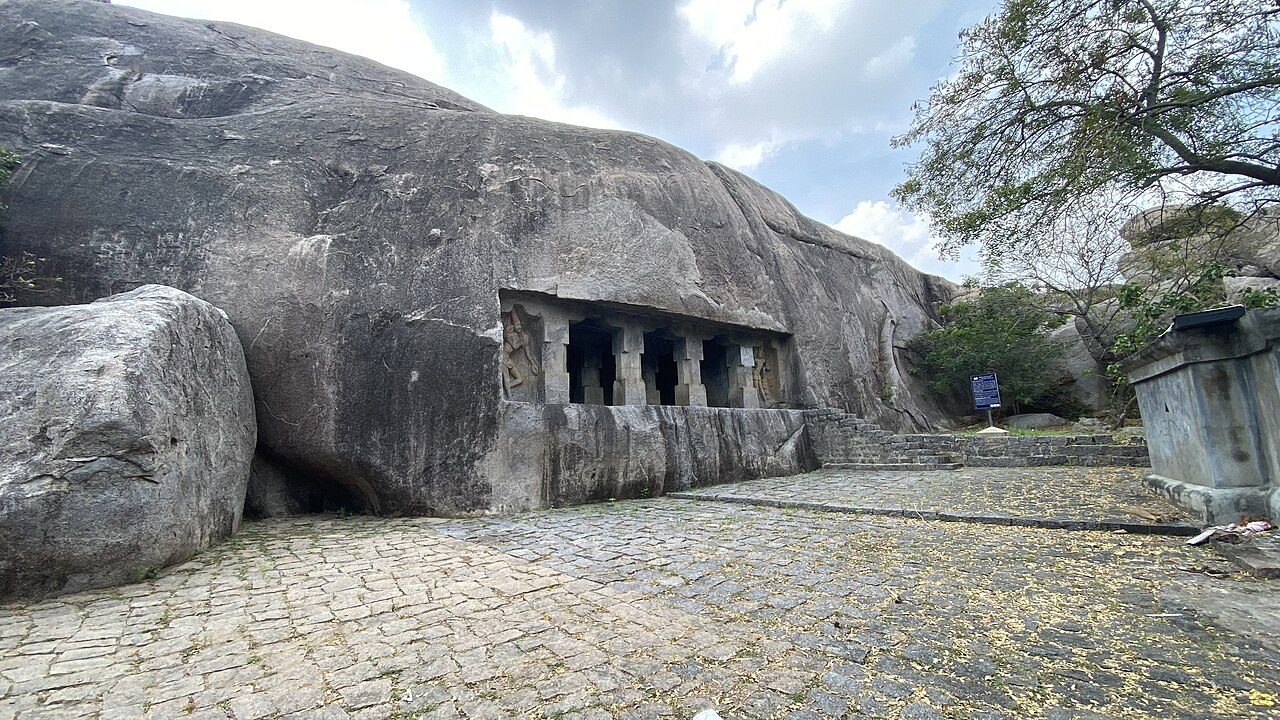
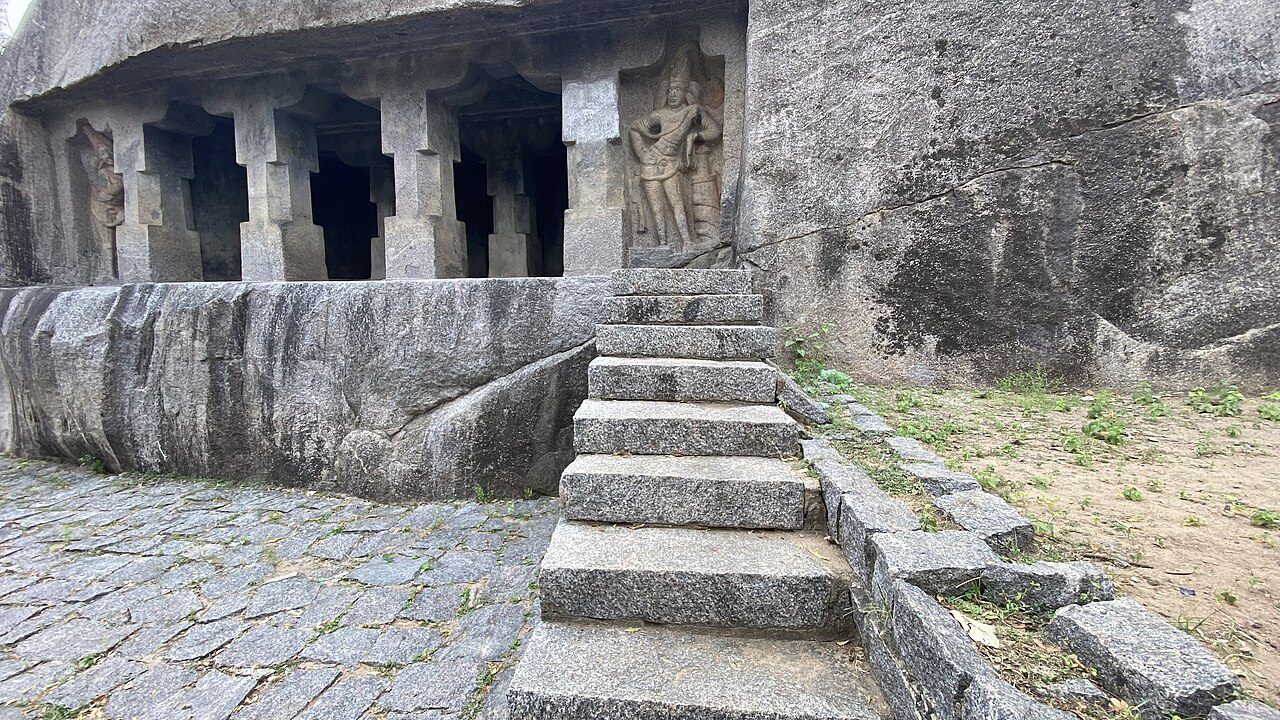
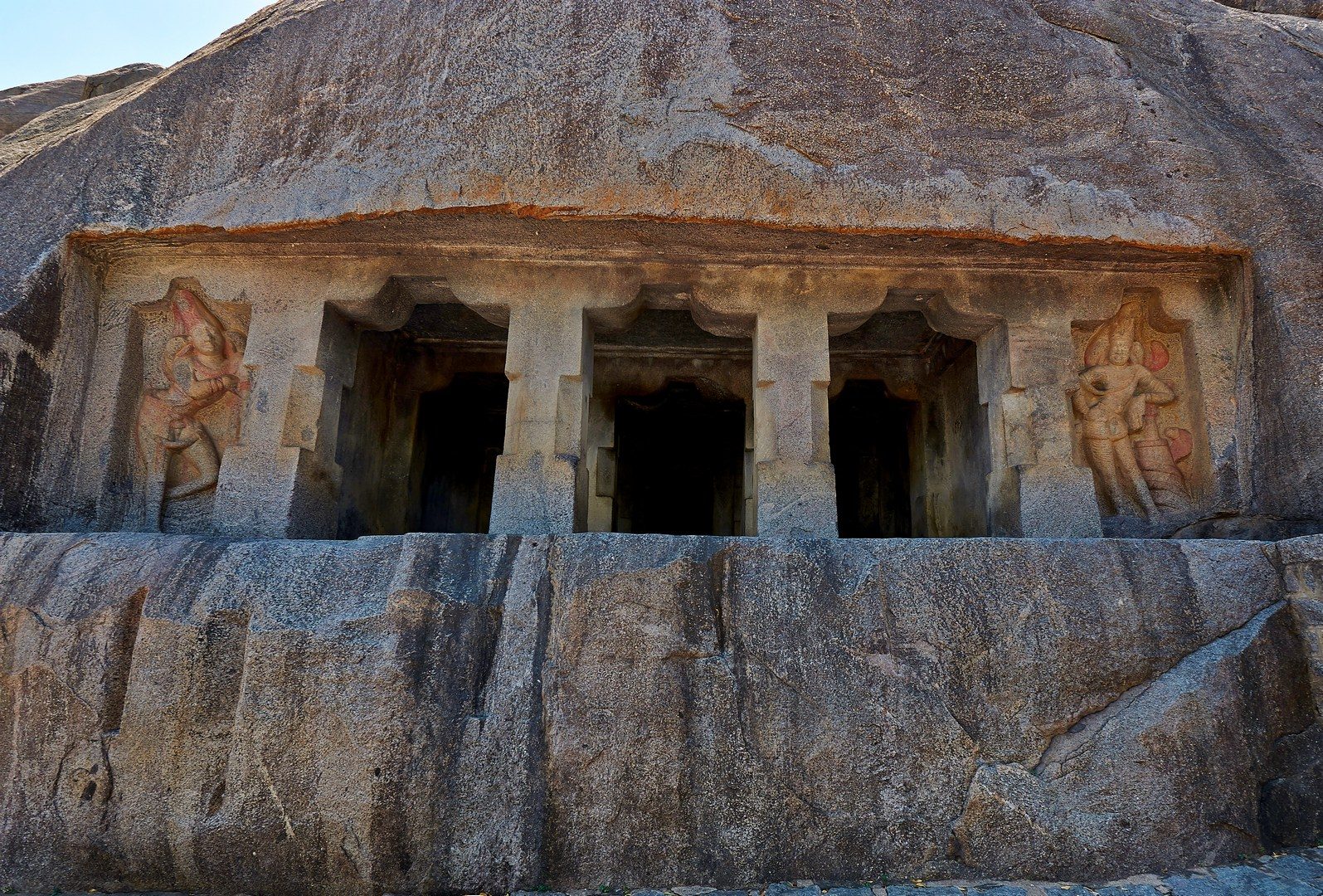
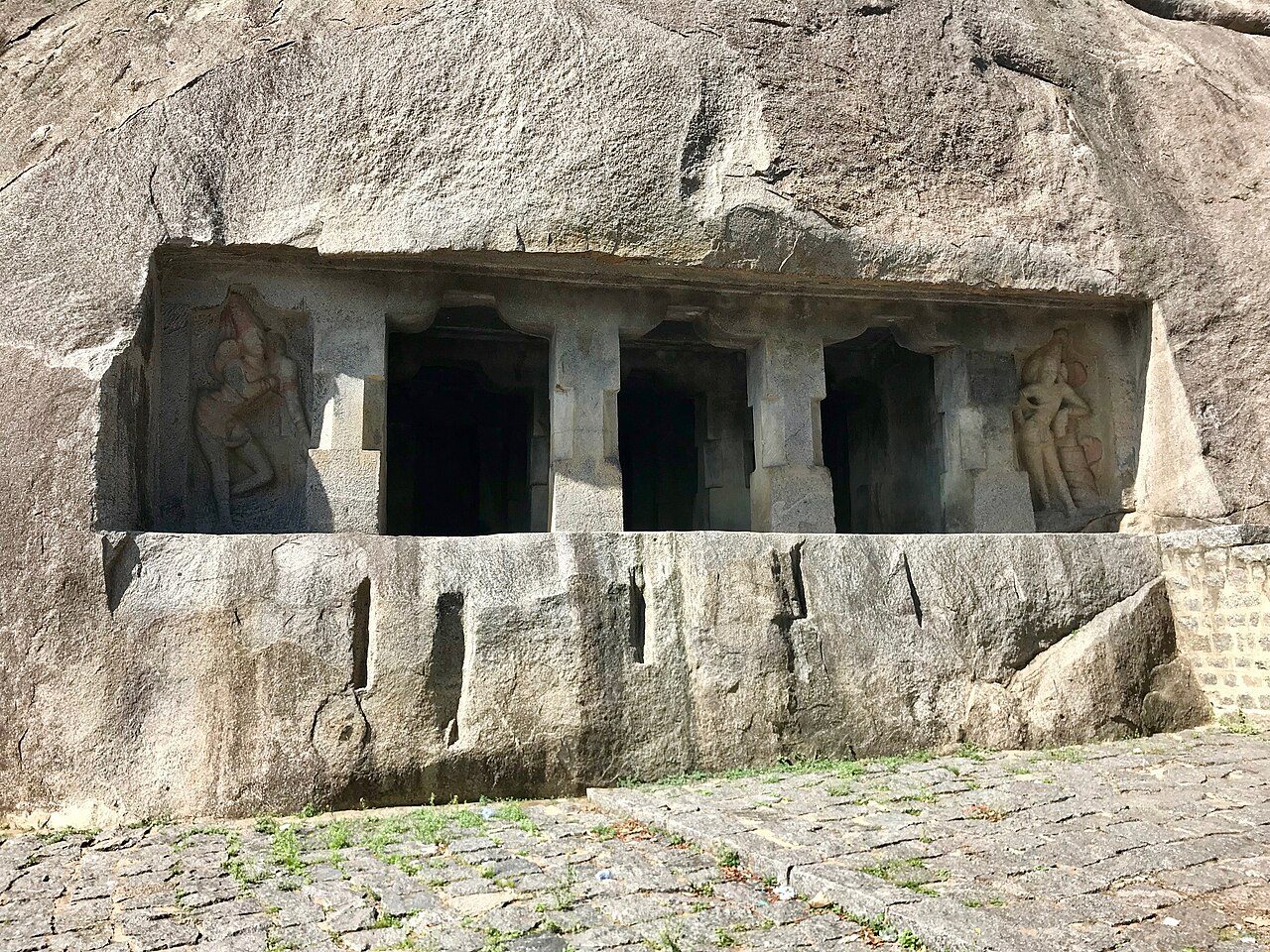
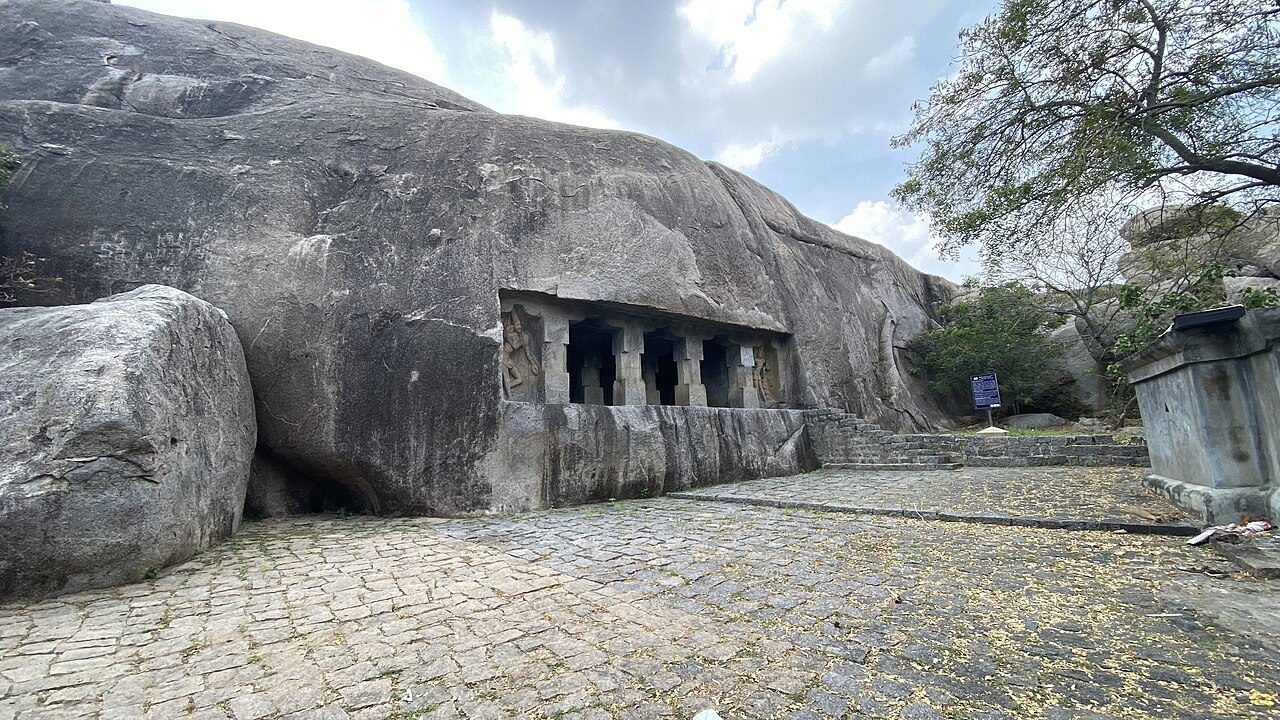
Carved into a rock outcrop in the early 7th century by the Pallava king Mahendravarman I, the Mandagapattu cave temple is the earliest rock-cut temple in Tamil Nadu. An inscription proudly says it was made without brick, timber, metal or mortar, and dedicates its three shrines to Brahma, Vishnu and Shiva. Tall guardian figures flank the entrance.
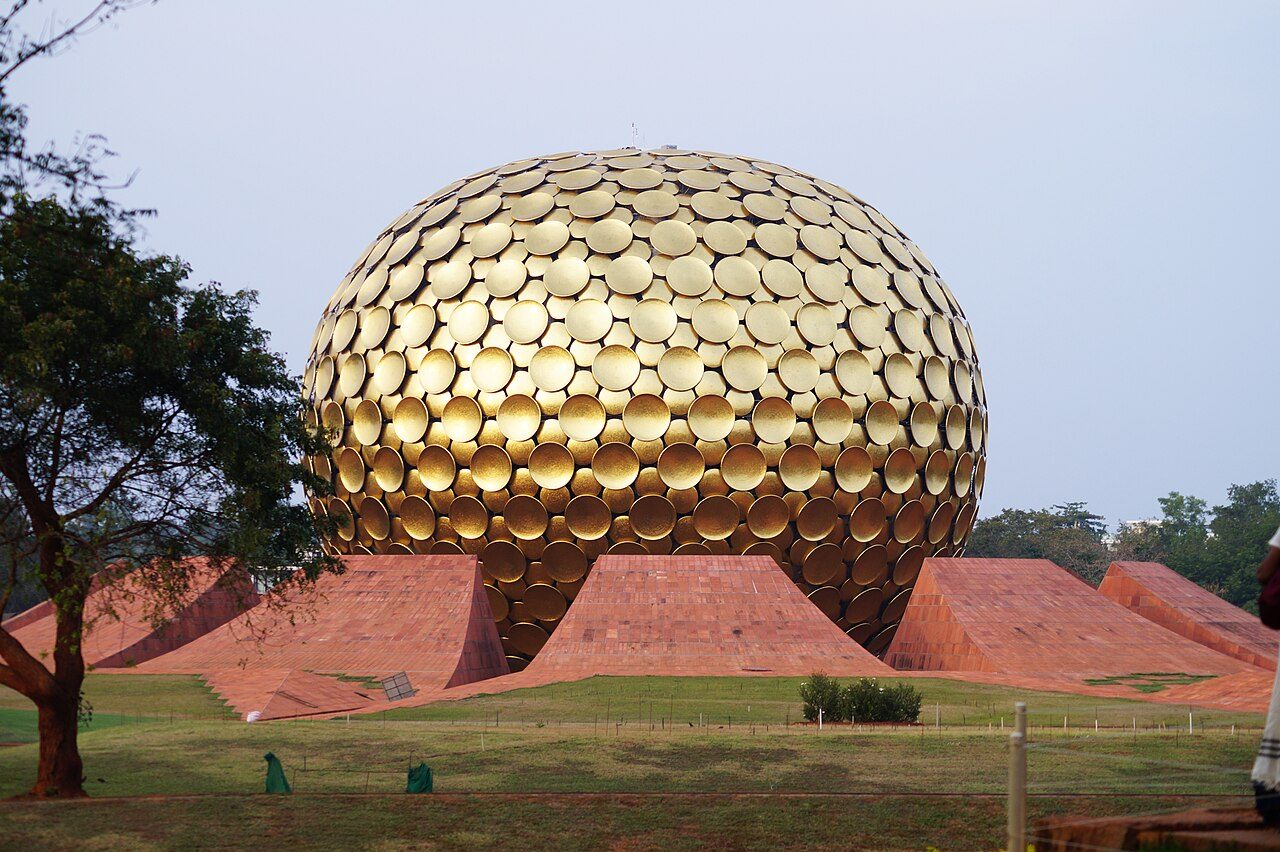
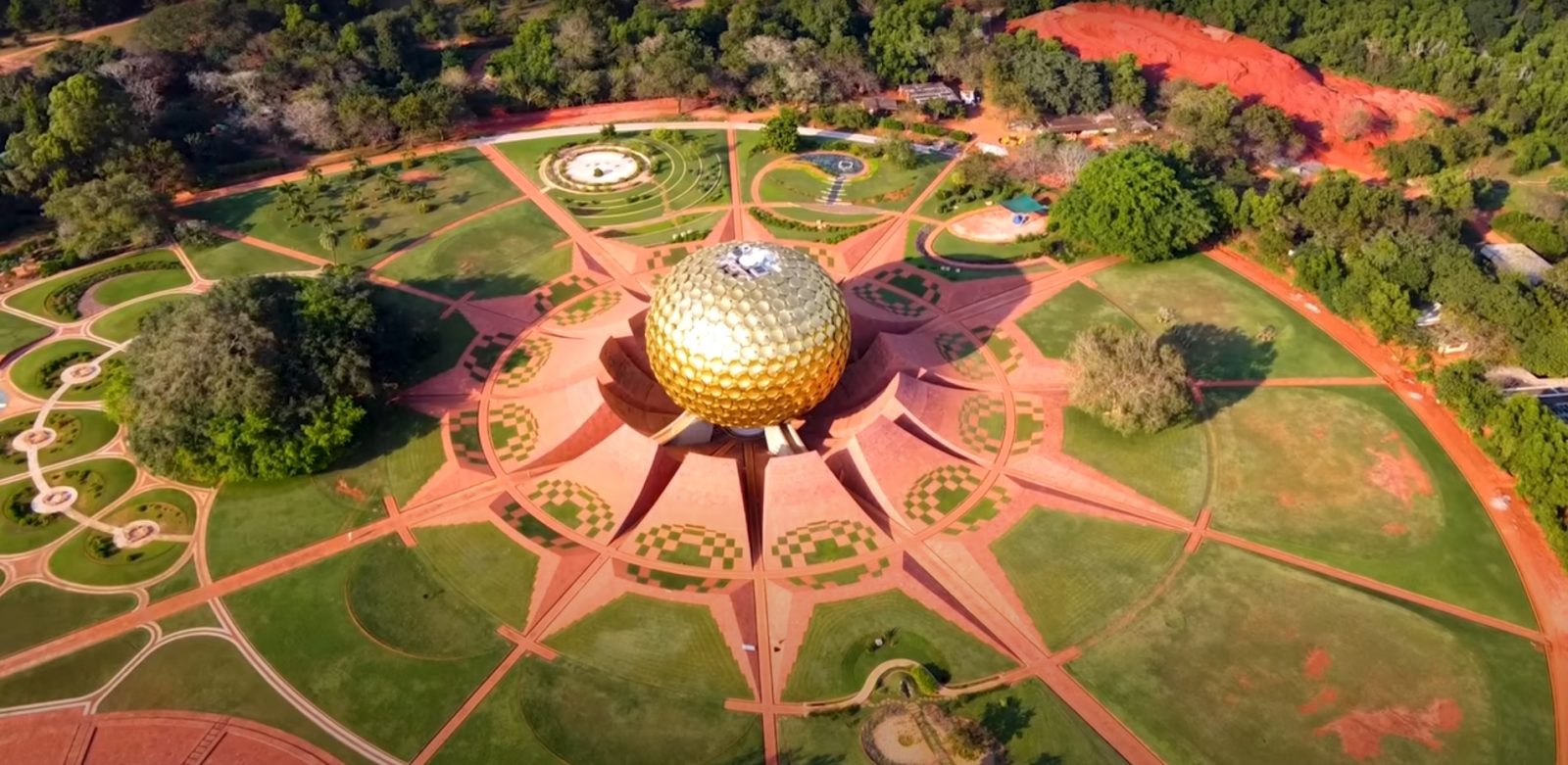
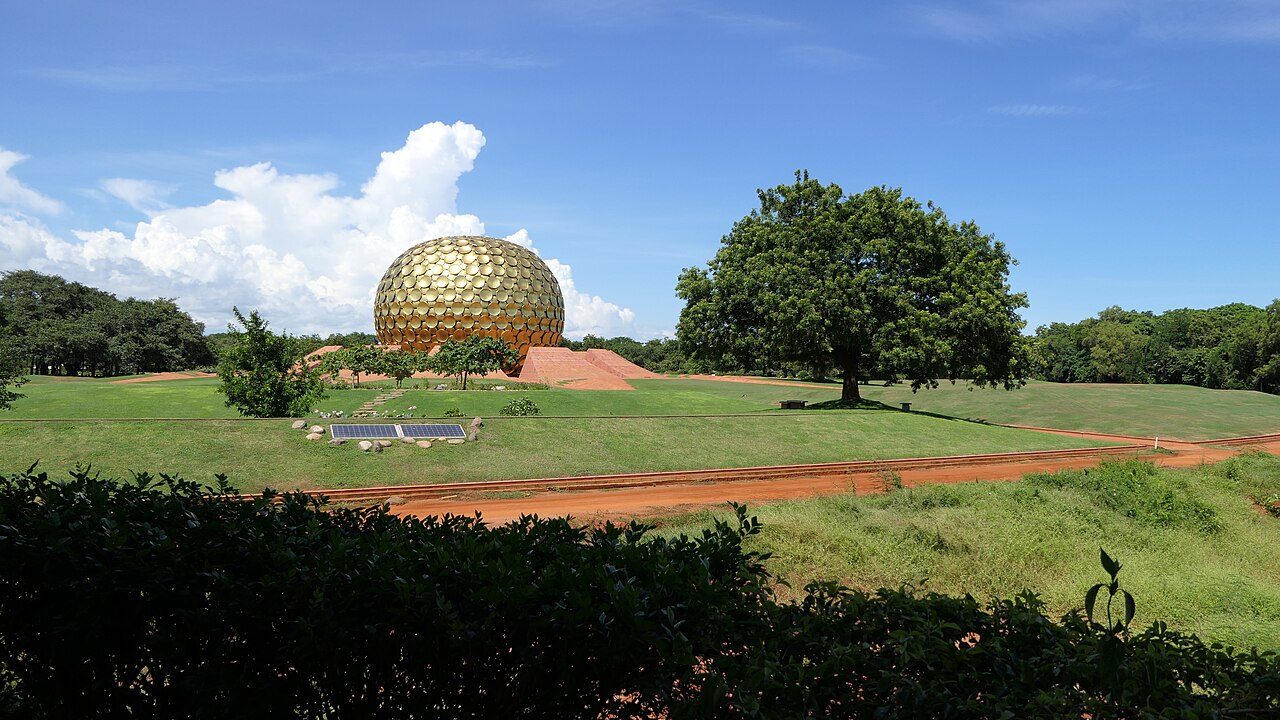
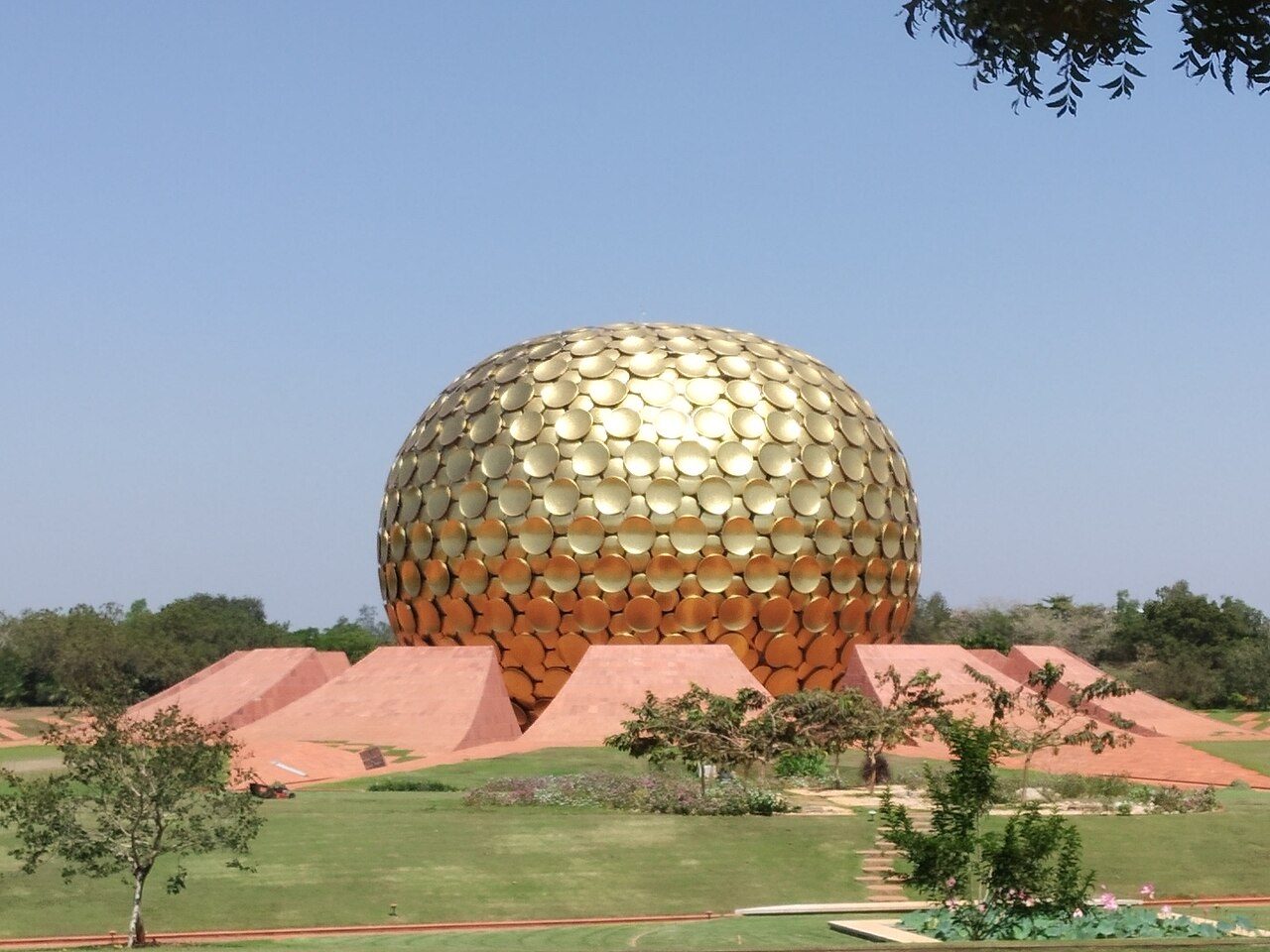
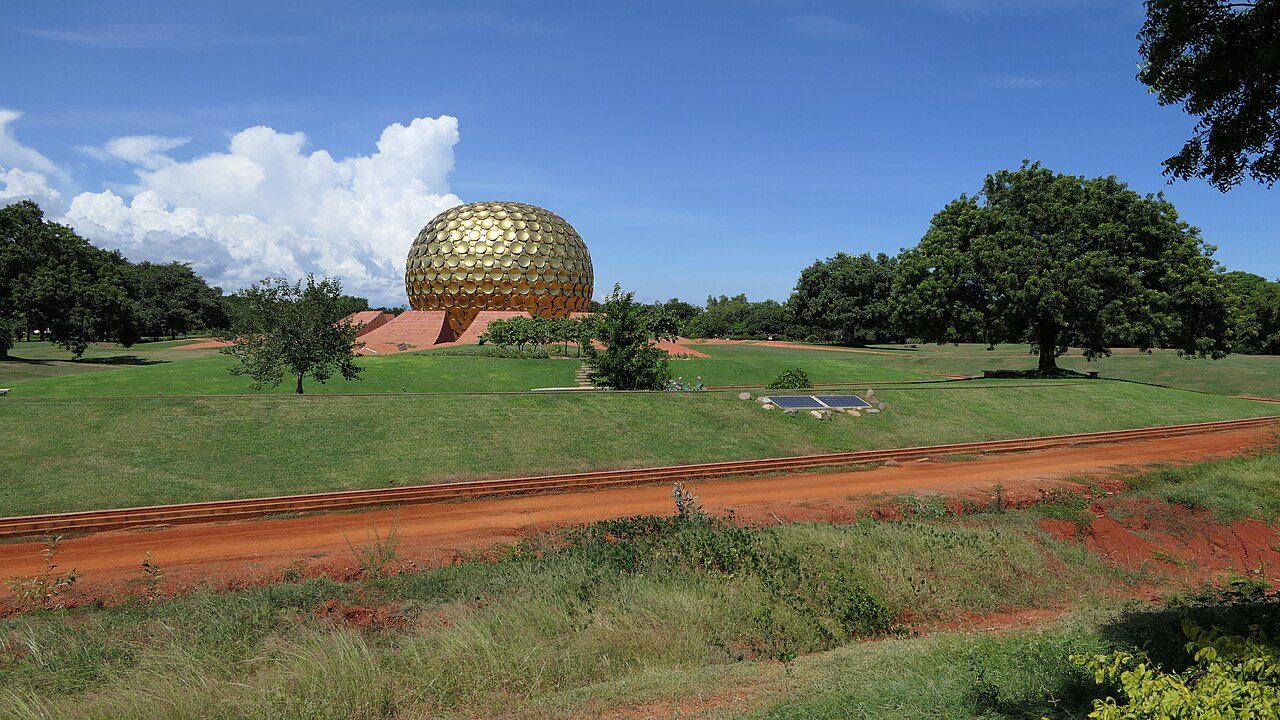
The golden sphere at the heart of Auroville, the international township founded in 1968 by the Mother, Mirra Alfassa, of the Sri Aurobindo Ashram. Inside is a white chamber built around a crystal globe lit by a single ray of sunlight, used for silent concentration. Visitors can see the Matrimandir from a viewing point after a short walk from the visitor centre; going inside must be booked in advance.
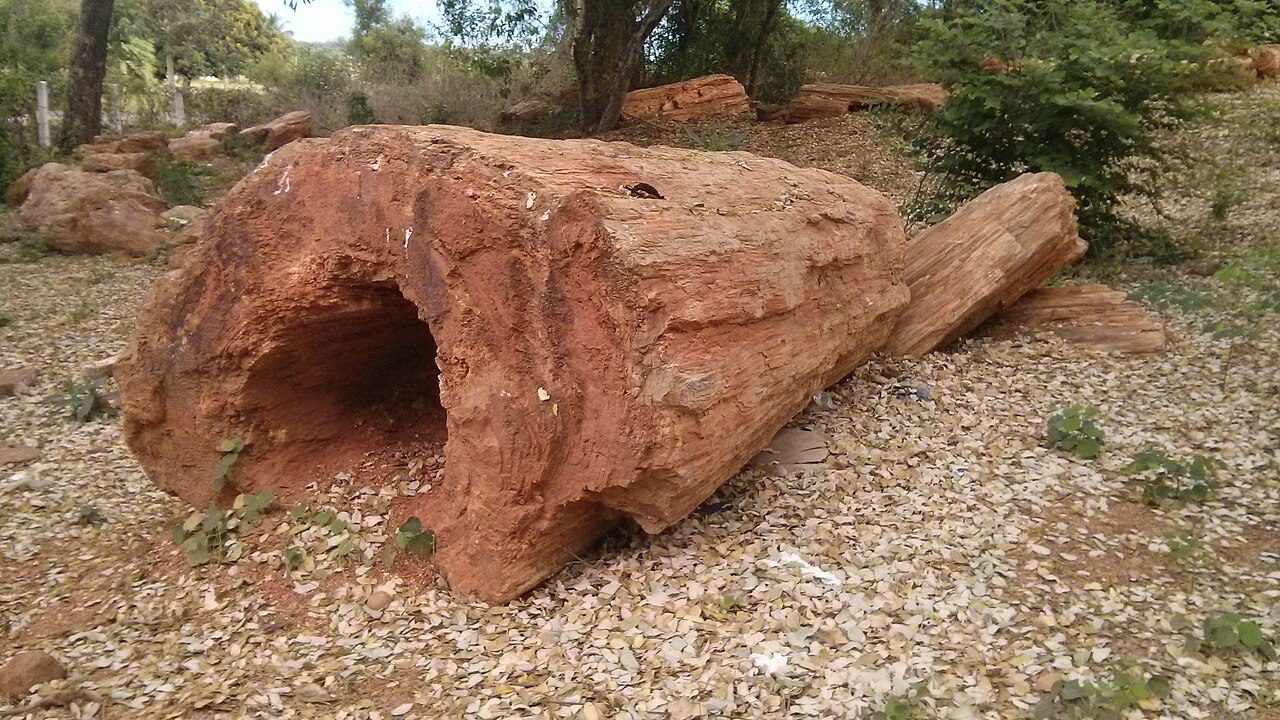
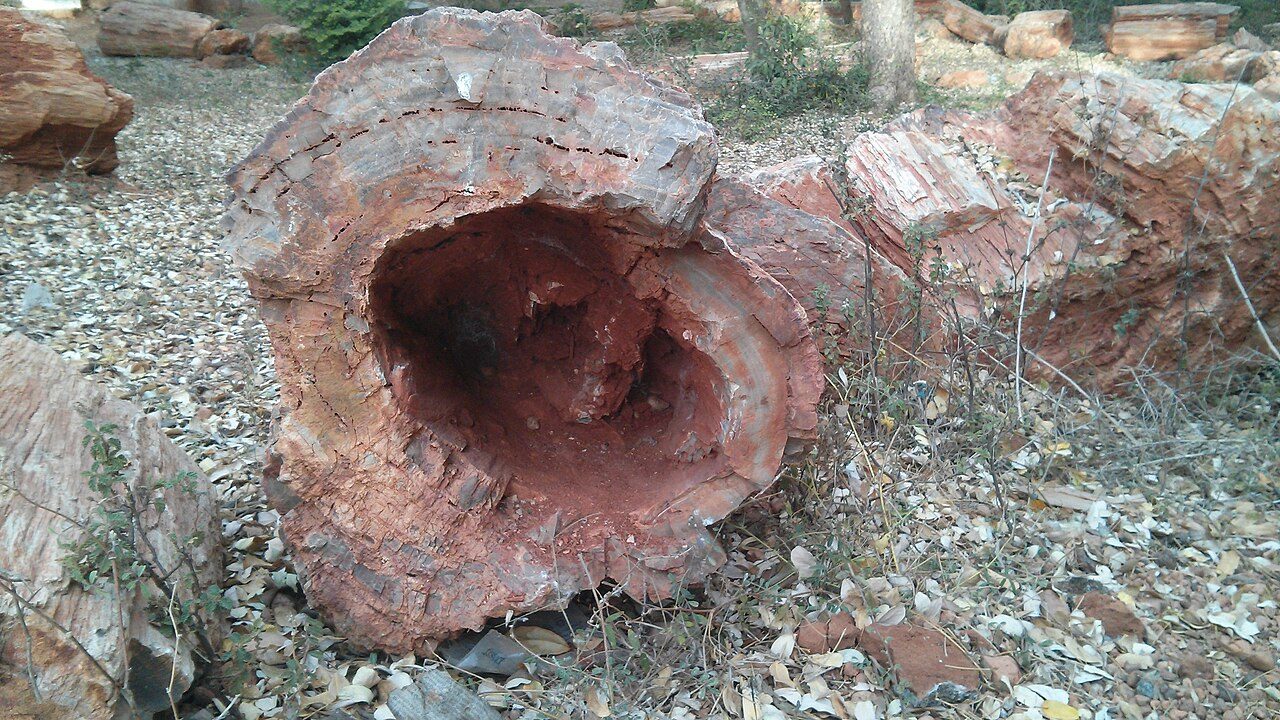
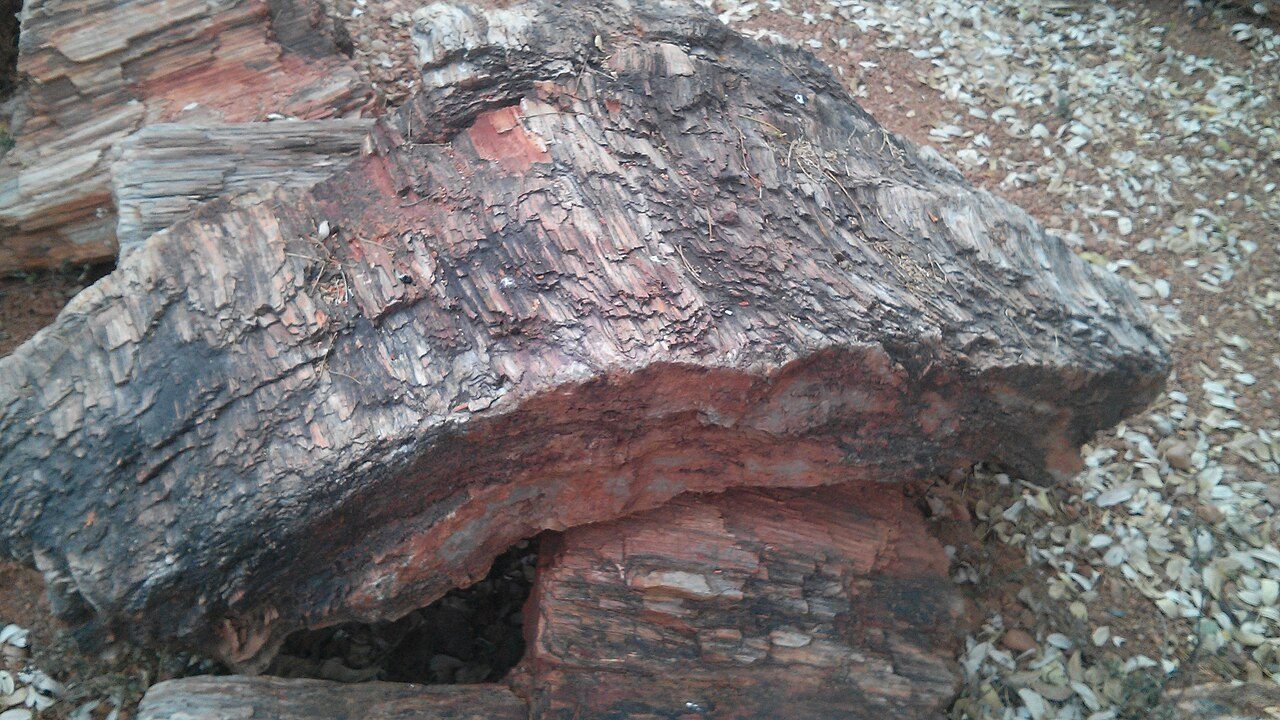
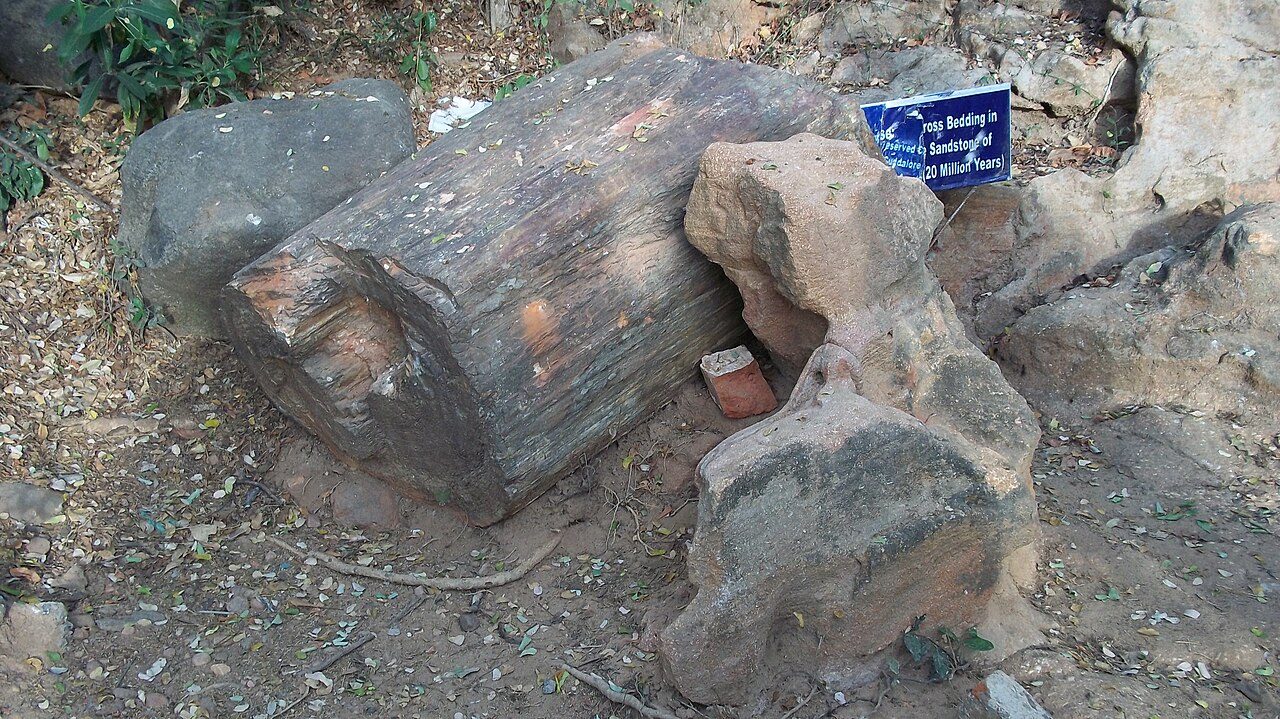
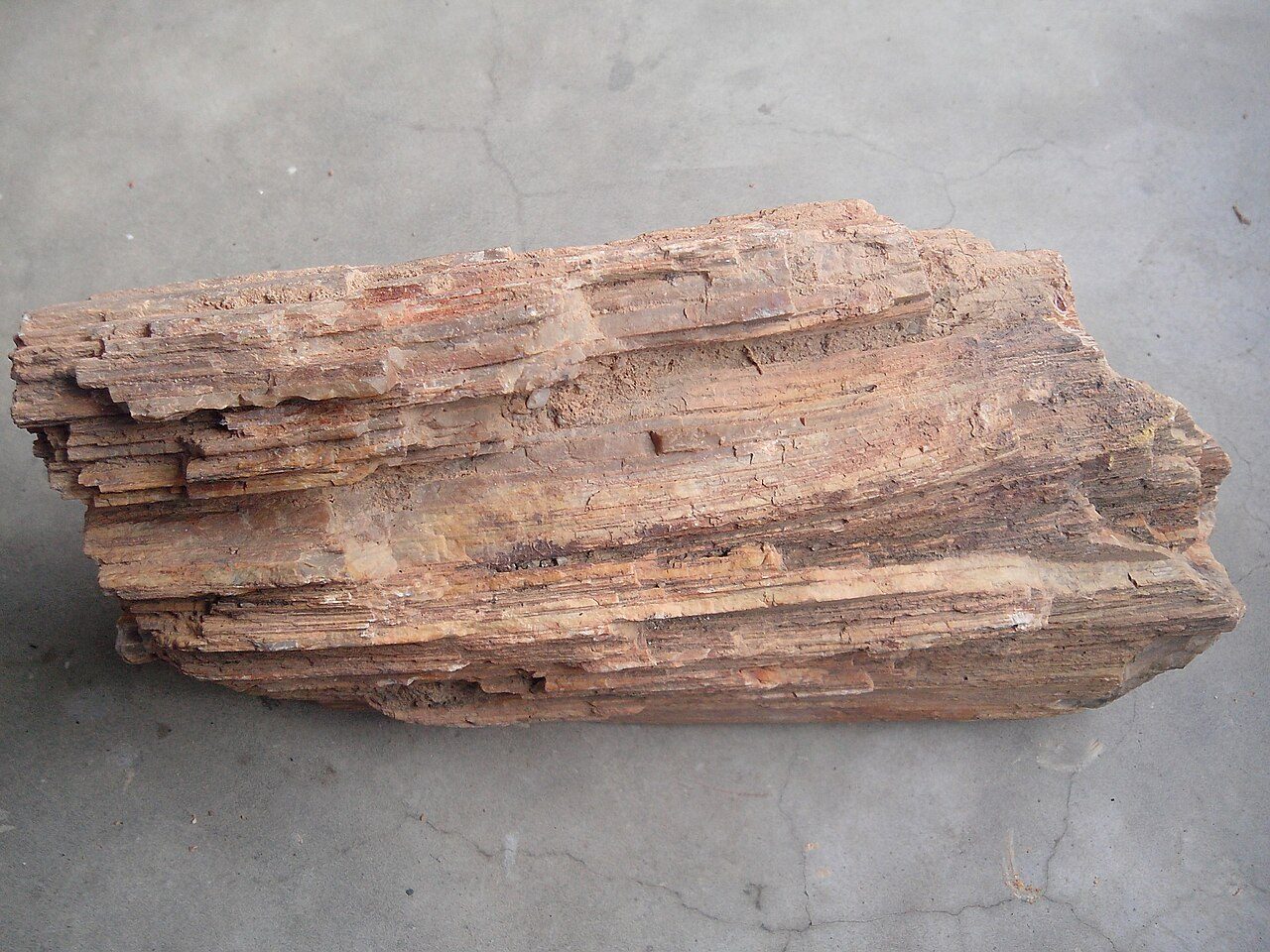
At Thiruvakkarai lie the fossilised trunks of trees that grew here roughly 20 million years ago, turned to stone as minerals slowly replaced their wood. Some logs are more than 10 metres long and lie where erosion exposed them, still showing bark and growth rings. The park is managed by the Geological Survey of India.
Best weather: Dec – FebHeavy rain: Nov
Seasons from 20 years of NASA POWER climate data.
Was this trip blog helpful?
0
0
Ready to follow this route?
Copy all 11 stops into your trip plans in the app.
 WaTrips