Kashi Vishwanath and the ghats, Ganga aarti, Sarnath, BHU, Ramnagar Fort and Chunar.
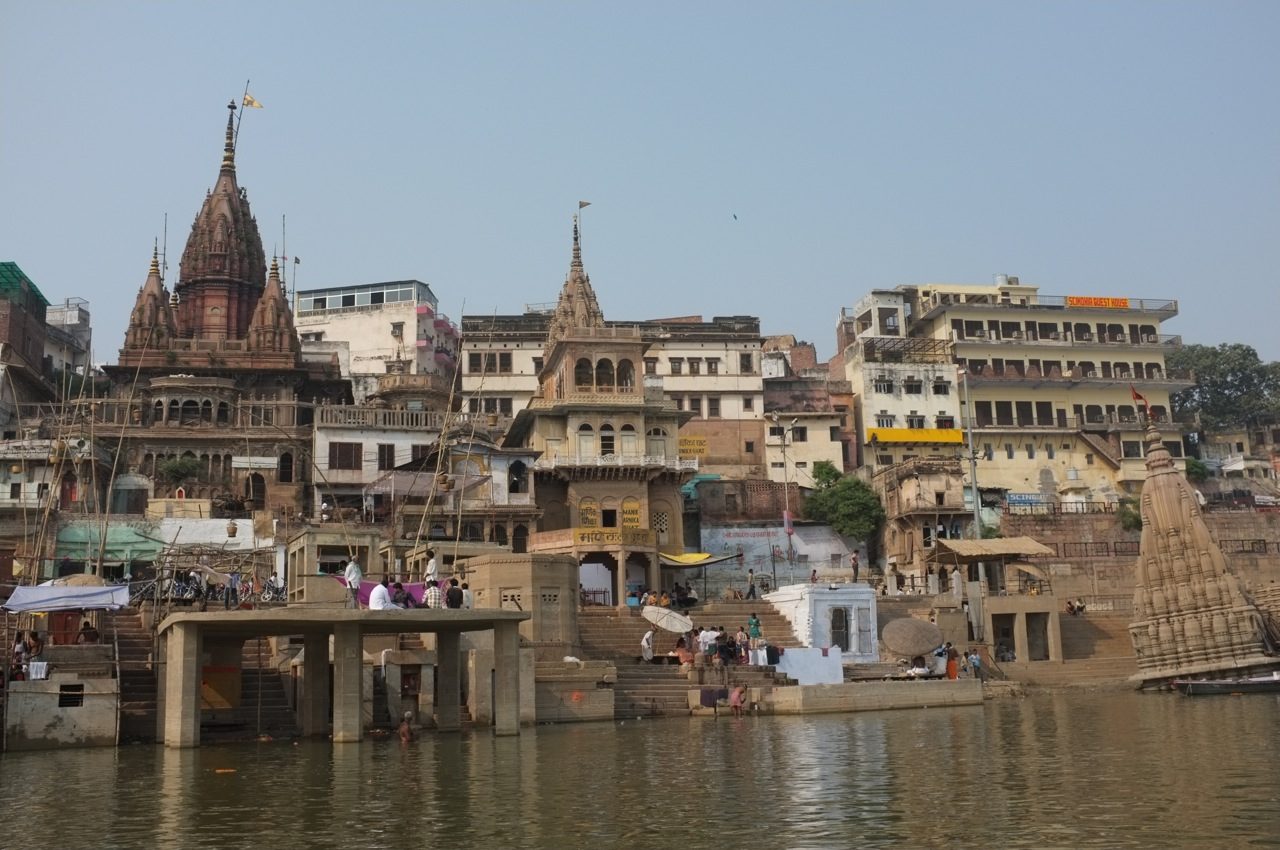
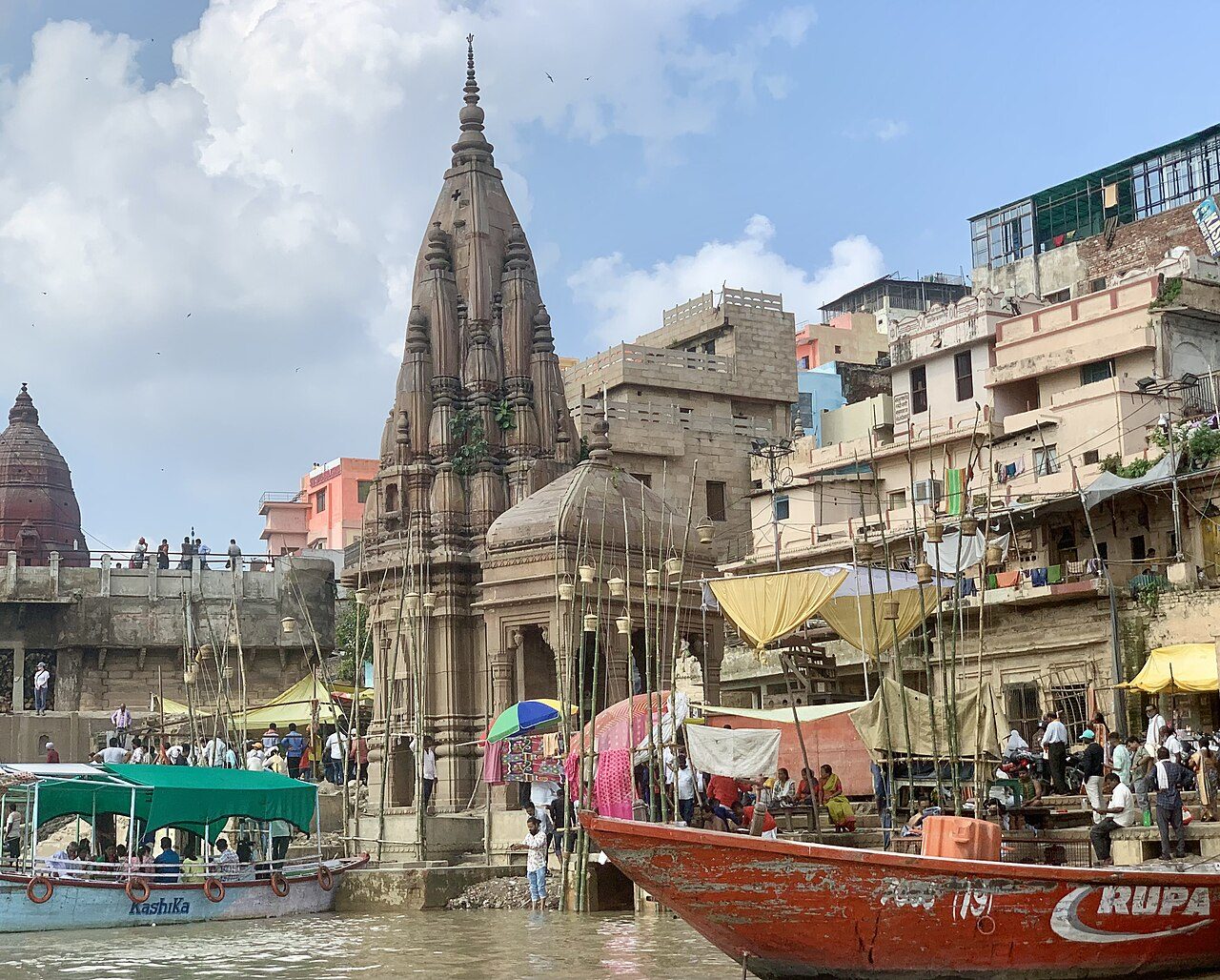
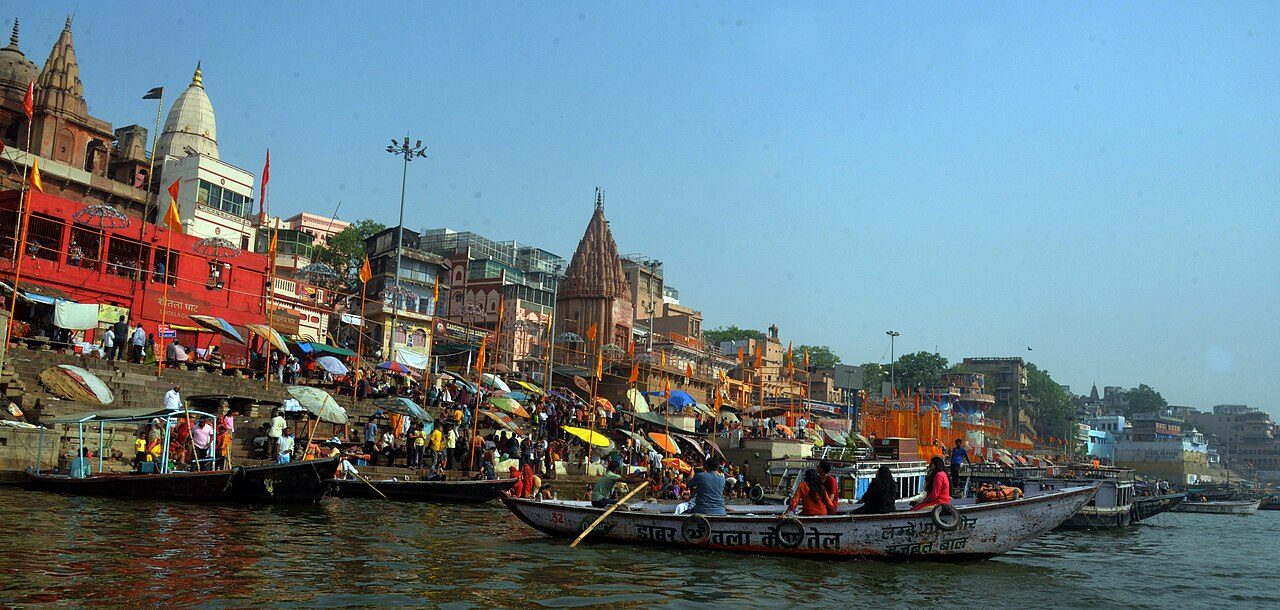
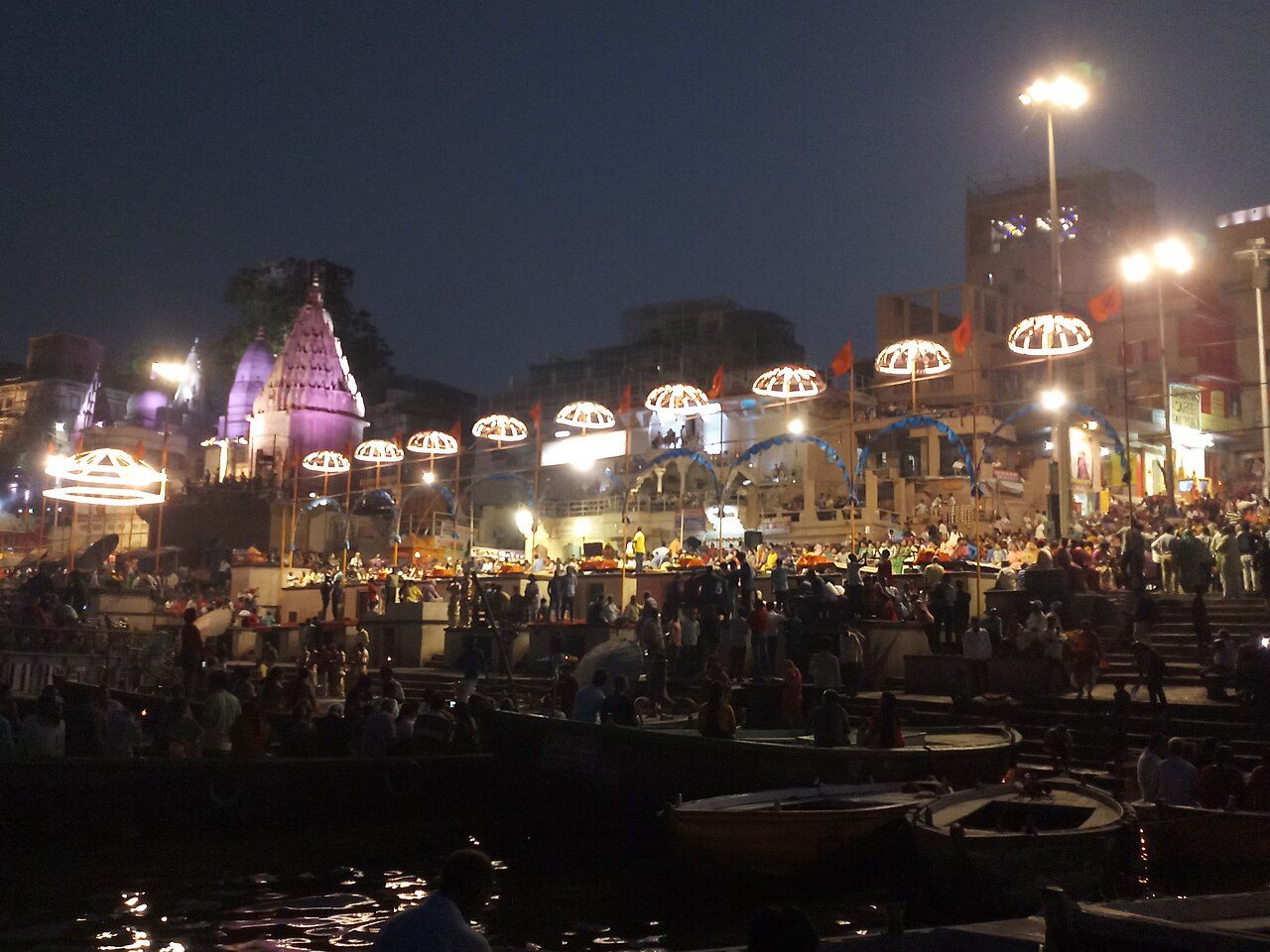
Varanasi rewards slow days. Day one walks the old city: Kashi Vishwanath, the ghats down to Manikarnika, and the evening Ganga aarti at Dashashwamedh. Day two goes to Sarnath, where the Buddha gave his first sermon, for the Dhamek and Chaukhandi stupas and the museum with the Lion Capital, then the Durga and Tulsi Manas temples. Day three begins with a sunrise boat from Assi Ghat, visits the New Vishwanath temple at BHU and Ramnagar Fort, and ends at Chunar Fort above the Ganga. October to March is best.
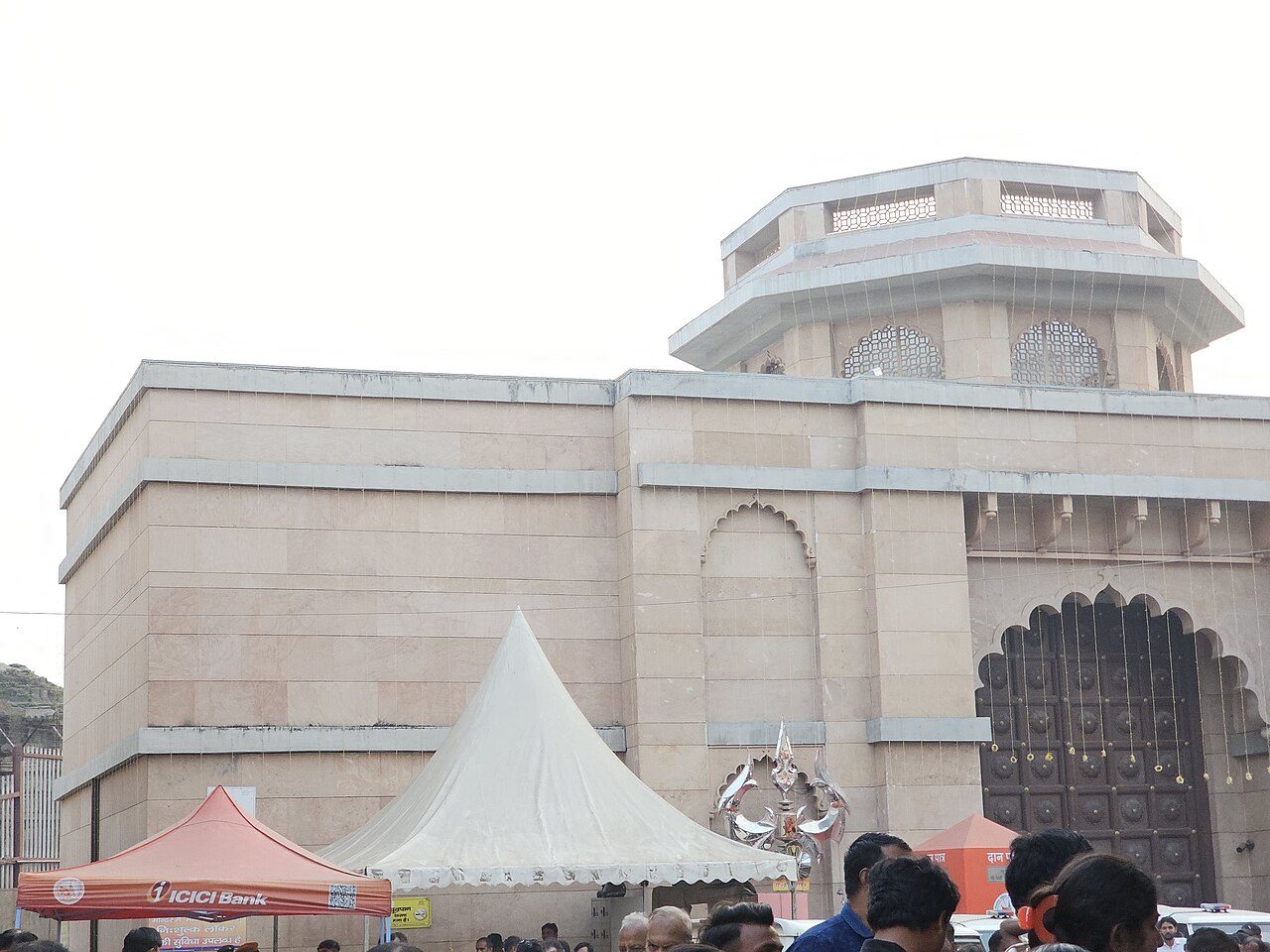
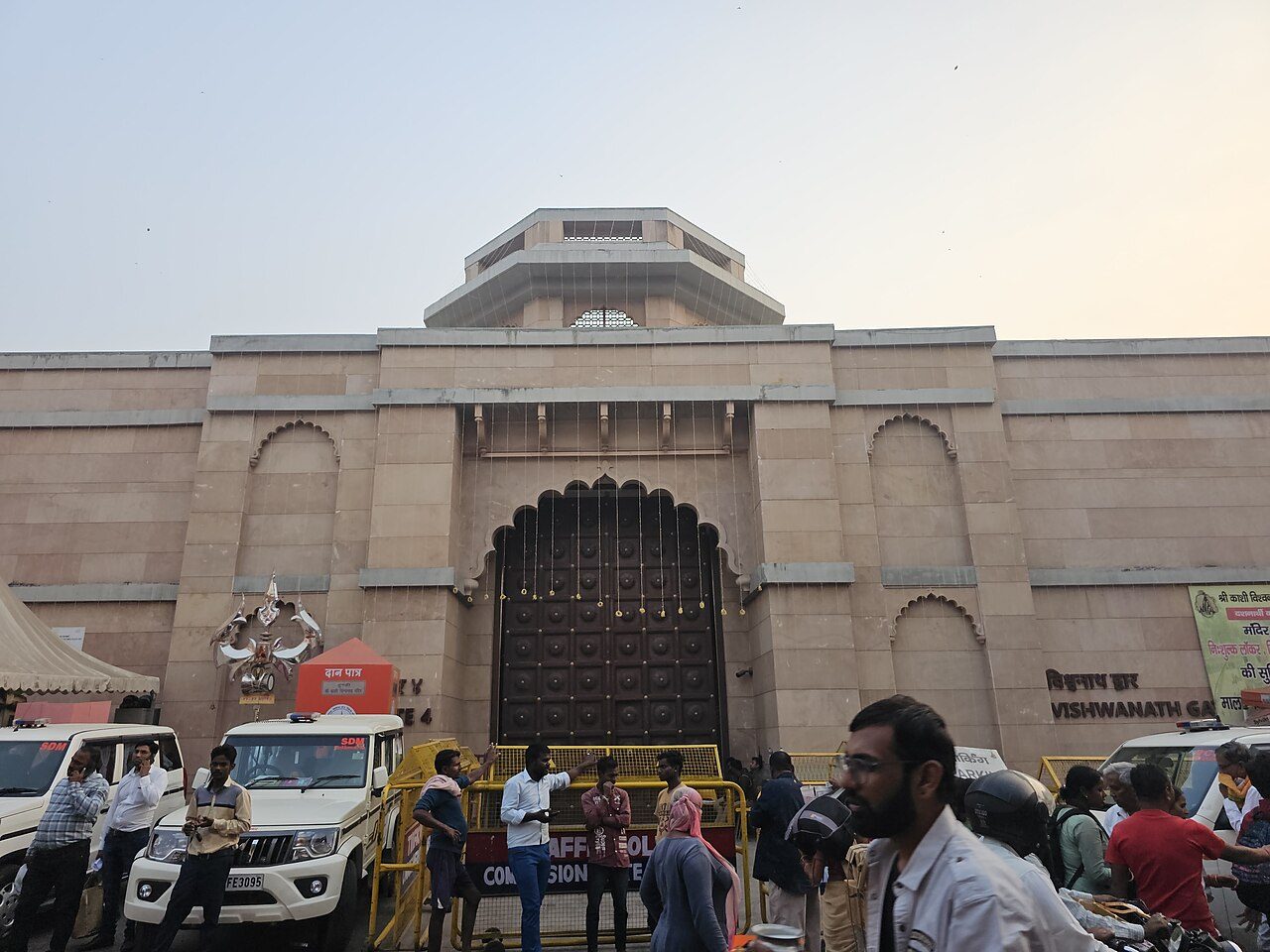
The Kashi Vishwanath temple is the most sacred shrine of Varanasi, dedicated to Shiva as Lord of the Universe and counted among the twelve Jyotirlingas. The present temple was built in 1780 by Ahilyabai Holkar of Indore, and its spire and domes were later plated with gold given by Maharaja Ranjit Singh. A broad corridor opened in 2021 now links it directly to the Ganges. Phones and bags must be left in lockers.
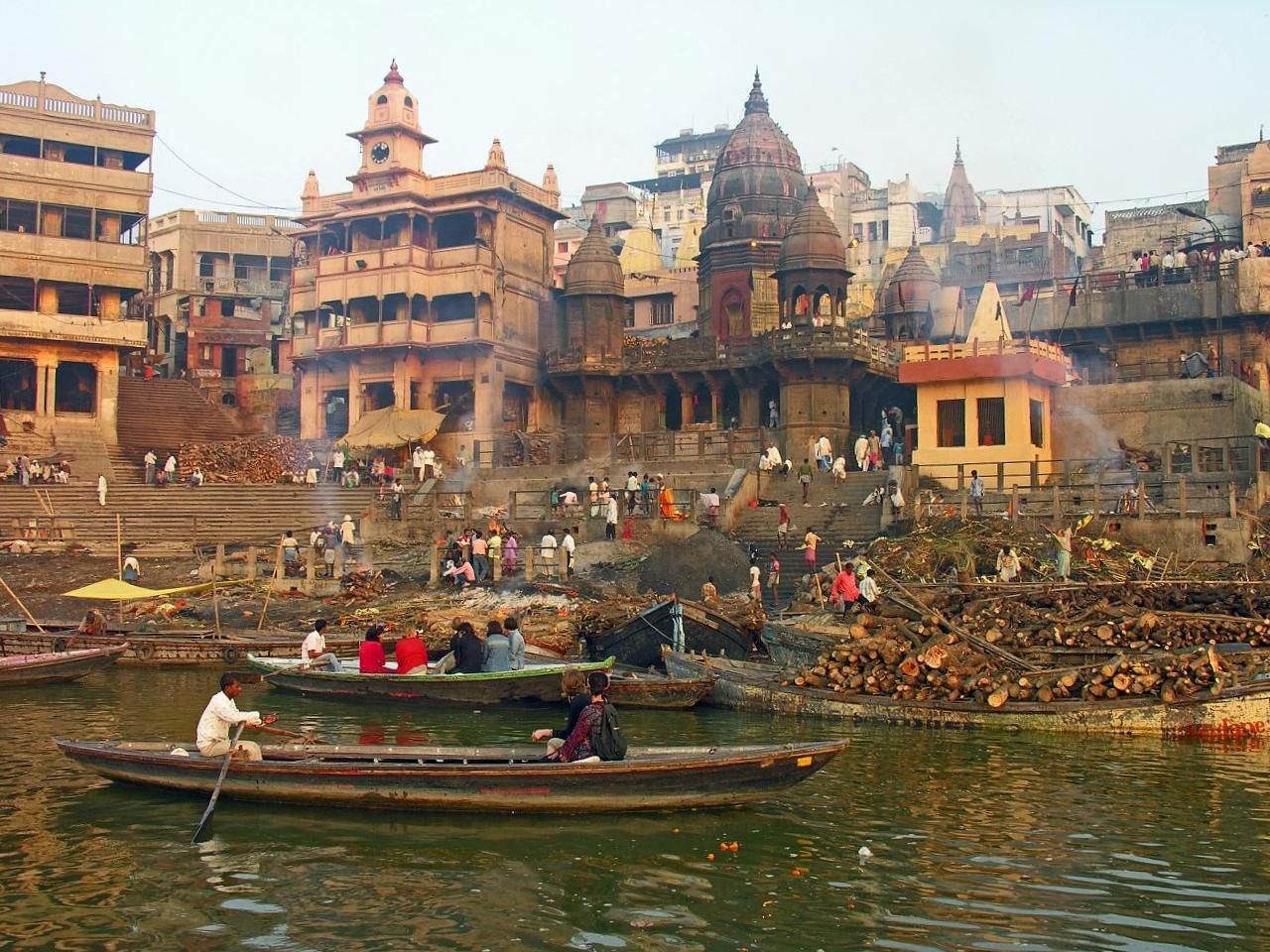
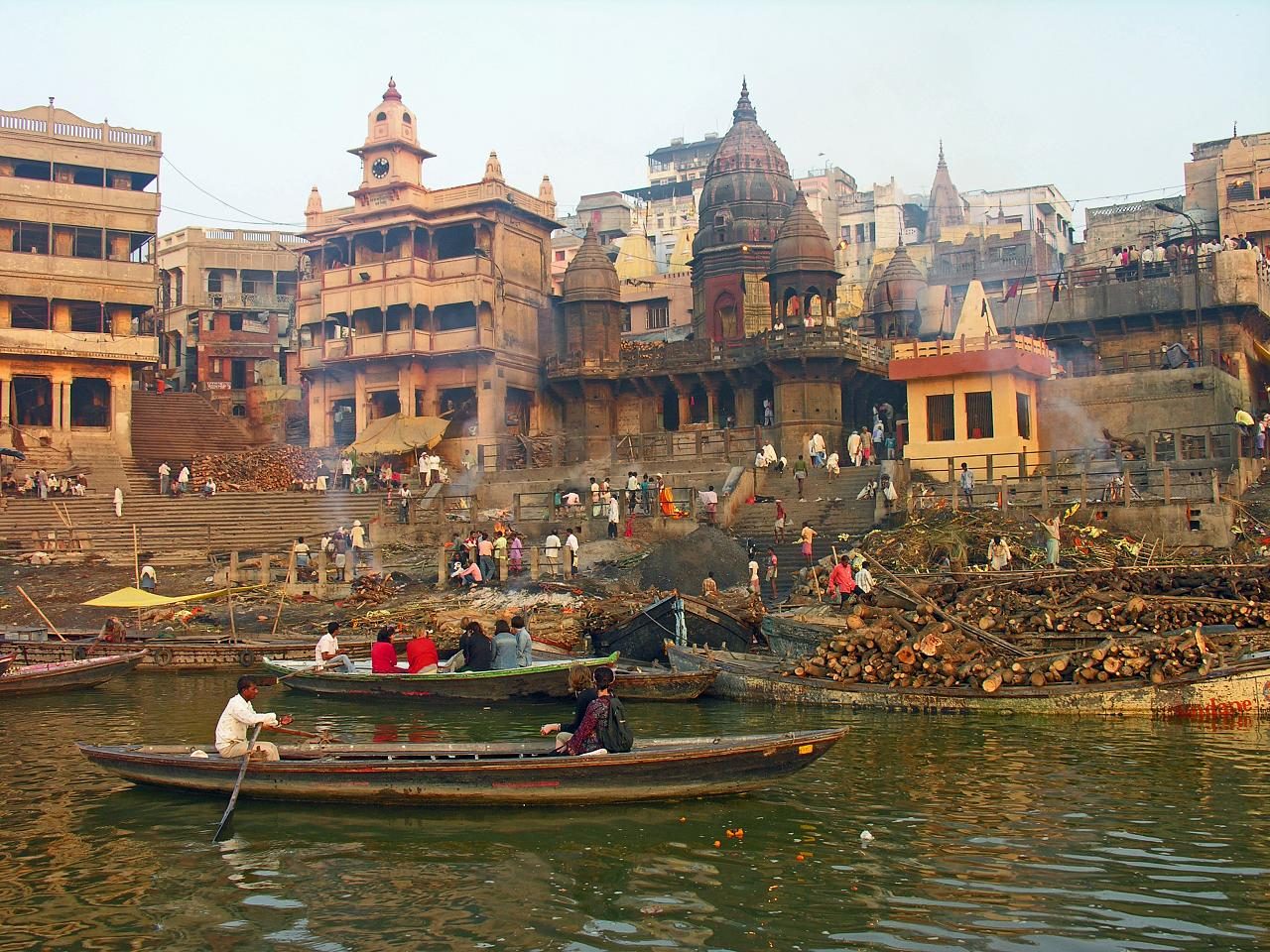
Manikarnika is the principal cremation ghat of Varanasi and one of the oldest. Hindus believe that being cremated here brings liberation from the cycle of rebirth, and funeral pyres burn day and night, fed by huge stacks of wood. A sacred well beside it is linked to Shiva and Parvati. Visitors may watch respectfully from a distance or from a boat; photography of the cremations is not permitted.
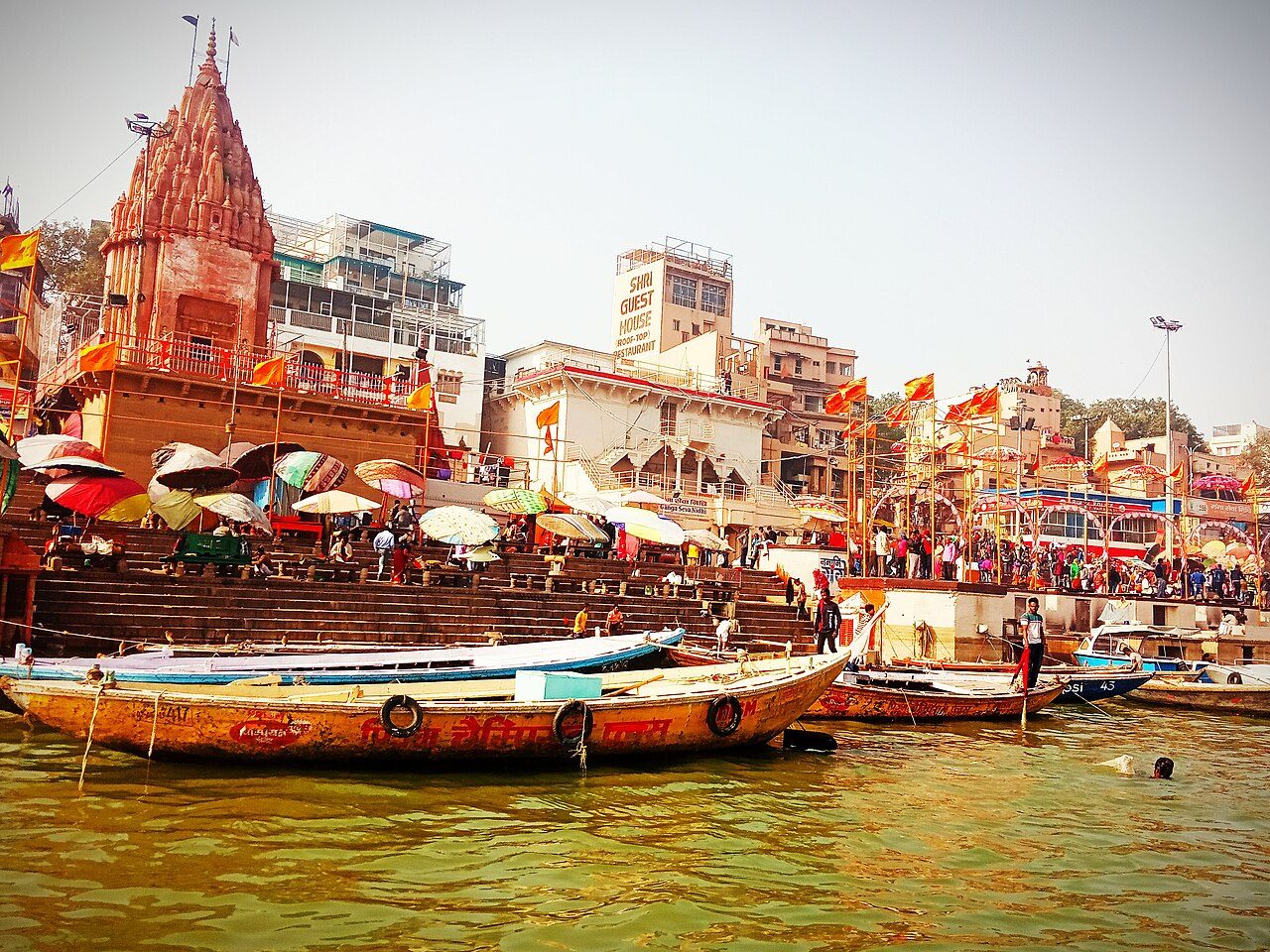
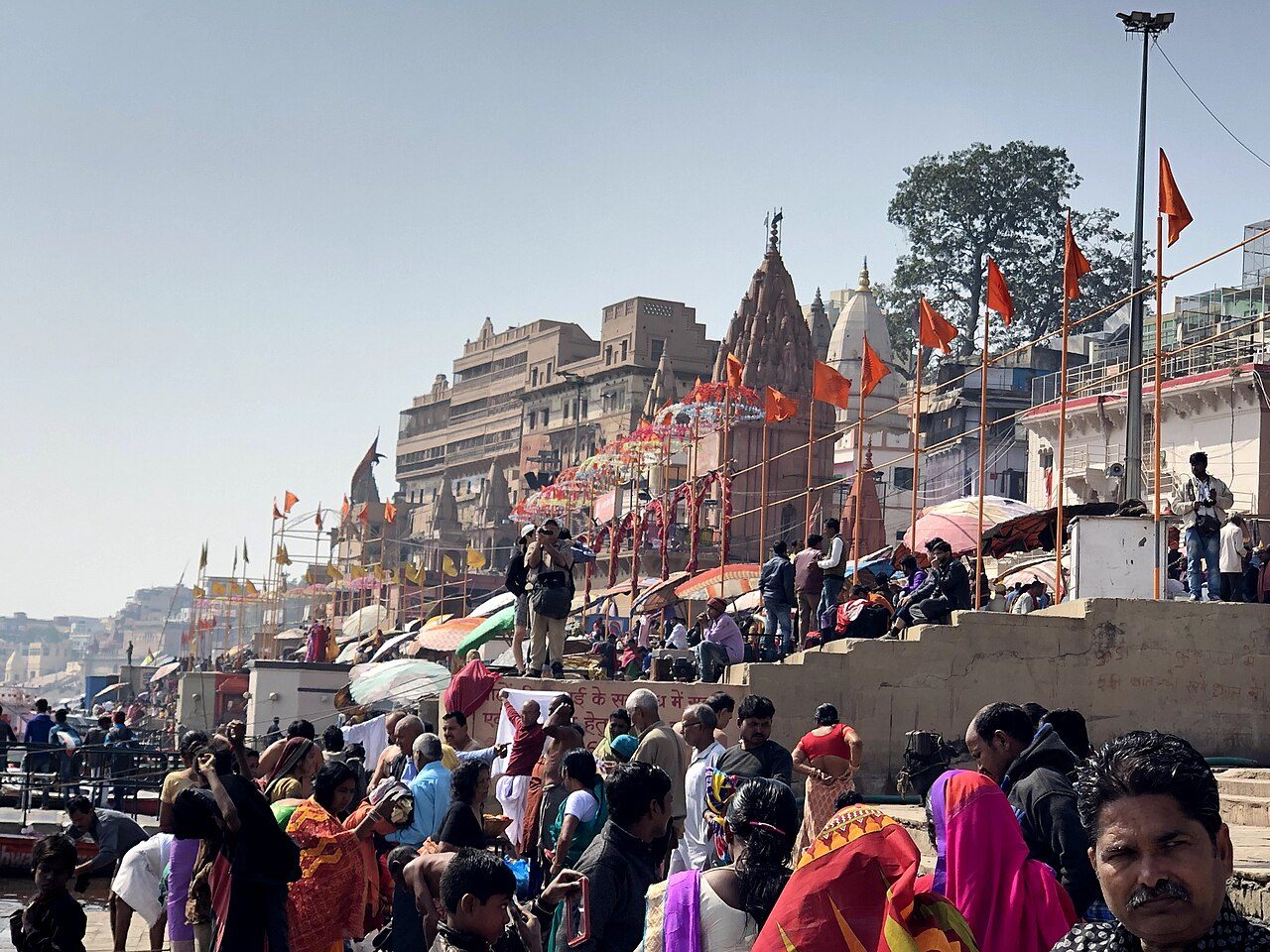
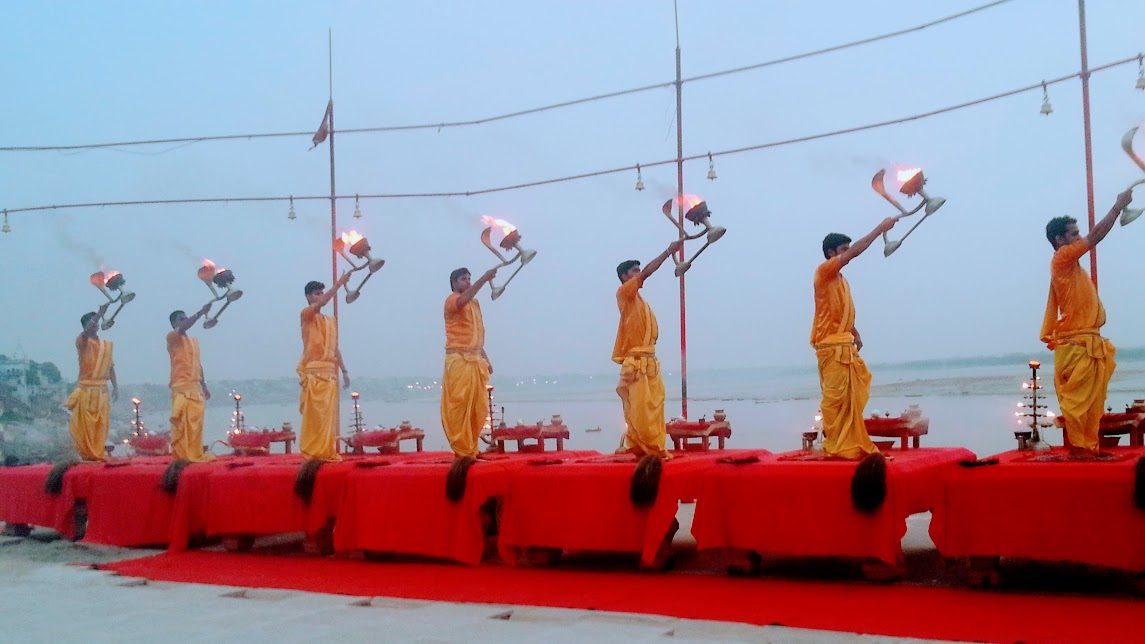
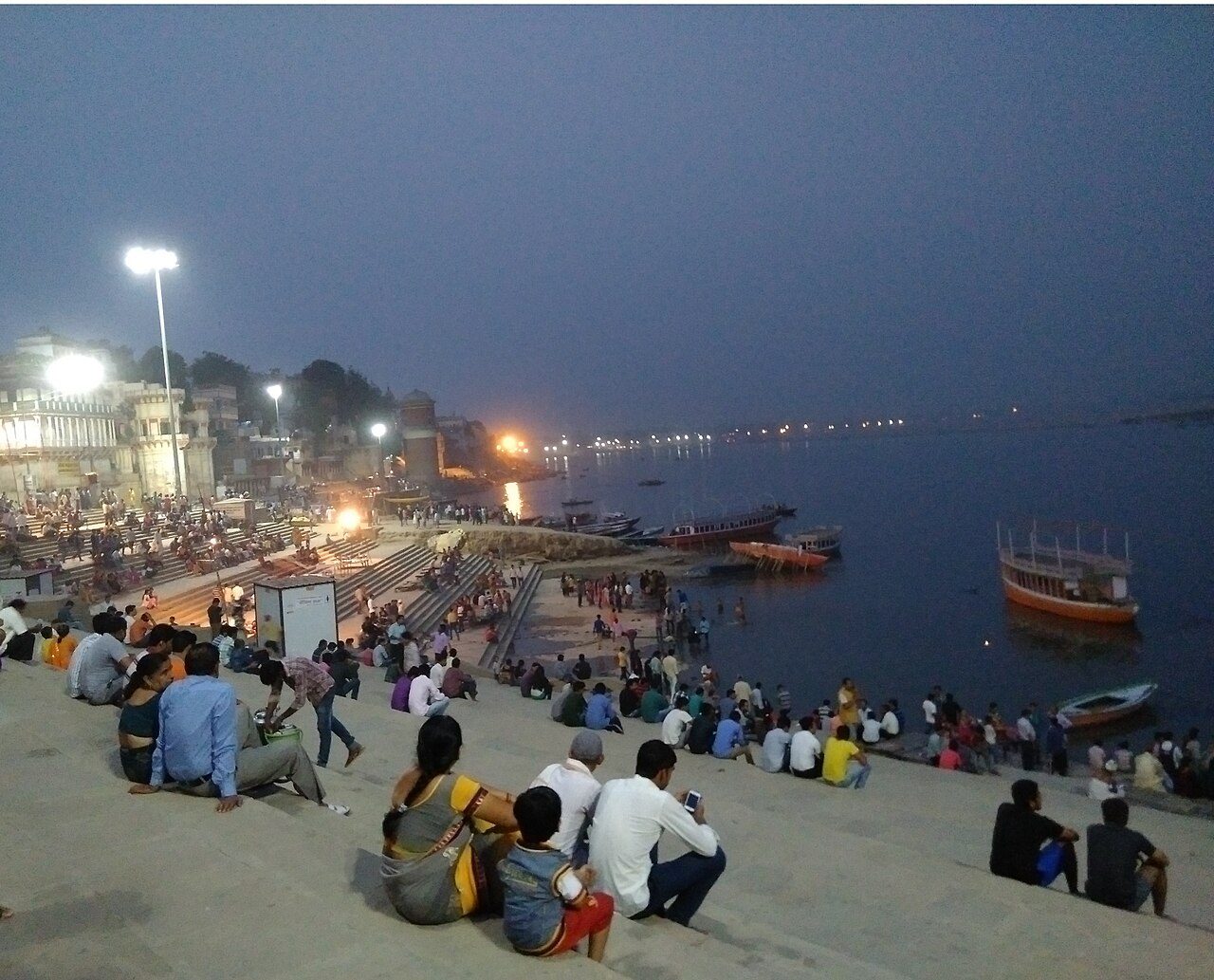
Dashashwamedh is the main and busiest ghat of Varanasi, close to the Kashi Vishwanath temple. Its name recalls a legend that Brahma performed a sacrifice of ten horses here. From dawn it is crowded with bathers, priests under bamboo umbrellas, boatmen and flower sellers. Every evening the Ganga Aarti is performed with large brass lamps, incense and chanting, watched by thousands from the steps and from boats.
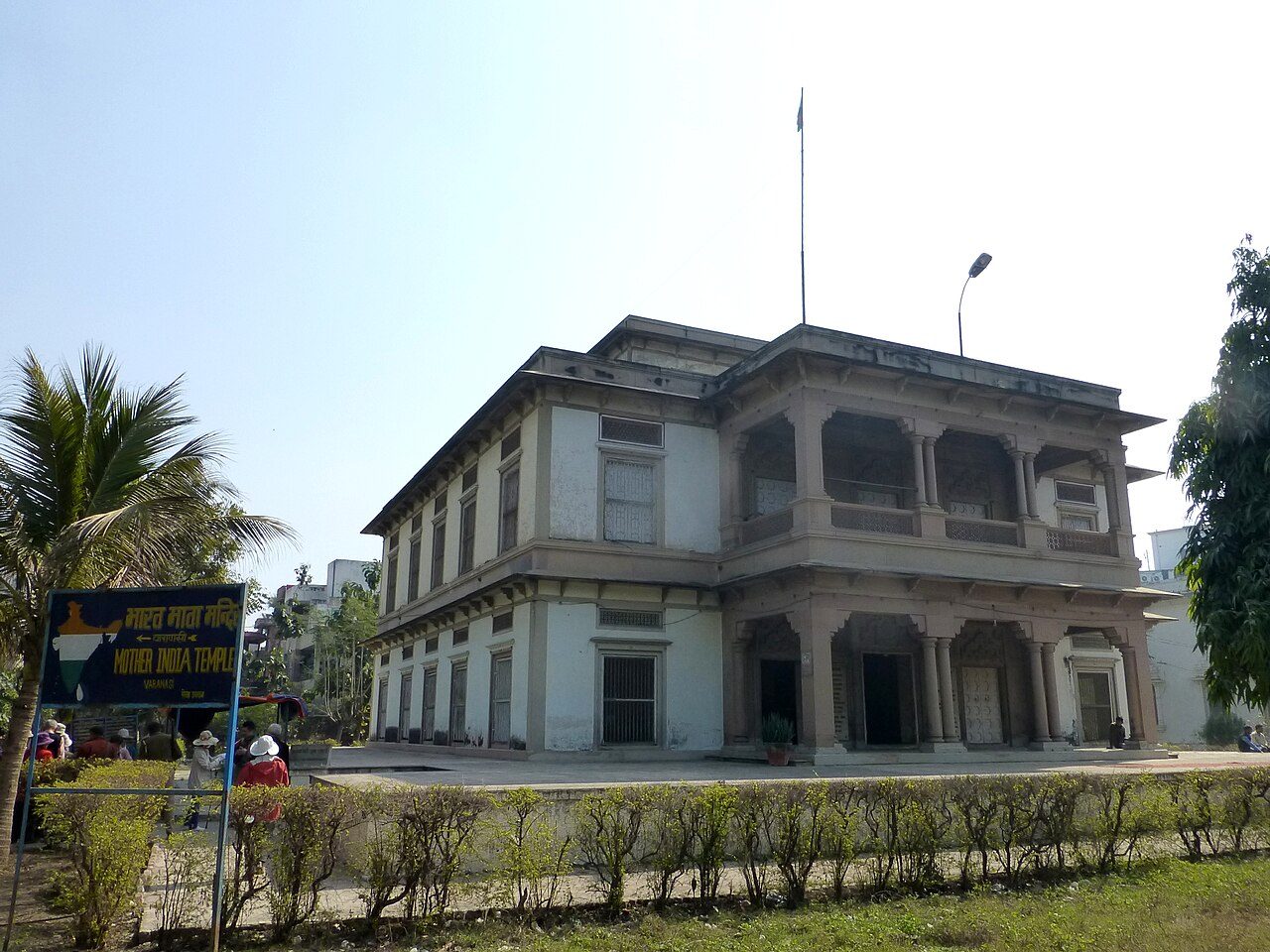
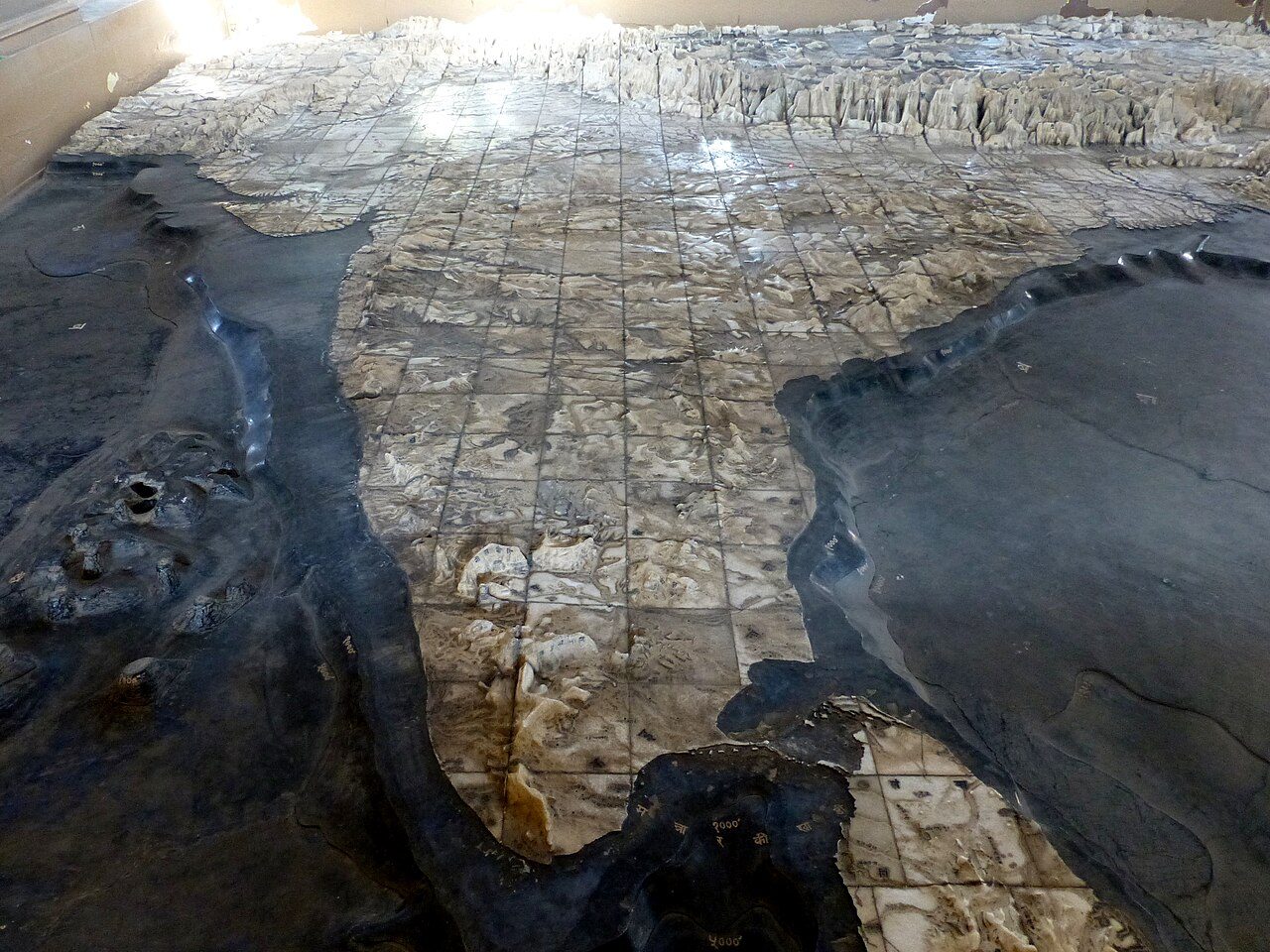
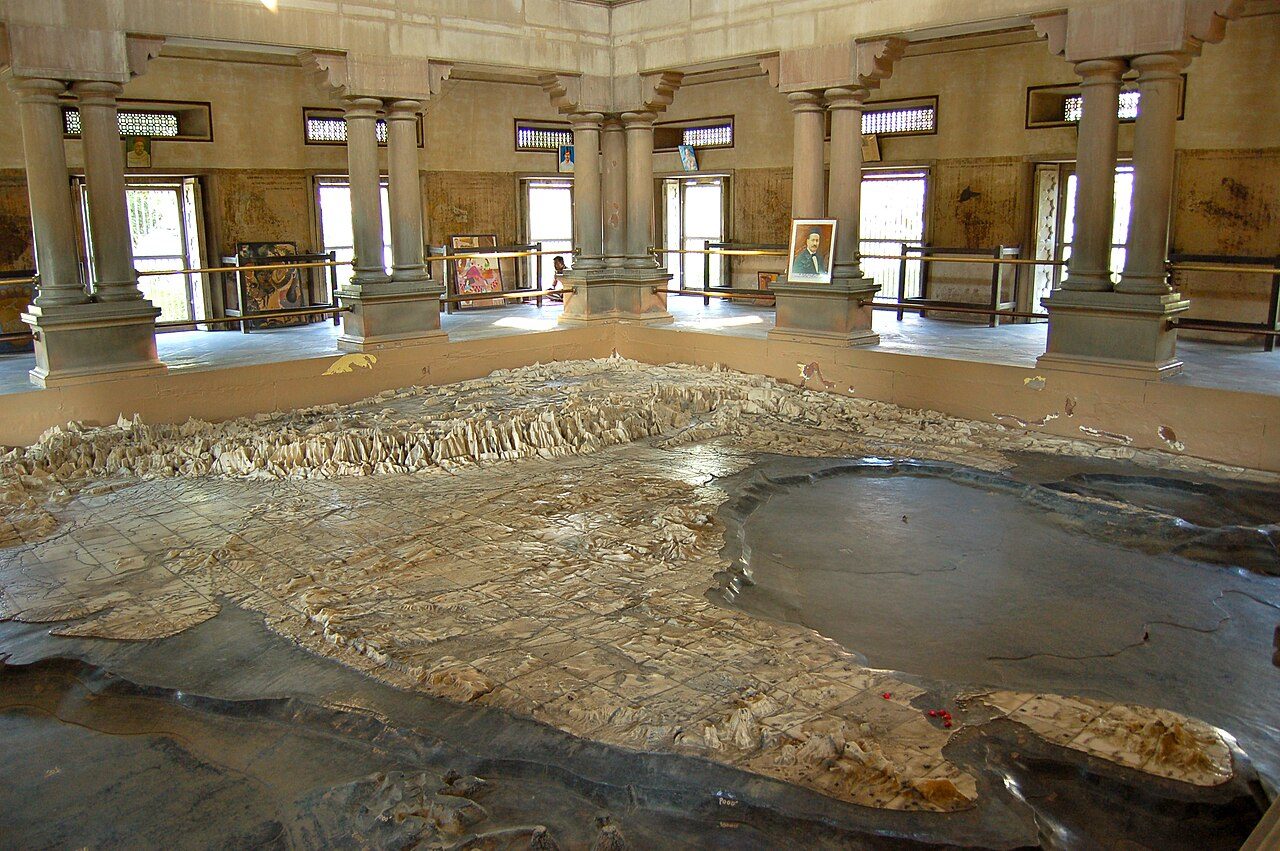
The Bharat Mata Mandir in Varanasi is a temple dedicated to Mother India, inaugurated by Mahatma Gandhi in 1936. Instead of an image of a deity it houses a large relief map of undivided India carved in marble, showing mountains, plains and oceans to scale. It was built by the nationalist Babu Shiv Prasad Gupta and stands in the campus of the Mahatma Gandhi Kashi Vidyapith.
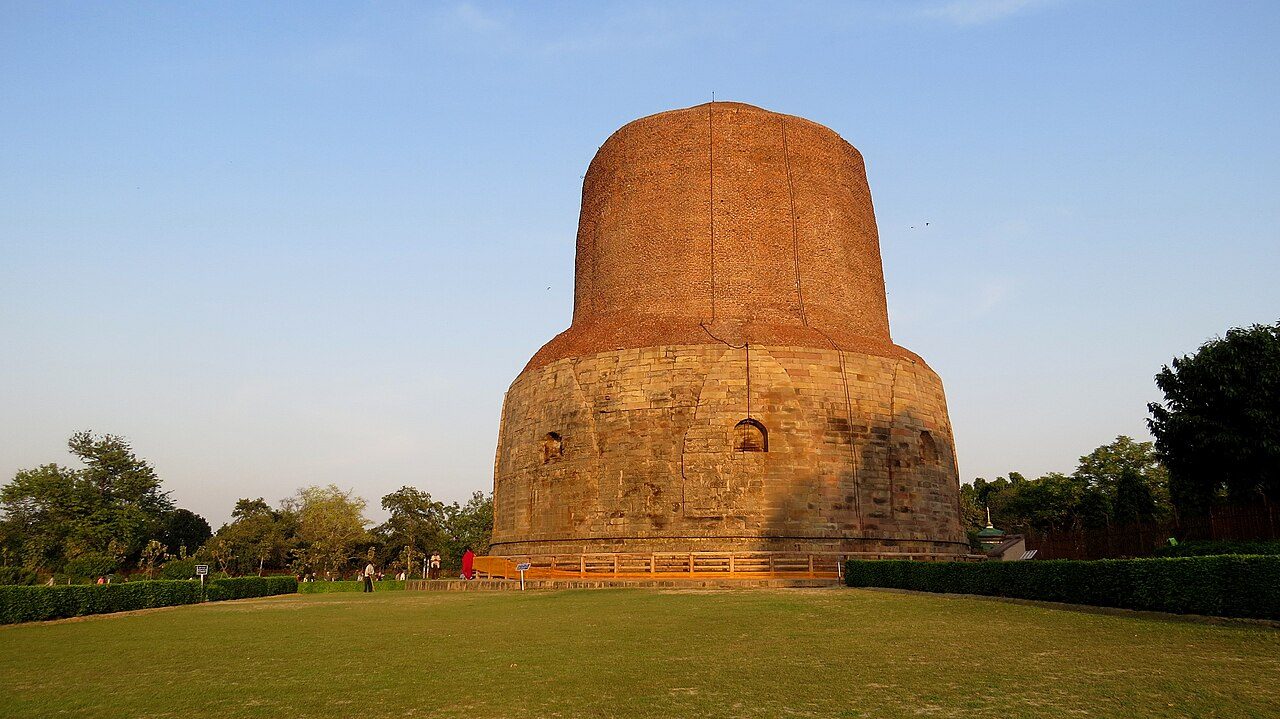
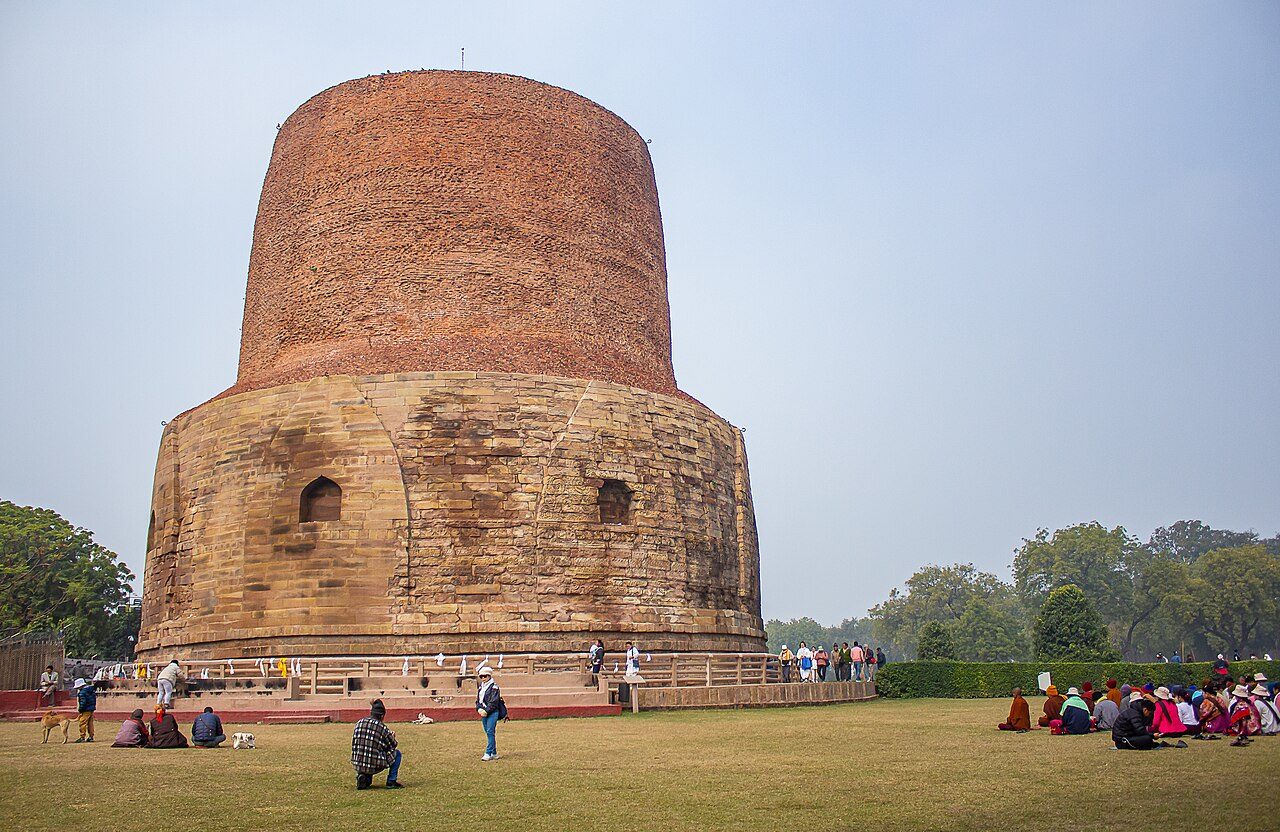
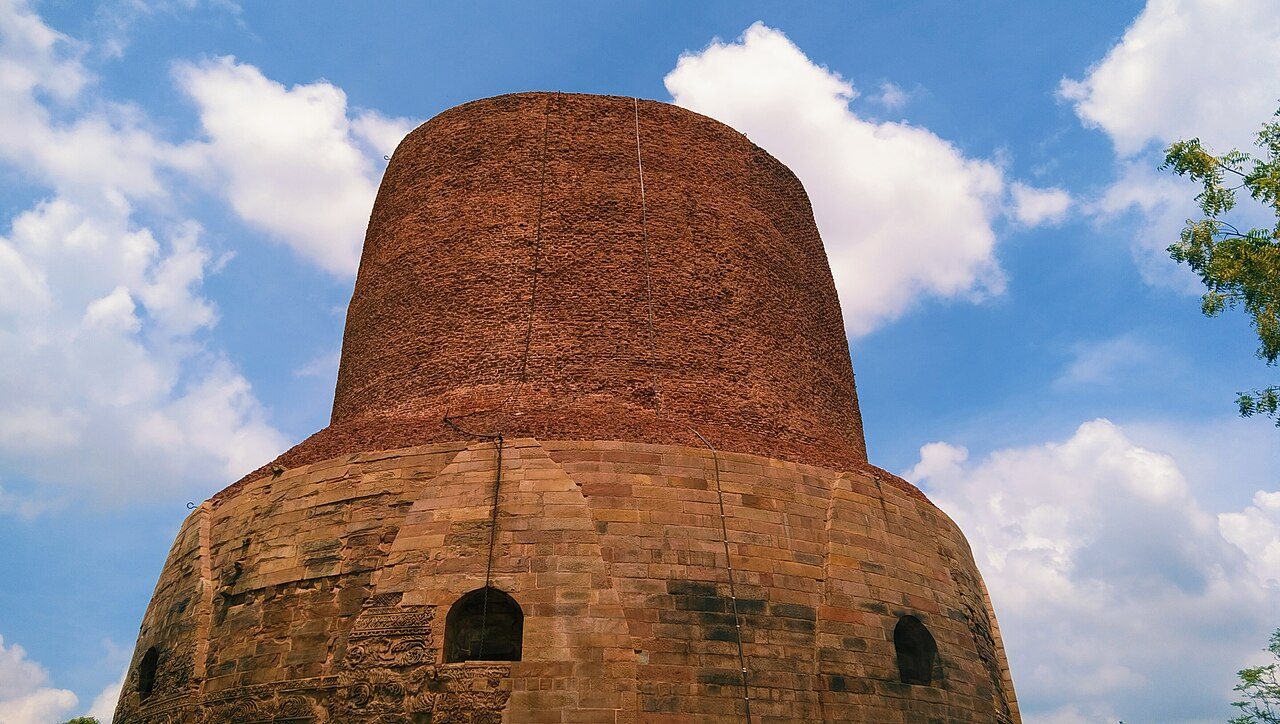
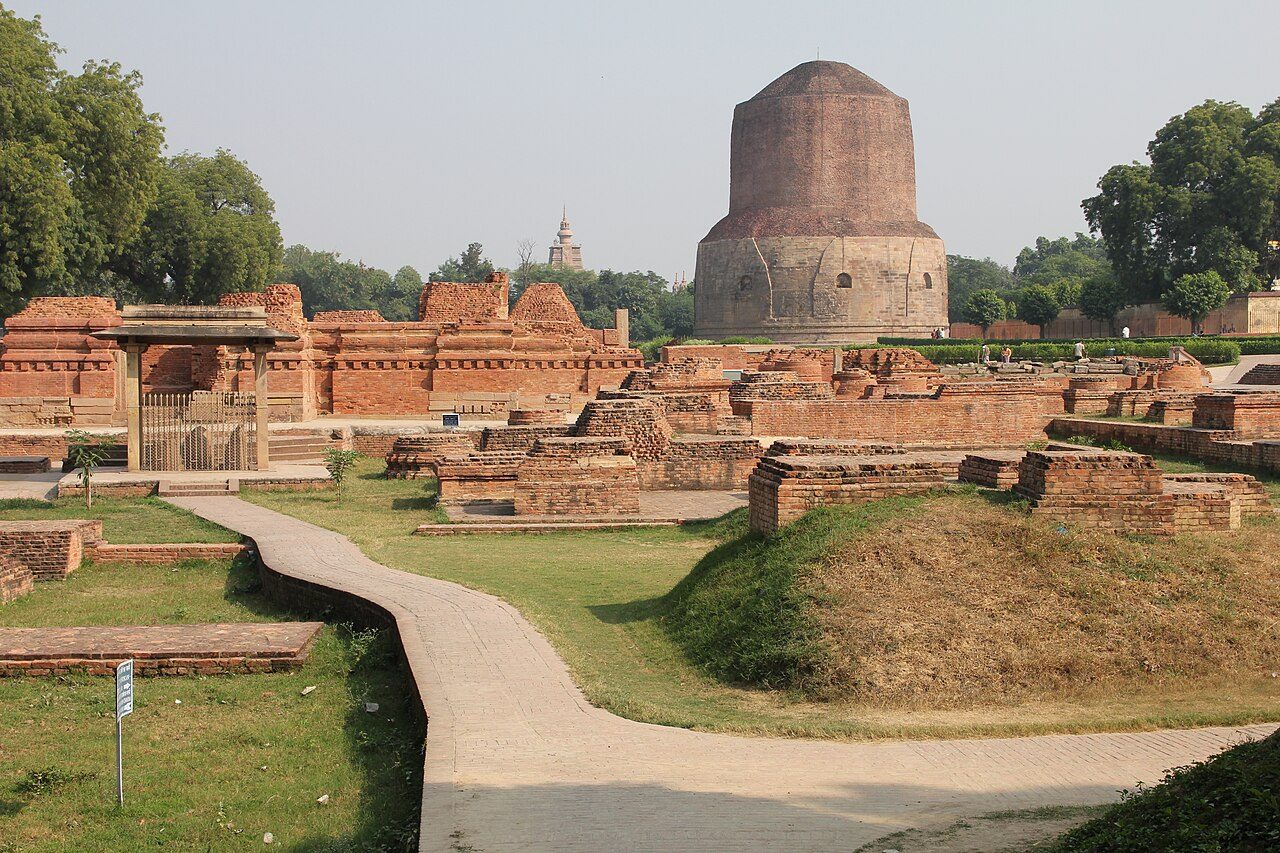
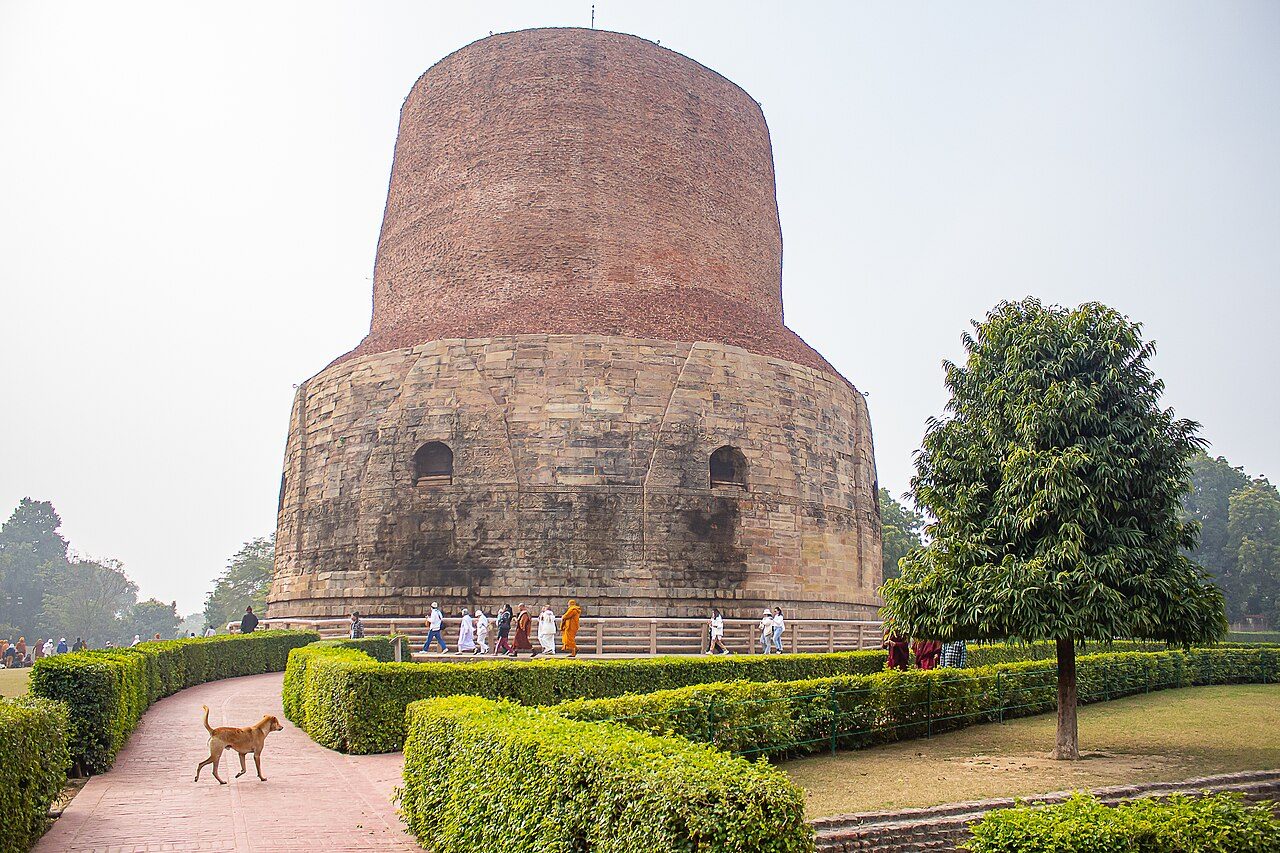
The Dhamek Stupa marks the spot at Sarnath where the Buddha is said to have delivered his first sermon after enlightenment, setting in motion the Wheel of Dharma. The massive cylindrical tower, about 43 metres high, dates in its present form from around 500 CE and has finely carved floral and geometric bands. Around it lie the ruins of monasteries and the base of Ashoka's pillar.
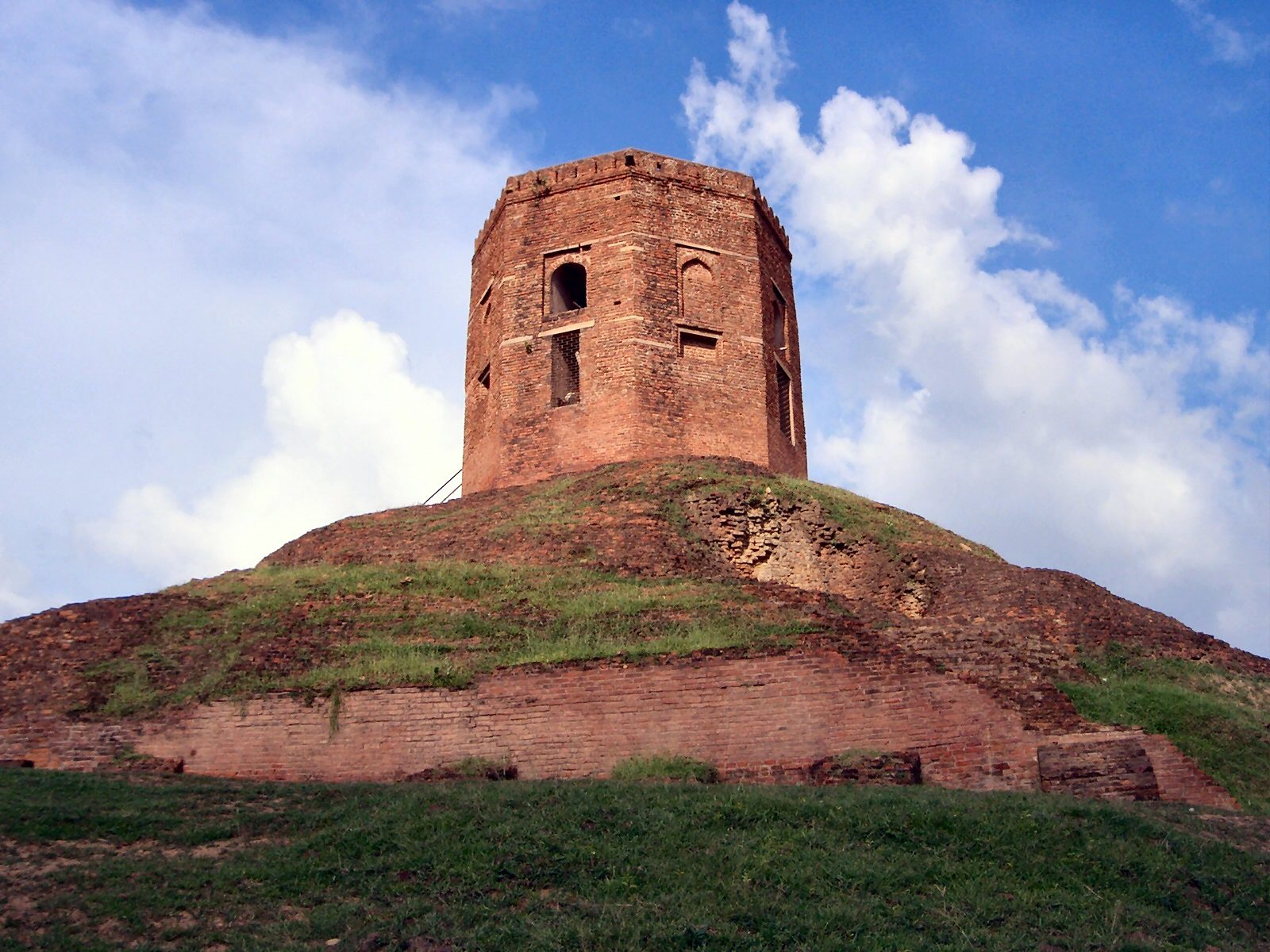
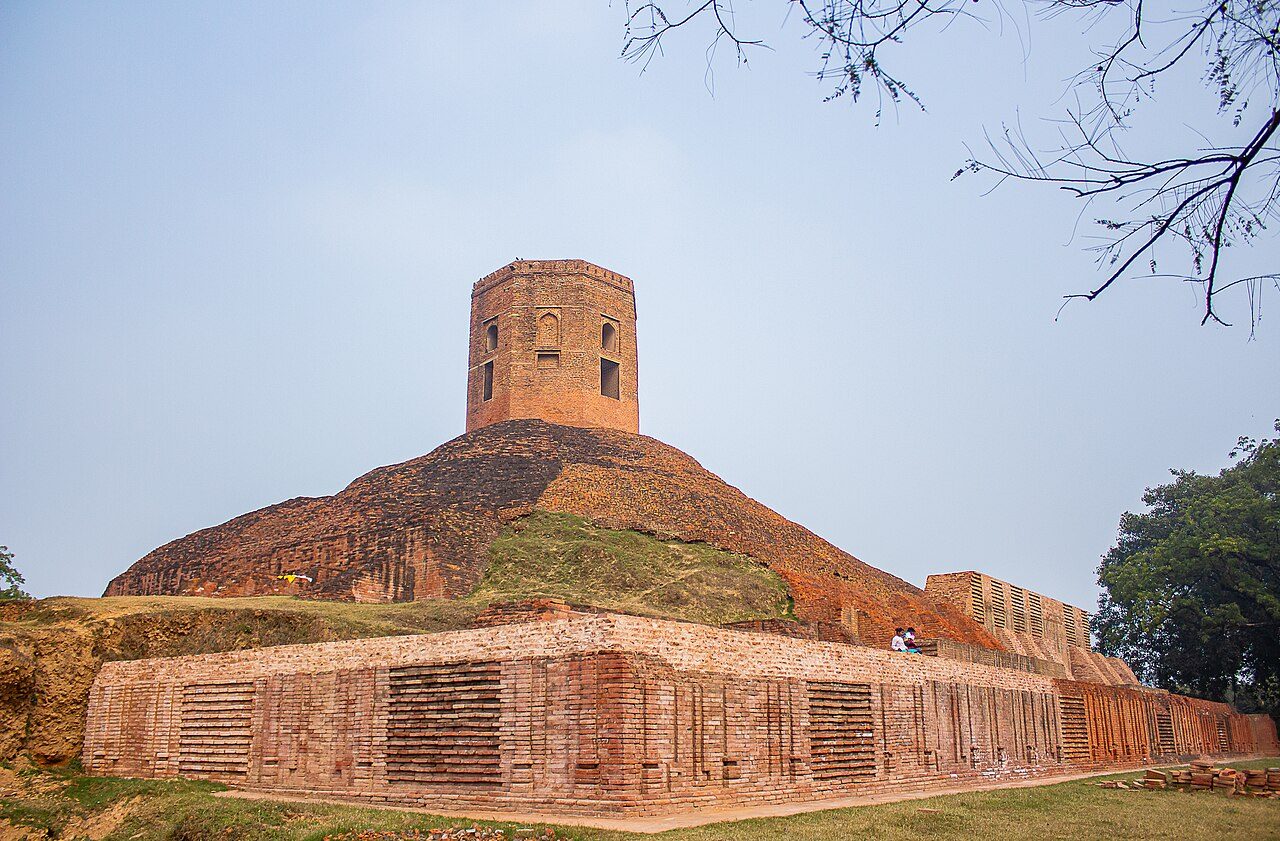
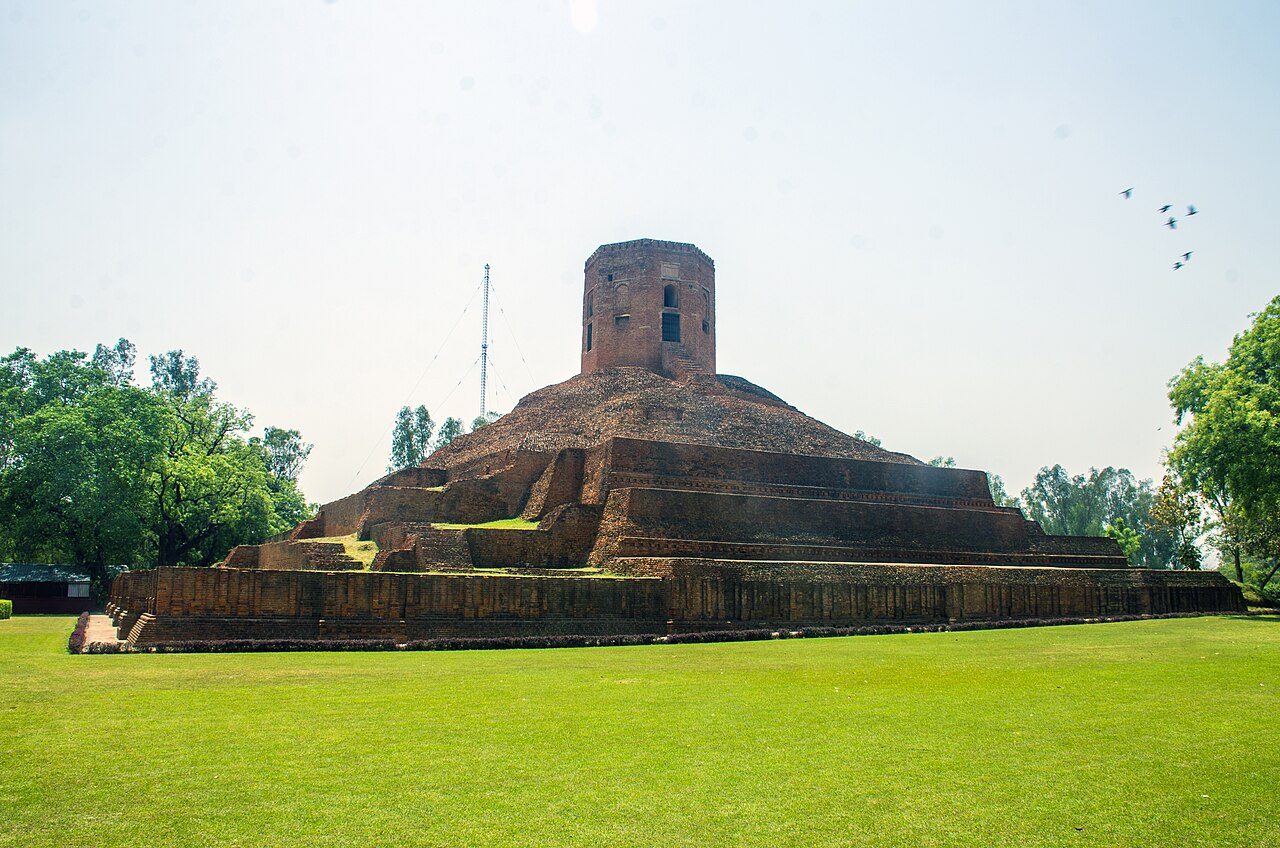
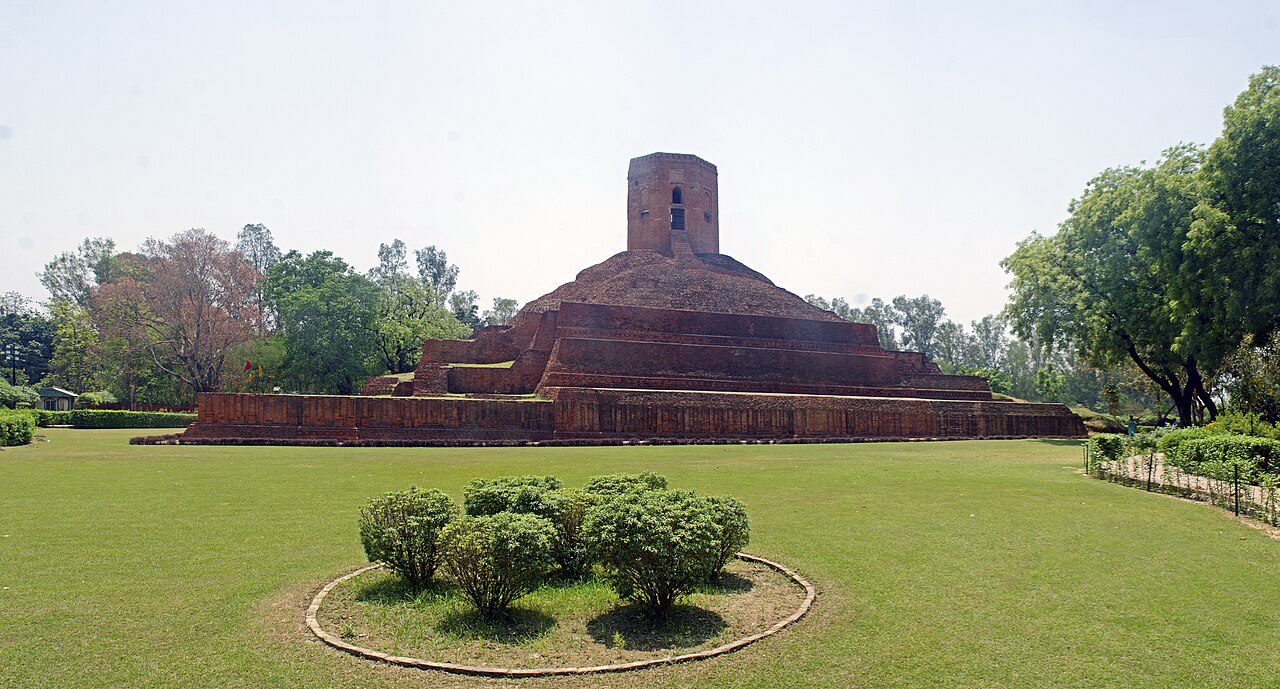
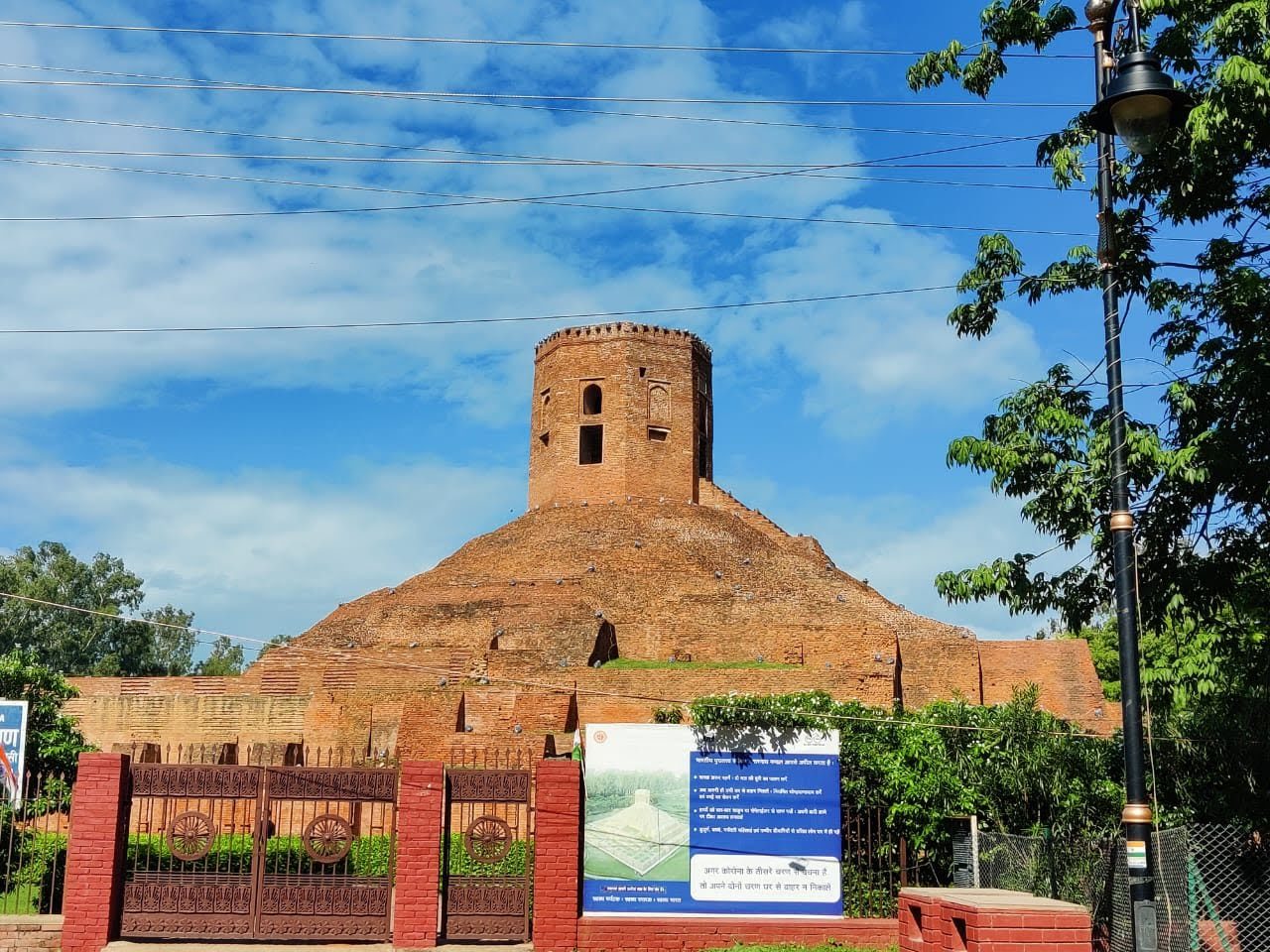
The Chaukhandi Stupa stands at the entrance to Sarnath and is believed to mark the place where the Buddha, arriving from Bodh Gaya, met his first five disciples. The terraced brick mound dates from the Gupta period. The octagonal tower on top was added in 1588 by Govardhan, son of Raja Todar Mal, to commemorate a visit by the emperor Humayun.
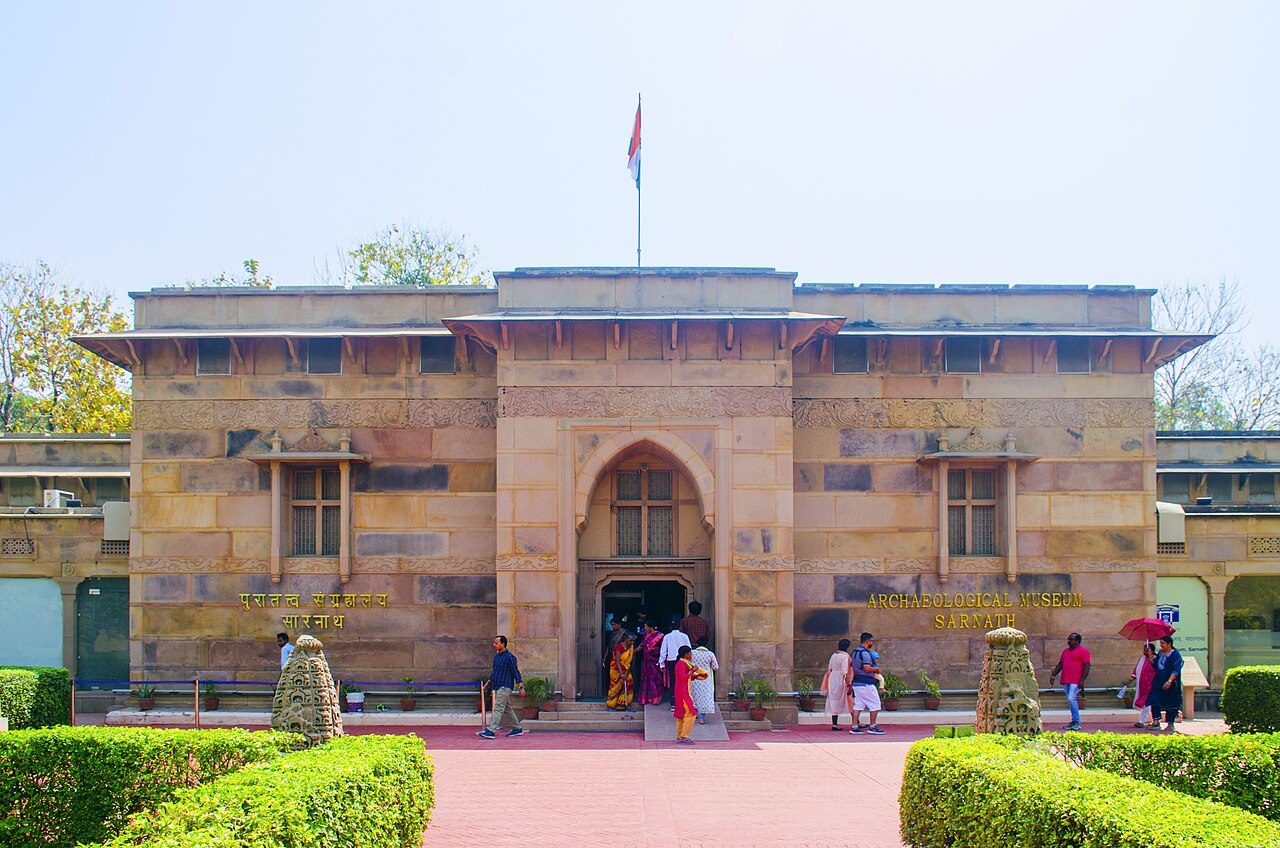
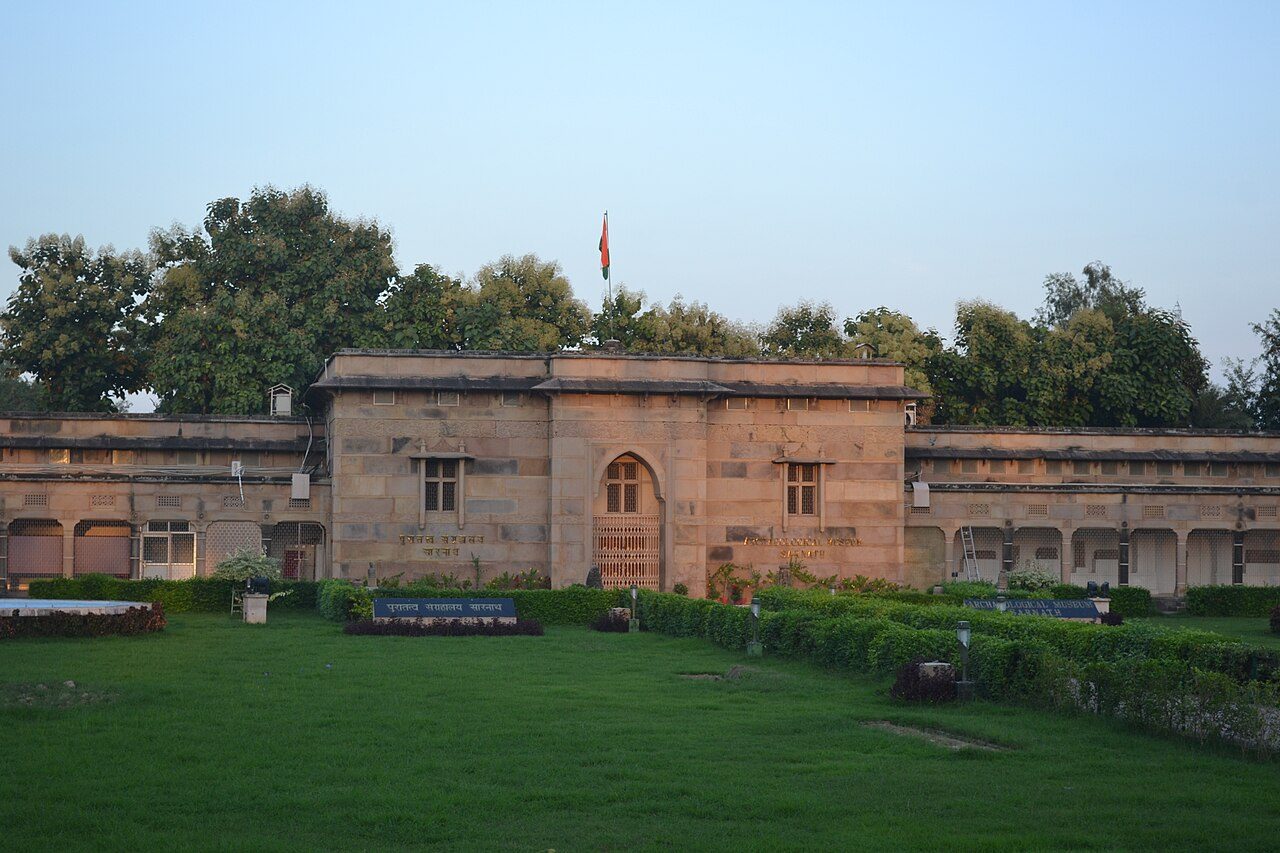
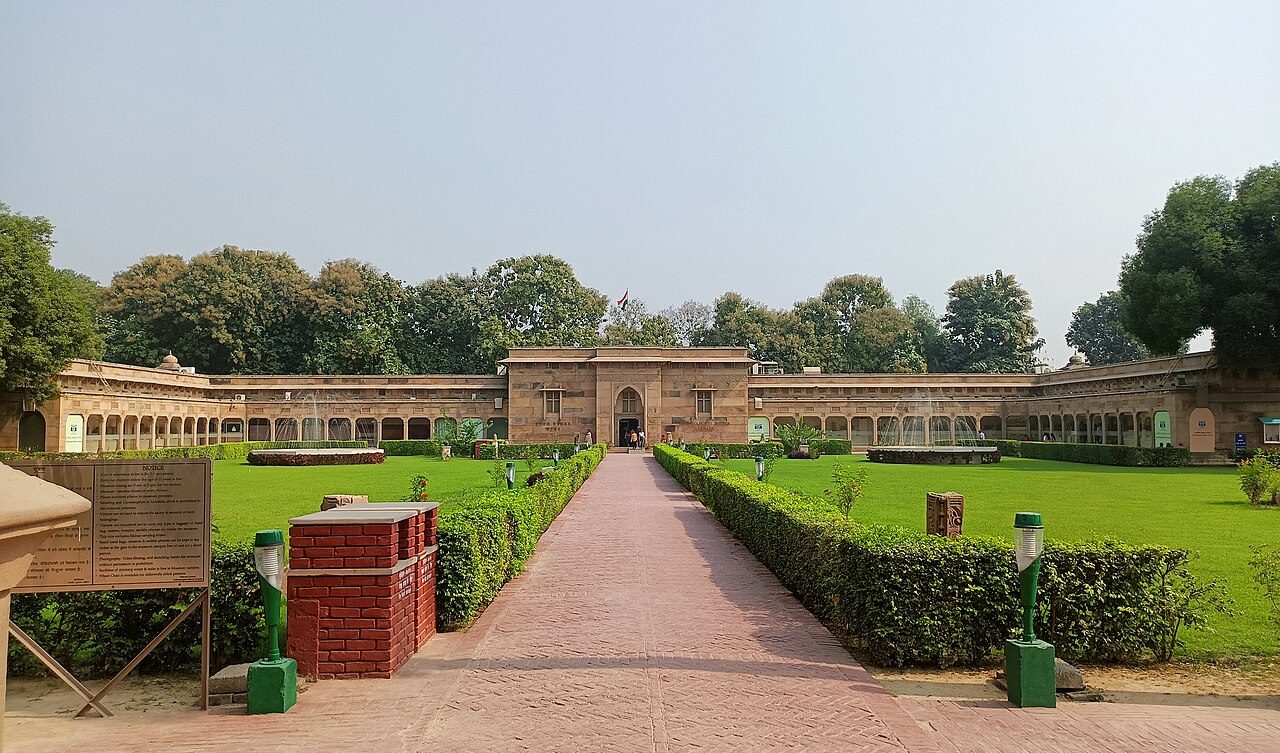
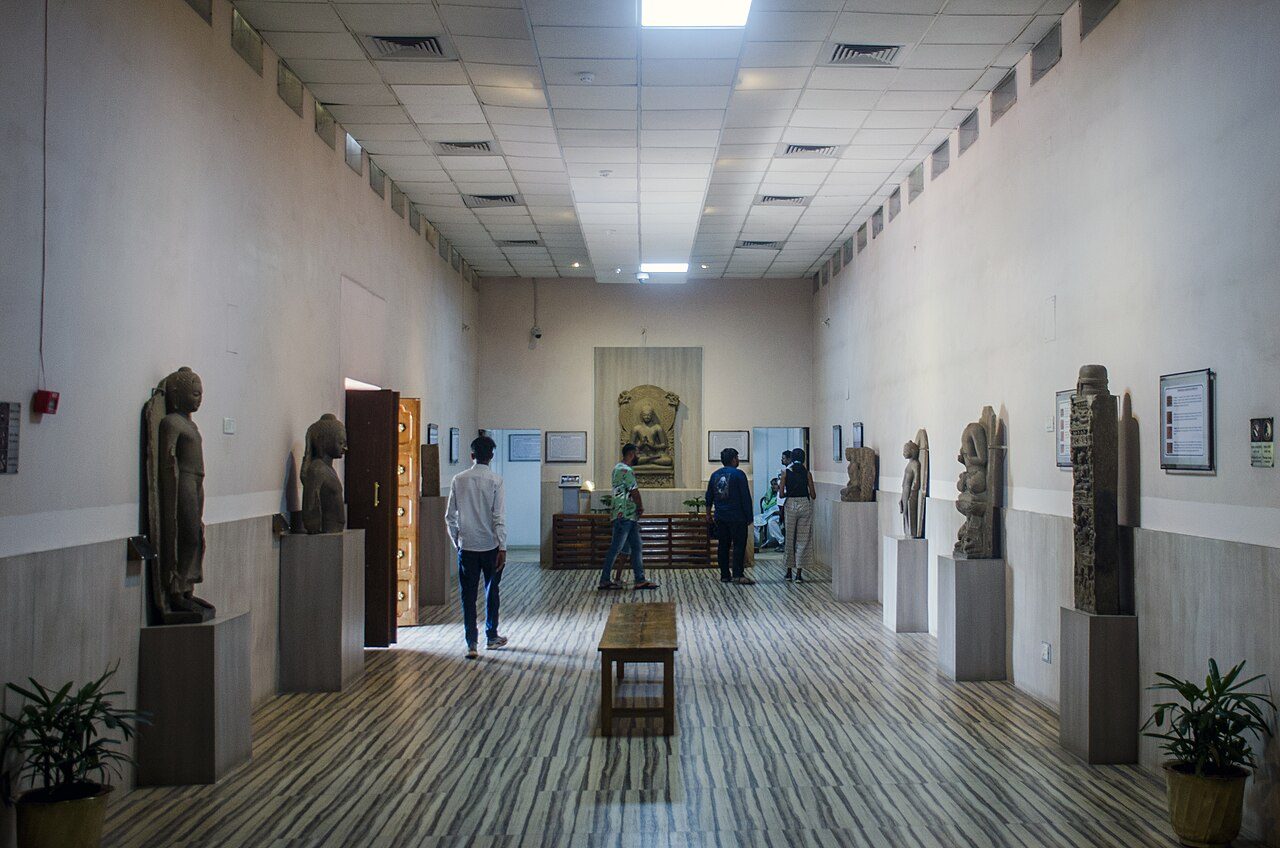
The Archaeological Museum at Sarnath, opened in 1910, is the oldest site museum of the Archaeological Survey of India. Its greatest treasure is the Lion Capital of Ashoka, carved in polished sandstone in the 3rd century BCE, which is now the national emblem of India. It also holds a celebrated Gupta-period image of the Buddha preaching. Photography is restricted, and it is closed on Fridays.
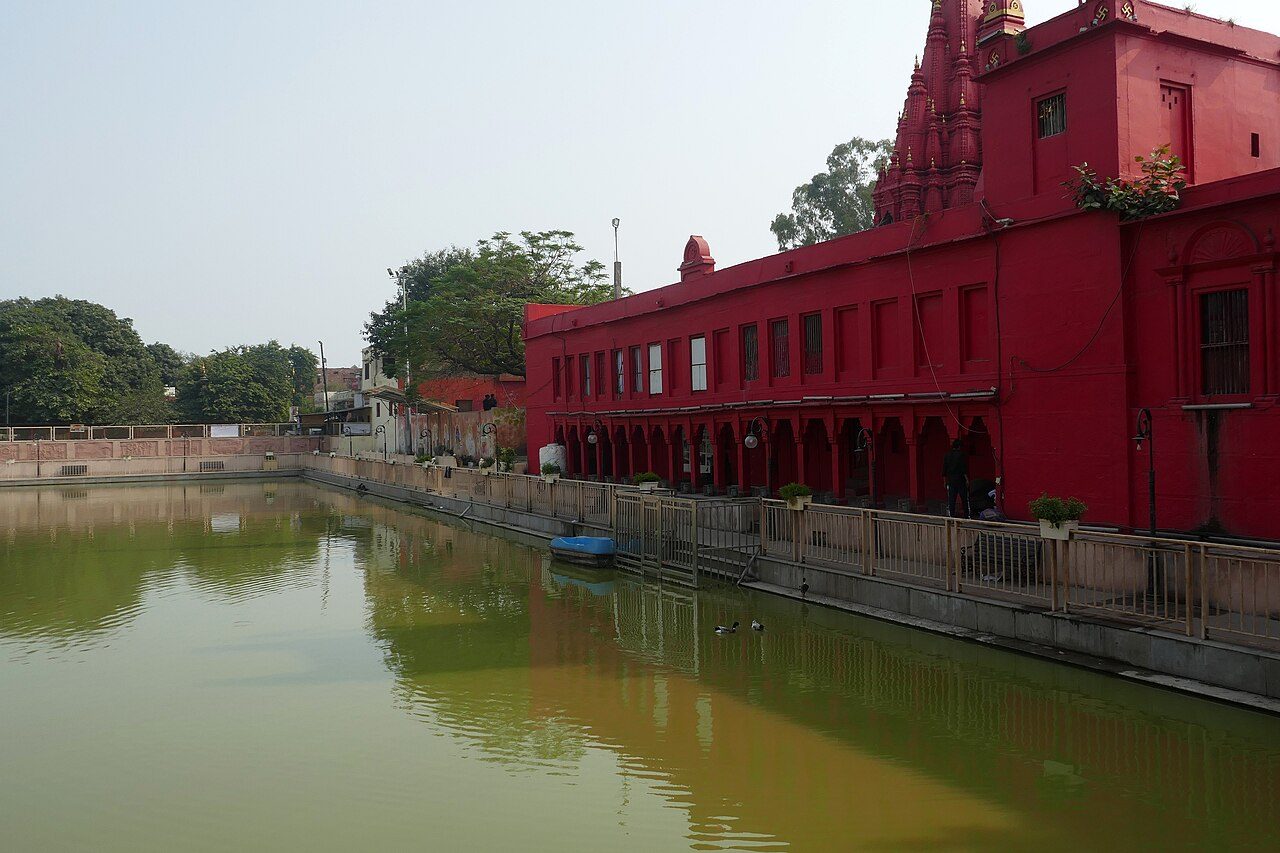
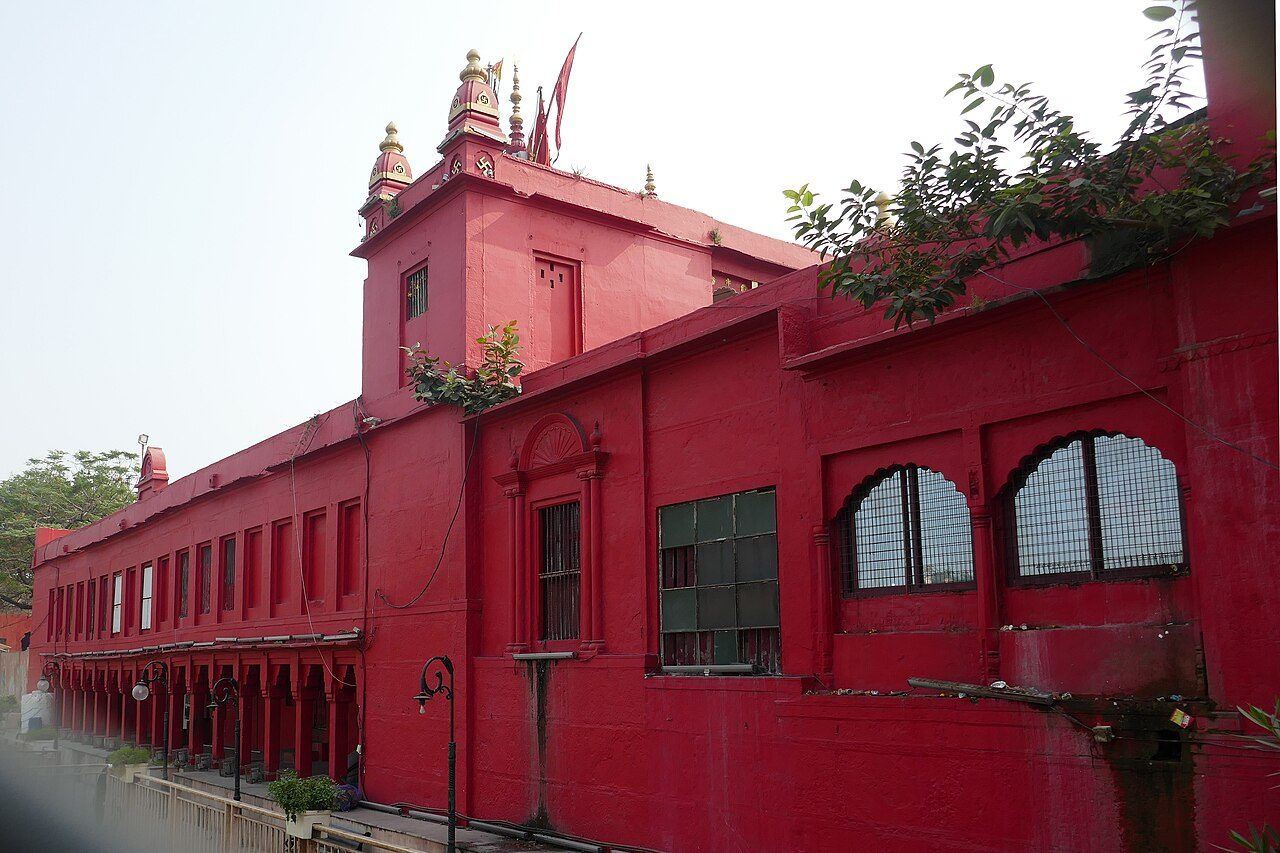
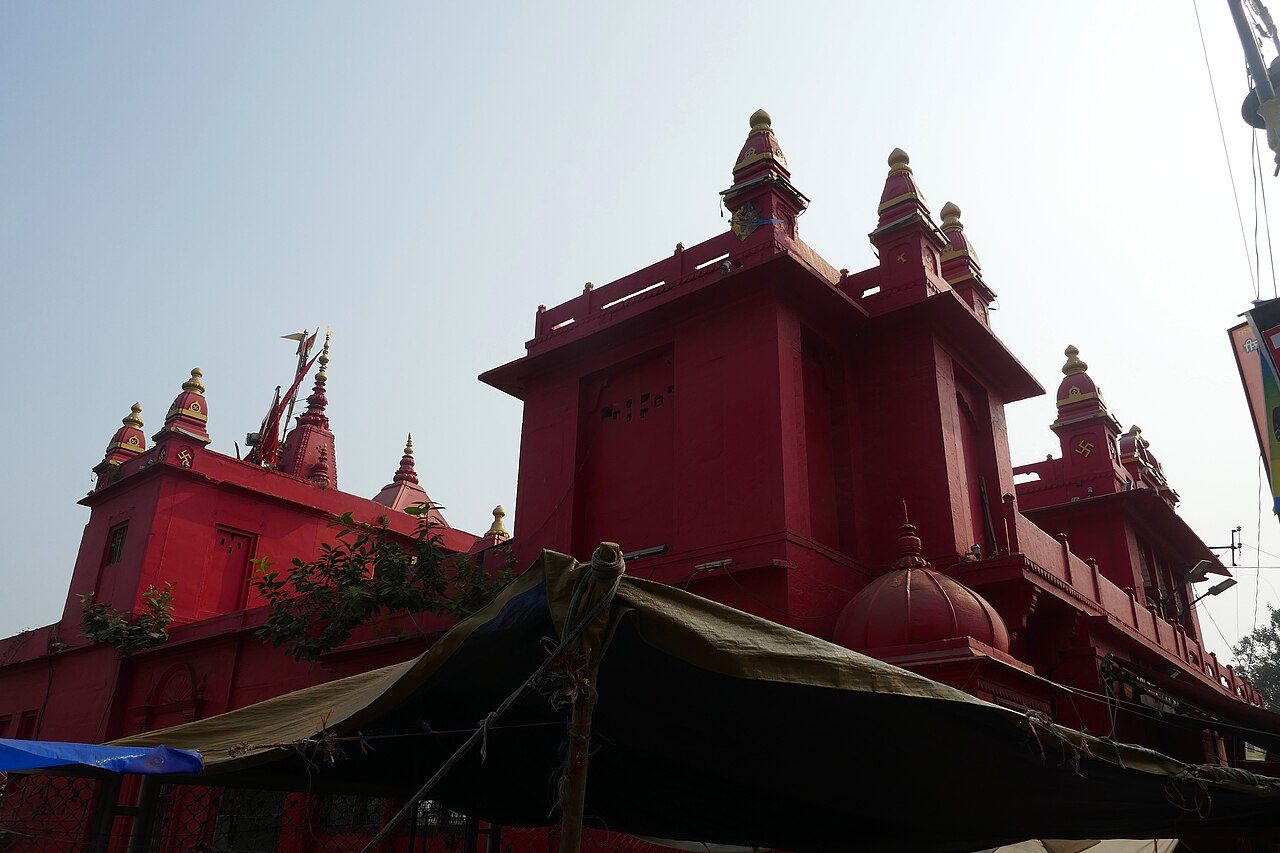
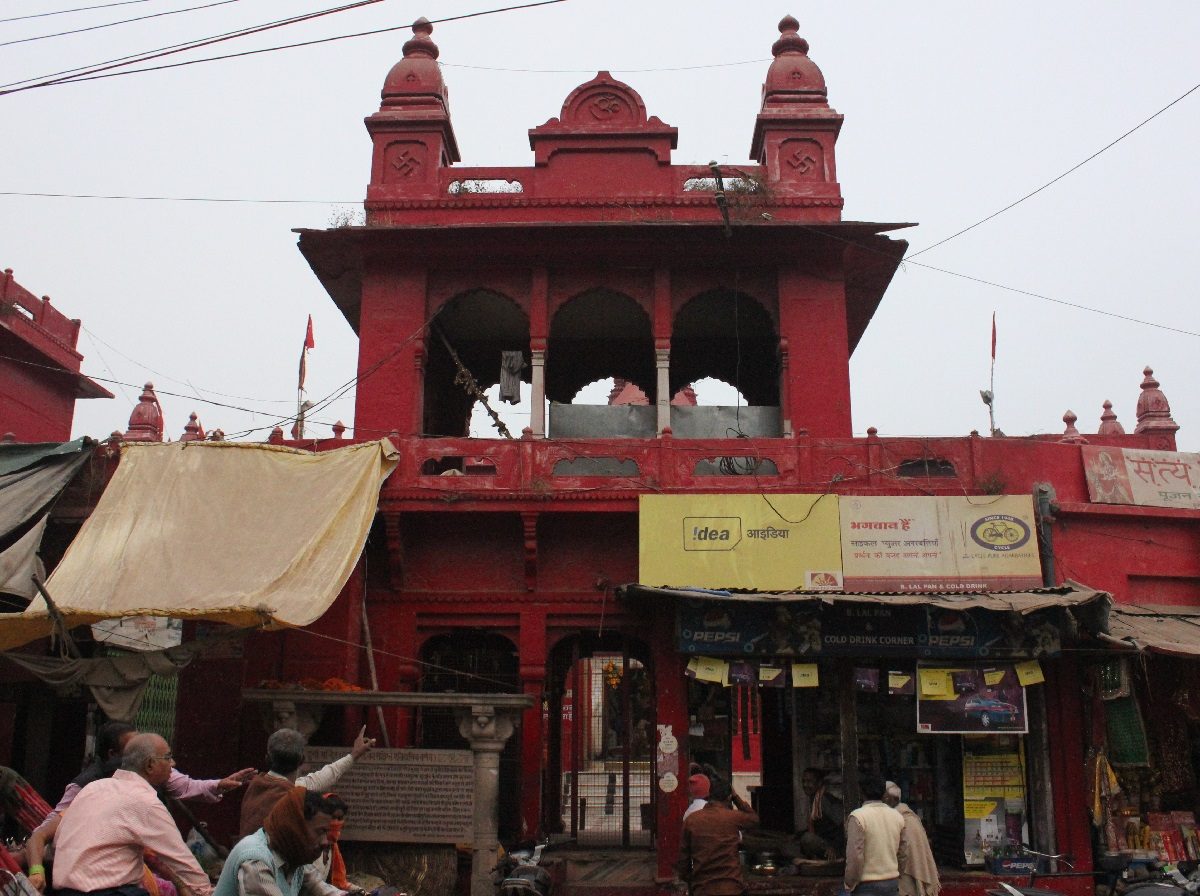
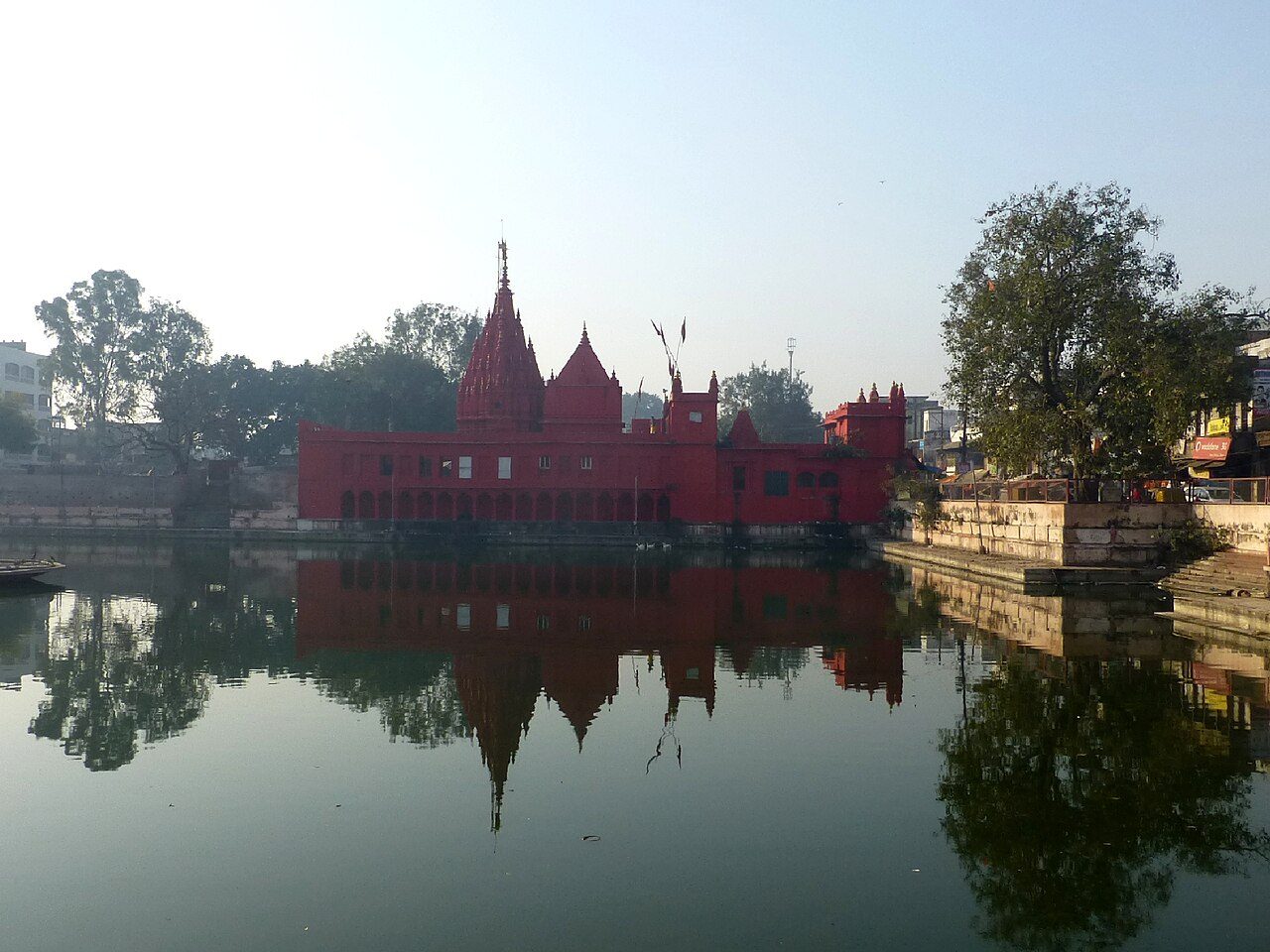
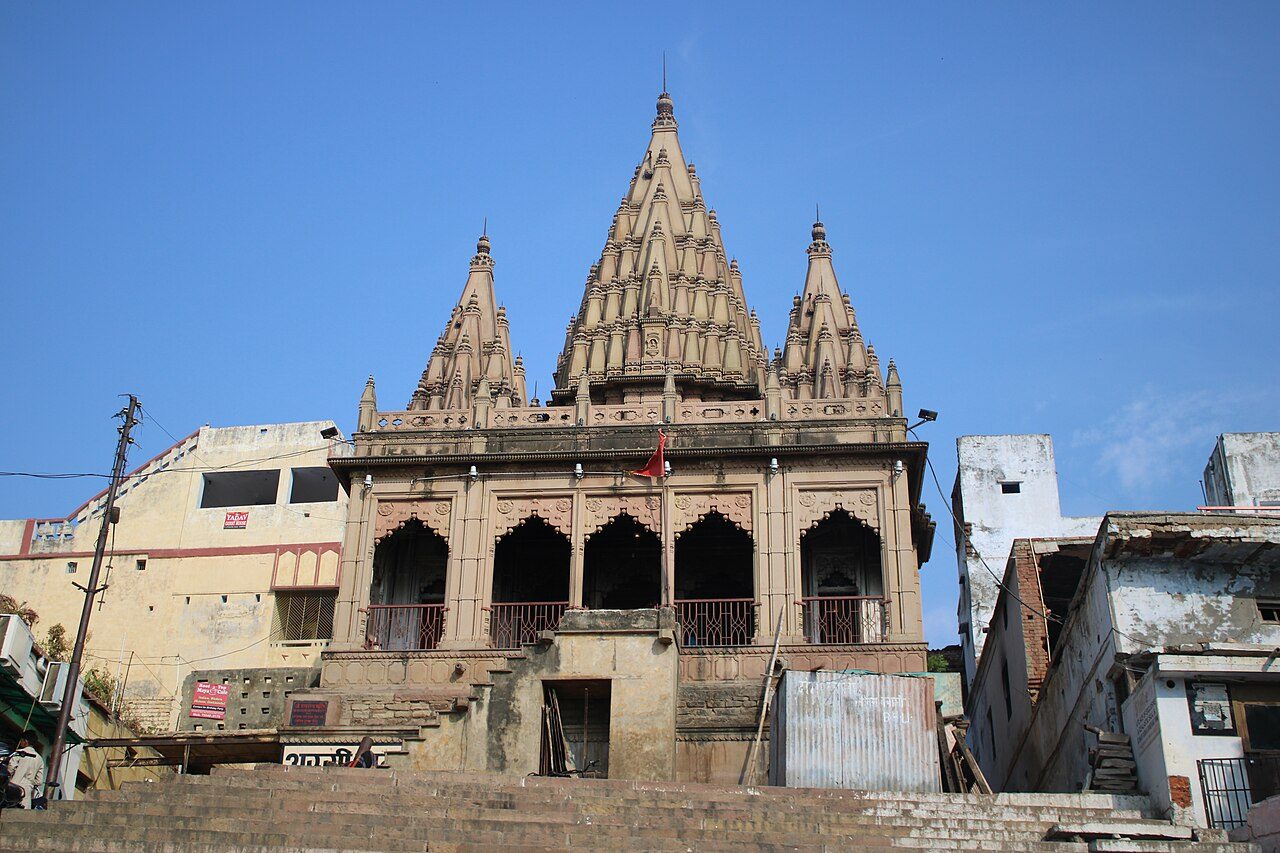
The Durga temple in Varanasi was built in the 18th century by a queen of Natore in Bengal. Its multi-tiered spire in the Nagara style is painted red with ochre, the colour of the goddess. It stands beside a rectangular tank called Durga Kund. The many monkeys that live around it have given it the popular name Monkey Temple. It is busiest during Navratri.
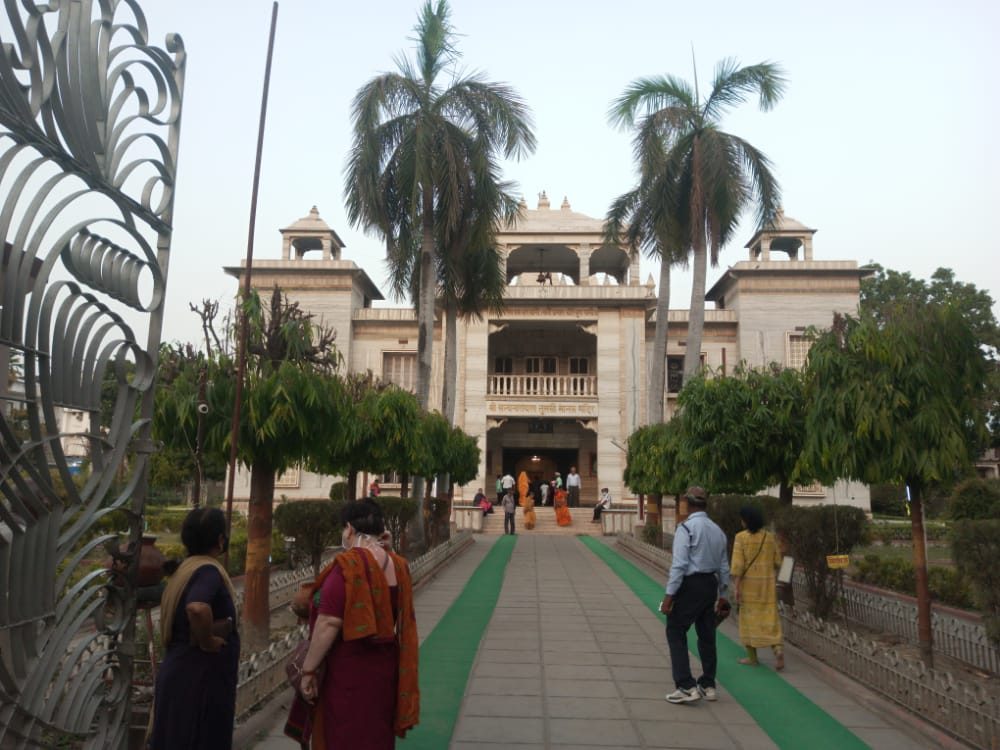
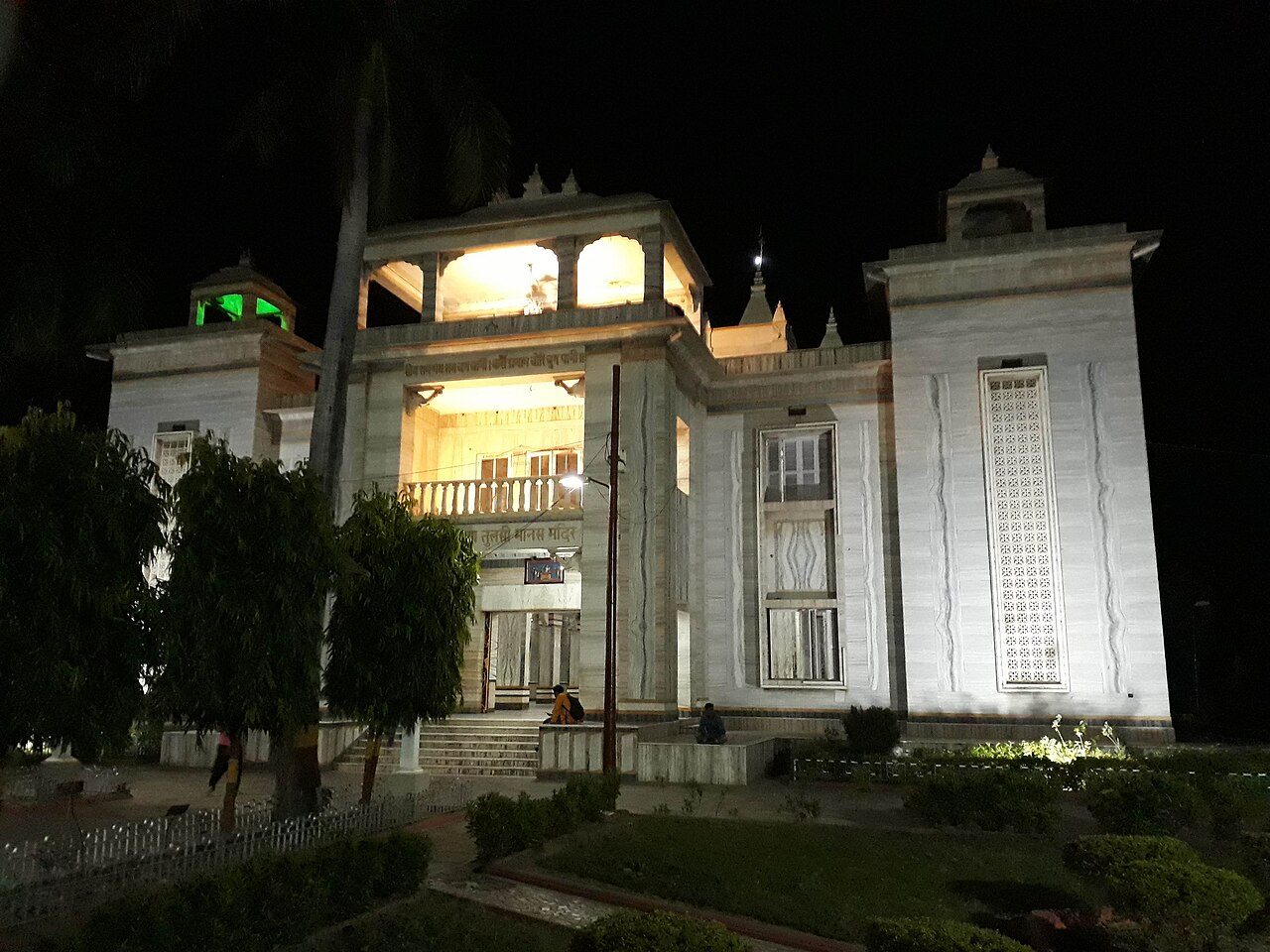
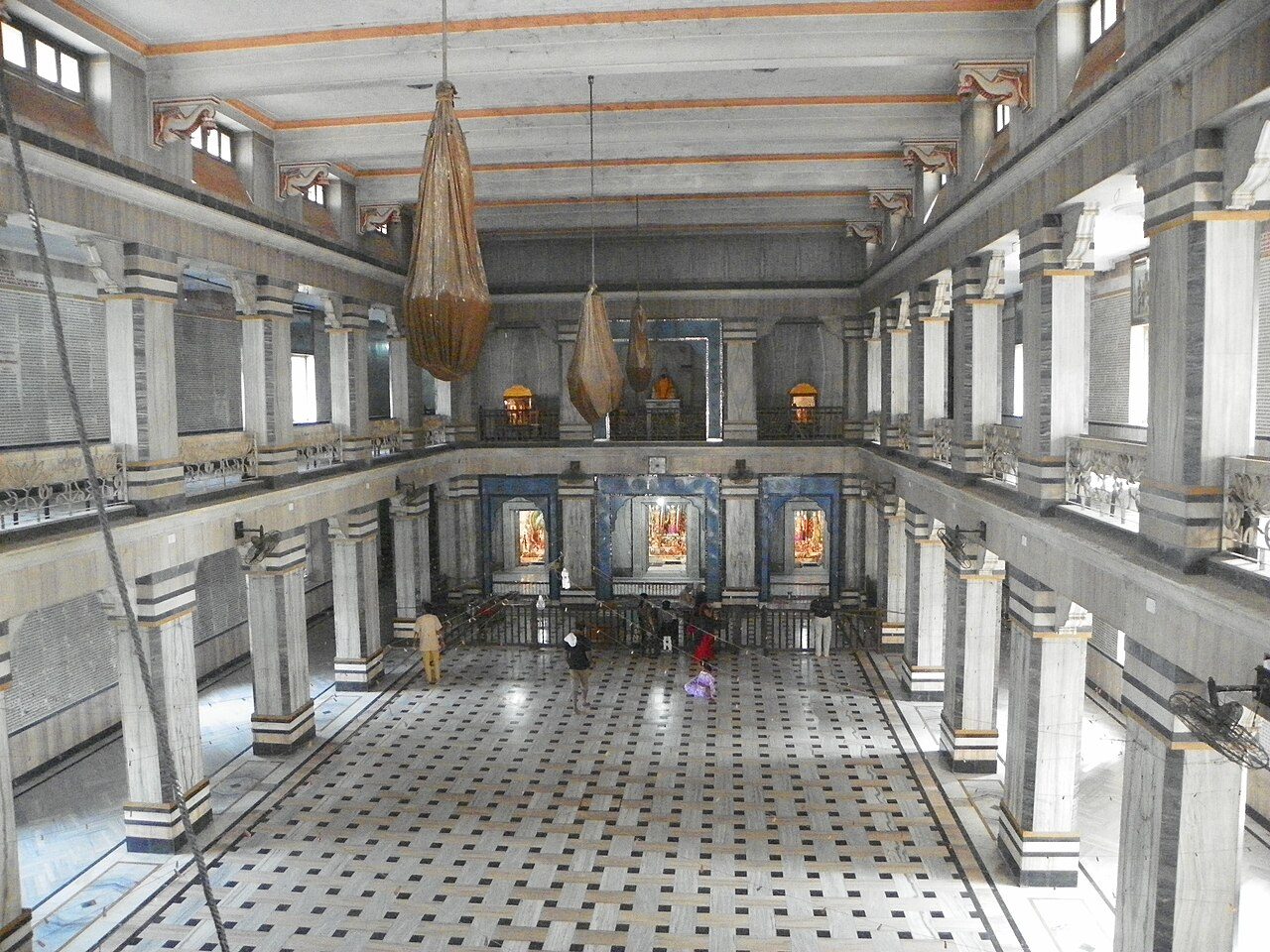
Tulsi Manas Mandir was built in white marble in 1964 on the spot where the poet-saint Tulsidas is believed to have composed the Ramcharitmanas in the 16th century. Verses and scenes from the epic are engraved on the walls of the temple. The upper floor has moving figures depicting episodes from the Ramayana. It lies close to the Durga temple, and the two are usually visited together.
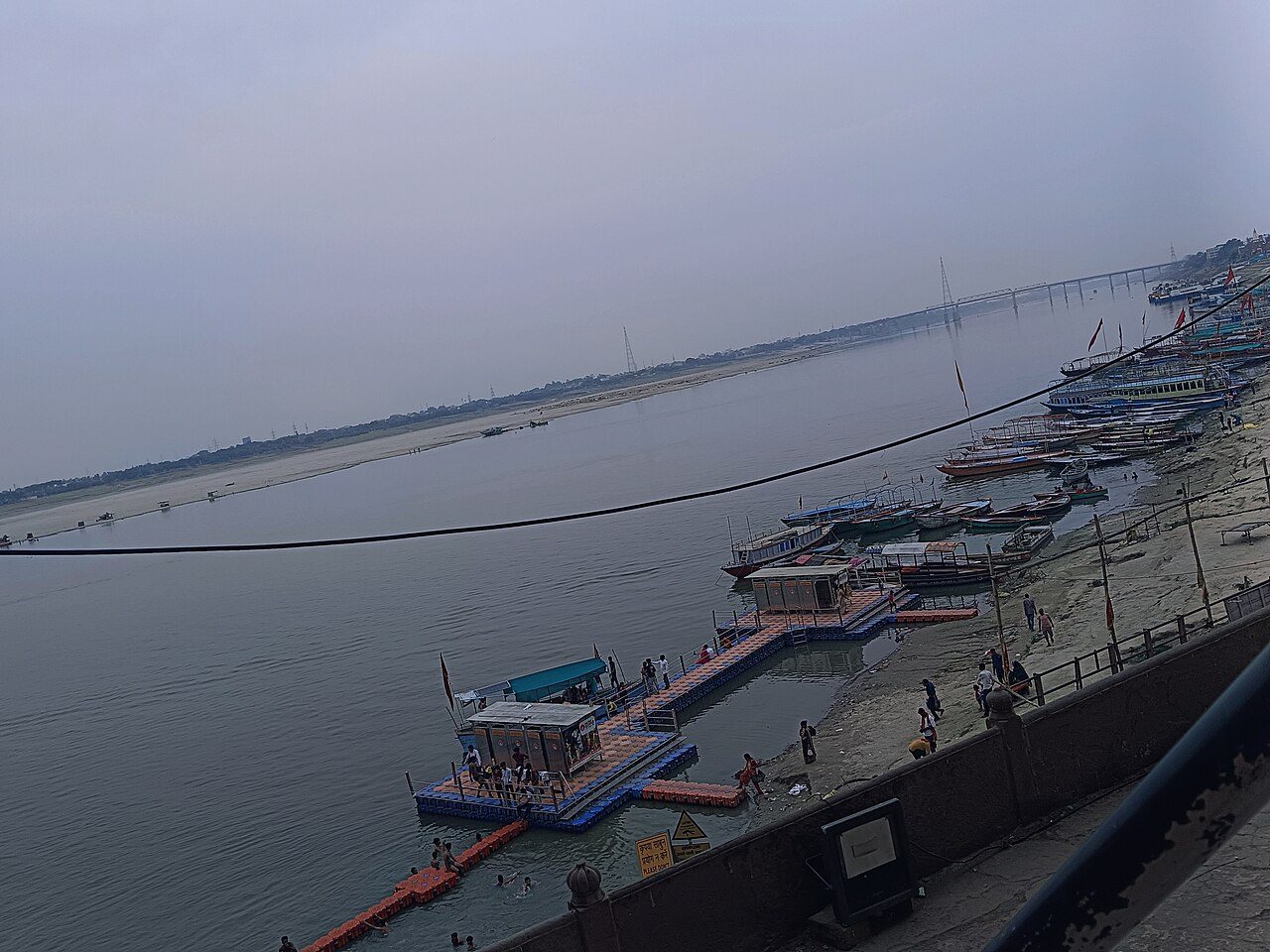
Assi Ghat is the southernmost of the main ghats of Varanasi, where the small Assi river meets the Ganges. Pilgrims bathe here and worship a Shiva lingam under a peepal tree. It is popular with students, long-stay visitors and artists, and has a relaxed feel compared with the central ghats. A morning programme of aarti, music and yoga called Subah-e-Banaras is held at sunrise.
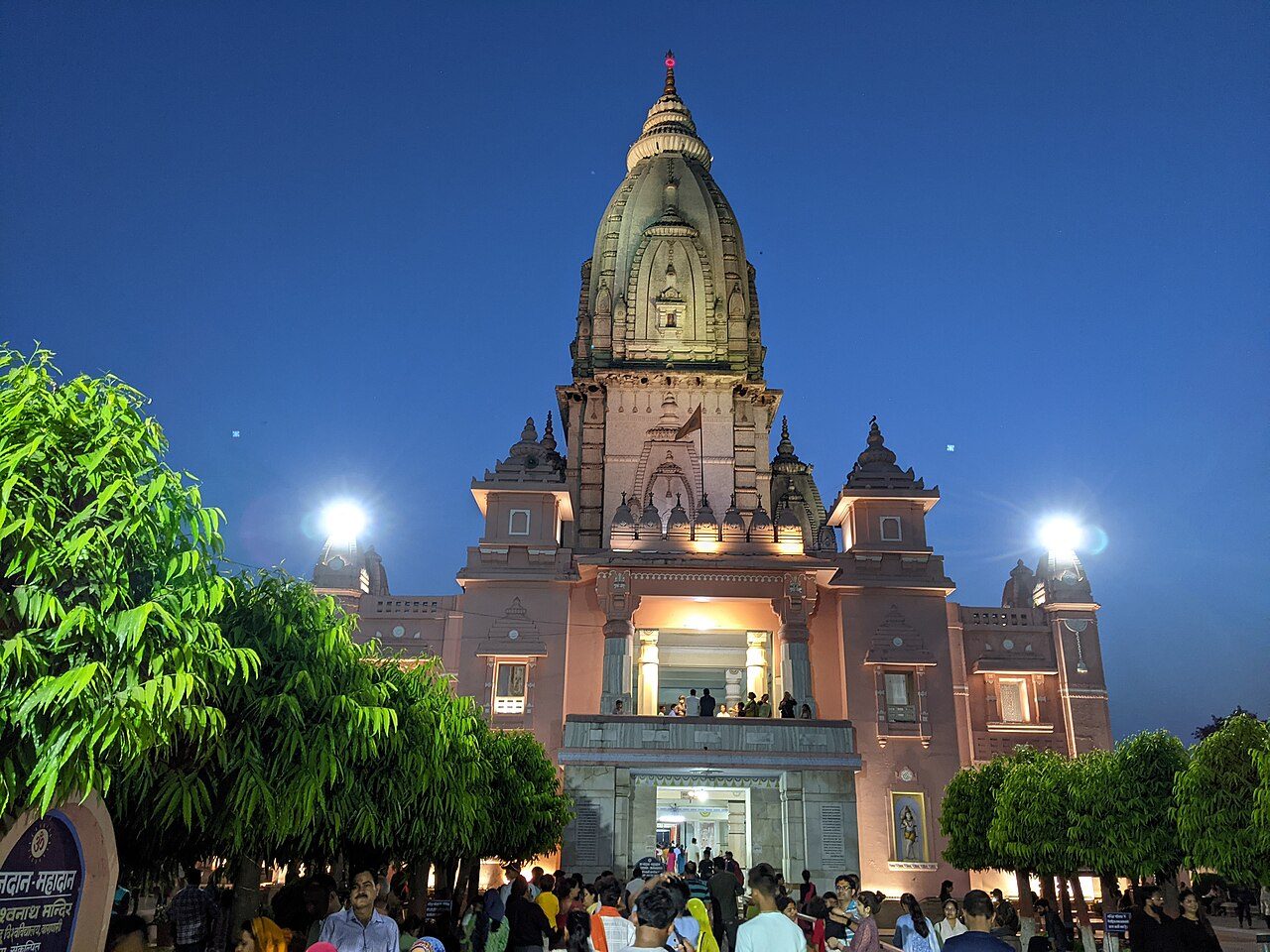
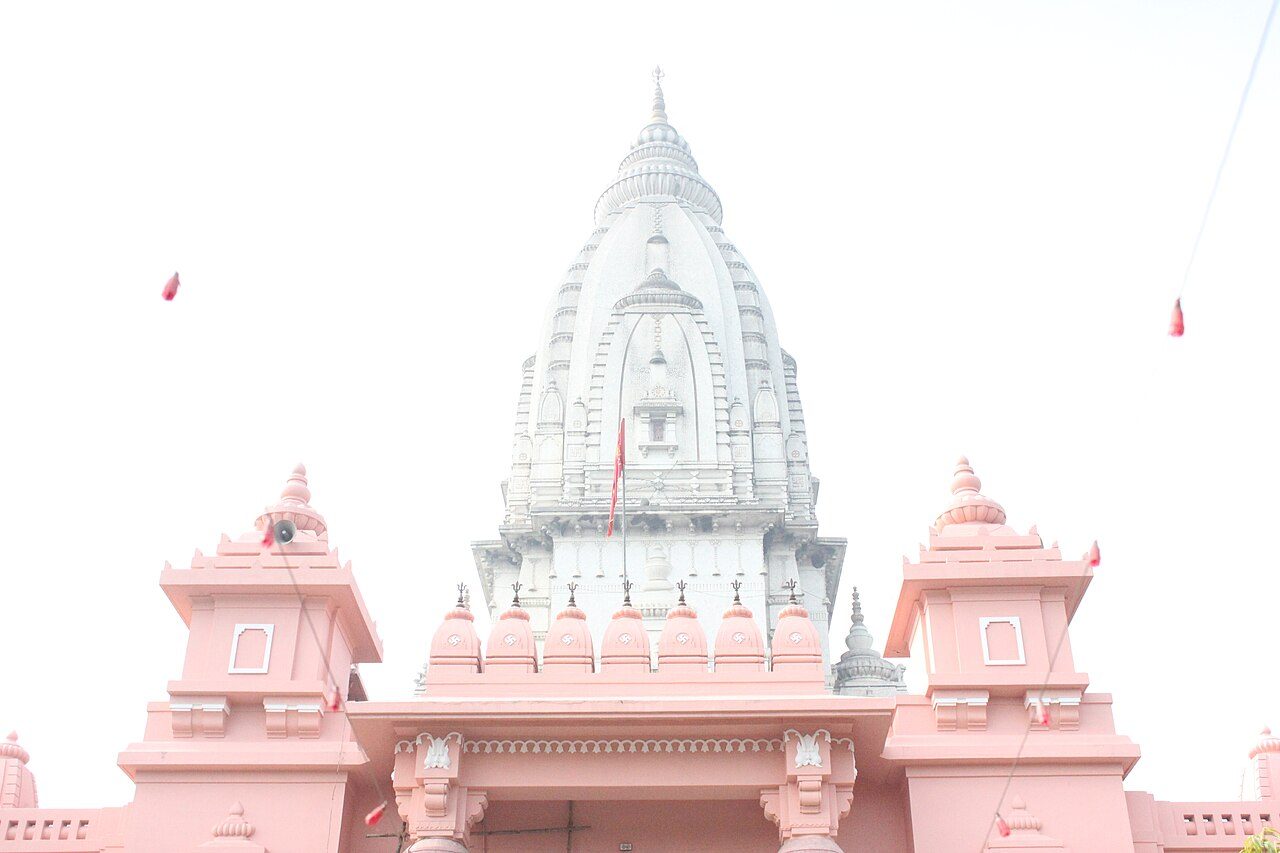
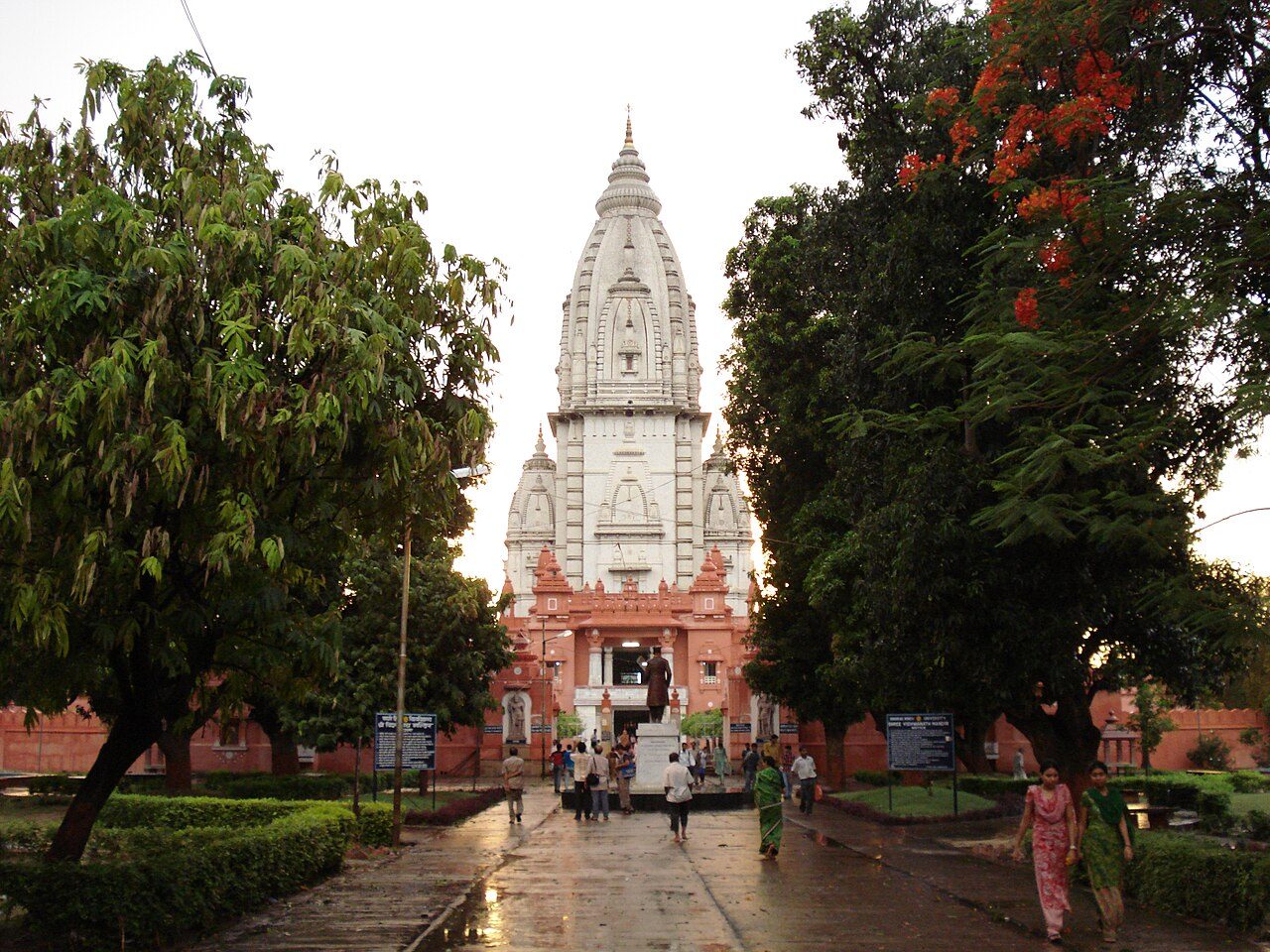
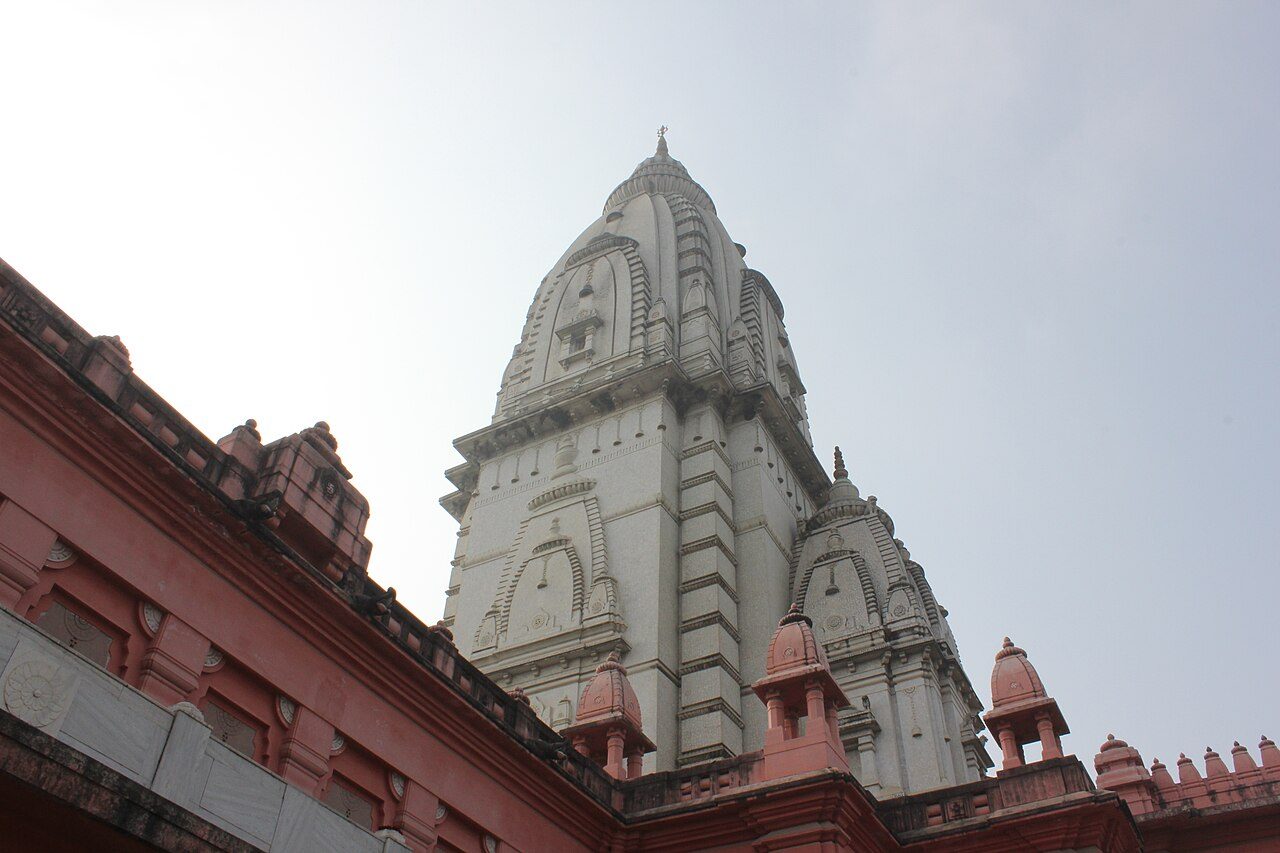
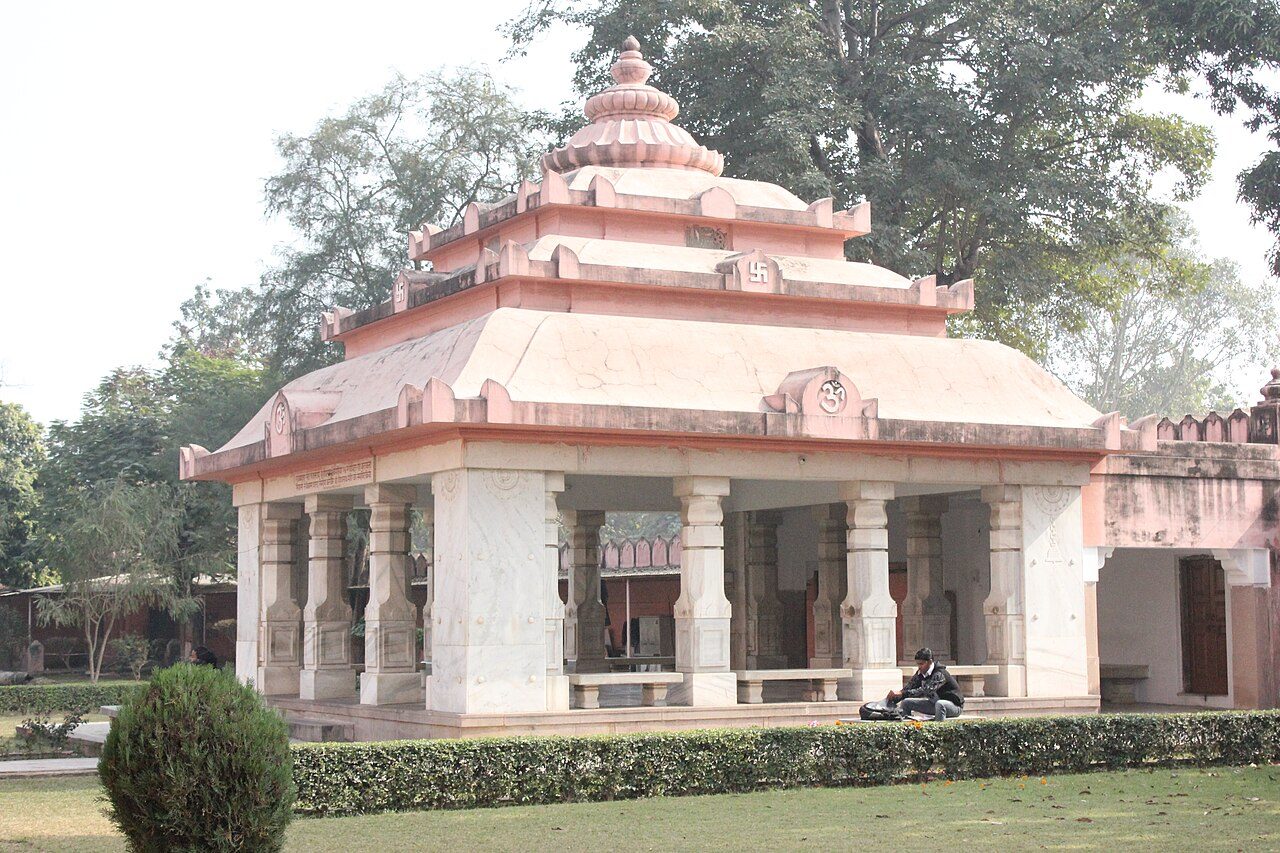
The New Vishwanath Temple stands in the campus of Banaras Hindu University and was built by the Birla family, completed in 1966. Its white marble tower, about 77 metres tall, is said to be the tallest temple tower in India. The walls are inscribed with the text of the Bhagavad Gita and other scriptures. Open to people of all faiths, it is calm and spacious compared with the old city.
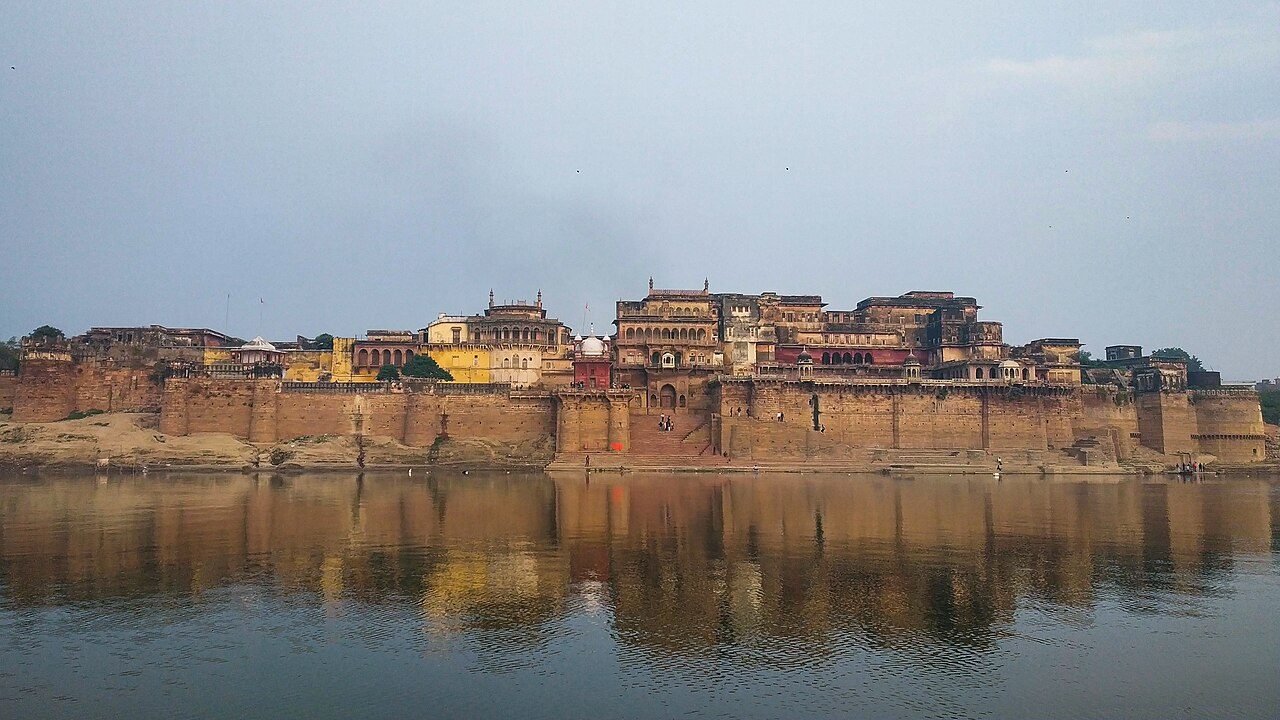
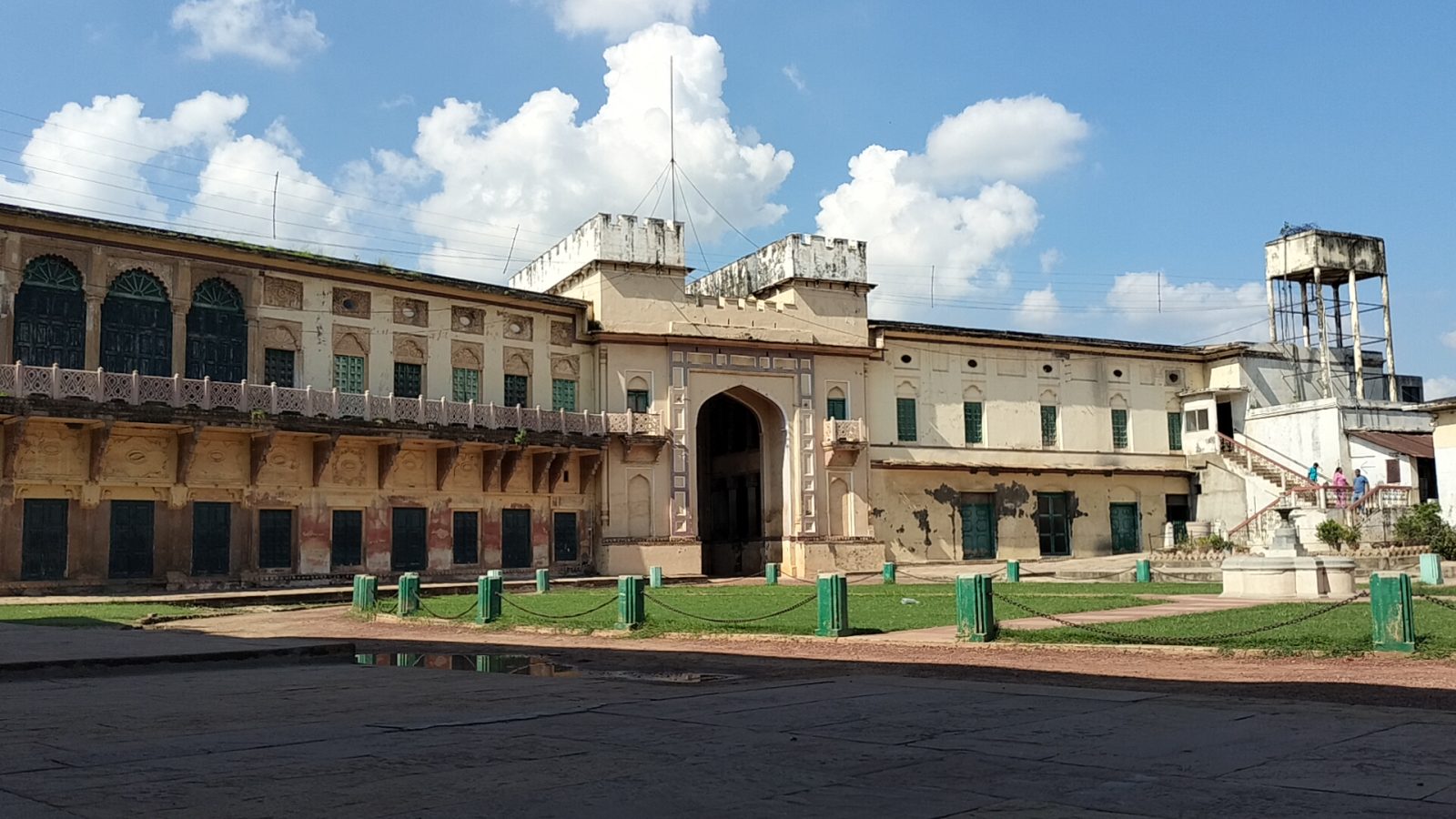
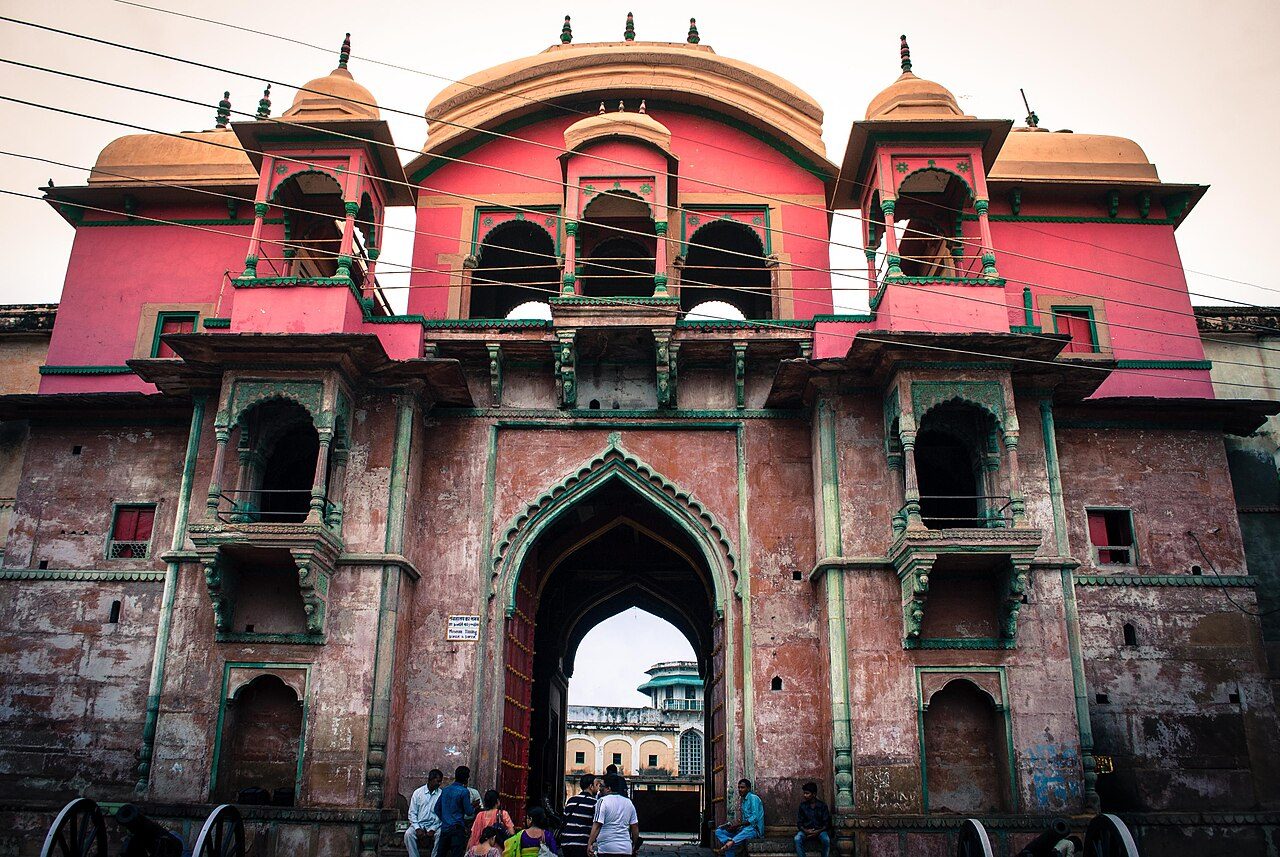
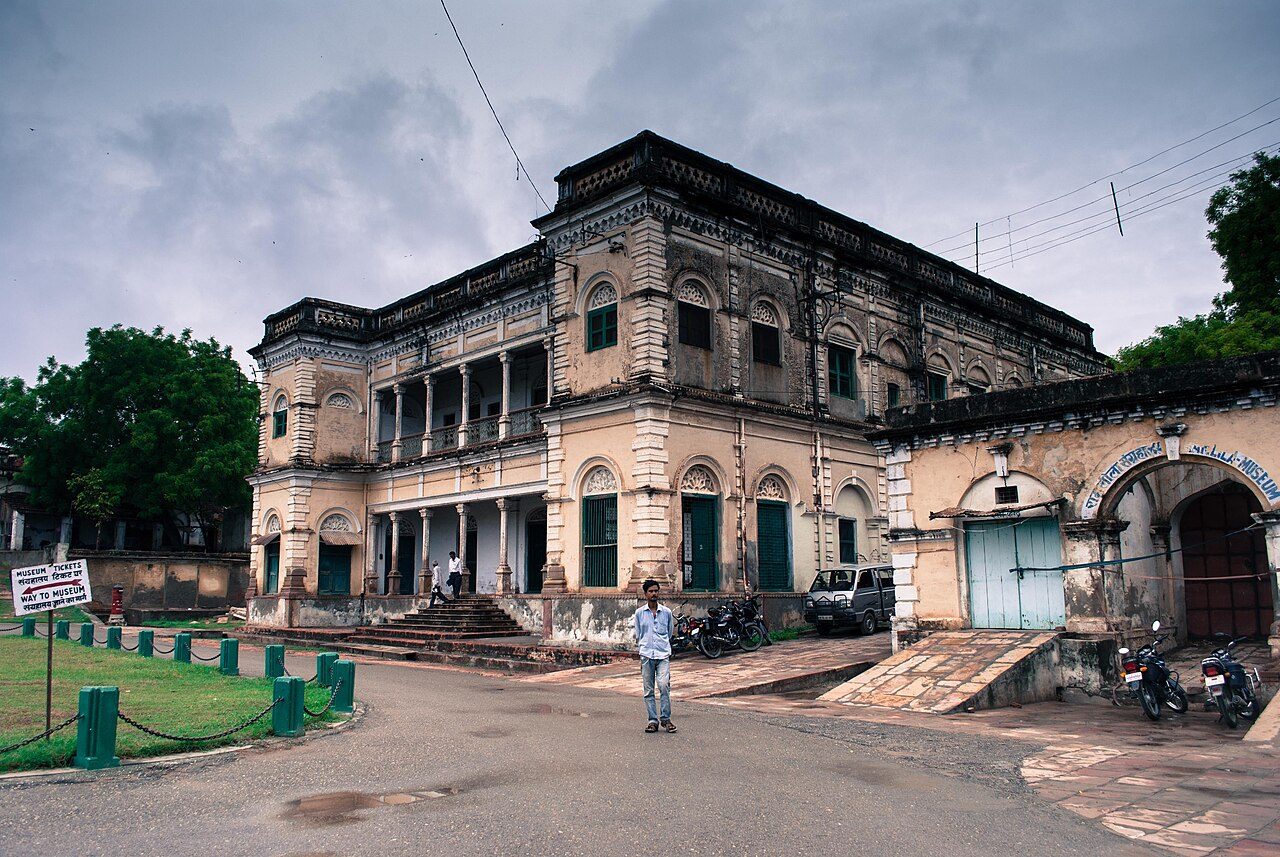
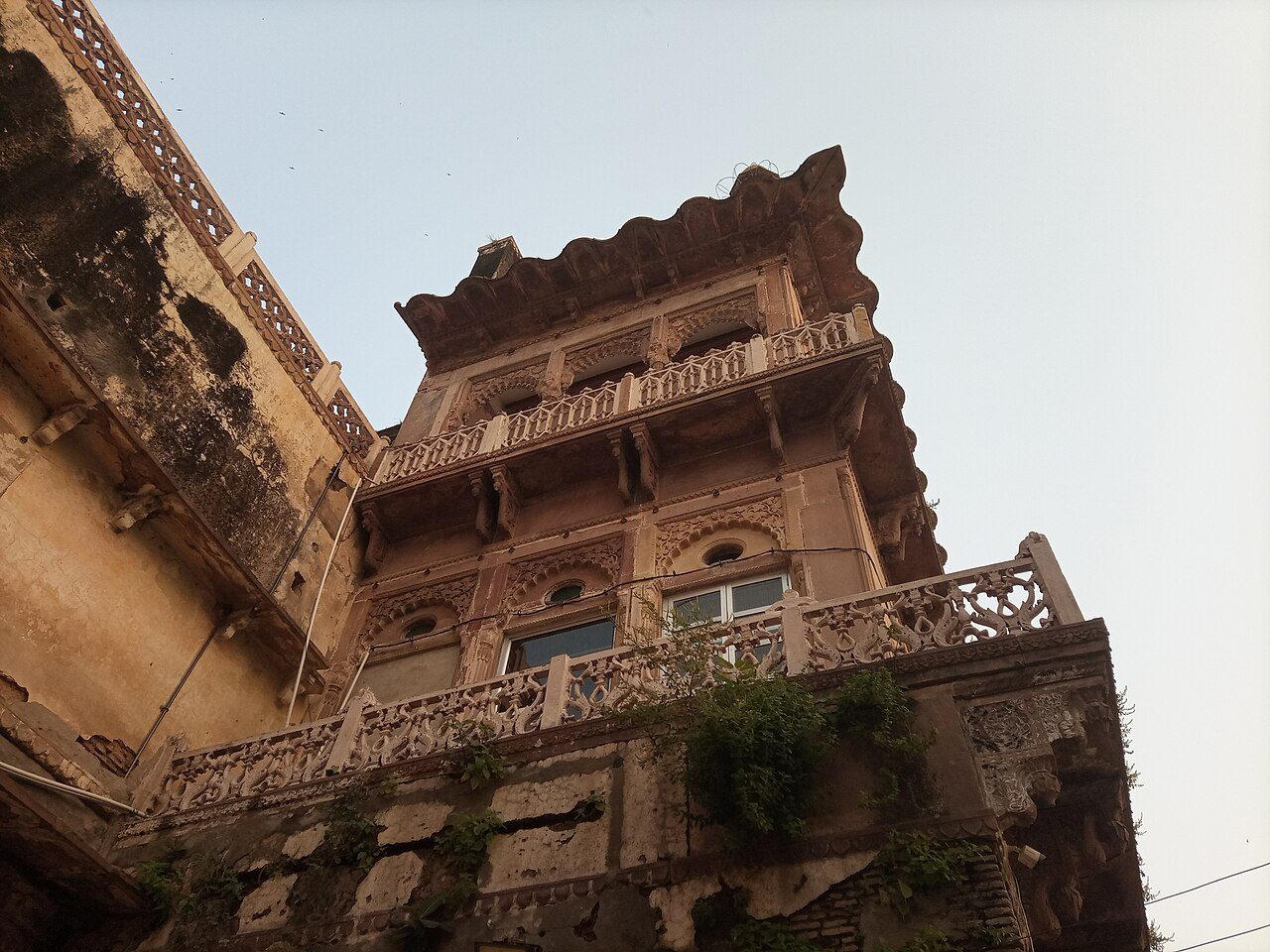
Ramnagar Fort stands on the east bank of the Ganges opposite Varanasi and was built in 1750 by Maharaja Balwant Singh. It is still the home of the family of the Maharaja of Benares. The cream-coloured sandstone fort has carved balconies and pavilions, and its museum displays vintage cars, palanquins, weapons and an astronomical clock. Its month-long Ramlila each autumn is famous.
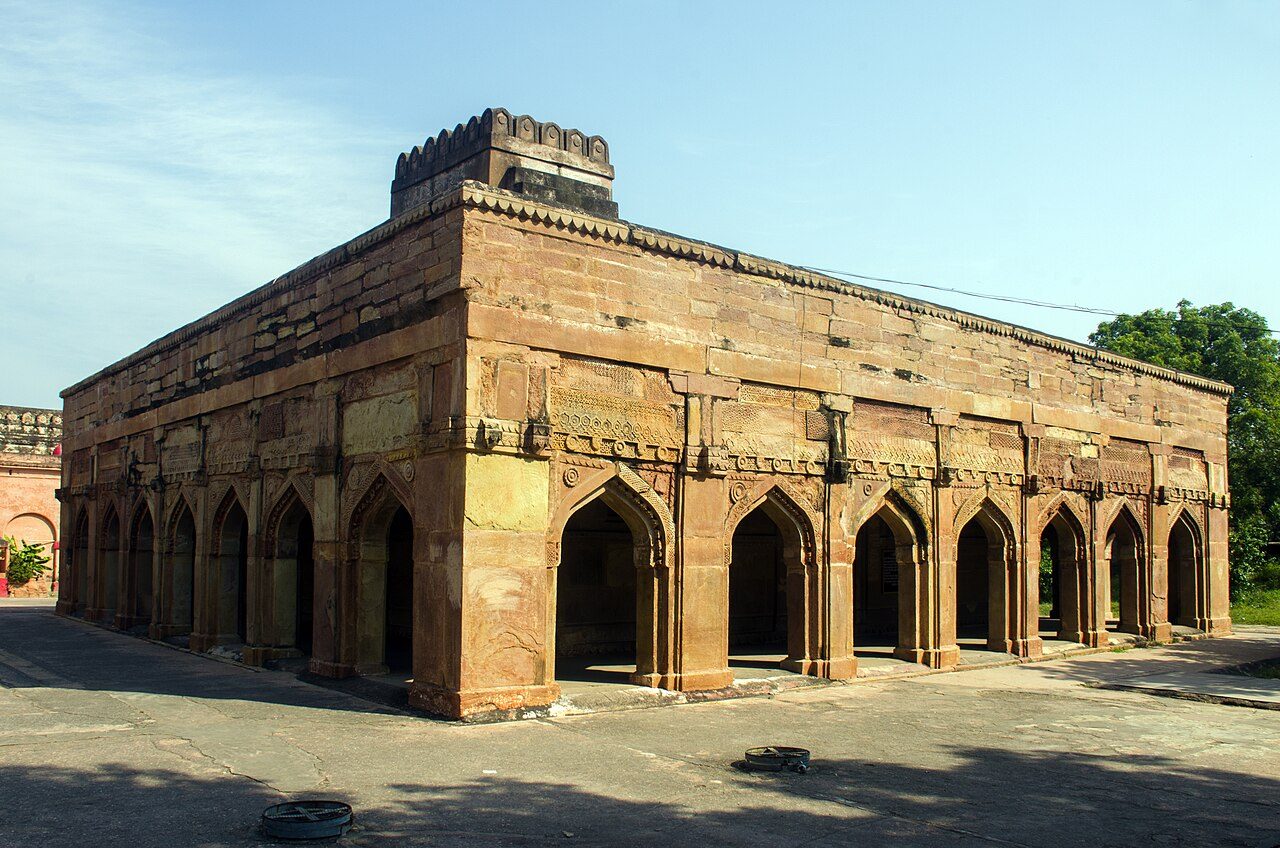
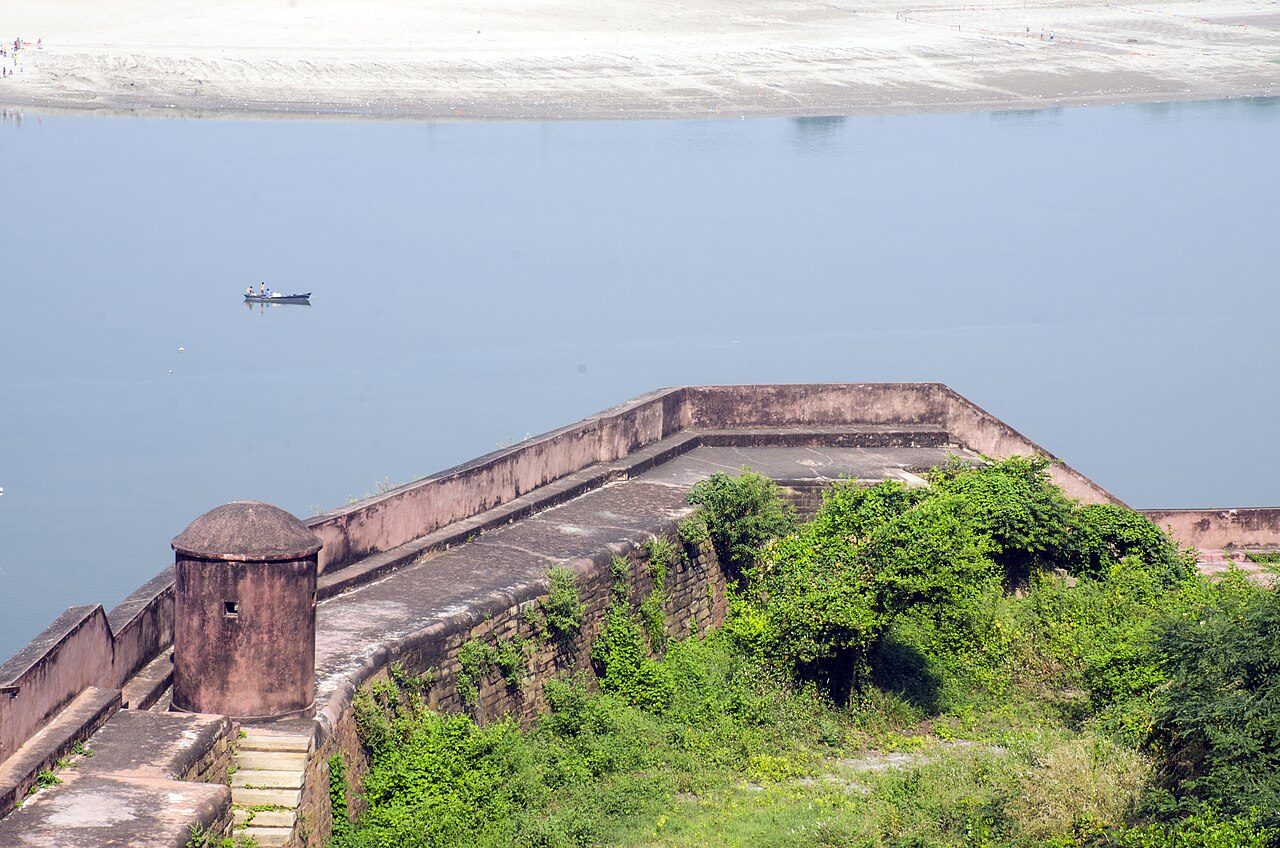
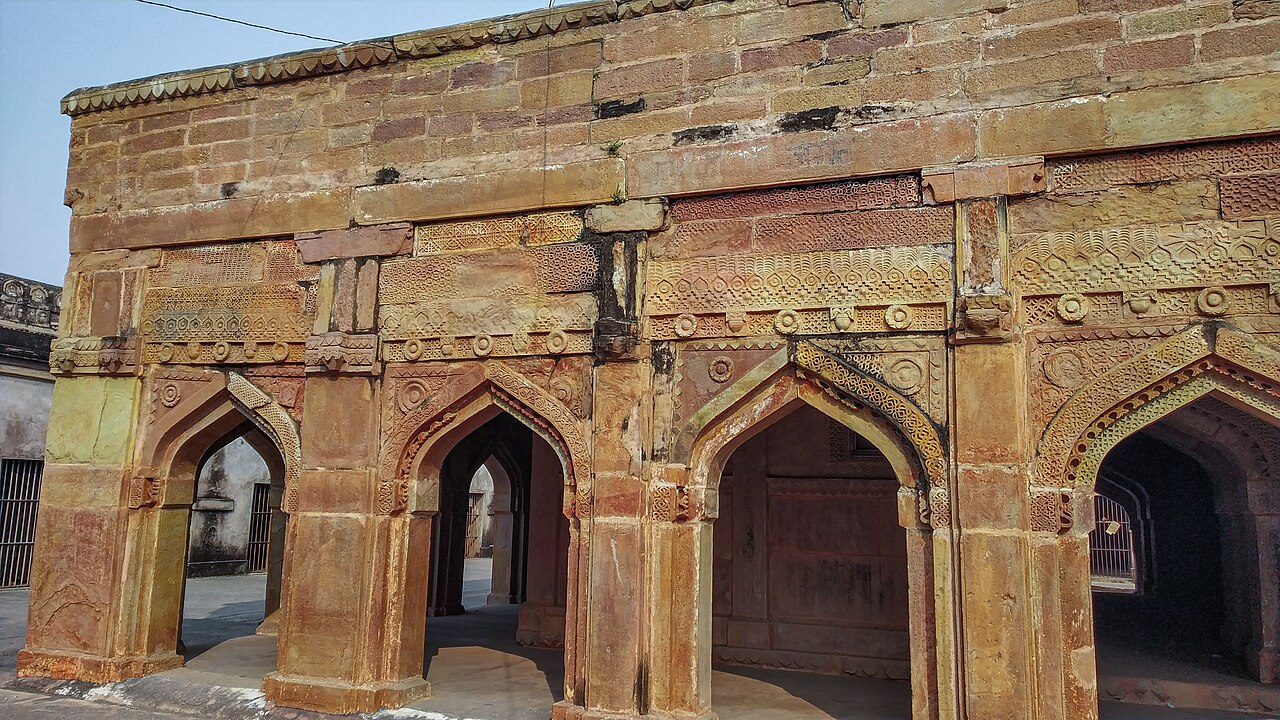
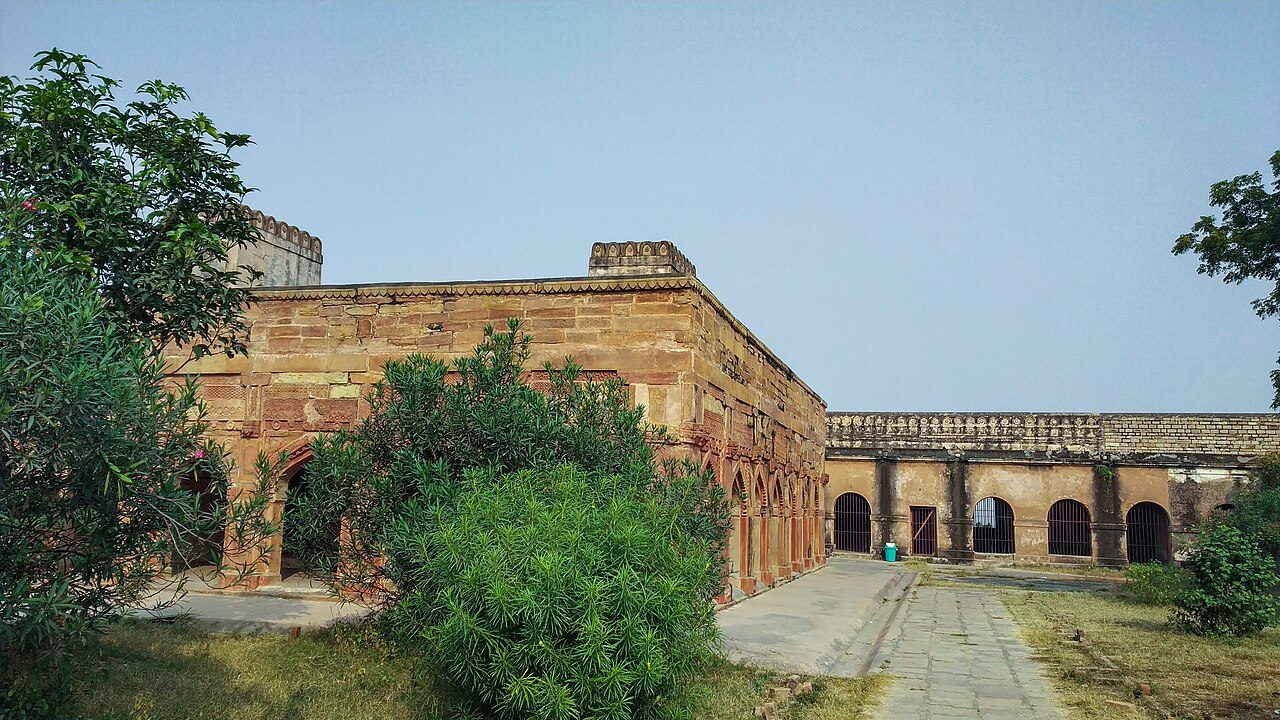
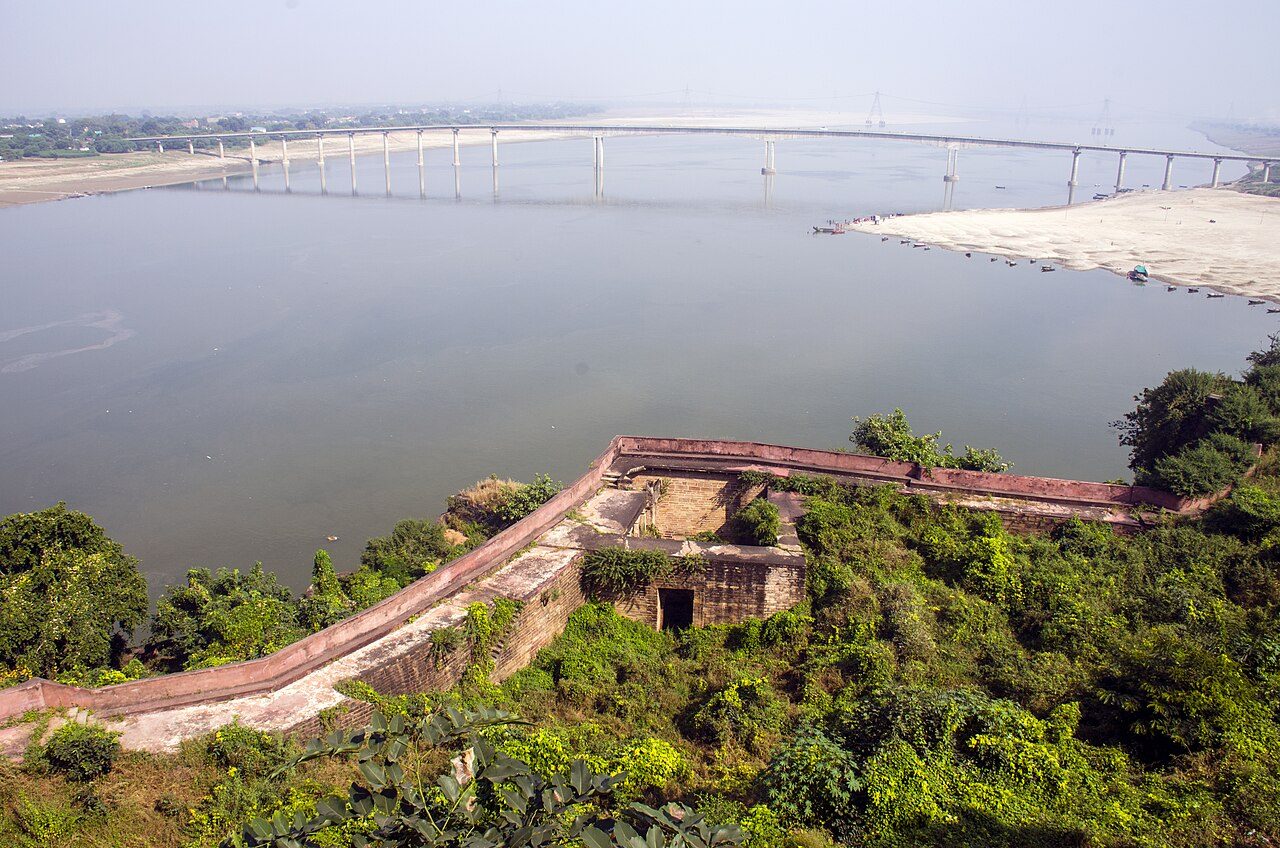
Chunar Fort stands on a rocky bluff above a bend in the Ganges, and has guarded this strategic route for many centuries. It was held in turn by Sher Shah Suri, the Mughals, the Nawabs of Awadh and the British, who used it as a garrison and prison. Sights include the Sonwa Mandap pavilion, a deep stepwell and wide views over the river.
Best weather: Oct – Feb
Seasons from 20 years of NASA POWER climate data.
Was this trip blog helpful?
0
0
Ready to follow this route?
Copy all 13 stops into your trip plans in the app.
 WaTrips