Vadodara, Champaner and the Statue of Unity in 3 Days
3 DAYS8 placesby WaTrips
Vadodara's palace and museum, the UNESCO-listed Champaner-Pavagadh, and the Statue of Unity on the Narmada.
Central Gujarat makes an easy three-day trip from Vadodara. Day one is the city: Laxmi Vilas Palace, still home to the Gaekwad family, the Baroda Museum and Picture Gallery, Kirti Mandir and Sursagar Lake. Day two drives to Champaner-Pavagadh, a UNESCO World Heritage Site, where the Jami Masjid and other Sultanate buildings stand in the old city below Pavagadh hill and the Kalika Mata temple on top. Day three goes to the Statue of Unity, the tallest statue in the world, and the Sardar Sarovar Dam beside it. October to March is the best time.
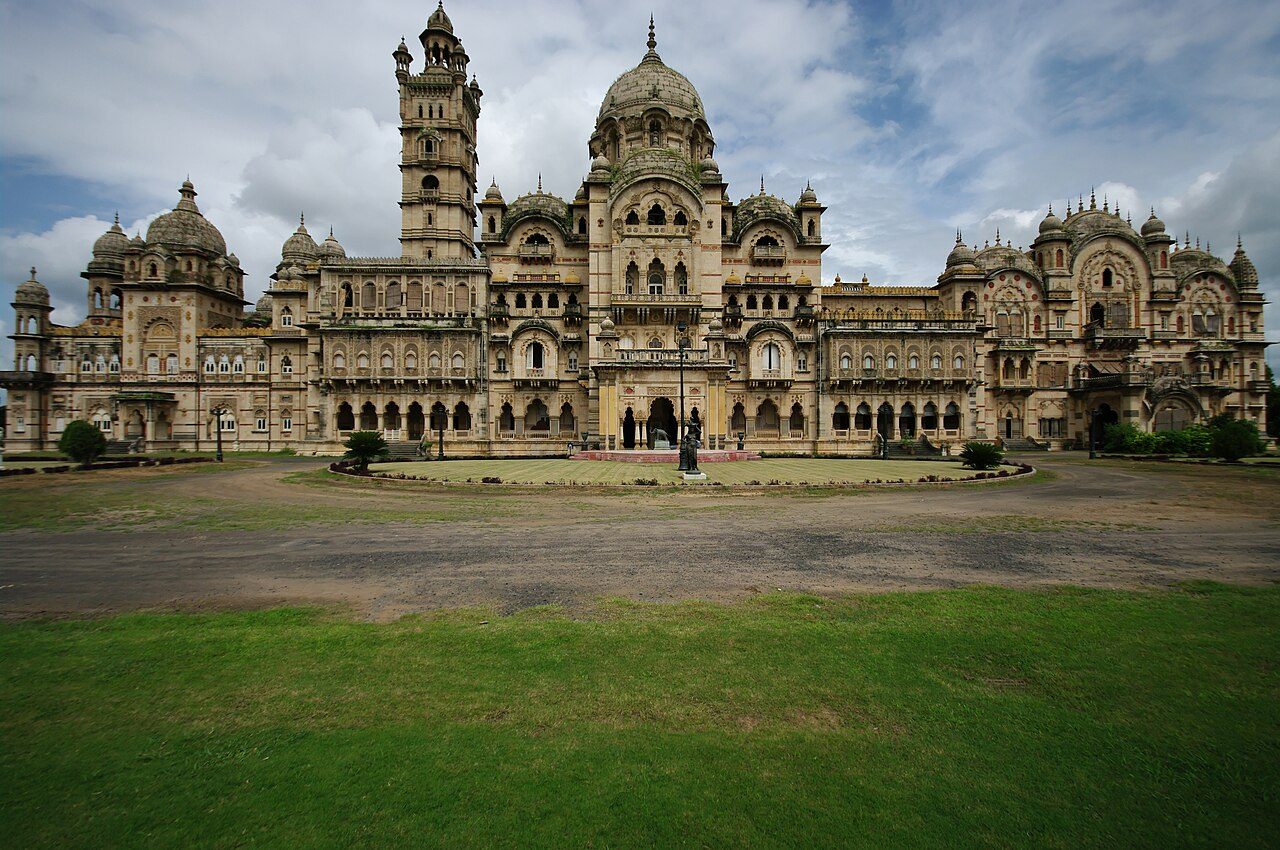
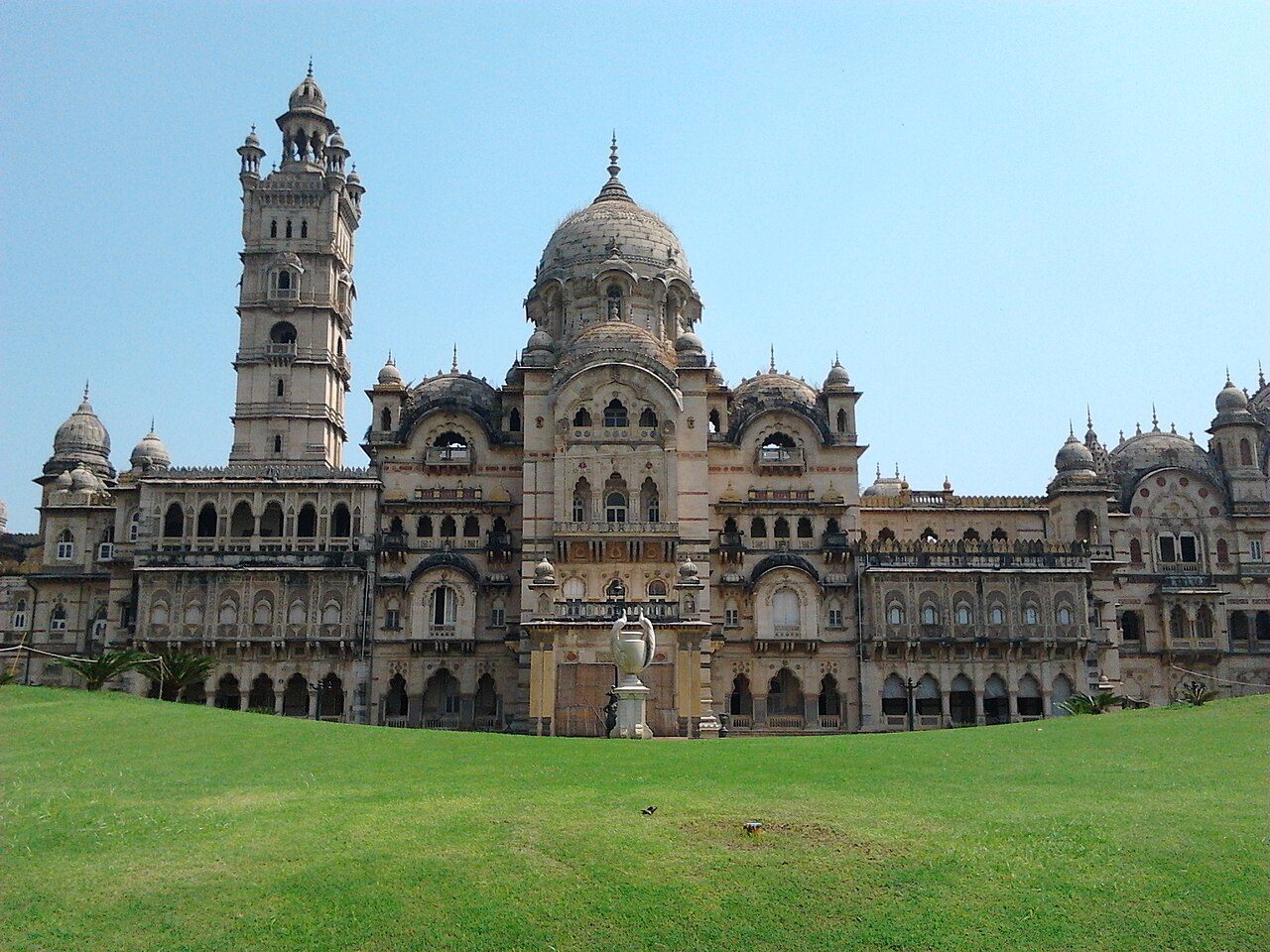
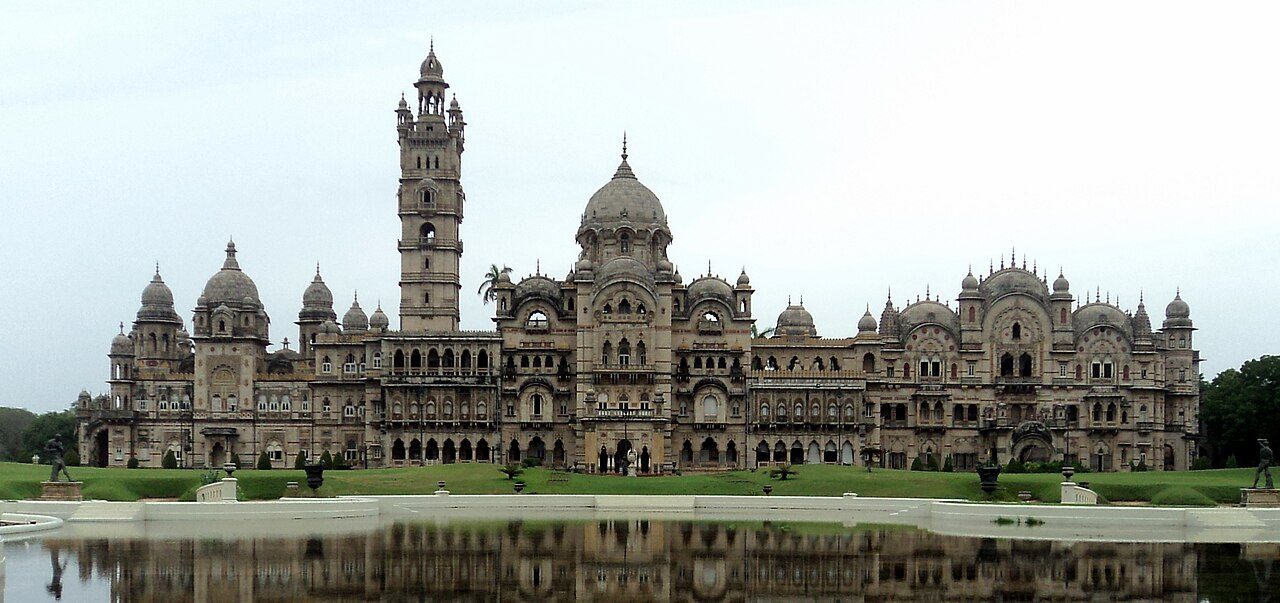
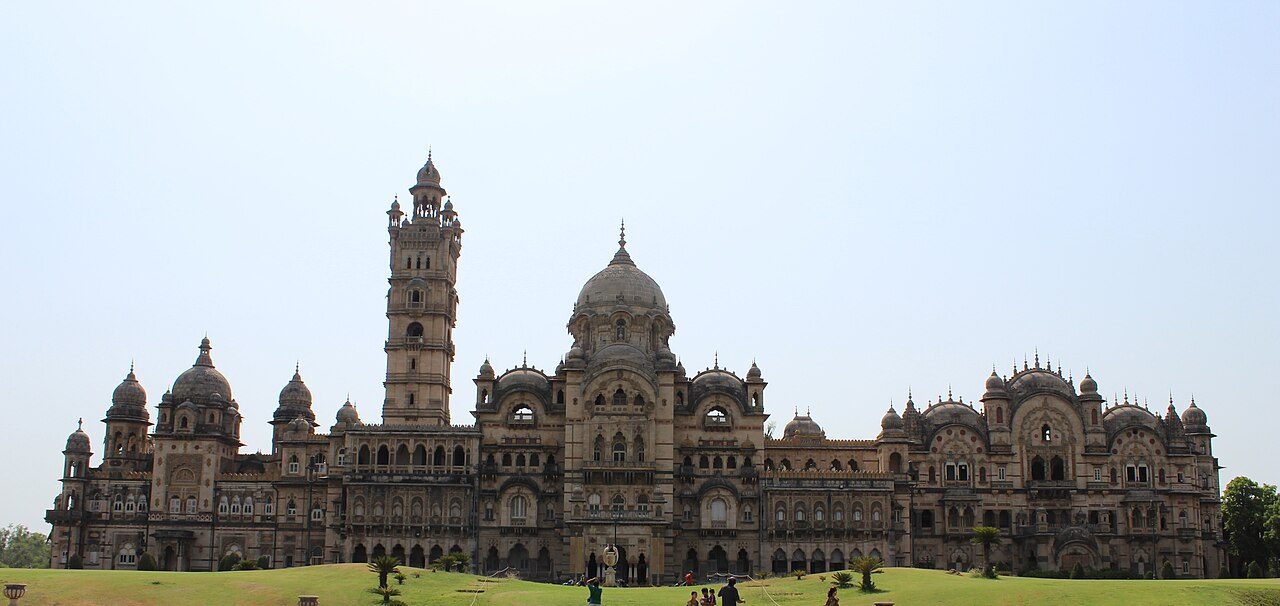
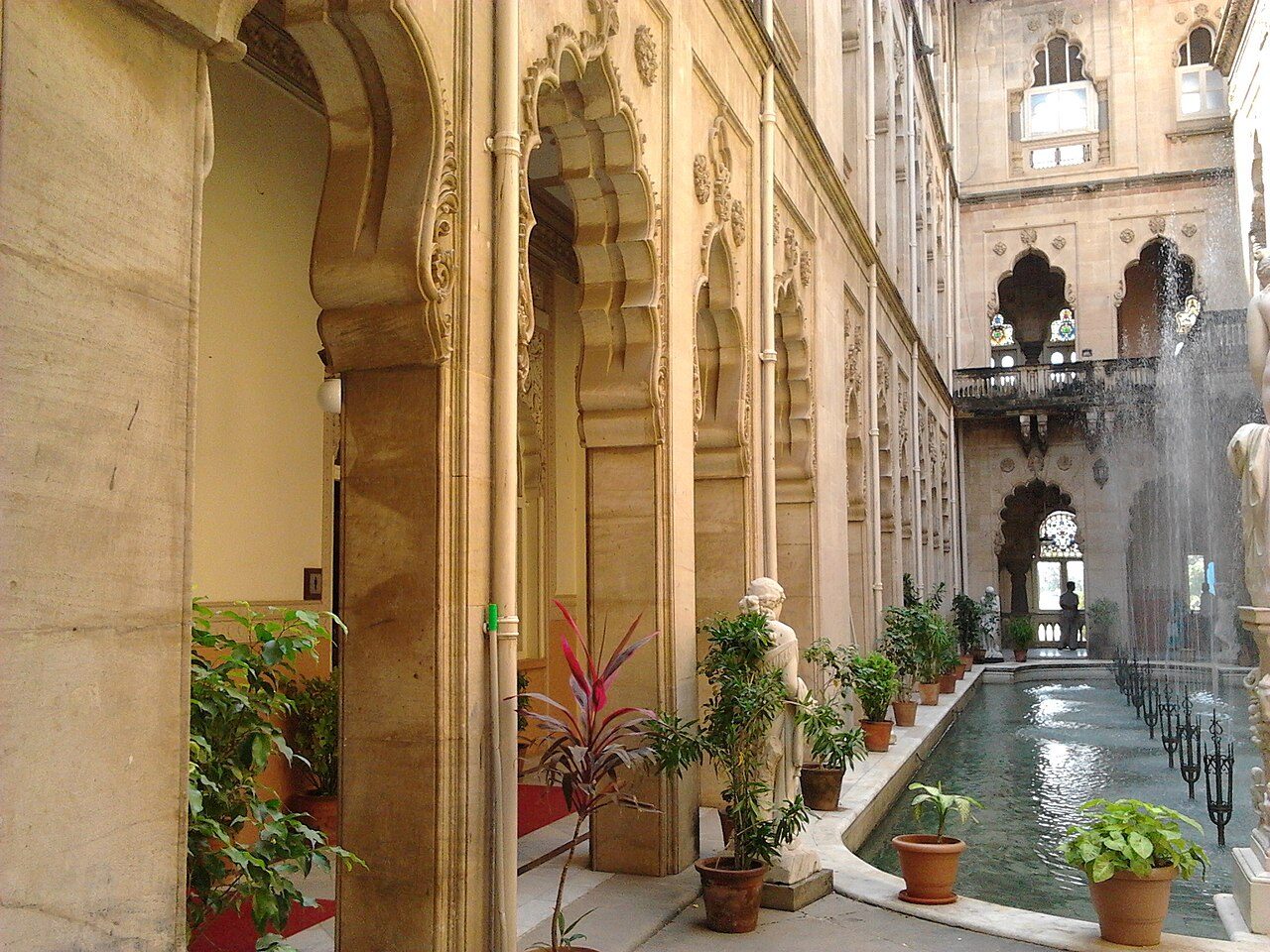
Laxmi Vilas Palace was built in 1890 by Maharaja Sayajirao Gaekwad III and remains the home of Vadodara's former royal family. Designed in the Indo-Saracenic style, it is often described as one of the largest private residences ever built, with a Durbar Hall of Venetian mosaic floors and stained glass. Visitors tour selected rooms with an audio guide, and the grounds also hold the Maharaja Fateh Singh Museum.
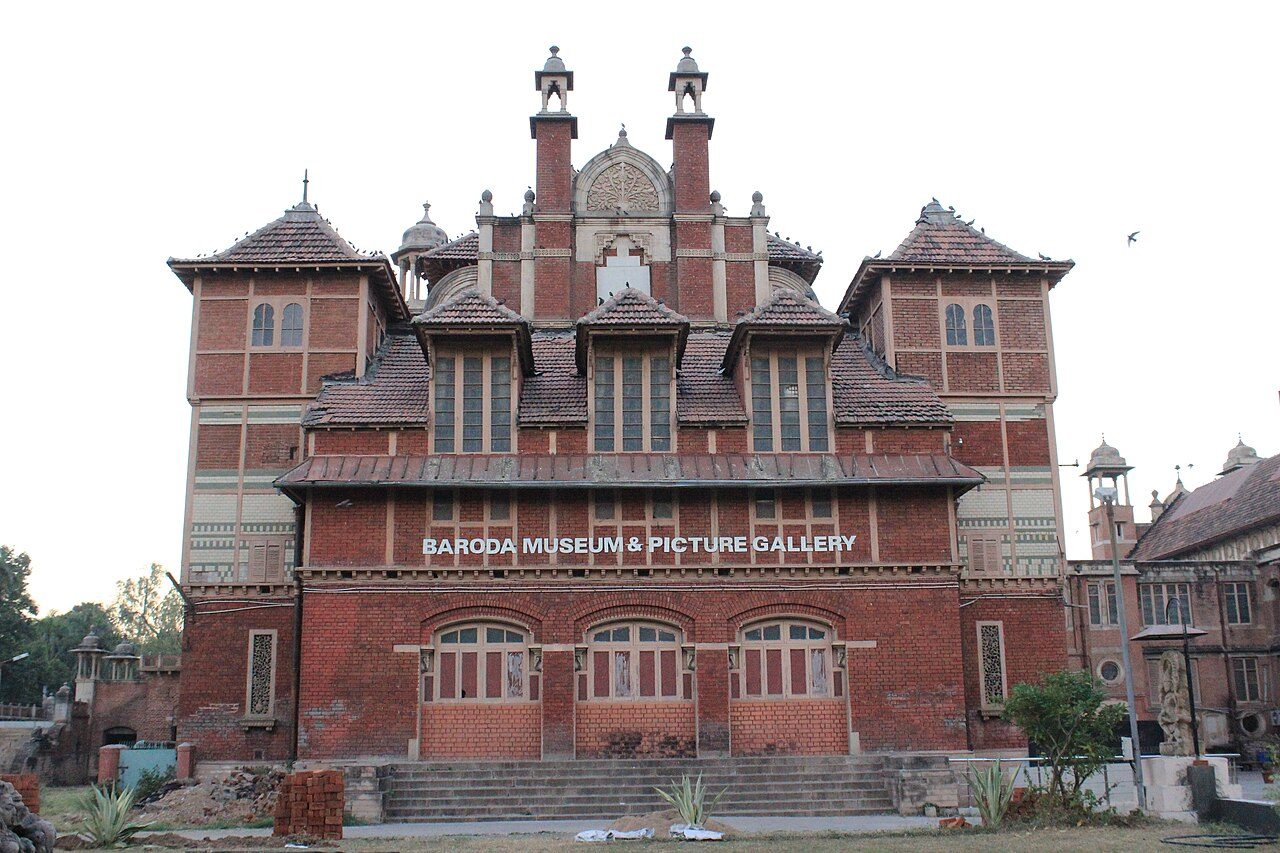
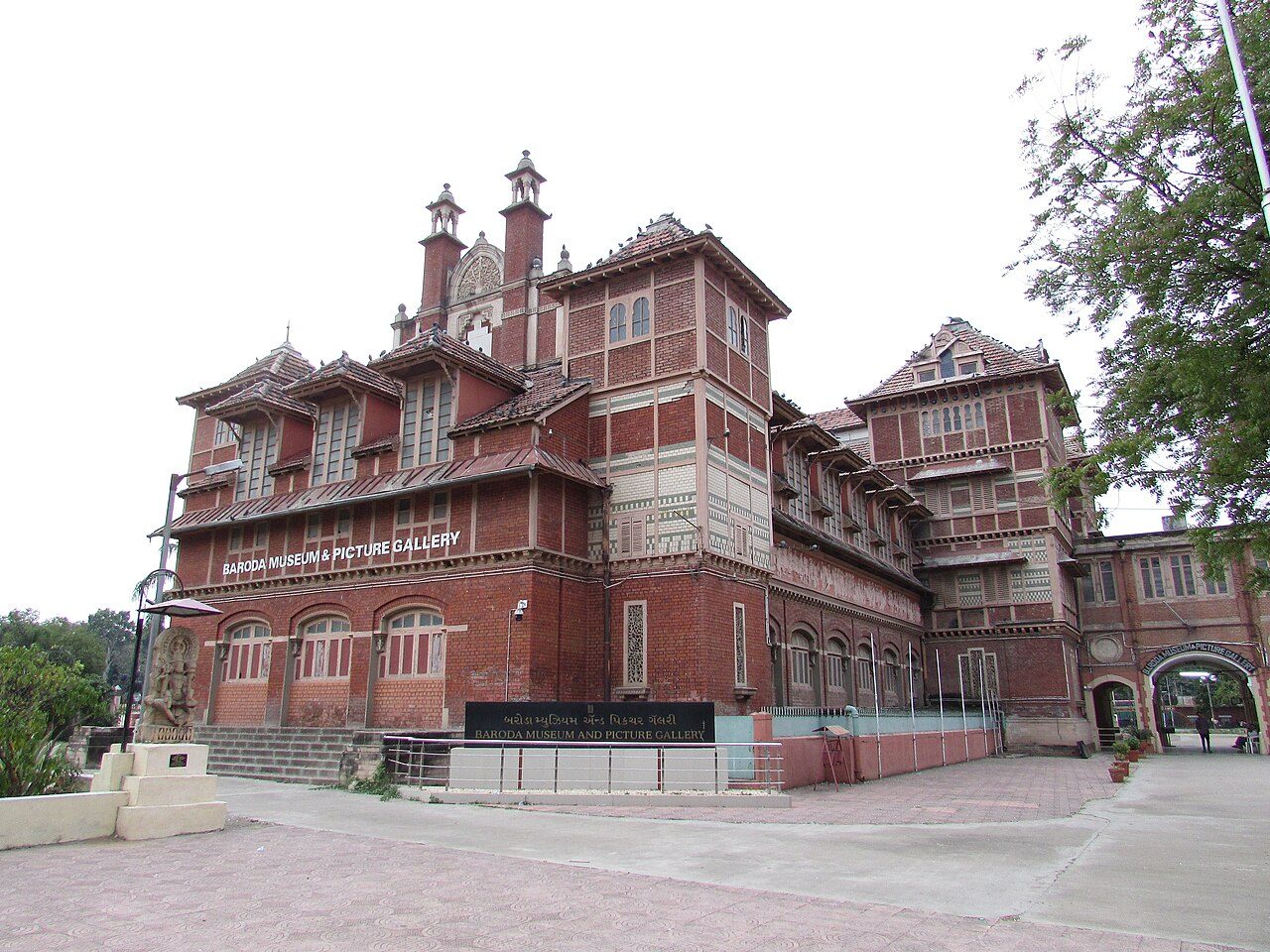
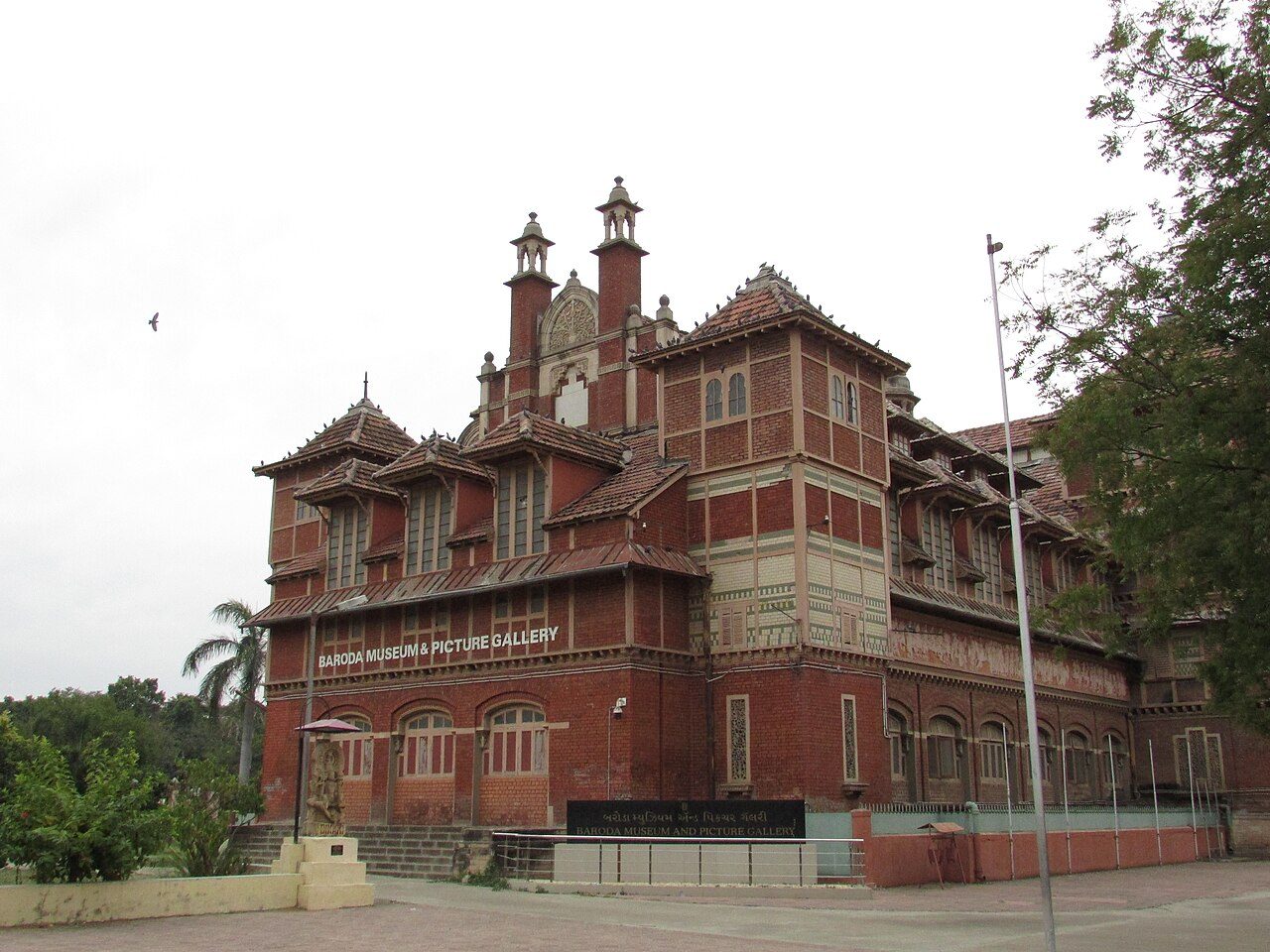
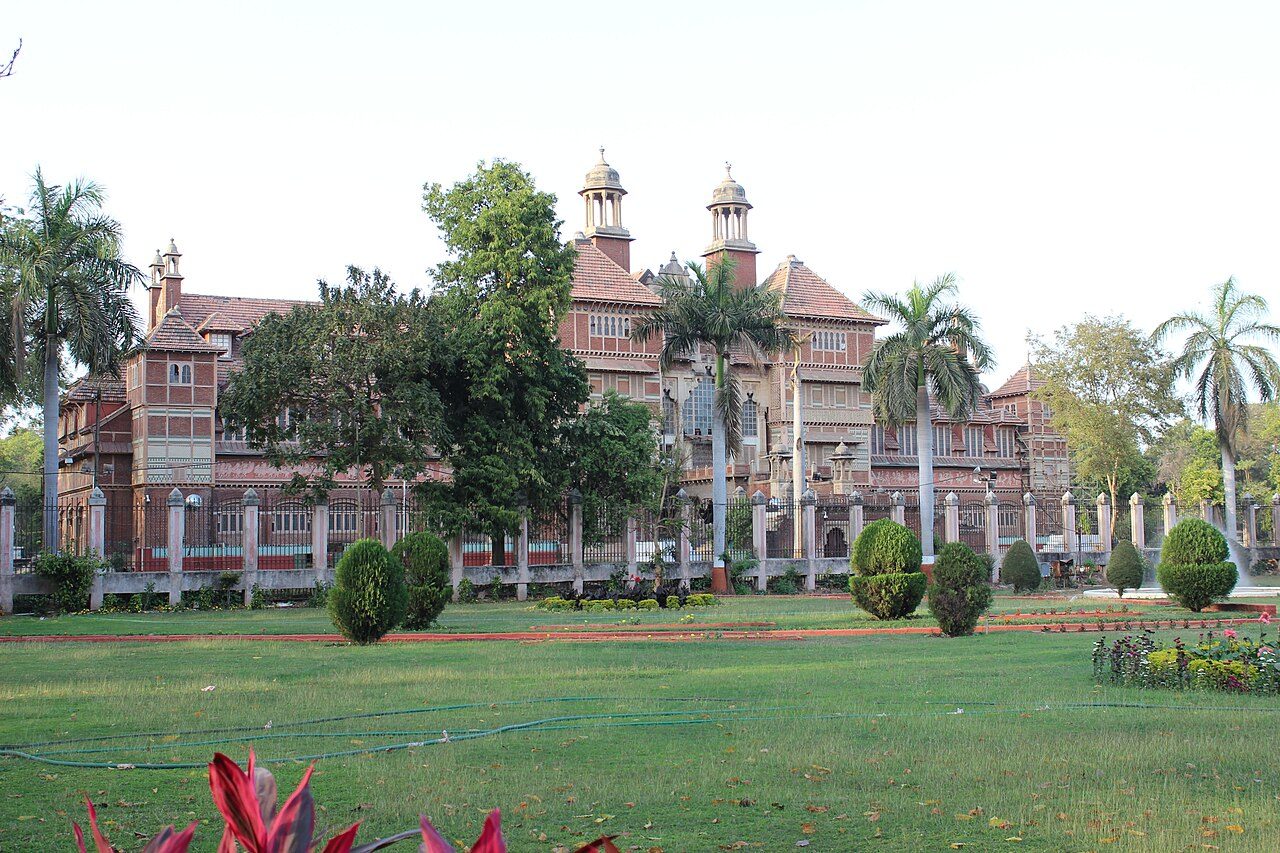
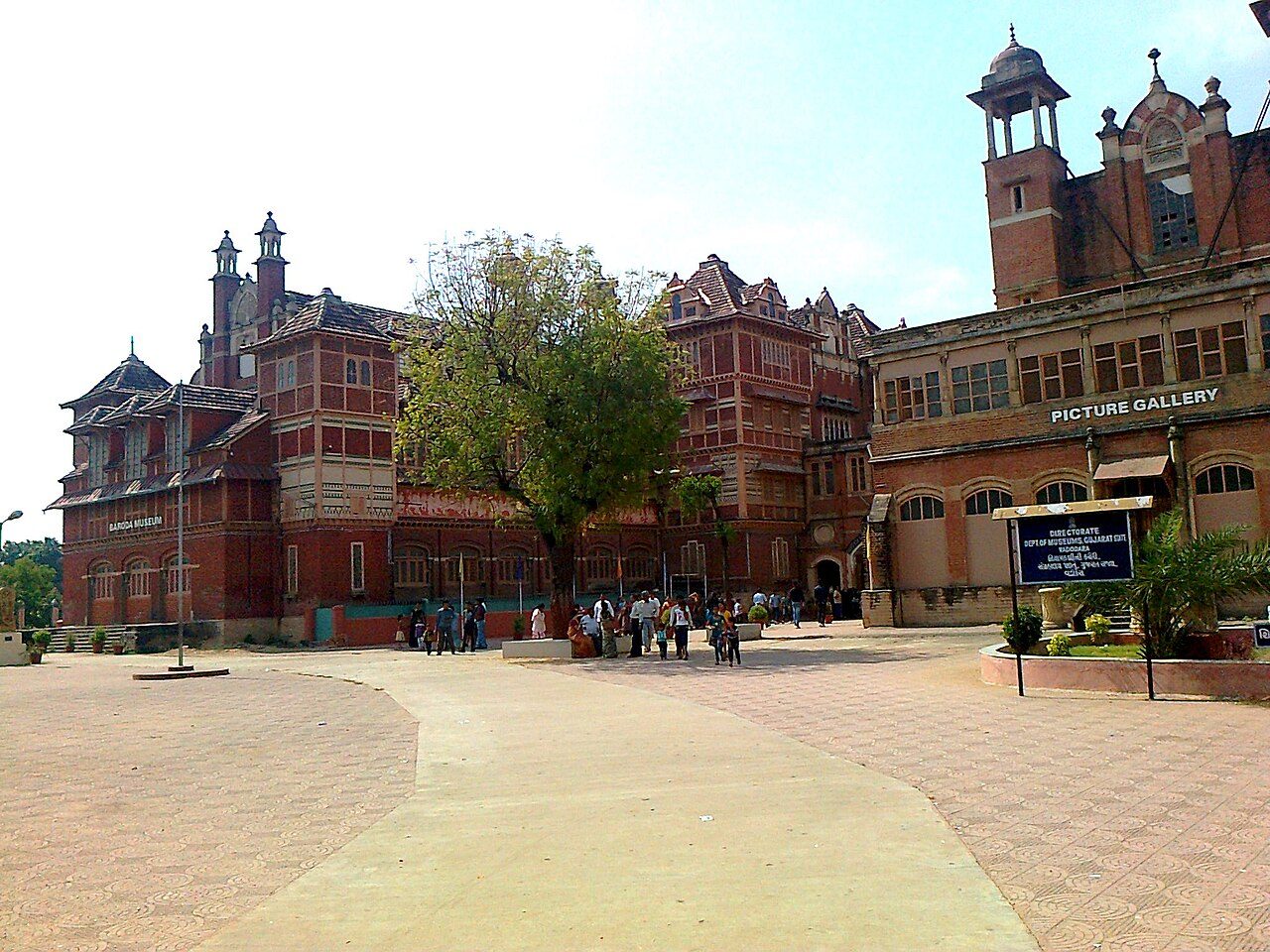
The Baroda Museum and Picture Gallery stands in the Sayaji Baug gardens and was founded by Maharaja Sayajirao Gaekwad III in the late 19th century. Its red-brick Indo-Saracenic building houses a wide collection: Indian sculpture and miniatures, European paintings, an Egyptian mummy and a blue whale skeleton. The surrounding park, with its zoo and planetarium, makes it easy to spend half a day here.
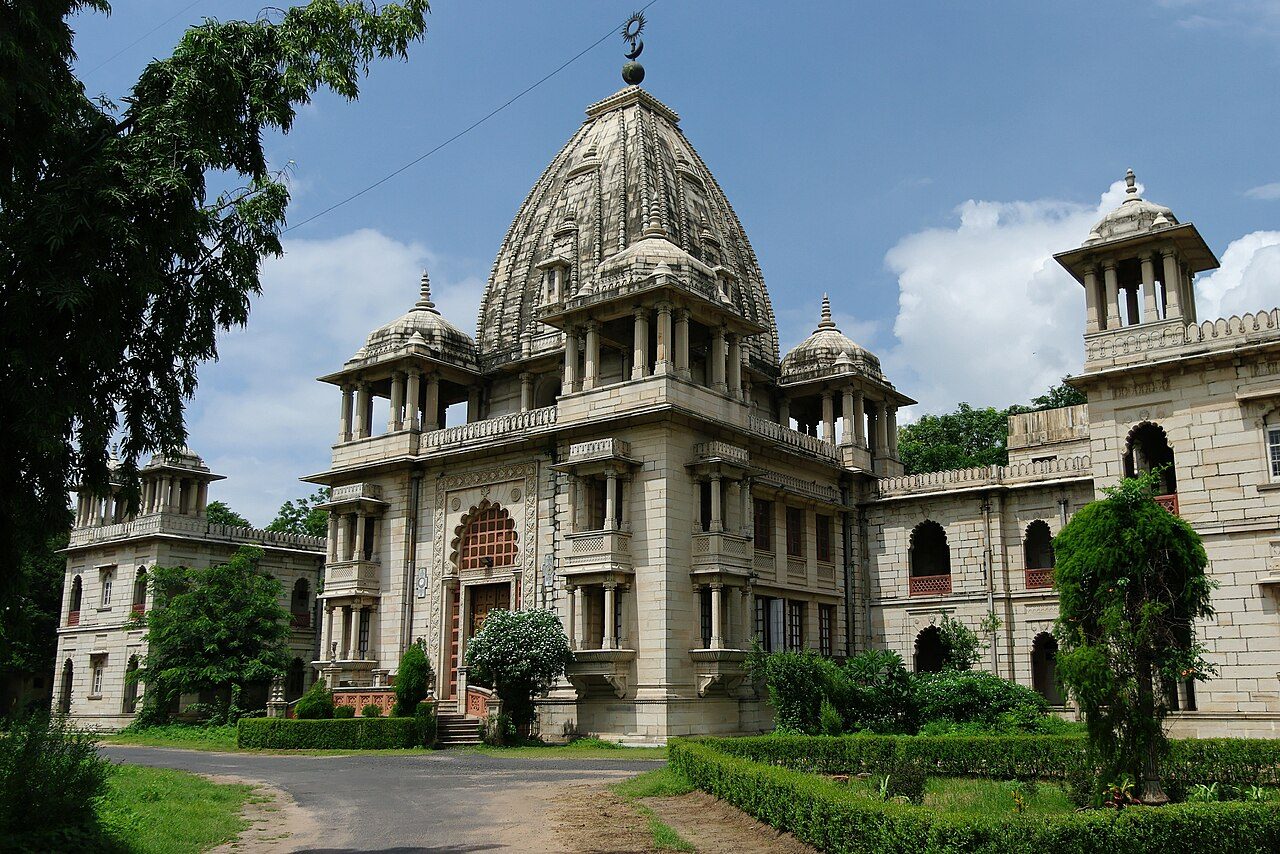
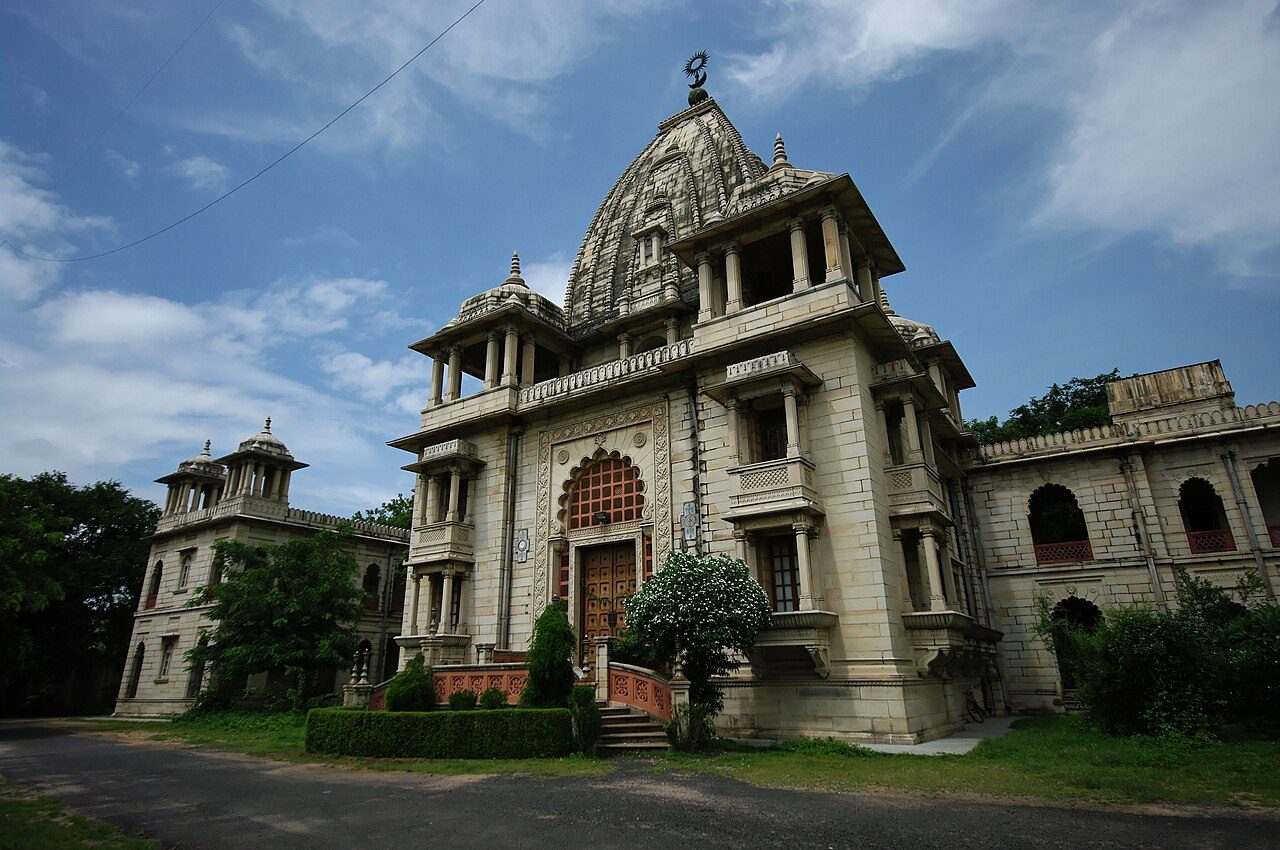
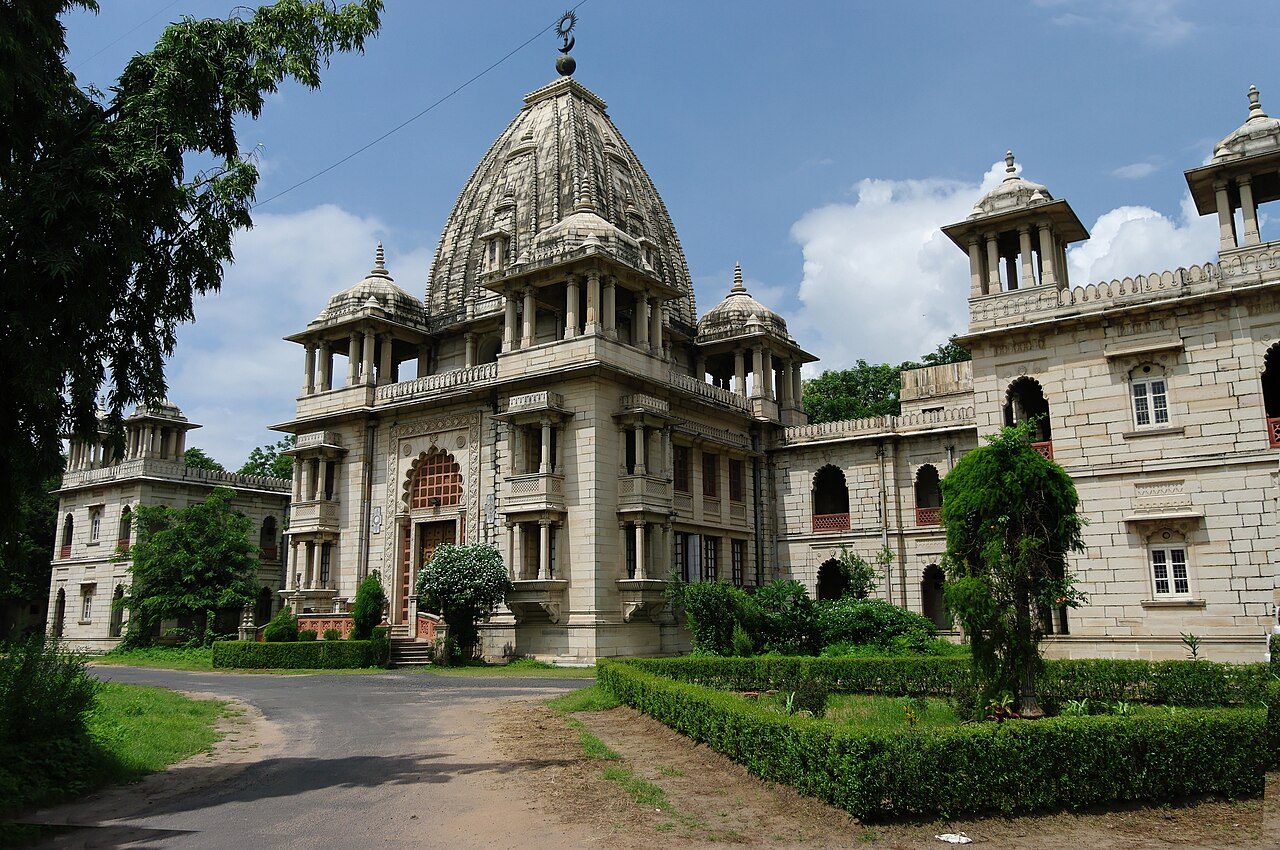
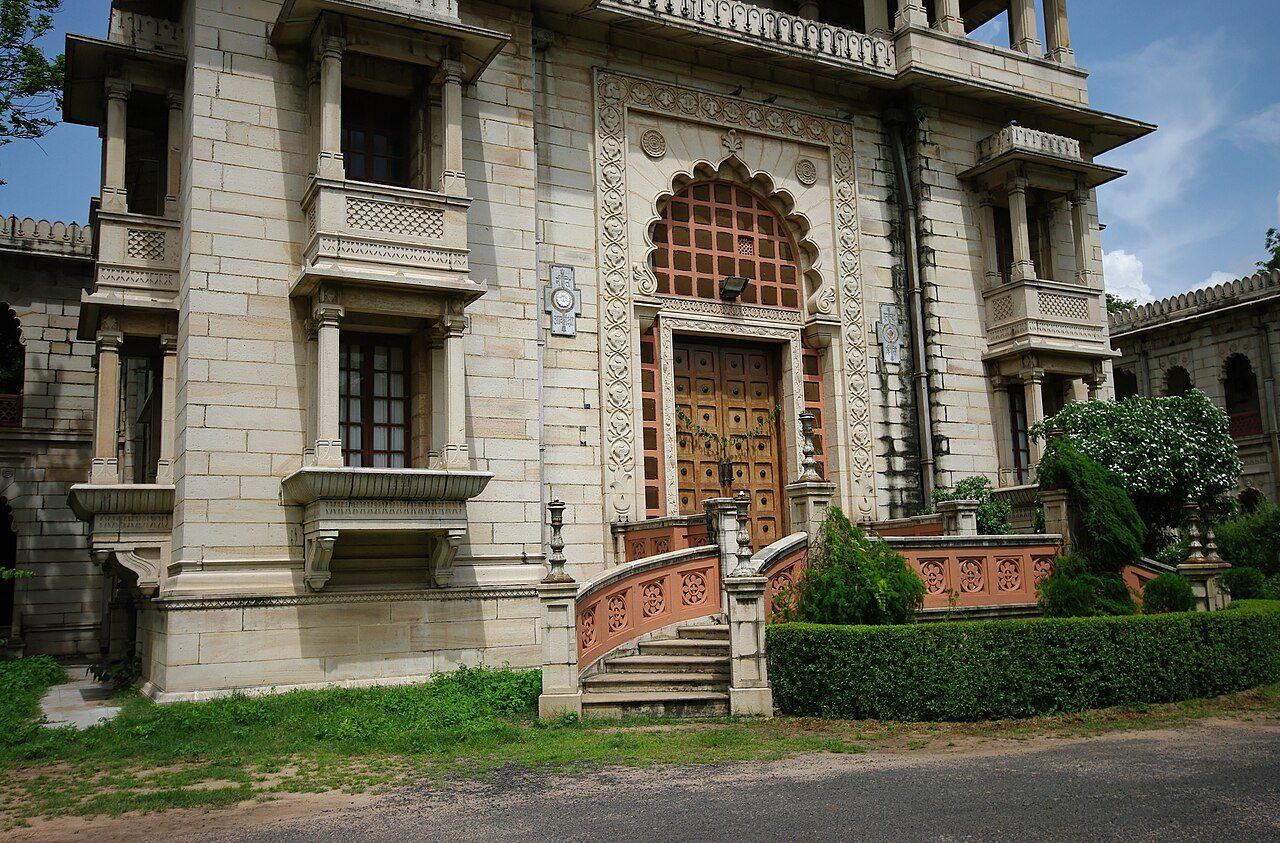
Kirti Mandir is the cenotaph of the Gaekwad rulers of Baroda, built by Maharaja Sayajirao Gaekwad III in the 1930s to mark his diamond jubilee. The E-shaped stone building has domes, terraces and a tall central shikhara. Inside, the walls are decorated with murals by the Bengali artist Nandalal Bose. It stands near the Vishwamitri bridge, a short distance from Sayaji Baug.
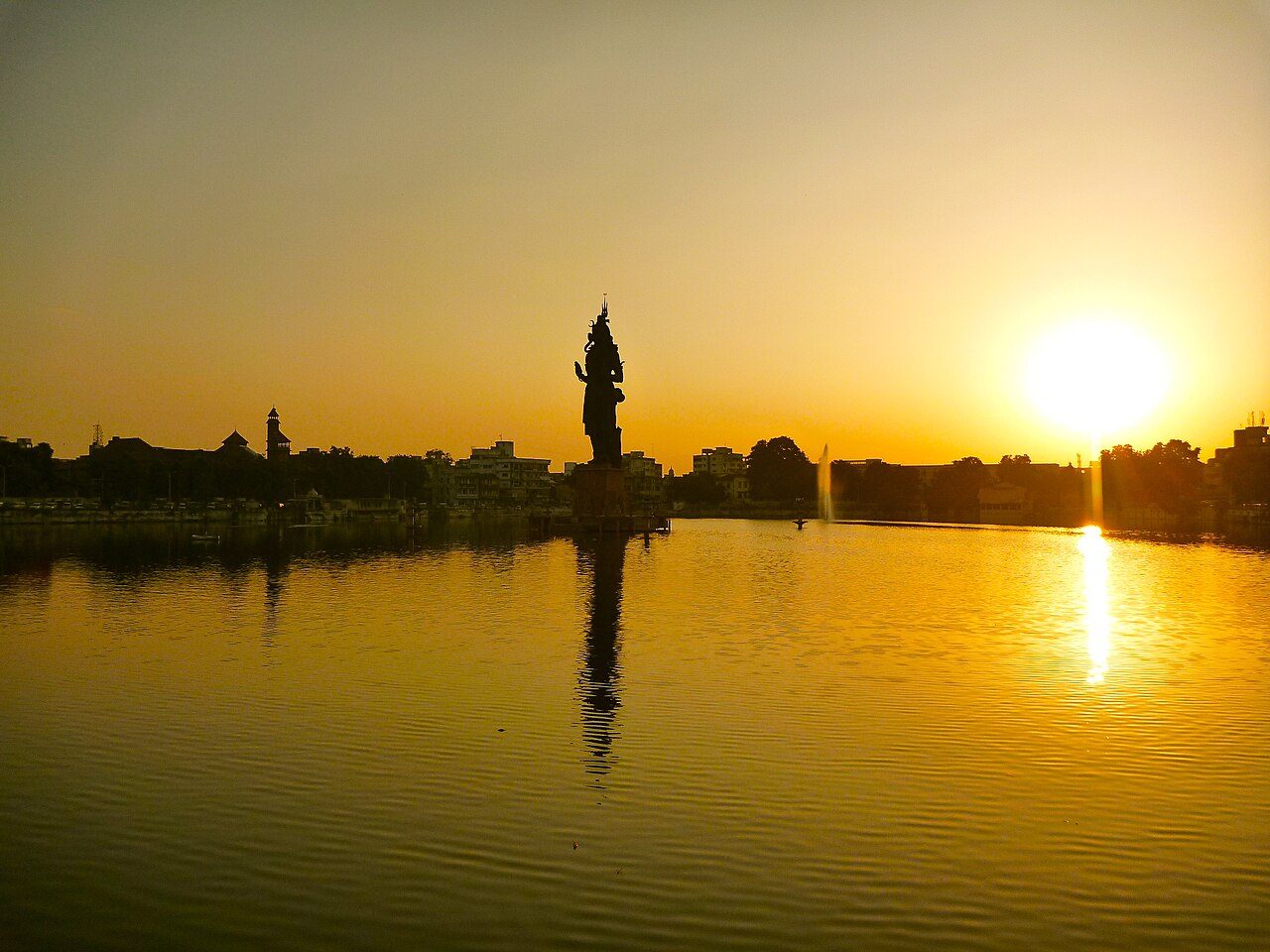
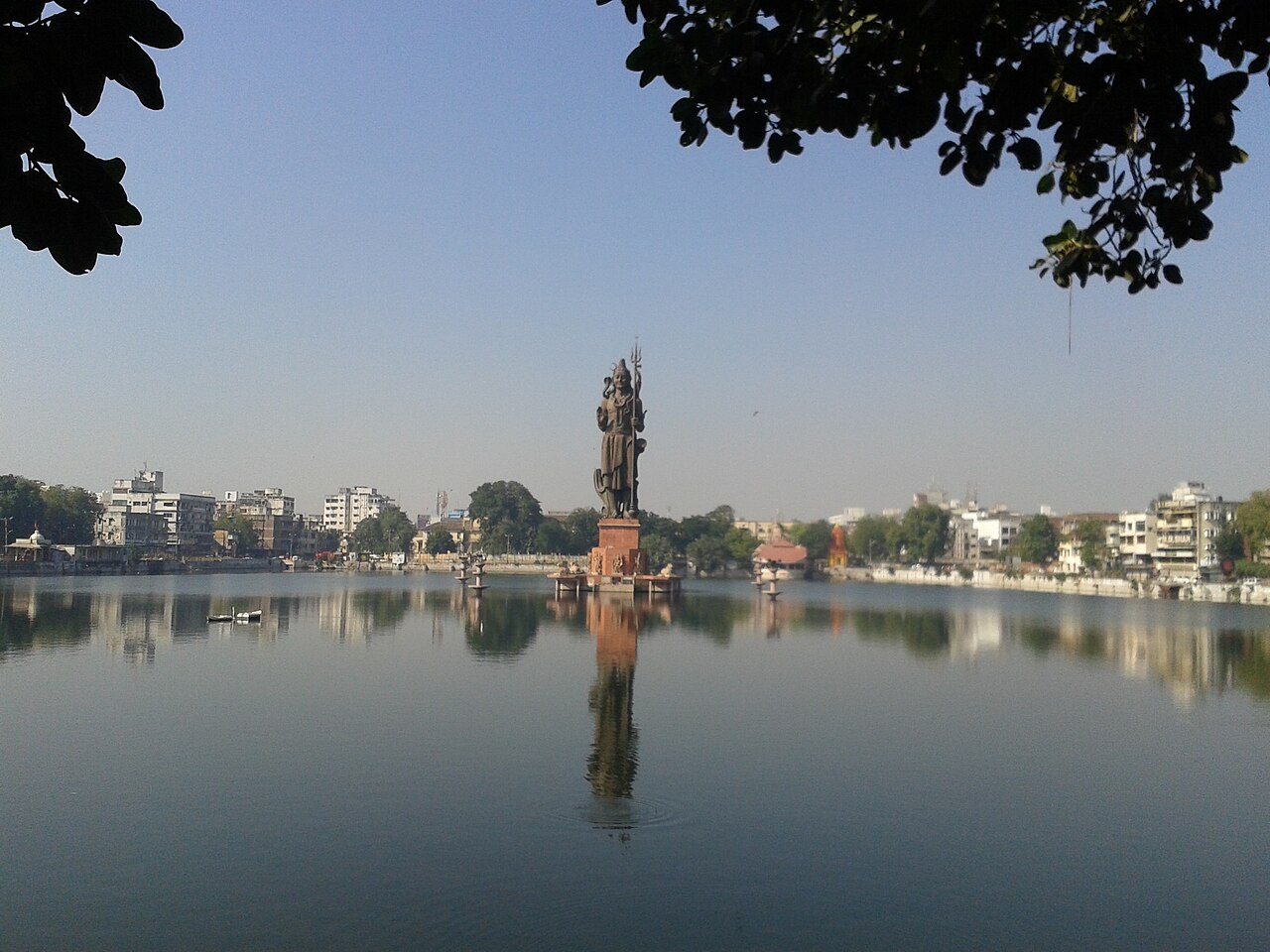
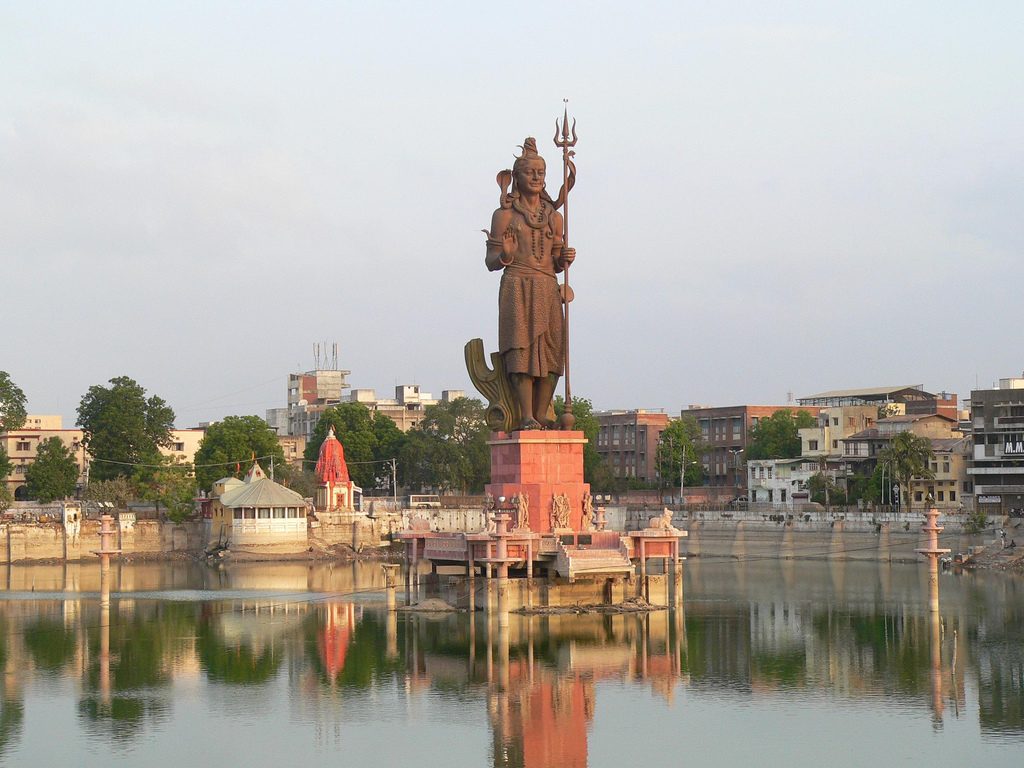
Sursagar is a stone-banked lake in the middle of Vadodara's old city, rebuilt in the 18th century. A tall statue of Shiva stands on a platform at its centre and is lit up at night, particularly during Mahashivratri. The promenade around the water is a favourite evening walk for locals. It lies close to the Nyay Mandir and the old city's markets.
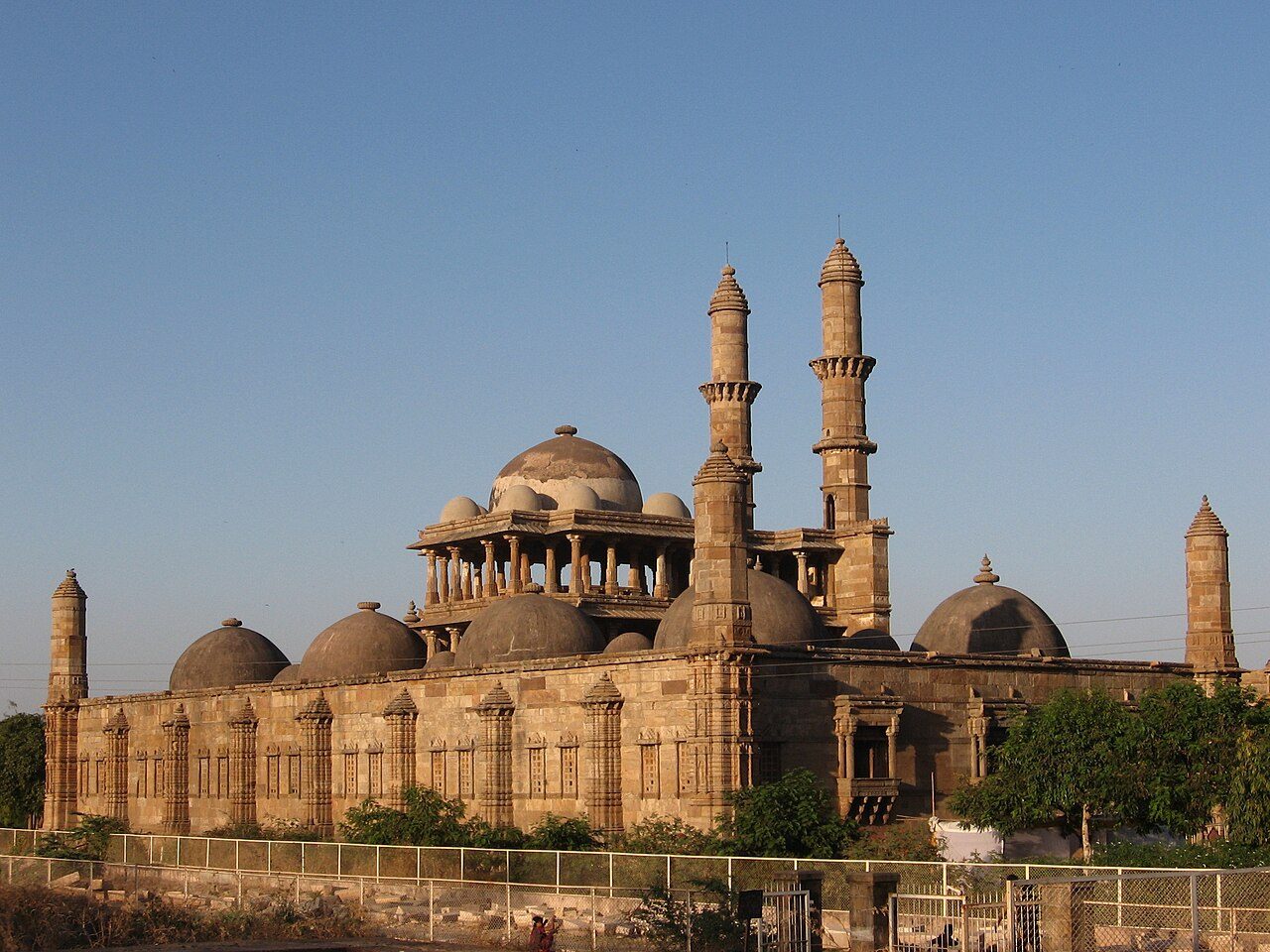
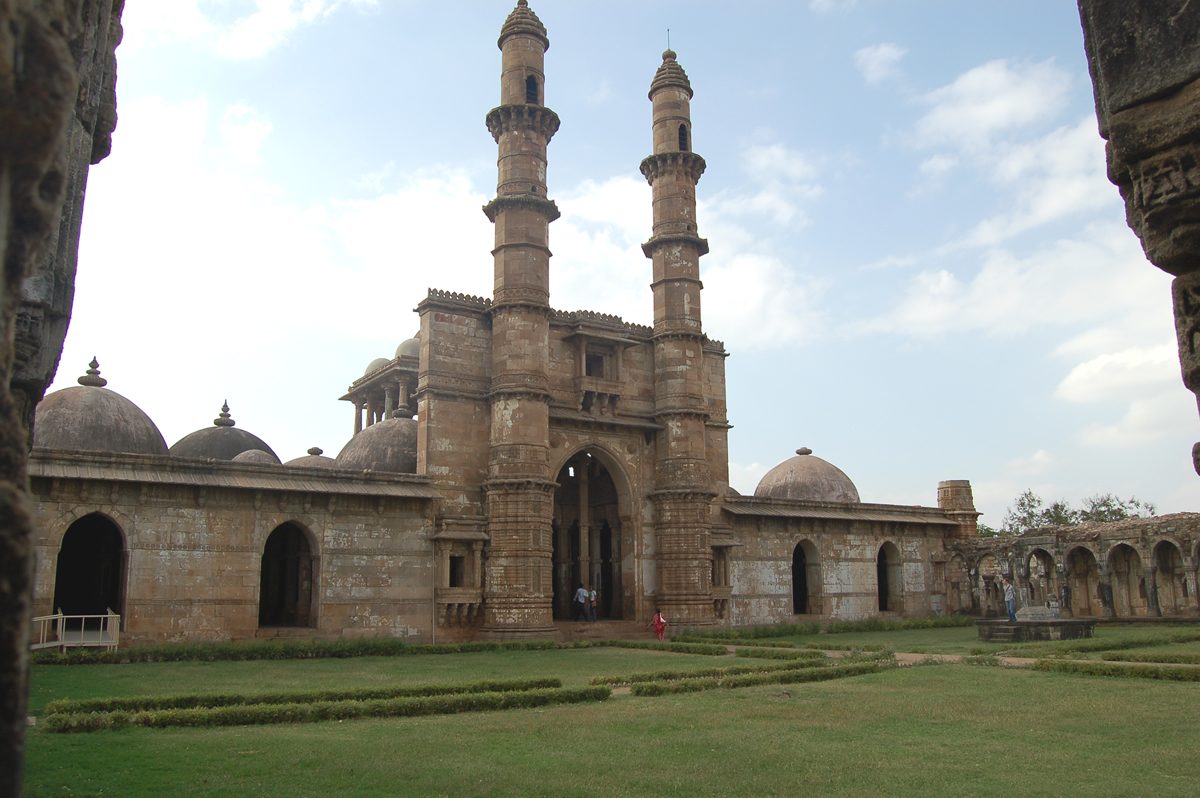
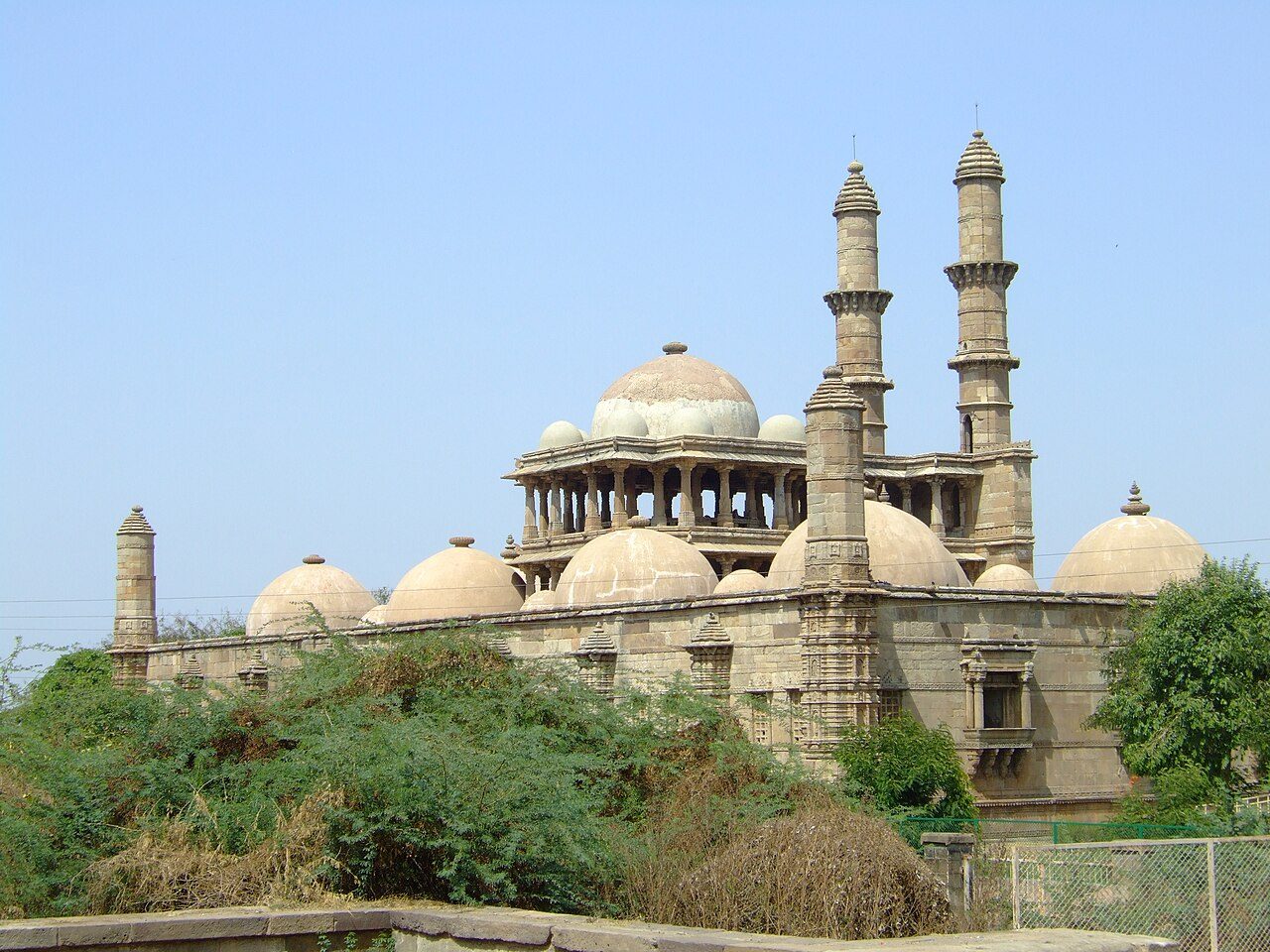
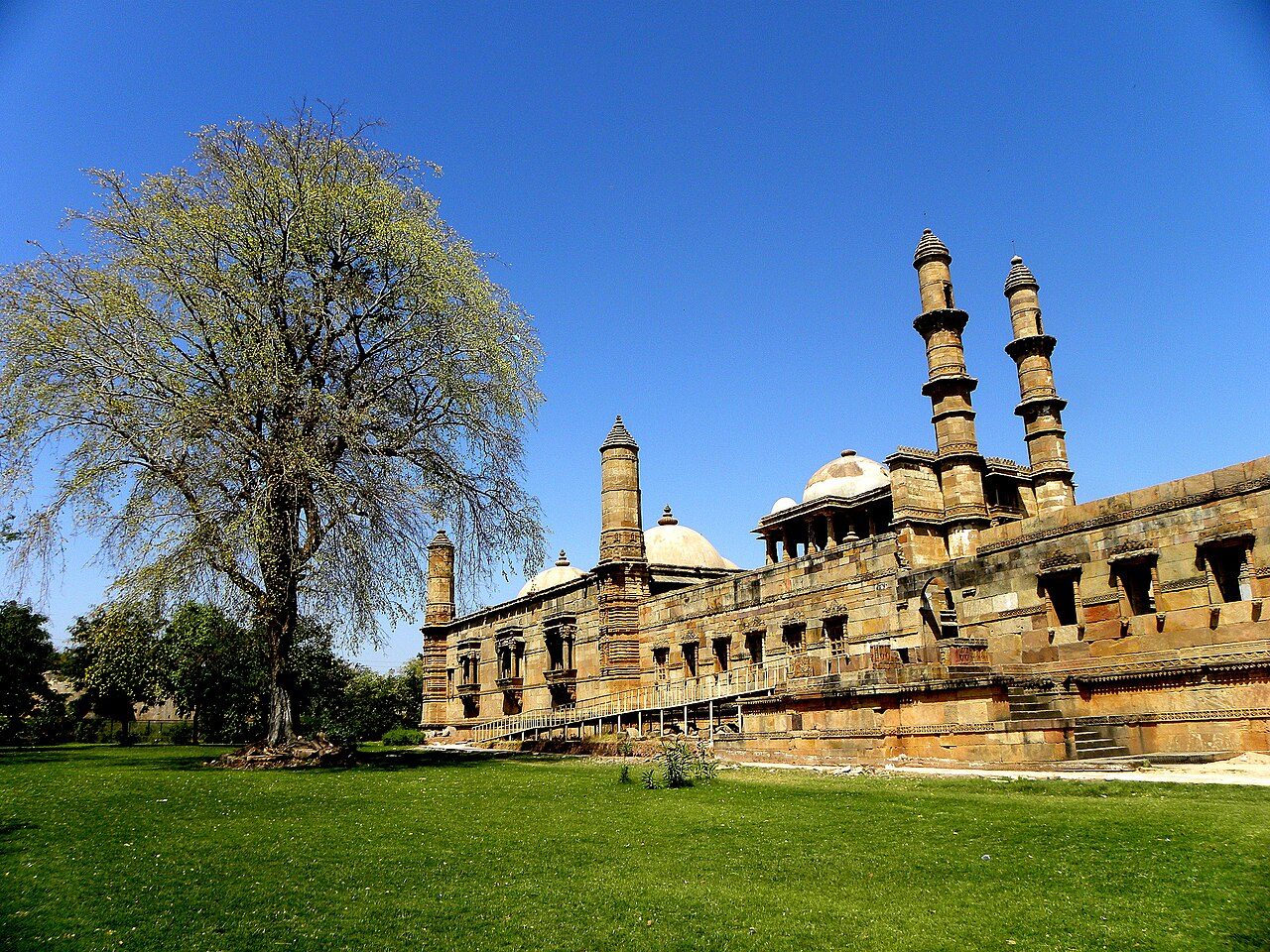
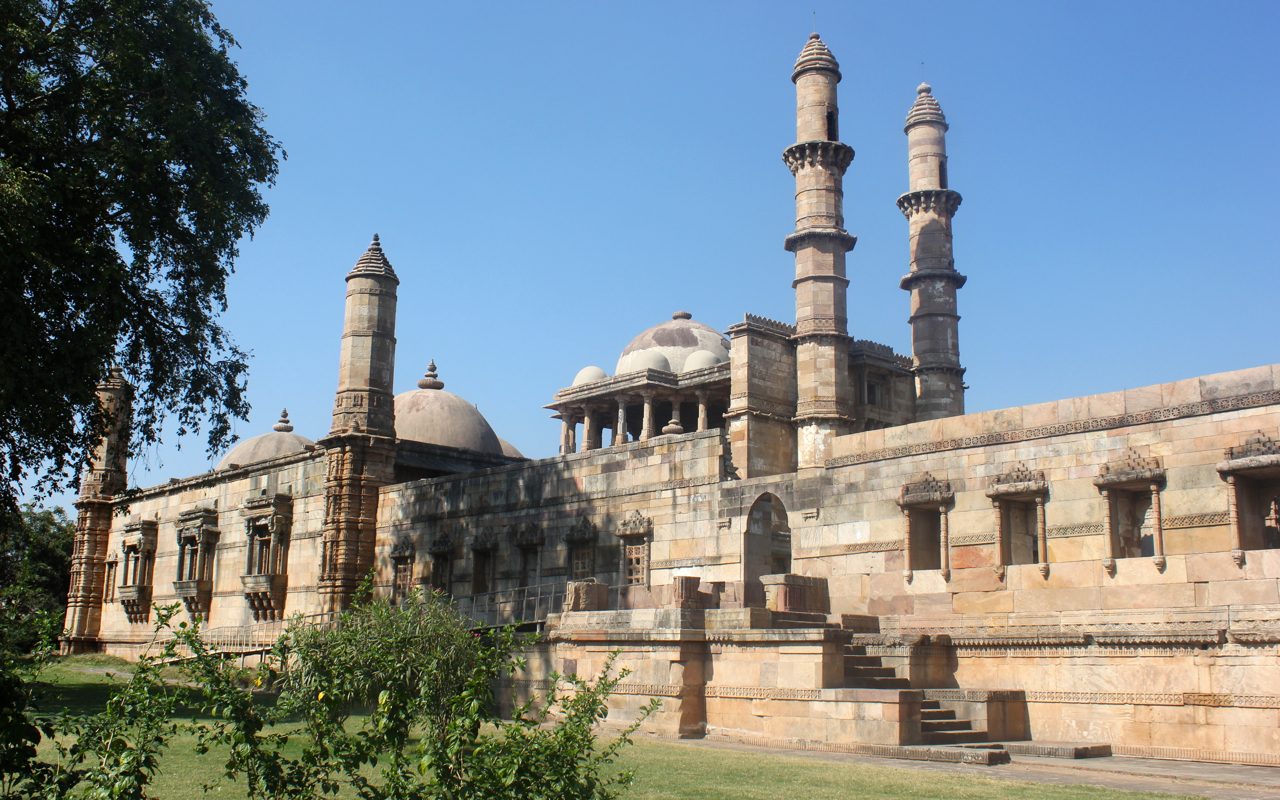
The Jami Masjid is the finest monument of the Champaner-Pavagadh Archaeological Park, a UNESCO World Heritage Site. It was built in the late 15th and early 16th century under Sultan Mahmud Begada, when Champaner was the capital of Gujarat. Two tall minarets flank the entrance, and the prayer hall has carved pillars, stone jali screens and a striking central dome, blending Hindu and Islamic craftsmanship.
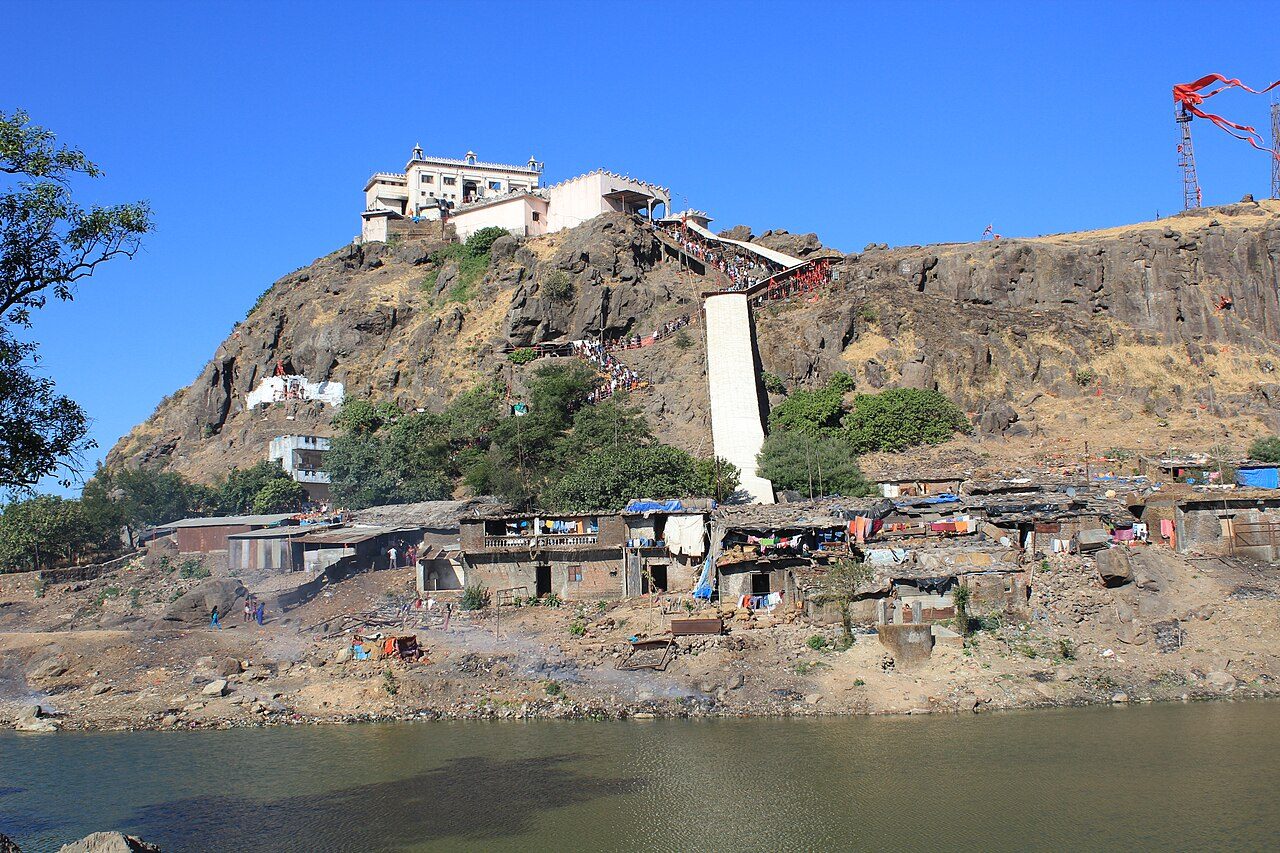
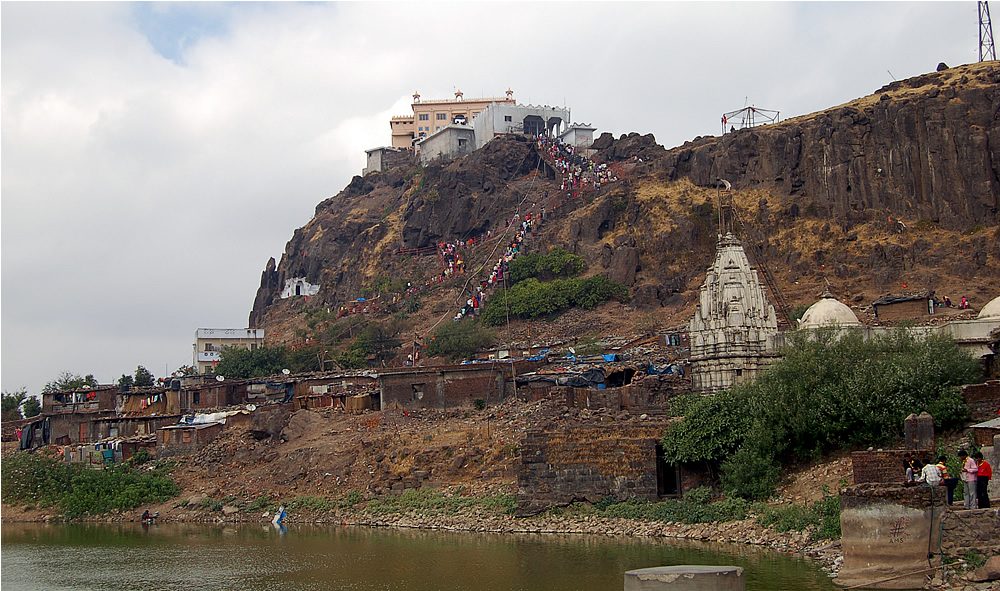
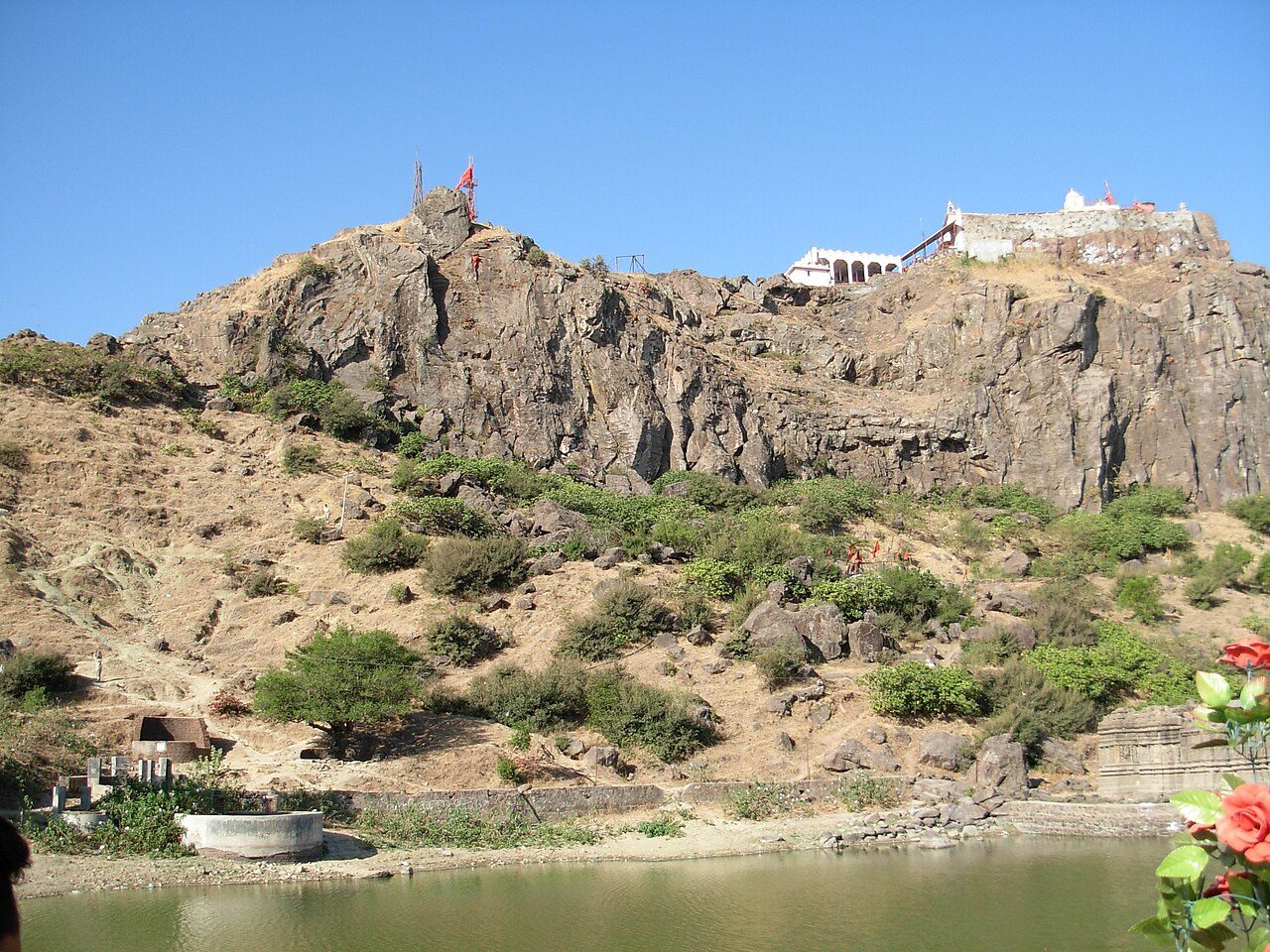
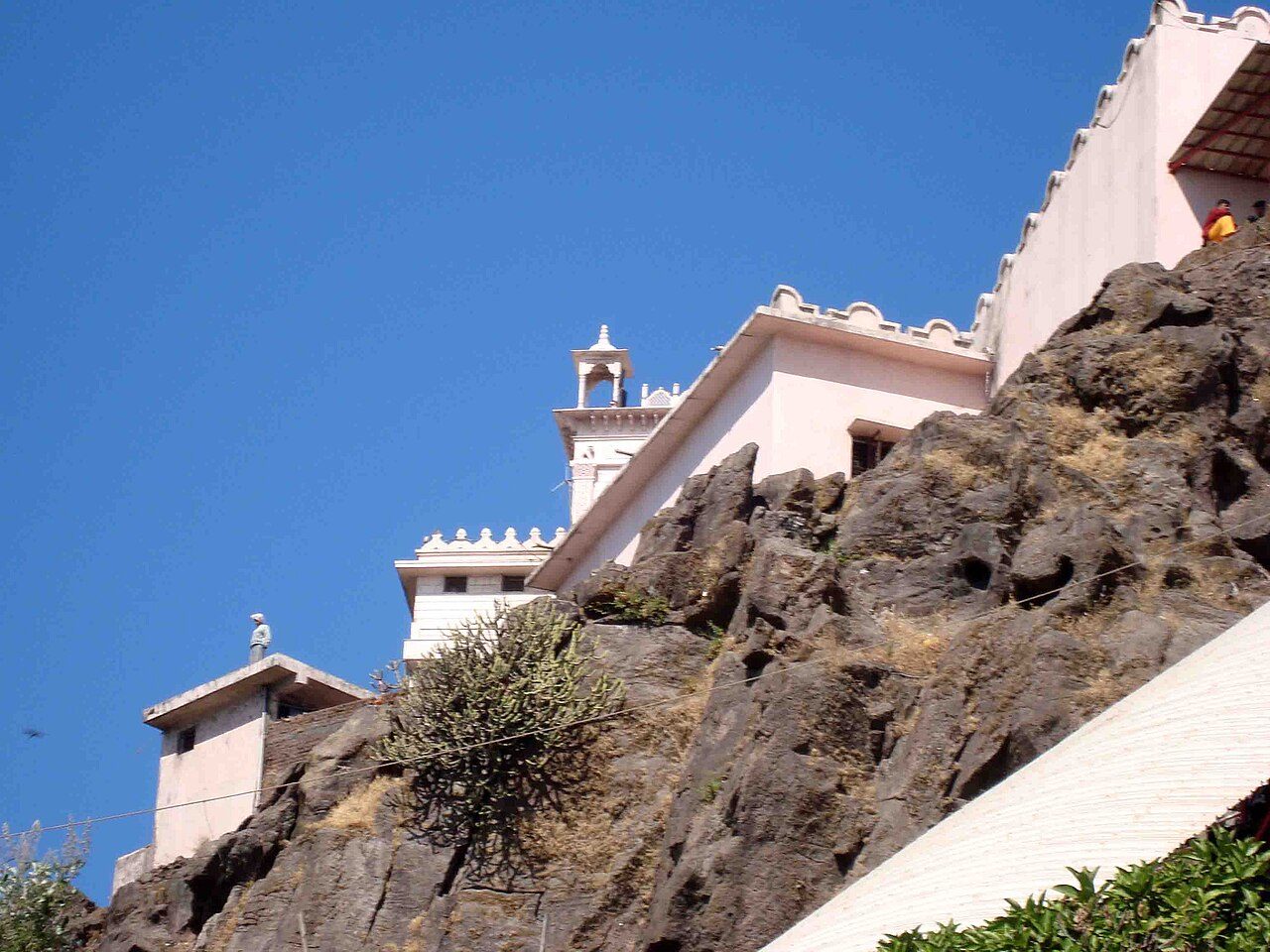
The Kalika Mata temple crowns Pavagadh hill, rising about 800 metres above the plains near Champaner. It is a revered Shakti Peetha and one of the oldest shrines in the area, part of the Champaner-Pavagadh World Heritage Site. Pilgrims reach the summit by a ropeway followed by a climb of steps, or by the old footpath past fort gates and Jain temples. It is most crowded during Navratri.
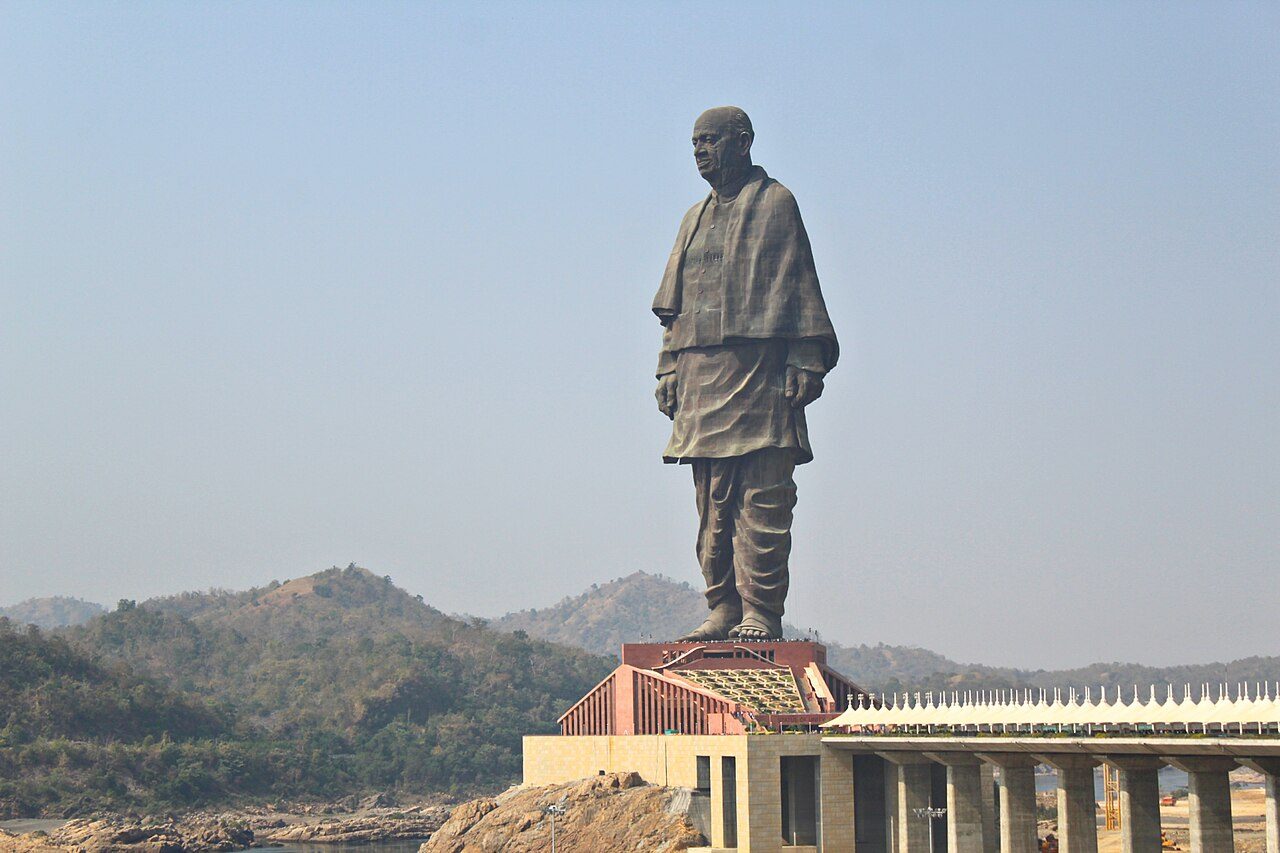
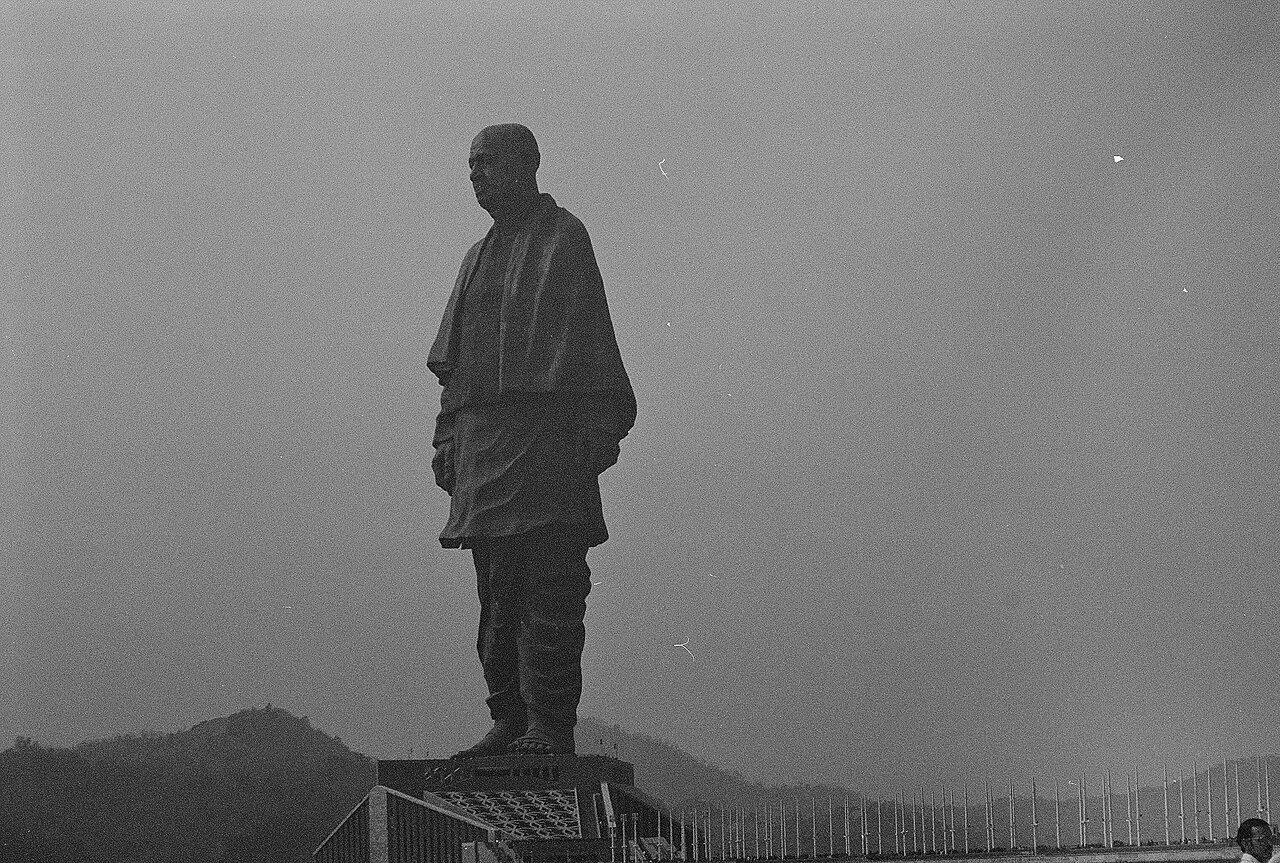
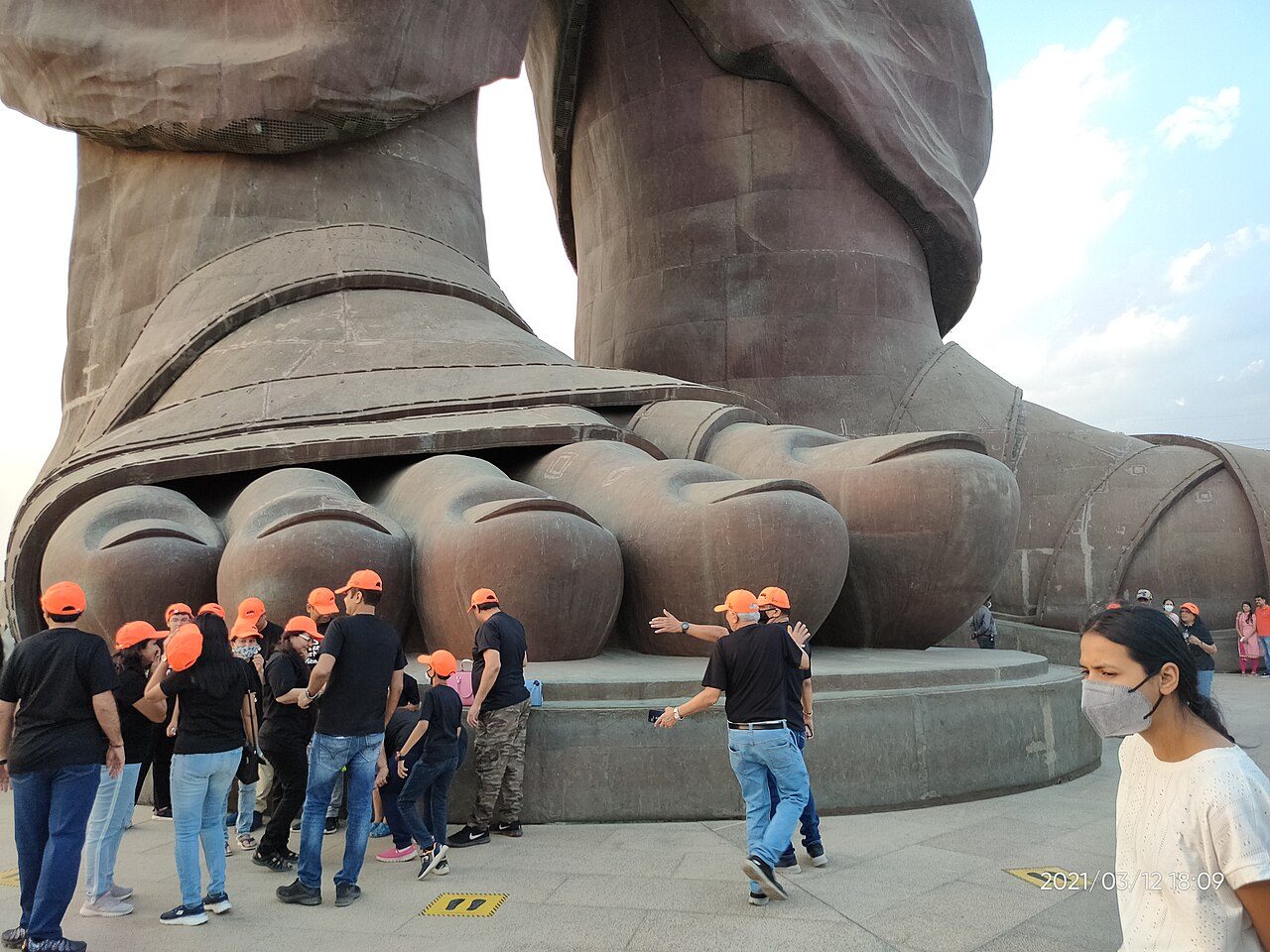
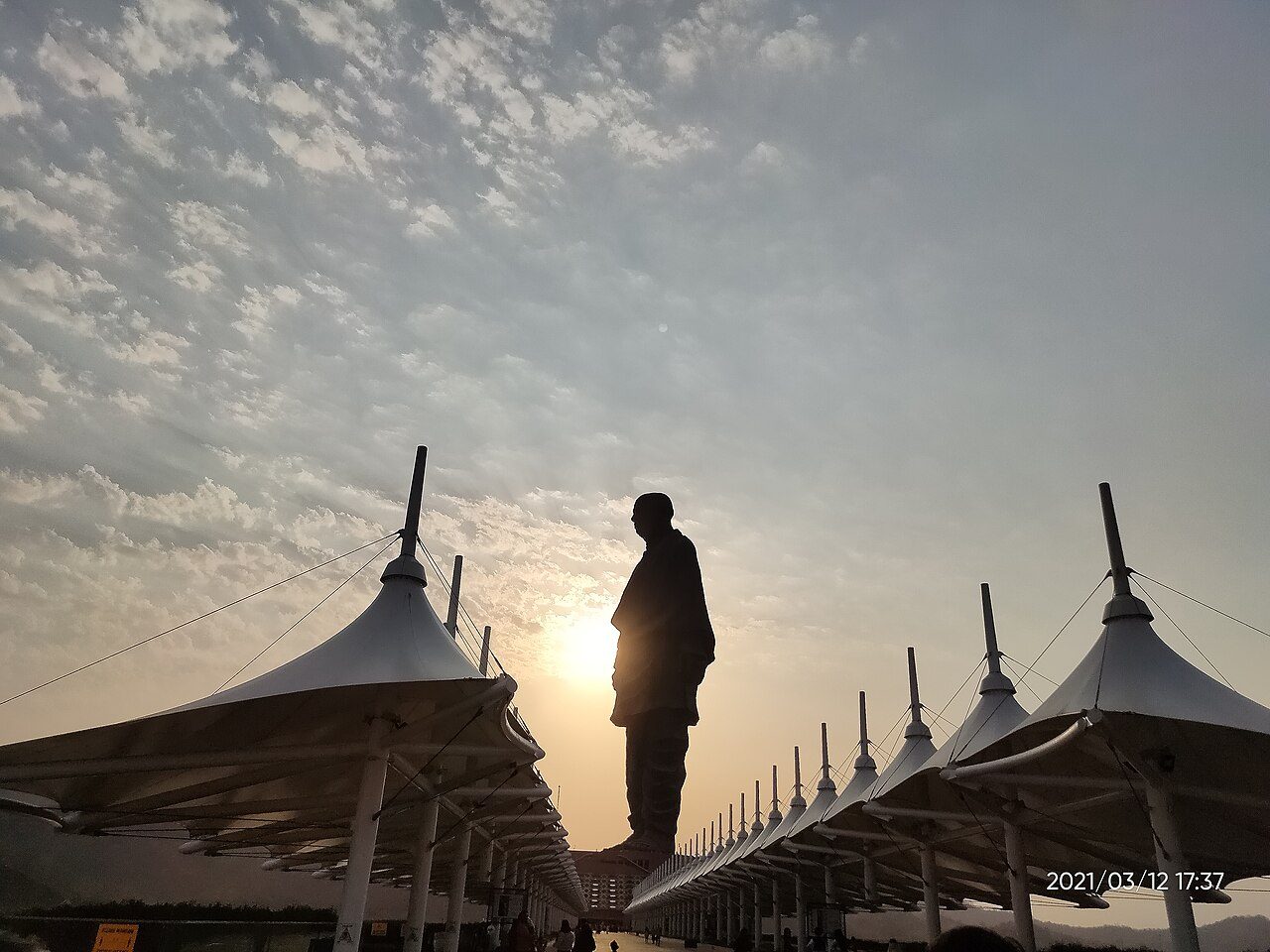
The Statue of Unity is a 182-metre statue of Sardar Vallabhbhai Patel, India's first deputy prime minister, and is the tallest statue in the world. Opened in 2018, it stands on an islet in the Narmada facing the Sardar Sarovar Dam. A viewing gallery inside the chest looks out over the river and the Satpura and Vindhya hills. A museum, a laser show in the evening and nearby gardens fill out a full day's visit.
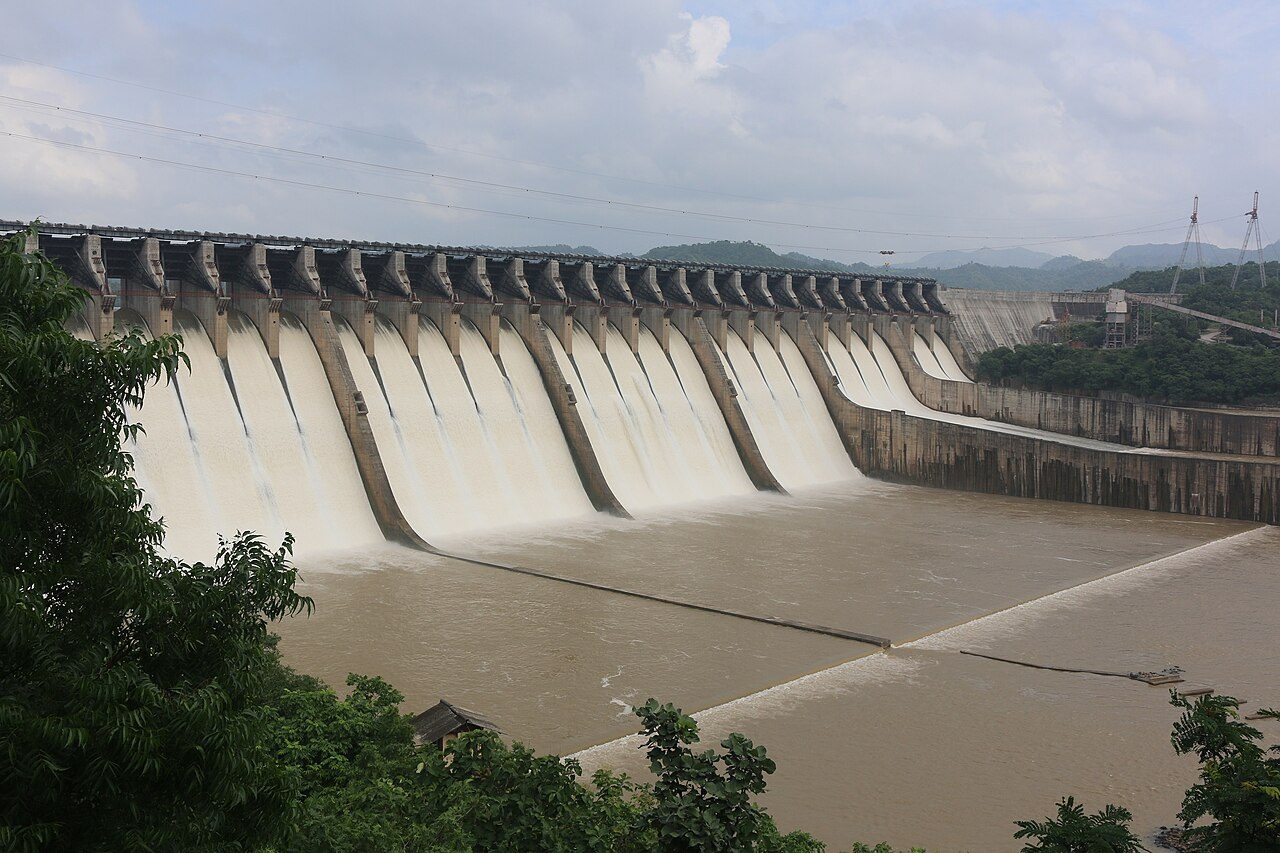
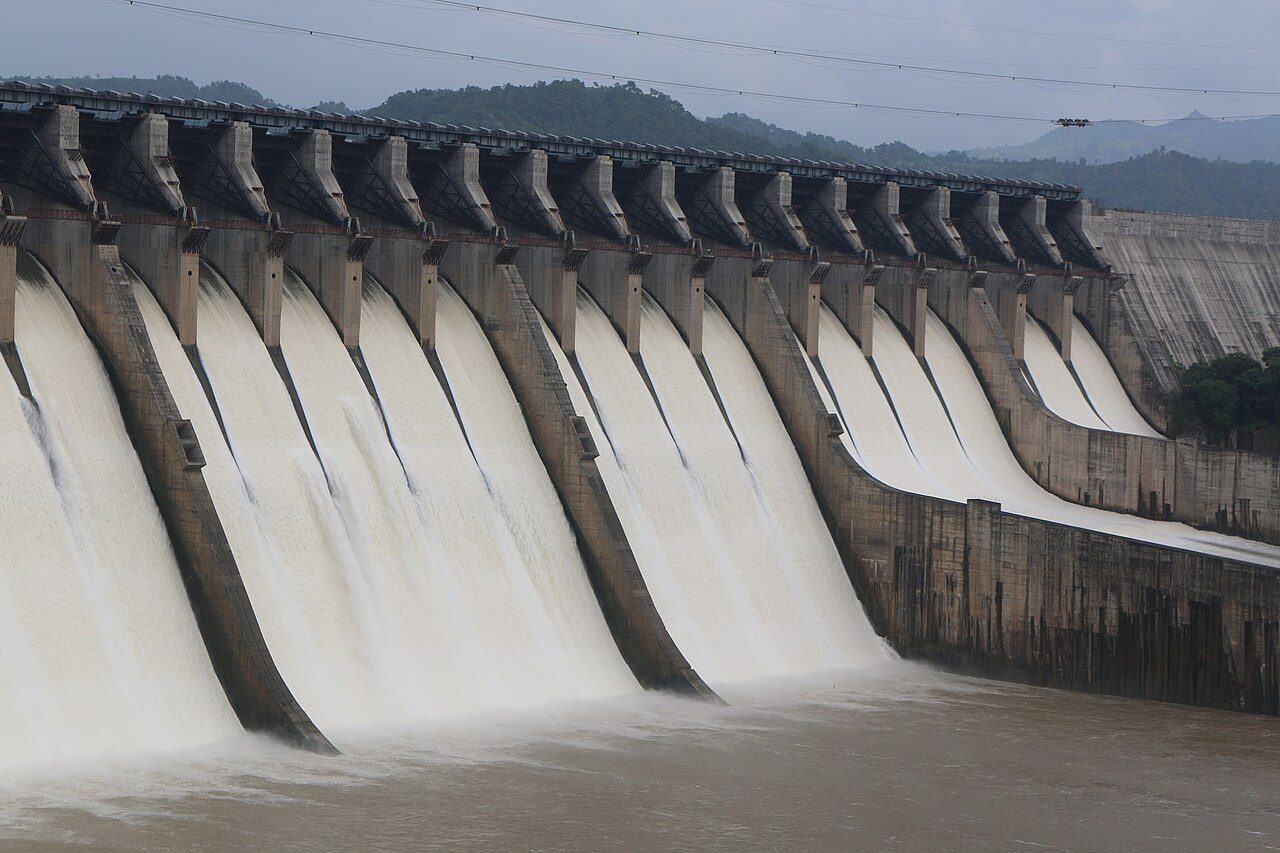
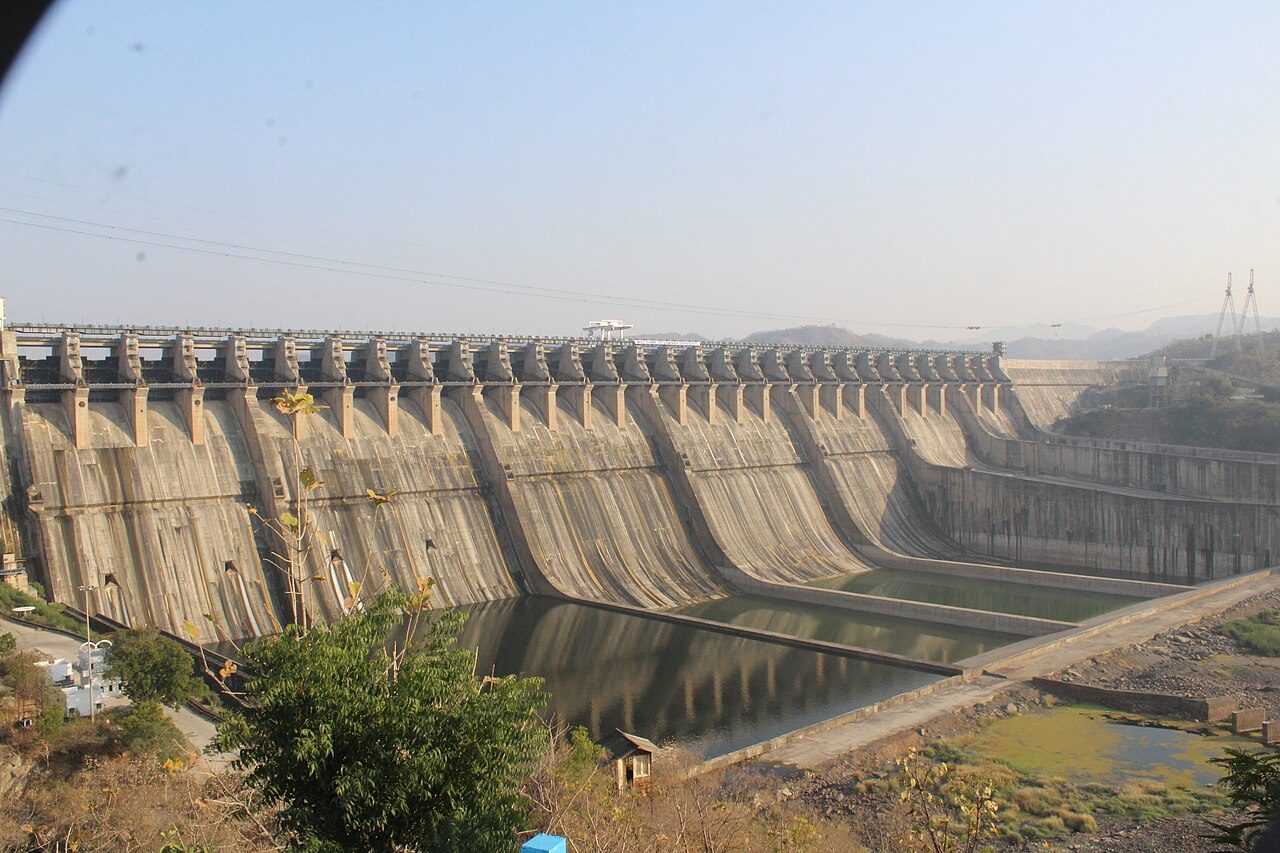
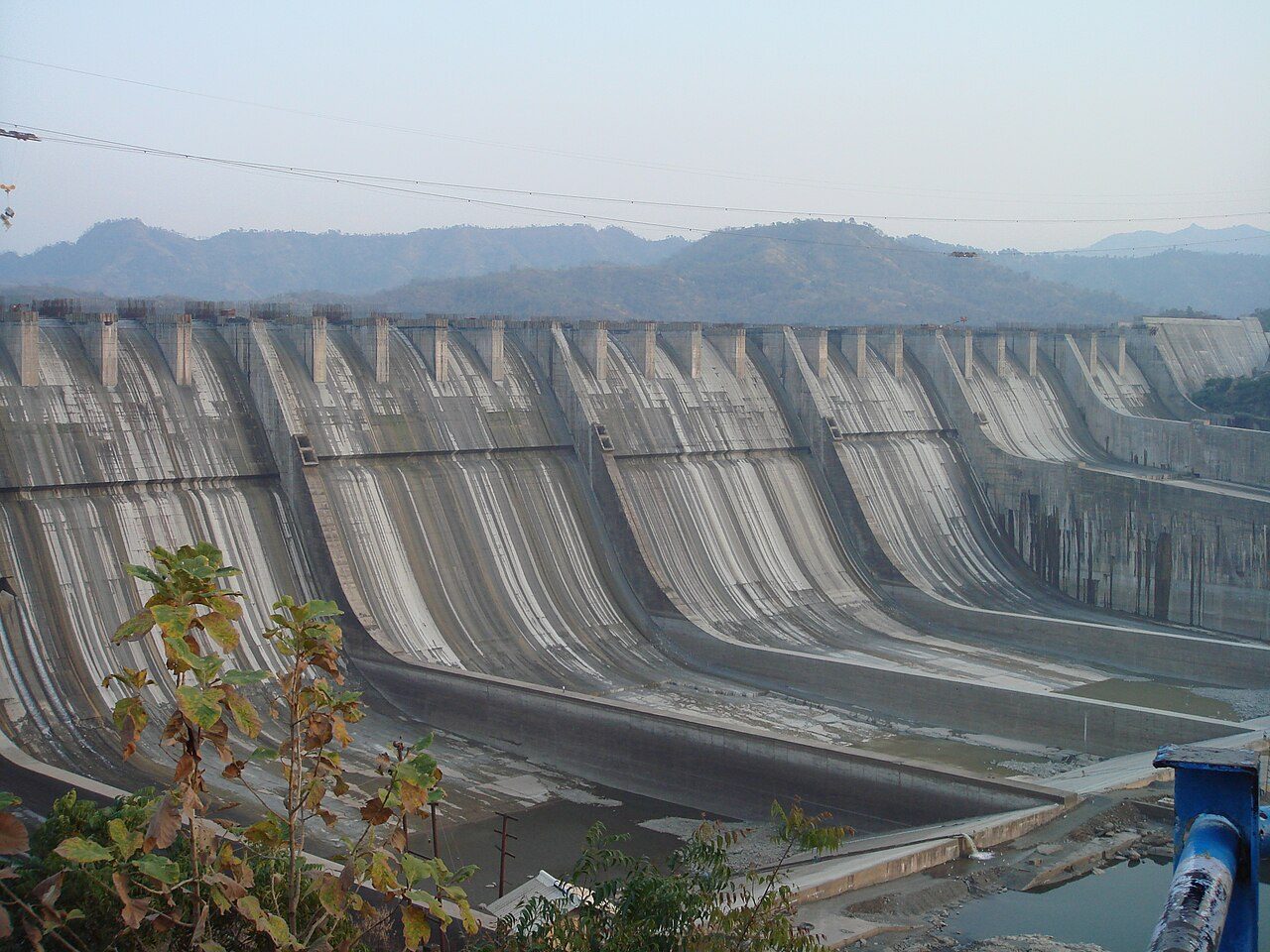
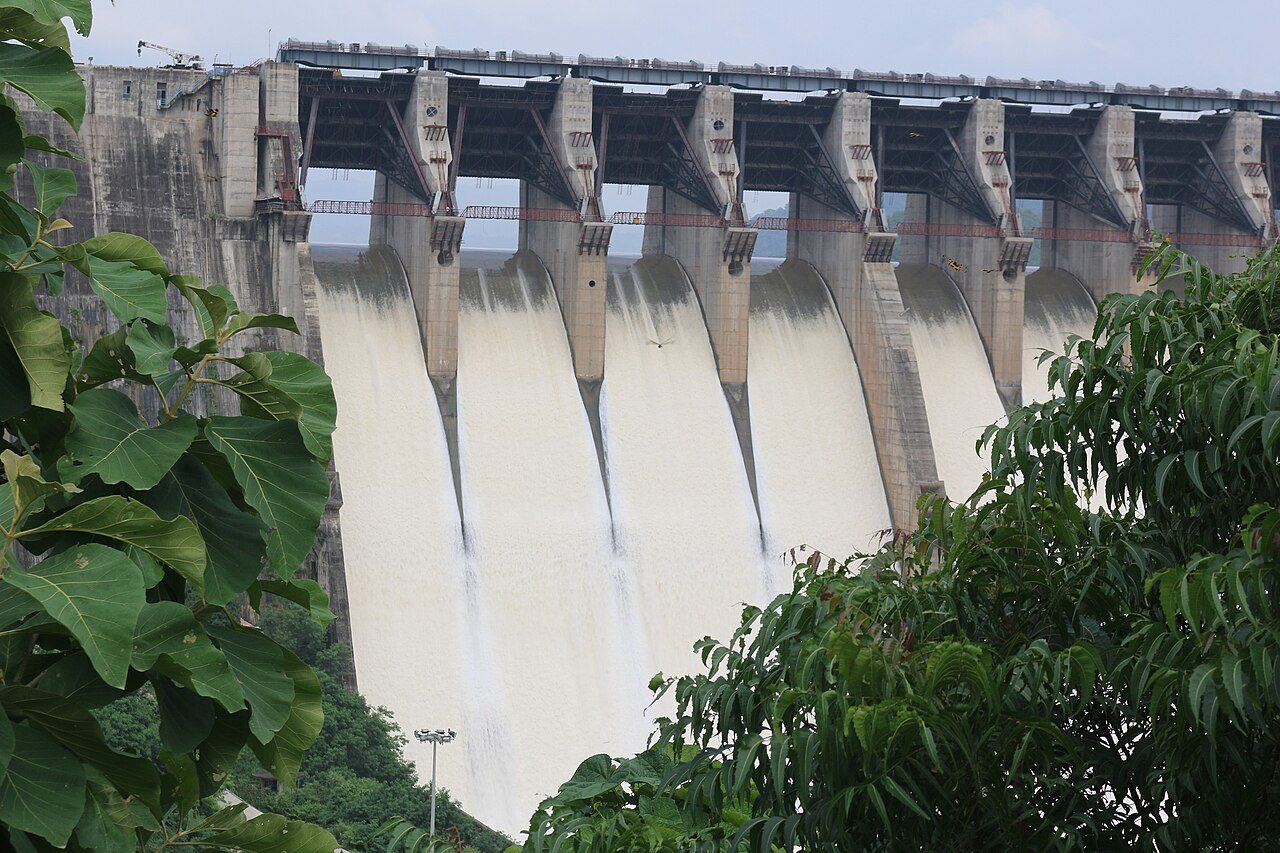
The Sardar Sarovar Dam on the Narmada is one of India's largest concrete gravity dams, supplying water and power to Gujarat and neighbouring states. Its foundation stone was laid in 1961 and the dam reached its full height in 2017. Viewpoints near Kevadia look out over the spillway and reservoir, which are most dramatic when the gates overflow in the monsoon. It is usually combined with a visit to the Statue of Unity.
 WaTrips