Udaipur's City Palace and Lake Pichola, Fateh Sagar and the Monsoon Palace, Eklingji and Nagda, Nathdwara and Rajsamand, then Chittorgarh Fort.
Udaipur is the most romantic of Rajasthan's cities, built around lakes and ringed by hills. Day one covers the City Palace, Jagdish temple, a boat on Lake Pichola to Jag Mandir, and the evening folk dance show at Bagore Ki Haveli. Day two visits the garden of Saheliyon Ki Bari, Fateh Sagar lake, the royal cenotaphs at Ahar and the sunset from the Monsoon Palace on its hilltop. On day three go north to Eklingji and the carved Sahasra Bahu temples at Nagda, then the giant Shiva statue at Nathdwara and Rajsamand Lake. The last day is at Chittorgarh, one of the largest forts in India, with its victory towers and Padmini's palace, a place full of Mewar's stories.
01
STOP 1 OF 17
City Palace Udaipur
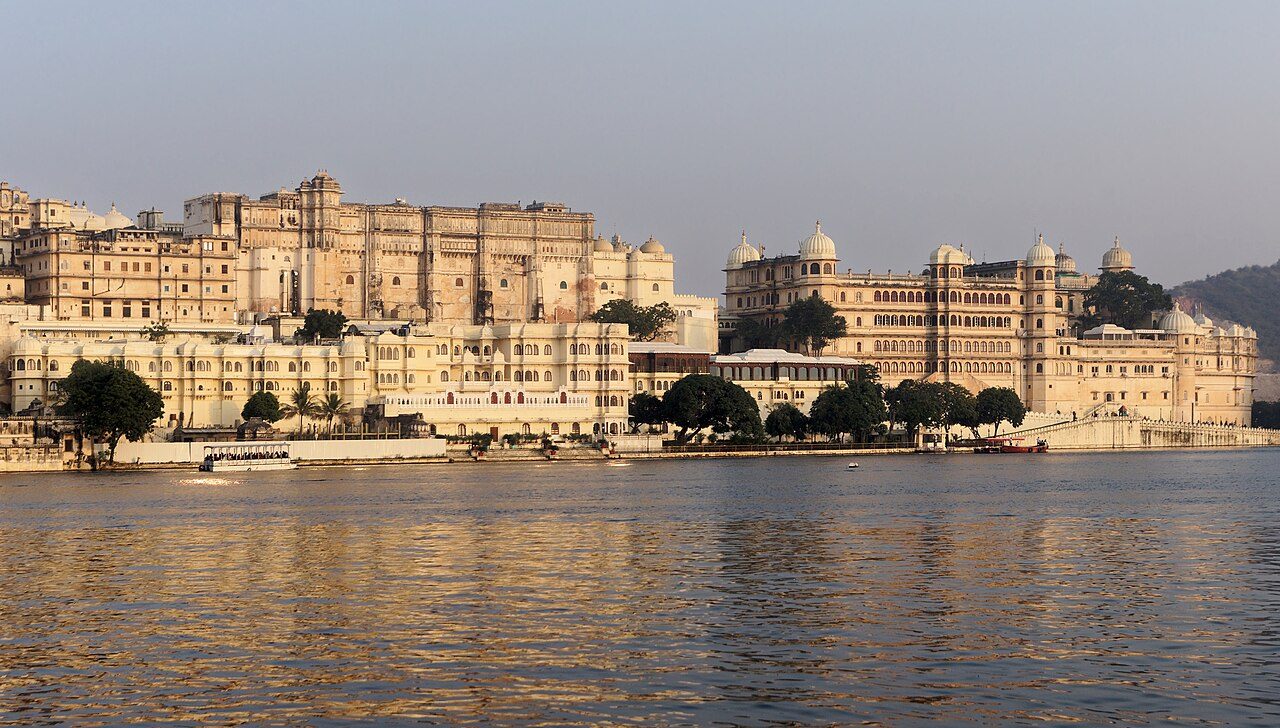
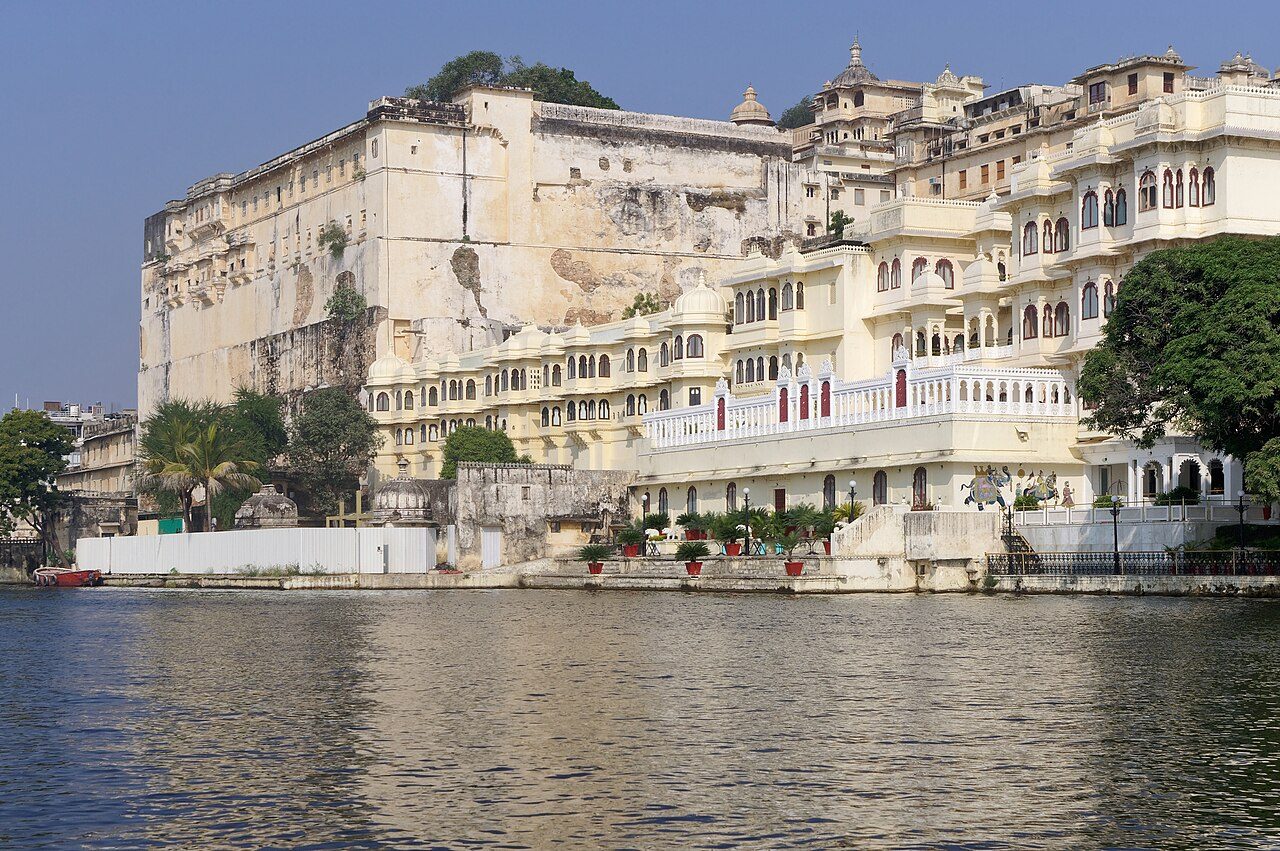
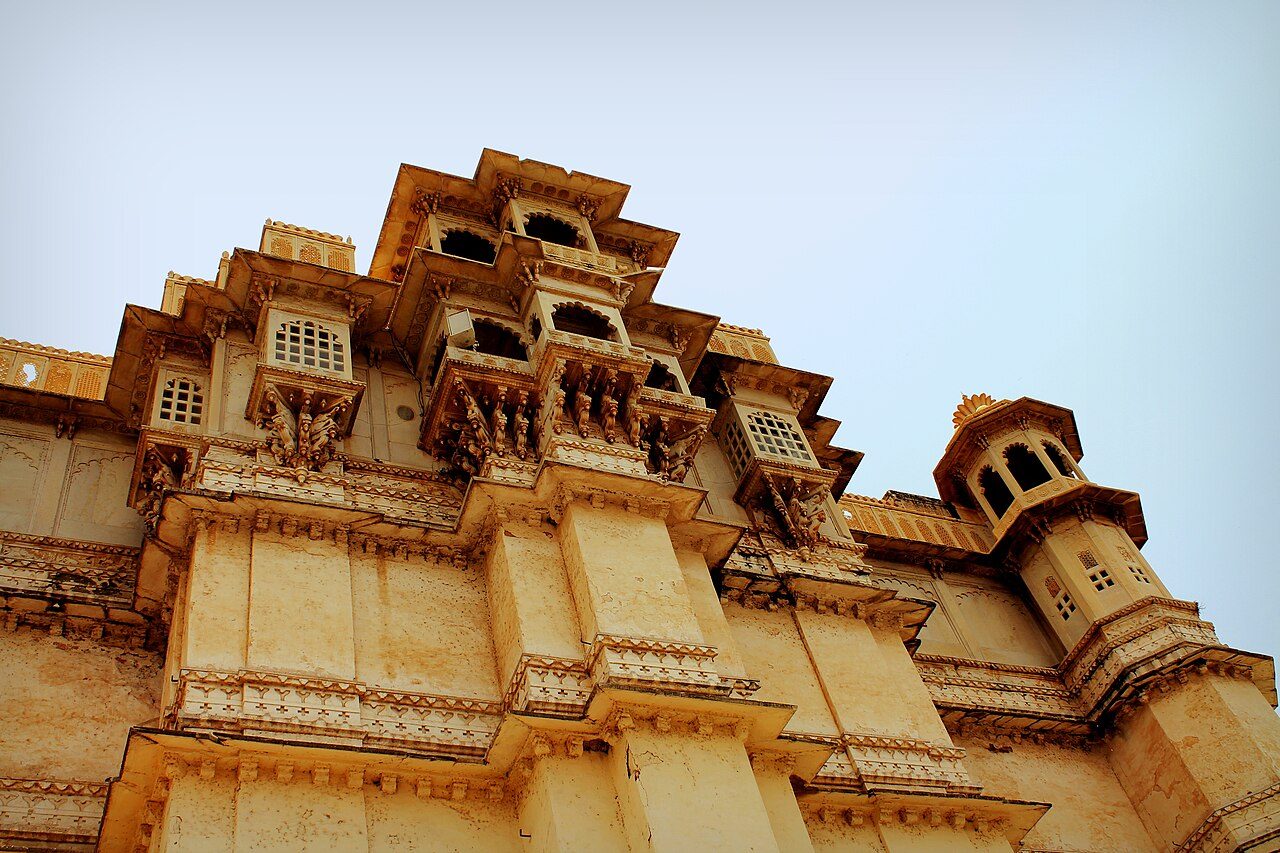
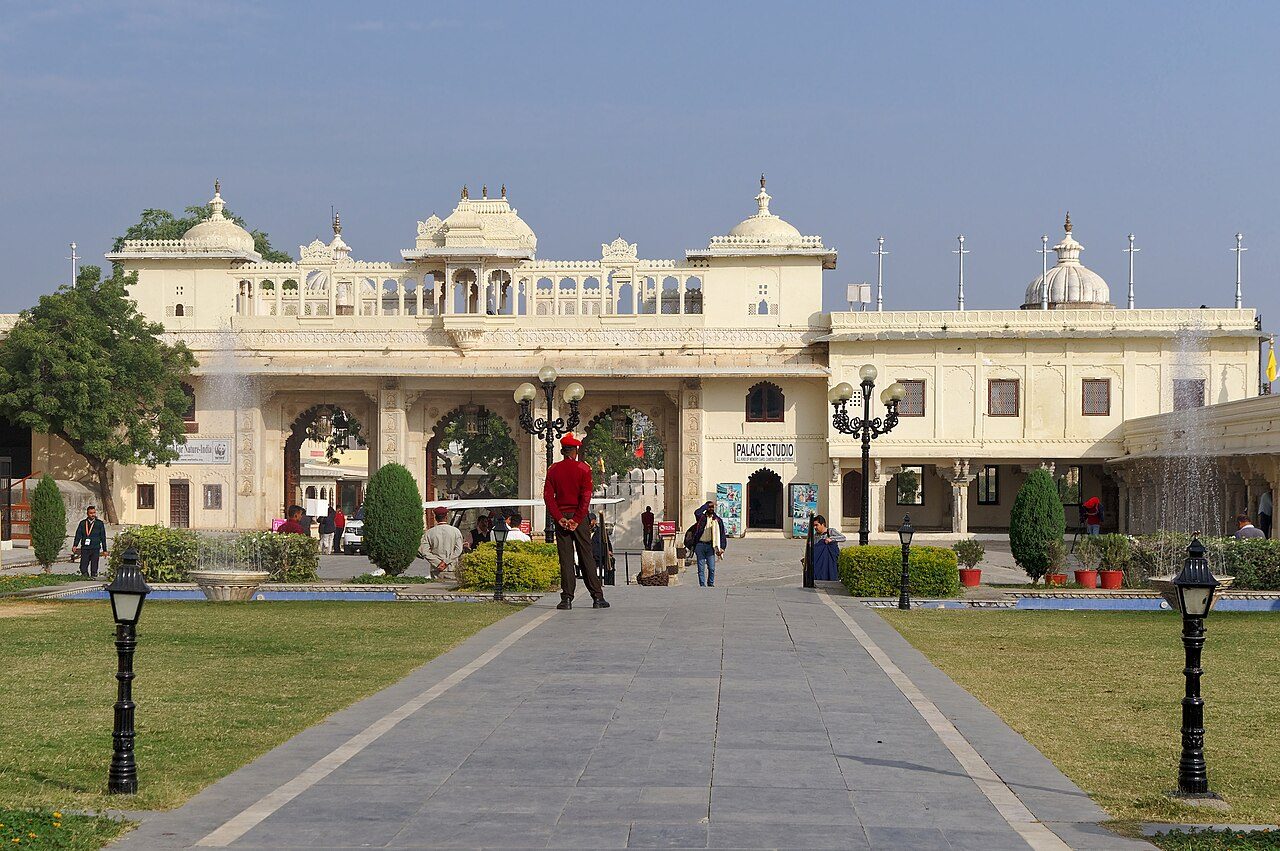
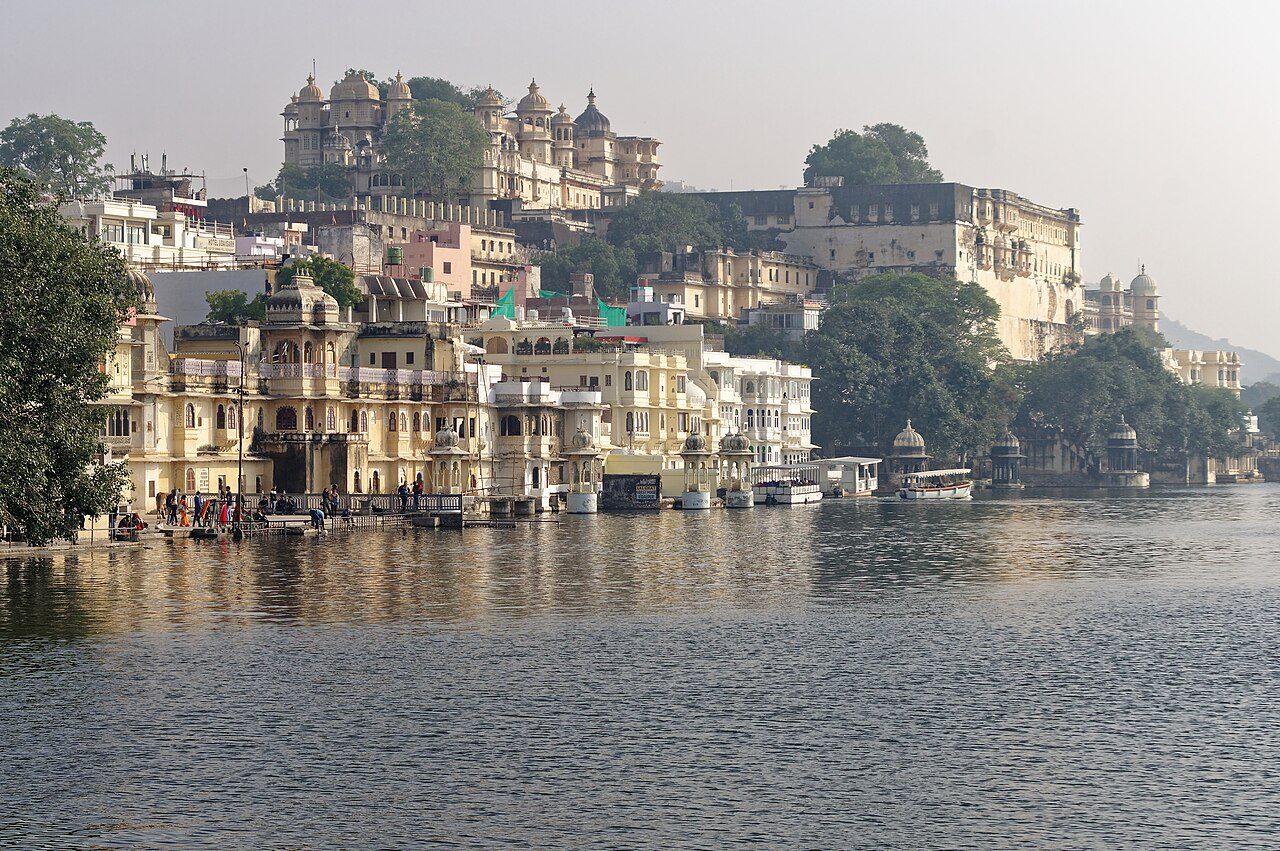
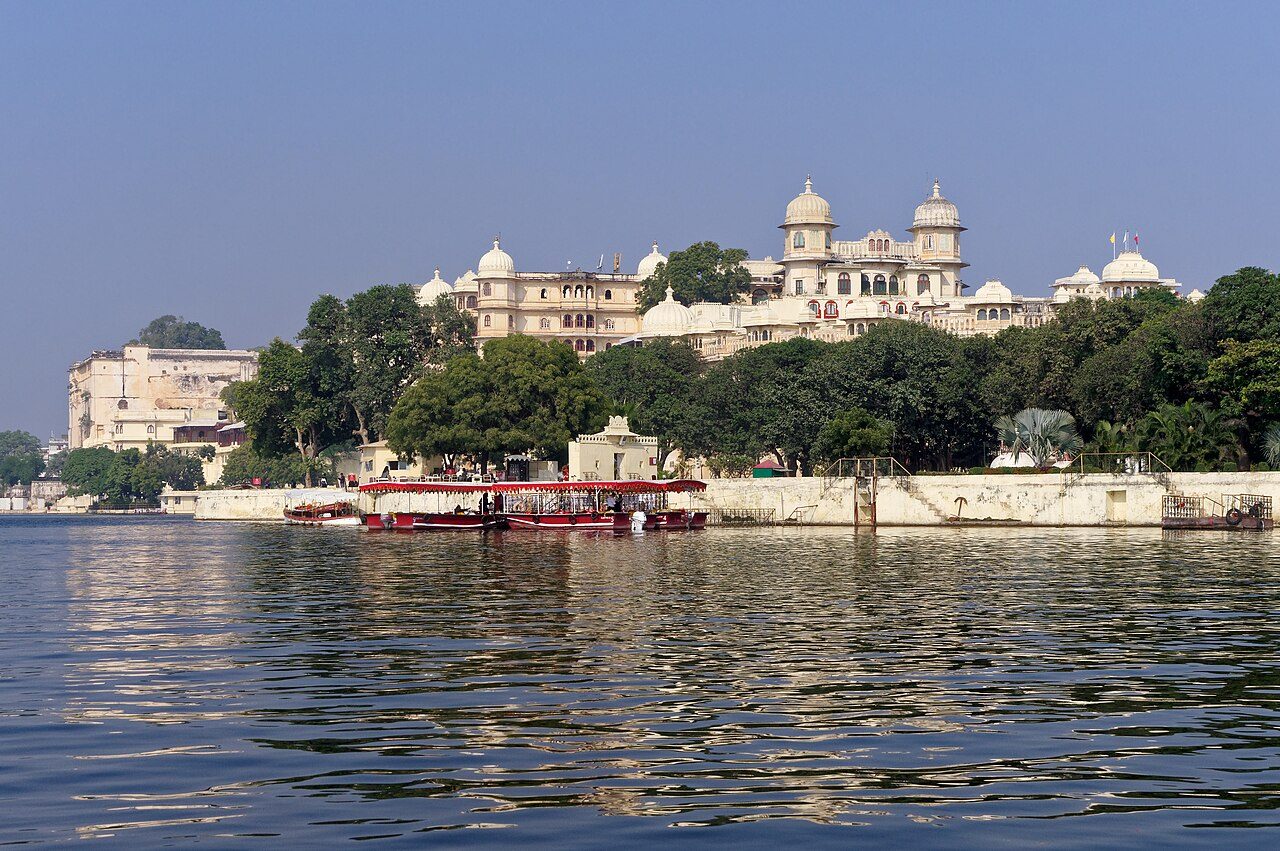
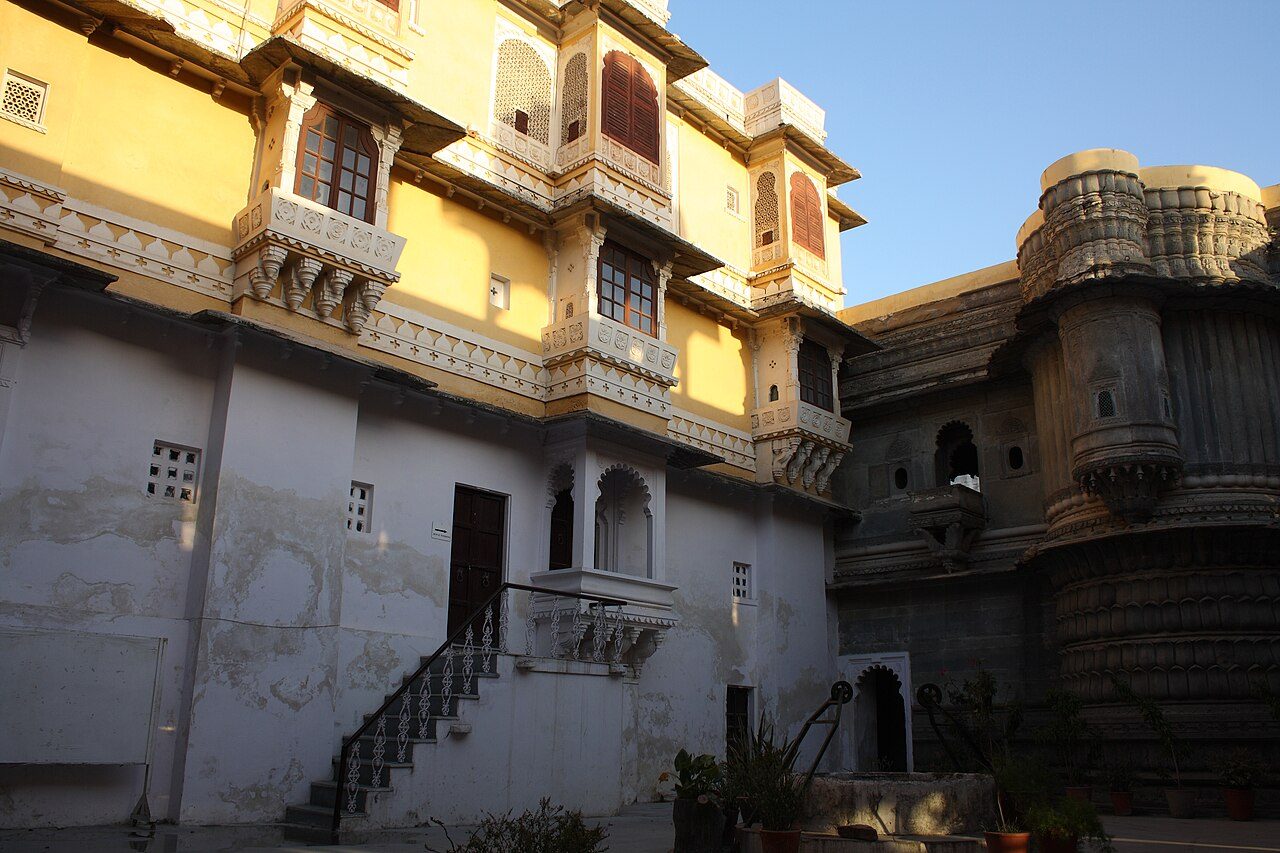
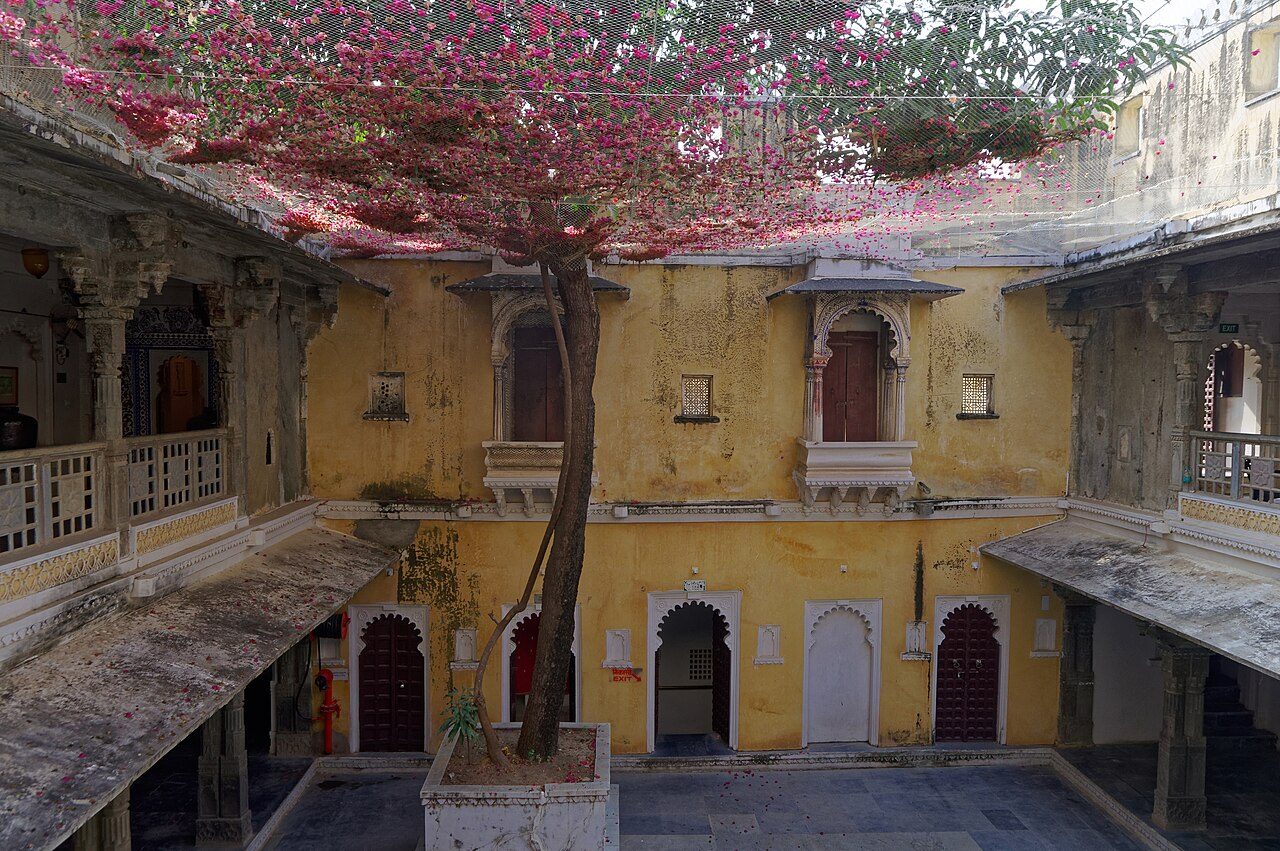
The City Palace of Udaipur rises along the eastern shore of Lake Pichola and is the largest palace complex in Rajasthan. It was begun in 1559 by Maharana Udai Singh II, founder of the city, and extended by his successors over four centuries. Balconies, towers and courtyards hold the Mor Chowk with its glass peacocks, the mirrored Sheesh Mahal and a museum of Mewar's history. Part remains a royal residence.
02
STOP 2 OF 17
Jagdish Temple
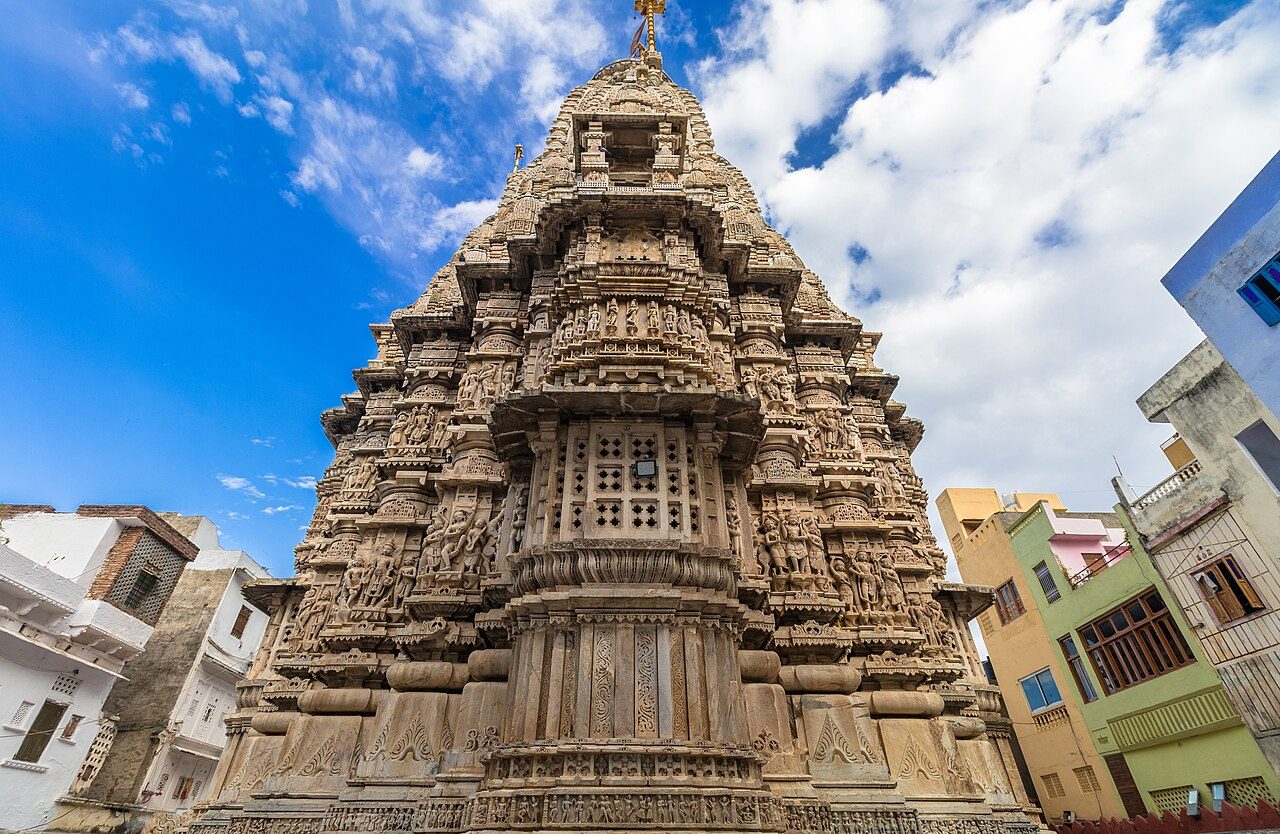
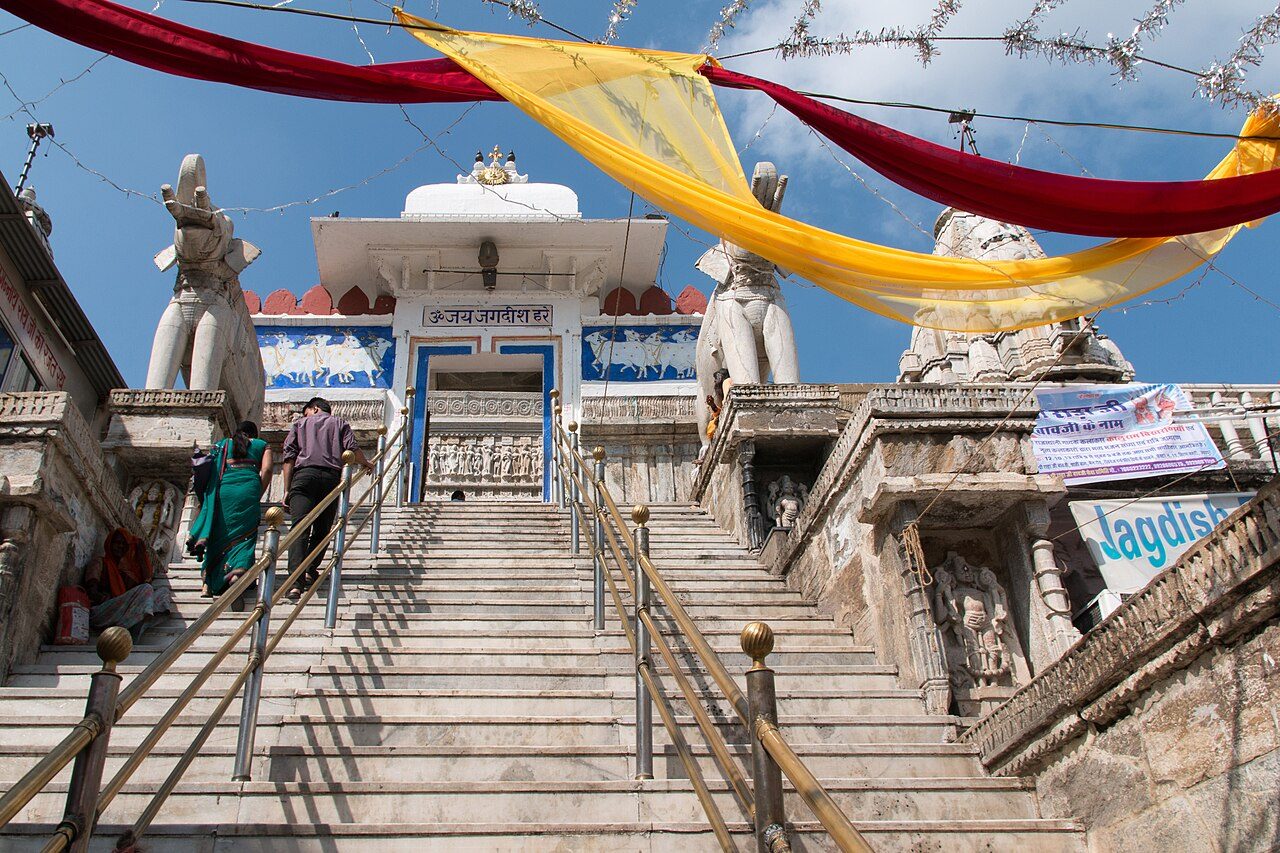
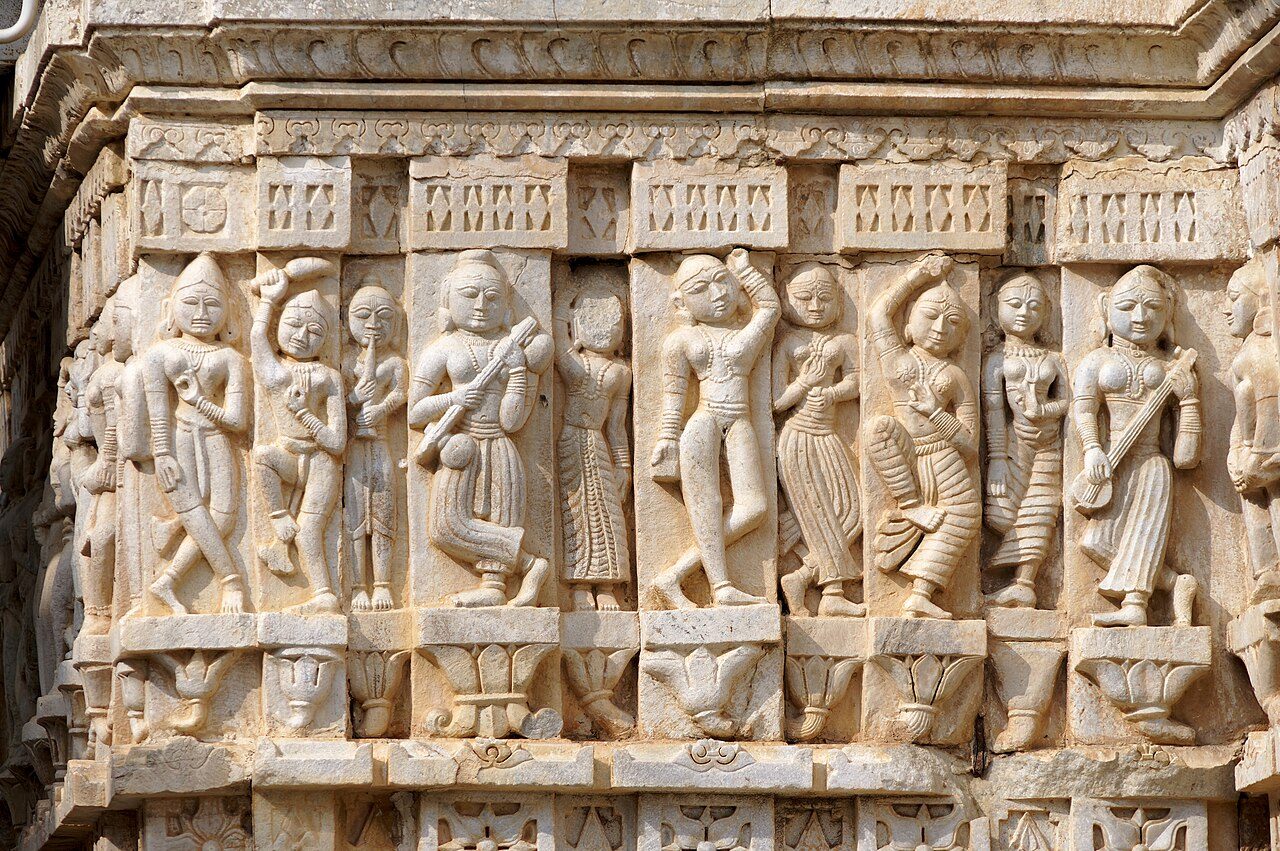
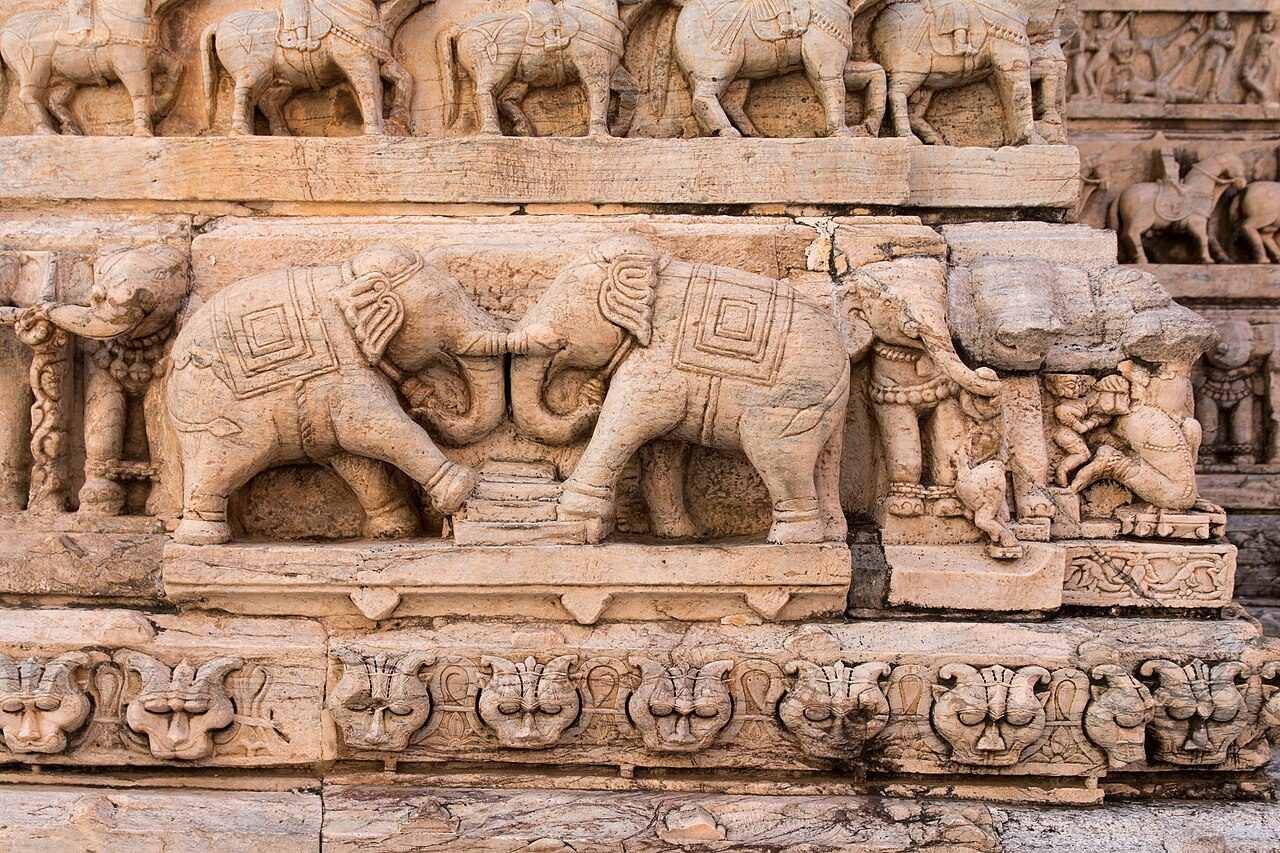
The Jagdish temple, just outside the City Palace gate in Udaipur, was built by Maharana Jagat Singh I and completed in 1651. A steep flight of steps flanked by stone elephants leads to the three-storey temple, dedicated to Vishnu as Lord of the Universe. Its spire and walls are carved with dancers, musicians, elephants and horsemen, and a brass Garuda faces the shrine. Aarti is held several times a day.
03
STOP 3 OF 17
Lake Pichola
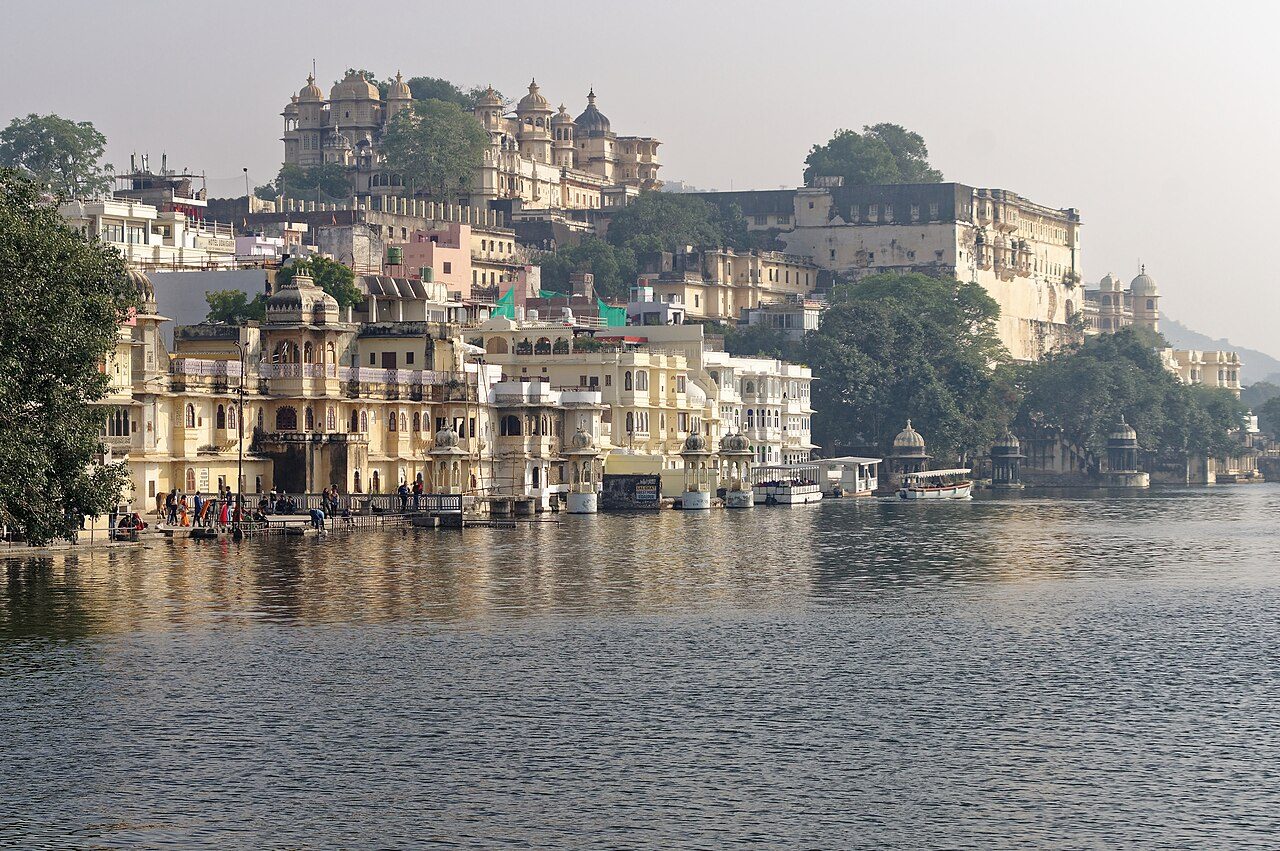
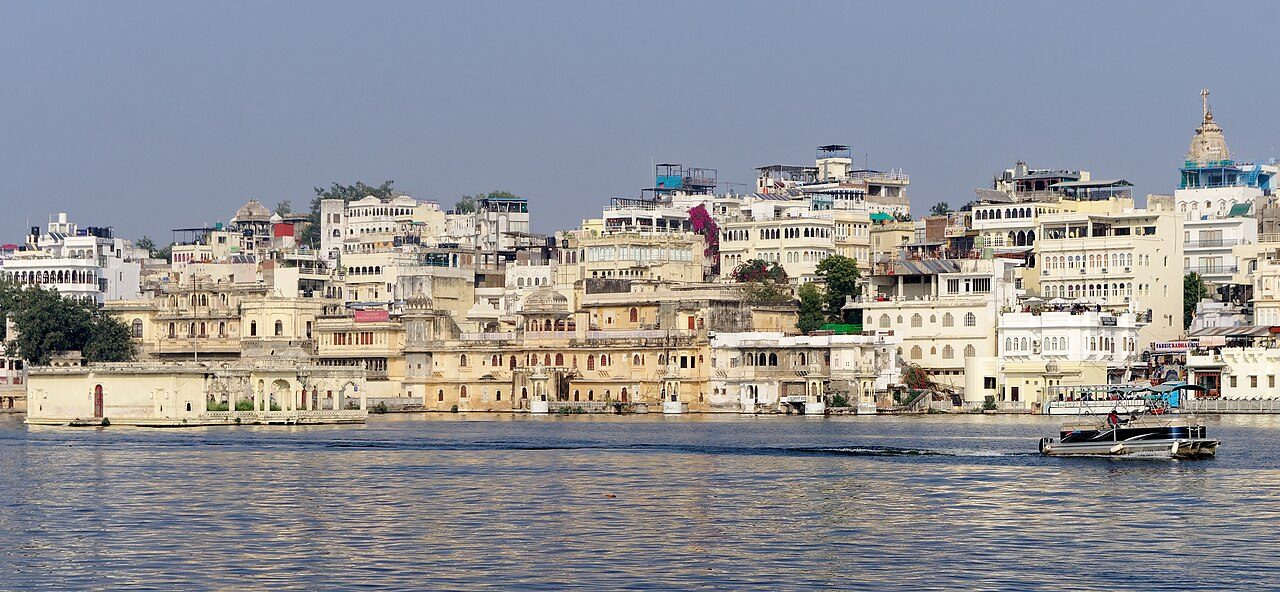
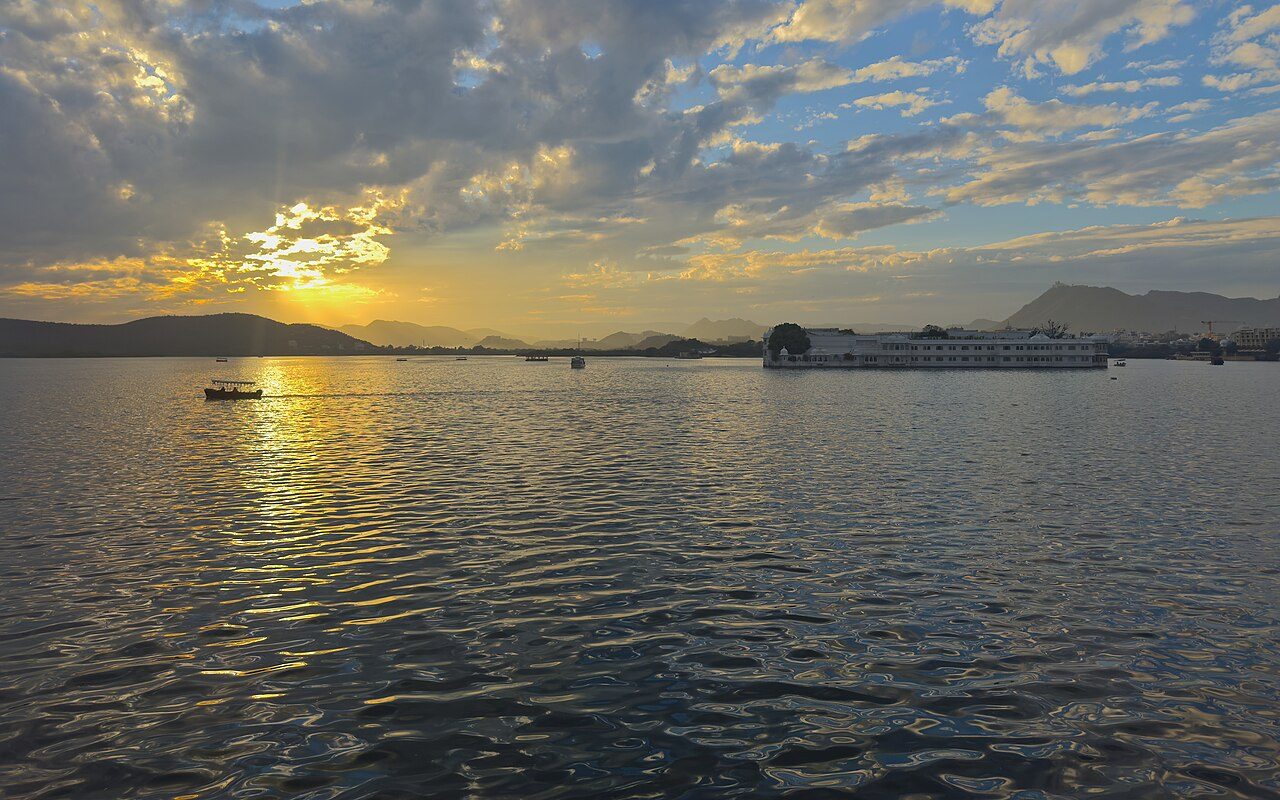
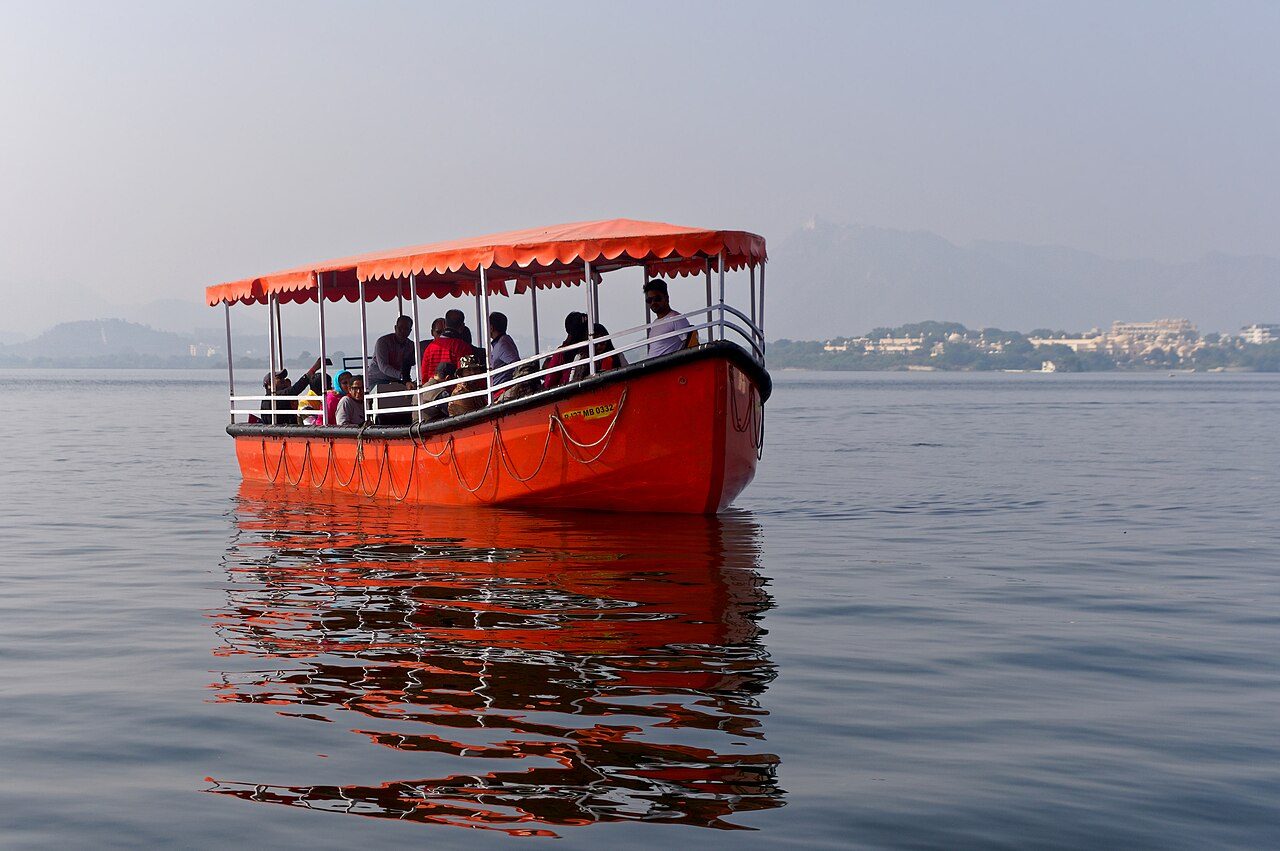
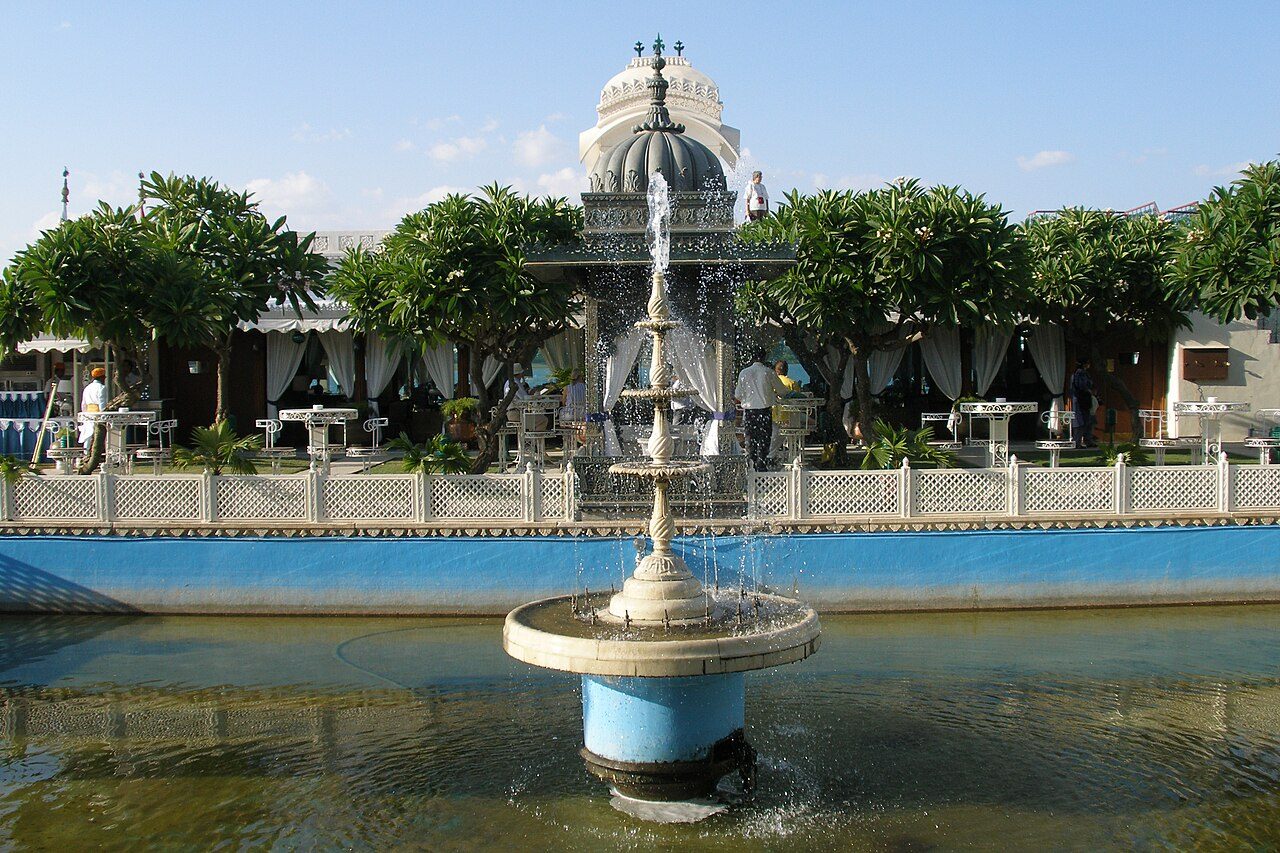
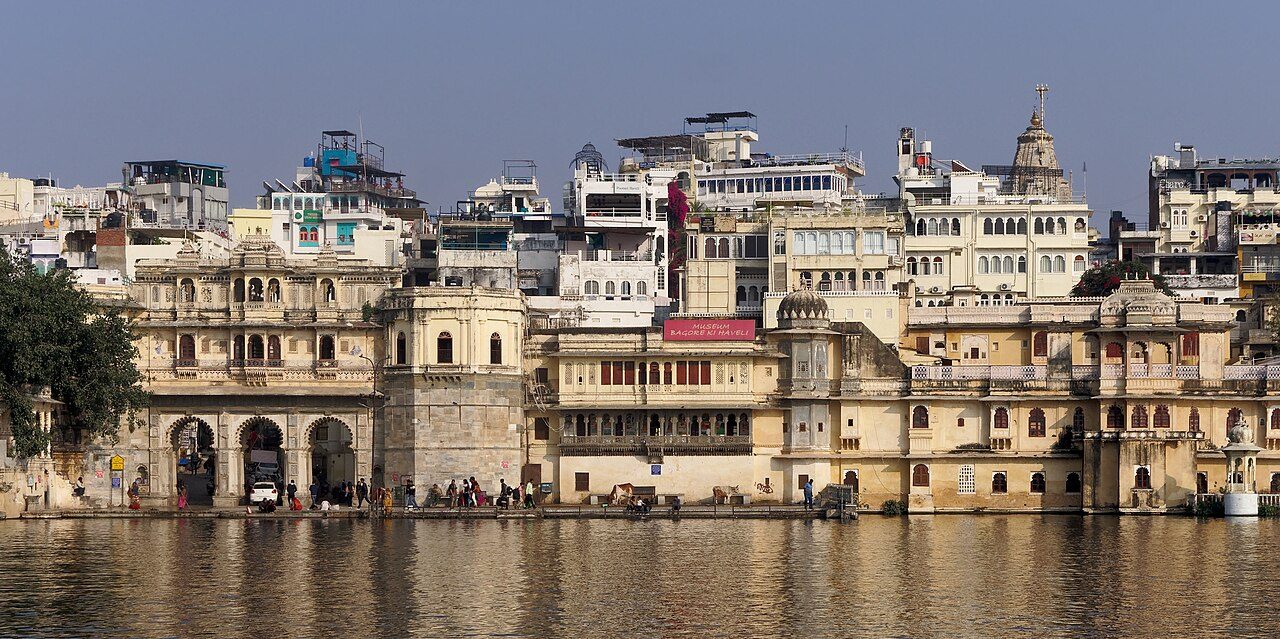
Lake Pichola is an artificial lake created in the 14th century and enlarged by Maharana Udai Singh II when he founded Udaipur beside it. The City Palace, ghats and havelis line its eastern bank, and two island palaces, Jag Niwas and Jag Mandir, appear to float on the water. Boat rides leave from the palace jetty and from Lal Ghat; the hour before sunset gives the best light.
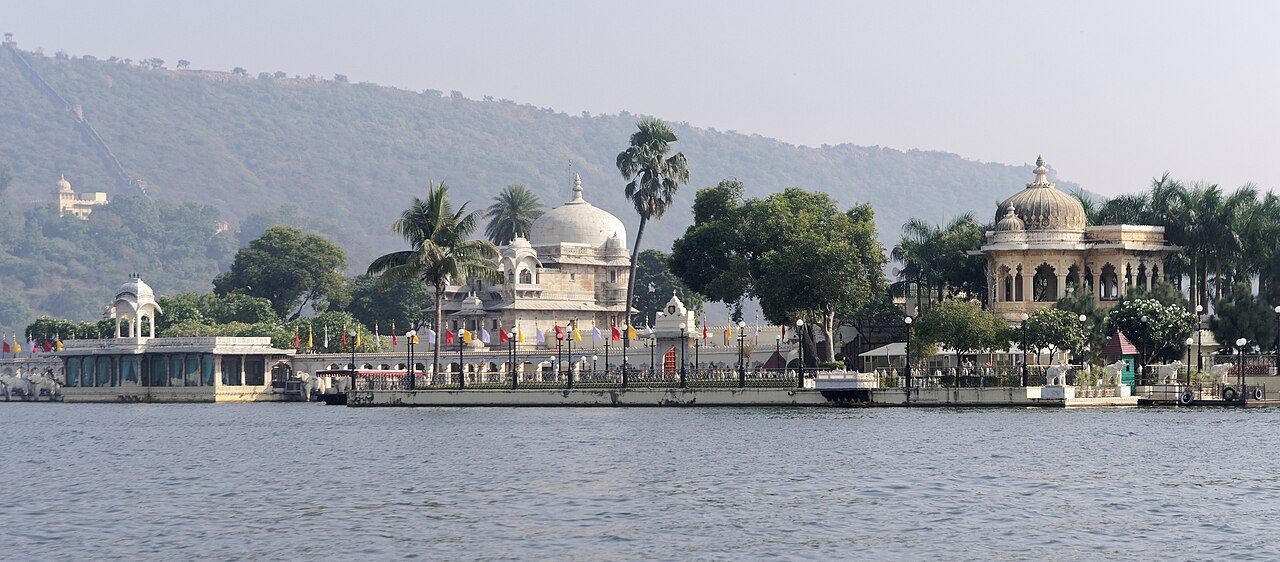
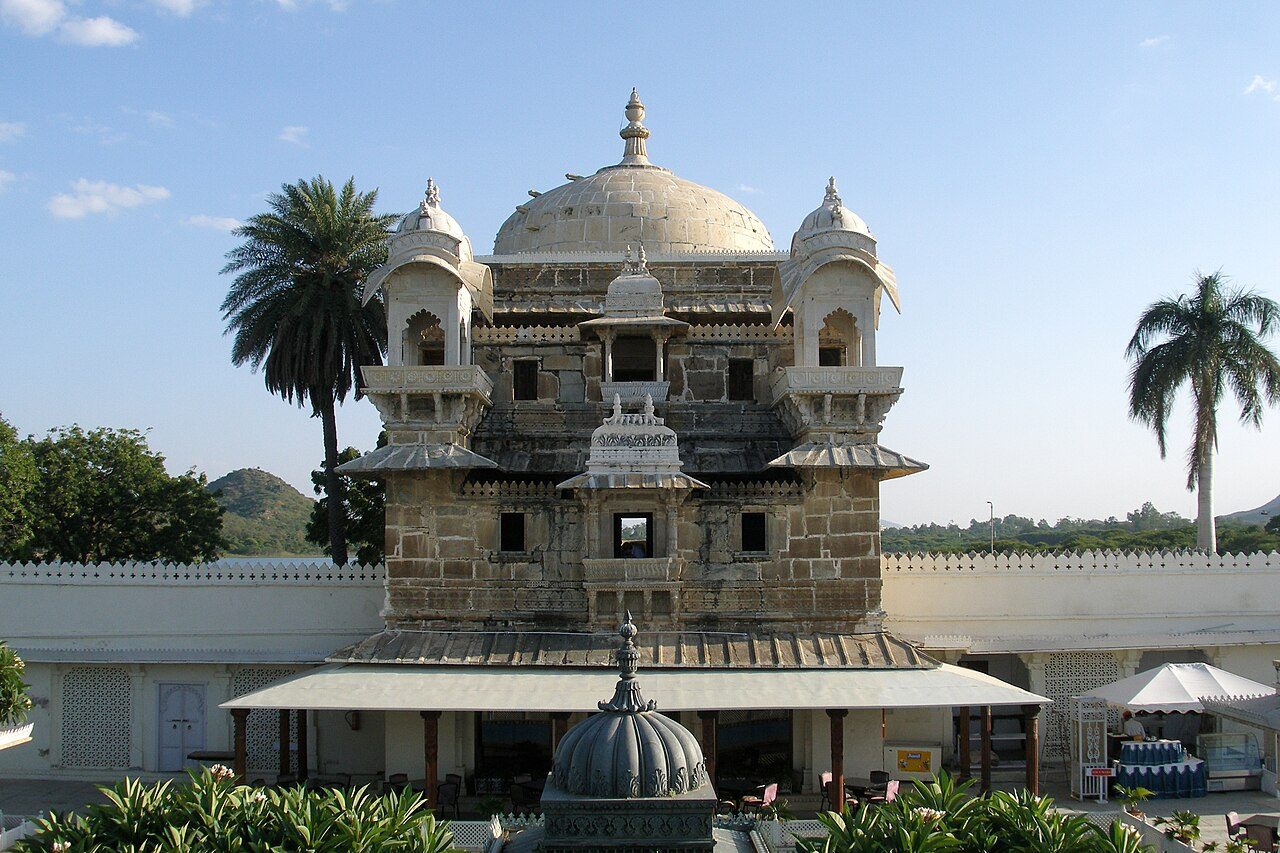
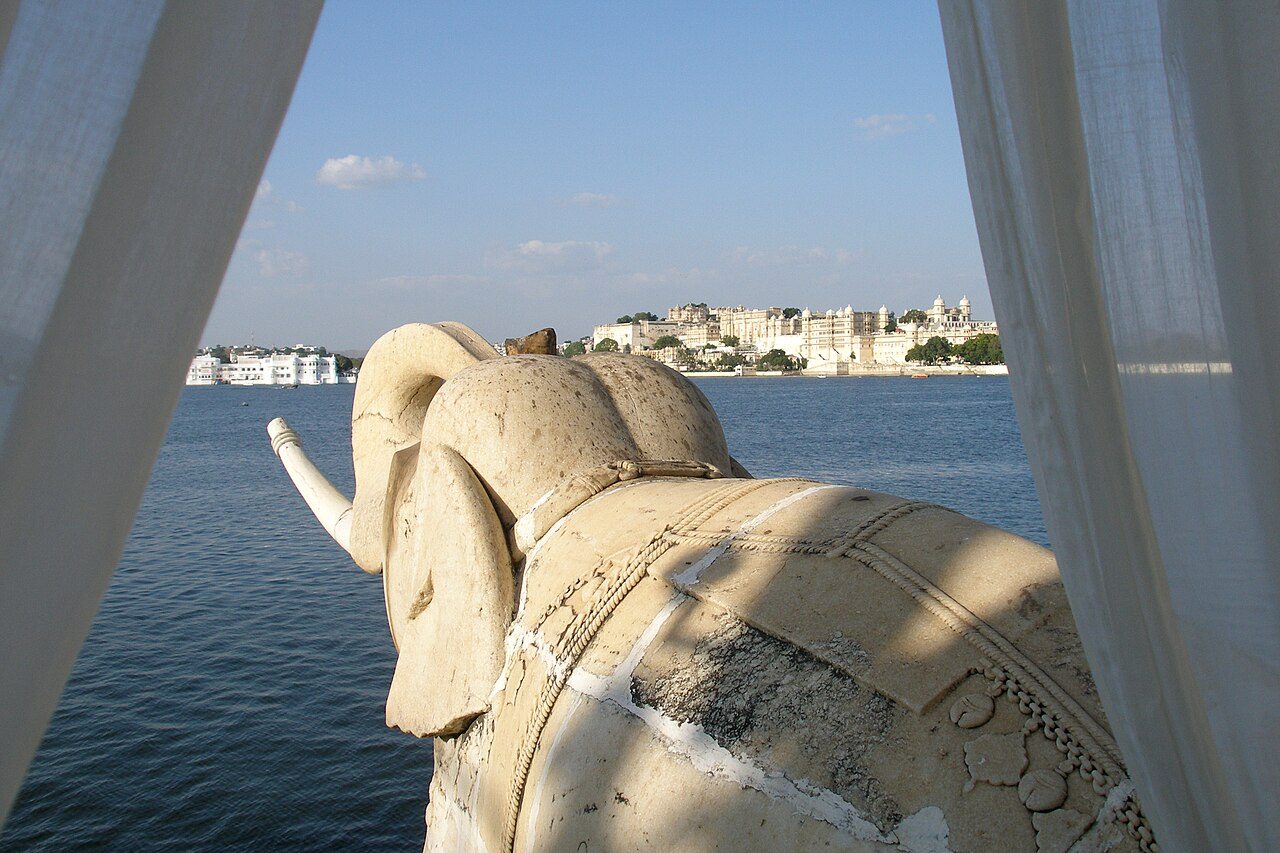
Jag Mandir is a palace on an island in Lake Pichola, begun in 1551 and completed by Maharana Jagat Singh I in the 17th century. Prince Khurram, the future Shah Jahan, was given refuge here while in revolt against his father. A row of carved stone elephants guards the landing, and the domed Gul Mahal stands among gardens and courtyards. It is reached by boat from the City Palace jetty.
05
STOP 5 OF 17
Bagore Ki Haveli
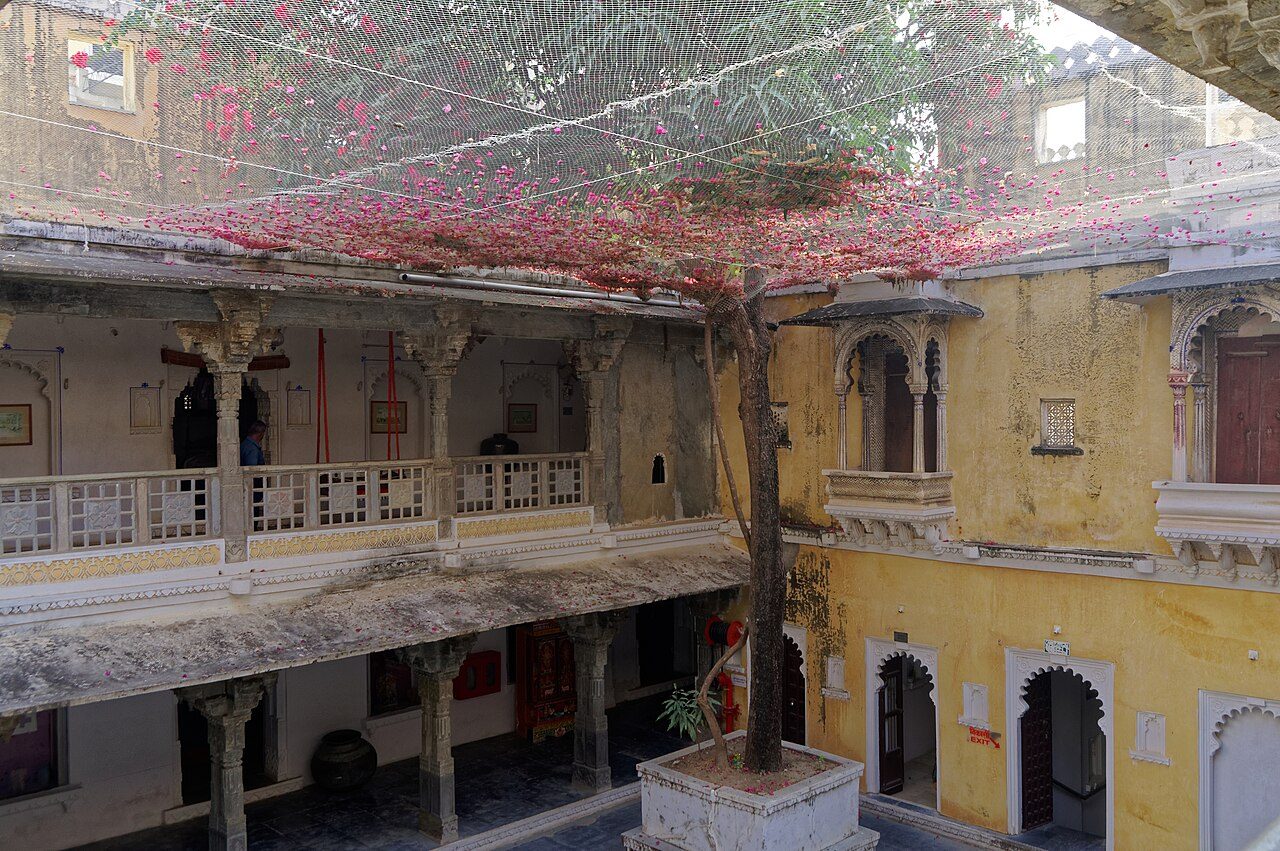
Bagore Ki Haveli stands on Gangaur Ghat beside Lake Pichola and was built in the 18th century by Amar Chand Badwa, prime minister of Mewar. Its more than a hundred rooms, with balconies, courtyards and glass inlay, now form a museum of royal lifestyle, costumes, turbans and puppets. Each evening the courtyard hosts the Dharohar show of Rajasthani folk dance and music.
06
STOP 6 OF 17
Saheliyon Ki Bari
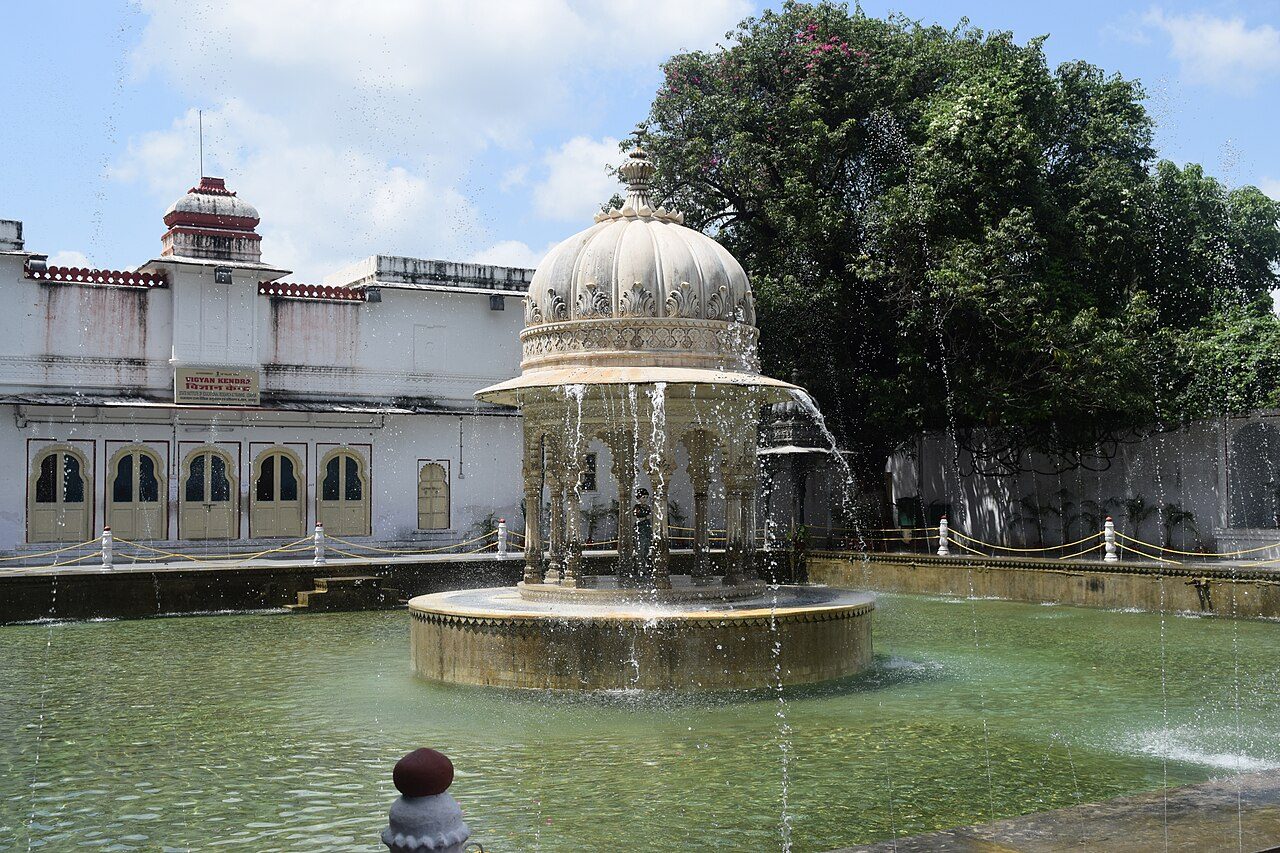
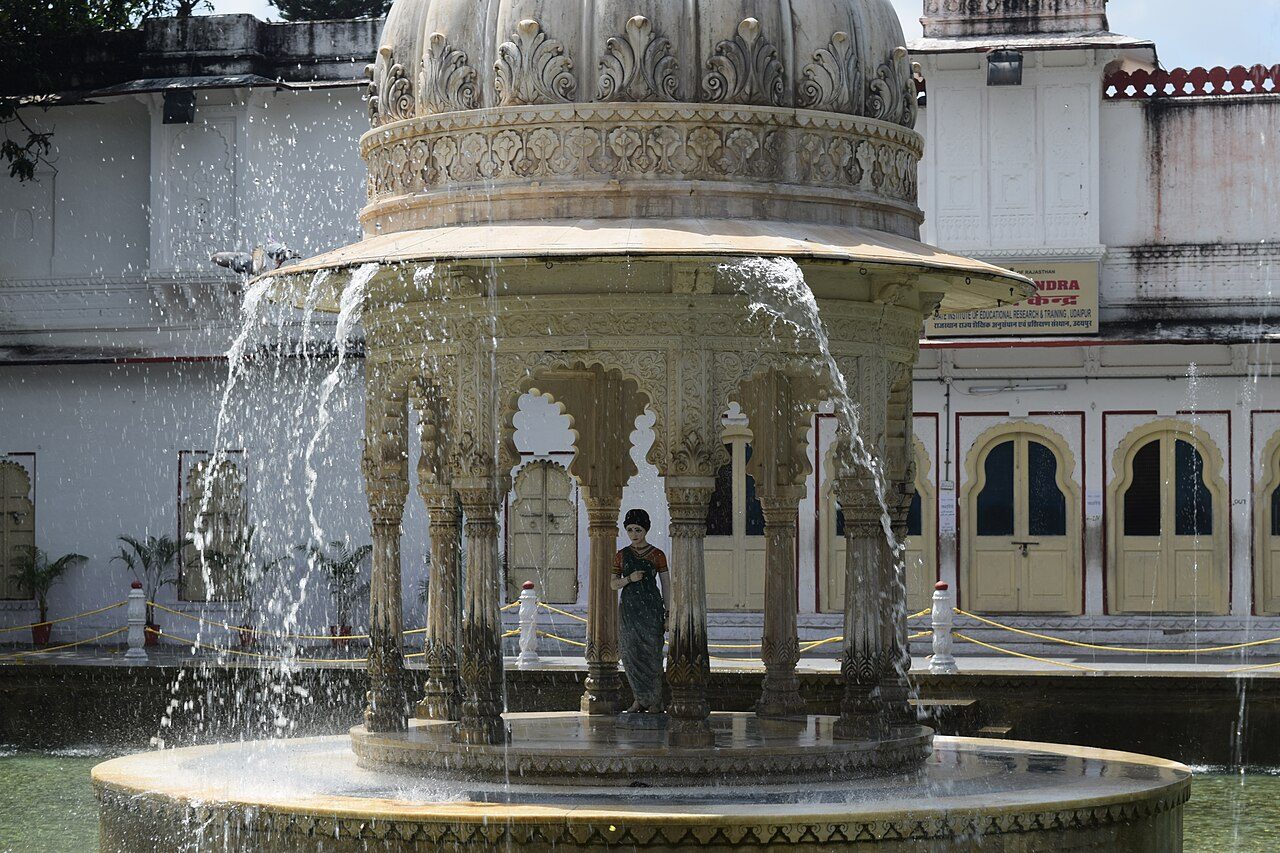
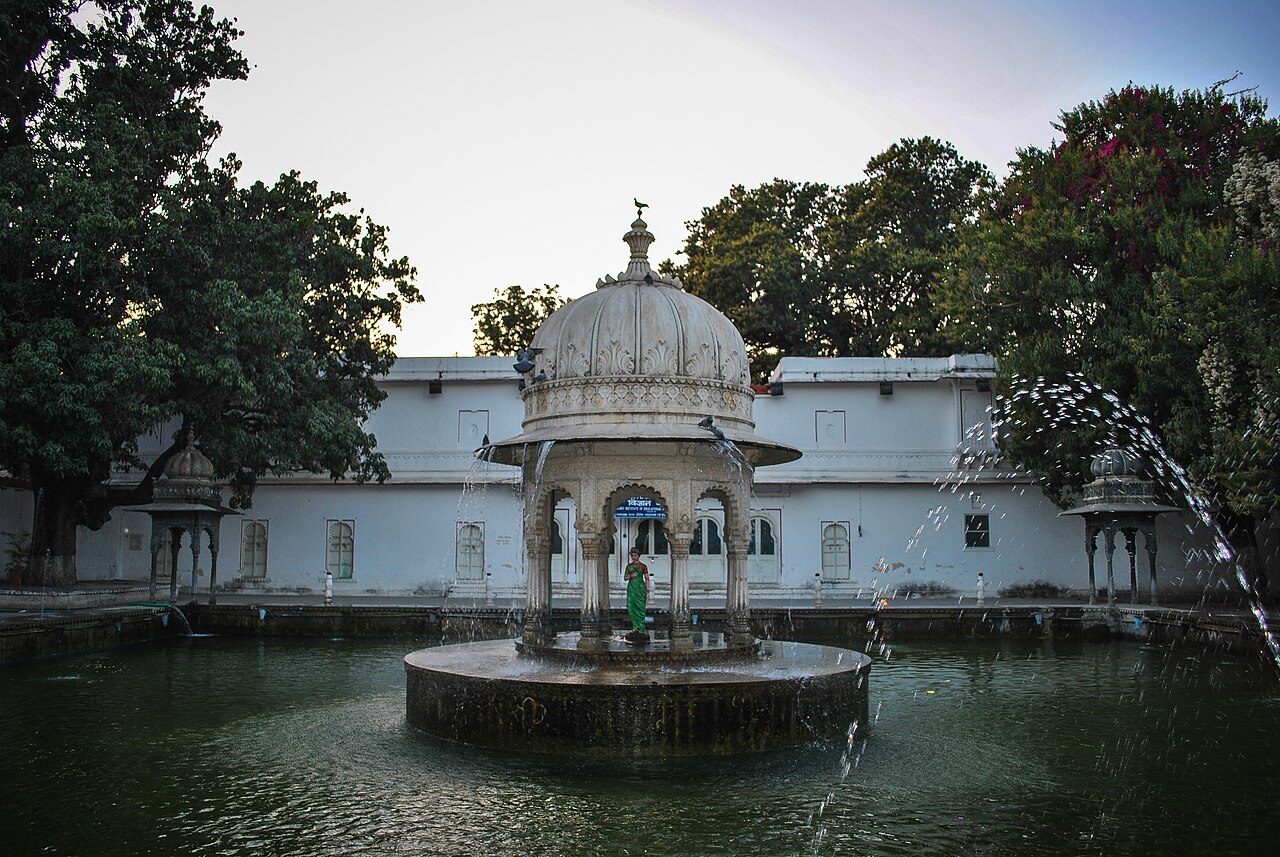
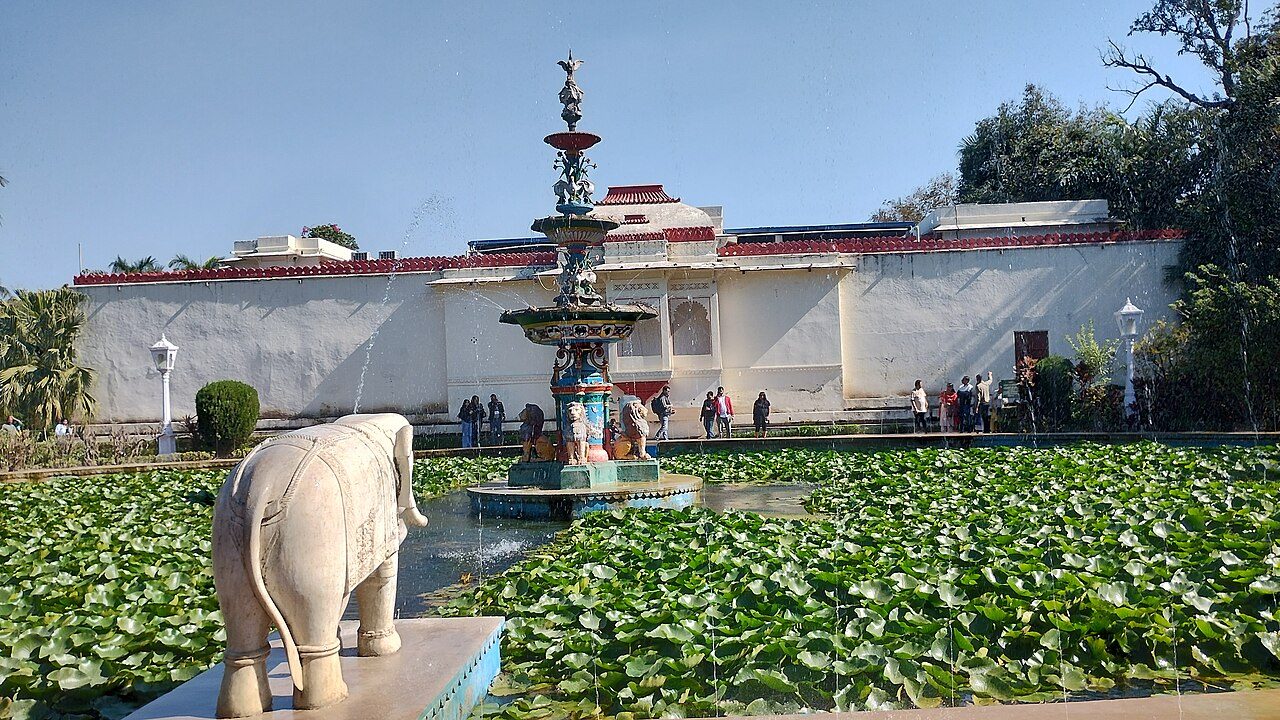
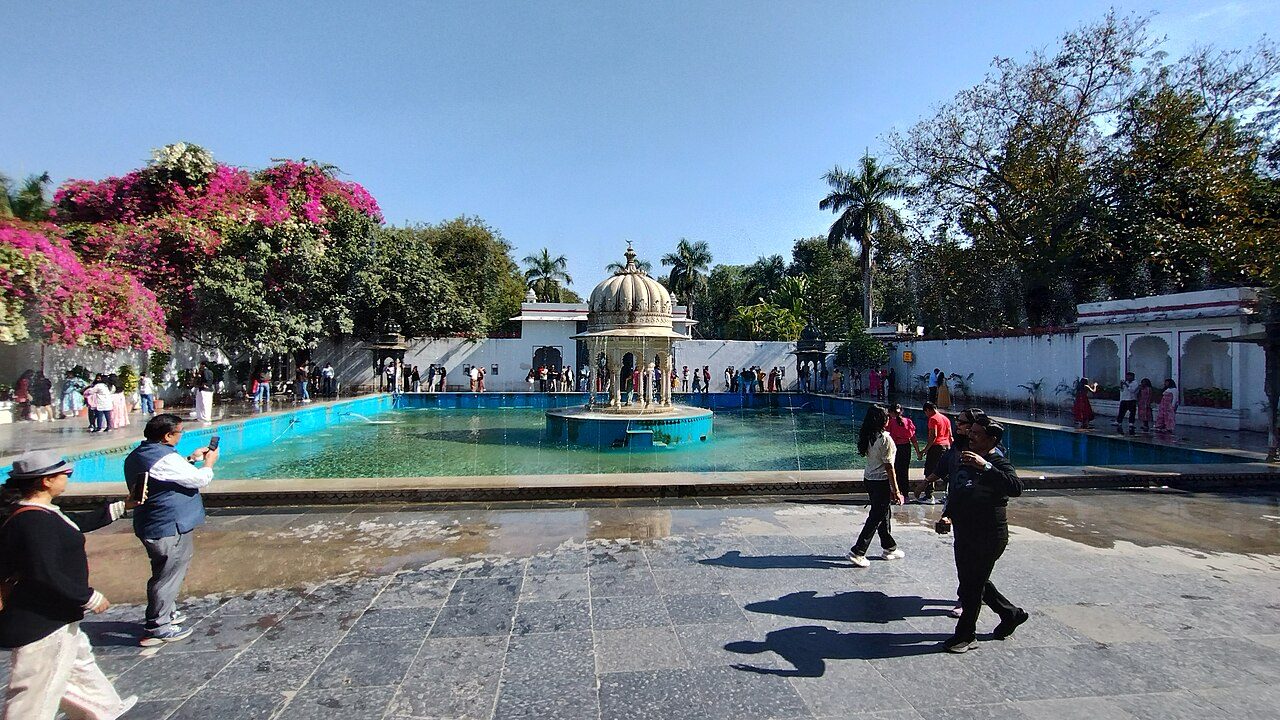
Saheliyon Ki Bari, the Garden of the Maidens, was laid out in the early 18th century by Maharana Sangram Singh II for the royal ladies and their attendants. It has lotus pools, marble pavilions, stone elephants and fountains that work by water pressure alone, fed from Fateh Sagar Lake. The shaded lawns and the rain-like fountains make it a pleasant escape from the midday heat.
07
STOP 7 OF 17
Fateh Sagar Lake
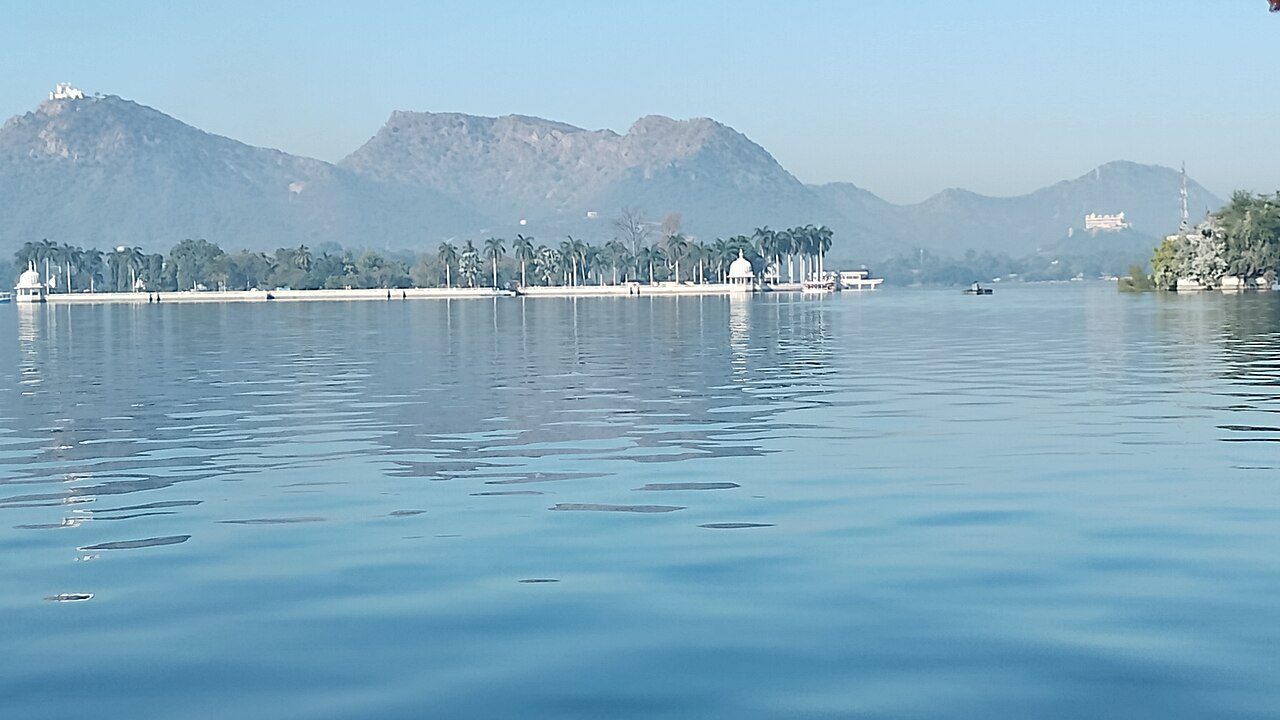
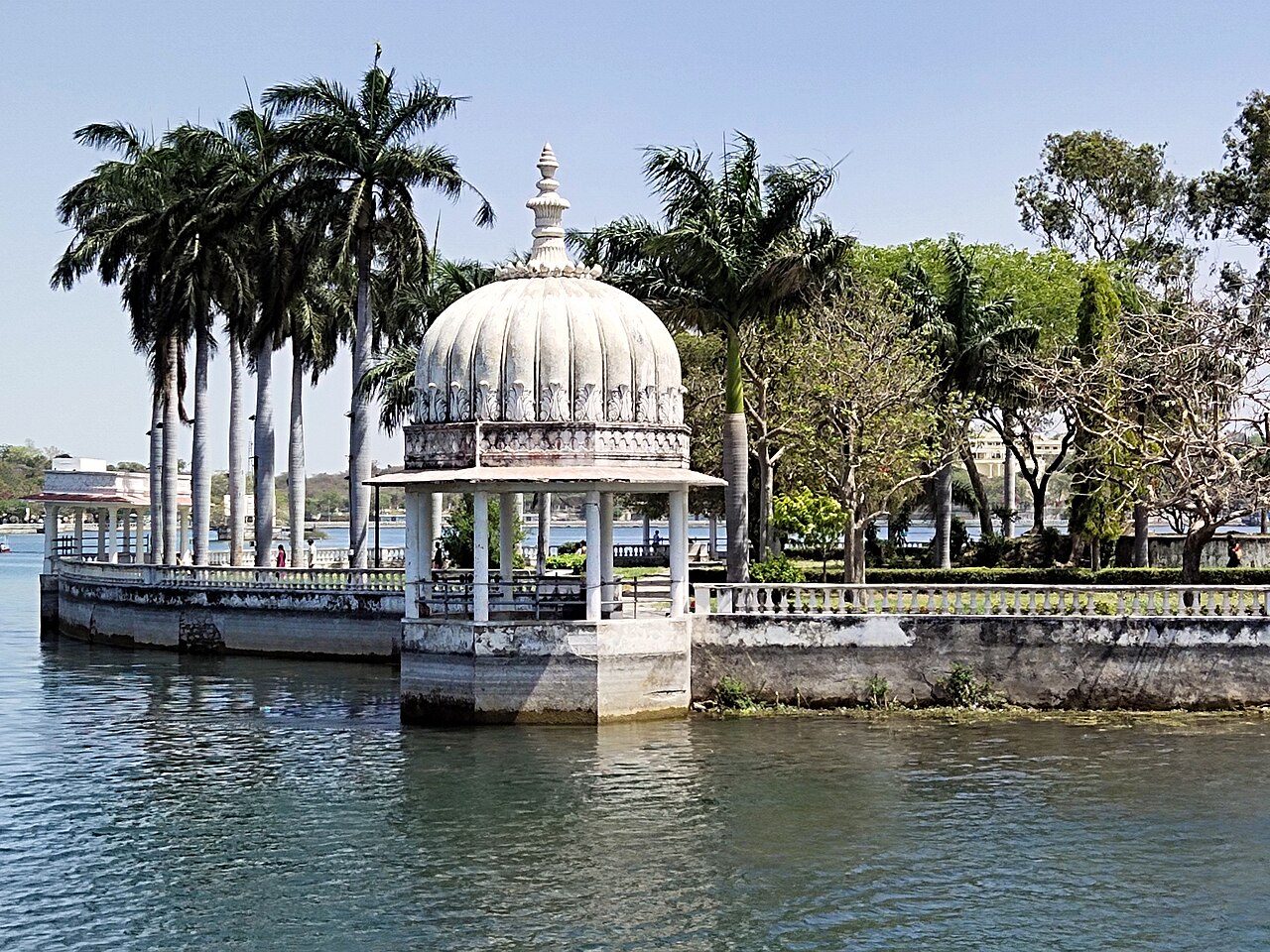
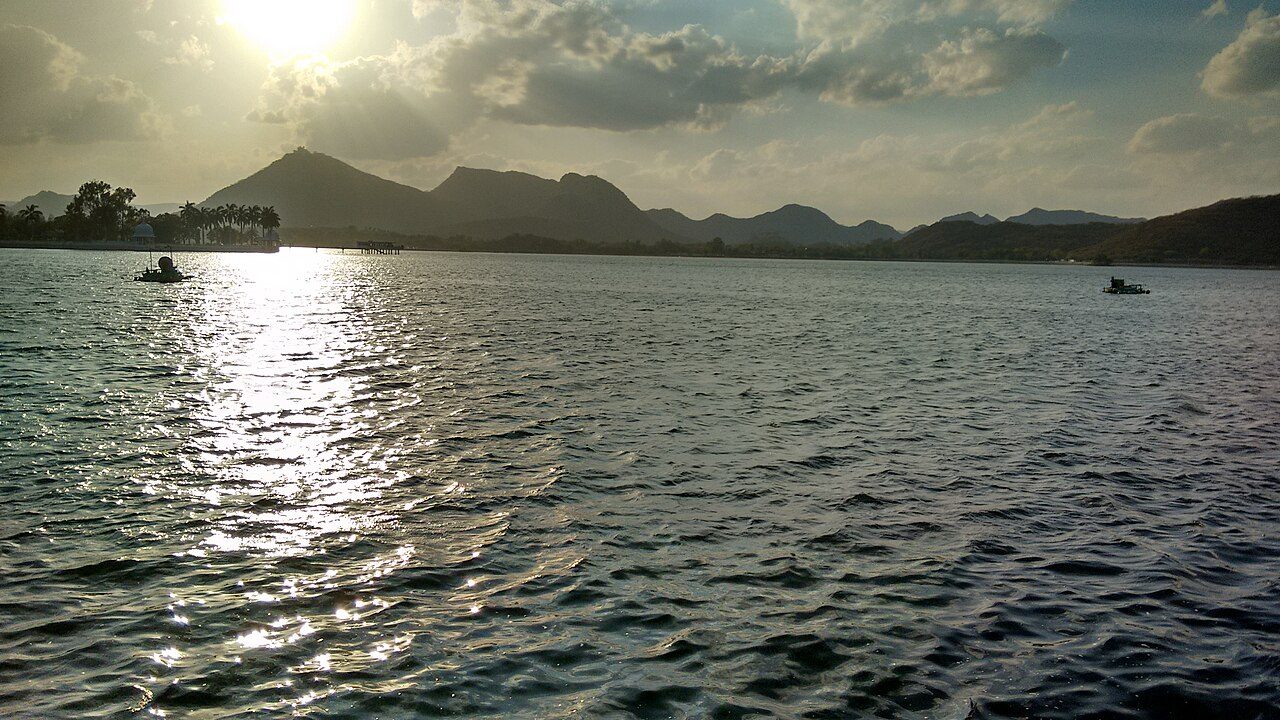
Fateh Sagar is an artificial lake north of Lake Pichola, first built in the 1680s and reconstructed by Maharana Fateh Singh after floods destroyed the dam. Three islands lie in it: Nehru Park, reached by boat, a public park with fountains, and the Udaipur Solar Observatory. The road along the embankment is the city's favourite evening promenade, lined with snack stalls.
08
STOP 8 OF 17
Ahar Cenotaphs
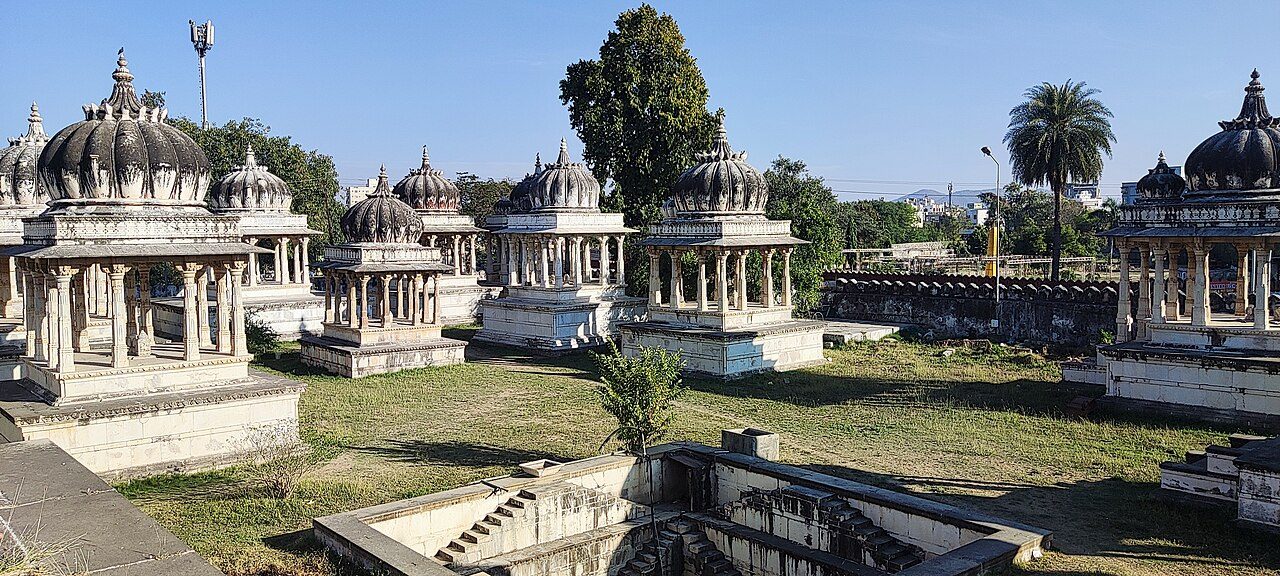
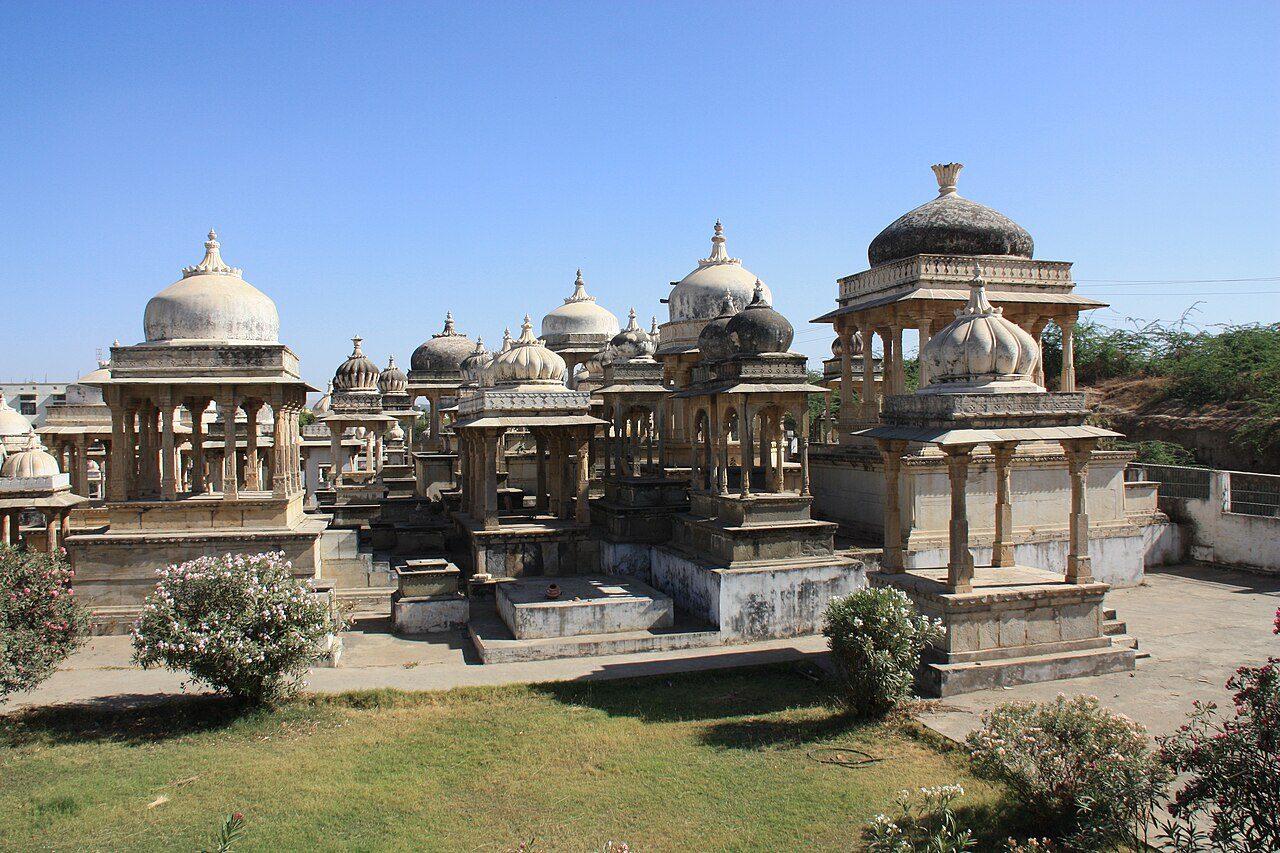
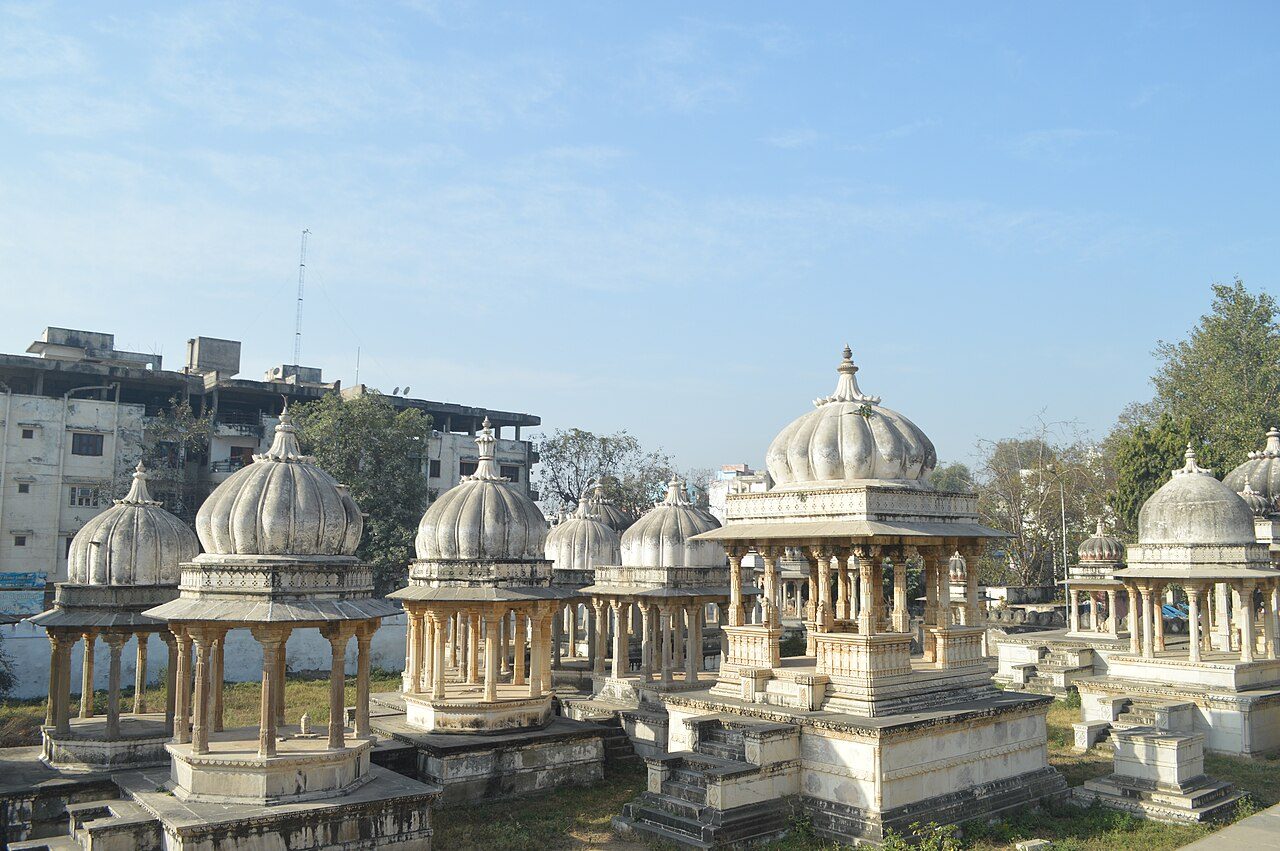
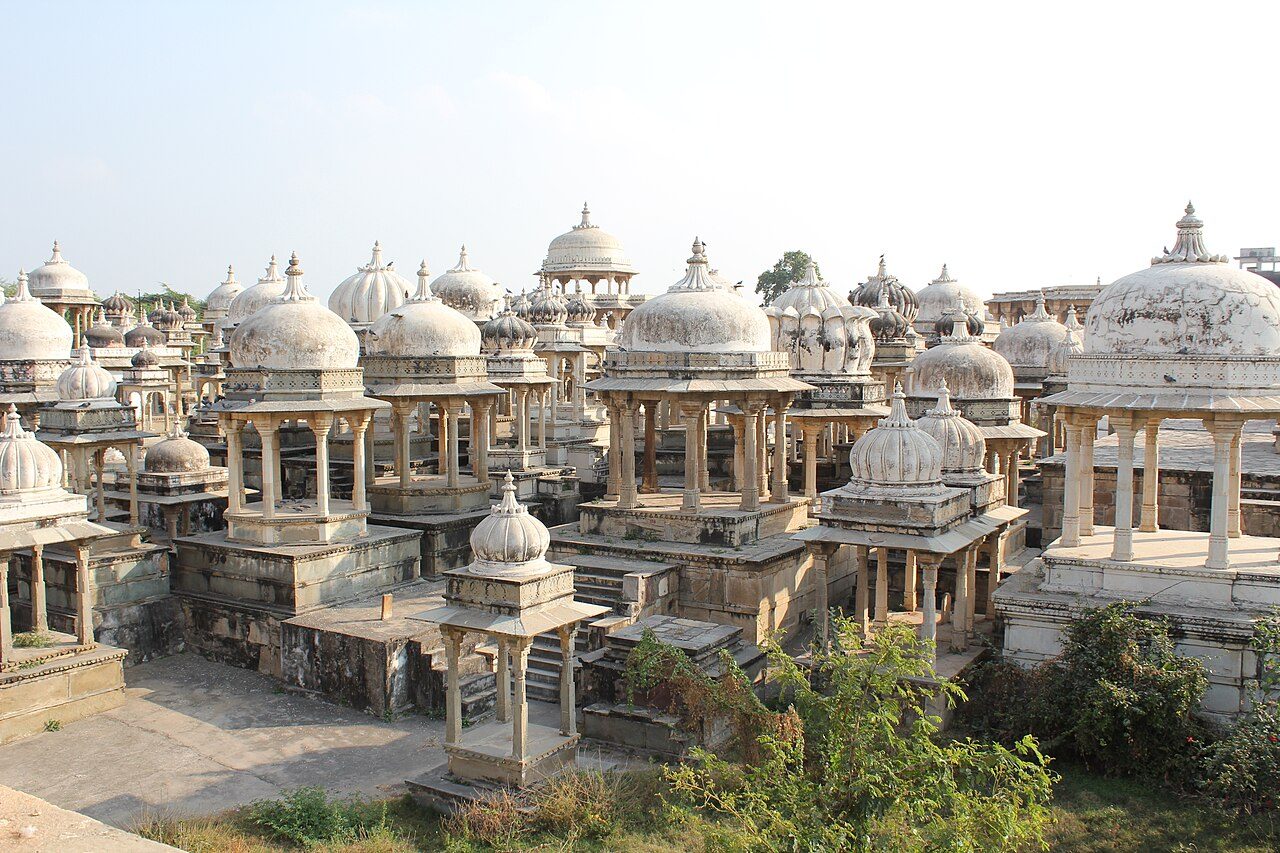
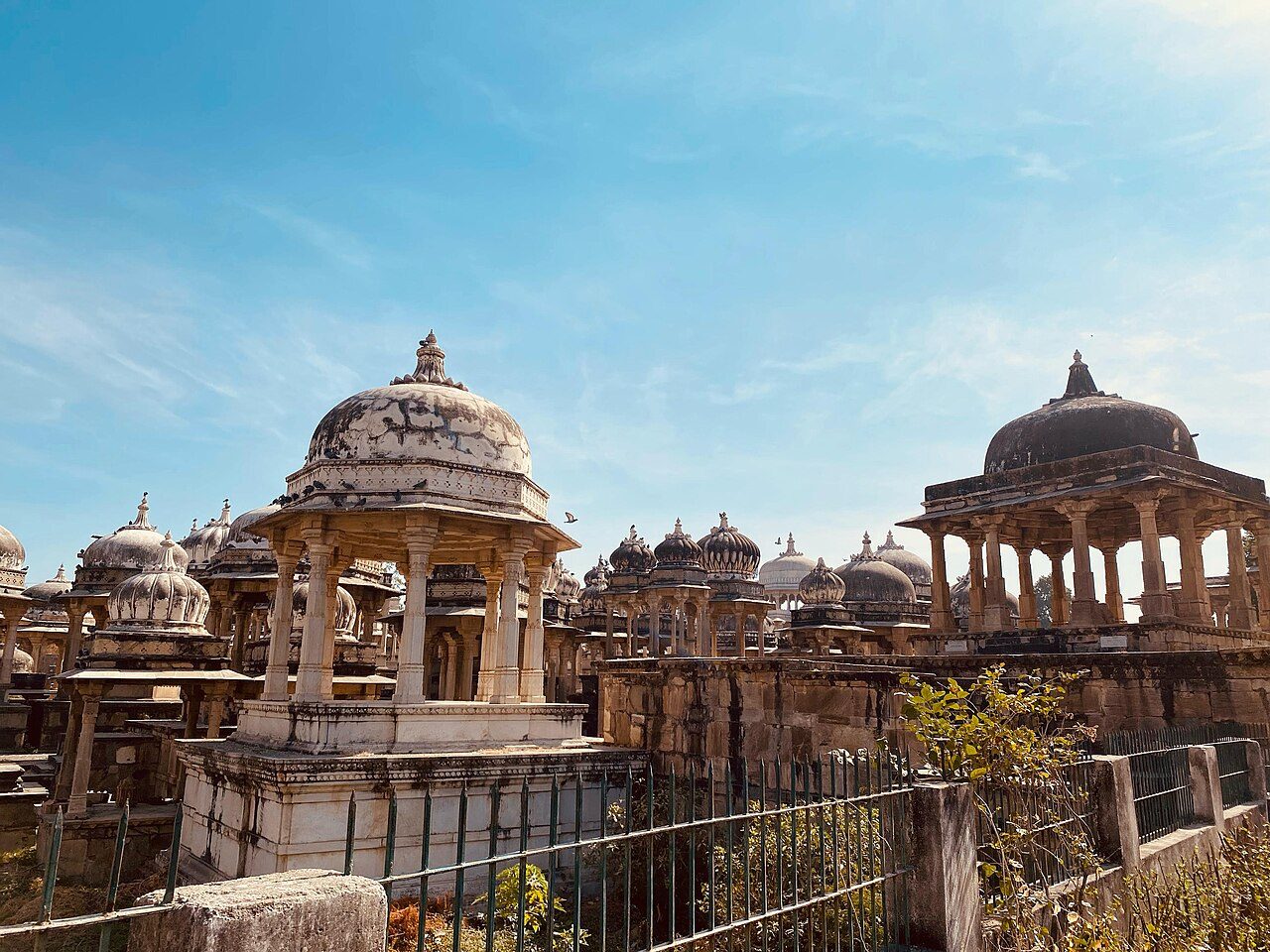
Ahar, on the eastern edge of Udaipur, is the royal cremation ground of the Mewar rulers. More than 250 cenotaphs, built over about 350 years, stand close together in white marble, including nineteen of maharanas. The most imposing is that of Maharana Amar Singh I. A small archaeological museum nearby displays pottery and artefacts from a settlement here that dates back several thousand years.
09
STOP 9 OF 17
Sajjangarh Monsoon Palace
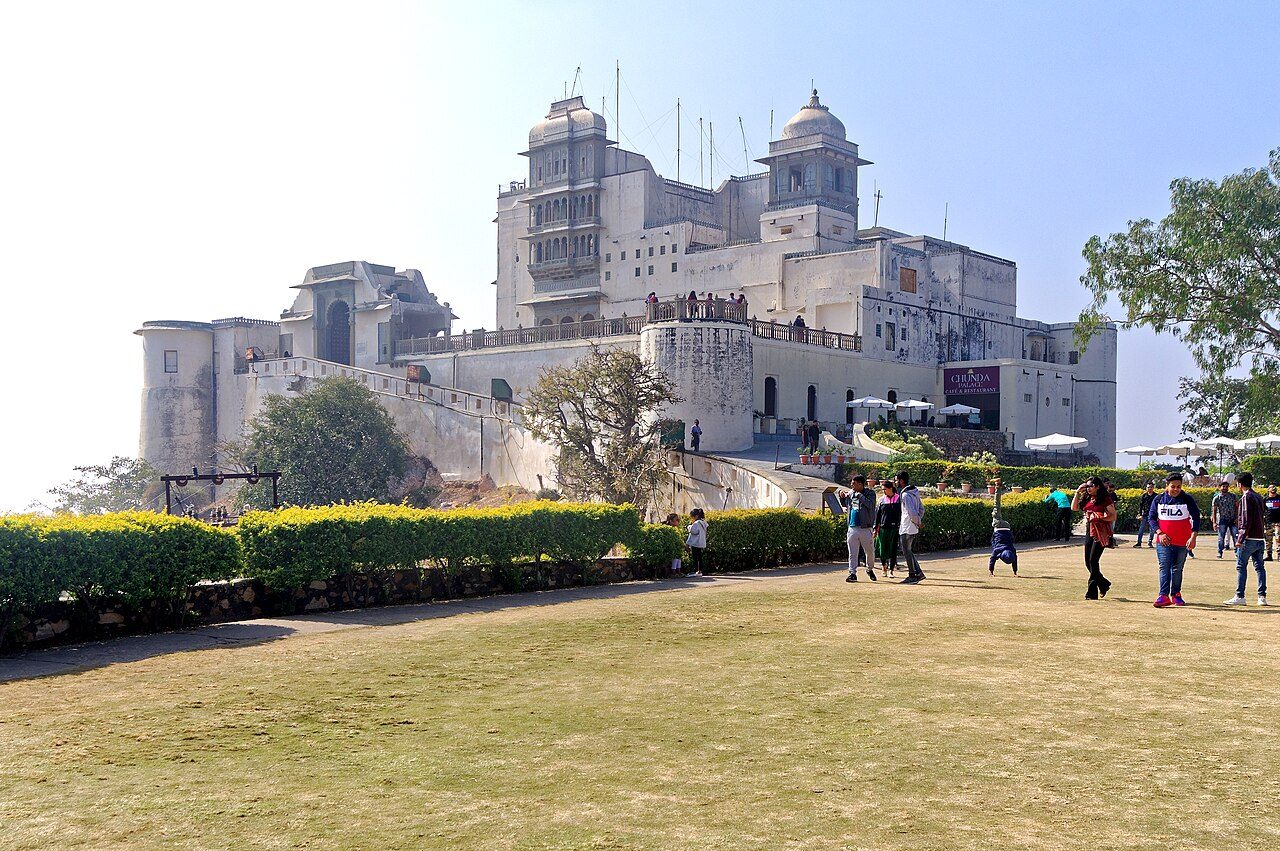
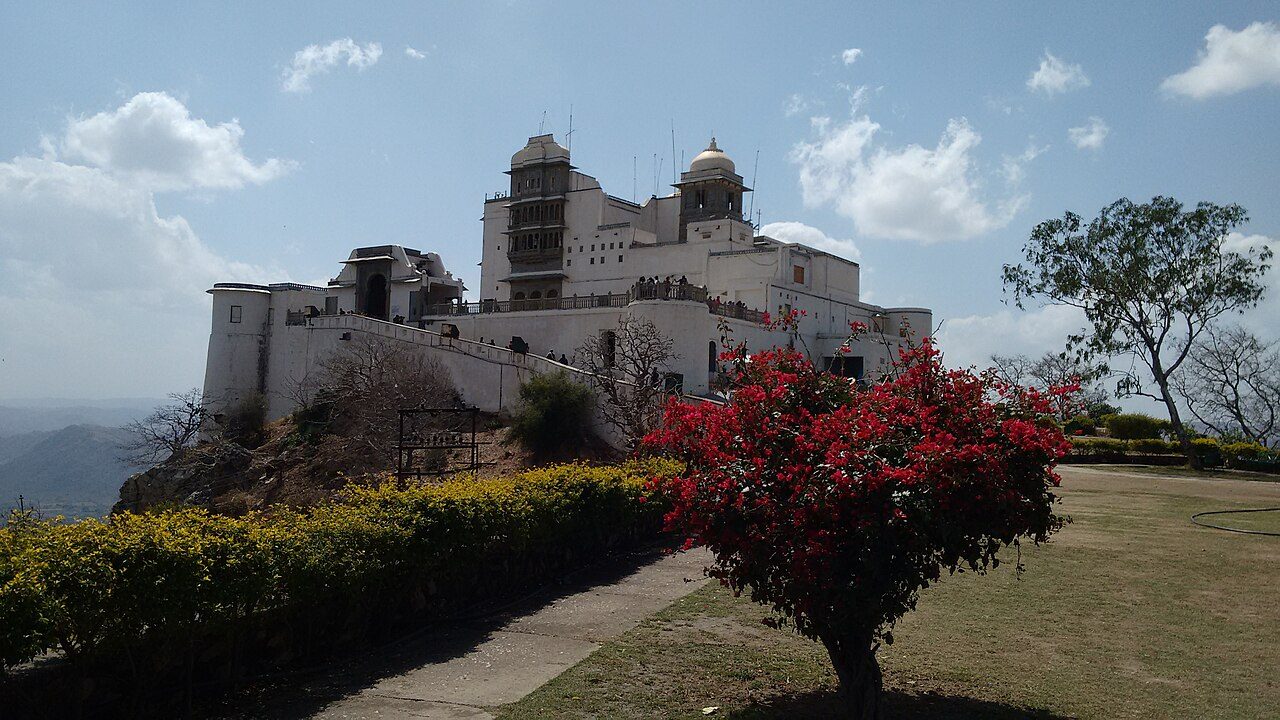
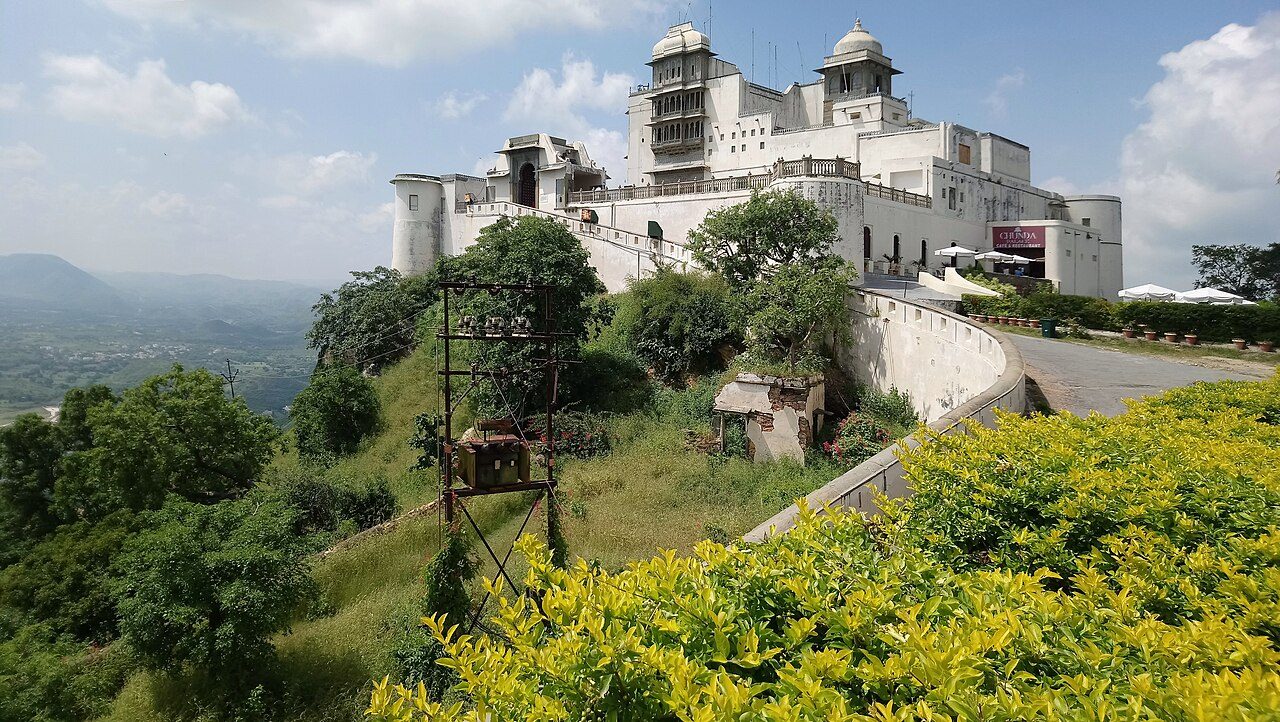
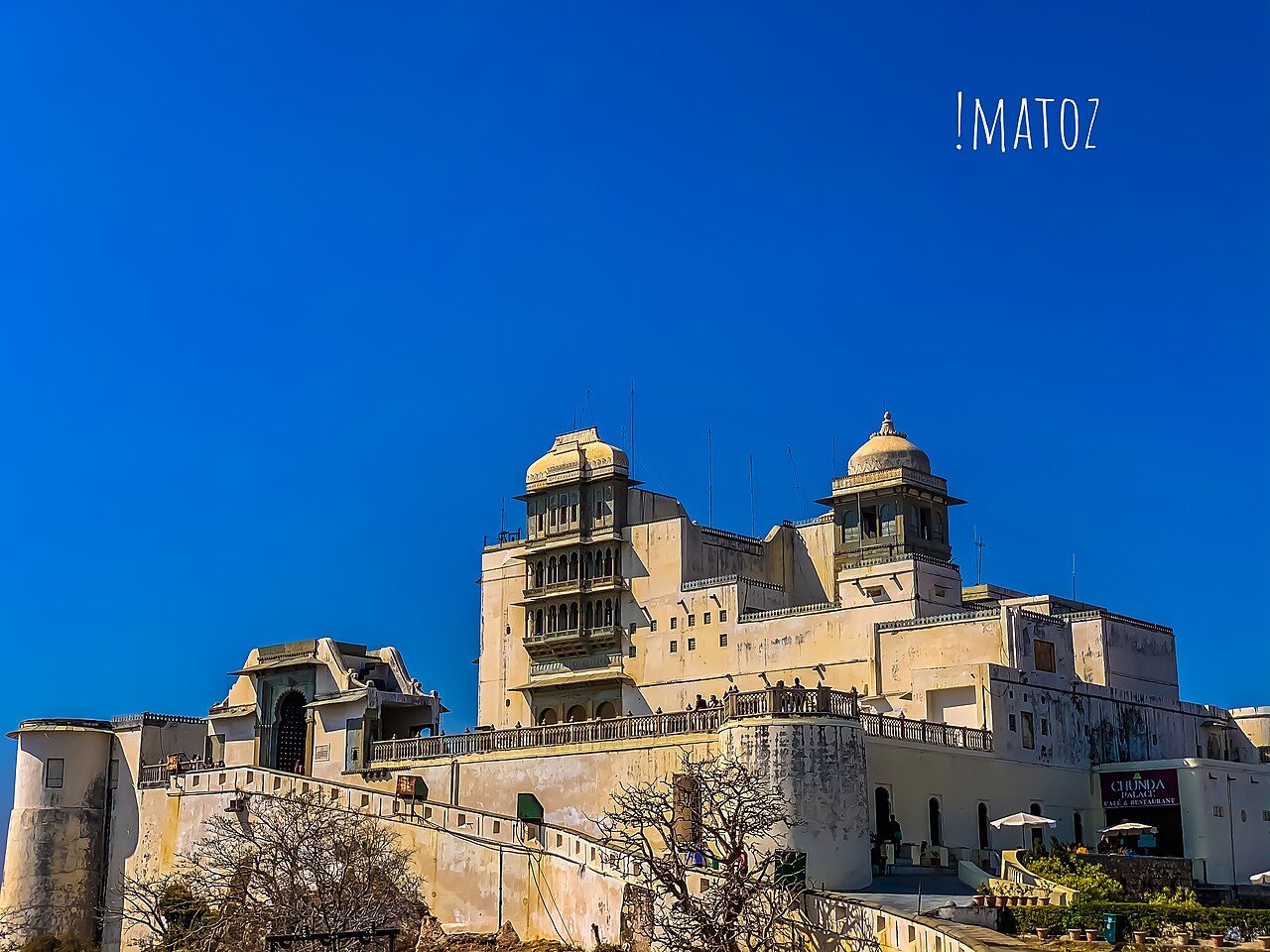
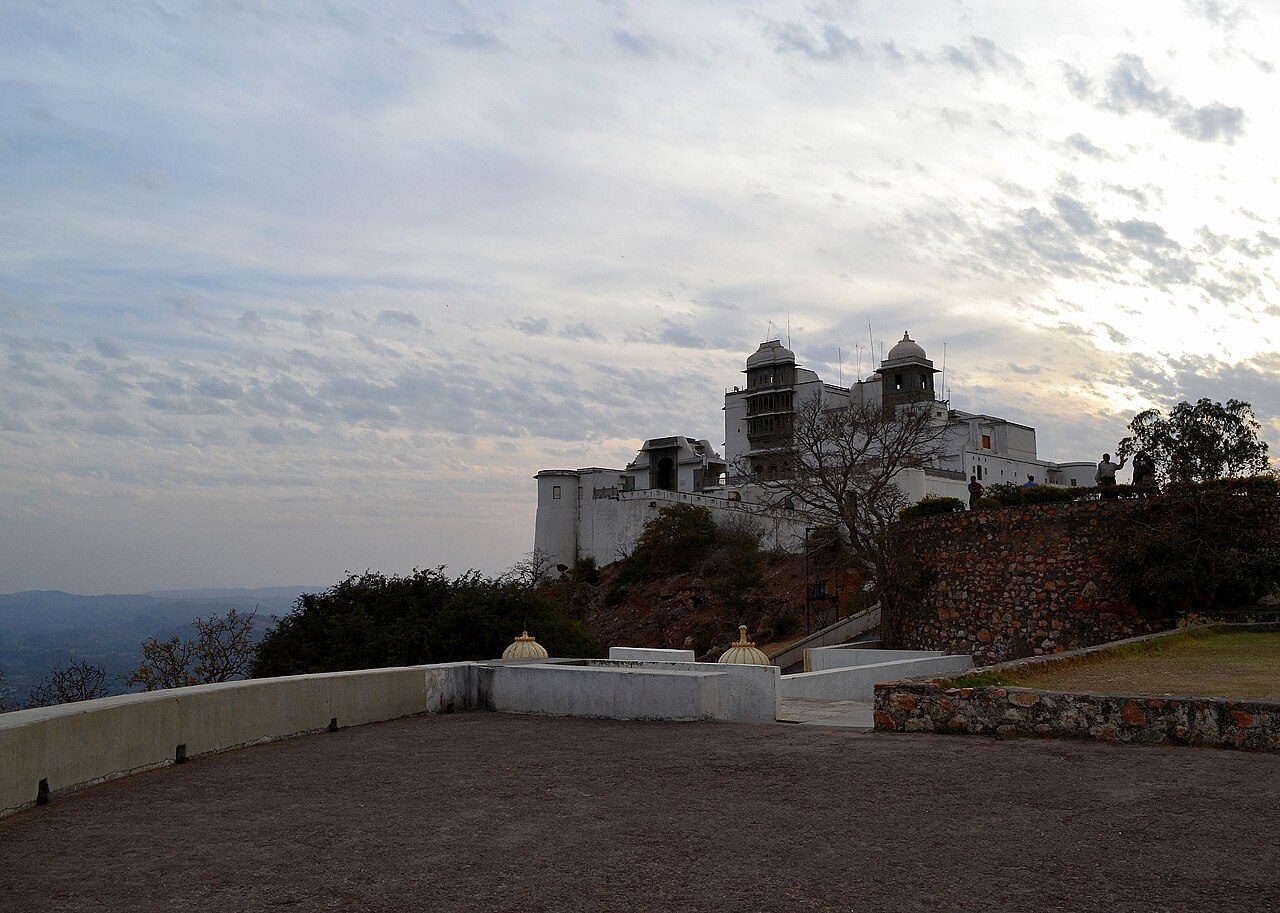
Sajjangarh, the Monsoon Palace, crowns a hill west of Udaipur at about 940 metres. Maharana Sajjan Singh began it in 1884, reportedly to watch the monsoon clouds and as an observatory, but died before it was finished. The white marble palace is now empty, and visitors come for the sweeping view over the lakes and city at sunset. The road up runs through a wildlife sanctuary.
10
STOP 10 OF 17
Eklingji Temple
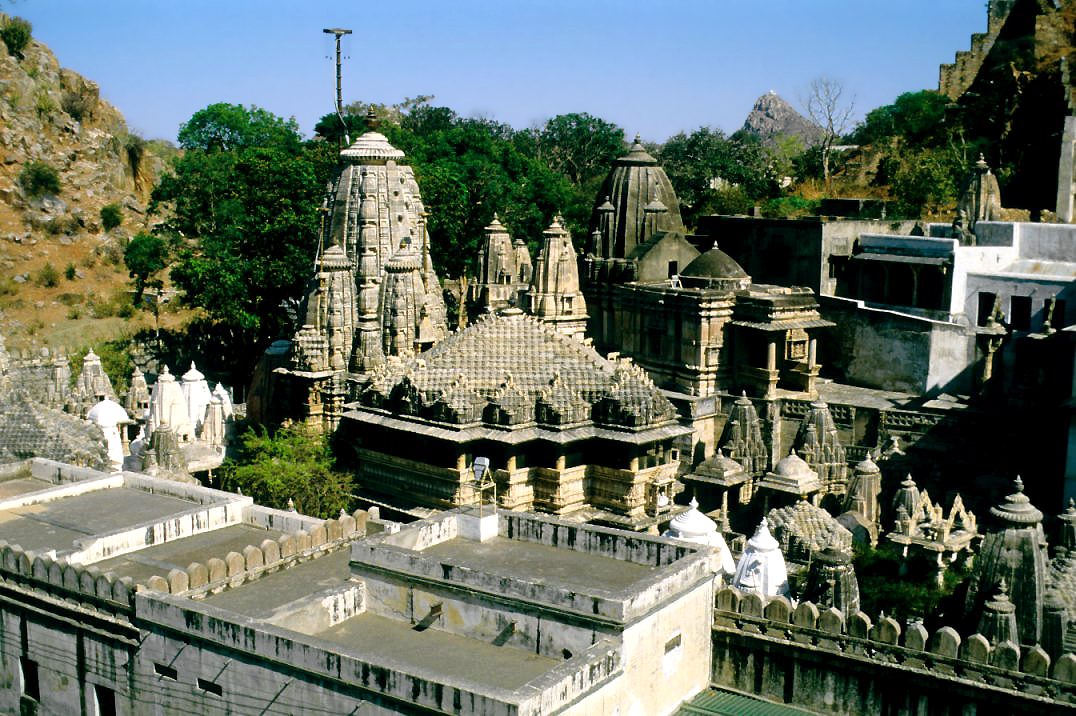
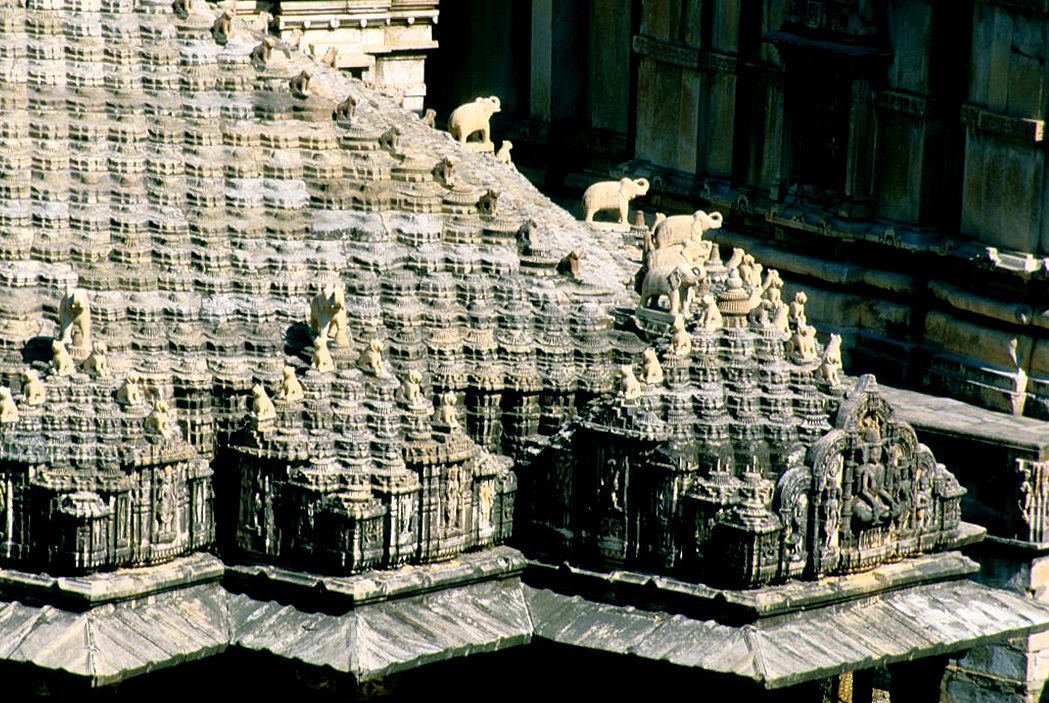
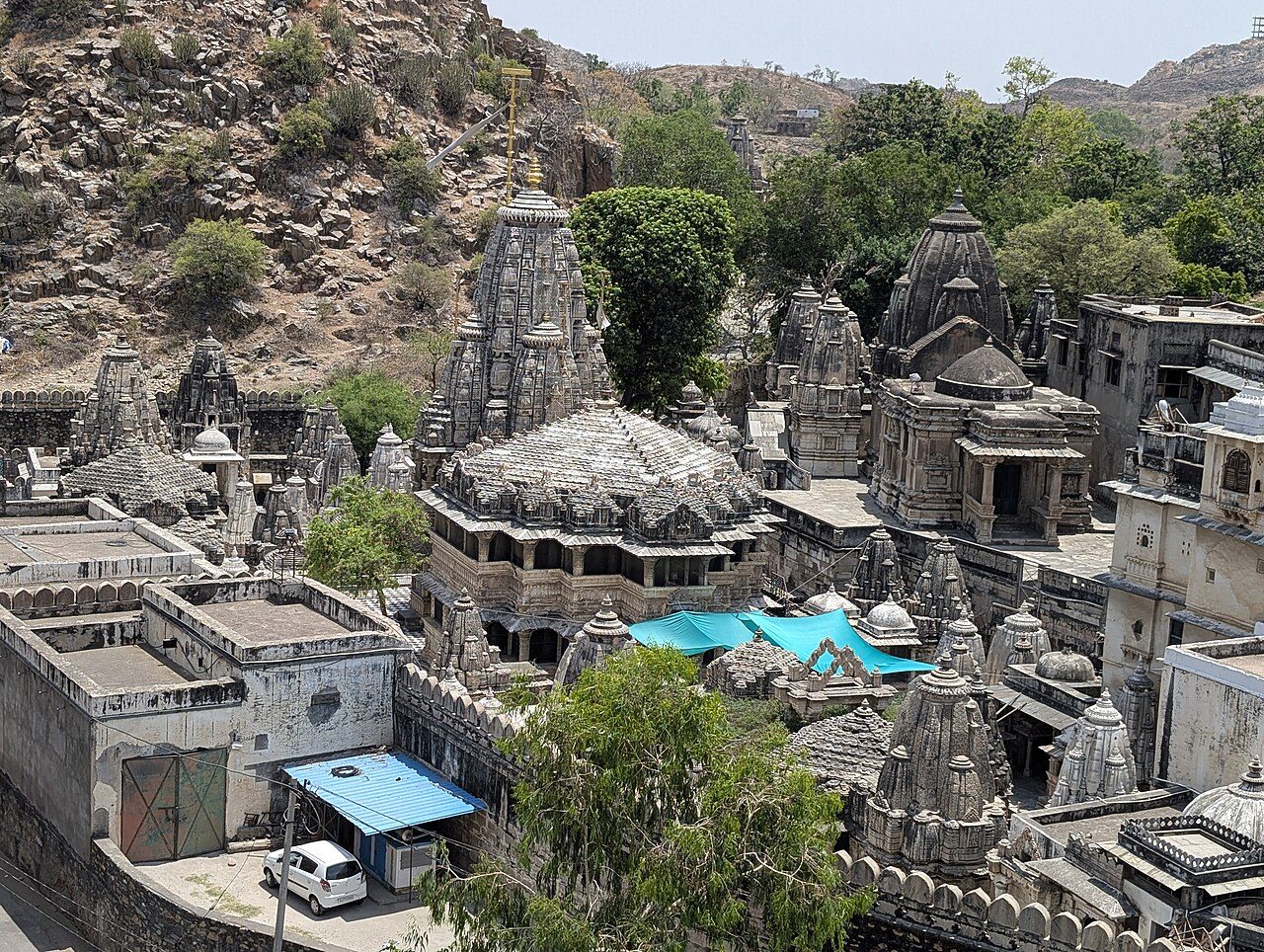
Eklingji, north of Udaipur, is dedicated to Shiva as the ruling deity of Mewar; the maharanas traditionally governed as his deputies. Founded in the 8th century and rebuilt several times, the walled complex contains more than a hundred shrines. The main temple houses a four-faced black marble image of Shiva. The Maharana of Udaipur still worships here on Mondays. Photography is not allowed inside.
11
STOP 11 OF 17
Sahasra Bahu Temples
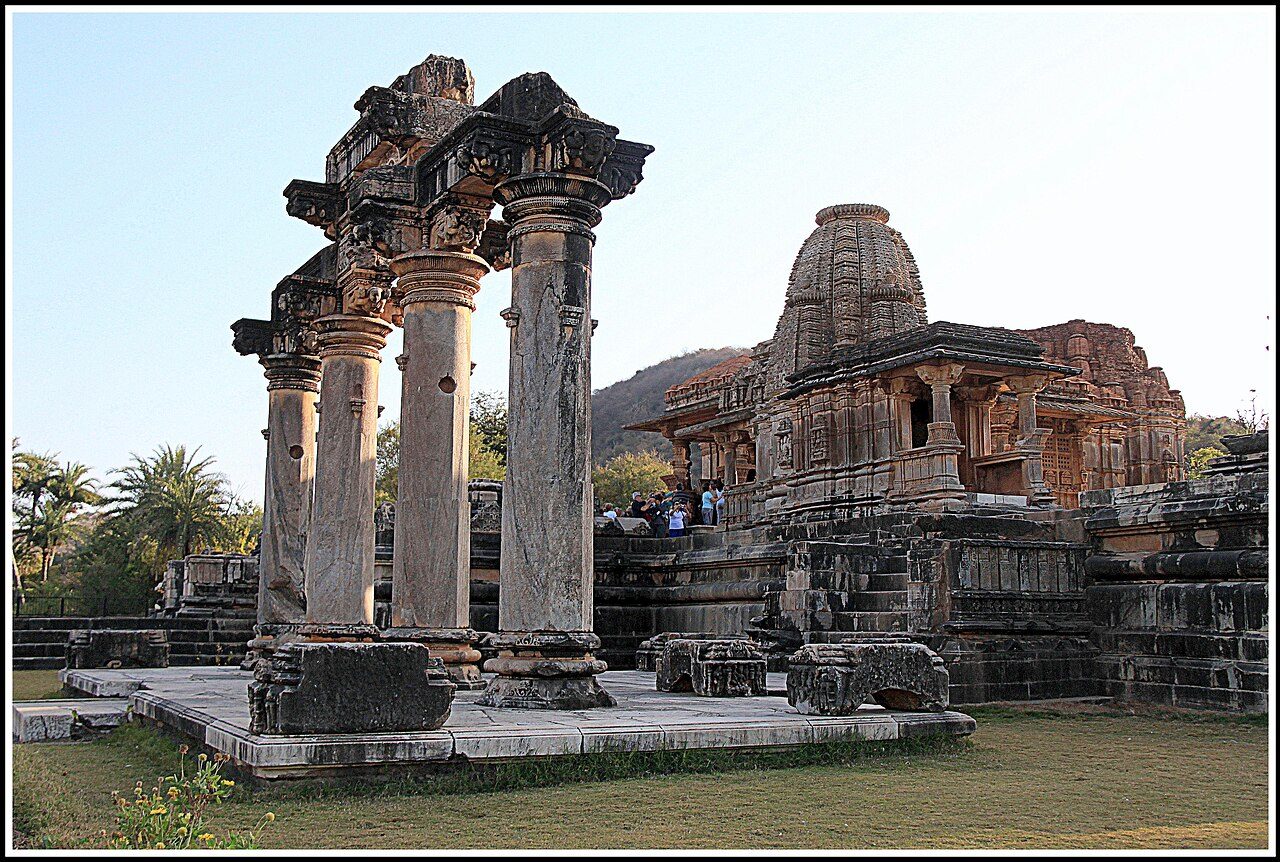
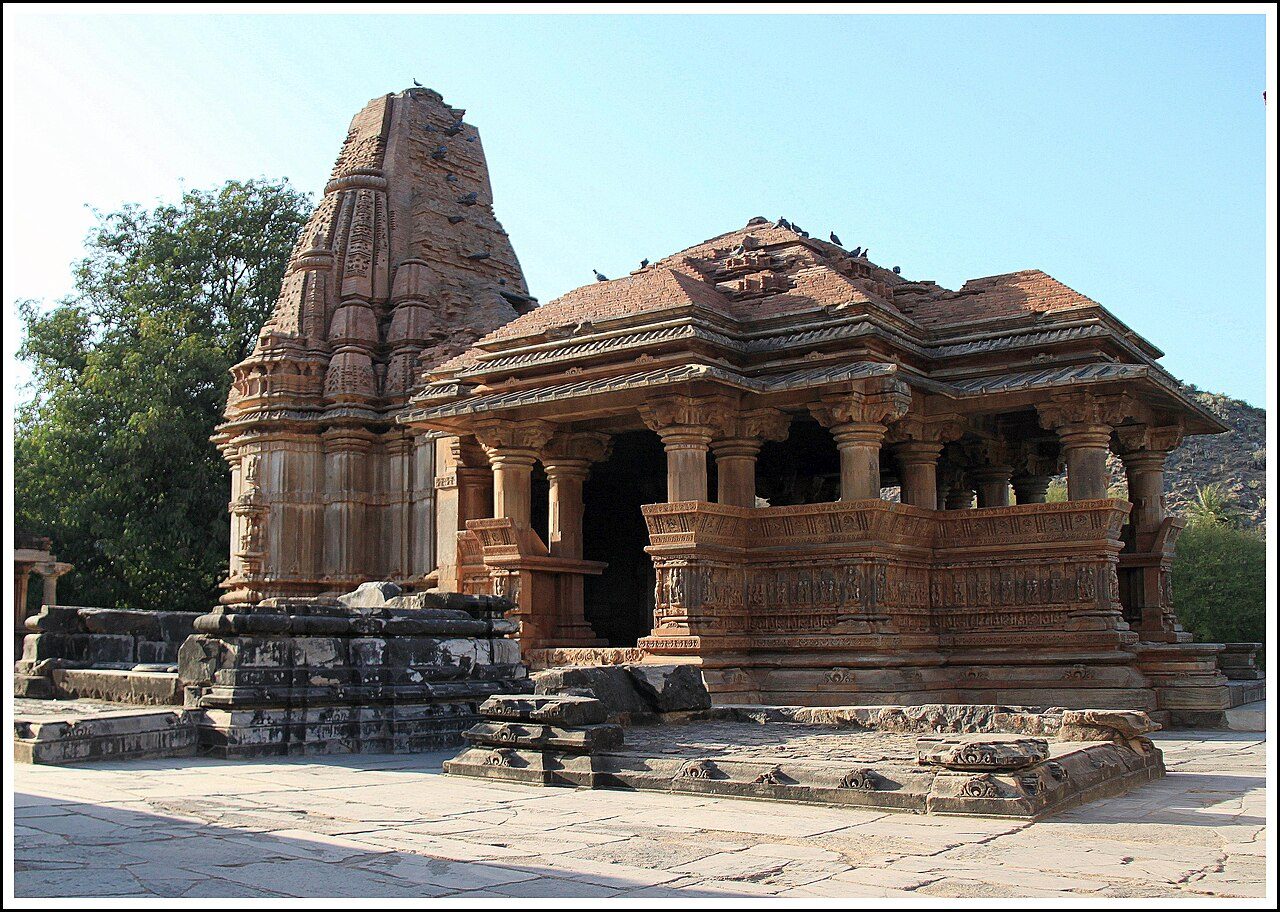
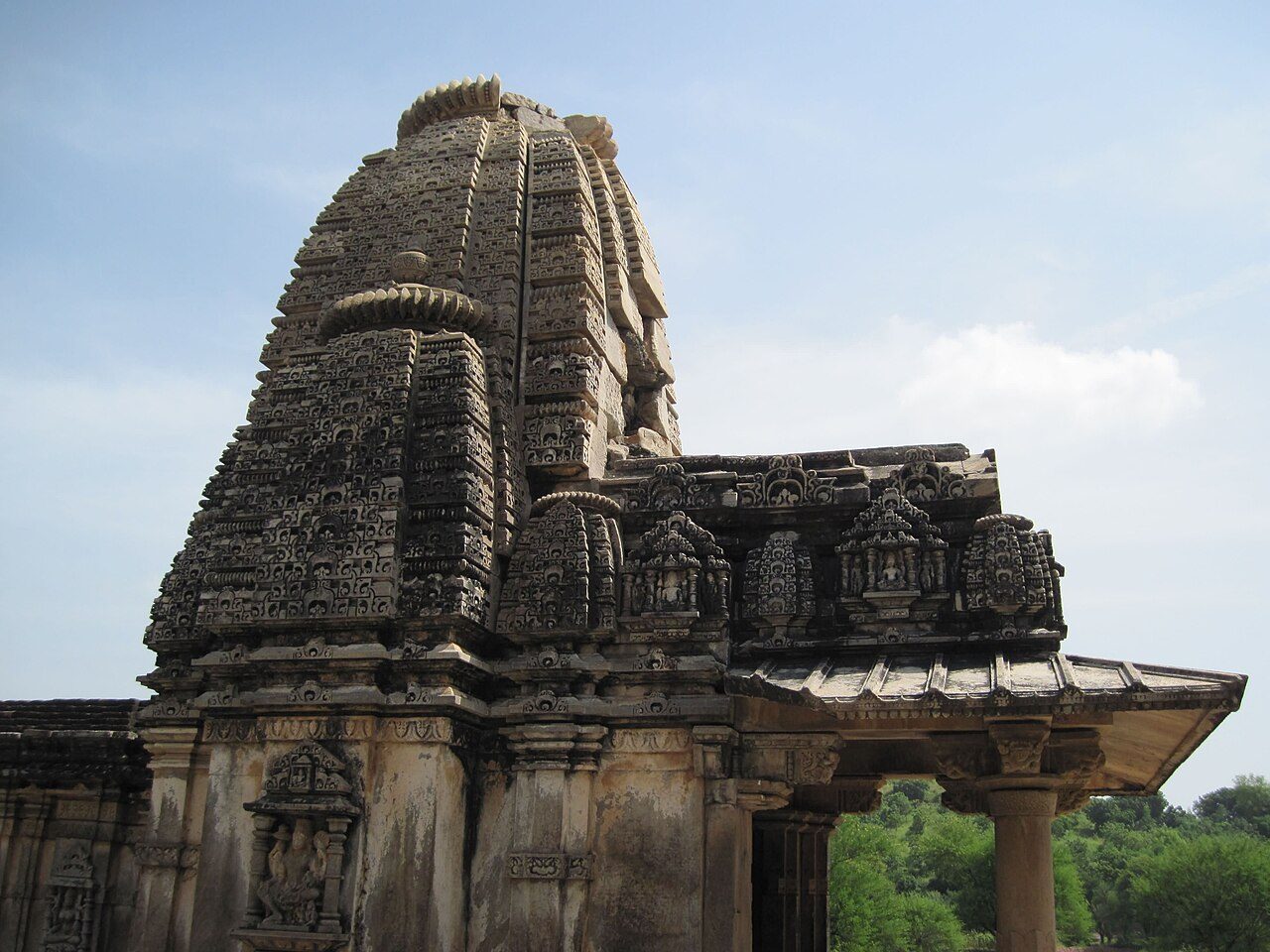
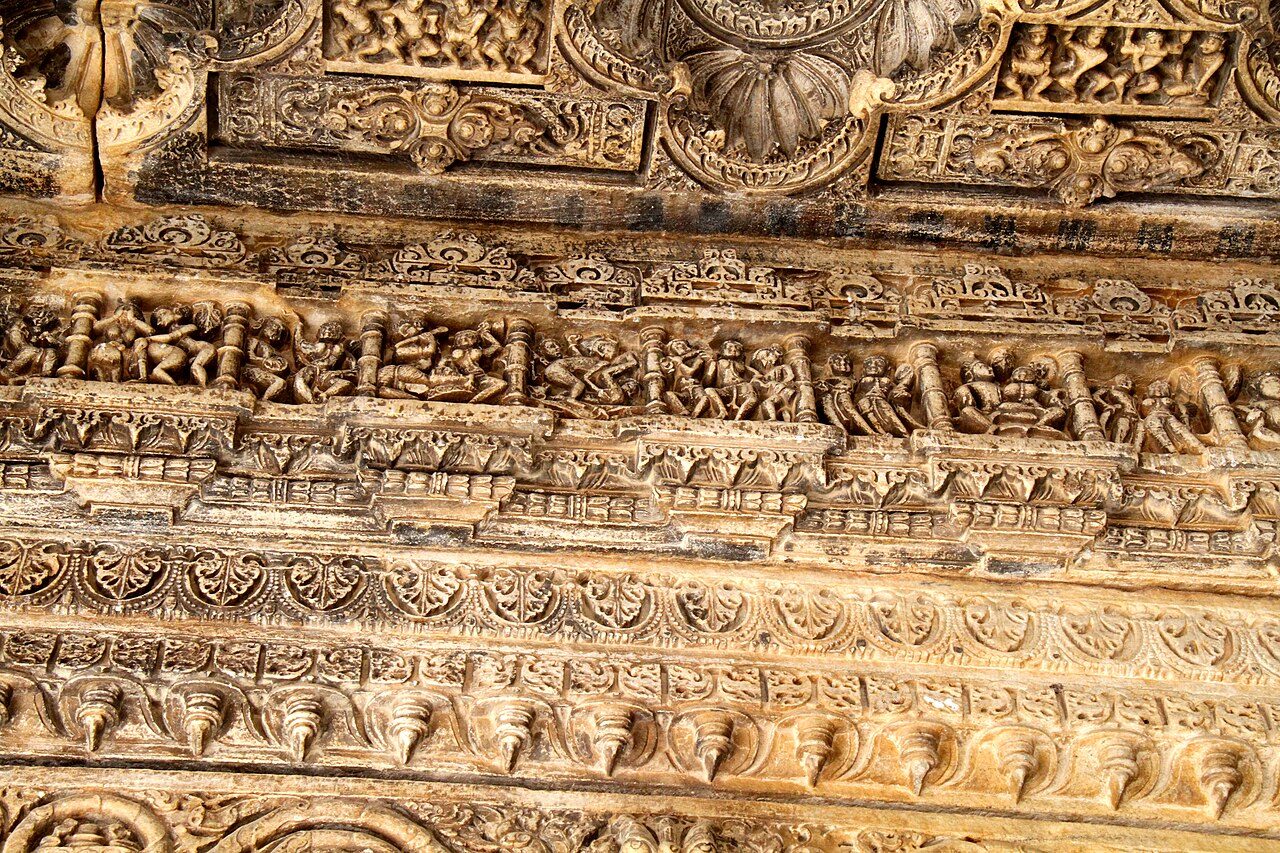
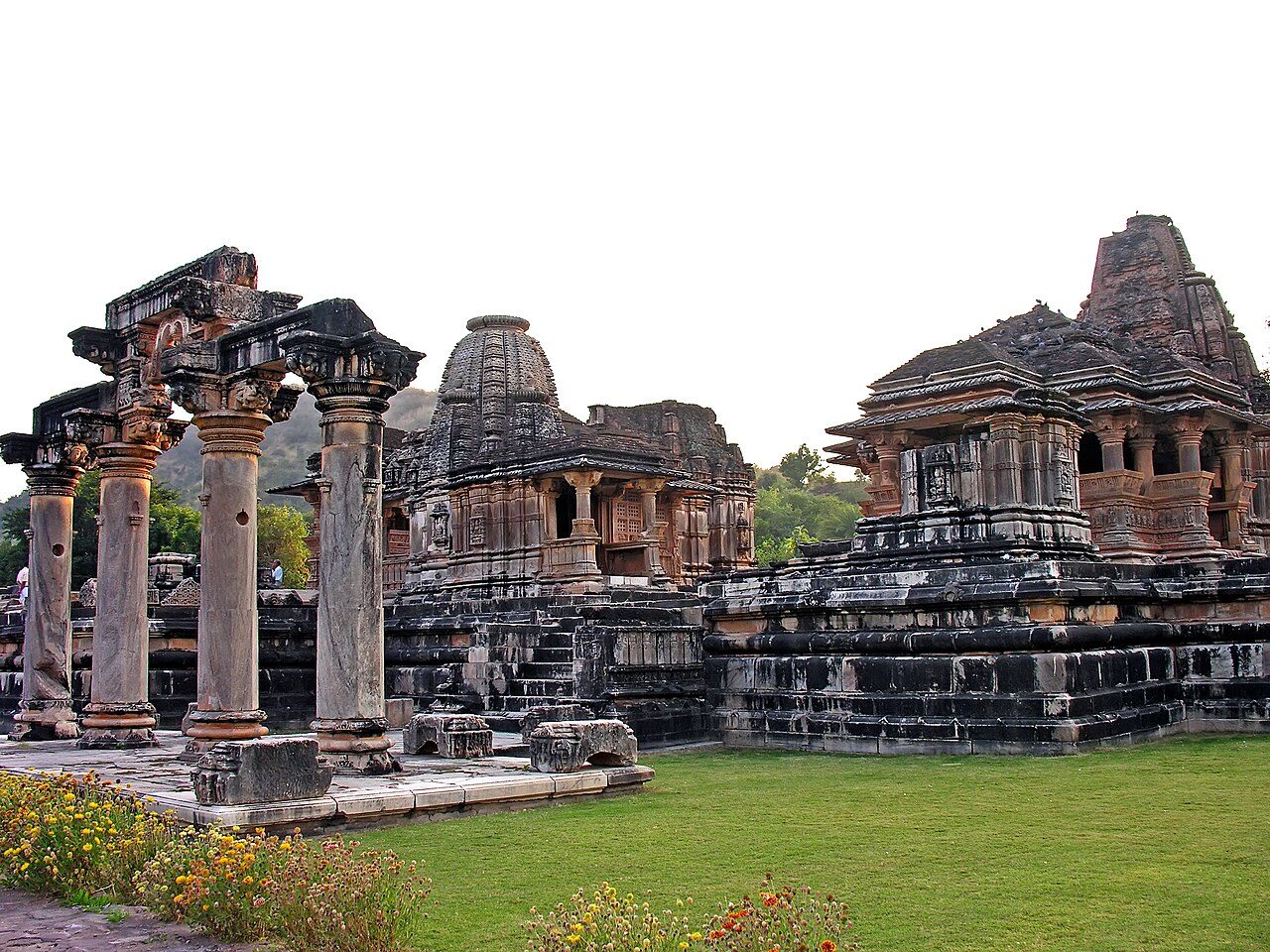
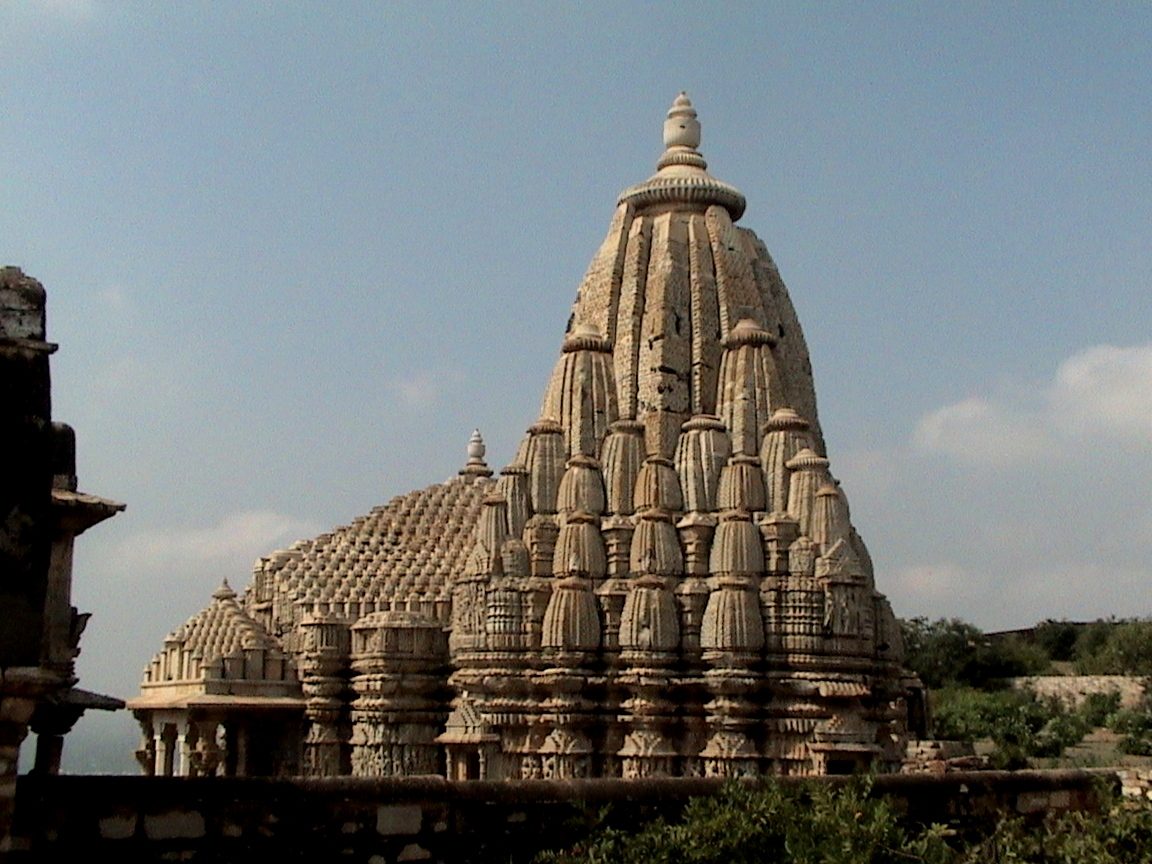
The Sahasra Bahu temples at Nagda, popularly called Sas-Bahu, are a pair of late 10th-century temples dedicated to Vishnu. They stand on a platform beside a lake, with a carved torana in front. Though partly ruined, the halls and ceilings are covered in fine sculpture of deities and scenes from the Ramayana. Nagda was an early capital of Mewar. The site lies close to Eklingji.
12
STOP 12 OF 17
Statue of Belief
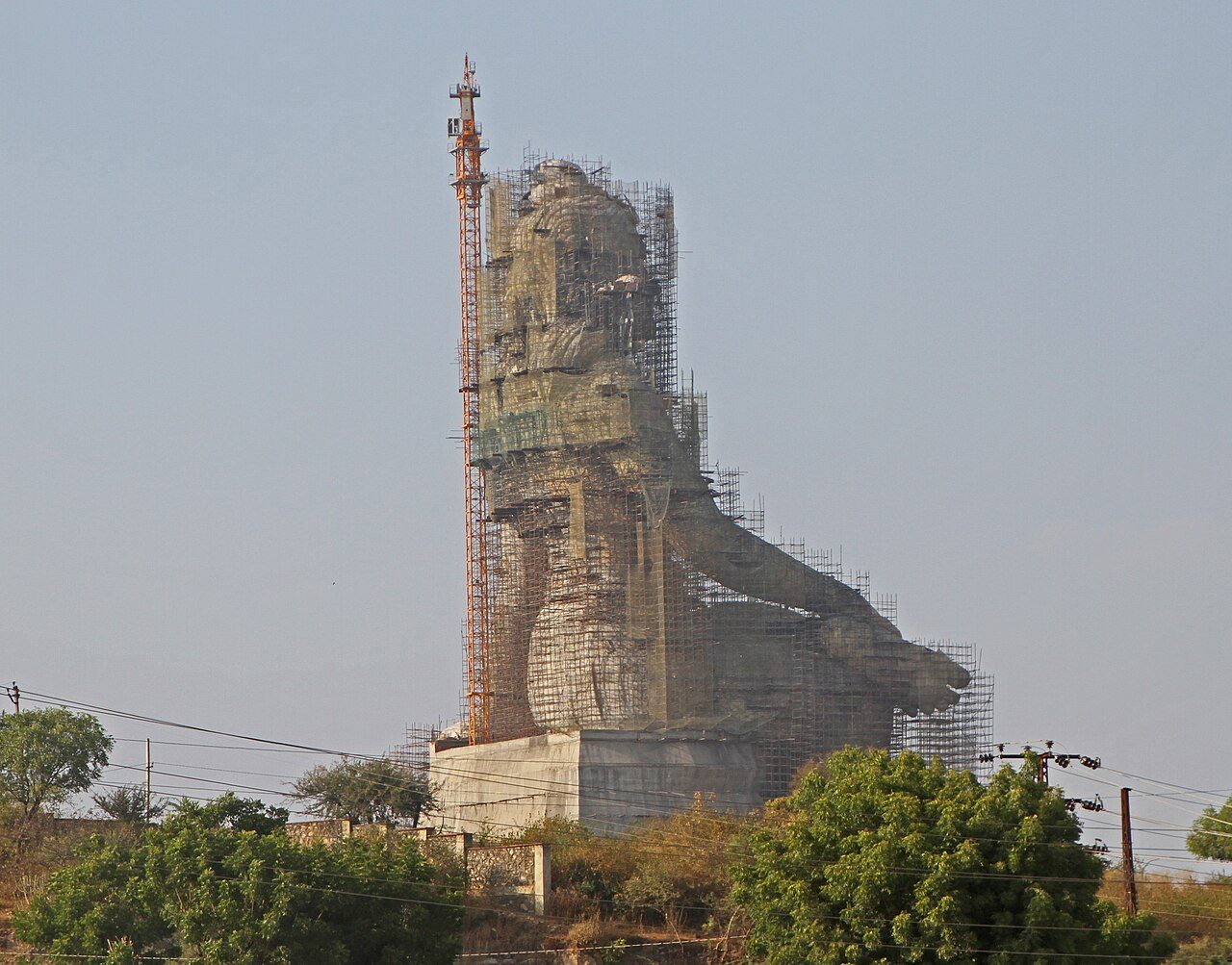
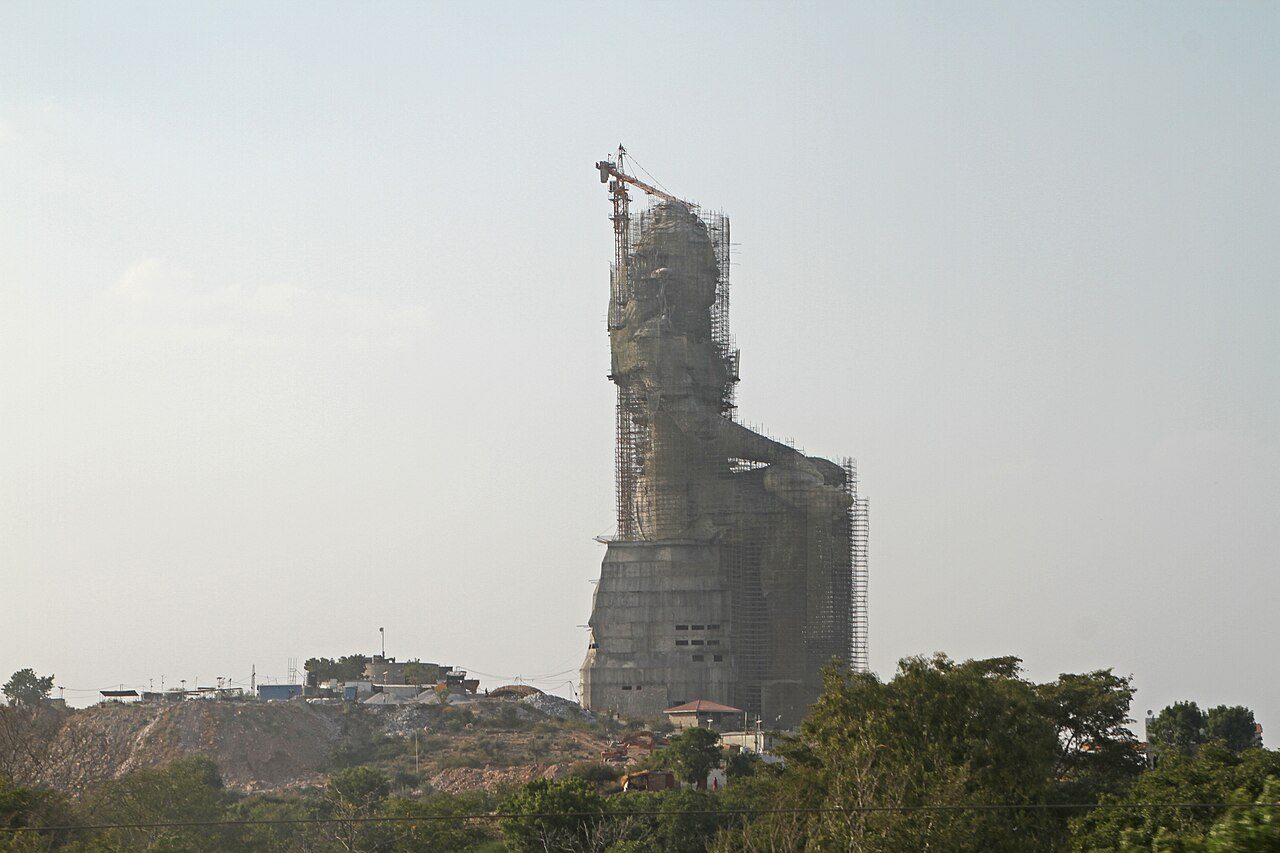
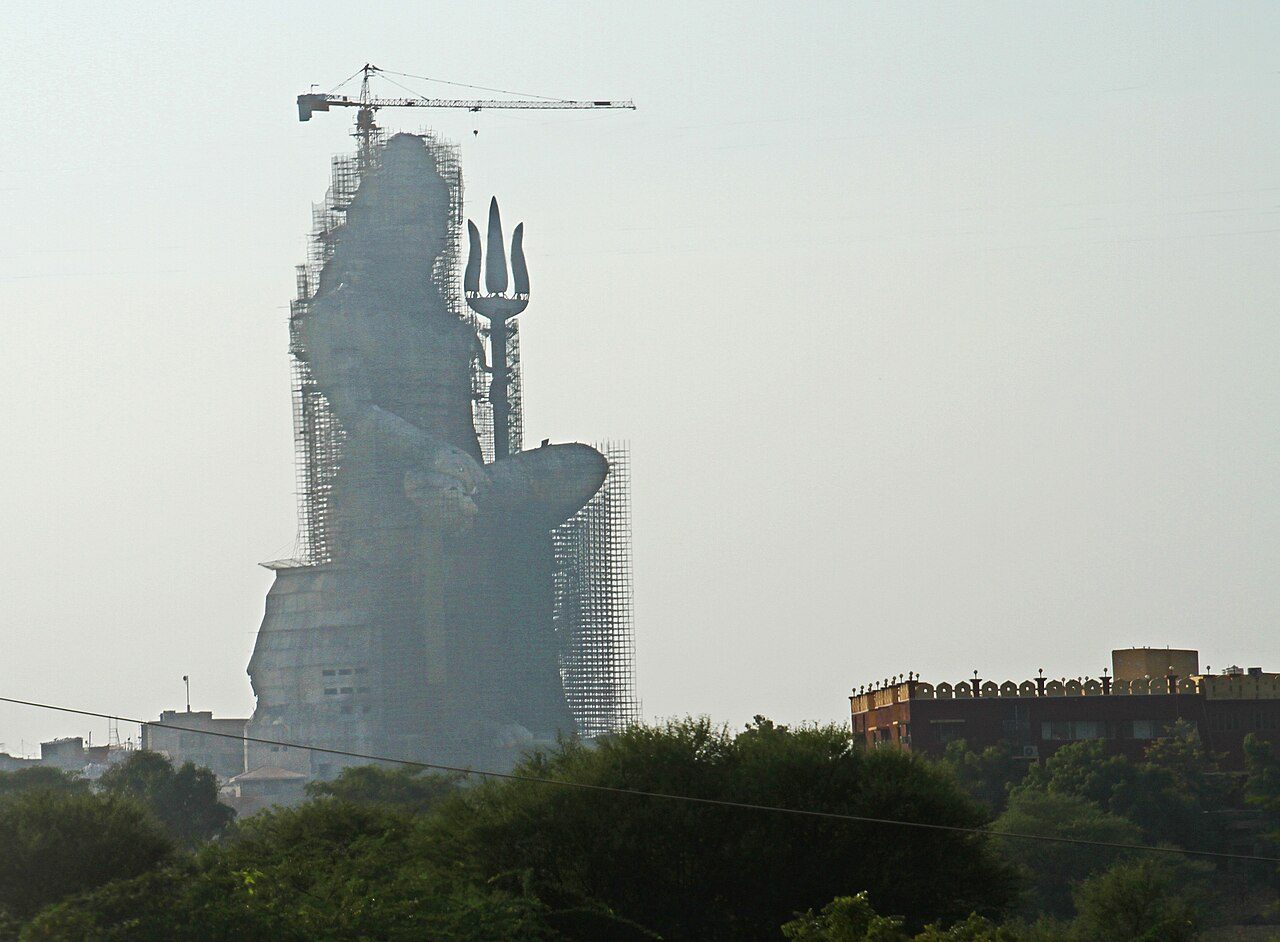
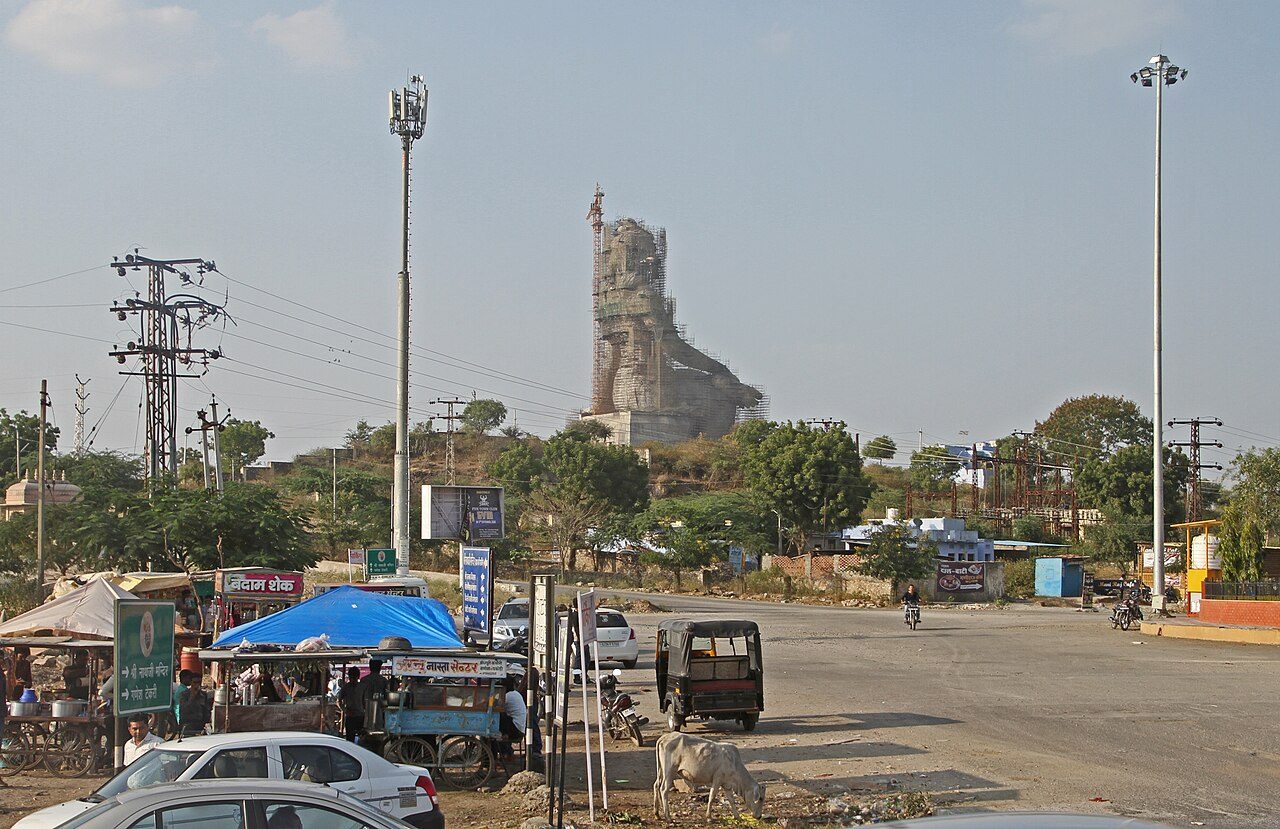
The Statue of Belief, or Vishwas Swaroopam, at Nathdwara is a statue of a seated Shiva 369 feet tall, among the tallest in the world, opened in 2022. Lifts and stairs inside take visitors to viewing galleries at different heights. The grounds have gardens, a light and sound show in the evening and adventure activities. It is visible from many kilometres away on the Udaipur highway.
13
STOP 13 OF 17
Rajsamand Lake
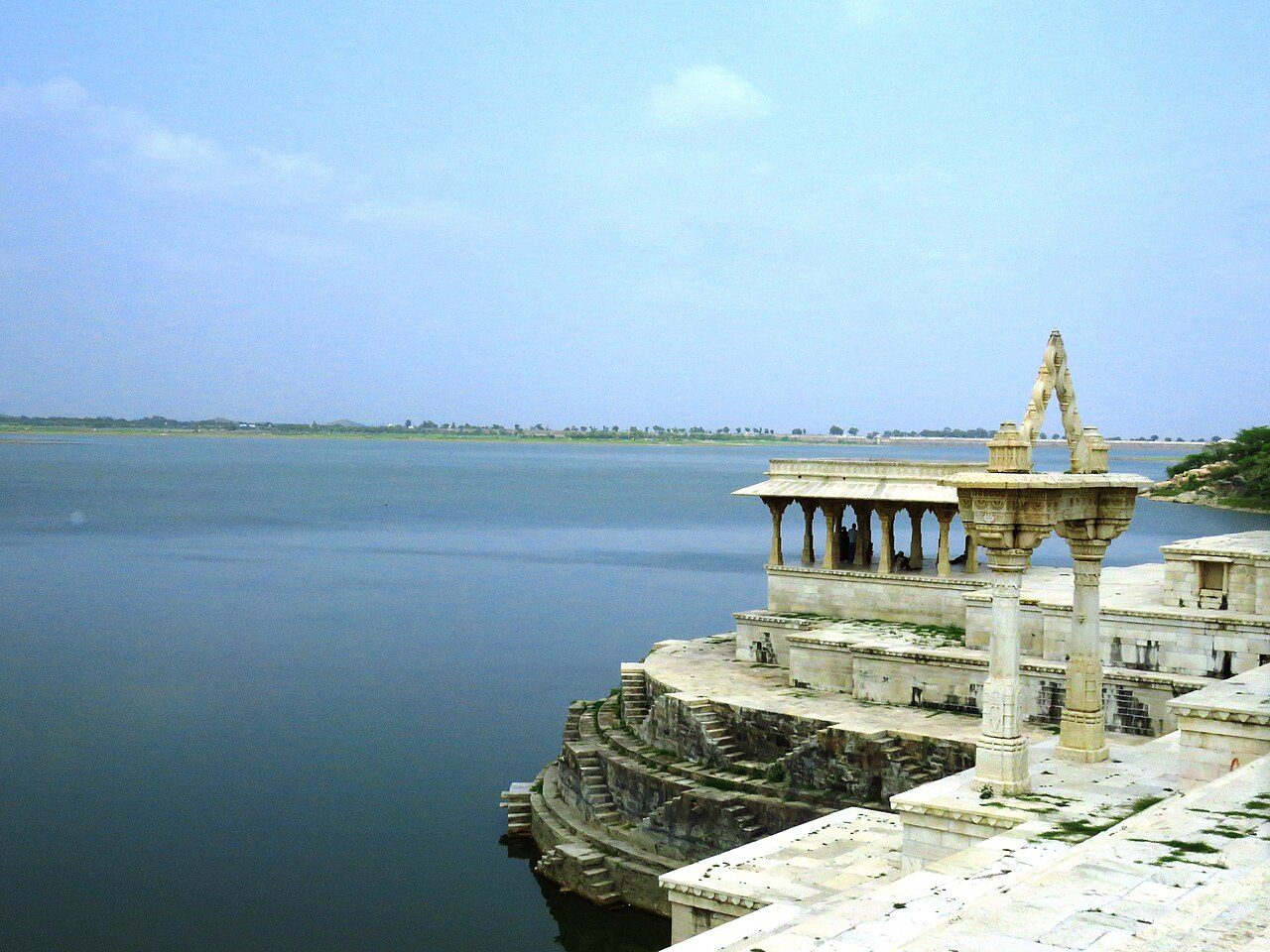
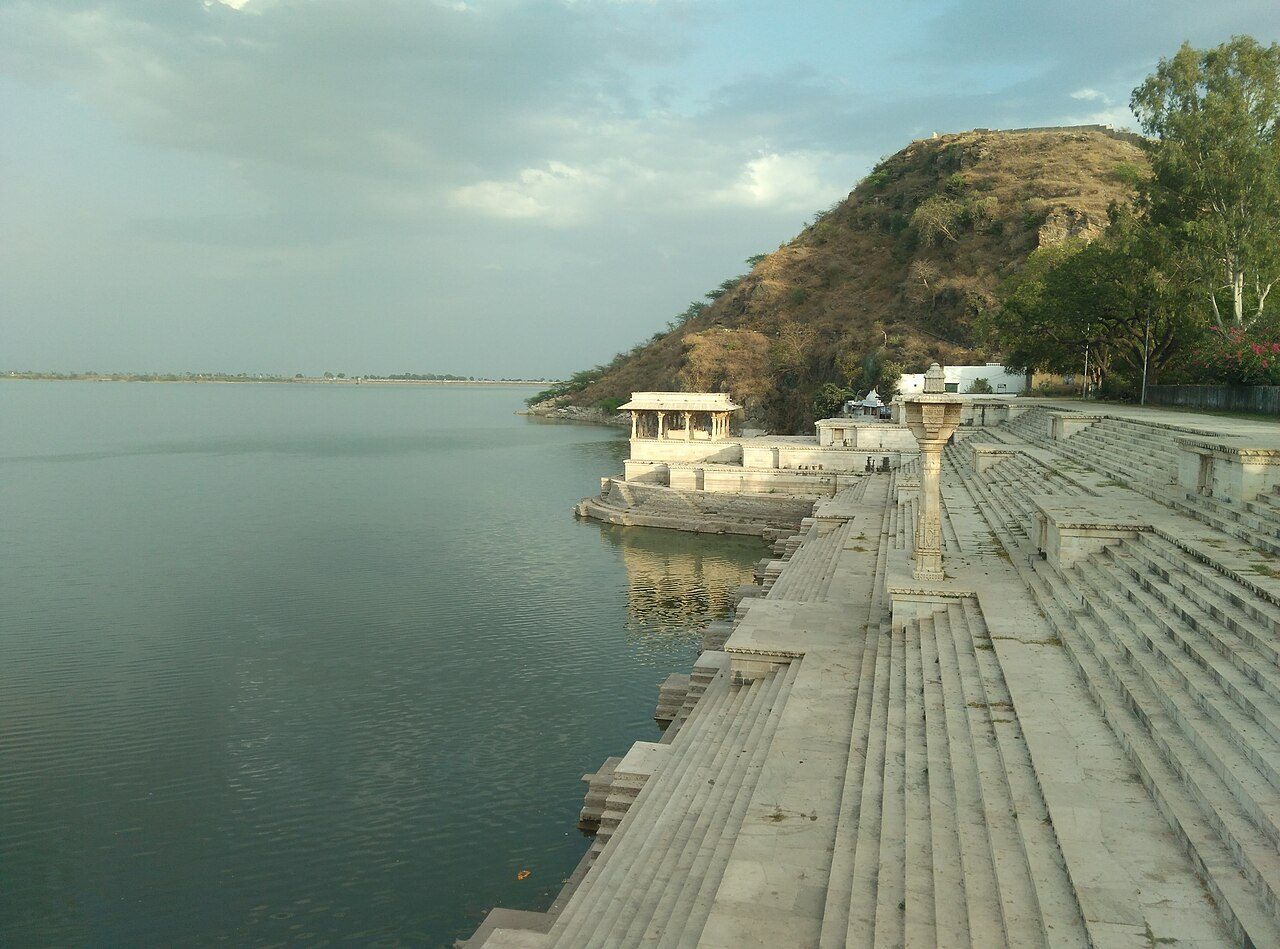
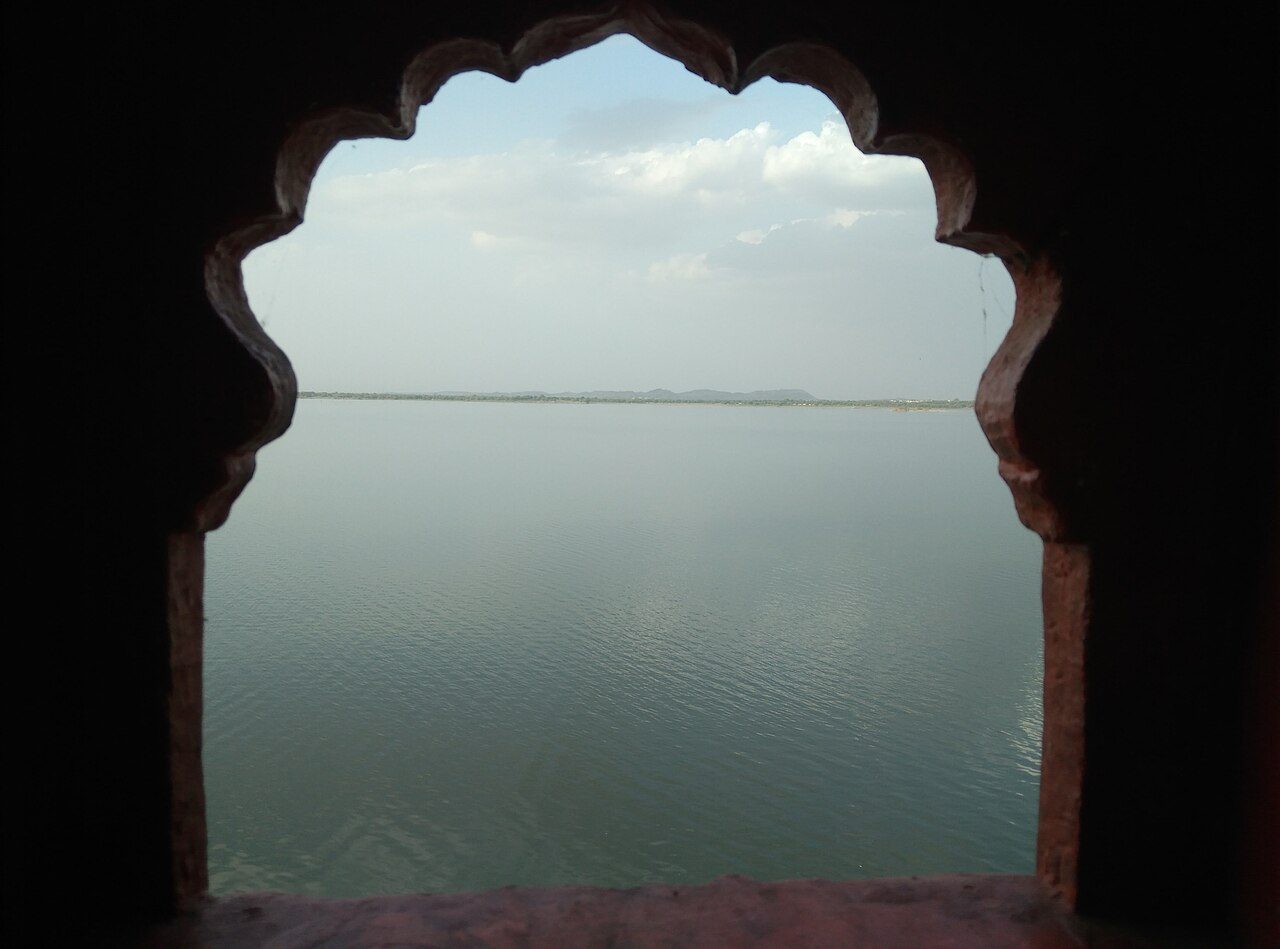
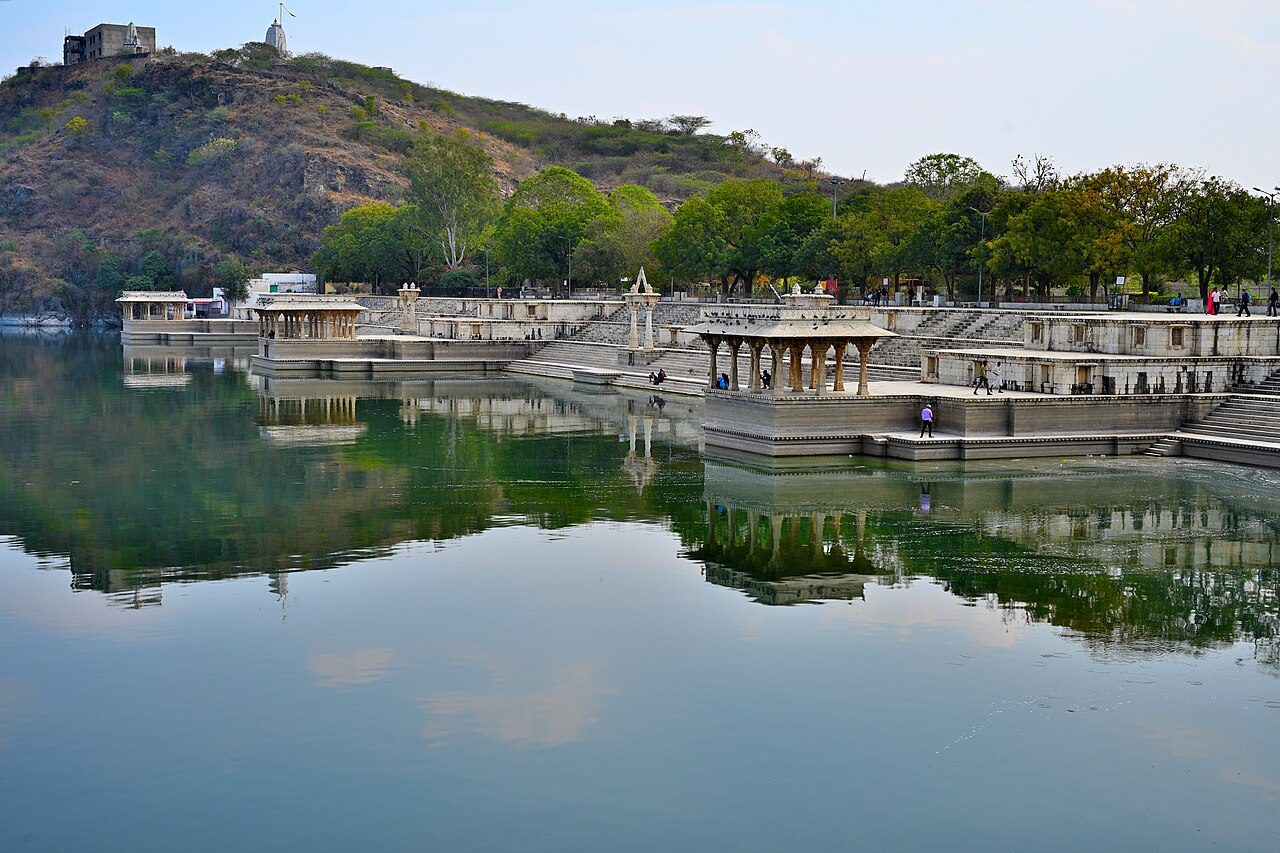
Rajsamand Lake was created in the 1660s and 1670s by Maharana Raj Singh I of Mewar, partly as famine relief. Its marble embankment at Kankroli, the Nauchowki, has pavilions, arches and steps carved with great delicacy. Set into it is the Raj Prashasti, a history of Mewar in Sanskrit inscribed on twenty-five slabs, among the longest stone inscriptions in India.
14
STOP 14 OF 17
Chittorgarh Fort
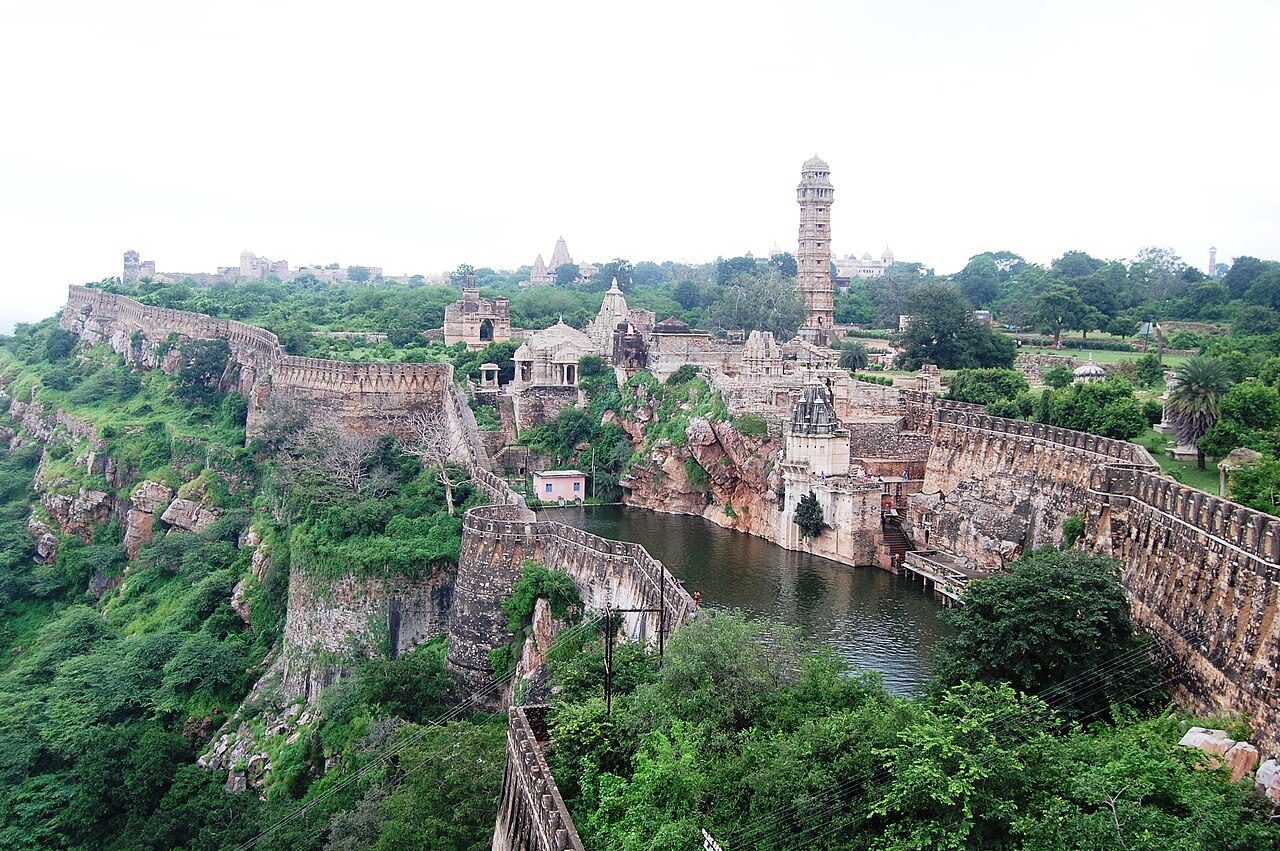
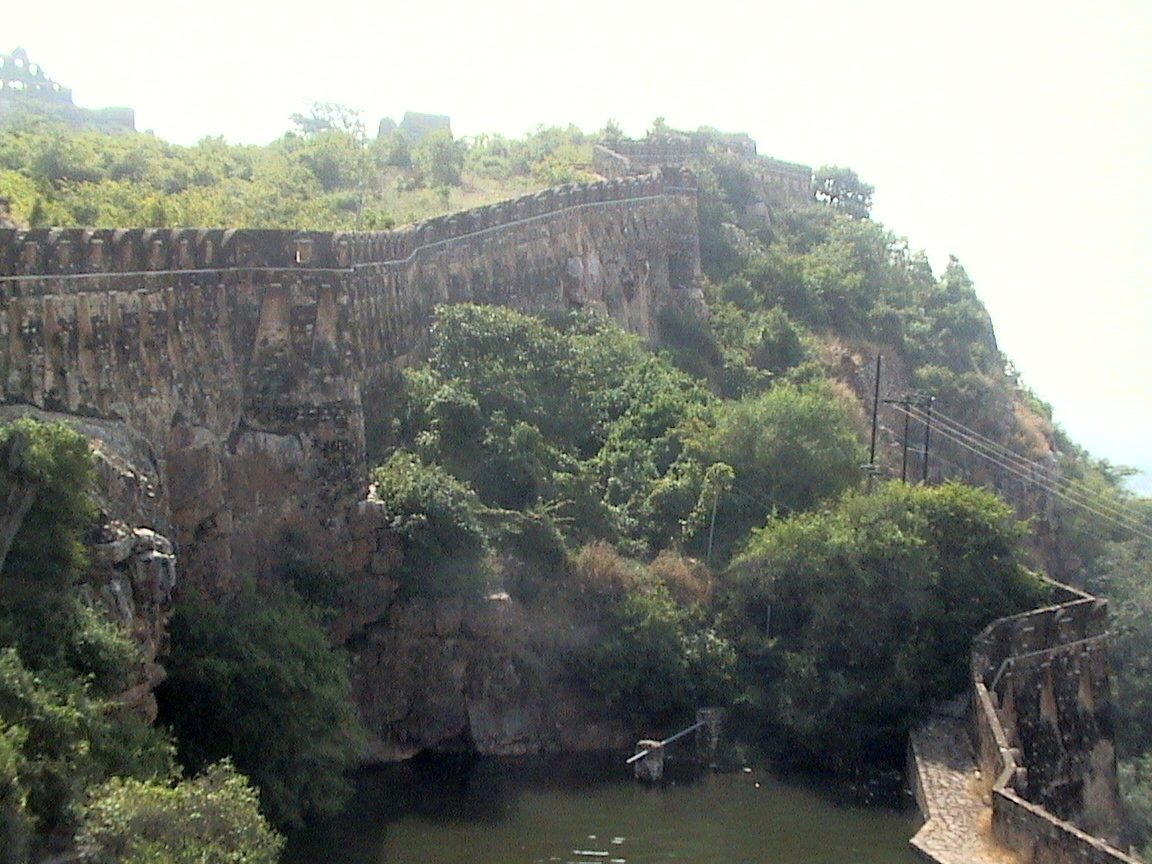
Chittorgarh is the largest fort in India, spread over a long hill above the Berach river, and was the capital of Mewar for centuries. It was besieged three times, by Alauddin Khalji in 1303, Bahadur Shah of Gujarat in 1535 and Akbar in 1568, each ending in jauhar. Seven gates lead up to palaces, temples, towers and reservoirs. It is part of the UNESCO-listed hill forts of Rajasthan.
15
STOP 15 OF 17
Vijay Stambha
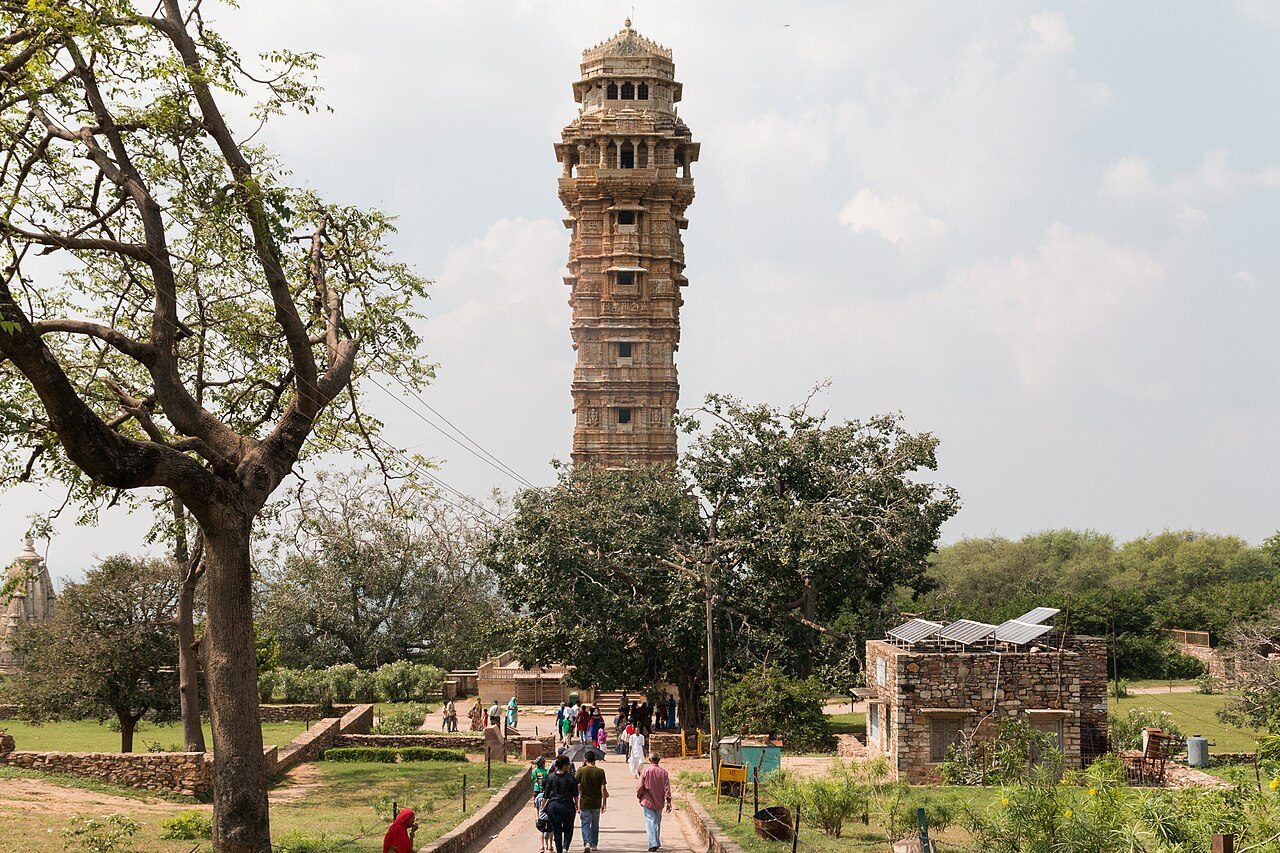
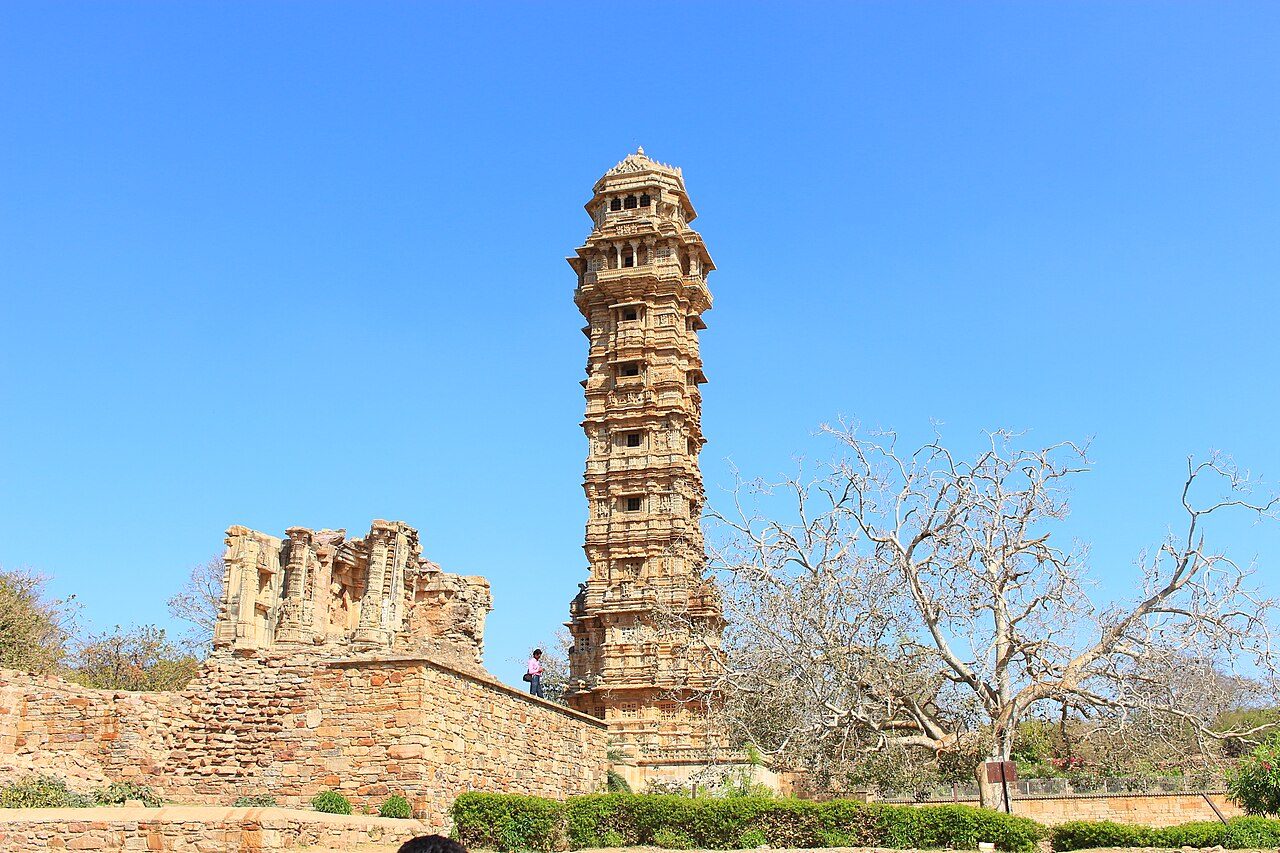
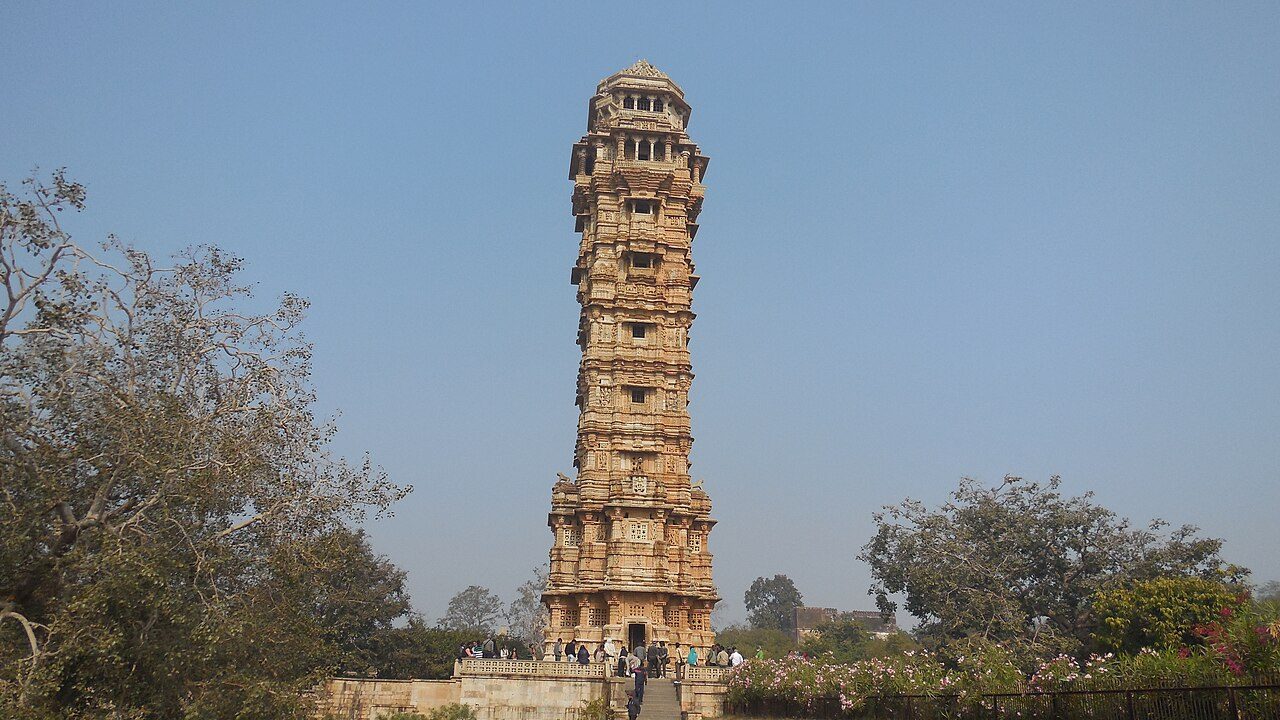
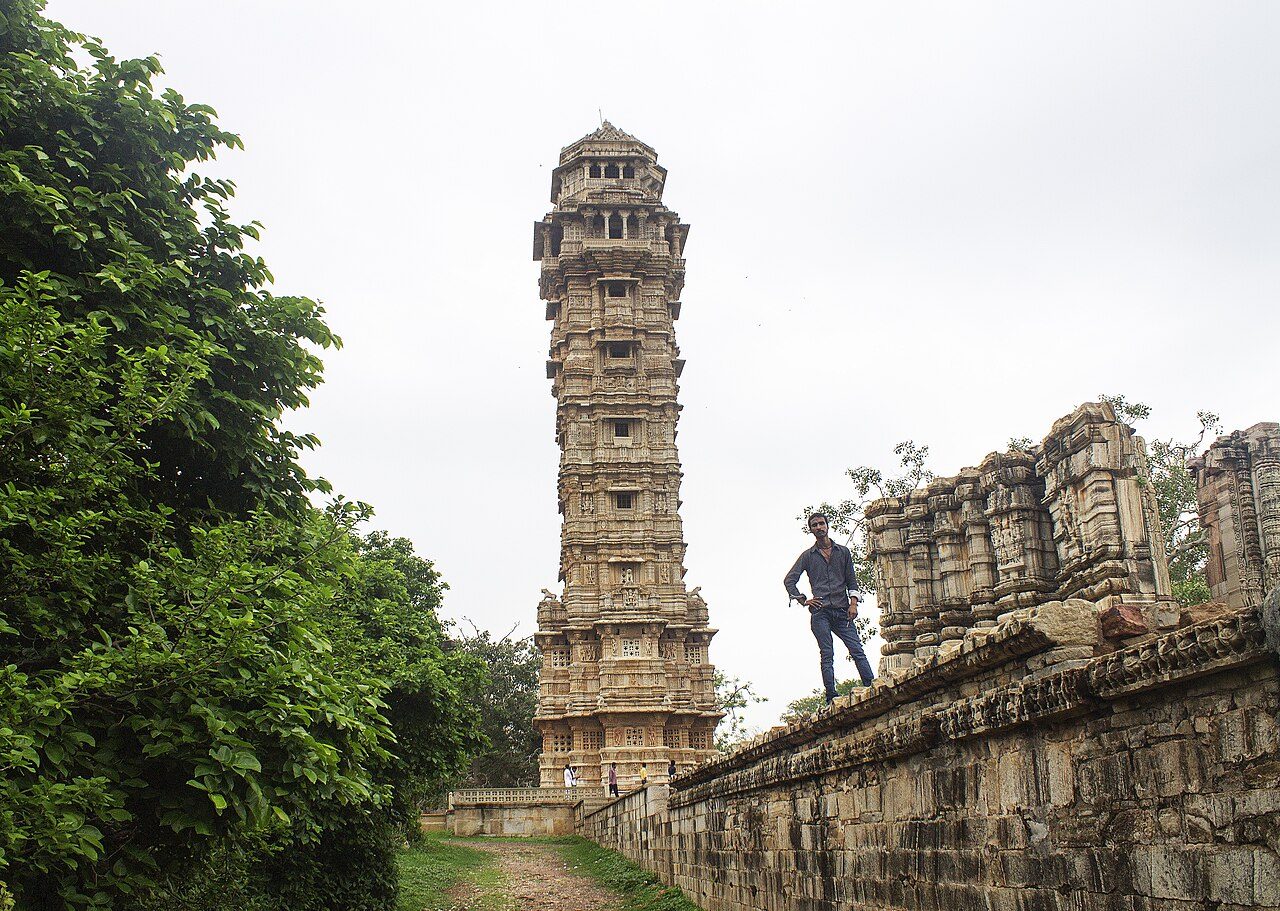
The Vijay Stambha, or Tower of Victory, was built in Chittorgarh Fort by Rana Kumbha, completed in 1448, to commemorate his victory over the Sultan of Malwa. The nine-storey tower stands about 37 metres high and is carved all over with images of Hindu deities, each labelled with its name. It is dedicated to Vishnu. The tower is the emblem of Chittor and is illuminated in the evening.
16
STOP 16 OF 17
Kirti Stambha
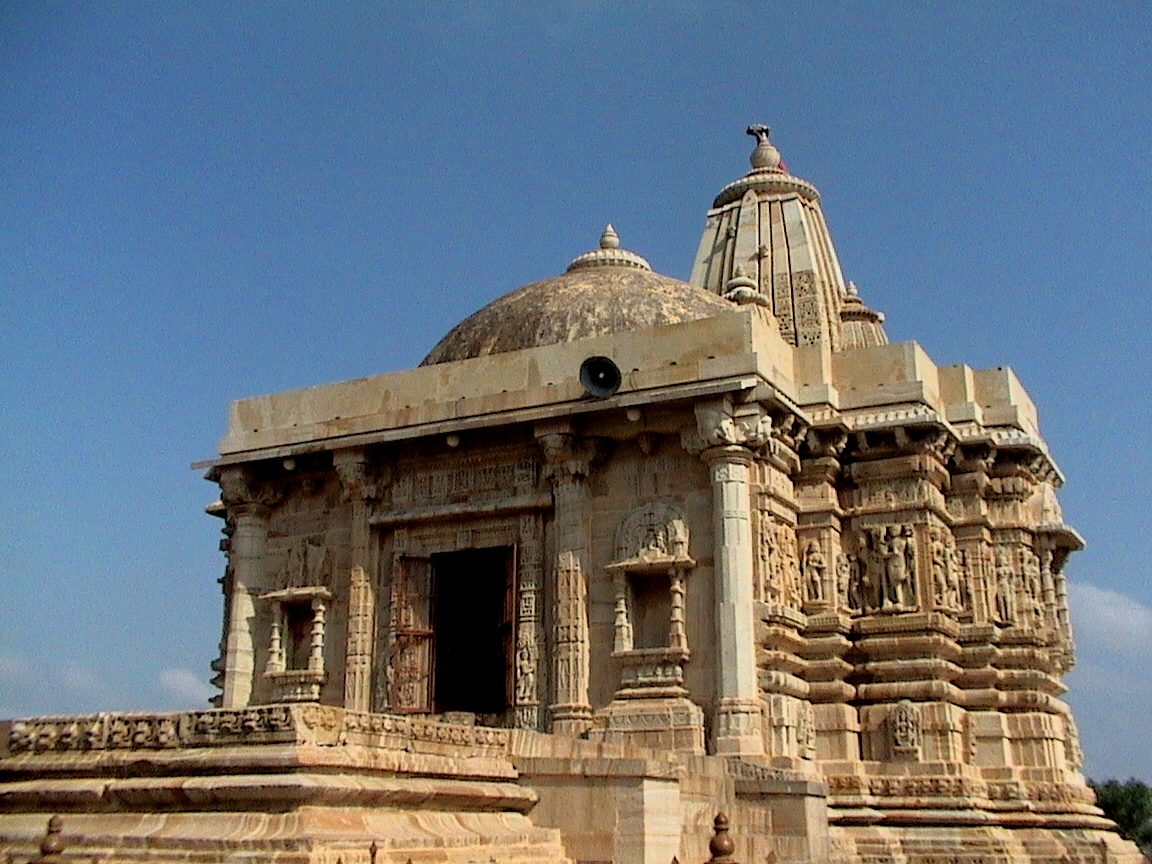
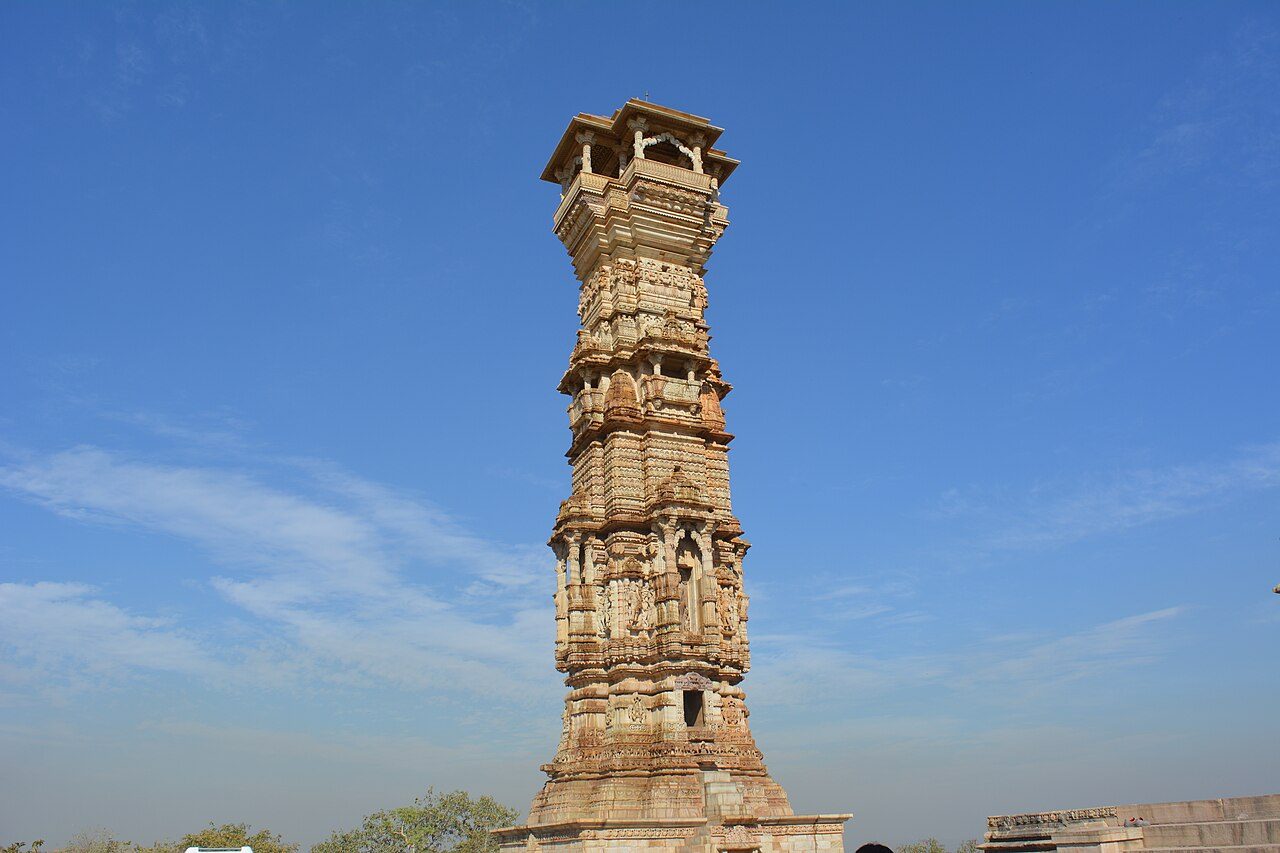
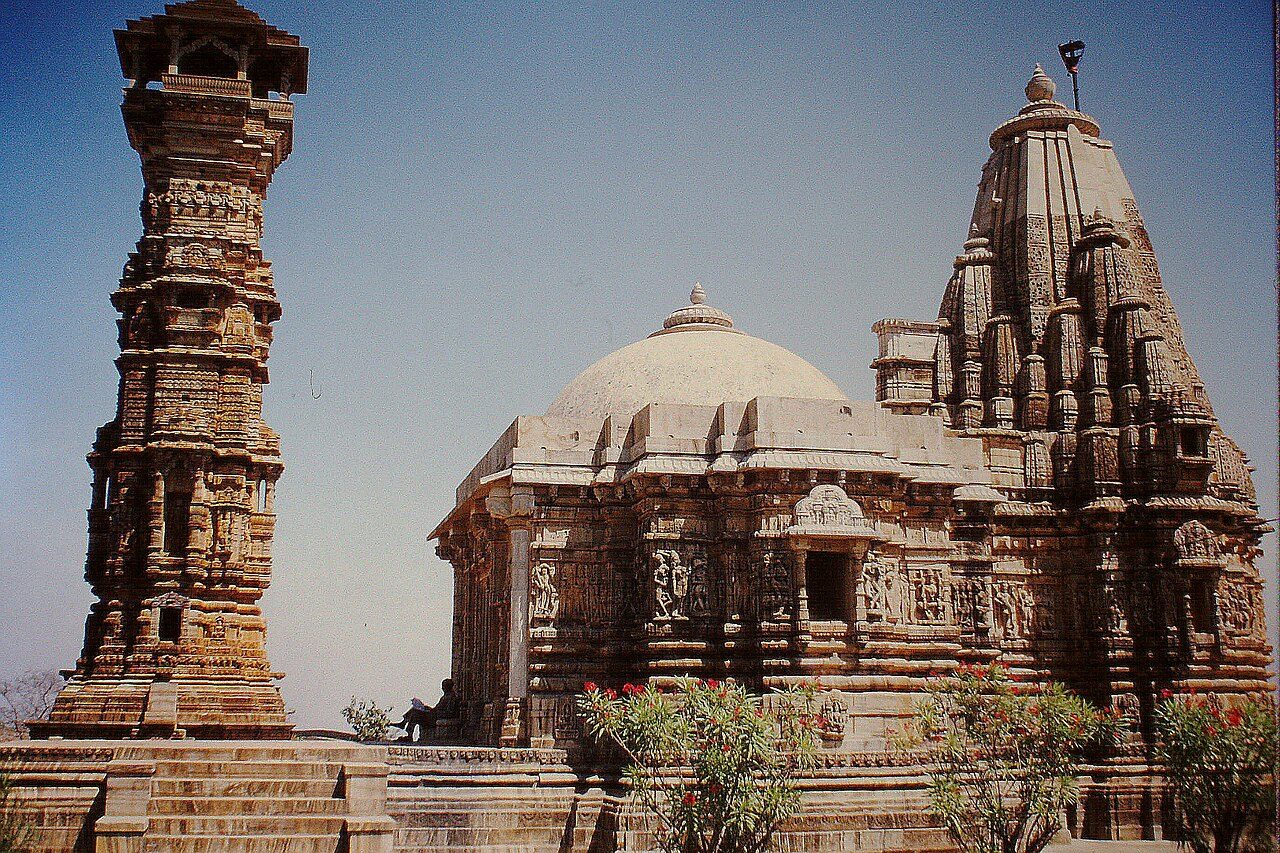
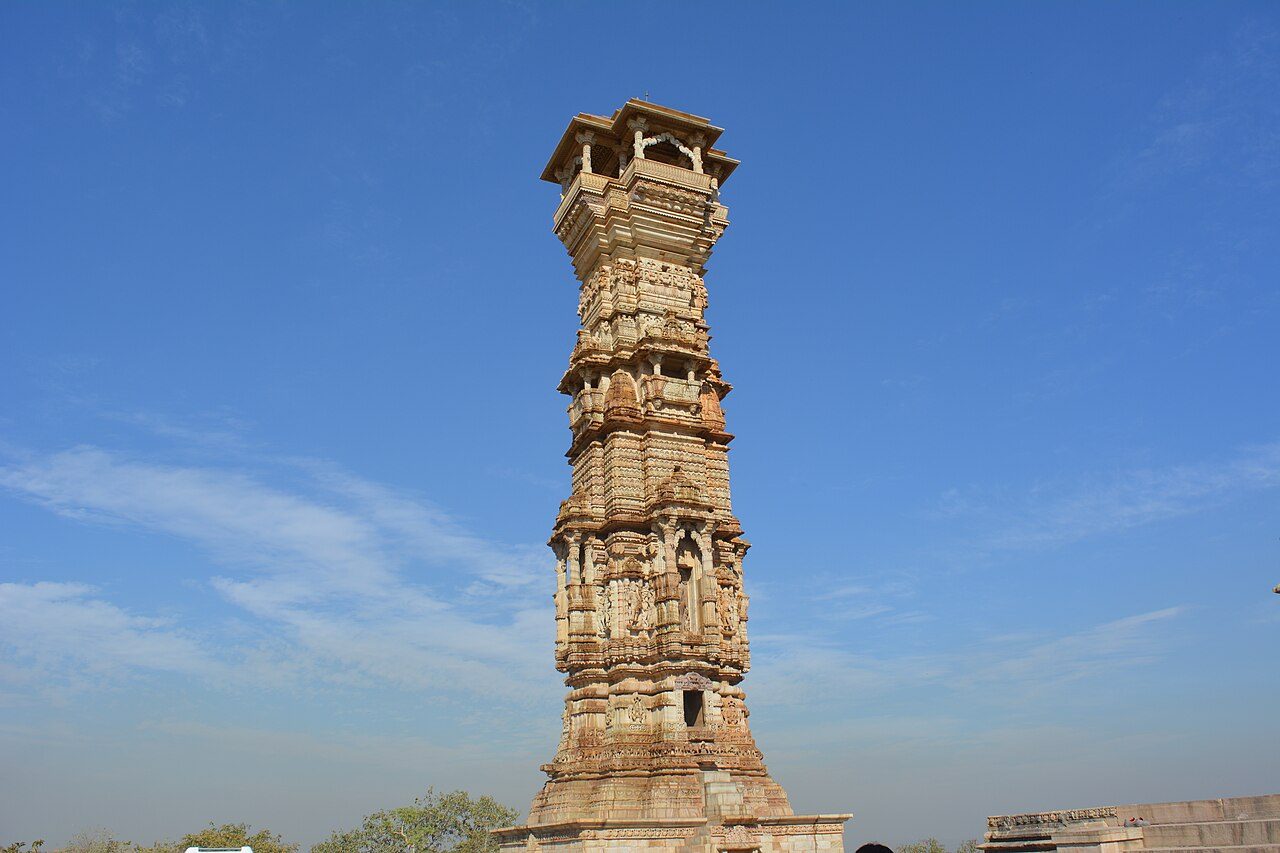
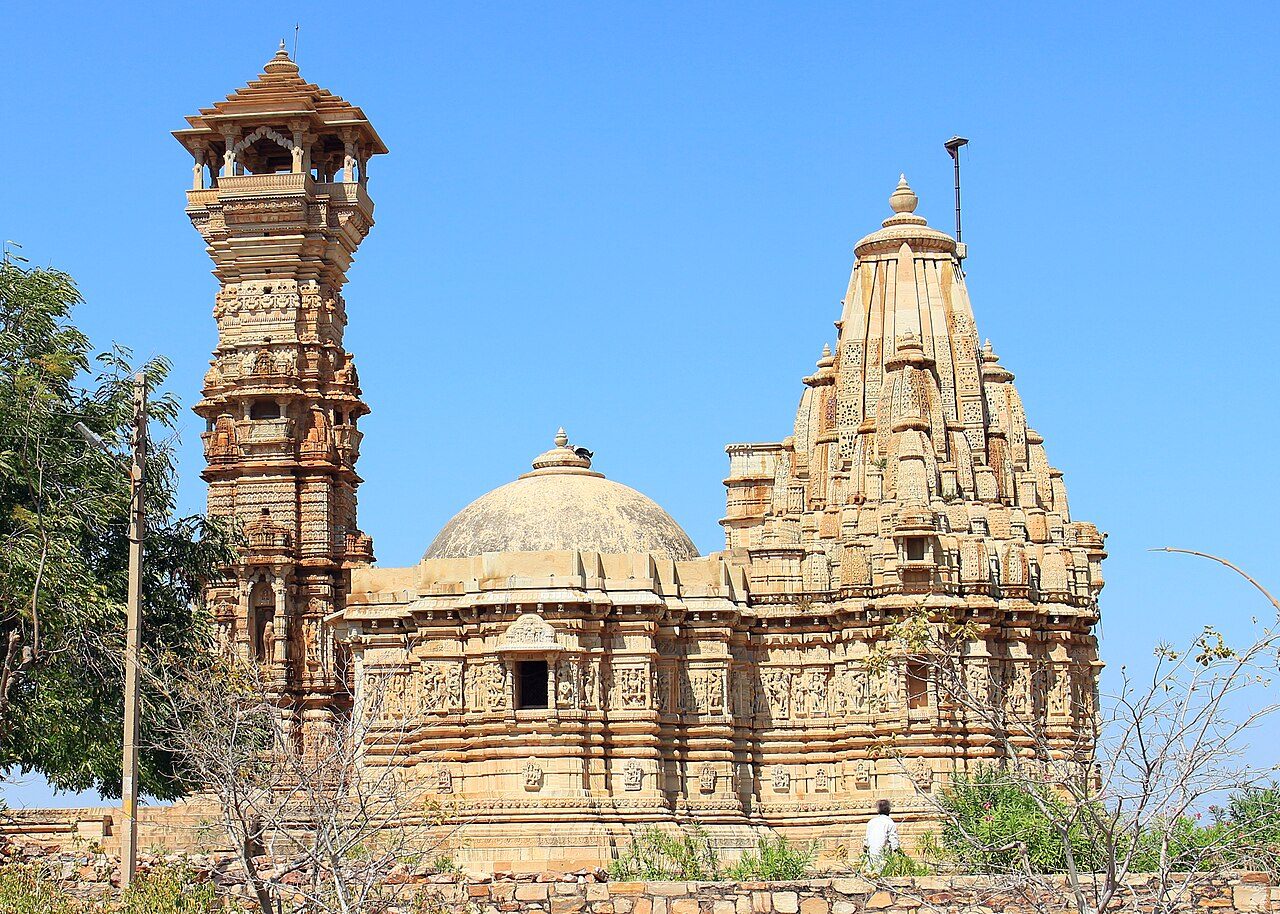
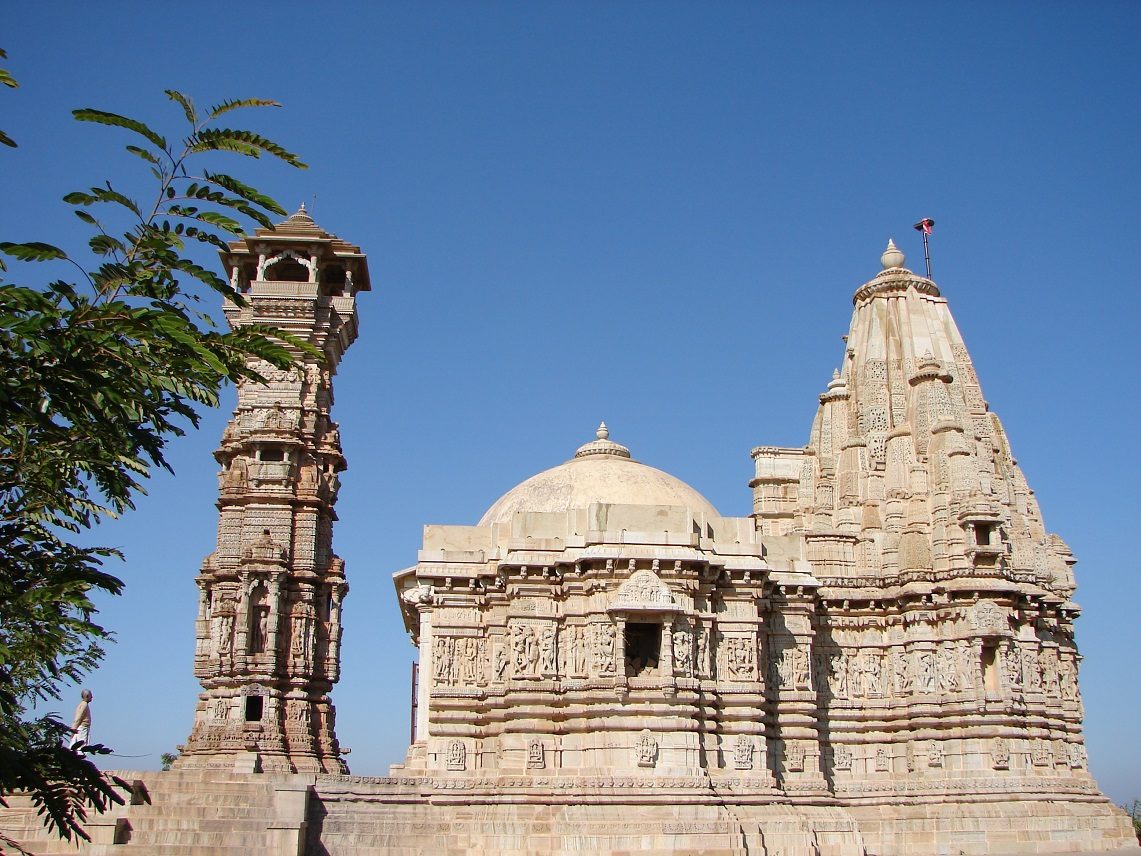
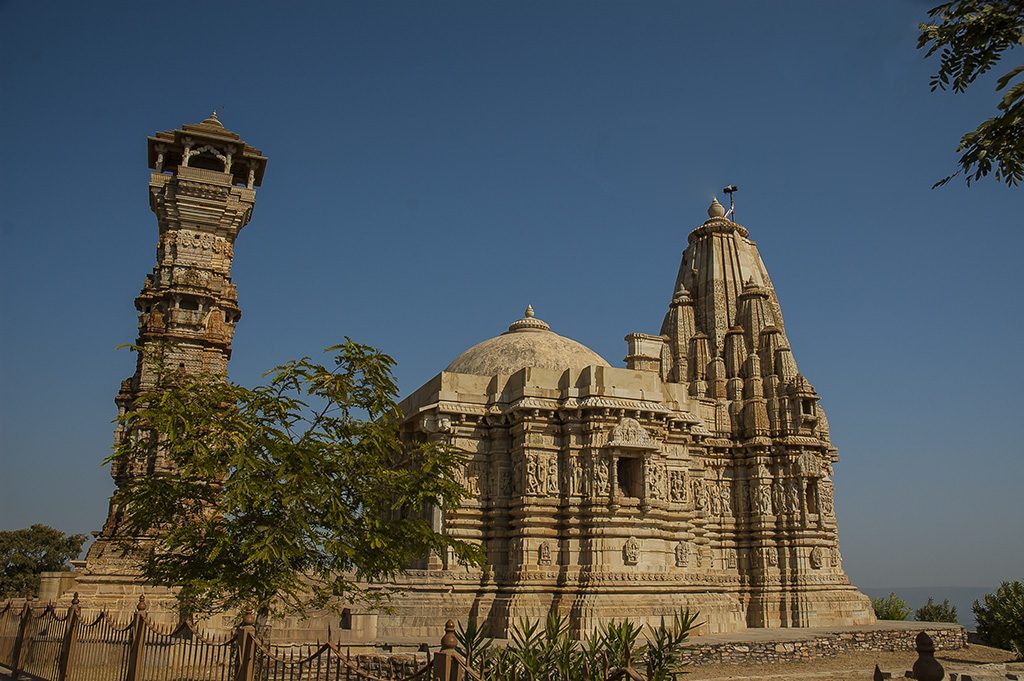
The Kirti Stambha, or Tower of Fame, is a 12th-century tower in Chittorgarh Fort built by a Jain merchant and dedicated to Adinatha, the first Tirthankara. About 22 metres high, it has seven storeys covered in Jain sculpture, with standing figures of Adinatha on each face. It is older than the better-known Vijay Stambha and stands beside a Jain temple on the eastern side of the fort.
17
STOP 17 OF 17 · LAST STOP
Padmini Palace
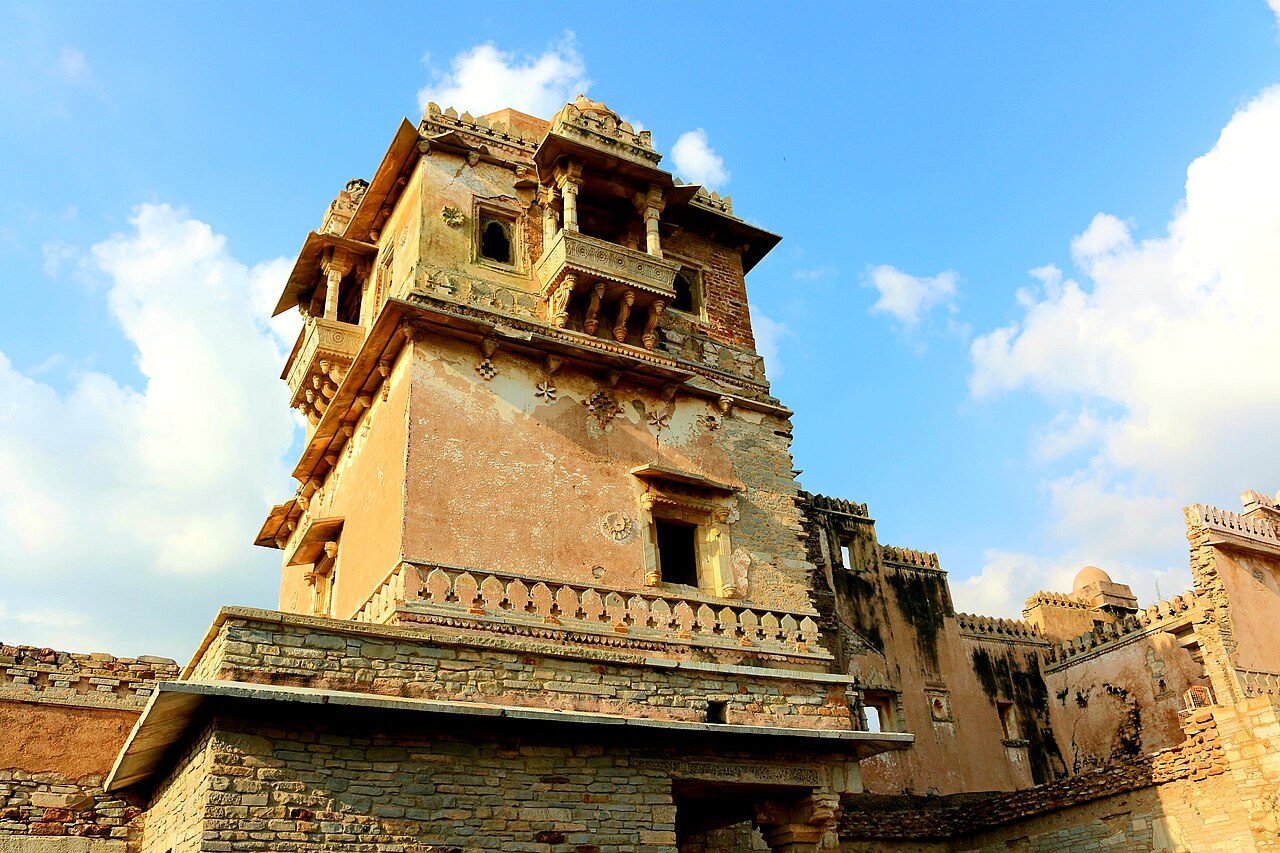
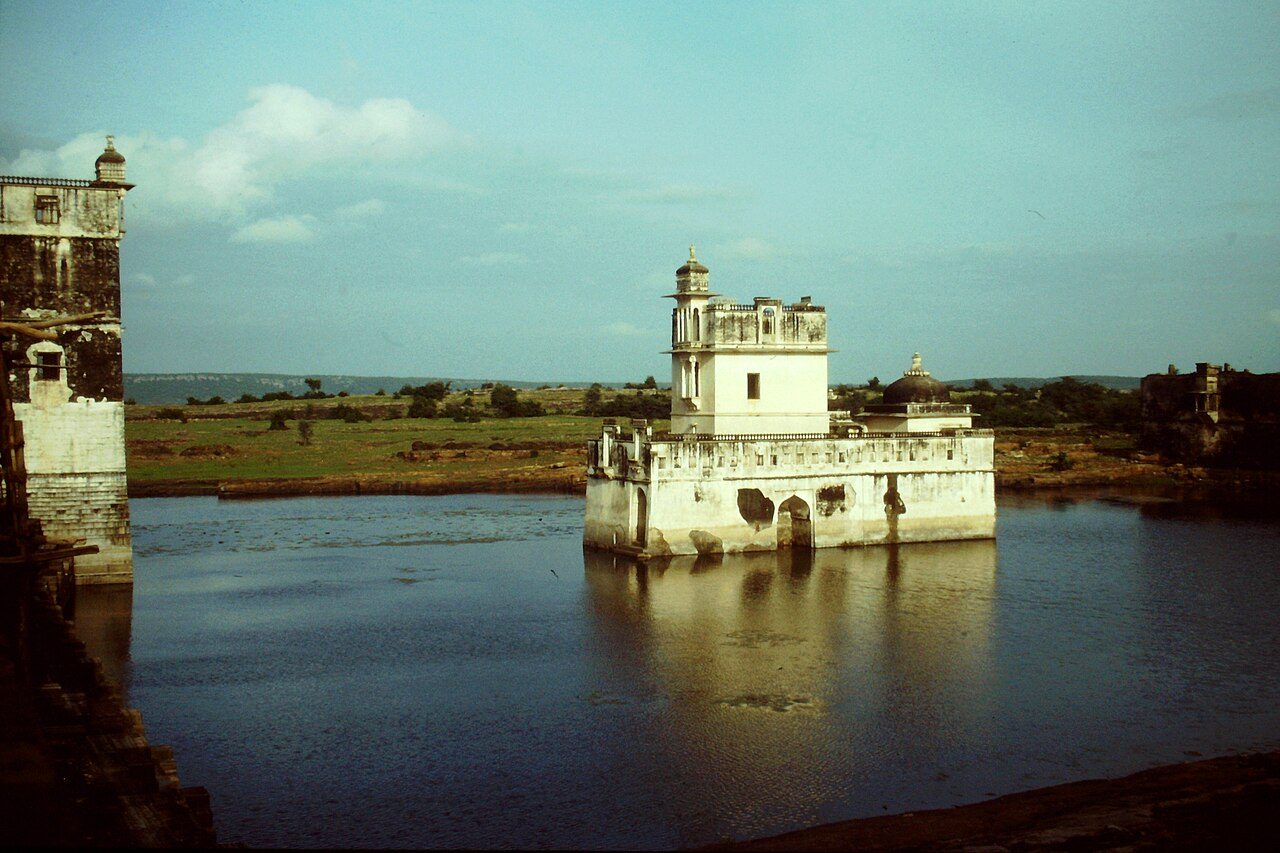
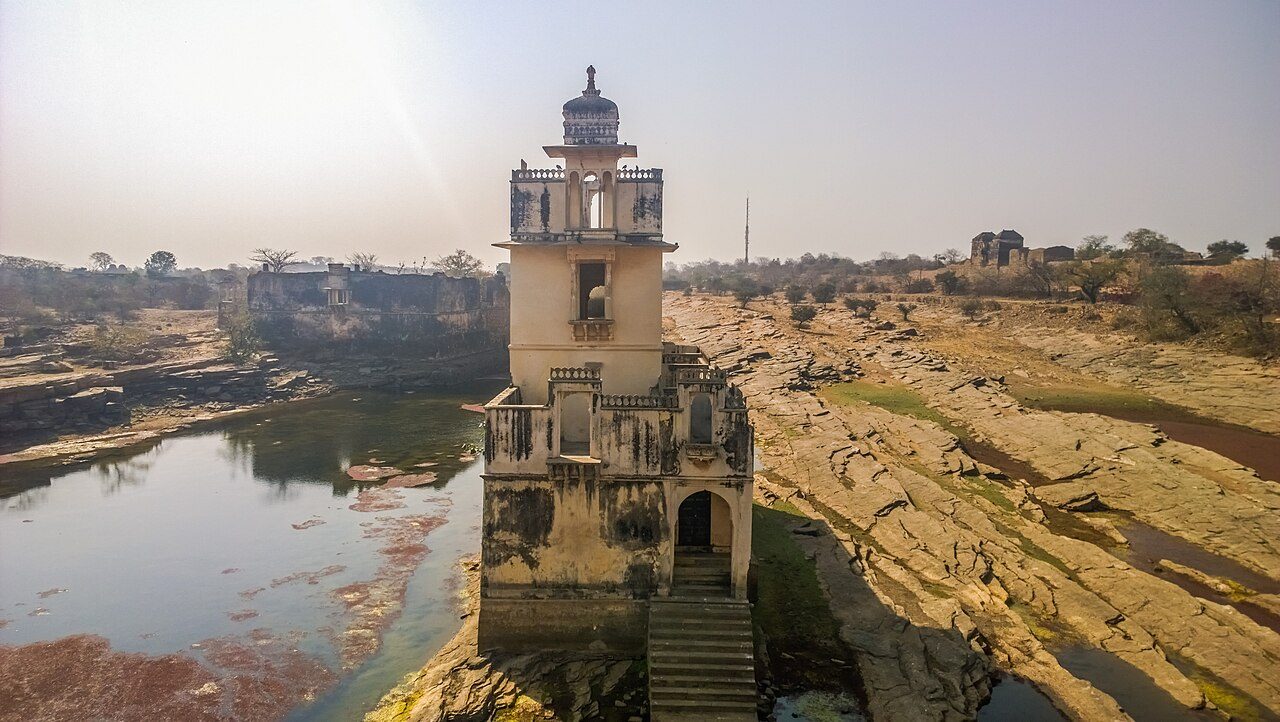
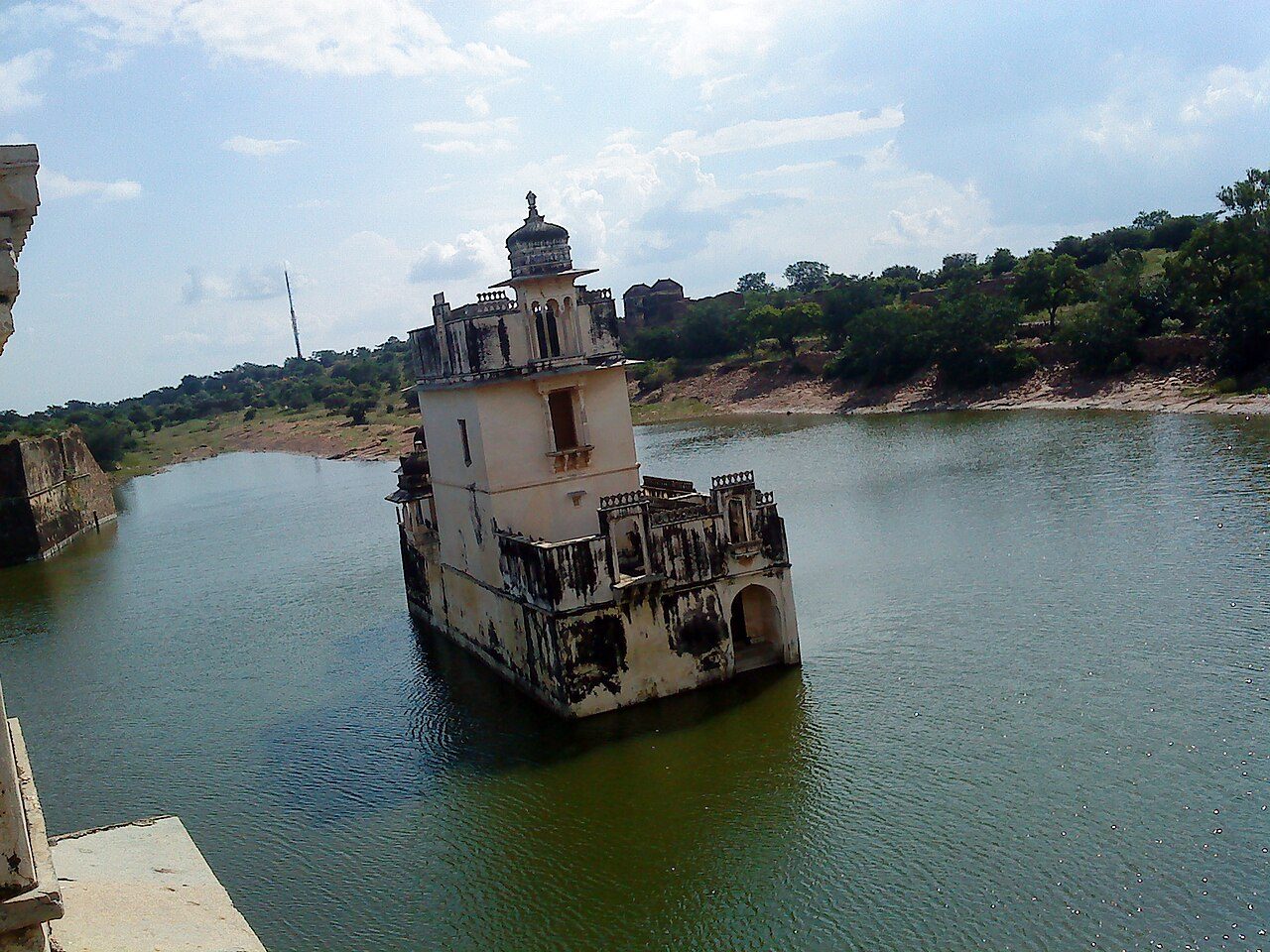
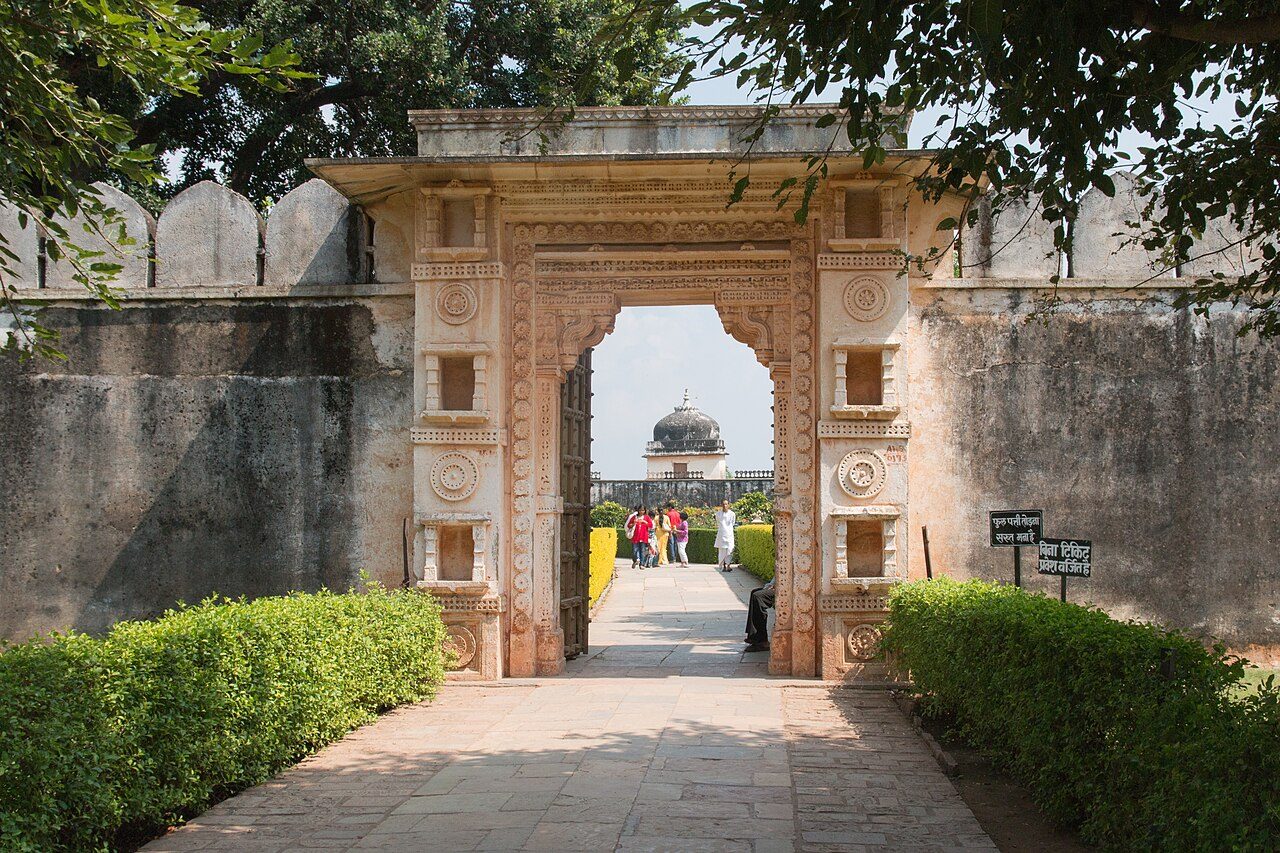
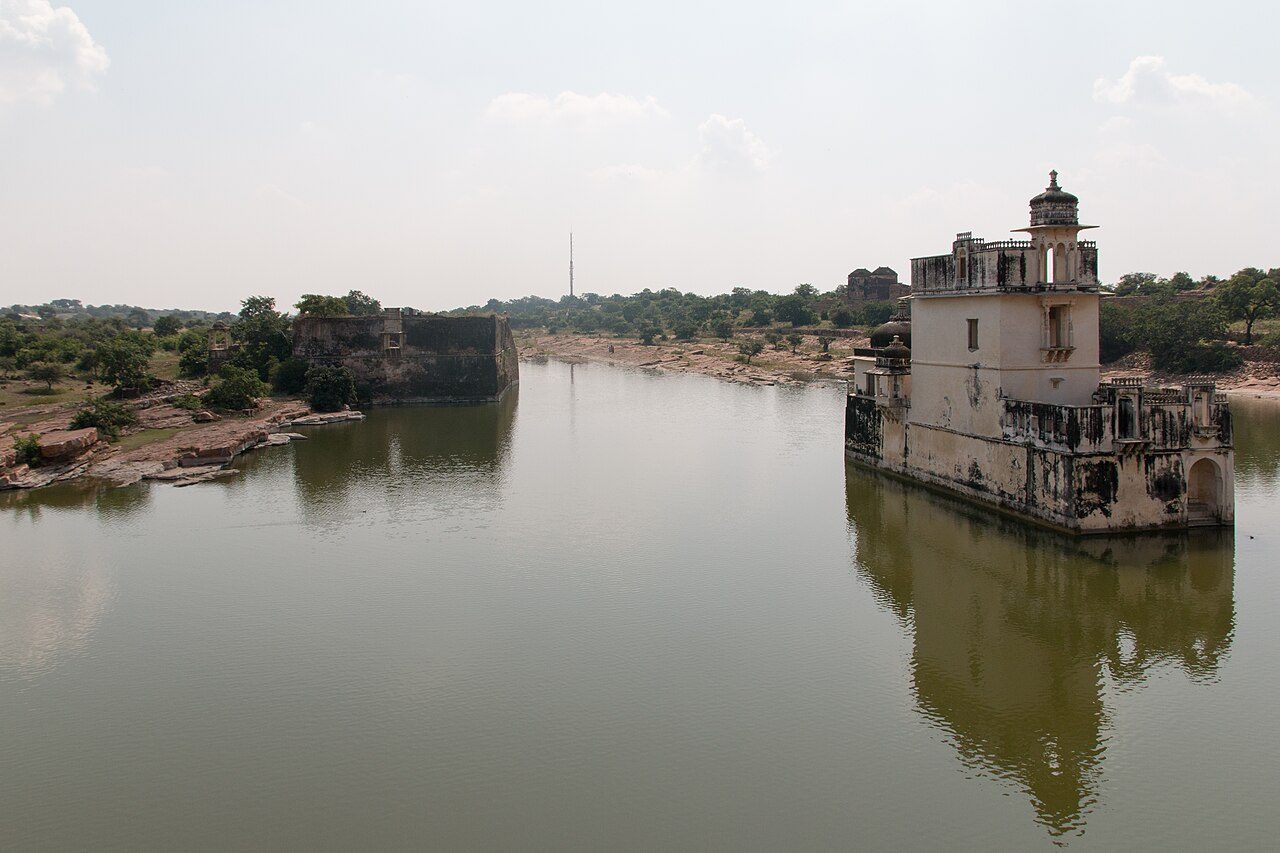
Padmini Palace is a small palace in Chittorgarh Fort beside a lotus pool, with a pavilion standing in the water. Tradition holds that it was here that Alauddin Khalji was allowed a glimpse of Rani Padmini's reflection, which led to the siege of 1303; the tale is legendary rather than established history. The present building was largely reconstructed in the 19th century.
Seasons from 20 years of NASA POWER climate data.
 WaTrips