Tirumala, Srikalahasti and Chandragiri Fort, Kanipakam's Vinayaka temple, Talakona waterfall, Gurramkonda Fort and Vontimitta.
Tirumala is one of the most visited temples in the world, and the land around it has much more to see. Give the first day to Tirumala; book darshan tickets online well ahead and follow the dress code. Day two visits Srikalahasti, one of the five great Shiva temples of the south, and Chandragiri Fort, once a Vijayanagara capital, before Kanipakam's Vinayaka temple. On day three head into the Seshachalam hills for Talakona, the tallest waterfall in Andhra Pradesh, then up to the hilltop Gurramkonda Fort. The trip ends at Vontimitta's Kodandarama temple with its tall gopuram. Expect crowds on weekends and festival days, and carry water for the climbs.
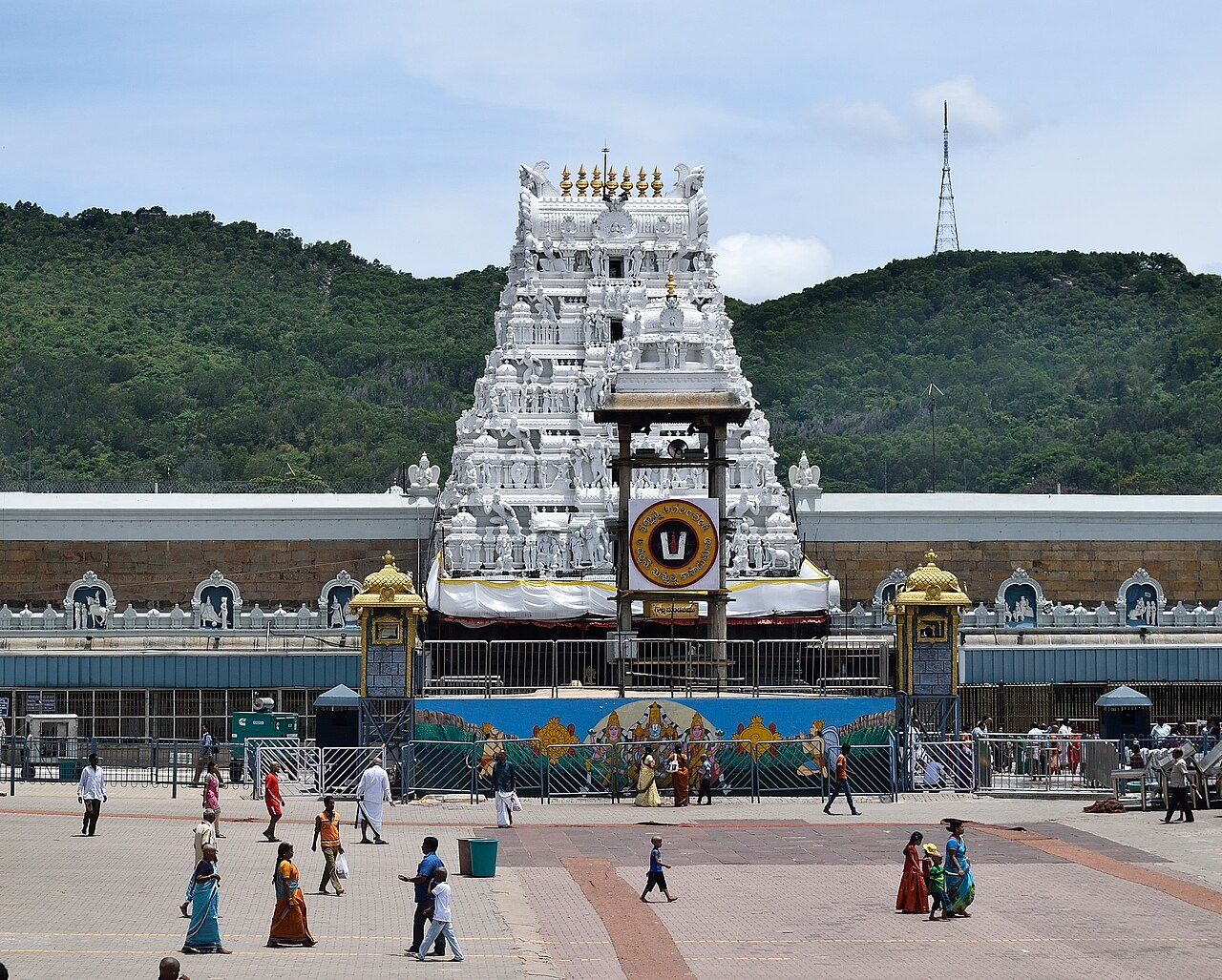
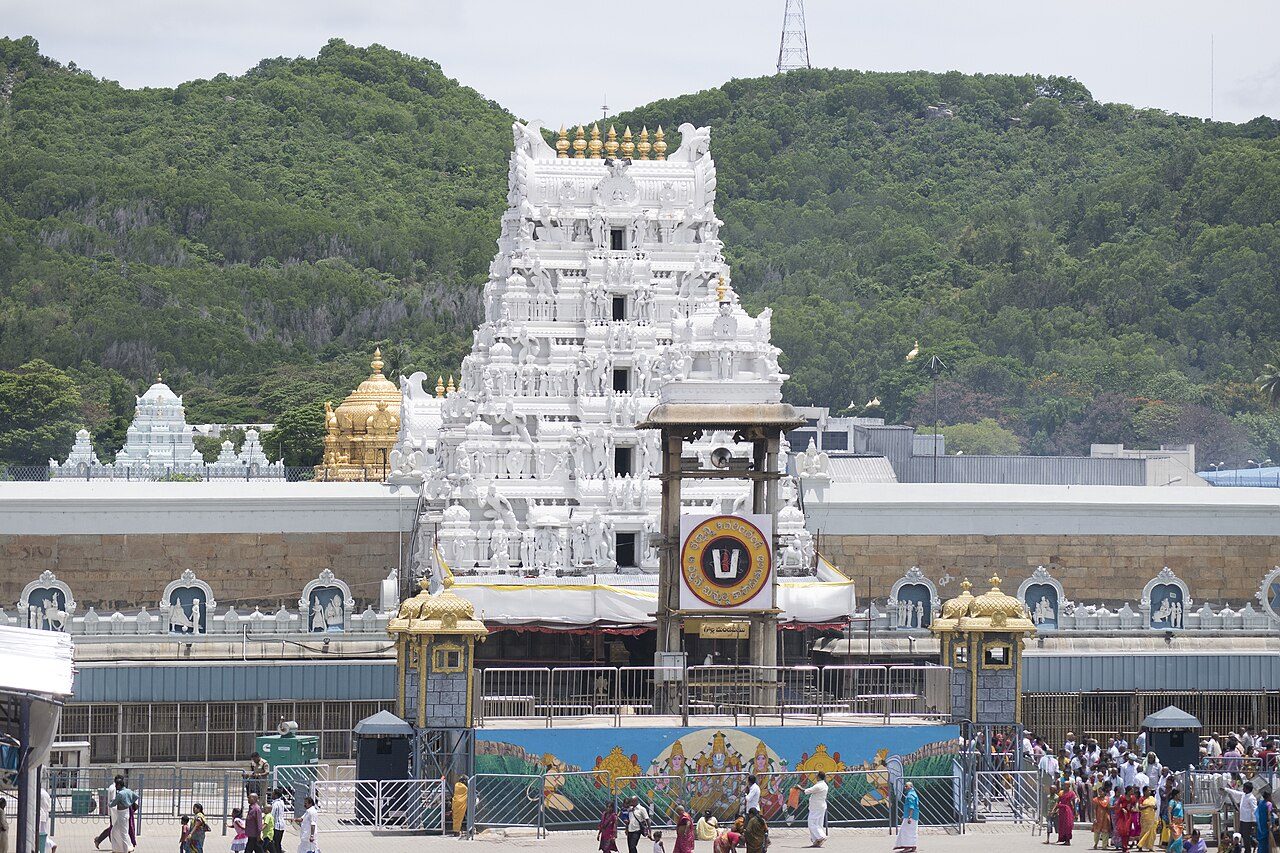
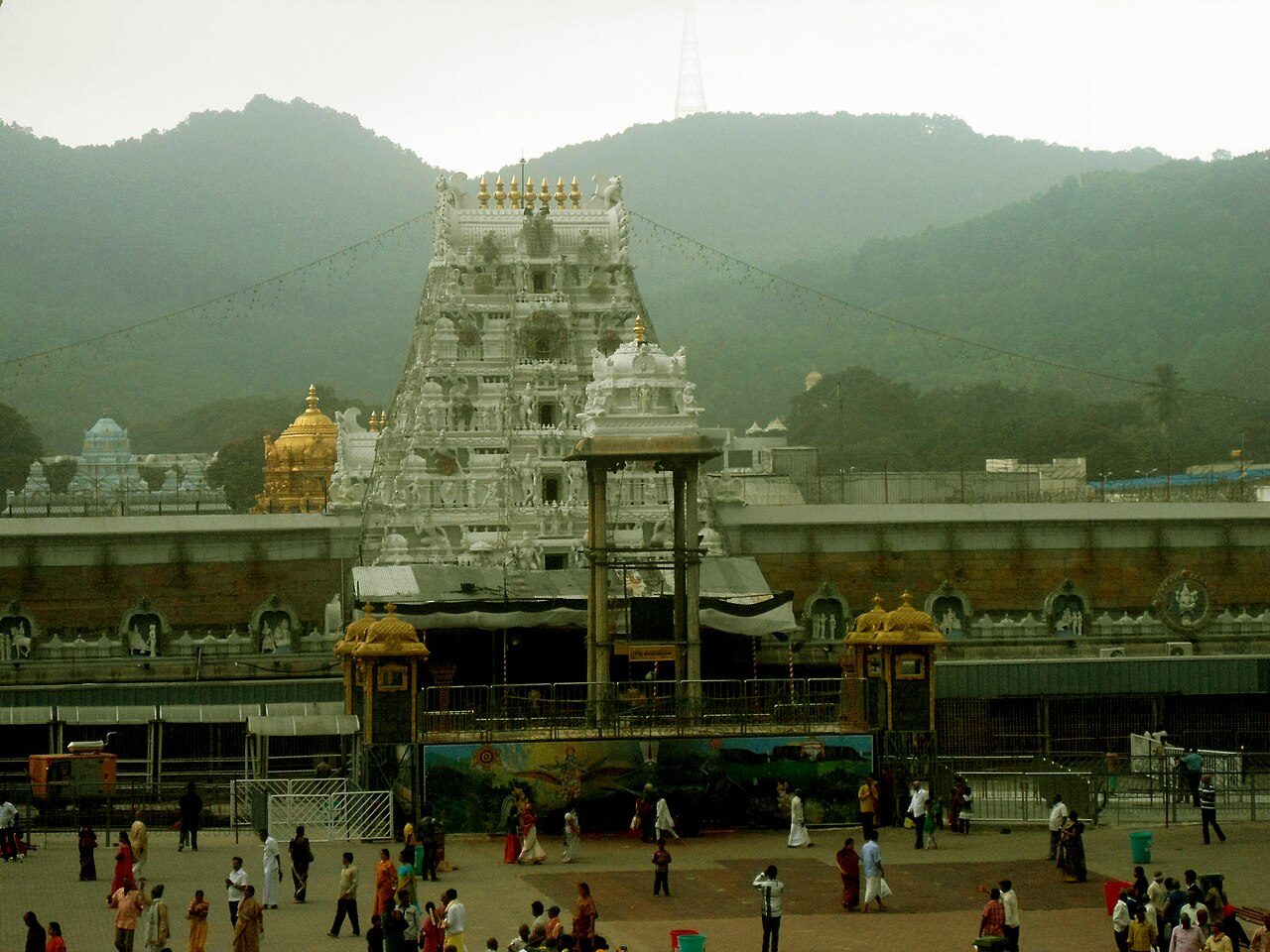
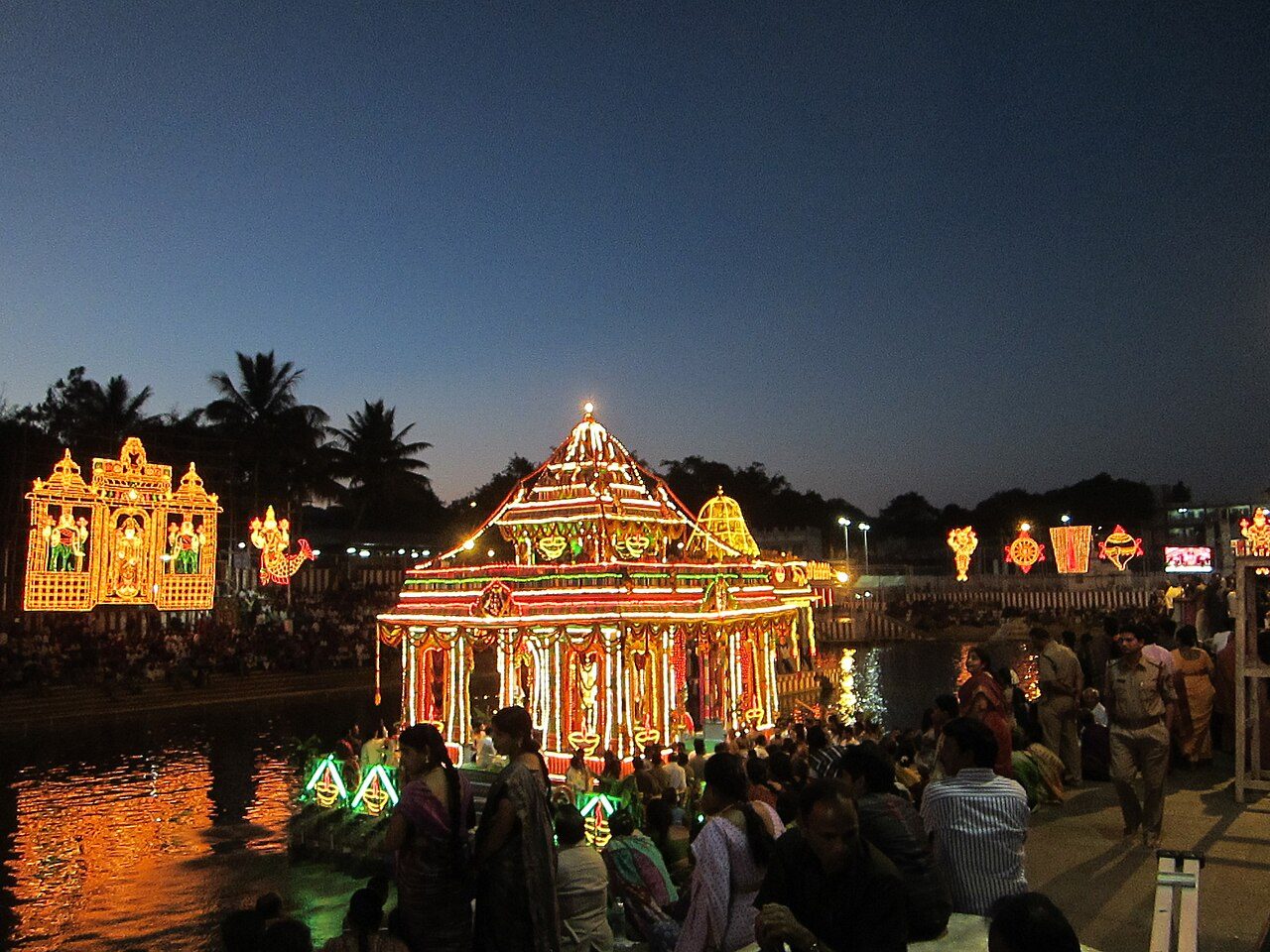
On the seventh peak of the Tirumala hills, the temple of Lord Venkateswara is one of the most visited places of worship in the world, drawing tens of thousands of pilgrims a day. Its gold-plated vimana, the Ananda Nilayam, rises over the sanctum, and offering one's hair is a common vow here. Darshan requires booking or long queues, and the laddu prasadam is famous.
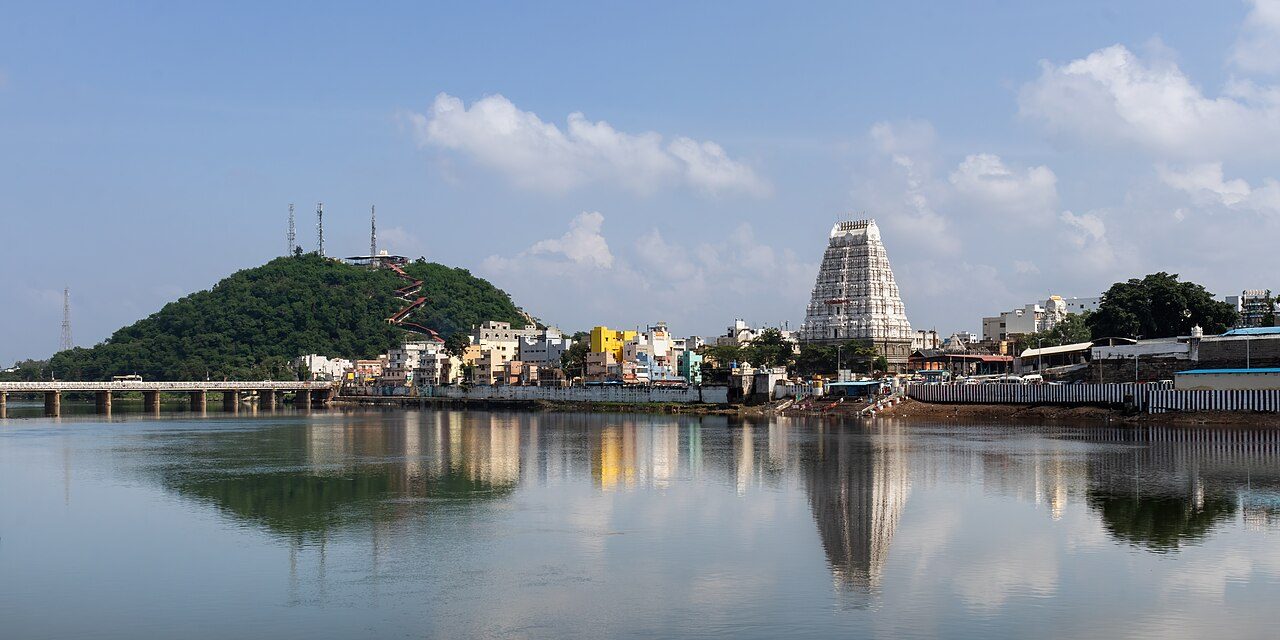
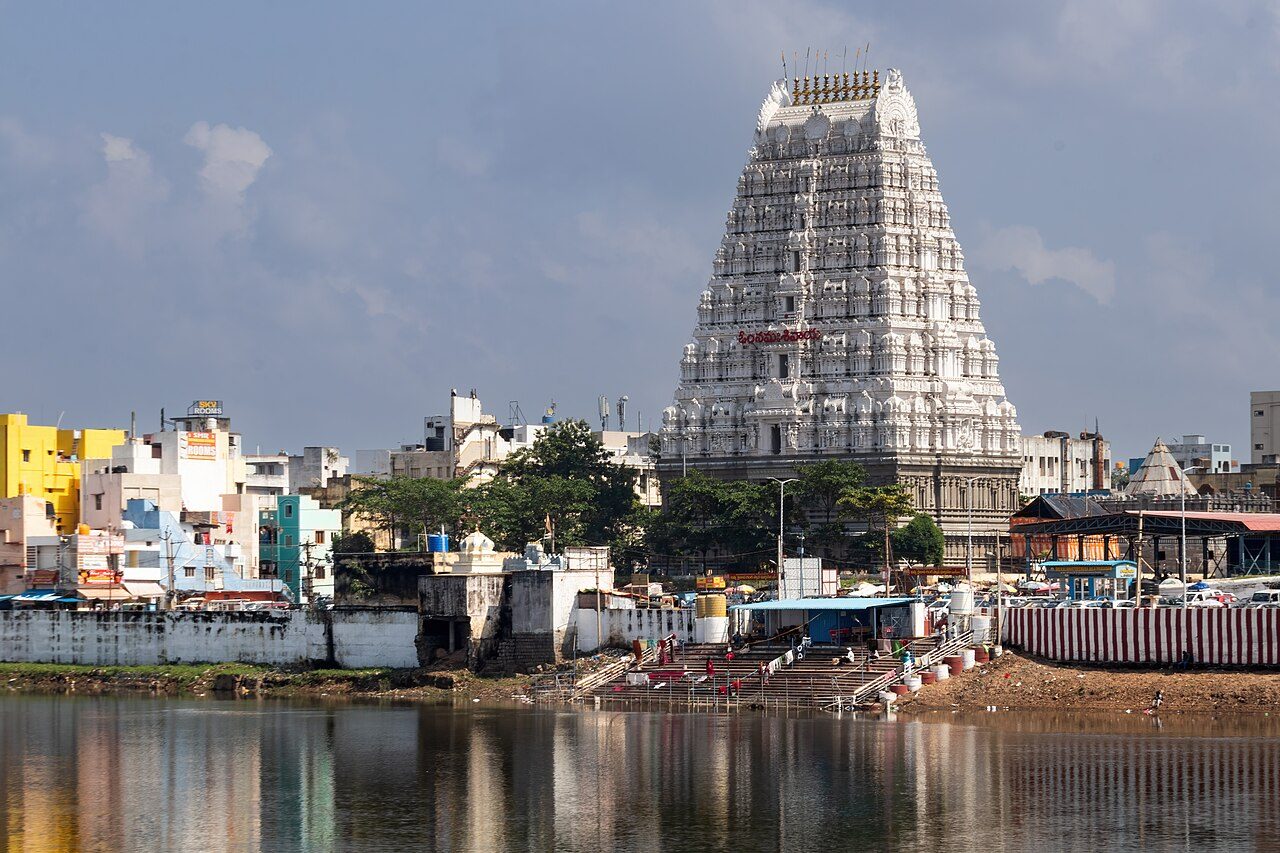
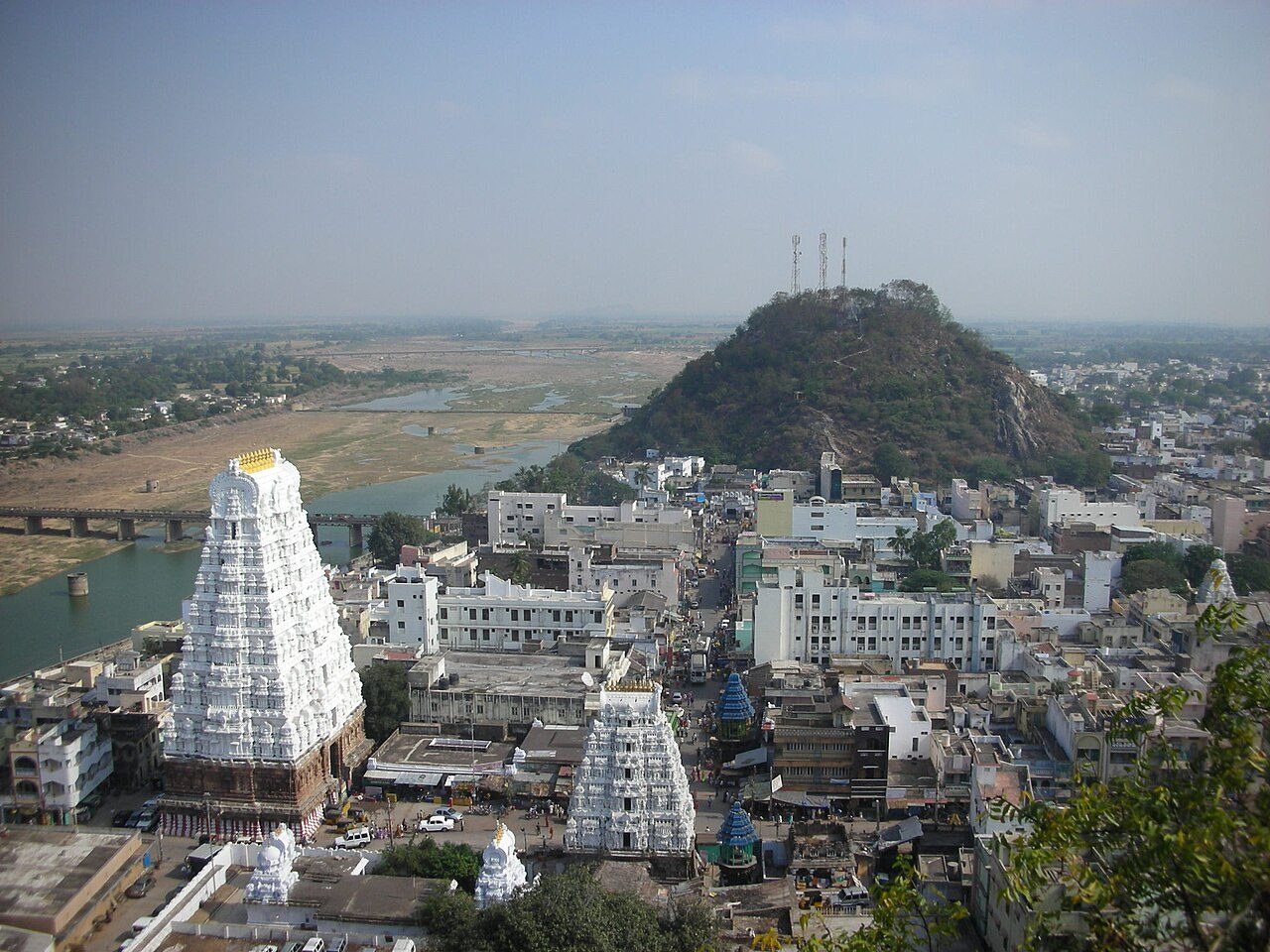
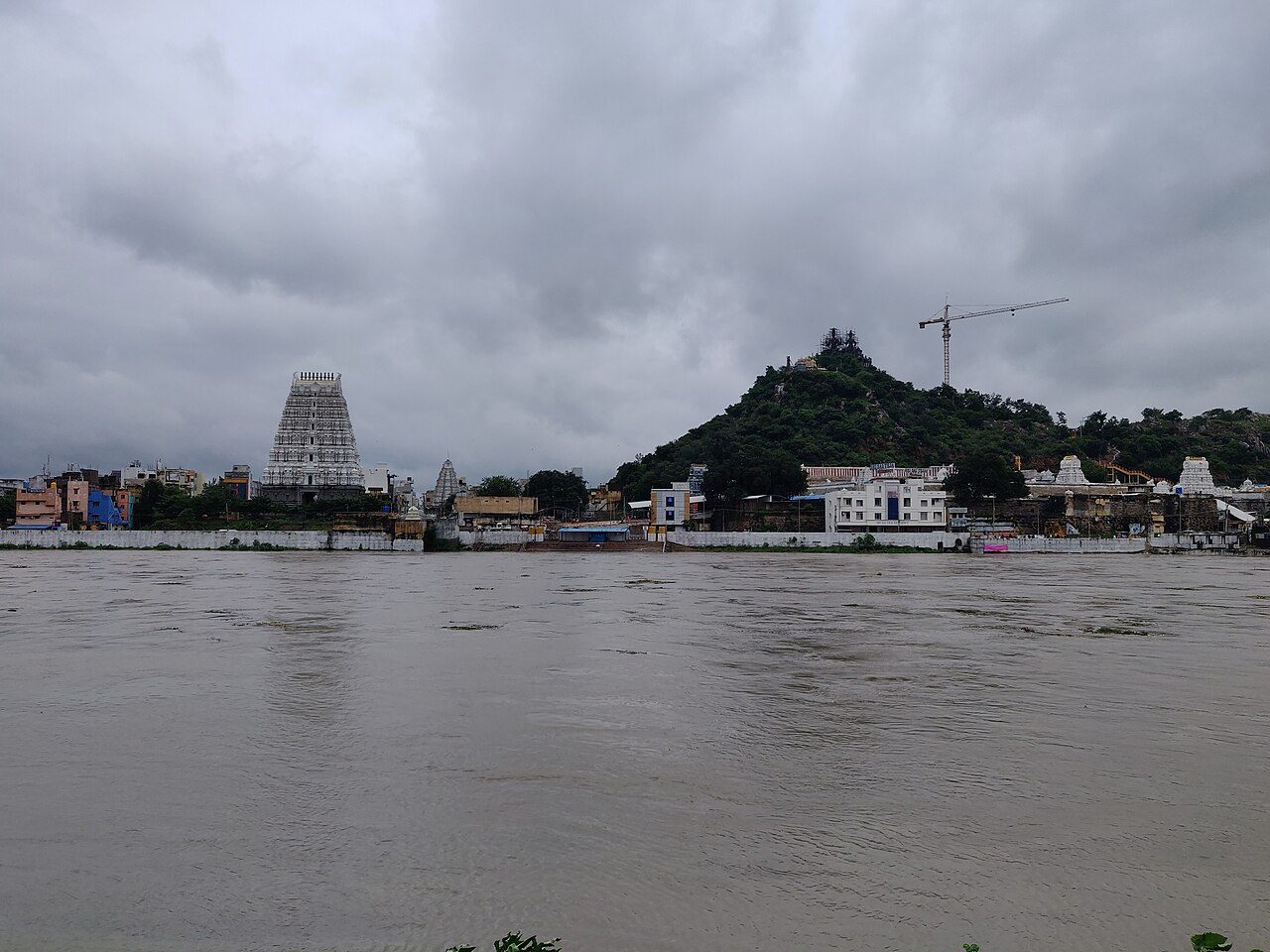
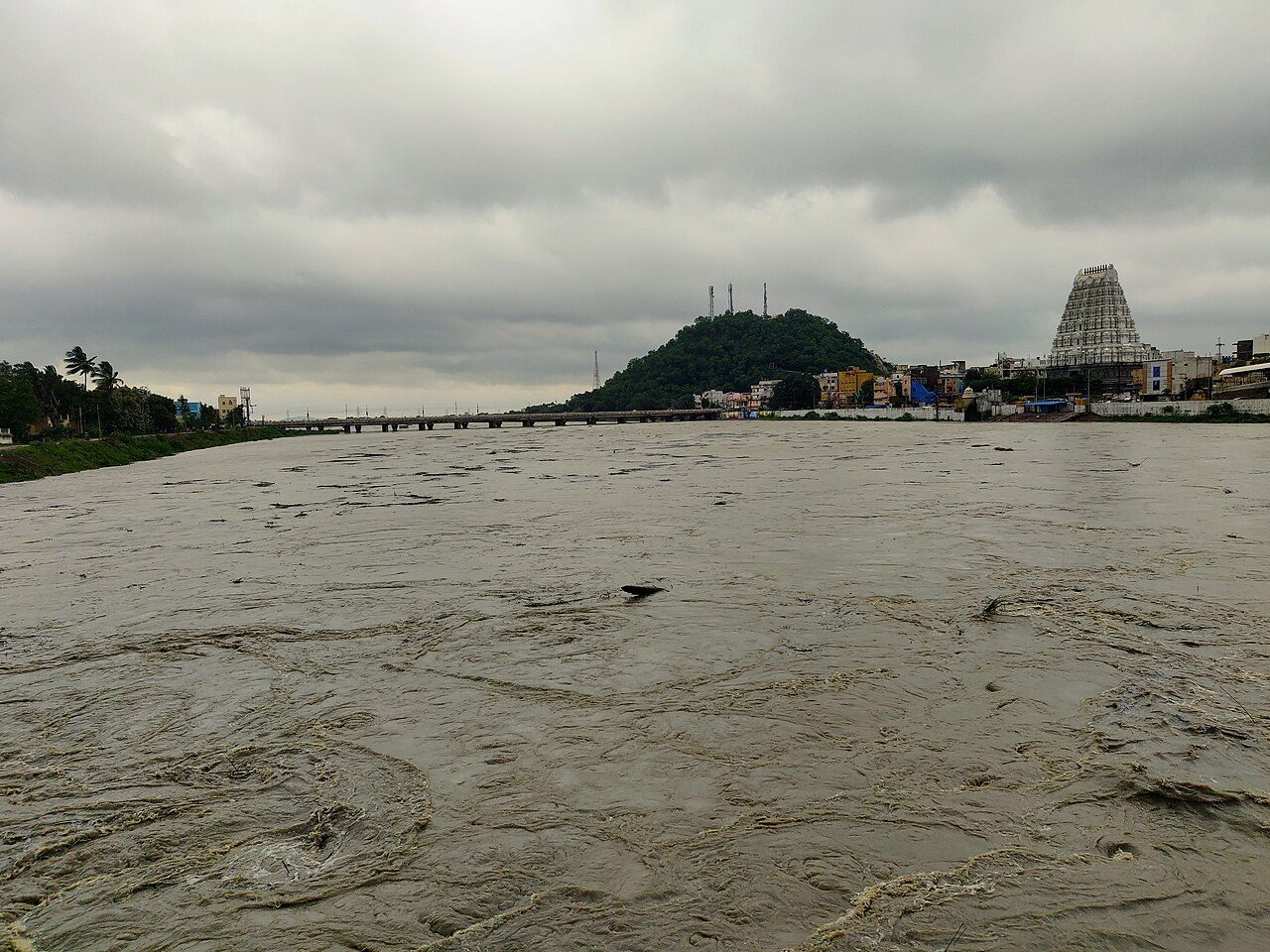
On the banks of the Swarnamukhi river, Srikalahasti is one of the five great Shiva temples representing the elements, standing for air: a lamp in the sanctum flickers though no breeze can reach it. The temple's great rajagopuram was built by the Vijayanagara king Krishnadevaraya. It is famous for the Rahu-Ketu puja performed for those under the influence of these planets.
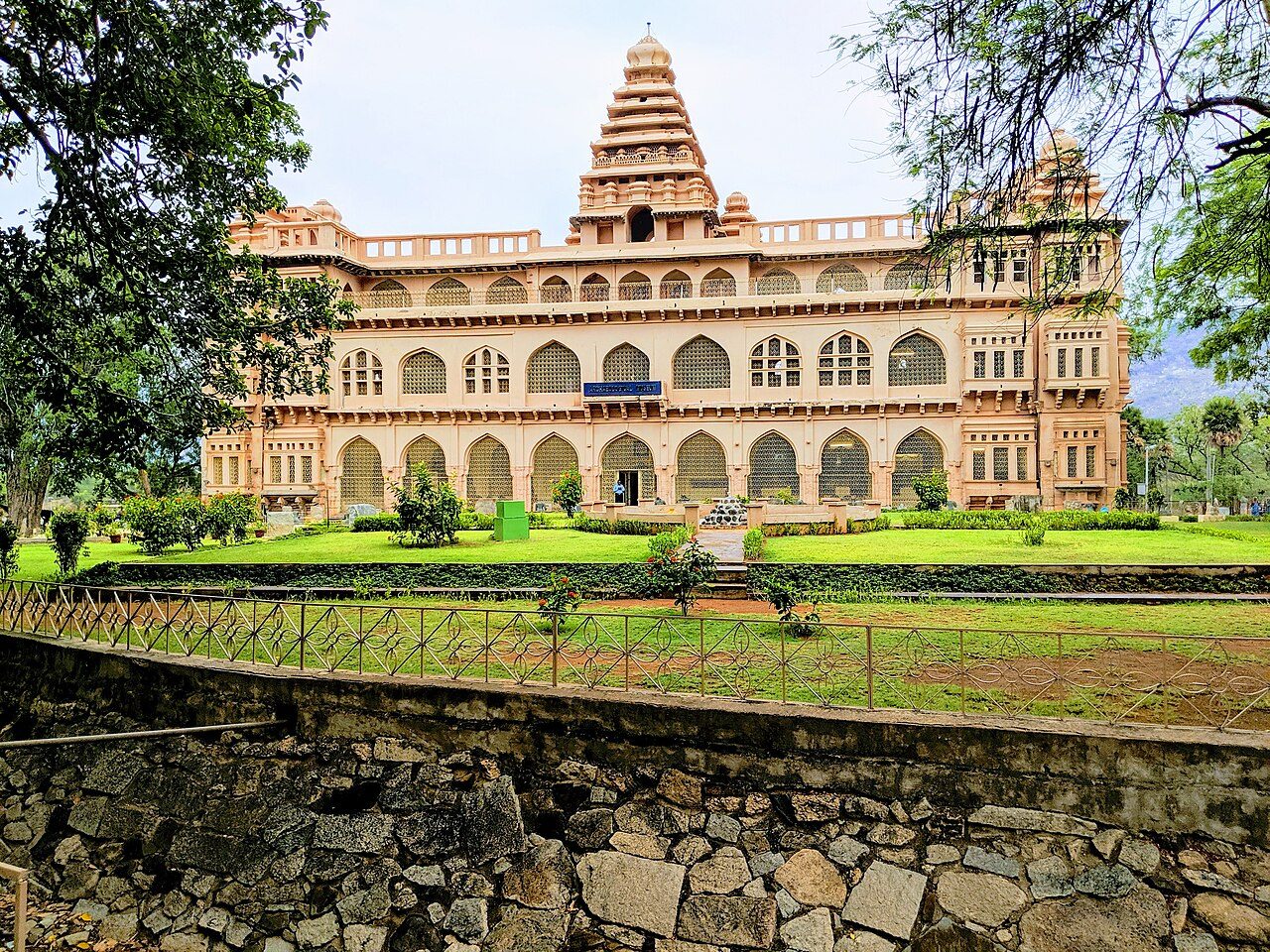
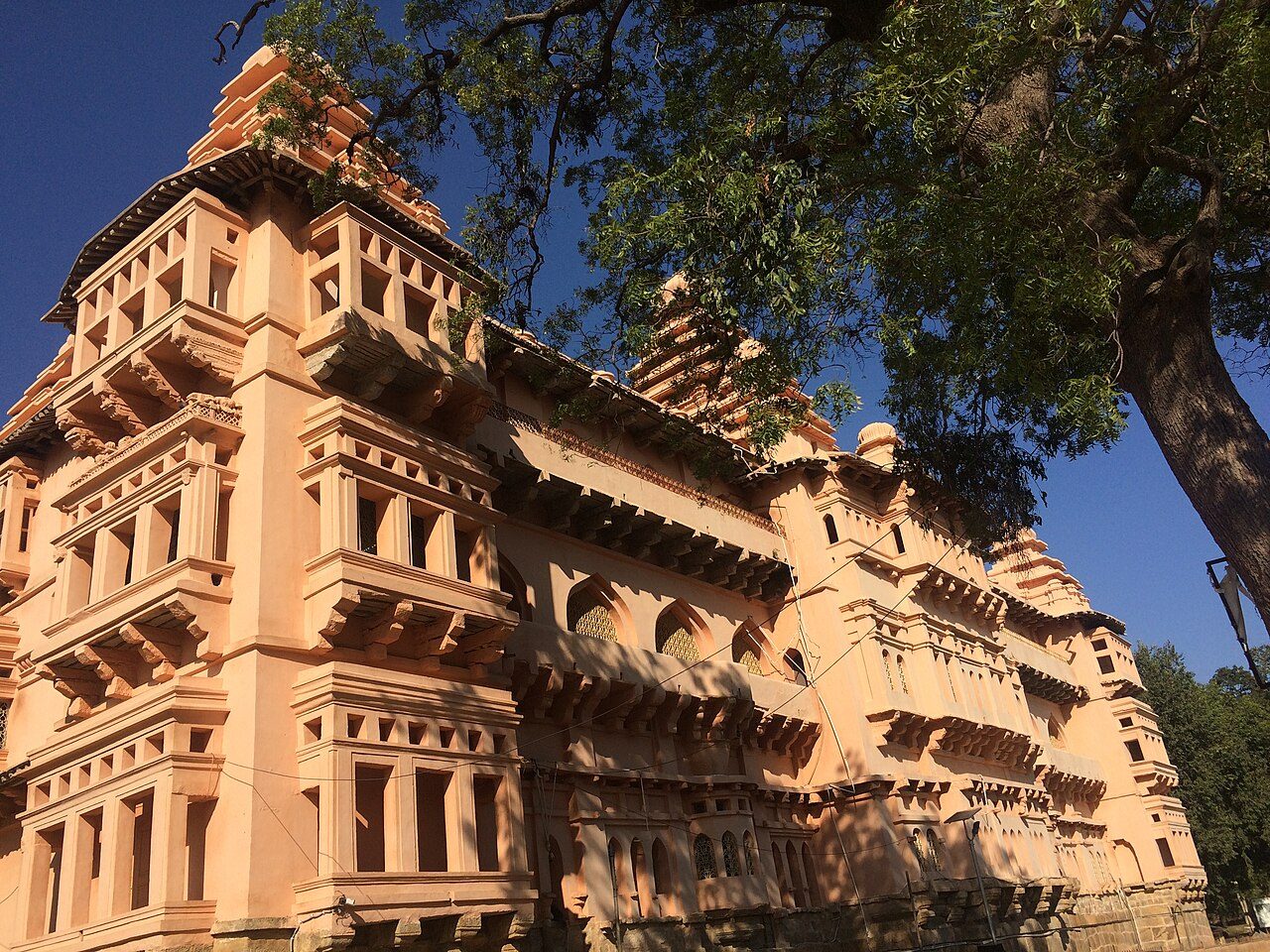
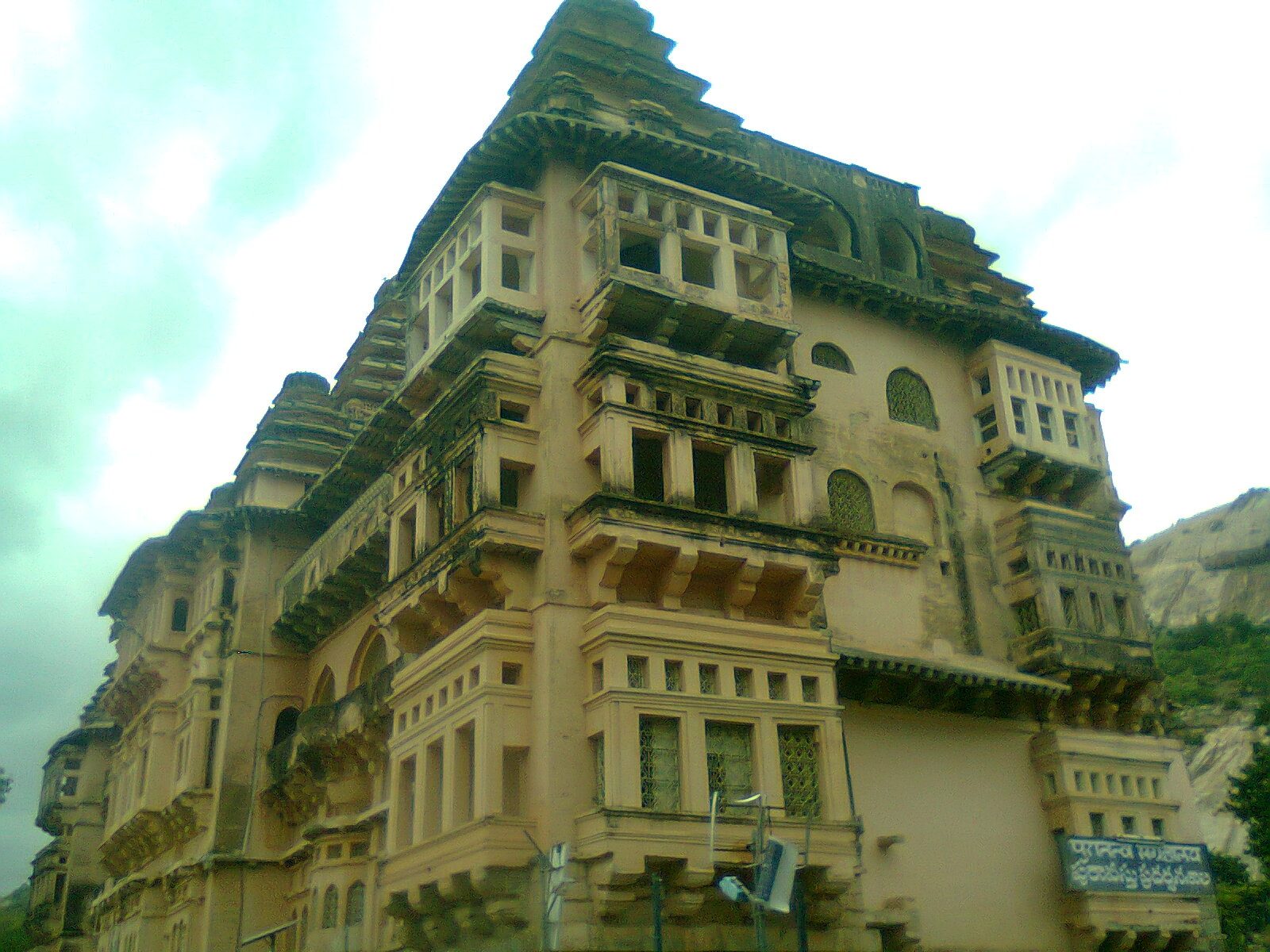
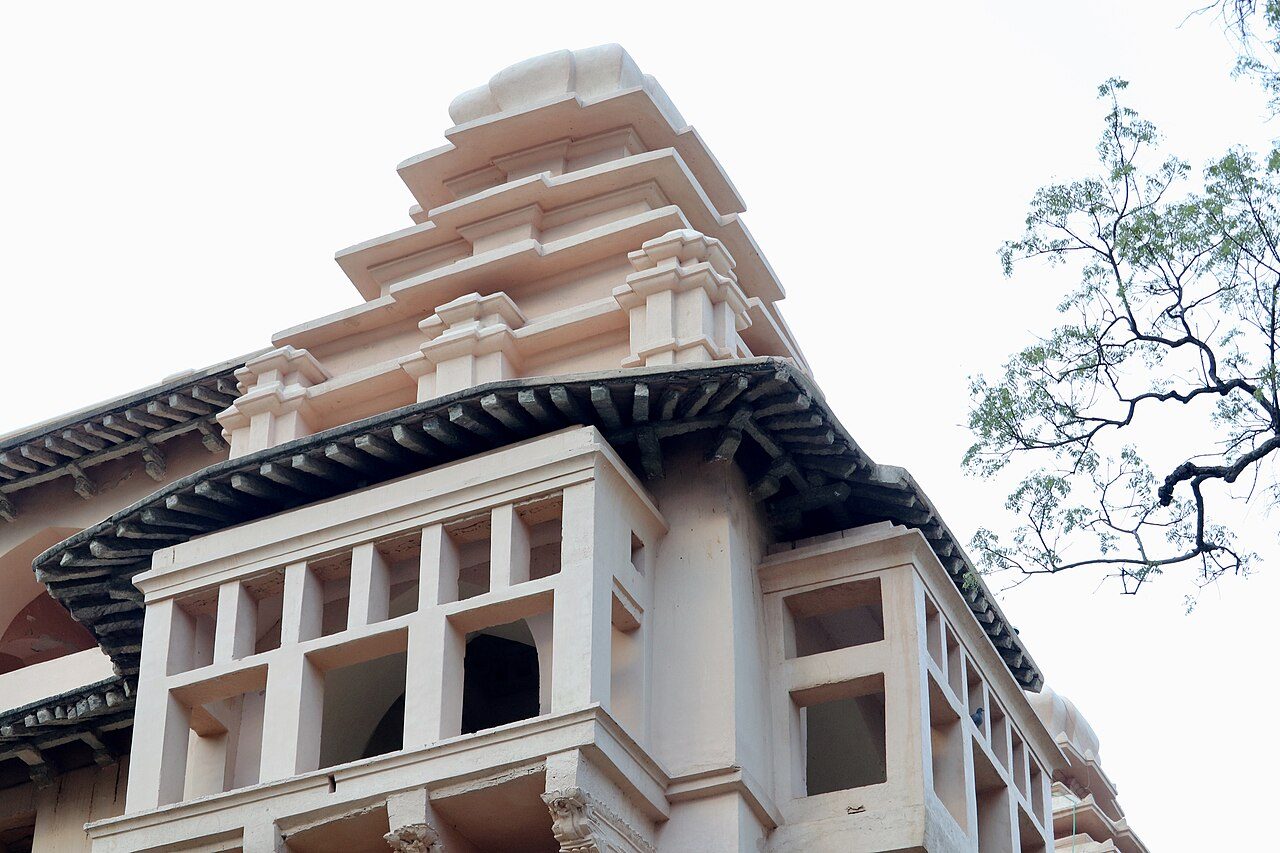
Near Tirupati, Chandragiri was a capital of the Vijayanagara Empire in its last years, and in 1639 a grant made here gave the British the land on which they built Fort St George in Madras. The Raja Mahal and Rani Mahal palaces, built in Indo-Saracenic style, stand beneath a rocky hill, and the Raja Mahal houses a museum. A sound and light show tells the fort's story.
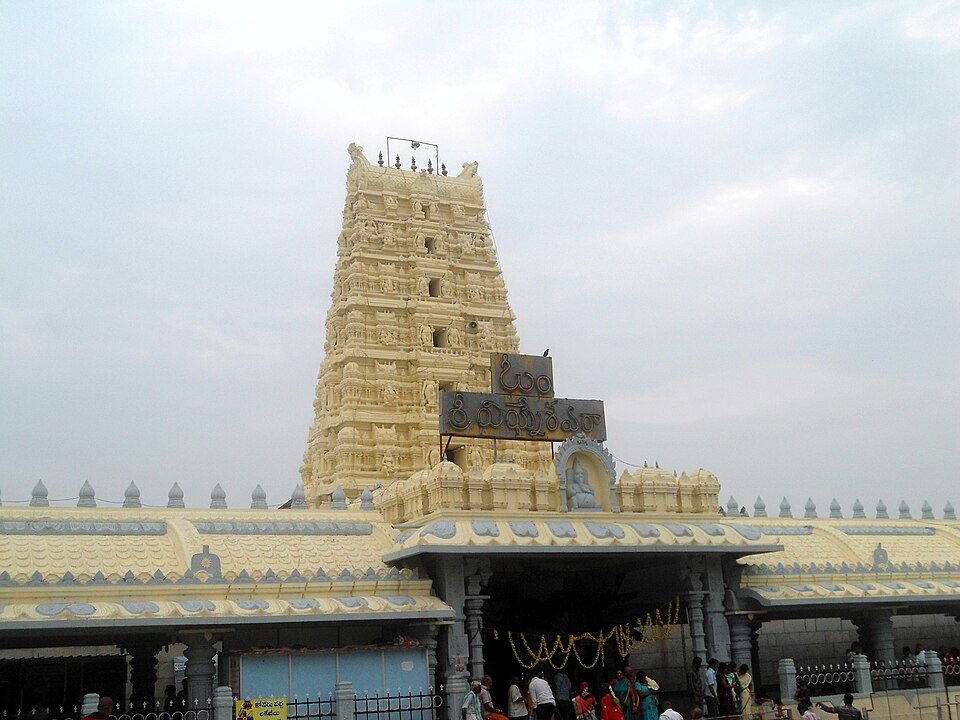
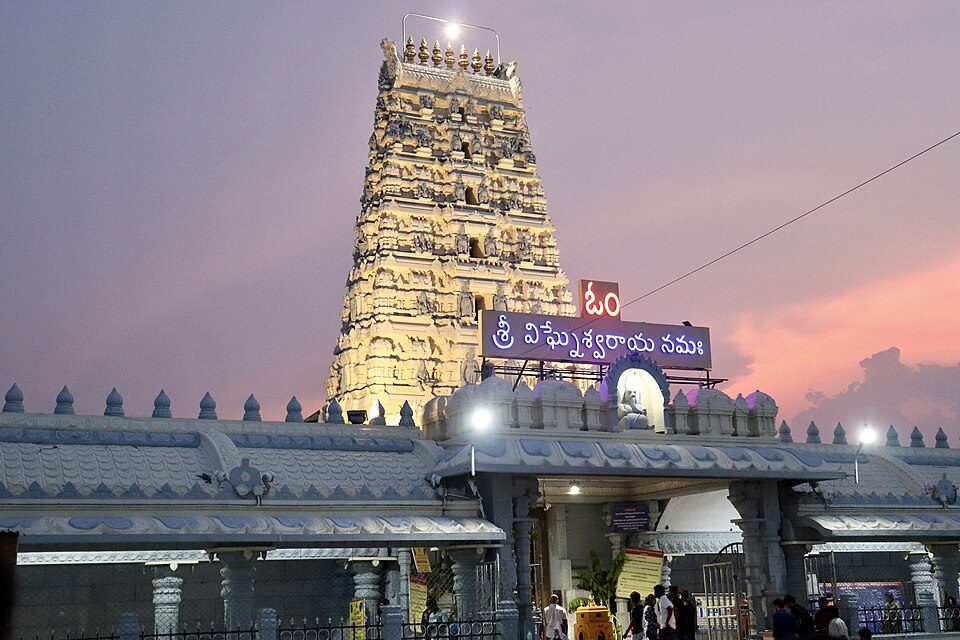
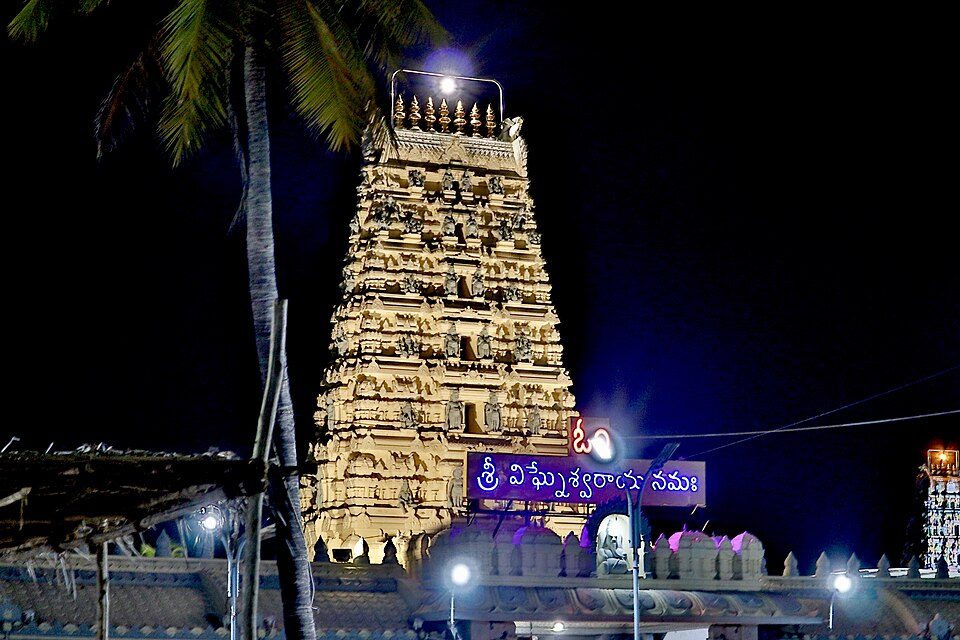
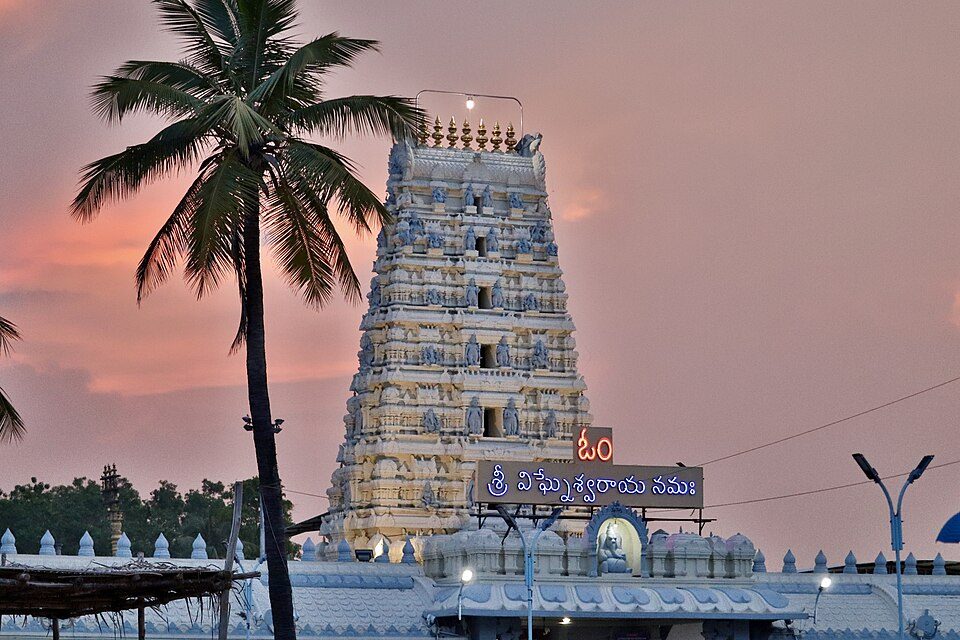
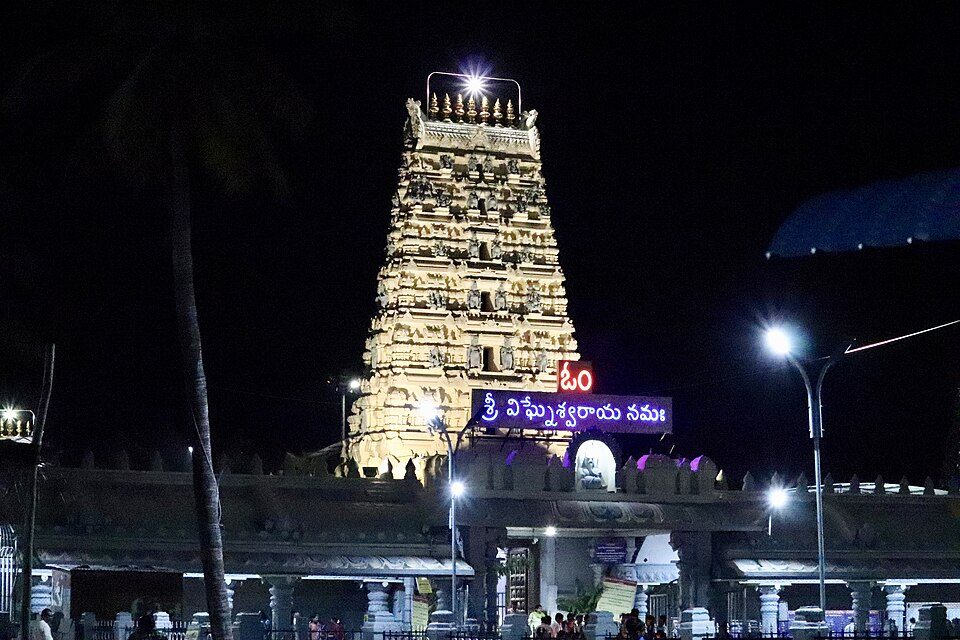
The Varasiddhi Vinayaka temple at Kanipakam is one of the most famous Ganesha temples in South India, built in the 11th century by the Chola king Kulothunga I. The self-formed idol rests in a well, and devotees believe it keeps slowly growing. Oaths taken before the deity are traditionally considered binding.
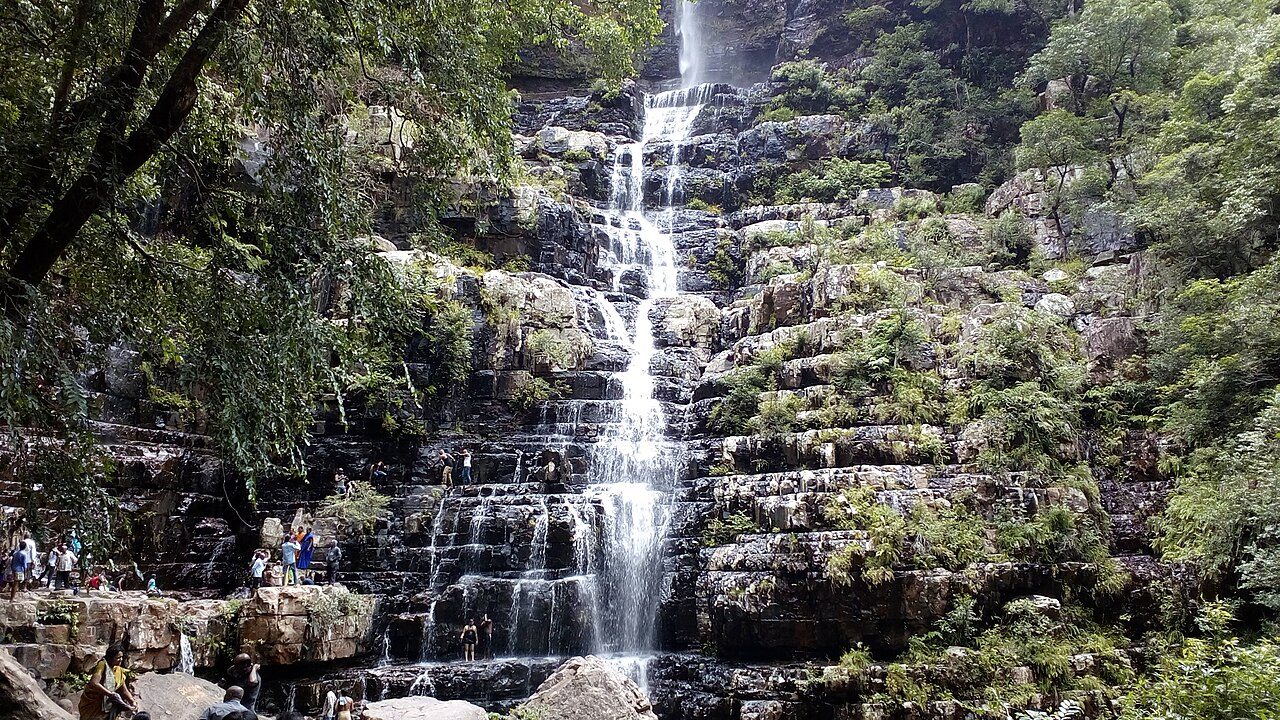
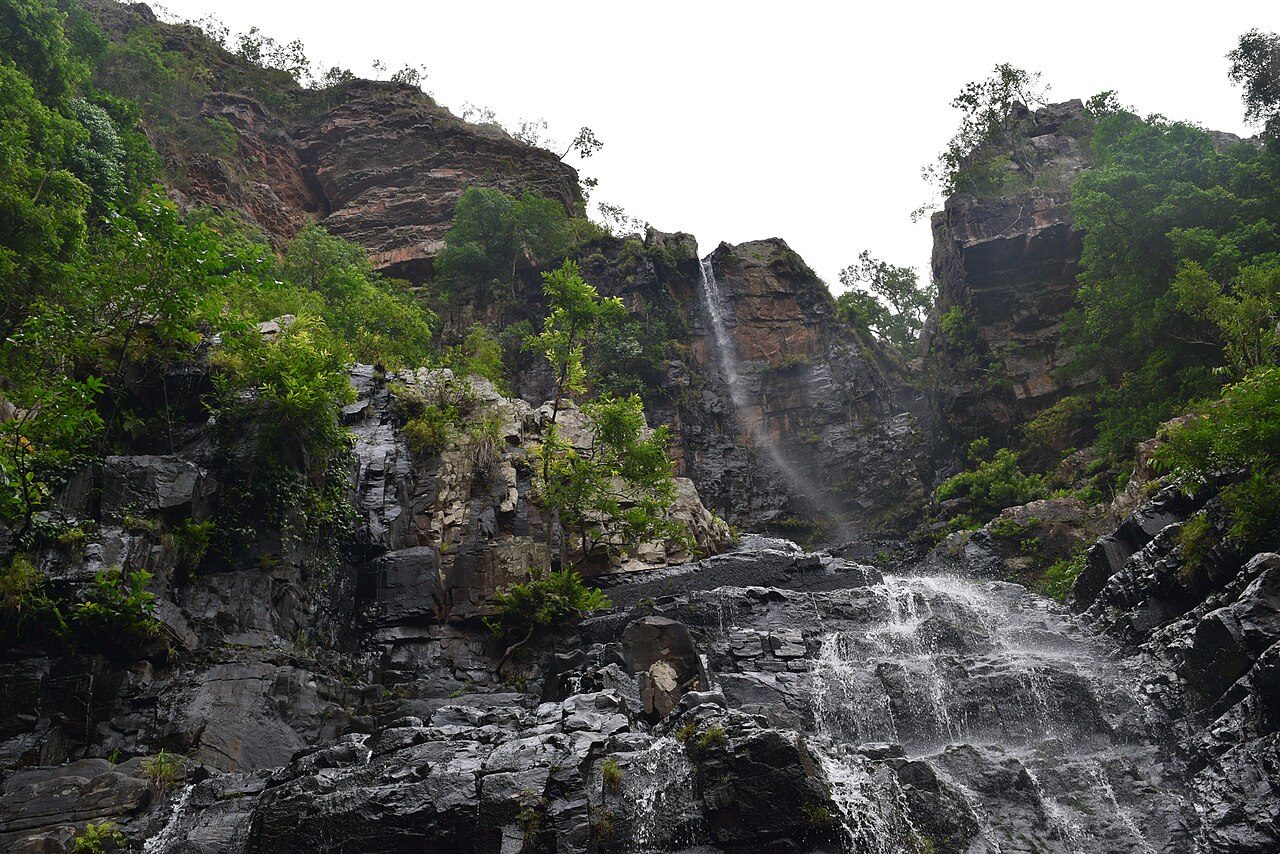
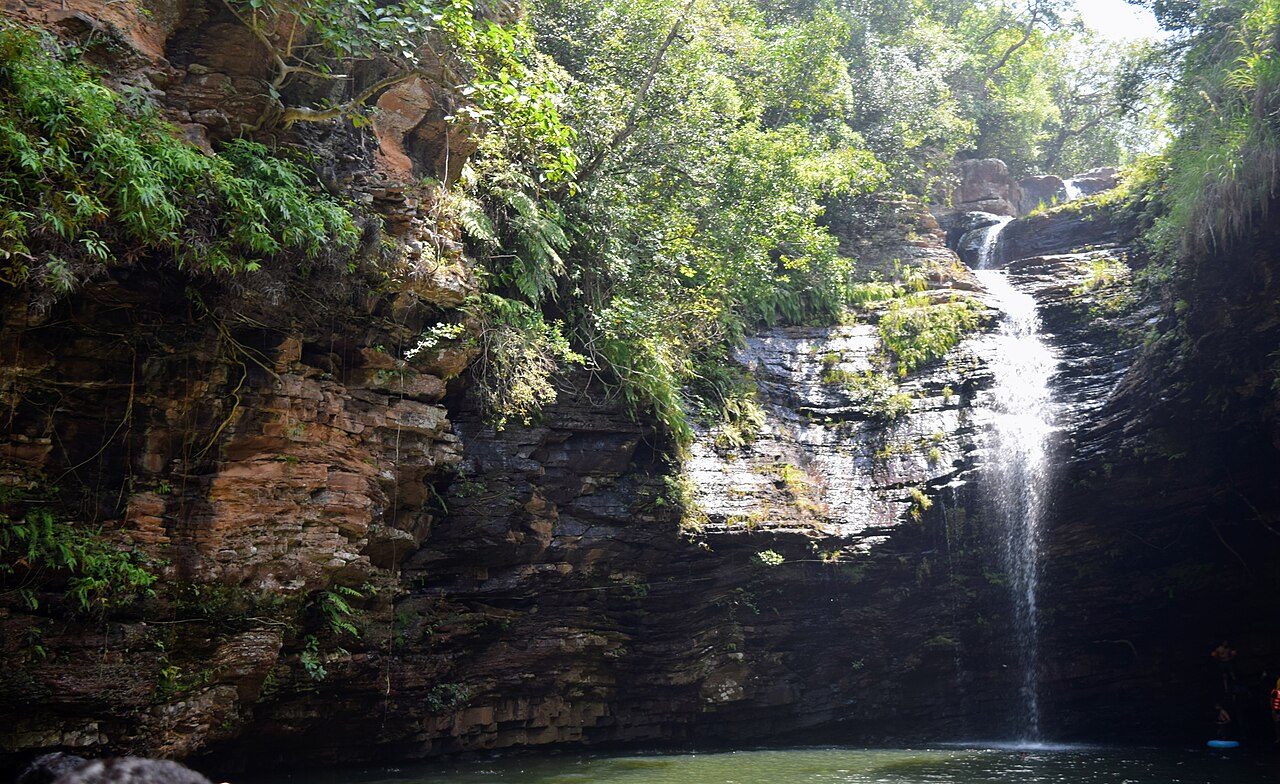
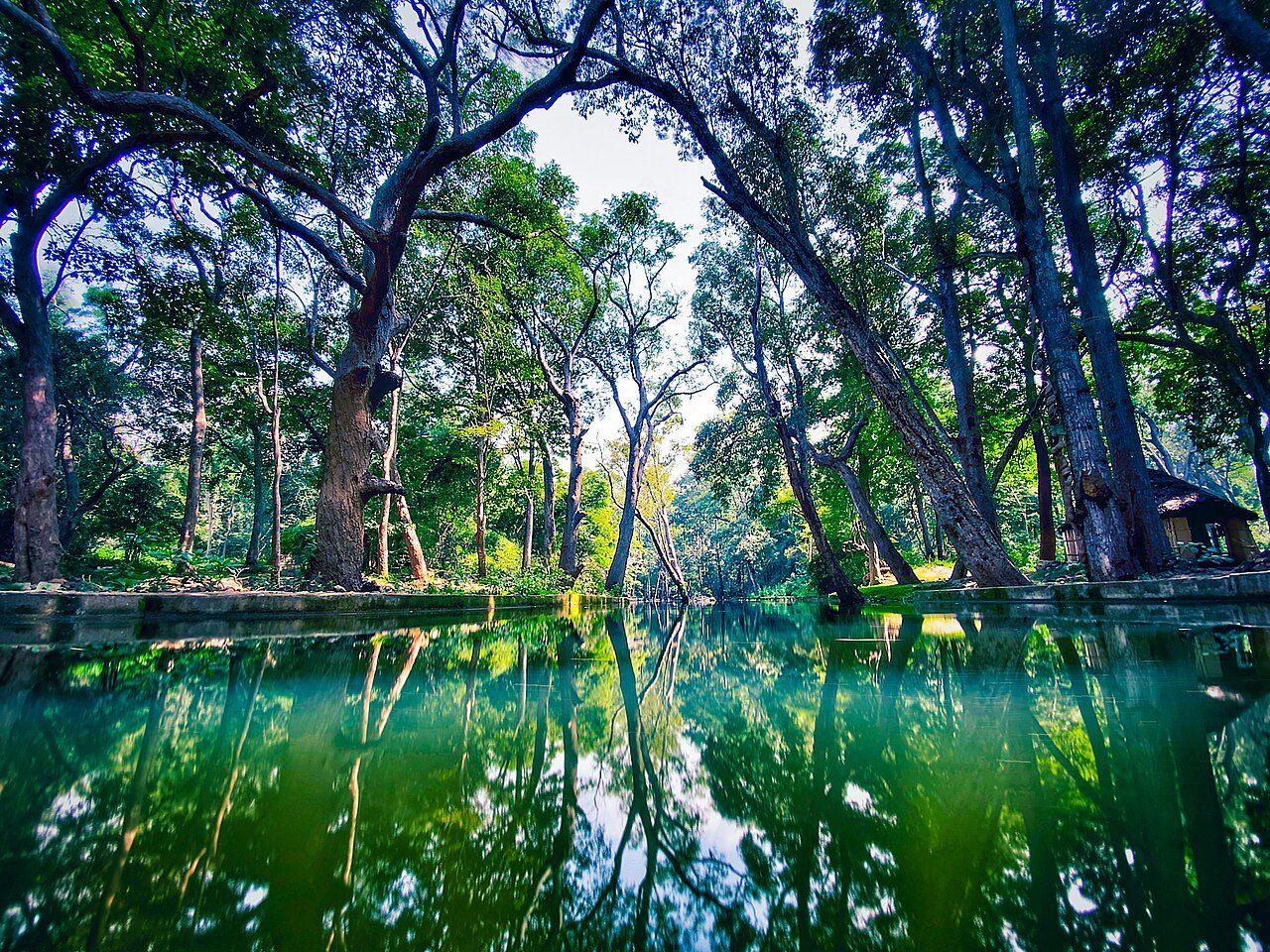
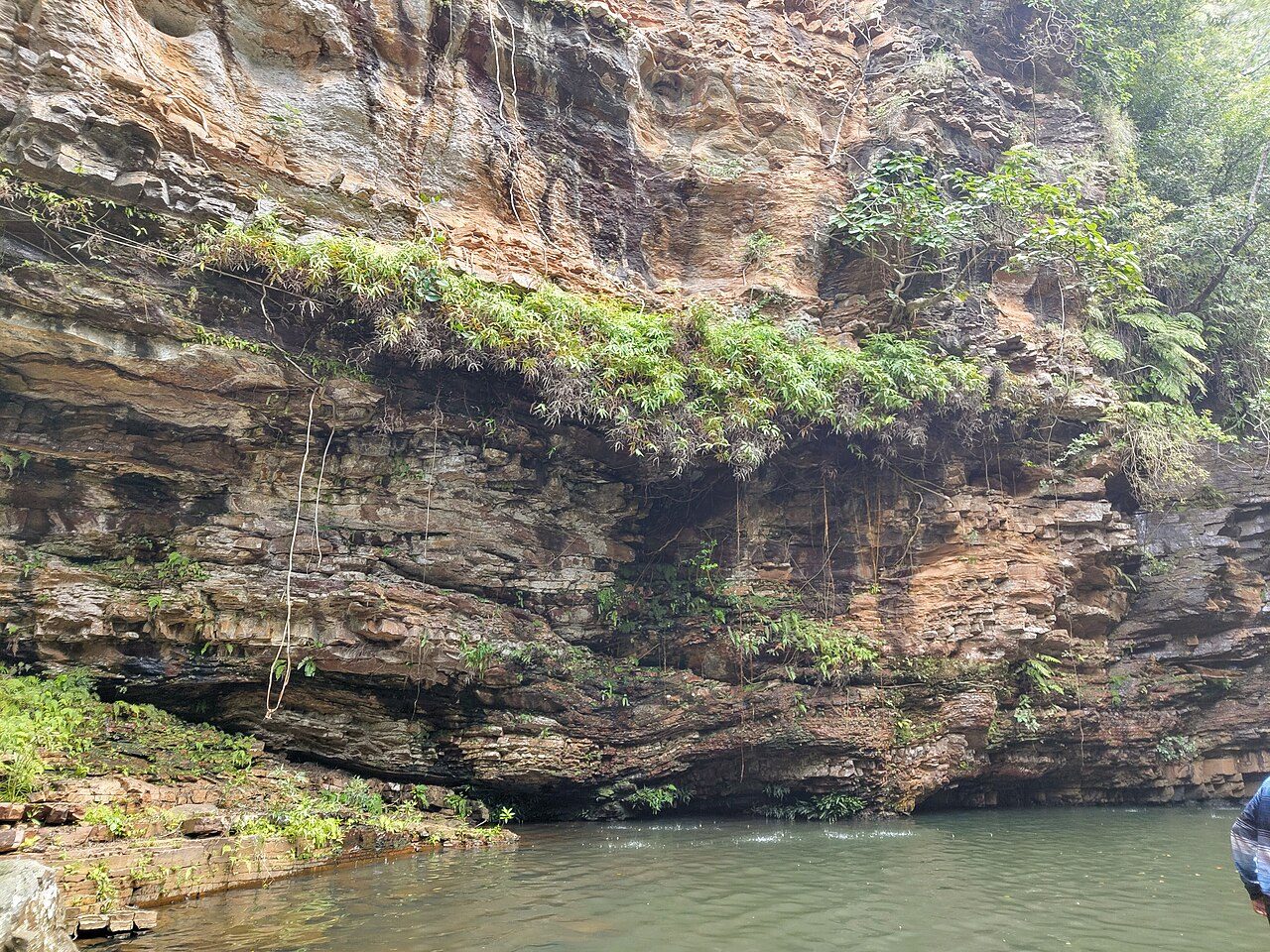
Inside the Sri Venkateswara National Park, Talakona is the highest waterfall in Andhra Pradesh, dropping about 60 metres into a pool surrounded by forest. A Shiva temple, Siddheswara, stands at the start of the walk, and a canopy walk and trekking trails wind through the trees. The falls are at their best after the monsoon.
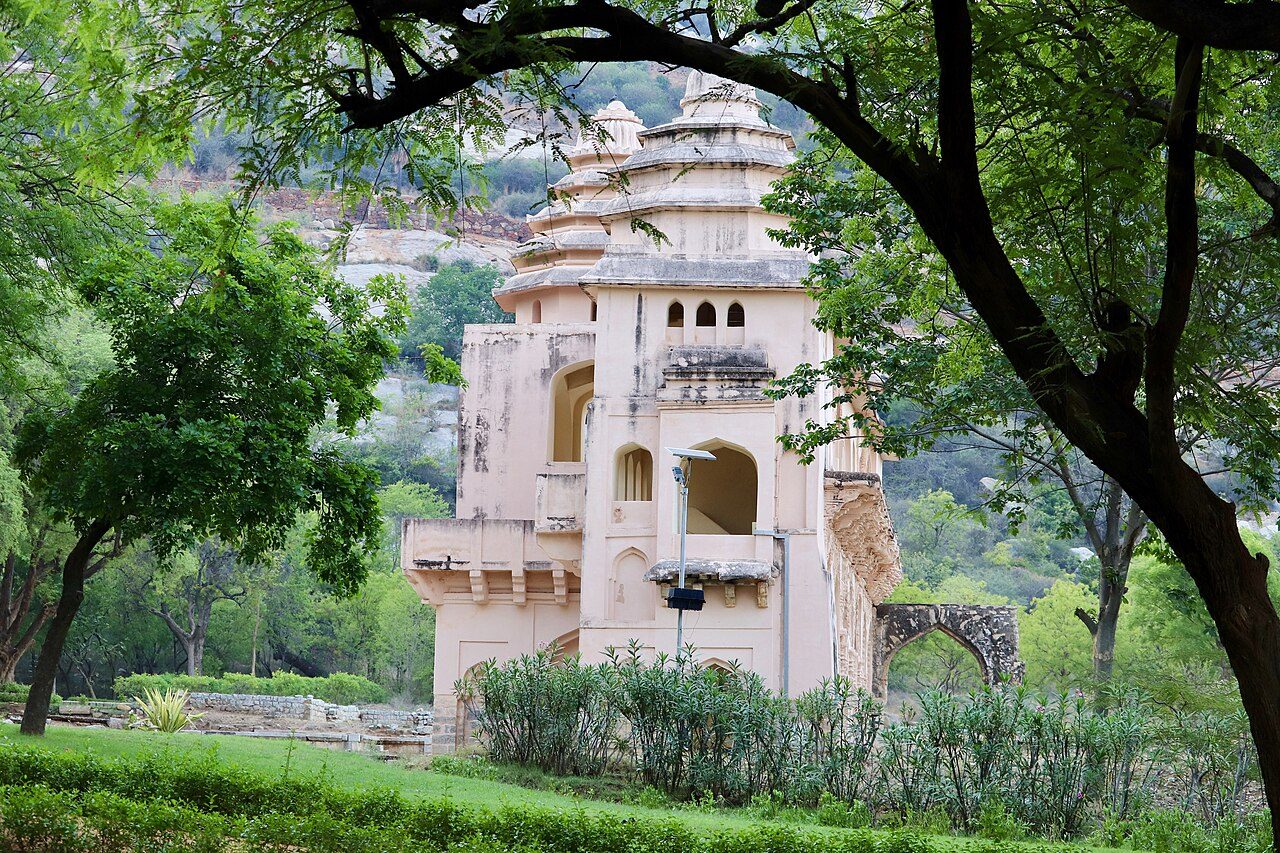
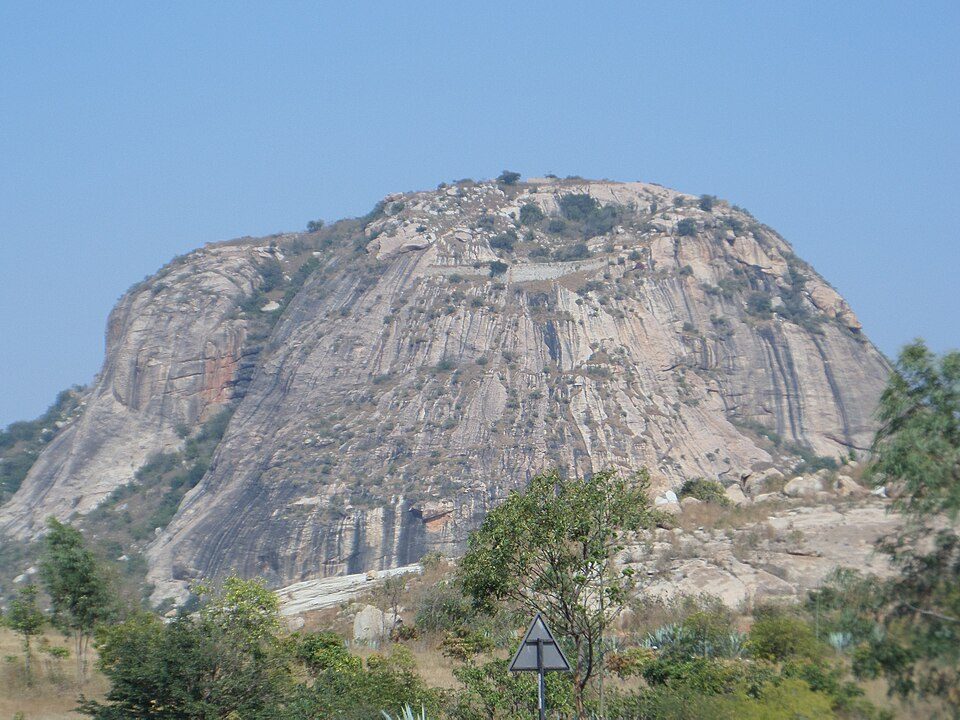
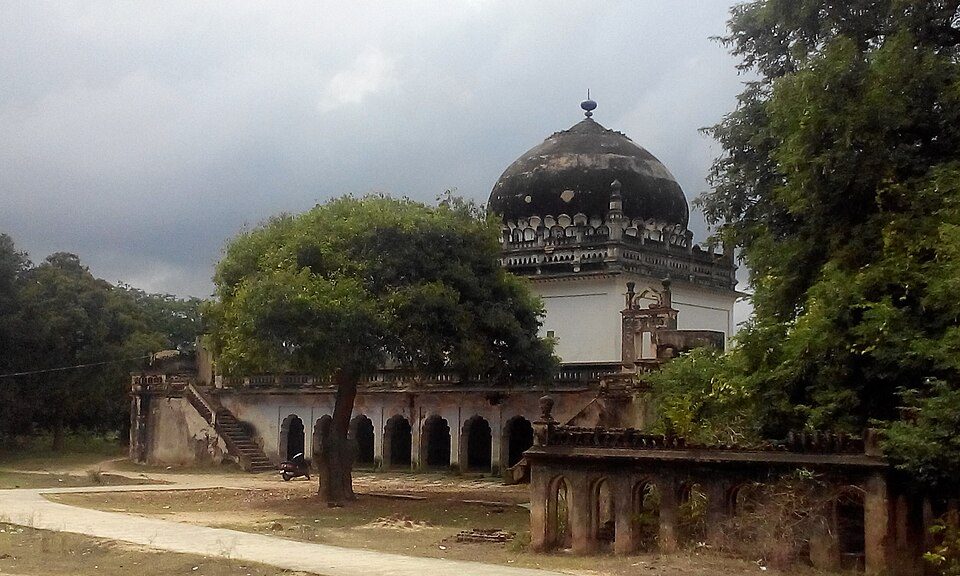
Built on a steep hill by the Golconda sultans and later held by Hyder Ali and Tipu Sultan, Gurramkonda Fort is known for the Rangin Mahal, an Indo-Islamic palace below the hill. Legend says the hill was so steep only a horse could climb it, giving it the name horse hill.
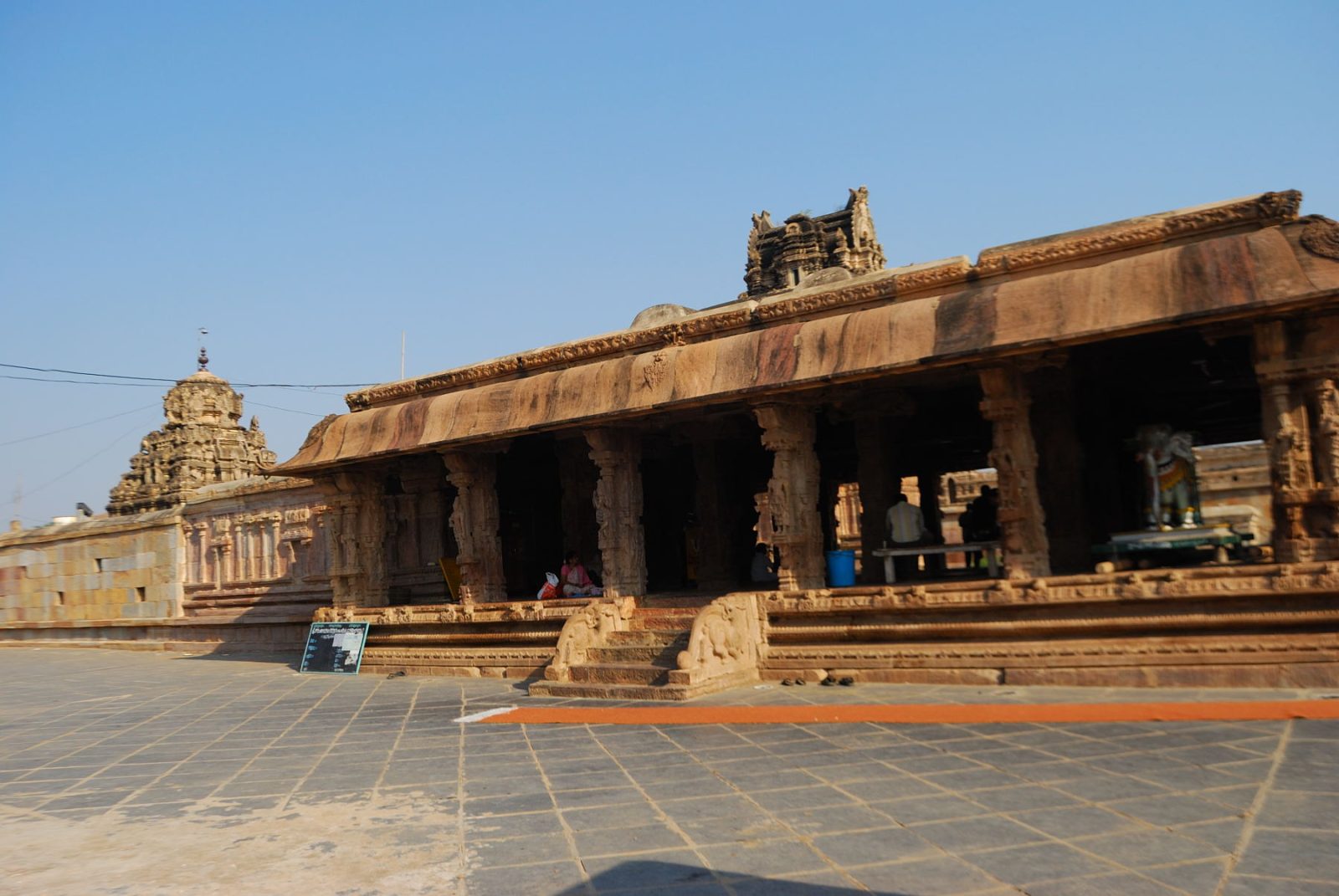
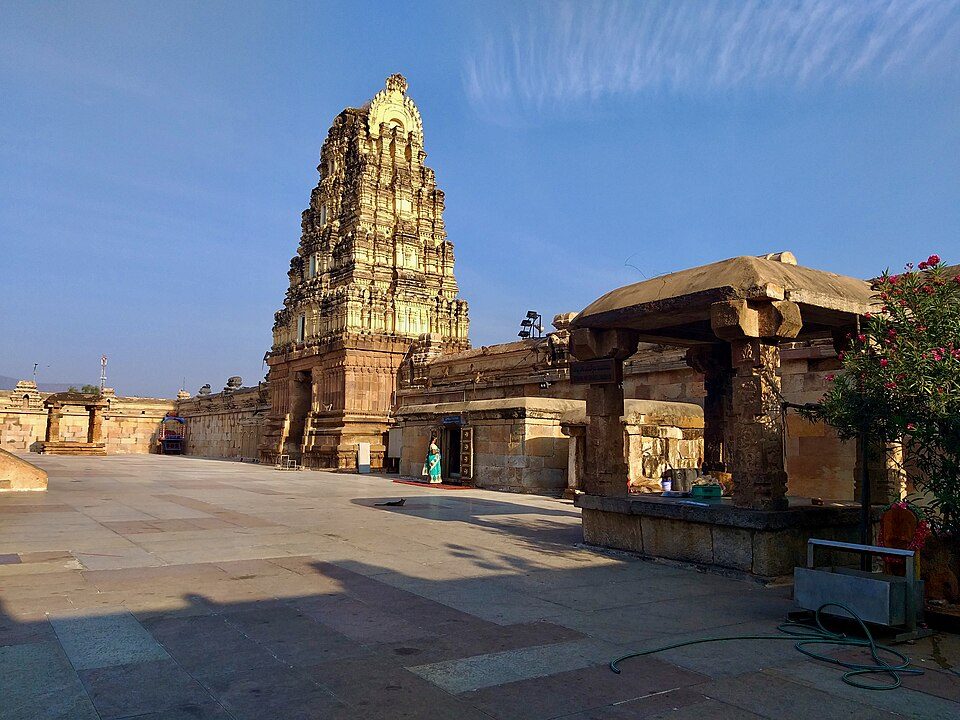
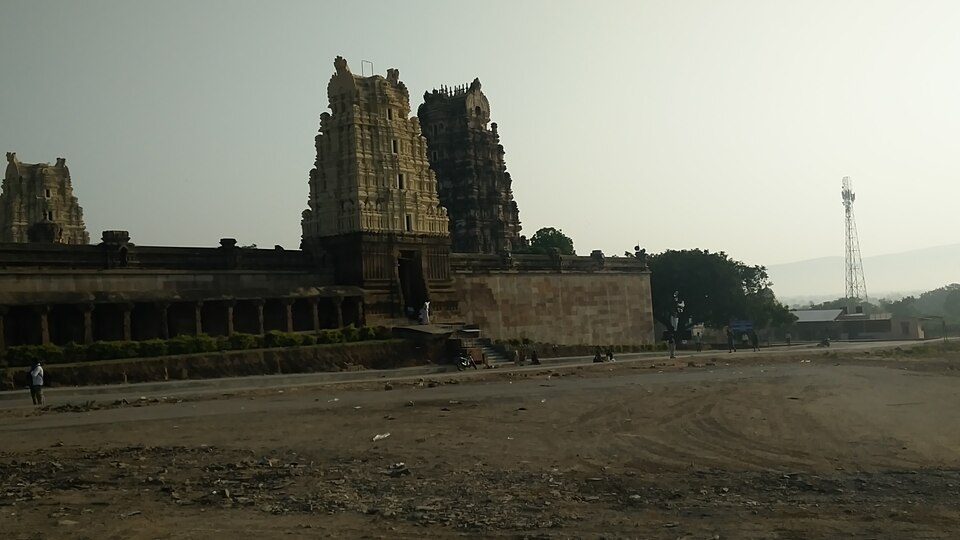
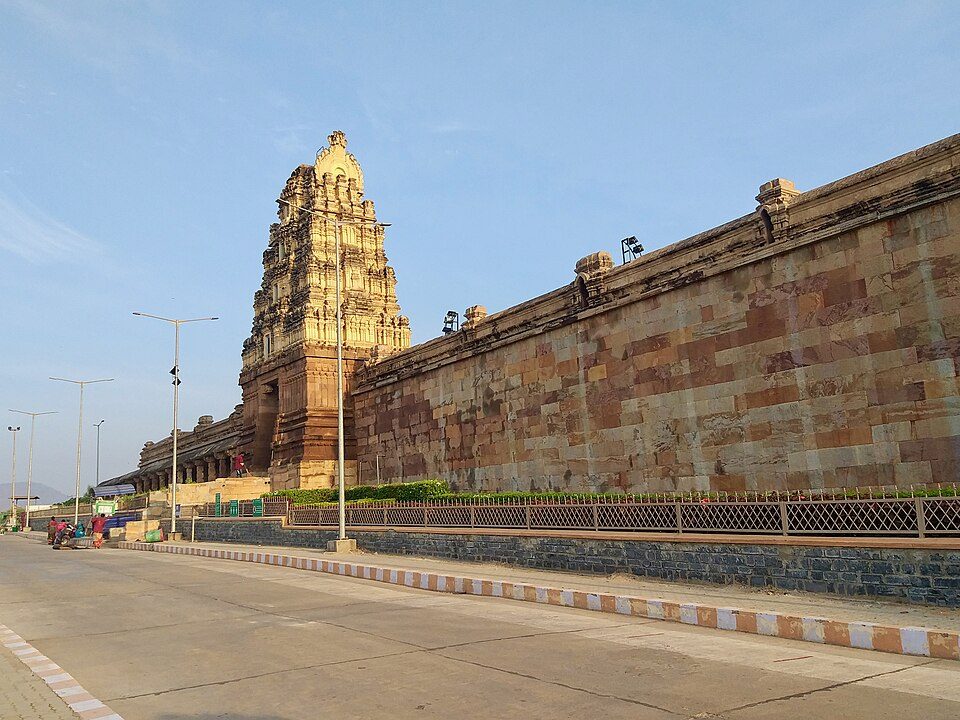
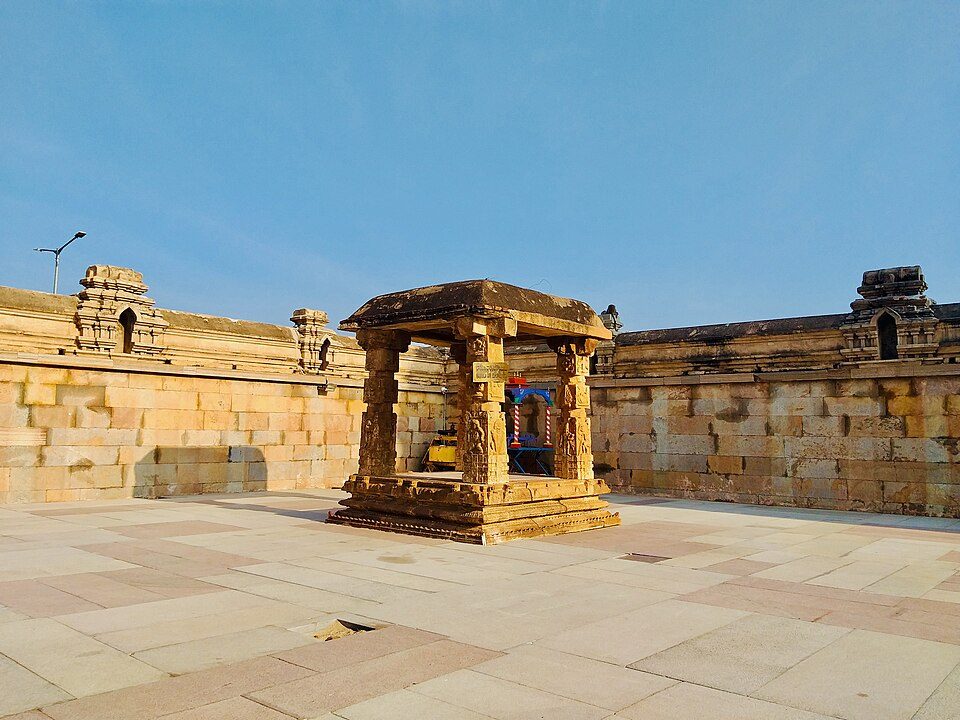
Built by the Cholas and the Vijayanagara kings, the Kodandarama temple at Vontimitta is one of the largest Rama temples in Andhra Pradesh, with Rama, Sita and Lakshmana carved from a single rock. It is linked to the poet Bammera Potana, and its Sri Rama Navami wedding celebrations are held by moonlight.
 WaTrips