Tamil Nadu Temple Trail: Chennai to Madurai in 6 Days
6 DAYS20 placesby WaTrips
Six days of South India's greatest temples: Chennai, Kanchipuram, Mahabalipuram, Srirangam, Thanjavur and Madurai.
This is the classic Tamil Nadu temple route. Chennai opens it with the Kapaleeshwarar Temple, San Thome Basilica, Fort St George and an evening on Marina Beach. Kanchipuram, the city of a thousand temples, comes next, then the shore at Mahabalipuram with its stone-carved rathas and Arjuna's Penance. Further south, Trichy has the Rockfort and Srirangam, one of the largest working temple complexes in the world. In Thanjavur, the Brihadisvara Temple and Darasuram are both UNESCO-listed Chola temples. The trip ends in Madurai at the Meenakshi Amman Temple. Start each day early to beat the heat. Shoes stay outside temples, and some inner shrines are open only to Hindus.
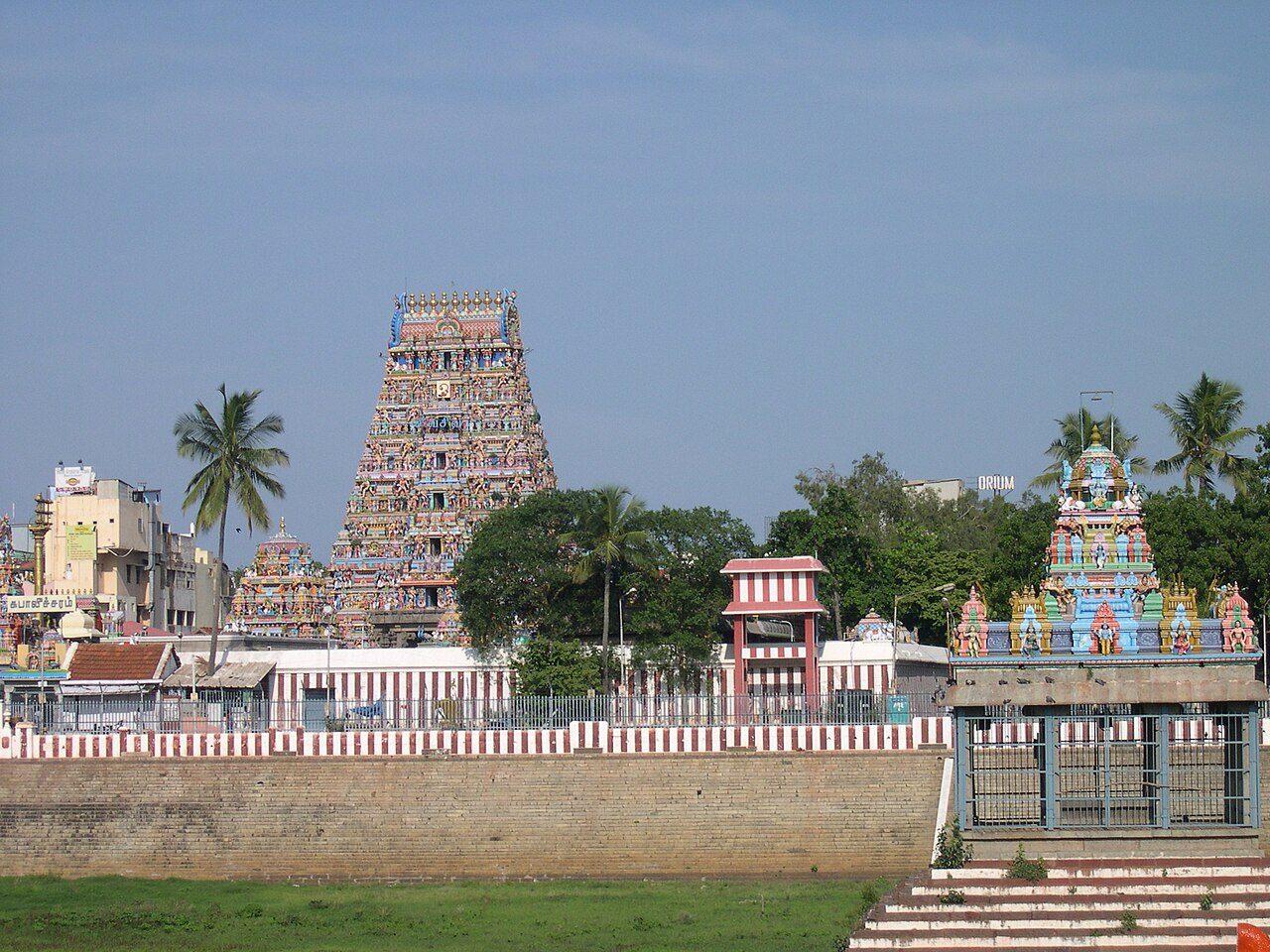
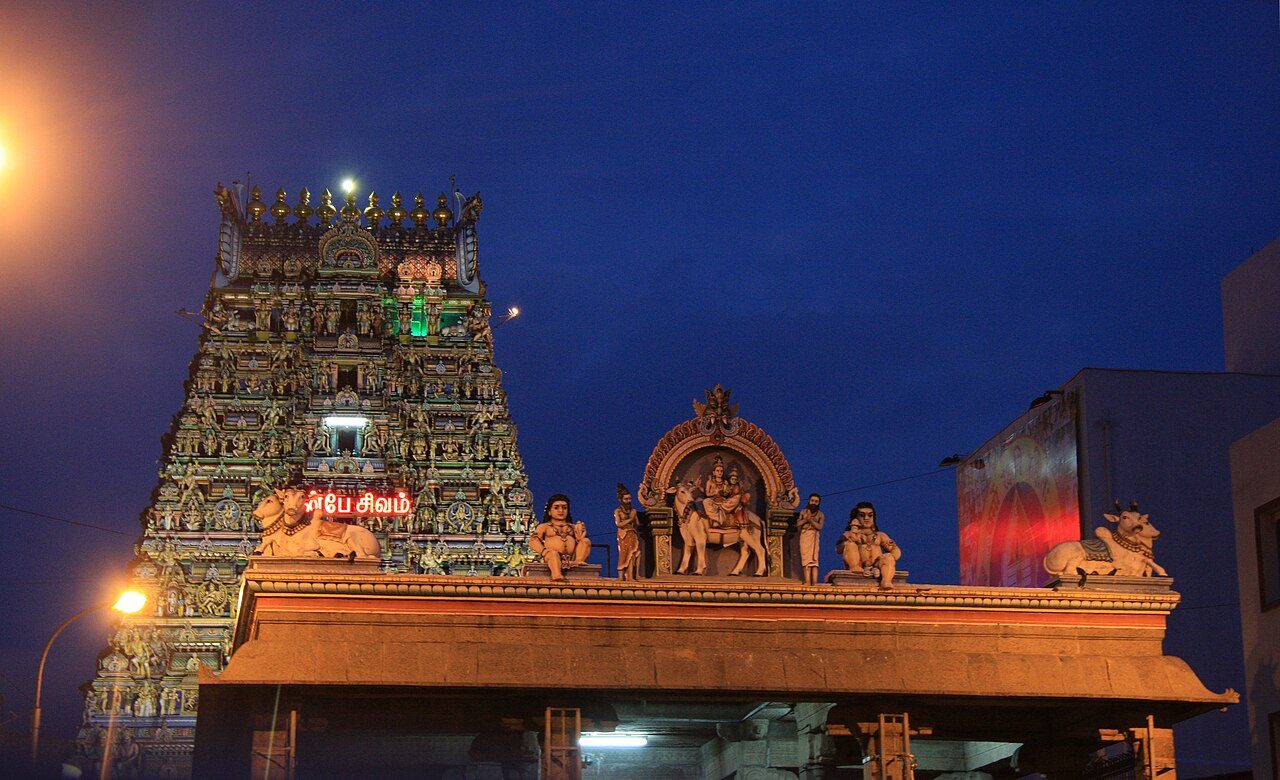
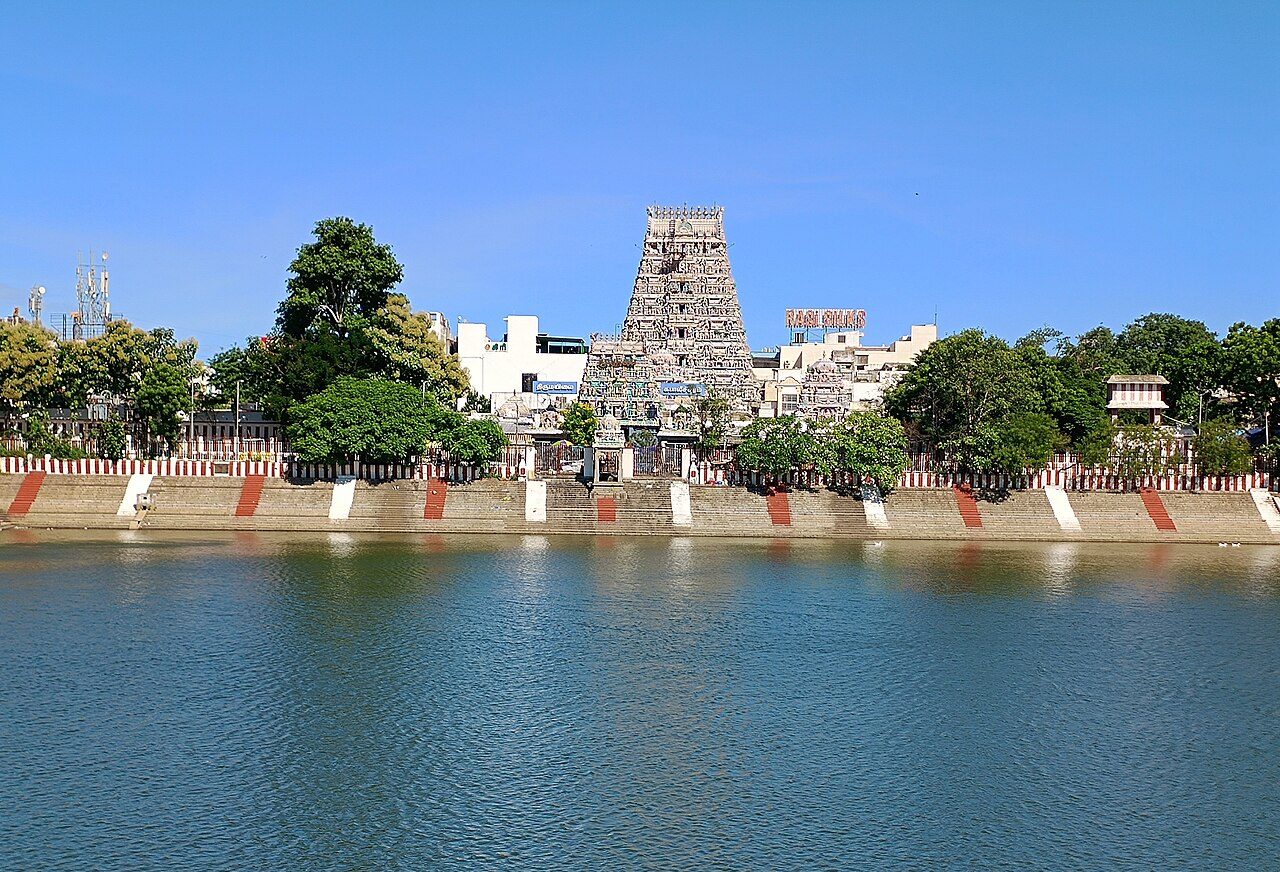
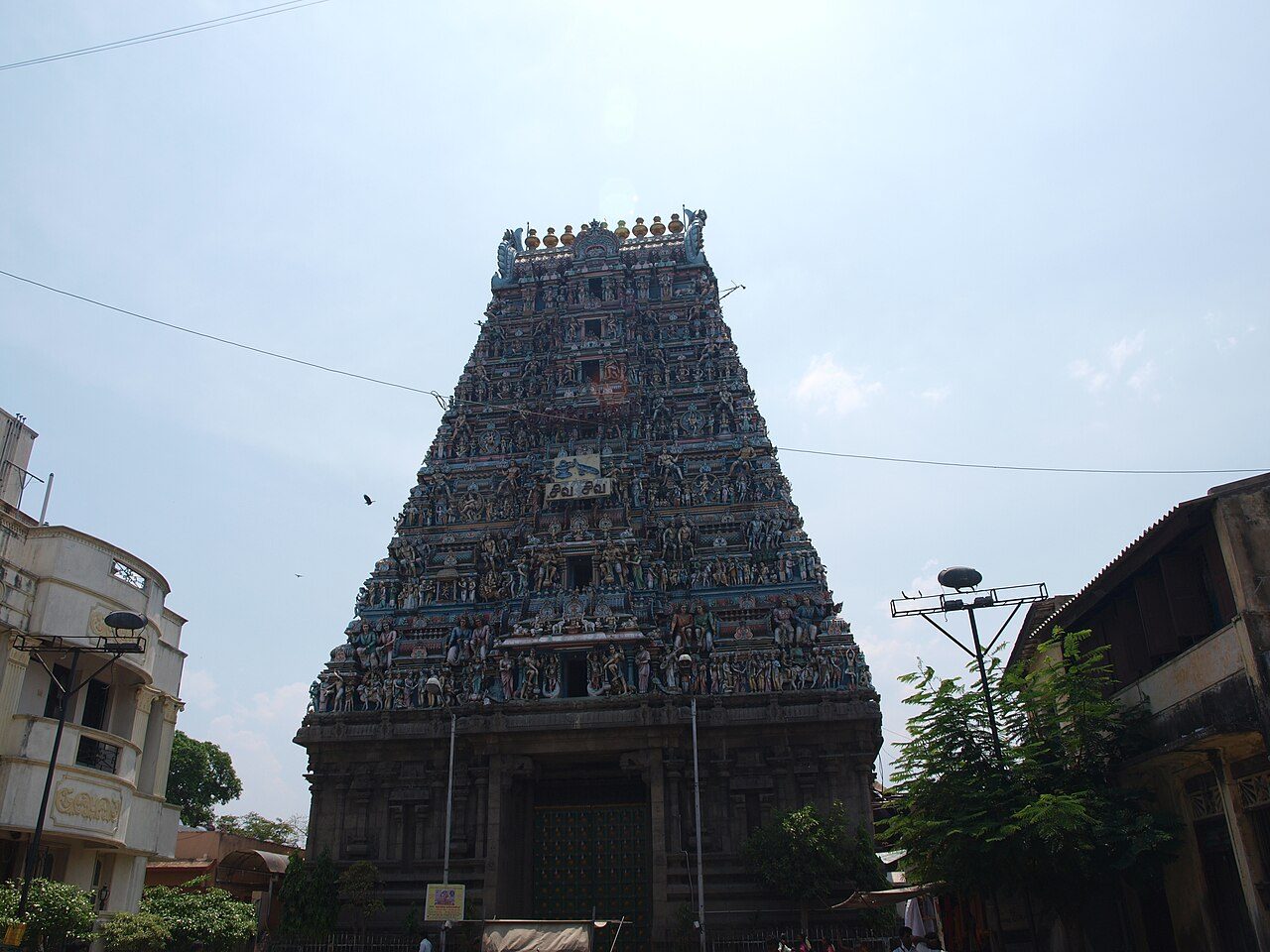
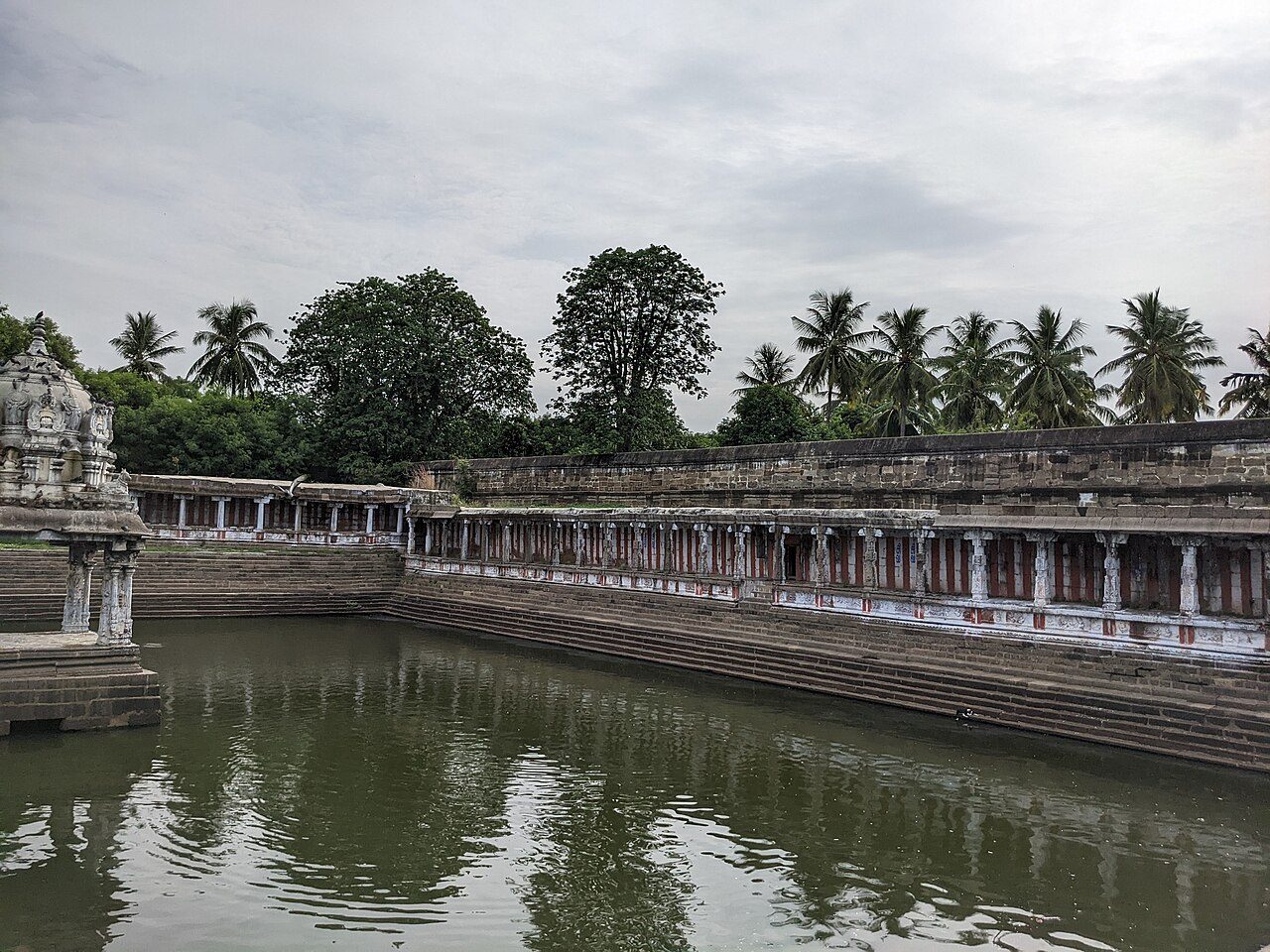
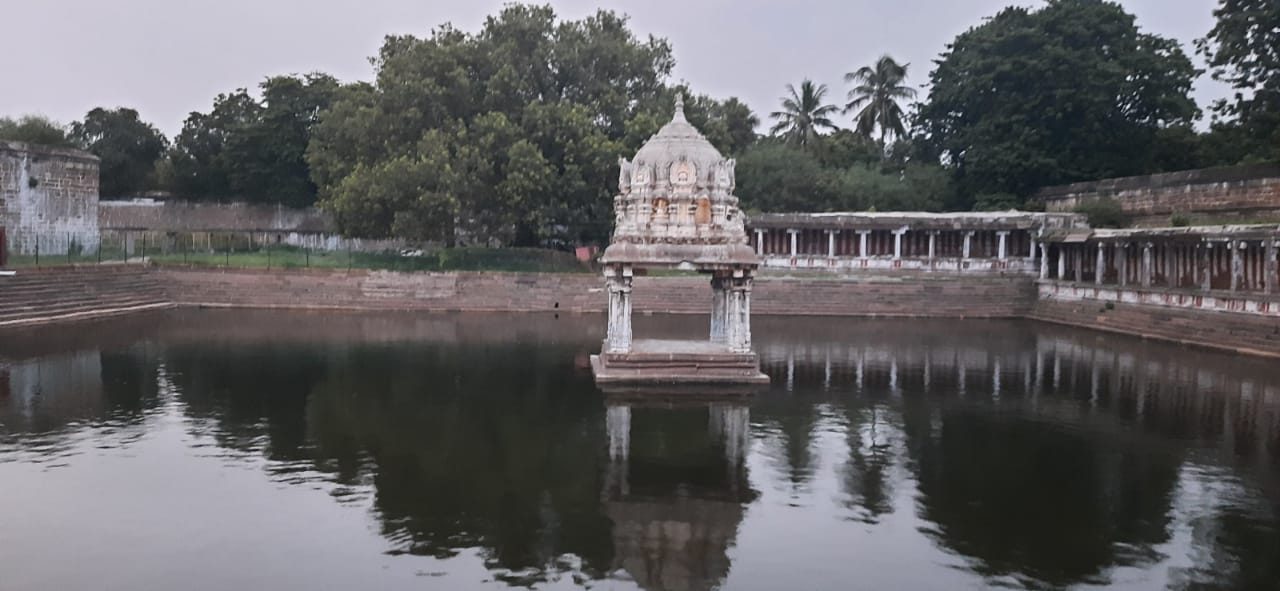
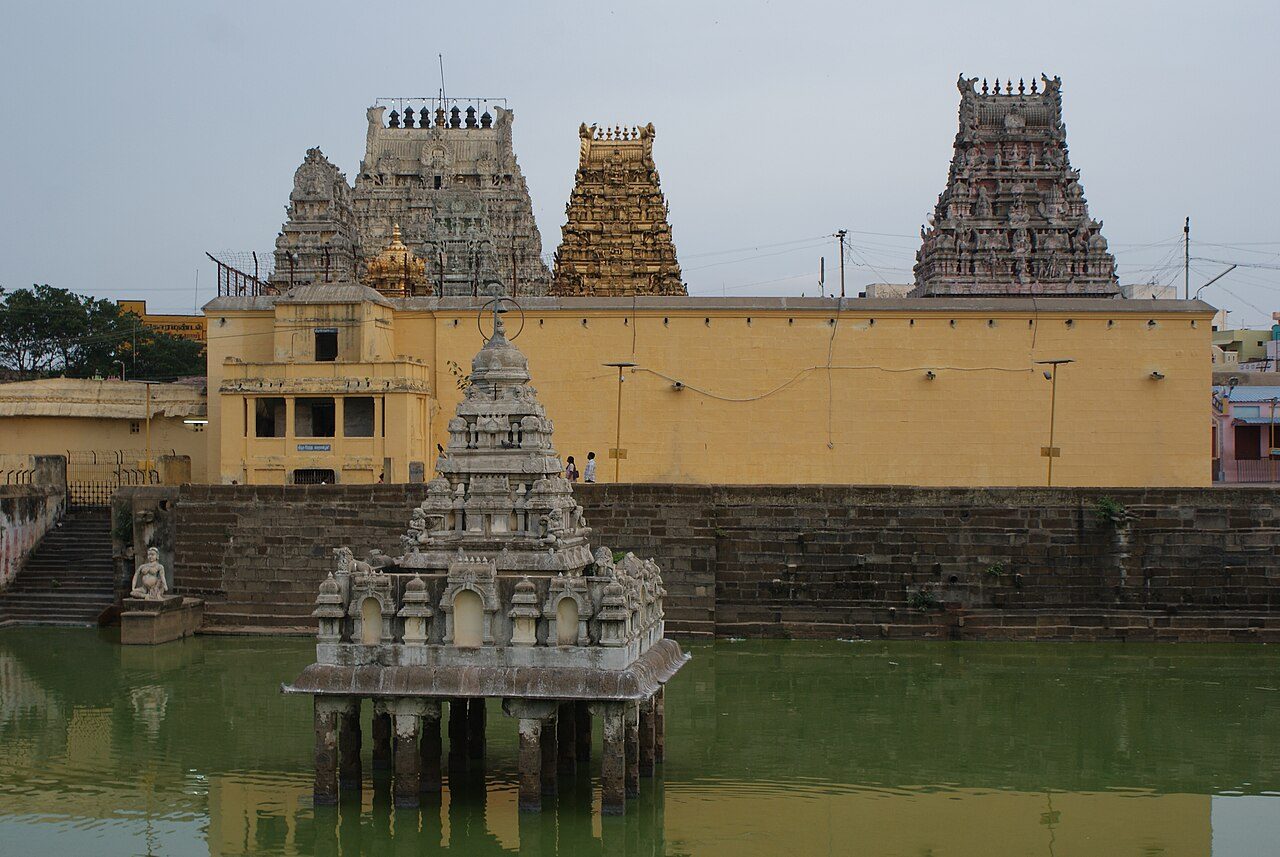
The present temple at Mylapore was built in the sixteenth century after the Portuguese destroyed an earlier shrine on the shore, and its gopuram rises about 37 metres over the tank and the four Mada streets. Mylapore is older than Madras by centuries, and the Tevaram hymns of the seventh century already name a Kapaleeswarar temple here.
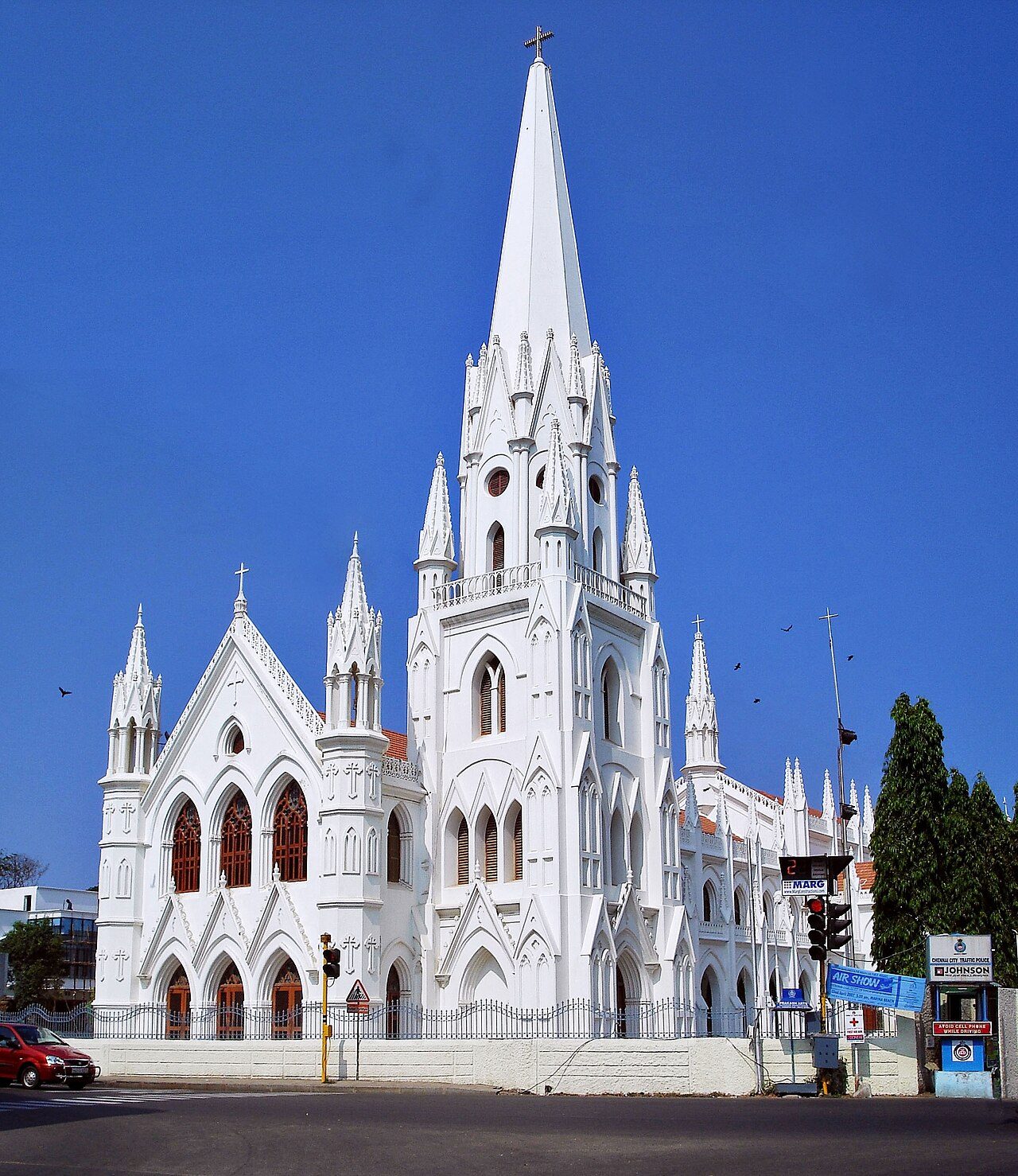
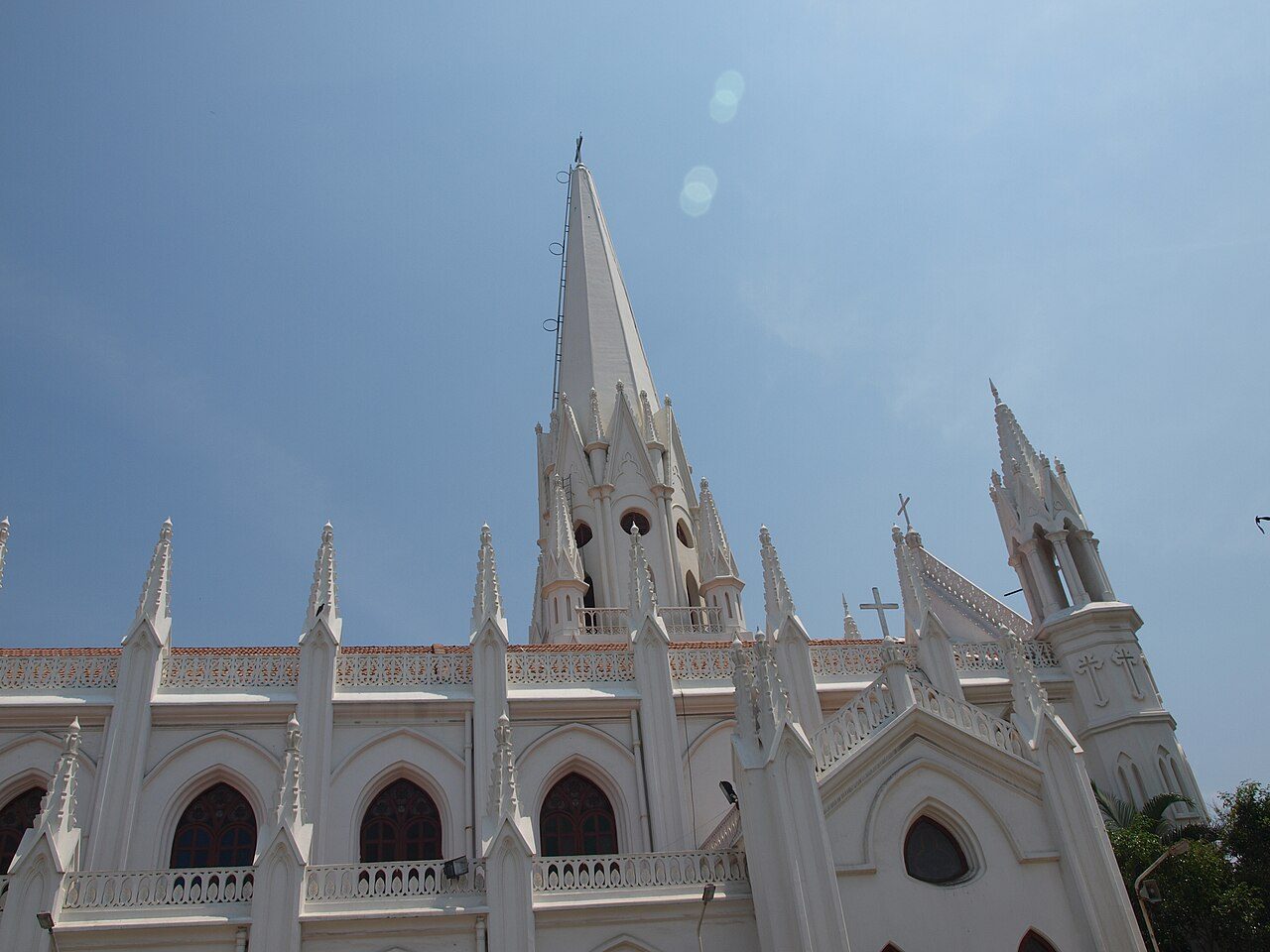
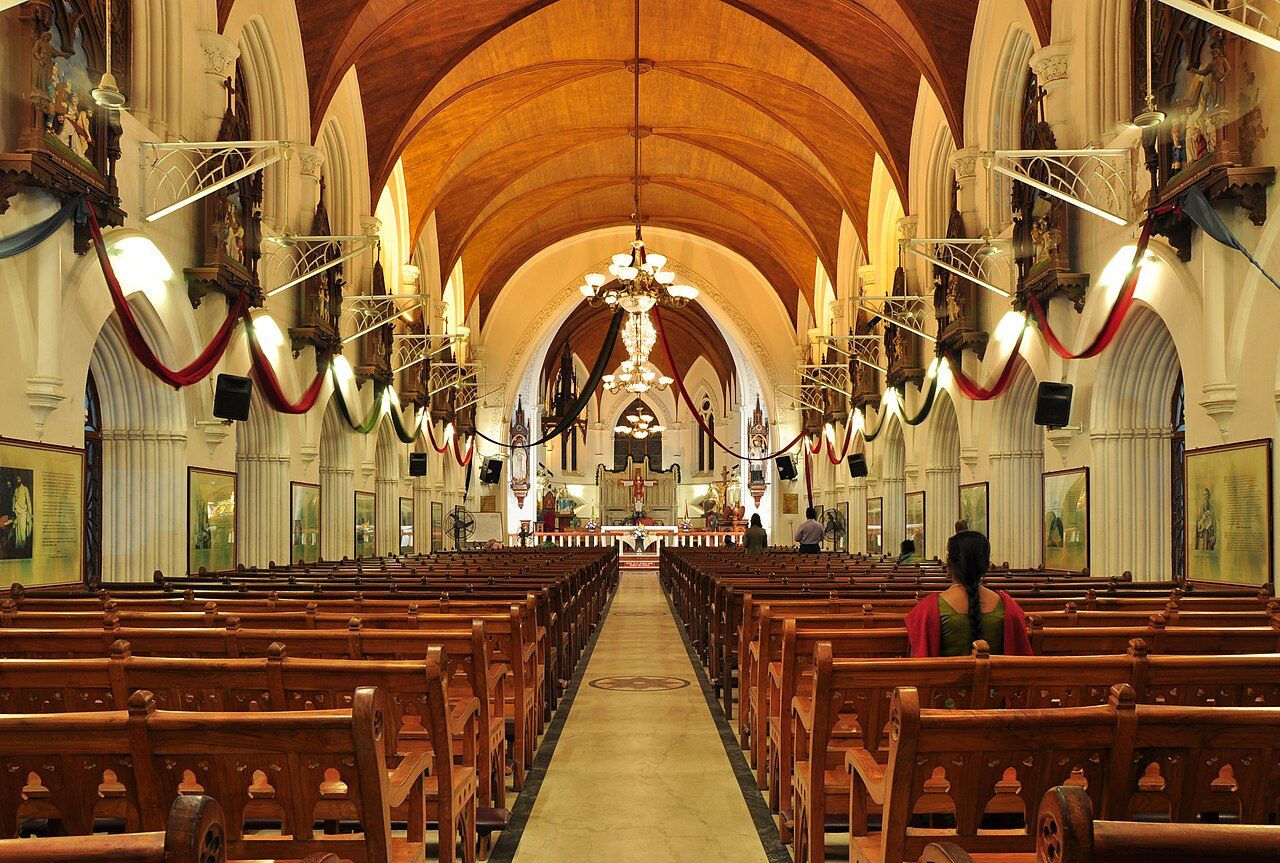
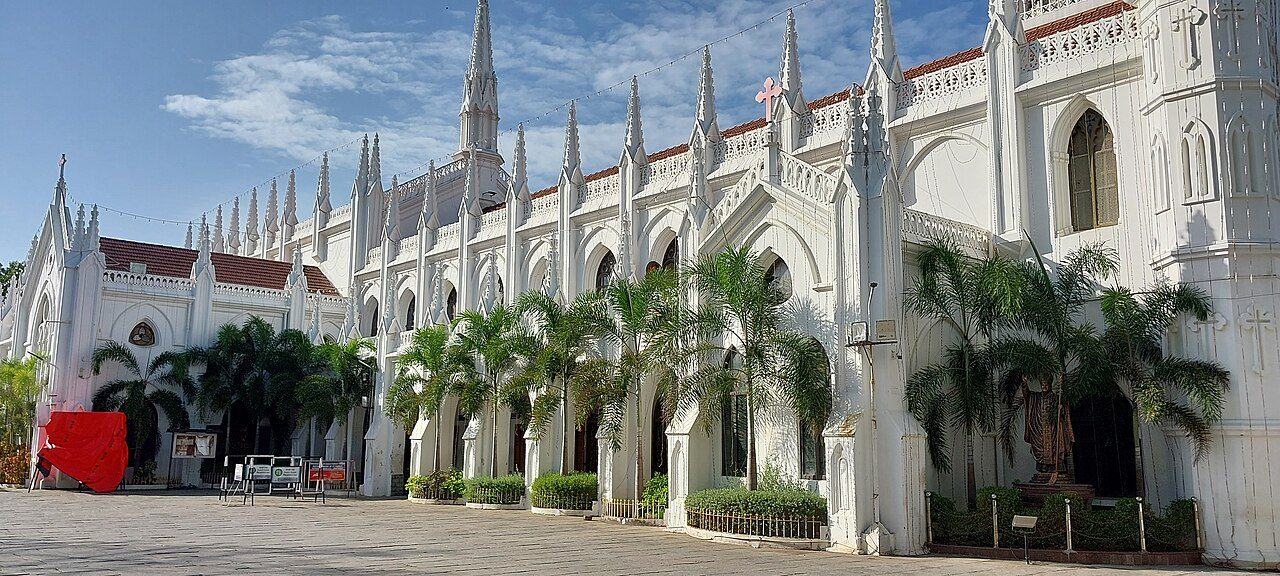
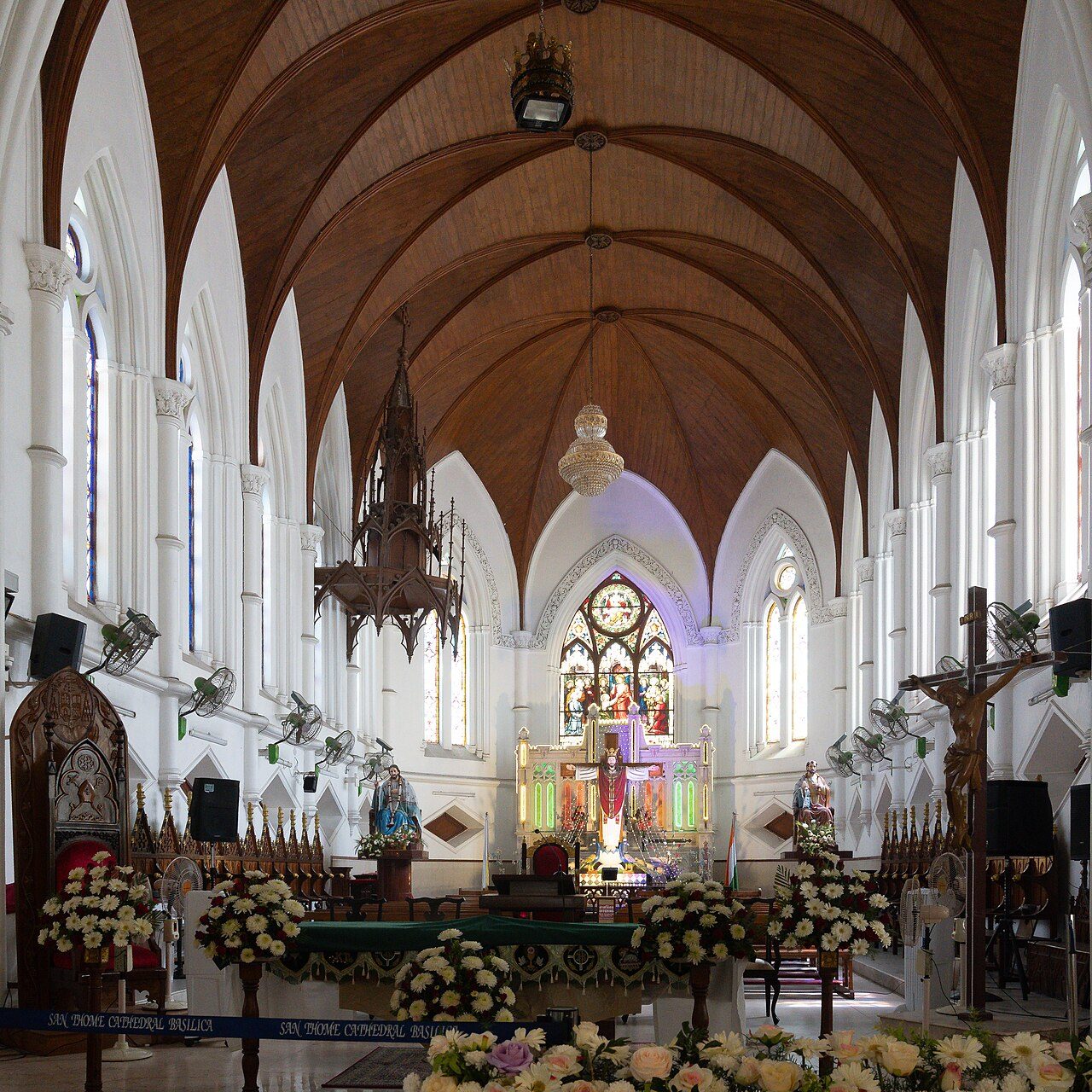
Built by the Portuguese in 1523 over what tradition holds is the tomb of St Thomas the Apostle, and rebuilt by the British in neo-Gothic style in 1896. It is one of only three churches in the world raised over the burial place of an apostle, the others being St Peter's in Rome and Santiago de Compostela.
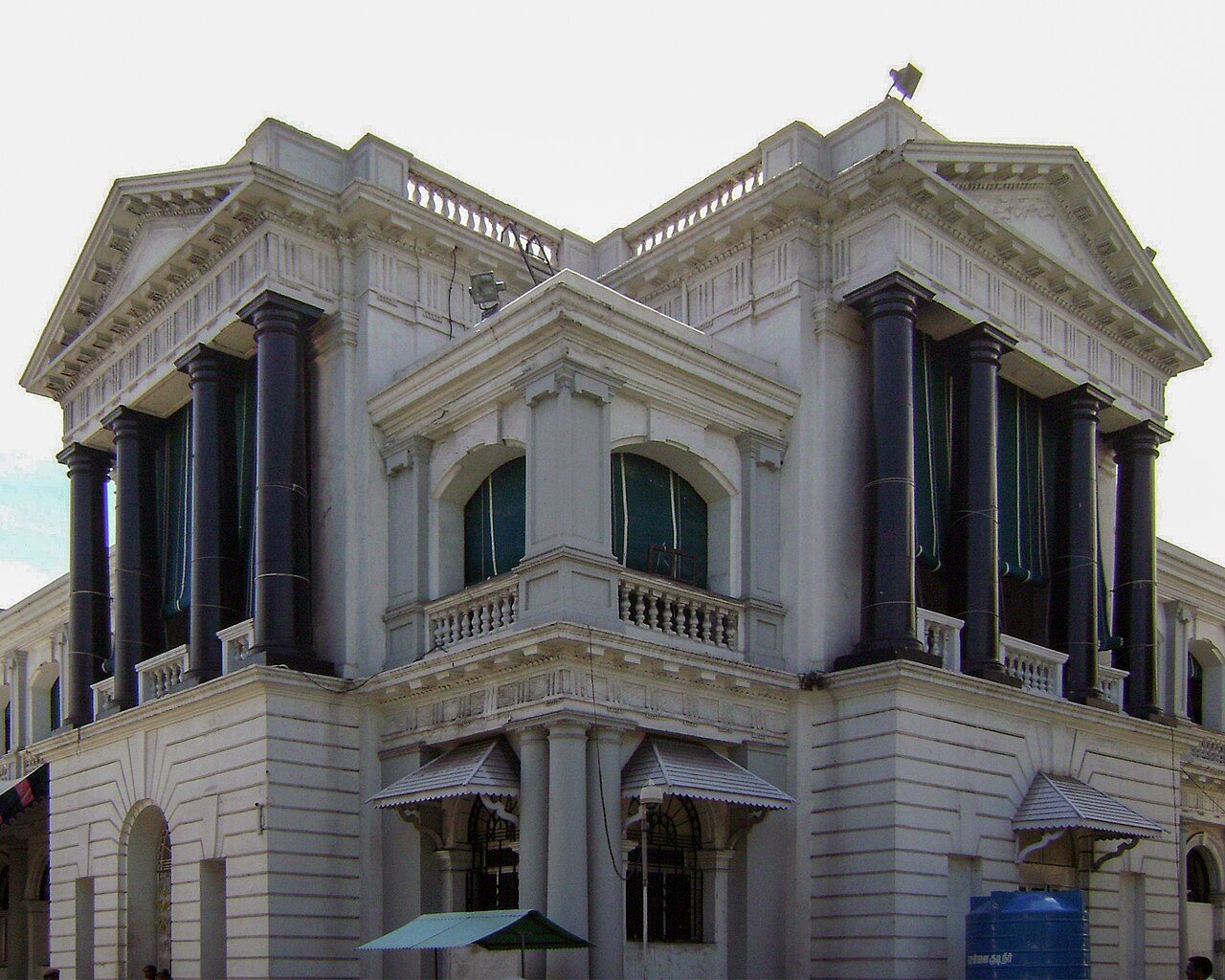
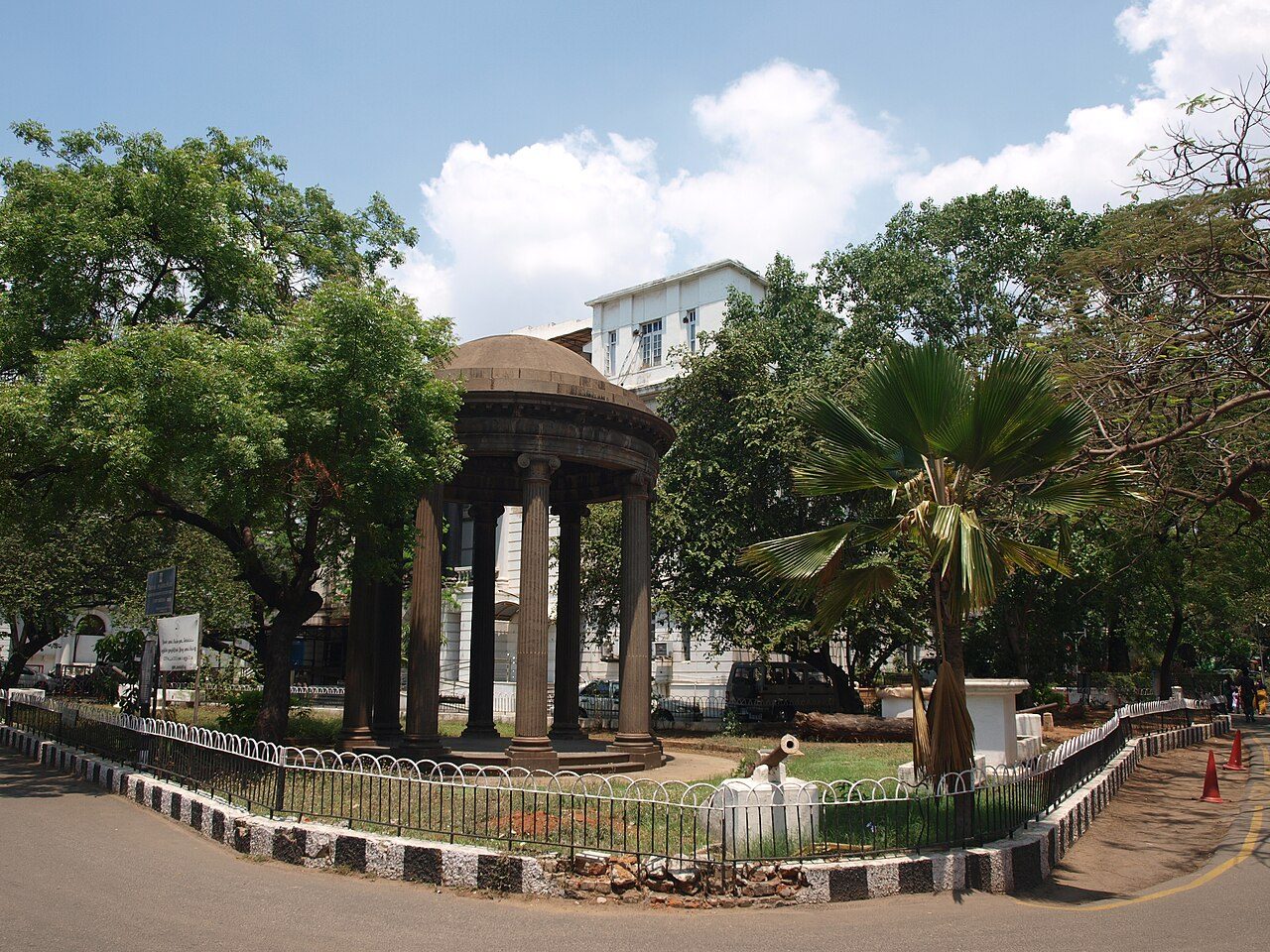
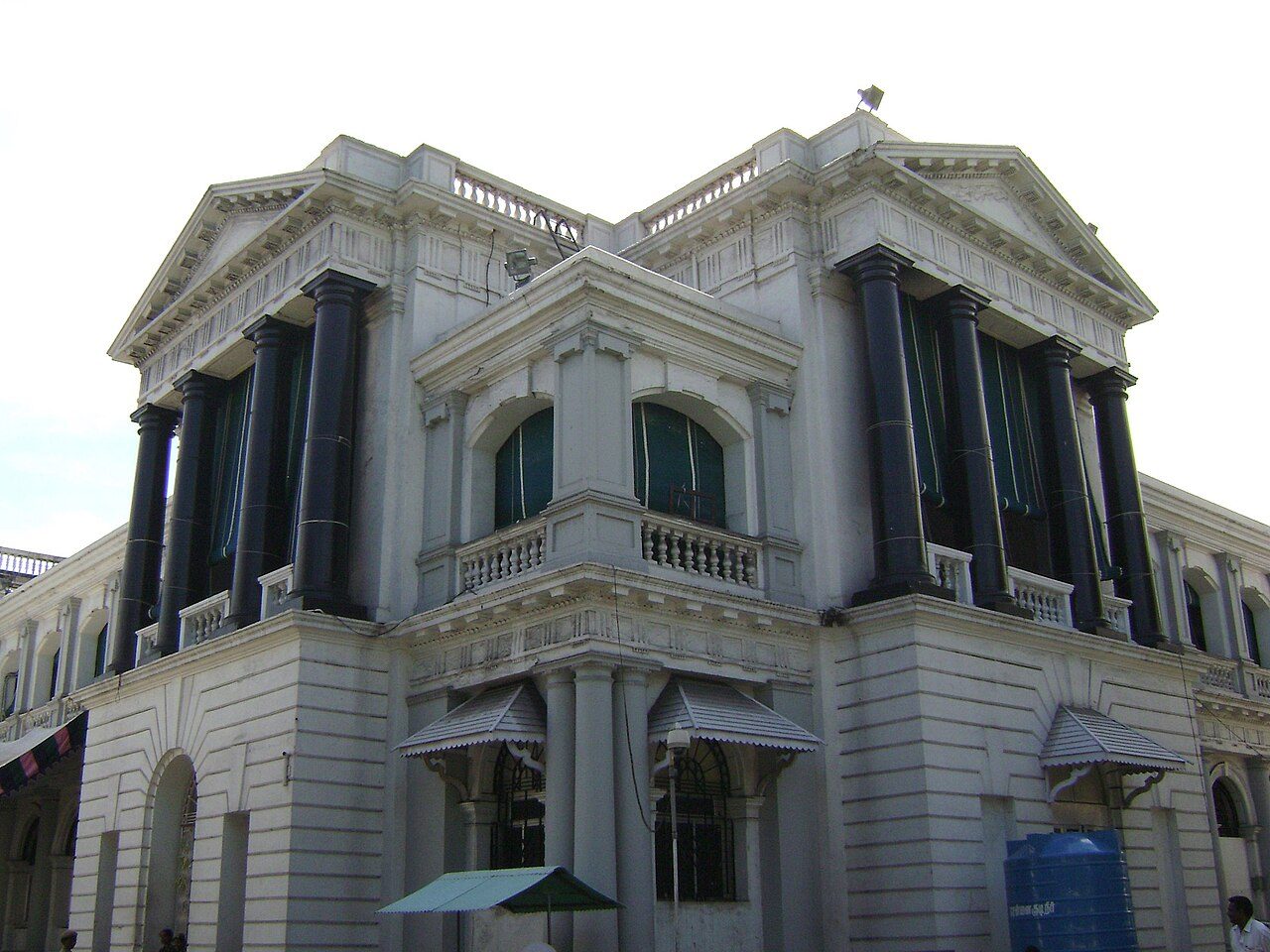
The East India Company completed this fort on St George's Day 1644, and the settlement that grew around it became Madras and then Chennai, making it the first English fortress in India. It still houses the Tamil Nadu legislature and secretariat, along with a museum of Company-era portraits, weapons and coins, and St Mary's, the oldest Anglican church east of Suez.
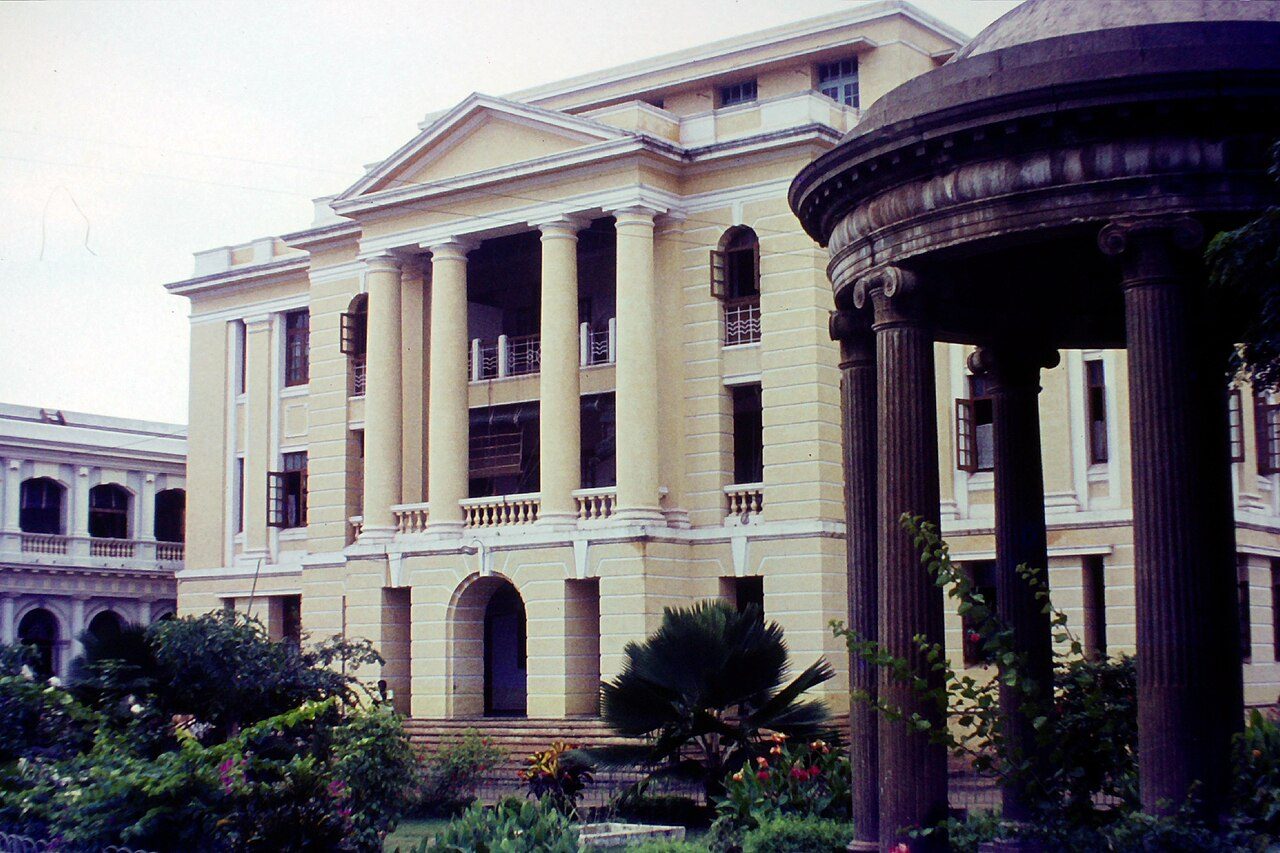
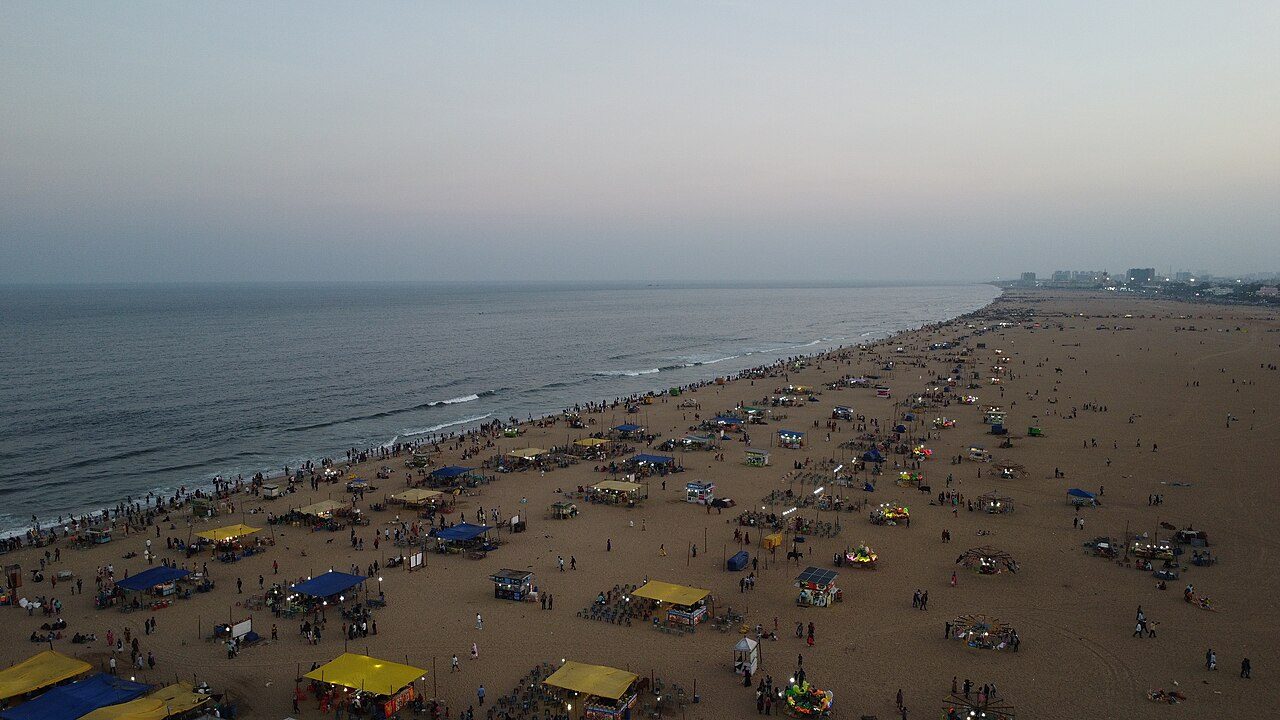
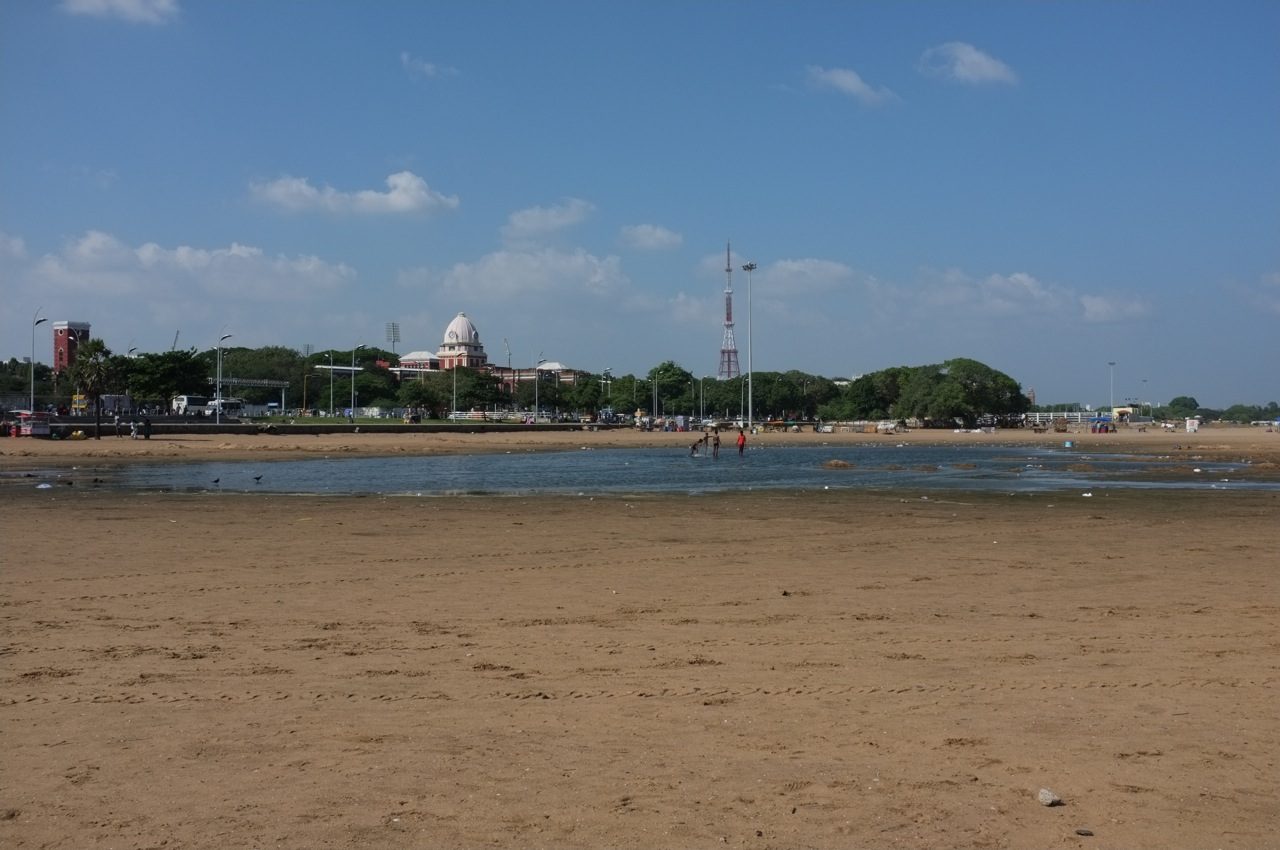
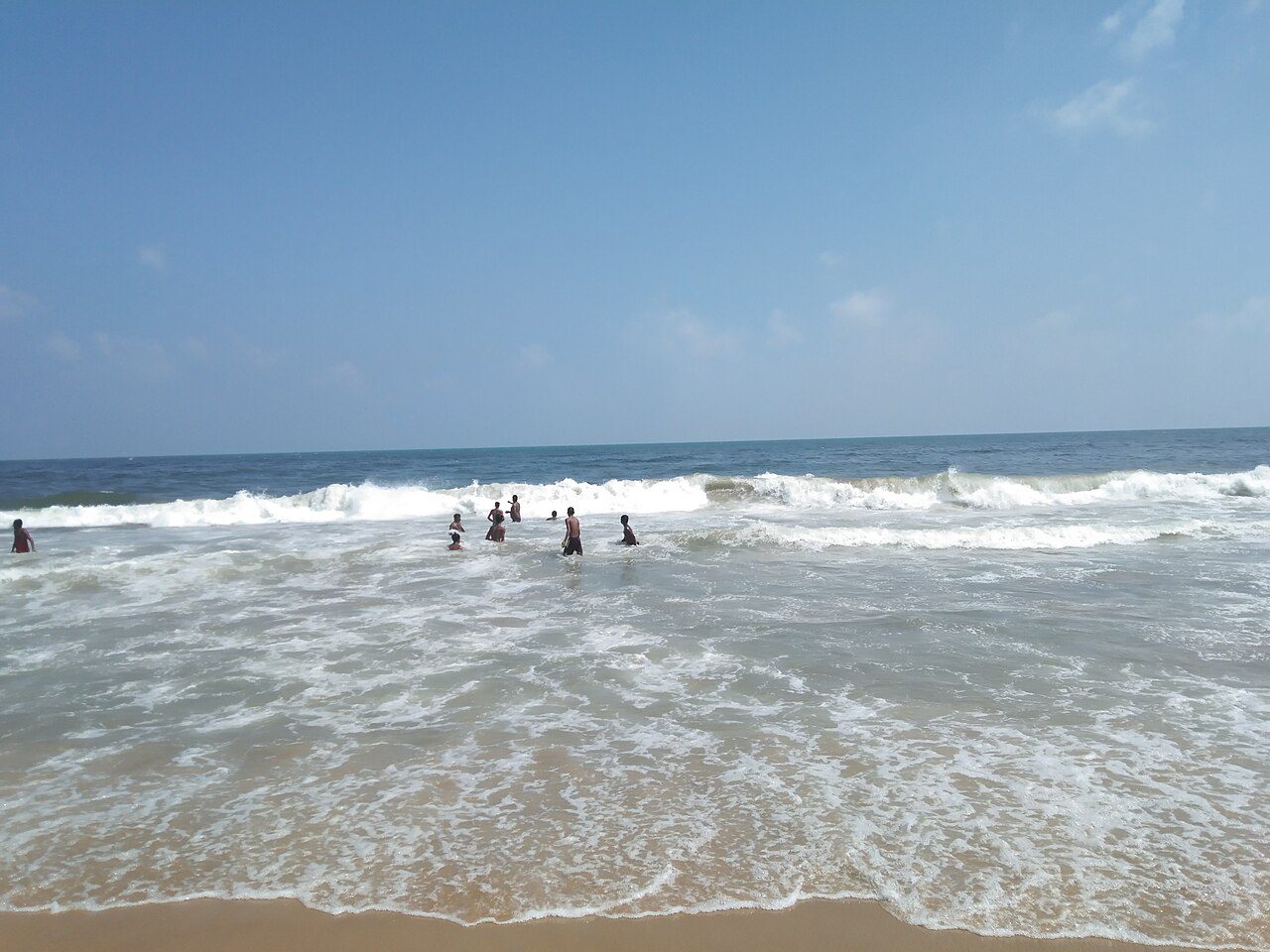
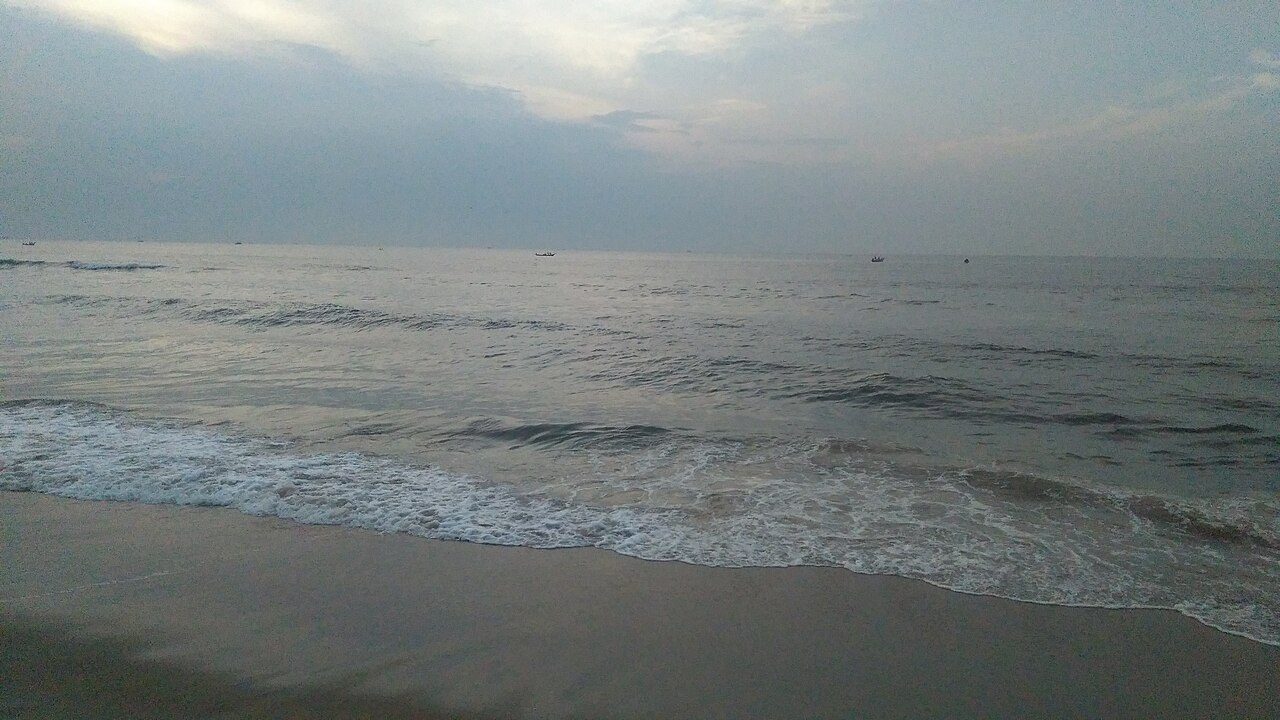
At roughly thirteen kilometres, Marina is one of the longest urban beaches in the world, laid out as a promenade by Governor Mountstuart Grant Duff in the 1880s. The sand shelves steeply and the undertow is dangerous, so almost nobody swims; people come to walk, eat and watch the sea. Statues, the old university buildings and the ice house line the landward side.
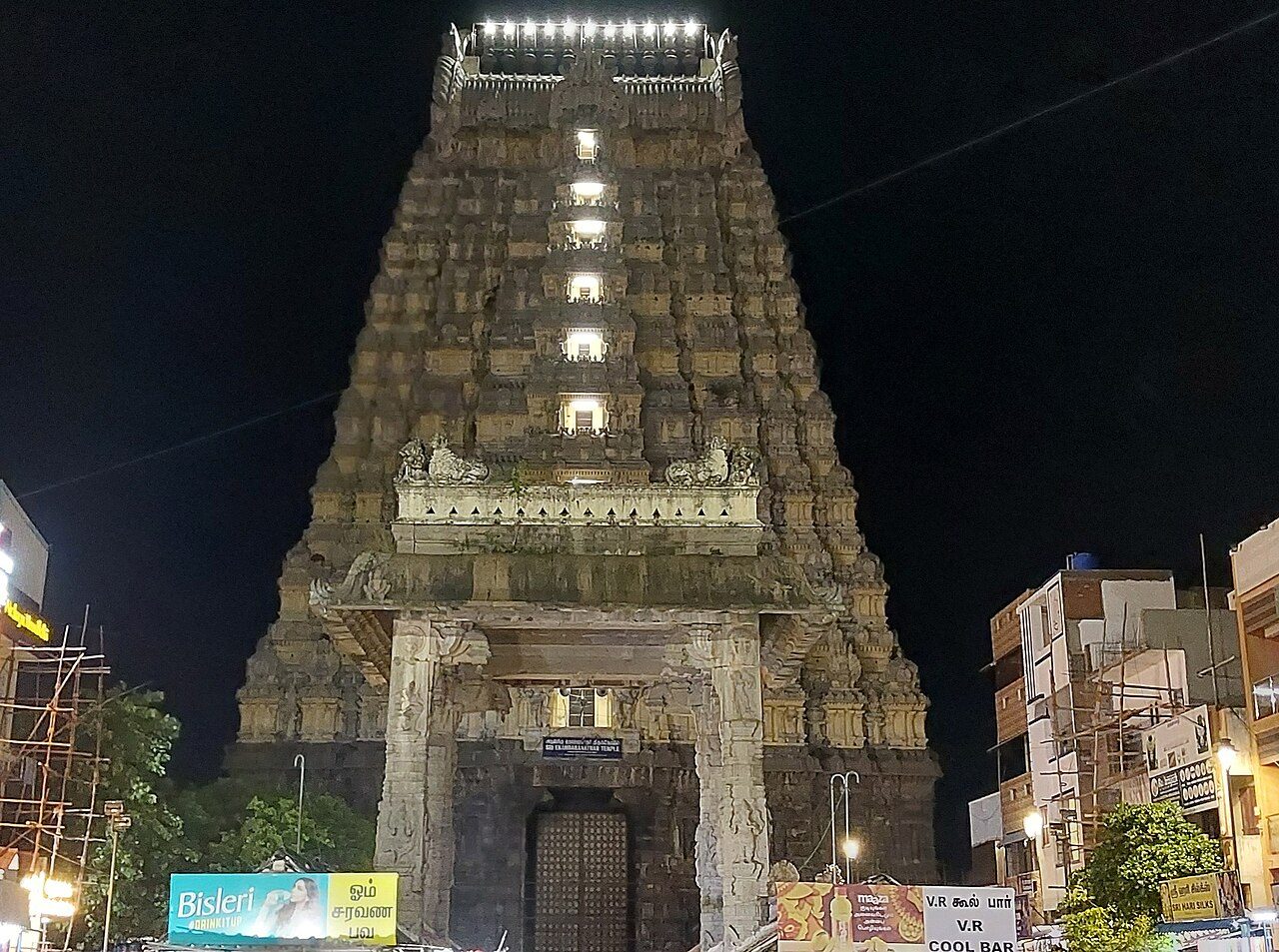
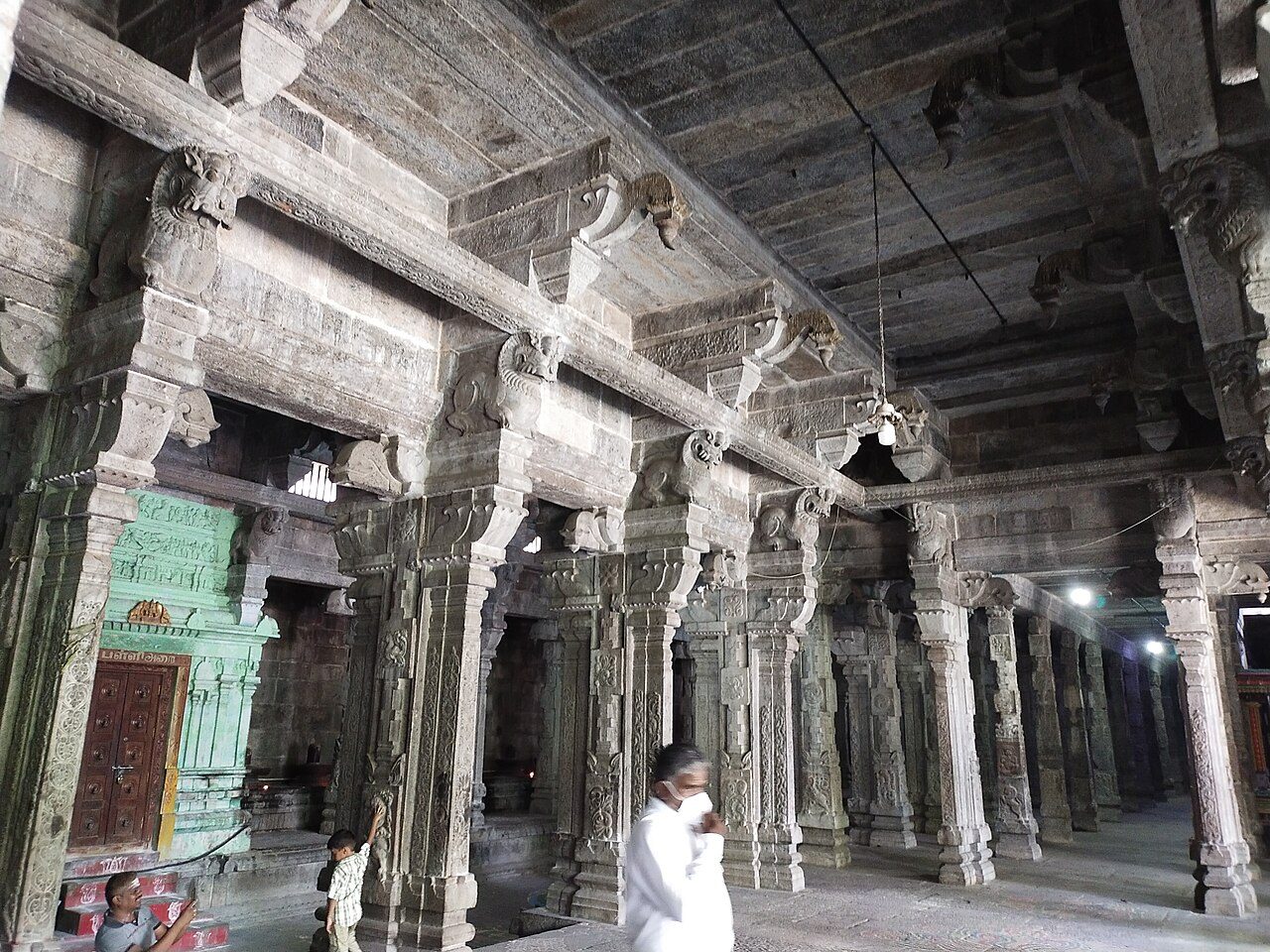
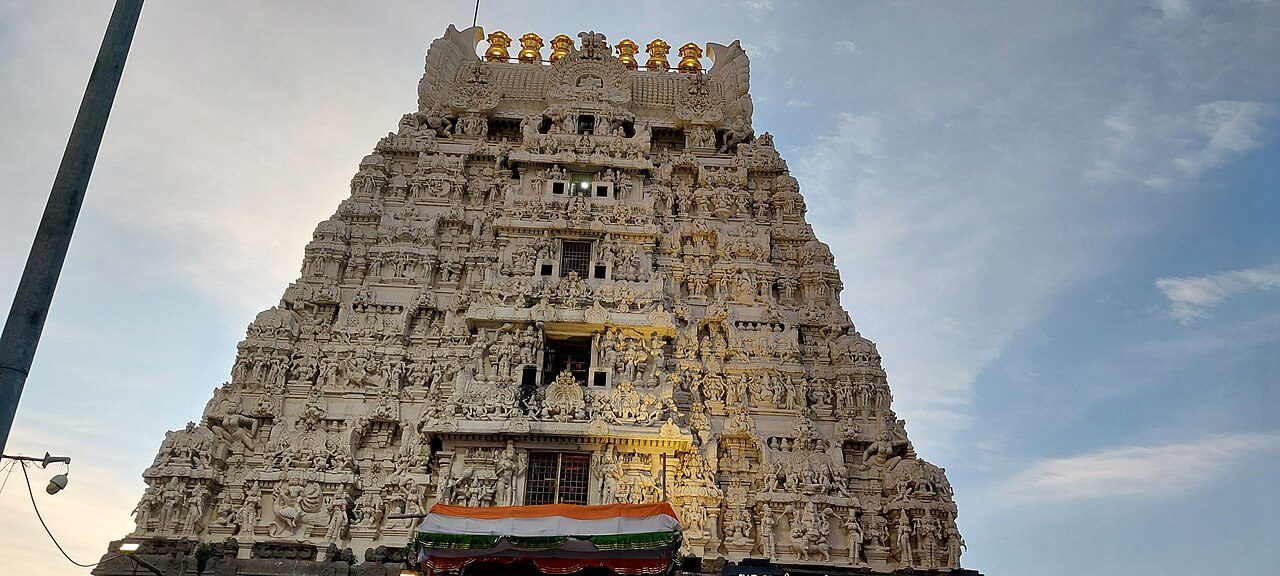
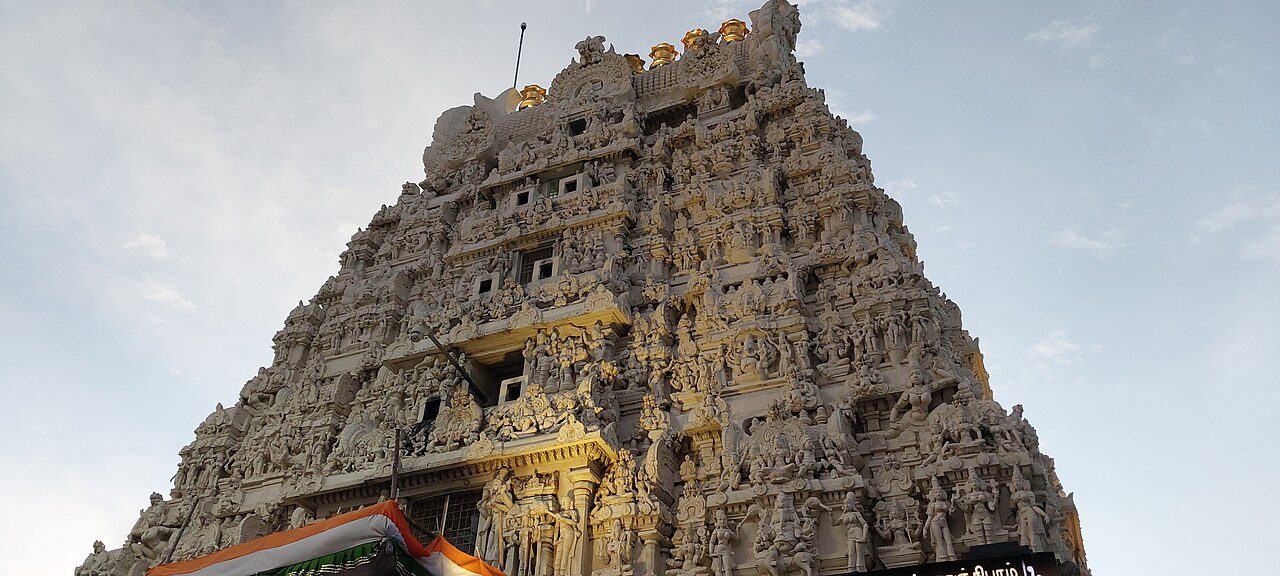
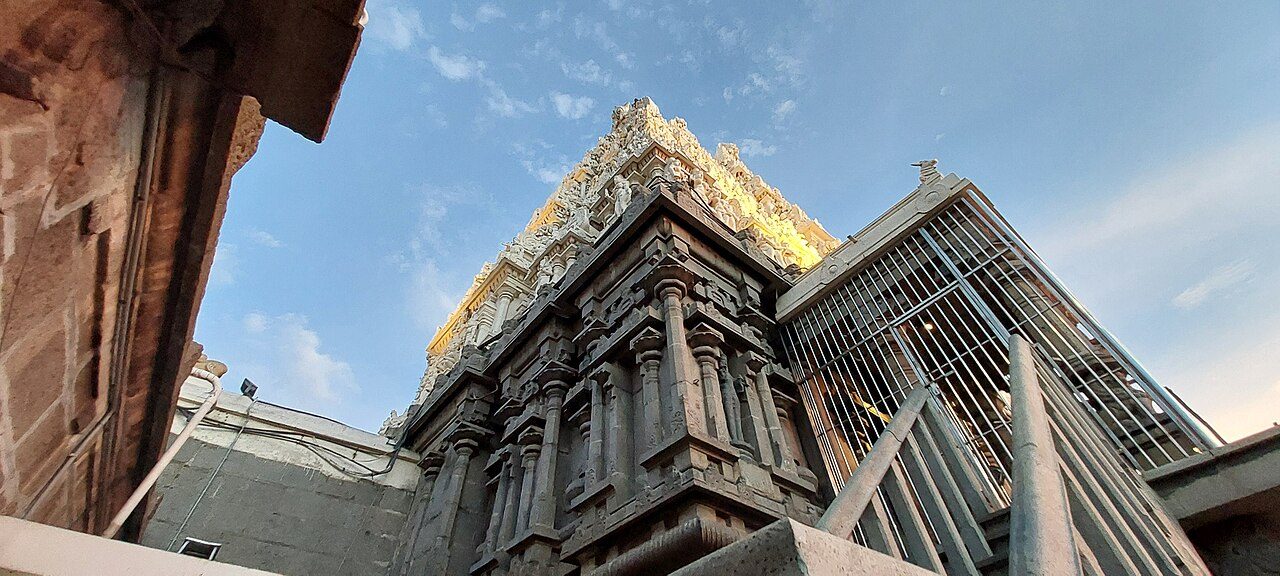
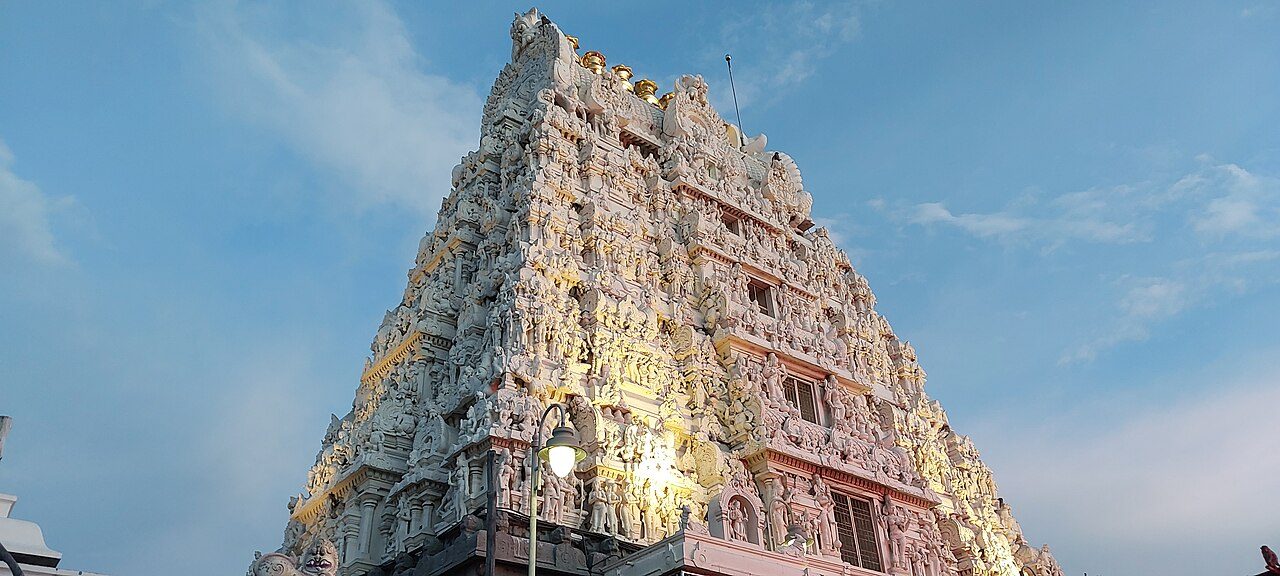
One of the five Pancha Bhoota Sthalams, this temple represents the element earth, where Shiva is worshipped as a lingam of sand. Tradition holds that Parvati moulded the lingam under the temple's ancient mango tree and held on to it as the river rose, which is how the god came to be called Ekambaranathar. The towering raja gopuram and the thousand-pillared hall were raised under Vijayanagara rule over a shrine the Pallavas and Cholas had already built up.
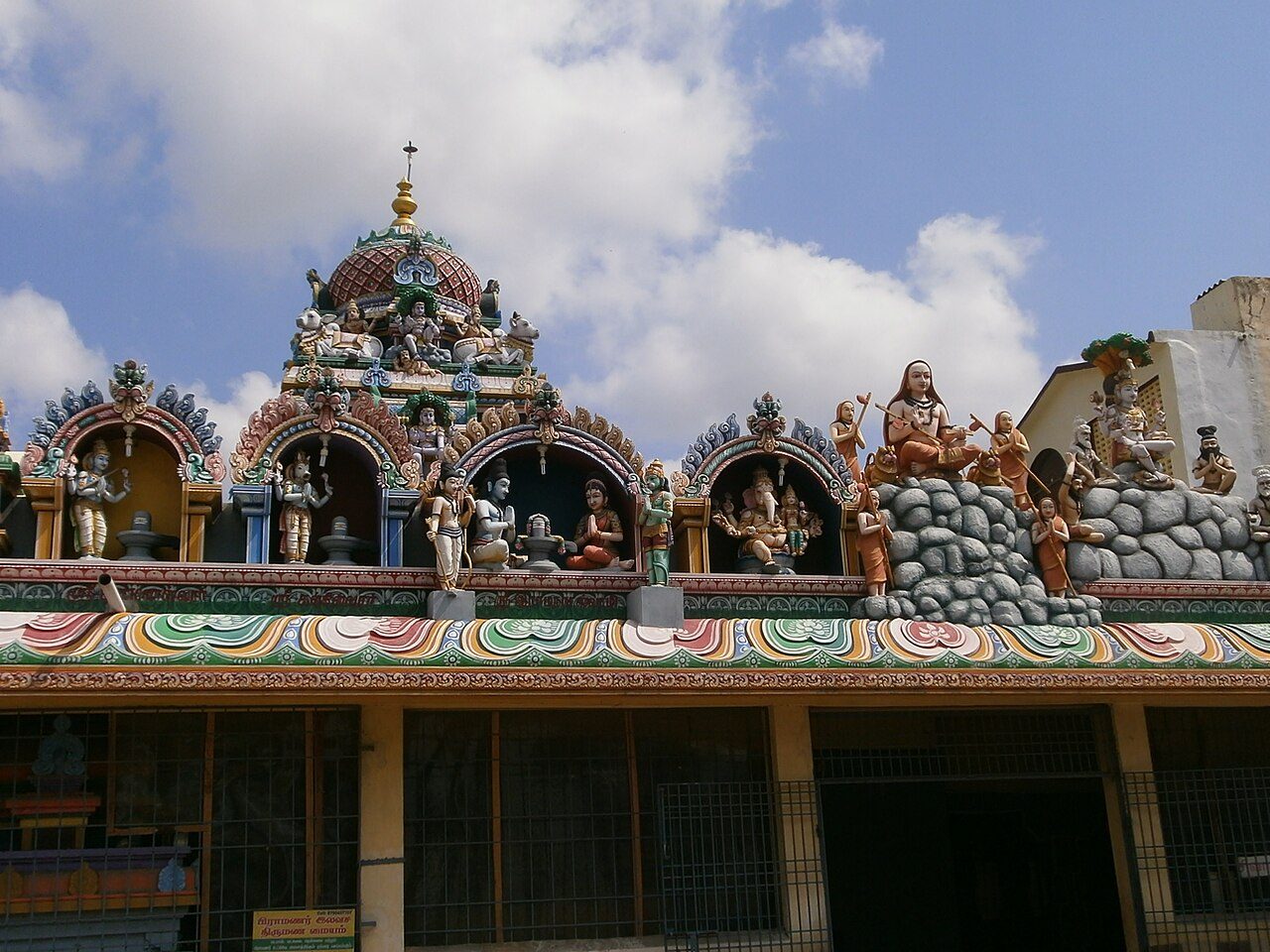
The chief goddess temple of Kanchipuram, where Kamakshi is seated in padmasana holding a sugarcane bow and flowers rather than standing as in most Amman shrines. It is counted among the major Shakti Peethas and is closely tied to Adi Shankara, who is said to have installed the Sri Chakra before the deity; the Kanchi Kamakoti matha stands close by. The present structure is largely Chola and Vijayanagara work over a much older foundation.
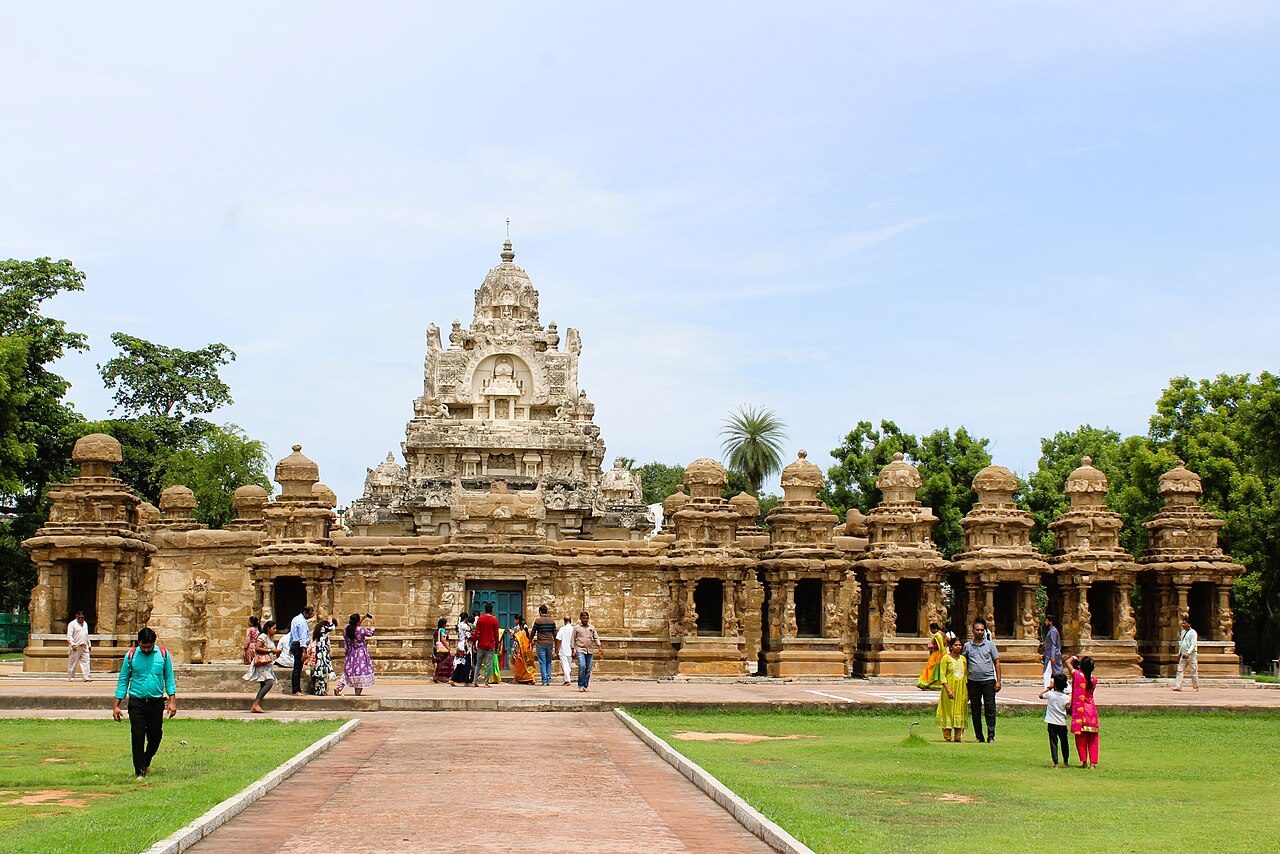
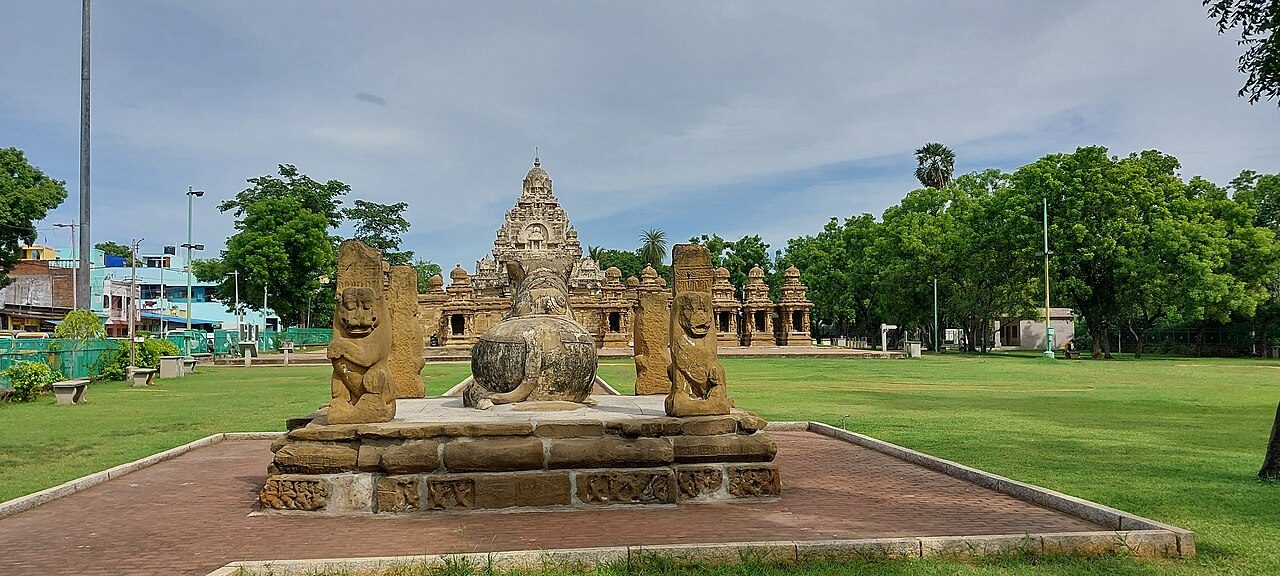
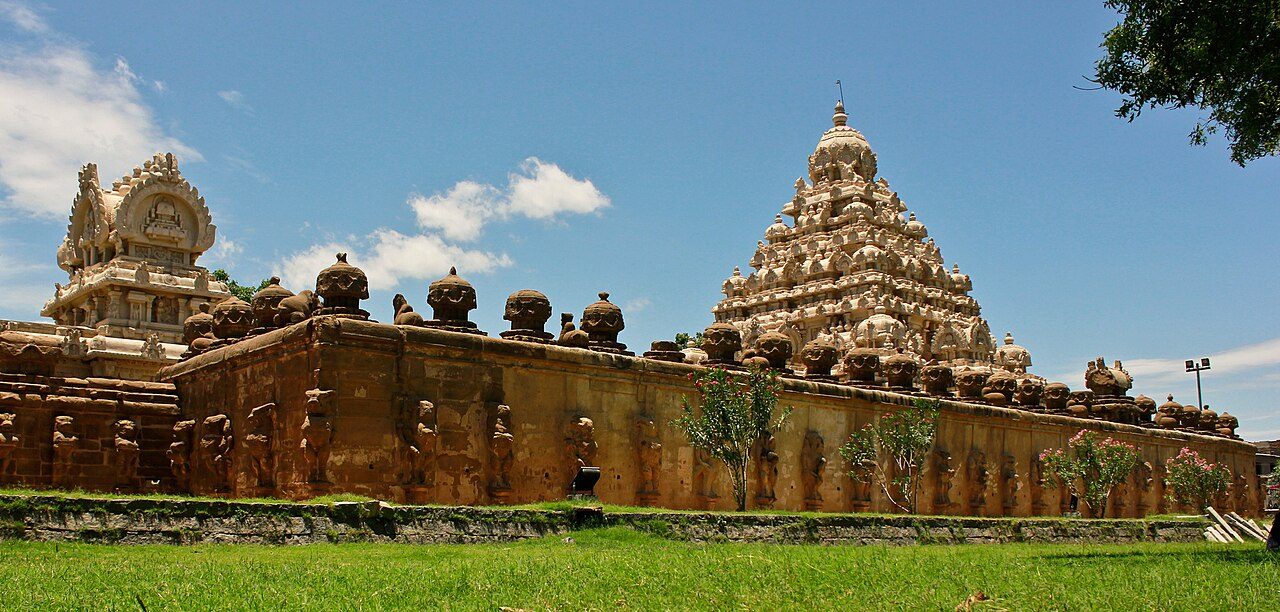
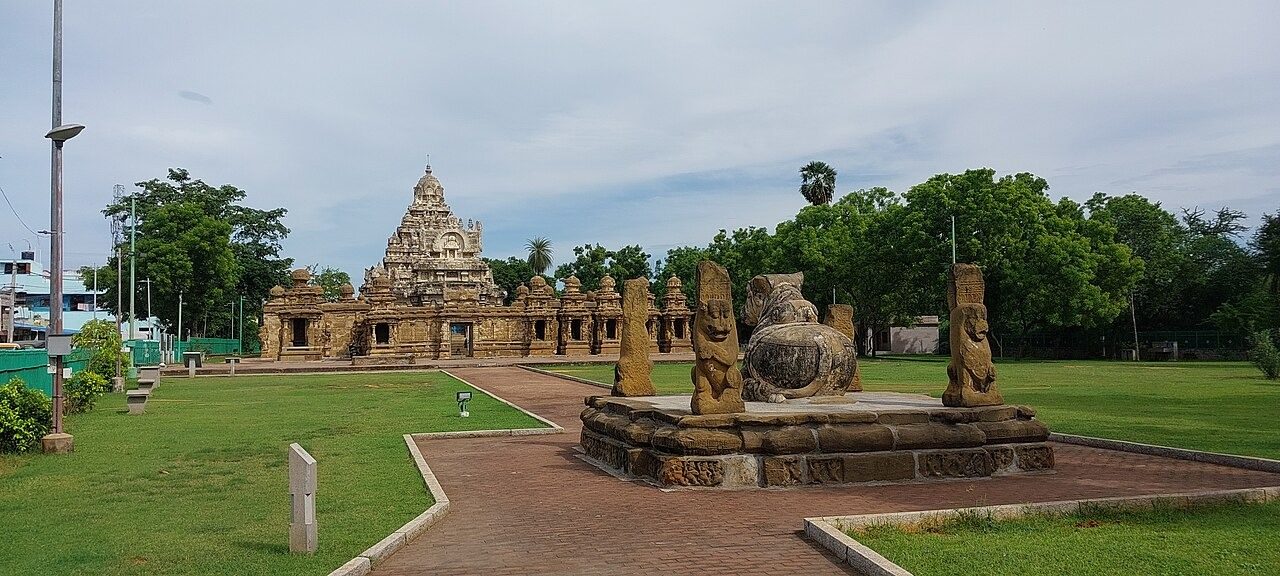
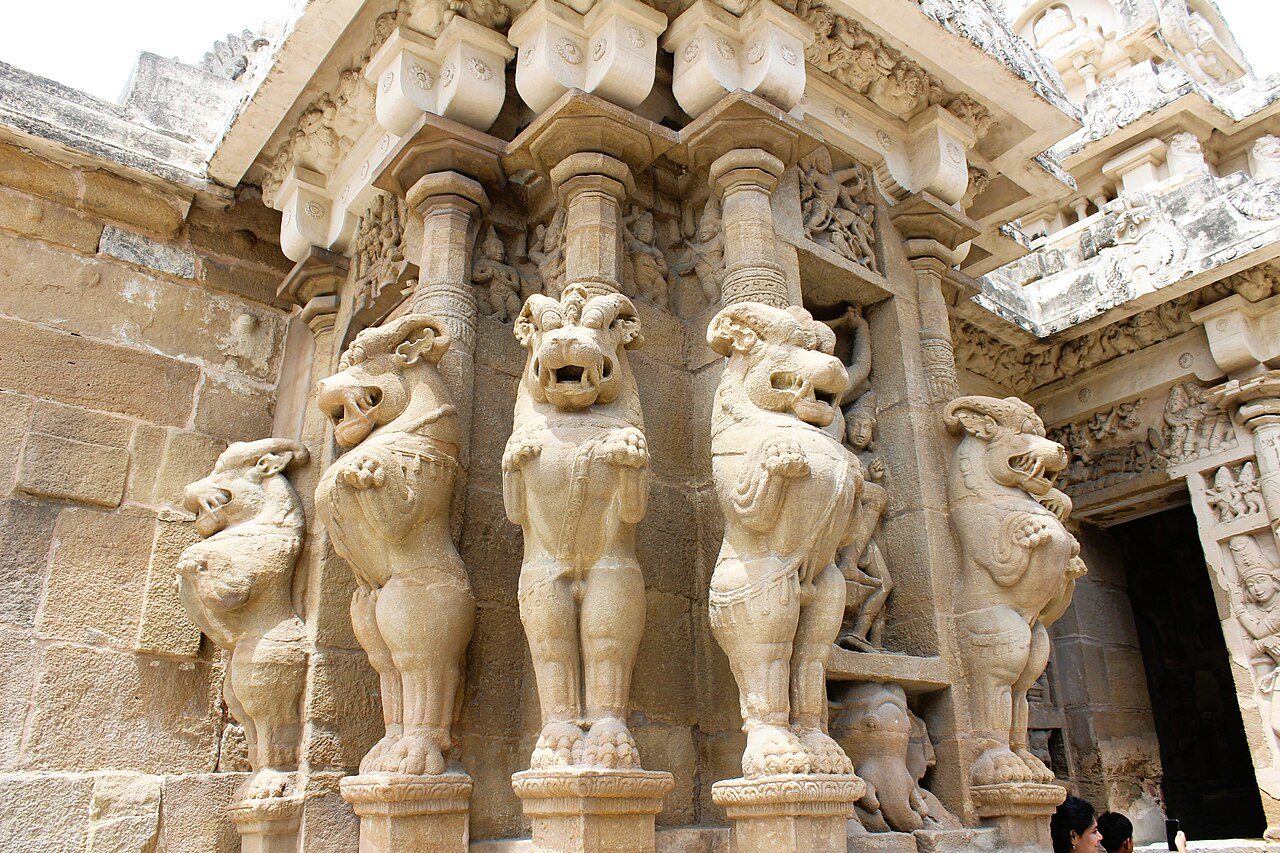
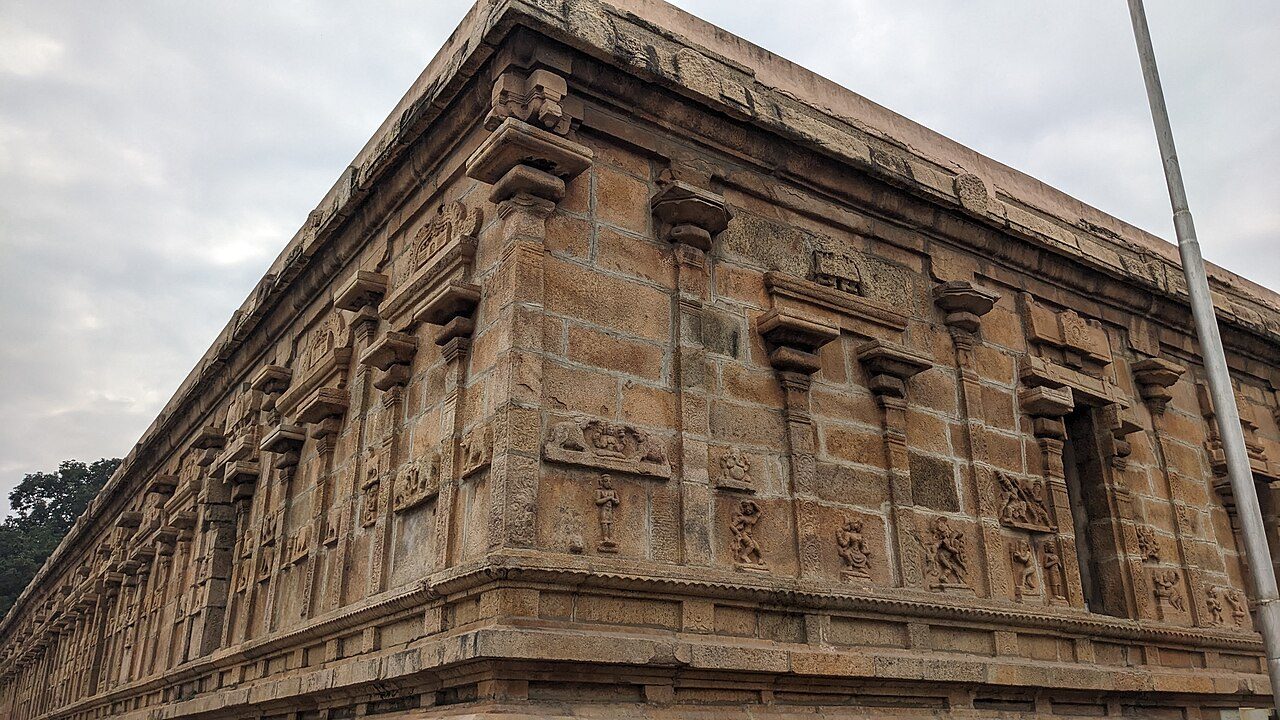
The oldest surviving structure in Kanchipuram, built of sandstone by the Pallava king Rajasimha in the early 8th century. The small shrines ringing its courtyard still carry traces of original painted plaster and some of the earliest Somaskanda panels in South India. The Chalukya king Vikramaditya II is said to have come here after his campaign against Kanchi and left an inscription rather than plundering the temple.
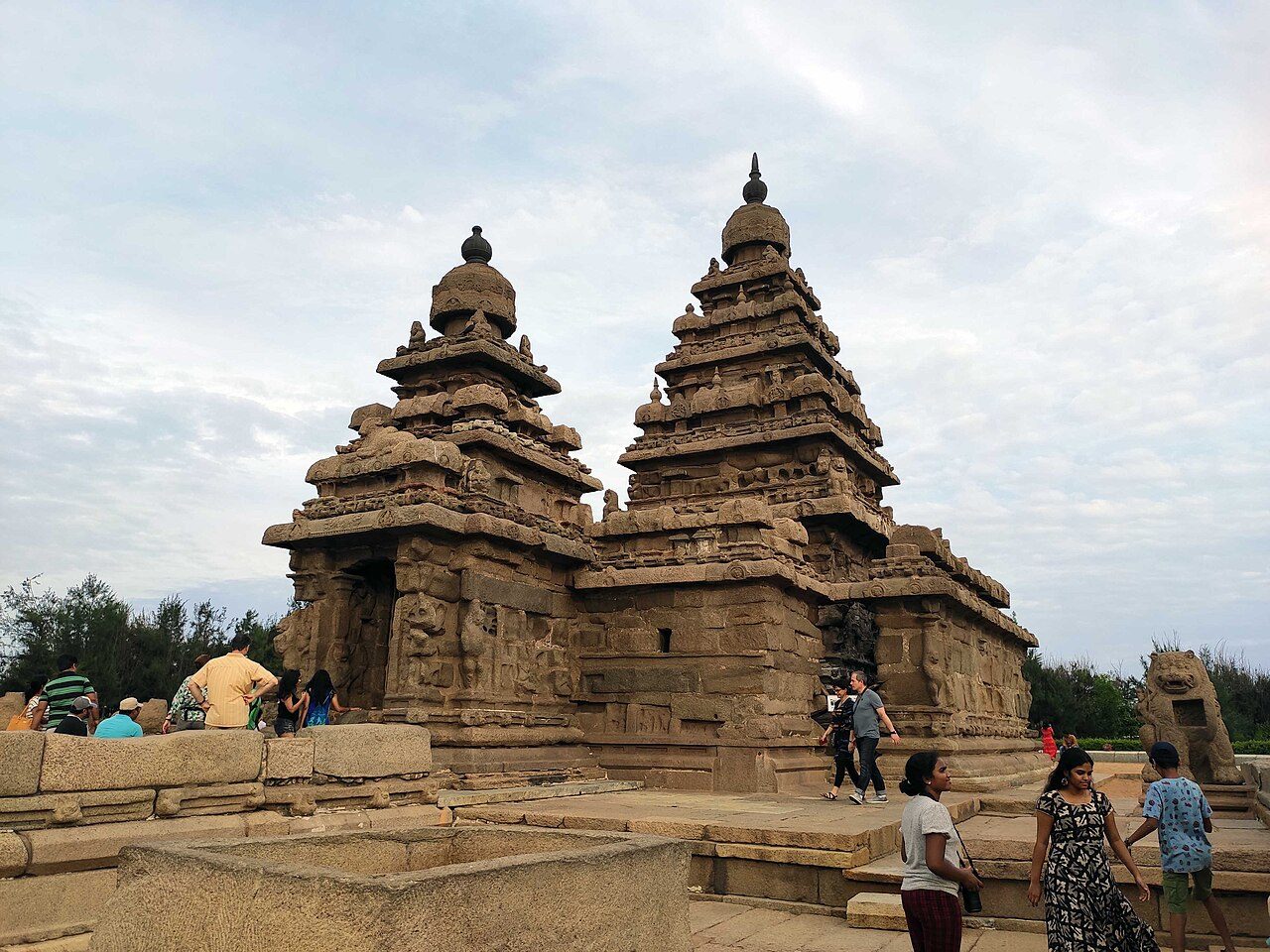
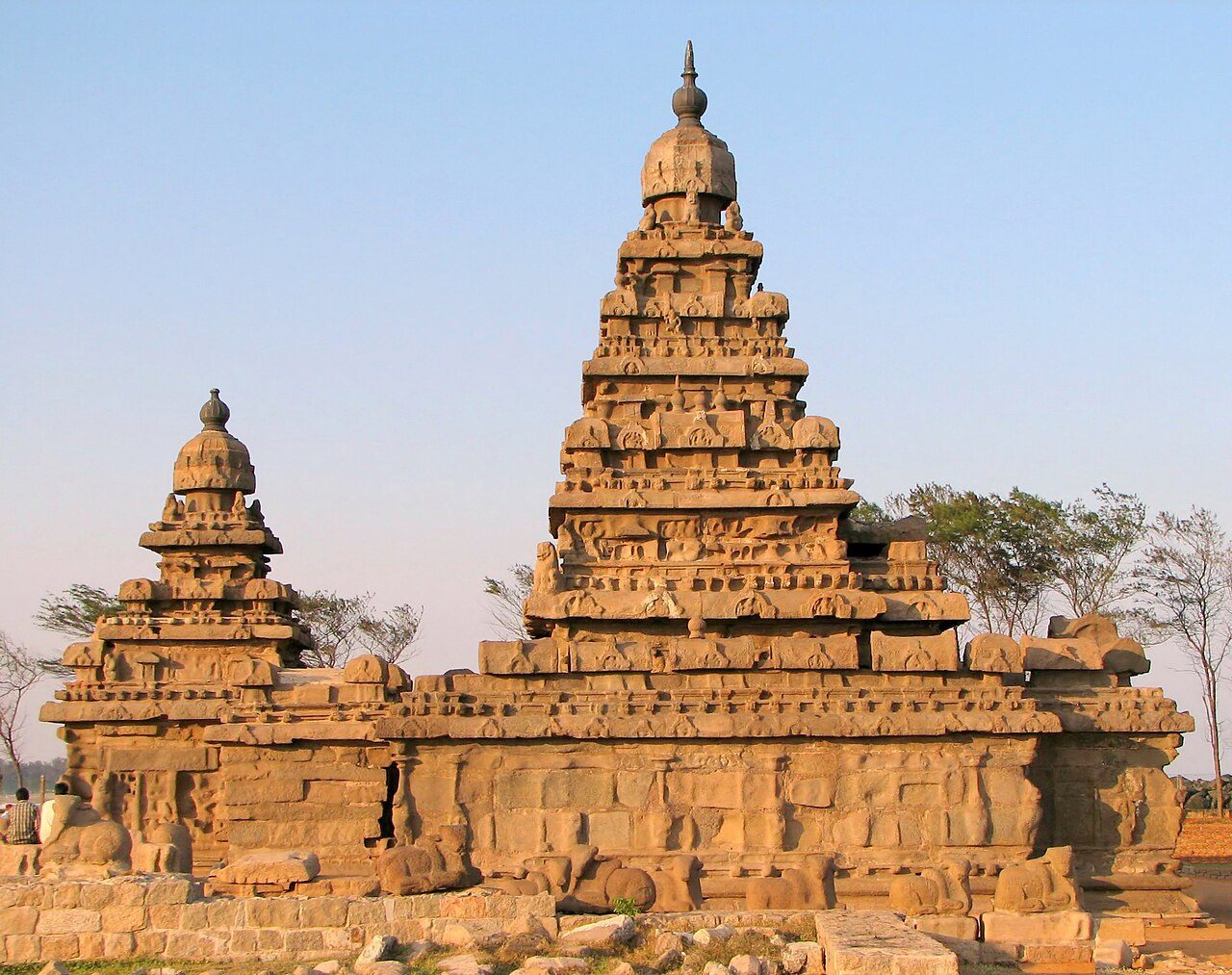
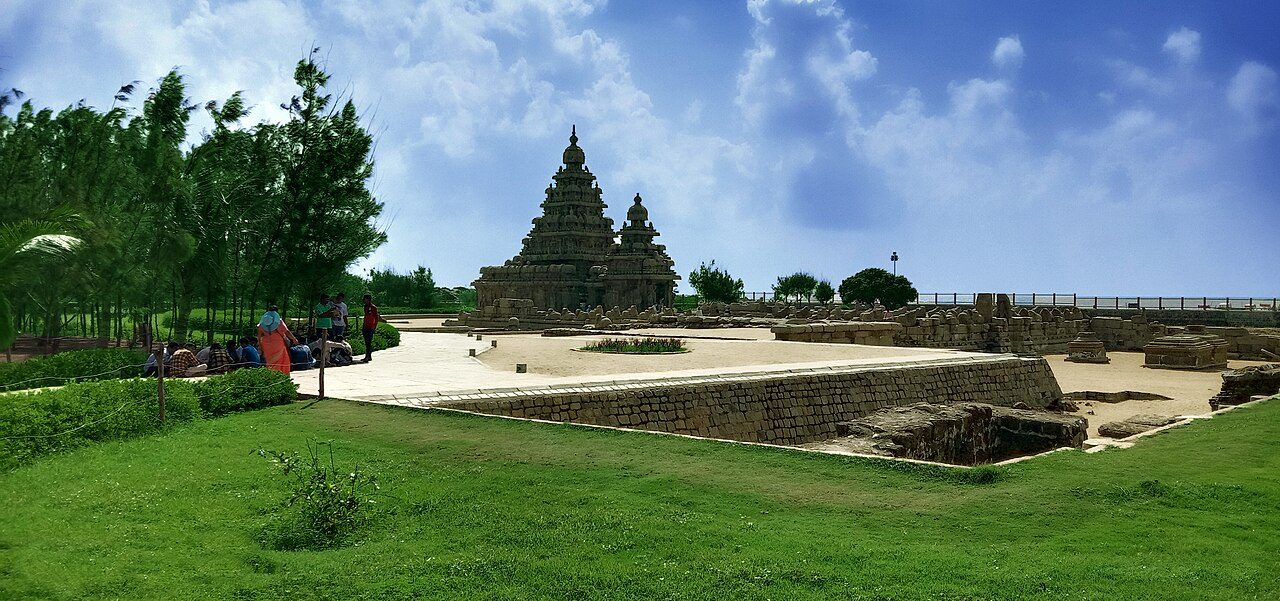
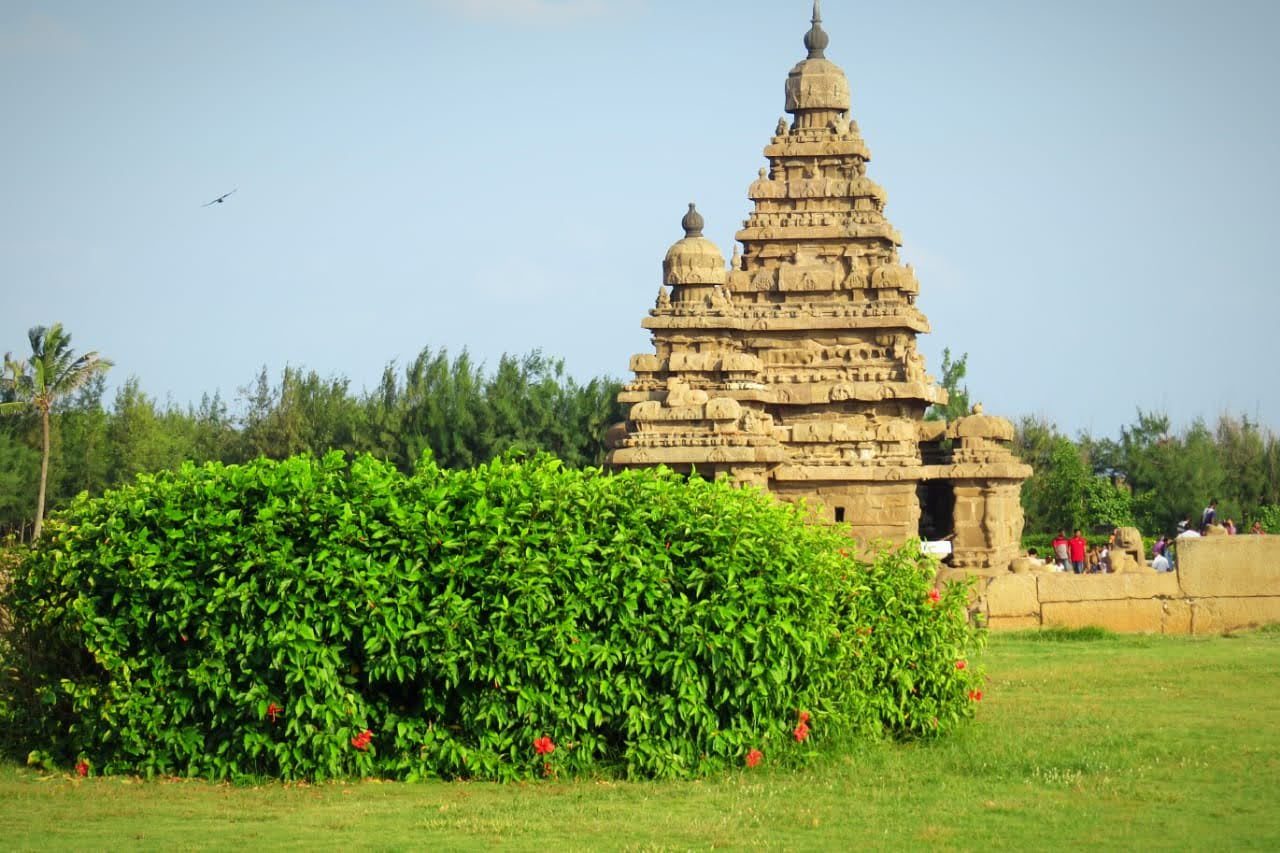
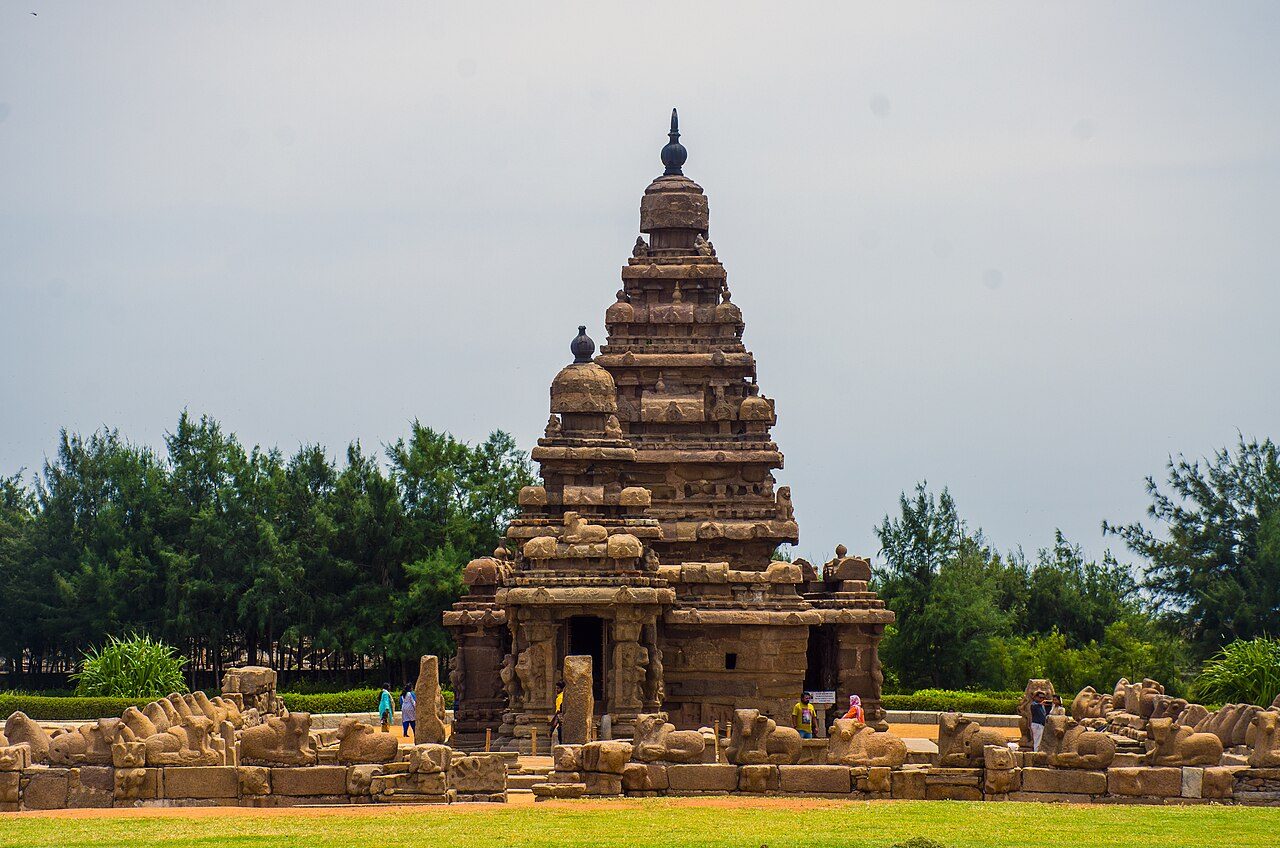
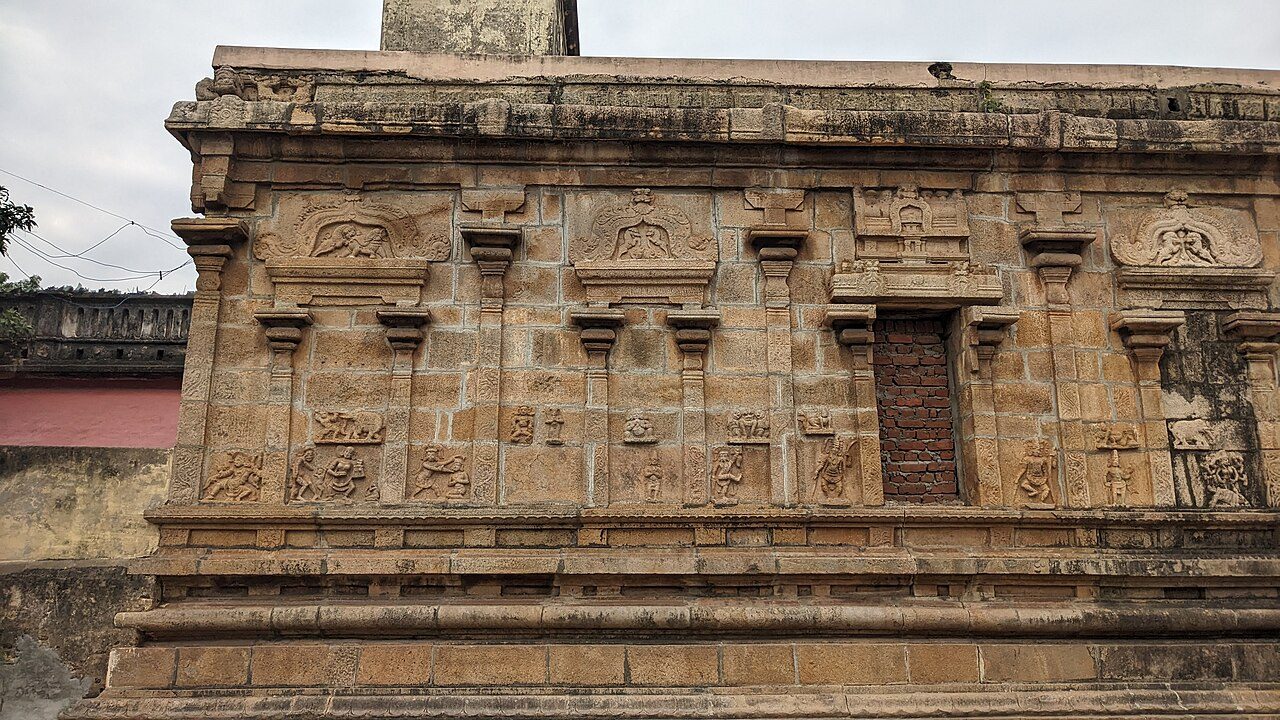
Built around 700-728 CE under Narasimhavarman II, this is among the oldest free-standing stone temples in South India, assembled from cut granite rather than carved out of living rock like its neighbours. It holds three shrines, two to Shiva and one to Vishnu, and stands directly on the shore, where centuries of salt wind have worn the carving soft. It is part of the Group of Monuments at Mahabalipuram, a UNESCO World Heritage Site.
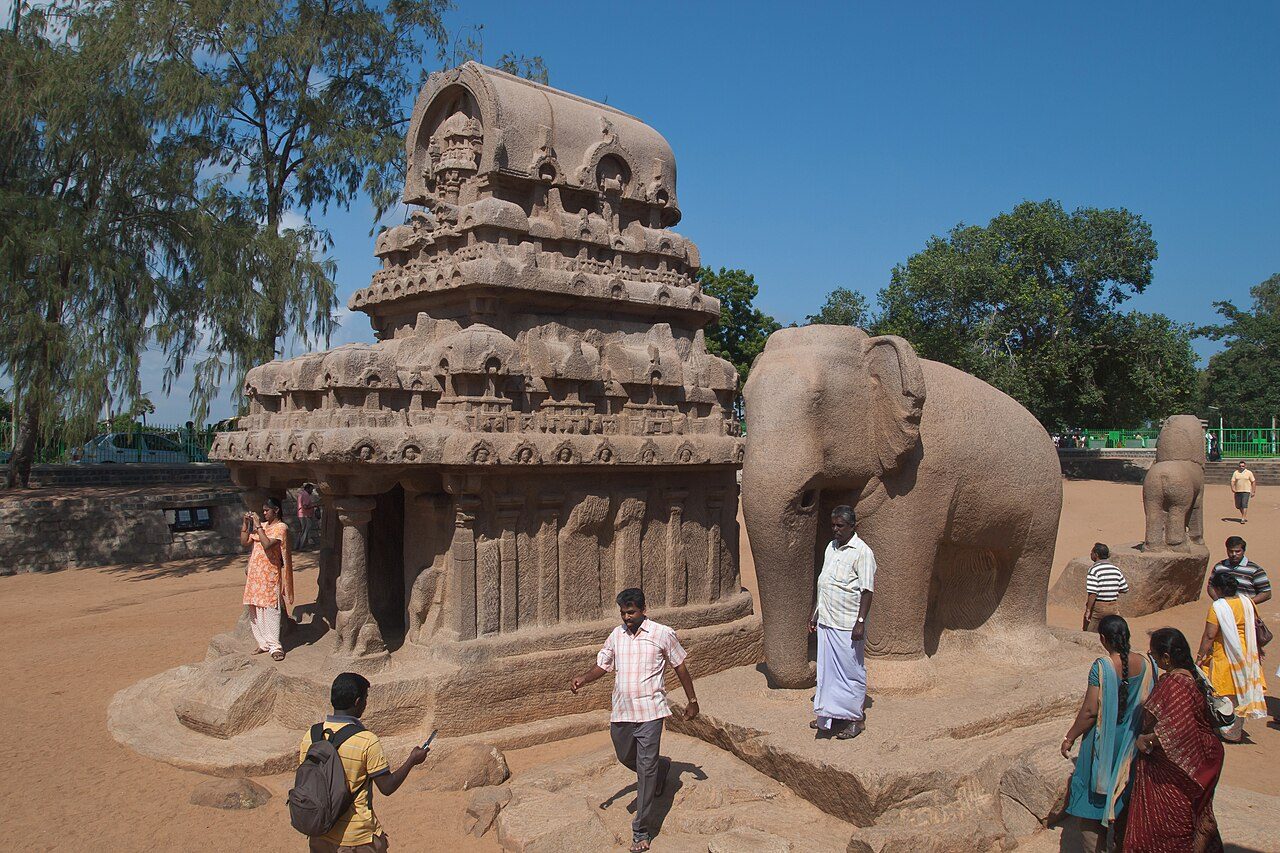
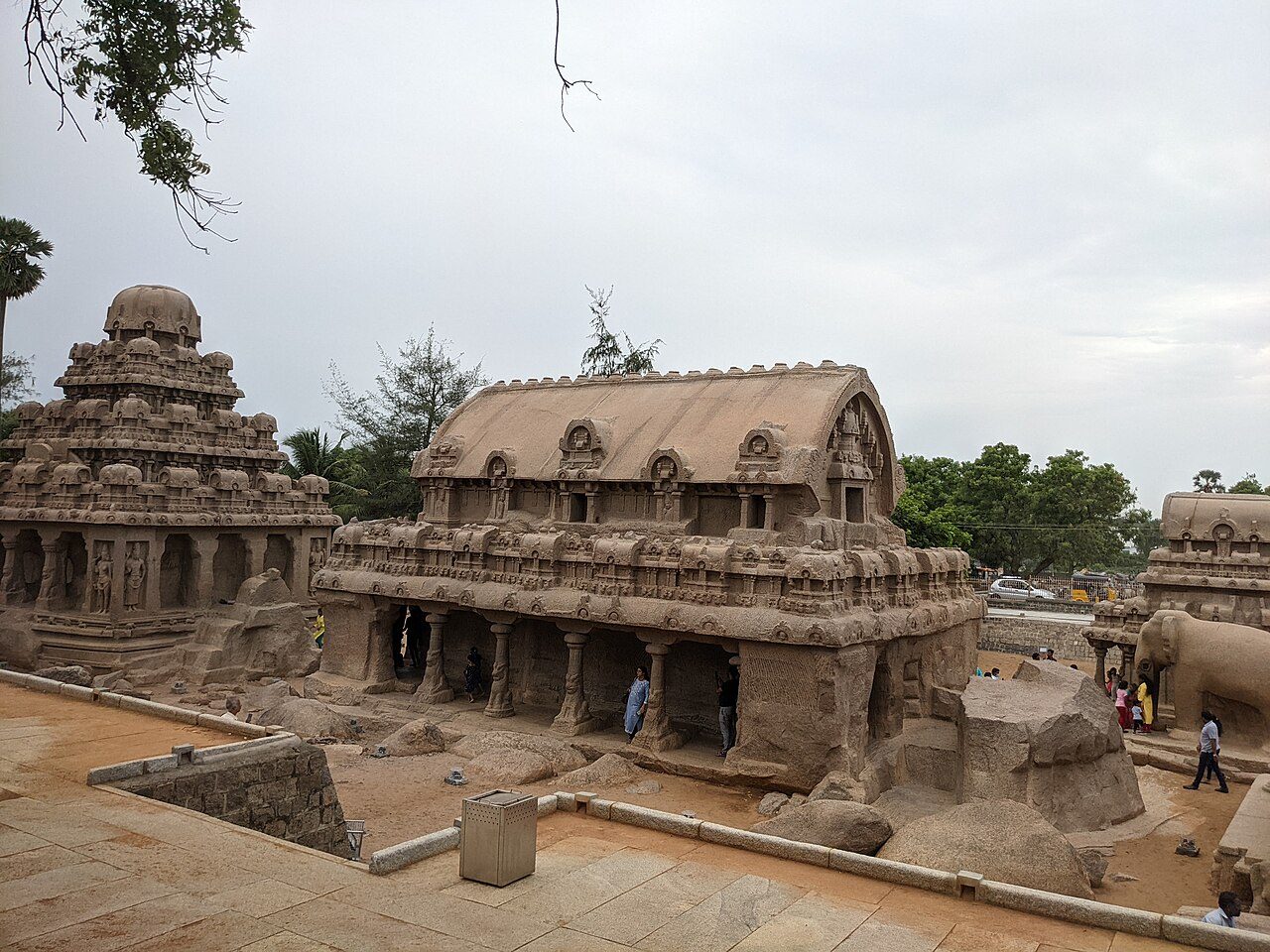
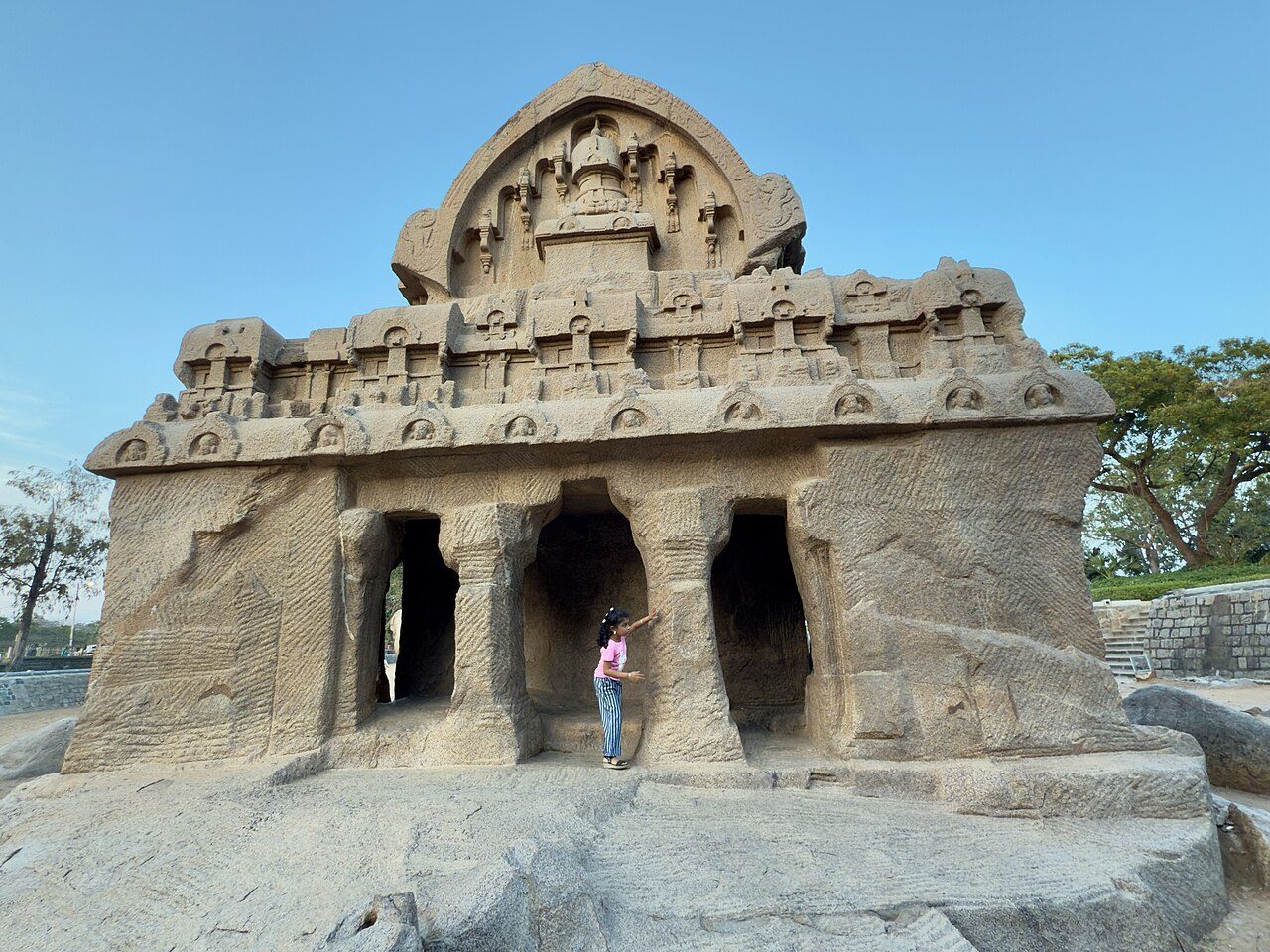
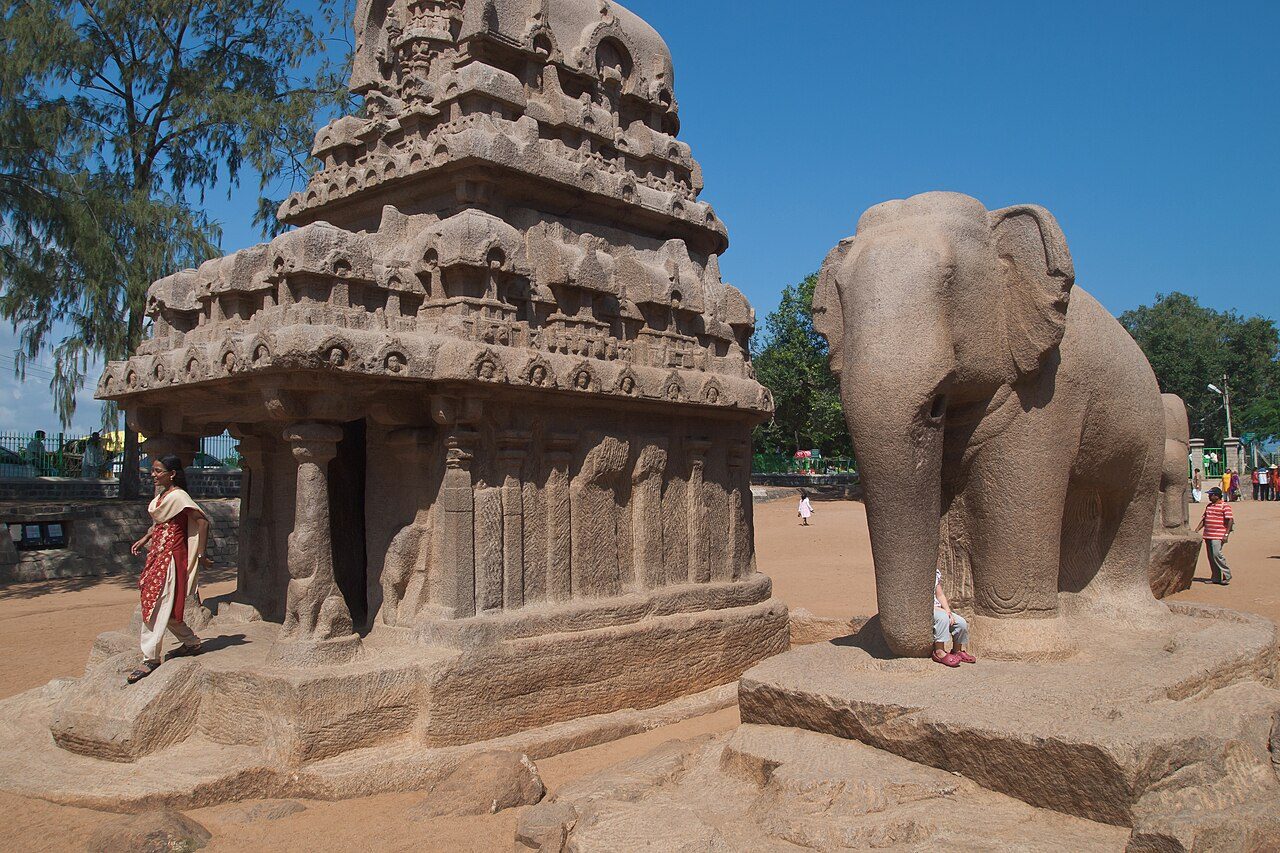
Five shrines, each cut whole from a single granite outcrop in the seventh century under Narasimhavarman I, and each finished in a different architectural style, as though the Pallavas were working through a catalogue of forms. They are named for the five Pandava brothers and Draupadi, though those names were attached much later. None was ever consecrated; the carving simply stopped.
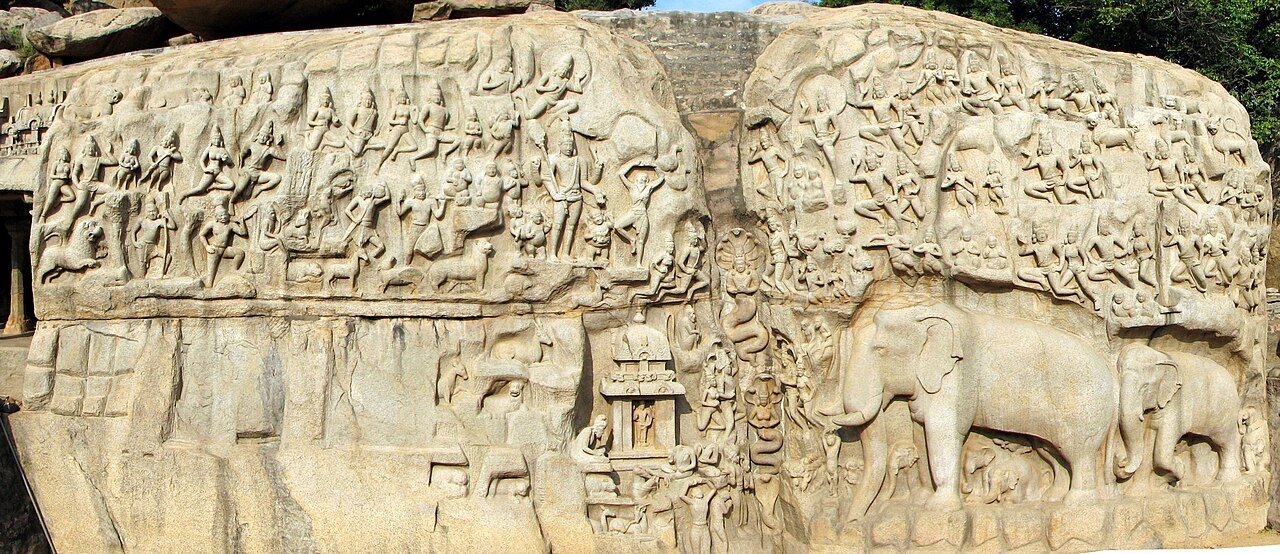
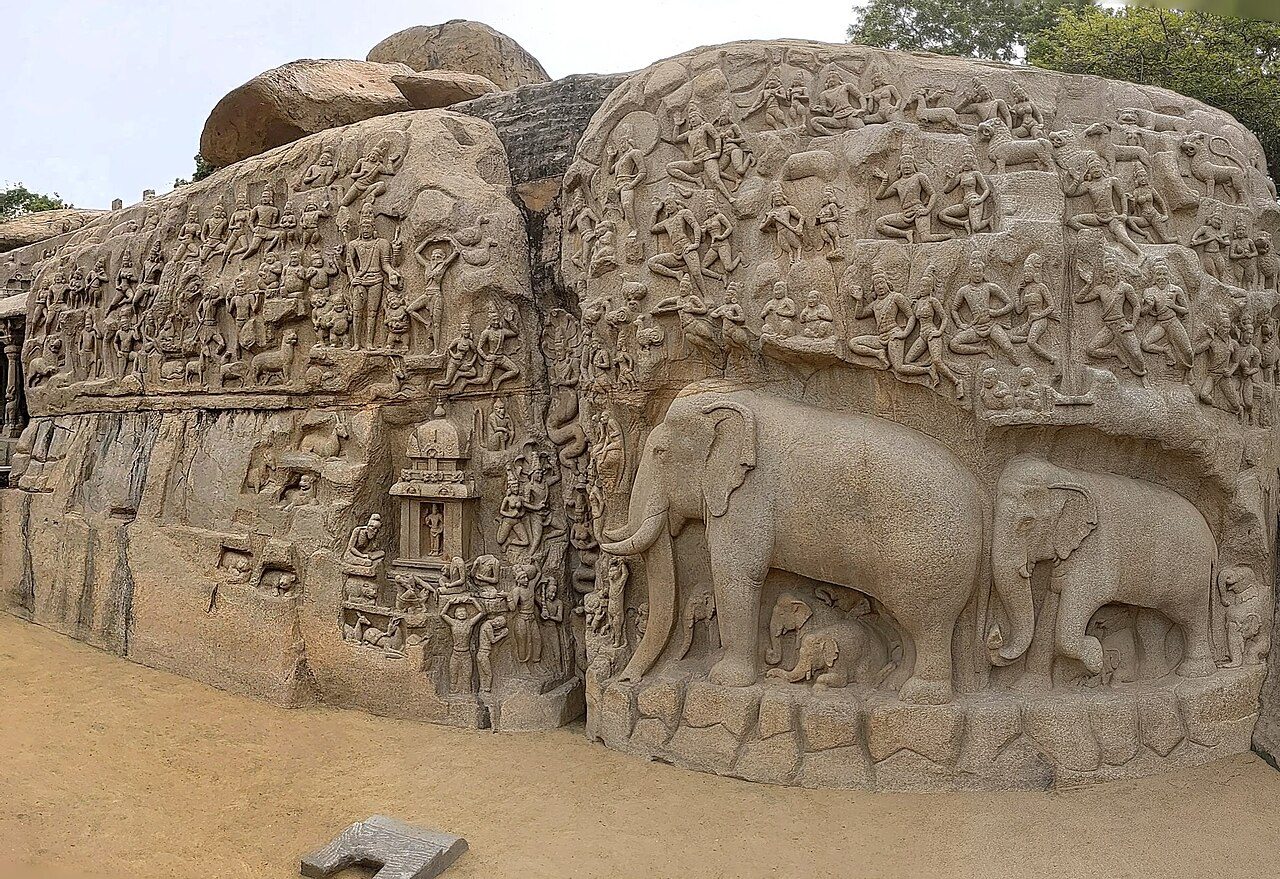
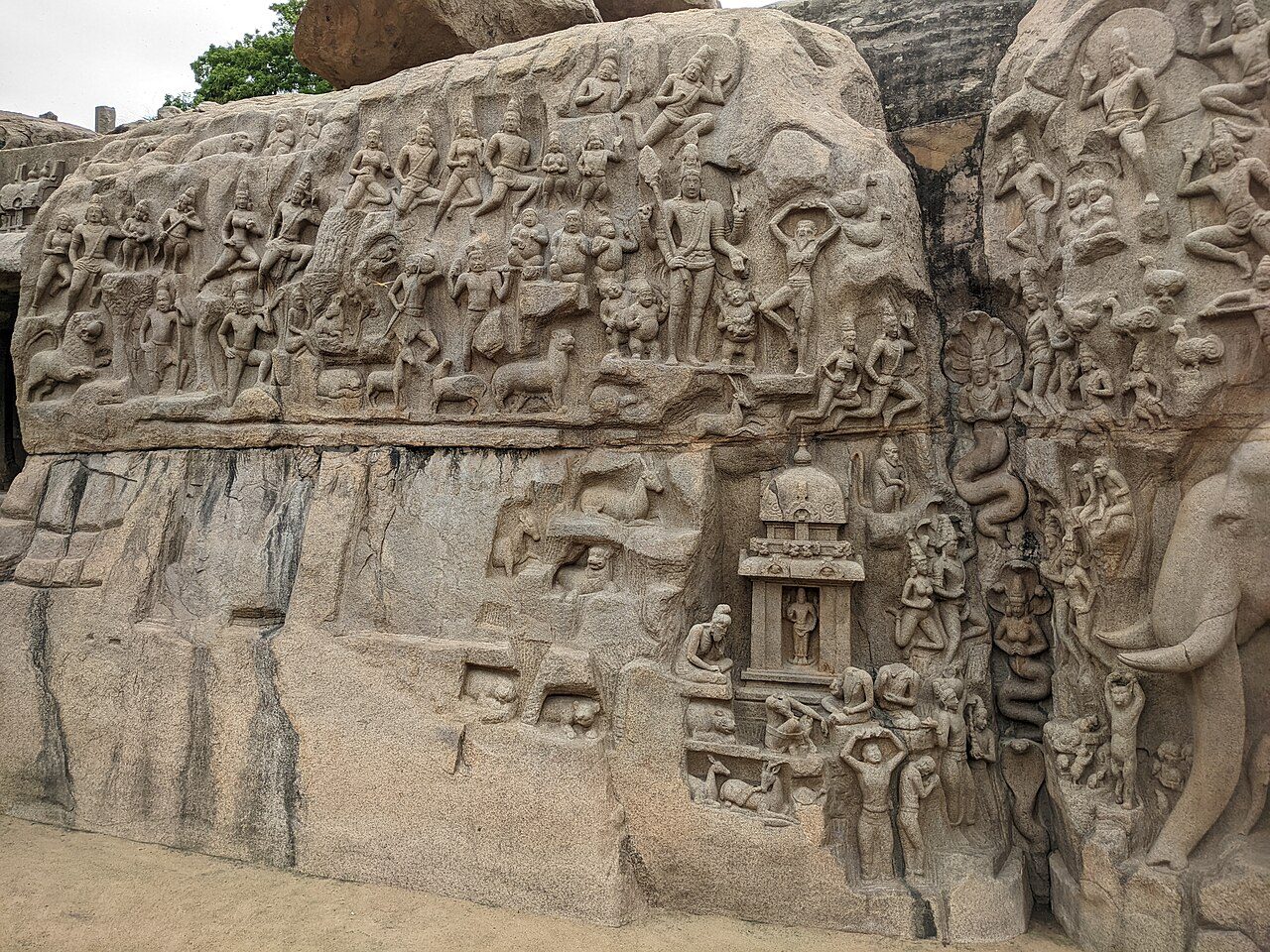
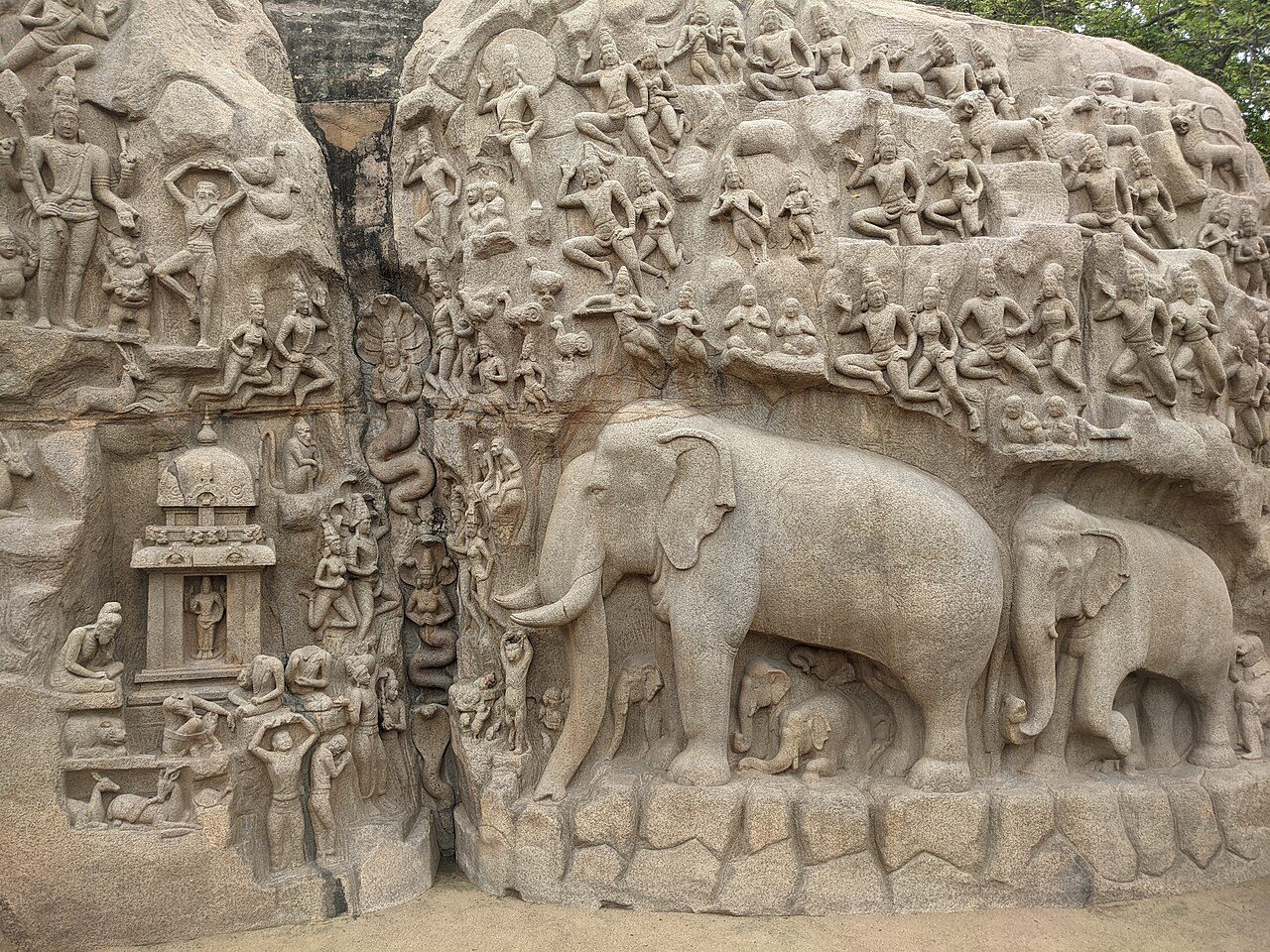
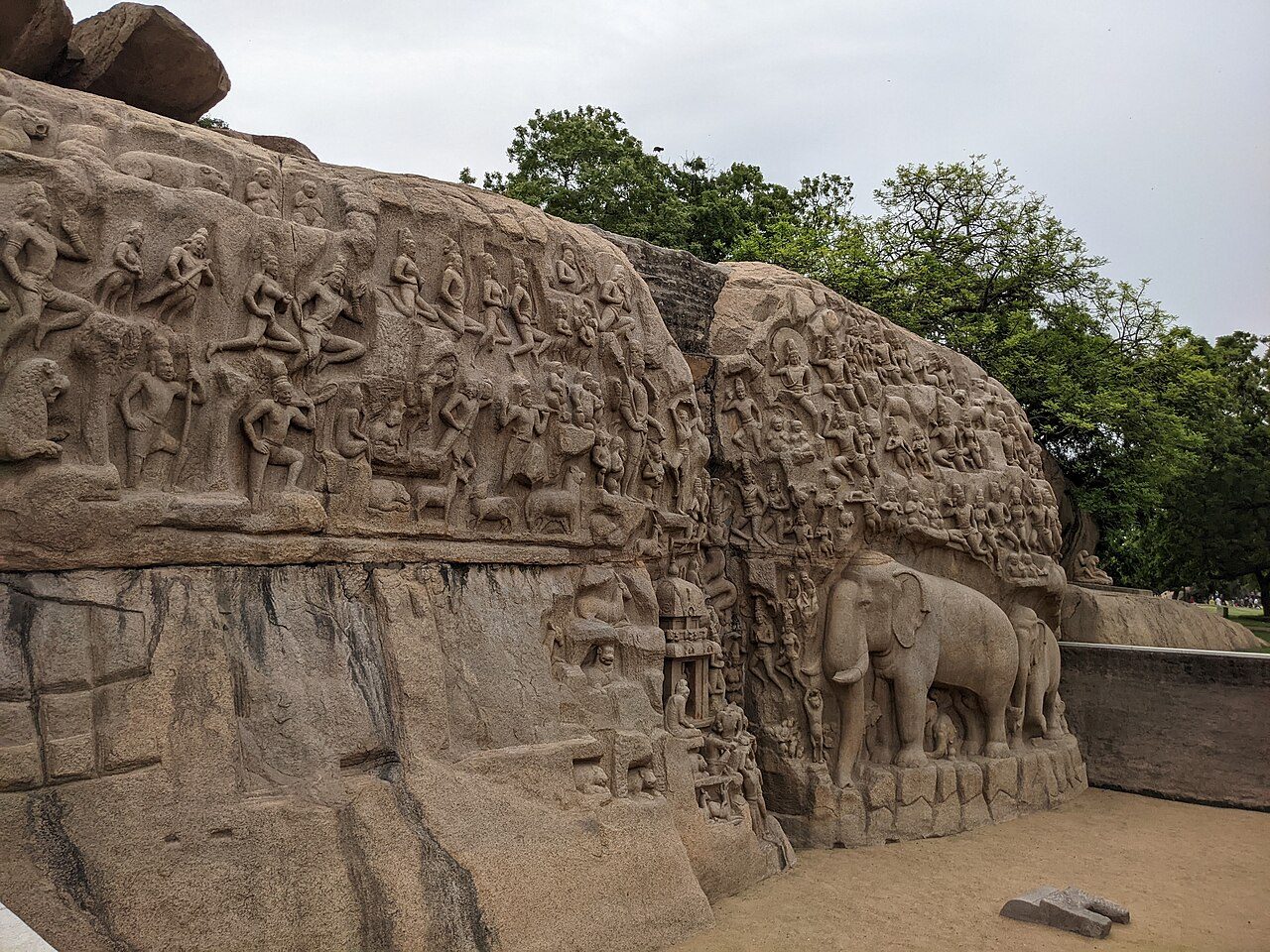
A bas-relief roughly thirty metres long and fifteen high, cut into two granite boulders in the seventh century, crowded with gods, sages, elephants and a cat standing on one leg among the ascetics. The natural cleft down the middle was once fed with water so that it ran as the Ganges descending to earth. It is among the largest rock reliefs anywhere in the world.
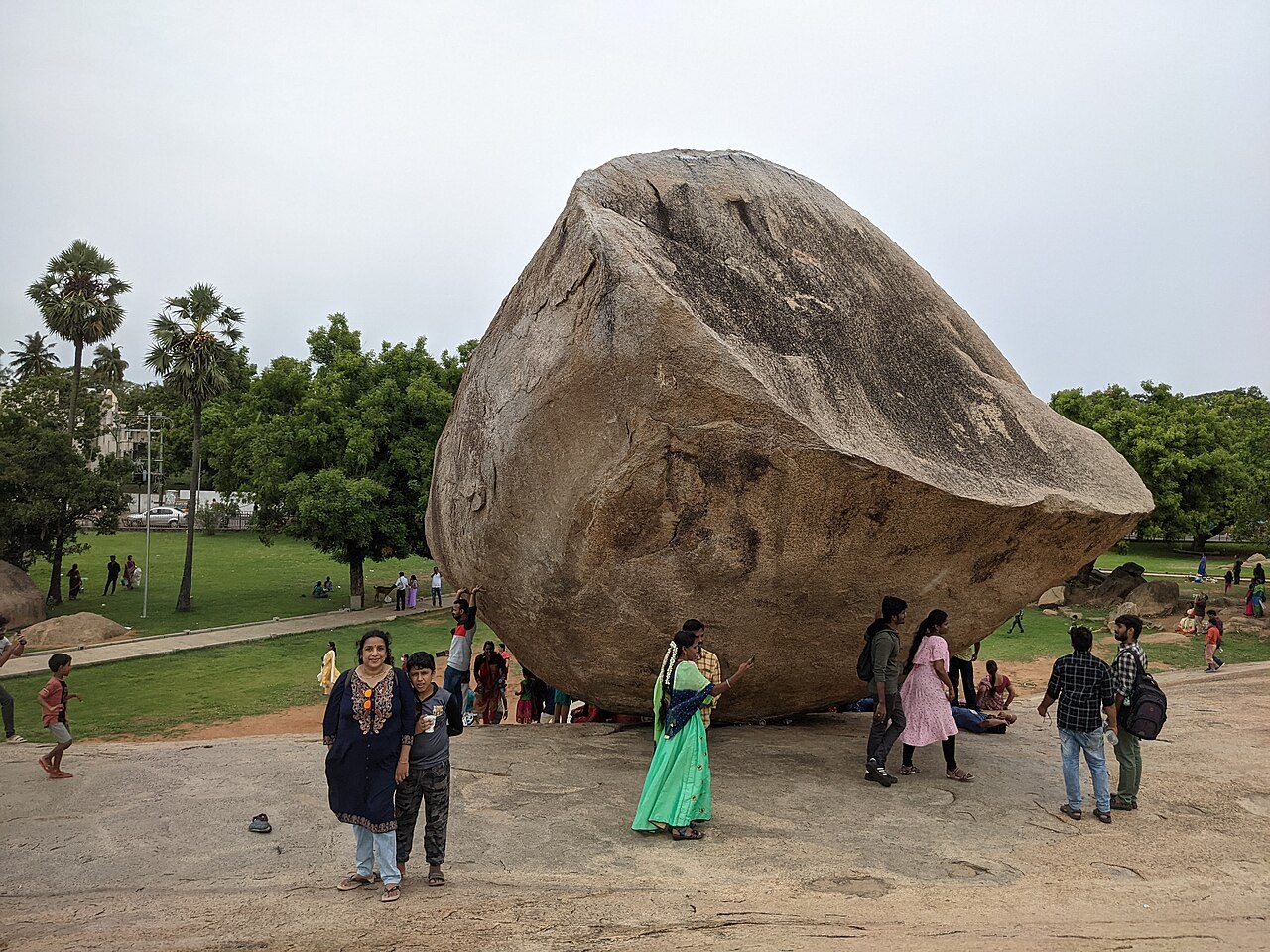
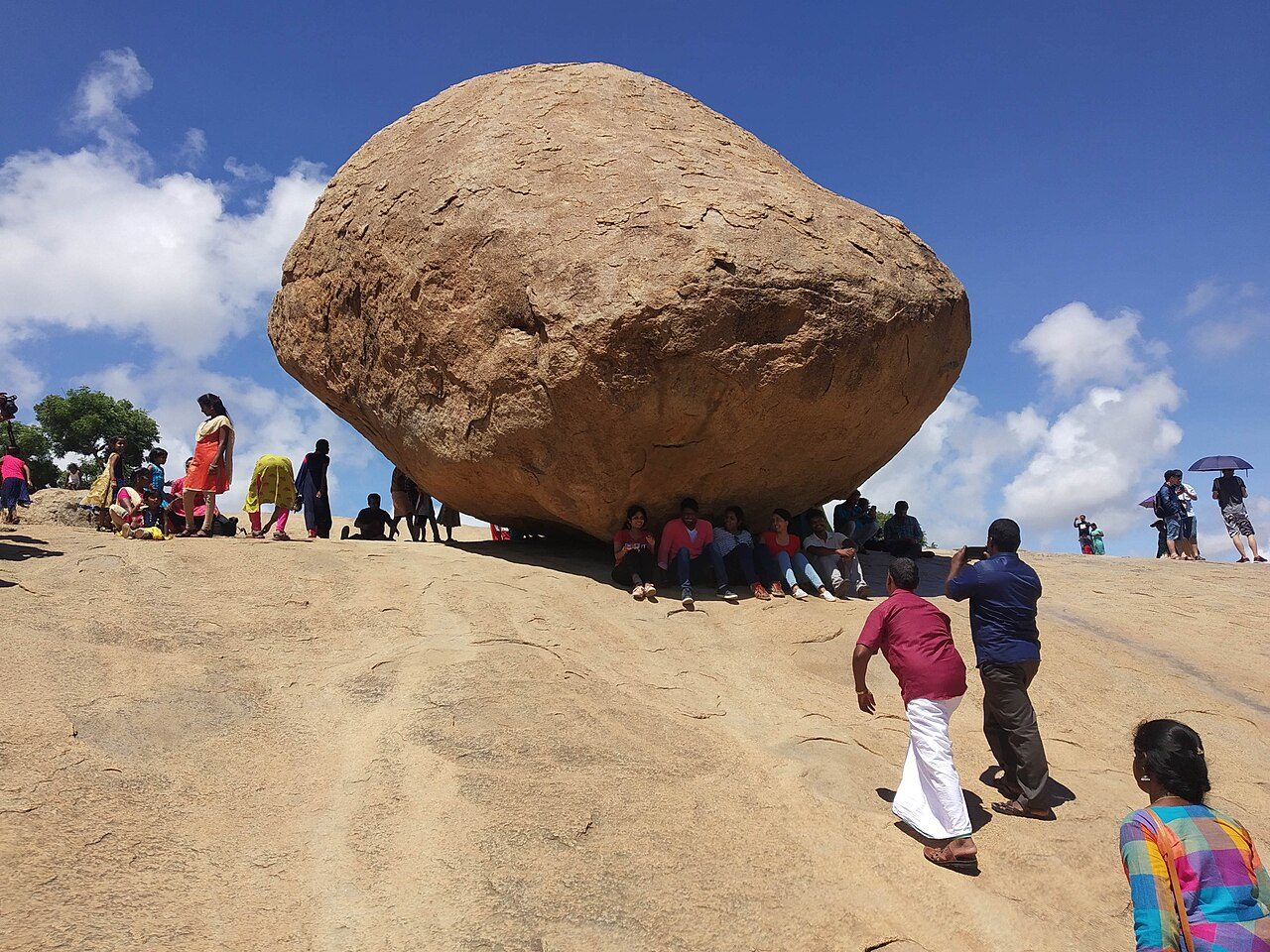
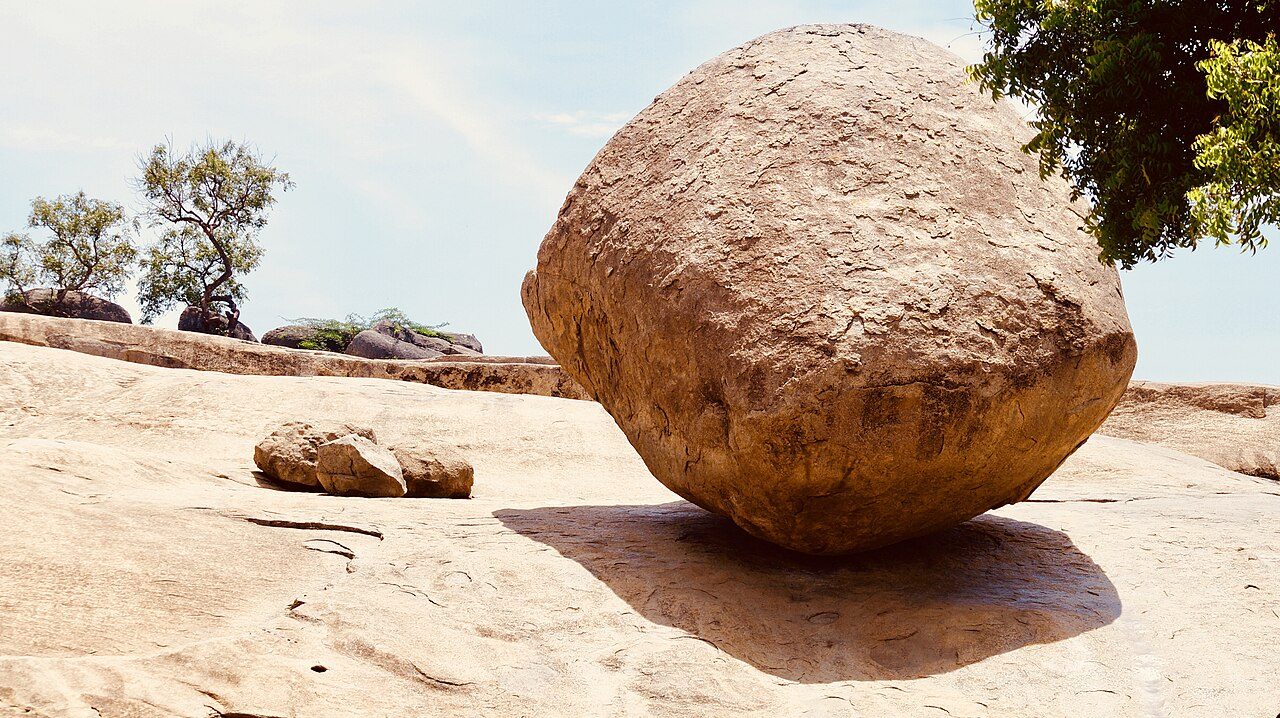
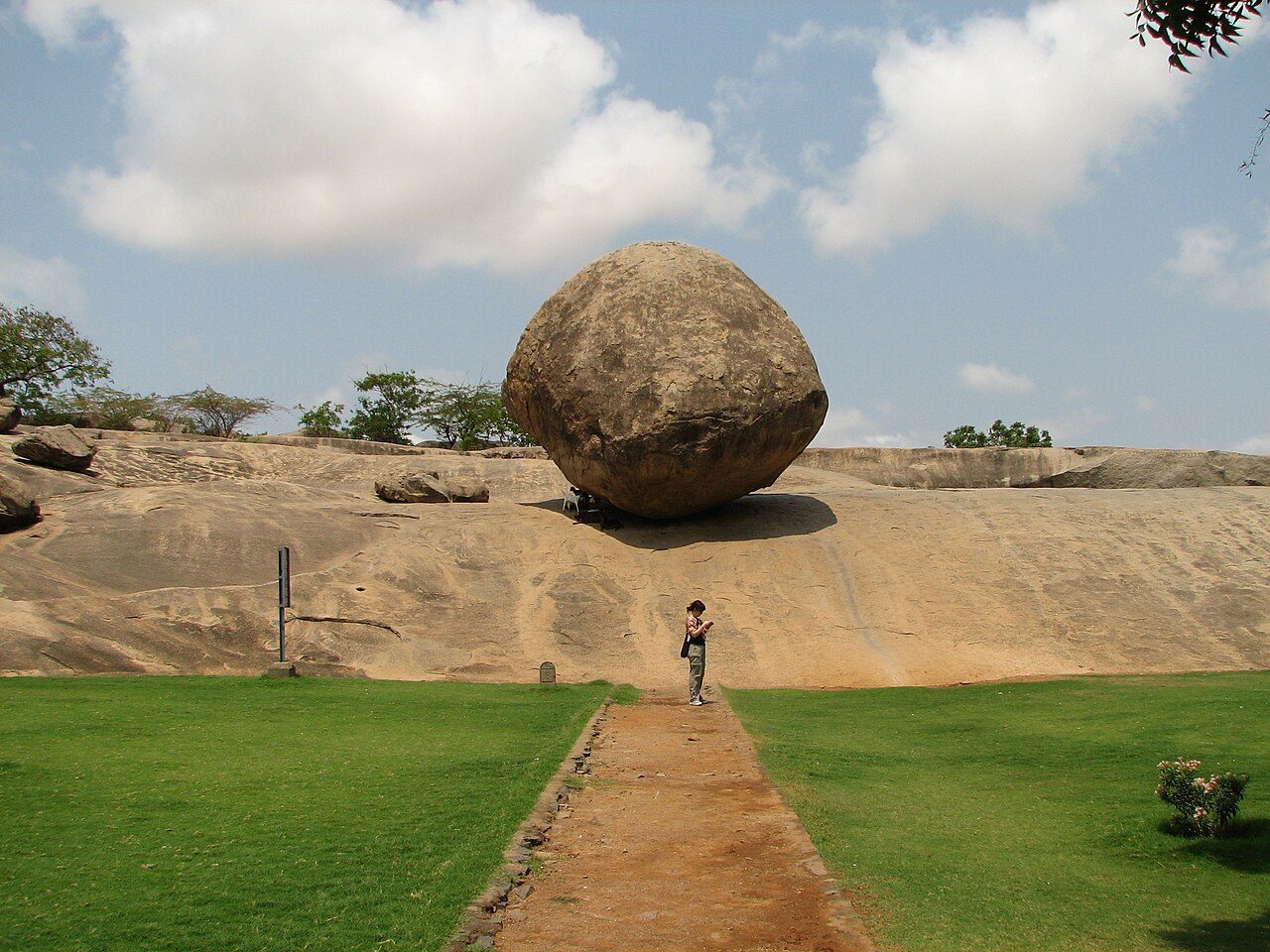
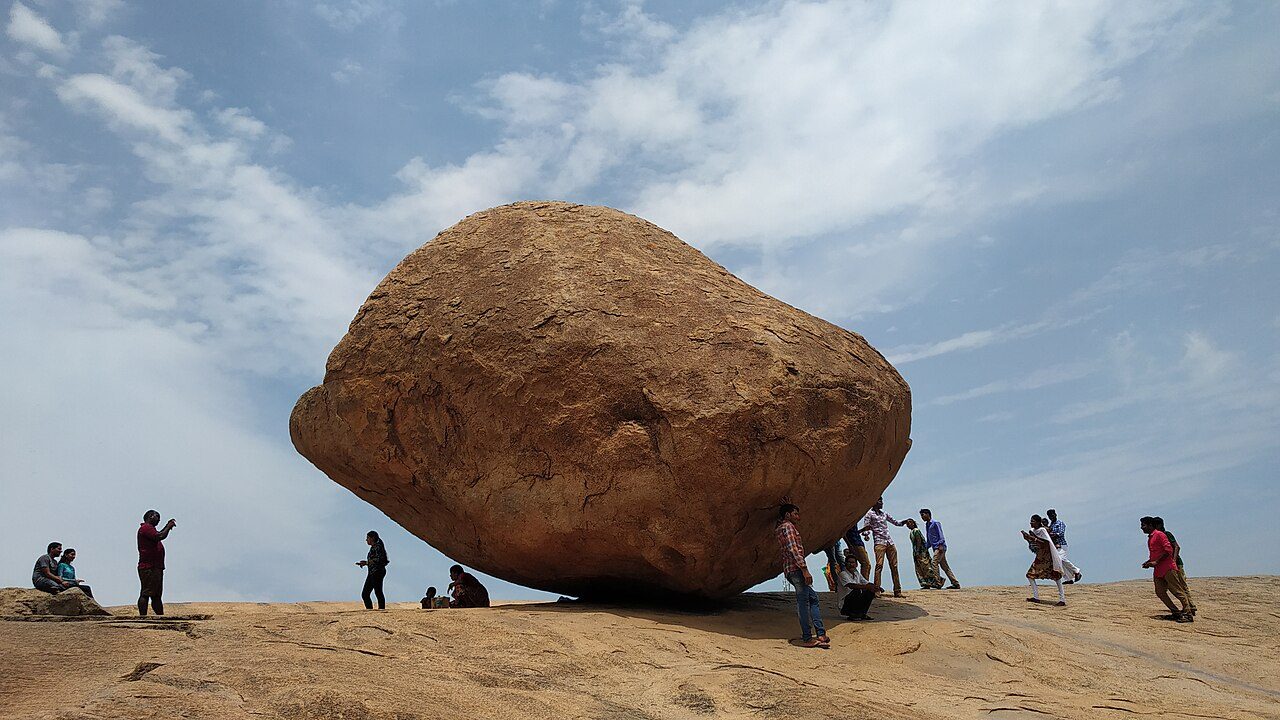
A granite boulder about six metres across resting on a bare slope at an angle that looks impossible, and has held there for well over a thousand years. In 1908 the governor of Madras is said to have set seven elephants to pulling it, worried it would roll onto the village below. It did not move.
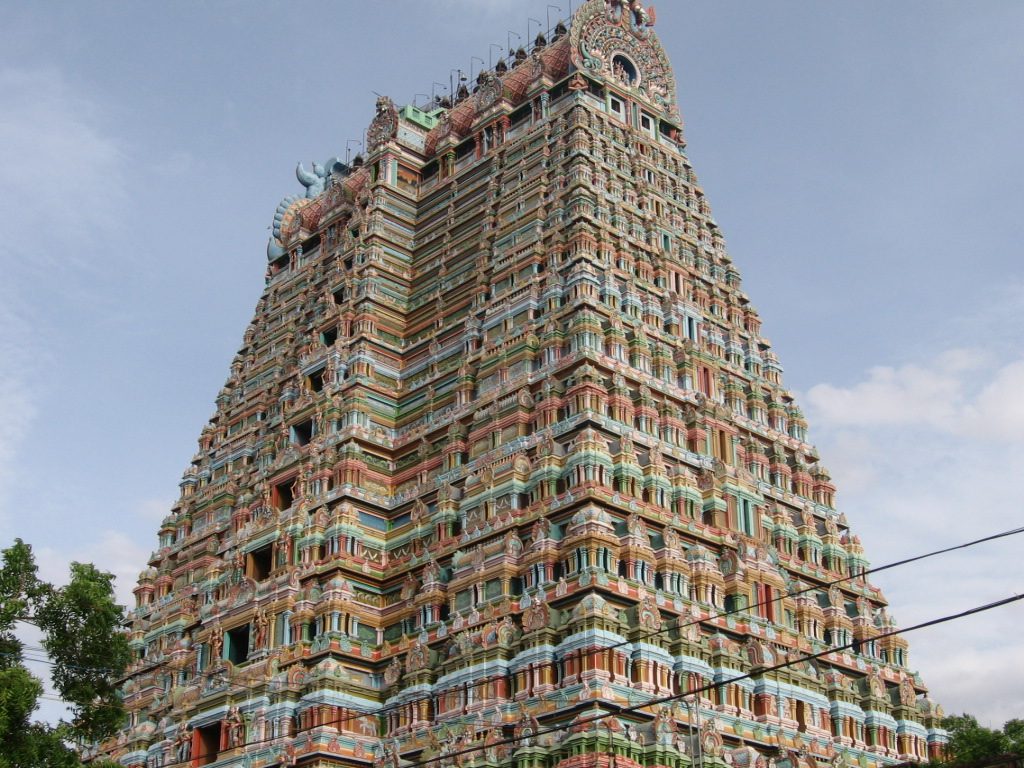
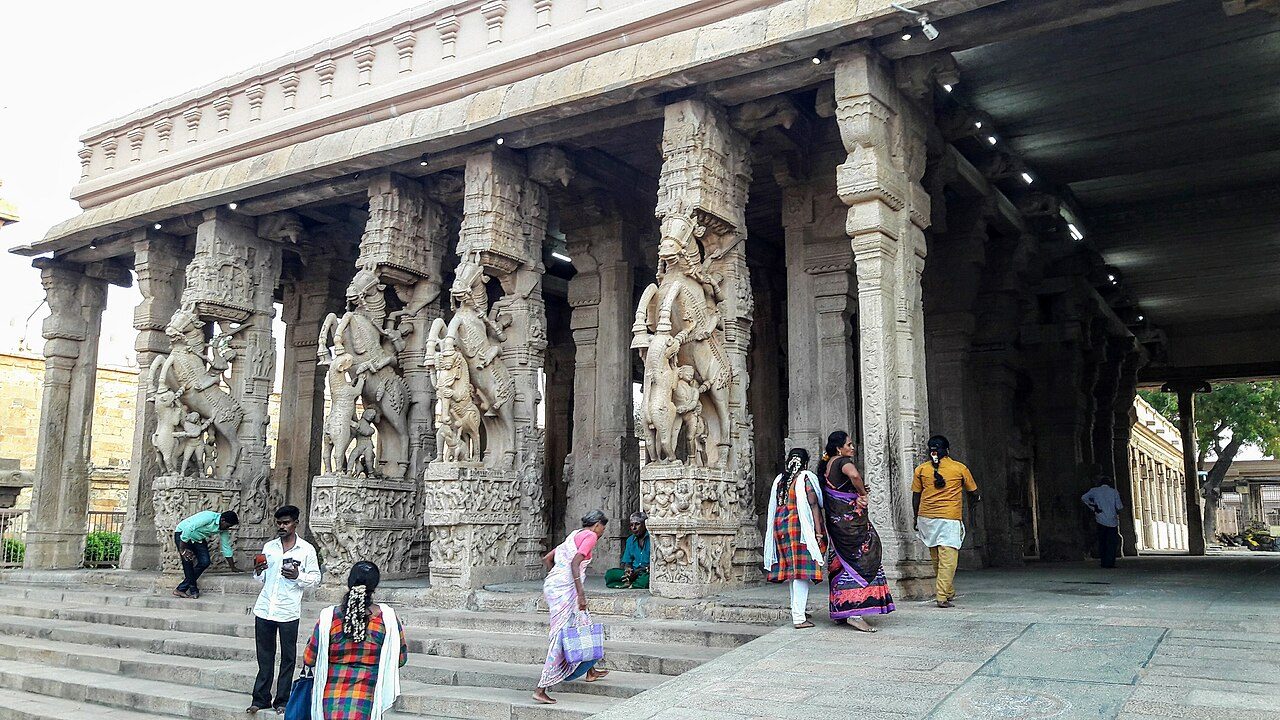
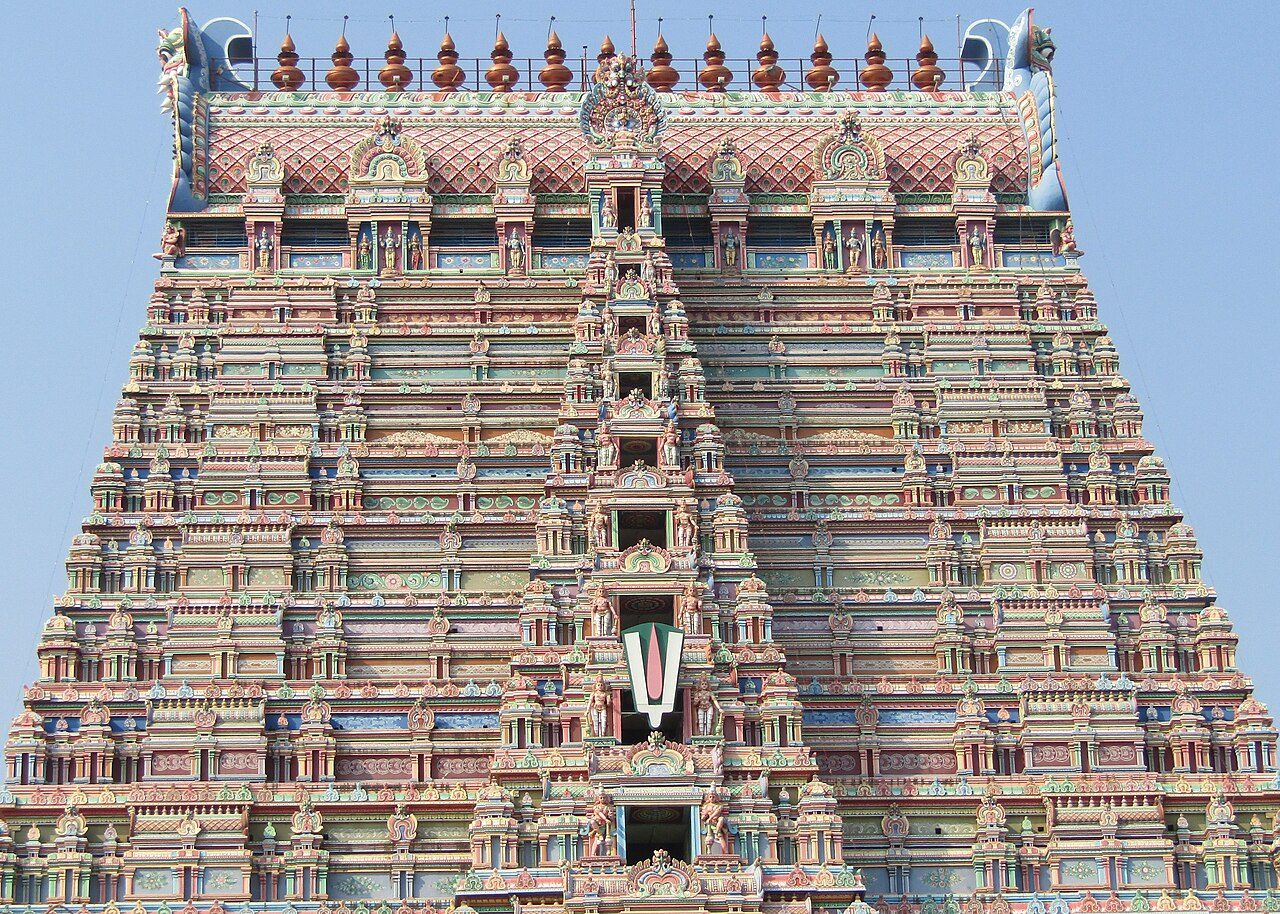
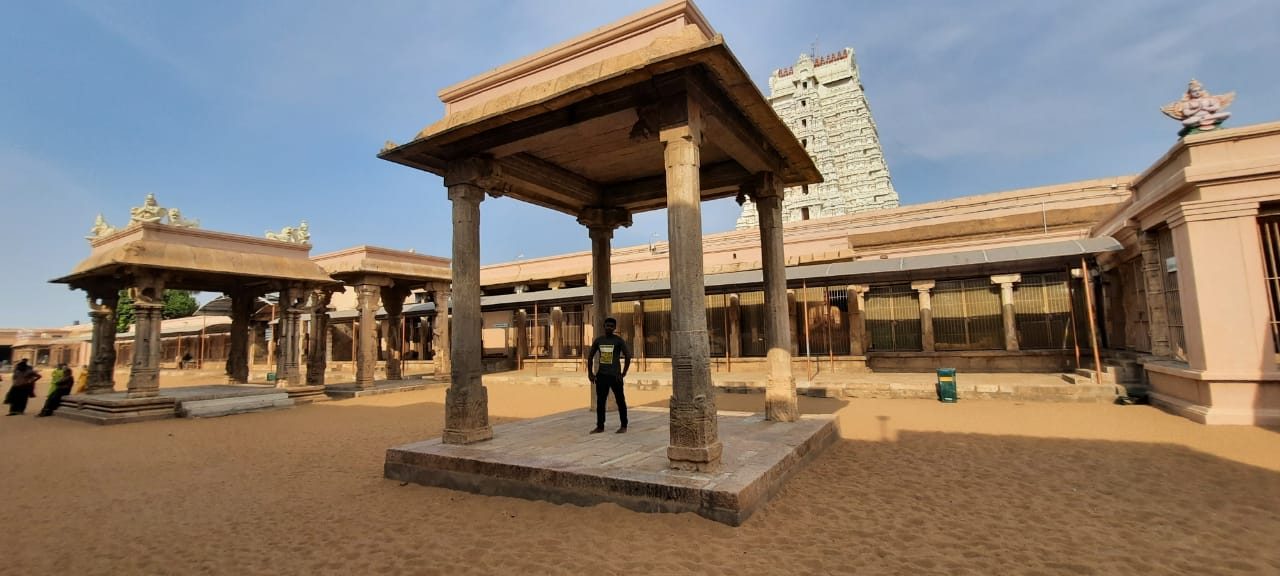
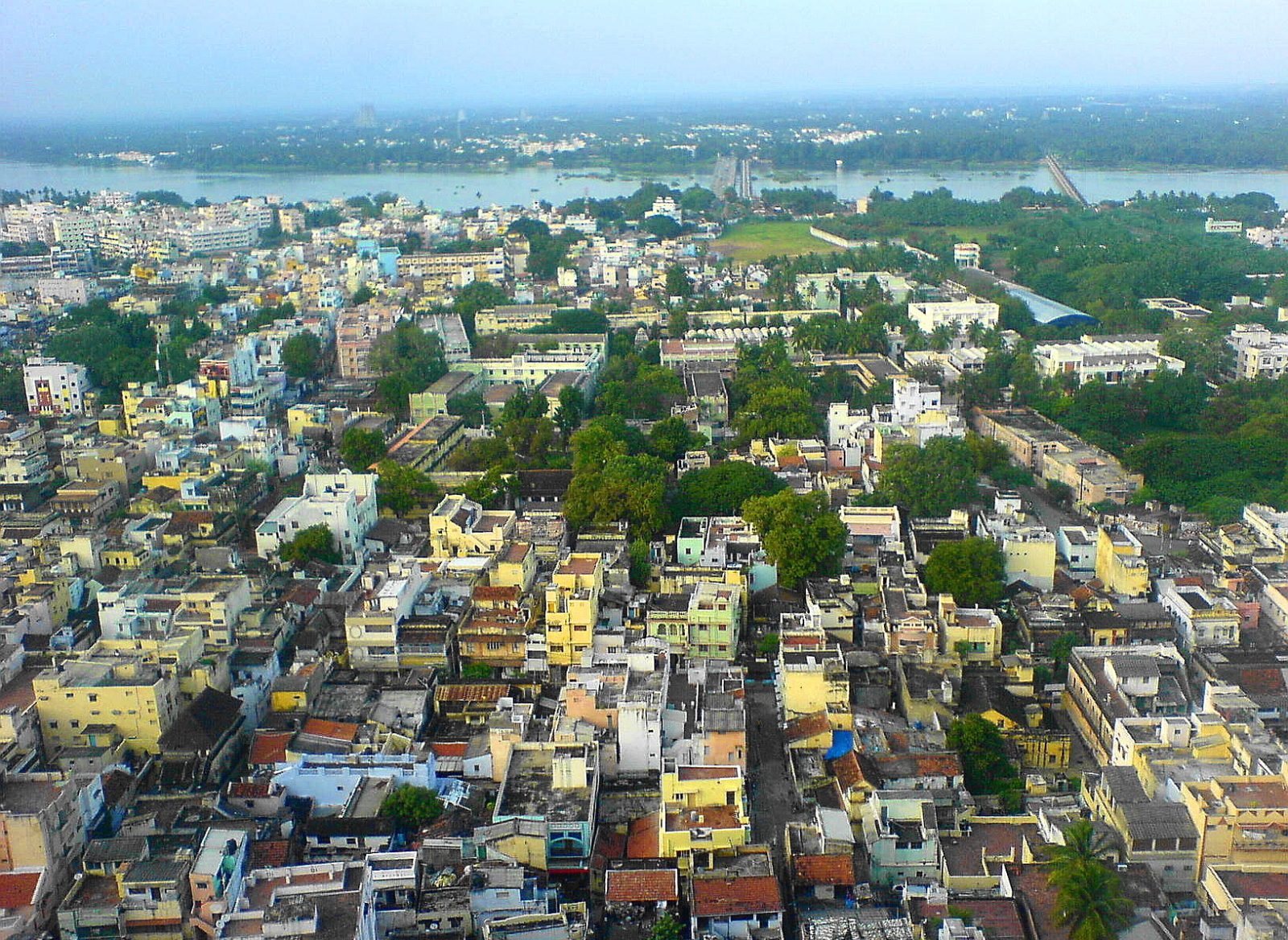
Set on an island between the Kaveri and Kollidam rivers, Srirangam is one of the largest working Hindu temples in the world, with seven concentric walls and 21 gopurams. Vishnu here reclines on the serpent Adisesha as Ranganatha, and the temple heads the list of the 108 Divya Desams. The rajagopuram, completed in 1987, rises about 73 metres, and inside are the Thousand Pillar Hall and the Sesharaya mandapam with its rearing stone horses.
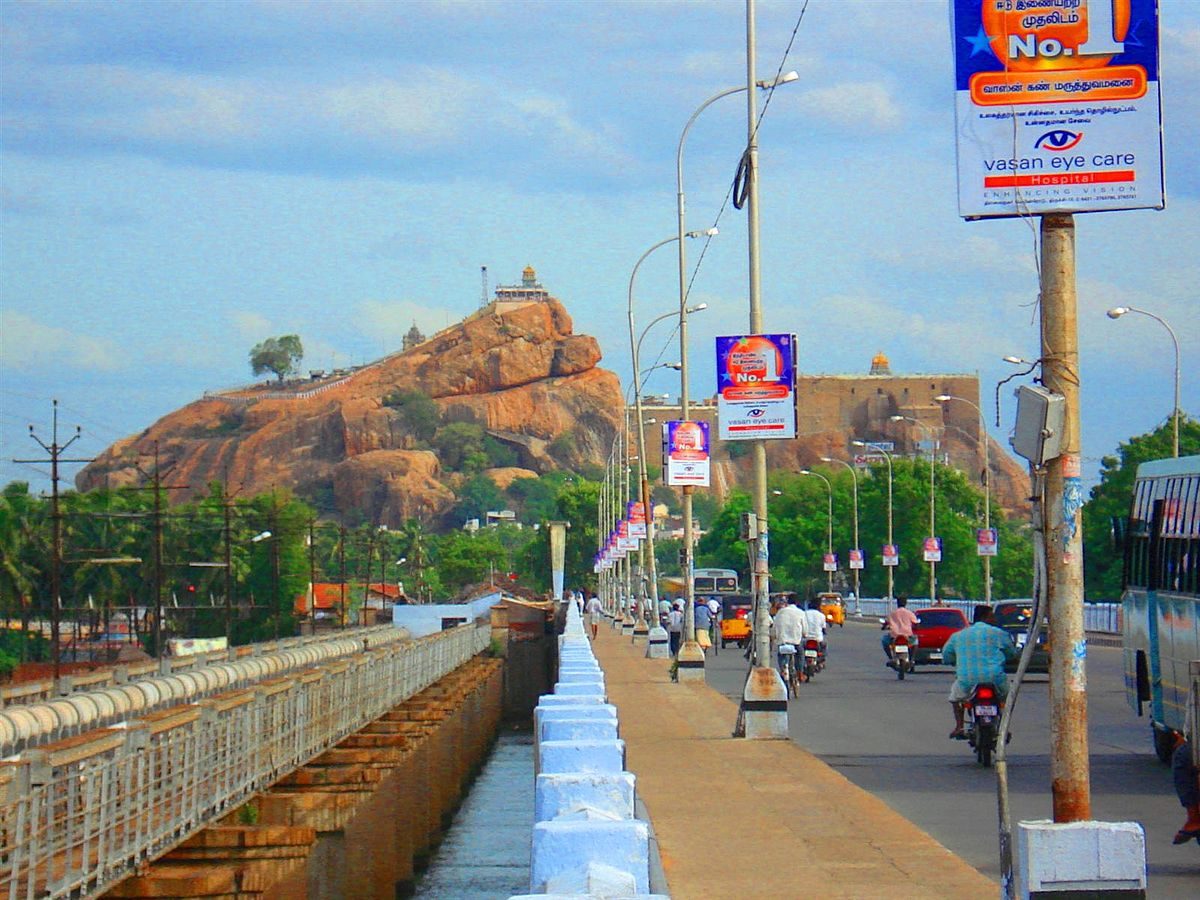
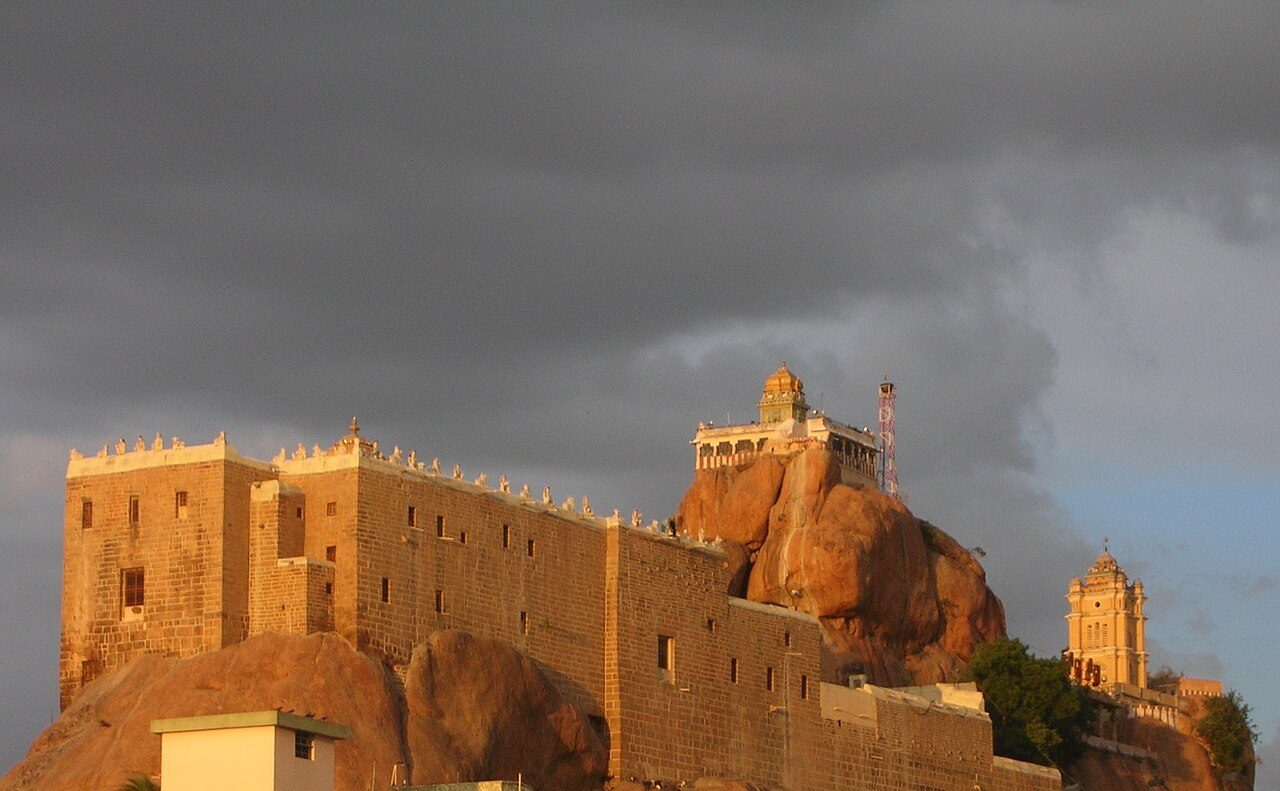
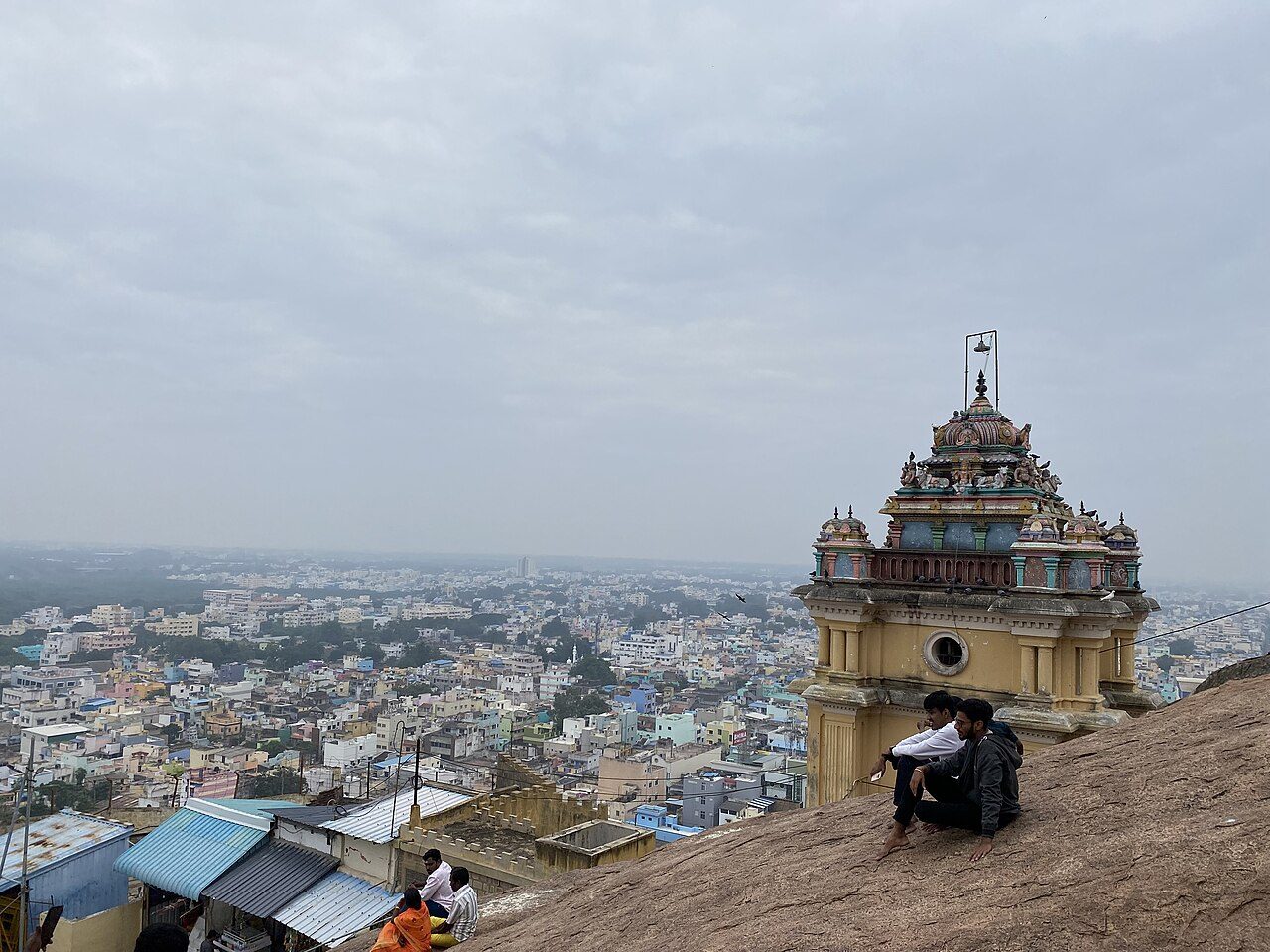
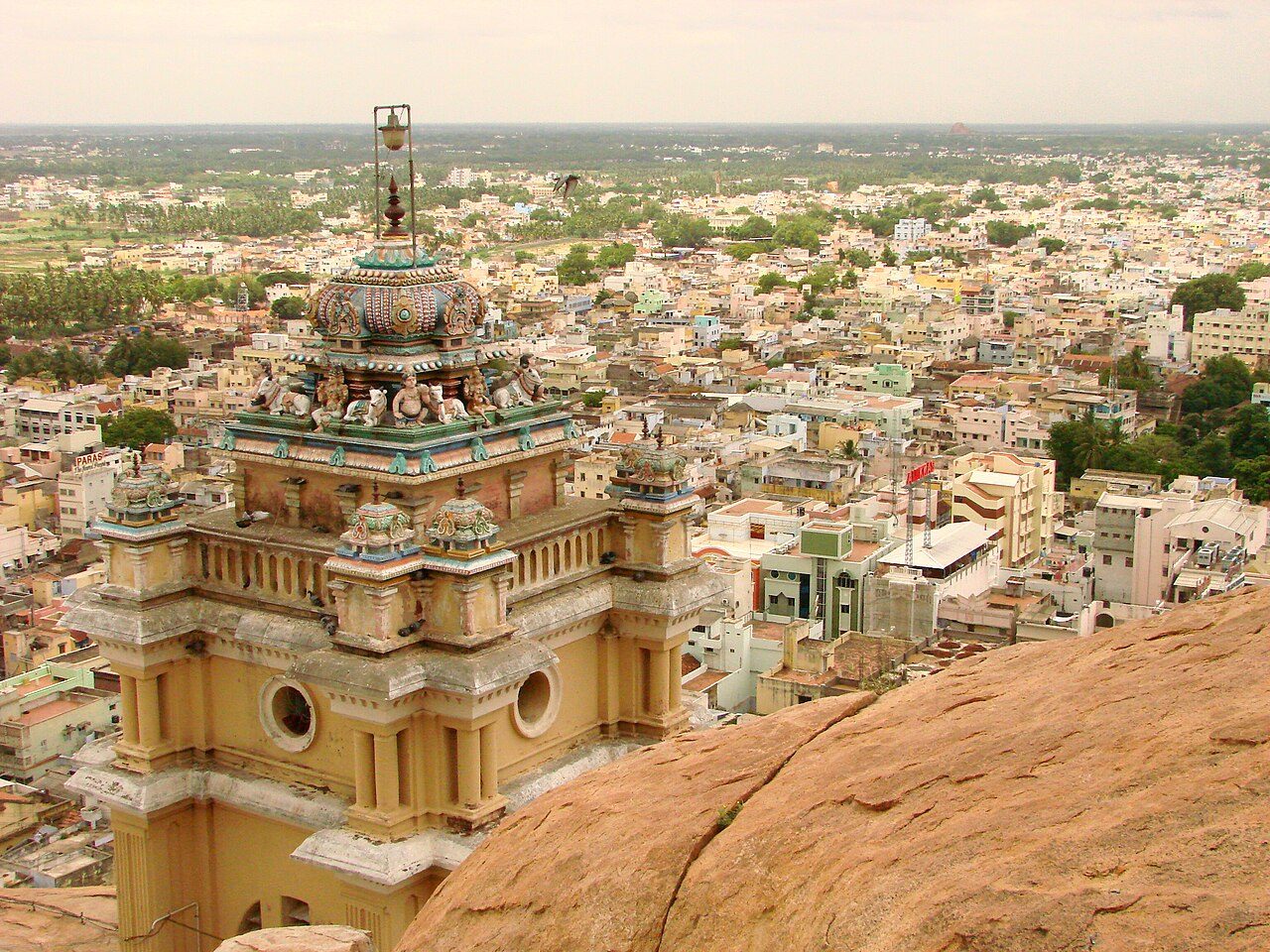
Rising 83 metres above Tiruchirappalli, the Rockfort is one of the oldest rocks in the world, with a fort, Pallava cave temples and the Thayumanaswamy temple cut into its sides. A climb of more than 400 steps through the rock leads to the small Ucchi Pillayar temple to Ganesha on the summit, with views over the Kaveri, Srirangam and the city. Its walls saw fighting between the British and French during the Carnatic Wars.
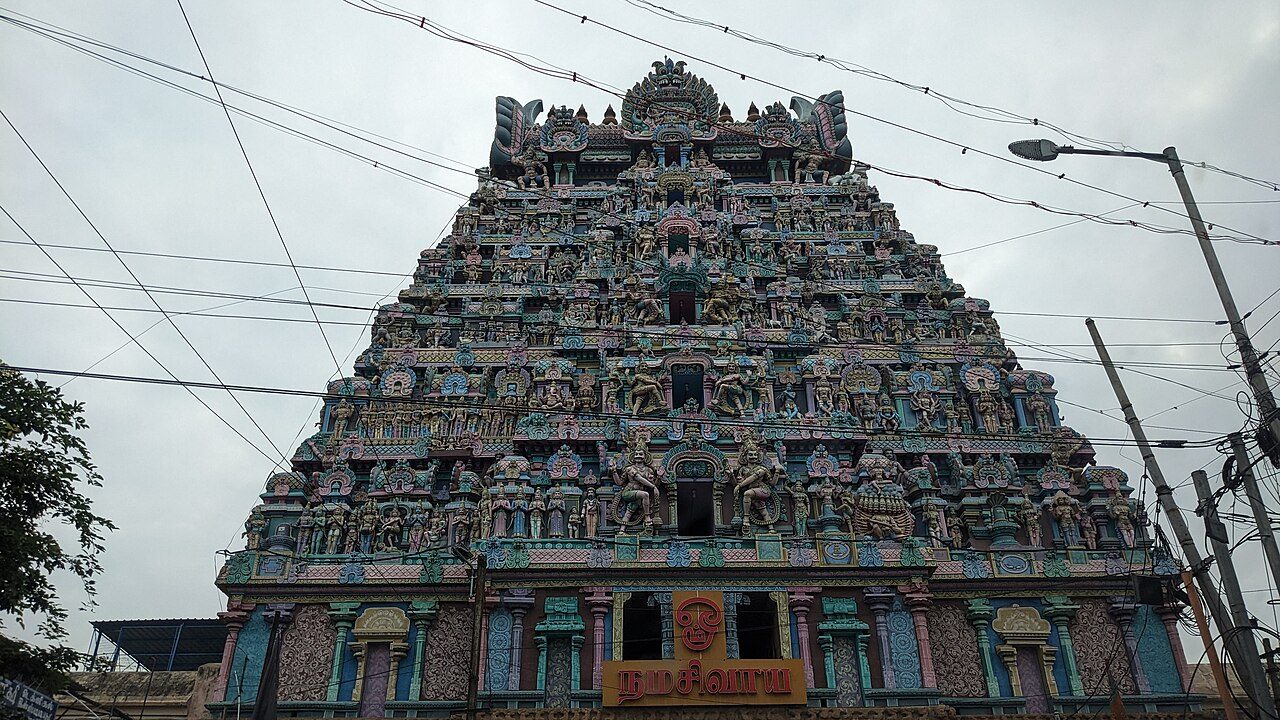
One of the five great Shiva temples that stand for the elements, Thiruvanaikaval represents water: the linga sits in a low sanctum where an underground spring keeps a little water seeping around it at all times. Tradition credits its founding to the early Chola king Kochengannan. Its five enclosures, high walls and long pillared corridors, largely from the Nayak period, make it one of the grandest temples around Tiruchirappalli.
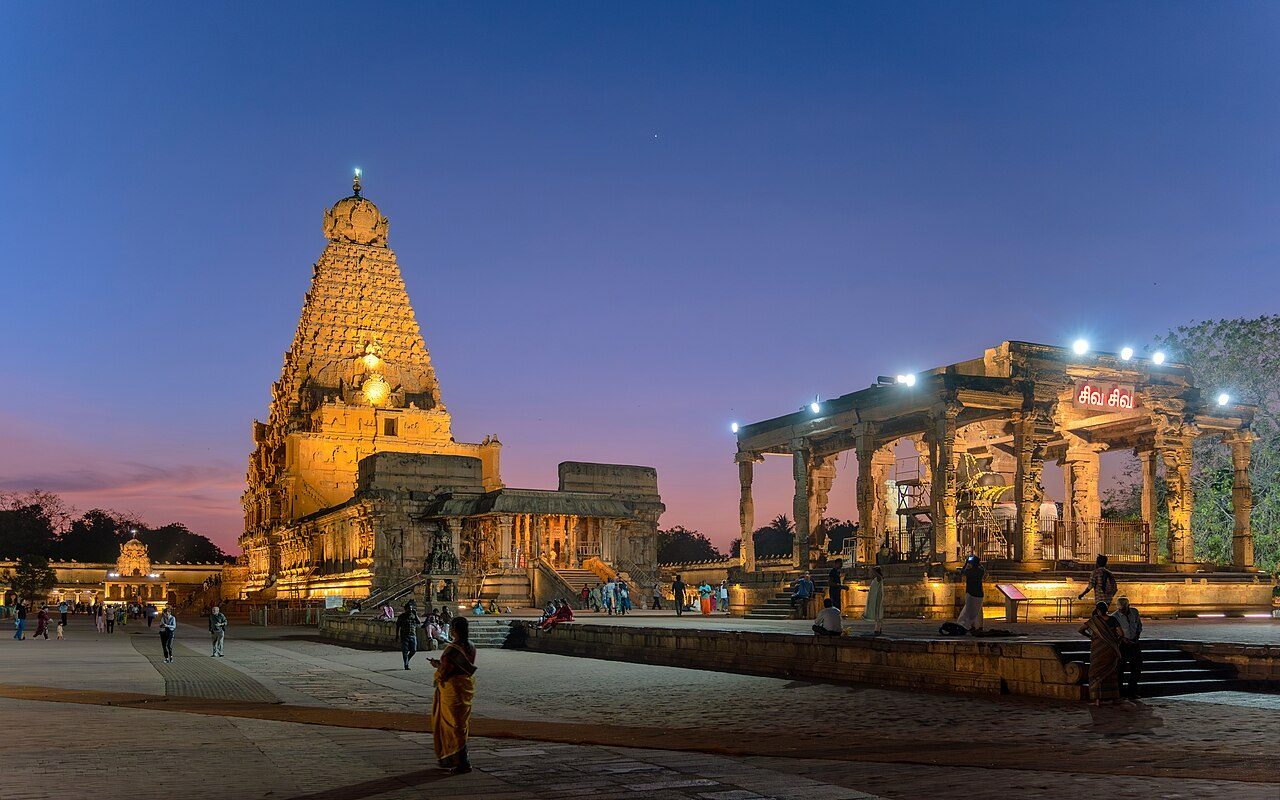
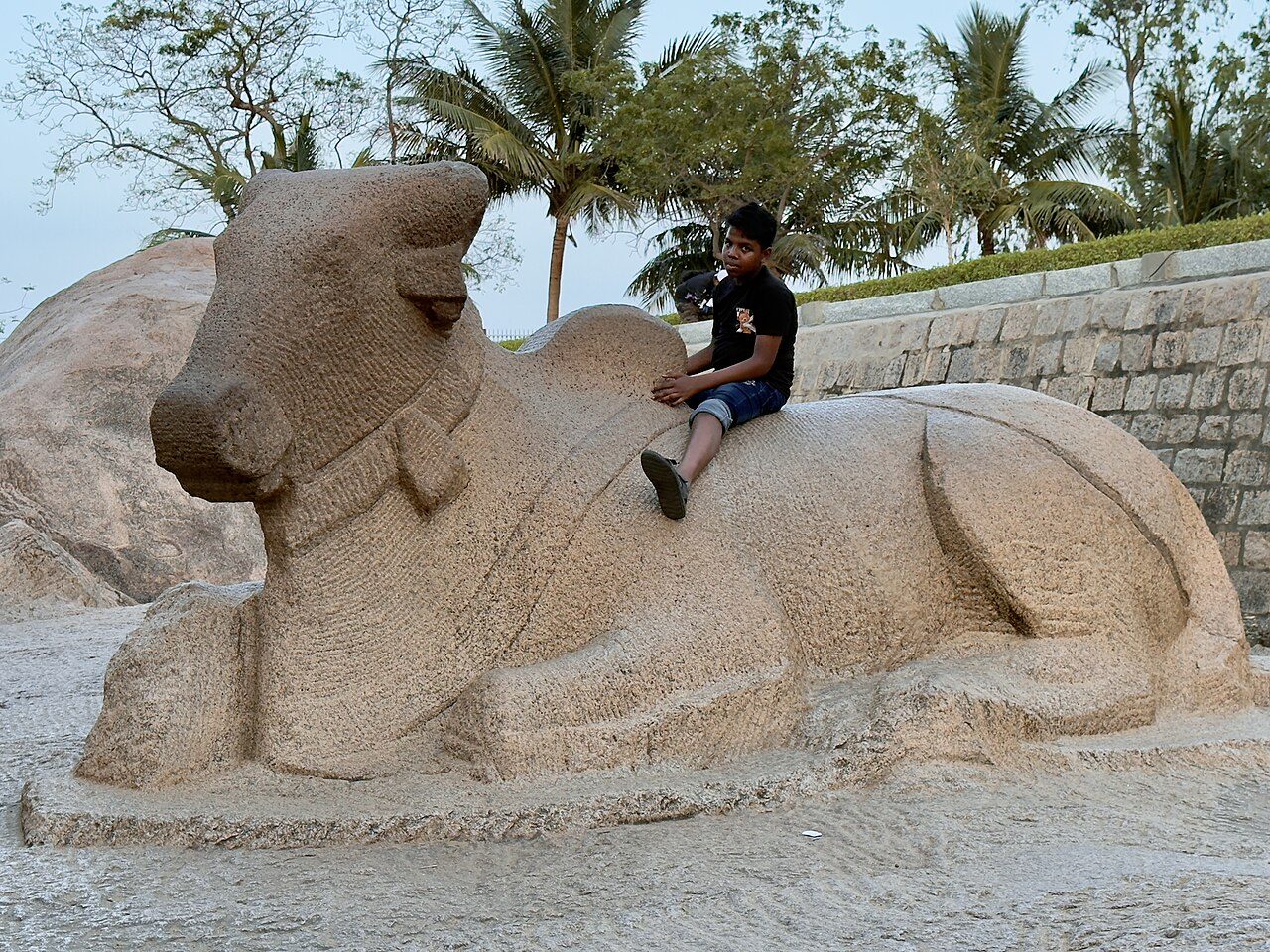
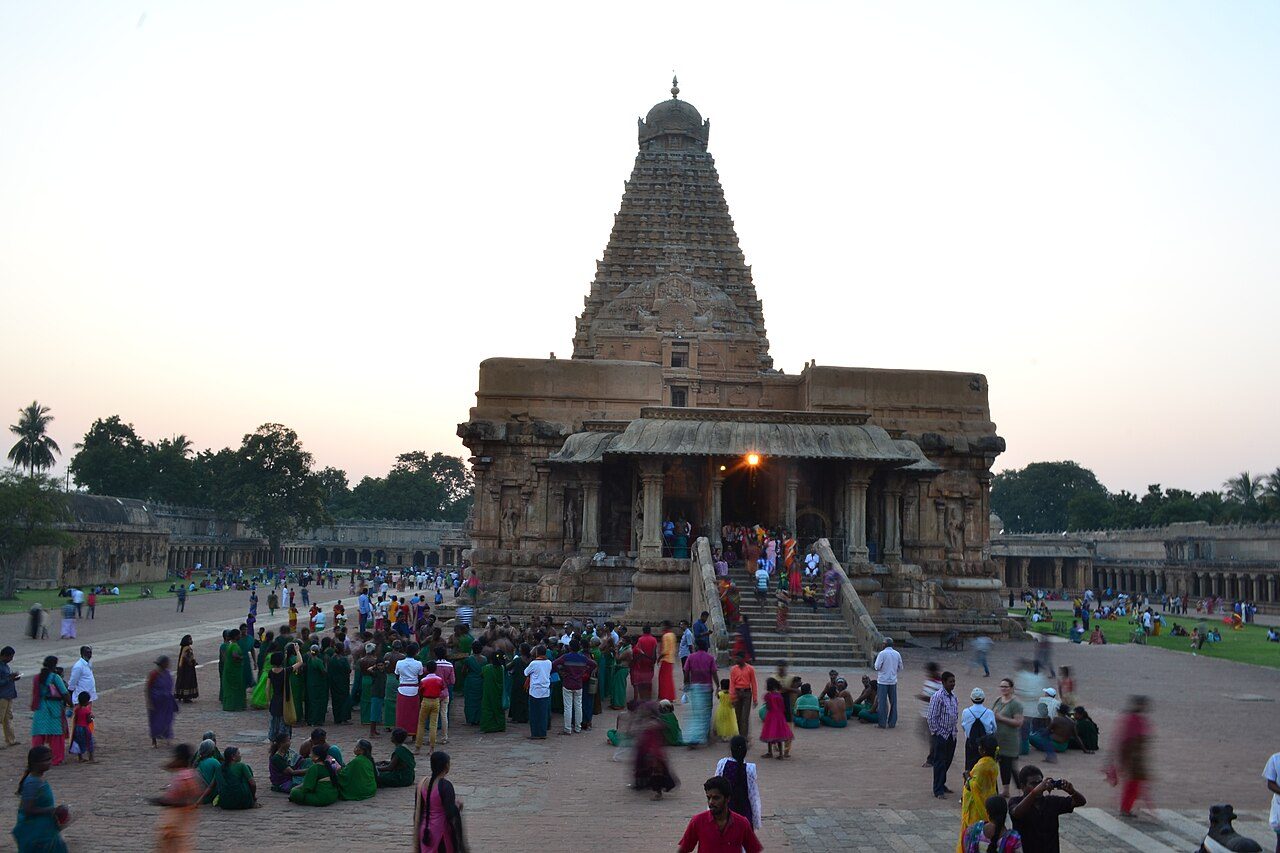
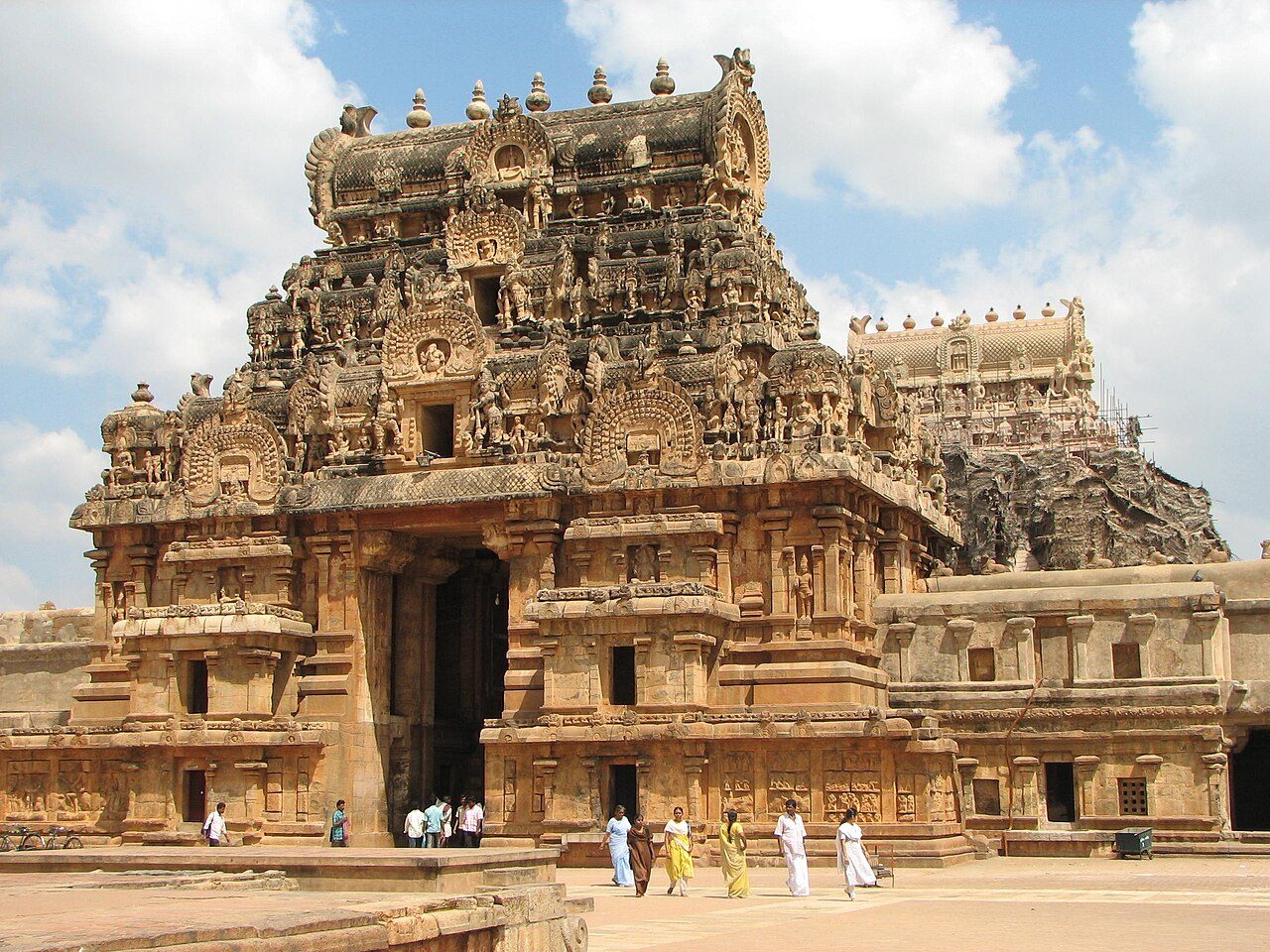
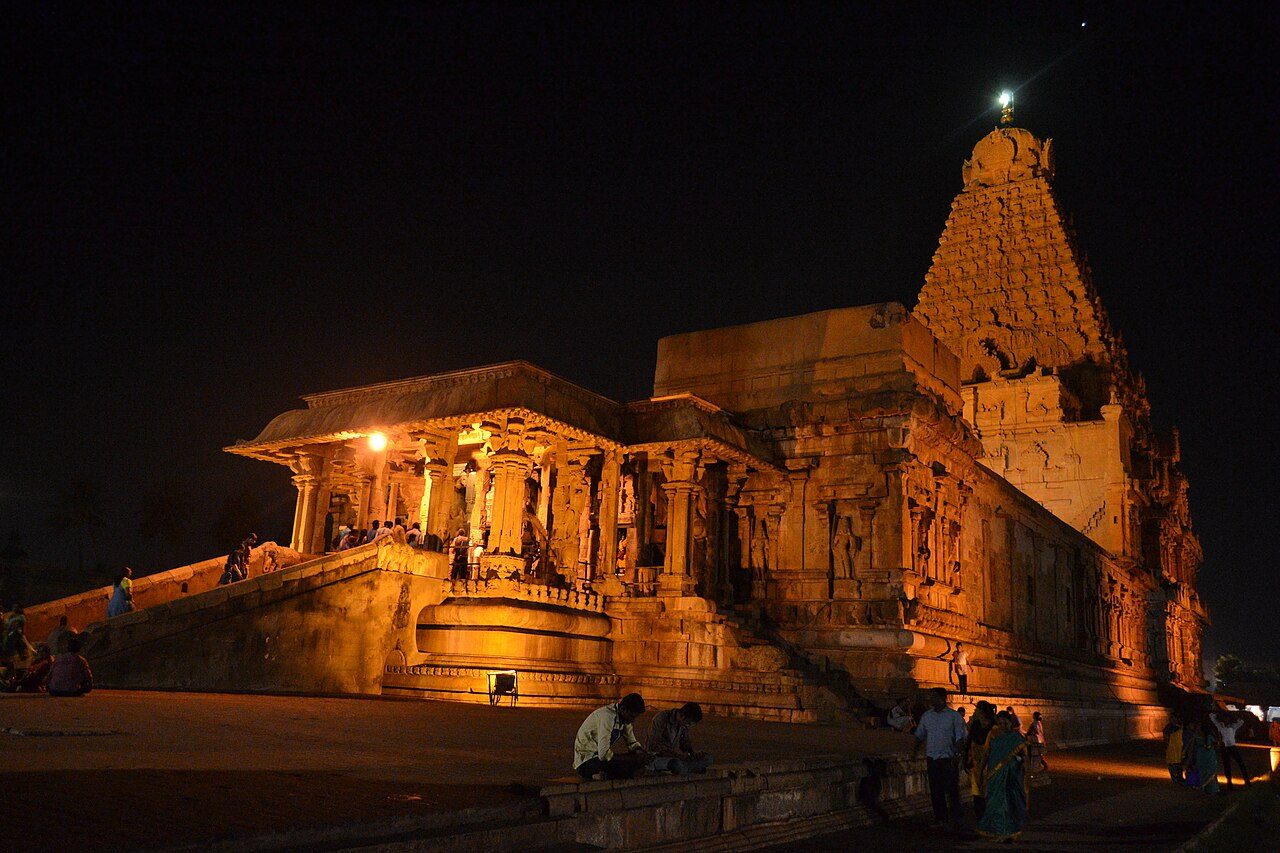
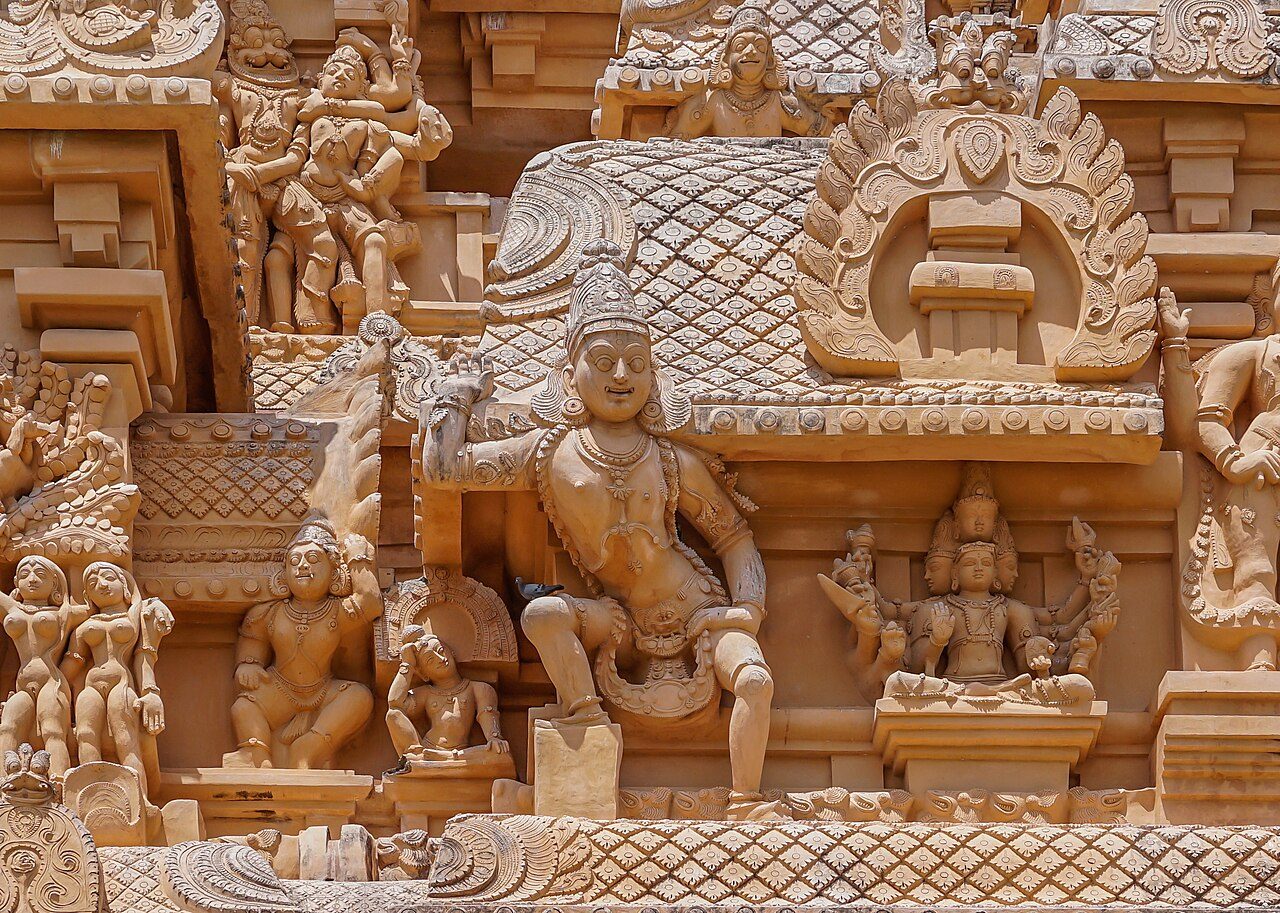
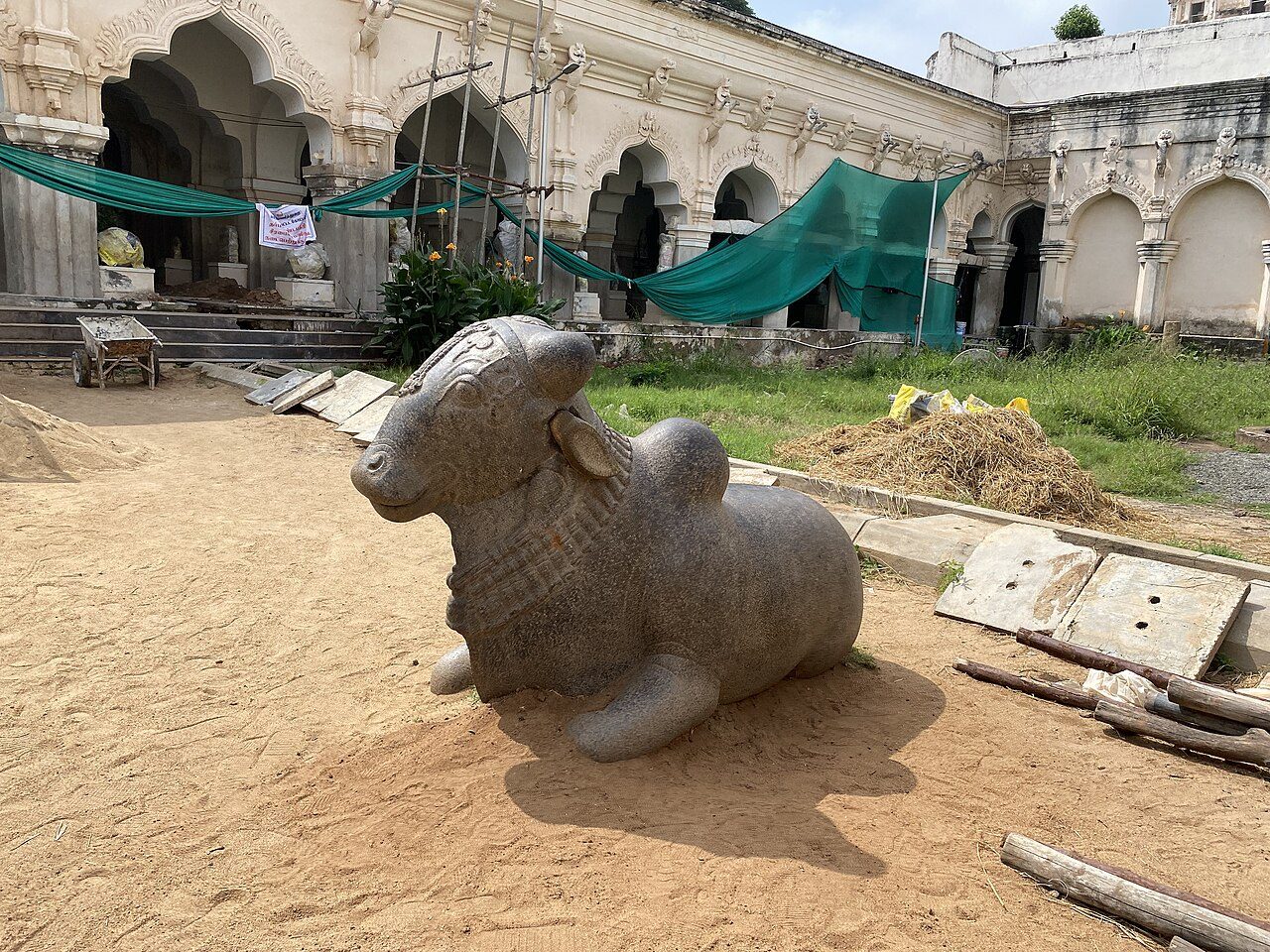
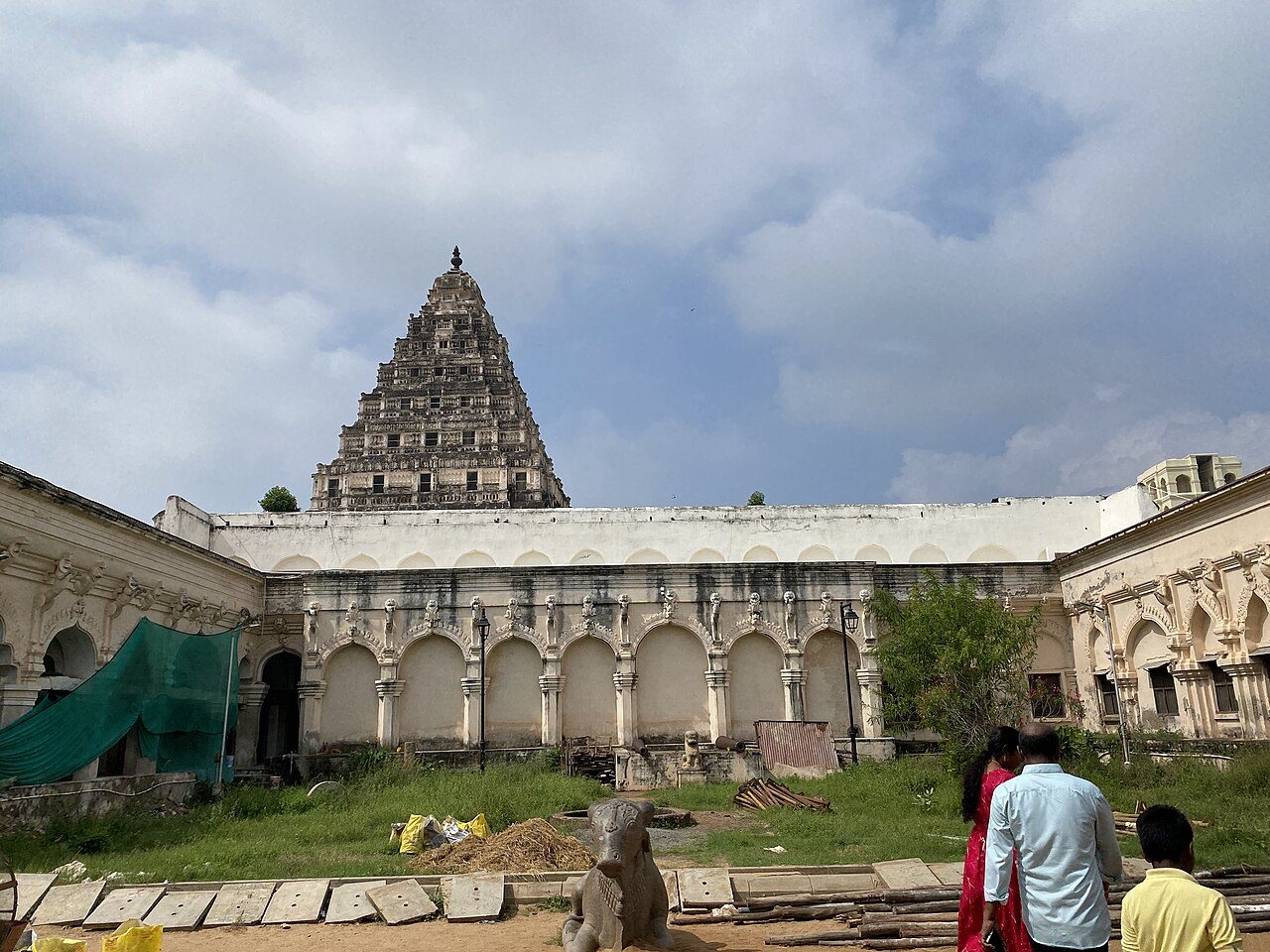
Raised by the Chola king Rajaraja I and completed in 1010, the Big Temple is a UNESCO World Heritage Site and was one of the largest buildings in India of its time. Its granite tower rises about 66 metres, crowned by a capstone traditionally said to weigh some 80 tonnes, and the monolithic Nandi in the courtyard is among the largest in the country. Inside are Chola frescoes and inscriptions recording the gifts, dancers and staff that kept the temple running.
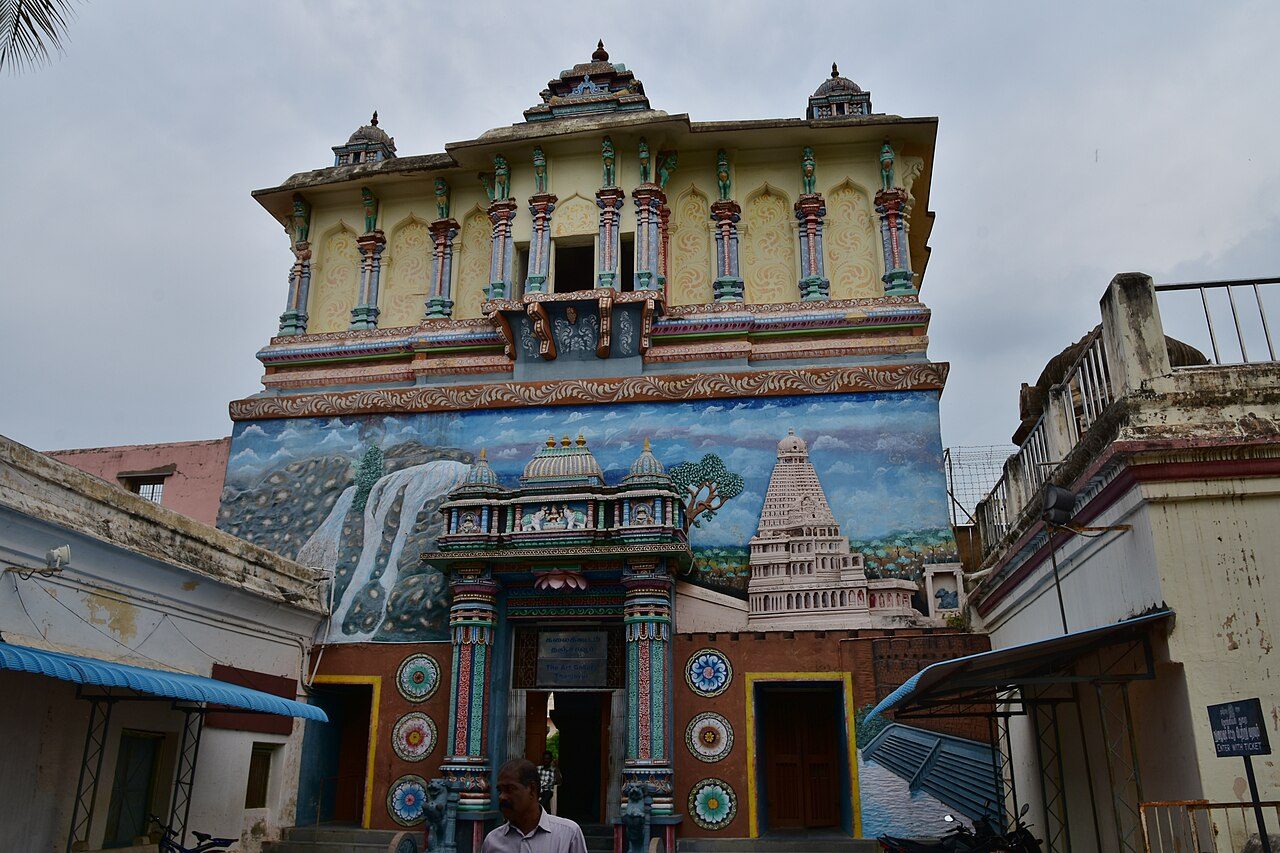
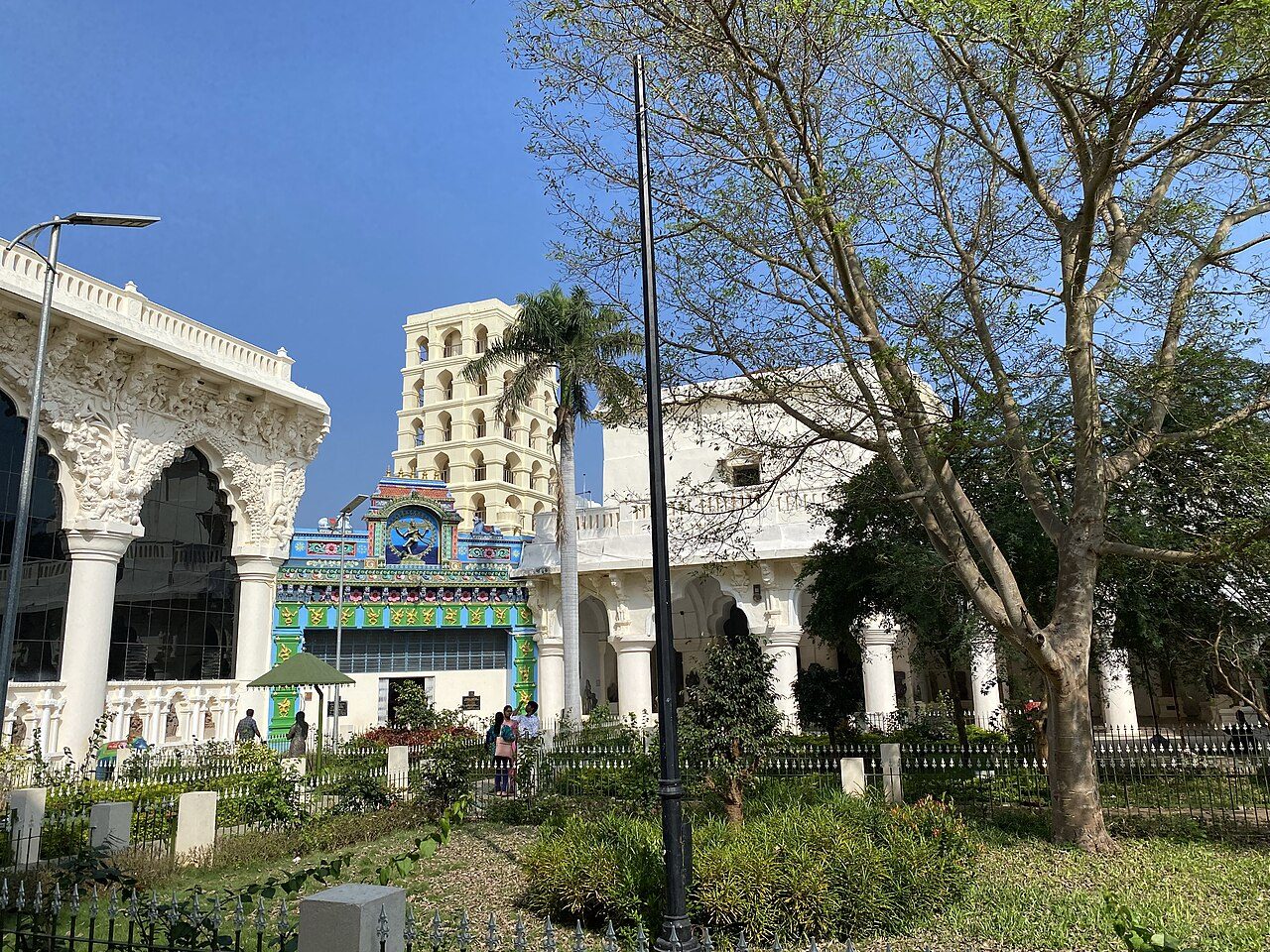
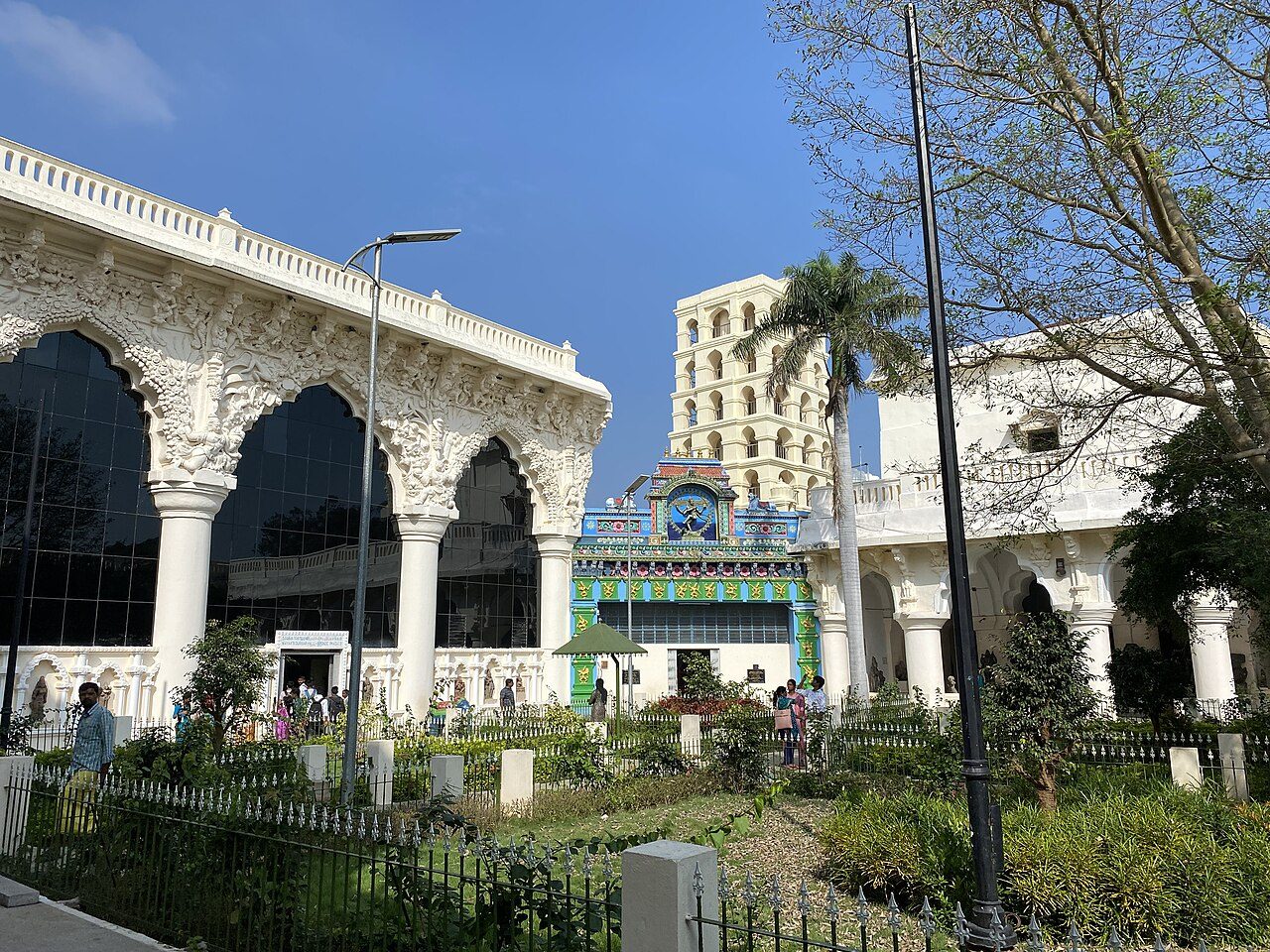
Begun by the Nayak rulers of Thanjavur in the 16th century and extended by the Marathas who took the kingdom in the 1670s, the palace is a sprawl of halls, courtyards and towers in the heart of the old town. Within it are the Durbar Hall, the tall Arsenal and Bell towers, the Raja Serfoji Memorial Hall and an art gallery with one of the finest collections of Chola bronzes anywhere. The Saraswathi Mahal Library shares the same complex.
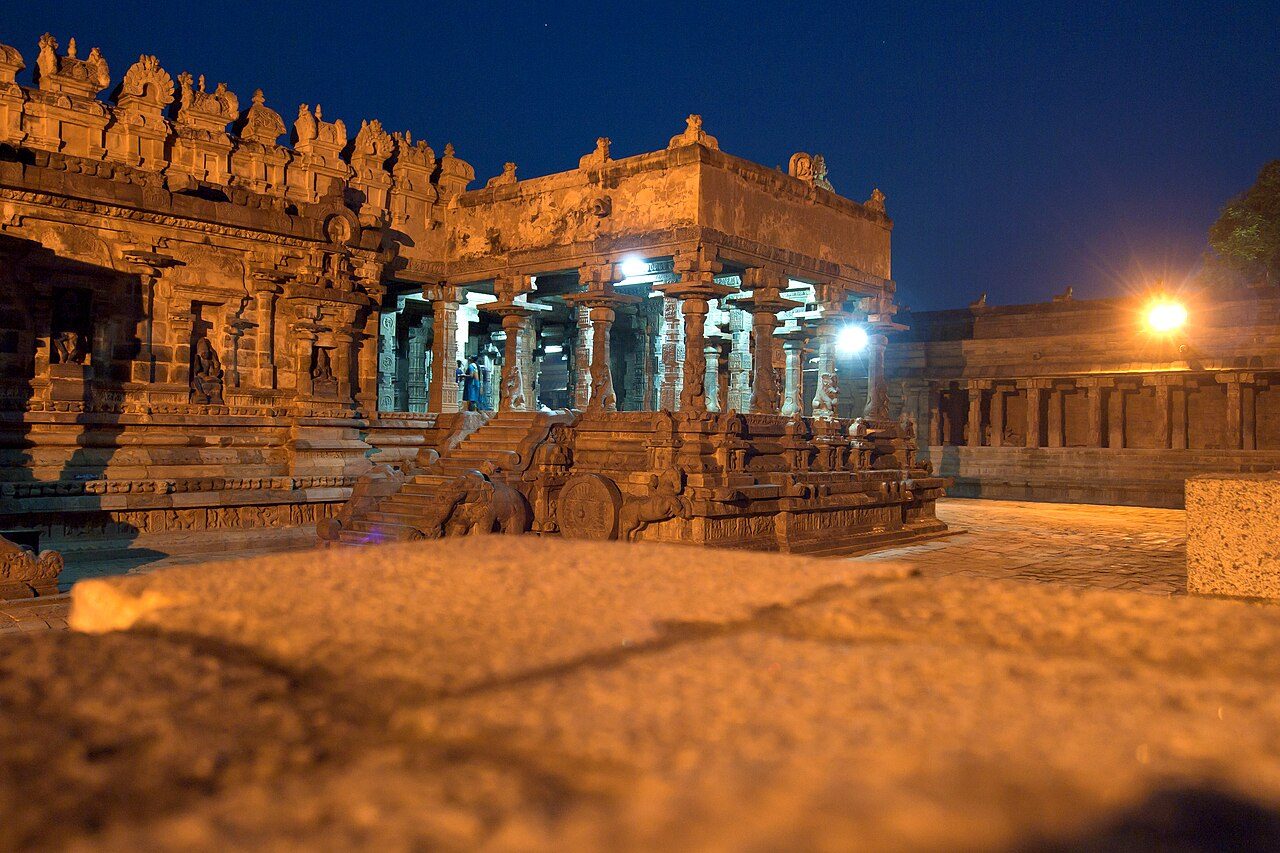
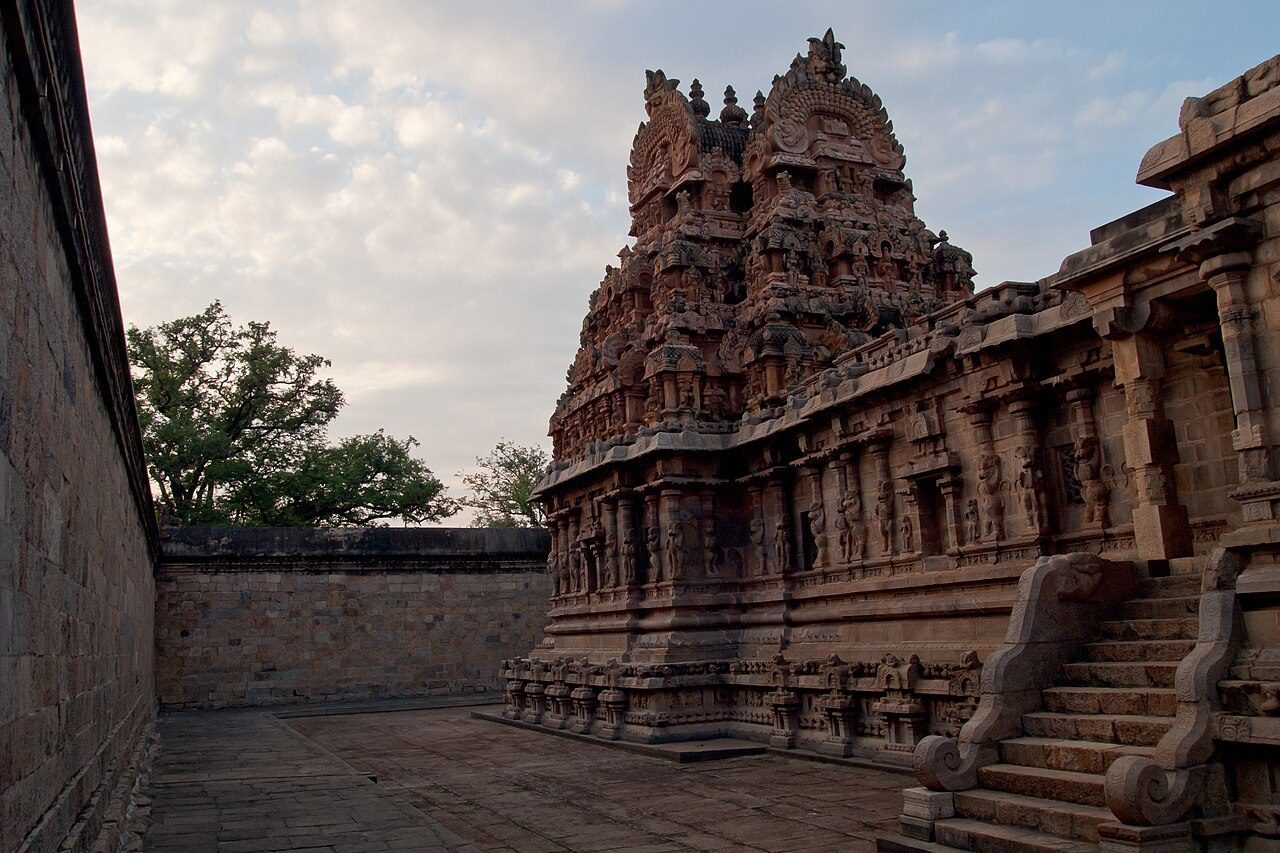
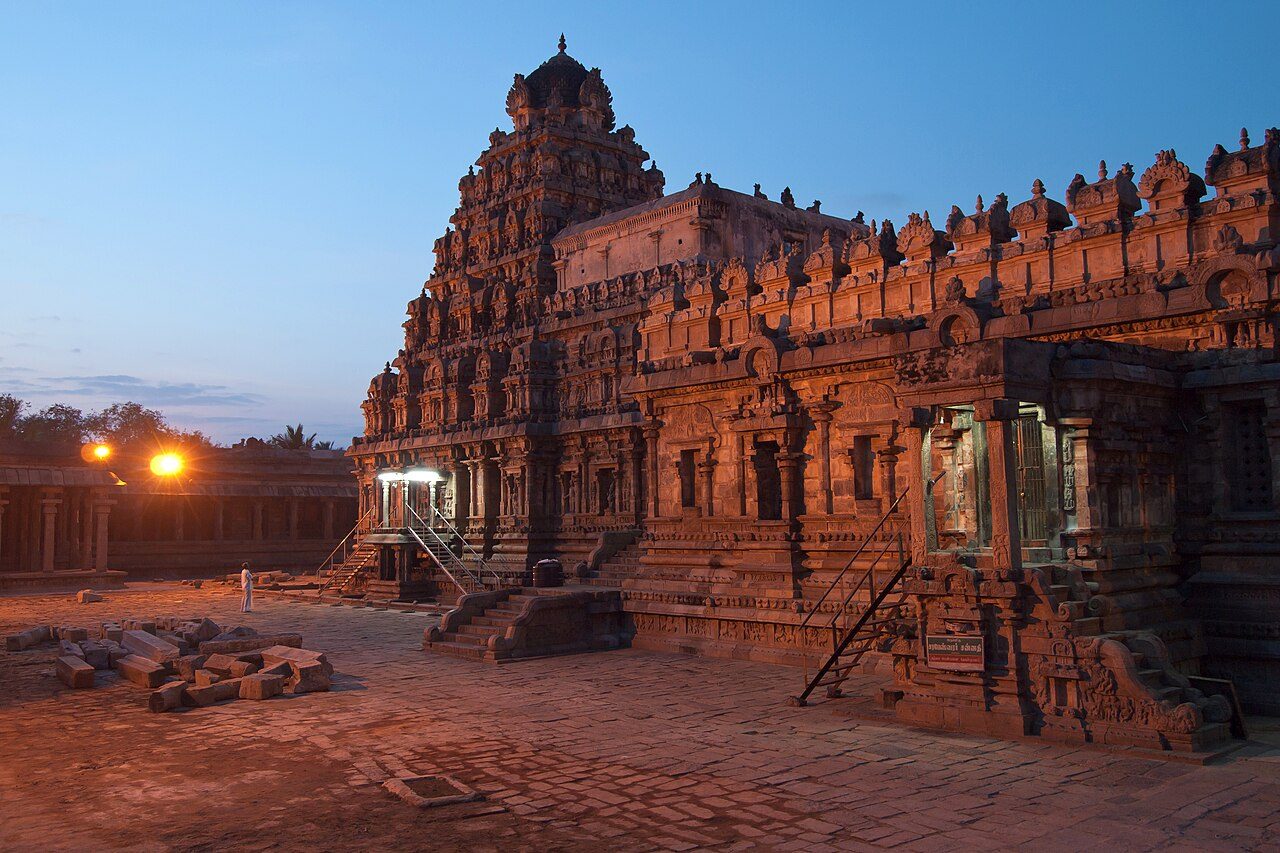
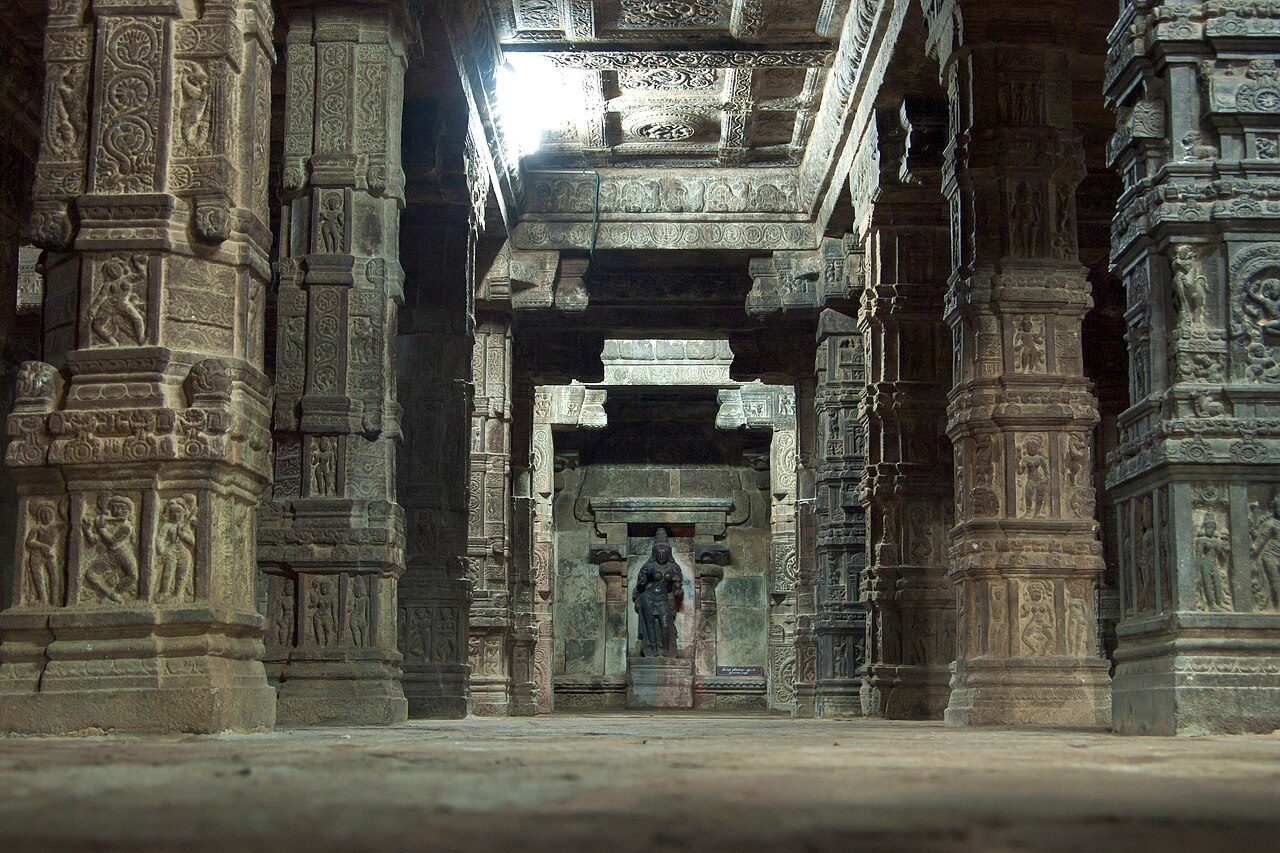
Built by the Chola king Rajaraja II in the 12th century, this temple at Darasuram is one of the three Great Living Chola Temples on the UNESCO World Heritage list. It is smaller than the temples at Thanjavur and Gangaikonda Cholapuram but richer in detail: the front hall is carved as a chariot with stone wheels drawn by horses, and the entrance steps are said to give out musical notes. Pillars and walls carry minute friezes of dancers, musicians and Puranic stories.
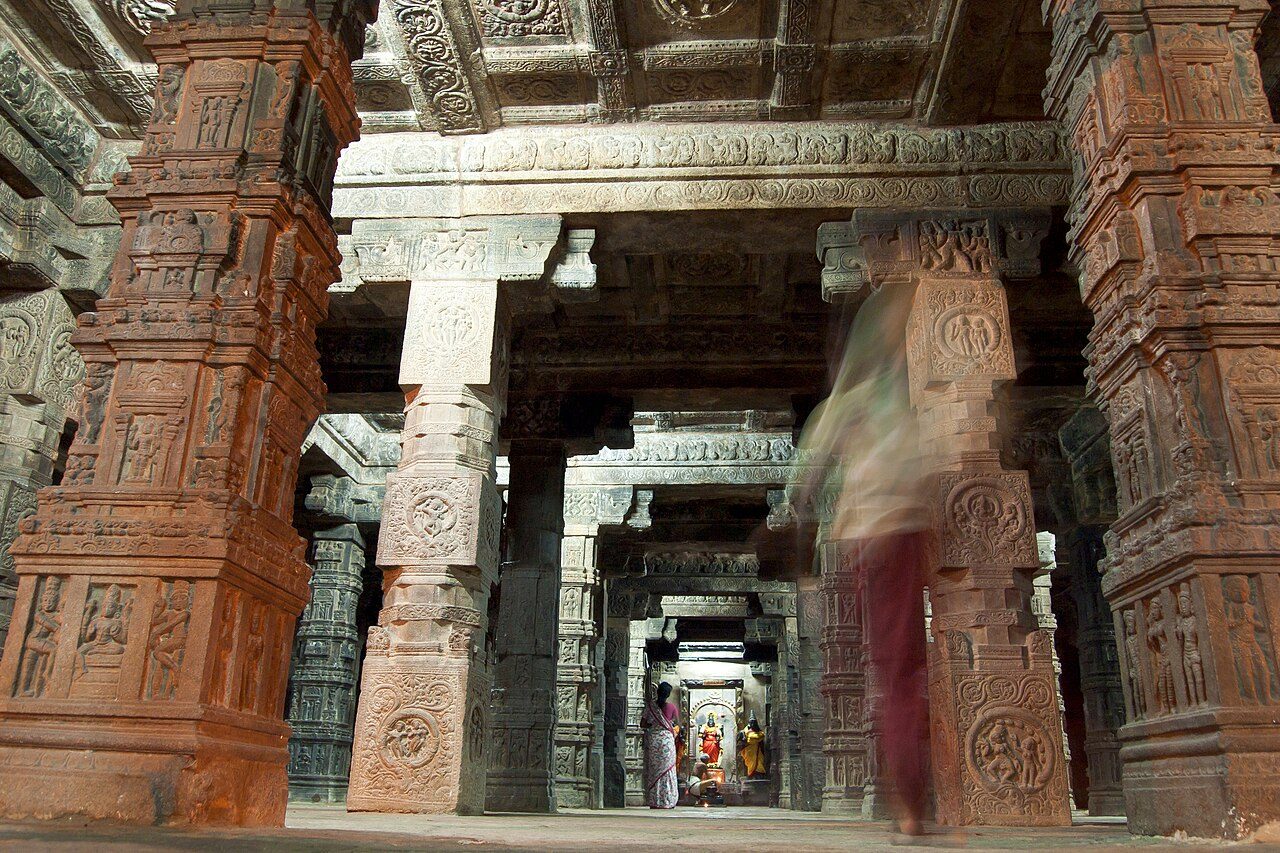
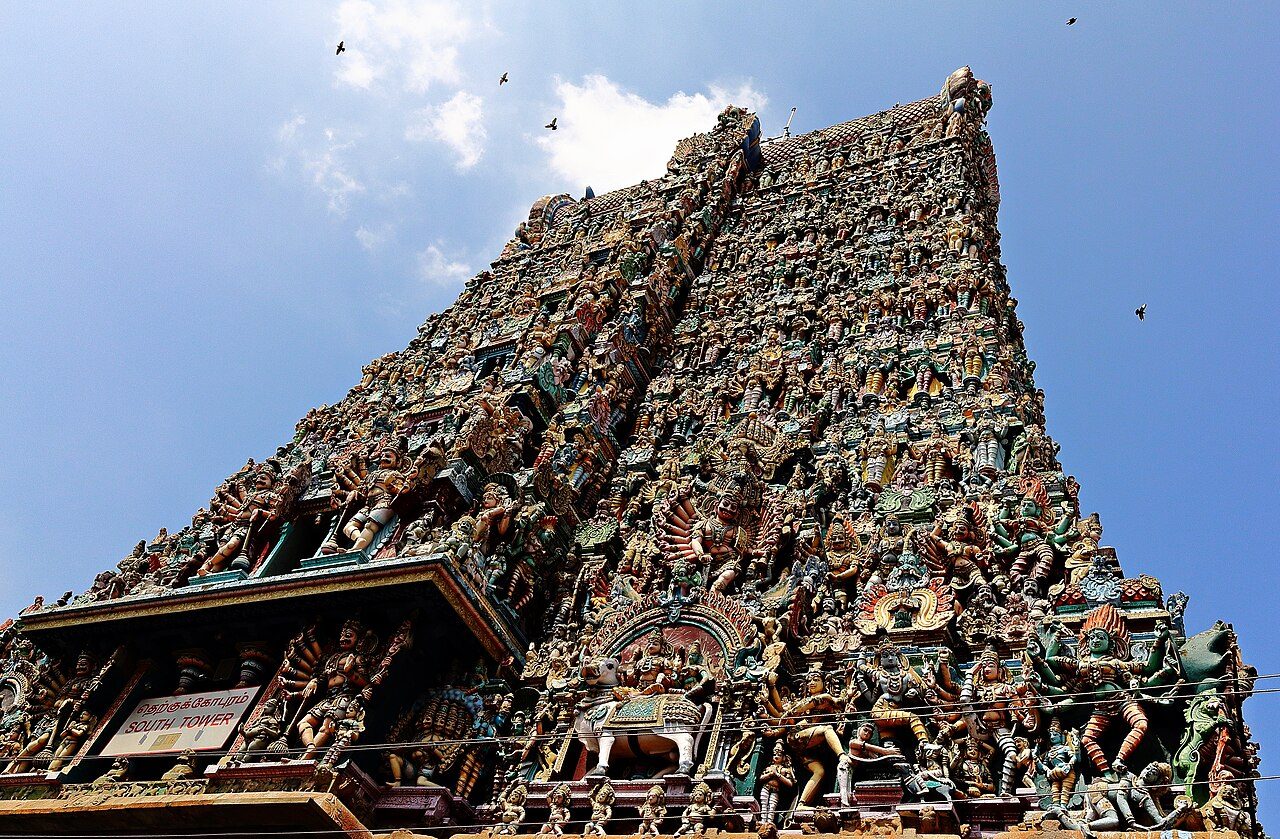
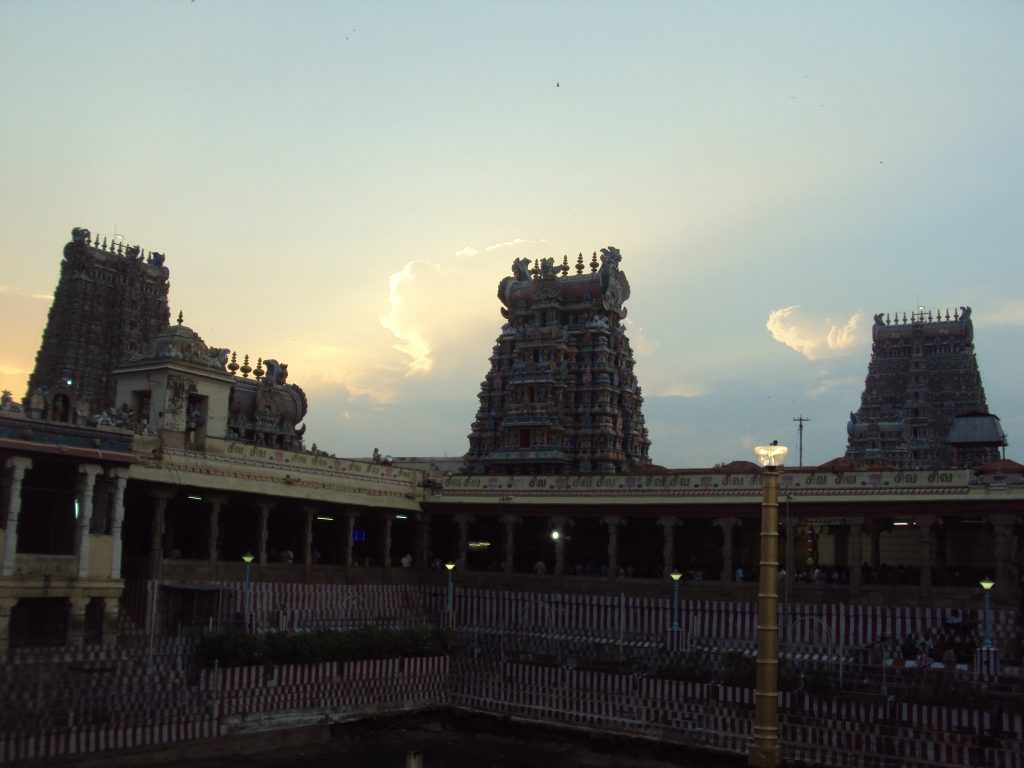
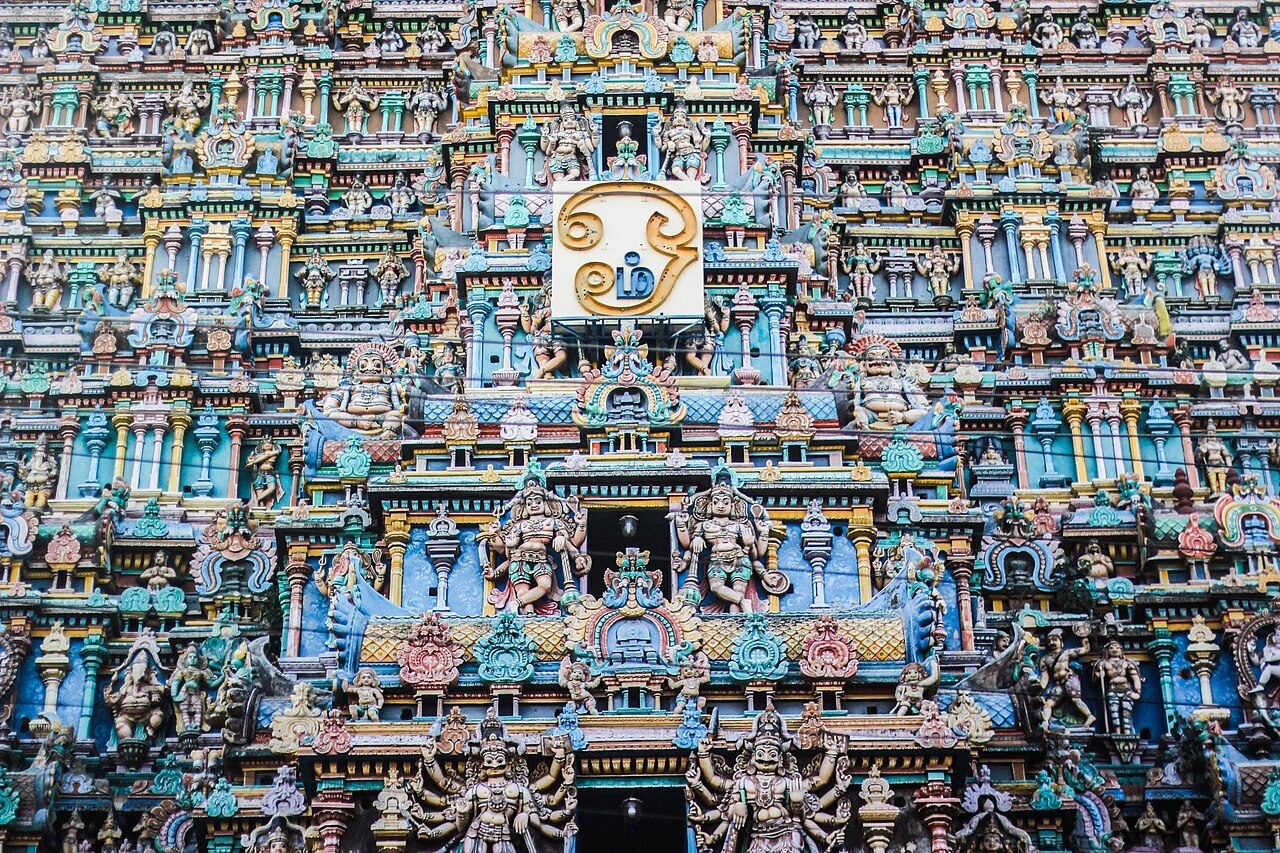
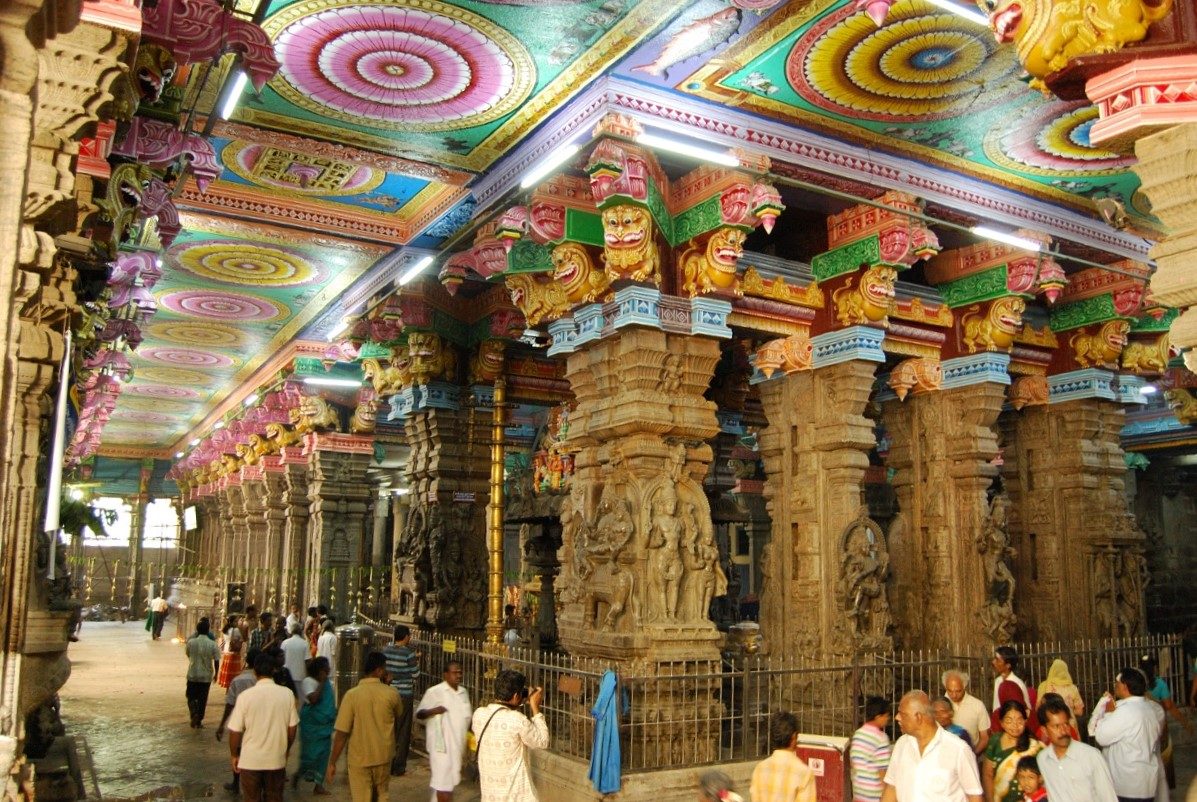
The great twin temple of Madurai, where Meenakshi, the fish-eyed goddess, takes precedence over her consort Sundareswarar - an unusual arrangement in a Shiva temple. The city is laid out in concentric squares around it, and the present structure is largely the work of the Nayak rulers of the 16th and 17th centuries, after the earlier temple was sacked in 1310. Its fourteen gopurams, the thousand-pillared hall and the Chithirai festival of Meenakshi's marriage draw millions of pilgrims a year.
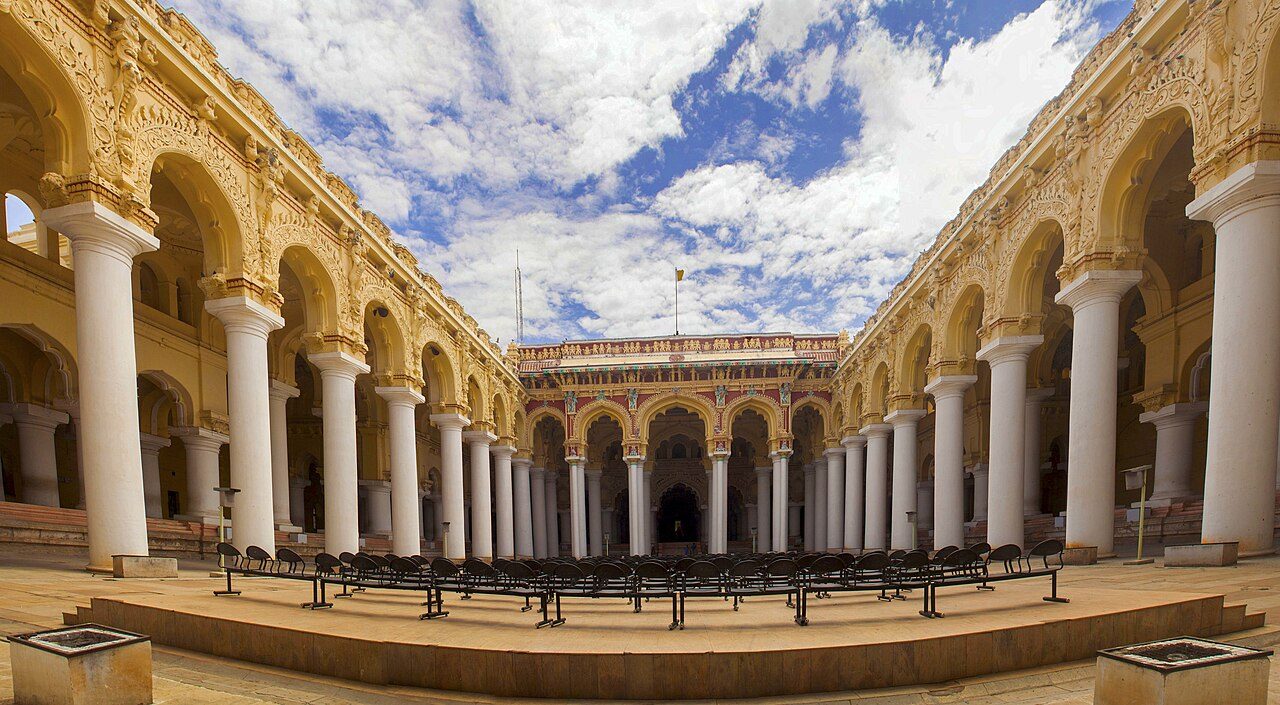
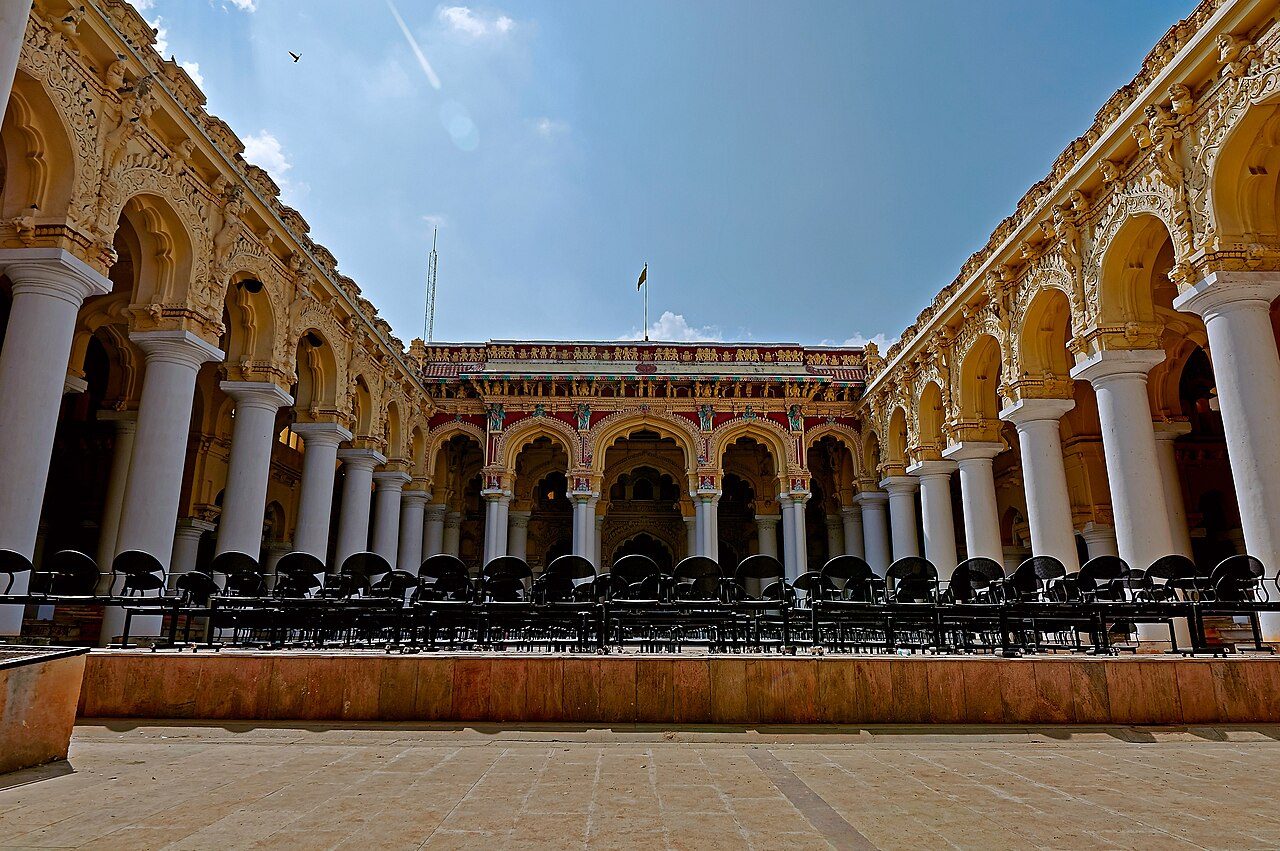
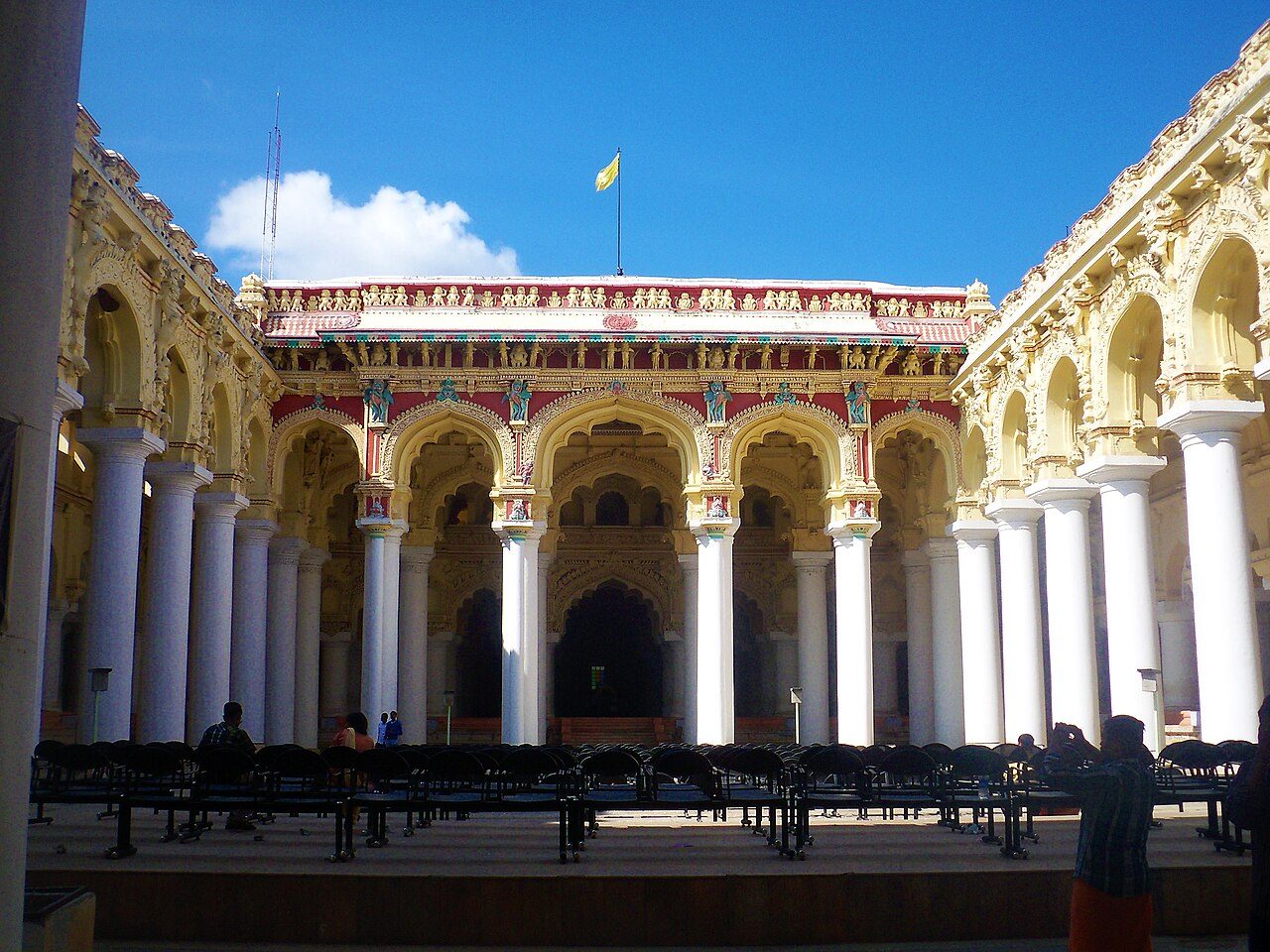
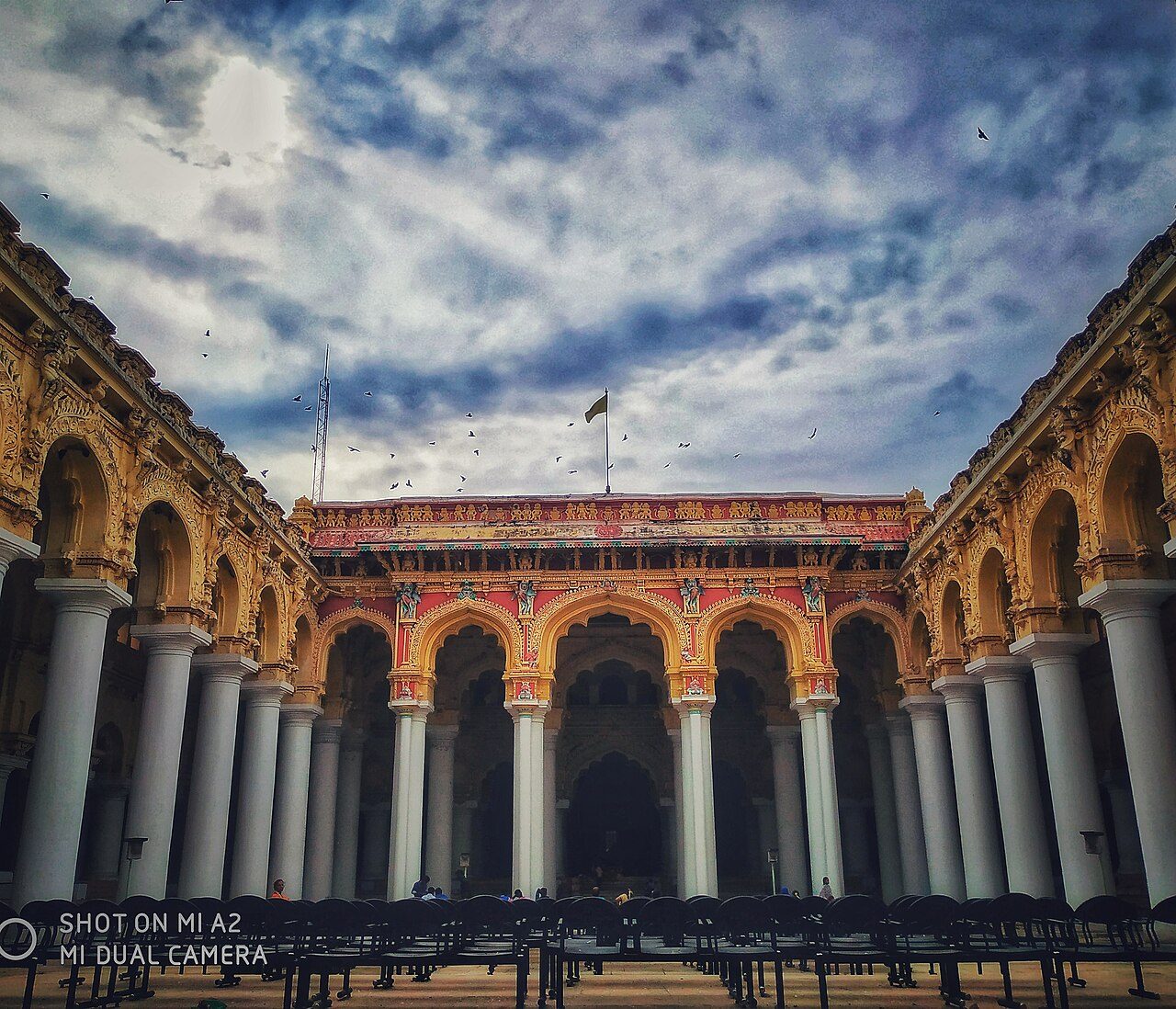
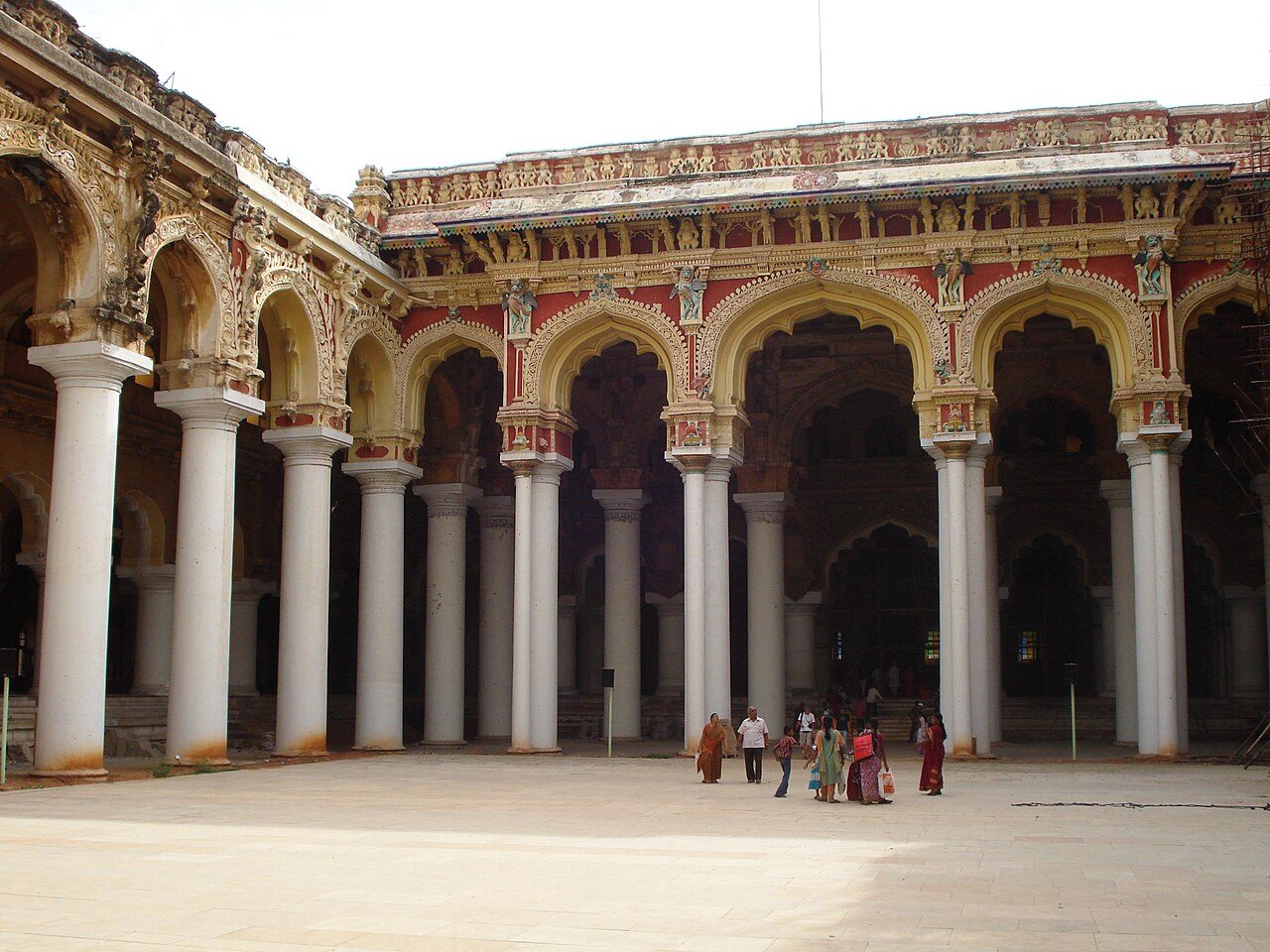
Built in 1636 by Thirumalai Nayak, the palace once covered several times its present area; what survives is the Swarga Vilasam, the great pillared courtyard and dance hall. Its towering columns and stucco domes blend Dravidian building with Islamic and European forms. Lord Napier had it partly restored in the 1860s, and it is now a protected national monument.
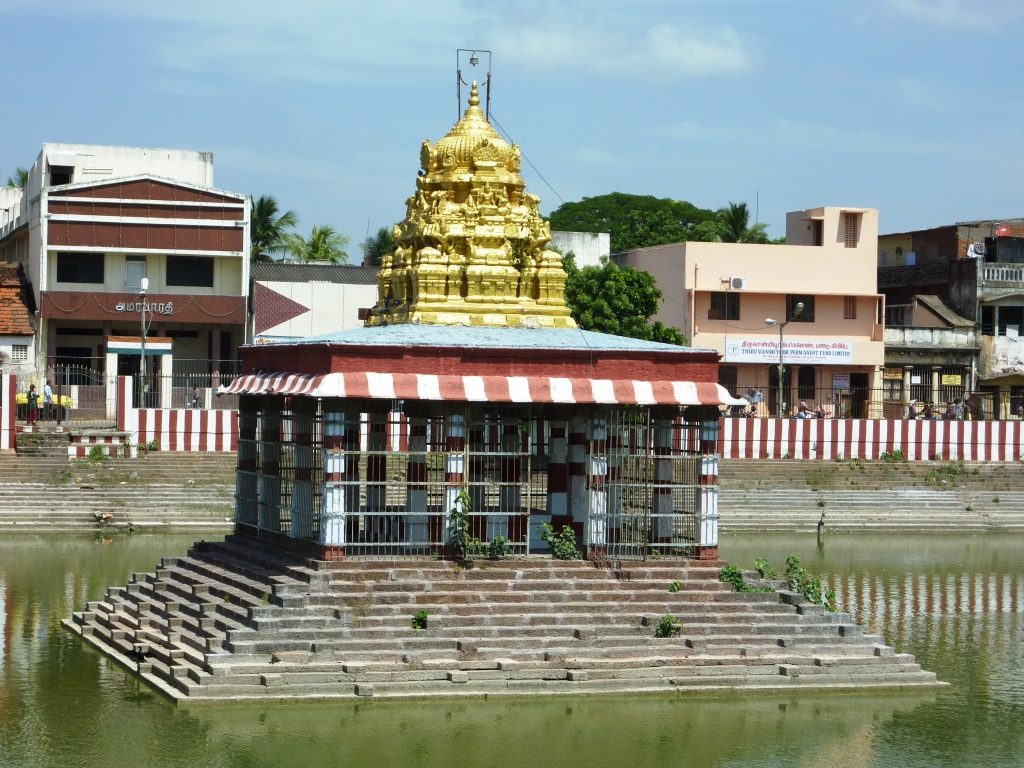
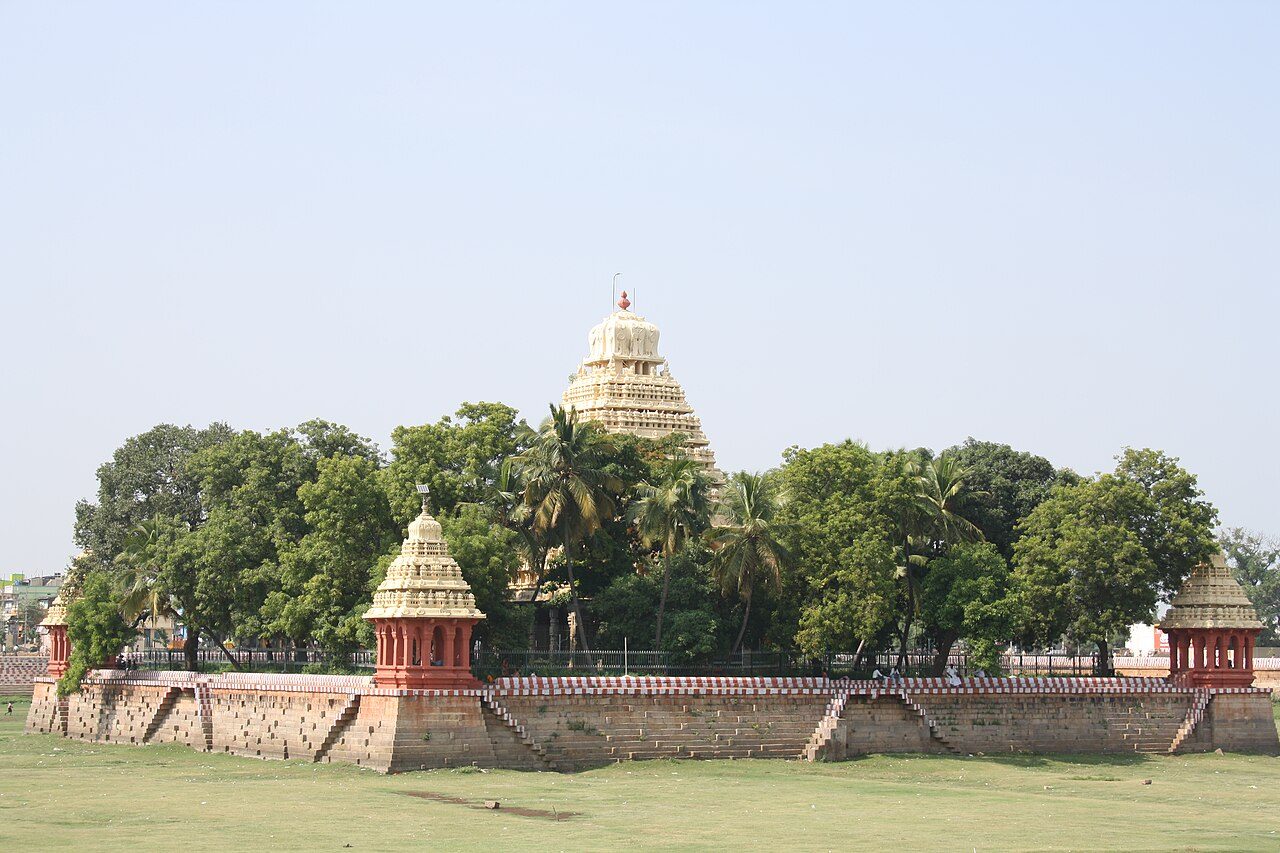
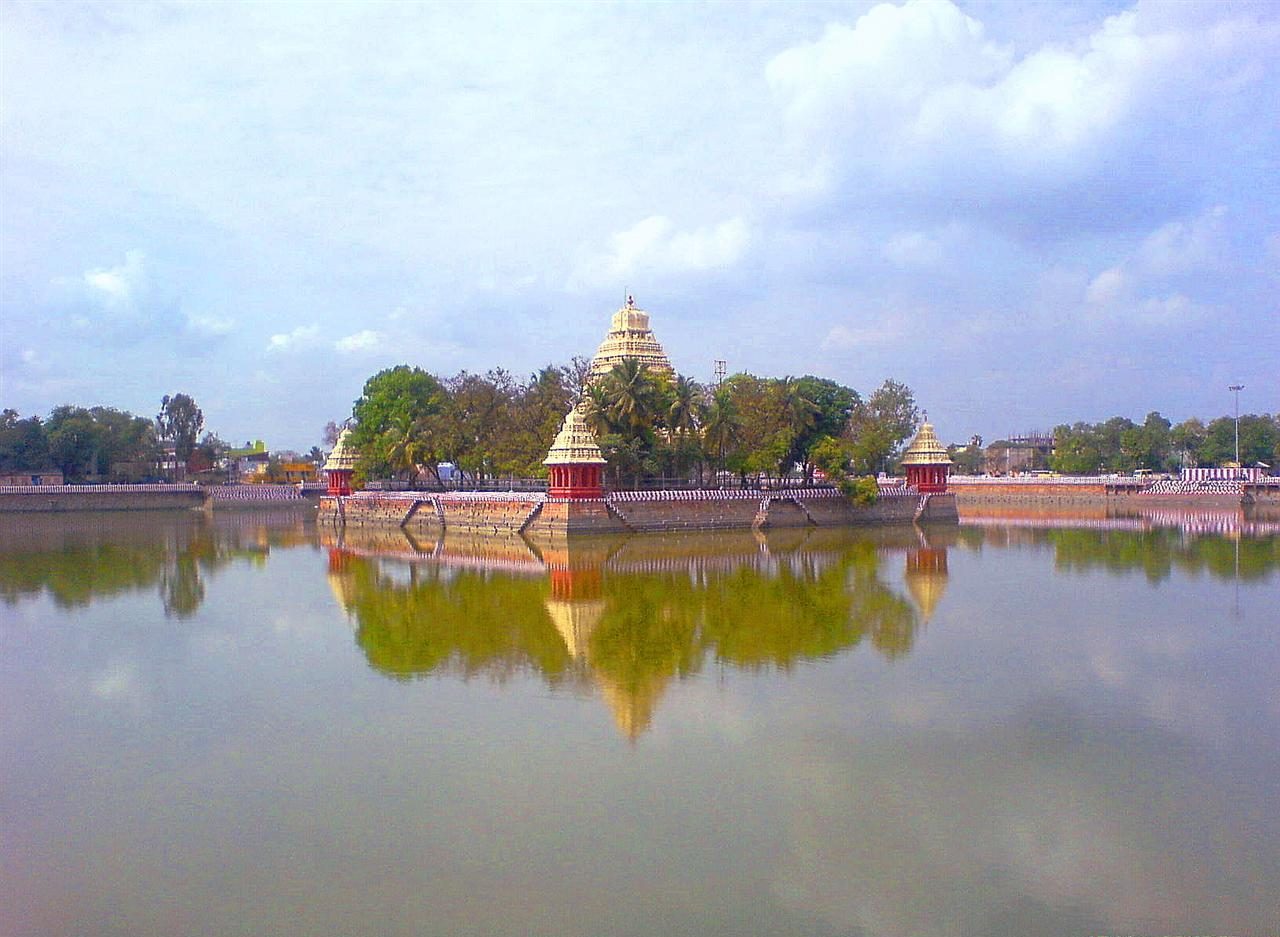
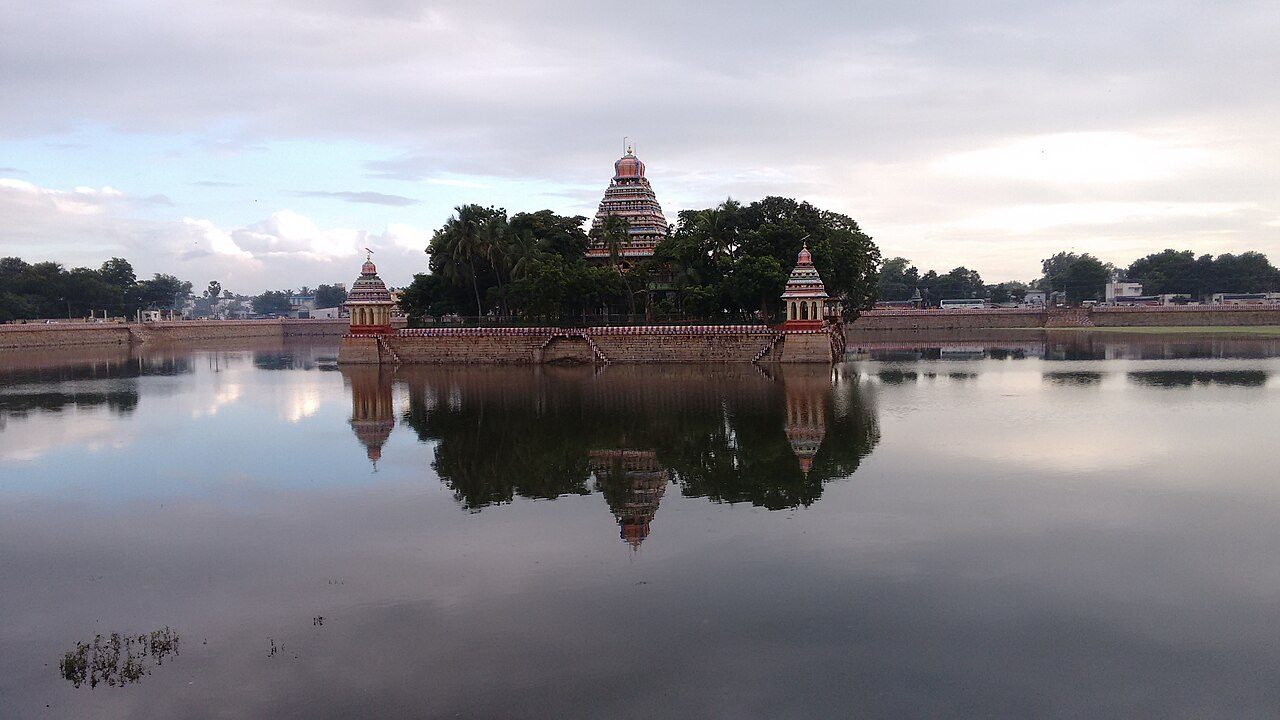
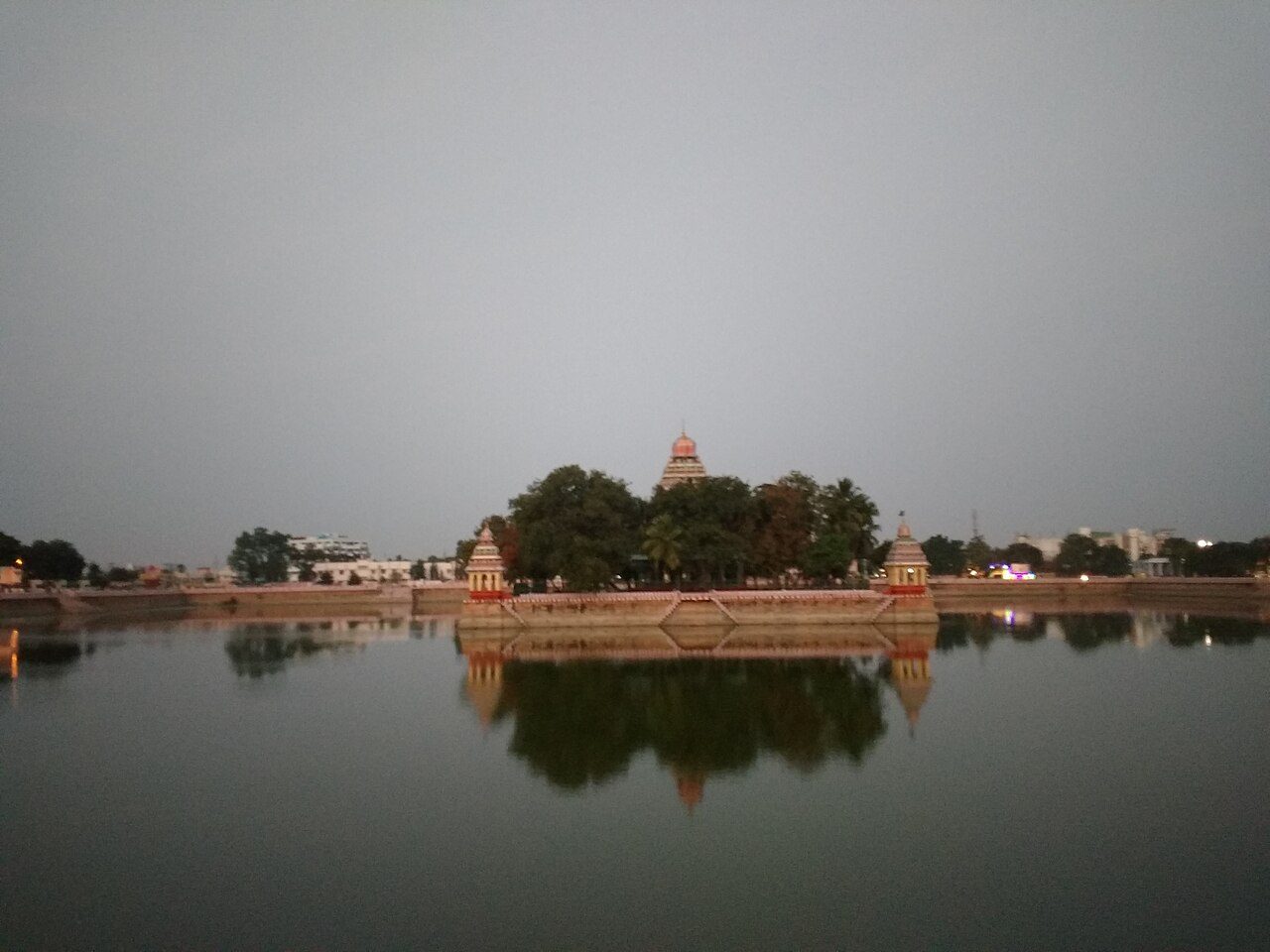
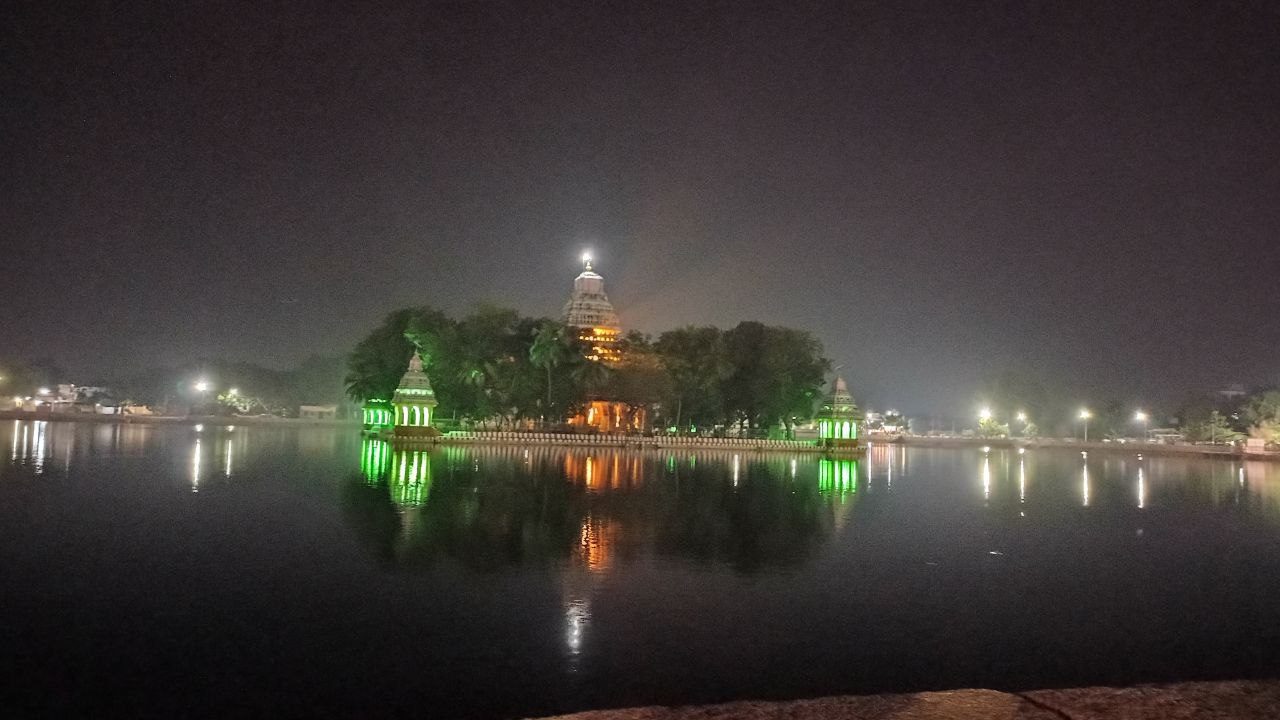
A vast temple tank dug in 1645 under Thirumalai Nayak, with a mandapam on an island at its centre, said to occupy the pit from which earth for his palace was taken. It is fed from the Vaigai through an underground channel. Each January the Float Festival carries the images of Meenakshi and Sundareswarar out to the island on a lit raft.
Best weather: Dec – Feb
Seasons from 20 years of NASA POWER climate data.
Was this trip blog helpful?
0
0
Ready to follow this route?
Copy all 20 stops into your trip plans in the app.
 WaTrips