Southern Tip of India: Madurai, Rameswaram and Kanyakumari in 4 Days
4 DAYS13 placesby WaTrips
From Madurai's temple town across the Pamban Bridge to Rameswaram and Dhanushkodi, then down to Kanyakumari where three seas meet.
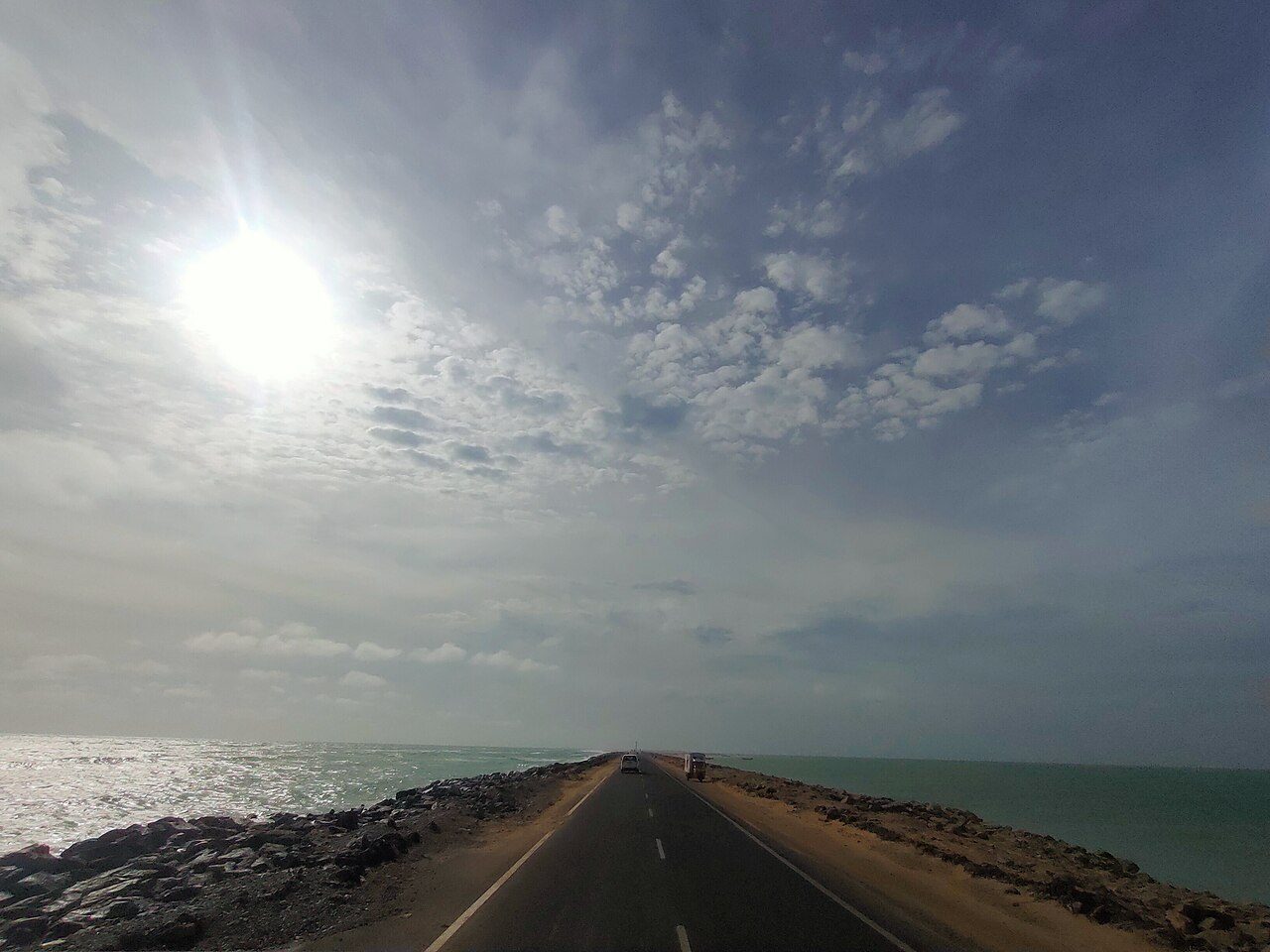
A ride to the very end of India. Day one is Madurai: the Meenakshi Amman Temple, the Thirumalai Nayakkar Mahal palace and the Gandhi Memorial Museum. Day two crosses the sea on the Pamban Bridge to Rameswaram for the Ramanathaswamy Temple and its long pillared corridors. Continue to Dhanushkodi, the ghost town at the tip of the island, and visit the A P J Abdul Kalam Memorial. On the way south, stop at Tirunelveli's Nellaiappar Temple and the Koonthankulam bird sanctuary (best from December to March). Finish in Kanyakumari with sunrise at the Triveni Sangamam, the ferry to the Vivekananda Rock, and Suchindram nearby. The coast road can be windy, so ride carefully near Dhanushkodi.
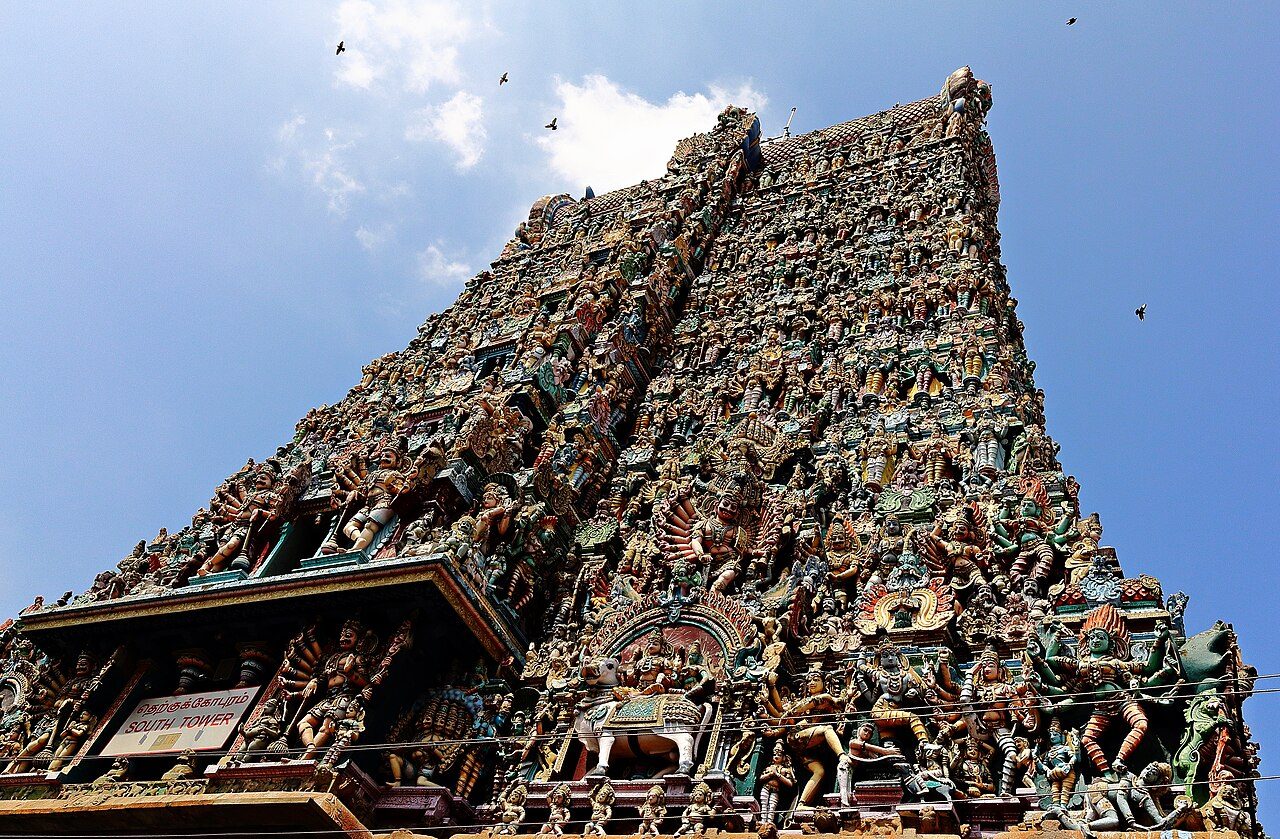
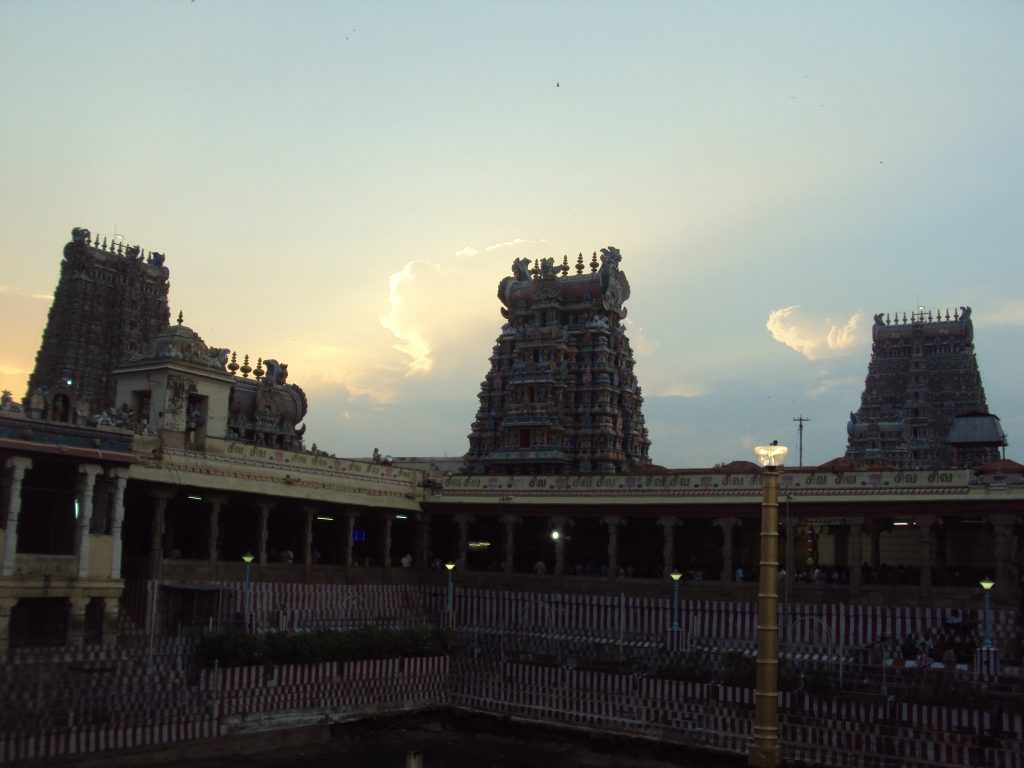
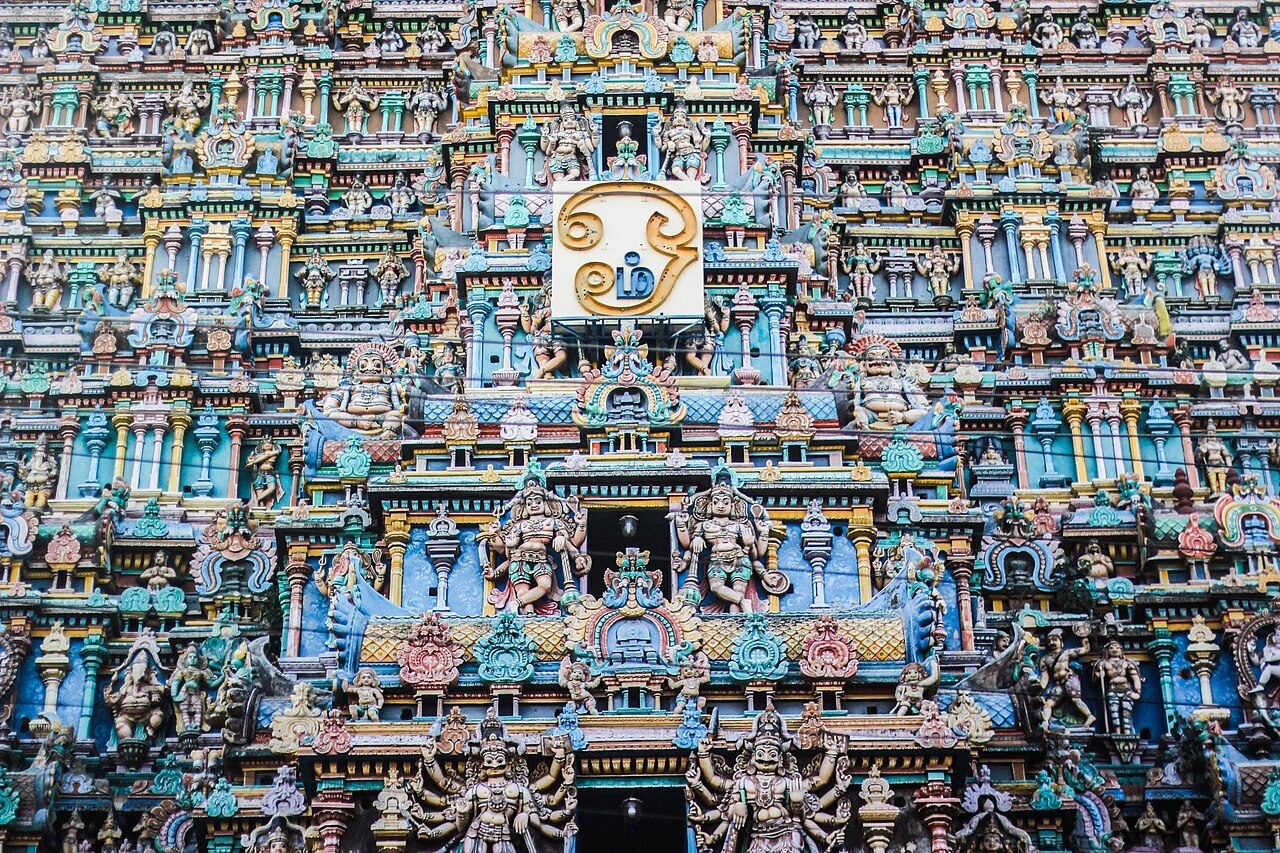
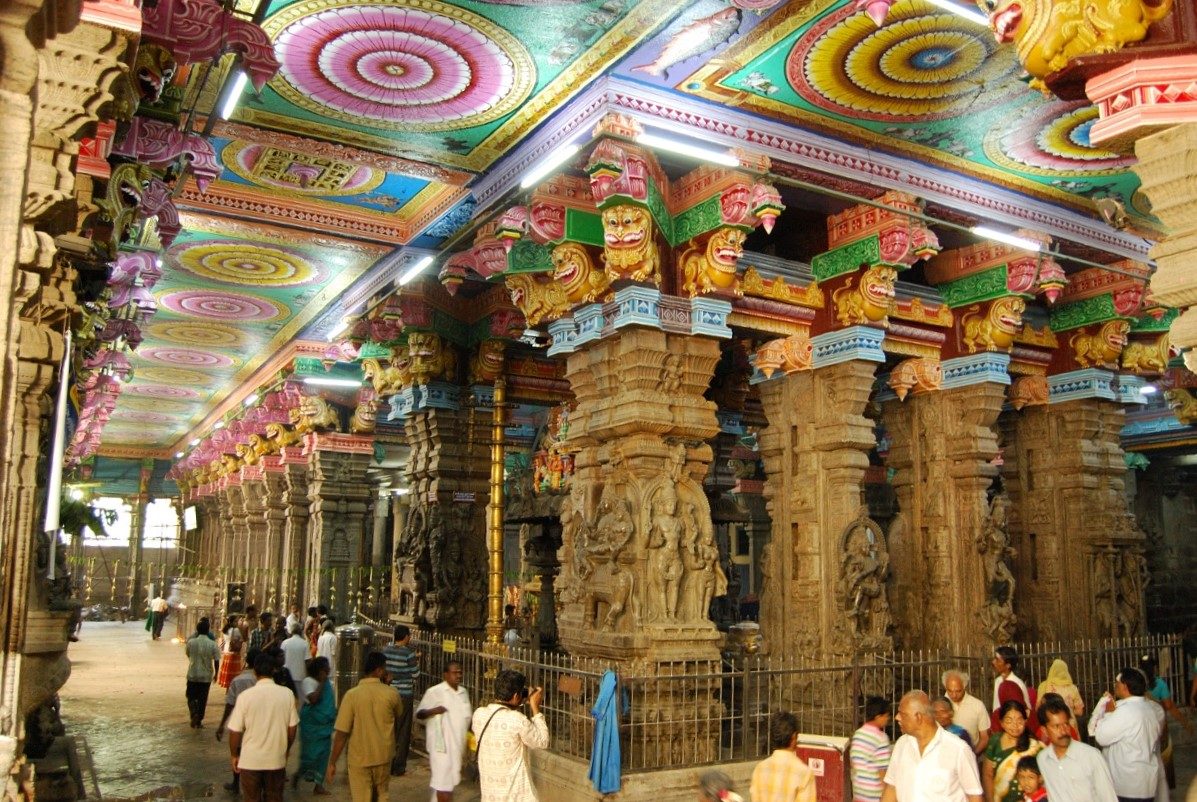
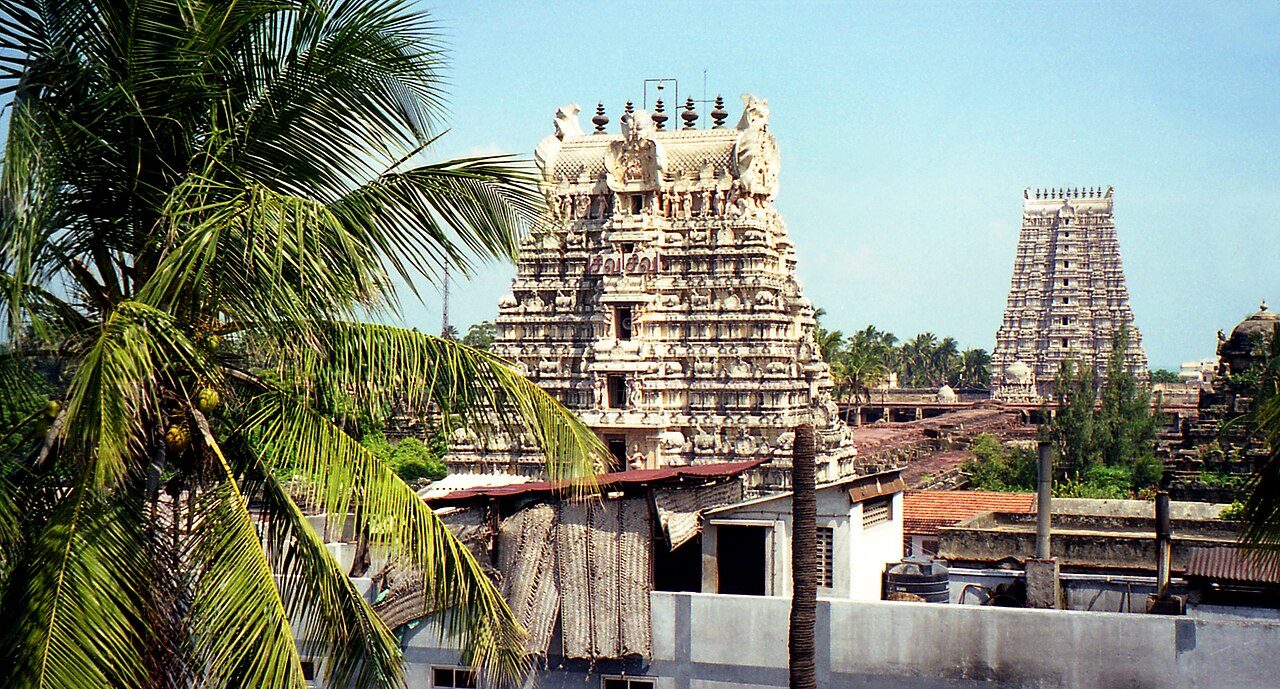
The great twin temple of Madurai, where Meenakshi, the fish-eyed goddess, takes precedence over her consort Sundareswarar - an unusual arrangement in a Shiva temple. The city is laid out in concentric squares around it, and the present structure is largely the work of the Nayak rulers of the 16th and 17th centuries, after the earlier temple was sacked in 1310. Its fourteen gopurams, the thousand-pillared hall and the Chithirai festival of Meenakshi's marriage draw millions of pilgrims a year.
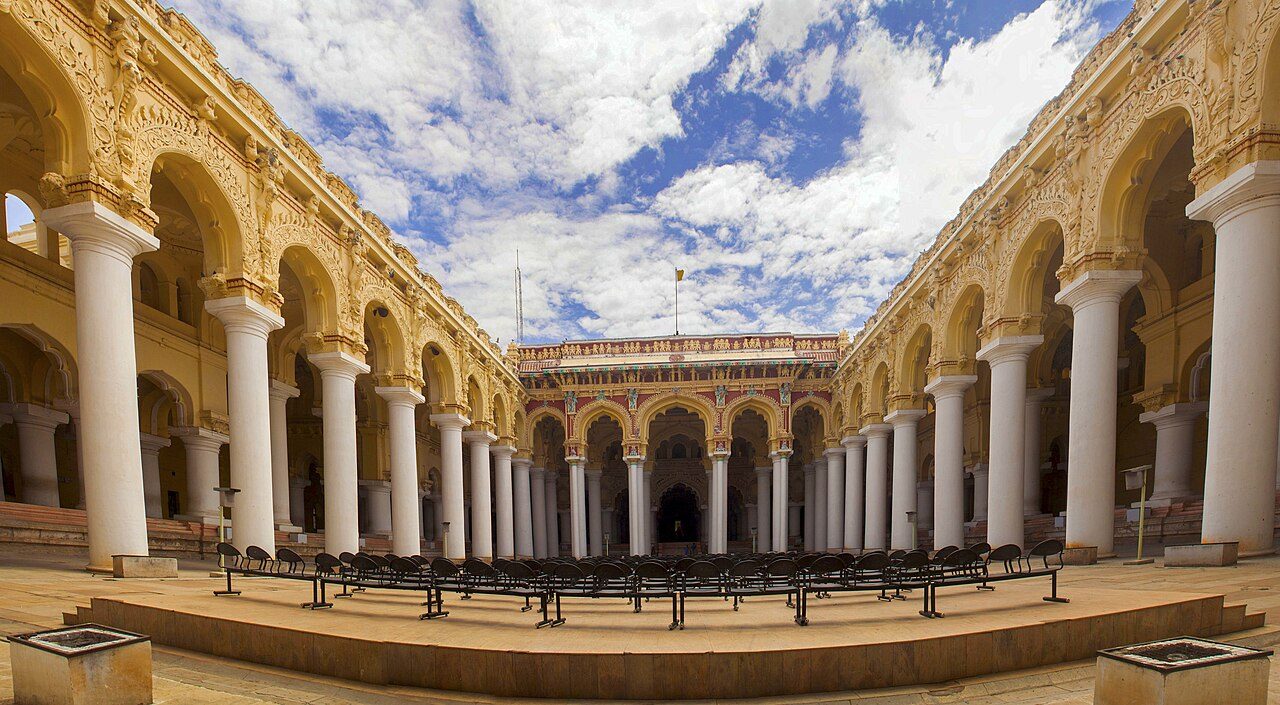
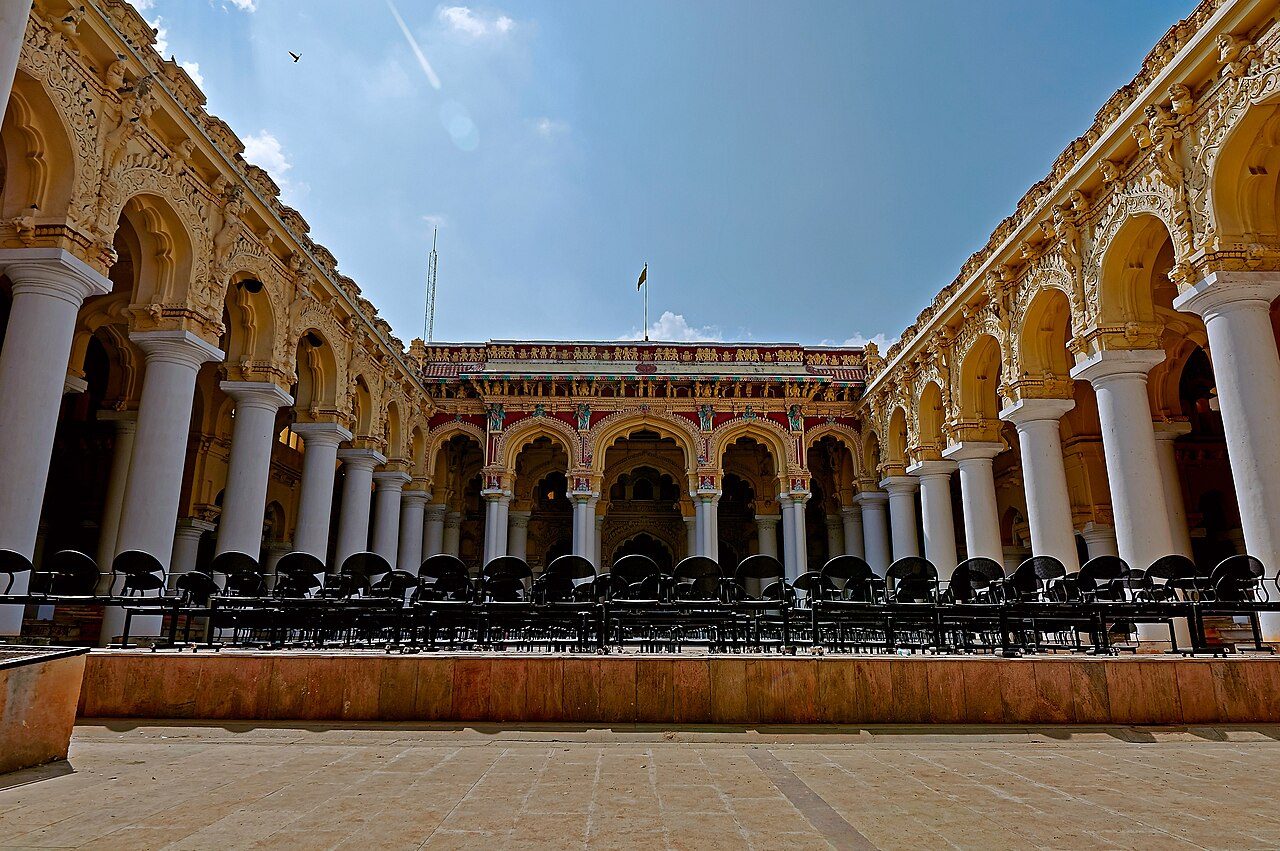
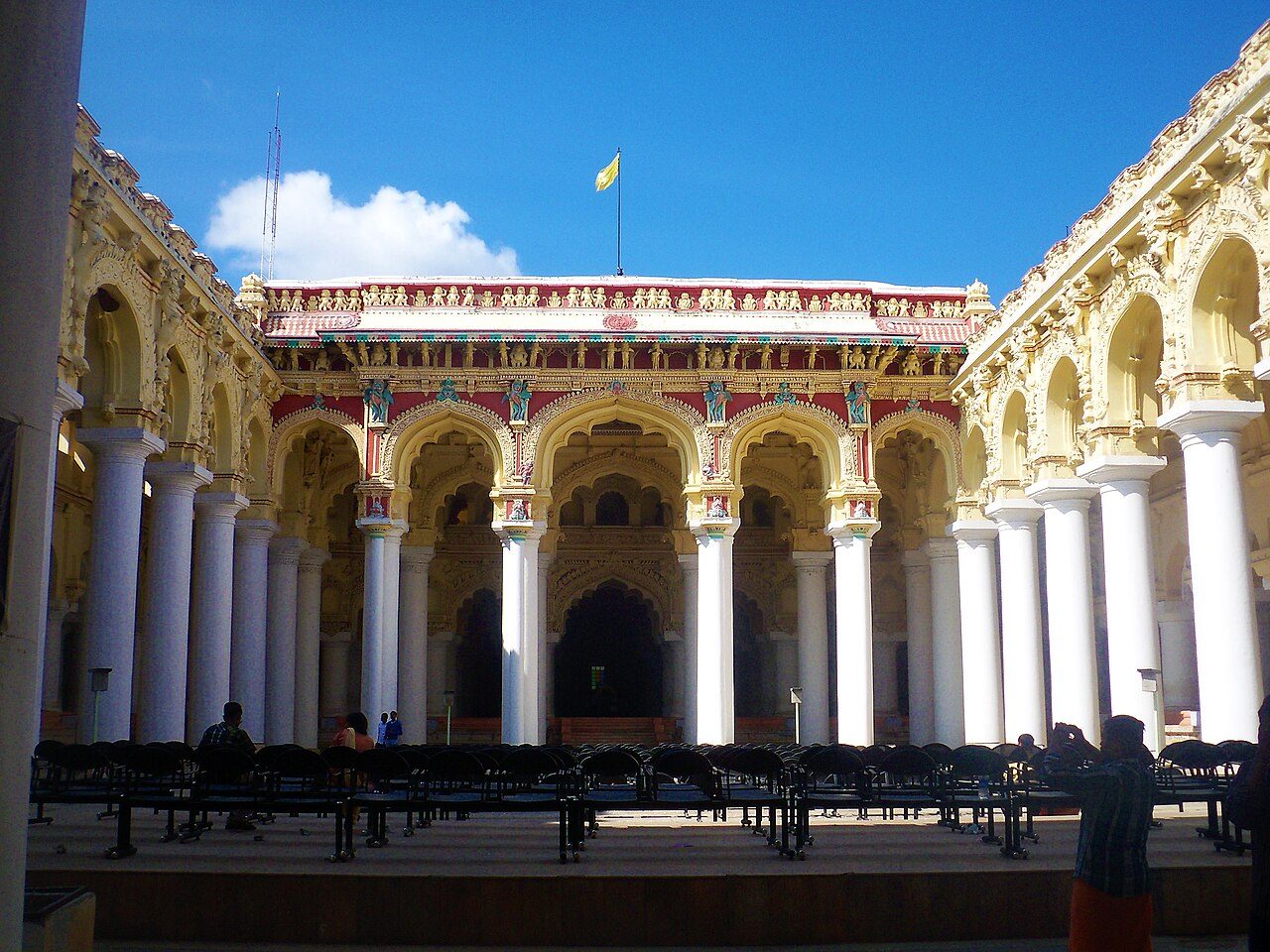
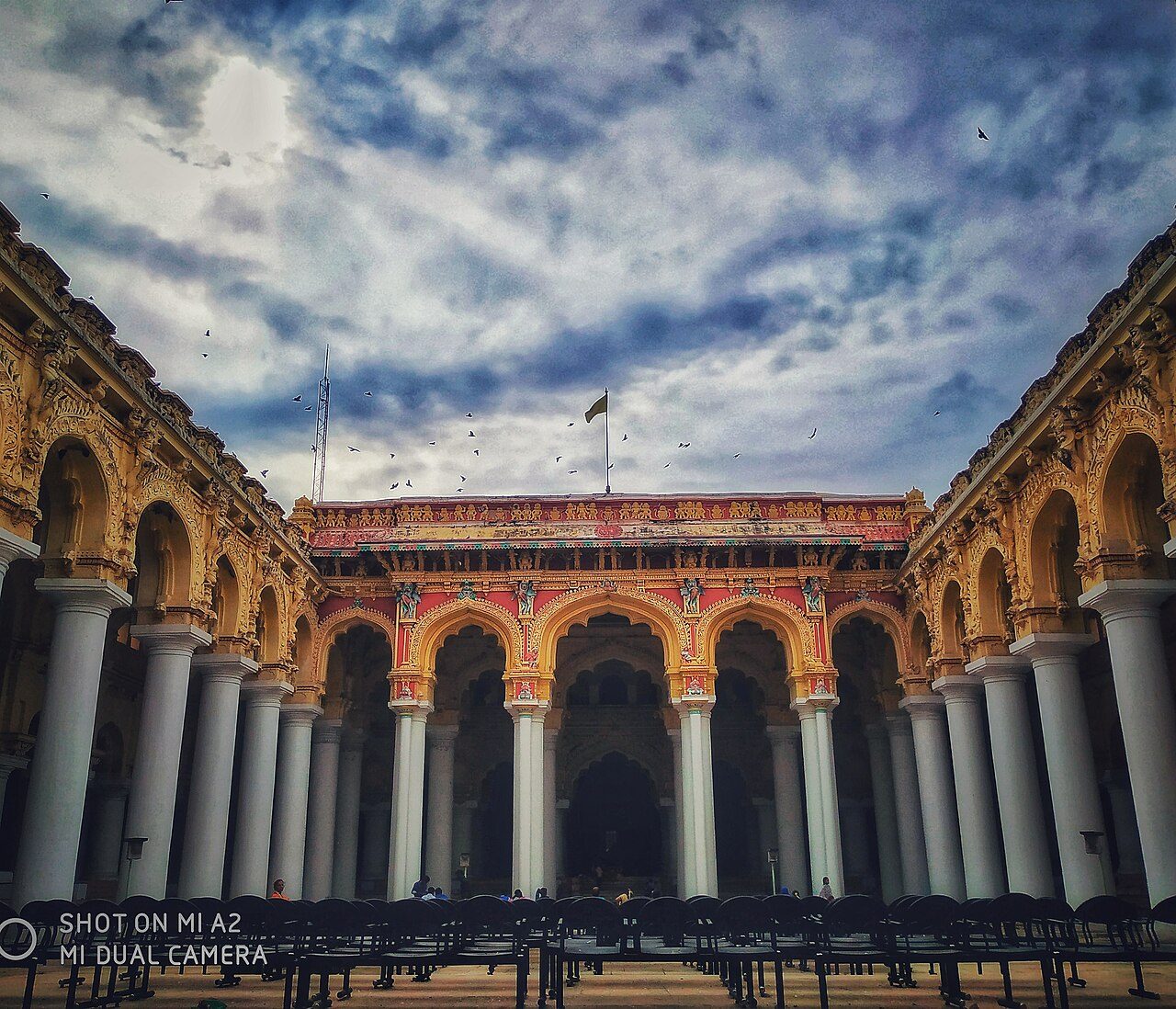
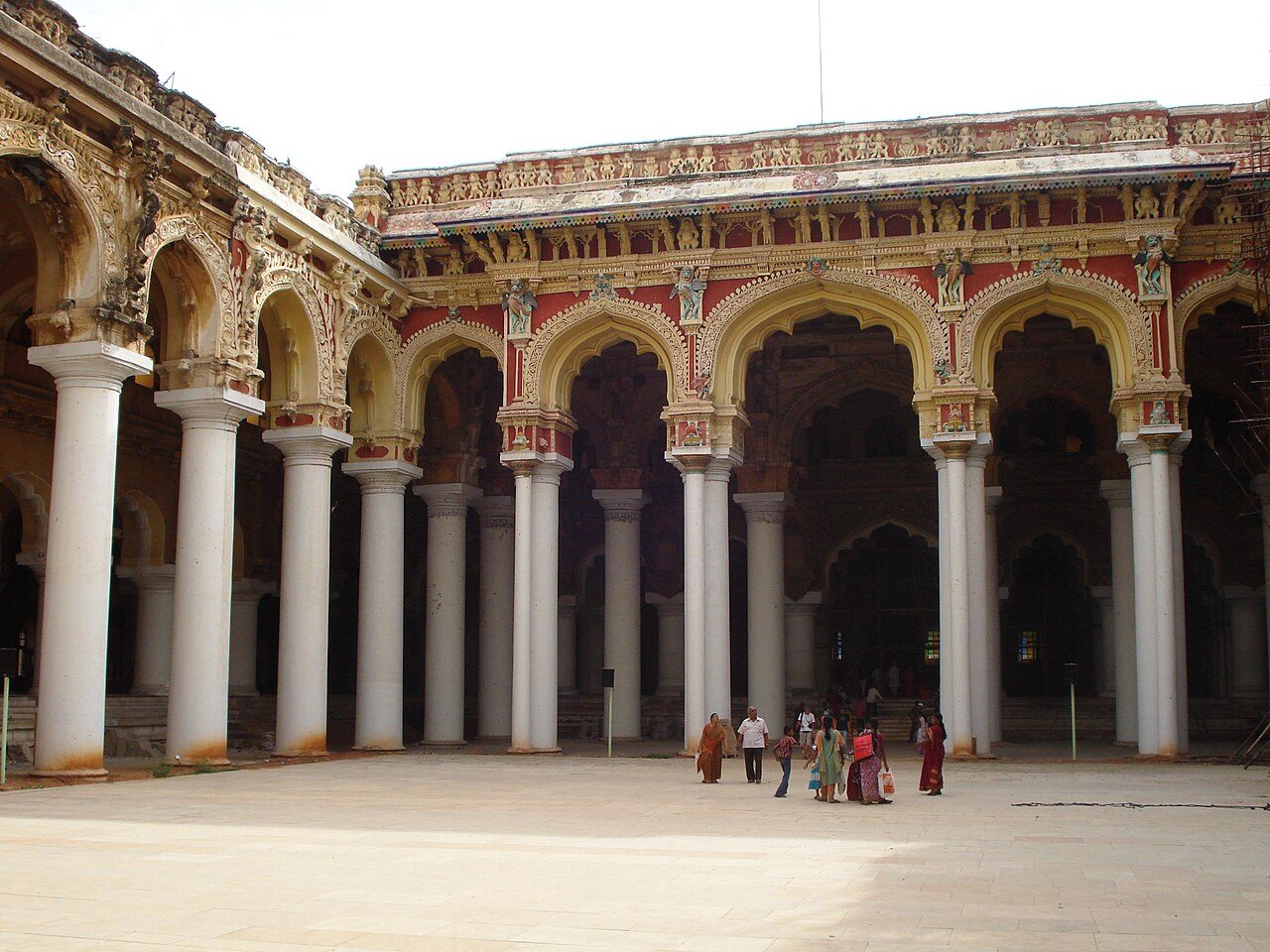
Built in 1636 by Thirumalai Nayak, the palace once covered several times its present area; what survives is the Swarga Vilasam, the great pillared courtyard and dance hall. Its towering columns and stucco domes blend Dravidian building with Islamic and European forms. Lord Napier had it partly restored in the 1860s, and it is now a protected national monument.
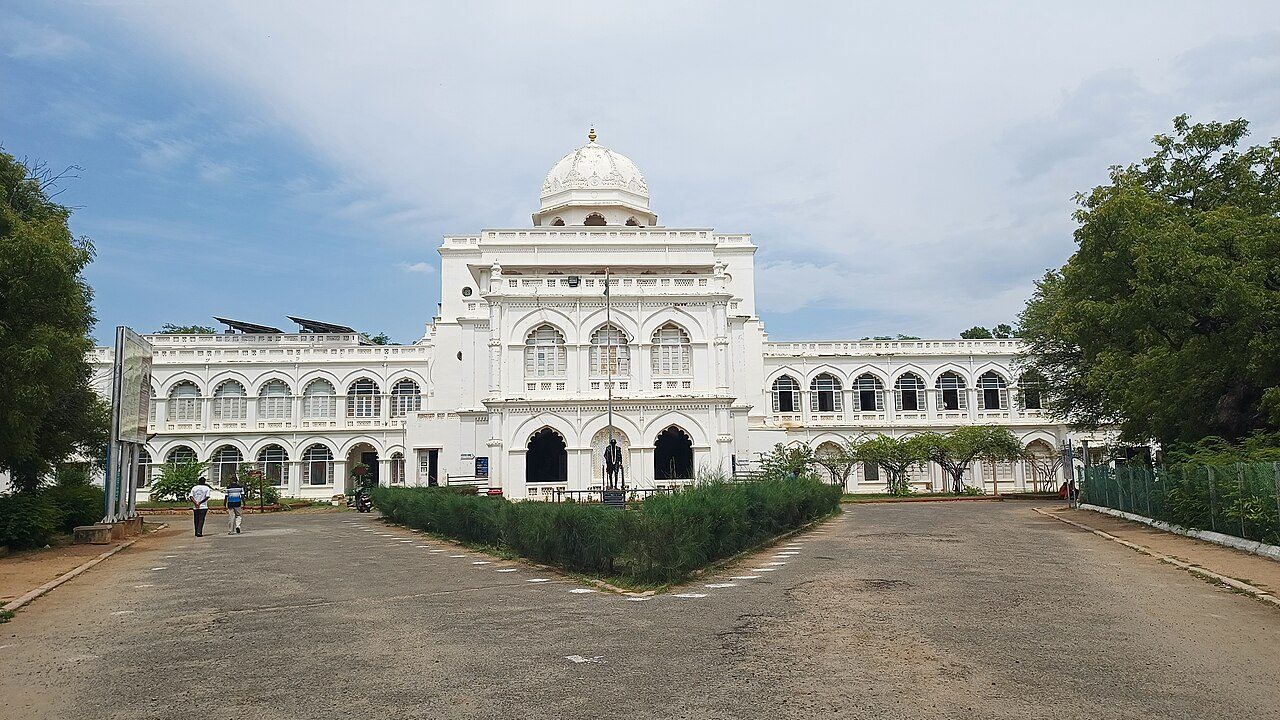
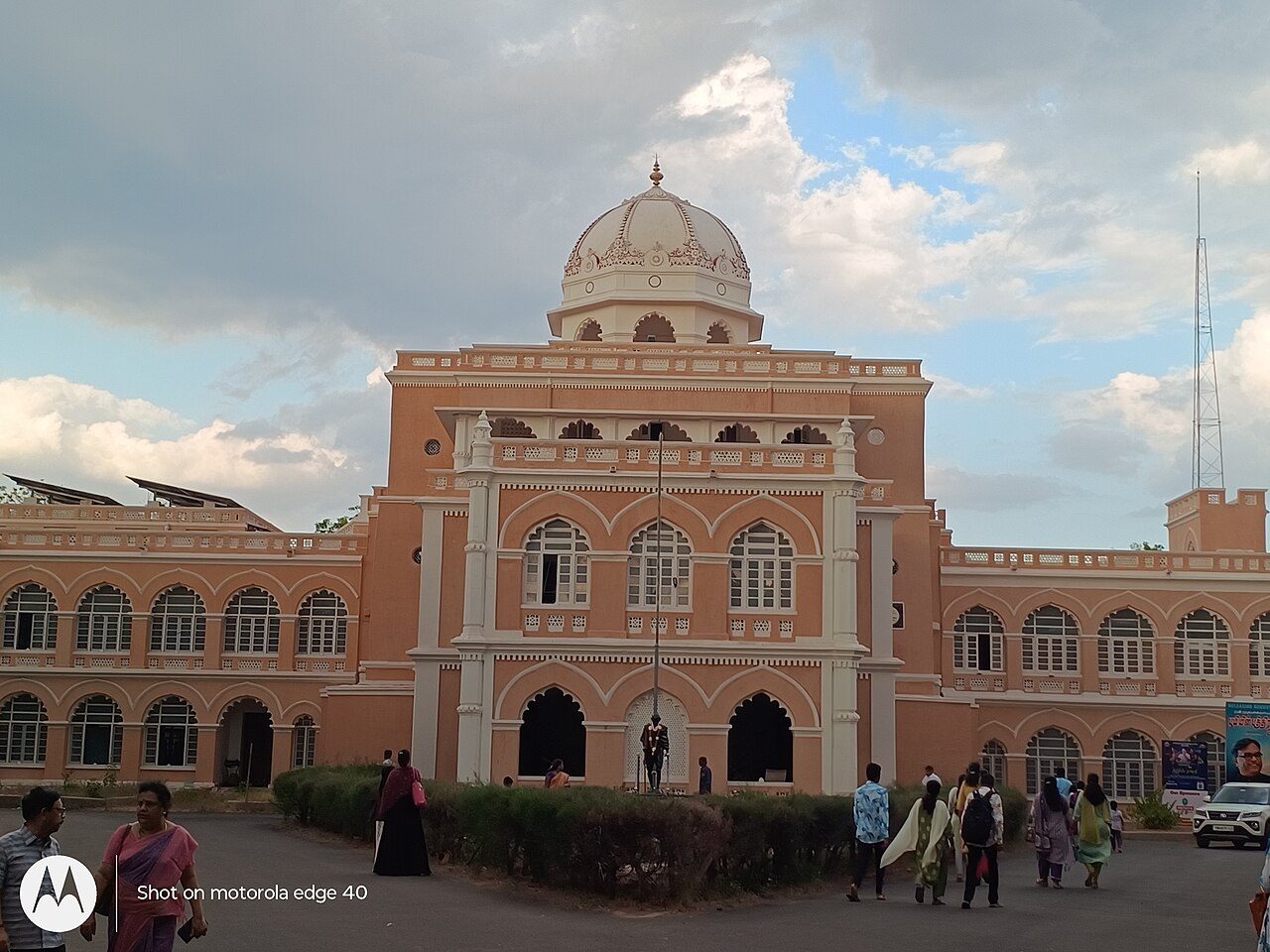
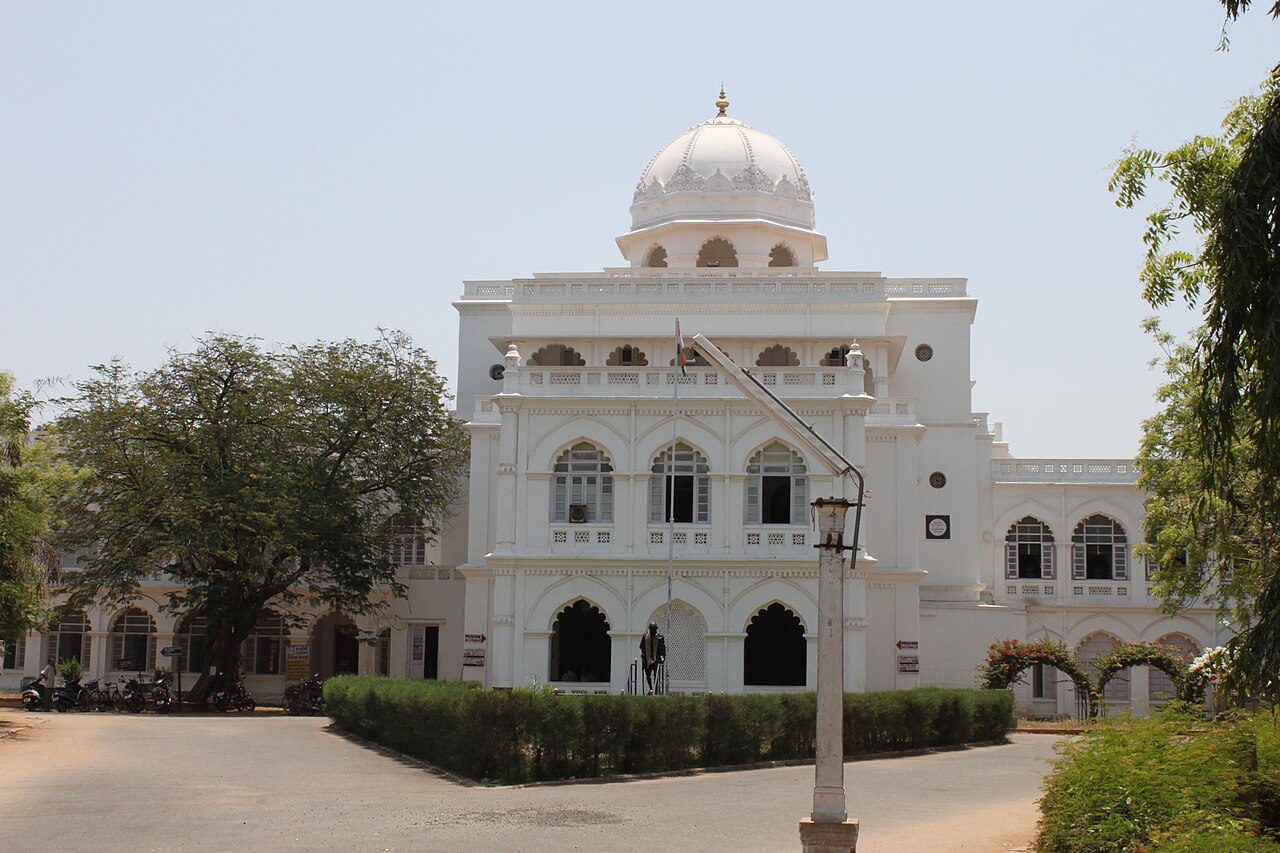
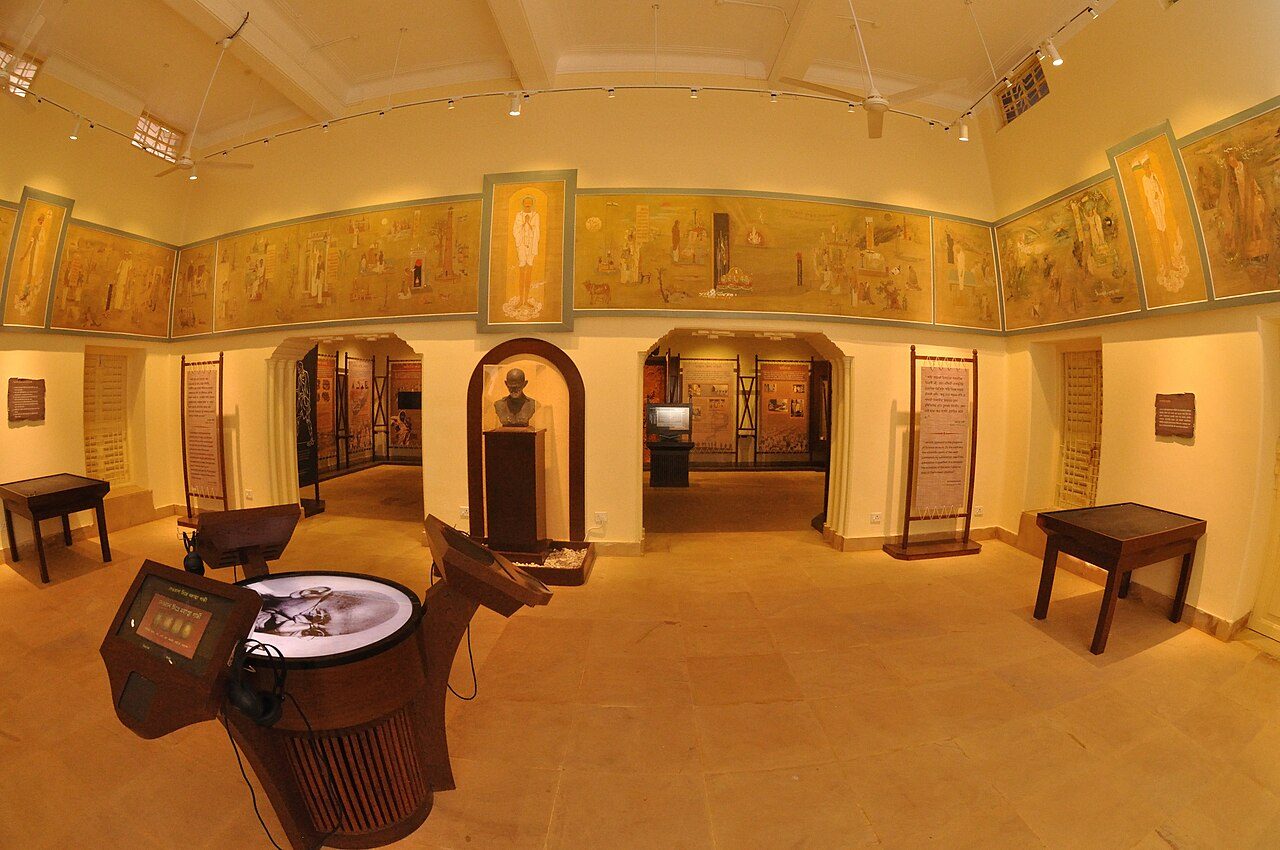
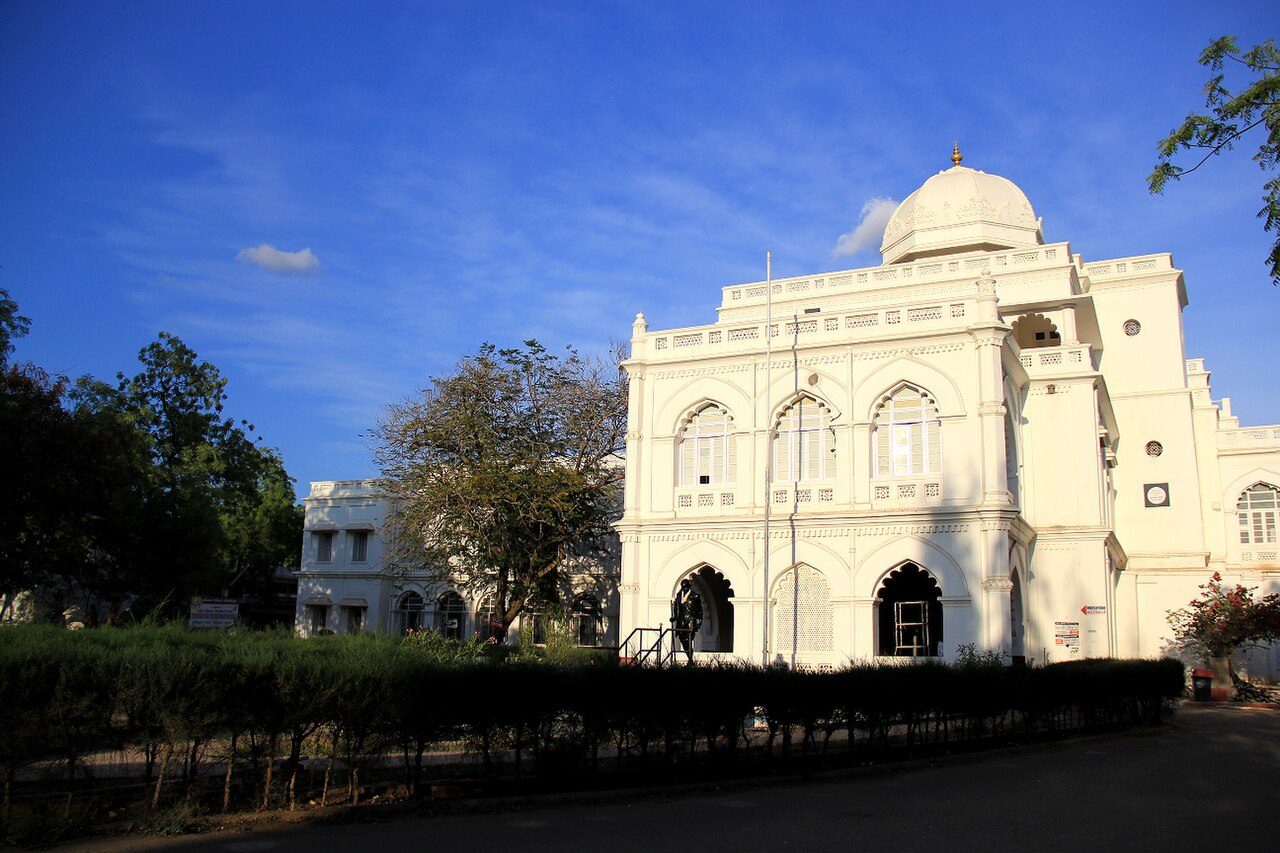
Housed in the 17th-century Tamukkam palace of Rani Mangammal, this is one of the handful of Gandhi museums in India sanctioned by the Gandhi Memorial Trust. Its most affecting exhibit is the blood-stained garment Gandhi was wearing when he was assassinated in 1948. Madurai matters in his own story too: it was here in 1921 that he first set aside his shirt for the loincloth, after seeing how the poor of the town were dressed.
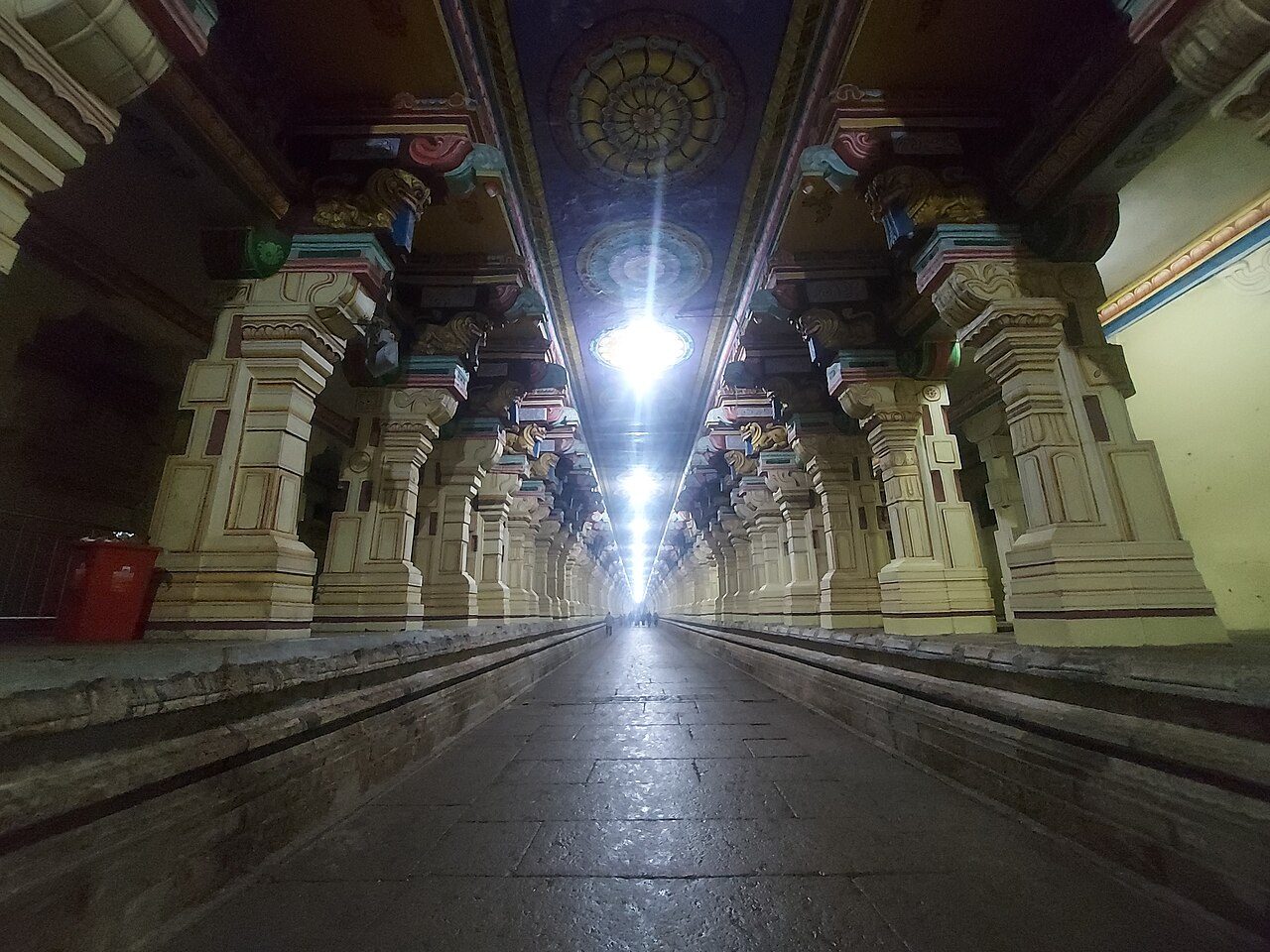
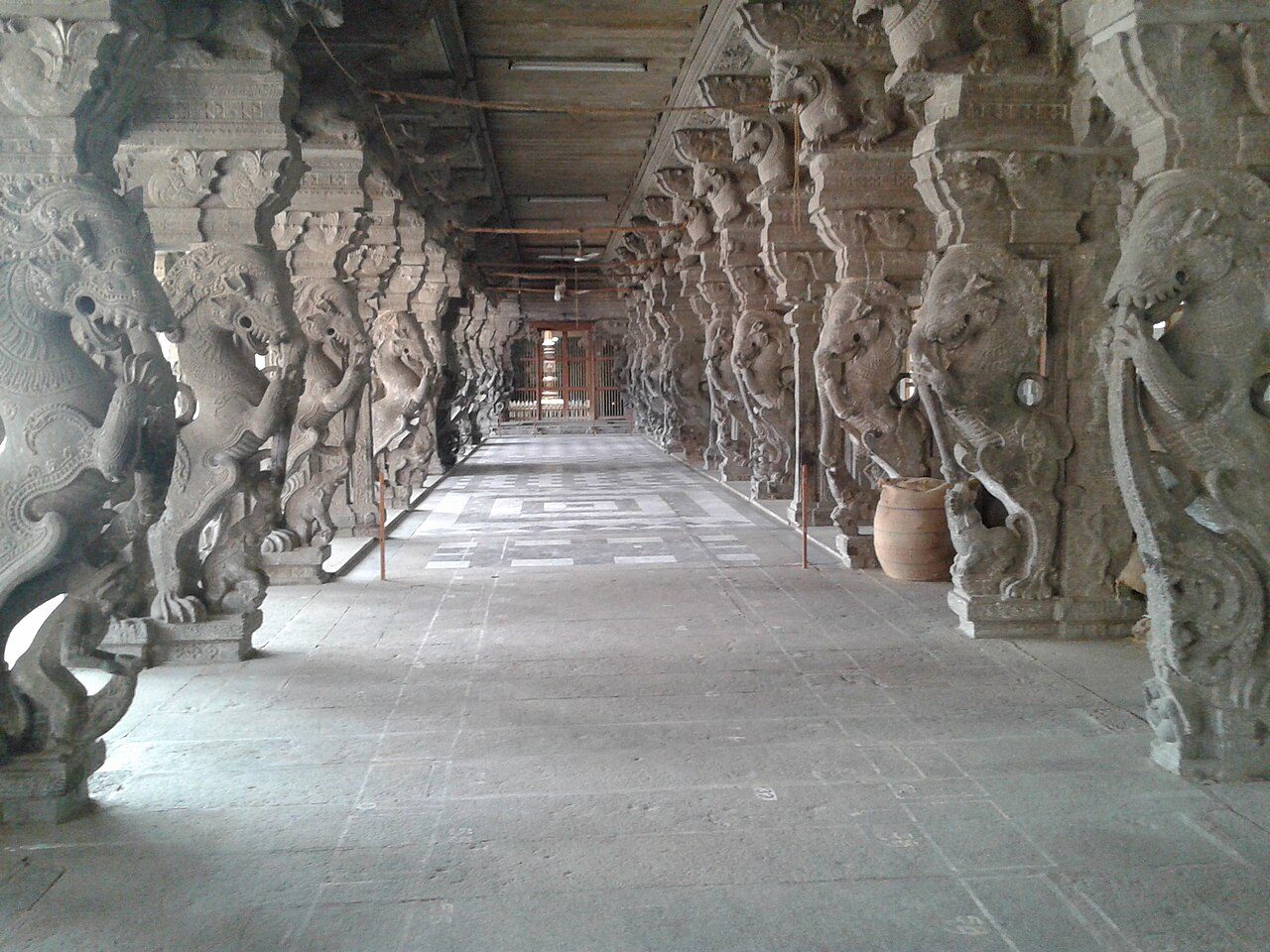
Ramanathaswamy Temple is one of the twelve Jyotirlinga shrines and one of the Char Dham, built around two lingams that tradition connects with Rama's worship of Siva after the war in Lanka, one carried from Kailash by Hanuman and one made of sand by Sita. The present structure went up mainly between the 12th and 17th centuries under the Pandyas, the kings of Jaffna and the Sethupathi rulers of Ramnad. Its third corridor, lined with more than a thousand carved pillars, is the longest temple corridor in India. Pilgrims bathe in the twenty-two theerthams inside the complex before entering the sanctum.
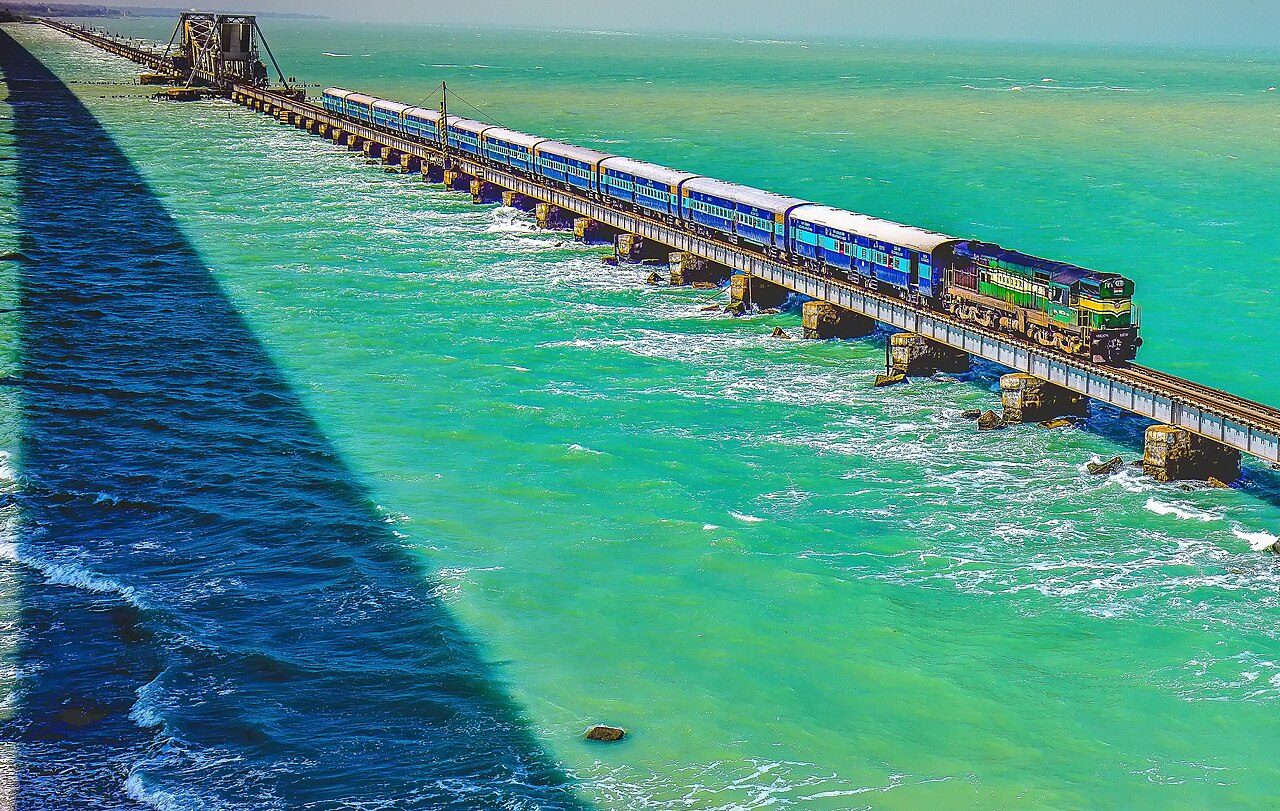
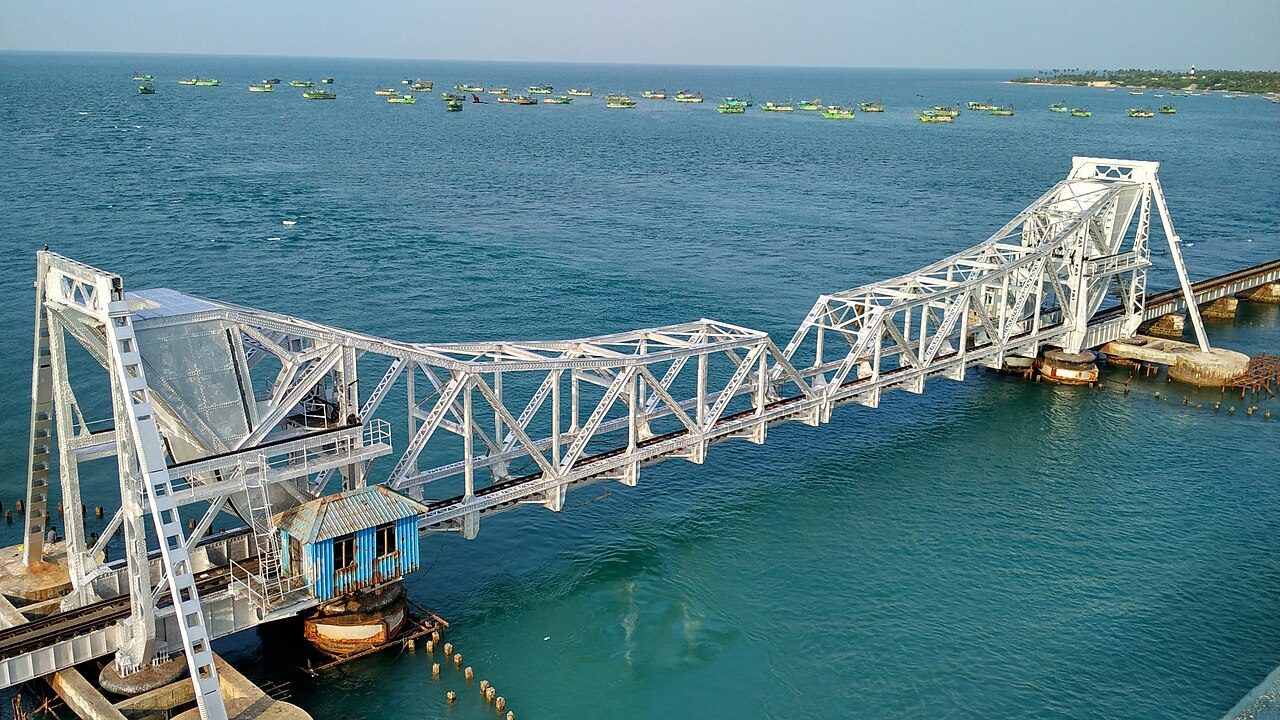
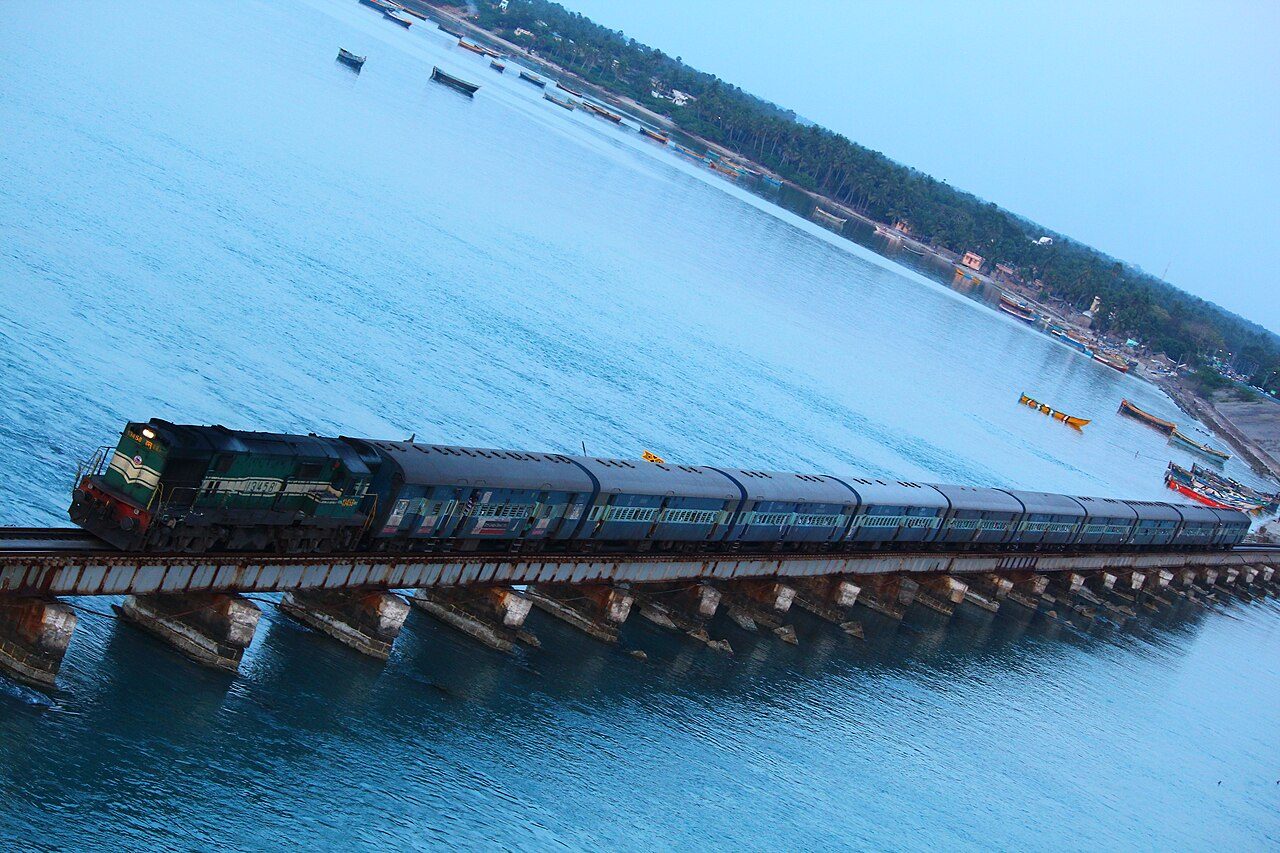
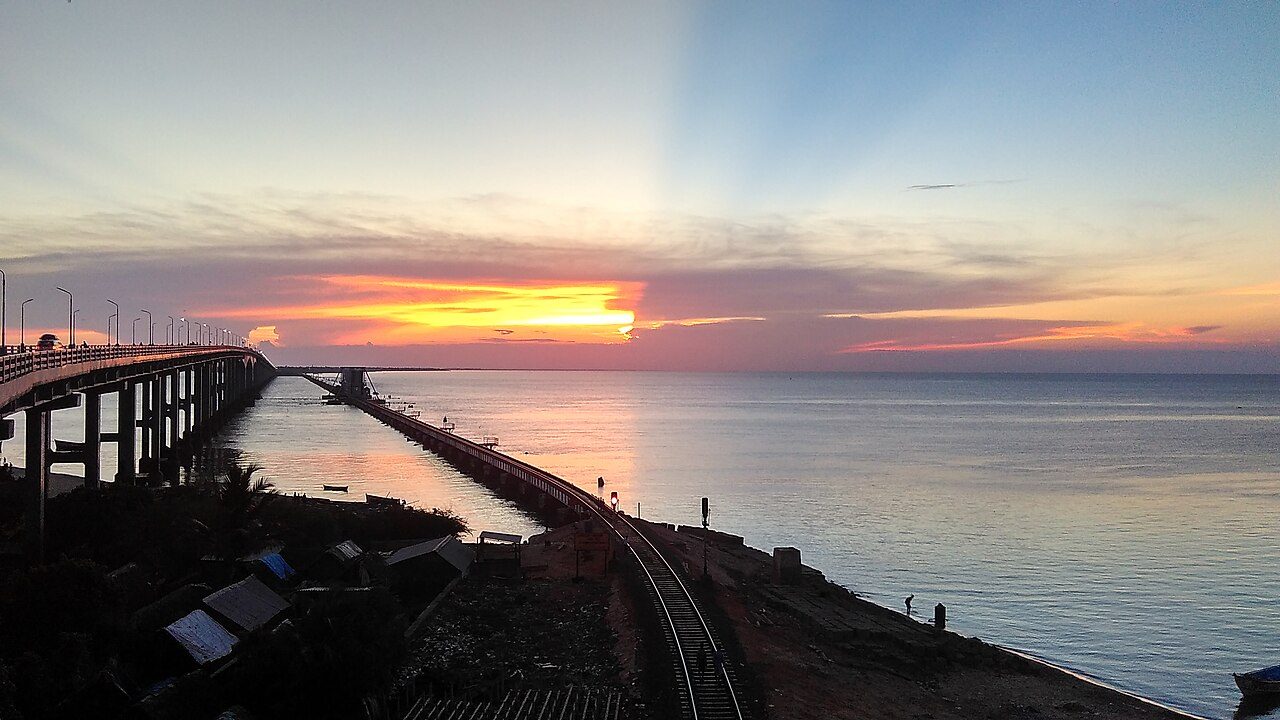
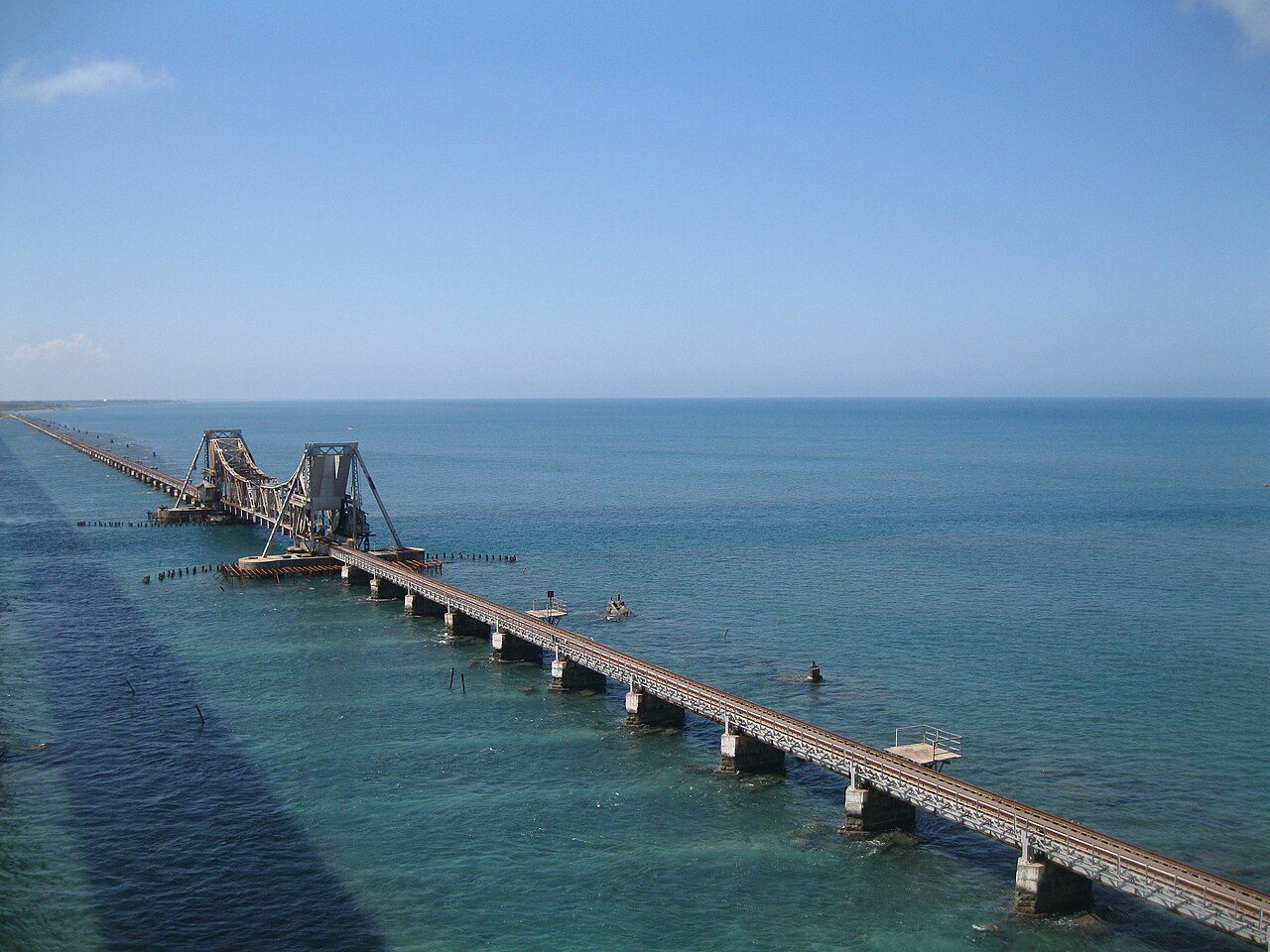
Opened in 1914, the Pamban rail bridge was India's first sea bridge and for nearly a century the only land link between Rameswaram island and the mainland. Its German-built Scherzer rolling lift span could be raised to let ships pass through the Palk Strait, and the line survived the cyclone of 1964 that destroyed Dhanushkodi, though a passenger train and everyone aboard were lost that night. A parallel road bridge opened in 1988, and a new vertical-lift rail bridge beside the old one came into service in 2025.
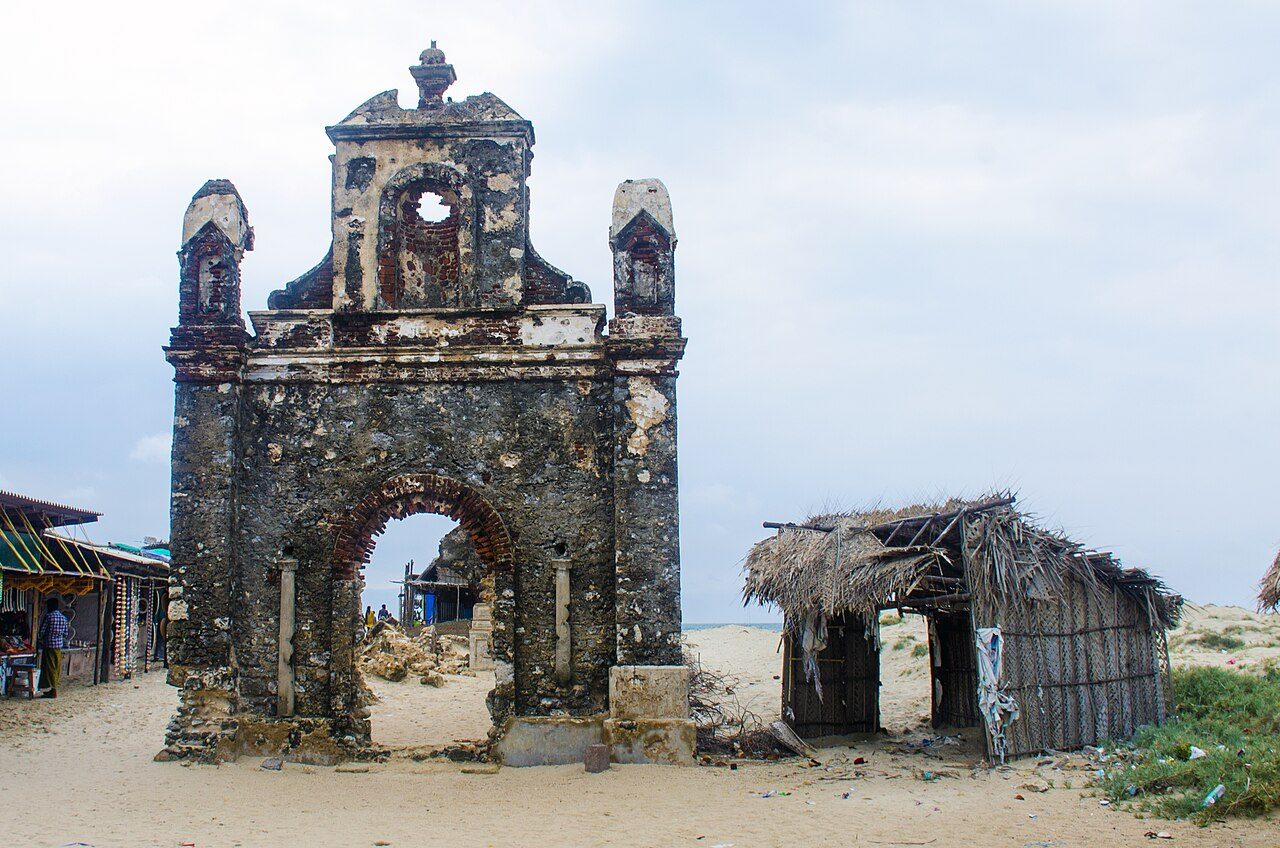
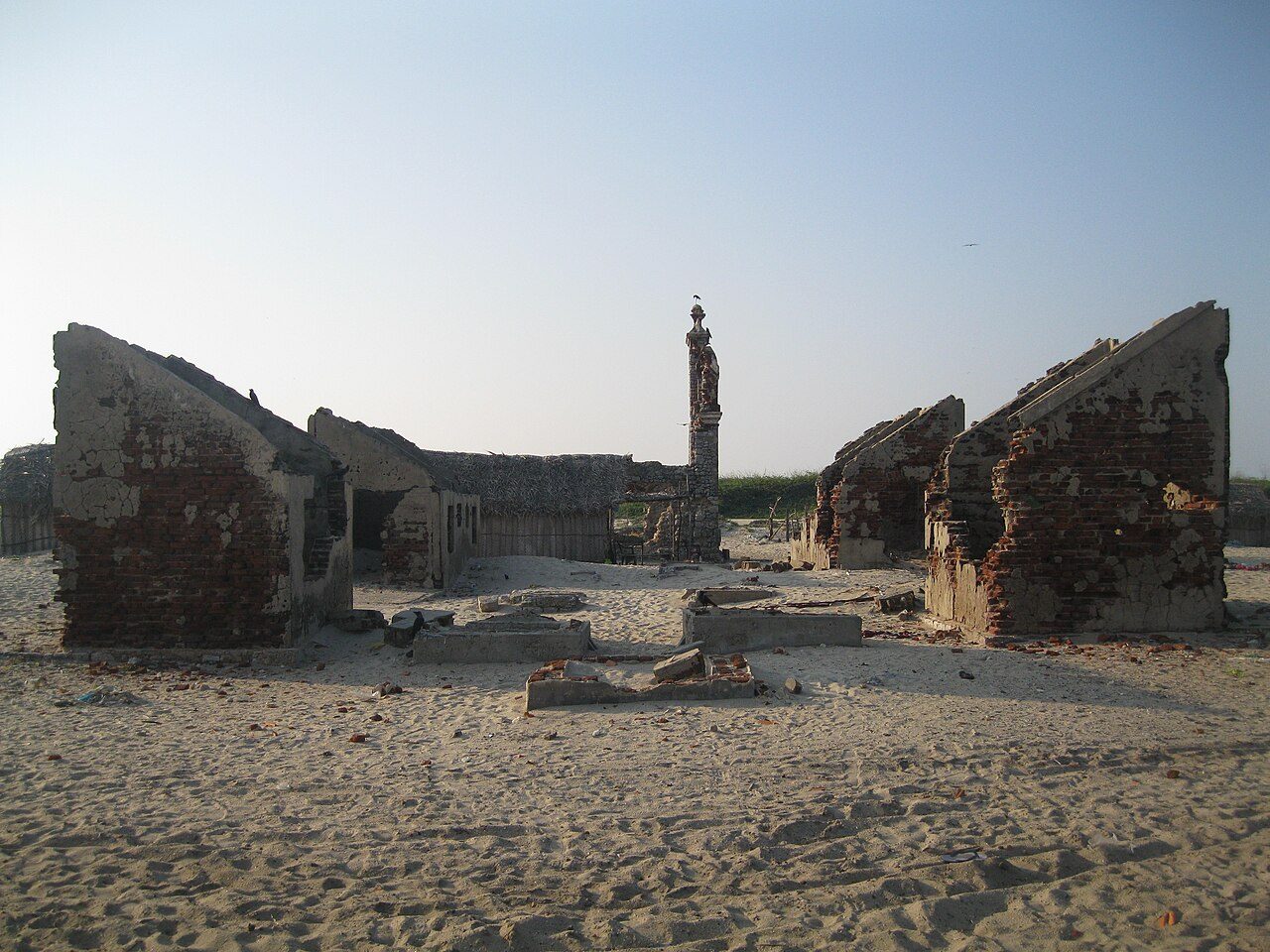
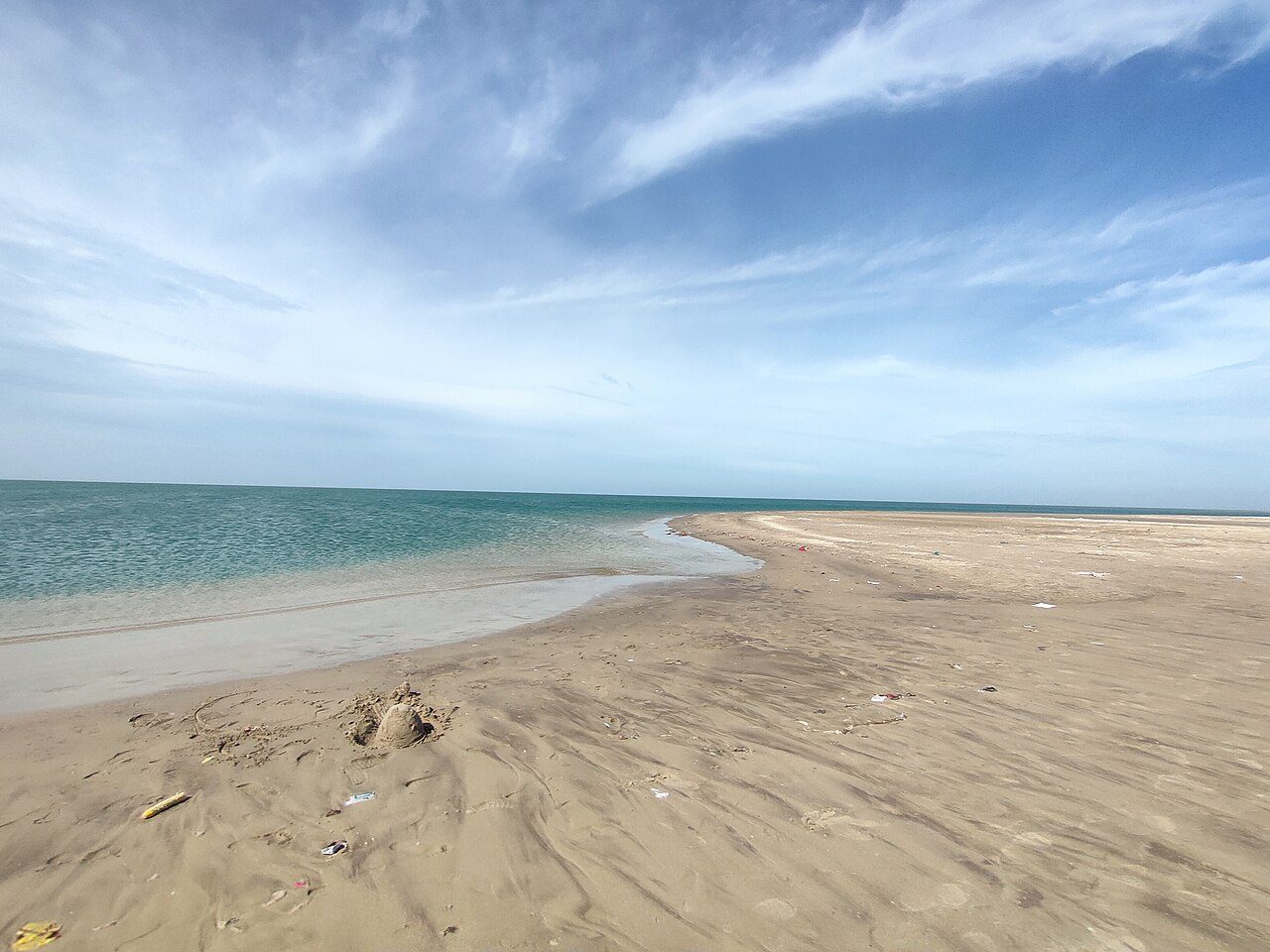
Dhanushkodi was a working port and railway town at the eastern end of Rameswaram island, with a pier from which ferries crossed to Talaimannar in Ceylon. On the night of 22 December 1964 a cyclone drove a storm surge over the town, killing well over a thousand people and sweeping away a passenger train, after which the government declared the place unfit for habitation. The shells of the church, the railway station and the post office still stand on the sand, and a small fishing settlement survives nearby.
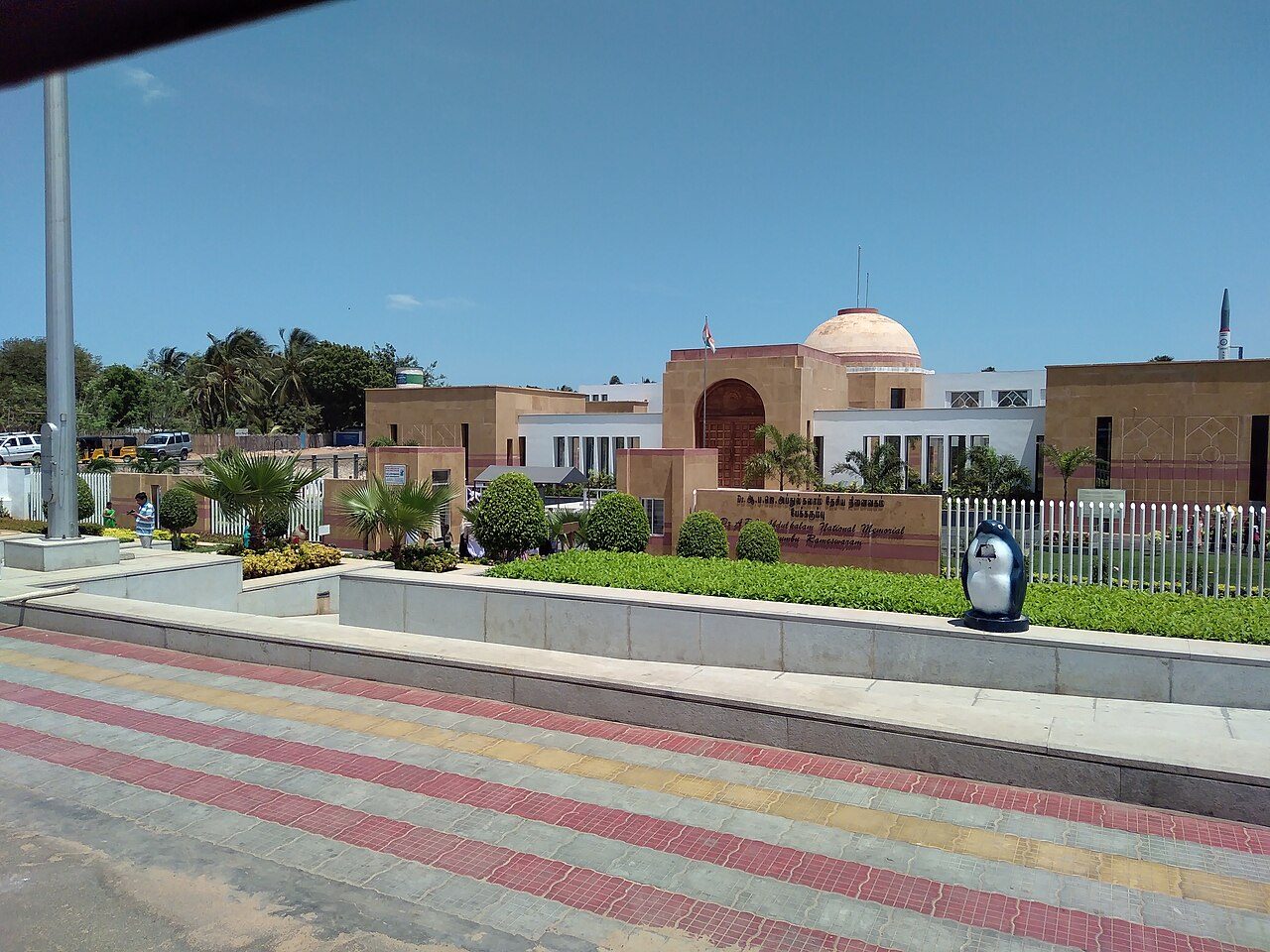
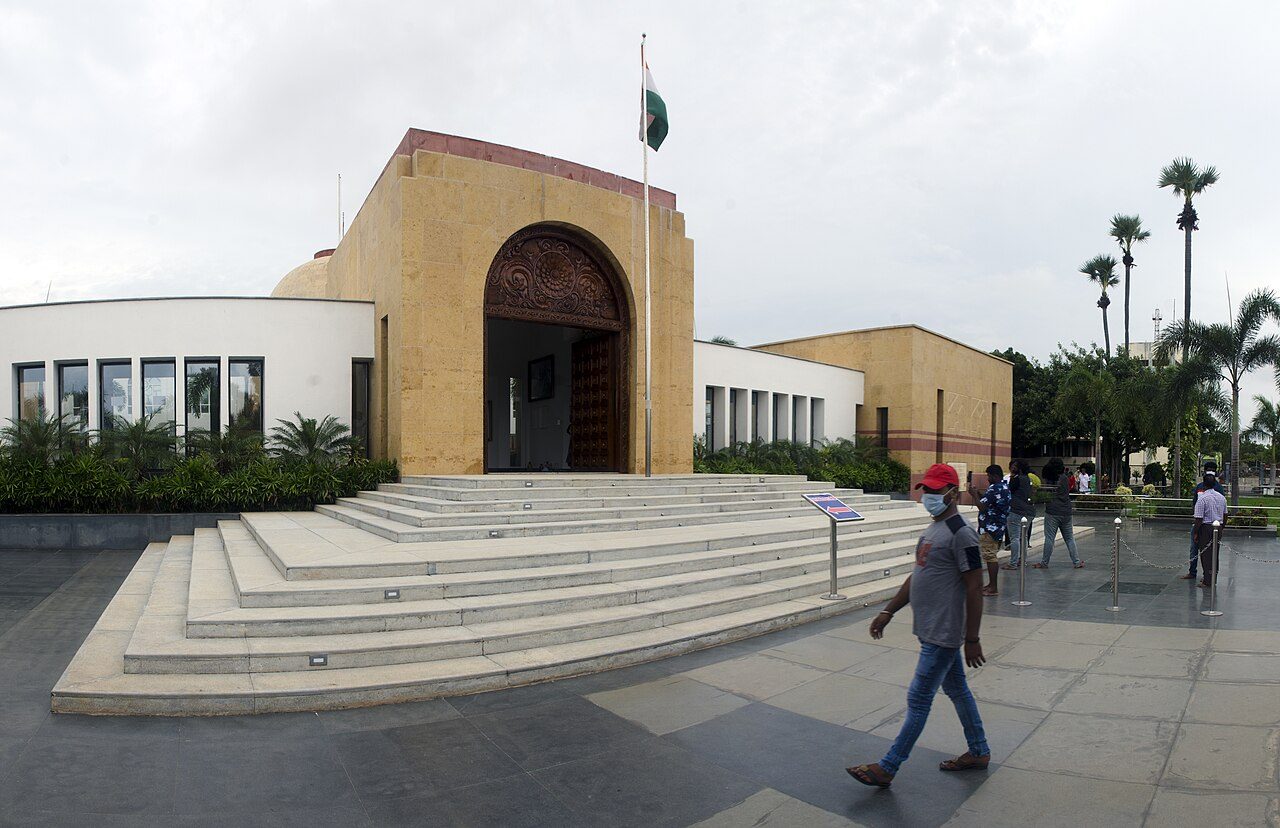
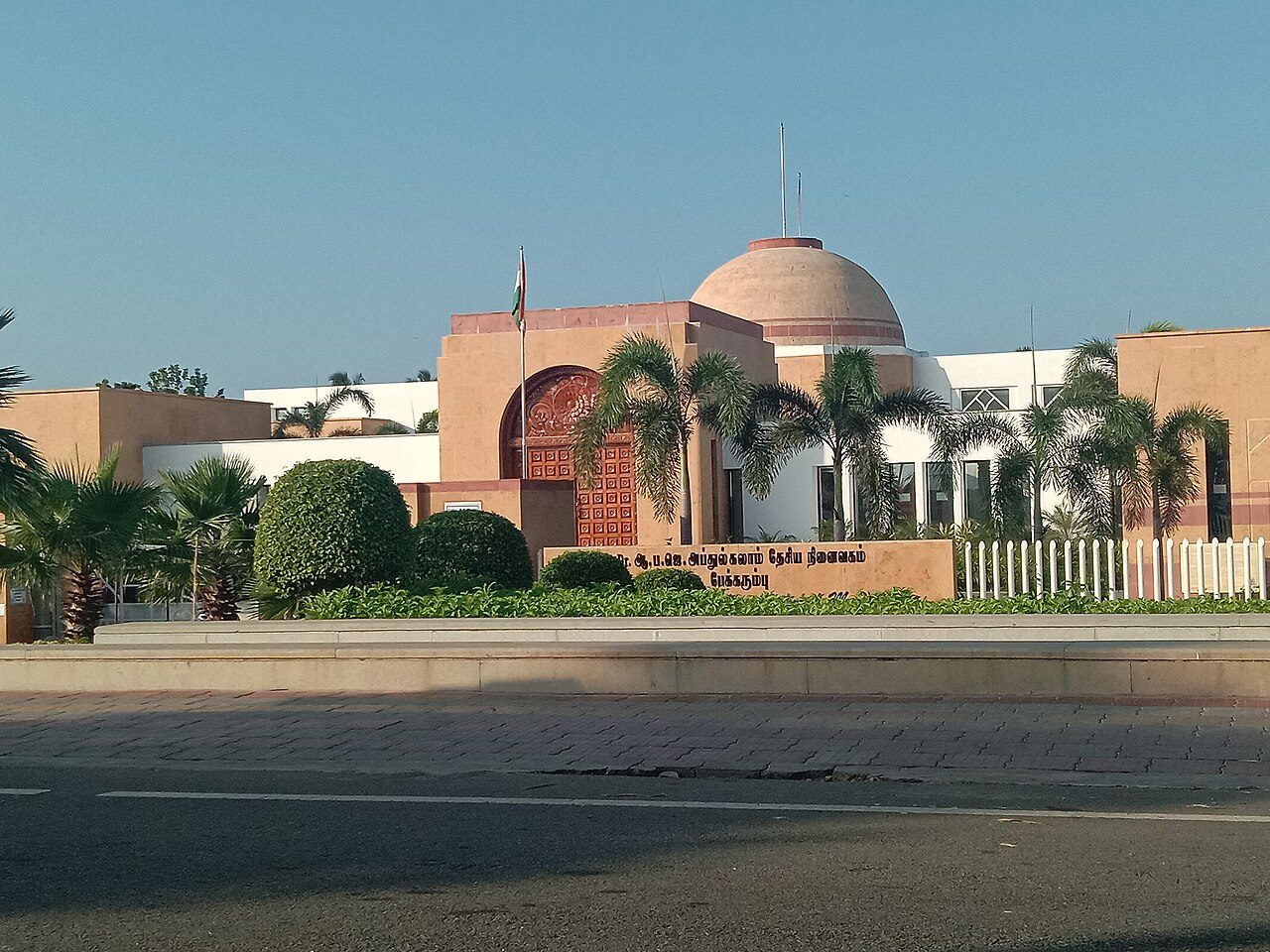
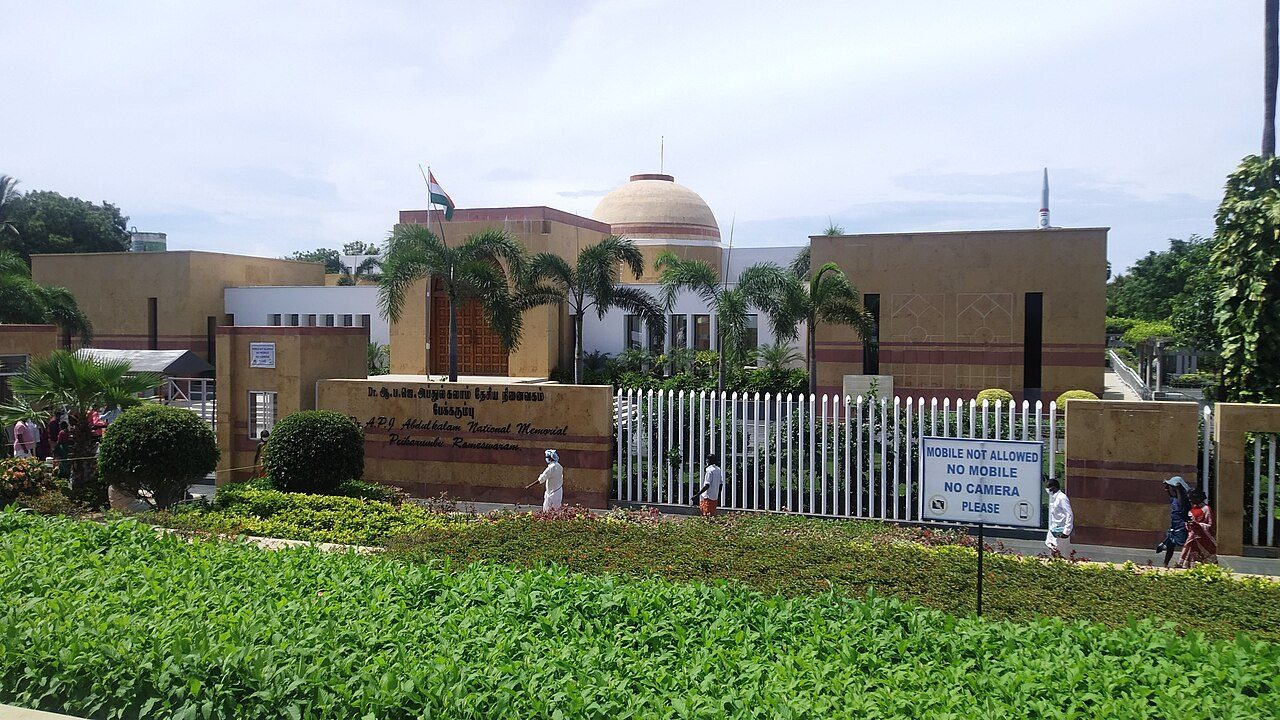
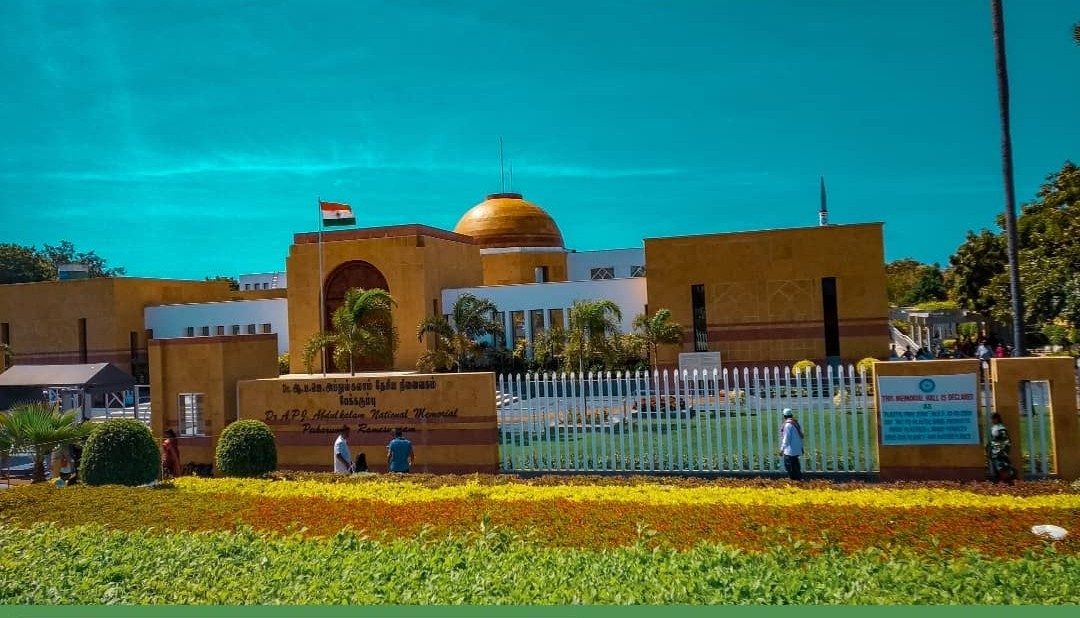
The memorial was built by the Defence Research and Development Organisation over the grave of A. P. J. Abdul Kalam, the missile scientist who was President of India from 2002 to 2007 and was born in Rameswaram in 1931. It opened in 2017 and holds his personal belongings, his paintings and models of the rockets and missiles he worked on, with a statue of him playing the veena at the entrance. The domes and arches echo the monuments he admired.
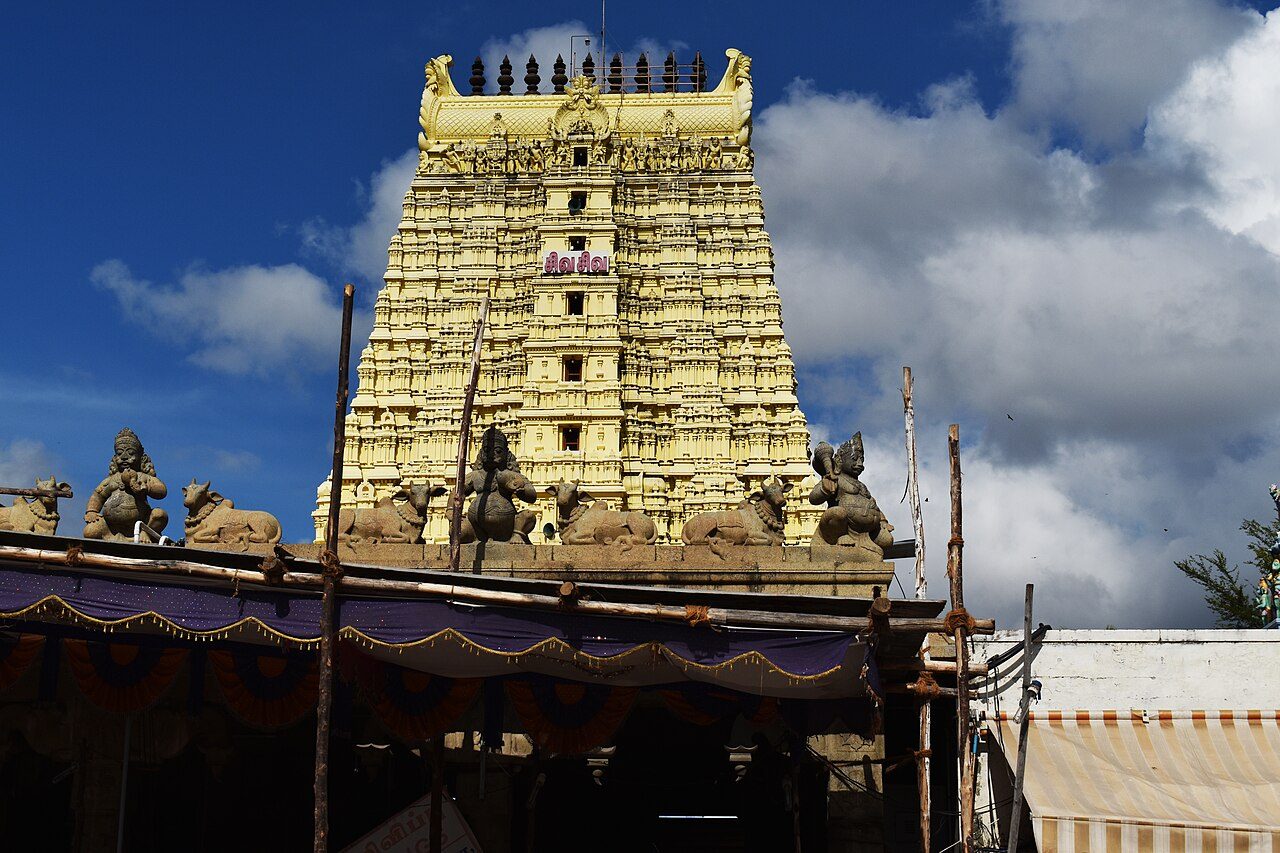
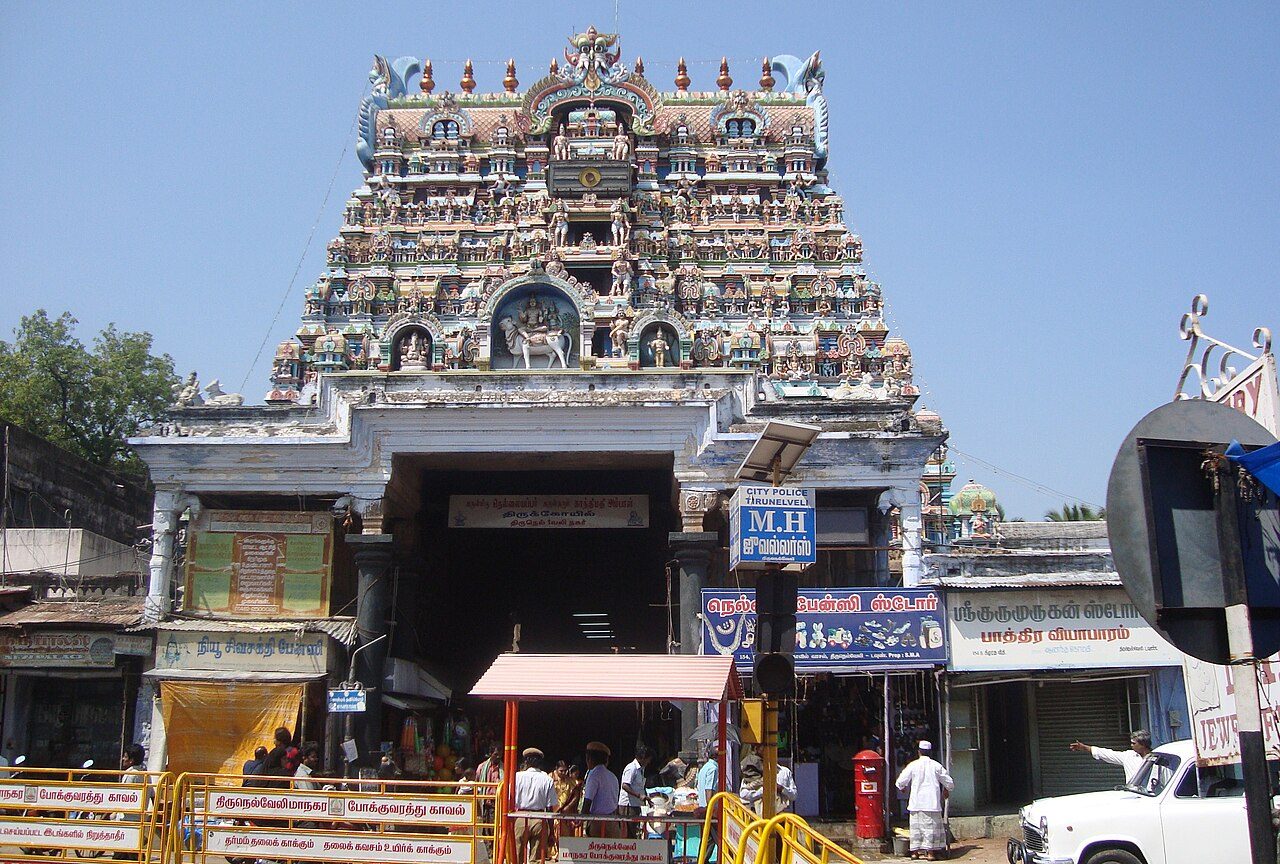
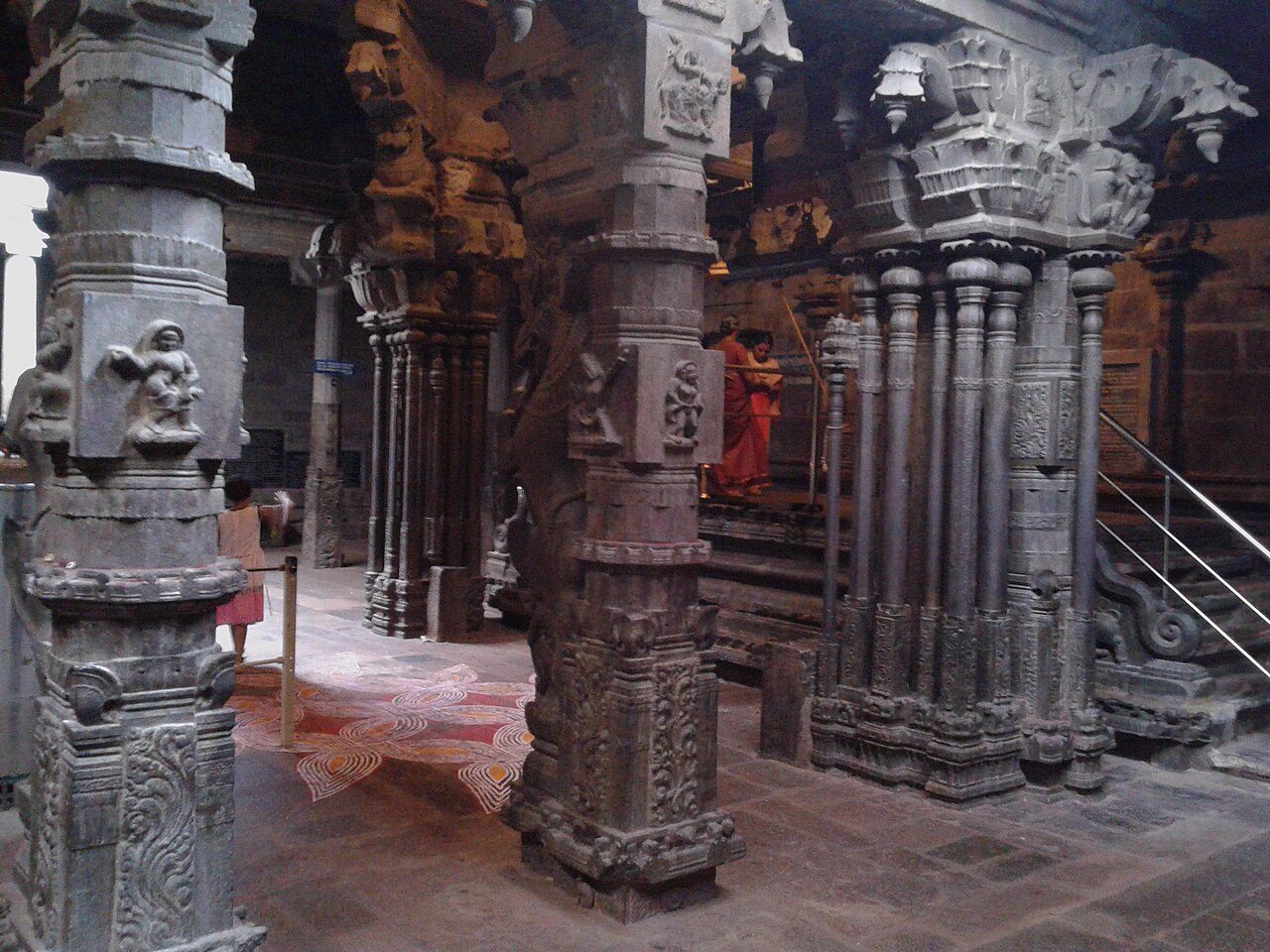
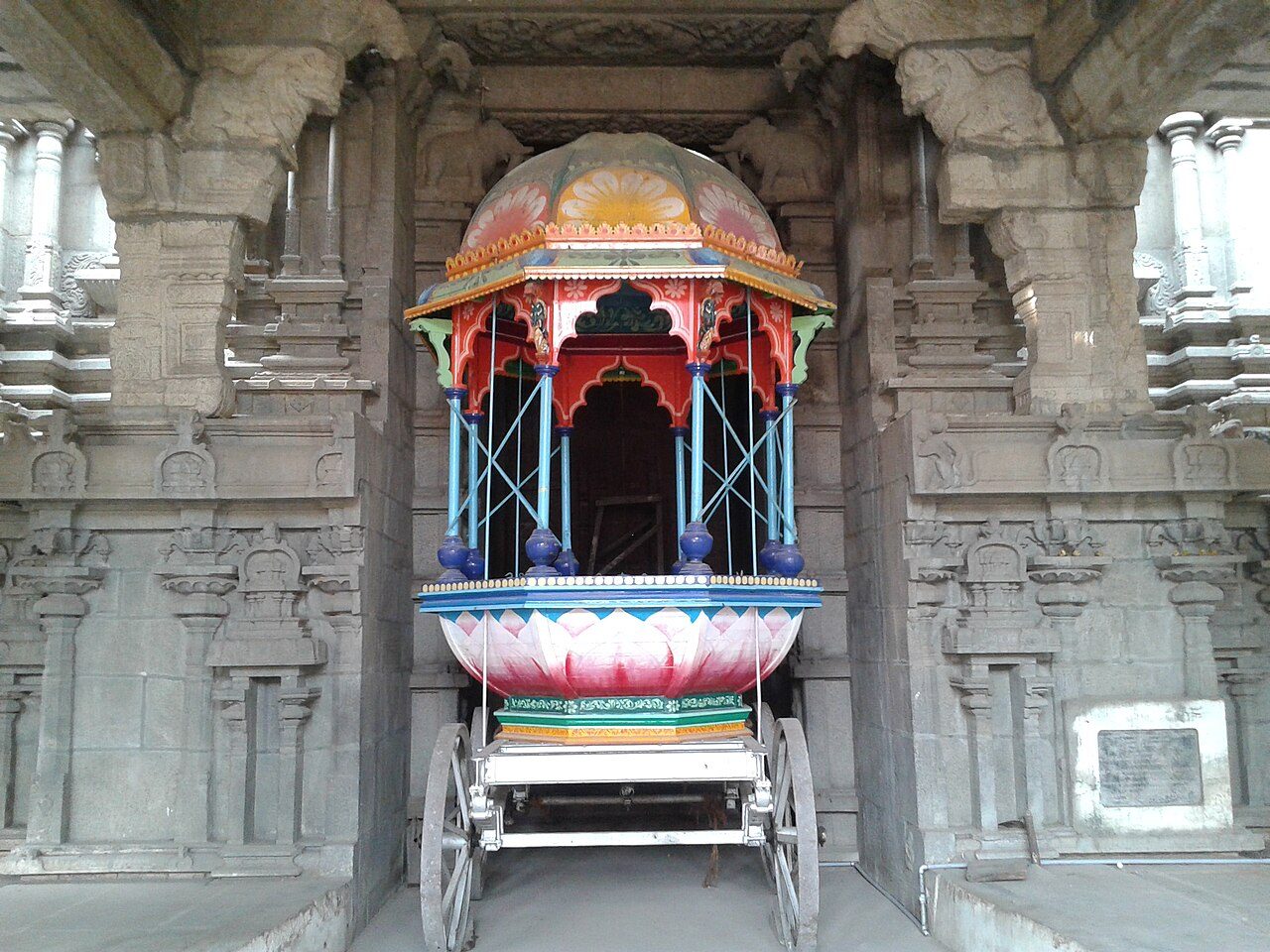
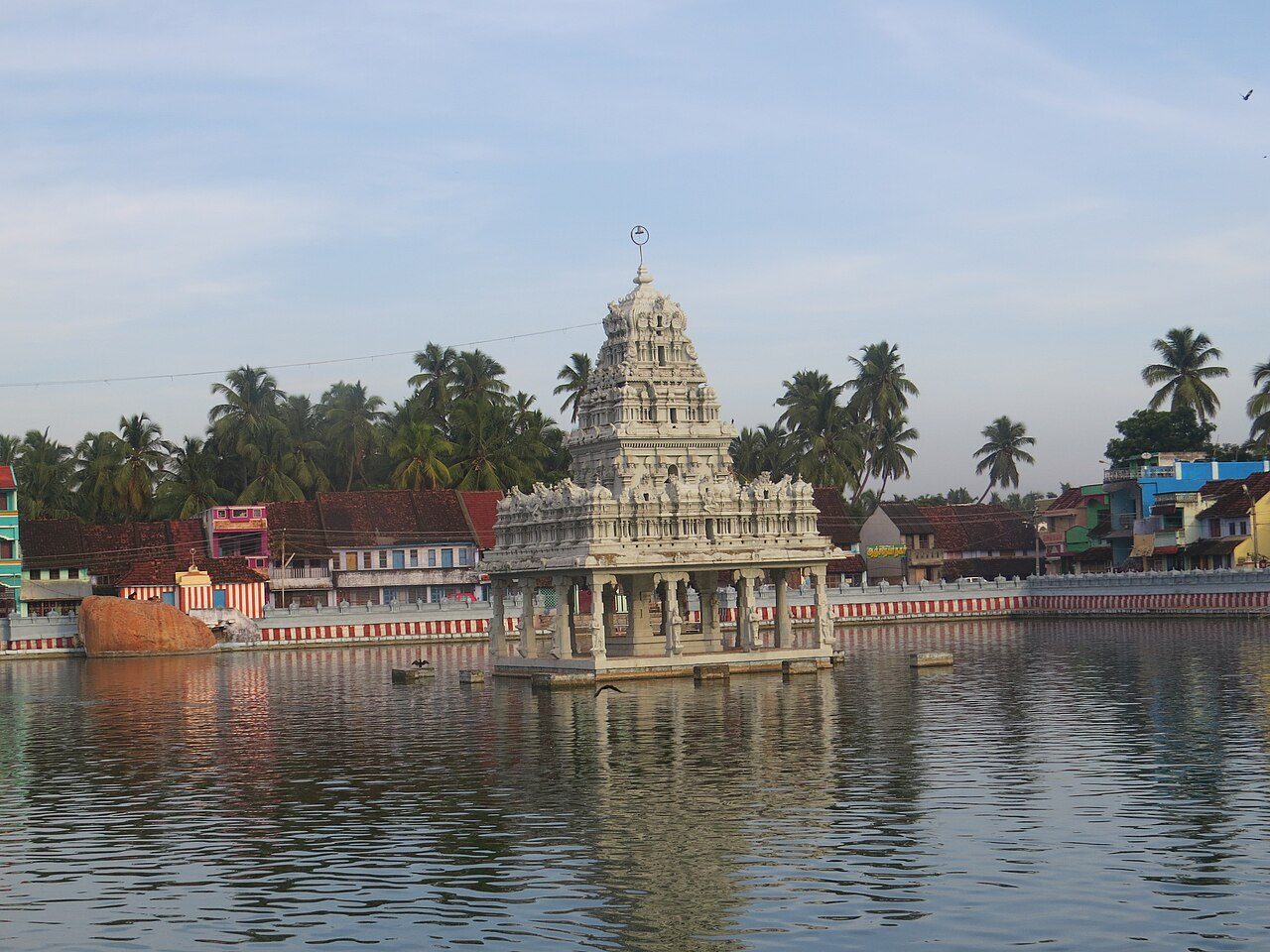
The largest temple in Tirunelveli, a twin complex dedicated to Shiva as Nellaiappar and to the goddess Kanthimathi, joined by a long pillared corridor. Begun by the Pandyas around the 7th century and enlarged over the next thousand years, it is famed for its musical pillars, which give out different notes when tapped, and for its golden lily tank. The temple car is one of the largest in Tamil Nadu.
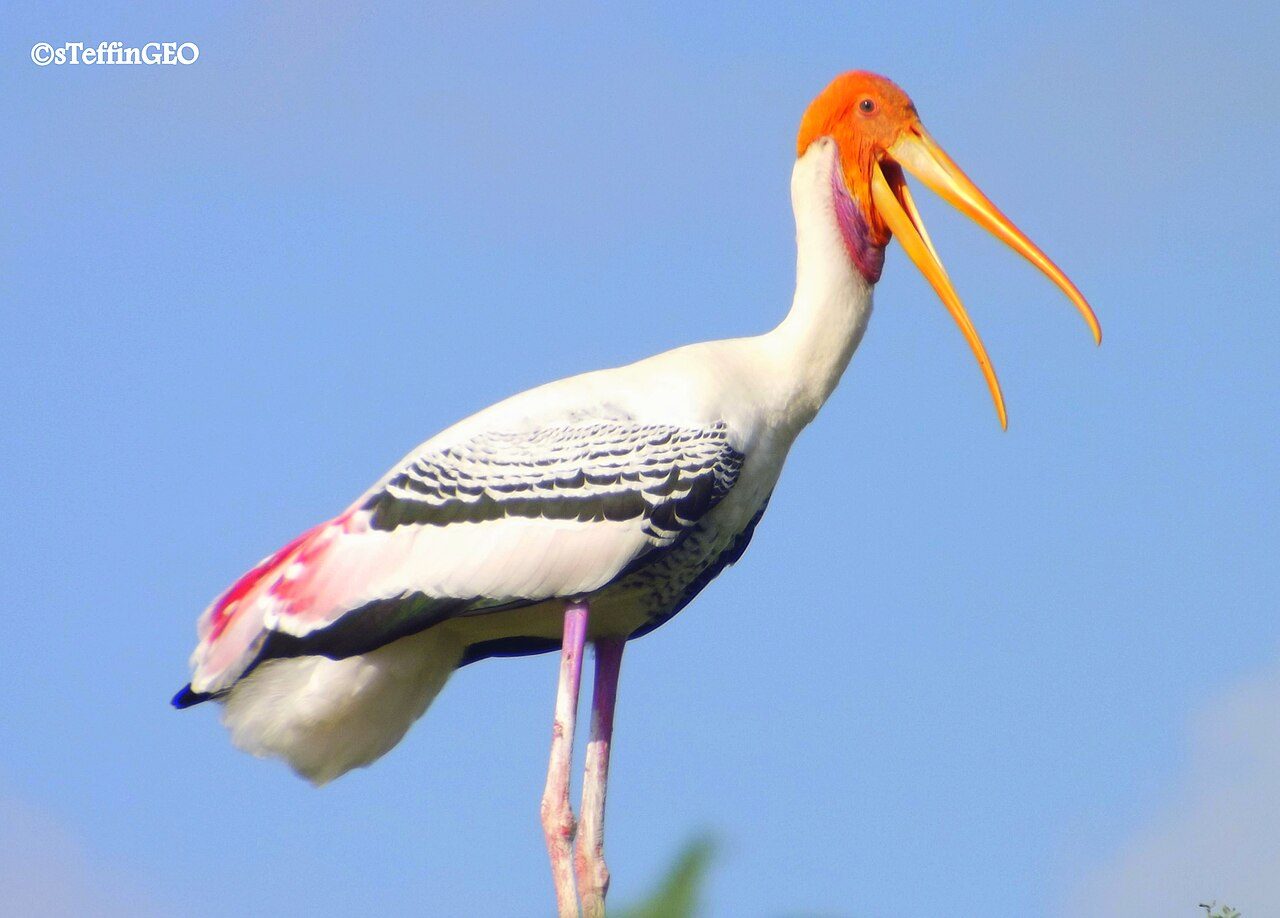
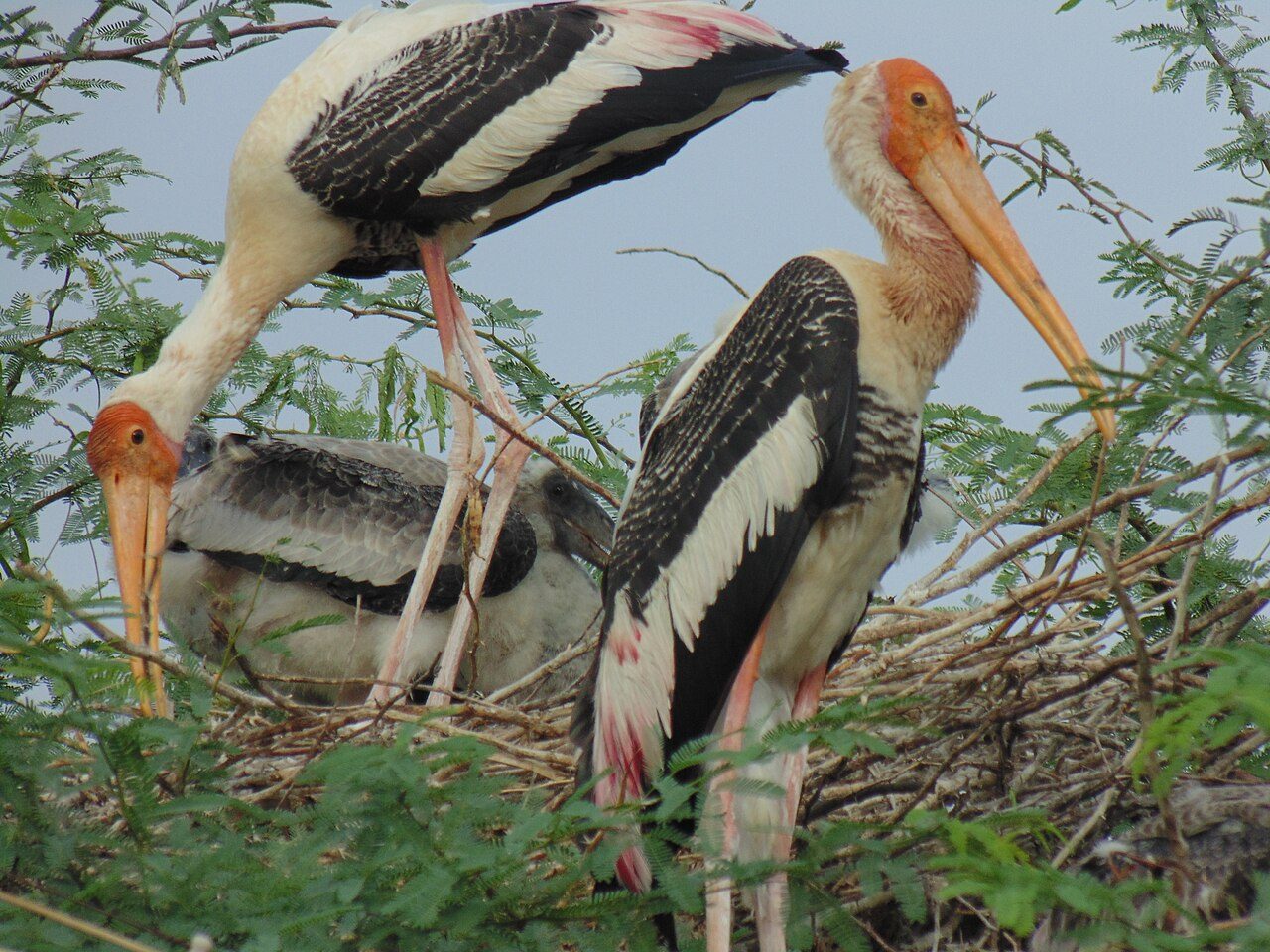
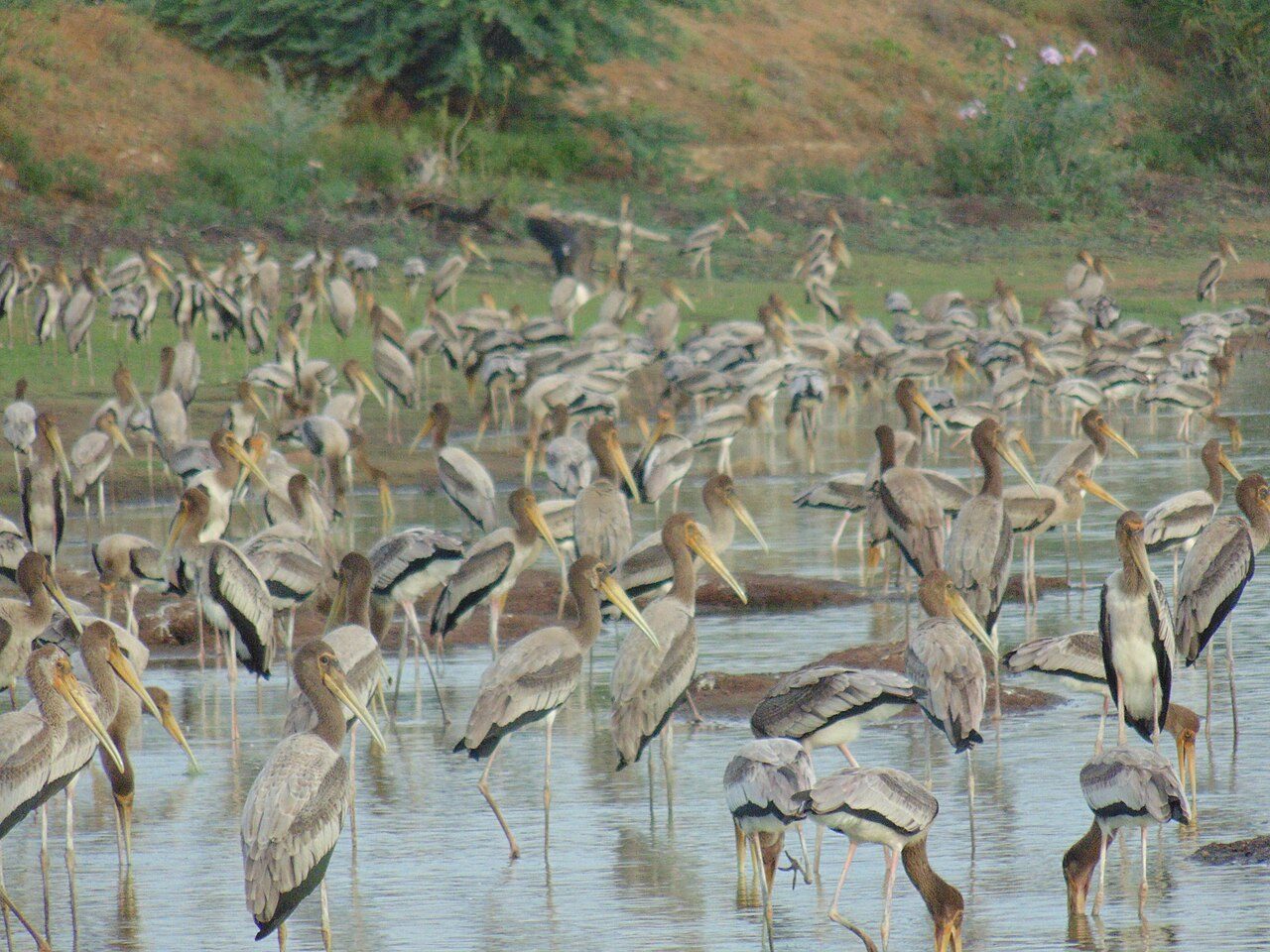
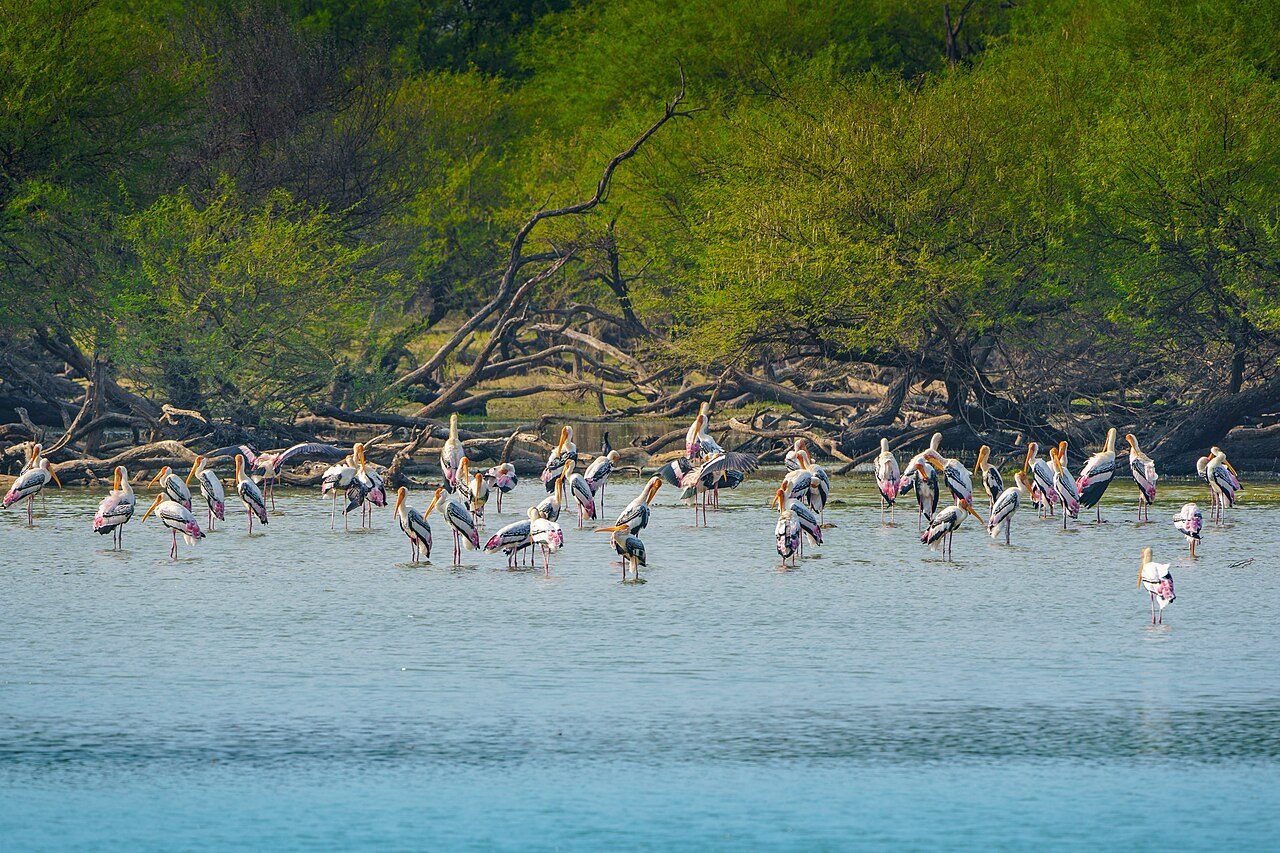
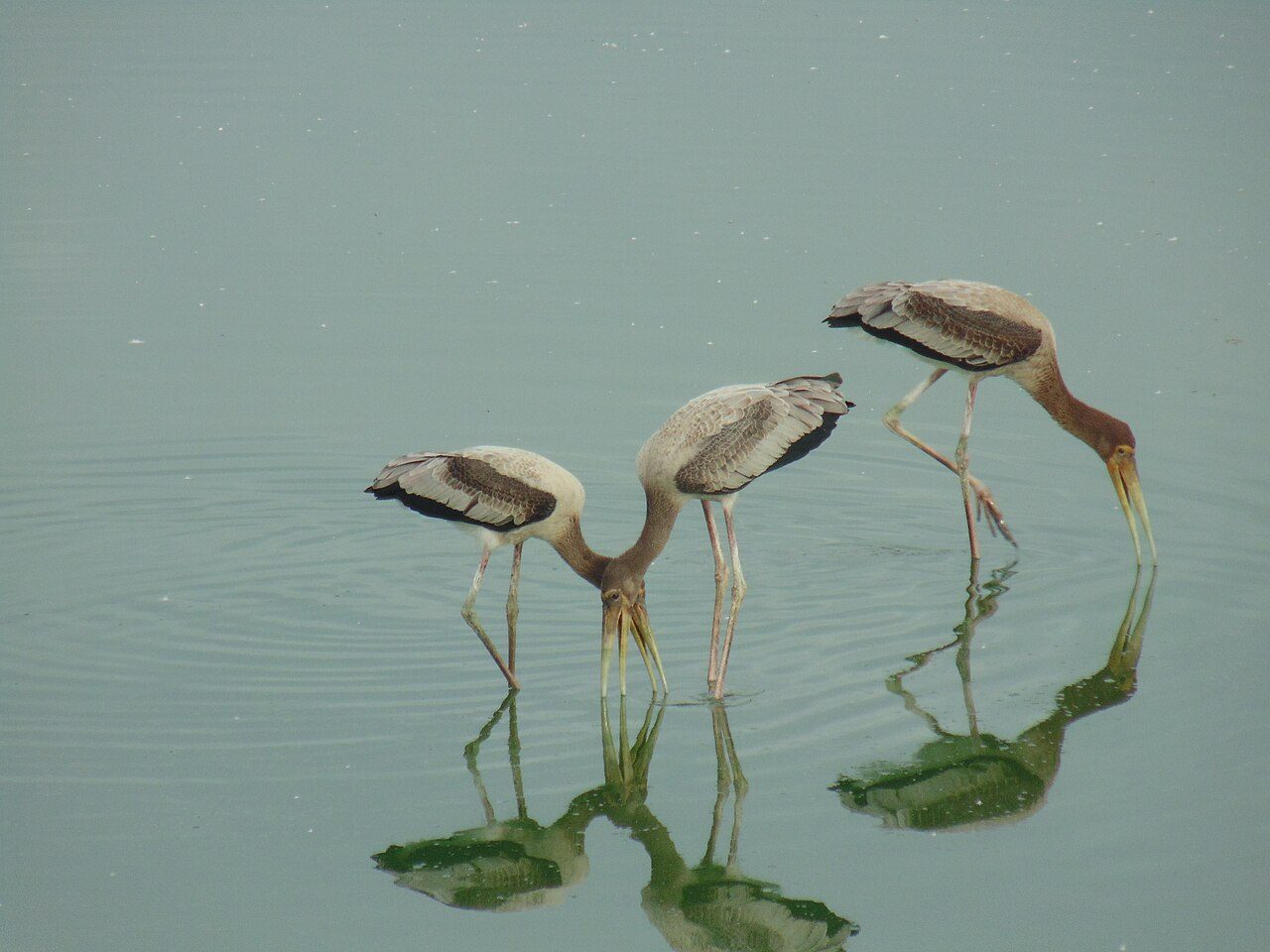
One of the largest breeding grounds for waterbirds in South India, Koonthankulam is a village where painted storks, pelicans, herons and cormorants nest in the trees around the tanks every year, roughly from December to June. The villagers have protected the birds for generations and use the droppings that collect beneath the nests as fertiliser for their fields. Early morning is the best time to watch the colonies.
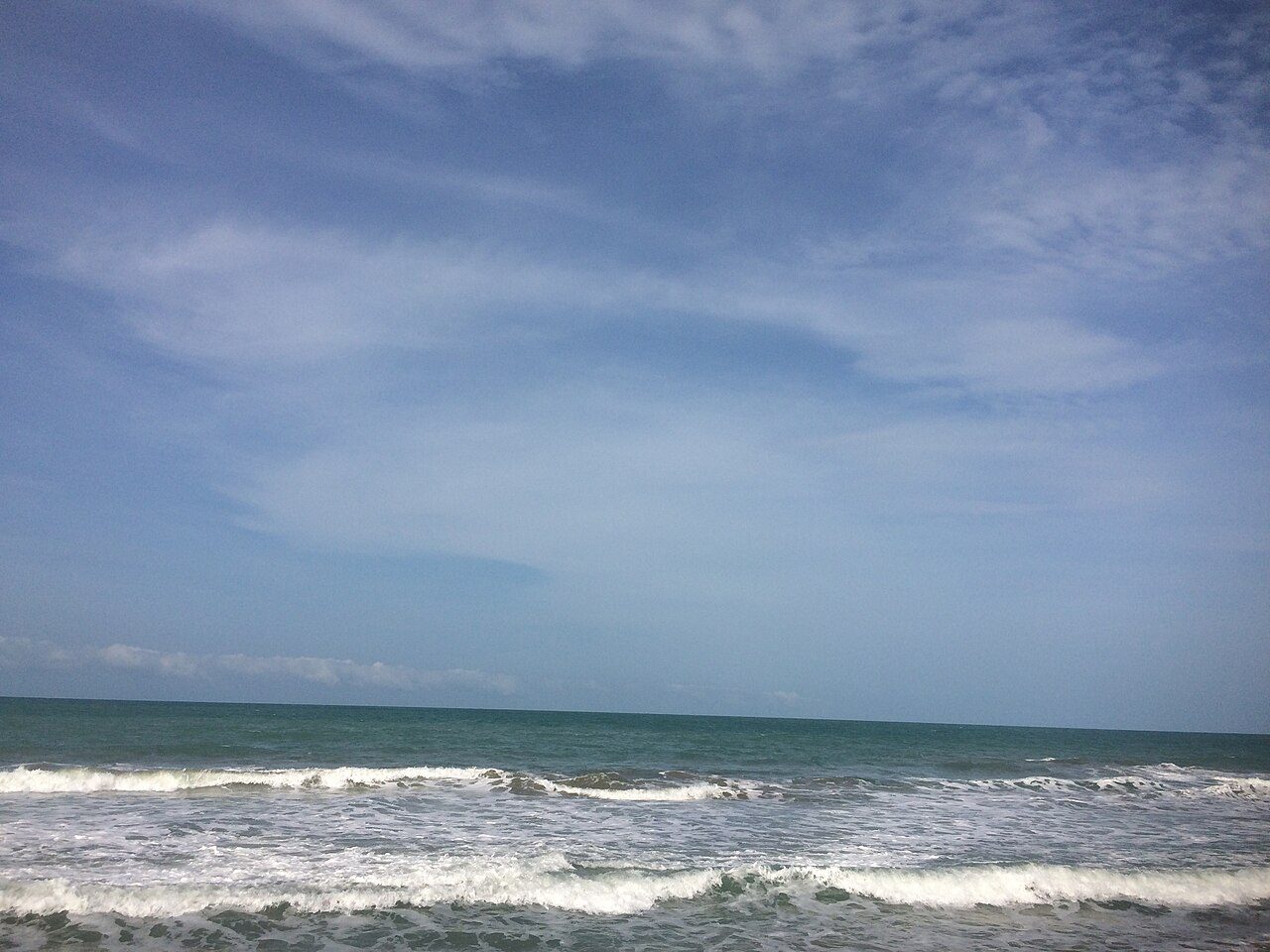
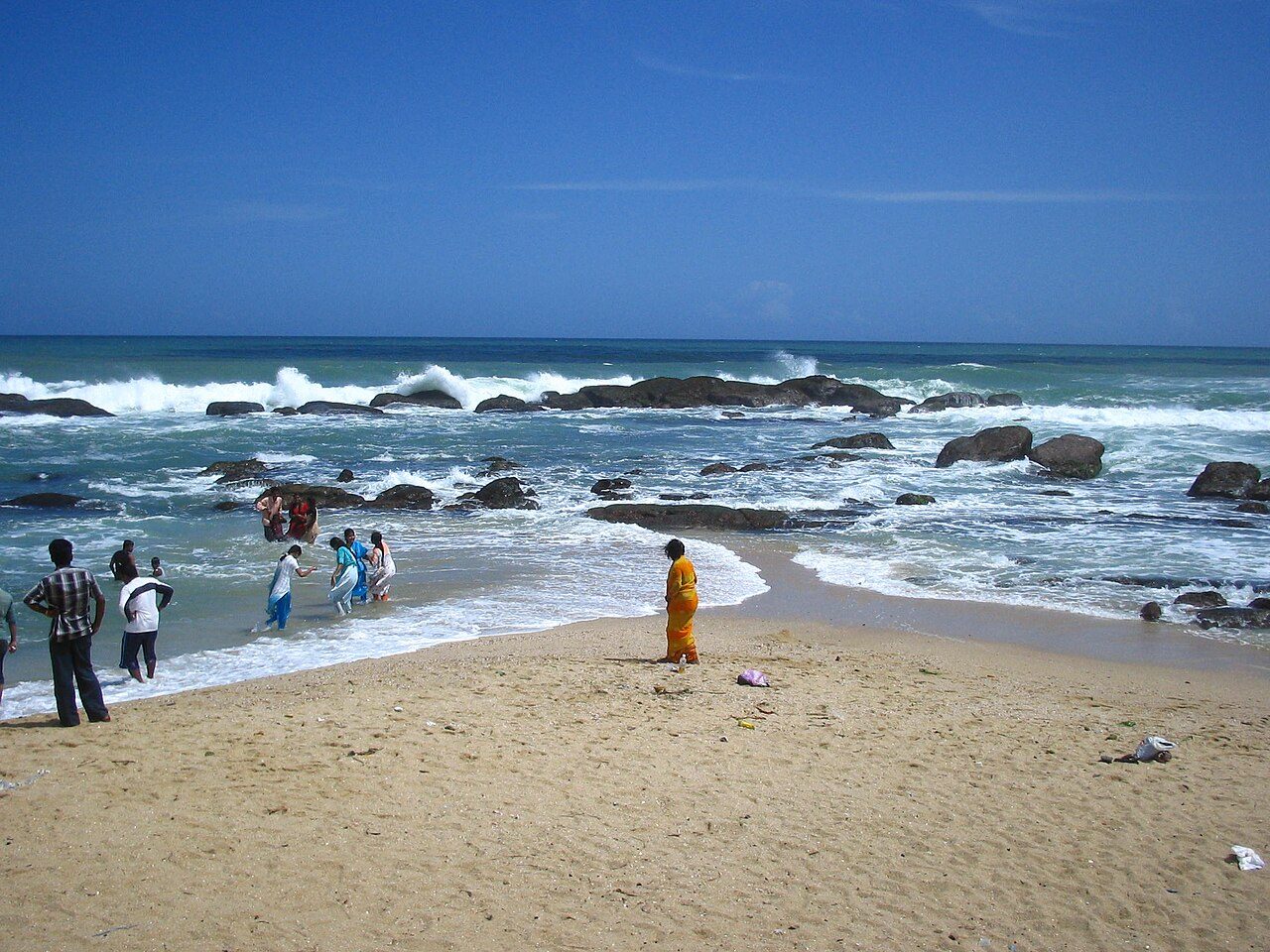
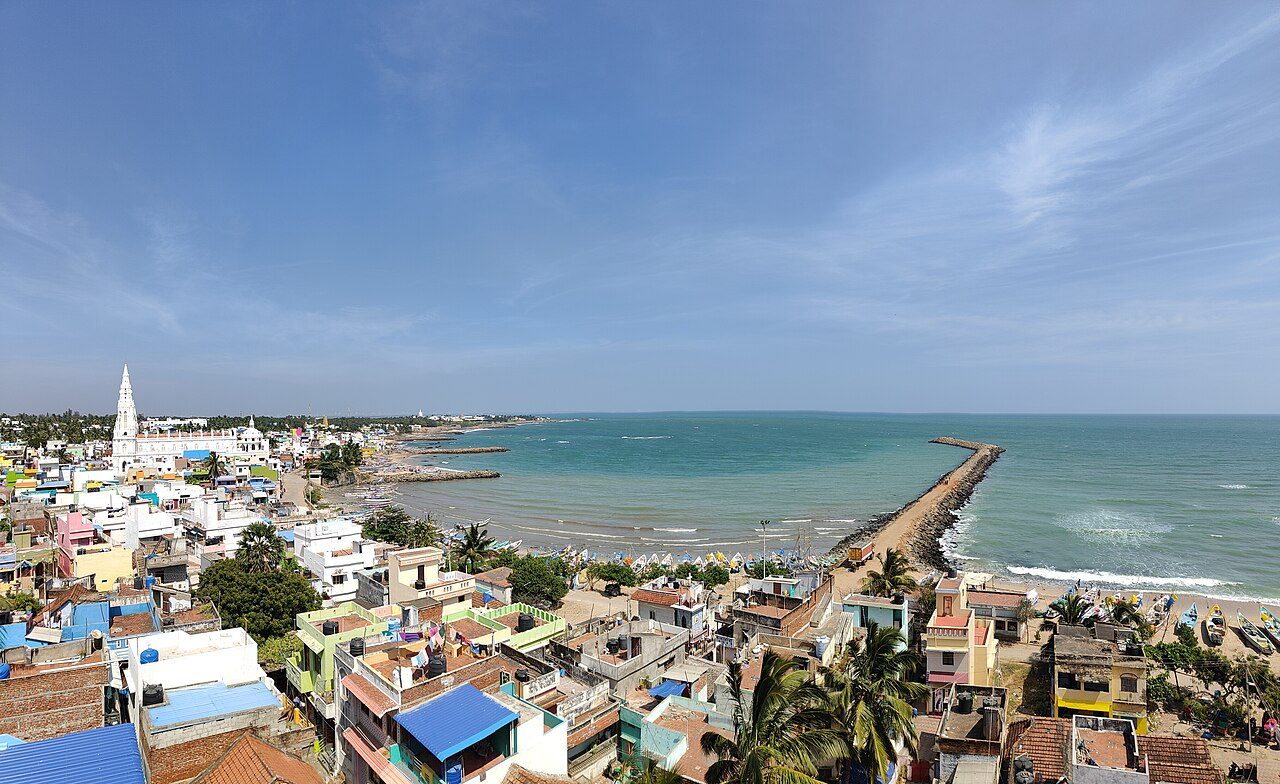
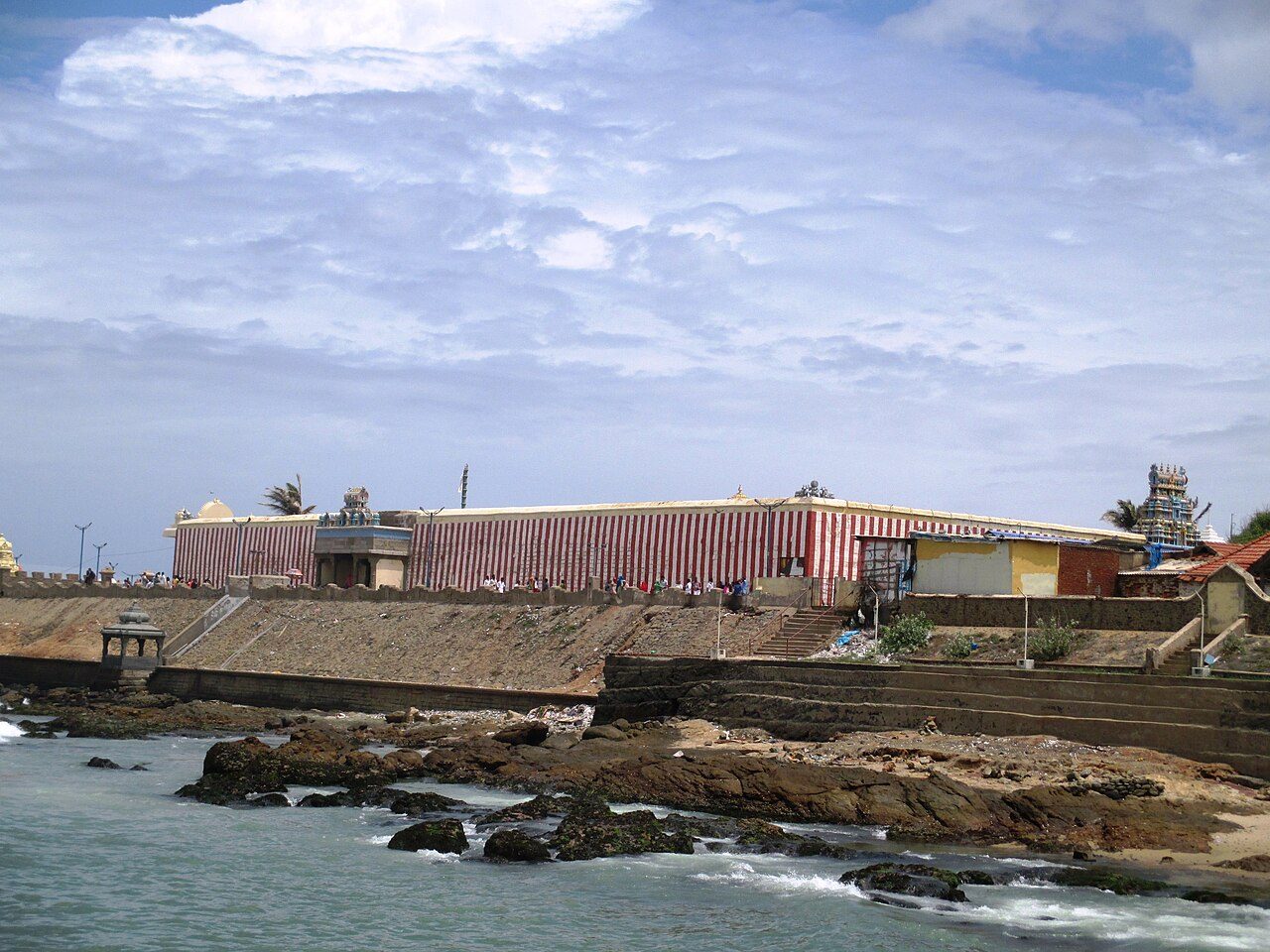
The shore at Kanyakumari marks the meeting of the Bay of Bengal, the Arabian Sea and the Indian Ocean, the only place in India where the three waters come together. On full-moon evenings in April the sun can be watched setting and the moon rising over the same stretch of sea. Pilgrims bathe at the sangamam before going on to the Amman temple a short walk away.
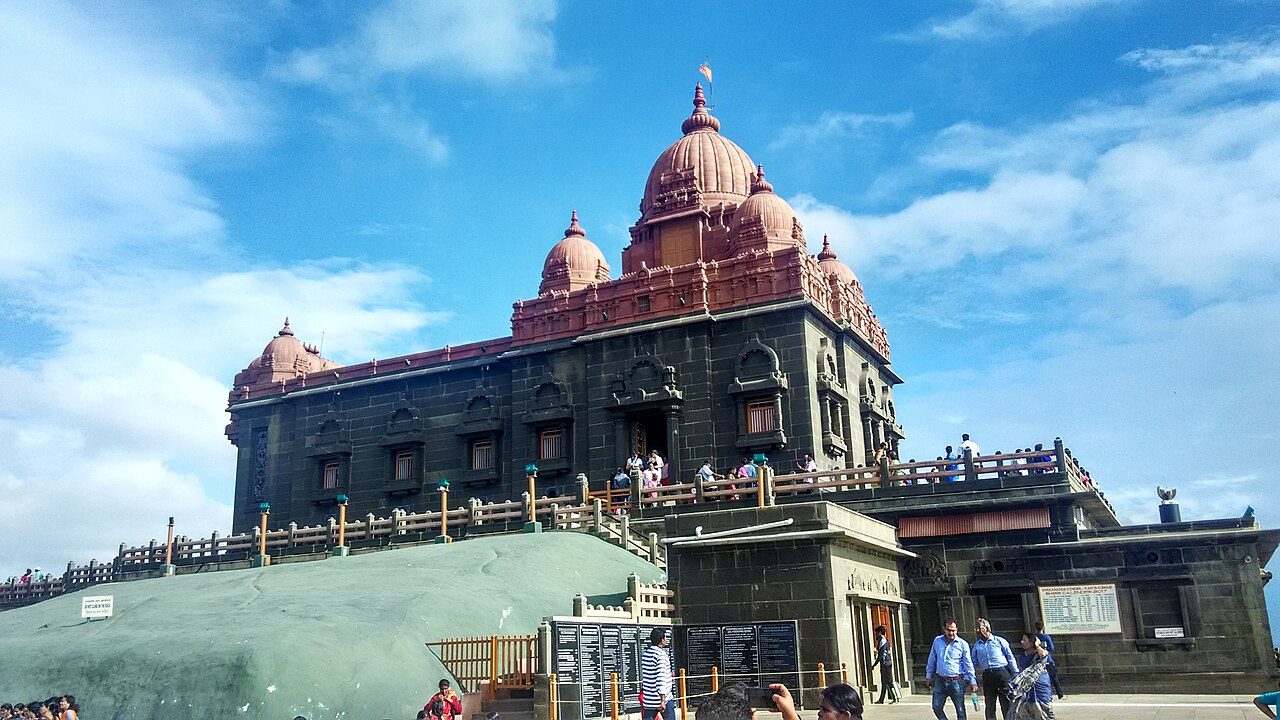
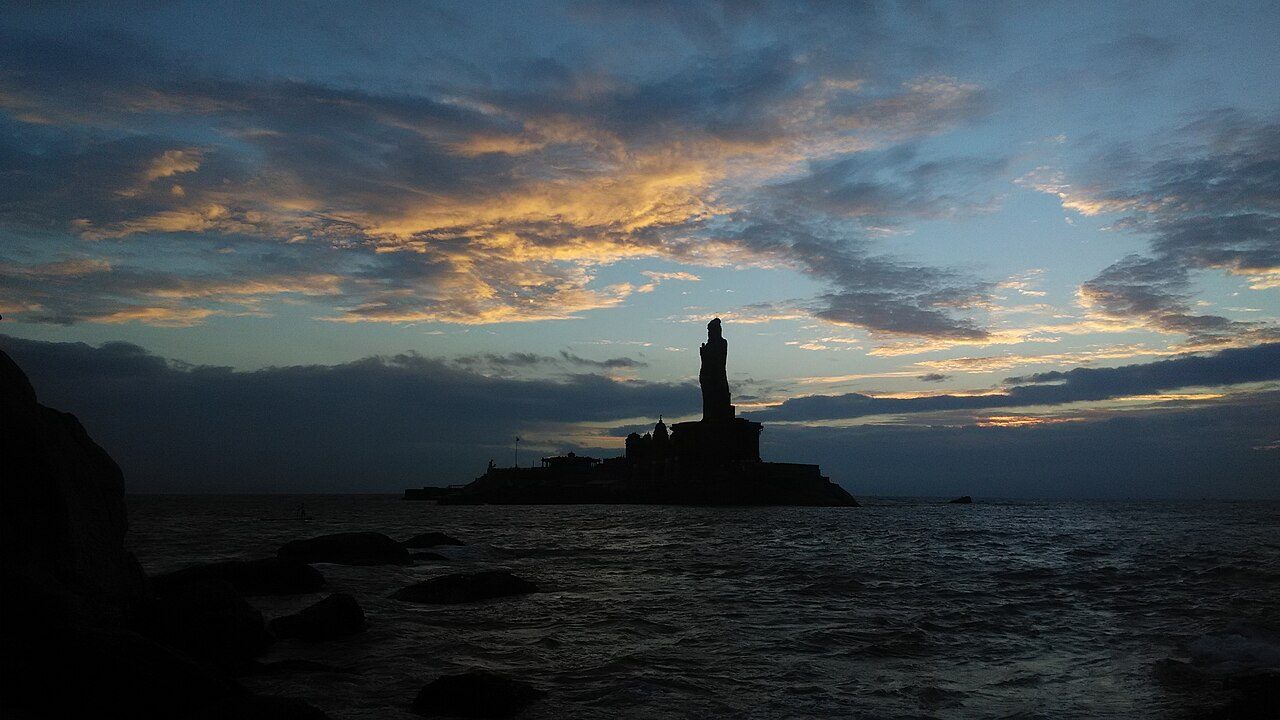
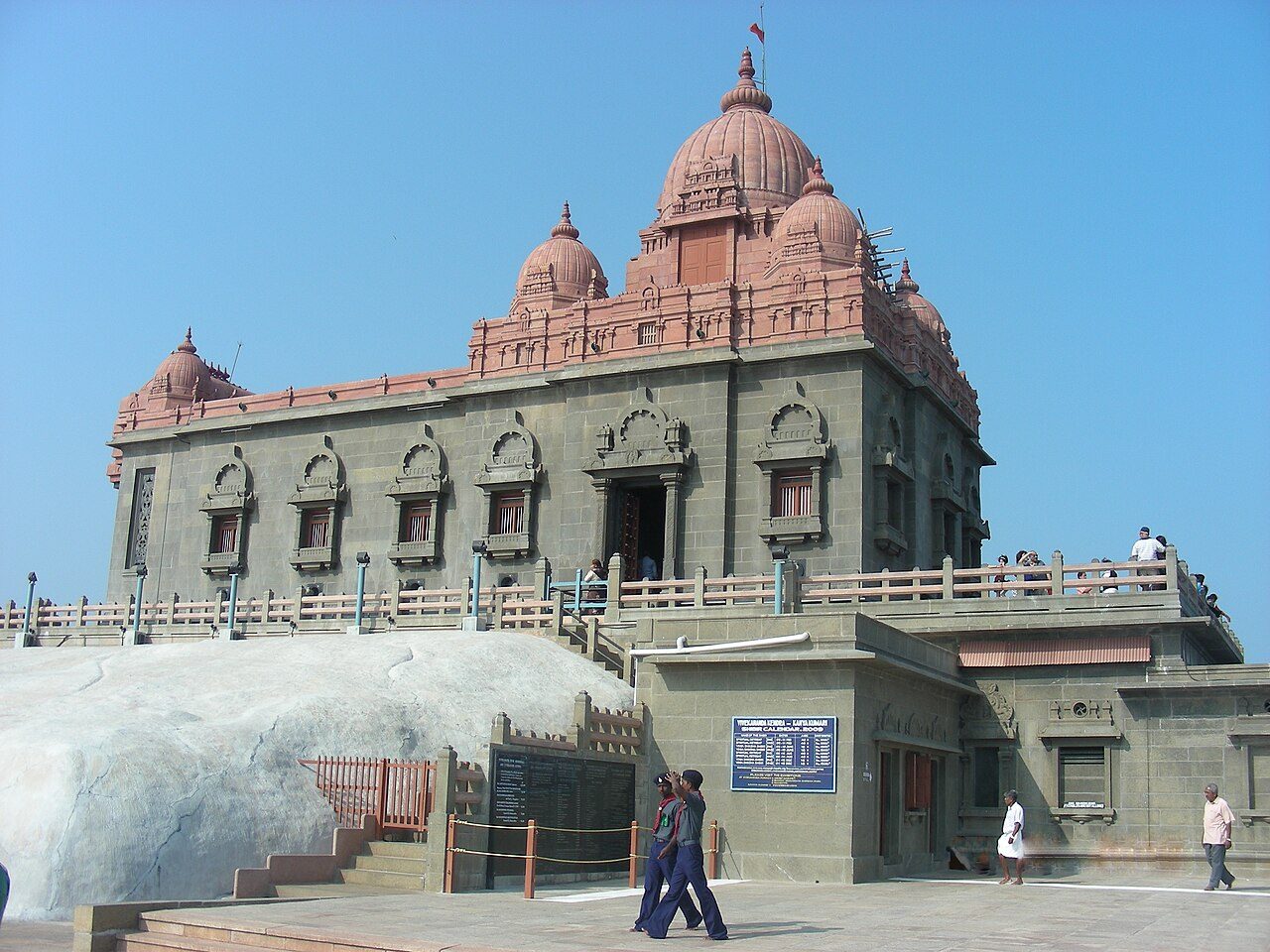
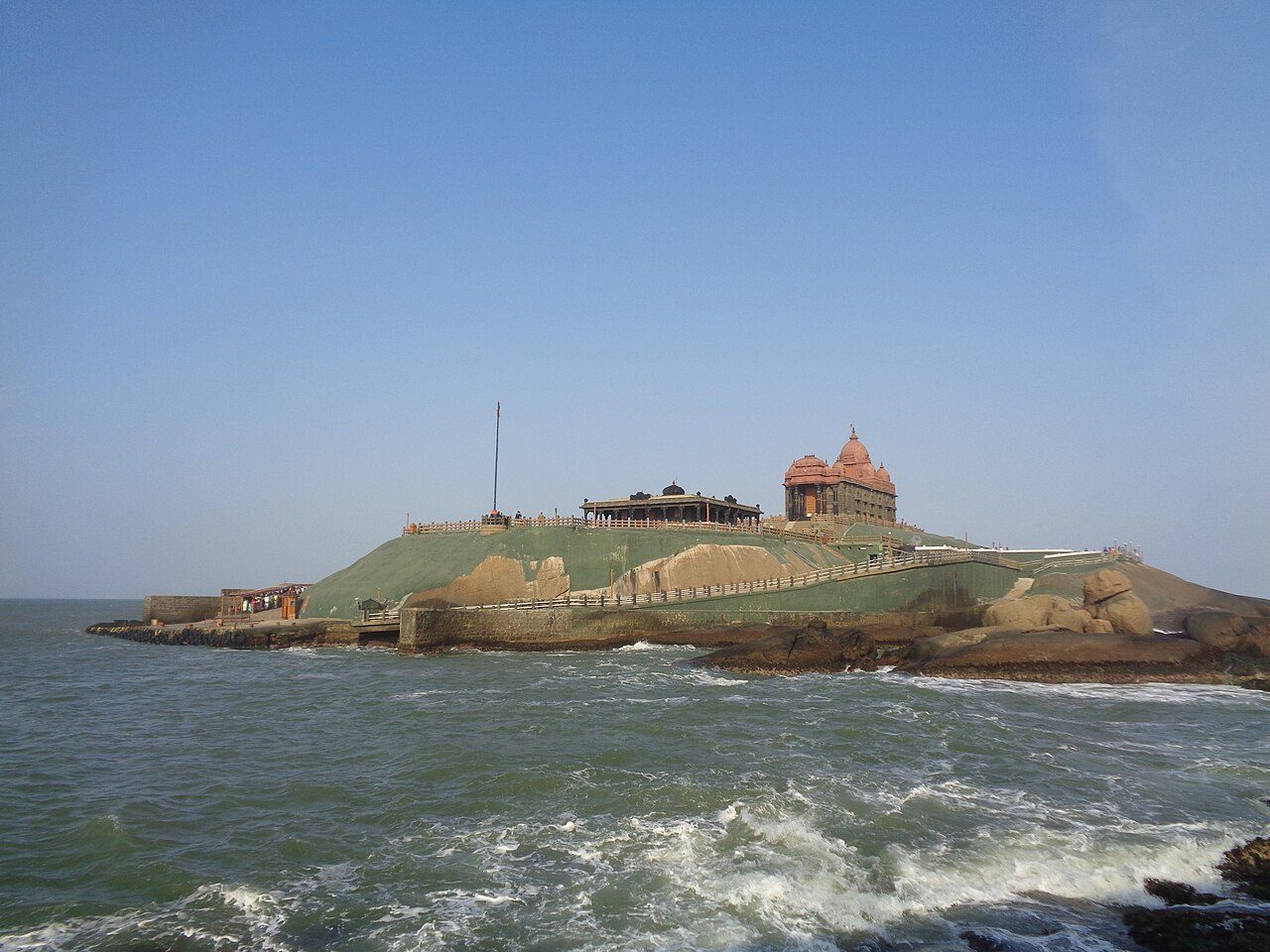
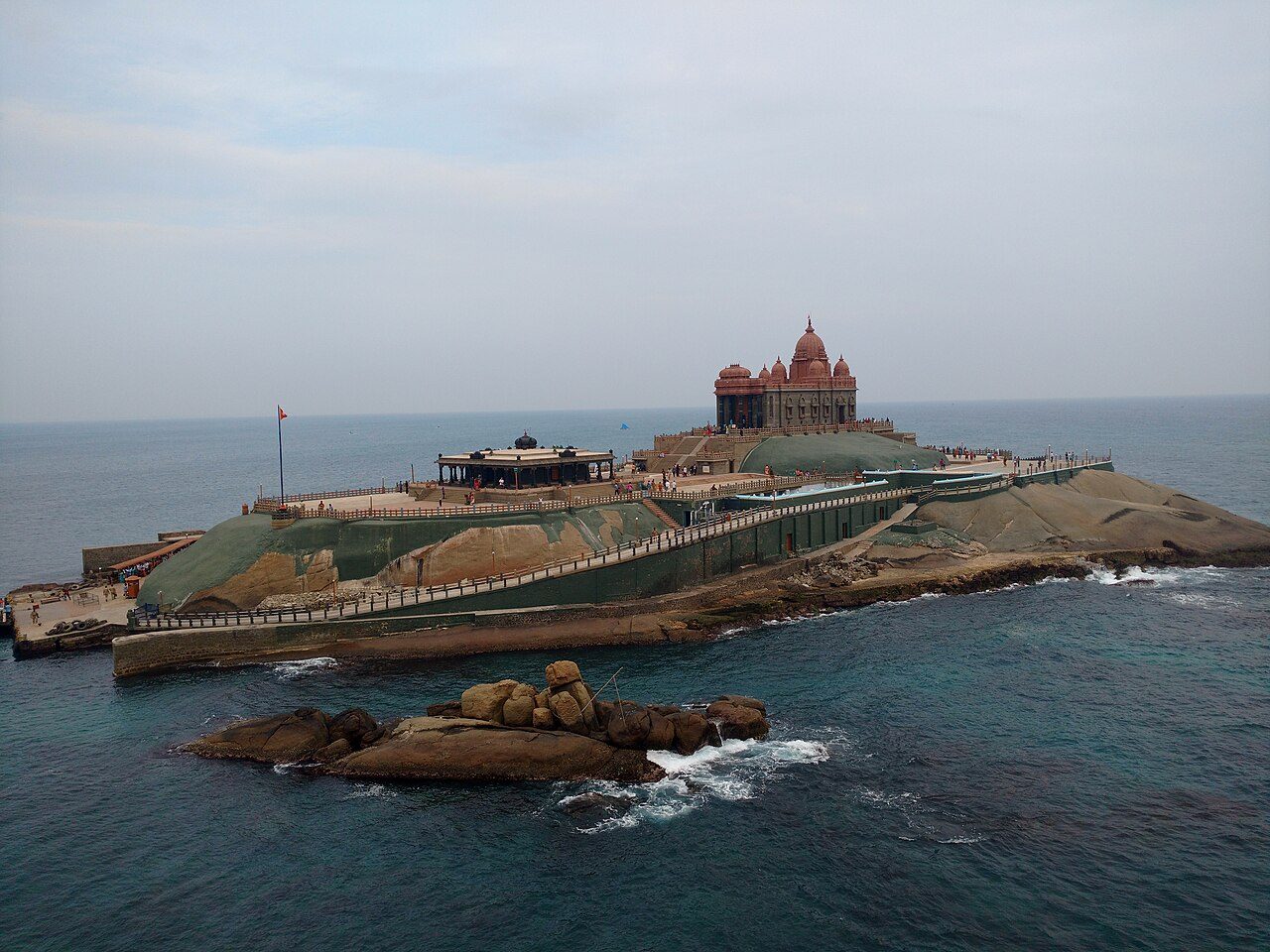
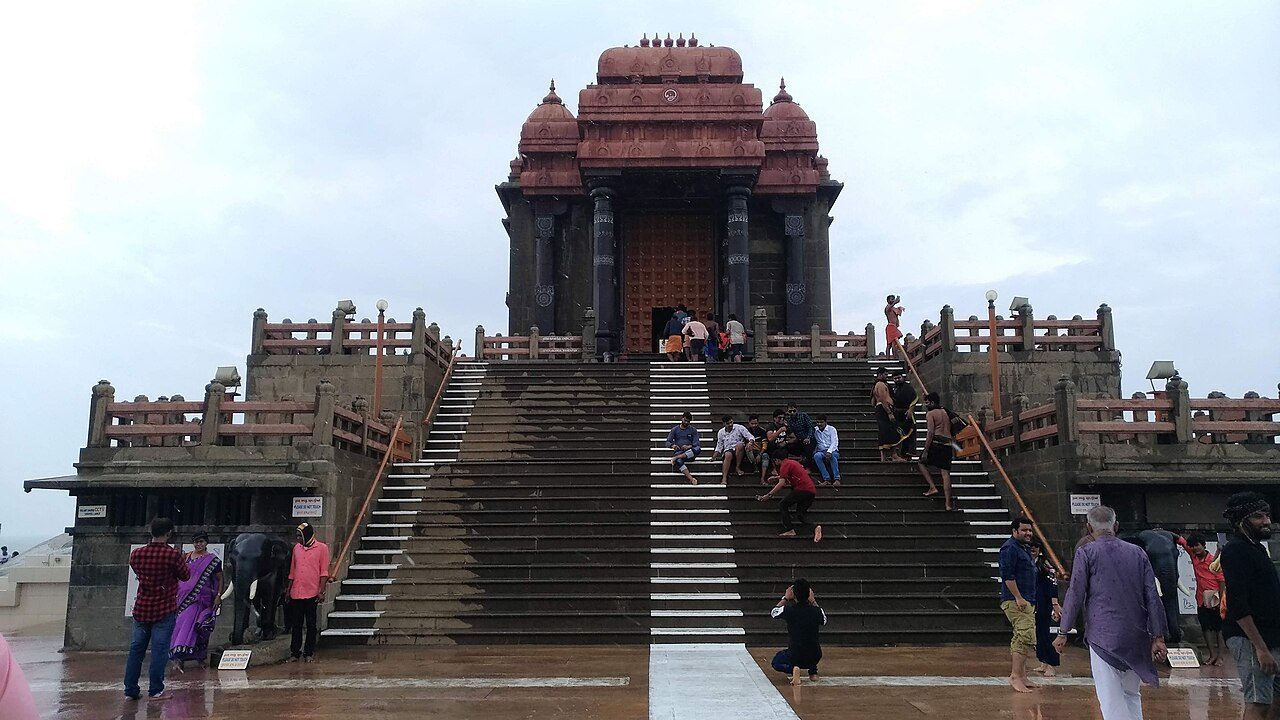
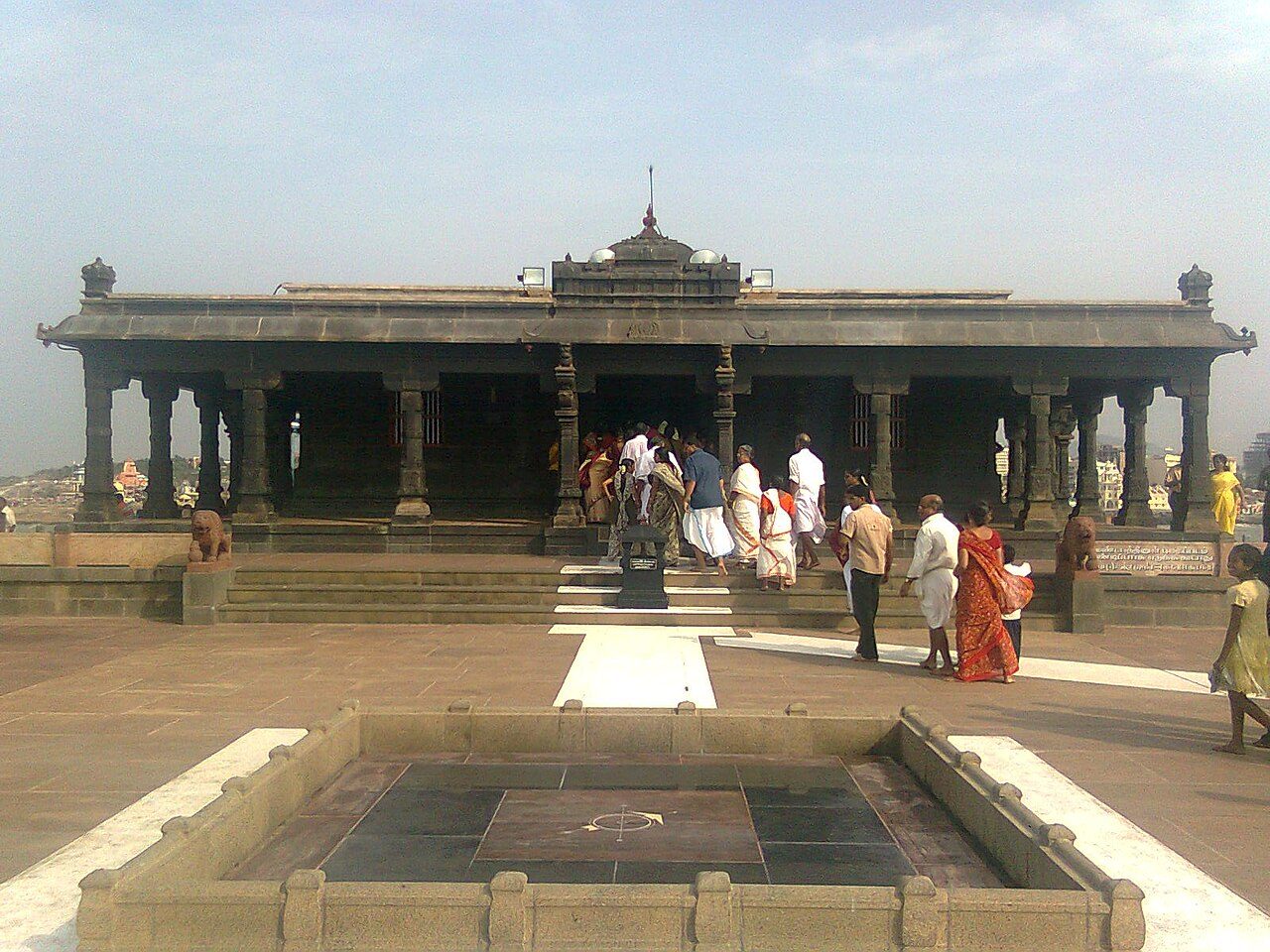
Built in 1970 on the rock where Swami Vivekananda is said to have meditated for three days in December 1892 before setting out for the Parliament of Religions in Chicago. The memorial joins a Vivekananda Mandapam to a Sripada Mandapam raised over the footprint-shaped mark in the stone, sacred to the goddess Kanyakumari. A ferry runs out to the rock from the mainland jetty a few hundred metres away.
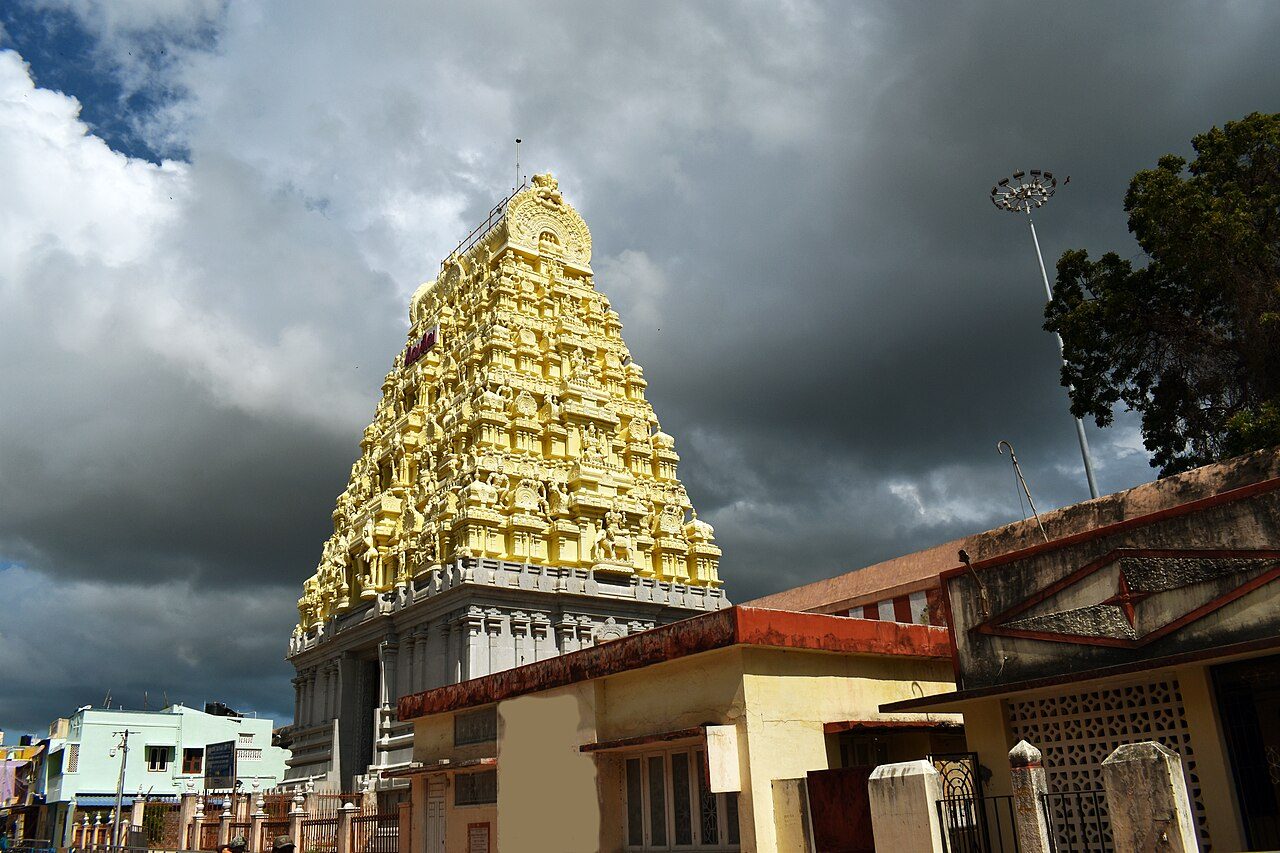
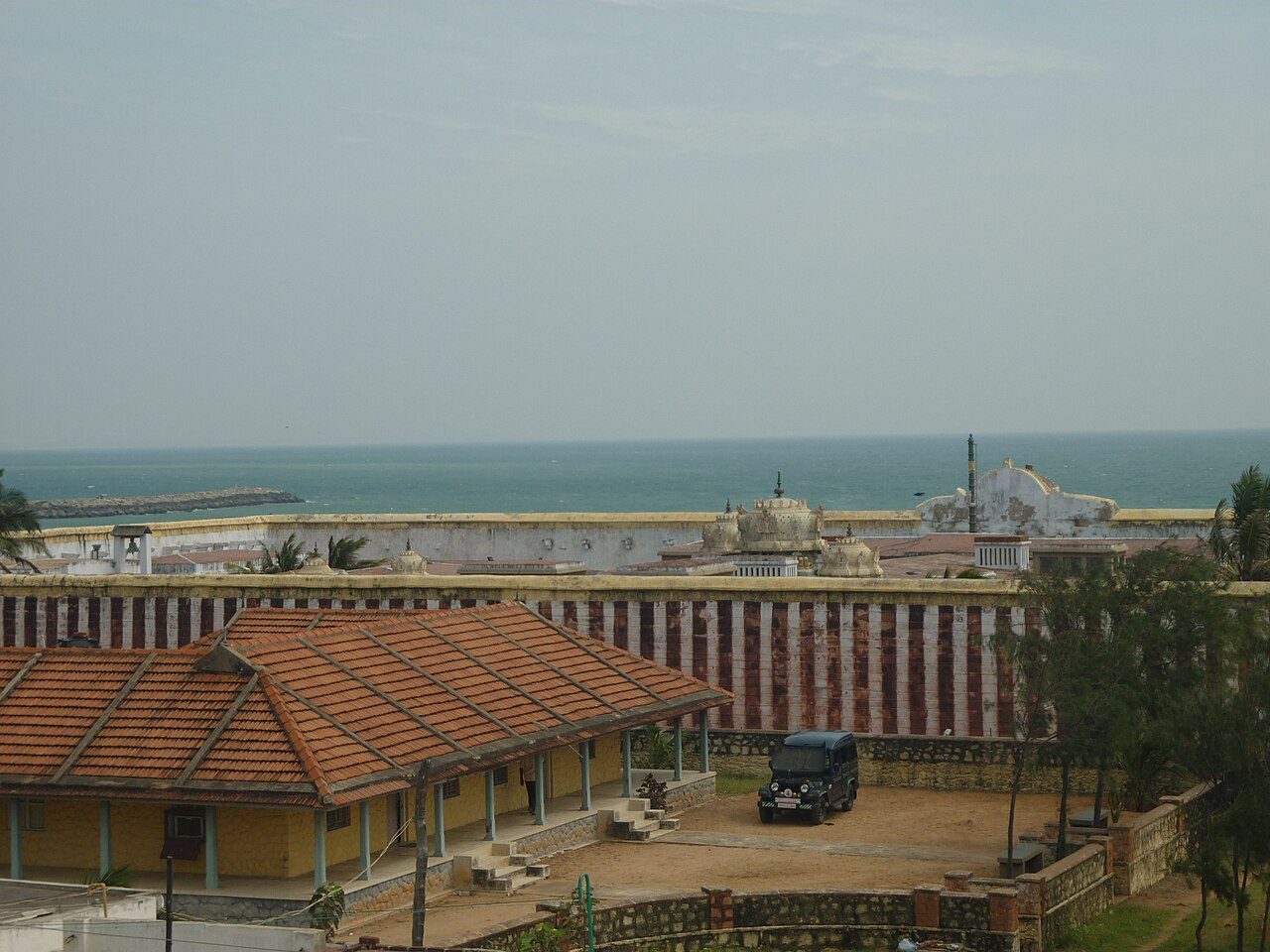
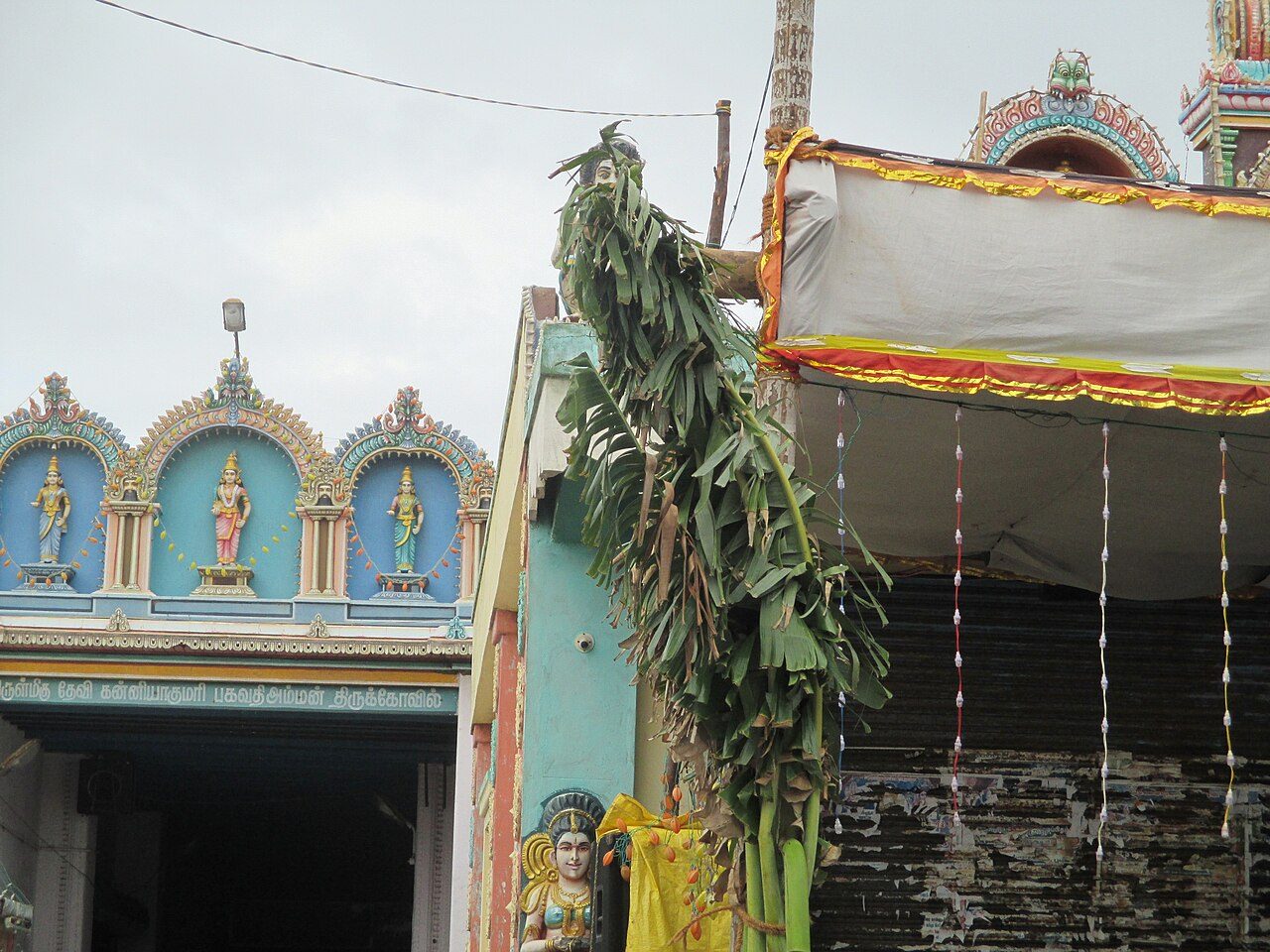
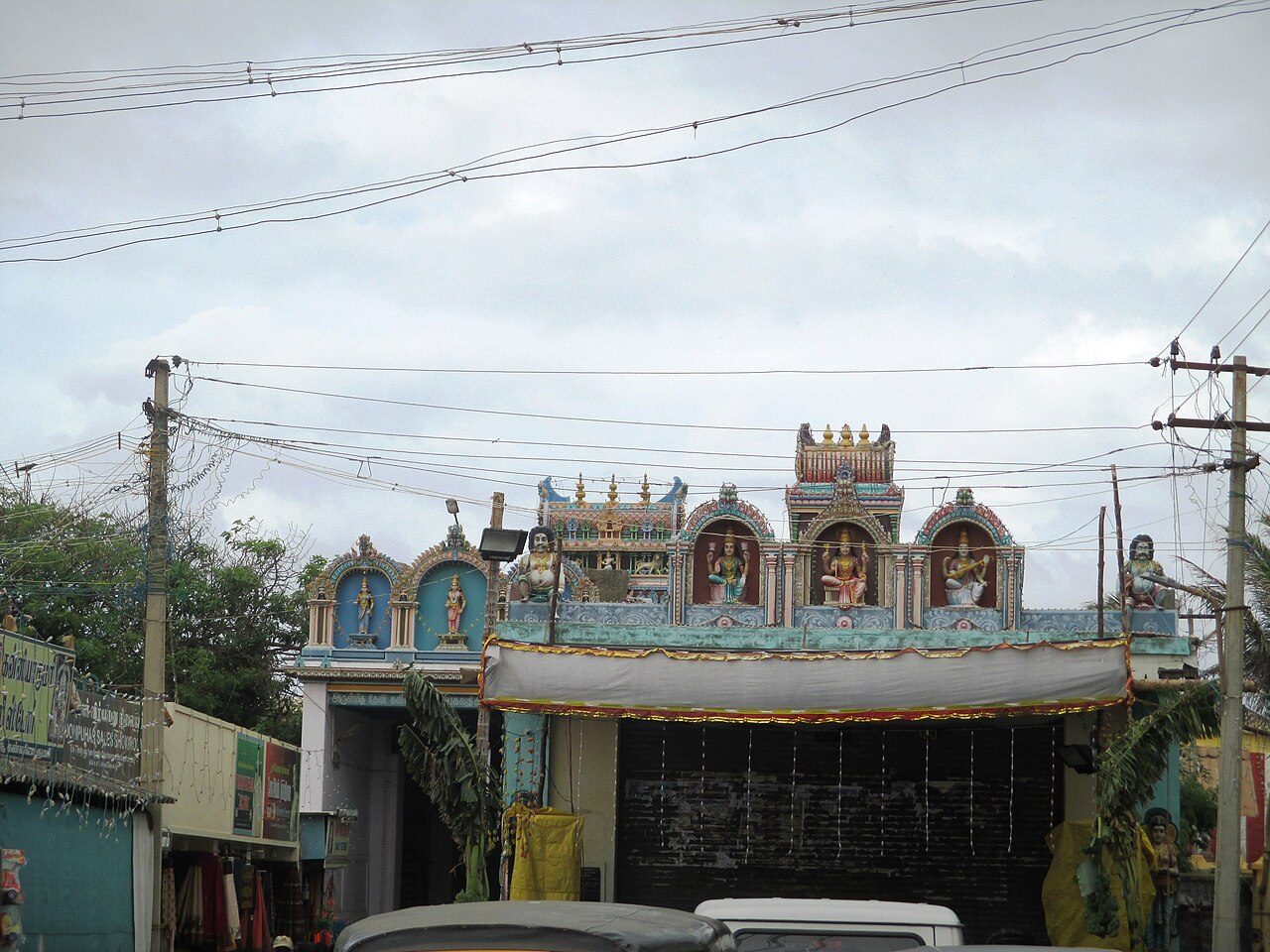
At the very tip of the Indian peninsula, this temple honours Kanya Kumari, the virgin goddess who by legend still waits in penance at the shore for a marriage that never took place. The deity's diamond nose-ring is said to have been so bright that sailors once mistook it for a beacon, and the eastern door is opened only on a few days each year. The shrine at the land's end is mentioned in the earliest Tamil Sangam literature.
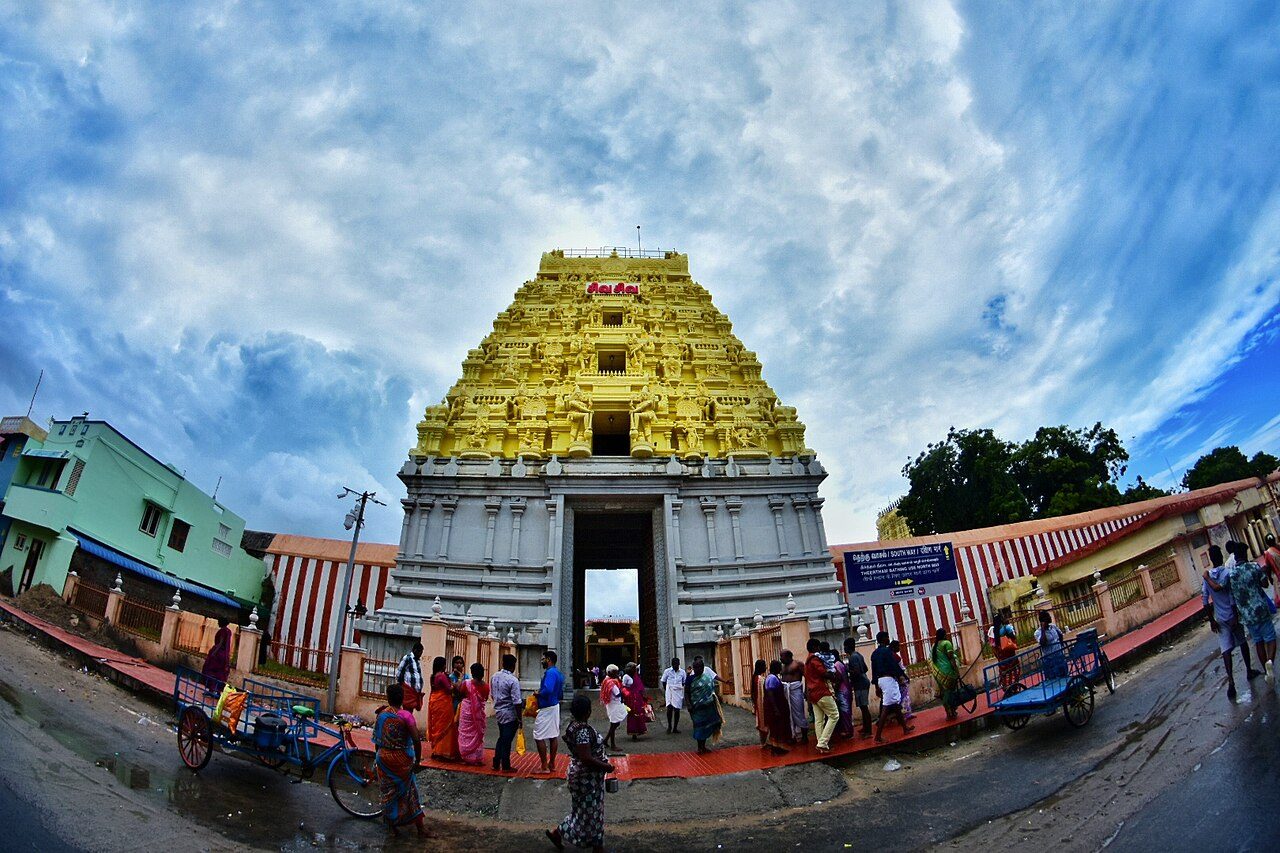
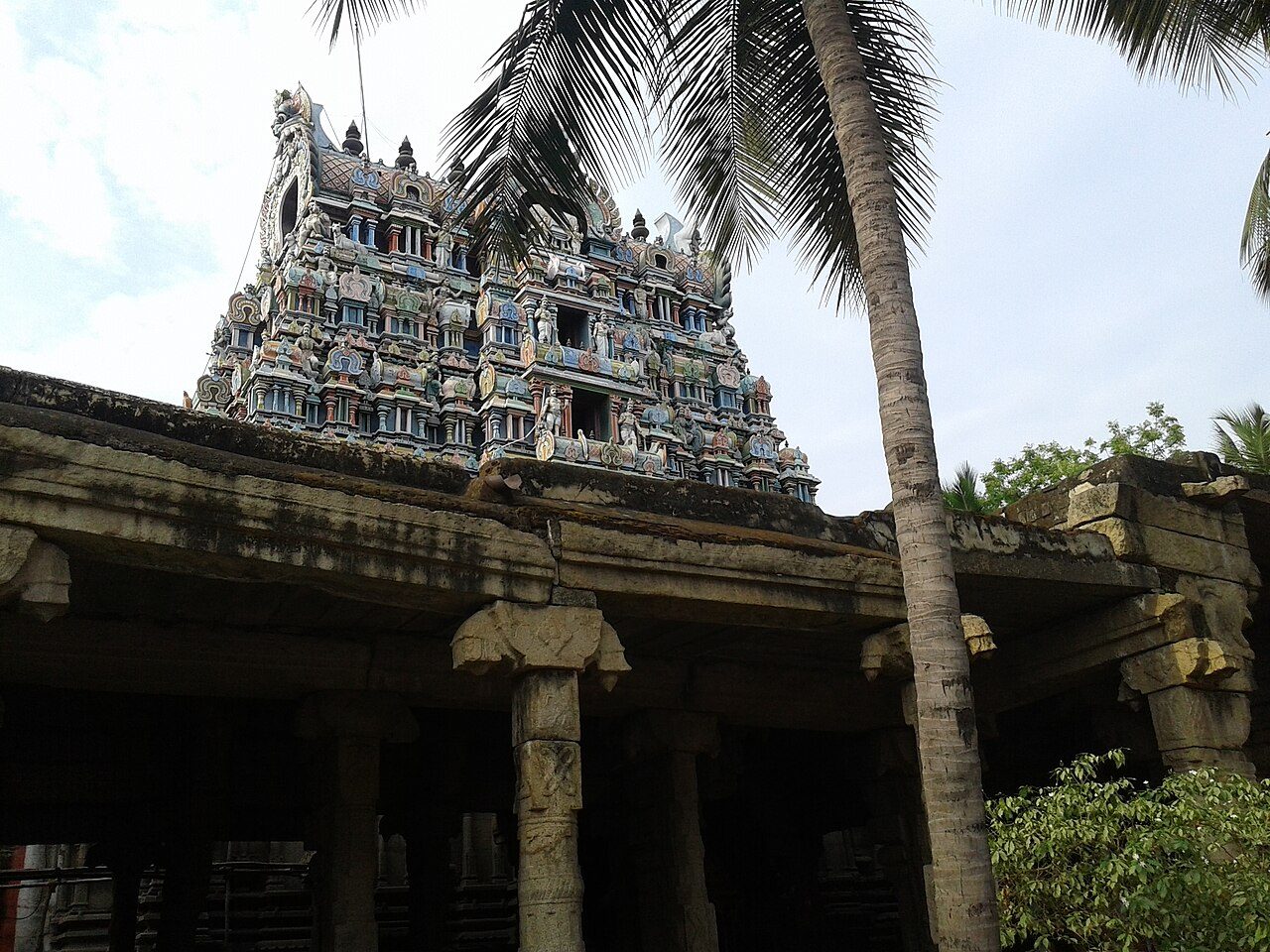
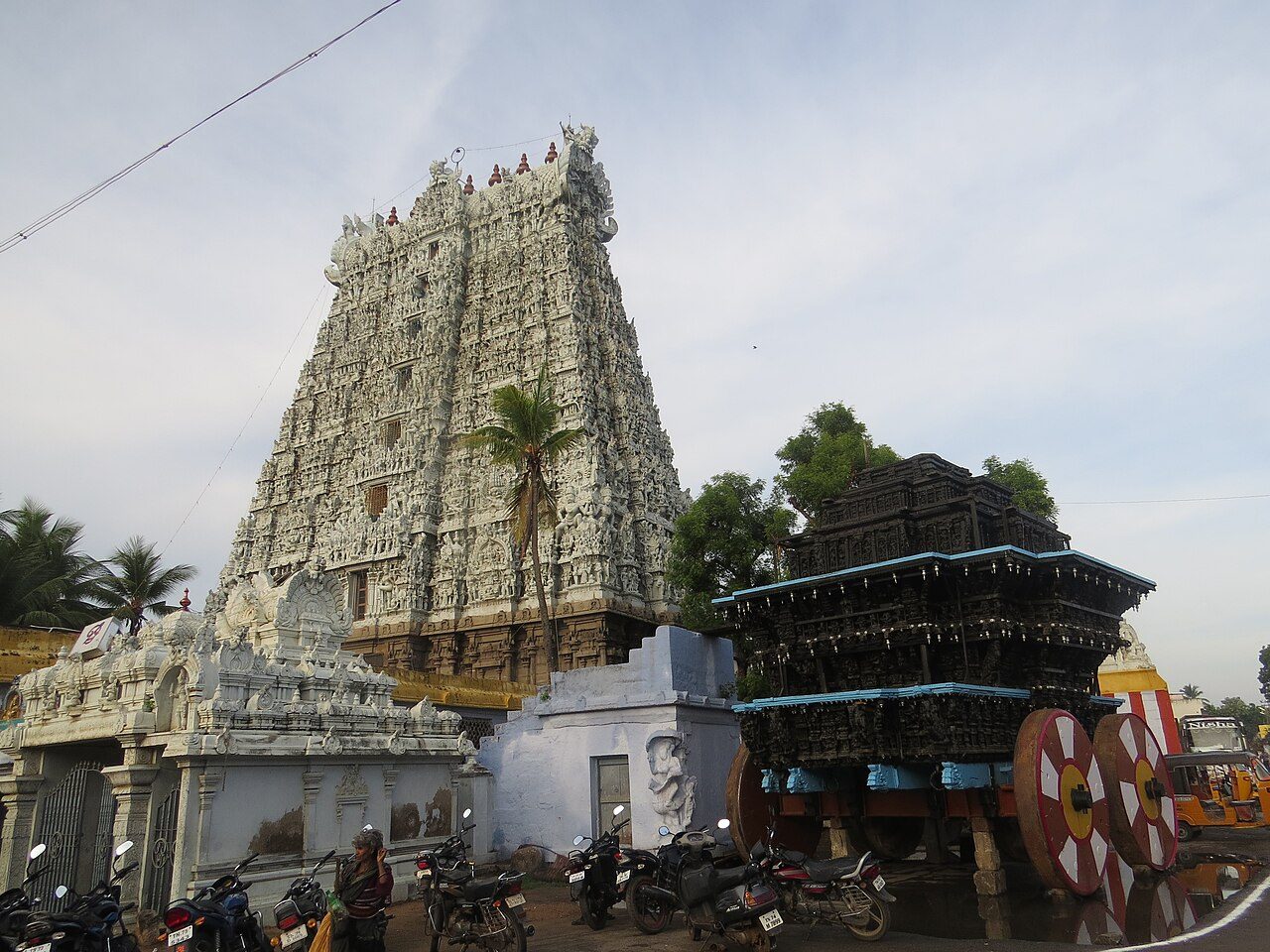
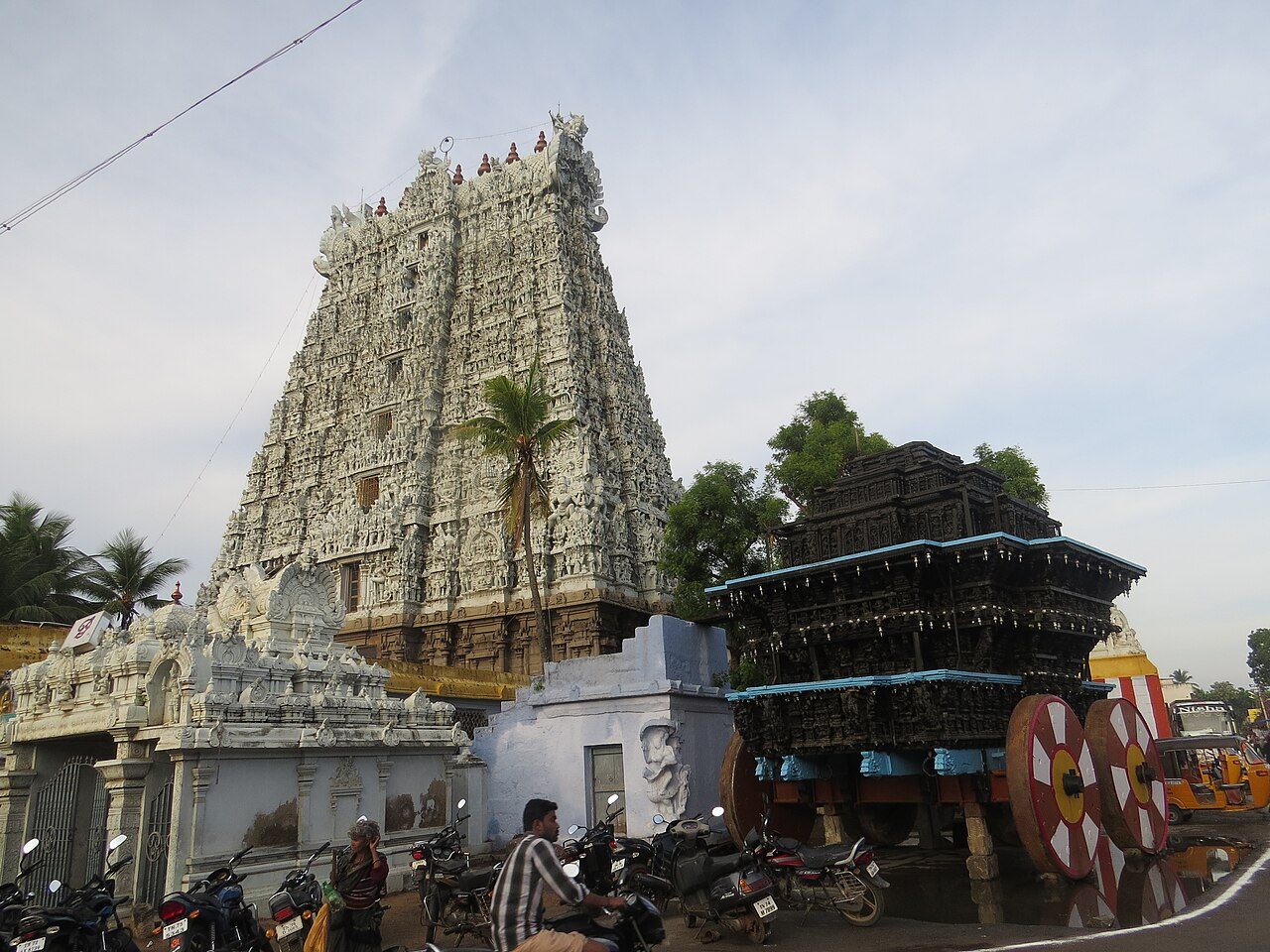
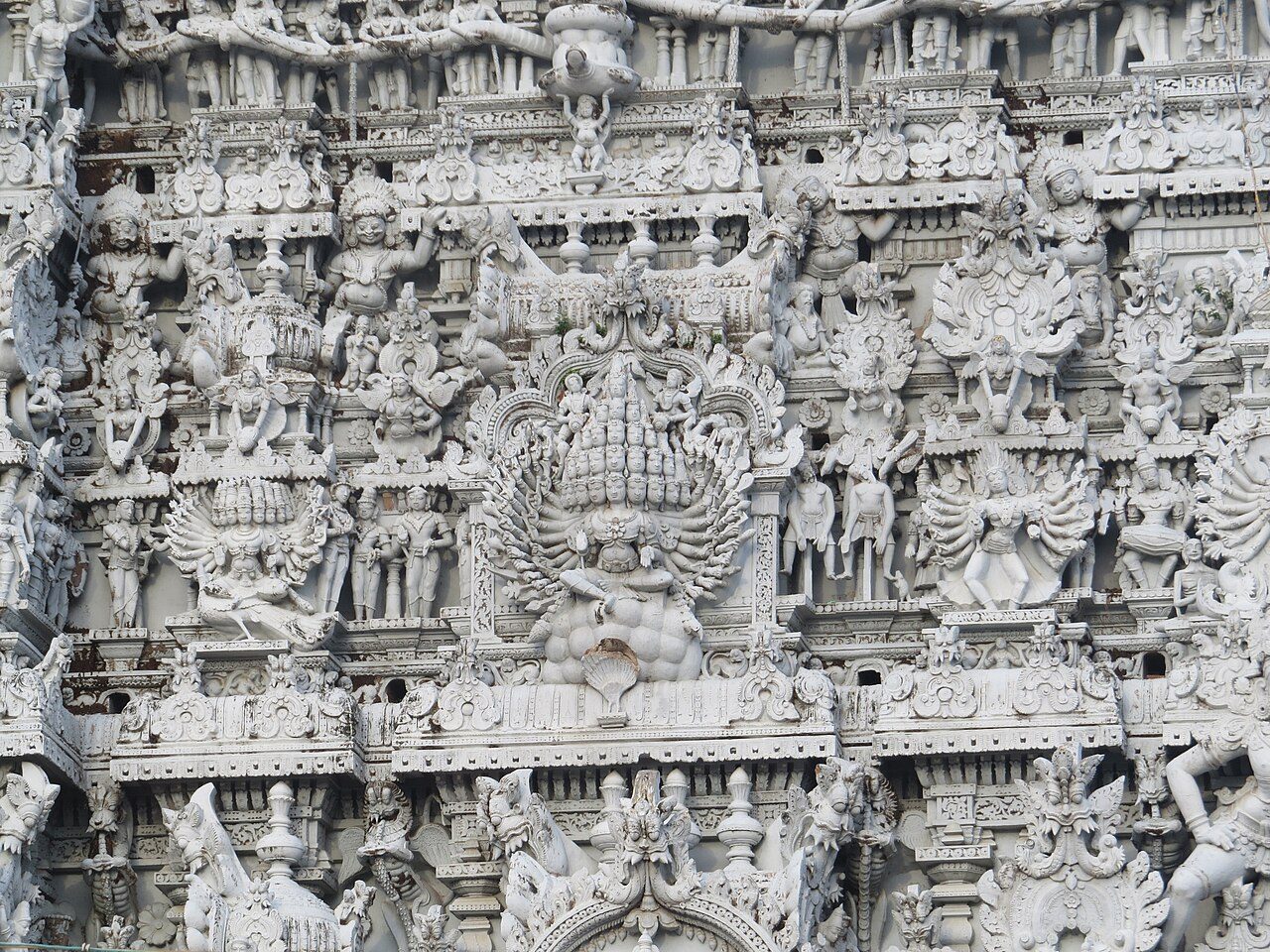
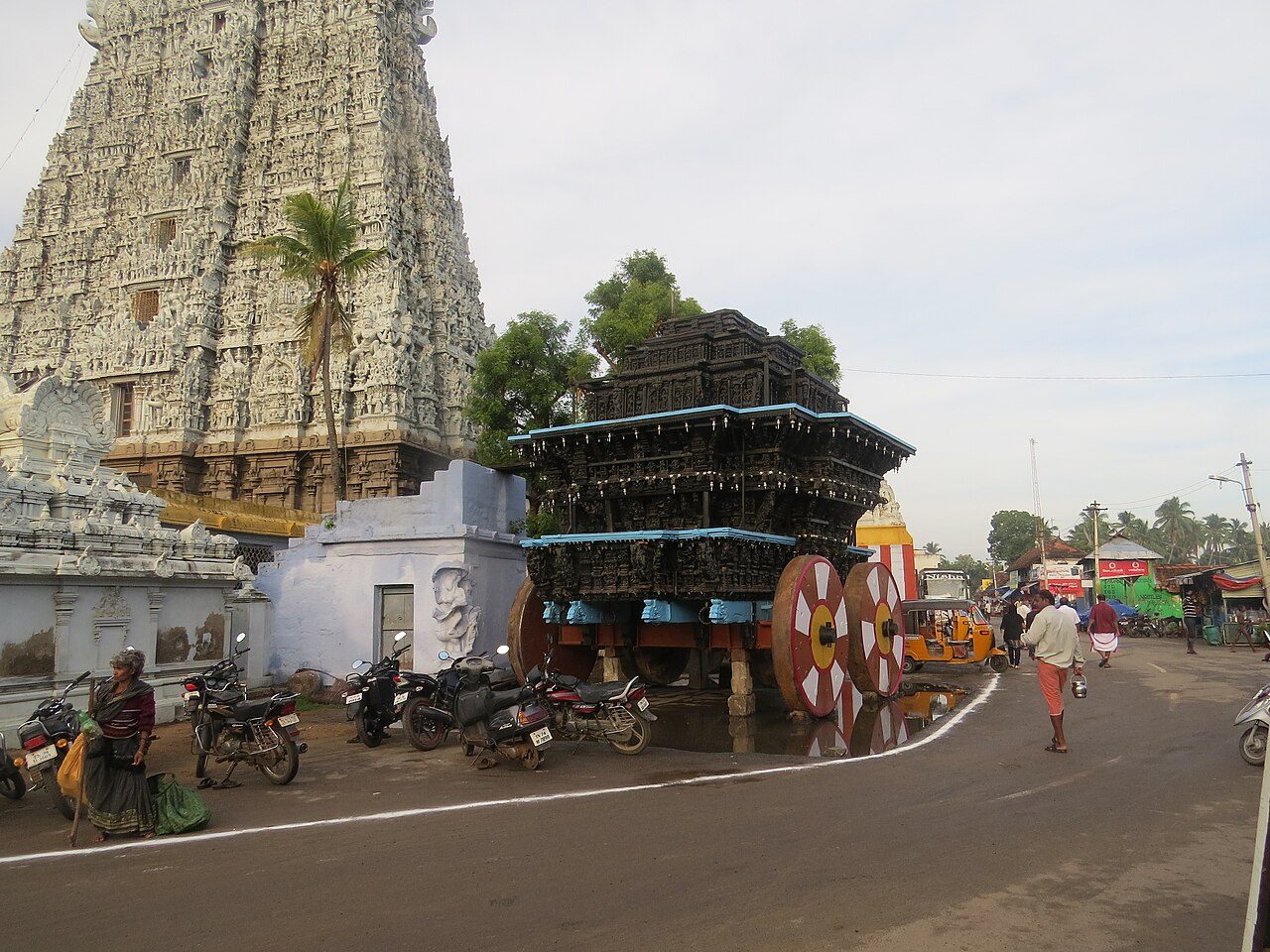
Here Shiva, Vishnu and Brahma are worshipped together as Sthanu-Mal-Ayan, under a seven-storey gopuram rising more than forty metres. The temple's musical pillars, each carved from a single block of granite, ring with different notes when struck, and the hall holds a monolithic Hanuman over five metres tall. The building grew through Chera, Chola, Pandya and Travancore patronage across many centuries.
Best weather: Dec – MarHeavy rain: Oct
Seasons from 20 years of NASA POWER climate data.
Was this trip blog helpful?
0
0
Ready to follow this route?
Copy all 13 stops into your trip plans in the app.
 WaTrips