South Gujarat in 3 Days: Surat, Dandi, Udvada and Saputara
3 DAYS8 placesby WaTrips
Surat's old cemetery and Dumas beach, the Dandi memorial, Udvada, Tithal and Wilson Hills, then Gira Falls and Saputara.
South Gujarat mixes coast and hills. Day one starts in Surat with the old Dutch and Armenian cemetery and sunset at Dumas beach, and stops at the Salt Satyagraha memorial at Dandi, where Gandhi's Salt March ended. Day two visits Udvada, home of the most sacred Parsi fire temple, Tithal beach near Valsad, and the small hill station of Wilson Hills. Day three climbs into the Dang forests for Gira Falls, at its fullest after the monsoon, and ends at the lake in Saputara, Gujarat's only real hill station. July to October is greenest; the coast is pleasant from November to February.
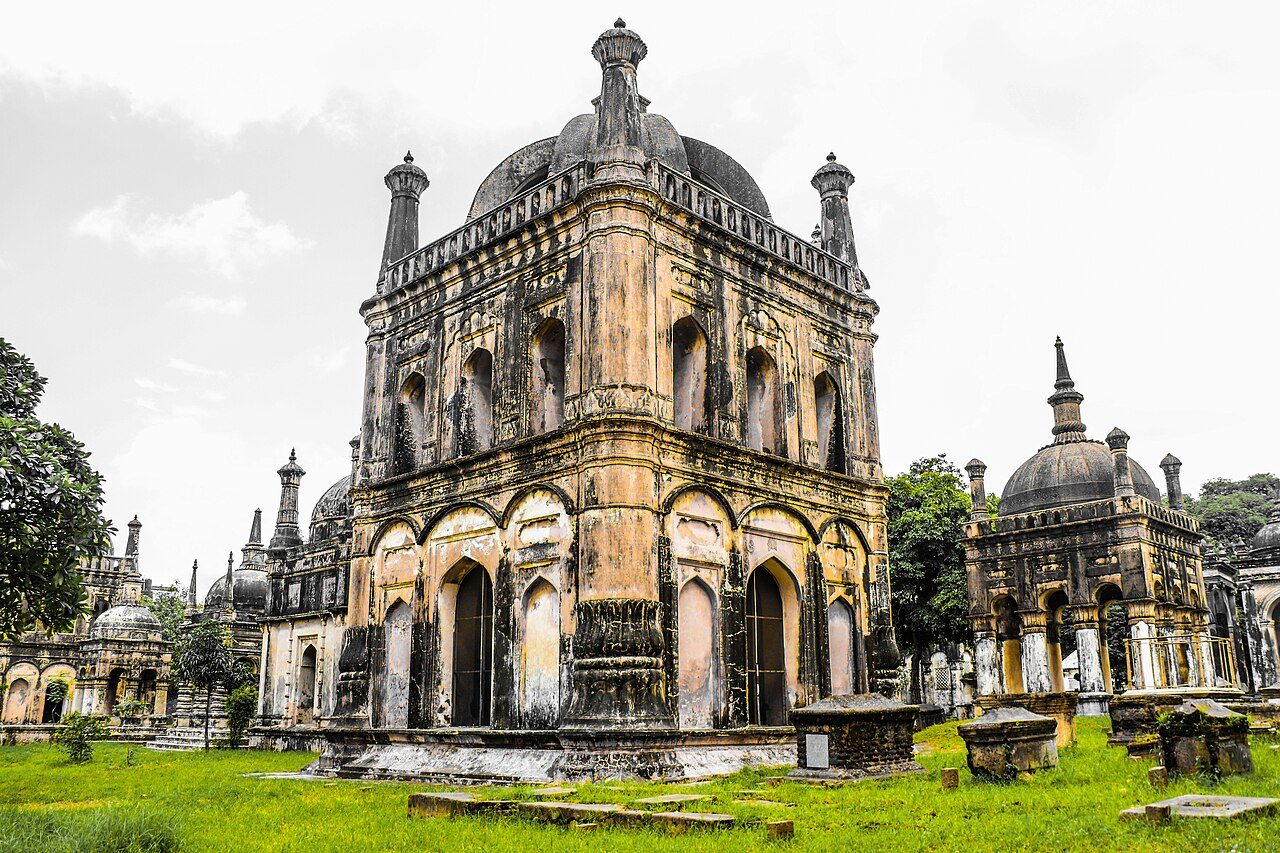
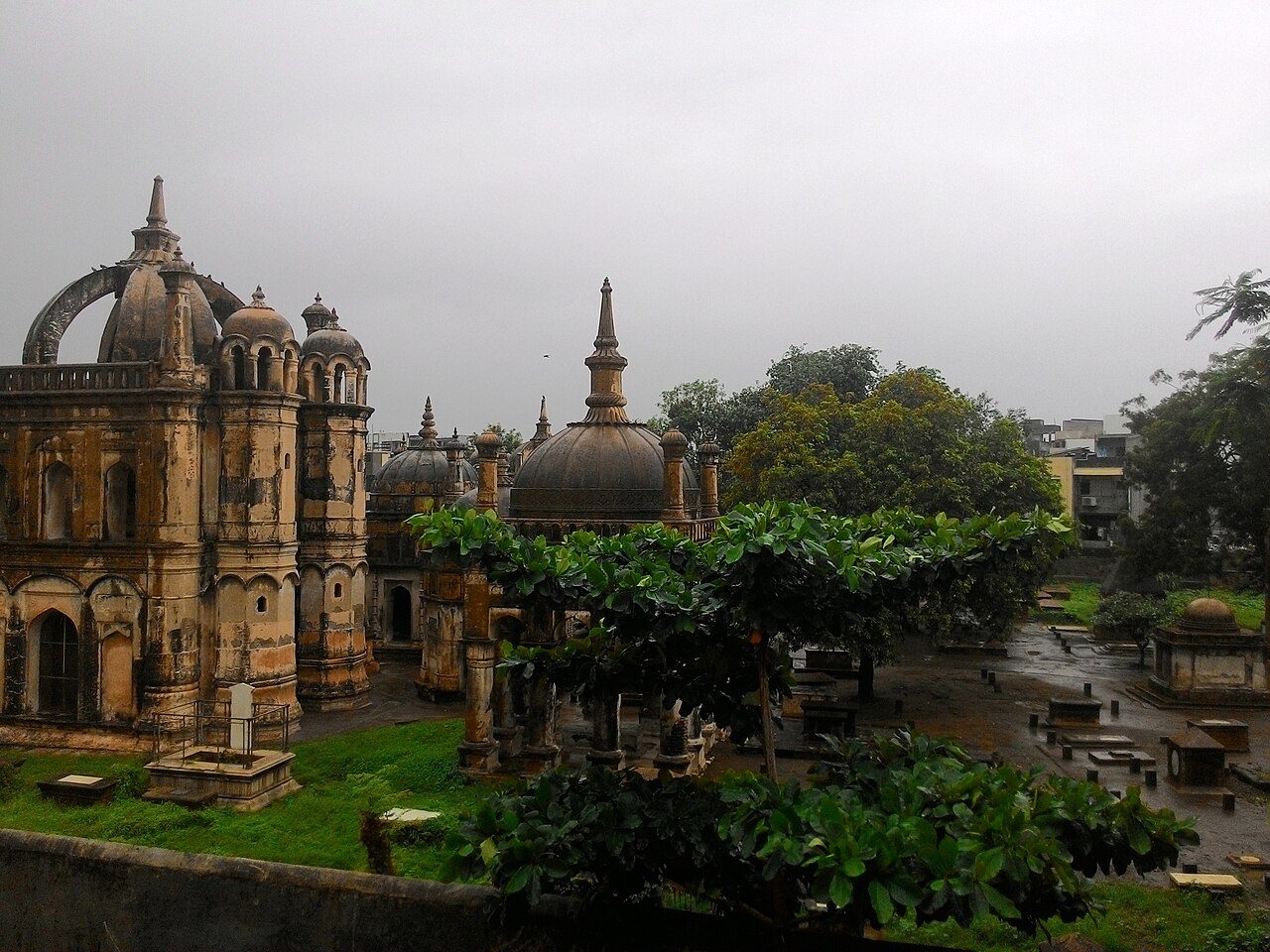
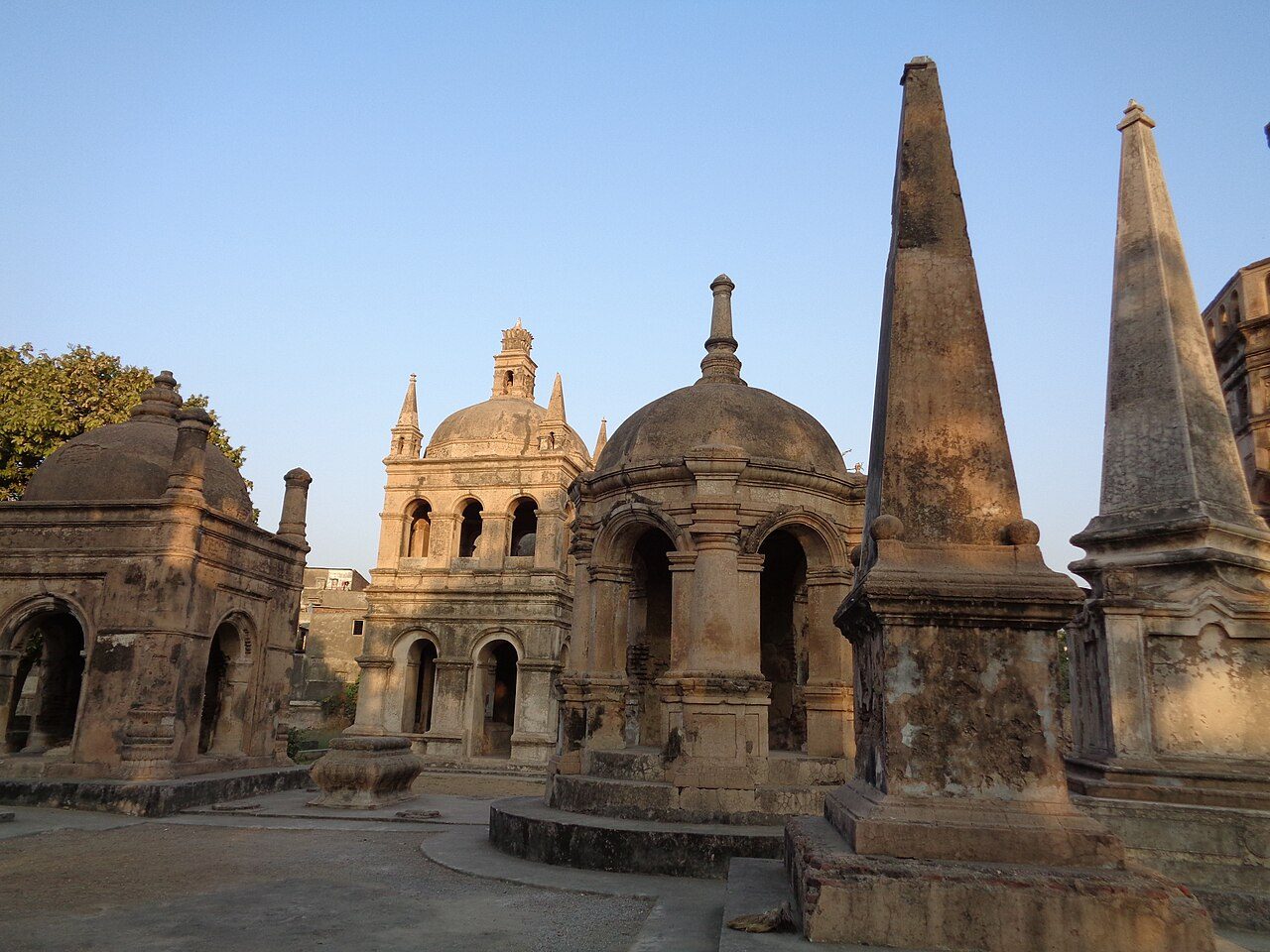
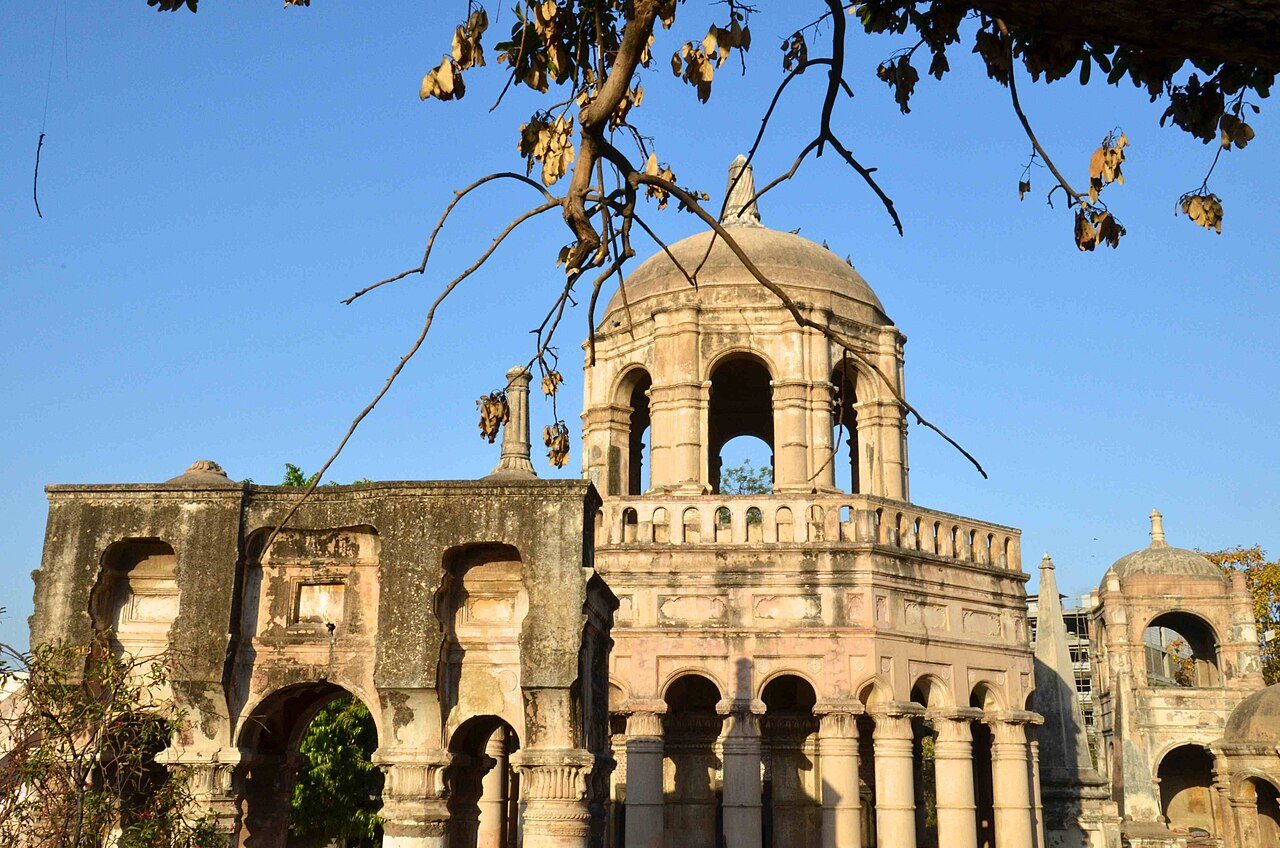
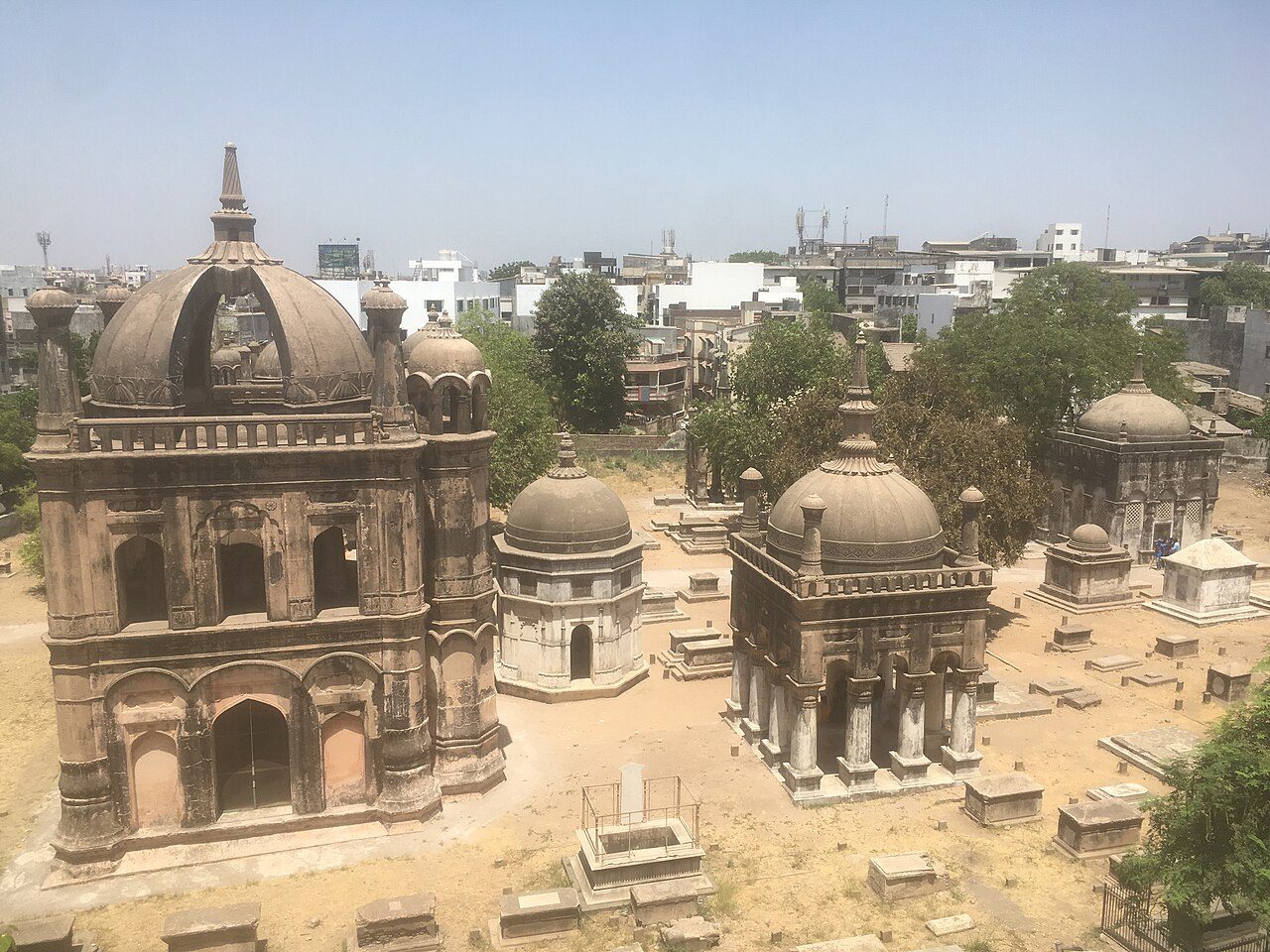
The Dutch and Armenian cemeteries of Surat date from the 17th century, when the city was a major port for European trading companies. The Dutch tombs are grand domed and pillared mausoleums, the largest being that of Baron Adrian Van Reede. The adjoining Armenian graveyard has inscribed tombstones of the merchant community. The nearby English cemetery has similarly imposing monuments.
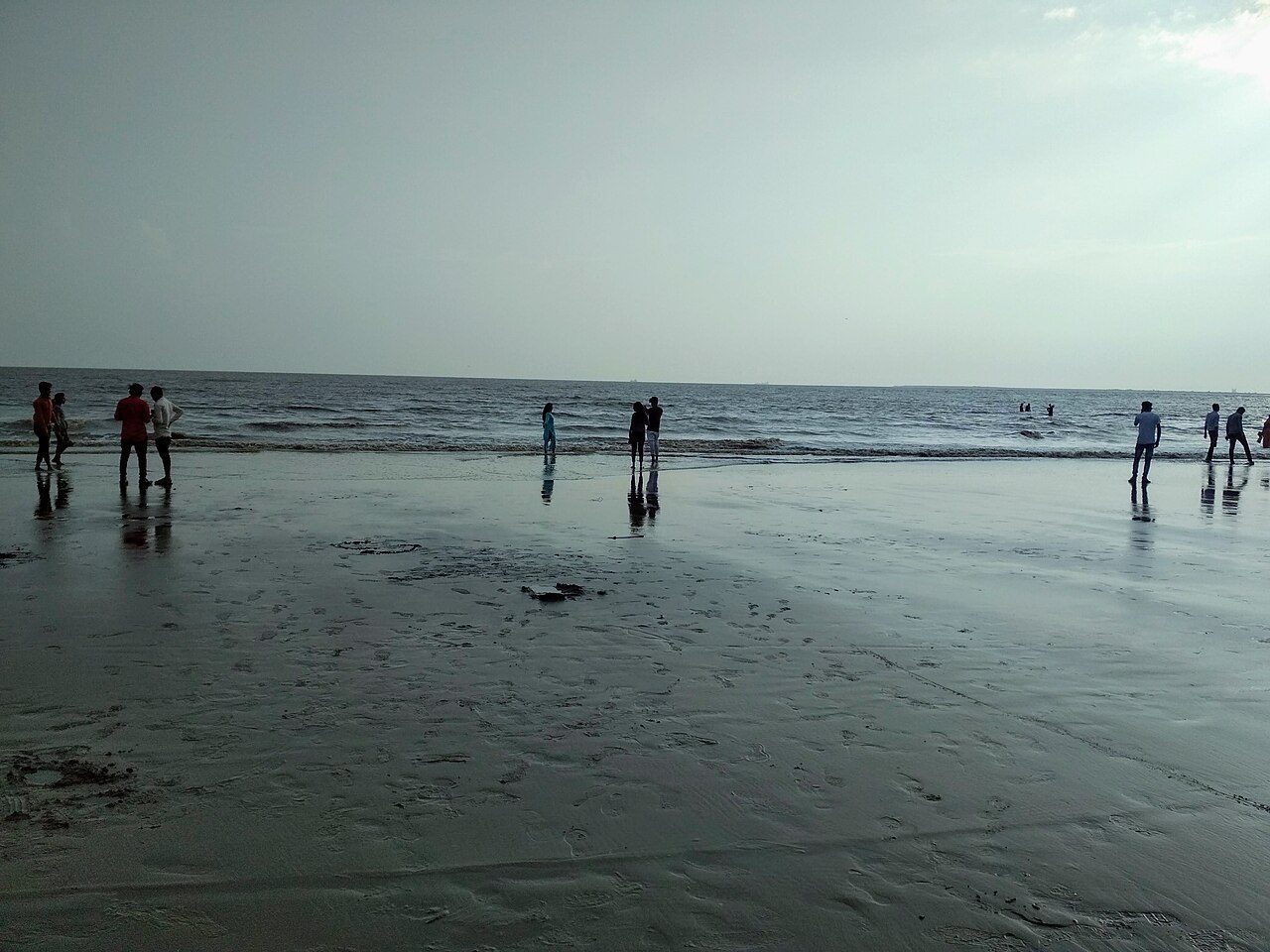
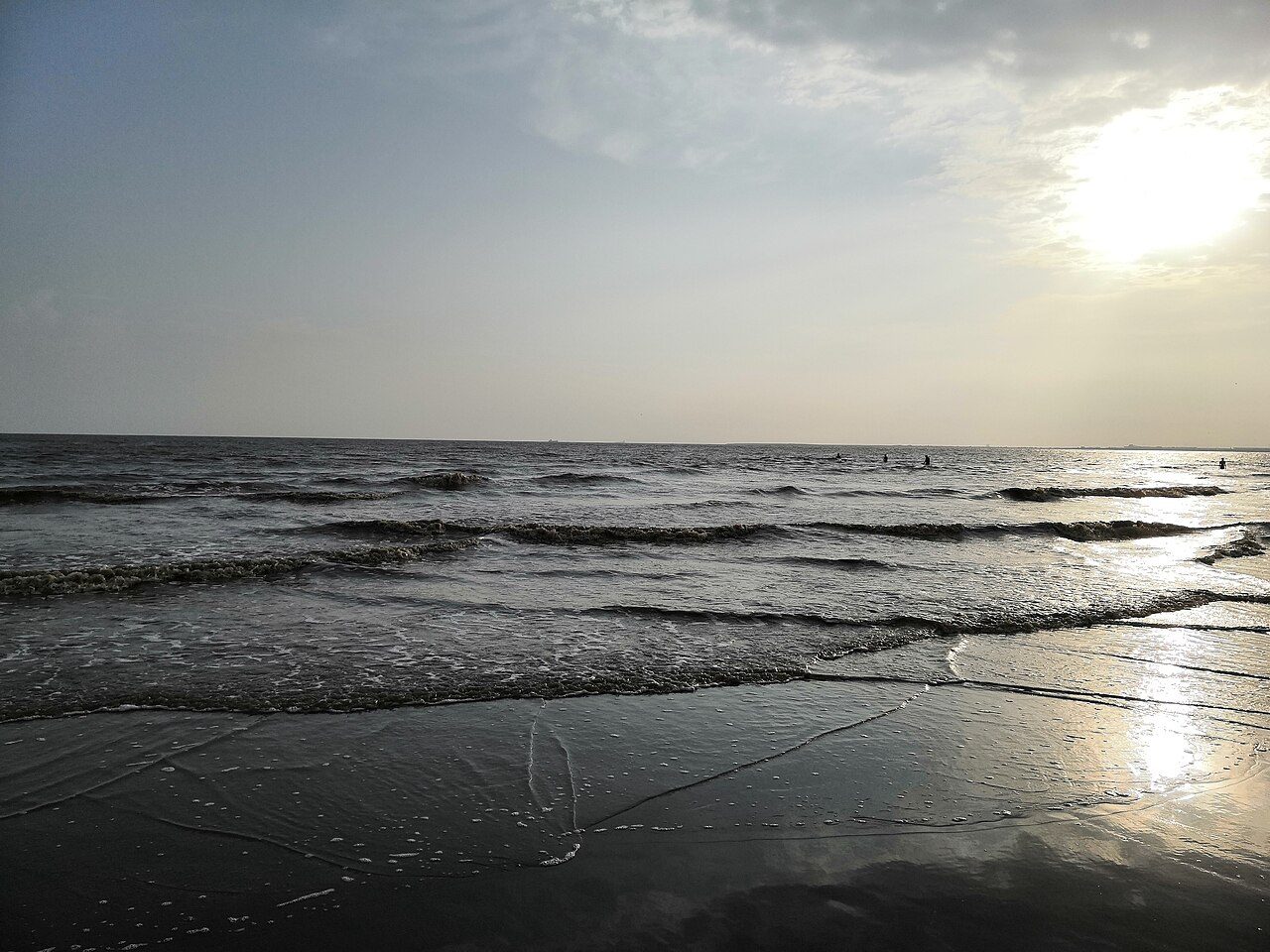
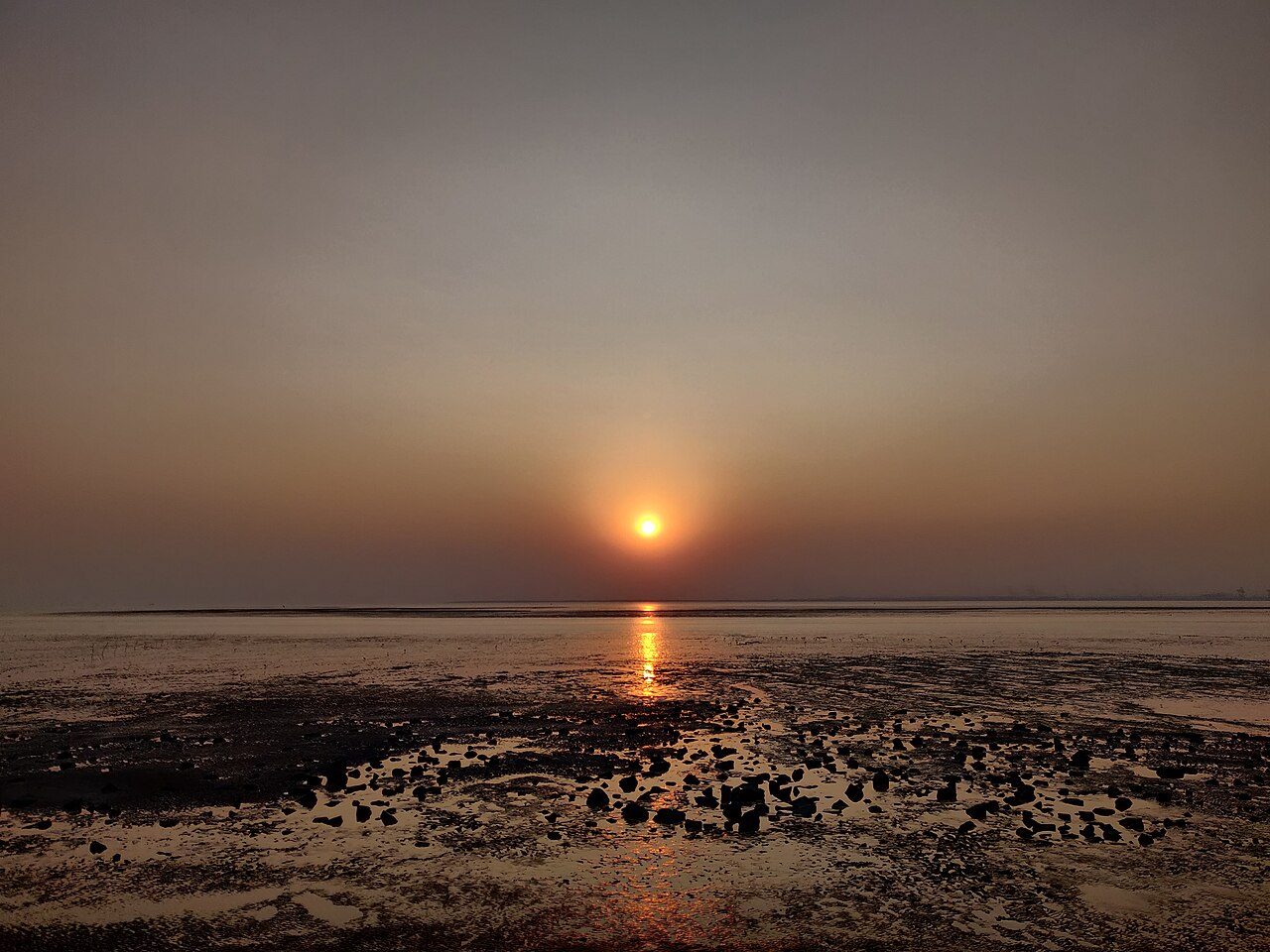
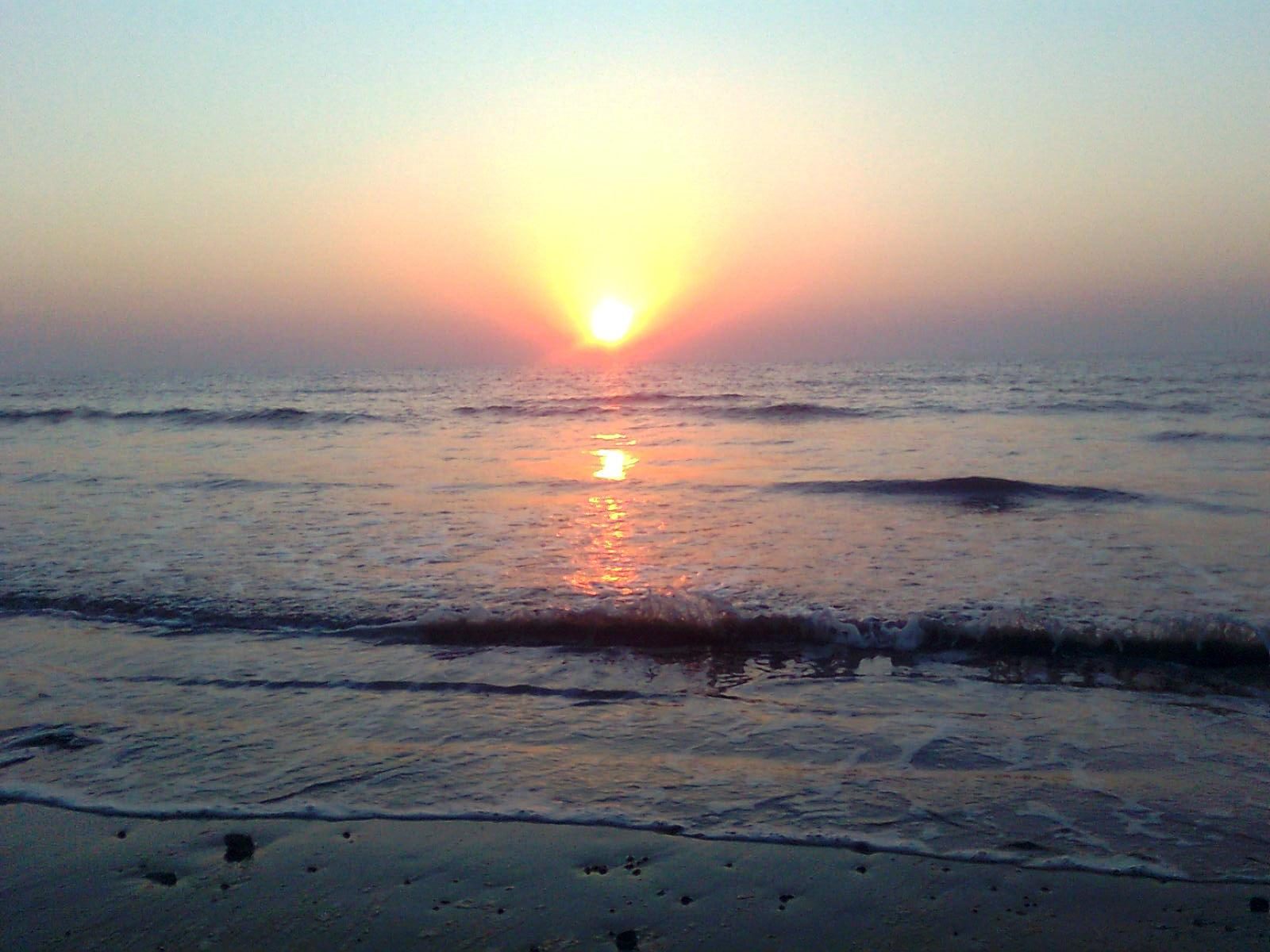
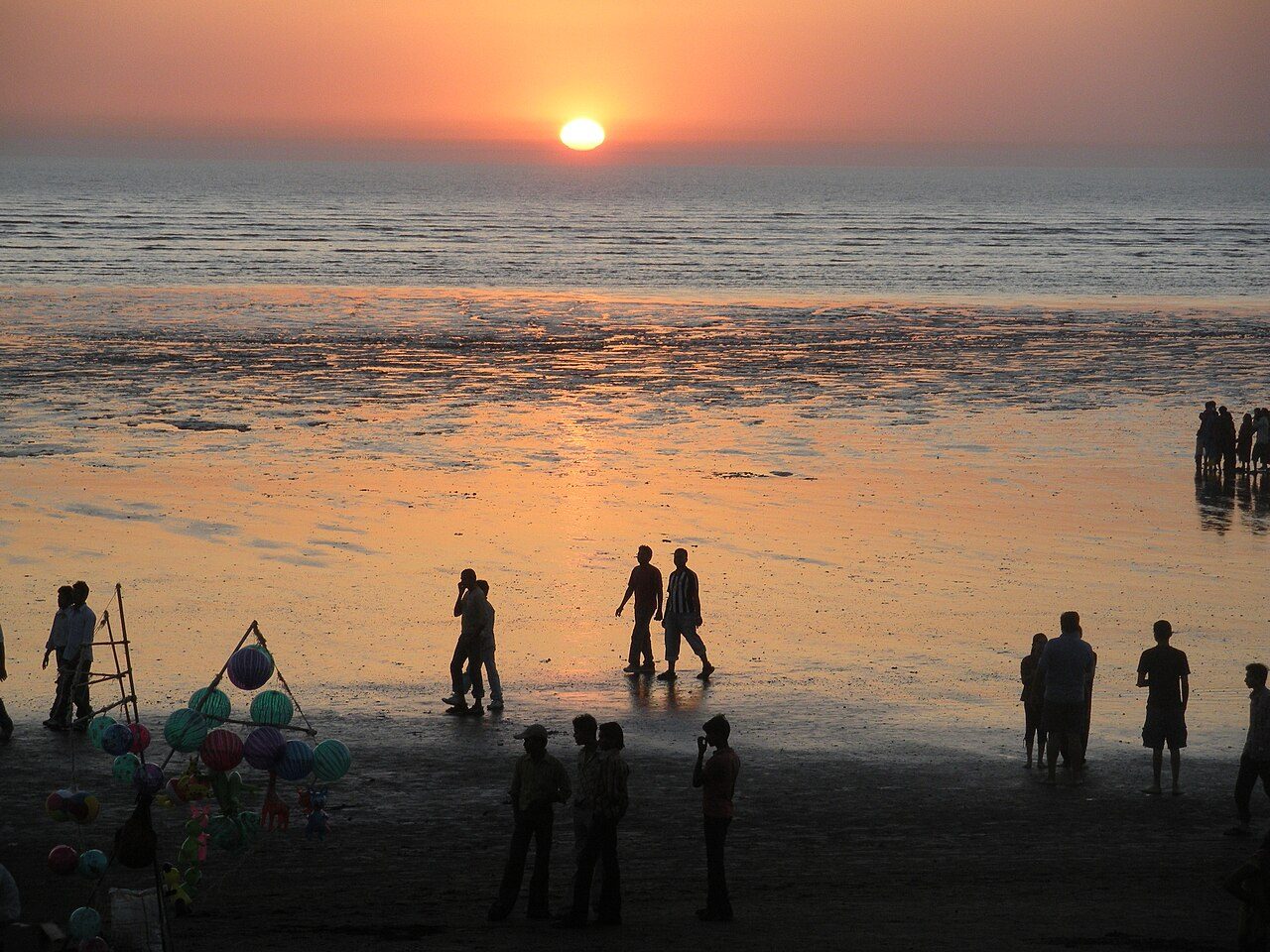
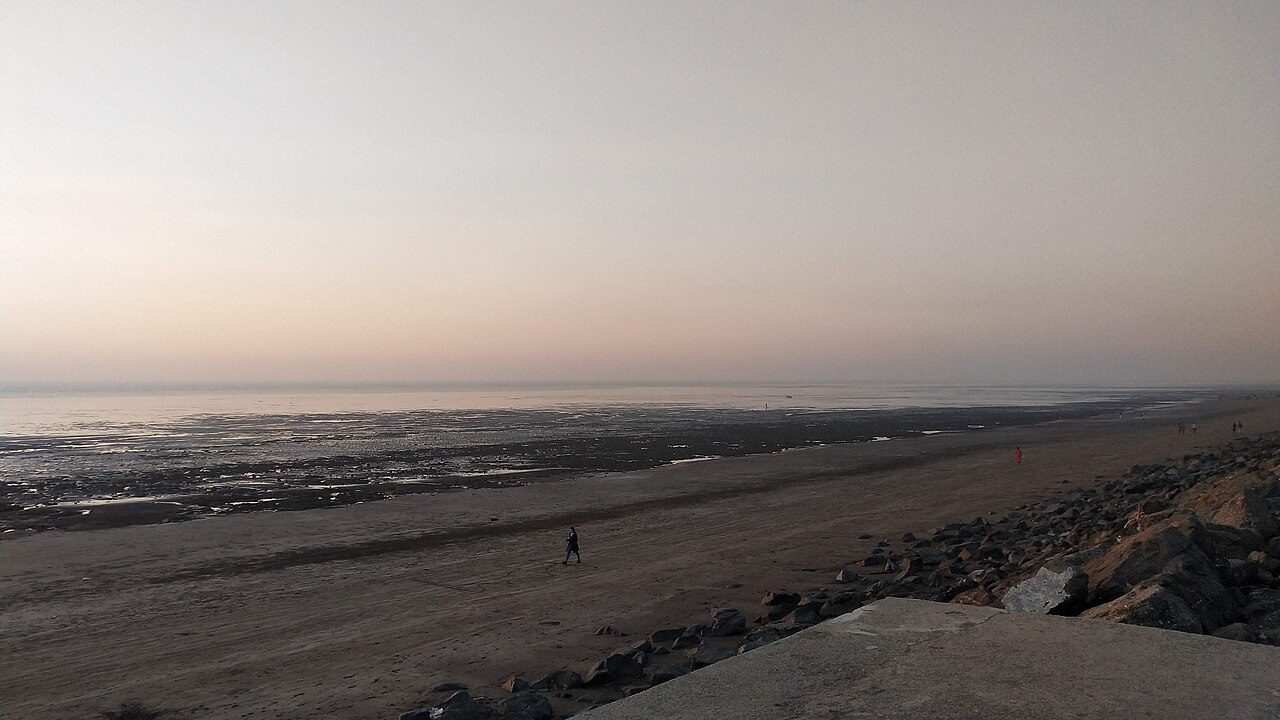
Dumas is a long beach on the Arabian Sea south-west of Surat, known for its dark, almost black sand. It is the city's favourite evening outing, with rows of stalls selling bhajiya, roasted corn and other snacks, and camel and horse rides along the shore. Local stories of hauntings add to its reputation. Swimming is not advised; come for the sunset instead.
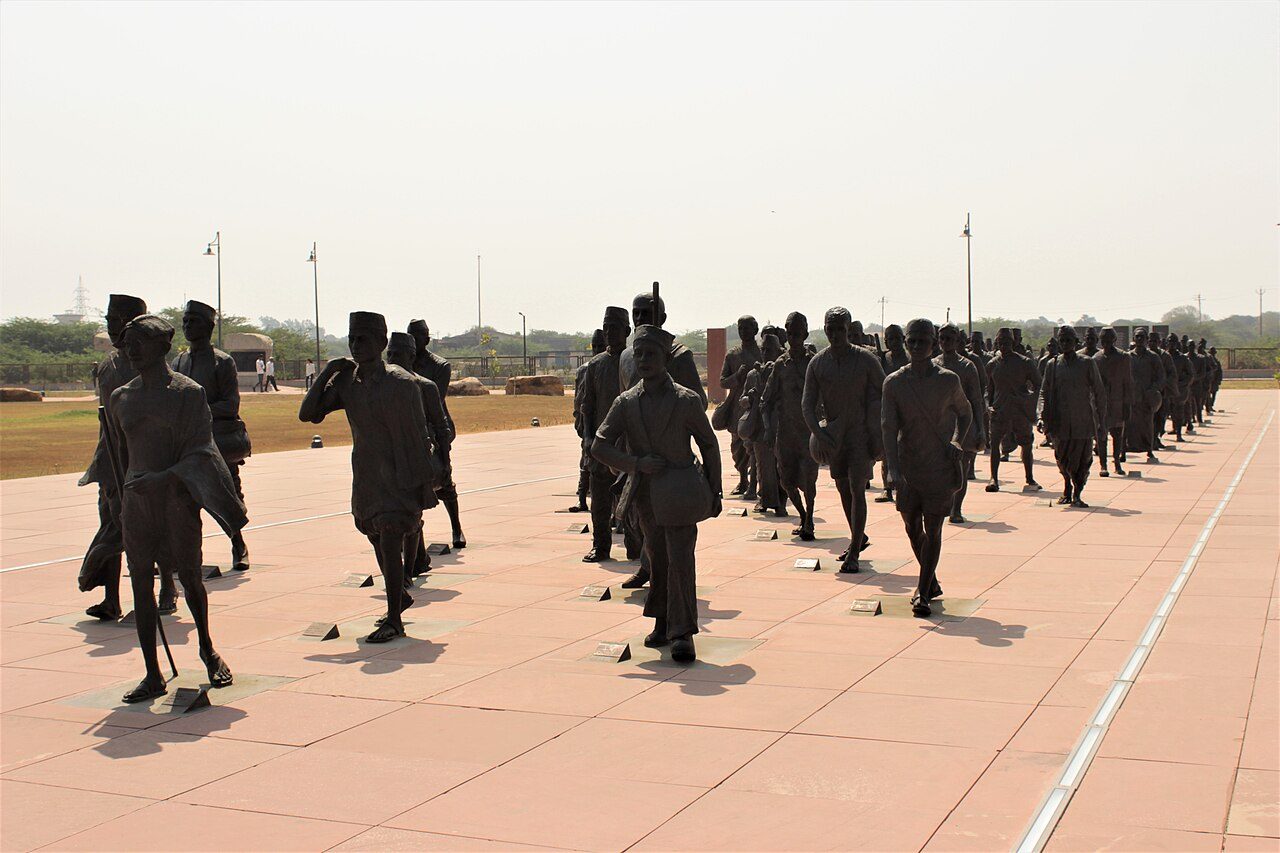
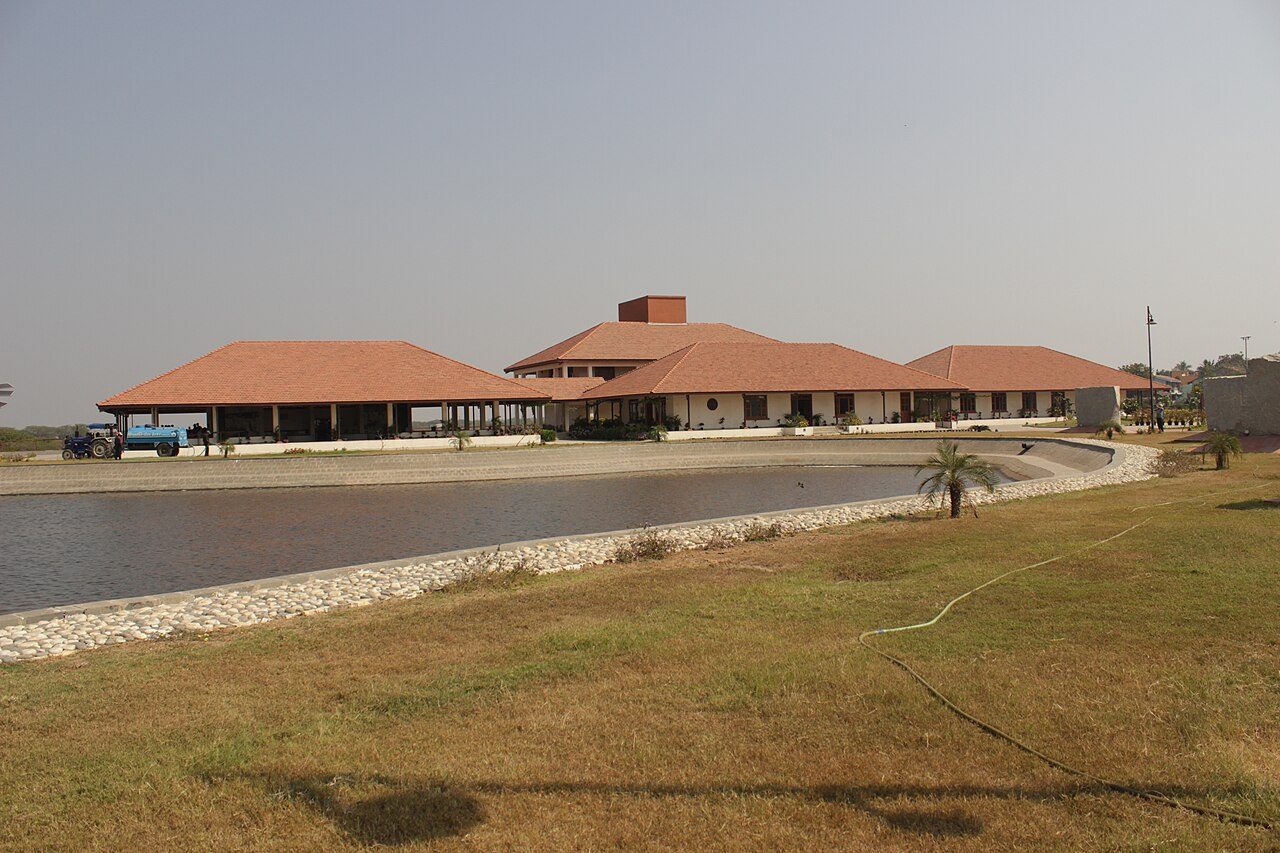
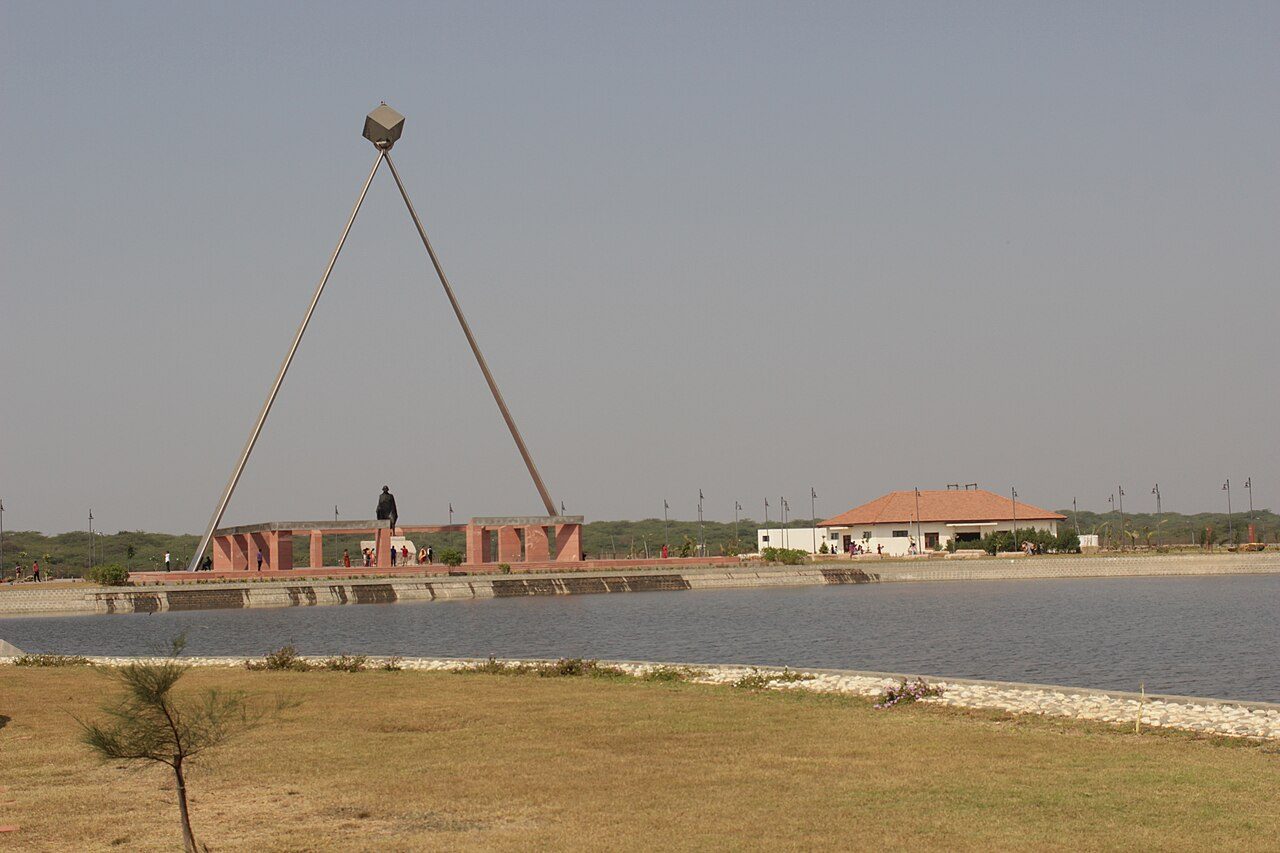
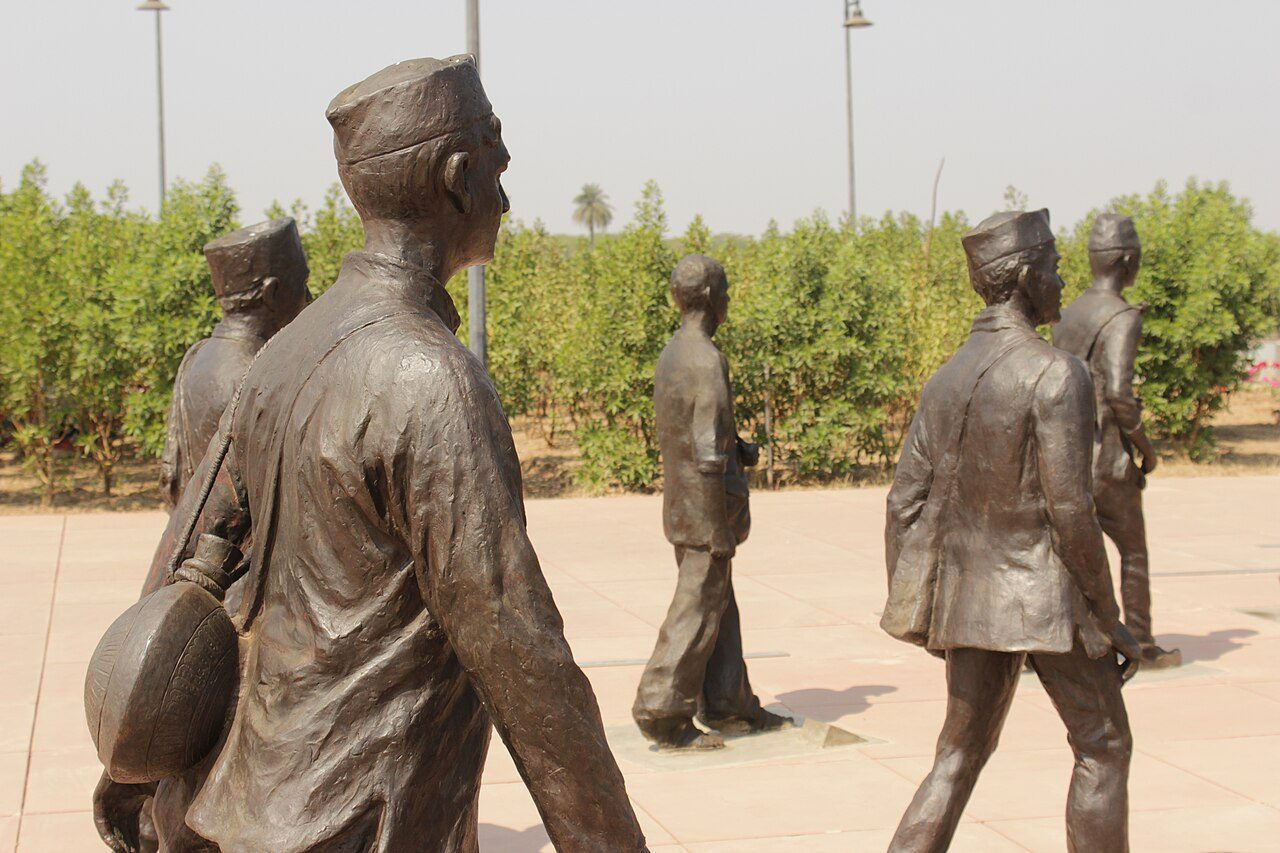
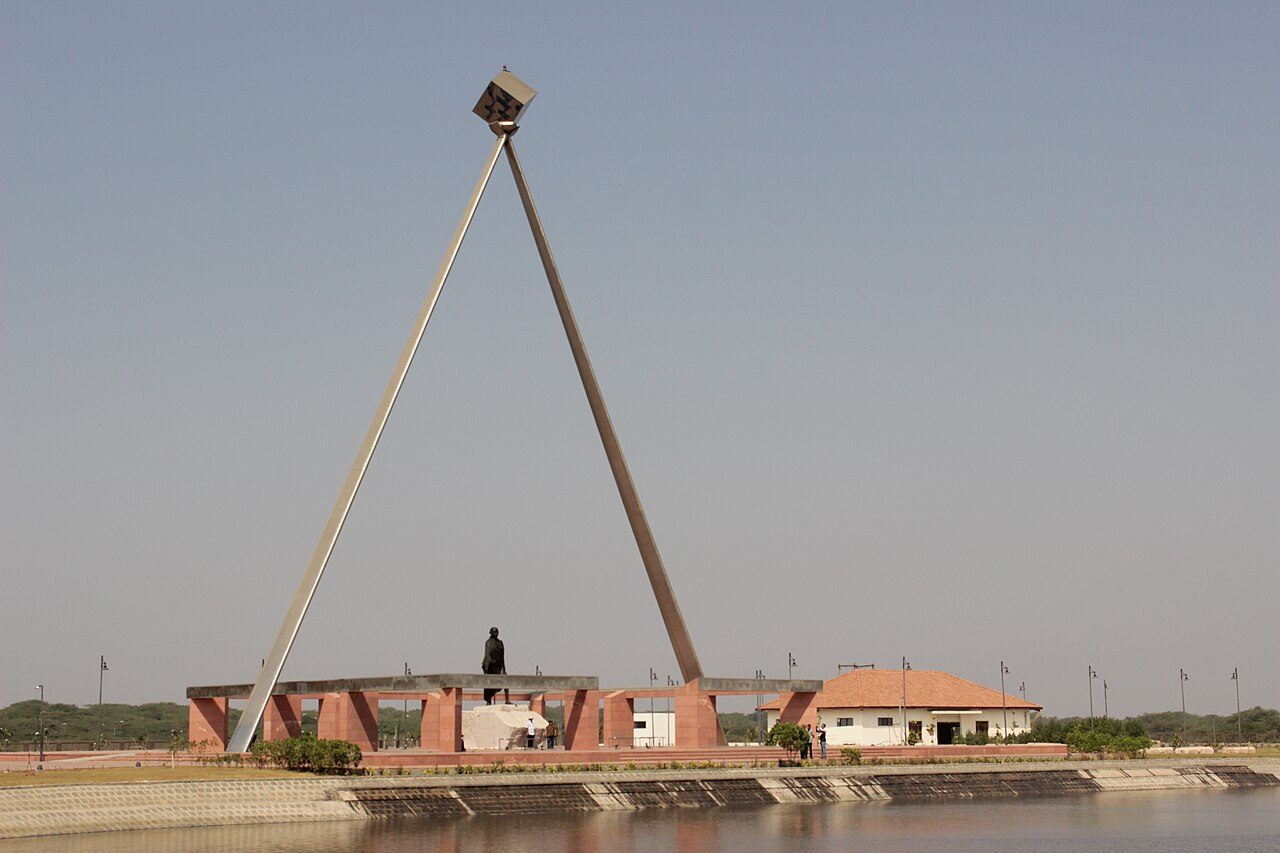
The National Salt Satyagraha Memorial at Dandi marks the spot where Mahatma Gandhi ended his 1930 Salt March and broke the British salt law. Opened in 2019, it has a statue of Gandhi, life-size sculptures of the marchers who walked with him, and murals narrating the 24-day journey from Sabarmati. An artificial lake and salt-making pans complete the site, which is a short walk from Dandi beach.
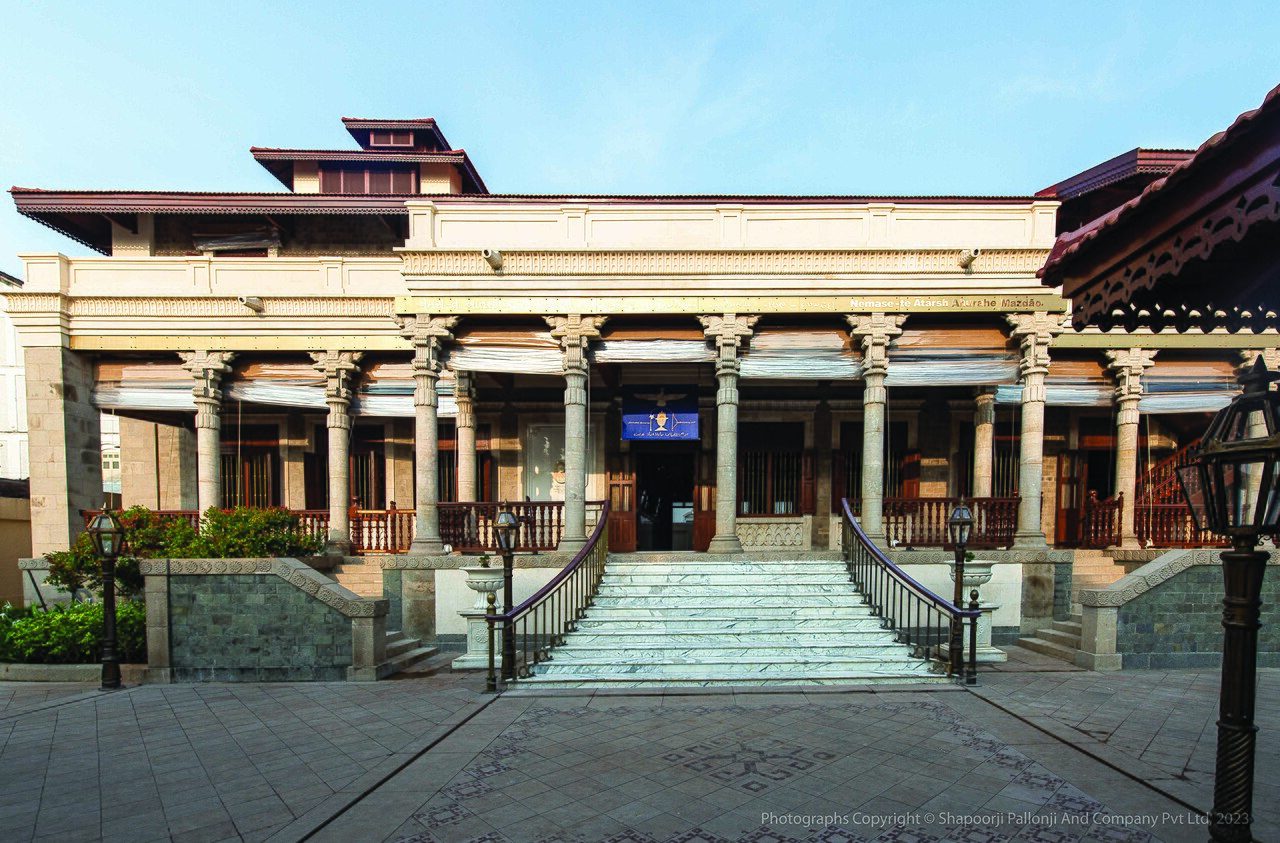
The Iranshah Atash Behram at Udvada houses the holiest fire of the Parsi Zoroastrian community in India. The sacred flame is traditionally said to have been consecrated soon after the Parsis arrived in Gujarat and has been kept burning in Udvada since the 18th century. Only Parsis may enter the temple, but visitors can see its facade and walk the quiet lanes of old Parsi houses around it.
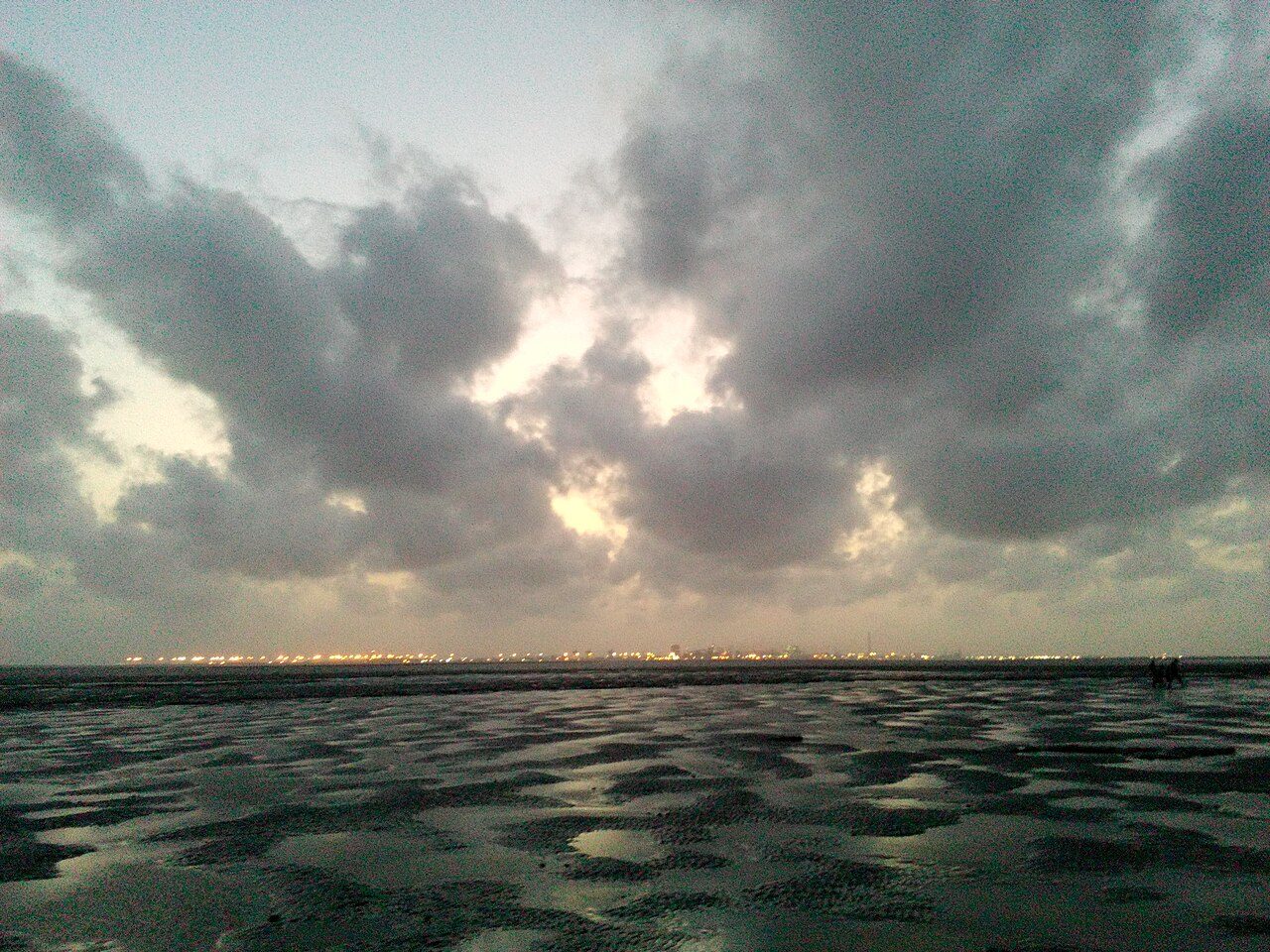
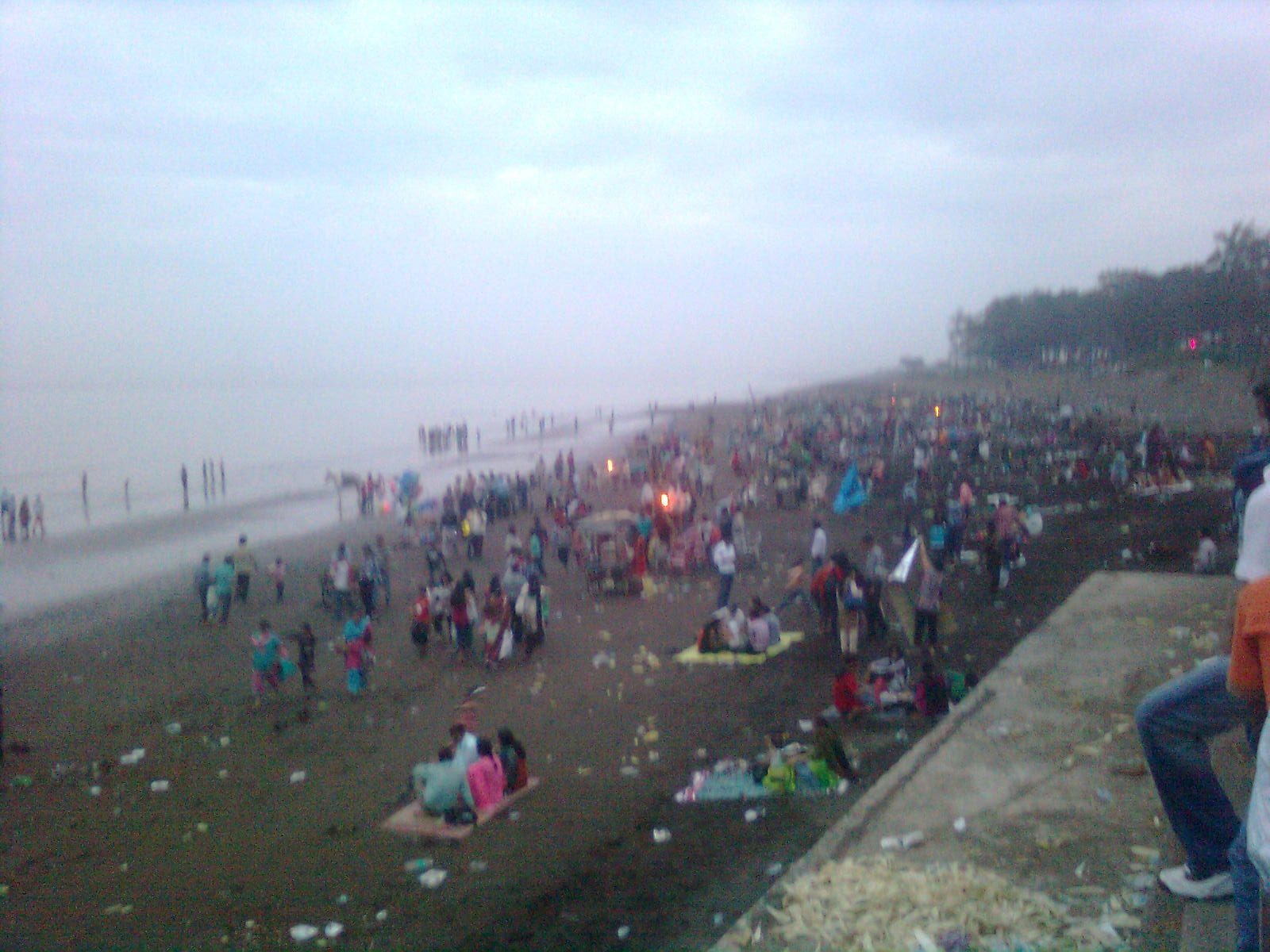
Tithal is a black-sand beach on the Arabian Sea just west of Valsad town. It is a popular weekend spot with a long promenade, food stalls and camel rides, and the shallow shore is good for a walk at low tide. A Swaminarayan temple and a Sai Baba temple stand at either end of the beach. Evenings are the best time, when the sun sets over the sea.
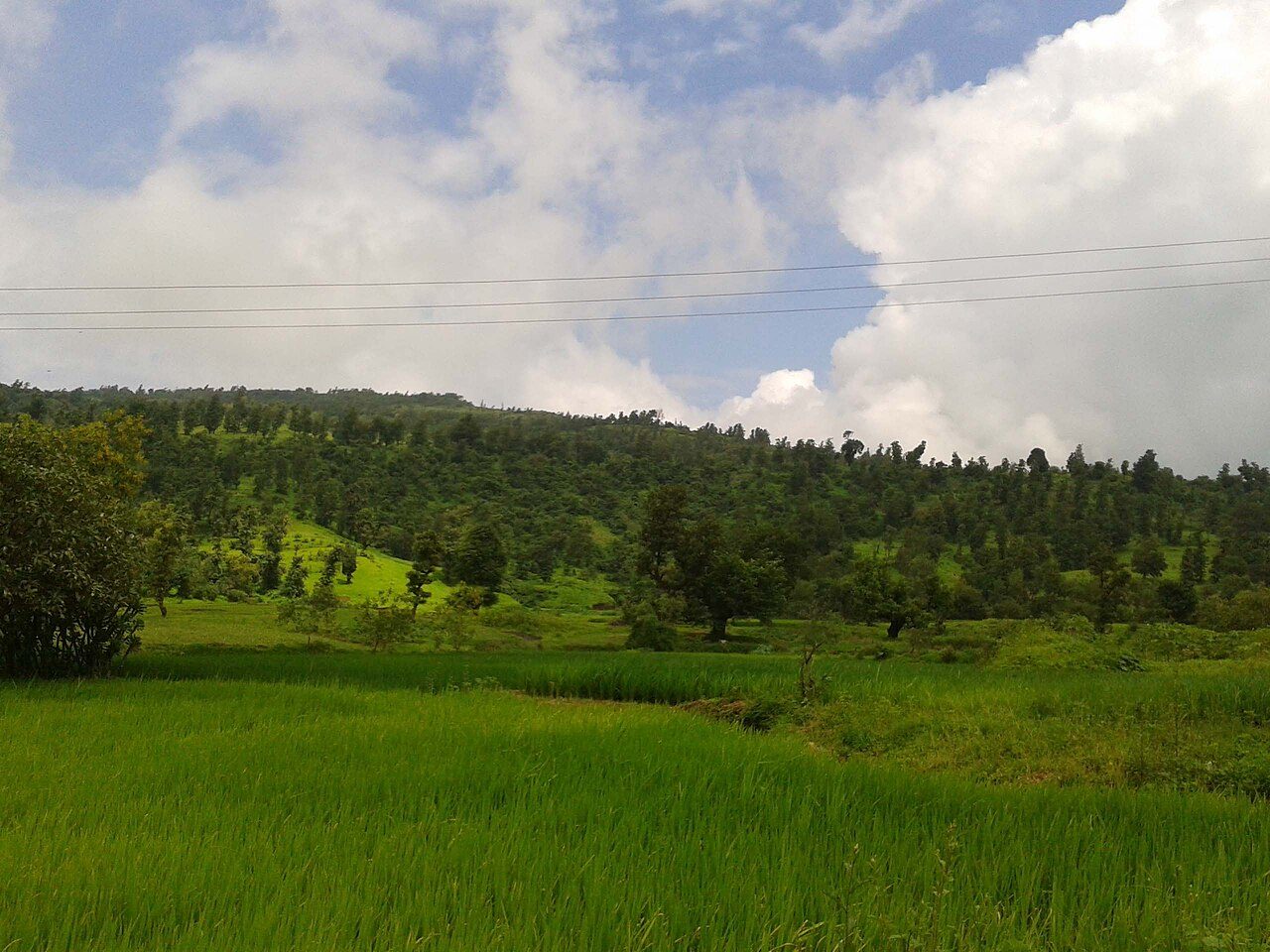
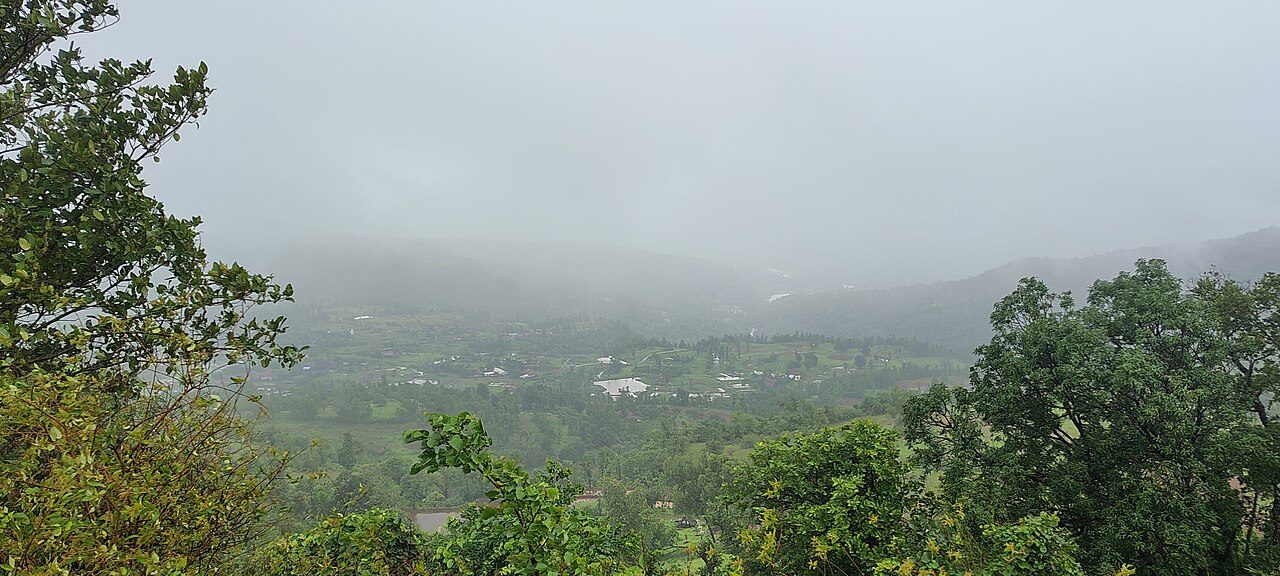
Wilson Hills is a small hill station near Dharampur, at about 750 metres in the Sahyadri foothills. It is named after Lord Wilson, a British governor of Bombay, whose memorial stands at the top. On clear days the Arabian Sea is visible from the viewpoints. The hills are at their best in the monsoon, when mist, waterfalls and green forest draw visitors from Surat and Valsad.
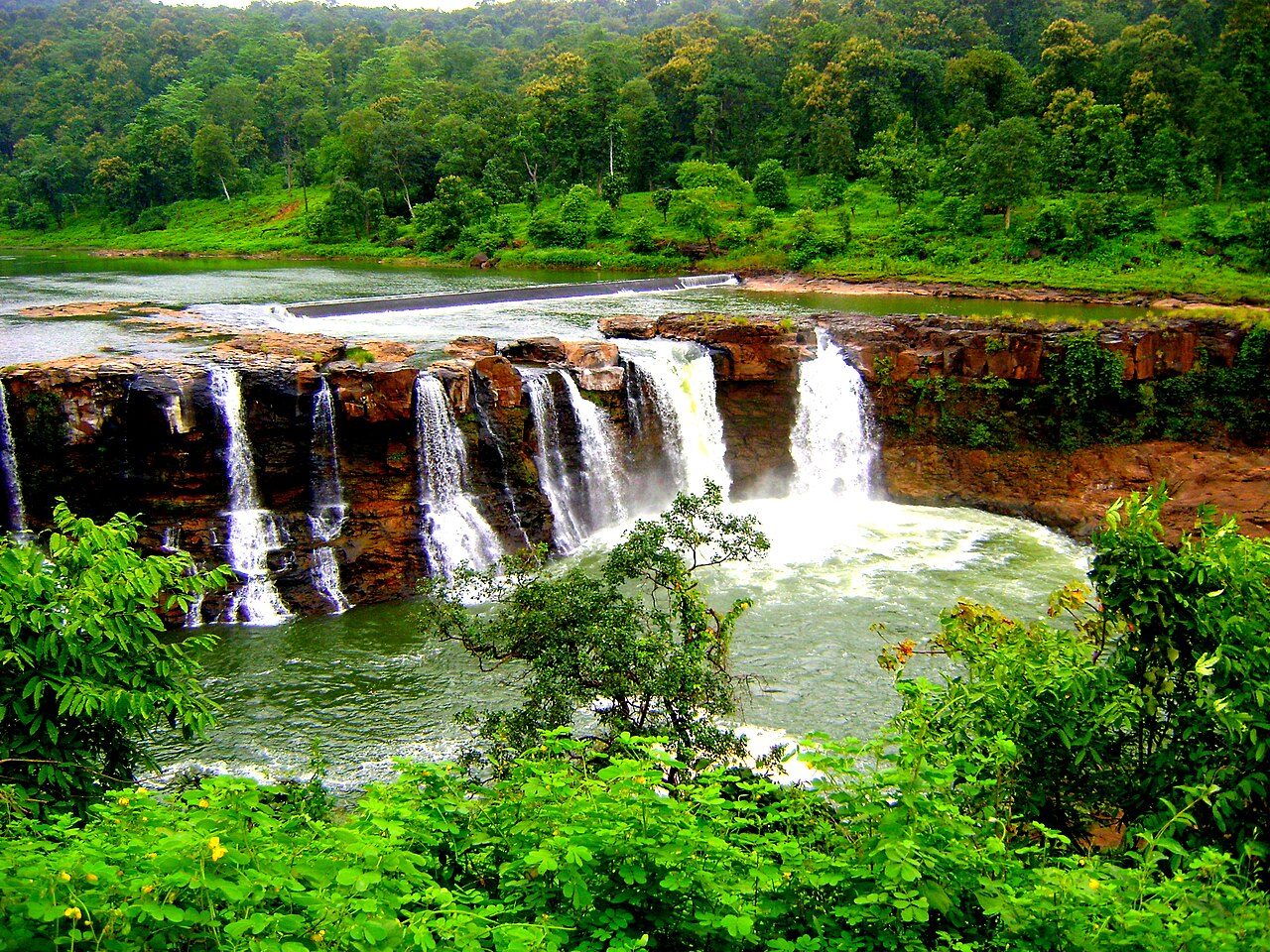
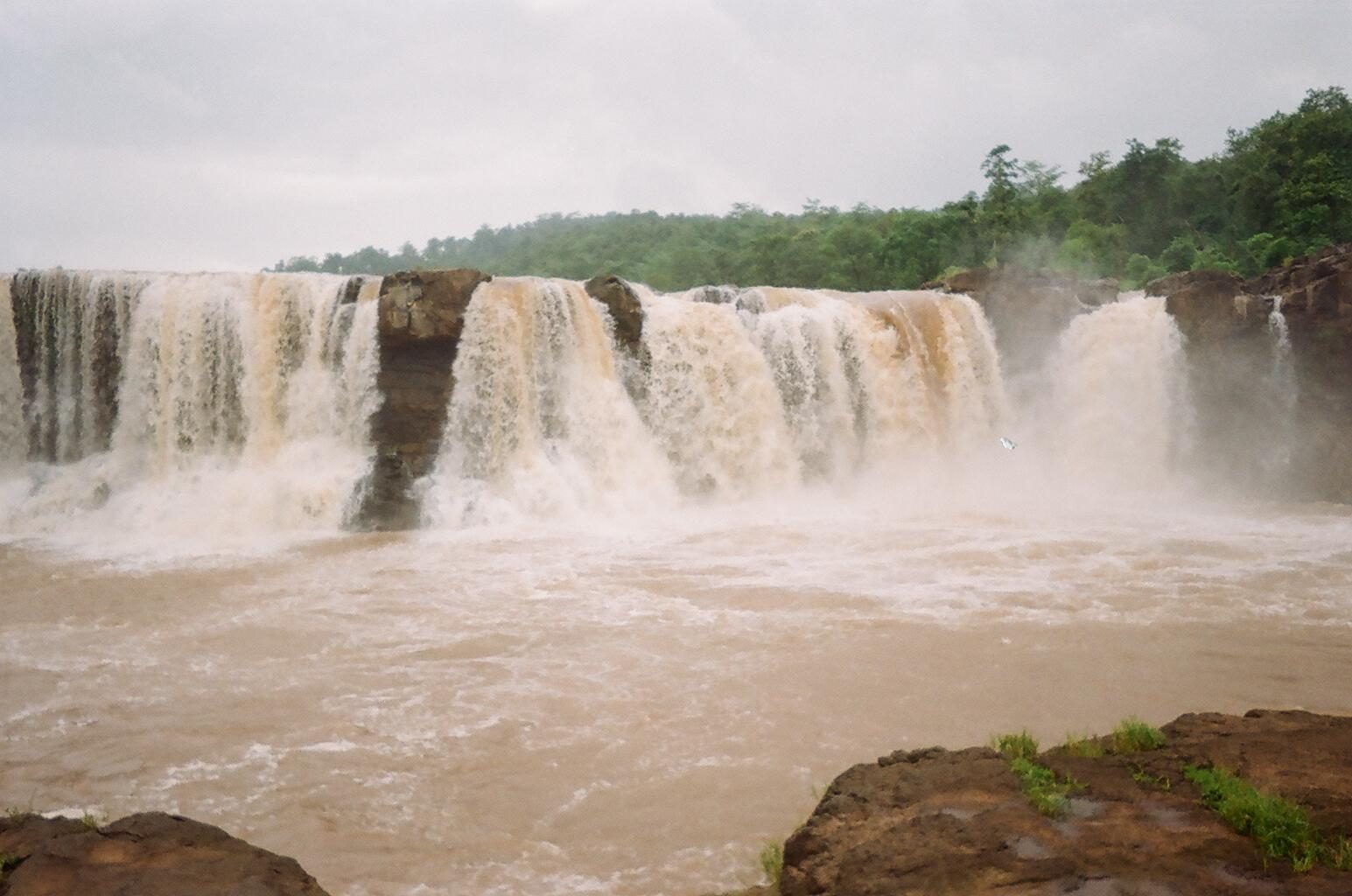
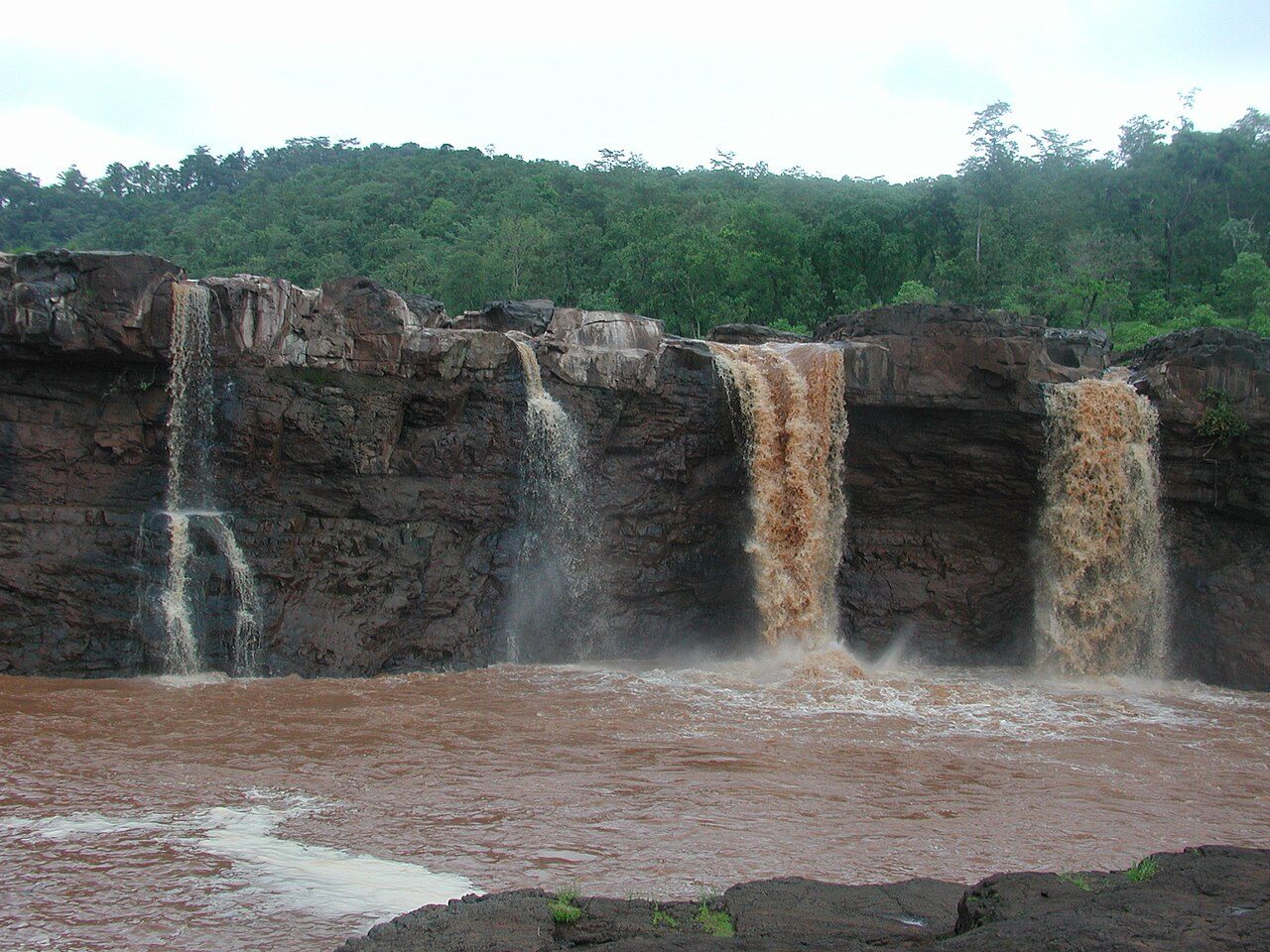
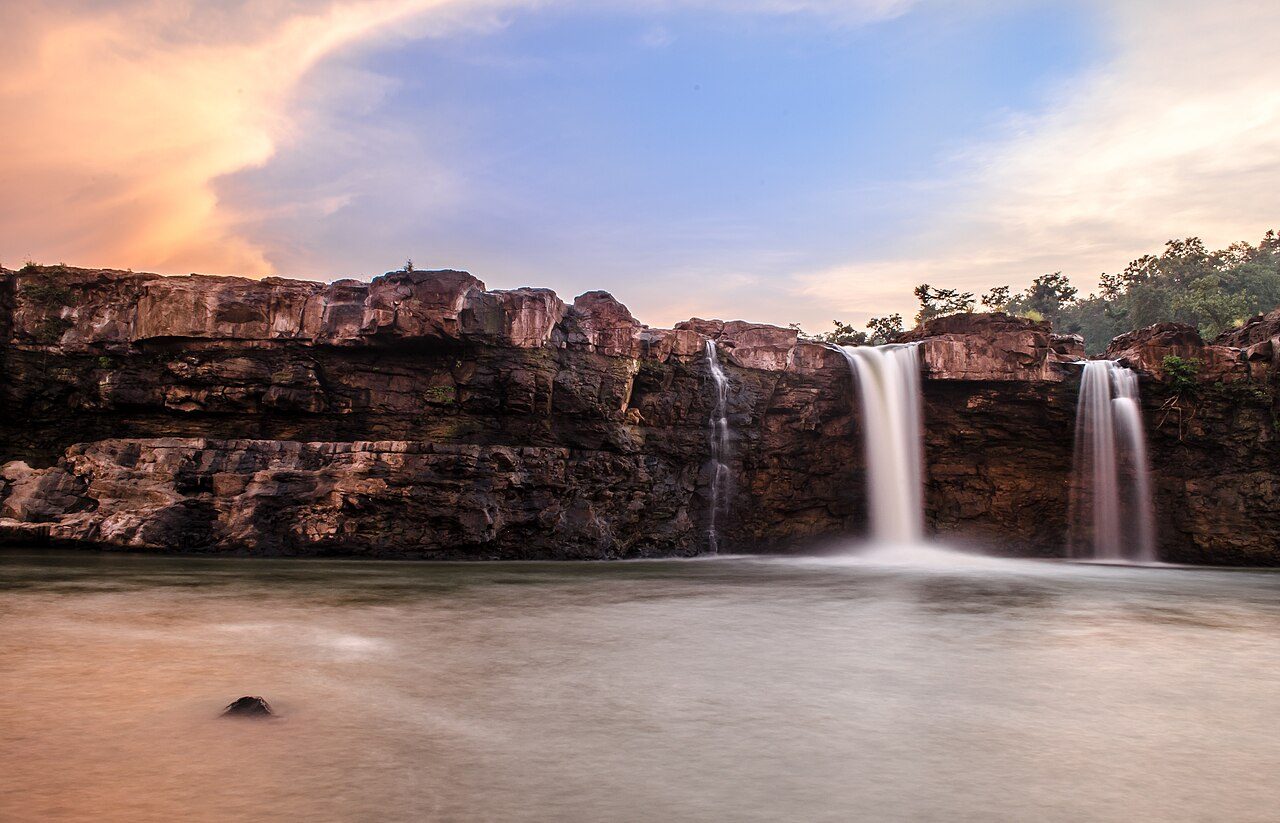
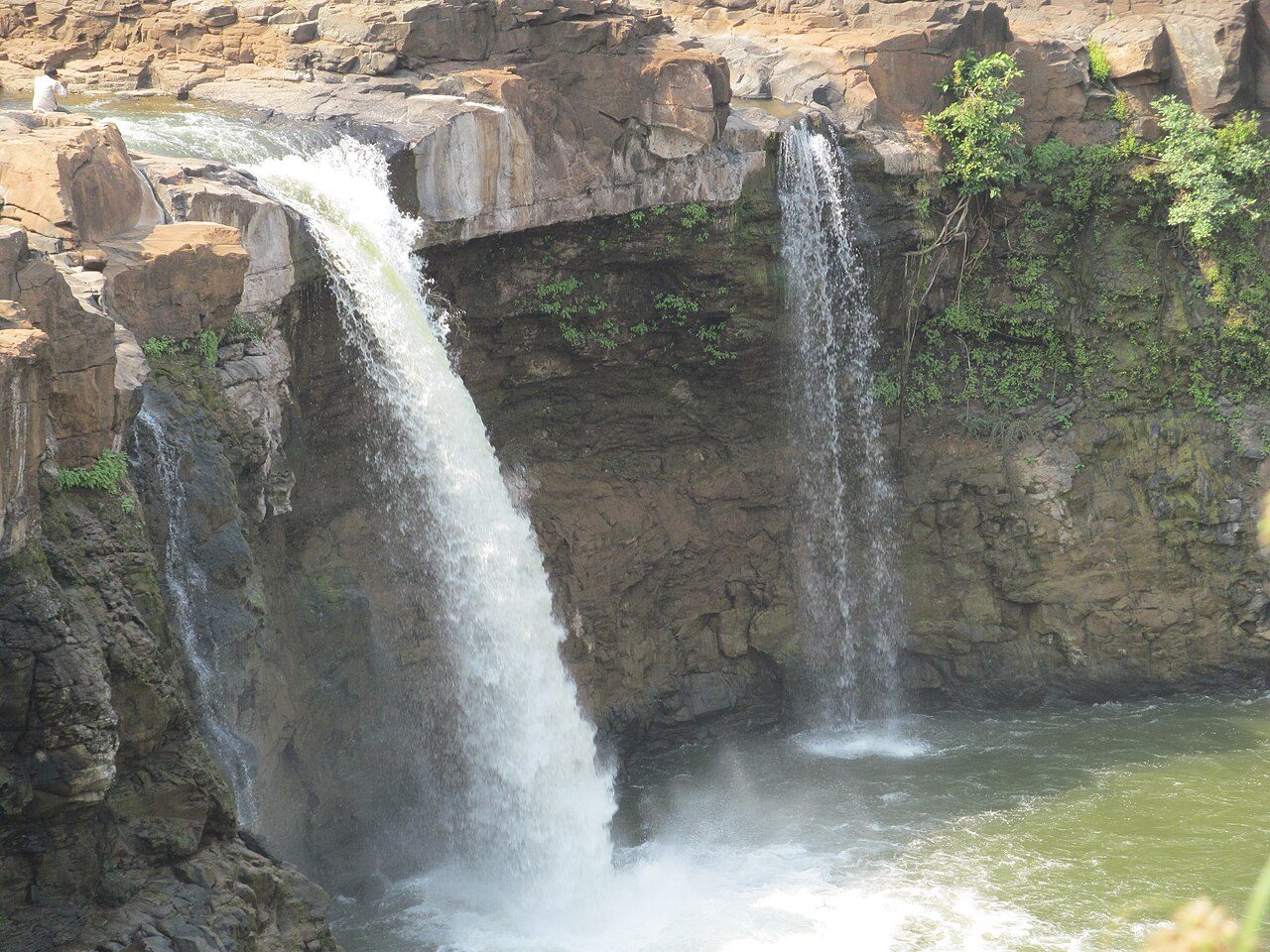
Gira Falls is a broad seasonal waterfall near Waghai, where the Khapri river drops about 30 metres into the Ambika. In the monsoon it spreads into a wide curtain of water. Stalls near the viewing area sell bamboo crafts made by local tribal artisans. The falls are best seen between July and November; by late winter the flow is much reduced.
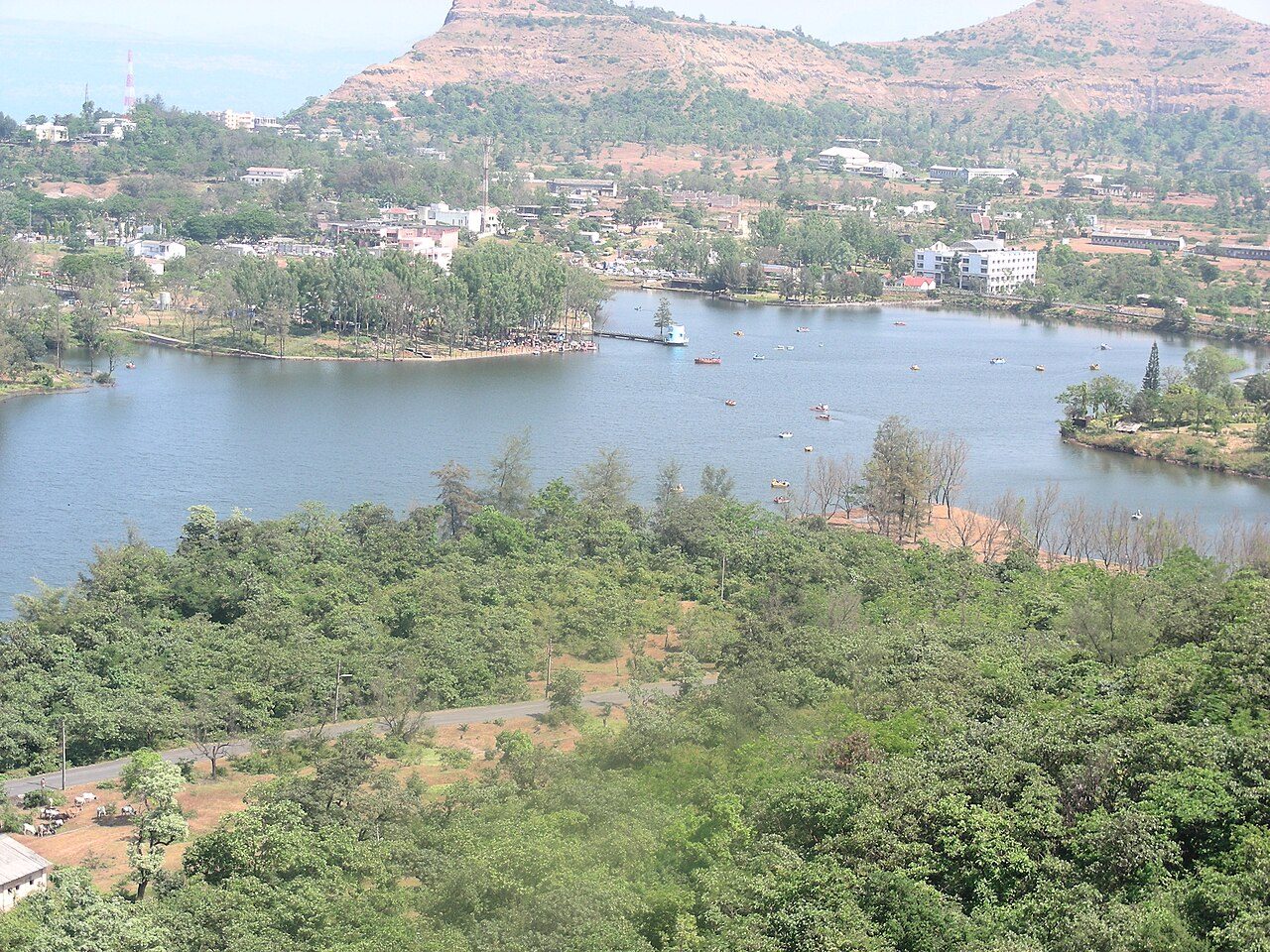
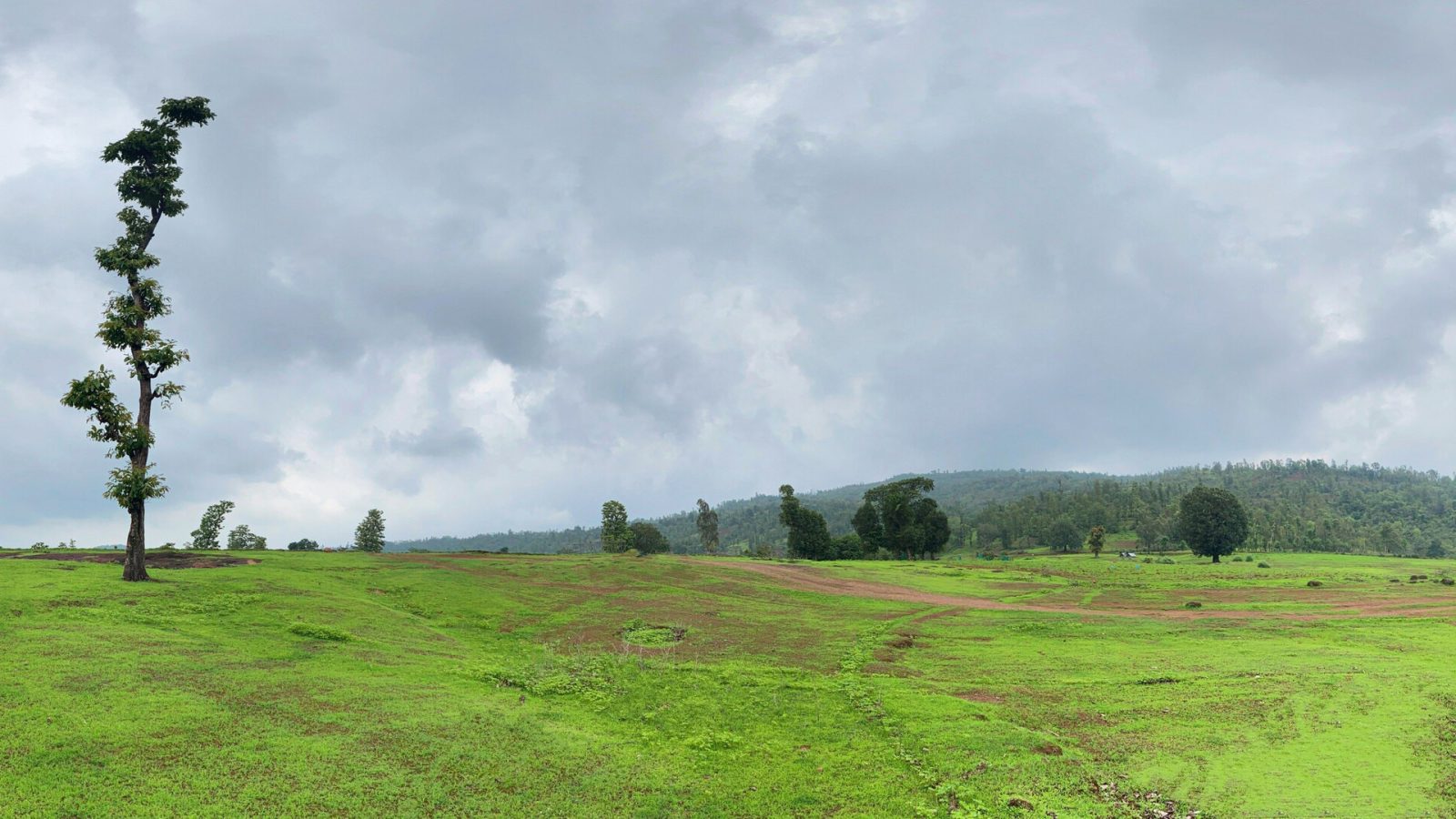
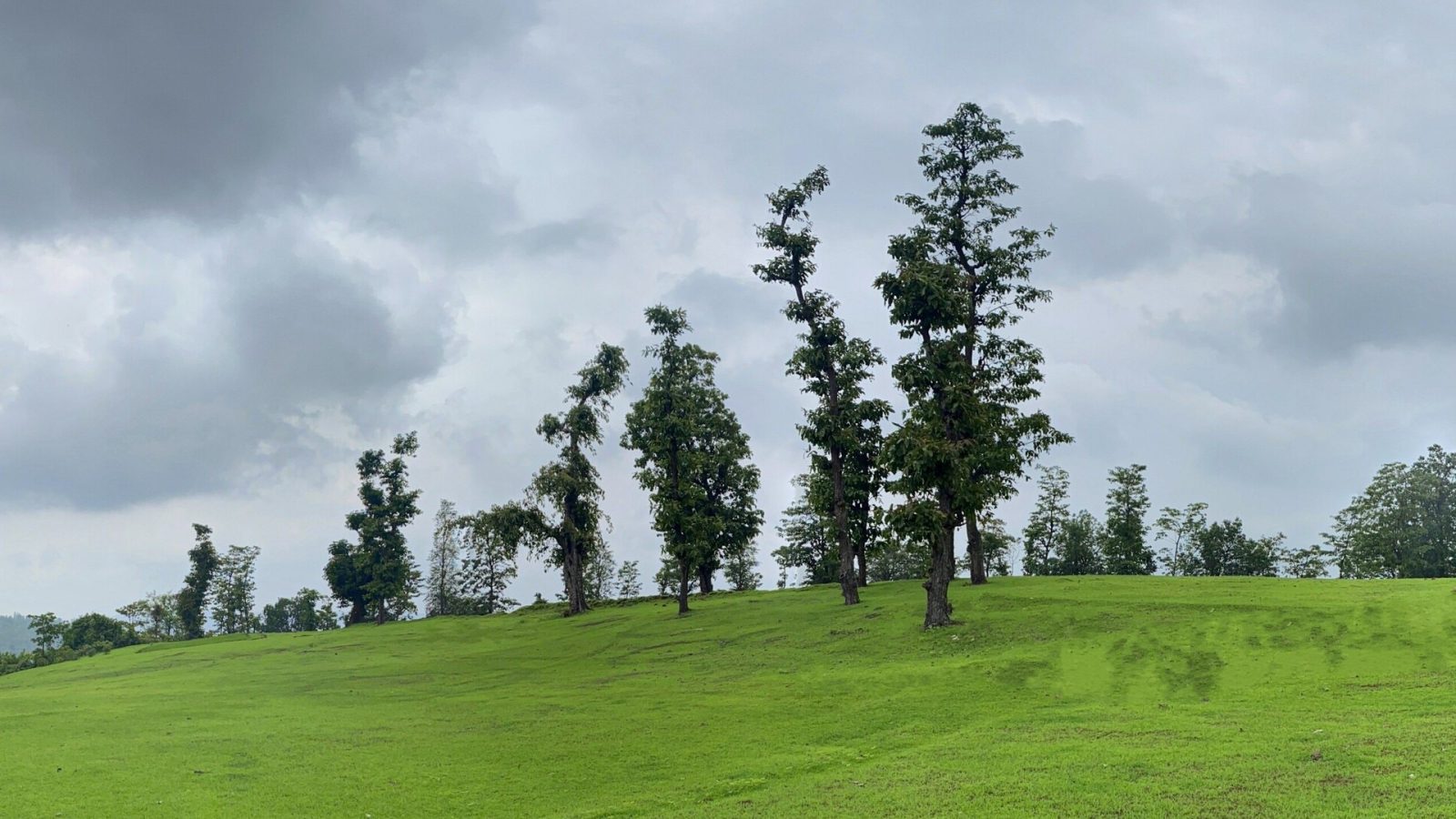
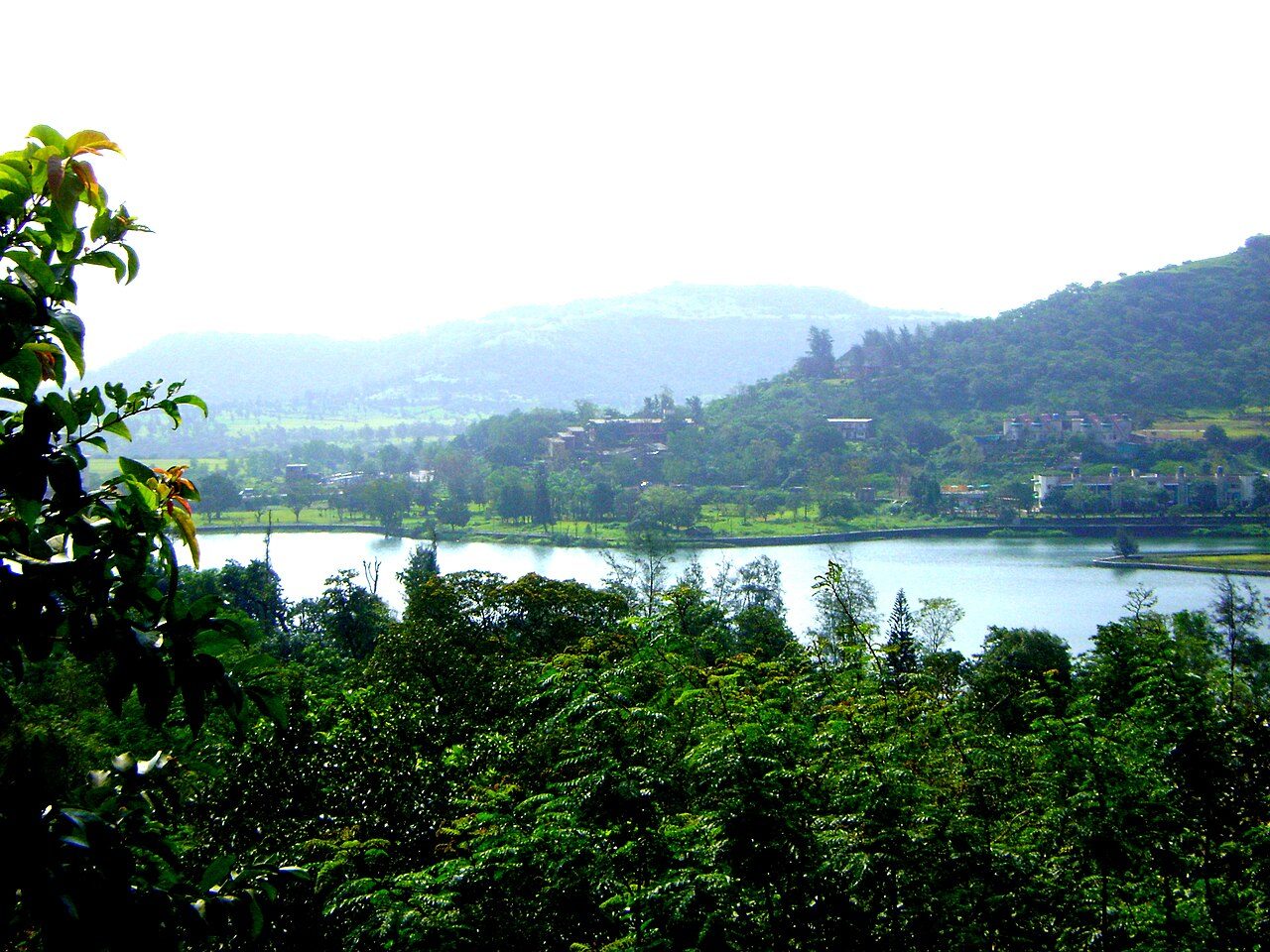
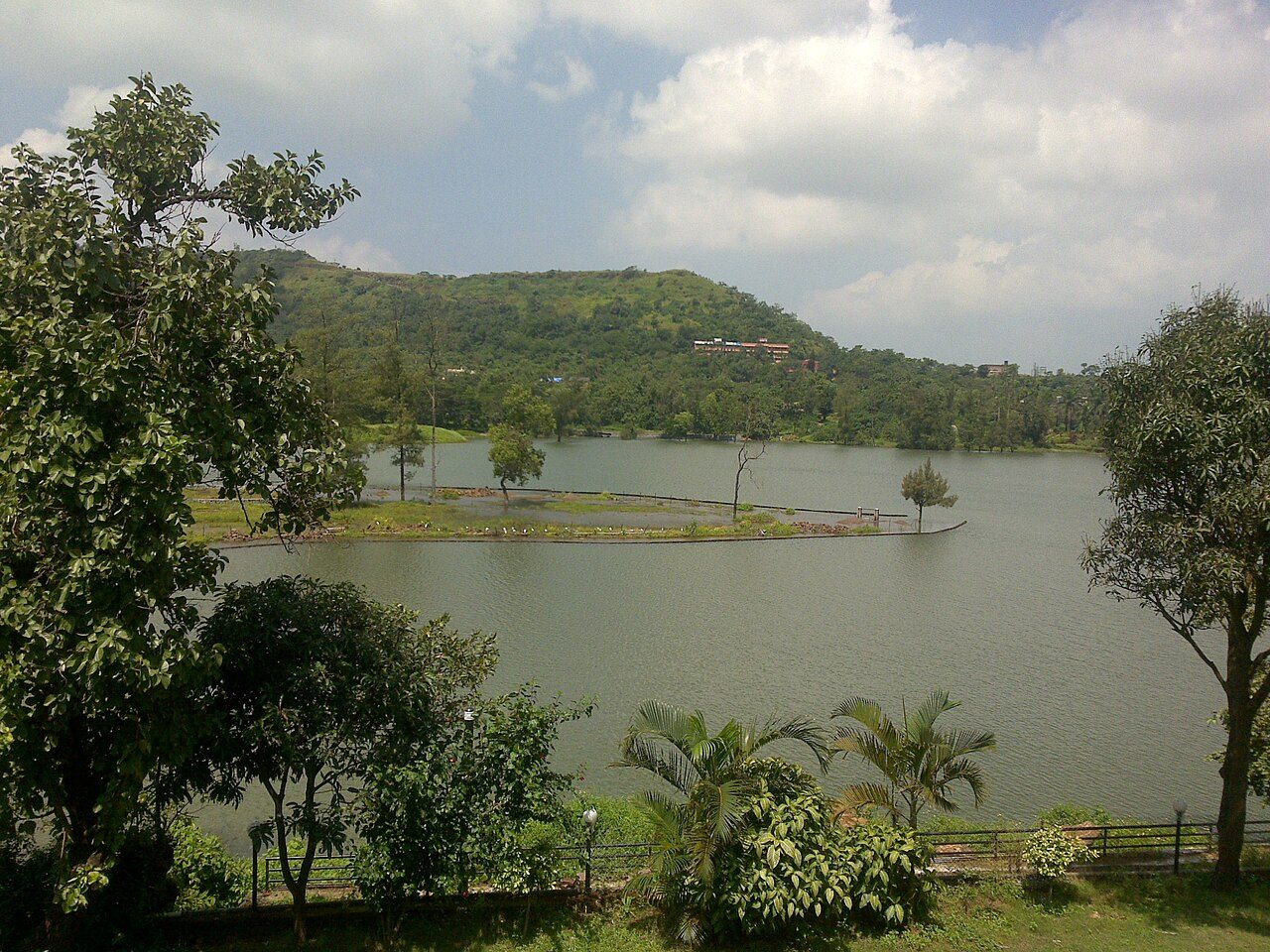
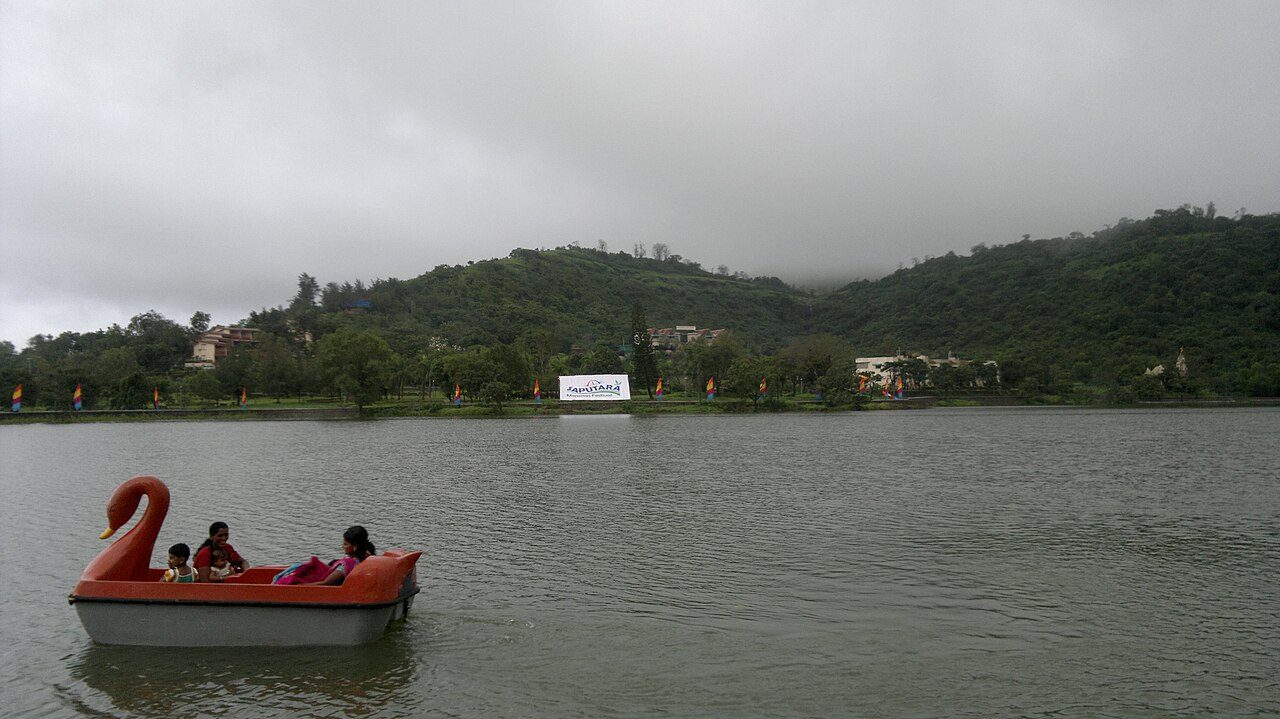
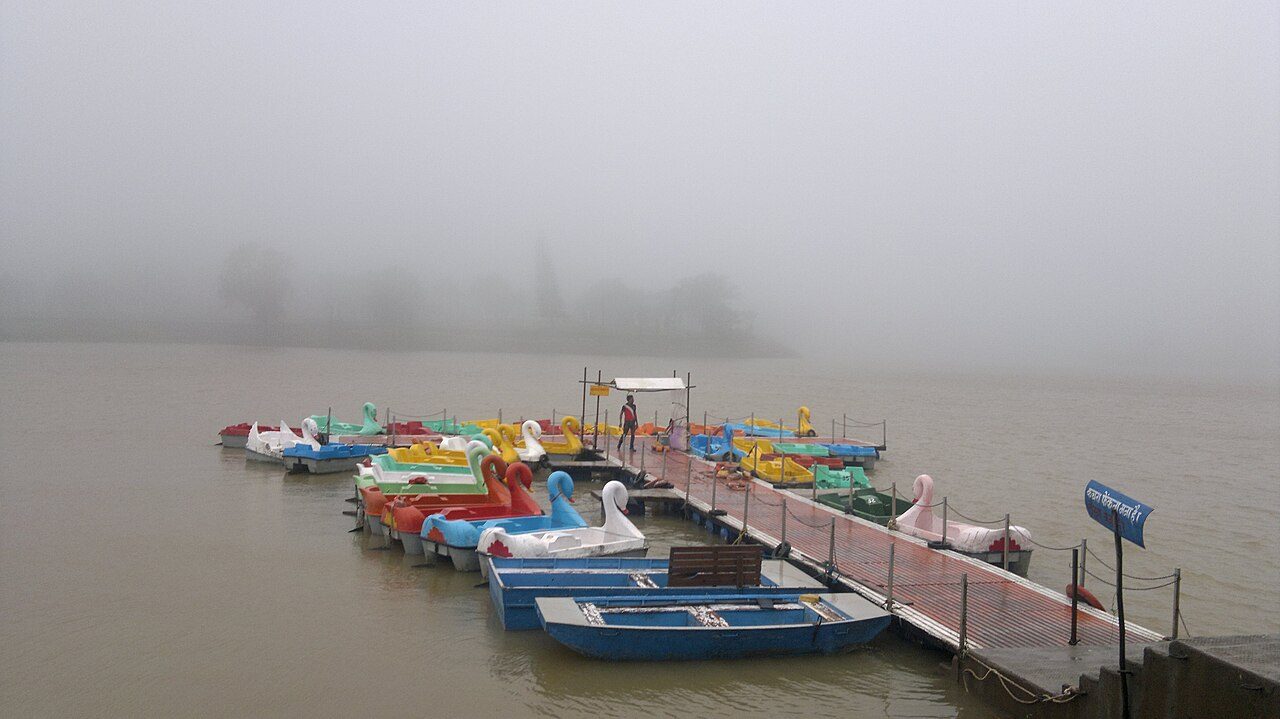
Saputara Lake is the centrepiece of Gujarat's only hill station, set at around 1,000 metres in the Dang forest. Paddle and row boats can be hired on the water, and gardens, cafes and the town's main market line its shores. The surrounding hills offer viewpoints, a ropeway and a tribal museum. The monsoon, when a festival is held, is the greenest and most popular season.
 WaTrips