Khatu Shyam and Harshnath, the painted havelis of Nawalgarh and Mandawa, Salasar Balaji, Bikaner's Junagarh Fort and old city, Deshnoke and Kalibangan.
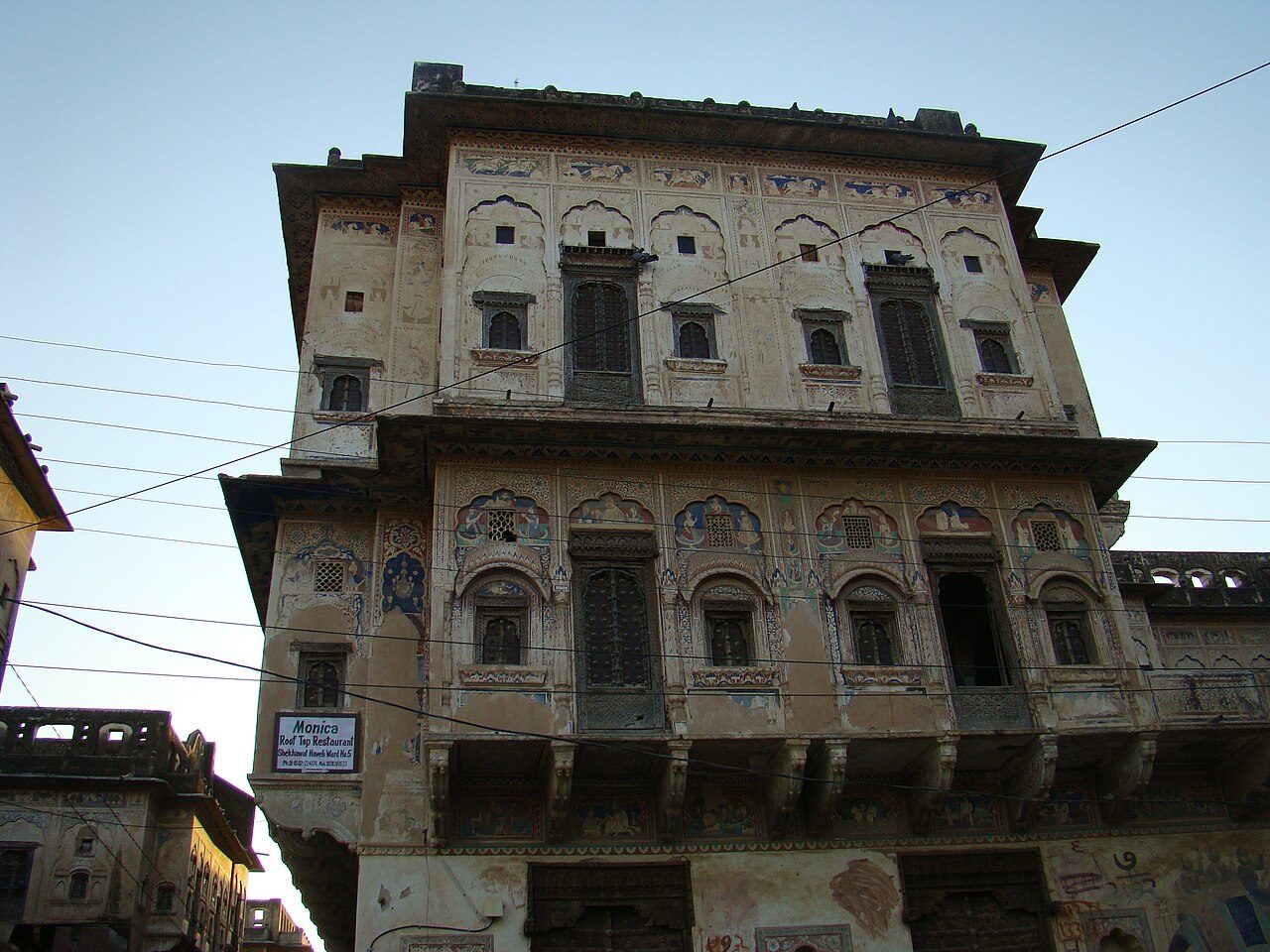
North Rajasthan is an open-air gallery and a desert kingdom. Day one visits the Khatu Shyam temple and the hilltop ruins at Harshnath, then the Shekhawati towns of Nawalgarh and Mandawa, where merchants' havelis are covered in frescoes. Day two stops at Salasar Balaji and reaches Bikaner for the grand Junagarh Fort, the Bhandasar Jain temple and the ornate Rampuria havelis in the old city. Day three takes in Lalgarh Palace, the royal cenotaphs at Devi Kund, the Karni Mata temple at Deshnoke, known for its rats, and Gajner Palace by its lake. The last day goes north to Bhatner Fort and Kalibangan, one of the oldest sites of the Indus Valley civilisation. Go between October and March.
01
STOP 1 OF 14
Khatu Shyam Temple
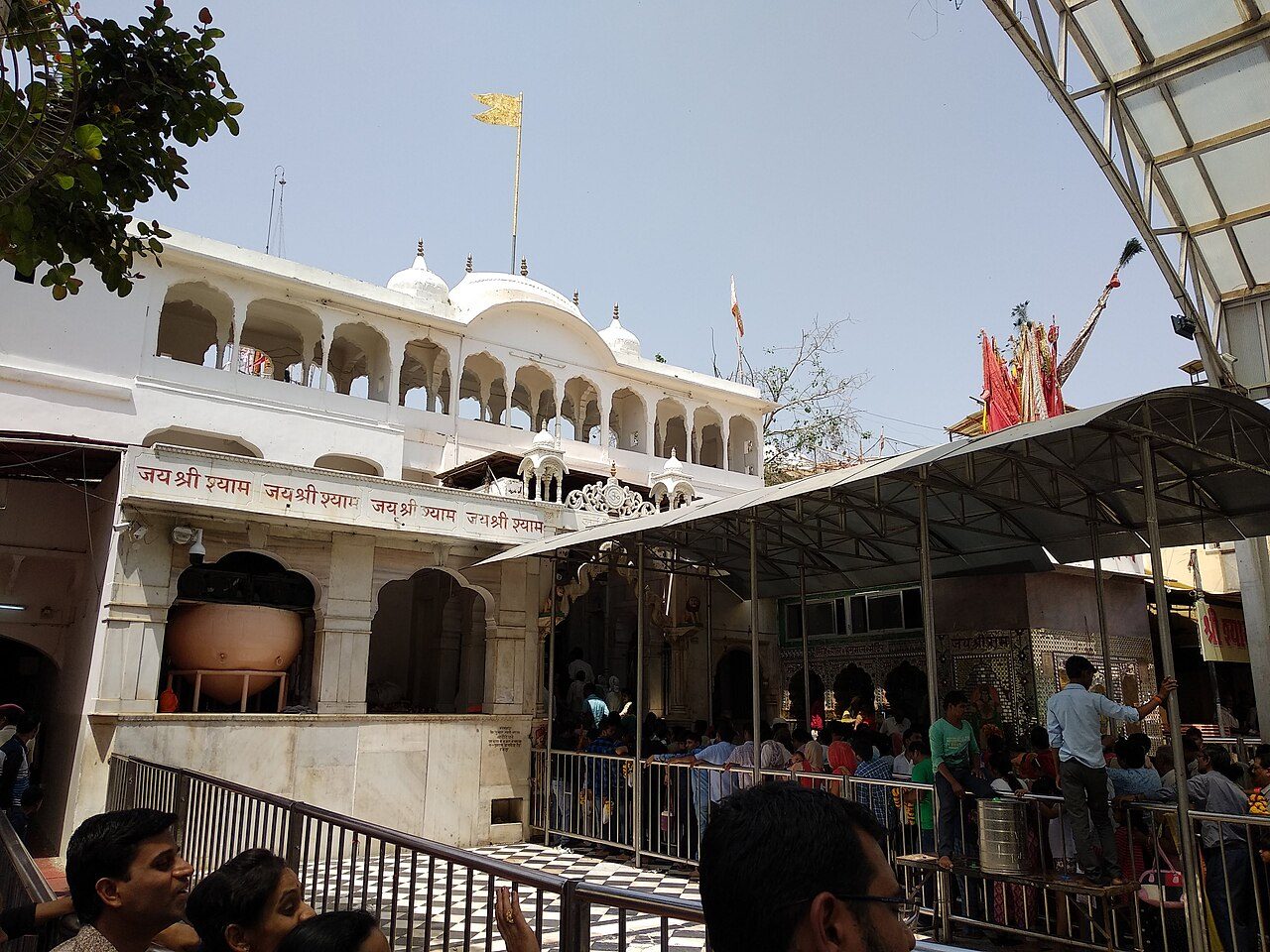
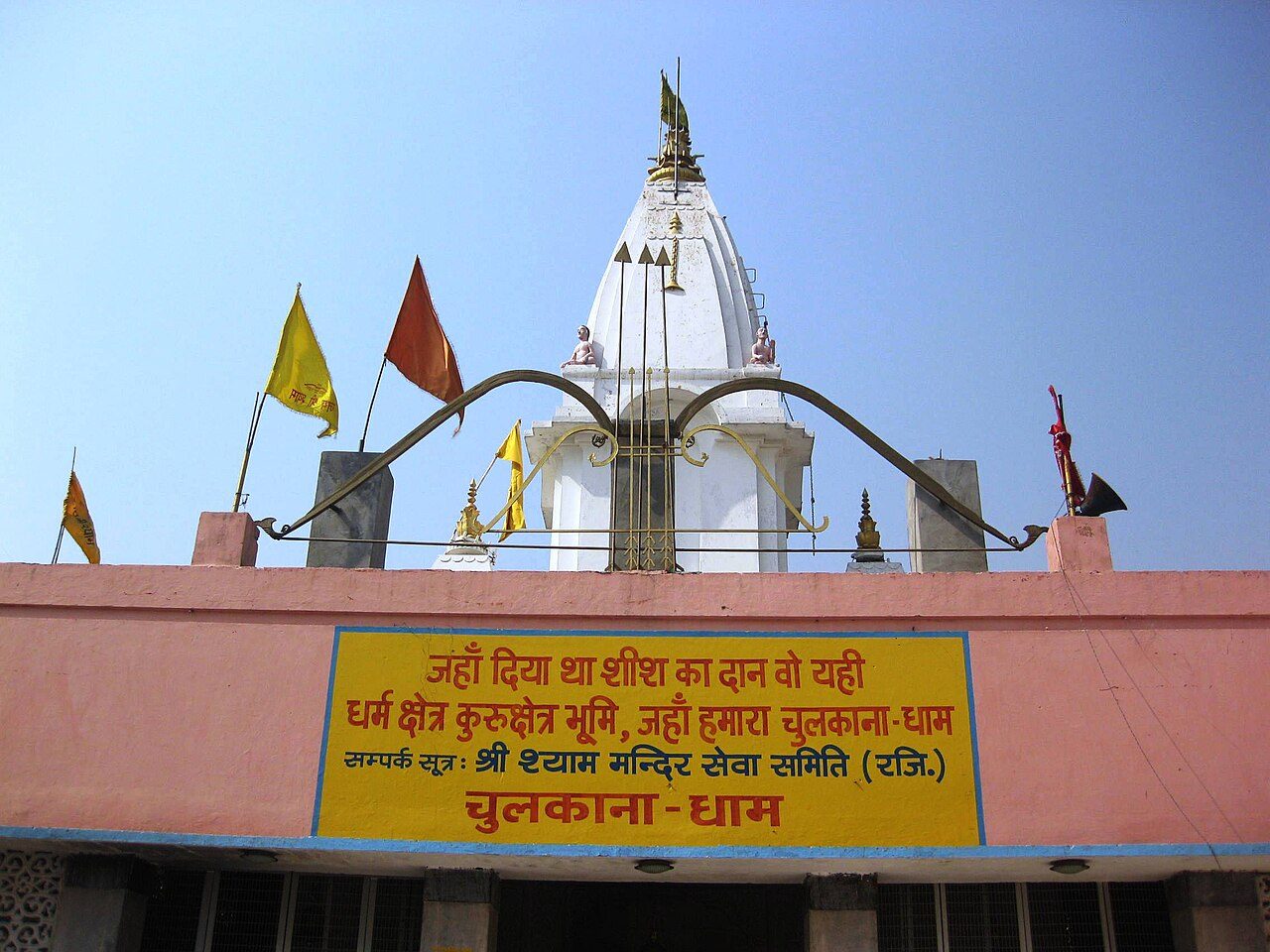
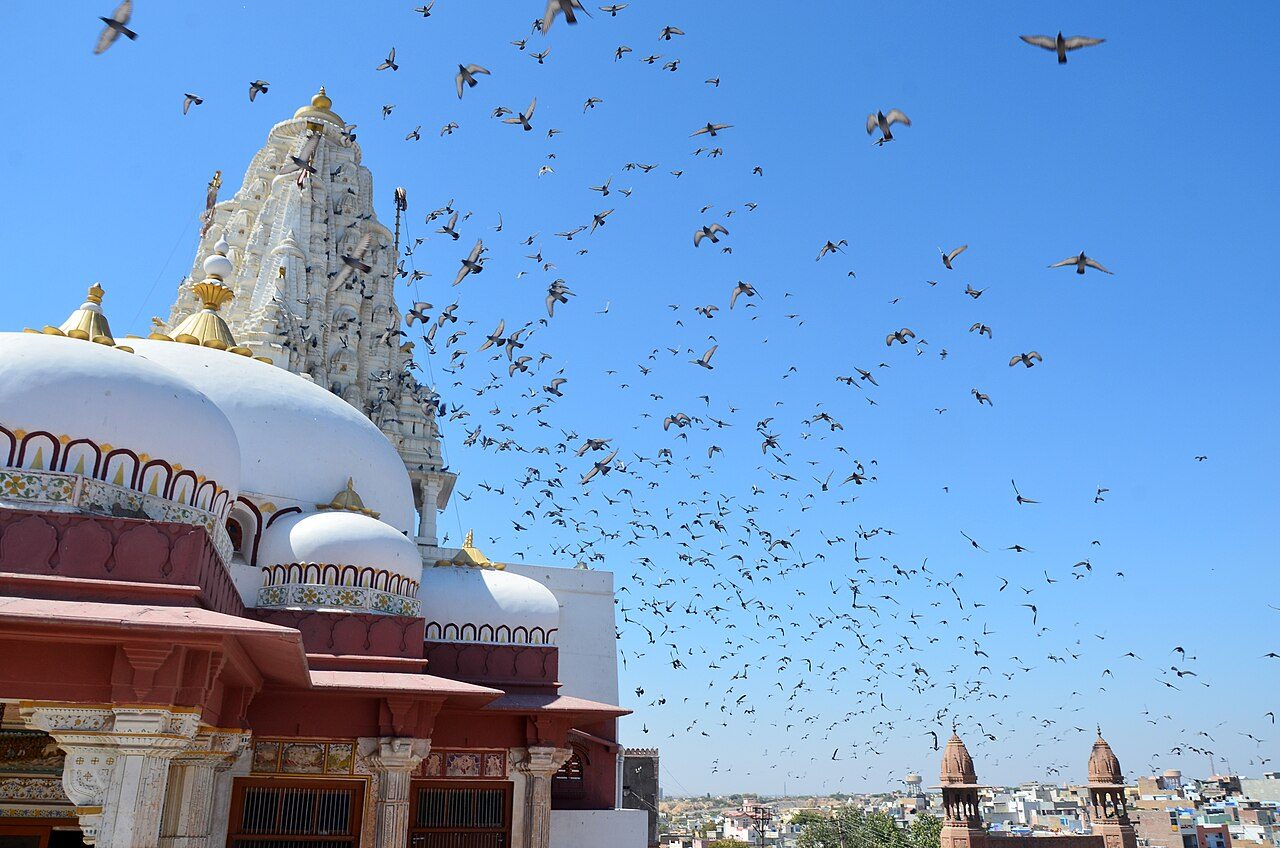
The Khatu Shyam temple is one of the most visited pilgrimage sites in Rajasthan. It is dedicated to Barbarika, grandson of Bhima, who in legend offered his head to Krishna and was blessed to be worshipped by Krishna's own name, Shyam. The marble temple houses the head-shaped idol, and pilgrims bathe in the nearby Shyam Kund. The Phalgun fair in February or March draws hundreds of thousands of devotees.
02
STOP 2 OF 14
Harshnath Temple
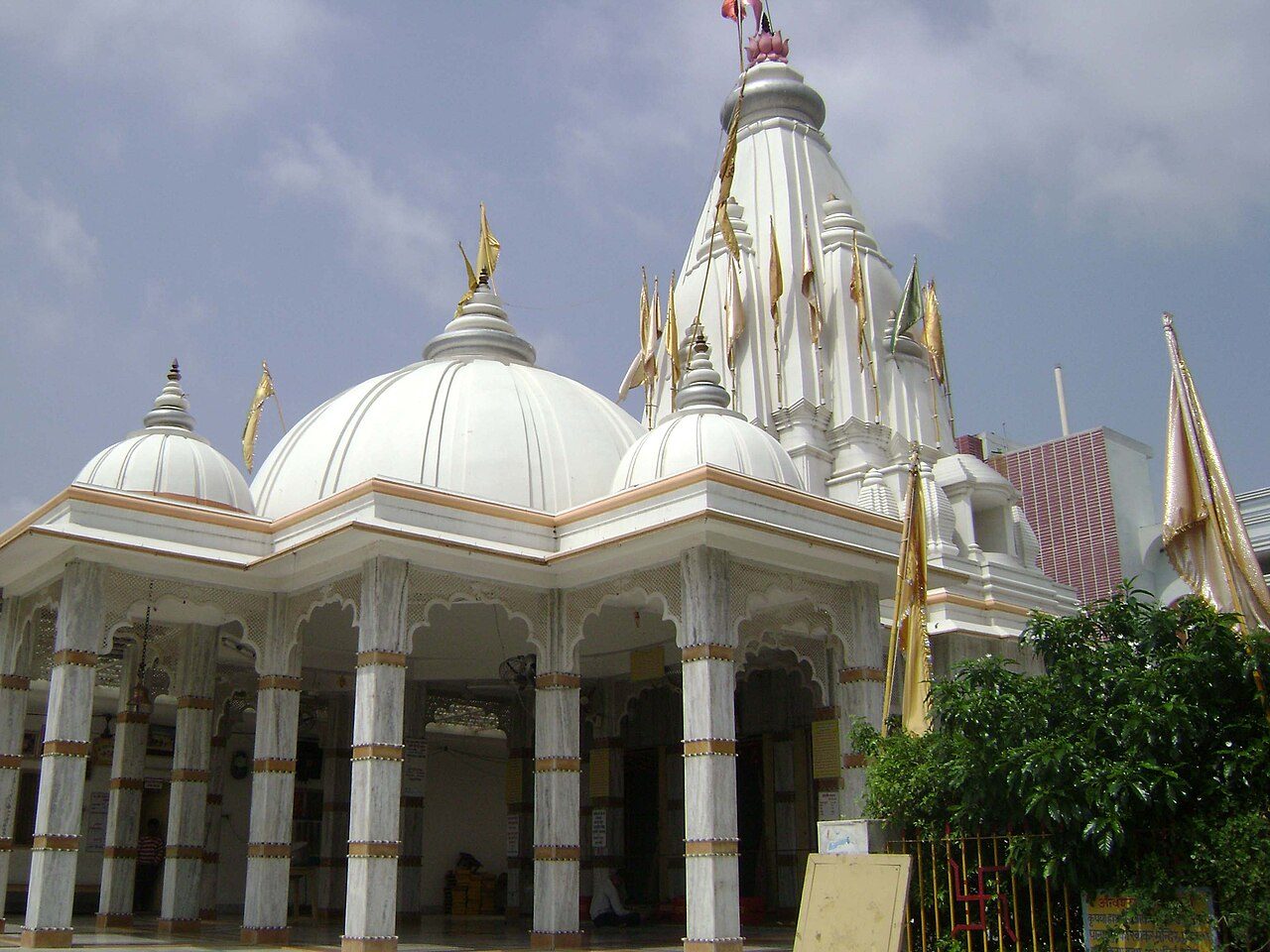
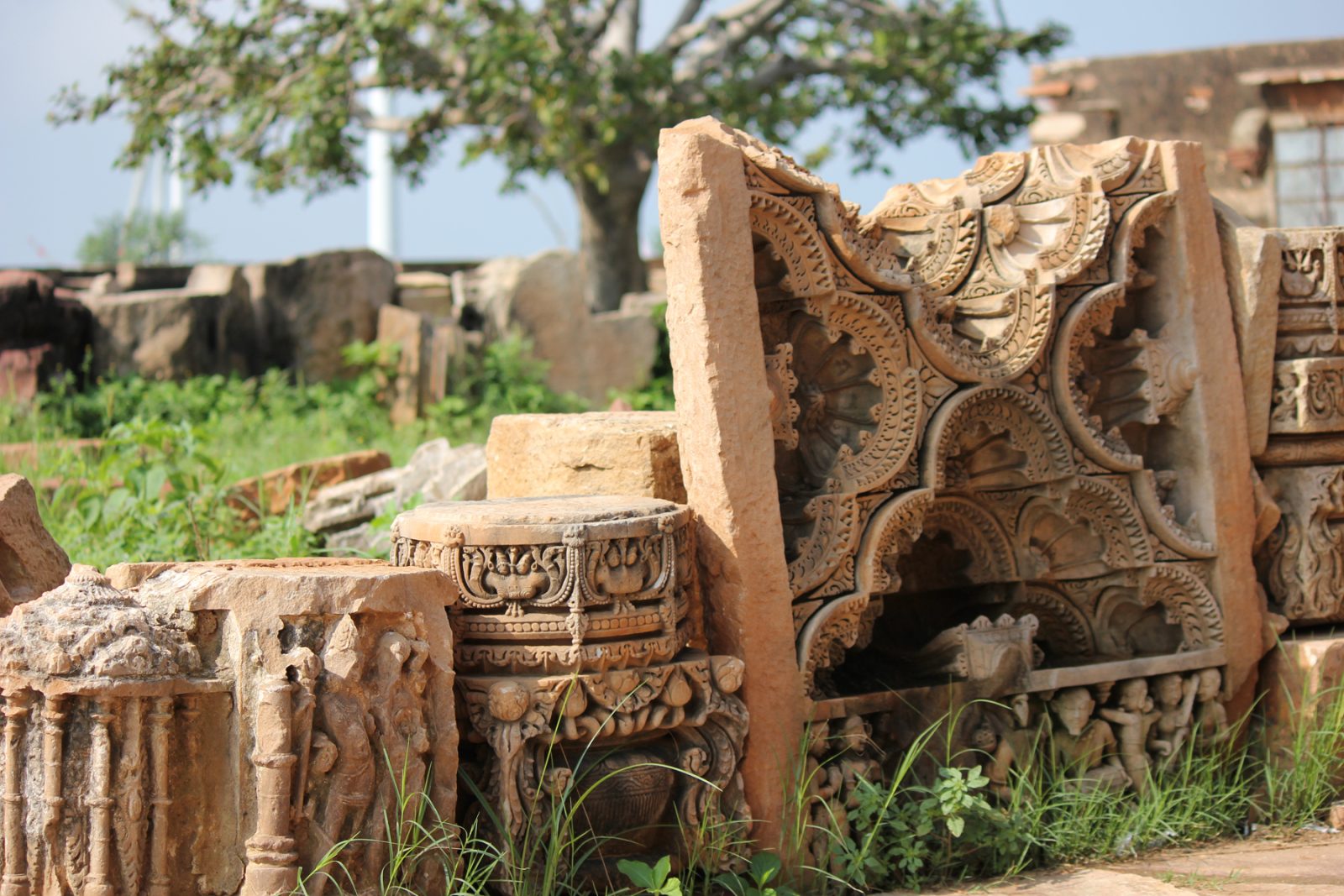
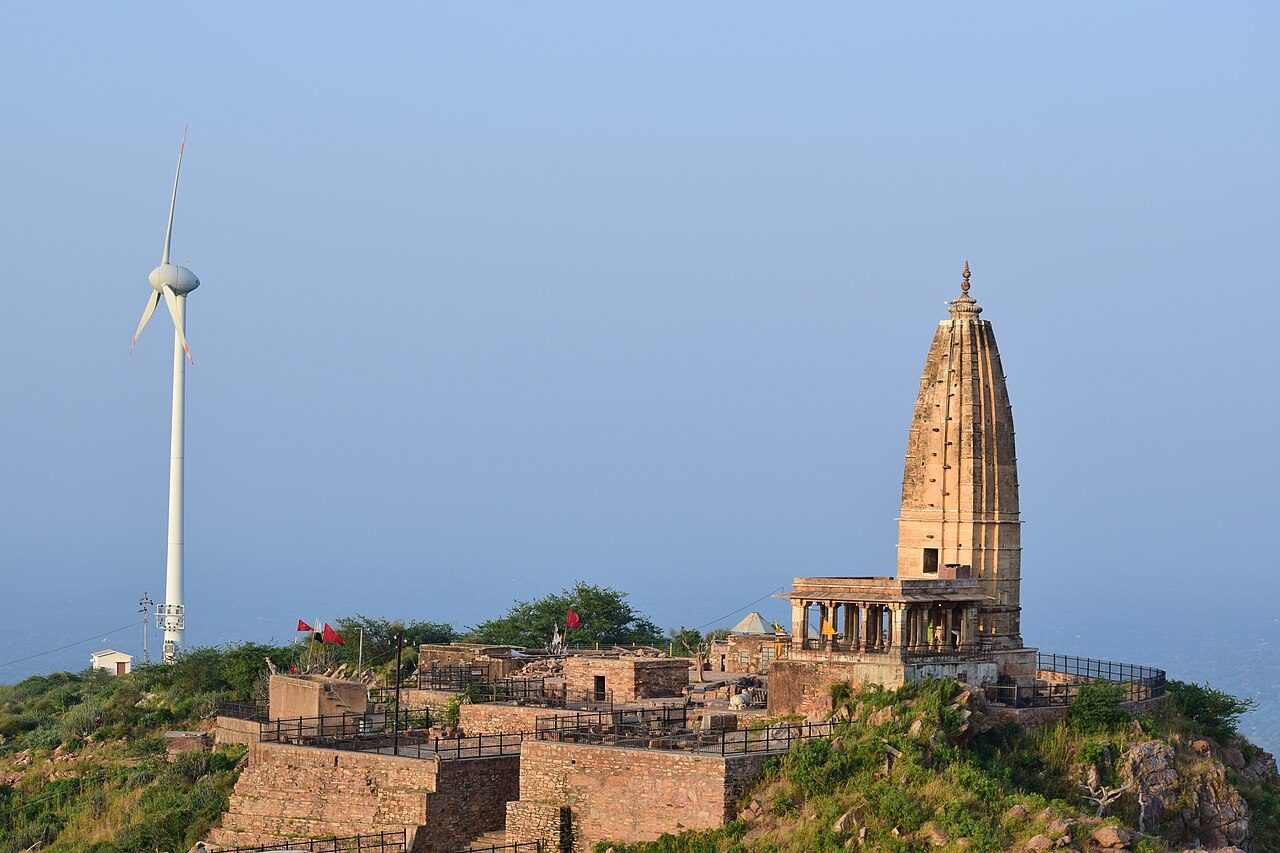
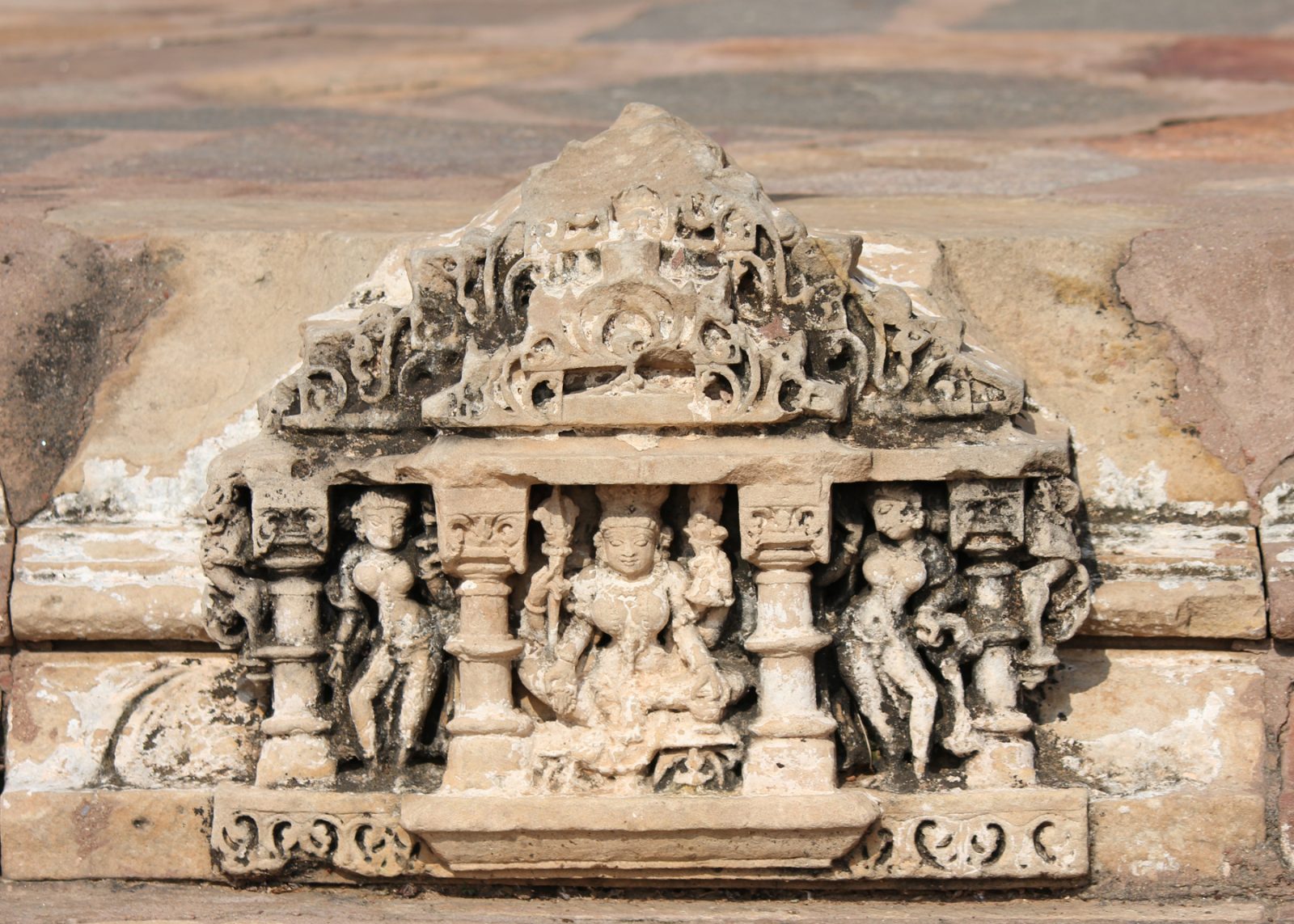
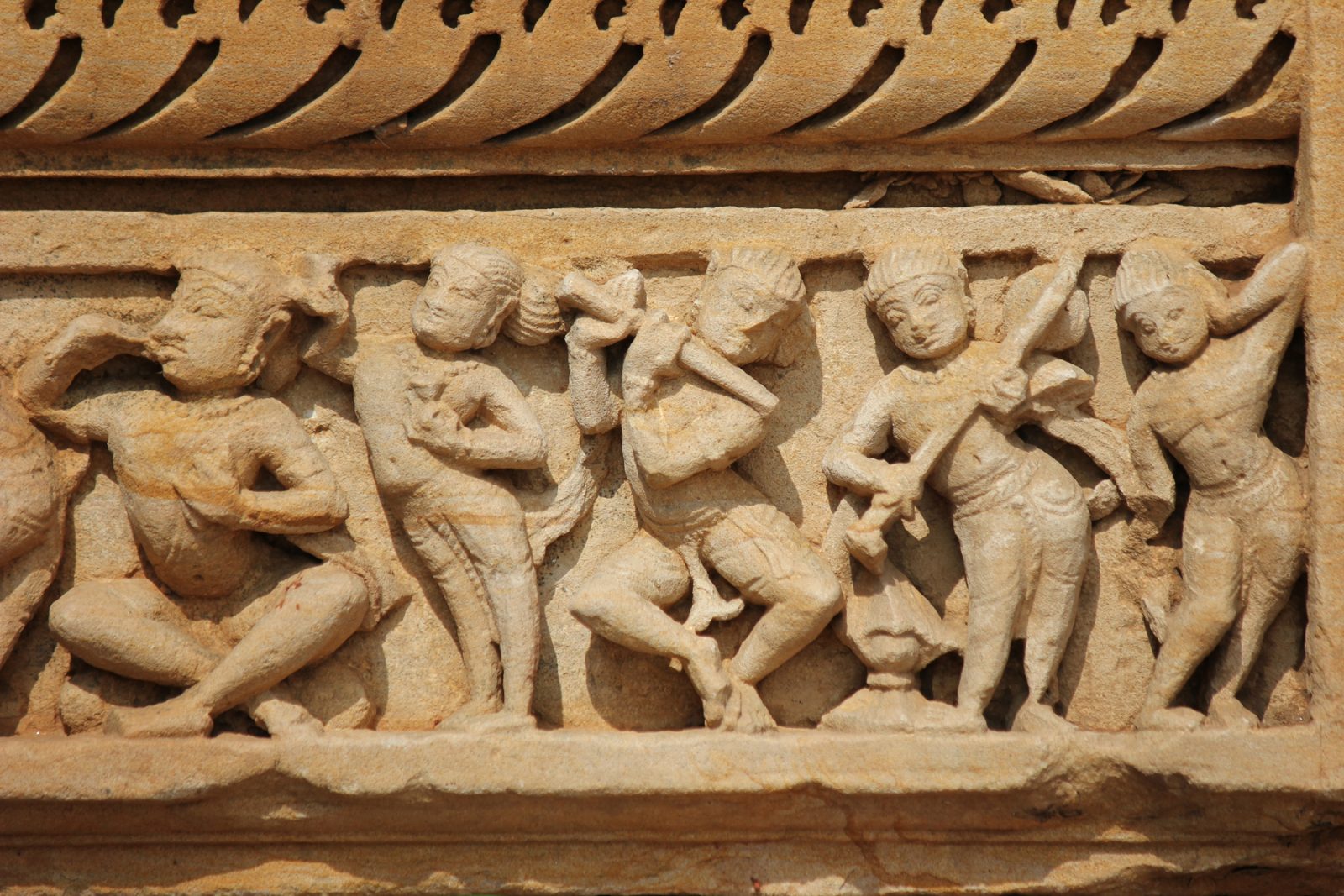
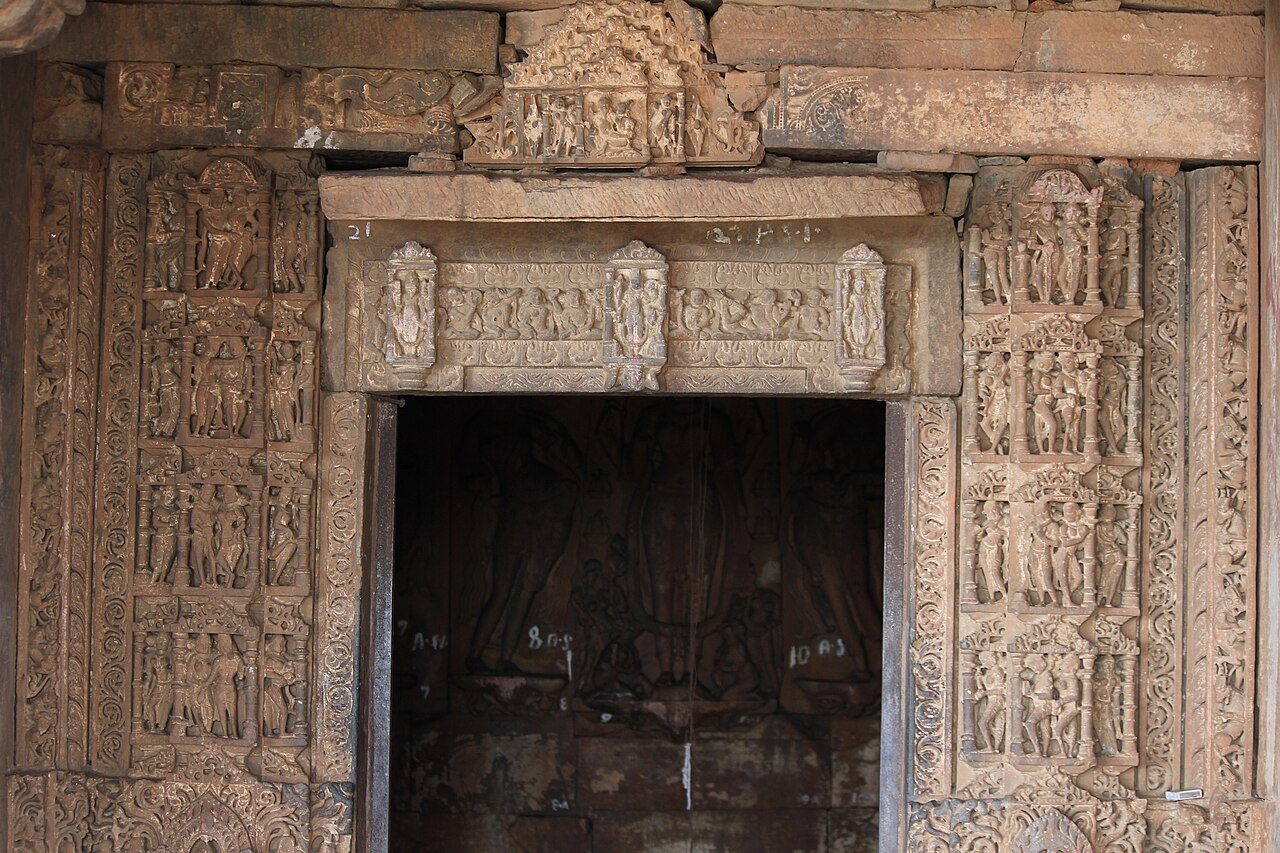
Harshnath is a 10th-century Shiva temple on a high hill near Sikar, built in the time of the Chahamana king Vigraharaja II. The original temple was ruined, reportedly under Aurangzeb, and its carved pillars, panels and sculptures lie around the site; a later temple was built beside it in the 18th century. The hilltop, now dotted with wind turbines, gives a sweeping view over the plains.
03
STOP 3 OF 14
Podar Haveli Museum
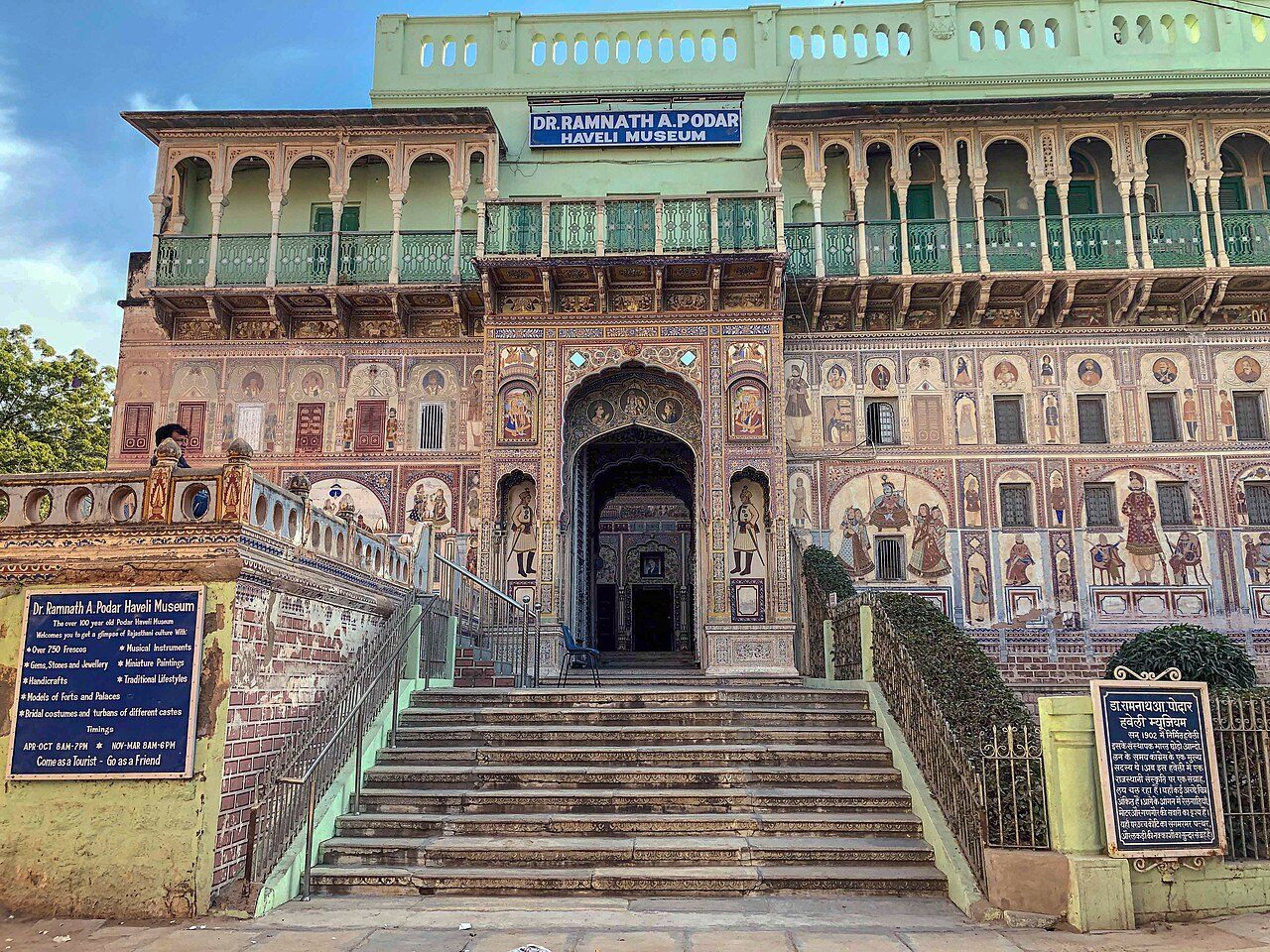
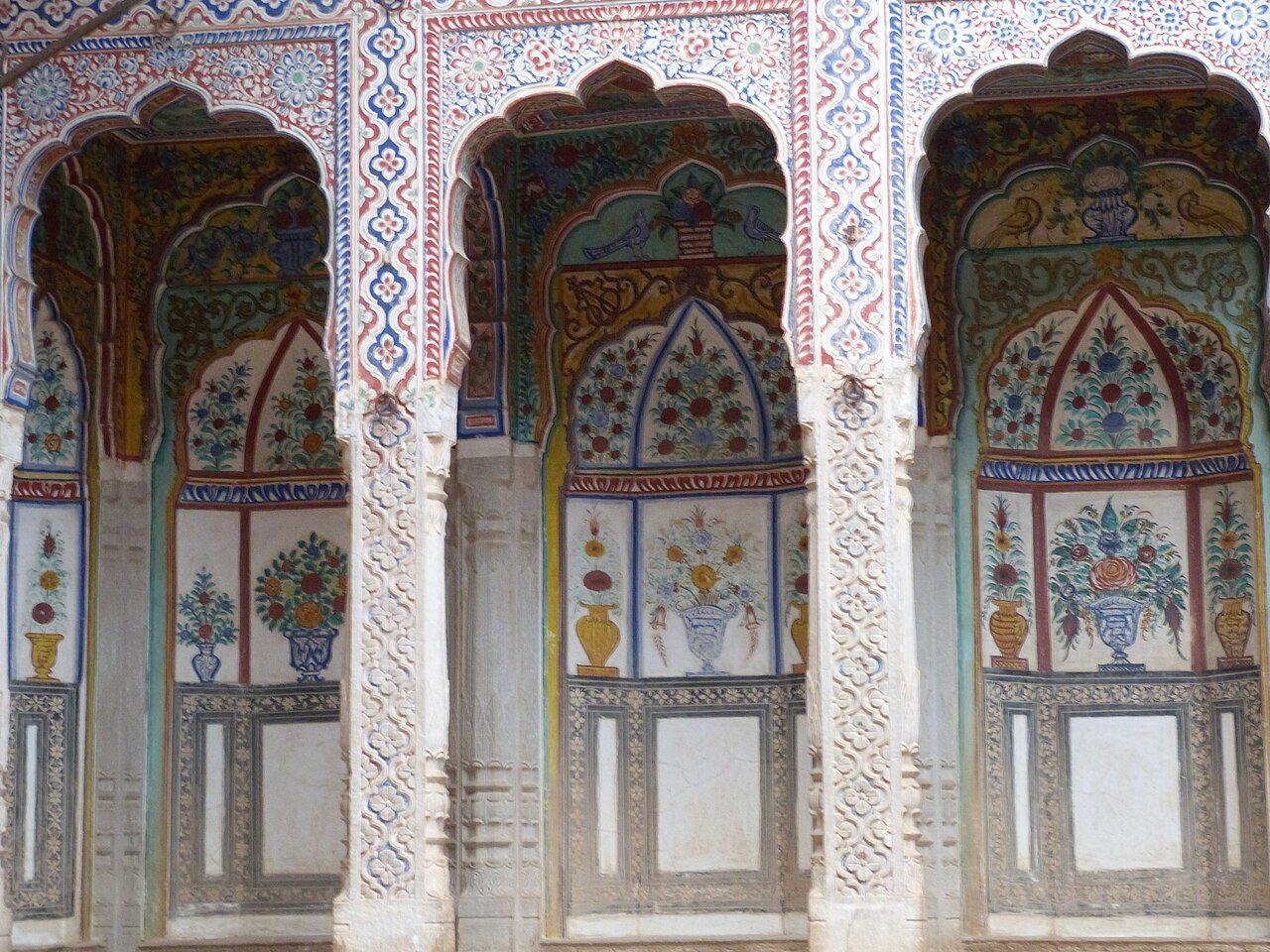
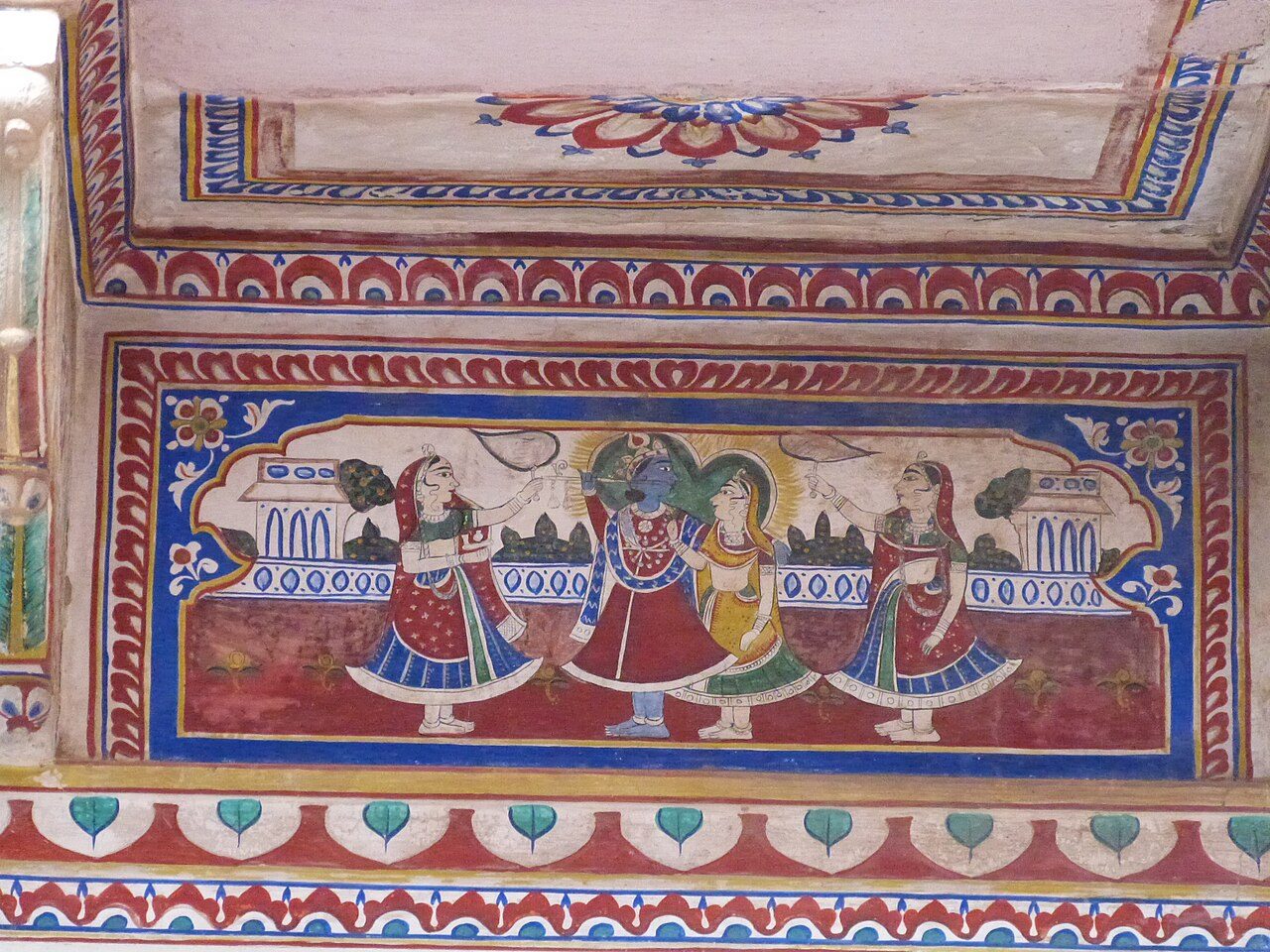
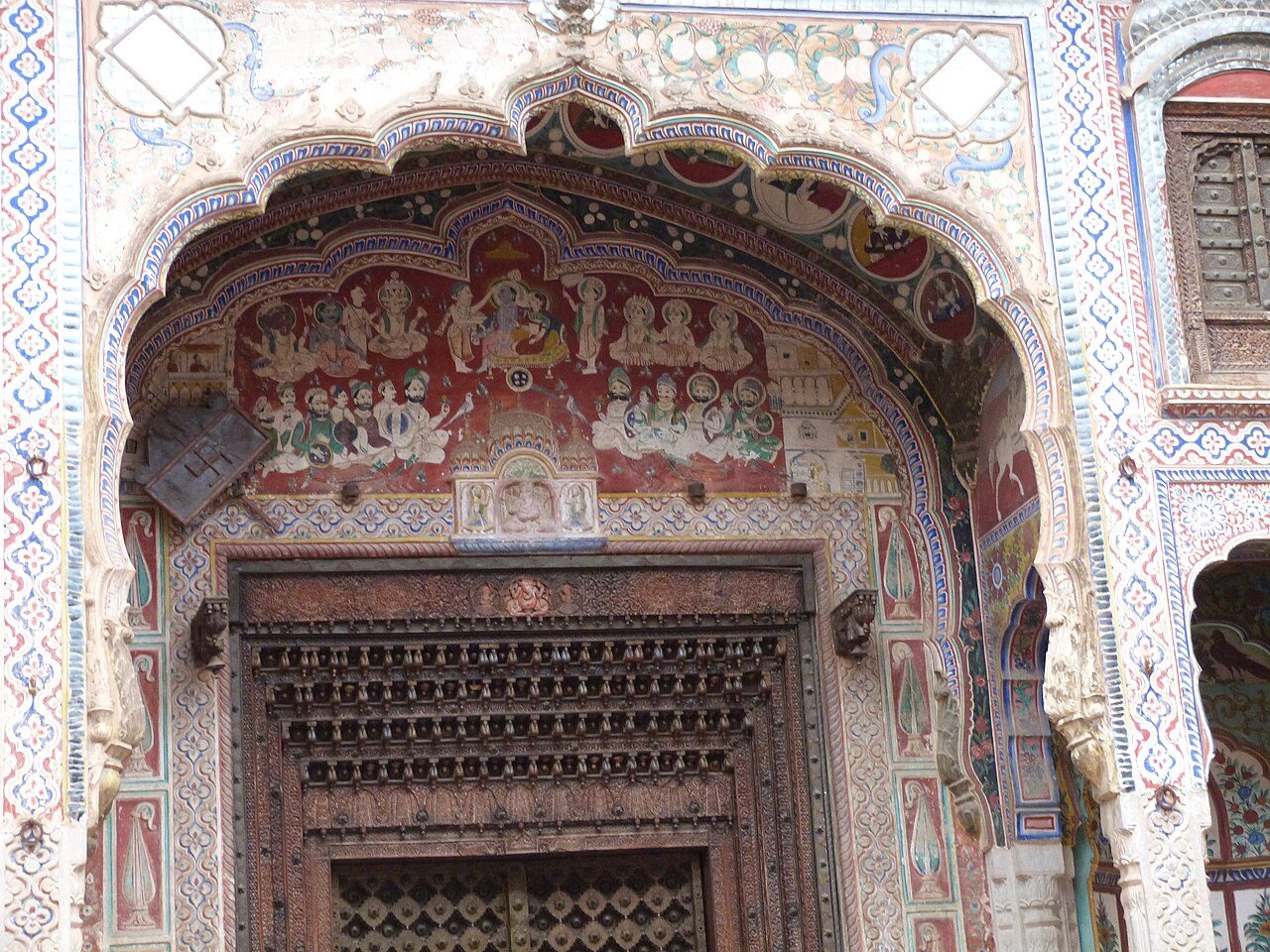
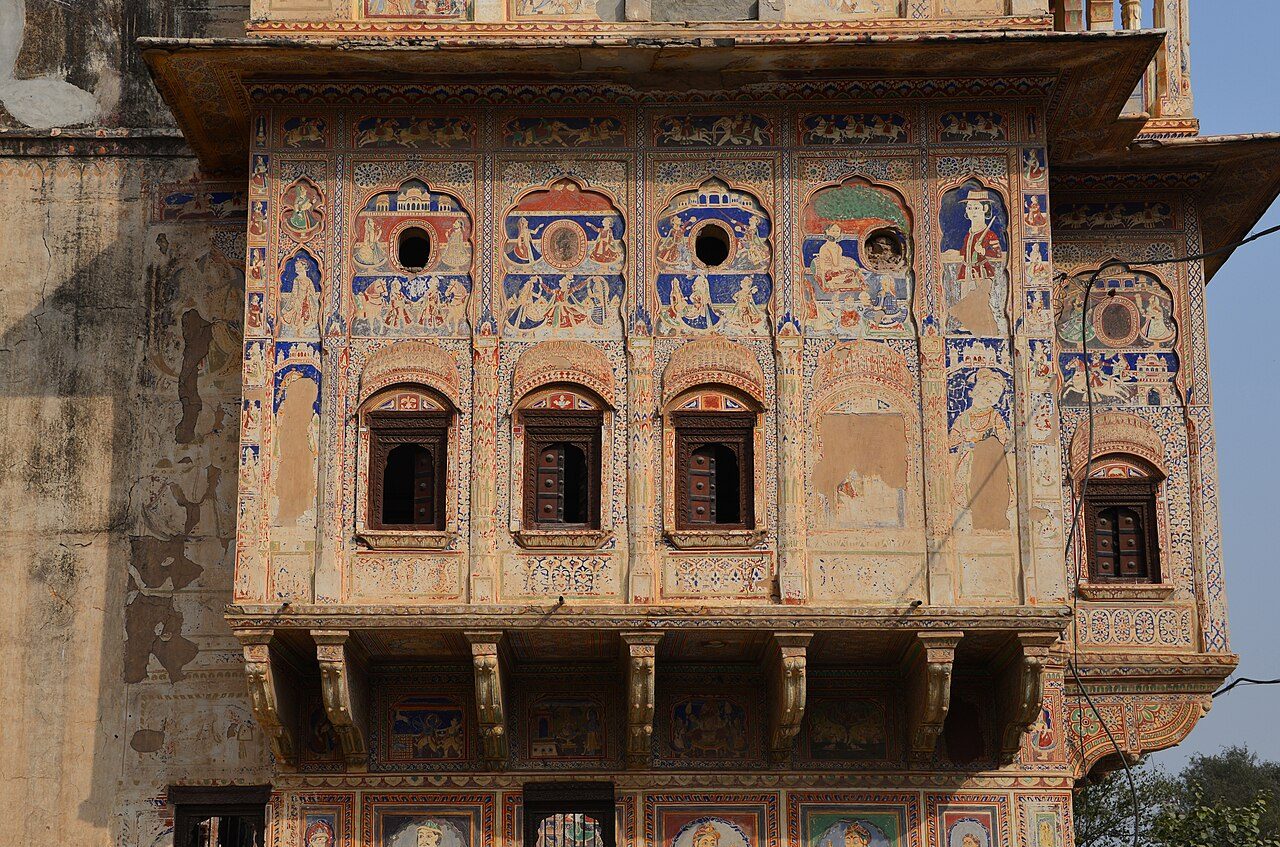
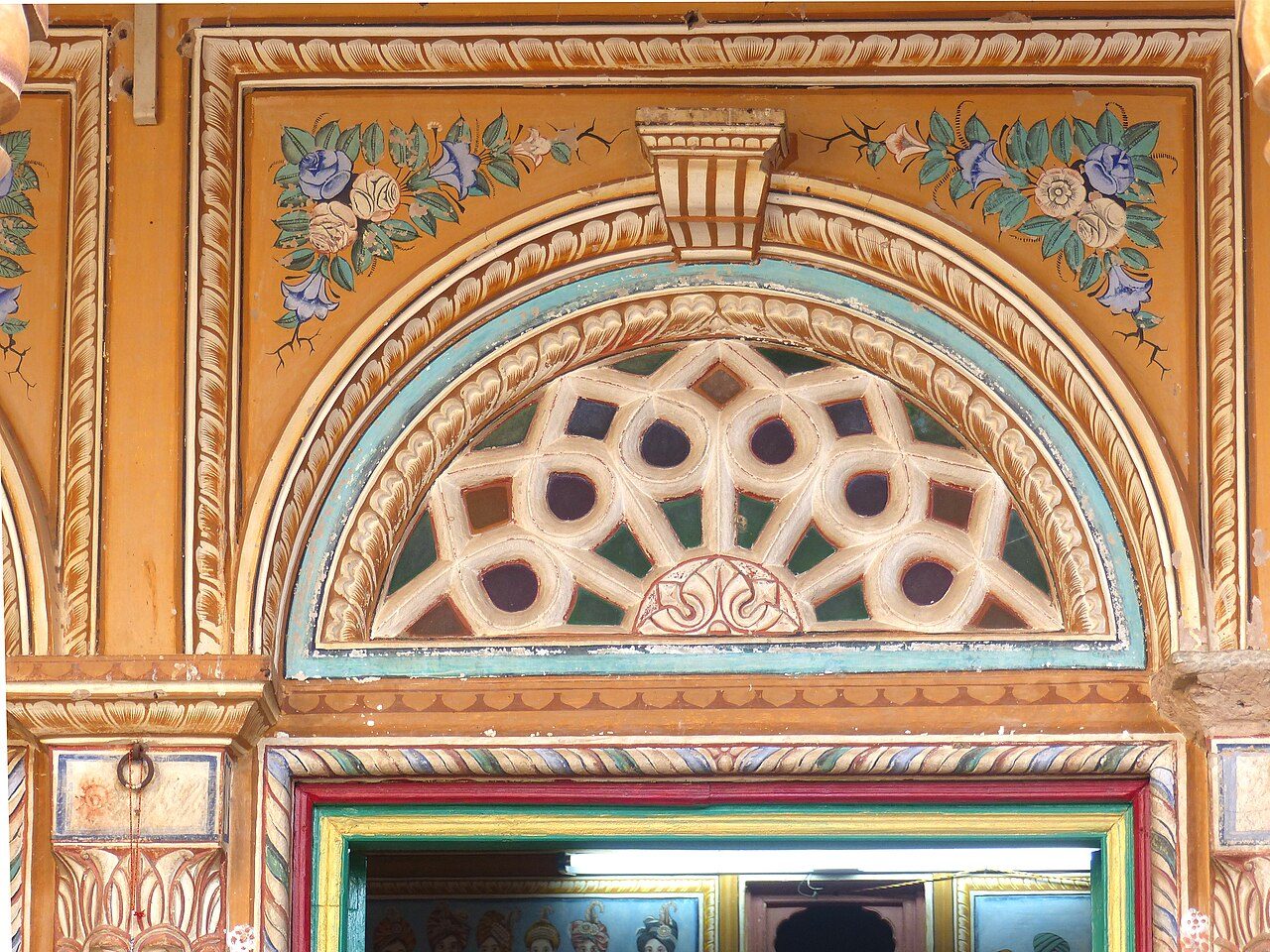
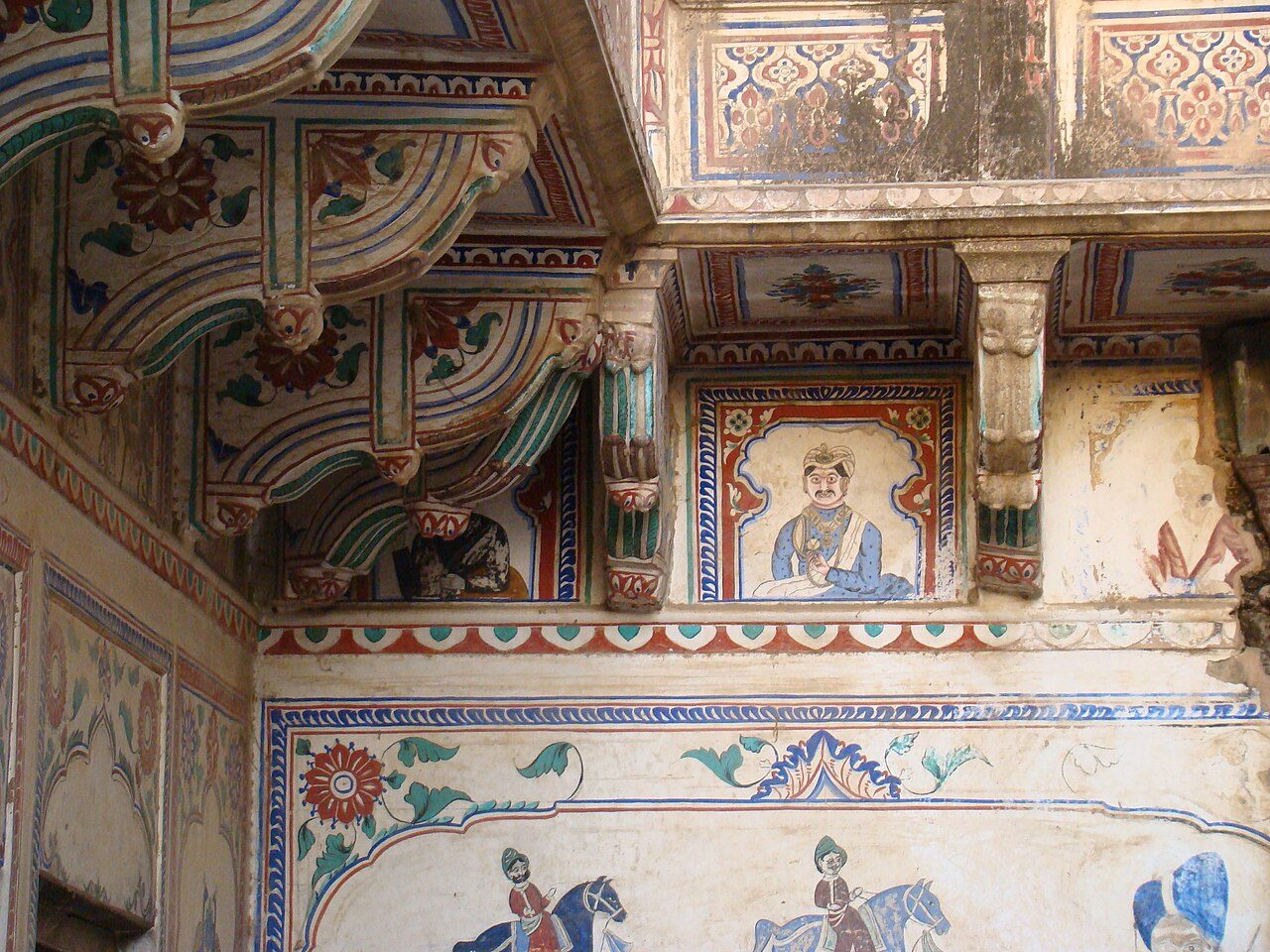
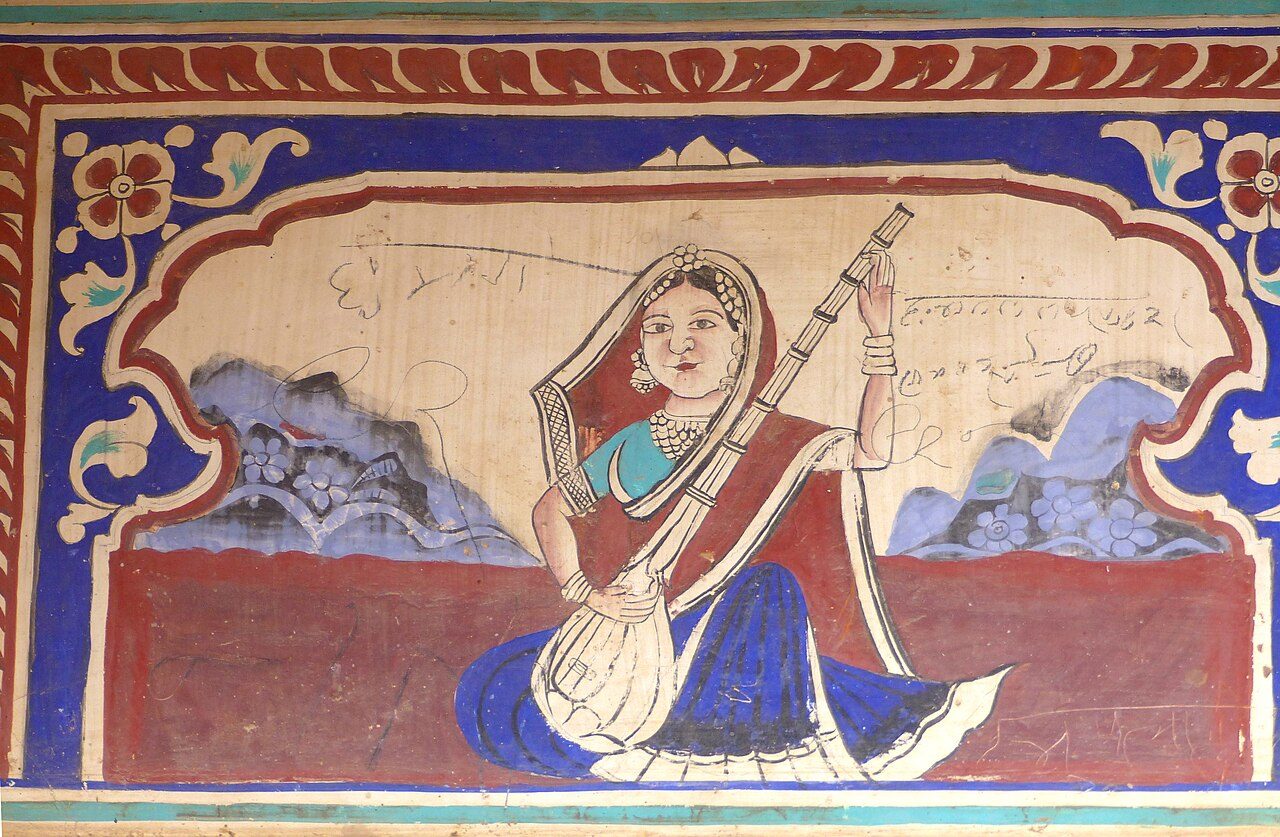
The Podar Haveli in Nawalgarh was built in 1902 and is one of the best restored painted mansions of Shekhawati. Its walls carry several hundred frescoes of religious stories, festivals and scenes of local life, repainted in their original bright colours. Rooms inside are arranged as galleries on Rajasthani culture: turbans, musical instruments, miniature paintings and models of forts.
04
STOP 4 OF 14
Mandawa Havelis
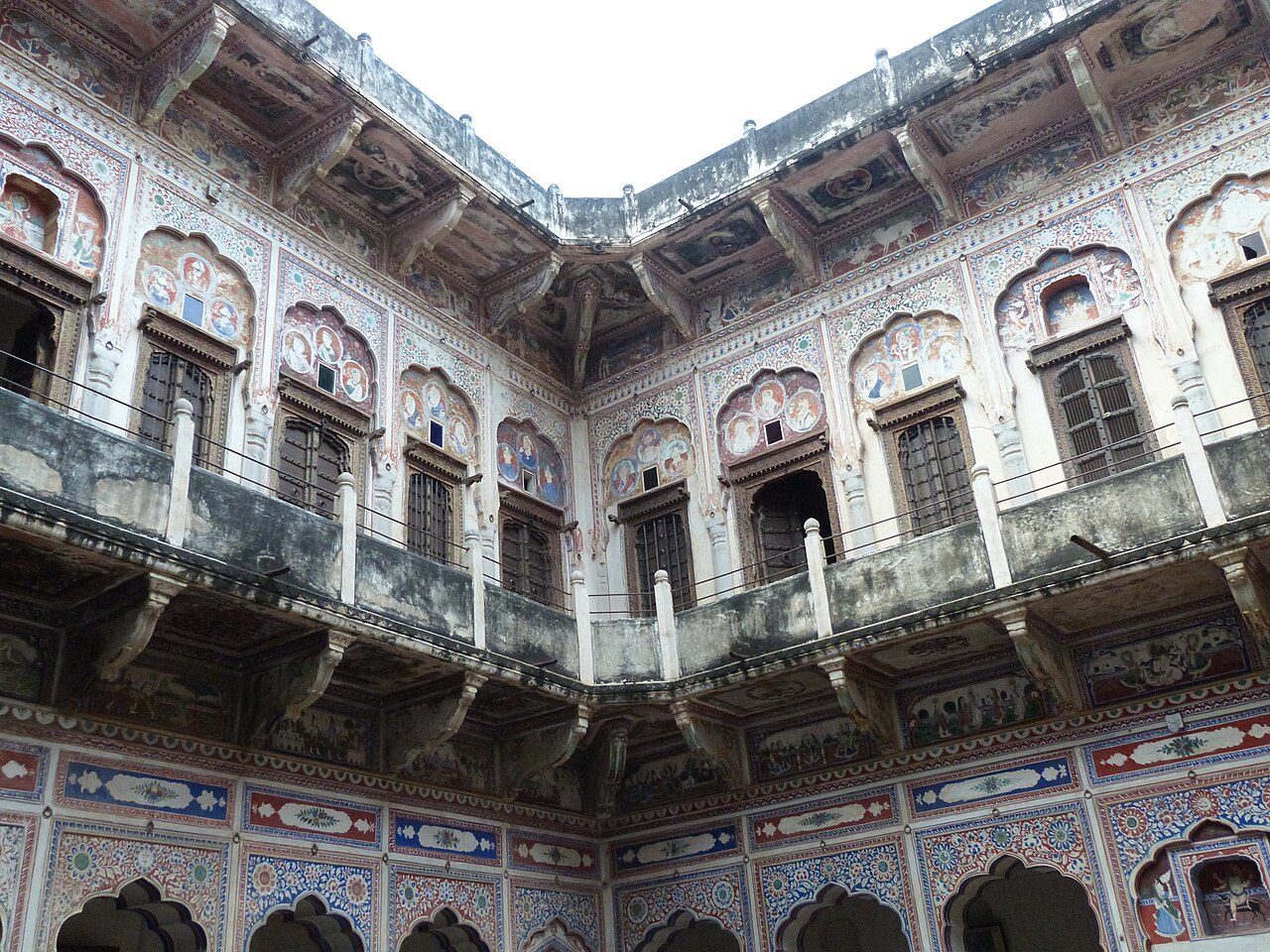
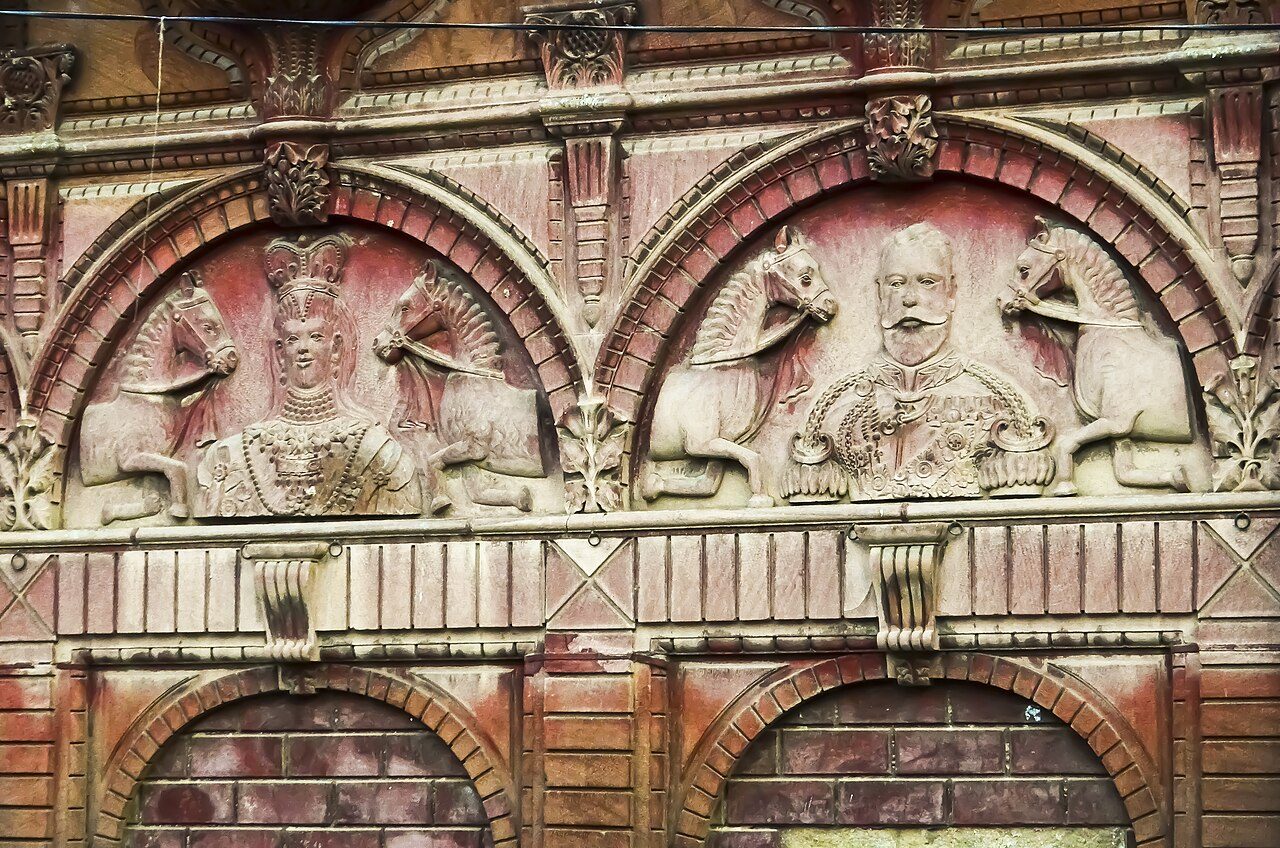
Mandawa is a small town in the Shekhawati region, founded in the 18th century on an old caravan route. Wealthy Marwari merchants built grand havelis here and covered their walls, inside and out, with frescoes of gods, rulers, daily life and even trains and motor cars. Many survive in varying states of repair, earning the region its reputation as an open-air art gallery. The town is best explored on foot.
05
STOP 5 OF 14
Salasar Balaji Temple
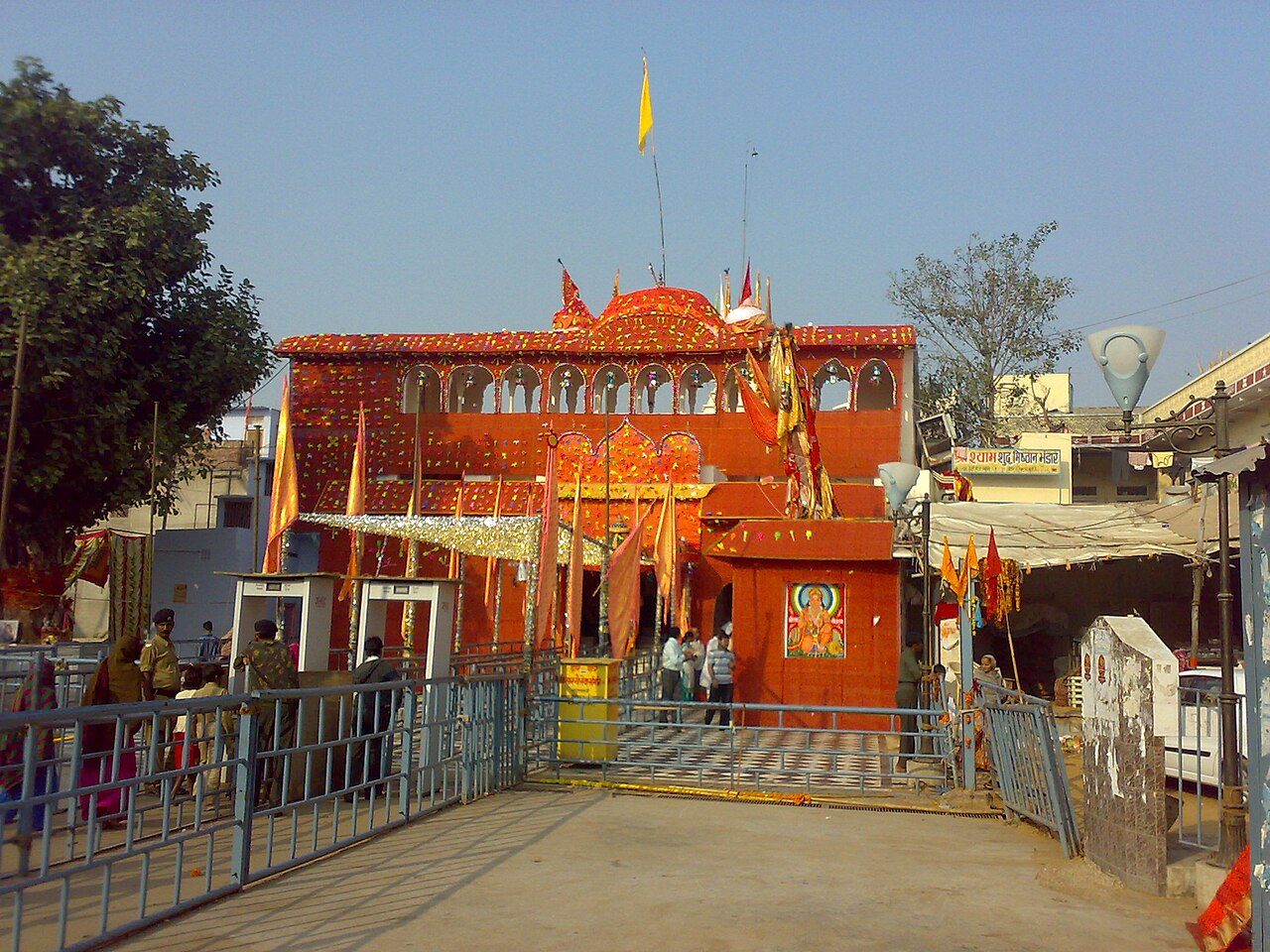
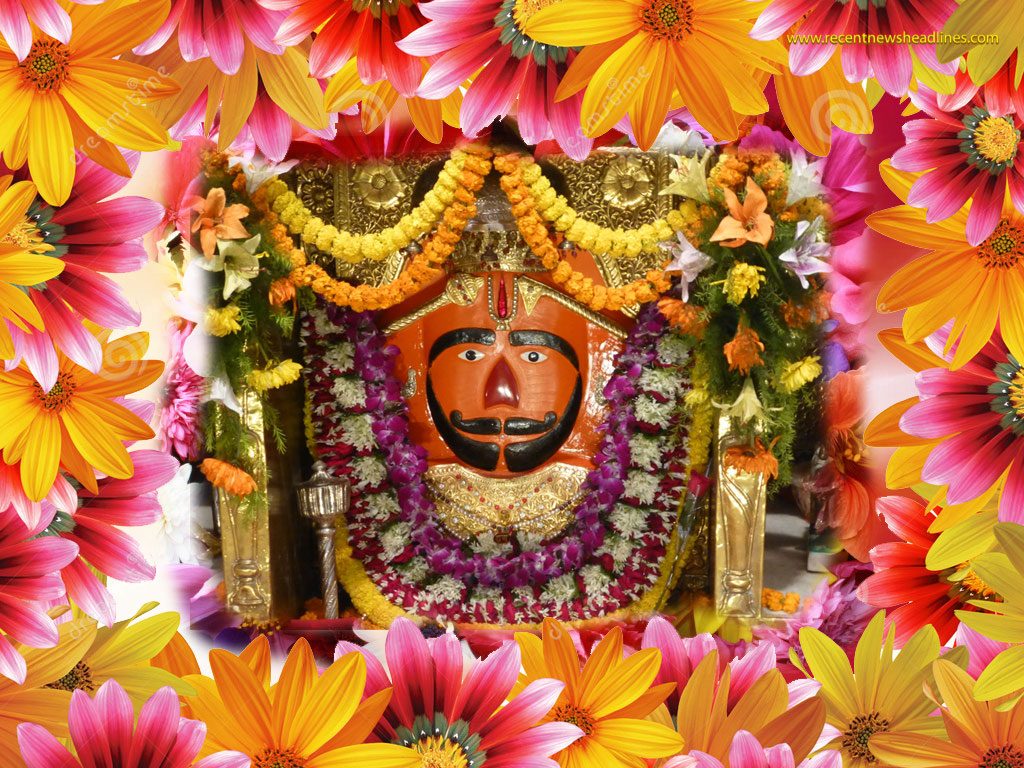
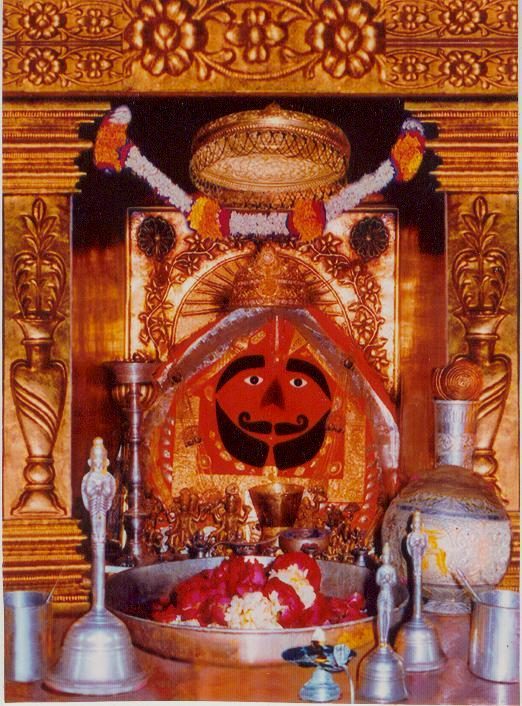
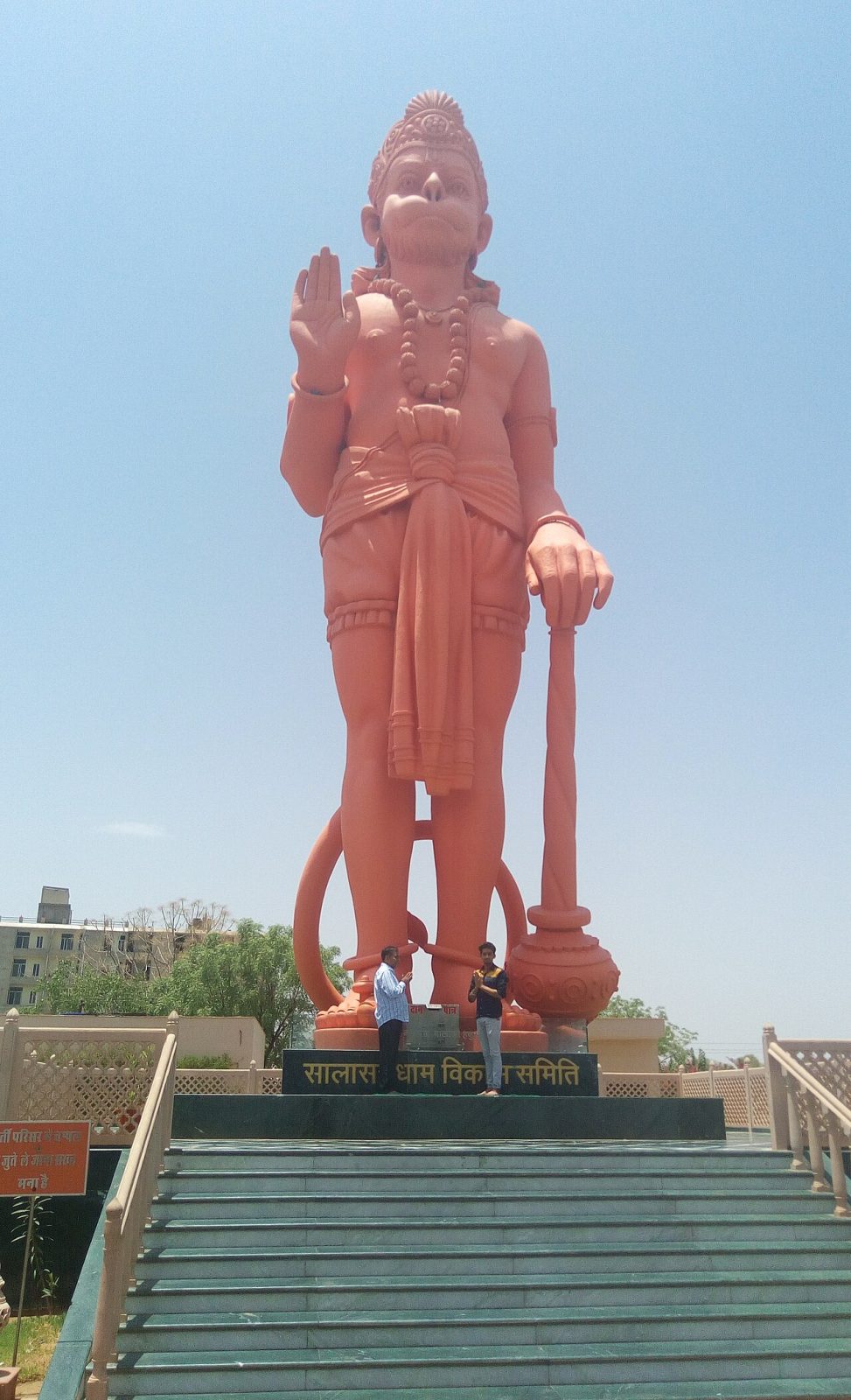
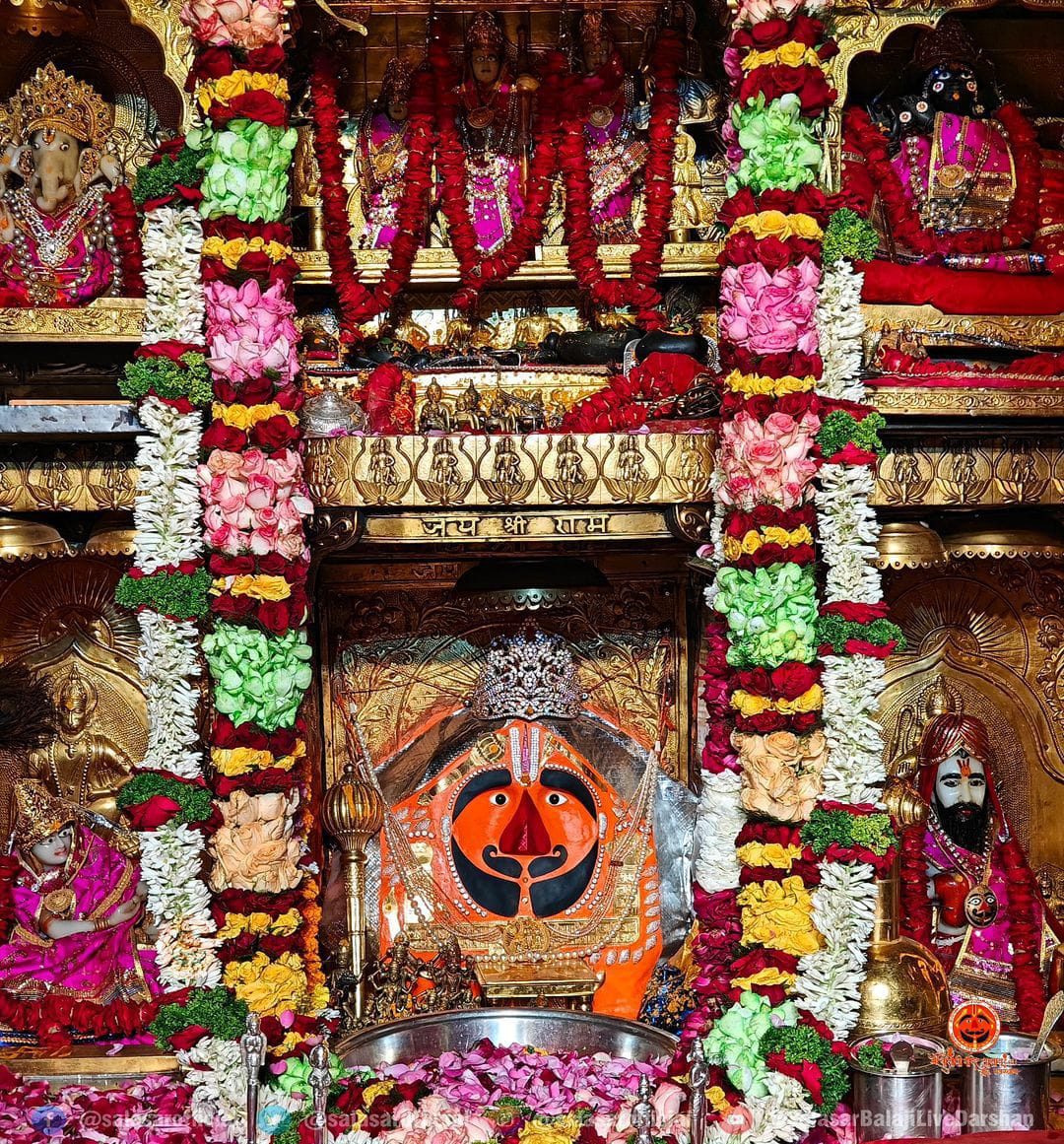
Salasar Balaji is a famous Hanuman temple in Churu district, founded in the mid-18th century after an idol was found in a field in a nearby village. The image is unusual in showing Hanuman with a beard and moustache. Devotees tie coconuts in the courtyard when making a wish. Large fairs are held on Chaitra Purnima and Ashwin Purnima, when pilgrims walk long distances to reach it.
06
STOP 6 OF 14
Junagarh Fort
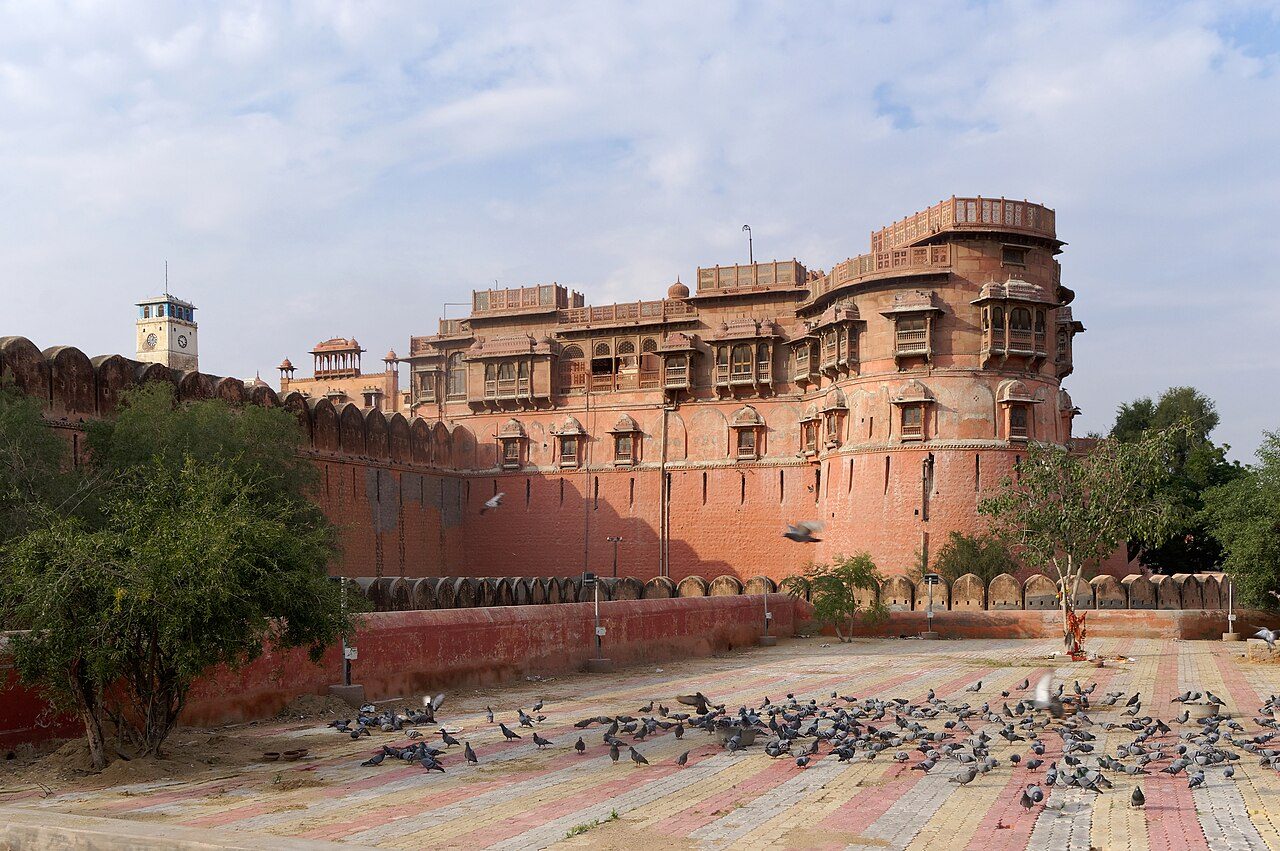
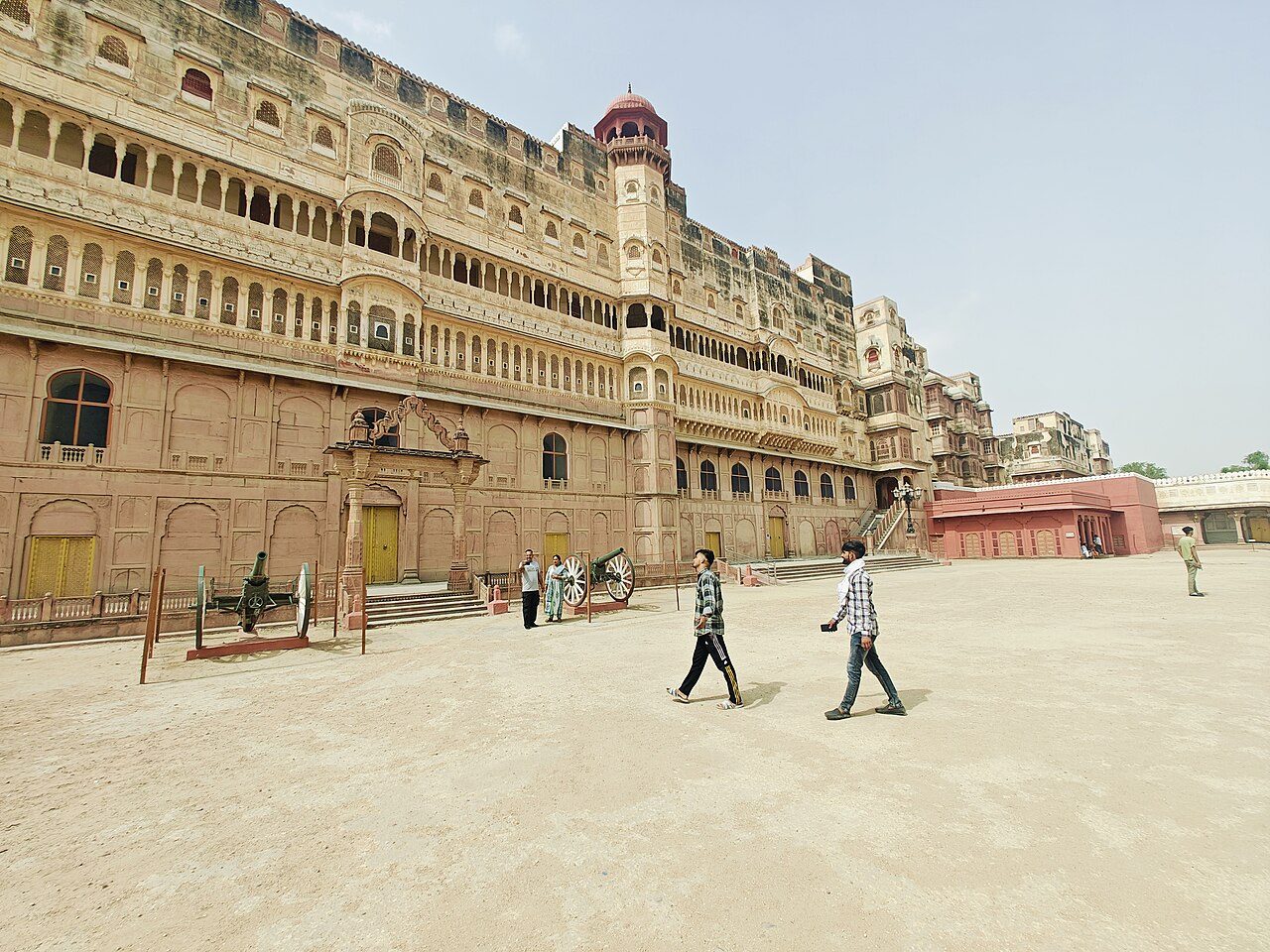
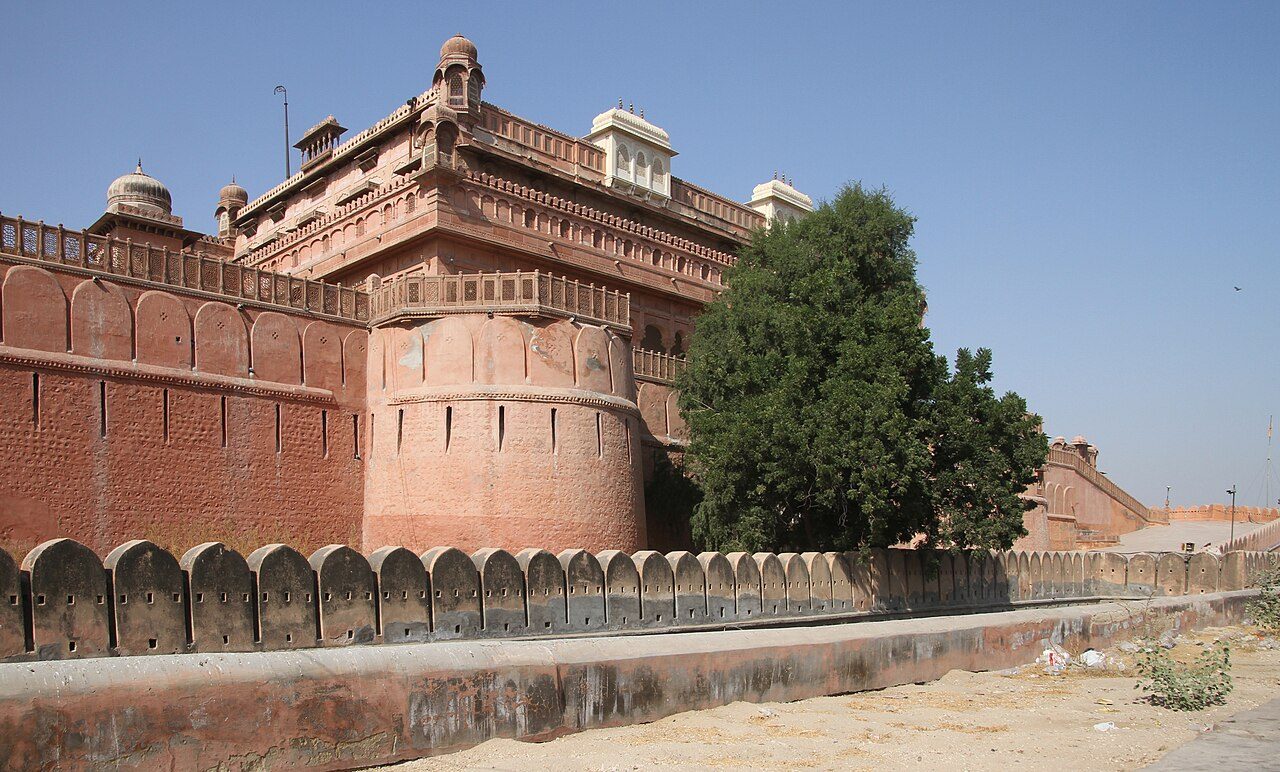
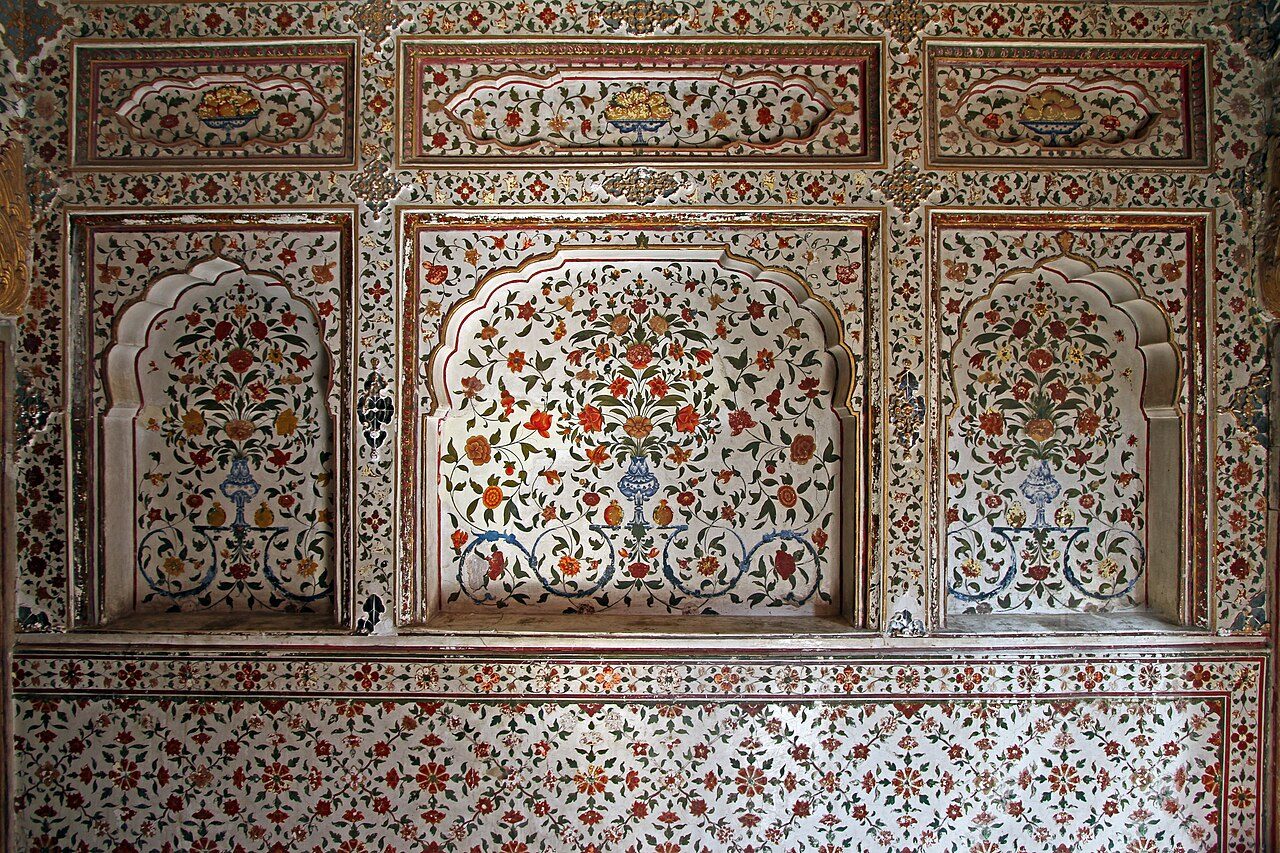
Junagarh Fort in Bikaner was built between 1589 and 1594 by Raja Rai Singh, a general in Akbar's army. Unlike most Rajasthani forts it stands on the plain, not on a hill, and it was never conquered. Later rulers added a series of palaces: Anup Mahal with gilded walls, Phool Mahal, Karan Mahal and the cloud-painted Badal Mahal. The museum holds royal costumes, weapons and a First World War biplane.
07
STOP 7 OF 14
Bhandasar Jain Temple
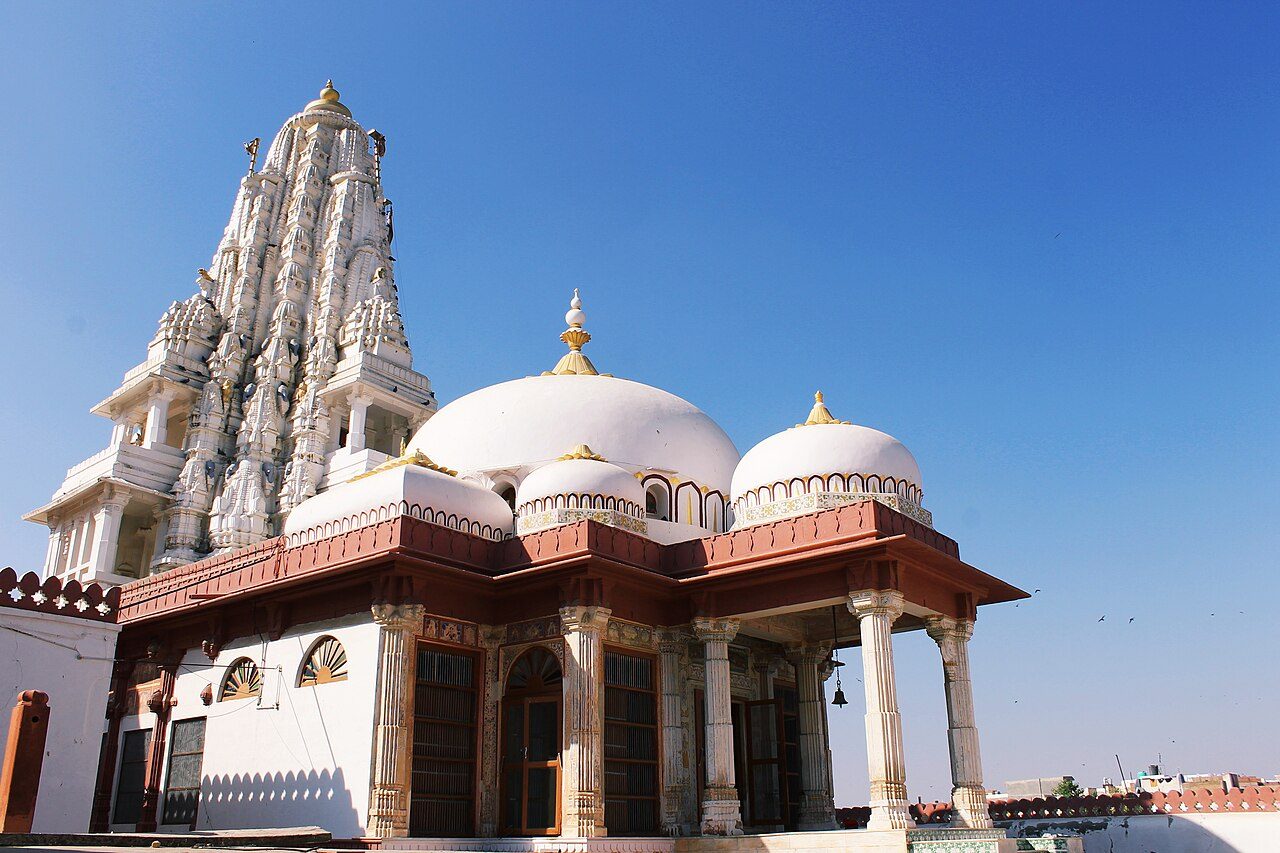
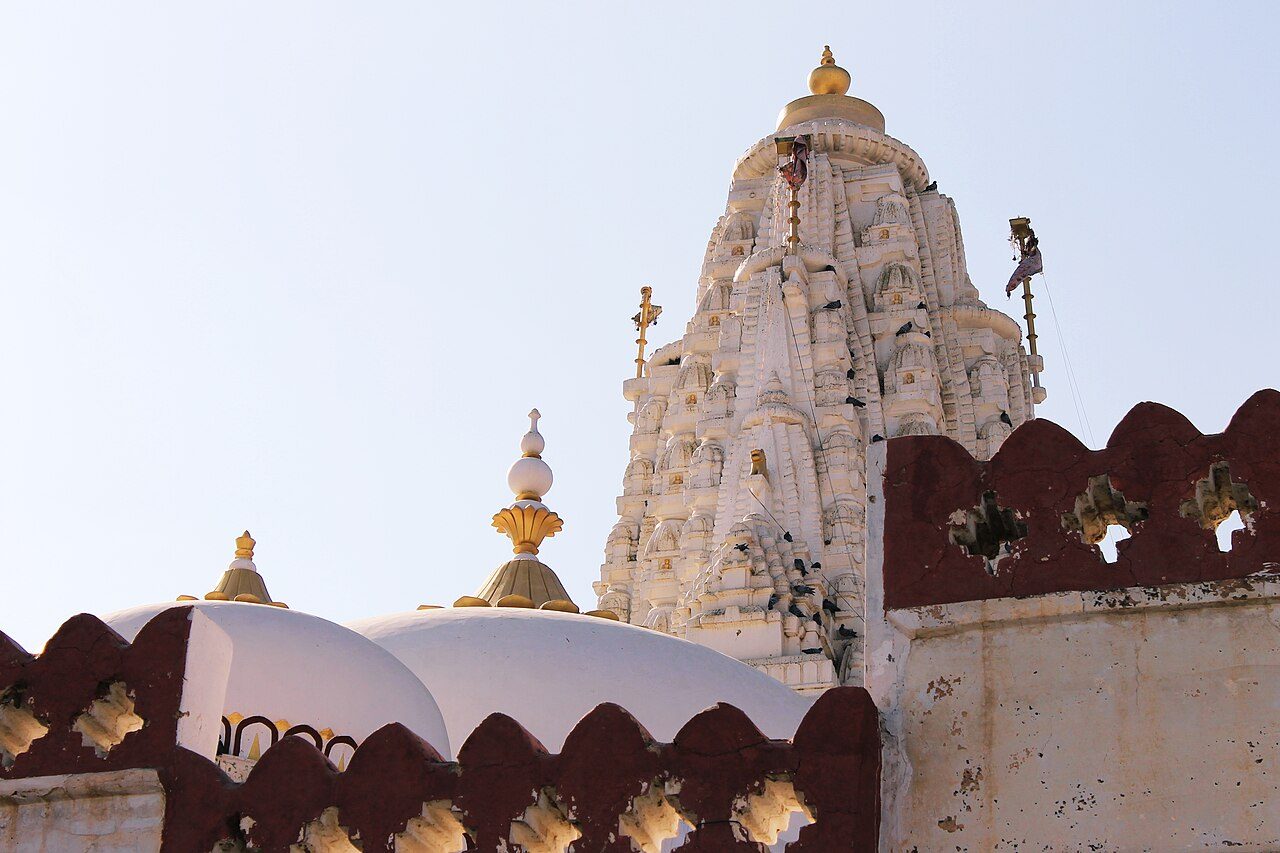
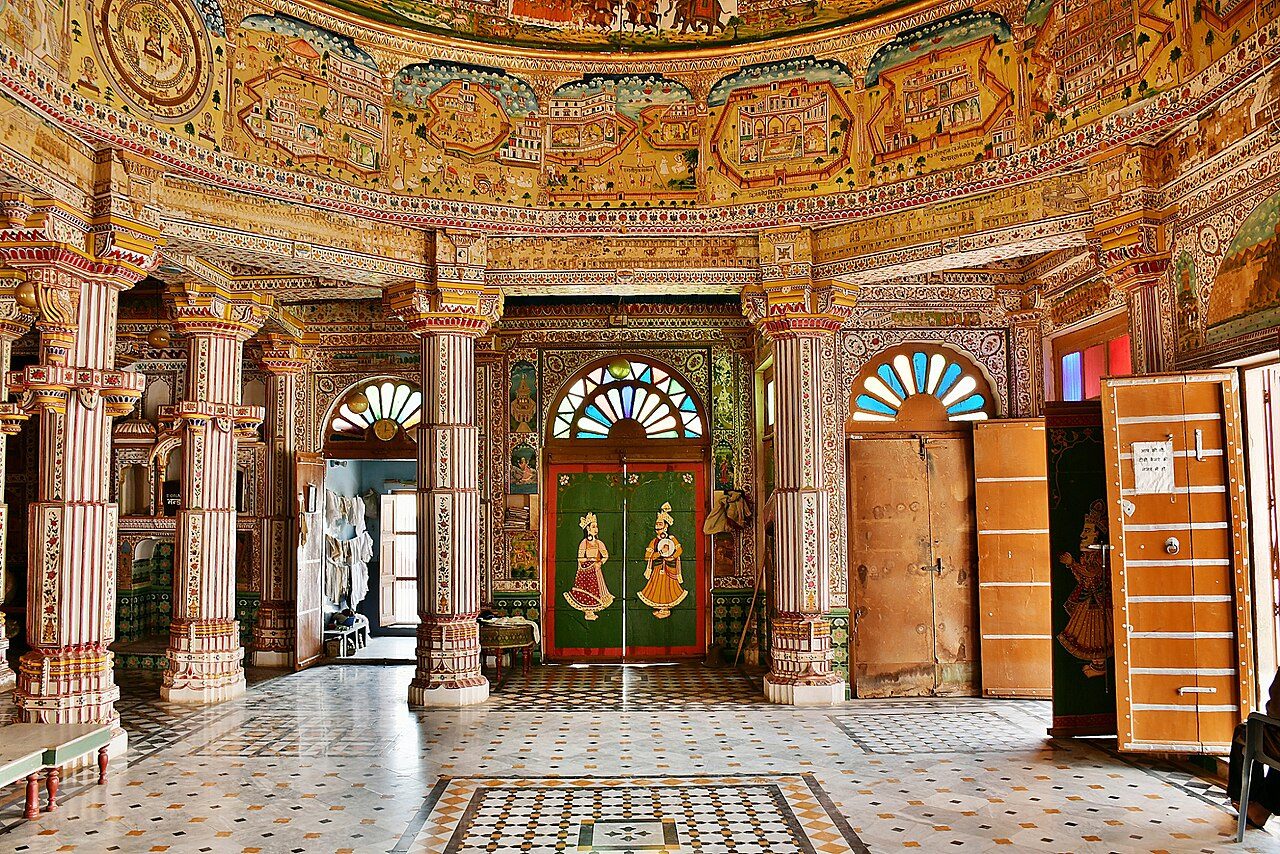
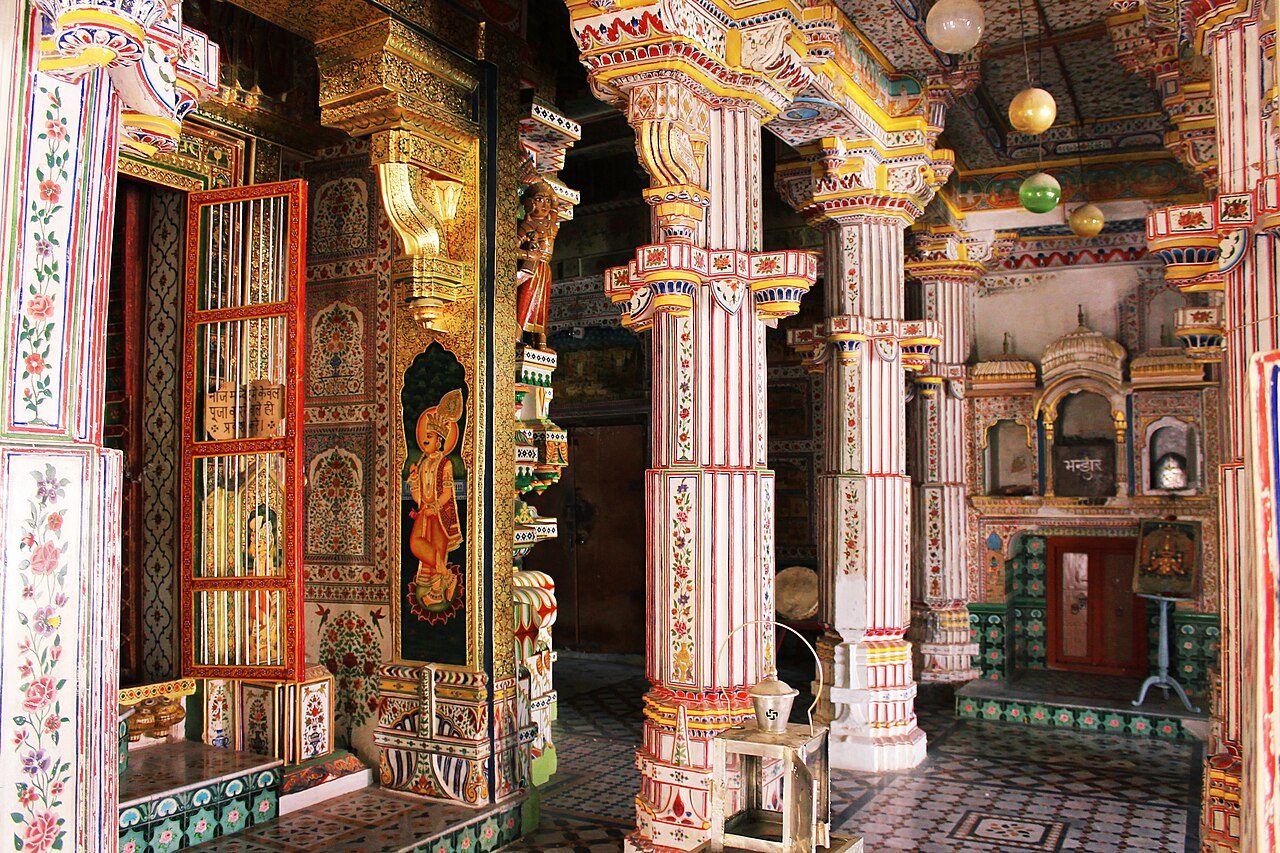
The Bhandasar temple in Bikaner is a 15th-century Jain temple dedicated to Sumatinatha, the fifth Tirthankara, built by a merchant named Bhandasa Oswal. Legend says its foundations were mixed with ghee instead of water. The three-storey building is known for its vivid interior: walls, pillars and ceilings are covered in frescoes, gold-leaf work and mirror decoration. The upper floors give a view over the old city.
08
STOP 8 OF 14
Rampuria Havelis
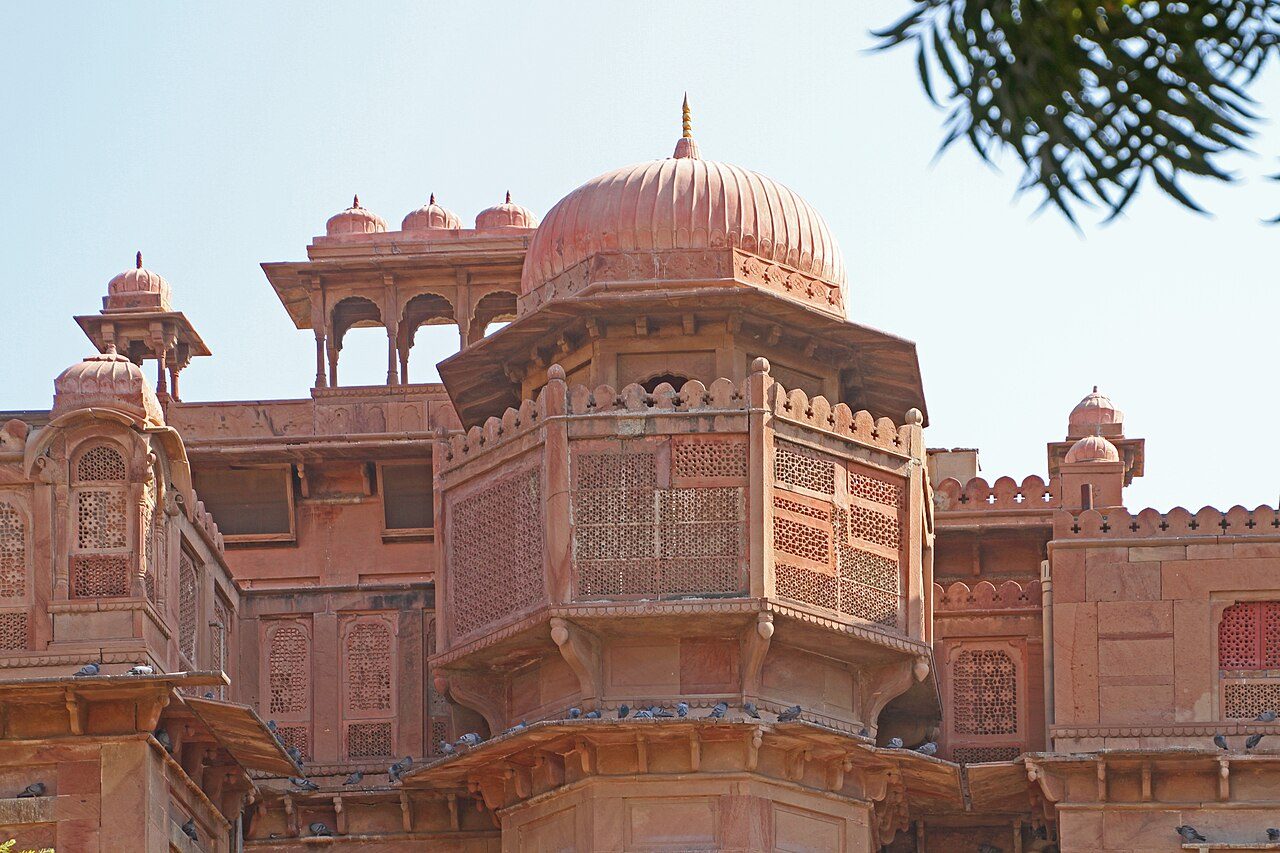
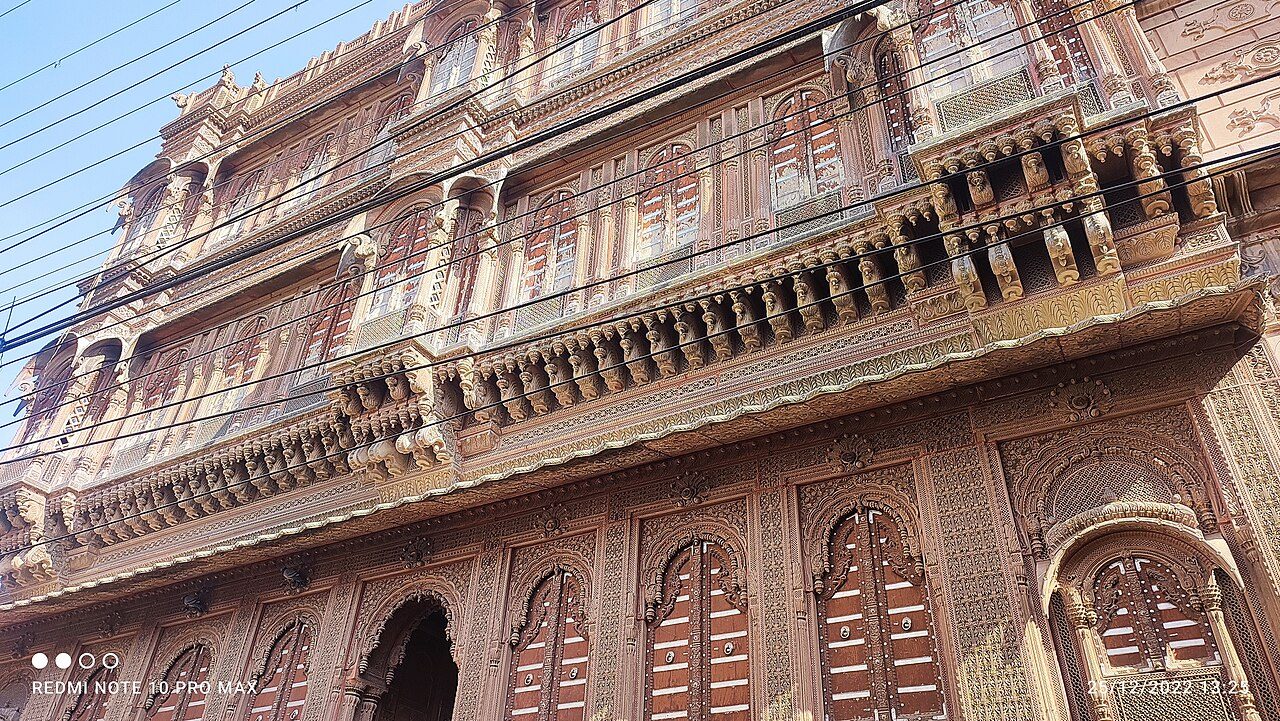
The Rampuria havelis are a group of mansions in Bikaner's old city, built in the late 19th and early 20th centuries by a wealthy merchant family. Their red sandstone facades are carved with jharokhas, lattice screens and floral panels, mixing Rajput, Mughal and Victorian details. They line a narrow lane and are best admired from the street, as most remain private. One has been converted into a heritage hotel.
09
STOP 9 OF 14
Lalgarh Palace
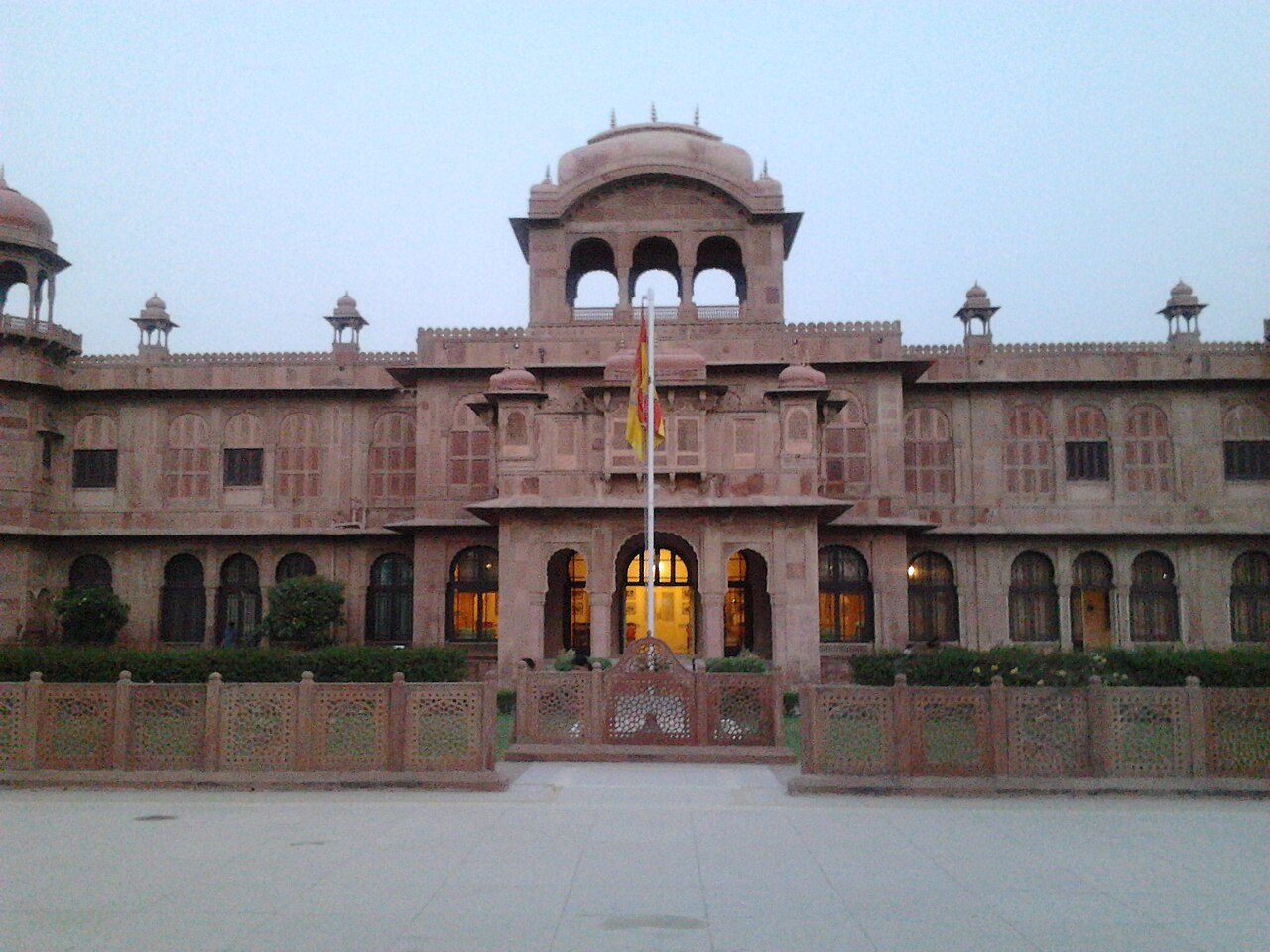
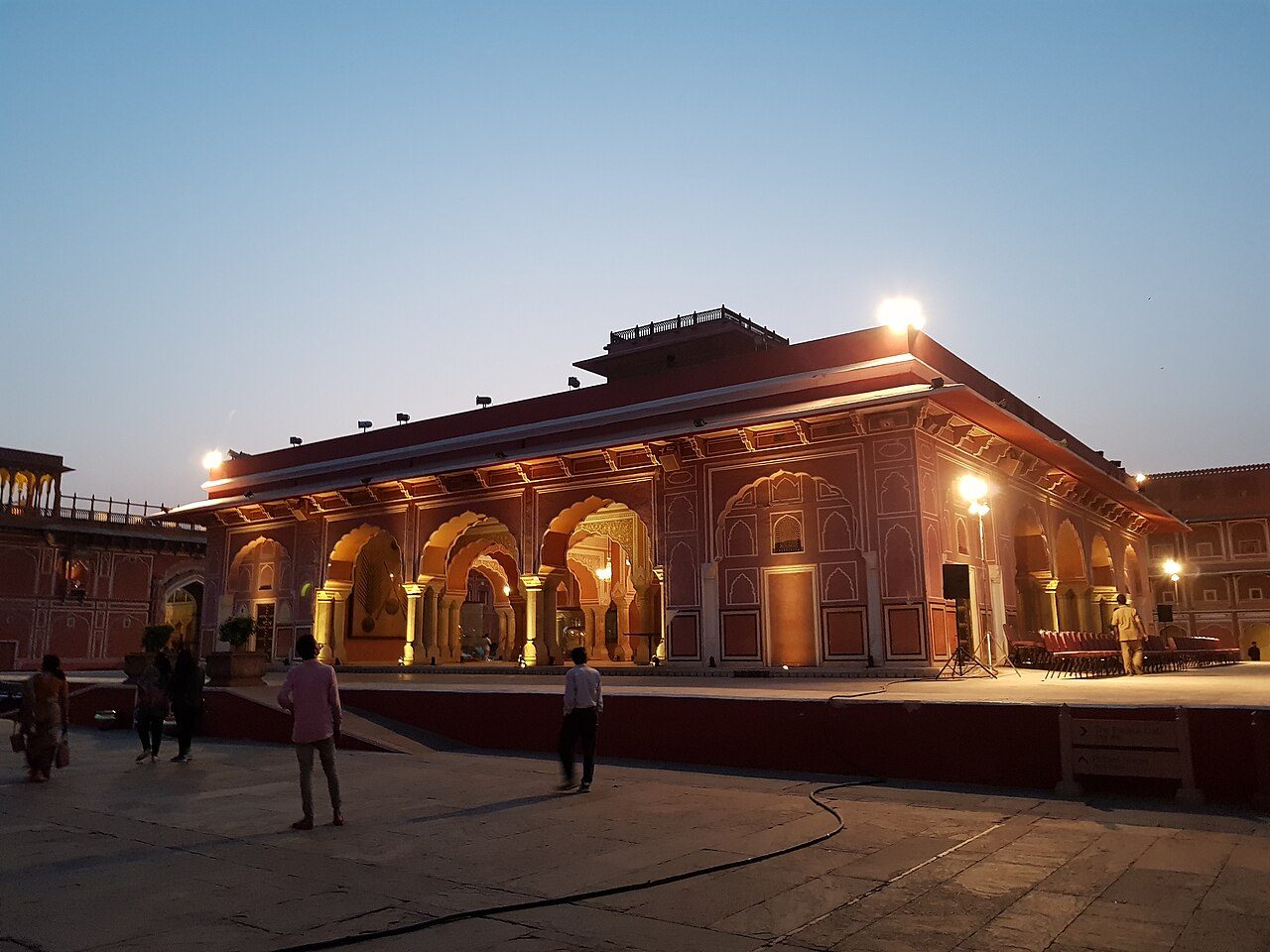
Lalgarh Palace was built between 1902 and 1926 for Maharaja Ganga Singh of Bikaner and named after his father, Lal Singh. Designed by Samuel Swinton Jacob in red sandstone, it combines Rajput, Mughal and European styles with fine lattice work and filigree. Part of it is a heritage hotel, and the Sadul Singh Museum inside displays photographs, trophies and belongings of the royal family.
10
STOP 10 OF 14
Devi Kund Sagar
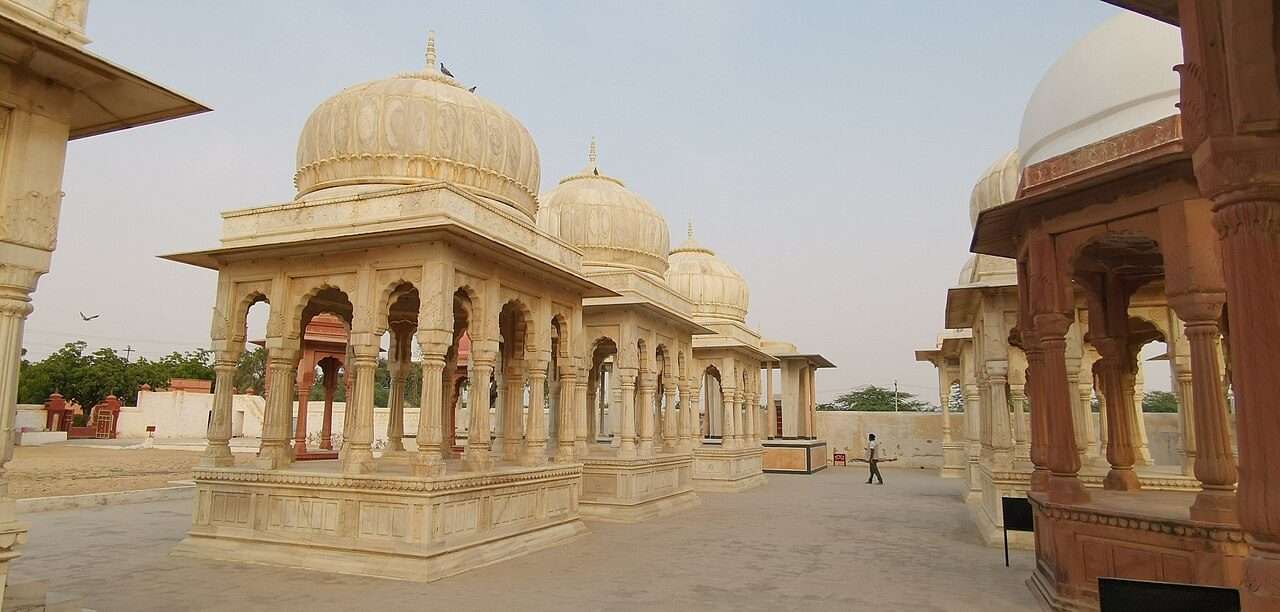
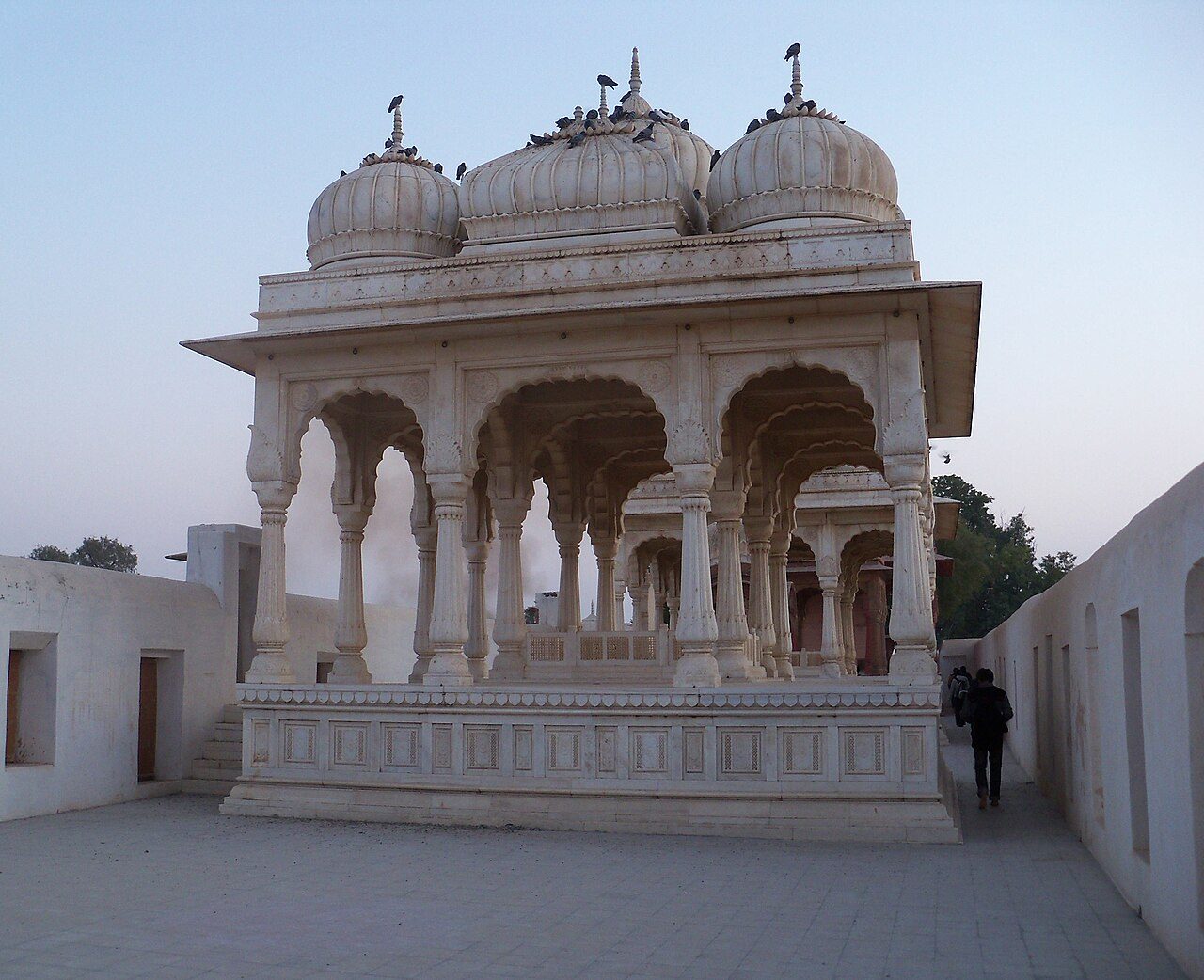
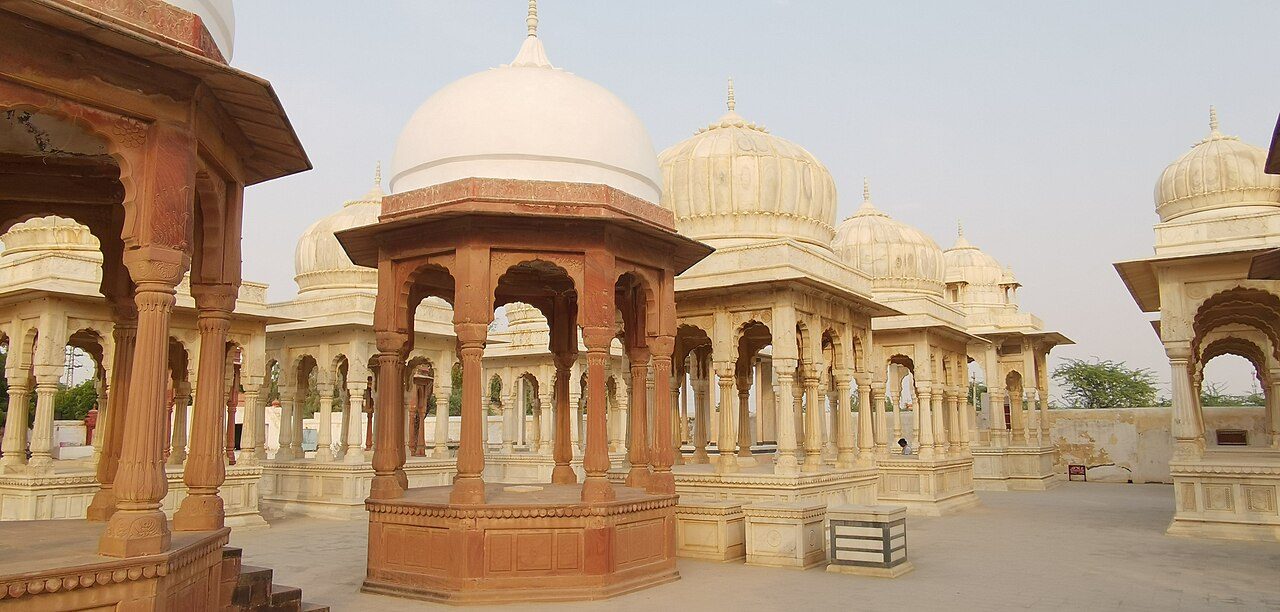
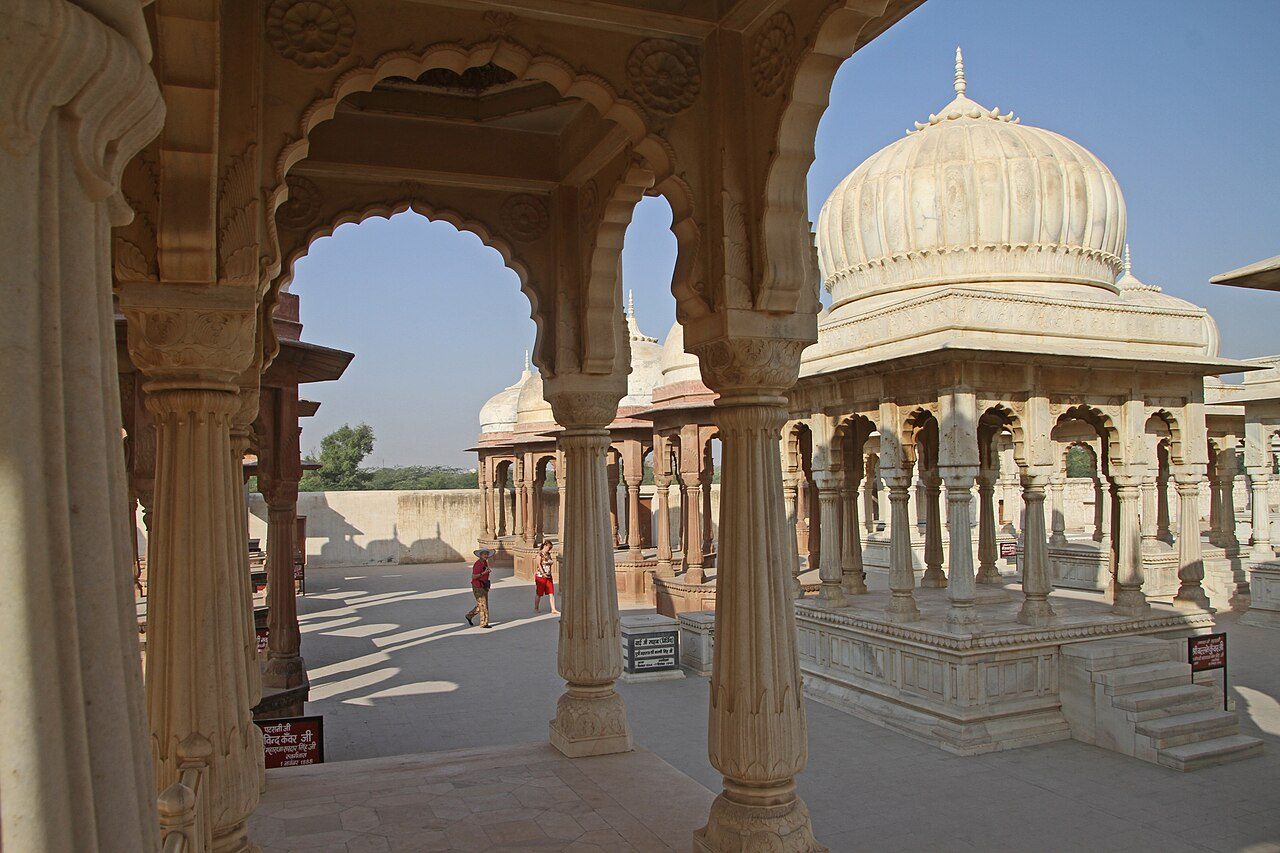
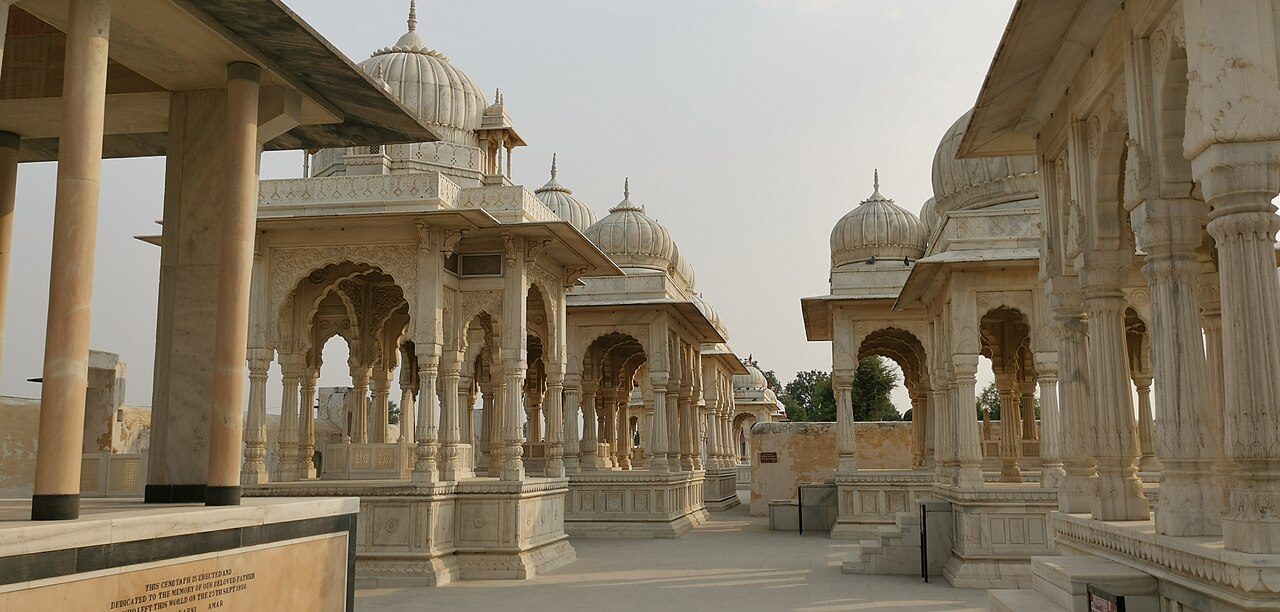
Devi Kund Sagar, a few kilometres east of Bikaner, is the royal cremation ground of the Bika dynasty. Cenotaphs of successive rulers and their families stand in rows around a tank, the older ones in red sandstone and the later in white marble. Several have finely painted ceilings, and that of Maharaja Surat Singh is especially notable. It is a quiet site, good in soft morning or evening light.
11
STOP 11 OF 14
Karni Mata Temple
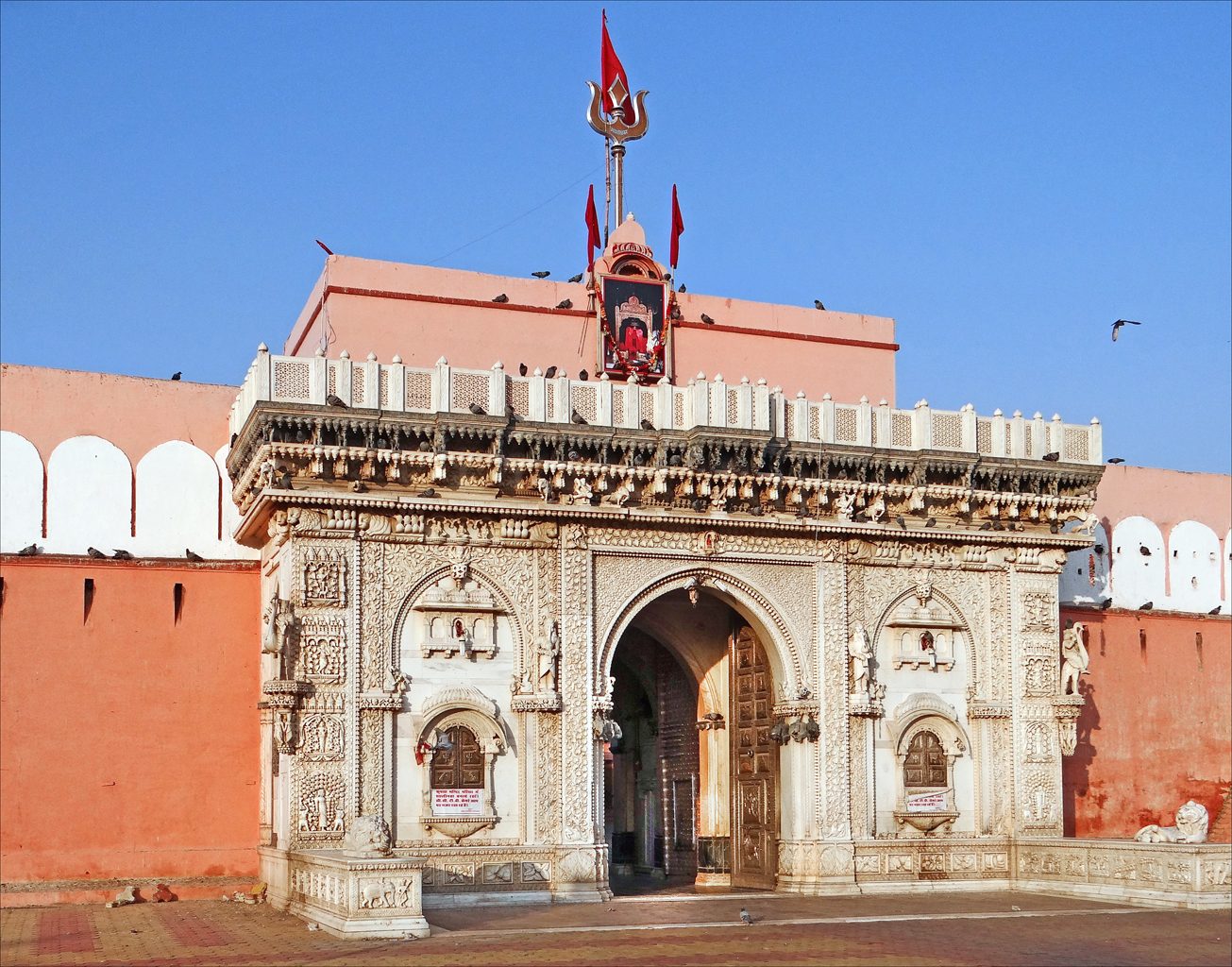
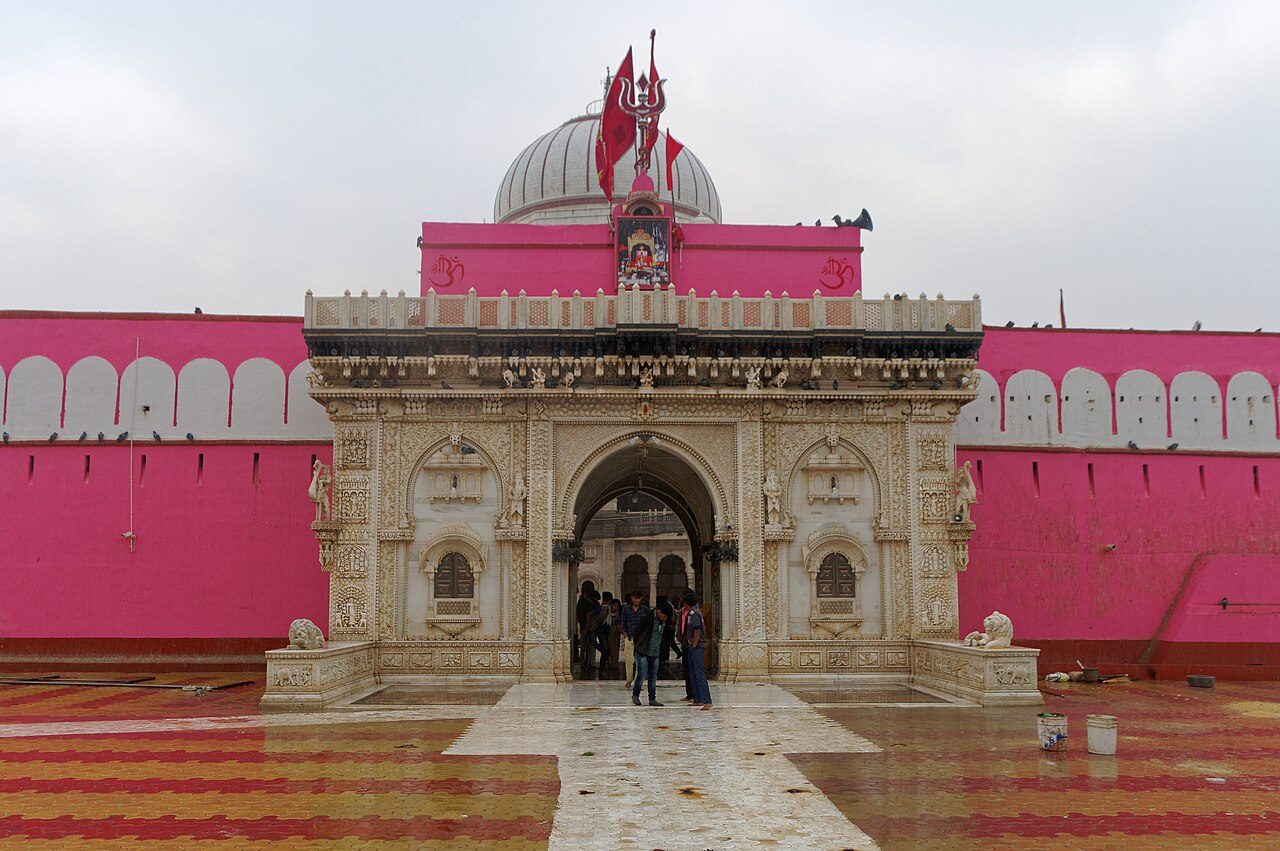
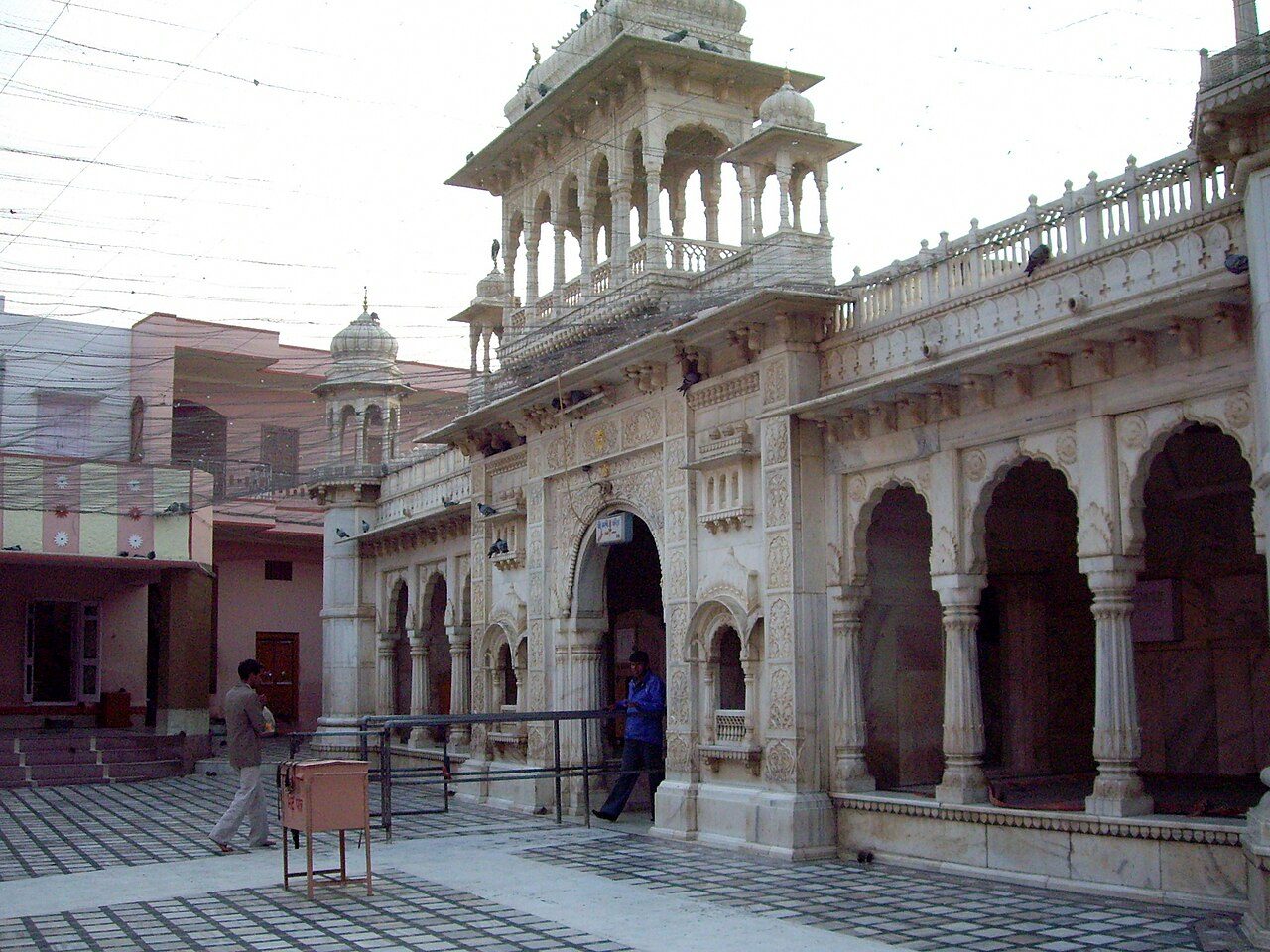
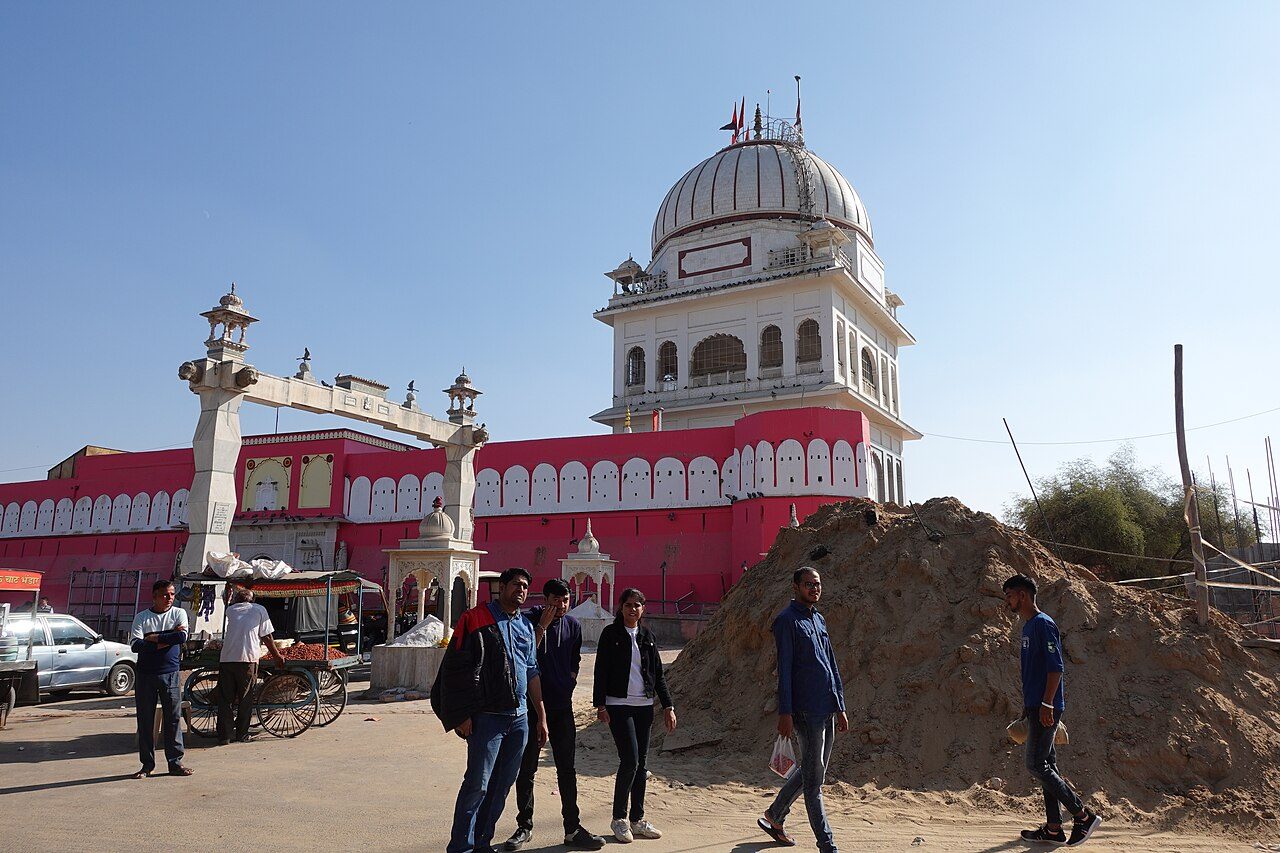
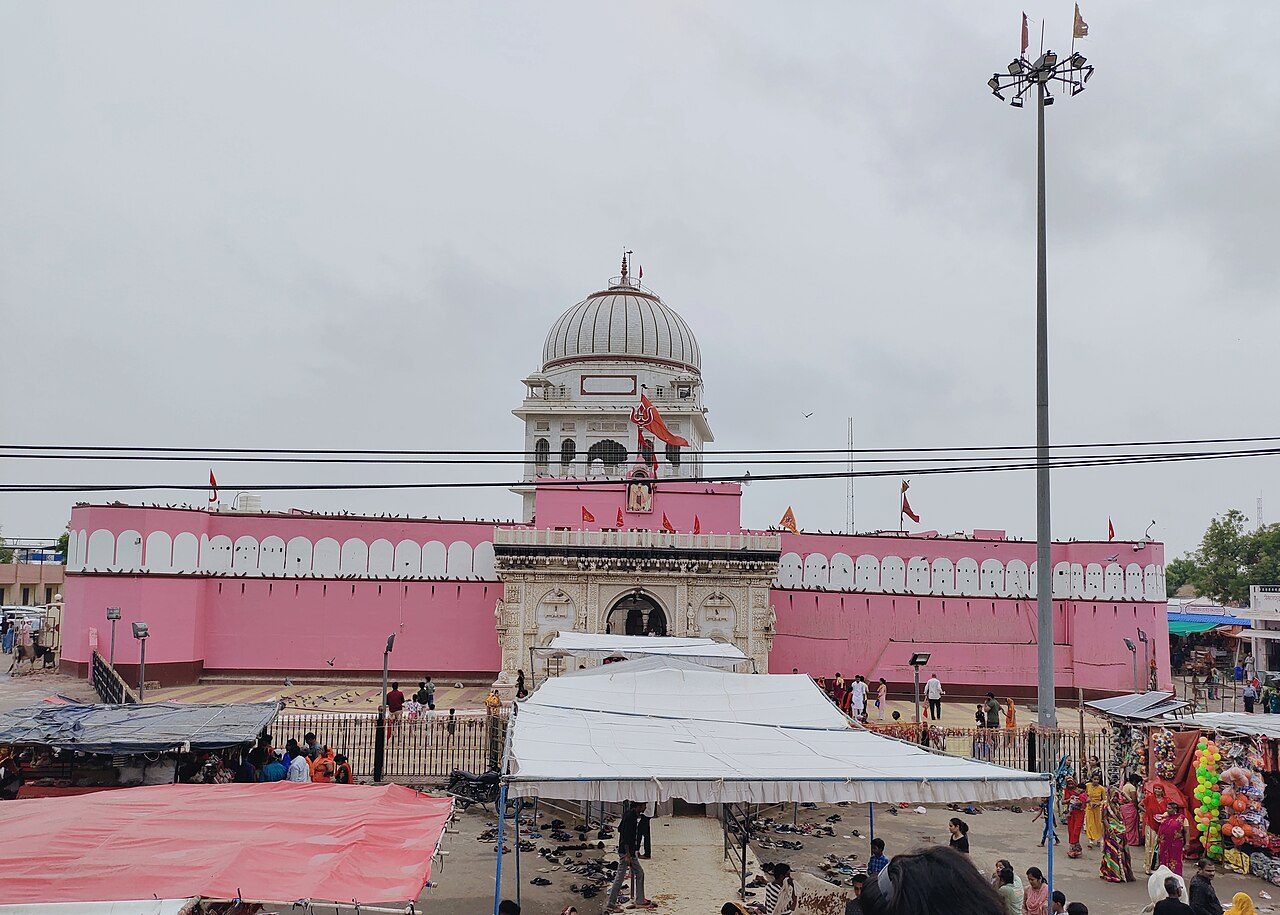
The Karni Mata temple at Deshnoke is dedicated to a 15th-century mystic regarded as an incarnation of Durga and the patron deity of Bikaner's rulers. It is famous for the thousands of rats that live in the temple and are fed and protected as sacred. Seeing a white rat is considered especially lucky. The marble facade and silver doors were added by Maharaja Ganga Singh in the early 20th century.
12
STOP 12 OF 14
Gajner Palace
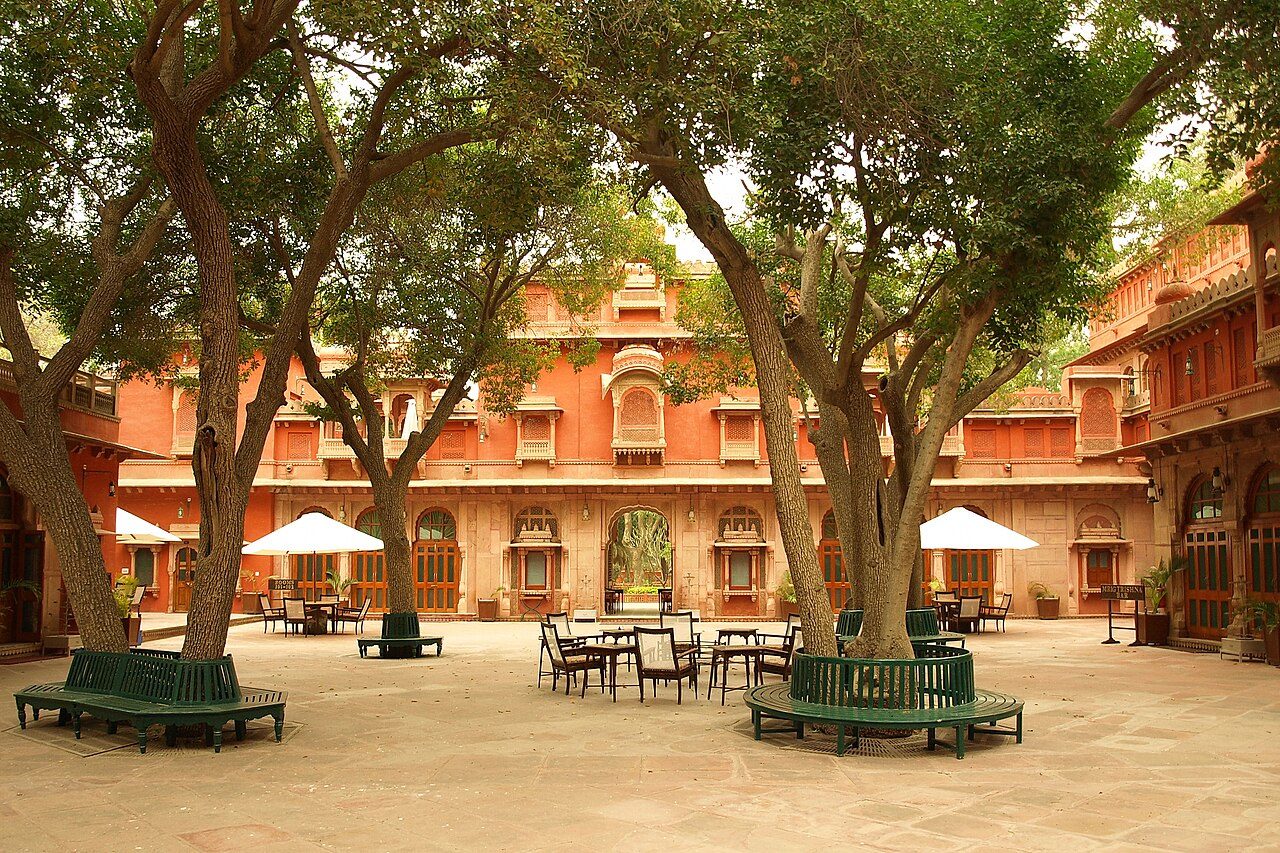
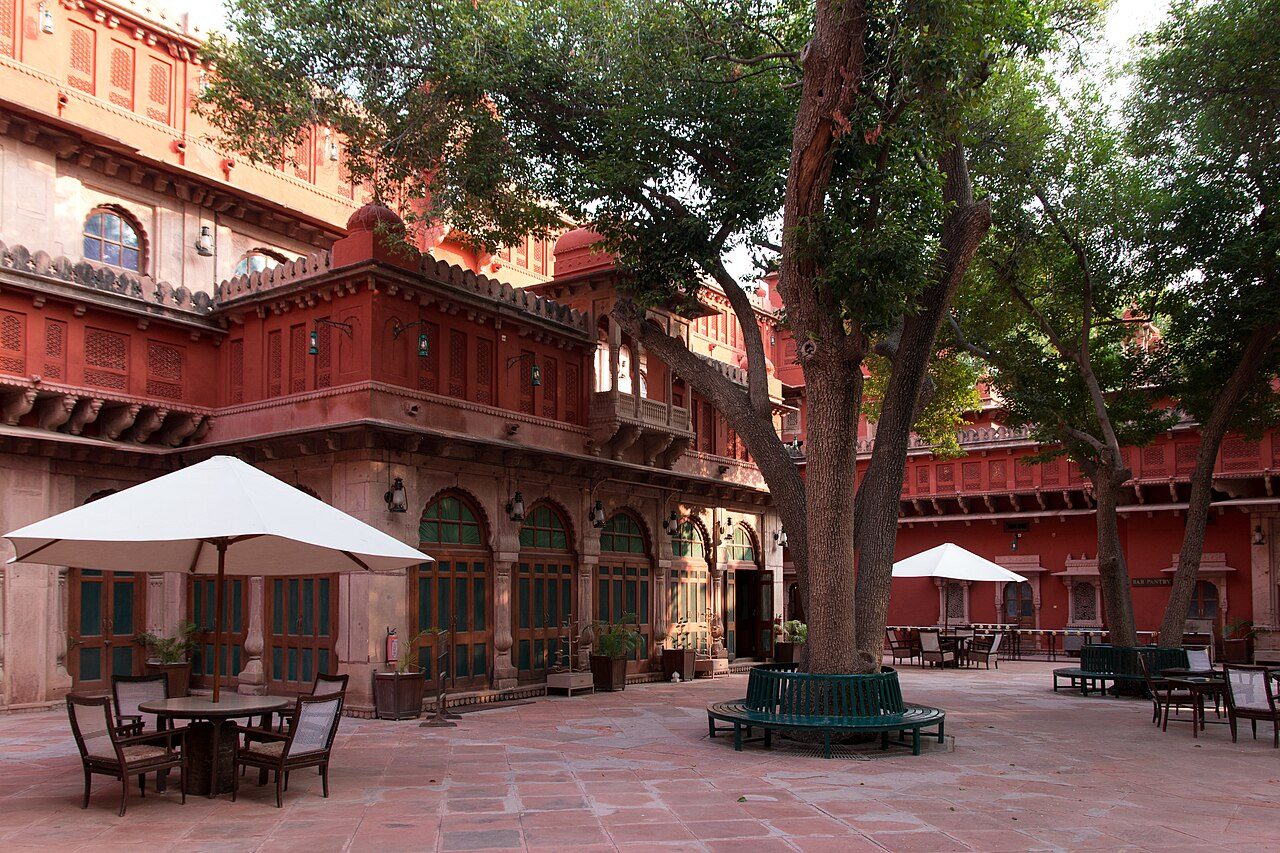
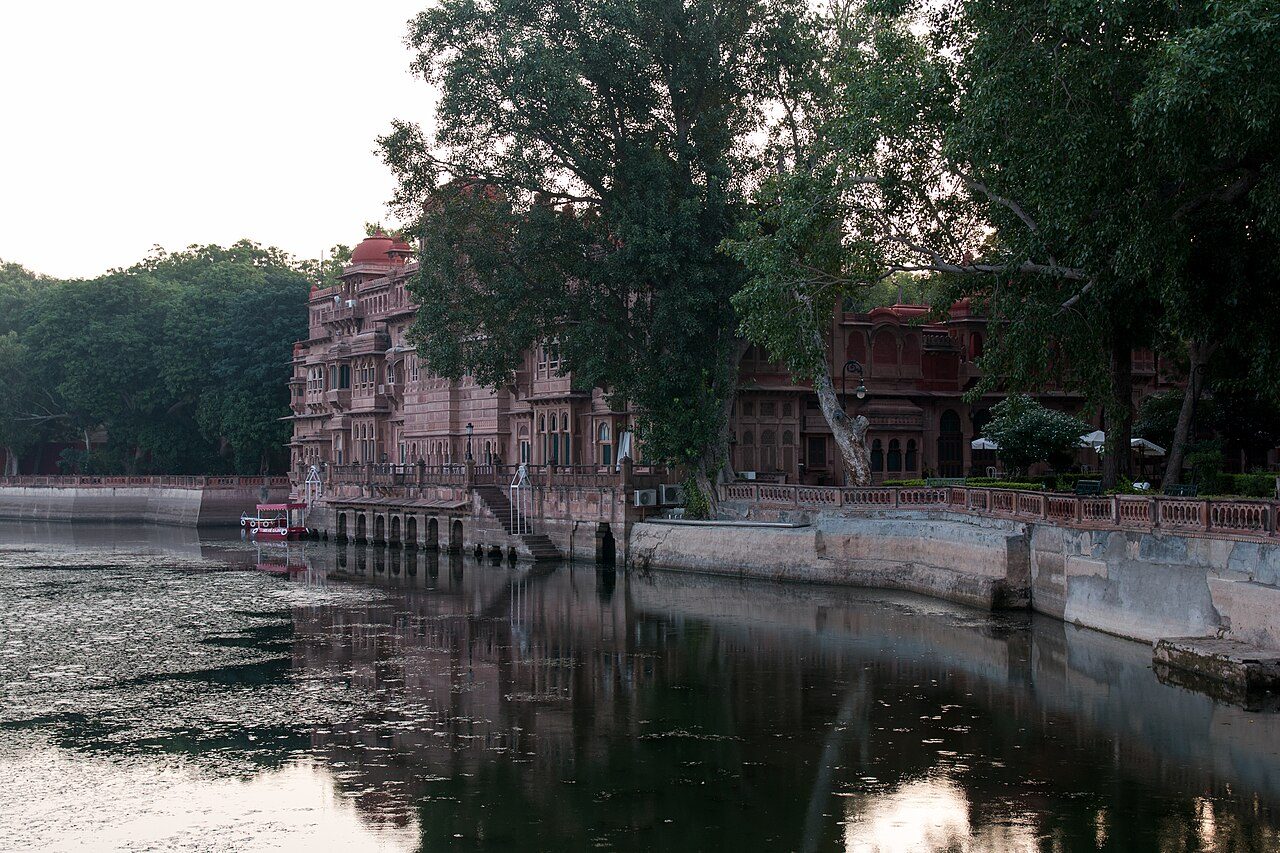
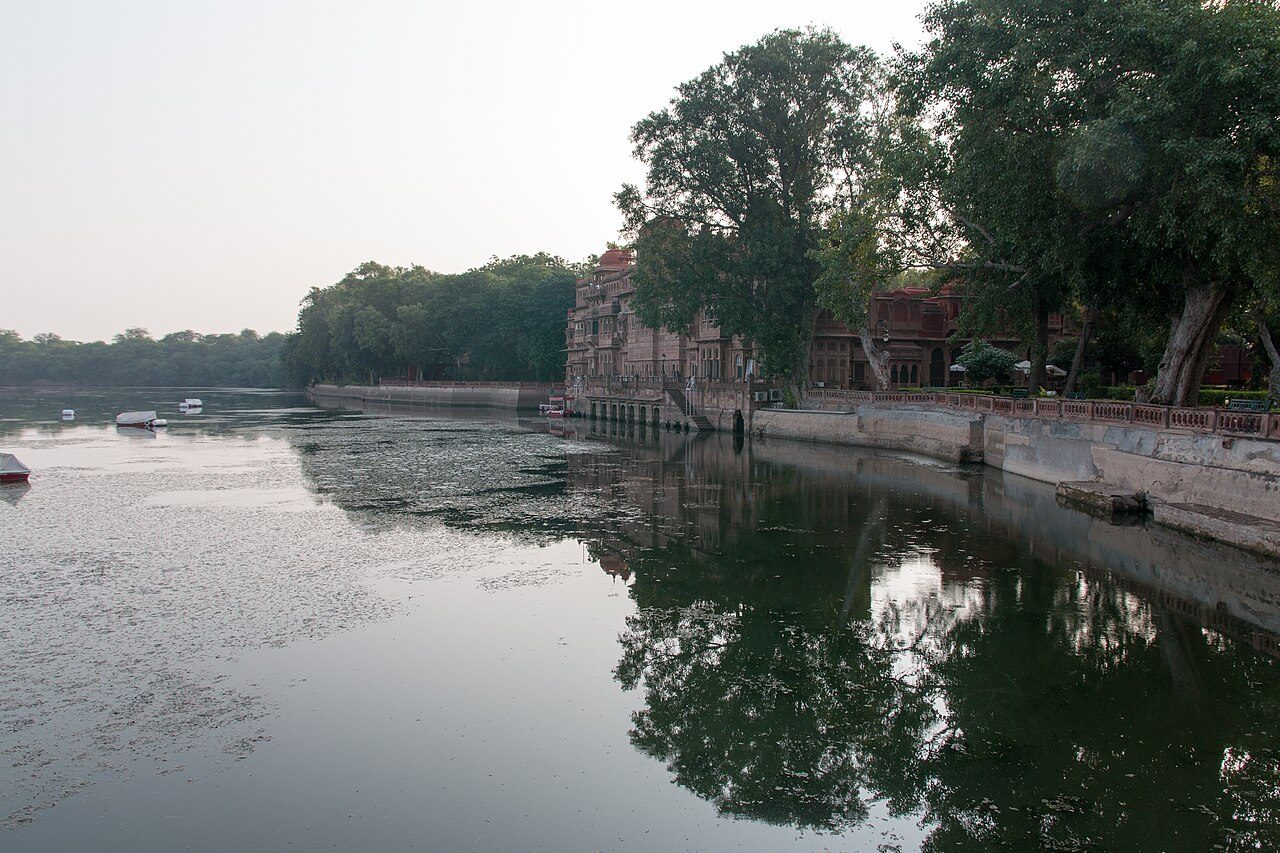
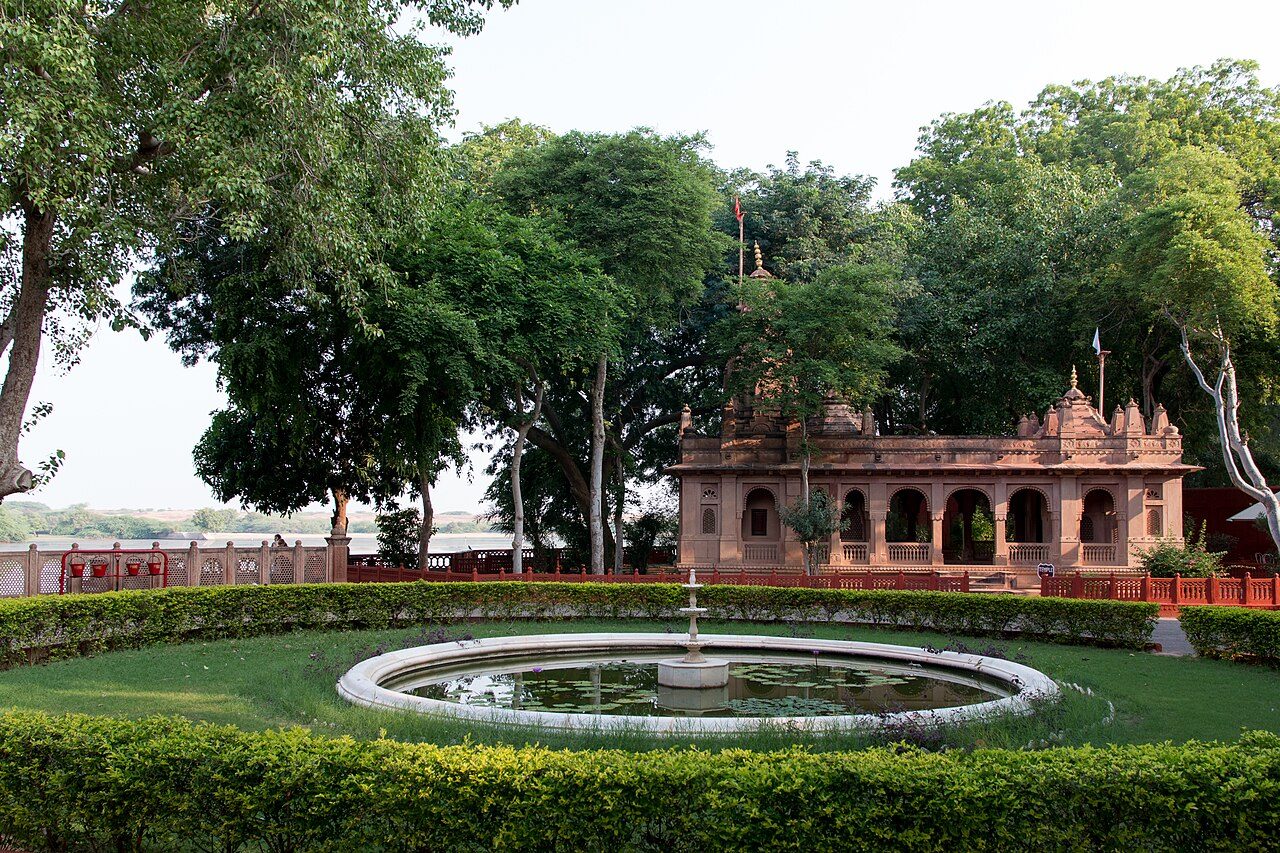
Gajner Palace stands on the shore of a lake west of Bikaner and was built as a hunting lodge by Maharaja Ganga Singh in the early 20th century. British dignitaries were entertained here with winter shoots of imperial sandgrouse. The red sandstone palace is now a heritage hotel, and the surrounding wildlife sanctuary shelters blackbuck, nilgai, wild boar and many migratory birds.
13
STOP 13 OF 14
Bhatner Fort
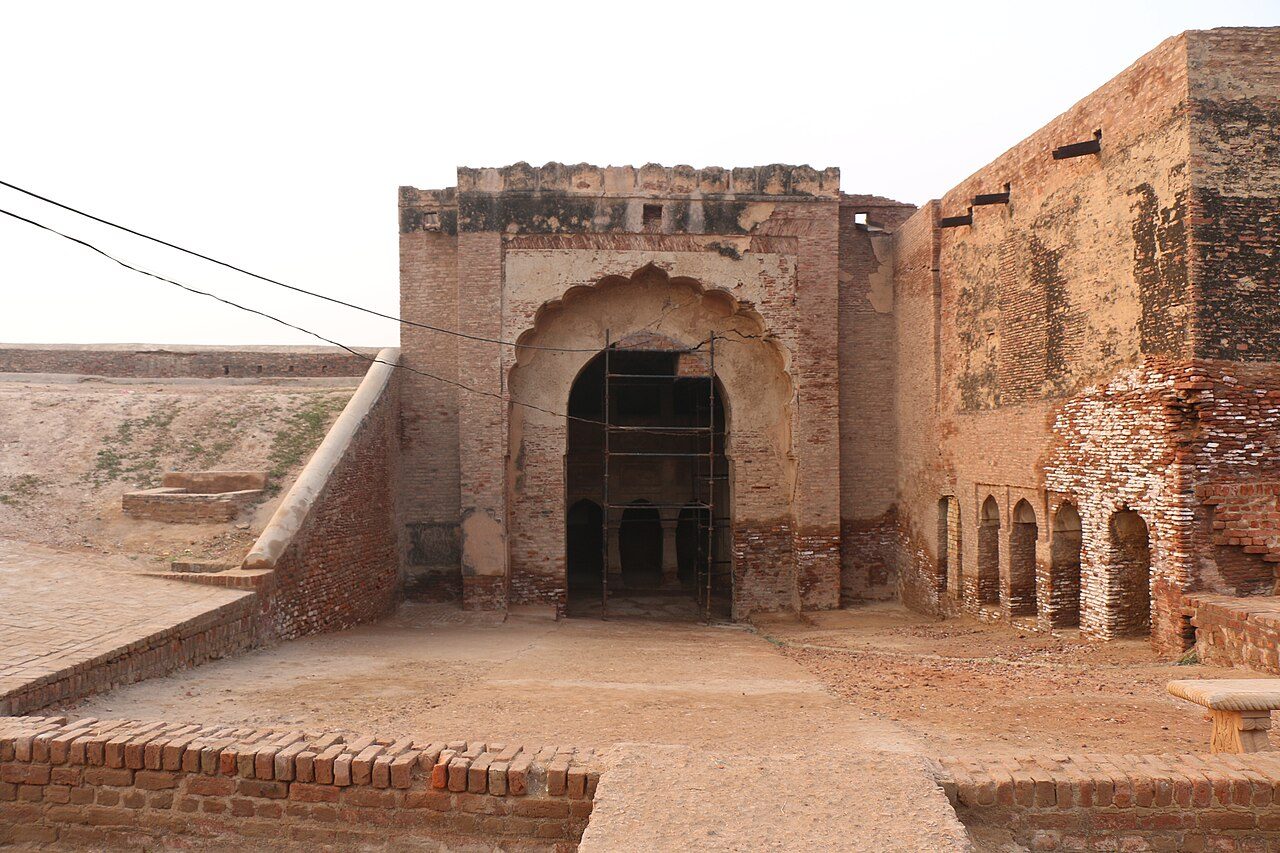
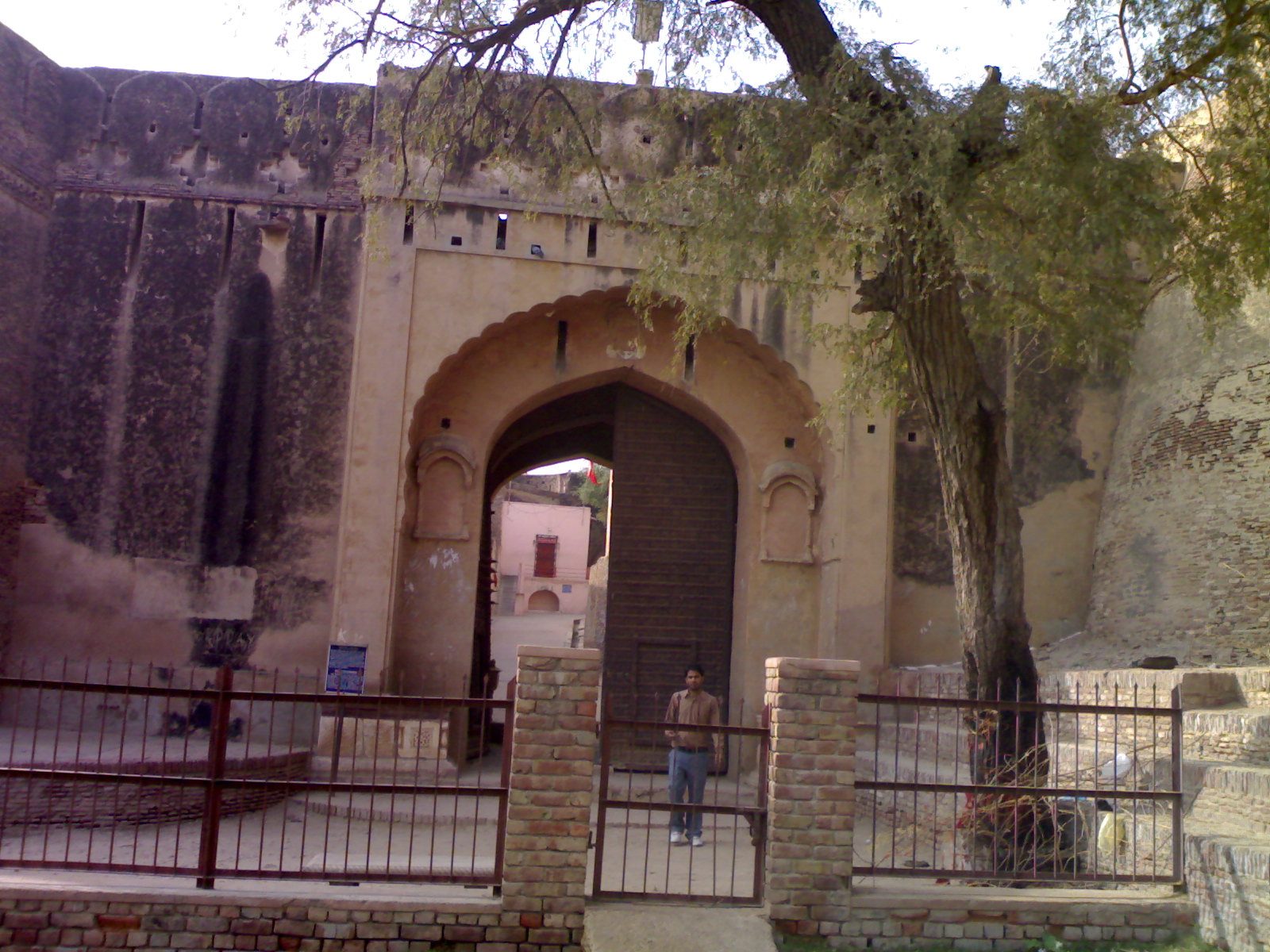
Bhatner Fort at Hanumangarh, on the bank of the Ghaggar, is considered one of the oldest forts in India, with a tradition placing its origin around 1,700 years ago. Guarding the route from Central Asia to Delhi, it was attacked by many invaders, including Timur in 1398. The brick ramparts and many bastions survive. The town was renamed Hanumangarh after Bikaner captured the fort in 1805.
14
STOP 14 OF 14 · LAST STOP
Kalibangan
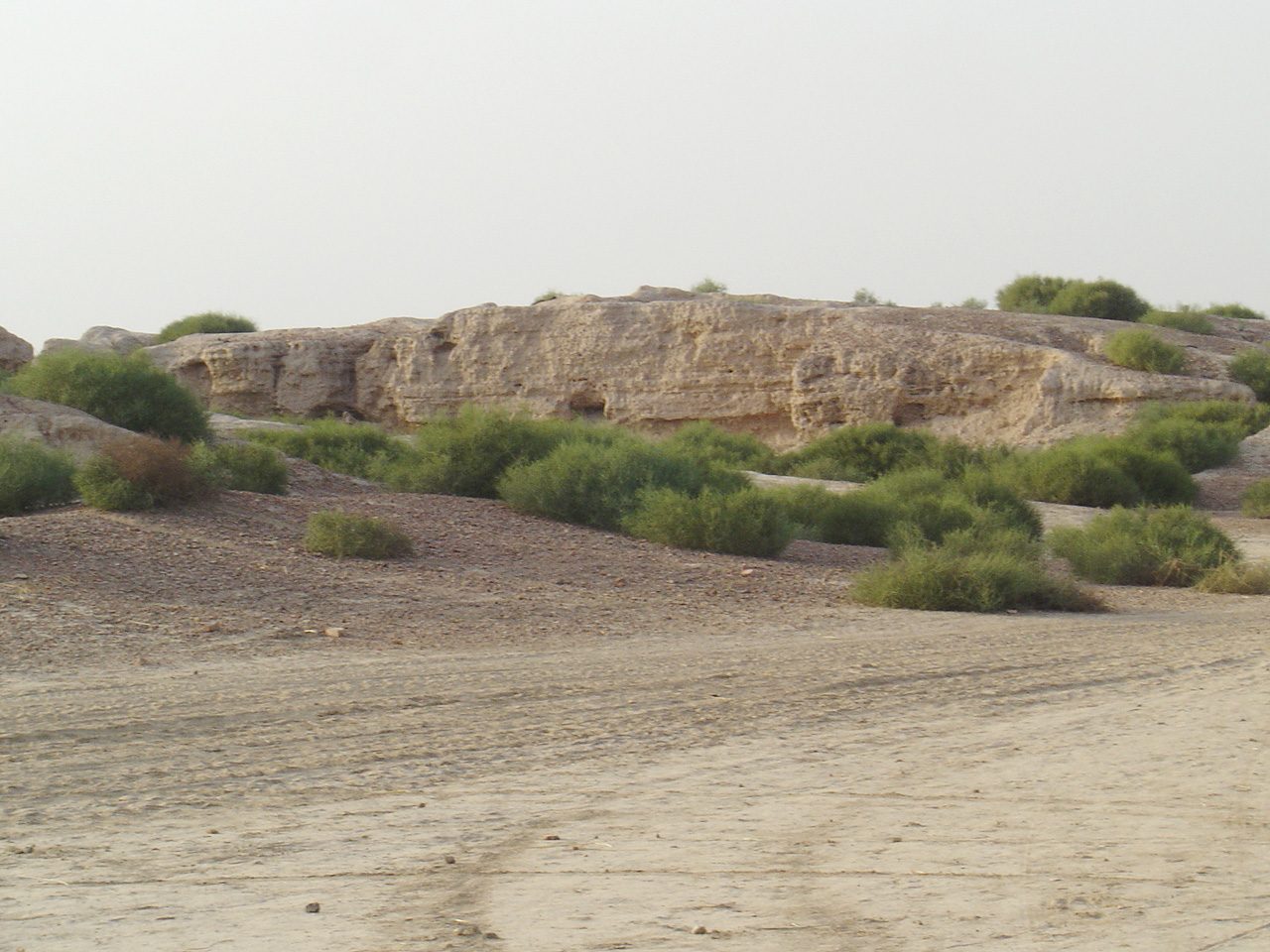
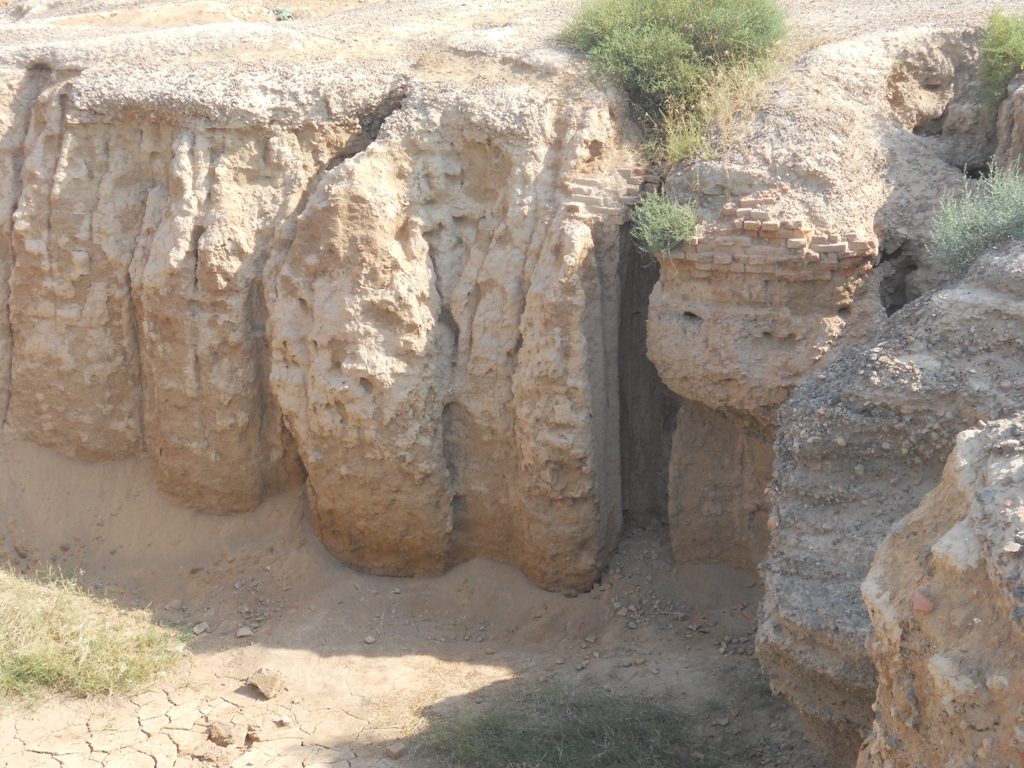
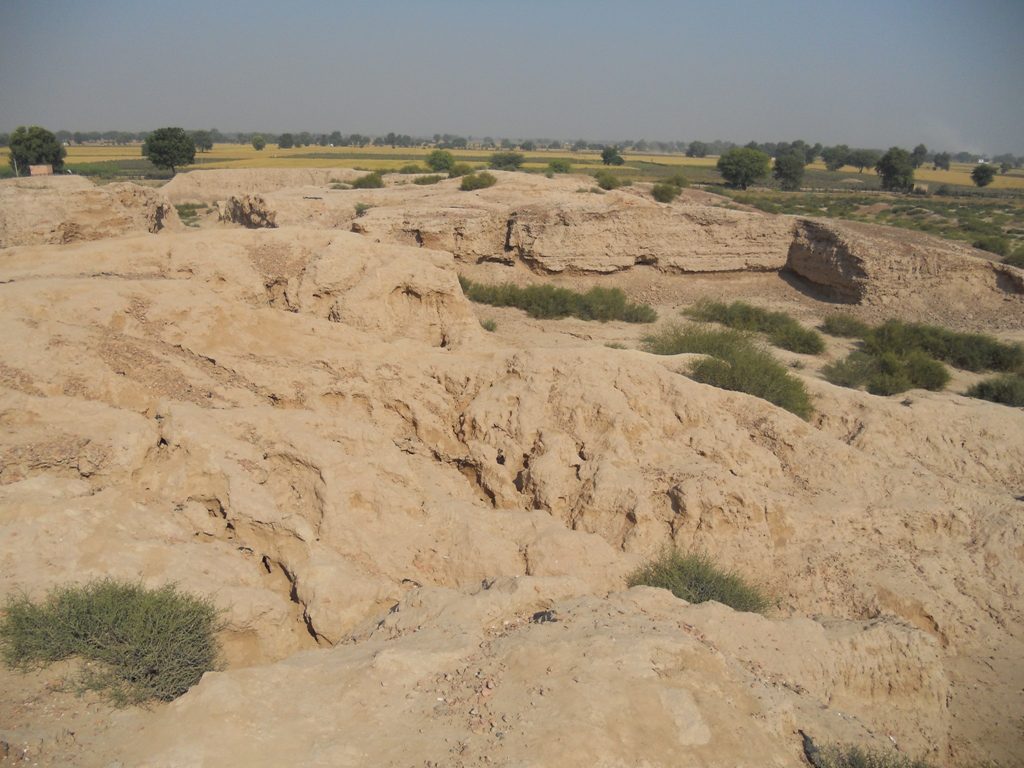
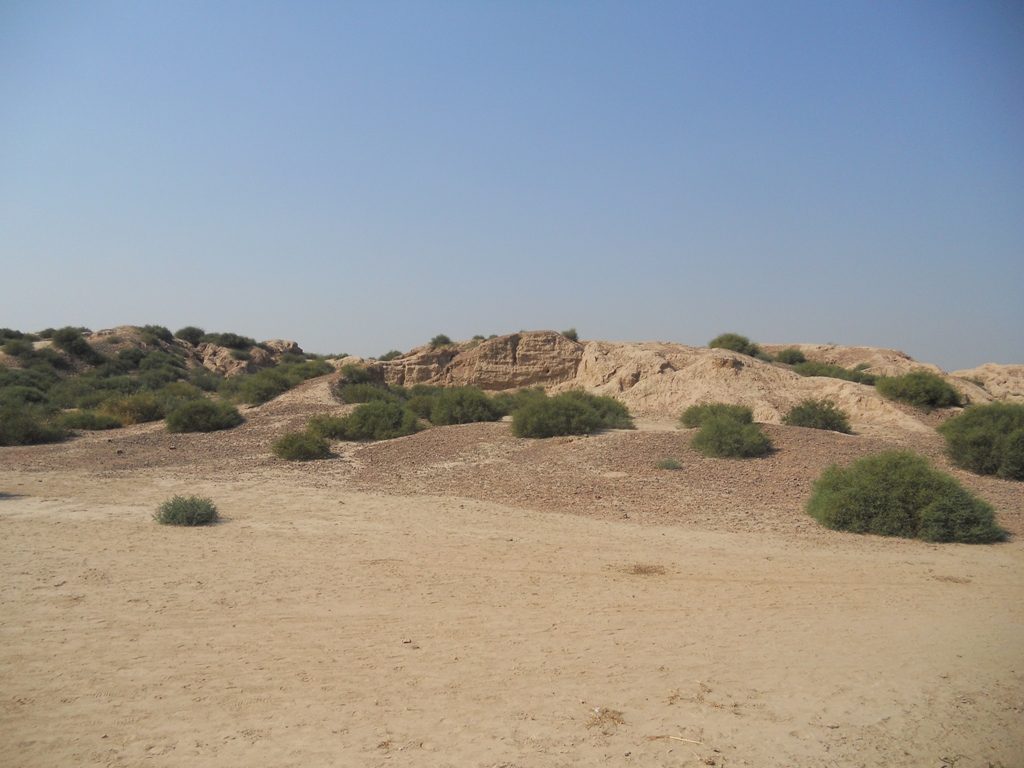
Kalibangan, on the dry bed of the Ghaggar river, is a major site of the Indus Valley Civilisation, excavated in the 1960s. It revealed both a pre-Harappan and a Harappan settlement, with a citadel, a grid of streets, fire altars and what is thought to be the earliest known ploughed field. The mounds themselves show little today, but a museum beside the site displays pottery, seals, bangles and other finds.
Seasons from 20 years of NASA POWER climate data.
 WaTrips