Saurashtra in 5 Days: Junagadh, Gir Lions, Somnath and Dwarka
5 DAYS17 placesby WaTrips
Rajkot and Gondal, Junagadh and Girnar, a lion safari in Gir, Somnath, Porbandar, Dwarka and Jamnagar.
This loop through the Saurashtra peninsula combines Gujarat's great pilgrim towns with its lions. Day one covers Rajkot and nearby Gondal and the Khambhalida caves. Day two is Junagadh: Uparkot Fort, the striking Mahabat Maqbara, Ashoka's rock edicts and the Jain temples on Girnar, reached by thousands of steps or the ropeway. Day three is a morning safari in Gir, the last wild home of the Asiatic lion, then Somnath on the shore. Day four visits Gandhi's birthplace at Porbandar before Dwarka's evening aarti, and day five takes in Rukmini temple, Nageshwar, Shivrajpur beach and Jamnagar's Lakhota Lake. Gir is closed from mid-June to mid-October.
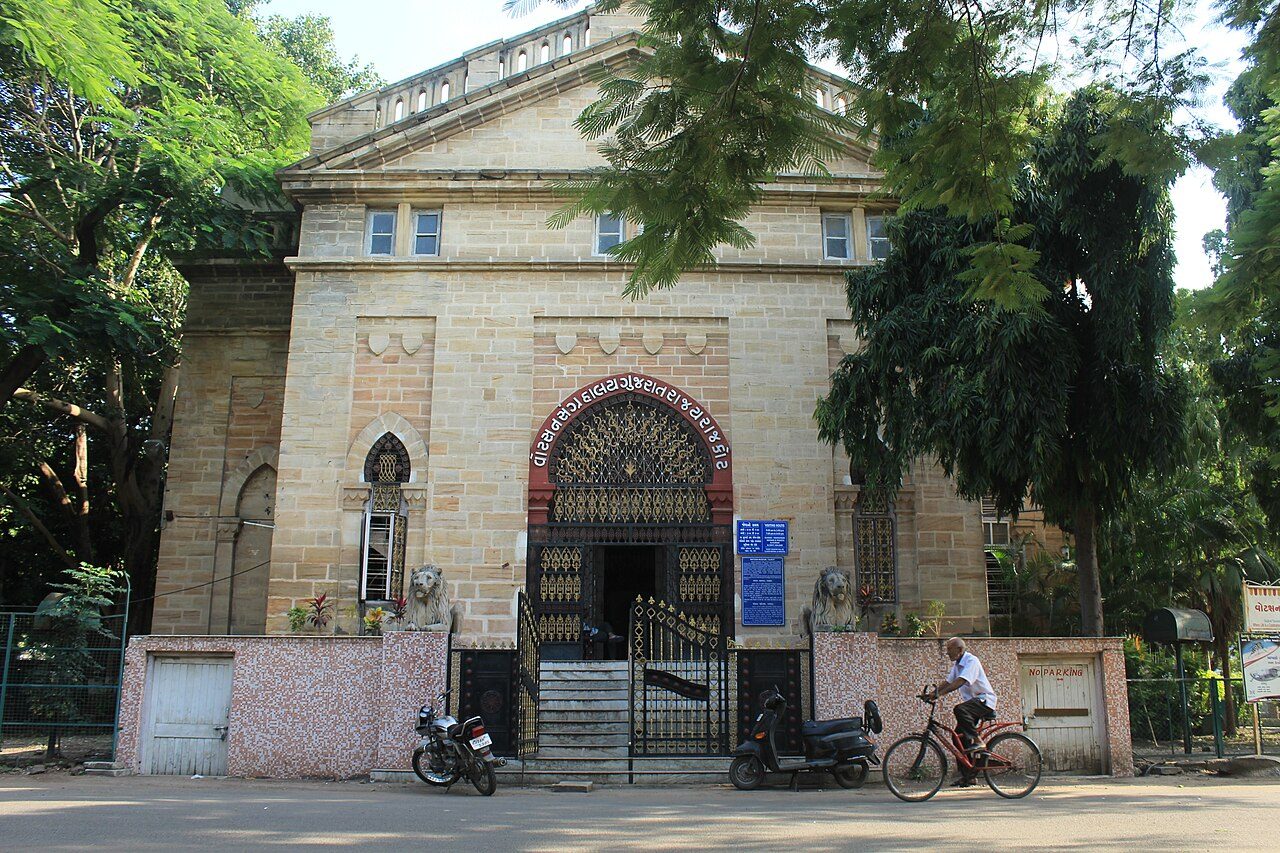
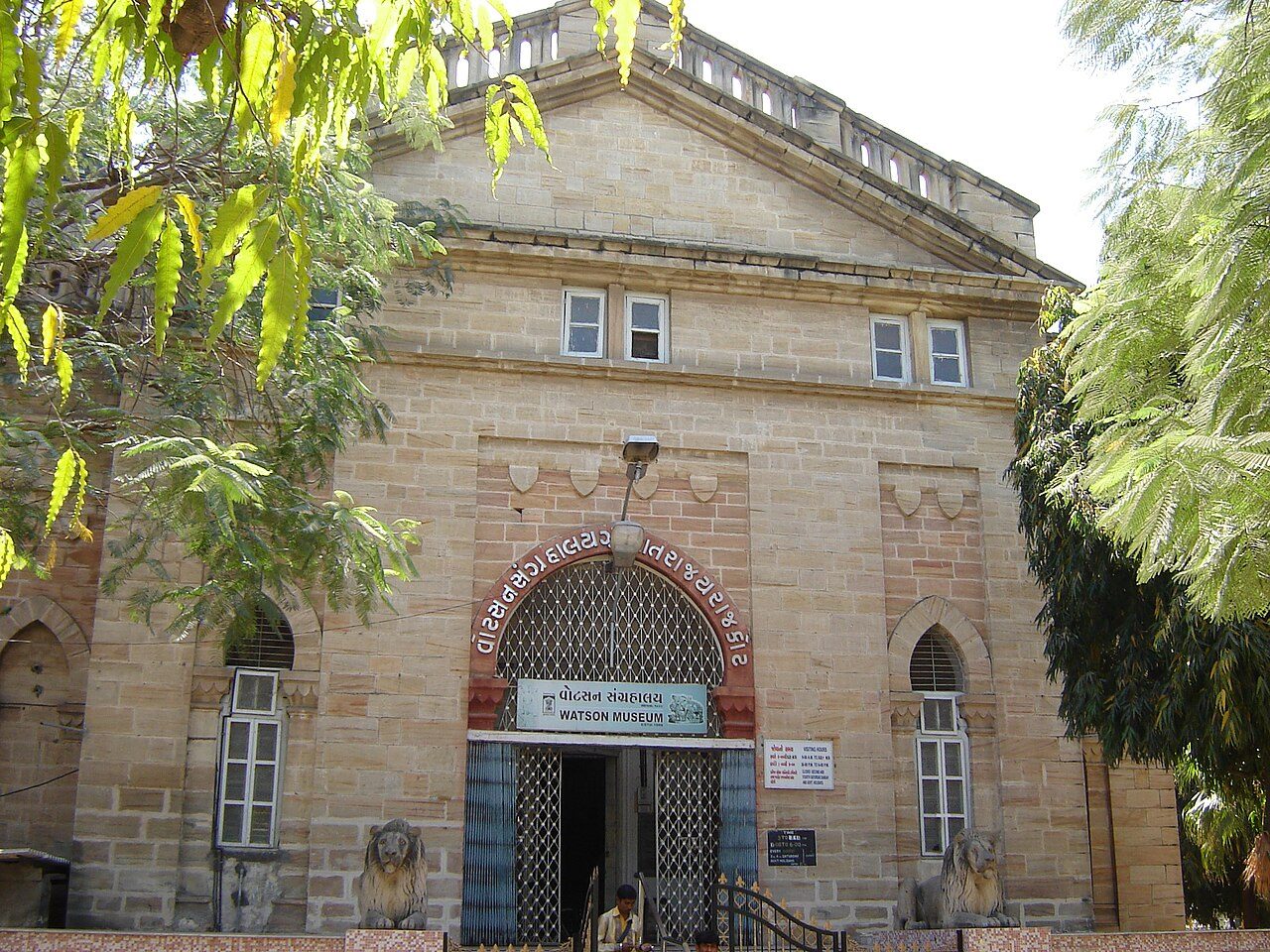
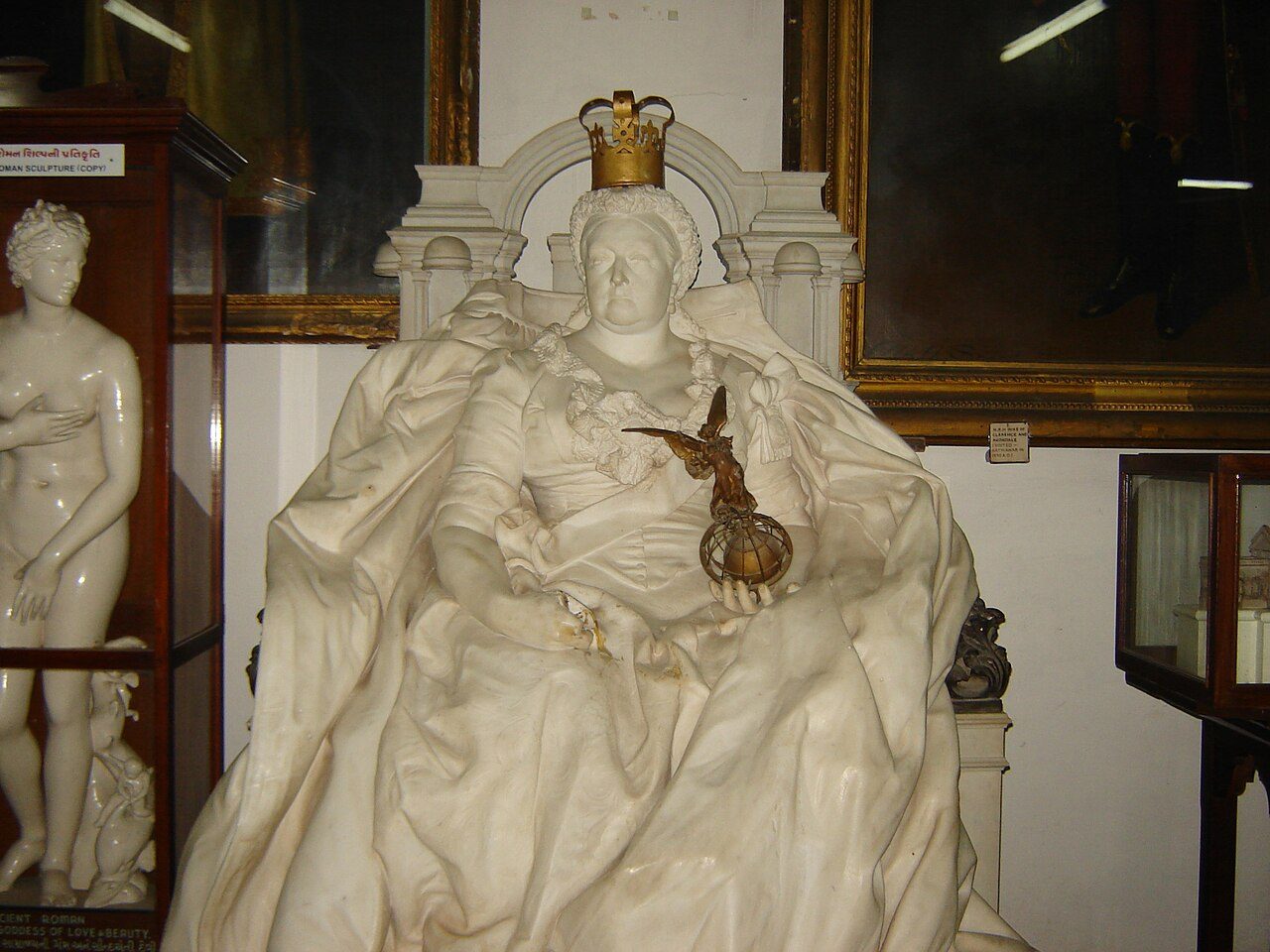
The Watson Museum stands in Rajkot's Jubilee Garden and was opened in 1888 in memory of Colonel John Watson, a British political agent of Kathiawar. It is one of the oldest museums in Gujarat, with collections from the princely states of Saurashtra: sculpture, coins, textiles, inscriptions and replicas of Indus Valley finds. A marble statue of Queen Victoria is among its best-known exhibits.
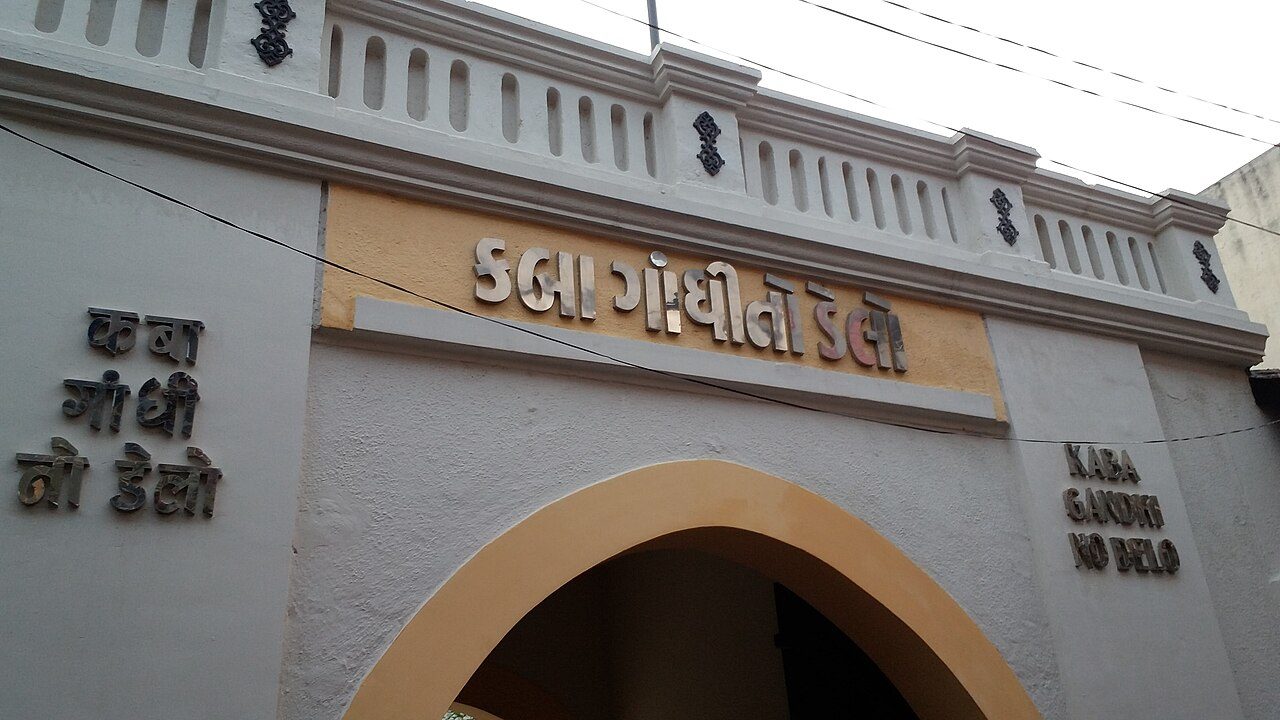
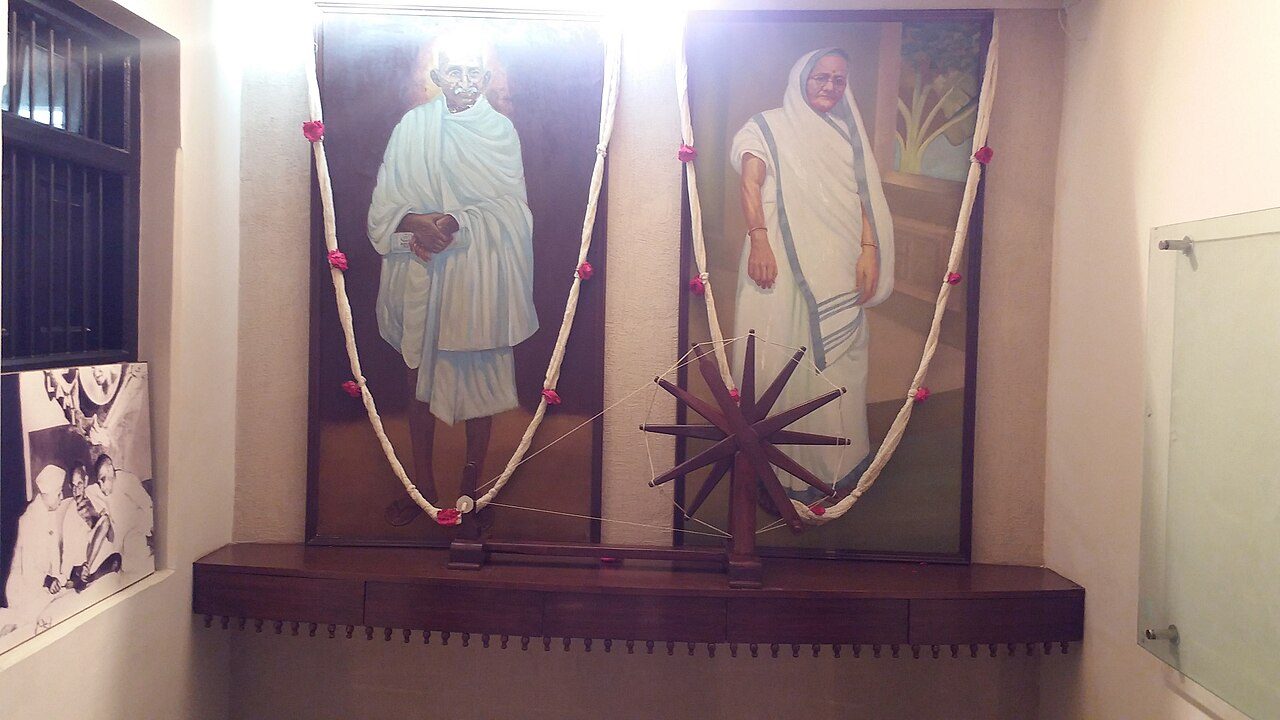
Kaba Gandhi No Delo is the house in Rajkot where Mahatma Gandhi spent much of his childhood, while his father Karamchand Gandhi served as diwan to the ruler of Rajkot. The traditional Saurashtrian house, arranged around a courtyard, is now a memorial called Gandhi Smriti. Photographs and captions trace Gandhi's life, and the rooms are kept simply. It lies in the lanes of the old city off Gheekantha Road.
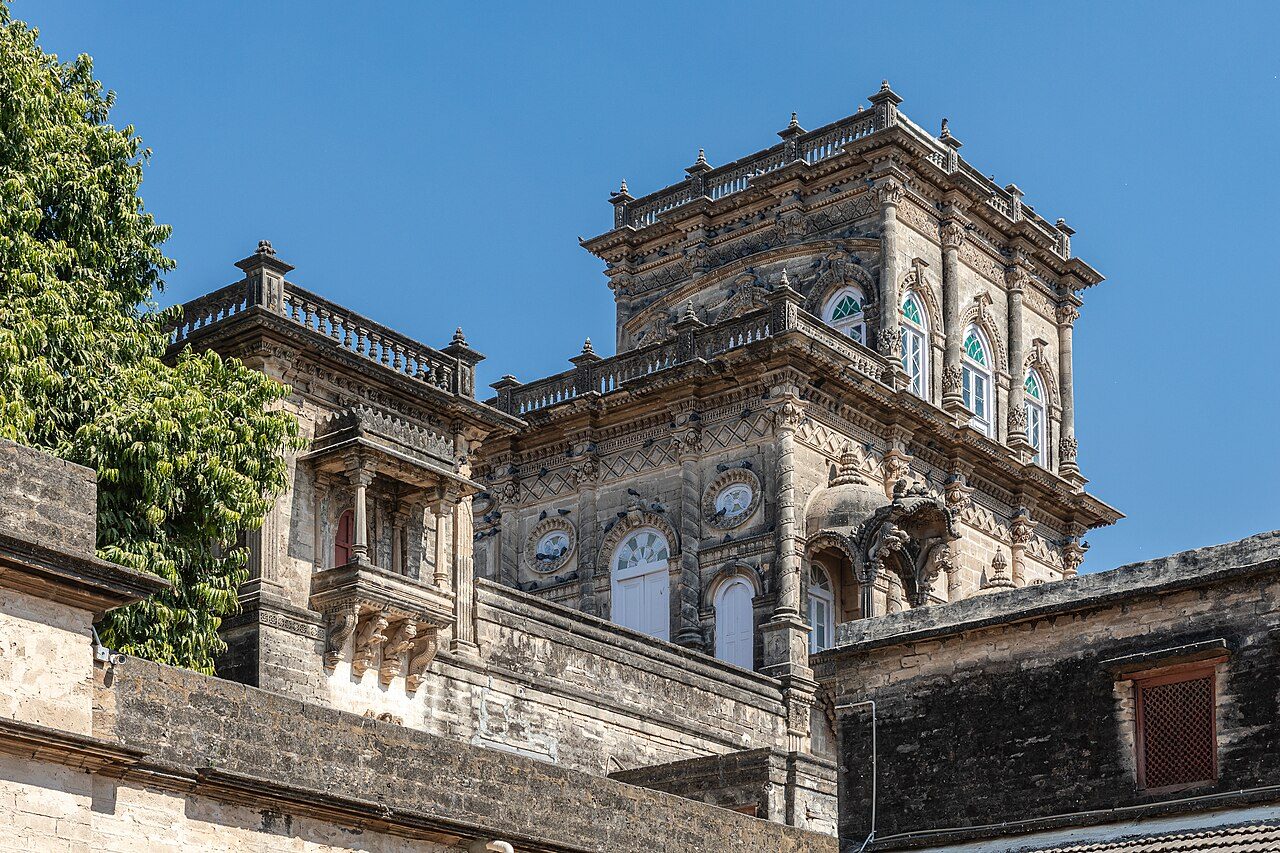
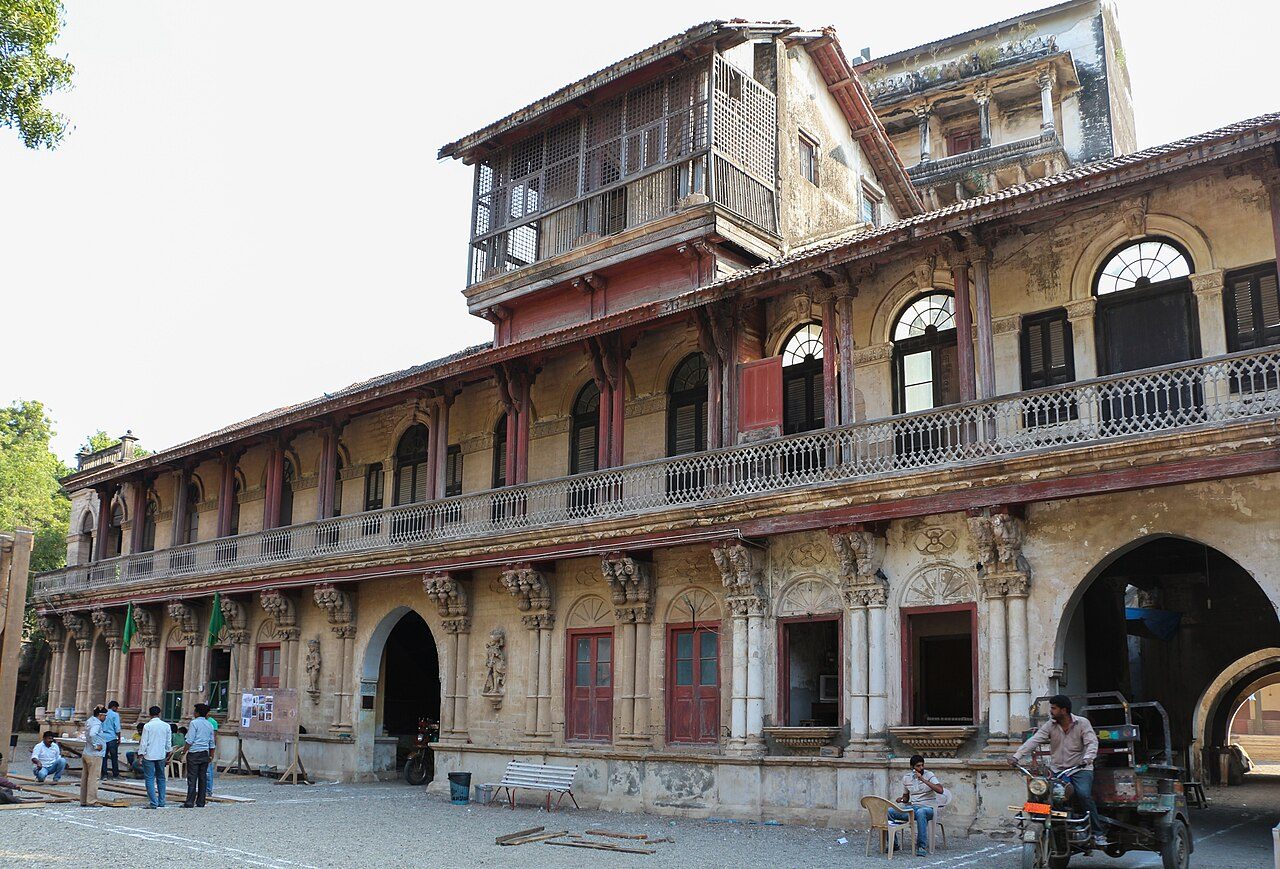
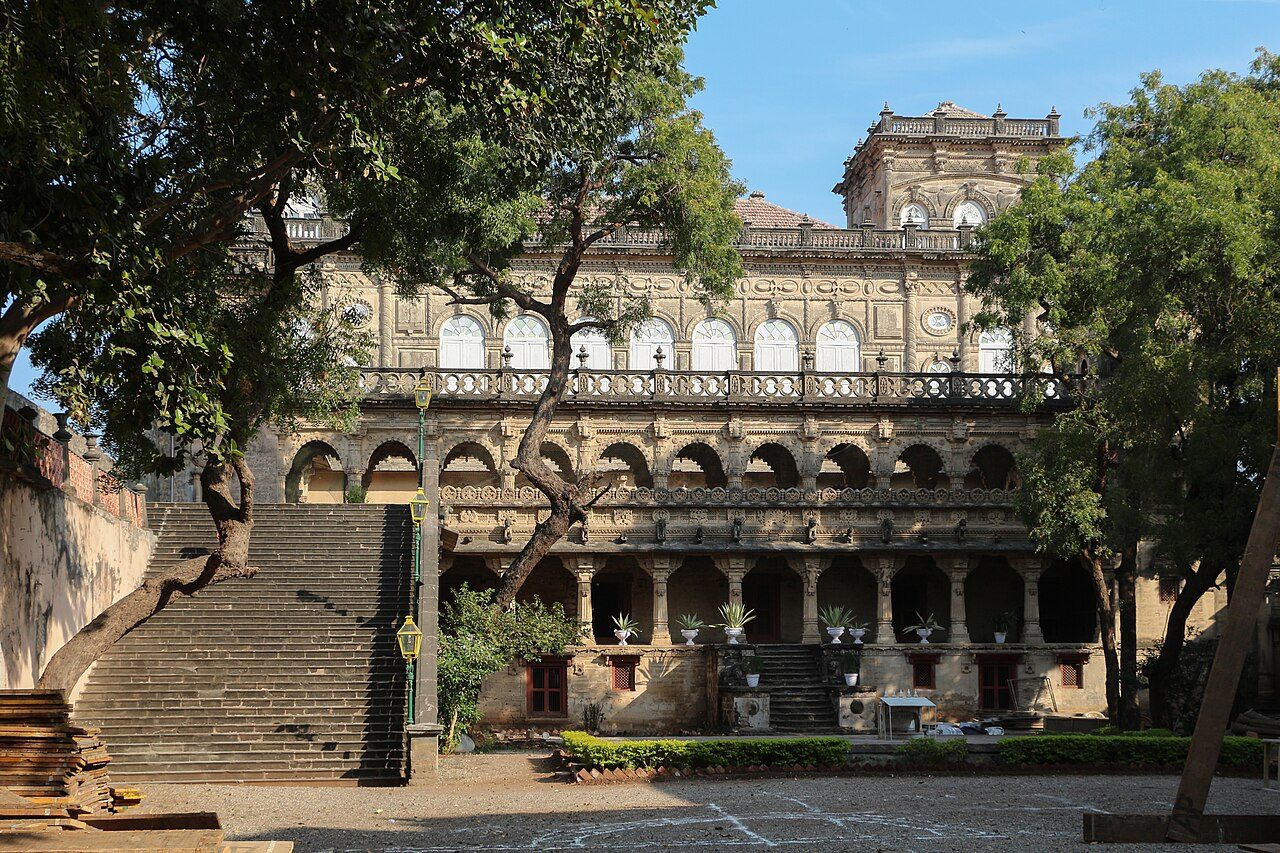
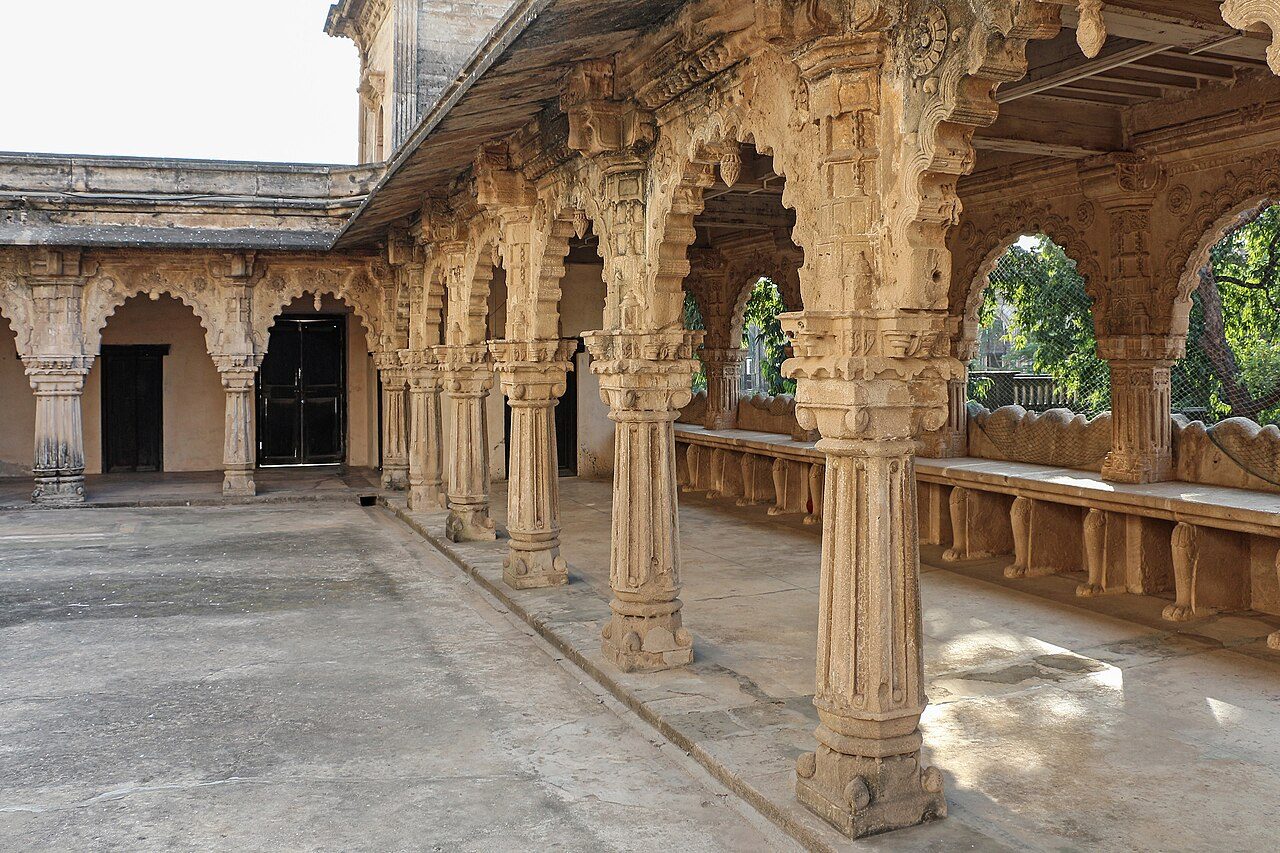
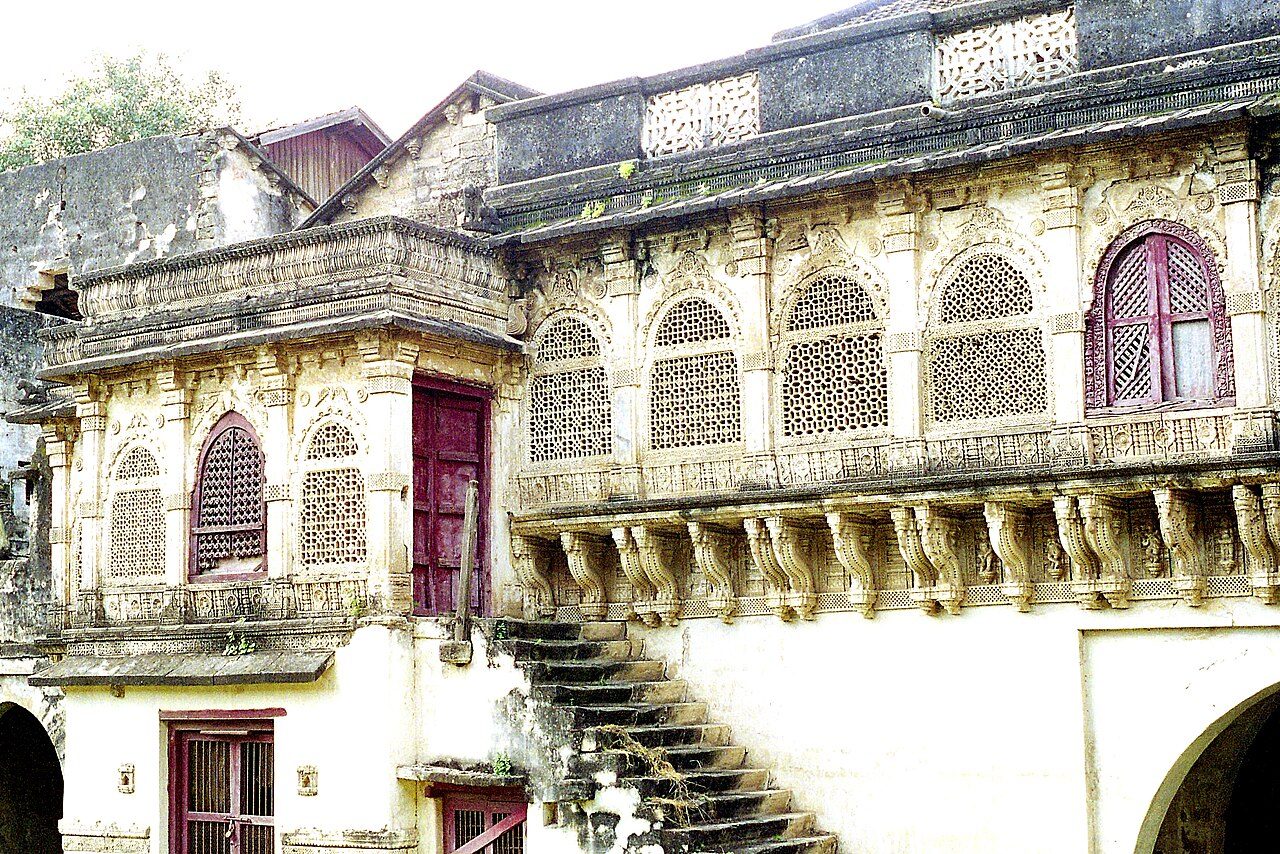
Naulakha Palace is the oldest palace in Gondal, dating to the 18th century, and stands within the Darbargadh complex beside the river. It is noted for its carved stone facade with jharokha balconies, a pillared courtyard and a grand spiral staircase. The durbar hall has chandeliers and antique furniture, and a museum displays gifts and belongings of Gondal's rulers, including Maharaja Bhagwatsinhji.
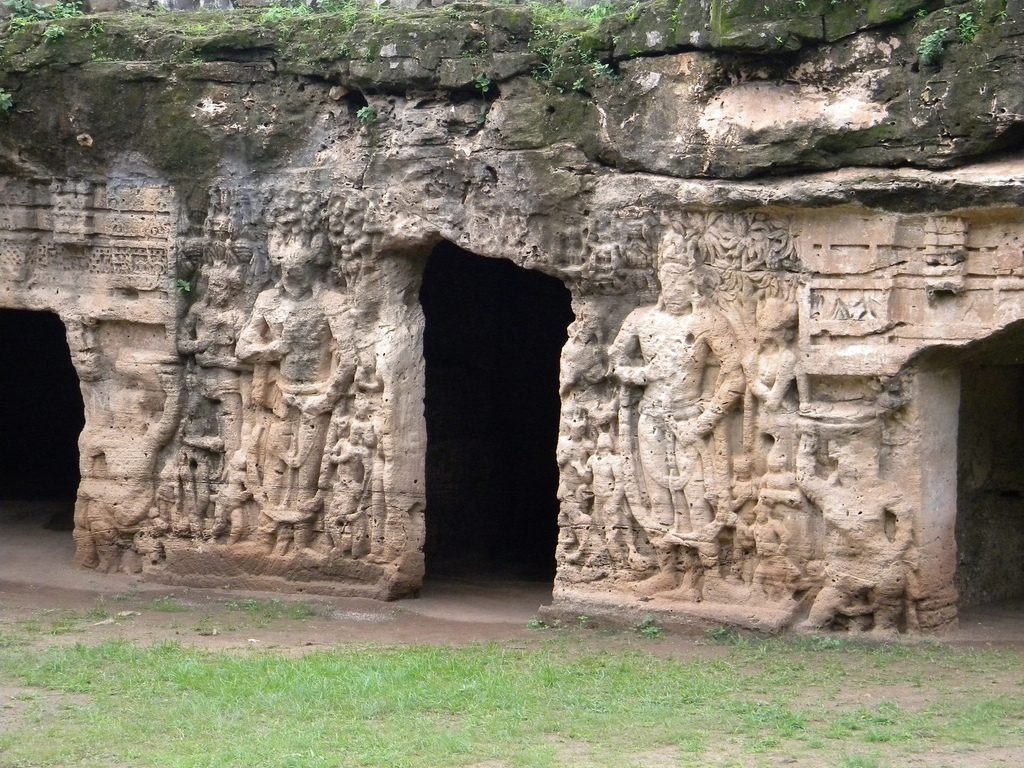
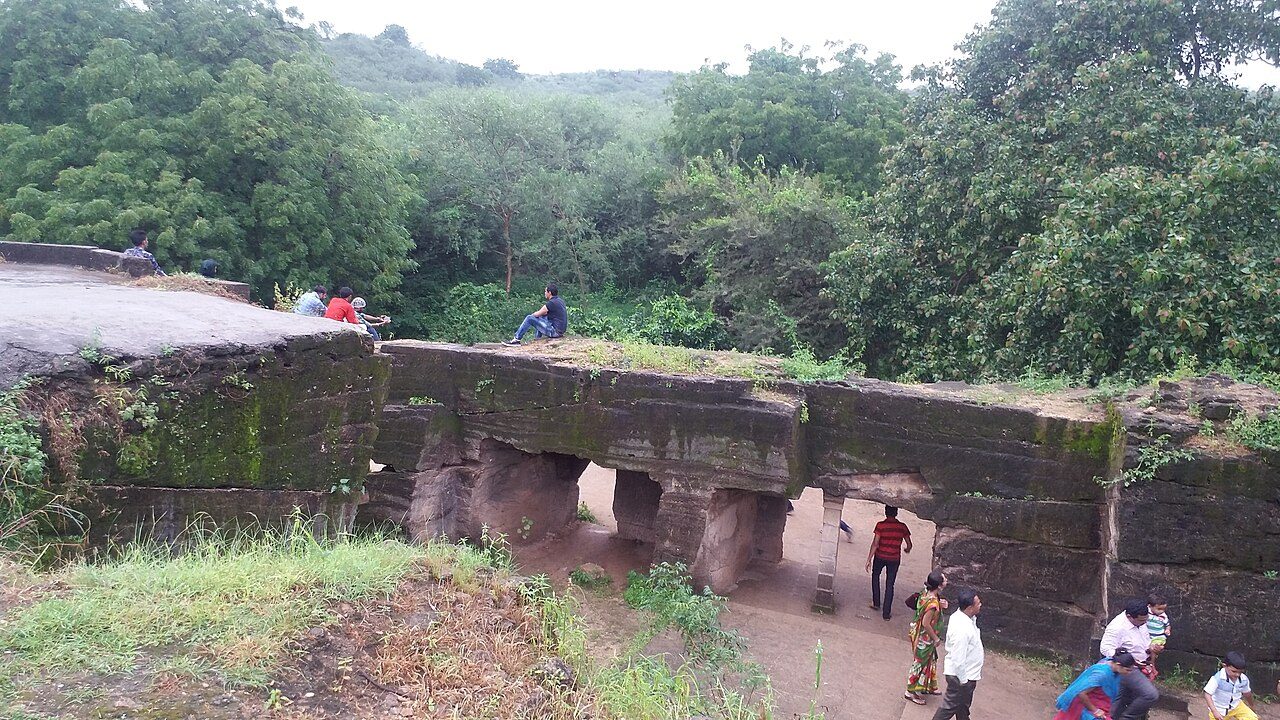
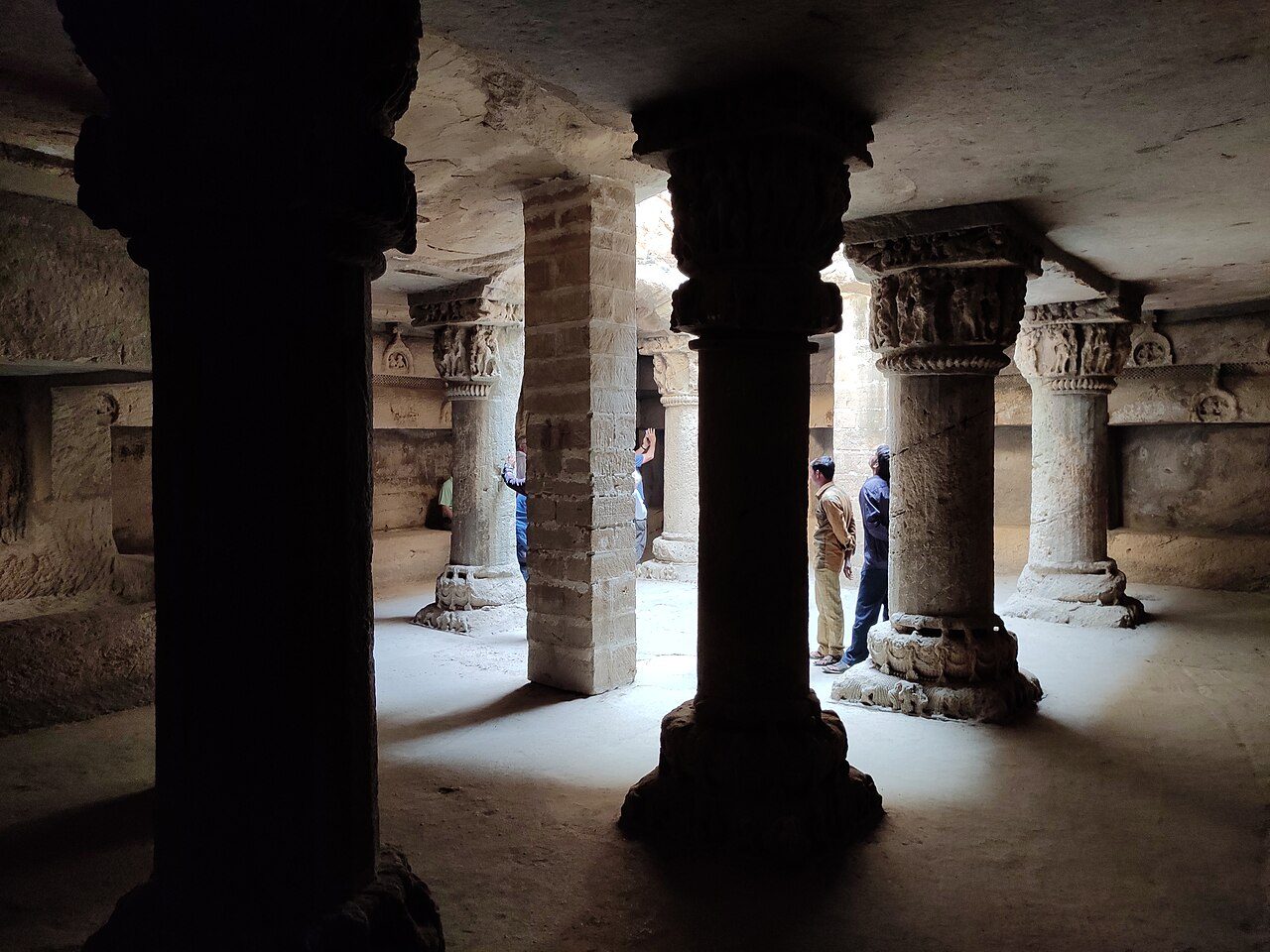
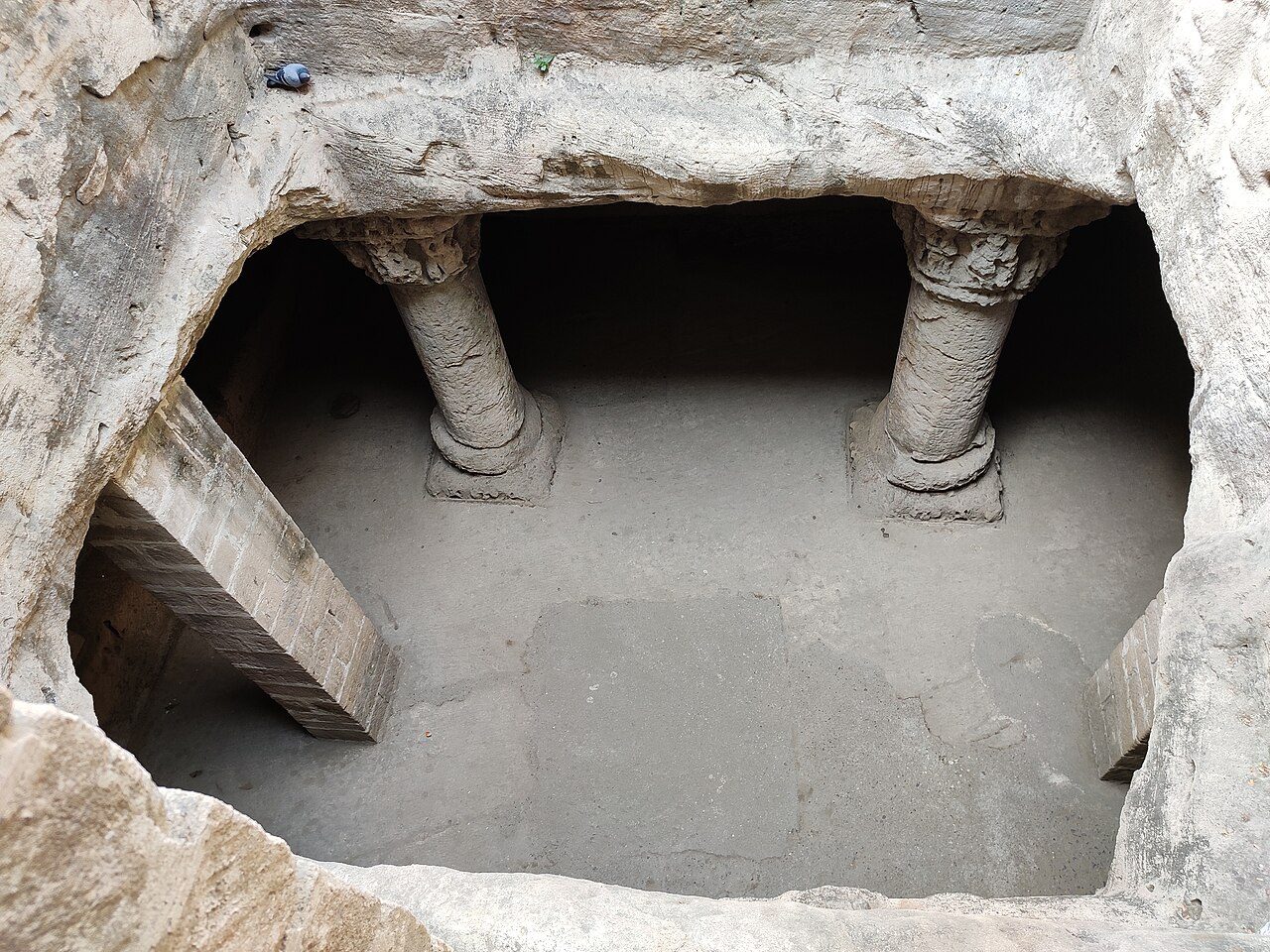
The Khambhalida Caves are a group of Buddhist rock-cut caves near Gondal, dated to around the 4th or 5th century. The central cave is a chaitya hall with a worn stupa, and its entrance is flanked by two large carved Bodhisattva figures, a rarity in Gujarat. The caves are cut into a limestone outcrop beside a small stream. The site is quiet and takes less than an hour to see.
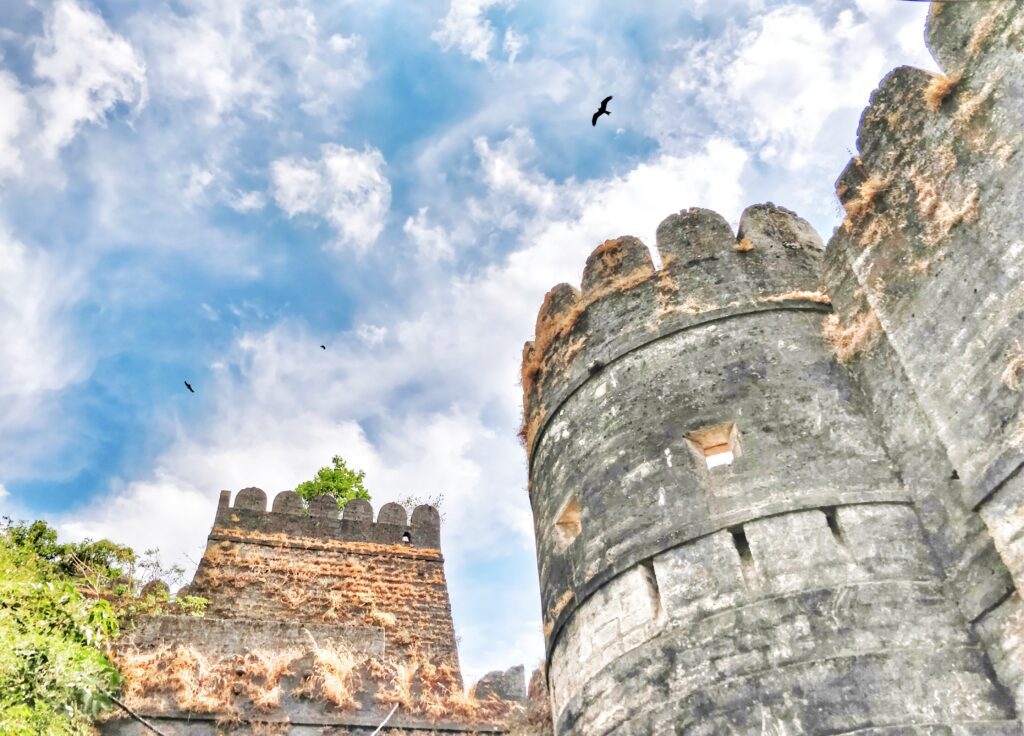
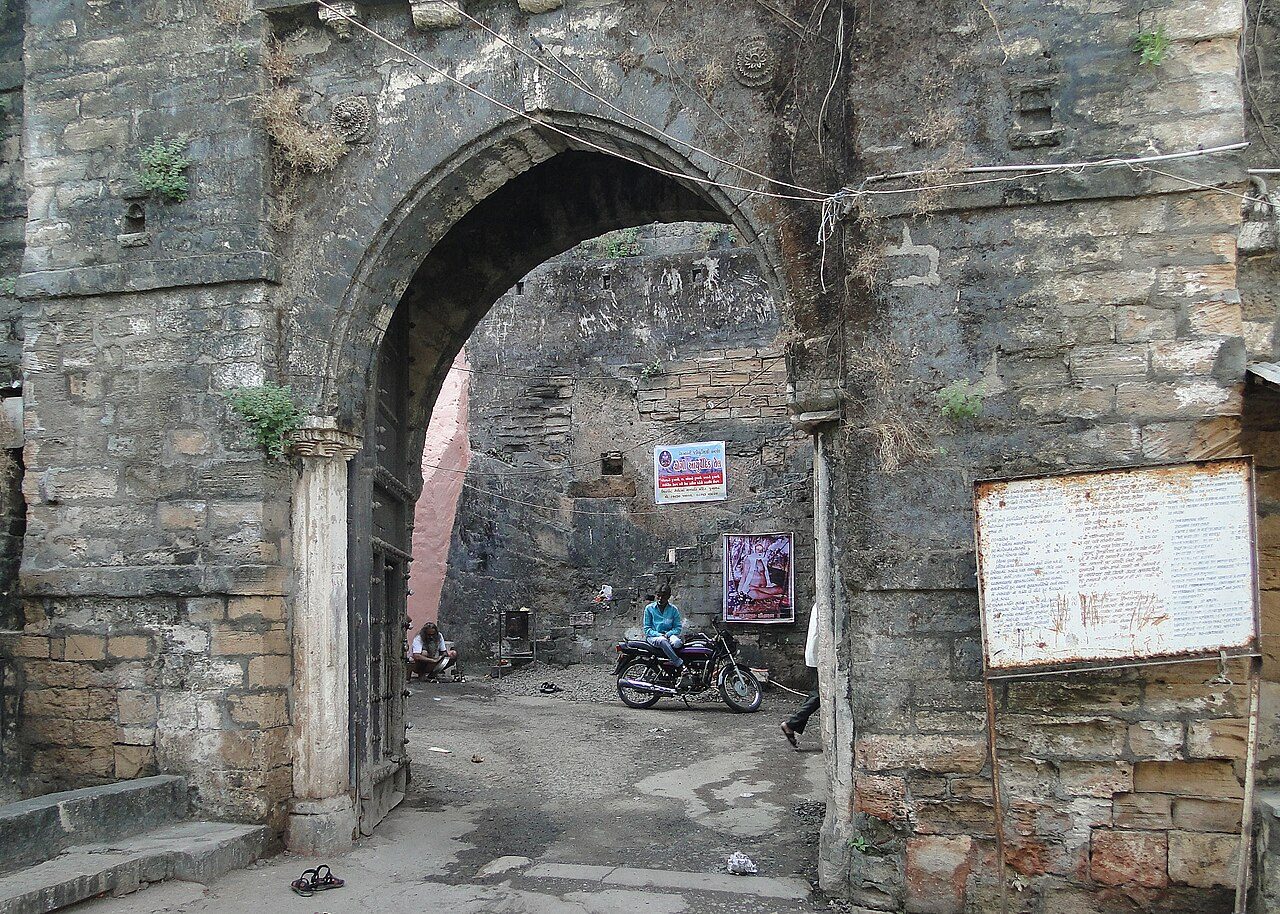
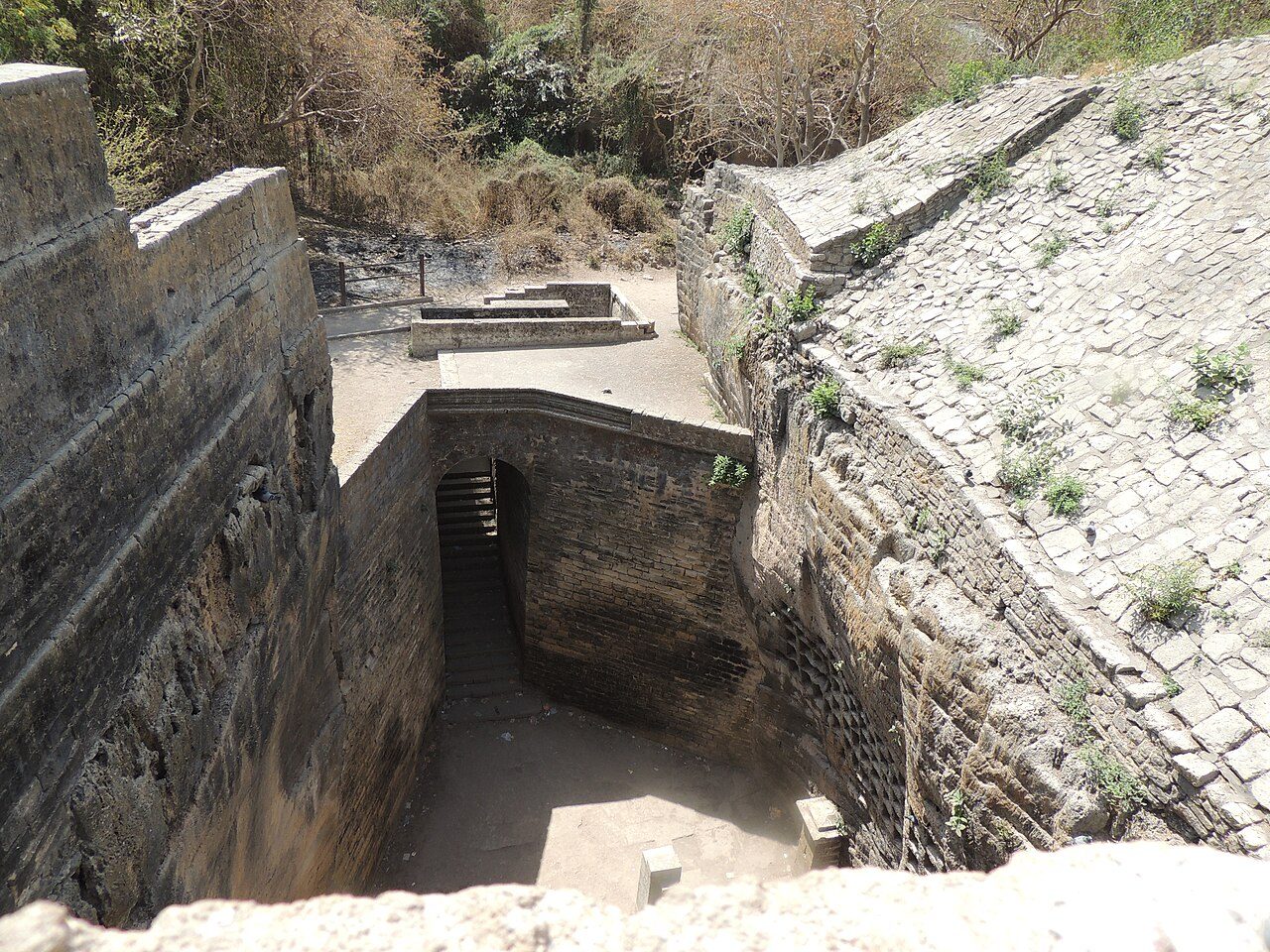
Uparkot is the ancient citadel of Junagadh, with origins traditionally traced to the Mauryan period. Within its high walls are Buddhist rock-cut caves, the deep stepwells Adi-Kadi Vav and Navghan Kuvo, a mosque converted from an older palace, and old cannons on the ramparts. The fort withstood many sieges under the Chudasama rulers. The walls give views across the city to Mount Girnar.
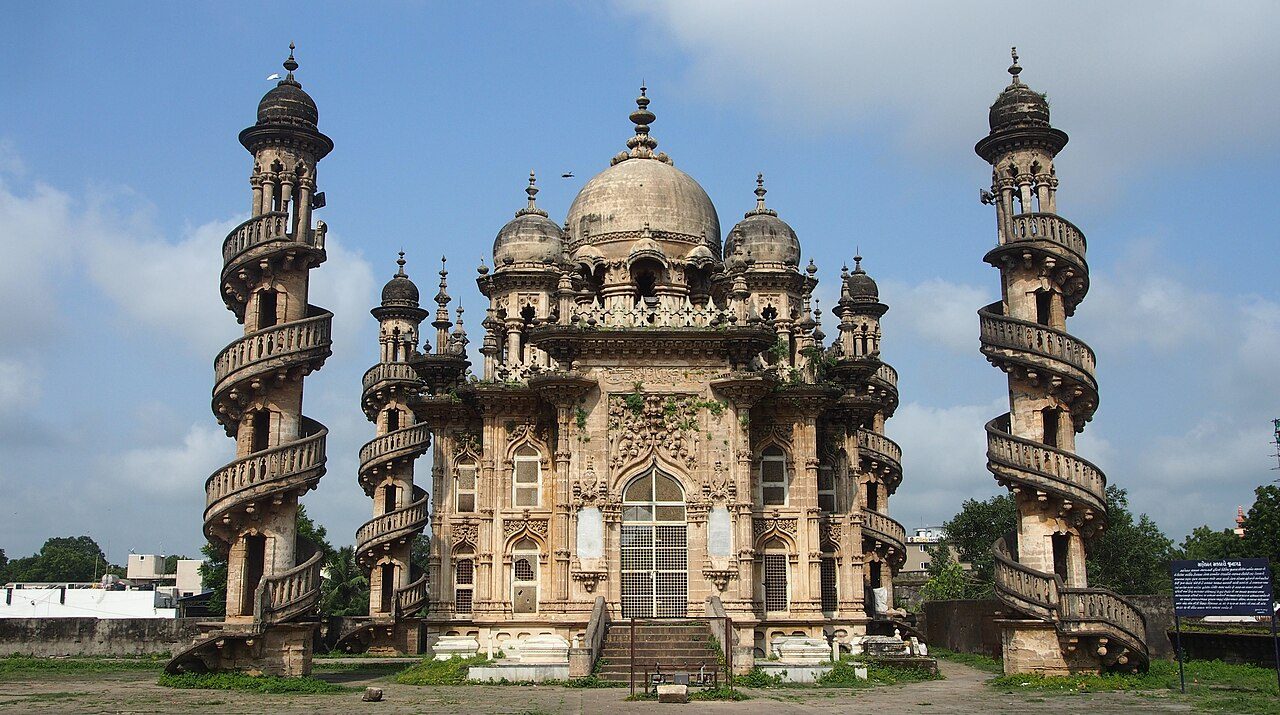
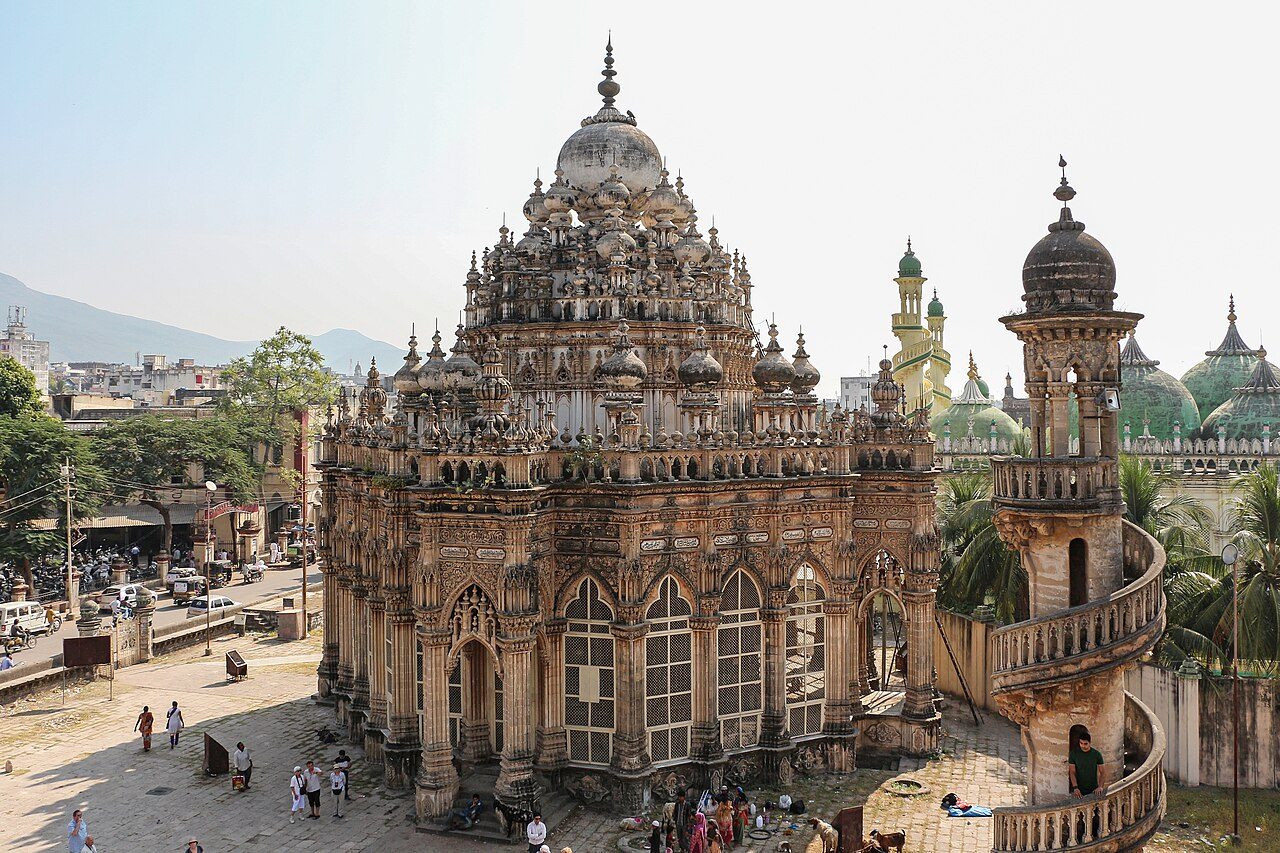
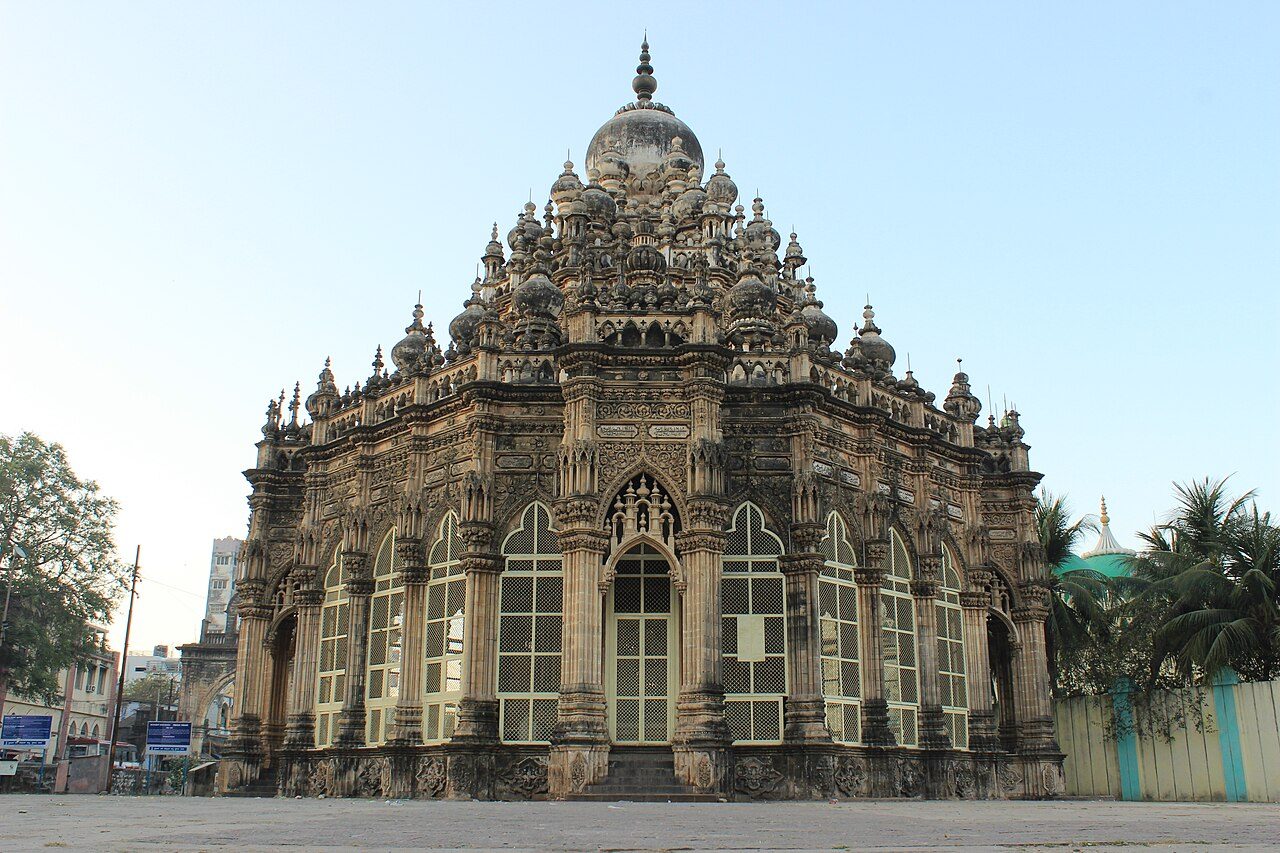
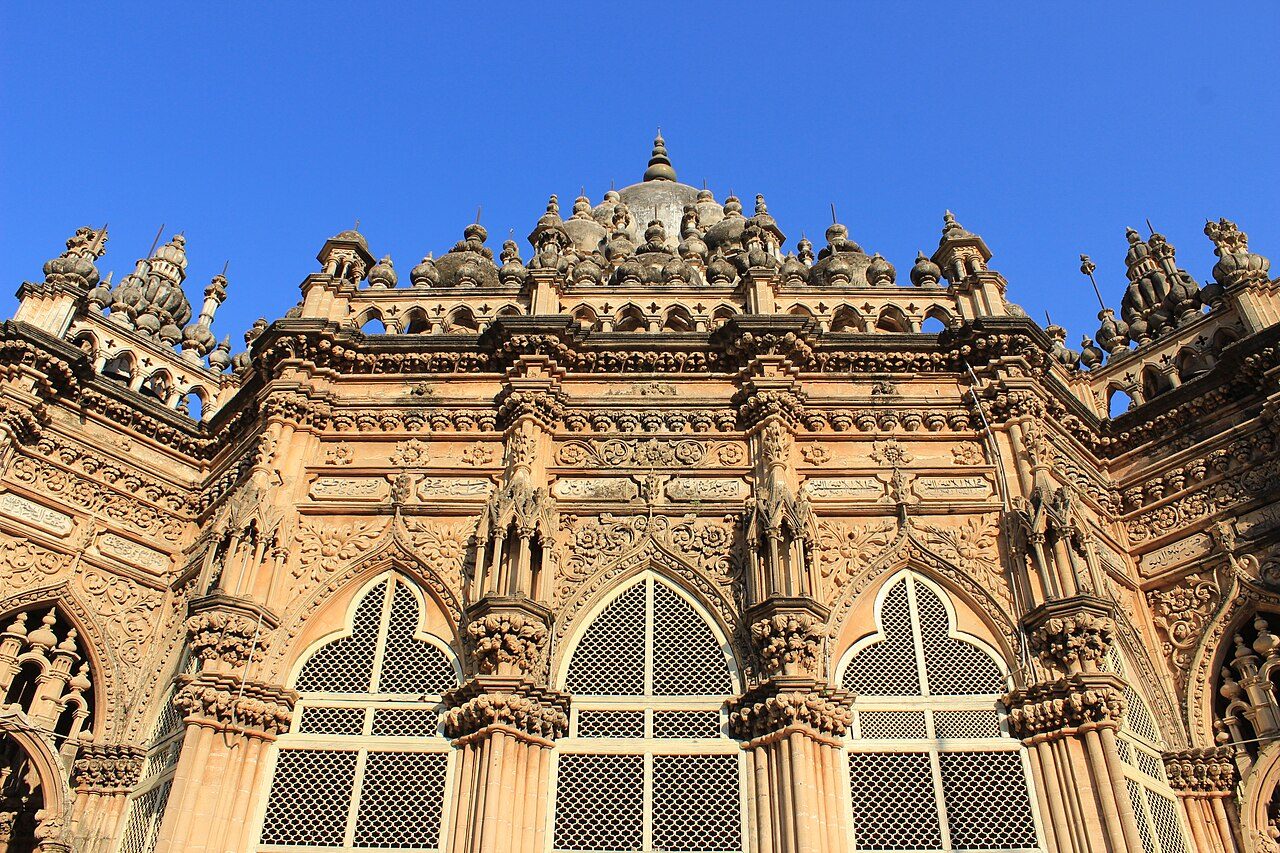
Mahabat Maqbara is the late 19th-century mausoleum of Nawab Mahabat Khan II of Junagadh. It is known for an exuberant mix of Indo-Islamic, Gothic and European detail, with French windows, carved arches and silver doors. The neighbouring tomb of the vizier Bahauddin is ringed by four minarets wrapped in spiral staircases. The complex stands in the city centre and is best photographed in morning light.
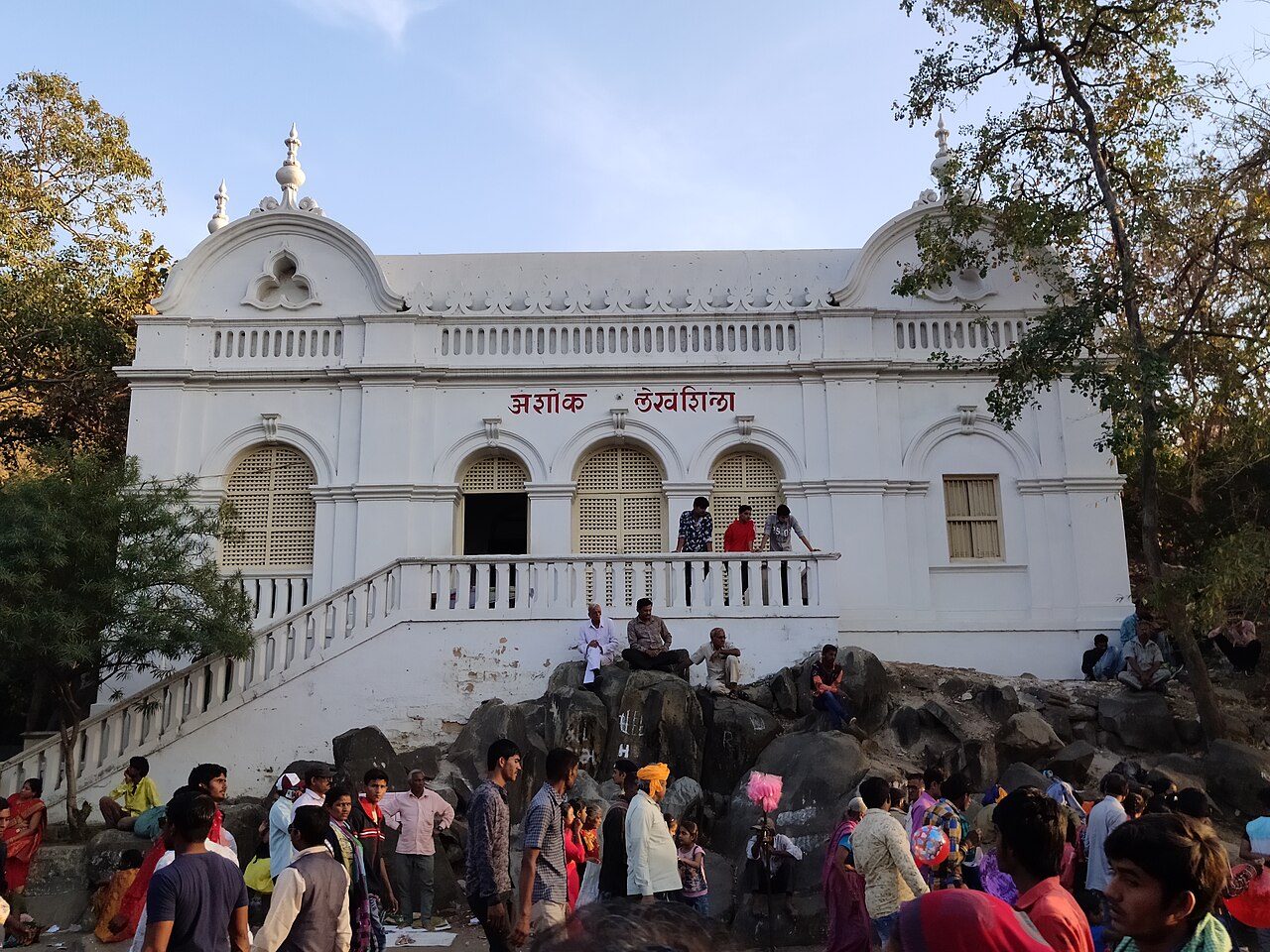
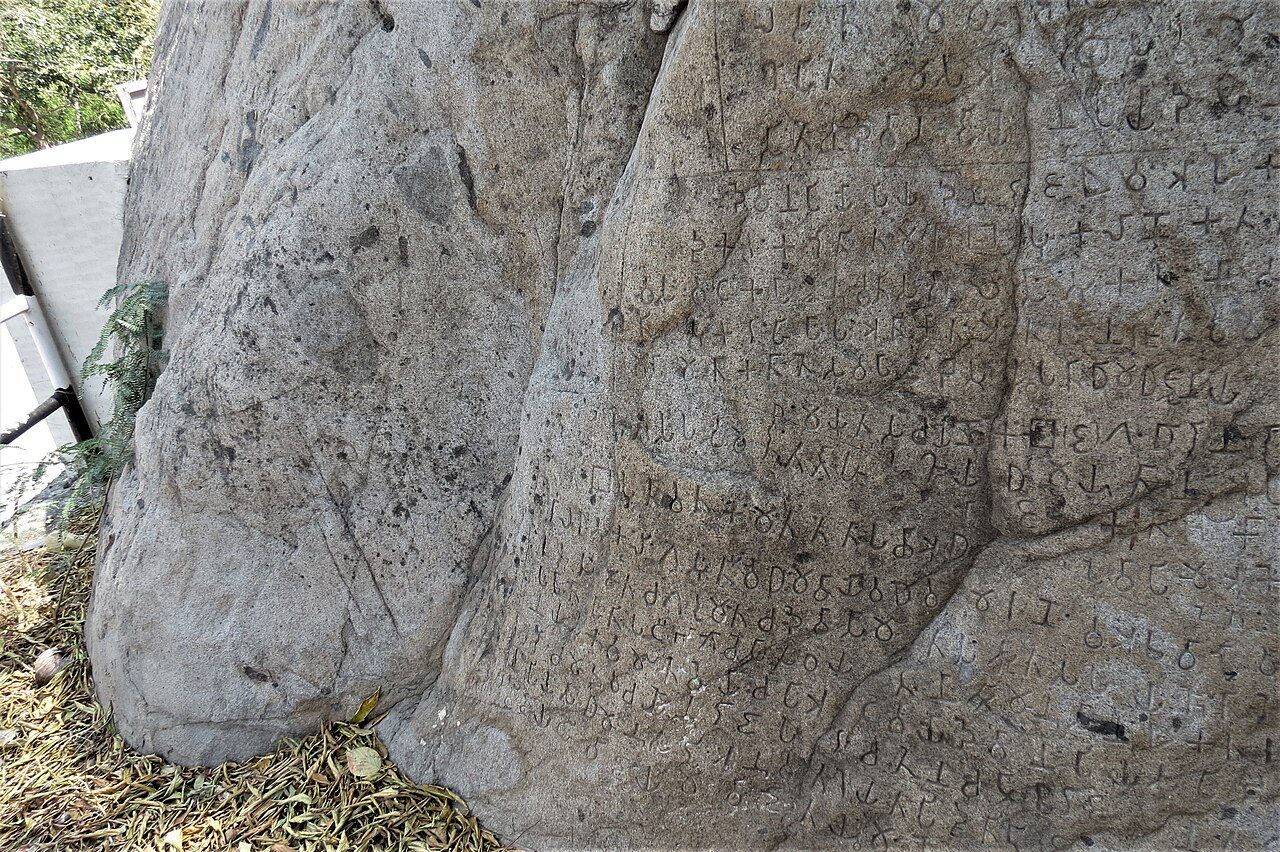
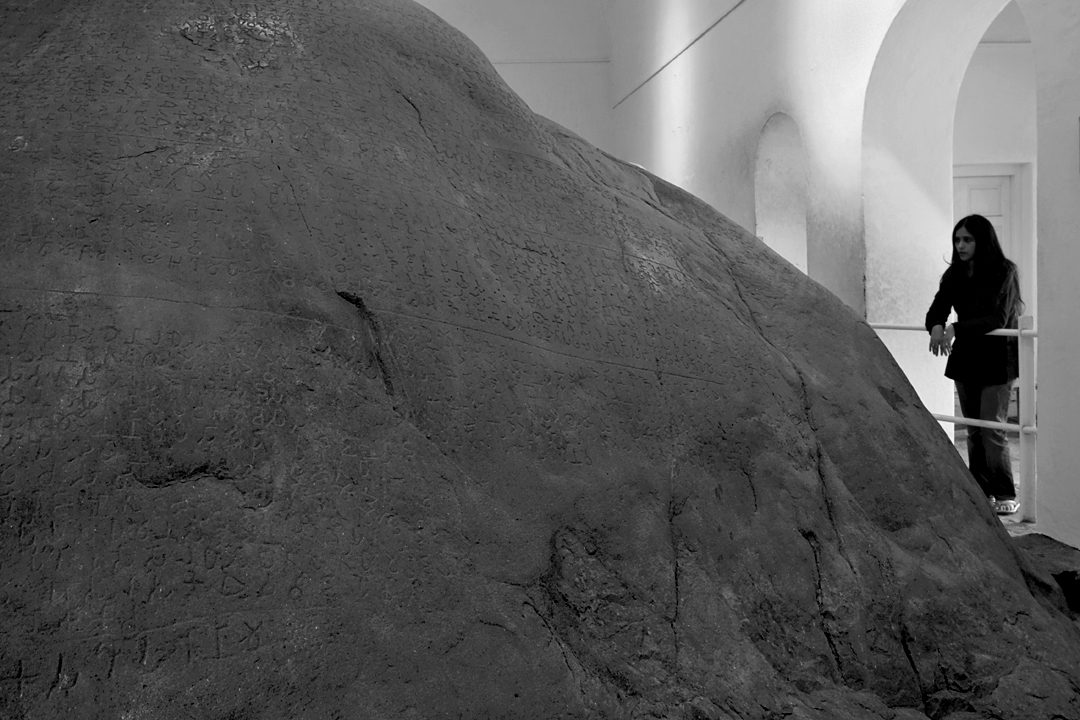
On the road to Mount Girnar, a large granite boulder carries fourteen edicts of the Mauryan emperor Ashoka, inscribed in Brahmi script in the 3rd century BCE. The same rock also bears later Sanskrit inscriptions of the ruler Rudradaman and the Gupta emperor Skandagupta, recording repairs to a nearby reservoir. A small building now shelters the boulder. It is one of the most important epigraphic sites in India.
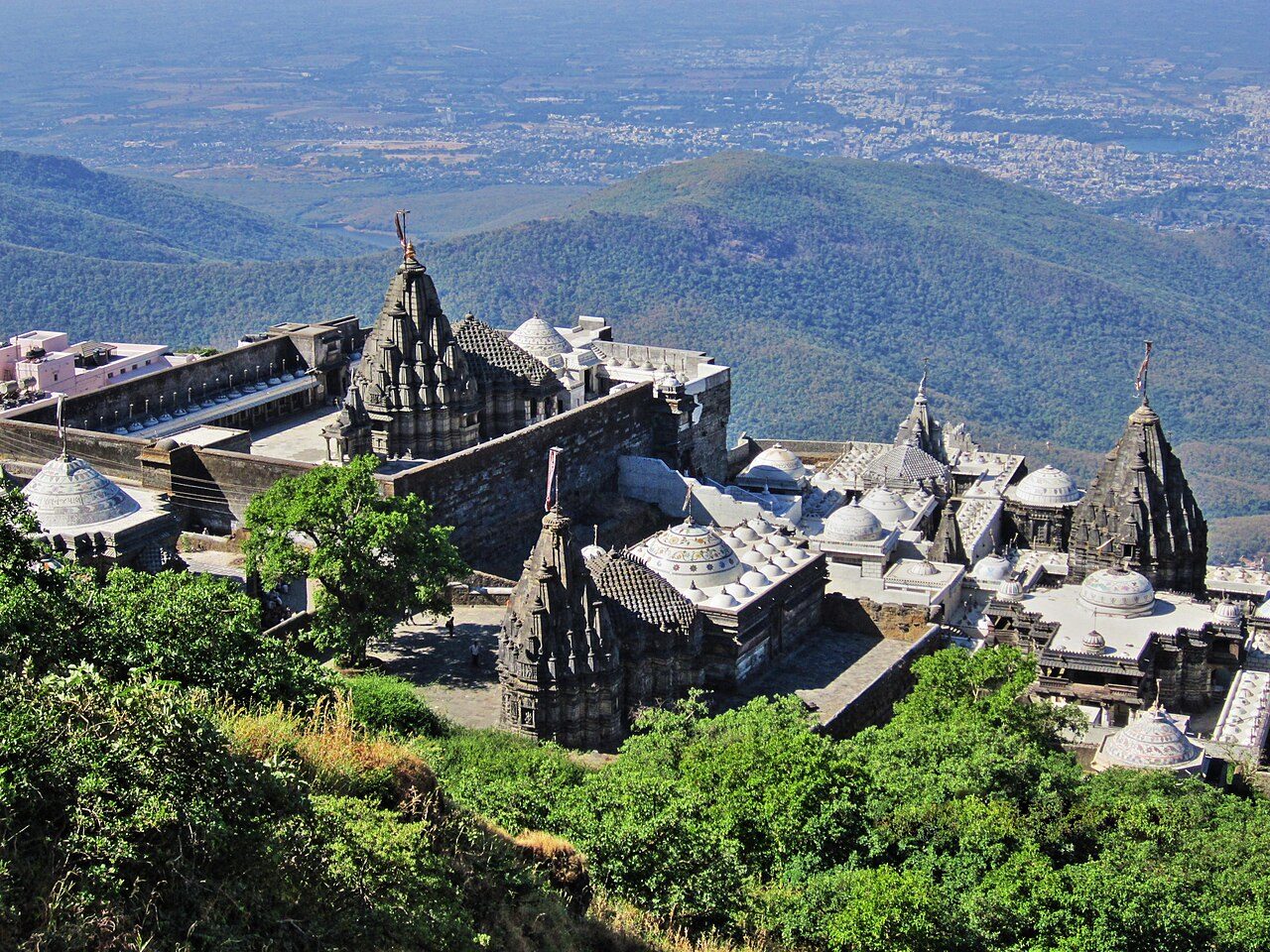
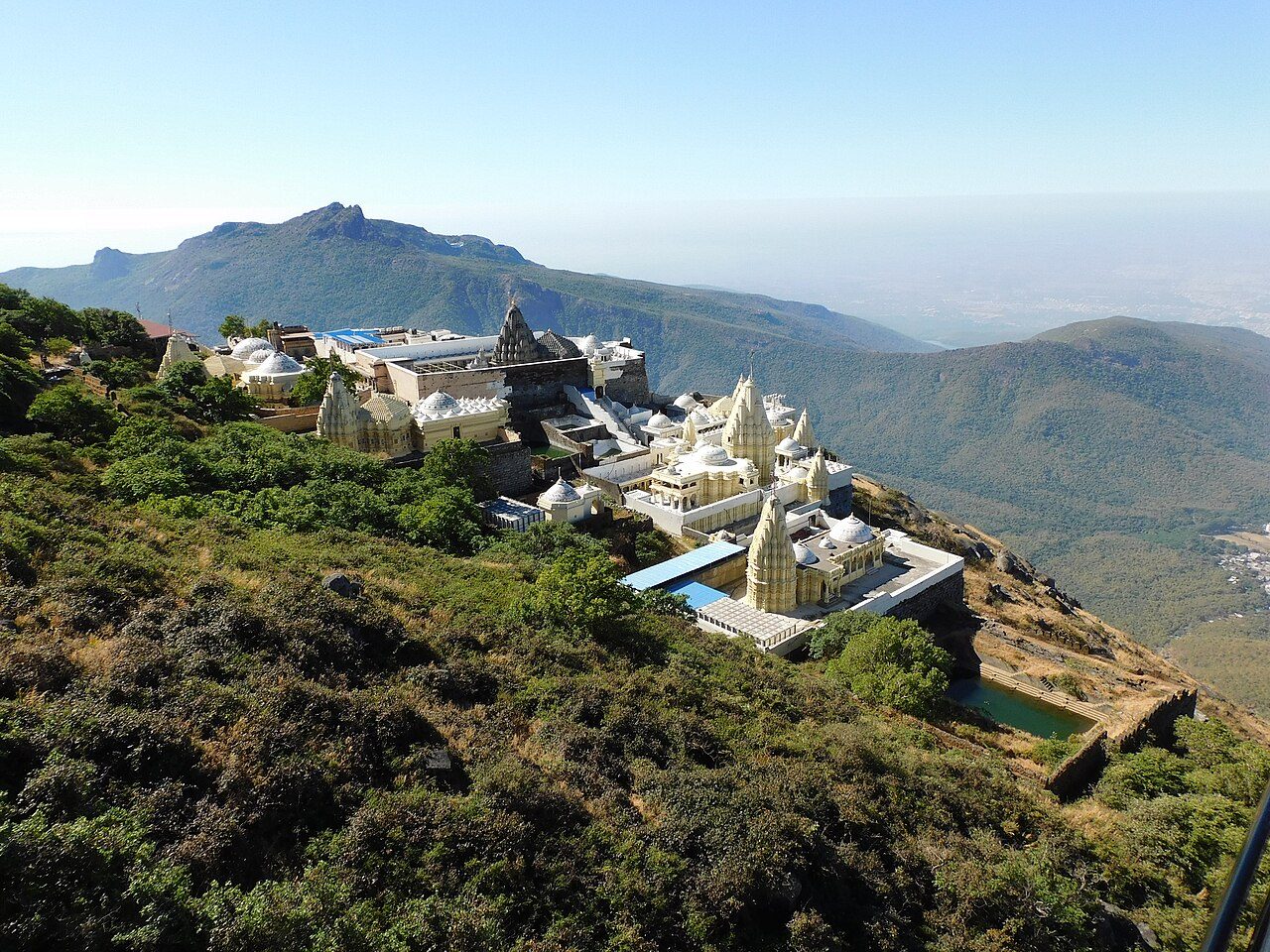
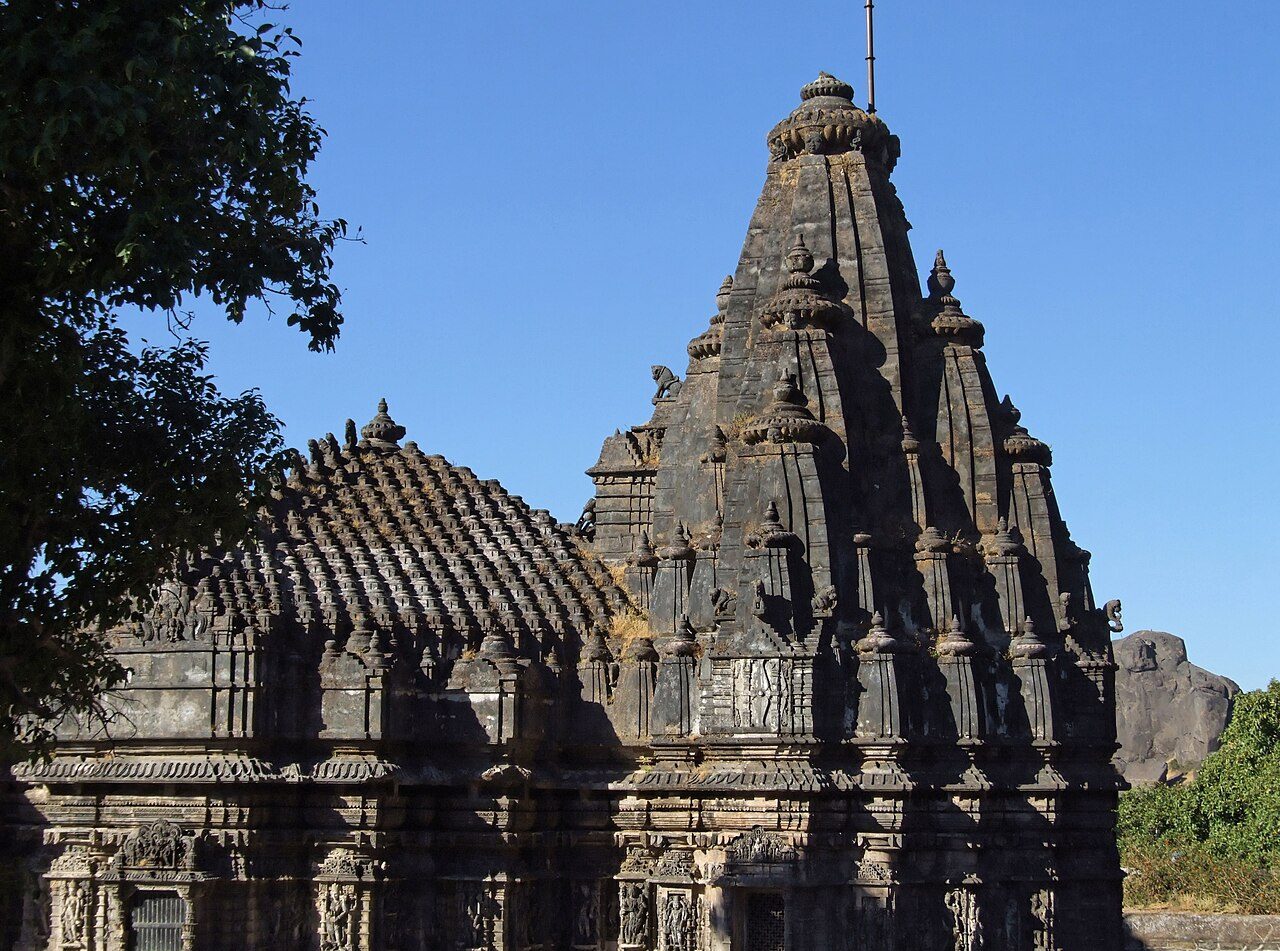
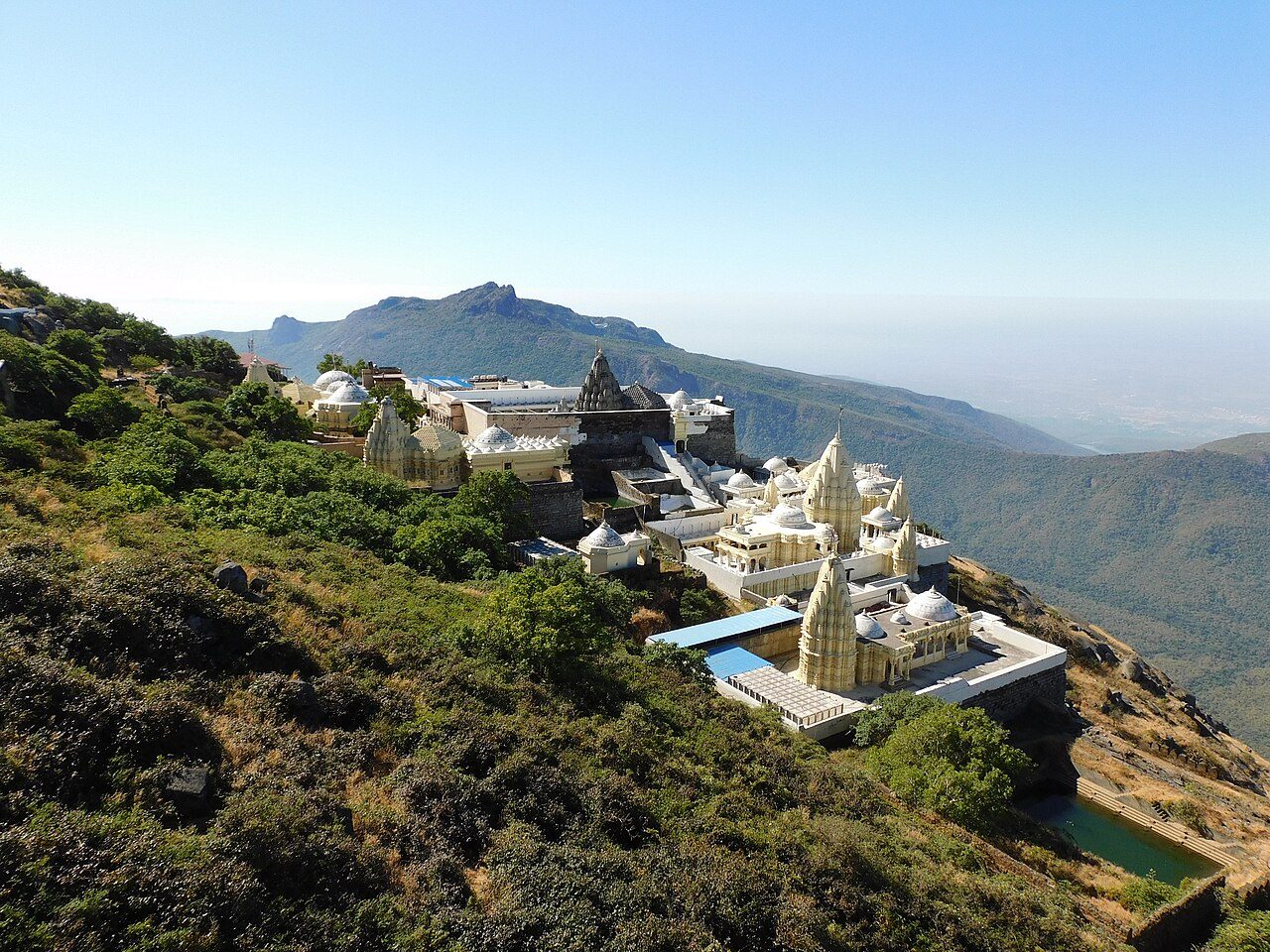
The Girnar Jain temples stand on a plateau partway up Mount Girnar, the highest hill in Gujarat. The largest, built in the 12th century, is dedicated to Neminath, the 22nd Tirthankara, who is believed to have attained liberation here. The cluster of marble and stone shrines is reached by a climb of several thousand steps, or more easily by the ropeway to the Ambaji temple above. Start early to avoid the heat.
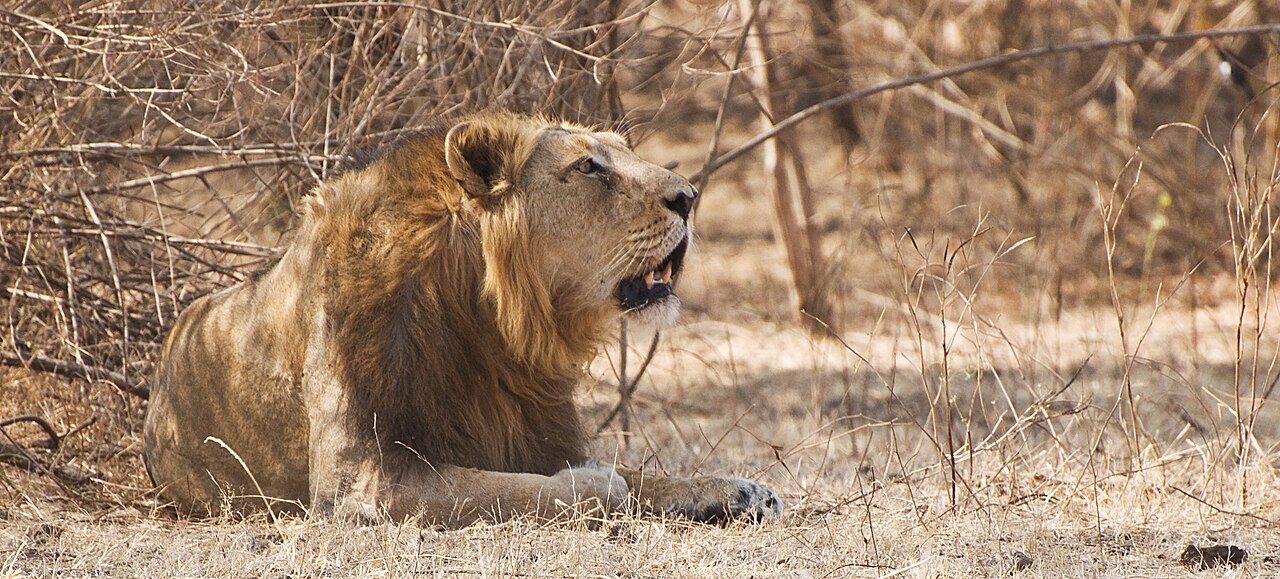
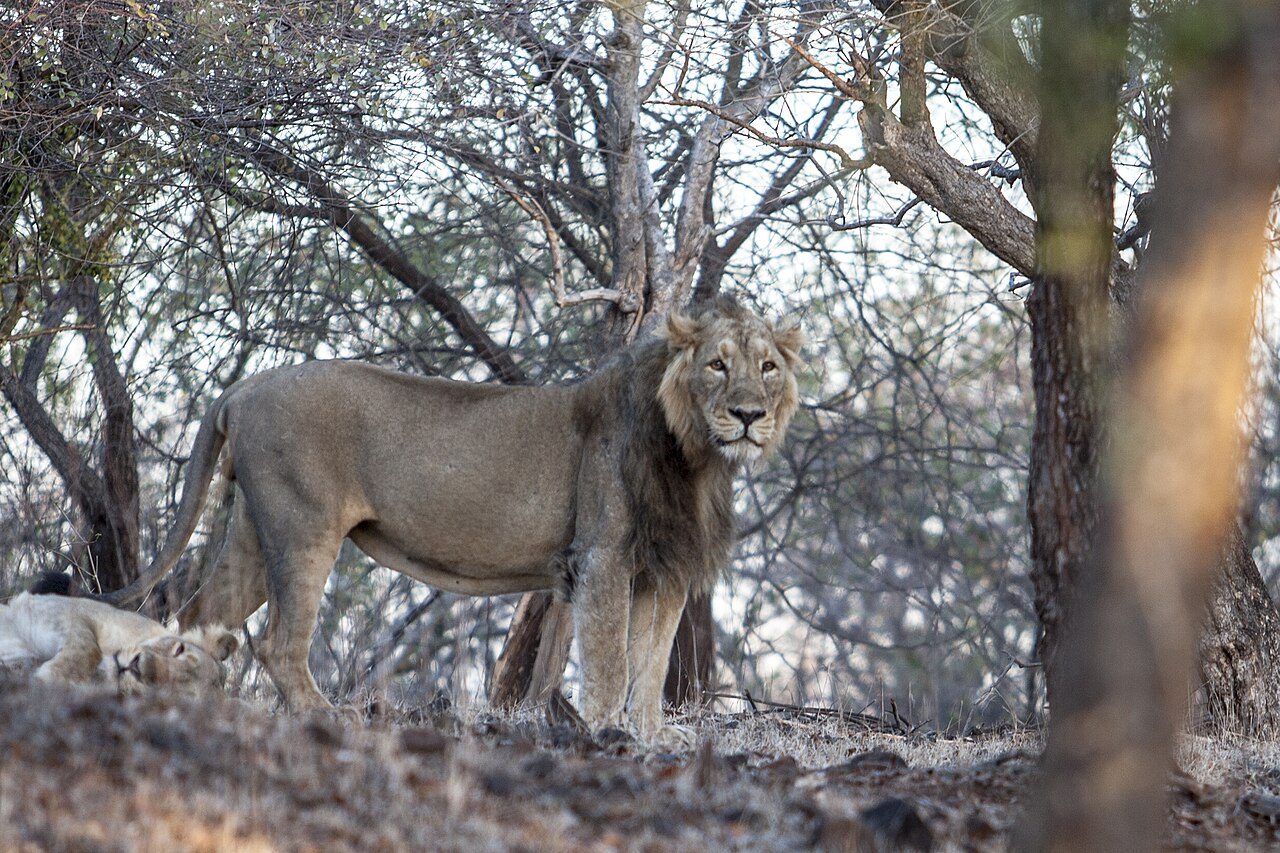
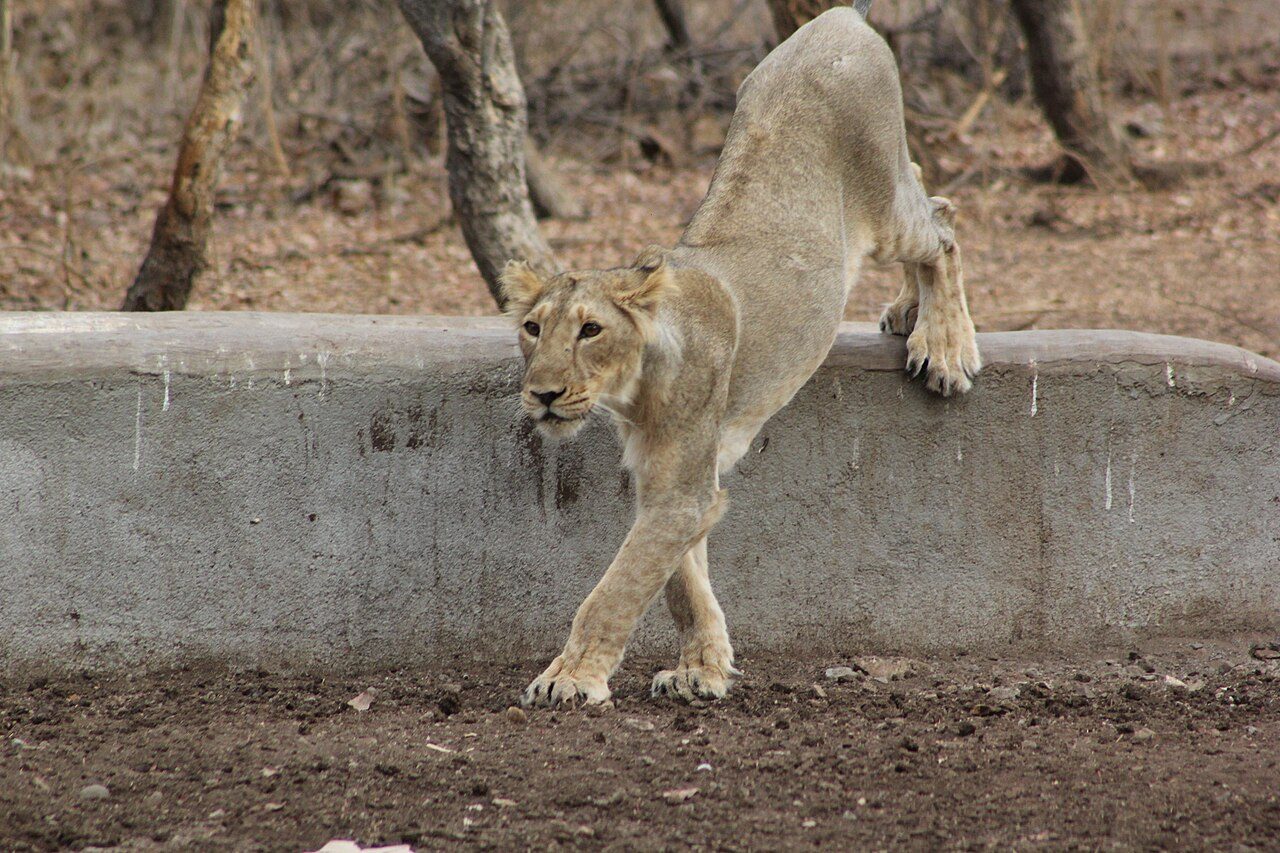
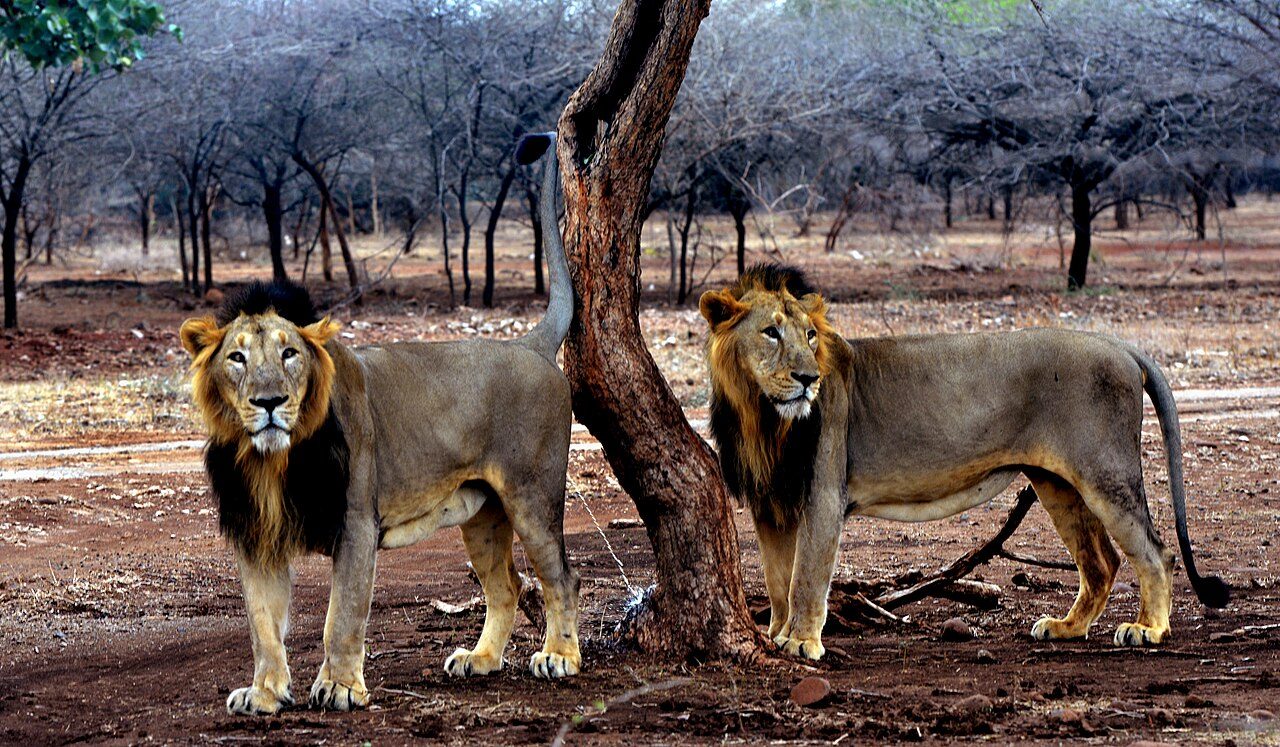
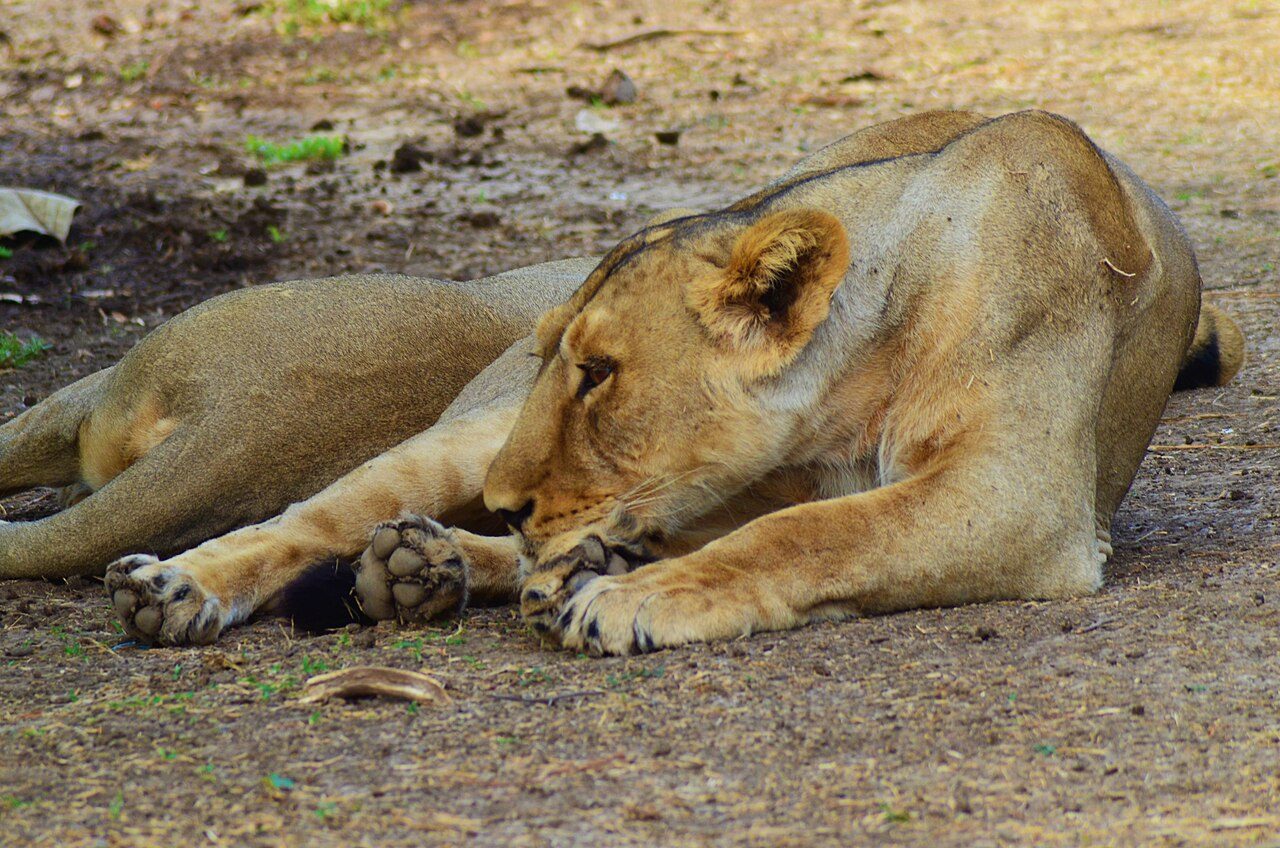
Gir is the last home of the Asiatic lion, which once ranged from the Middle East to eastern India. The dry teak forest and scrub also support leopards, sambar, chital, nilgai and marsh crocodiles. Jeep safaris start from Sasan Gir with permits booked in advance, and the nearby Devalia zone offers shorter visits. The park is closed during the monsoon, from mid-June to mid-October.
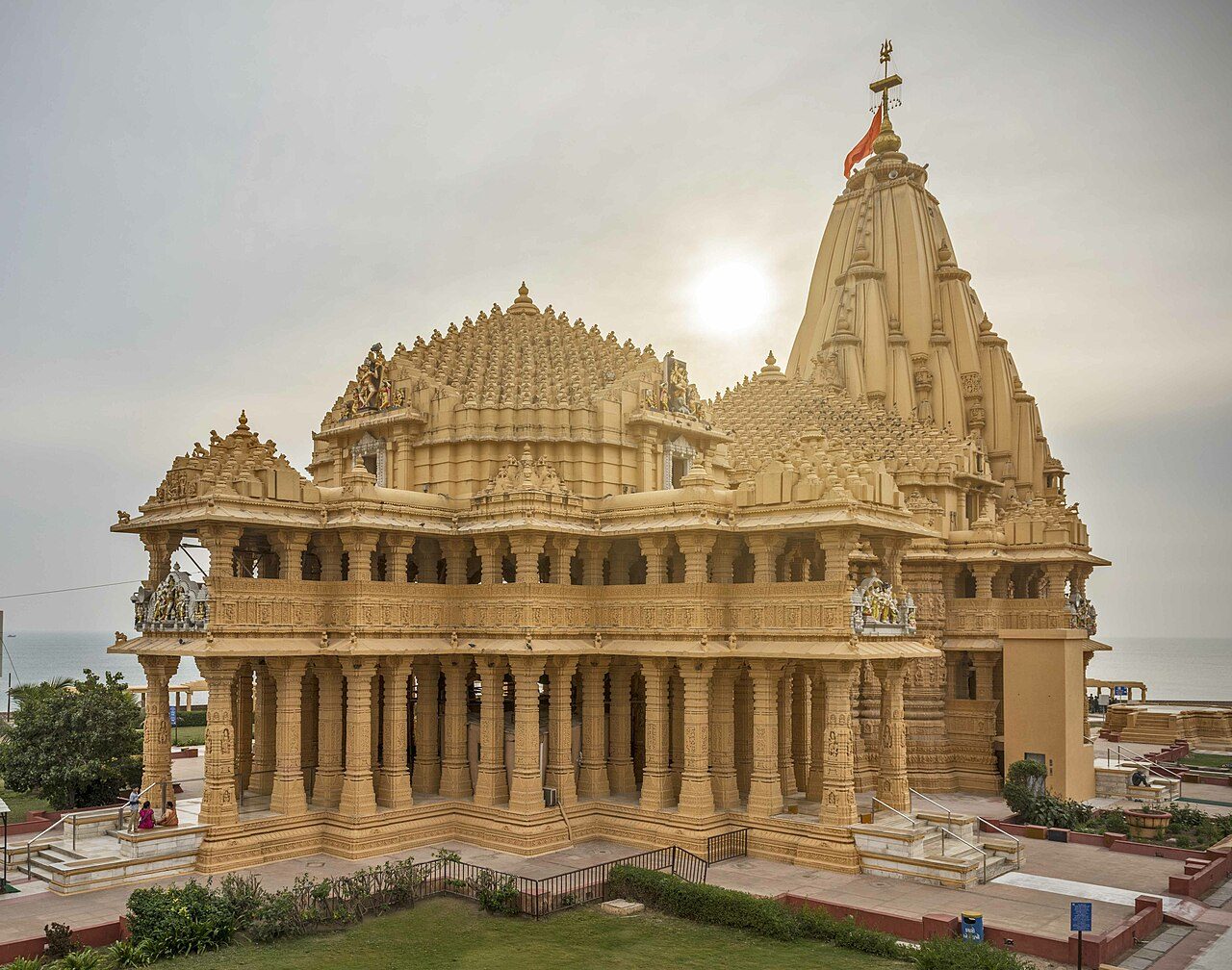
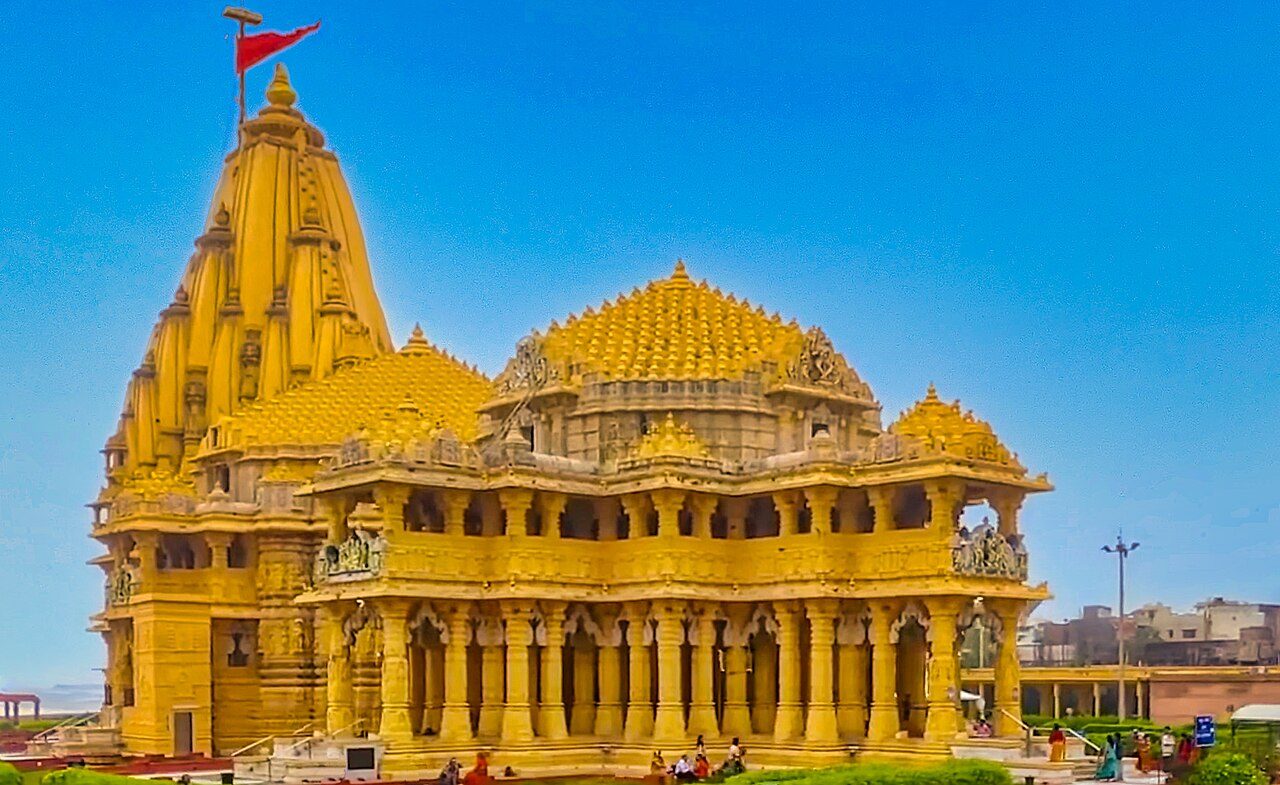
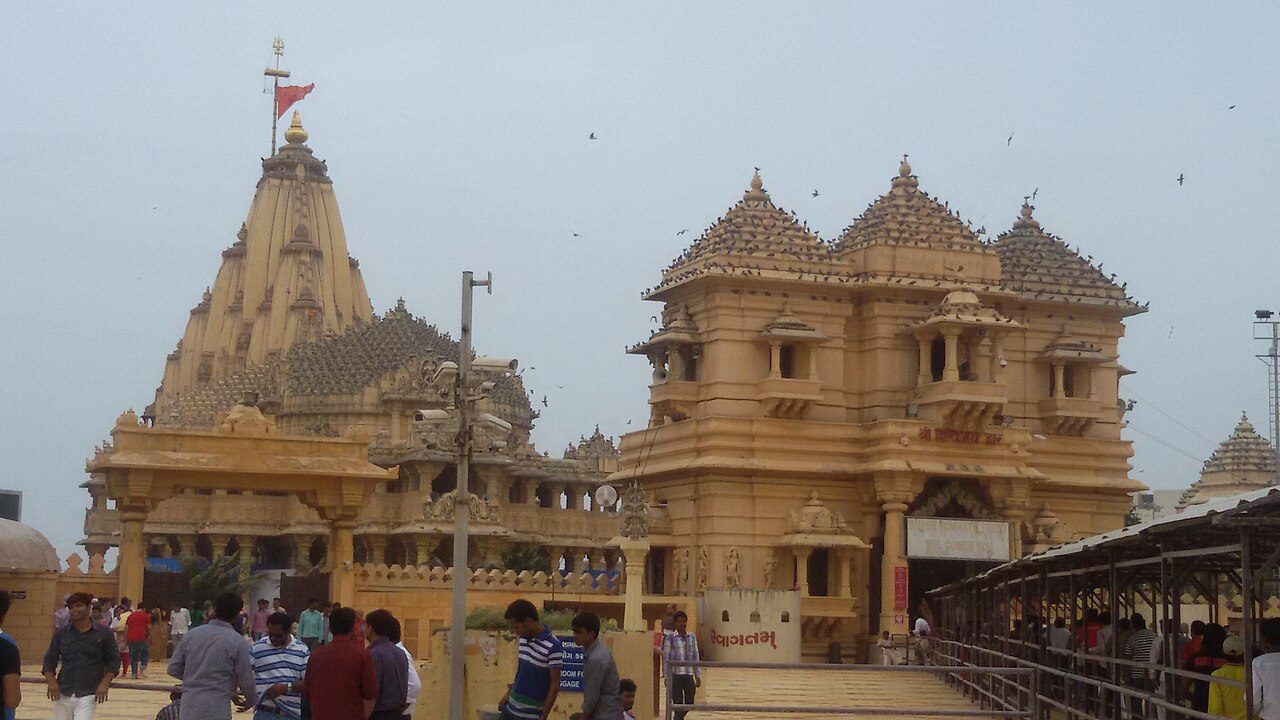
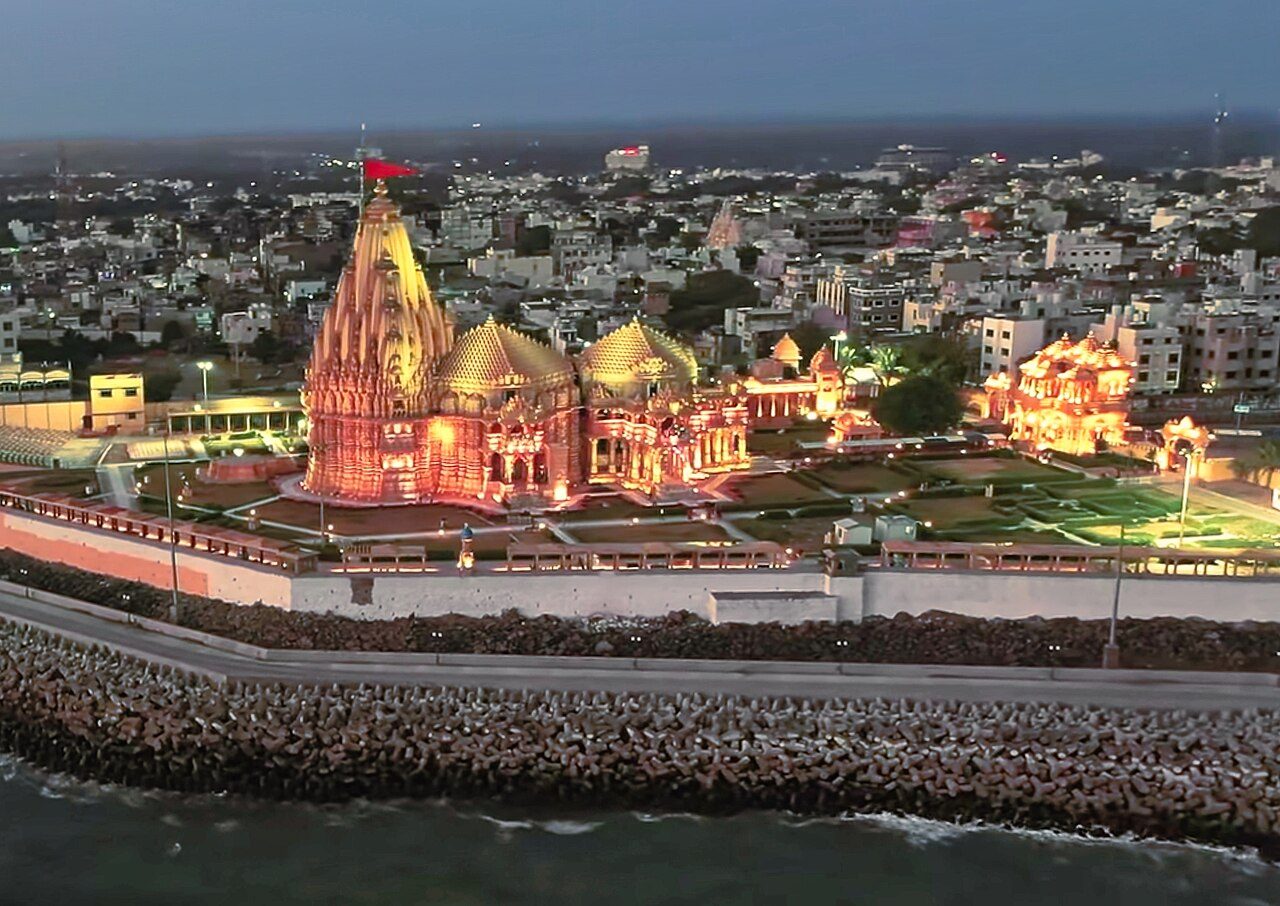
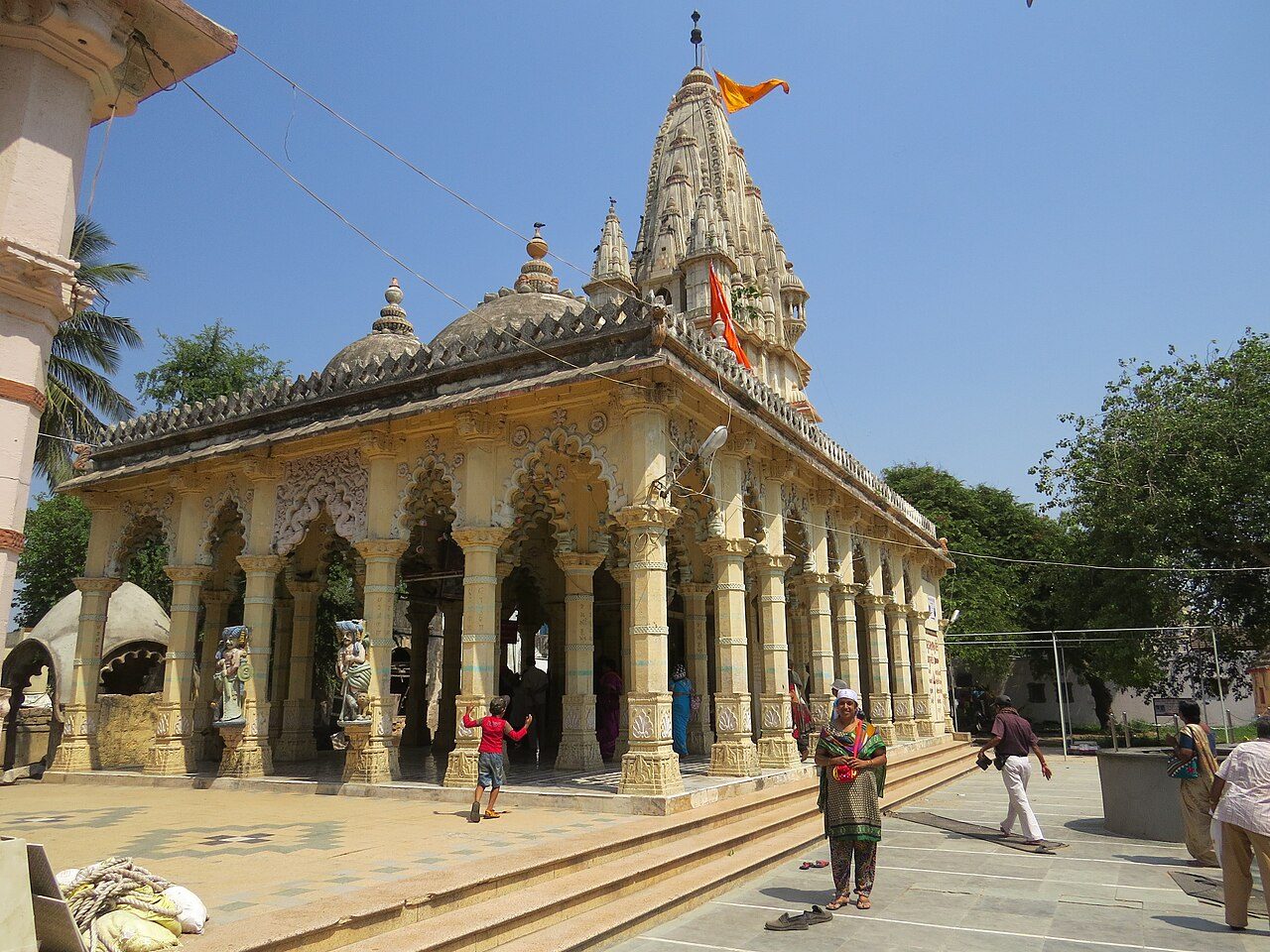
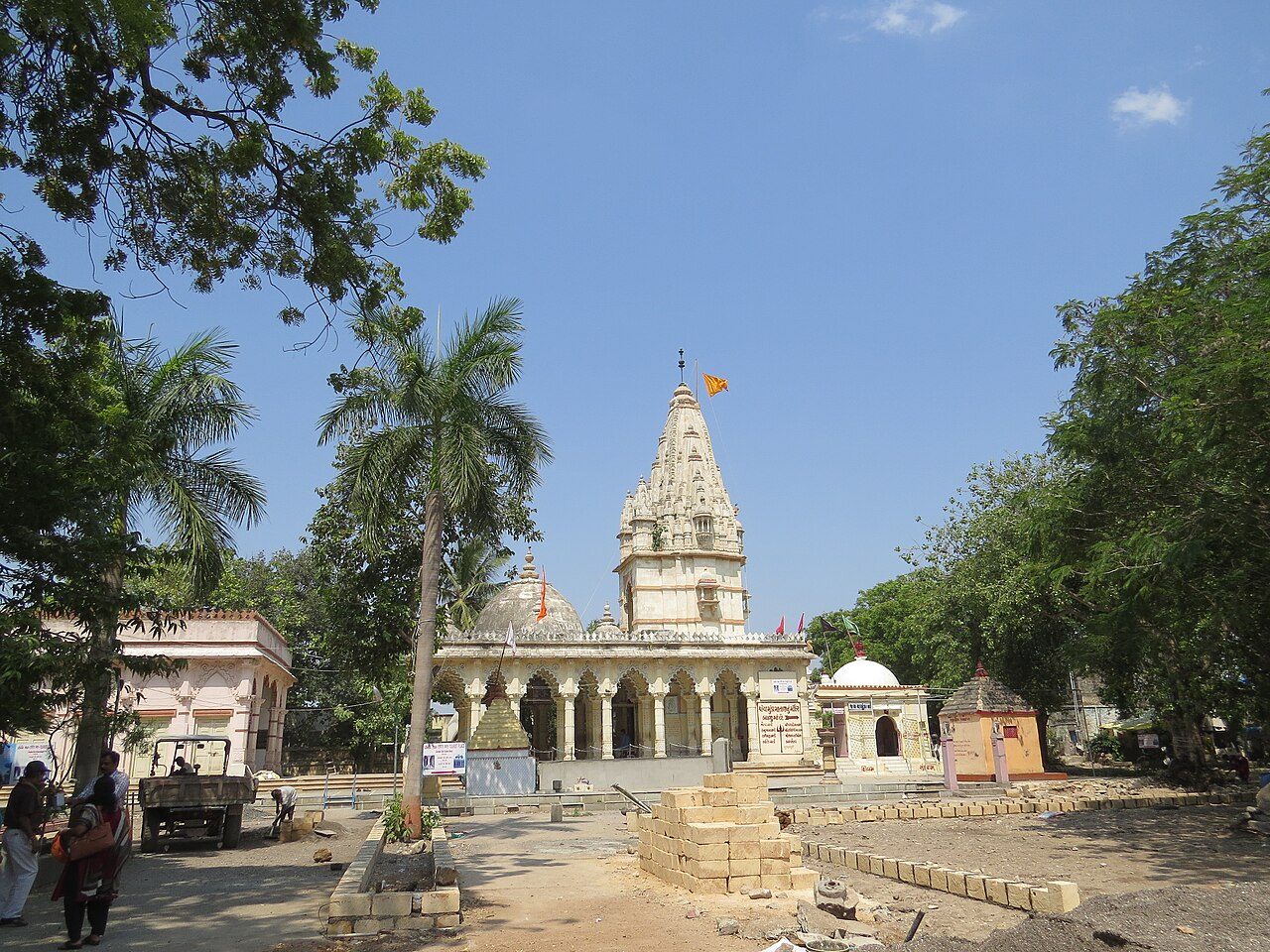
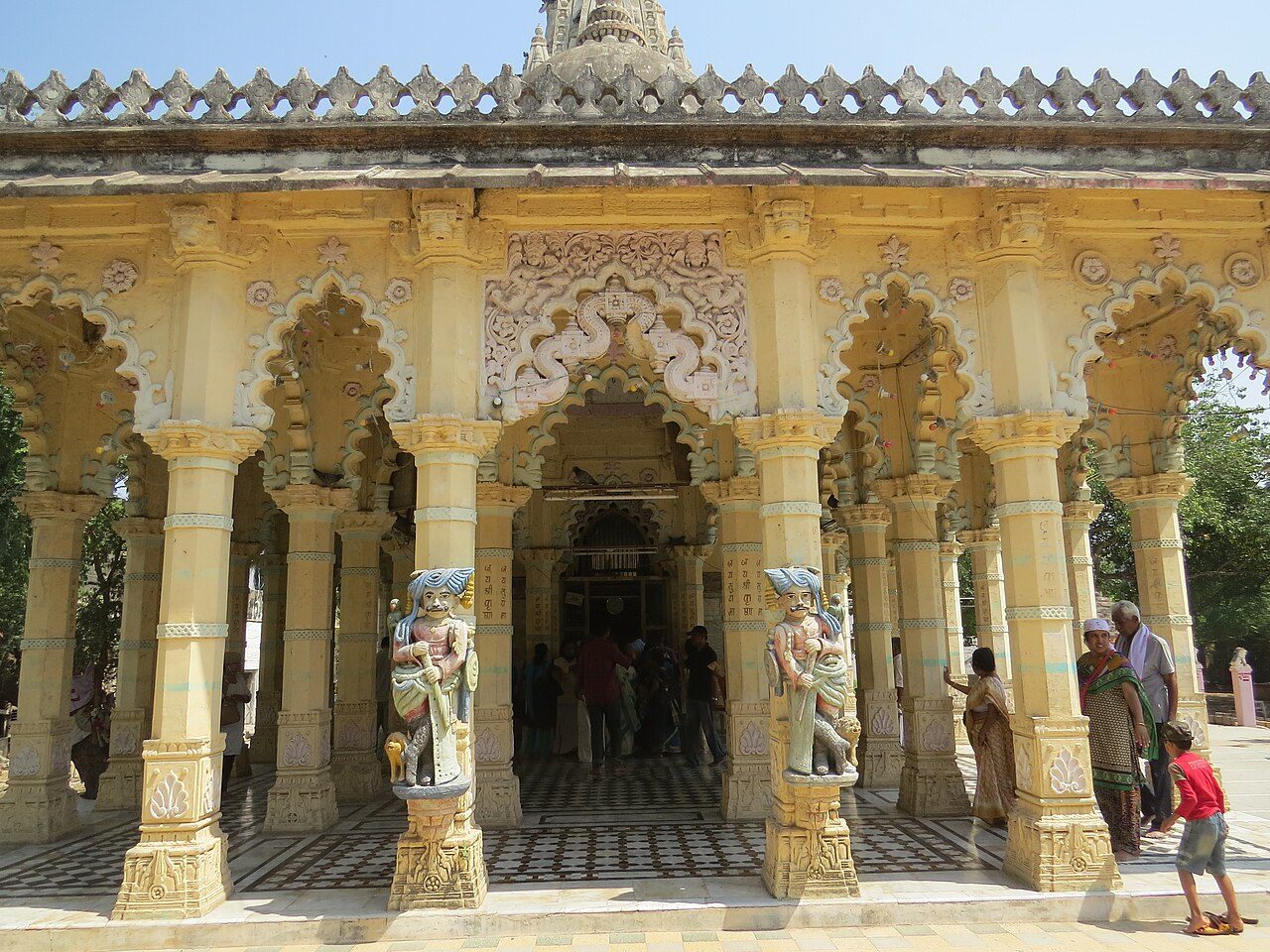
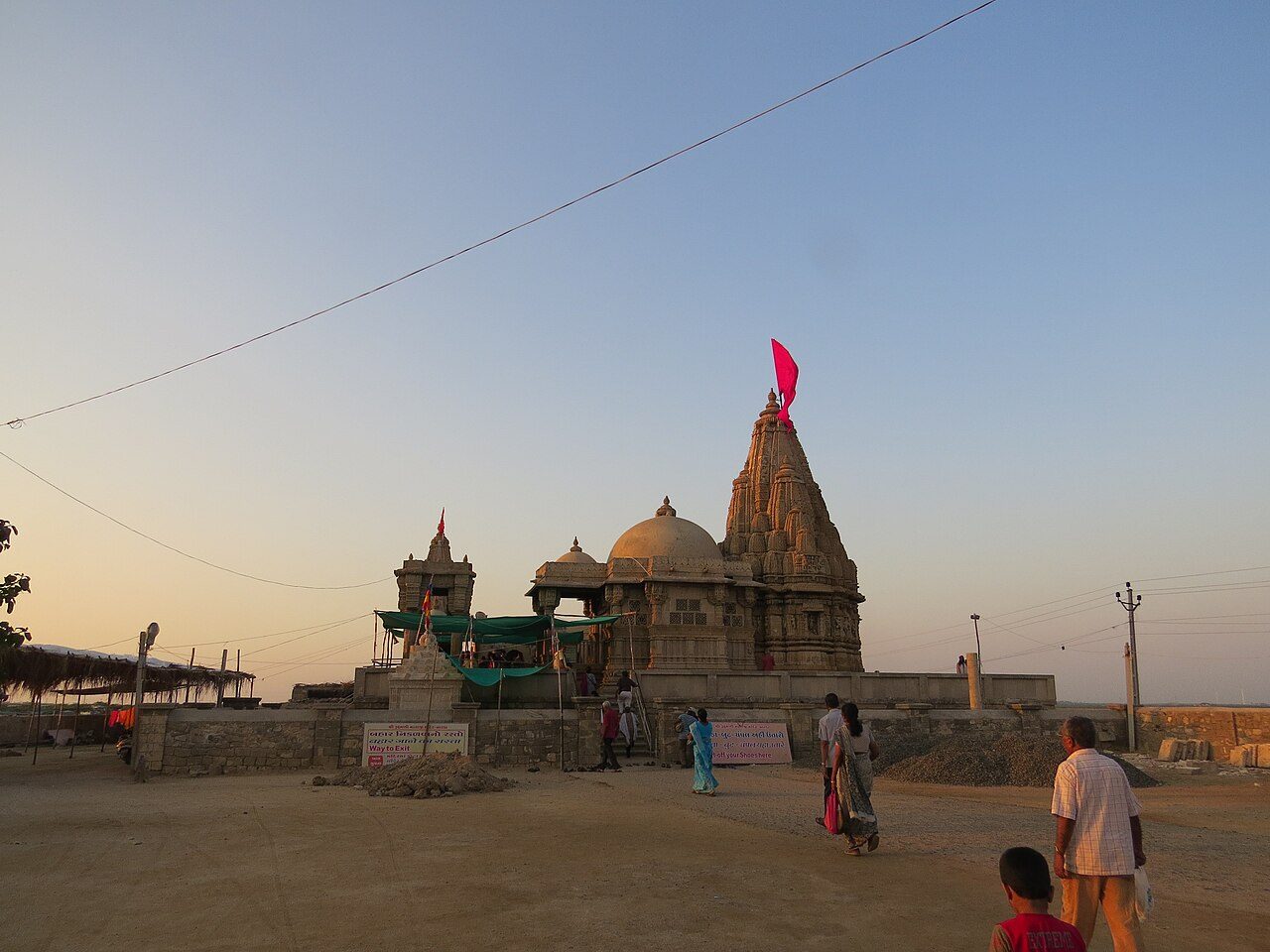
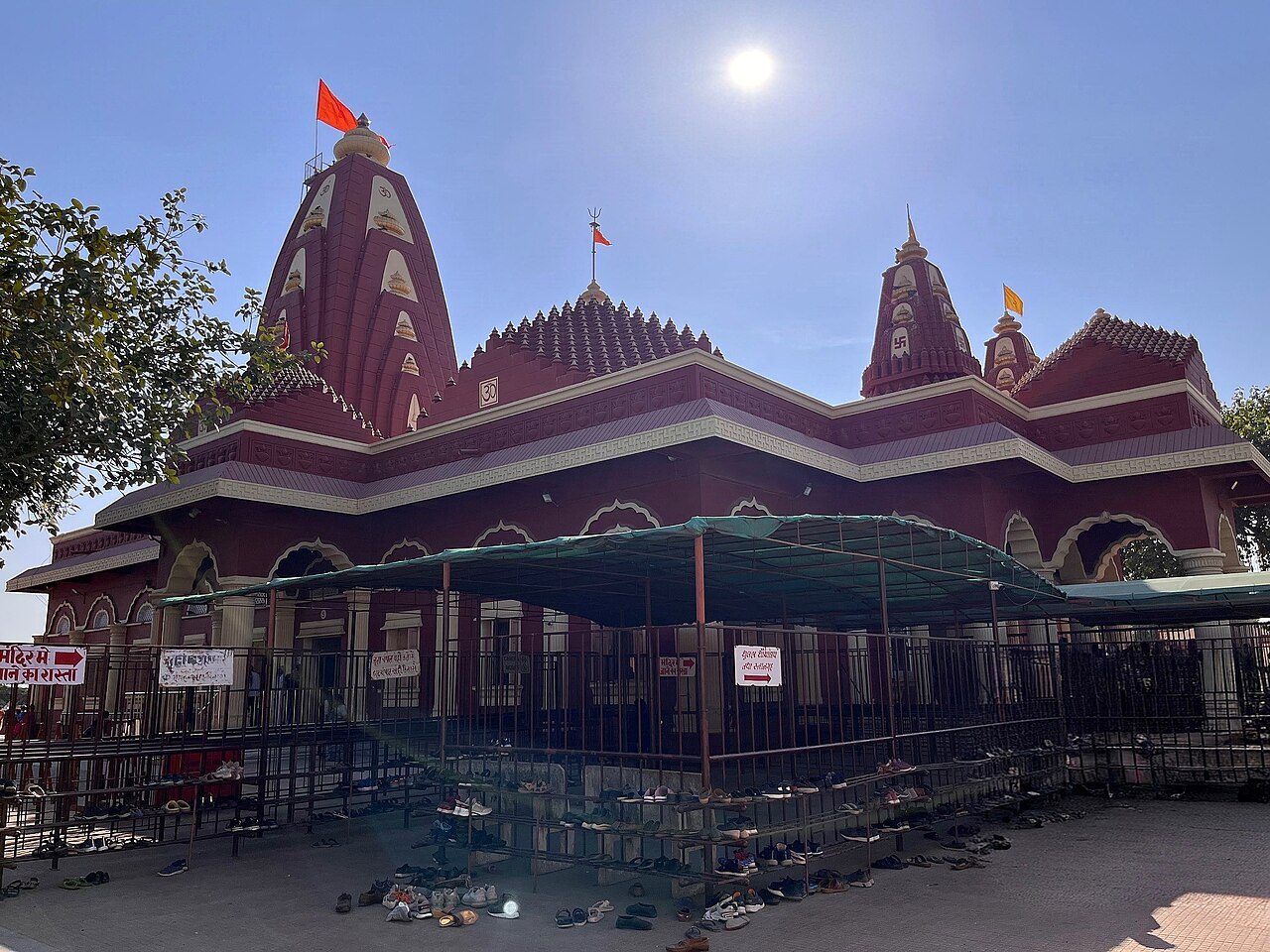
Somnath, on the Arabian Sea coast near Veraval, is revered as the first of the twelve Jyotirlinga shrines of Shiva. The temple was destroyed and rebuilt many times over the centuries; the present building in the Chaulukya style was completed in 1951. Its tall shikhara rises above the shore, and an evening sound and light show tells its history. Phones and cameras are not allowed inside.
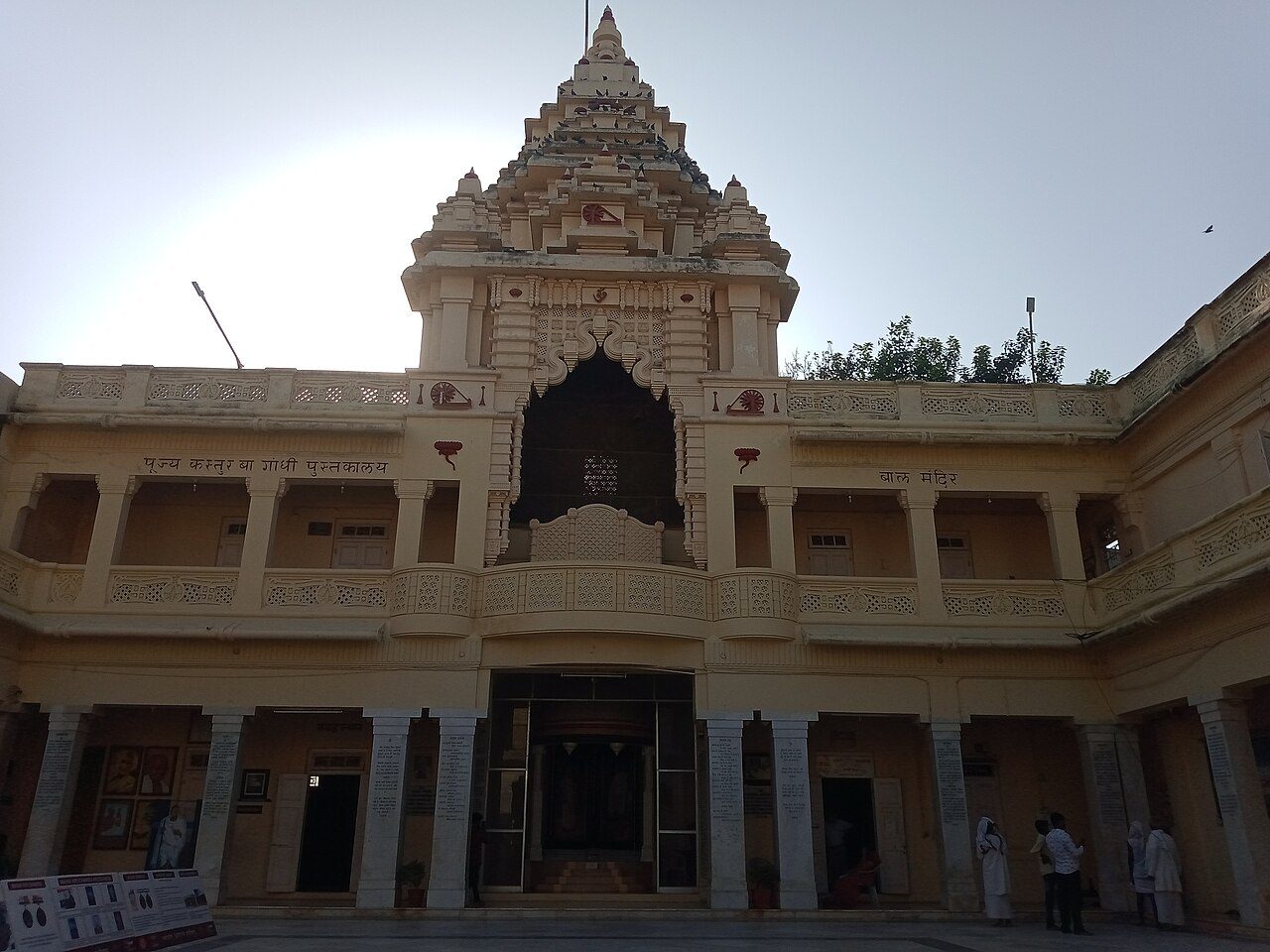
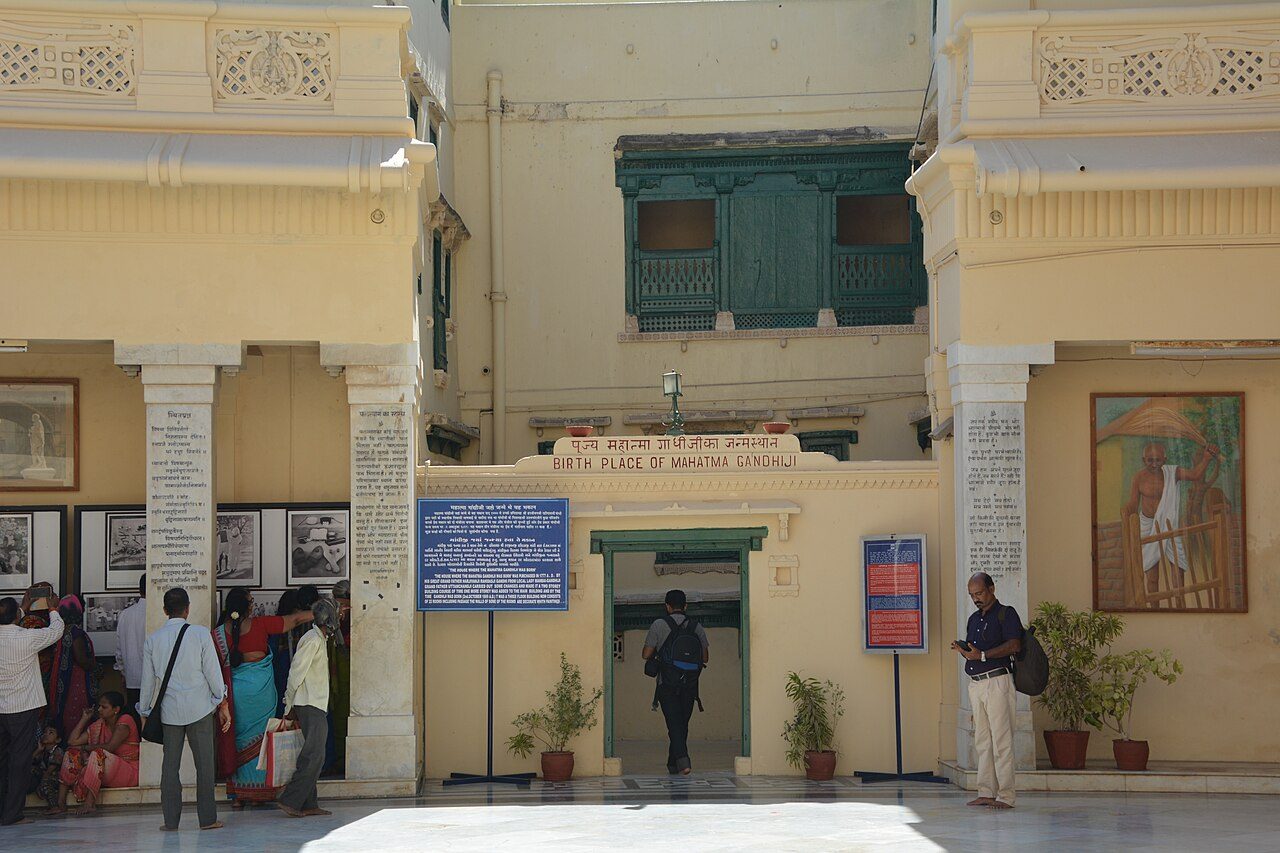
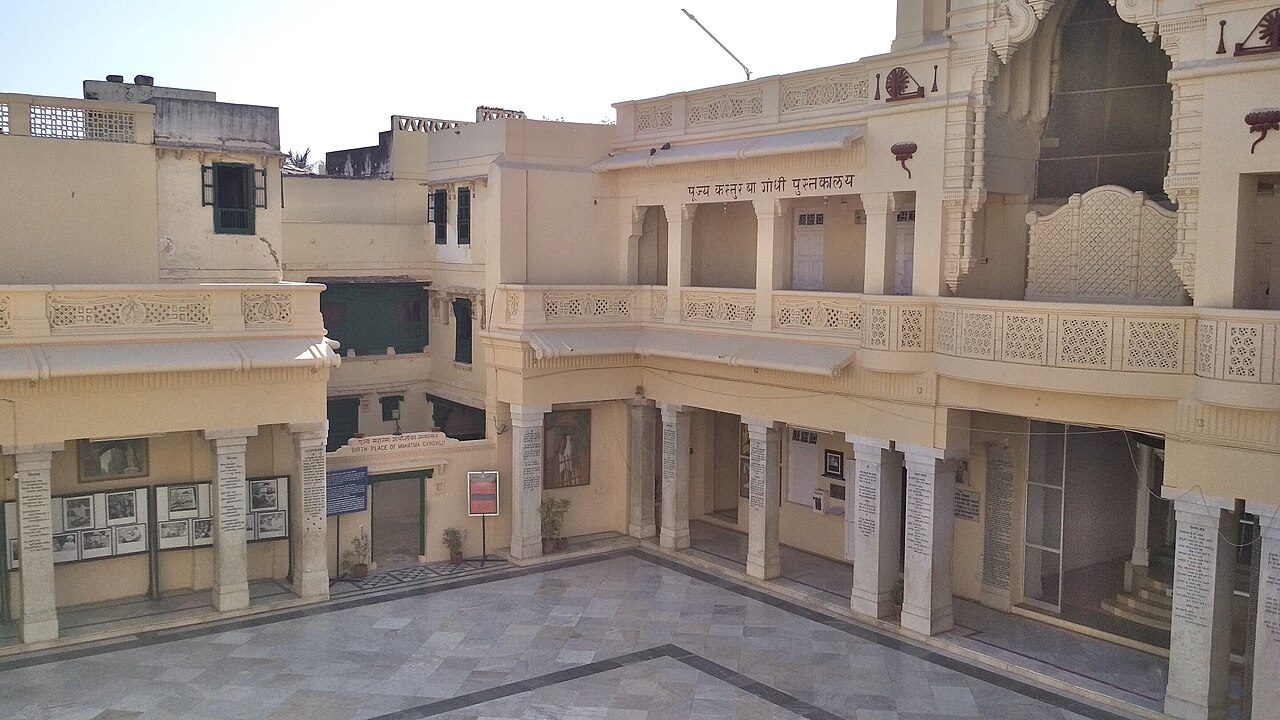
Kirti Mandir is the memorial built around the ancestral house in Porbandar where Mahatma Gandhi was born in 1869. The old three-storey house is preserved, with the place of his birth marked on the floor. The adjoining memorial, completed in 1950, has a spire 79 feet high for the years of his life, and contains a photo gallery and library on Gandhi and Kasturba.
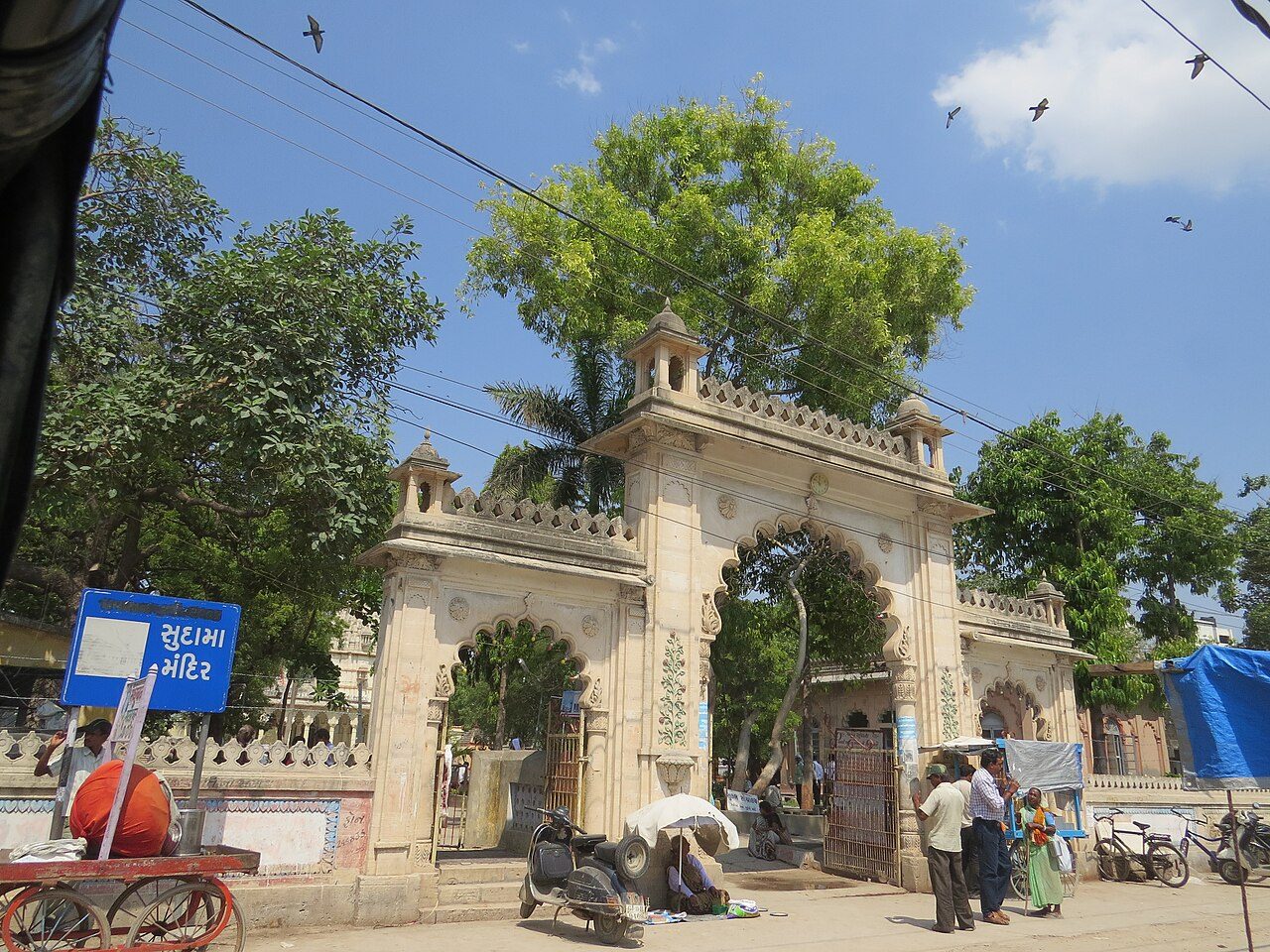
The Sudama temple in Porbandar is dedicated to Sudama, the childhood friend of Krishna, whose birthplace the town is traditionally said to be. The present temple was built in the early 20th century and has a pillared marble hall under a carved shikhara. A small maze marked on the ground in the garden is walked by pilgrims. It stands in the centre of town, not far from Kirti Mandir.
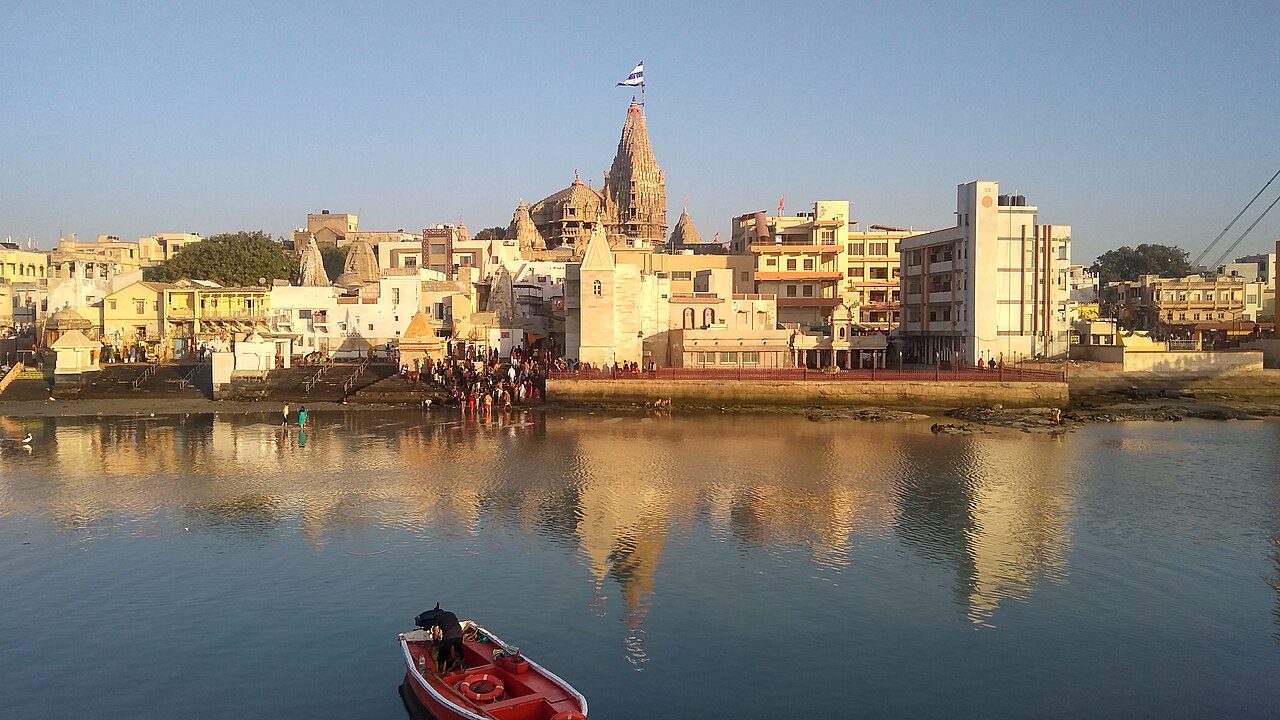
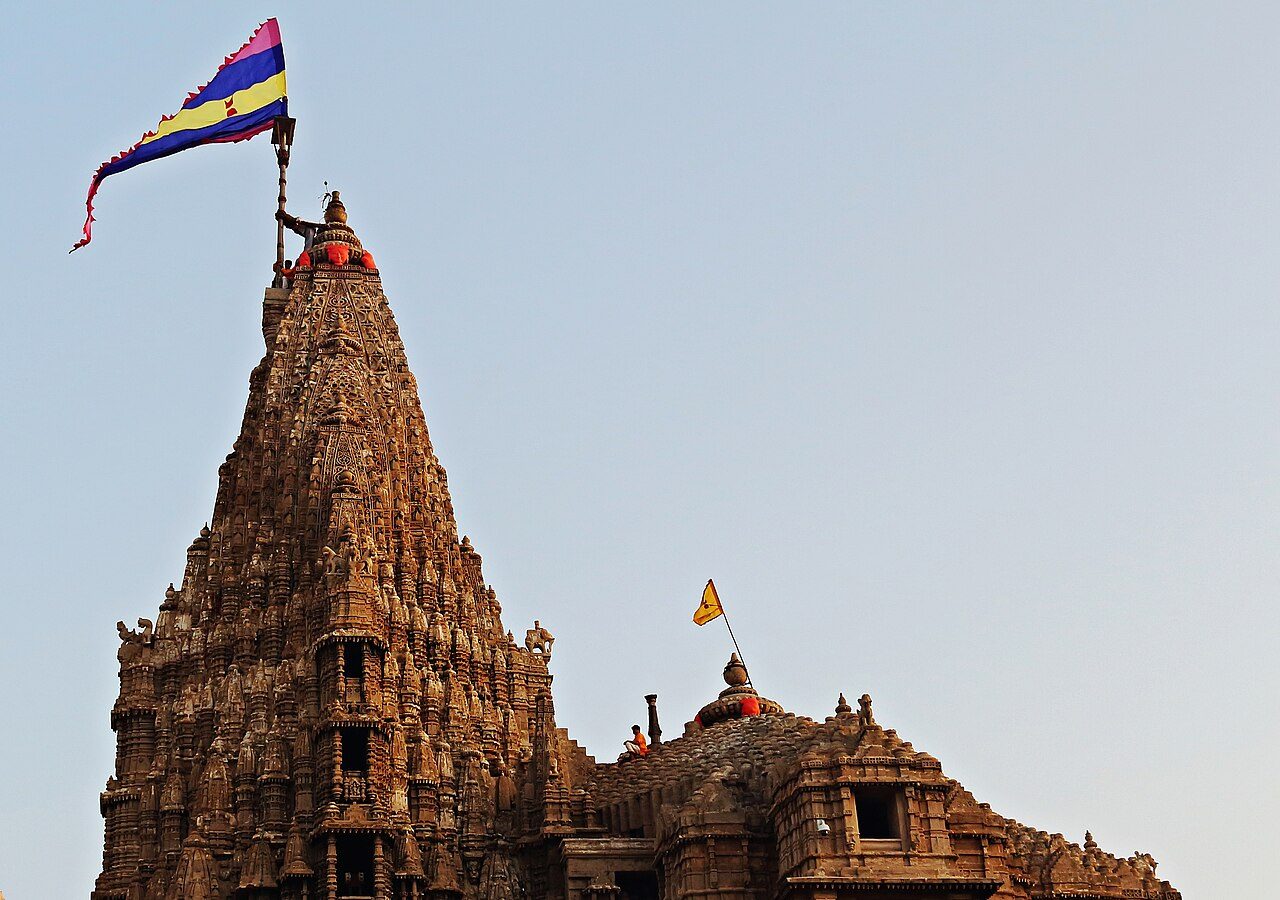
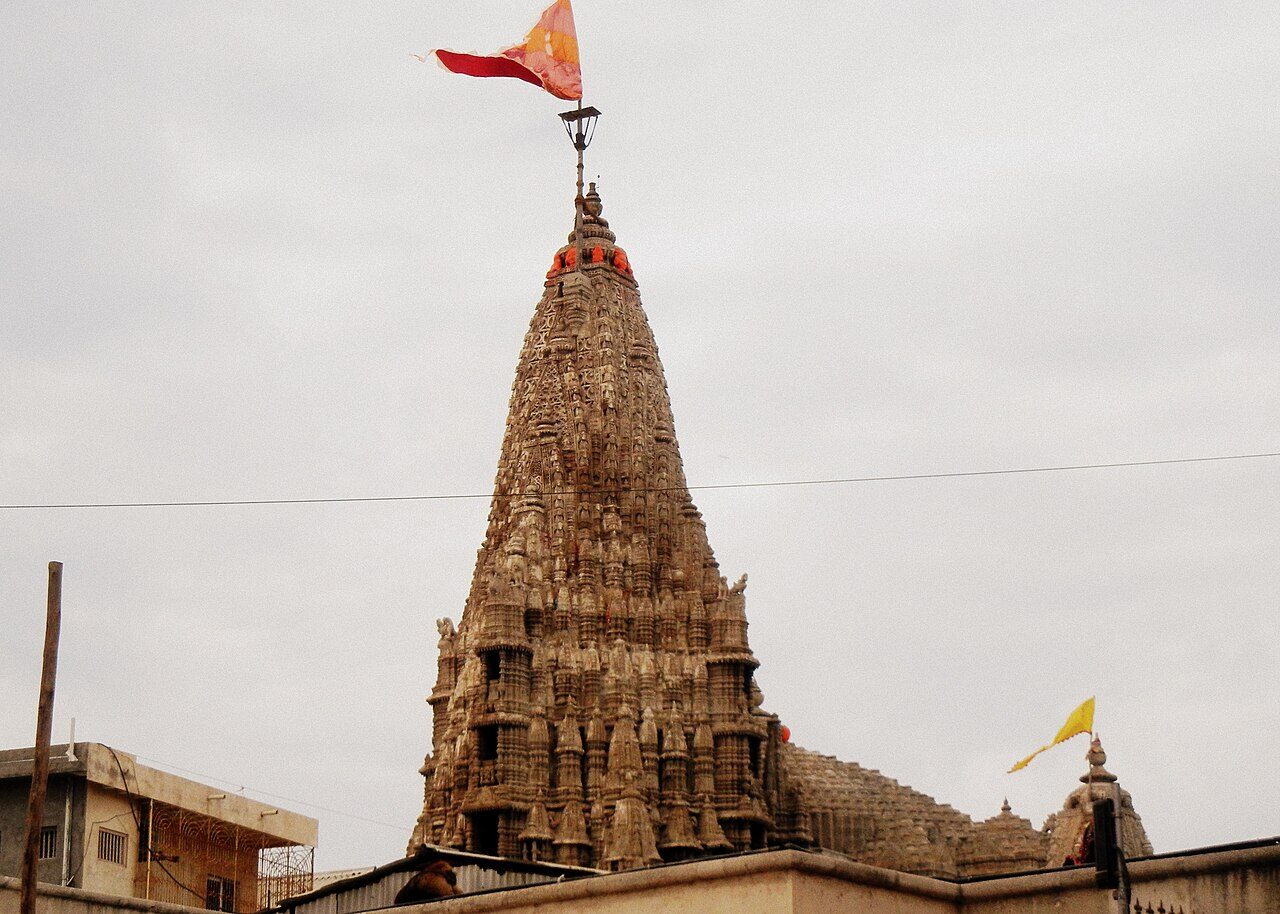
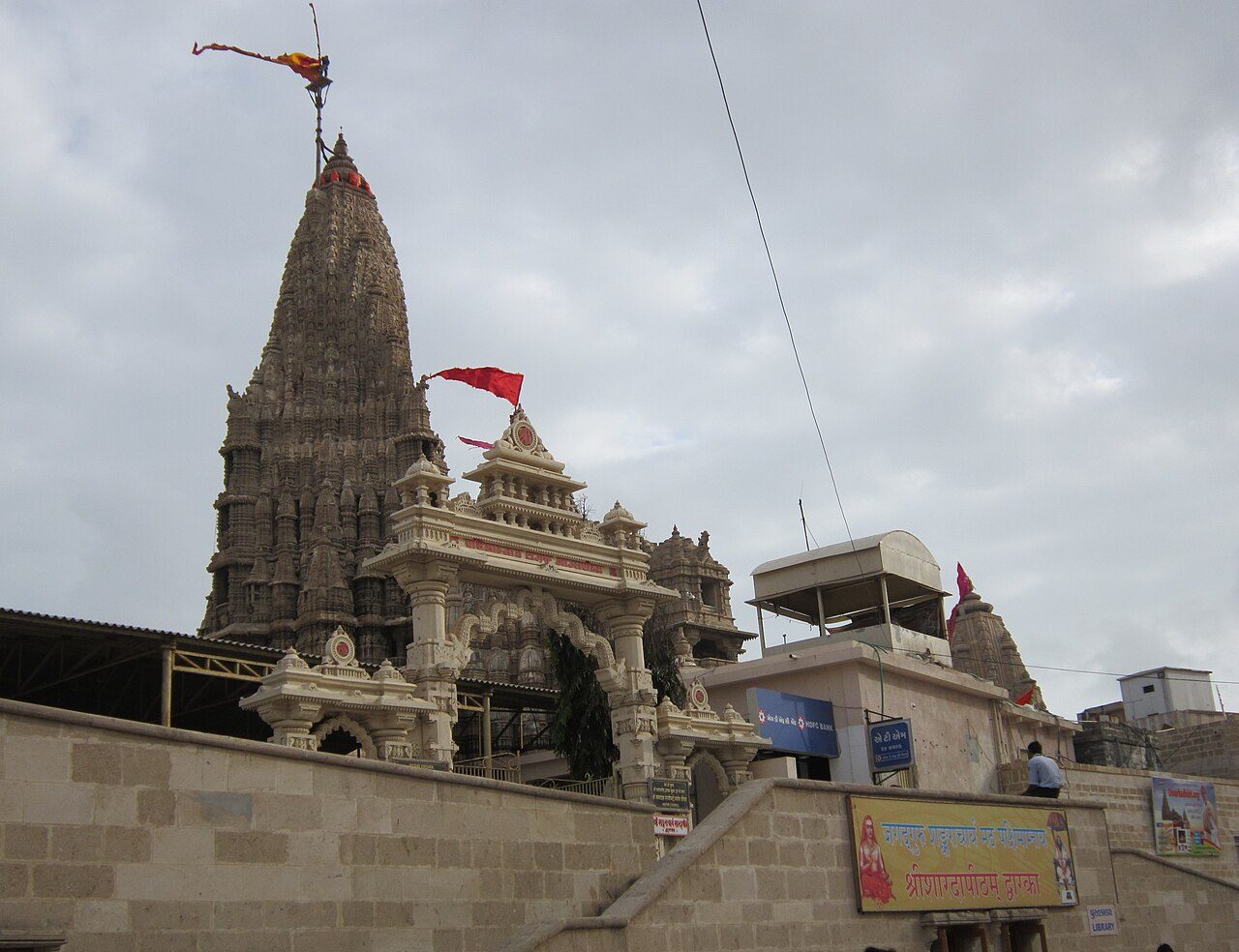
The Dwarkadhish temple, also called Jagat Mandir, is dedicated to Krishna as King of Dwarka and is one of the four Char Dham pilgrimage sites. The five-storey shrine rests on 72 pillars and its spire carries a large flag that is changed several times a day. The main structure dates largely from the 15th and 16th centuries. Pilgrims enter by the Swarga Dwar after bathing at the Gomti ghat below.
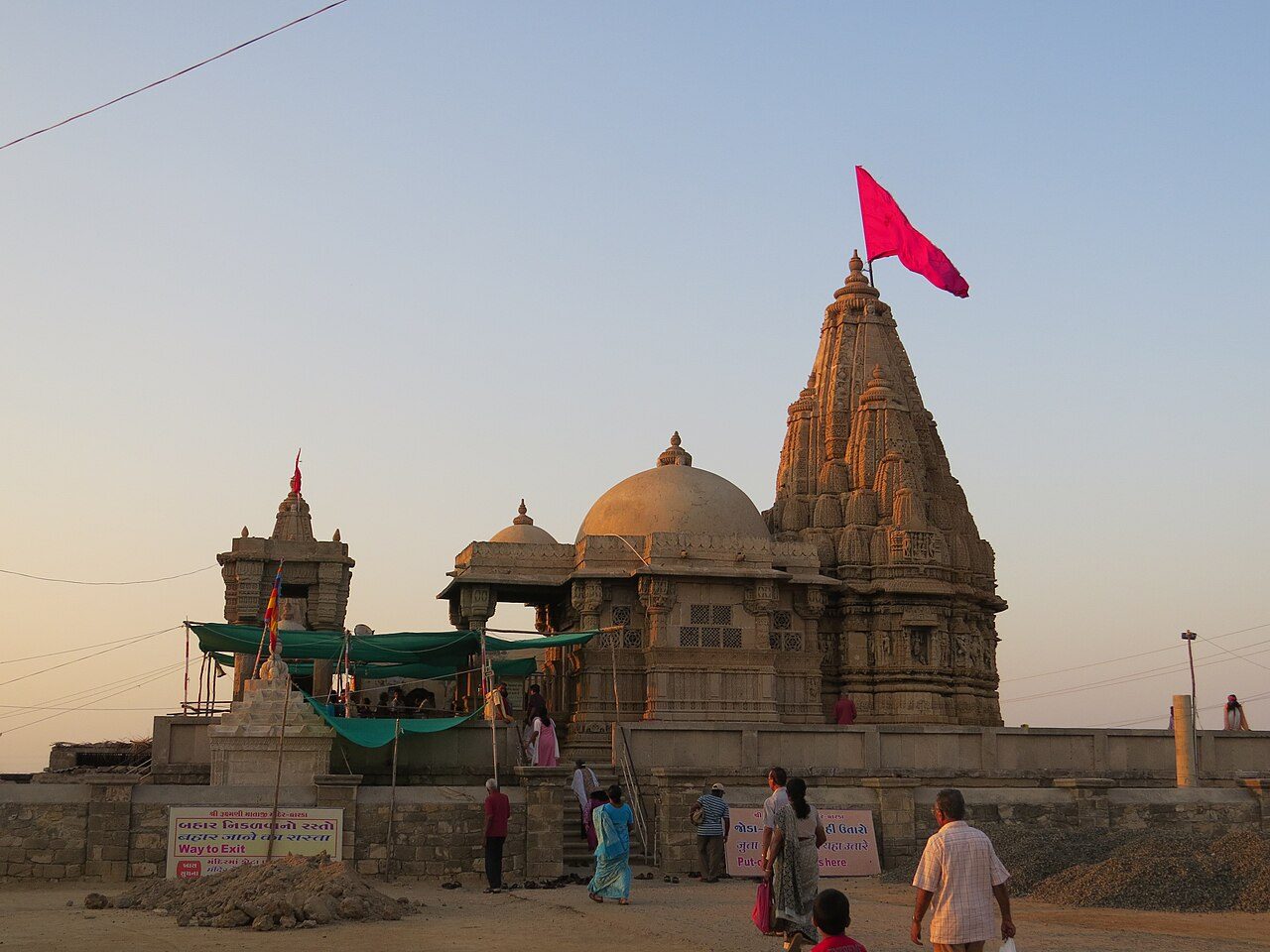
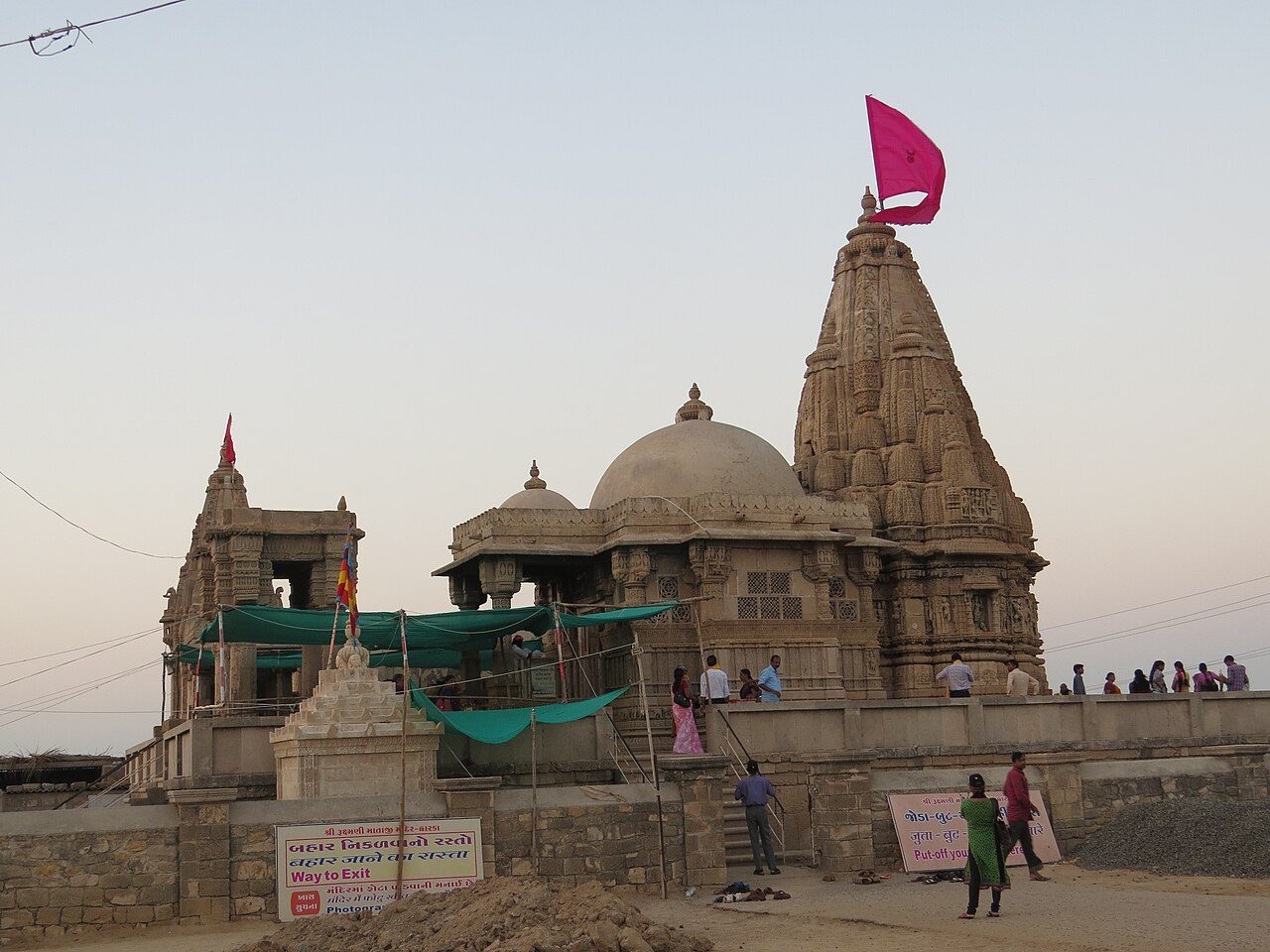
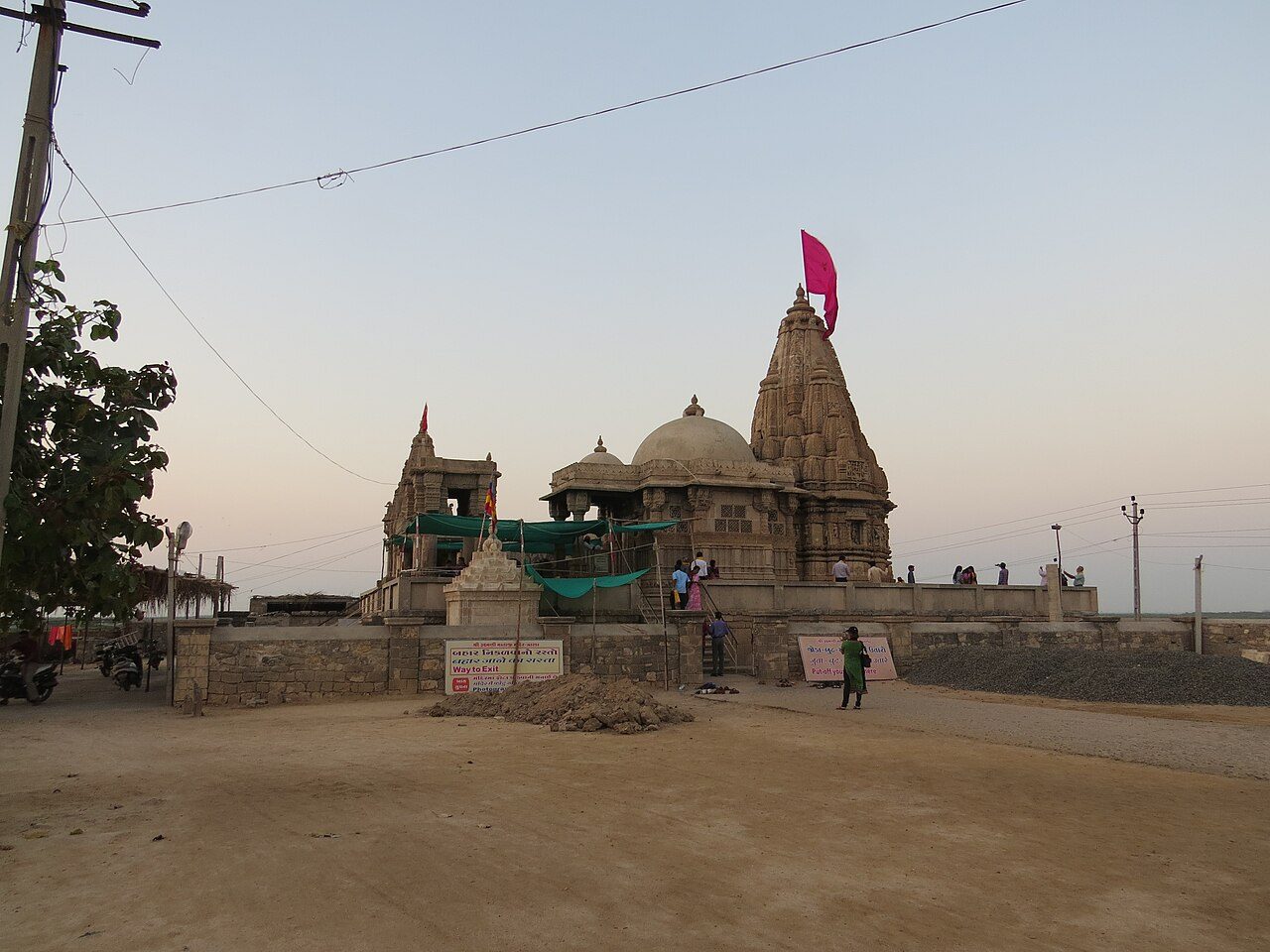
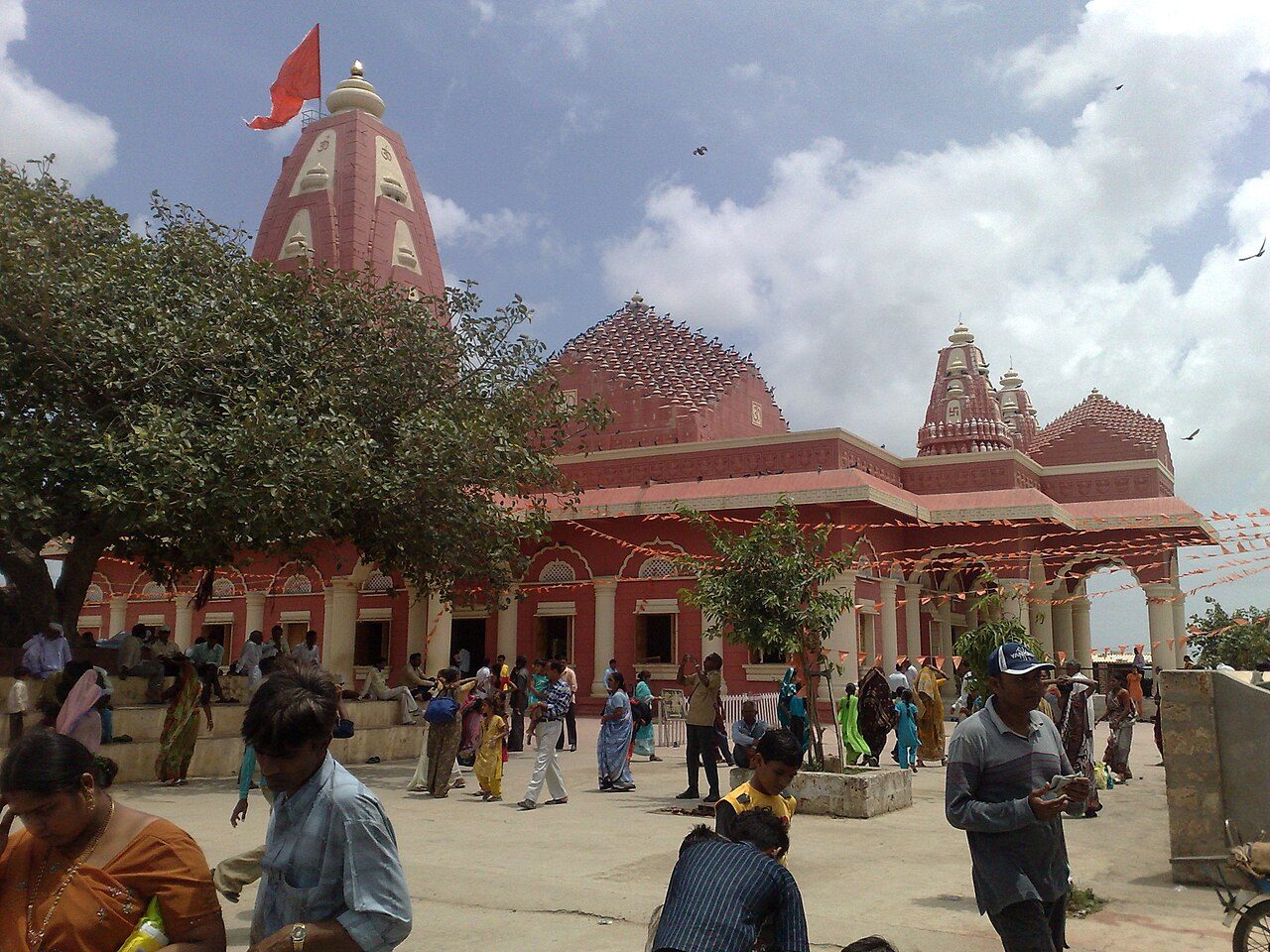
The Rukmini Devi temple stands a little outside Dwarka and is dedicated to Krishna's chief queen. The present structure is thought to date from around the 12th century, and its exterior is covered in carvings of deities, elephants and human figures. A legend tells that Rukmini was separated from Krishna by the curse of the sage Durvasa, which is why her temple lies apart from his.
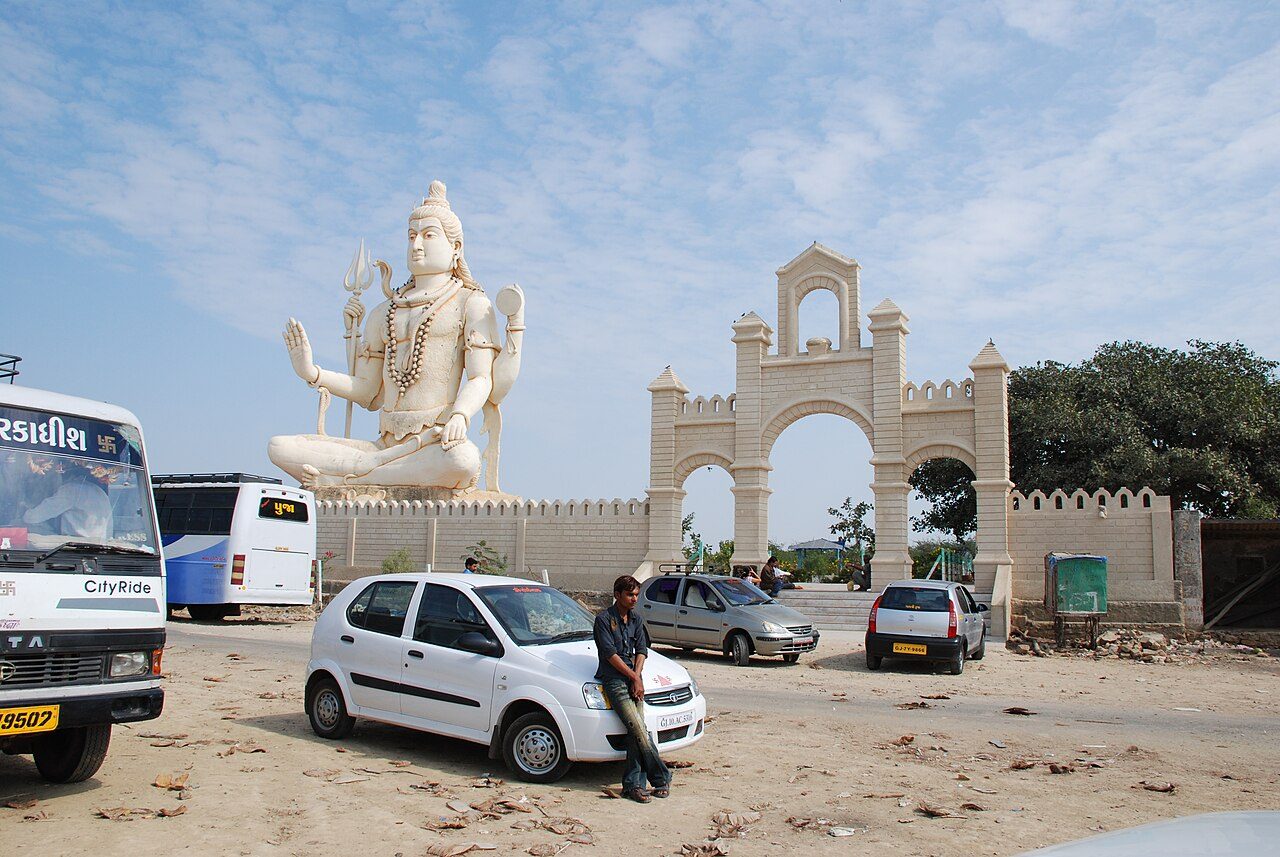
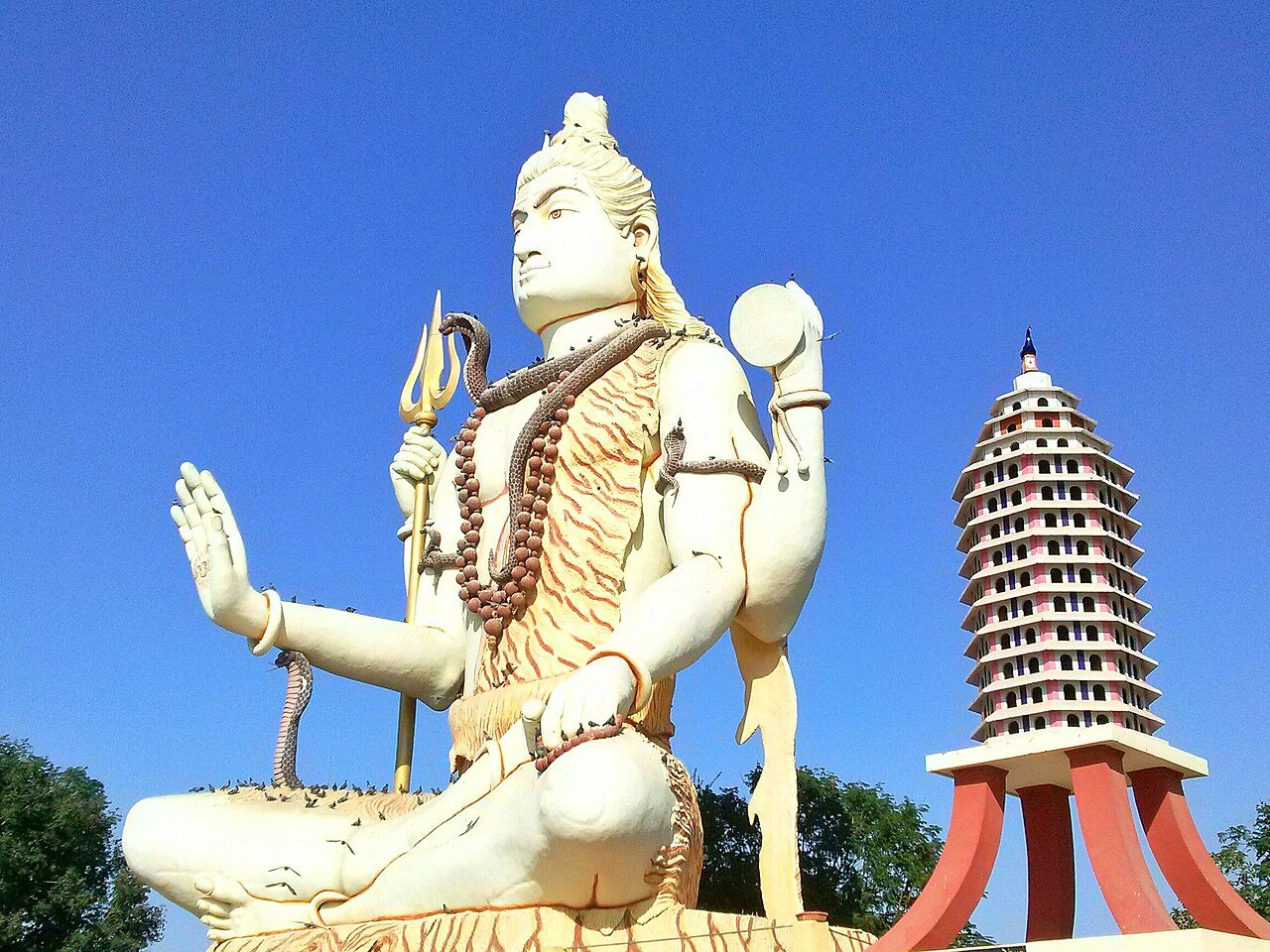
Nageshwar, between Dwarka and Bet Dwarka, is revered as one of the twelve Jyotirlingas of Shiva. The modern temple complex is marked by a seated Shiva statue about 25 metres high, visible from far across the flat coastal landscape. Pilgrims usually include it on the round of sacred sites around Dwarka. The shrine is busiest during Shravan and on Mahashivratri.
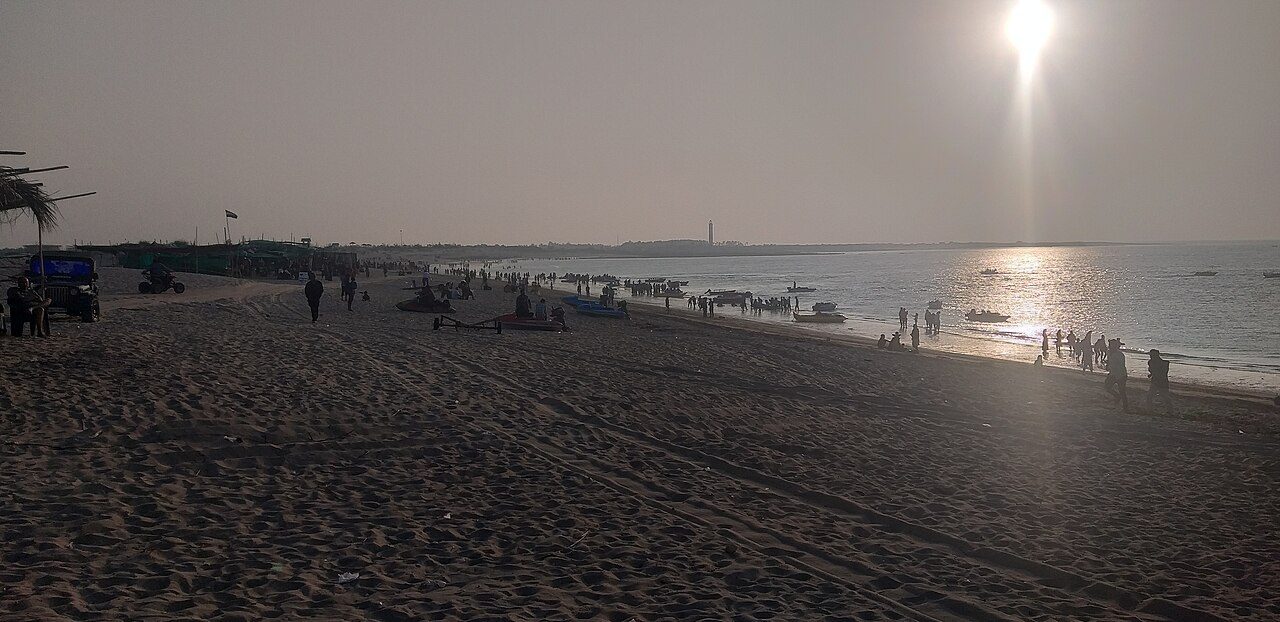
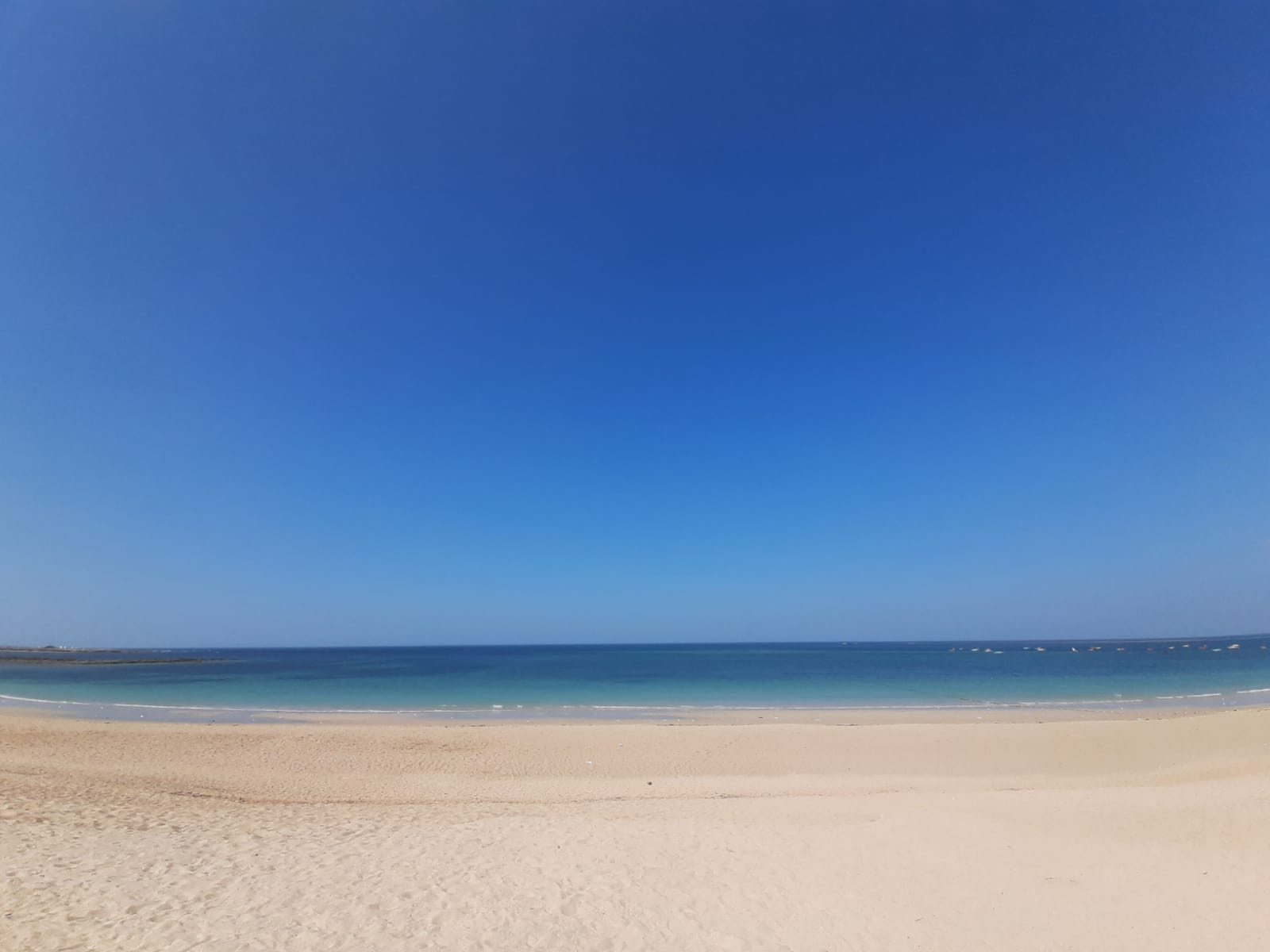
Shivrajpur is a white-sand beach north of Dwarka with clear, calm blue water. It holds the international Blue Flag certification for cleanliness, safety and facilities. Visitors come for swimming in the marked zone, and operators offer snorkelling, scuba diving and boat rides. It is at its best from October to March; water activities stop during the monsoon.
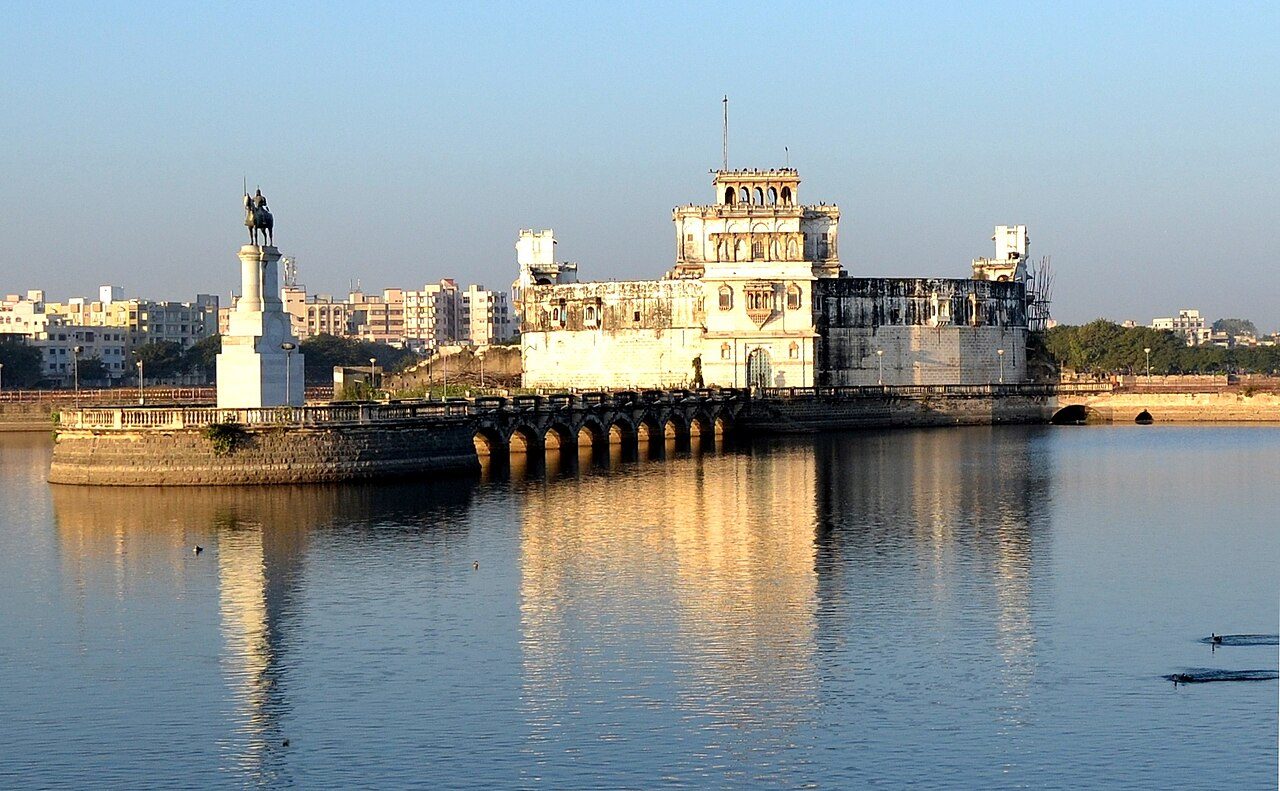
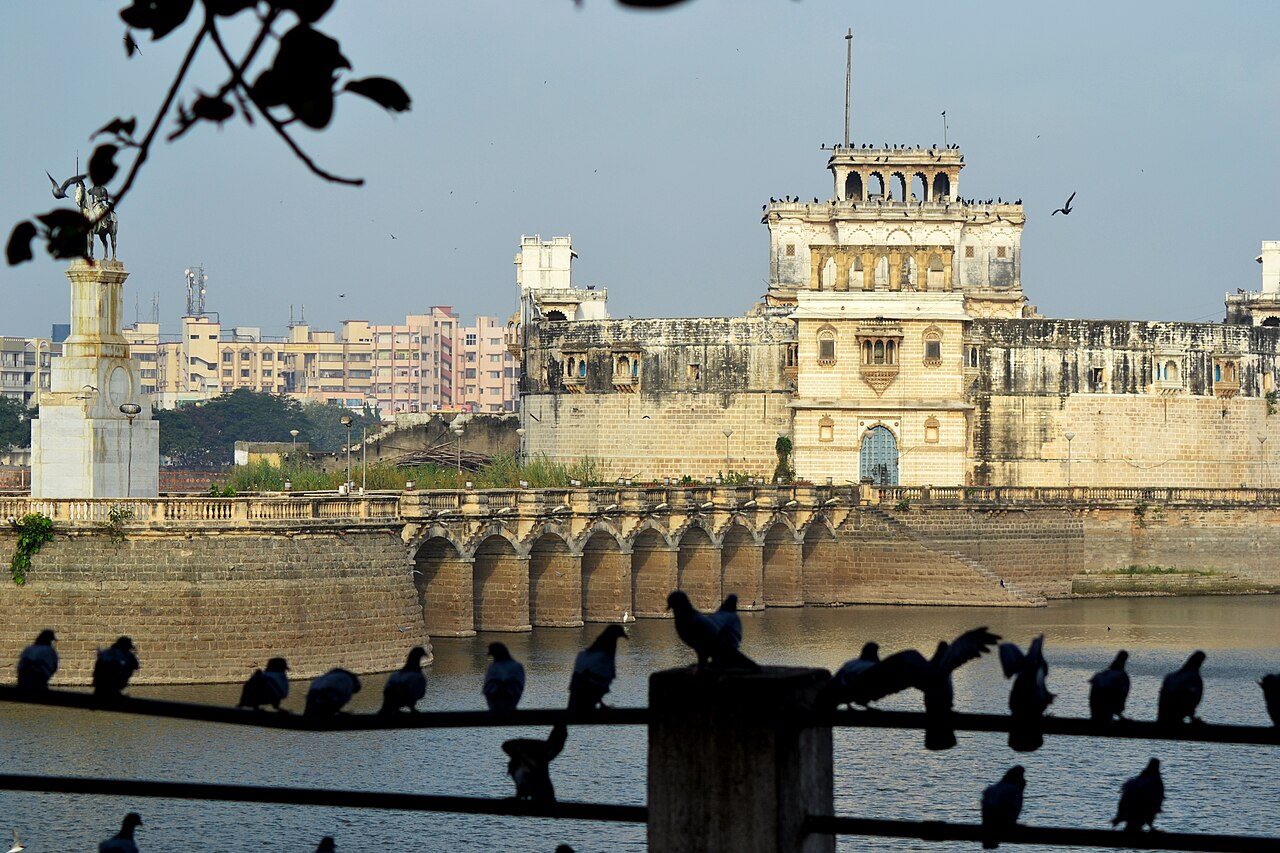
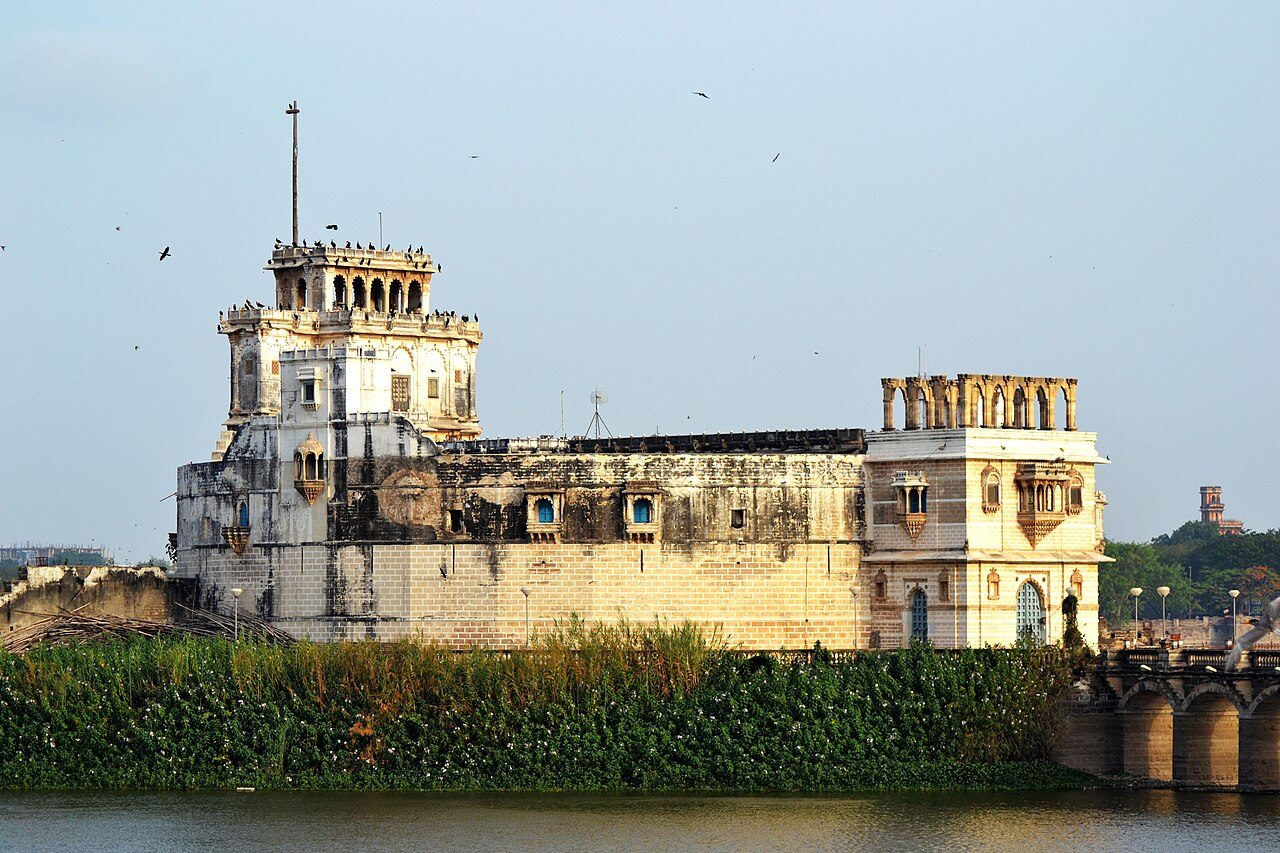
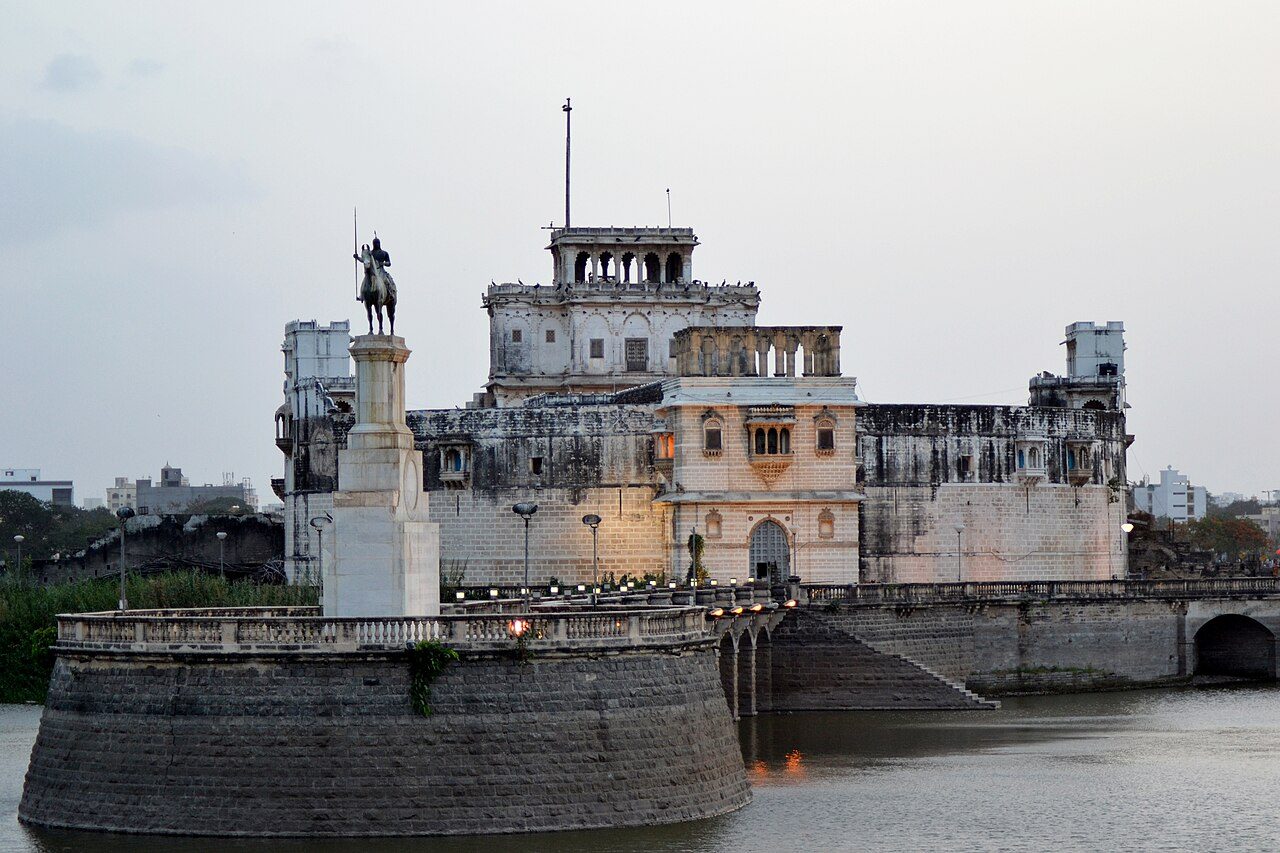
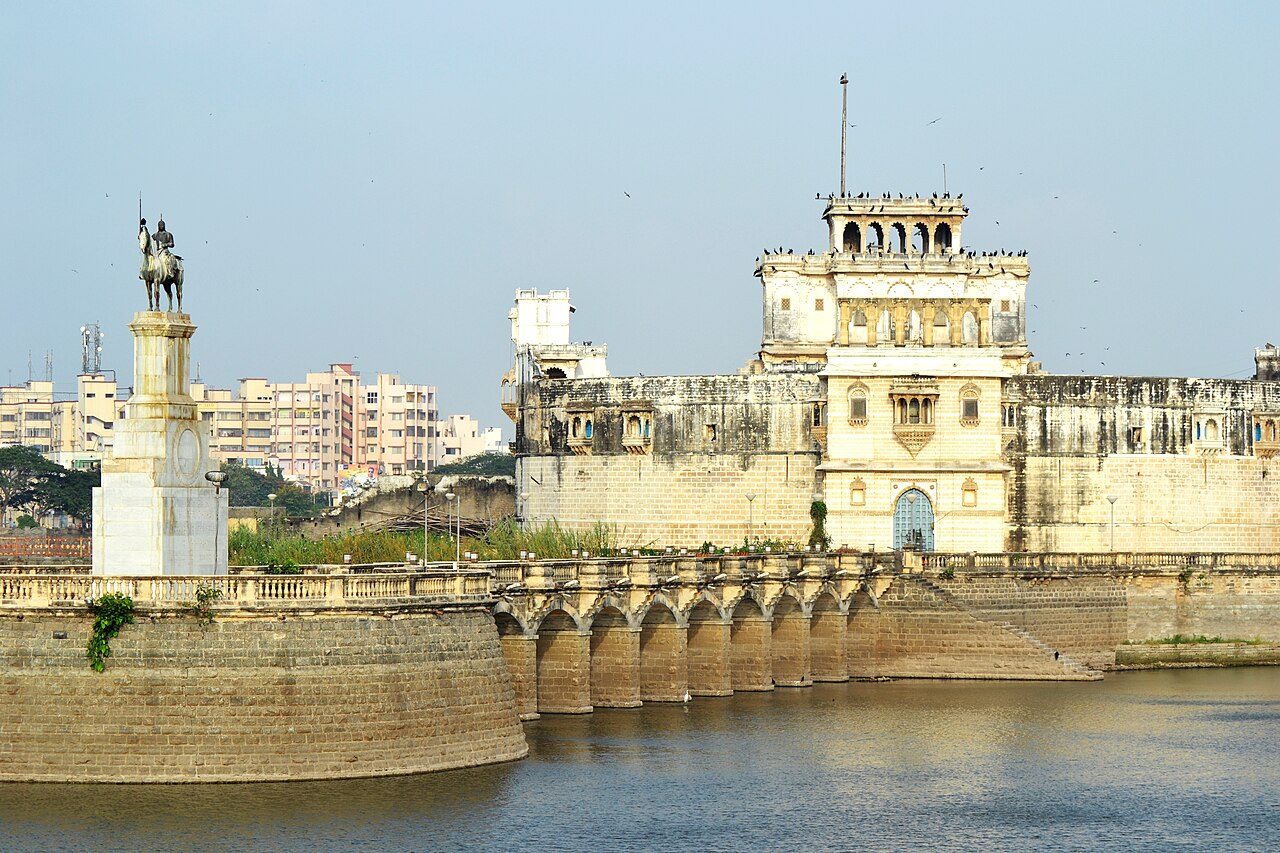
Lakhota Lake, also known as Ranmal Lake, is the centre of Jamnagar and was created in the 19th century by Jam Ranmalji. On an island in the water stands the Lakhota Palace, a circular fort that now houses a museum of sculpture, arms and local history. The promenade around the lake is the city's main evening walk, and migratory birds gather on the water in winter.
Best weather: Nov – Mar
Seasons from 20 years of NASA POWER climate data.
Was this trip blog helpful?
0
0
Ready to follow this route?
Copy all 17 stops into your trip plans in the app.
 WaTrips