Royal Mysuru & Coorg: Bengaluru to the Coffee Hills in 4 Days
4 DAYS15 placesby WaTrips
Bengaluru's palaces and gardens, Tipu's Srirangapatna, Mysuru's royal palace and Chamundi Hills, then Coorg's monastery, falls and coffee hills.
A royal-to-rural trip through southern Karnataka. Day one in Bengaluru covers the Bangalore Palace, Lalbagh, Cubbon Park and Tipu Sultan's summer palace. On the road to Mysuru, stop at Srirangapatna, Tipu's island capital, at the Ranganathittu bird sanctuary and, in the evening, at the musical fountains of Brindavan Gardens. Mysuru is the highlight: the Mysore Palace (lit up on Sunday evenings), Chamundi Hills, the Jaganmohan Palace art gallery and St. Philomena's Church. The last day goes into Coorg via the Golden Temple at Bylakuppe, the Dubare elephant camp, Abbey Falls and the sunset from Raja's Seat. The roads are good, and Coorg is greenest just after the monsoon.
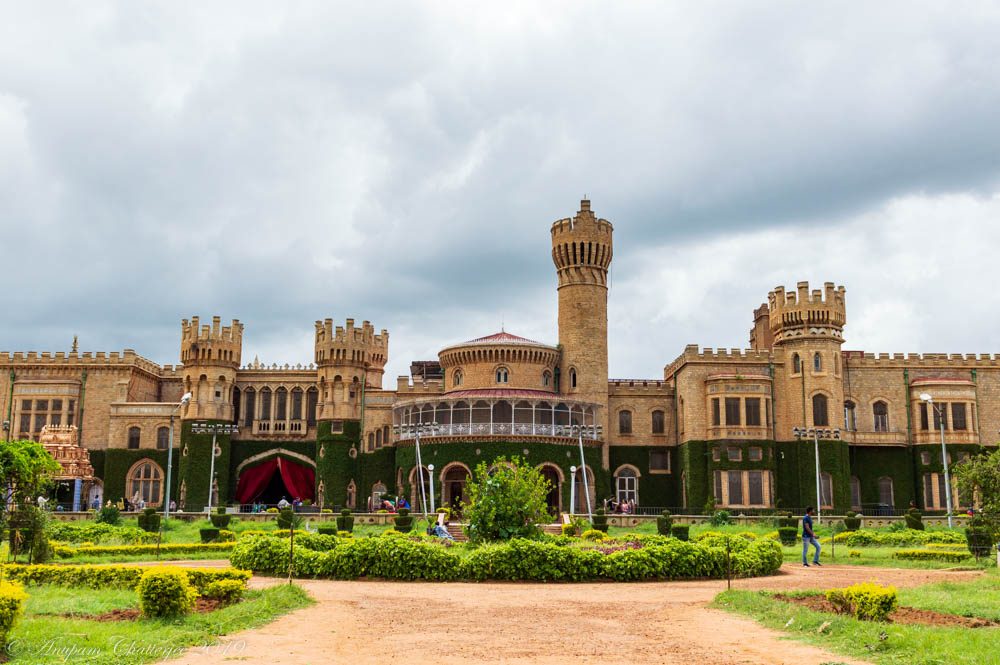
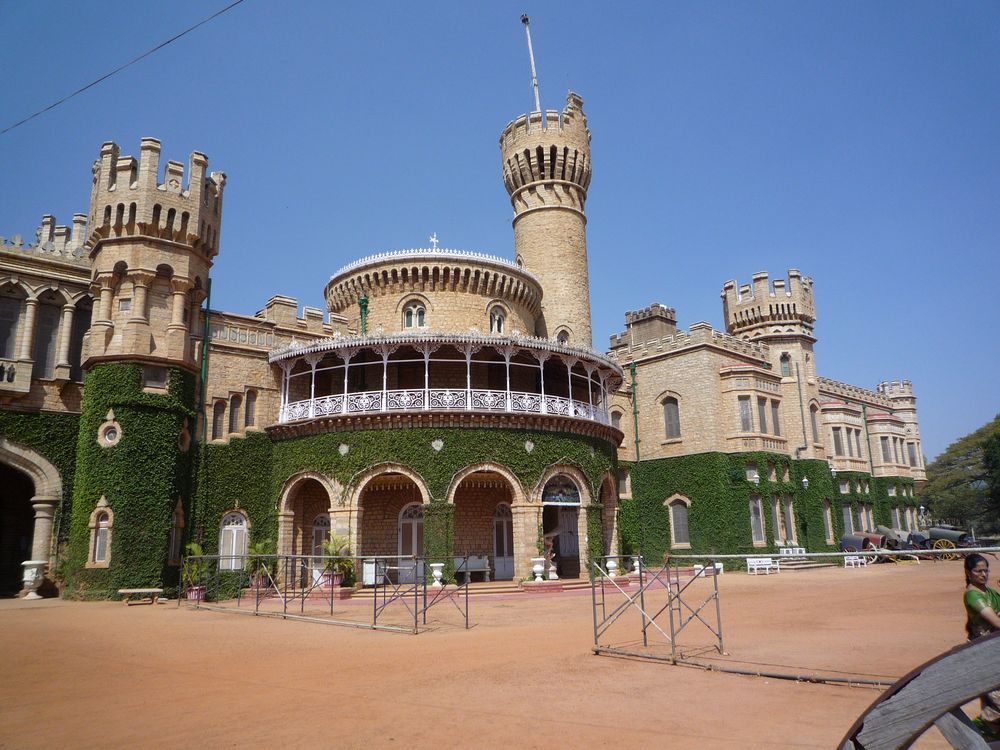
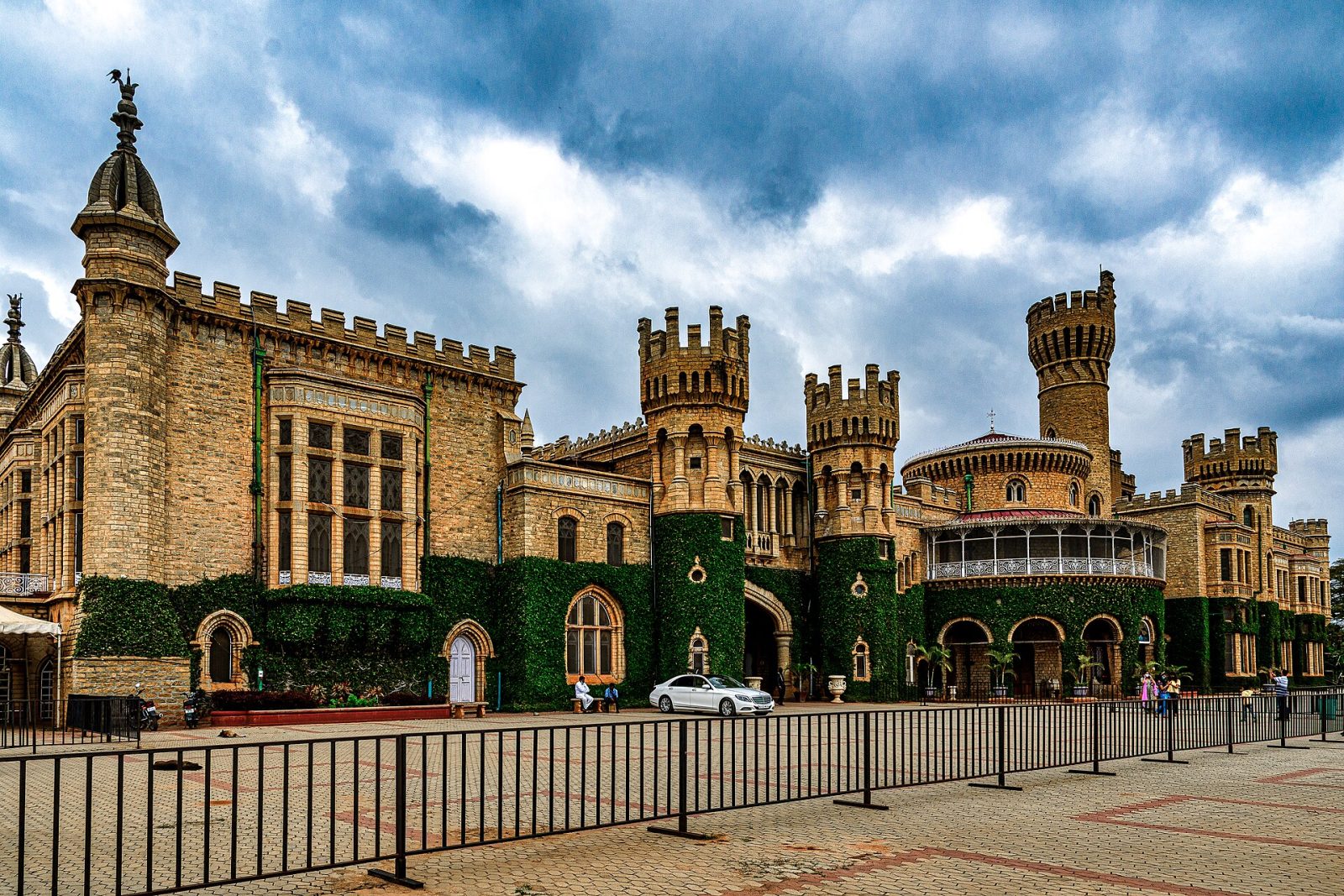
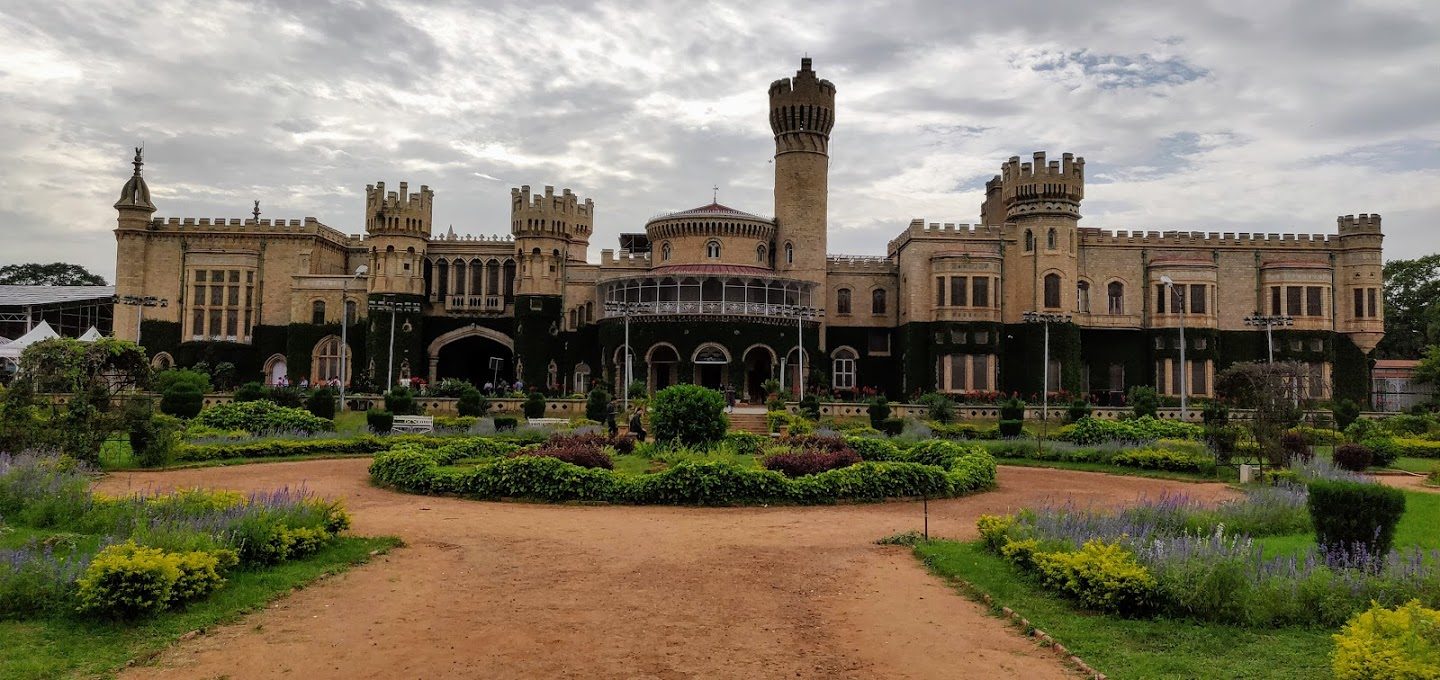
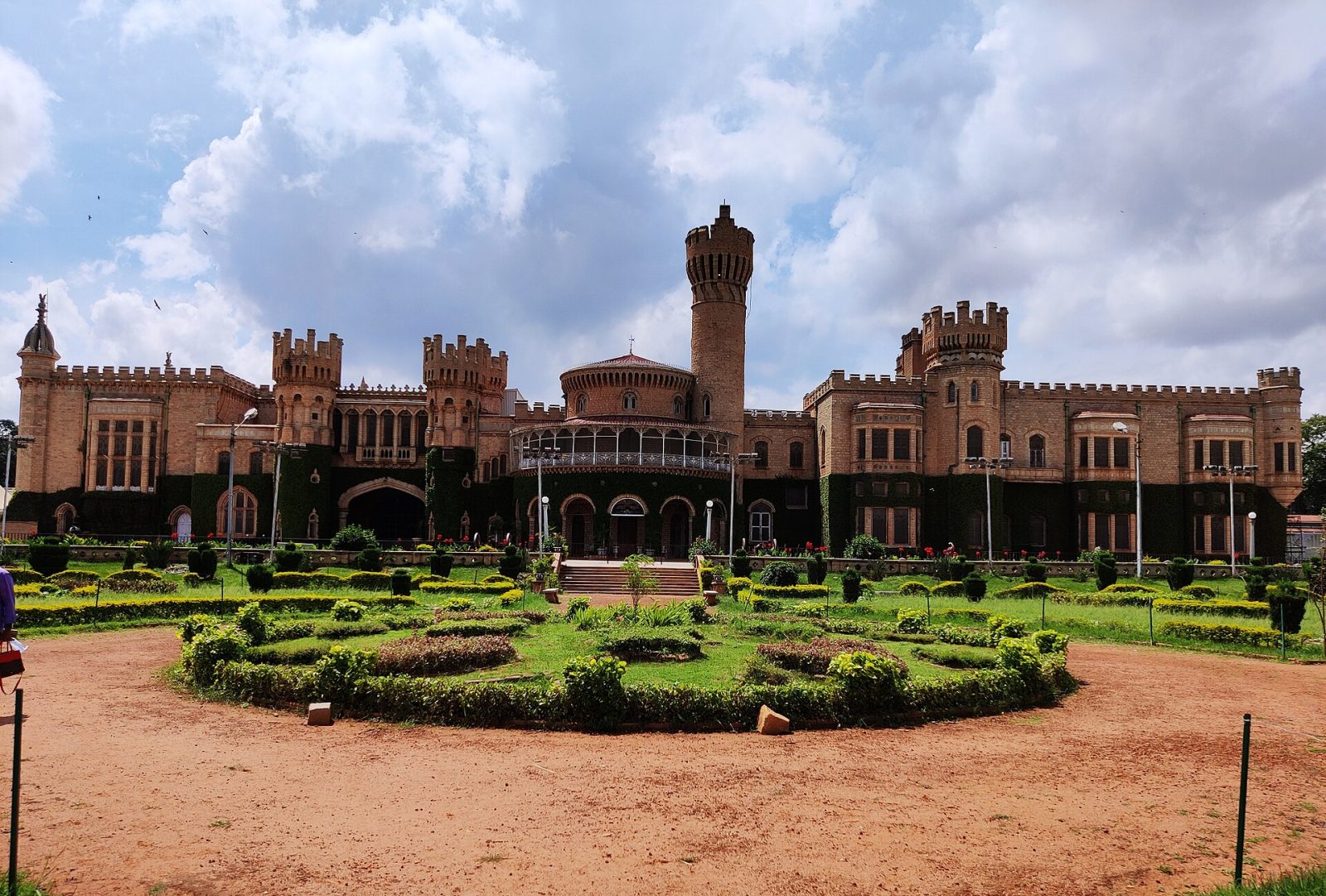
Bangalore Palace was built in 1878 for the Wadiyar rulers of Mysore, modelled loosely on Windsor Castle with battlements, turrets and fortified towers. Inside are Gothic windows, carved wooden ceilings, a ballroom and a large collection of paintings, furniture and photographs from the royal household. The grounds once covered hundreds of acres and now host concerts and exhibitions through the year. An audio guide takes visitors through the main halls, and the durbar hall with its yellow glass windows is the highlight. It is open daily and photography carries an extra fee.
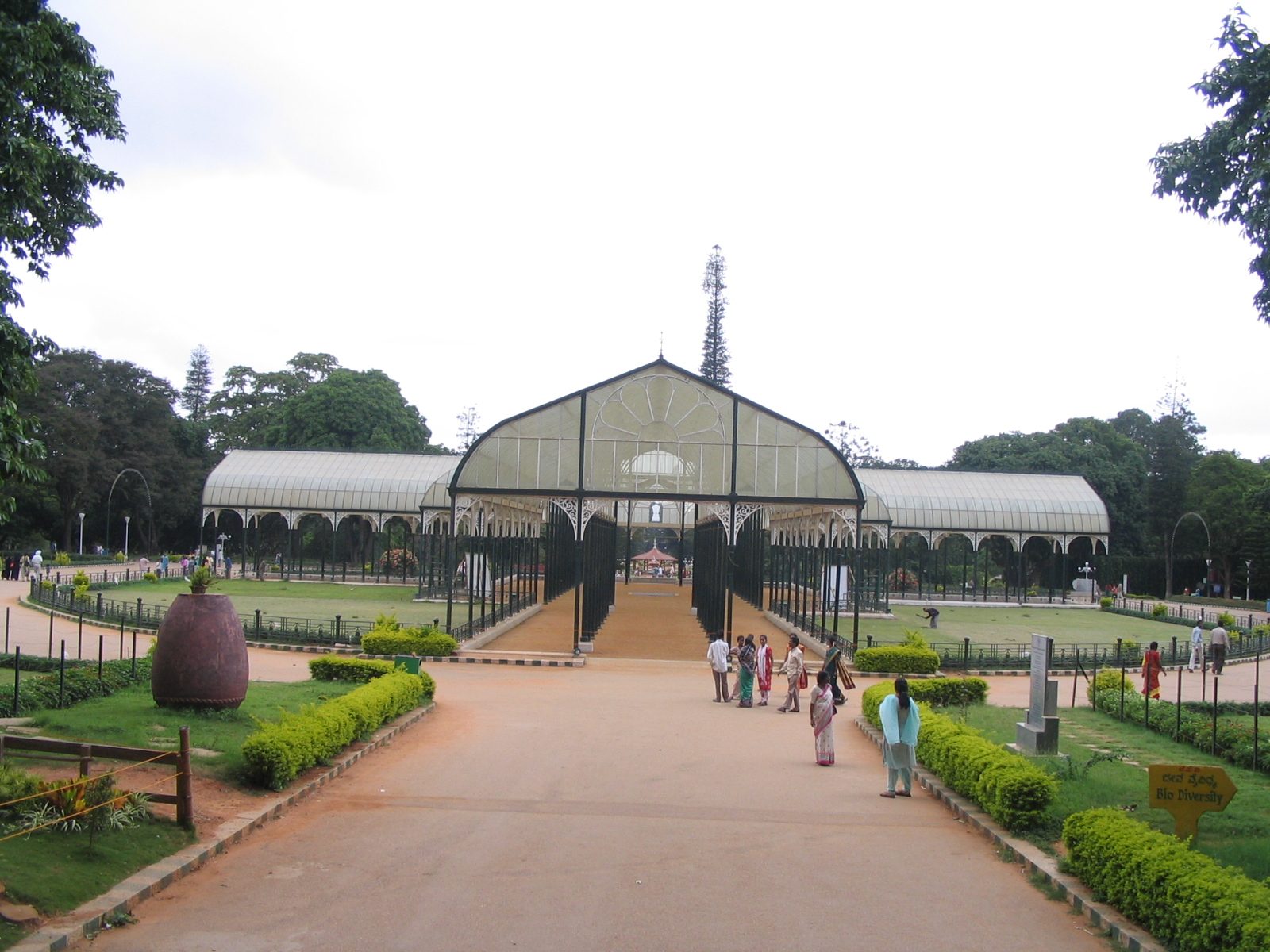
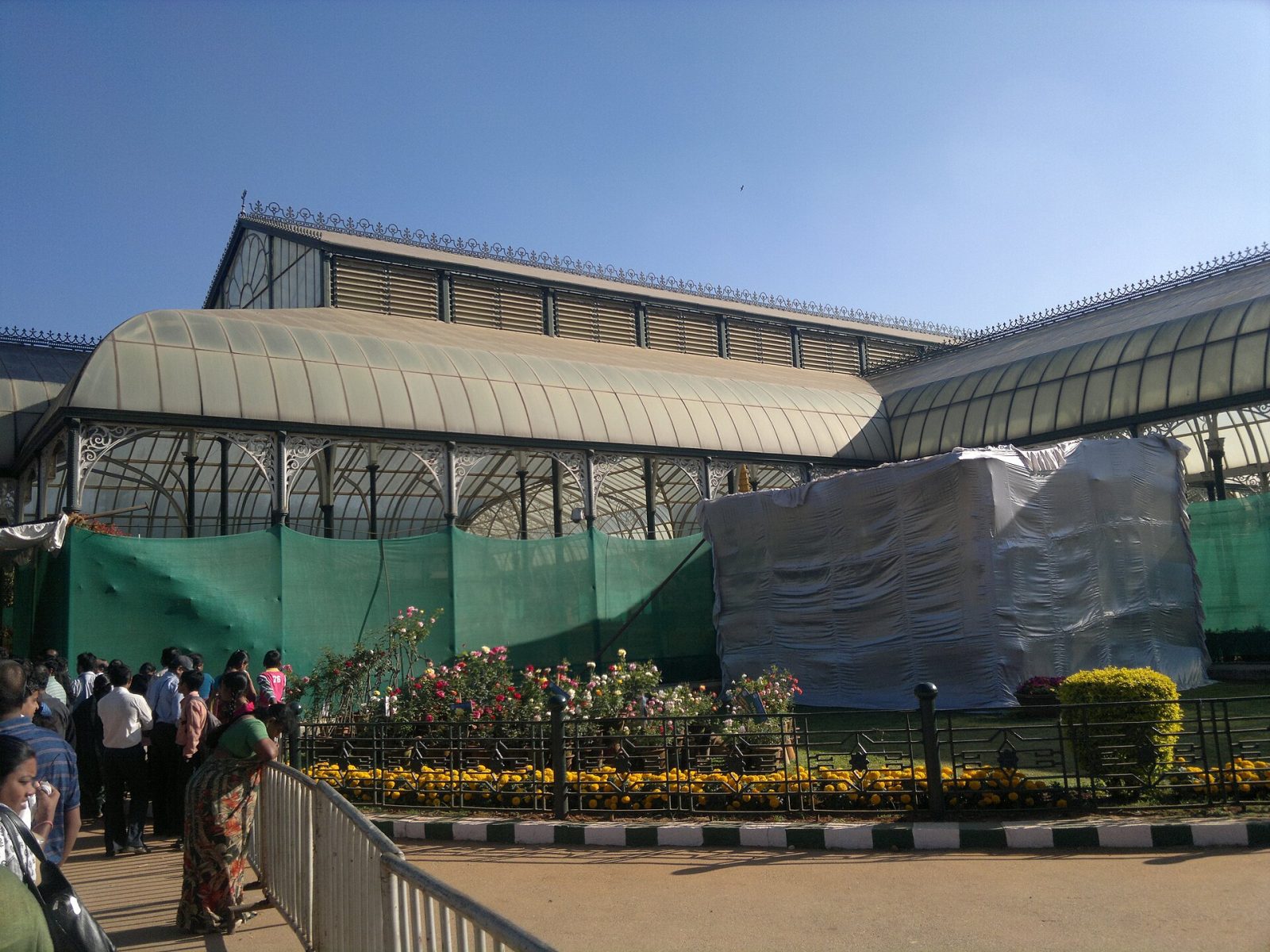
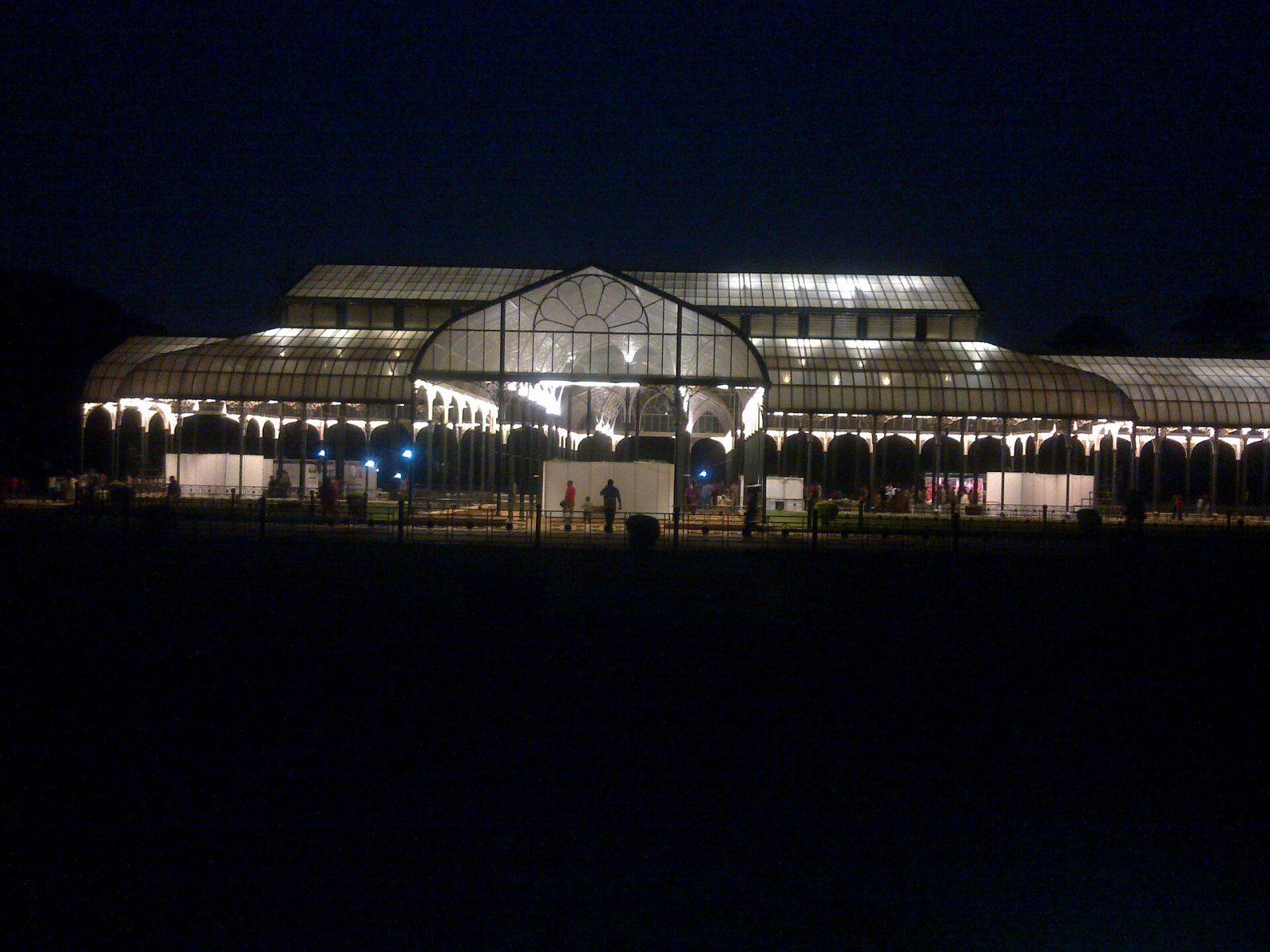
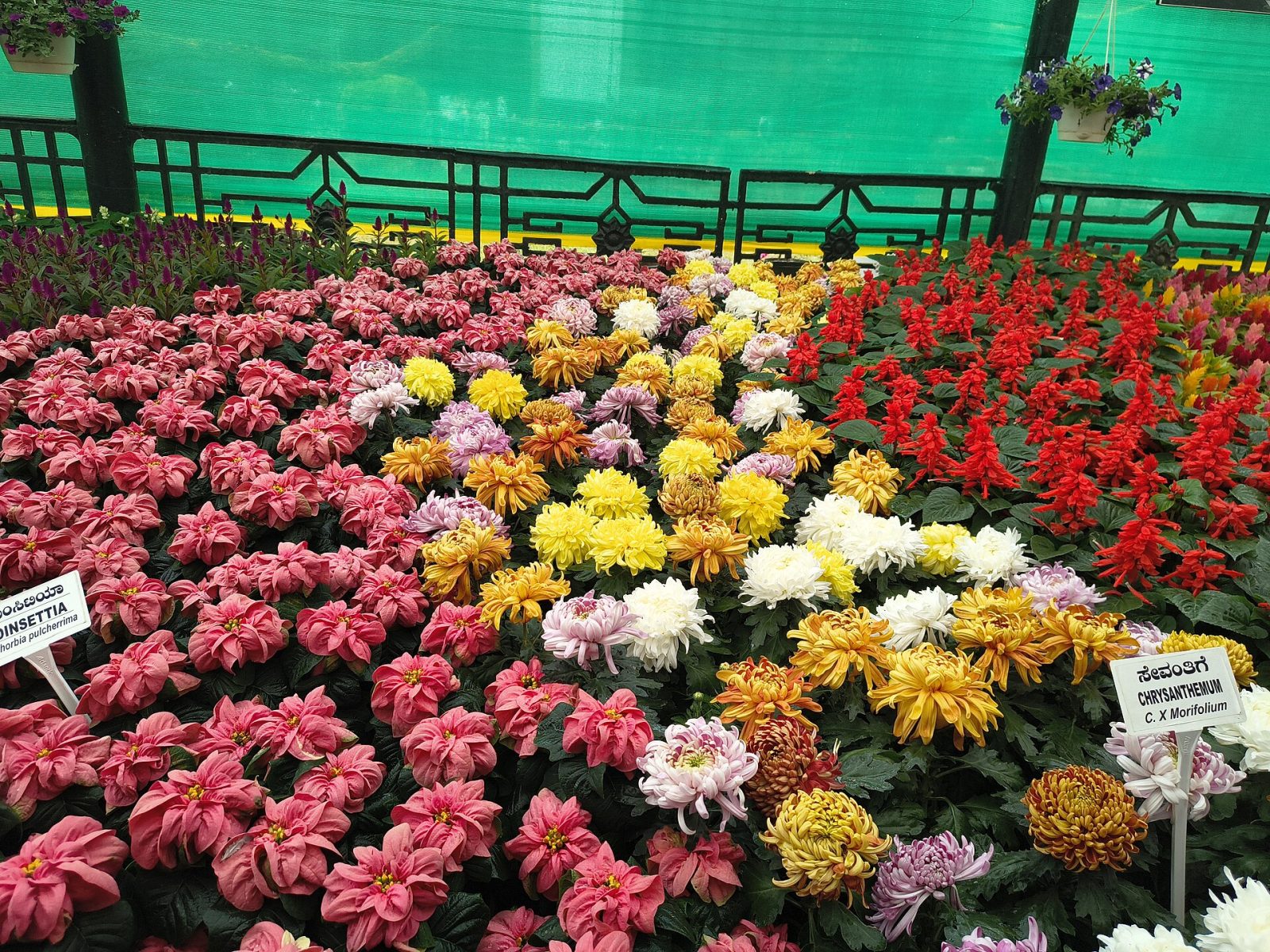
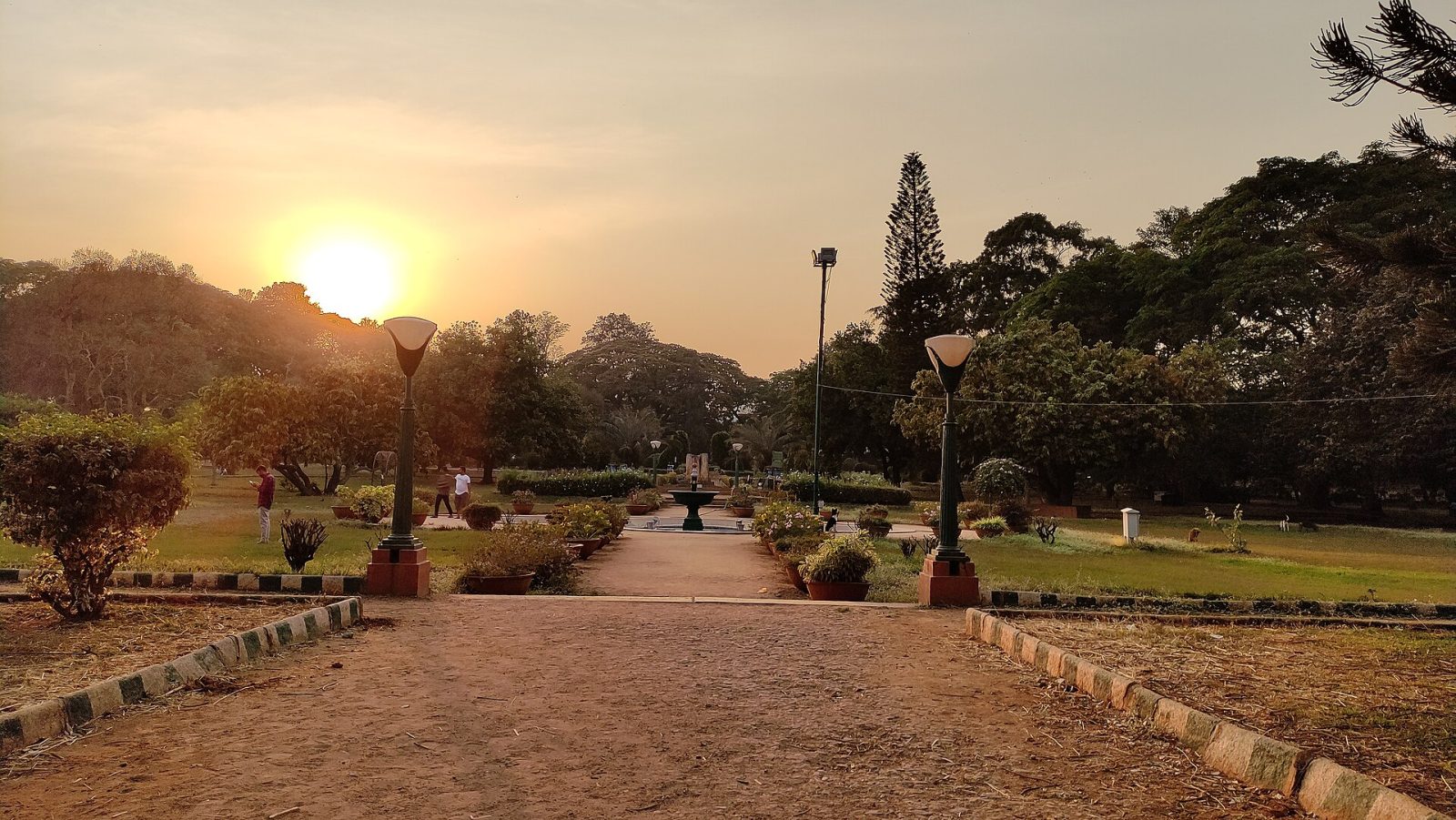
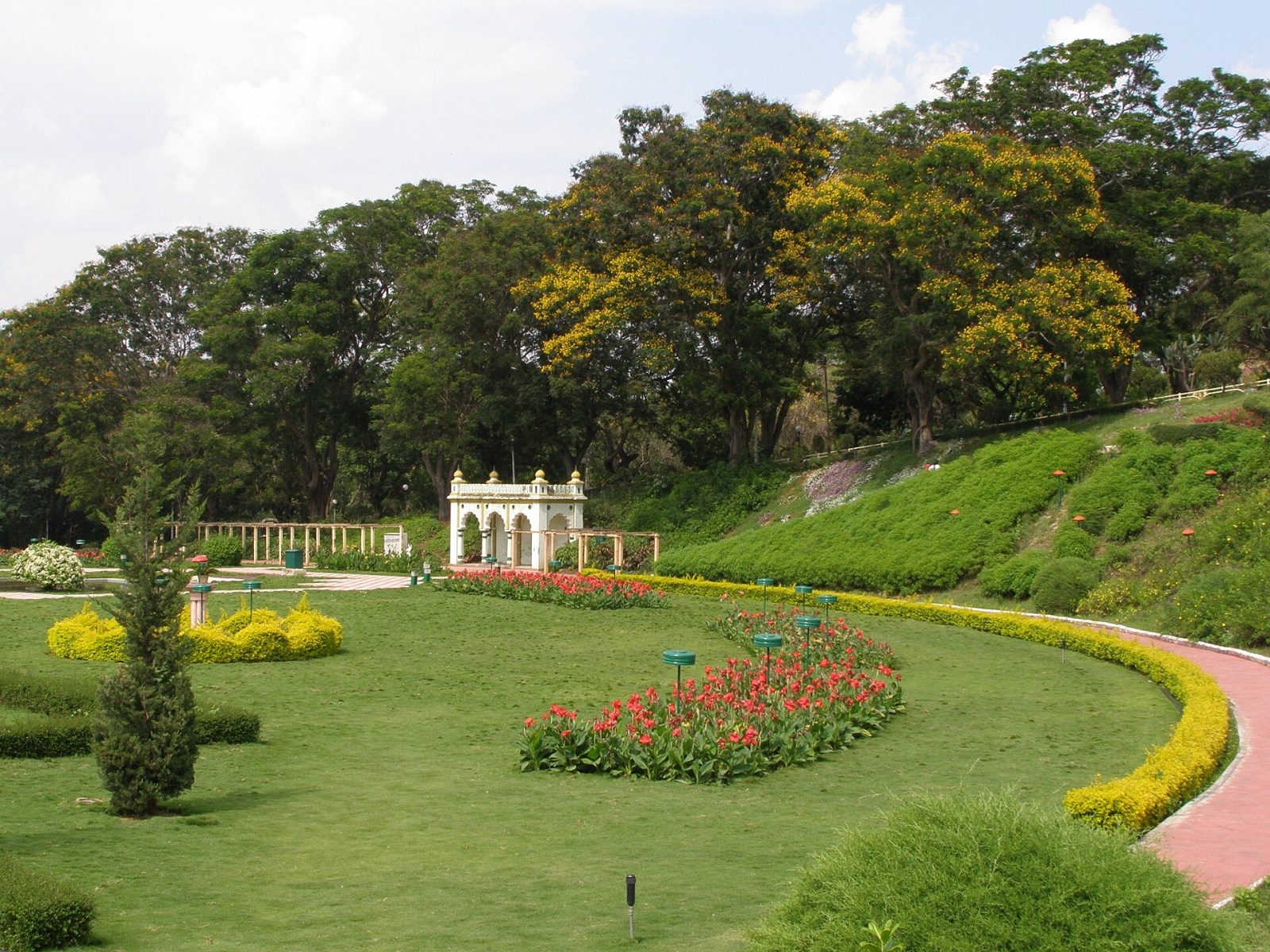
Lalbagh was begun by Hyder Ali in the 1760s and completed by his son Tipu Sultan, who sent for plants from Persia, Afghanistan and beyond to fill it. Today it covers about 240 acres in the heart of Bengaluru with more than a thousand species of trees, a lake and one of the oldest rock formations on earth, the Peninsular Gneiss, over three billion years old. Its centrepiece is the Glass House, modelled on London's Crystal Palace, where flower shows are held every Republic Day and Independence Day. Morning walkers, birdwatchers and joggers fill the paths at dawn. Entry is inexpensive and free early in the morning.
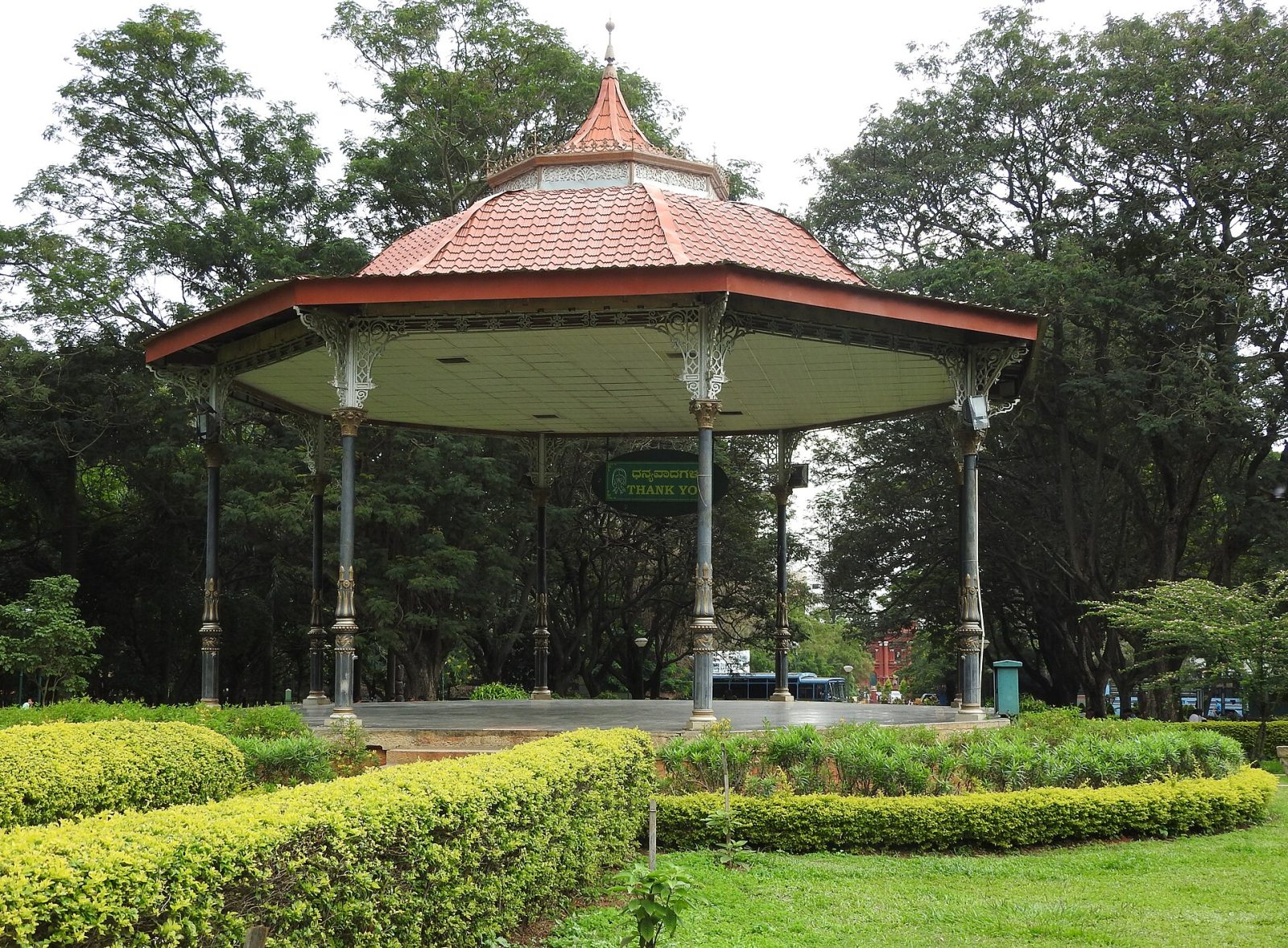
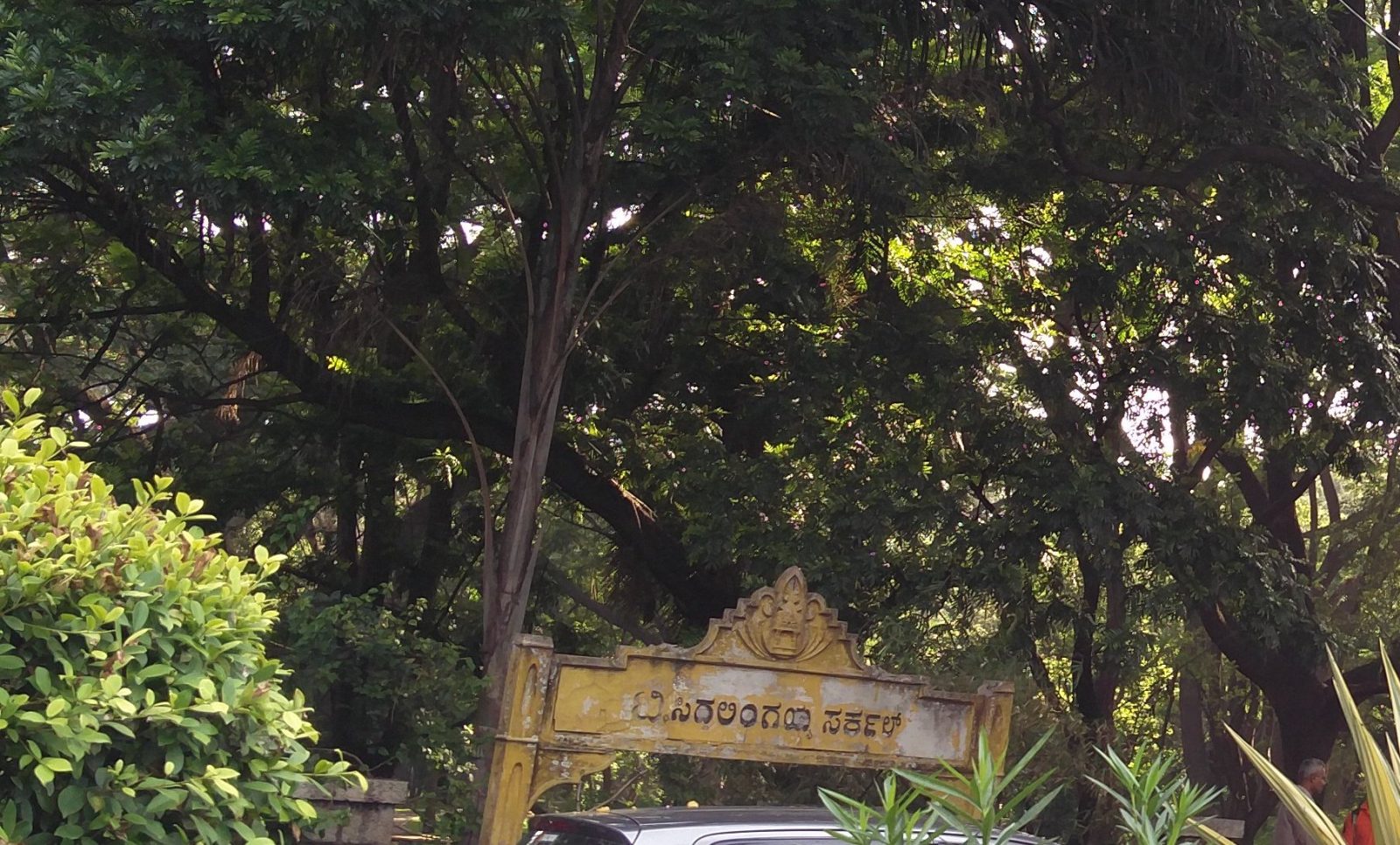
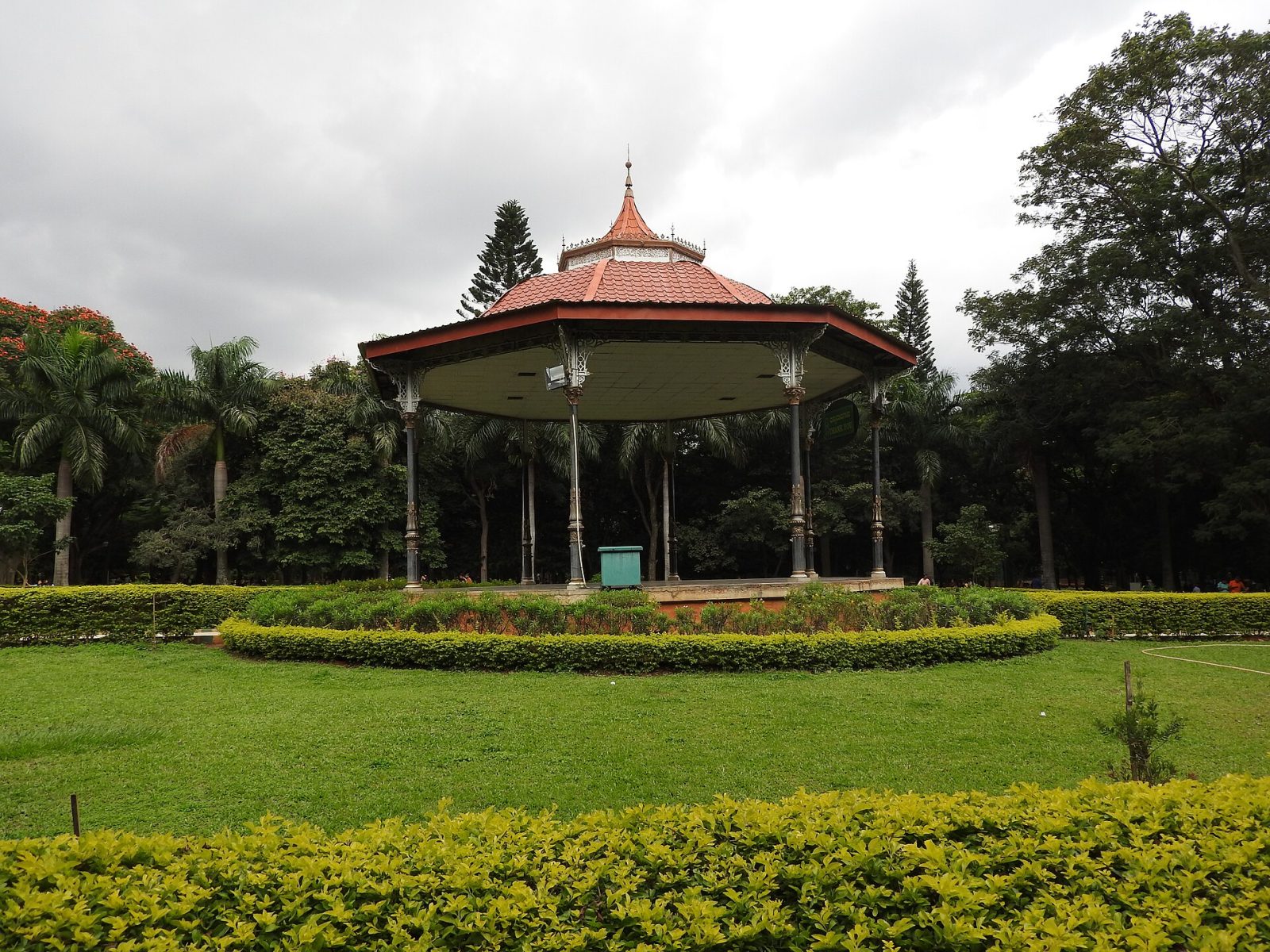
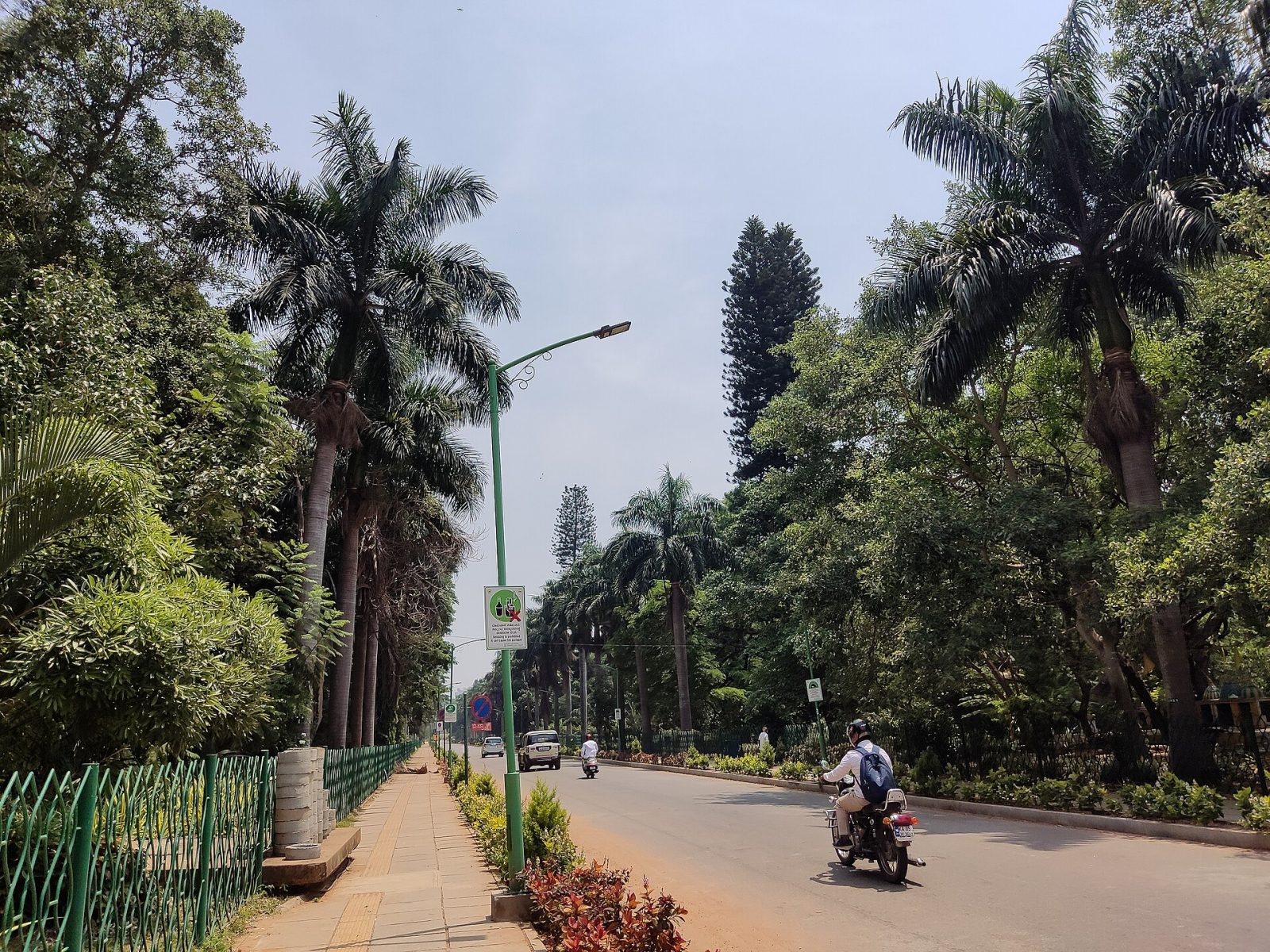
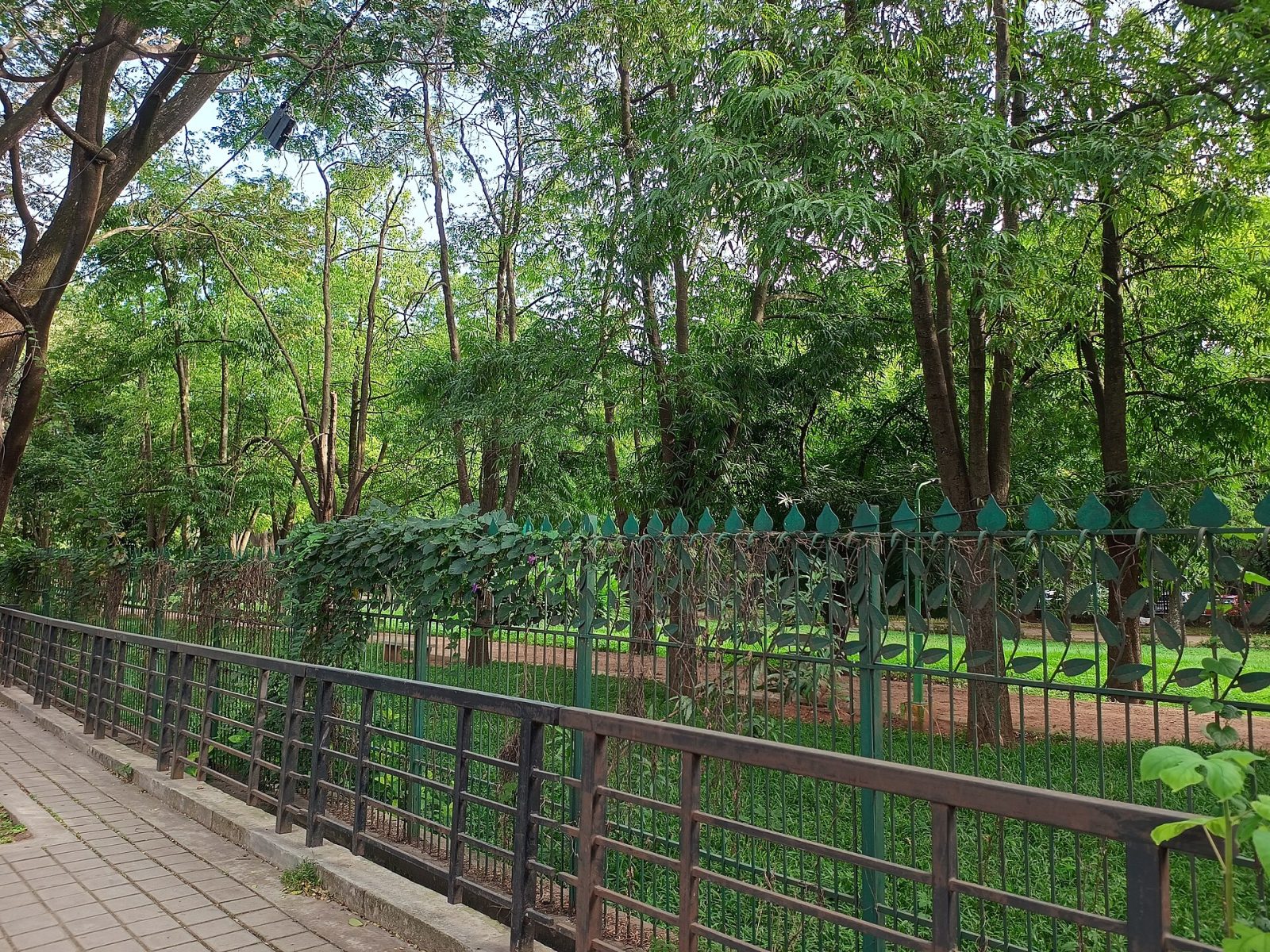
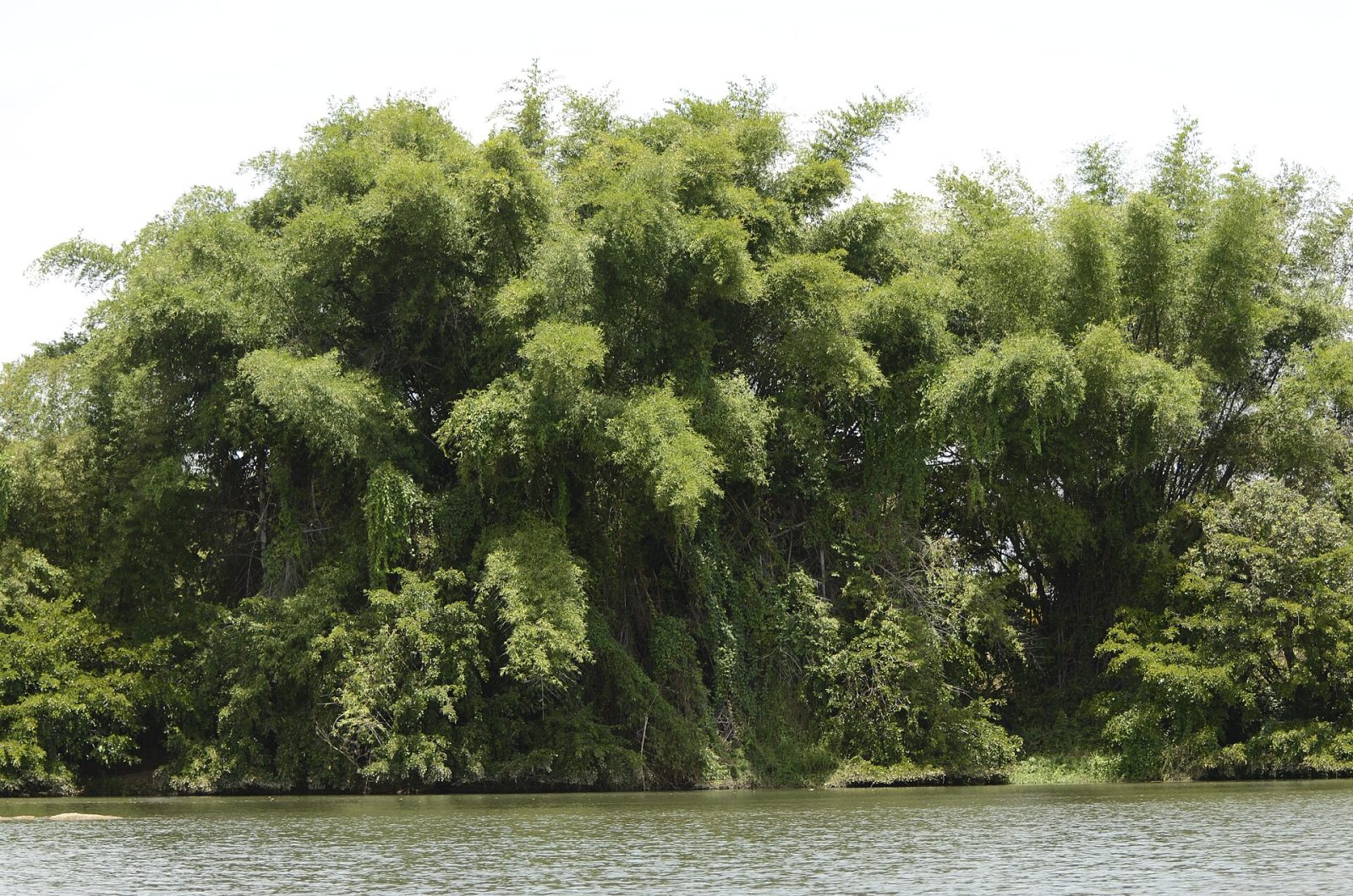
Cubbon Park is the green heart of central Bengaluru, laid out in 1870 and named after Mark Cubbon, a long-serving commissioner of Mysore. Its roughly 300 acres hold about 6,000 trees, bamboo groves, a bandstand and open lawns, surrounded by the red Gothic buildings of the High Court, the State Central Library and government museums. On Sundays the roads through the park close to traffic and it fills with walkers, skaters, dog owners and musicians. Statues of Queen Victoria, King Edward VII and Sir Mark Cubbon are scattered among the trees. It is free, open from early morning, and best before the city warms up.
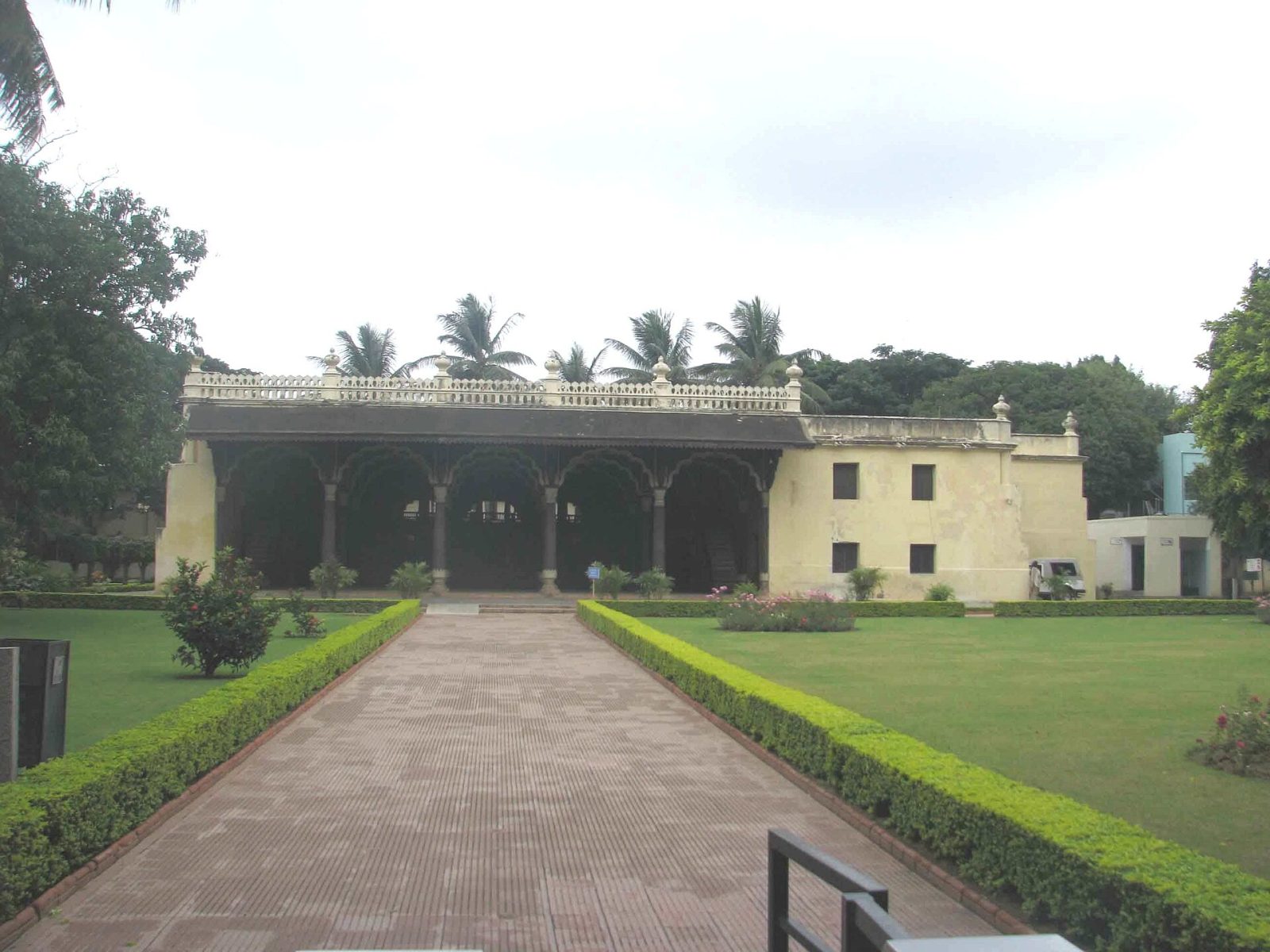
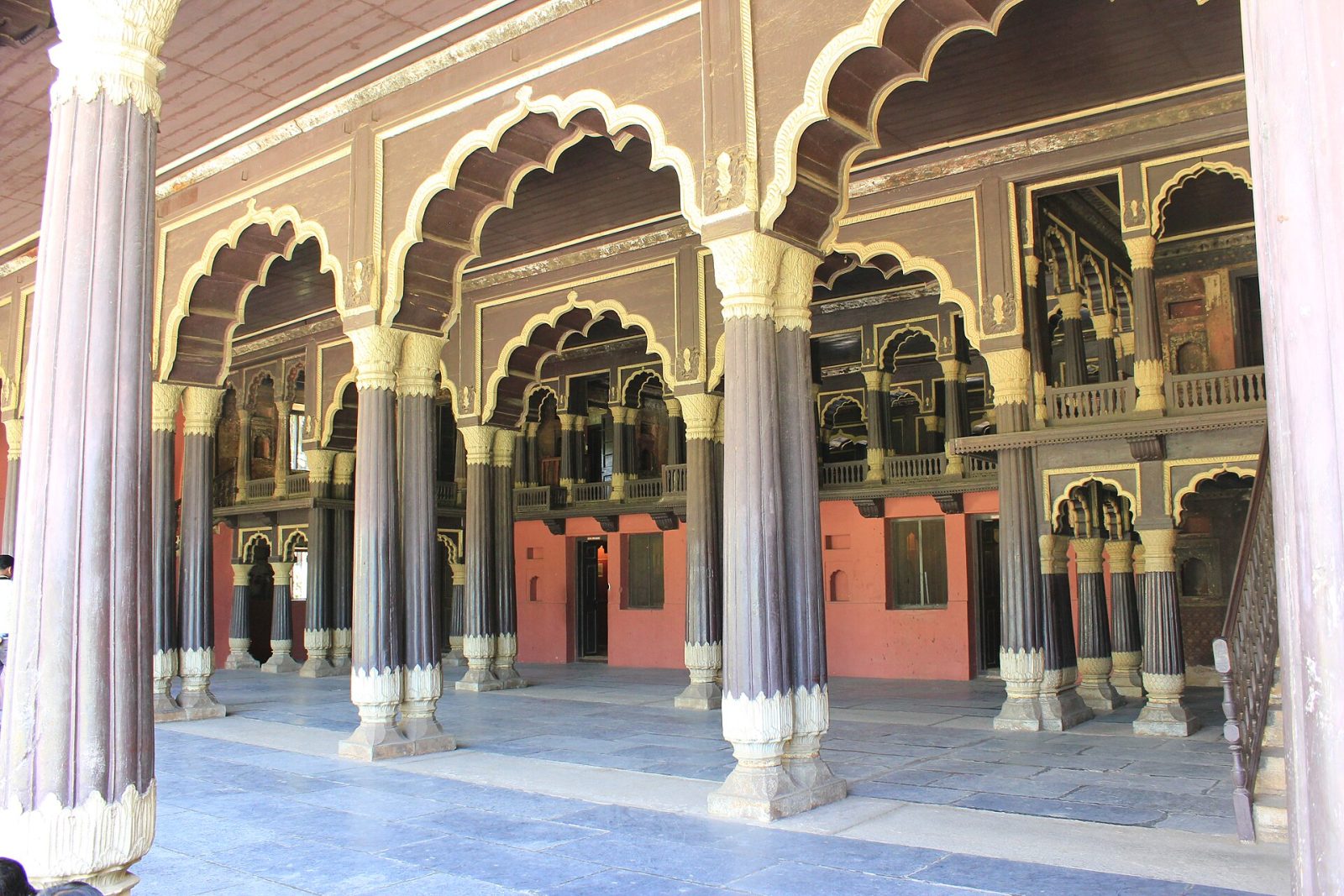
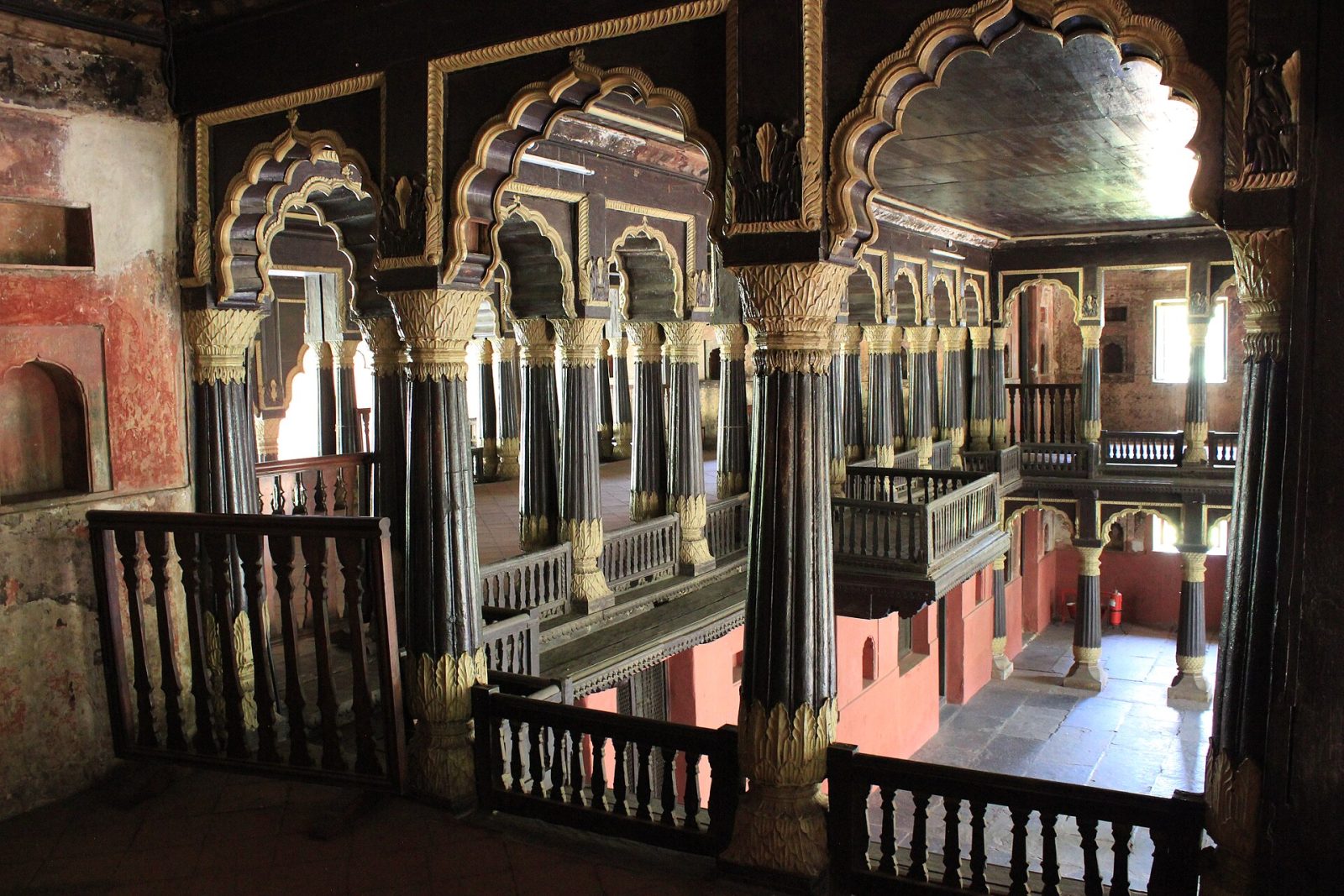
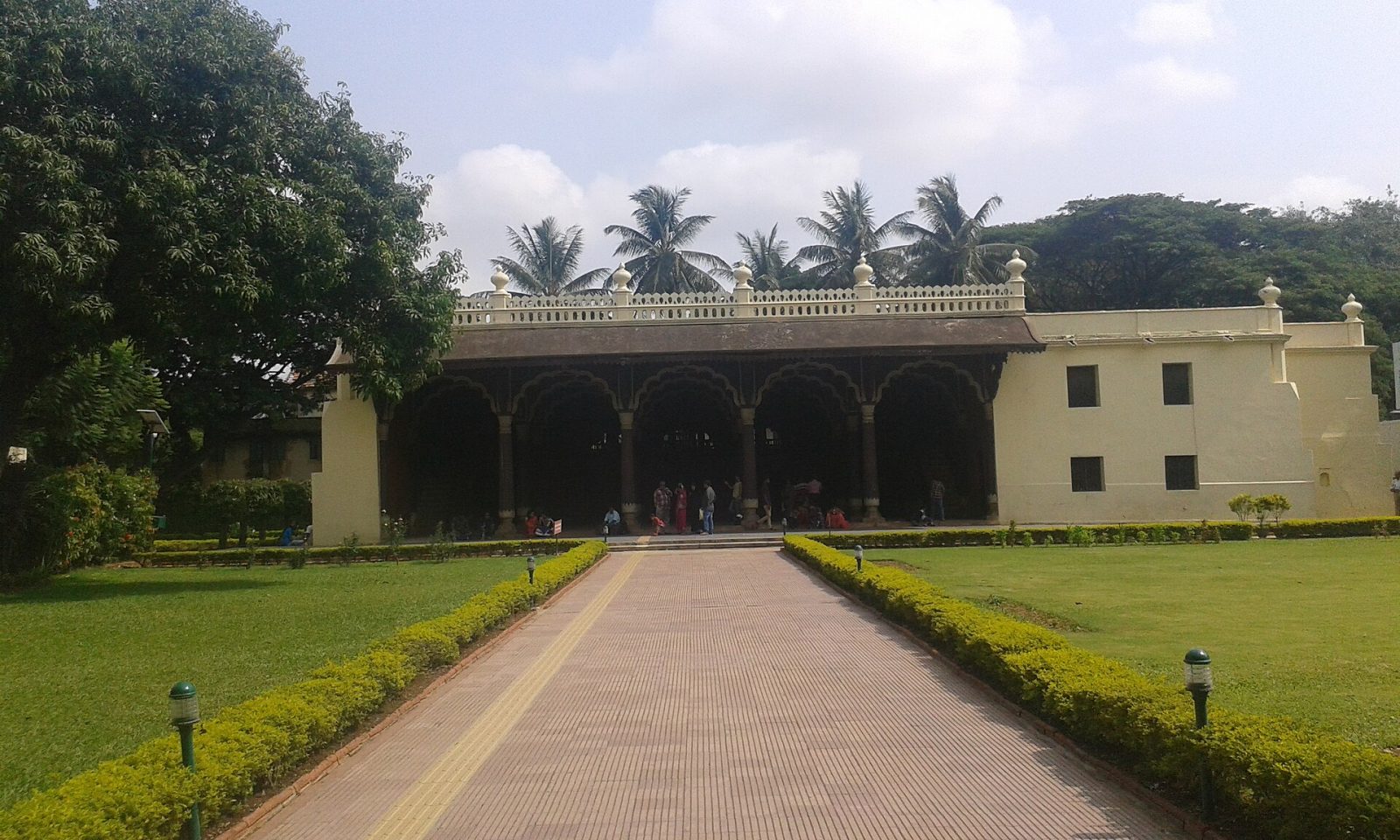
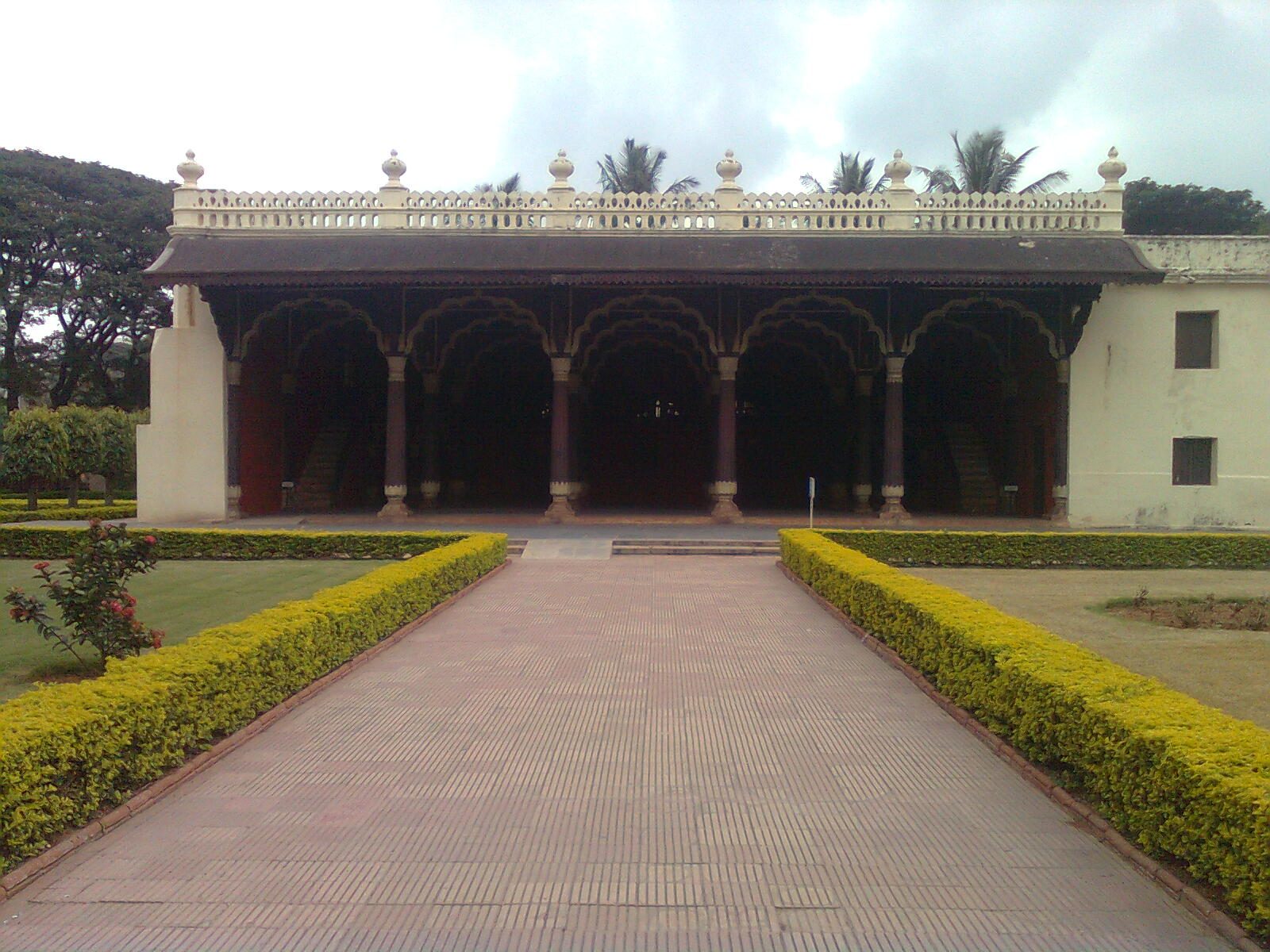
Tipu Sultan's summer palace in Bengaluru is a two-storey building of teak, begun by Hyder Ali and finished by Tipu in 1791, who called it the abode of happiness. Its carved pillars, arches, balconies and painted floral ceilings are all in wood, an Indo-Islamic design that keeps the rooms cool. Tipu used it as a summer retreat and for state business until his death at Srirangapatna in 1799, after which the British used it as offices. A small museum on the ground floor displays his belongings, coins, weapons and pictures of the Anglo-Mysore wars. It stands beside the old fort and the Kote Venkataramana temple in the busy market quarter.
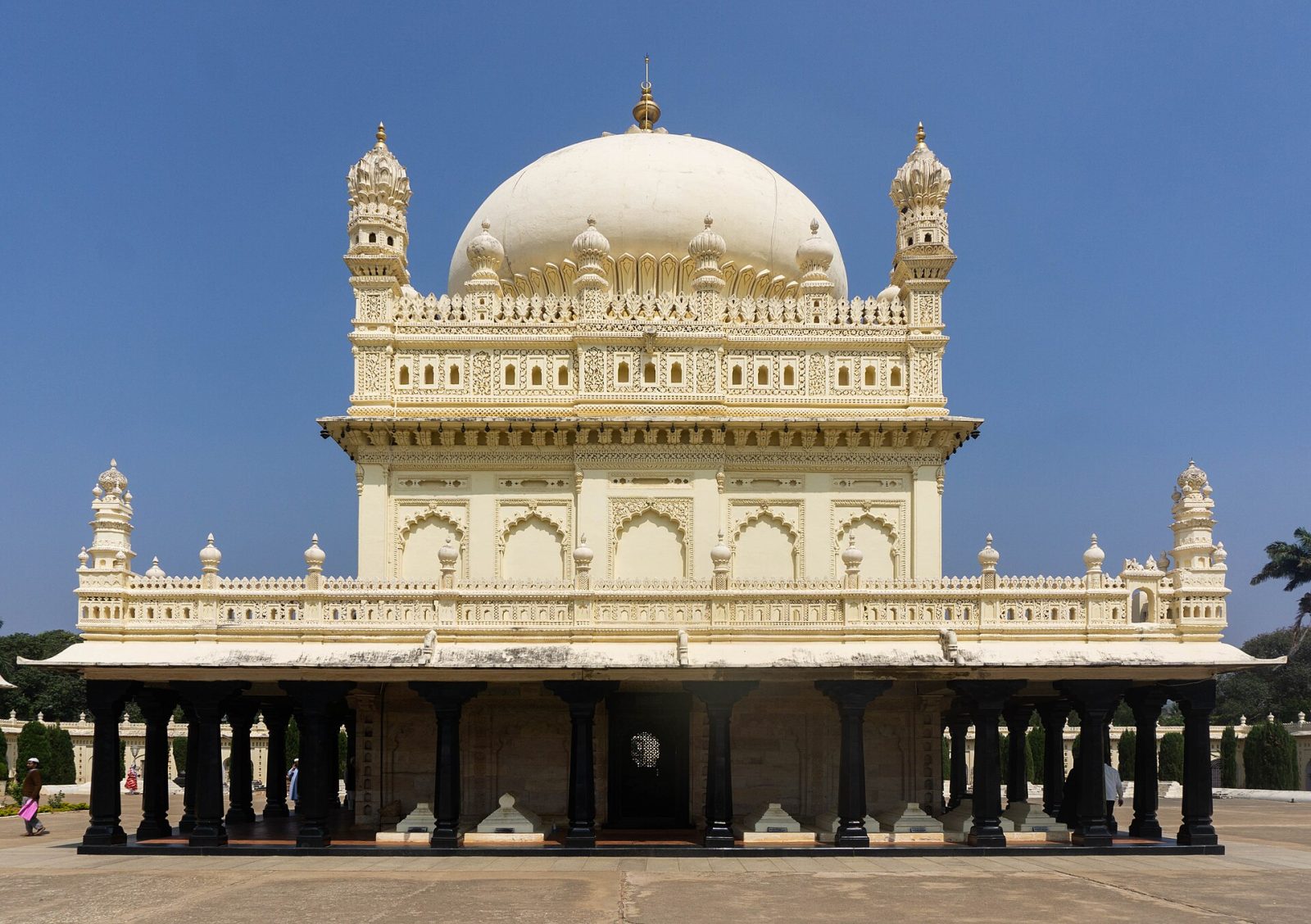
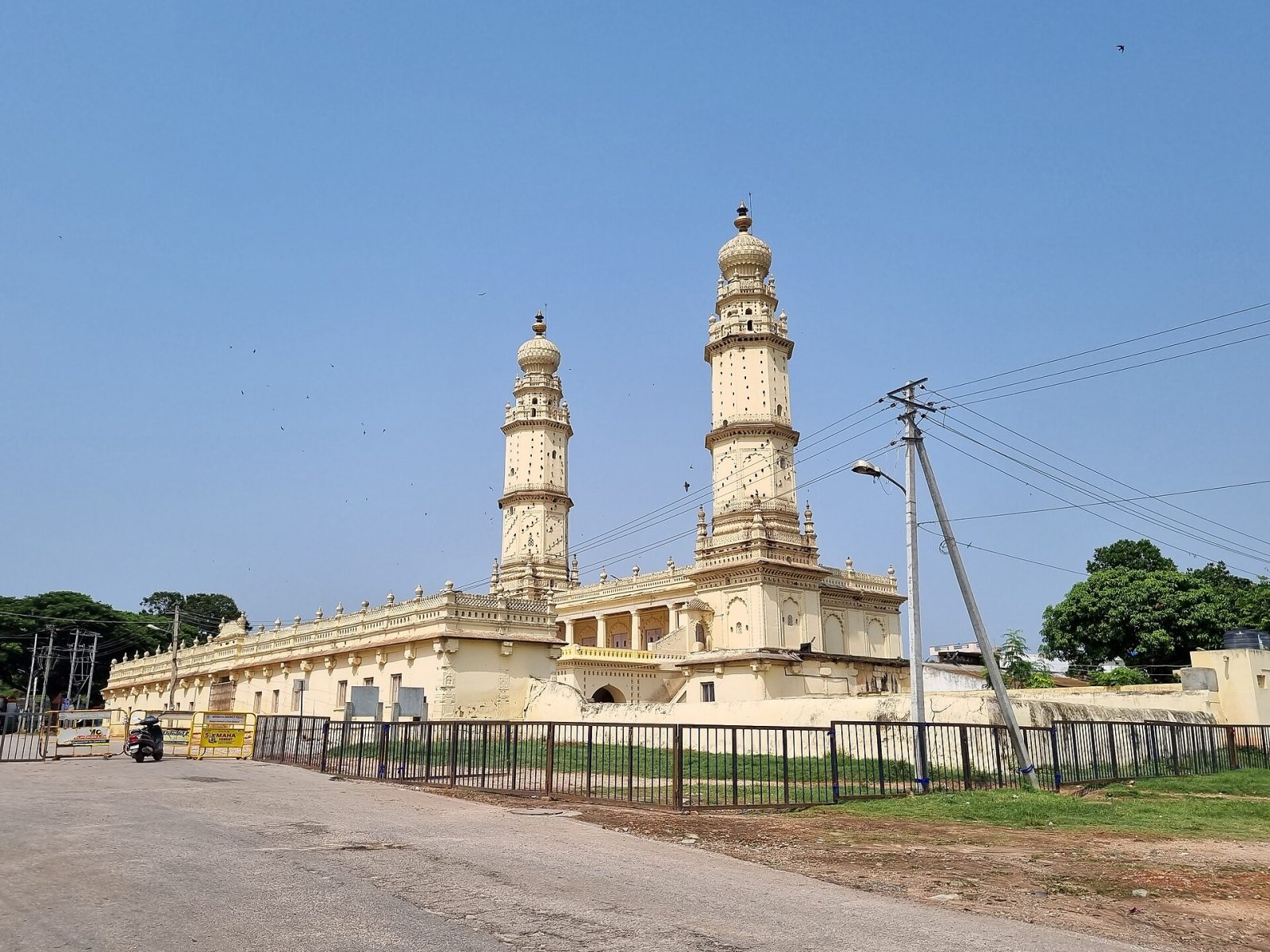
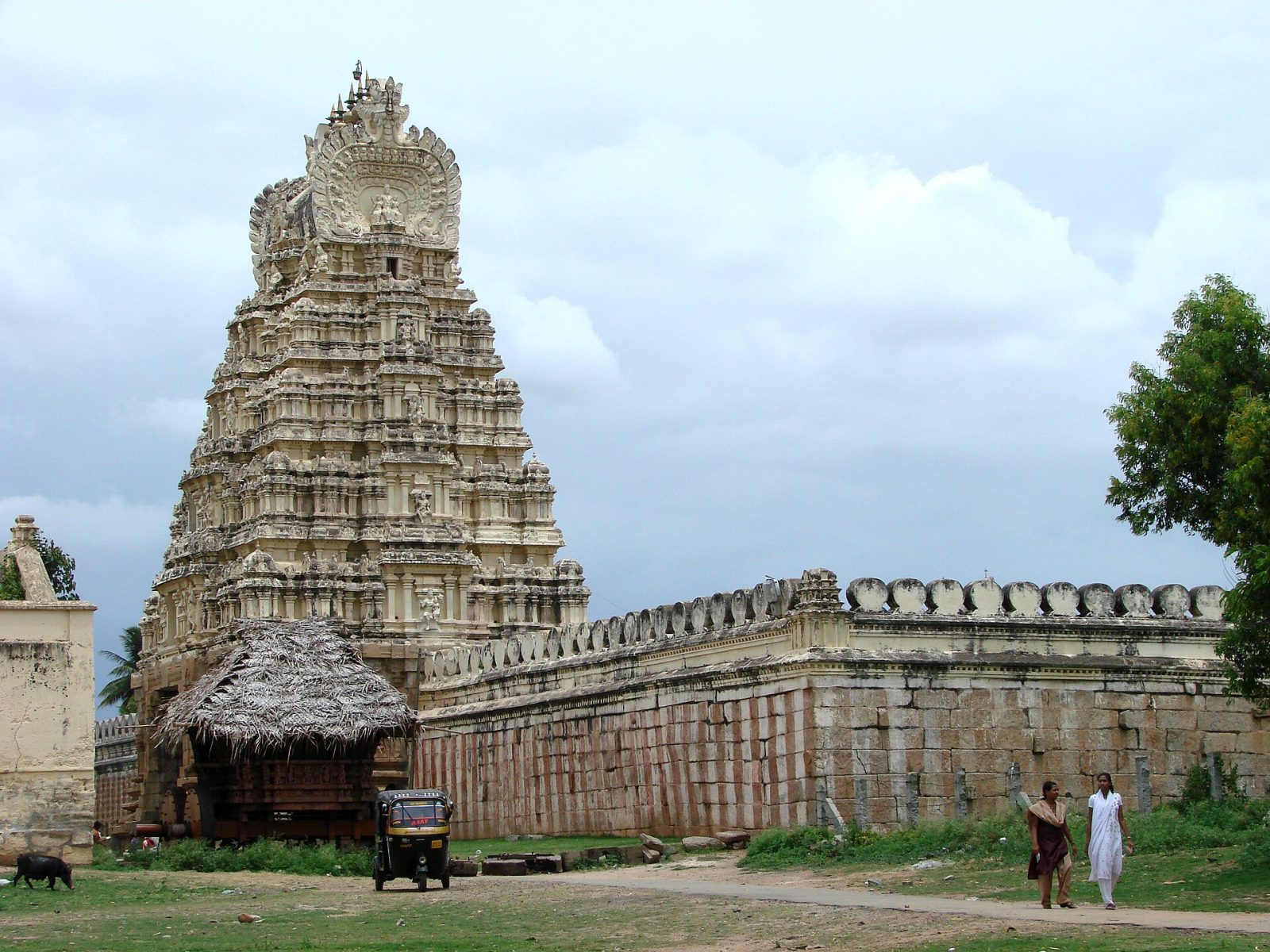
Srirangapatna is an island town in the Kaveri near Mysuru that was the capital of Hyder Ali and Tipu Sultan and the centre of the Mysore kingdom's wars with the British. Tipu died here in 1799 when the fort fell, and the spot where his body was found is marked inside the walls. The town holds the ancient Ranganathaswamy temple, one of the great Vaishnava shrines of the south, the Gumbaz where Tipu and his parents are buried, and the summer palace of Daria Daulat Bagh with its wall paintings. Ranganathittu bird sanctuary and the river bathing ghats at Paschimavahini are close by. It makes an easy half-day trip from Mysuru.
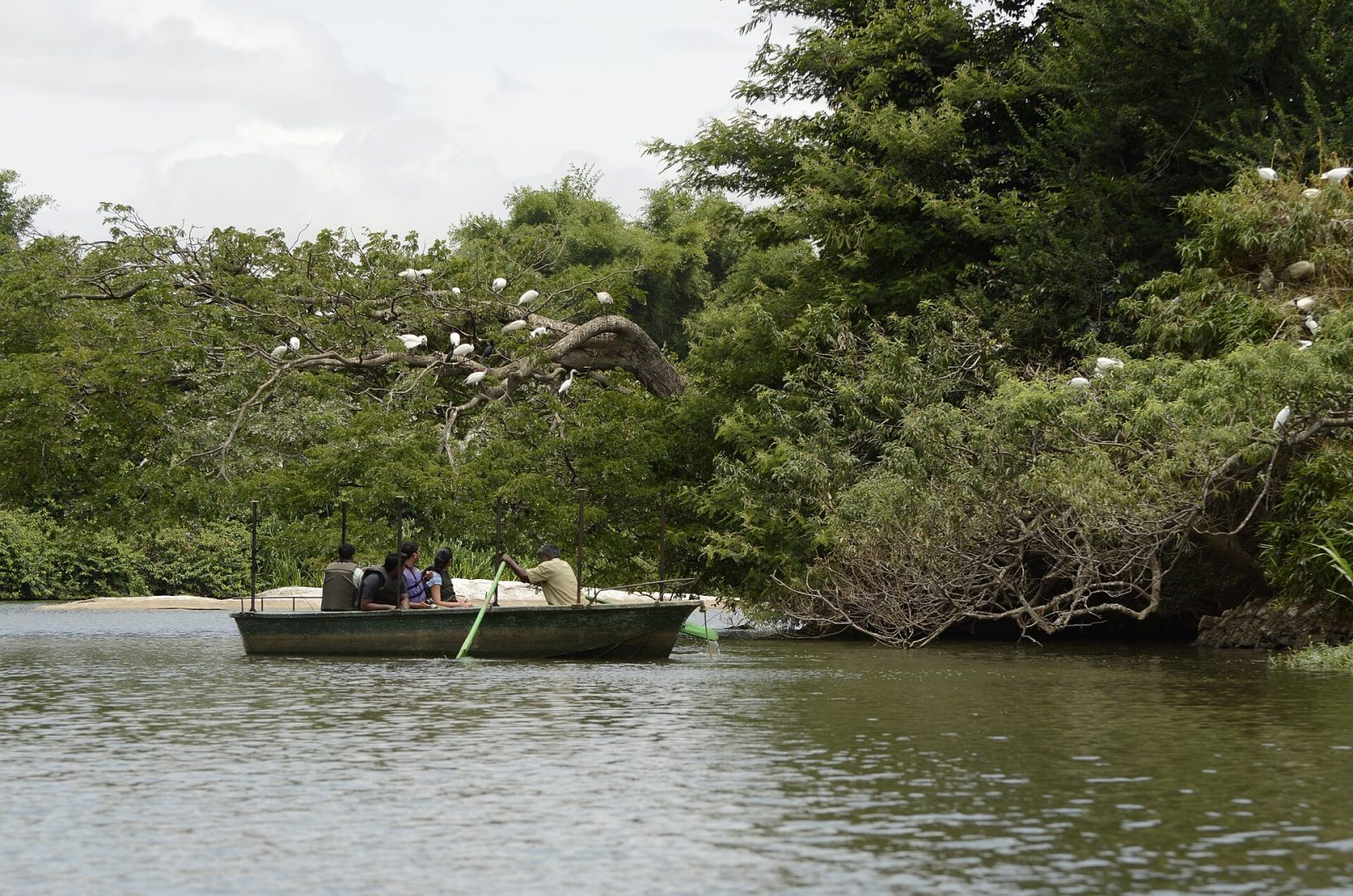
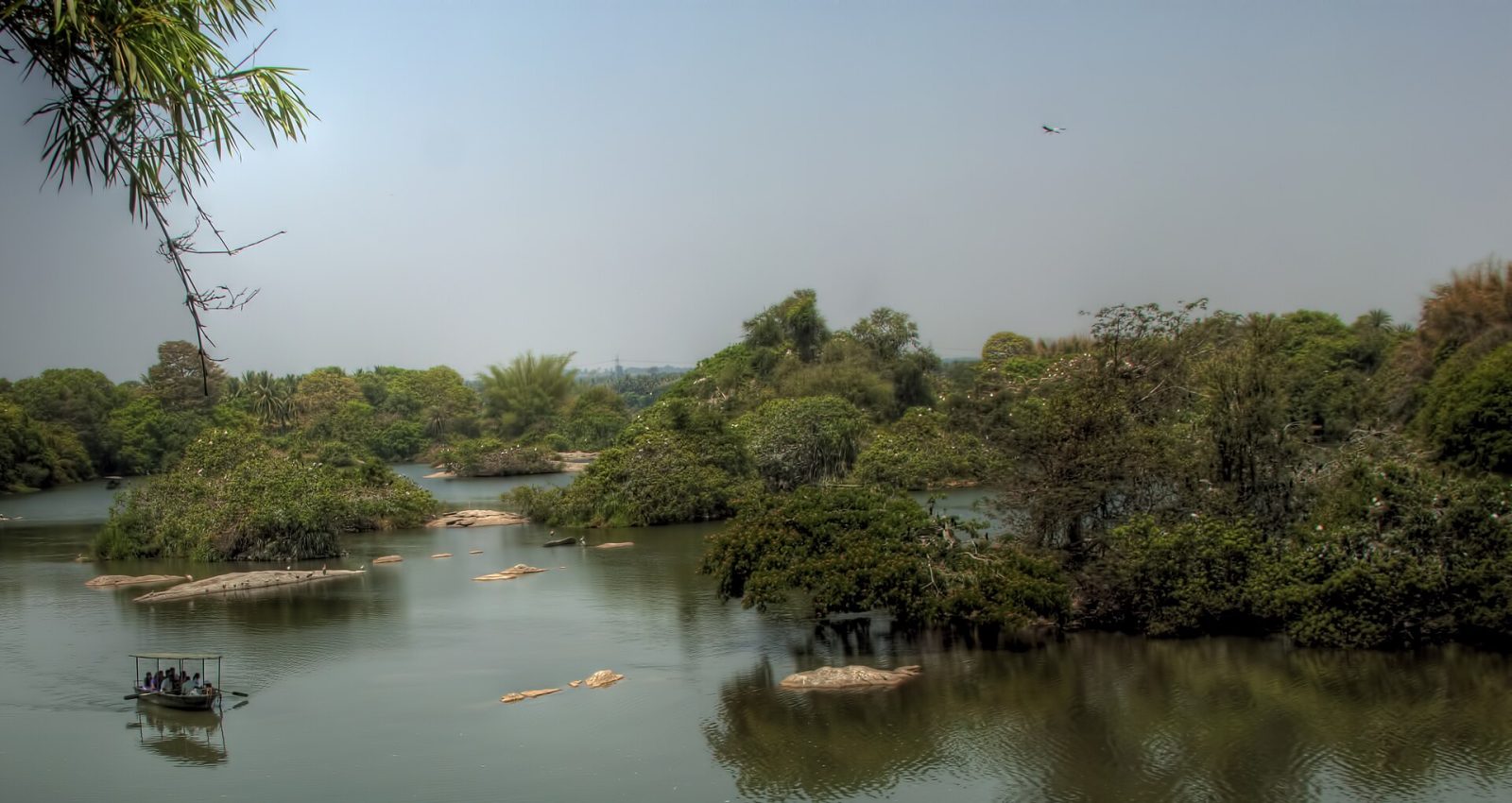
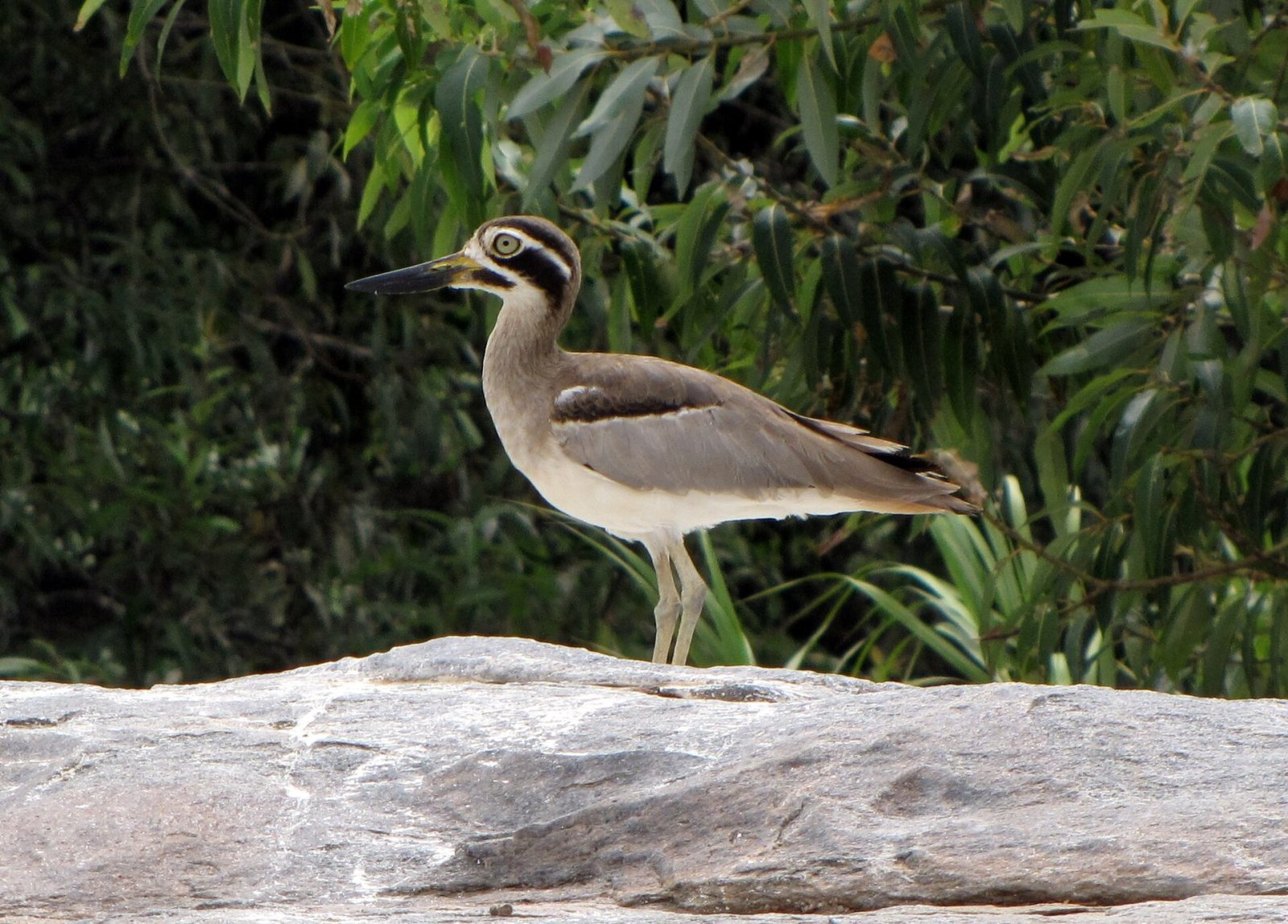
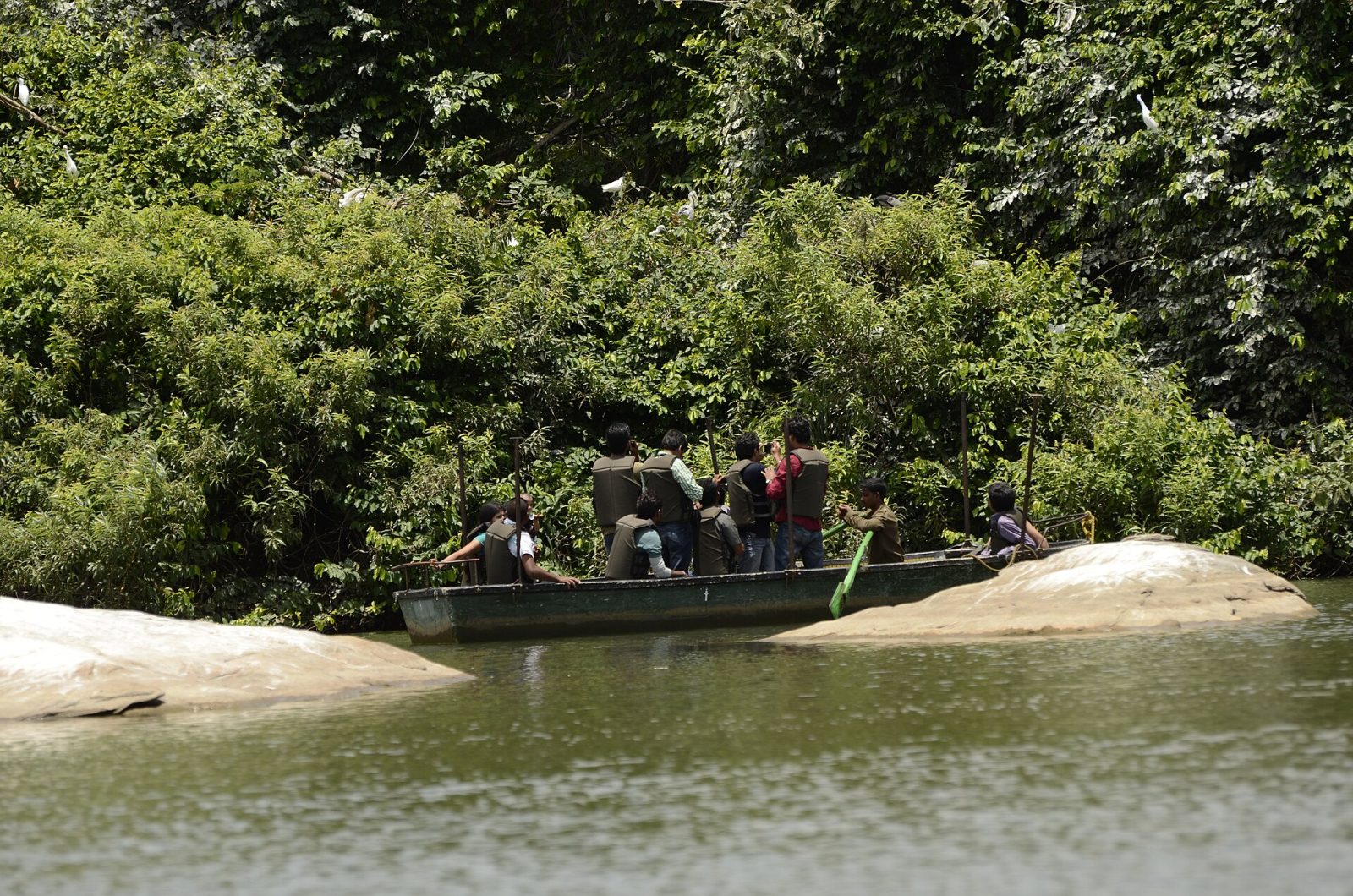
Ranganathittu is a group of small islets in the Kaveri near Srirangapatna, formed when a dam was built across the river in the 1600s. The ornithologist Salim Ali persuaded the Mysore rulers to protect it in 1940, making it Karnataka's best-known bird sanctuary. Painted storks, spoonbills, open-billed storks, river terns, ibises and night herons nest here in thousands, and marsh crocodiles bask on the rocks between the islands. Boat rides take visitors close to the nesting trees with a guide. The breeding season from December to June is the best time, and early morning is quietest.
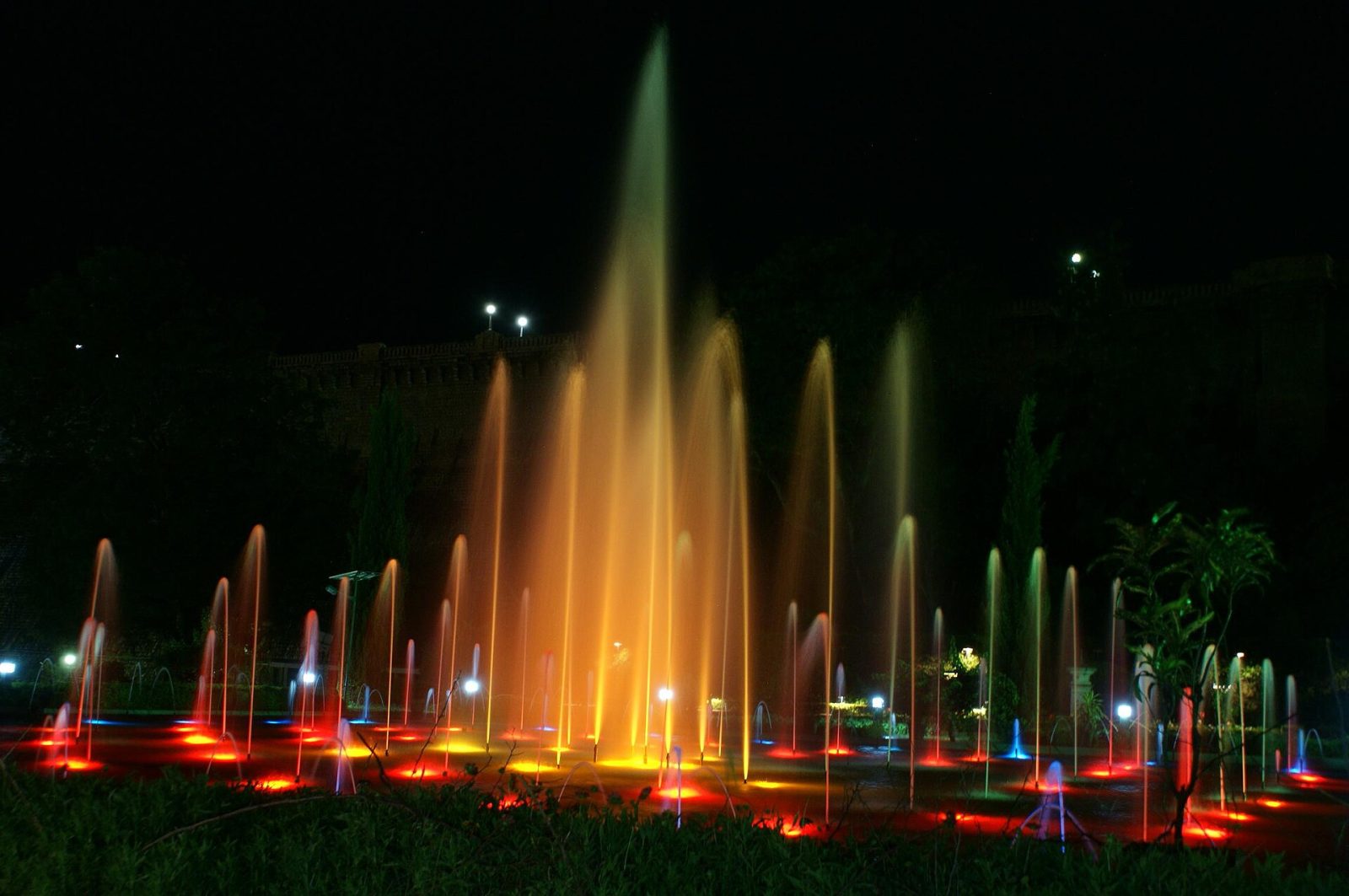
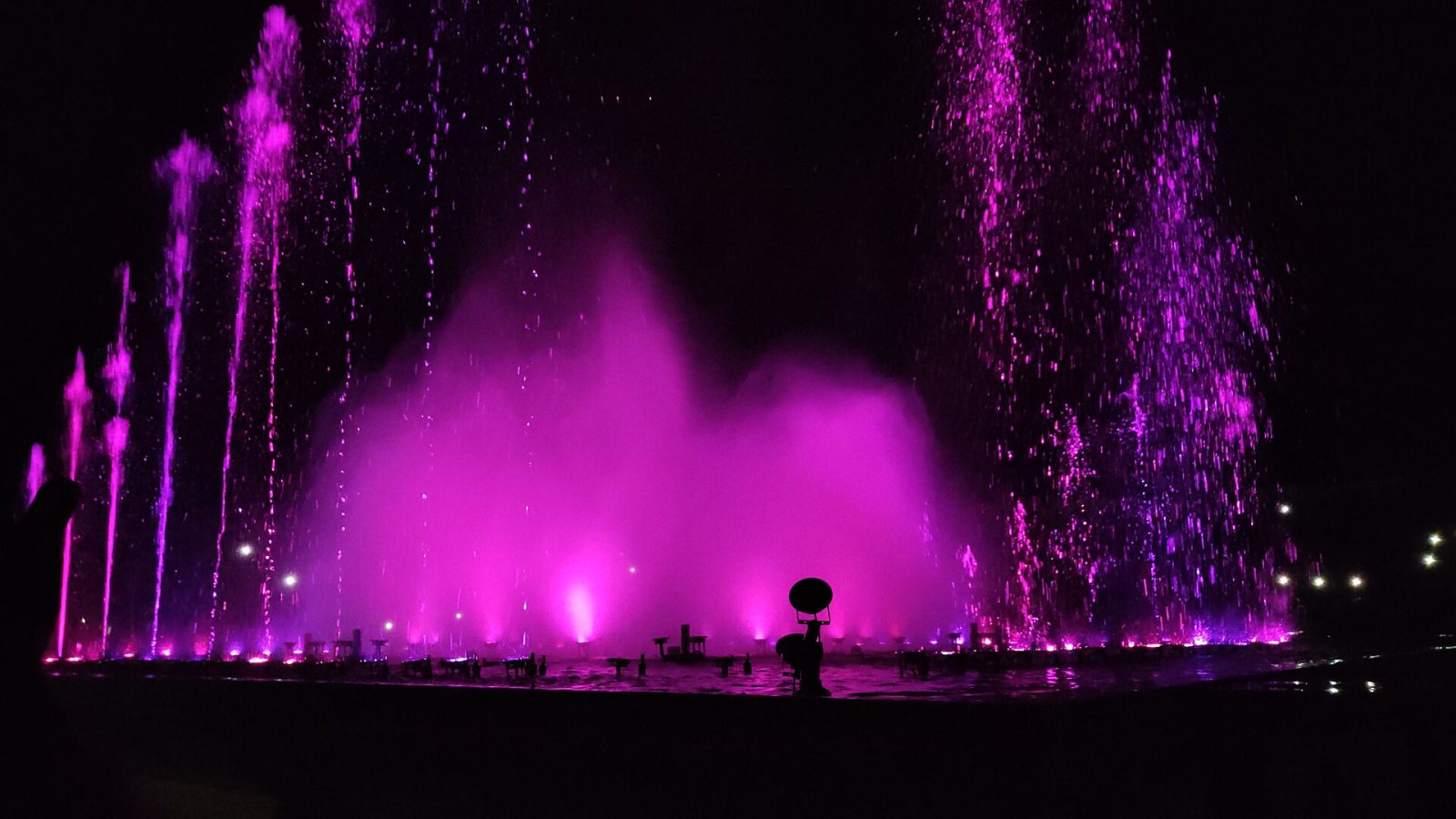
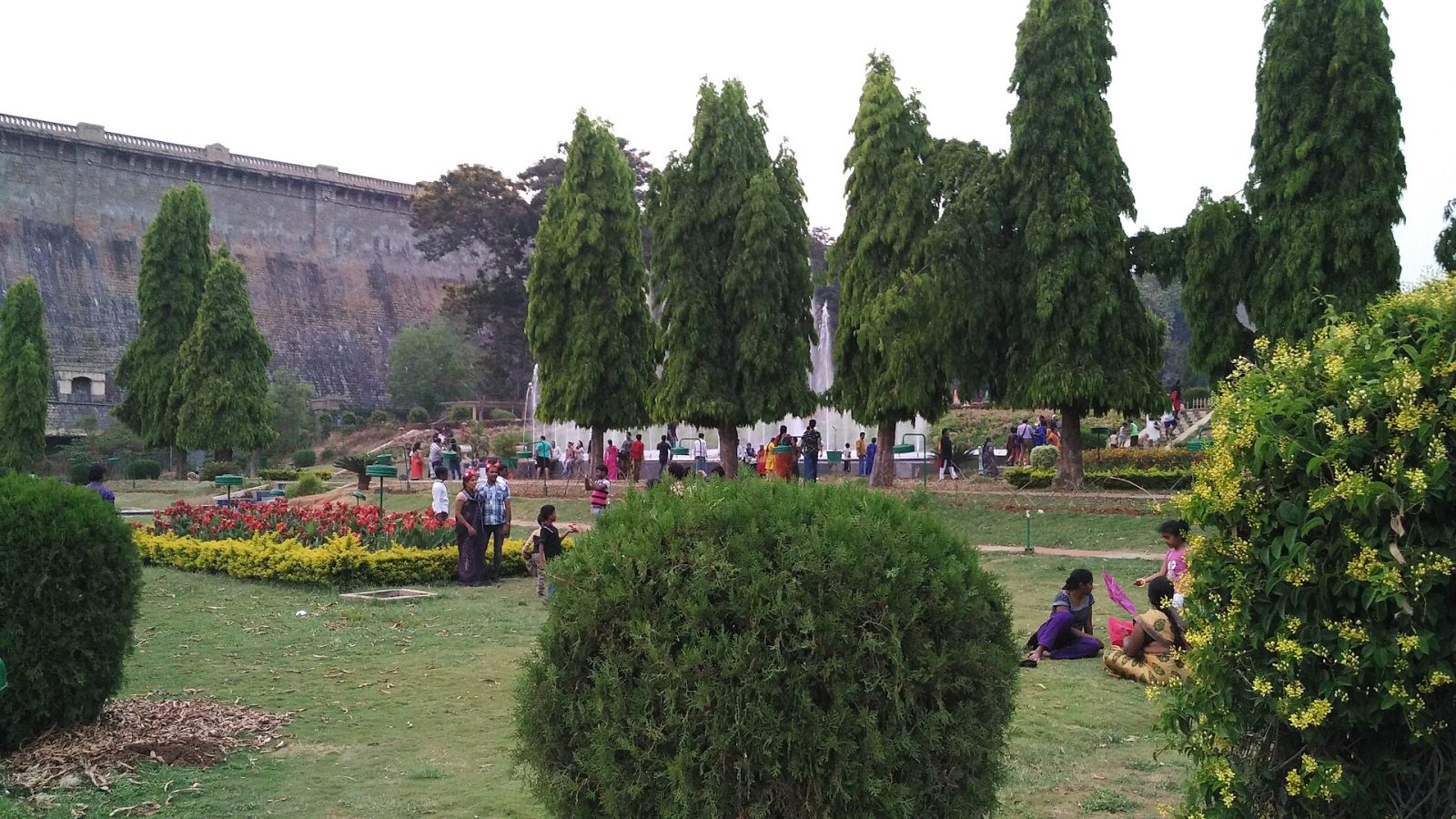
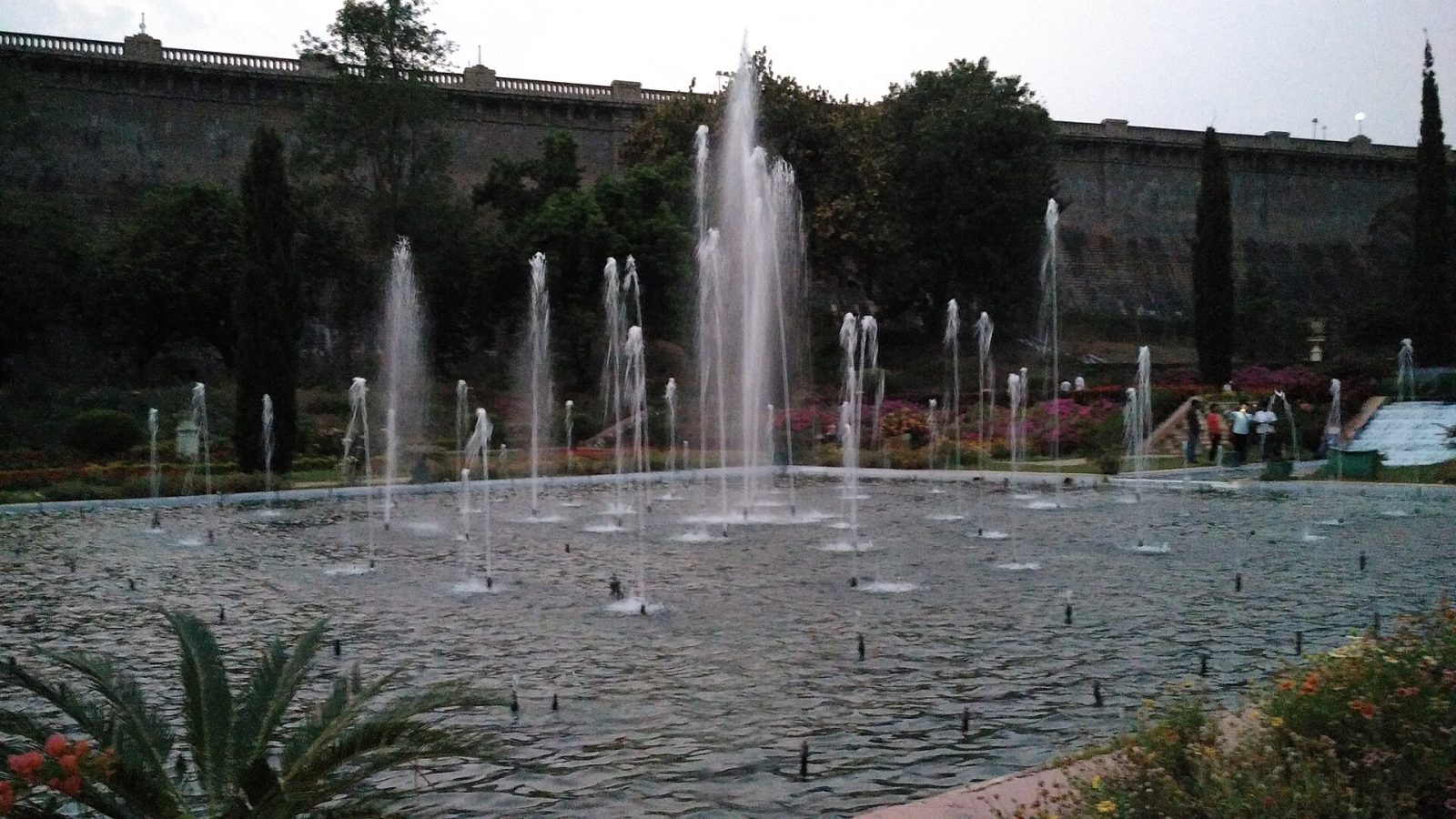
Brindavan Gardens lie below the Krishna Raja Sagara dam on the Kaveri, about 20 km from Mysuru, and were laid out in the 1930s by the Mysore government in the Mughal terraced style. Symmetrical parterres, water channels, topiary and fountains run down the slope below the dam wall, and the gardens cover about 60 acres. The musical fountain show in the evening, when jets are lit and choreographed to music, is what most visitors come for. The dam itself was built under the engineer M Visvesvaraya and irrigates a large part of the region. Evenings and weekends are crowded, and the fountain timing changes by season.
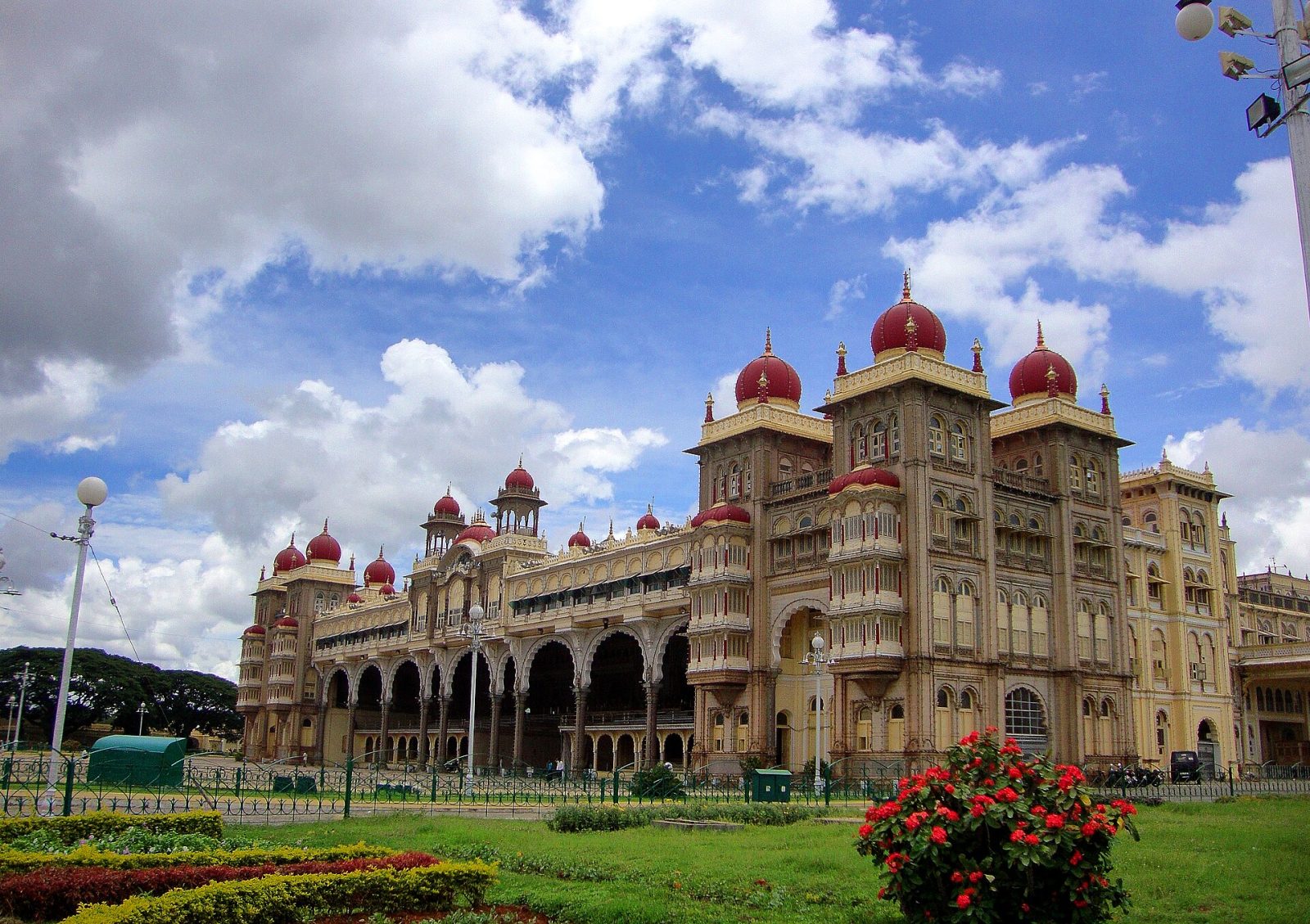
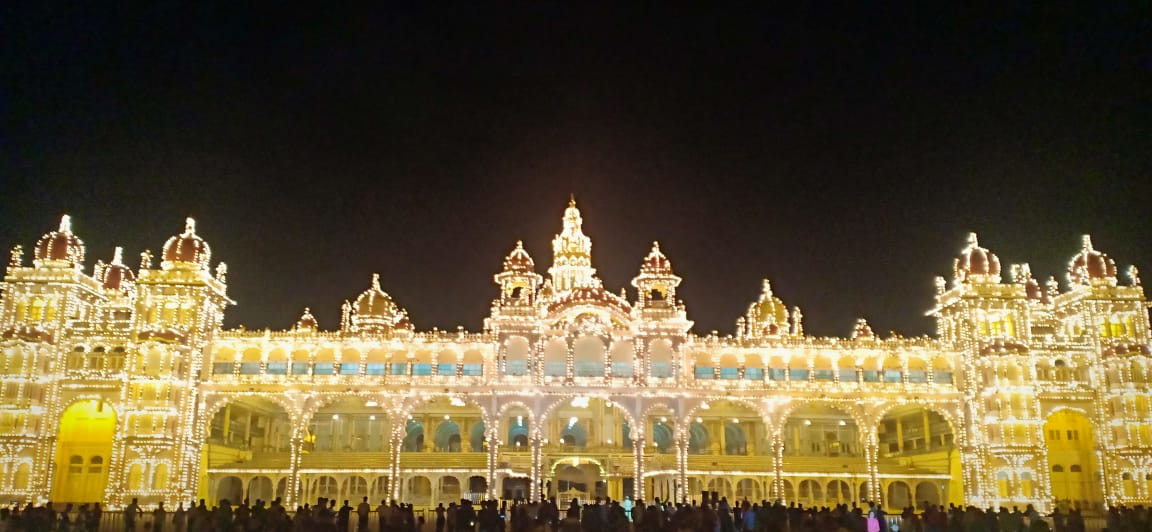
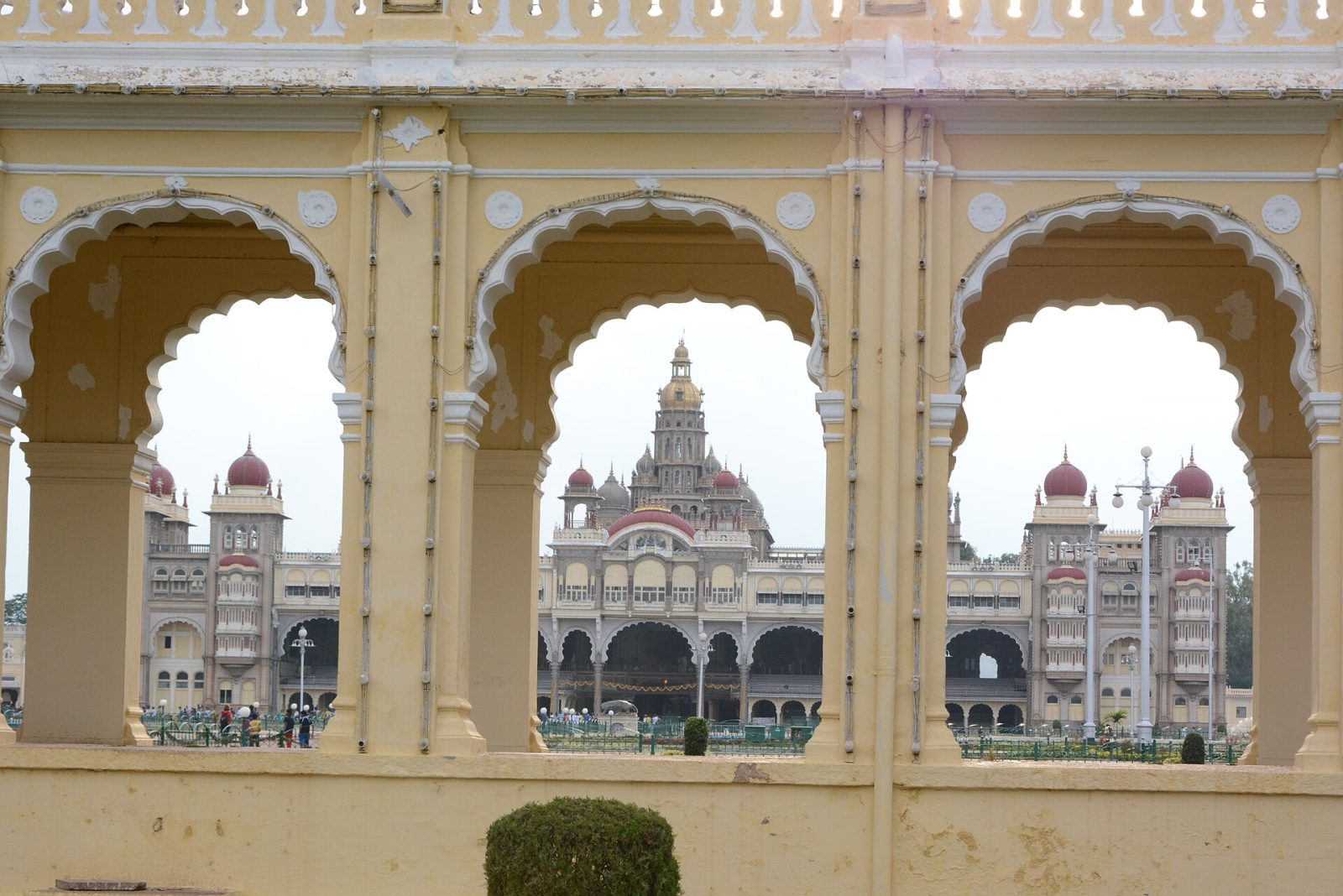
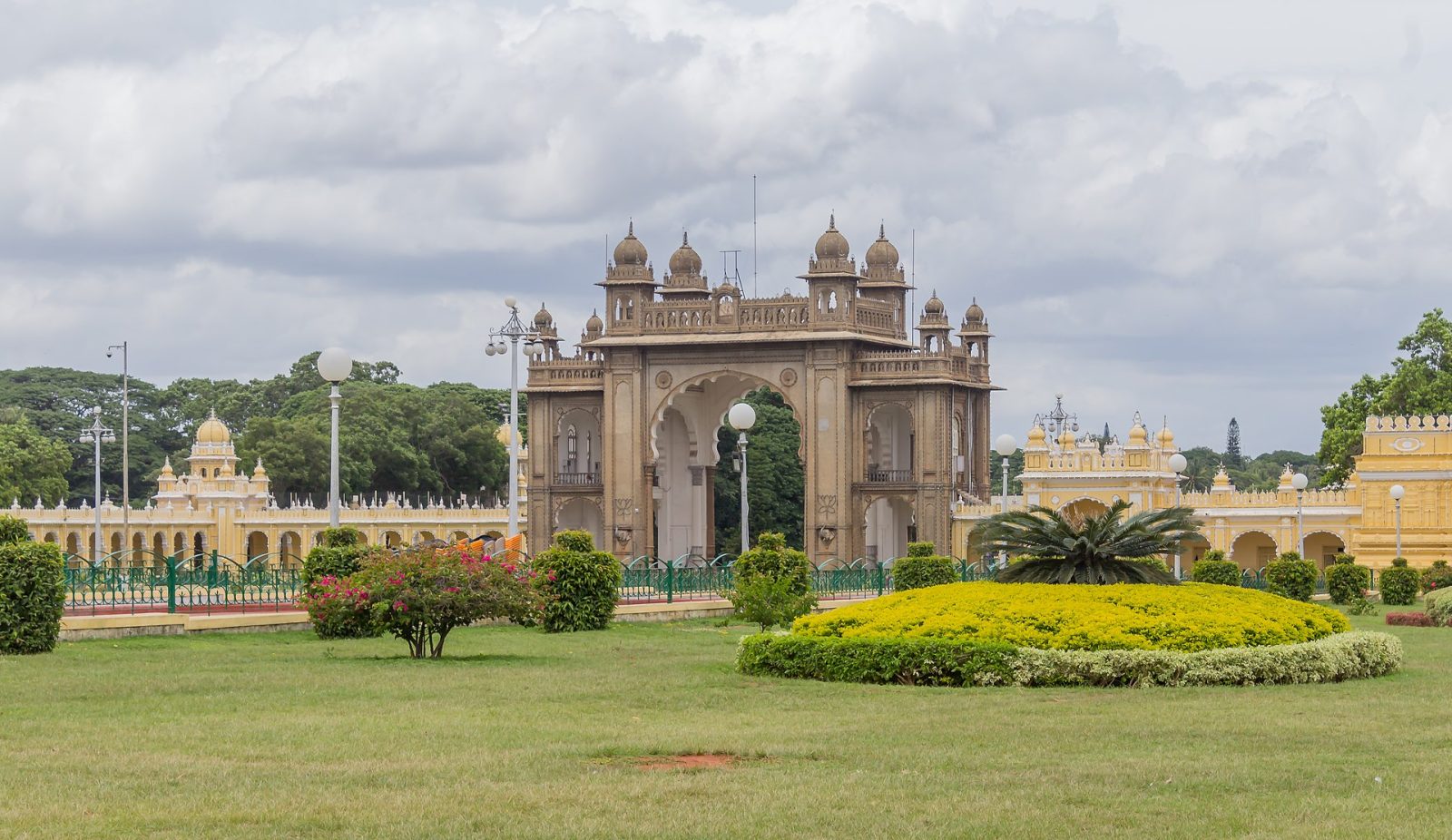
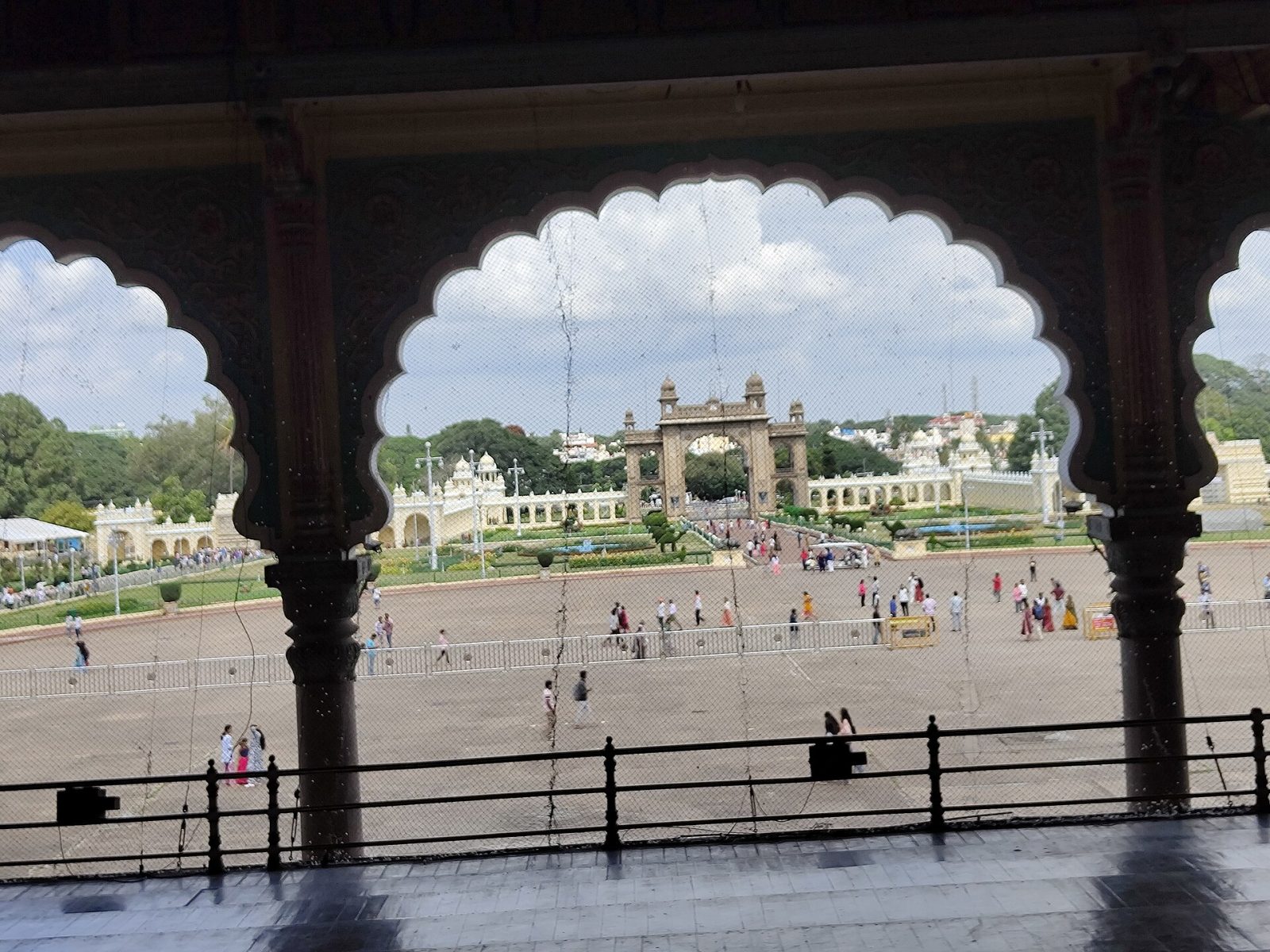
Amba Vilas, the Mysore Palace, is the seat of the Wadiyar dynasty and one of the most visited monuments in India. The present building was designed by the British architect Henry Irwin and completed in 1912 after fire destroyed the earlier wooden palace, mixing Hindu, Islamic, Rajput and Gothic elements in grey granite with pink marble domes. Inside are the Durbar Hall, the Kalyana Mantapa with its stained-glass peacock dome, carved doors of rosewood and ivory, and galleries of royal portraits. On Sundays and during the ten days of Dasara the whole palace is outlined with nearly a hundred thousand bulbs. Shoes come off at the entrance, and the Dasara procession in September or October is the biggest event of the year.
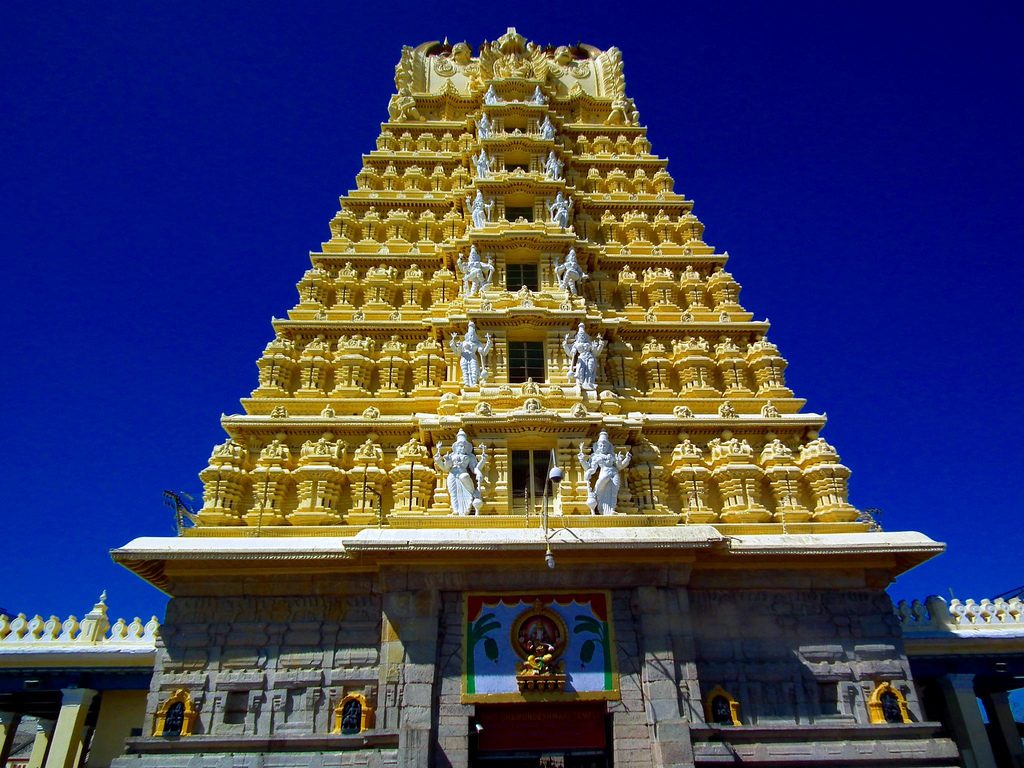
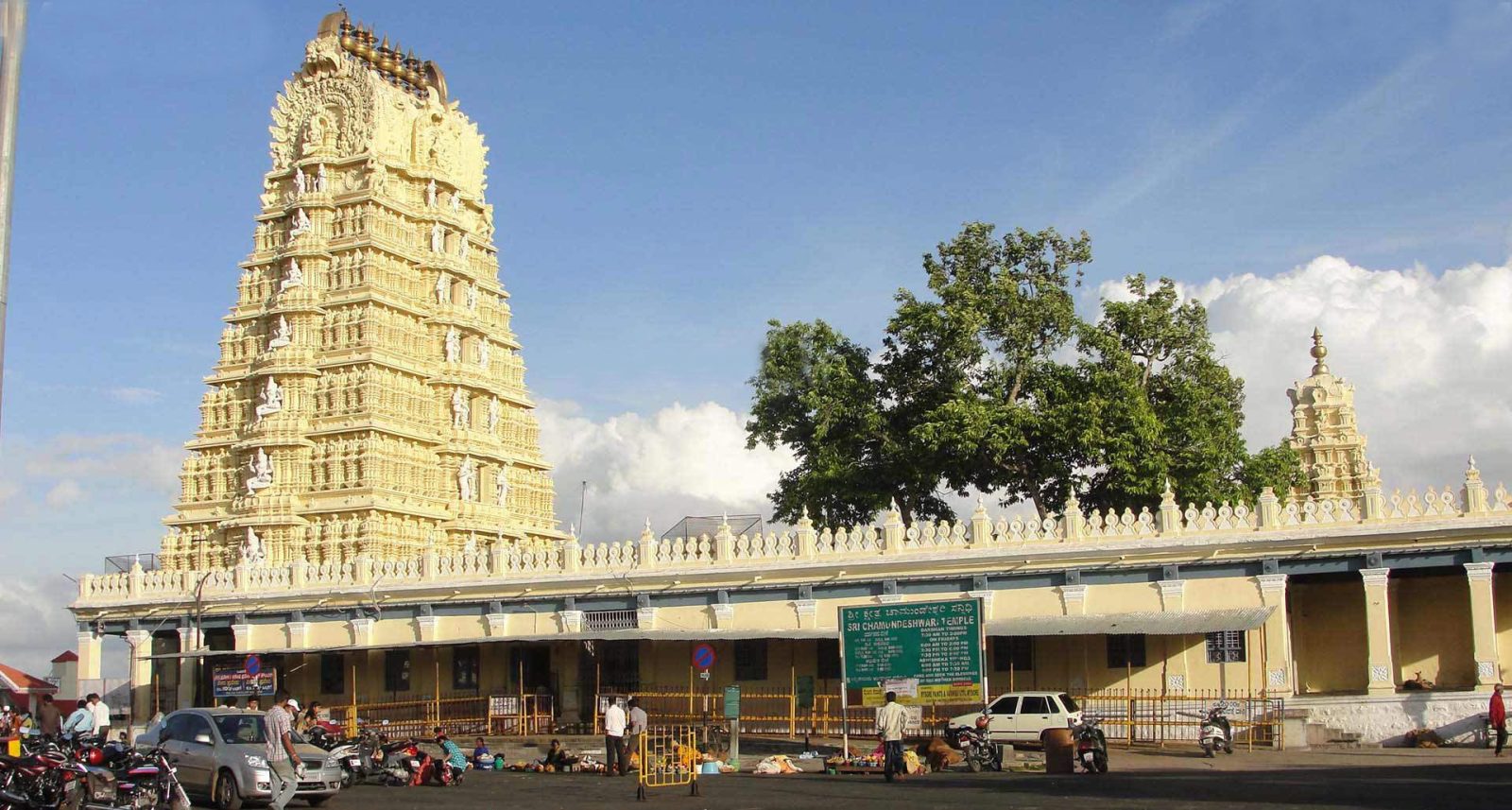
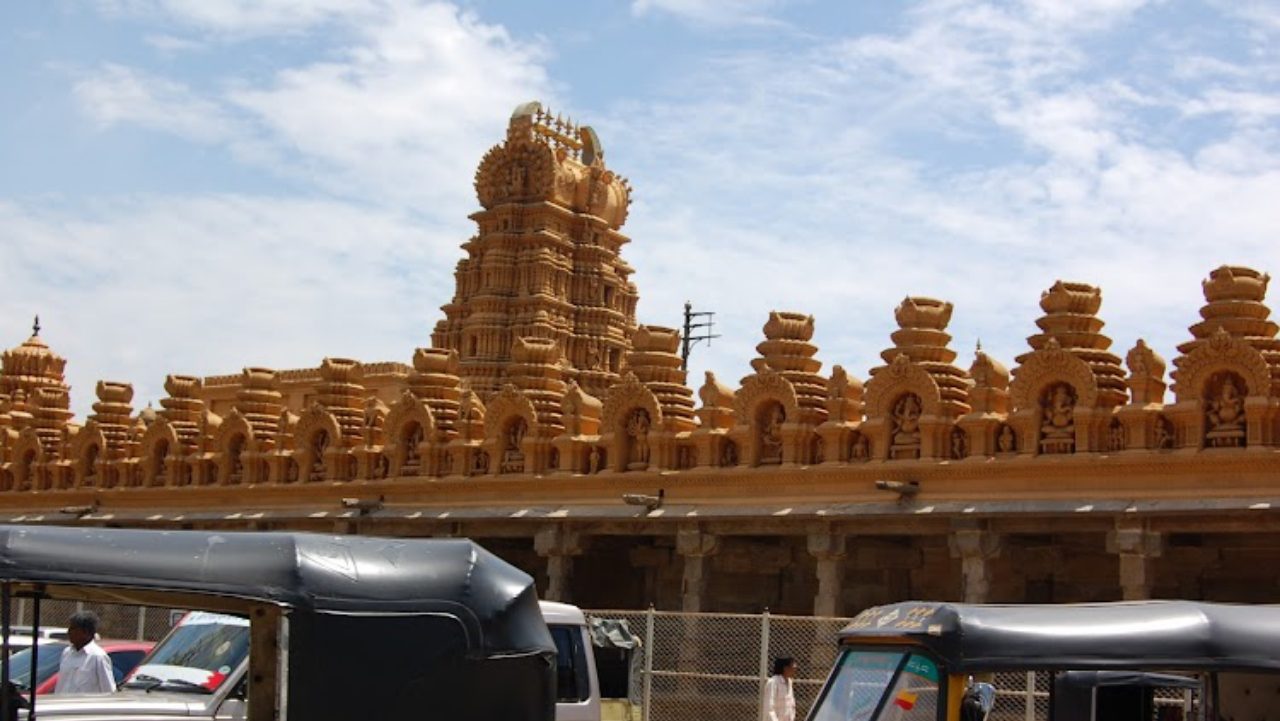
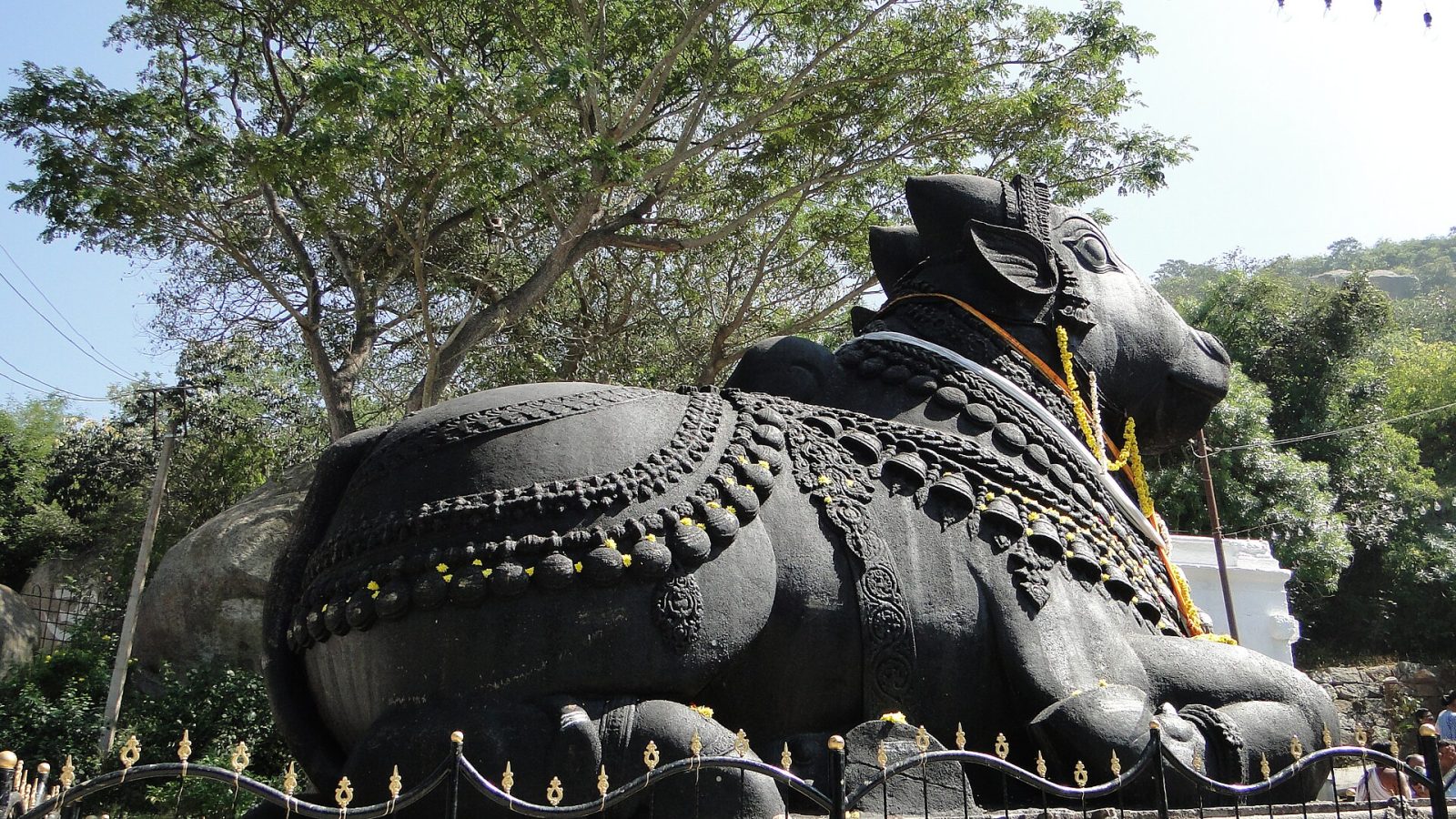
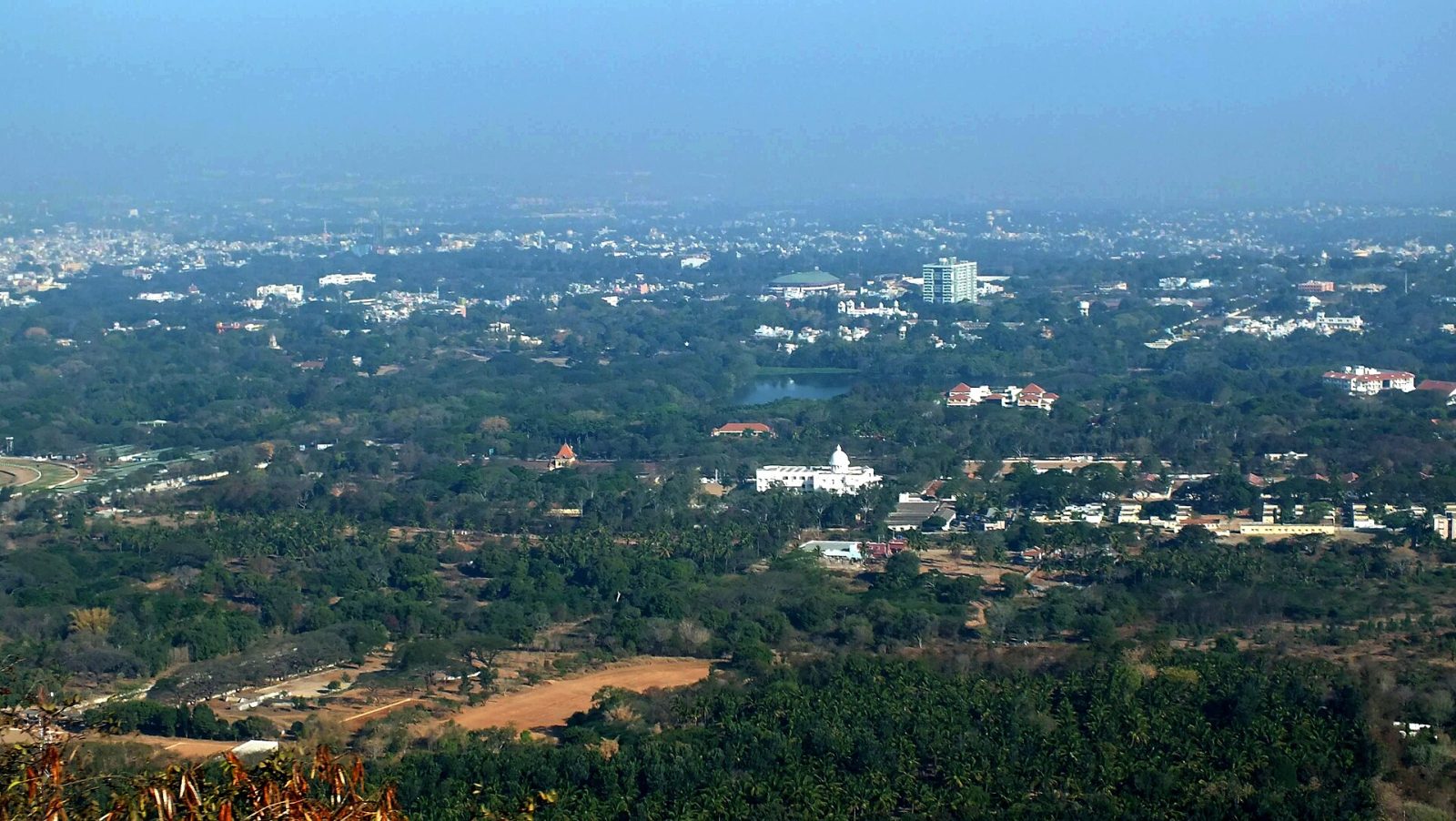
Chamundi Hill rises about 1,000 metres above Mysuru, topped by the Chamundeshwari temple dedicated to the goddess who, in legend, killed the demon Mahishasura and gave the city its name. The present temple has a seven-storey gopuram built in the 17th and 18th centuries by the Wadiyars, who treated the goddess as their family deity. A flight of about a thousand steps climbs from the base, passing the huge Nandi bull carved from a single black granite boulder in 1659. From the top the whole city, the palace and the lakes spread out below. A road also runs to the summit, and the temple is busiest during Navaratri.
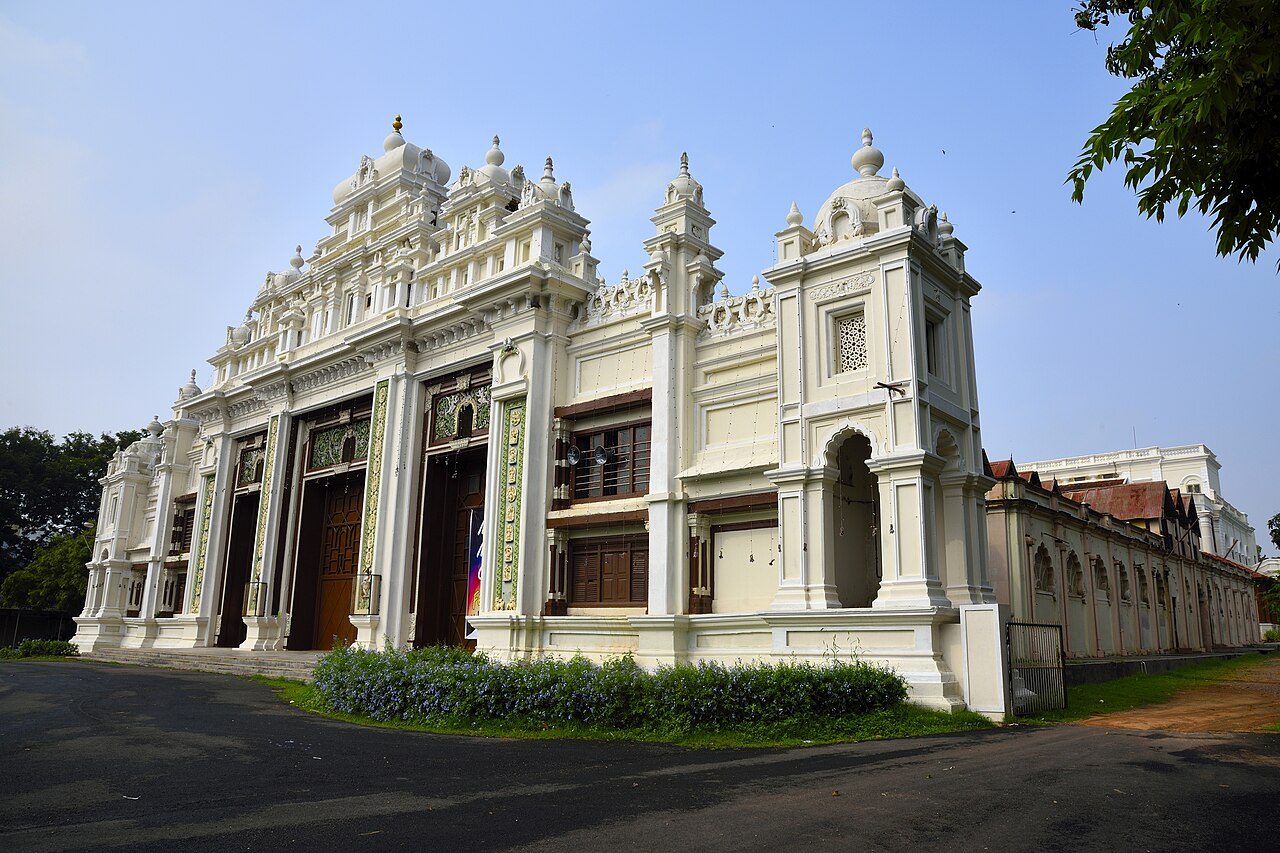
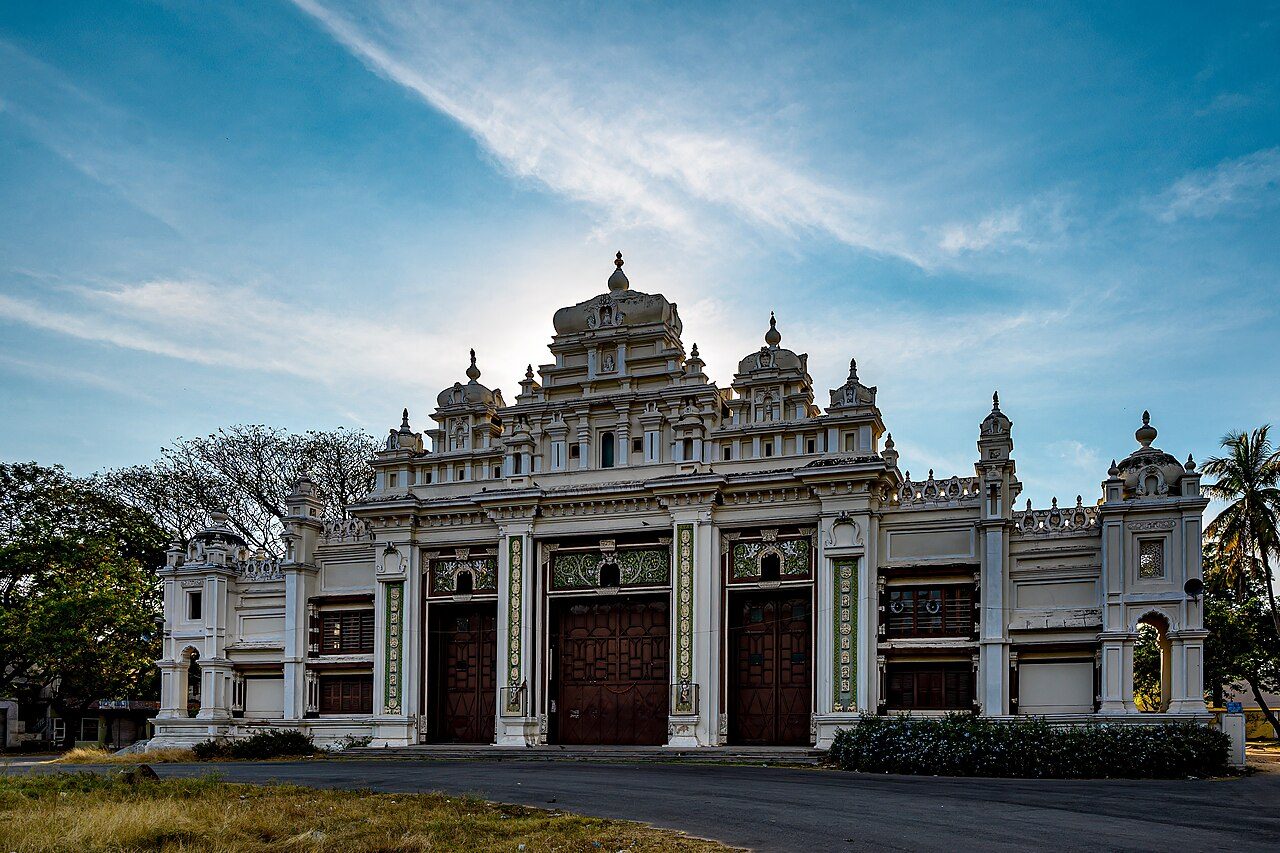
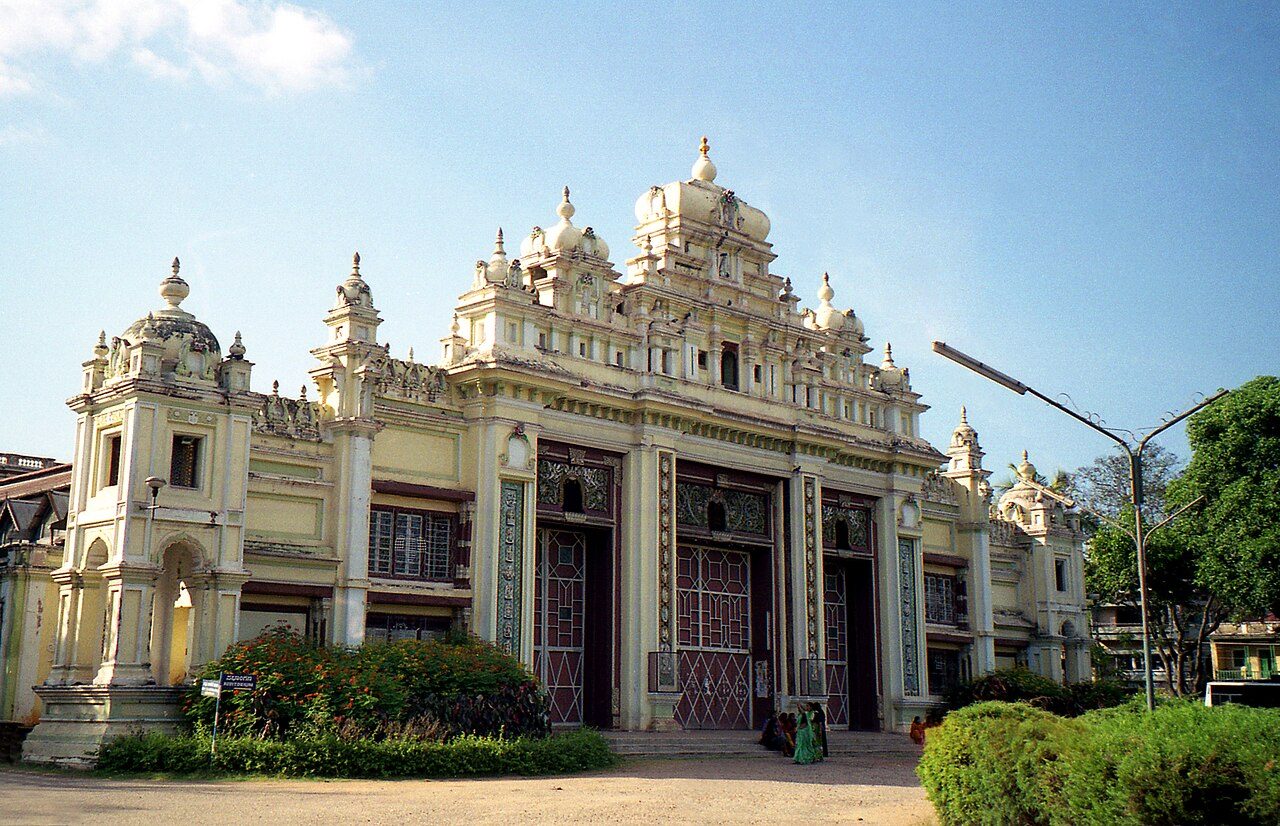
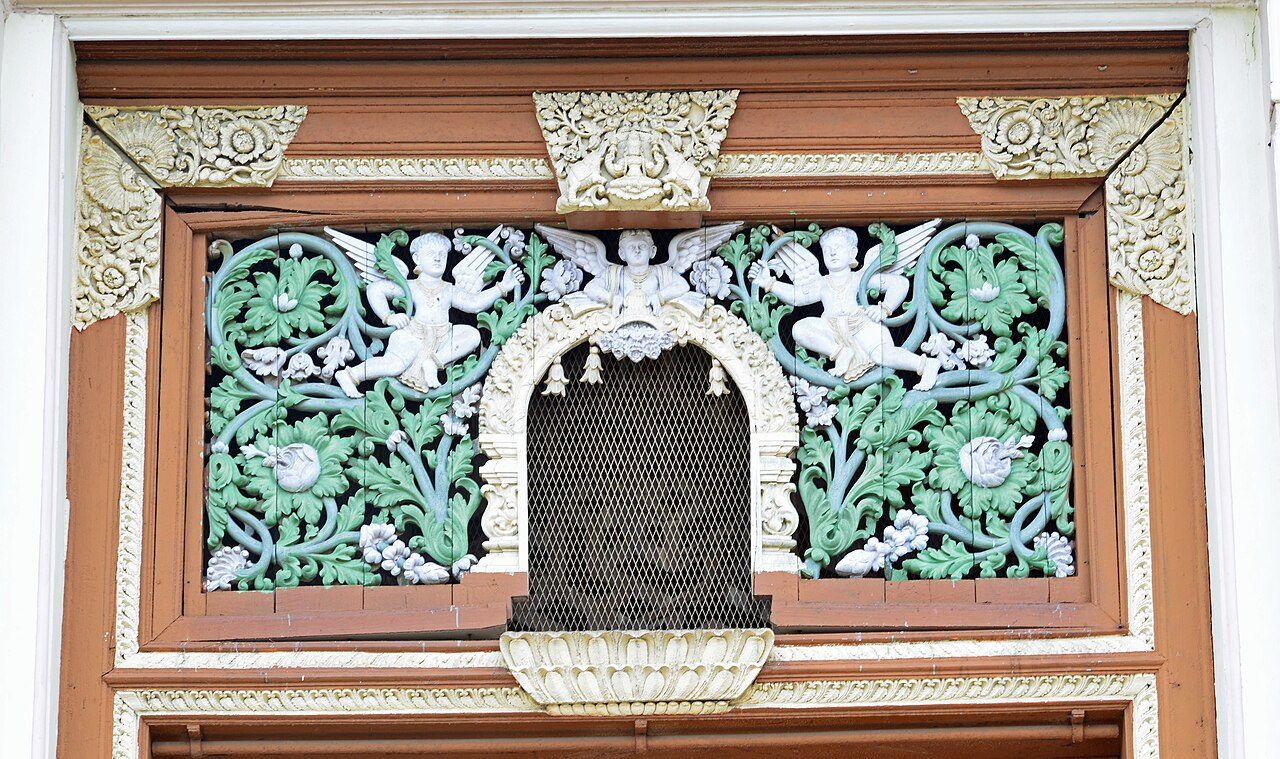
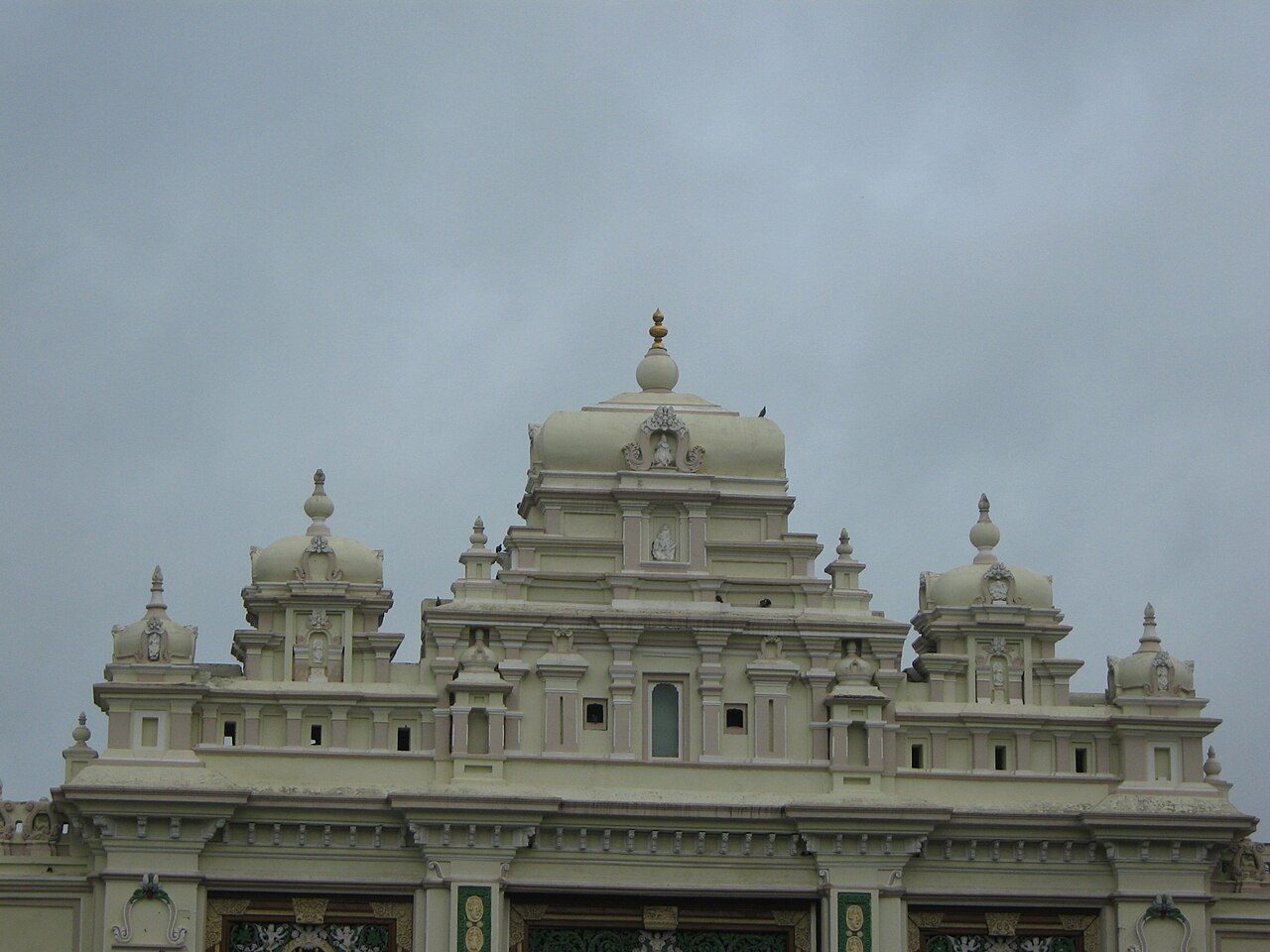
Built in 1861 for the Wodeyar kings of Mysore, the Jaganmohan Palace served as a royal residence while the main palace was rebuilt, and has housed the Jayachamarajendra Art Gallery since 1915. Its collection includes paintings by Raja Ravi Varma, traditional Mysore paintings, musical instruments and the famous 'Lady with the Lamp' by S. L. Haldankar.
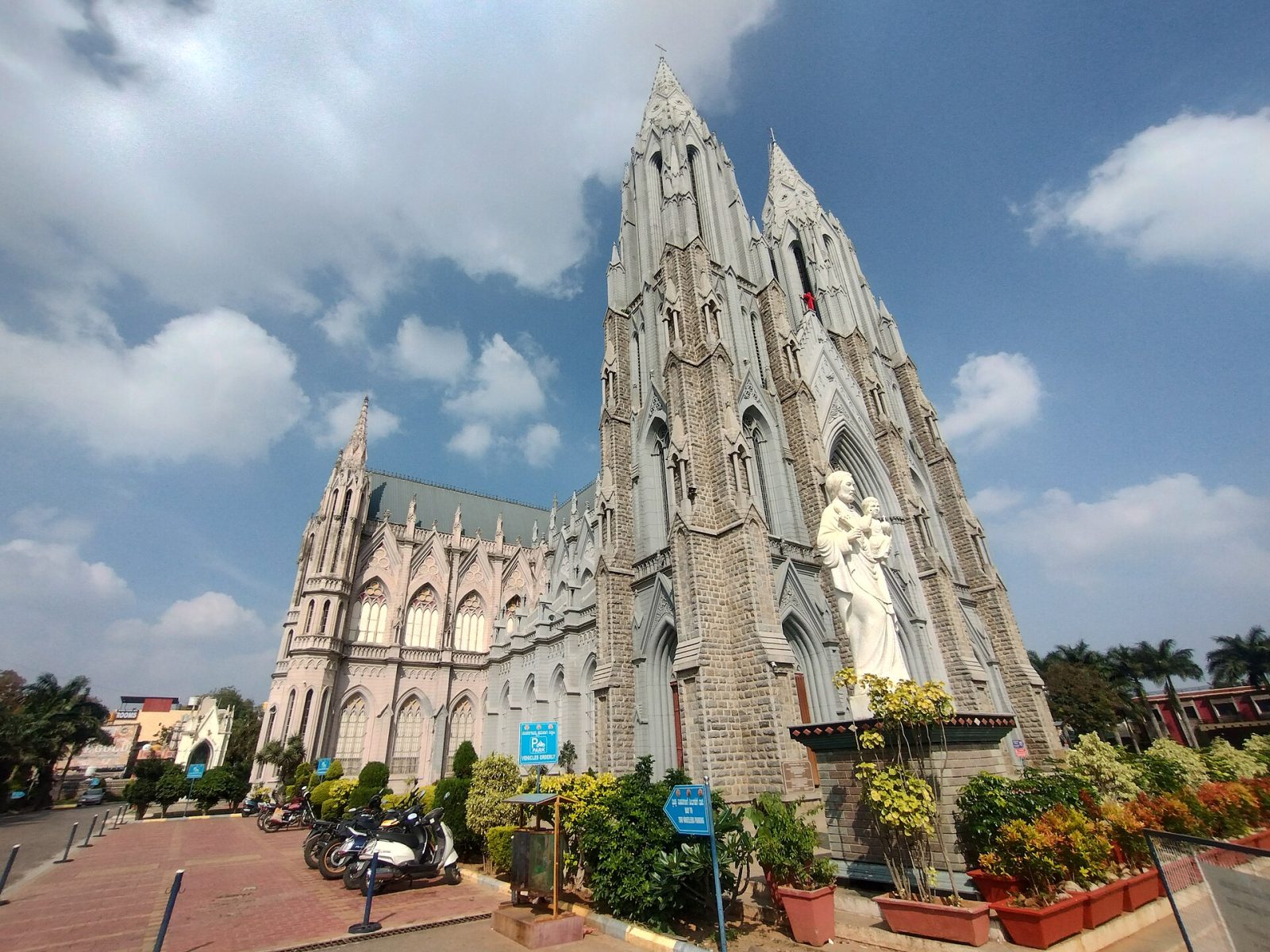
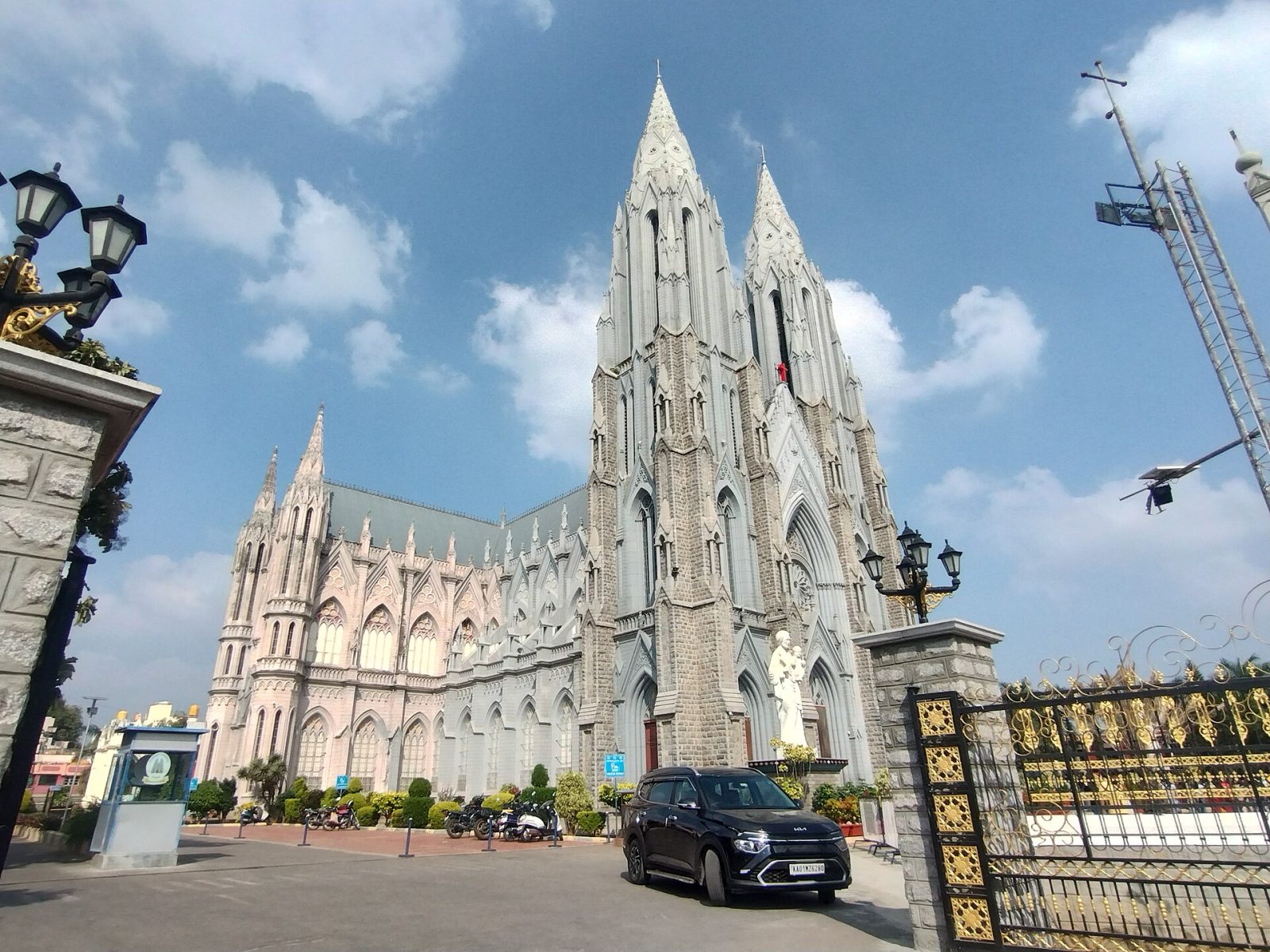
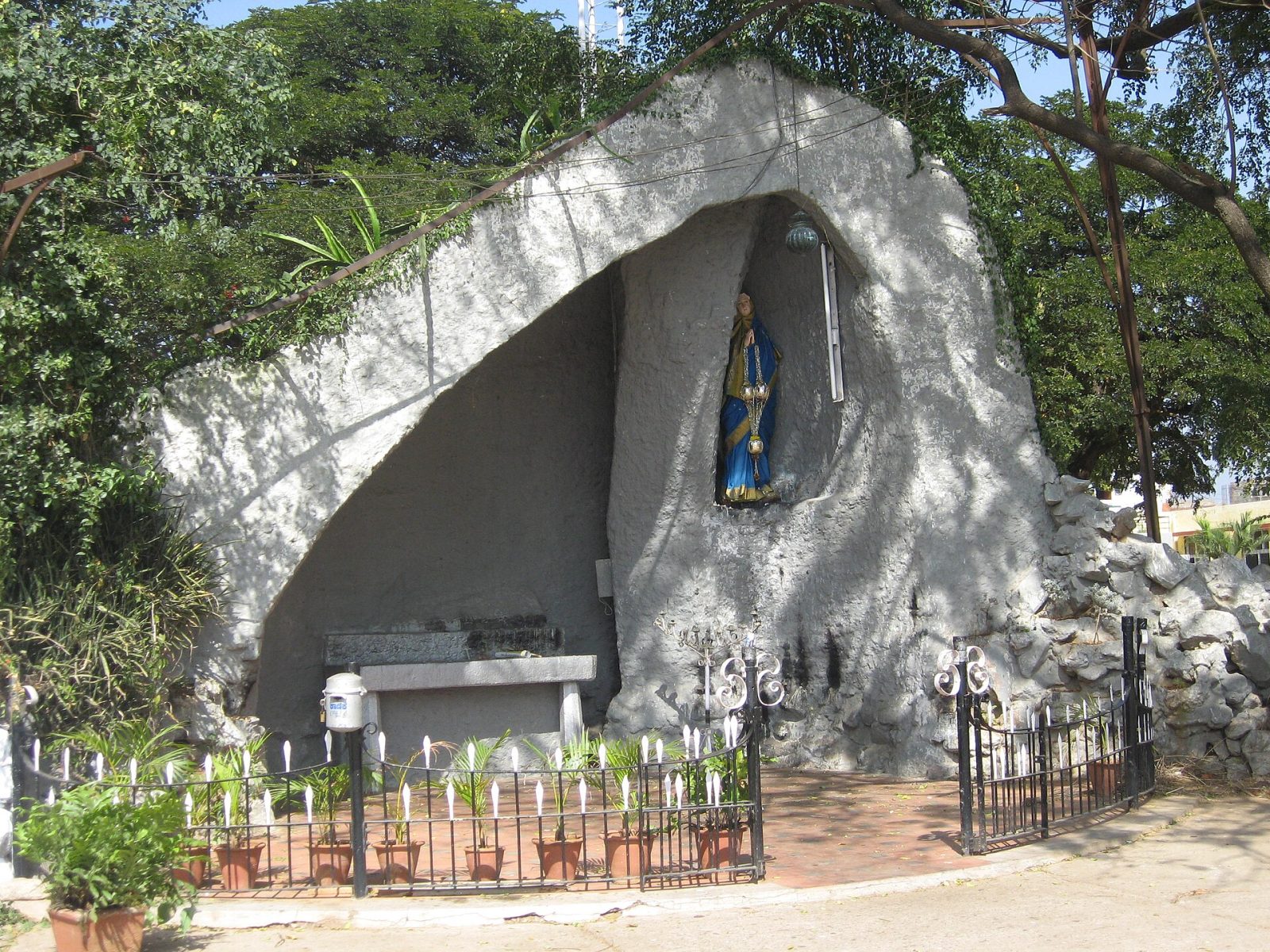
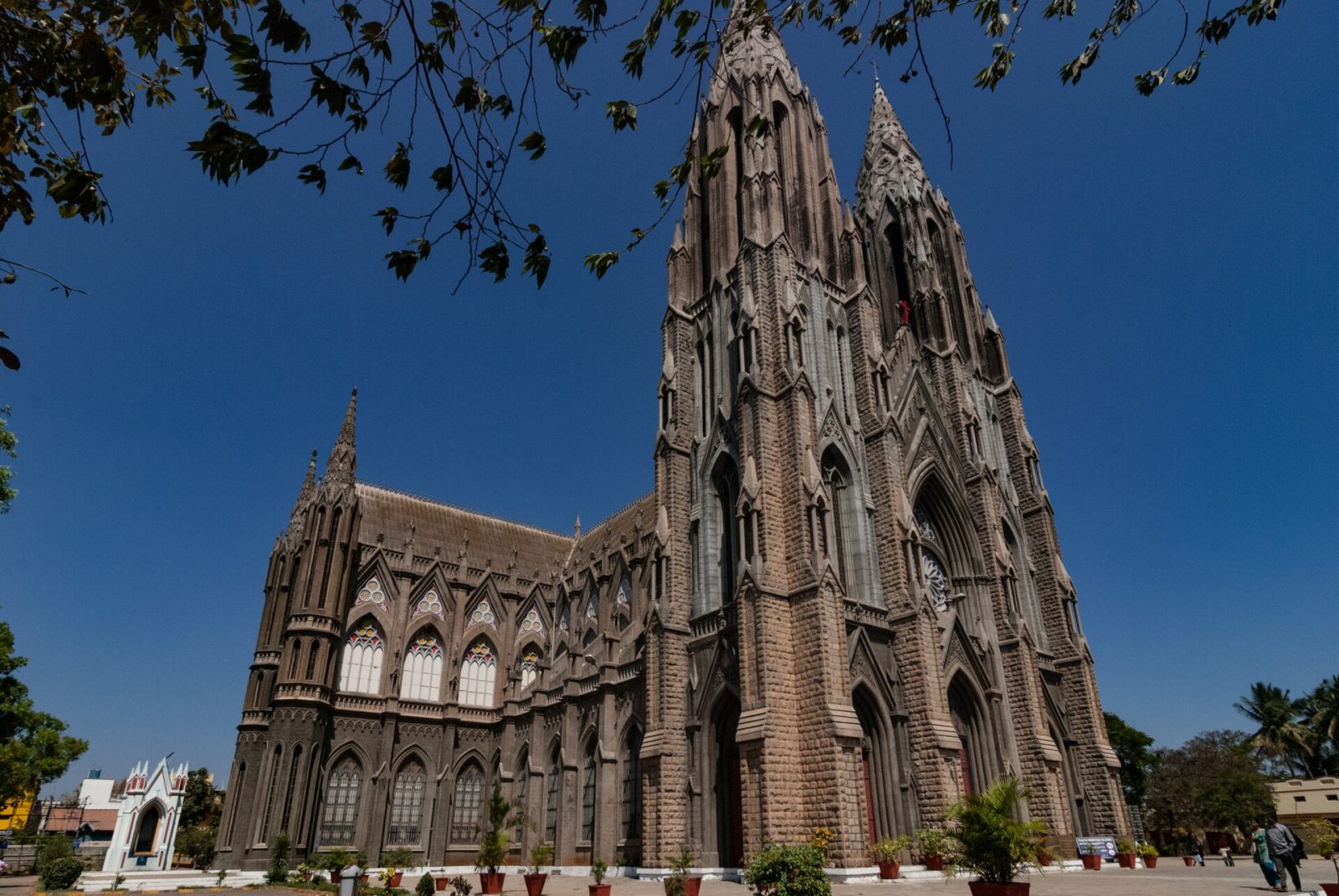
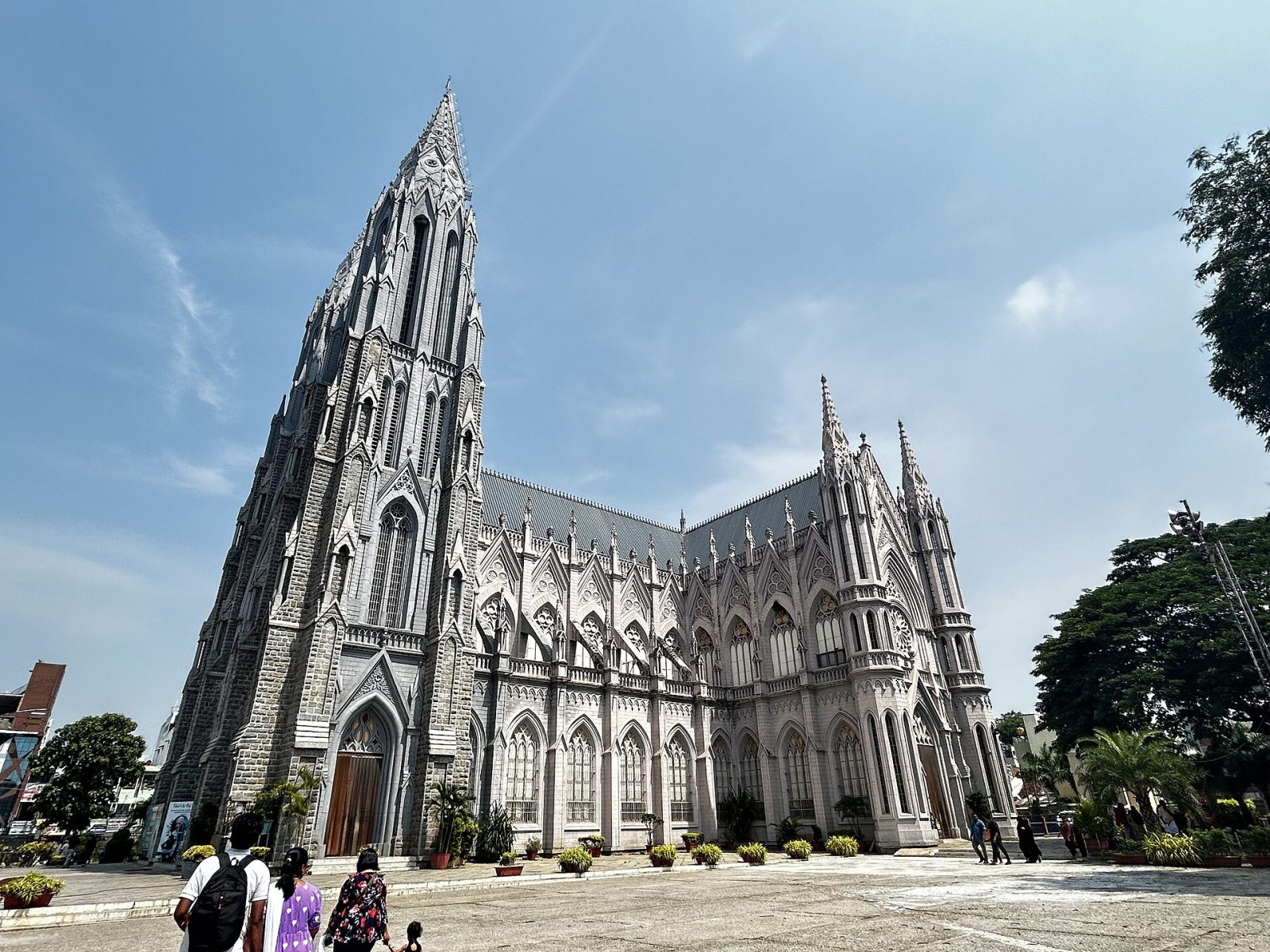
St Philomena's in Mysuru is one of the largest churches in India, built between 1933 and 1941 in Neo-Gothic style and modelled on Cologne Cathedral. Its twin spires rise about 53 metres and are visible across the city. The cathedral was commissioned by the Wadiyar king Krishnaraja Wadiyar IV for the Christian community of his state, and a relic of St Philomena is kept in the crypt below the main altar. Stained-glass windows along the nave show scenes from the life of Christ. It is open to visitors through the day, and the interior is at its best in the morning light.
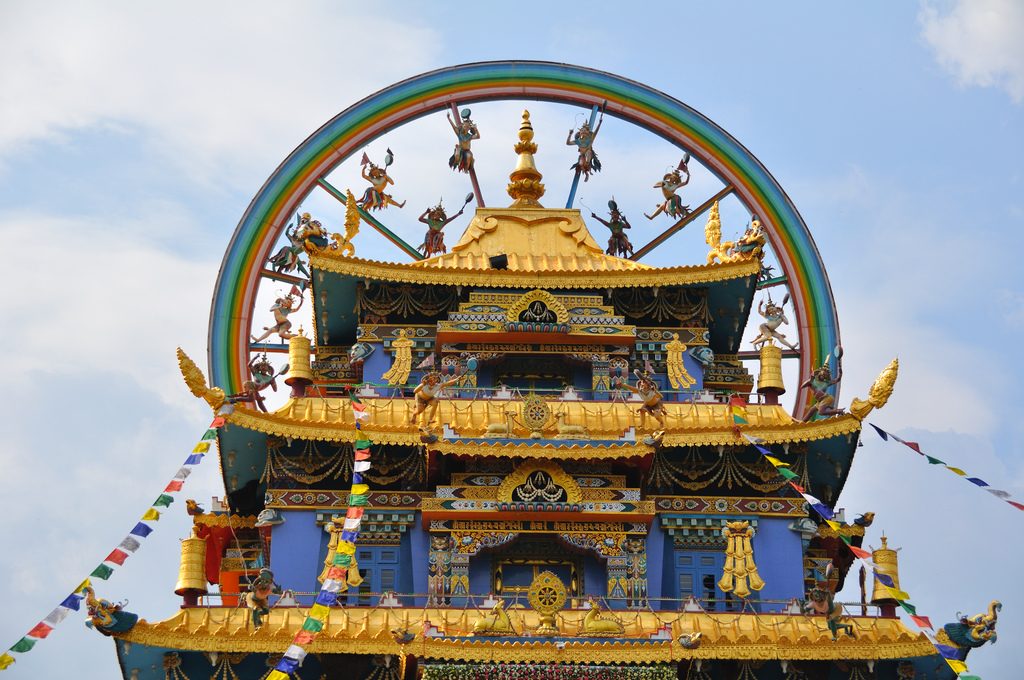
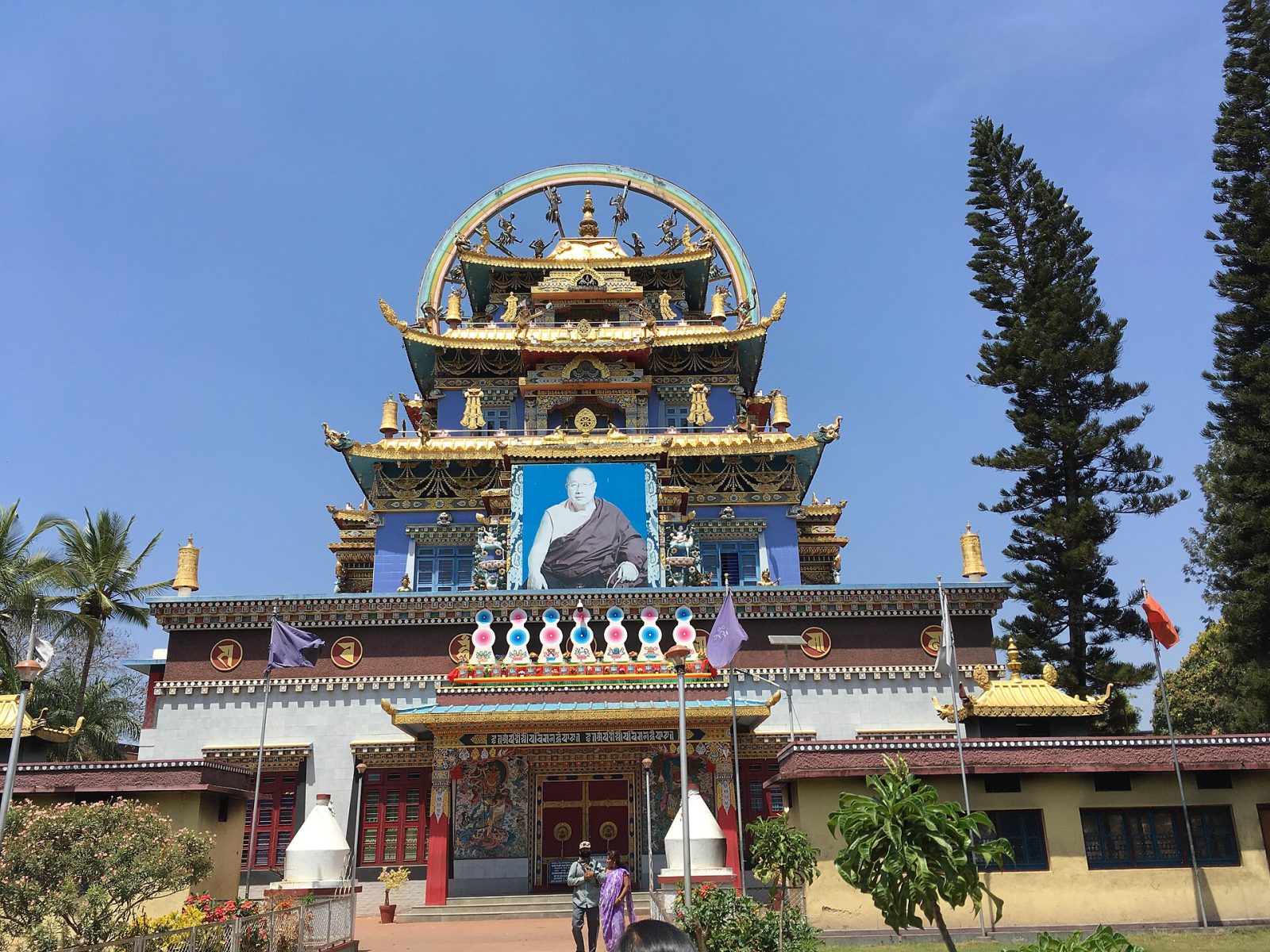
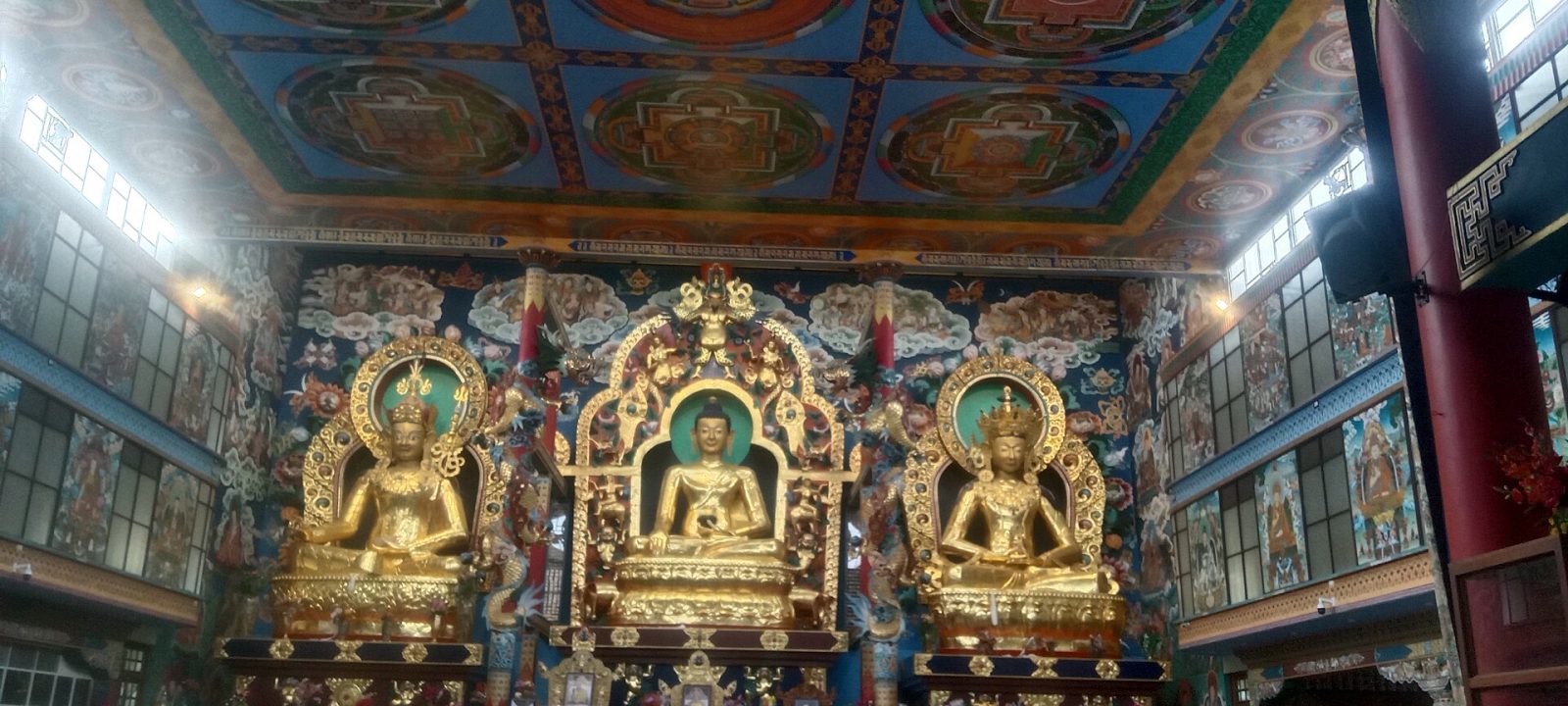
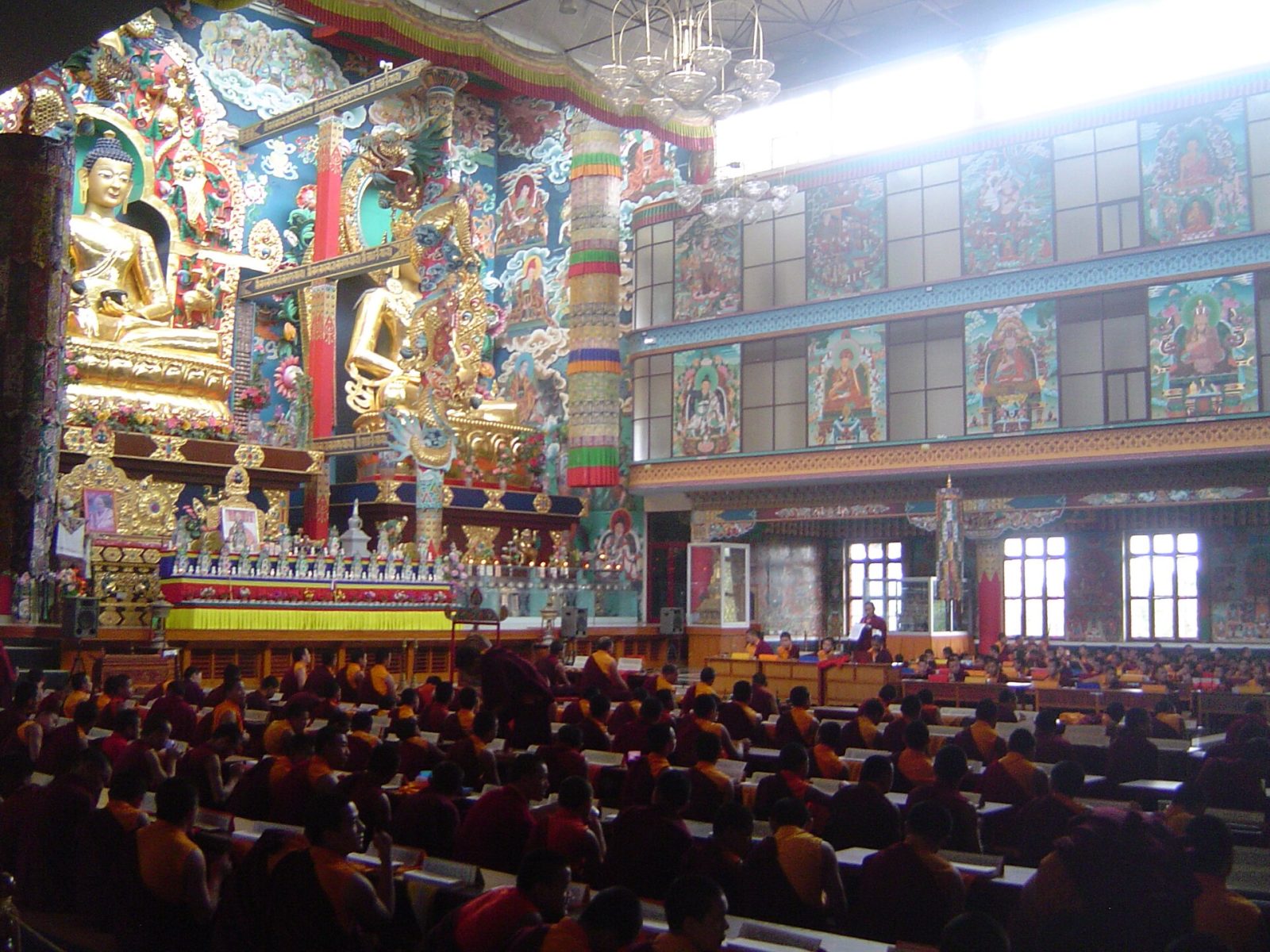
Namdroling at Bylakuppe, near Kushalnagar in Kodagu, is the largest teaching centre of the Nyingma school of Tibetan Buddhism outside Tibet. It was founded in 1963 by Penor Rinpoche on land given to Tibetan refugees by the Indian government, starting as a bamboo temple and growing into a complex housing thousands of monks and nuns. The main hall, known as the Golden Temple, holds three gilded statues about 18 metres high of Buddha, Padmasambhava and Amitayus, with walls painted in bright Tibetan murals. Prayer sessions with horns and drums are open to visitors. It is about 6 km from Kushalnagar and the settlement around it sells Tibetan food and handicrafts.
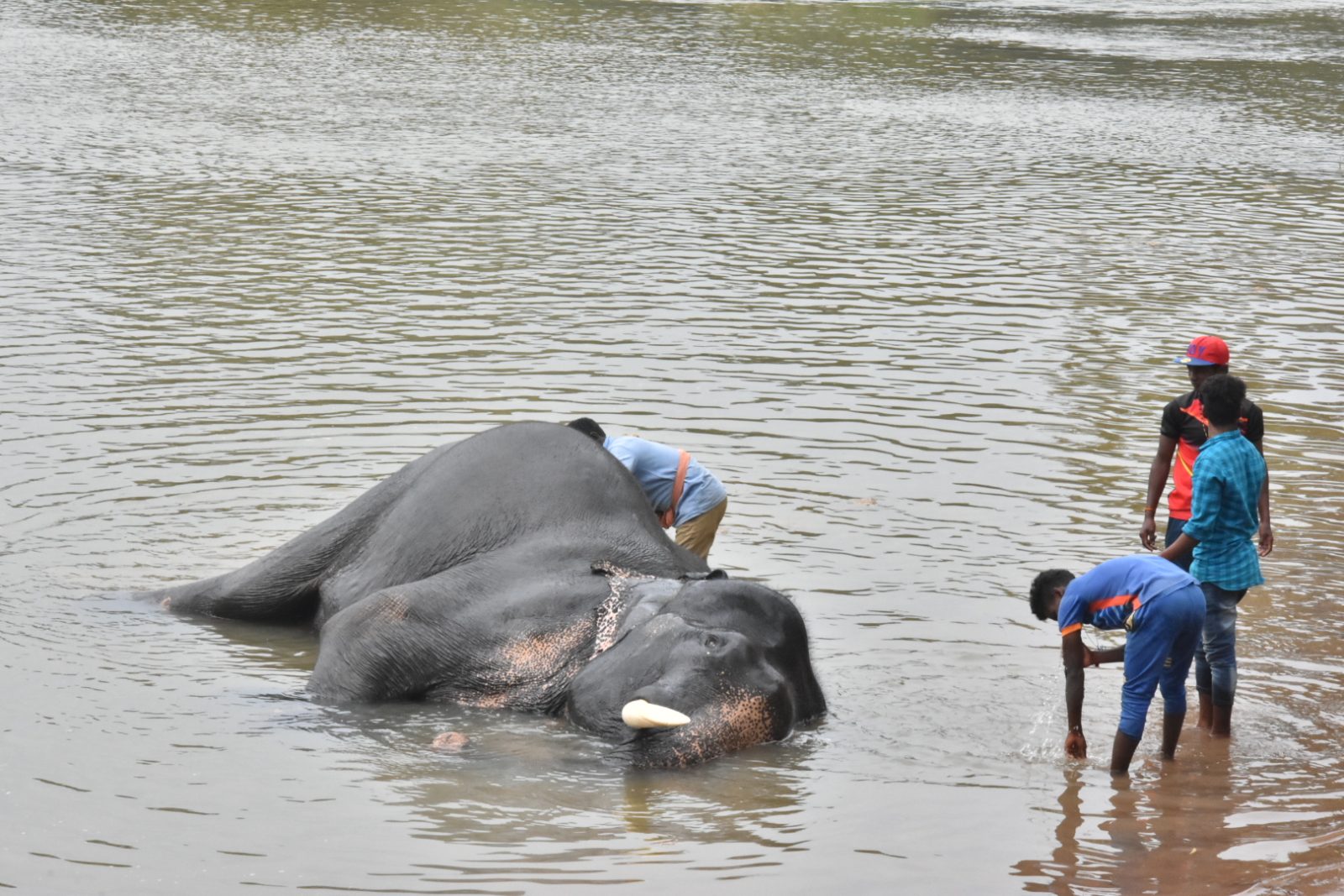
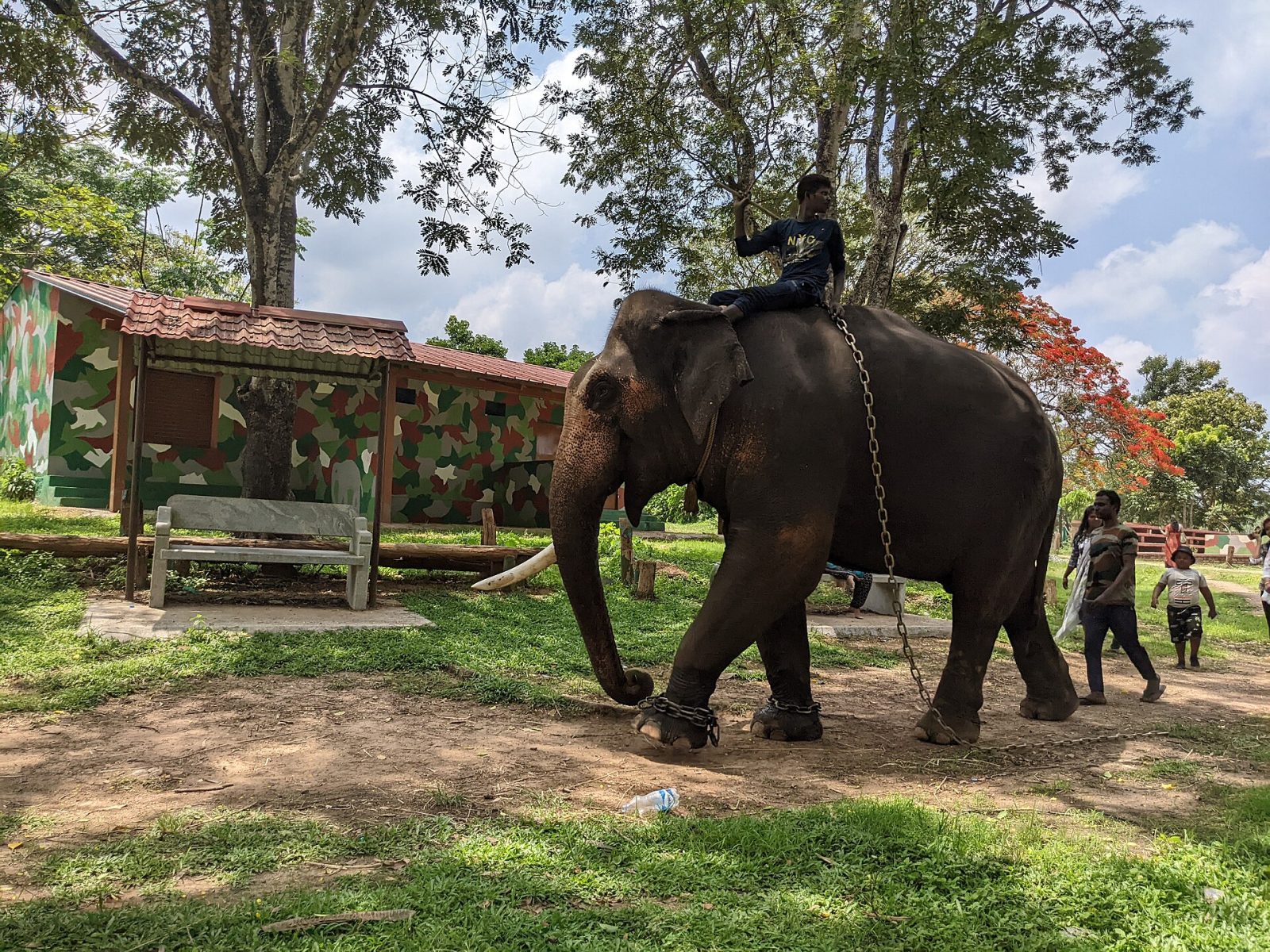
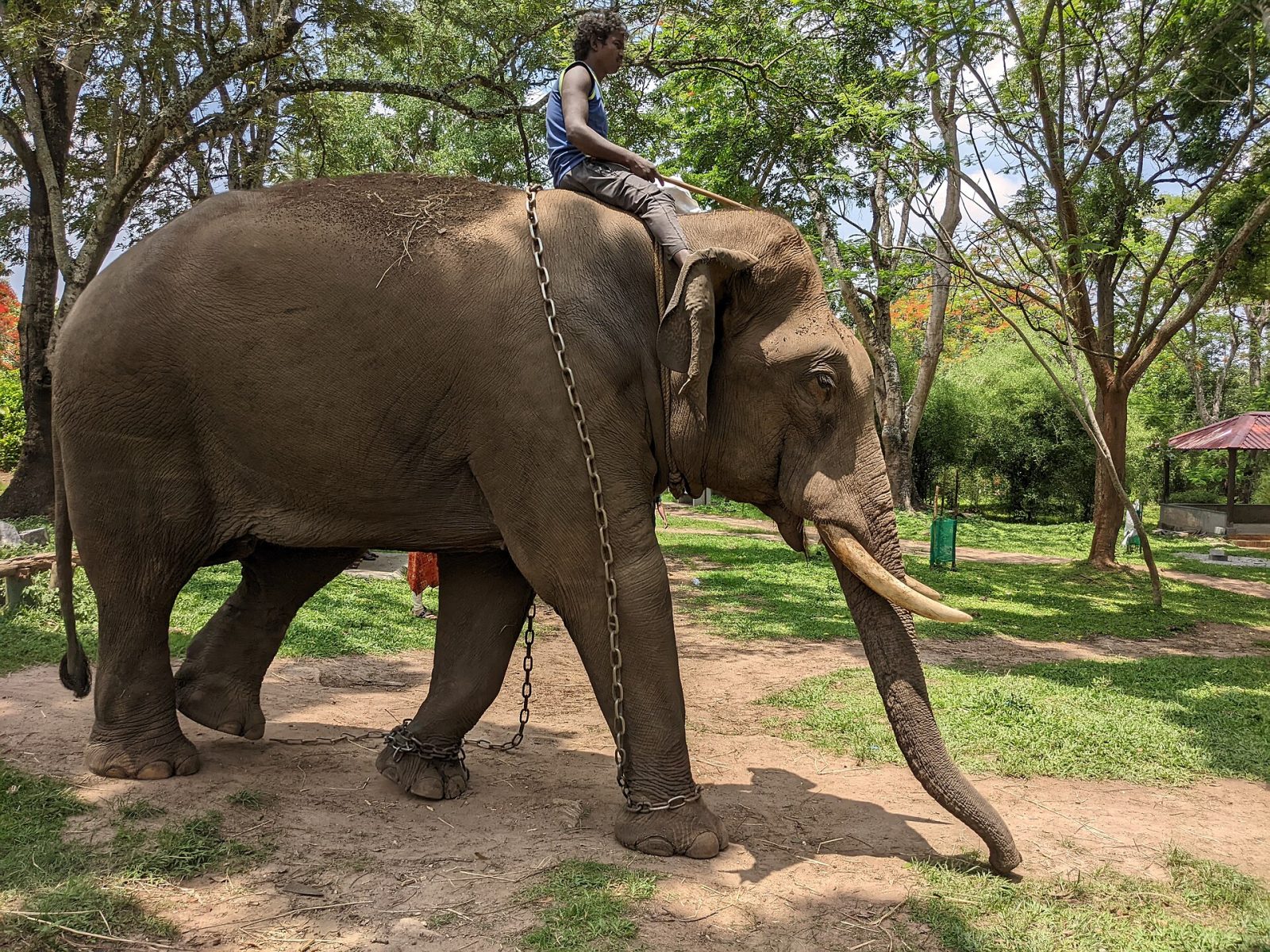
Dubare, on the bank of the Kaveri near Kushalnagar in Kodagu, is a forest camp where elephants once trained for the Mysore Dasara procession are cared for by the forest department. Visitors cross the river by boat or wade across when the water is low, and can watch or help with the morning routine of bathing and feeding the elephants, guided by their mahouts. Naturalists explain elephant behaviour and the work of the camp. The surrounding reserve forest has trails, birdwatching and river rafting in season. Morning sessions are the main event, and the camp limits numbers, so arrive early.
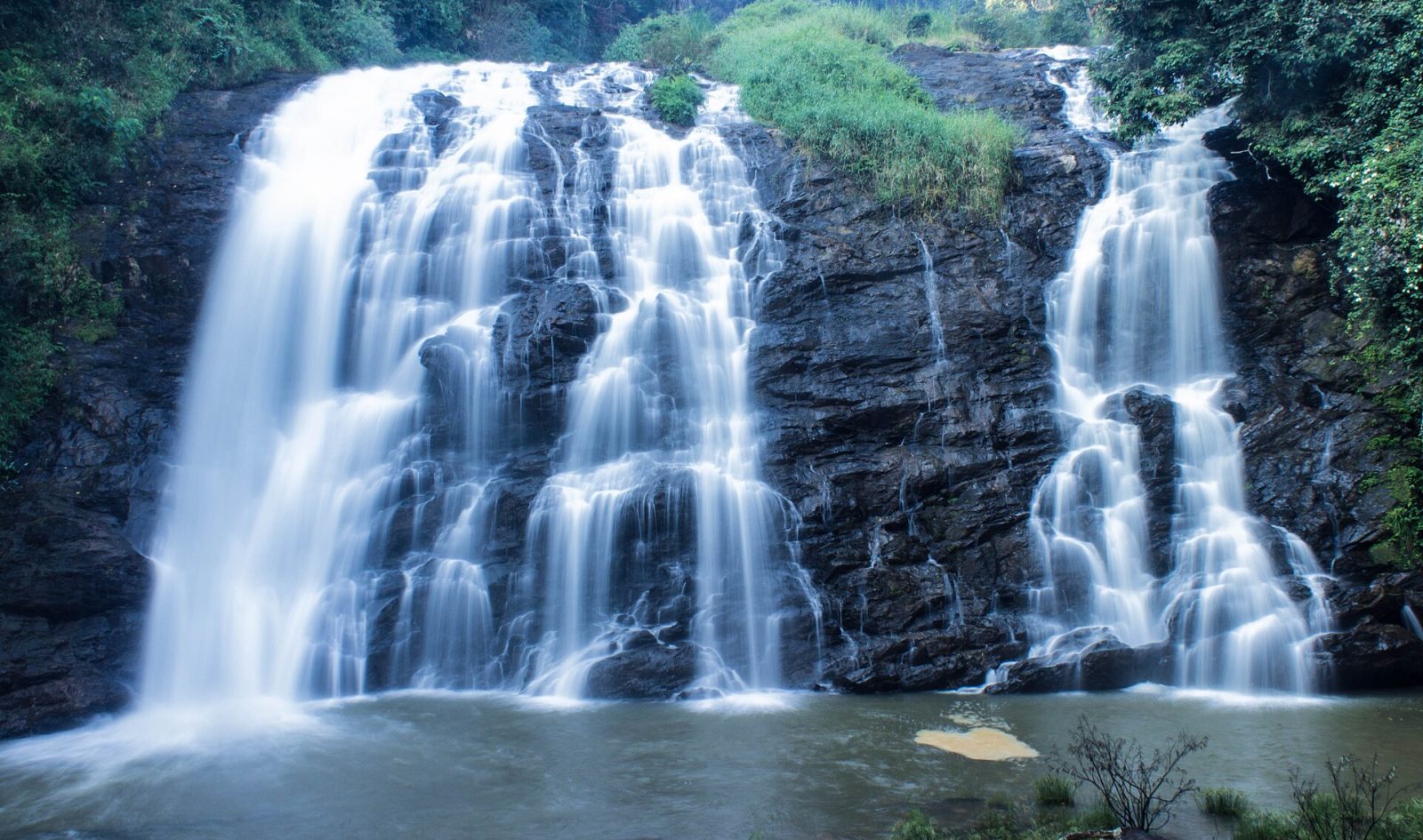
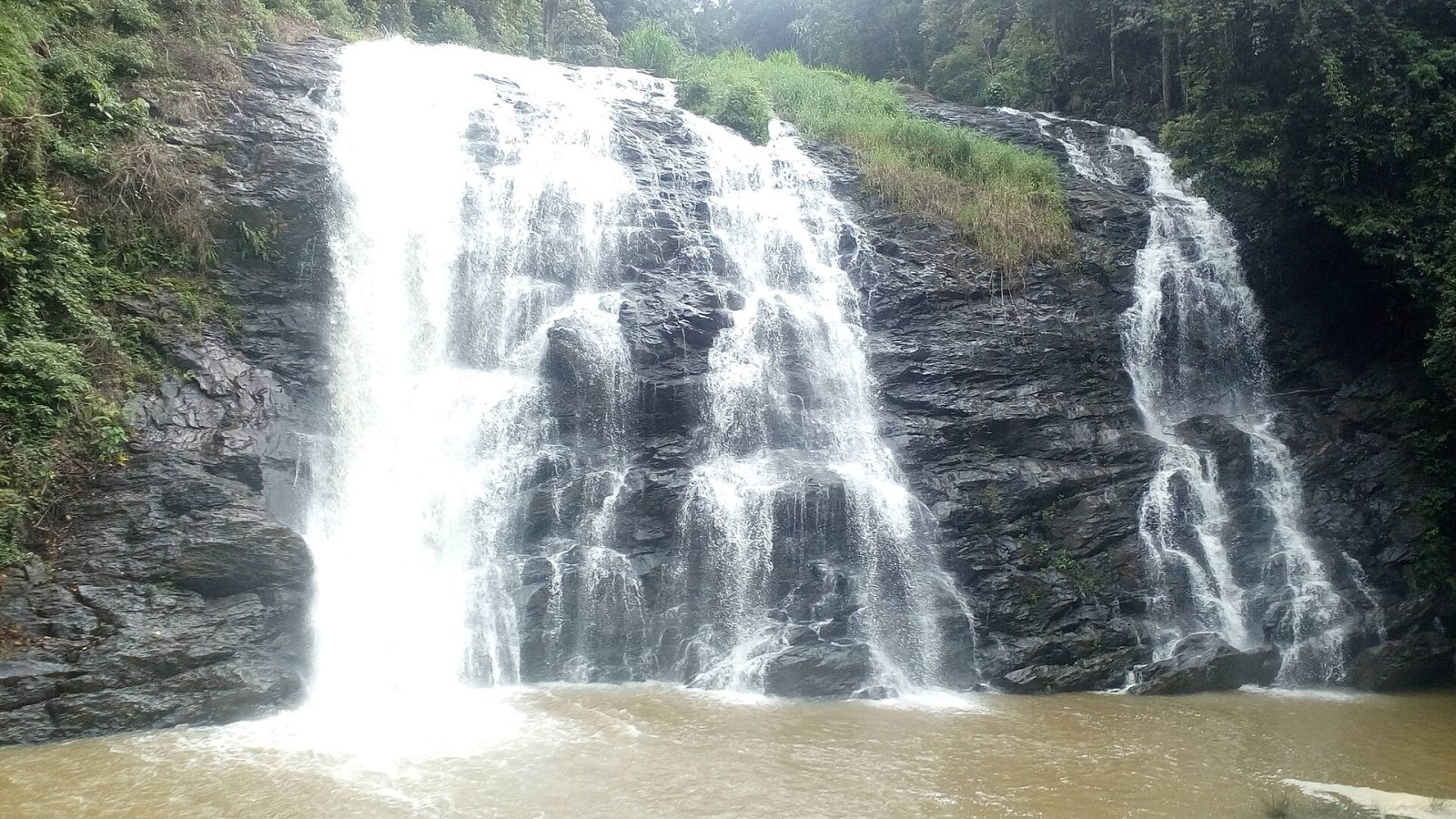
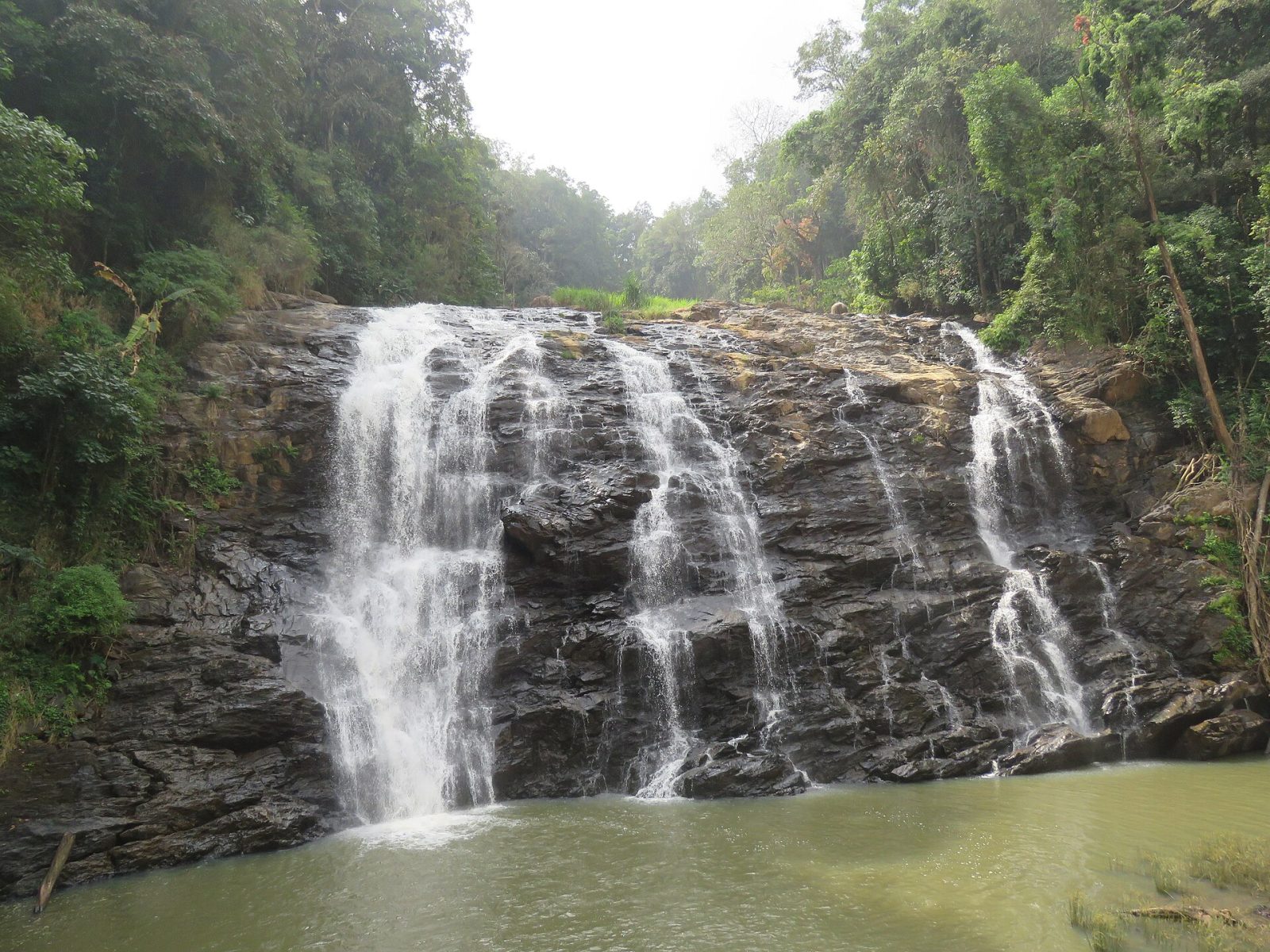
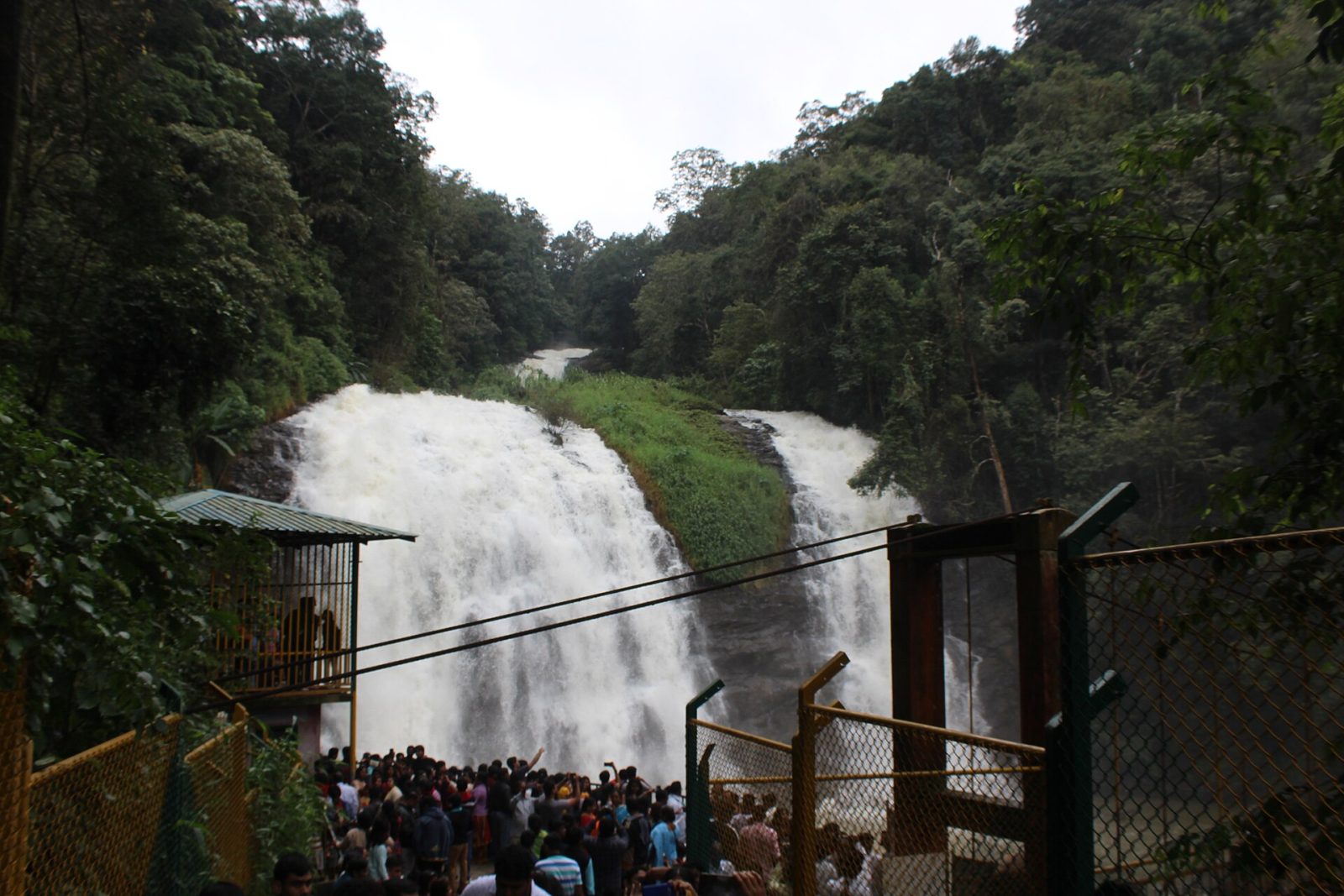
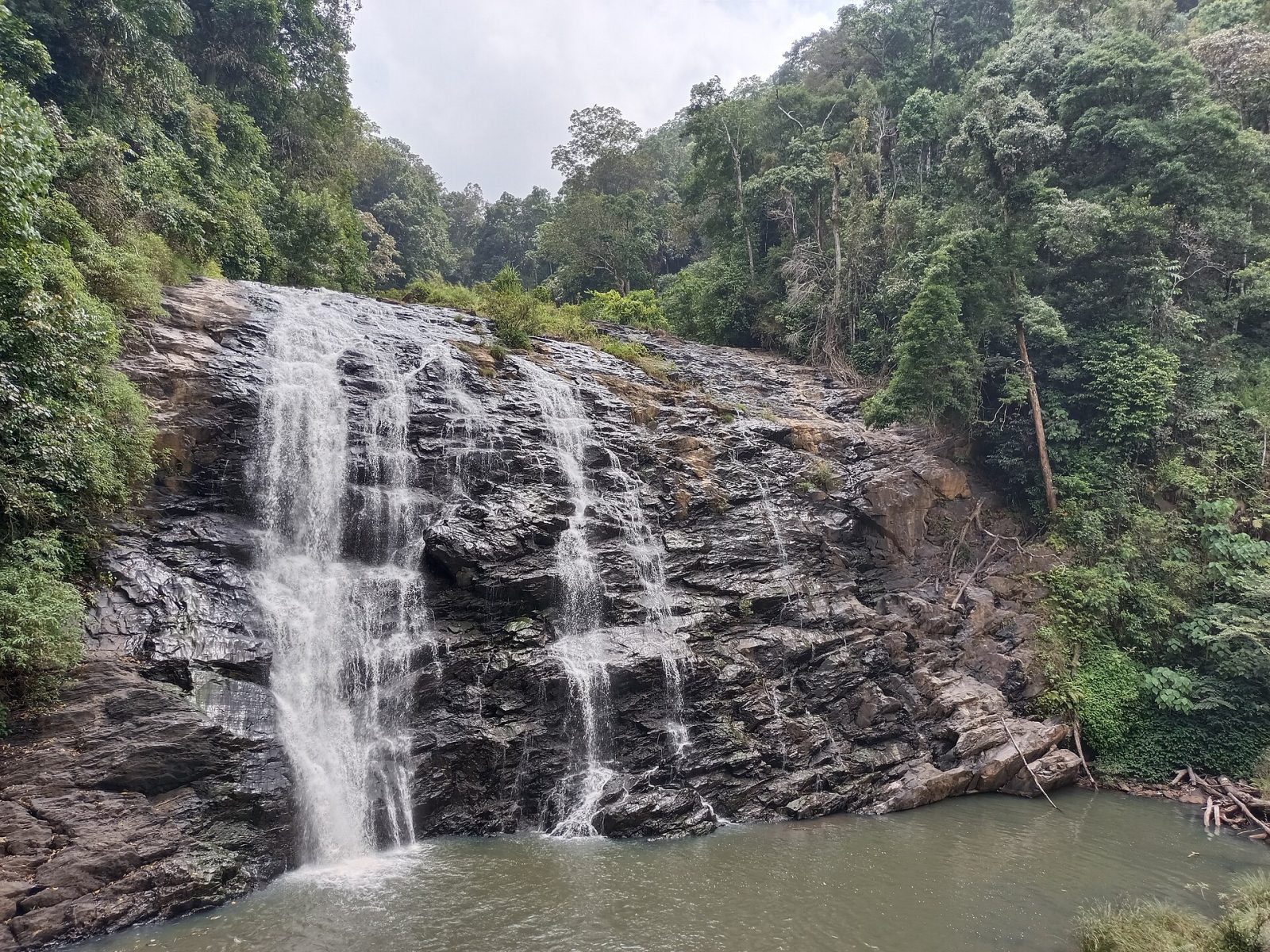
Abbey Falls lies about 8 km from Madikeri in Kodagu, where a stream drops some 20 metres into a rocky pool surrounded by coffee estates, cardamom and pepper vines. A path from the road leads down through private plantation land to a hanging bridge built directly opposite the falls, the best viewpoint. The setting, with spice creepers twisting up the trees, is as much the attraction as the water. The falls are strongest between July and October, when the Kodagu monsoon is at its heaviest. Swimming is not allowed, and the steps can be slippery in the rain.
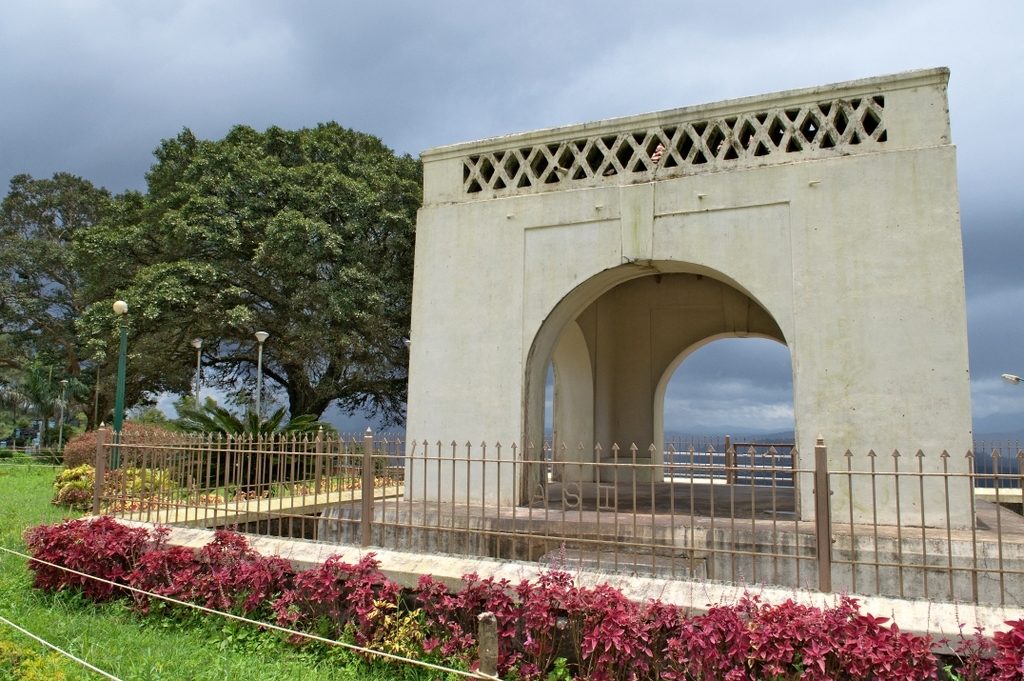
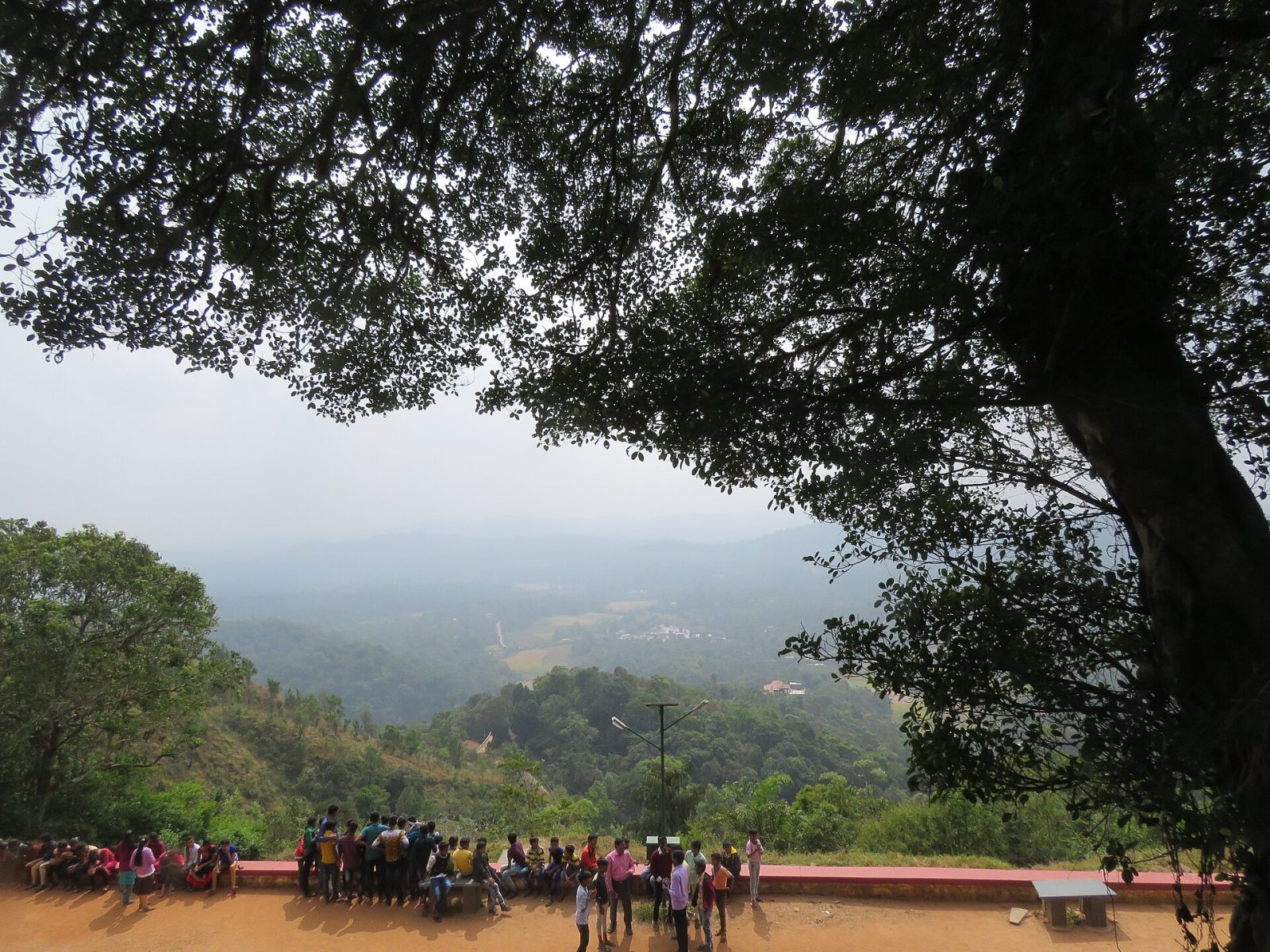
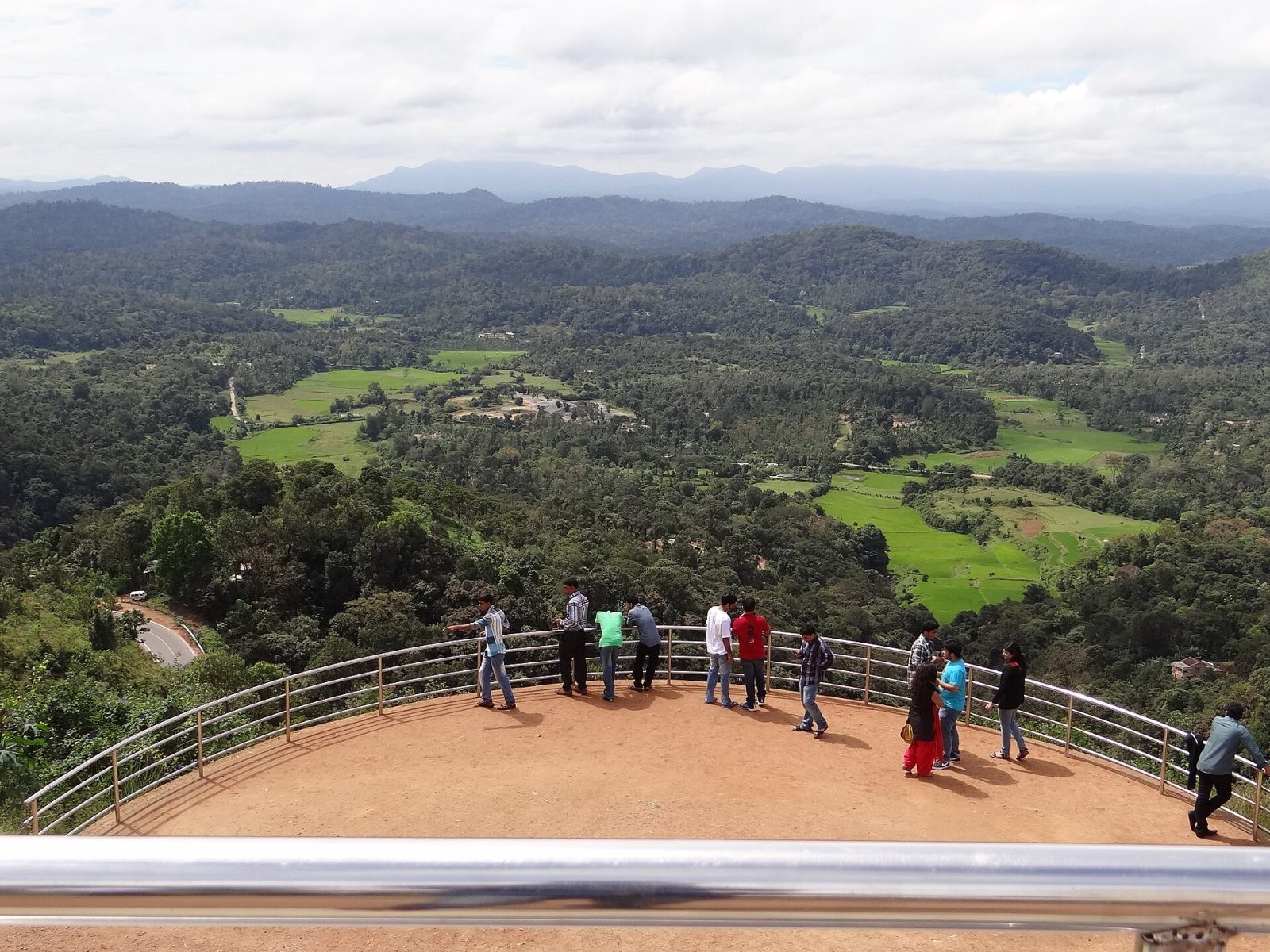
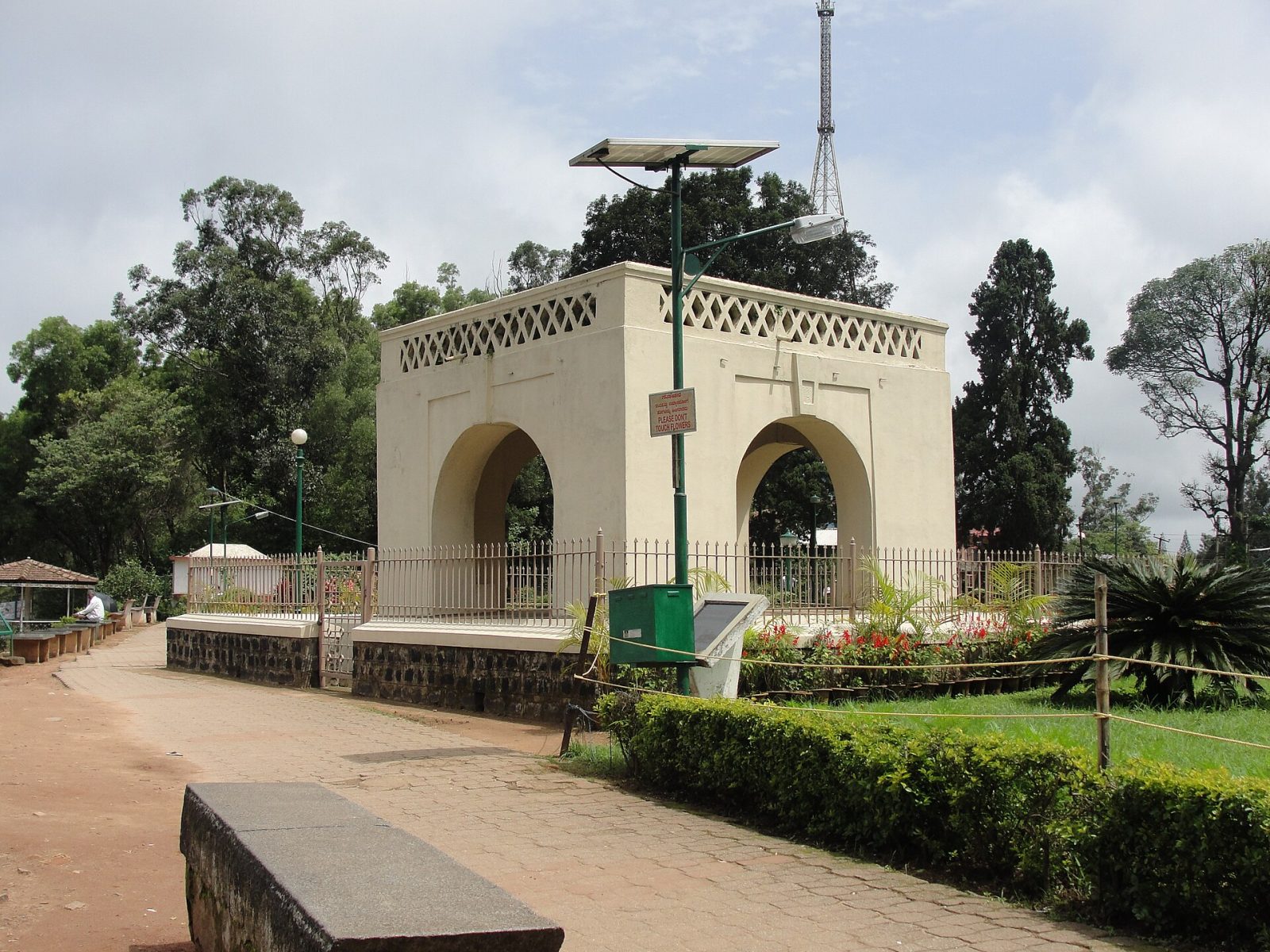
Raja's Seat is a small garden on the western edge of Madikeri where the Kodagu kings are said to have come in the evenings to watch the sun set over the hills. A brick and mortar pavilion with four pillars stands at the edge of the ridge, looking out across layers of misty valleys and terraced fields. Flower beds, a musical fountain and a toy train make it a family spot, and it is the most popular sunset point in Coorg. The mist rolls in quickly here, so views change by the minute. Come an hour before sunset to get a place at the railing.
Best weather: Dec – AprHeavy rain: Jun – Sep
Seasons from 20 years of NASA POWER climate data.
Was this trip blog helpful?
0
0
Ready to follow this route?
Copy all 15 stops into your trip plans in the app.
 WaTrips