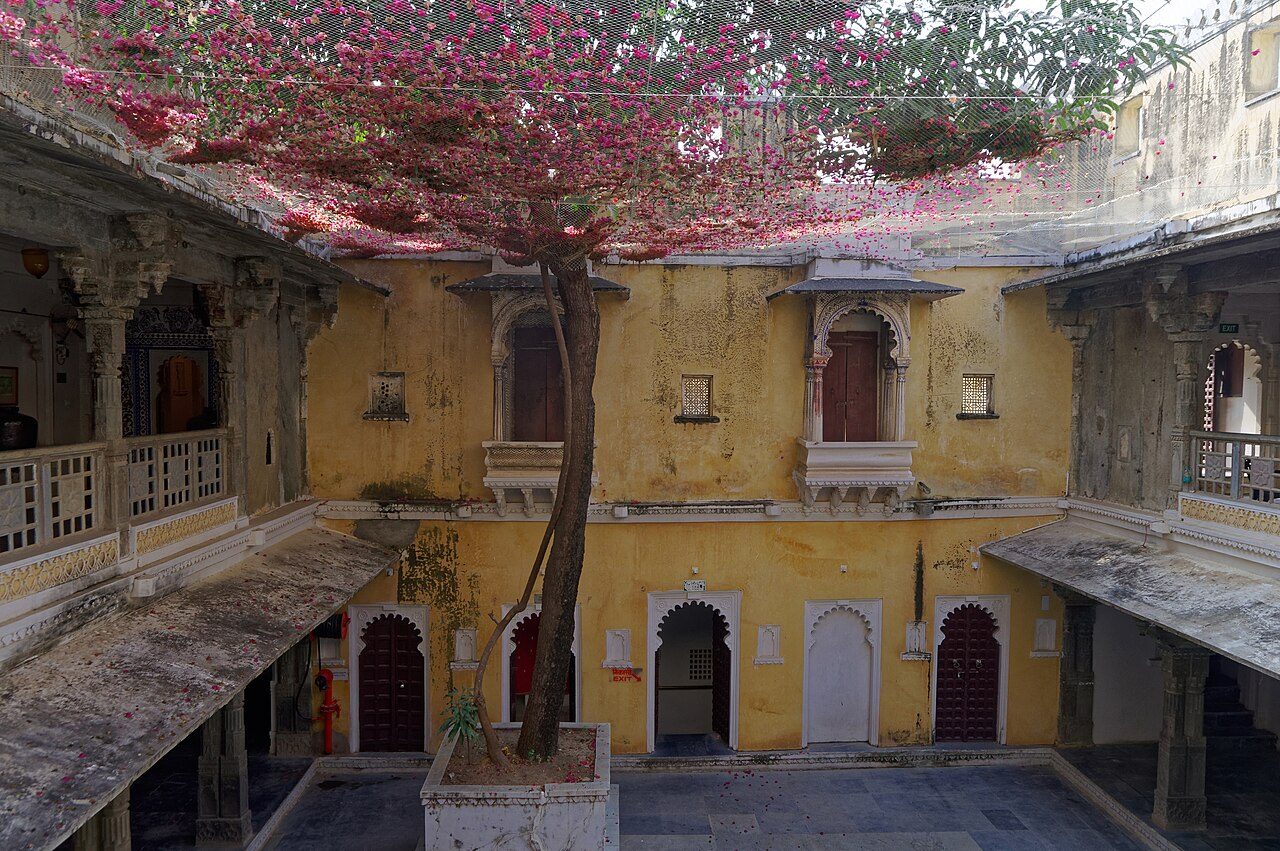
Jaipur, Ajmer and Pushkar, Nagaur and Jodhpur's Mehrangarh, two days in golden Jaisalmer, Ranakpur and Kumbhalgarh, ending in Udaipur.
The classic Rajasthan road trip, from the pink city to the city of lakes. After a day of Jaipur's palaces and forts, drive to Ajmer for the Sufi shrine of Ajmer Sharif and on to Pushkar's holy lake and Brahma temple. Day three passes Nagaur Fort on the way to Jodhpur, where Mehrangarh Fort towers over the blue old city. Then it is a long drive west to Jaisalmer, the golden fort city in the Thar desert: its living fort, carved havelis, Gadisar Lake, the royal cenotaphs at Bada Bagh and the abandoned village of Kuldhara; a night in a desert camp is a highlight. The way back goes through Jodhpur's Mandore gardens, Ranakpur's marble Jain temple and the great walls of Kumbhalgarh, ending in Udaipur.
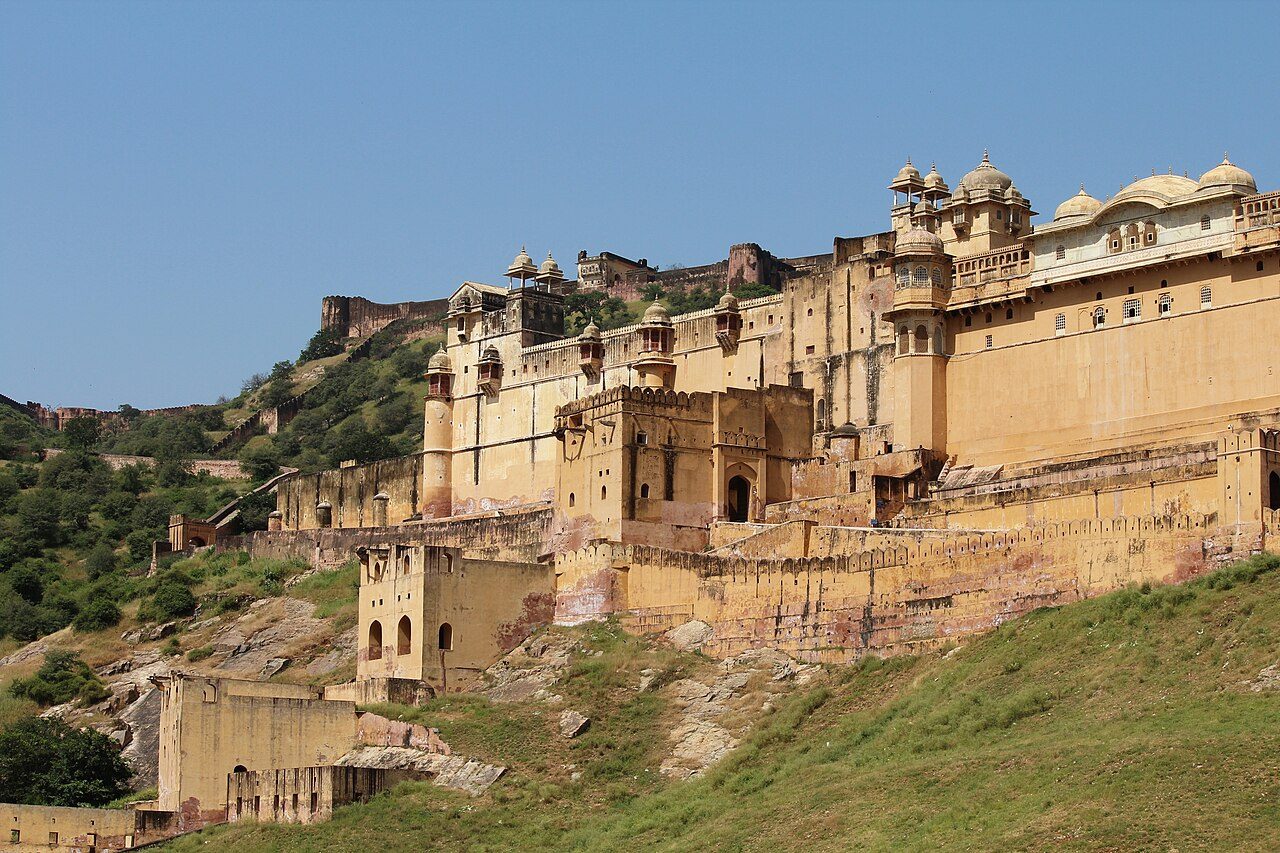
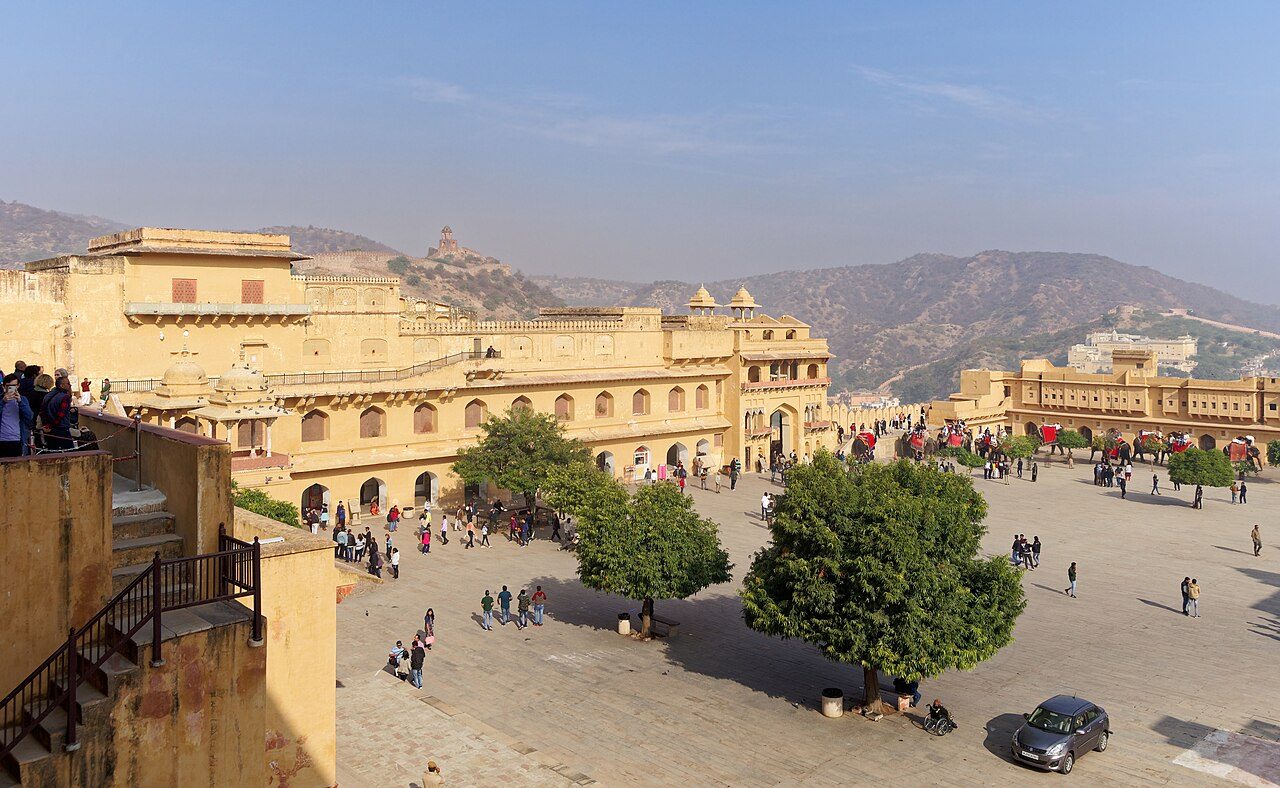
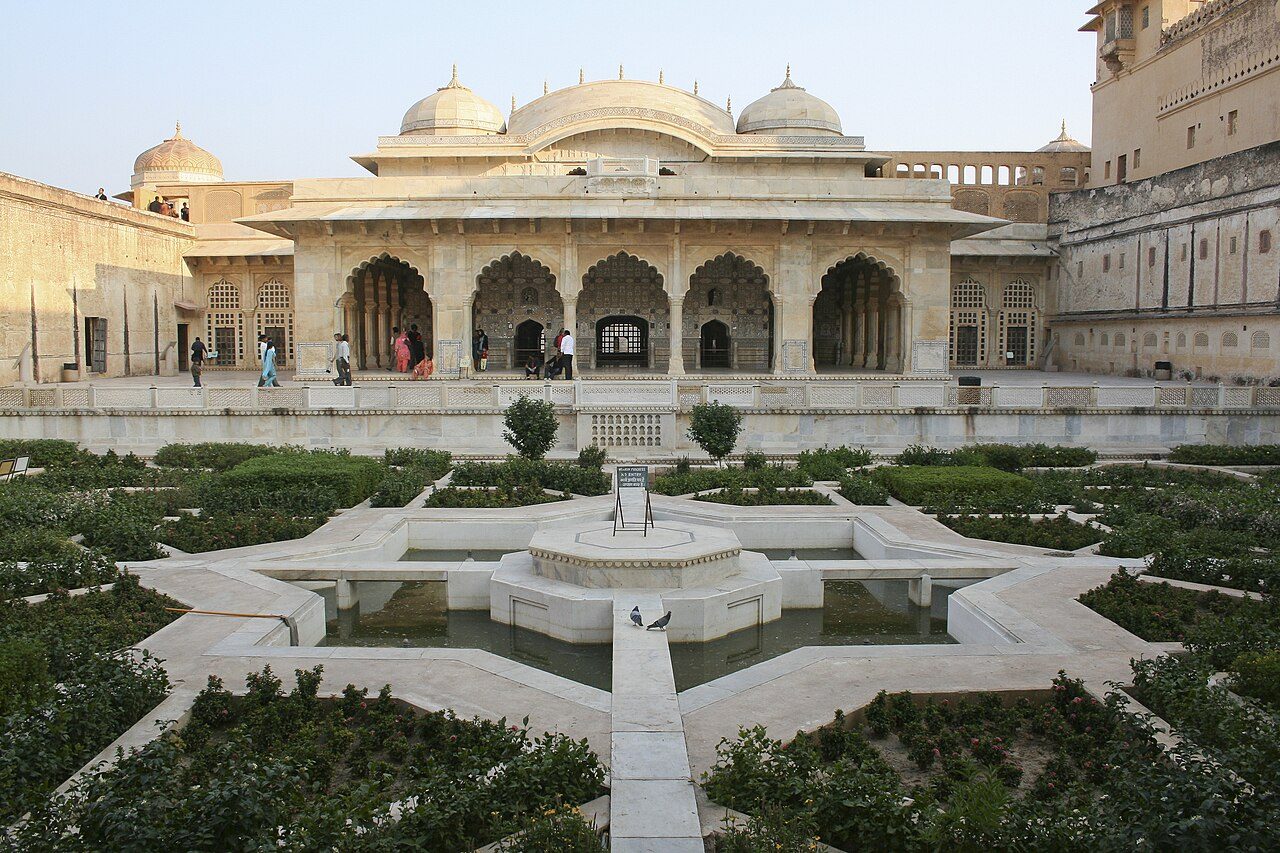
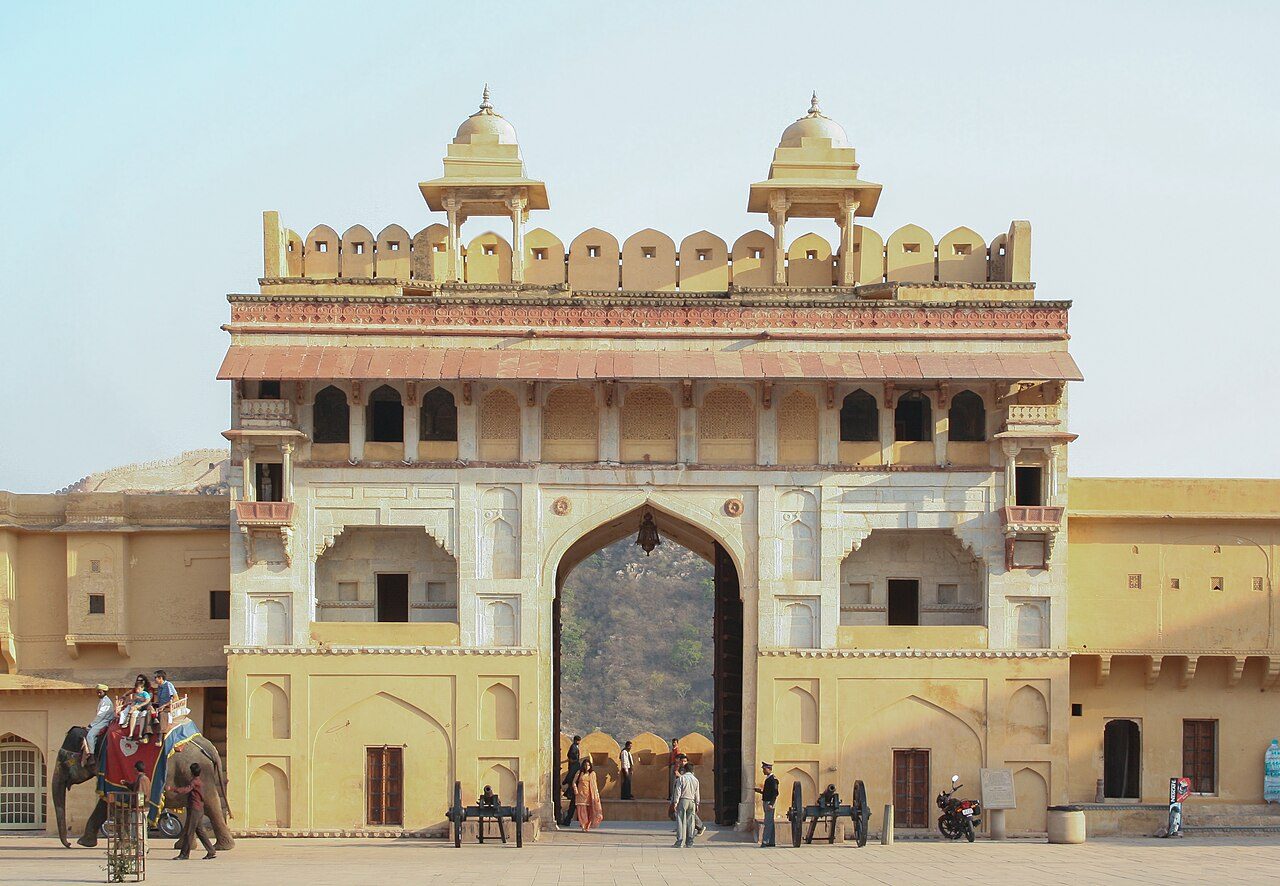
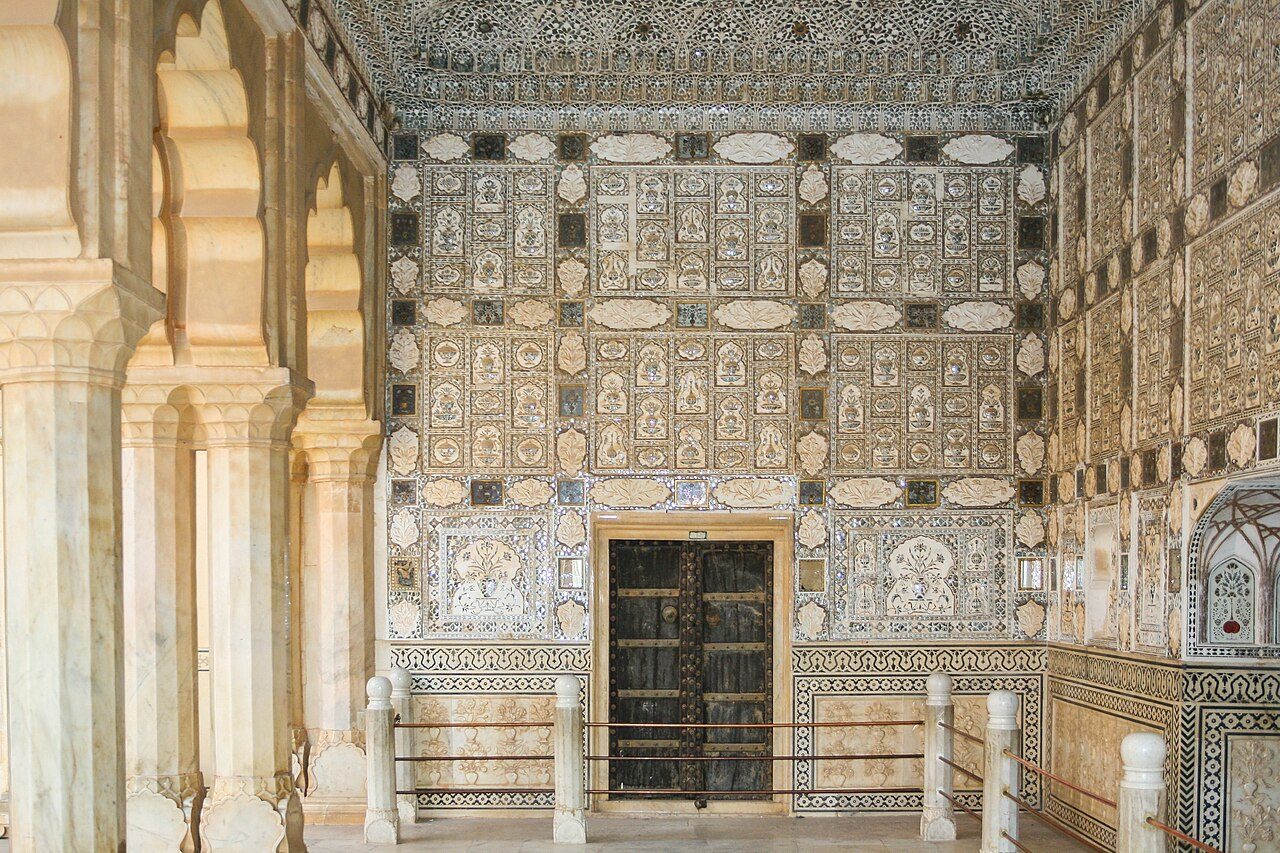
Amber Fort, in the hills just north of Jaipur, was the seat of the Kachwaha Rajputs before the capital moved to Jaipur. Begun by Raja Man Singh I in 1592 and enlarged by his successors, it blends Rajput and Mughal styles in courtyards, the mirrored Sheesh Mahal and the painted Ganesh Pol gate. It is one of the hill forts of Rajasthan on the UNESCO World Heritage list. Come early to beat the heat and crowds.
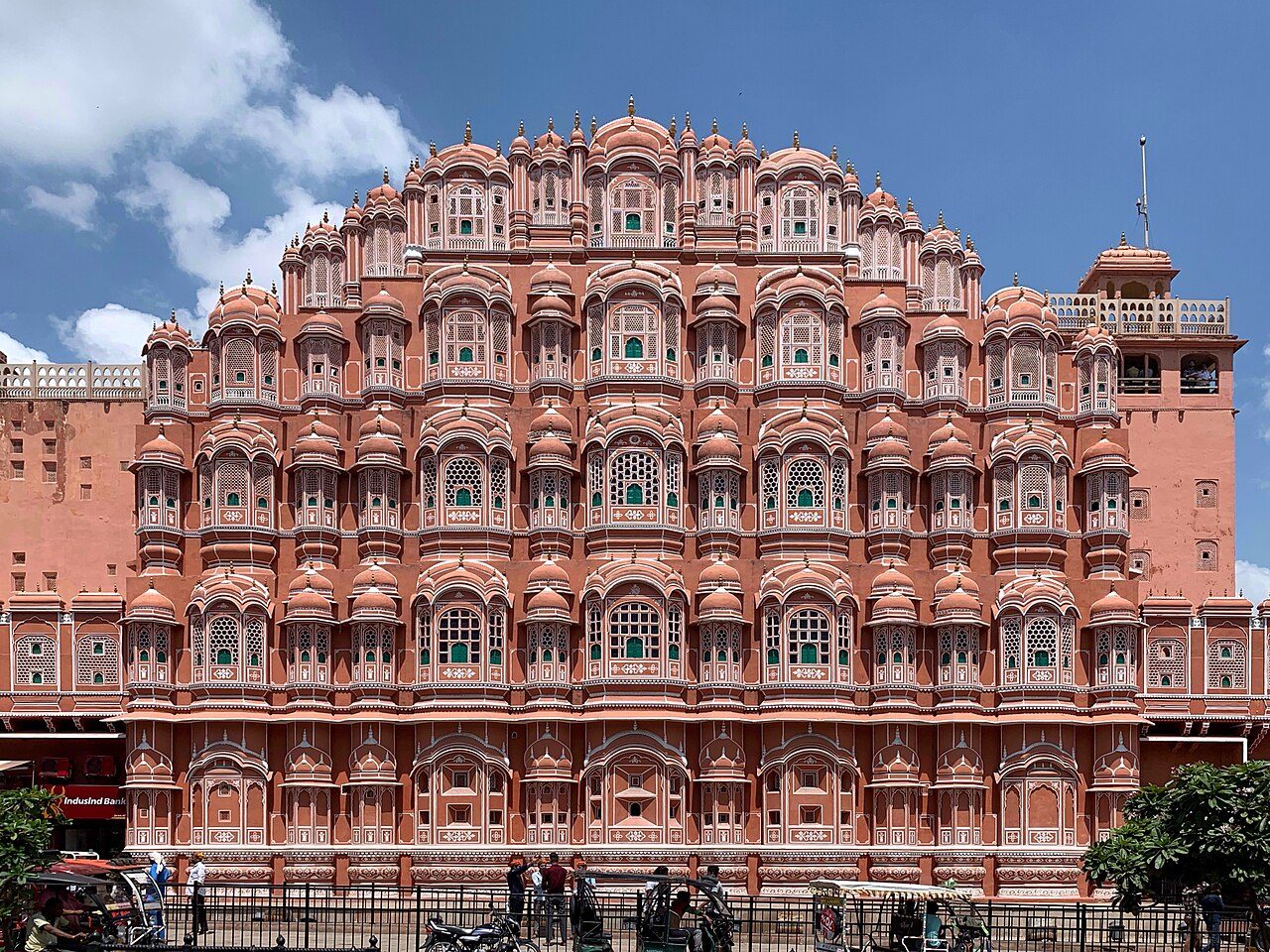
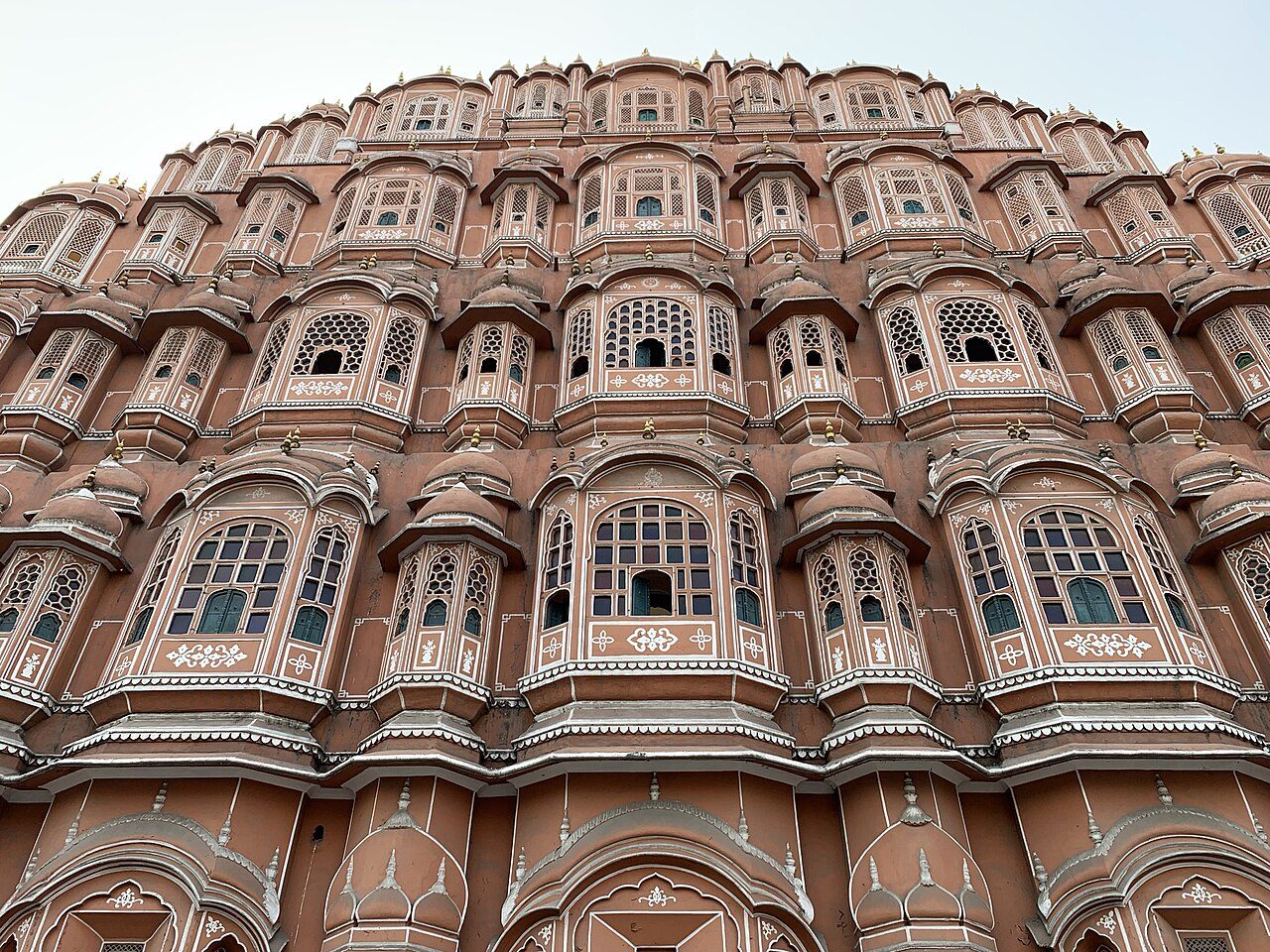
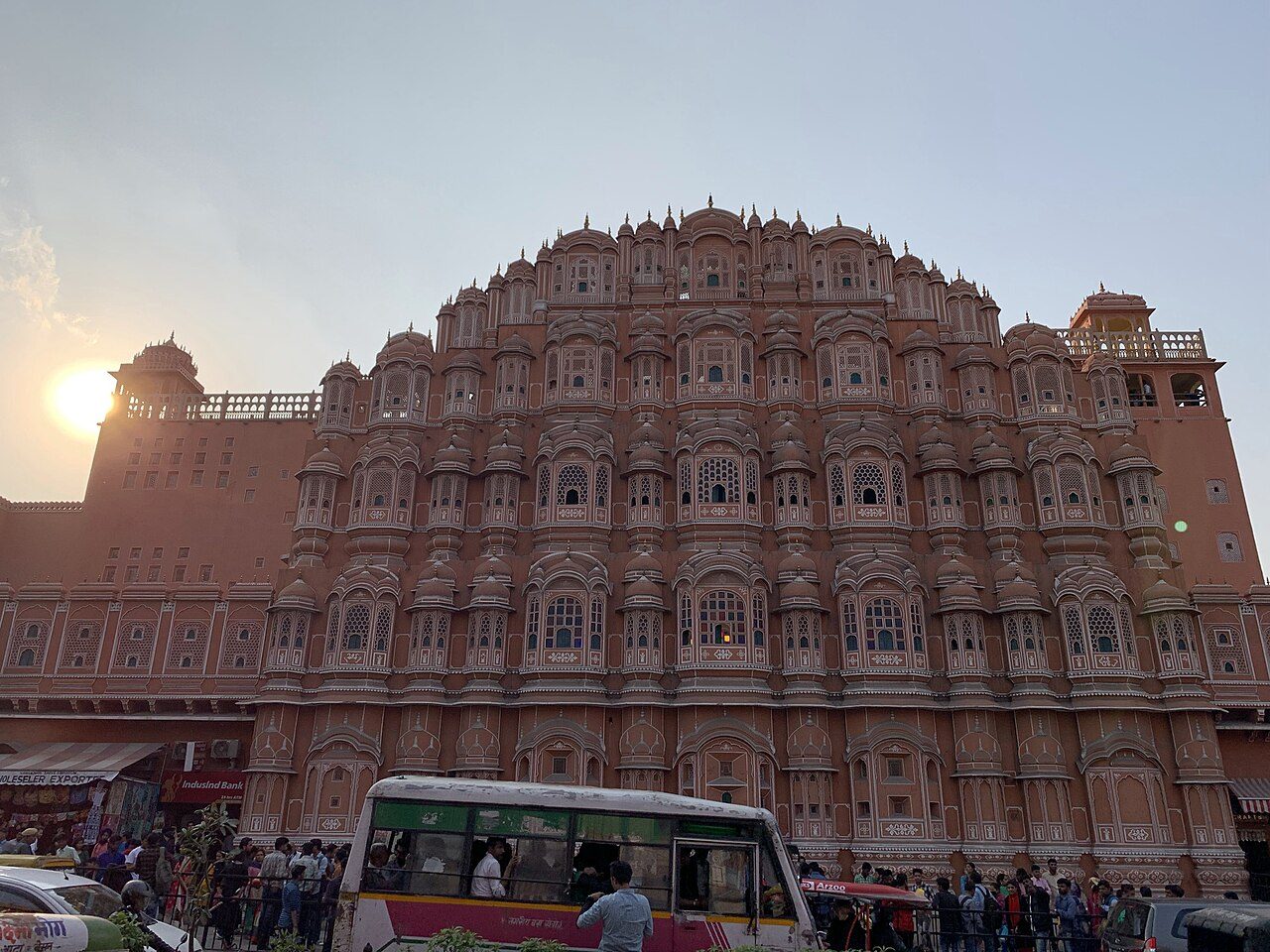
Hawa Mahal, the Palace of Winds, was built in 1799 by Maharaja Sawai Pratap Singh as an extension of the City Palace. Its five-storey pink sandstone facade has hundreds of small latticed windows, designed so that royal women could watch street processions unseen while breezes cooled the rooms. The facade is best seen from the street in the morning light; the entrance is around the back.
03
STOP 3 OF 29
City Palace Jaipur
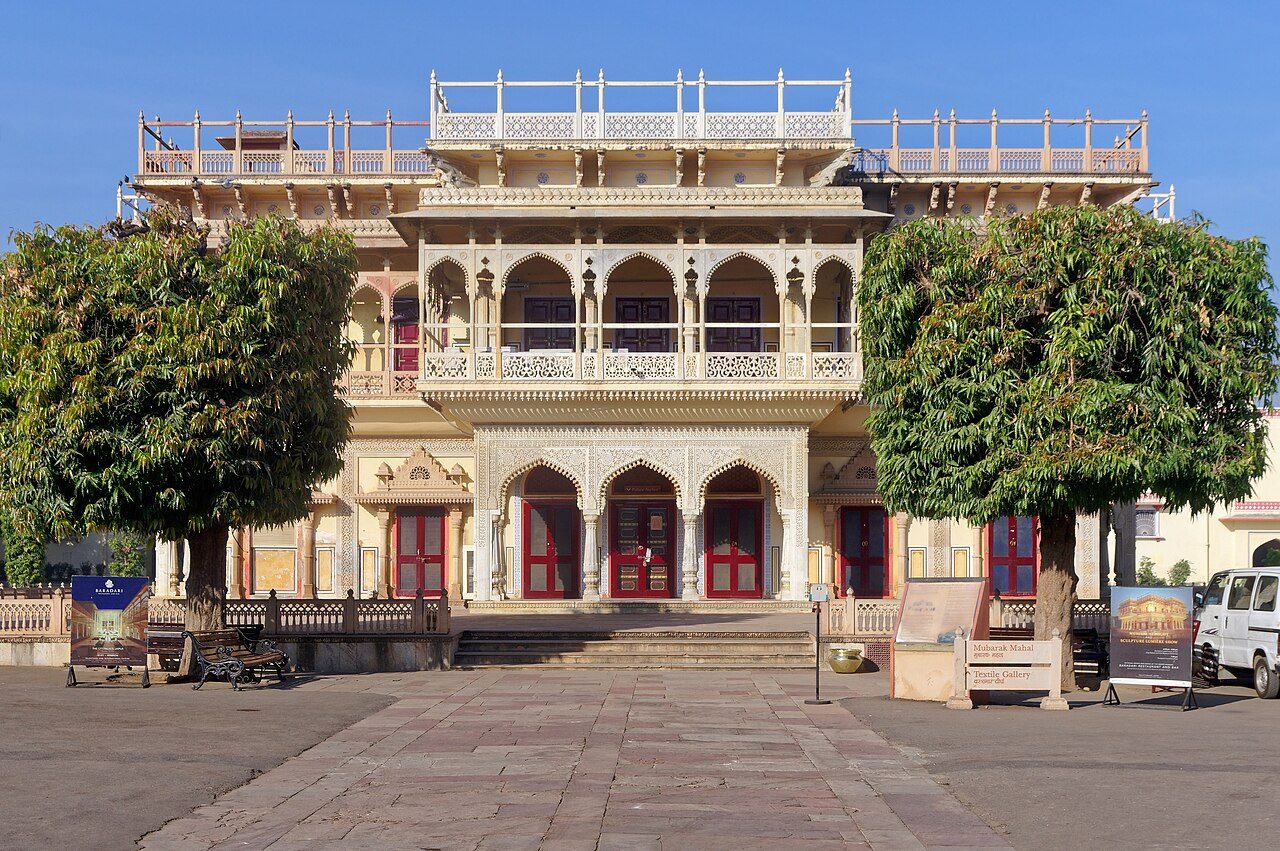
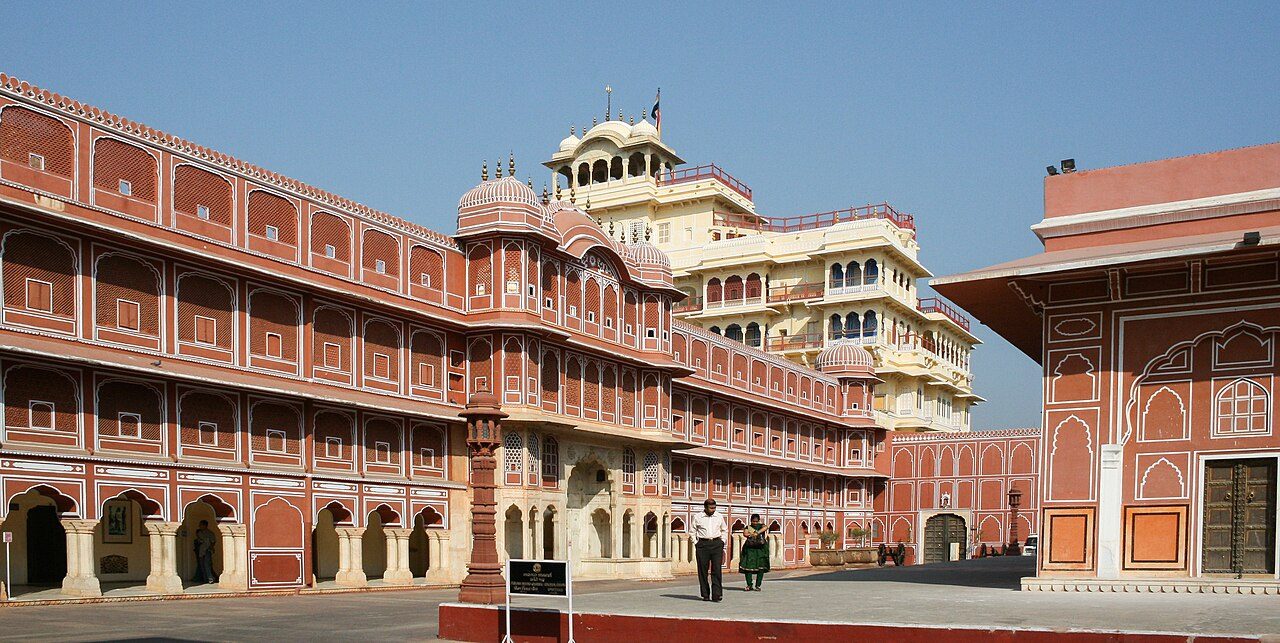
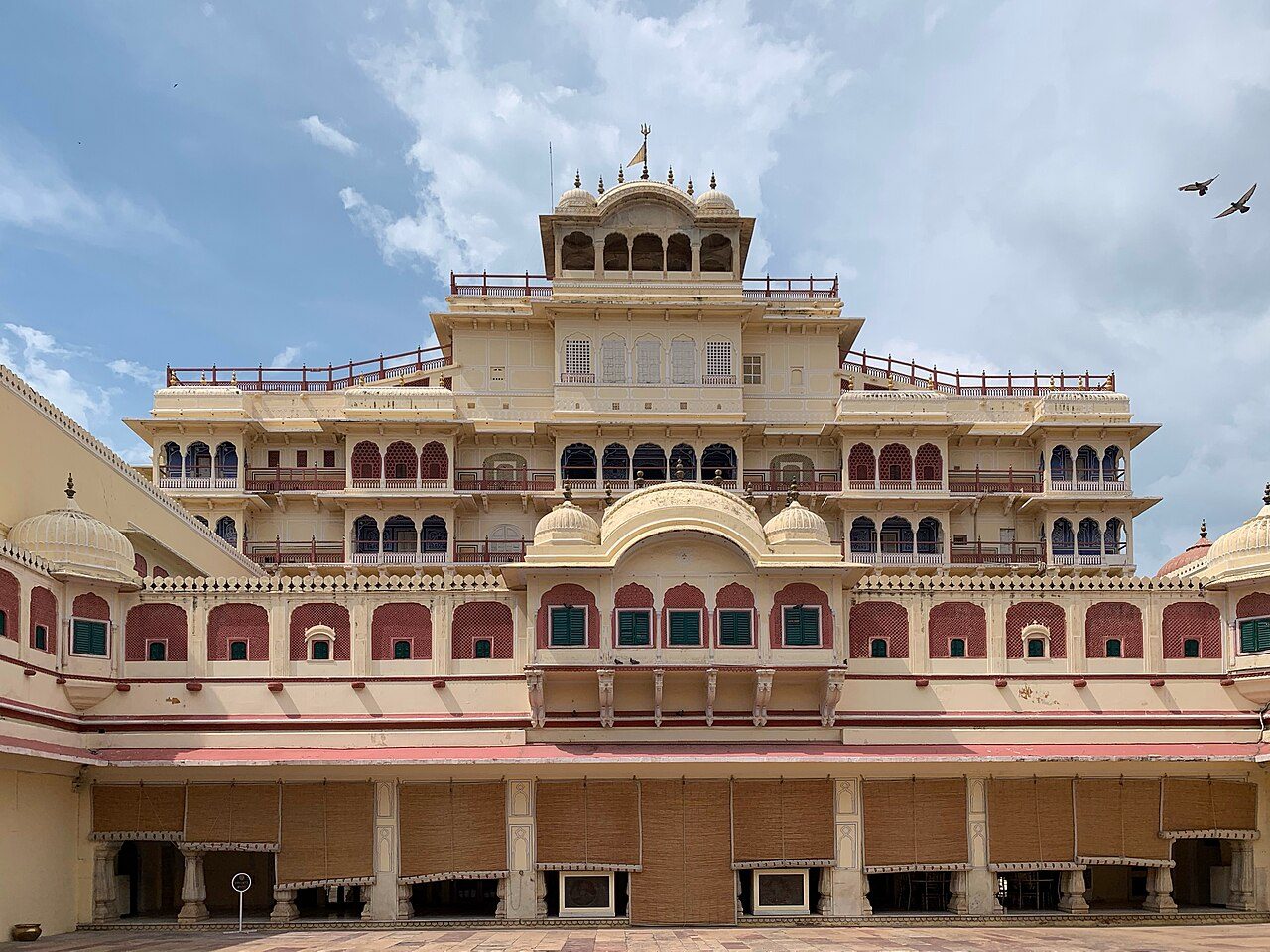
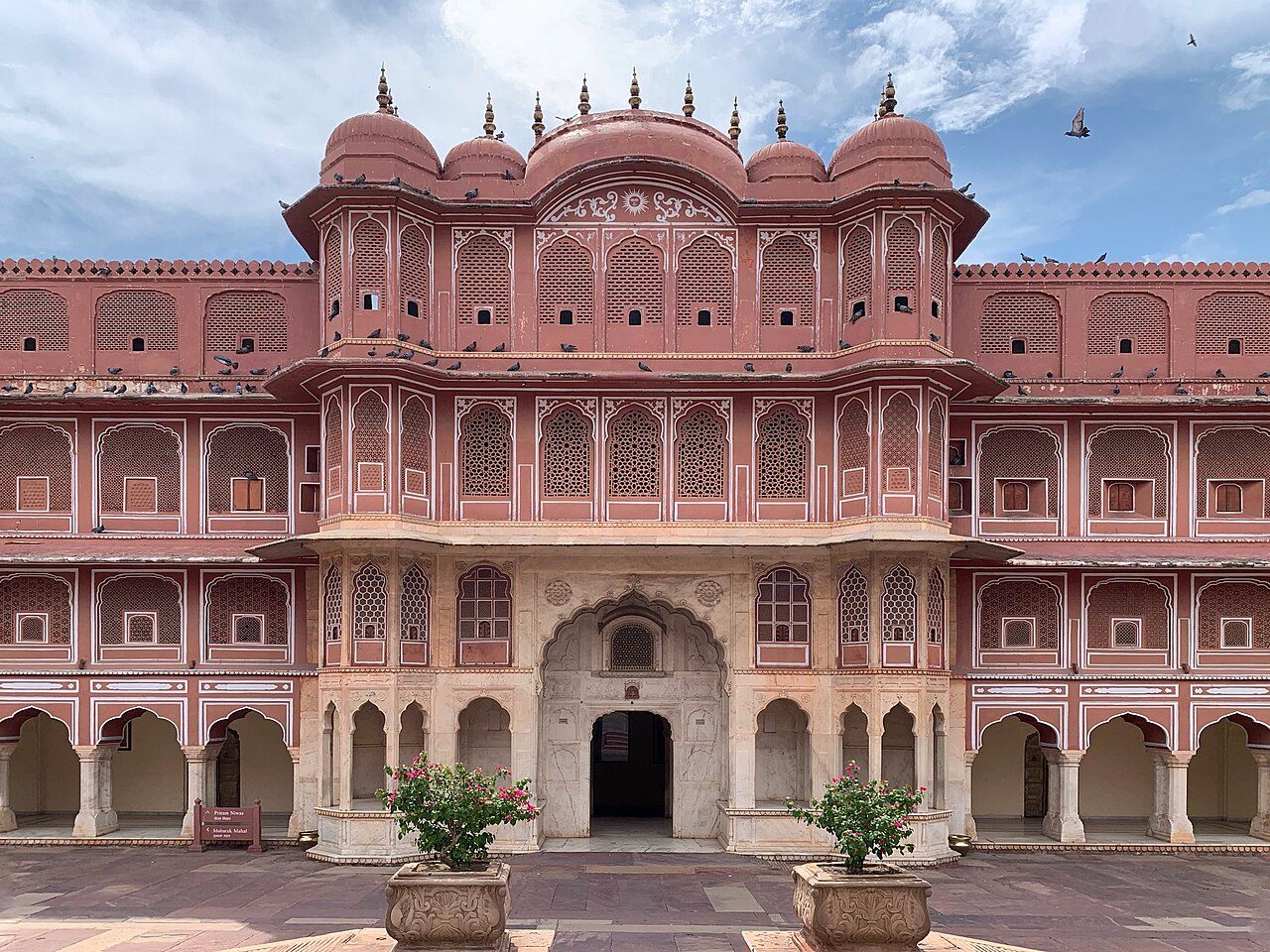
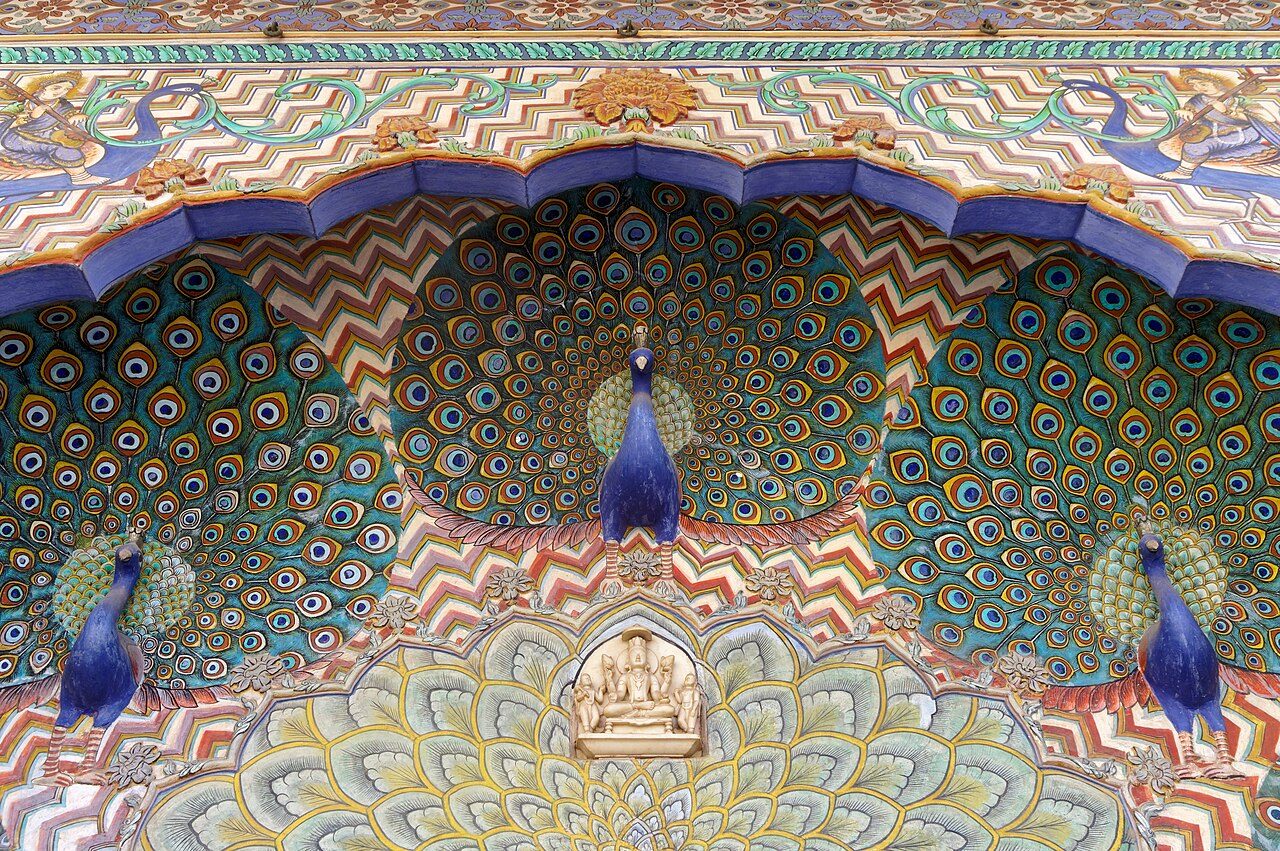
The City Palace was laid out by Maharaja Sawai Jai Singh II when he founded Jaipur in 1727, and part of it is still the home of the former royal family. Its courtyards hold the Mubarak Mahal, the Diwan-i-Khas with its giant silver urns, and the Pritam Niwas Chowk with four painted gates representing the seasons. The museum displays royal costumes, arms, carpets and manuscripts.
04
STOP 4 OF 29
Jantar Mantar Jaipur
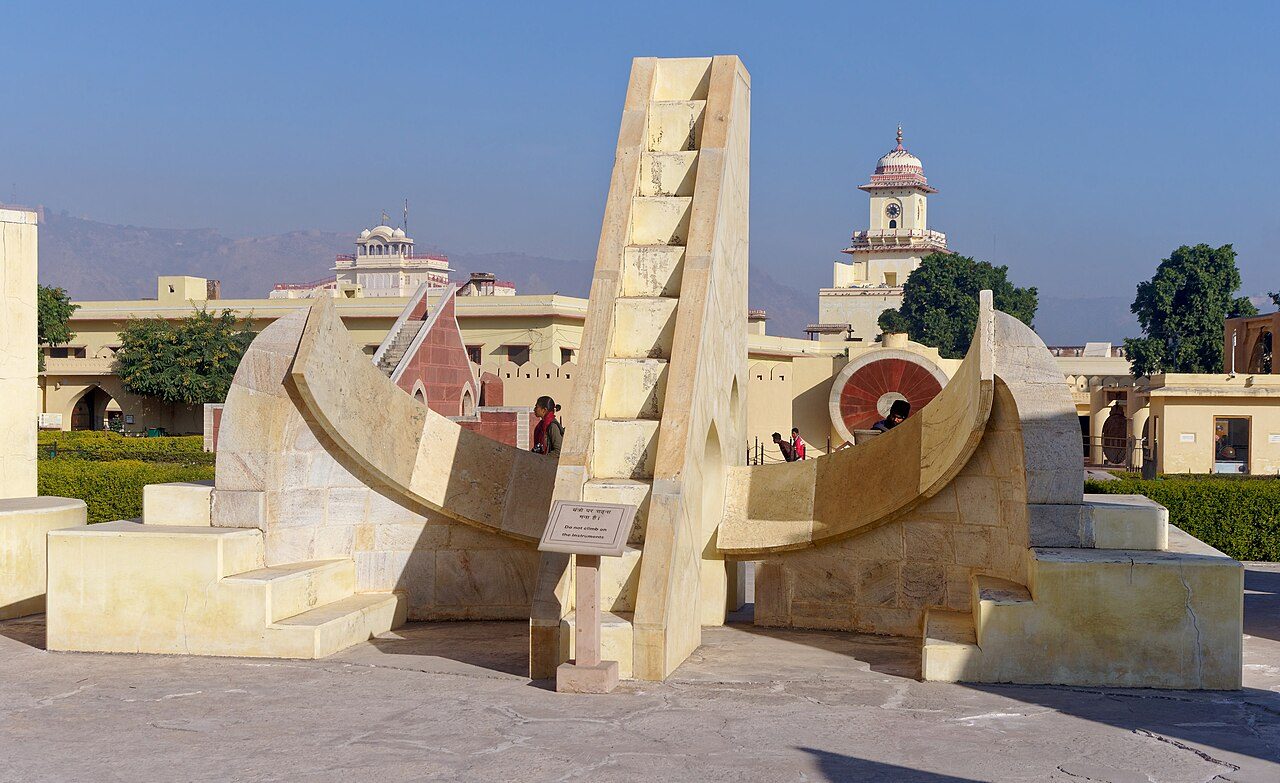
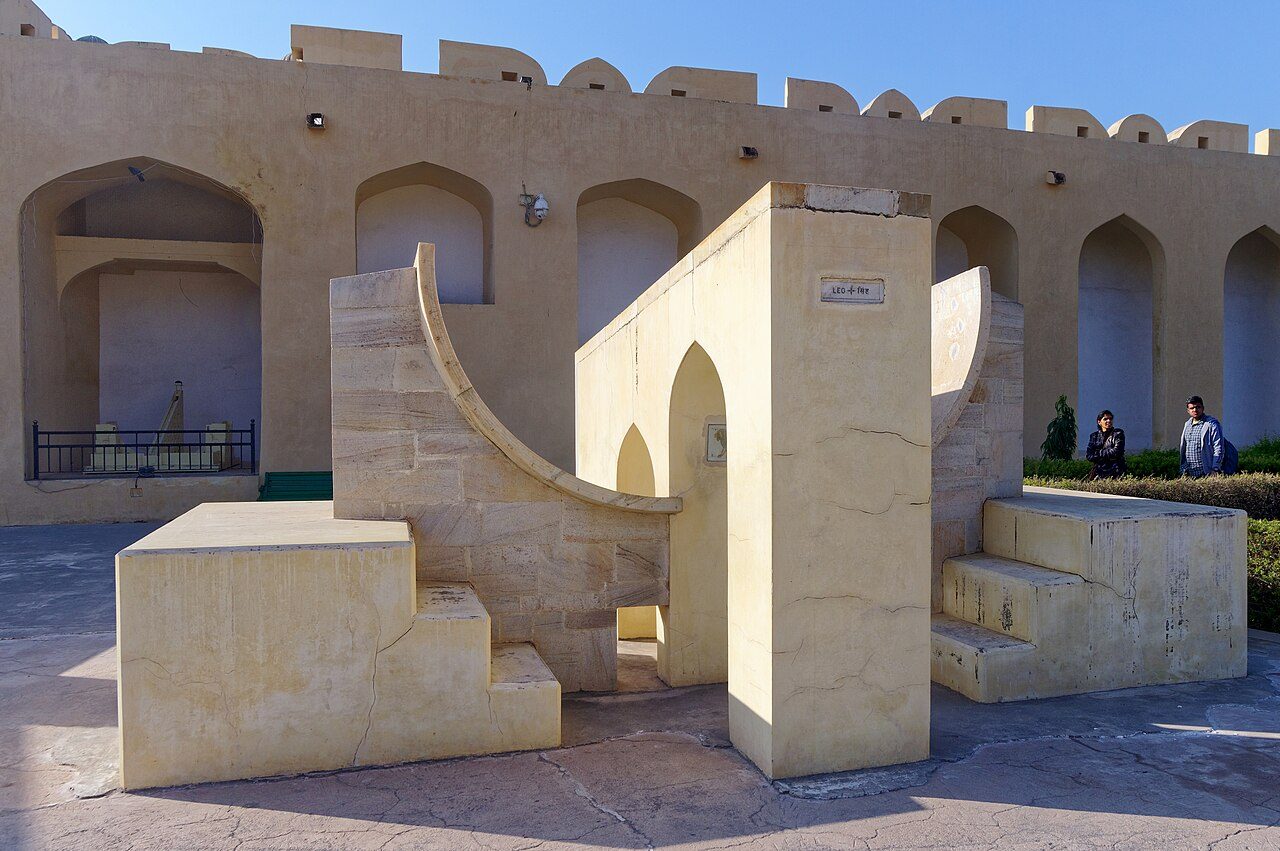
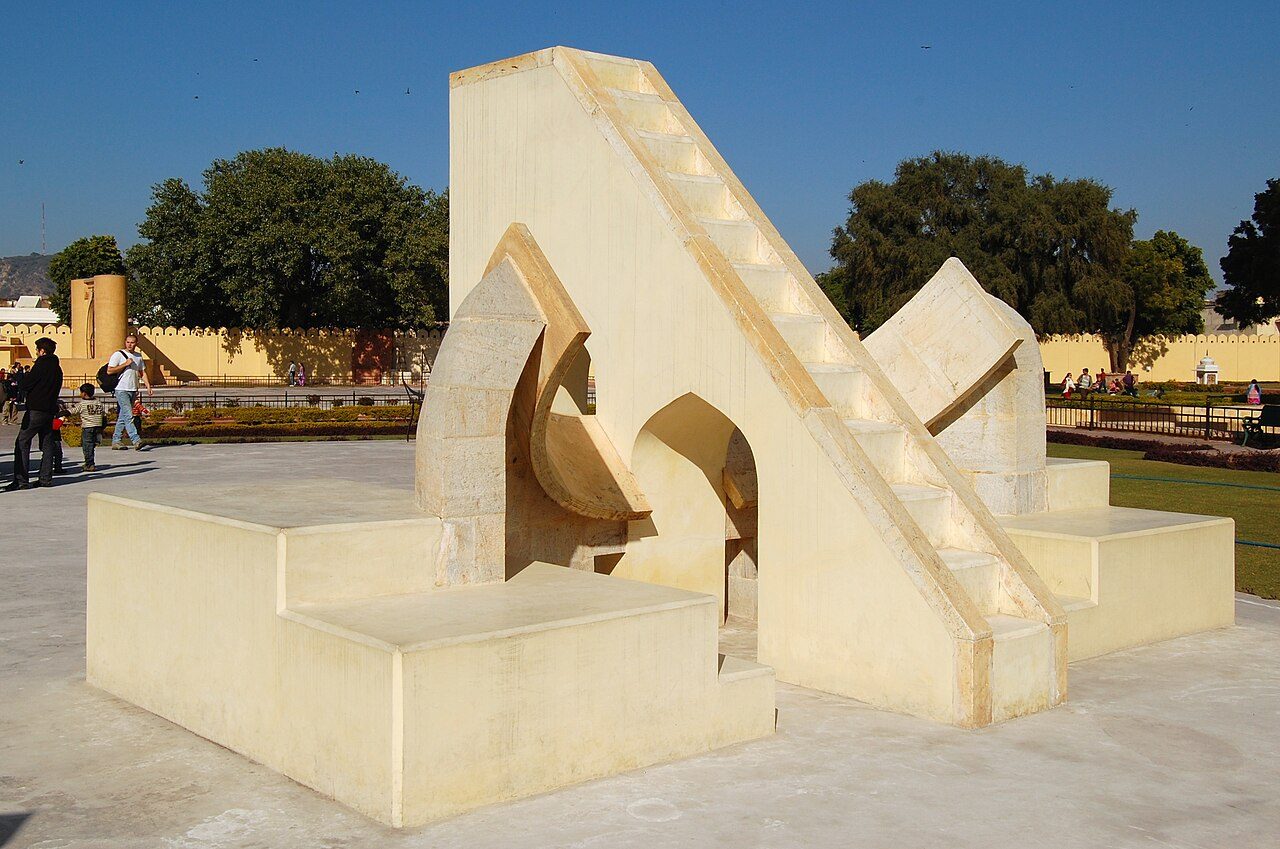
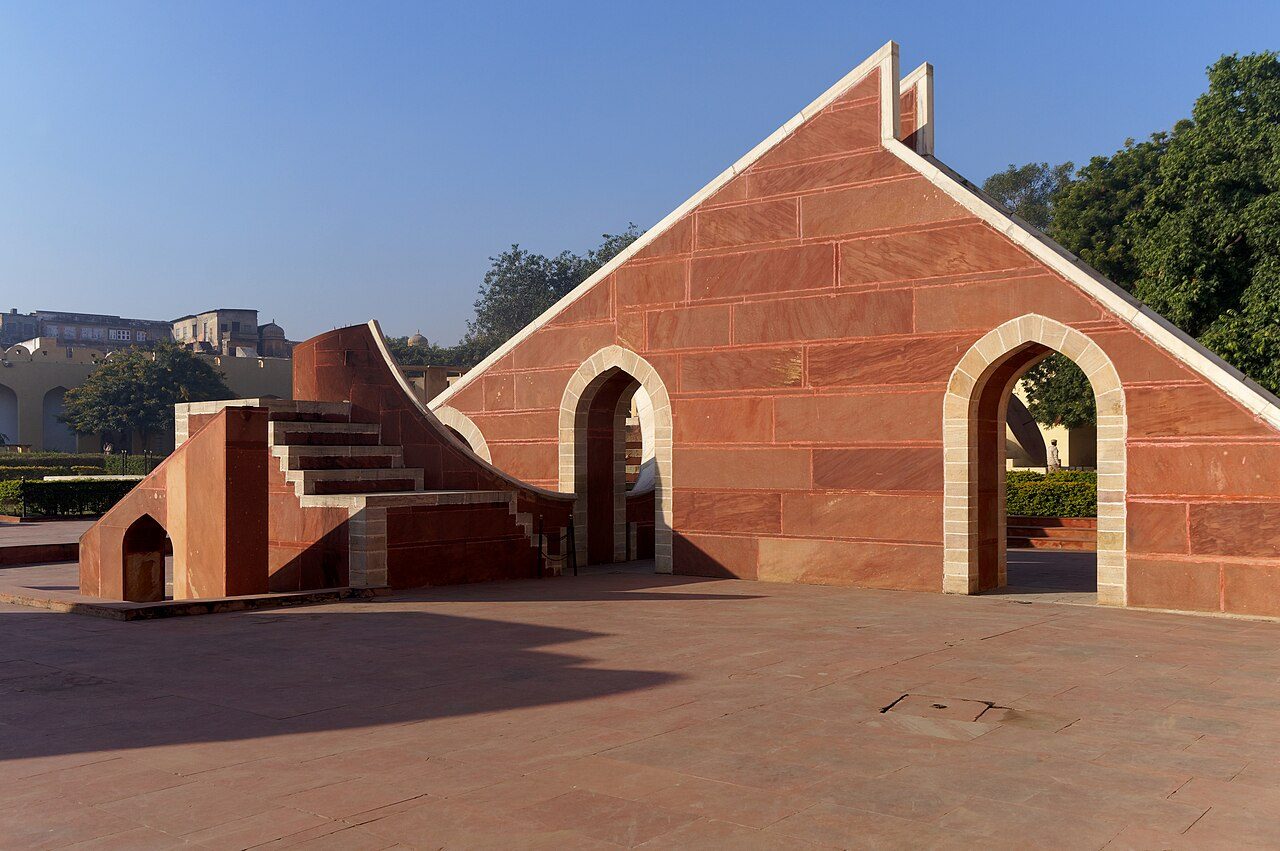
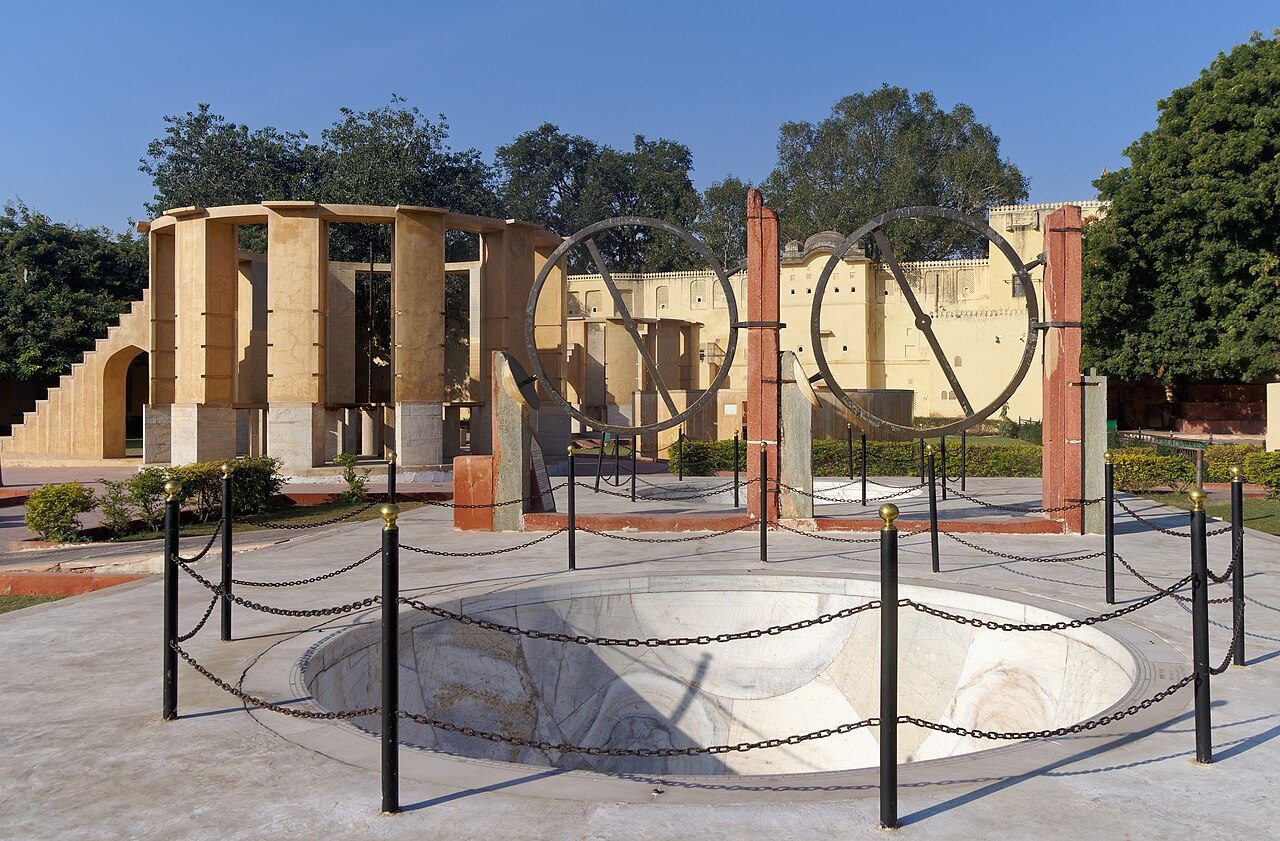
Jantar Mantar is a collection of nineteen astronomical instruments built in masonry by Maharaja Sawai Jai Singh II and completed in the 1730s. They were designed to measure time, track stars and predict eclipses with the naked eye, and include the Samrat Yantra, the world's largest stone sundial. The observatory is a UNESCO World Heritage Site. A guide helps make sense of how each instrument works.
05
STOP 5 OF 29
Ajmer Sharif Dargah
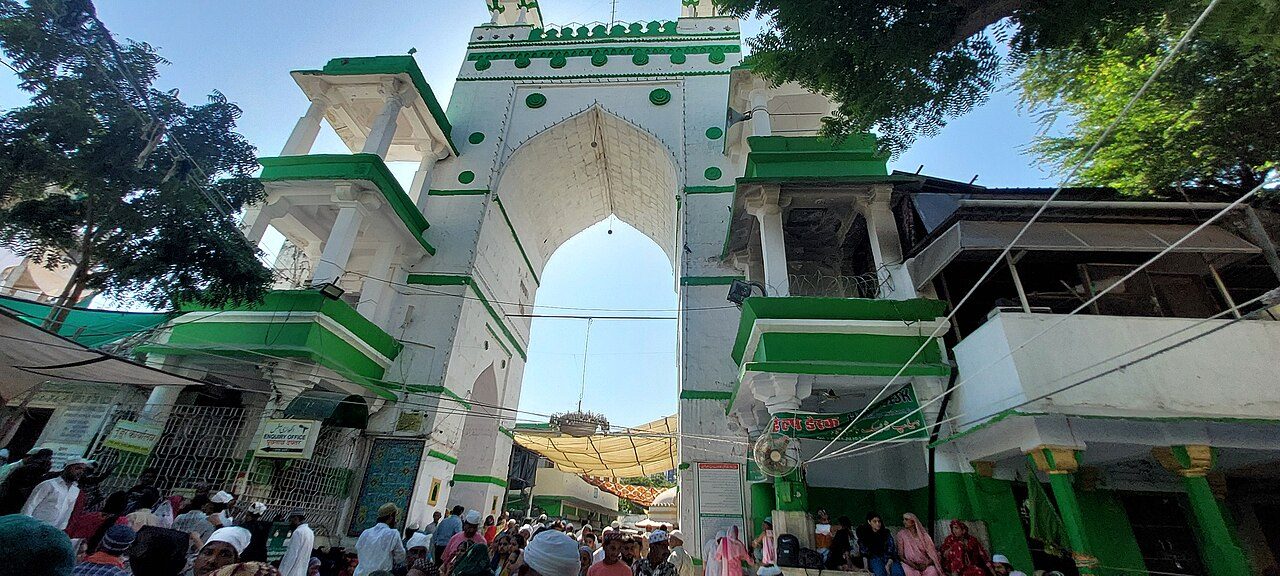
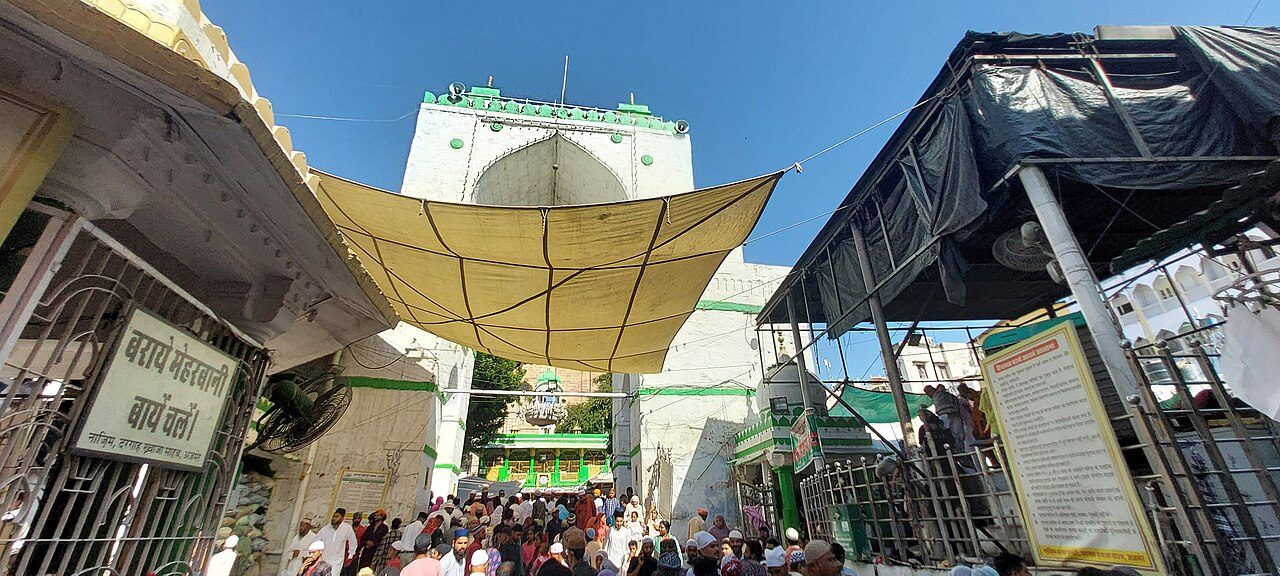
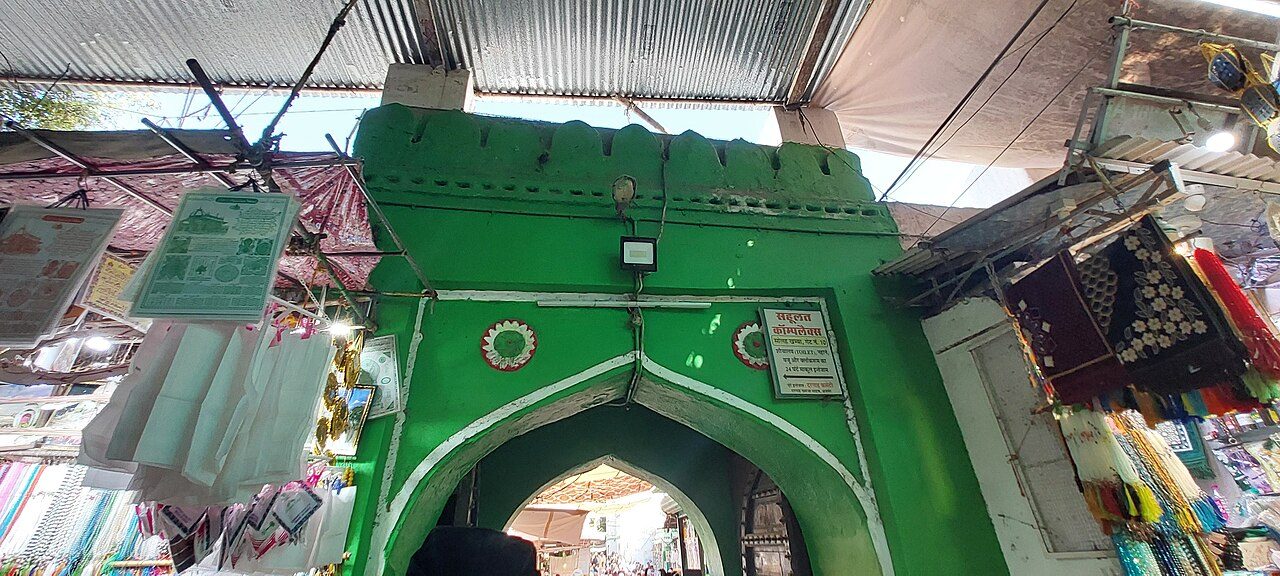
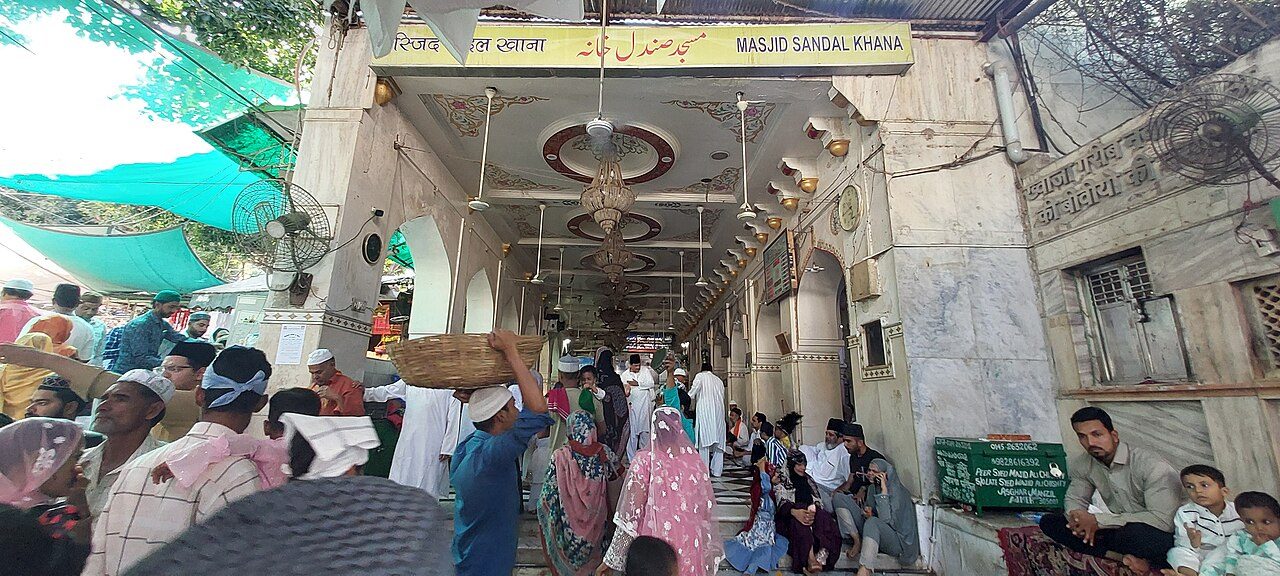
The dargah of Khwaja Moinuddin Chishti, the 13th-century Sufi saint who founded the Chishti order in India, is one of the most visited shrines in South Asia. Mughal emperors from Akbar onwards added gates, mosques and courtyards around the white marble tomb. People of all faiths come to offer flowers and chadars, and qawwali is sung in the evenings. The annual Urs draws huge crowds.
06
STOP 6 OF 29
Adhai Din Ka Jhonpra
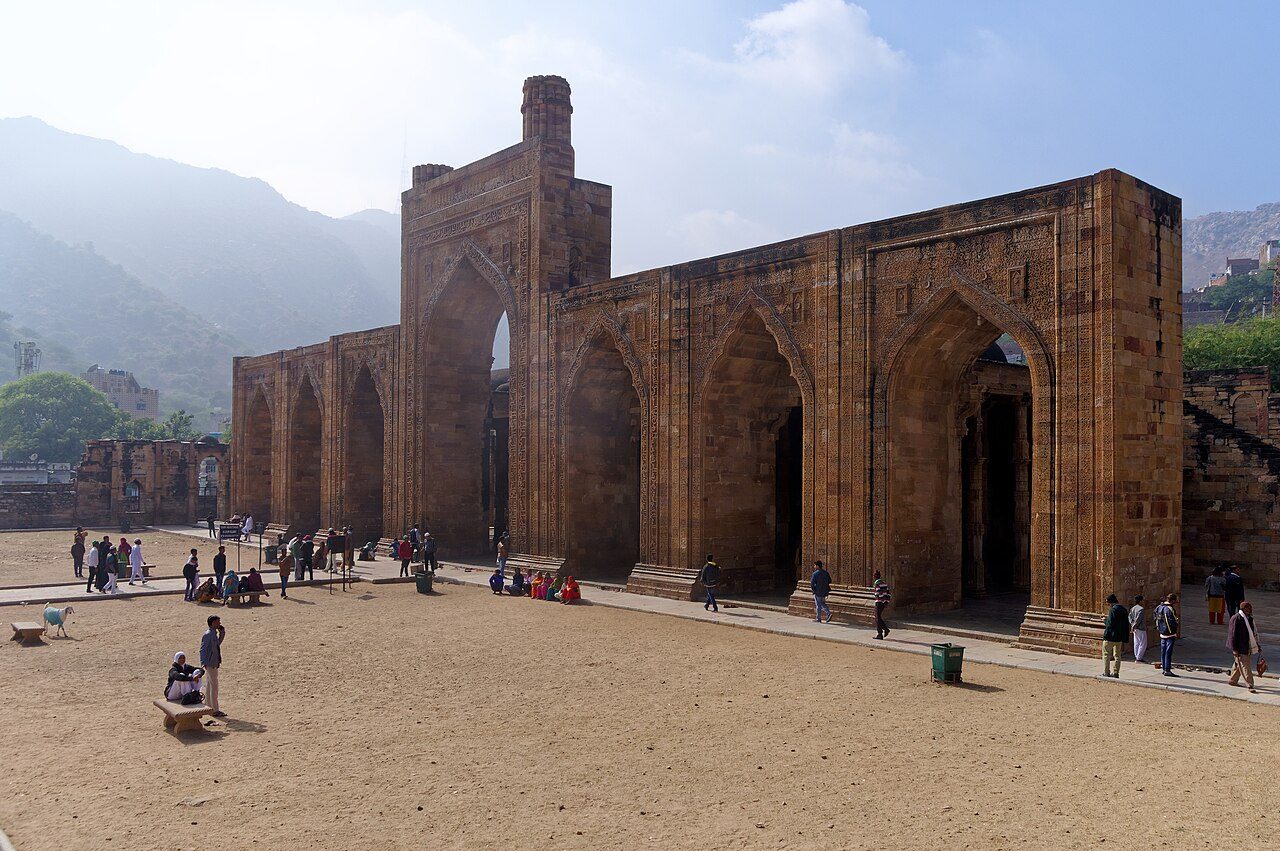
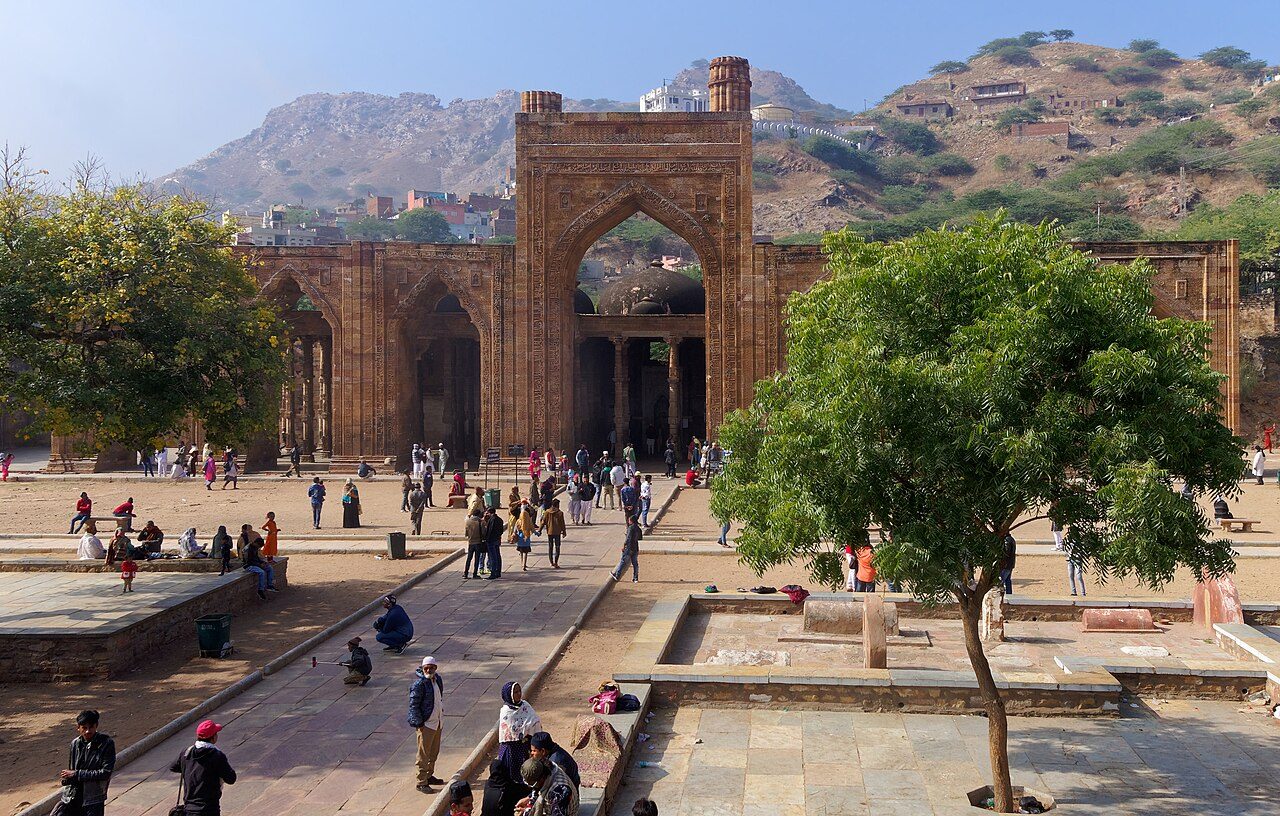
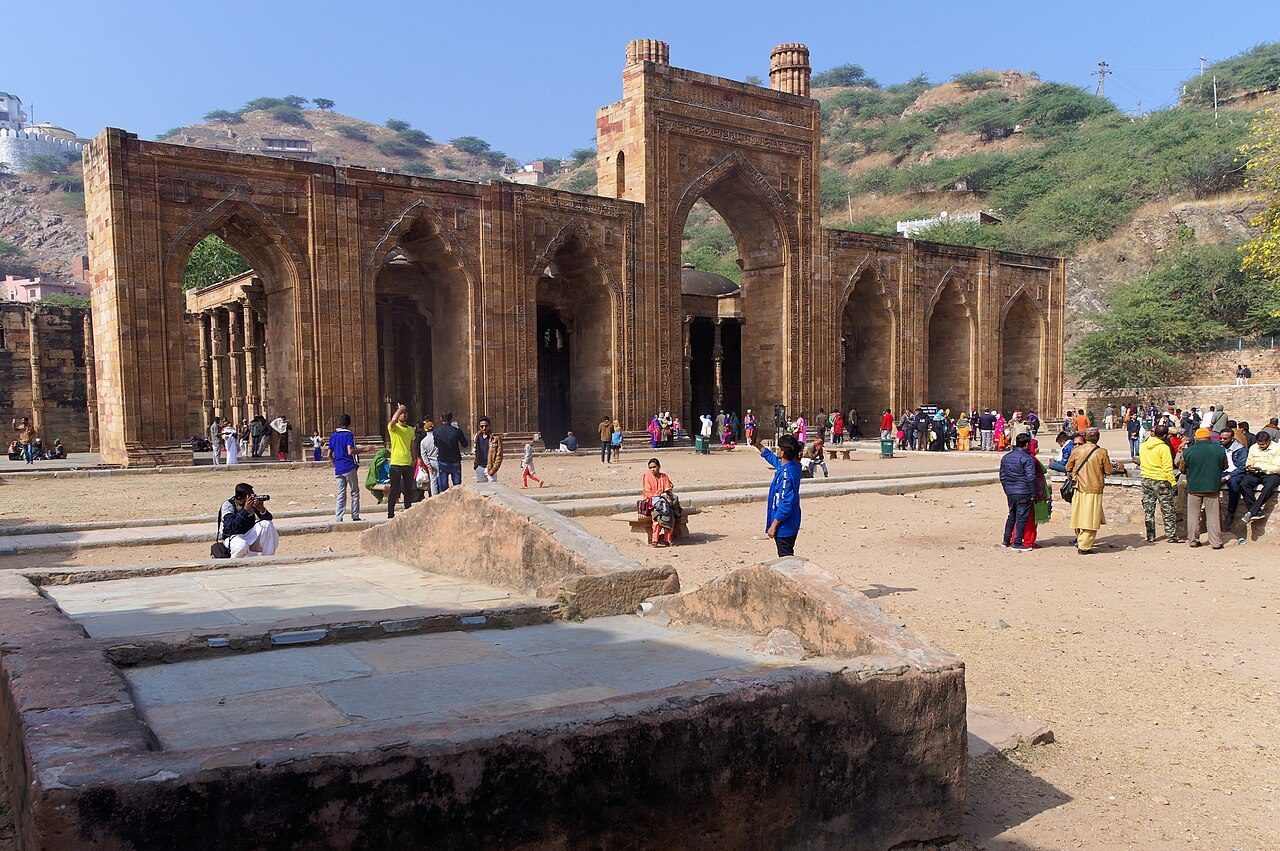
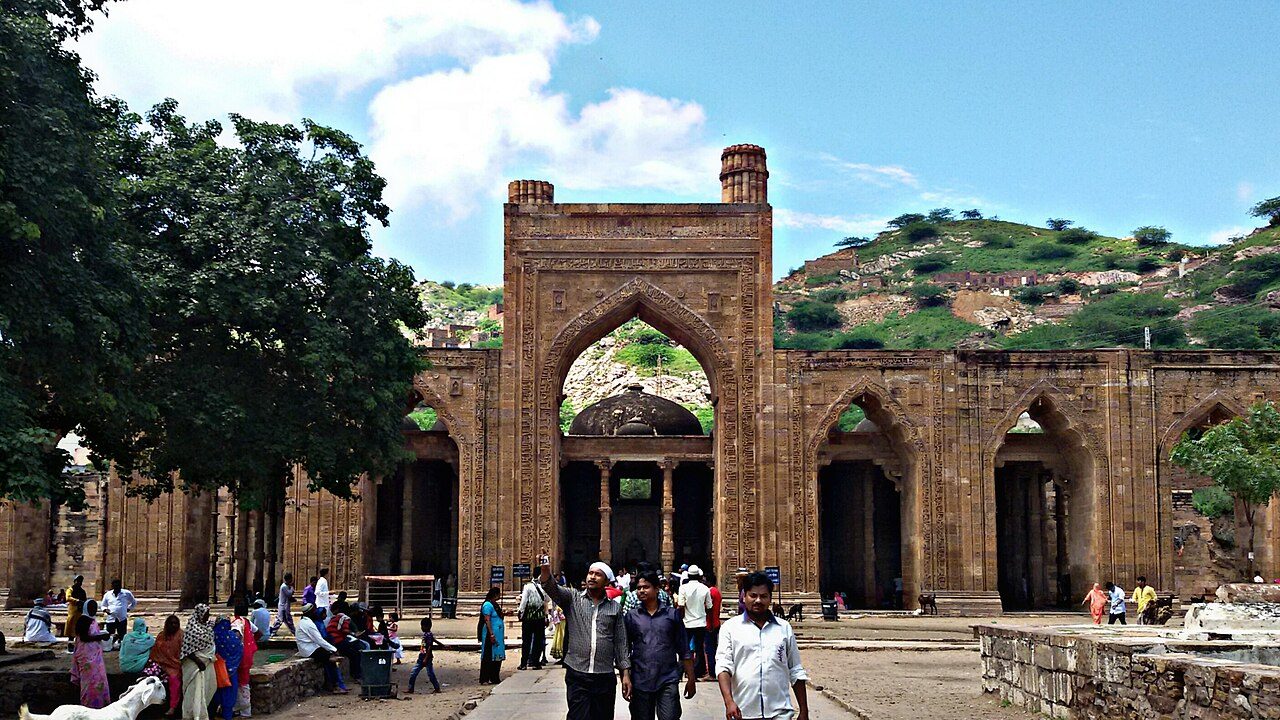
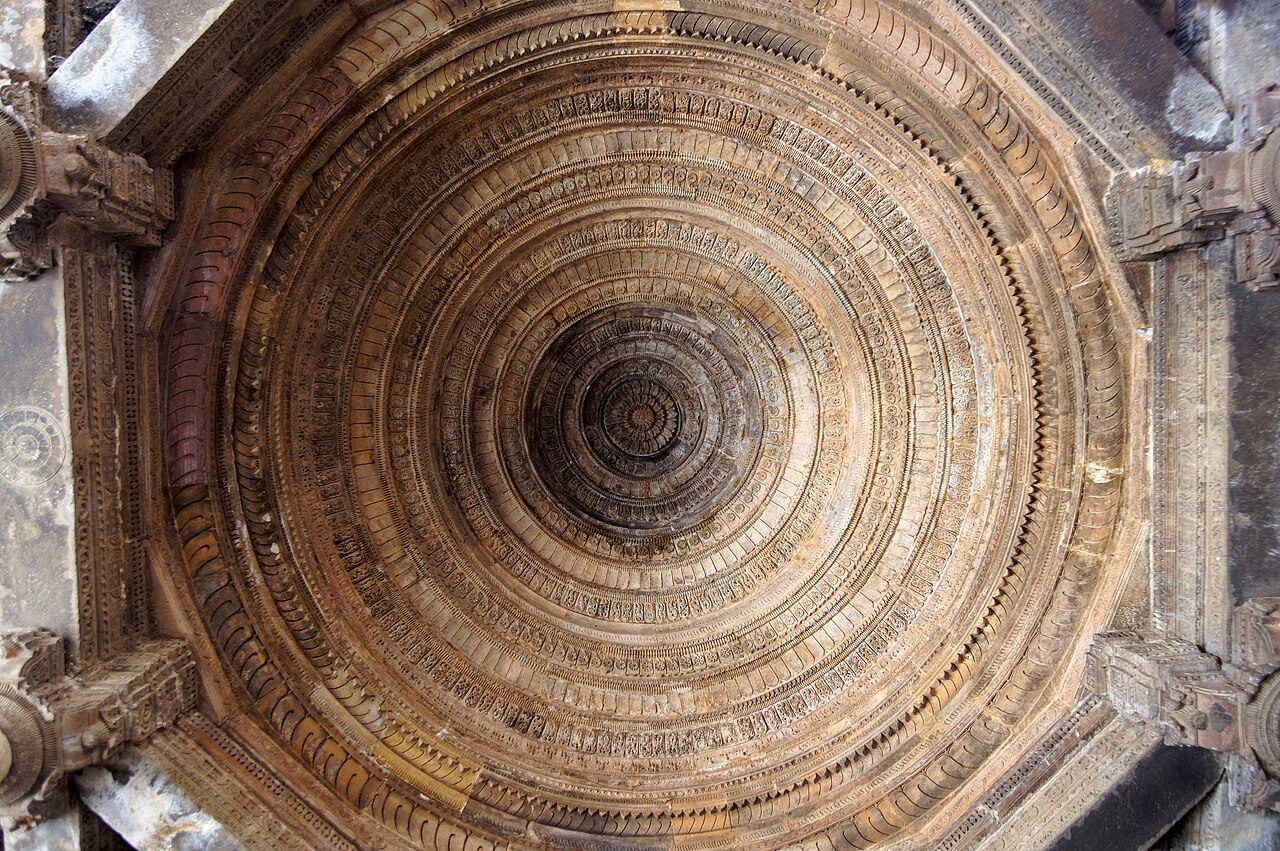
Adhai Din Ka Jhonpra is one of the oldest mosques in India, built in Ajmer in the 1190s on the orders of Qutb-ud-din Aibak. Its pillared hall reuses carved columns from earlier Hindu and Jain buildings, and a screen of seven pointed arches covered in Arabic calligraphy was added by Iltutmish. The name, meaning shed of two and a half days, has several legendary explanations. It lies a short walk beyond the dargah.
07
STOP 7 OF 29
Pushkar Lake
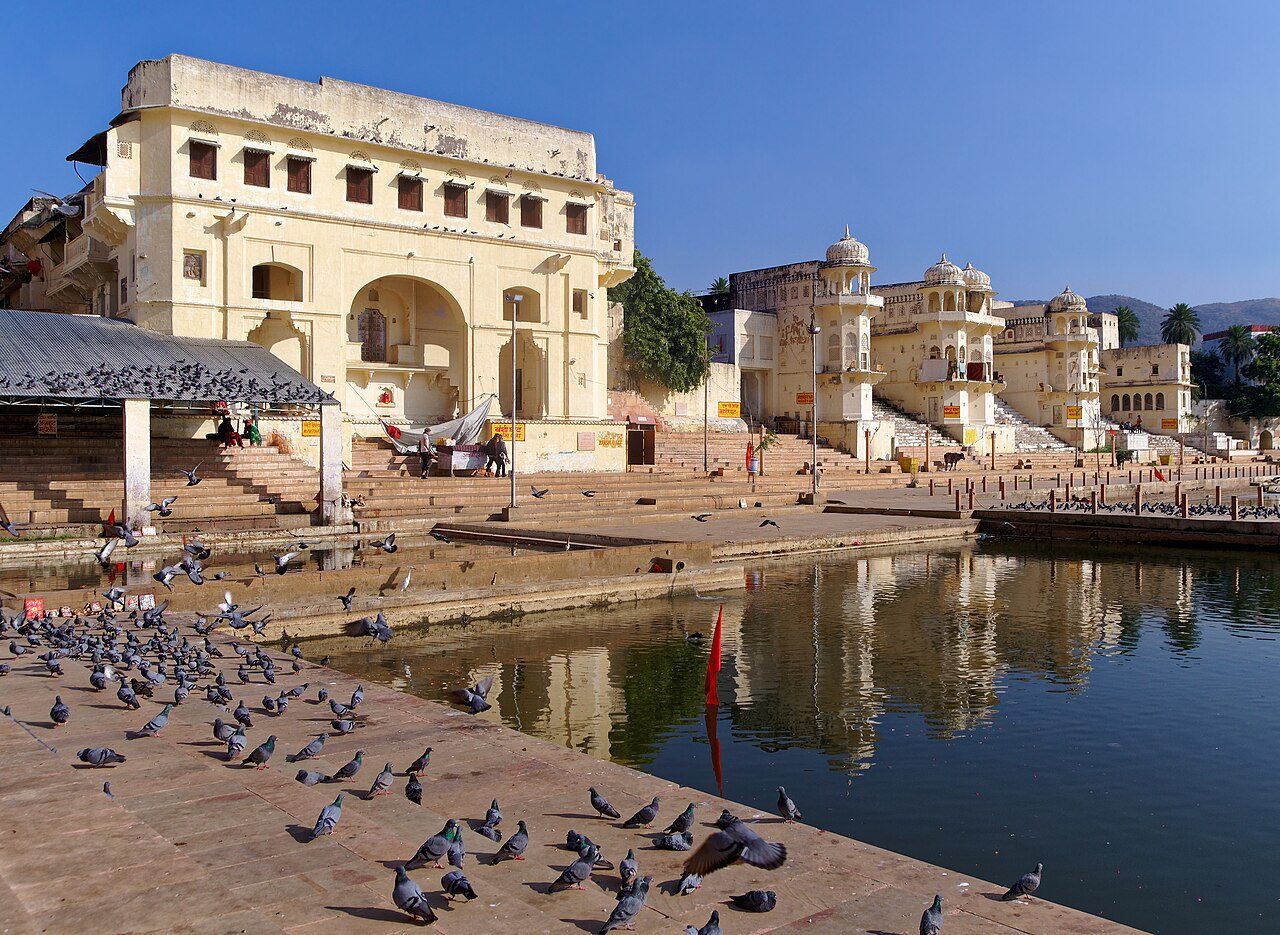
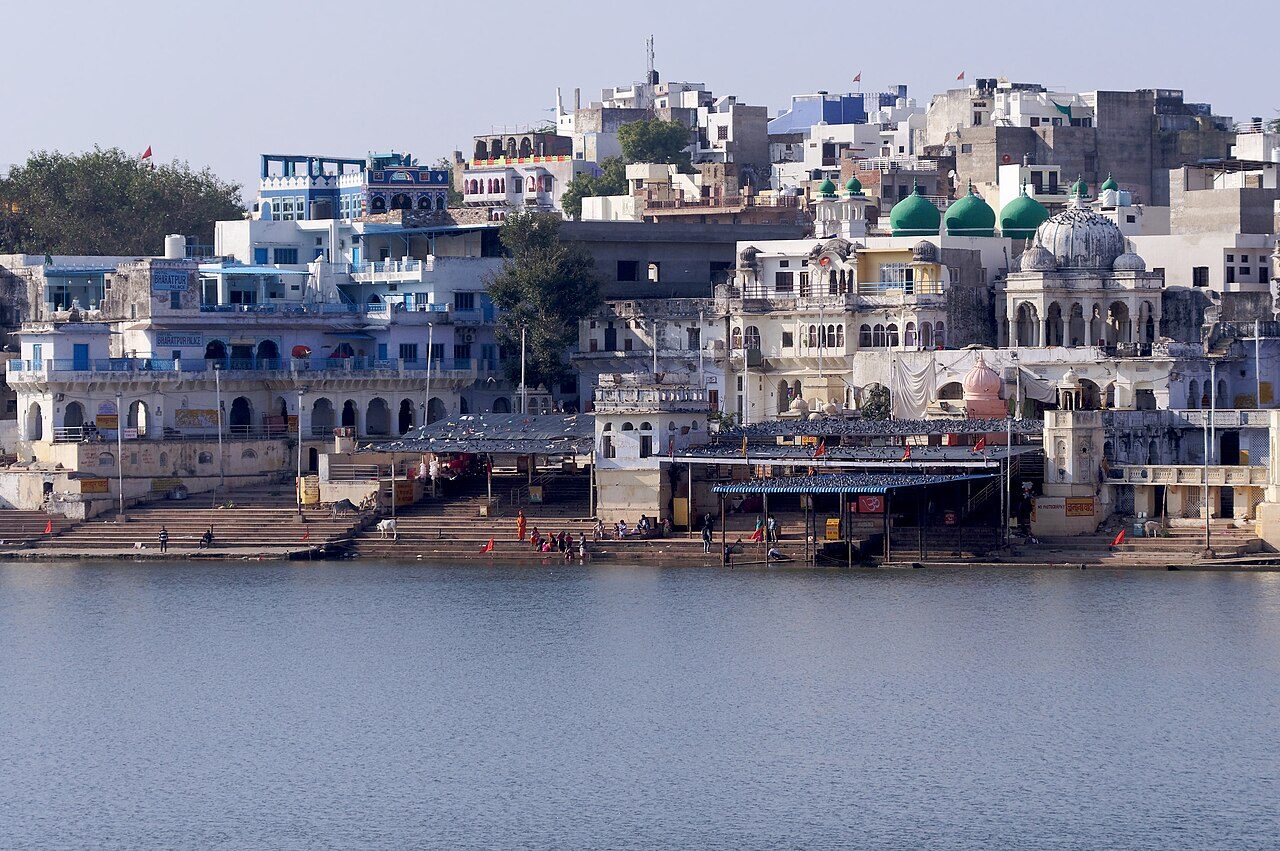
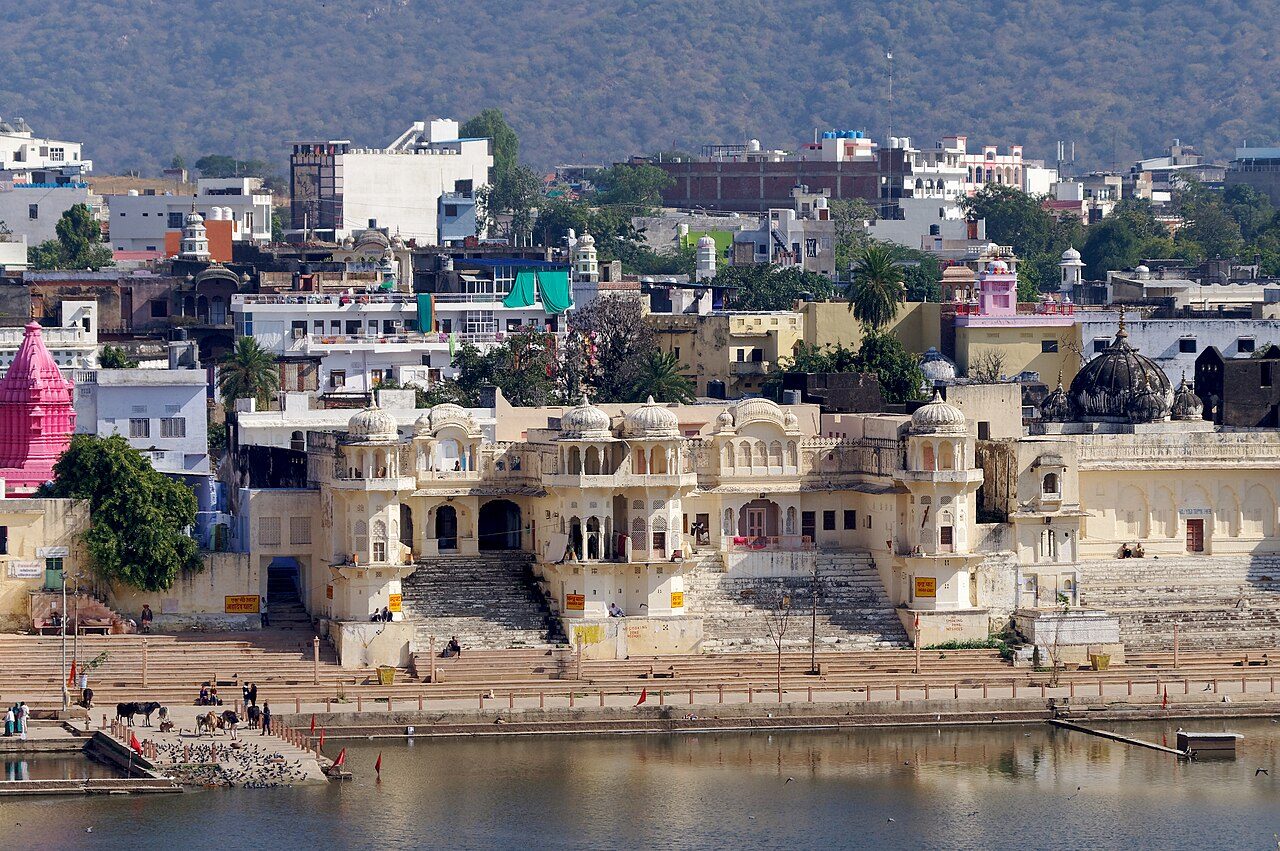
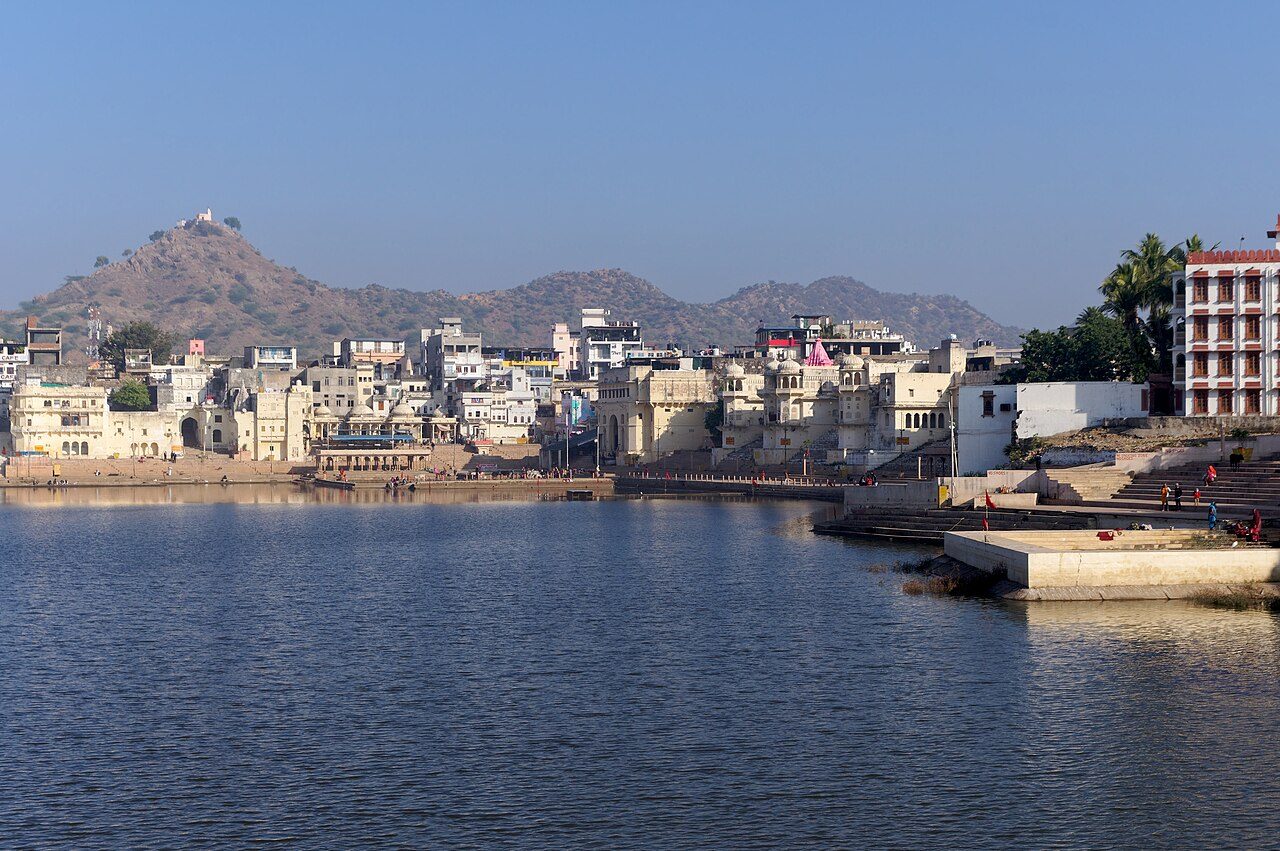
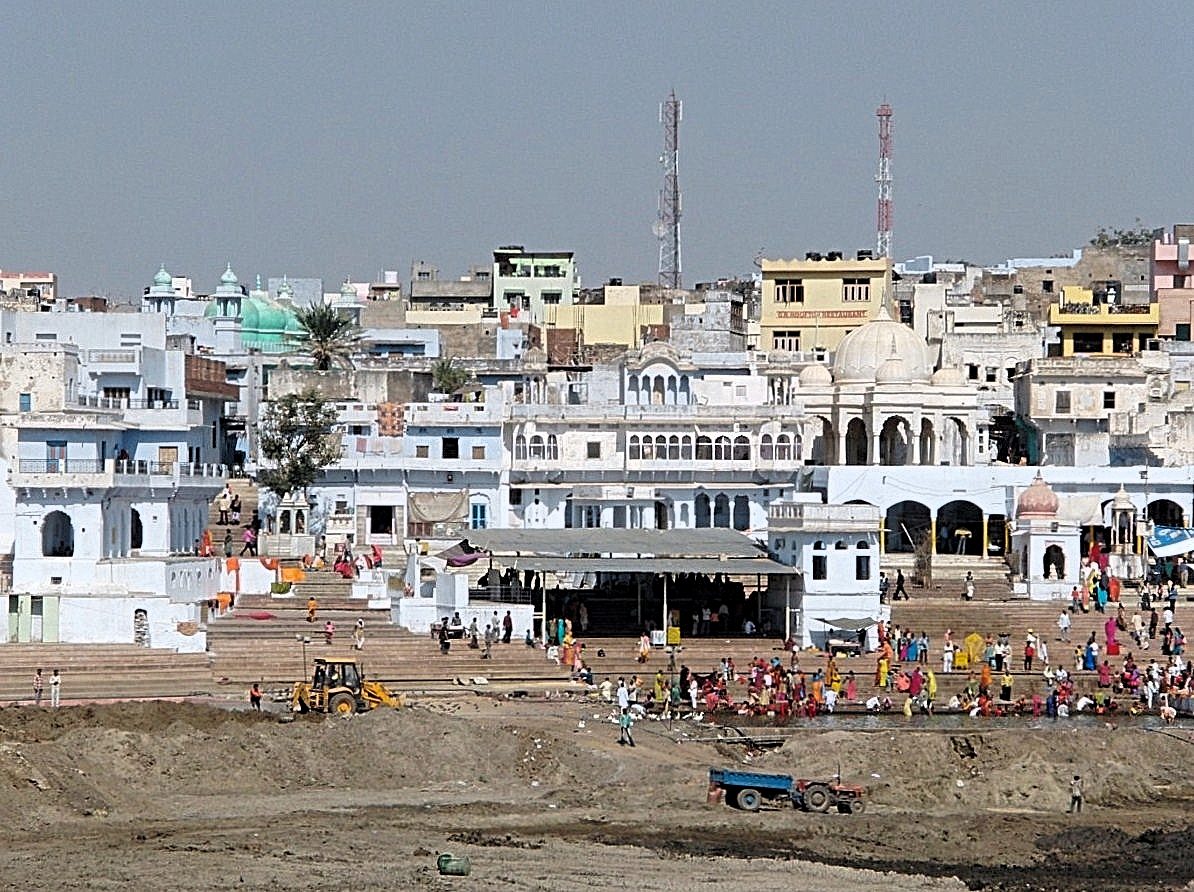
Pushkar Lake is one of the most sacred lakes in Hinduism, said in legend to have formed where a lotus fell from the hand of Brahma. It is ringed by 52 bathing ghats and hundreds of temples, and pilgrims come to bathe especially on Kartik Purnima in November, when the famous camel fair is also held. Evening aarti on the ghats is memorable. Shoes must be removed near the water.
08
STOP 8 OF 29
Brahma Temple Pushkar
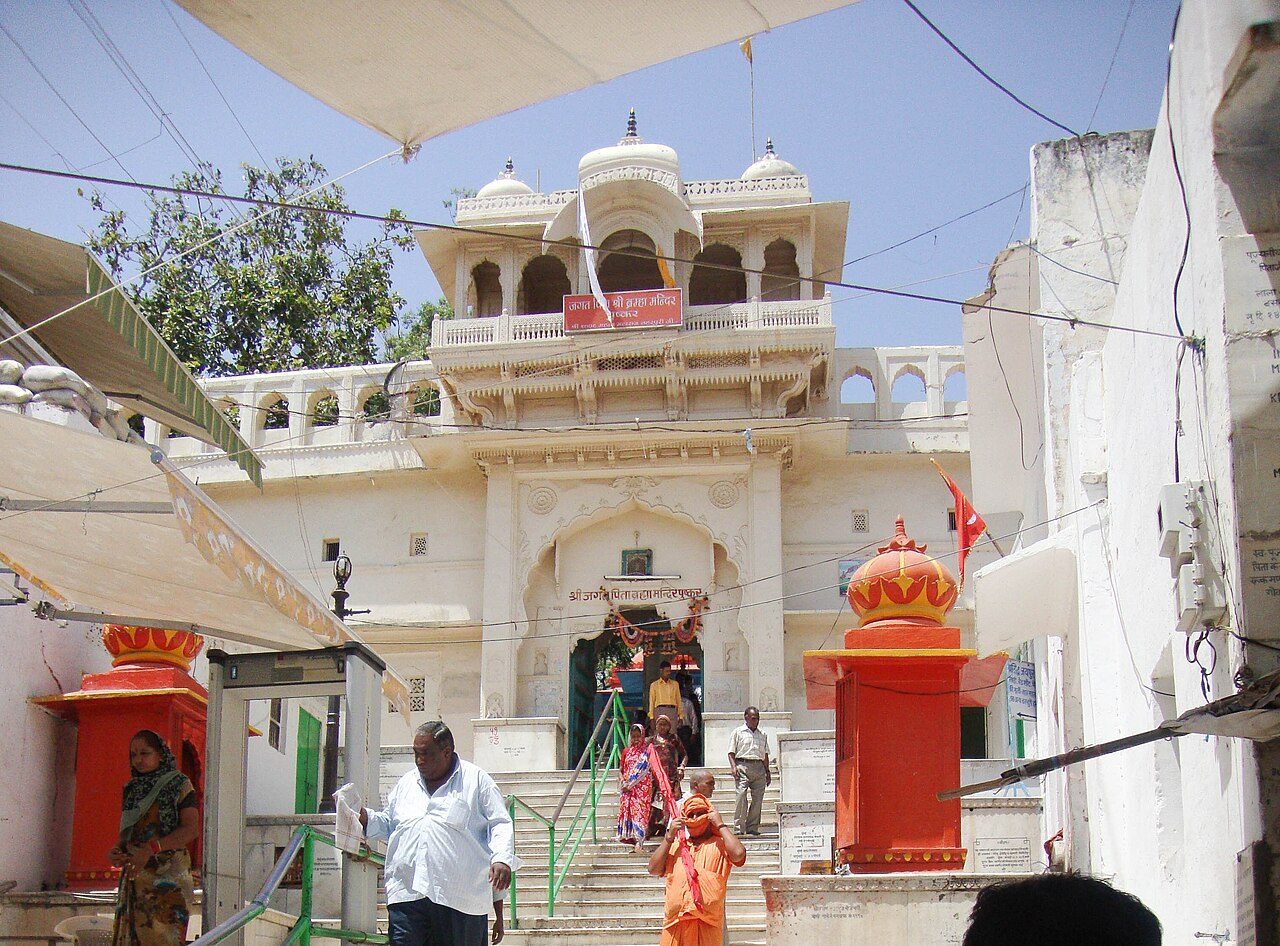
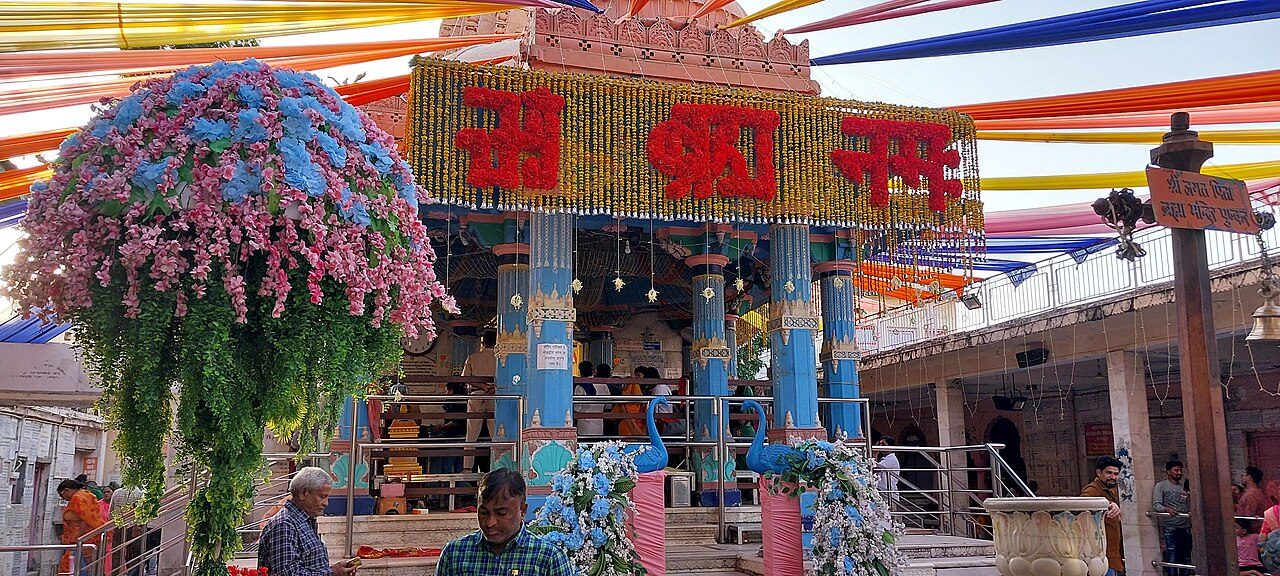
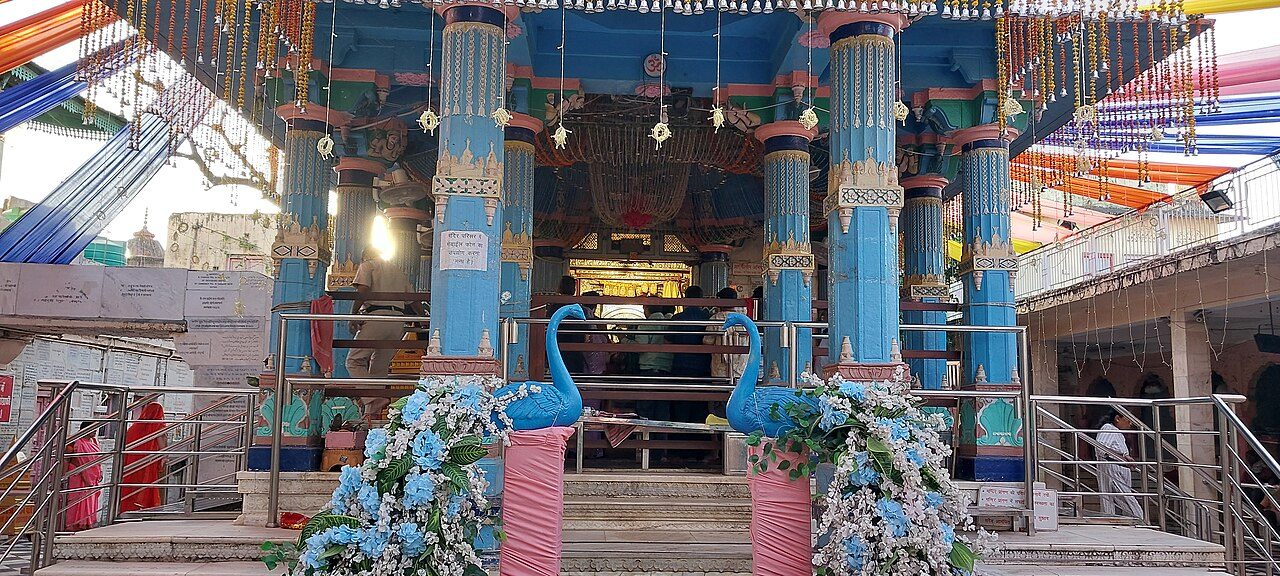
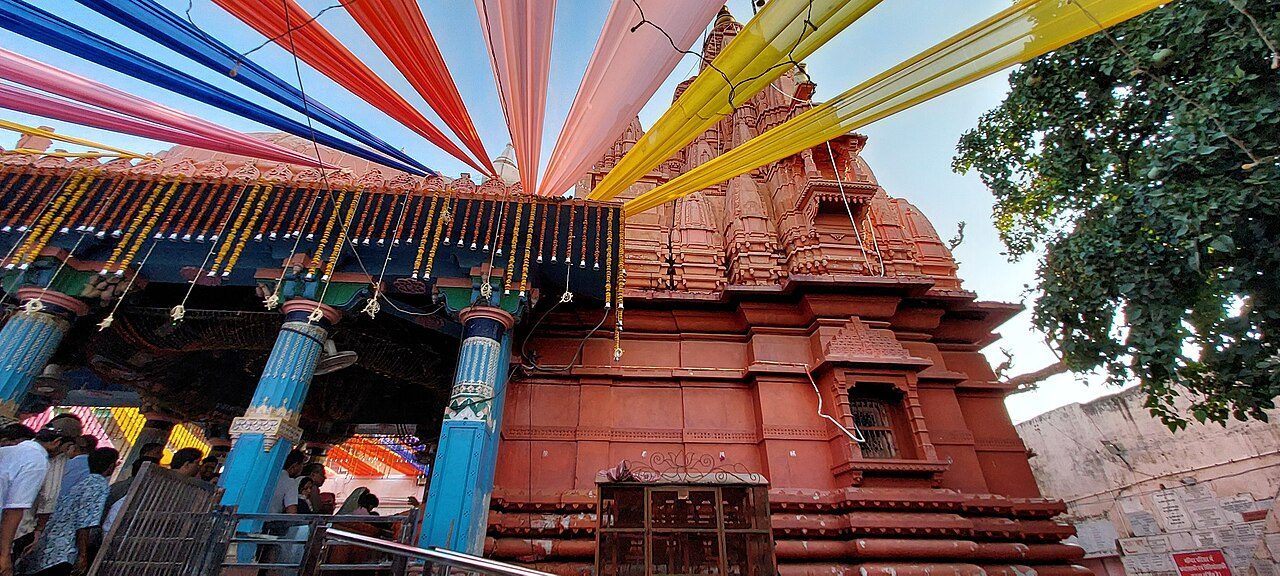
The Jagatpita Brahma Mandir in Pushkar is one of the very few temples in India dedicated to Brahma, the creator. The present structure dates largely from the 14th century, though the site is far older. It is recognised by its red spire and the image of a hamsa, Brahma's goose, over the entrance. Pilgrims visit after bathing in Pushkar Lake, and the temple is busiest on Kartik Purnima.
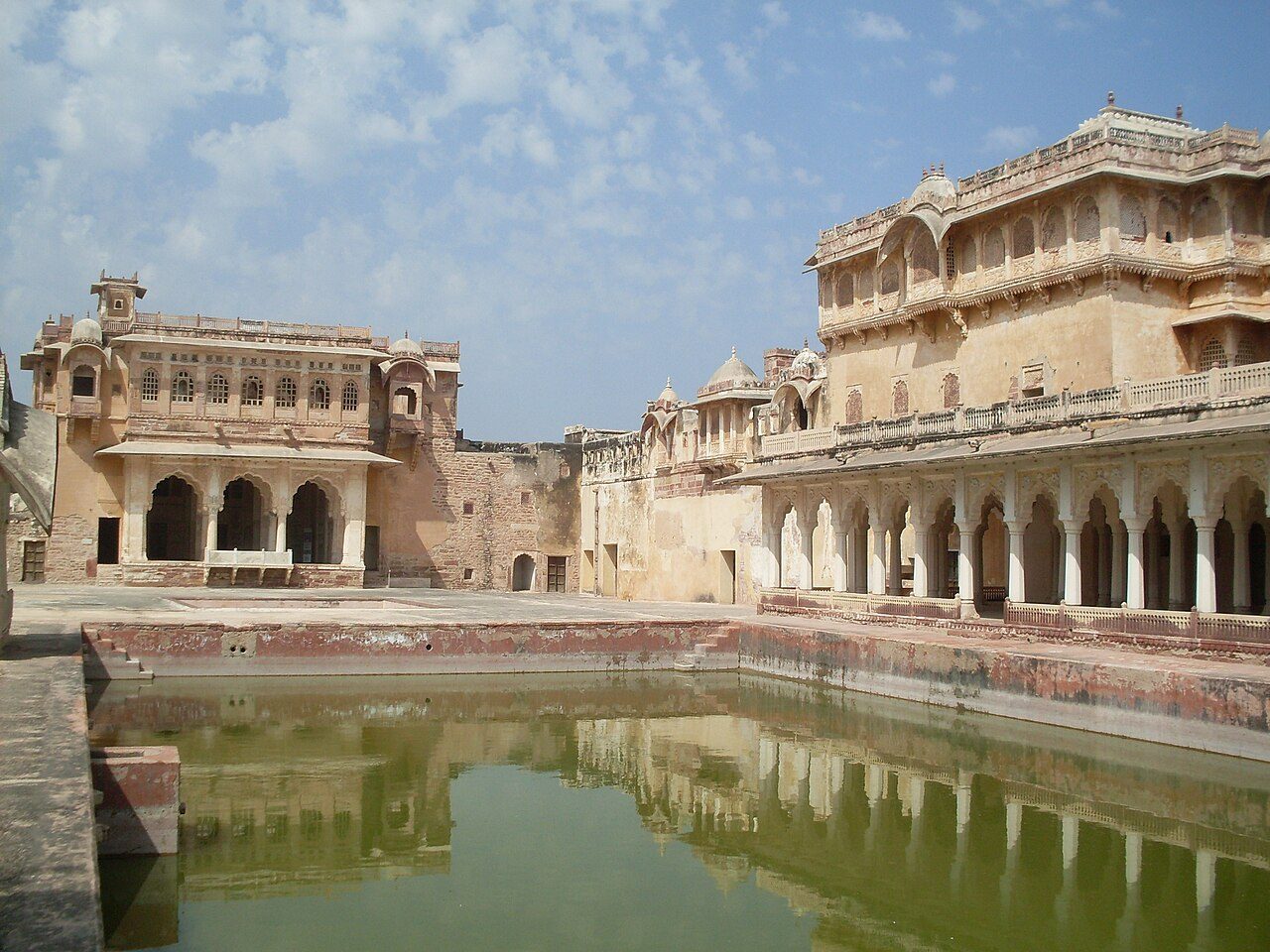
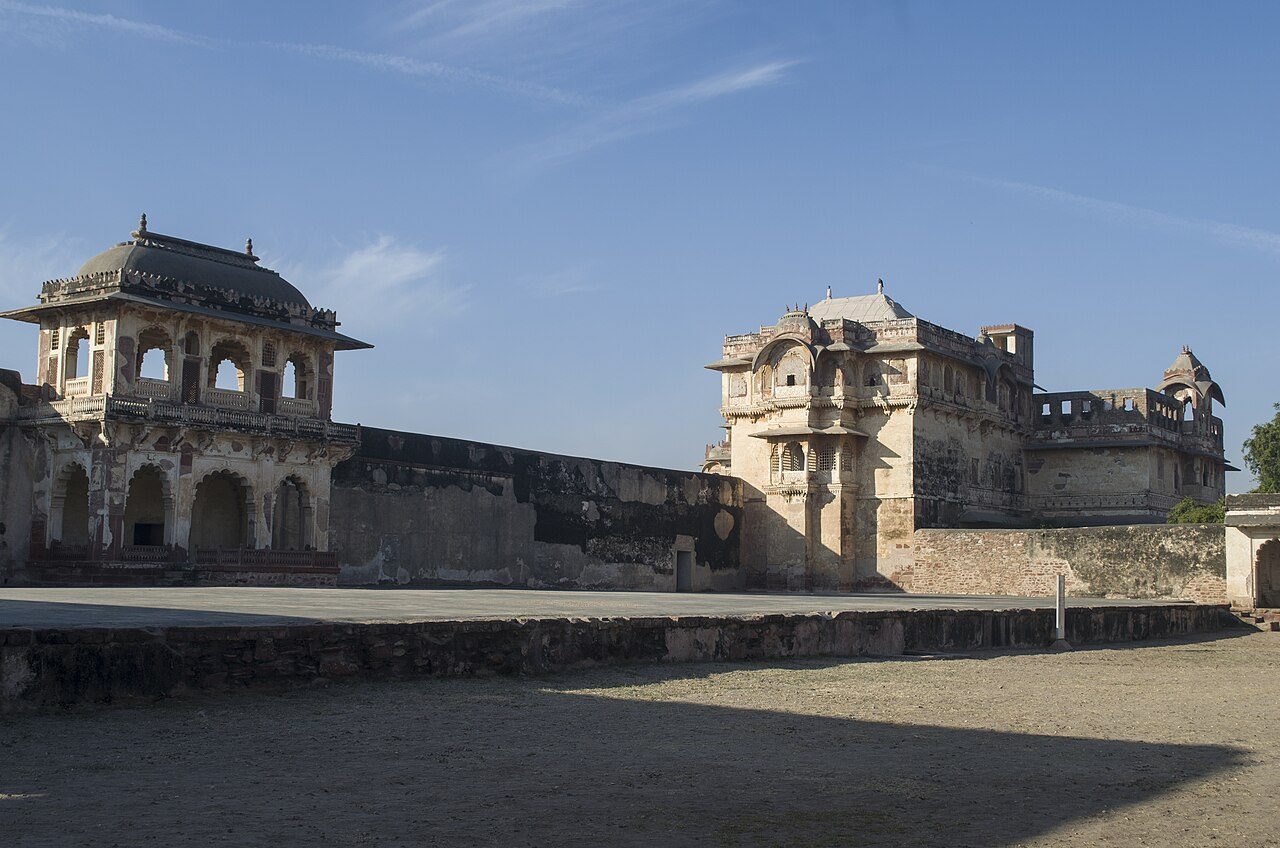
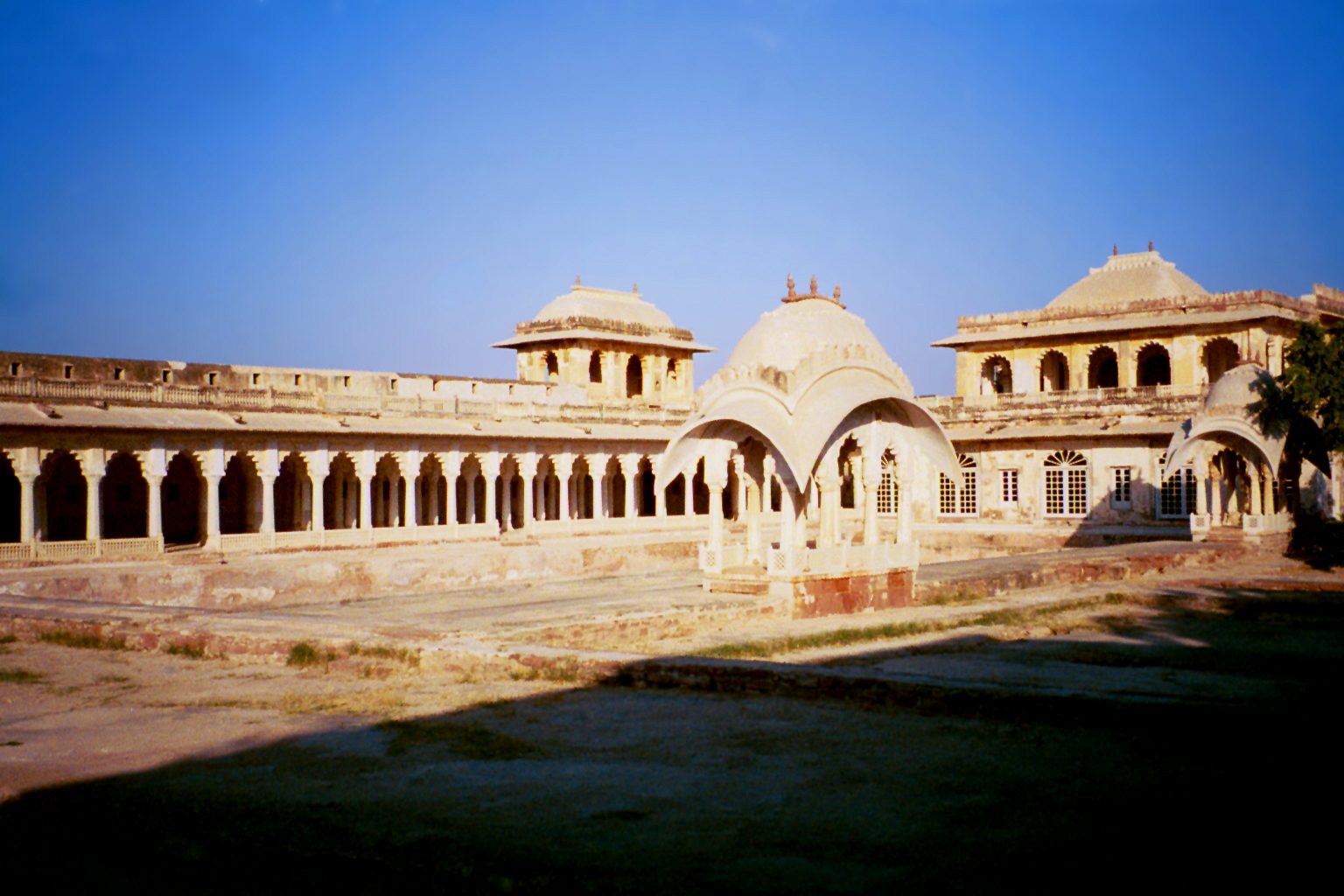
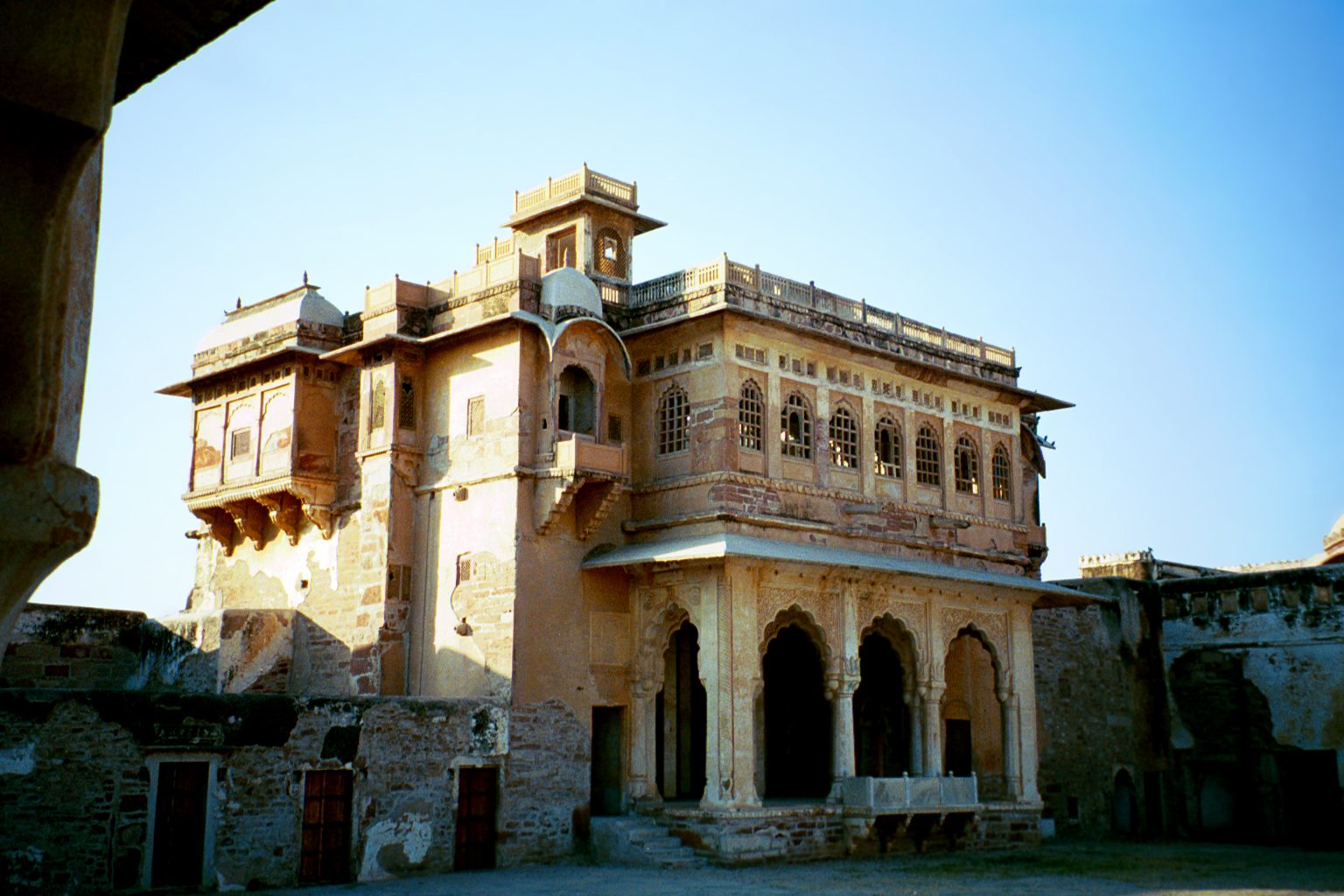
Nagaur Fort, also called Ahhichatragarh, is a large fort of the Rathore rulers on the edge of the Thar. The site dates back many centuries, and the palaces inside were rebuilt in the 18th century with elegant water channels, fountains and wall paintings. A careful restoration has won international conservation awards. The fort hosts a Sufi music festival, and Nagaur is known for its winter cattle fair.
10
STOP 10 OF 29
Mehrangarh Fort
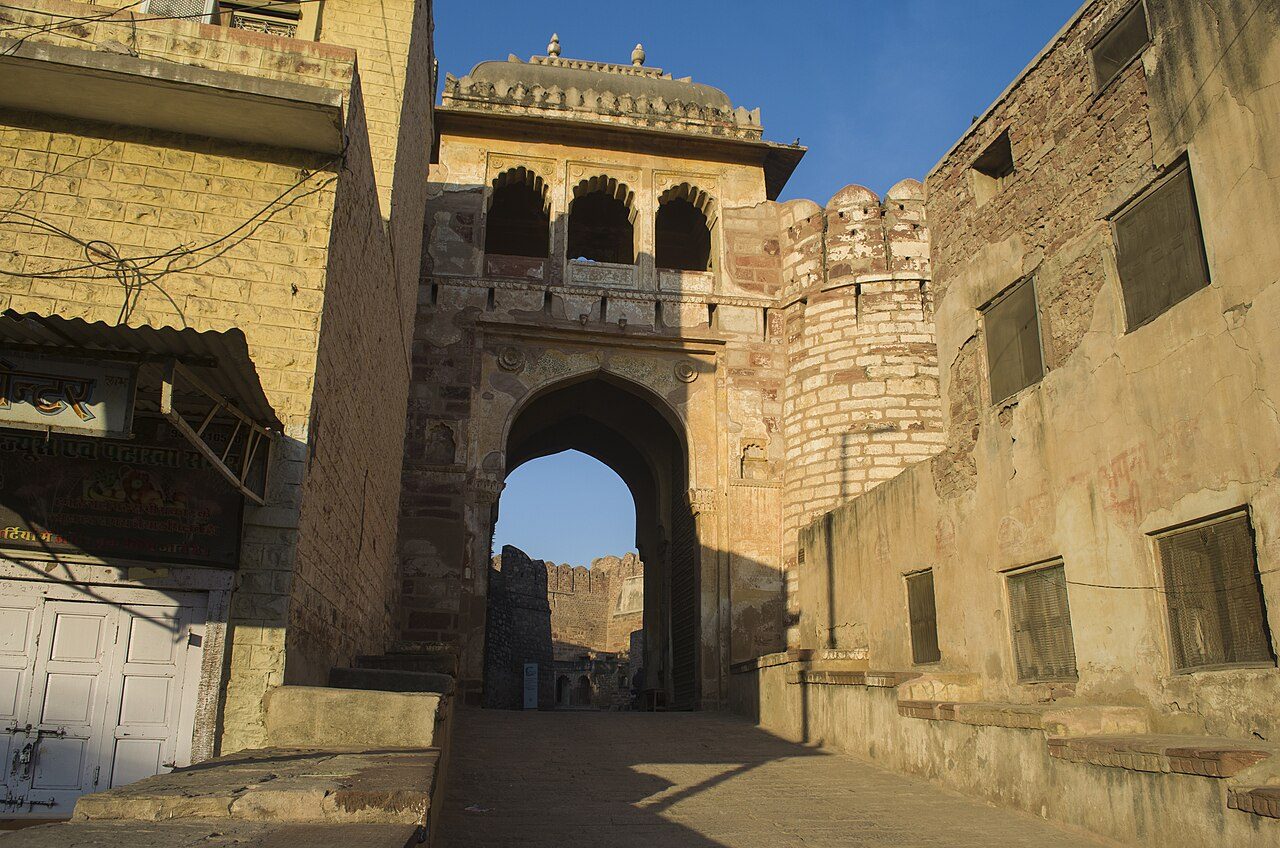
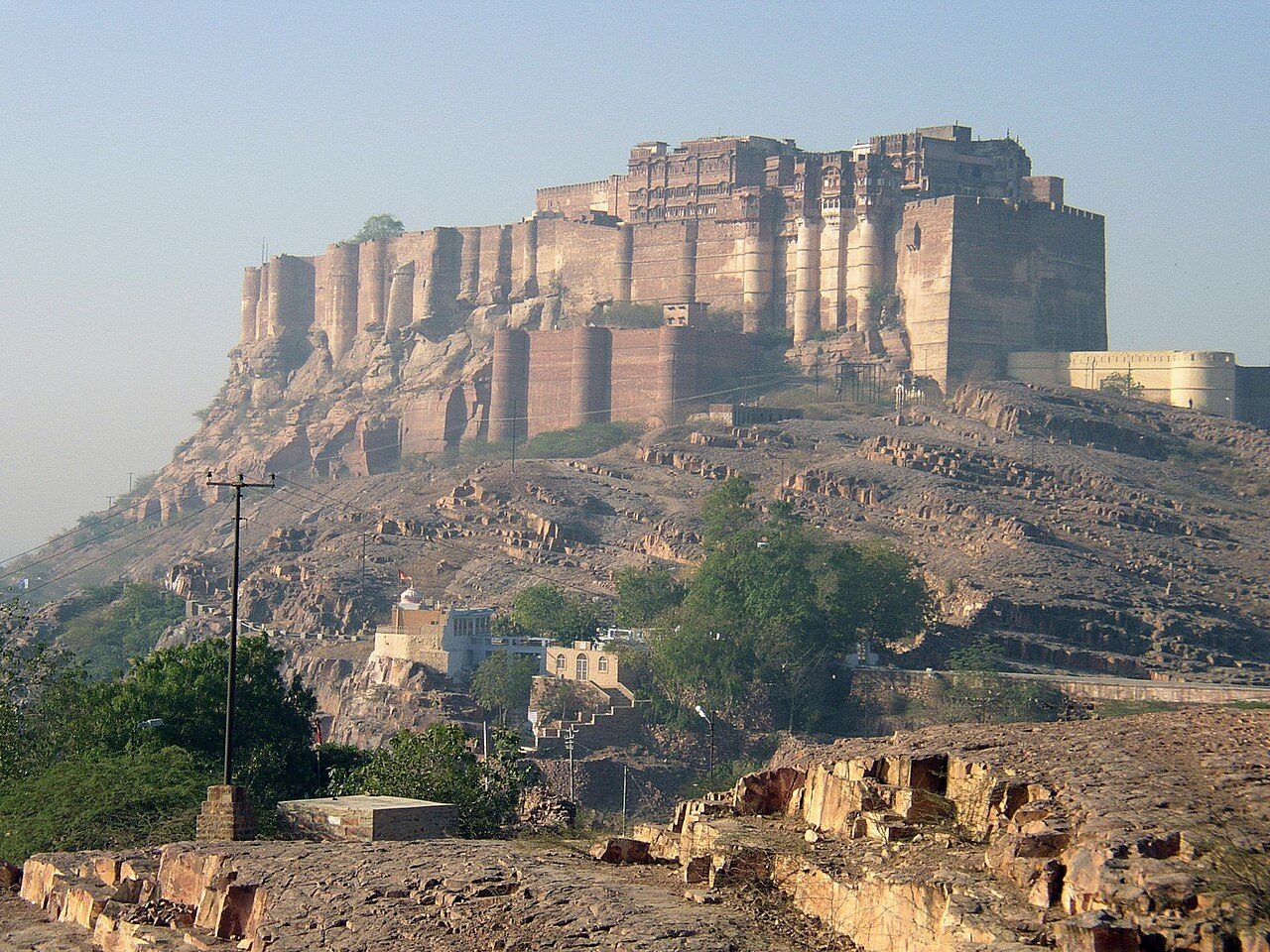
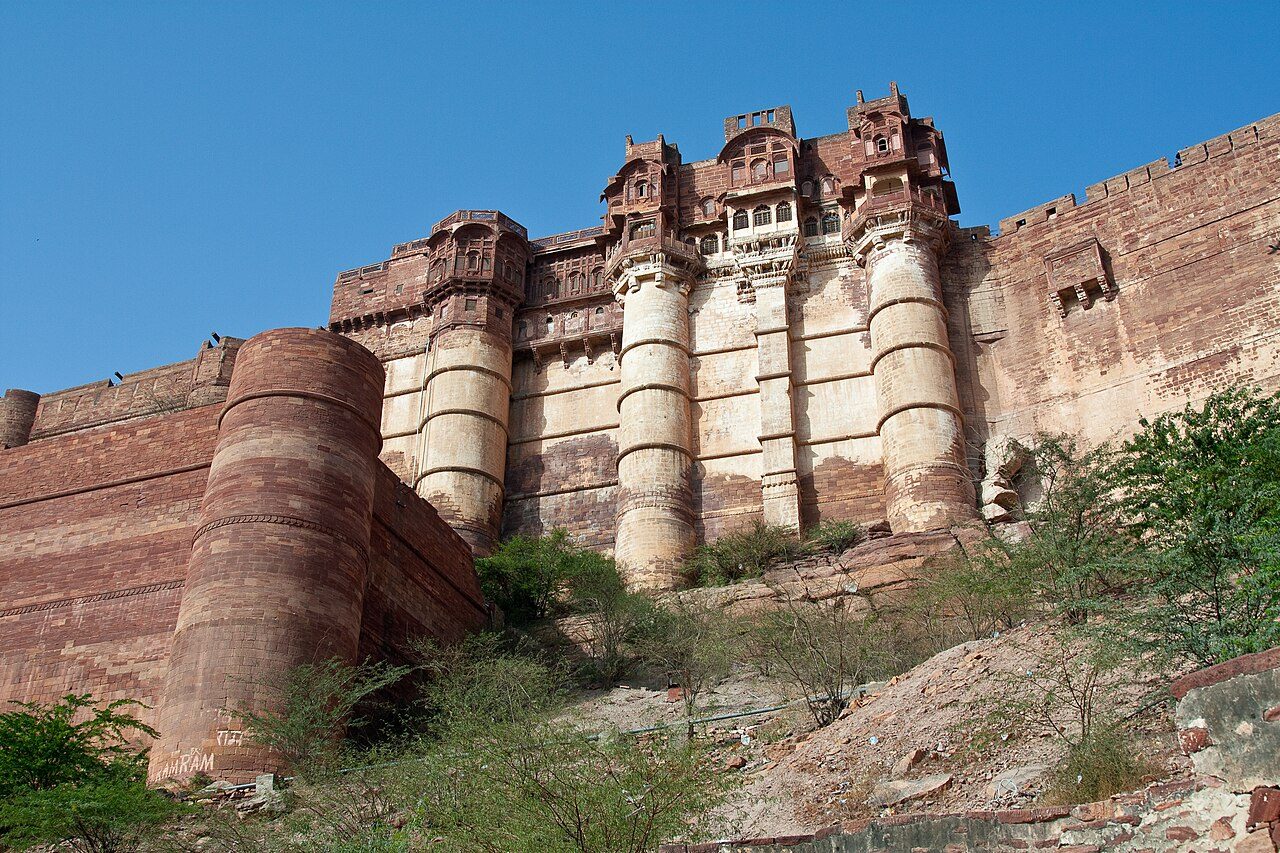
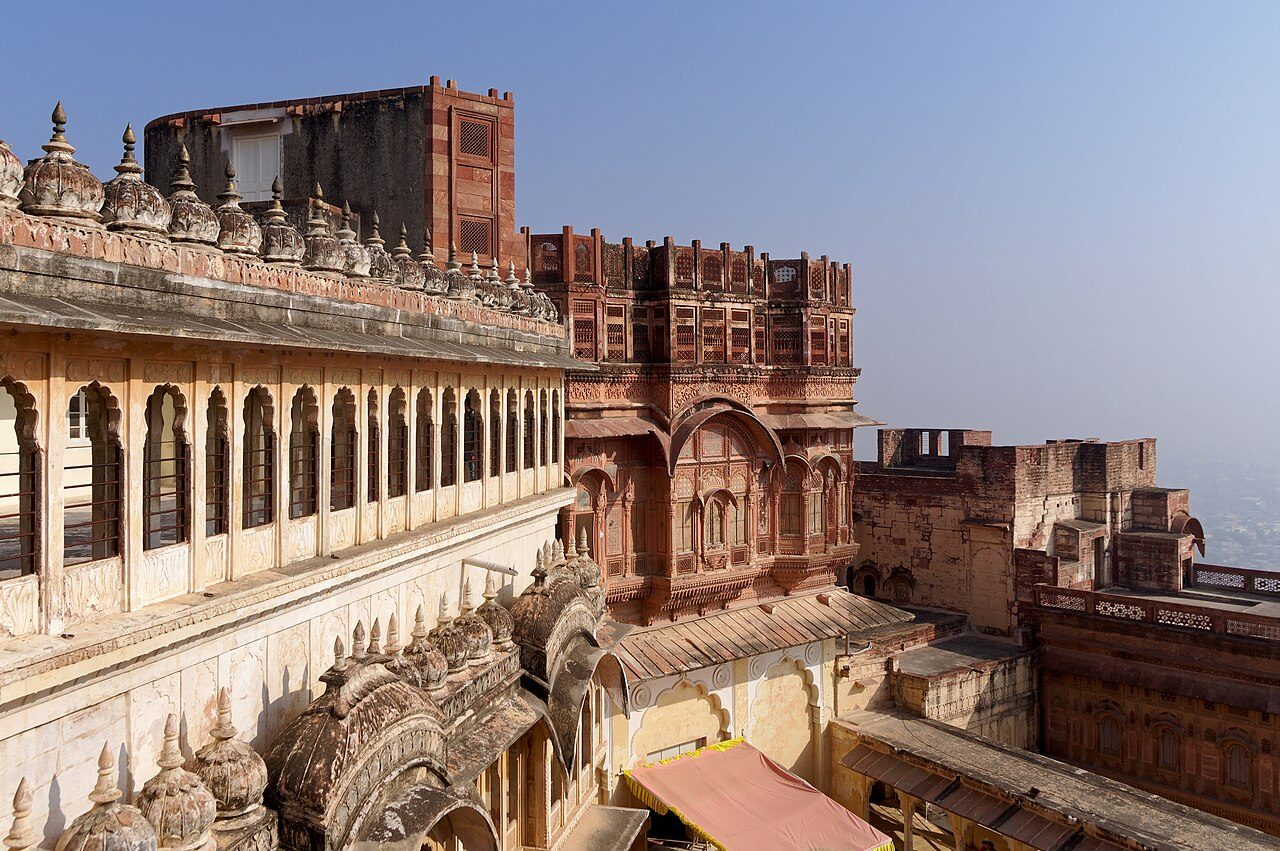
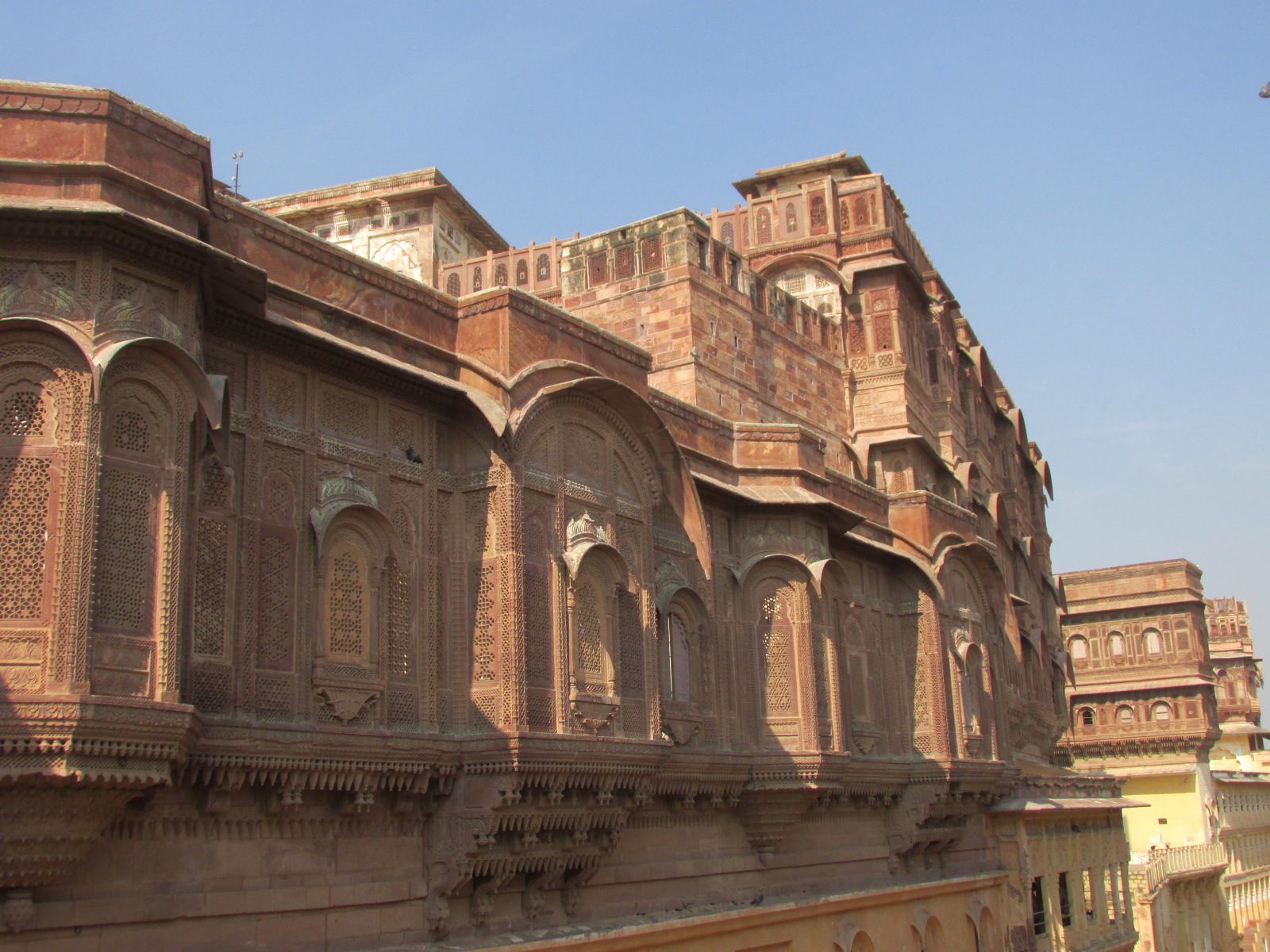
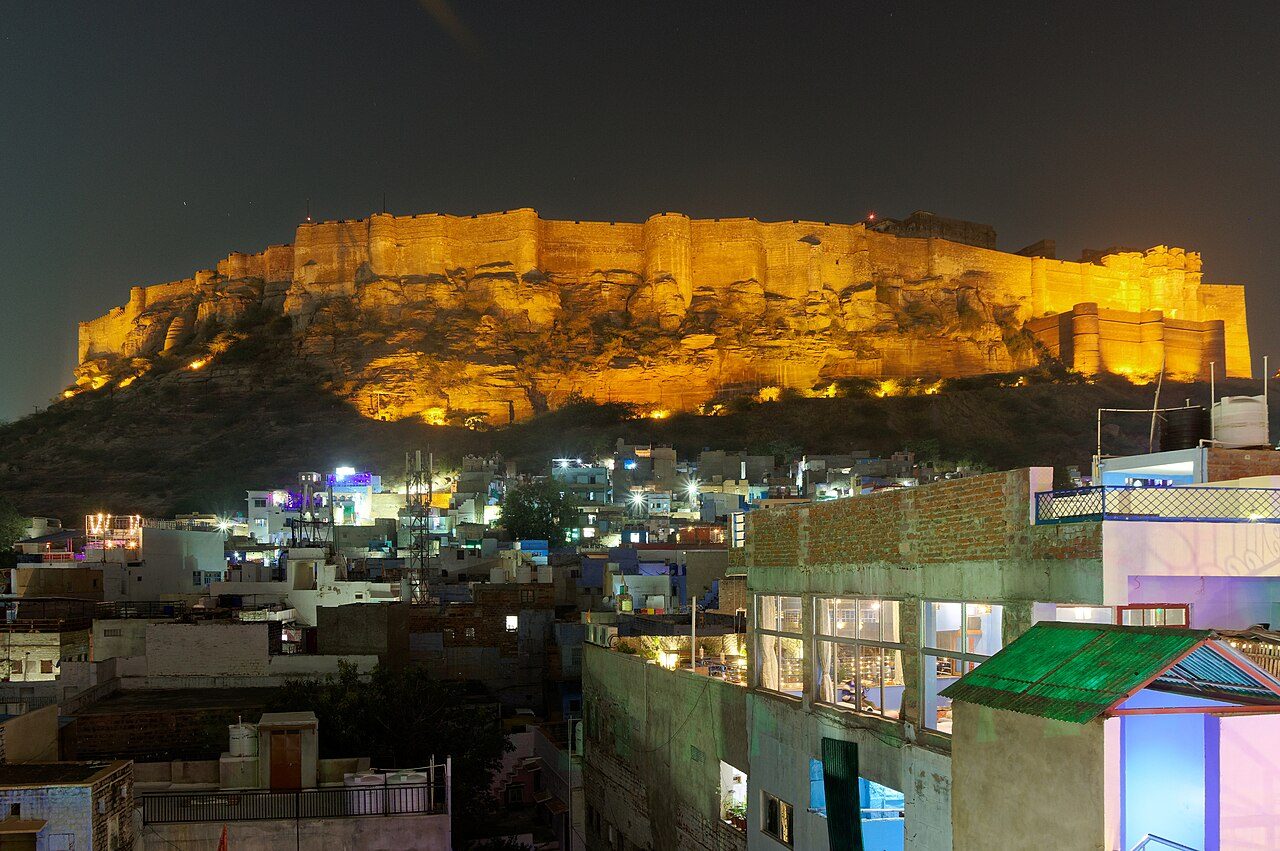
Mehrangarh rises about 120 metres above Jodhpur on a sheer rock, and was founded in 1459 by Rao Jodha, who moved his capital here from Mandore. Seven gates lead up to palaces with intricate carved screens, among them Moti Mahal, Phool Mahal and Sheesh Mahal. The museum has one of India's best collections of palanquins, howdahs, arms and paintings. The ramparts overlook the blue houses of the old city.
11
STOP 11 OF 29
Jaswant Thada
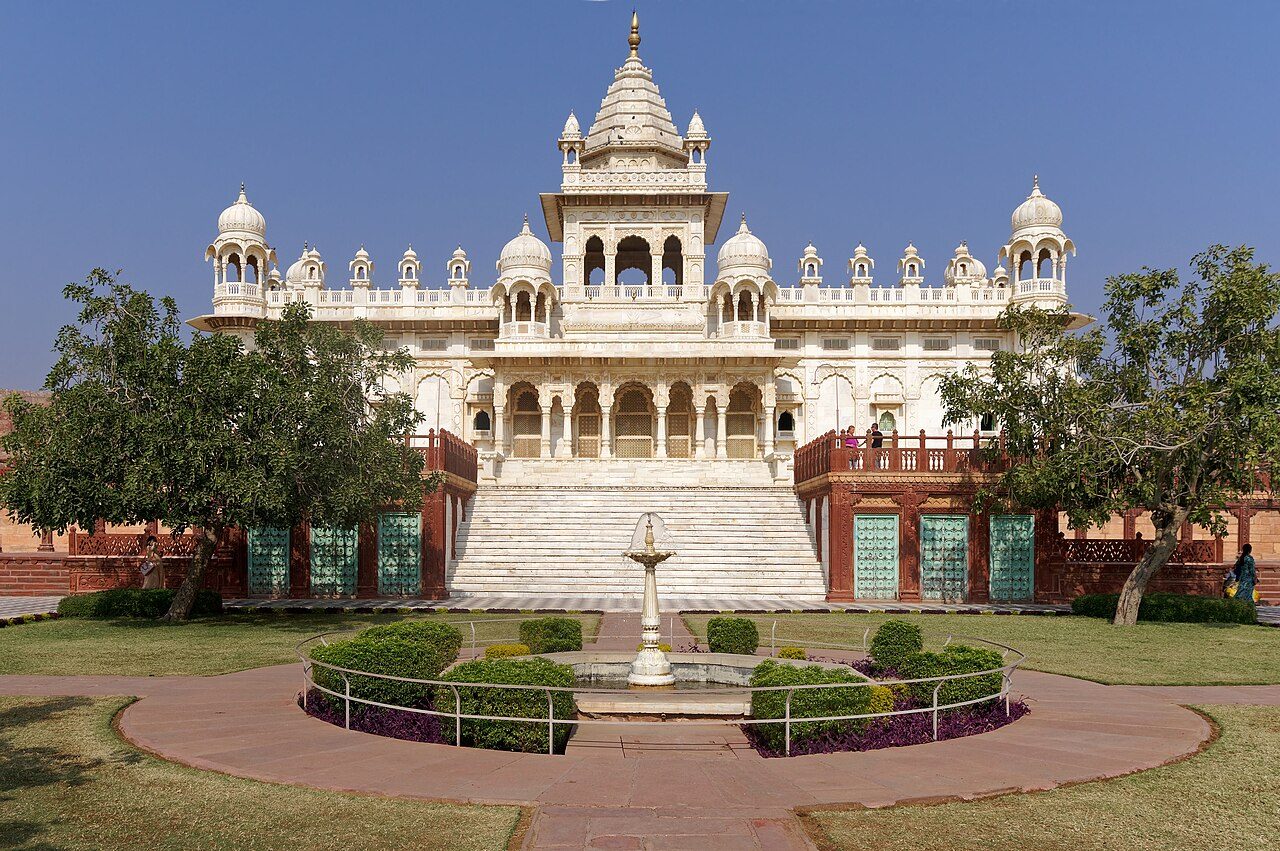
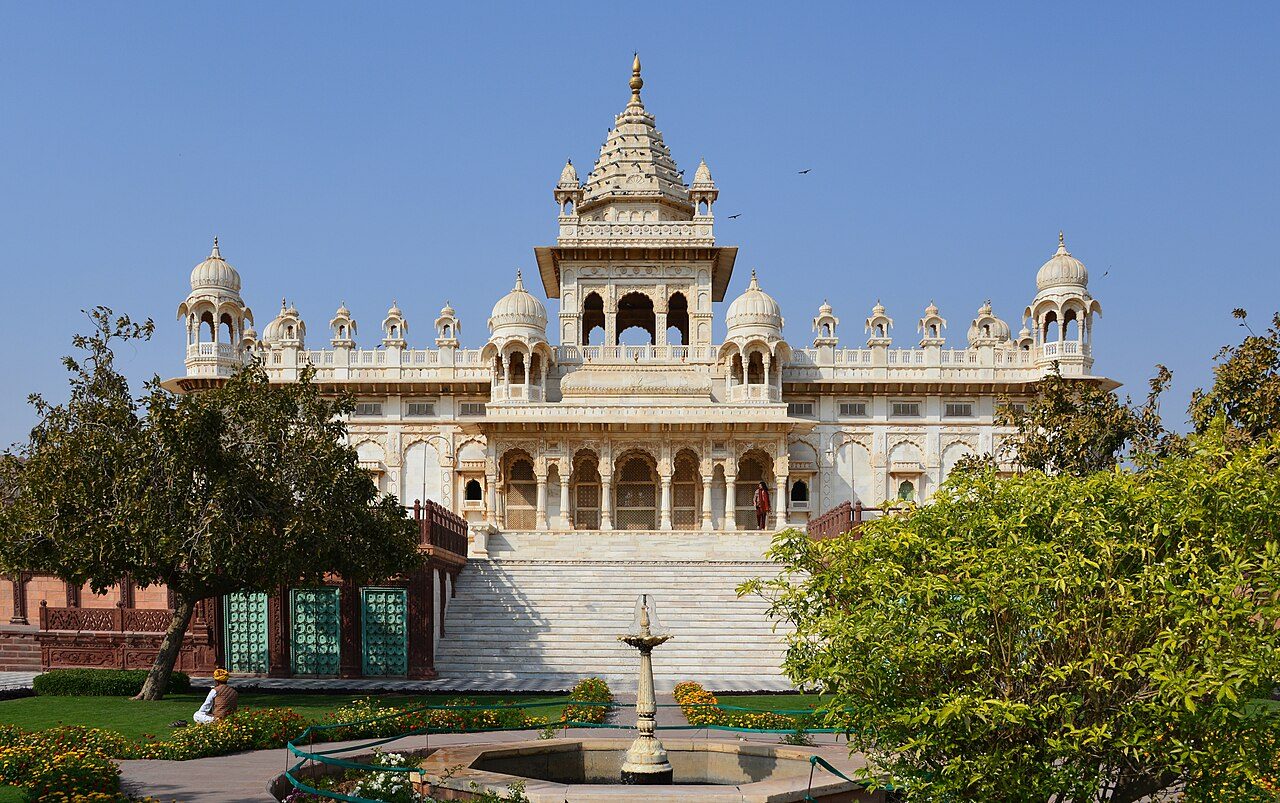
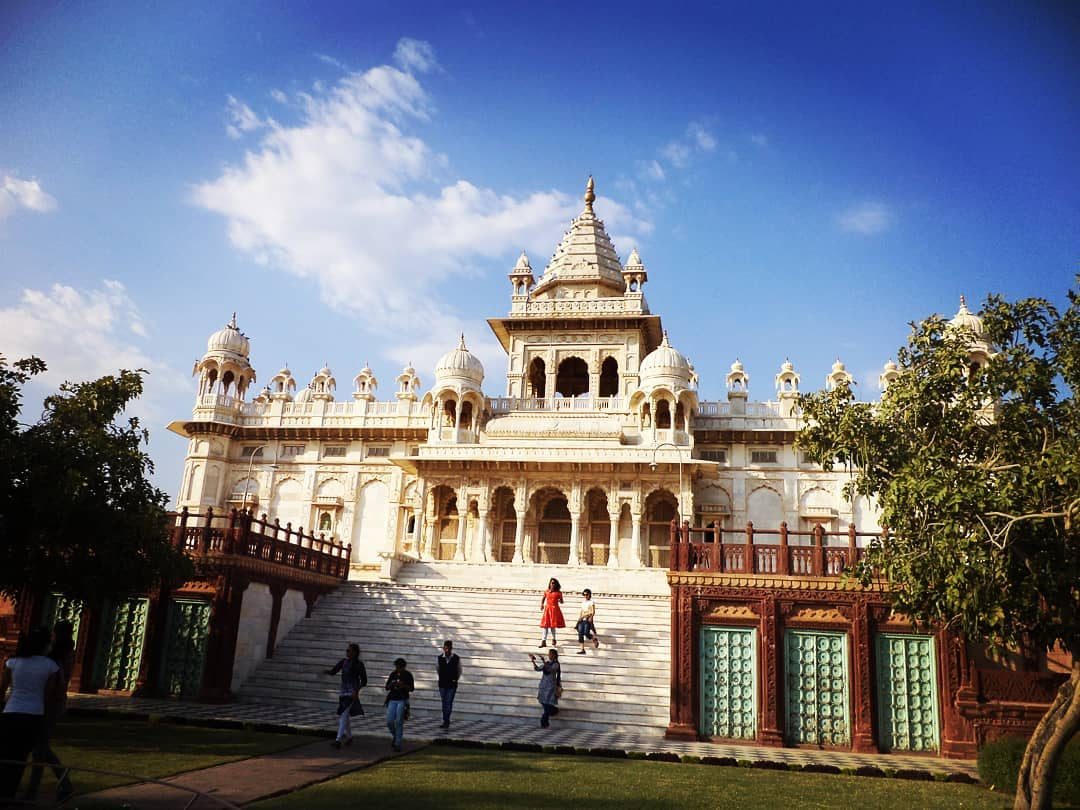
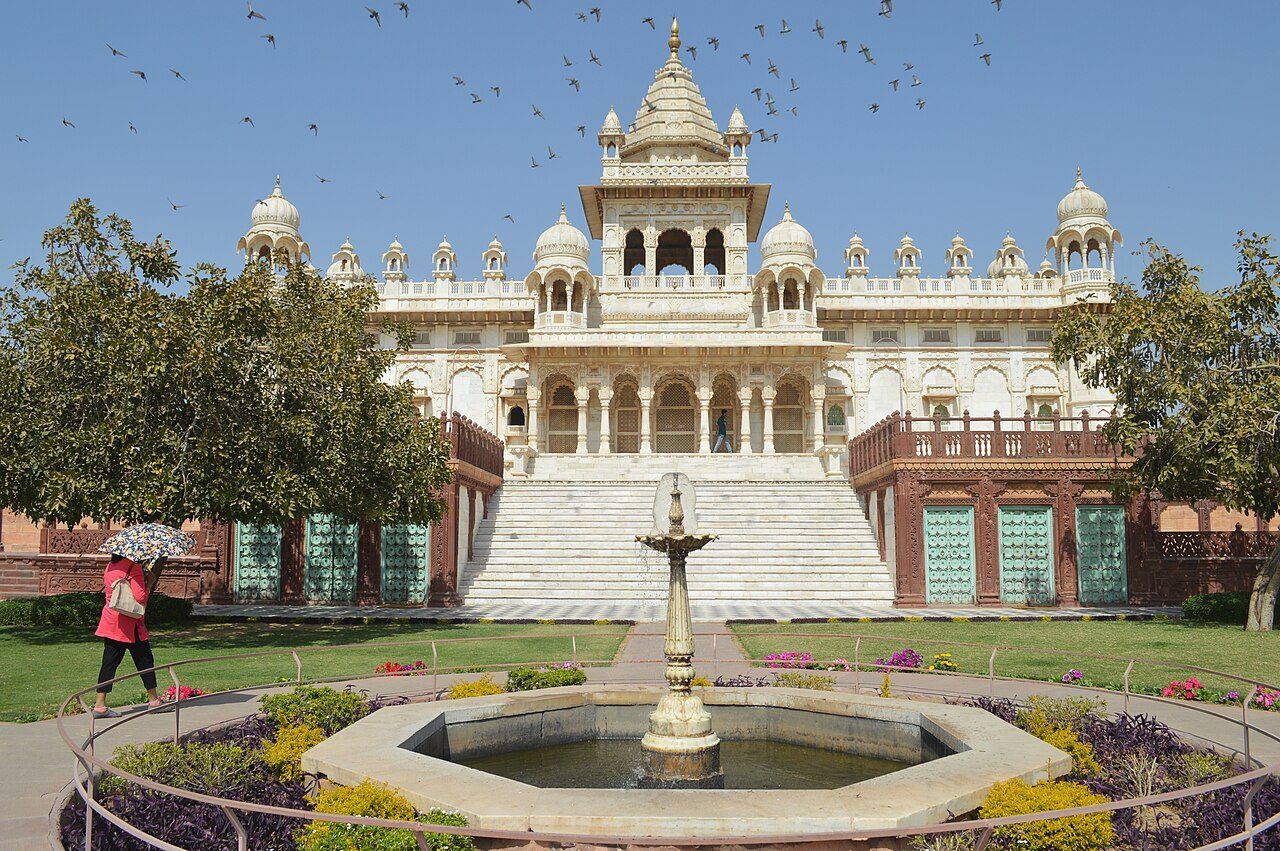
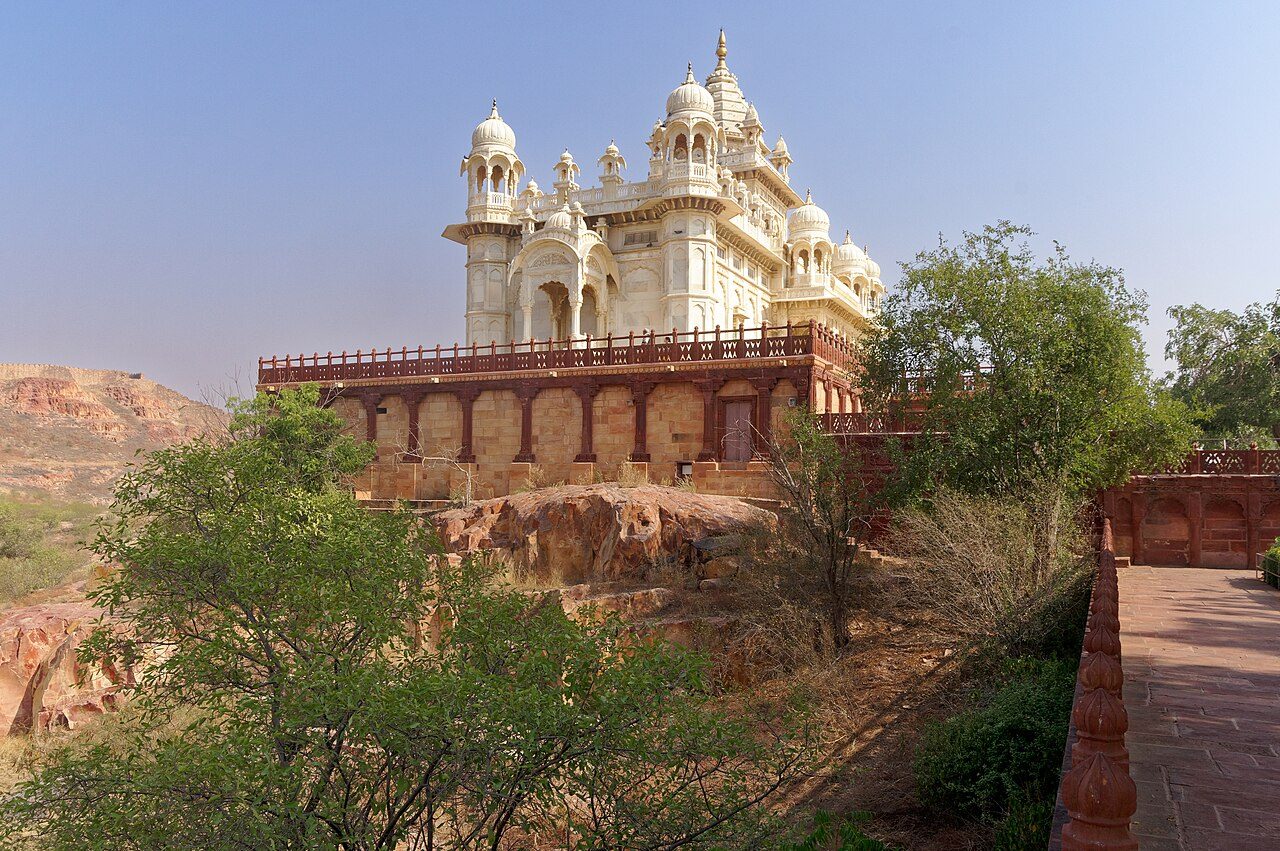
Jaswant Thada is a white marble cenotaph built in 1899 by Maharaja Sardar Singh in memory of his father, Jaswant Singh II. The marble sheets are so thin and polished that they glow in sunlight. Inside are portraits of the Rathore rulers, and the grounds have carved gazebos, a small lake and the cremation site of later maharajas. It sits just below Mehrangarh, with a fine view of the fort.
12
STOP 12 OF 29
Ghanta Ghar Jodhpur
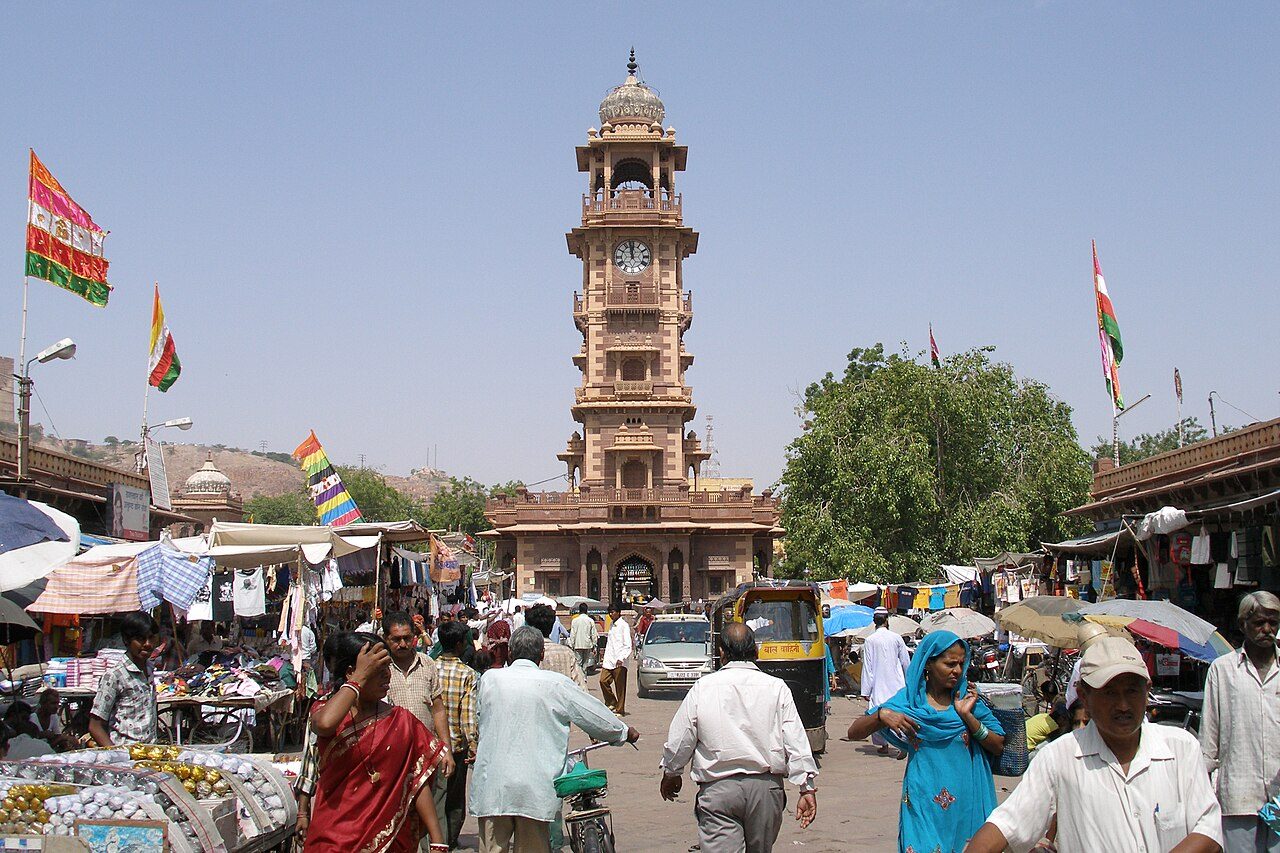
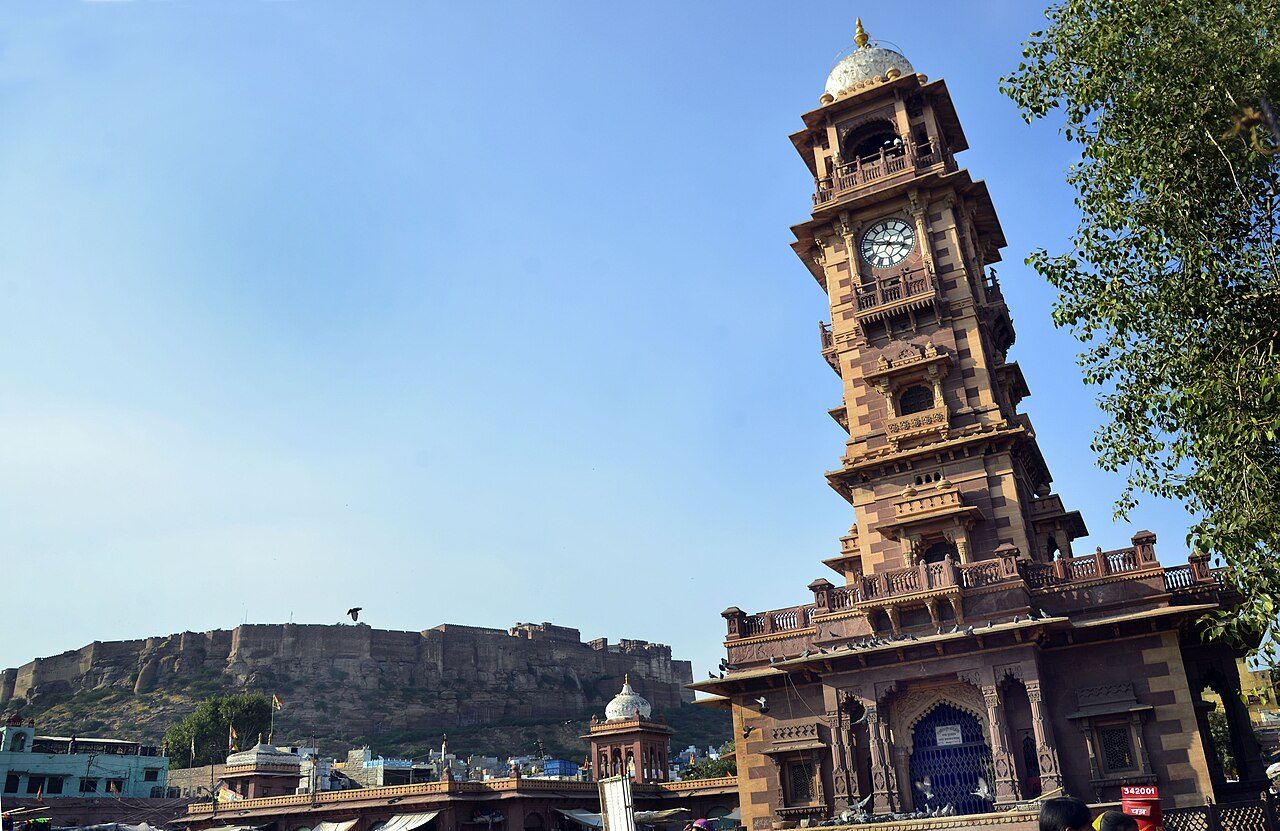
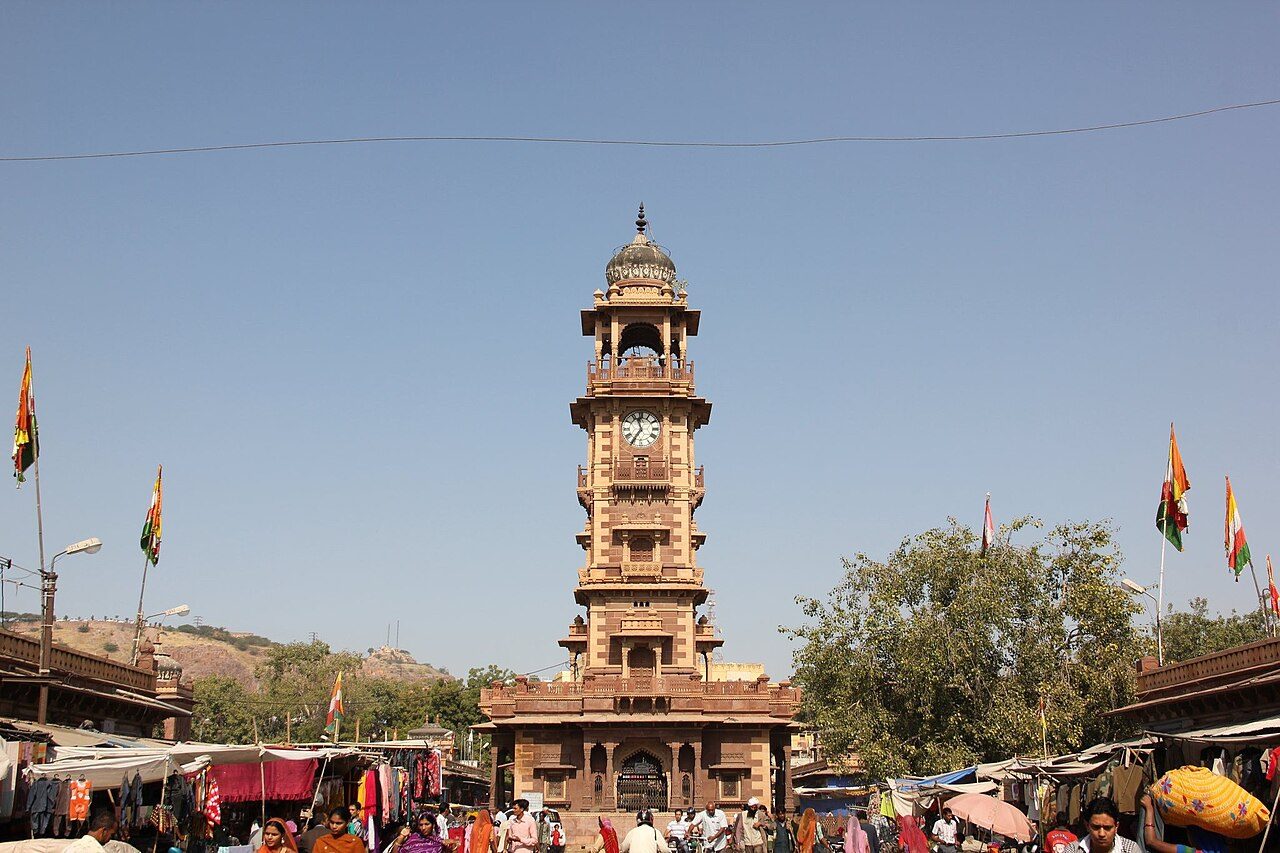
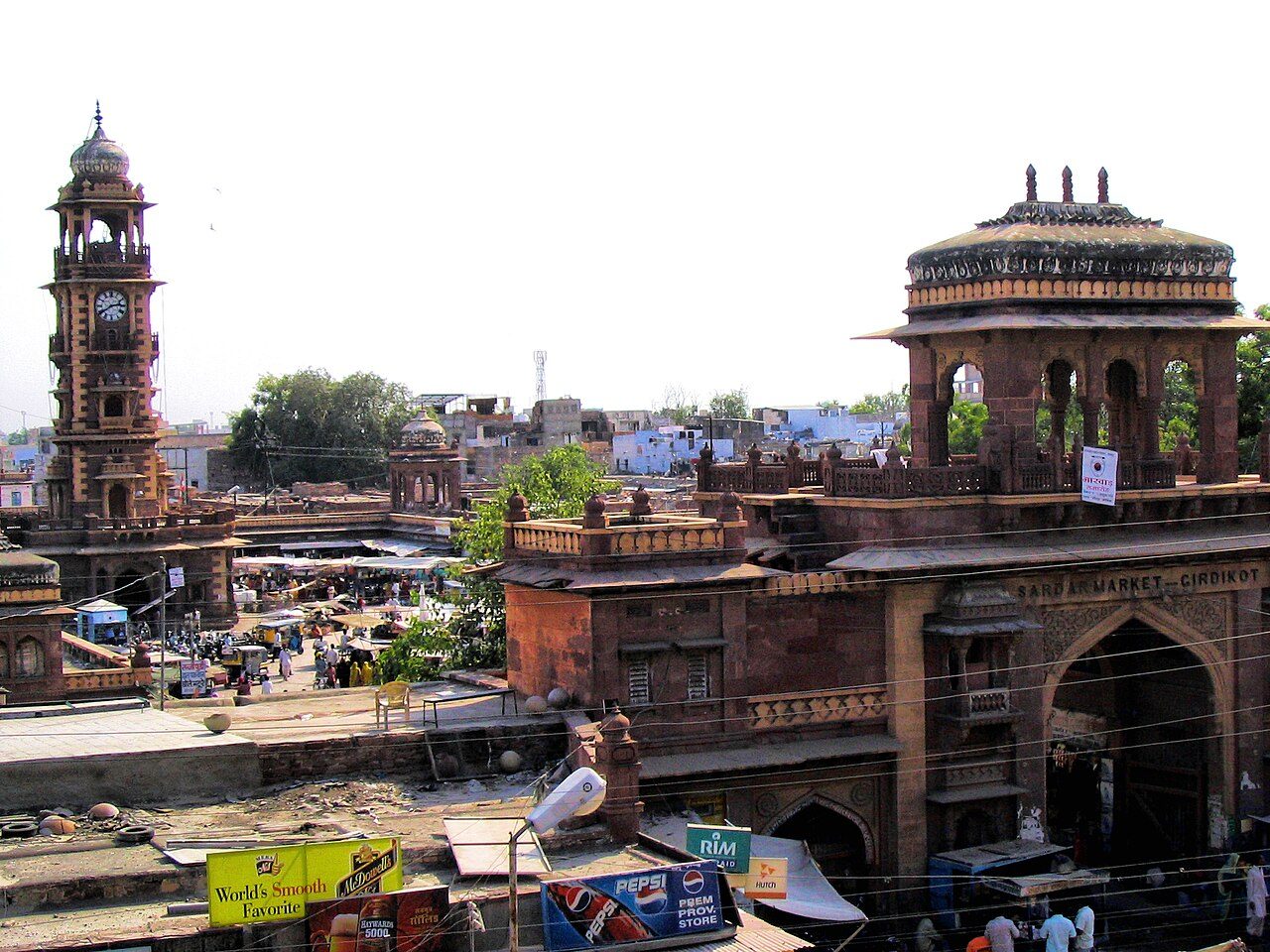
The Ghanta Ghar is the clock tower at the centre of Jodhpur's old city, built by Maharaja Sardar Singh, who ruled from 1895 to 1911. Around it spreads Sardar Market, a busy bazaar selling spices, textiles, bangles, tea and handicrafts through narrow lanes. With Mehrangarh looming above, it is one of the liveliest spots in the city, particularly in the evening when the tower is lit.
13
STOP 13 OF 29
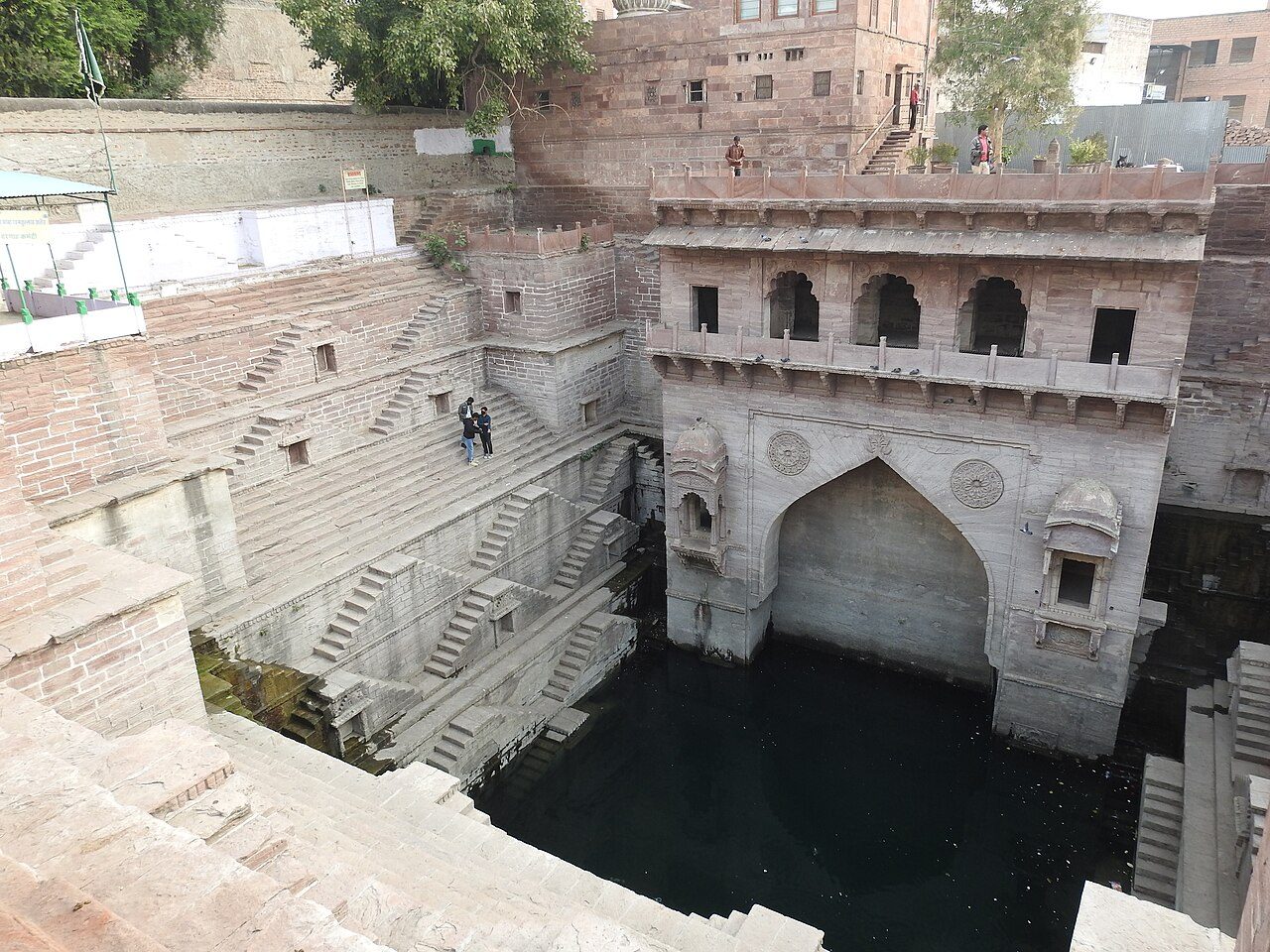
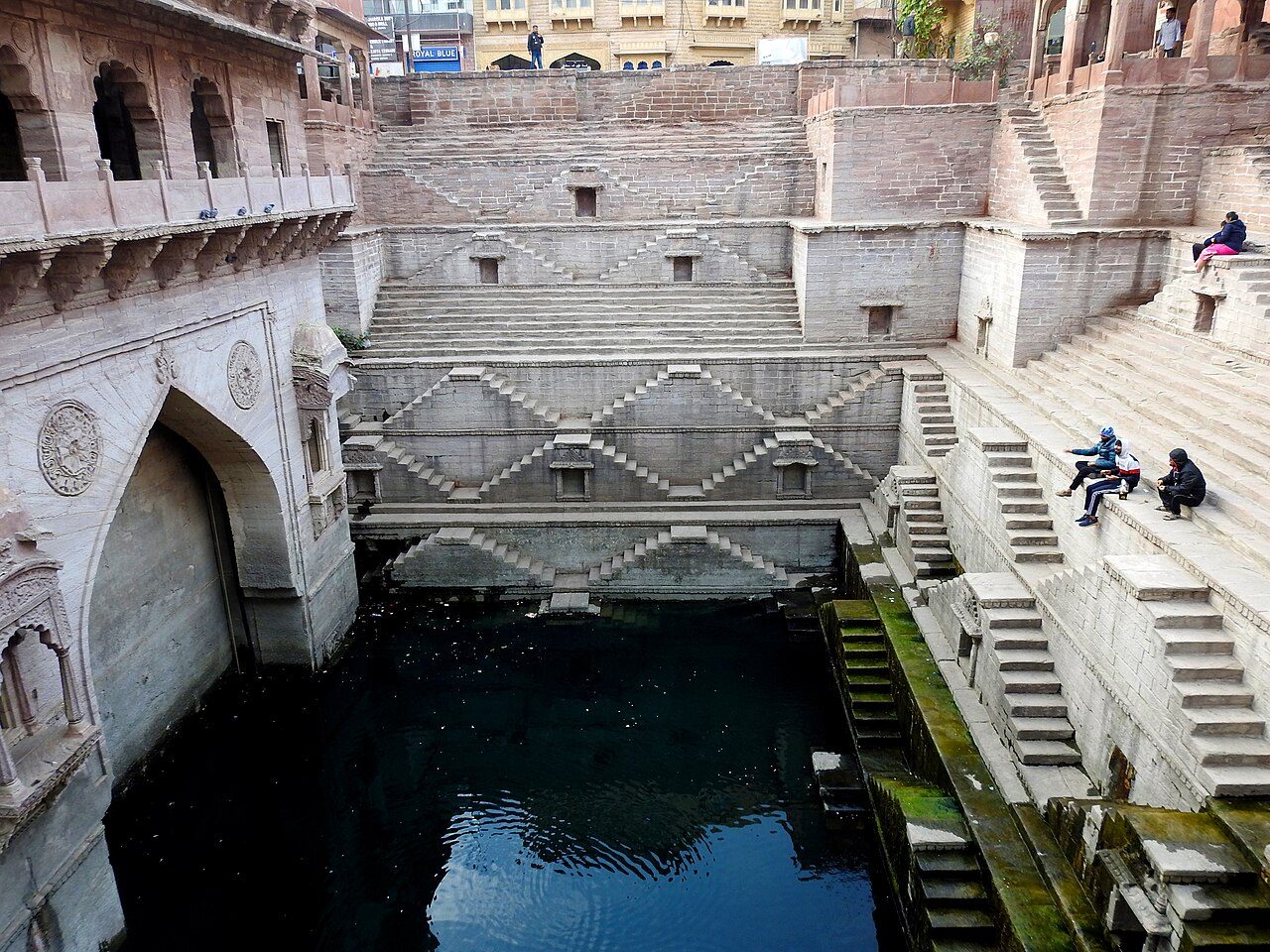
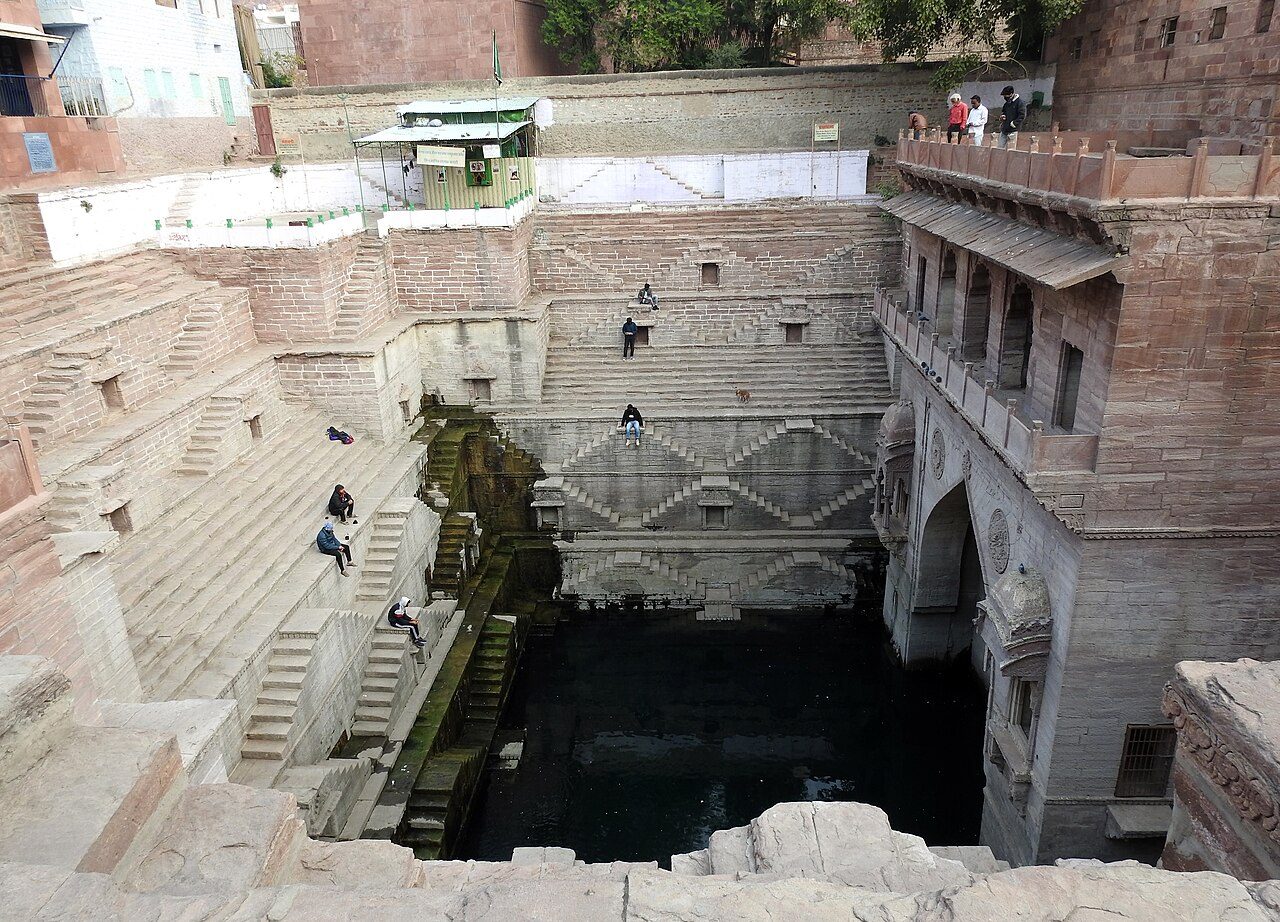
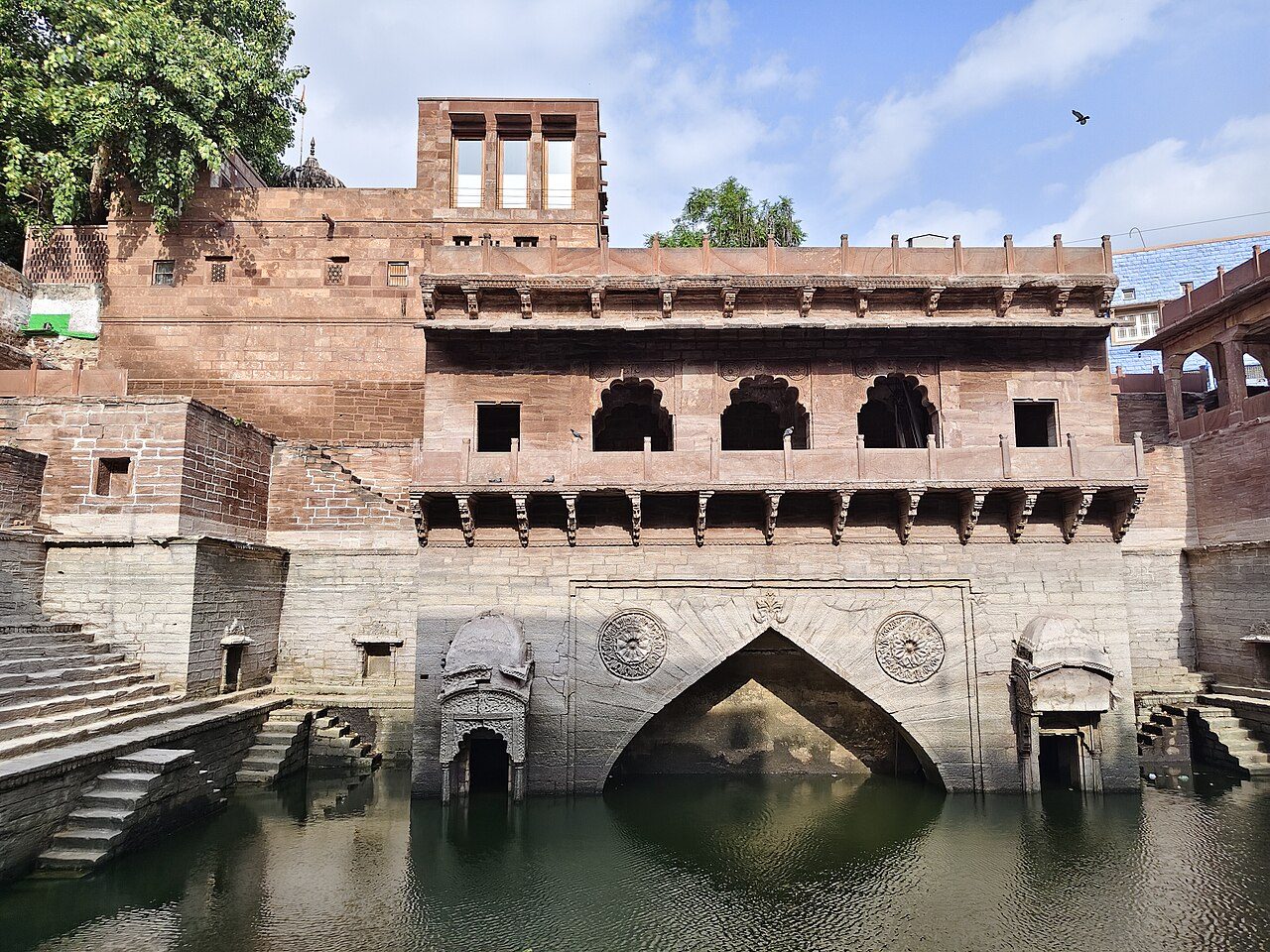
Toorji Ka Jhalra
Toorji Ka Jhalra is a stepwell in the old city of Jodhpur, built in the 1740s by the queen of Maharaja Abhay Singh, following the tradition of royal women sponsoring public waterworks. Carved from rose-red sandstone, its steps and niches descend deep to the water. After decades buried under debris it was cleaned and restored, and the square around it now has cafes and shops.
14
STOP 14 OF 29
Jaisalmer Fort
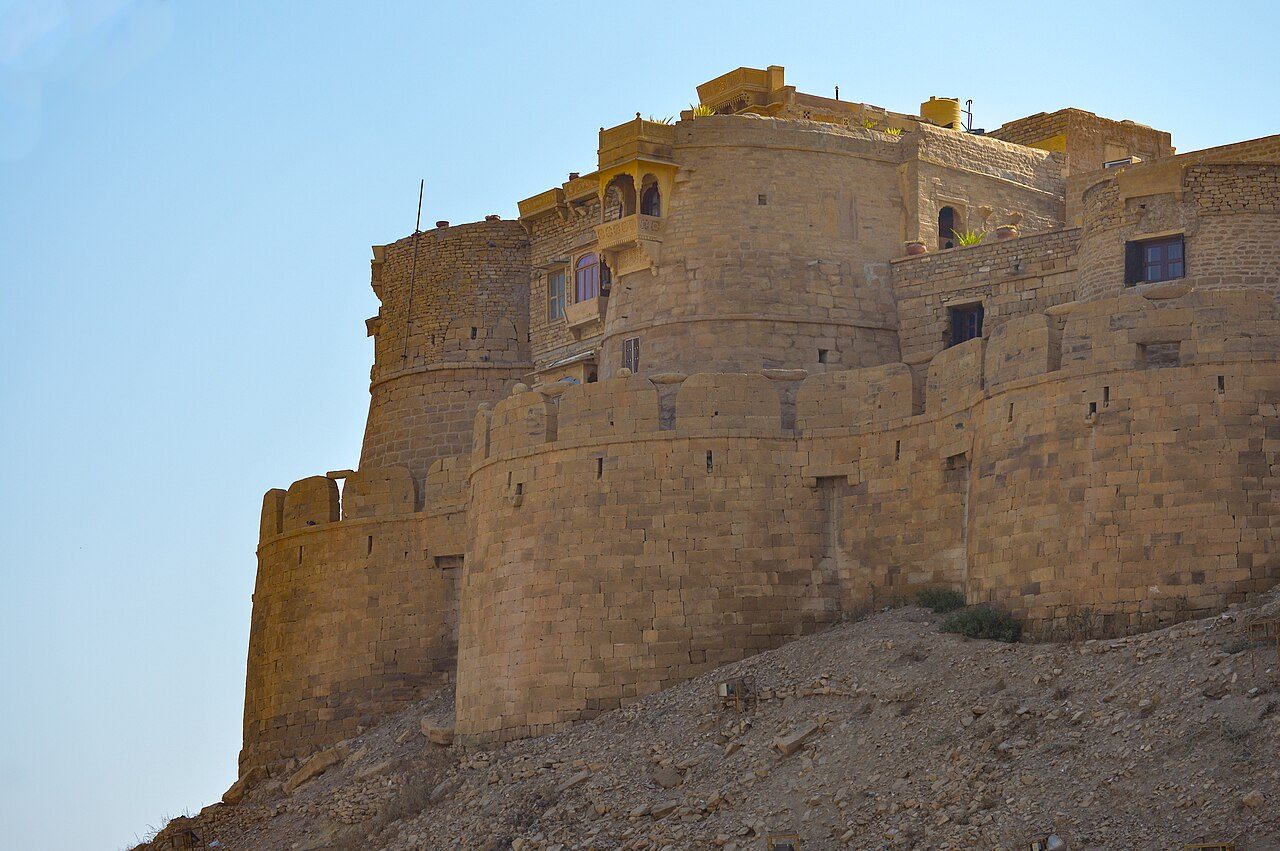
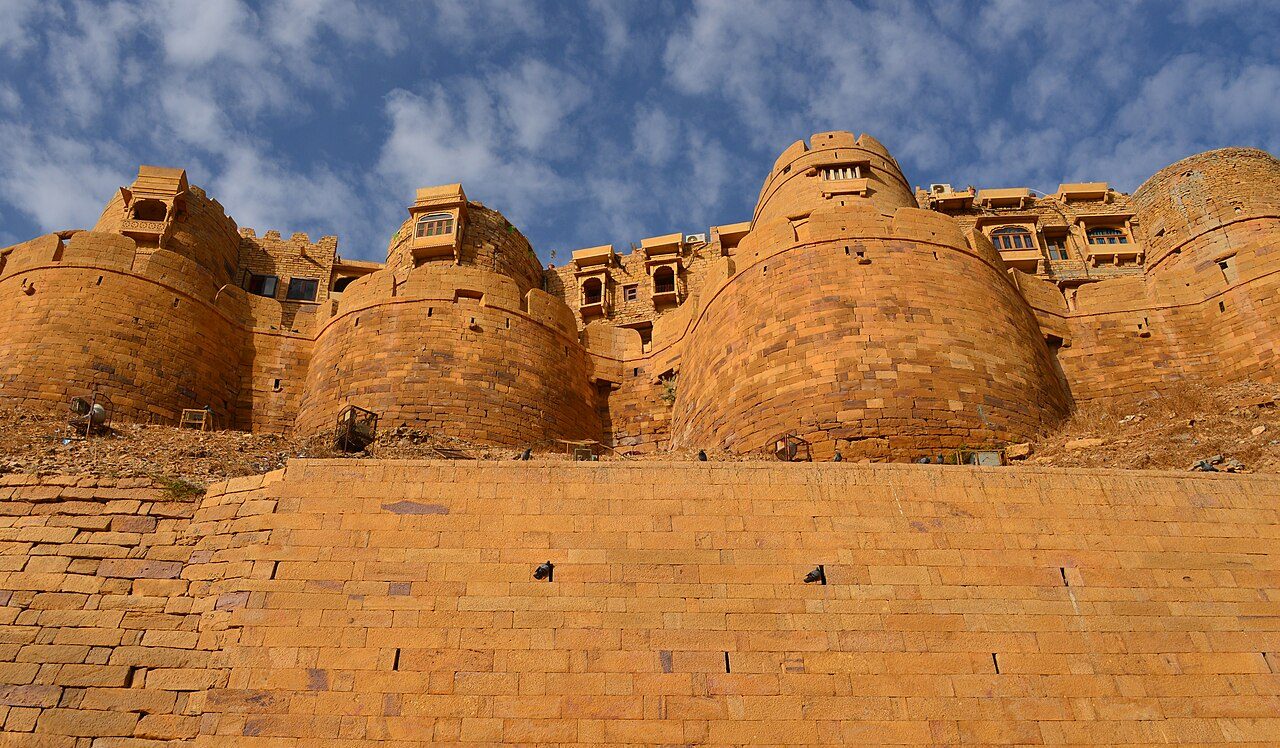
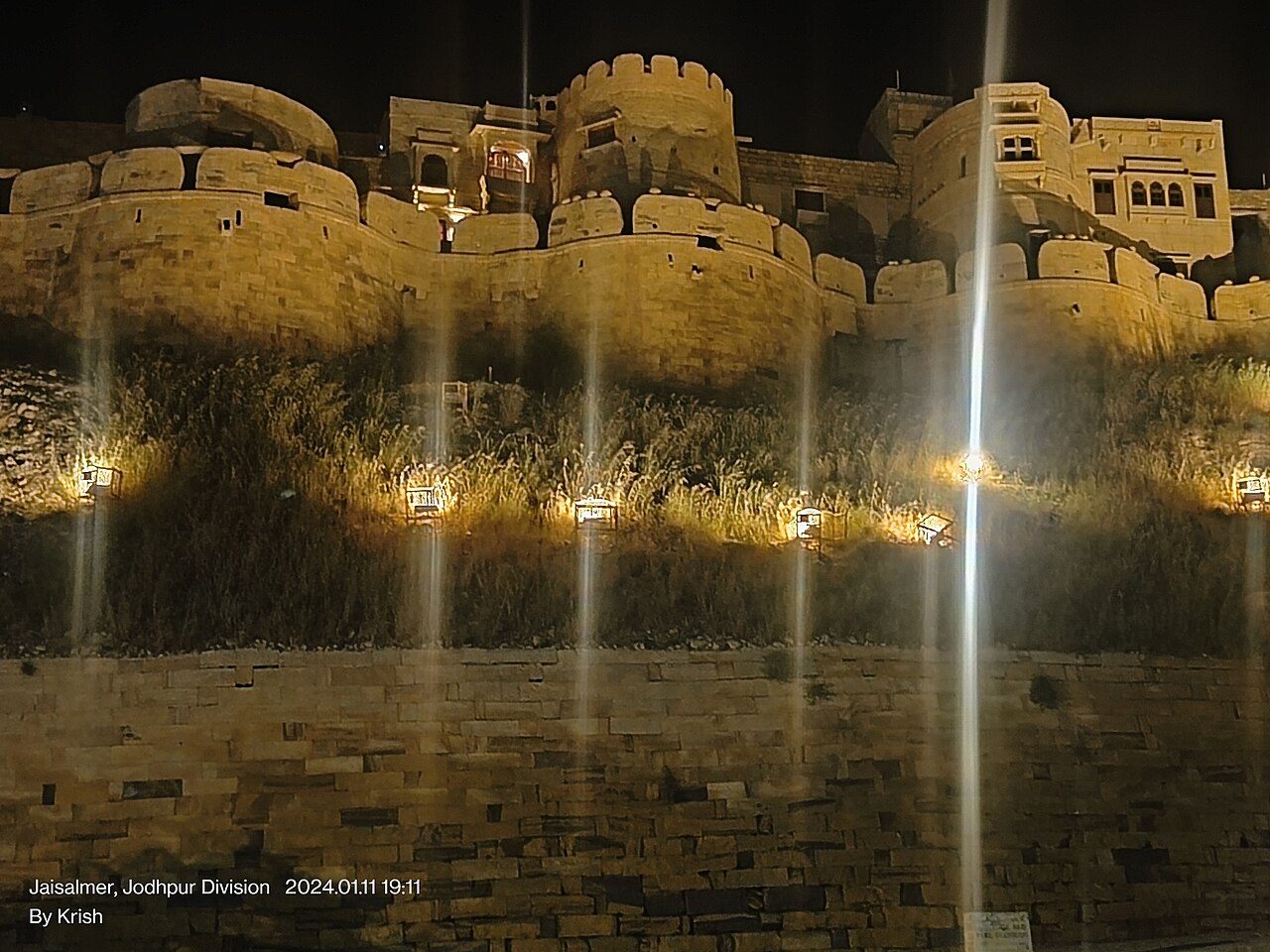
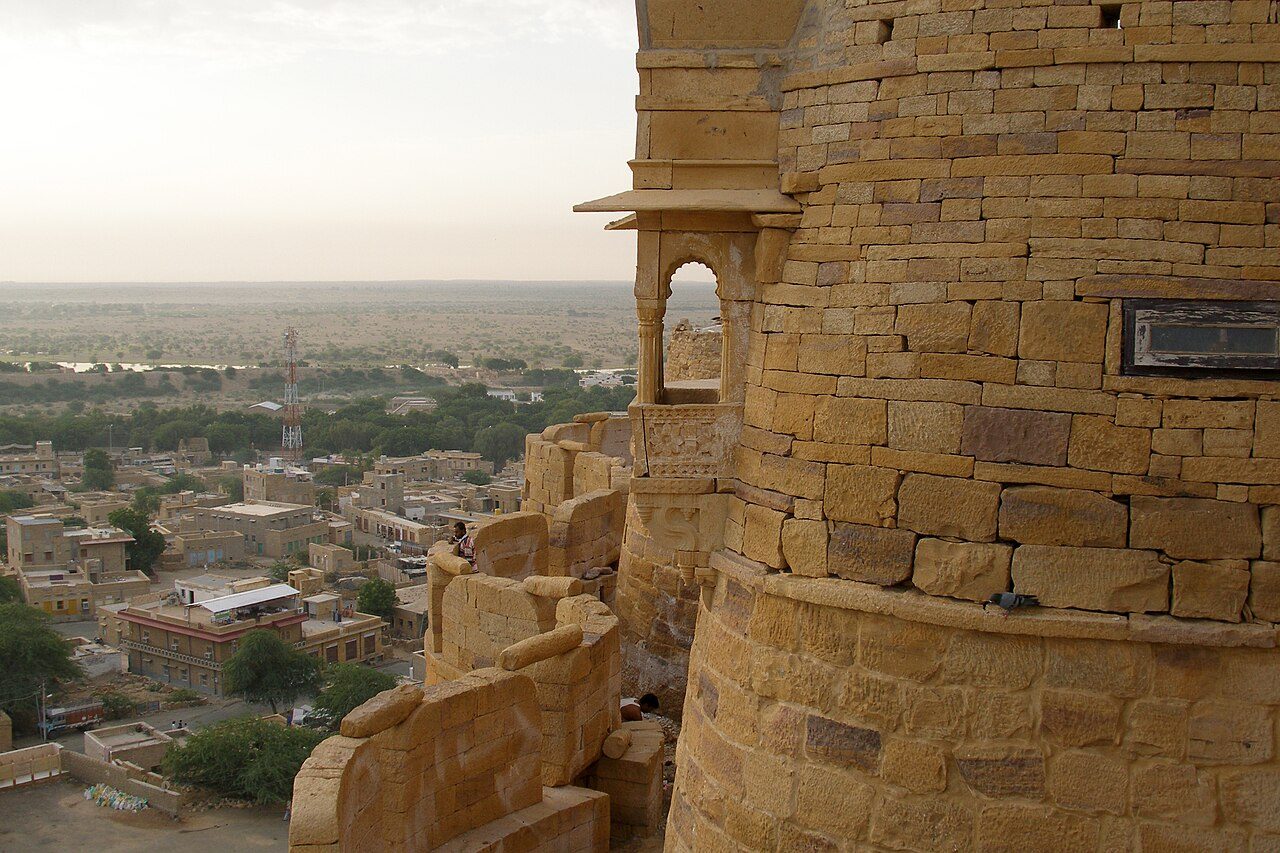
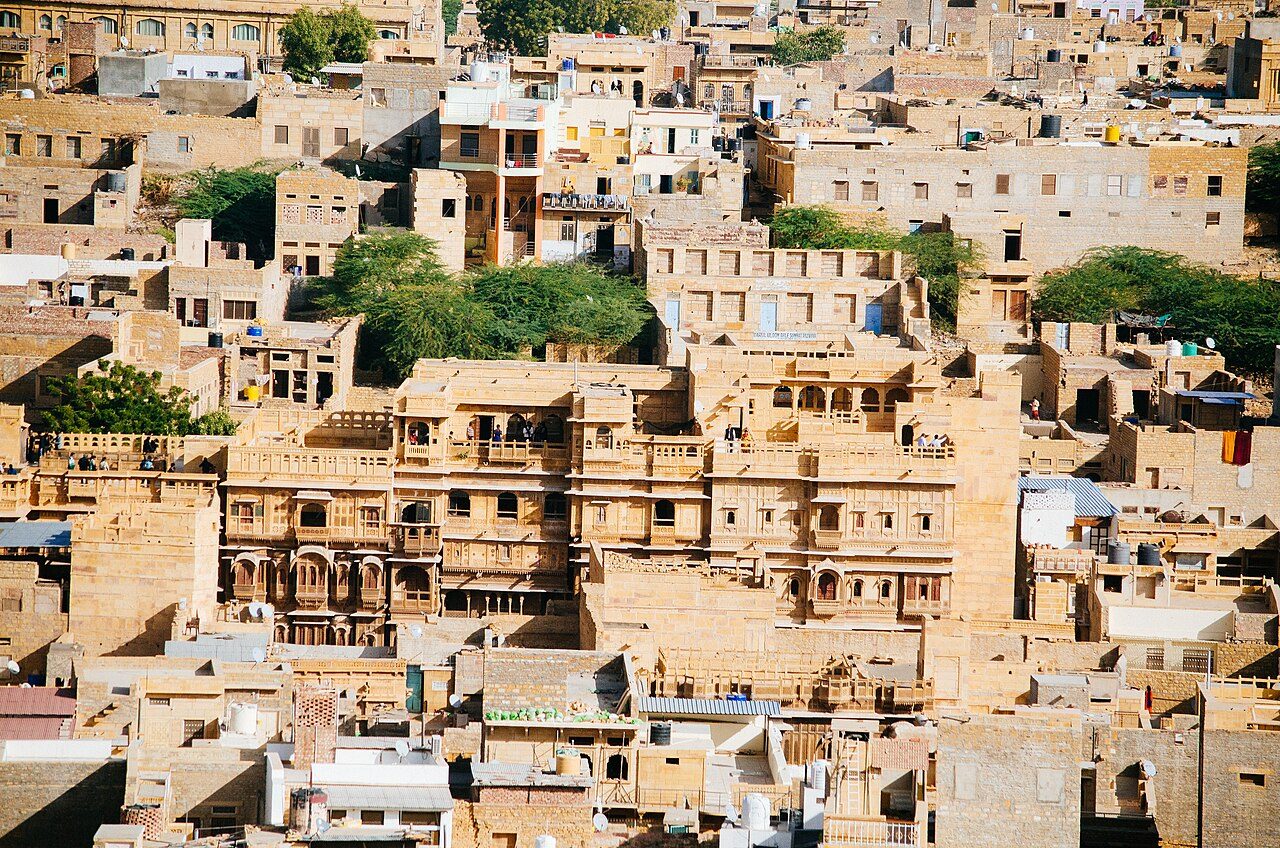
Jaisalmer Fort was founded in 1156 by the Bhati Rajput ruler Rawal Jaisal and rises from the desert on Trikuta hill. Built of yellow sandstone that glows at sunset, it is known as the Golden Fort. Unlike most forts it is still lived in, with houses, shops, palaces and a group of exquisite Jain temples inside its ninety-nine bastions. It is a UNESCO World Heritage Site.
15
STOP 15 OF 29
Patwon Ki Haveli
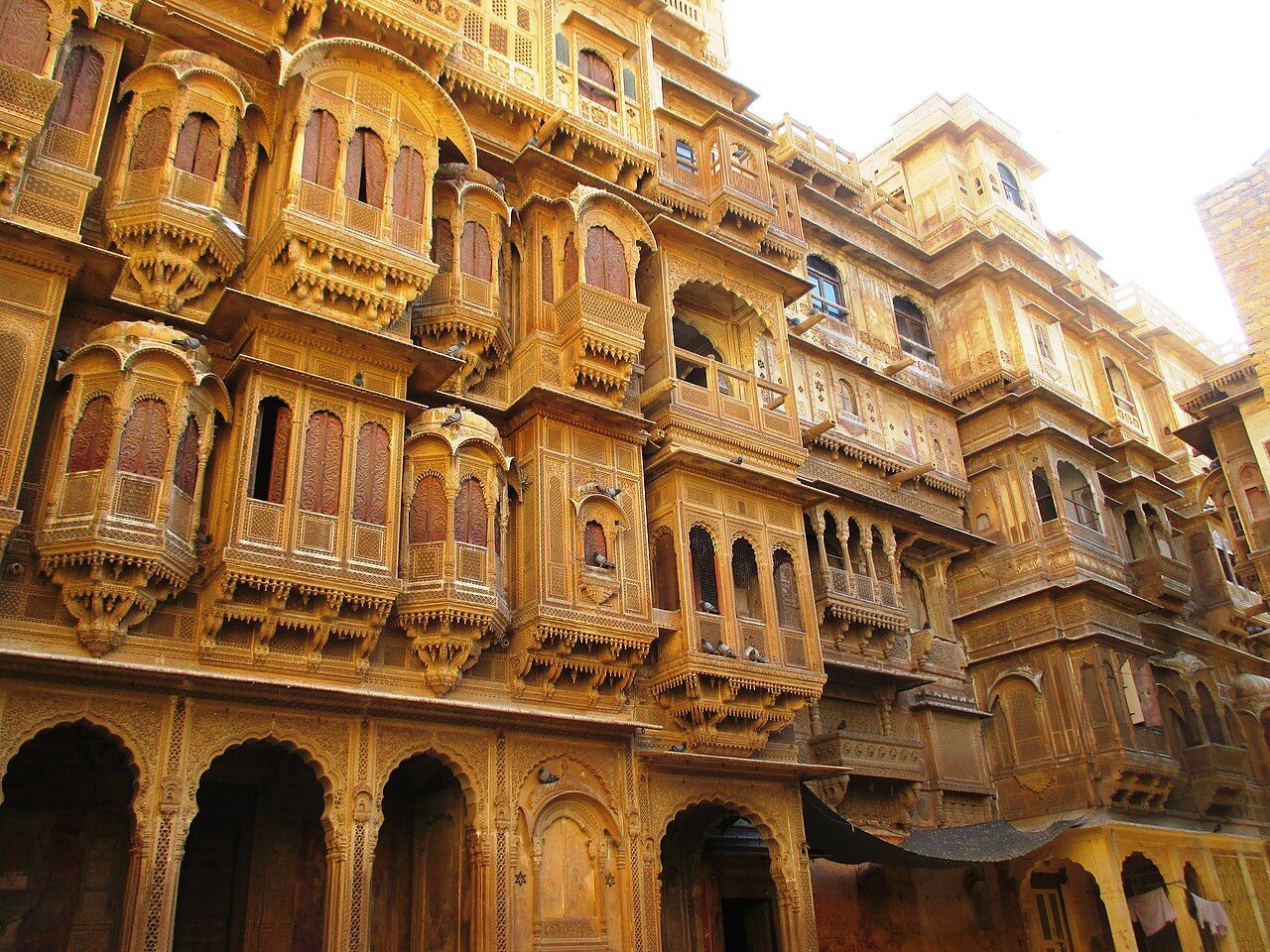
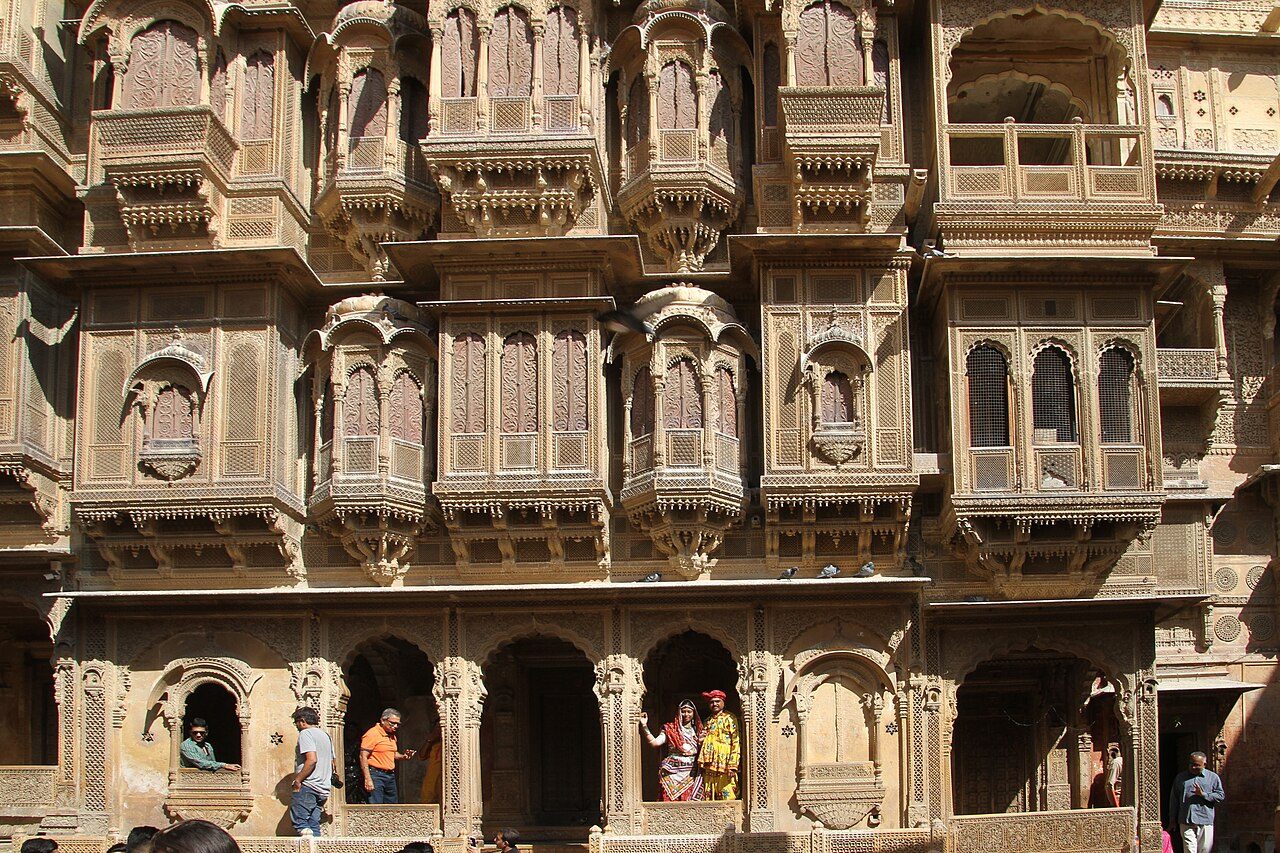
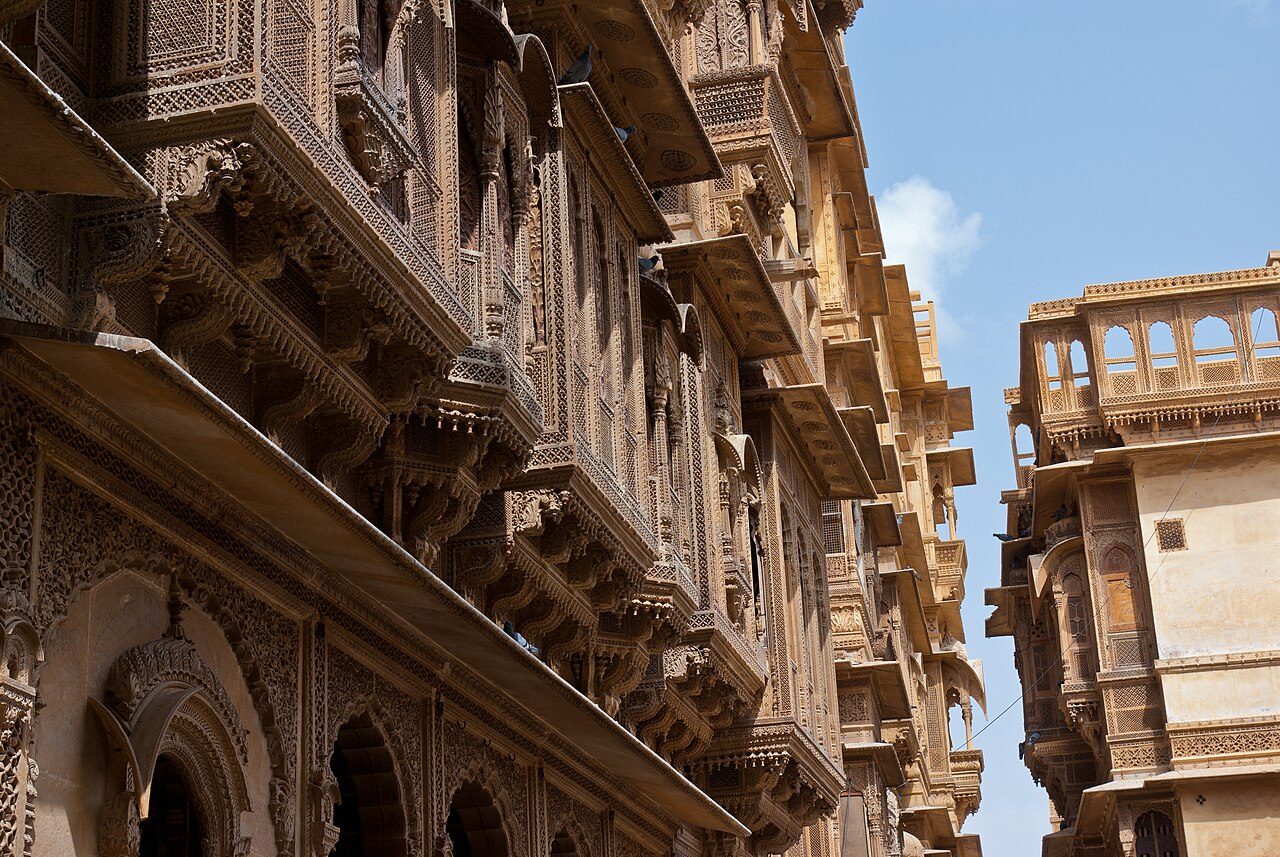
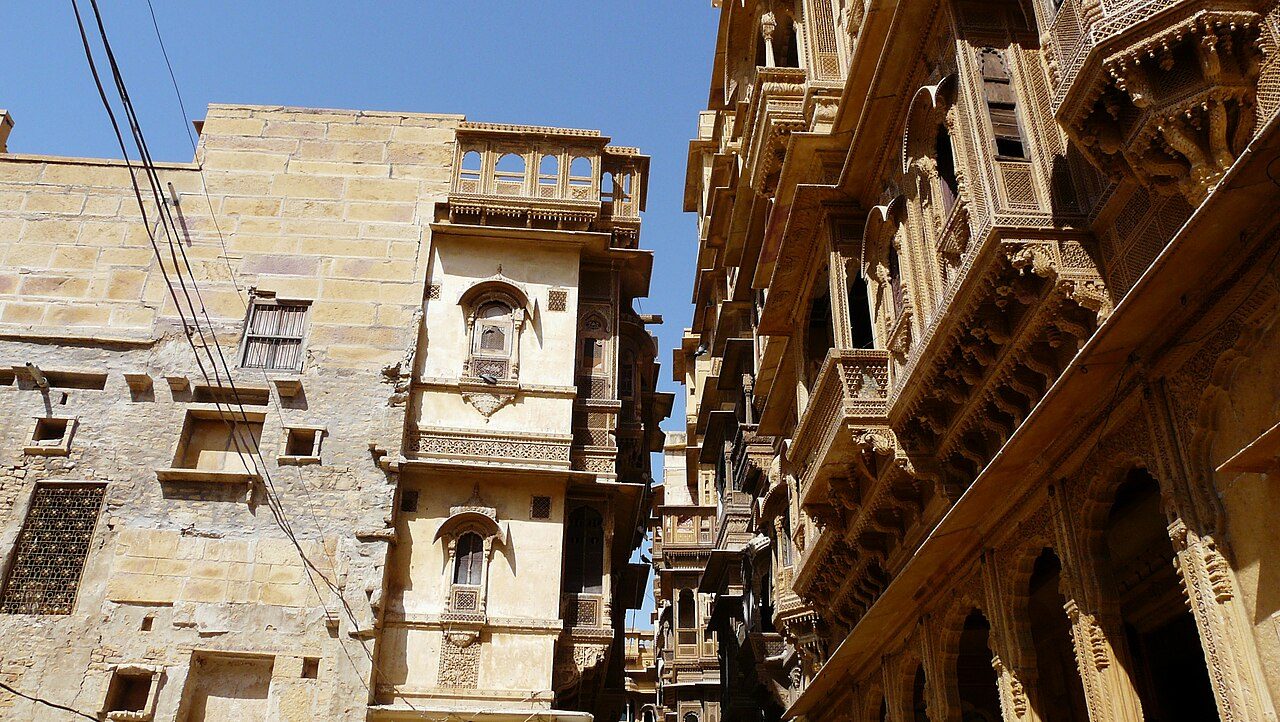
Patwon Ki Haveli is a cluster of five mansions in Jaisalmer, built in the first half of the 19th century by Guman Chand Patwa, a rich trader in brocade, for his five sons. The golden sandstone facades are carved with remarkably delicate jharokhas and screens, and some rooms keep their mirror work and wall paintings. One haveli is a museum of period furnishings.
16
STOP 16 OF 29
Nathmal Ki Haveli
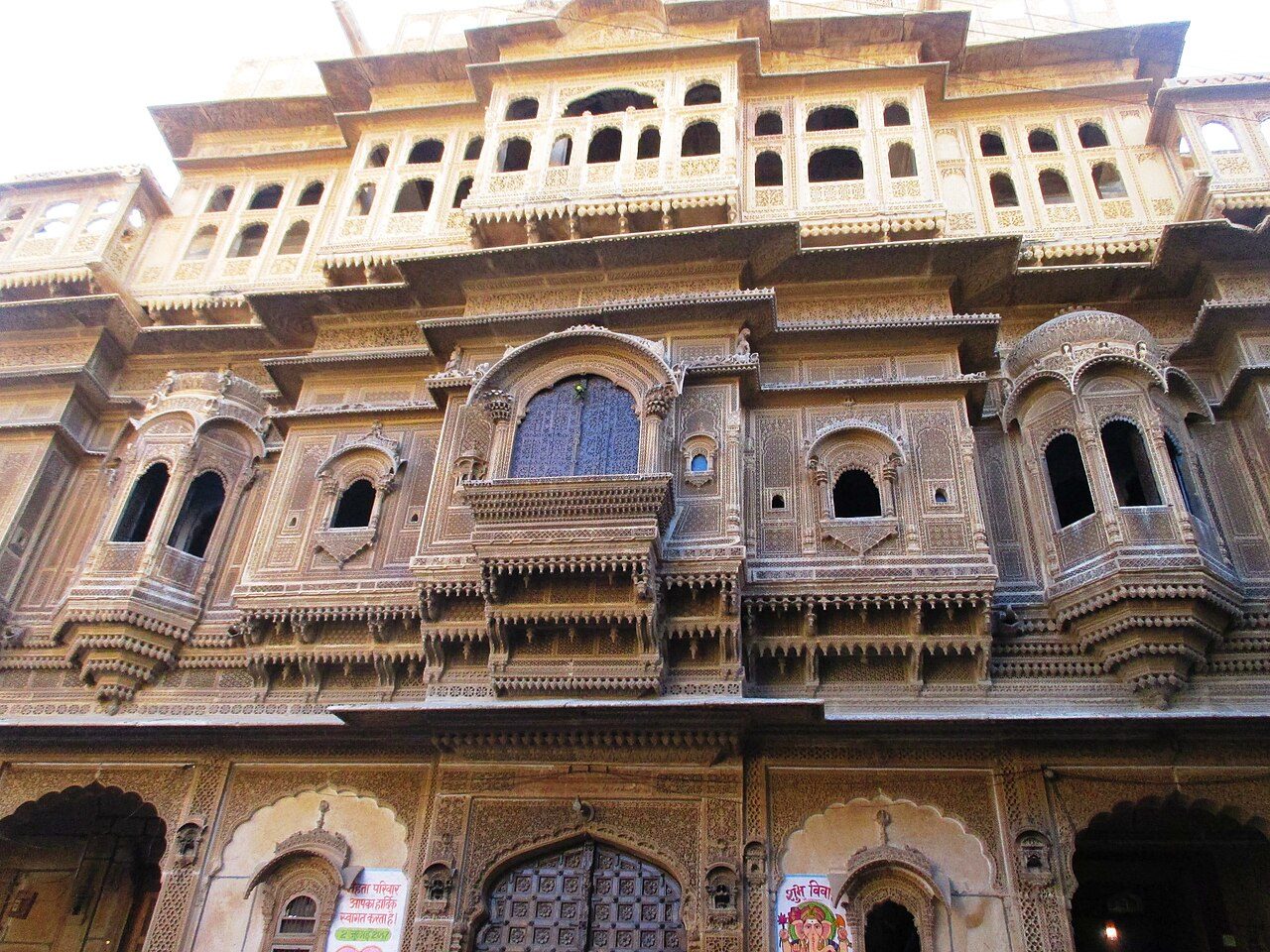
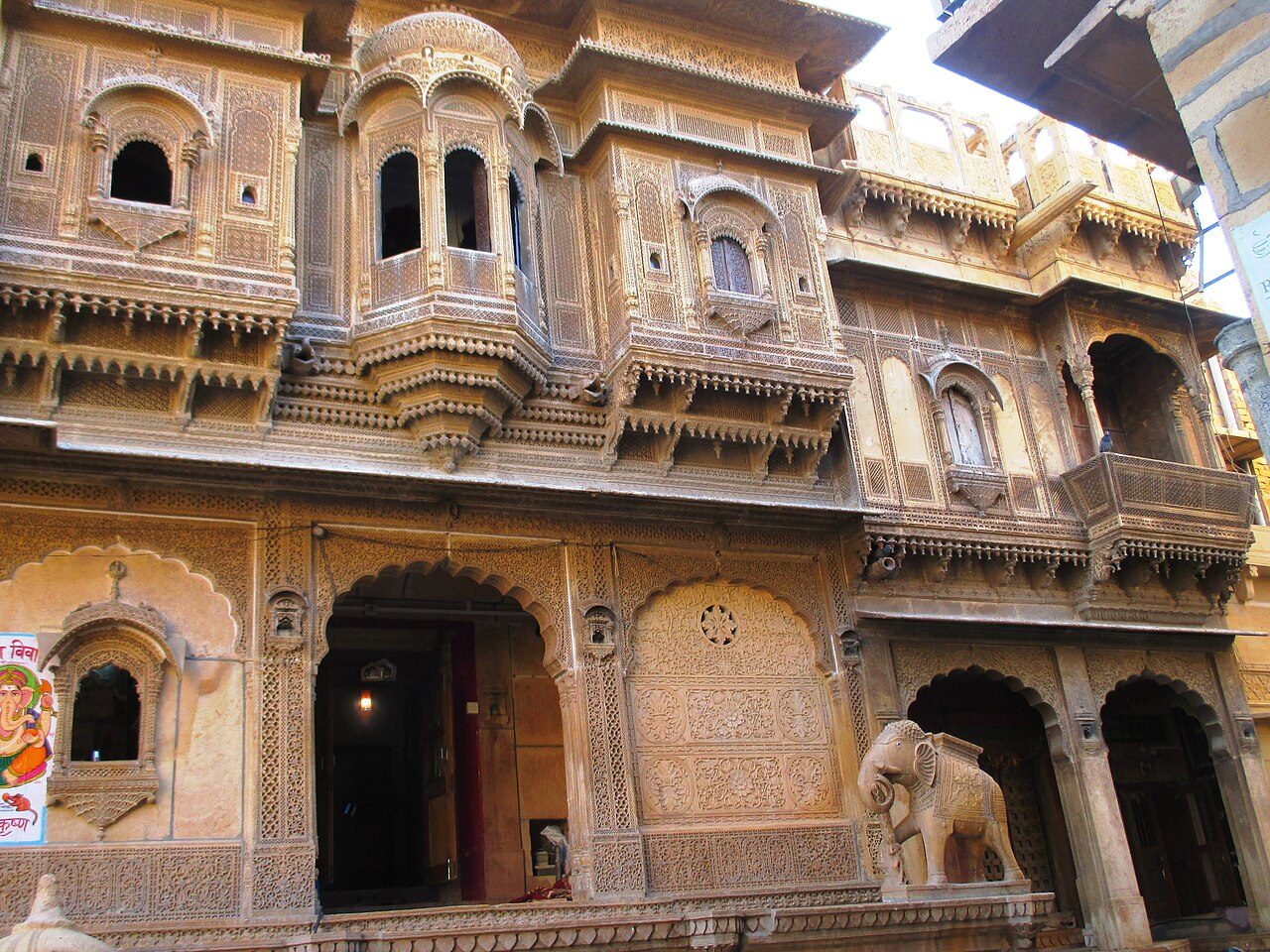
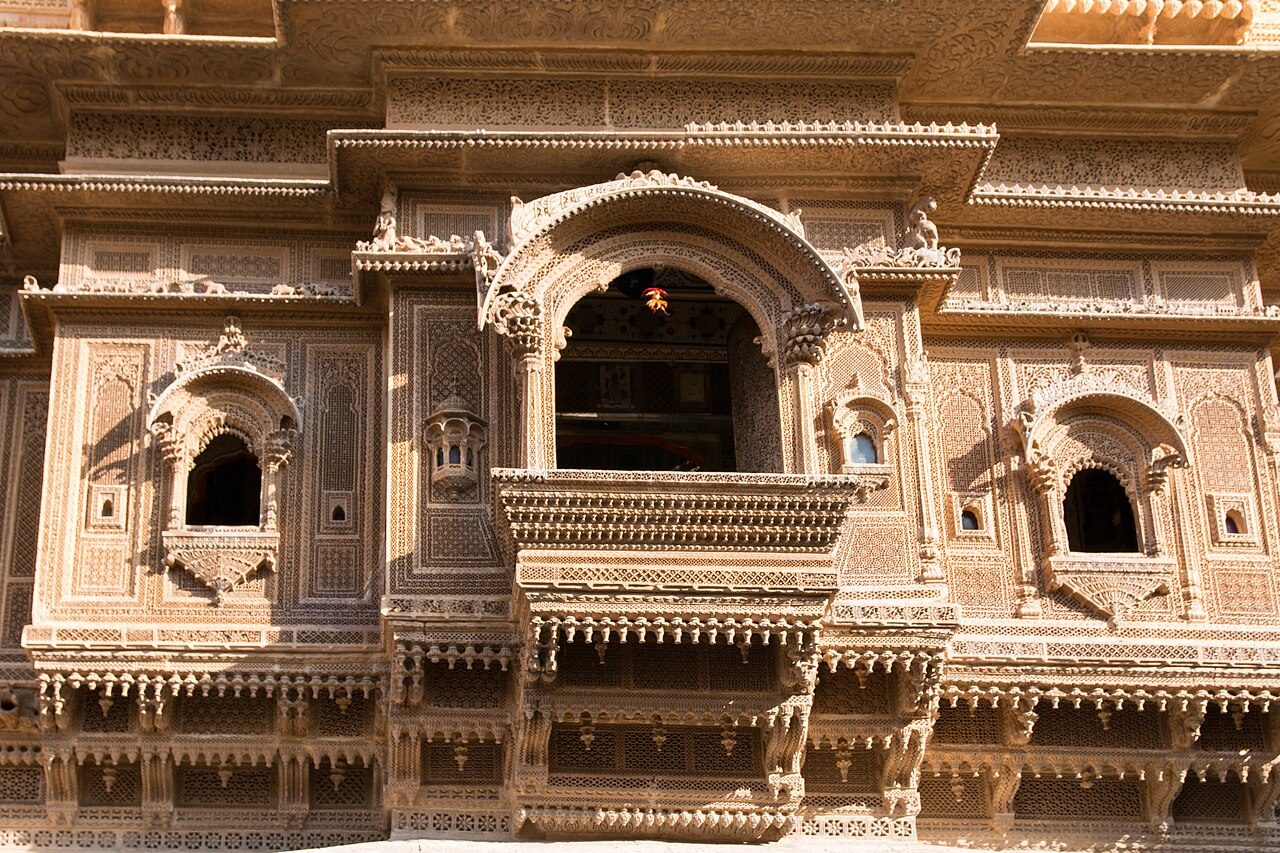
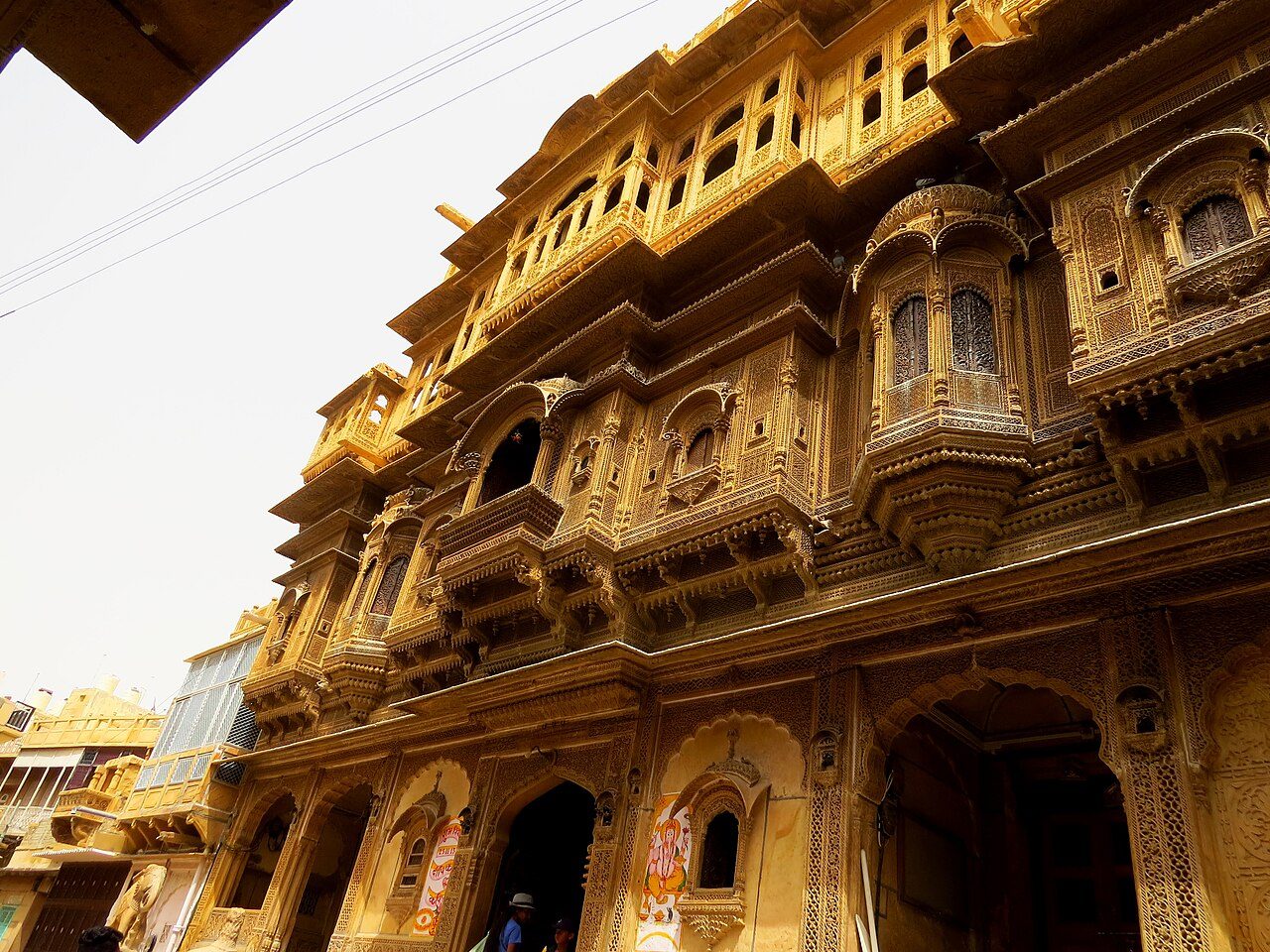
Nathmal Ki Haveli was built in the late 19th century as the residence of Diwan Mohata Nathmal, prime minister of Jaisalmer. Two brothers carved the two halves of the facade separately, so the sides are similar but not identical. Yellow sandstone elephants guard the entrance, and the carvings include flowers, horses and even a bicycle and a steam engine. Part of the house is still occupied.
17
STOP 17 OF 29
Gadisar Lake
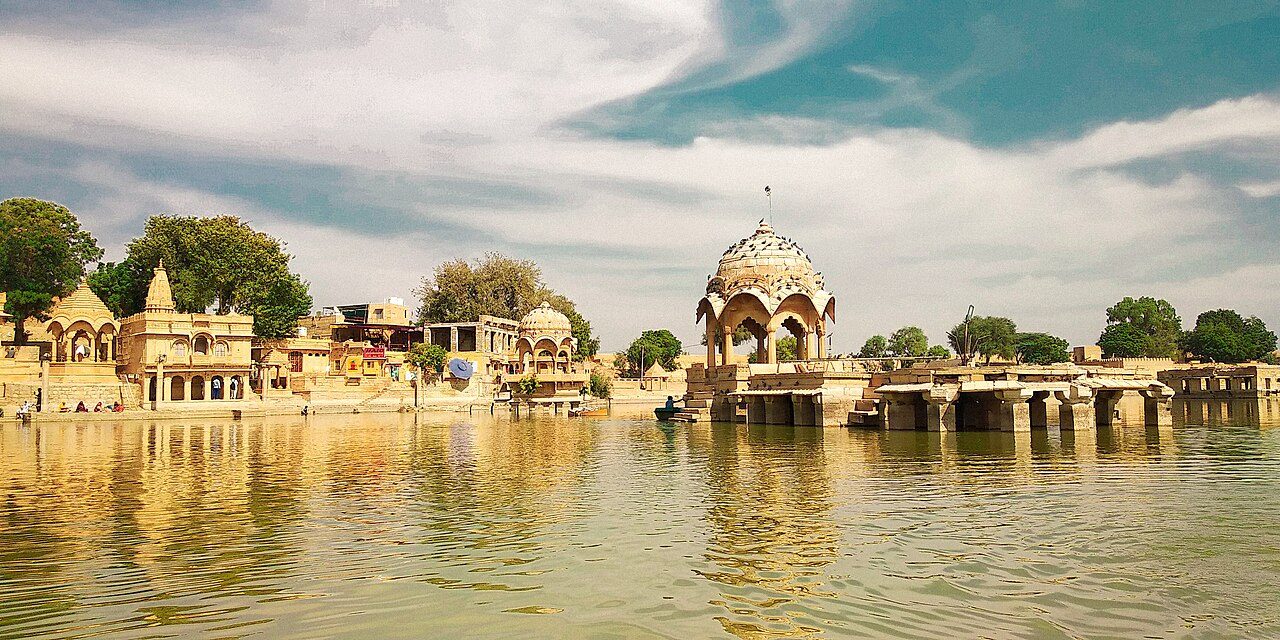
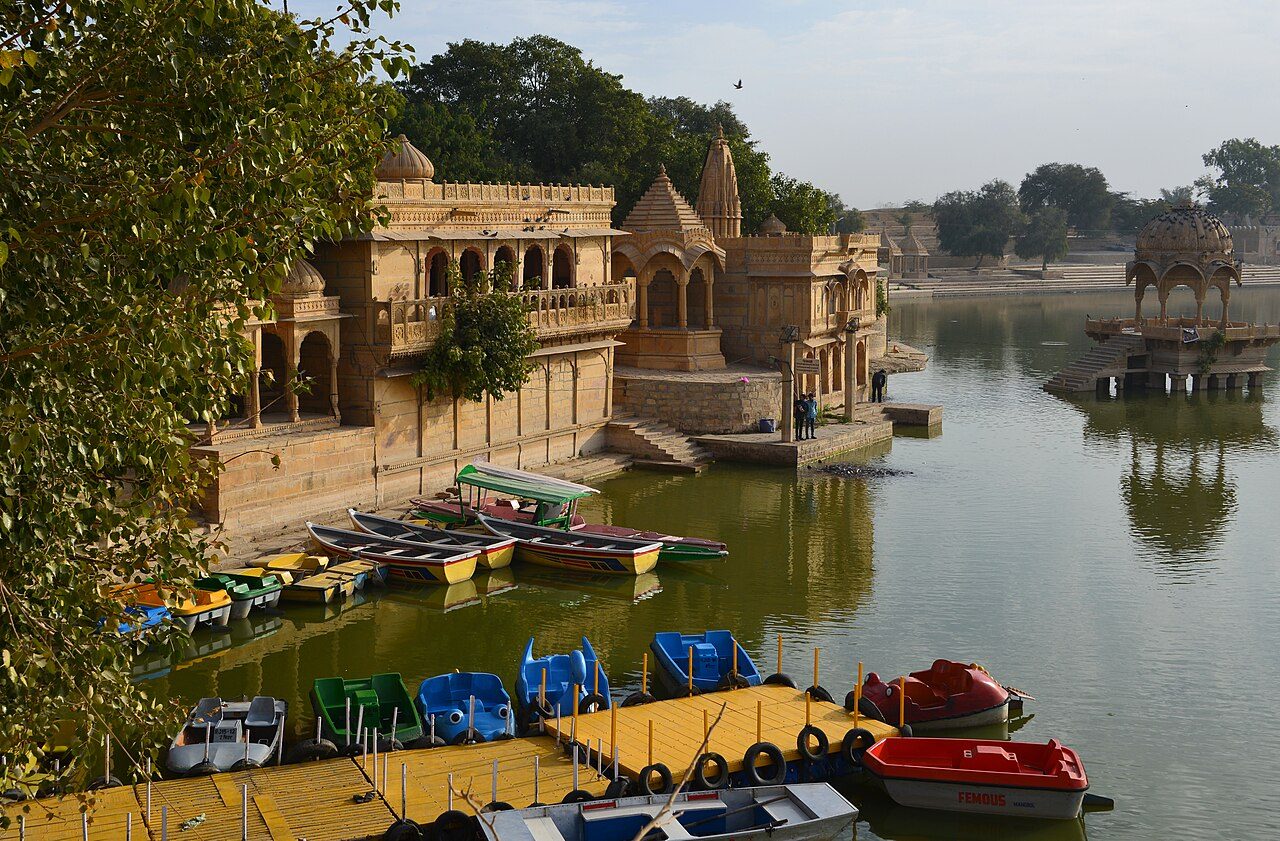
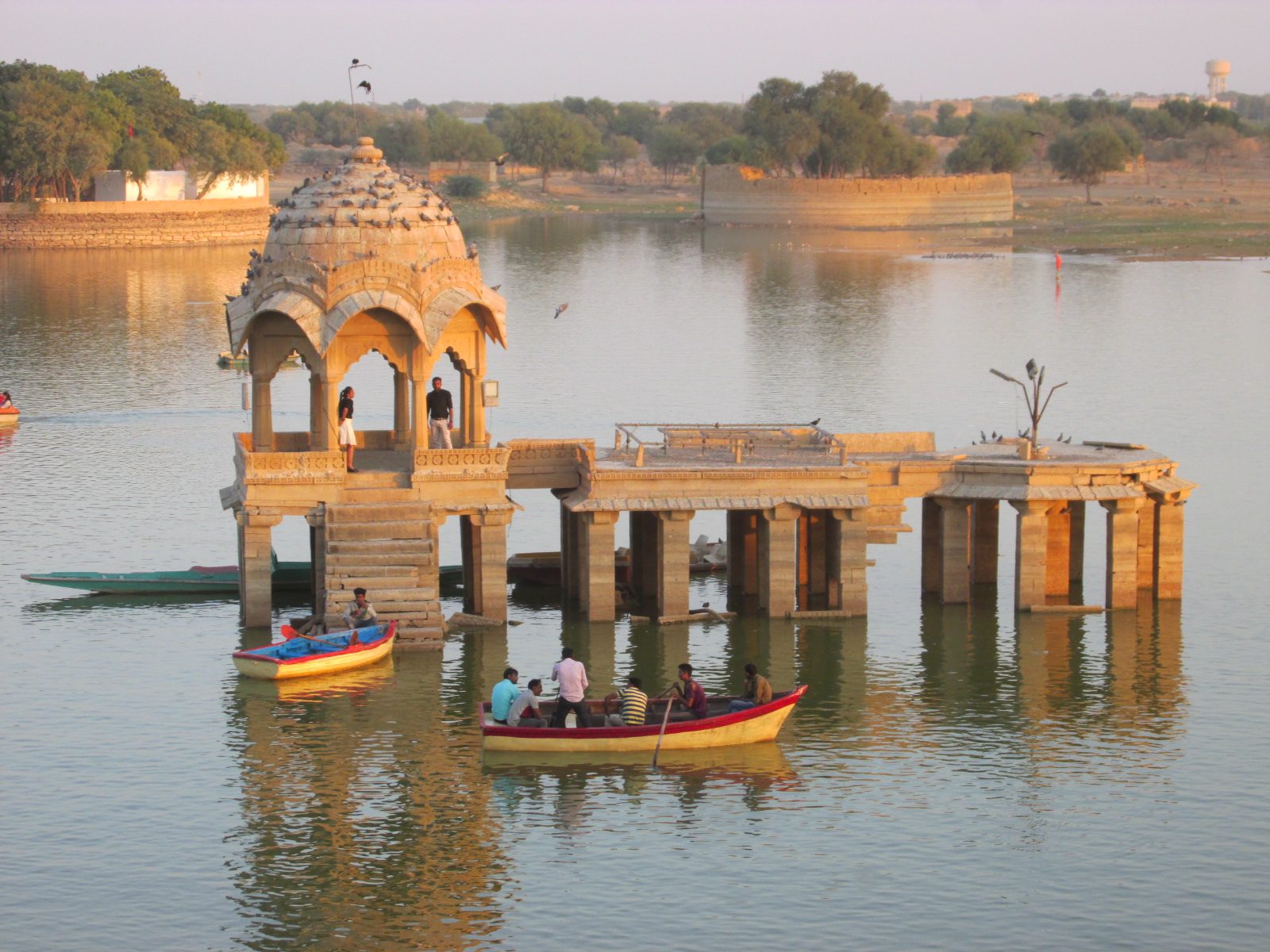
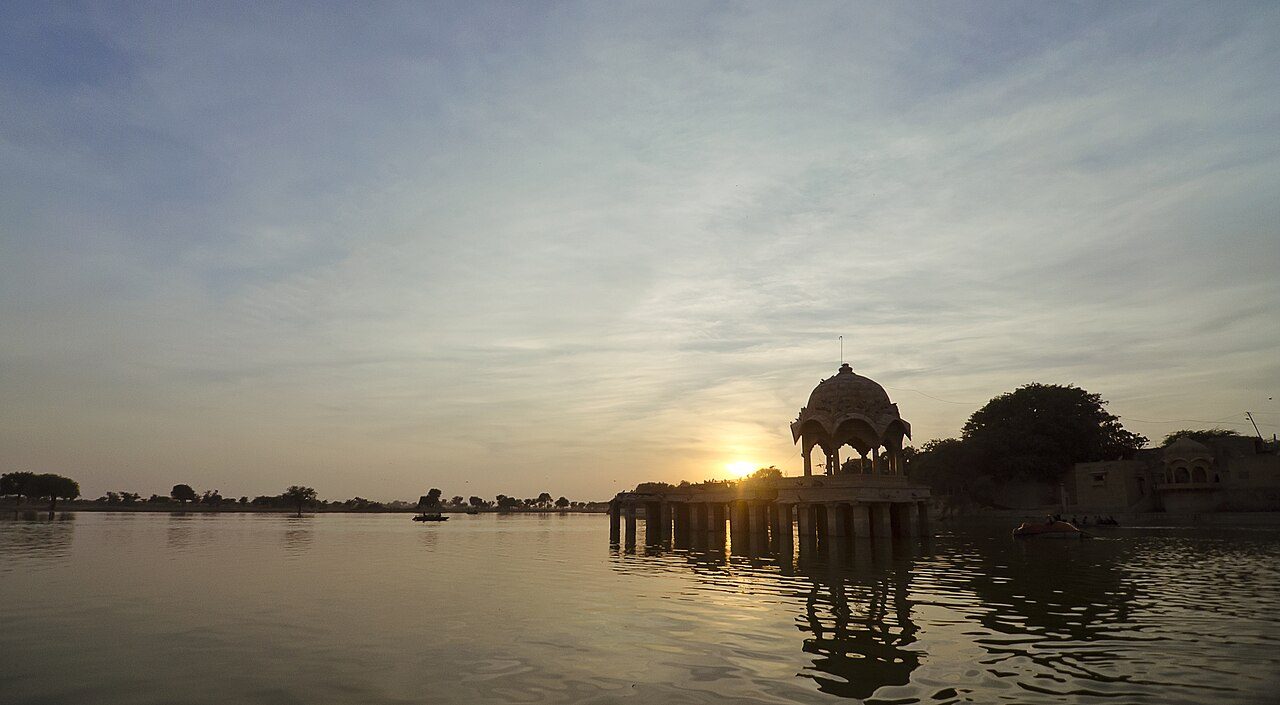
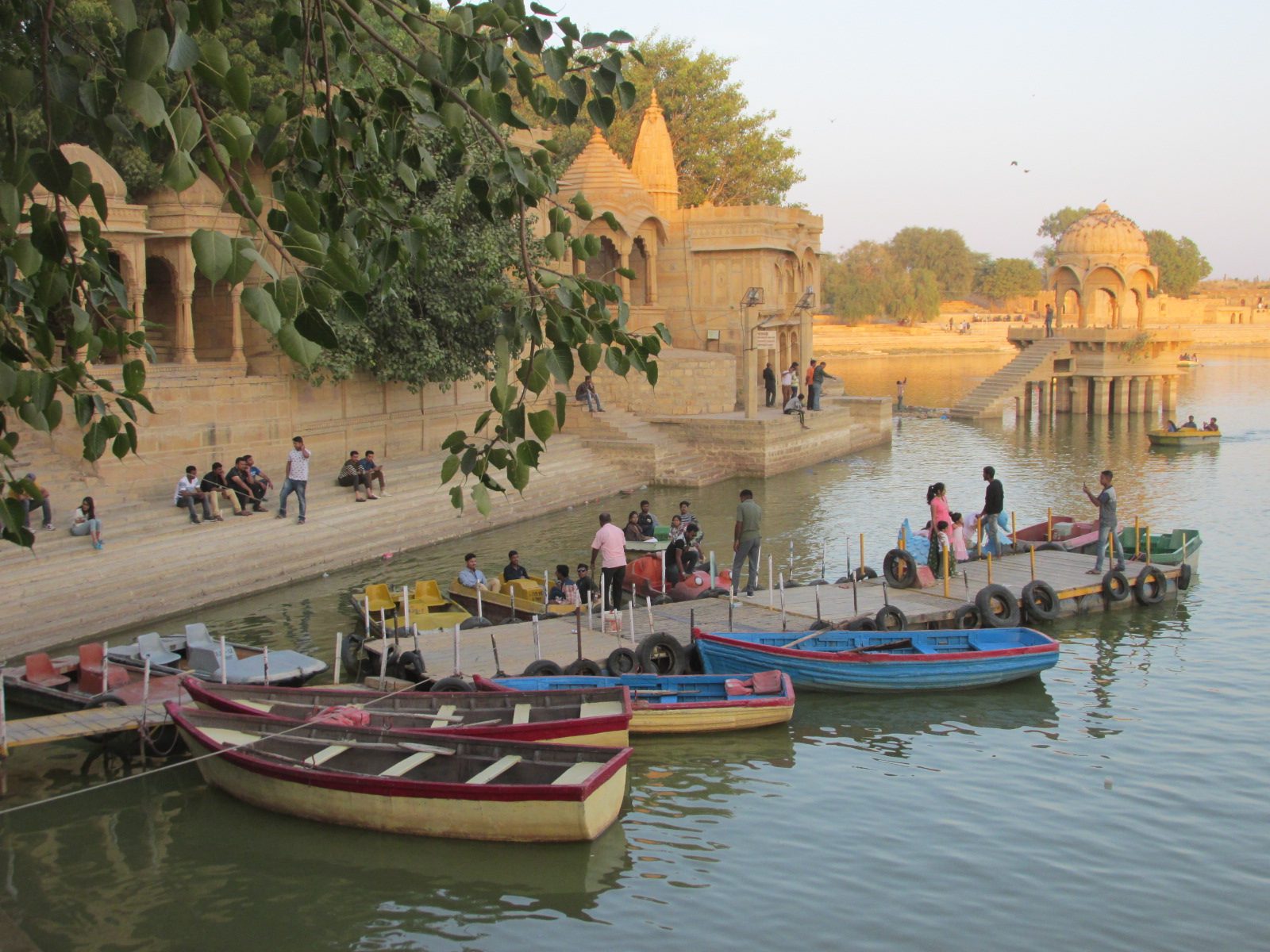
Gadisar Lake is a reservoir on the edge of Jaisalmer, originally dug by Rawal Jaisal and rebuilt in the 14th century by Rawal Gadsi Singh, and for centuries the town's only water supply. Its banks are lined with shrines, ghats and domed pavilions, and it is entered through the carved Tilon ki Pol gateway. Boats can be hired, and winter brings migratory birds. Sunrise is the best time.
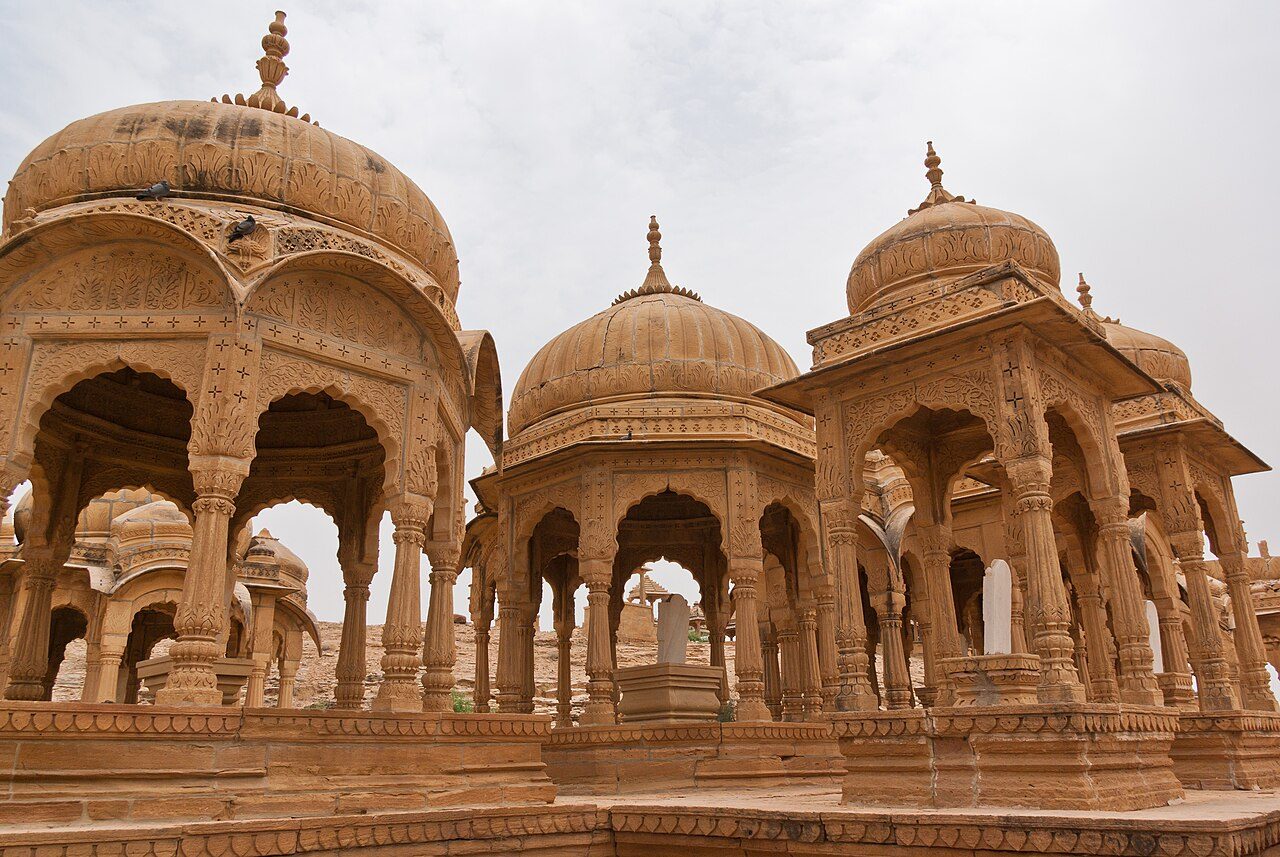
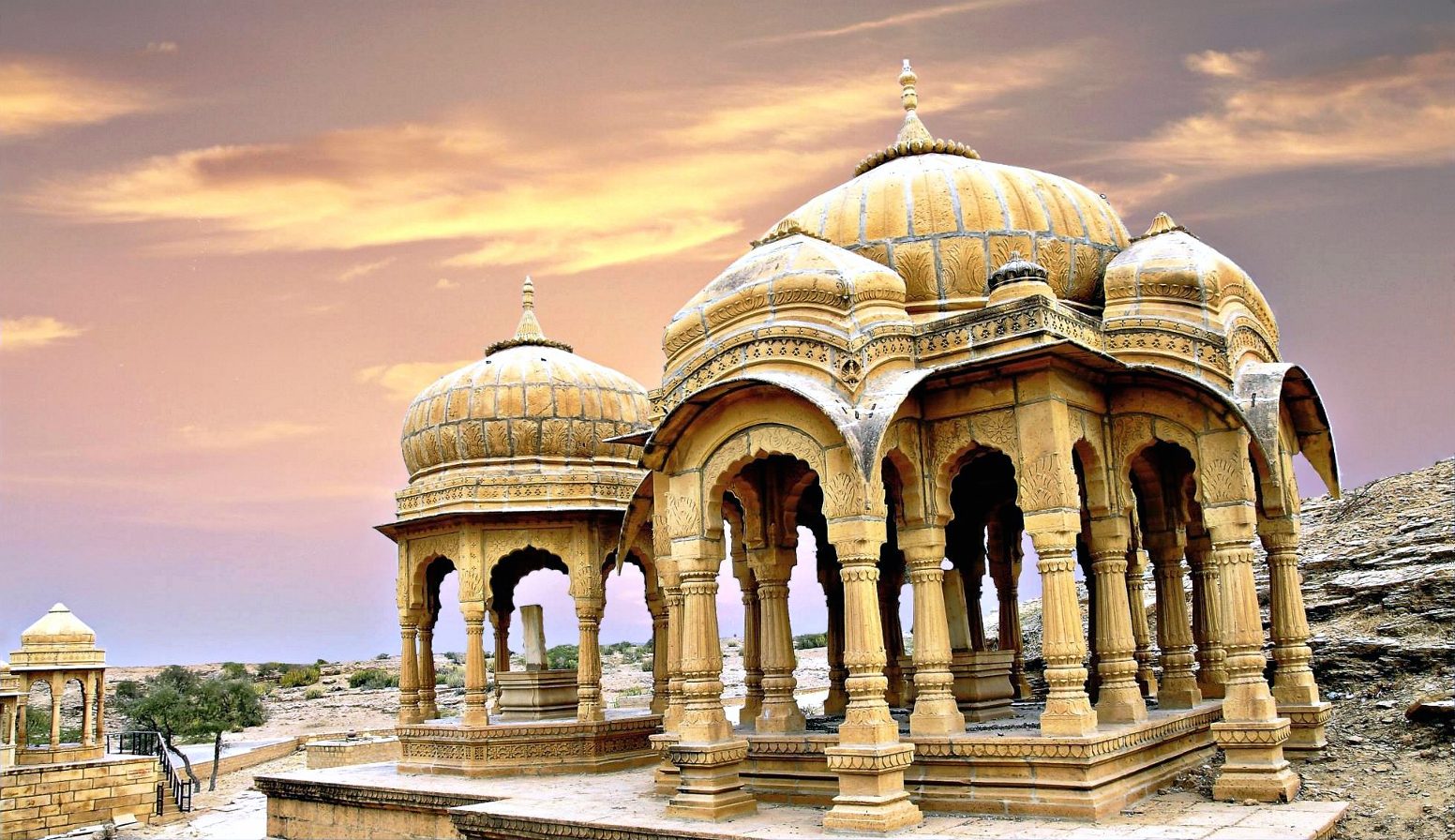
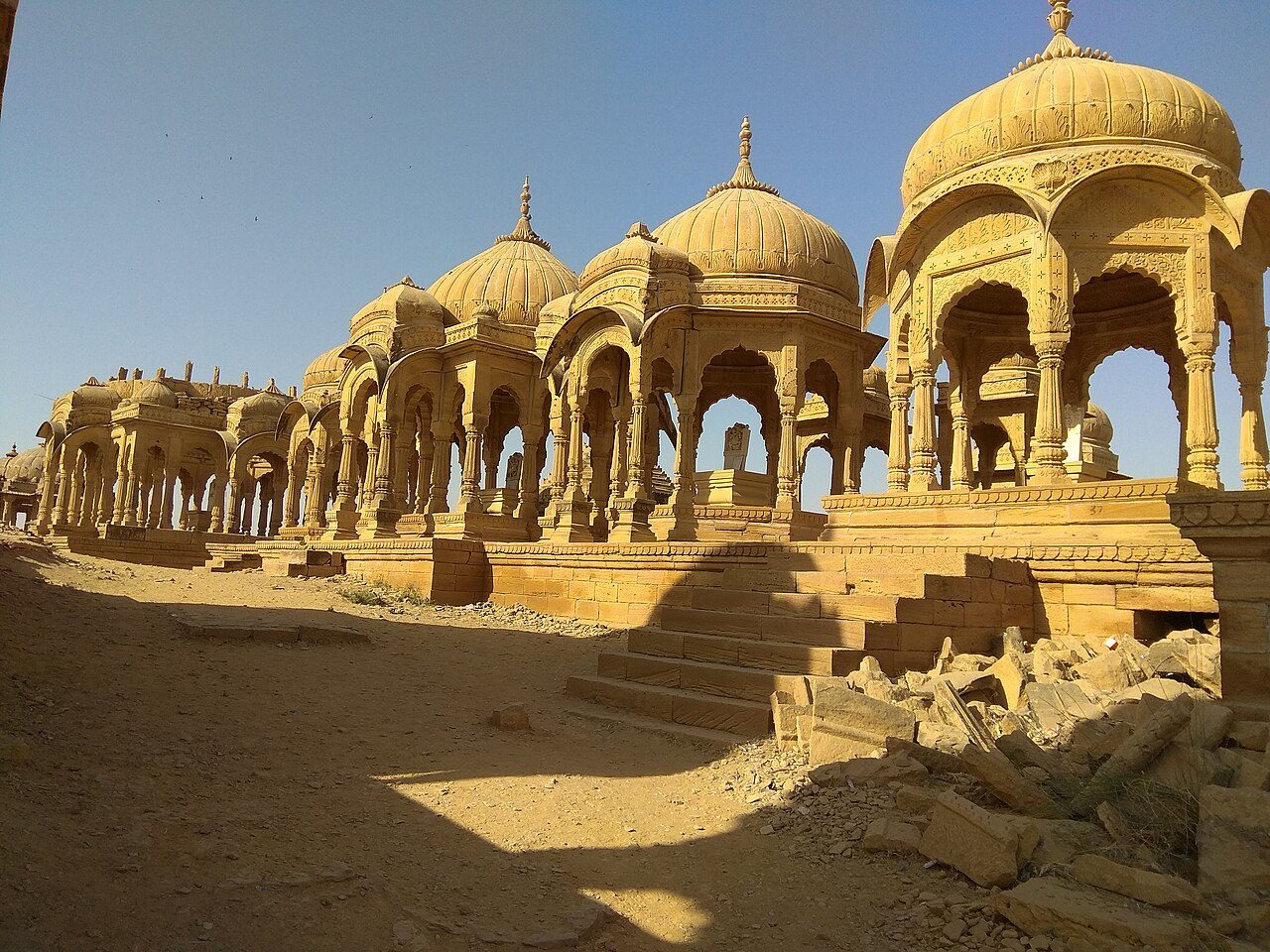
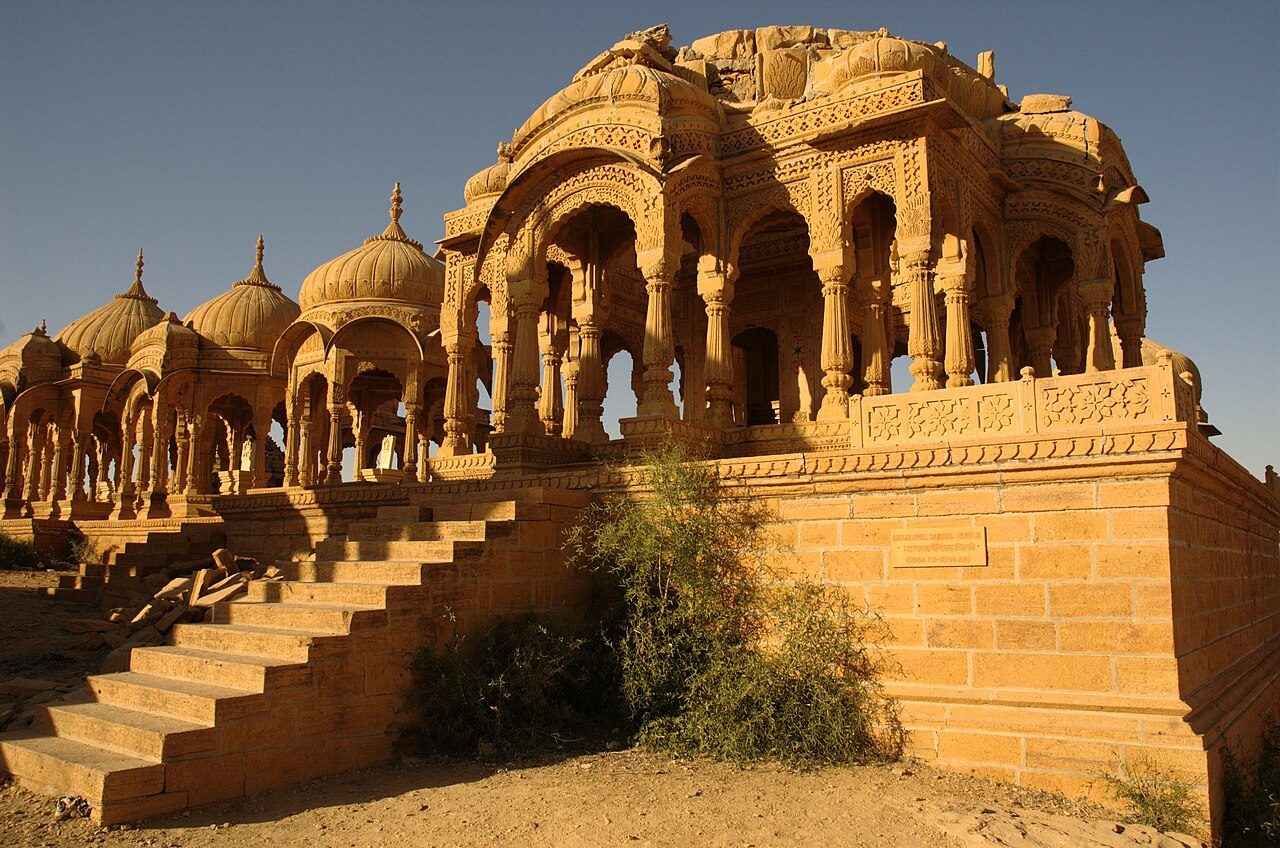
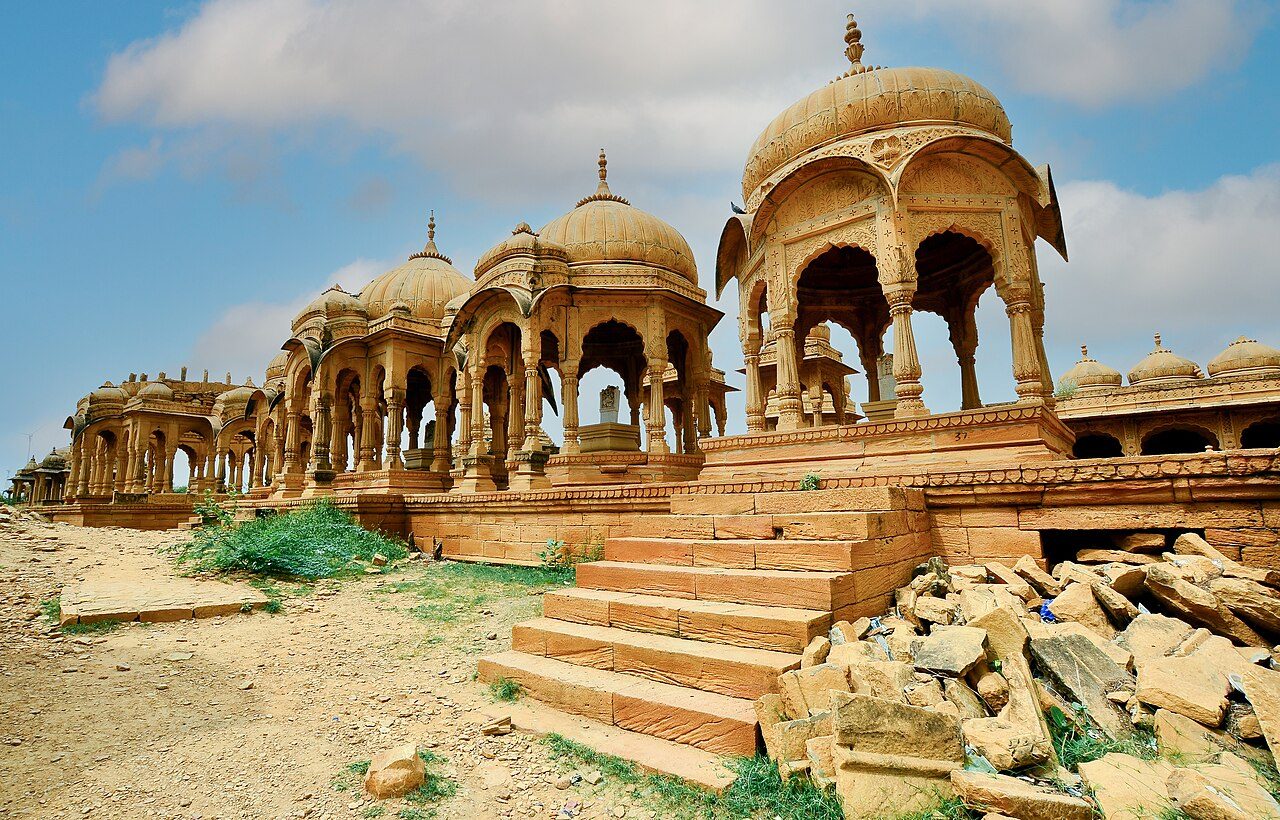
Bada Bagh, north of Jaisalmer, is a garden complex holding the royal cenotaphs of the Bhati rulers. Maharawal Jai Singh II built a dam here in the 16th century, and his son raised the first chhatri in his memory; later rulers were commemorated in the same way until the 20th century. The rows of golden sandstone domes on the hillside are especially striking at sunset.
19
STOP 19 OF 29
Lodurva Jain Temple
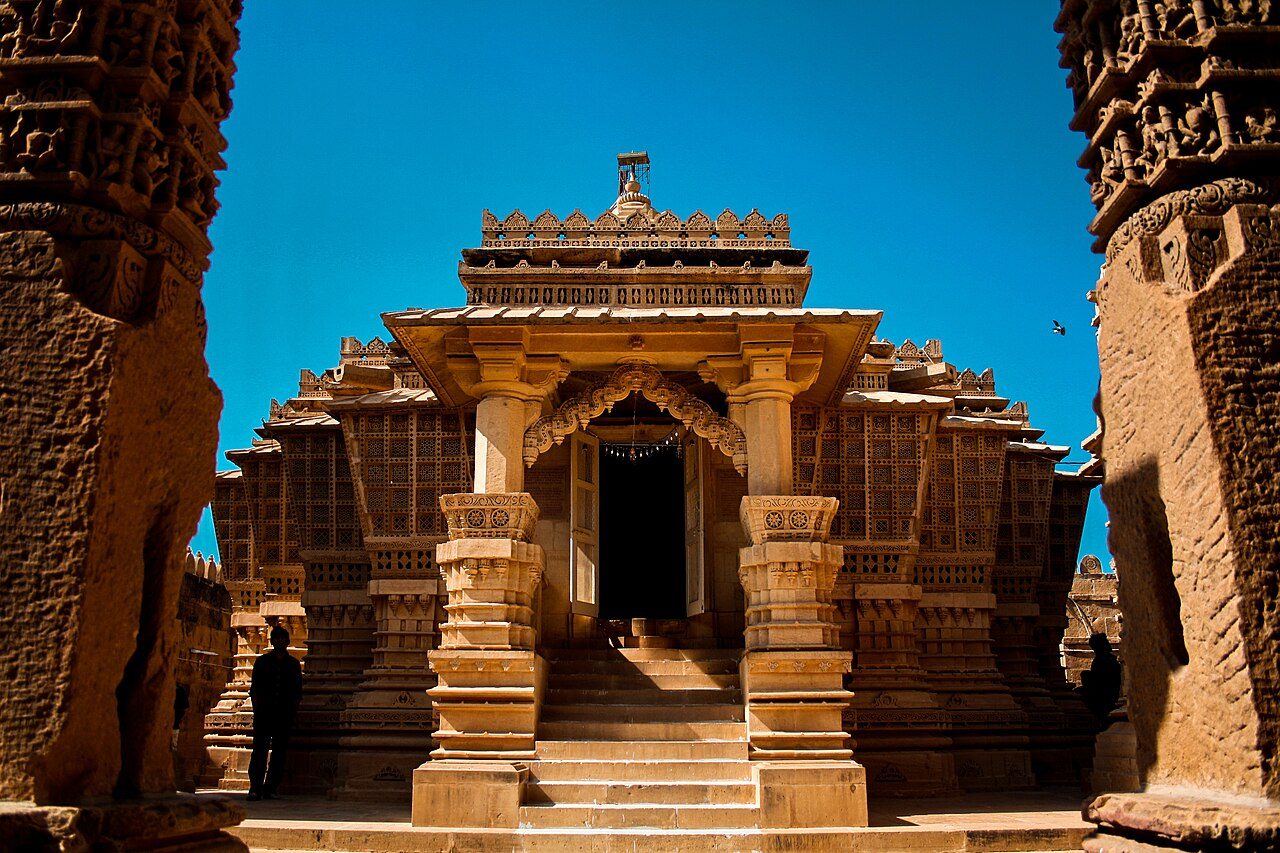
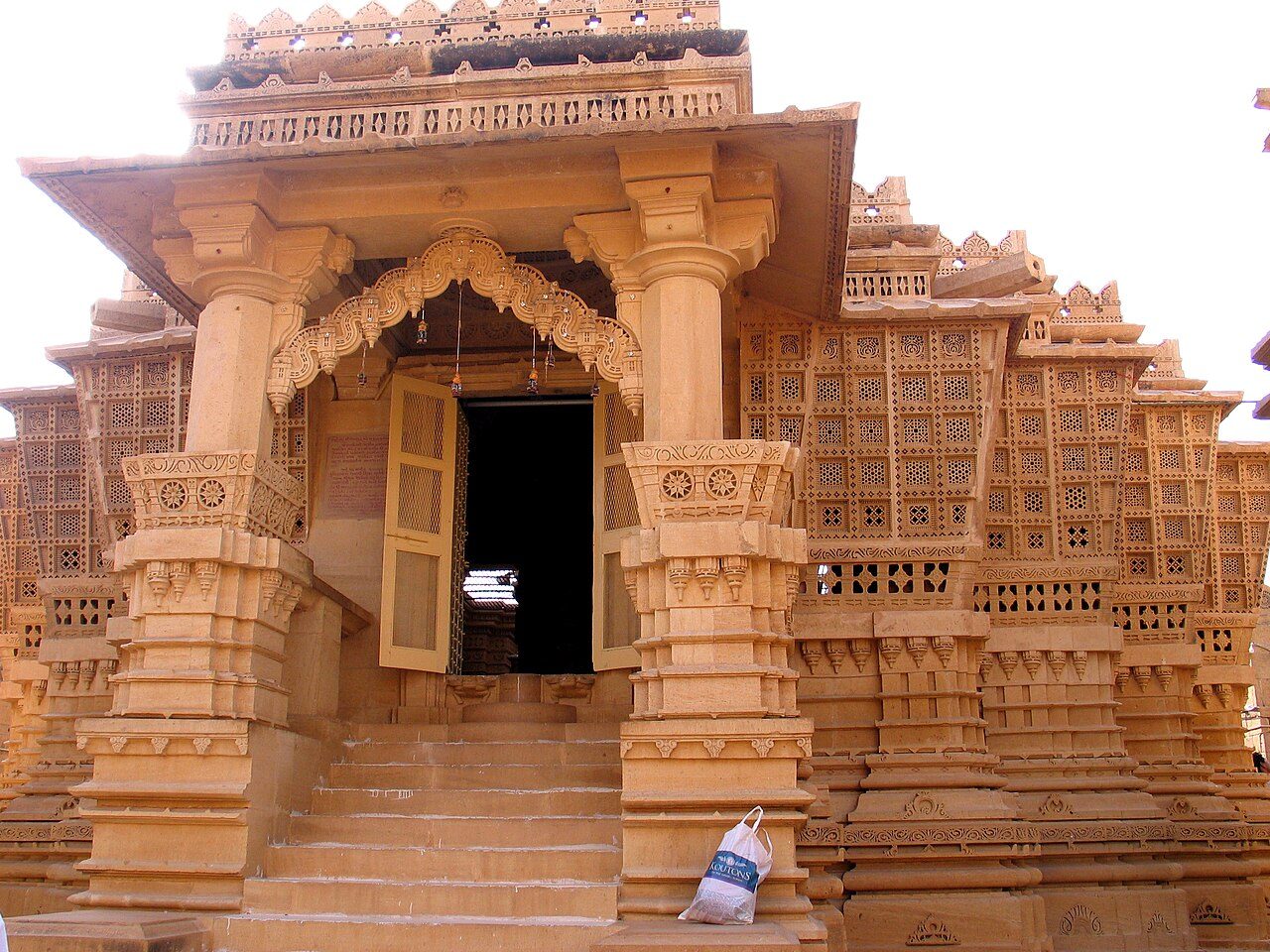
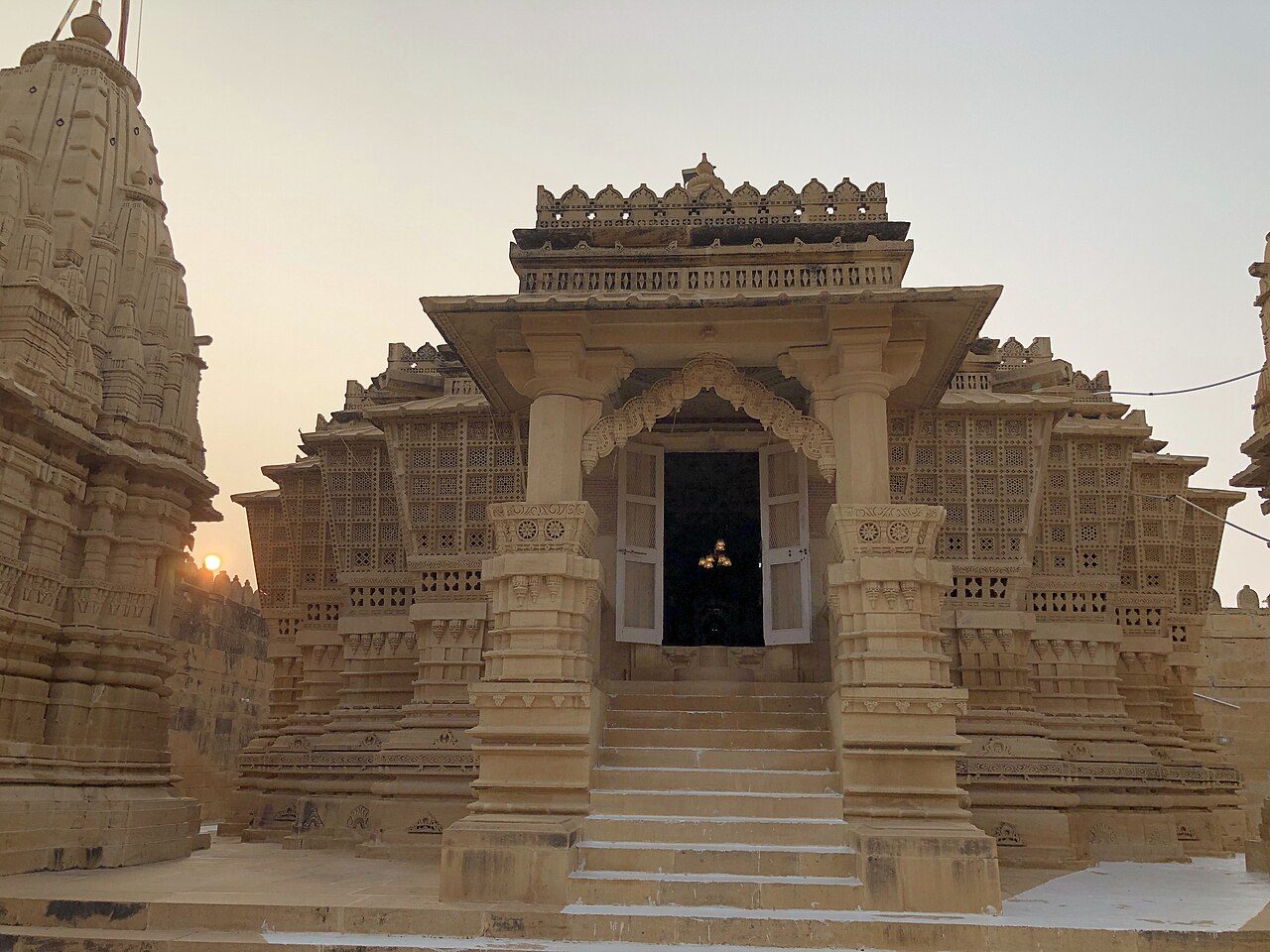
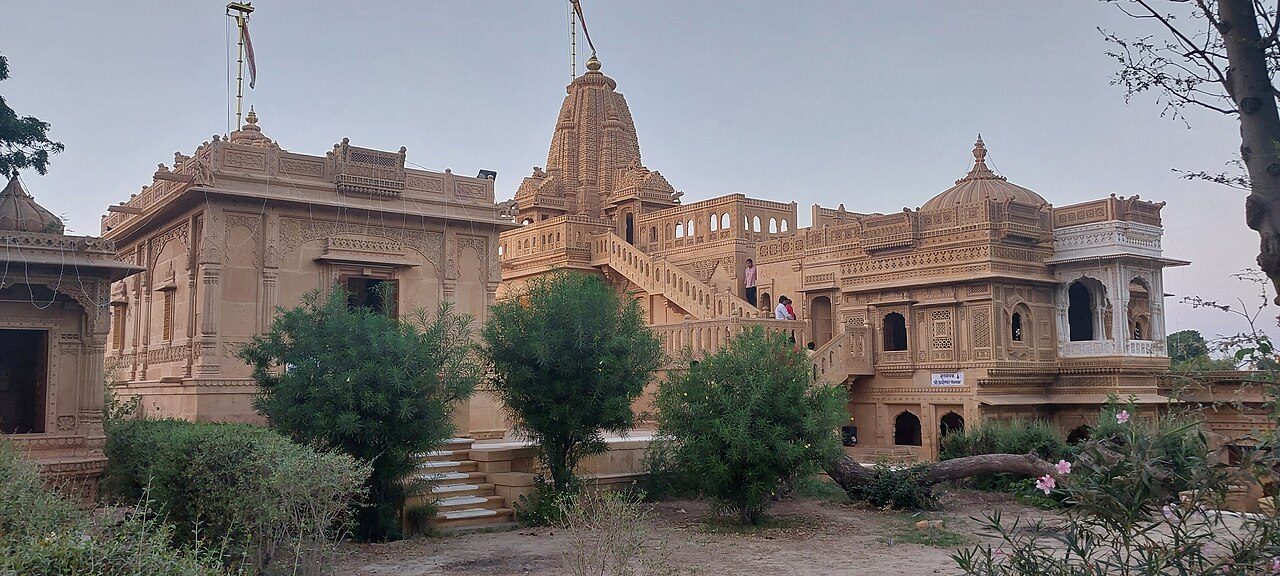
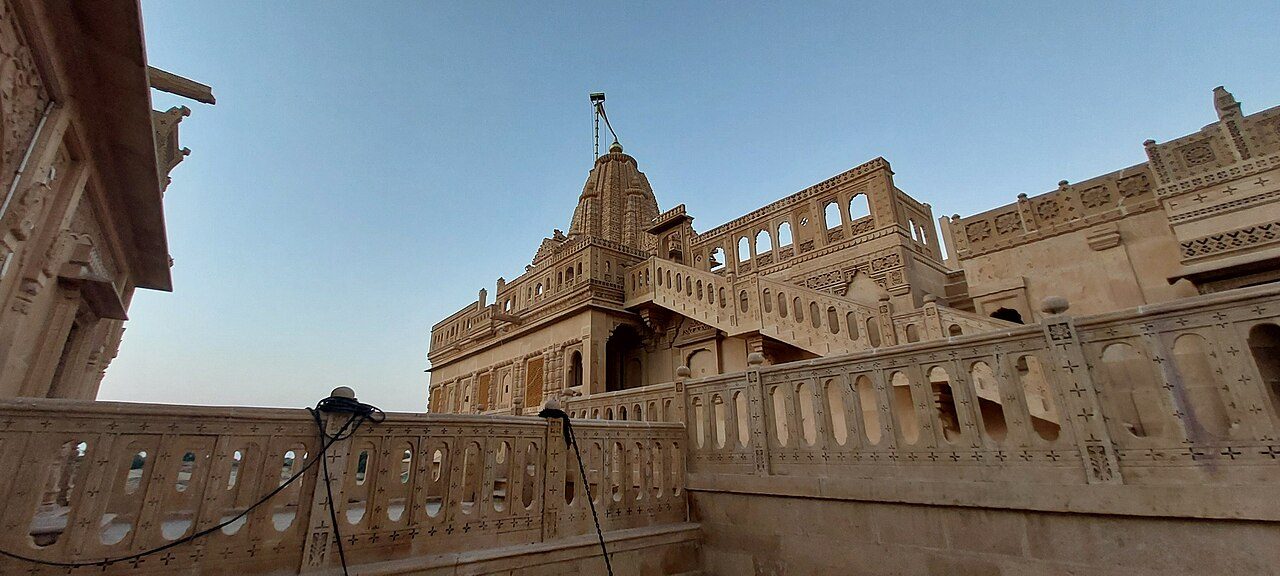
Lodurva was the capital of the Bhati Rajputs before Jaisalmer was founded, and was sacked more than once in the 11th and 12th centuries. Its Jain temple, dedicated to Parshvanatha, was rebuilt in the 17th century in golden sandstone. It is known for an elaborately carved torana gateway, fine jali screens and a metal Kalpavriksha, the wish-fulfilling tree. It lies a short drive from Jaisalmer.
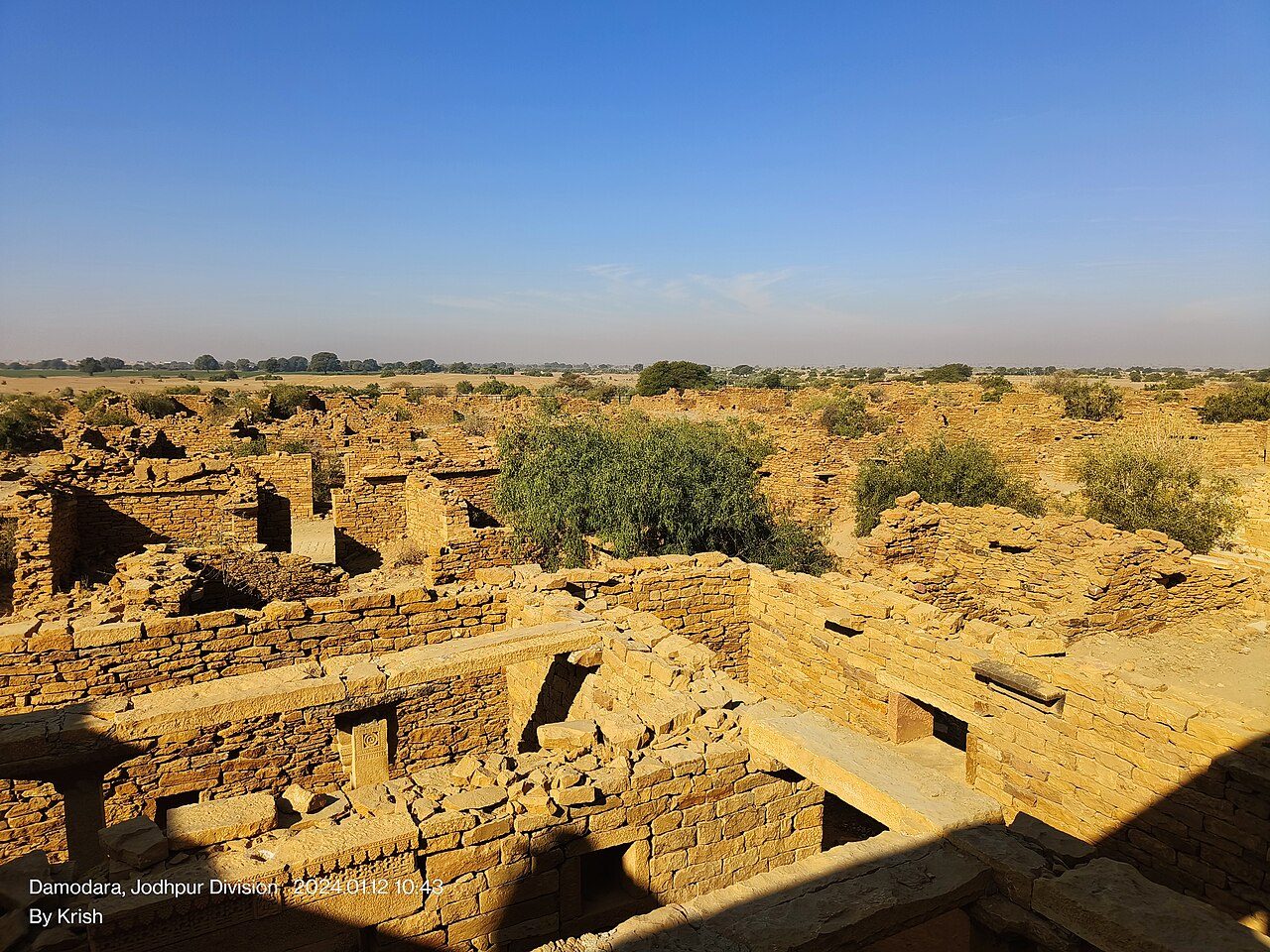
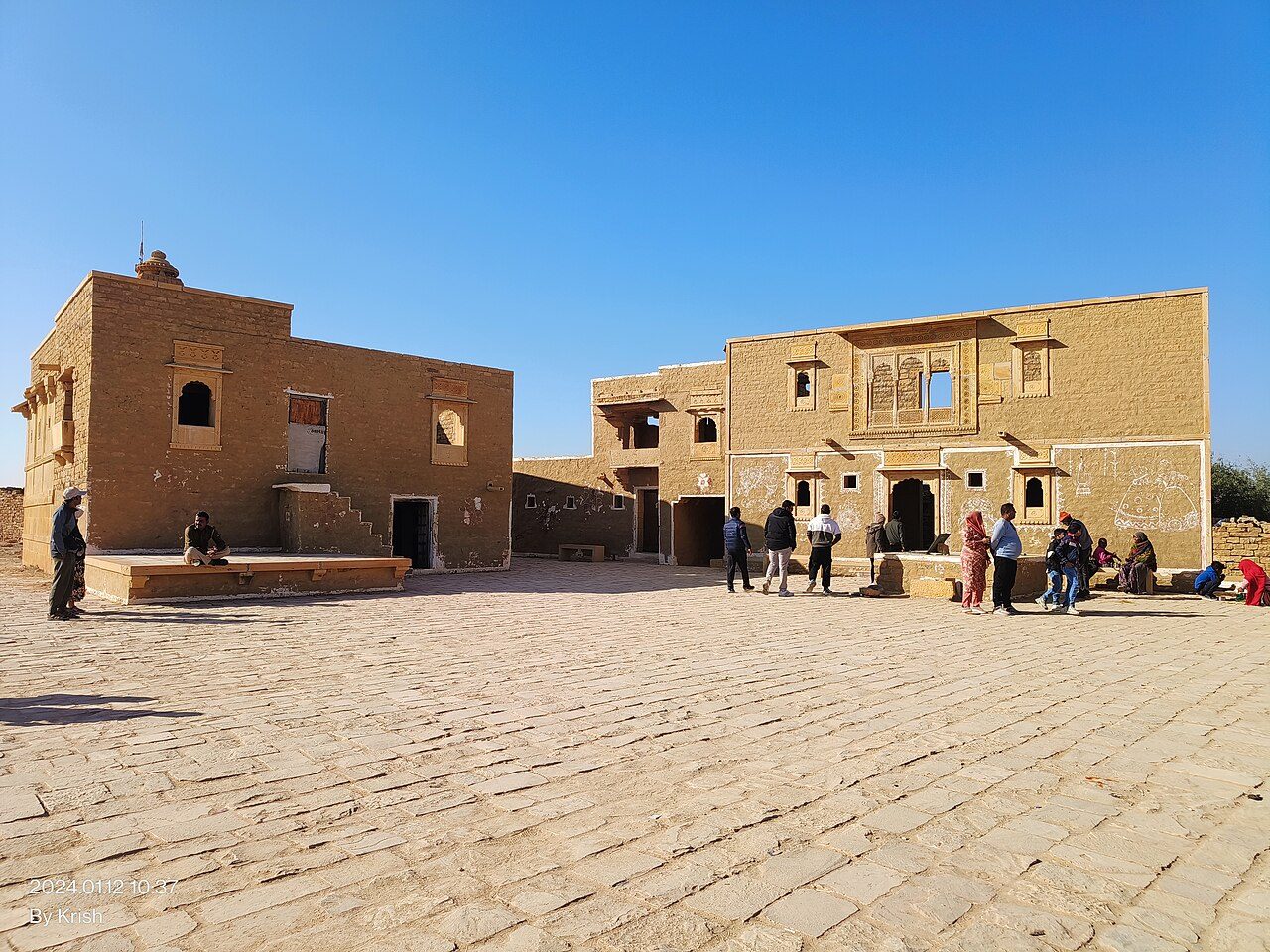
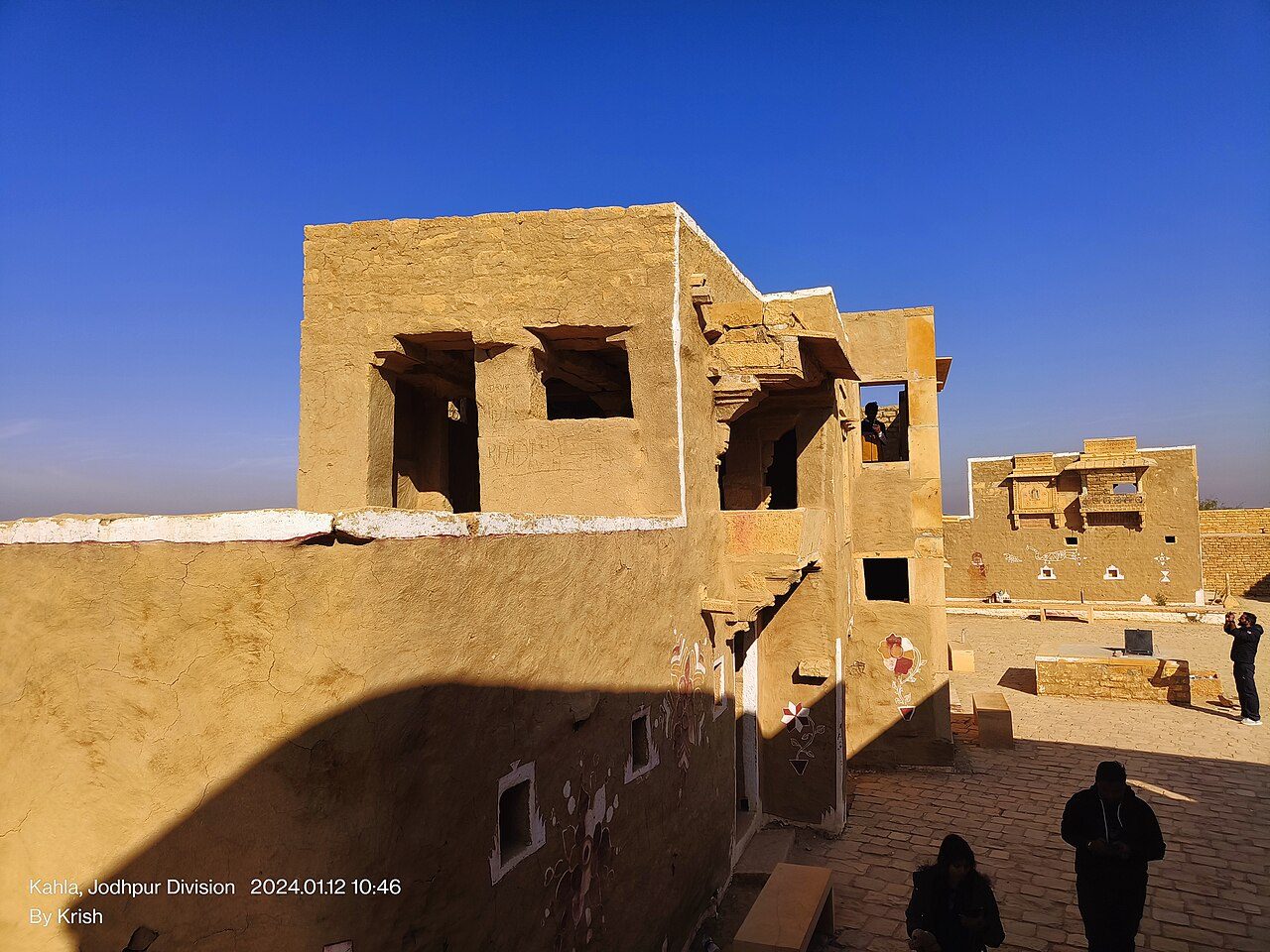
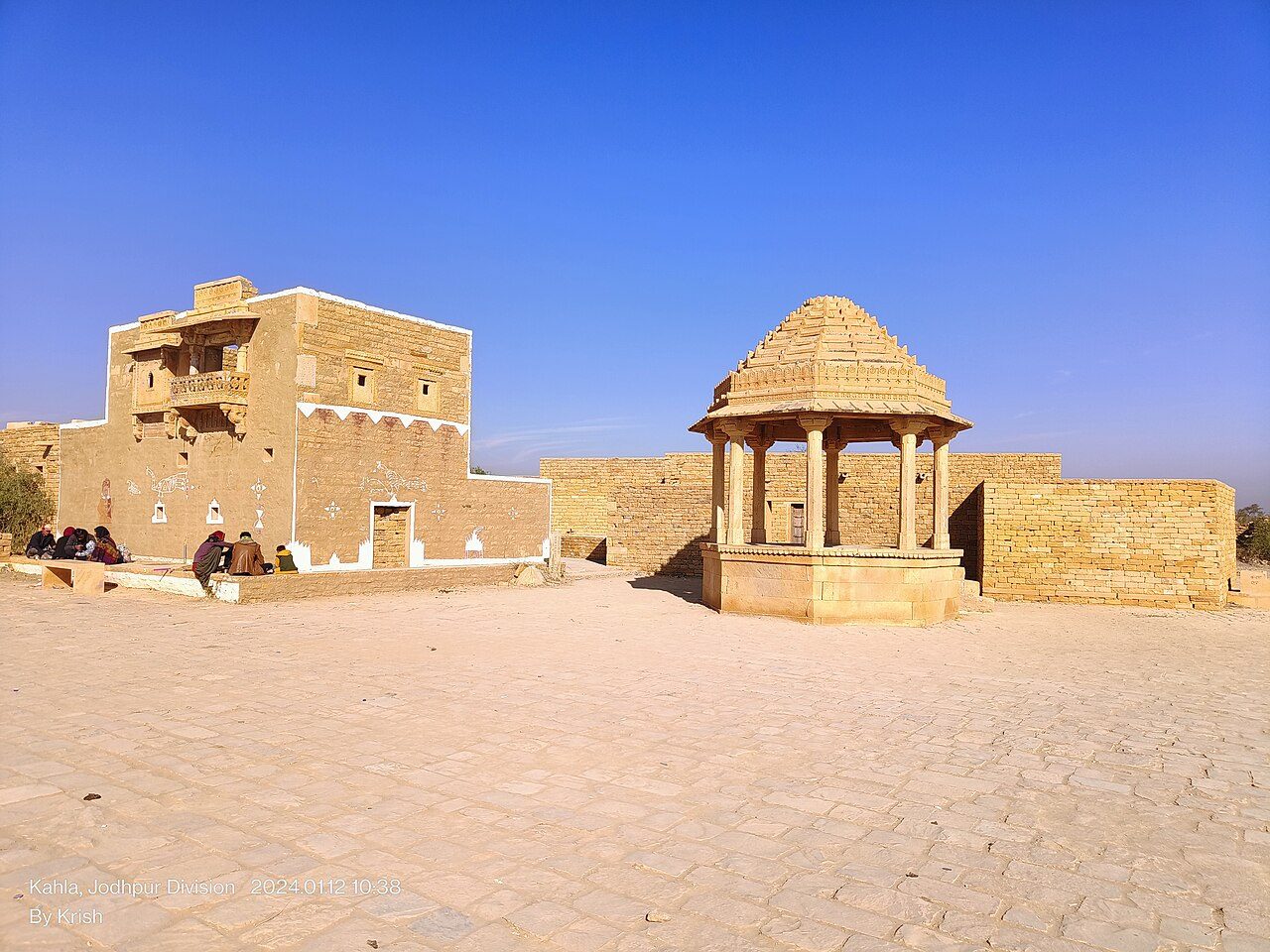
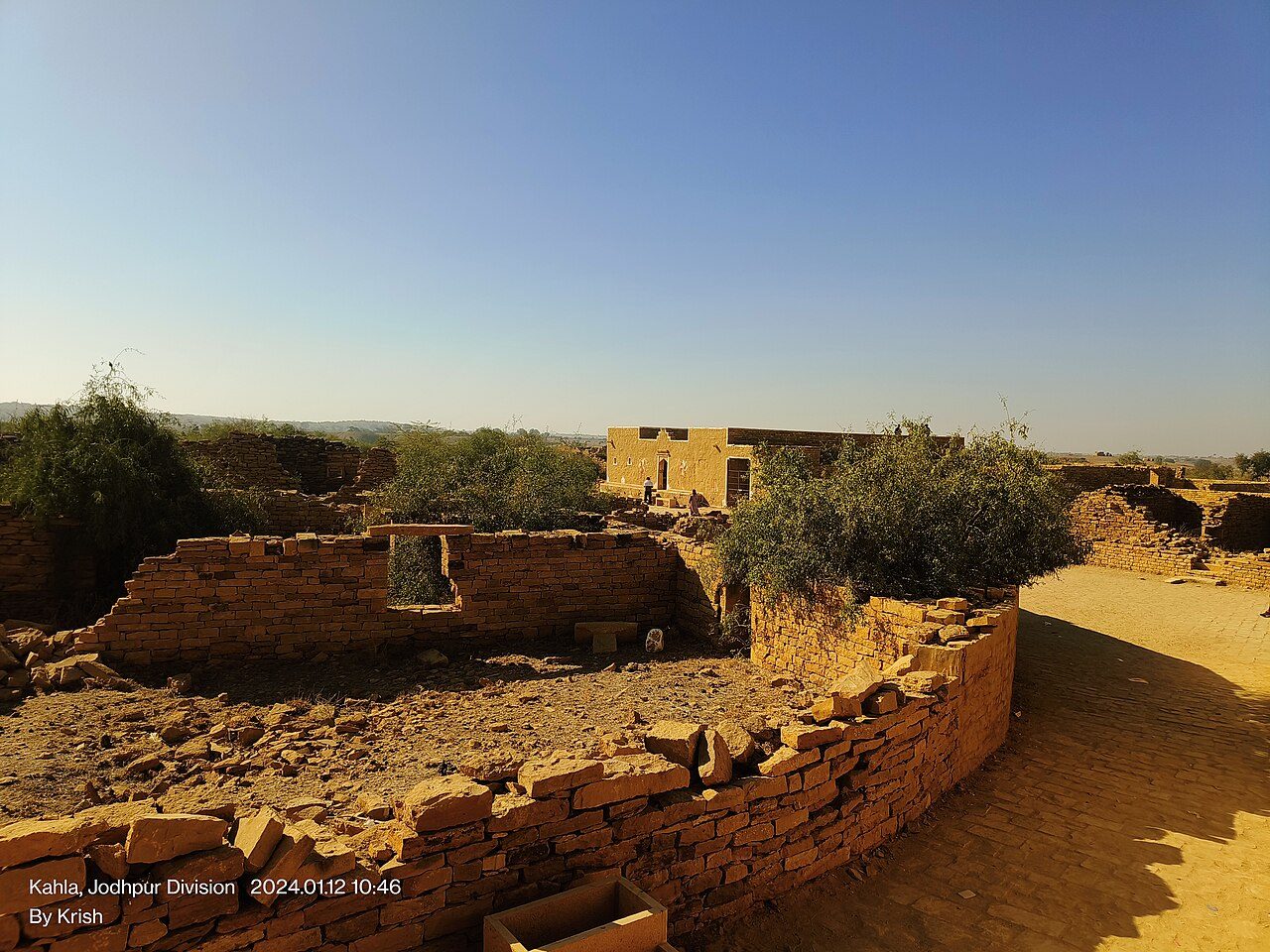
Kuldhara is an abandoned village west of Jaisalmer, once a prosperous settlement of Paliwal Brahmins founded around the 13th century. It was deserted in the early 19th century; legend says the villagers left overnight to escape a tyrannical minister and cursed the place. Rows of roofless stone houses, a temple and a few restored buildings remain. It is now maintained as a heritage site.
21
STOP 21 OF 29
Mandore Gardens
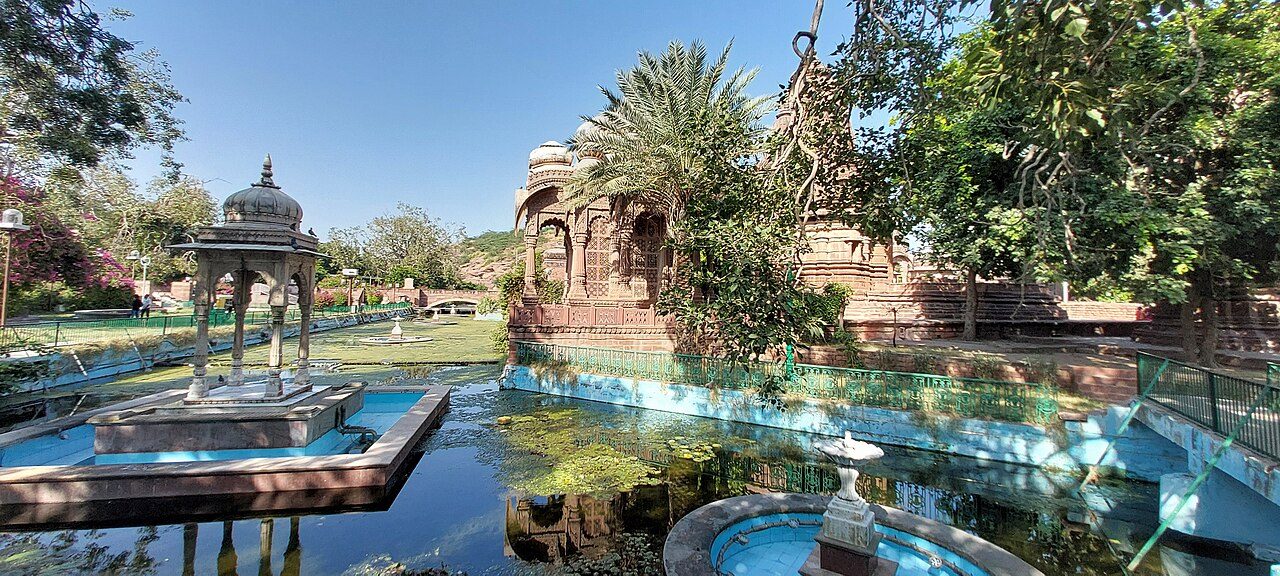
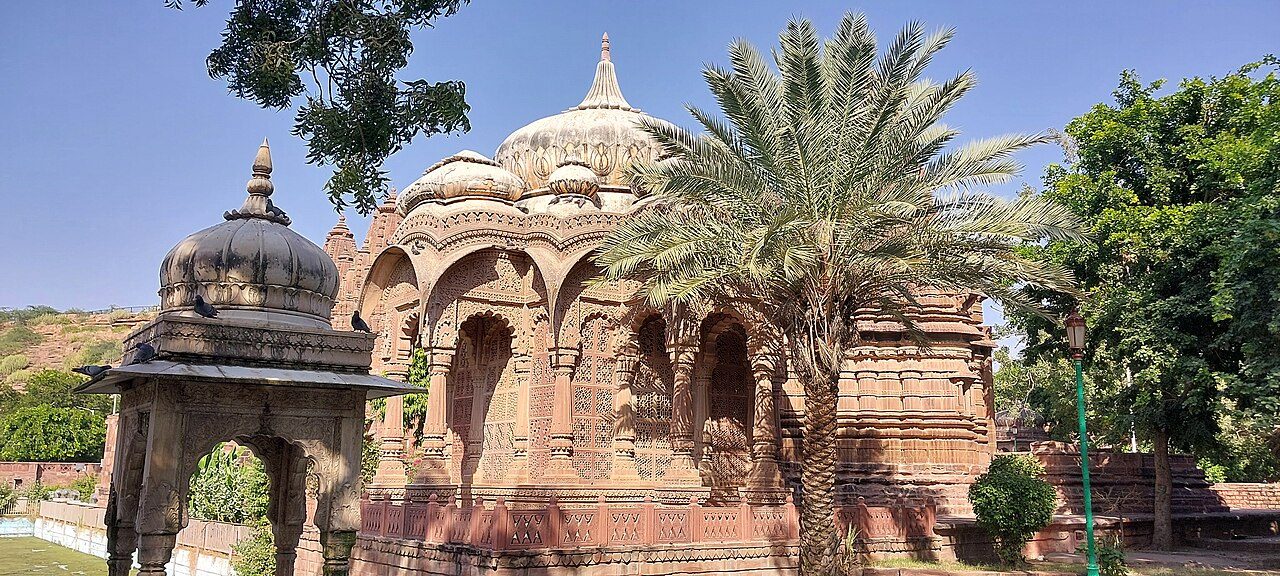
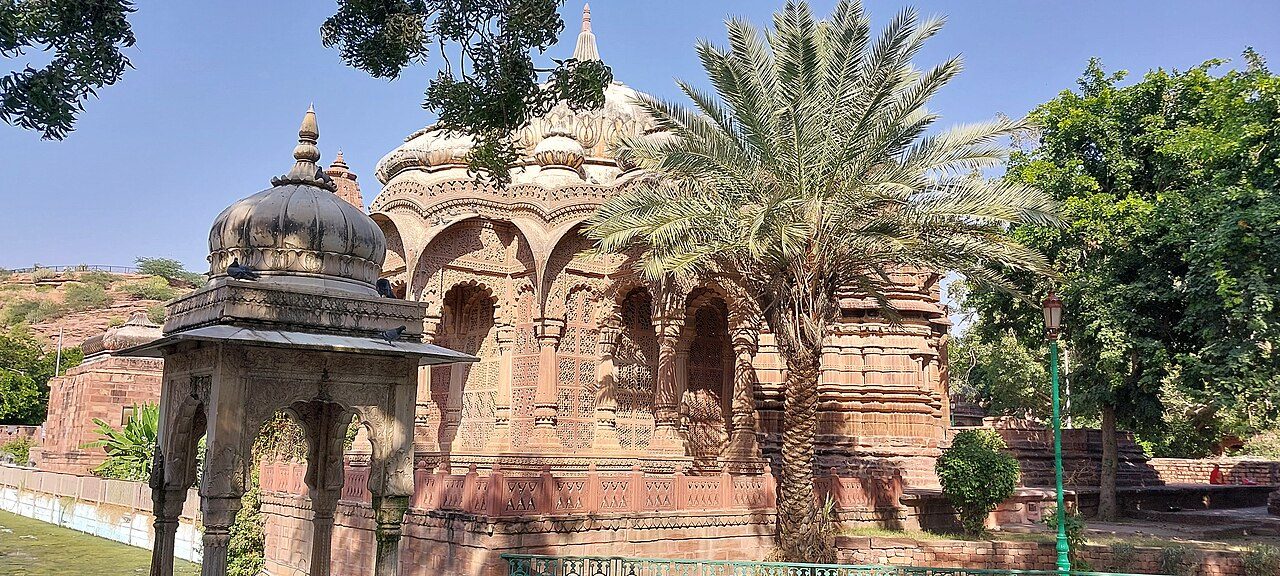
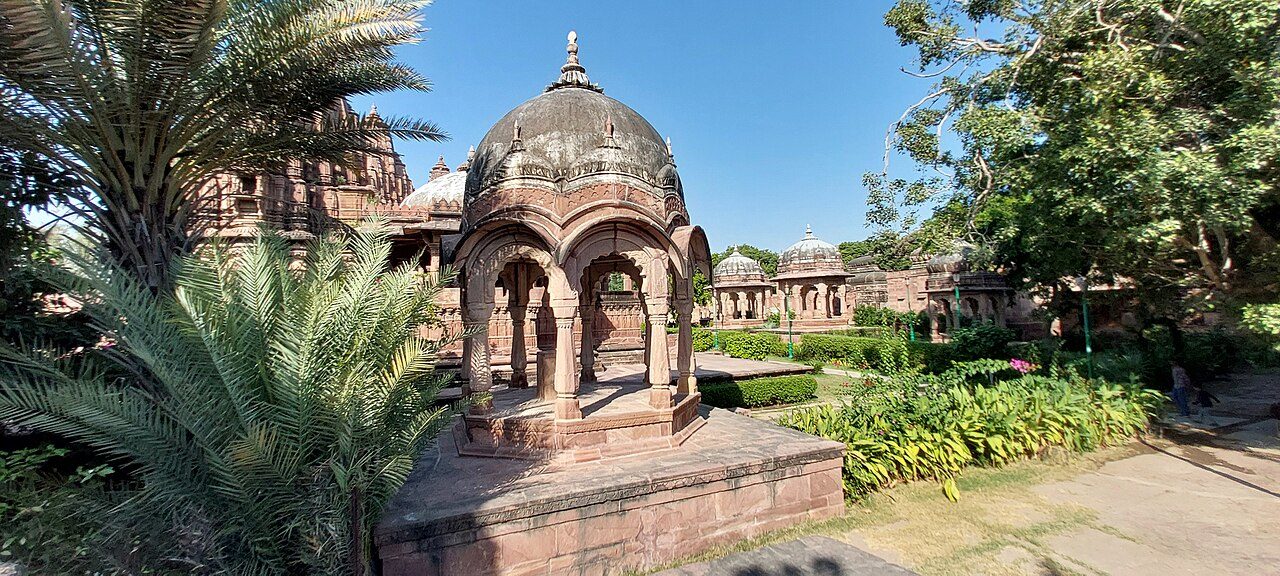
Mandore was the capital of Marwar before Jodhpur was founded in 1459. Its gardens hold the dewals, or cenotaphs, of the Rathore rulers, built not as domed chhatris but in the form of tall red sandstone temples; that of Maharaja Ajit Singh is the grandest. There is also a hall of heroes with figures carved from the rock, a small museum and the ruins of the old fort above.
22
STOP 22 OF 29
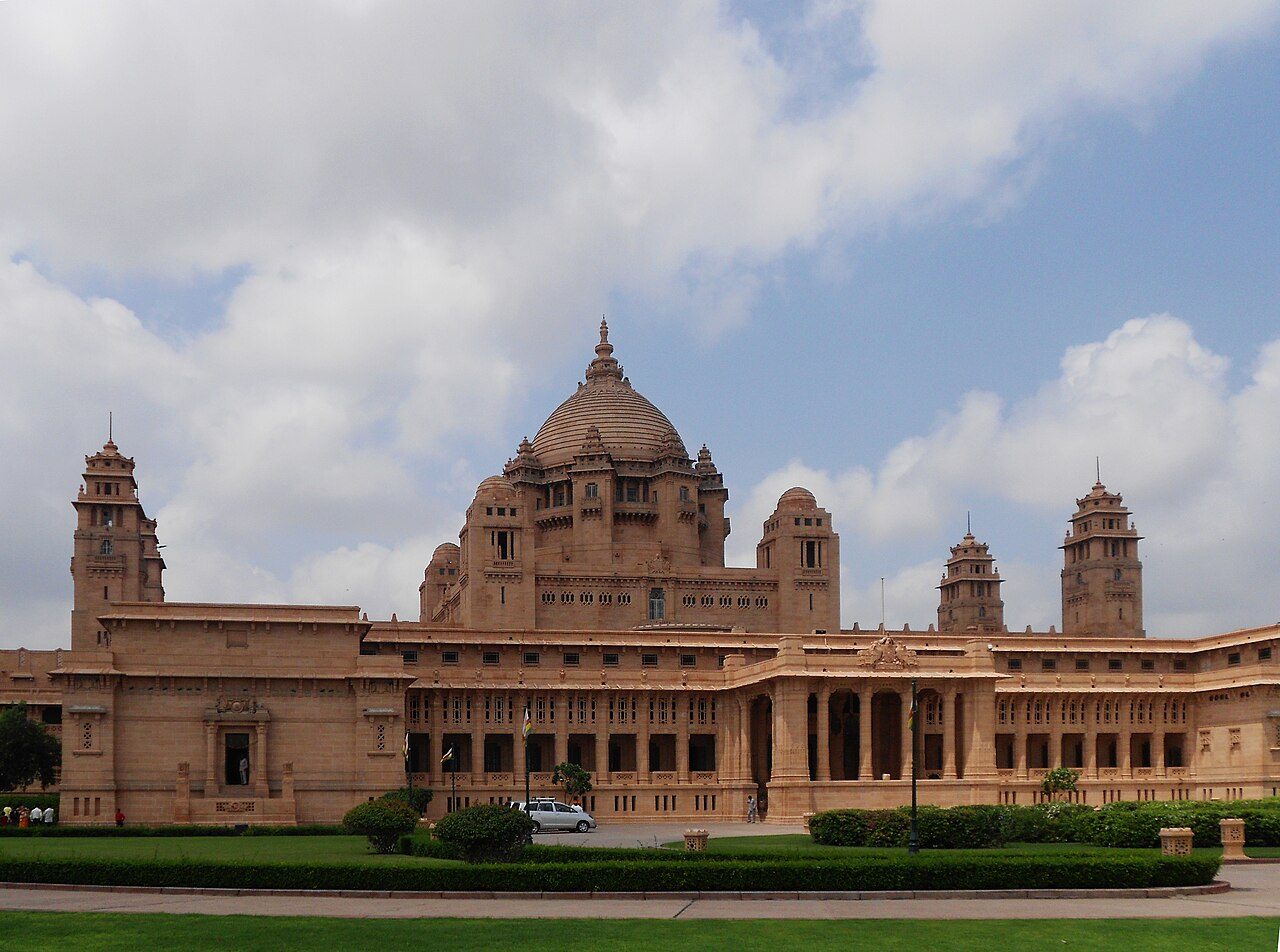
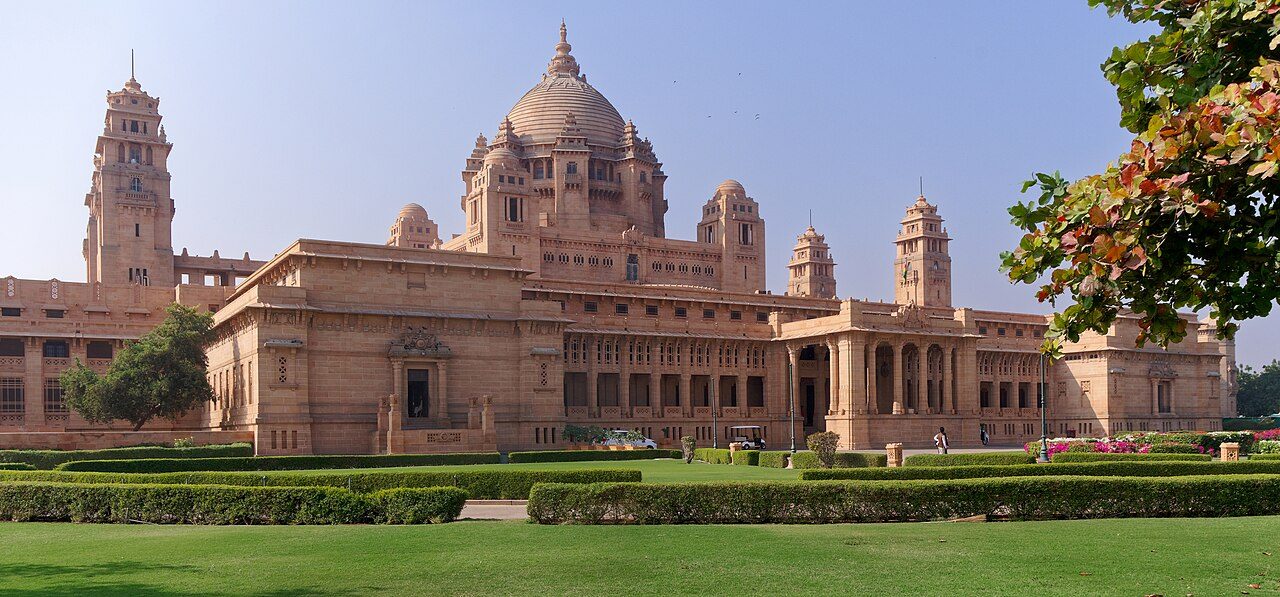
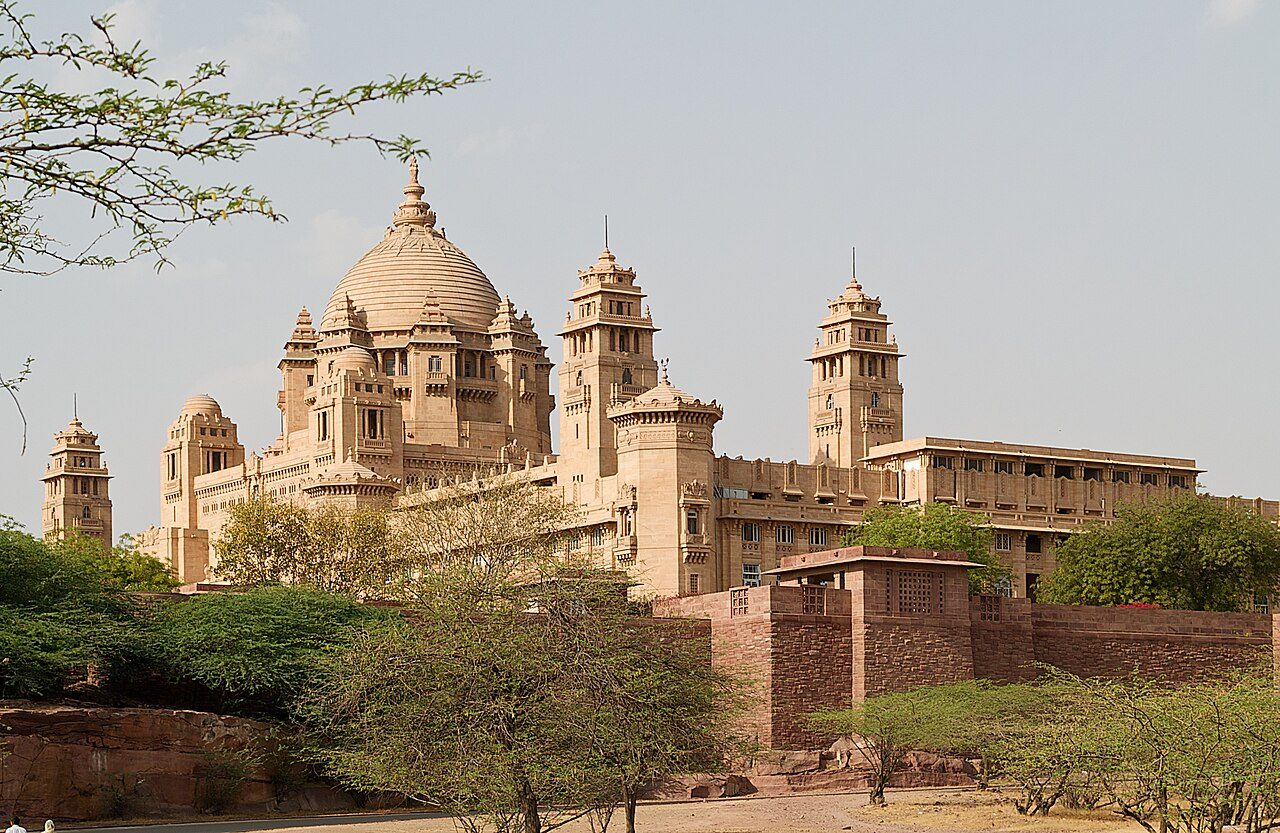
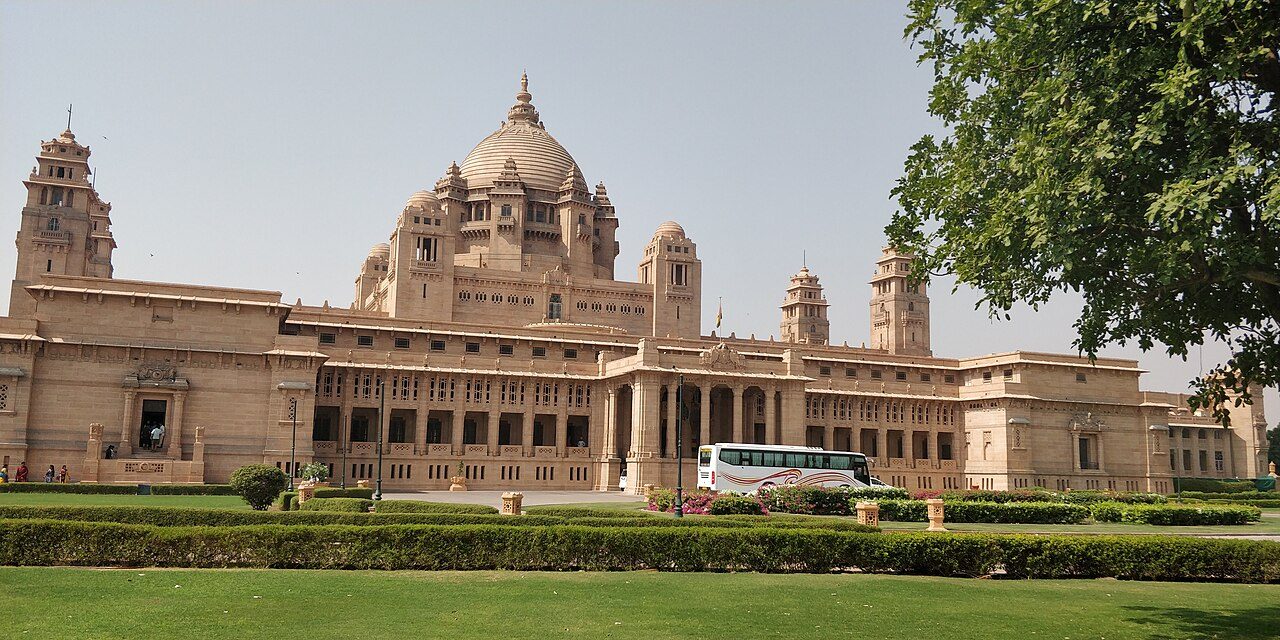
Umaid Bhawan Palace
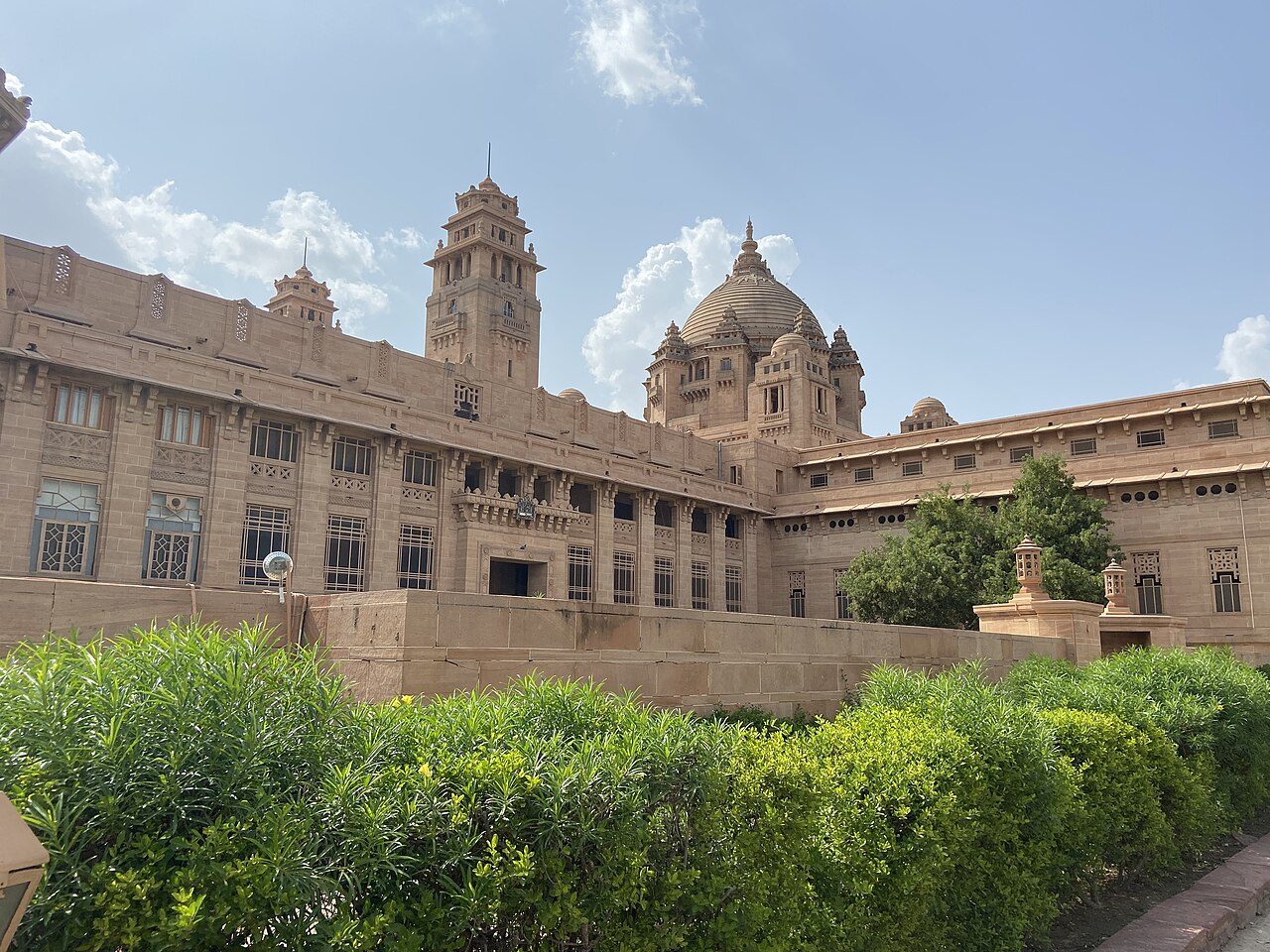
Umaid Bhawan Palace was built between 1929 and 1943 for Maharaja Umaid Singh, partly to give work to people during a famine. Designed by Henry Lanchester in golden Chittar sandstone, it is one of the largest private residences in the world and combines Indian forms with Art Deco interiors. The royal family still lives in one wing; another is a luxury hotel and a third is a museum.
23
STOP 23 OF 29
Ranakpur Jain Temple
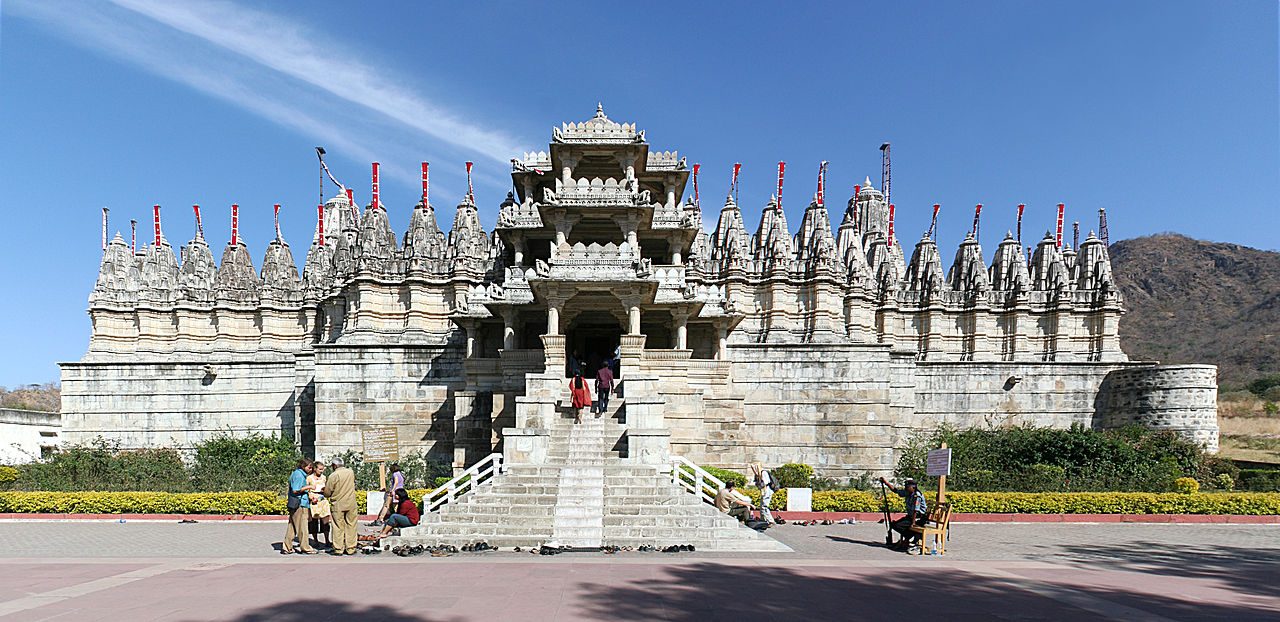
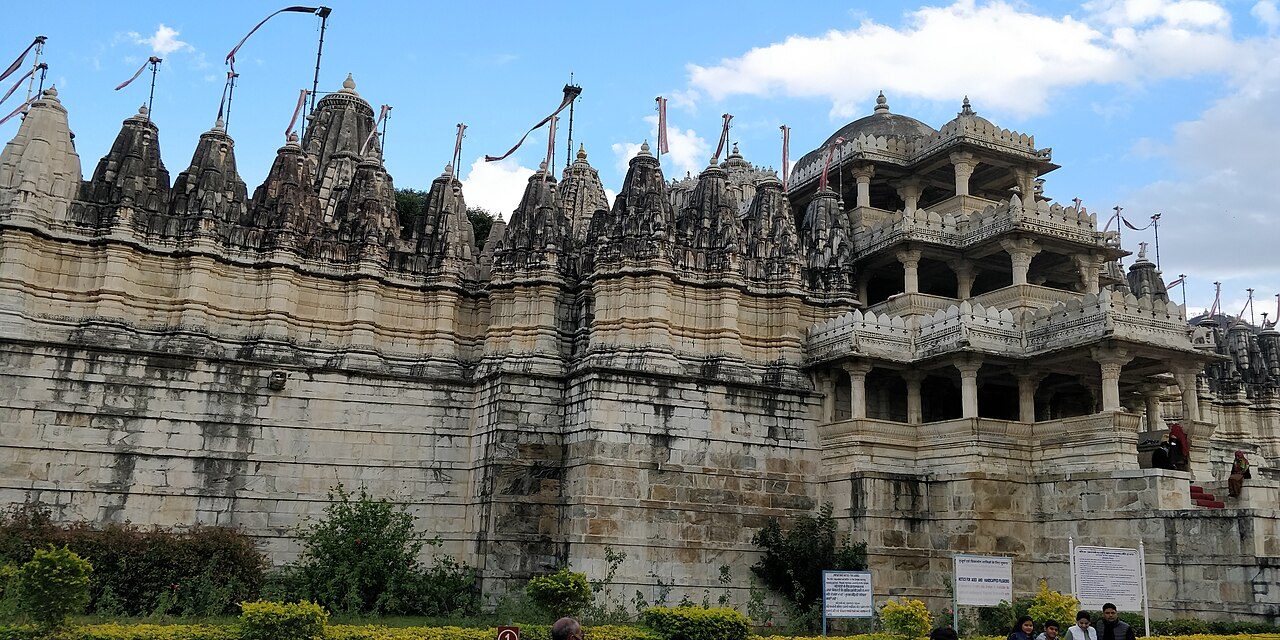
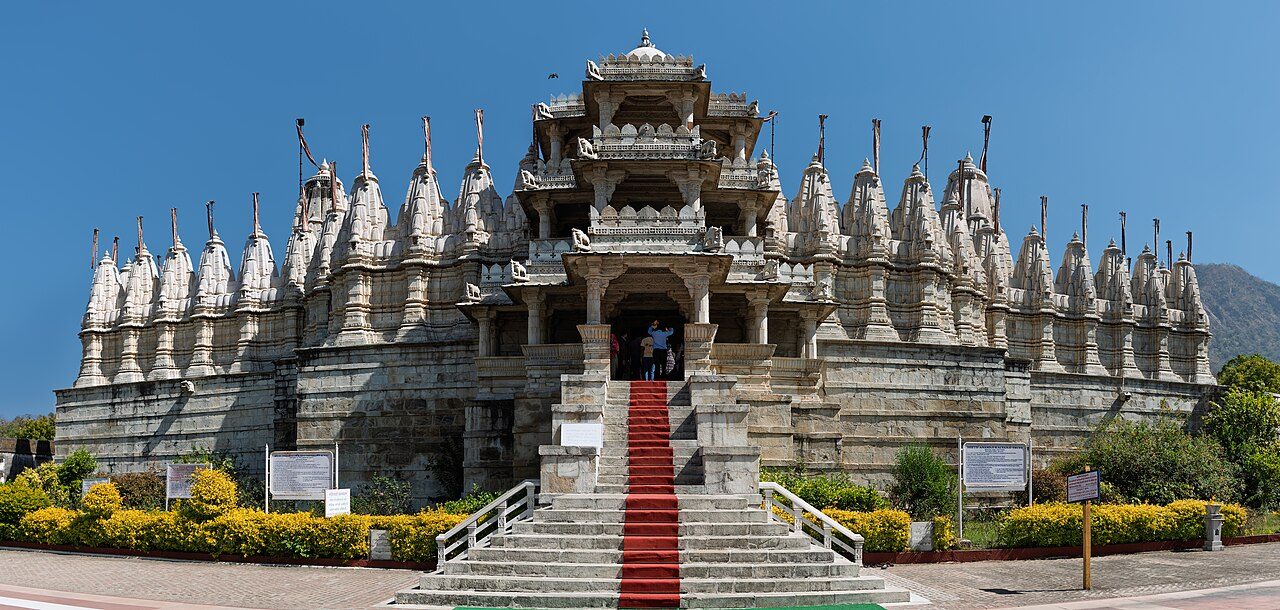
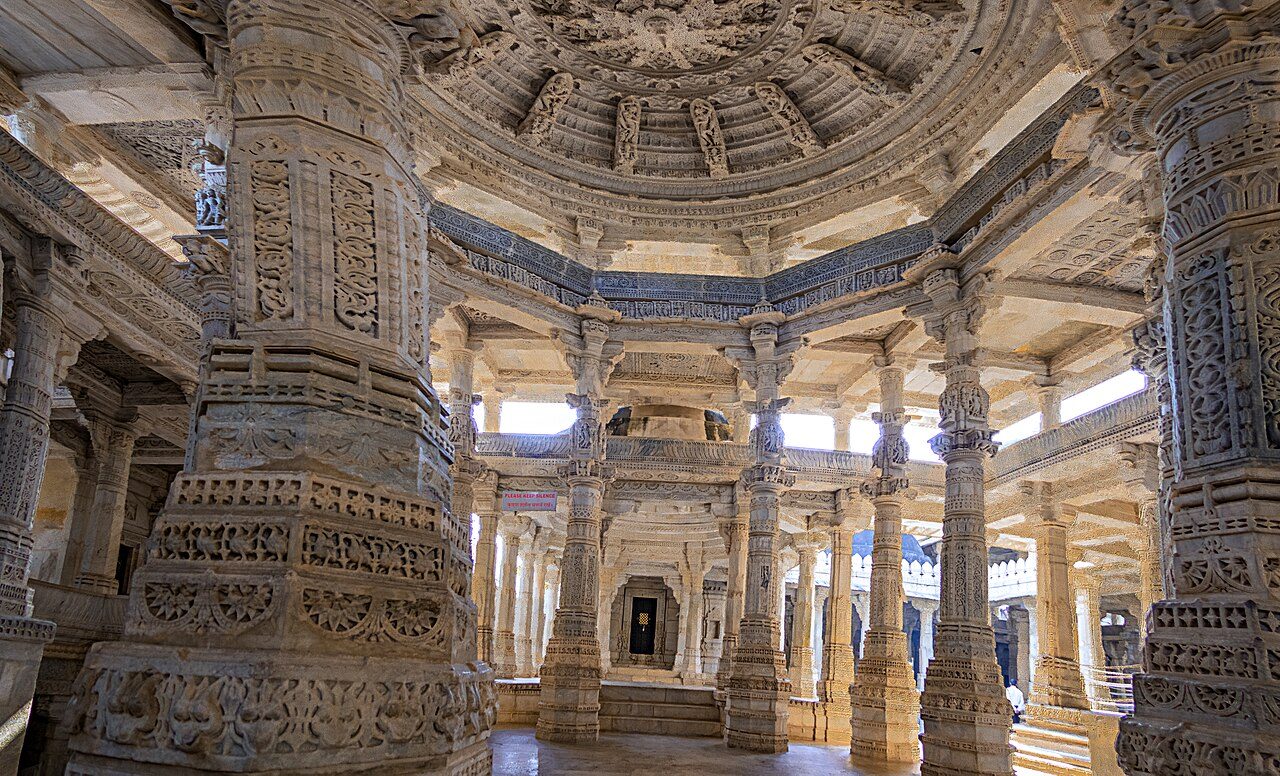
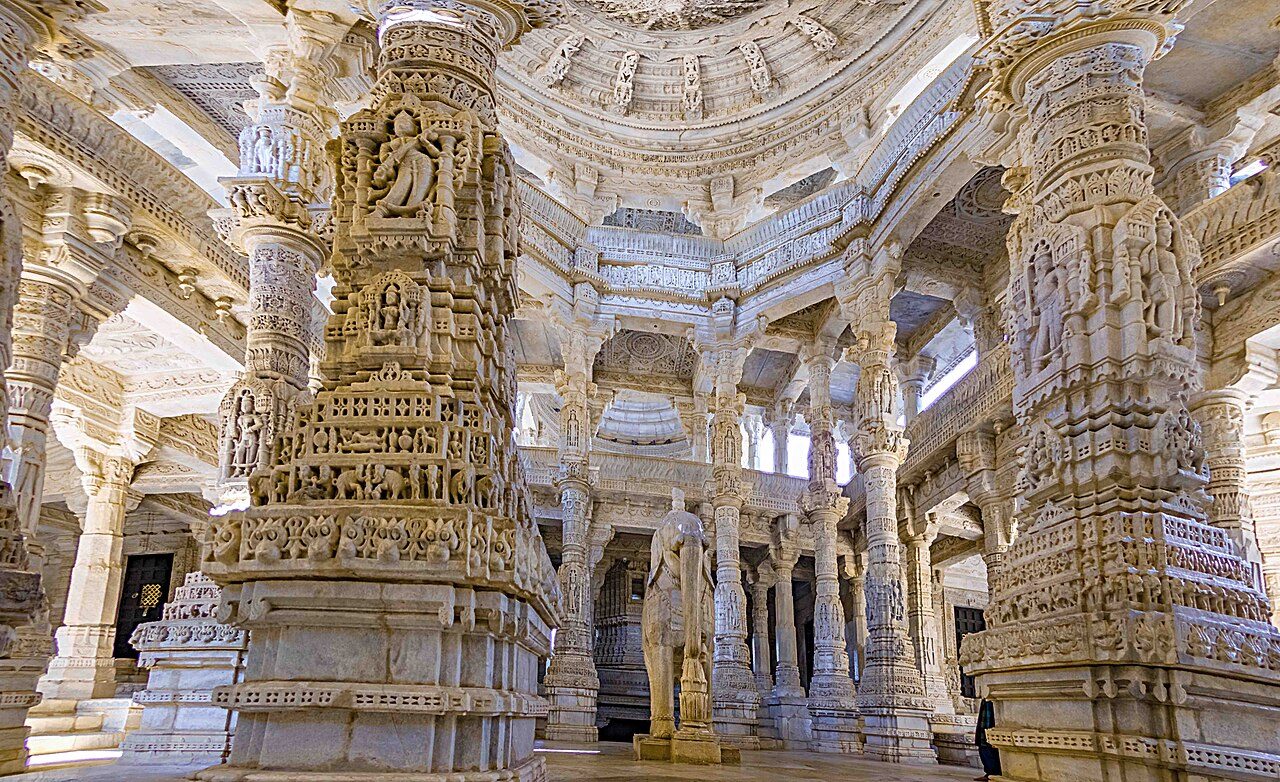
The Chaumukha temple at Ranakpur, dedicated to Adinatha, is one of the largest and most important Jain temples in India. It was built in the 15th century by the merchant Dharna Shah under the patronage of Rana Kumbha of Mewar. The white marble temple has 1,444 carved pillars, said to be no two alike, supporting domes and halls arranged around a four-faced shrine. Non-Jains may enter from midday.
24
STOP 24 OF 29
Kumbhalgarh Fort
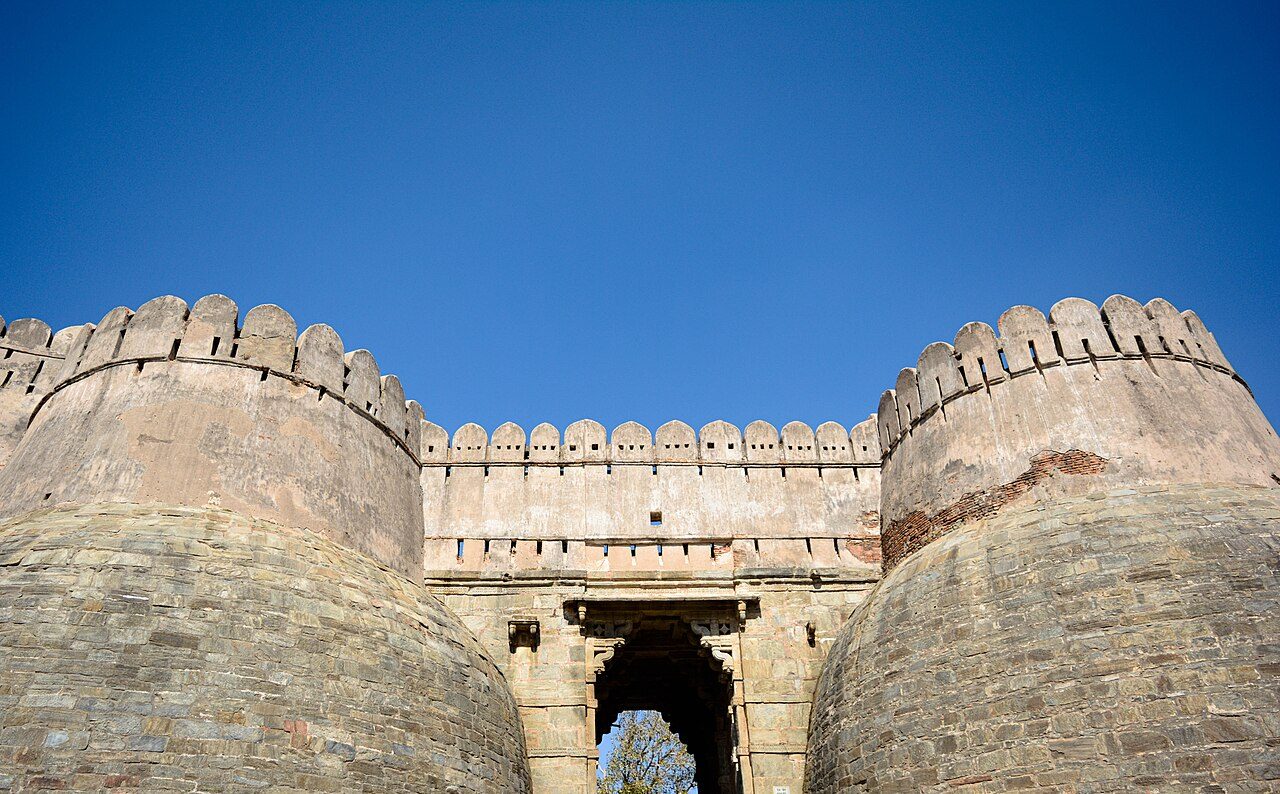
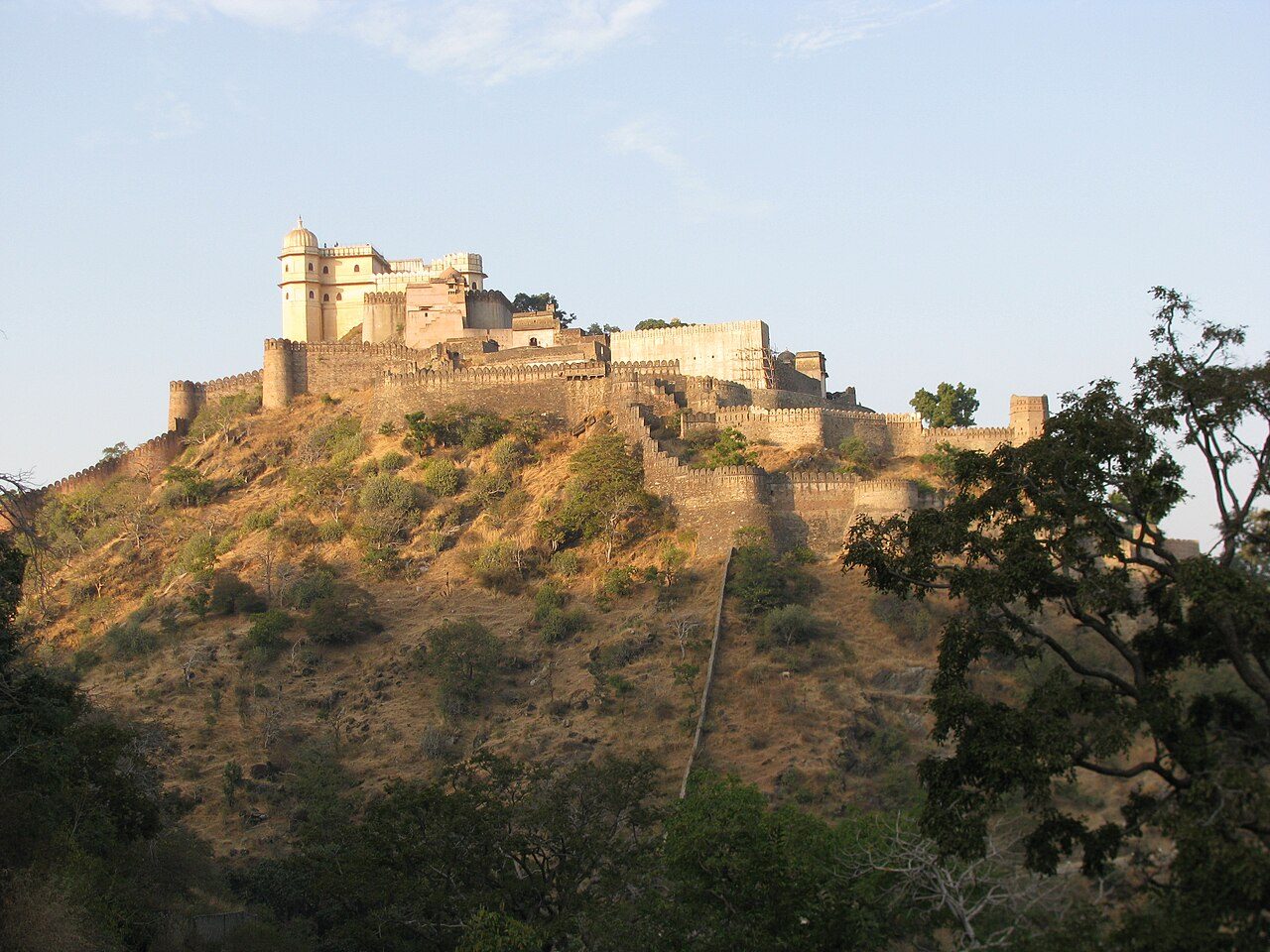
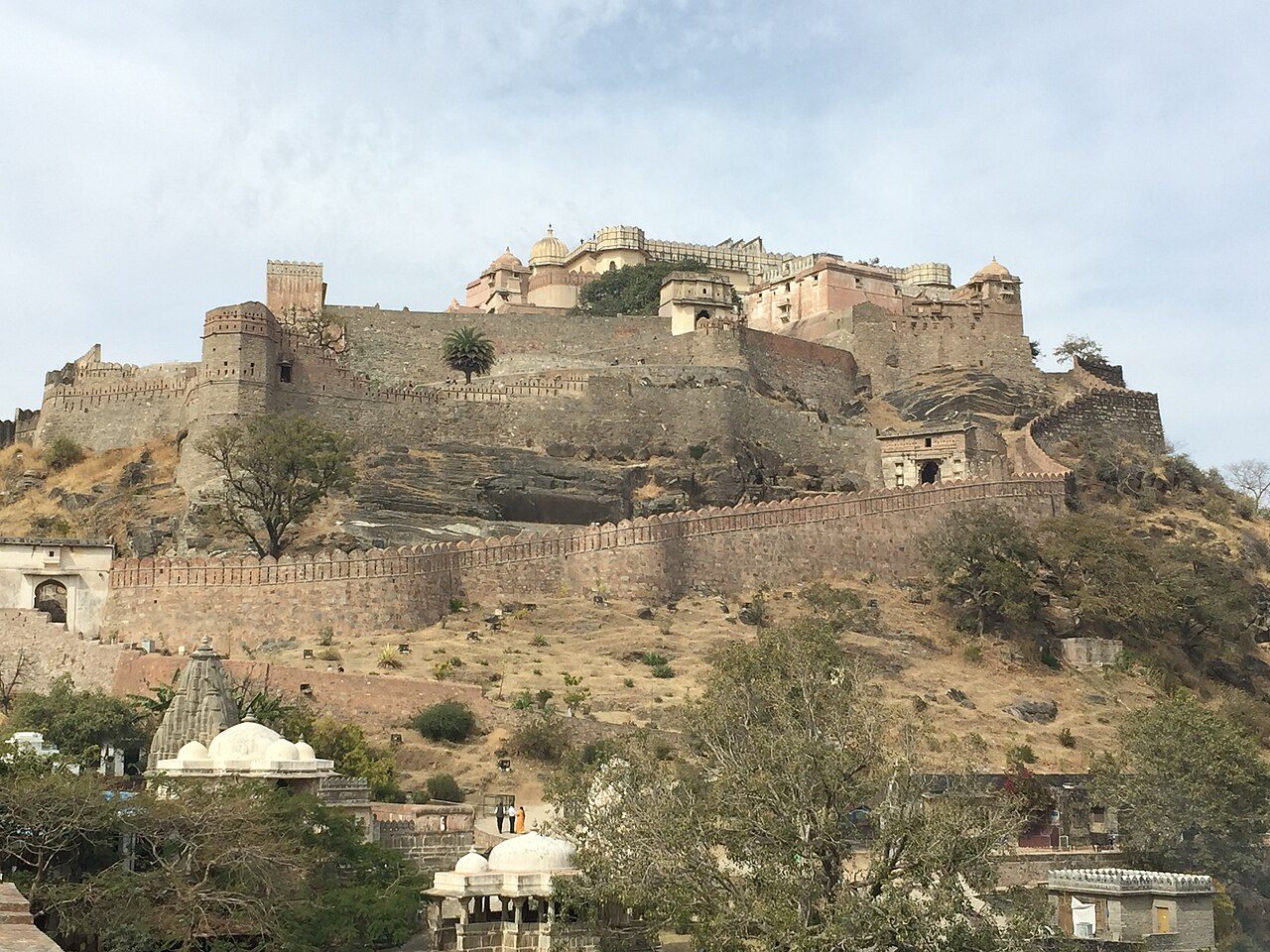
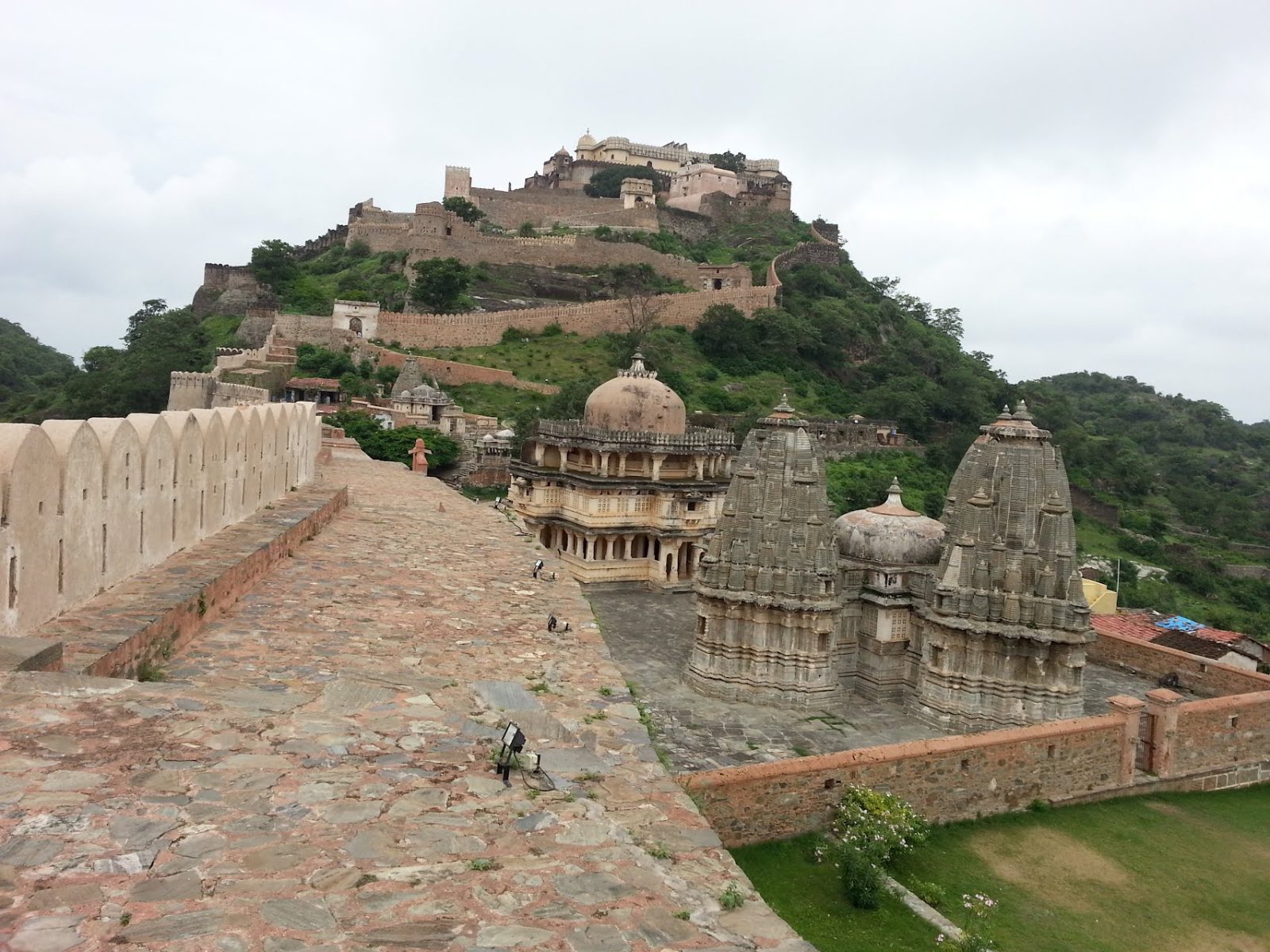
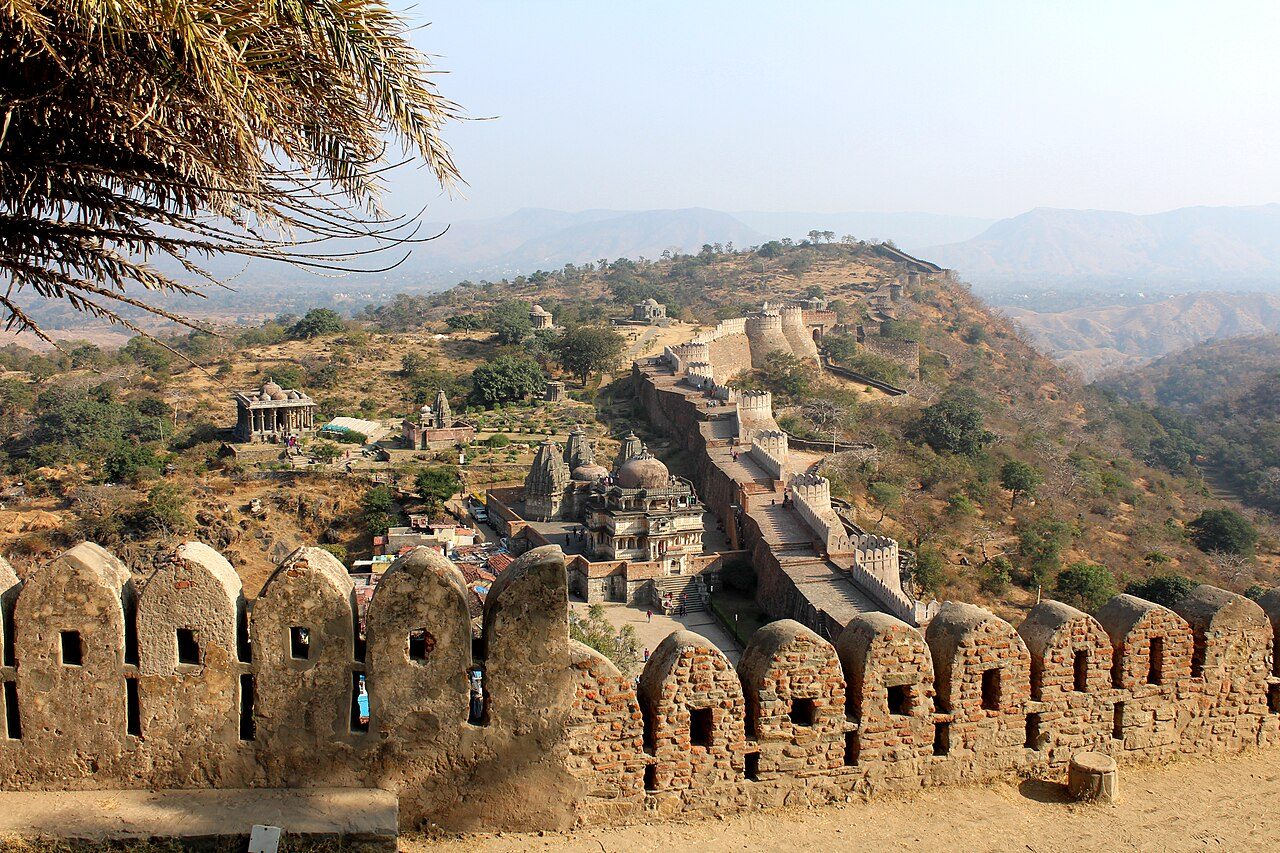
Kumbhalgarh was built in the 15th century by Rana Kumbha of Mewar and is the birthplace of Maharana Pratap. Its outer wall runs for about 36 kilometres over the hills, one of the longest continuous walls in the world, and encloses more than 300 temples. The Badal Mahal palace sits at the summit. It is one of the hill forts of Rajasthan on the UNESCO World Heritage list.
25
STOP 25 OF 29
City Palace Udaipur
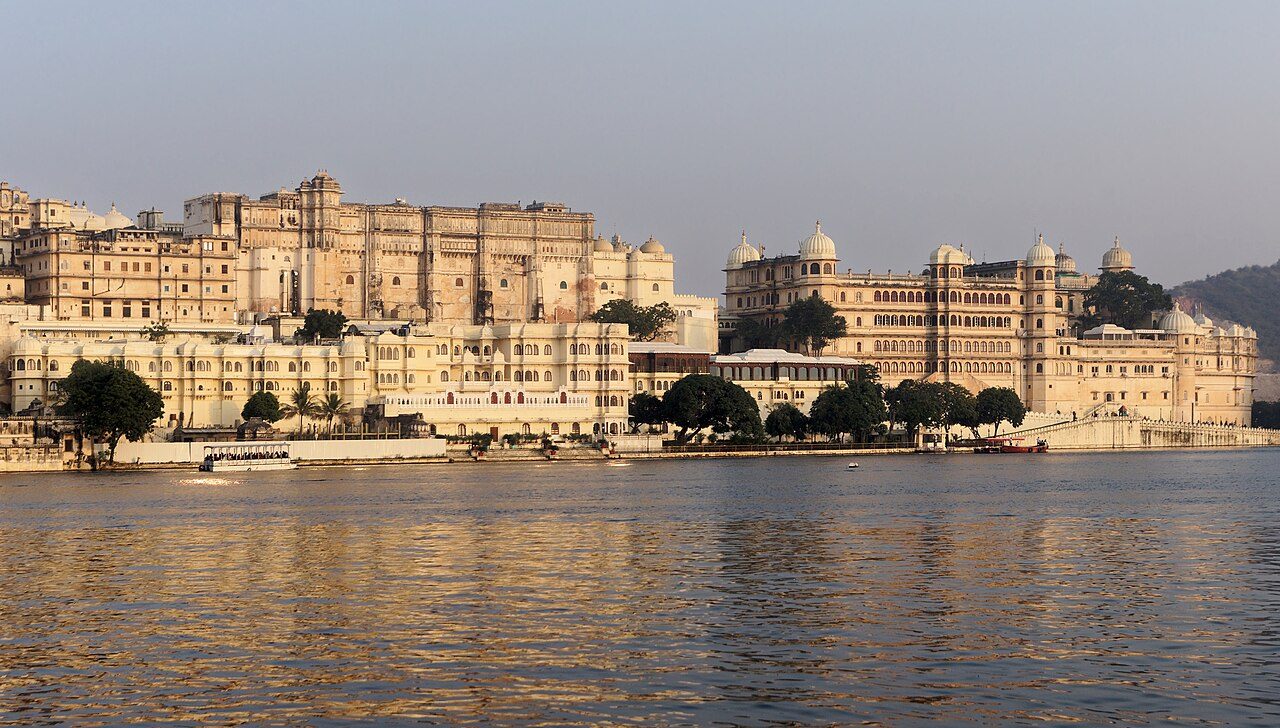
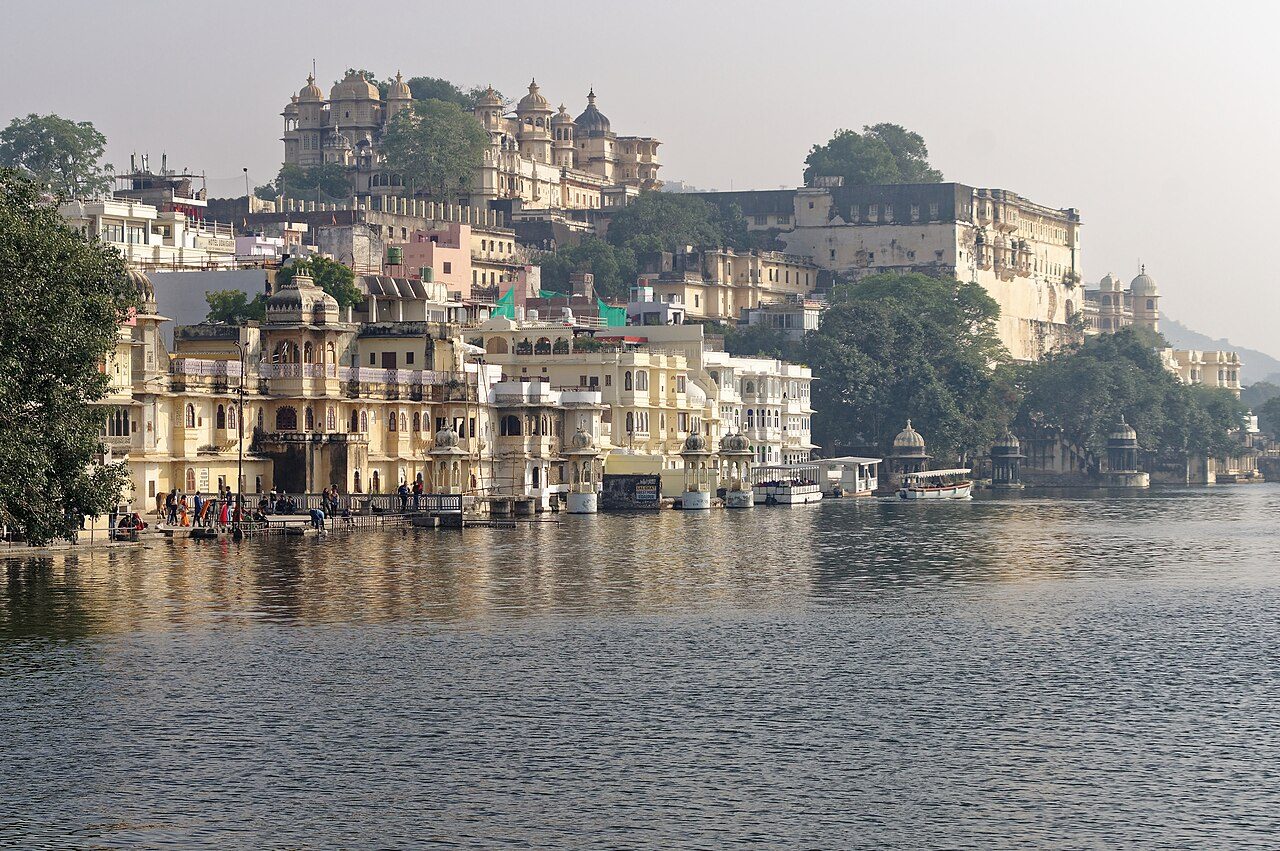
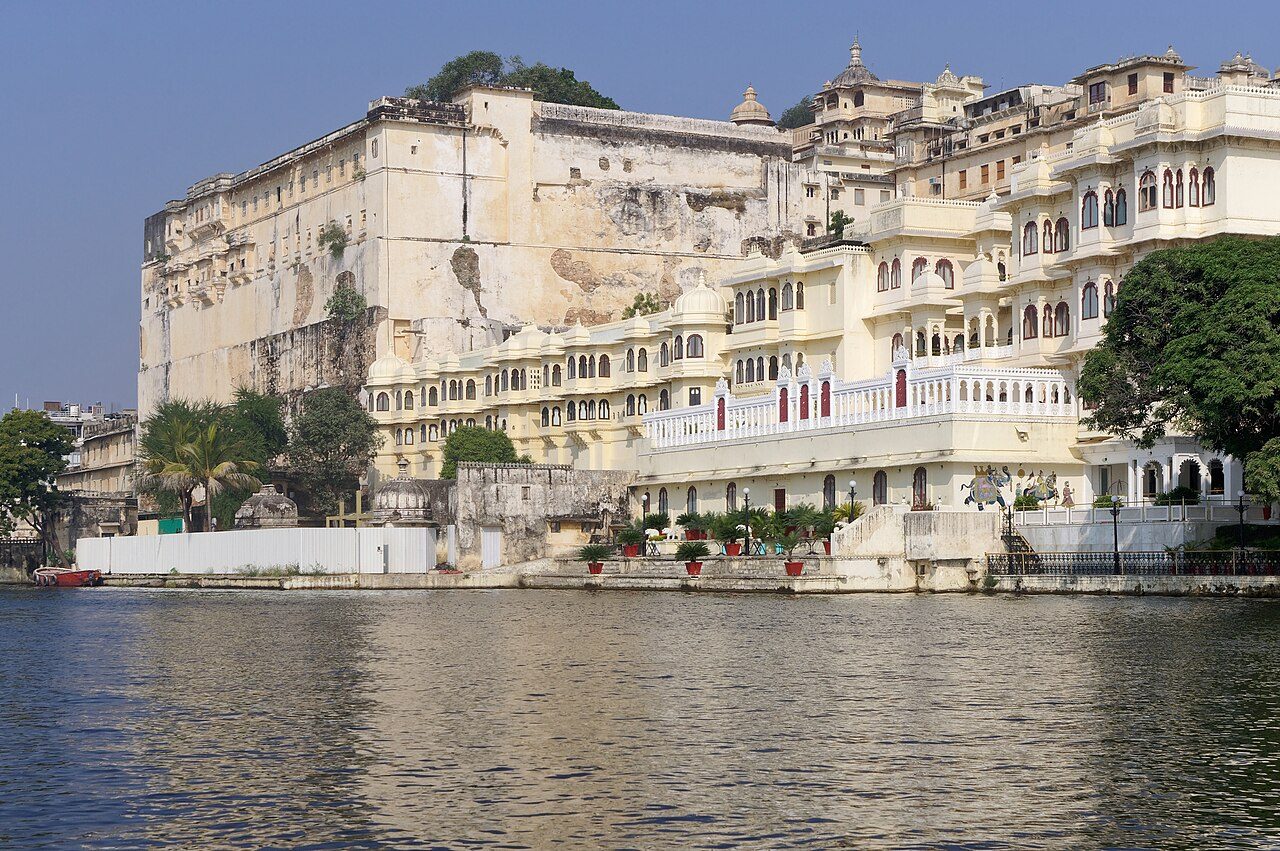
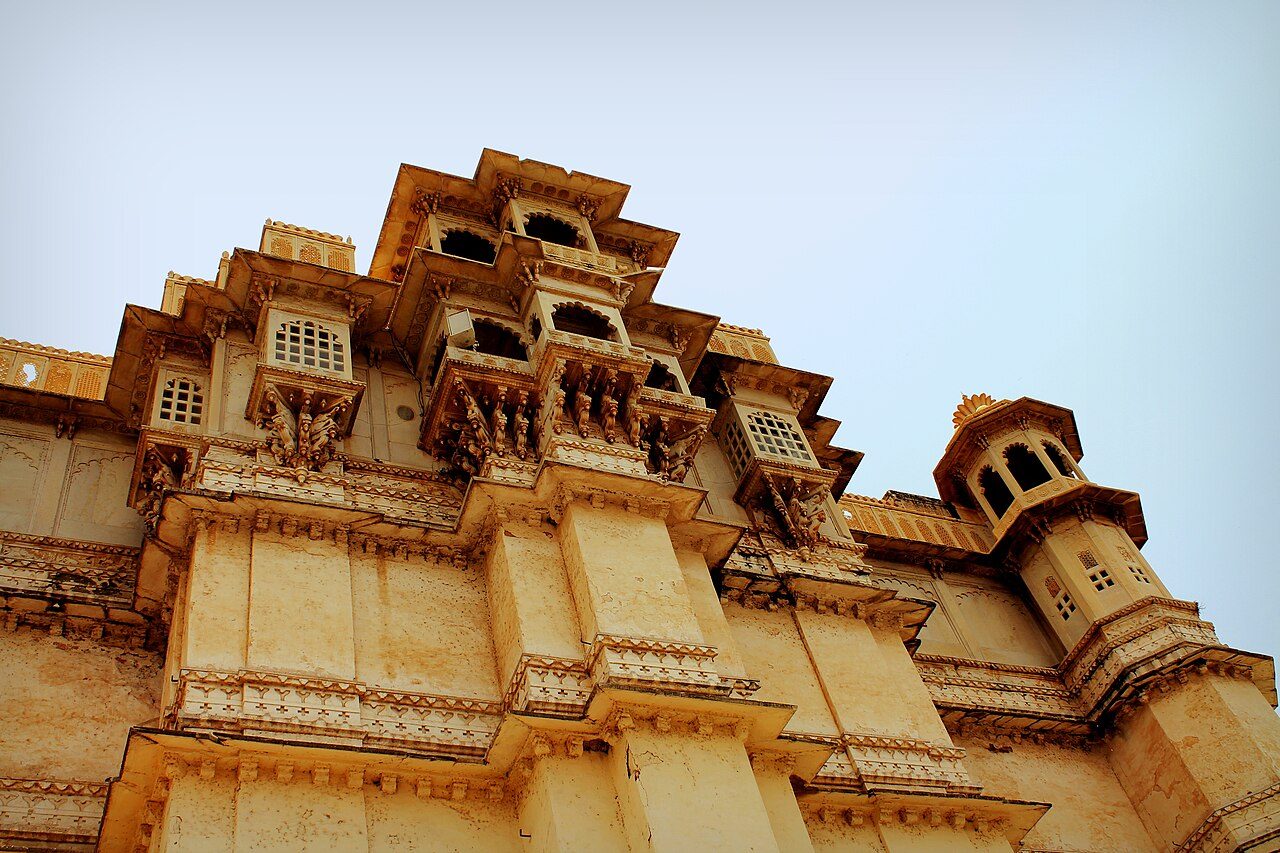
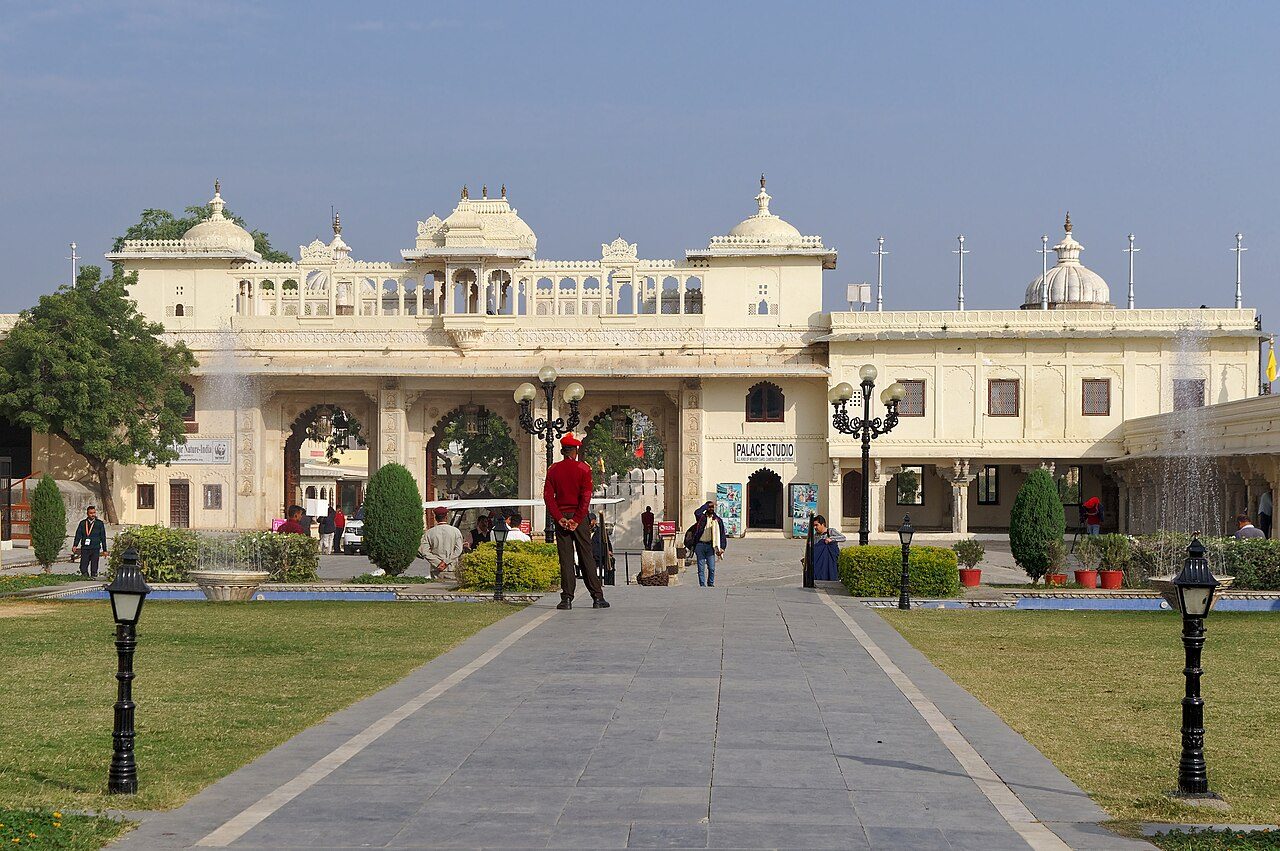
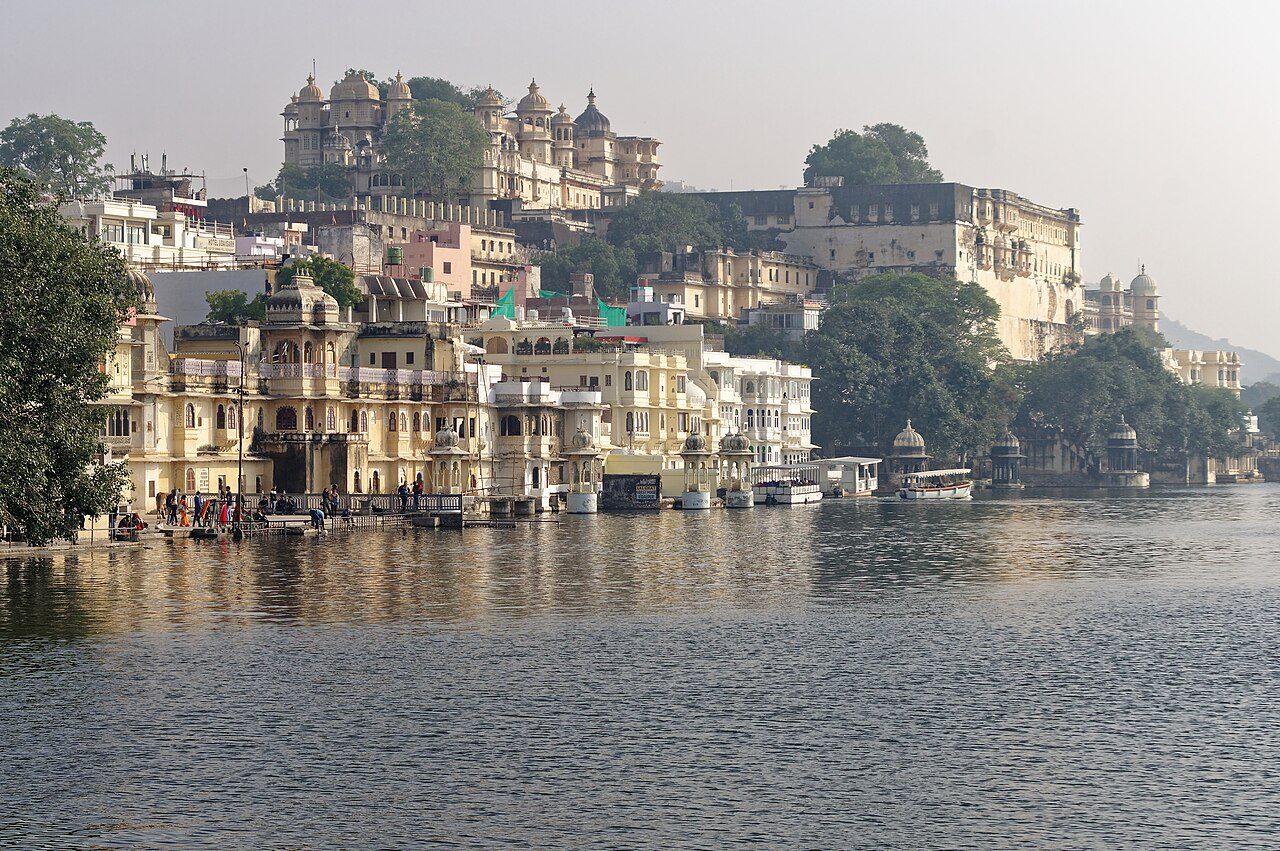
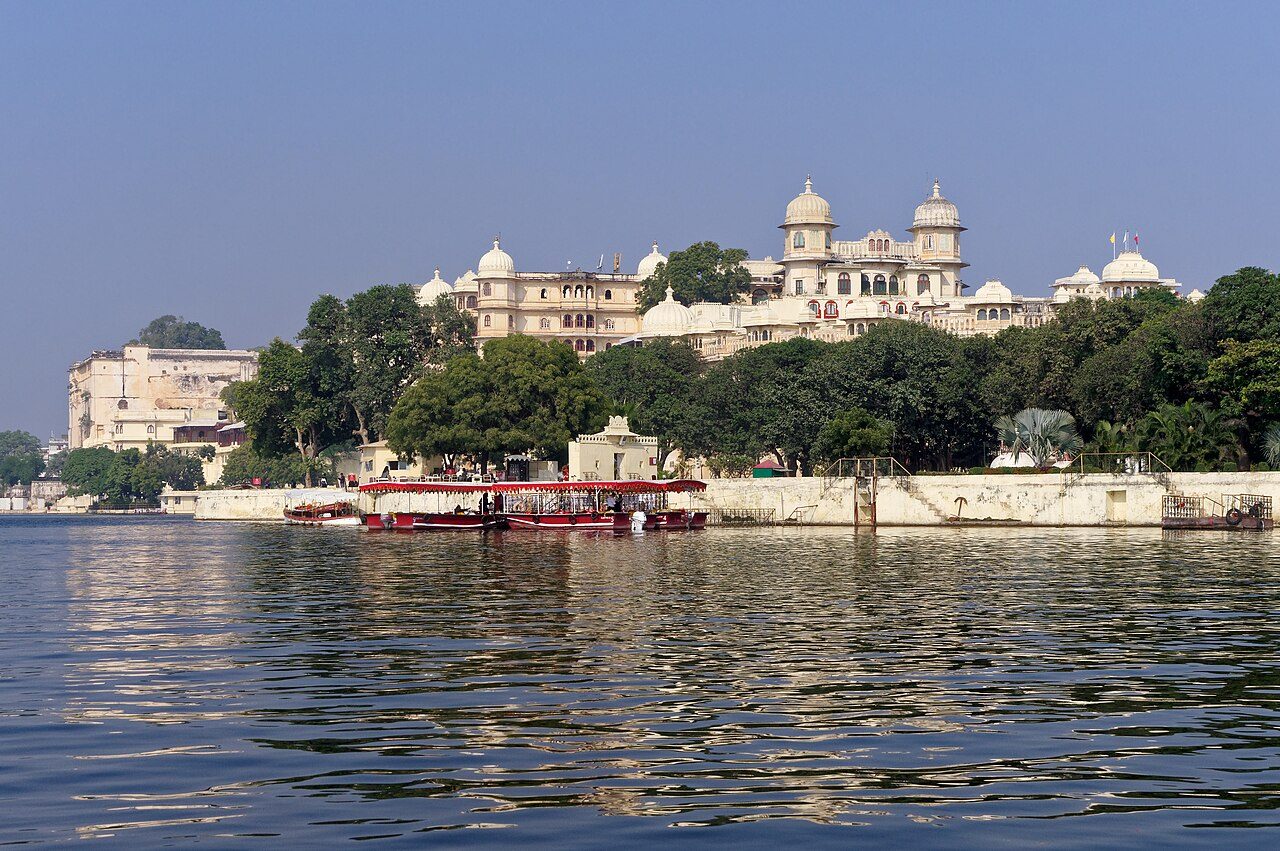
The City Palace of Udaipur rises along the eastern shore of Lake Pichola and is the largest palace complex in Rajasthan. It was begun in 1559 by Maharana Udai Singh II, founder of the city, and extended by his successors over four centuries. Balconies, towers and courtyards hold the Mor Chowk with its glass peacocks, the mirrored Sheesh Mahal and a museum of Mewar's history. Part remains a royal residence.
26
STOP 26 OF 29
Jagdish Temple
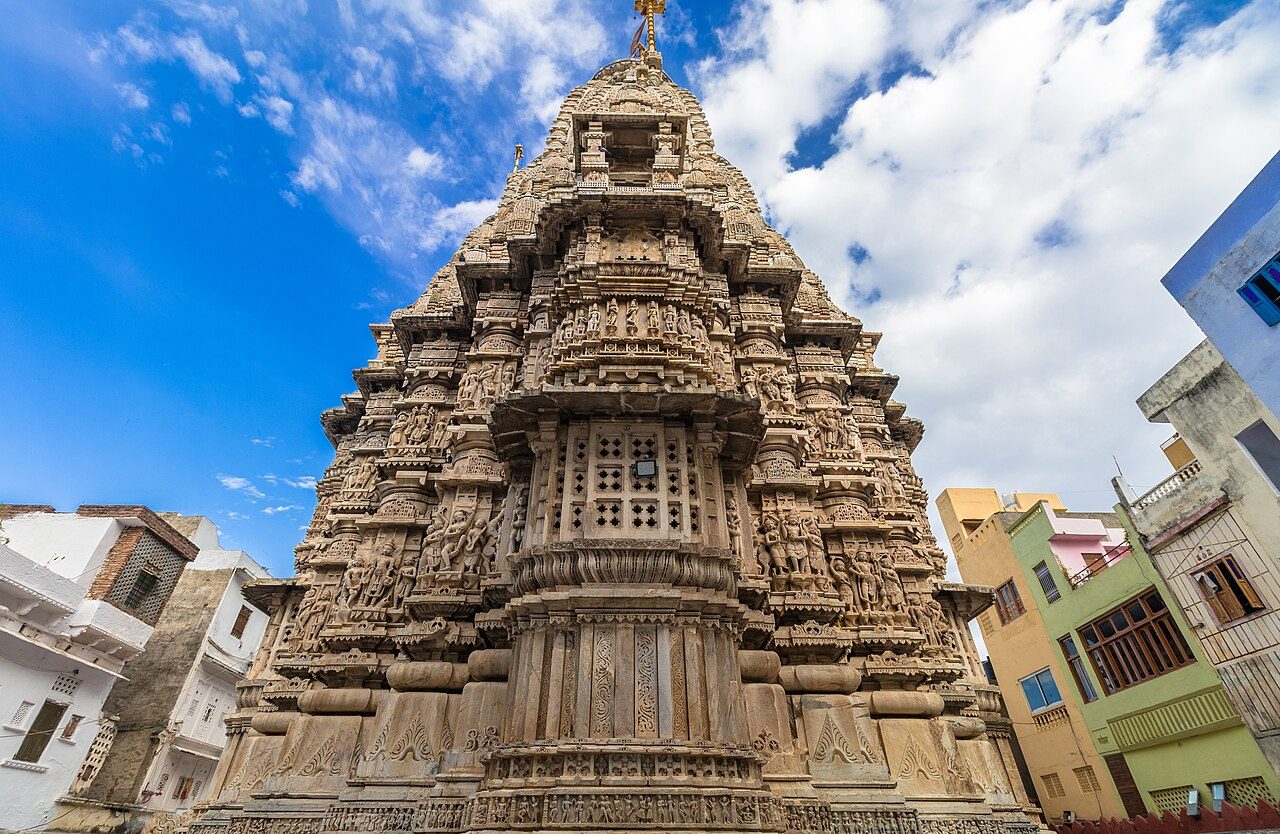
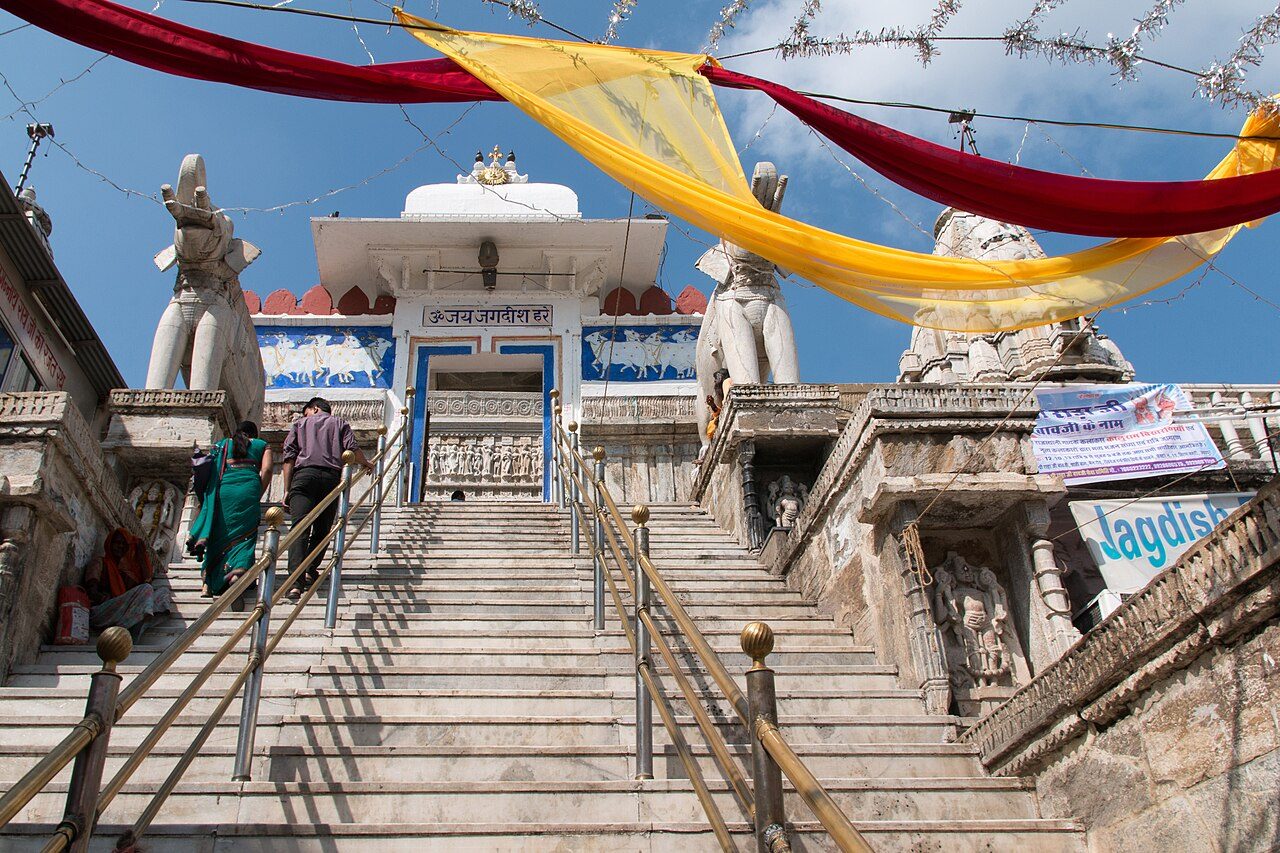
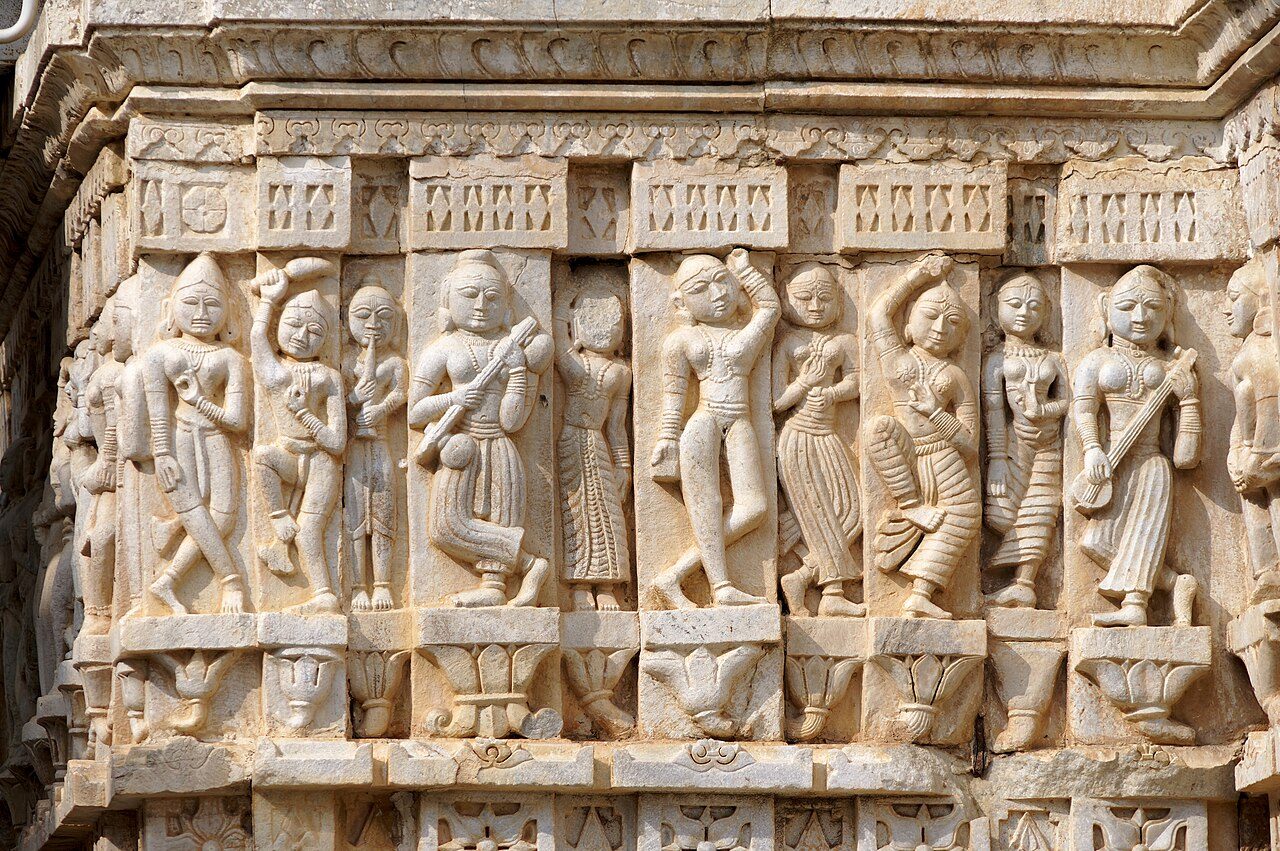
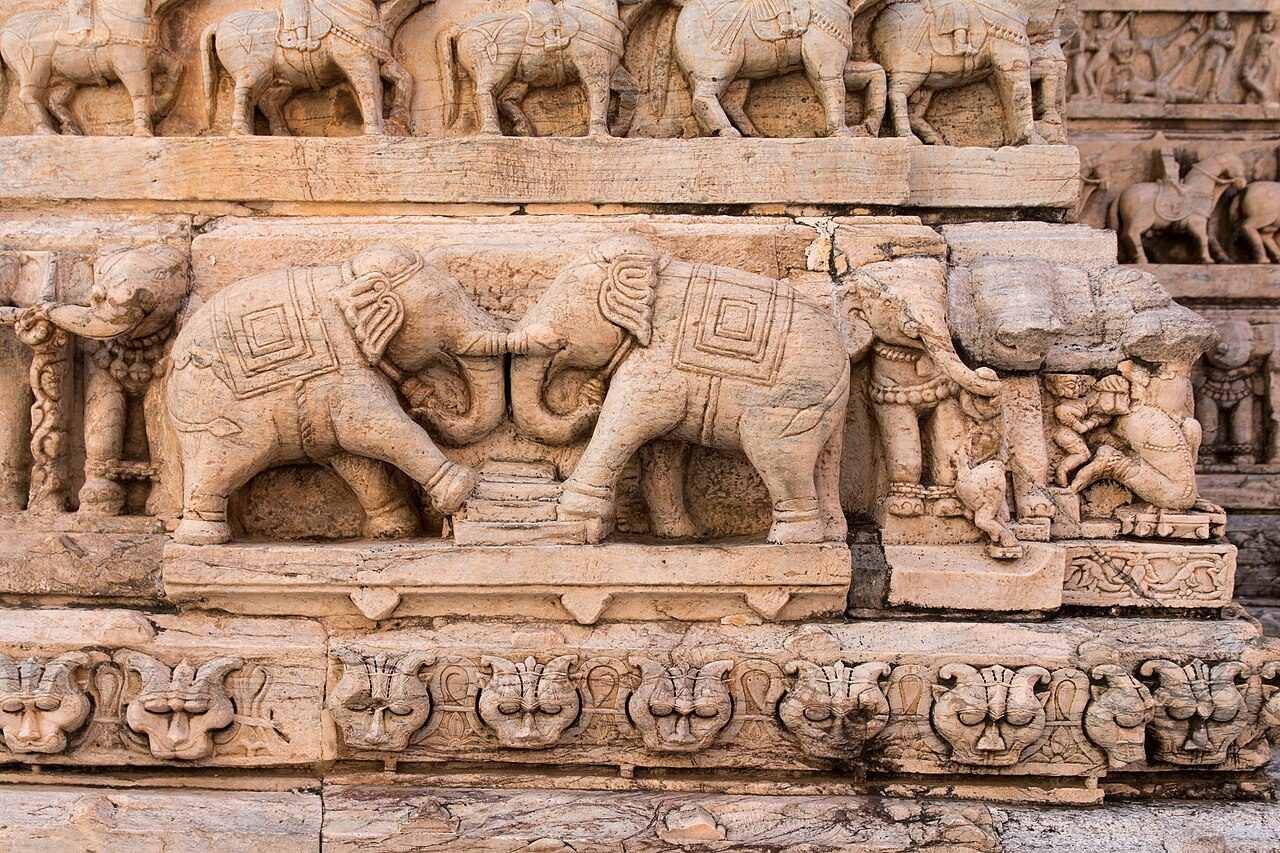
The Jagdish temple, just outside the City Palace gate in Udaipur, was built by Maharana Jagat Singh I and completed in 1651. A steep flight of steps flanked by stone elephants leads to the three-storey temple, dedicated to Vishnu as Lord of the Universe. Its spire and walls are carved with dancers, musicians, elephants and horsemen, and a brass Garuda faces the shrine. Aarti is held several times a day.
27
STOP 27 OF 29
Lake Pichola
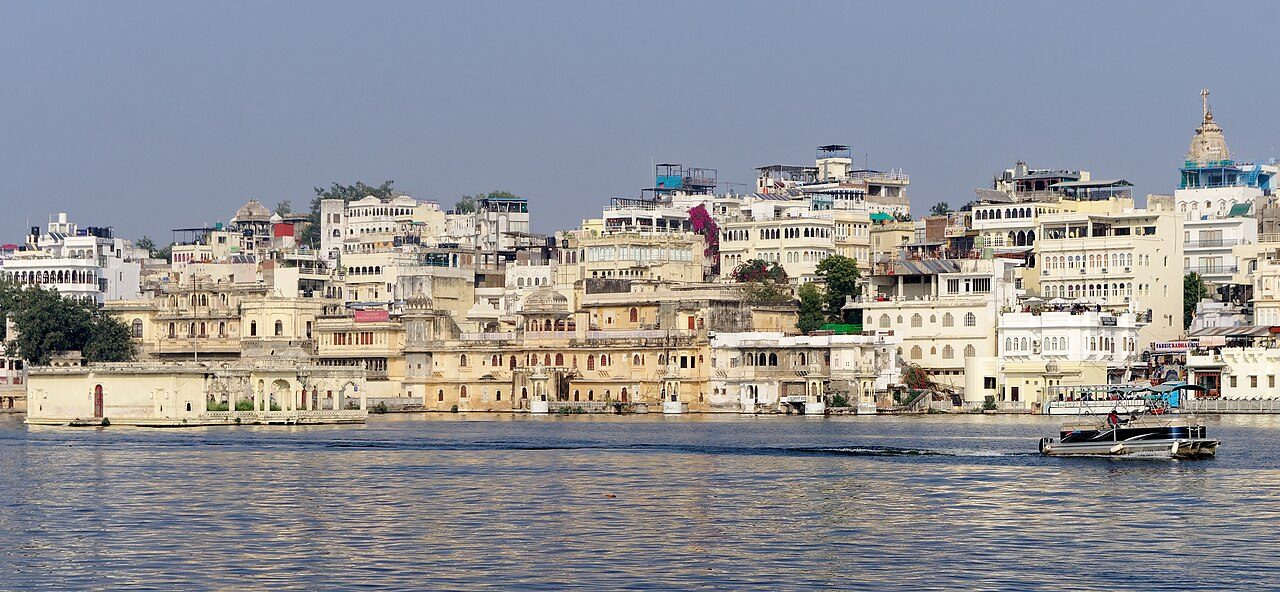
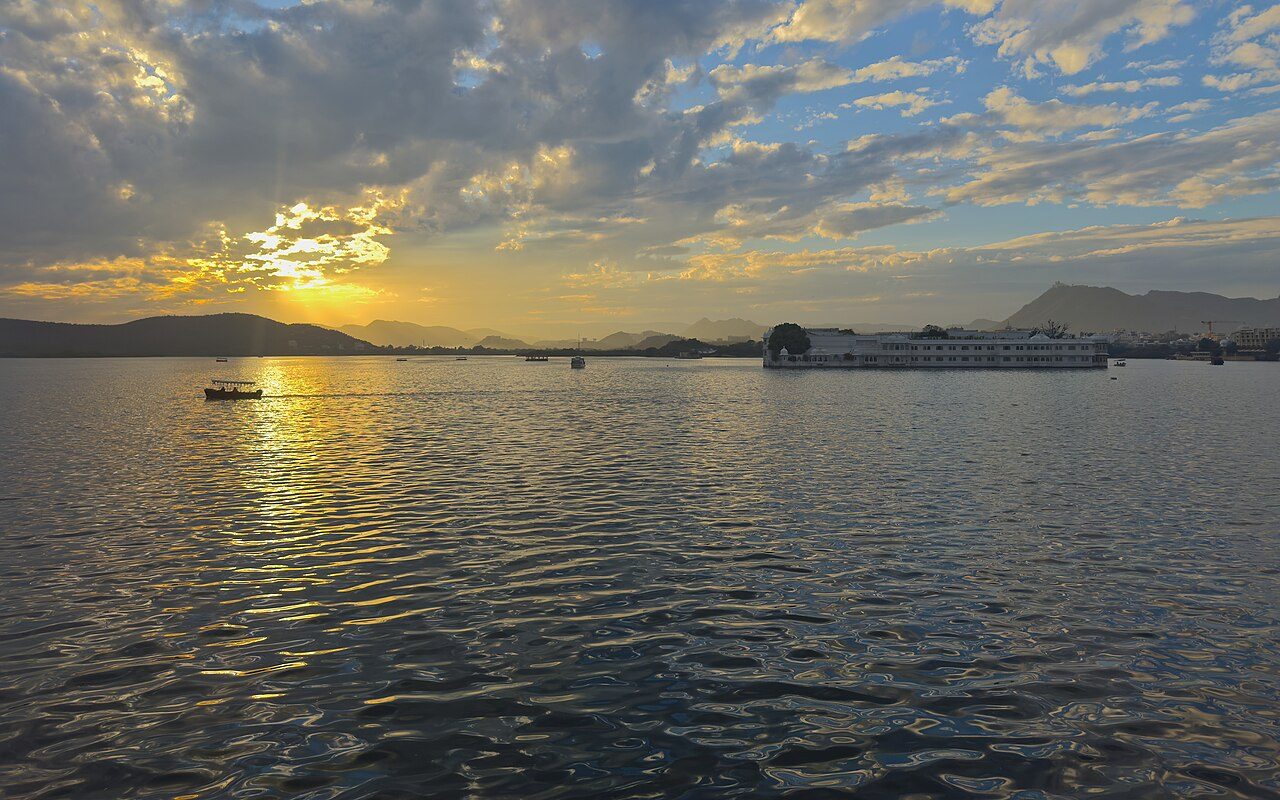
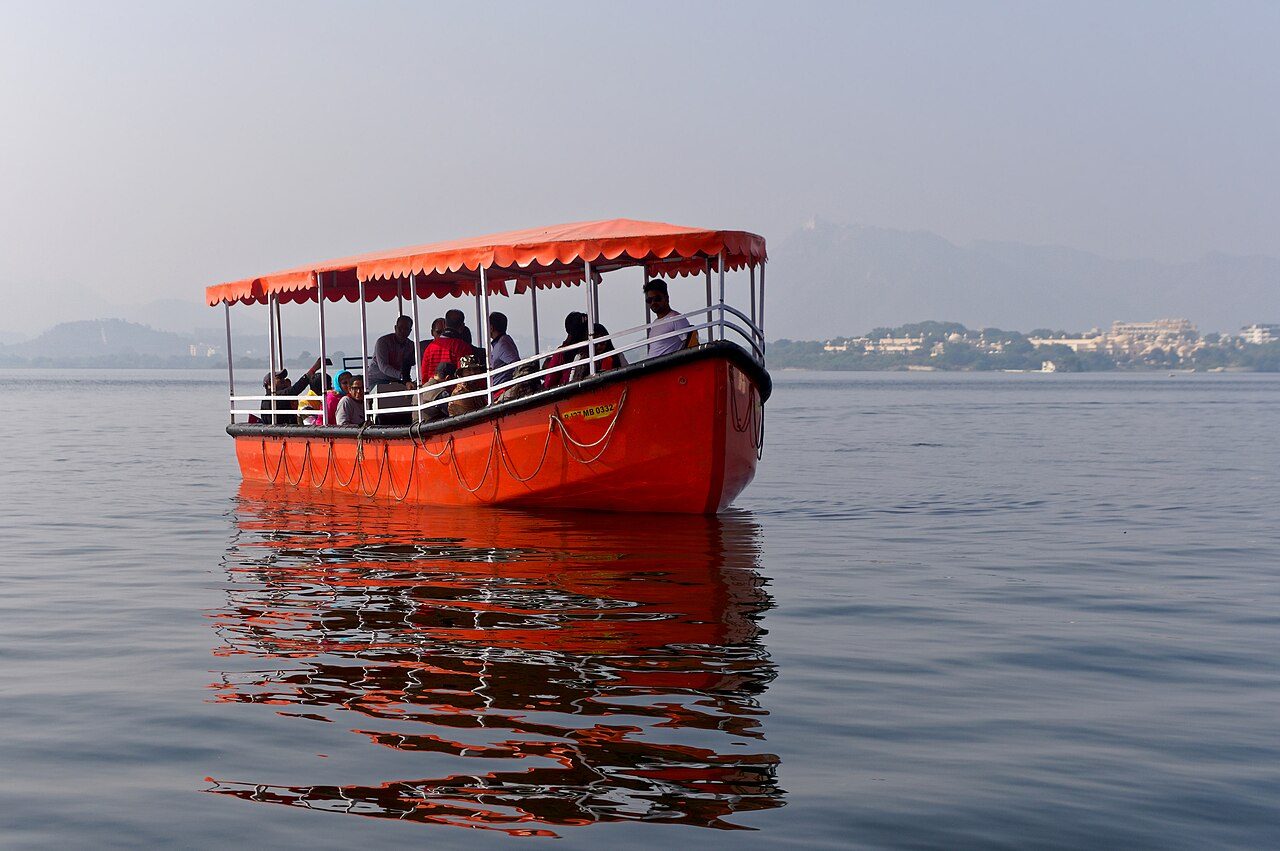
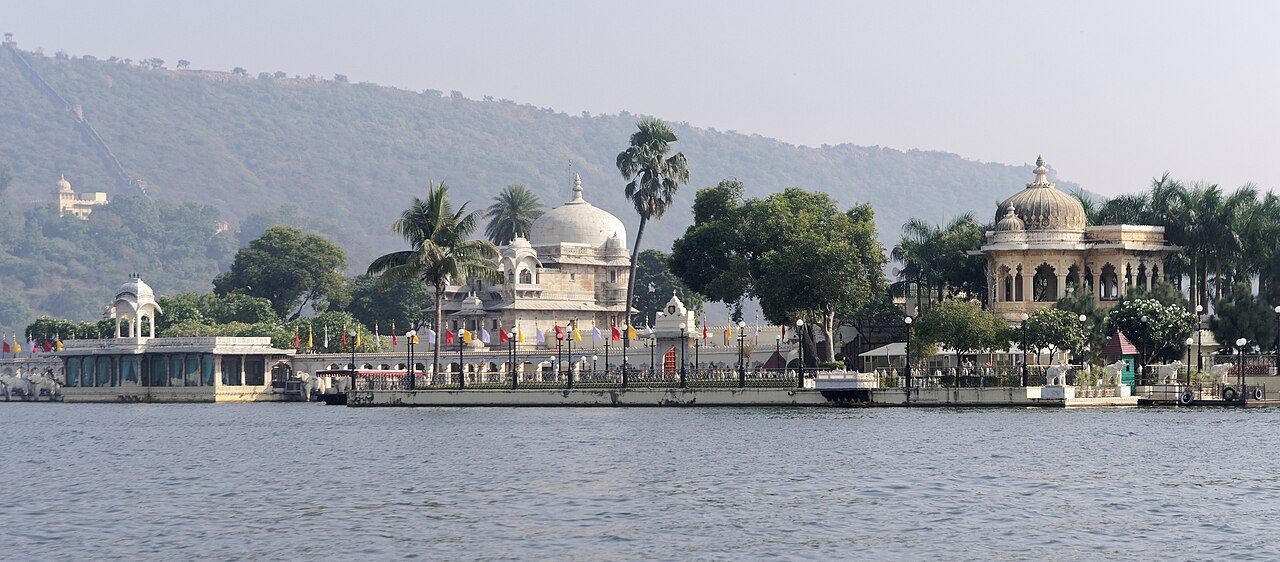
Lake Pichola is an artificial lake created in the 14th century and enlarged by Maharana Udai Singh II when he founded Udaipur beside it. The City Palace, ghats and havelis line its eastern bank, and two island palaces, Jag Niwas and Jag Mandir, appear to float on the water. Boat rides leave from the palace jetty and from Lal Ghat; the hour before sunset gives the best light.
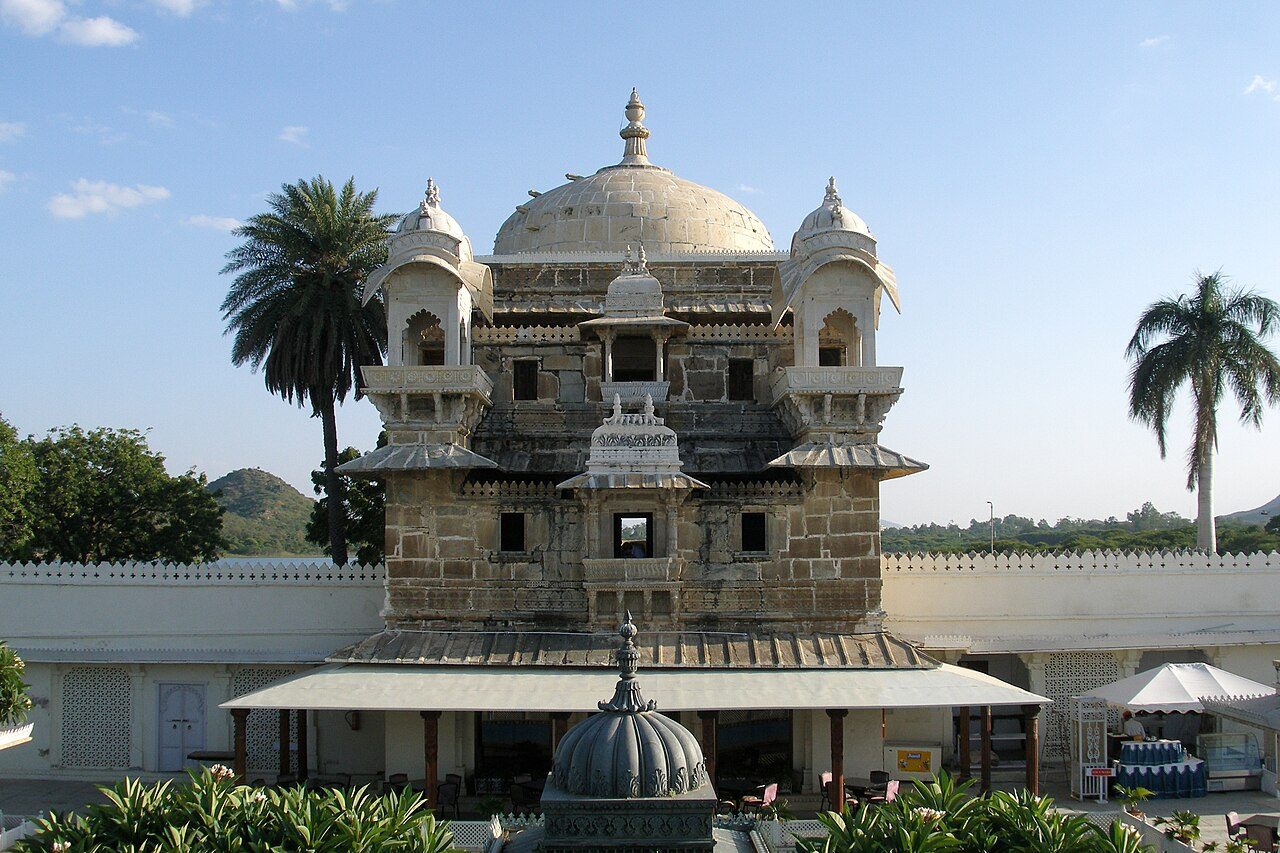
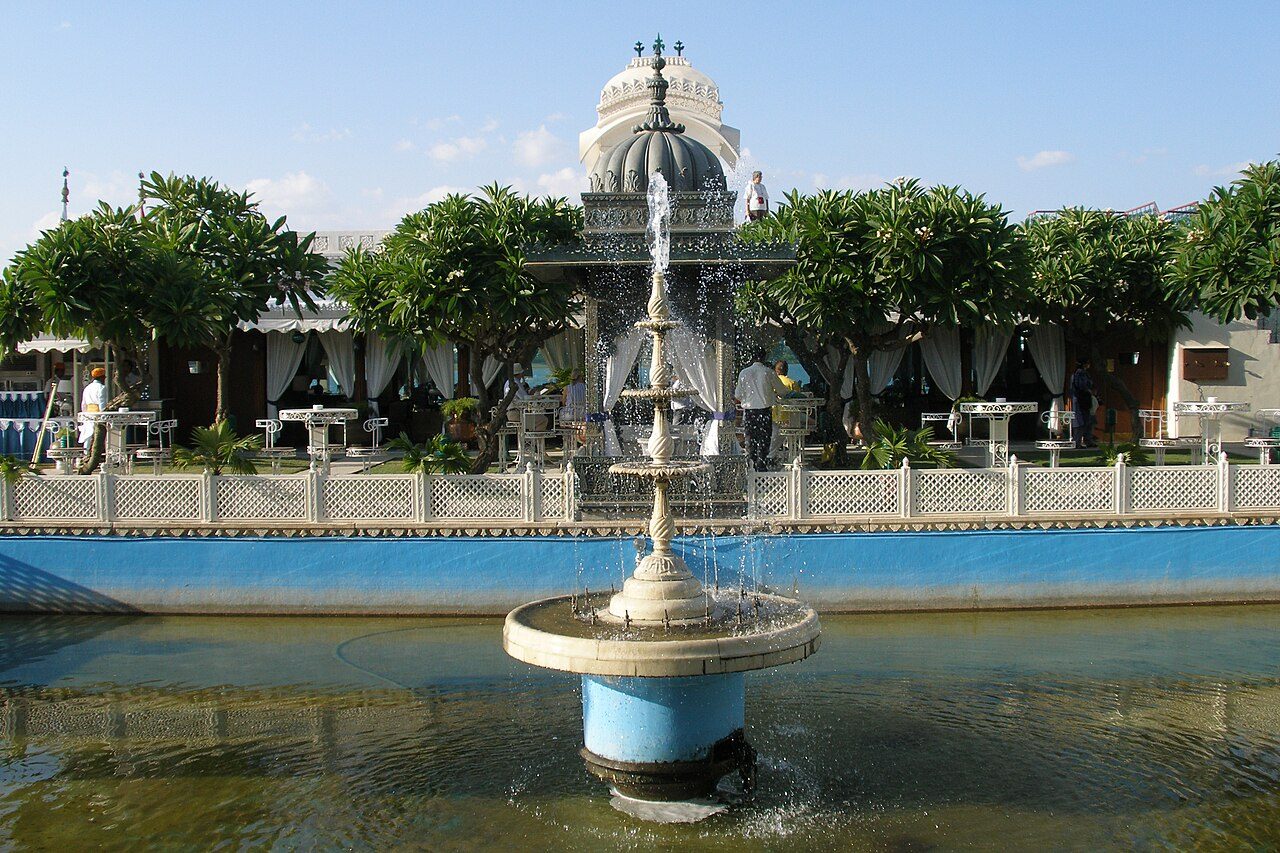
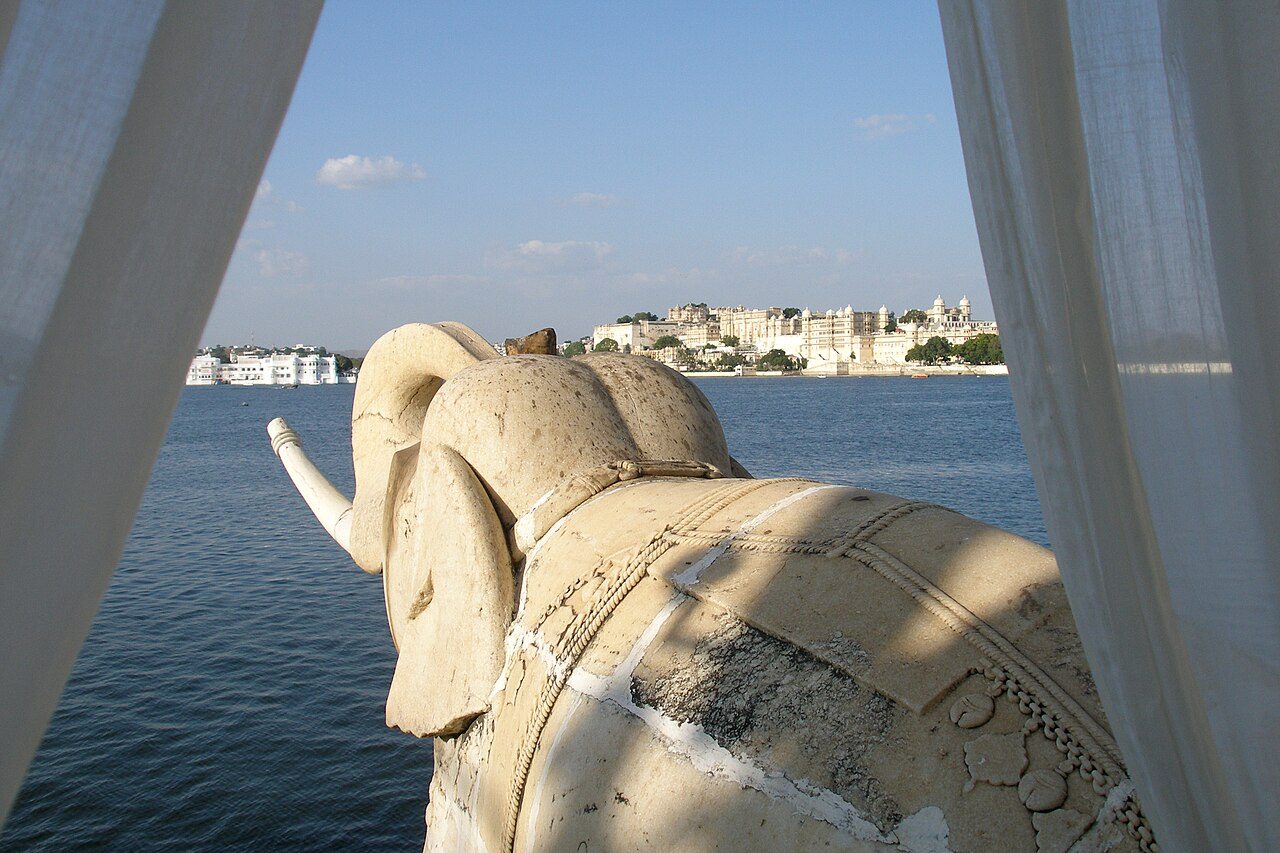
Jag Mandir is a palace on an island in Lake Pichola, begun in 1551 and completed by Maharana Jagat Singh I in the 17th century. Prince Khurram, the future Shah Jahan, was given refuge here while in revolt against his father. A row of carved stone elephants guards the landing, and the domed Gul Mahal stands among gardens and courtyards. It is reached by boat from the City Palace jetty.
29
STOP 29 OF 29 · LAST STOP
Bagore Ki Haveli
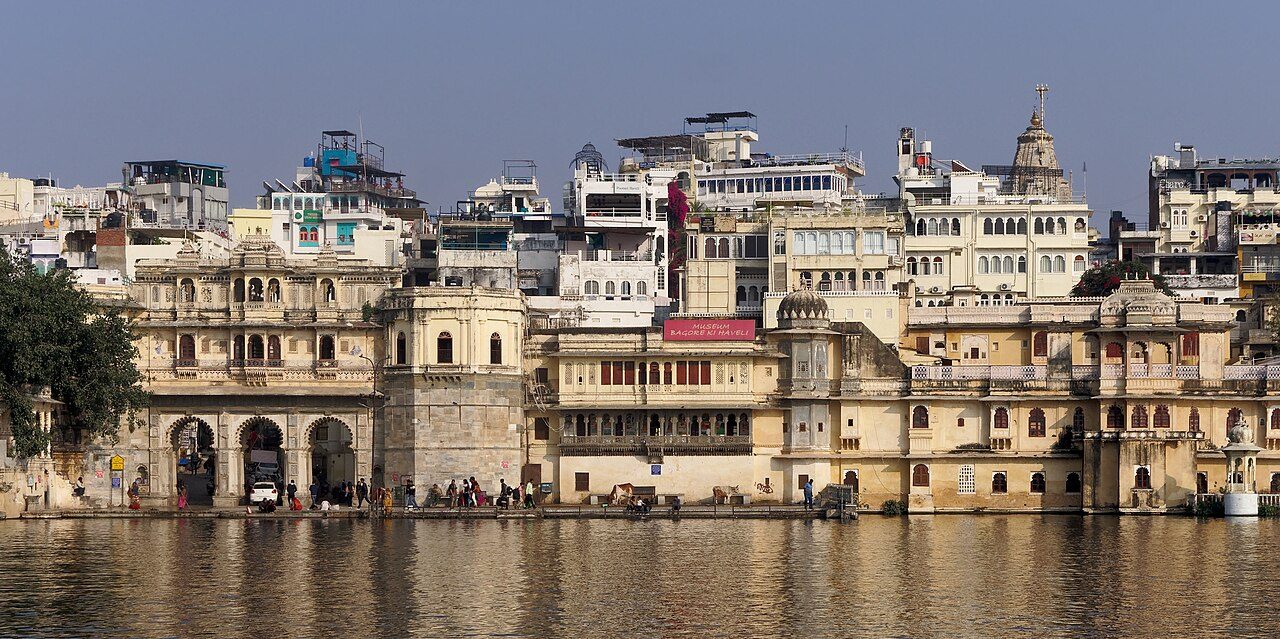
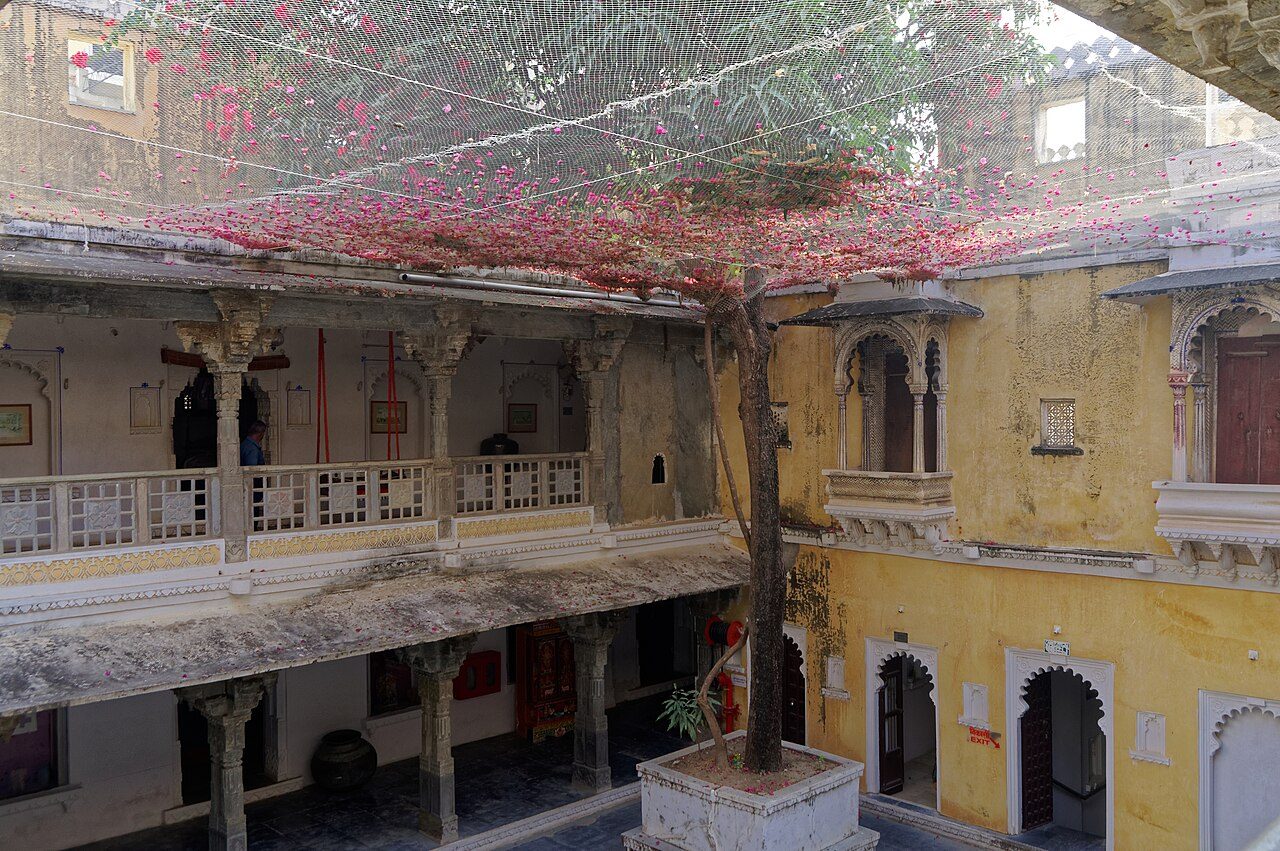
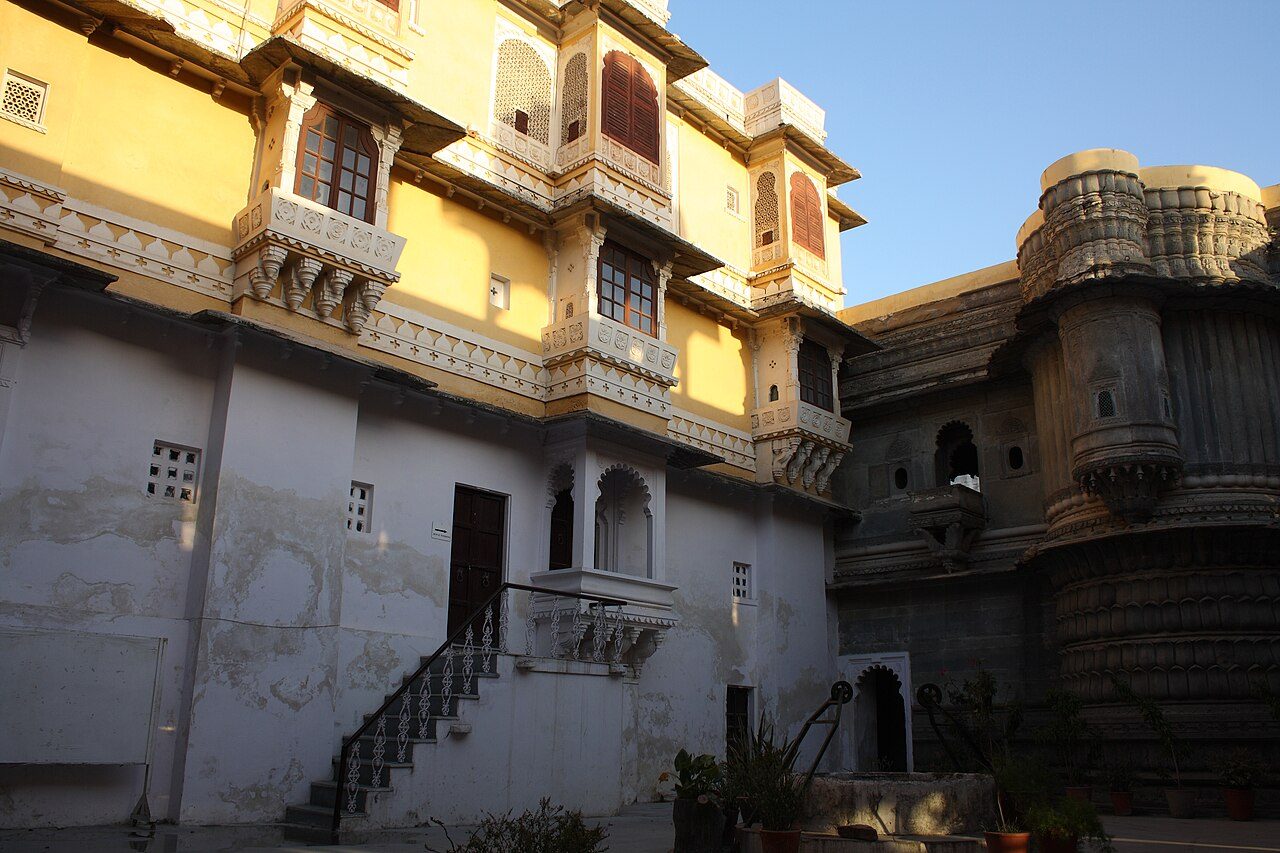
Bagore Ki Haveli stands on Gangaur Ghat beside Lake Pichola and was built in the 18th century by Amar Chand Badwa, prime minister of Mewar. Its more than a hundred rooms, with balconies, courtyards and glass inlay, now form a museum of royal lifestyle, costumes, turbans and puppets. Each evening the courtyard hosts the Dharohar show of Rajasthani folk dance and music.
Seasons from 20 years of NASA POWER climate data.
 WaTrips