Pune to Kolhapur in 4 Days: Forts, Kaas and Mahabaleshwar
4 DAYS11 placesby WaTrips
Shaniwar Wada and Aga Khan Palace, Sinhagad, Kaas plateau and Thoseghar, Mahabaleshwar and Pratapgad, then Kolhapur.
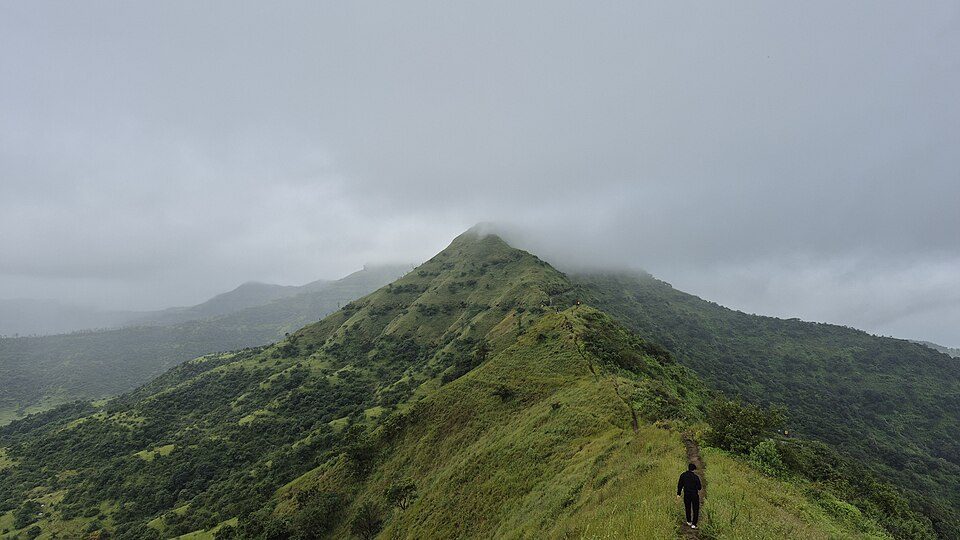
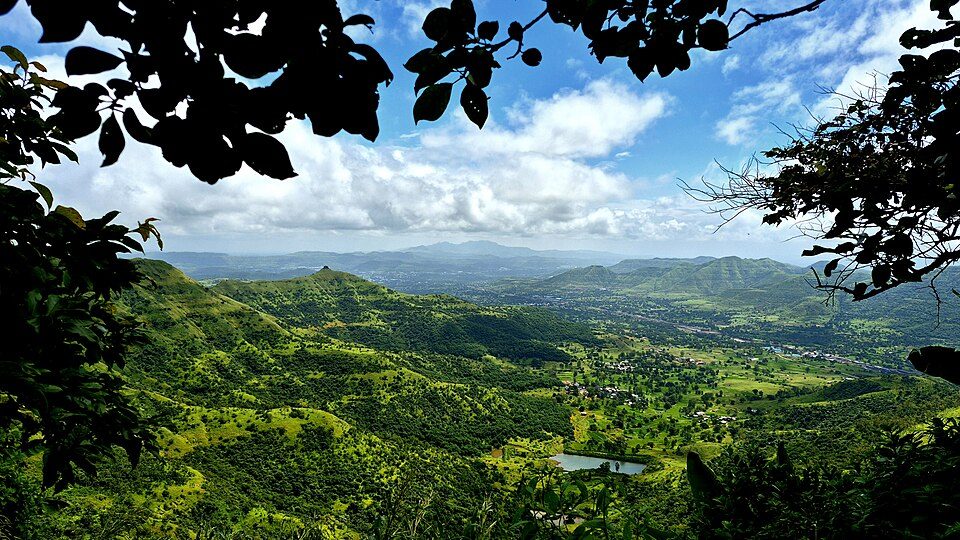
This route follows the Sahyadri south from Pune. Day one is the city: the Peshwa palace of Shaniwar Wada, Dagdusheth Ganpati, and the Aga Khan Palace where Gandhi was held. Day two climbs Sinhagad, then visits the Kaas plateau, famous for its wildflowers in September, and Thoseghar falls. Day three is Mahabaleshwar's Venna Lake and Shivaji's fort at Pratapgad. Day four ends in Kolhapur with the Mahalakshmi temple, the New Palace museum and Panhala fort. The monsoon and the months just after it are the greenest; October to February is easiest for driving.
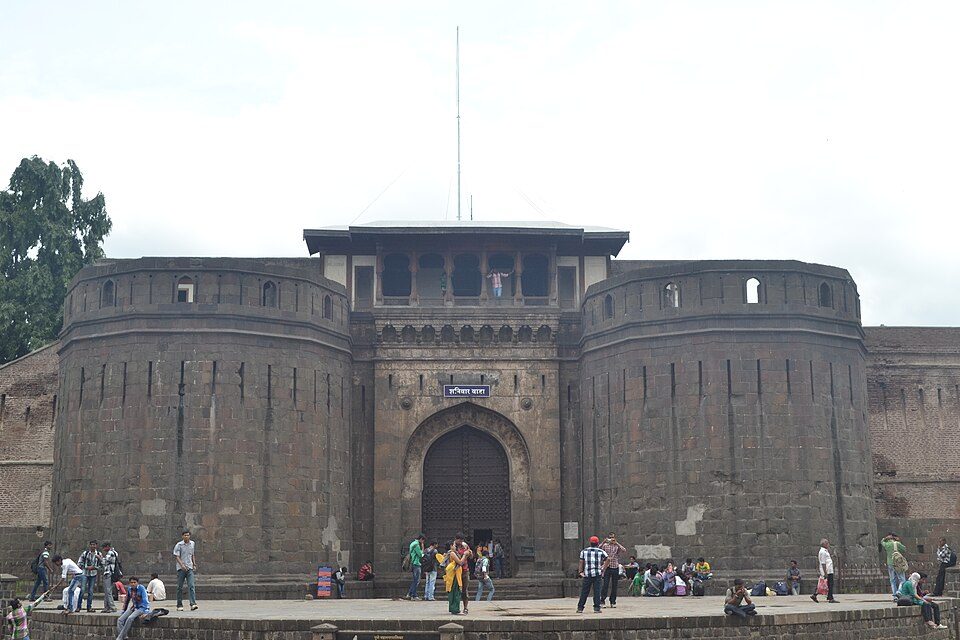
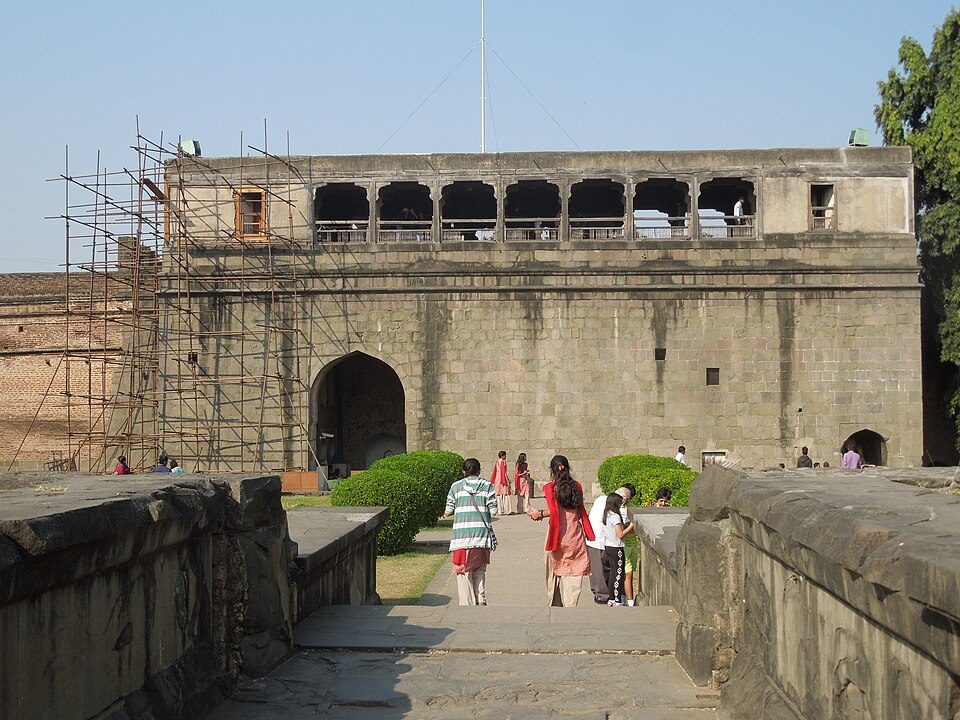
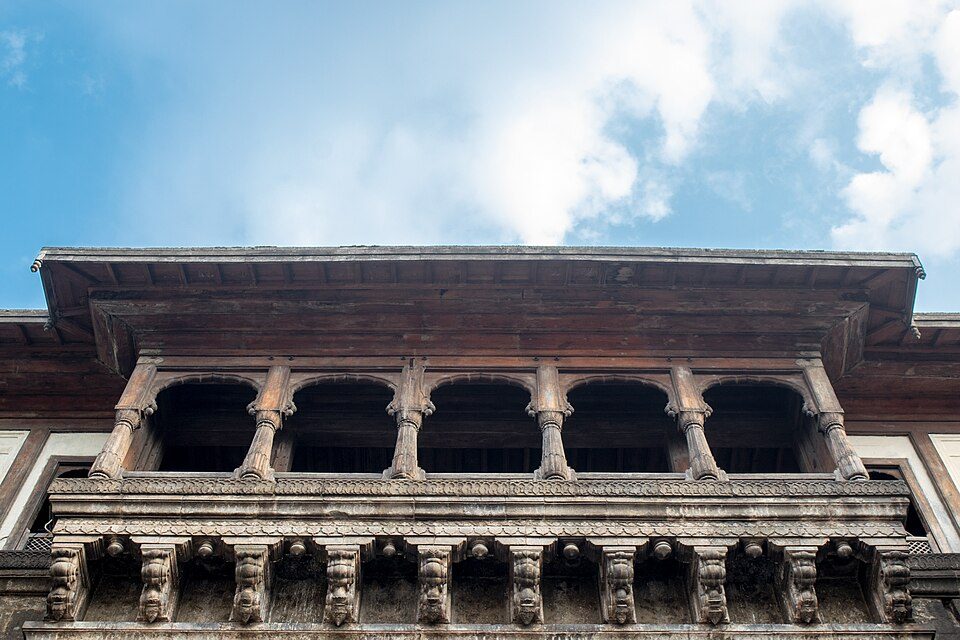
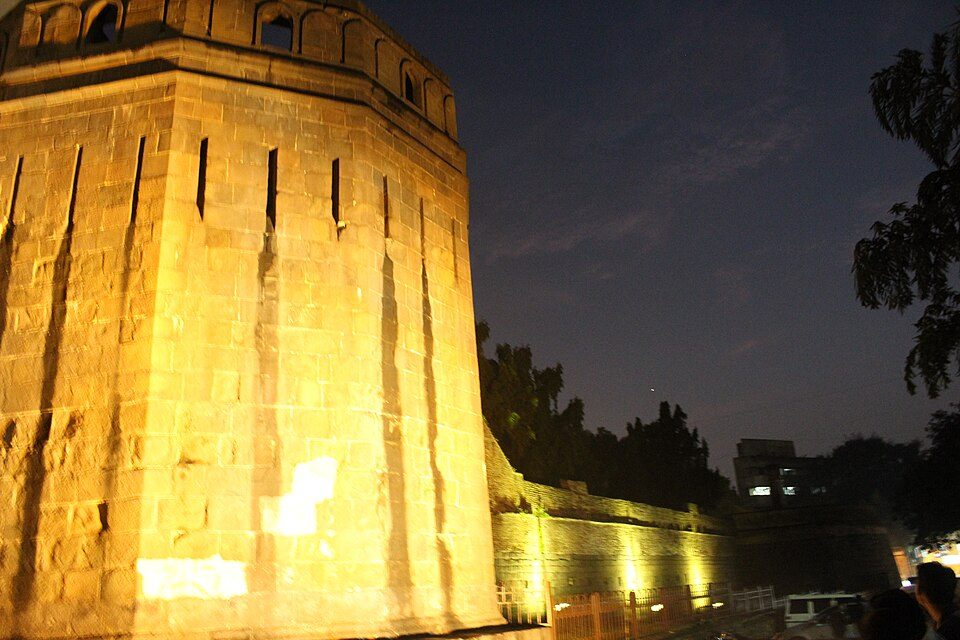
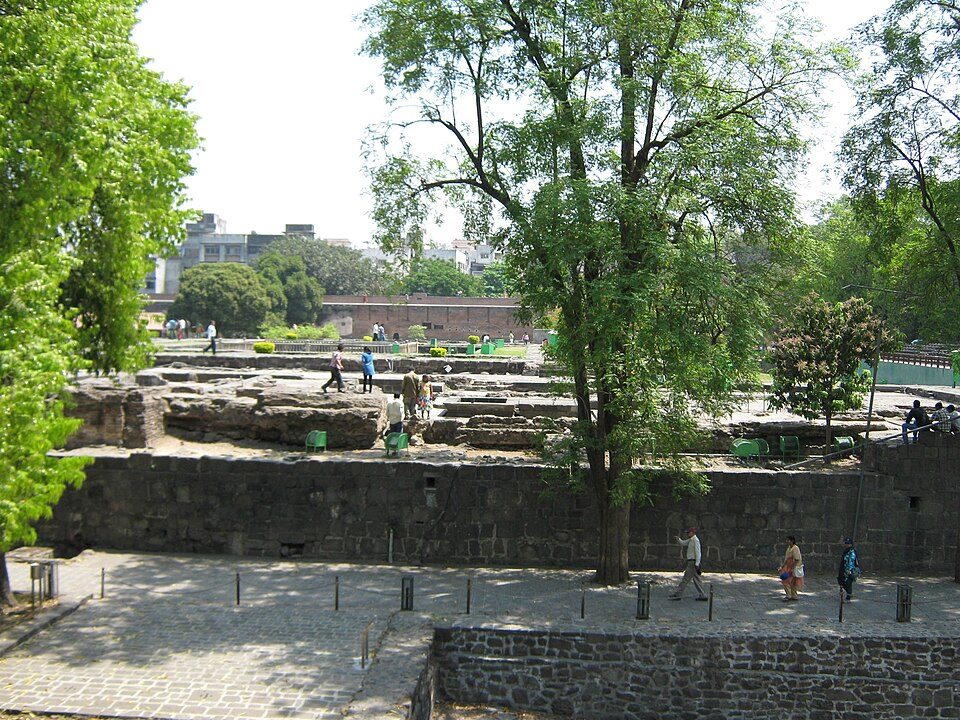
Built in 1732 as the seat of the Peshwas of the Maratha Empire, Shaniwar Wada was largely destroyed by fire in 1828. Its massive stone walls, the spiked Delhi Gate and the foundations and gardens of the palace remain in the heart of old Pune.
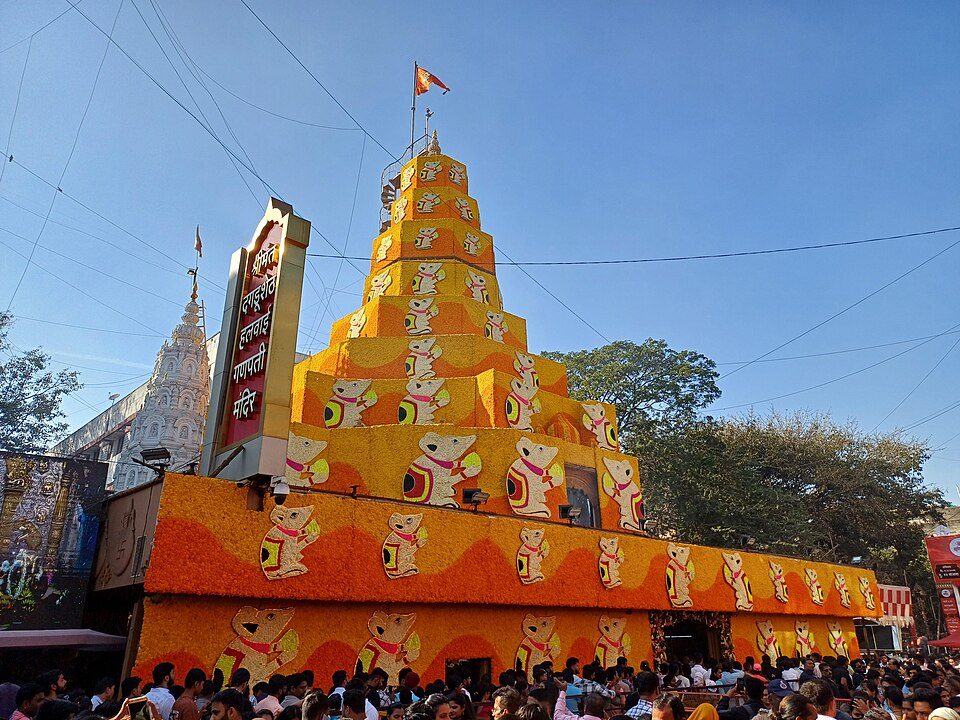
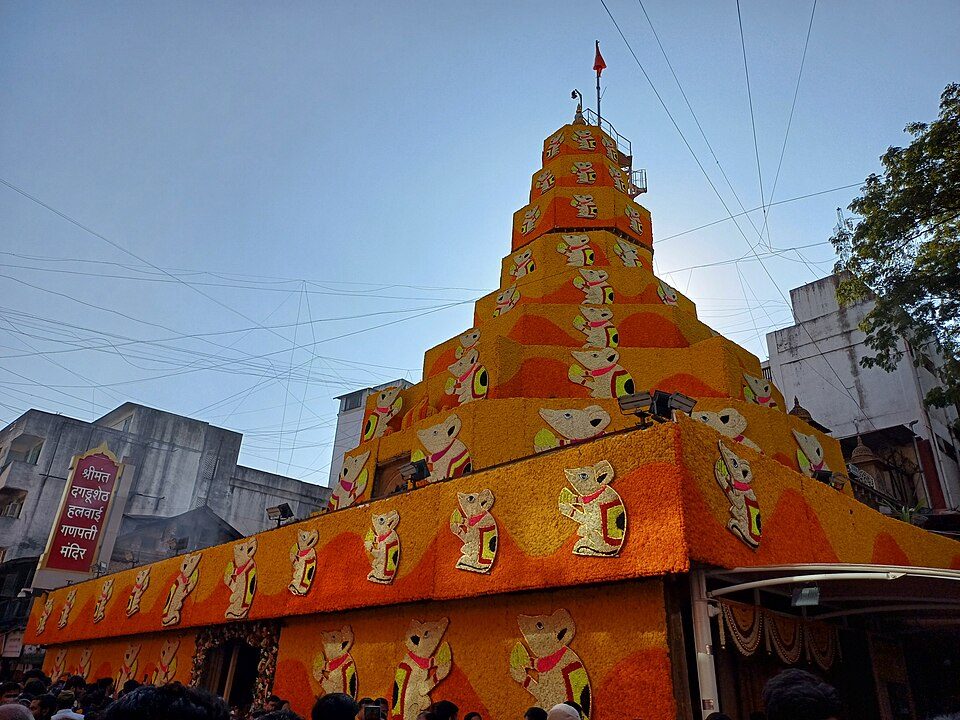
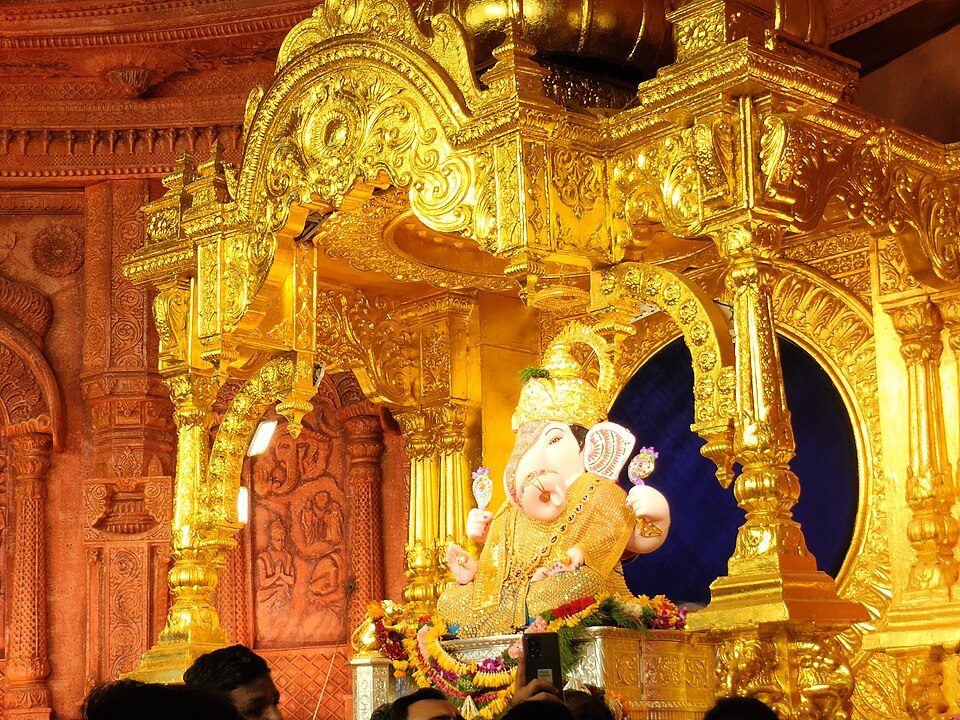
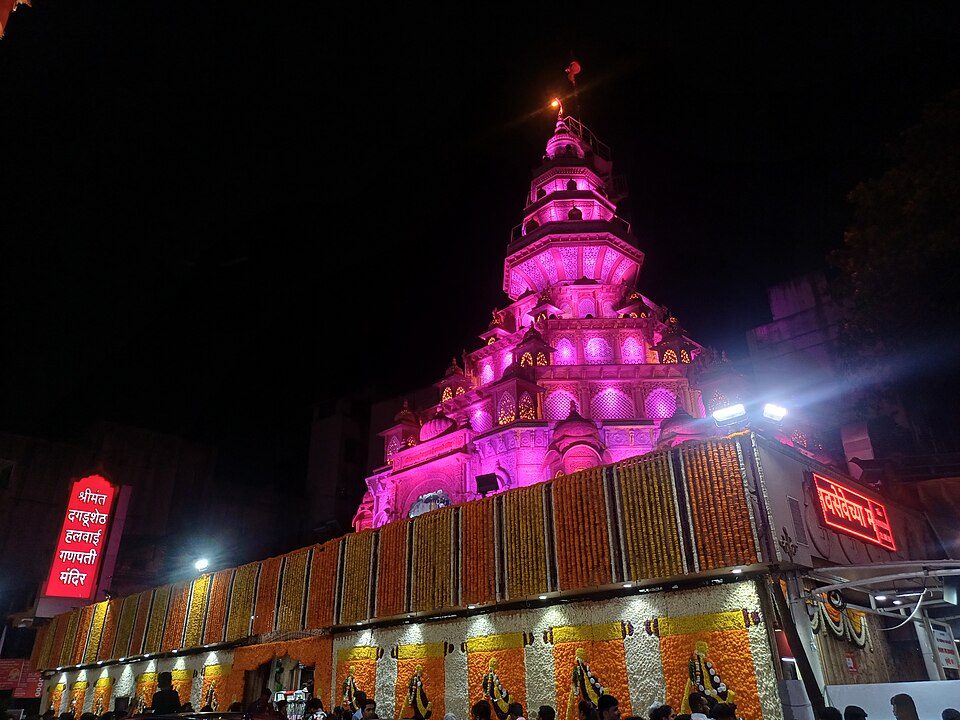
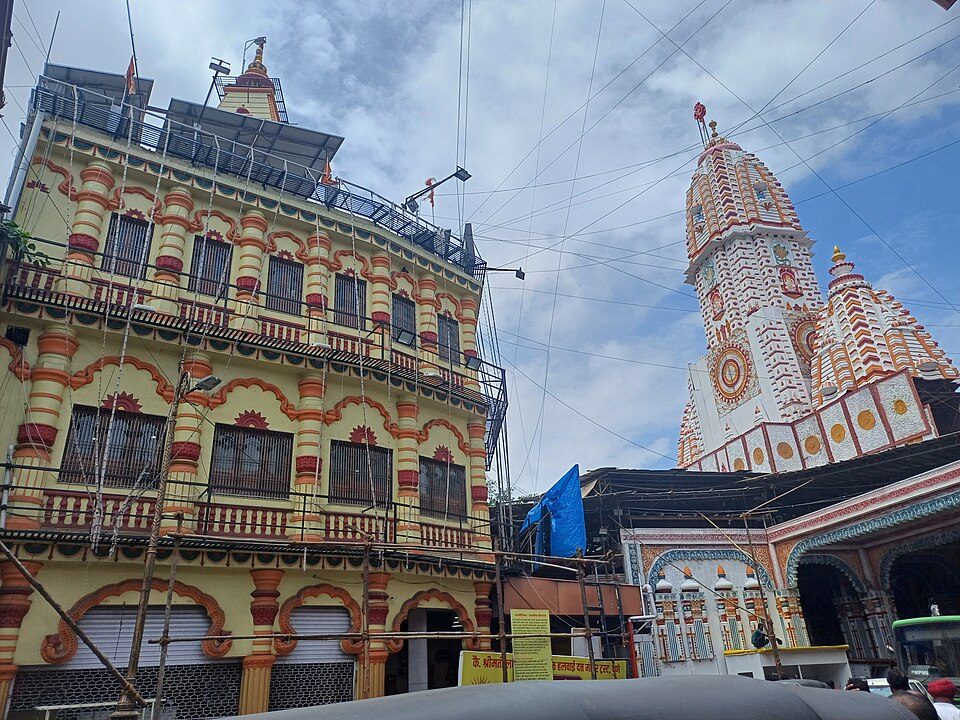
Founded in 1893 by the sweet-maker Dagdusheth Halwai, this temple in the heart of Pune is one of the most revered Ganesha shrines in Maharashtra. The richly adorned idol is visible from the street, and the Ganesh festival celebrations here are famous.
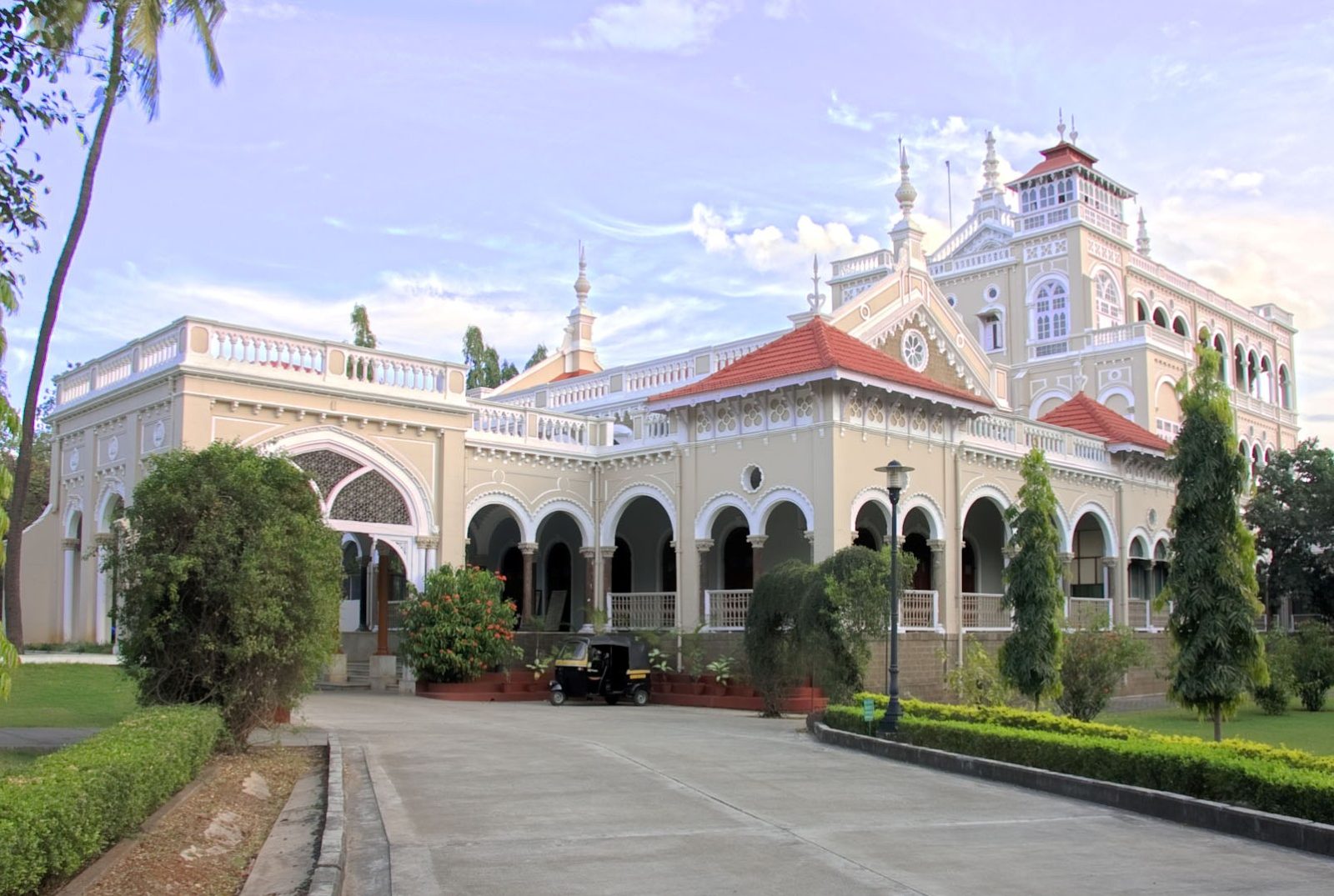
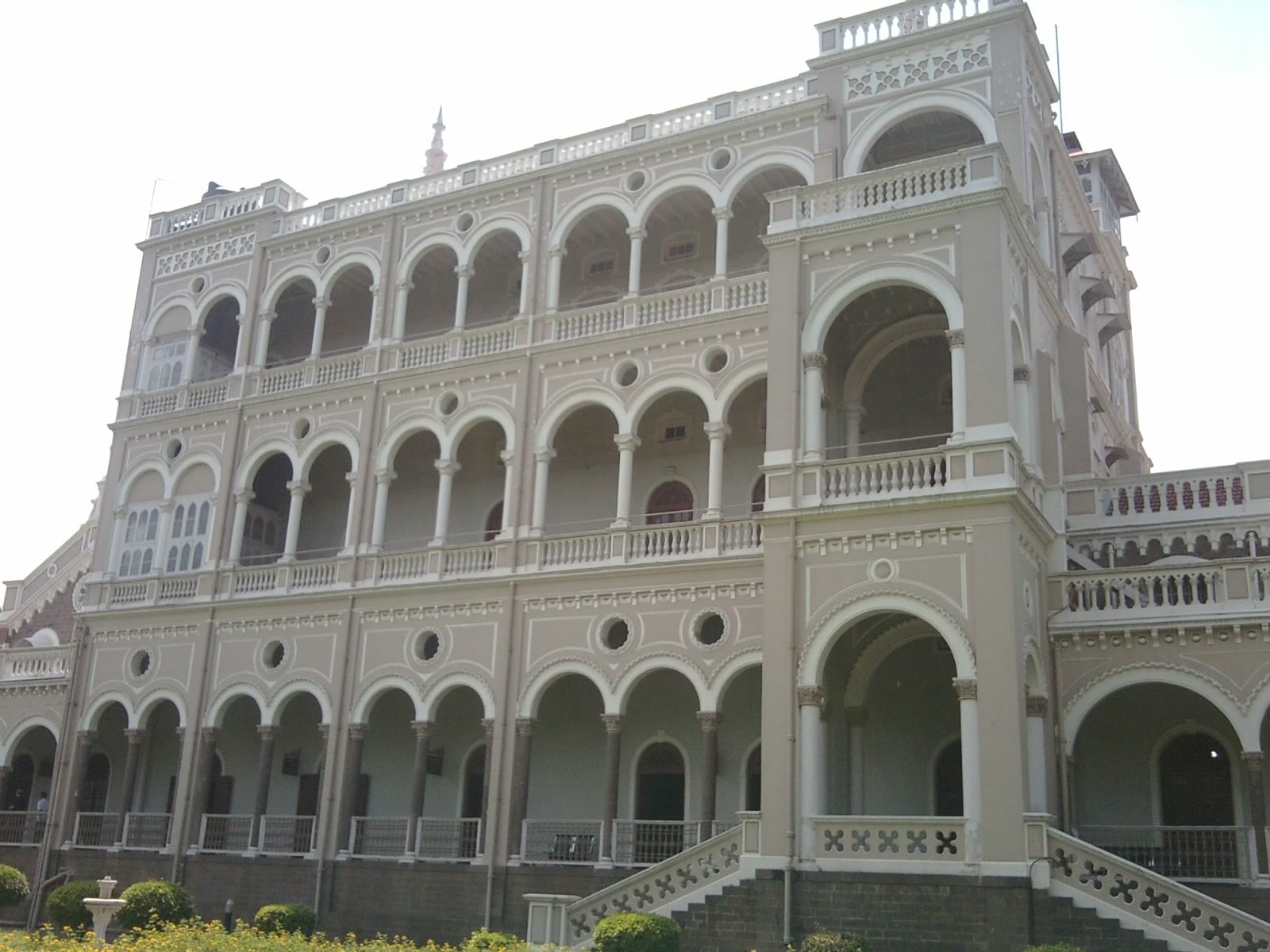
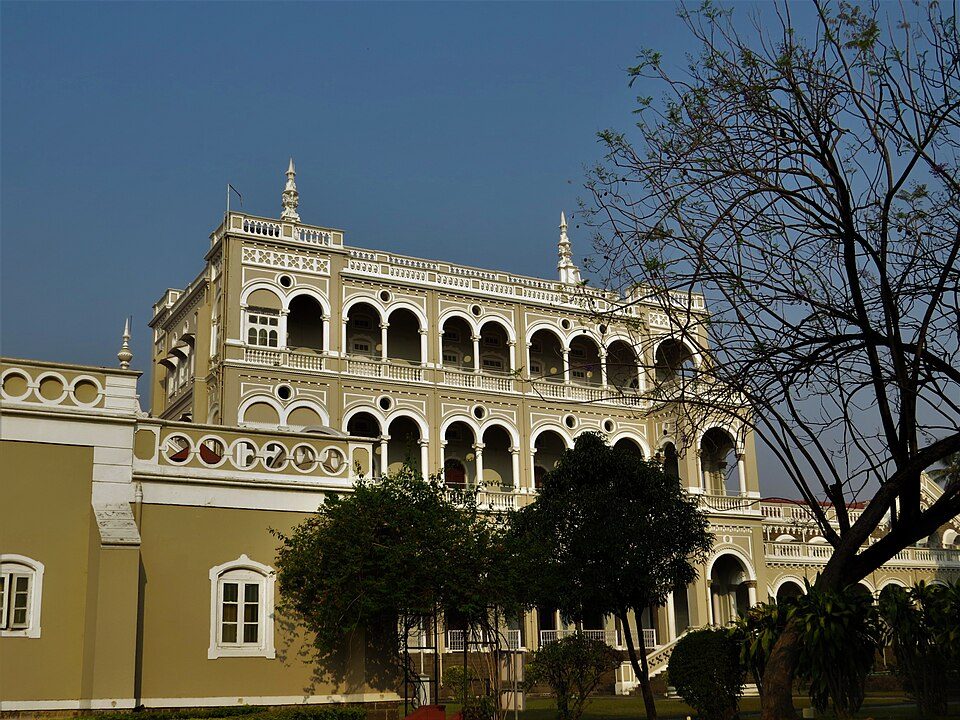
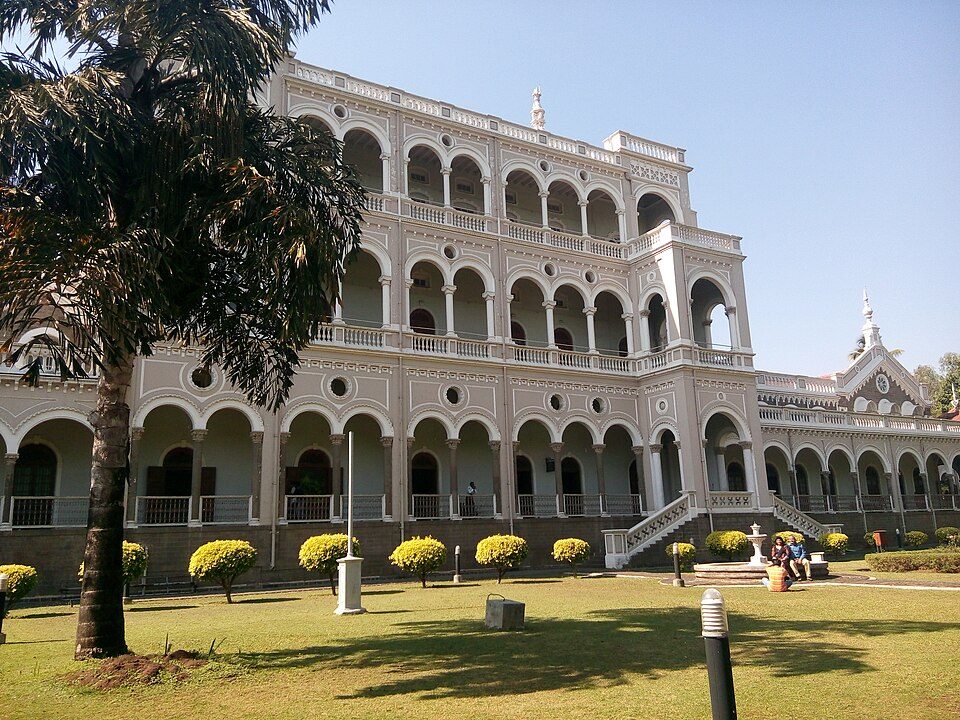
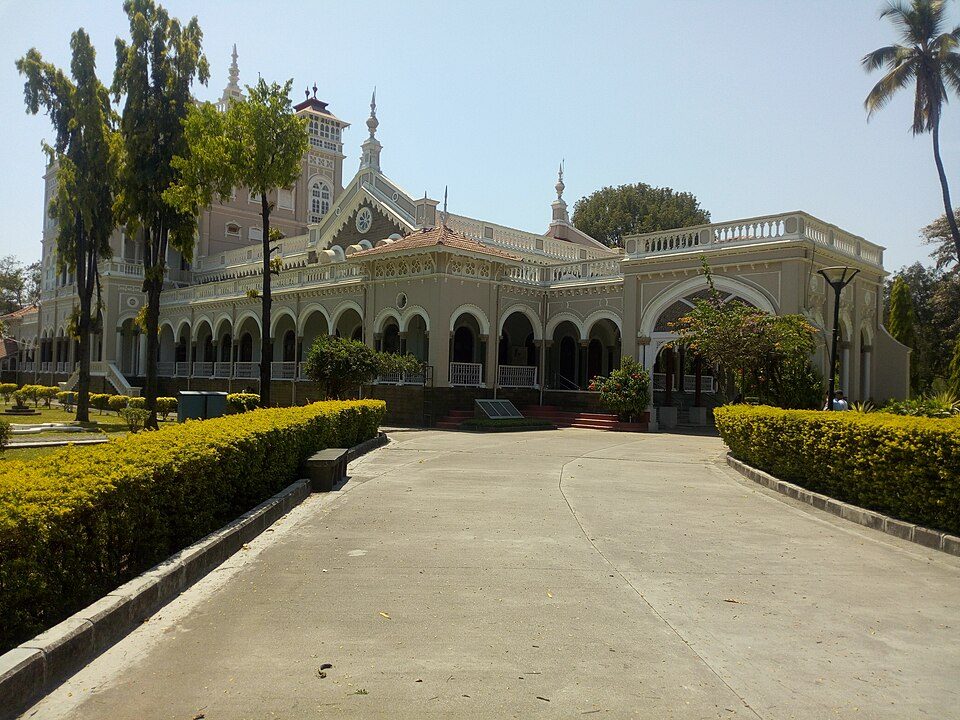
Built in 1892 by Sultan Muhammed Shah Aga Khan III as a famine relief work, this palace in Pune is where Mahatma Gandhi, Kasturba Gandhi and Mahadev Desai were interned from 1942. Kasturba and Desai died here, and their memorials stand in the gardens beside a museum of Gandhi's life.
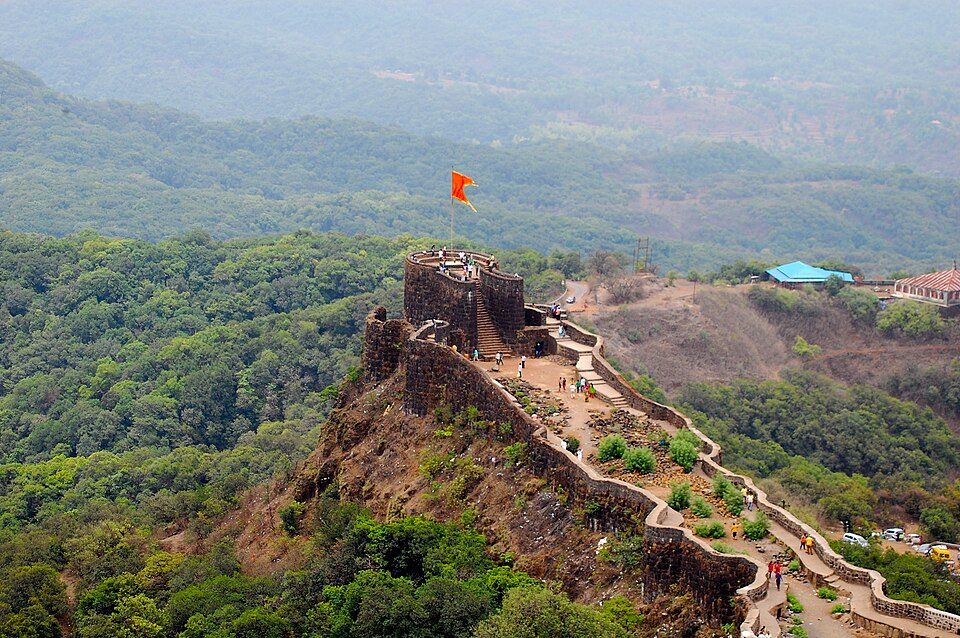
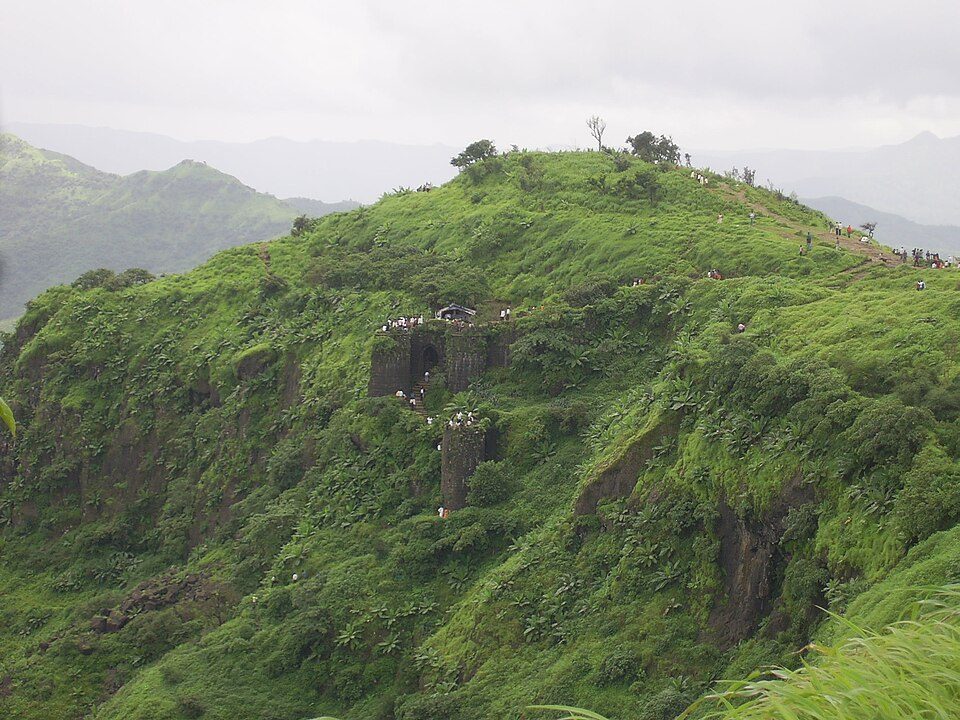
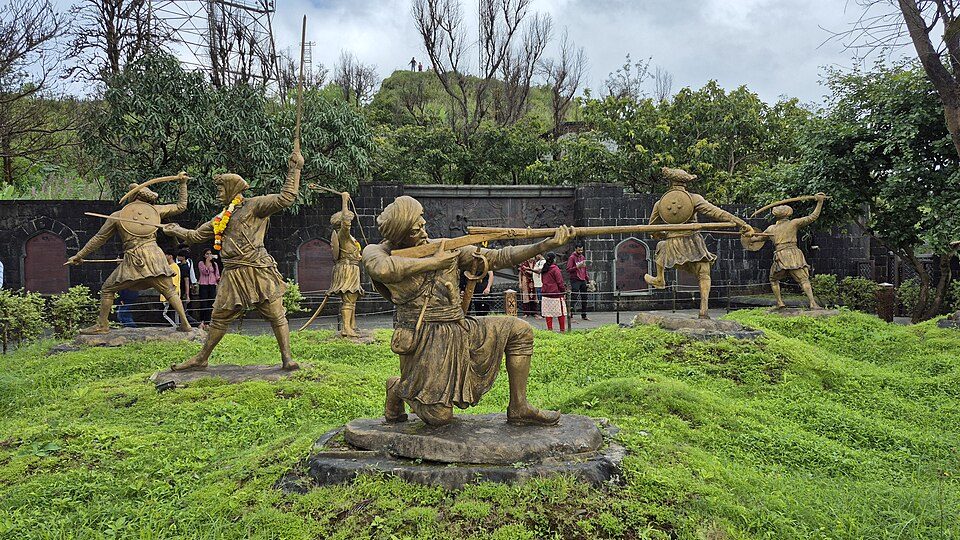
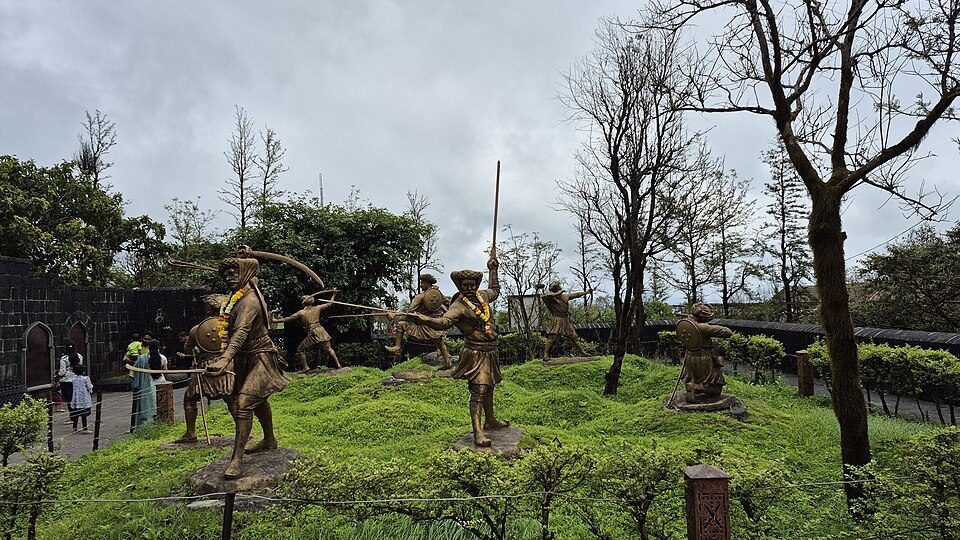
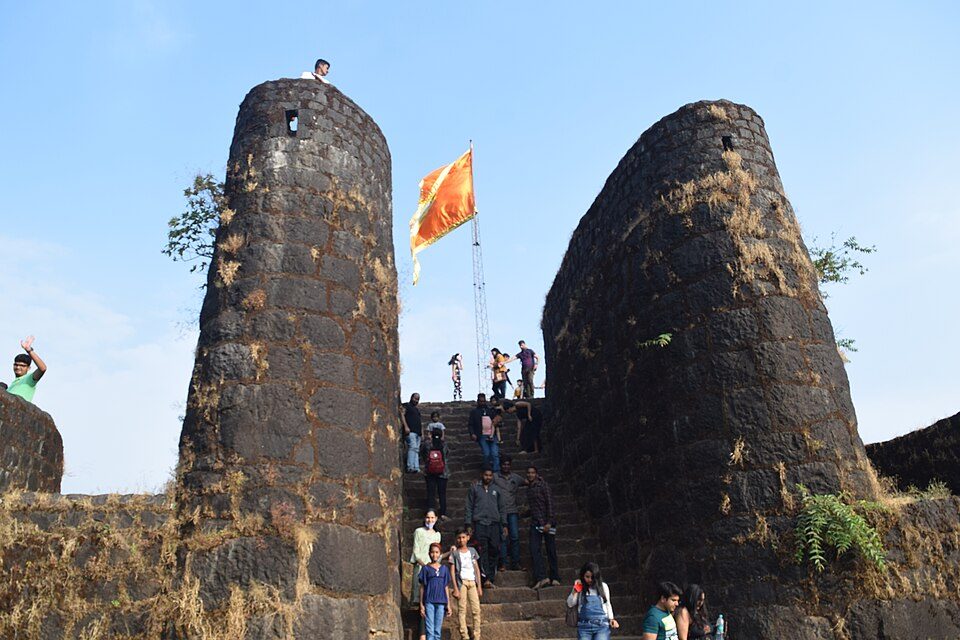
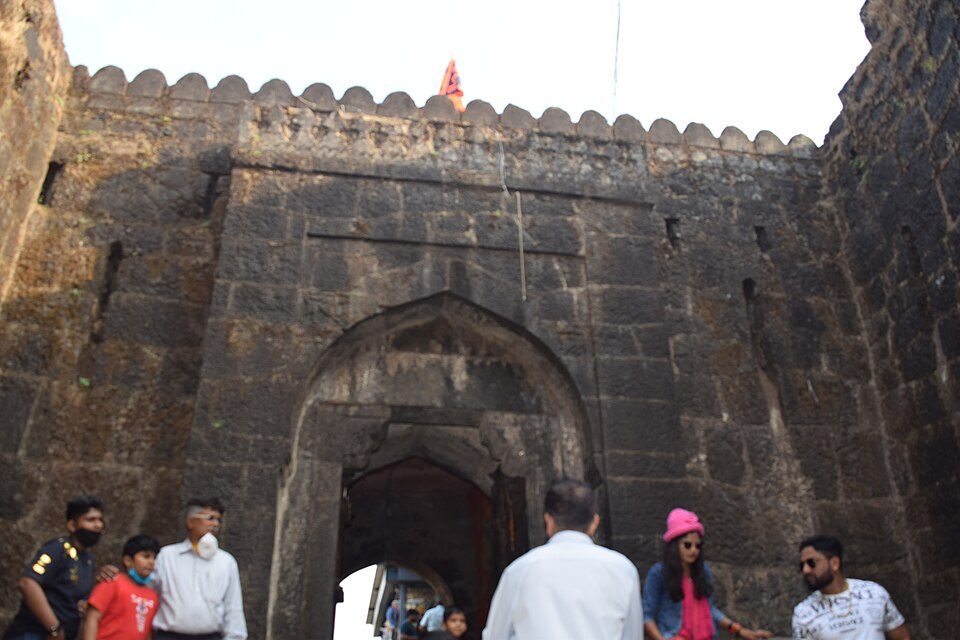
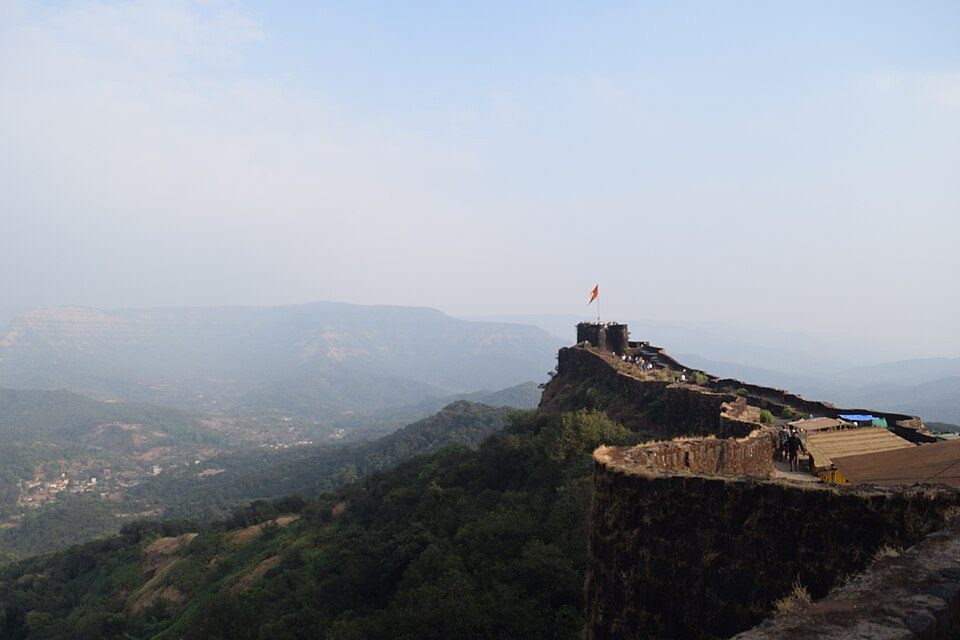
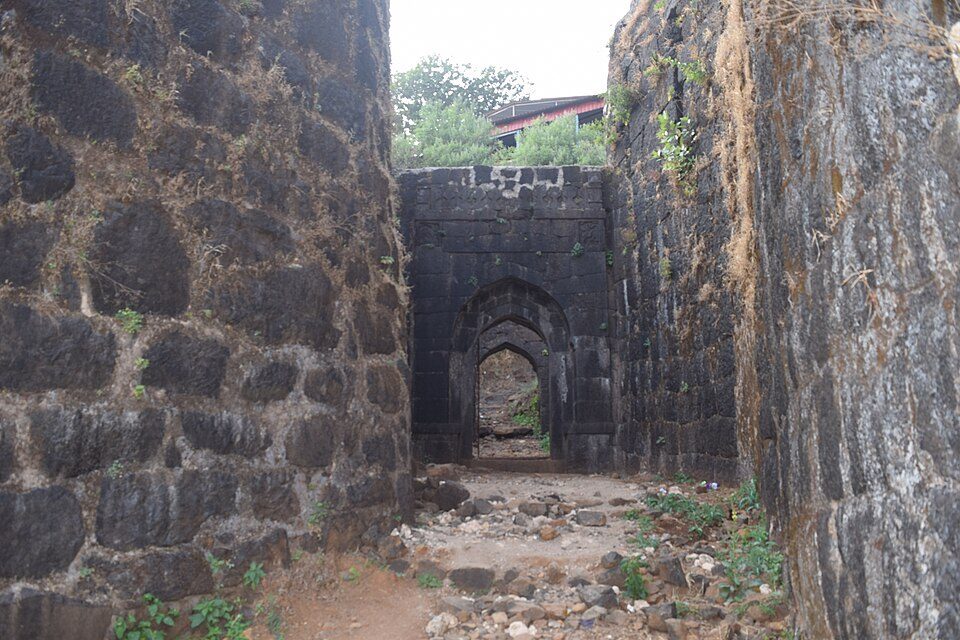
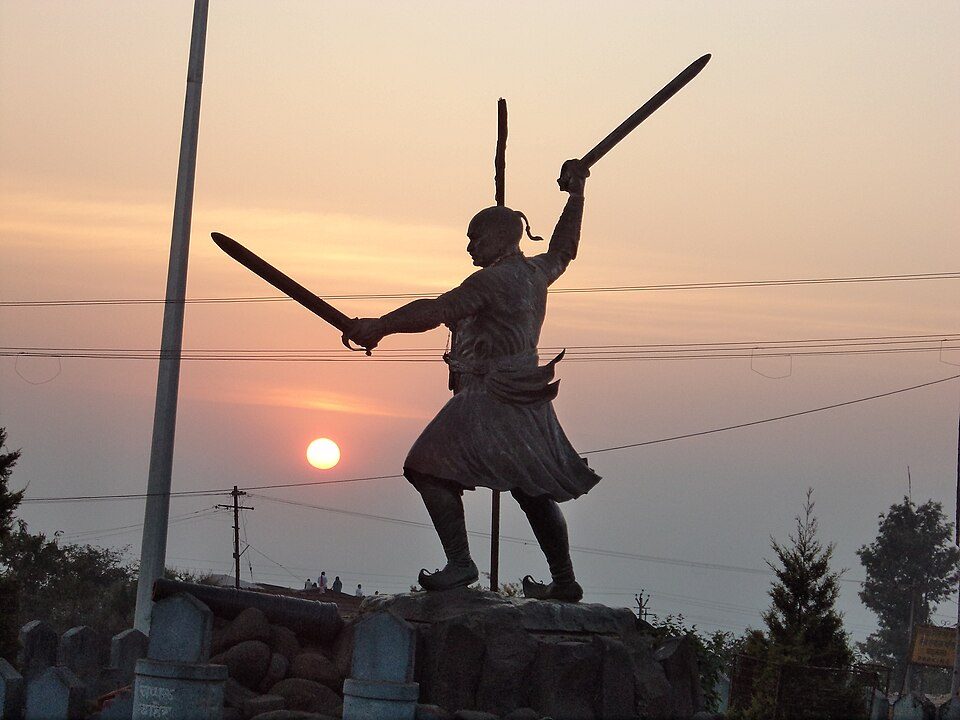
On a cliff in the Sahyadris south-west of Pune, Sinhagad is famous for the battle of 1670 in which the Maratha commander Tanaji Malusare captured it and died. Gateways, Tanaji's memorial and views across the hills remain, and the hilltop stalls serve curd and pithla bhakri.
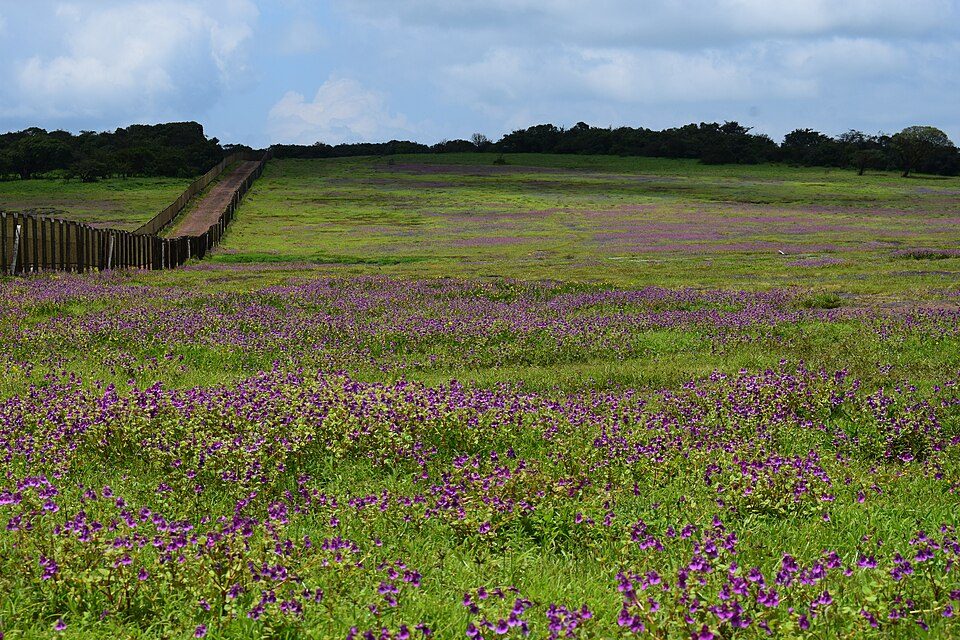
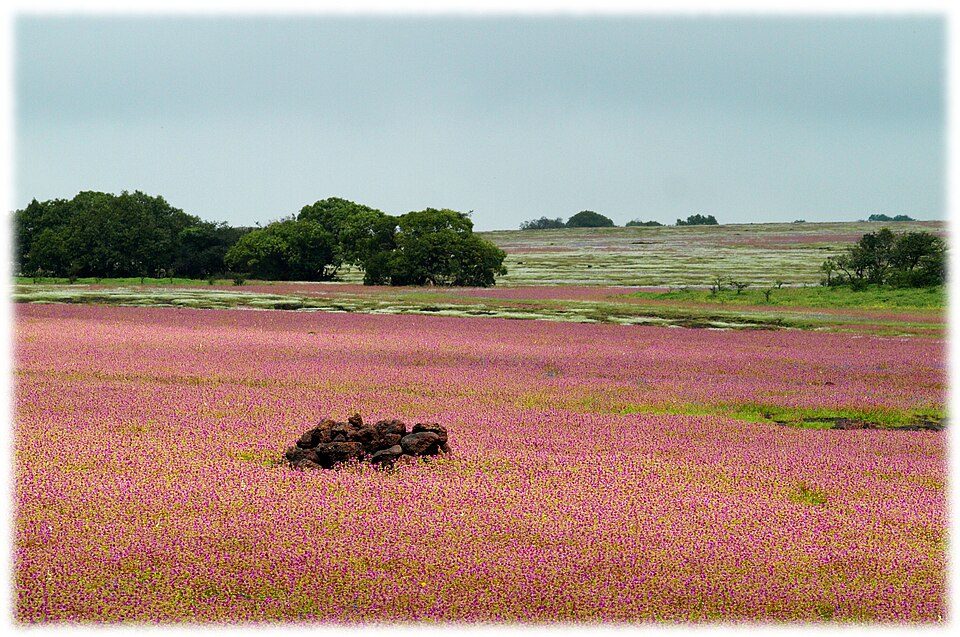
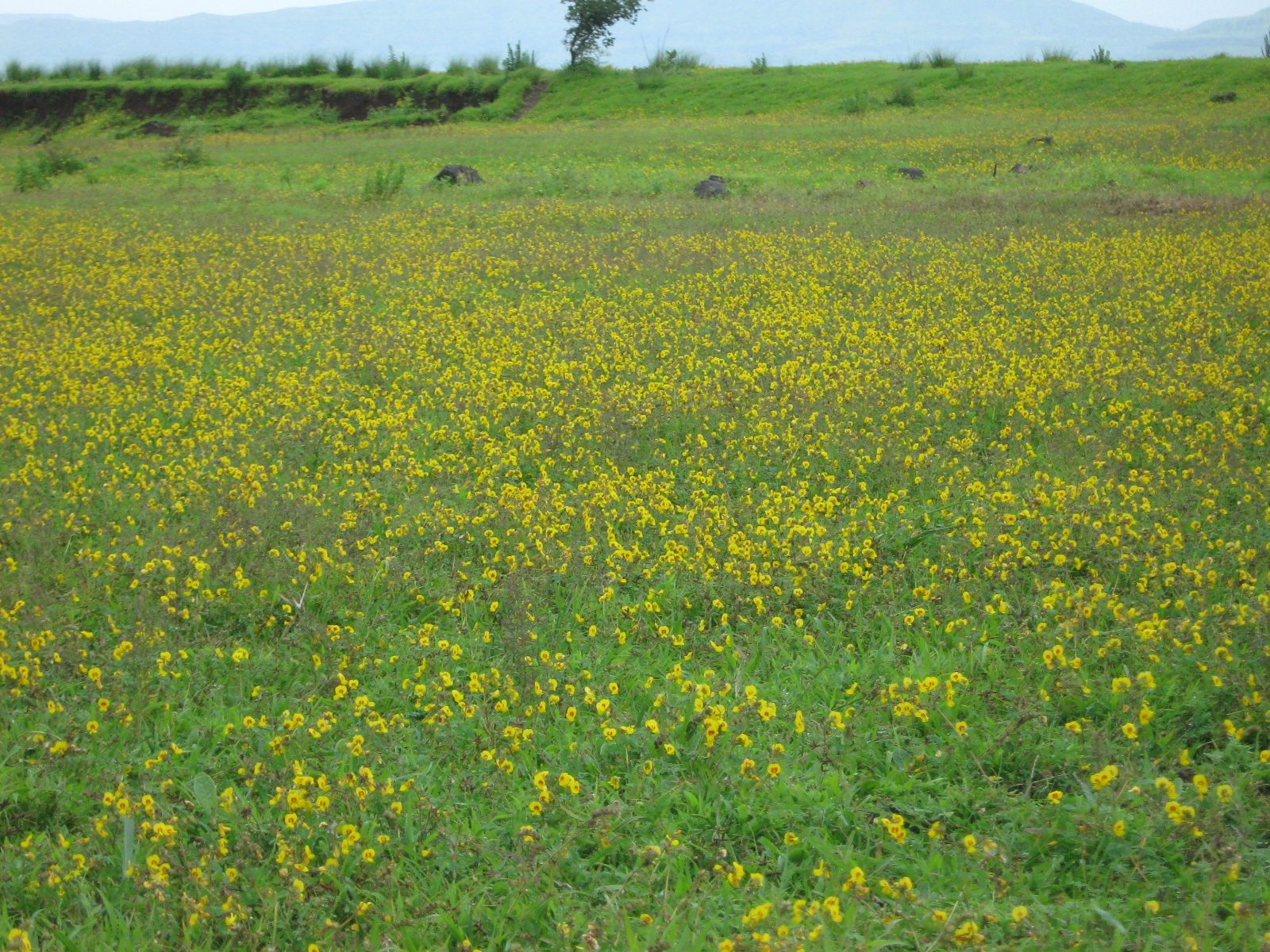
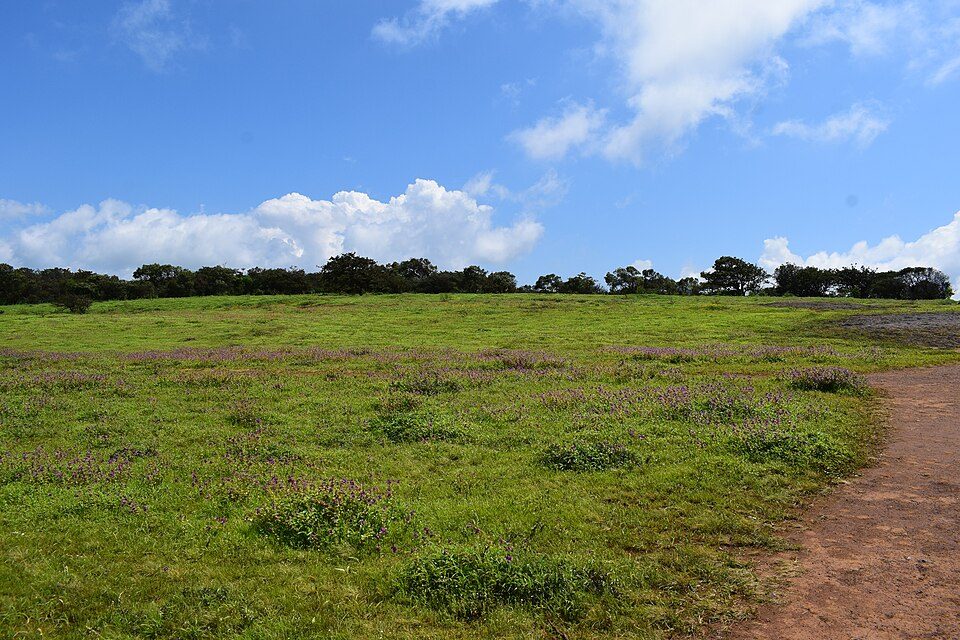
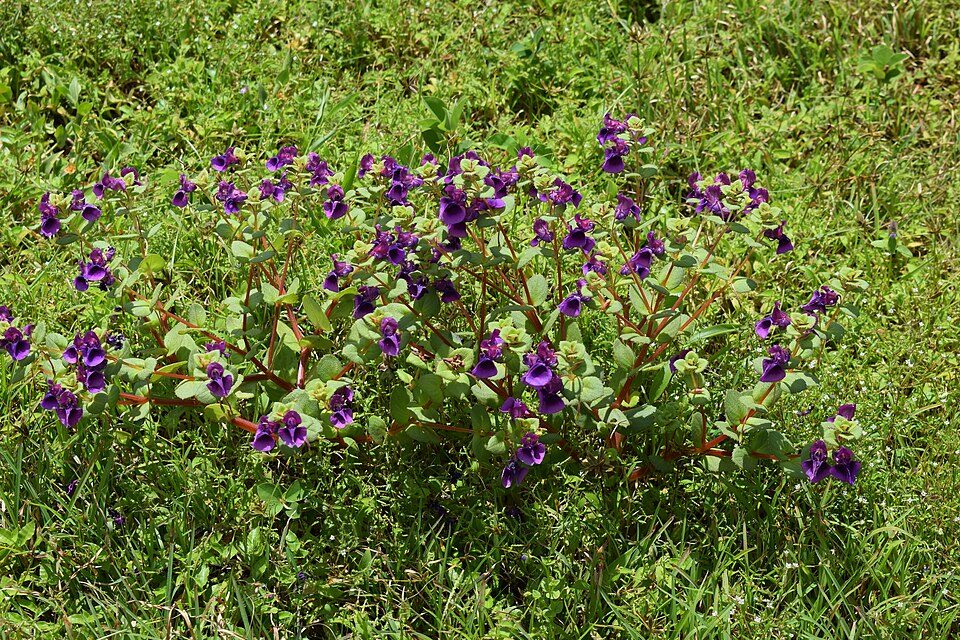
A volcanic plateau near Satara, Kaas bursts into flower from late August to early October, when hundreds of species, many found nowhere else, carpet the rock in changing colours. It is part of the UNESCO-listed Western Ghats, and visitor numbers are limited in season.
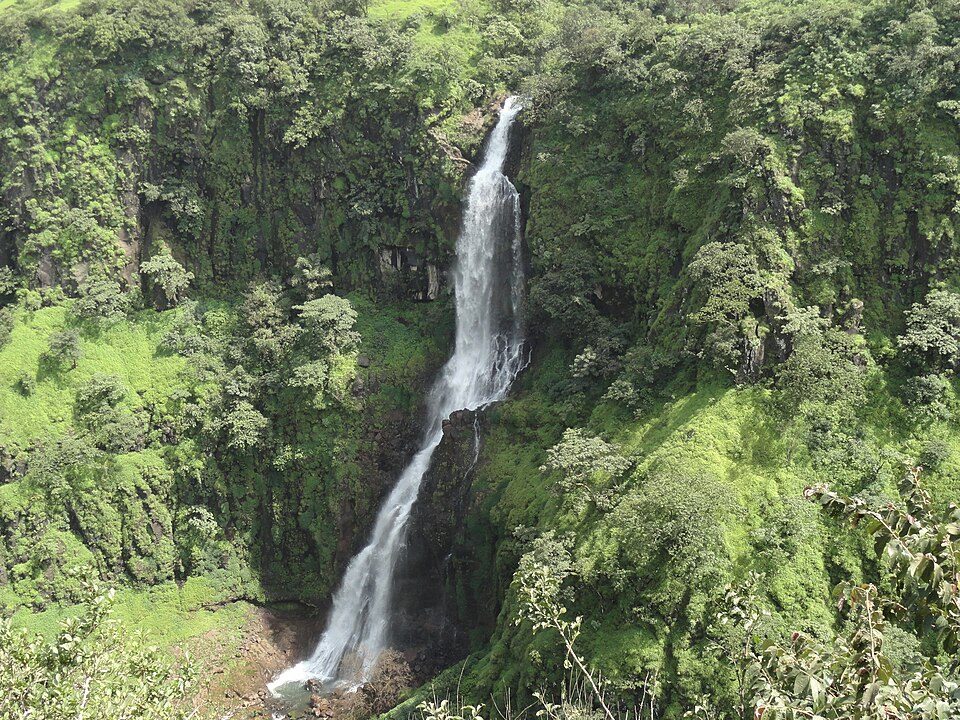
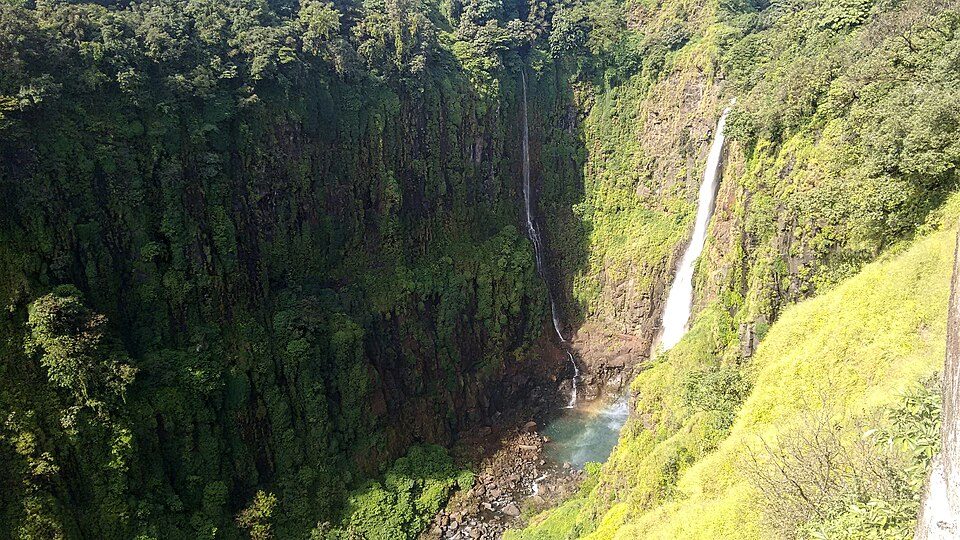
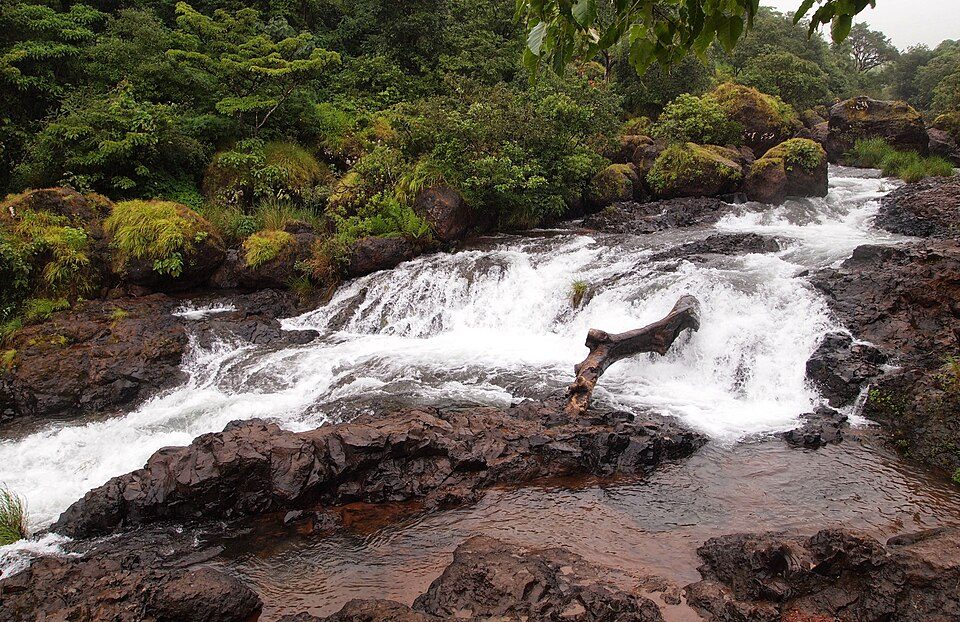
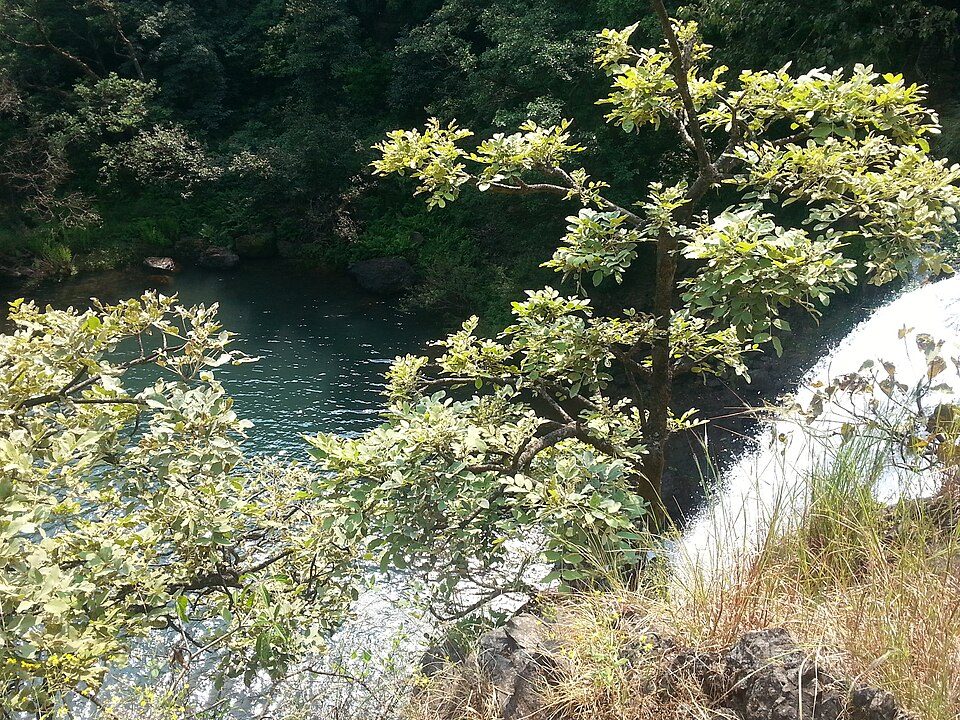
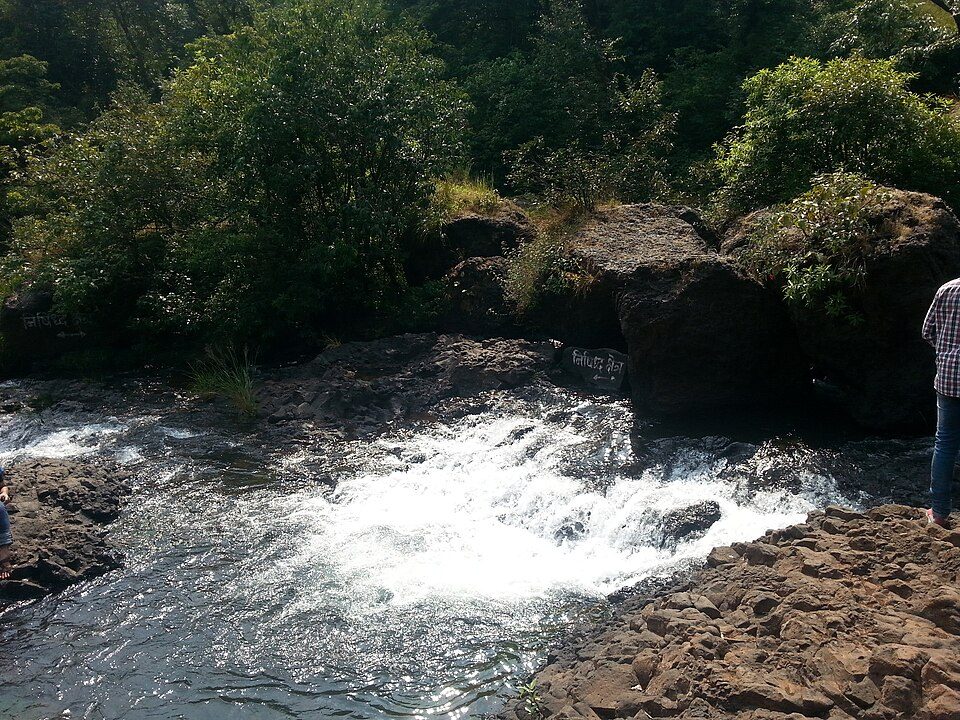
Near Satara, the Thoseghar falls drop in several streams into a deep forested gorge, the tallest falling more than 200 metres. Viewing platforms look across to the falls, which are at their best during the monsoon from July to October.
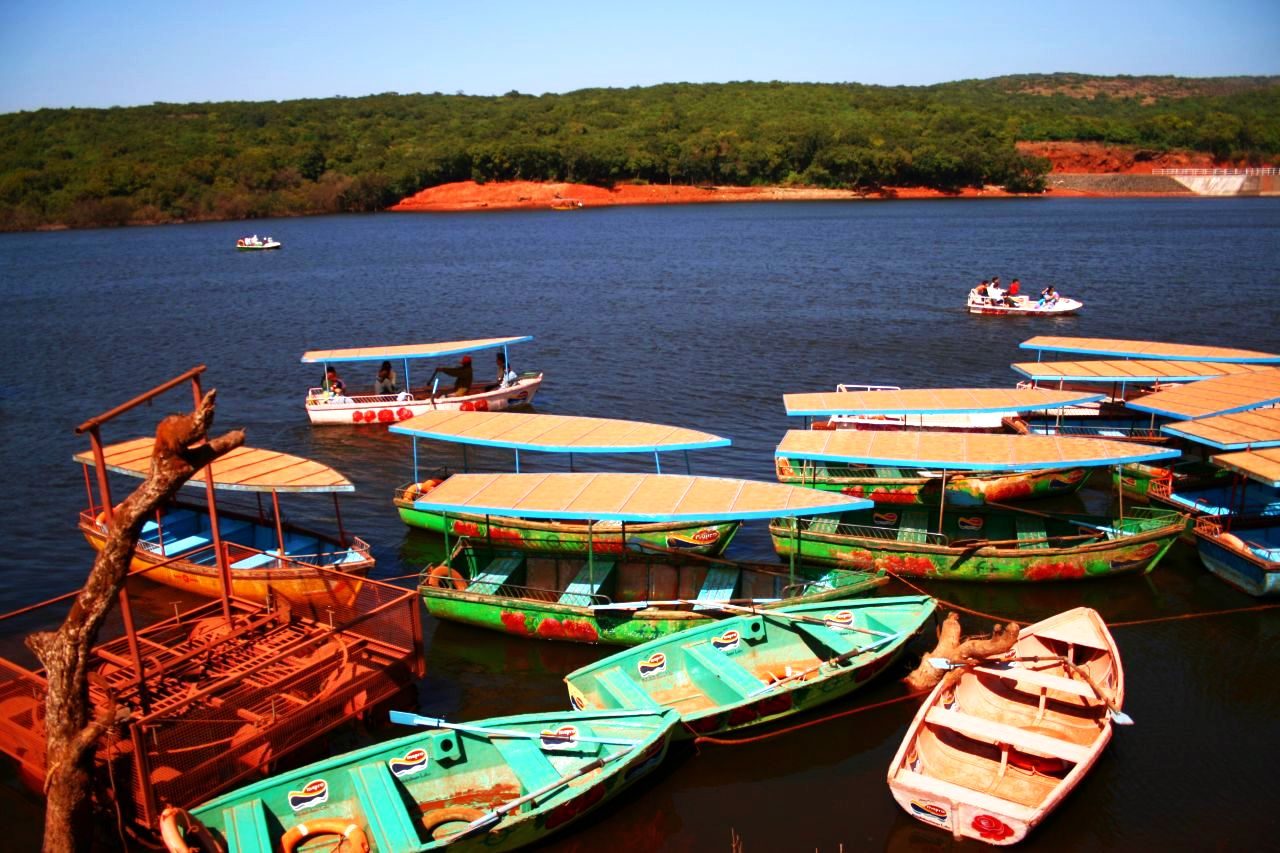
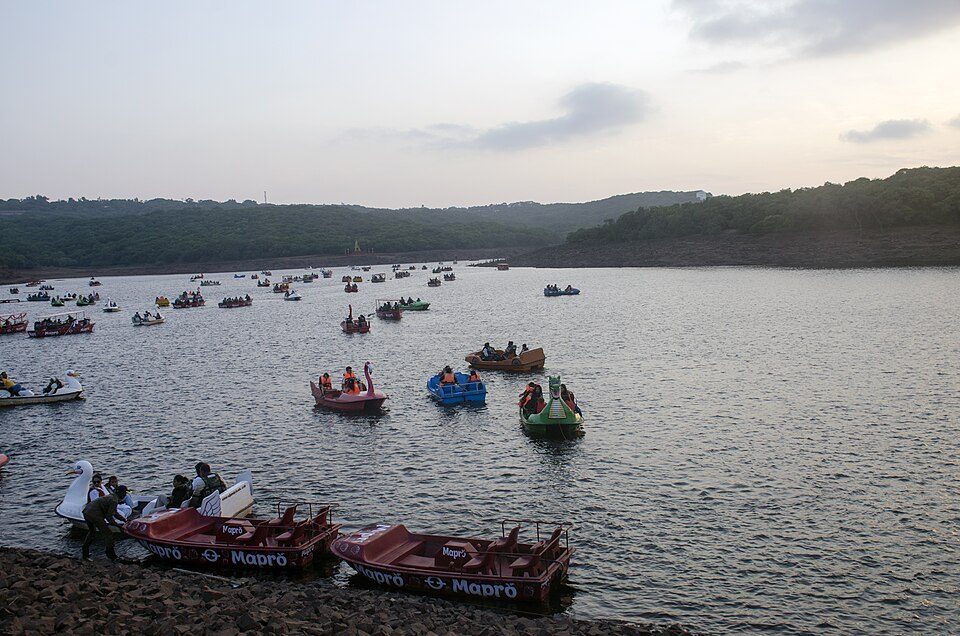
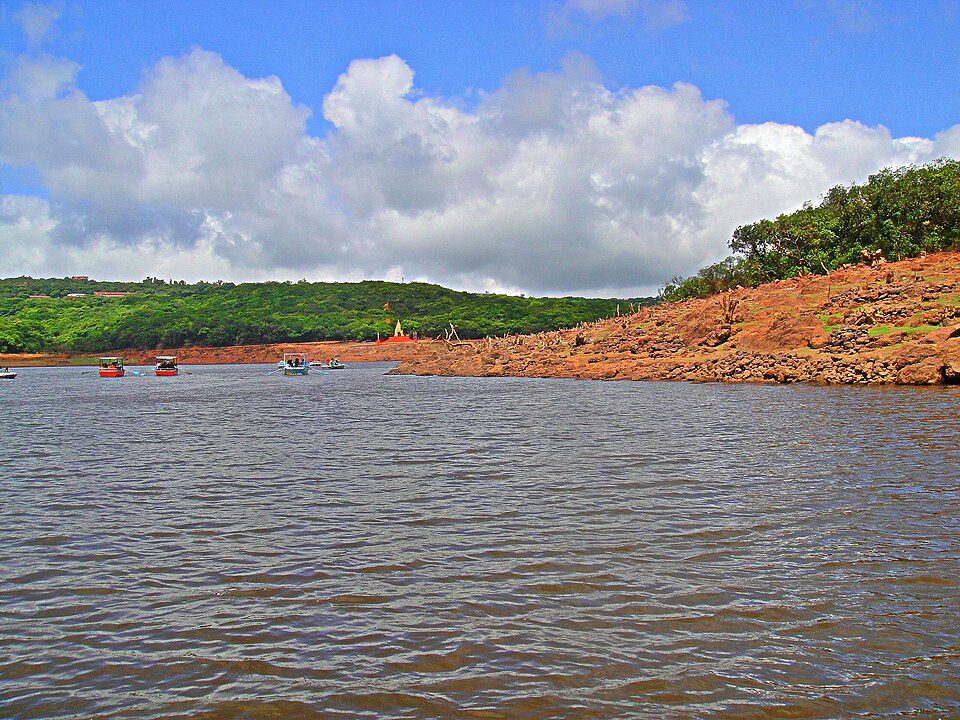
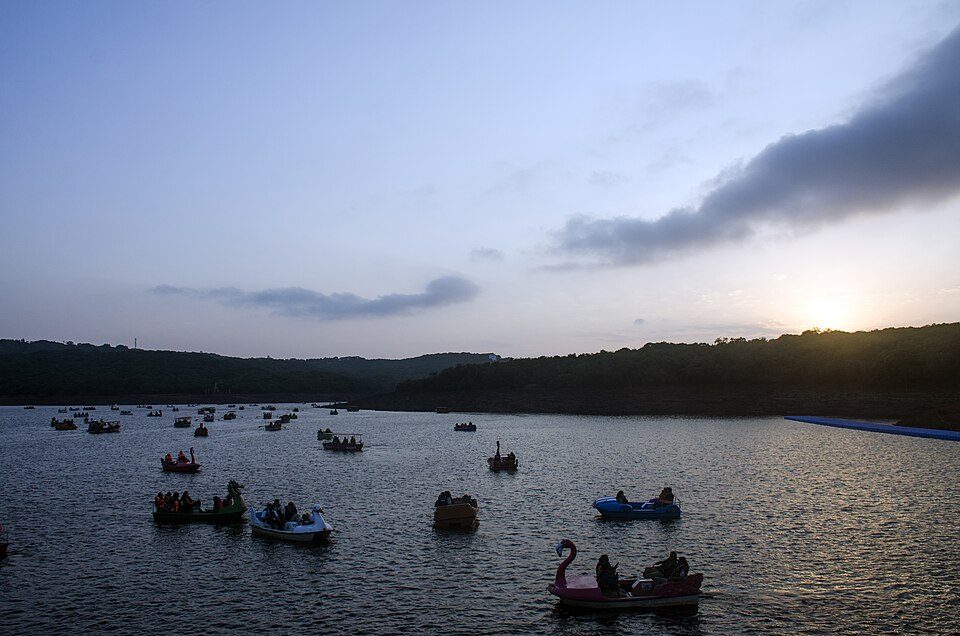
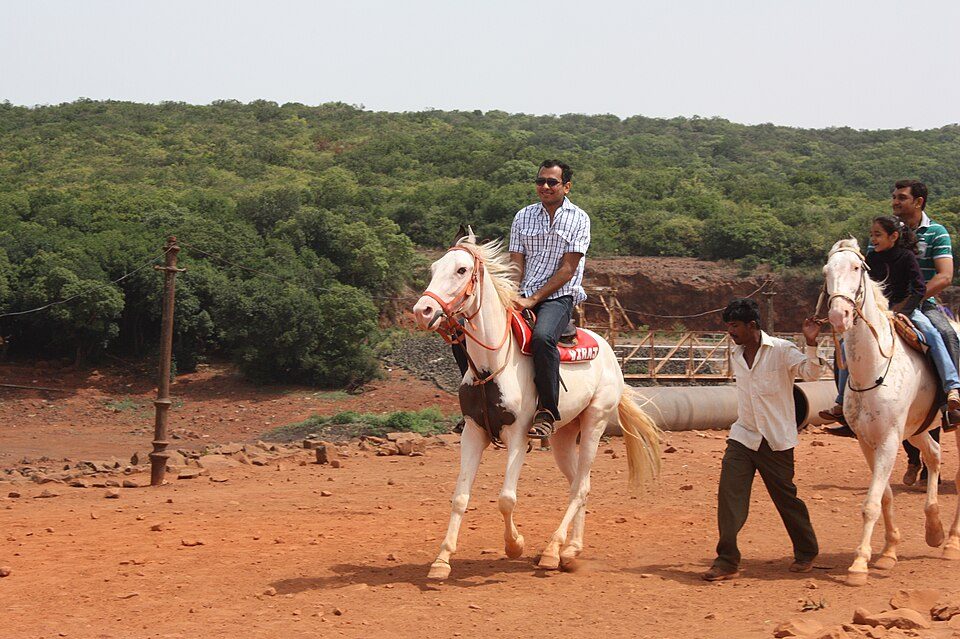
The centre of activity in the hill station of Mahabaleshwar, Venna Lake was built in 1842 and is surrounded by trees. Boating, horse rides and stalls selling strawberries with cream and corn make it busy, especially in the evening.
Built by Shivaji in 1656 on a spur near Mahabaleshwar, Pratapgad is known for the meeting in 1659 where Shivaji killed the Bijapur general Afzal Khan. The fort has a temple to Bhavani, a statue of Shivaji and wide views over the Konkan.
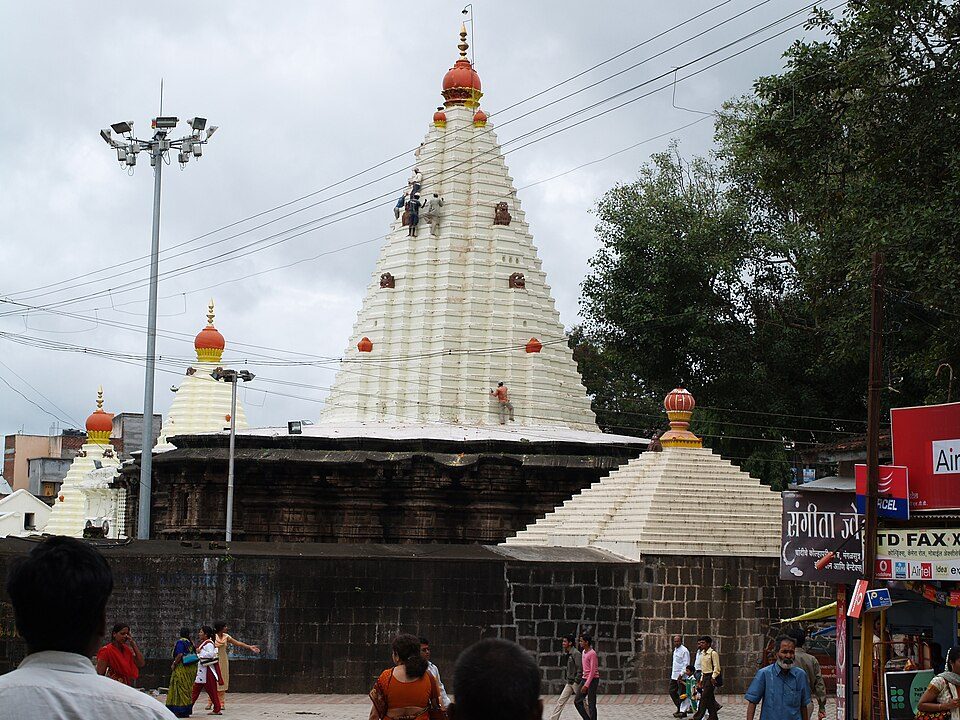
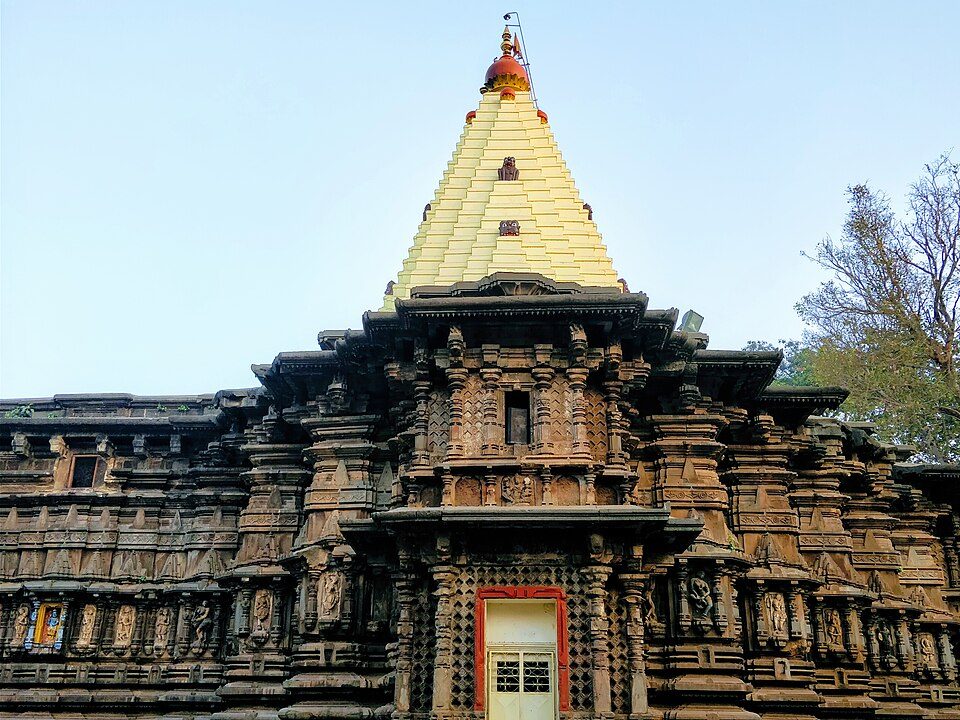
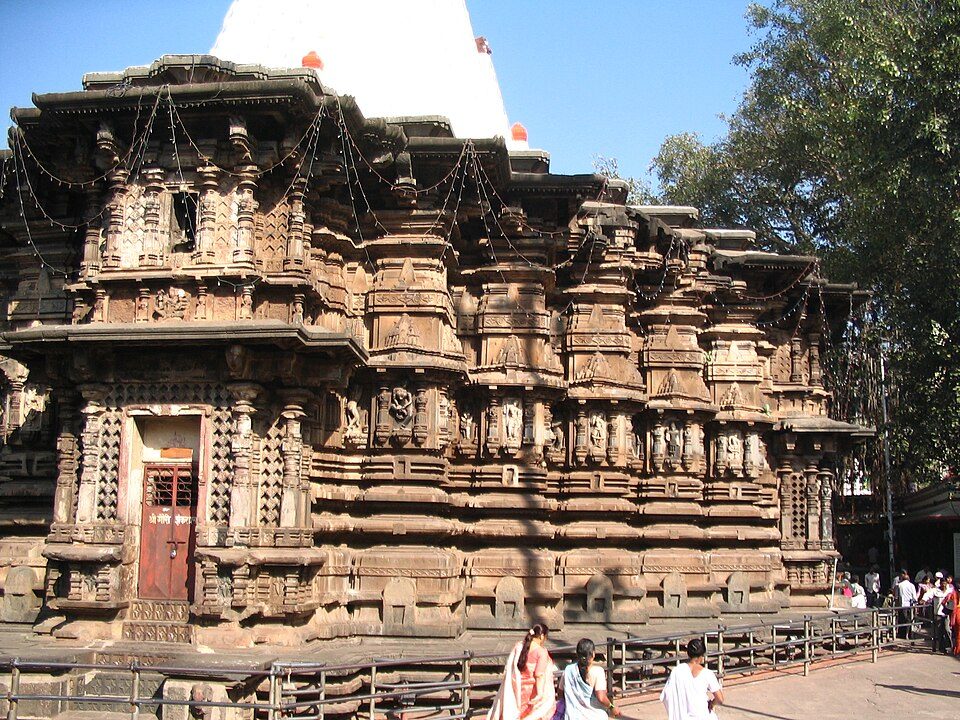
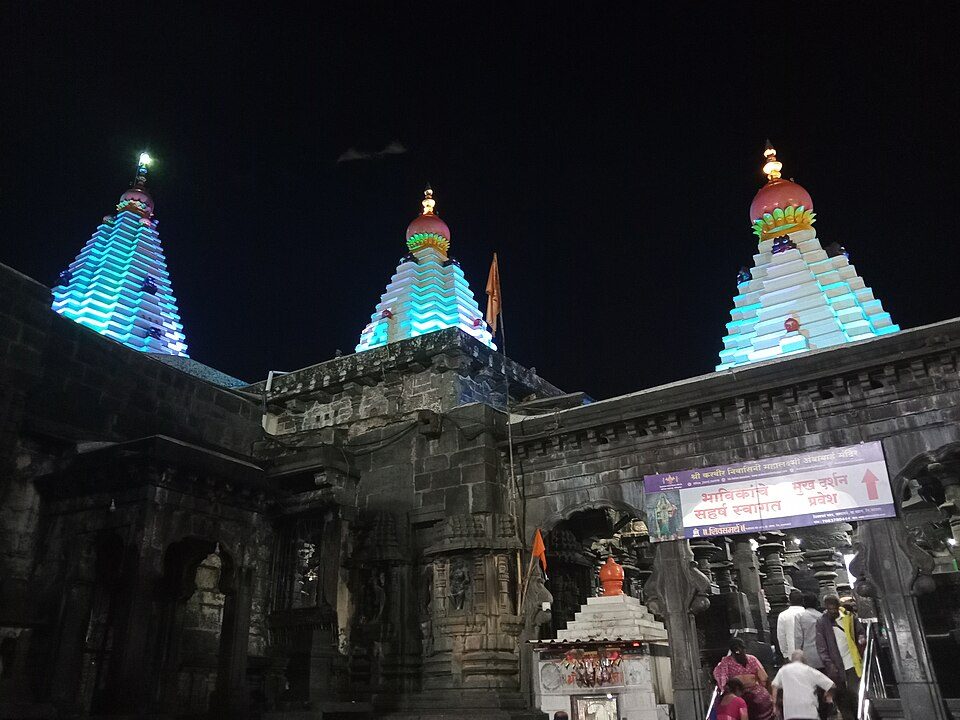
The Mahalakshmi or Ambabai temple in Kolhapur, begun by the Chalukyas around the 7th century, is one of the Shakti Peethas. The stone image of the goddess faces west, and for a few days each year the rays of the setting sun fall directly on it.
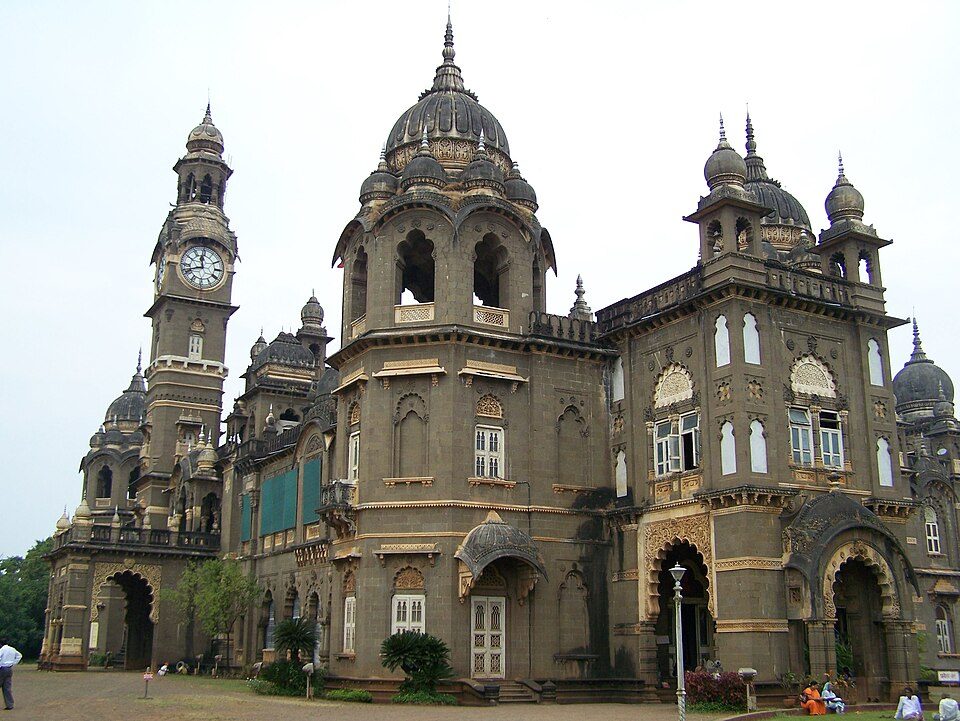
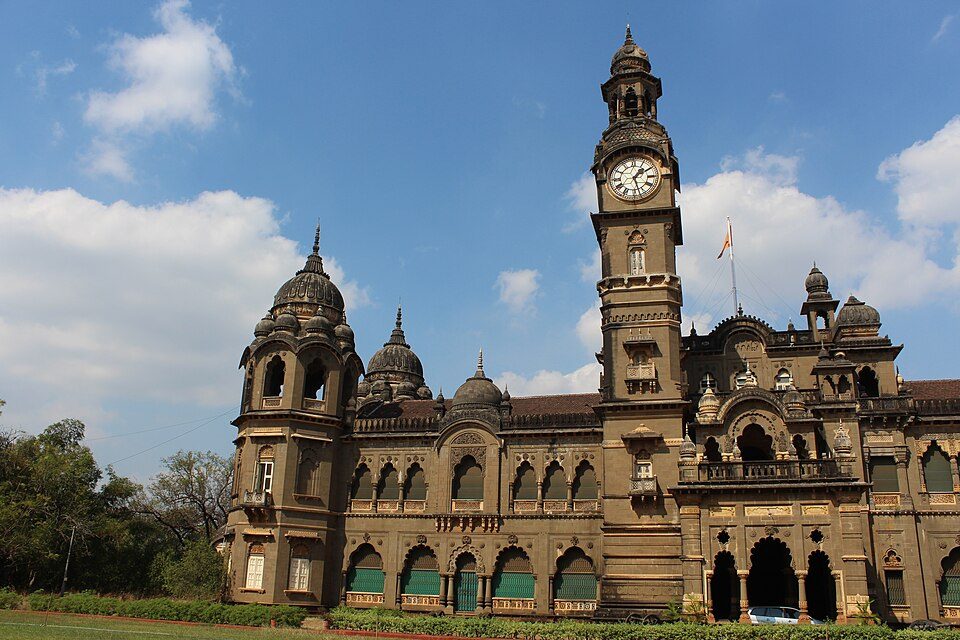
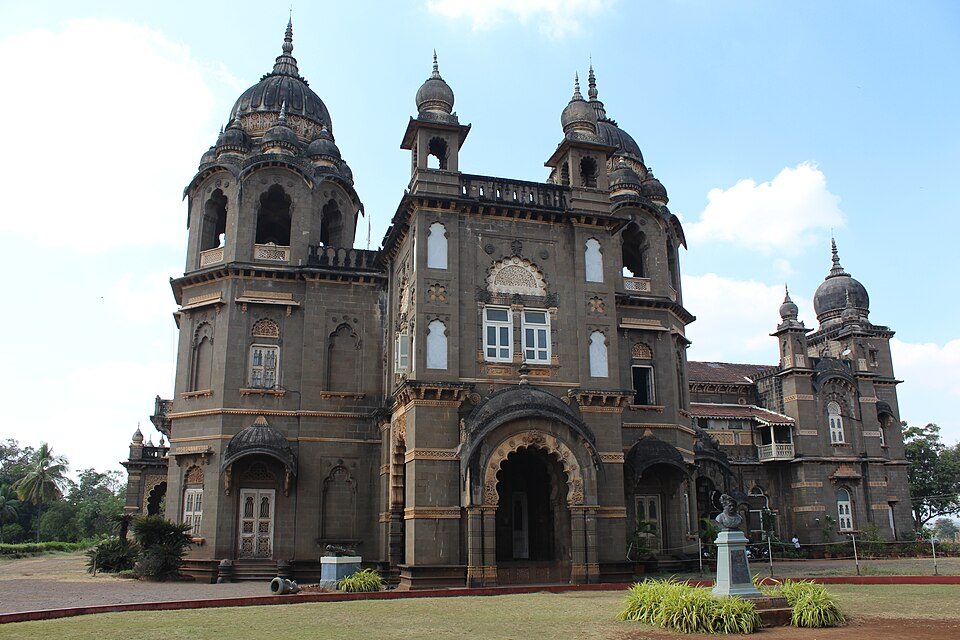
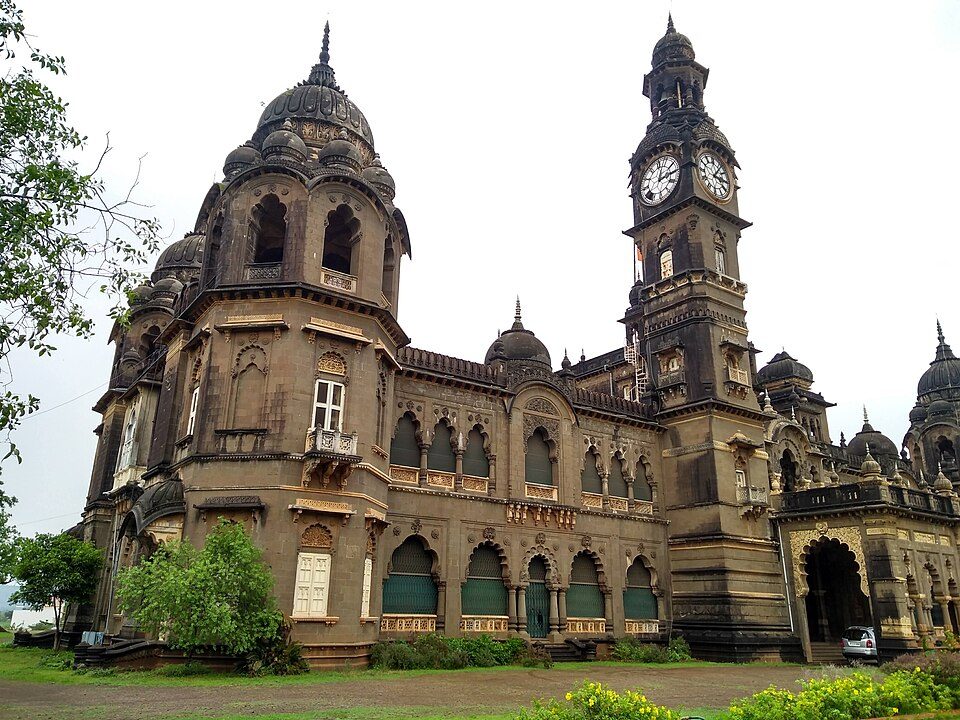
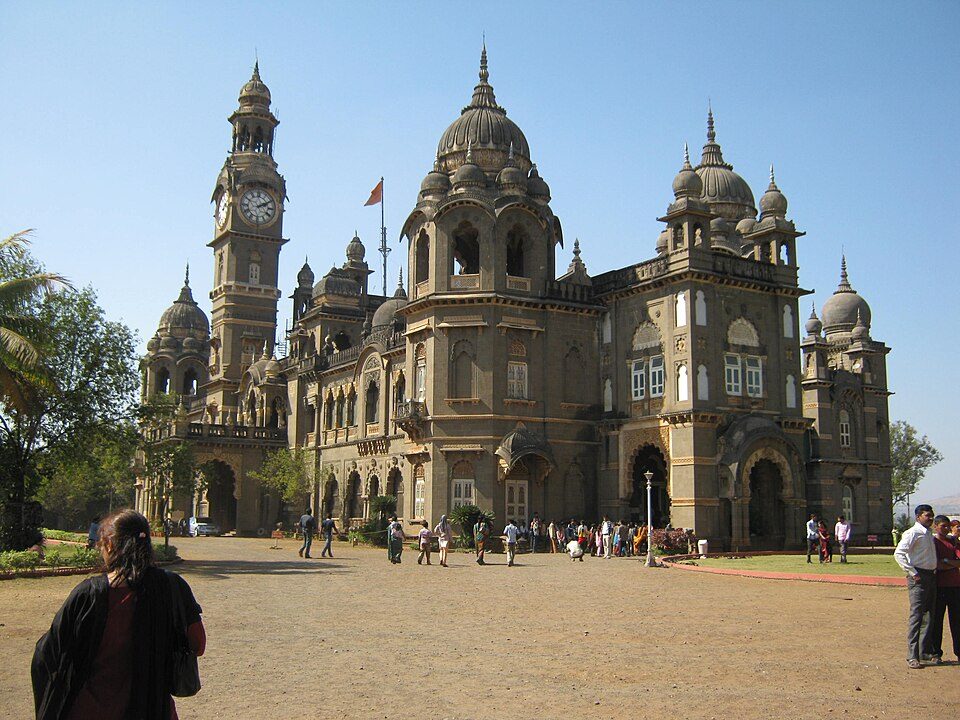
Built in 1884 for the Maharajas of Kolhapur, the New Palace is a black stone building mixing several architectural styles, with a clock tower at its centre. The ground floor is the Shahu Museum, with royal weapons, costumes, trophies and memorabilia.
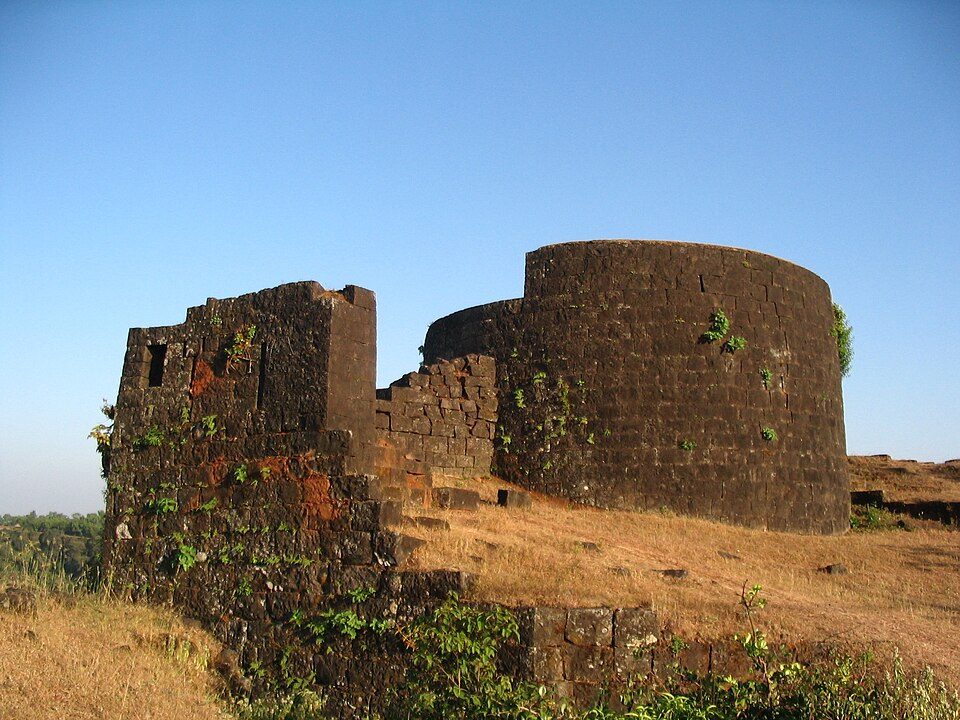
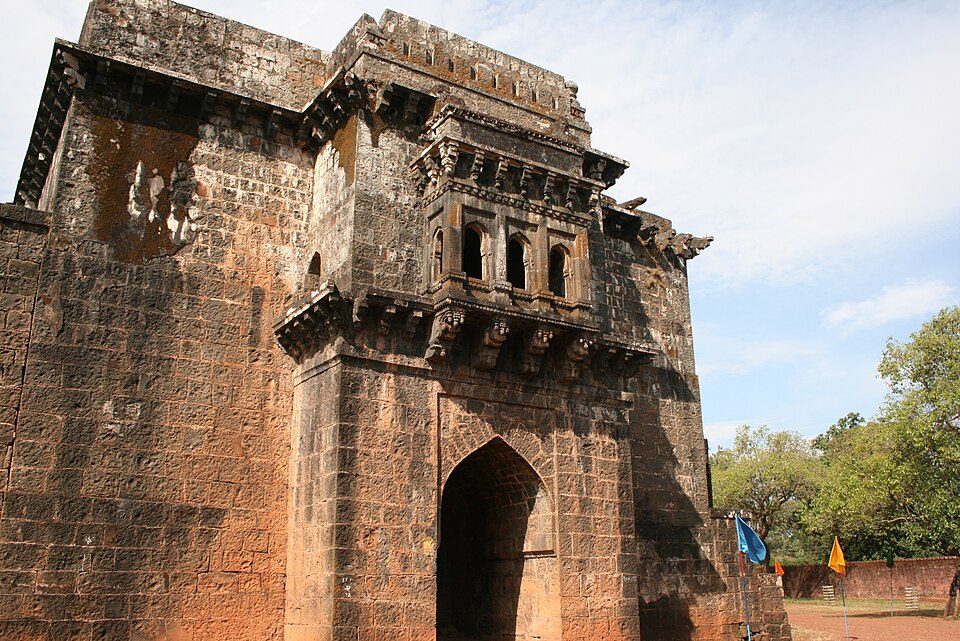
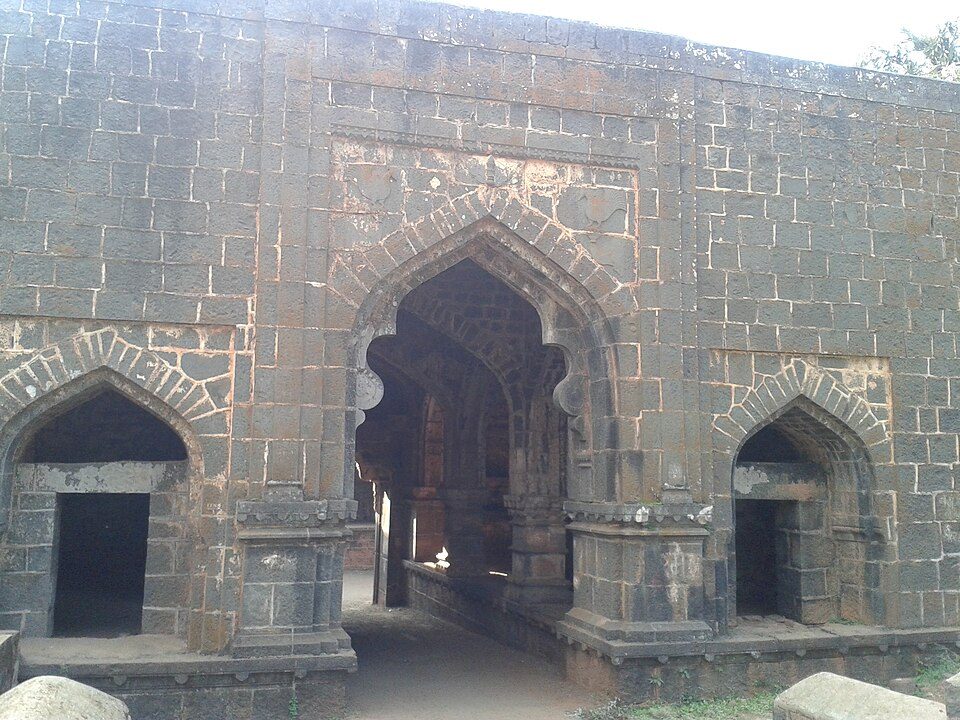
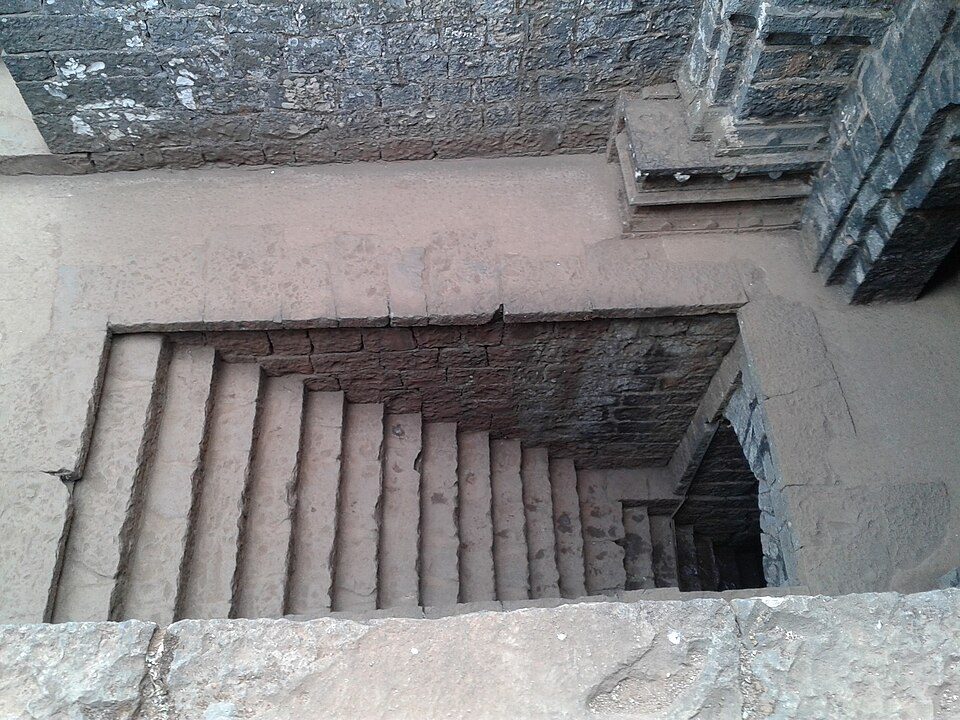
One of the largest forts in the Deccan, Panhala near Kolhapur dates to the 12th century and was held by the Bijapur sultans and by Shivaji, who escaped from a siege here in 1660. Its huge granaries, the Teen Darwaza gate and long ramparts survive.
Best weather: Nov – MarHeavy rain: Jul
Seasons from 20 years of NASA POWER climate data.
Was this trip blog helpful?
0
0
Ready to follow this route?
Copy all 11 stops into your trip plans in the app.
 WaTrips