Puducherry and Karaikal in 3 Days: The French Quarter, Auroville's Coast and Thirunallar
3 DAYS15 placesby WaTrips
The French Quarter on foot, churches and the old Roman port at Arikamedu, a boat to Paradise Beach, then south to Karaikal and Thirunallar.
Puducherry is best explored slowly, on foot or by bicycle. Day one stays in the French Quarter: the Sri Aurobindo Ashram, Manakula Vinayagar temple, the museum and Bharathi Park, ending with the evening walk along the Promenade. Day two visits the city's churches, including the Basilica of the Sacred Heart, the botanical garden and Arikamedu, where Romans traded two thousand years ago, before a boat ride to Paradise Beach and the Lourdes shrine at Villianur. On the last day drive about three hours south, past Chidambaram, to Karaikal, another part of Puducherry: the Saneeswaran temple at Thirunallar, the Karaikal Ammaiyar temple and the town beach. Winter is the most pleasant season; Thirunallar is busiest on Saturdays.
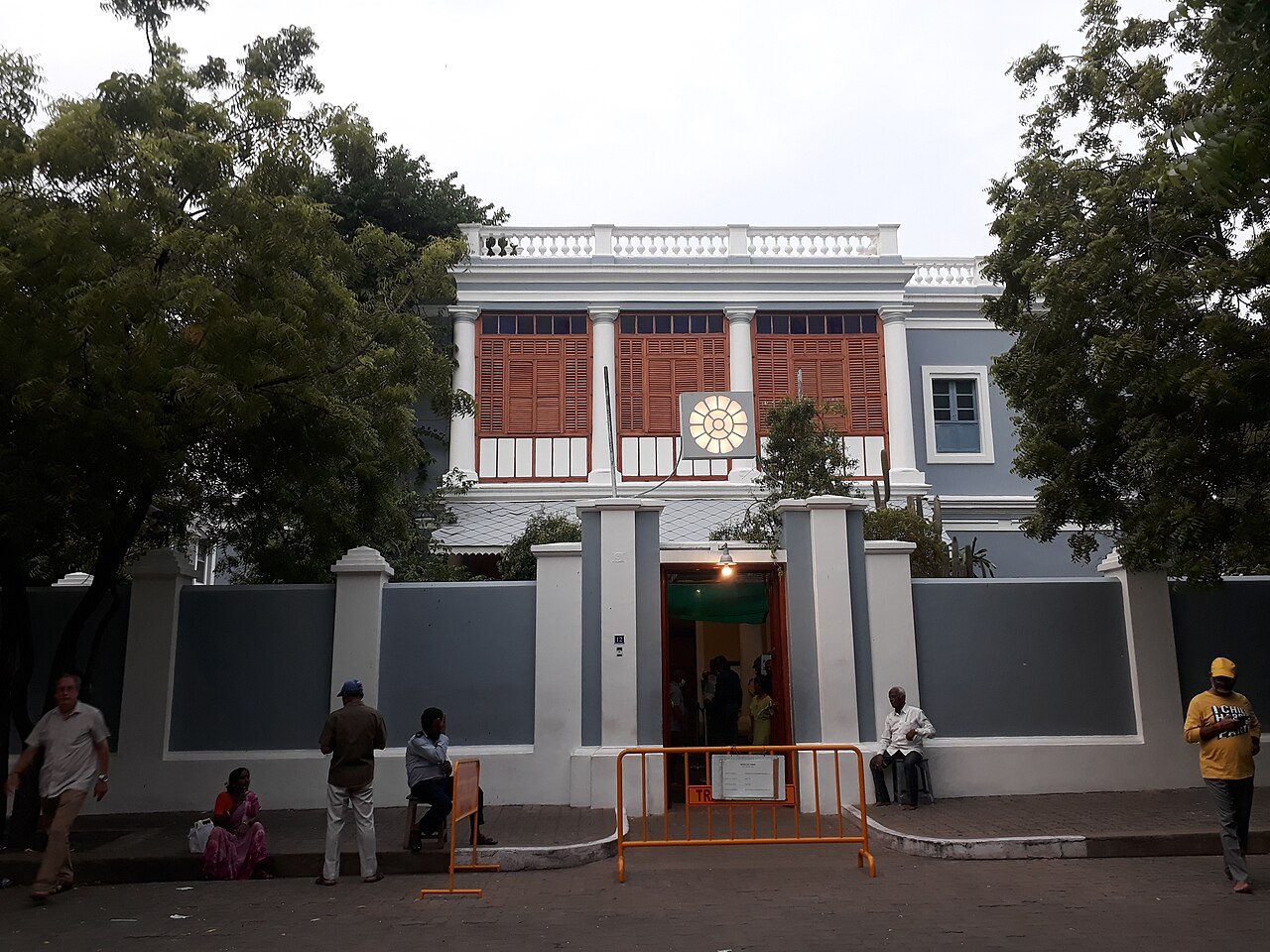
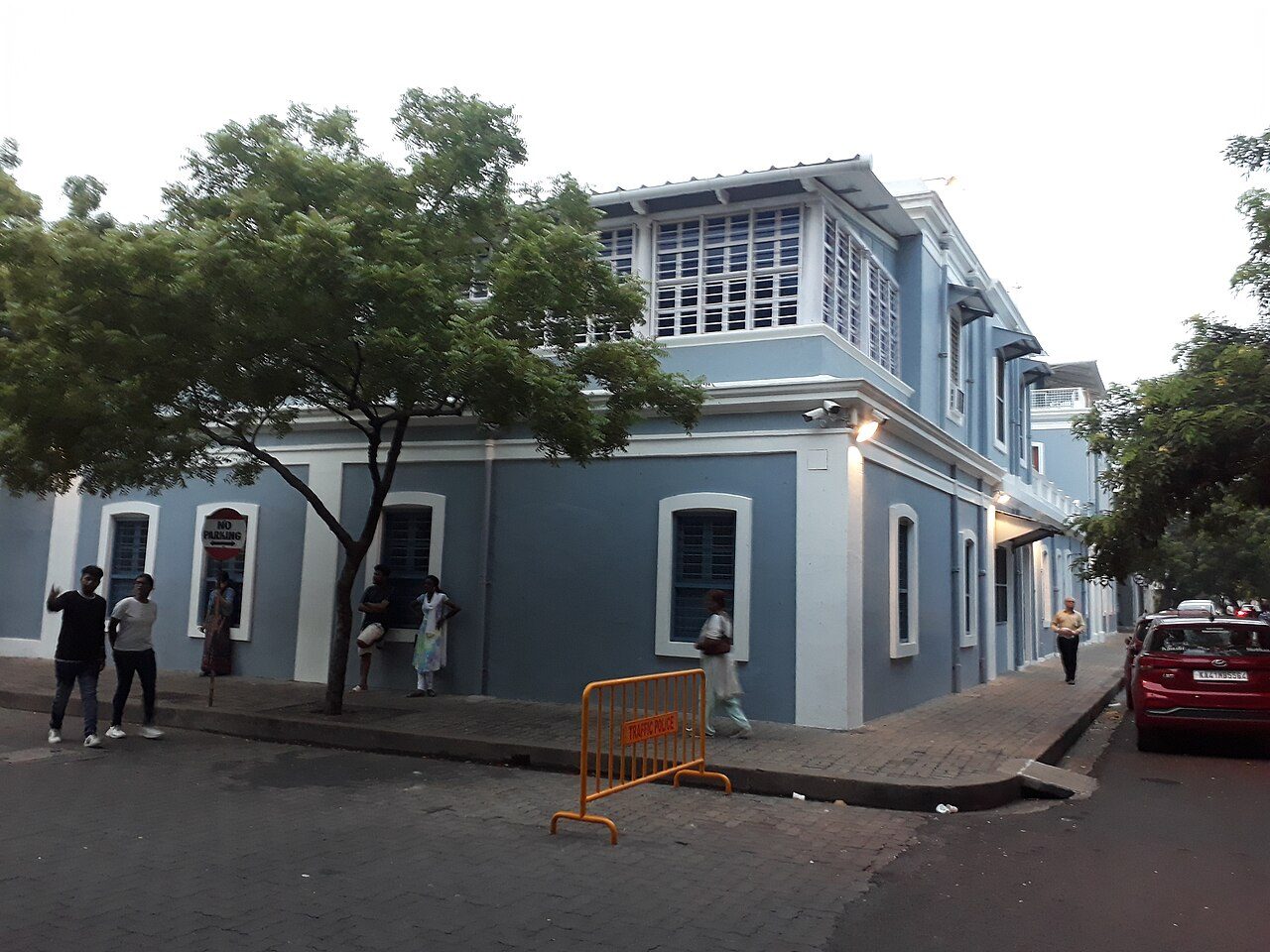
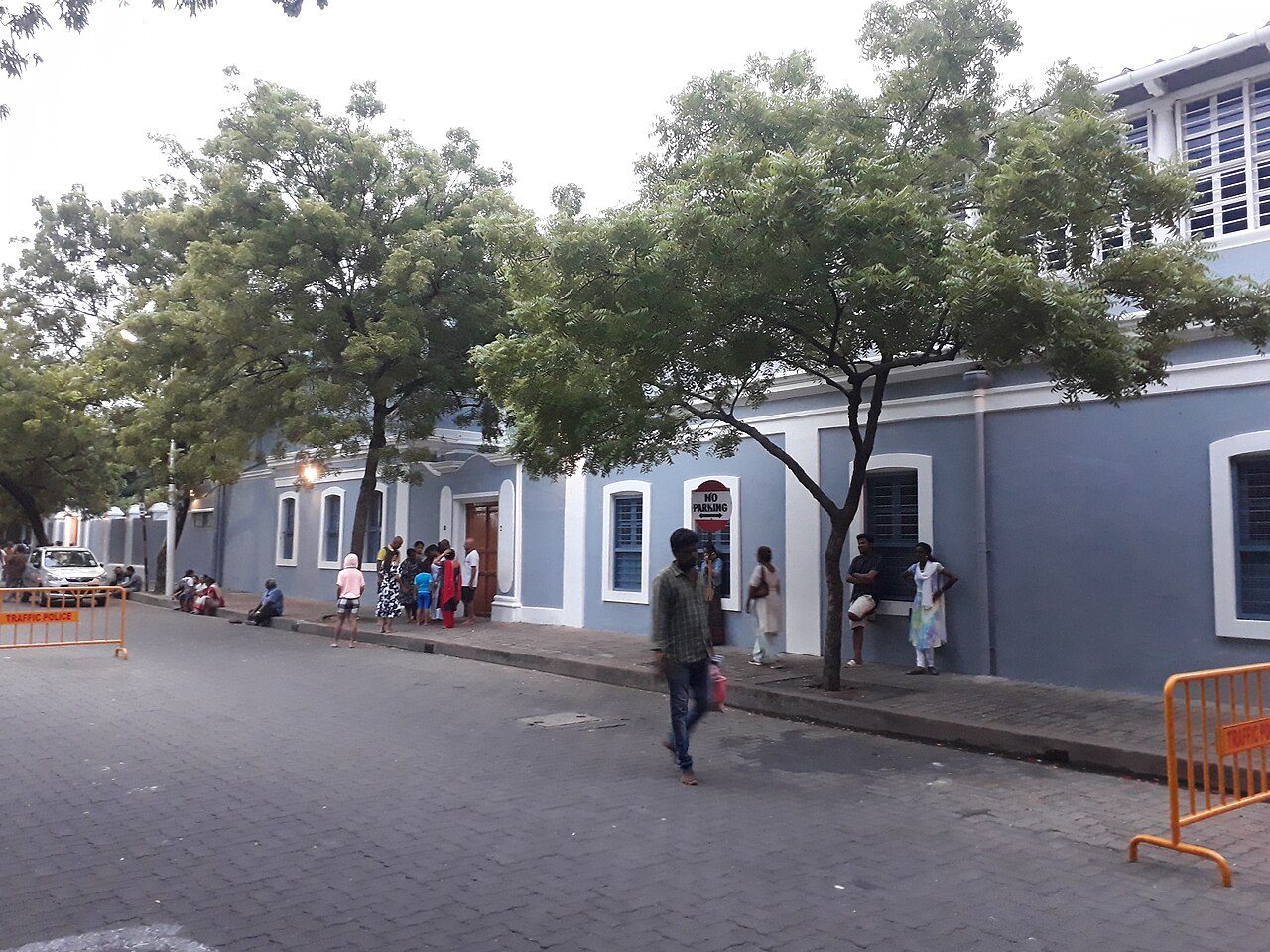
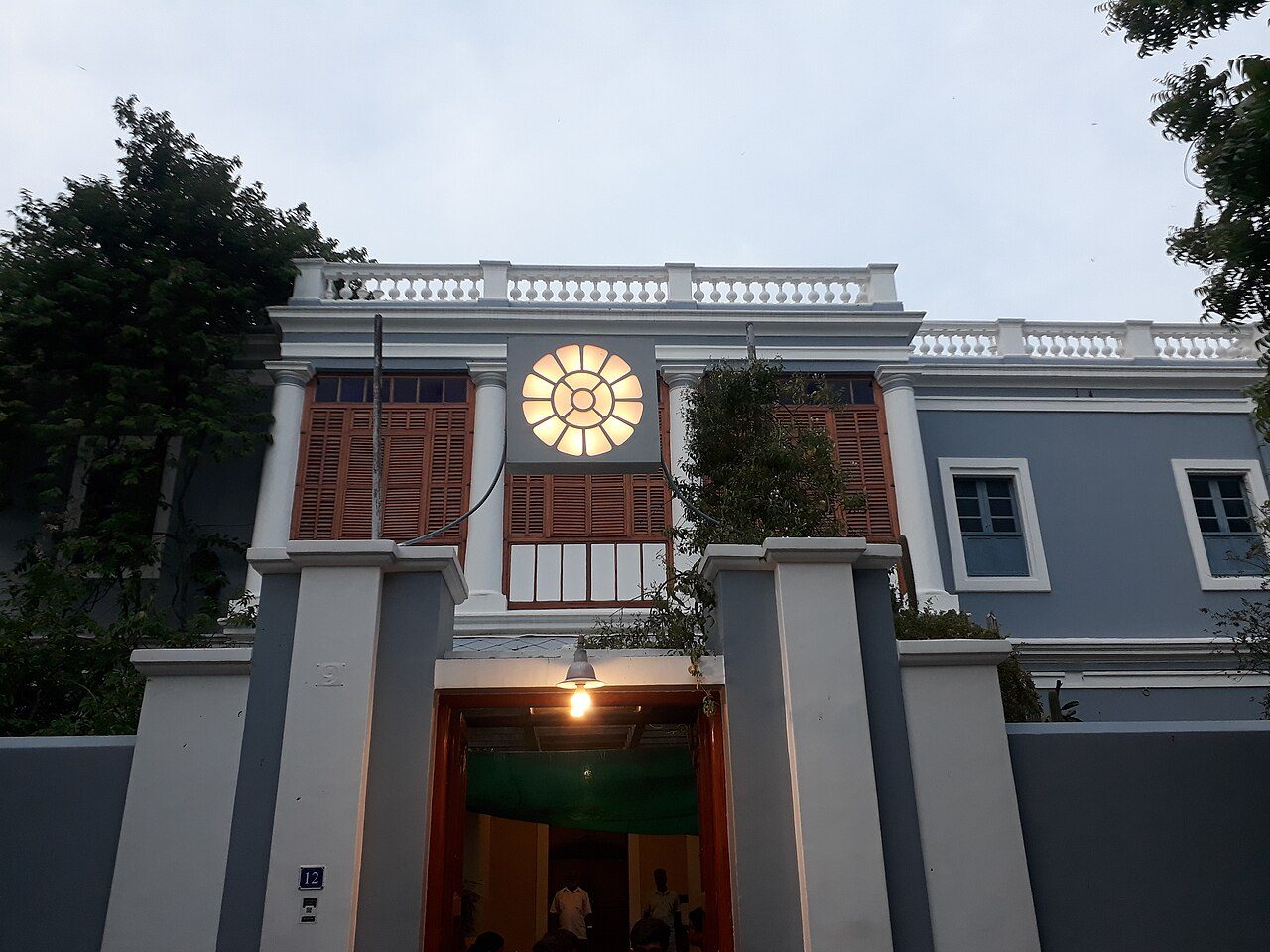
Founded in 1926 around the philosopher and freedom fighter Sri Aurobindo and his collaborator Mirra Alfassa, known as the Mother, the ashram occupies a cluster of grey-and-white buildings in the heart of the French Quarter. Visitors file quietly past the flower-covered Samadhi in the courtyard, where both are laid to rest under a spreading tree. The ashram also runs schools, workshops and guest houses across the town, and silence is asked of visitors inside.
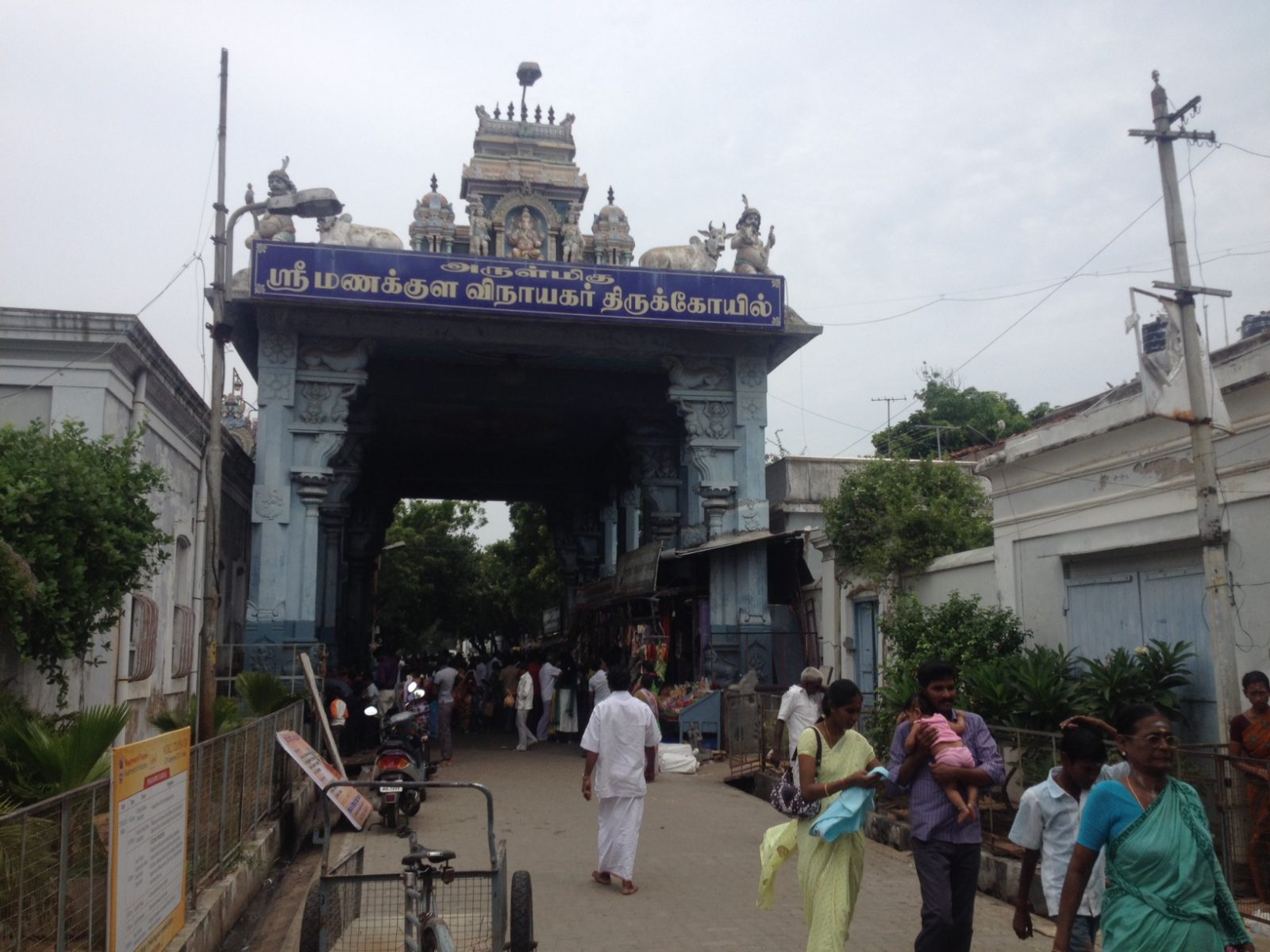
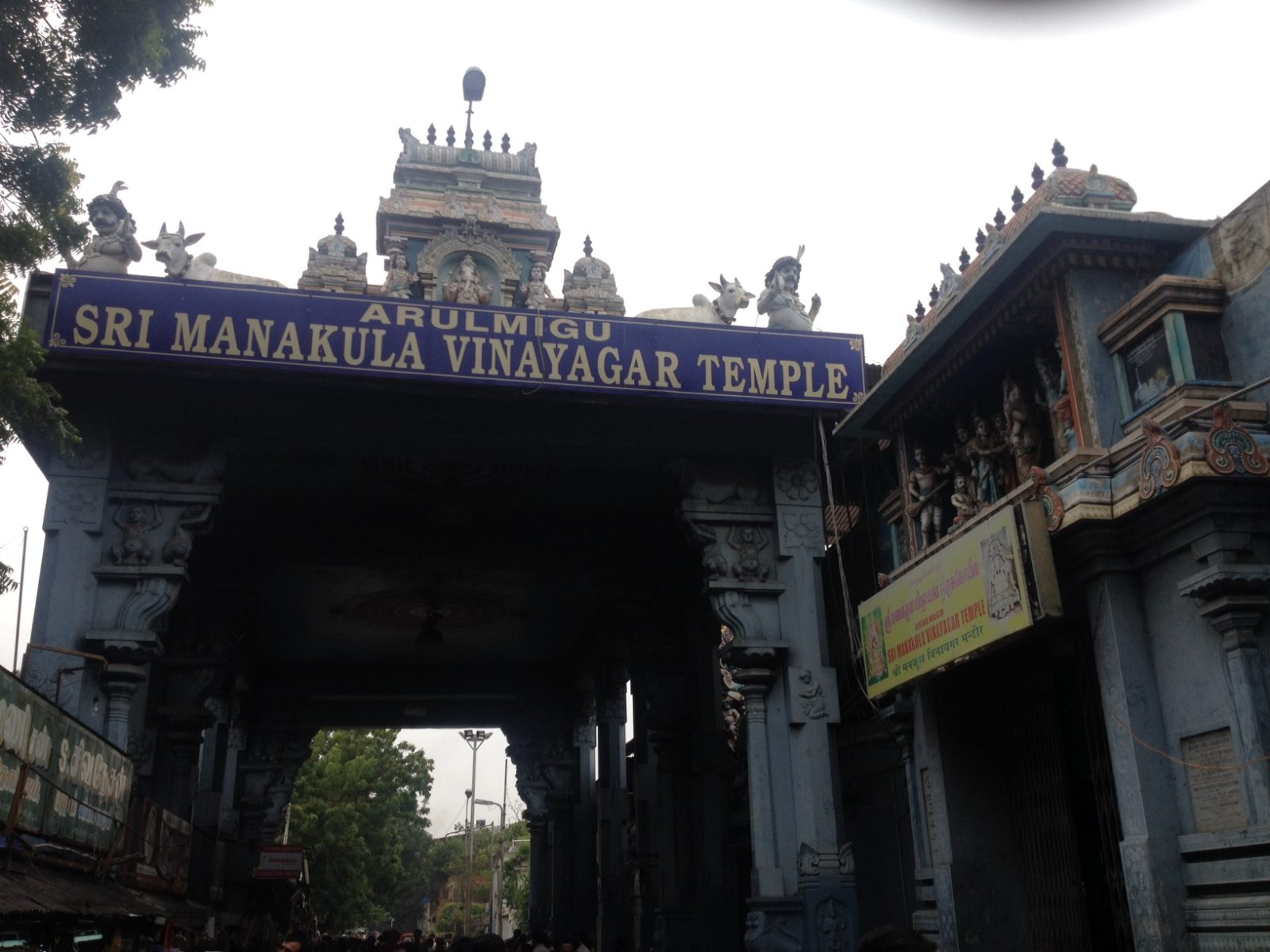
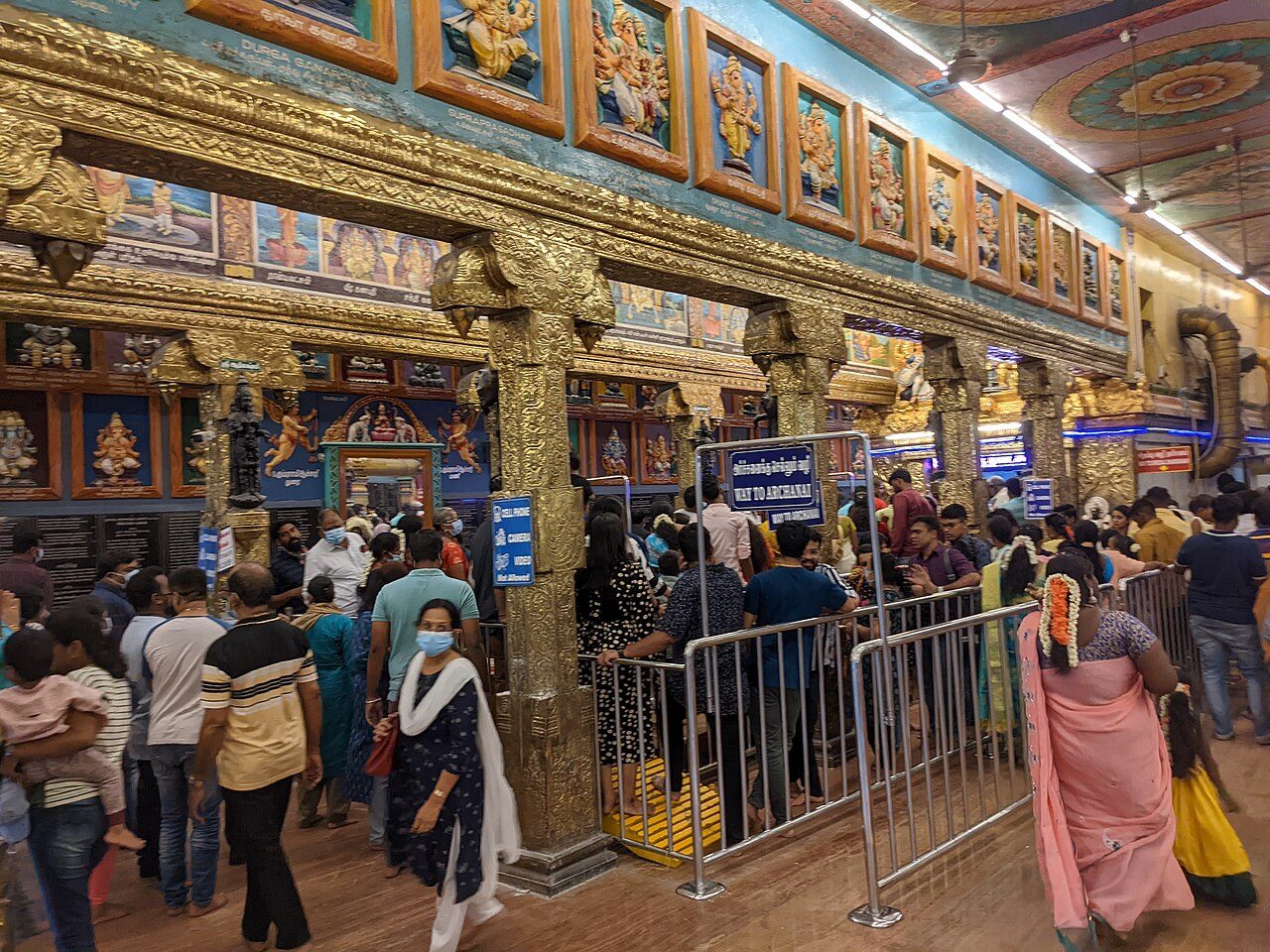
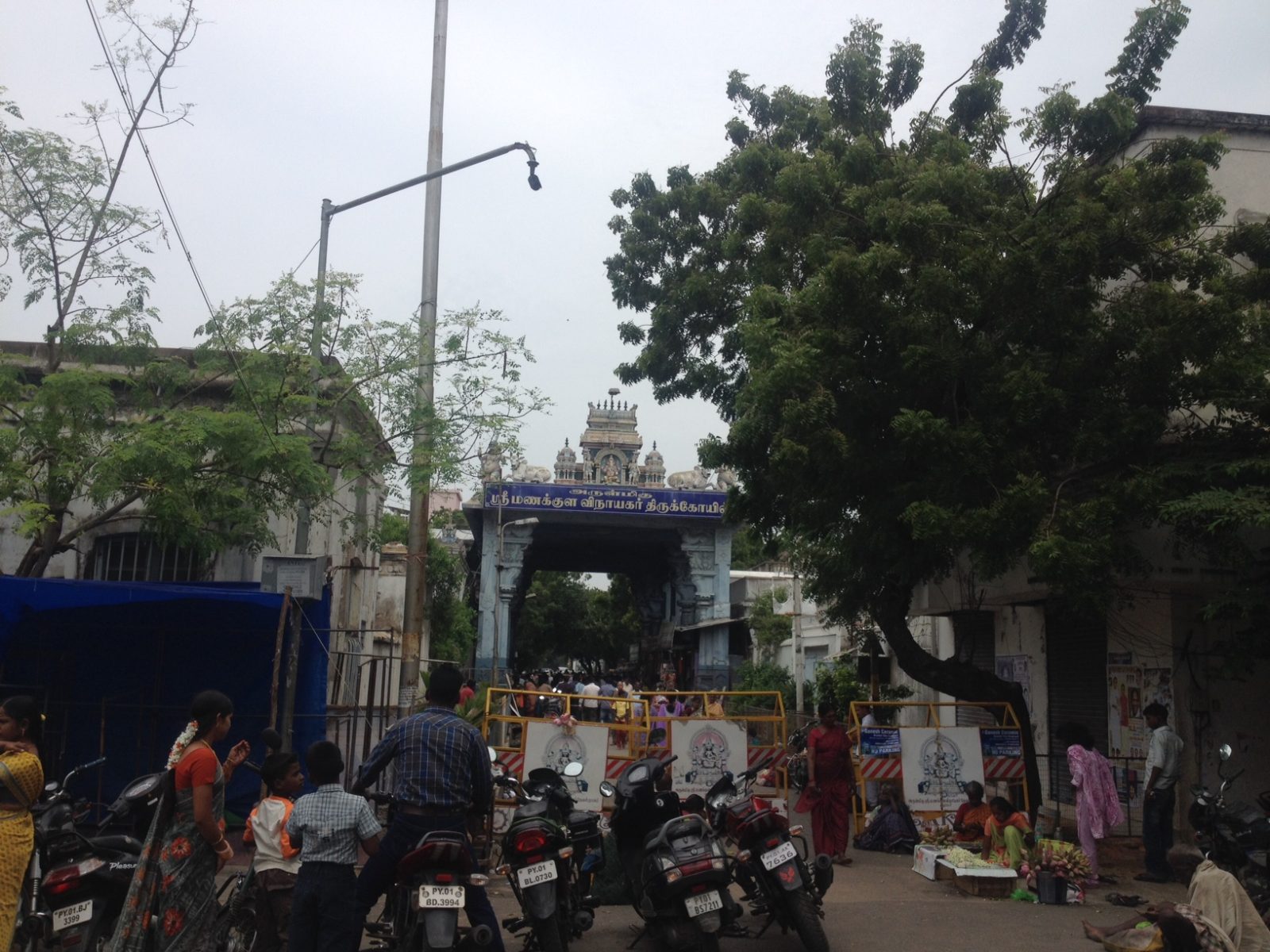
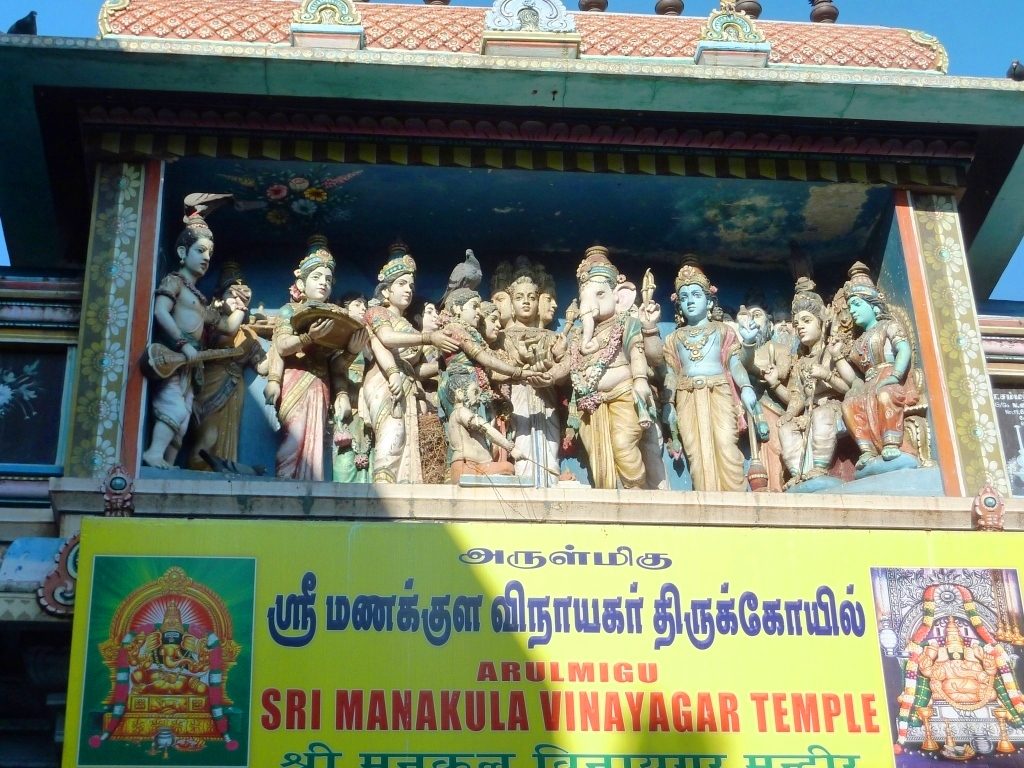
This Ganesha temple stood here before the French arrived, and survived several attempts to remove it once the French Quarter grew up around it. Its walls are painted with the many forms of Ganesha, the tower and vimana are gilded, and a golden chariot is drawn through the streets at festival time. It is busy from dawn, with devotees stopping on their way to work.
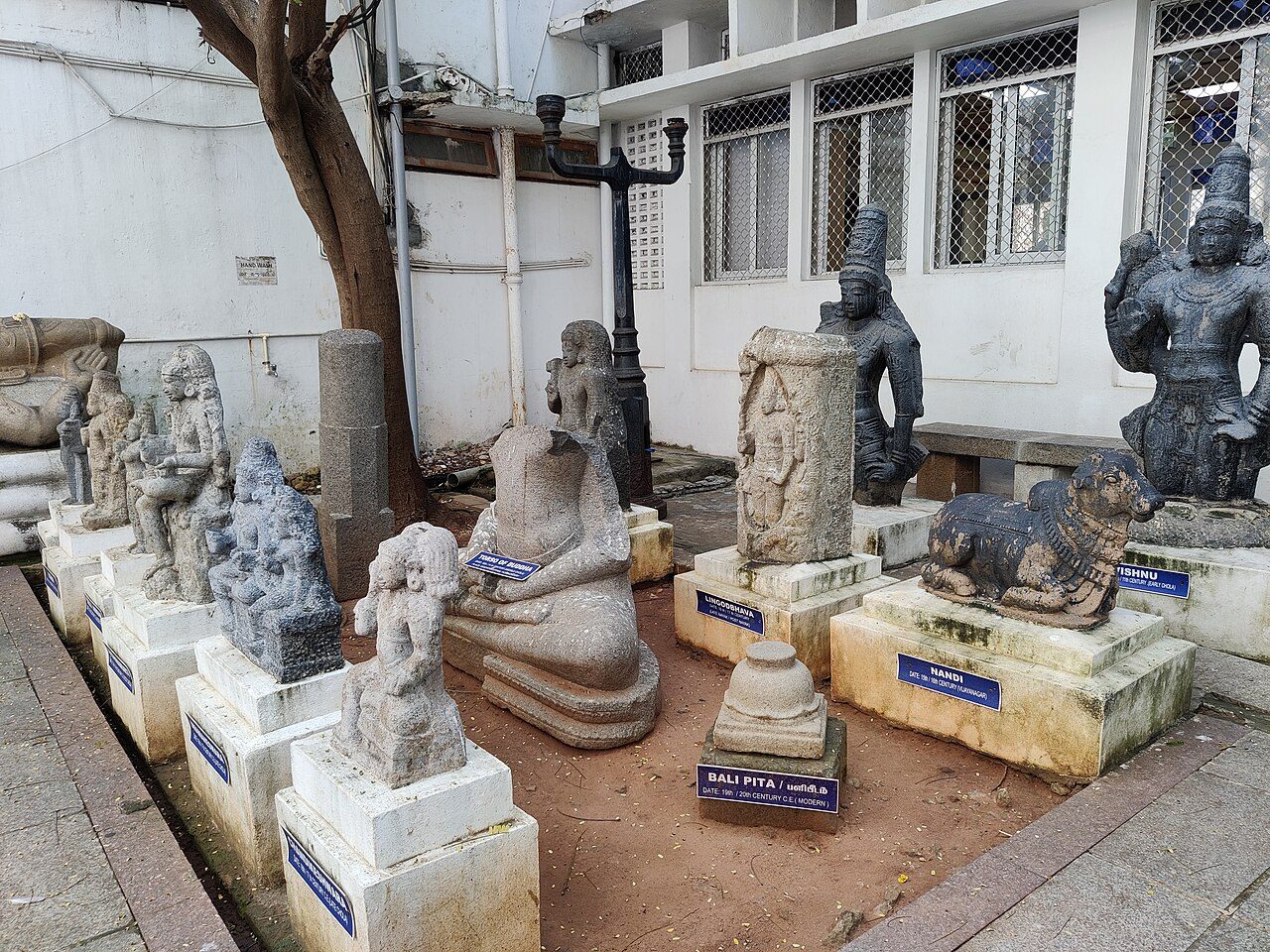
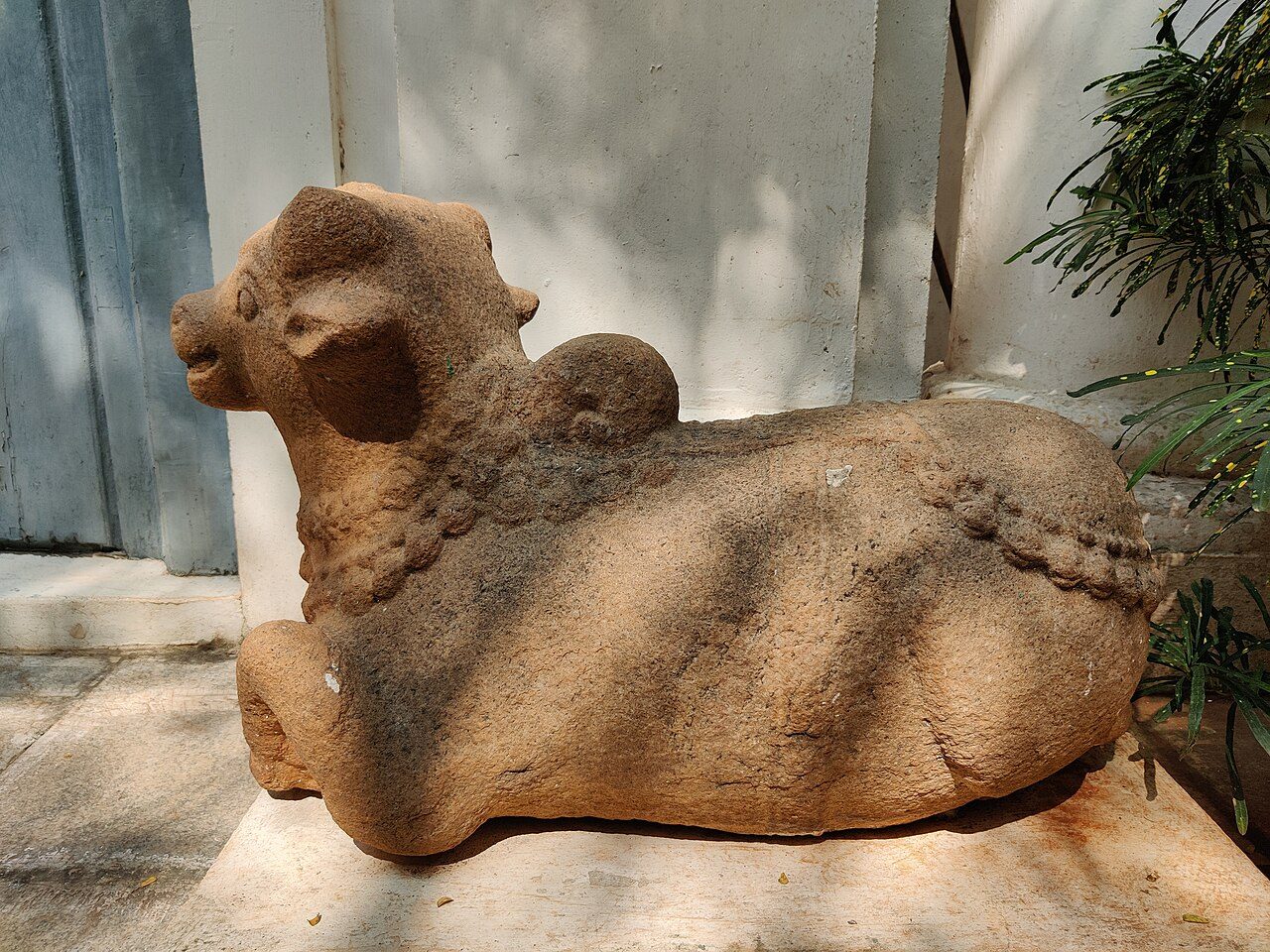
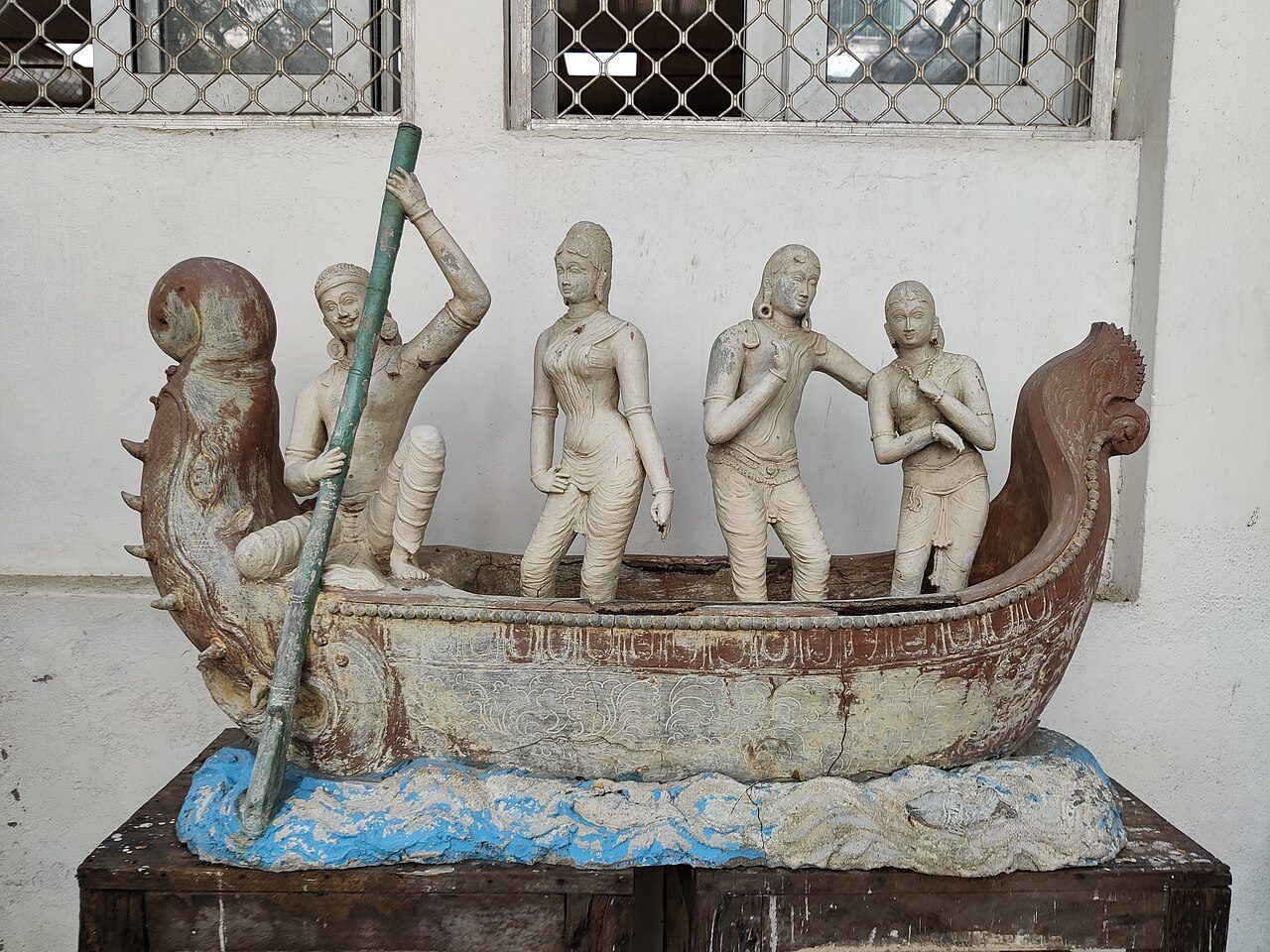
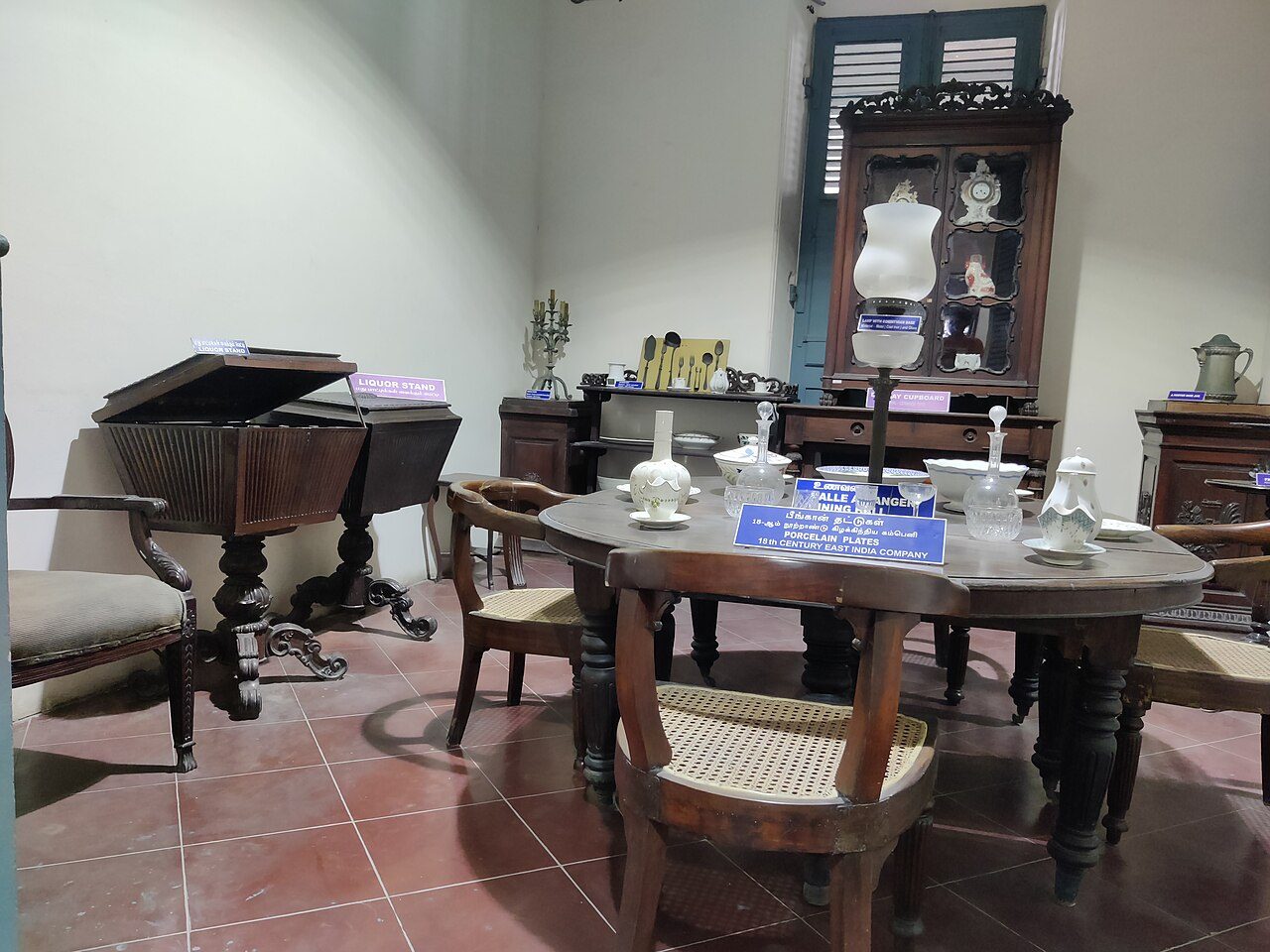
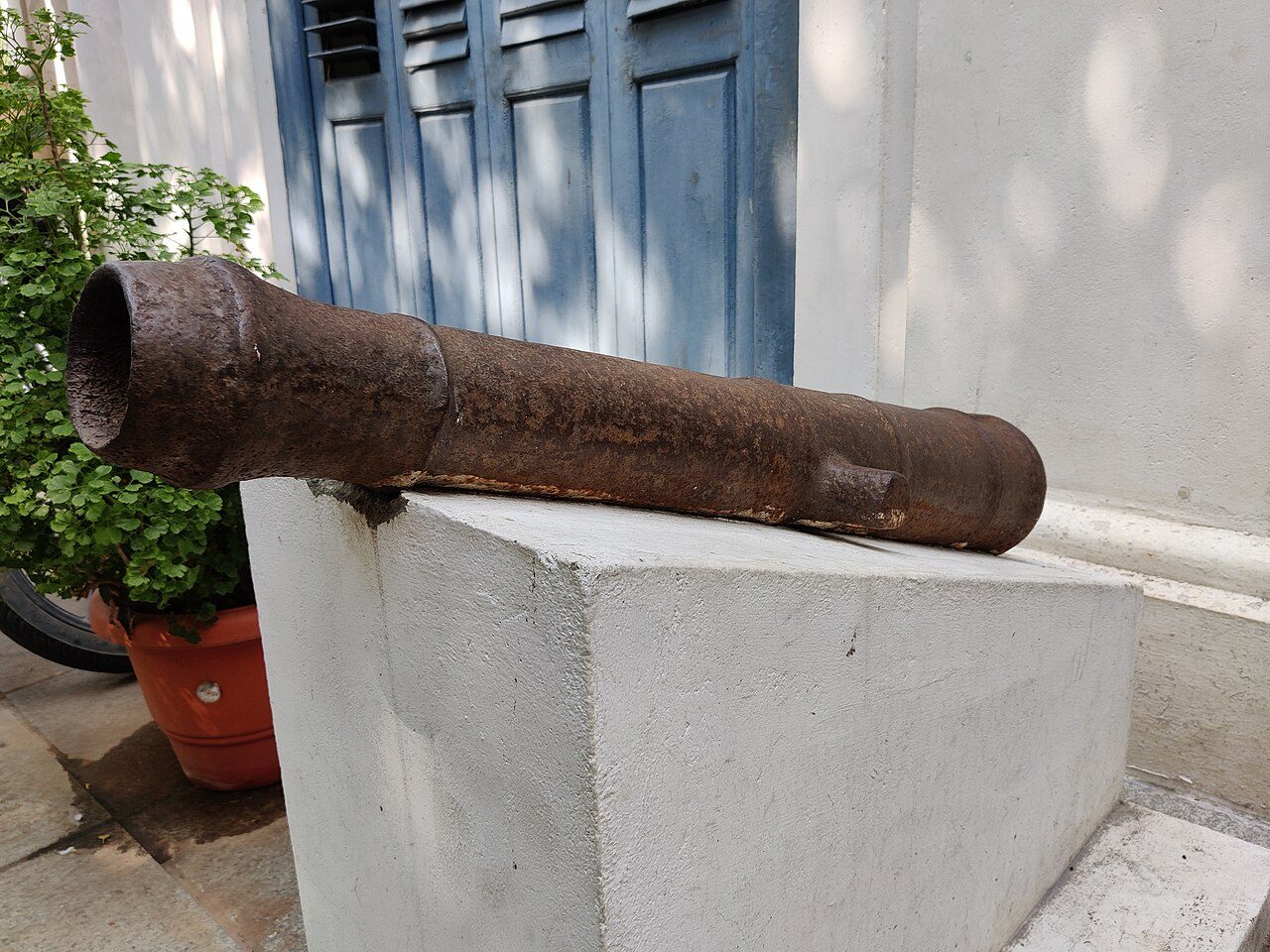
Housed in a colonial building near Bharathi Park, the museum holds finds from the ancient trading port at Arikamedu, including Roman amphorae, pottery and beads, alongside Chola bronzes, stone sculptures, and rooms of French colonial furniture and objects. Among them is a bed said to have been used by Joseph-François Dupleix, the 18th-century governor of French India.
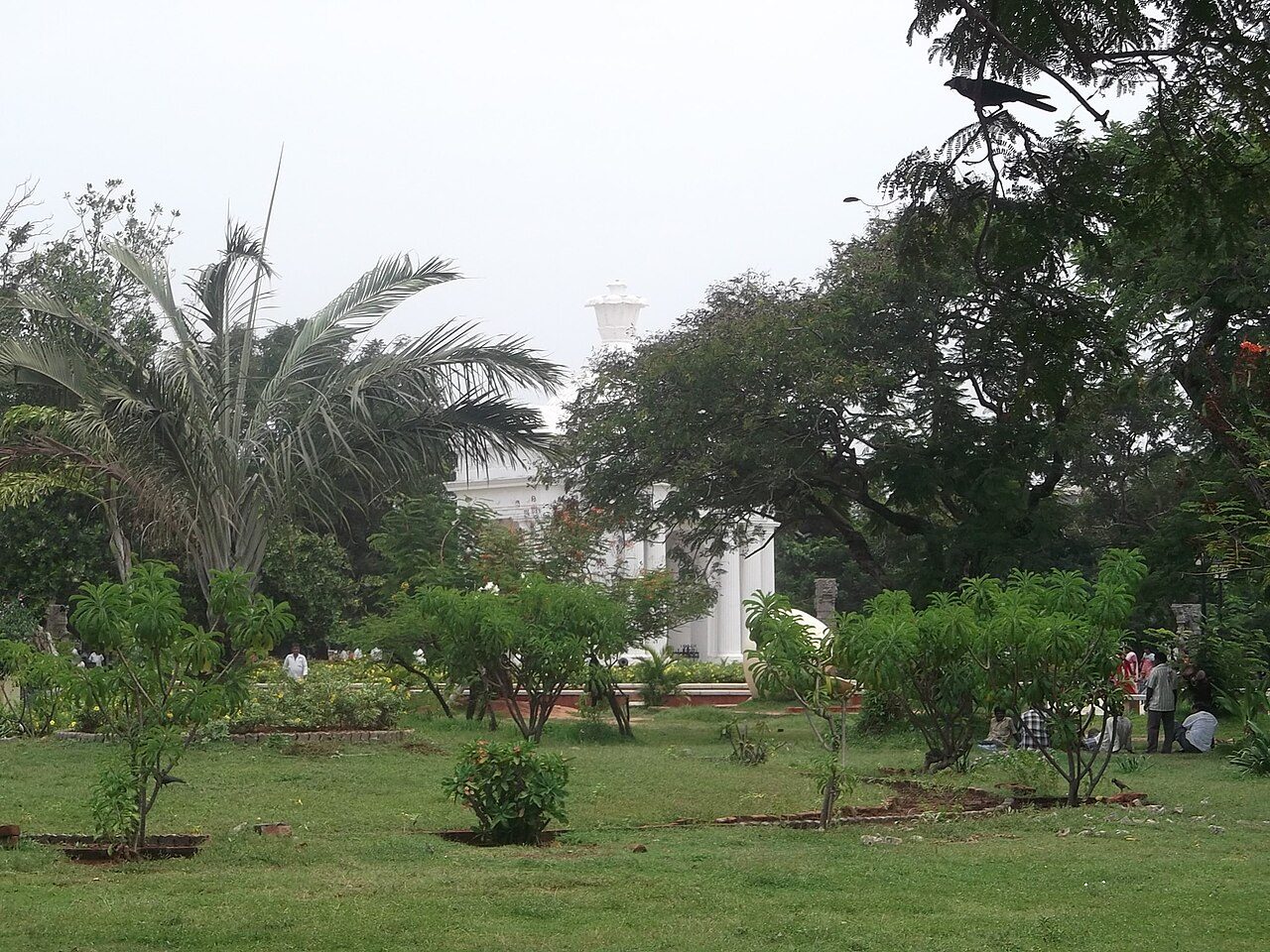
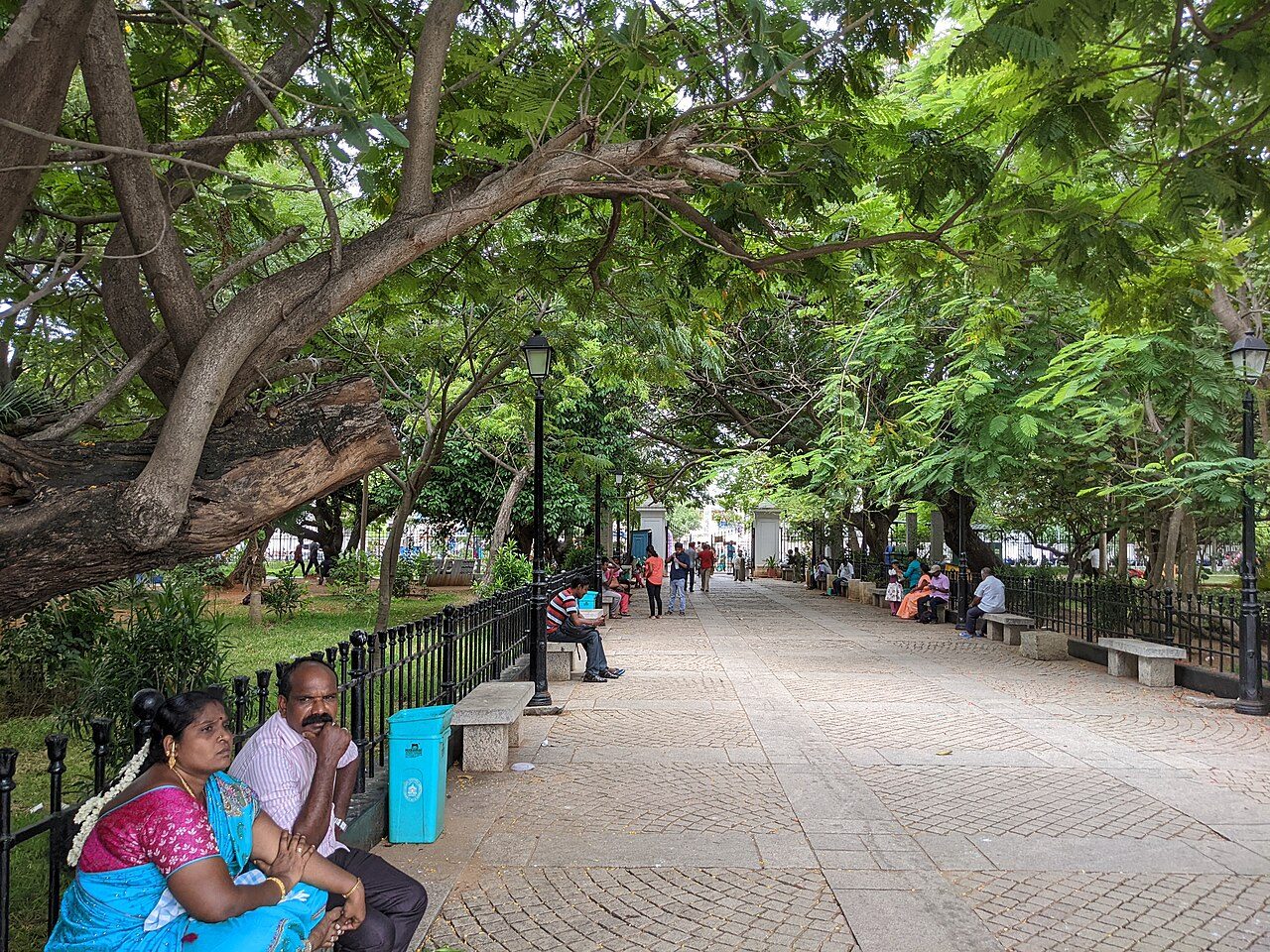
The green square at the heart of the French Quarter, laid out in French times and named after the Tamil poet Subramania Bharati, who lived in Puducherry in exile. At its centre stands the Aayi Mandapam, a white Greco-Roman monument built in the reign of Napoleon III and named after Aayi, a woman remembered for giving her land for a water supply. The Raj Nivas and the Legislative Assembly face the park.
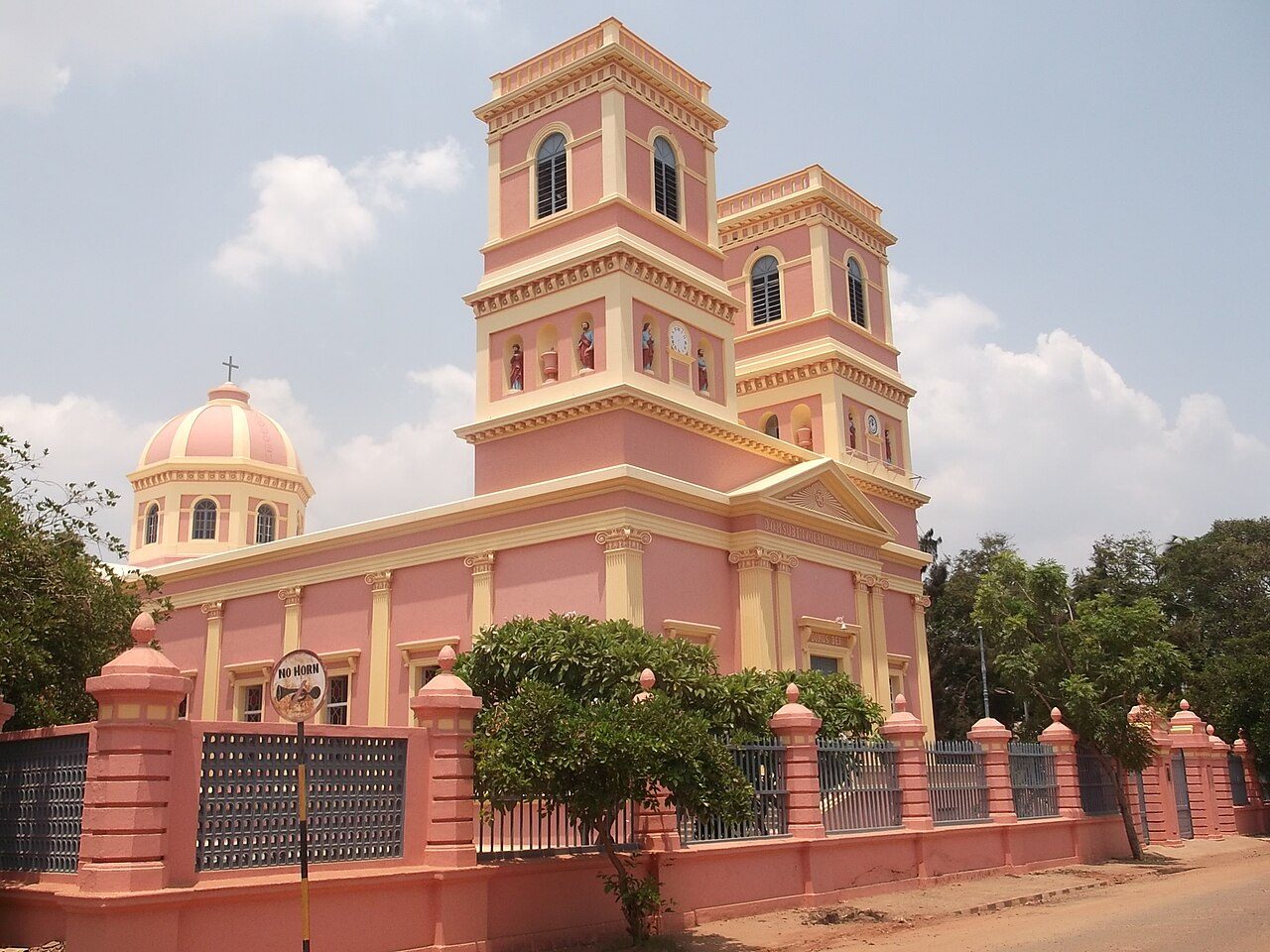
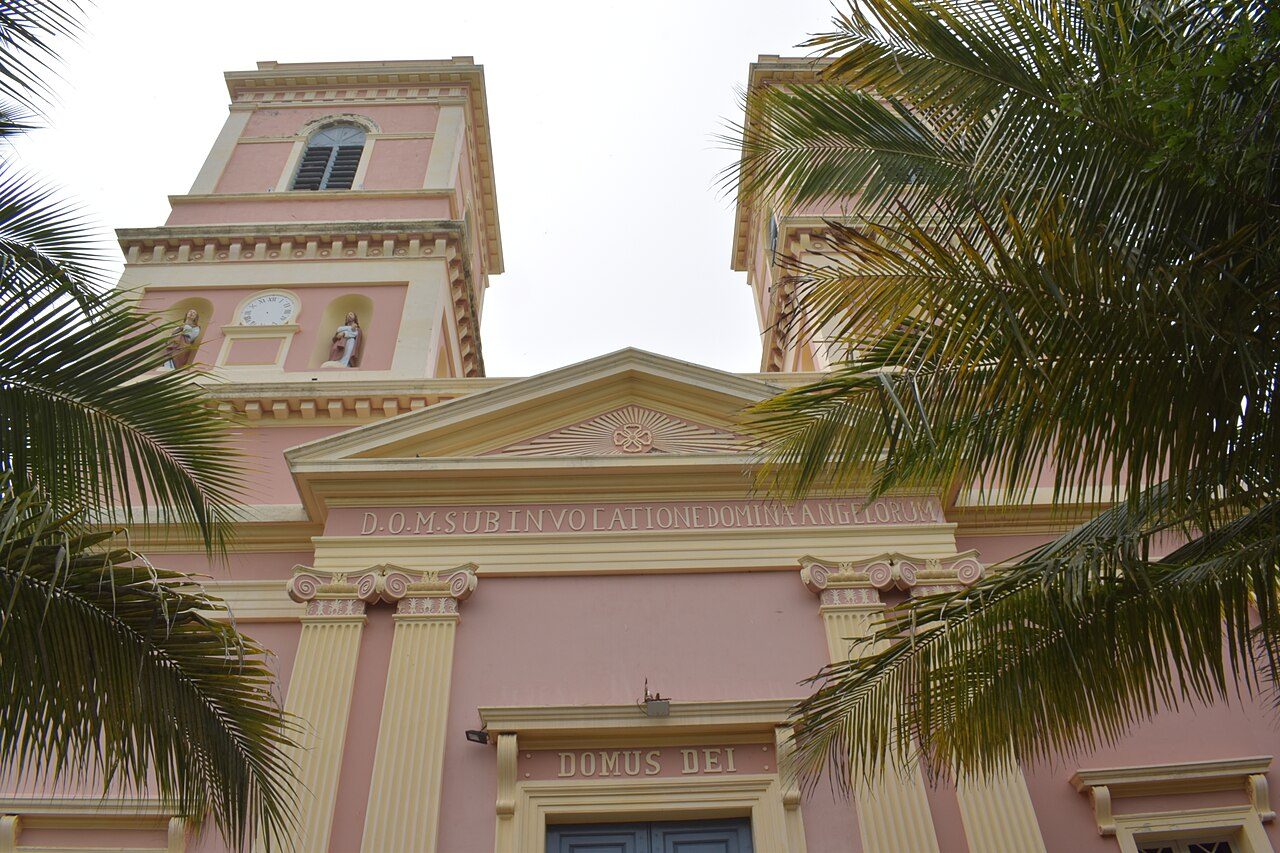
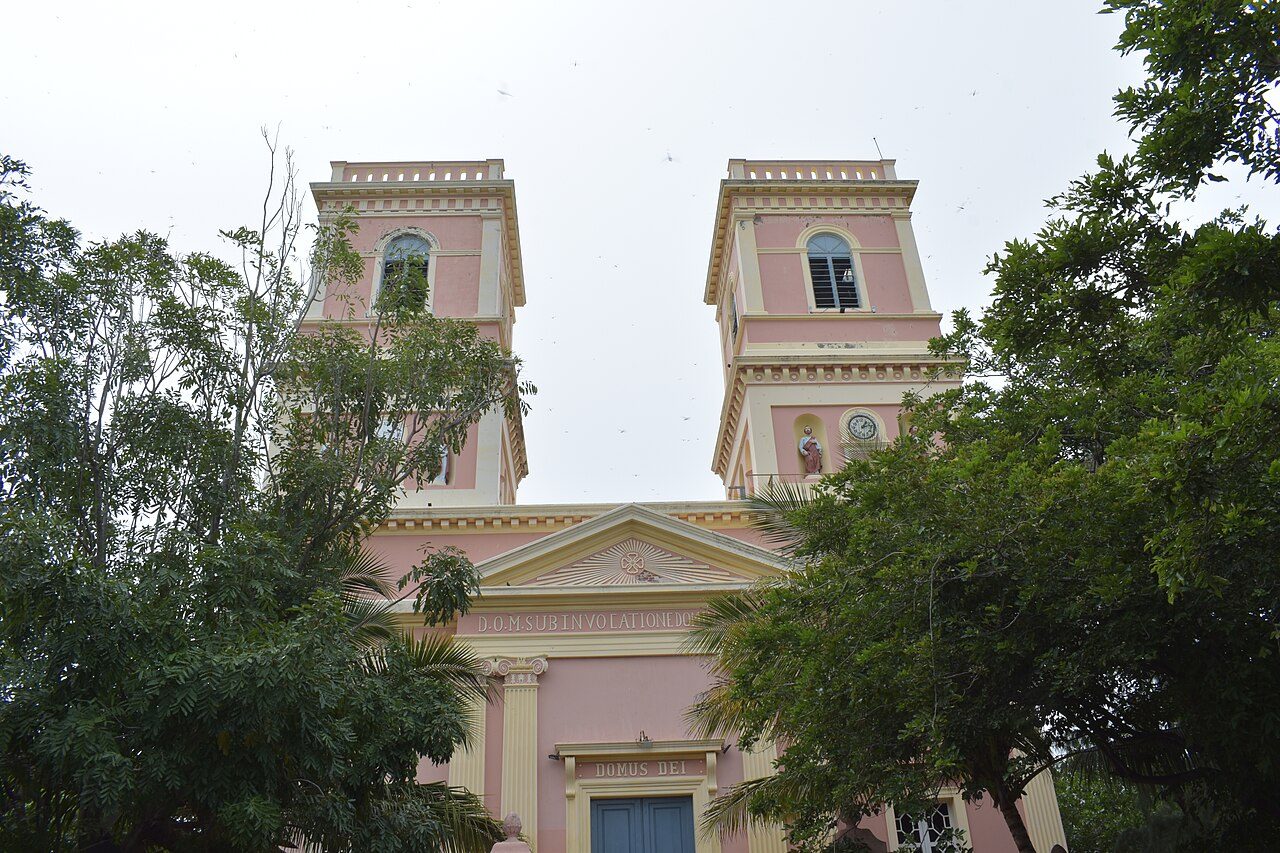
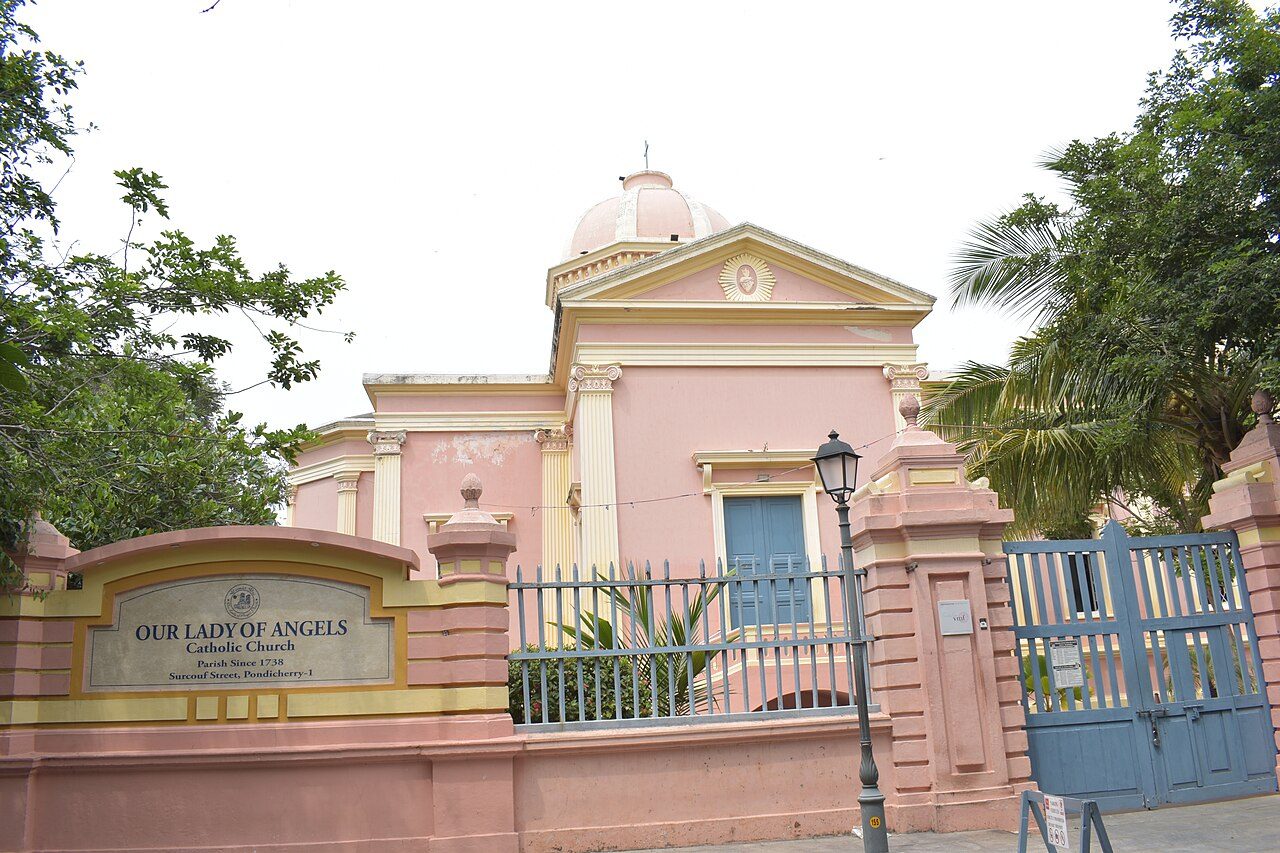
Built in the 1850s near the seafront on Dumas Street, the pink-and-cream Notre Dame des Anges is one of the most photographed churches in Puducherry. Its twin towers and classical front give it a Mediterranean look, and inside hangs a painting of Our Lady of the Assumption said to have been a gift from Napoleon III. Masses are still held here in French as well as Tamil and English.
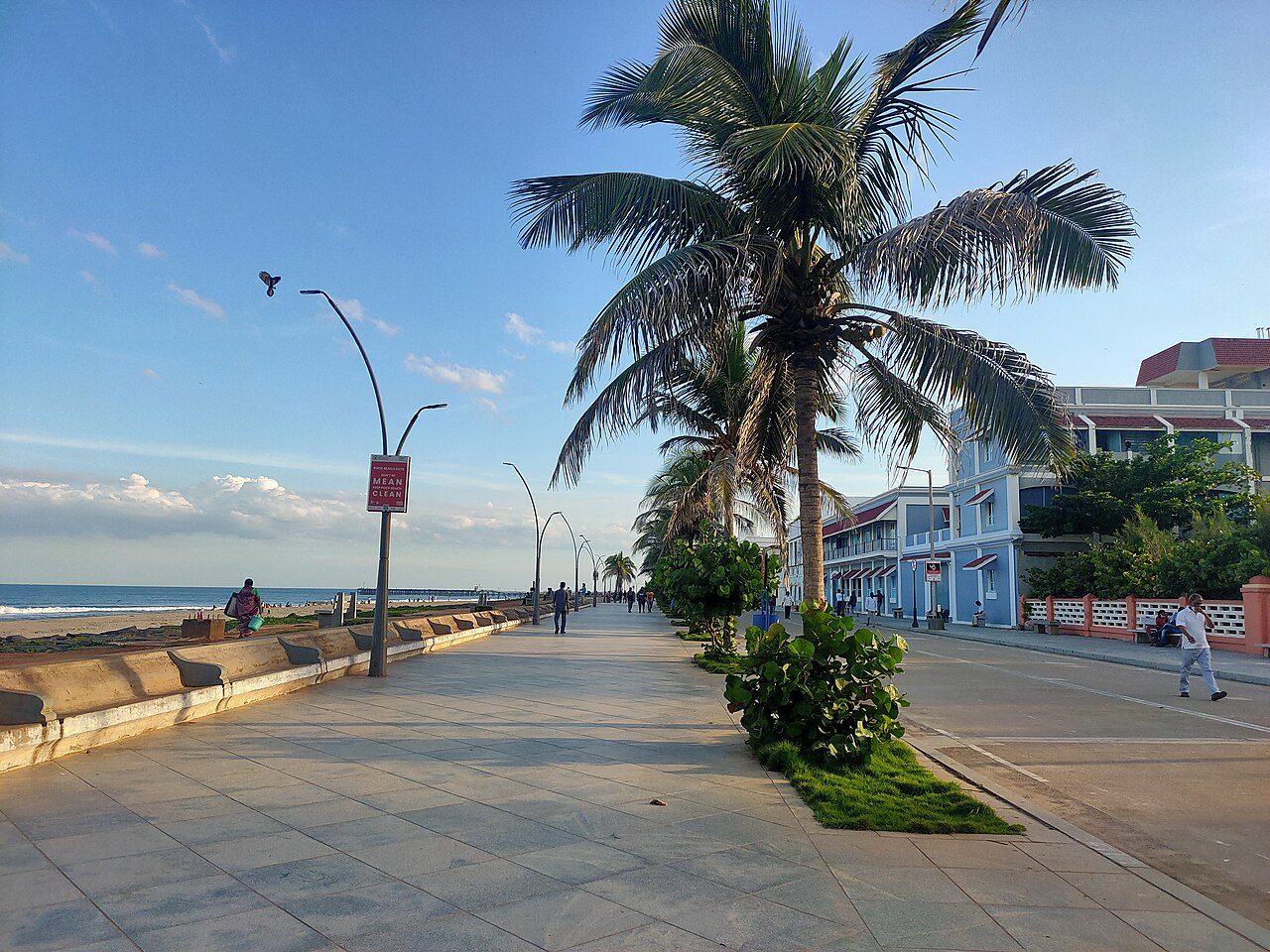
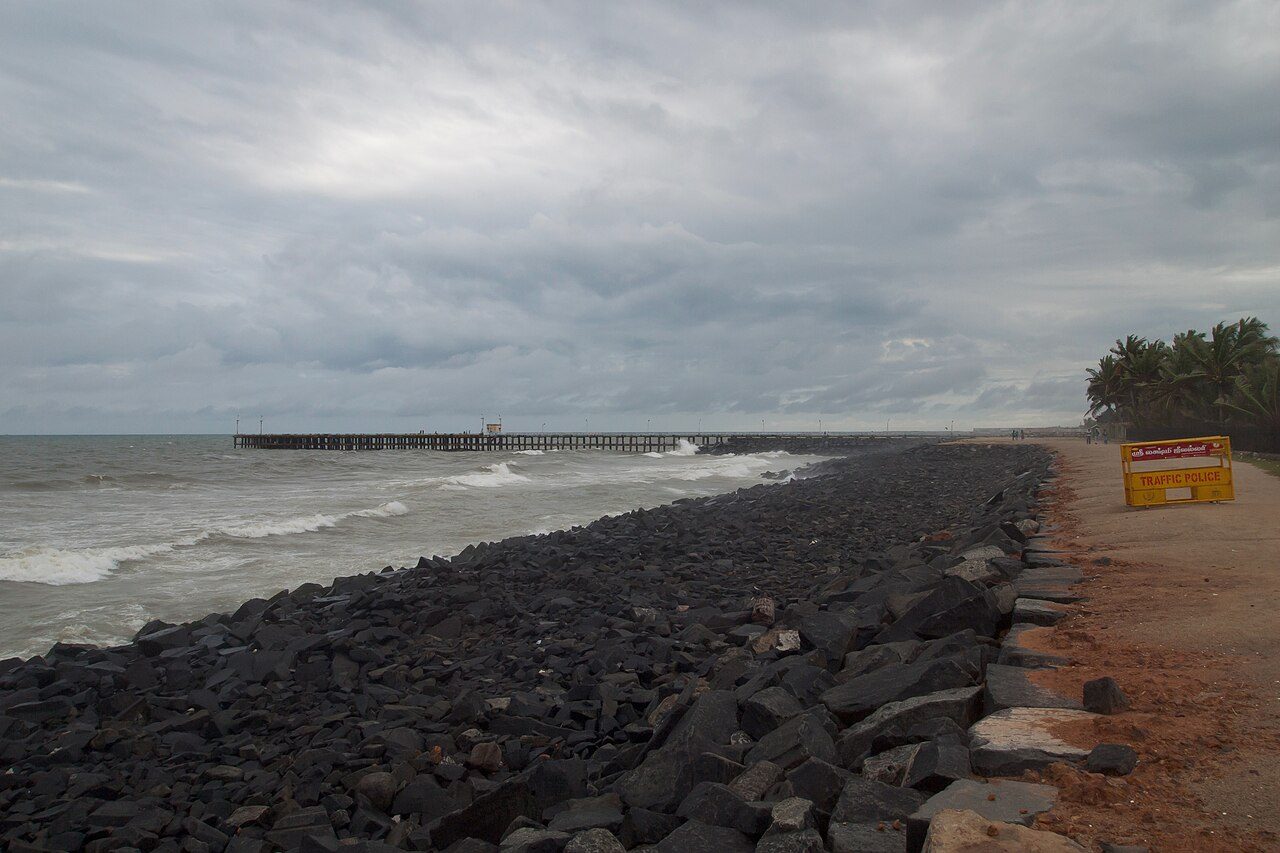
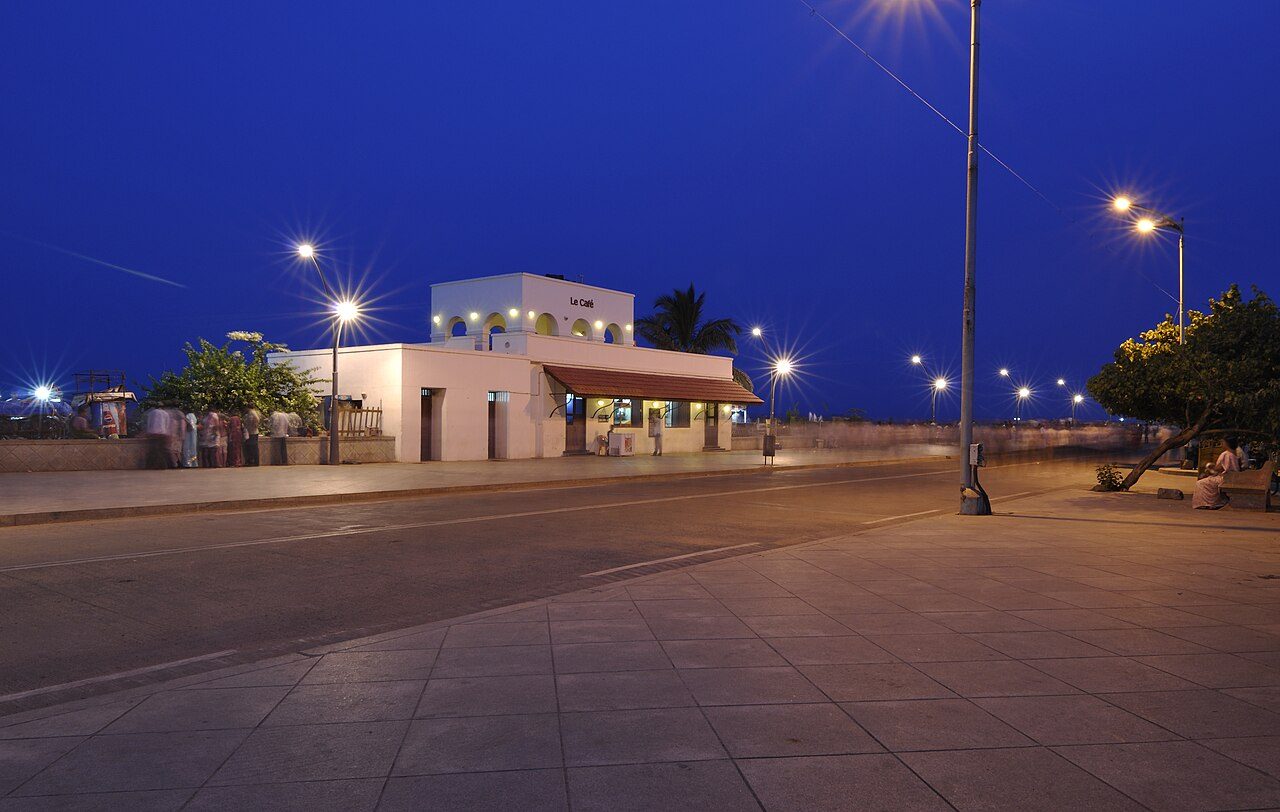
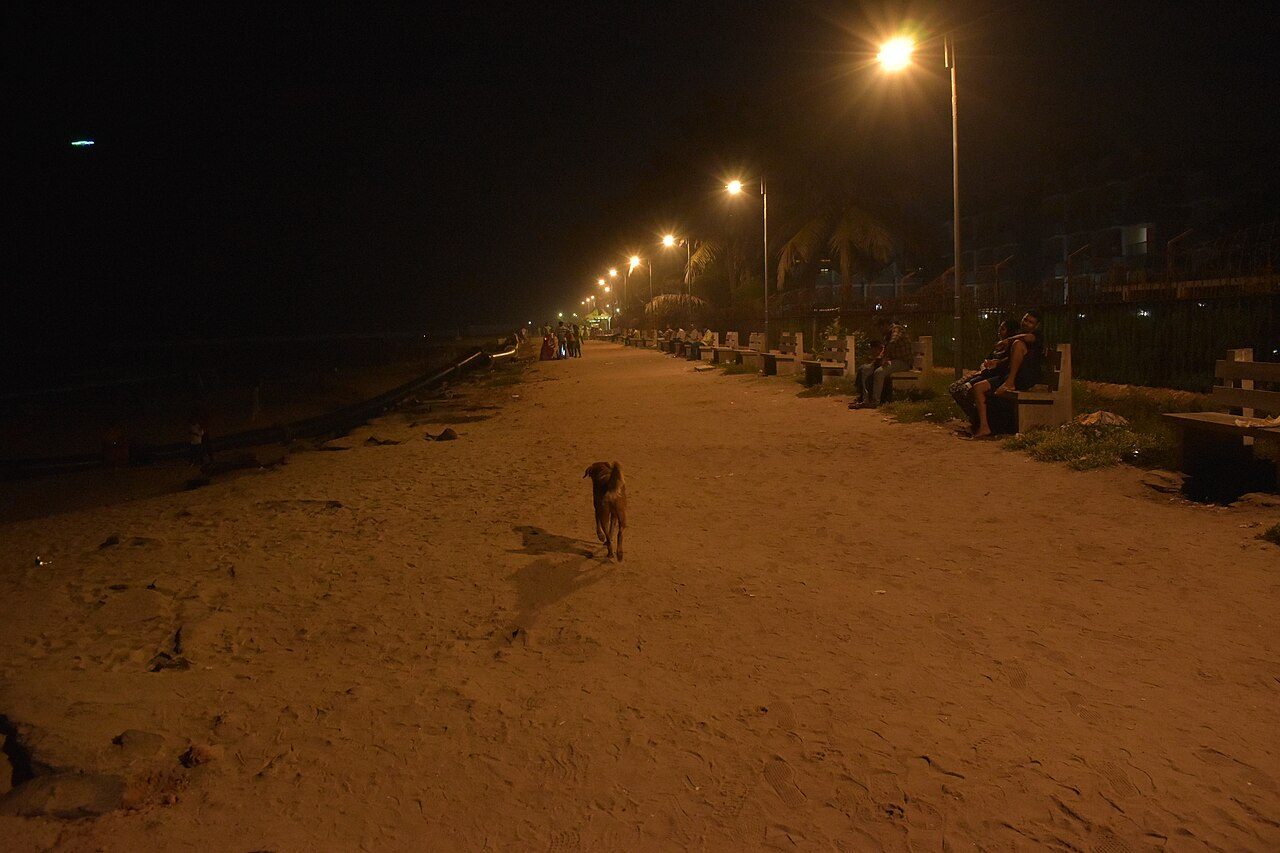
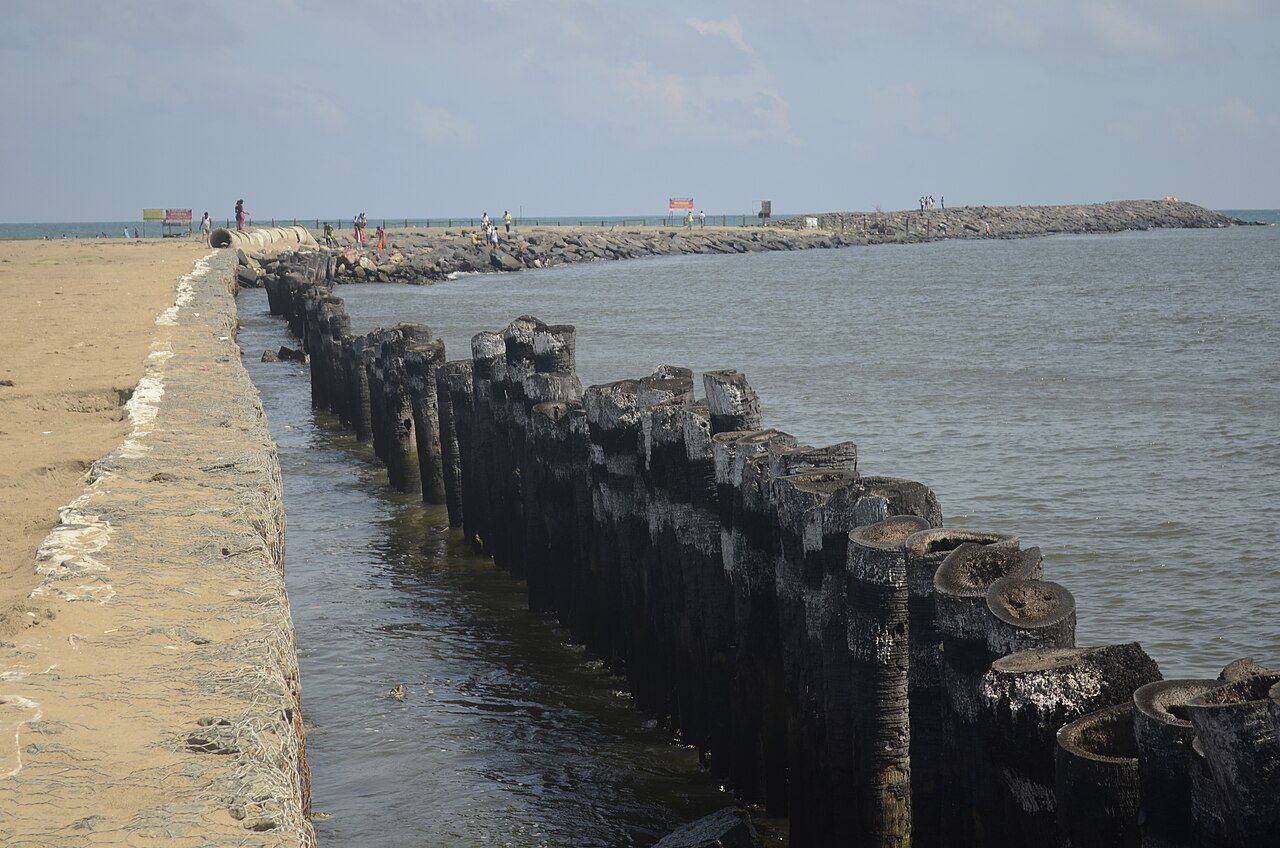
Puducherry's sea front is a 1.5-kilometre promenade along Goubert Avenue on the Bay of Bengal, lined with French-era buildings, the Gandhi statue, the French War Memorial, the old lighthouse and the restored Mairie, the old town hall. The shore is protected by boulders rather than sand, so it is a place for walking rather than swimming. The road is closed to traffic in the evenings, and the whole town seems to turn out at sunrise and sunset.
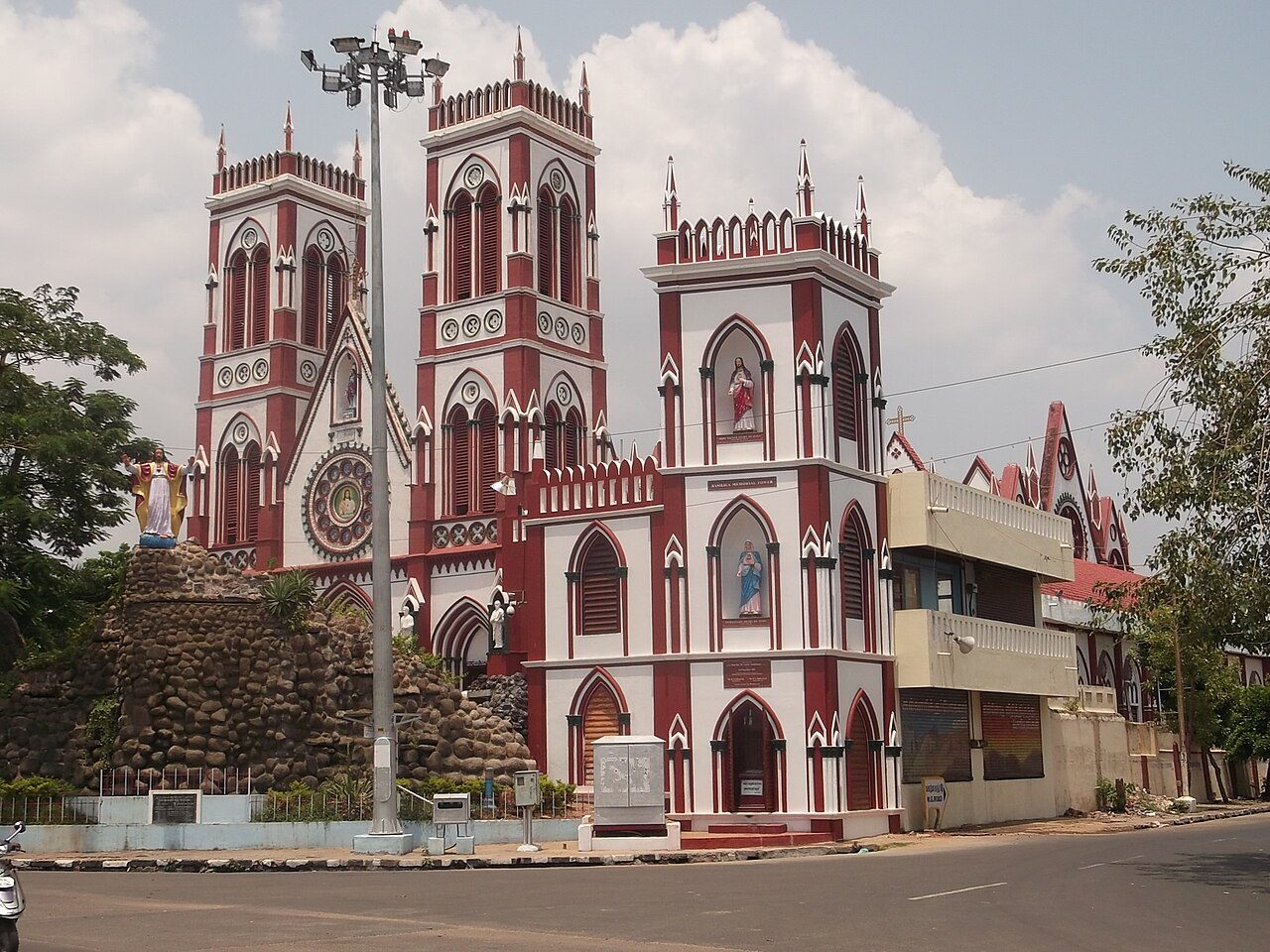
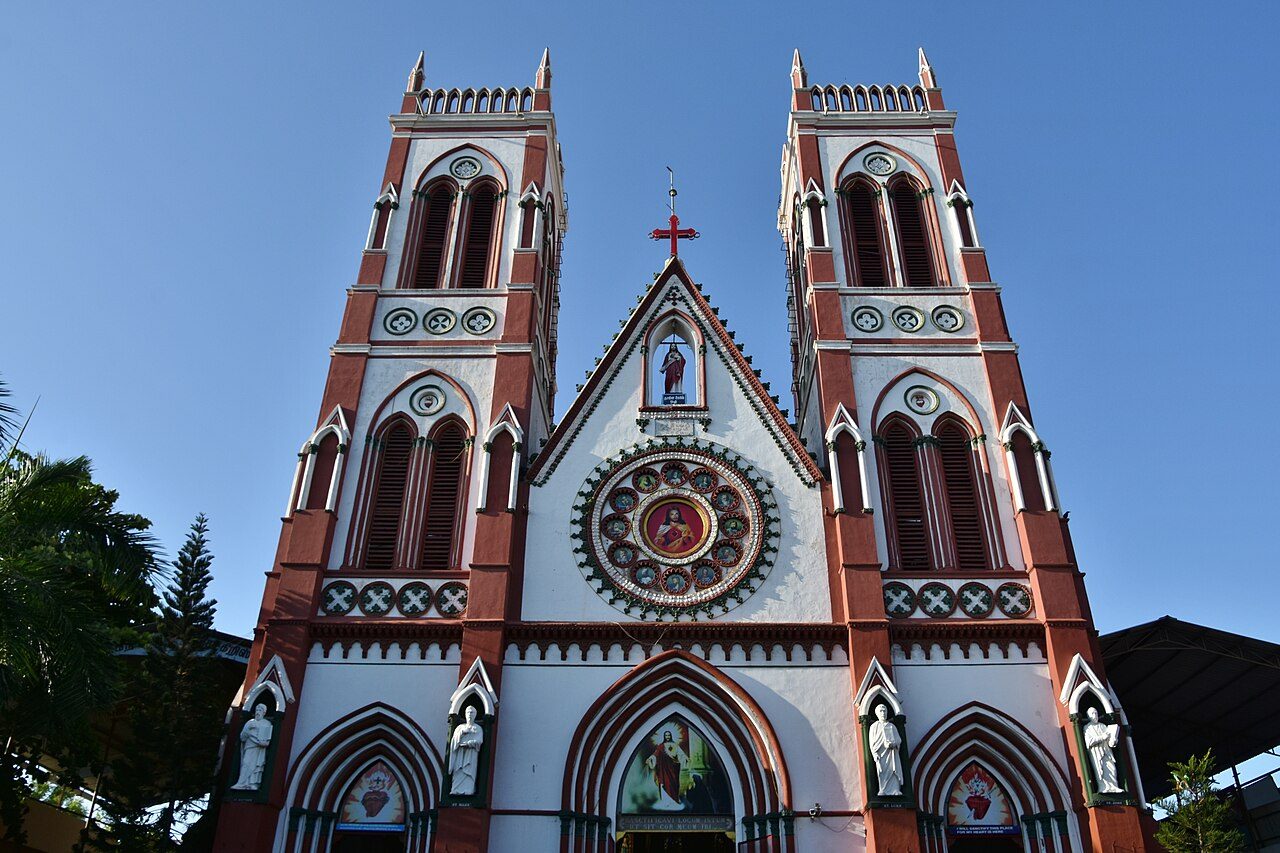
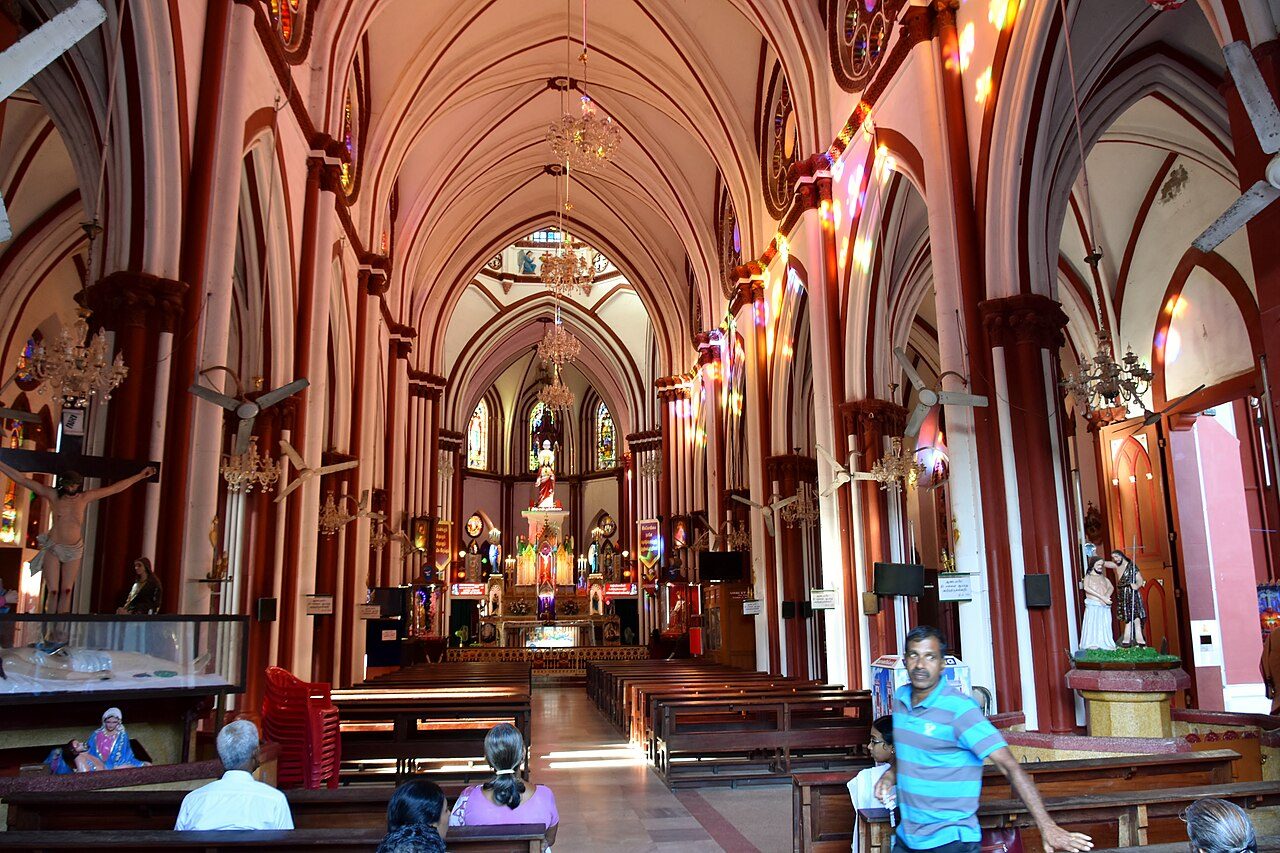
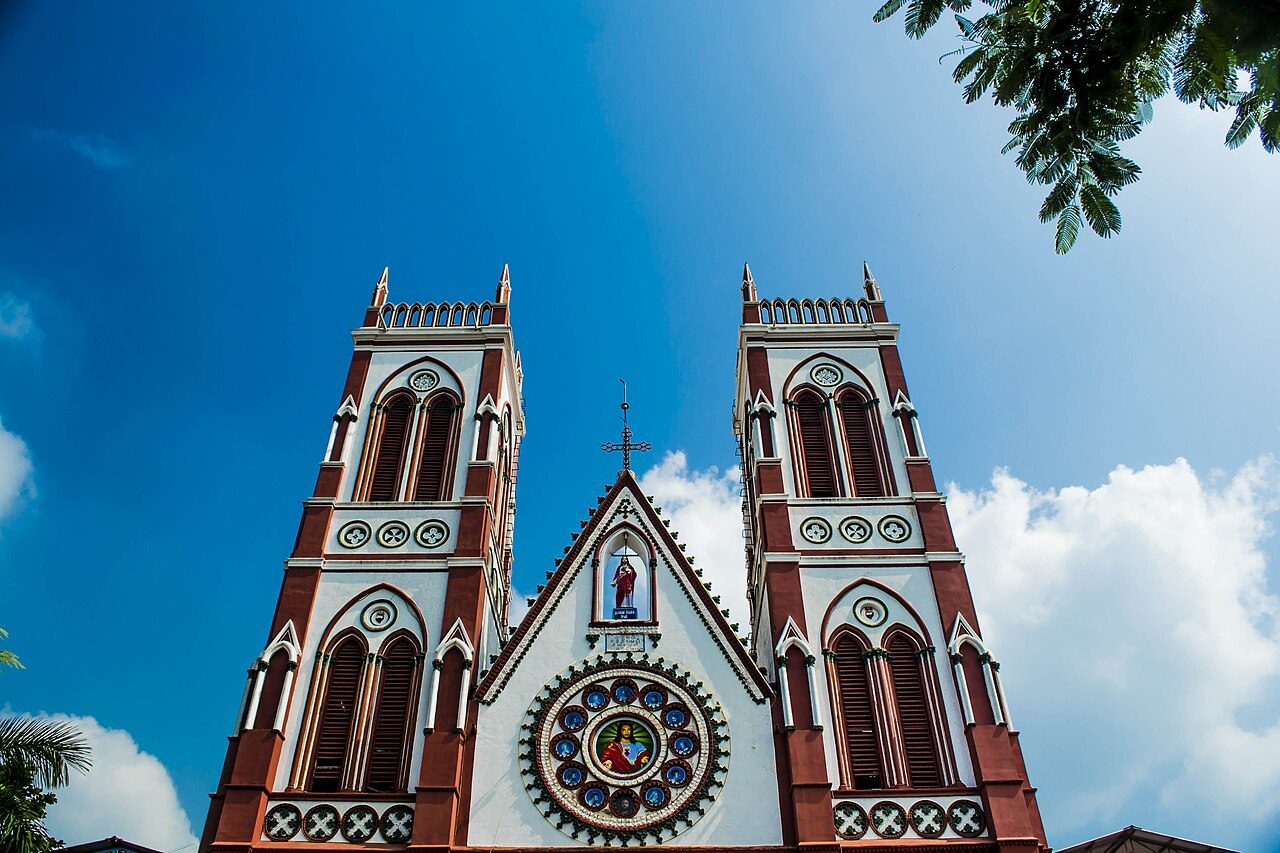
Completed in 1907 by French missionaries, this Gothic Revival church on South Boulevard is known for its tall twin spires, its red-and-white façade and its stained-glass panels showing the life of Christ and the saints, made in France. It was raised to the status of a minor basilica in 2011 and is one of the most striking buildings in Puducherry.
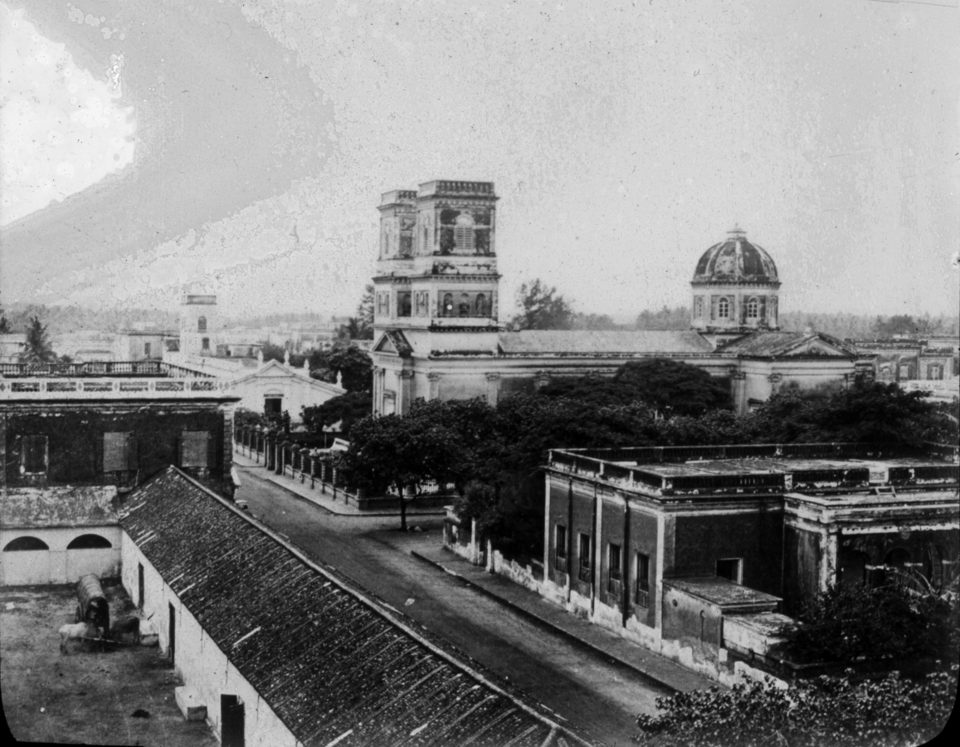
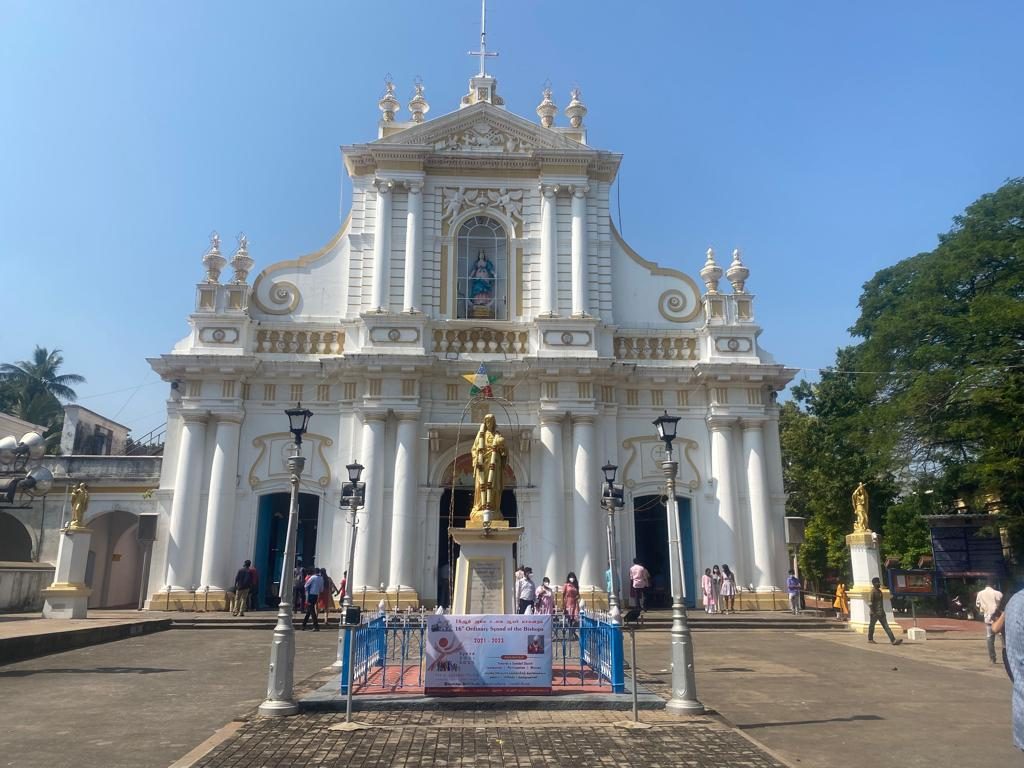
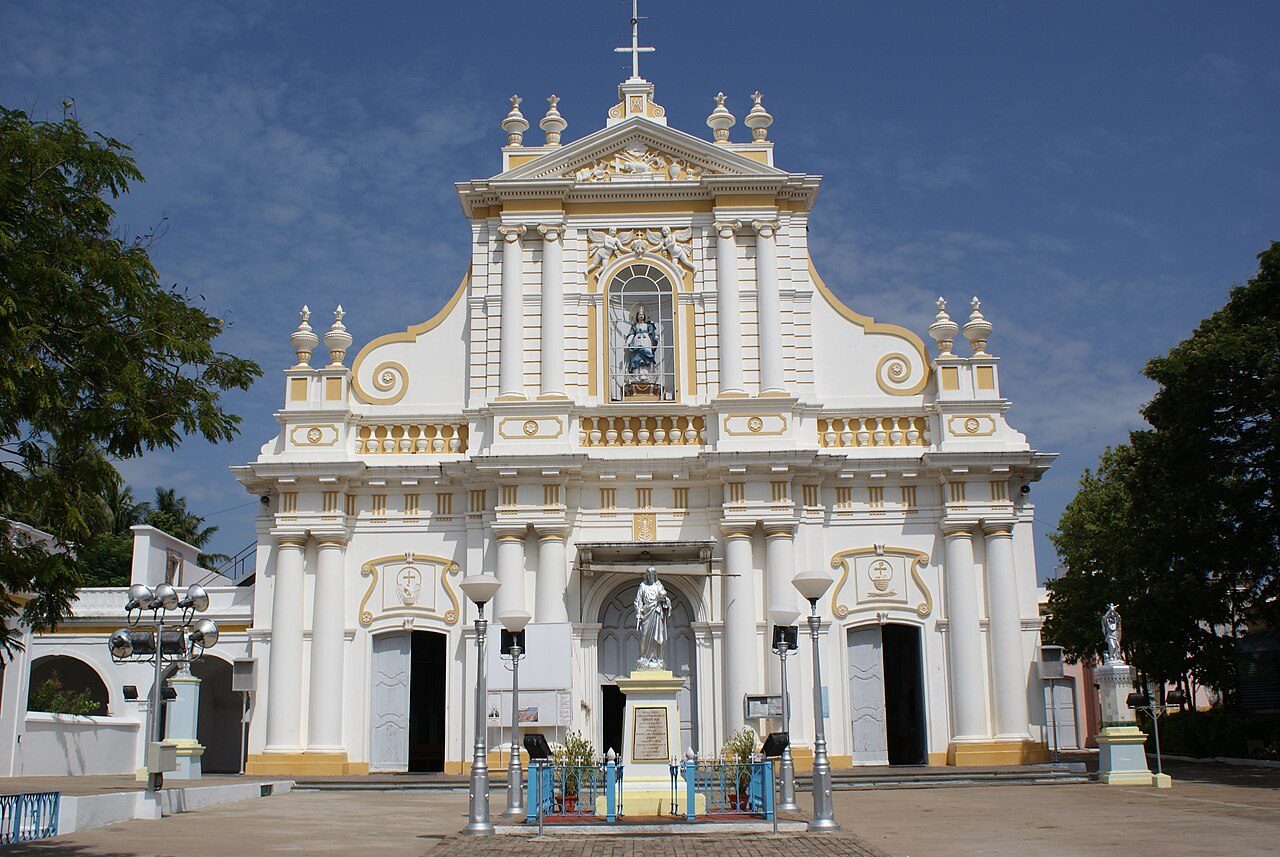
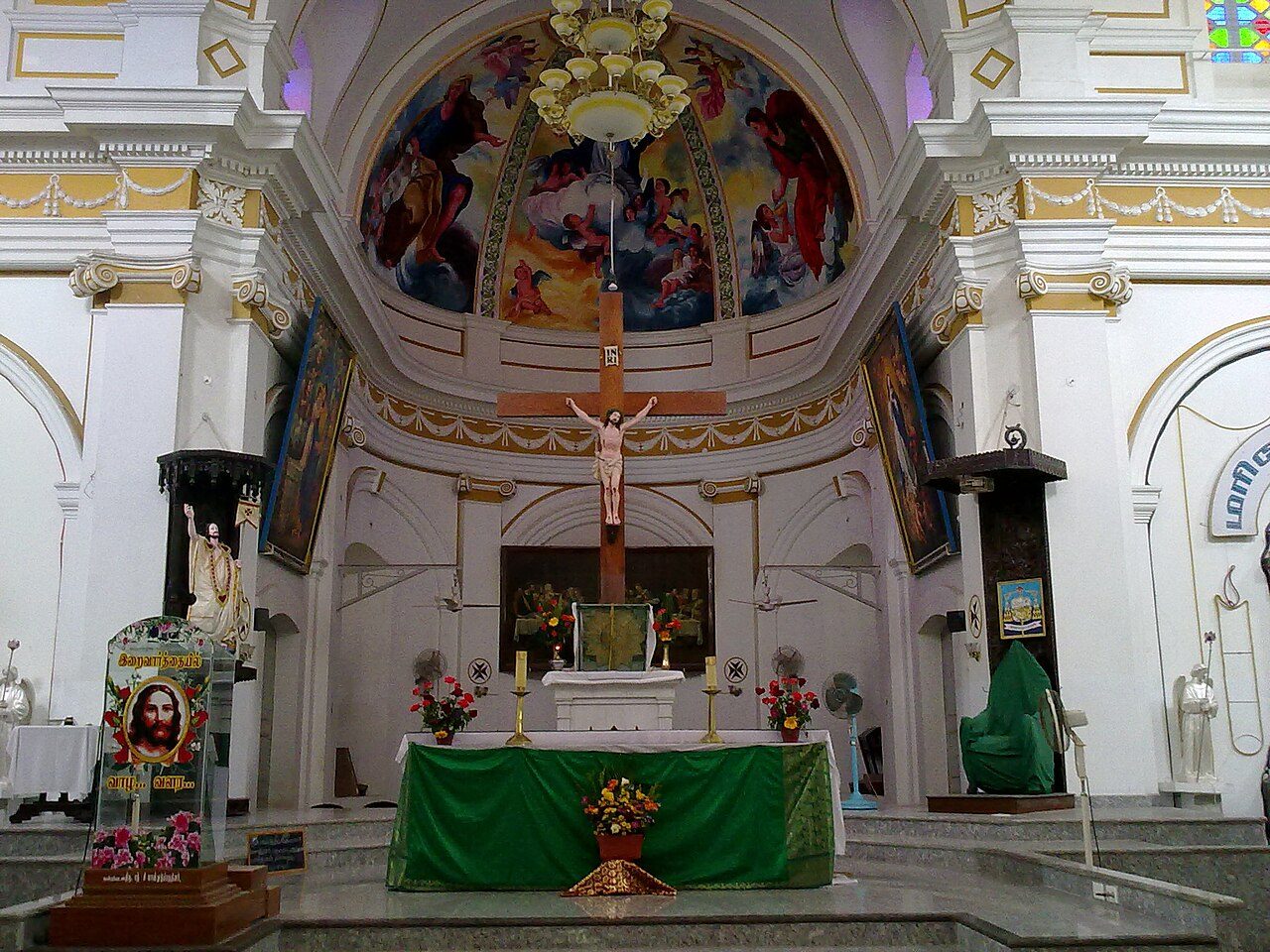
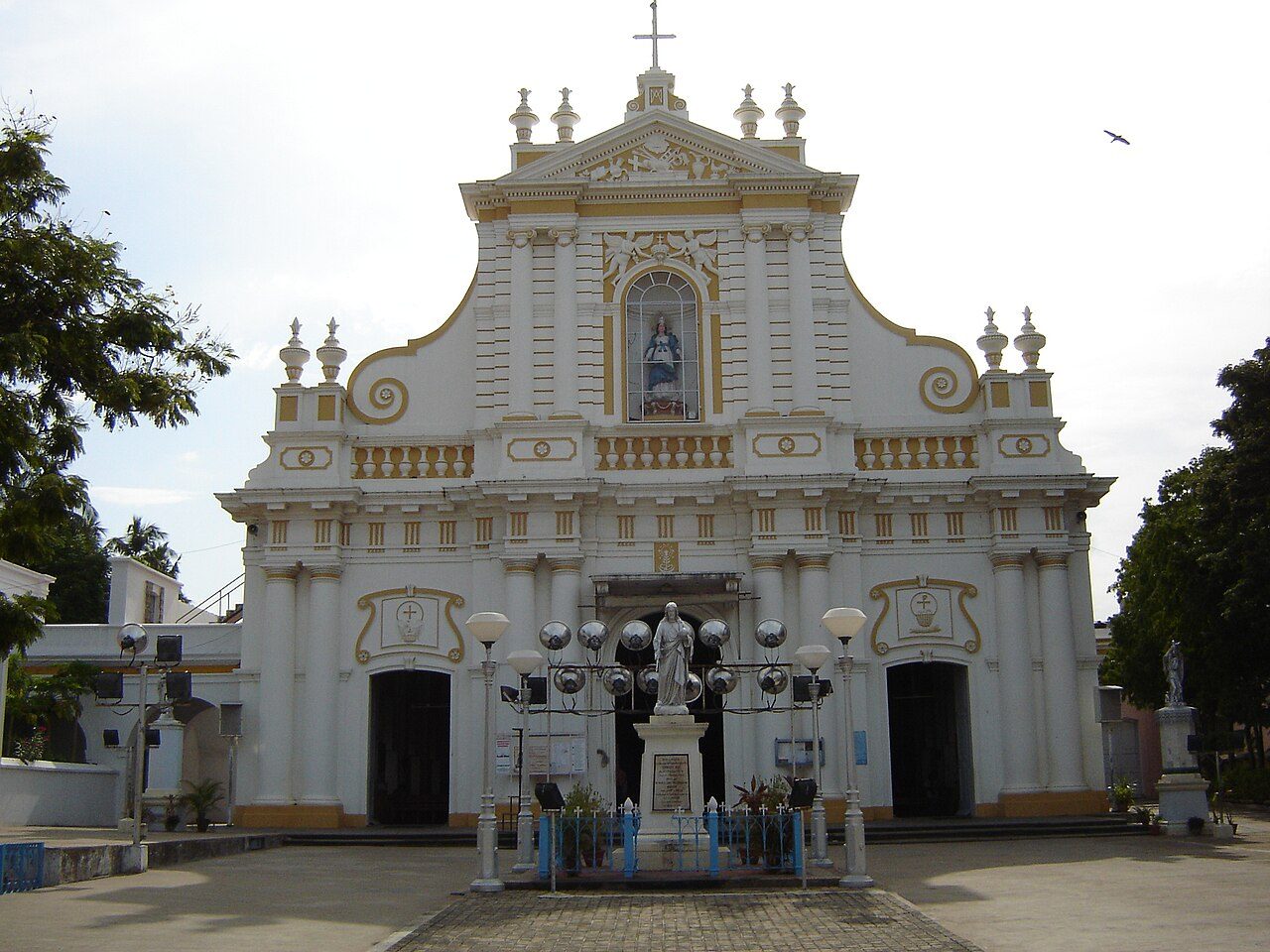
The cathedral of the Archdiocese of Pondicherry and Cuddalore stands on Mission Street, its present building completed in 1791 after earlier churches on the site were destroyed in the wars between the French and British. Its blue-and-white baroque façade and columns are among the landmarks of the old town, and the interior is bright with altars and statues.
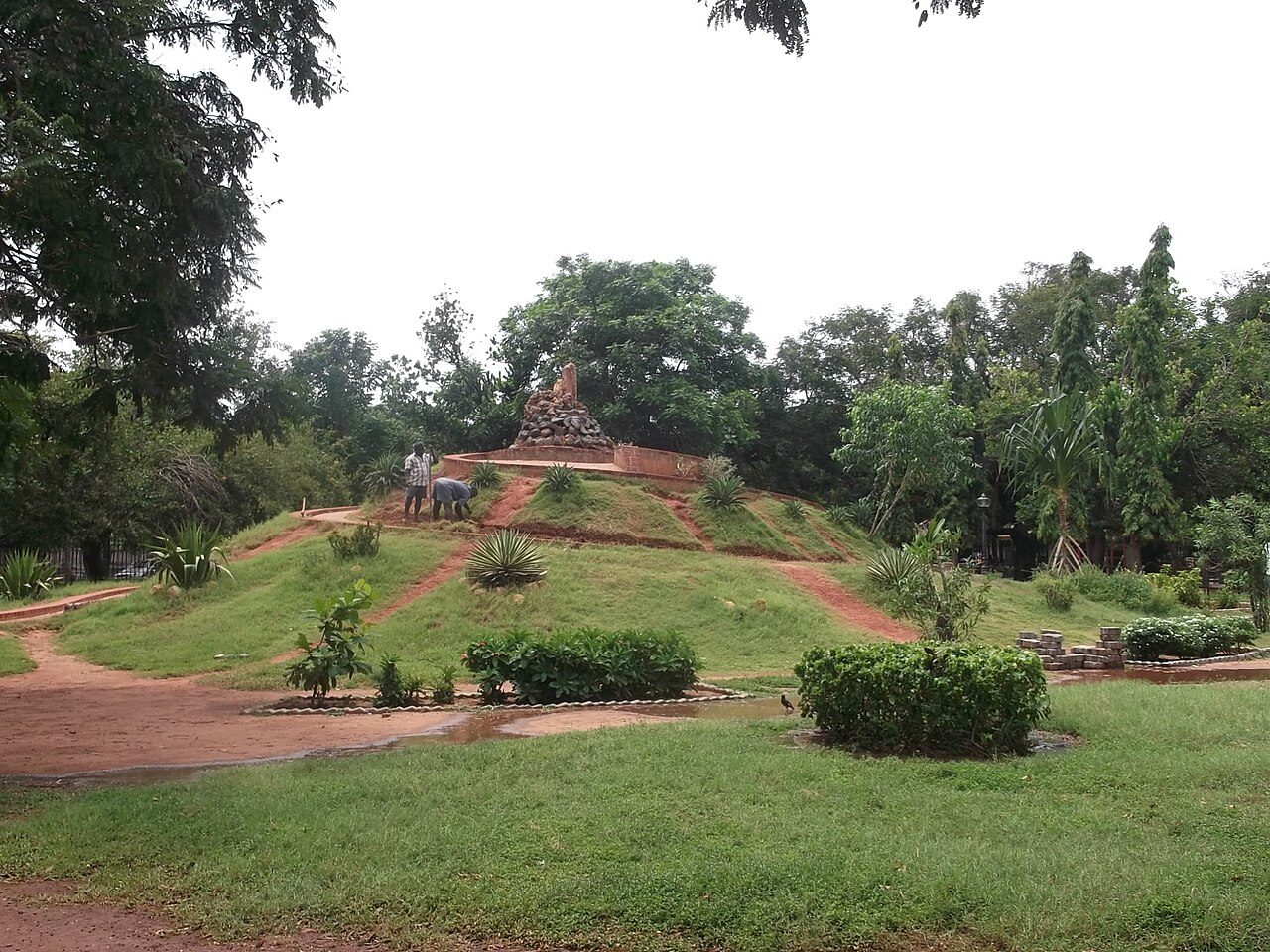
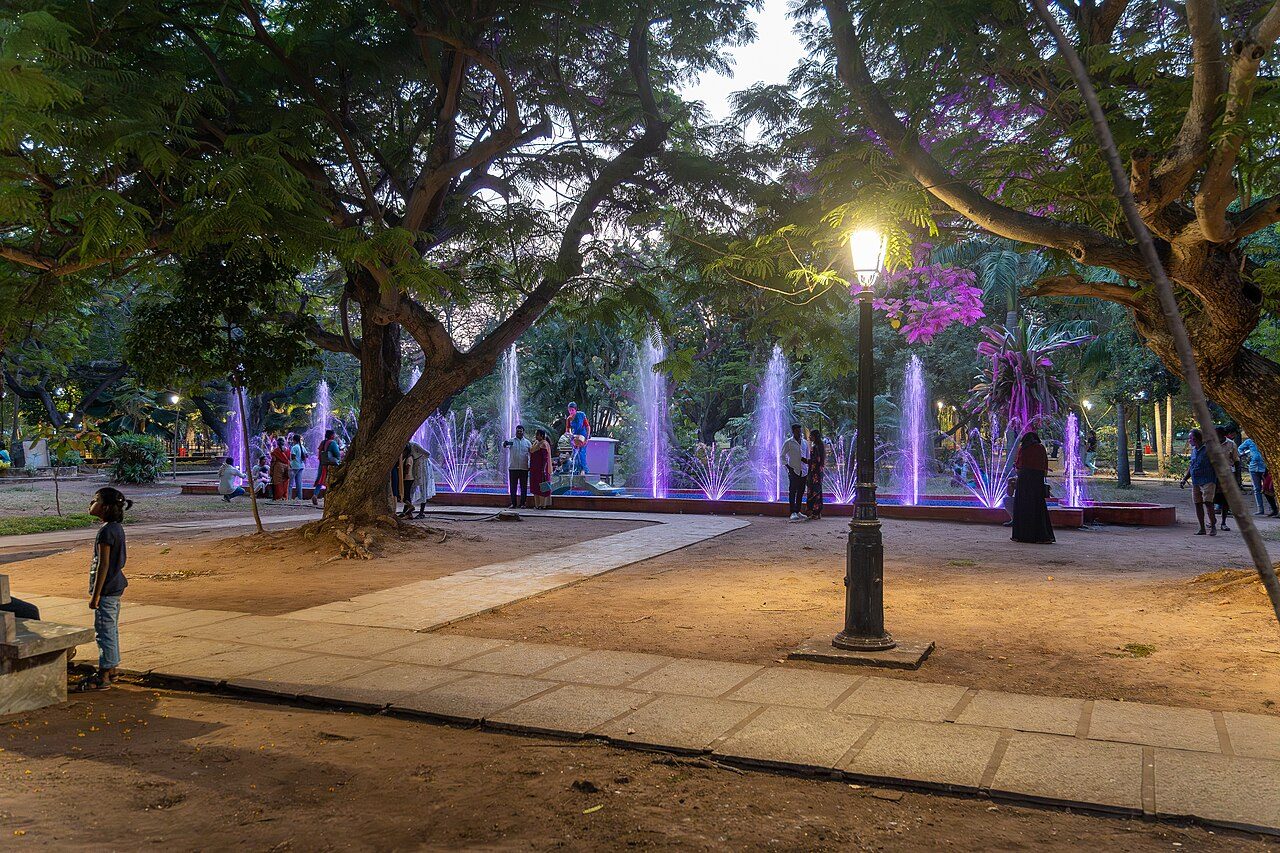
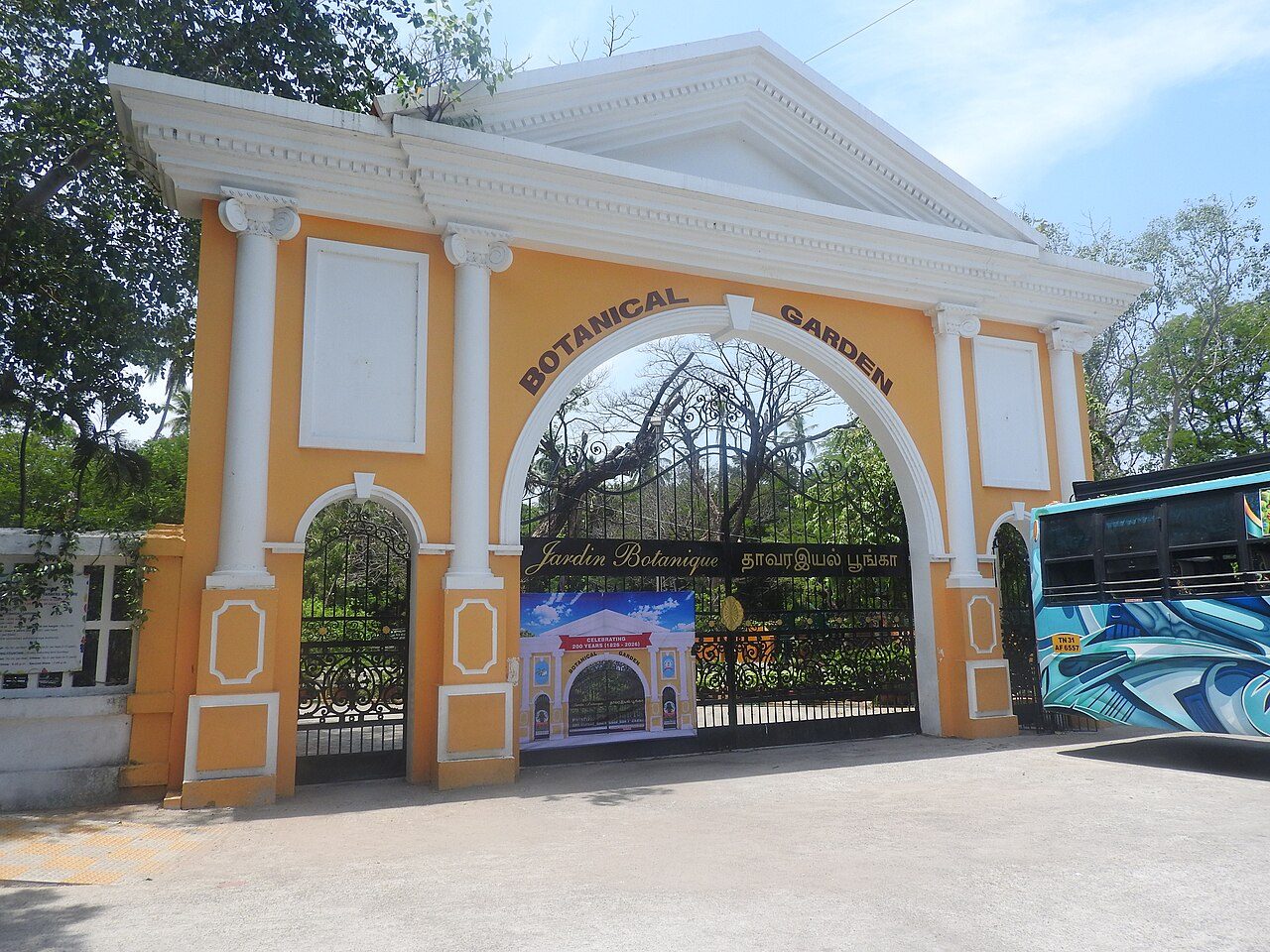
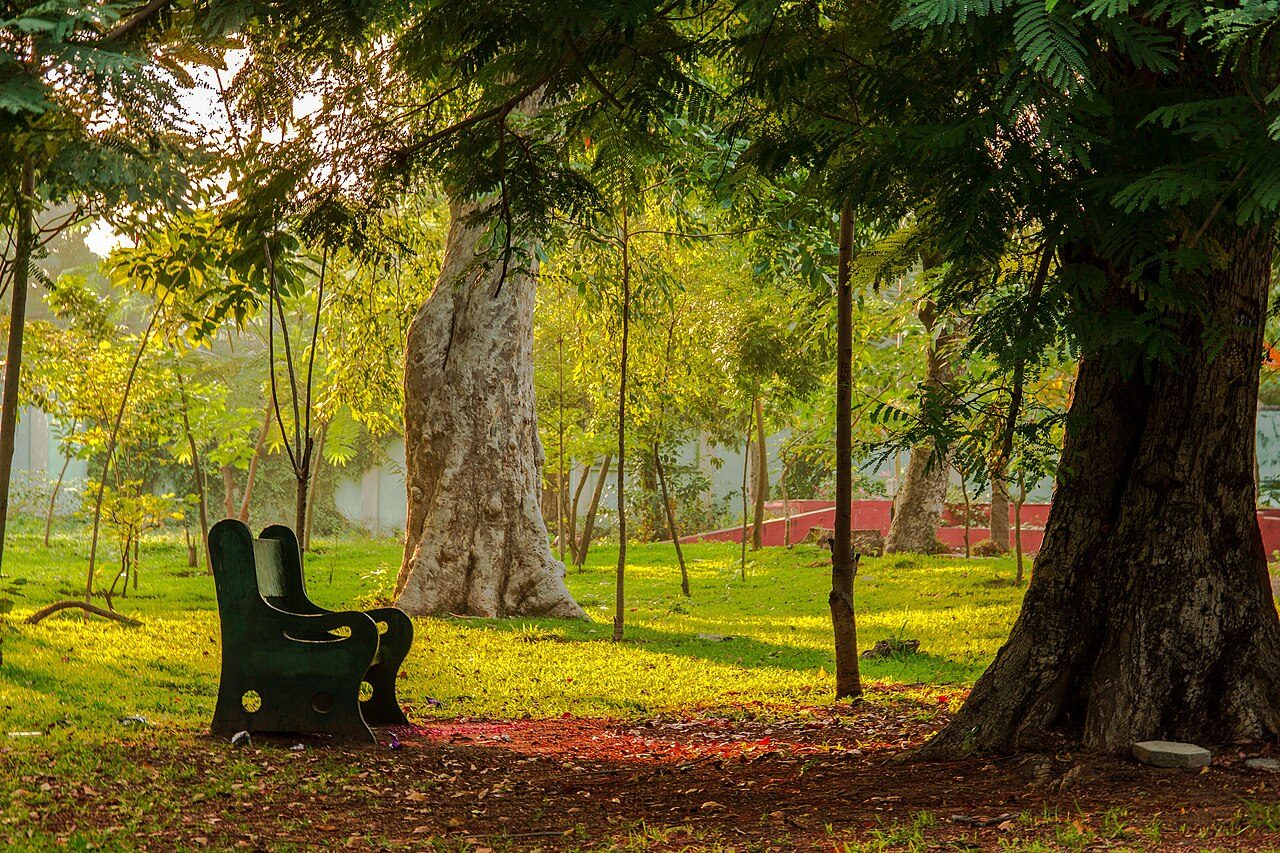
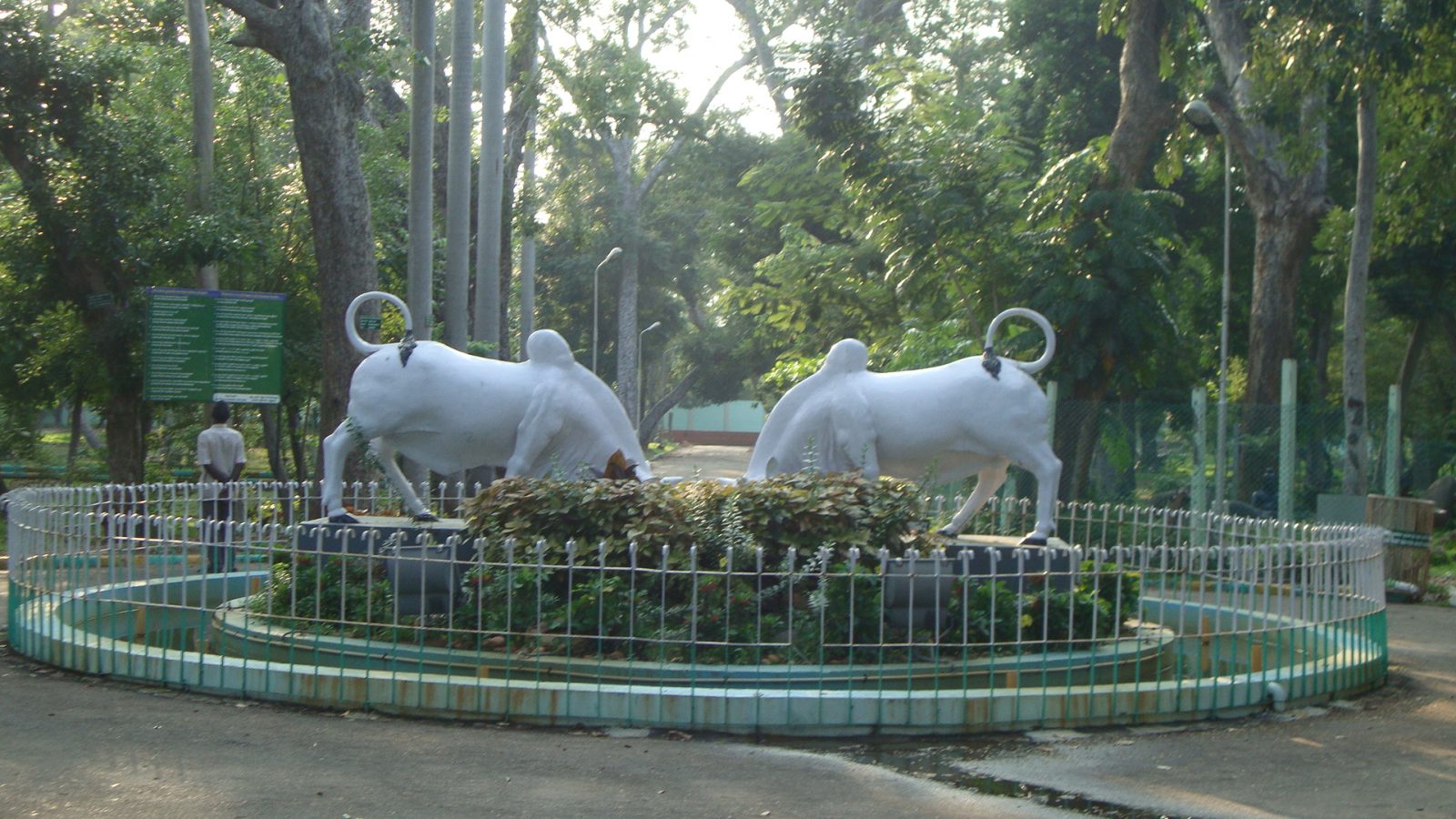
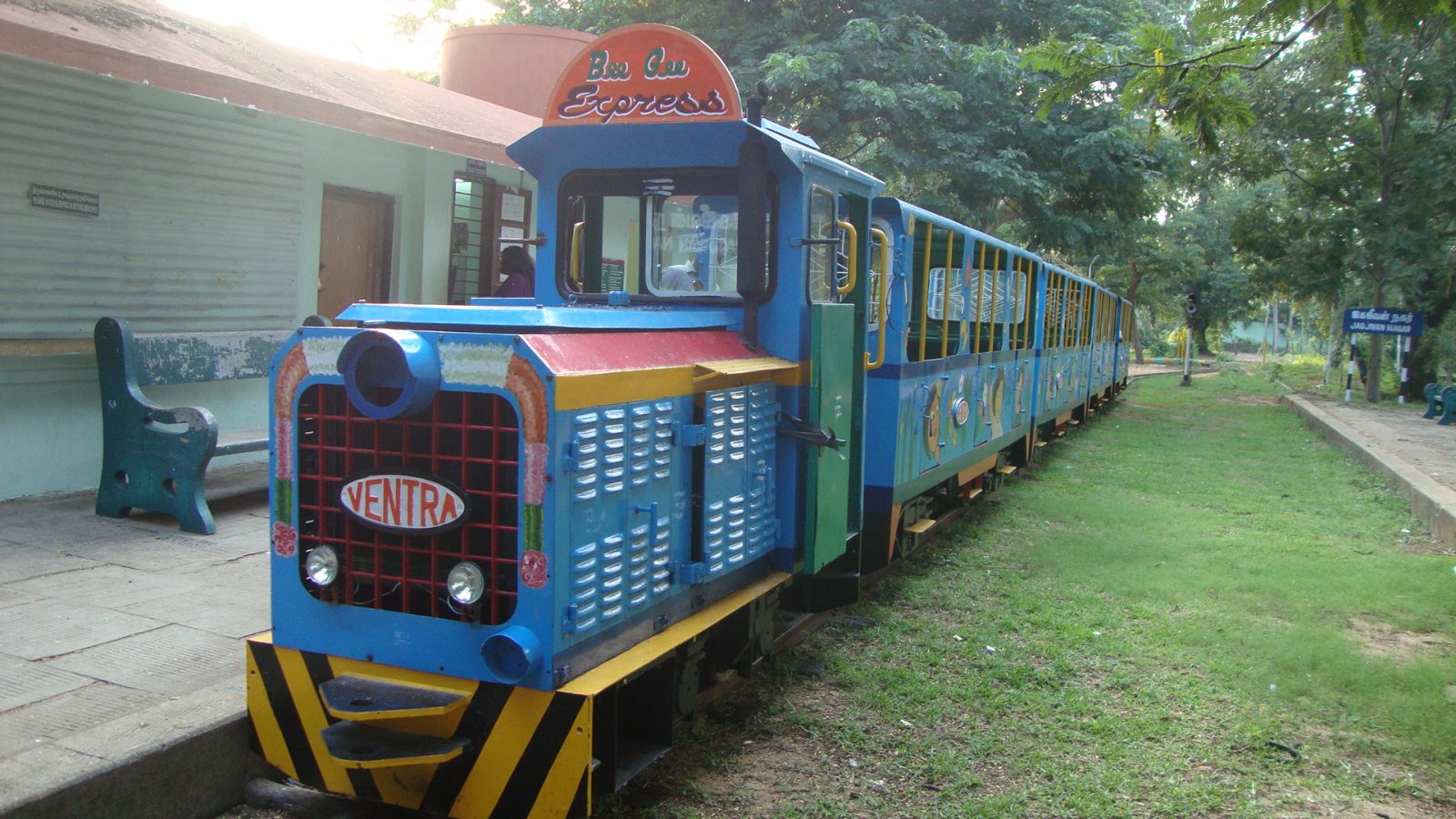
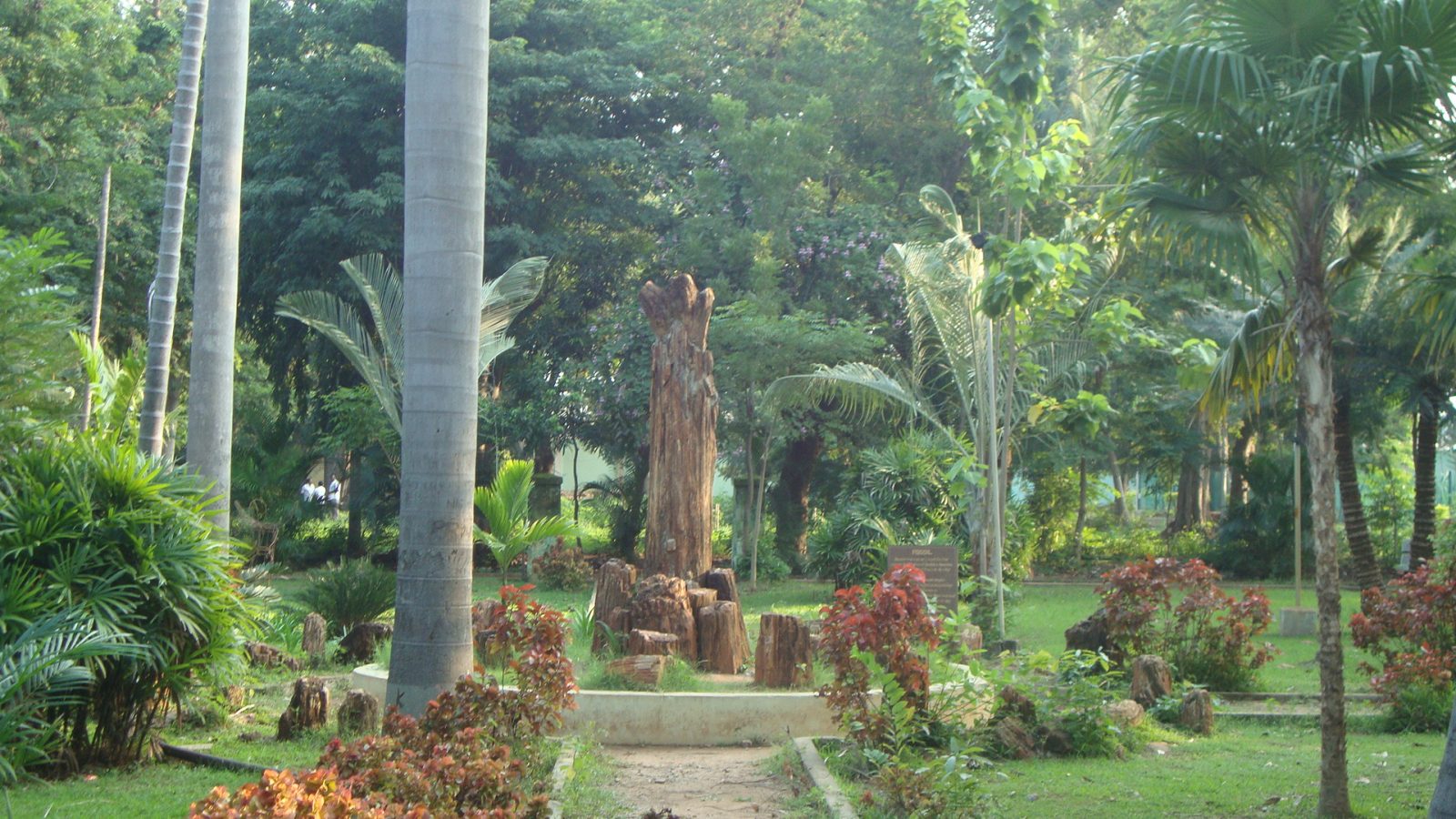
Laid out by the French in 1826, the Botanical Garden of Puducherry is a large, shady park with old trees, flower beds, fountains and plants from India and abroad. A small aquarium and a children's toy train add to its appeal, and it makes a cool escape from the town's busy streets near the new bus stand.
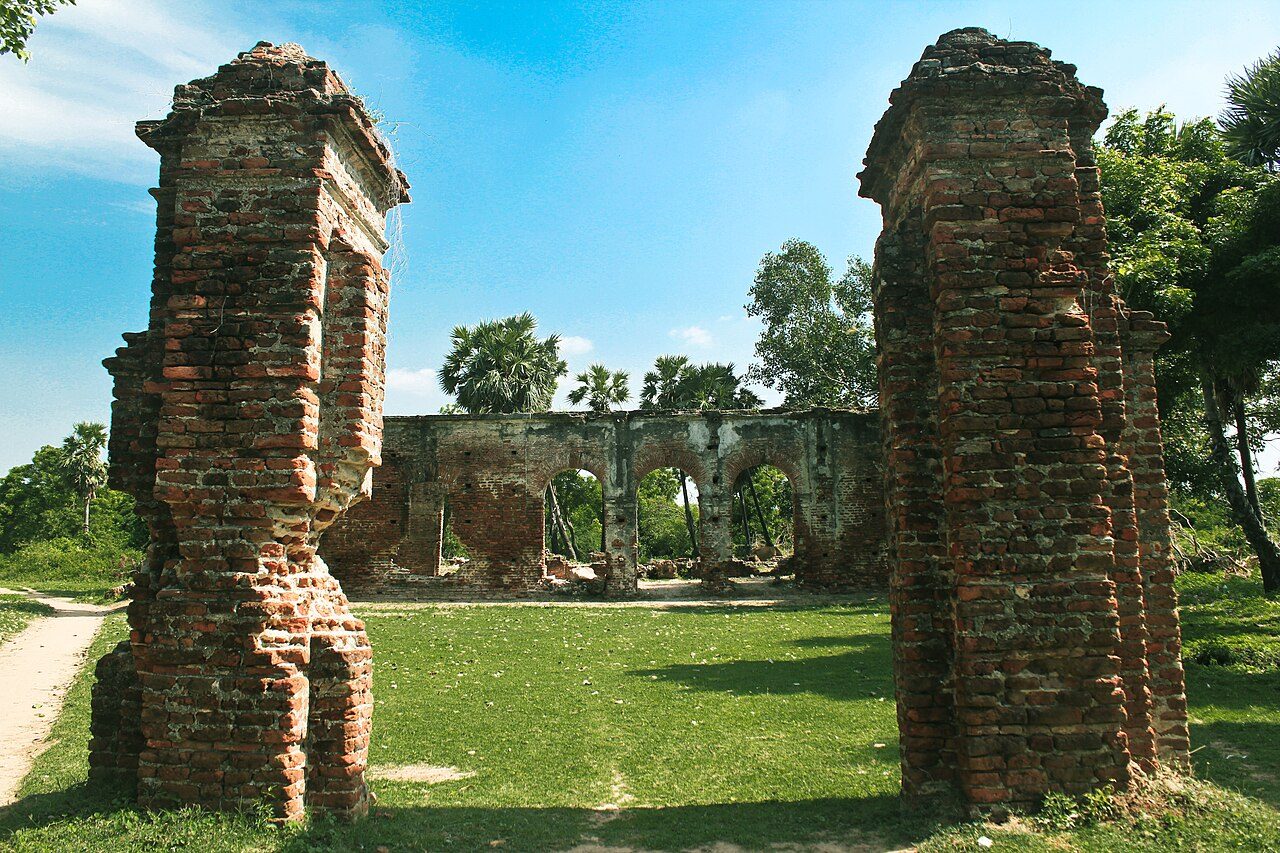
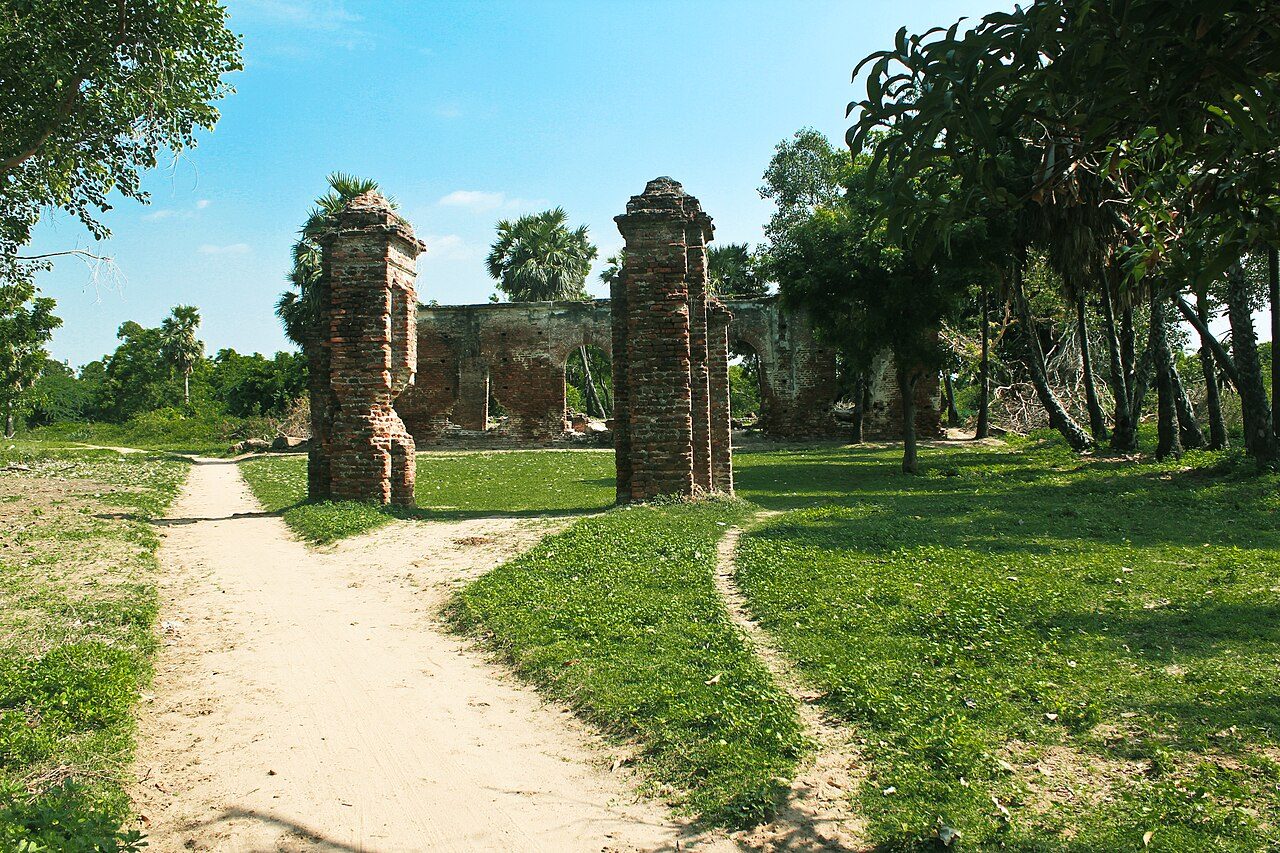
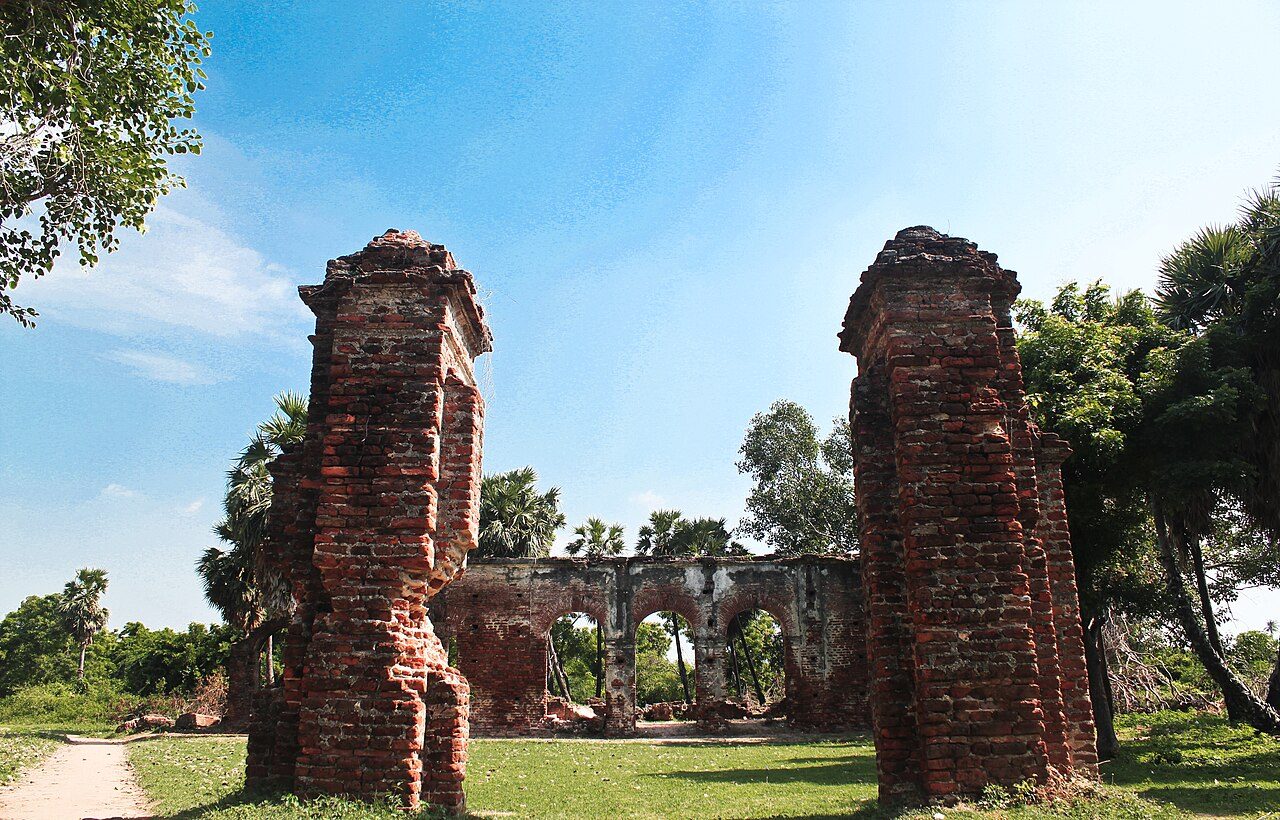
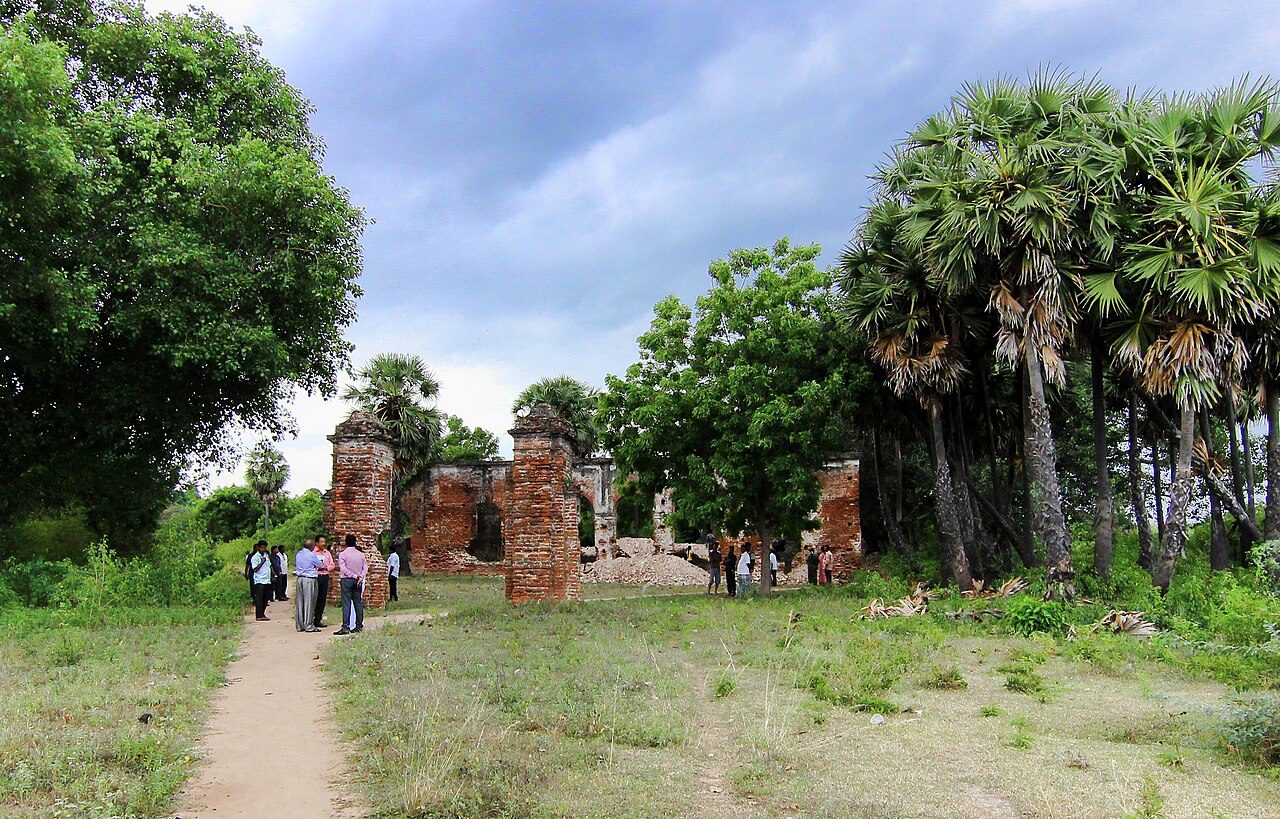
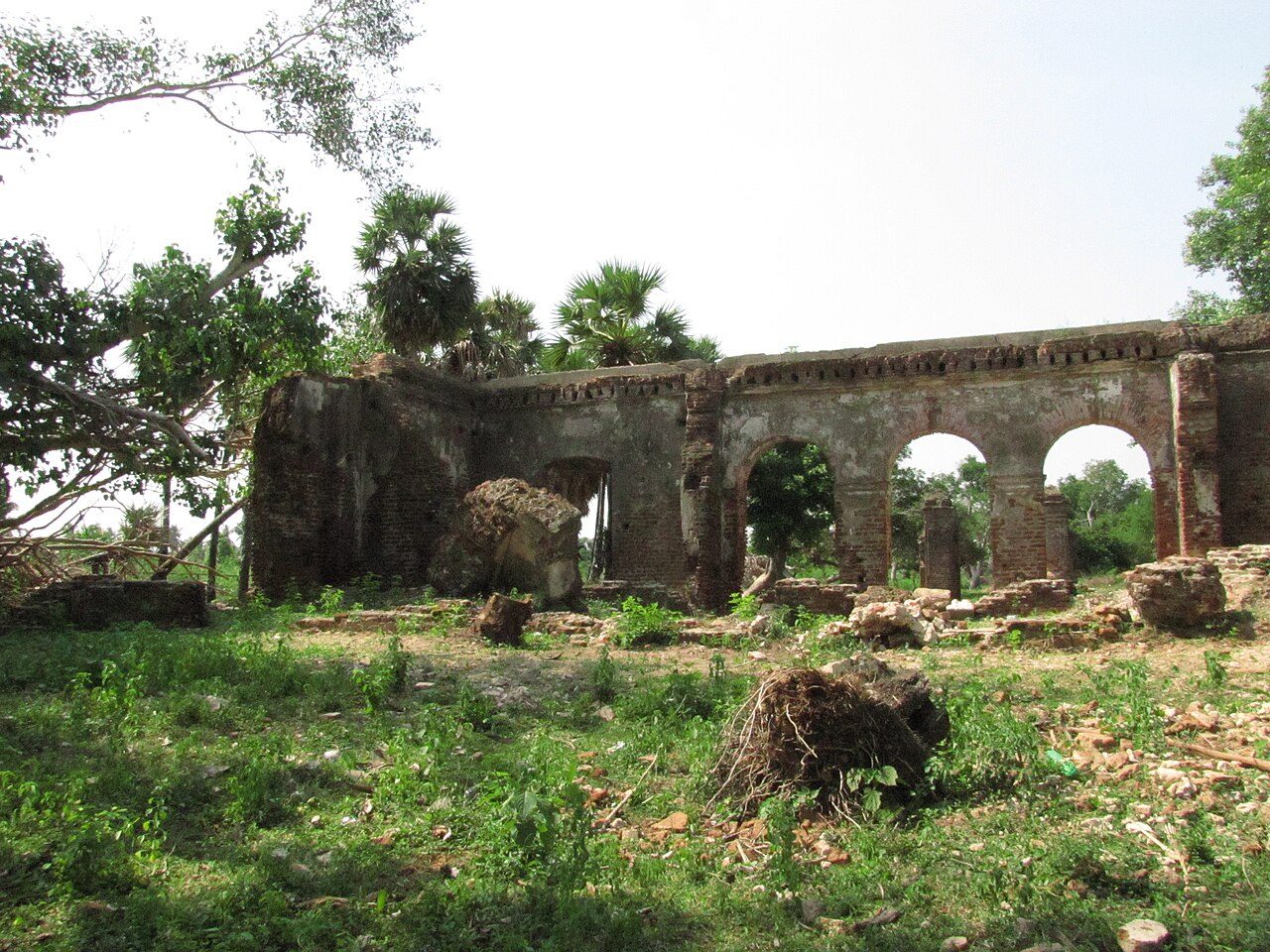
An ancient port on the Ariyankuppam river south of Puducherry, where excavations from the 1940s uncovered Roman amphorae, fine red Arretine pottery and beads, showing that traders from the Mediterranean came here around 2,000 years ago. Today brick walls and the ruins of an 18th-century French mission building stand among palms beside the river.
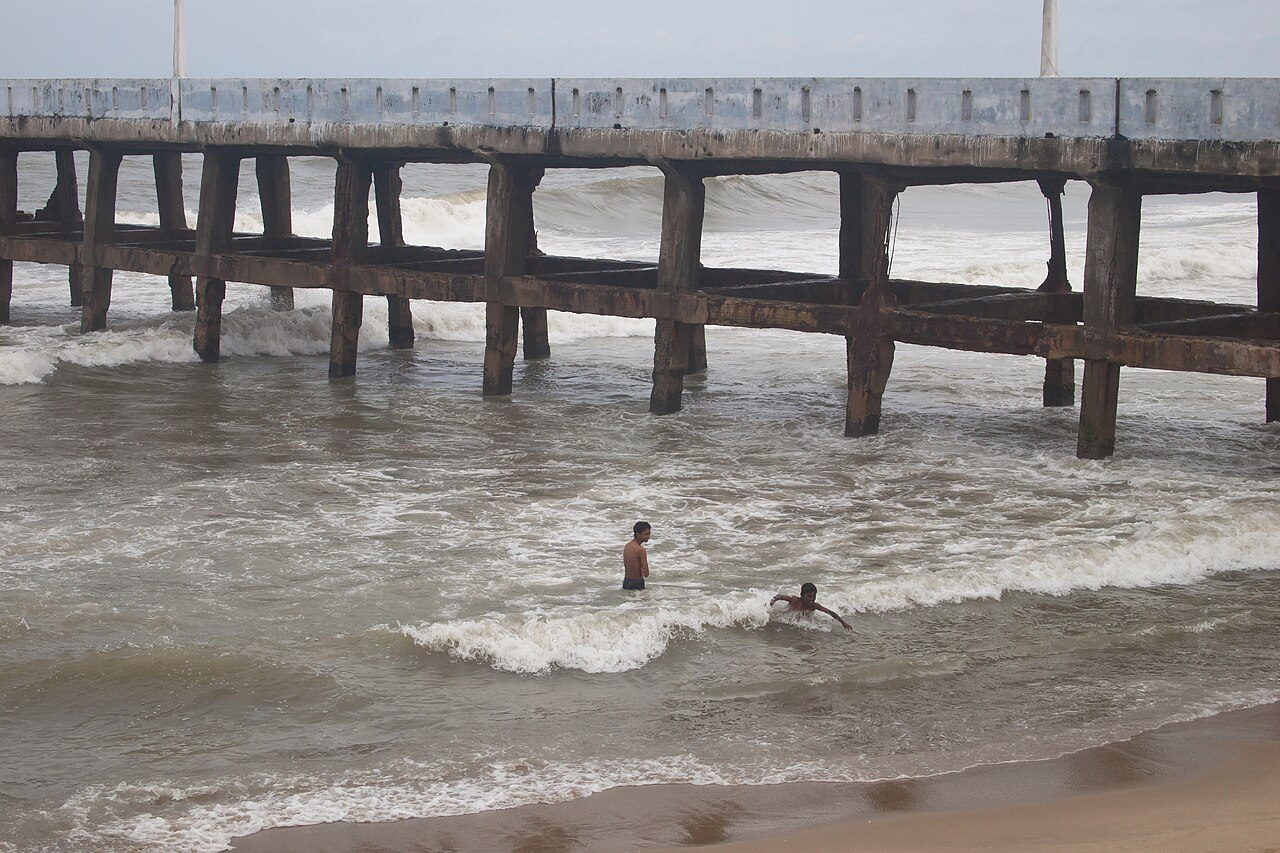
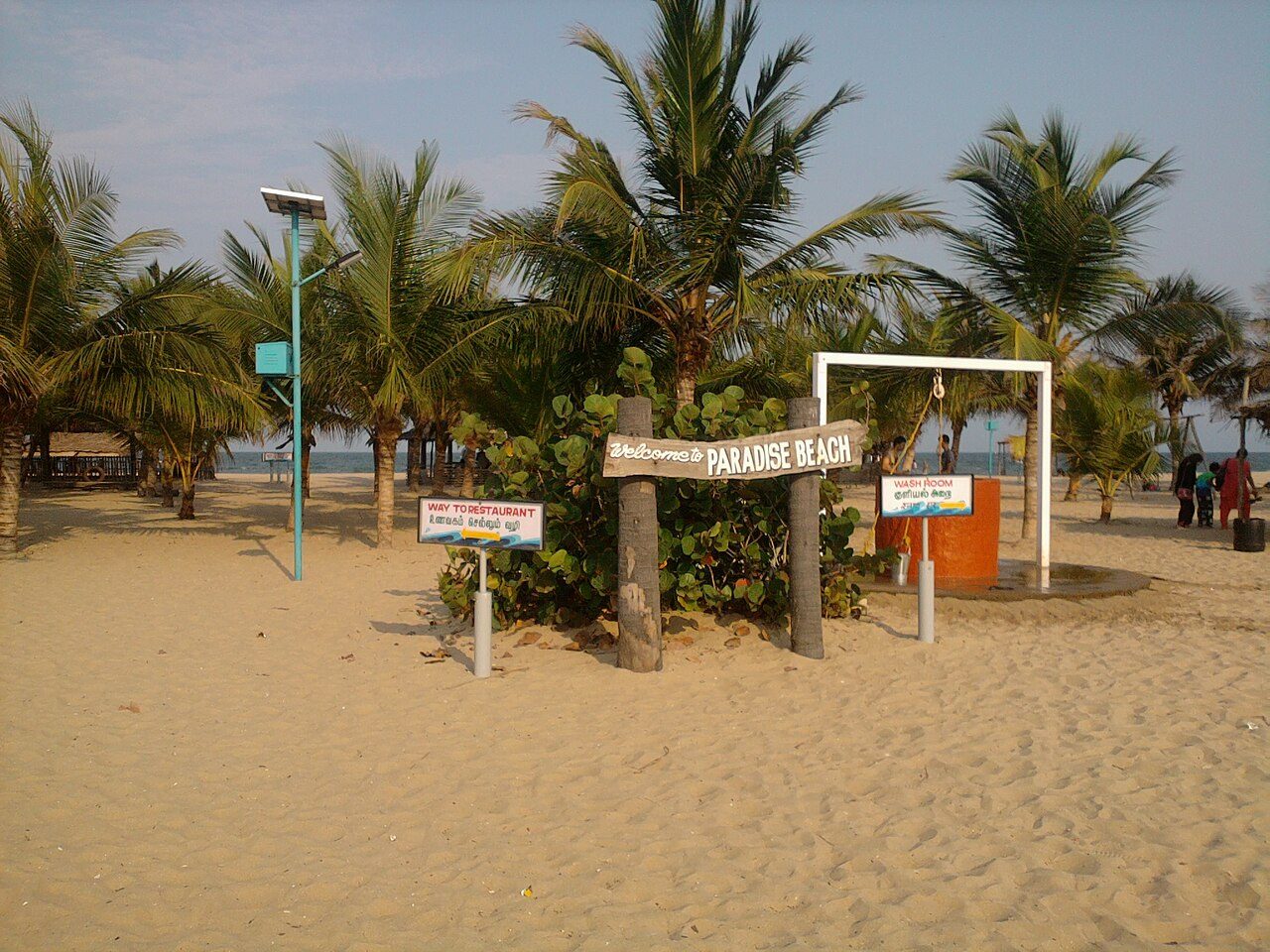
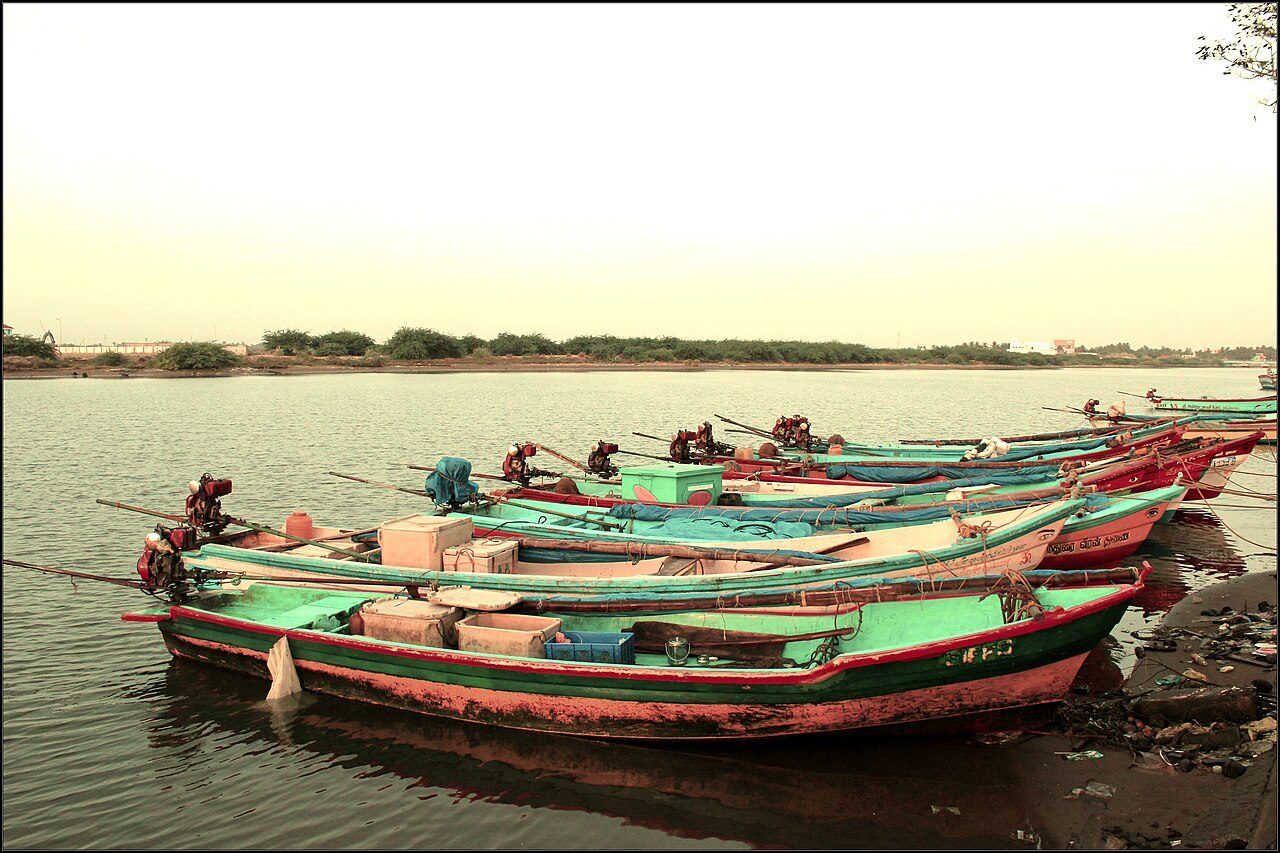
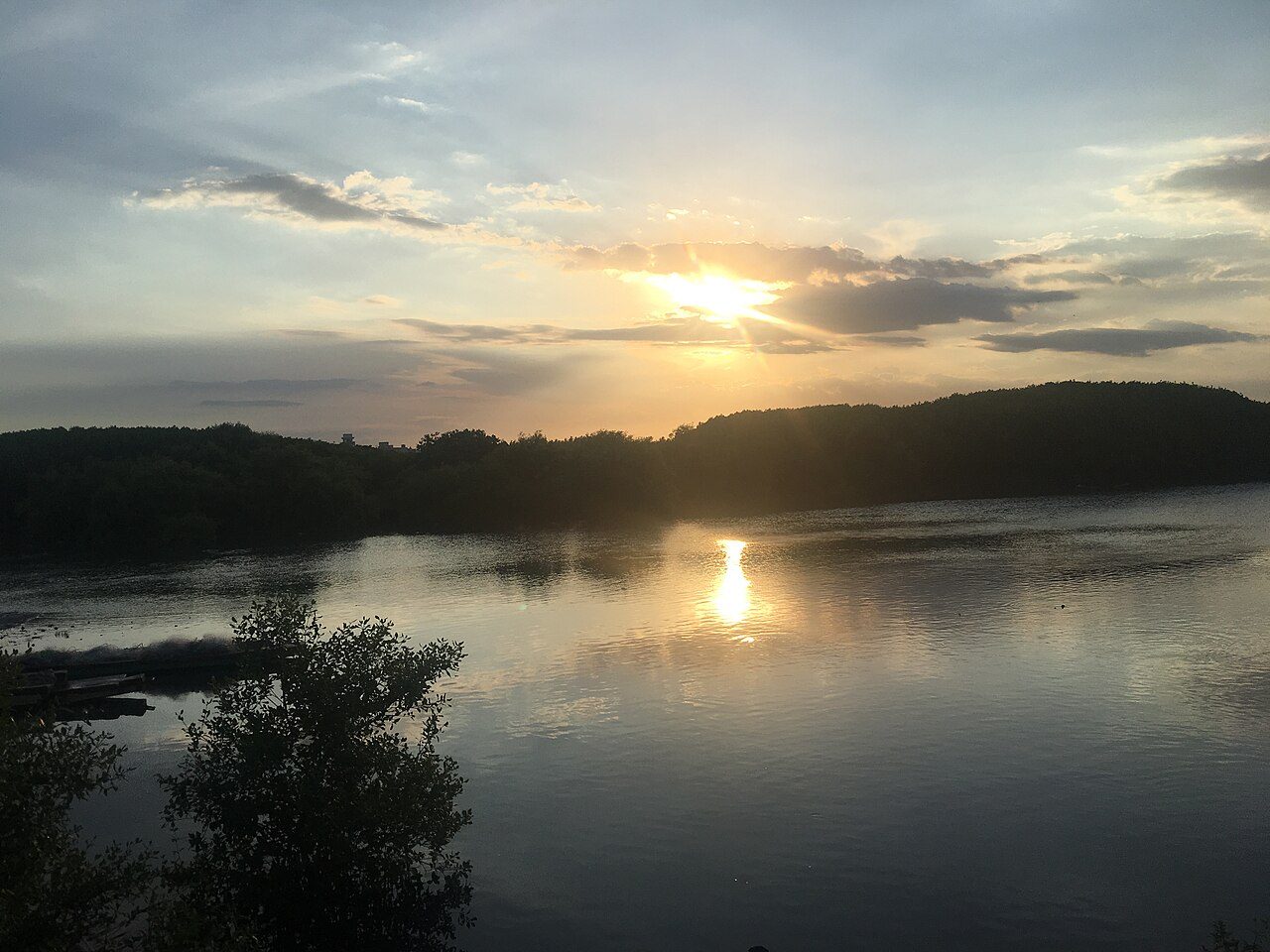
A long sandy beach on a sandbar where the Chunnambar river meets the sea, south of Puducherry. Most visitors arrive by boat from the Chunnambar boat house, a short ride through the backwaters past mangroves and fishing boats, which is part of the fun. With soft sand and few buildings, it is the best swimming beach near the town, though bathers should stay within the marked safe areas.
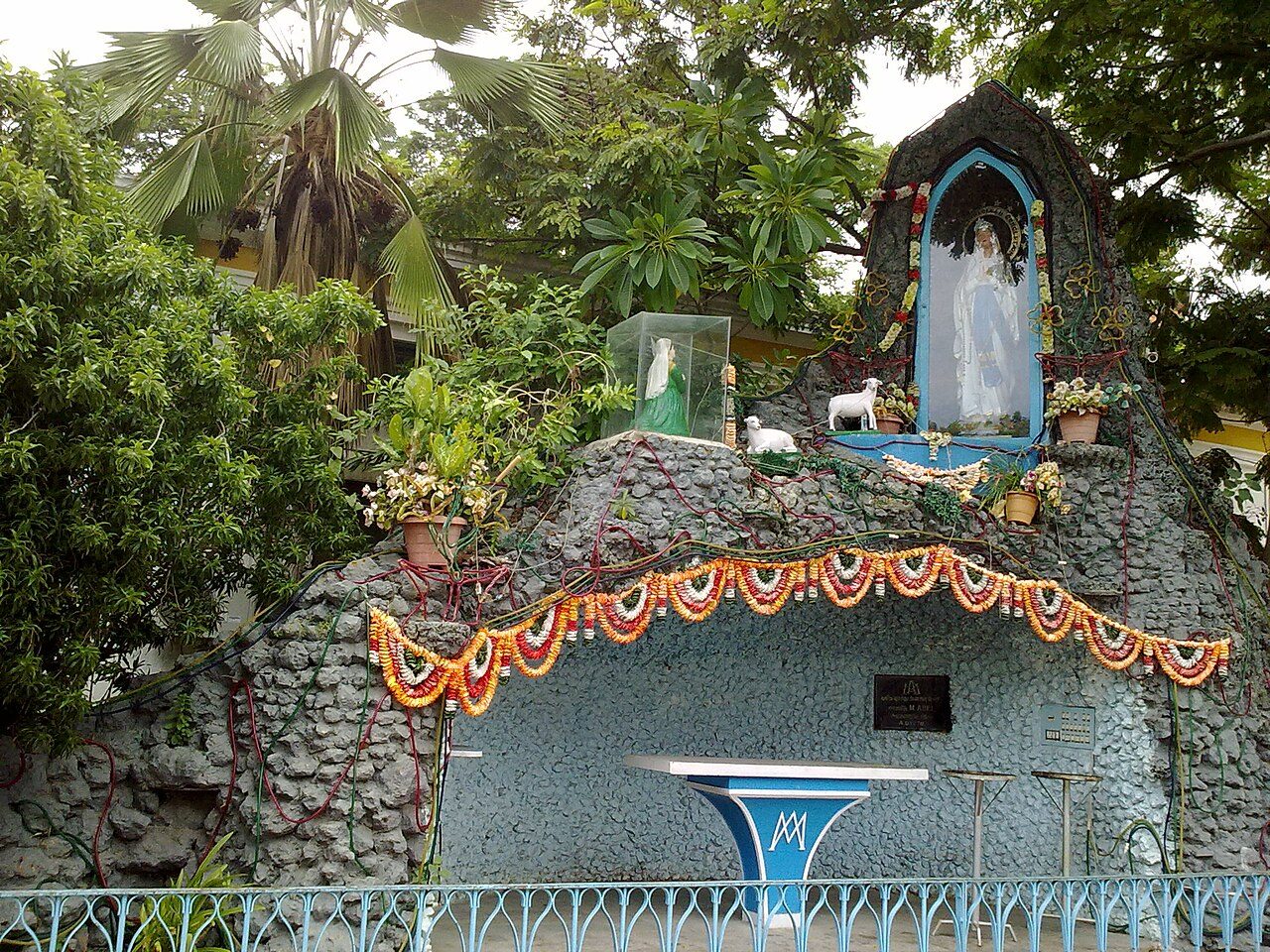
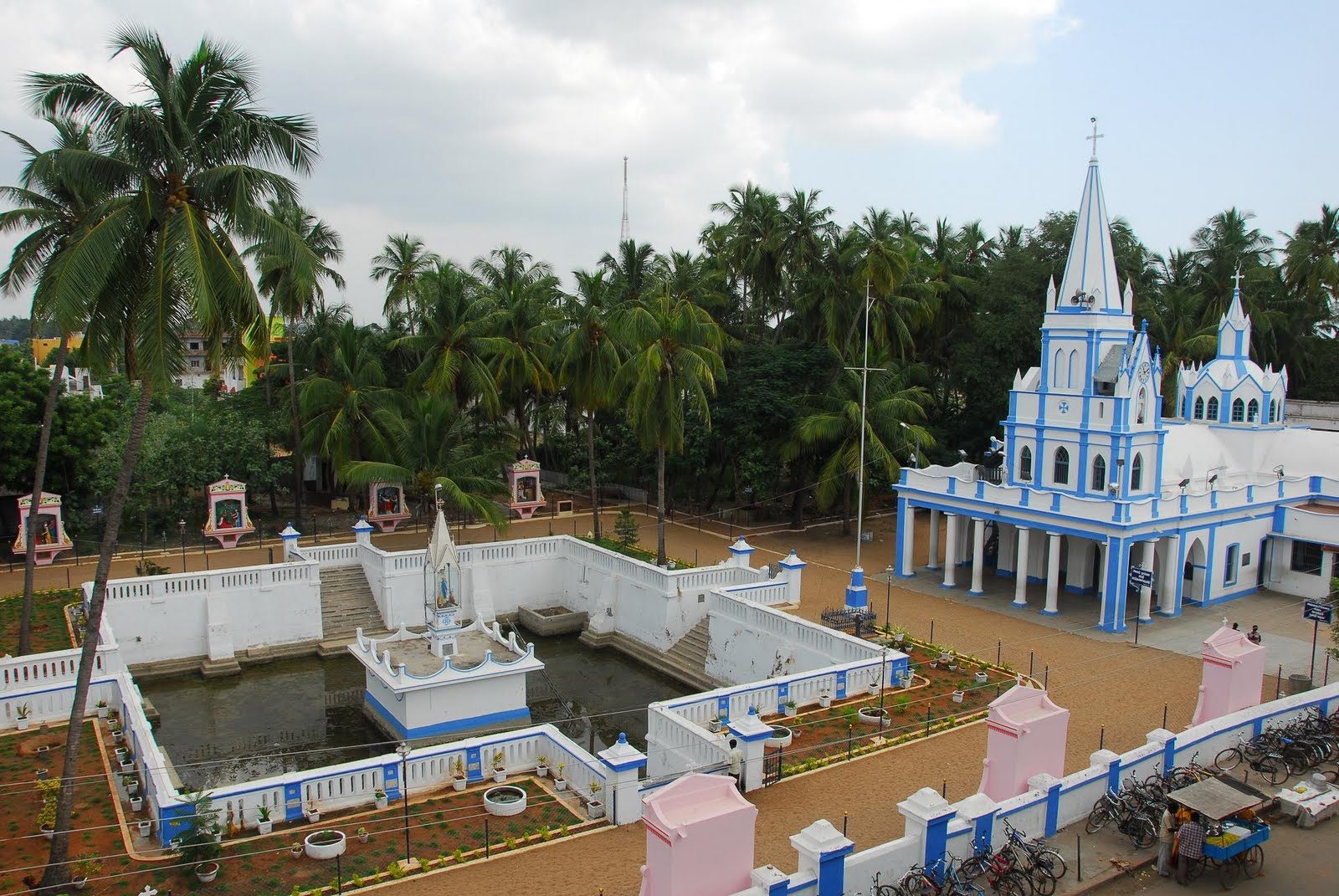
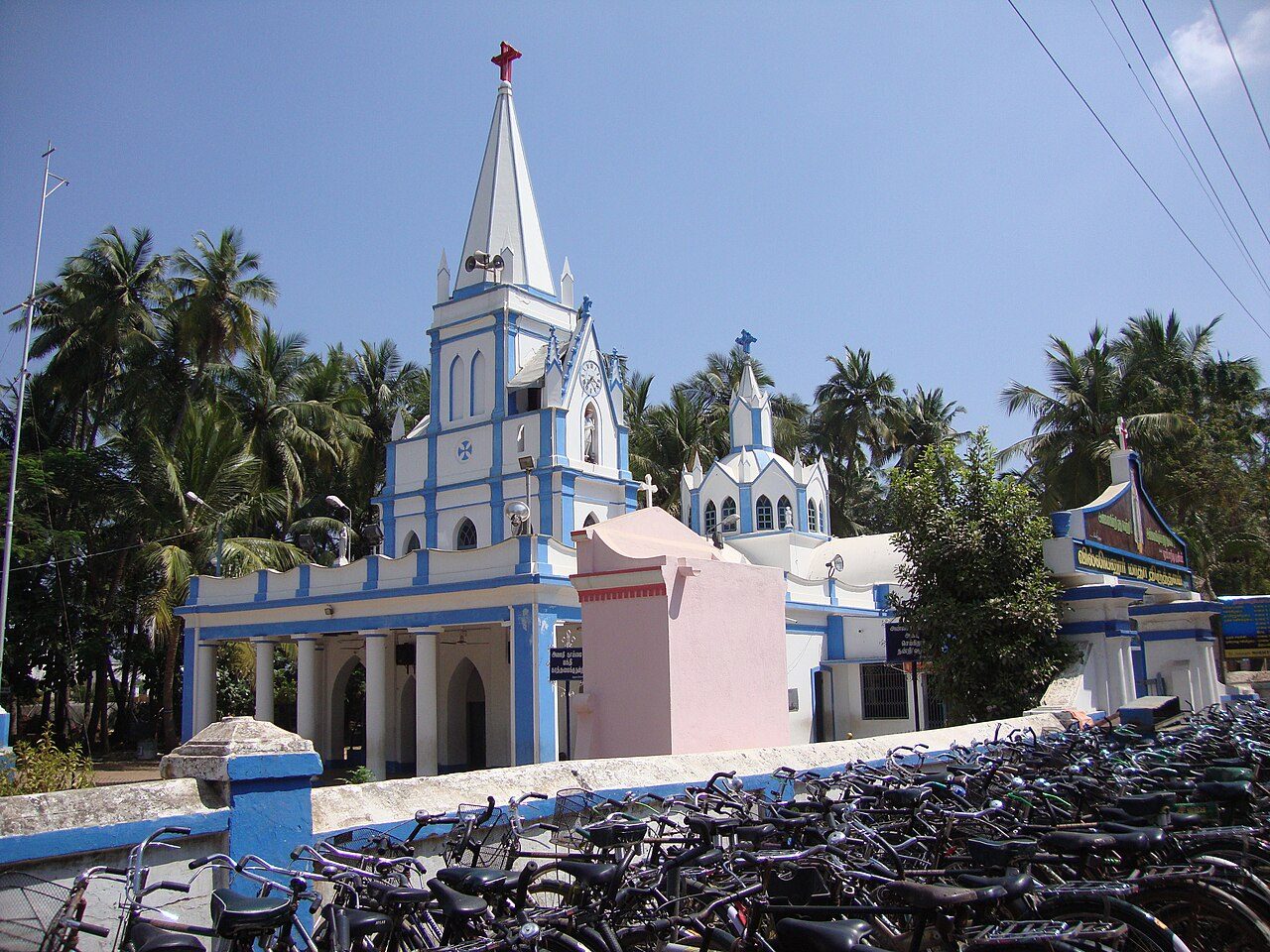
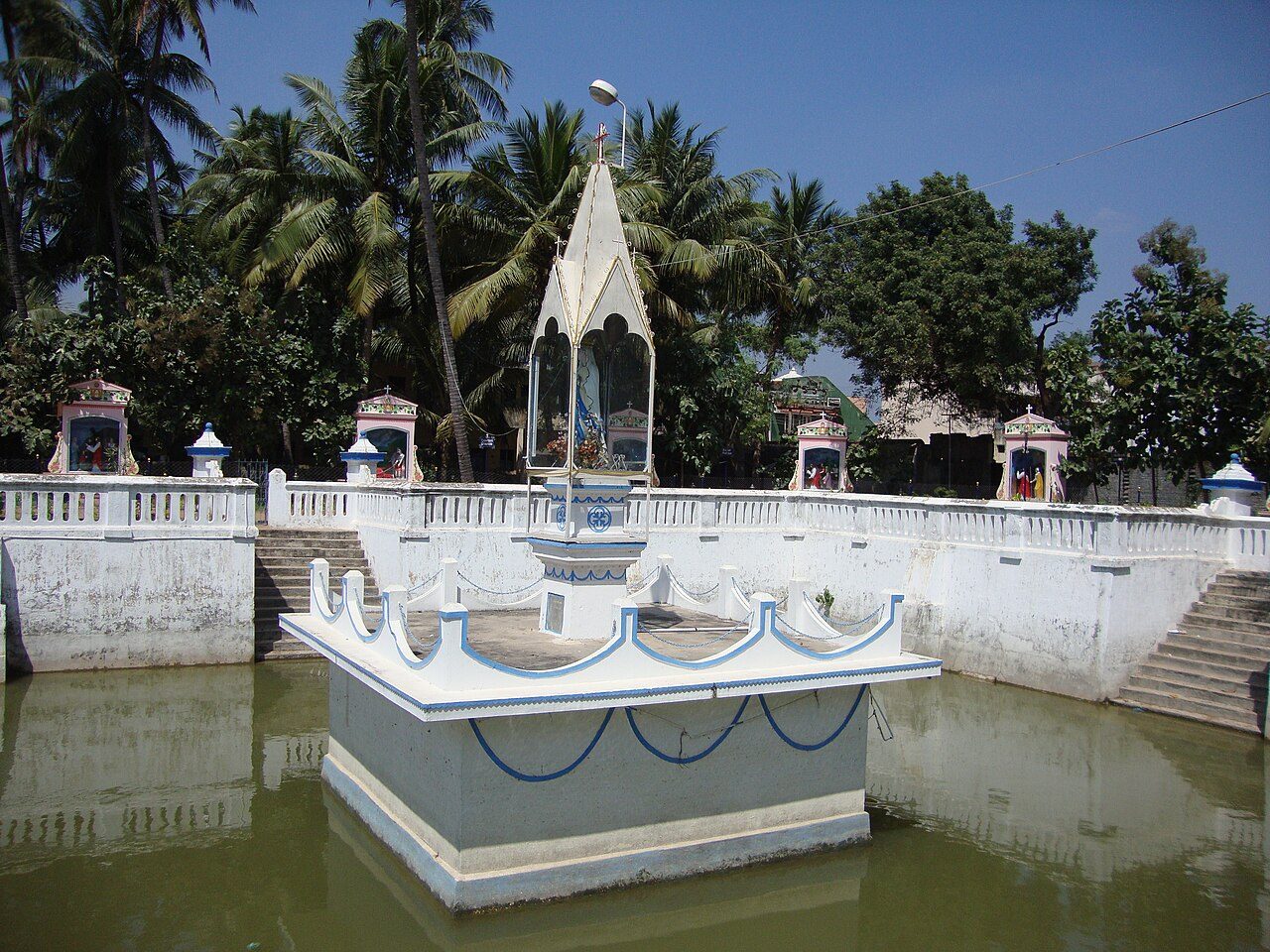
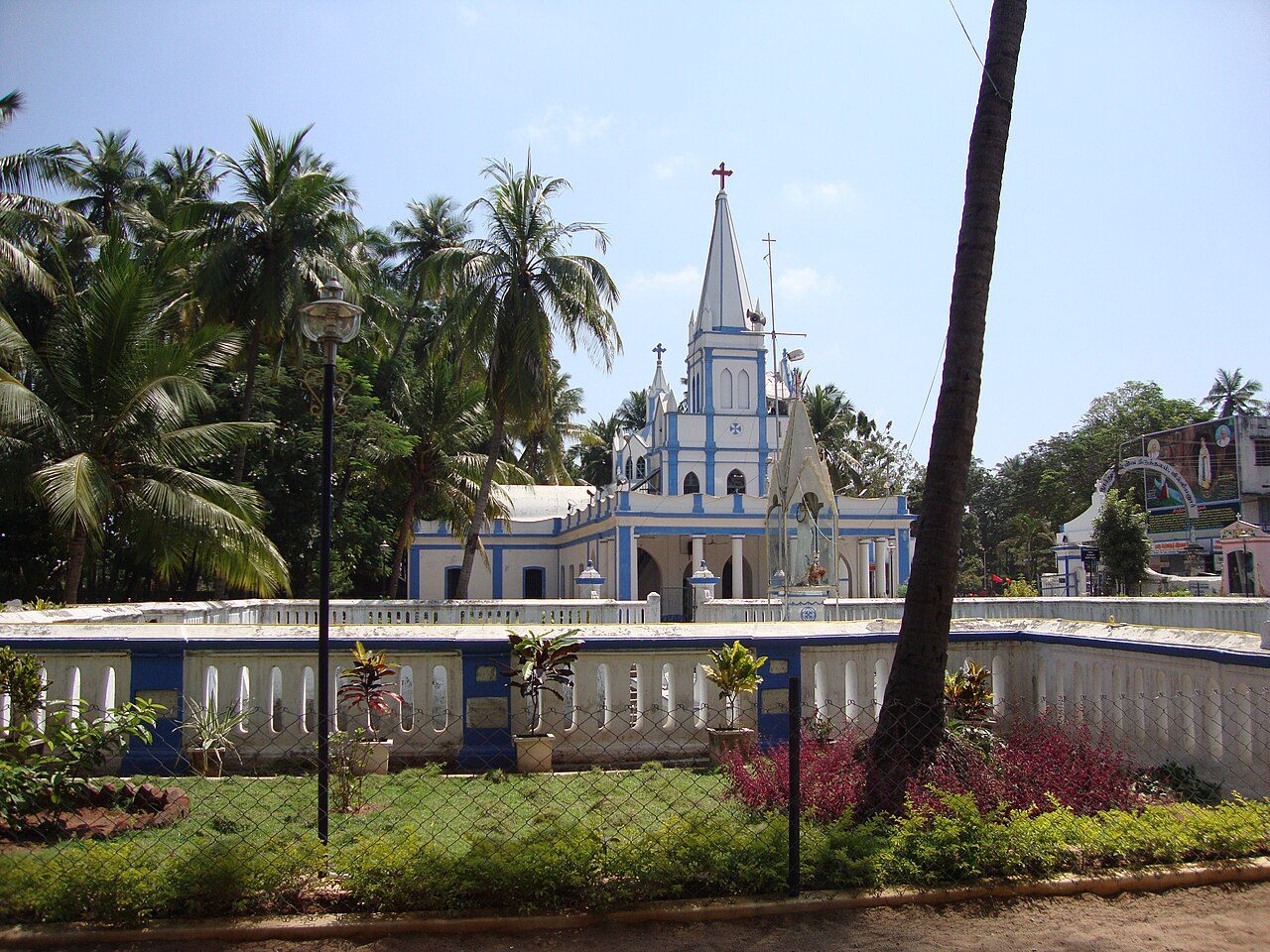
Built by French missionaries in the 1870s, the Our Lady of Lourdes Shrine at Villianur is modelled on the basilica at Lourdes in France. It stands beside a large tank with a statue of Mary at its centre, and a grotto in the grounds draws pilgrims who come to pray and light candles. The annual feast brings large crowds from across Puducherry and Tamil Nadu.
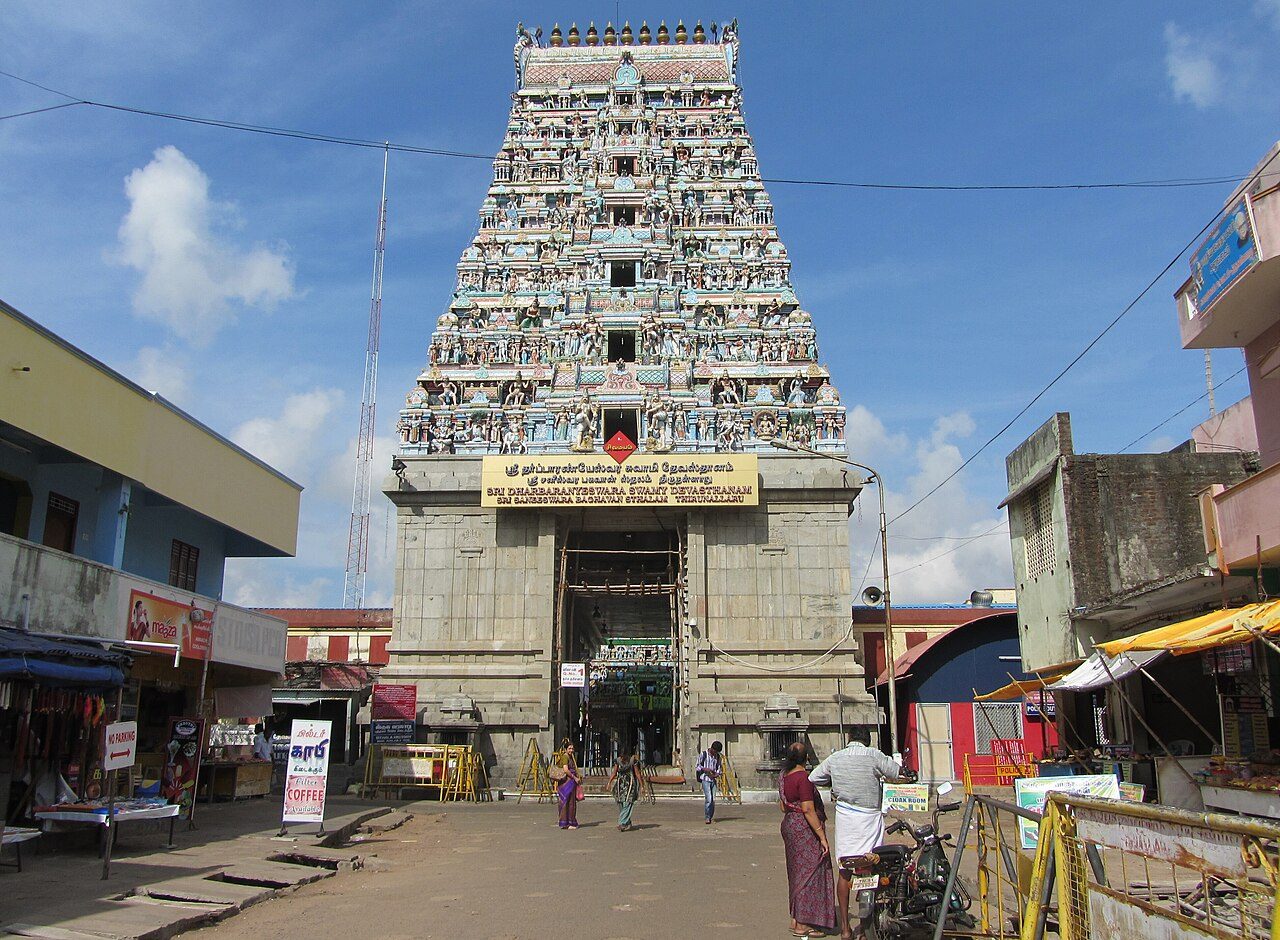
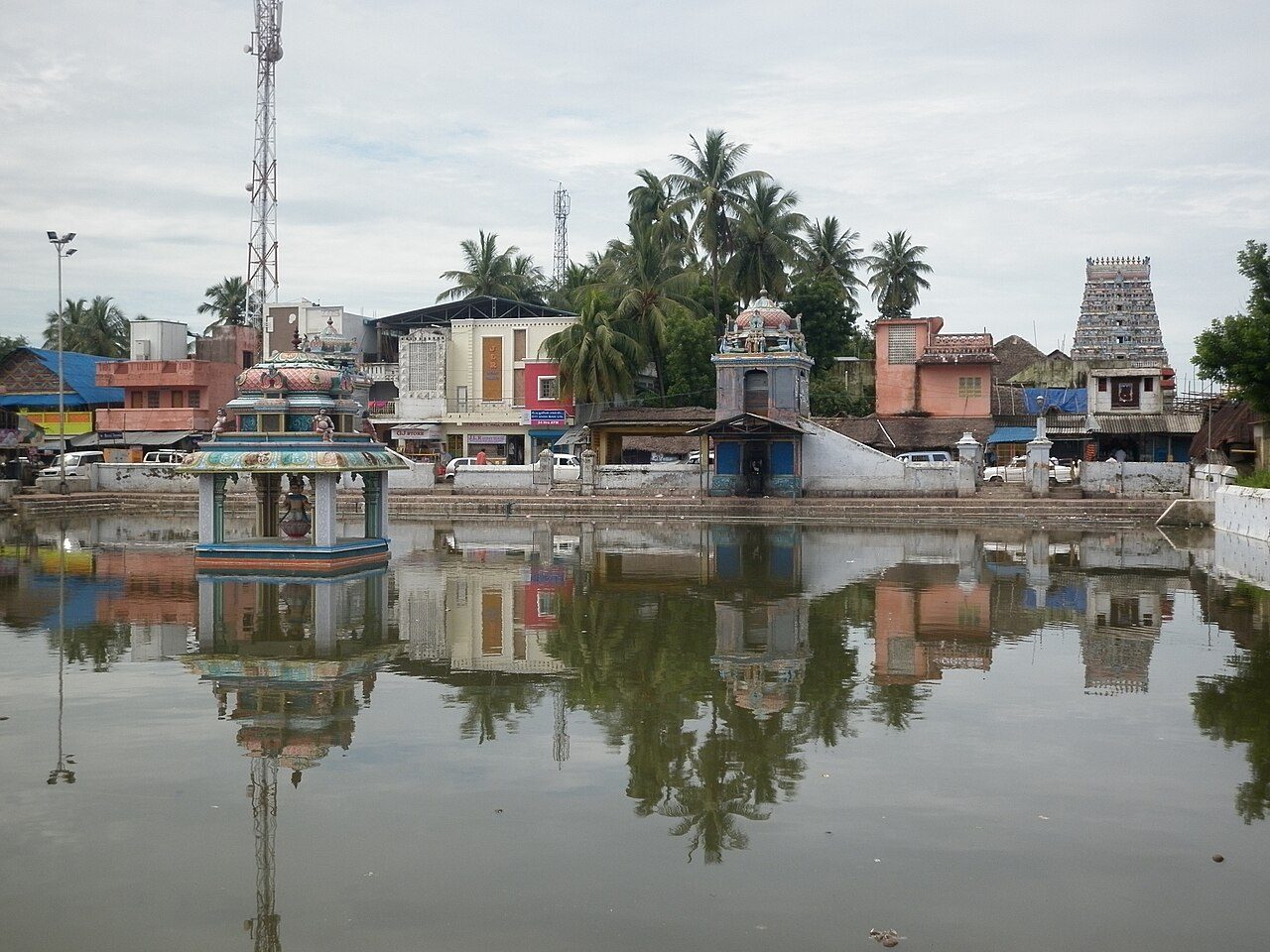
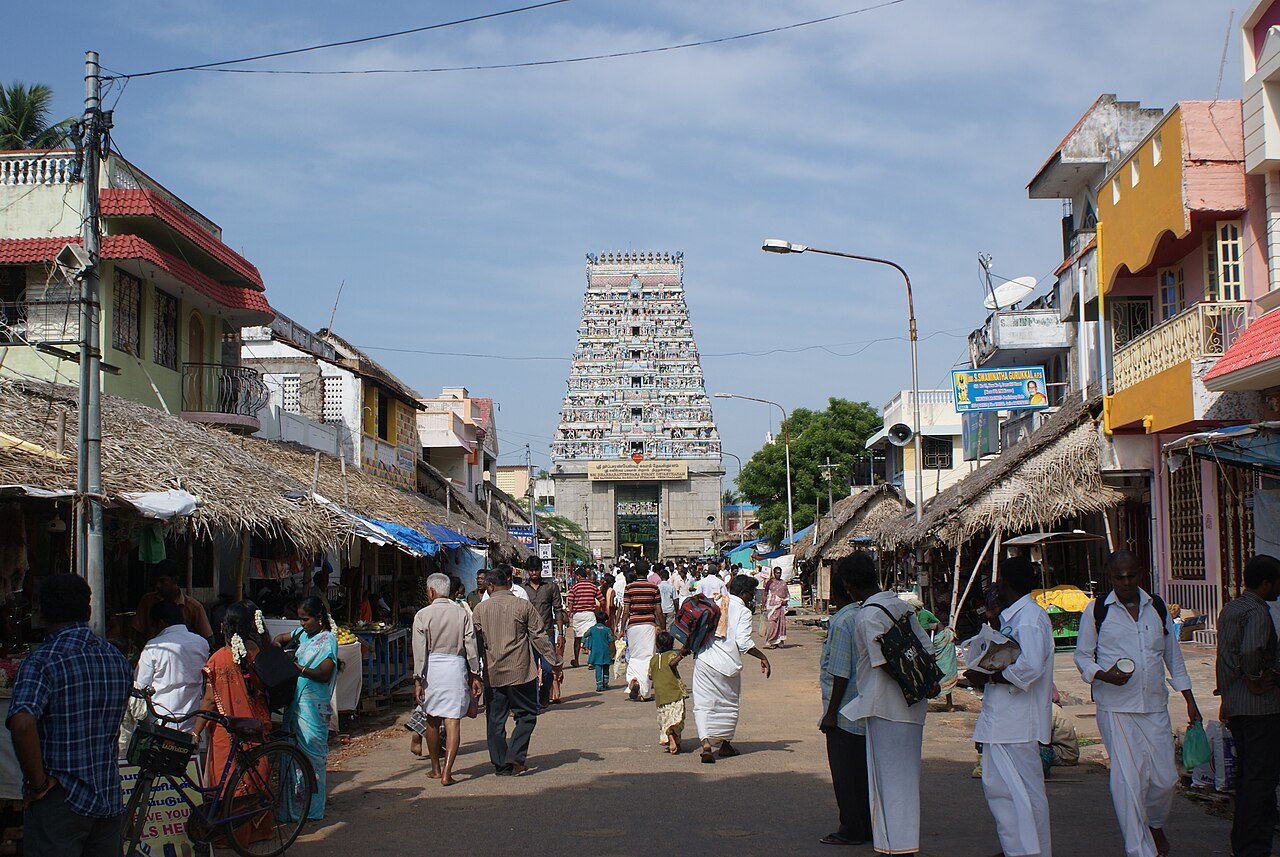
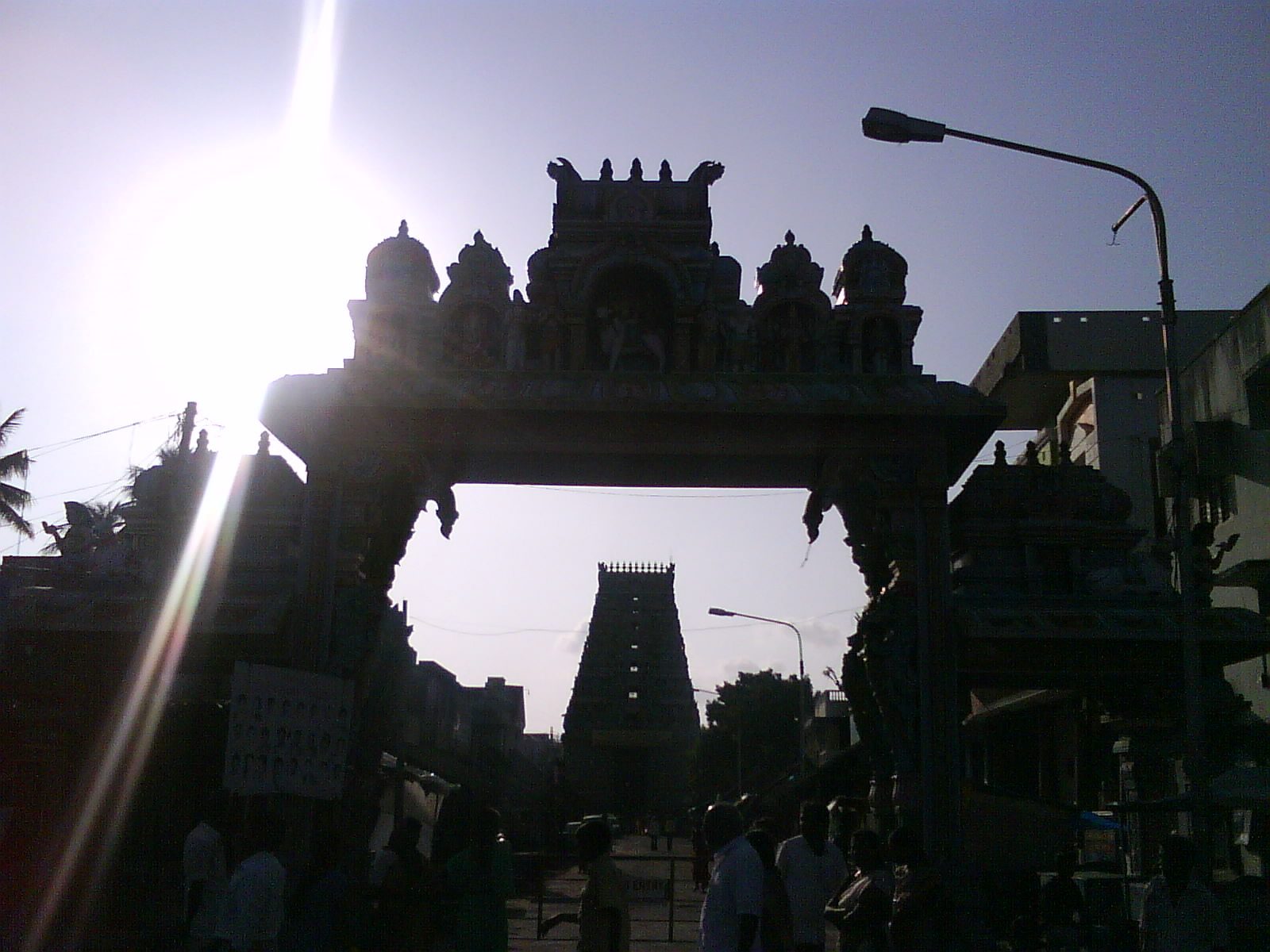
The Dharbaranyeswarar temple at Thirunallar is the most important shrine to Saneeswara, the planet Saturn, in South India. Pilgrims bathe in the Nala Theertham tank before worship, believing it eases Saturn's hardships, and huge crowds gather on Saturdays and at Sani Peyarchi, when Saturn moves into a new sign roughly every two and a half years.
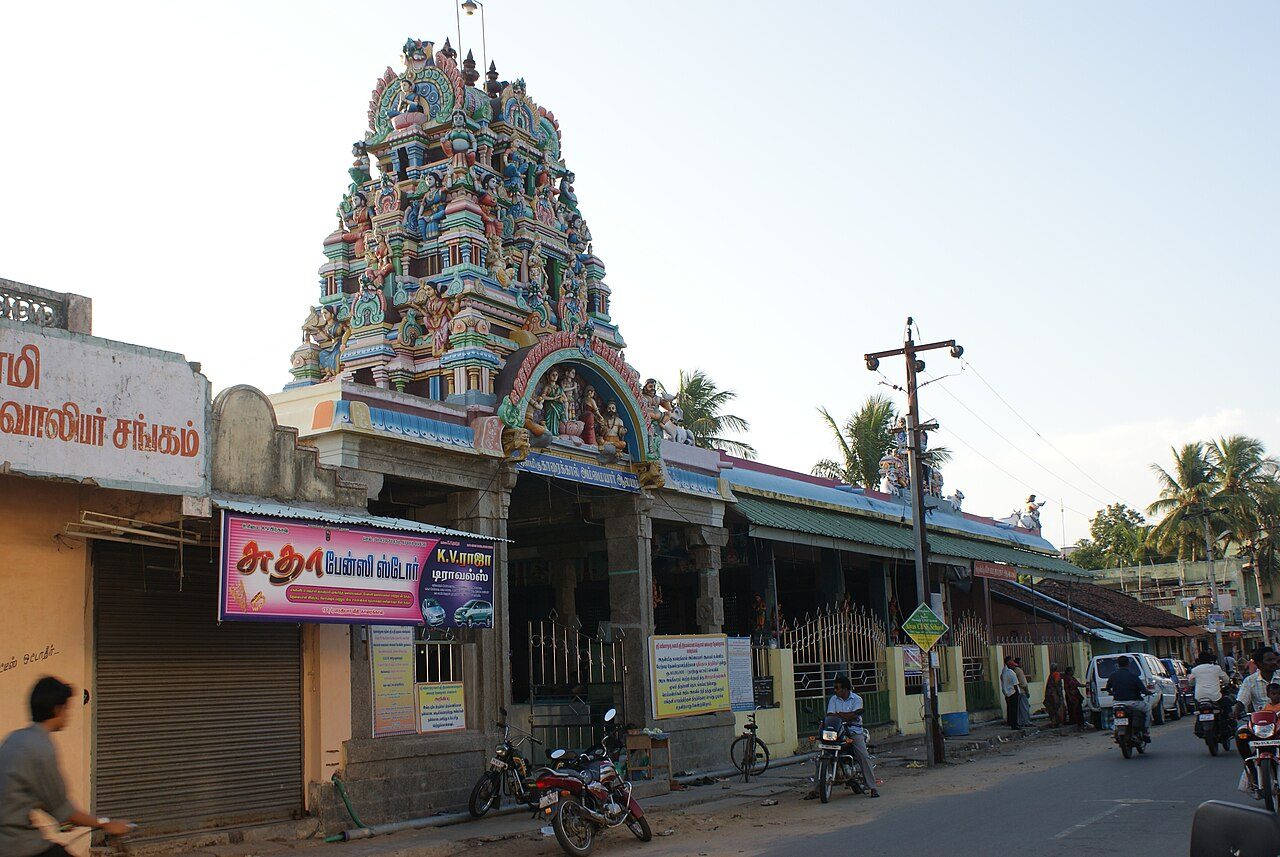
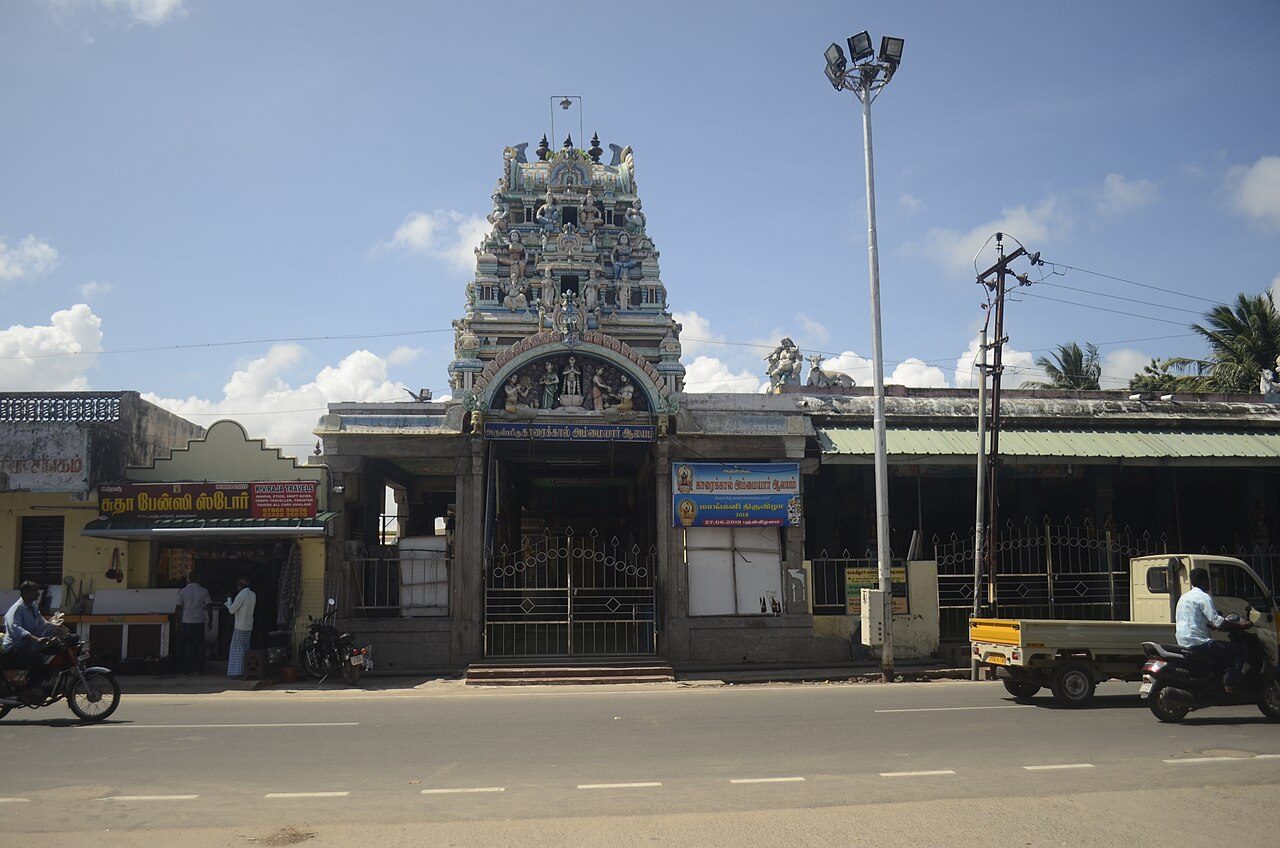
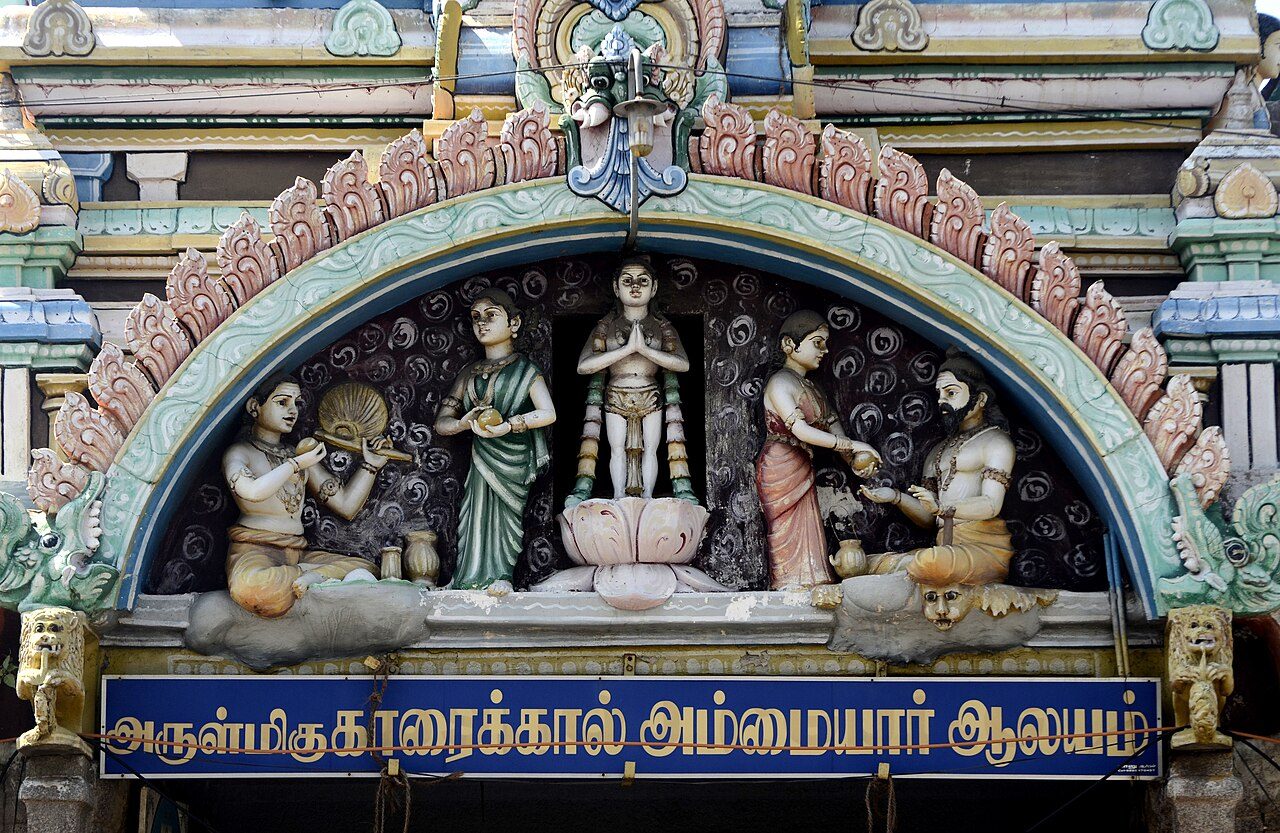
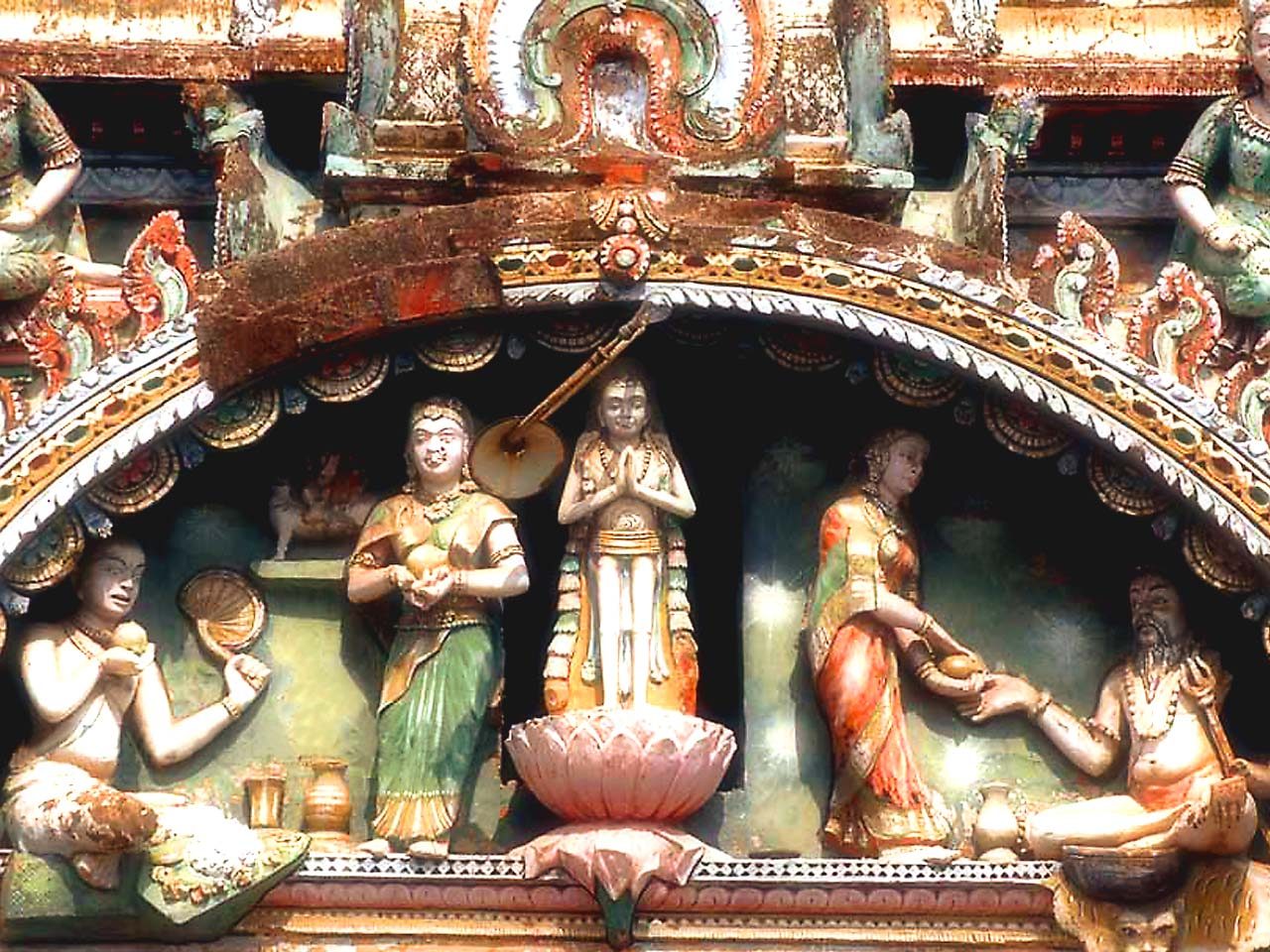
A temple to Karaikal Ammaiyar, one of the 63 Nayanmar saints and among the earliest Tamil women poets, who was born in Karaikal. Her story, in which mangoes appeared by miracle to reveal her devotion to Shiva, is re-enacted every year in the Mangani festival in June and July, when mangoes are thrown from rooftops to the crowds in the streets.
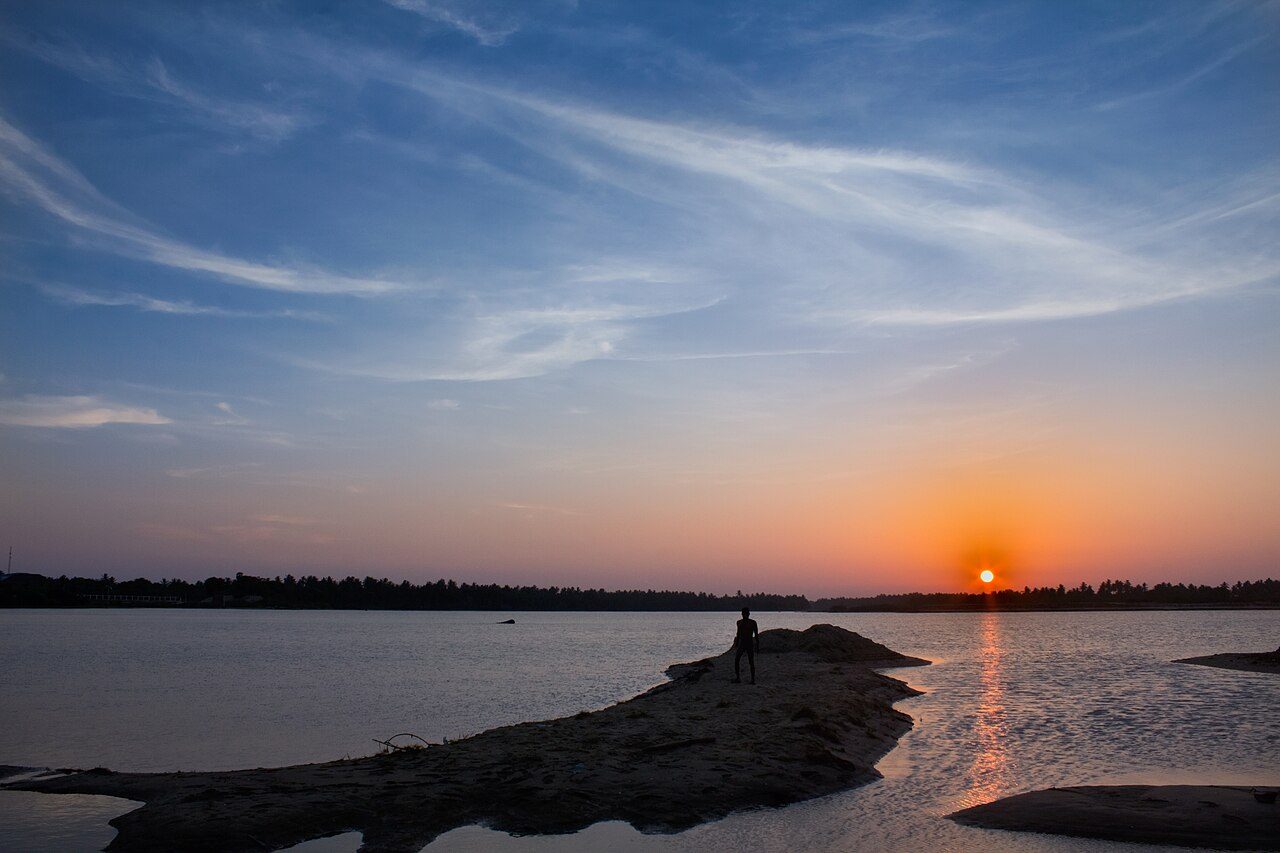
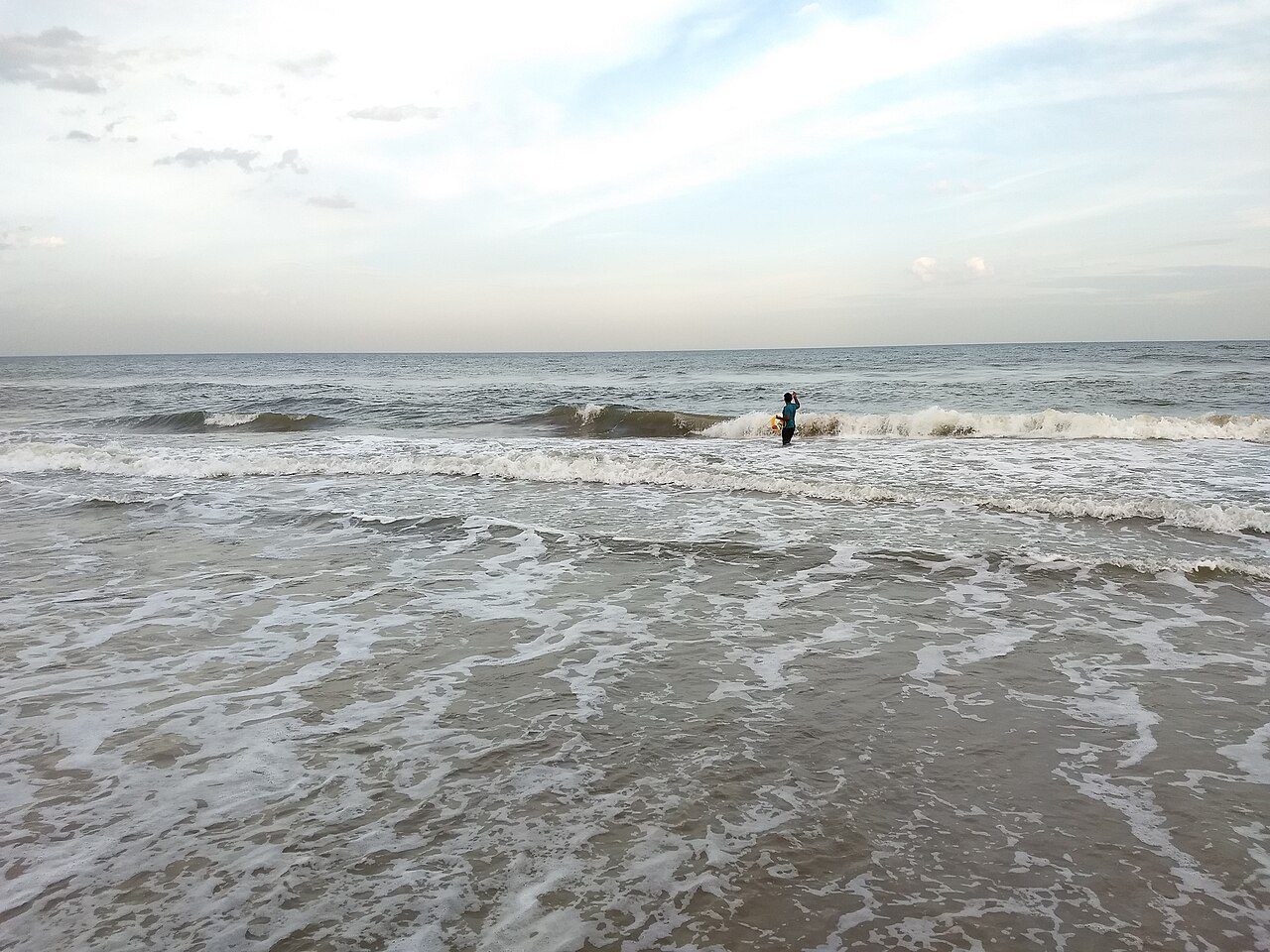
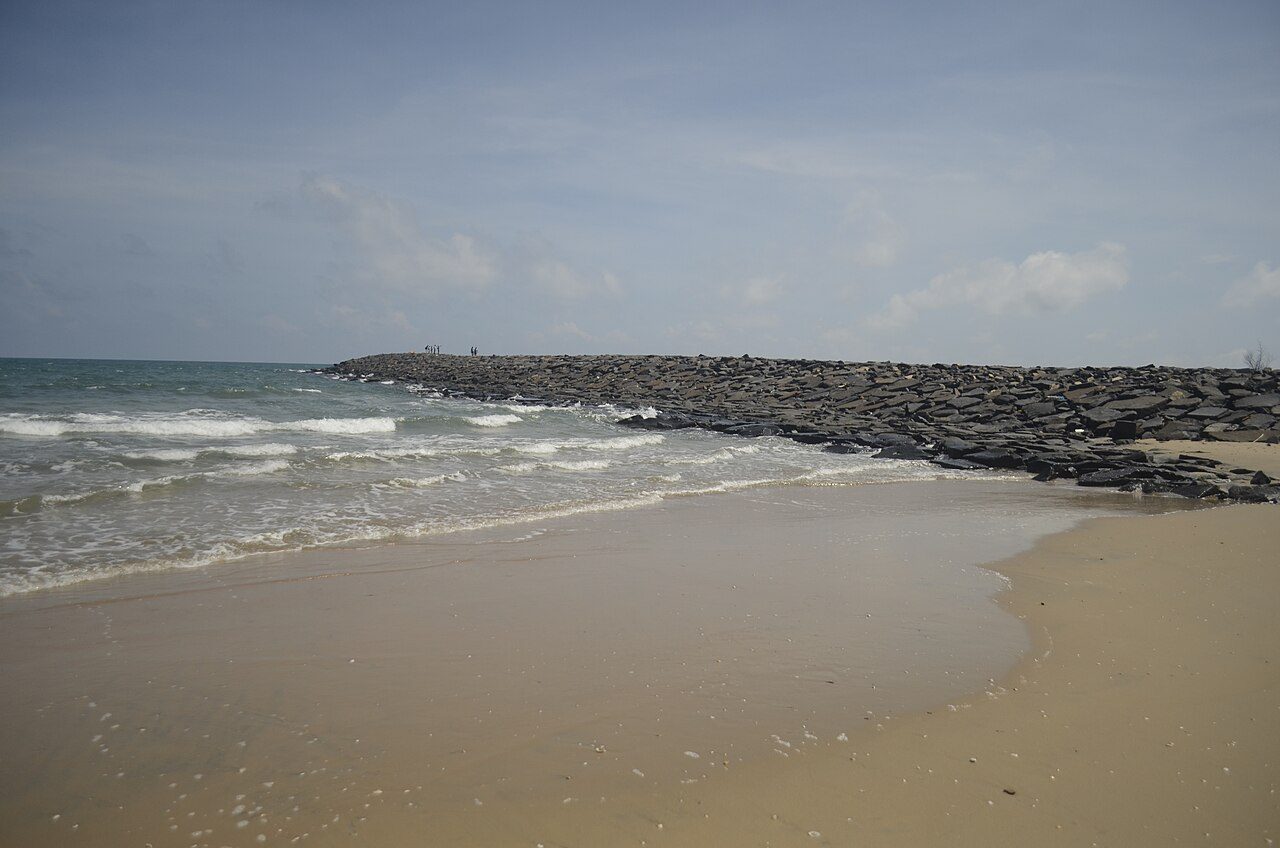
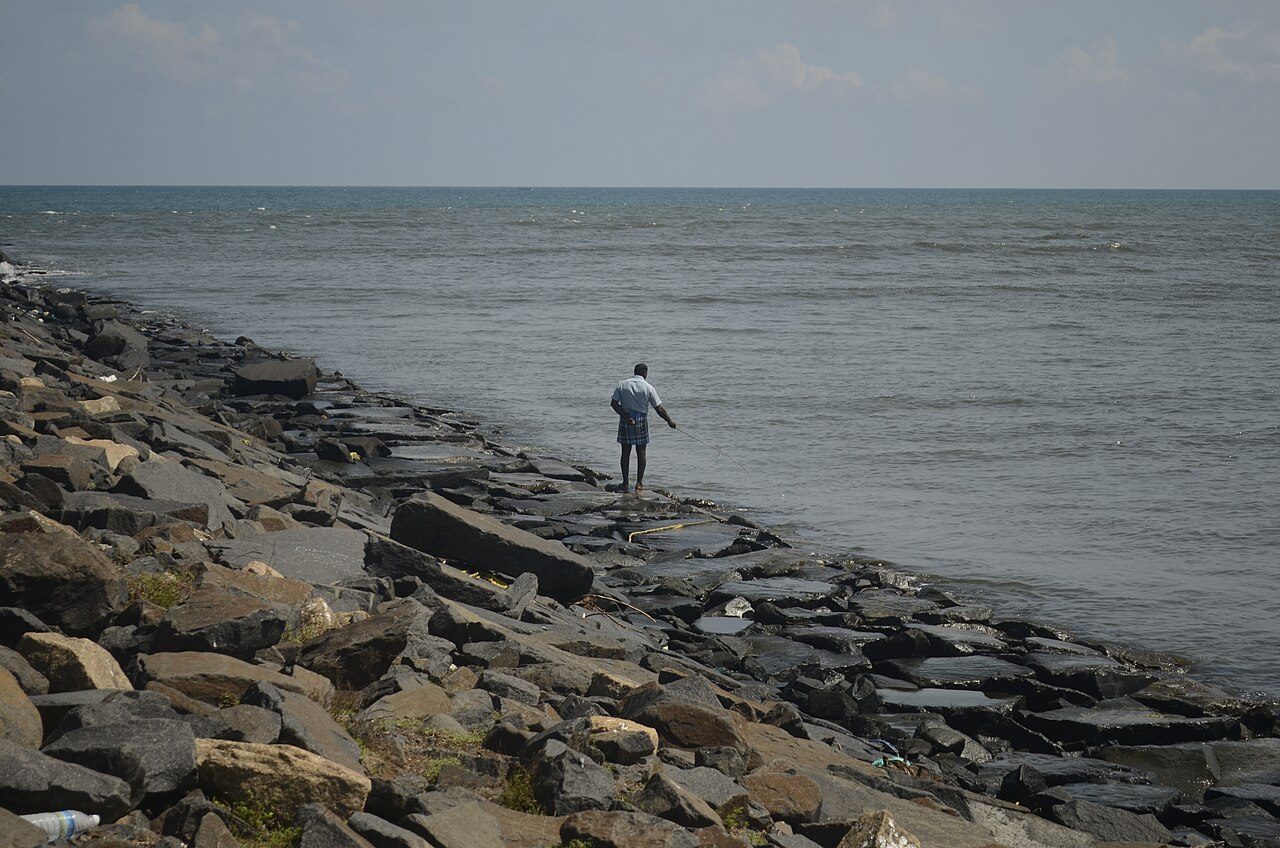
A wide sandy beach near where the Arasalar river meets the sea at Karaikal, with a small park, a lighthouse and fishing boats drawn up on the sand. It is a quiet place for an evening walk and a favourite outing for local families, with boating on the river close by.
Best weather: Dec – MarHeavy rain: Nov
Seasons from 20 years of NASA POWER climate data.
Was this trip blog helpful?
0
0
Ready to follow this route?
Copy all 15 stops into your trip plans in the app.
 WaTrips