Avignon, Gordes, Sénanque Abbey and Roussillon, the Pont du Gard and Nîmes, Arles and Aix, Valensole's lavender, Moustiers and the Verdon Gorge, Marseille and the Calanques.
Provence is sun, markets and golden stone. Start in Avignon at the Palace of the Popes and the famous bridge, then visit the hill village of Gordes, Sénanque Abbey in its lavender and ochre-red Roussillon. See the Roman Pont du Gard and Nîmes' arena, Van Gogh's Arles and elegant Aix. Drive through the lavender of Valensole to Moustiers and the turquoise Verdon Gorge, and finish in Marseille's Old Port and the Calanques' white cliffs and coves. Lavender blooms from late June to mid-July.
01
STOP 1 OF 14
Palais des Papes
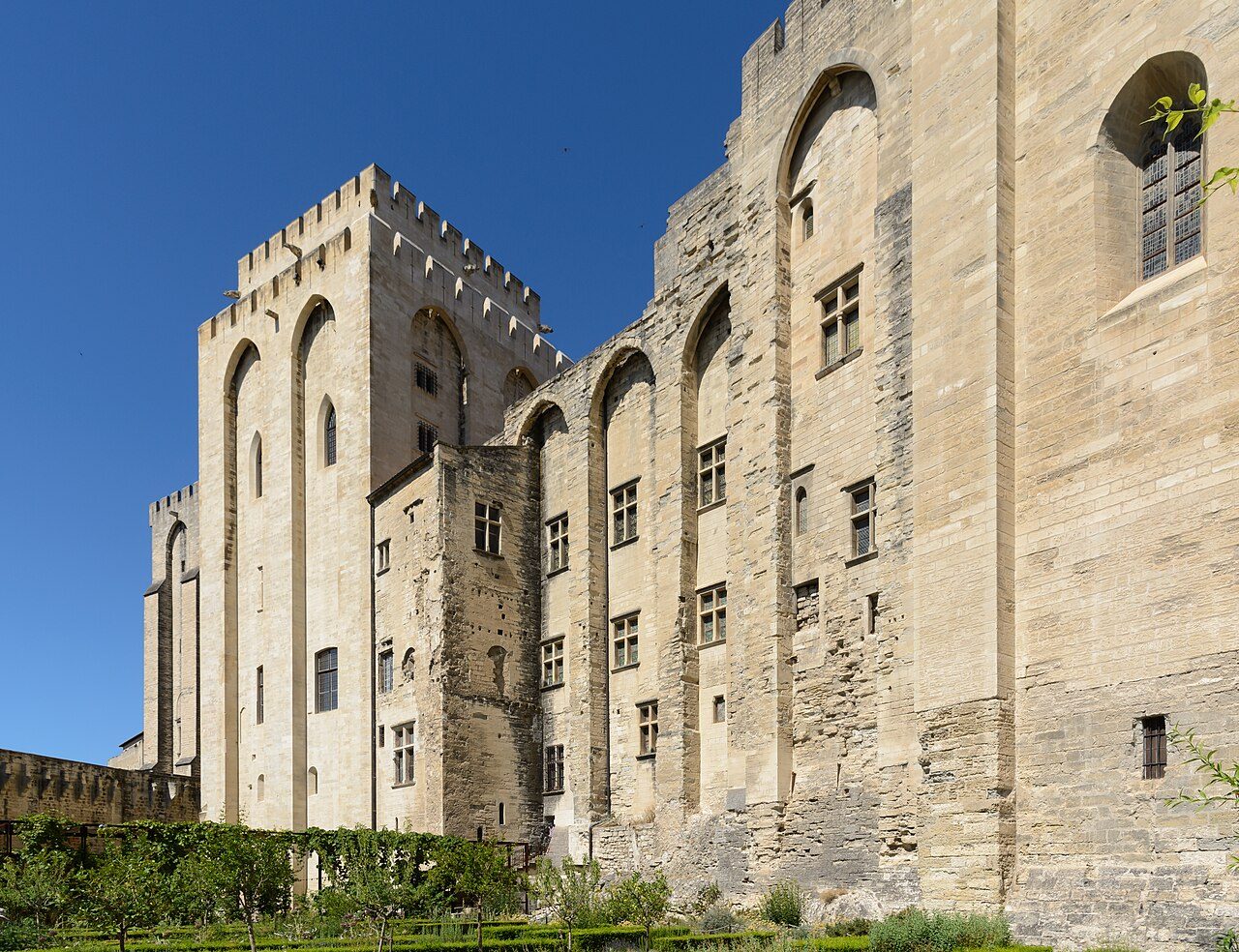
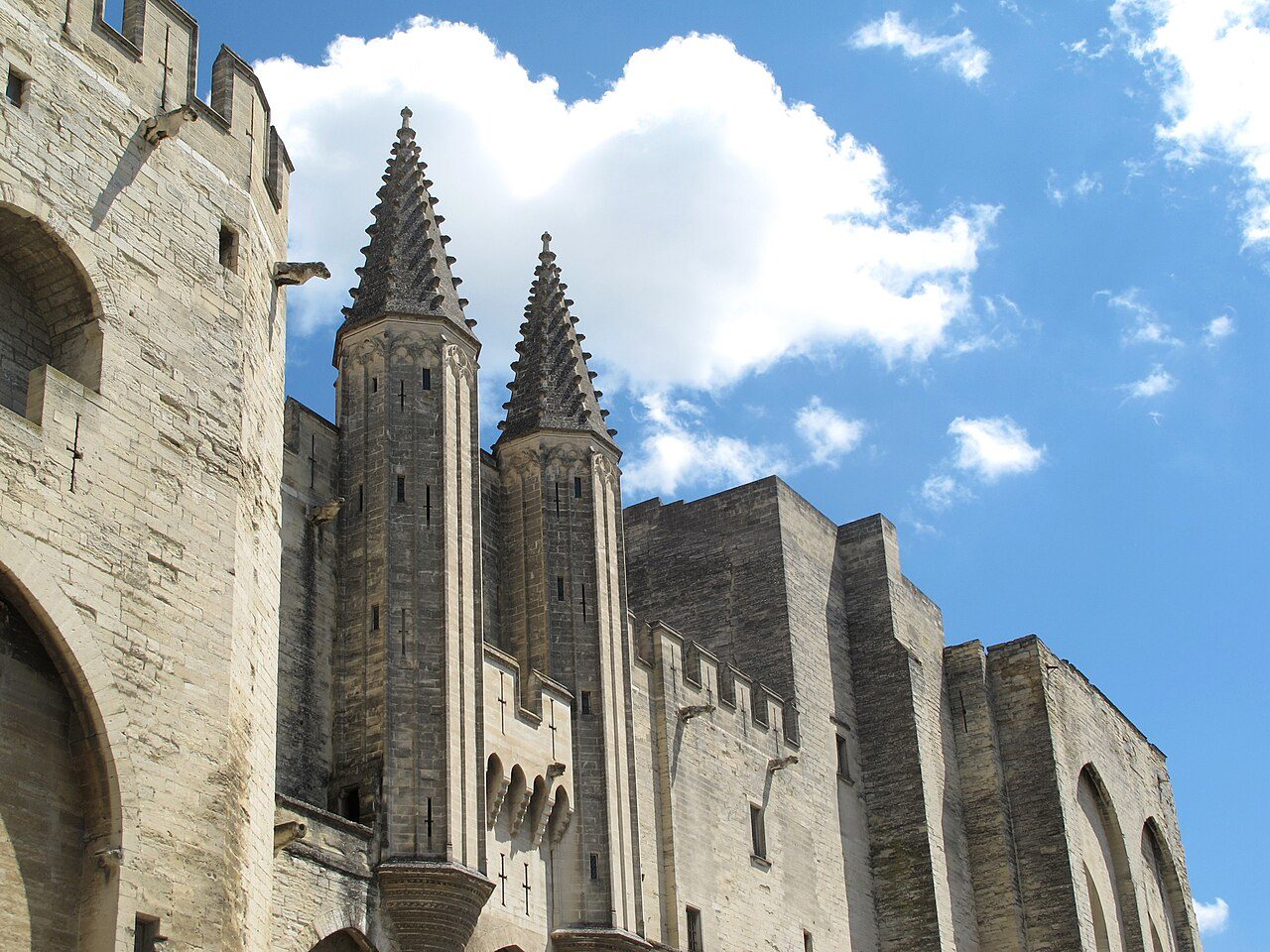
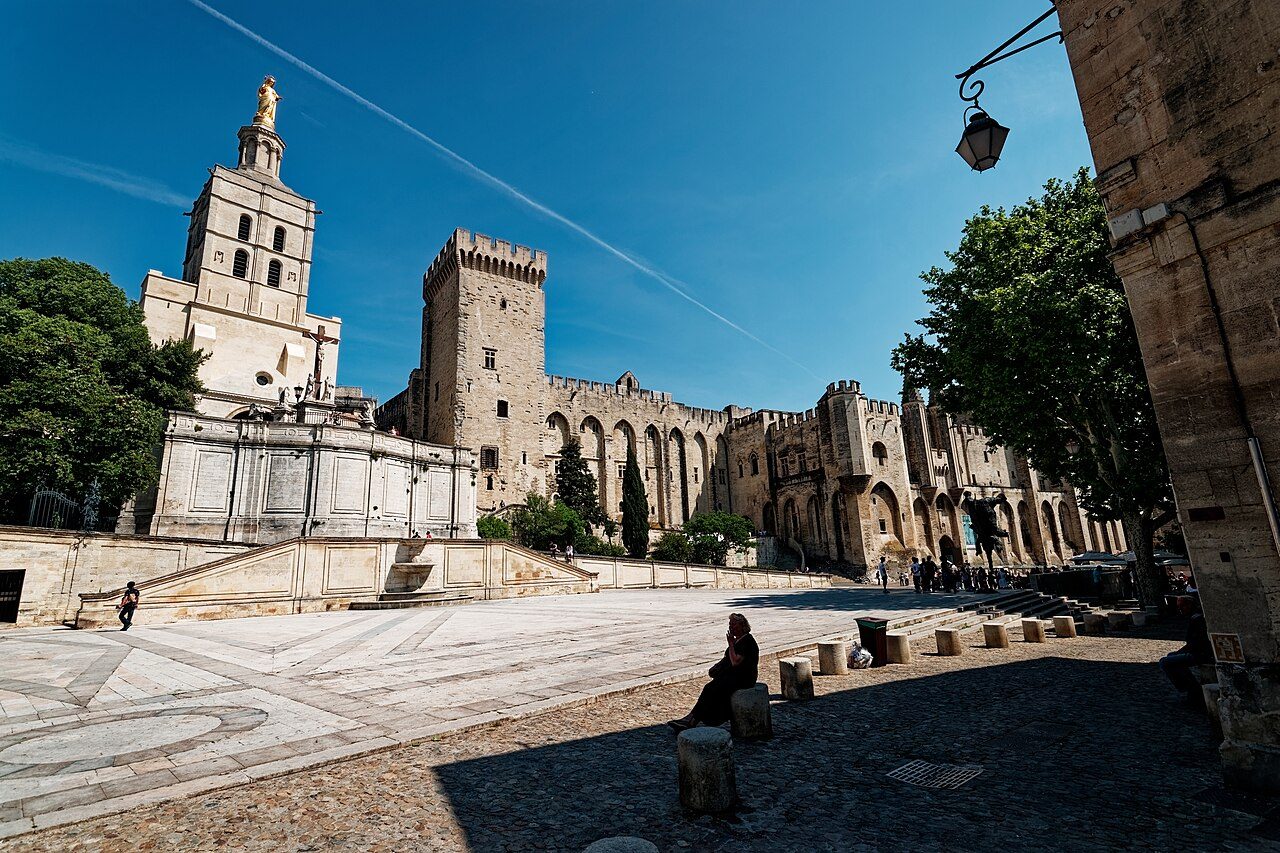
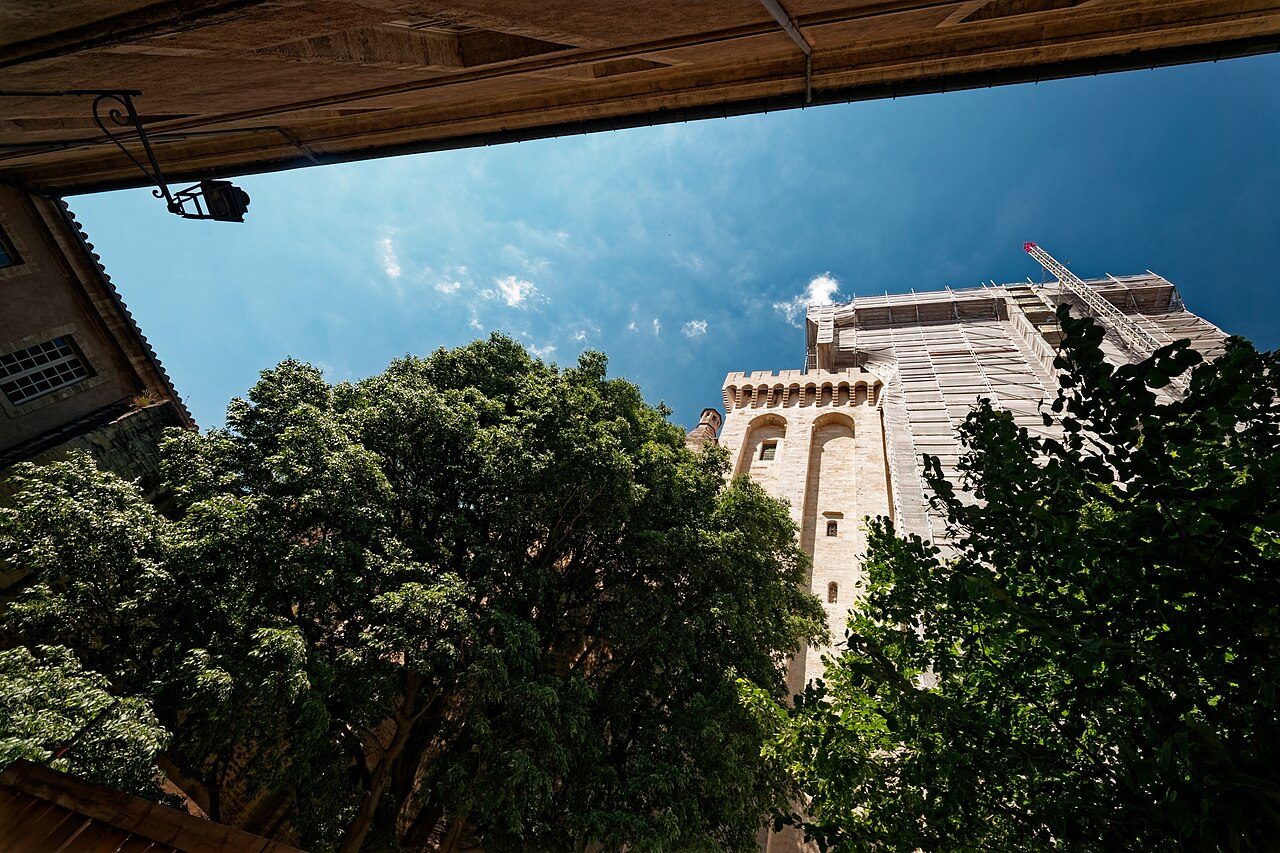
The Palais des Papes in Avignon was the residence of the popes in the 14th century, when seven popes lived in Avignon instead of Rome. Built mainly between 1335 and 1364, it is one of the largest Gothic palaces in Europe. Its great halls and chapels have fragments of frescoes. It hosts the Avignon theatre festival each July.
02
STOP 2 OF 14
Pont d'Avignon
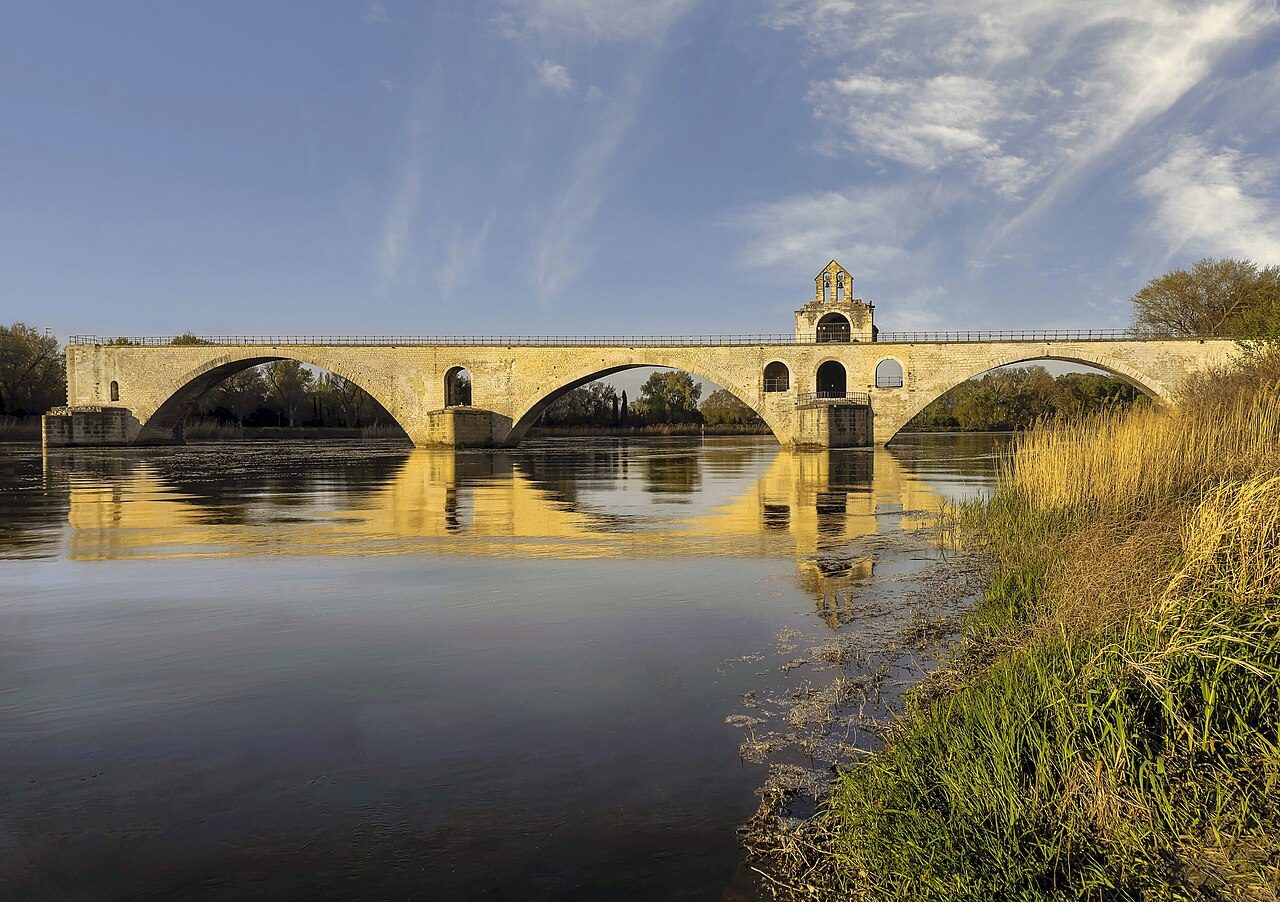
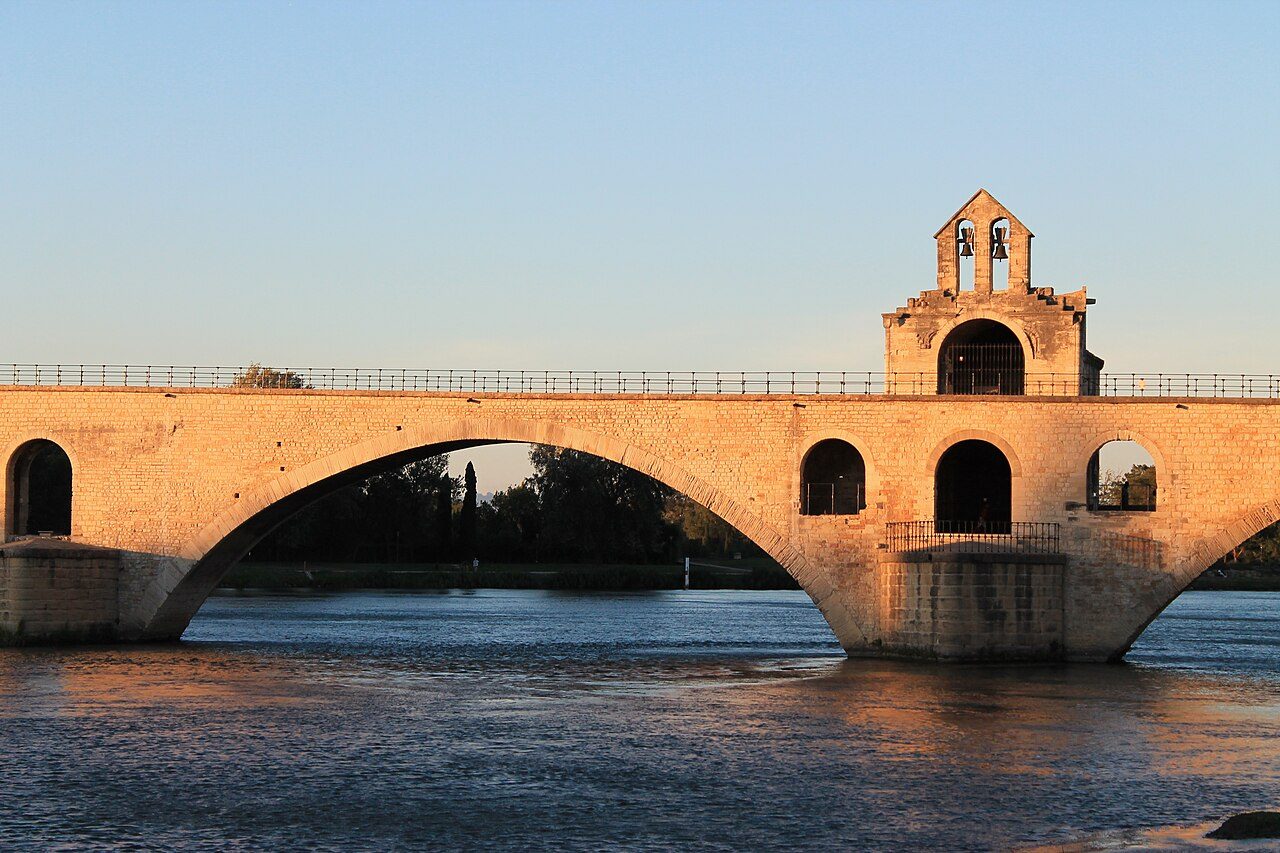
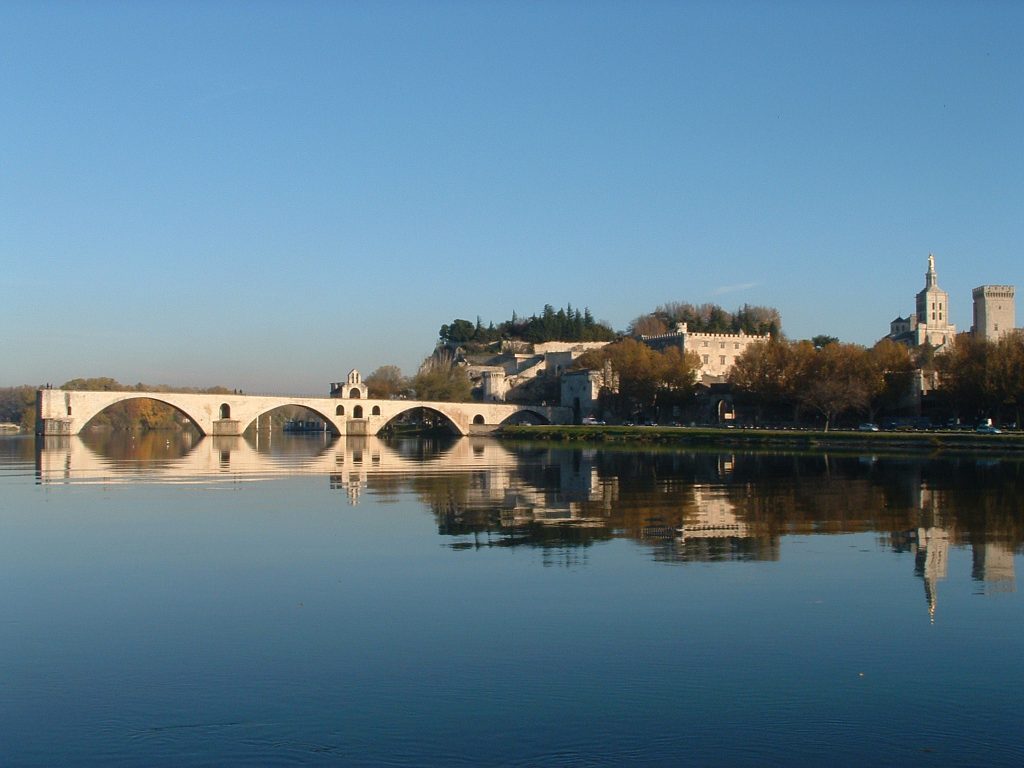
The Pont d'Avignon, officially Pont Saint-Bénézet, is a medieval bridge over the Rhône at Avignon. It was built in the 12th century and once had 22 arches, but floods destroyed most of them; four remain. A small chapel stands on the bridge. It is famous from the French children's song Sur le pont d'Avignon.
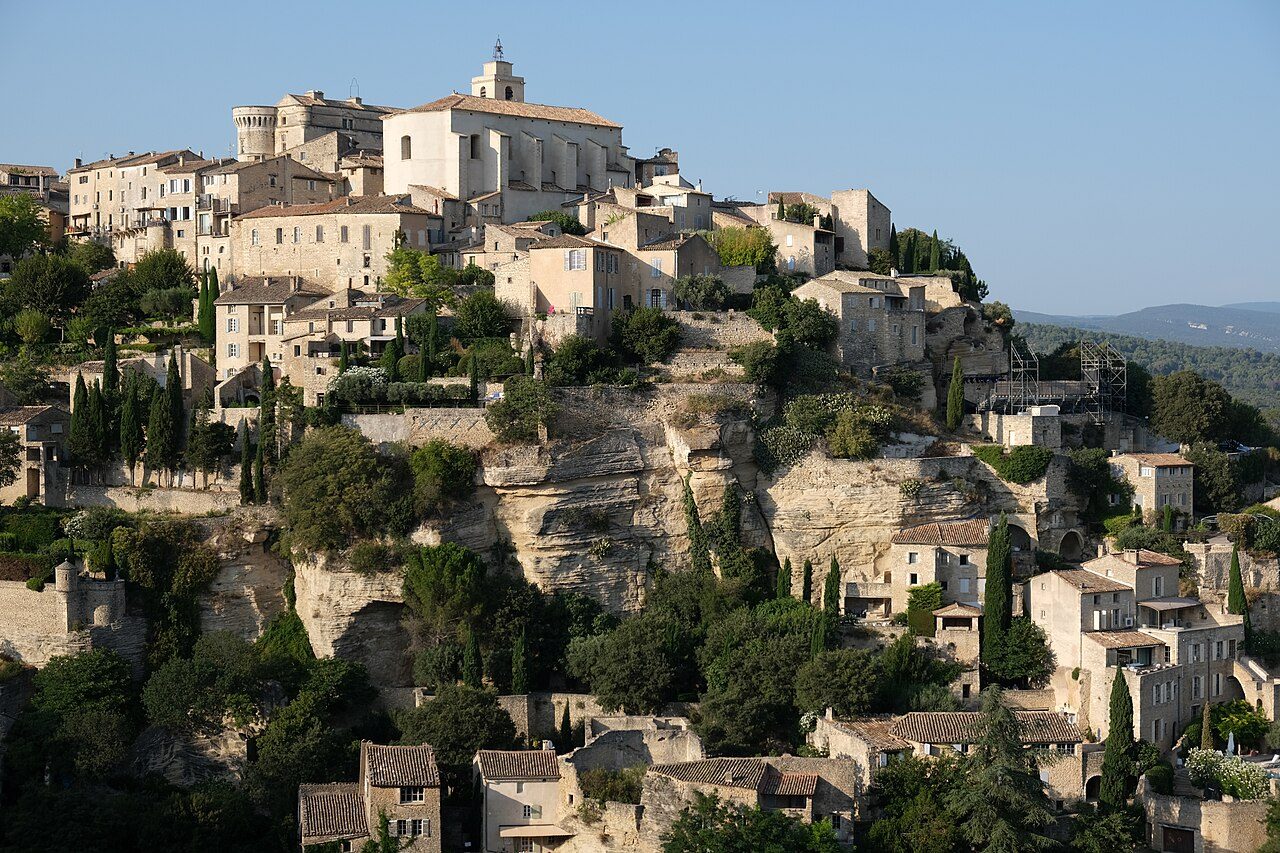
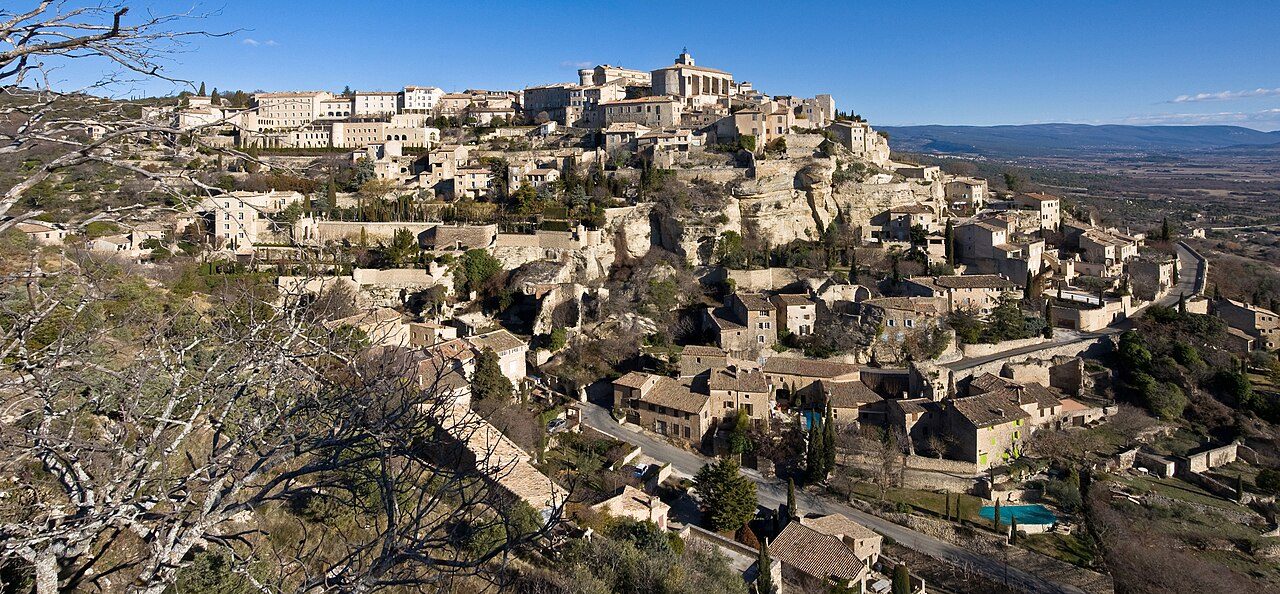
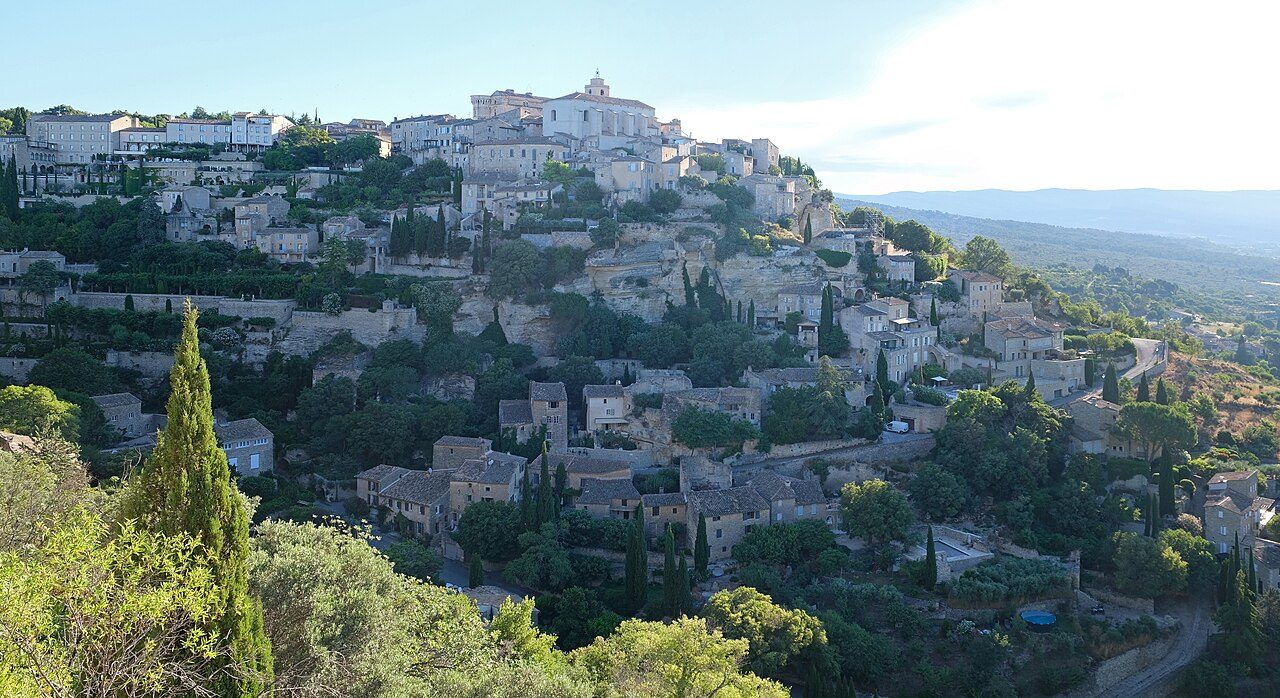
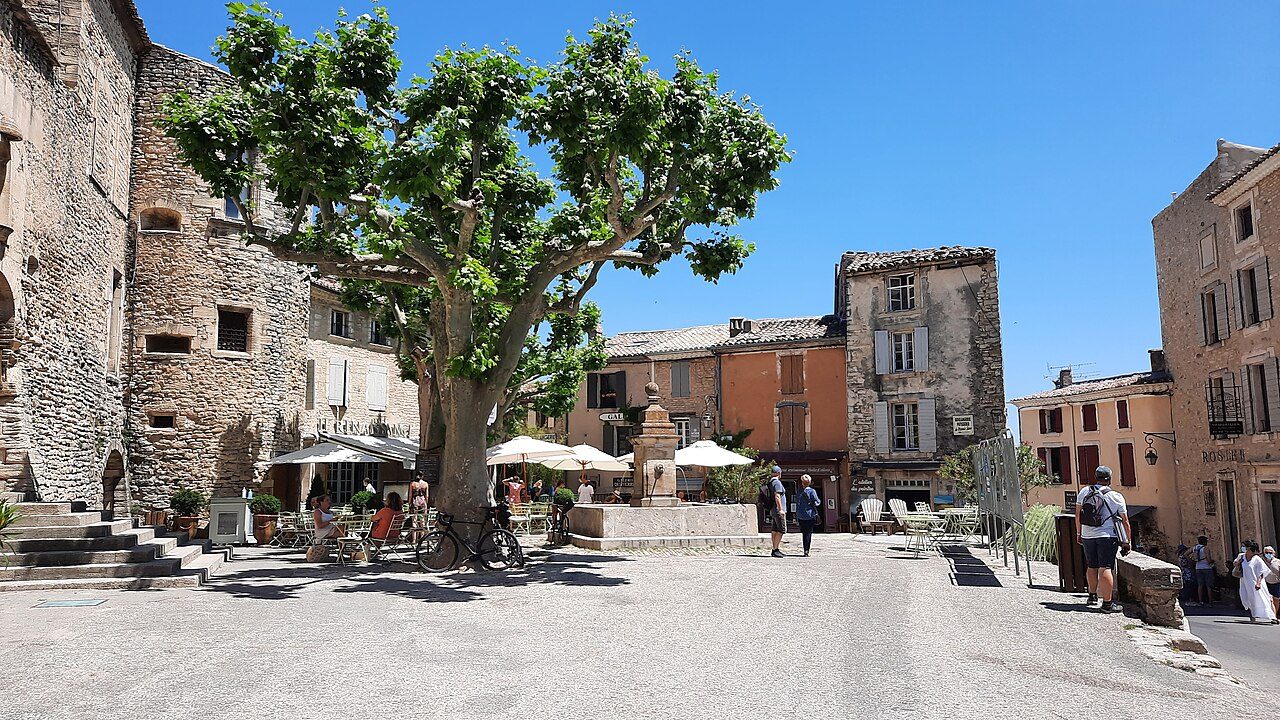
Gordes is a village in the Luberon in Provence, built on a hill. Its stone houses cascade down the slope below a Renaissance castle. It is one of the most beautiful villages in France. Nearby is the Village des Bories, a group of dry-stone huts, and the Sénanque Abbey in a valley of lavender.
04
STOP 4 OF 14
Sénanque Abbey
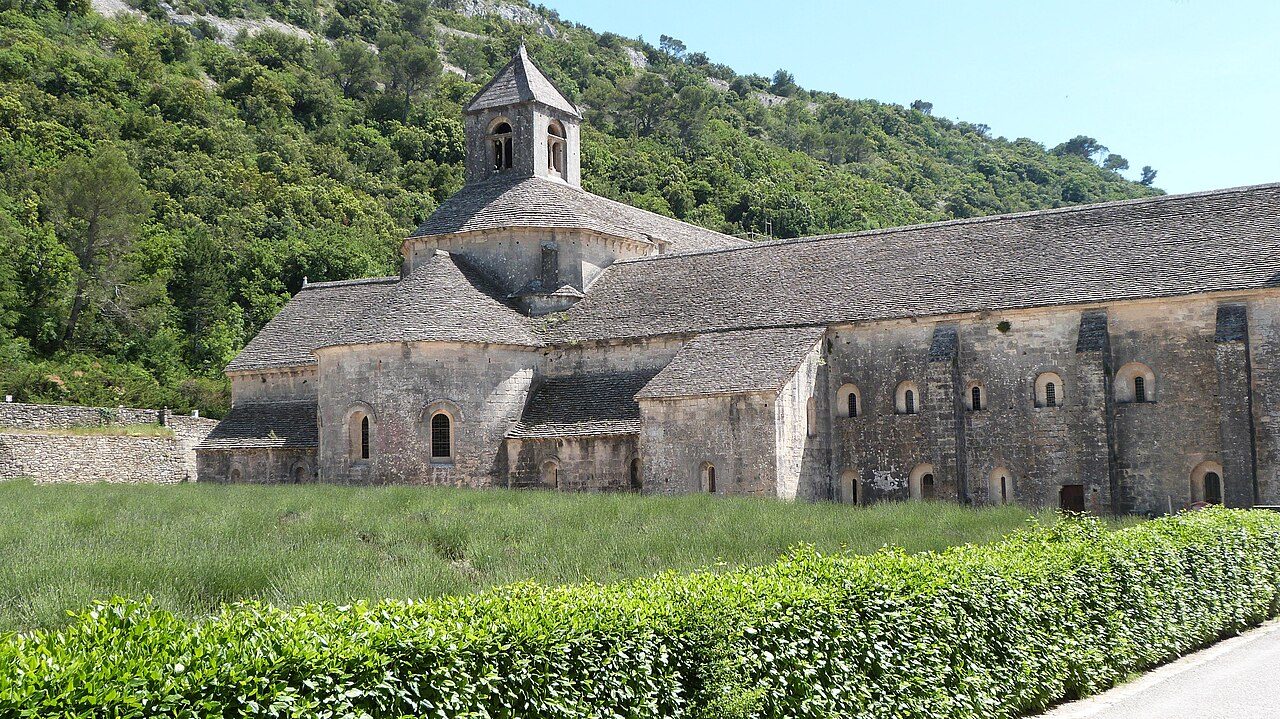
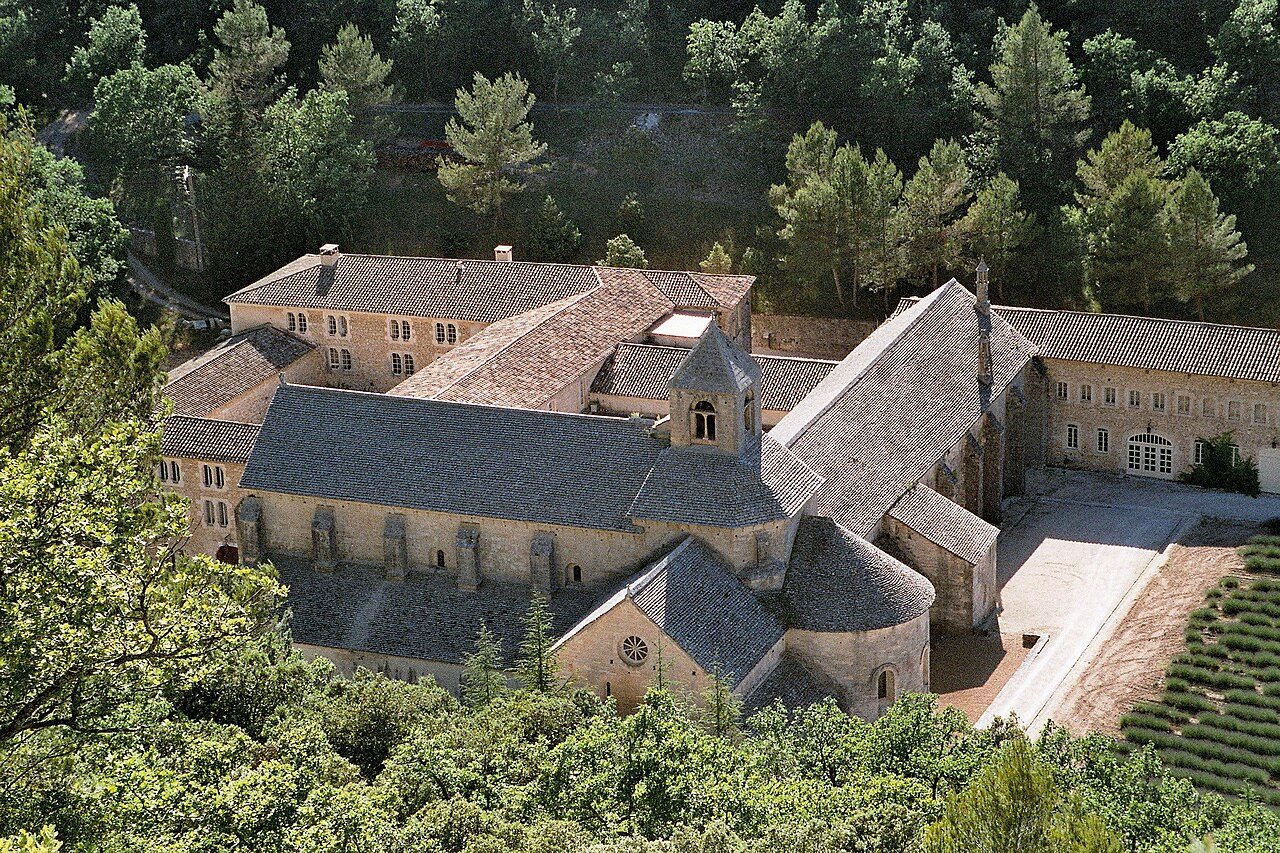
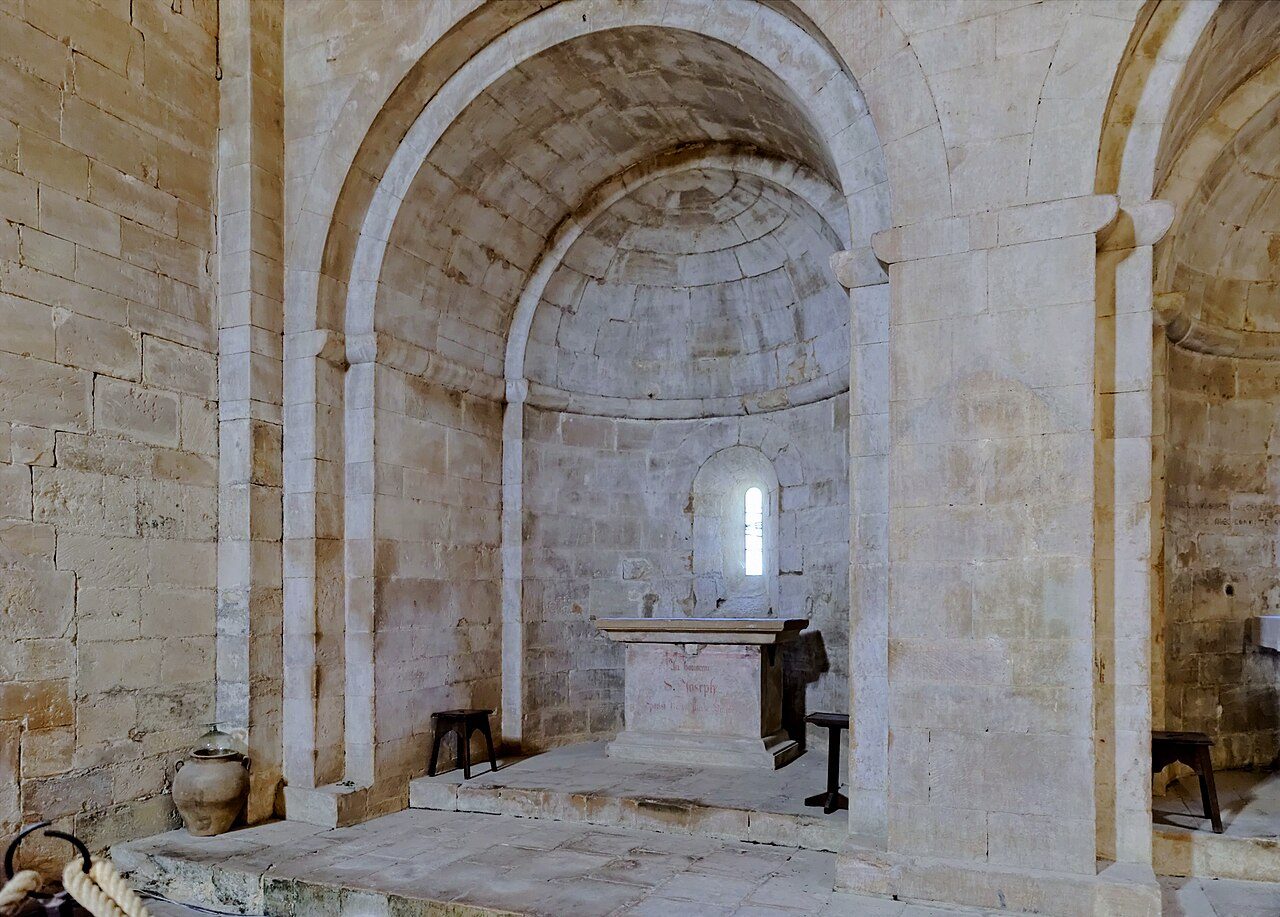
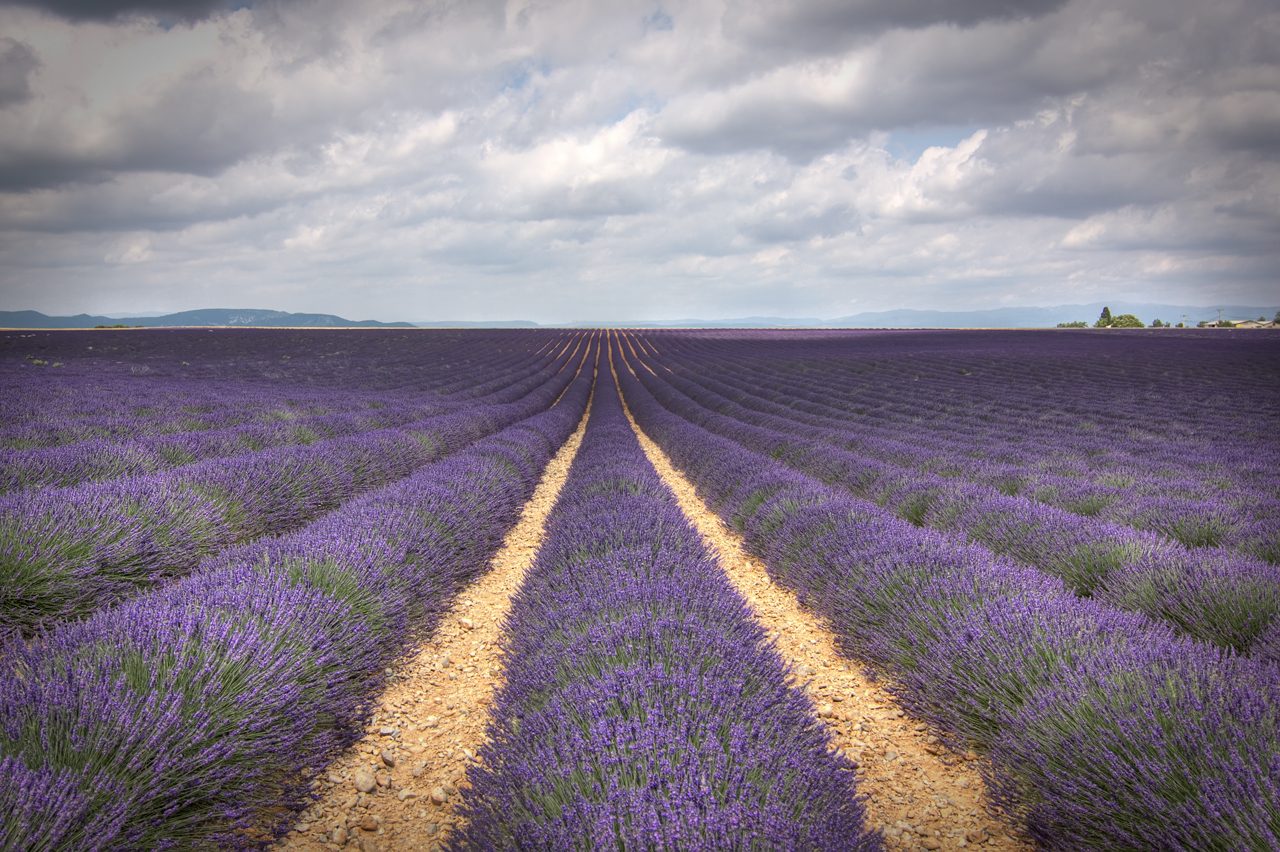
Sénanque Abbey is a Cistercian monastery in a valley near Gordes in Provence, founded in 1148. Its simple Romanesque stone buildings are still home to a community of monks. In early summer, the lavender fields in front of the abbey bloom in purple, creating one of the most famous views of Provence.
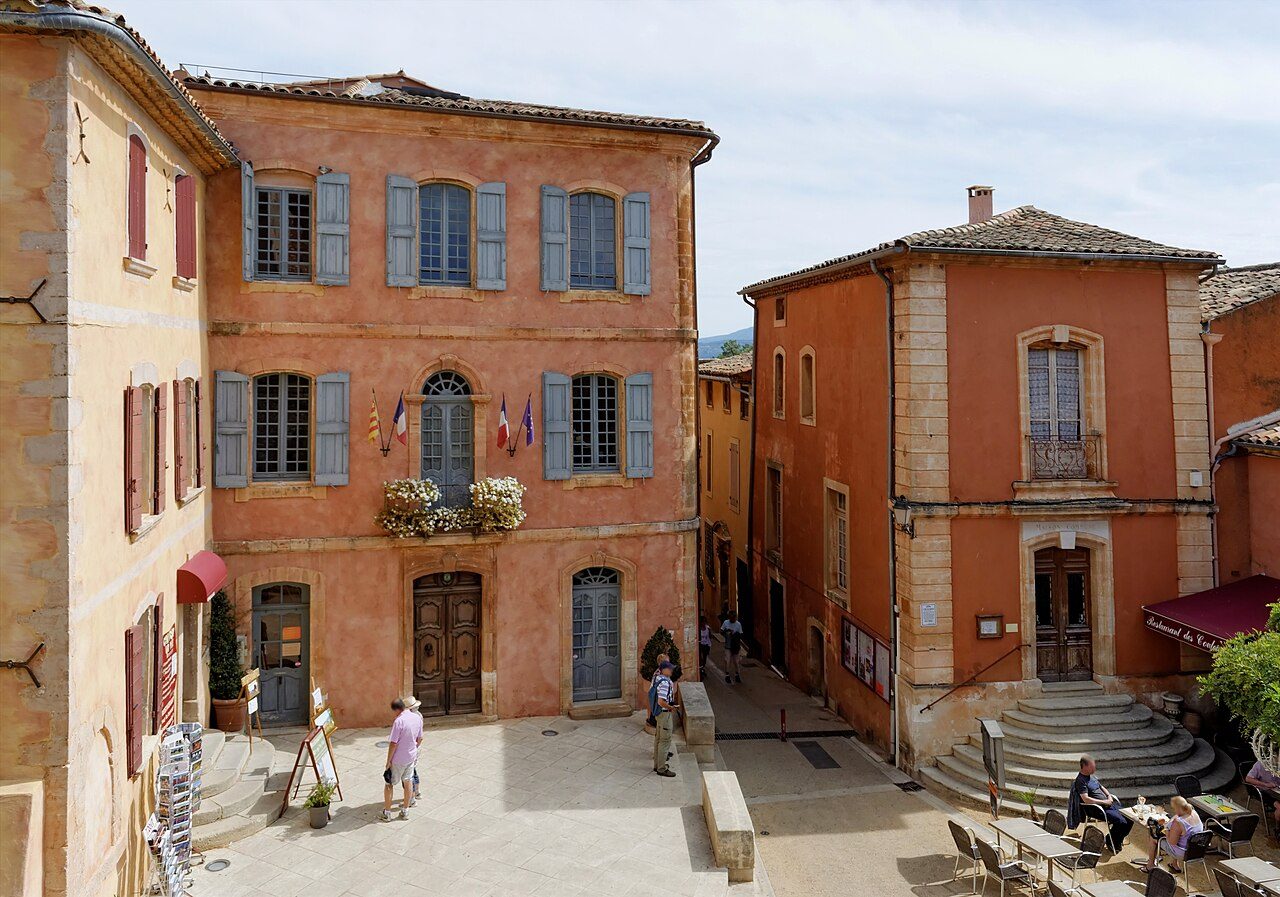
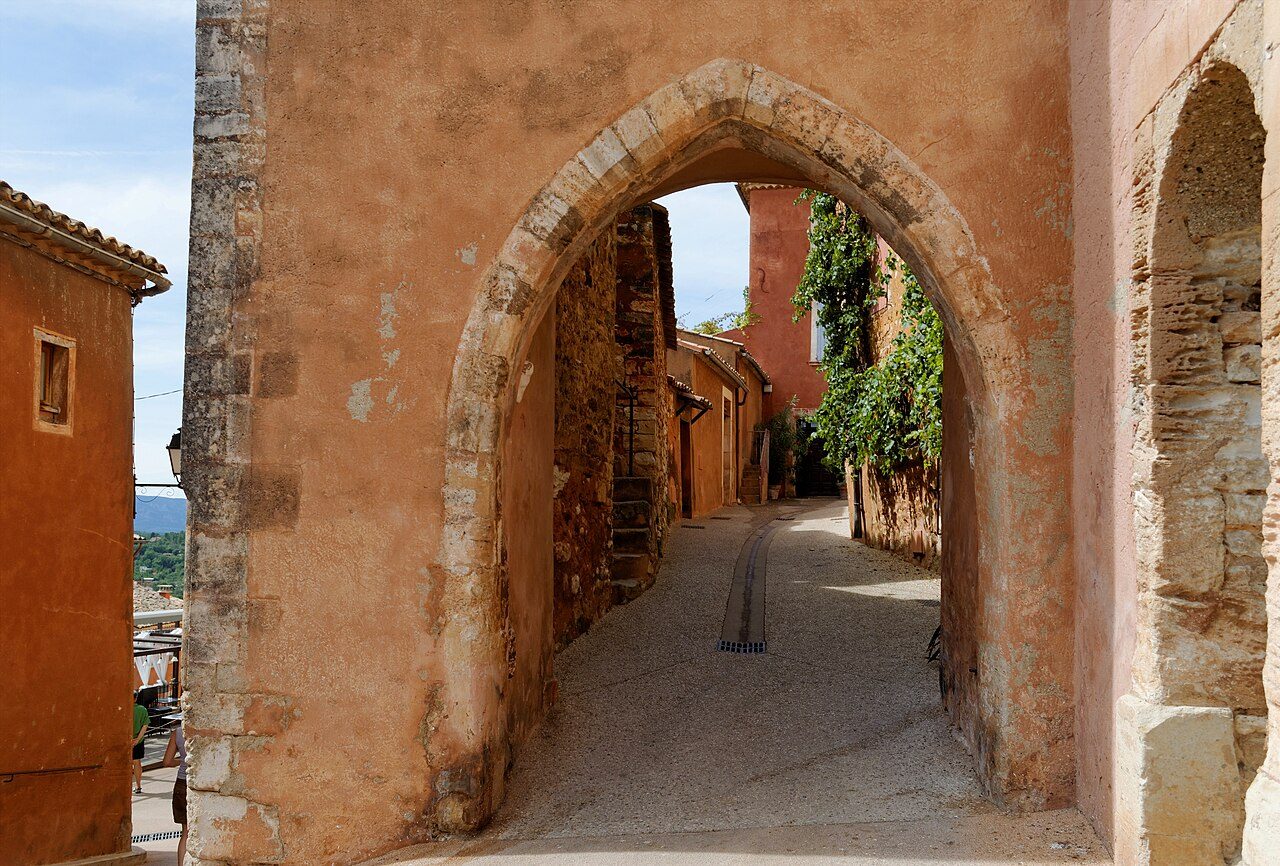
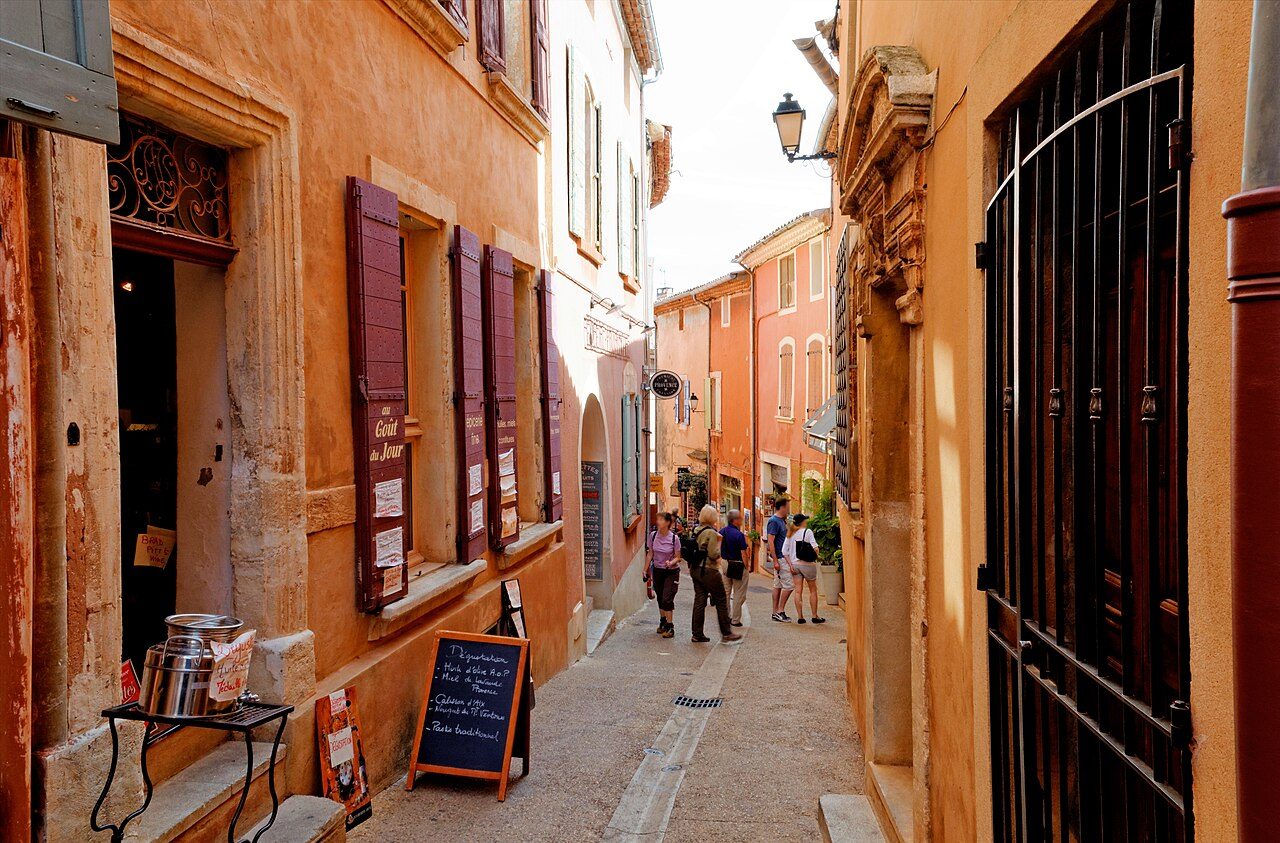
Roussillon is a village in the Luberon known for its ochre cliffs. The houses are painted in warm shades of red, orange and yellow from the local ochre. The Sentier des Ocres, a path through old ochre quarries, passes red and orange cliffs and pinnacles. It is one of the most beautiful villages in France.
06
STOP 6 OF 14
Pont du Gard
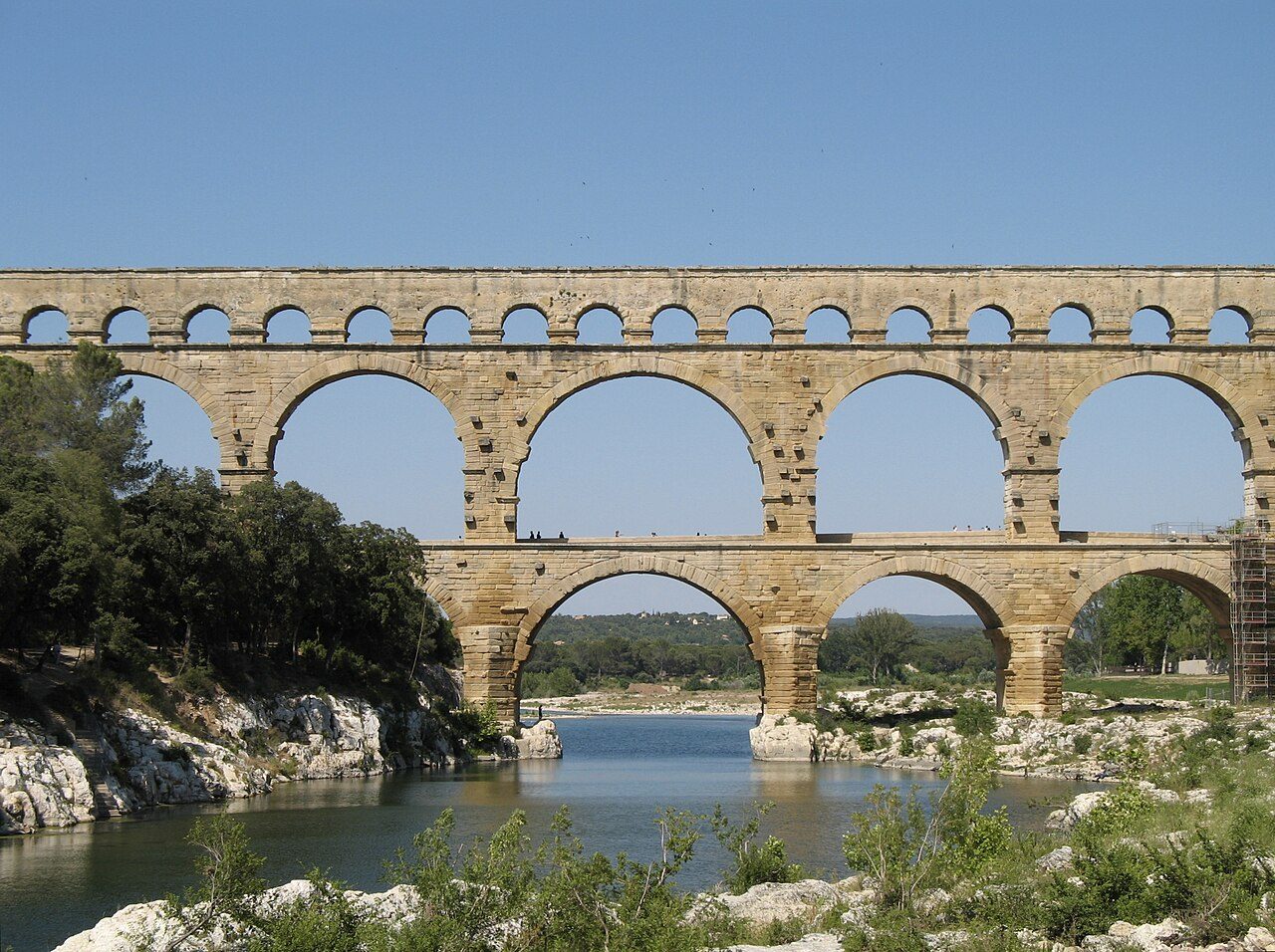
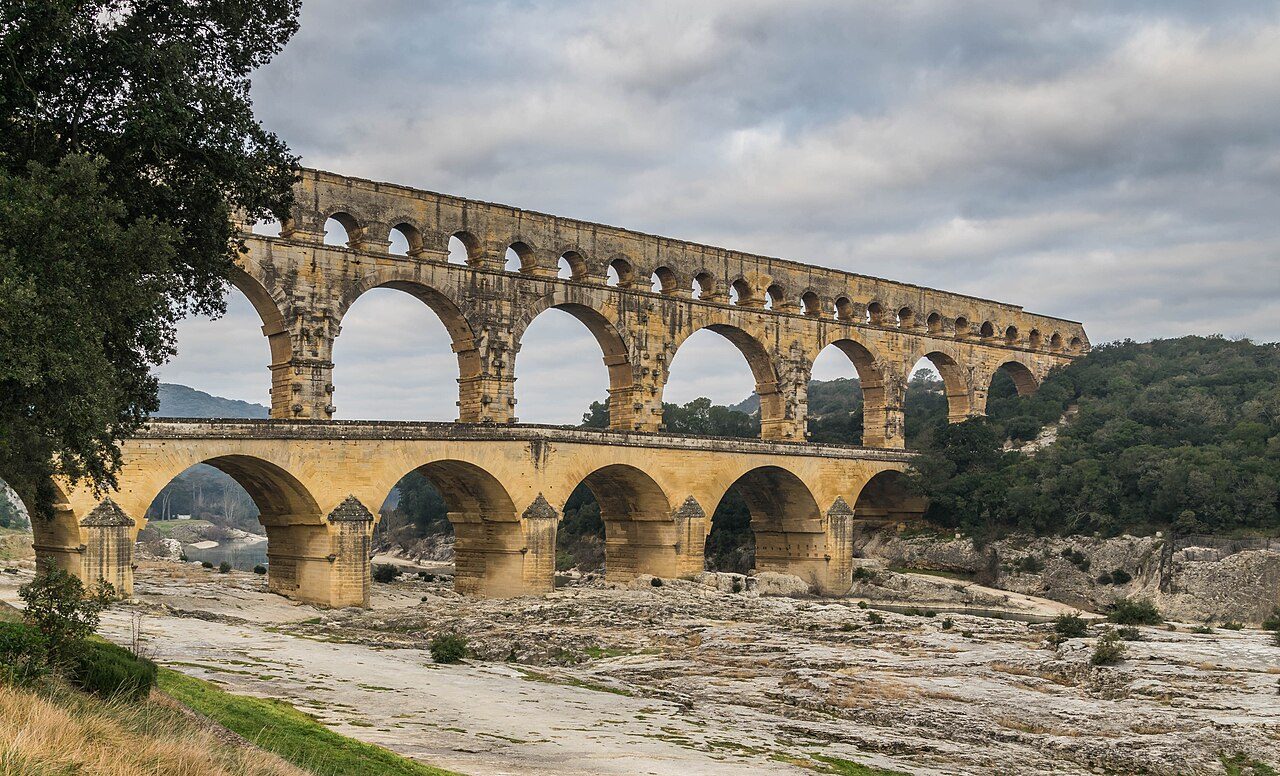
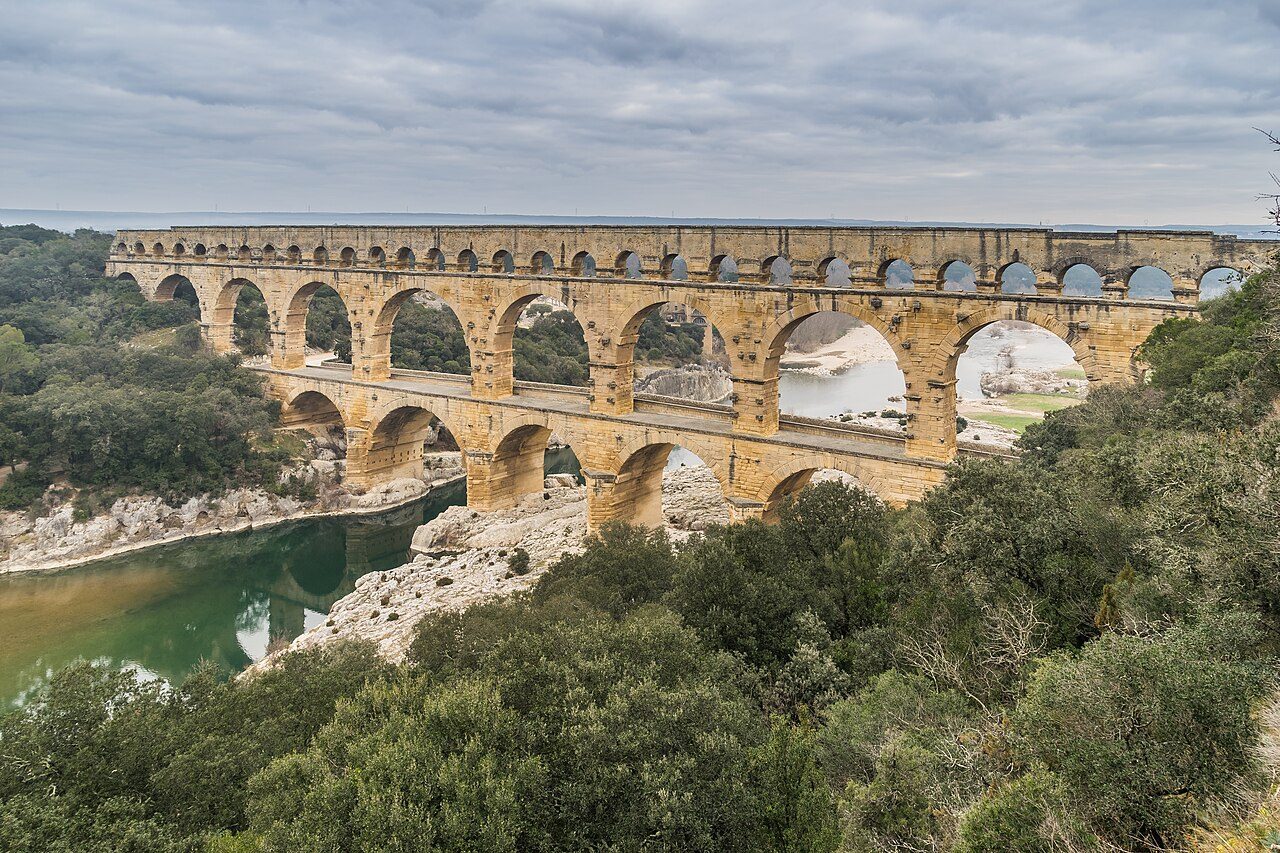
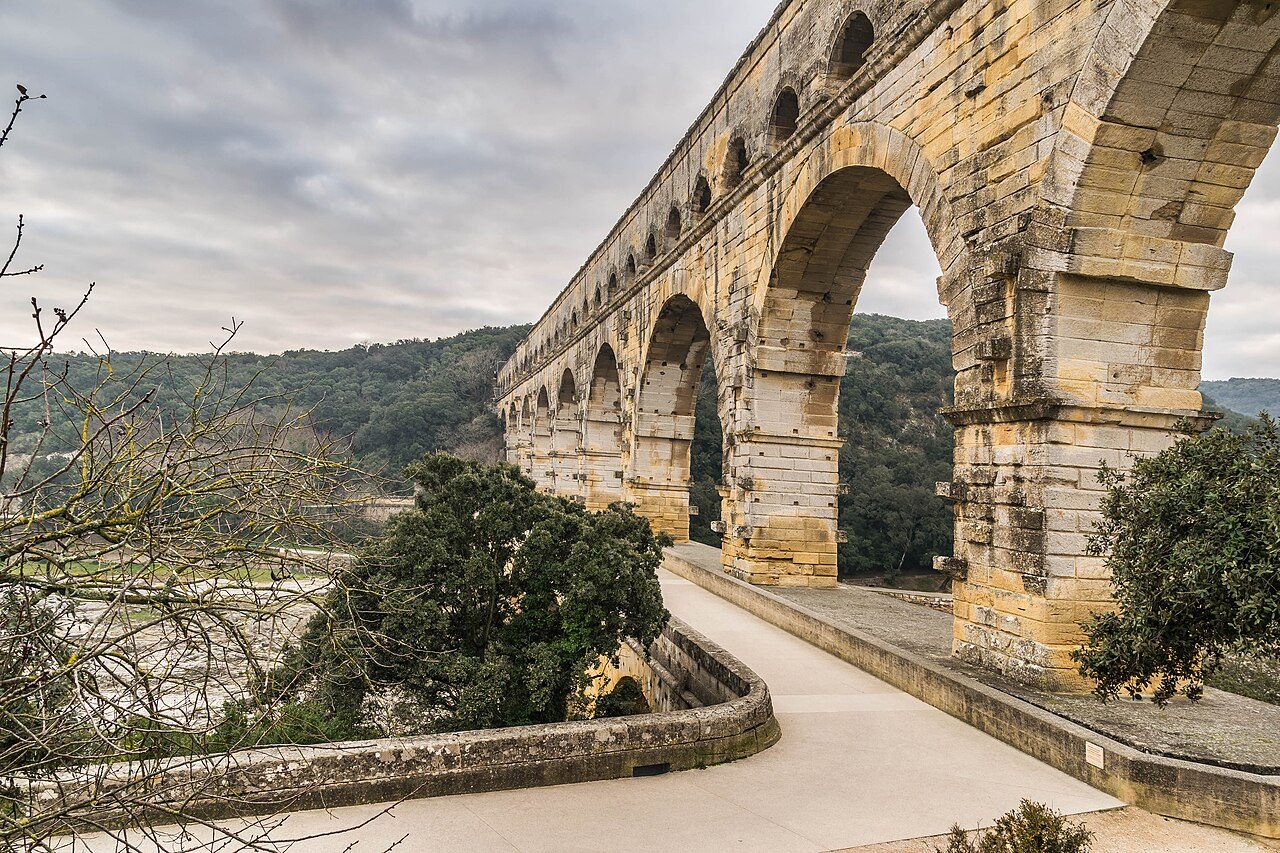
The Pont du Gard is a Roman aqueduct bridge over the Gardon River, built in the 1st century AD. It carried water about 50 kilometres to the city of Nîmes. With three tiers of arches, it is about 49 metres high, the tallest of all Roman aqueduct bridges. It was built without mortar. It is a UNESCO World Heritage Site, and visitors can swim in the river below.
07
STOP 7 OF 14
Arena of Nîmes
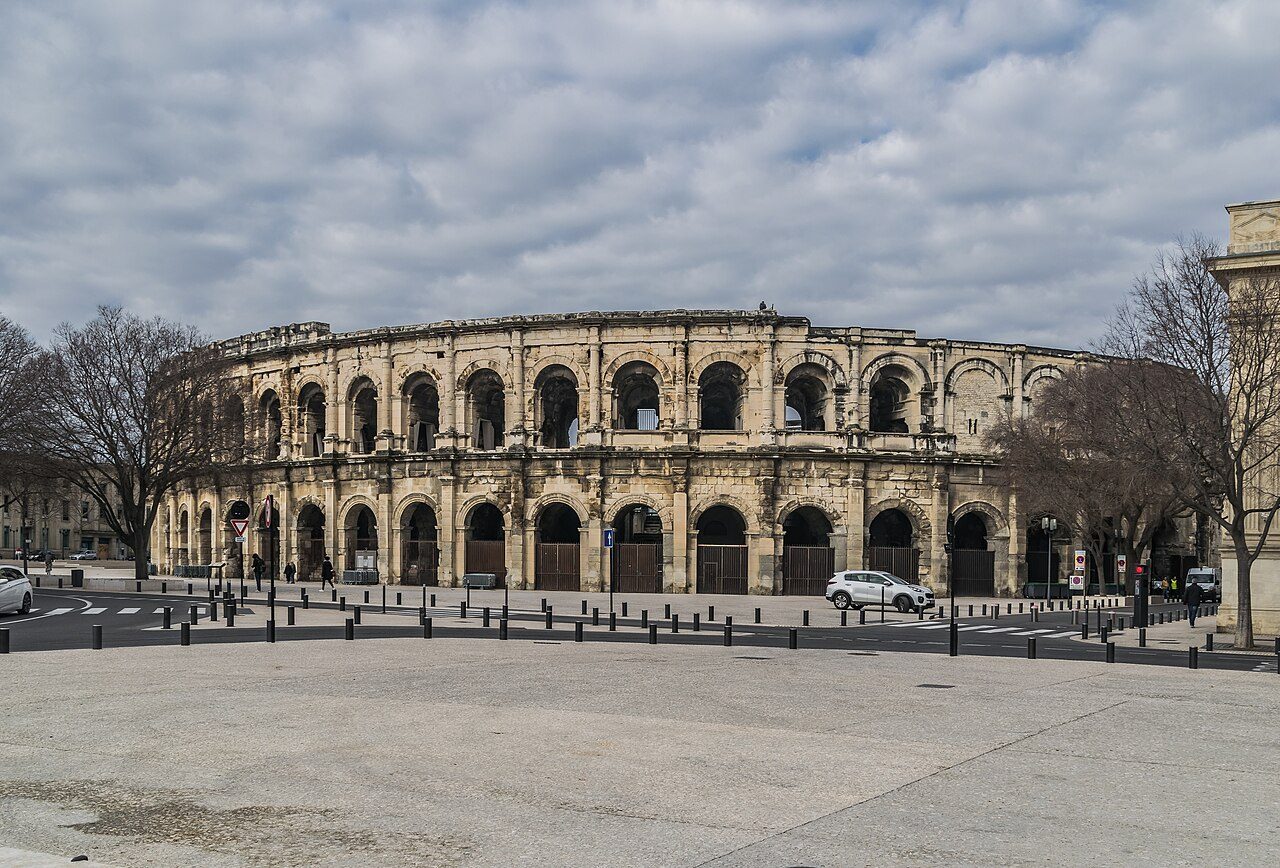
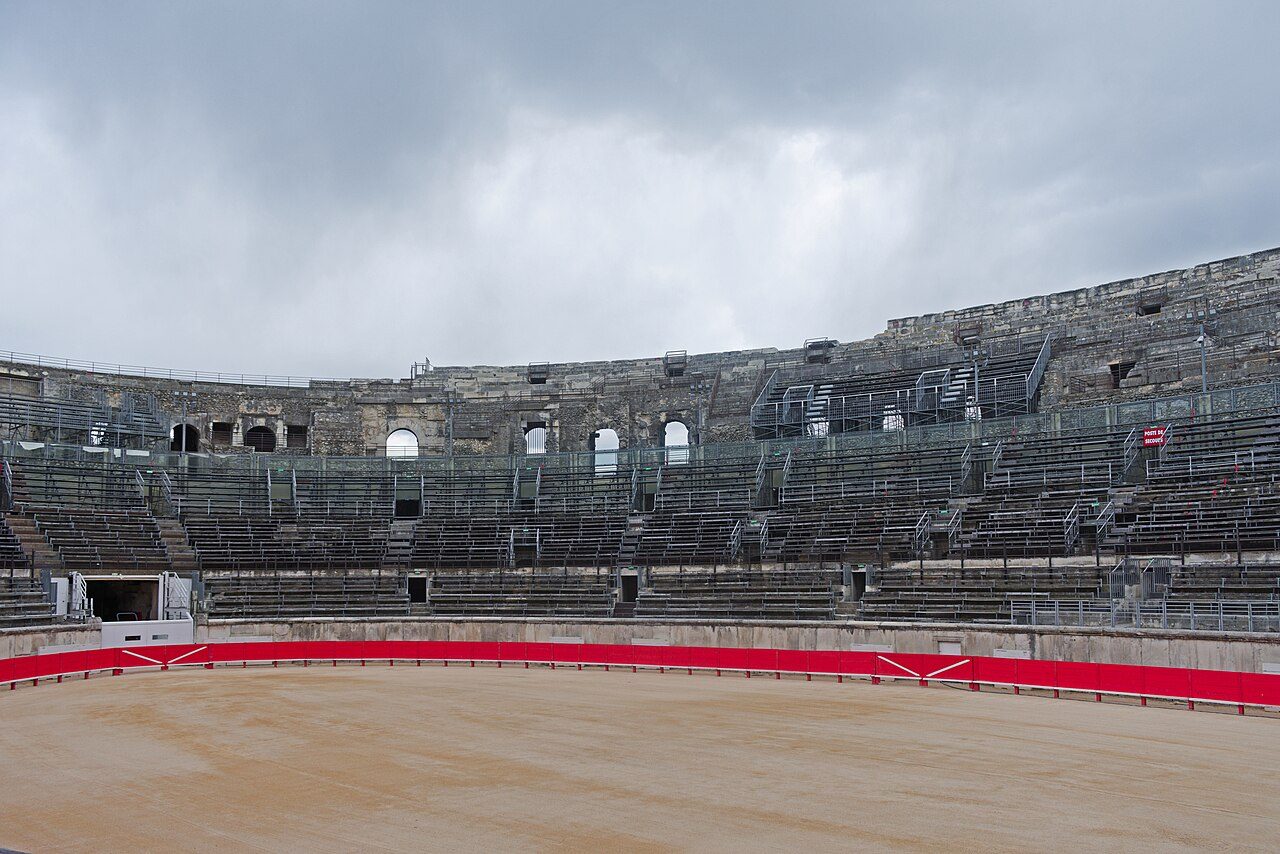
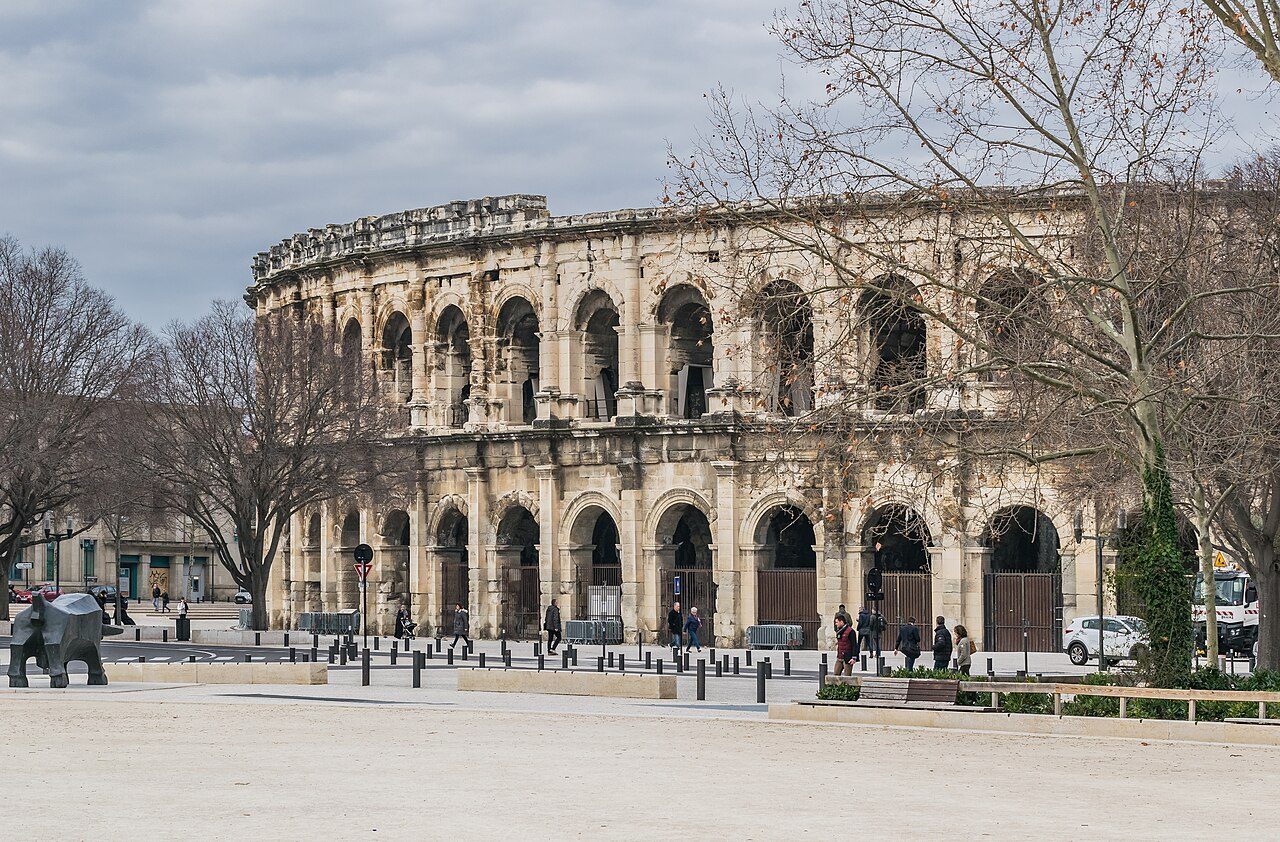
The Arena of Nîmes is one of the best preserved Roman amphitheatres in the world, built around 100 AD. It held about 24,000 spectators and is still used for concerts and bullfights. Nîmes also has the Maison Carrée, an almost perfectly preserved Roman temple. The city's Roman heritage was listed by UNESCO in 2023.
08
STOP 8 OF 14
Arles Amphitheatre
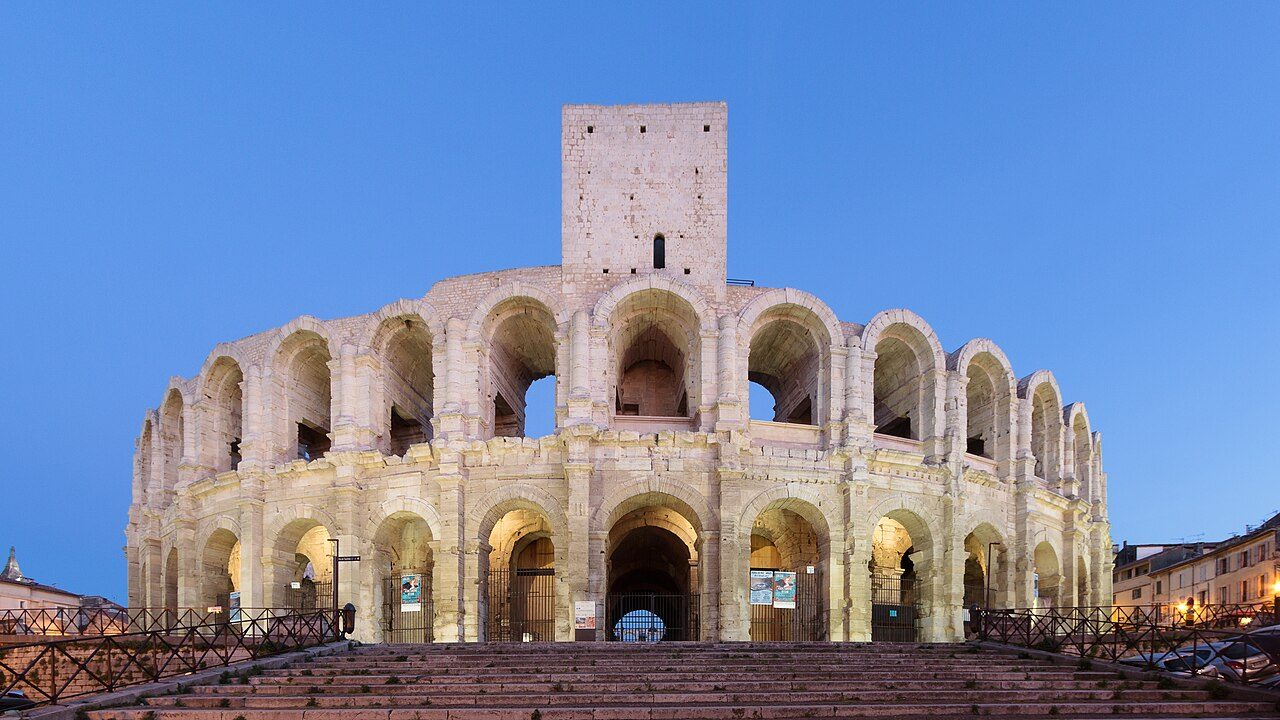
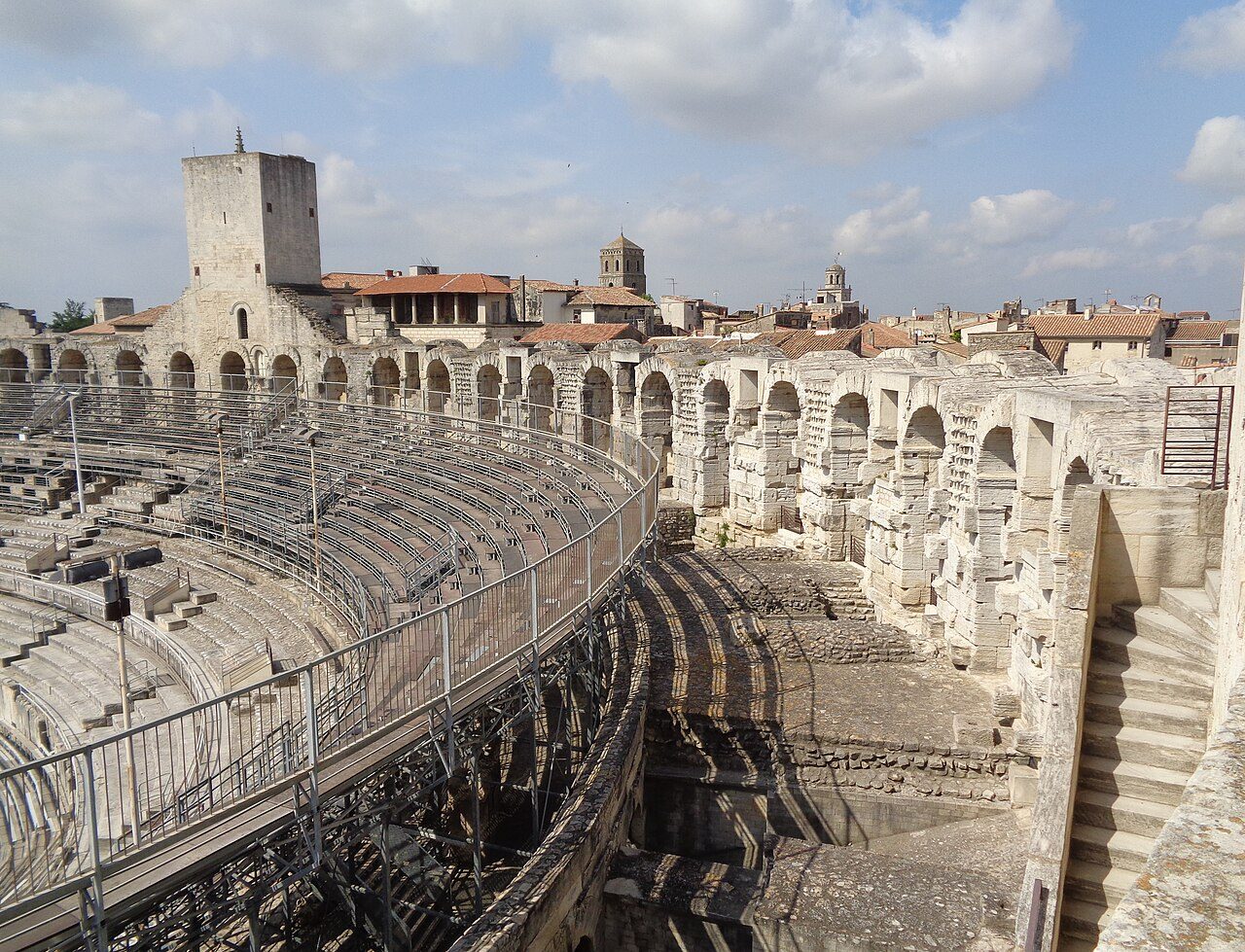
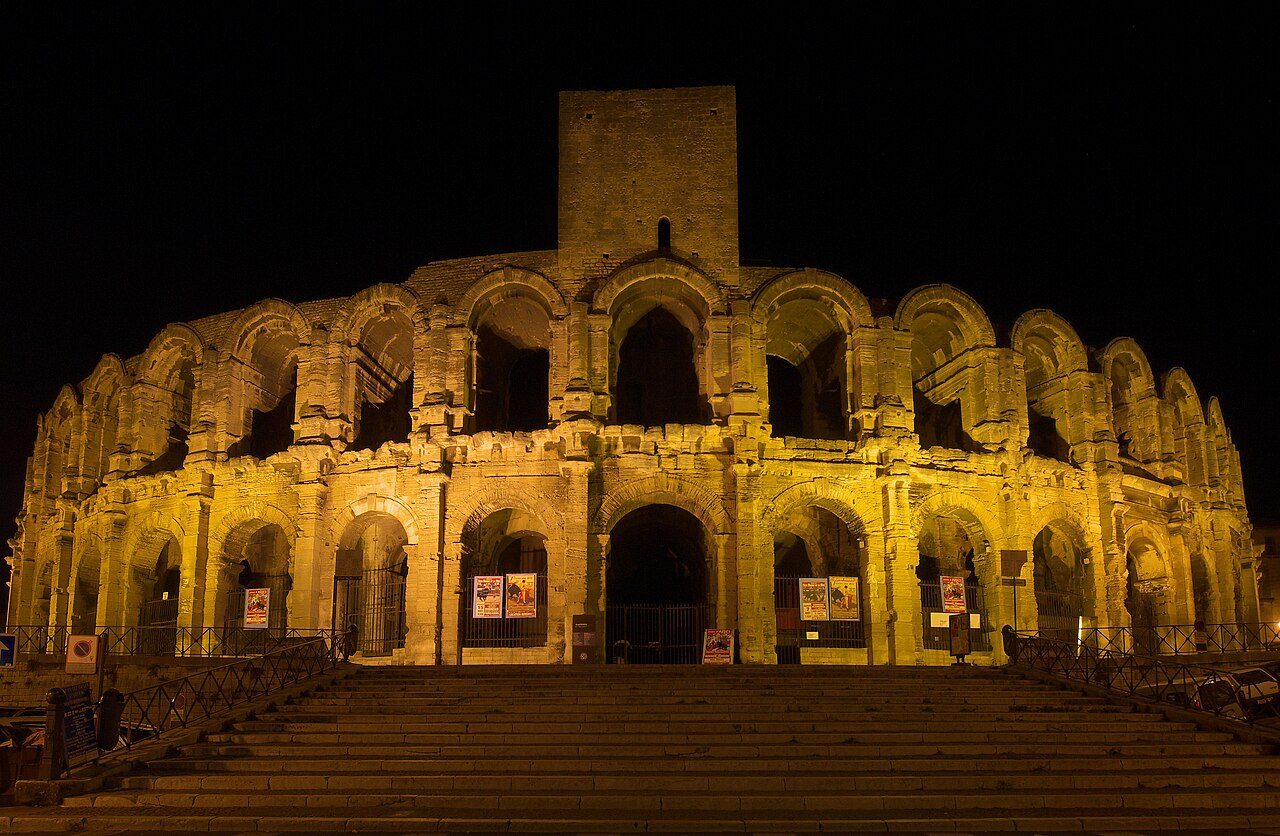
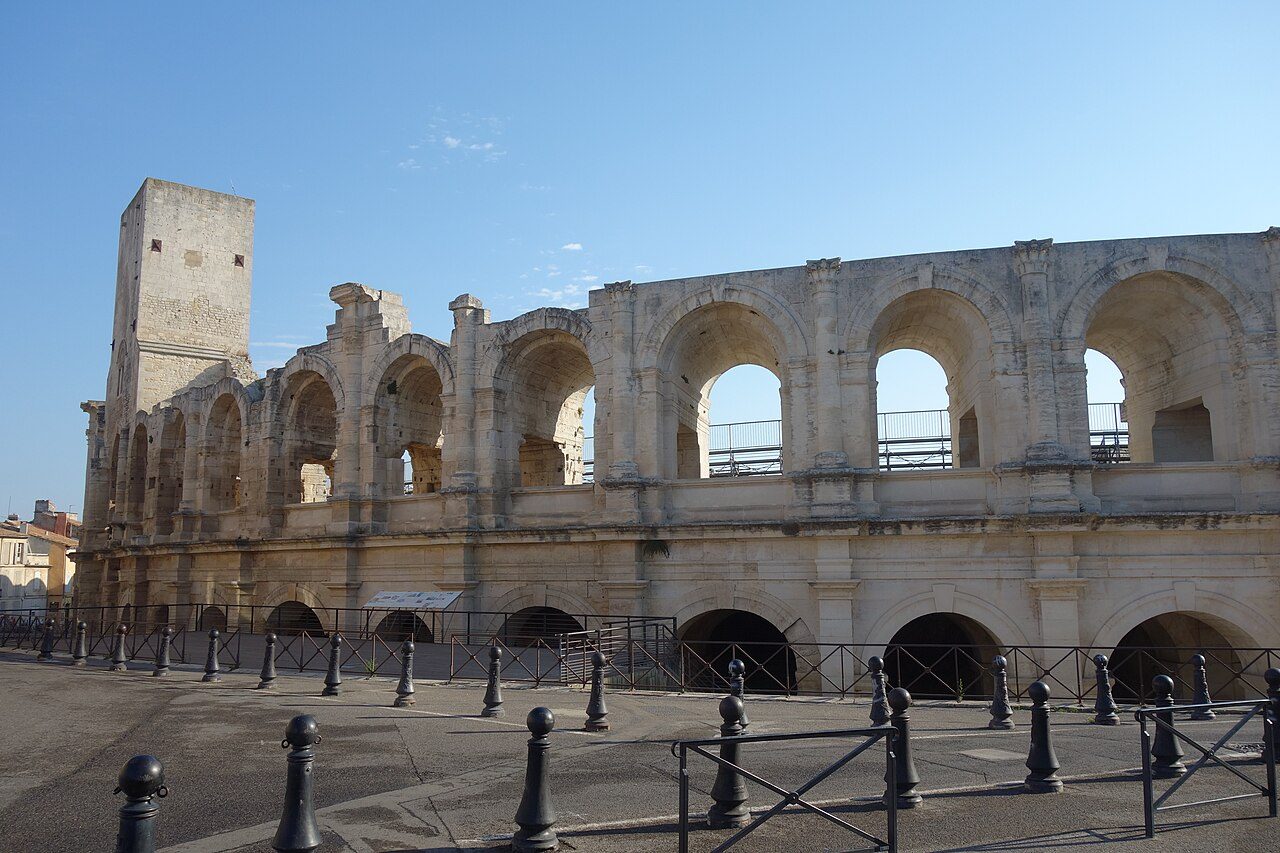
The Arles Amphitheatre is a Roman arena built around 90 AD, which once held about 20,000 spectators. In the Middle Ages it was turned into a fortress with houses inside. Today it hosts bullfights and shows. Arles also has a Roman theatre and was home to Vincent van Gogh, who painted many works here. It is a UNESCO World Heritage Site.
09
STOP 9 OF 14
Aix-en-Provence
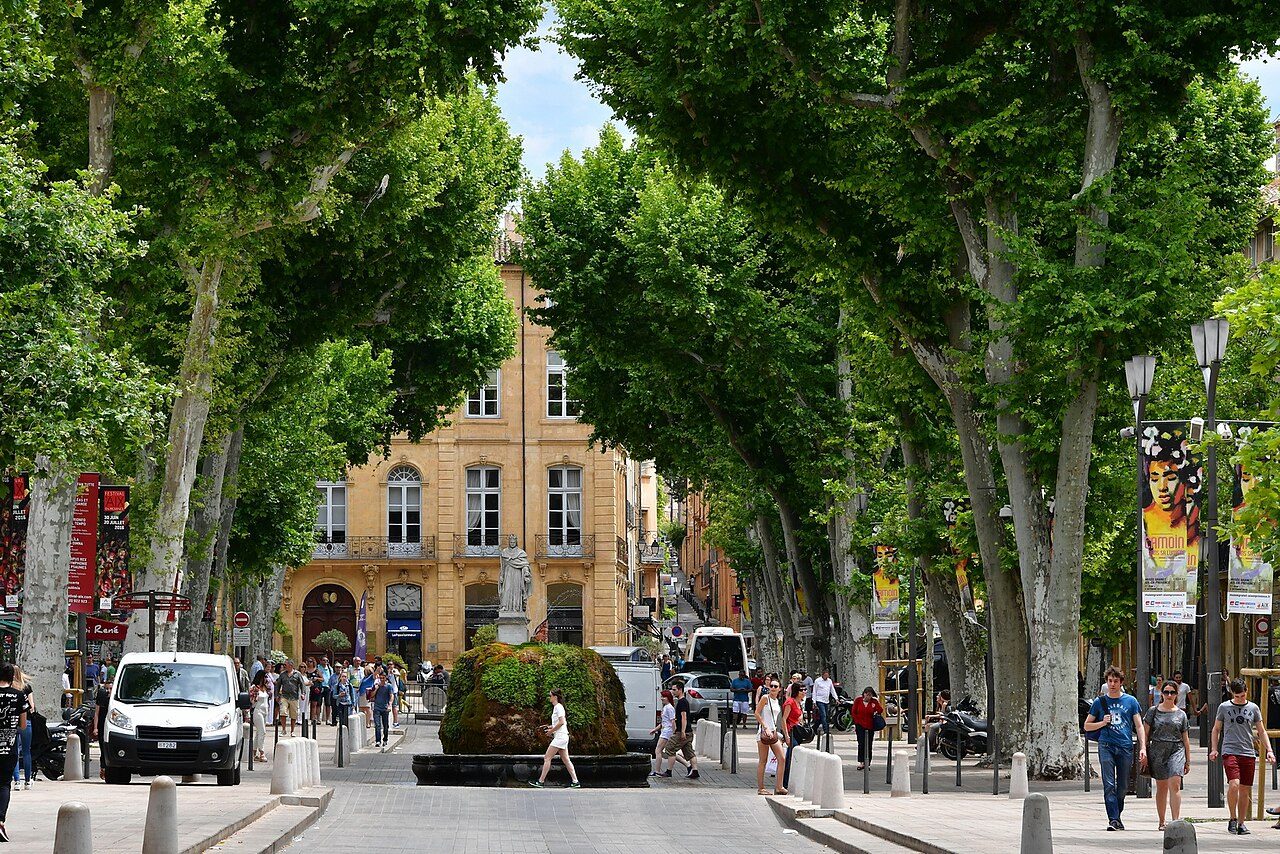
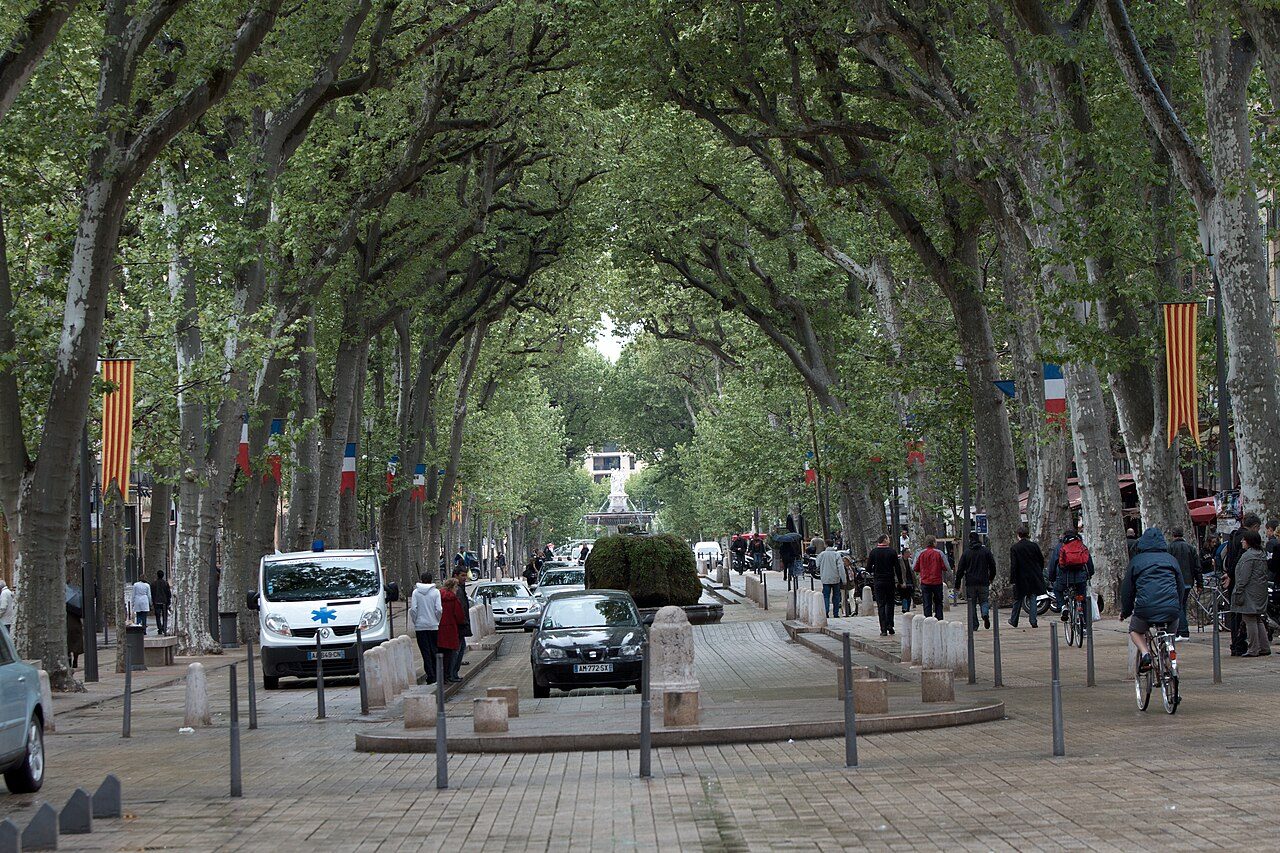
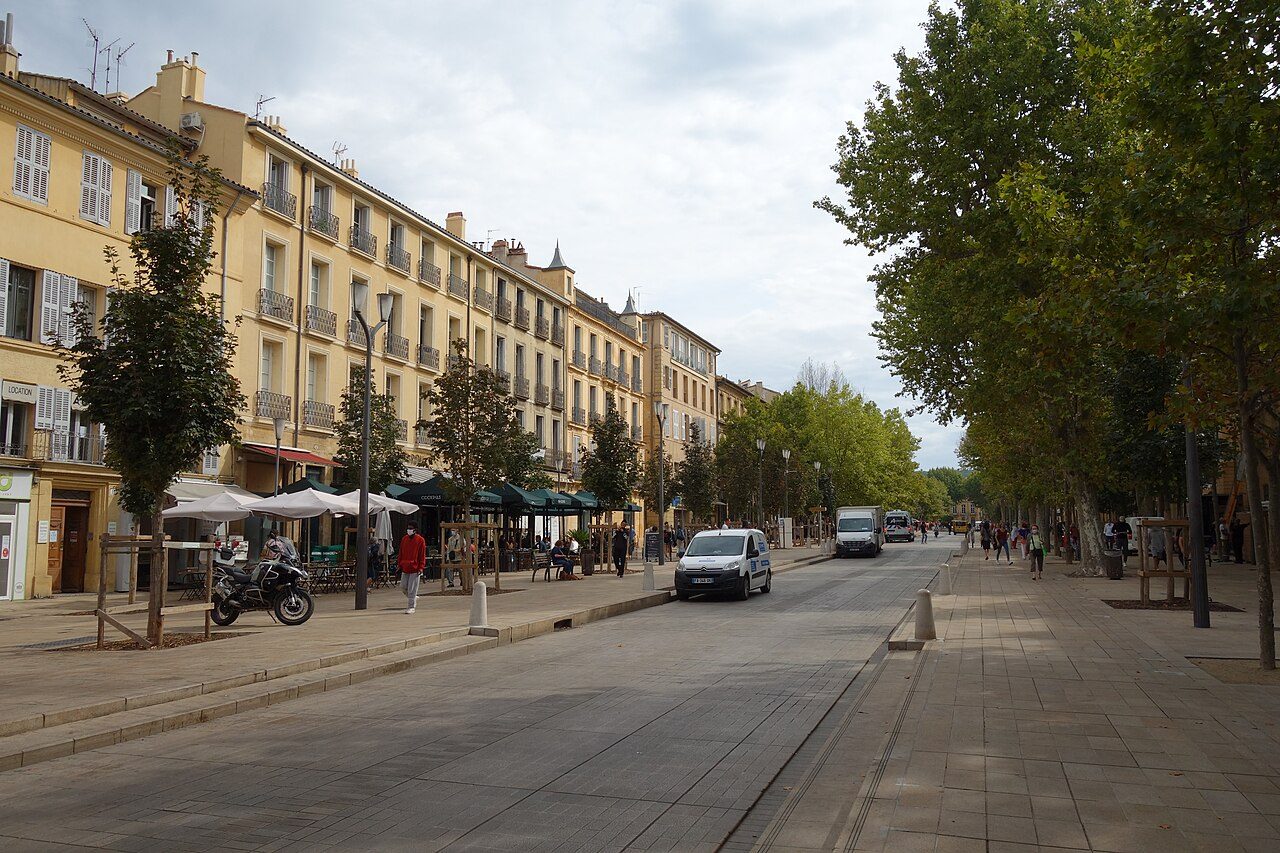
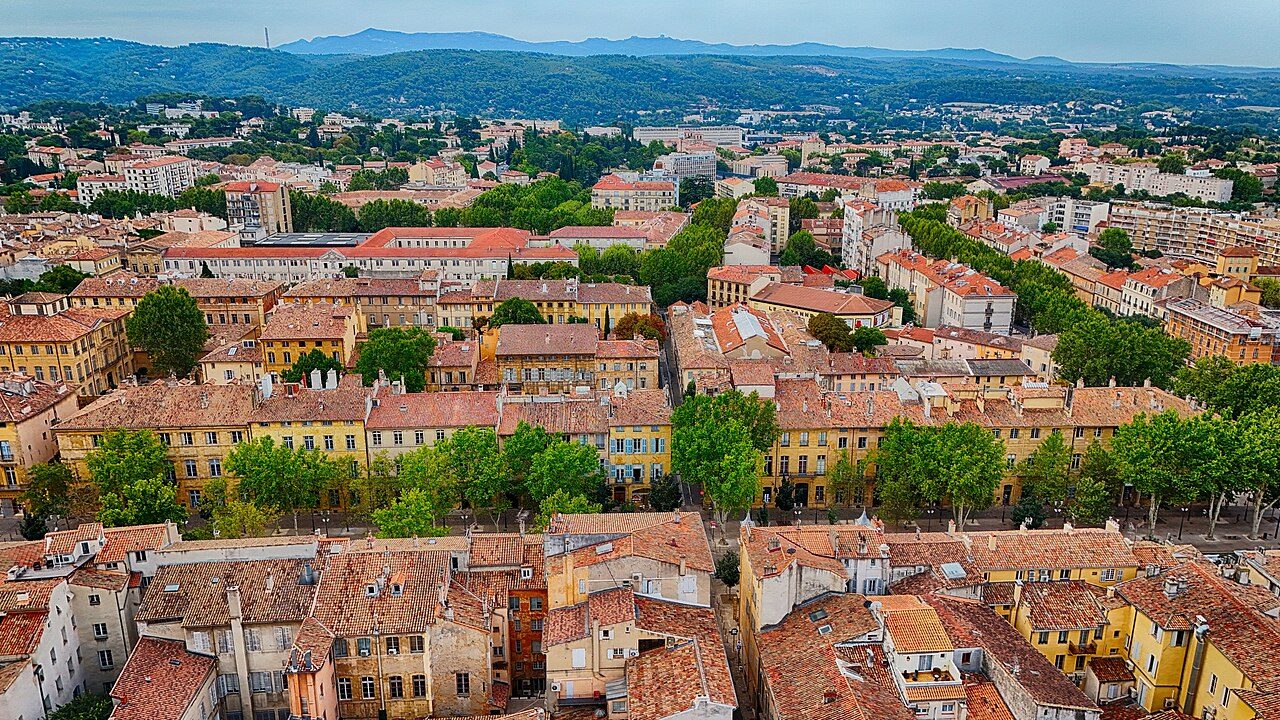
Aix-en-Provence is a historic city known for its fountains, elegant mansions and markets. Its main street, the Cours Mirabeau, is lined with plane trees and cafes. The painter Paul Cézanne was born here, and his studio is open to visitors. The Montagne Sainte-Victoire, which he painted many times, rises east of the city.
10
STOP 10 OF 14
Valensole Lavender Fields
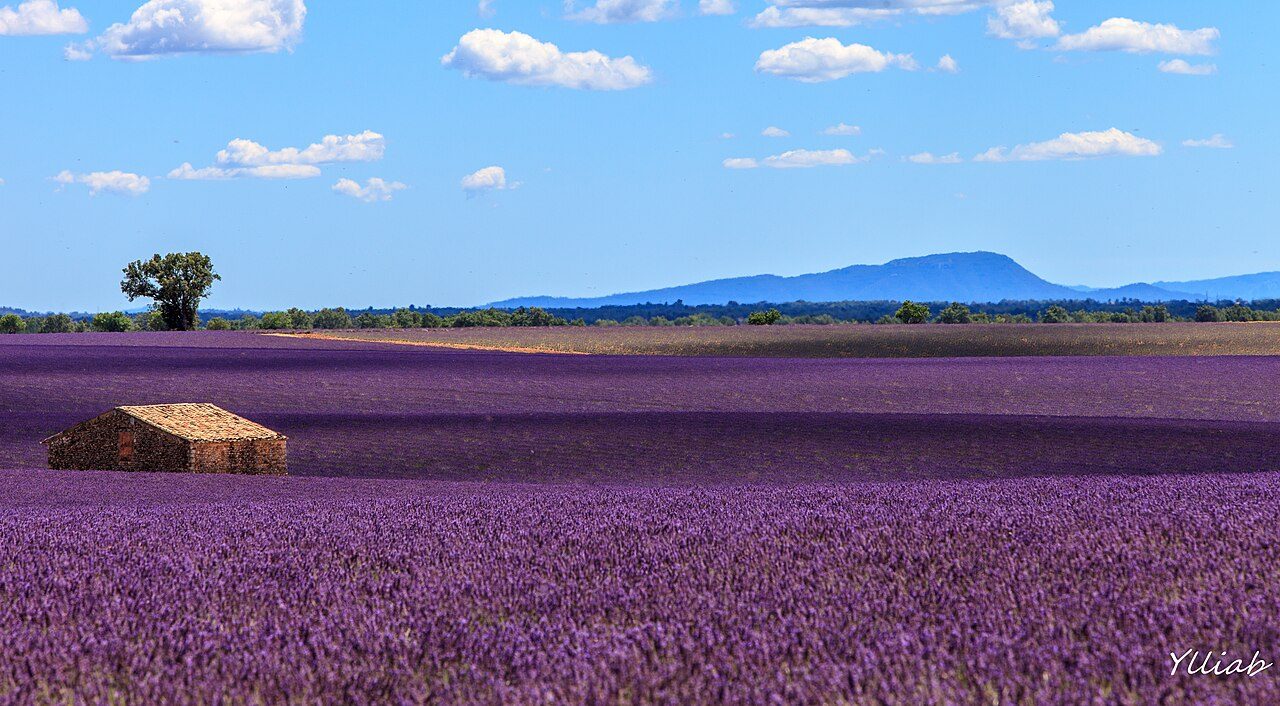
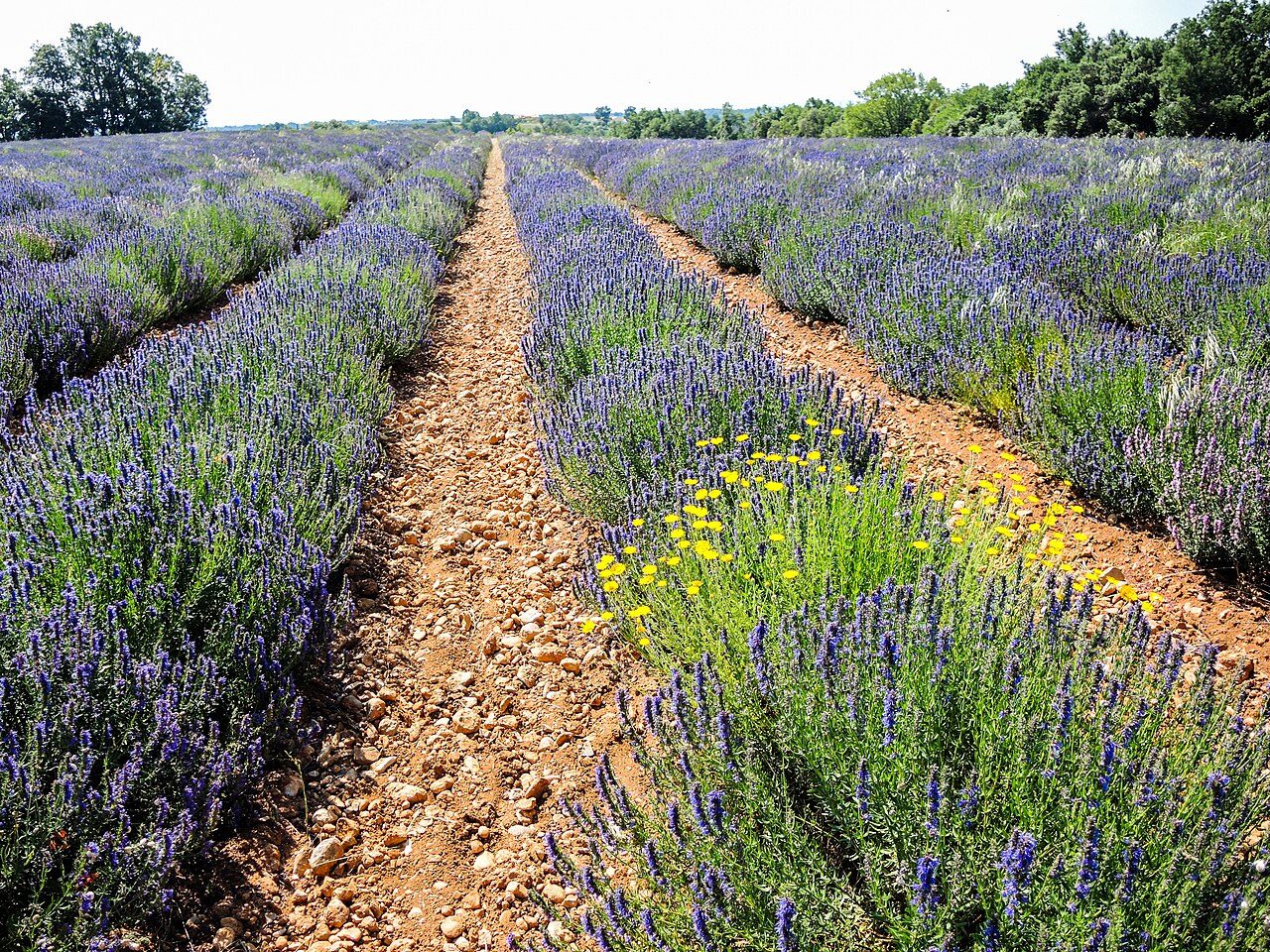
The Valensole plateau in Provence is famous for its lavender fields, which bloom from late June to July. Rows of purple lavender stretch to the horizon, often next to golden fields of wheat. The air is filled with scent and the buzz of bees. Farms sell lavender oil, honey and soaps. It is one of the most photographed landscapes in France.
11
STOP 11 OF 14
Moustiers-Sainte-Marie
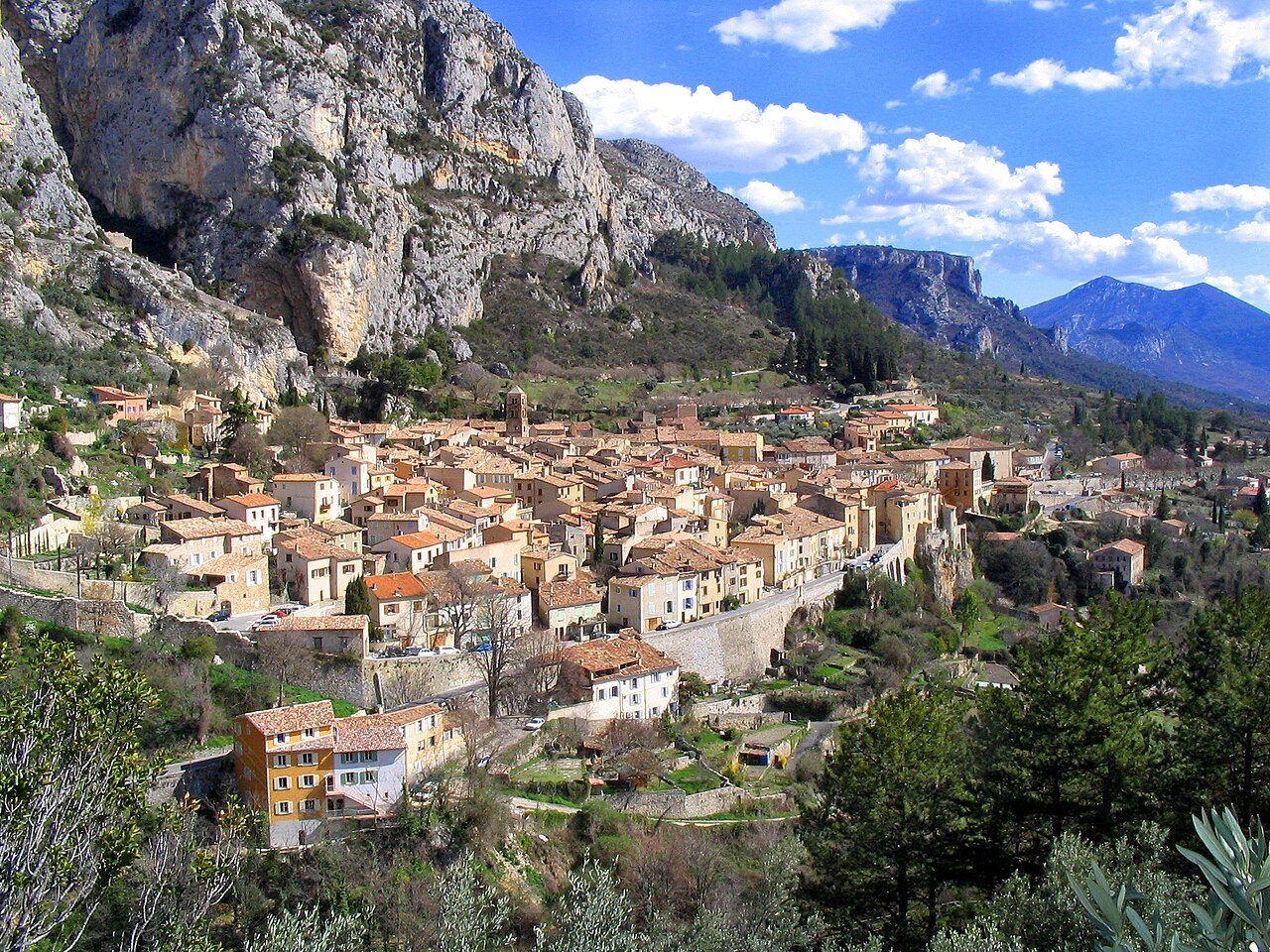
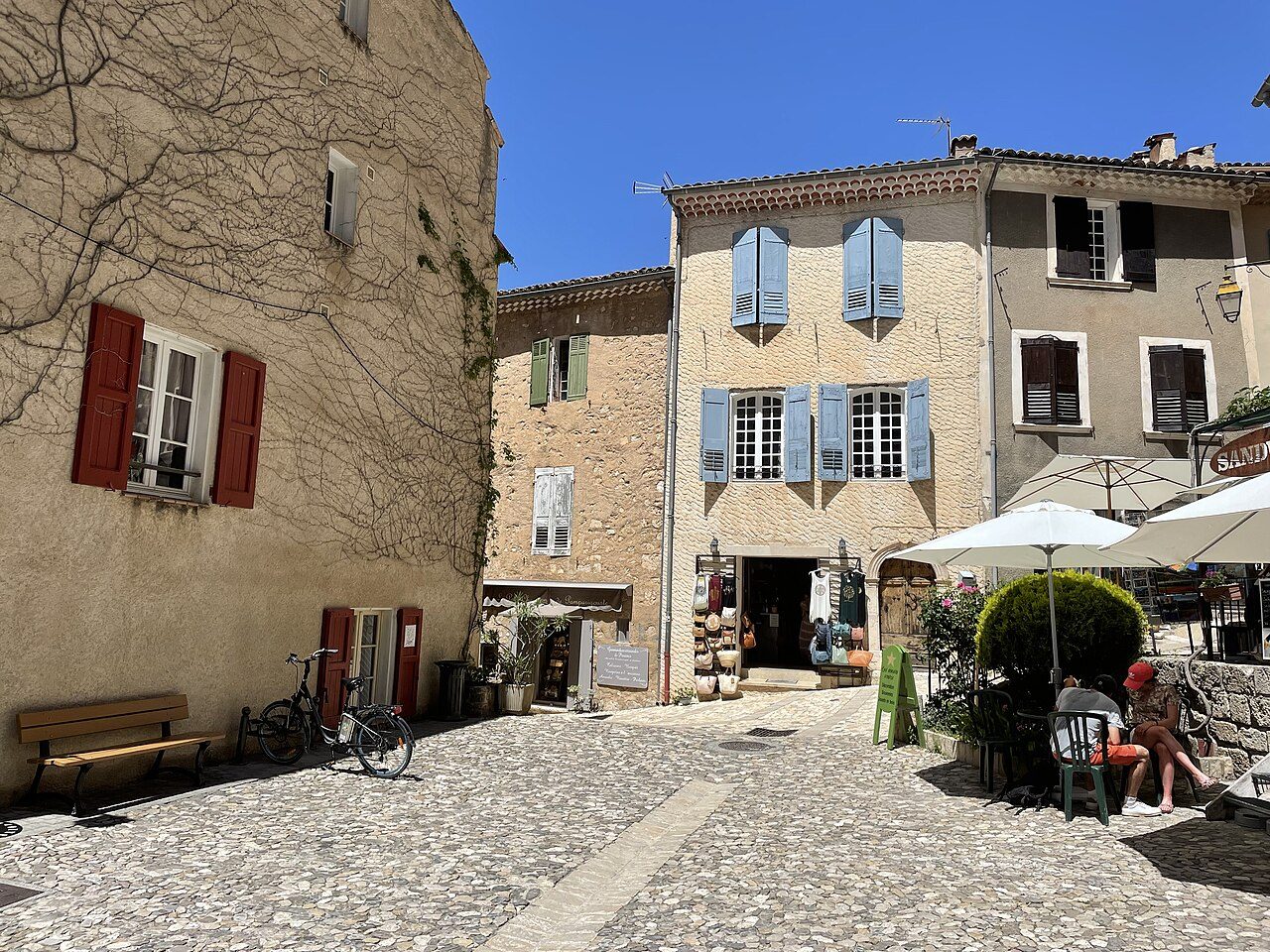
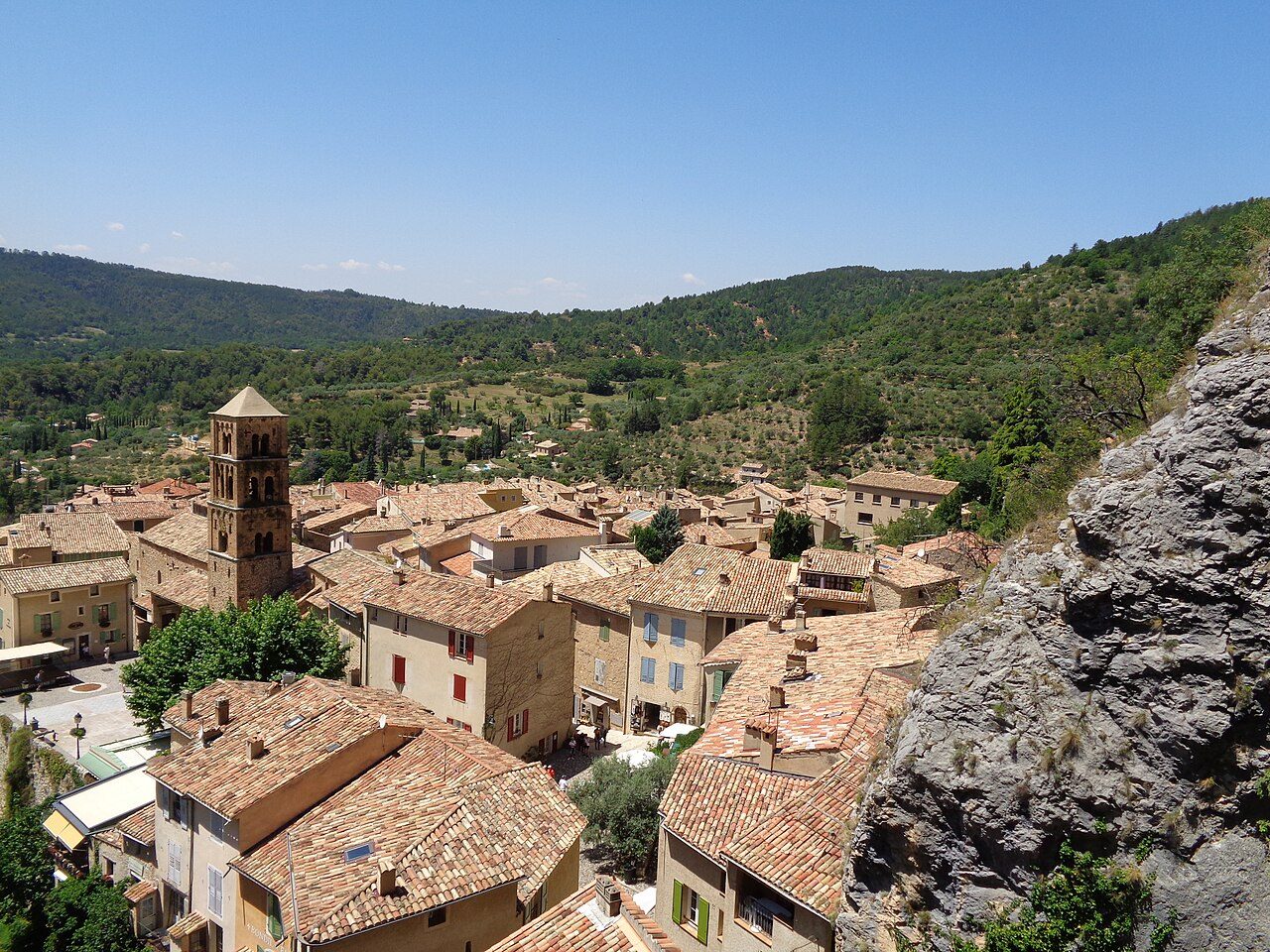
Moustiers-Sainte-Marie is a village in Provence set against a cliff at the entrance to the Verdon Gorge. A gold star hangs on a chain stretched between two cliffs above the village, said to be a knight's vow. The chapel of Notre-Dame de Beauvoir is reached by a steep path. The village has been known for its faience pottery since the 17th century.
12
STOP 12 OF 14
Verdon Gorge
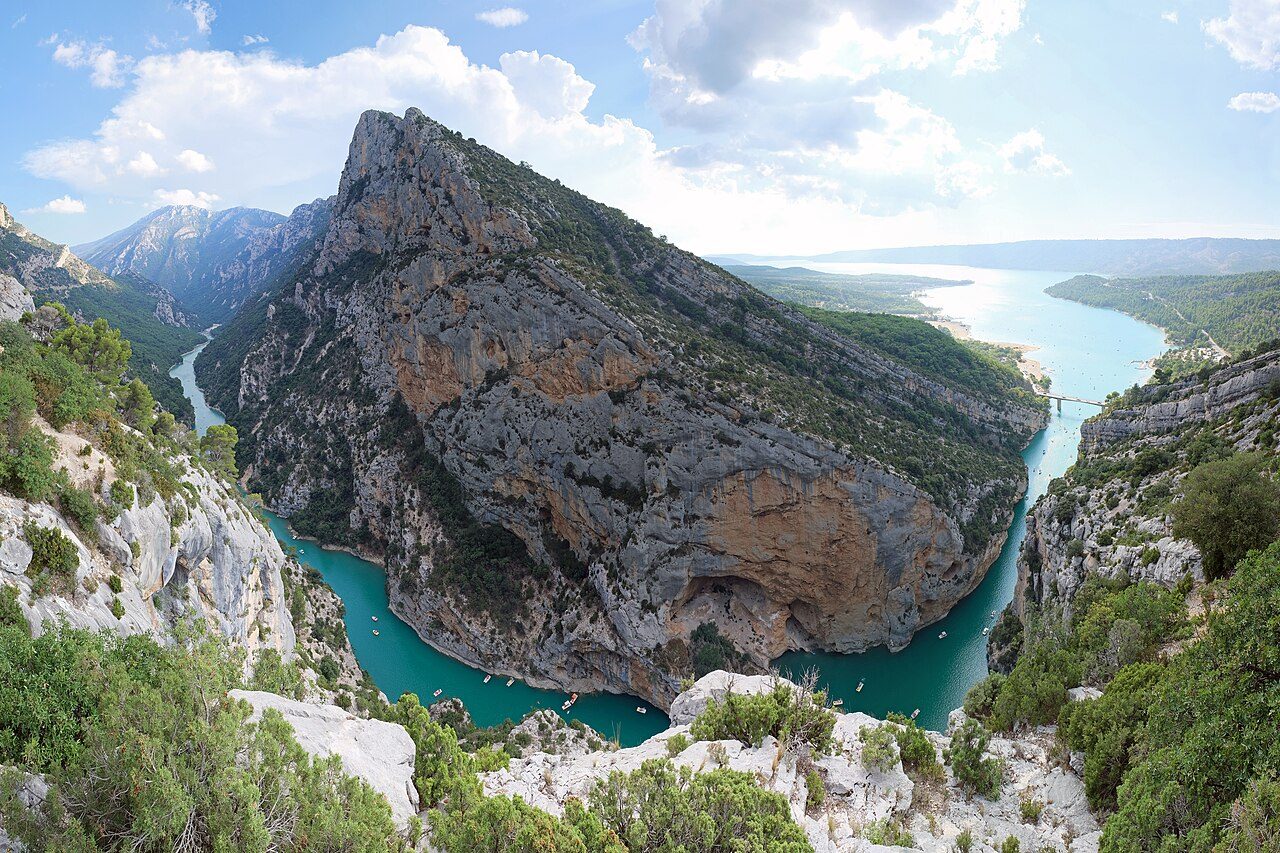
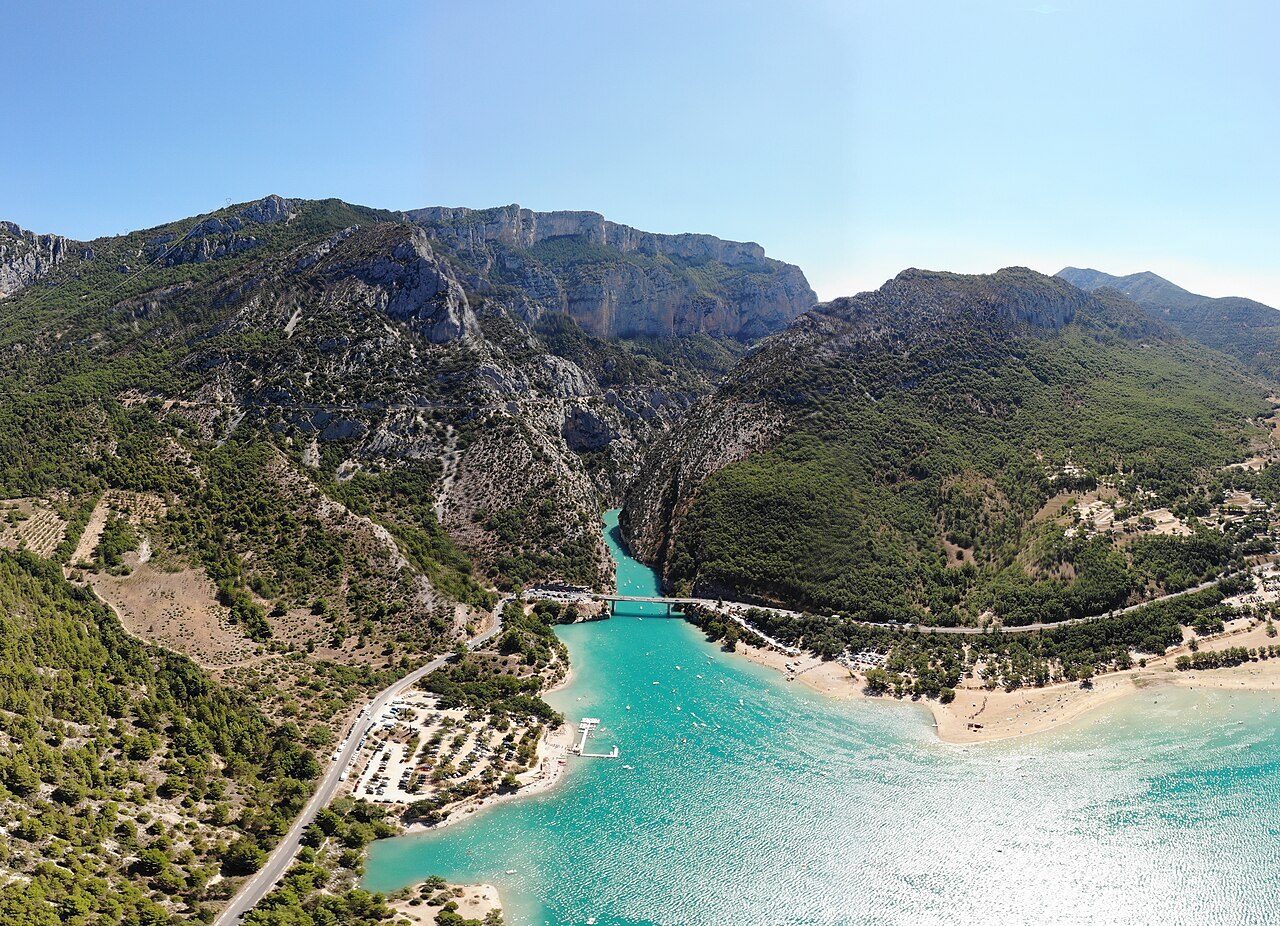
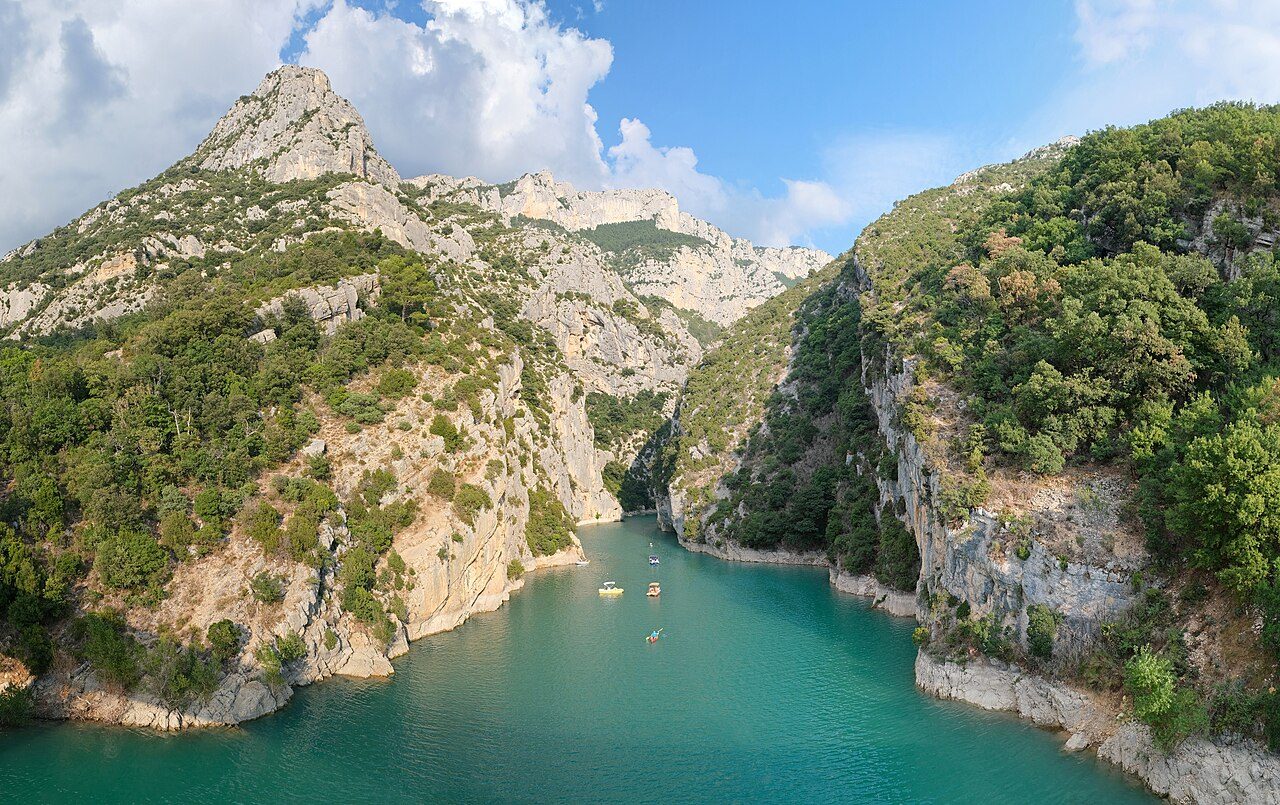
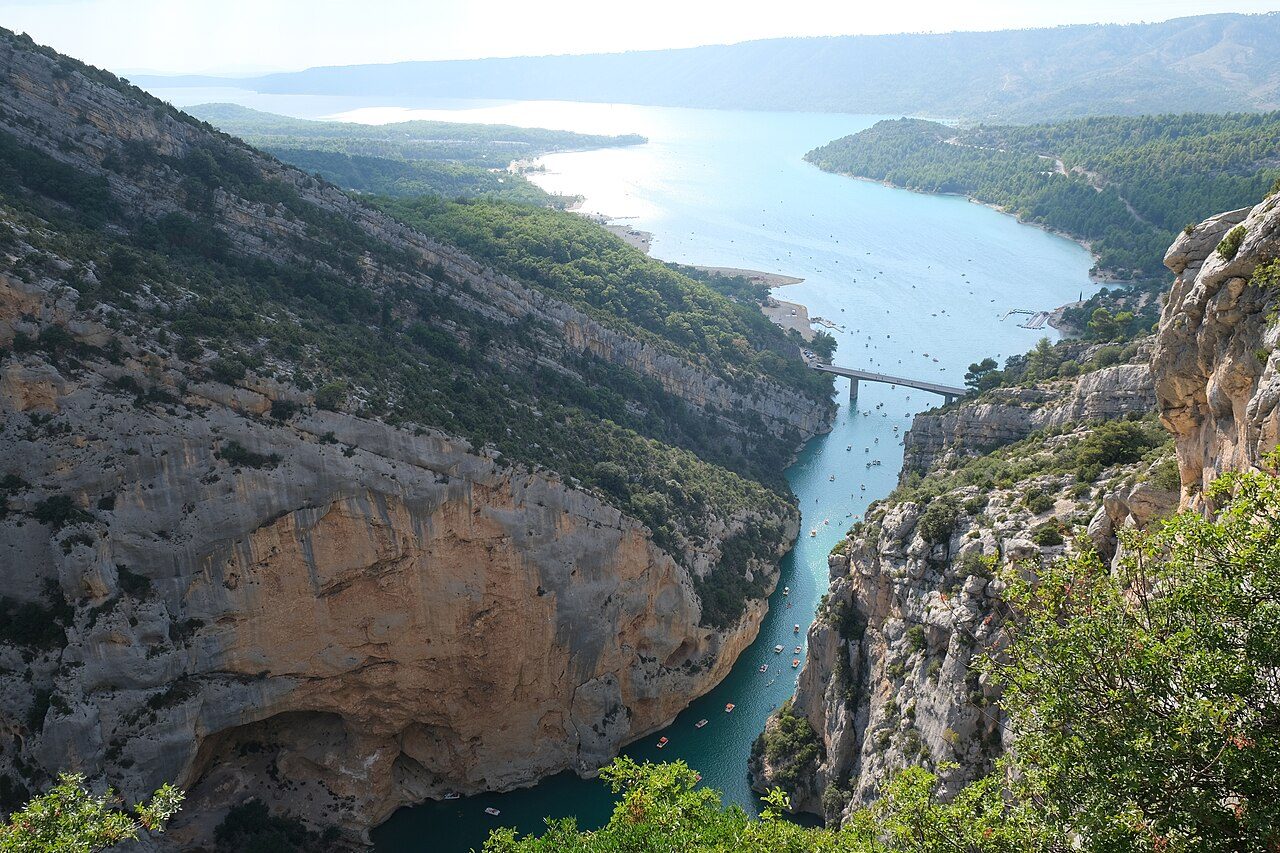
The Verdon Gorge is a canyon in Provence up to about 700 metres deep, cut by the Verdon River. Its turquoise water gives the river its name. Roads along both rims have viewpoints over the cliffs, and the Sentier Blanc-Martel trail follows the bottom. At the end of the gorge, visitors can hire boats on the lake of Sainte-Croix.
13
STOP 13 OF 14
Old Port of Marseille
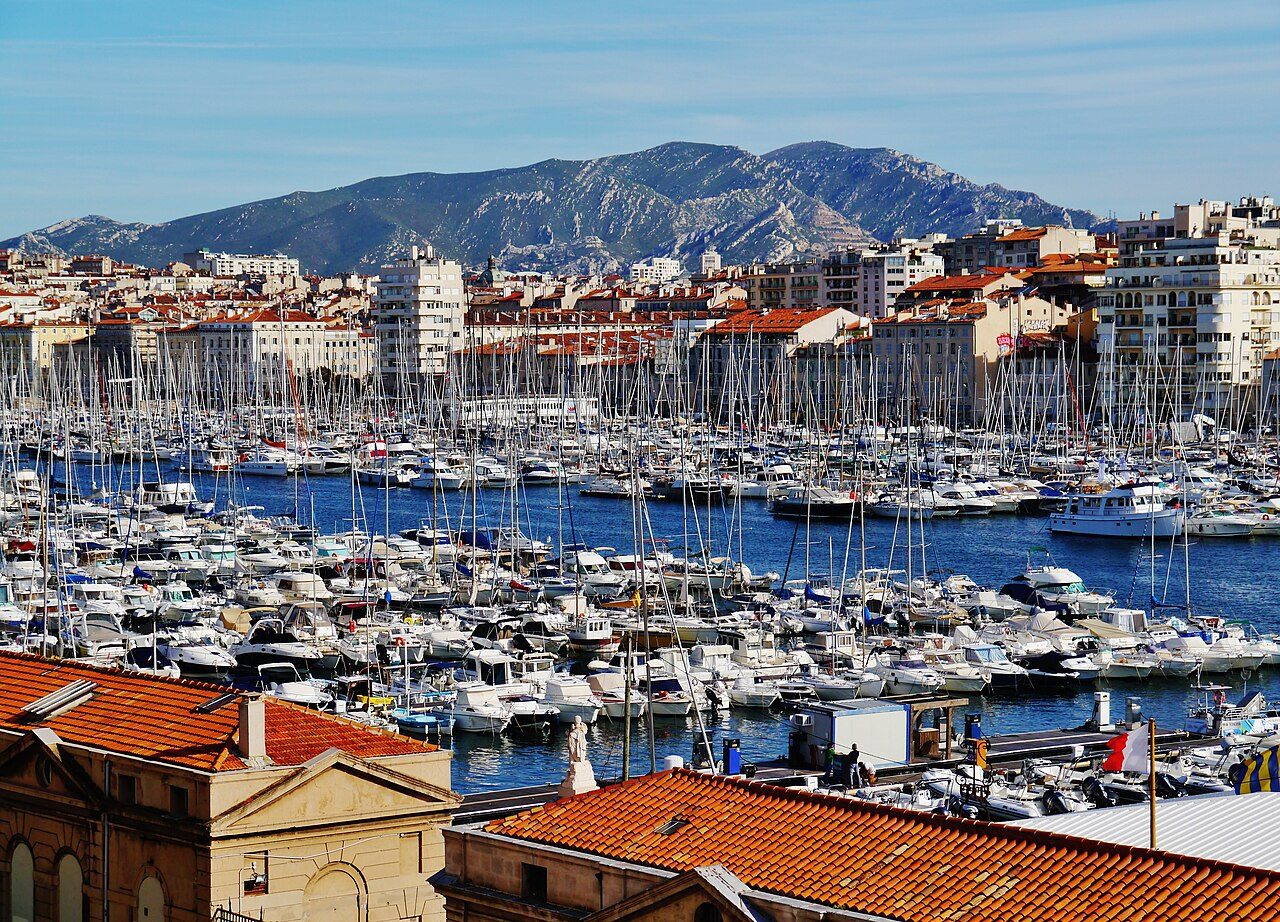
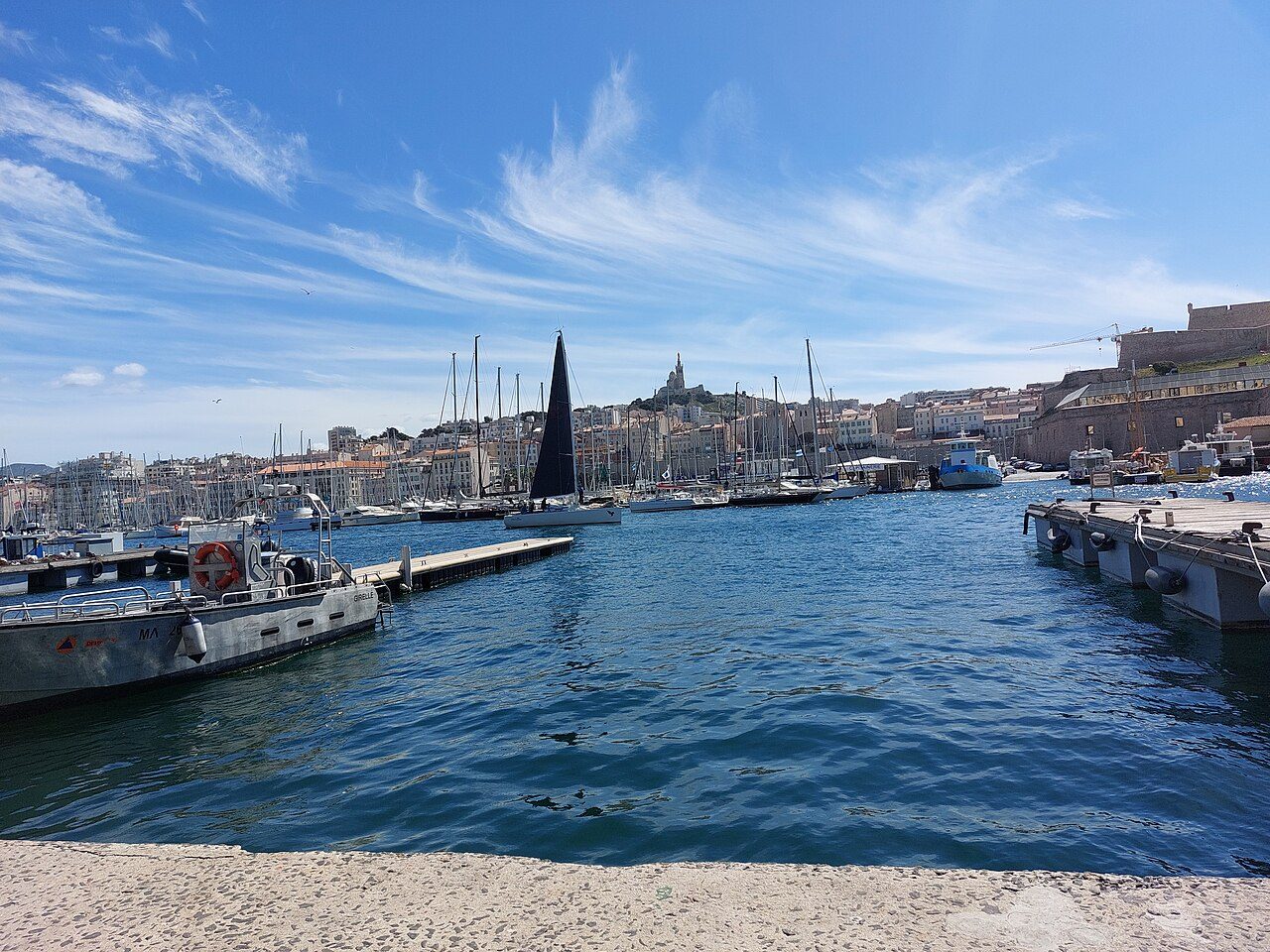
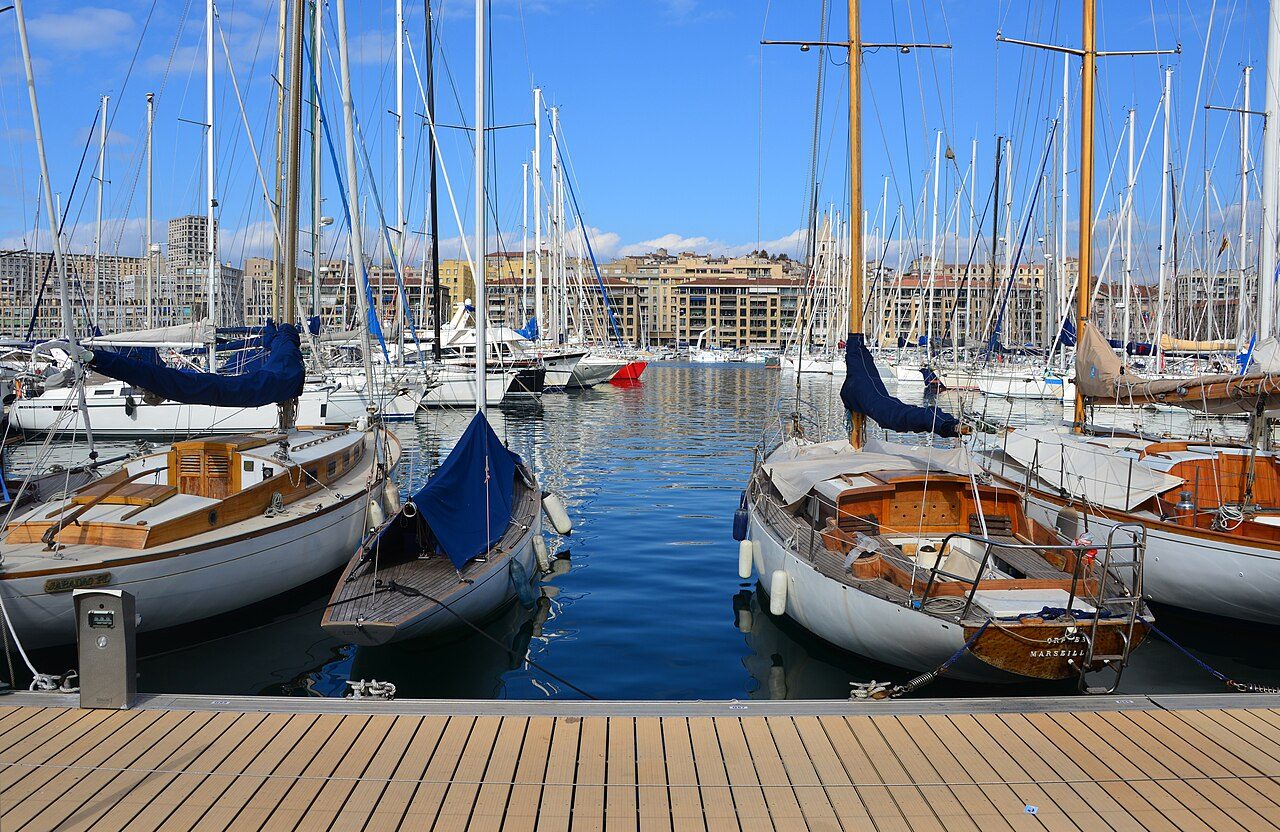
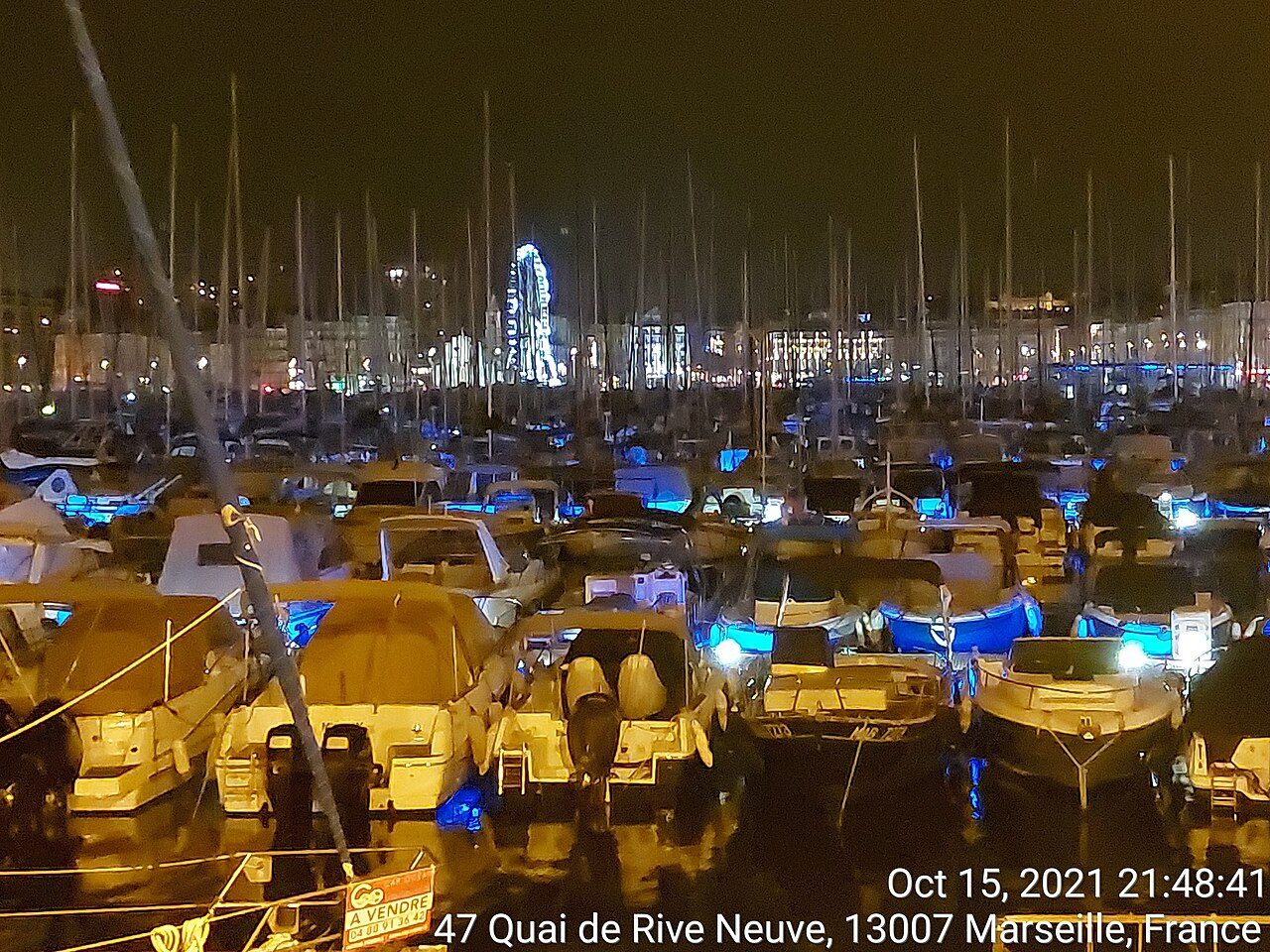
The Old Port of Marseille has been the heart of the city for over 2,600 years, since Greek sailors founded it. Fishing boats sell fresh fish at the quay each morning. The two forts of Saint-Jean and Saint-Nicolas guard its entrance. A large mirror canopy by Norman Foster reflects the people beneath it. Boats leave for the islands and calanques.
14
STOP 14 OF 14 · LAST STOP
Calanques National Park
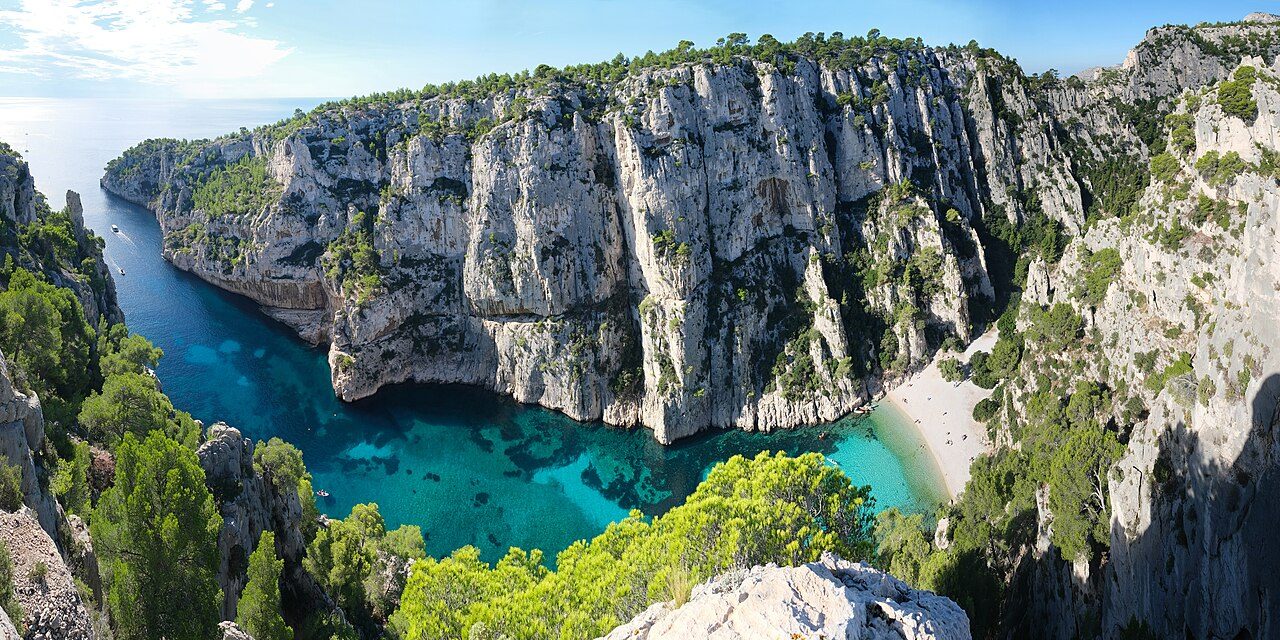
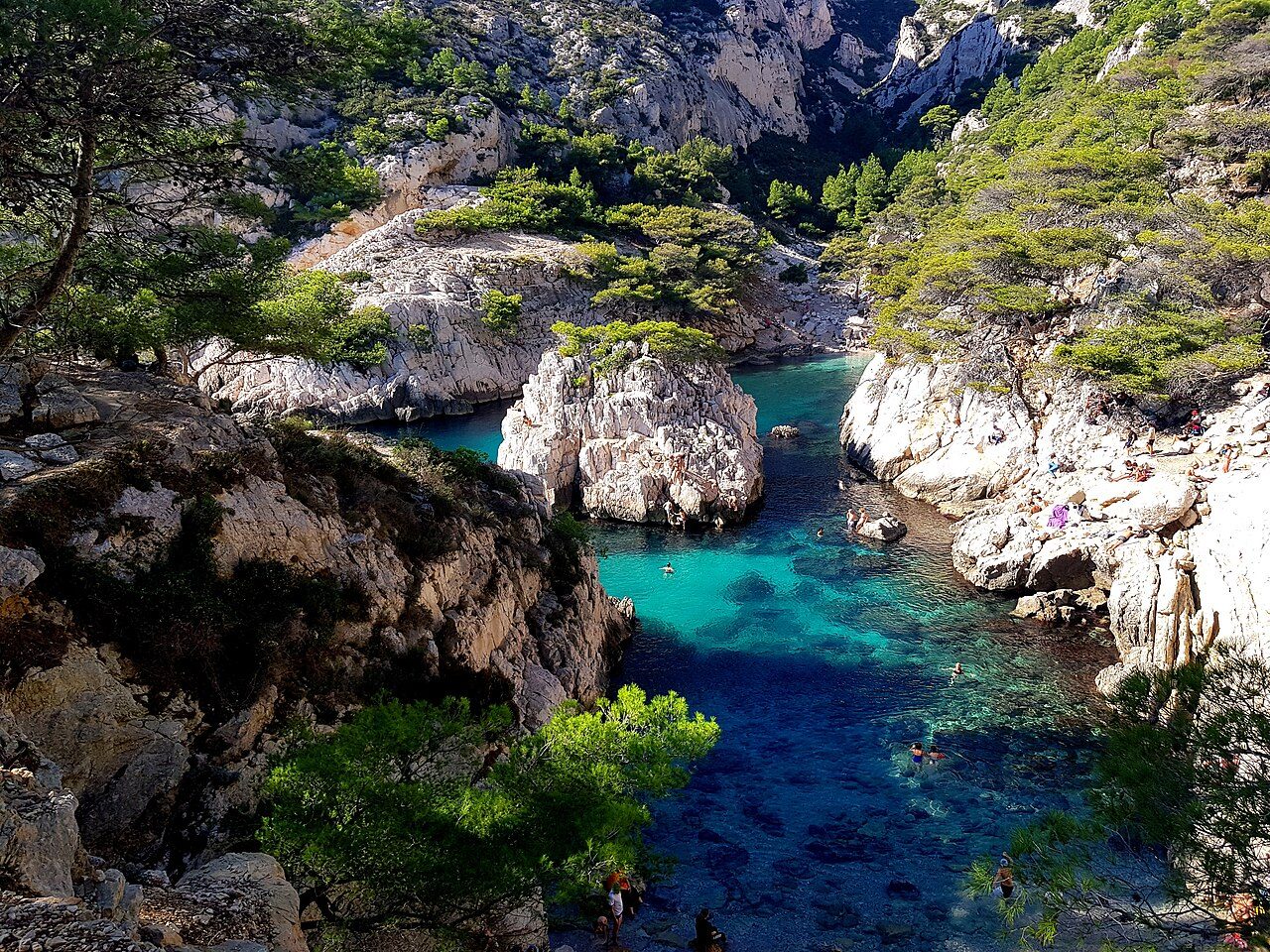
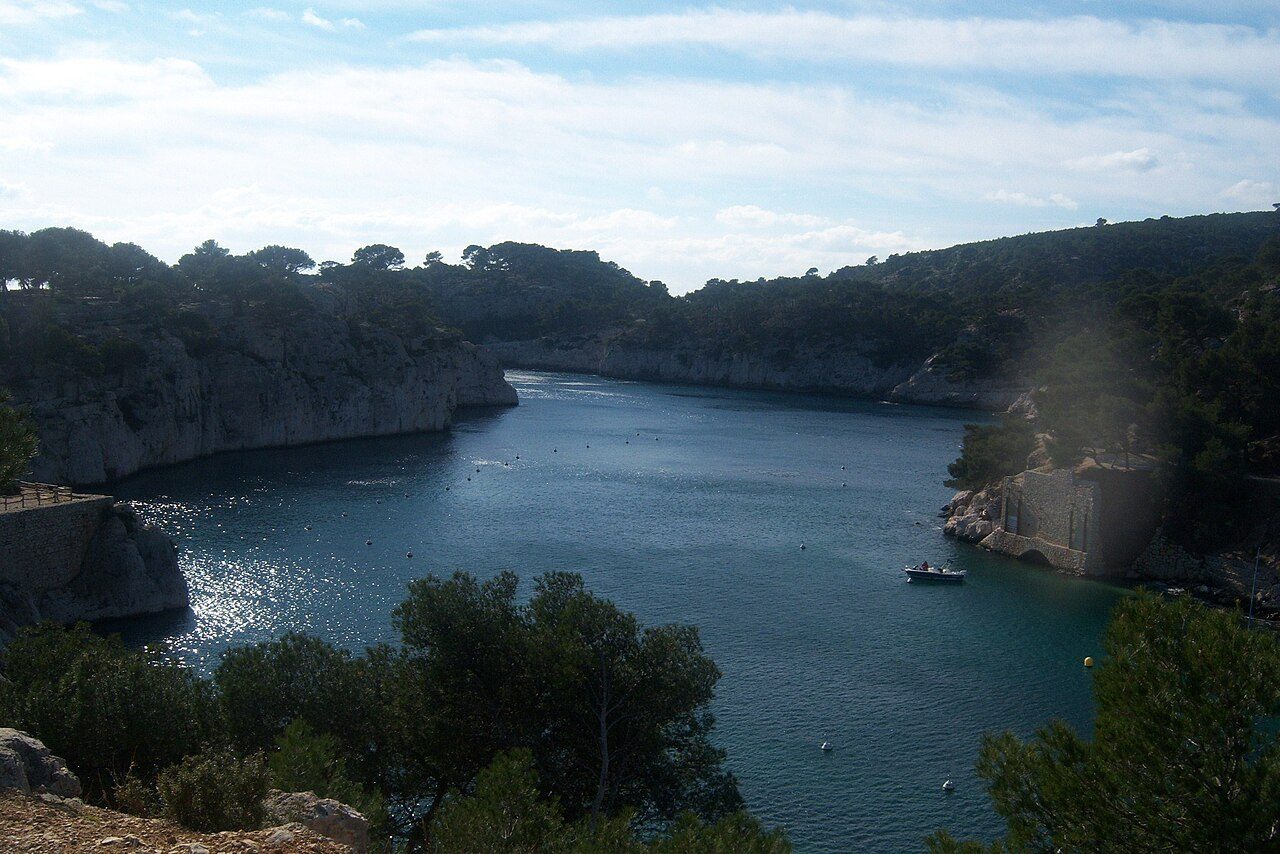
The Calanques National Park stretches along the coast between Marseille and Cassis. Calanques are narrow inlets with steep white limestone cliffs and turquoise water. The best known include Sormiou, Morgiou and En-Vau. They can be reached by hiking trails or by boat. It became France's first national park near a big city in 2012.
Seasons from 20 years of NASA POWER climate data.
 WaTrips






 BikesBooking
 Localrent
 Airalo
 Tiqets