Prayagraj and Ayodhya in 3 Days: the Sangam to the Saryu
3 DAYS10 placesby WaTrips
A boat to the Triveni Sangam, Anand Bhavan and Khusro Bagh, Mangarh, then Ayodhya's ghats and temples.
Two of Uttar Pradesh's holiest cities, linked by an easy drive. Day one is Prayagraj: a boat to the Triveni Sangam where the Ganga, Yamuna and mythical Saraswati meet, Akbar's fort, the Nehru family home at Anand Bhavan, the Mughal tombs of Khusro Bagh, All Saints Cathedral and the museum. Day two stops at the Bhakti Mandir in Mangarh and reaches Ayodhya for the evening at Ram Ki Paidi on the Saryu. Day three visits Hanuman Garhi and Kanak Bhawan. October to March is best; Prayagraj is very crowded during the Magh Mela.
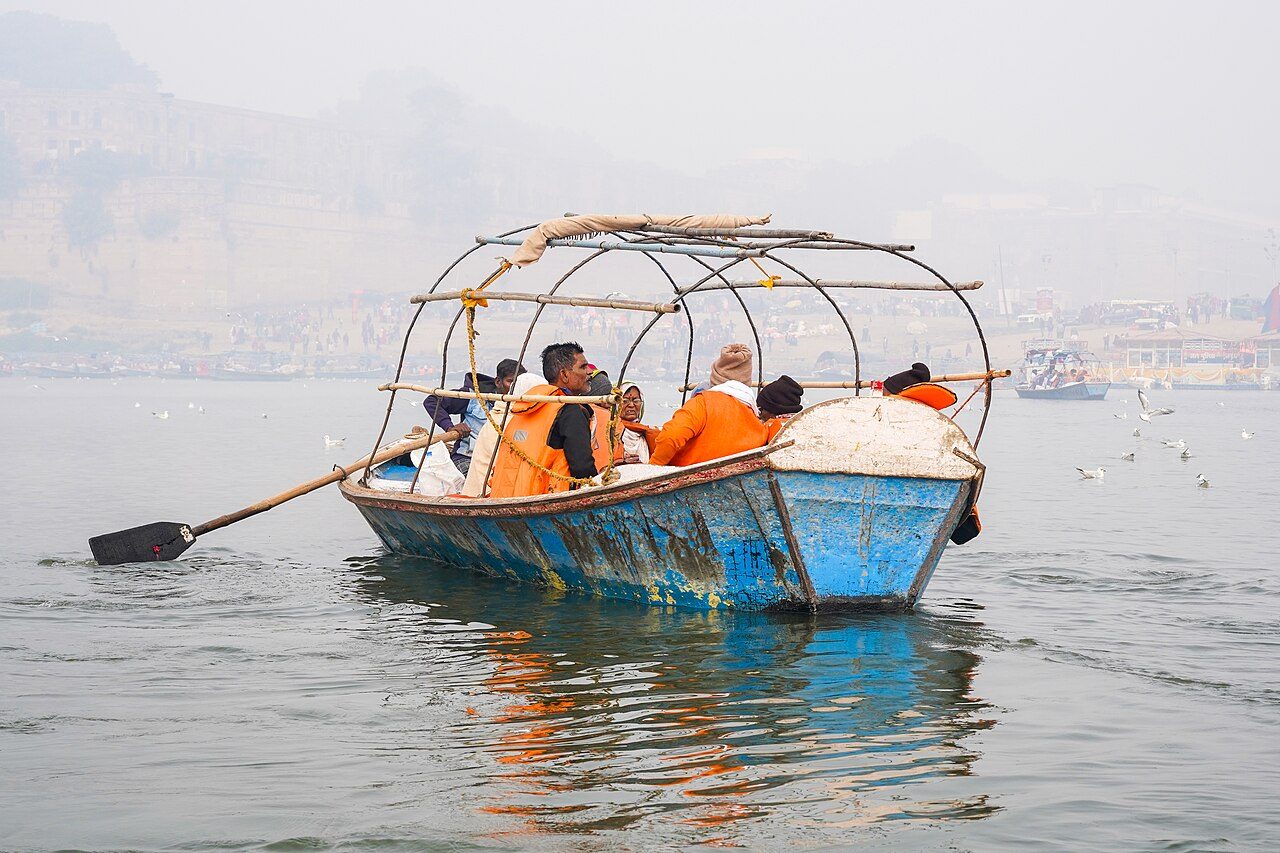
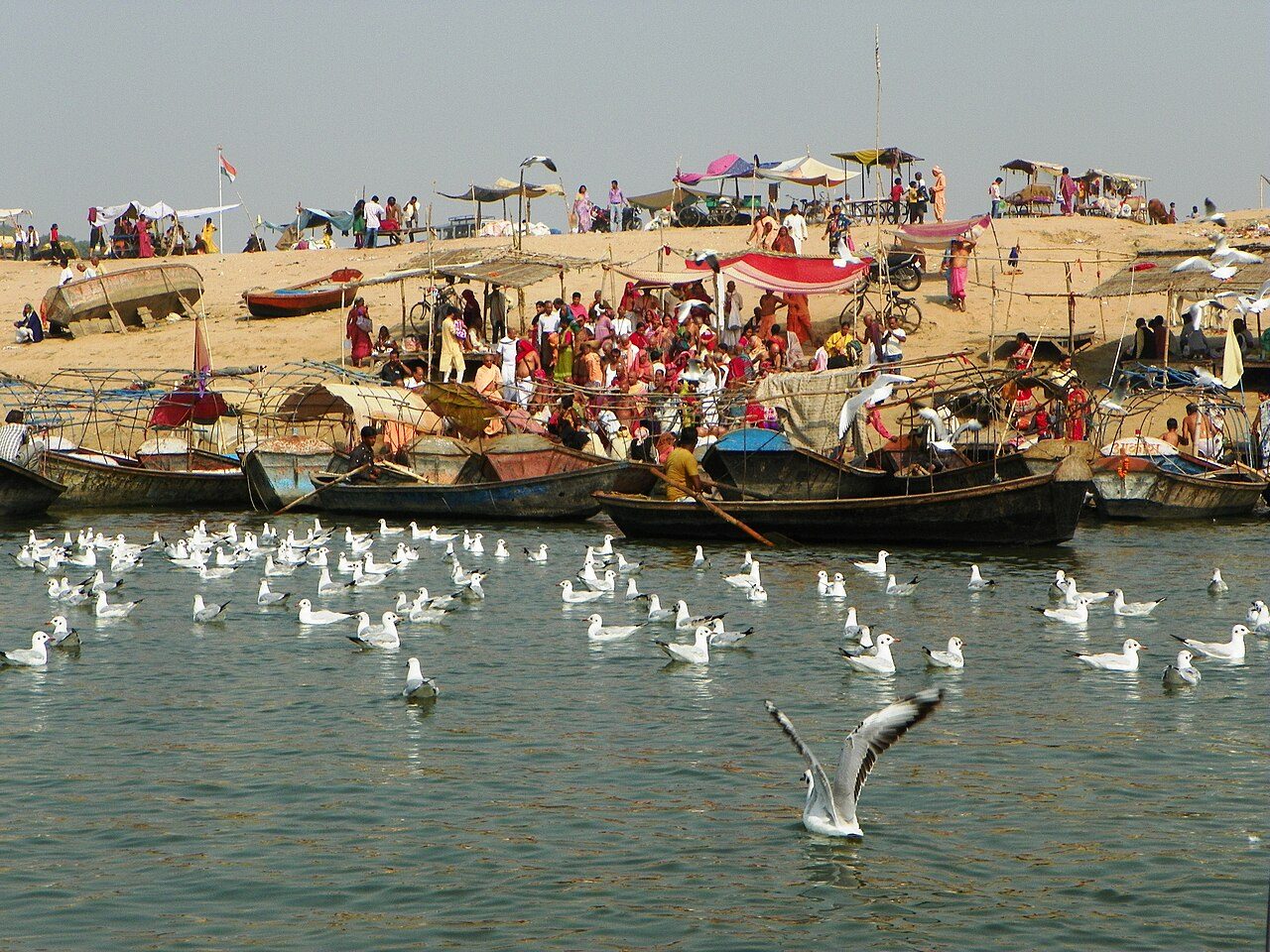
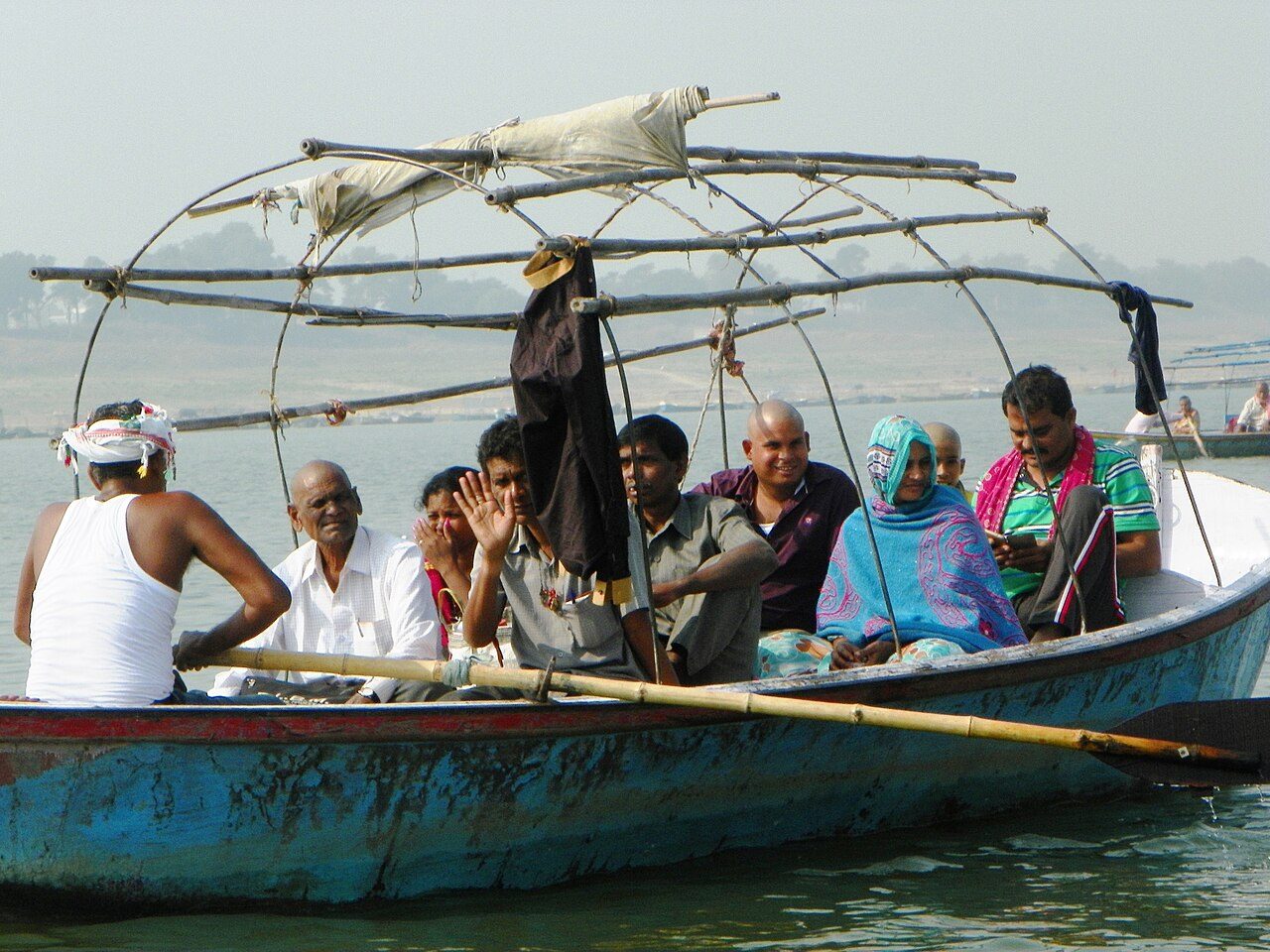
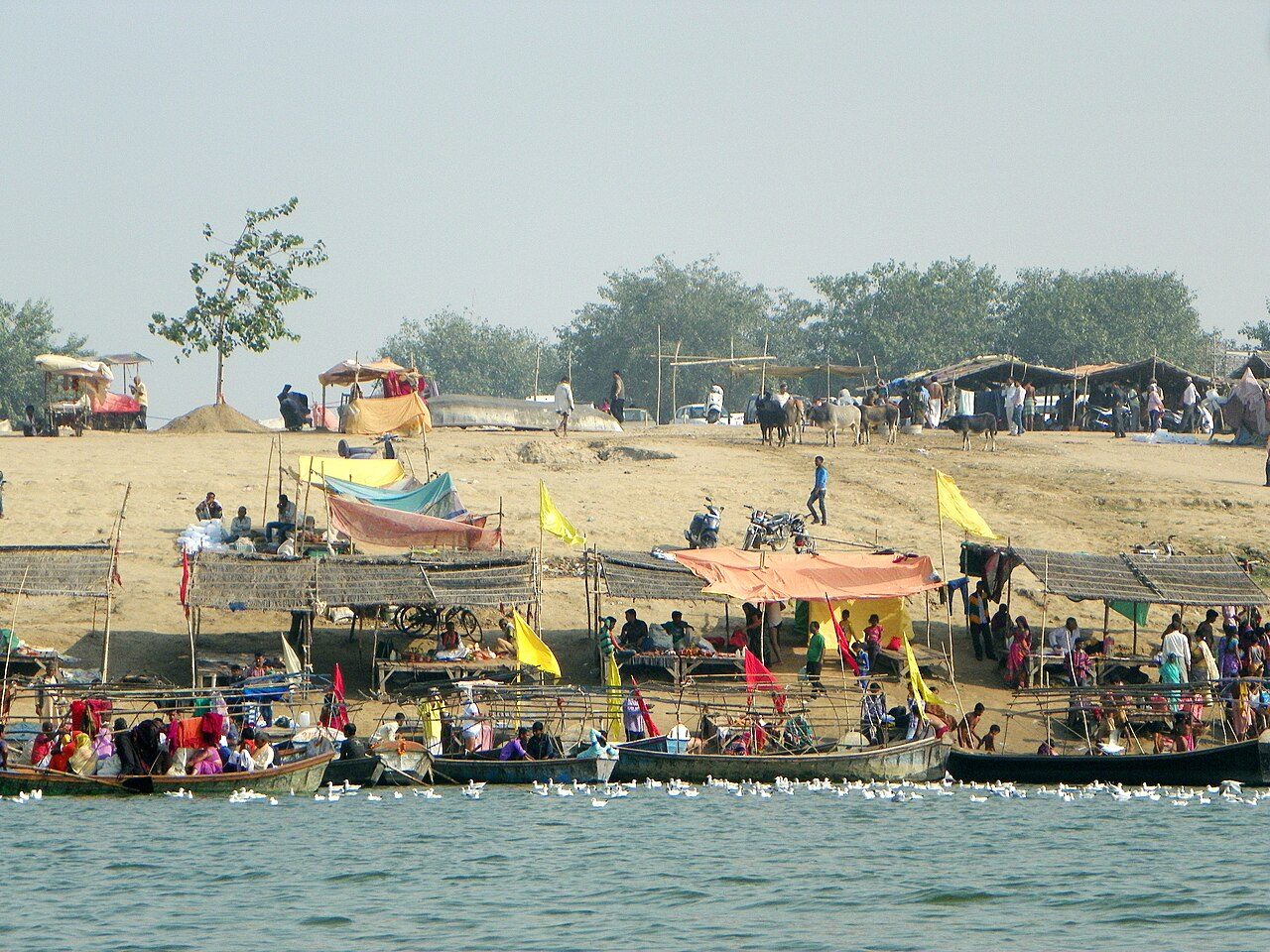
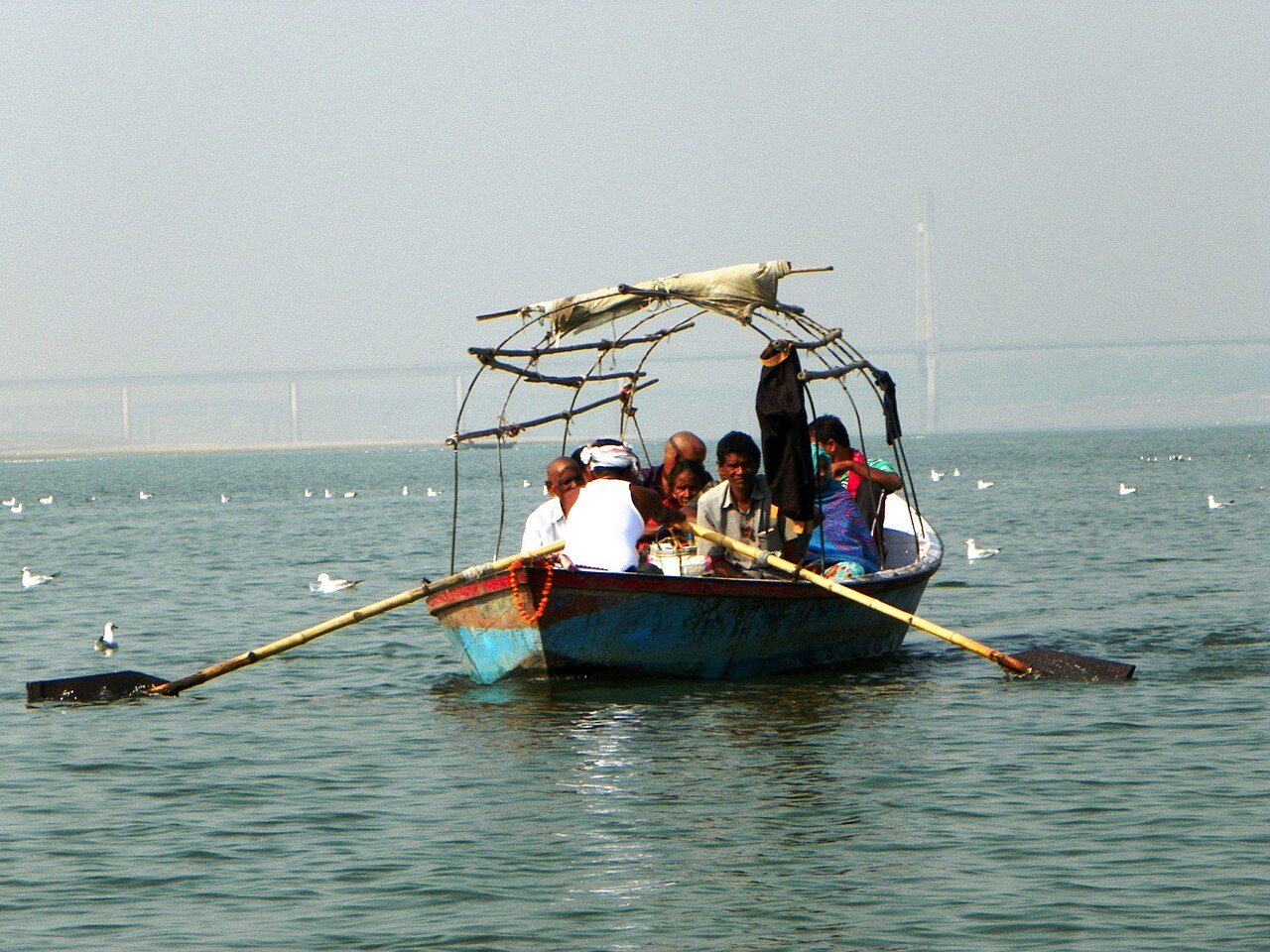
The Triveni Sangam at Prayagraj is the confluence of the Ganges, the Yamuna and the mythical Saraswati, and one of the holiest places in Hinduism. The muddy and the greenish waters can be seen meeting, and pilgrims are rowed out to bathe at the point of confluence. The Kumbh Mela is held on its banks every twelve years, and the Magh Mela each winter.
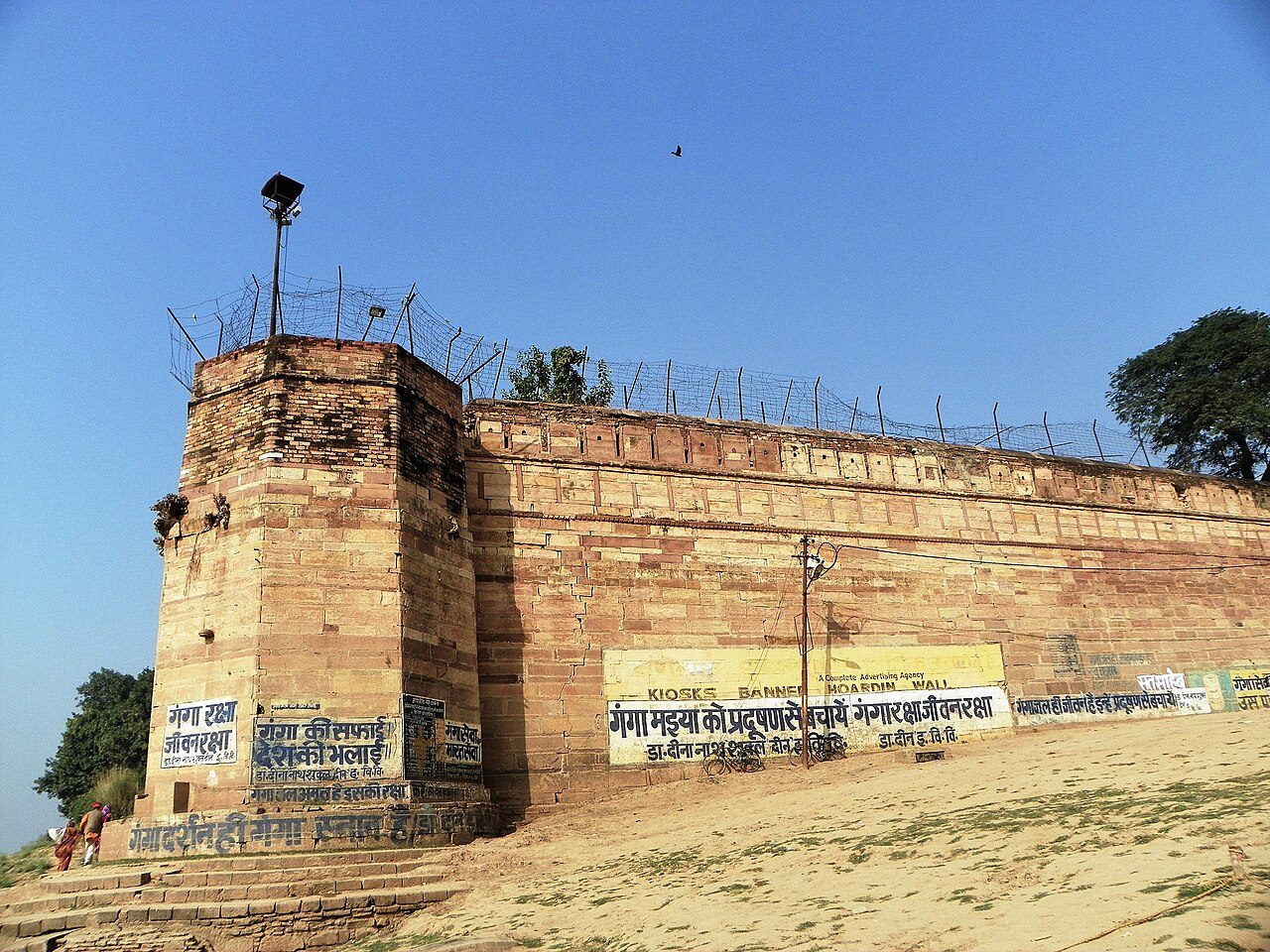
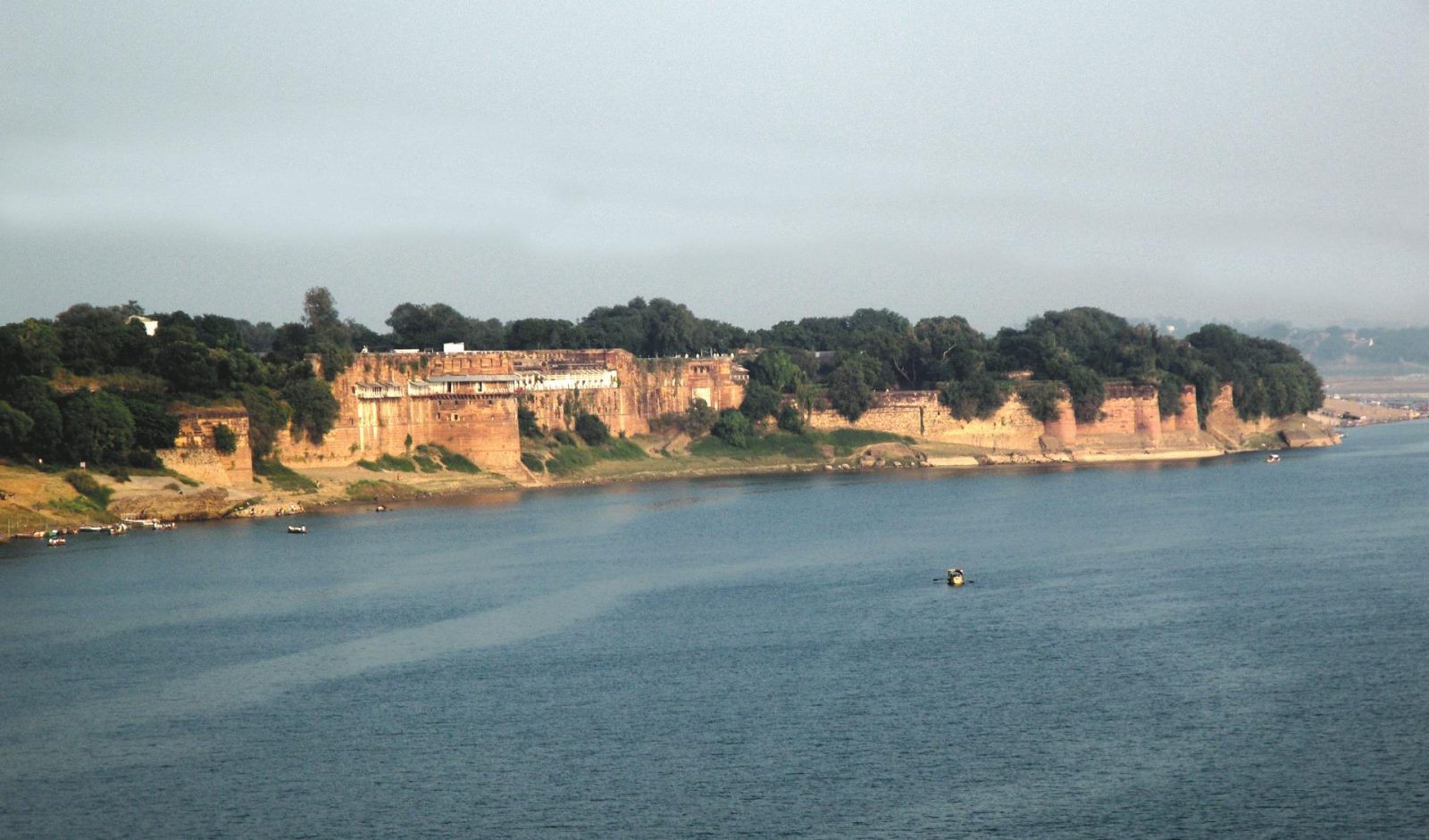
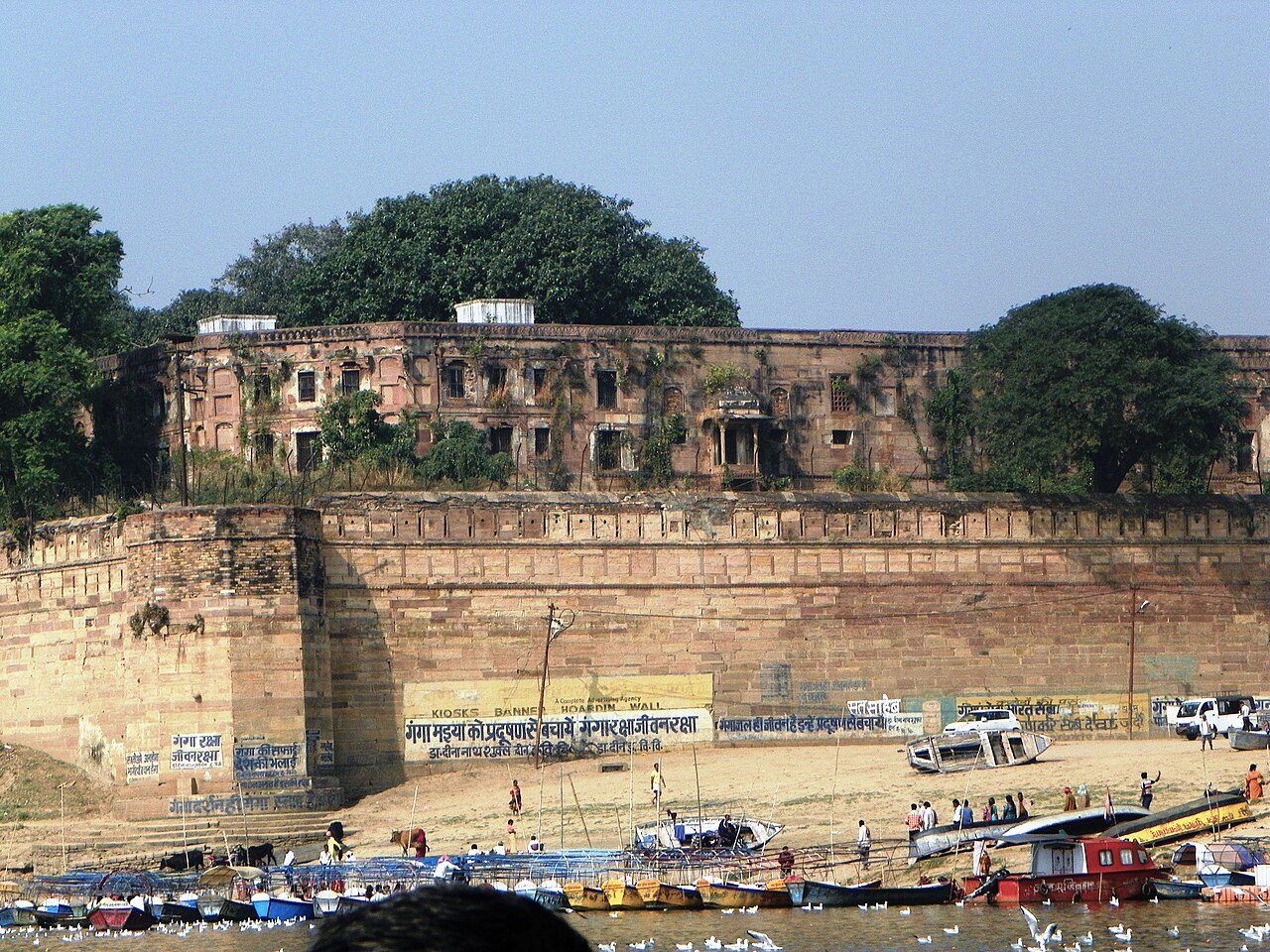
Allahabad Fort was built by the emperor Akbar in 1583 at the confluence of the Ganges and Yamuna, and was the largest of his forts. Most of it is occupied by the army, but visitors can see the Patalpuri temple and the Akshayavat, a banyan tree held to be immortal. An Ashoka pillar stands inside. The best view of the walls is from a boat on the river.
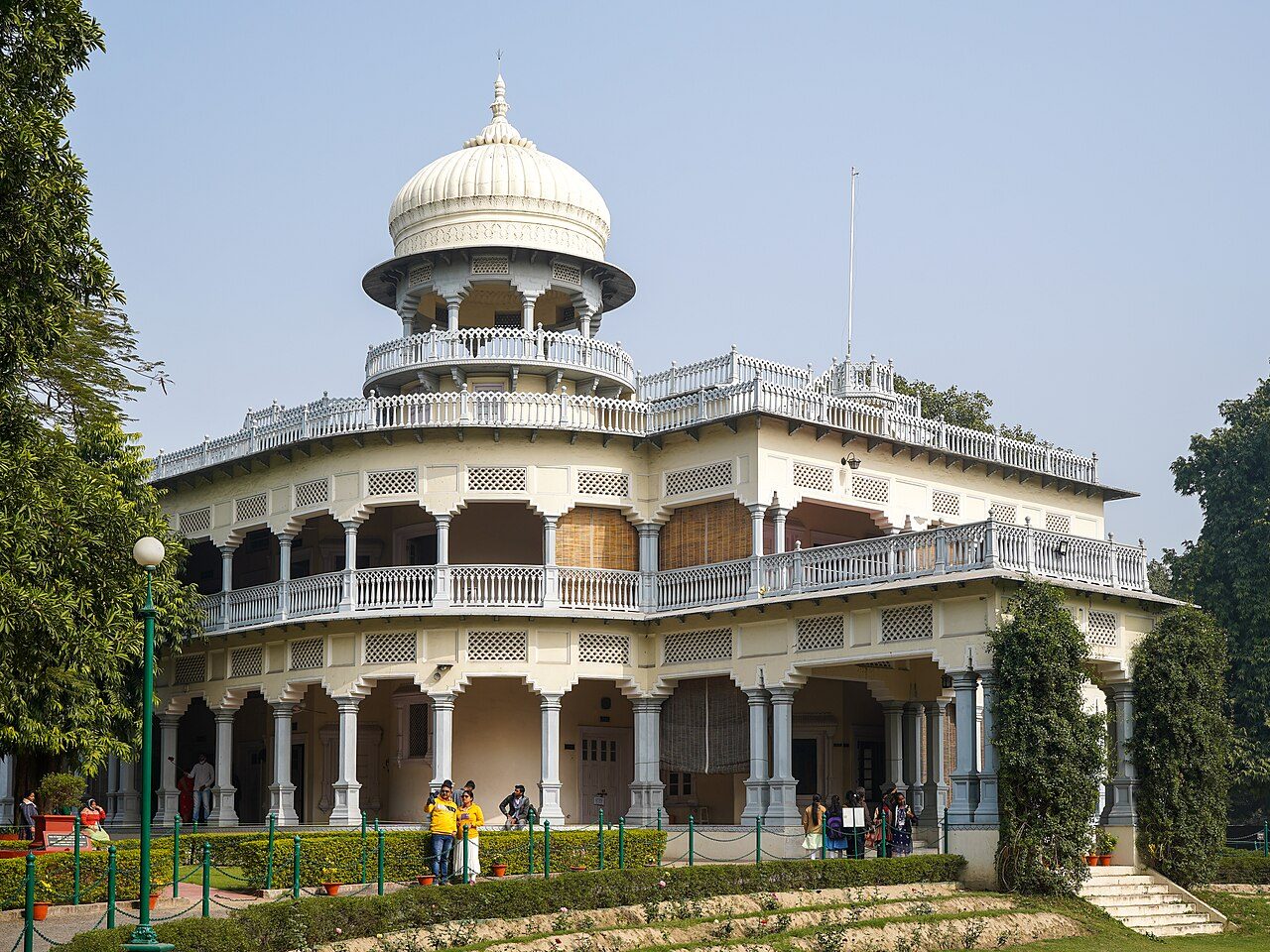
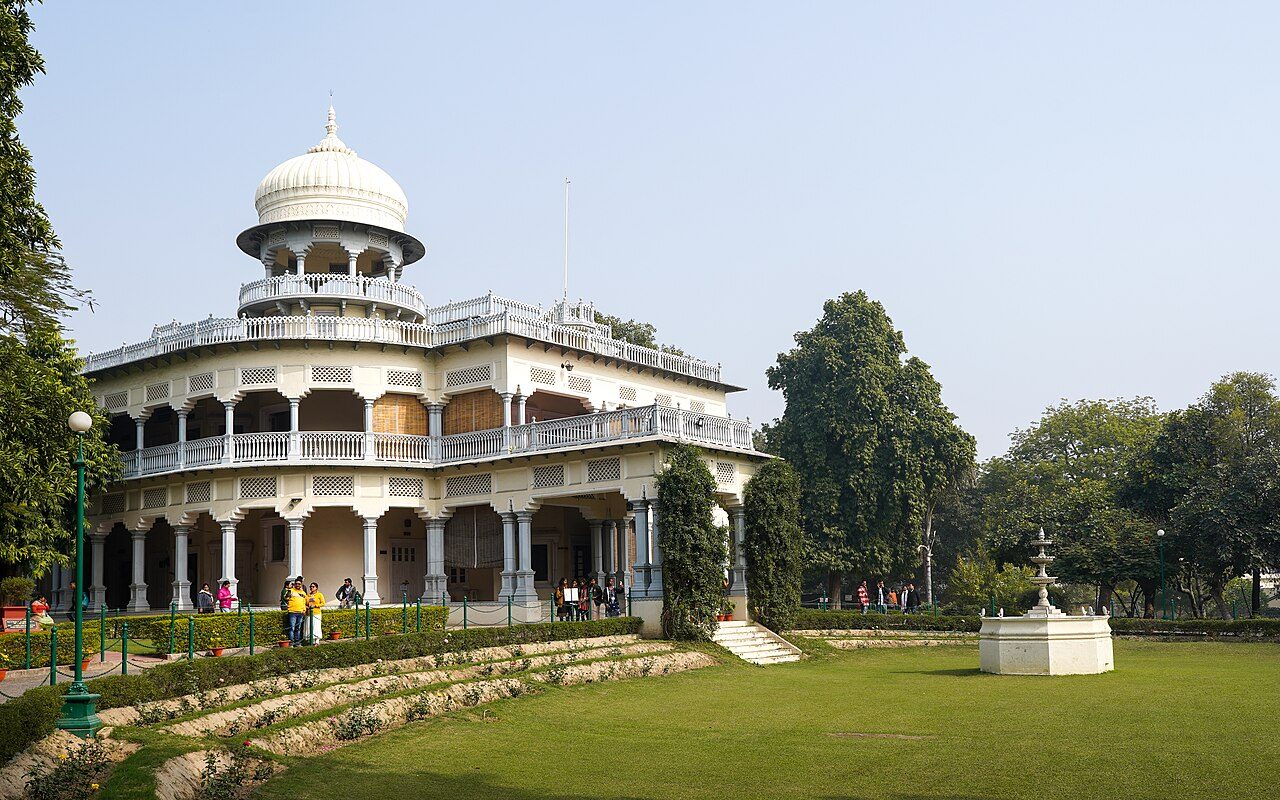
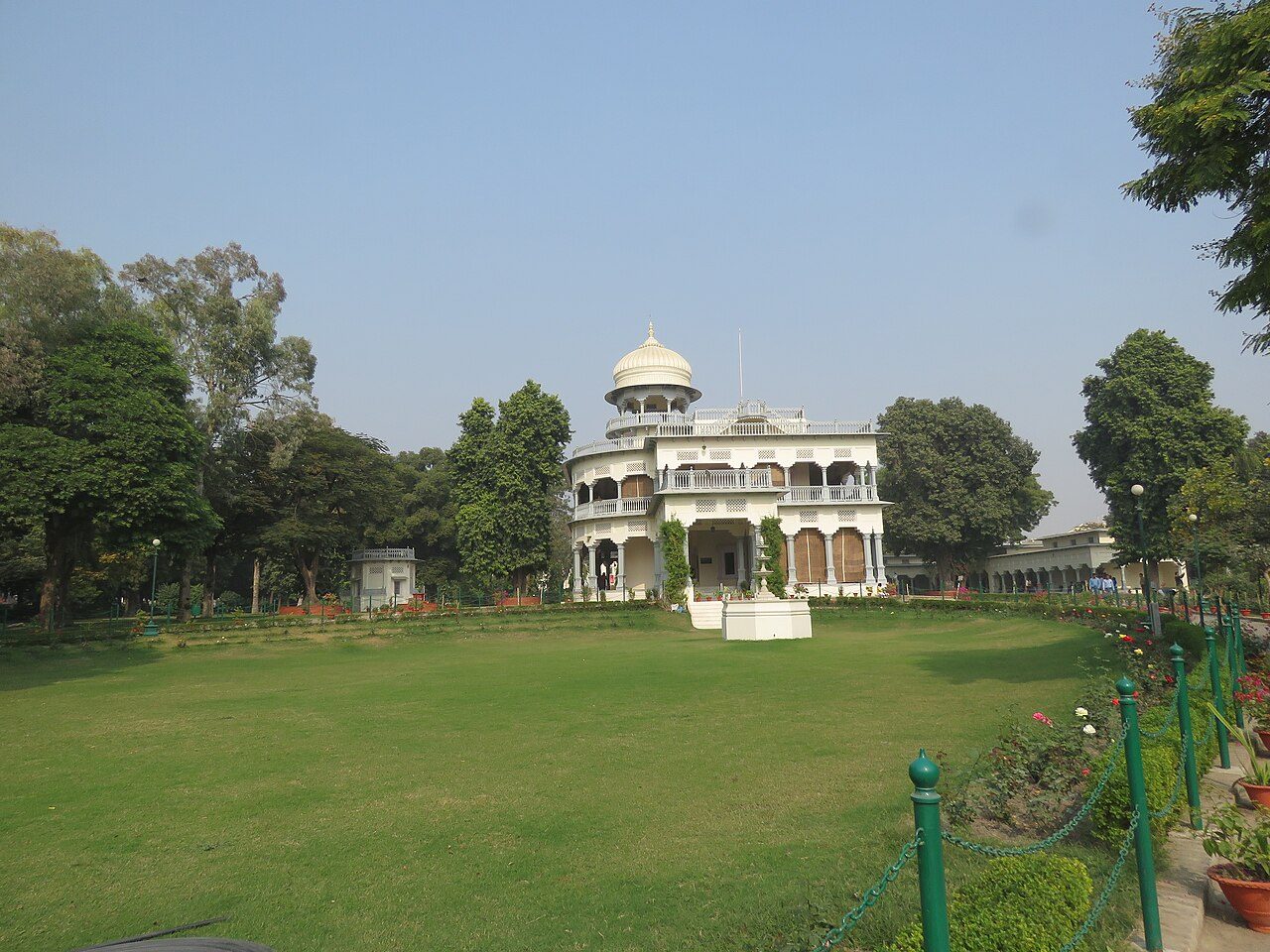
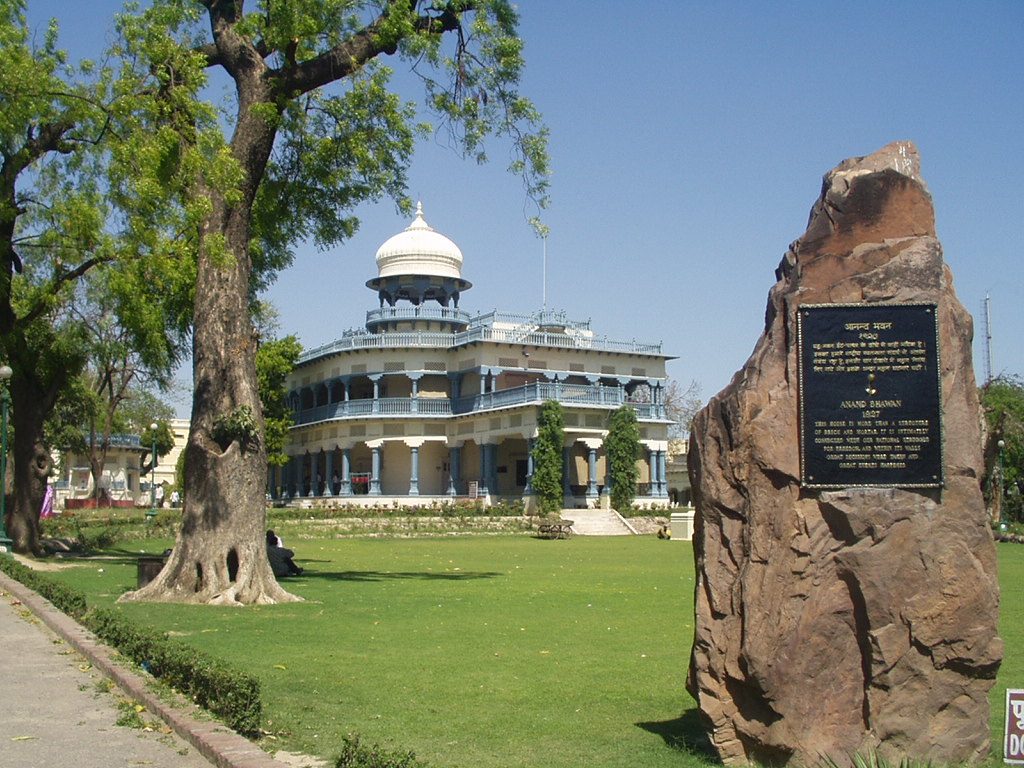
Anand Bhavan was the home of the Nehru family, built by Motilal Nehru in the 1930s after he gave the older family house, Swaraj Bhavan, to the Congress party. Many decisions of the freedom movement were taken here. Donated to the nation by Indira Gandhi in 1970, it is now a museum showing the rooms of Jawaharlal Nehru and other family members, with a planetarium in the grounds.
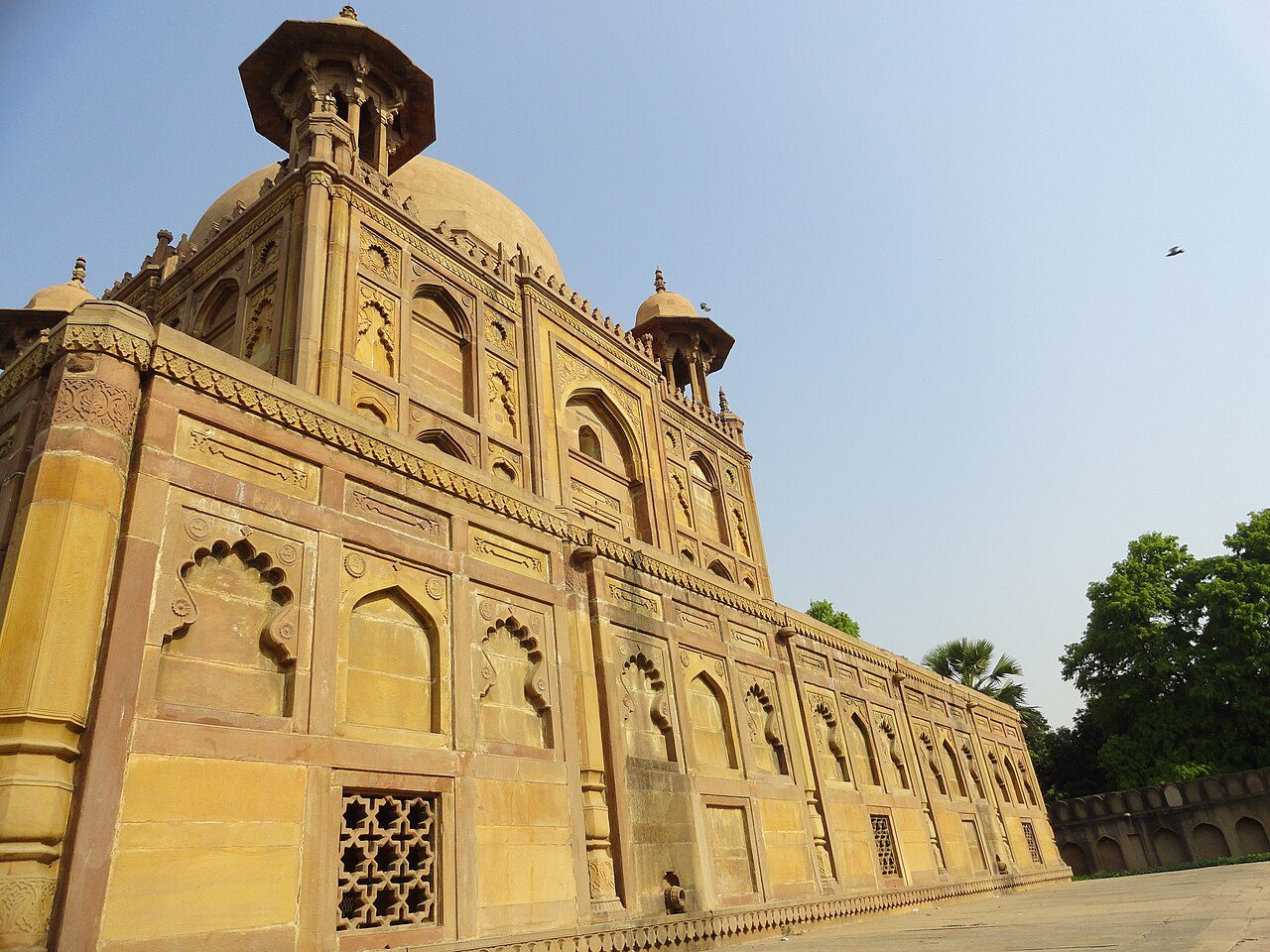
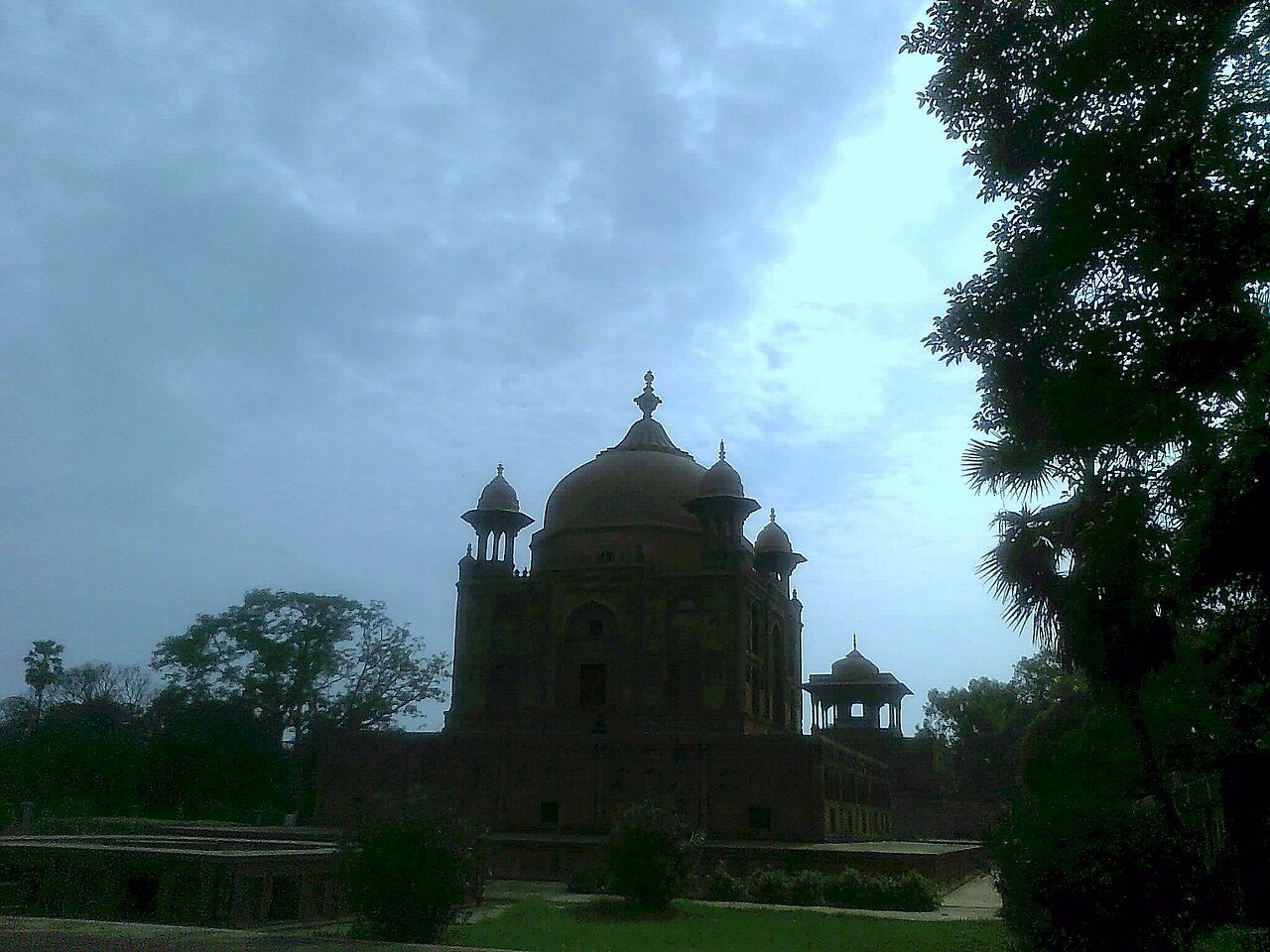
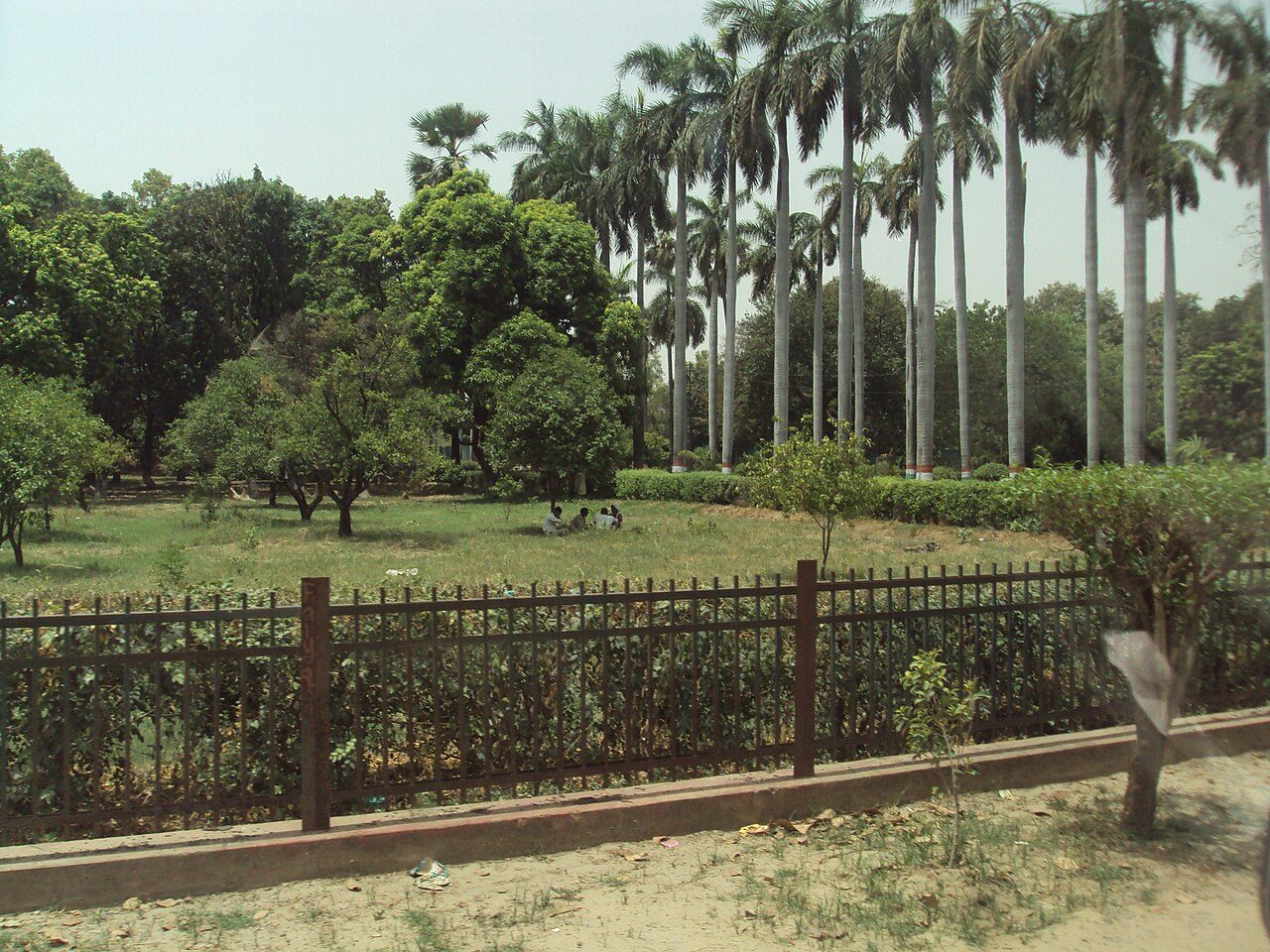
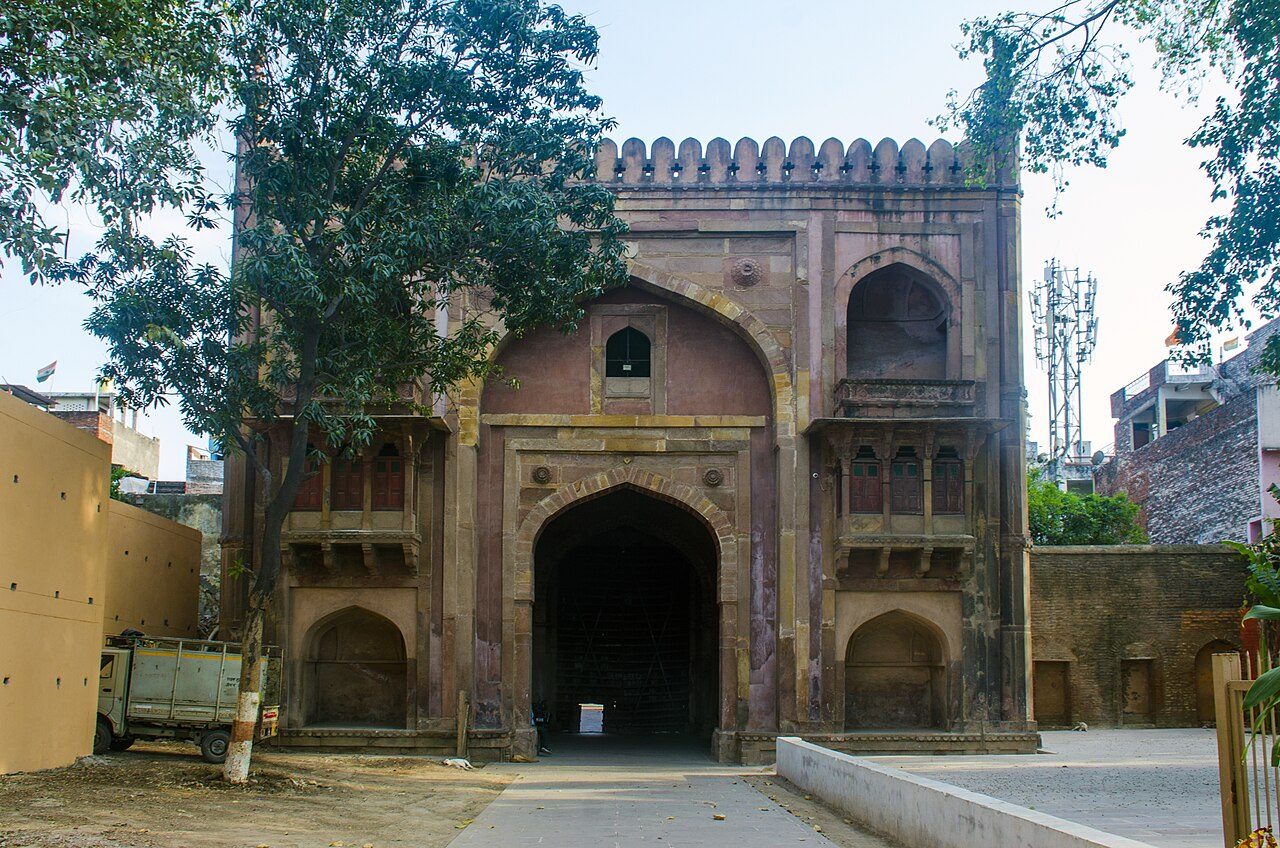
Khusro Bagh is a walled Mughal garden in Prayagraj containing three sandstone mausoleums of the early 17th century. They belong to Khusro Mirza, the rebellious eldest son of Jahangir, his mother Shah Begum, and his sister Nithar Begum, whose tomb is the most richly decorated. The garden is also known for its guava orchards and is a pleasant place for a walk.
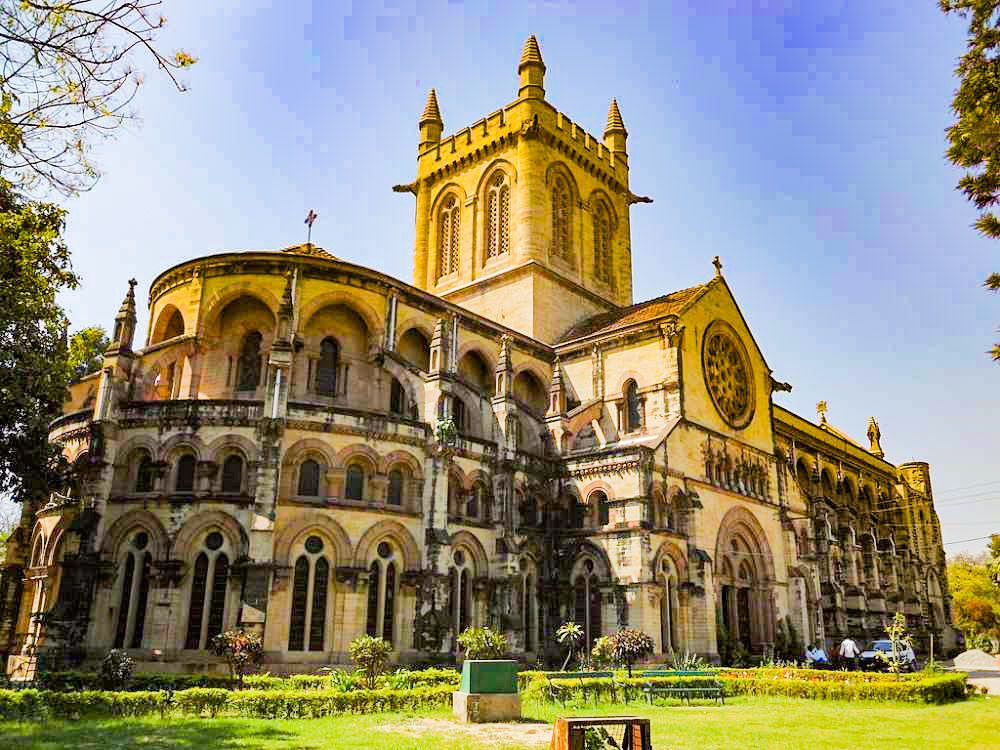
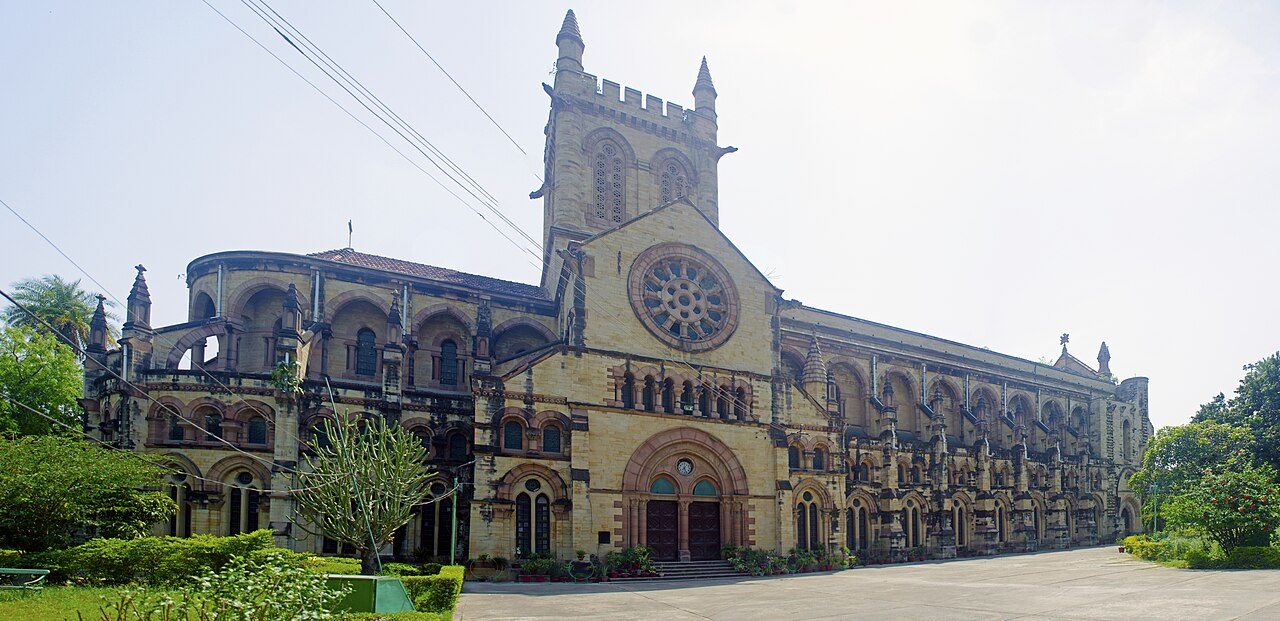
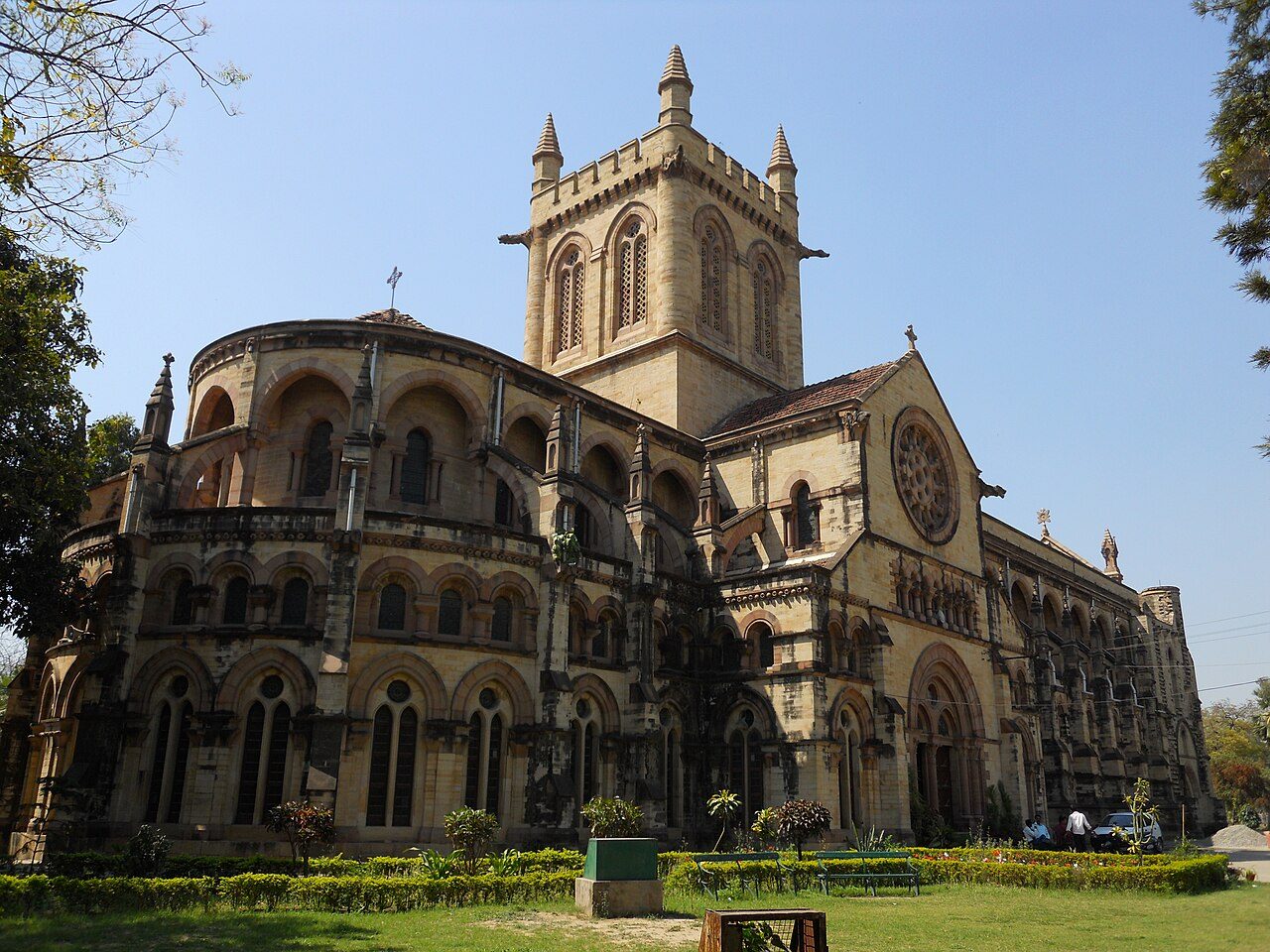
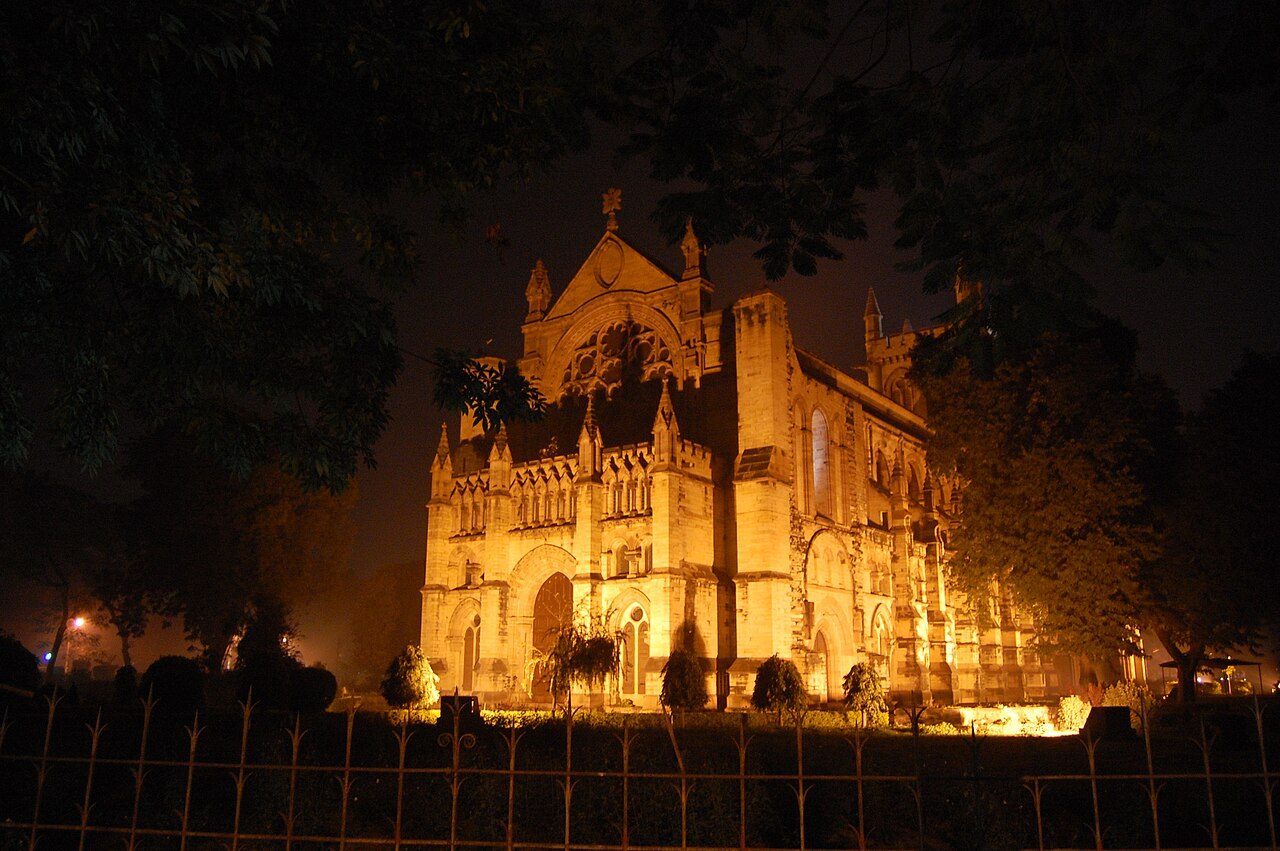
All Saints Cathedral, known locally as Patthar Girja, was designed by Sir William Emerson, architect of the Victoria Memorial in Kolkata, and consecrated in 1887. Built of cream and red sandstone in the 13th-century Gothic style, it has fine stained glass, a marble altar and a tall lantern tower. It stands in the centre of a large traffic circle in the Civil Lines.
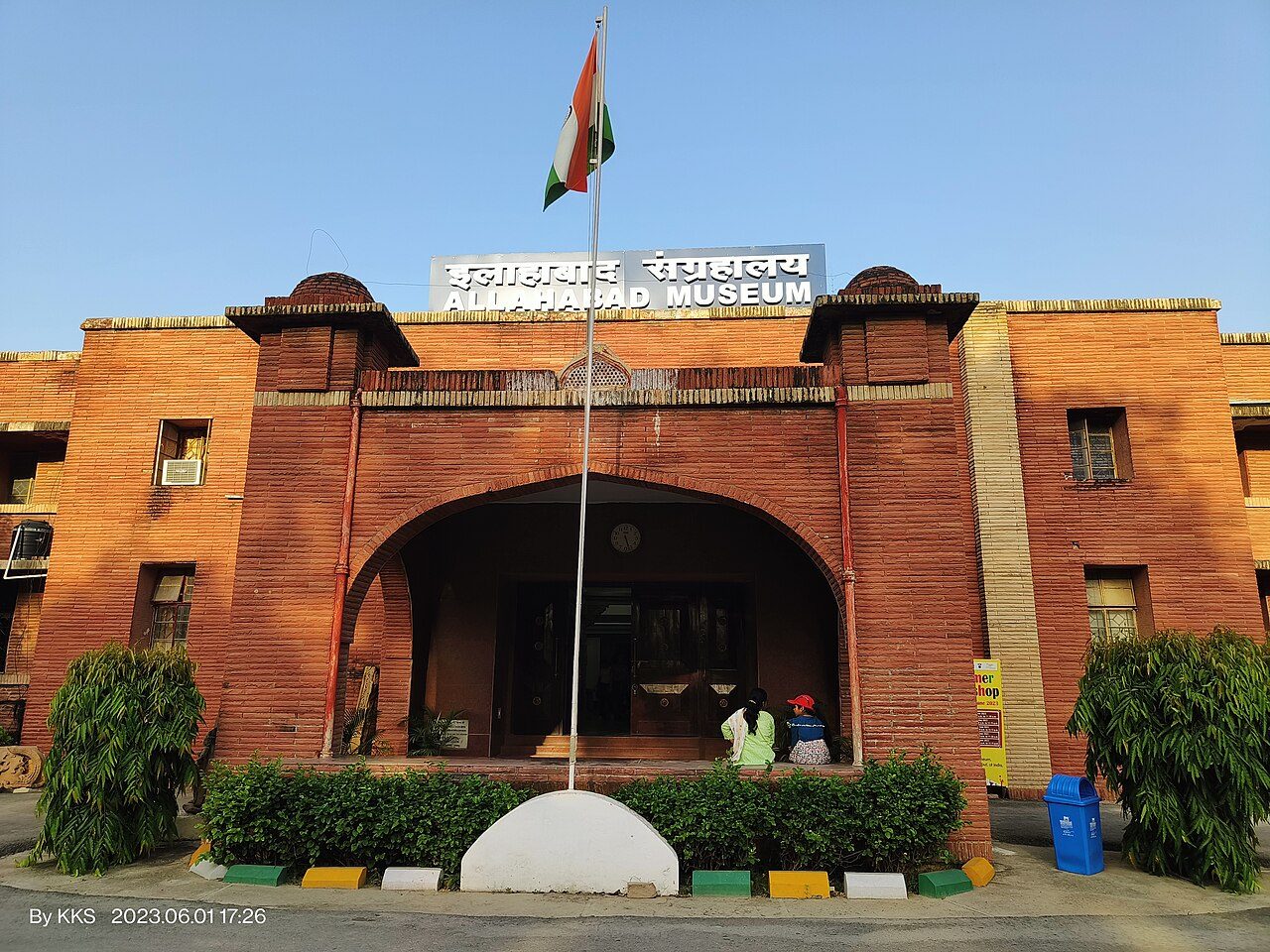
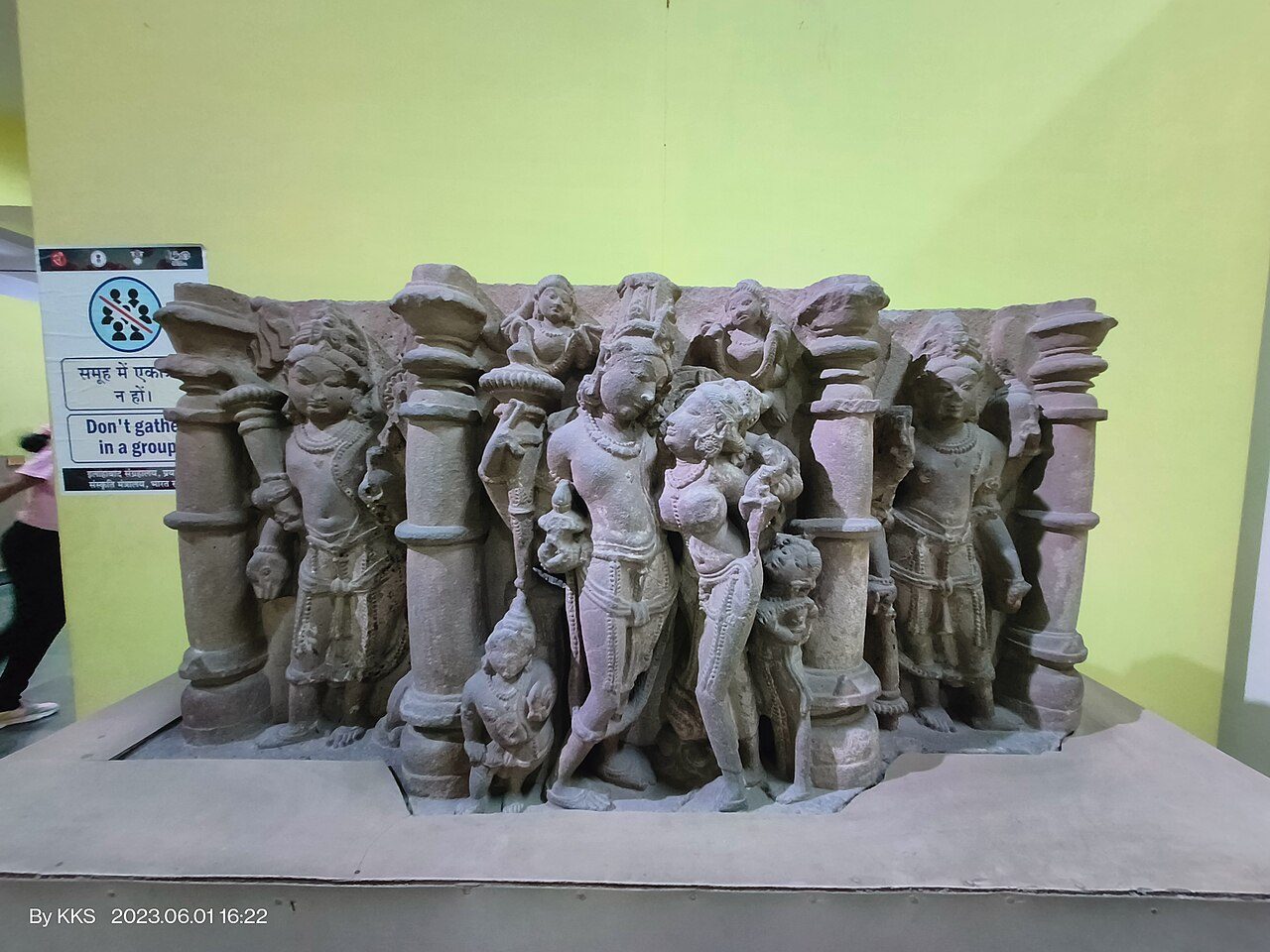
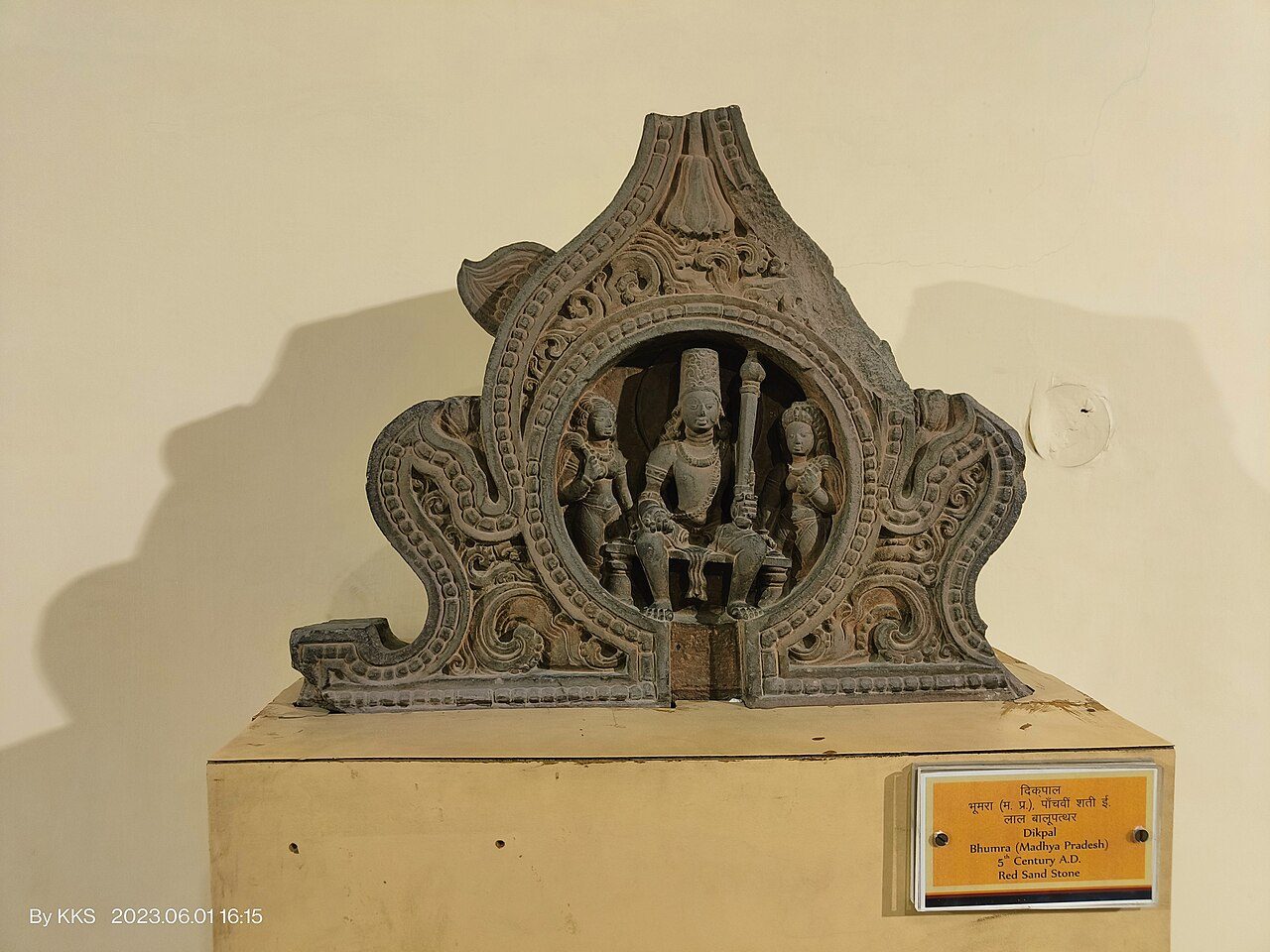
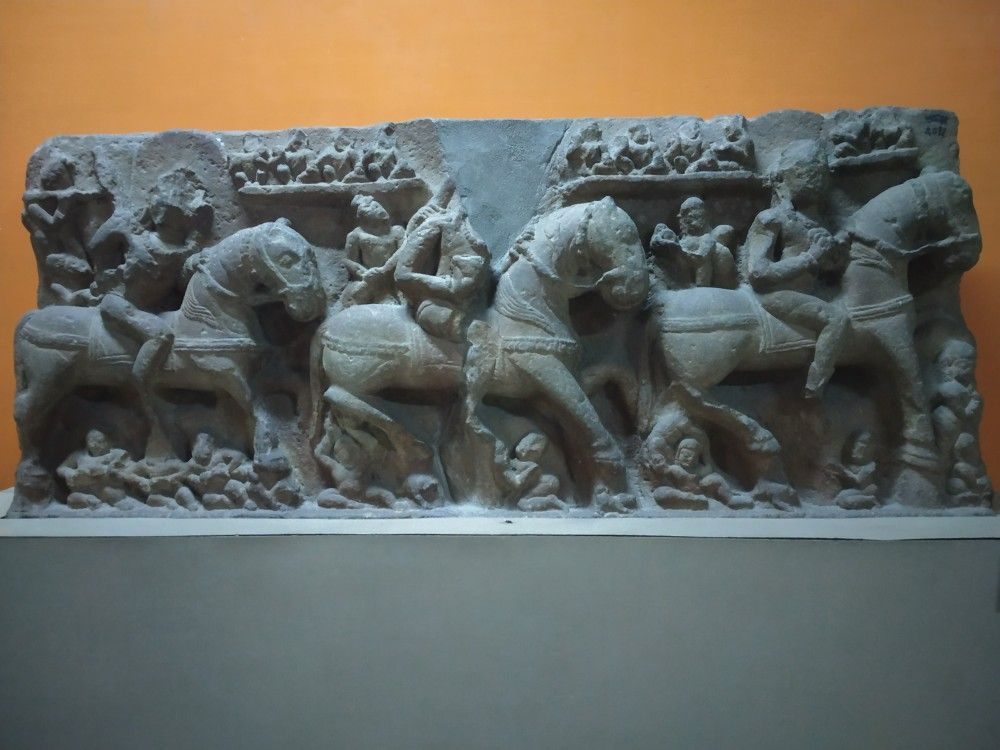
The Allahabad Museum, housed since 1947 in Chandrashekhar Azad Park, is one of the national-level museums of India. Its collections include sculpture from Bharhut and Kaushambi, terracottas, miniature paintings, works by Nicholas Roerich and the Bengal School, and personal items of Jawaharlal Nehru. The pistol of the revolutionary Chandrashekhar Azad, who died in the park in 1931, is also displayed.
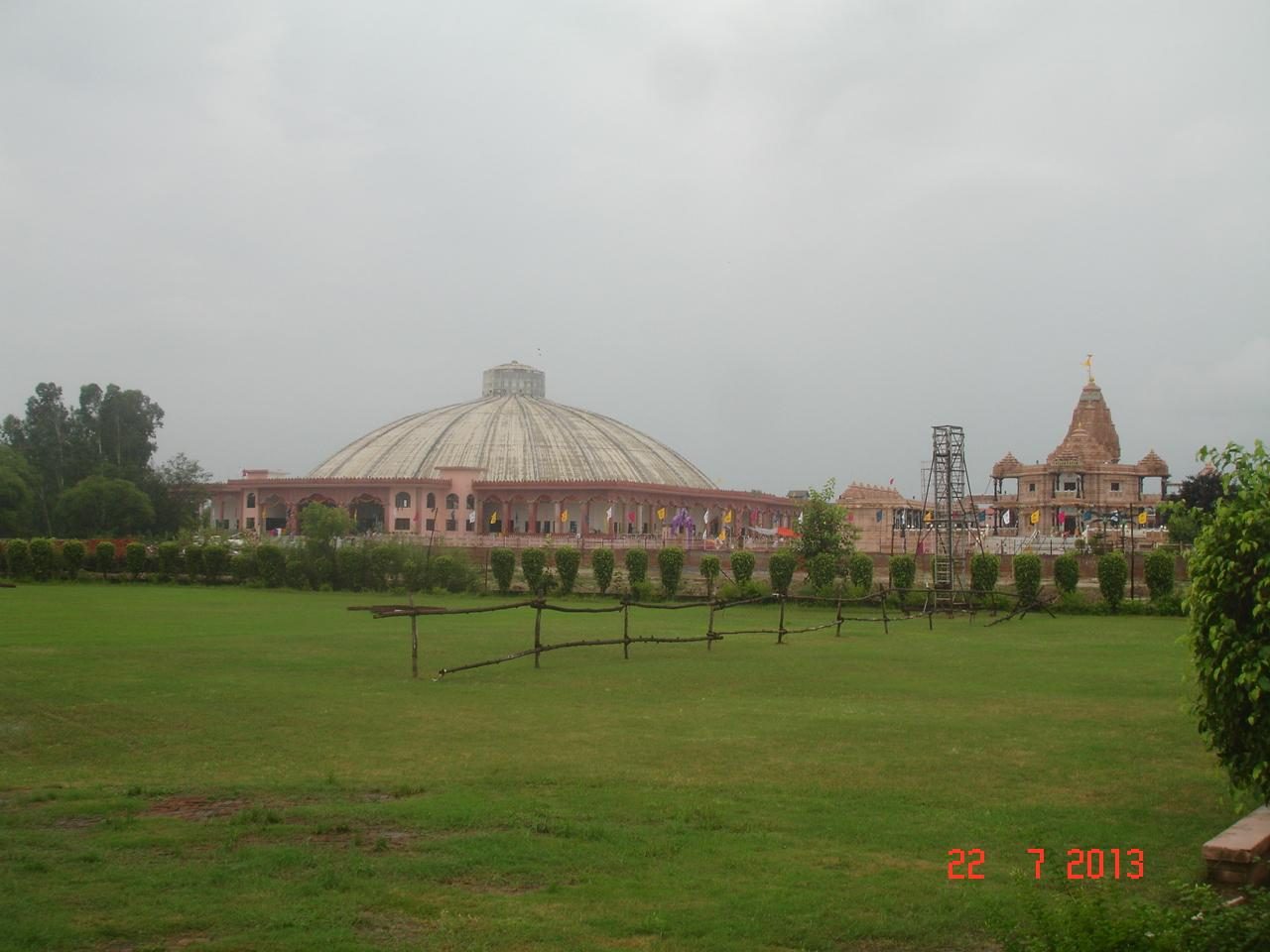
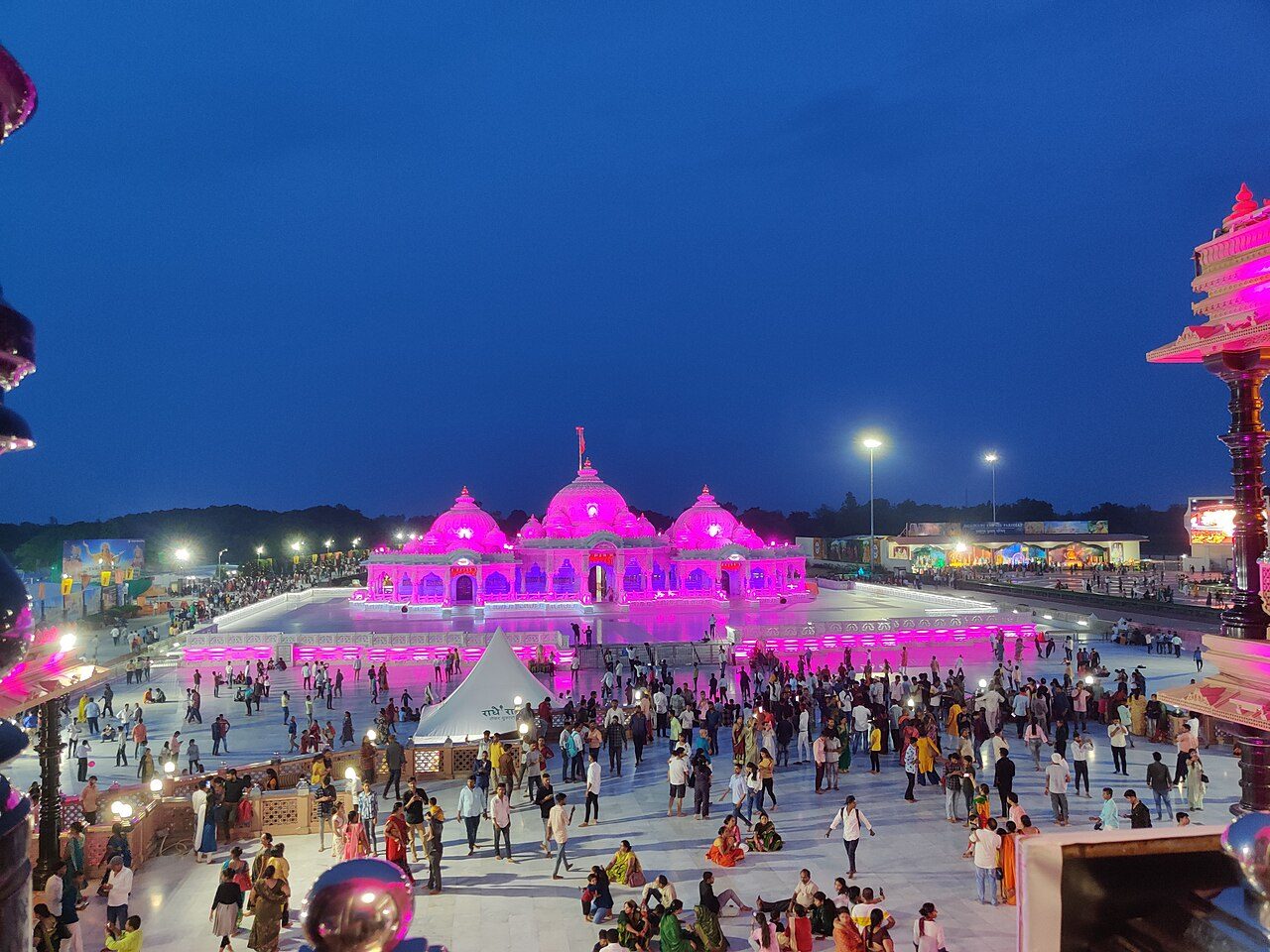
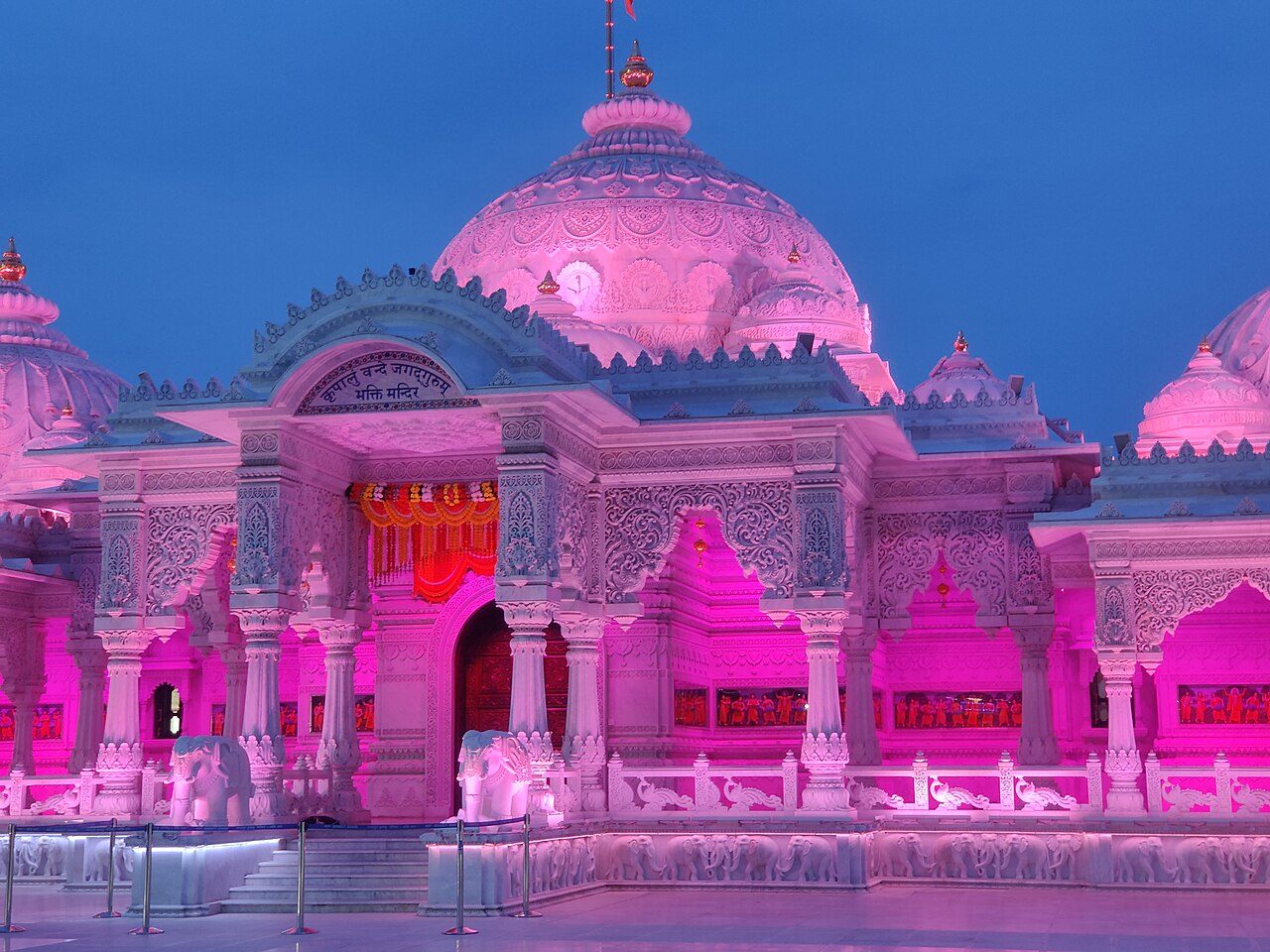
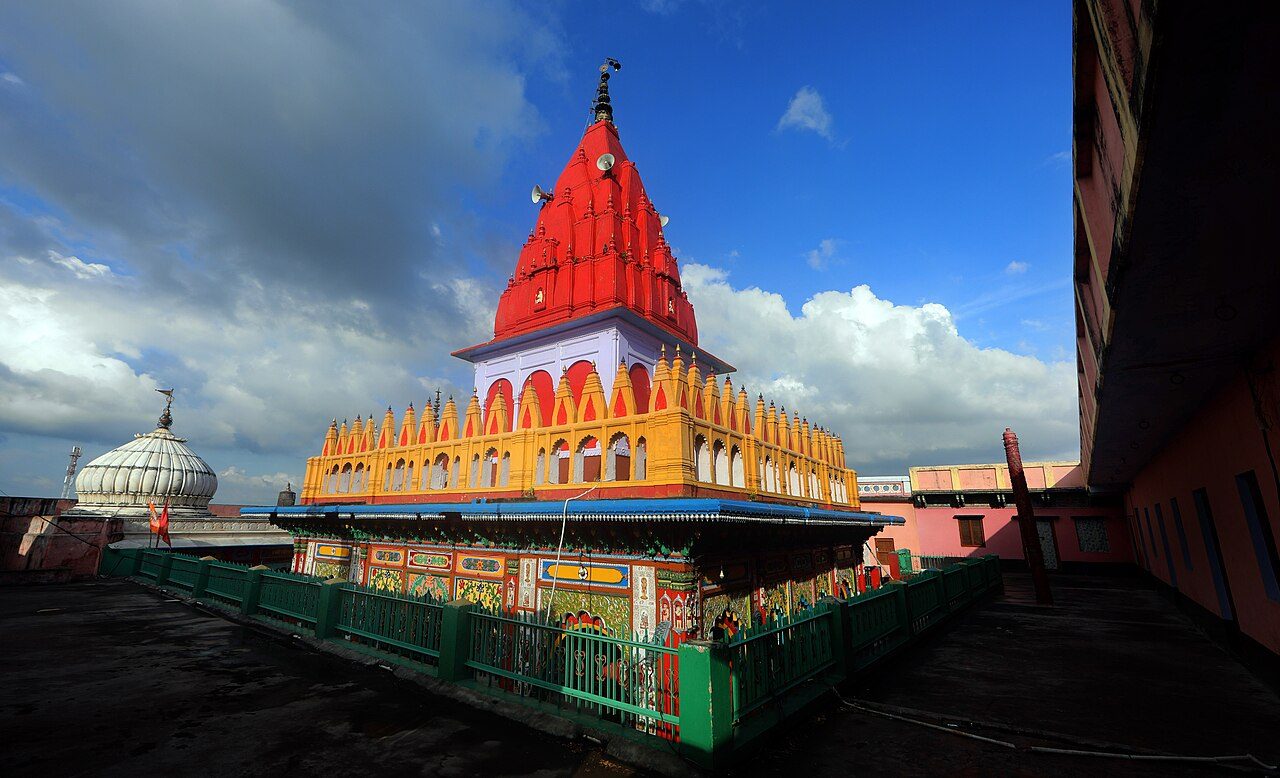
Bhakti Mandir at Mangarh, near Kunda, was established by Jagadguru Kripalu Ji Maharaj. Built of pink sandstone and white marble with finely carved pillars, it is dedicated to Radha-Krishna and Sita-Ram. The temple is lit in changing colours after dark, and large gatherings are held on Janmashtami and Radhashtami. Evening is the most atmospheric time to visit.
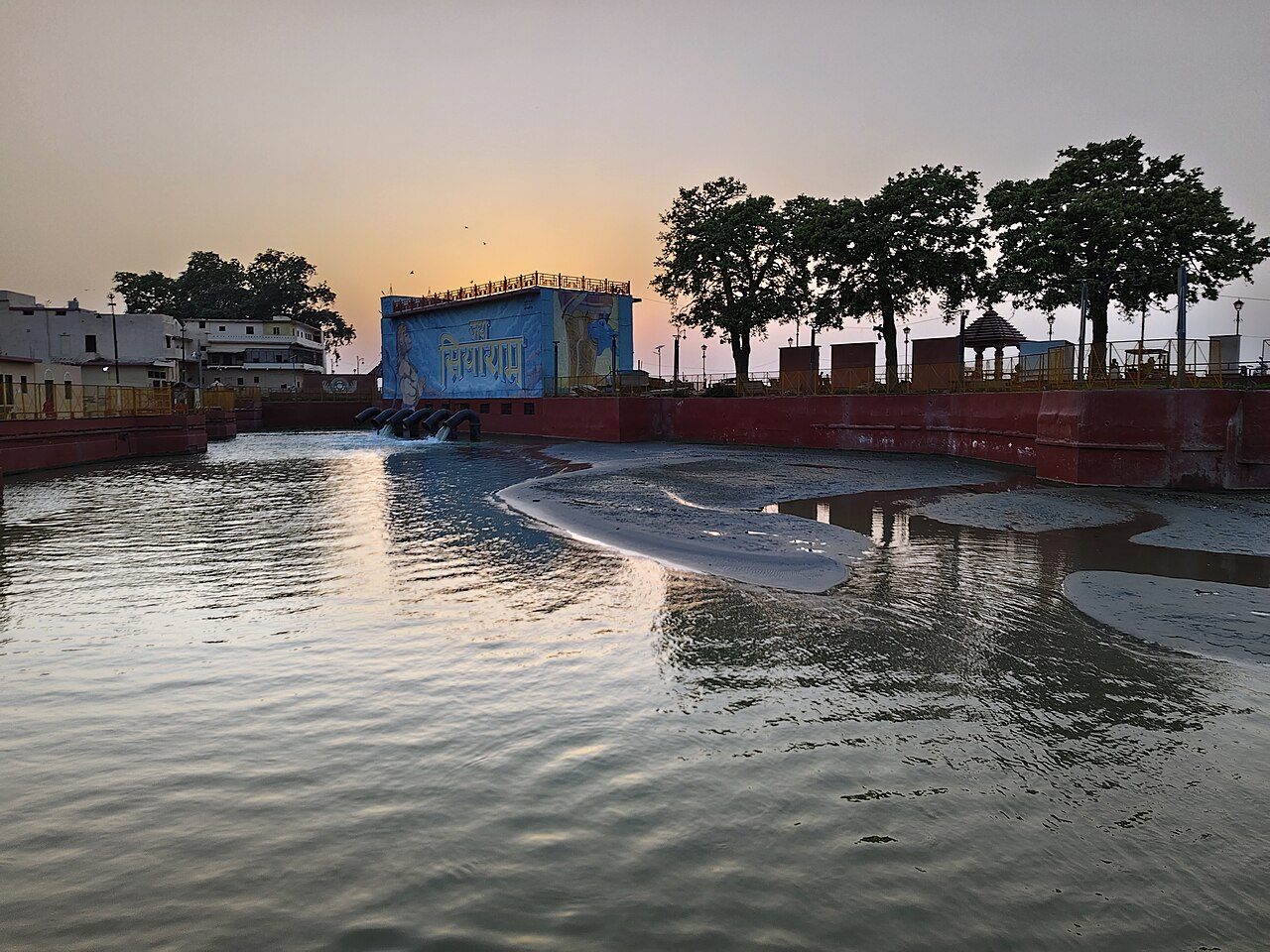
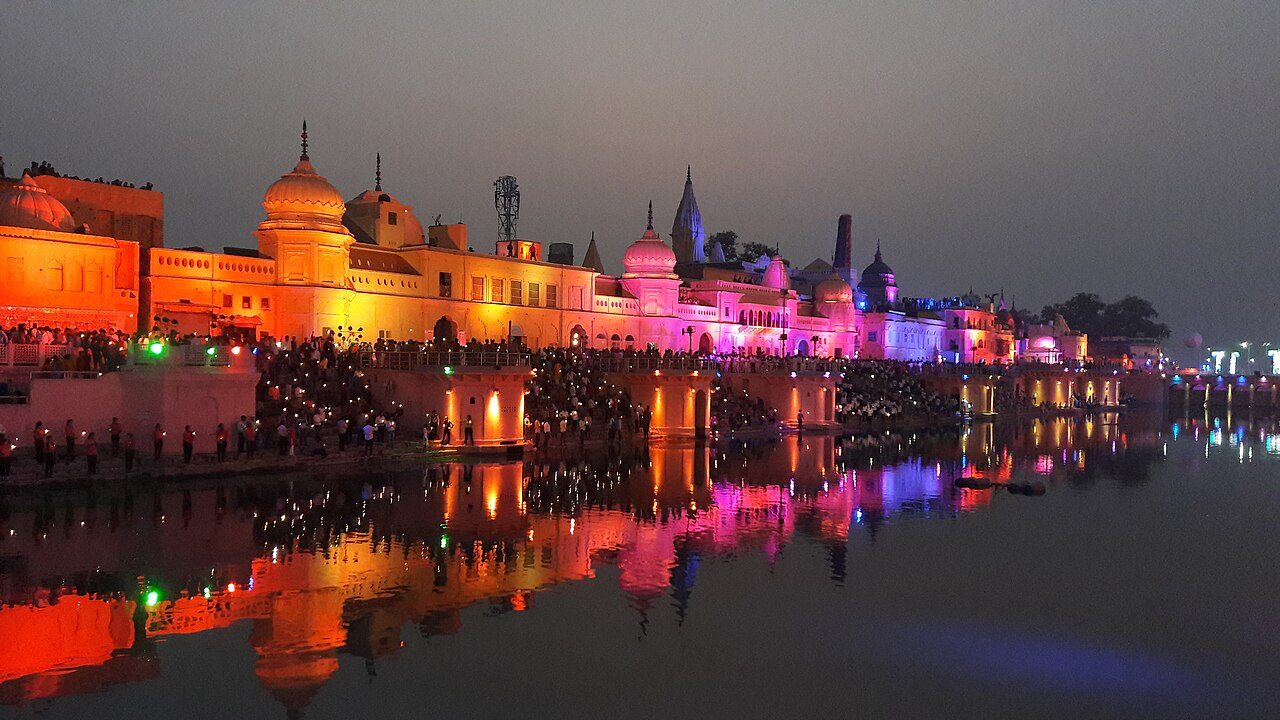
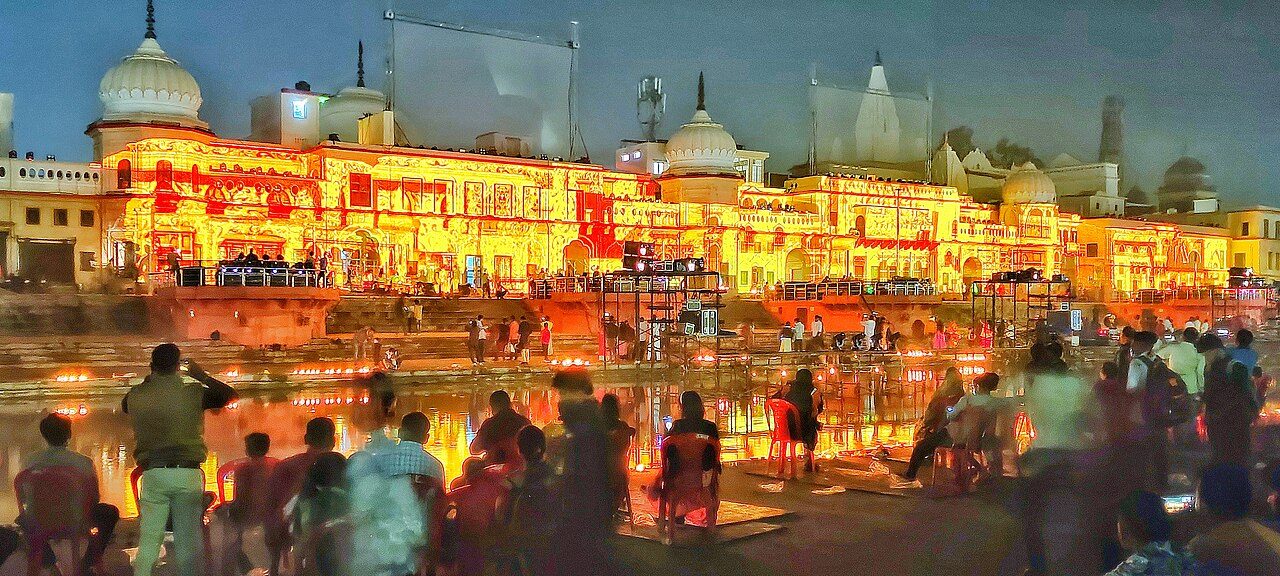
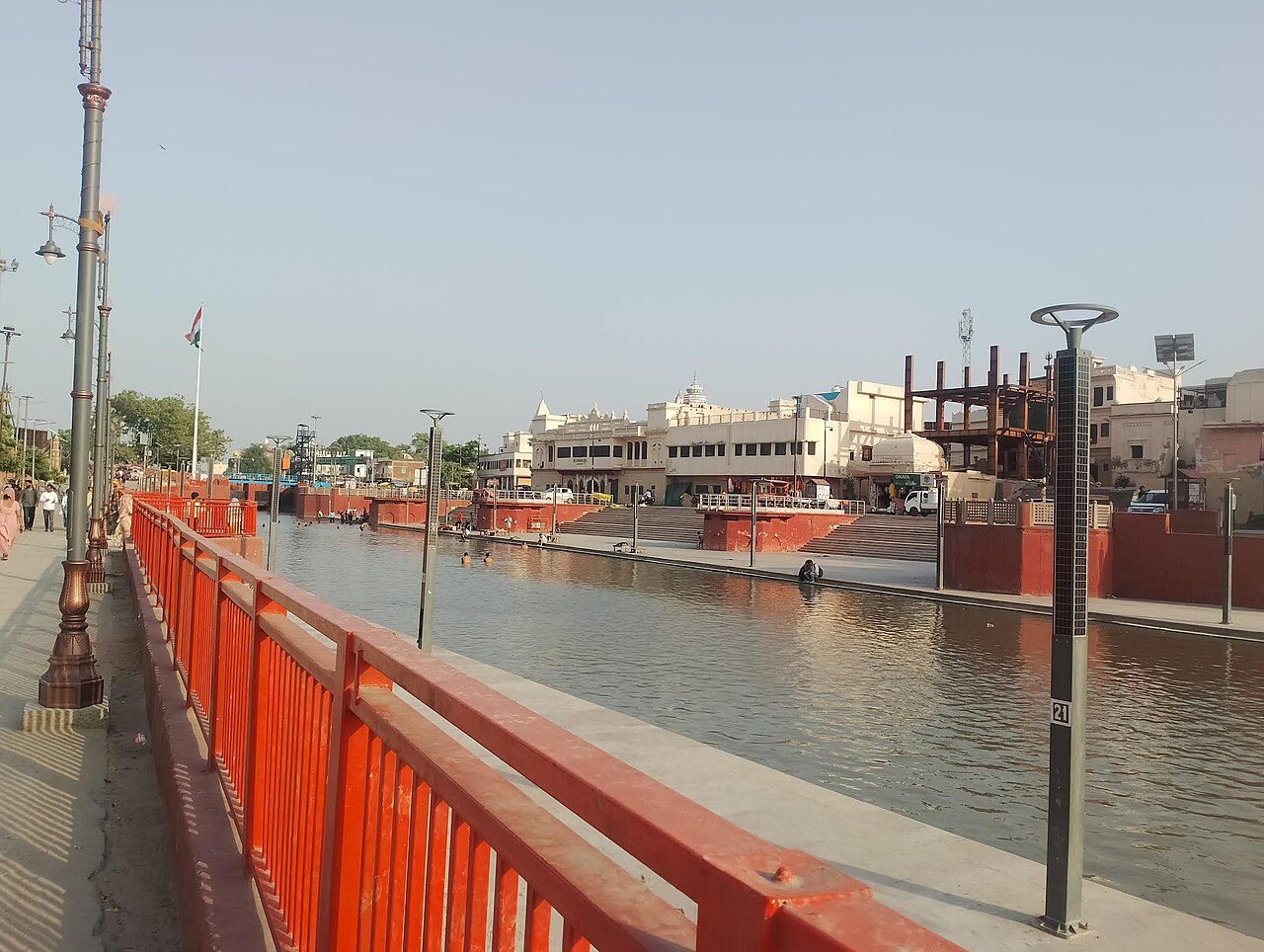
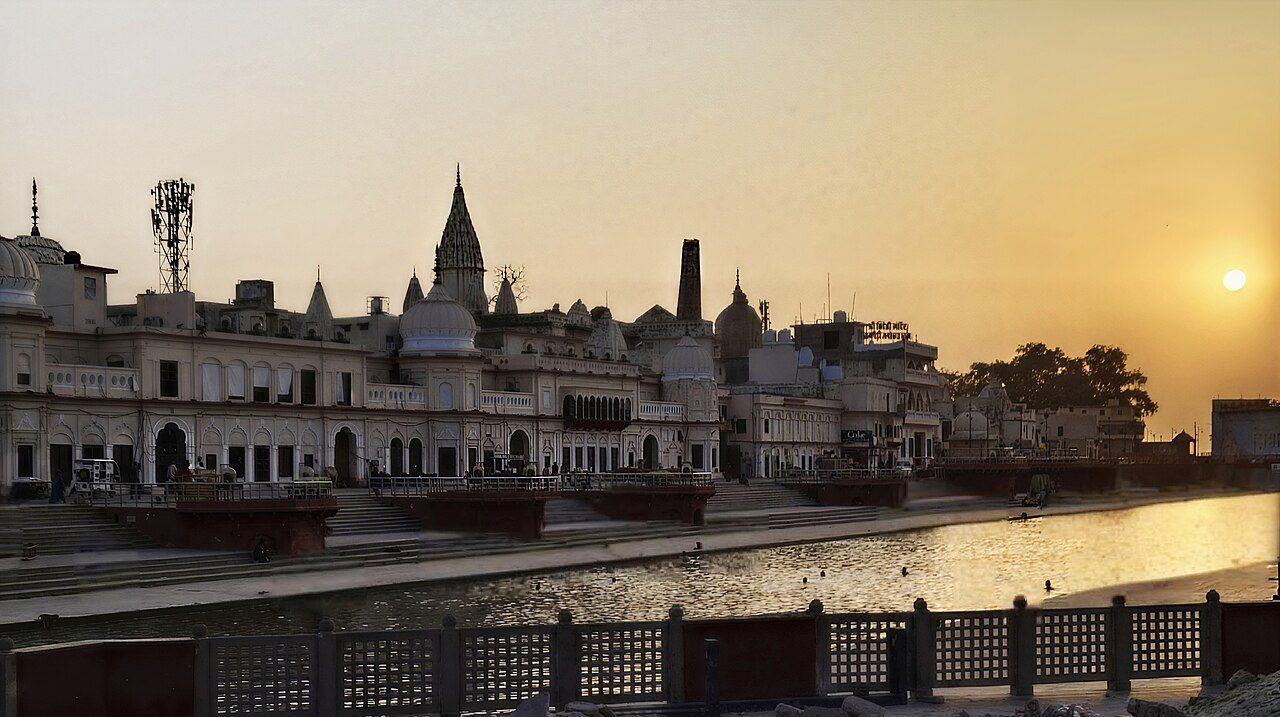
Ram Ki Paidi is a long series of bathing ghats on a channel of the Sarayu river in Ayodhya. Pilgrims come to bathe, especially on full-moon days. It is the main venue of the Deepotsav festival at Diwali, when hundreds of thousands of earthen lamps are lit along the steps. In the evening the ghats are illuminated and a laser show is projected.
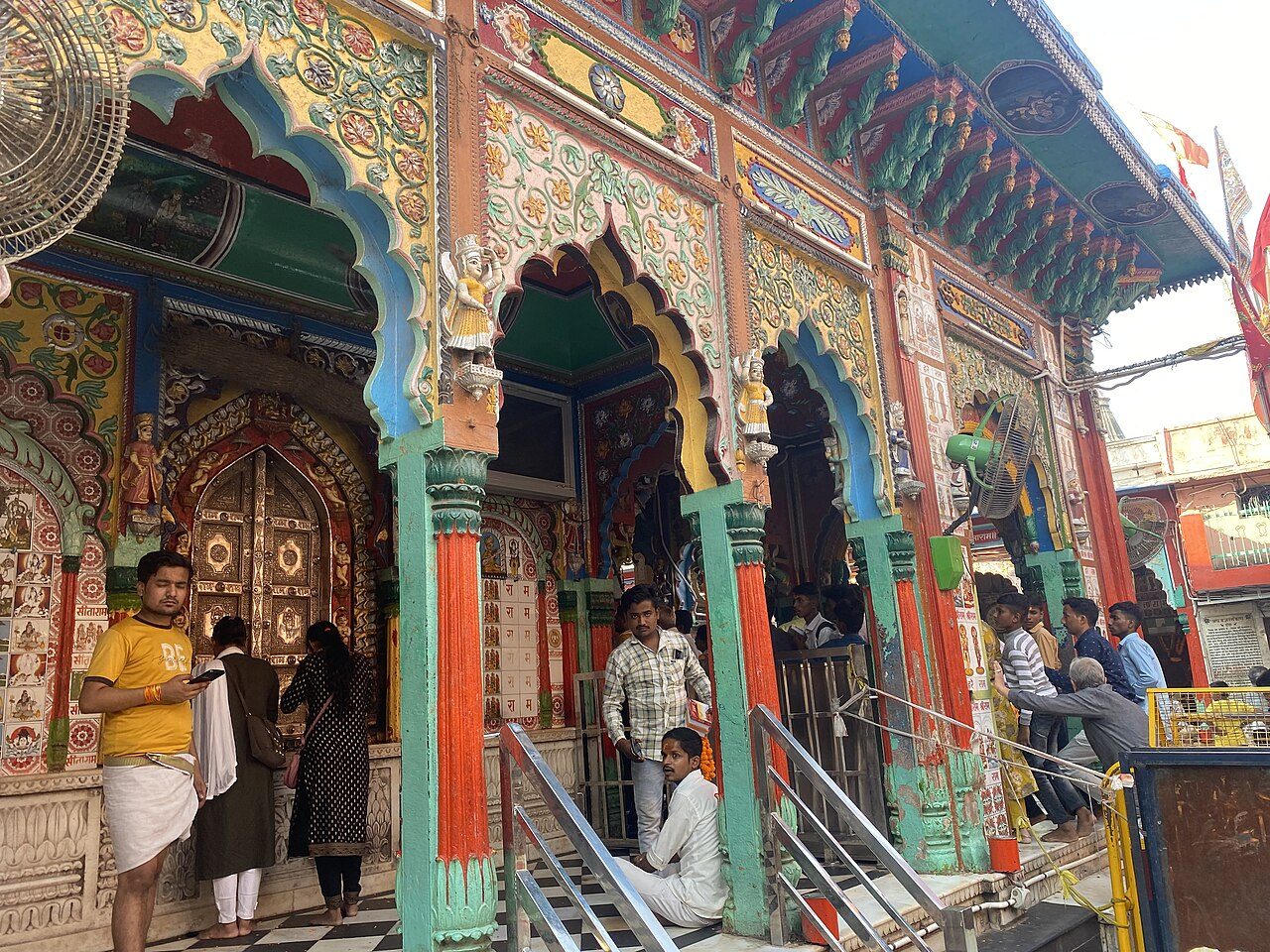
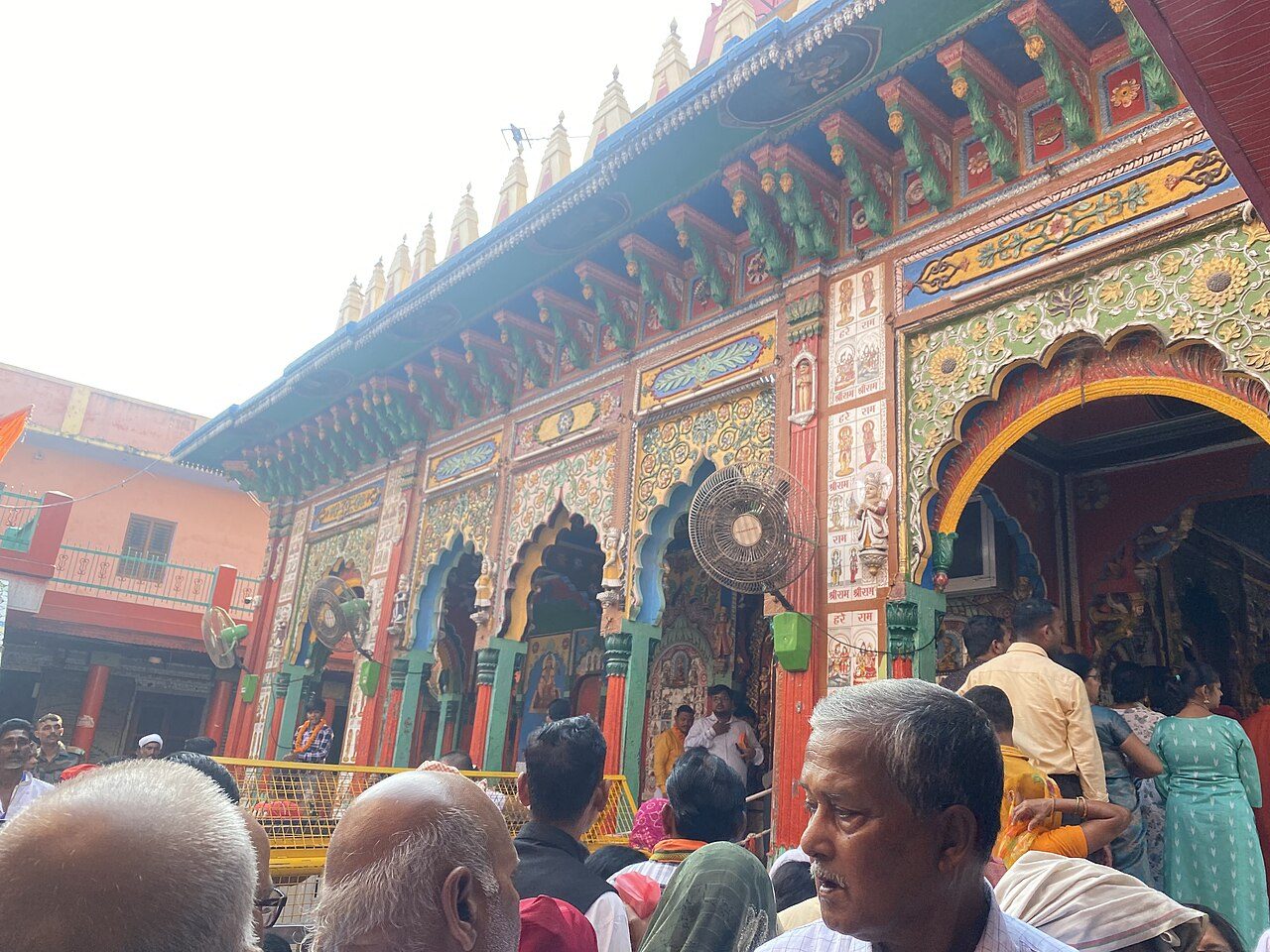
Hanuman Garhi is a 10th-century temple in the form of a four-sided fort in the heart of Ayodhya. Seventy-six steps lead up to the shrine, where Hanuman is shown as a child in the lap of his mother Anjani. Tradition holds that Hanuman lived here to guard the city, and pilgrims customarily visit it before going on to the Ram temple.
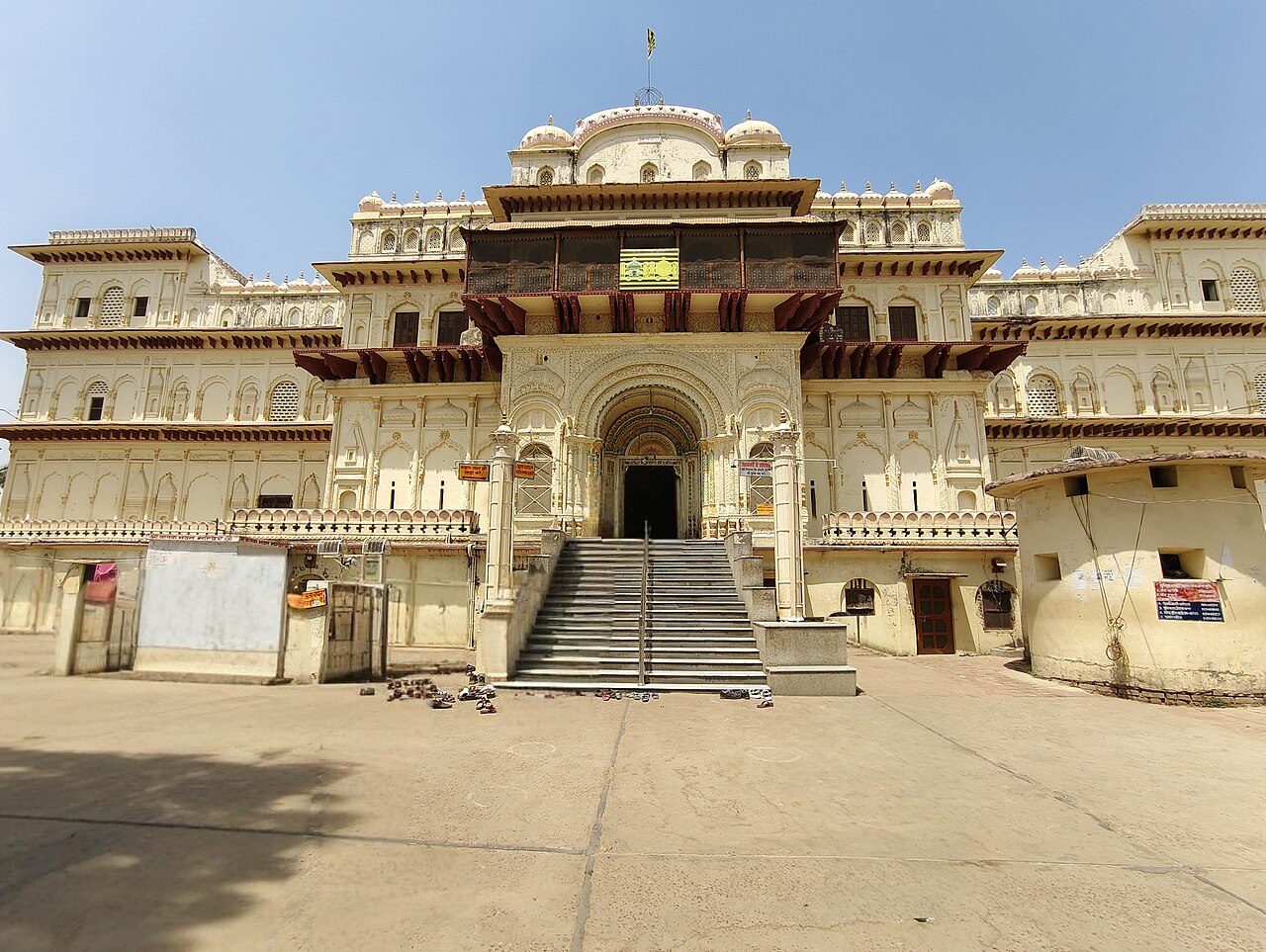
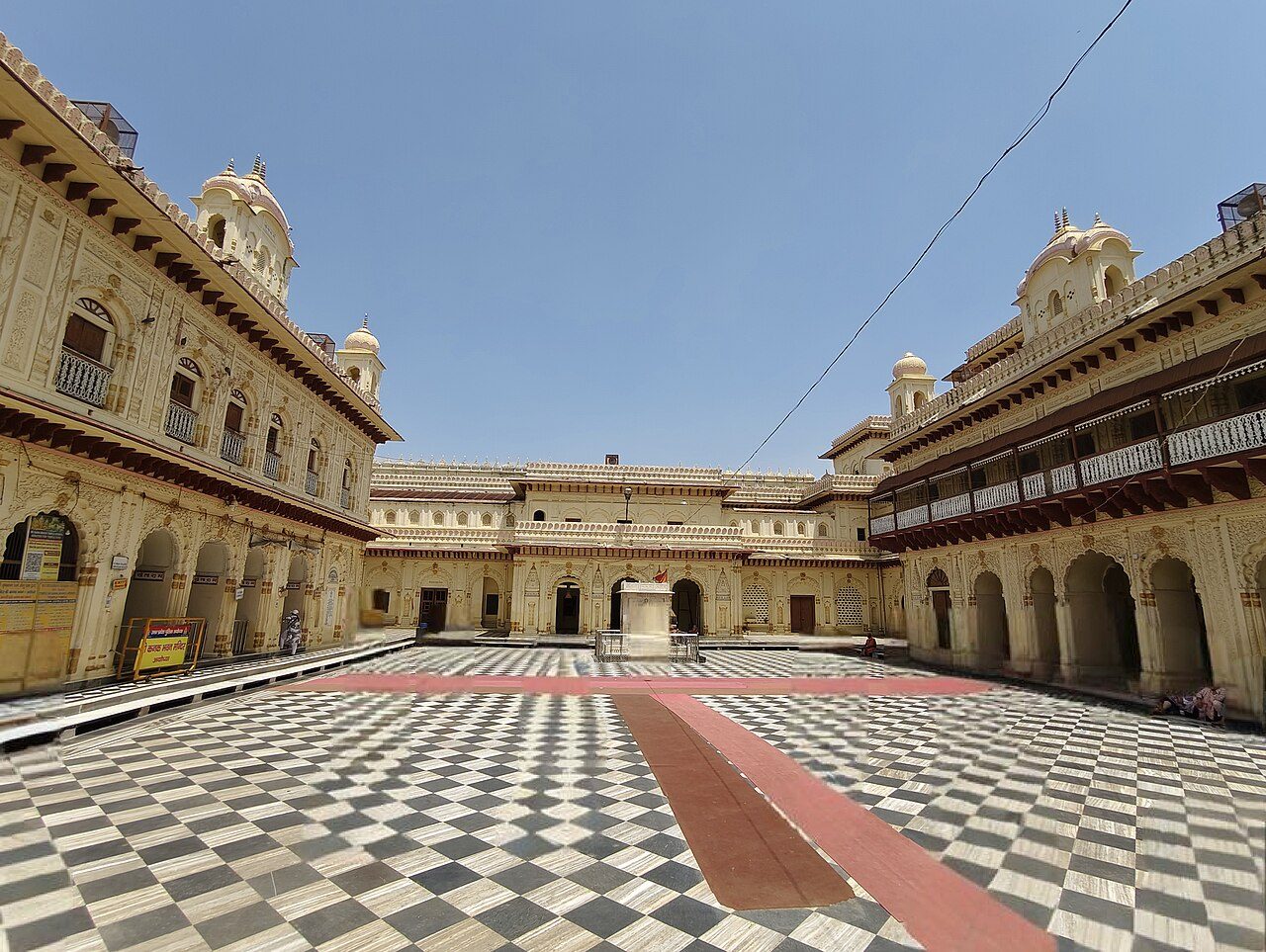
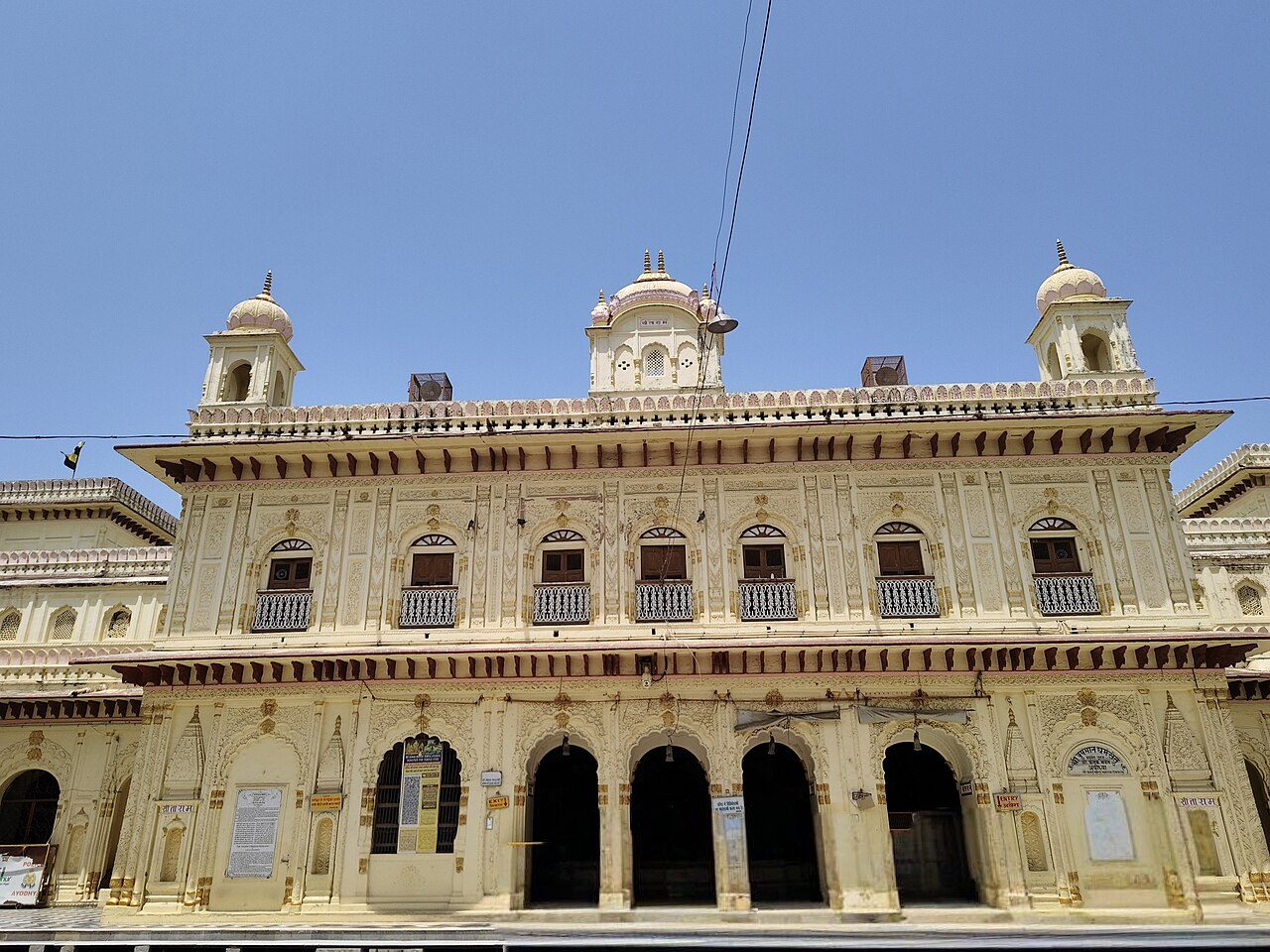
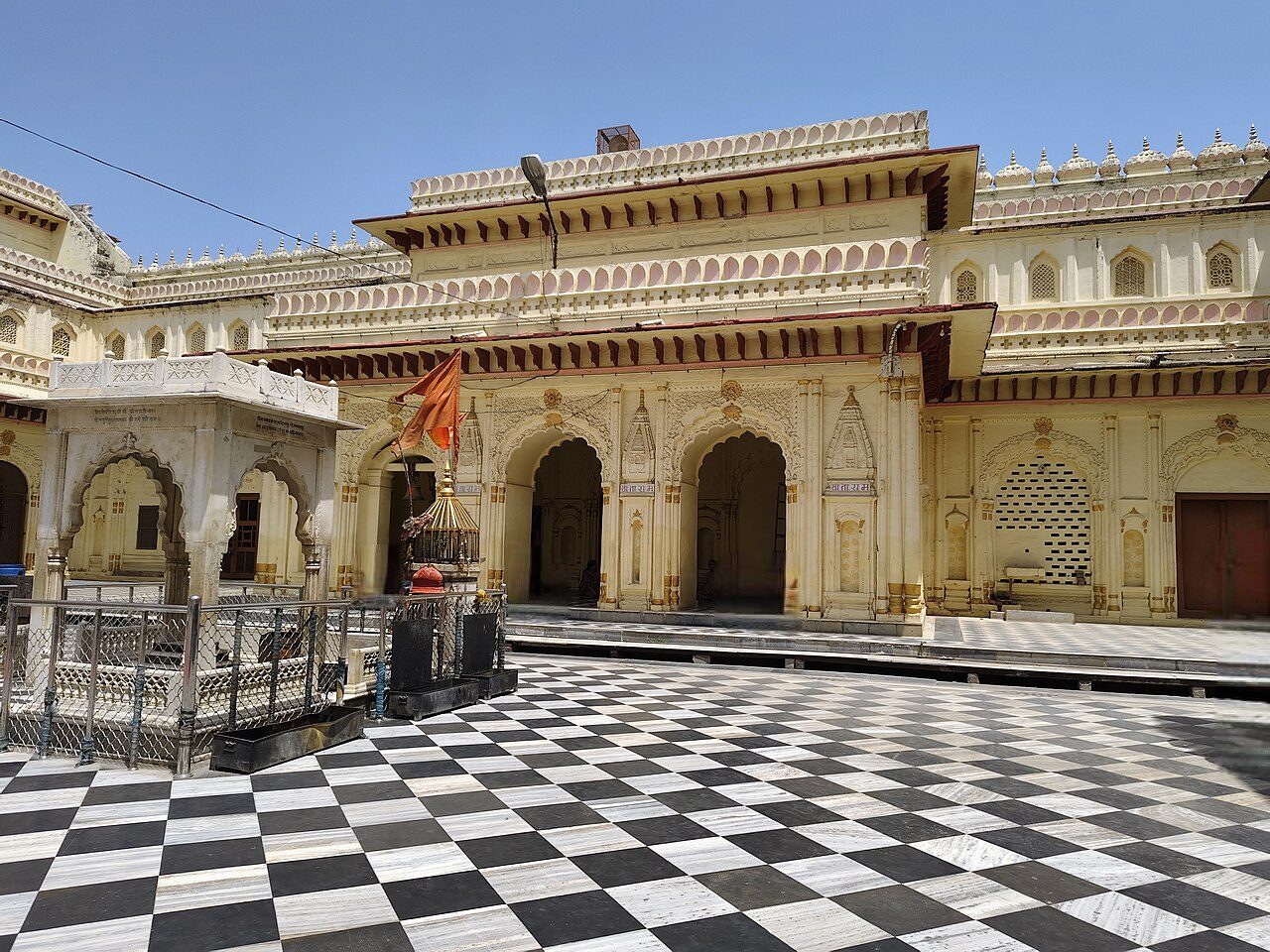
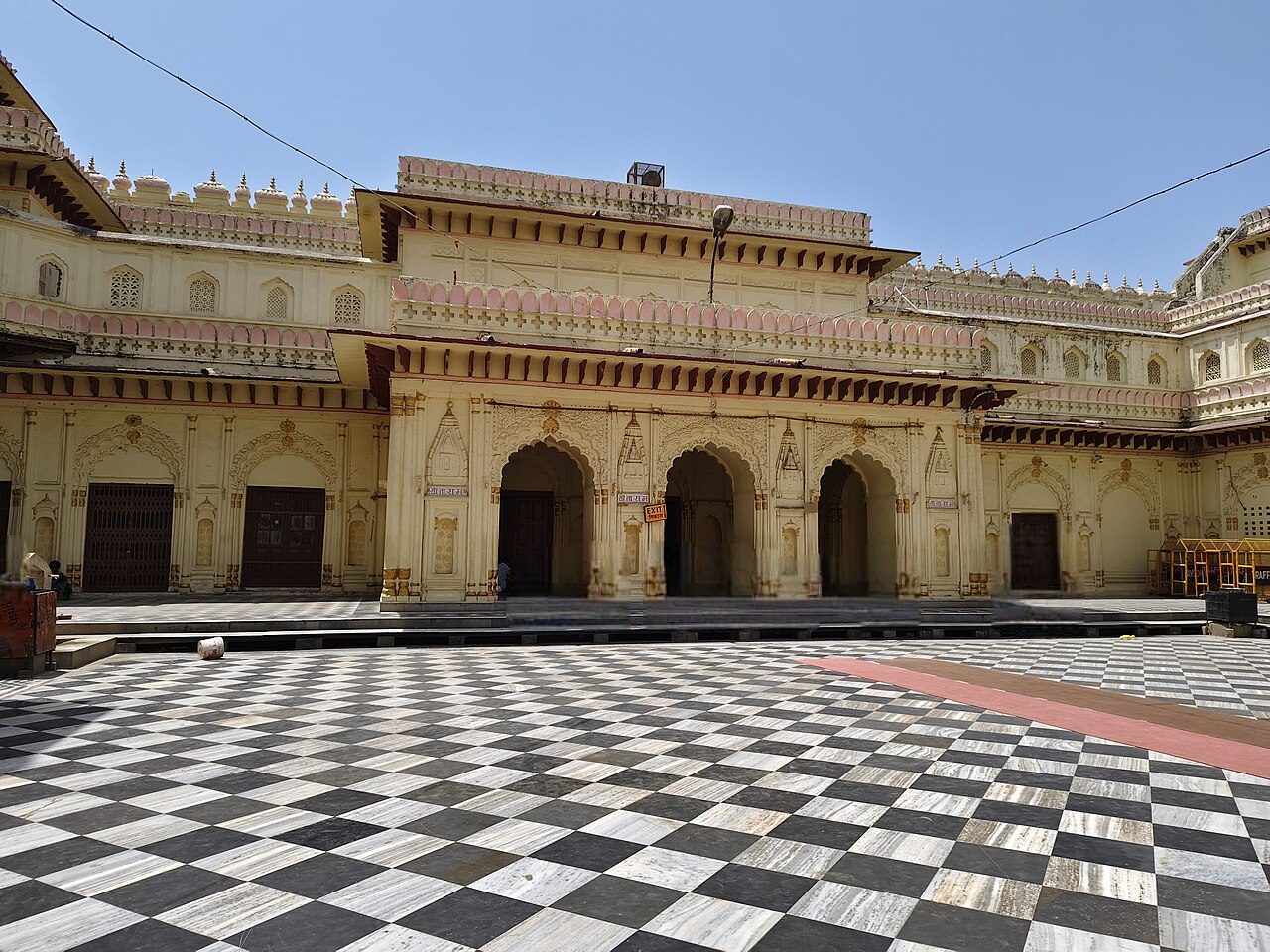
Kanak Bhawan, the Golden Palace, is said in legend to have been a wedding gift to Sita from Kaikeyi, stepmother of Rama. The present temple was built in 1891 by Queen Vrishabhanu Kunwari of Orchha. Its sanctum holds images of Rama and Sita wearing gold crowns, and the courtyard building is in the Bundela style. Devotional music is often performed here.
Best weather: Nov – MarHeavy rain: Jul – Aug
Seasons from 20 years of NASA POWER climate data.
Was this trip blog helpful?
0
0
Ready to follow this route?
Copy all 10 stops into your trip plans in the app.
 WaTrips