North Kerala Forts & Beaches: Kannur and Kasaragod in 3 Days
3 DAYS8 placesby WaTrips
Sea forts, a lake temple and quiet backwaters at Kerala's northern edge — St. Angelo, Bekal, Ananthapura and Valiyaparamba.
Kerala's far north is a short trip with a lot of character. Begin in Kannur at the Portuguese-built St. Angelo Fort and Payyambalam Beach, then visit the Parassinikkadavu Muthappan Temple on the riverbank, where Theyyam is performed. Day two is Kasaragod: Bekal Fort, the largest fort in Kerala, sits right on the sea, the Ananthapura Lake Temple stands in the middle of a lake, and Chandragiri Fort looks over the river mouth. Finish slowly on the Valiyaparamba backwaters, which see far fewer boats than Alappuzha, and visit Hosdurg Fort before heading home. It is a relaxed route with short drives.
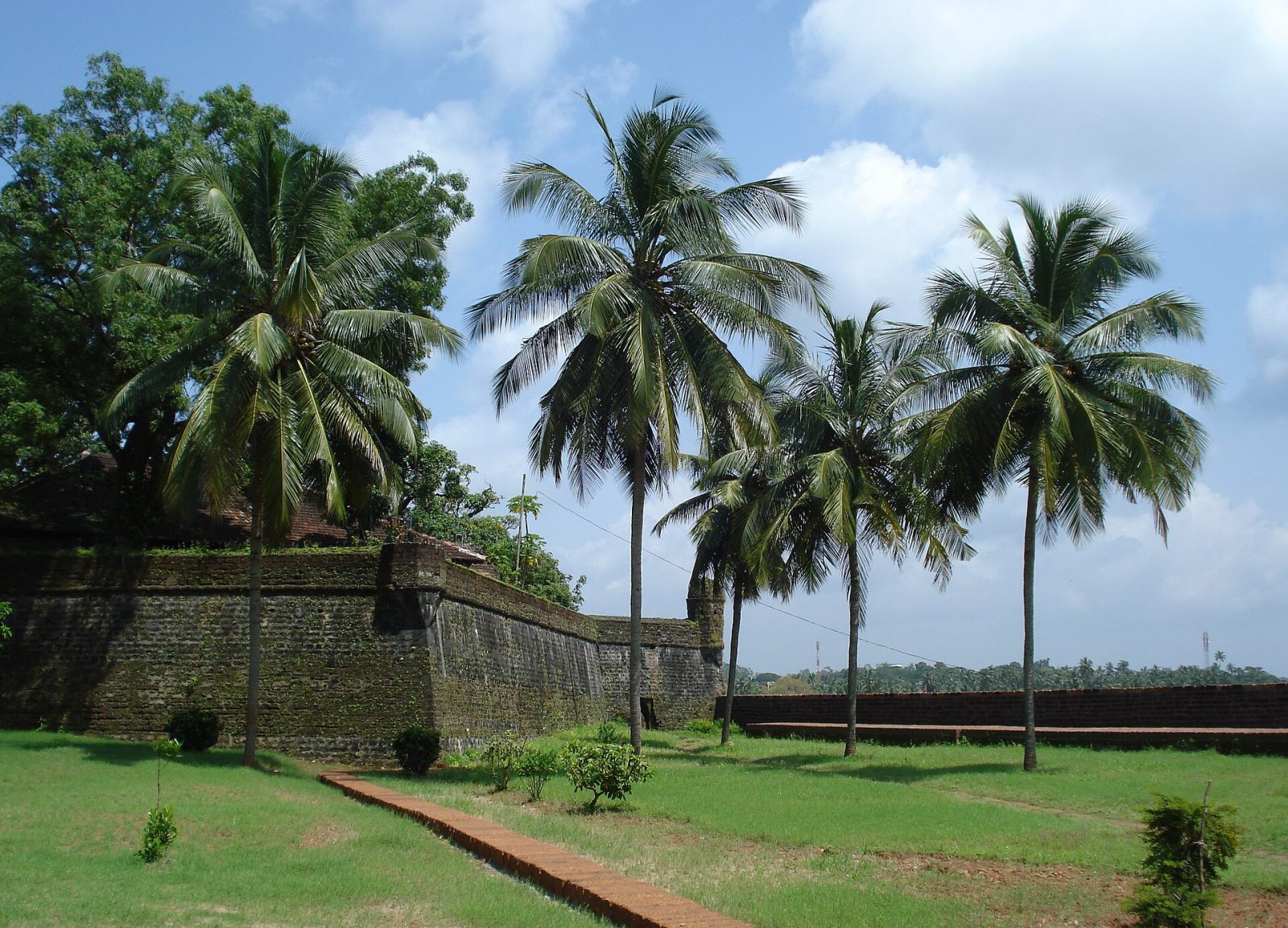
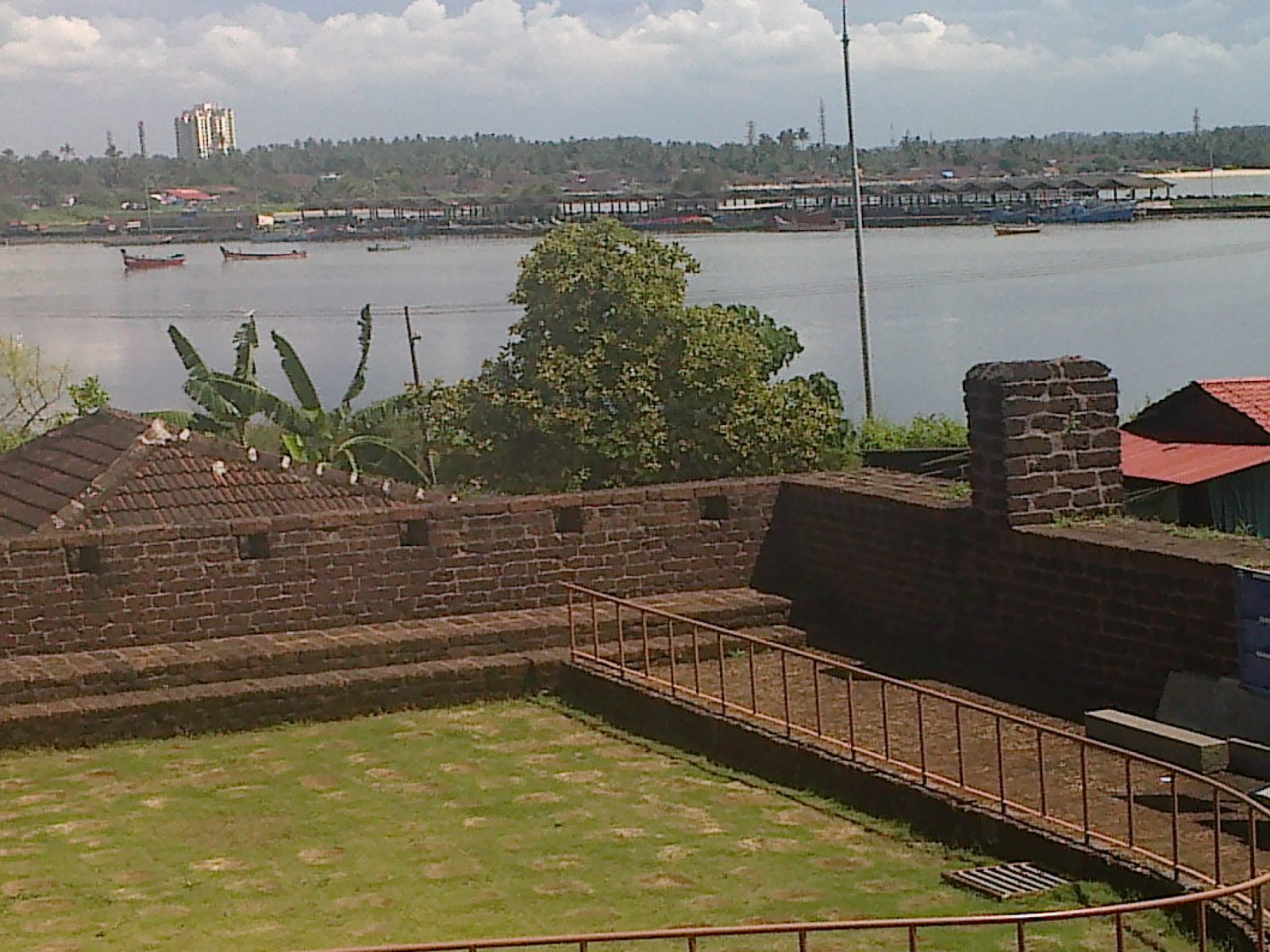
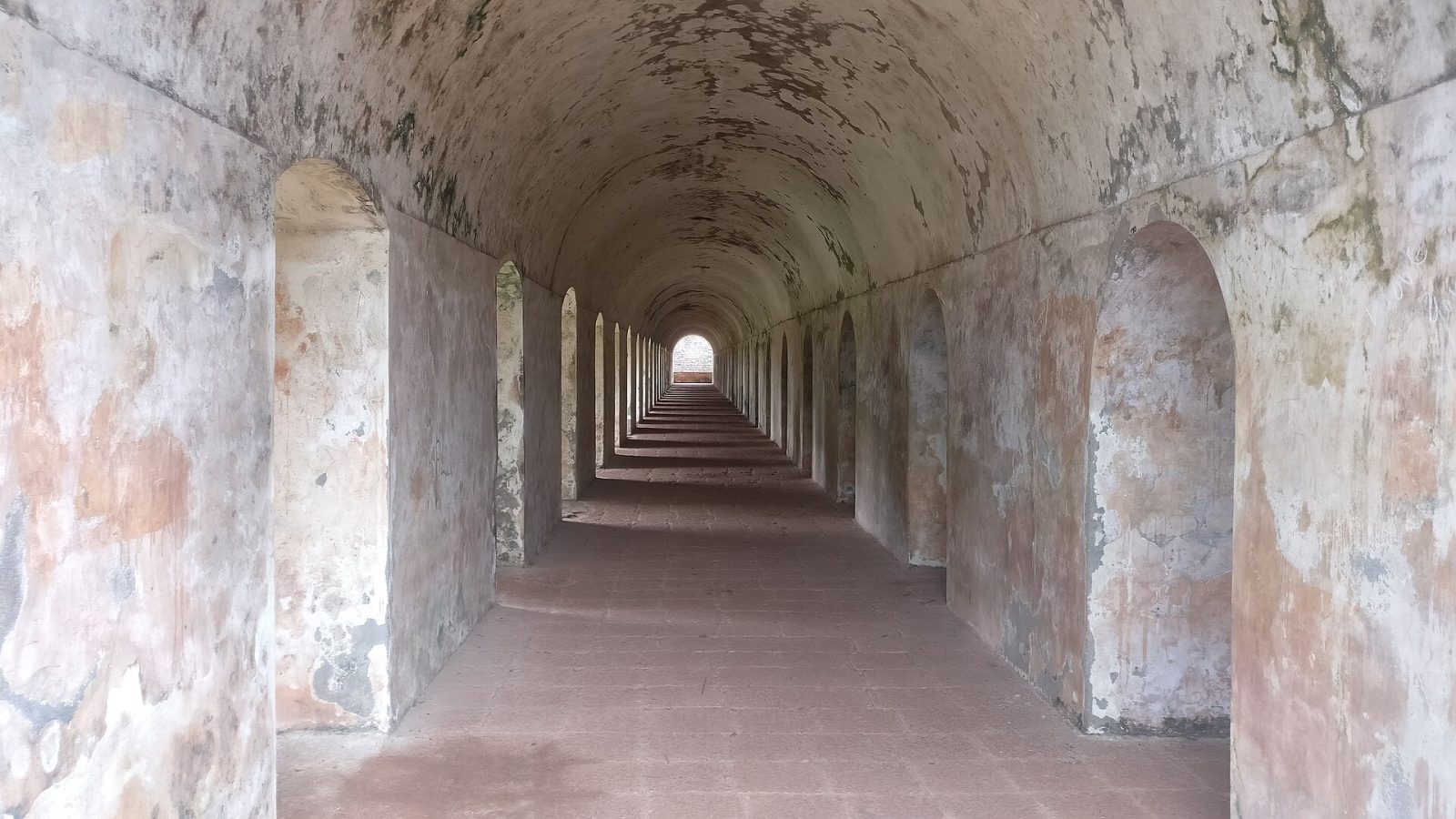
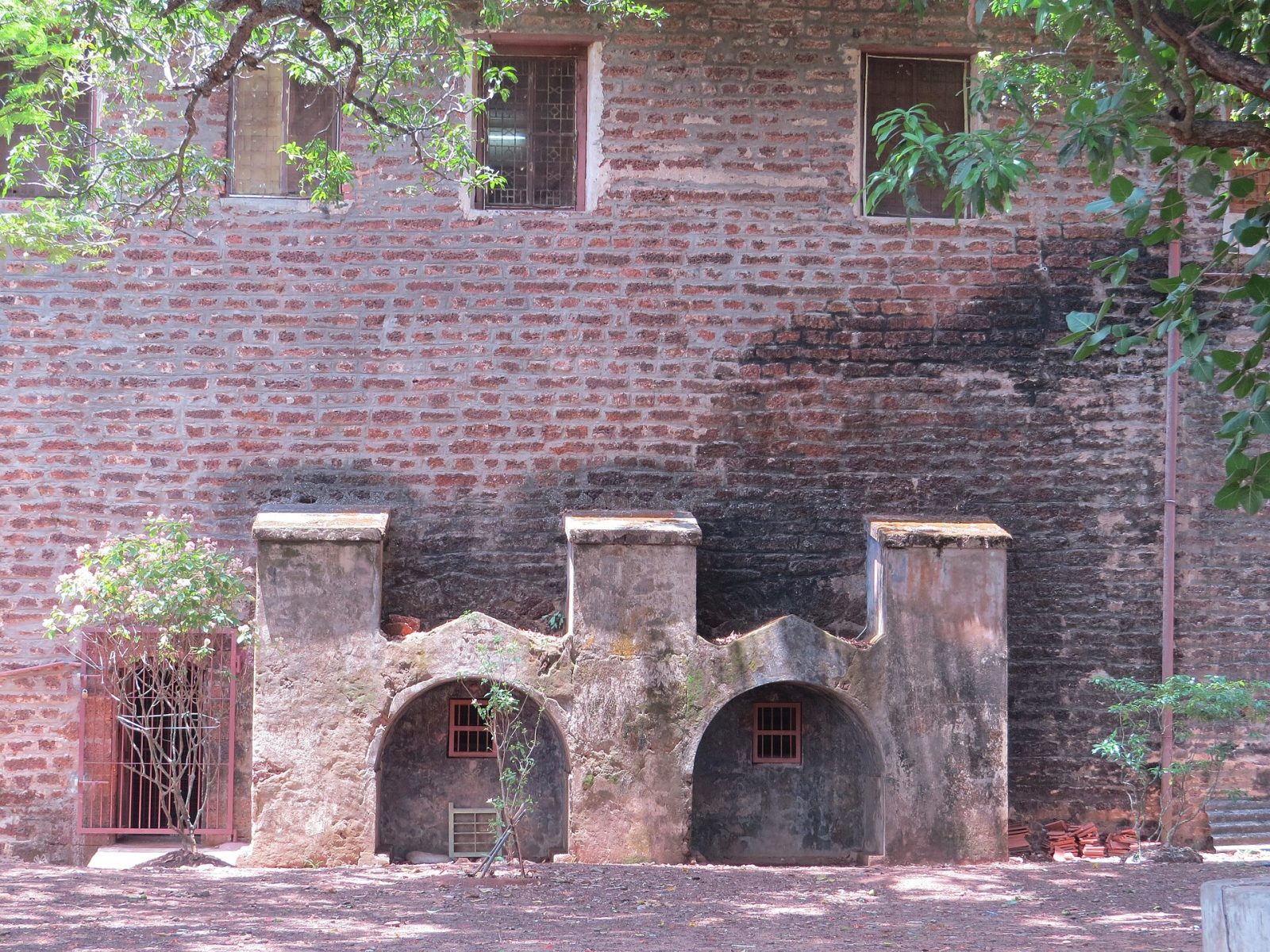
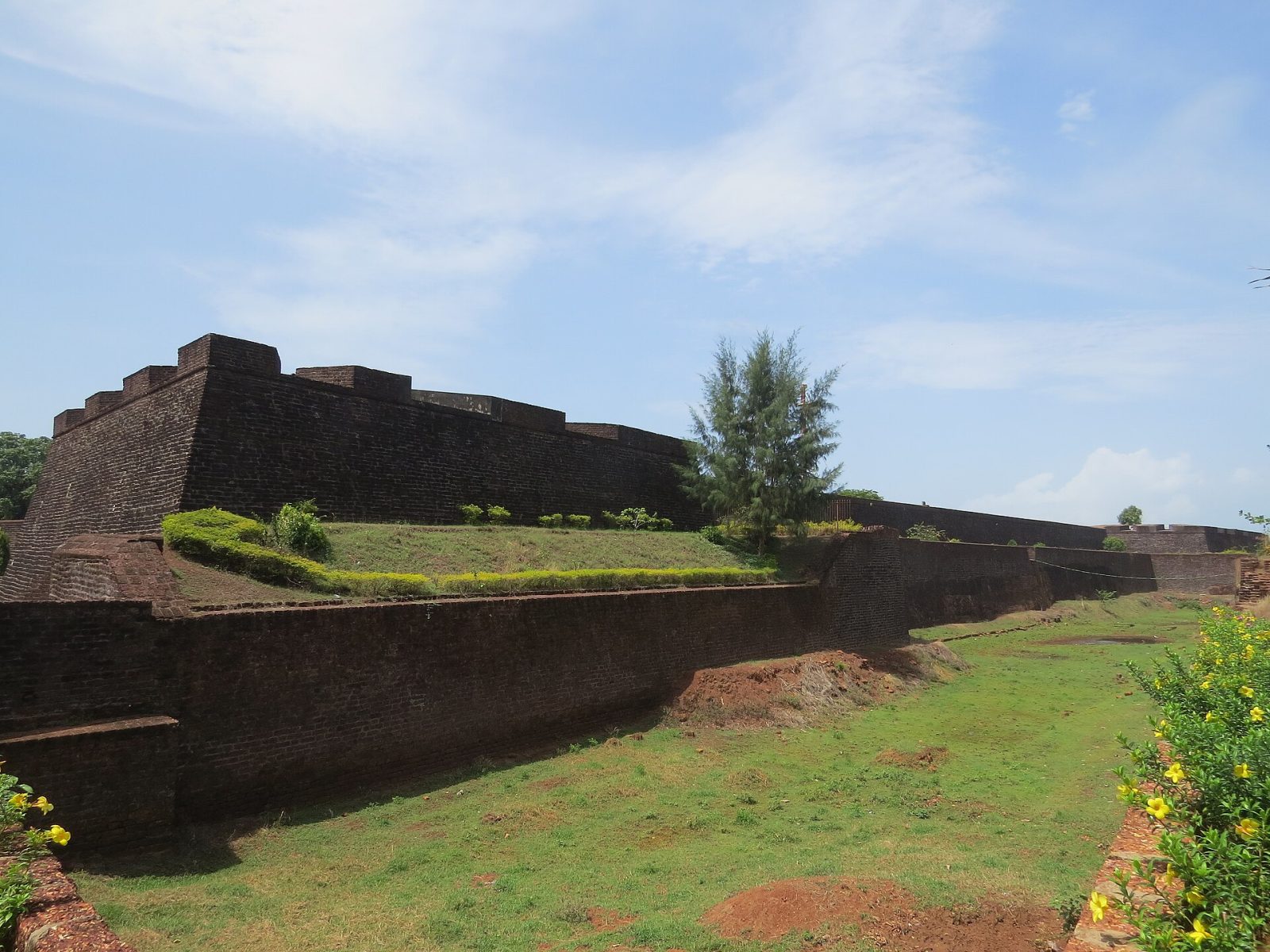
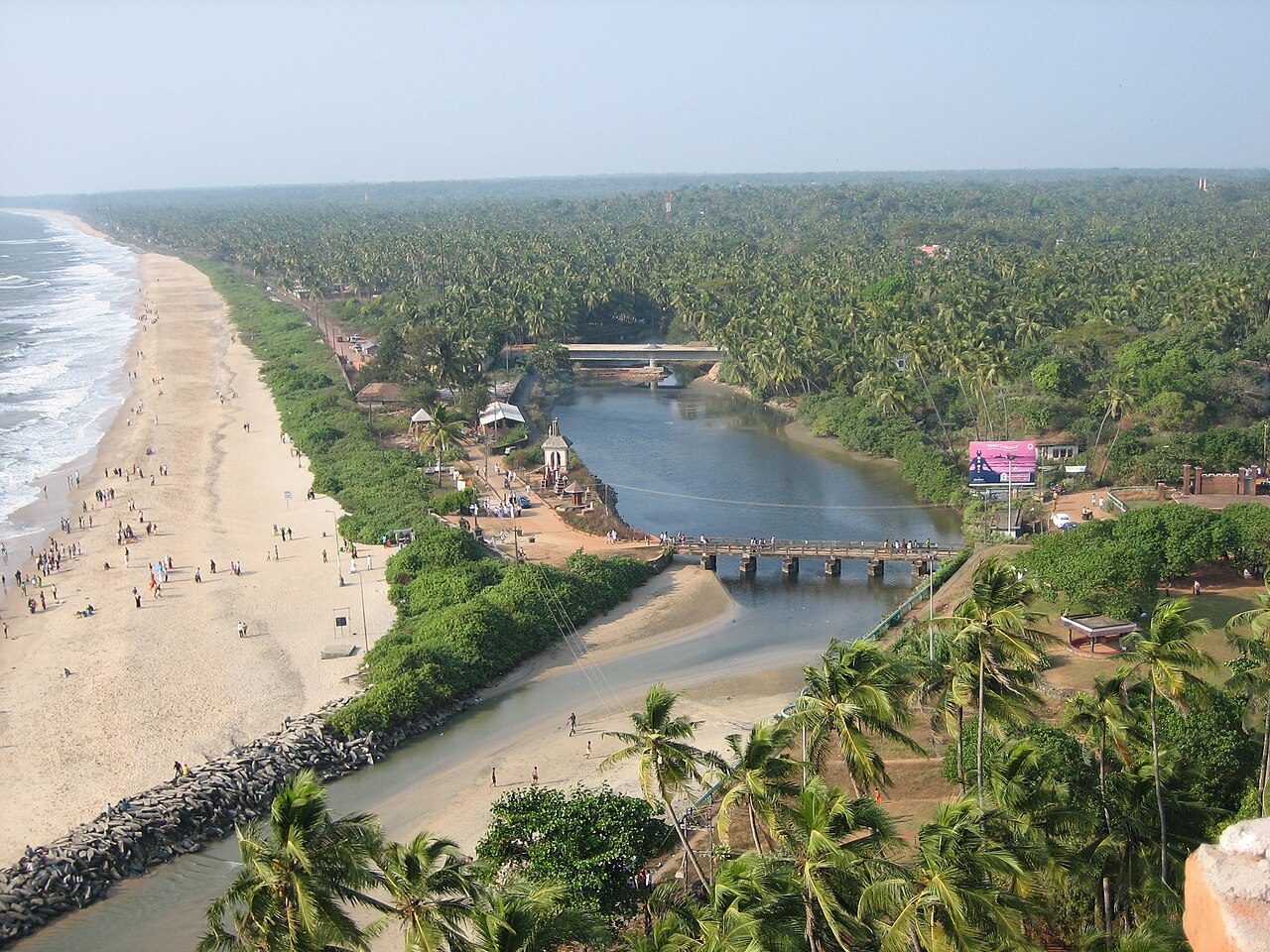
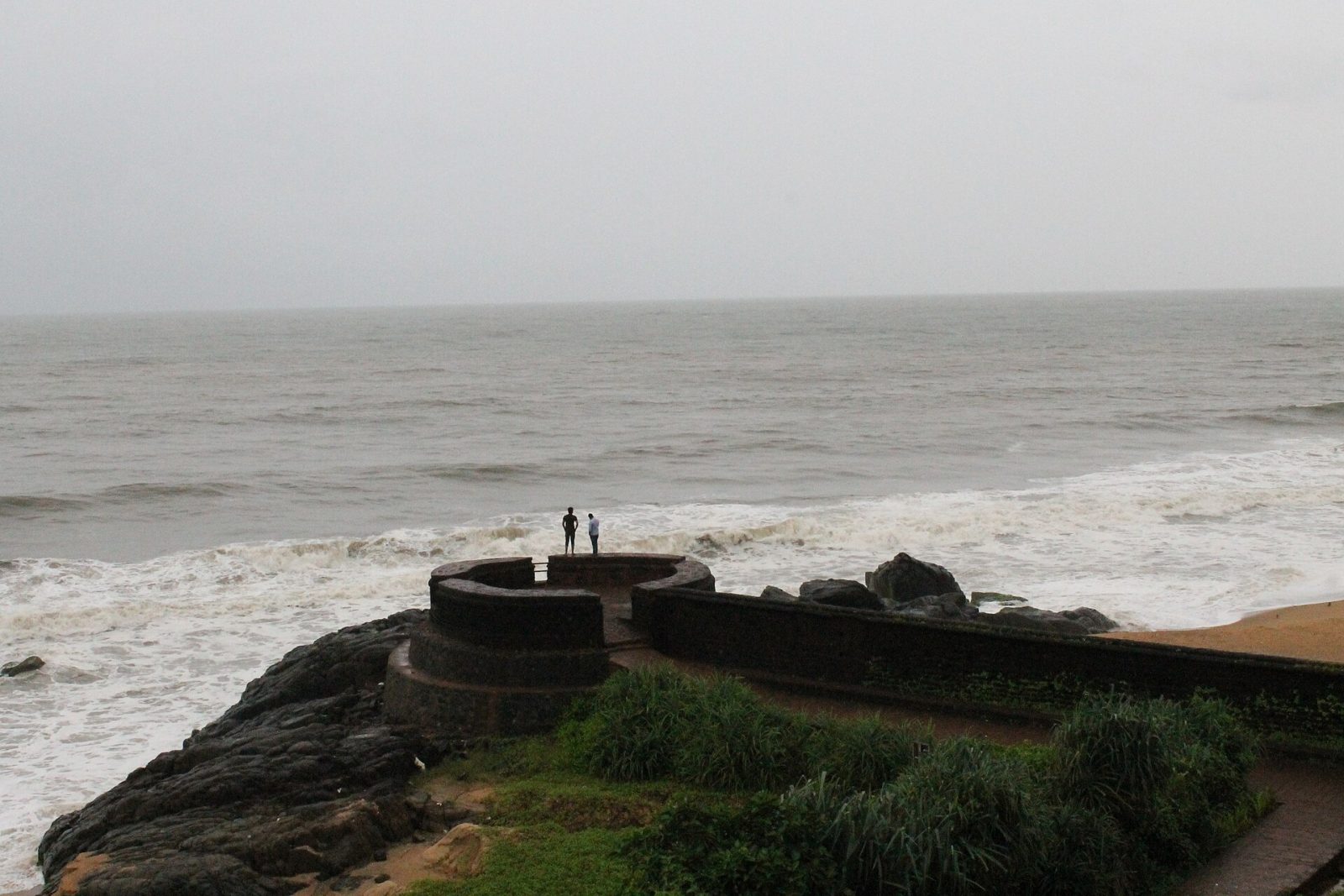
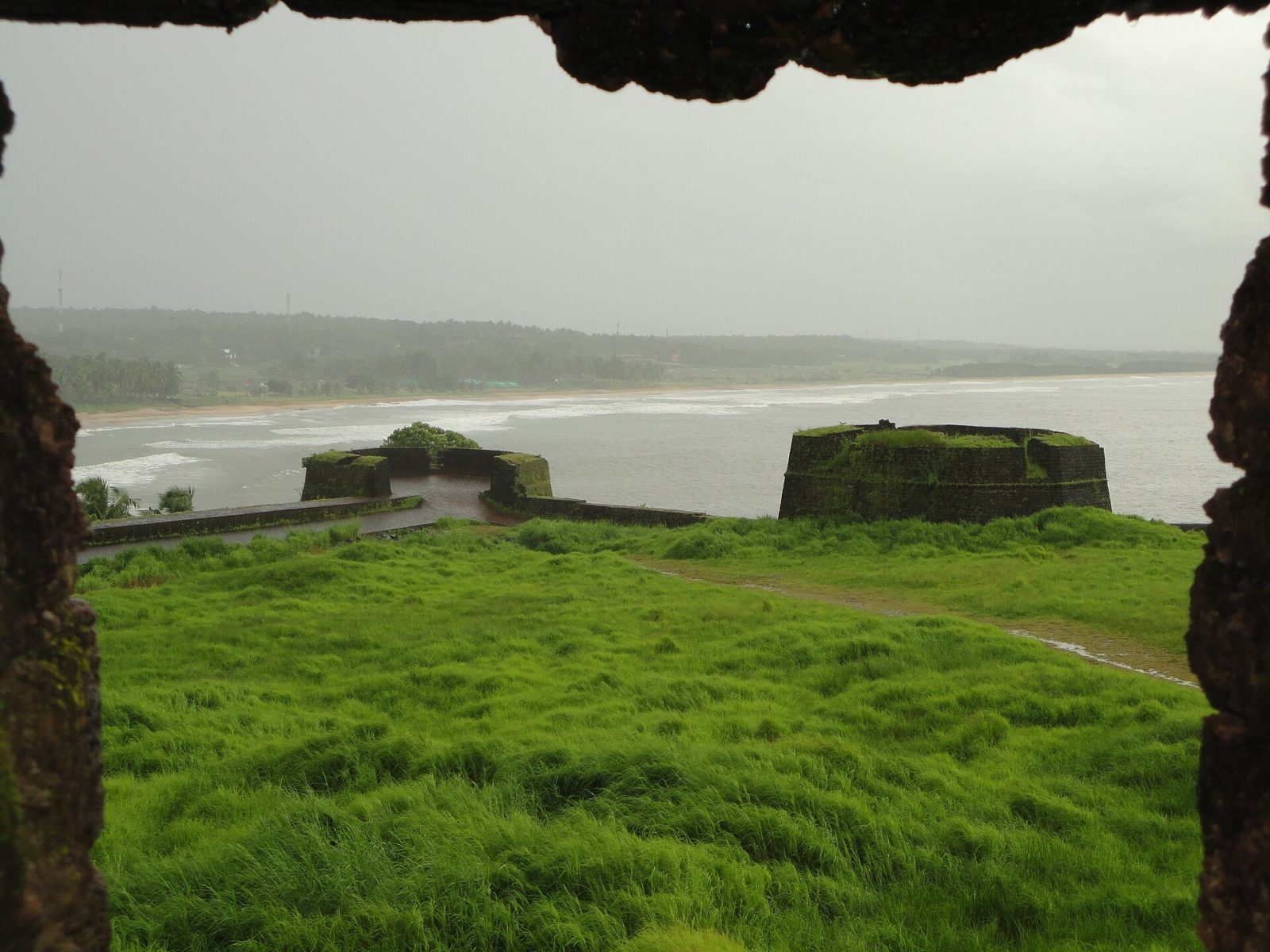
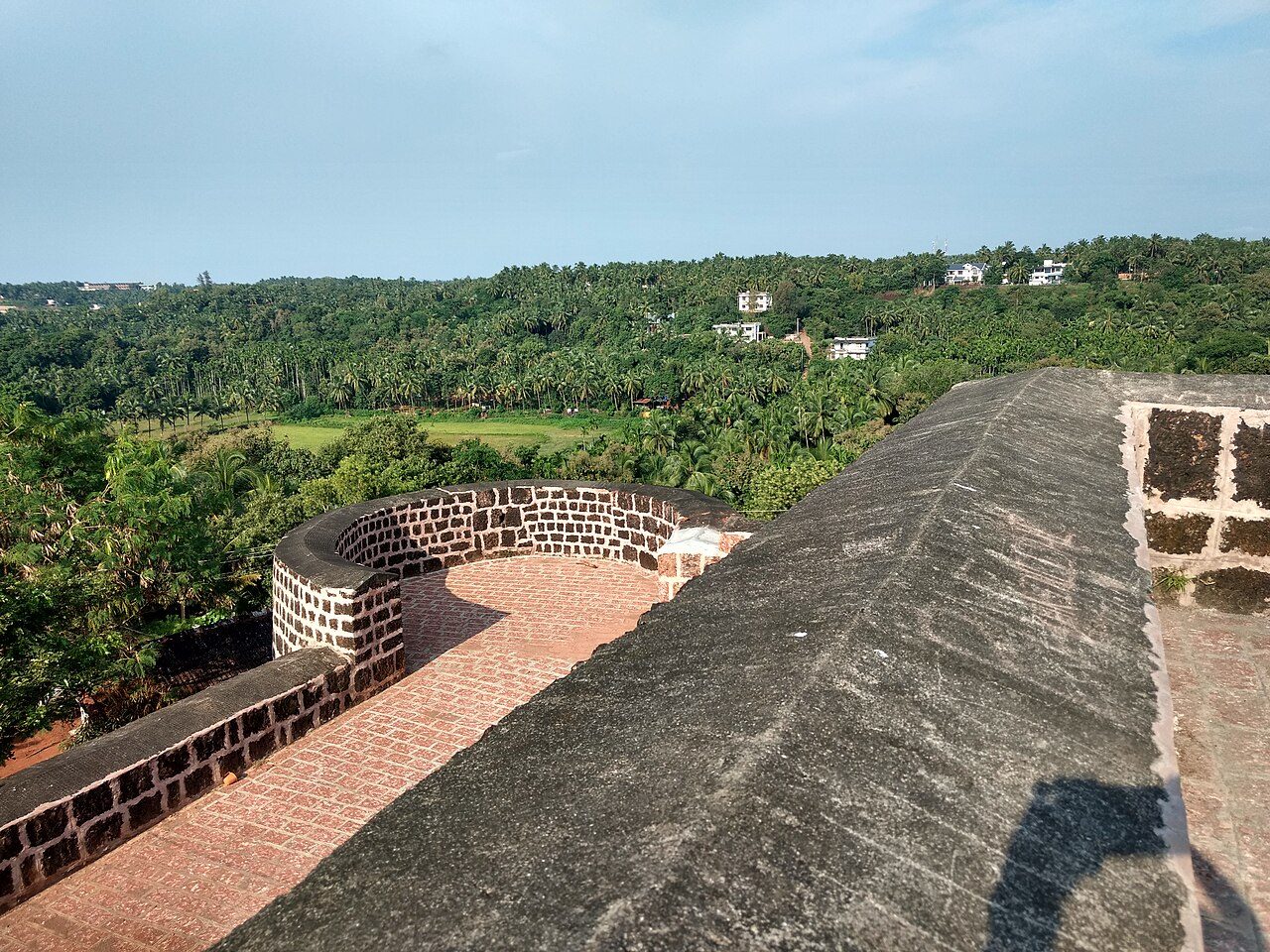
St Angelo Fort stands on a headland over the Arabian Sea at Kannur, built in 1505 by Dom Francisco de Almeida, the first Portuguese viceroy of India. Its massive laterite walls, shaped like a triangle with bastions at the corners, passed from the Portuguese to the Dutch, who sold it to the Arakkal royal family, and then to the British, who made it a military base. From the ramparts you look down on the Mappila Bay fishing harbour and its breakwater, still busy with boats. Inside are old cannon, a chapel and a tunnel to the sea. The Archaeological Survey of India maintains it, entry is free, and late afternoon is the best time.
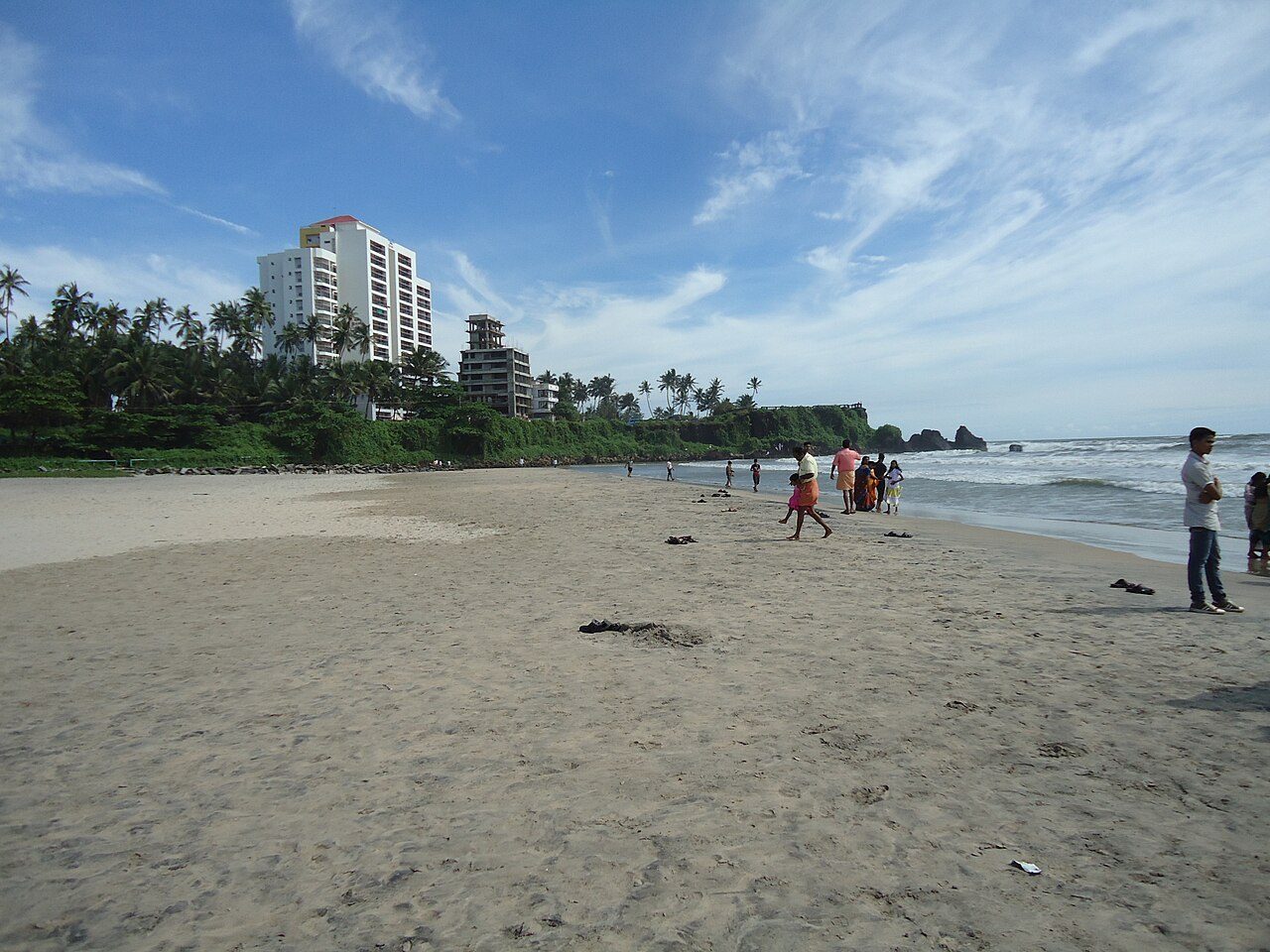
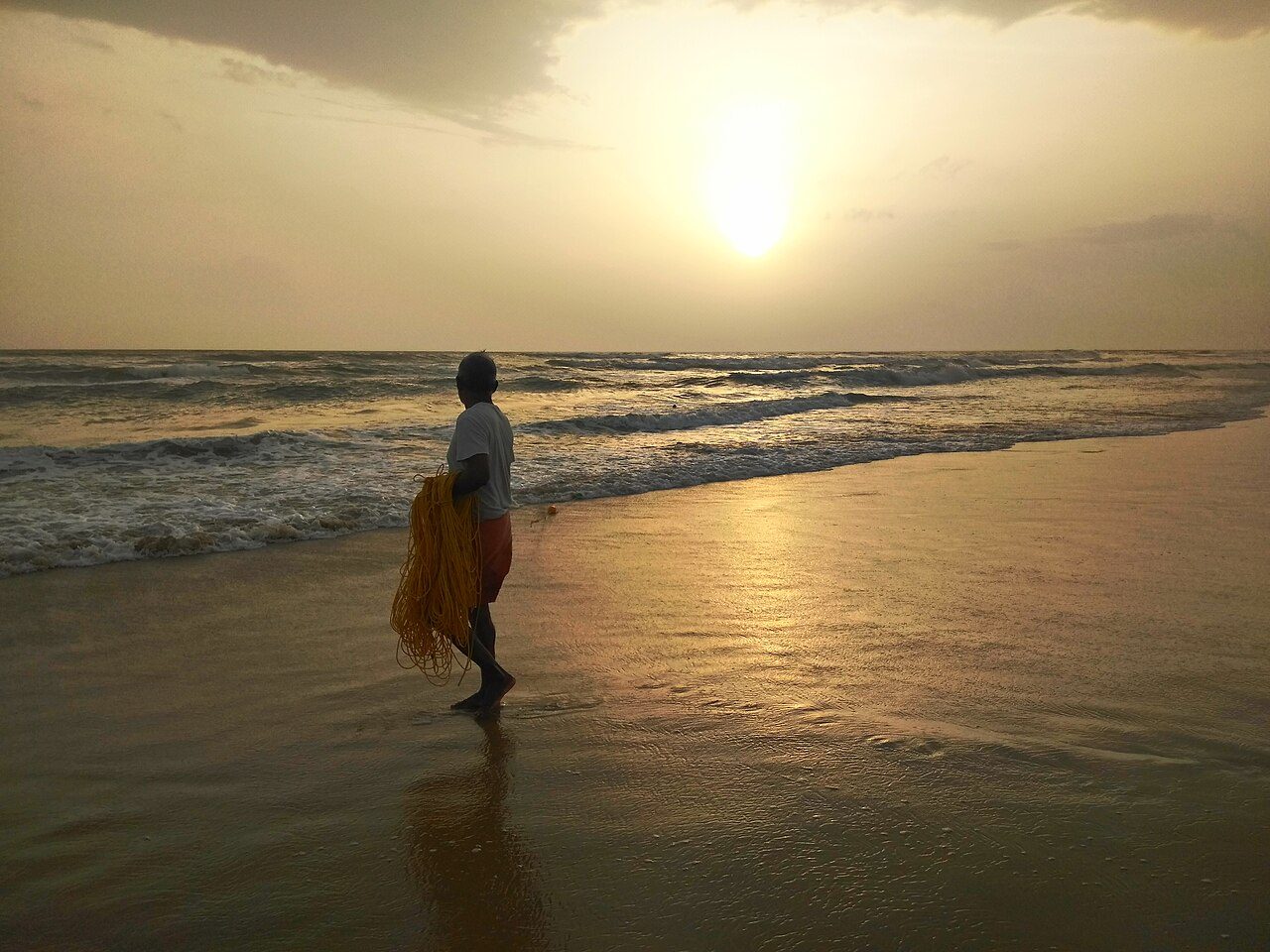
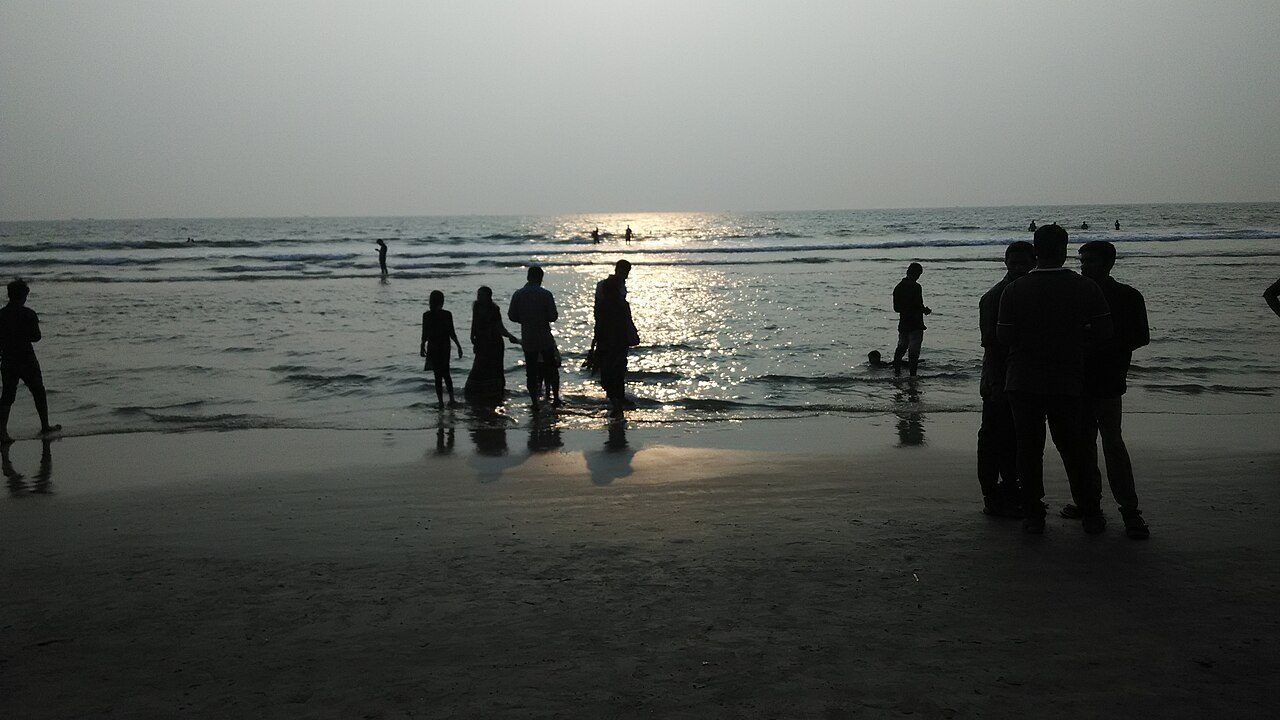
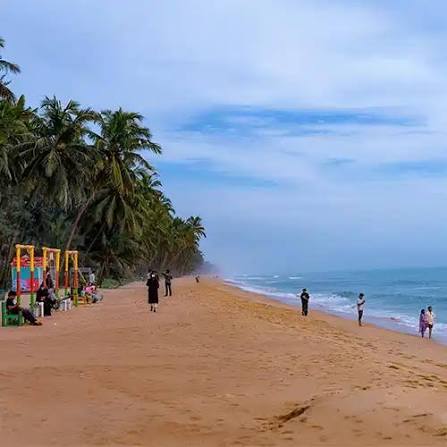
Payyambalam is the main beach of Kannur town, a broad stretch of sand backed by a lawn and a sculpture garden. The memorials of several Kerala leaders stand at one end and it fills up at sunset.
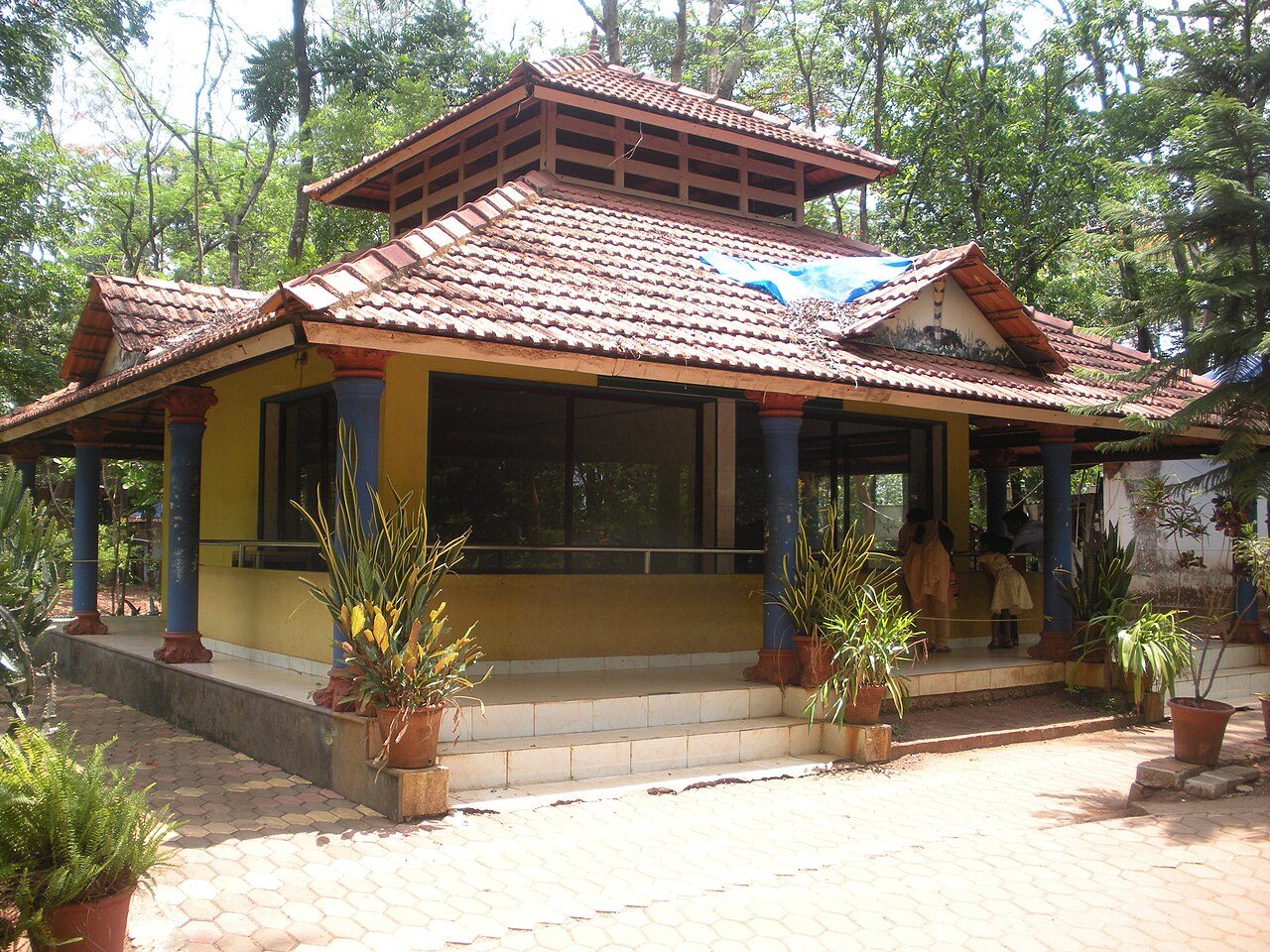
The Muthappan Temple stands on the bank of the Valapattanam river and is unusual in Kerala: theyyam is performed here every day rather than once a year, and the shrine is open to all castes and faiths.
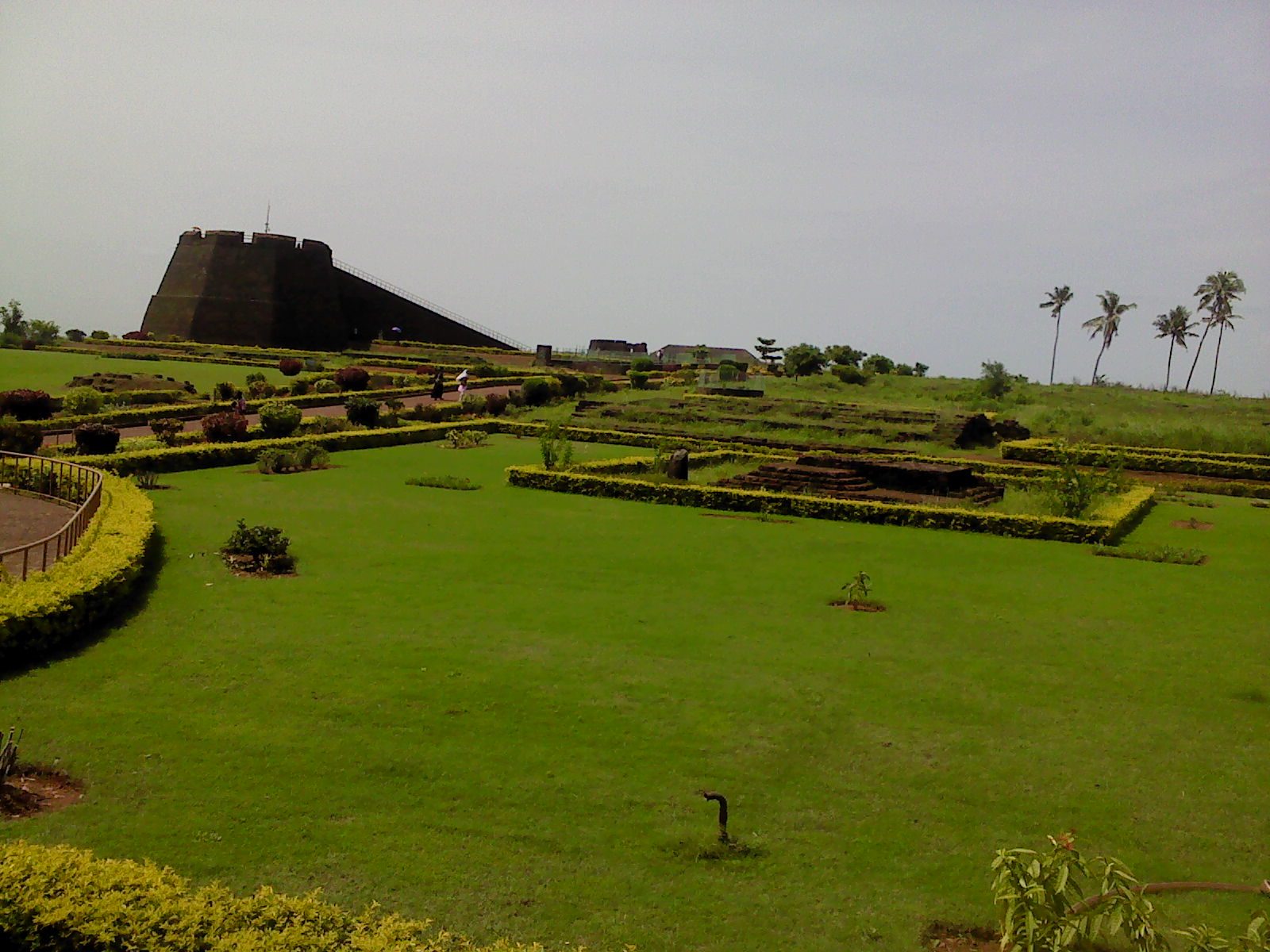
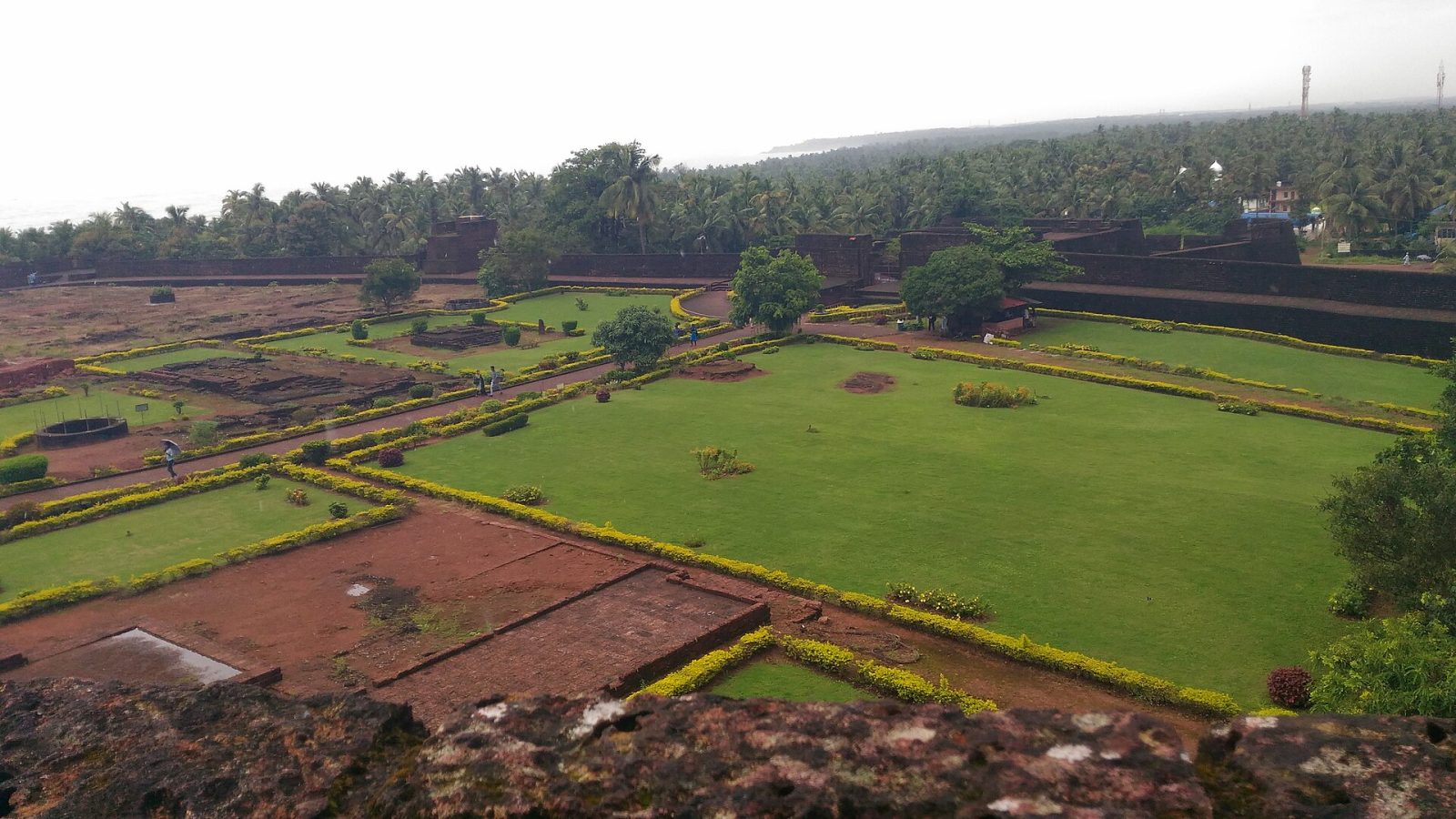
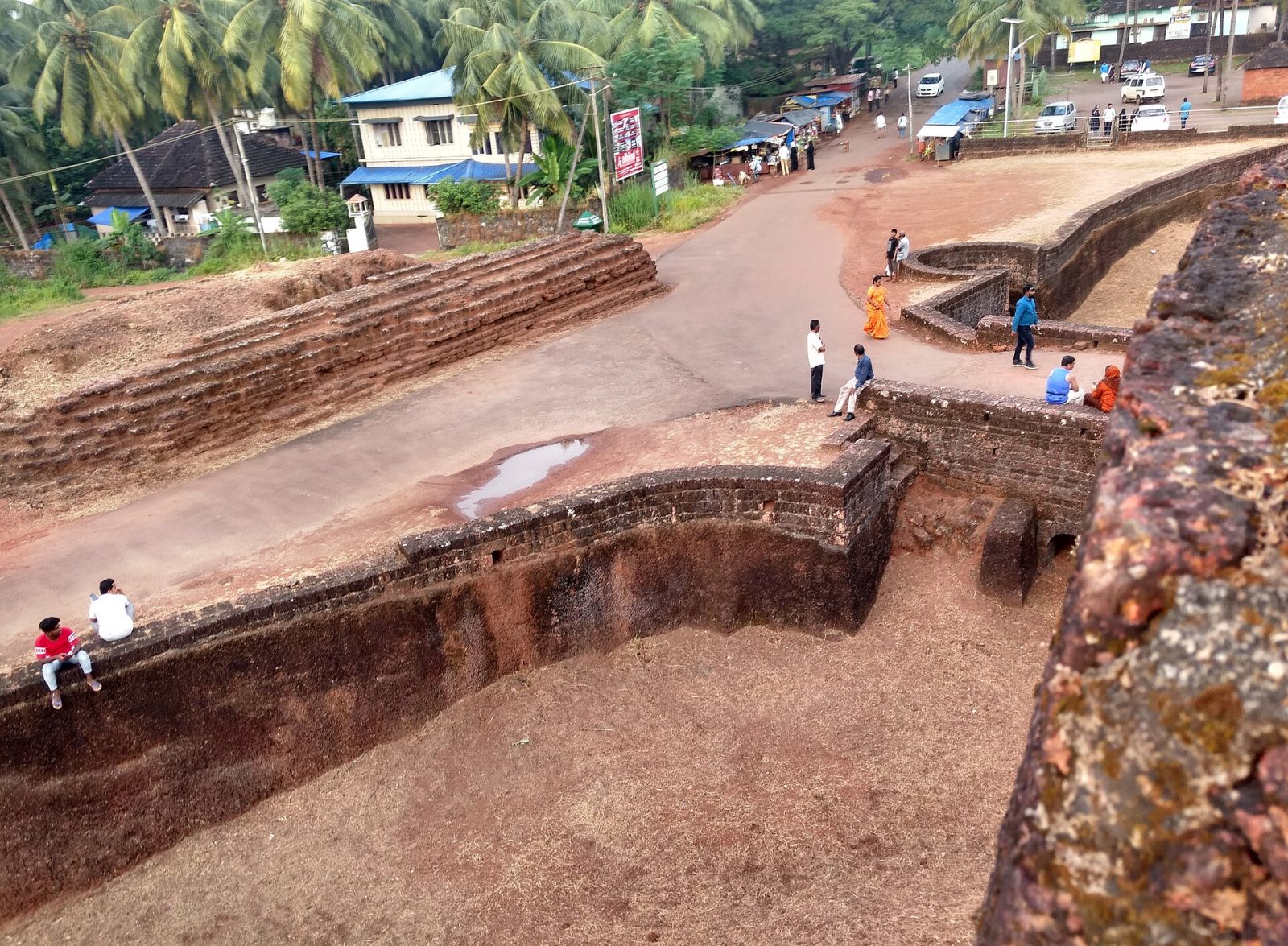
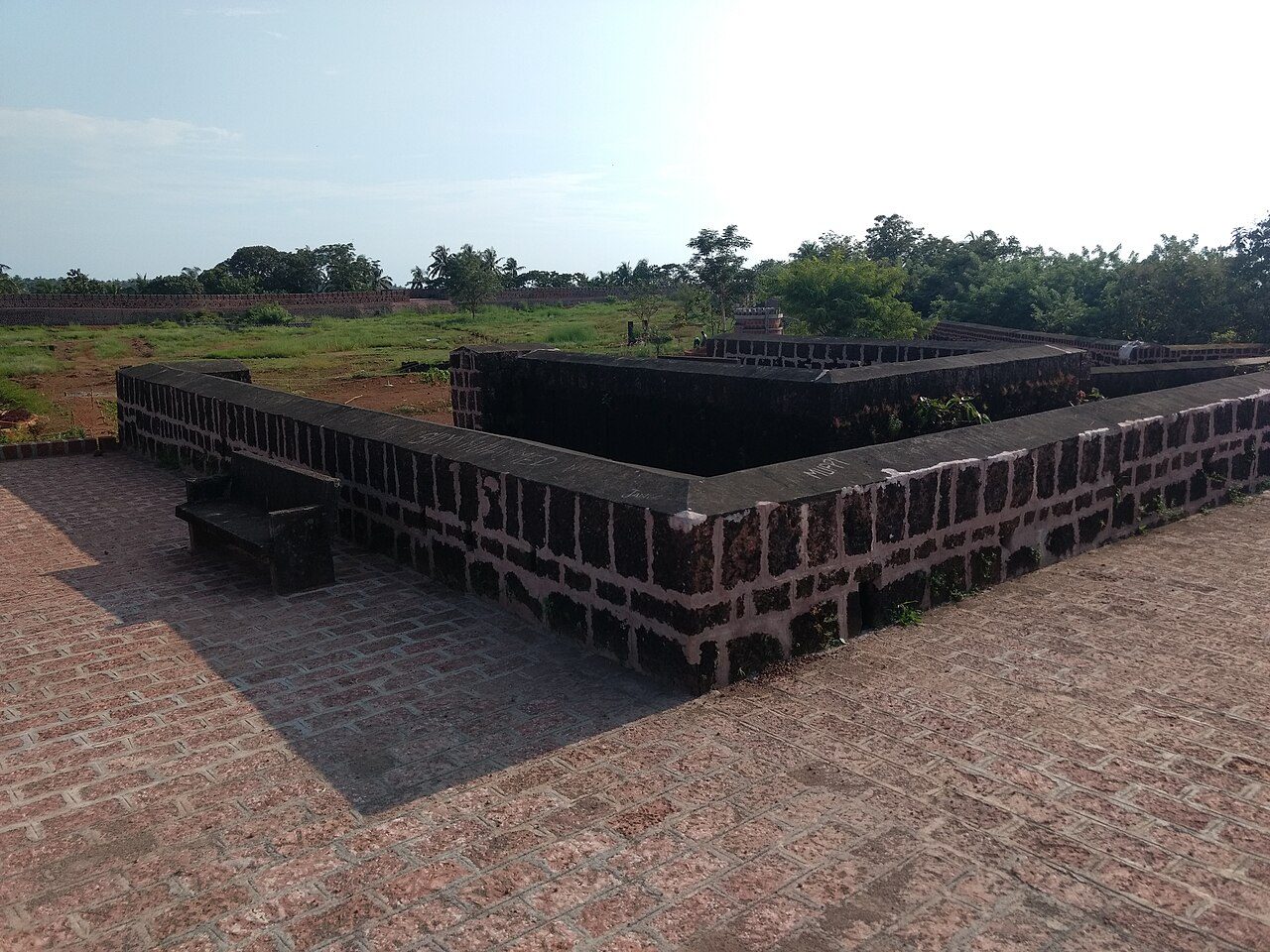
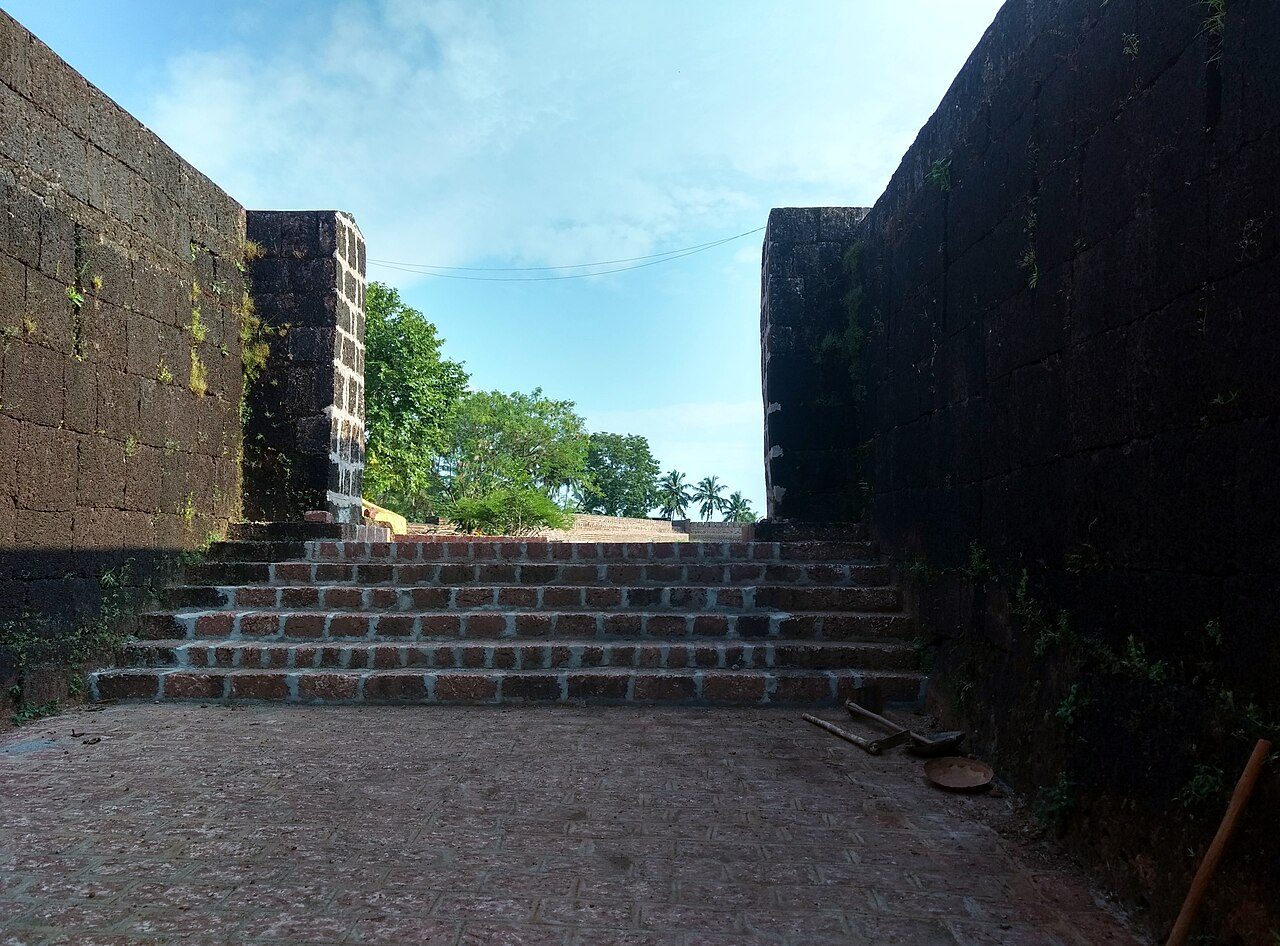
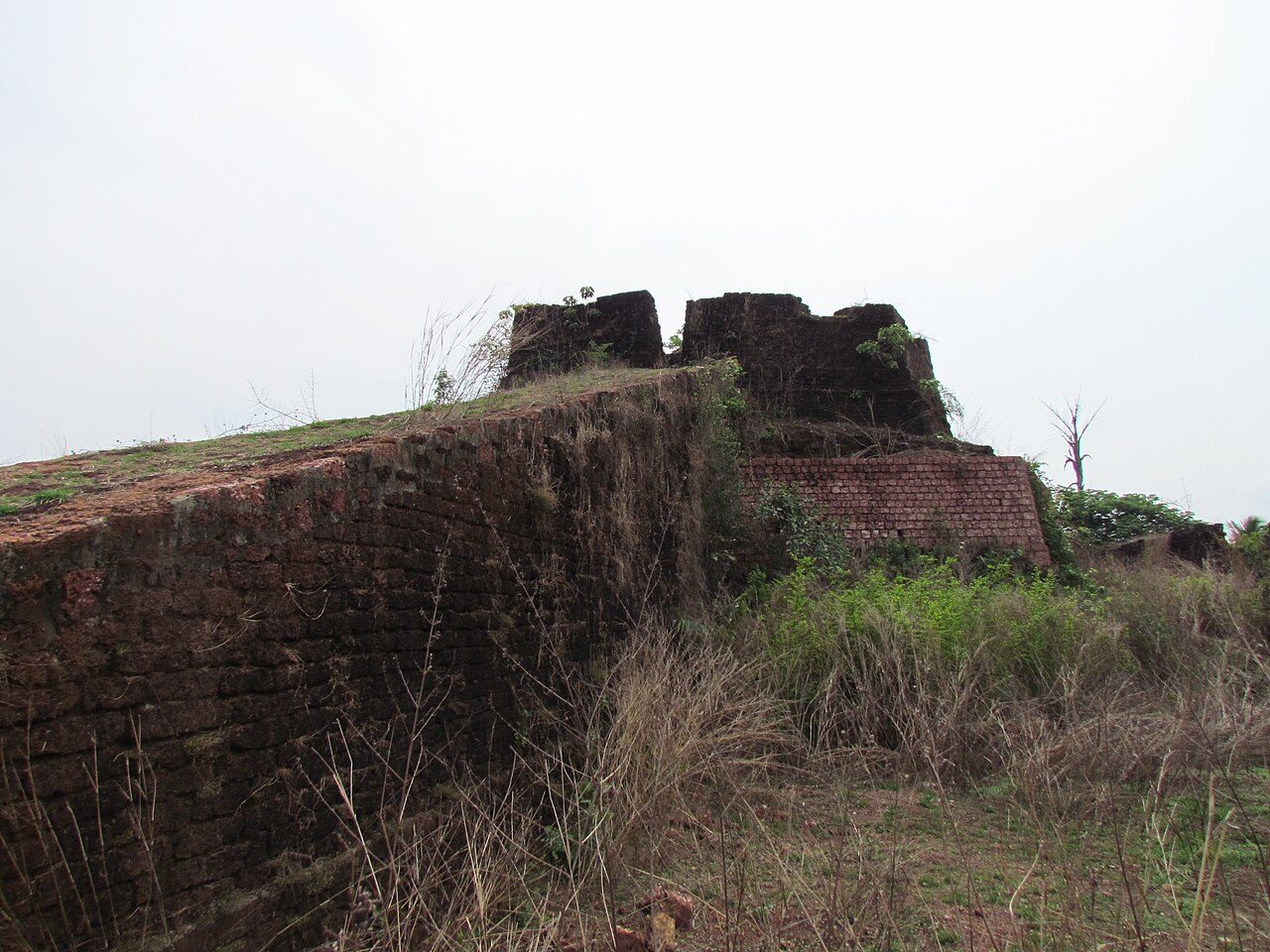
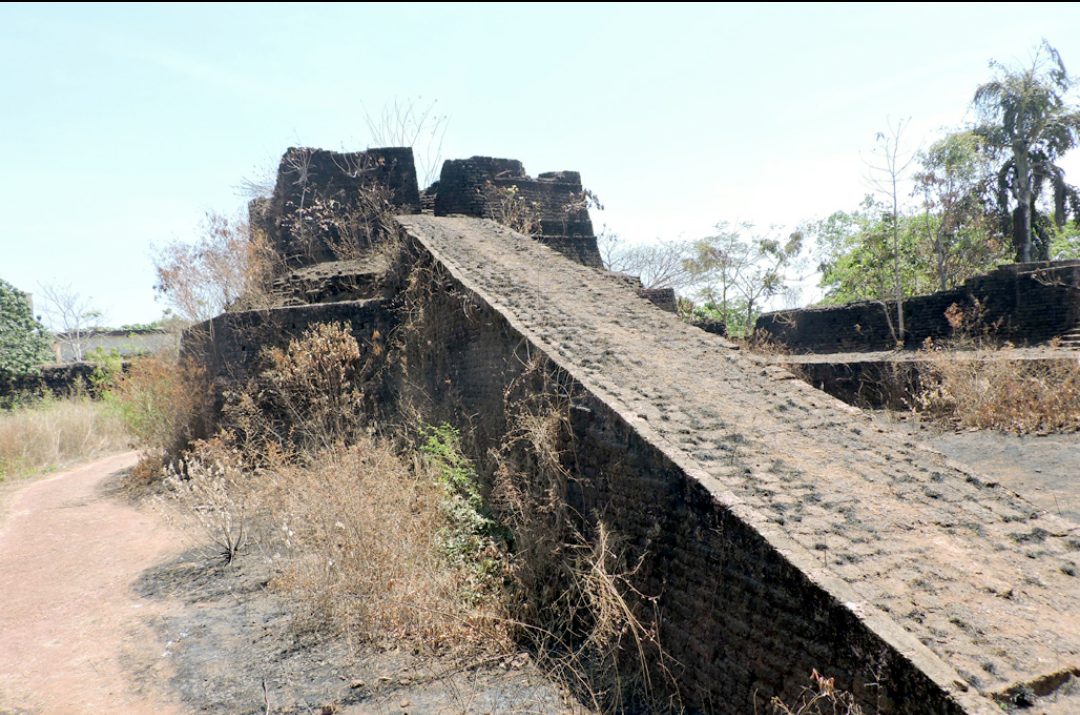
Bekal, in Kasaragod district, is the largest and best preserved fort in Kerala, covering about 40 acres on a headland that juts into the Arabian Sea. It was built in the 1650s by Shivappa Nayaka of Keladi, and later held by Tipu Sultan and then the British, who used it as an administrative base. The keyhole-shaped laterite walls, the observation tower with its views along the coast and the water tank with its flight of steps are the highlights, and the sea breaks on rocks directly below the ramparts. Unusually, the fort has no palace inside; it was built purely for defence. It is open through the day, and the beach park next to it is popular at sunset.
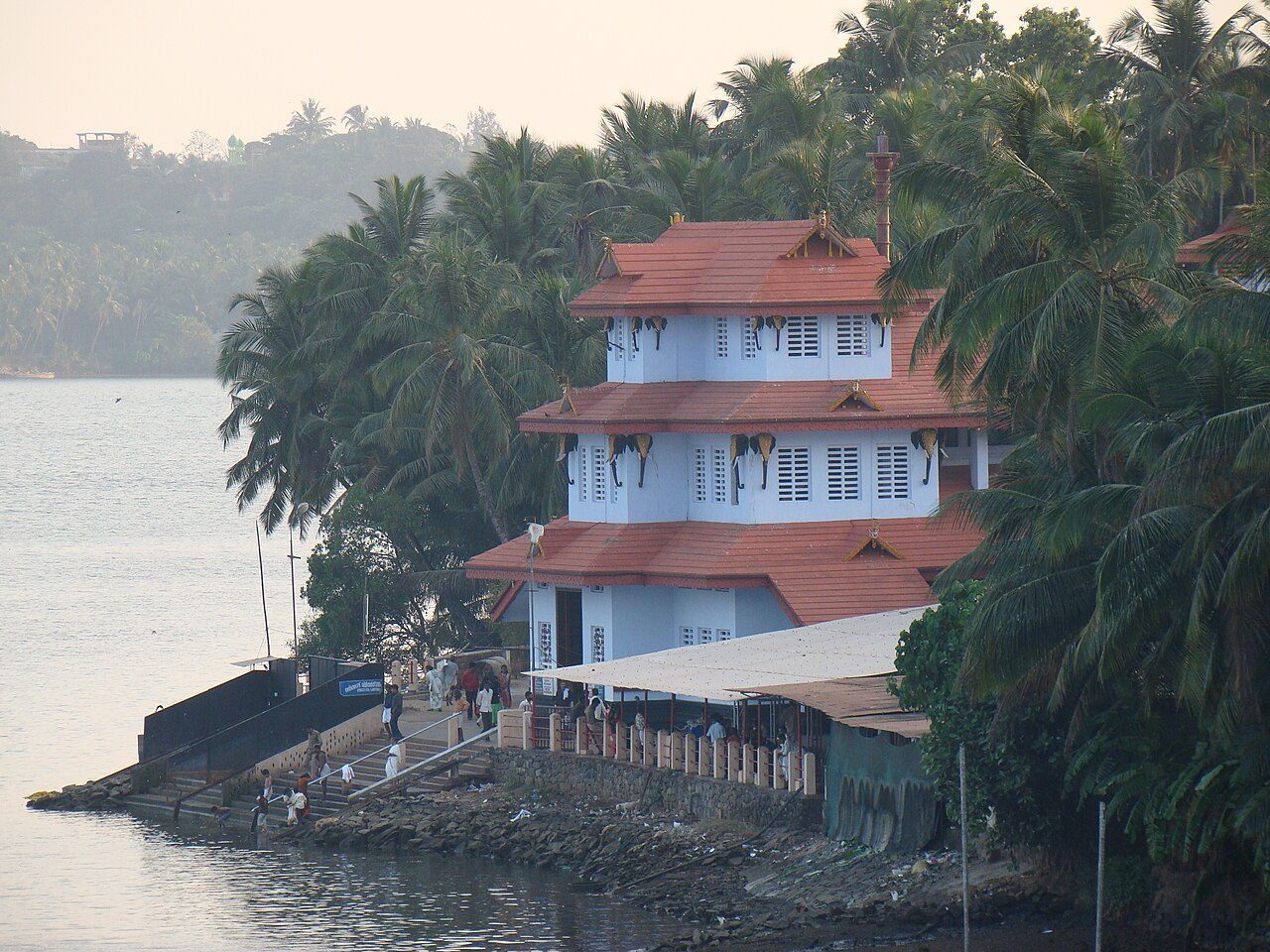
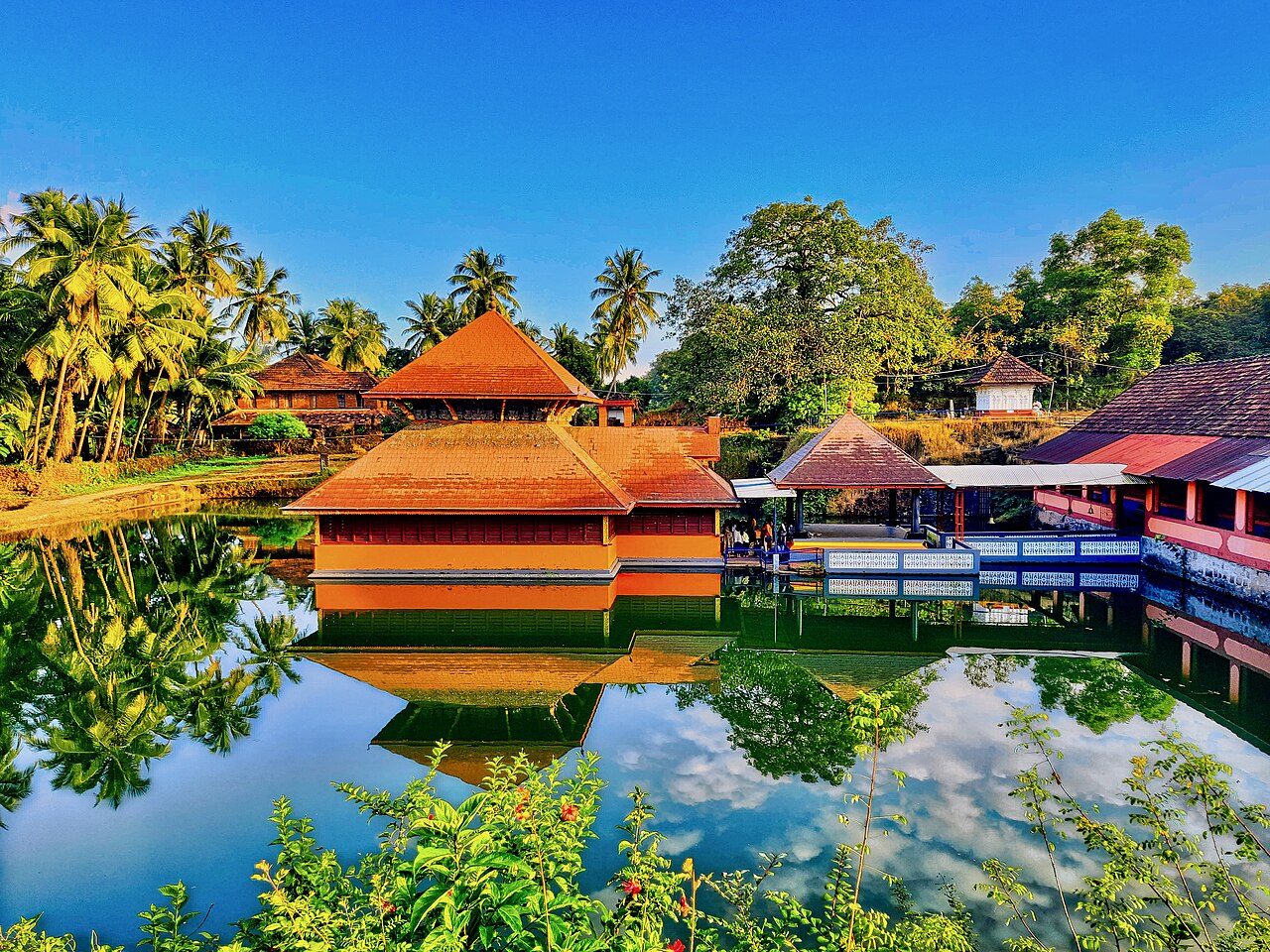
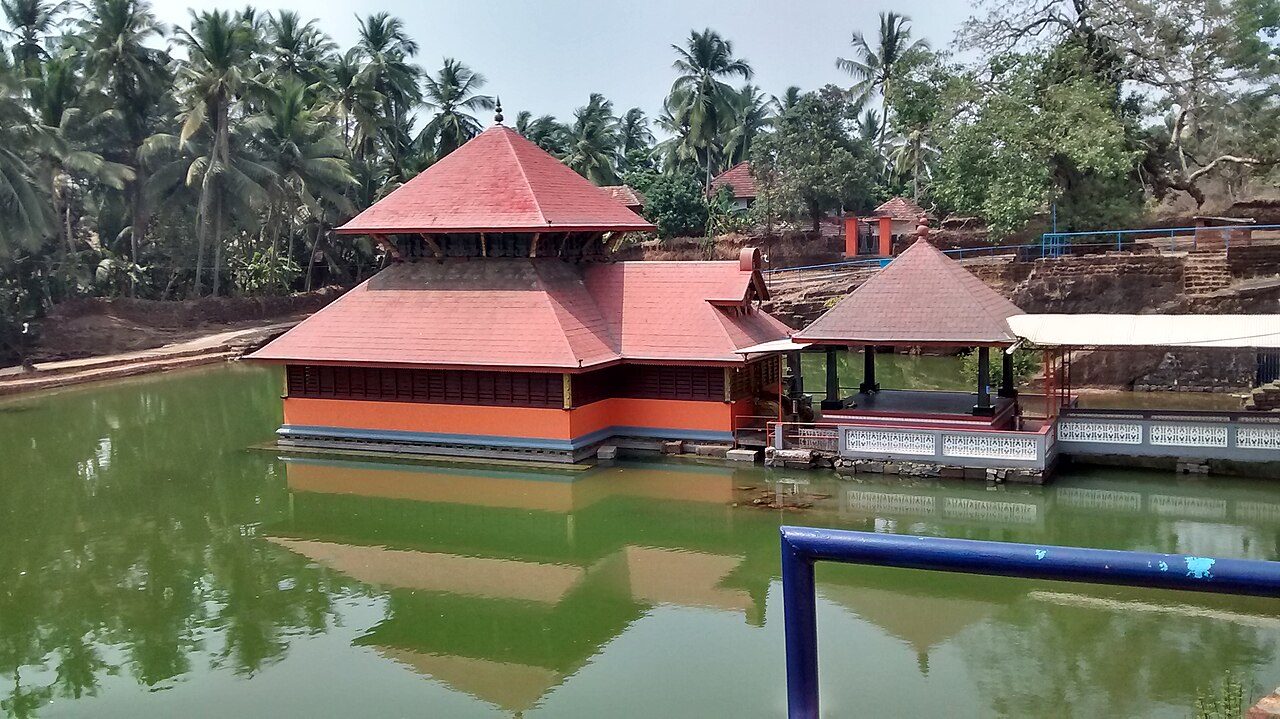
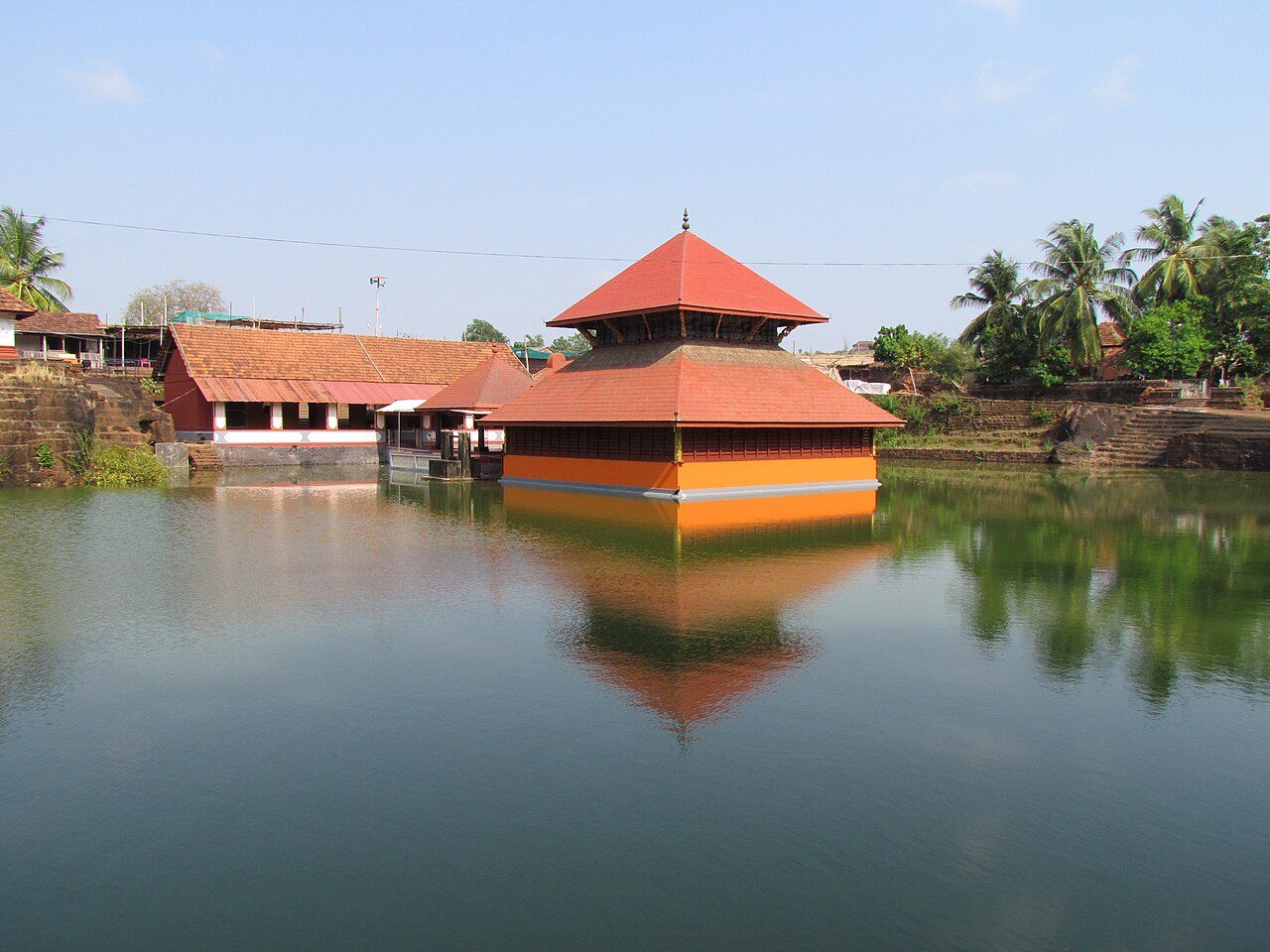
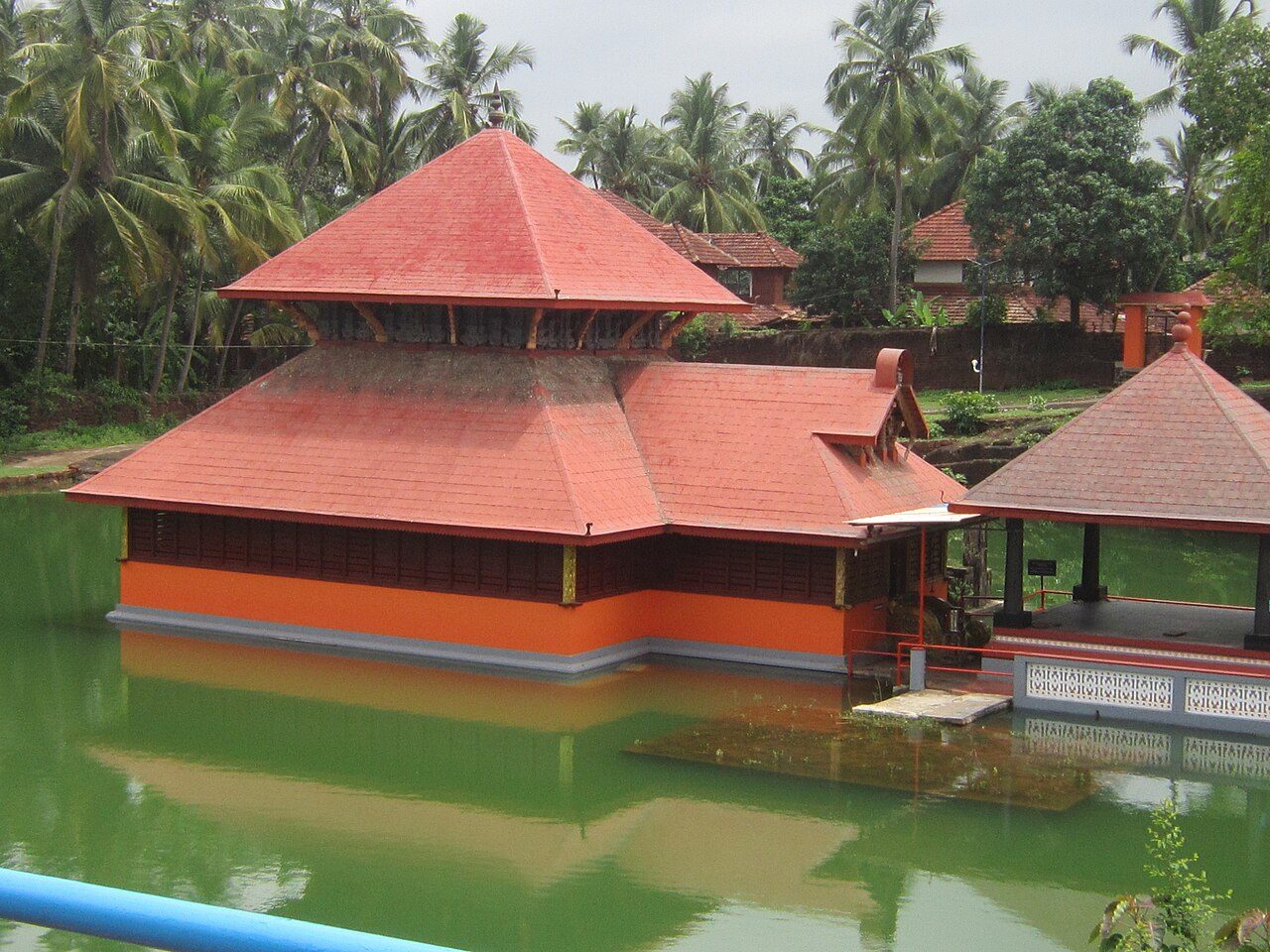
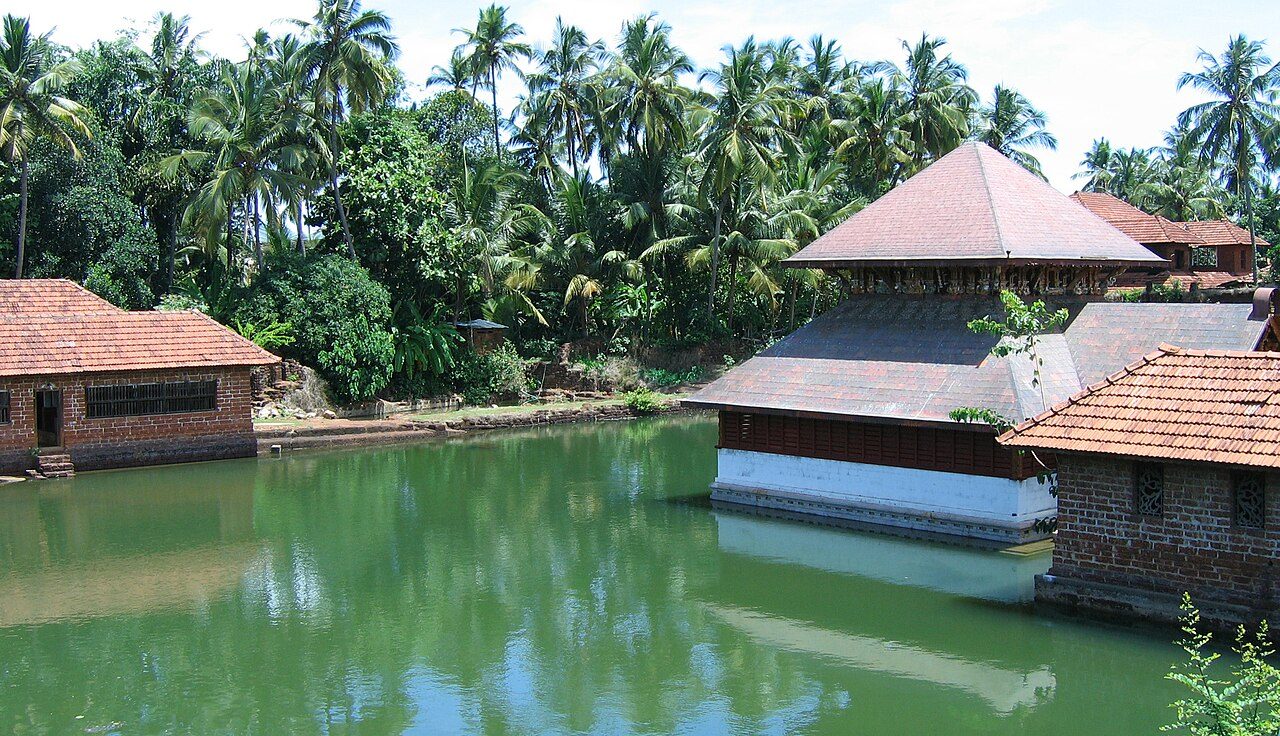
Ananthapura is the only lake temple in Kerala, built on a rock in the middle of a pond near Kumbla. It is held to be the original seat of the deity of Thiruvananthapuram's Padmanabhaswamy Temple, and a resident crocodile in the lake is part of its lore.
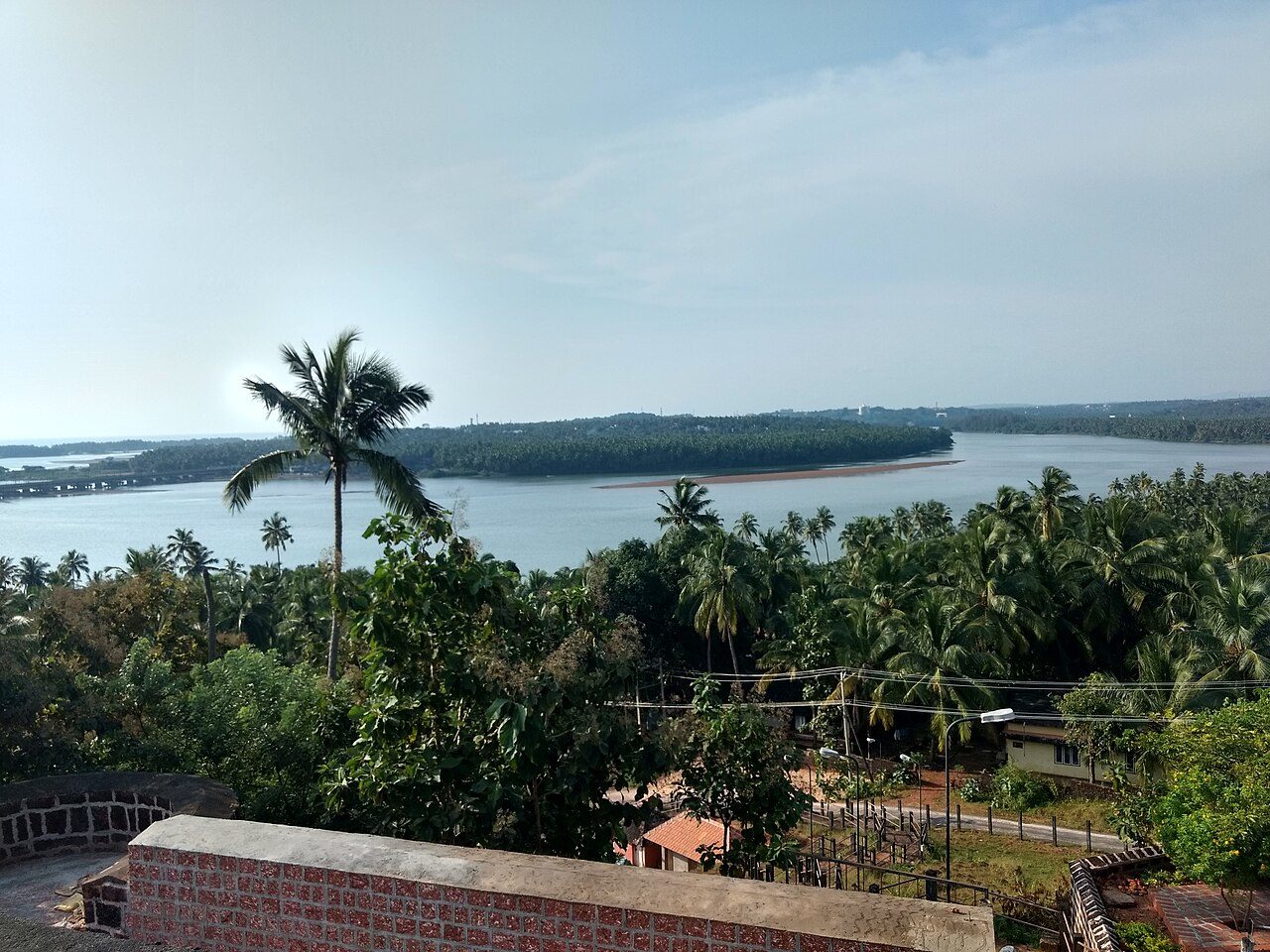
Chandragiri Fort stands on a hill where the Chandragiri river meets the sea, built in the 17th century by Shivappa Nayaka of Bednore. Much of the laterite wall survives and the site looks out over the river mouth, the backwaters and the coconut groves.
Best weather: Nov – FebHeavy rain: Jun – Oct
07
STOP 7 OF 8
Valiyaparamba Back Waters
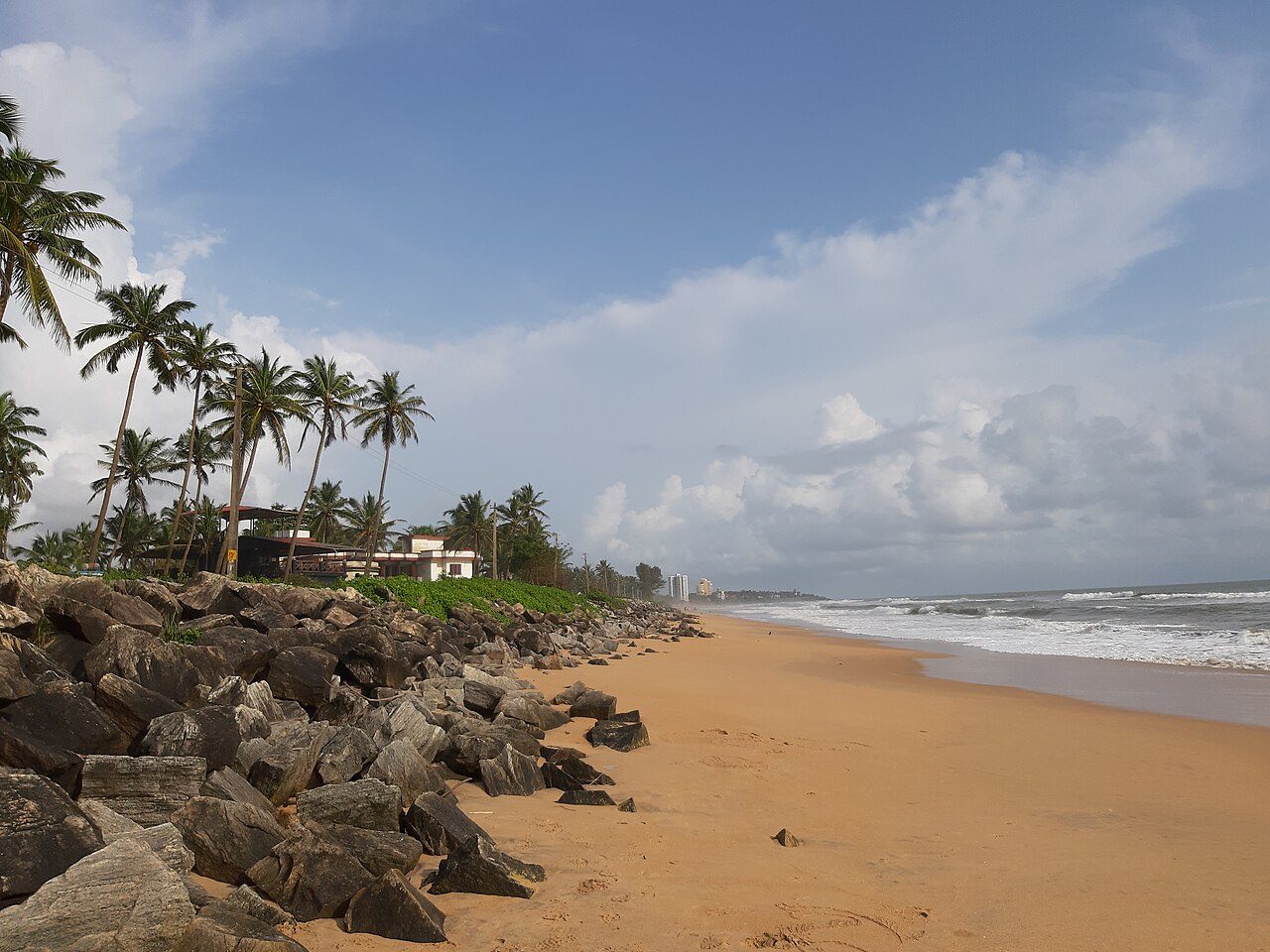
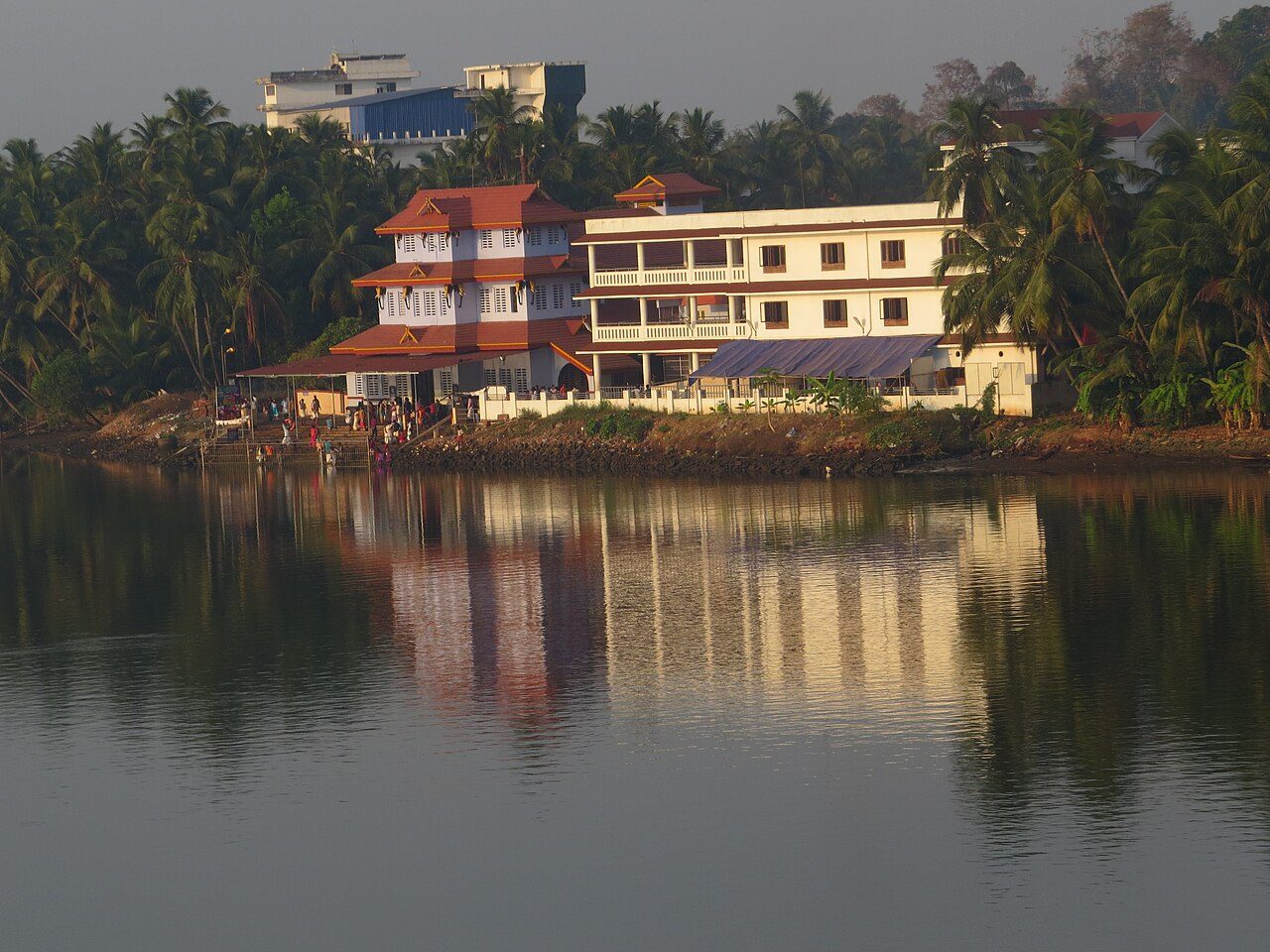
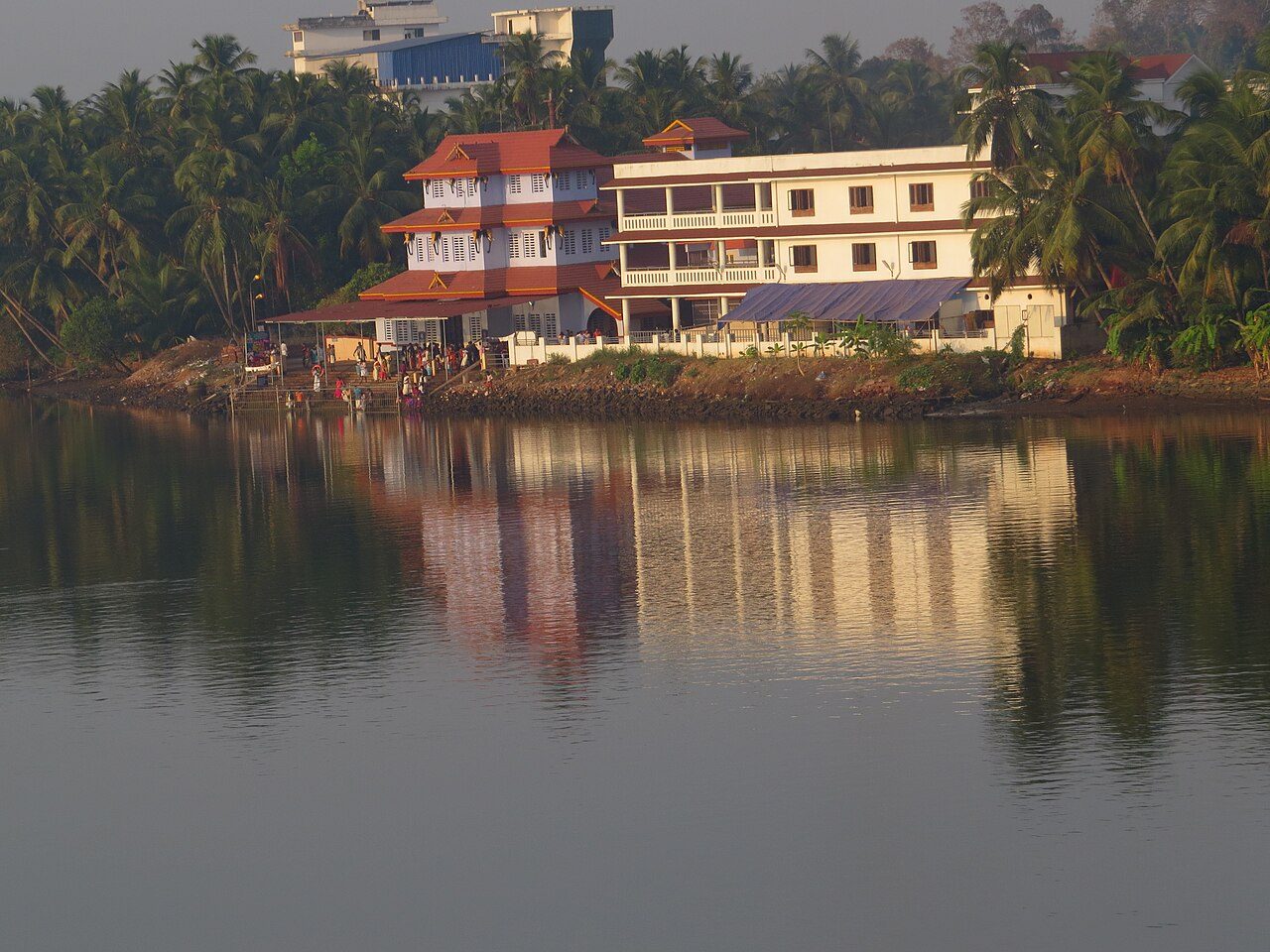
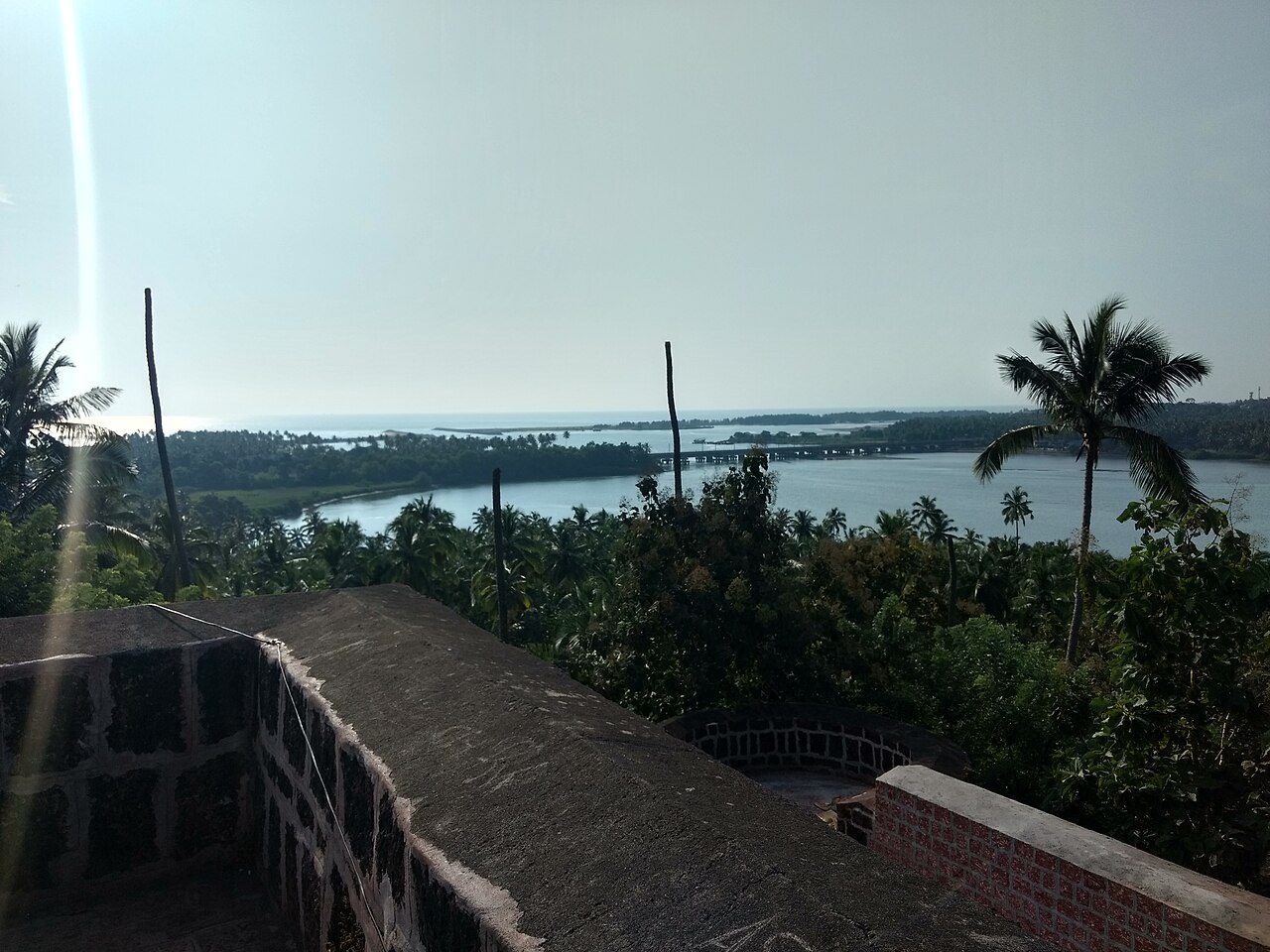
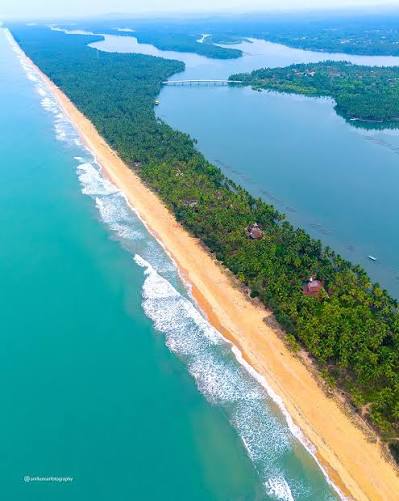
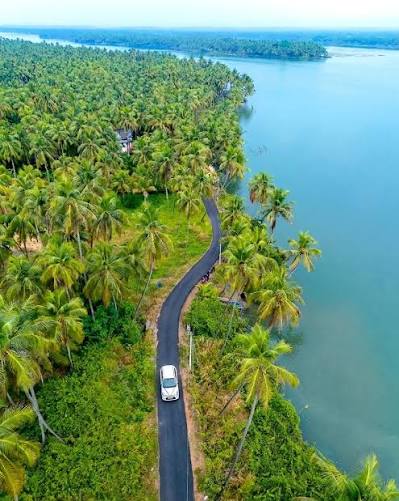
Valiyaparamba is a long, quiet backwater in Kasaragod, fed by four rivers and dotted with small islands. Far fewer boats come here than to Alappuzha, so a houseboat or country-boat ride feels peaceful, past coconut groves, fishing nets and village life. Go in the late afternoon for the softest light.
Hosdurg Fort at Kanhangad was built by Somashekara Nayaka of Ikkeri in the 18th century and is known for its cluster of round bastions, unusual in Kerala. The Nithyanandashram ashram lies close by.
 WaTrips