Munnar & Vagamon Hills: Three Cool Days in Kerala's Tea Country
3 DAYS9 placesby WaTrips
Tea estates, high lakes, a sunrise at Kolukkumalai and the meadows of Vagamon — three days in the hills of Idukki.
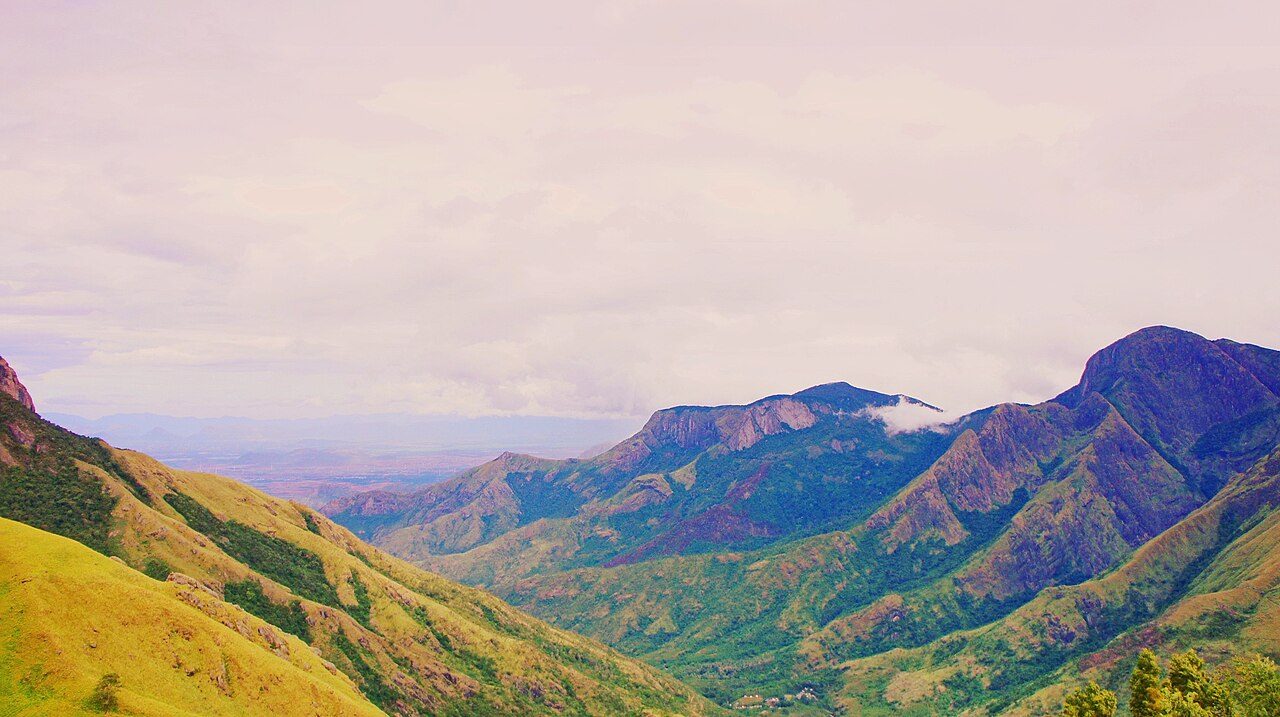
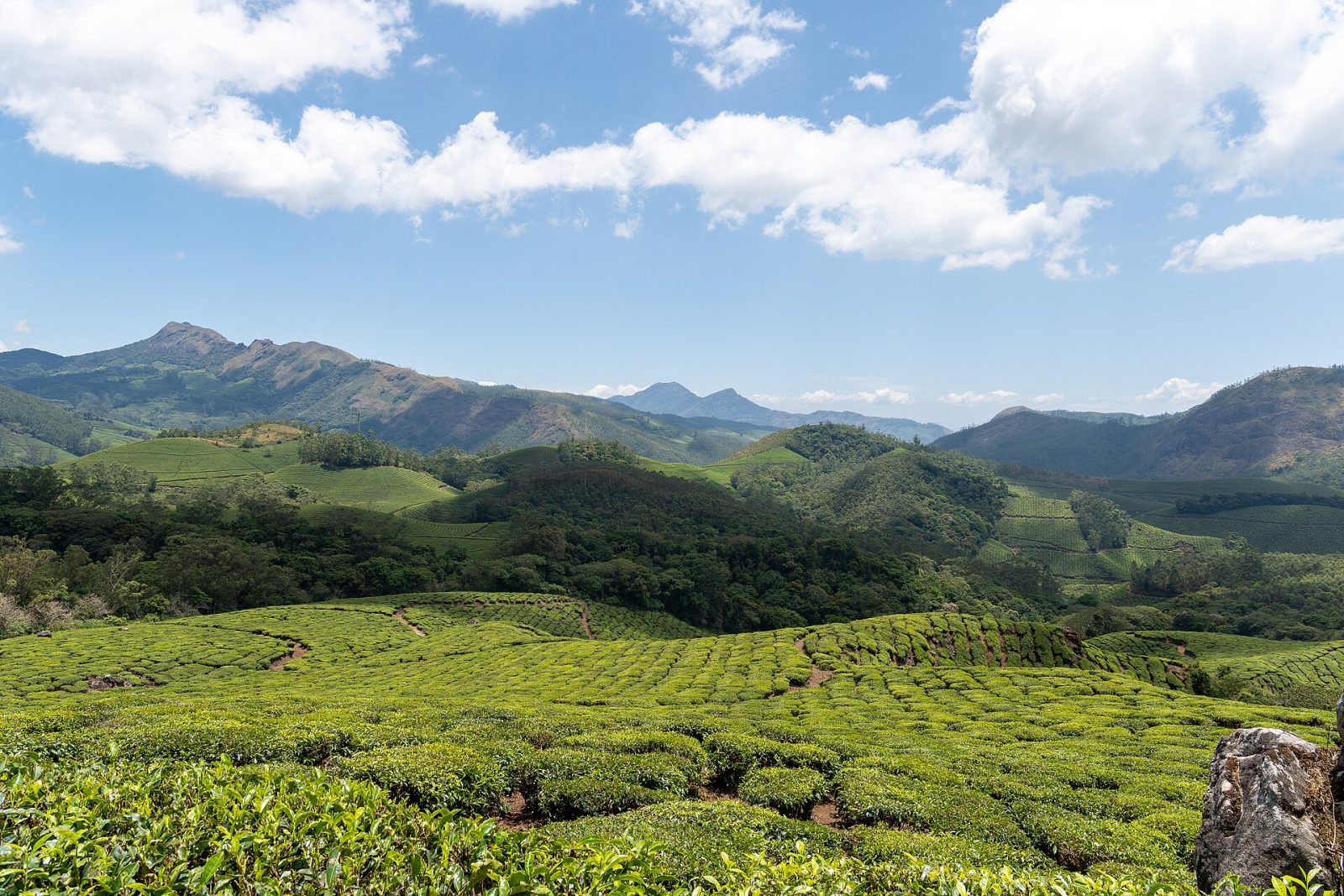
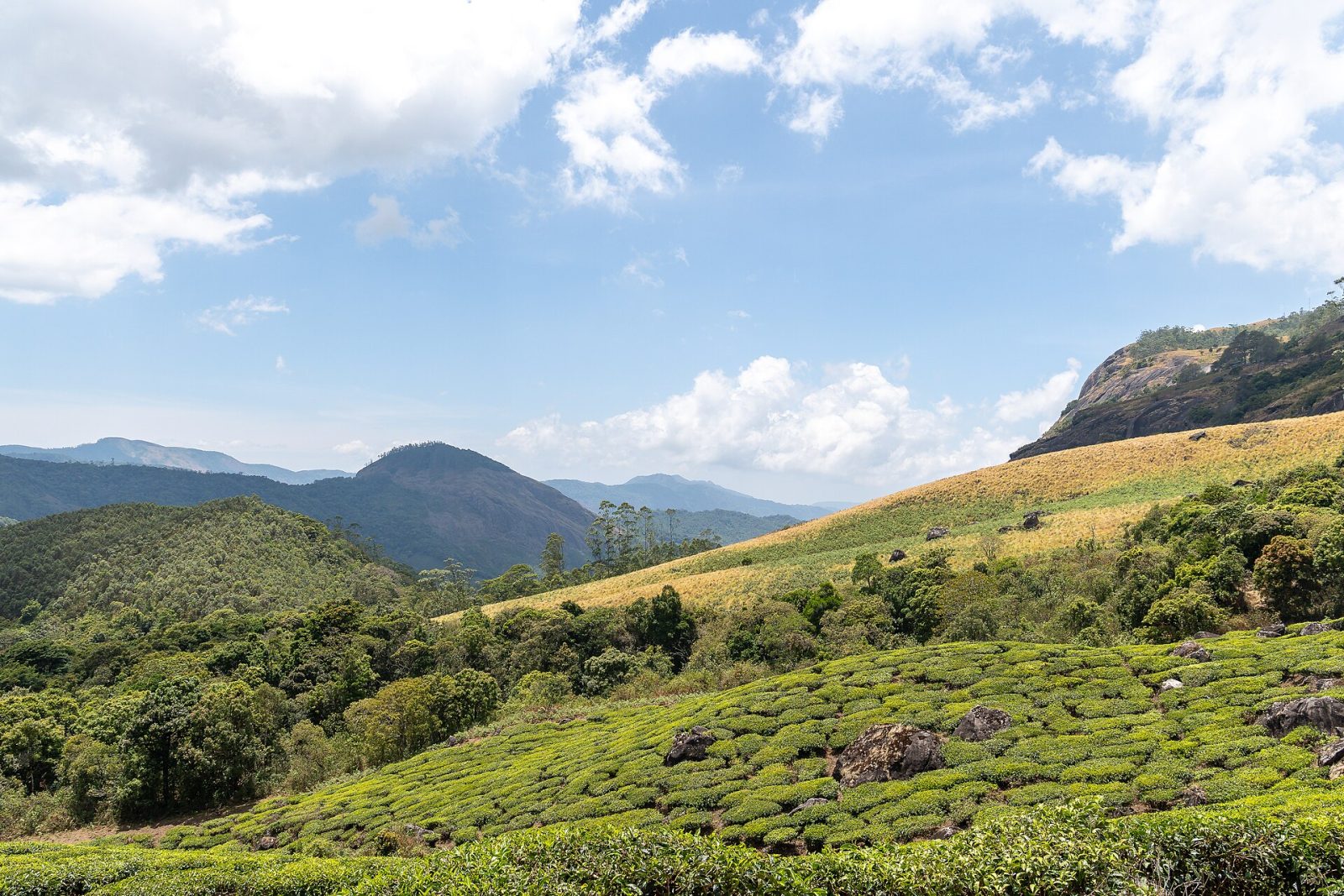
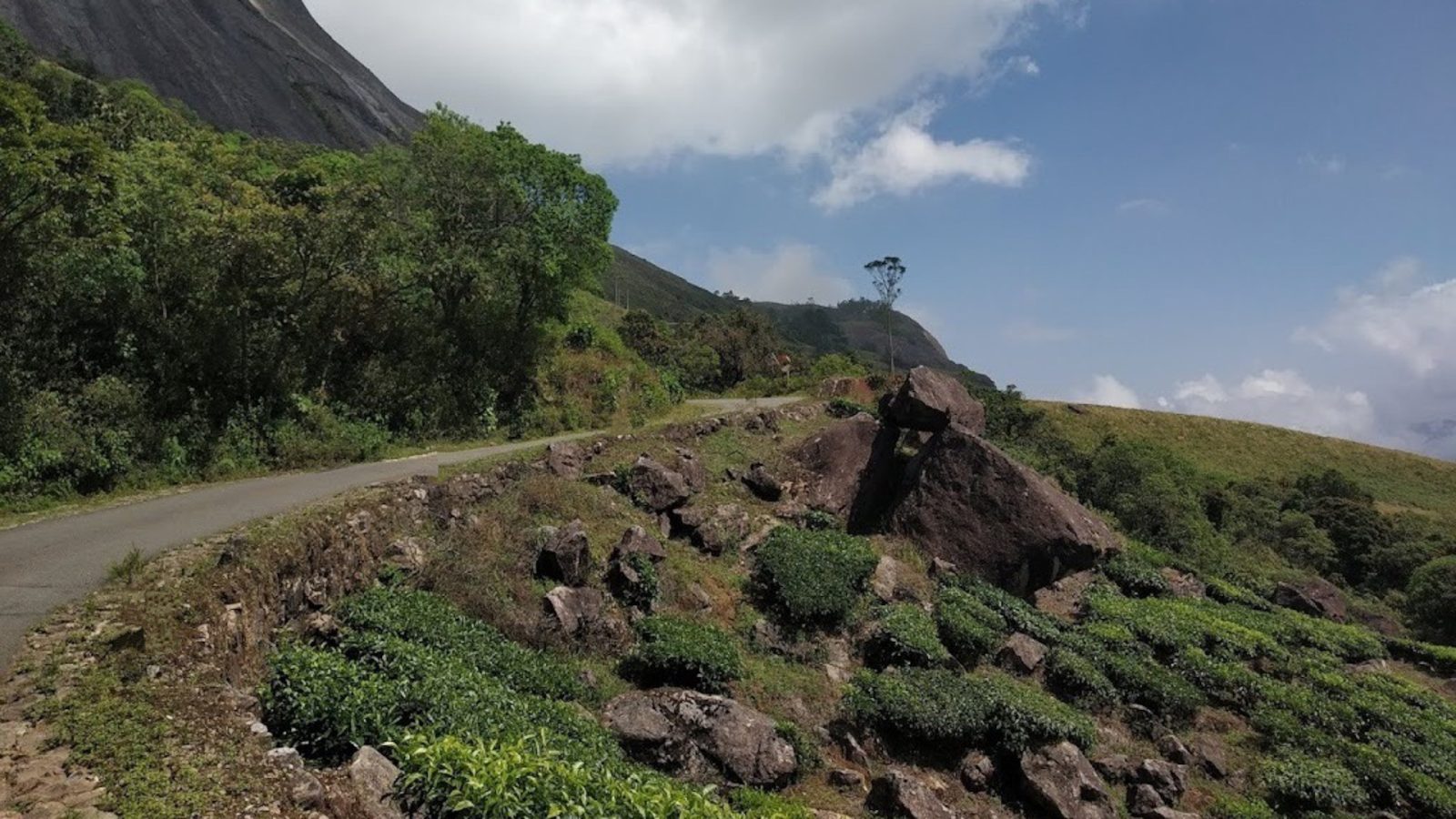
Three days to slow down in the hills. On day one in Munnar, go to Eravikulam National Park for the Nilgiri tahr, learn how tea is made at the Tata Tea Museum, and stop at Mattupetty Dam and Echo Point. Day two starts early: the jeep ride up to Kolukkumalai is worth it for the sunrise over the clouds, then Kundala Lake and Top Station, right on the Tamil Nadu border. On the last day drive south past the Idukki Arch Dam to Vagamon's grass meadows and pine forest. Pack a warm layer, because mornings are cold, and expect fog on the roads after dark. Eravikulam usually closes for a few months around February to March, during the tahr calving season.
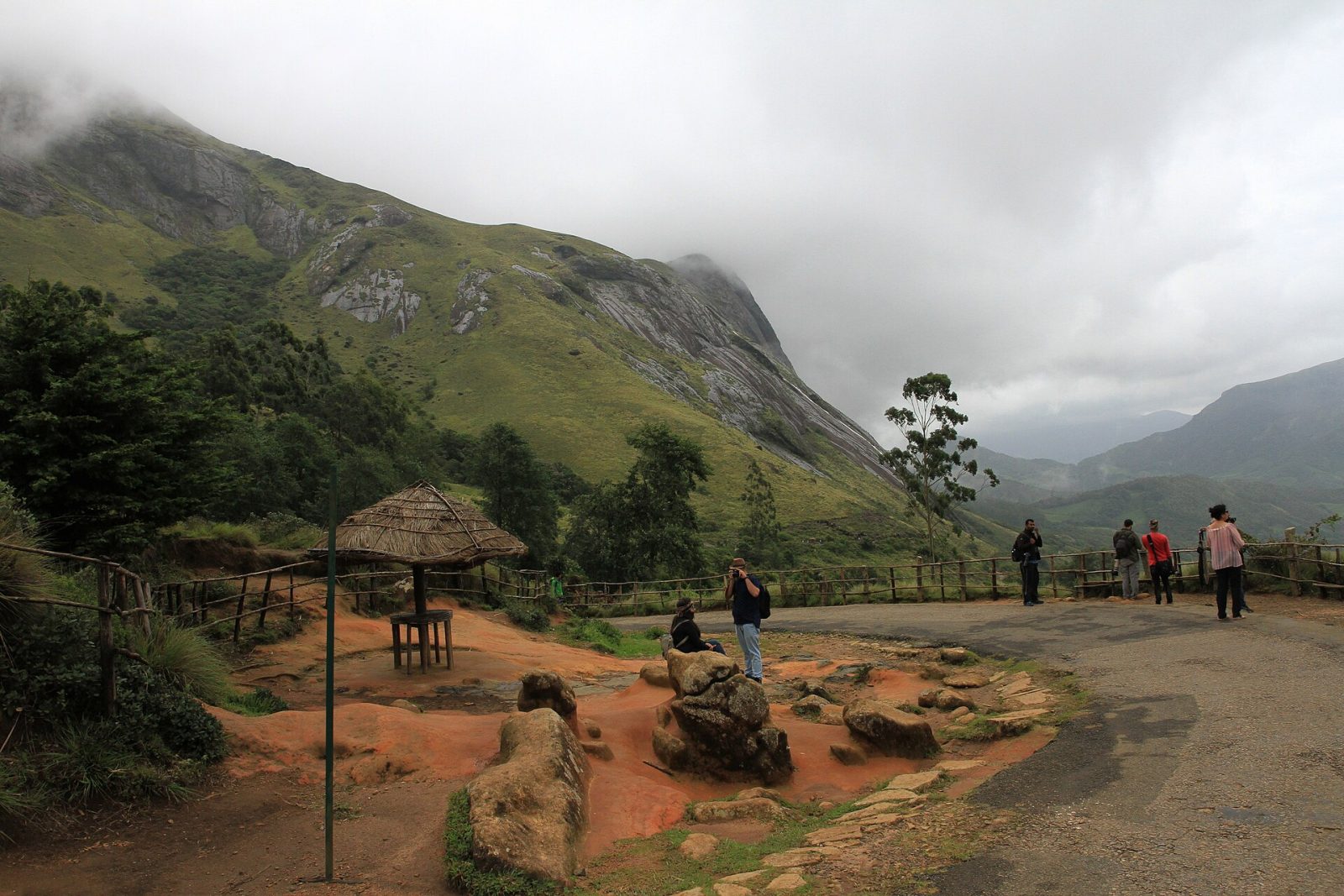
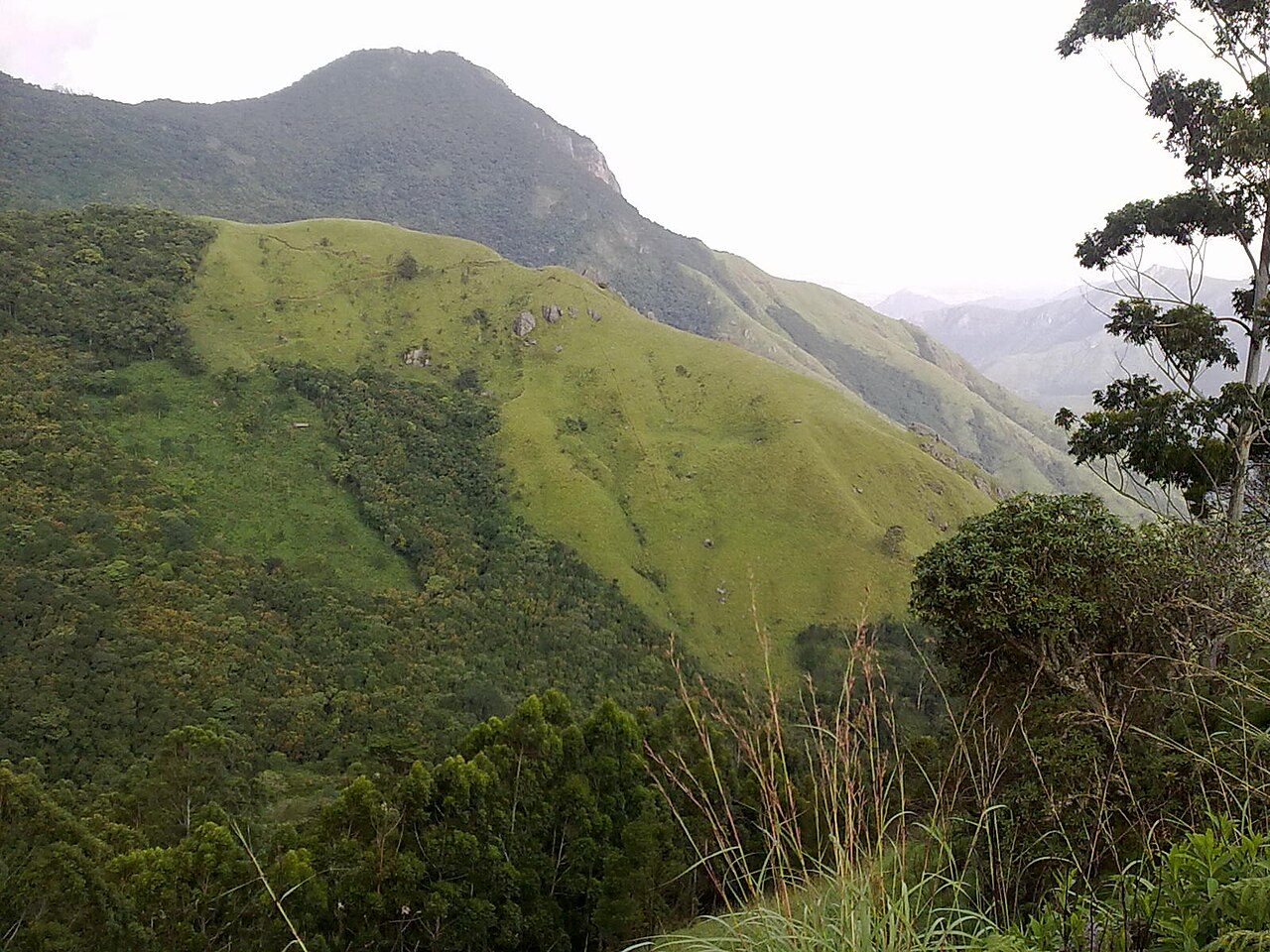
Eravikulam, above Munnar in Idukki district, was Kerala's first national park and protects the largest surviving population of the Nilgiri tahr, a wild mountain goat found nowhere else. The park's rolling grasslands and sheltered shola forests sit at over 2,000 metres, and Anamudi, the highest peak in south India at 2,695 metres, rises inside it. Visitors are taken by bus to the Rajamala area, from where a short walking trail leads among tahr that are used to people and often graze close by. Every twelve years the hillsides turn blue when the neelakurinji flowers bloom together. The park closes for the calving season, roughly February to March, so check before you go.
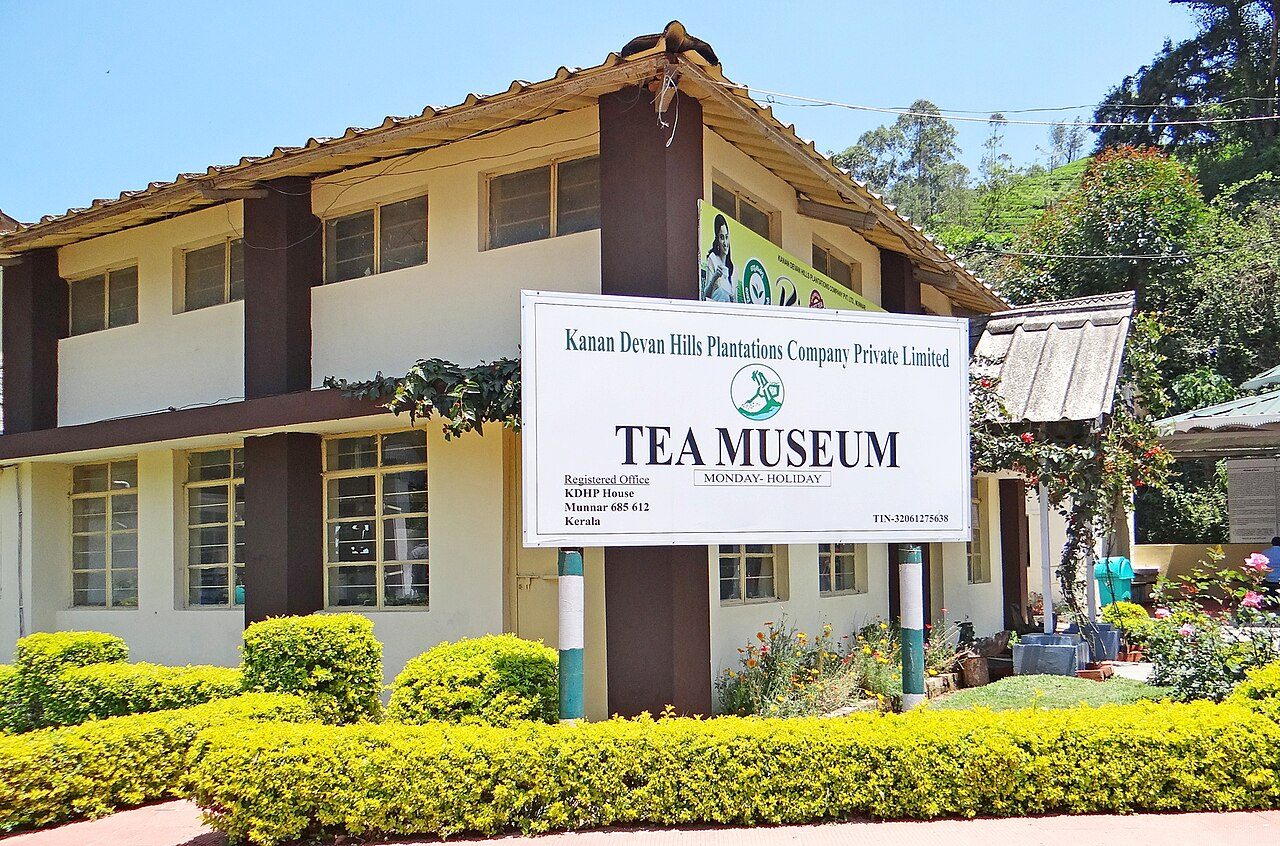
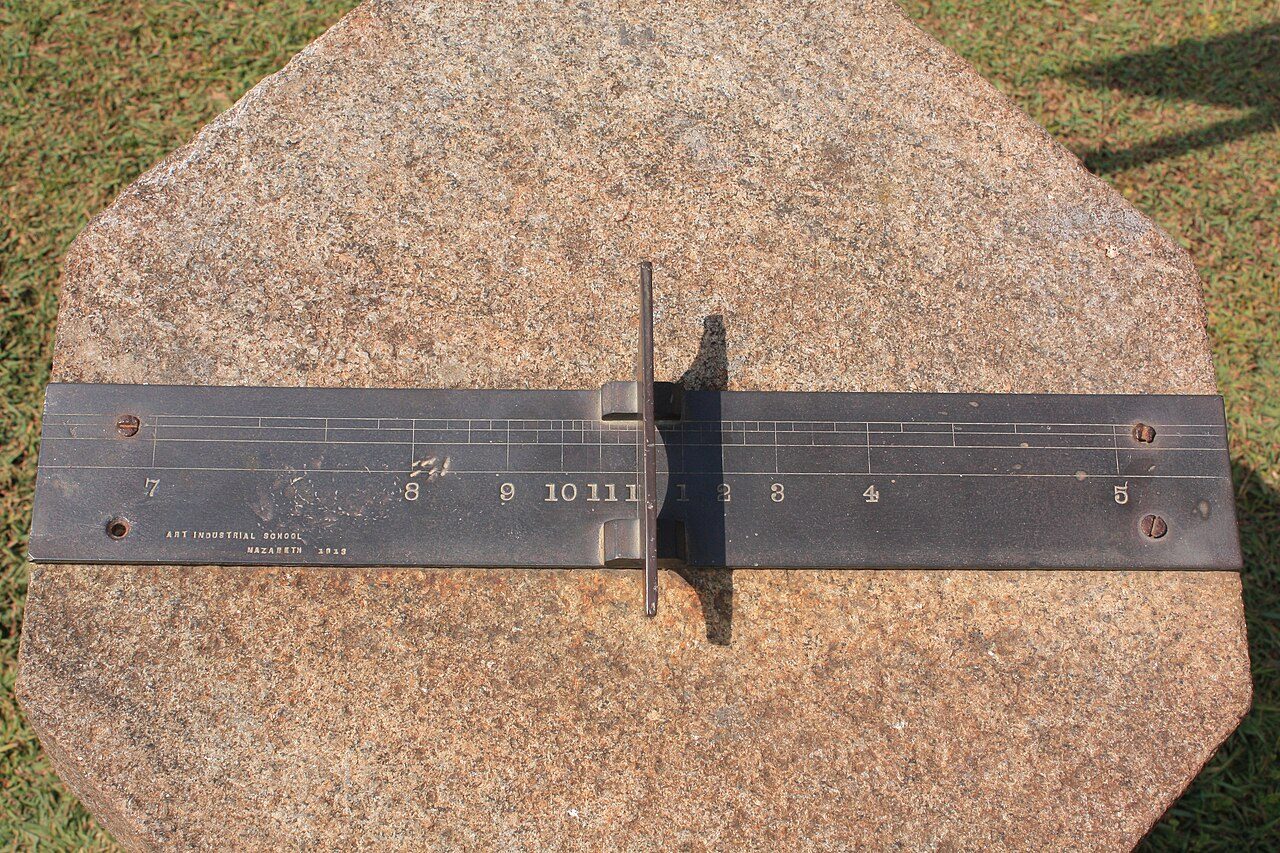
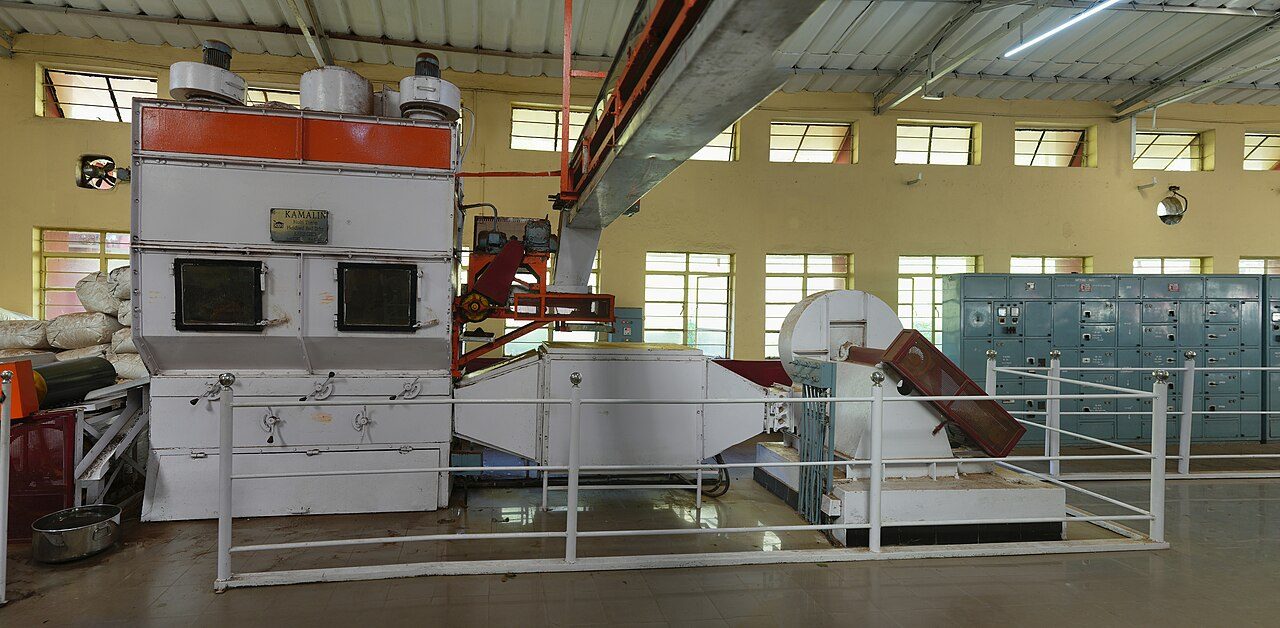
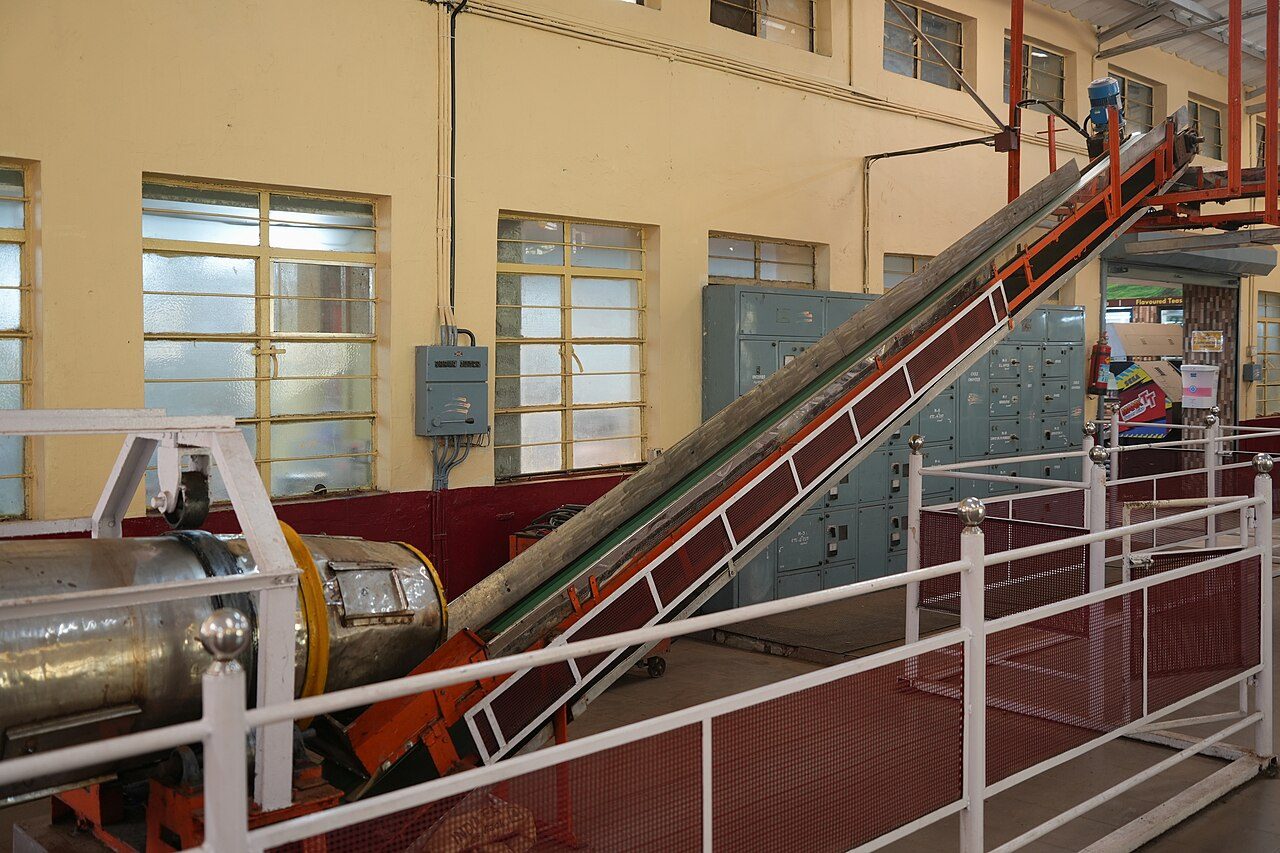
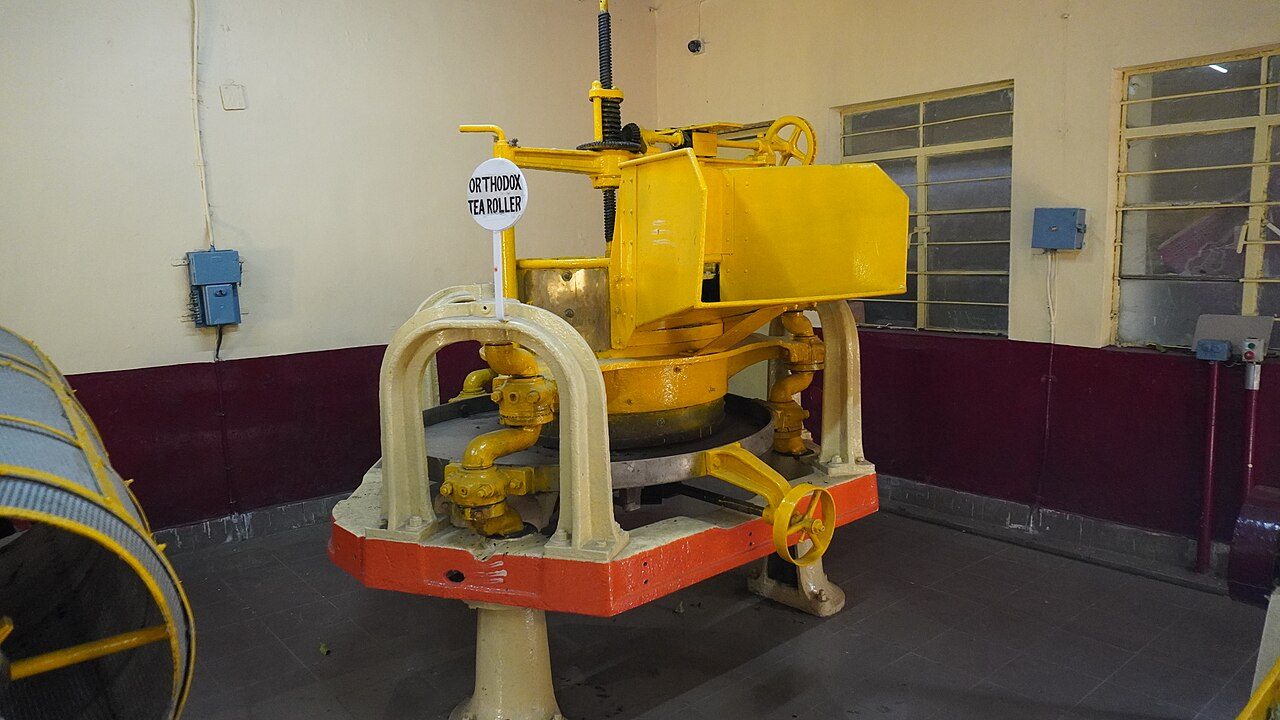
The KDHP Tea Museum at Nallathanni estate, about 2 km from Munnar town, was opened by Tata Tea in 2005 and is the only museum of its kind in India. It traces the story of how tea came to the high ranges from the 1880s, with the original rollers, a 1905 tea-roller, the 1913 sundial from Pettumudi estate and the old Rotorvane, alongside photographs and documents from the planting years. A working miniature factory shows the full CTC process from leaf to cup, ending with a tasting. An orthodox tea manufacturing demonstration runs during the day. The museum is closed on Mondays.
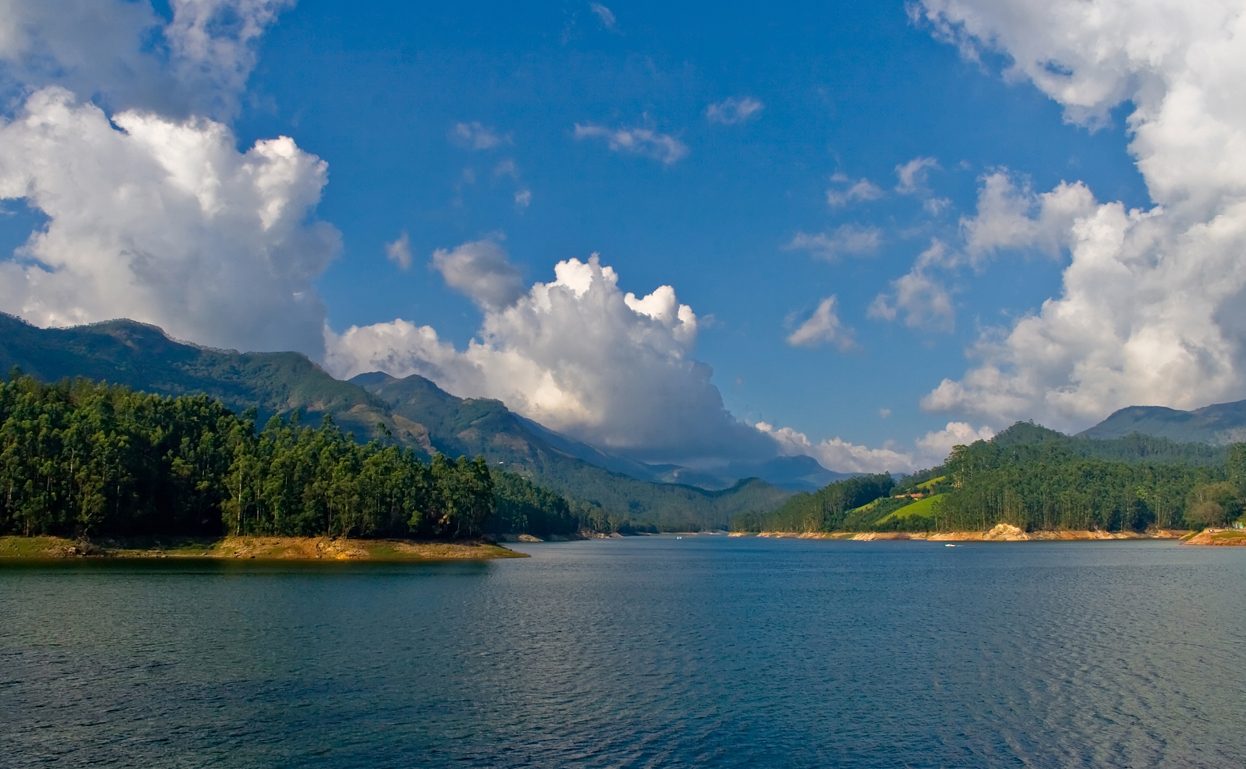
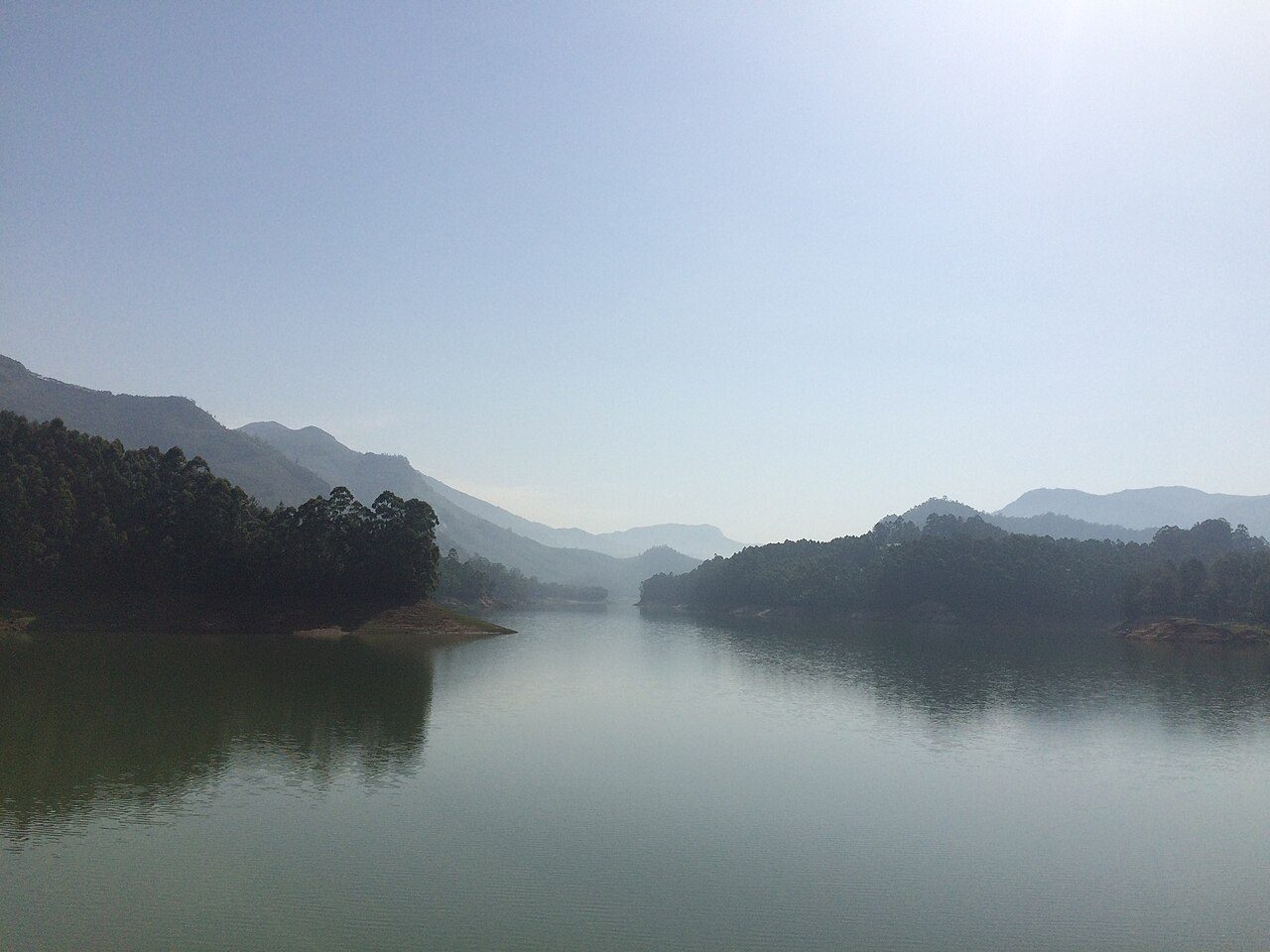
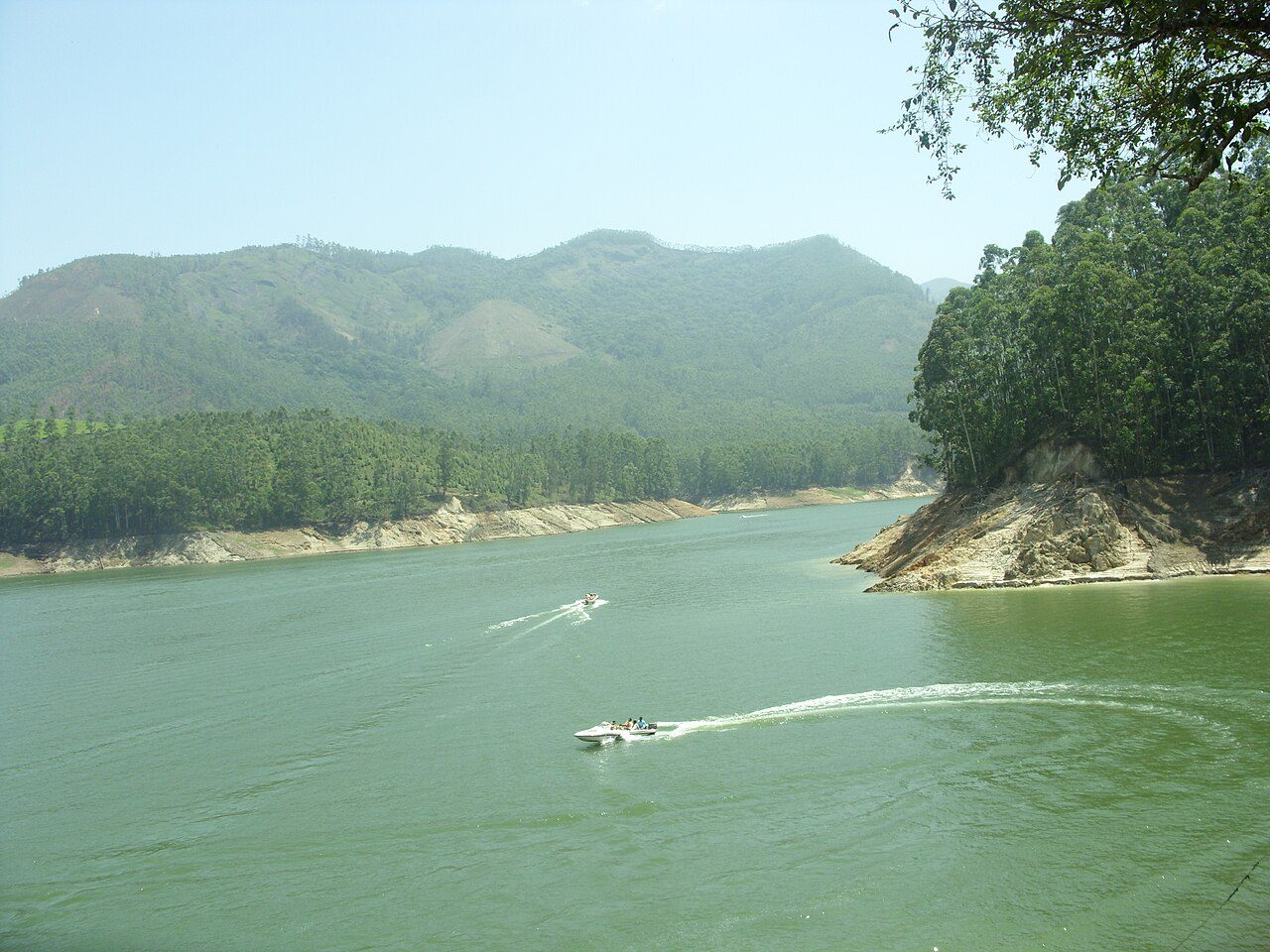
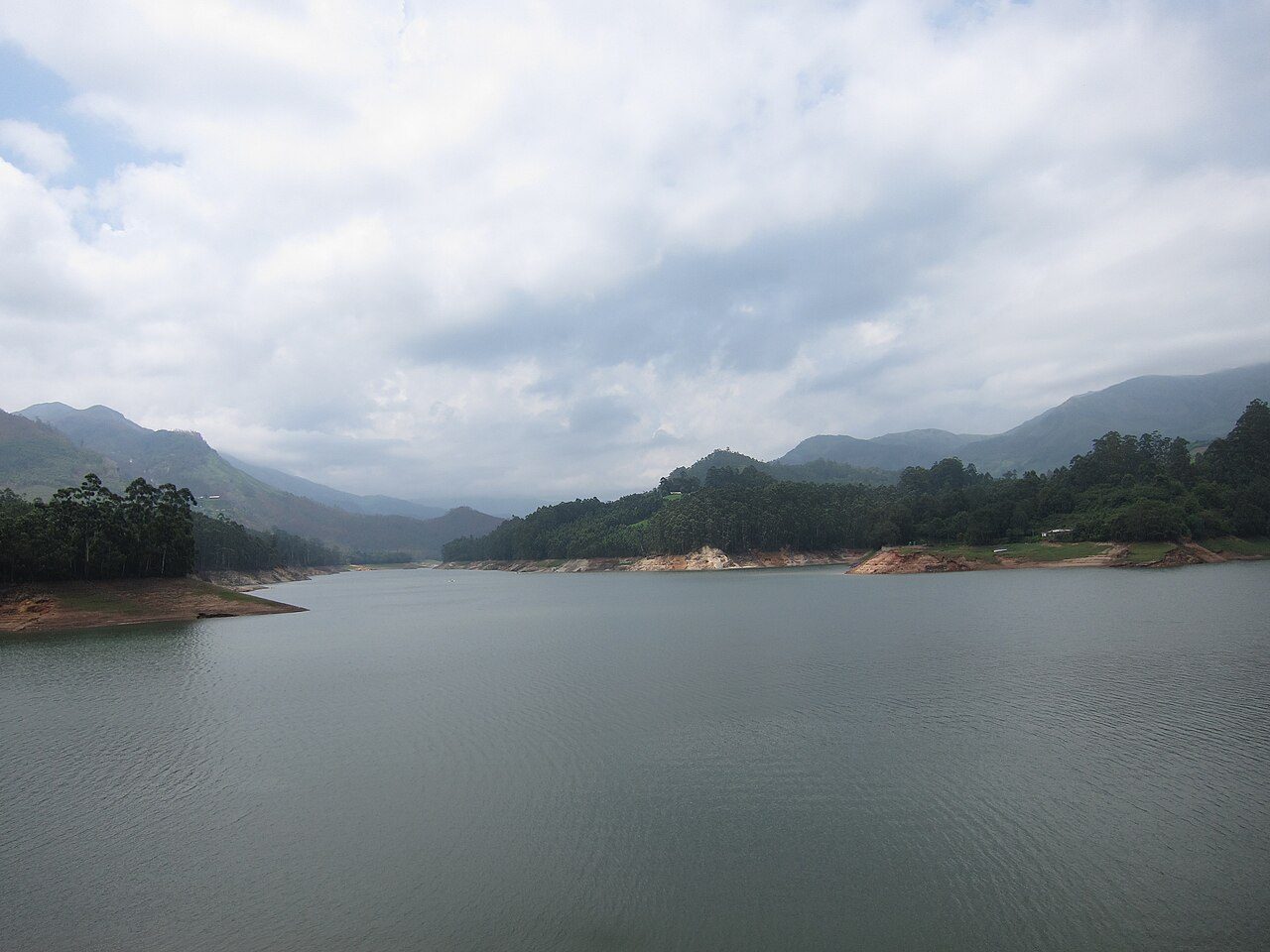
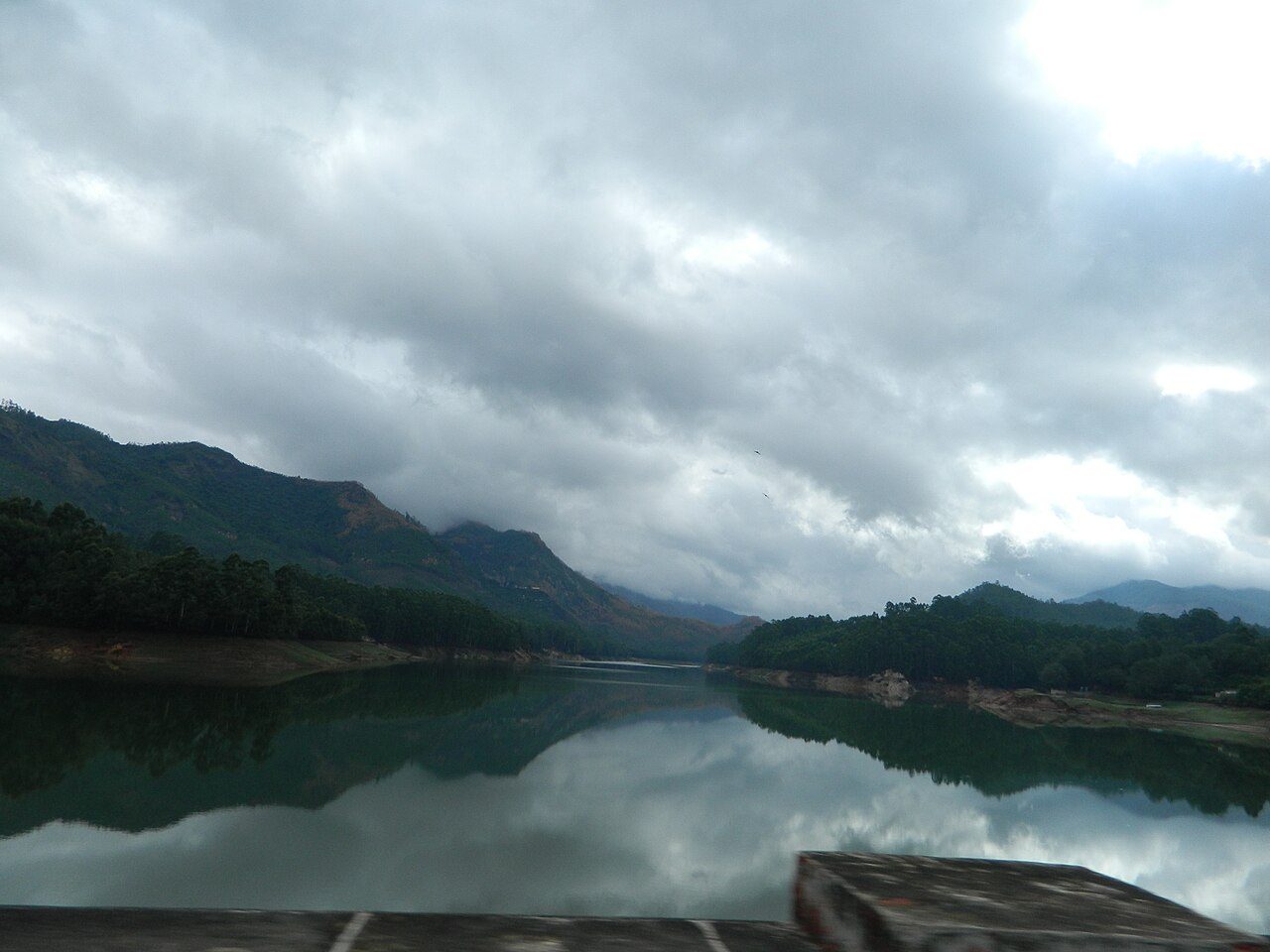
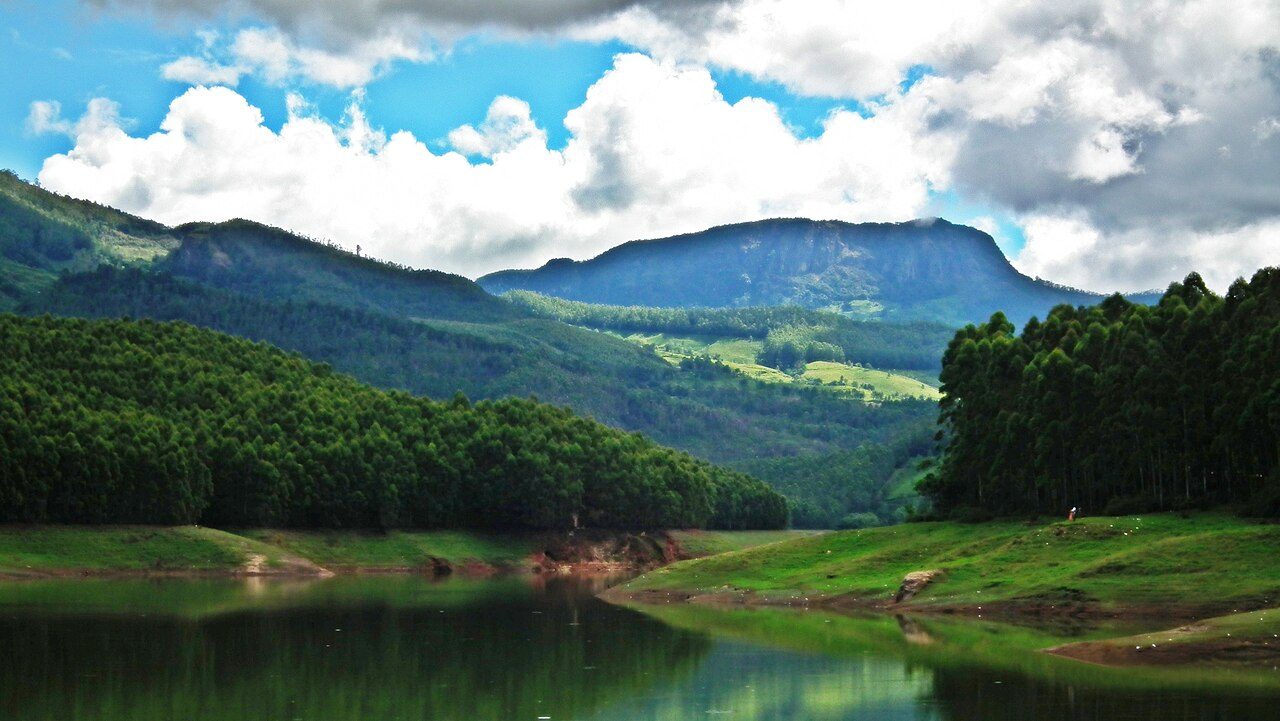
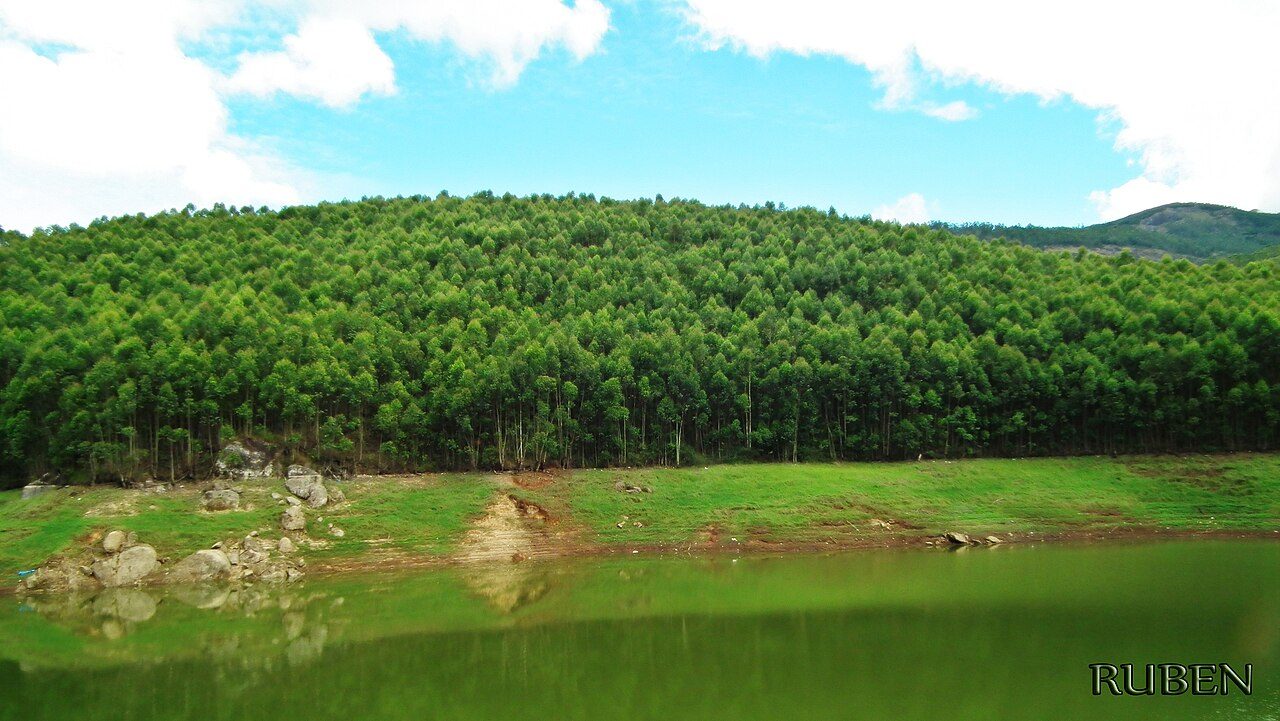
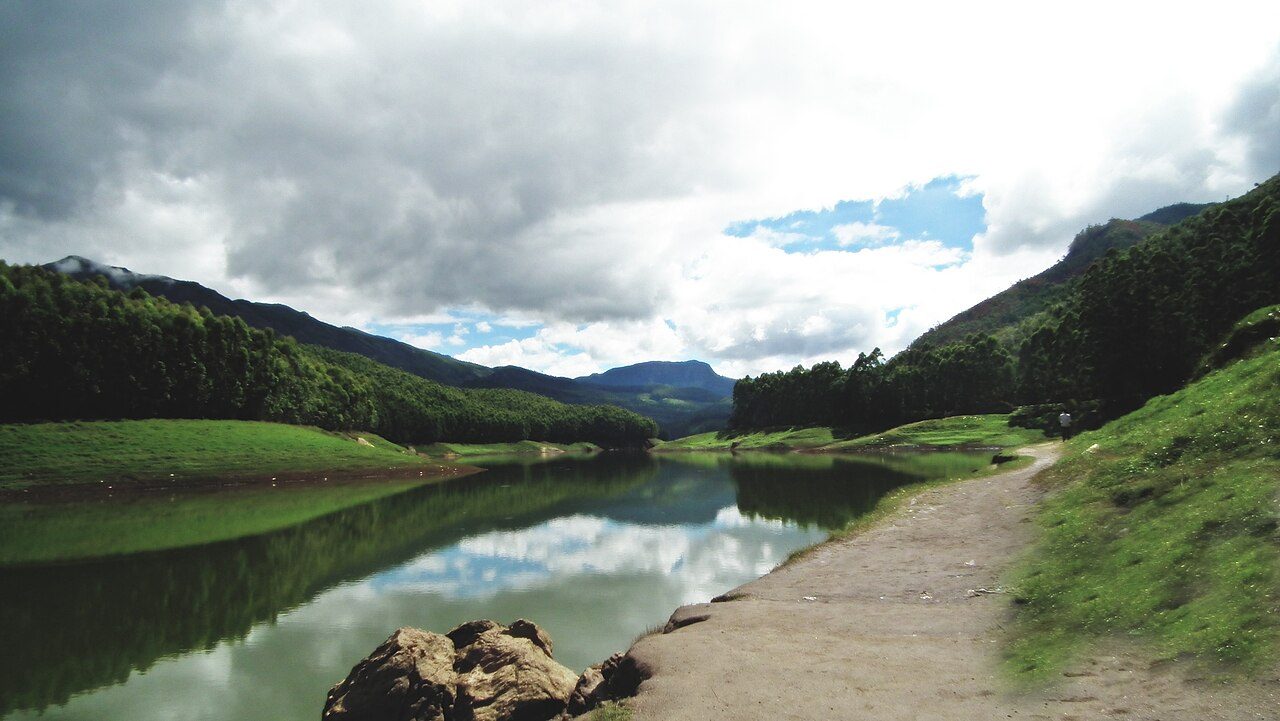
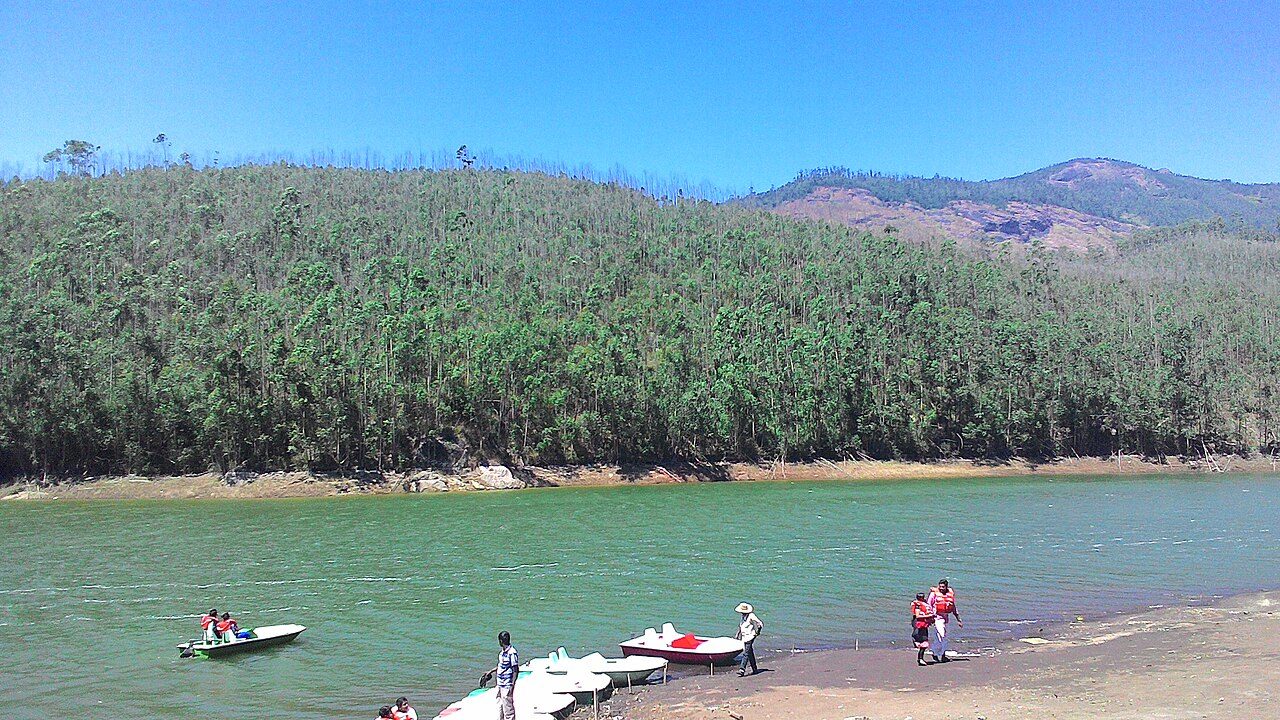
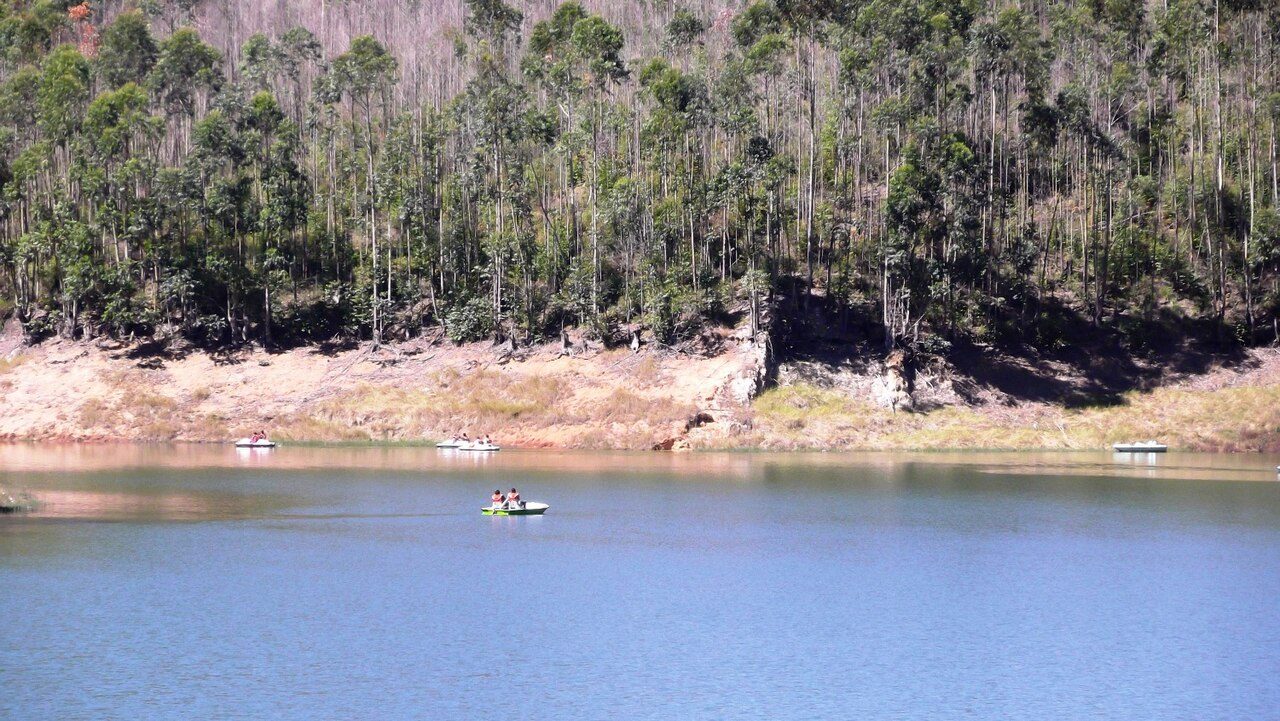
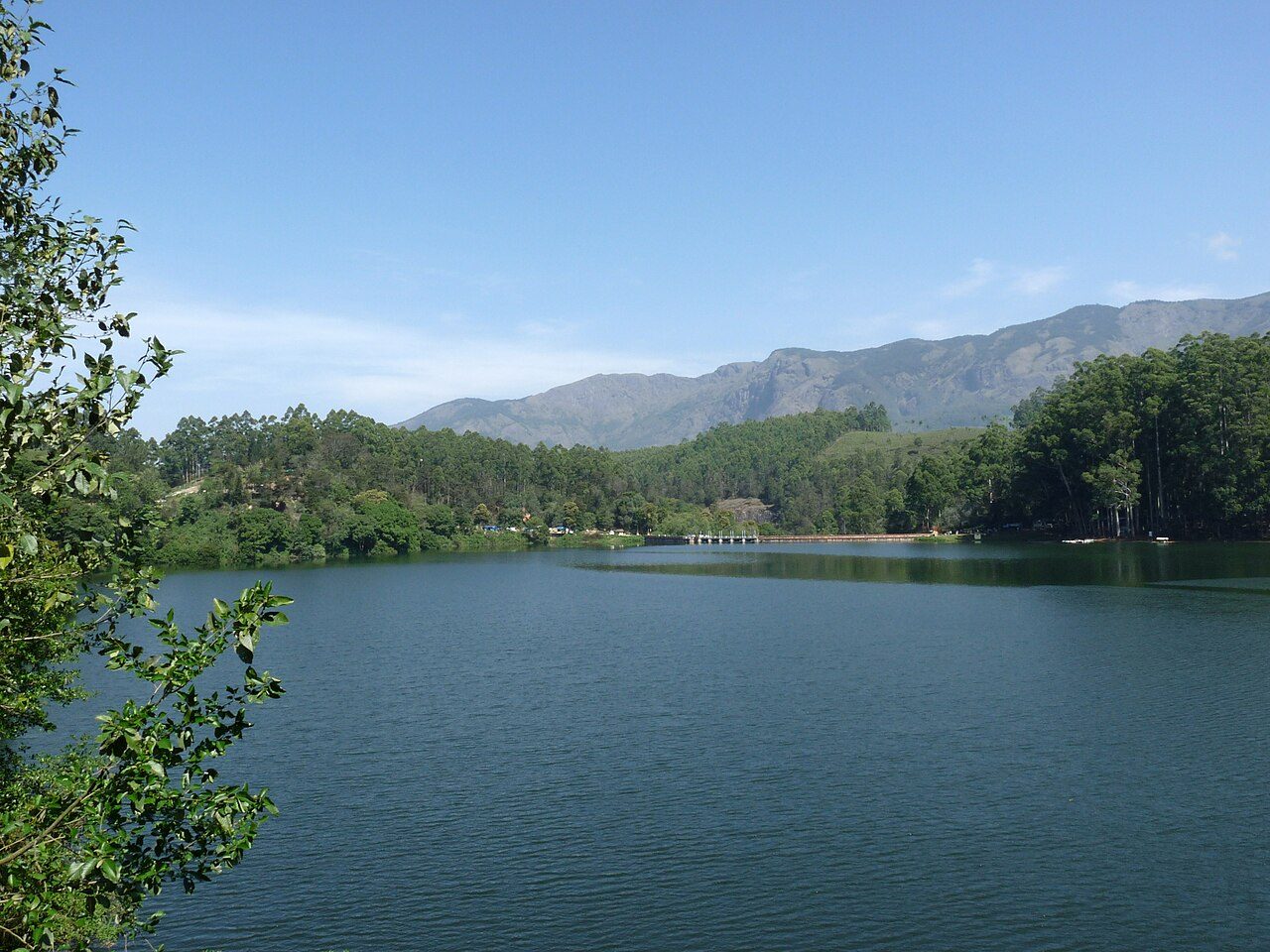
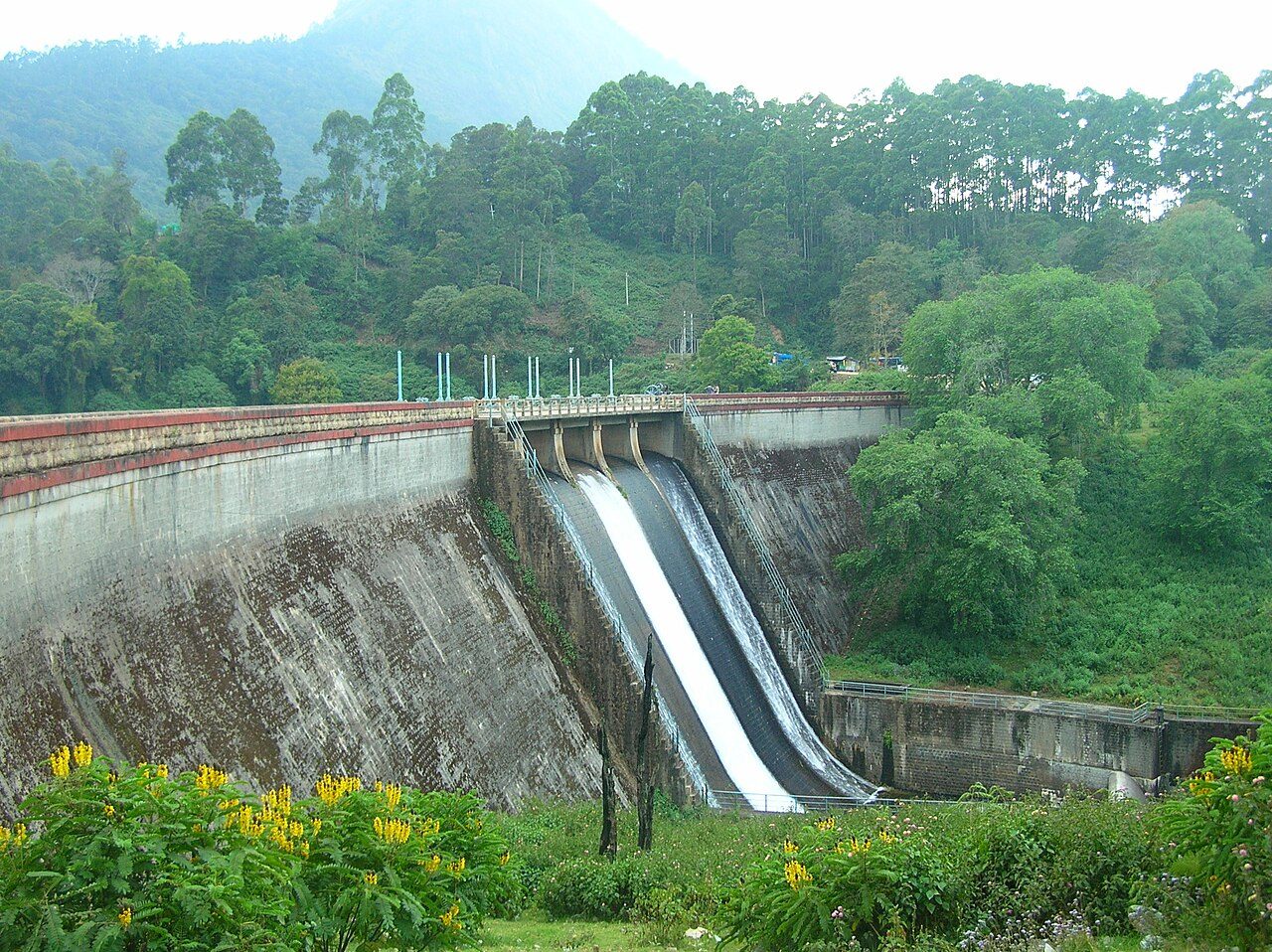
Mattupetty, about 13 km from Munnar at around 1,700 metres, is a concrete gravity dam built in the 1940s to store water for the Pallivasal hydroelectric project. The reservoir sits among tea-covered hills and sholas, and pedal boats and speedboats run on it through the day. Beside the dam is the Indo-Swiss livestock project, a government cattle farm where high-yielding cross-bred cows are raised and visitors can see the dairy at set hours. The stretch of road between Munnar and Mattupetty, past Photo Point, is one of the most photographed in Kerala. Early morning here is often misty and cold enough to need a jacket even in summer.
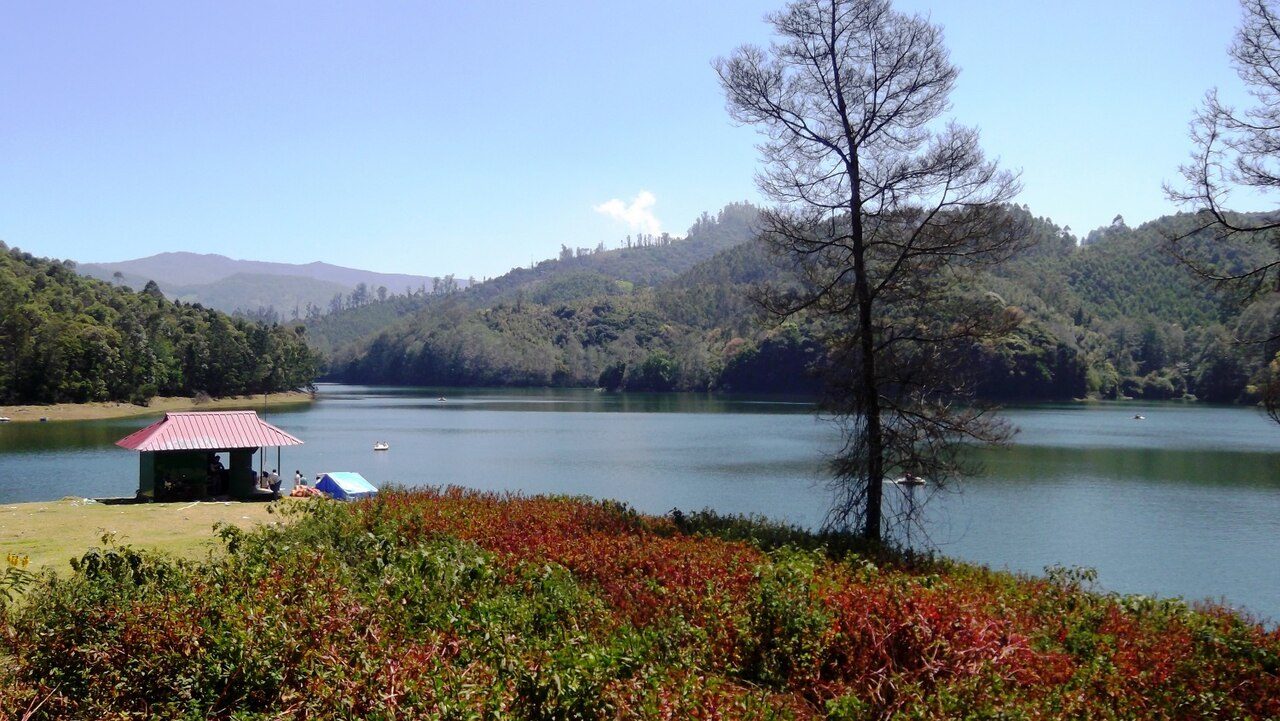
Echo Point is a curve in the road between Mattupetty and Top Station, about 15 km from Munnar, where the hills across the lake throw back a clear echo when you call across the water. It sits at around 600 metres above Munnar in the middle of the Kannan Devan hills, with tea slopes running down to the waterline. Boating is available on the lake and small stalls sell tea, corn and carrot from the hill farms. It is on the route to Top Station, so most visitors stop here on the way. The Neelakurinji, which flowers once in twelve years, covers these slopes when it blooms.
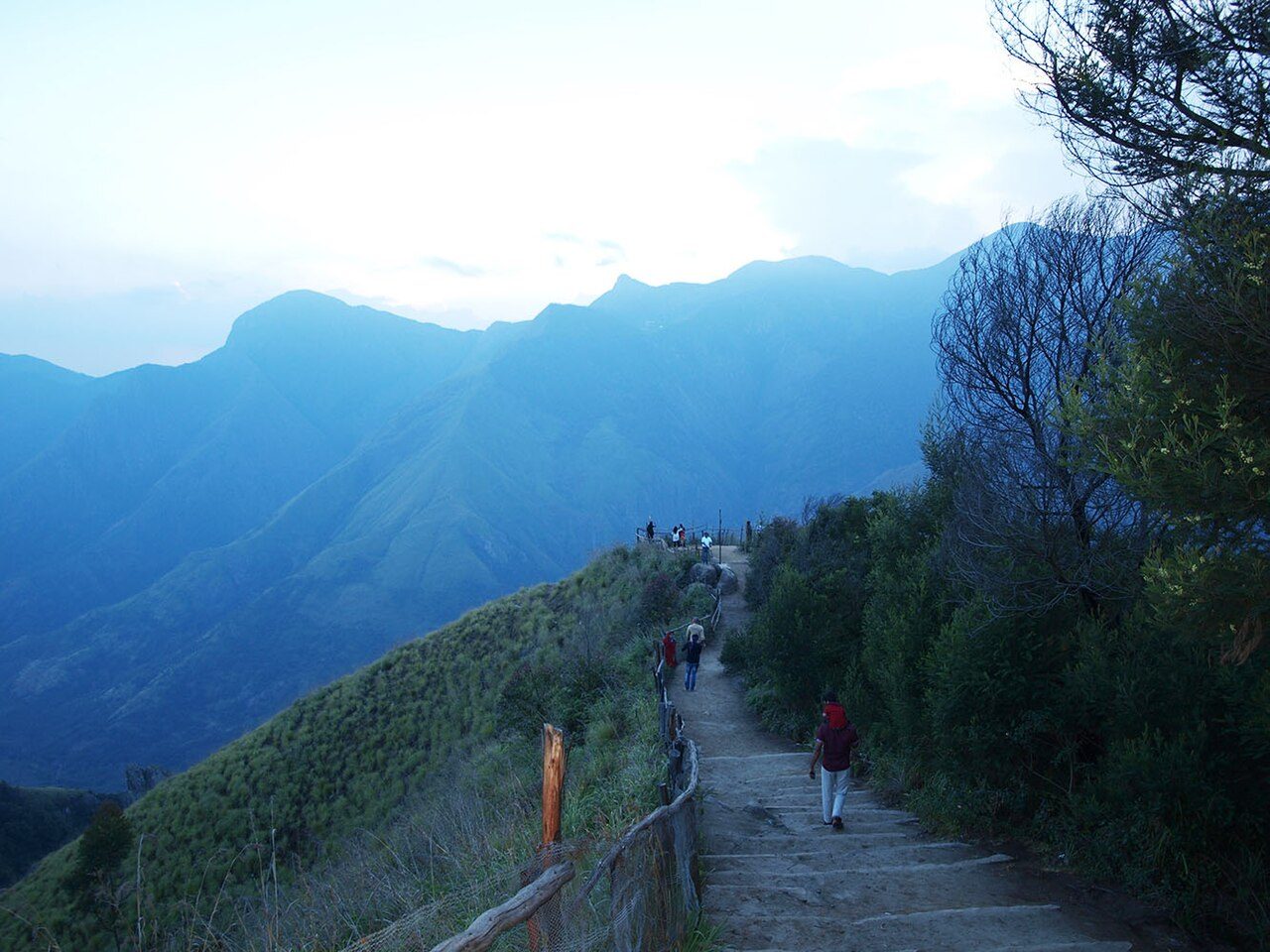
At about 1,880 metres on the Kerala-Tamil Nadu border, Top Station is the highest point on the Munnar-Kodaikanal road and looks down over the Theni plains of Tamil Nadu. It got its name from the ropeway station built here in 1902, the top of a three-stage aerial and rail link that carried tea from the Kannan Devan hills down to Bodinayakanur. Early morning is the time to come, when cloud fills the valley below and then lifts. The surrounding slopes are one of the best known habitats of the Neelakurinji, which last flowered in 2018. It is about 32 km from Munnar and the last stretch of road is steep.
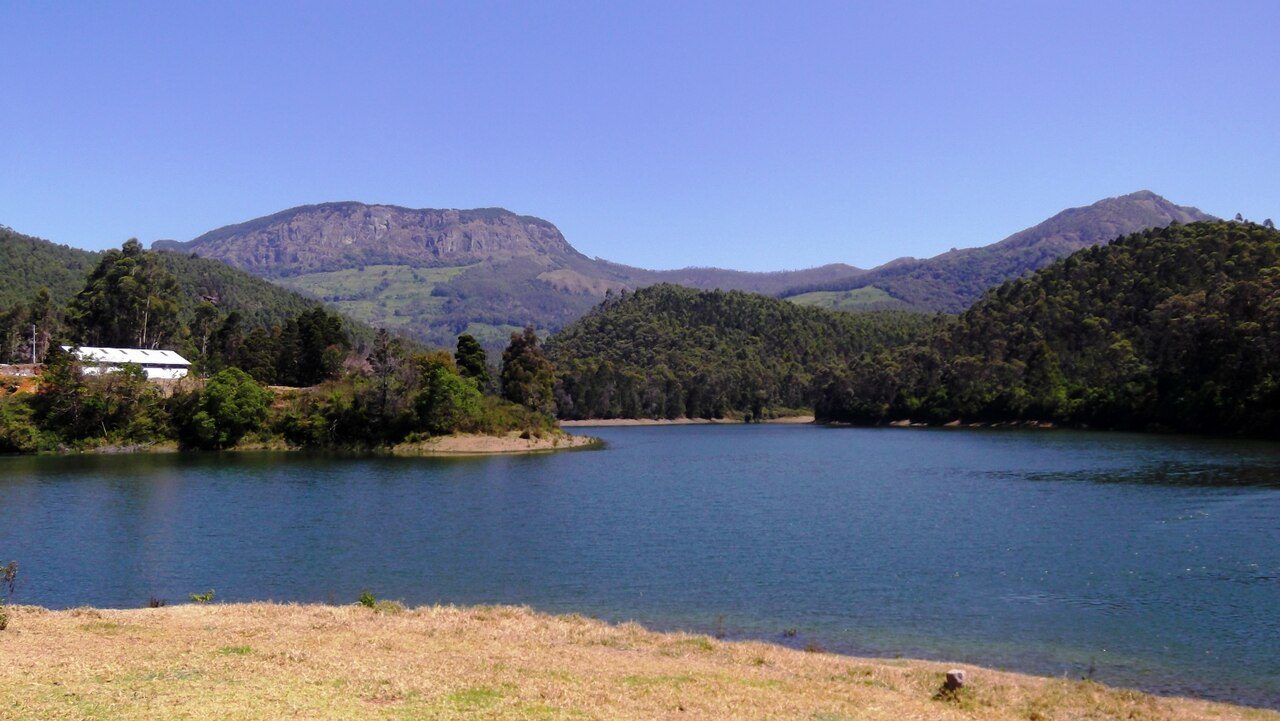
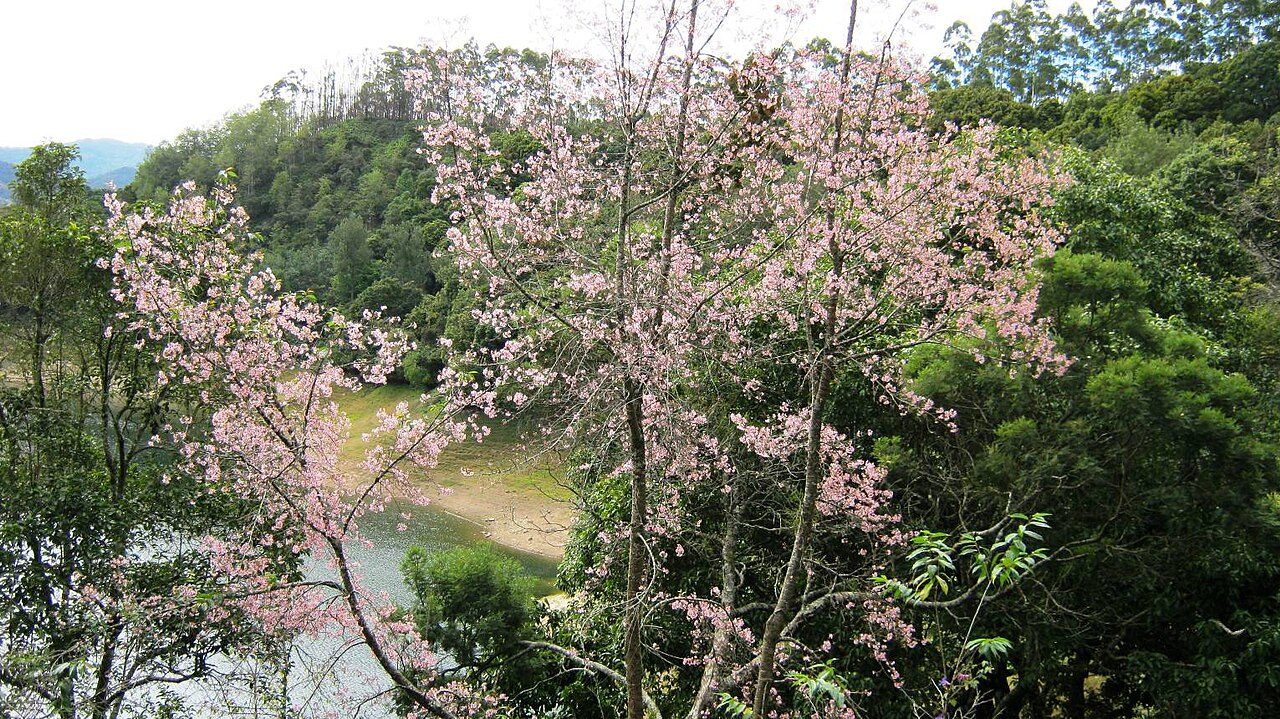
Kundala is an artificial lake formed by the Sethuparvathipuram dam, said to be the first arch dam in Asia, built to serve the Pallivasal power station. It lies at about 1,700 metres on the road from Munnar to Top Station, ringed by tea estates and shola patches. Pedal boats and the Kashmiri-style shikara are available on the water. In spring the Japanese cherry trees planted around the lake flower, and the Neelakurinji blooms on the slopes in its twelve-year cycle. A small golf course belonging to the tea company sits nearby.
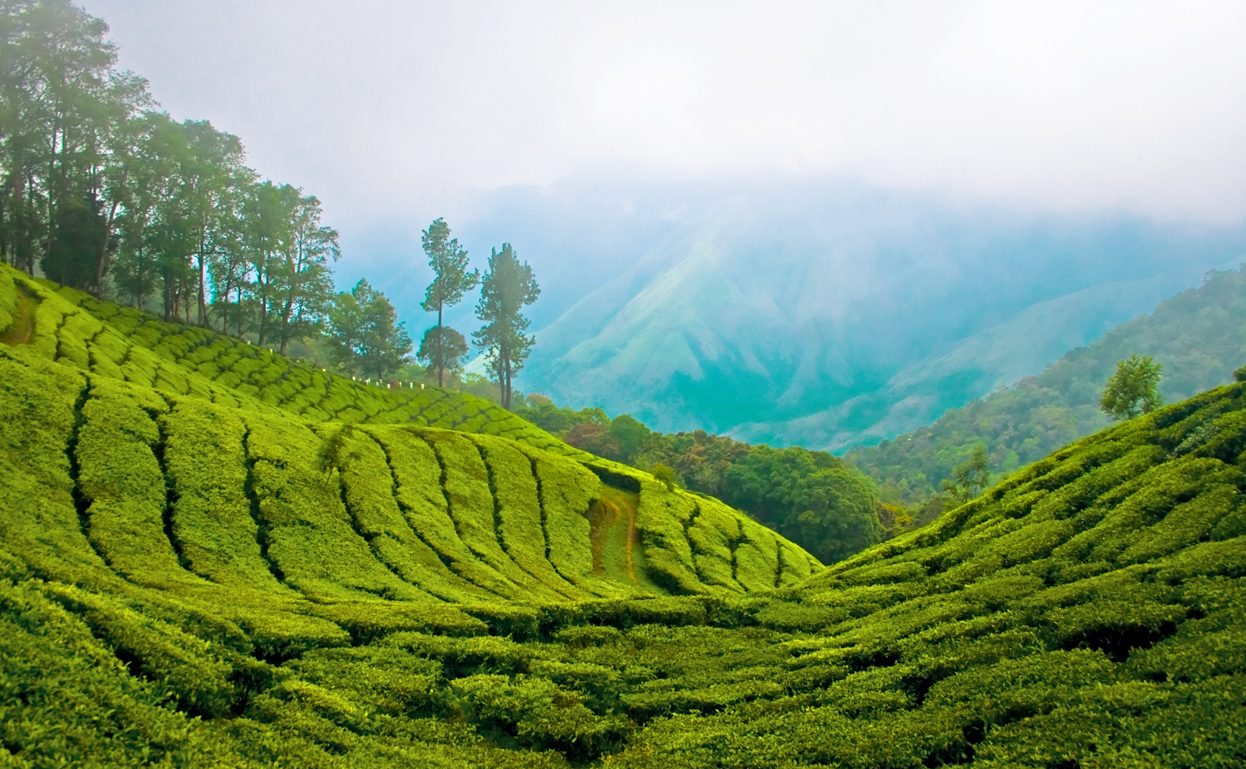
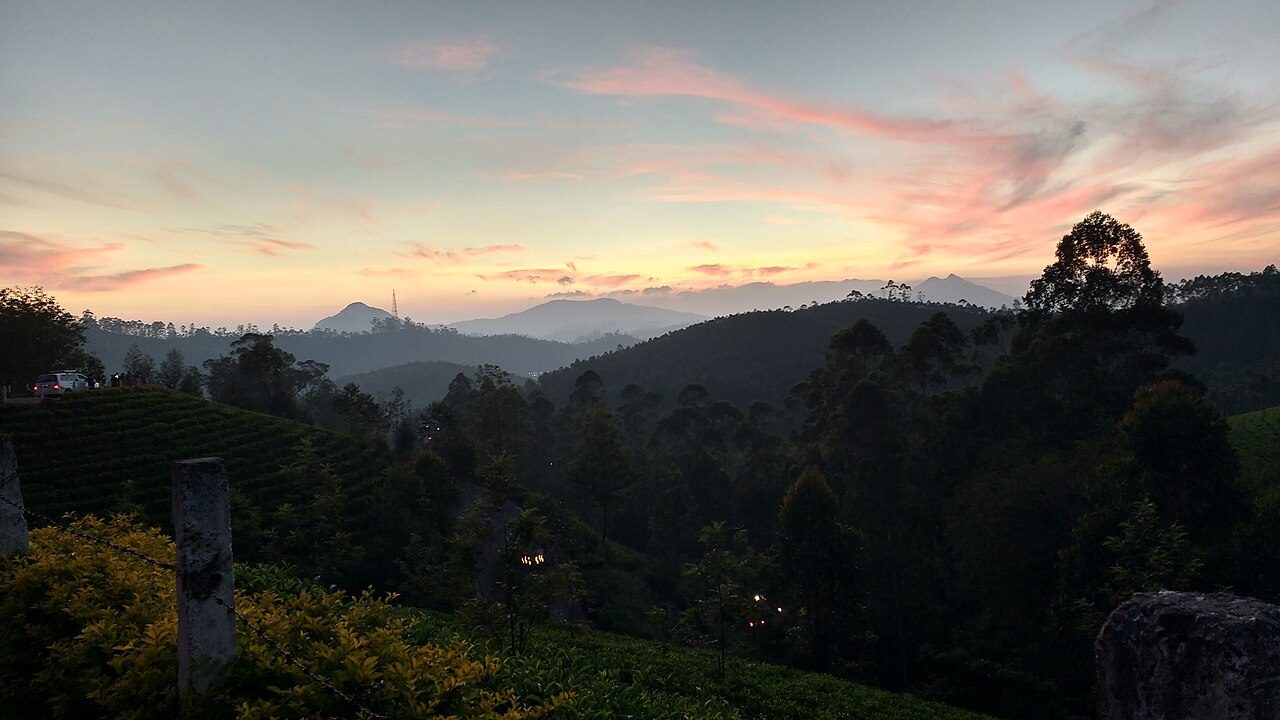
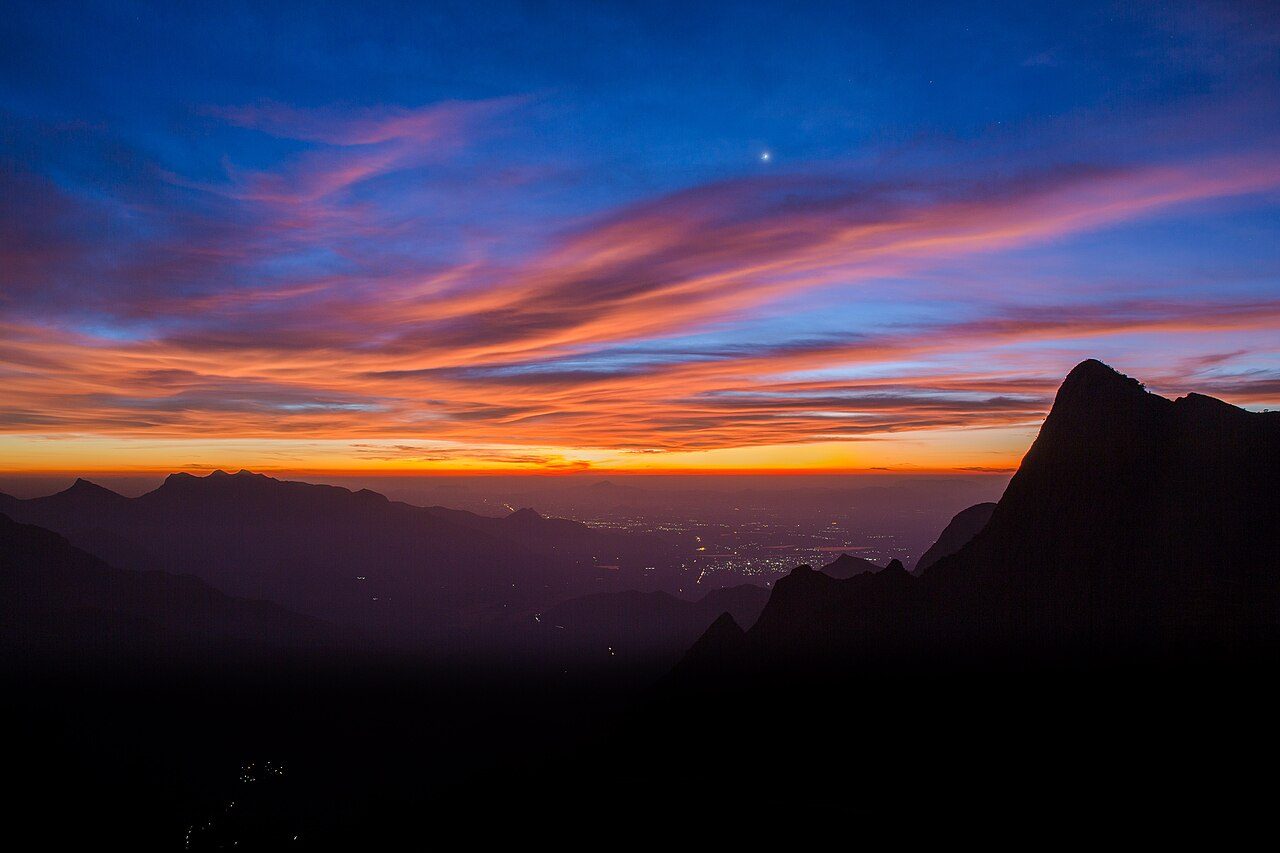
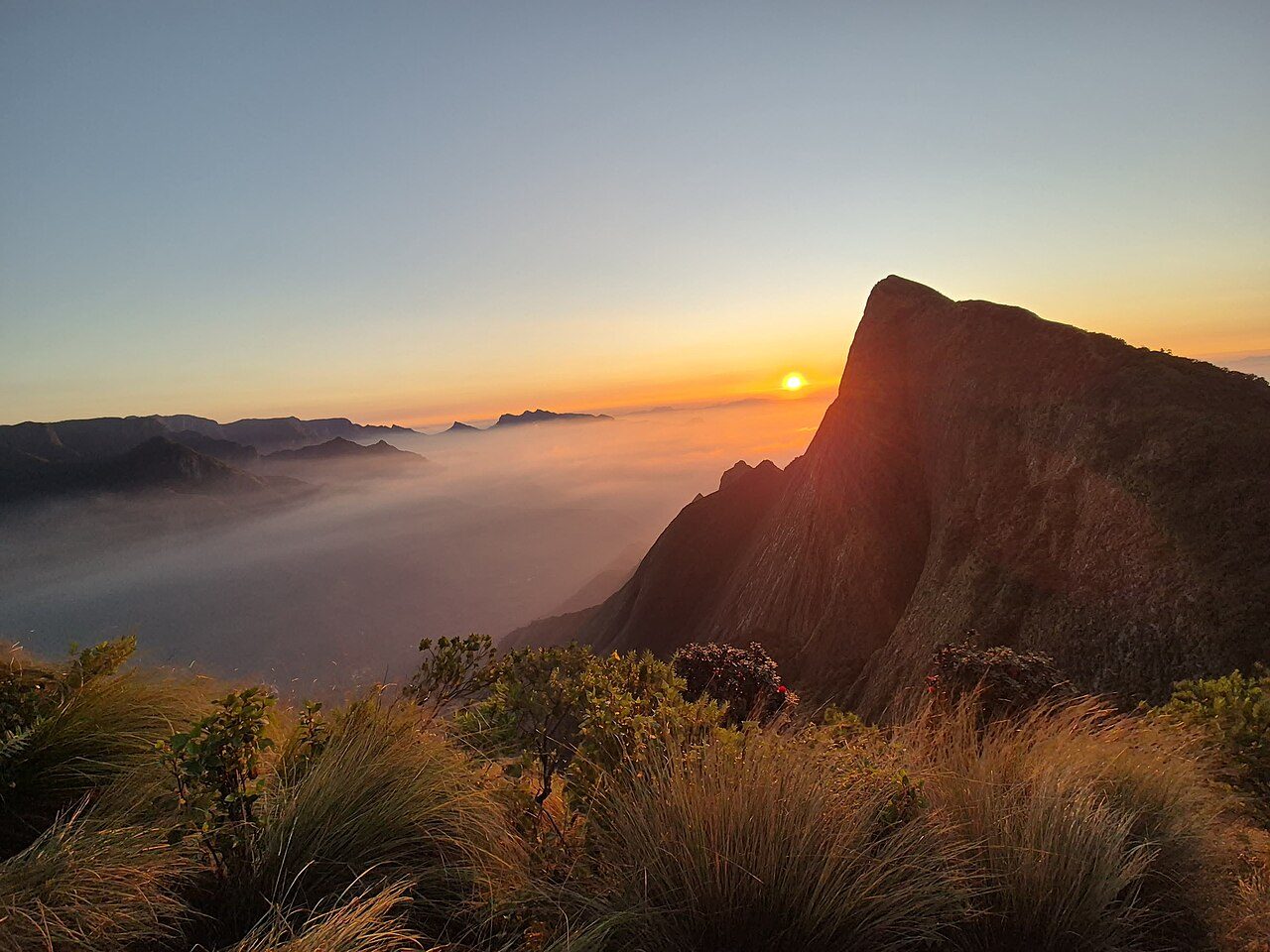
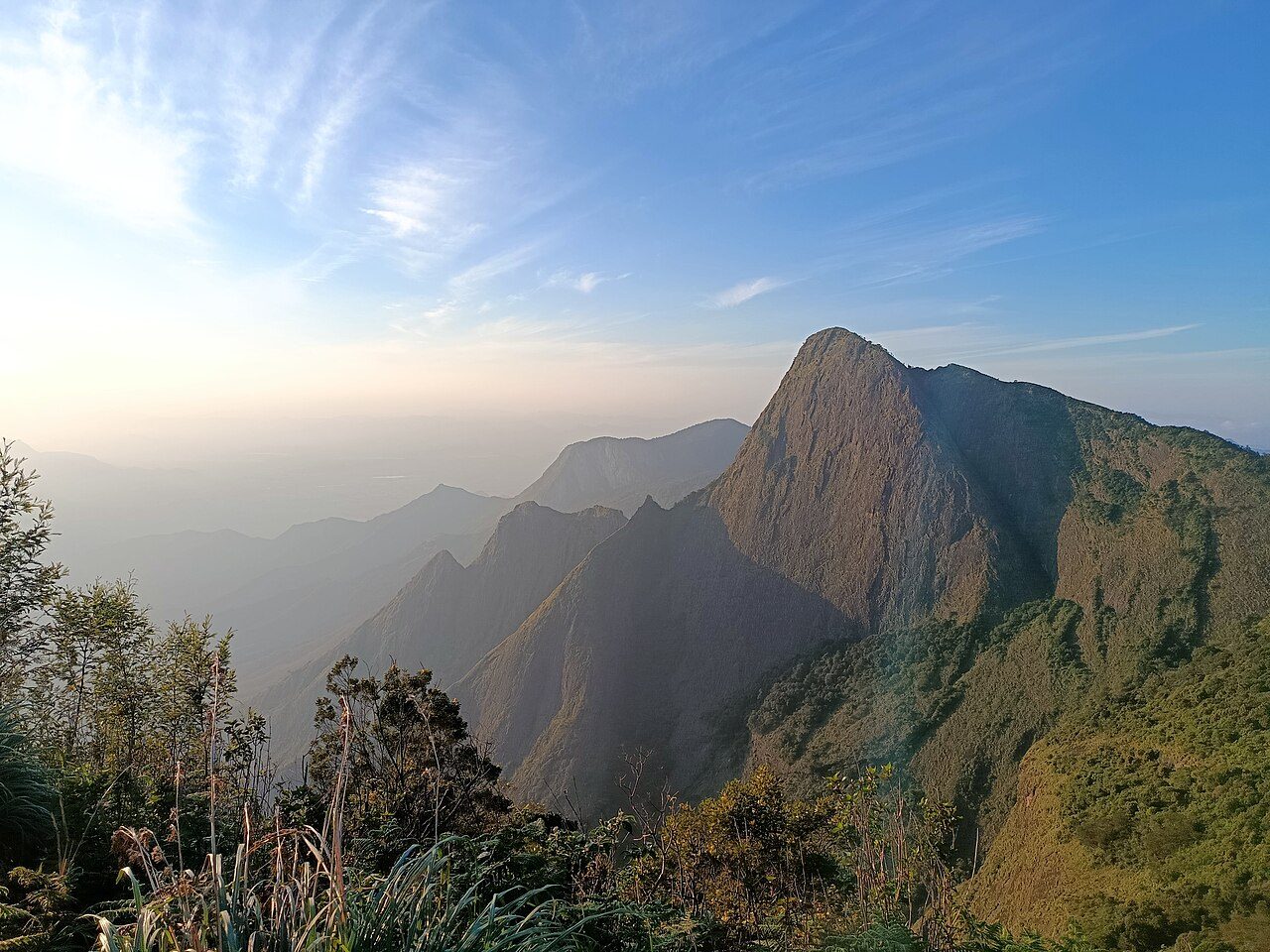
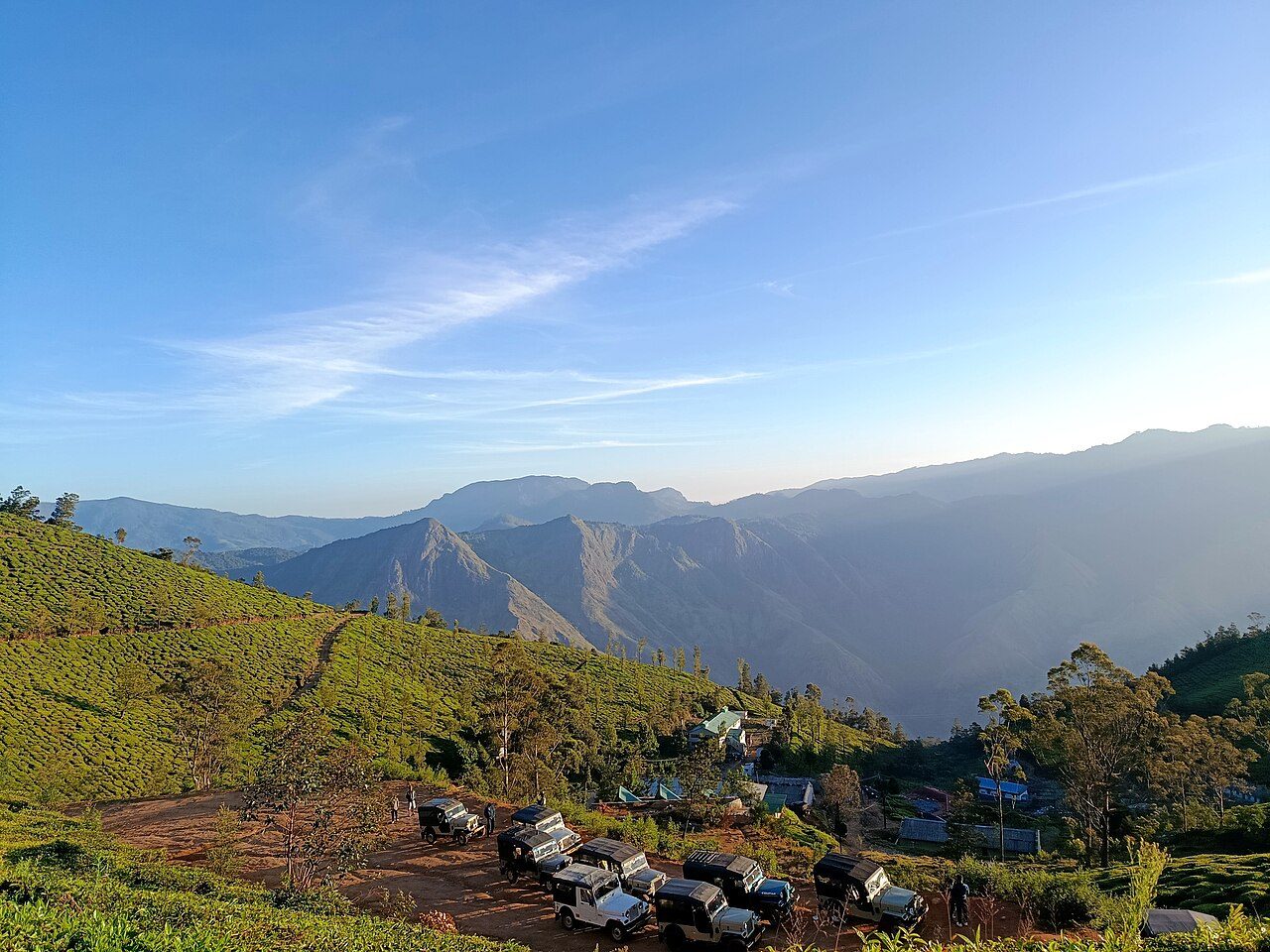
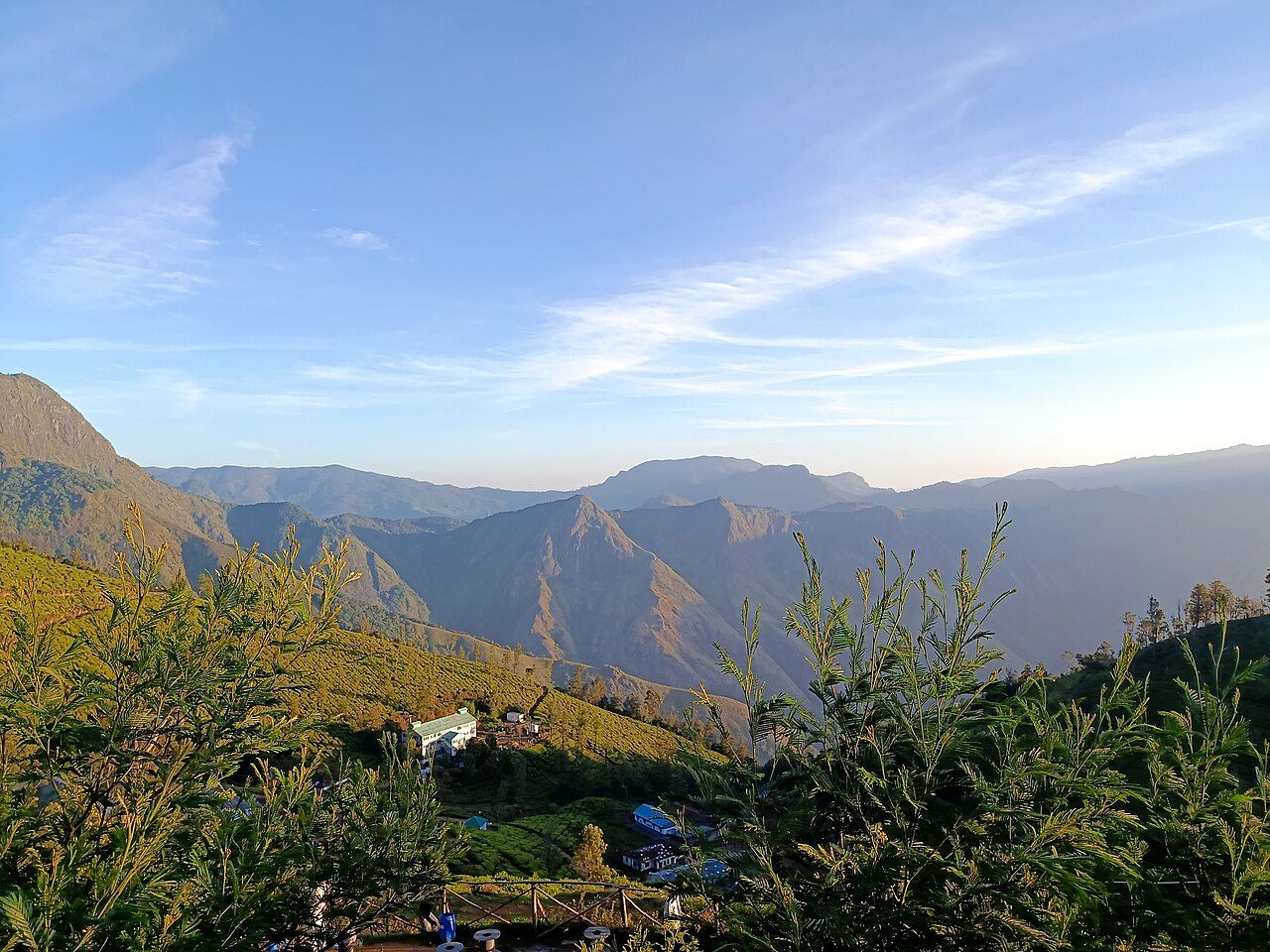
Kolukkumalai, at around 2,100 metres on a ridge above Suryanelli, is the highest tea estate in the world, and the point on the ridge above its factory is one of the great sunrise spots in South India. The only way up the last 7 km is by jeep, and the safari itself, usually setting off around four in the morning, is half the experience. From the top the sun comes up over the Tamil Nadu plains with cloud filling the valleys below and the tea slopes falling away on the Kerala side. The estate's factory, passed on the way, still works entirely by the orthodox method on machinery installed in the 1930s, using gravity rather than electricity for much of the process, and visitors can walk through it and taste the tea. It is bitterly cold before dawn, so carry something warm.
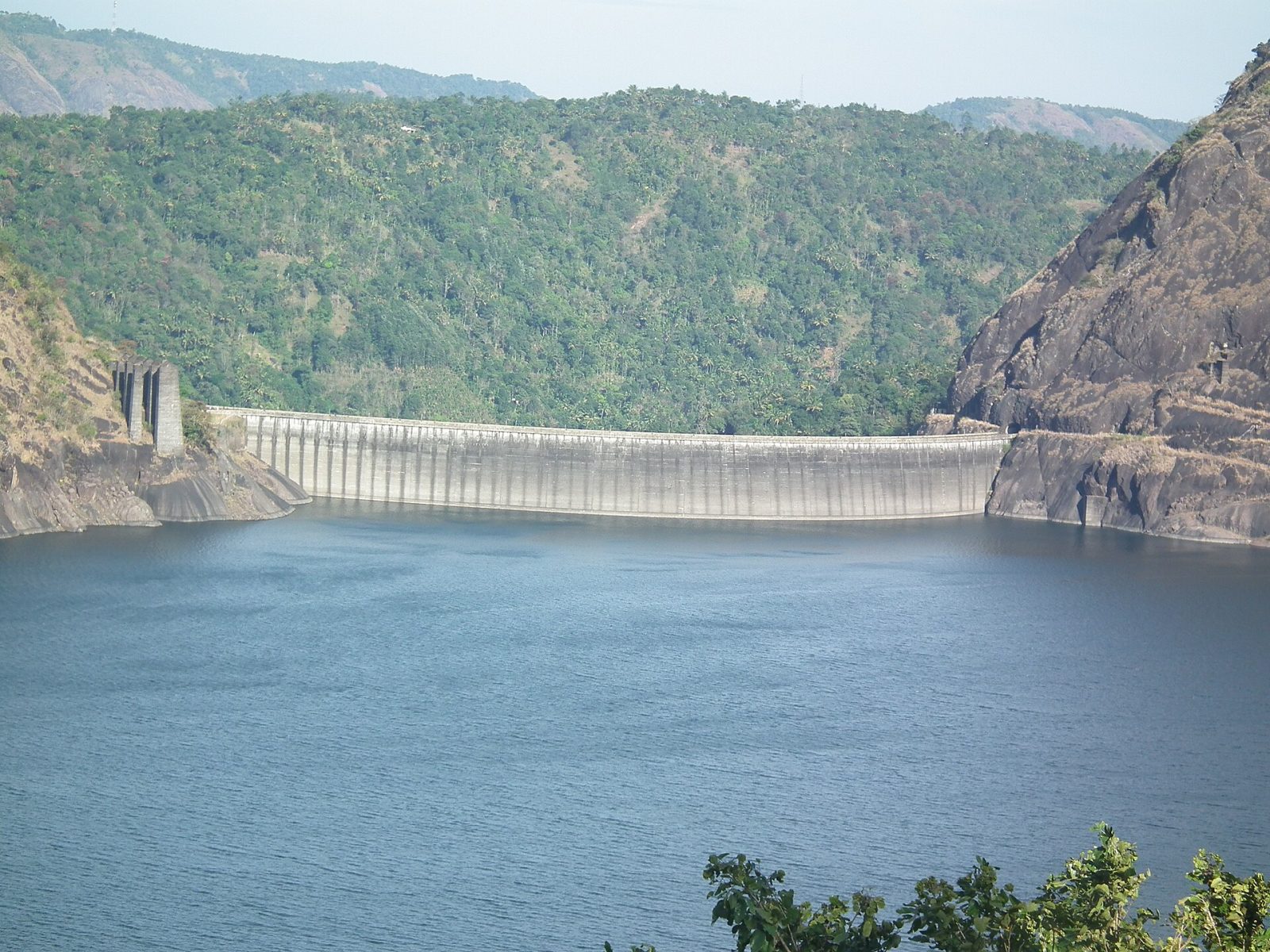
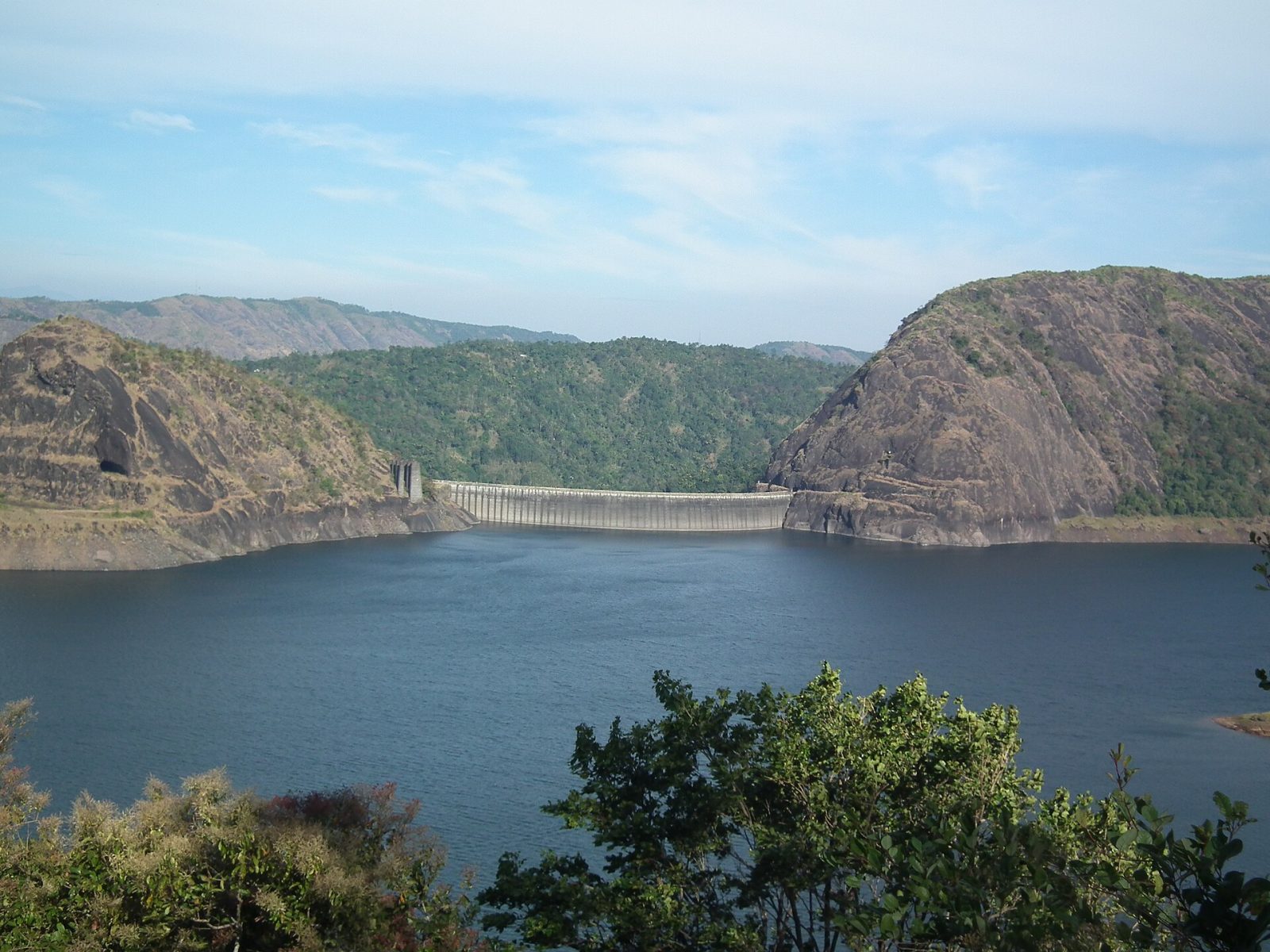
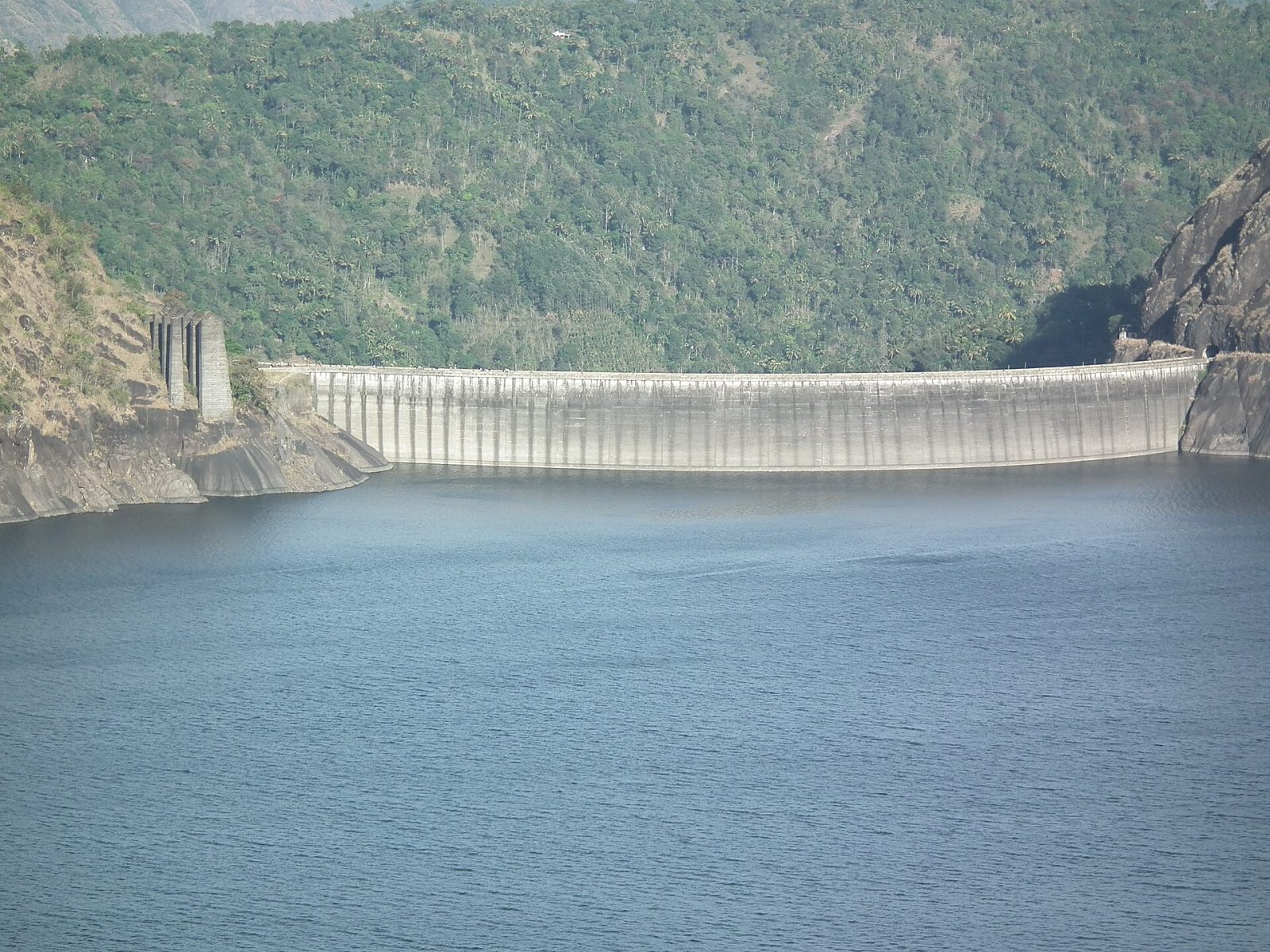
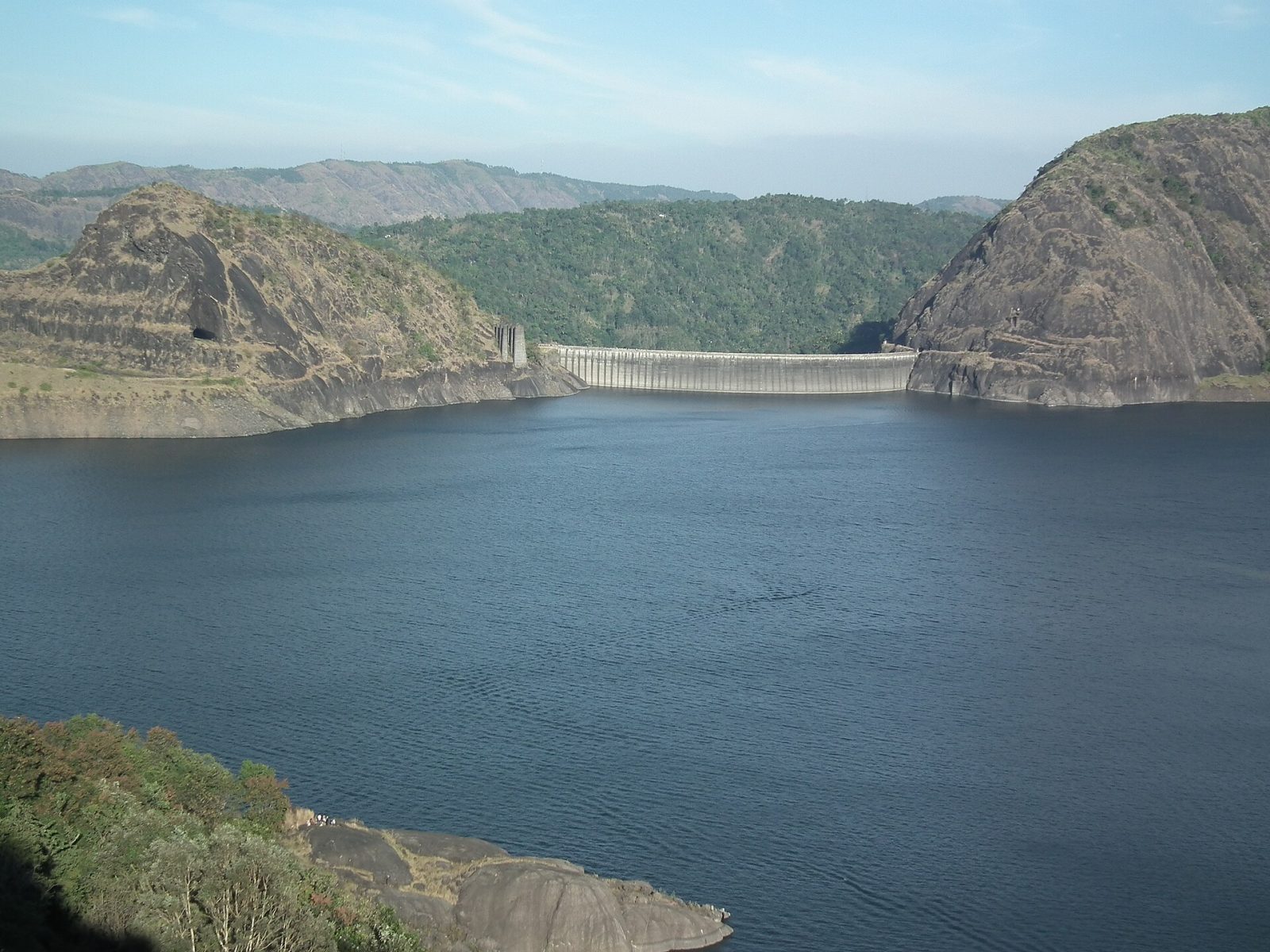
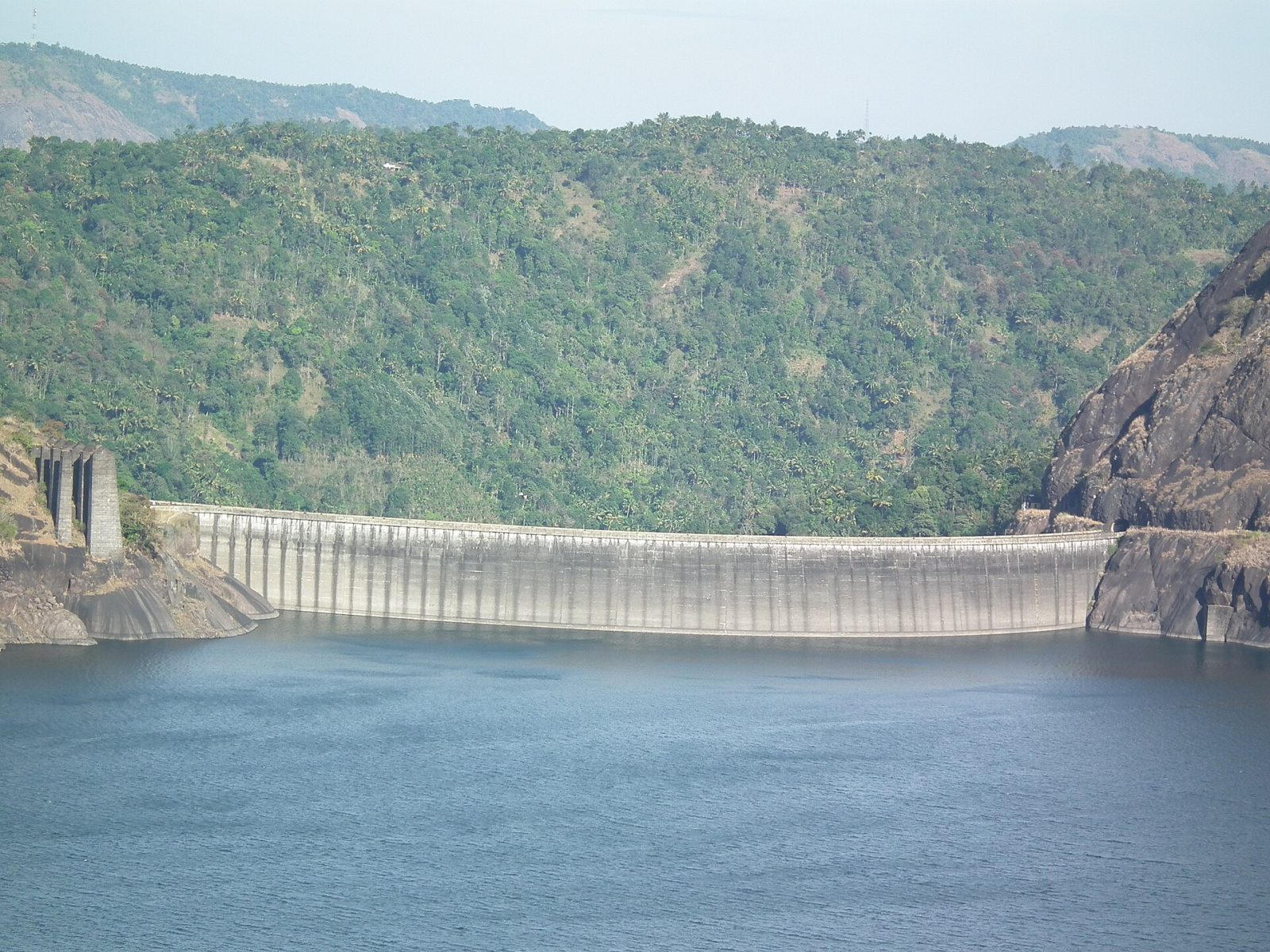
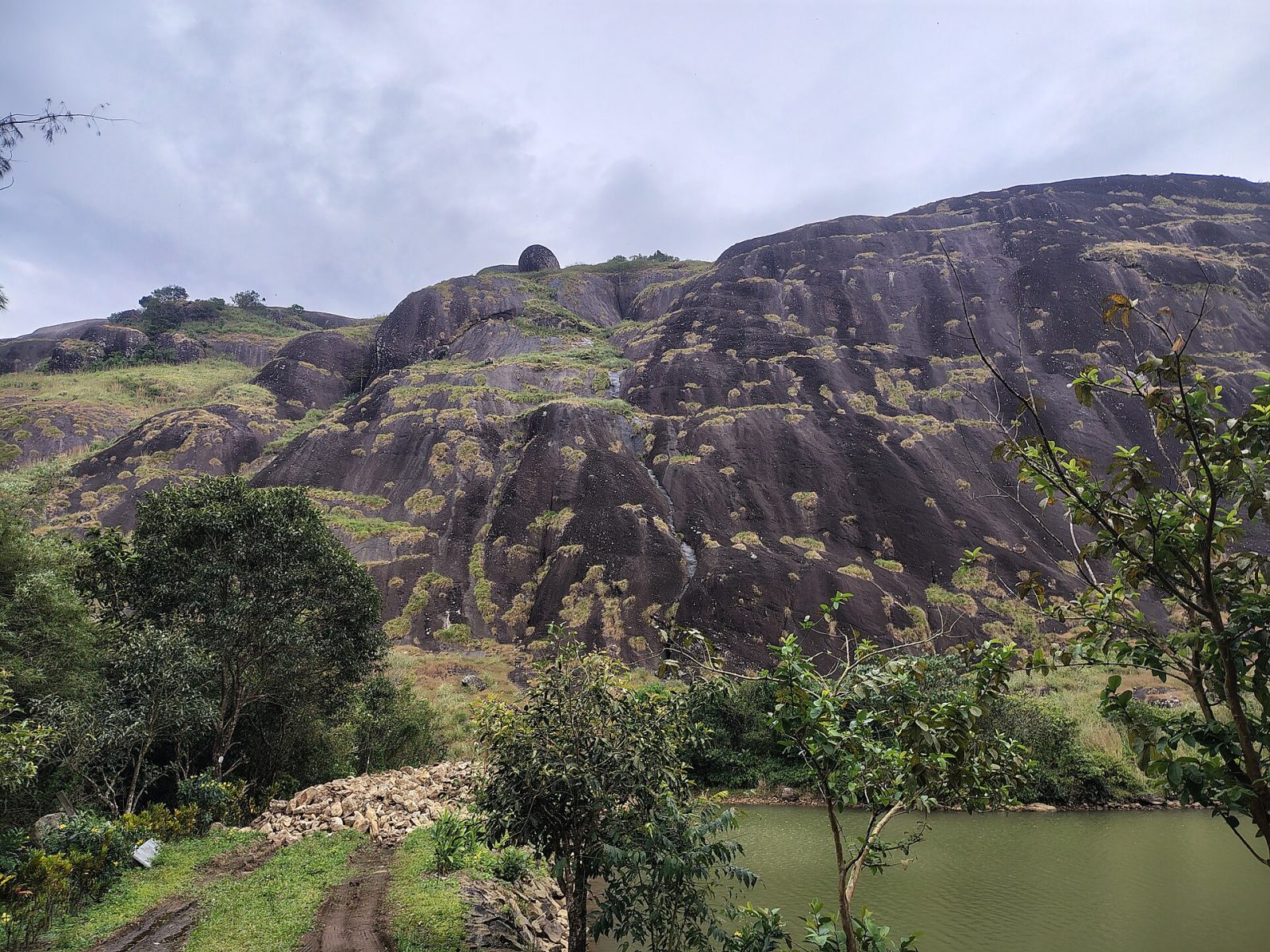
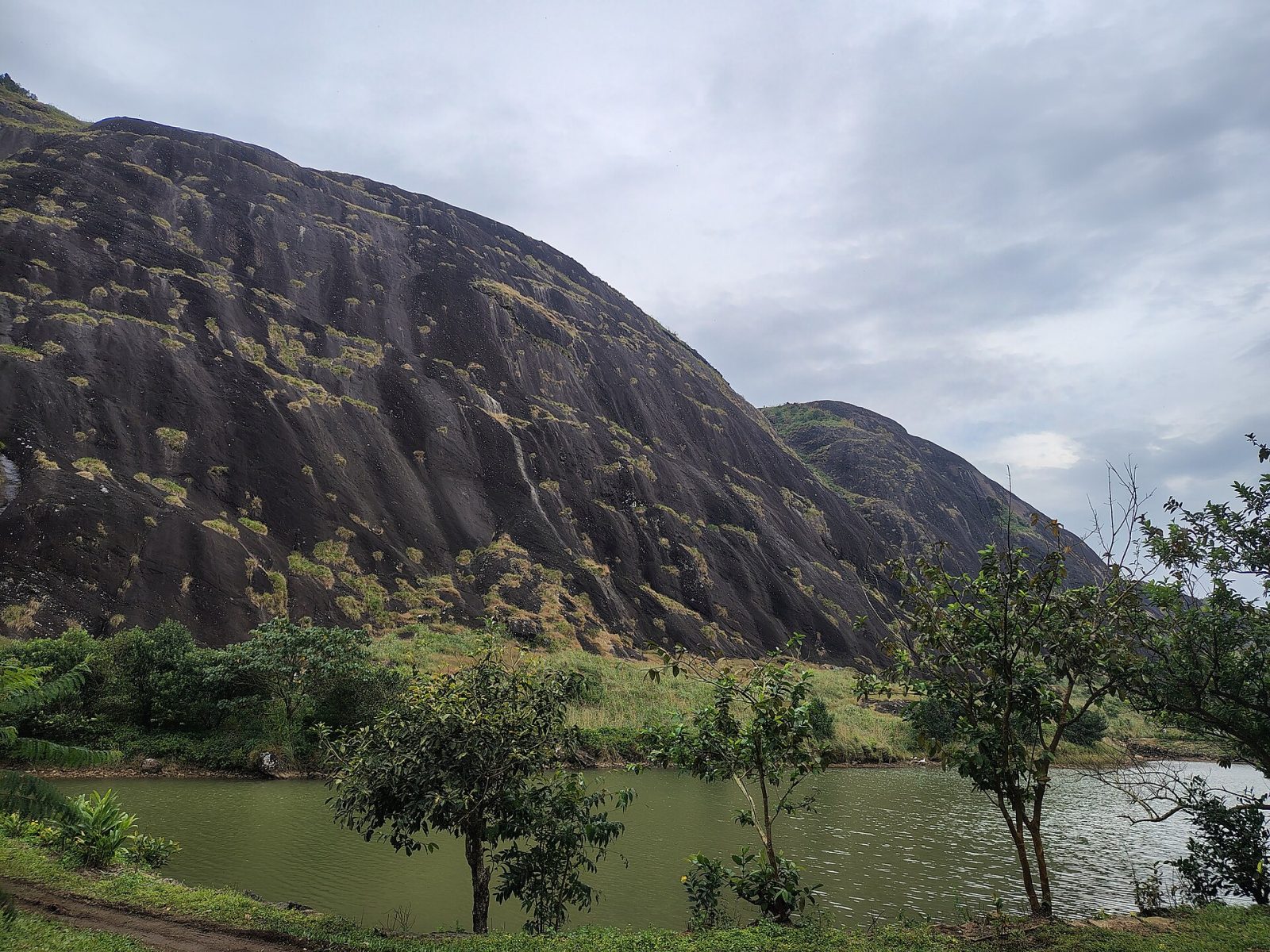
The Idukki Arch Dam is a double-curvature concrete arch built between two granite hills, Kuravan and Kurathi, across the Periyar river. Finished in 1973 with Canadian support, it was among the first dams of its type in Asia and is still one of the tallest arch dams in the world at about 168 metres. It holds back a large reservoir that drives the Moolamattom underground power station, long the backbone of Kerala's electricity supply. Local legend gives the two hills the names of a tribal couple turned to stone, and the story is told to every visitor. The dam area opens to the public only at certain times of year, usually around the holiday season, and the hilltop park nearby has views over the reservoir.
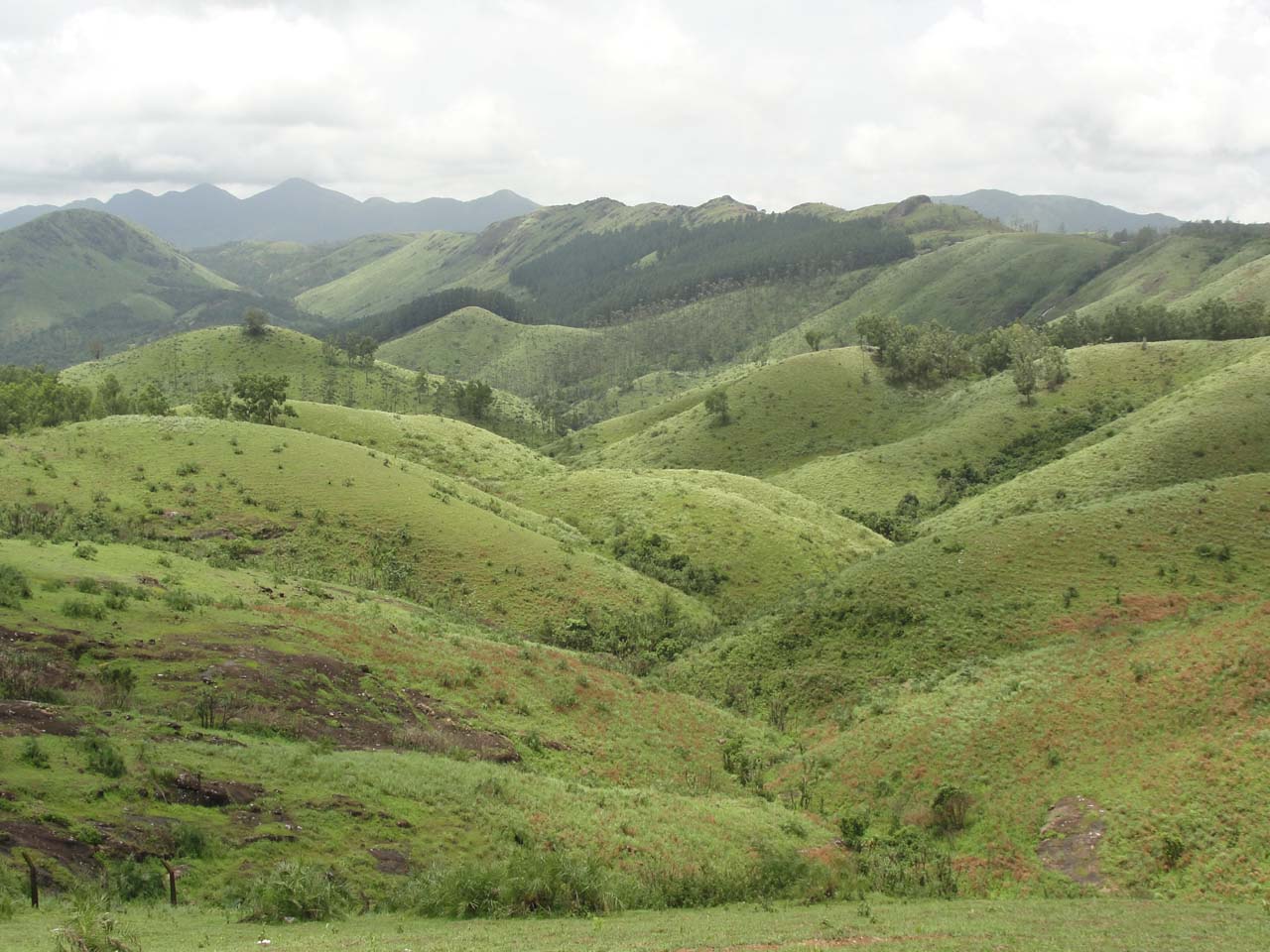
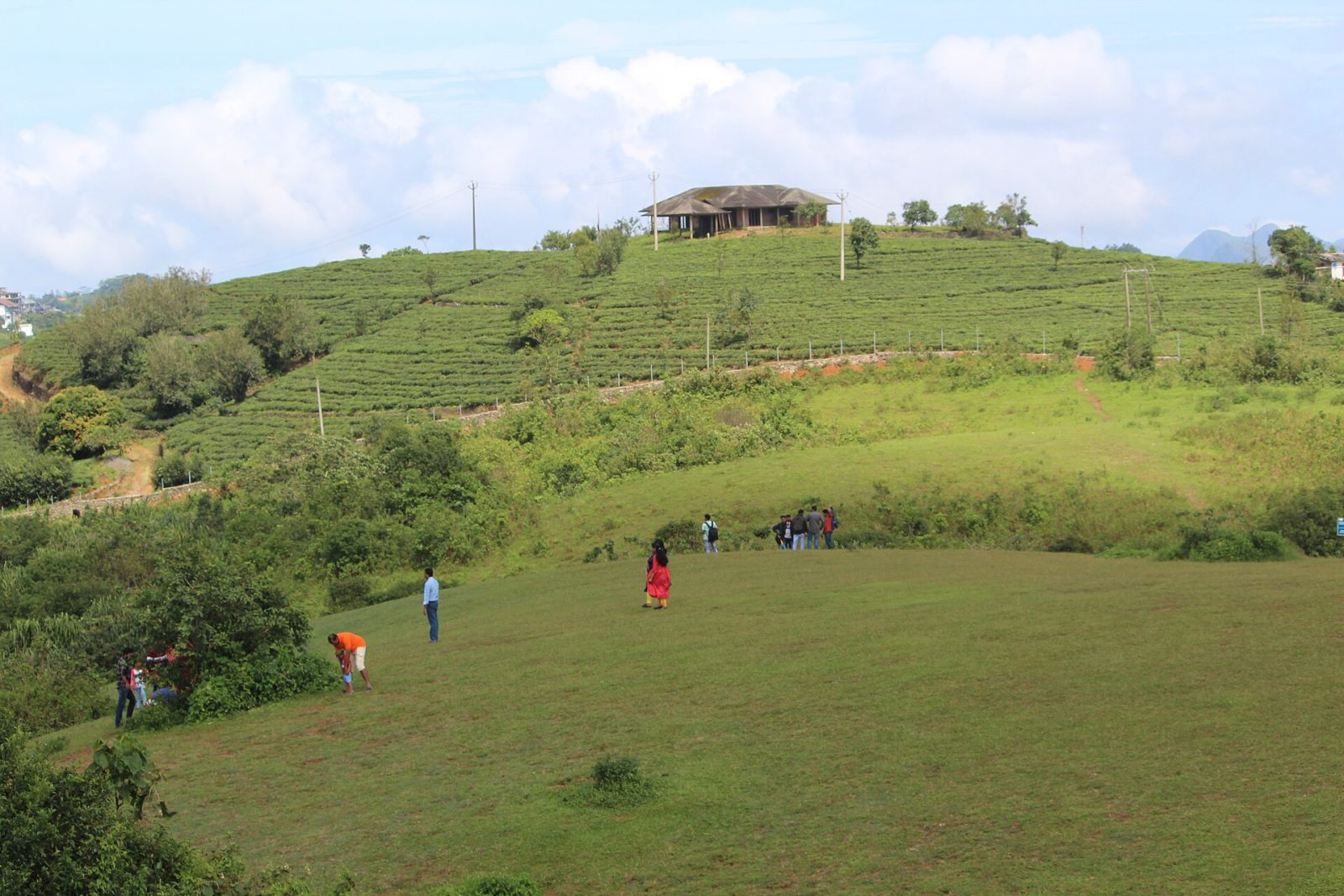
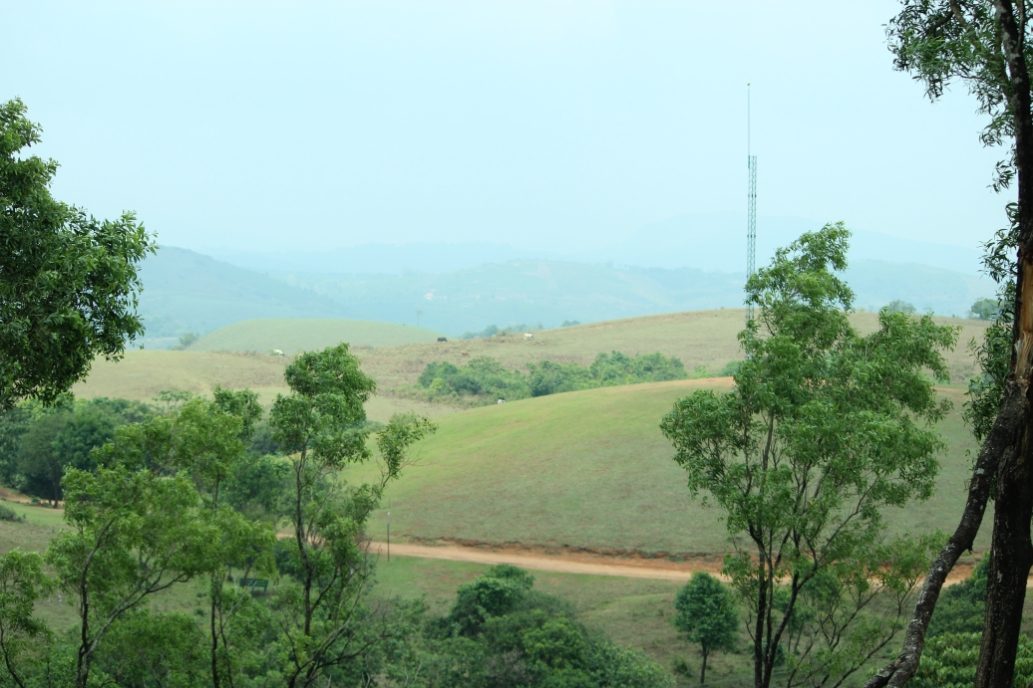
Vagamon is a quiet hill station on the border of Idukki and Kottayam districts, known for three green meadows that roll one into the next. The hills were opened up by British planters for tea, and the estates still surround the town. Its other landmark is Kurisumala, a hill topped with a cross where an ashram of Christian monks keeps a dairy farm, and pilgrims climb during Holy Week; a mosque and temple nearby give the town its reputation for living together peacefully. Paragliding, mountain biking and a pine forest planted decades ago are the main attractions now. It is cool all year and often covered in mist by afternoon.
 WaTrips