Mumbai in 3 Days: South Mumbai, Elephanta and Kanheri
3 DAYS10 placesby WaTrips
The Gateway, CSMVS and CSMT, Marine Drive, the Elephanta Caves, Siddhivinayak and Haji Ali, Kanheri and Juhu.
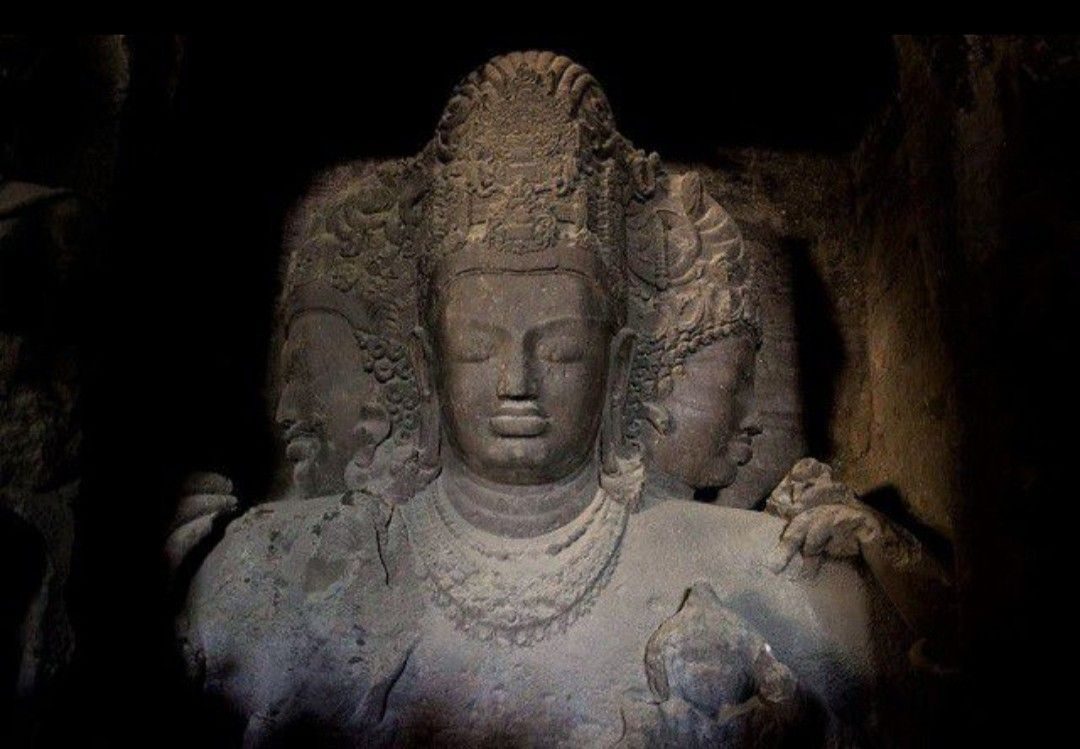
Three days covers Mumbai's landmarks at a comfortable pace. Day one stays in South Mumbai: the Gateway of India, the CSMVS museum, the Gothic CSMT station (a UNESCO World Heritage Site) and sunset along Marine Drive. Day two starts with the ferry from the Gateway to the Elephanta Caves and their great Shiva sculptures, then Siddhivinayak temple and Haji Ali Dargah on its causeway. Day three goes north to the Kanheri Caves inside Sanjay Gandhi National Park, the Global Vipassana Pagoda, and ends at Juhu beach. Elephanta is closed on Mondays; November to February is the most pleasant time.
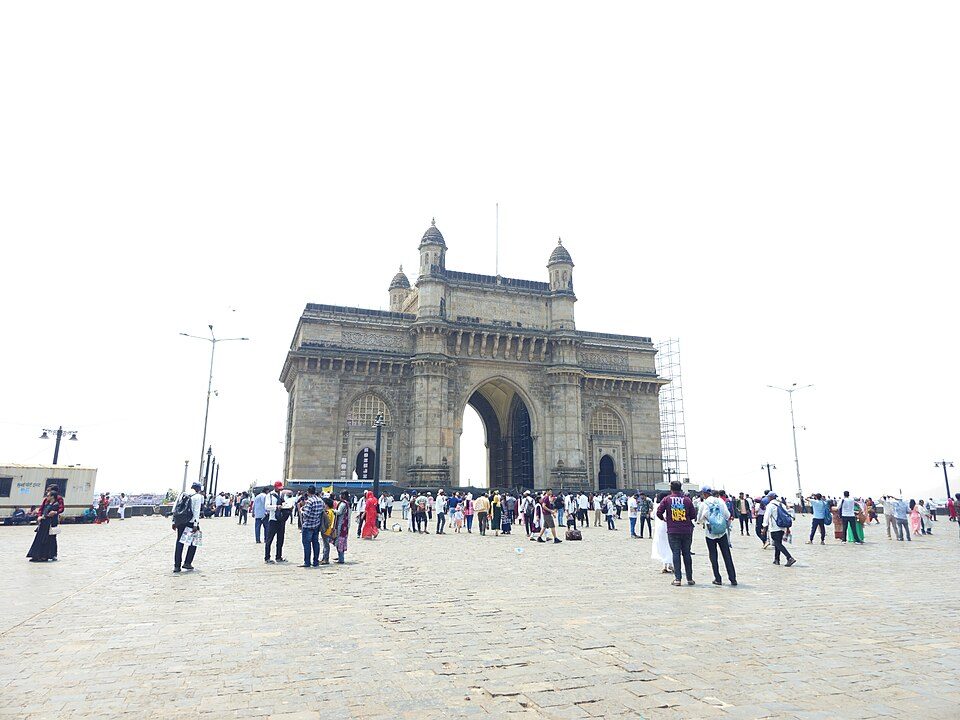
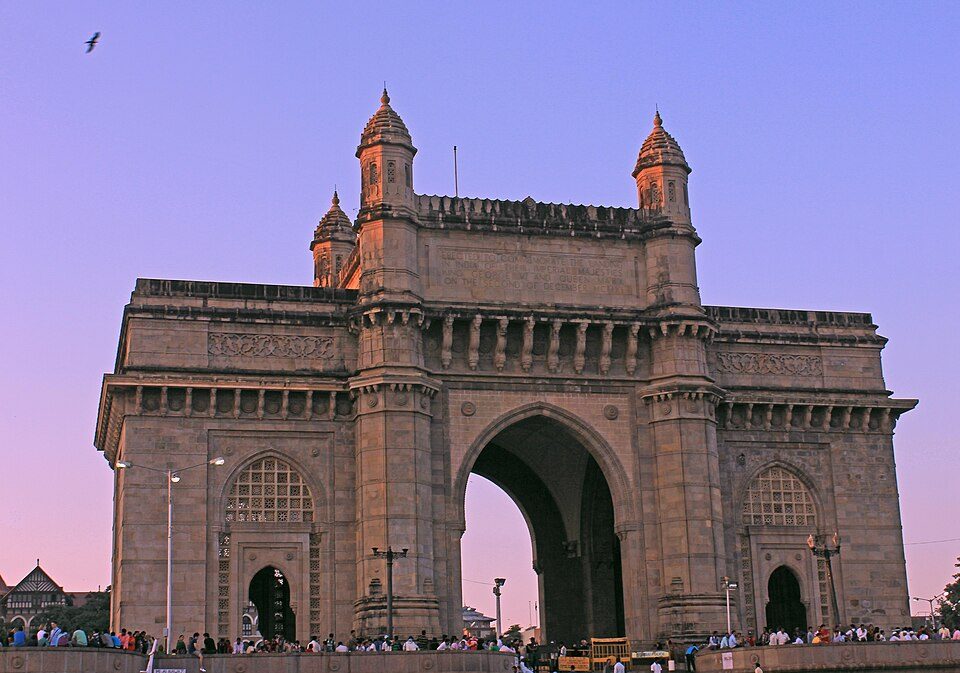
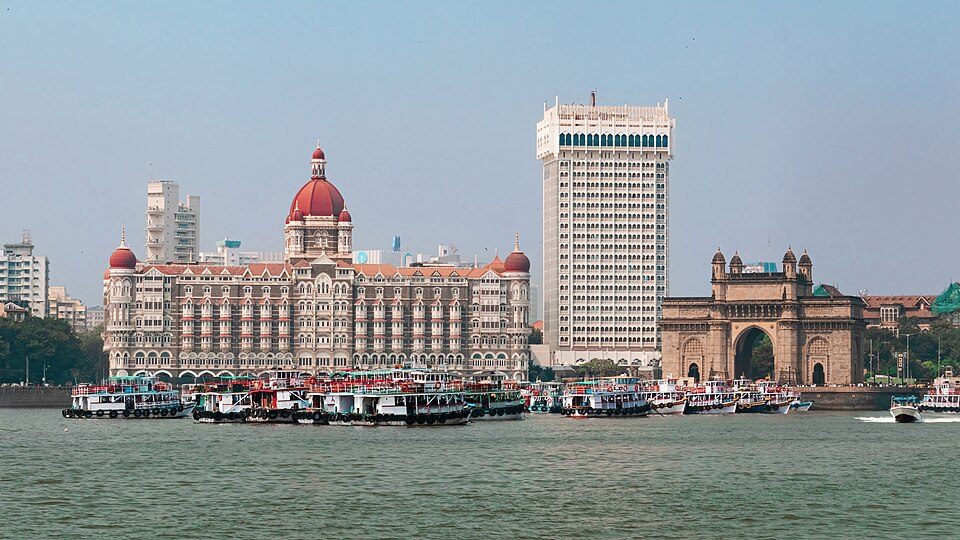
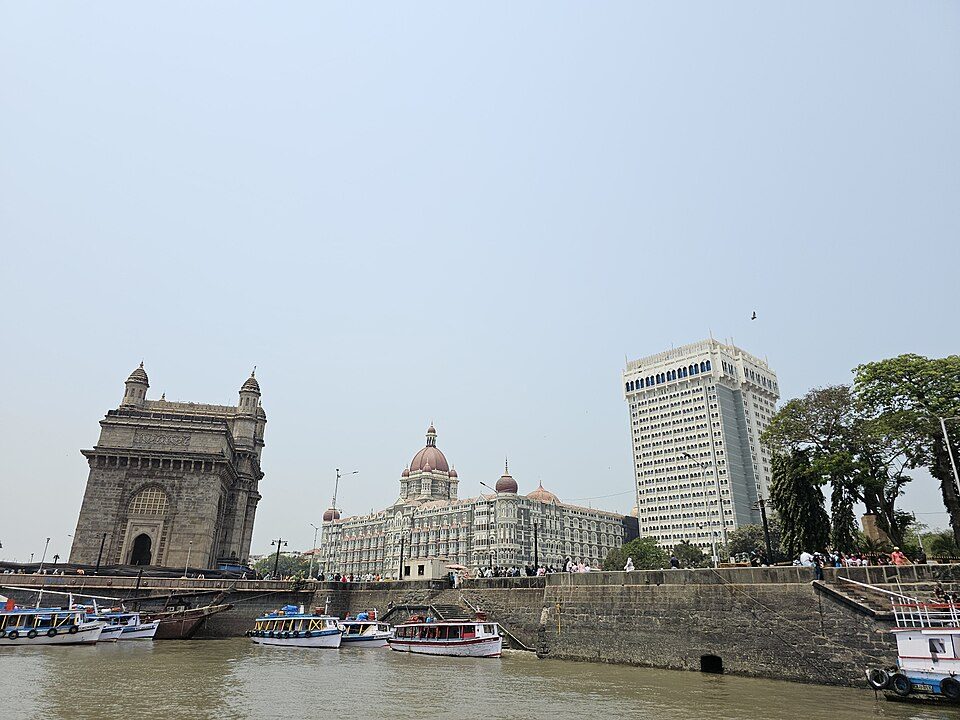
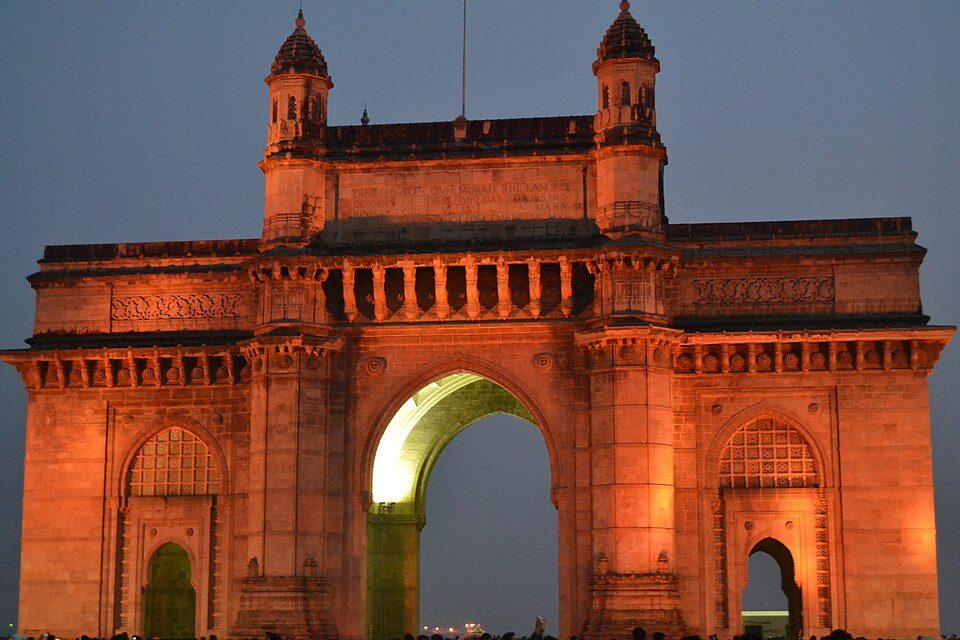
Built to commemorate the visit of King George V and Queen Mary in 1911 and completed in 1924, the Gateway of India is a basalt arch on the Mumbai waterfront in the Indo-Saracenic style. The last British troops left India through it in 1948. Ferries to Elephanta leave from its jetty, and the Taj Mahal Palace hotel stands opposite.
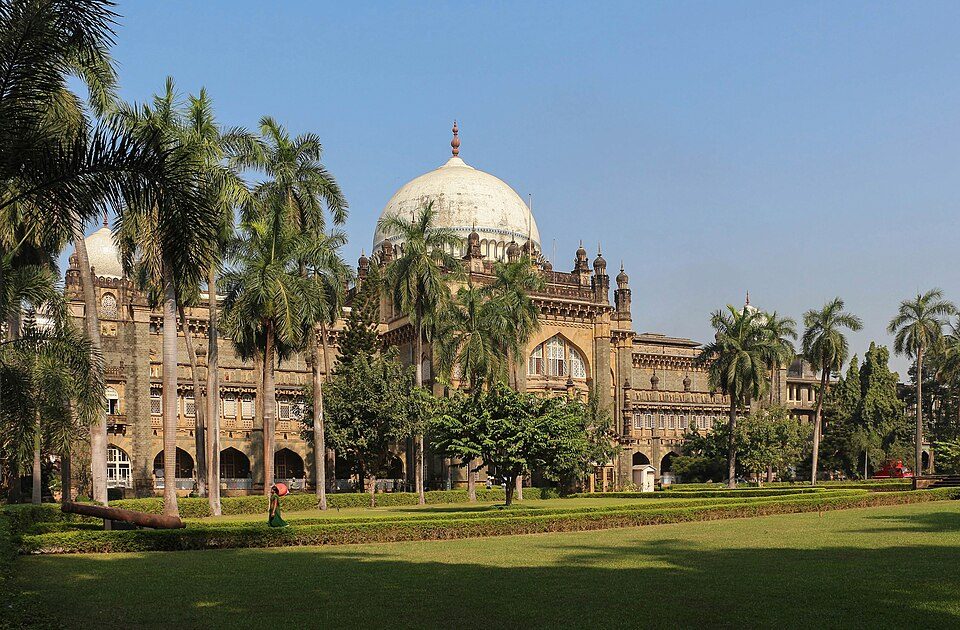
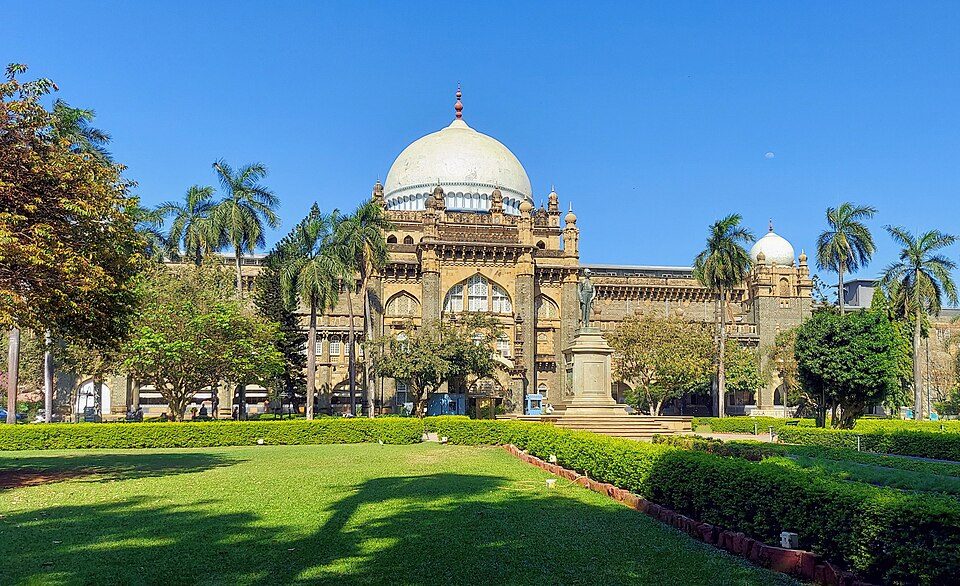
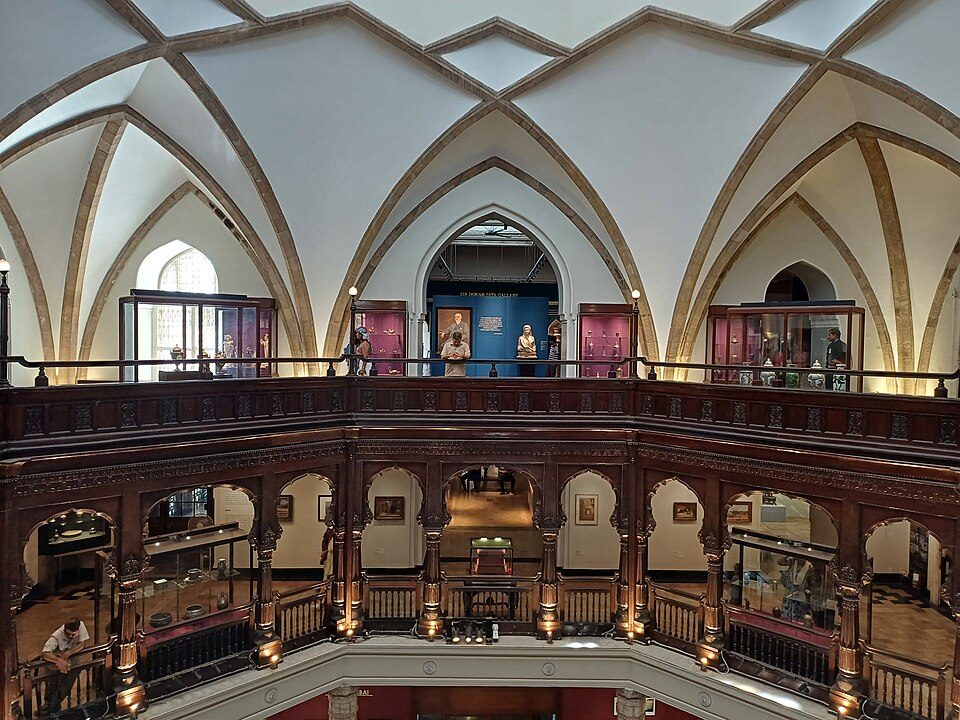
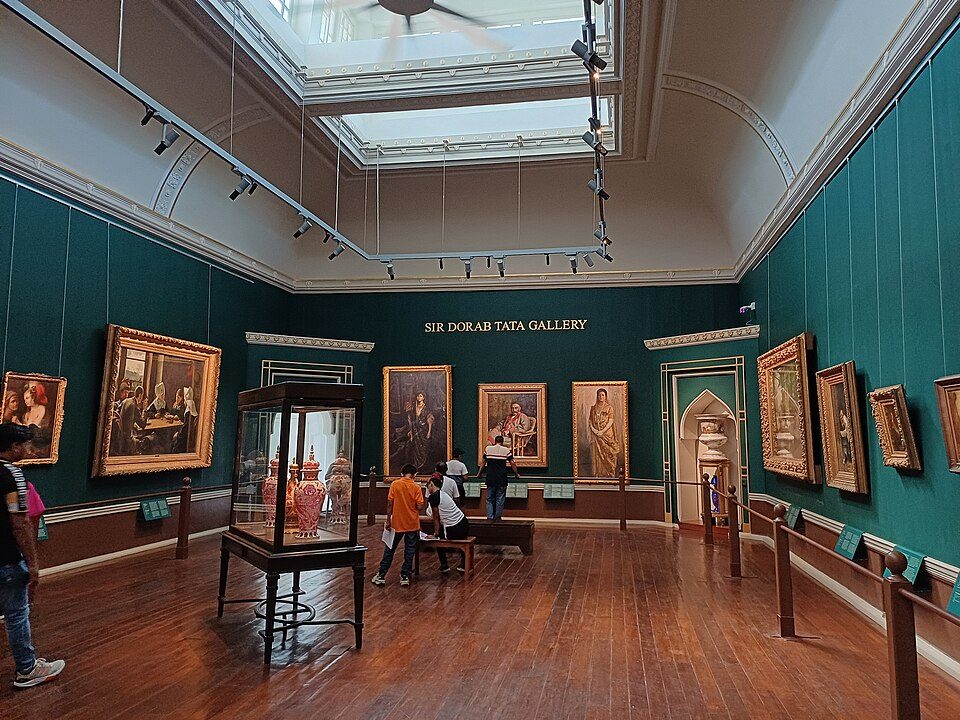
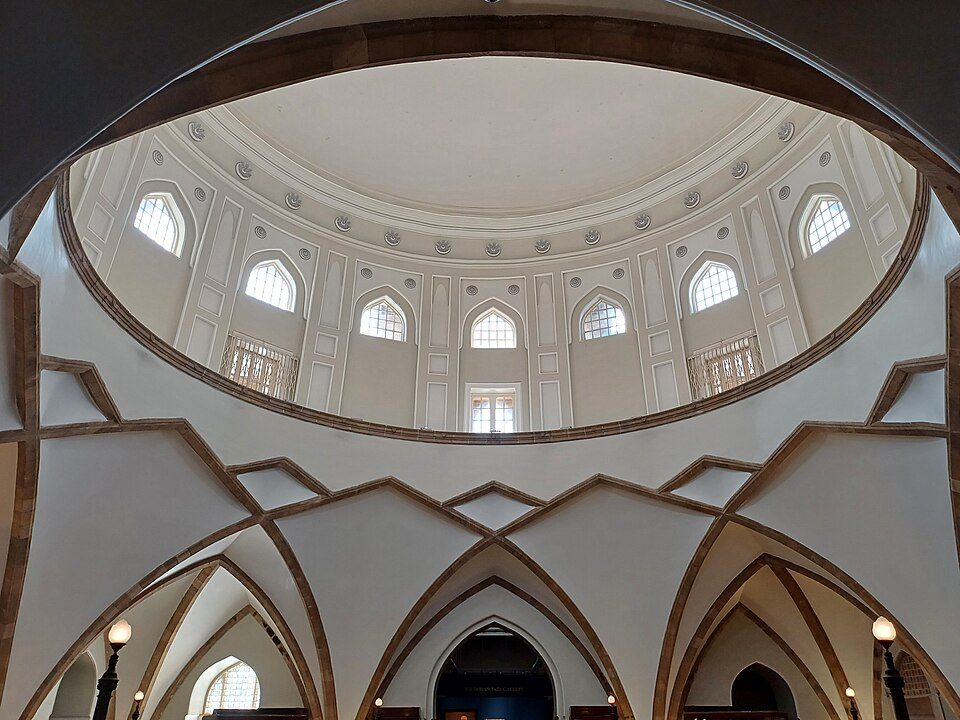
Opened in 1922 as the Prince of Wales Museum, this Indo-Saracenic building set in gardens is Mumbai's premier museum. Its collections cover sculpture, miniature paintings, decorative arts, arms and natural history, and it forms part of the city's UNESCO-listed heritage precinct.
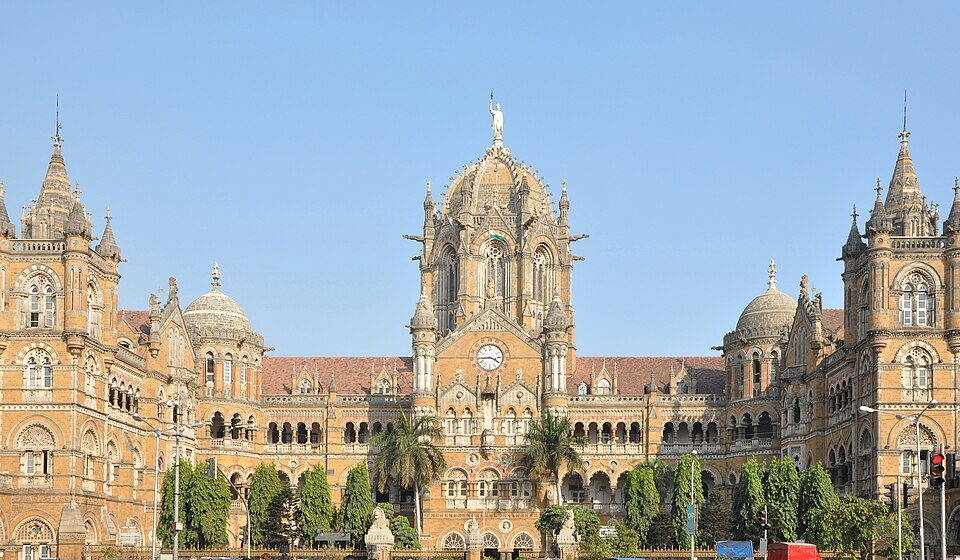
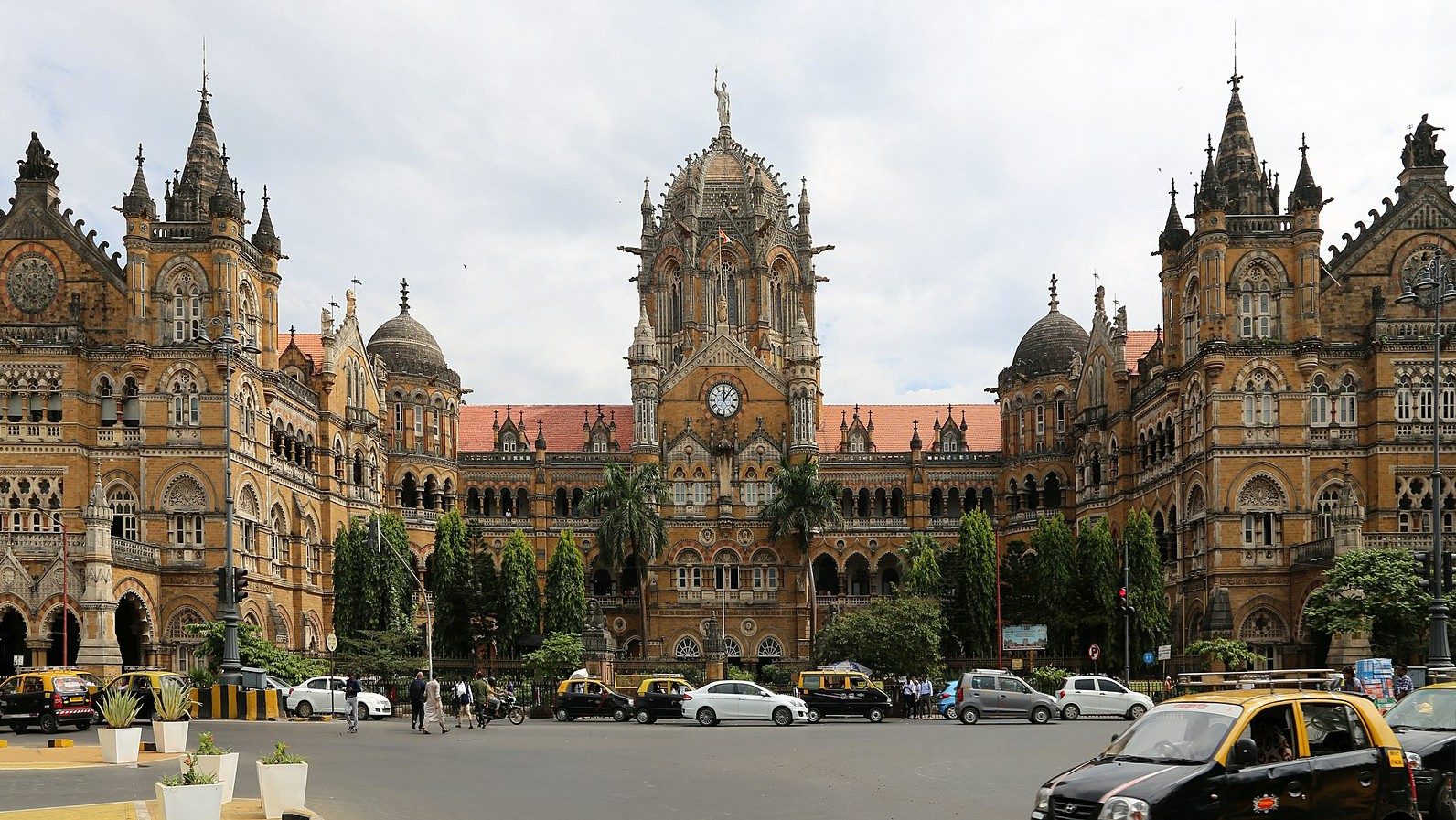
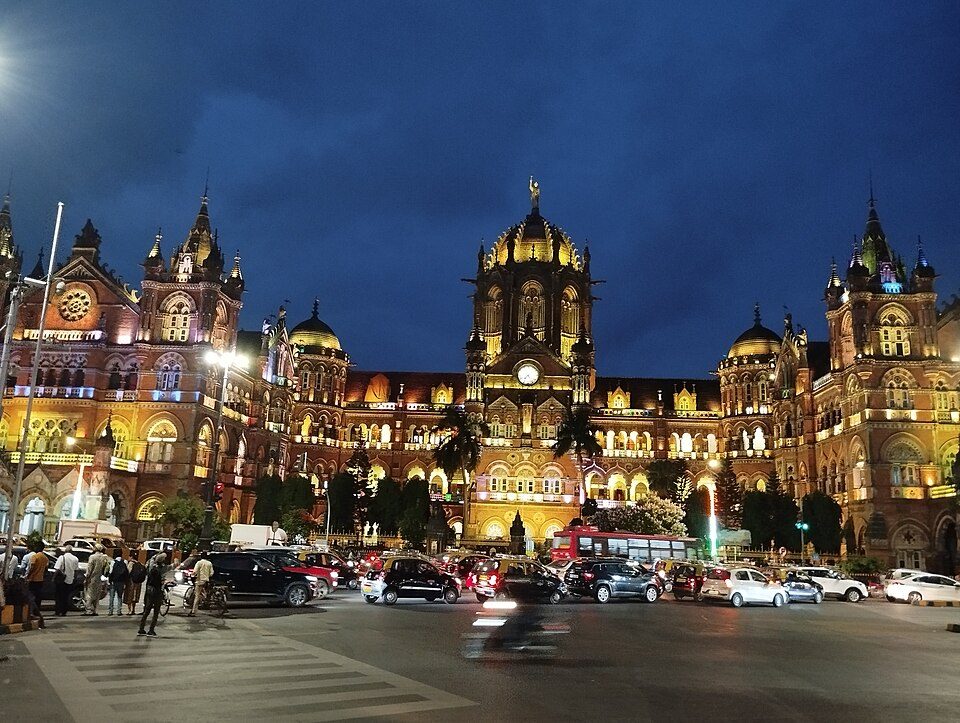
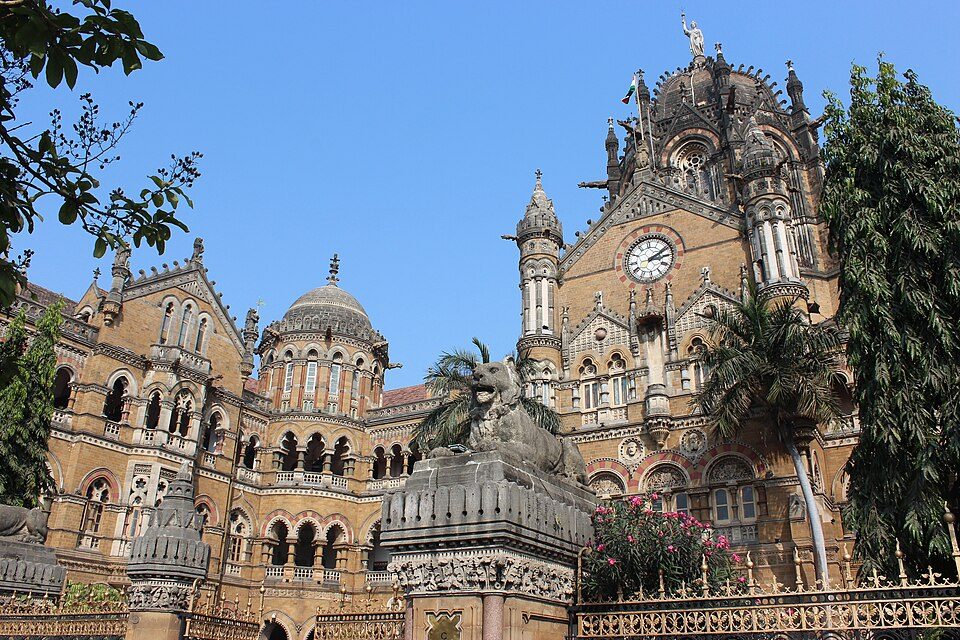
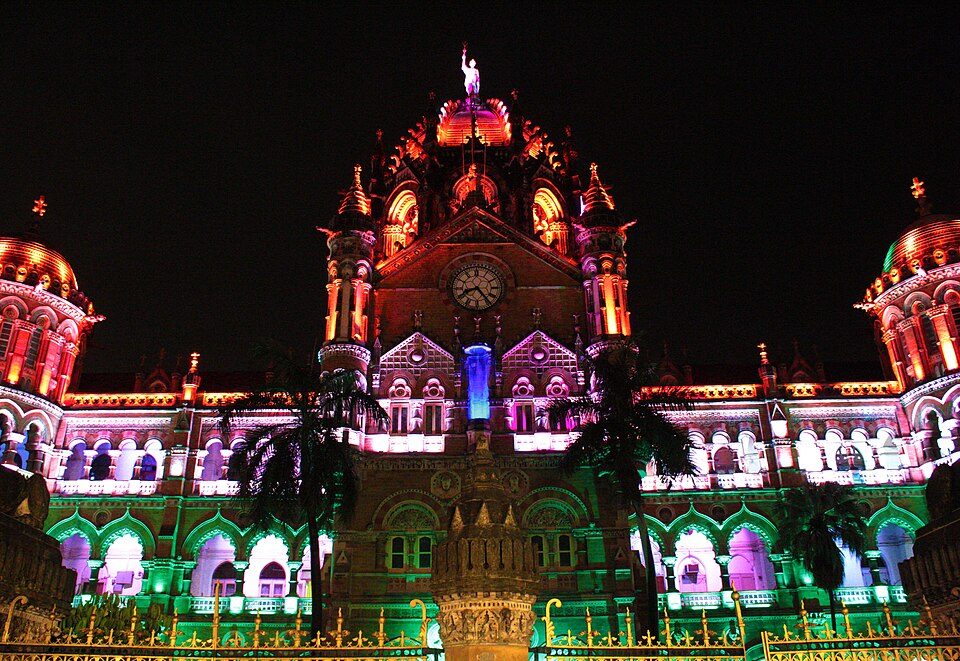
Completed in 1888 and designed by F. W. Stevens, this railway terminus is one of the finest Victorian Gothic buildings in the world and a UNESCO World Heritage Site. Its domes, turrets, stained glass and carved animals mix Gothic and Indian styles. It remains one of the busiest stations in India.
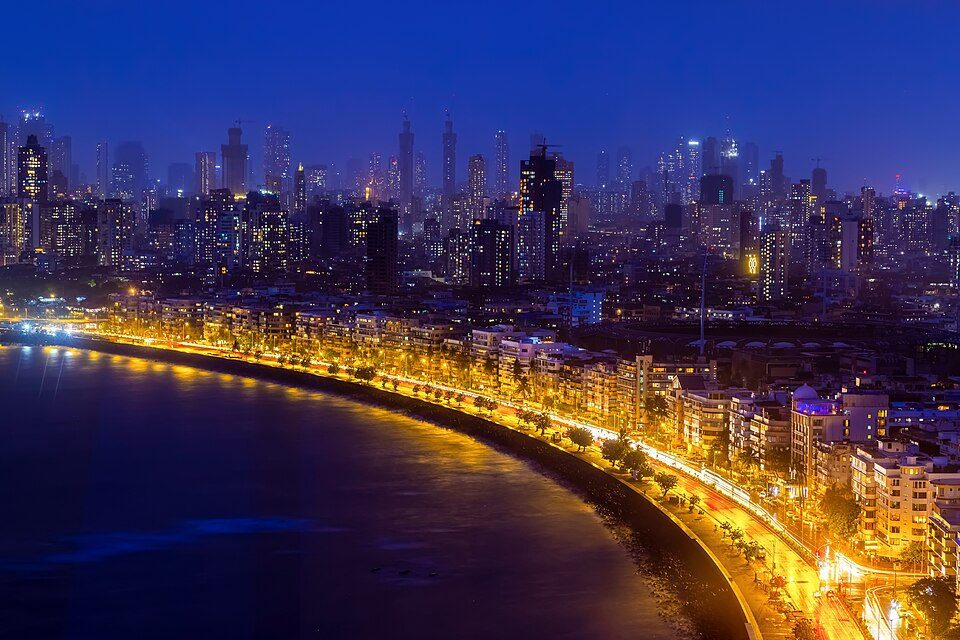
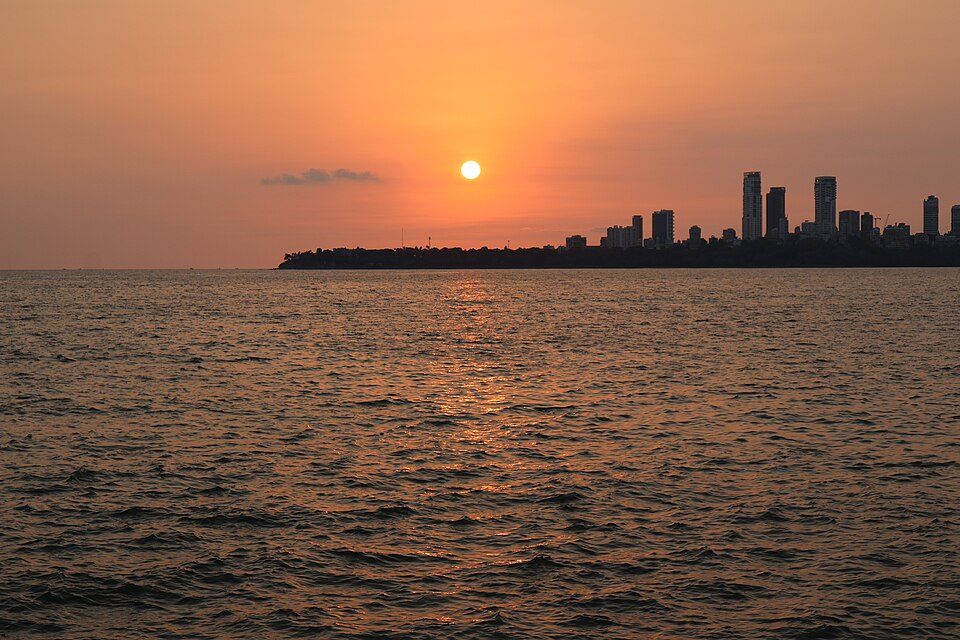
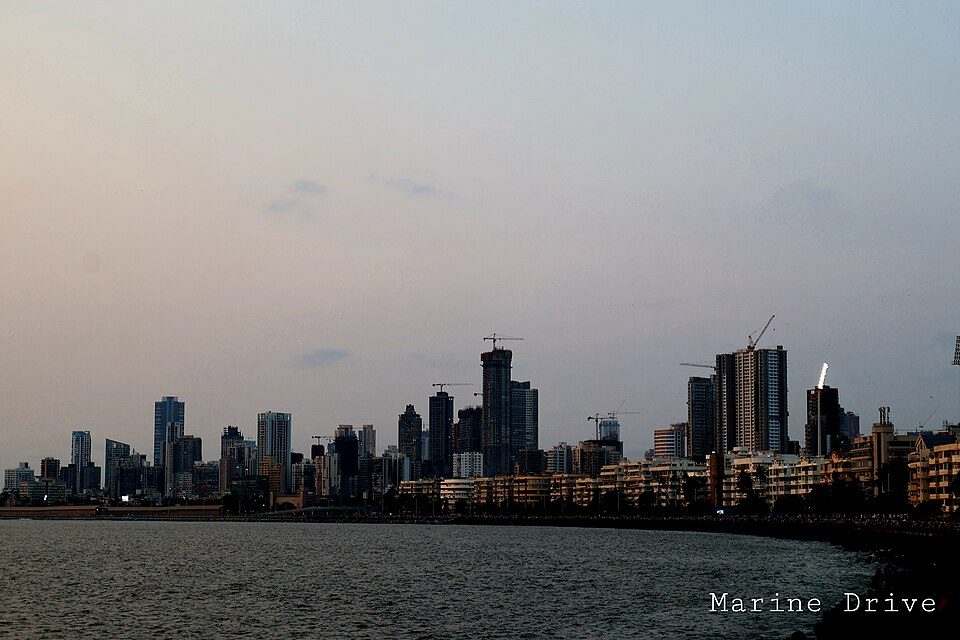
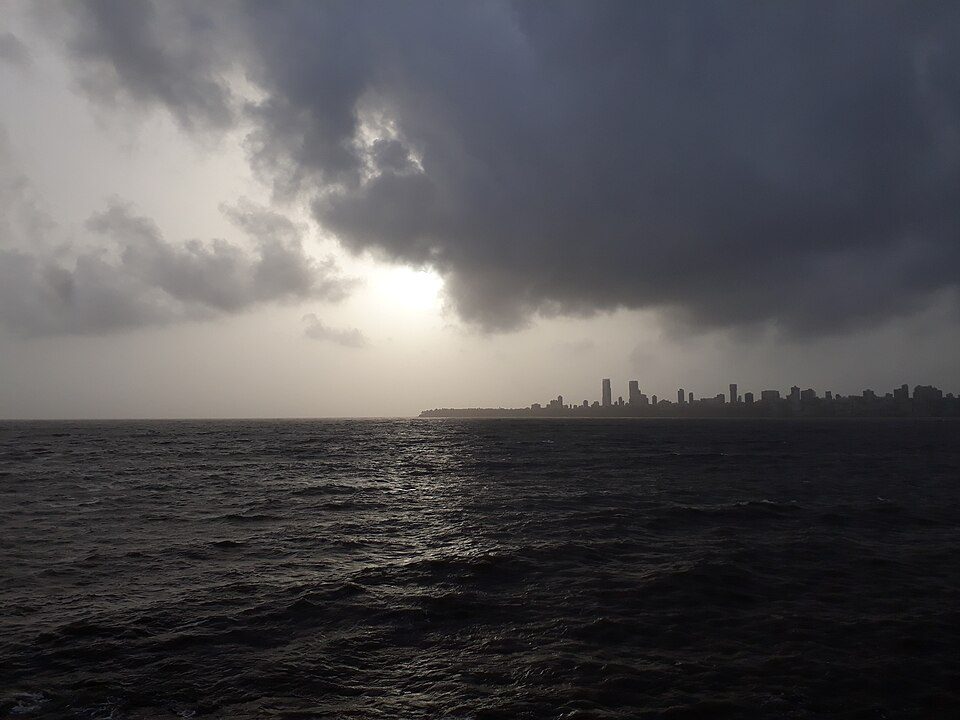
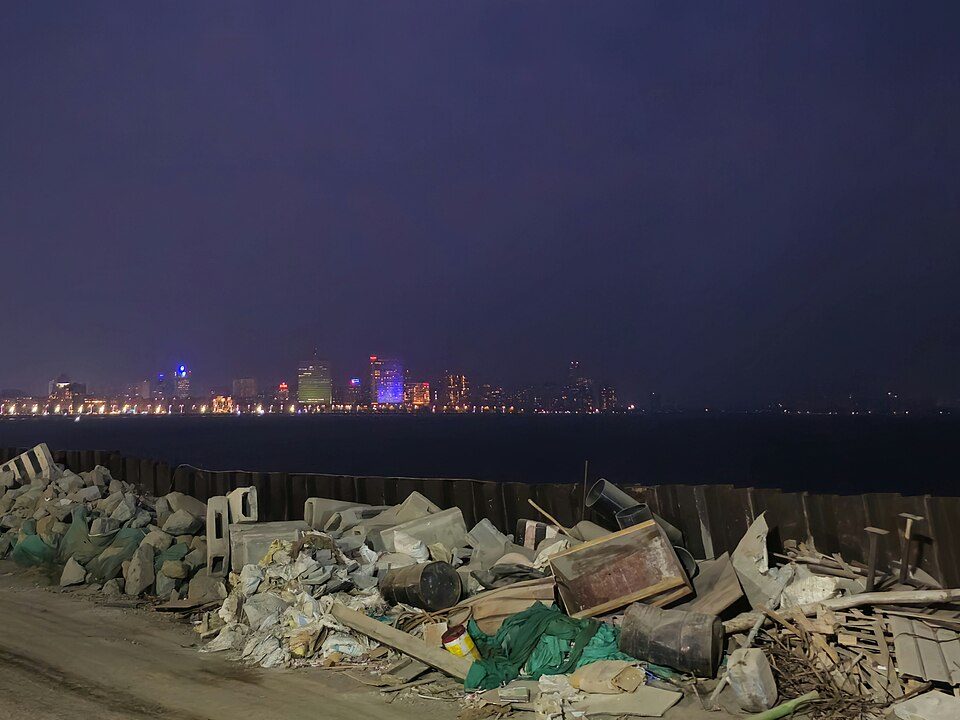
A three-kilometre sweep of promenade along the Arabian Sea, Marine Drive is known as the Queen's Necklace for the way its street lights curve around the bay at night. The Art Deco buildings along it form part of a UNESCO World Heritage Site, and the sea wall is the city's favourite place to watch the sunset.
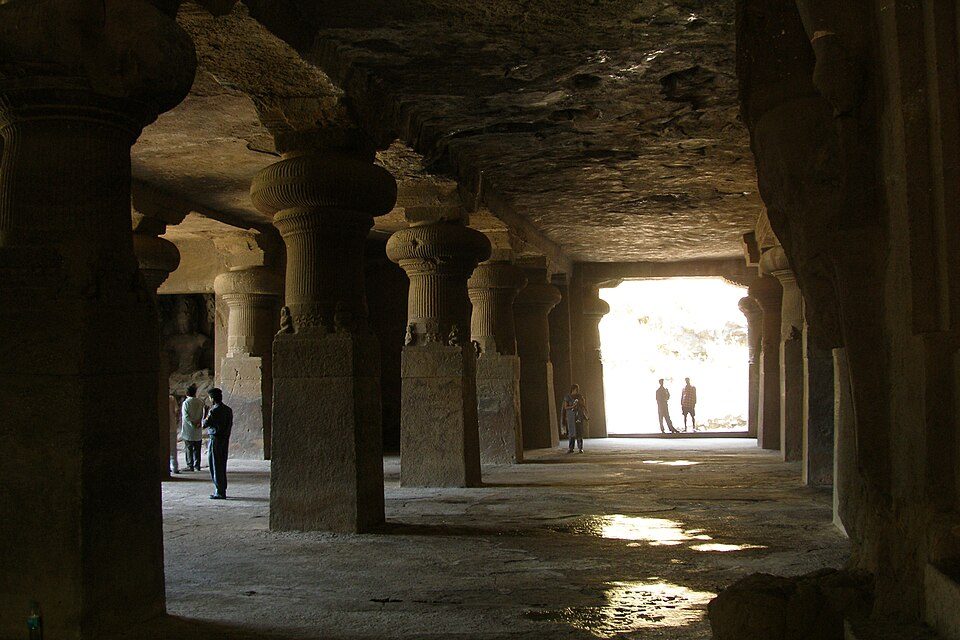
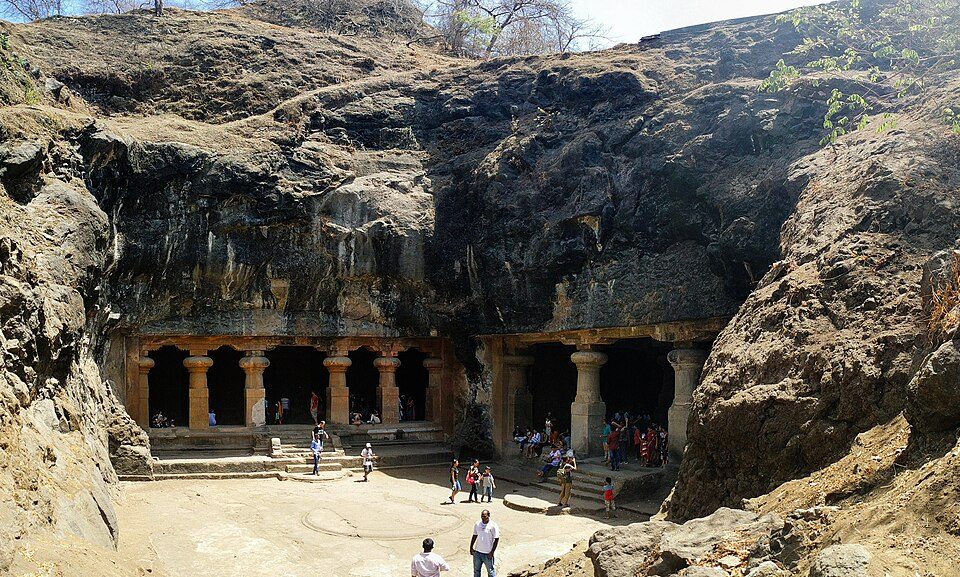
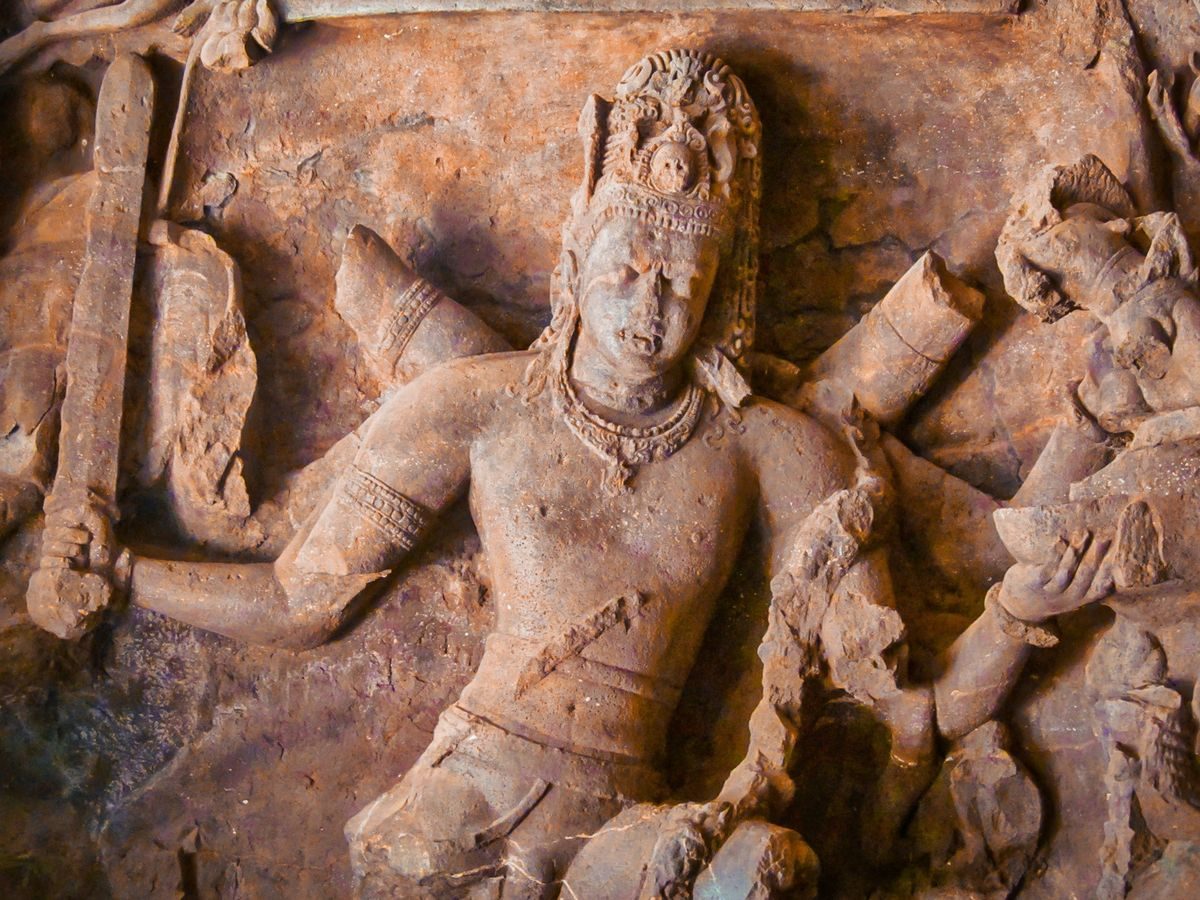
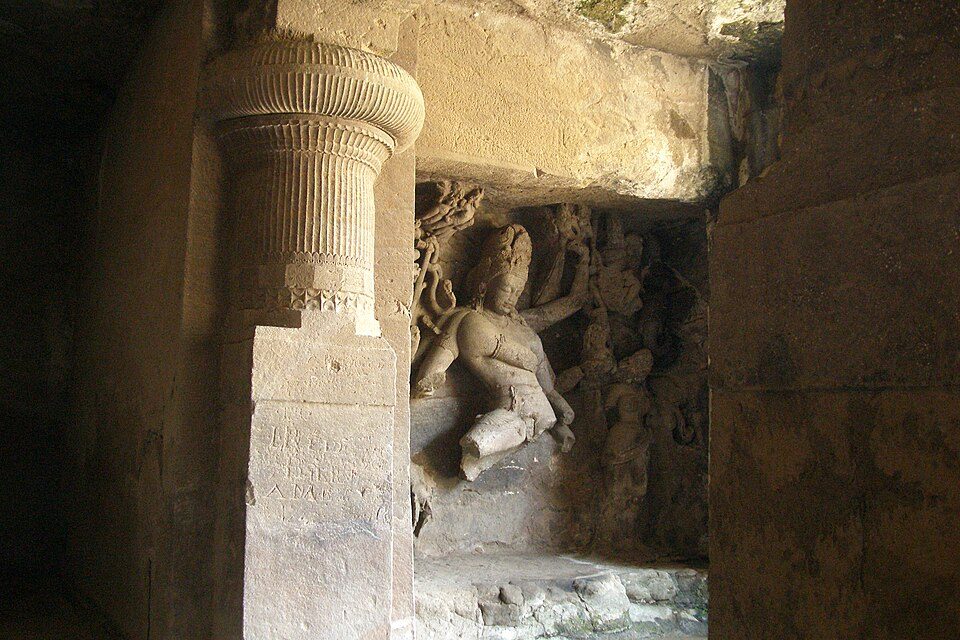
On an island in Mumbai harbour, the Elephanta Caves are rock-cut temples to Shiva from around the 5th to 7th centuries and a UNESCO World Heritage Site. The great three-headed Sadashiva, about six metres high, is one of the masterpieces of Indian sculpture. Ferries run from the Gateway of India.
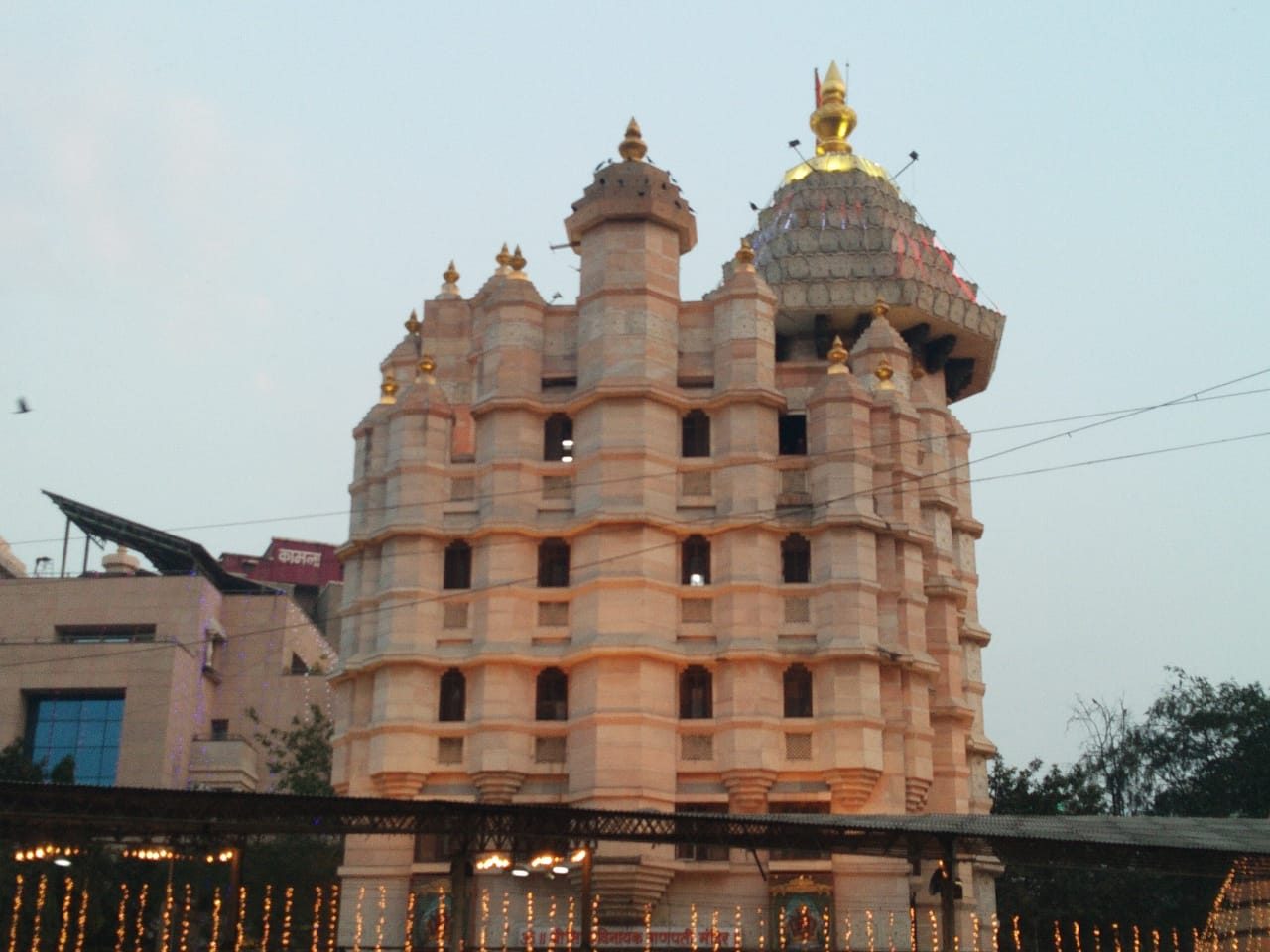
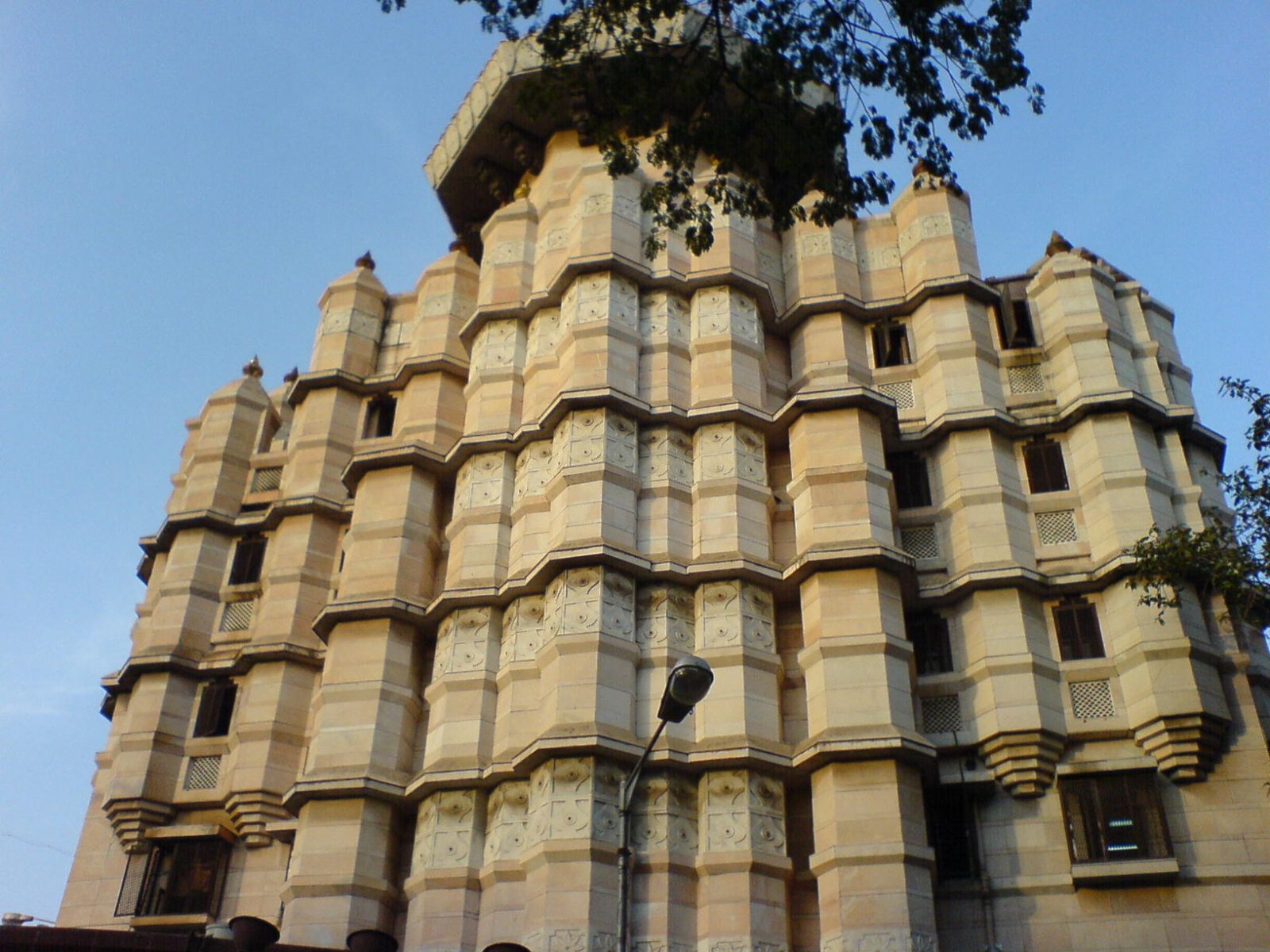
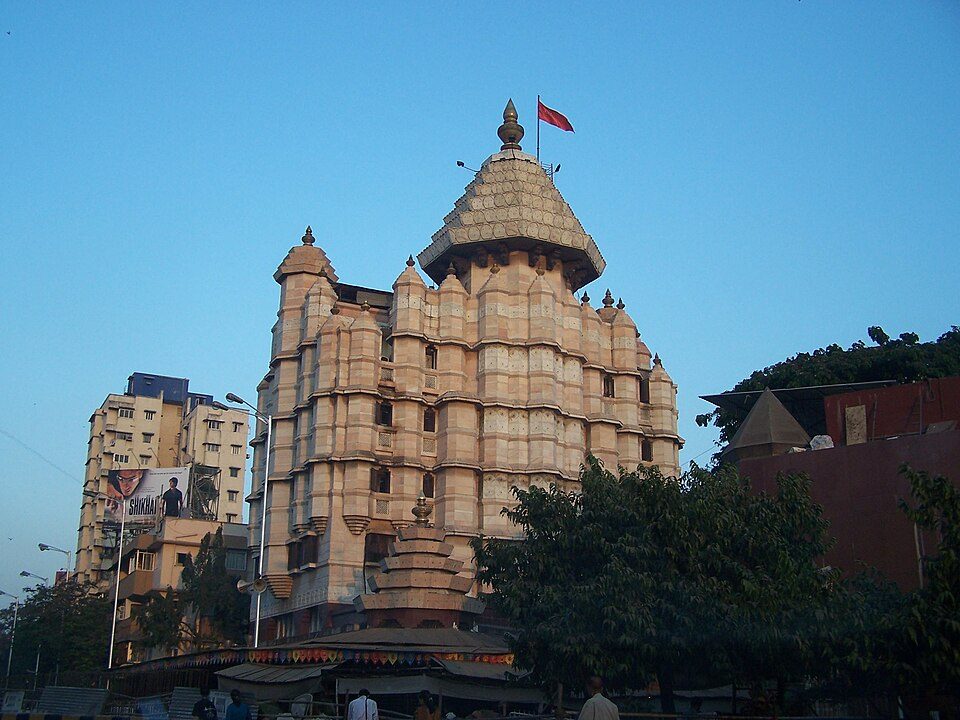
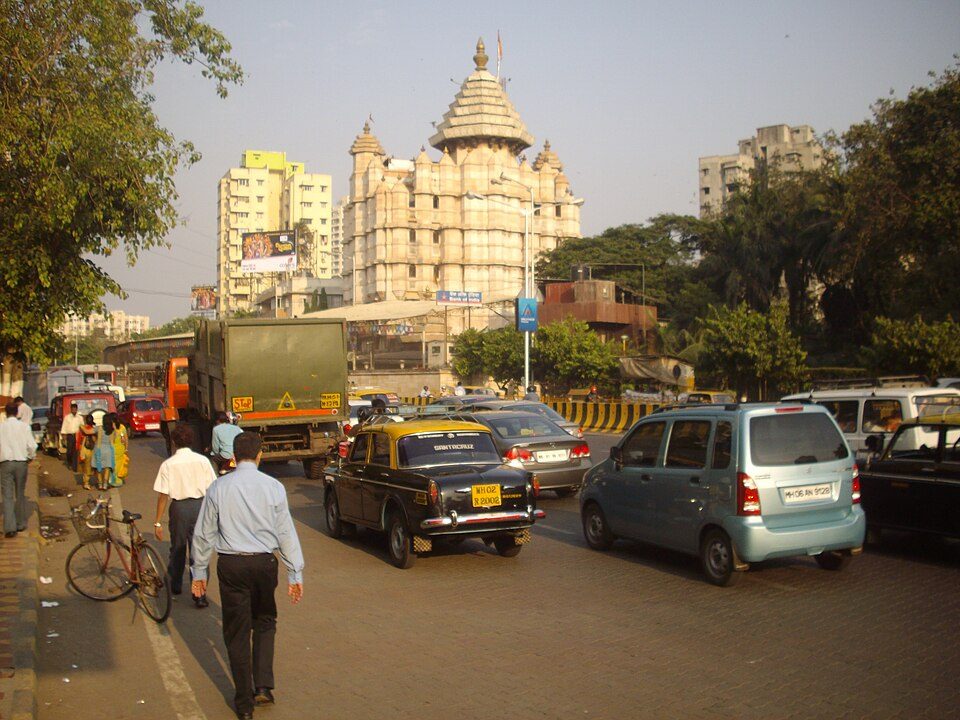
Founded in 1801 in Prabhadevi, the Siddhivinayak temple is the most famous Ganesha temple in Mumbai. The small black stone idol has its trunk turned to the right, considered especially powerful. Tuesdays draw very long queues of devotees.
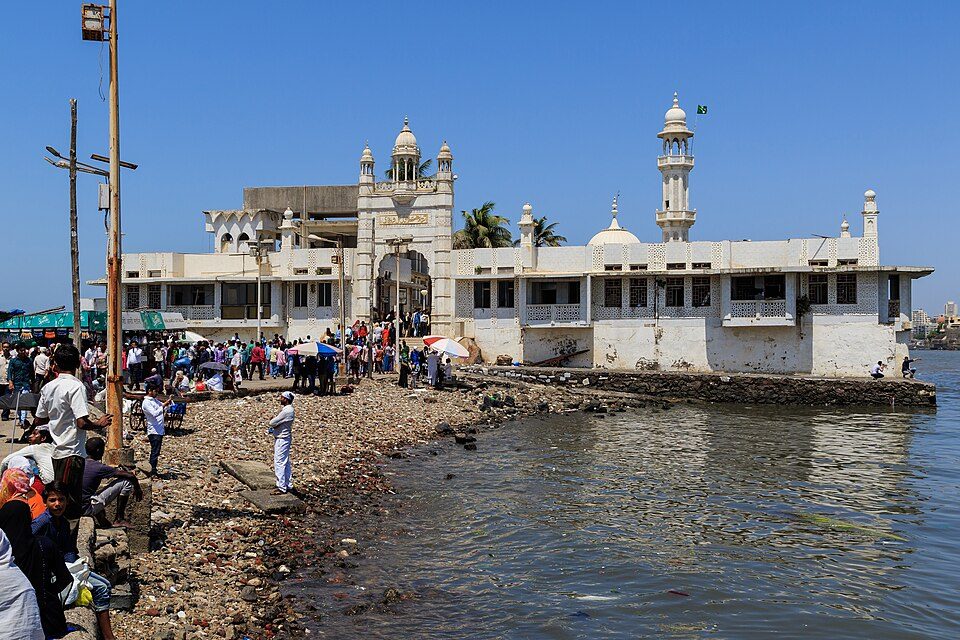
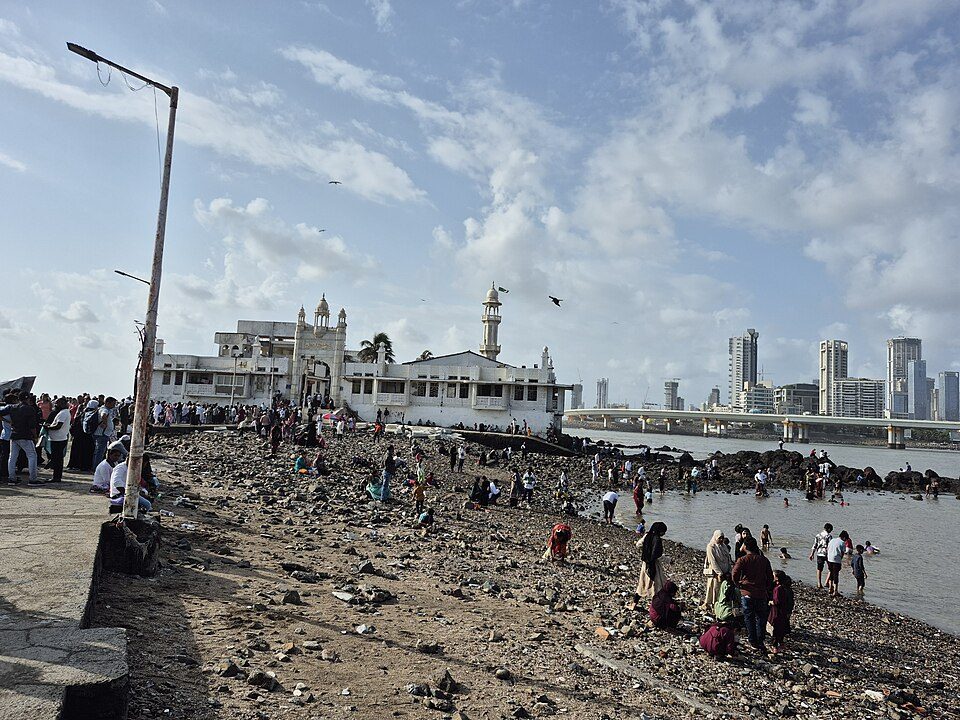
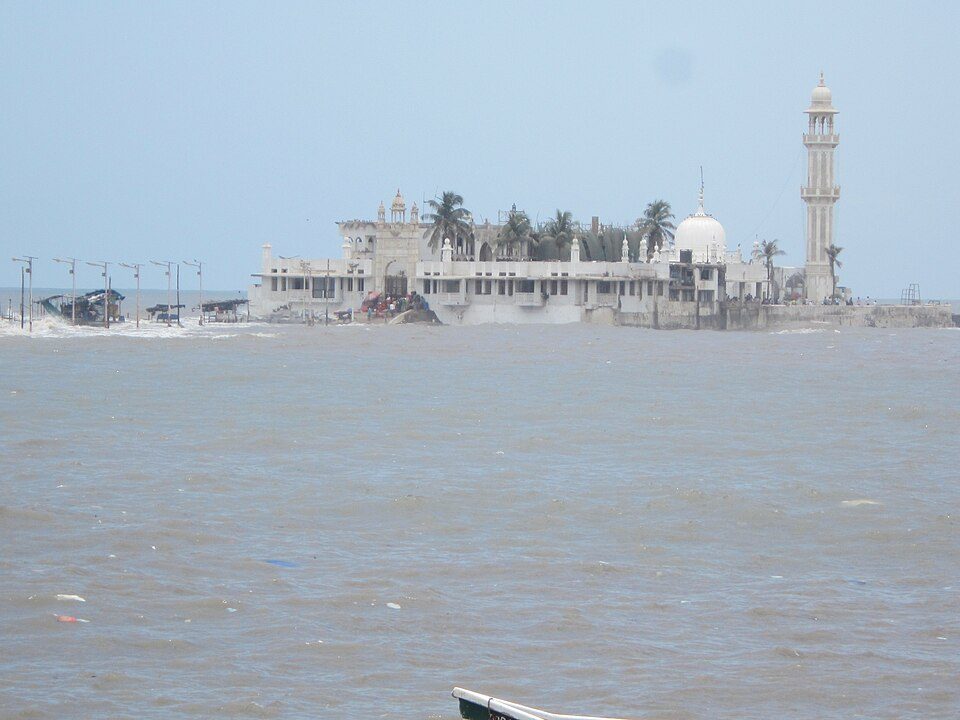
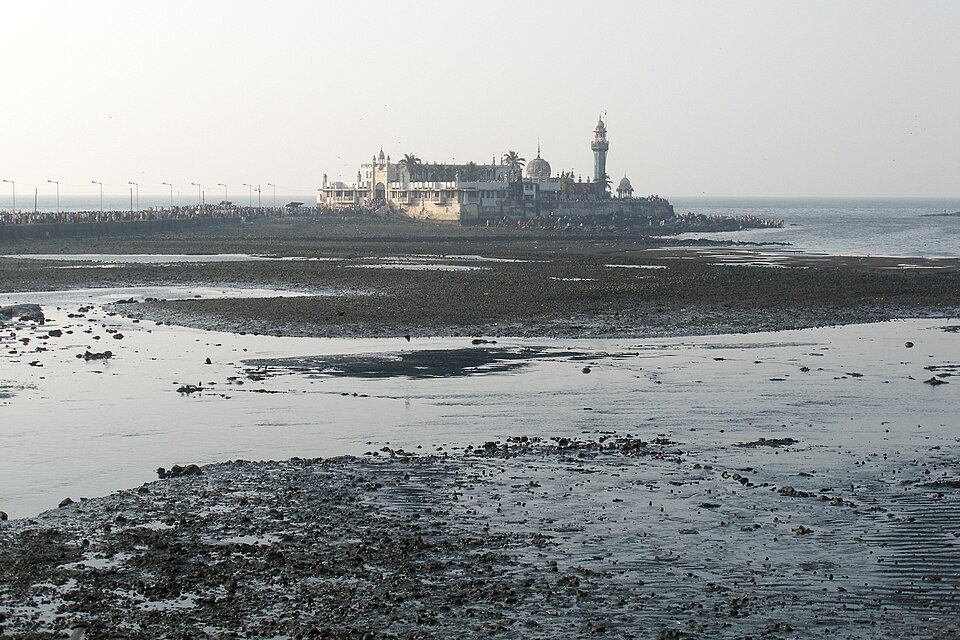
Built in 1431 on an islet off Worli, the Haji Ali Dargah holds the tomb of the merchant-saint Pir Haji Ali Shah Bukhari. It is reached by a causeway that is covered by the sea at high tide. The white domes and minarets draw visitors of all faiths, especially on Thursdays and Fridays.
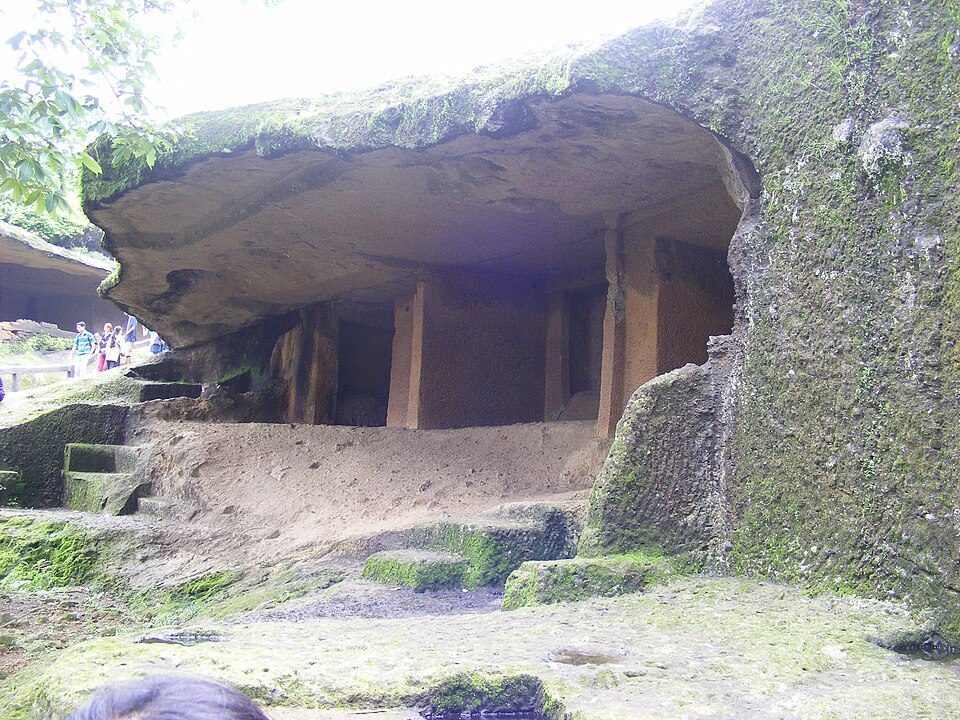
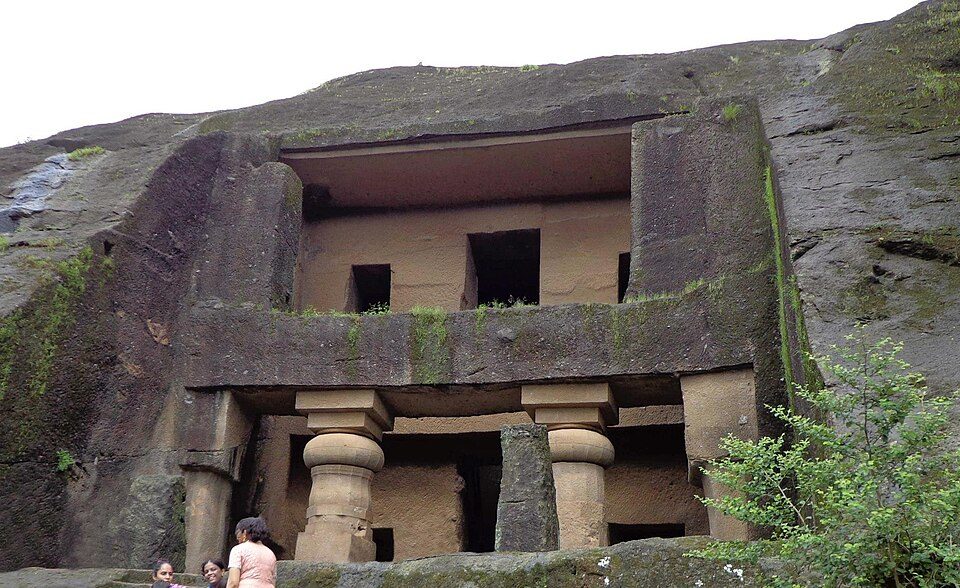
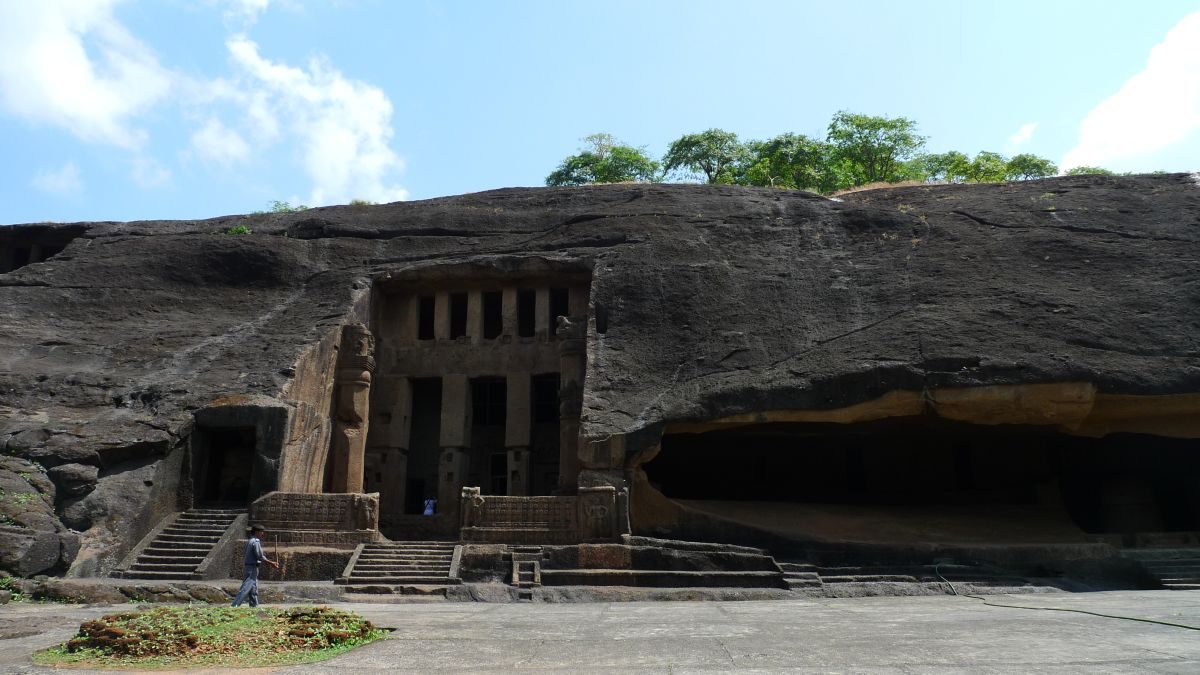
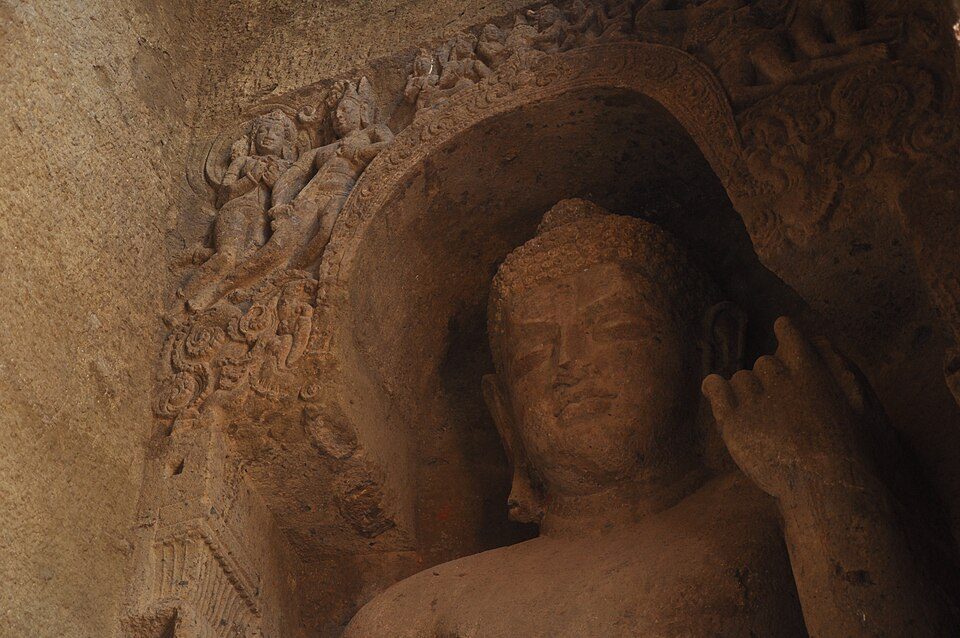
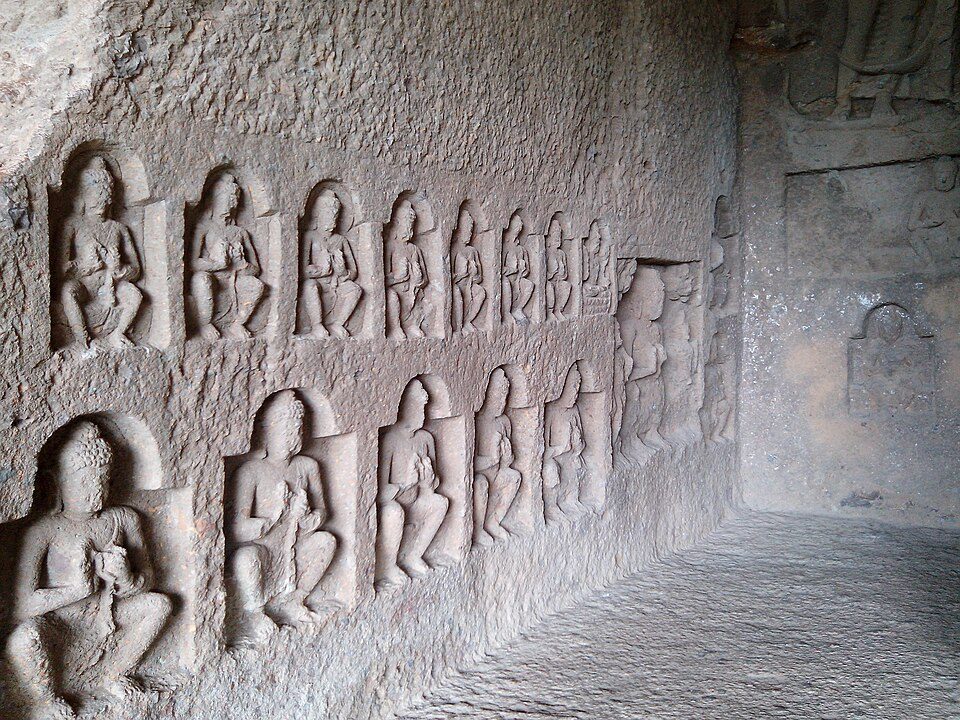
Inside Sanjay Gandhi National Park, the Kanheri Caves are more than a hundred rock-cut Buddhist caves dating from the 1st century BCE to the 10th century CE. They include a great chaitya hall with tall Buddha figures, monk cells and an elaborate system of cisterns cut into the basalt hill.
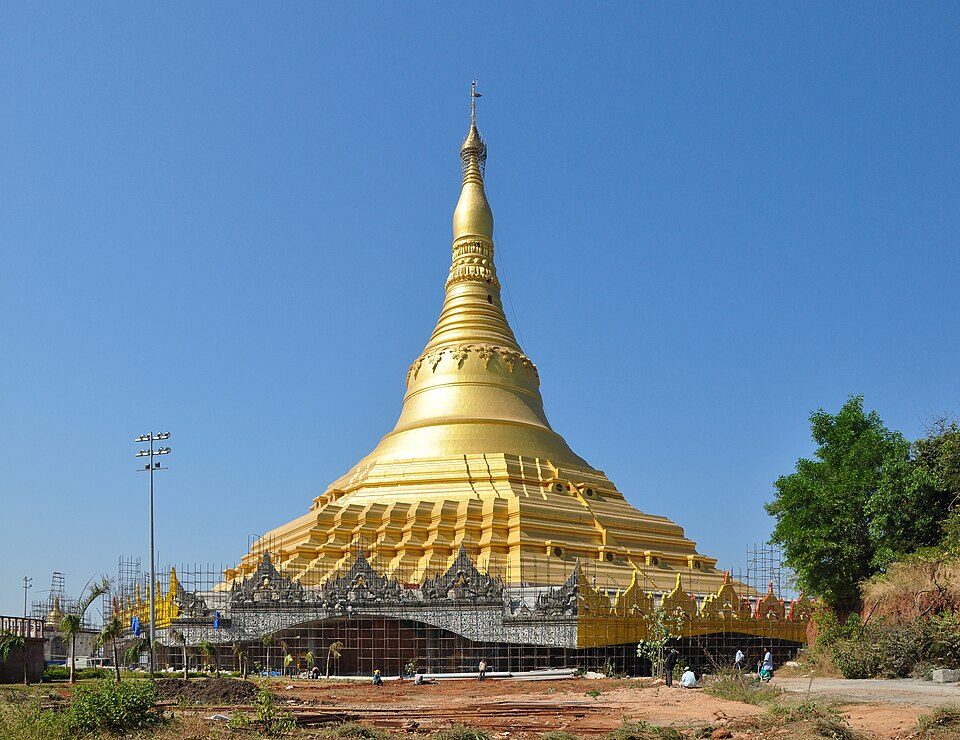
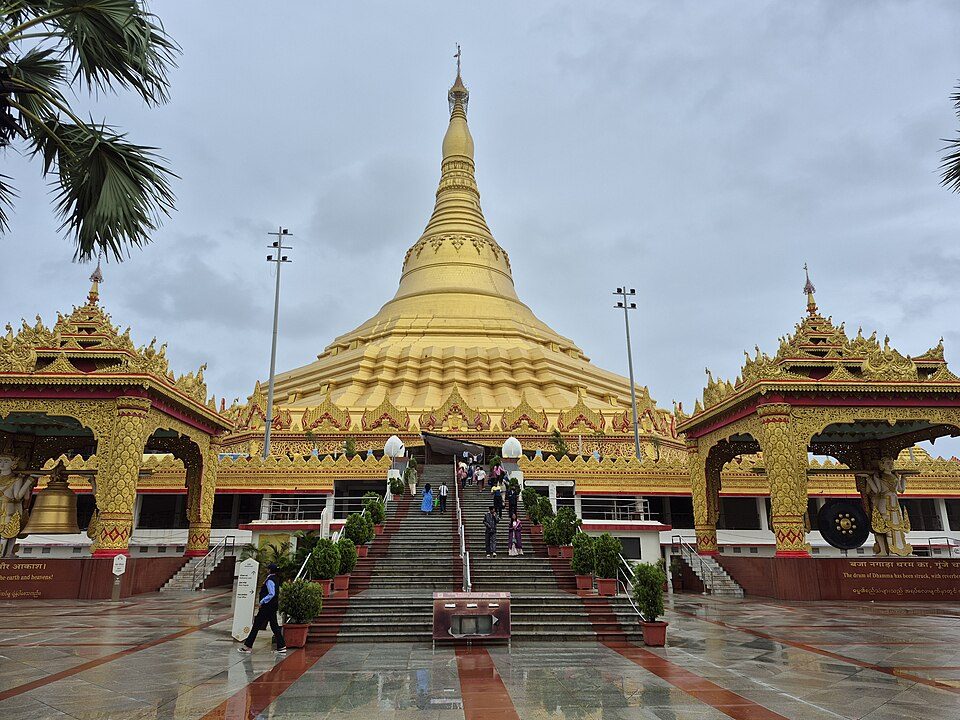
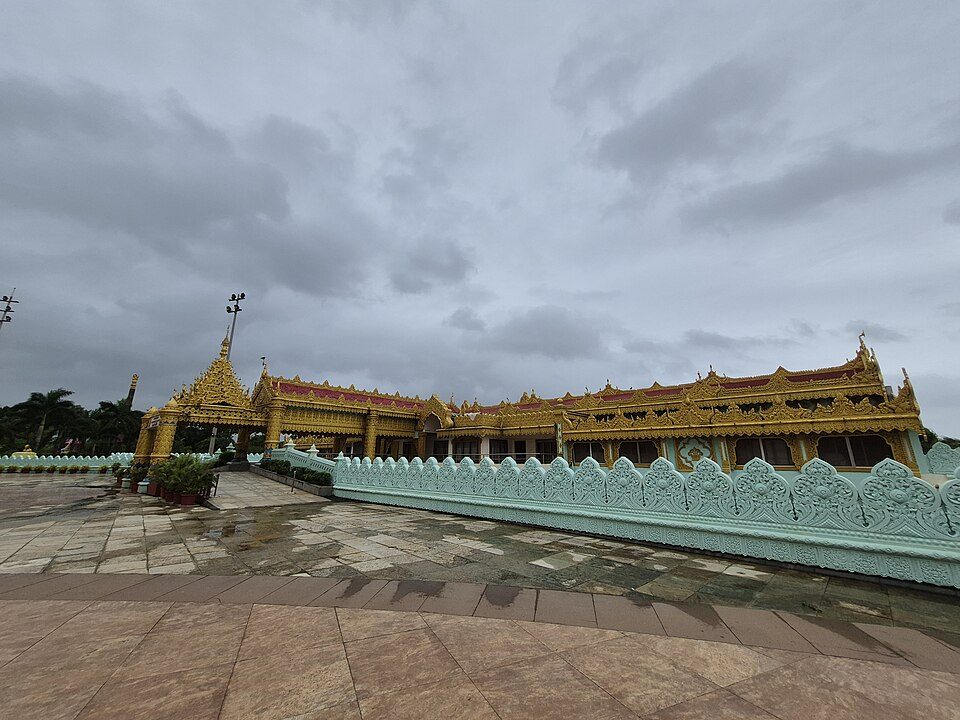
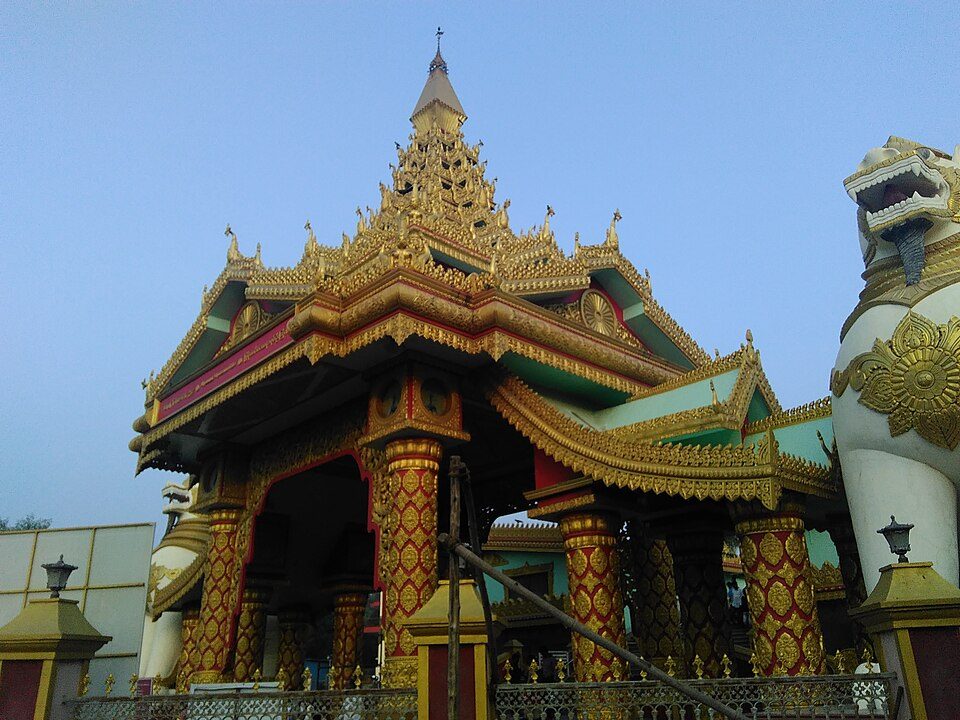
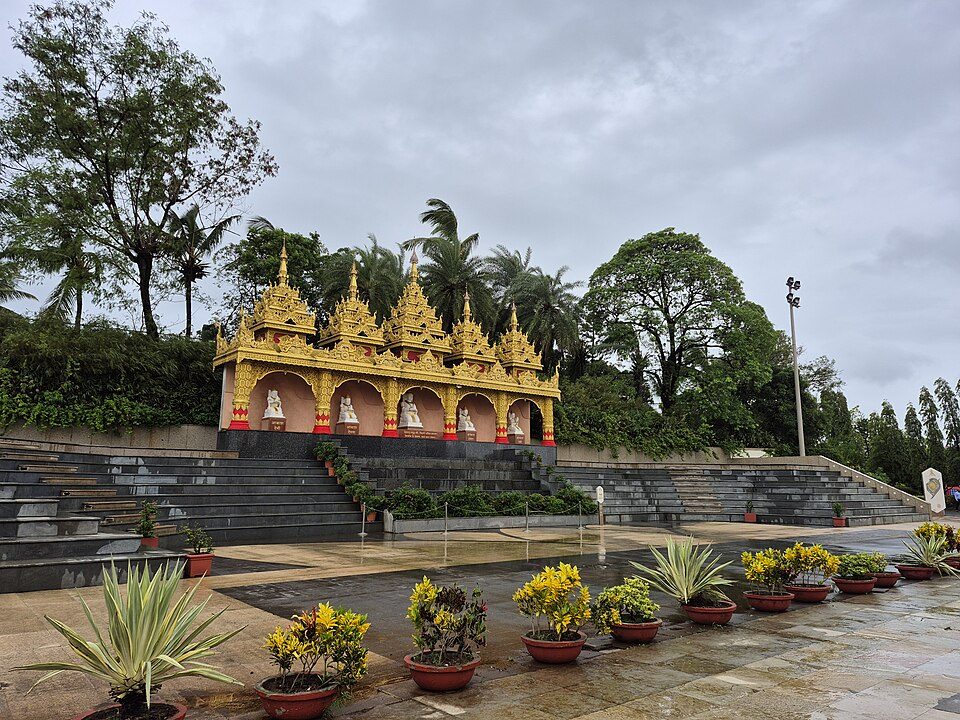
Completed in 2008 near Gorai, the Global Vipassana Pagoda is a golden stupa modelled on the Shwedagon Pagoda in Yangon. Its meditation hall is one of the largest stone domes in the world built without supporting pillars, seating thousands of meditators.
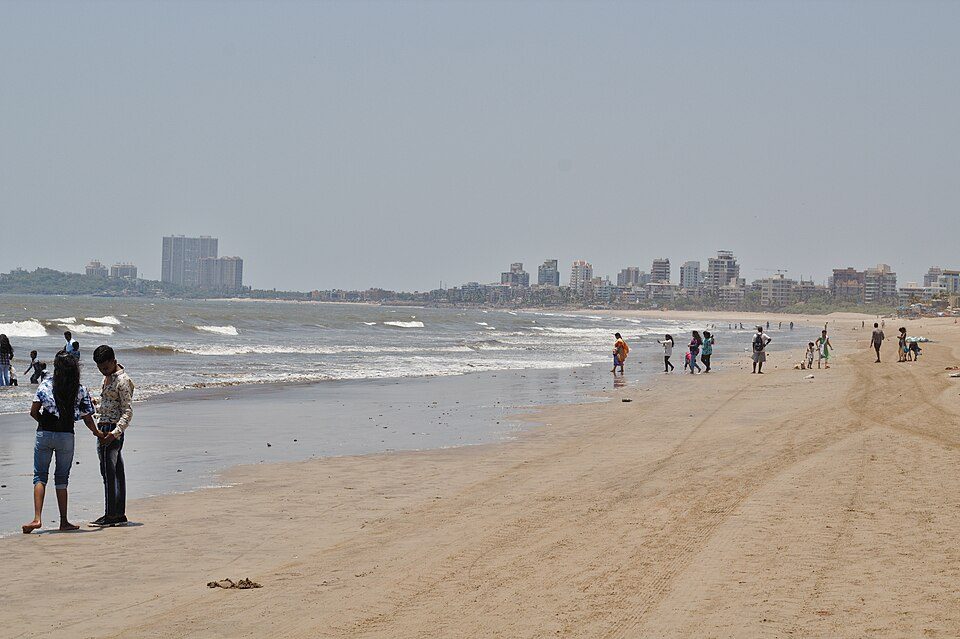
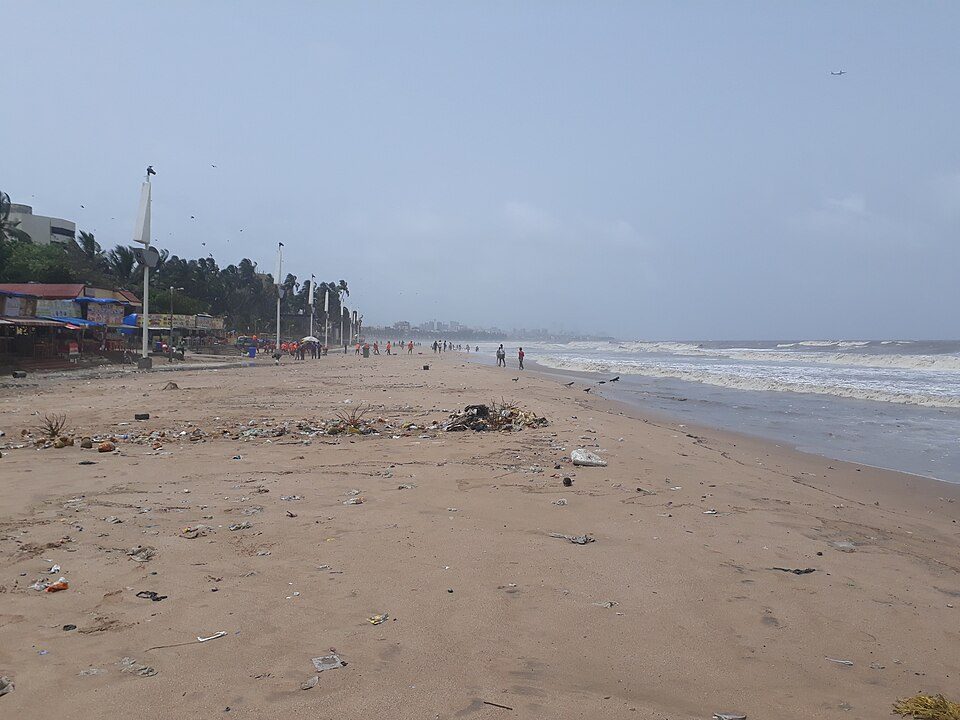
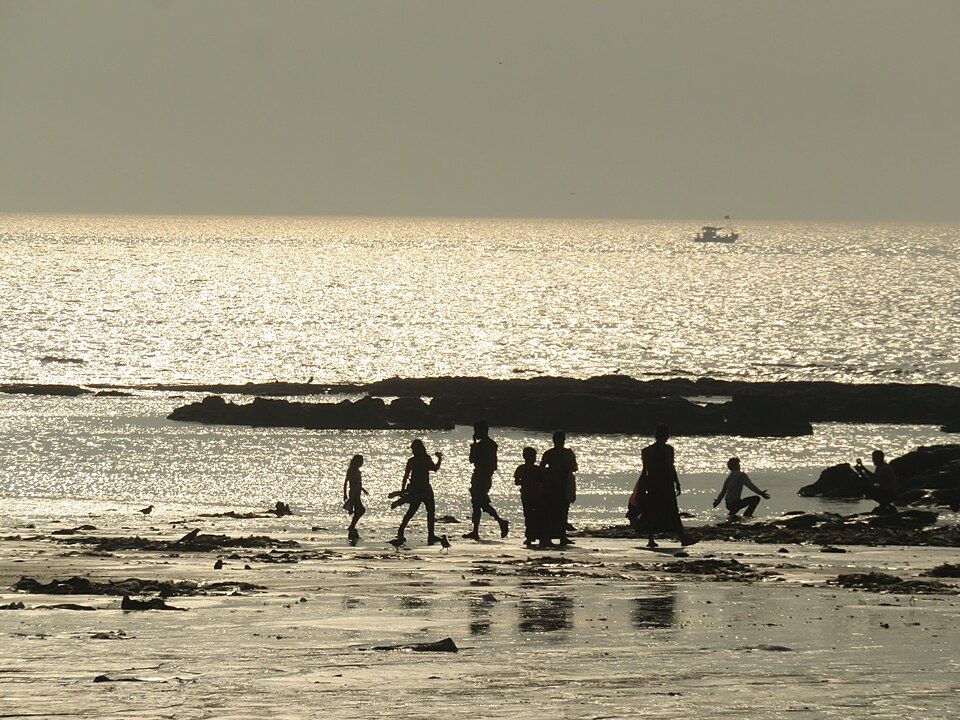
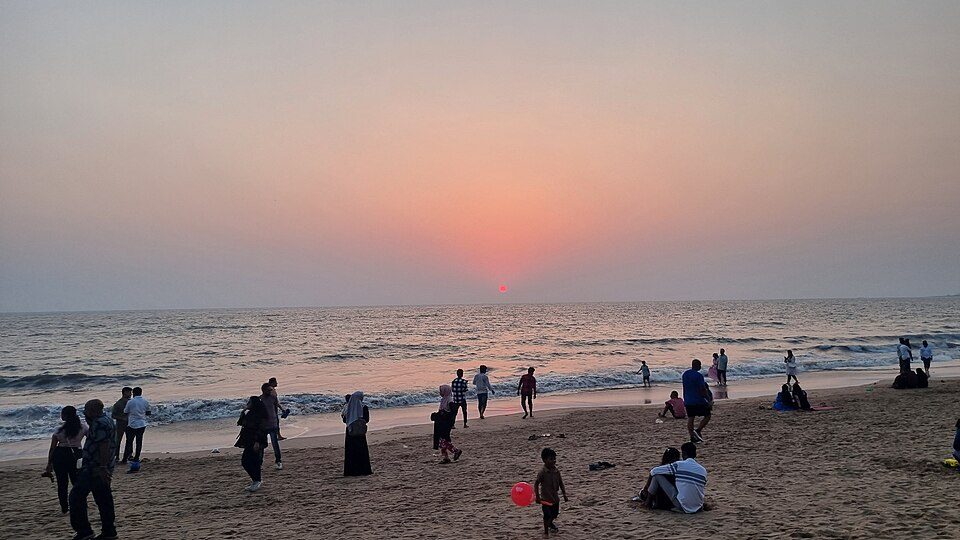
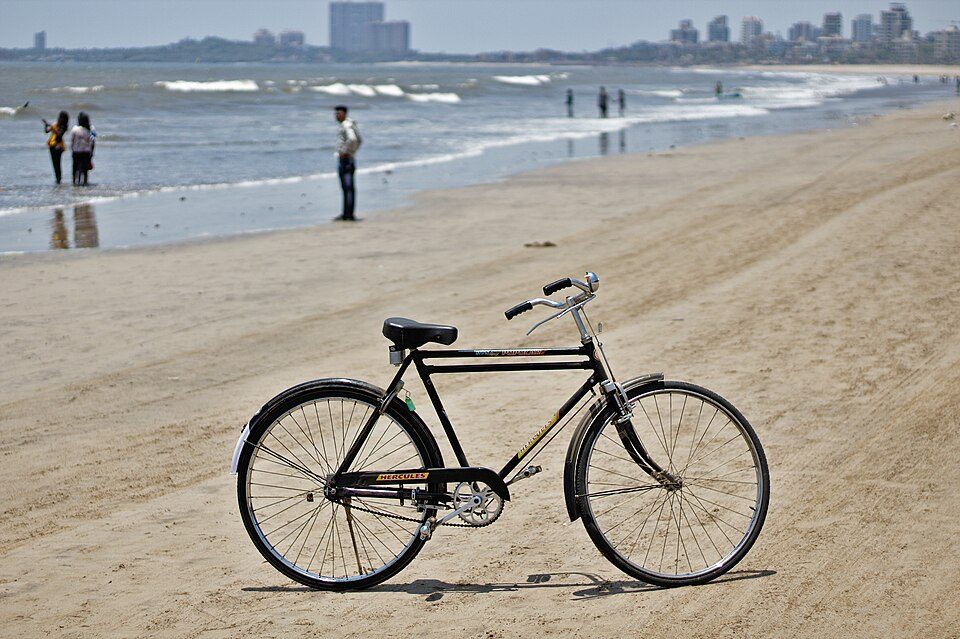
Mumbai's best-known beach, Juhu stretches for several kilometres along the Arabian Sea in the northern suburbs. It is famous for its street food, especially bhel puri and pav bhaji, and for the crowds that come at sunset. Many film stars live nearby.
Best weather: Oct – FebHeavy rain: Jun – Sep
Seasons from 20 years of NASA POWER climate data.
Was this trip blog helpful?
0
0
Ready to follow this route?
Copy all 10 stops into your trip plans in the app.
 WaTrips