Mount Abu's Dilwara temples, Nakki Lake and Guru Shikhar, Sundha Mata, the Nakoda Jain temple, the ruined Kiradu temples and Jawai's leopard hills.
From Rajasthan's only hill station into its western desert. Mount Abu has the marble Dilwara temples, some of the finest carving in India, though visiting hours are limited, so check before you go; there is also boating on Nakki Lake, the view from Toad Rock and Guru Shikhar, the highest point in Rajasthan. Day two drives to the Sundha Mata hill temple, which has a ropeway, and the Nakoda Jain temple. Day three heads deep into the Barmer desert for the Kiradu temples, ruined but still beautifully carved. The last day stops at the Om Banna shrine on the Jodhpur road and ends at Jawai Dam, where leopards live among the granite hills; a guided evening drive gives the best chance to see one.
01
STOP 1 OF 9
Dilwara Temples
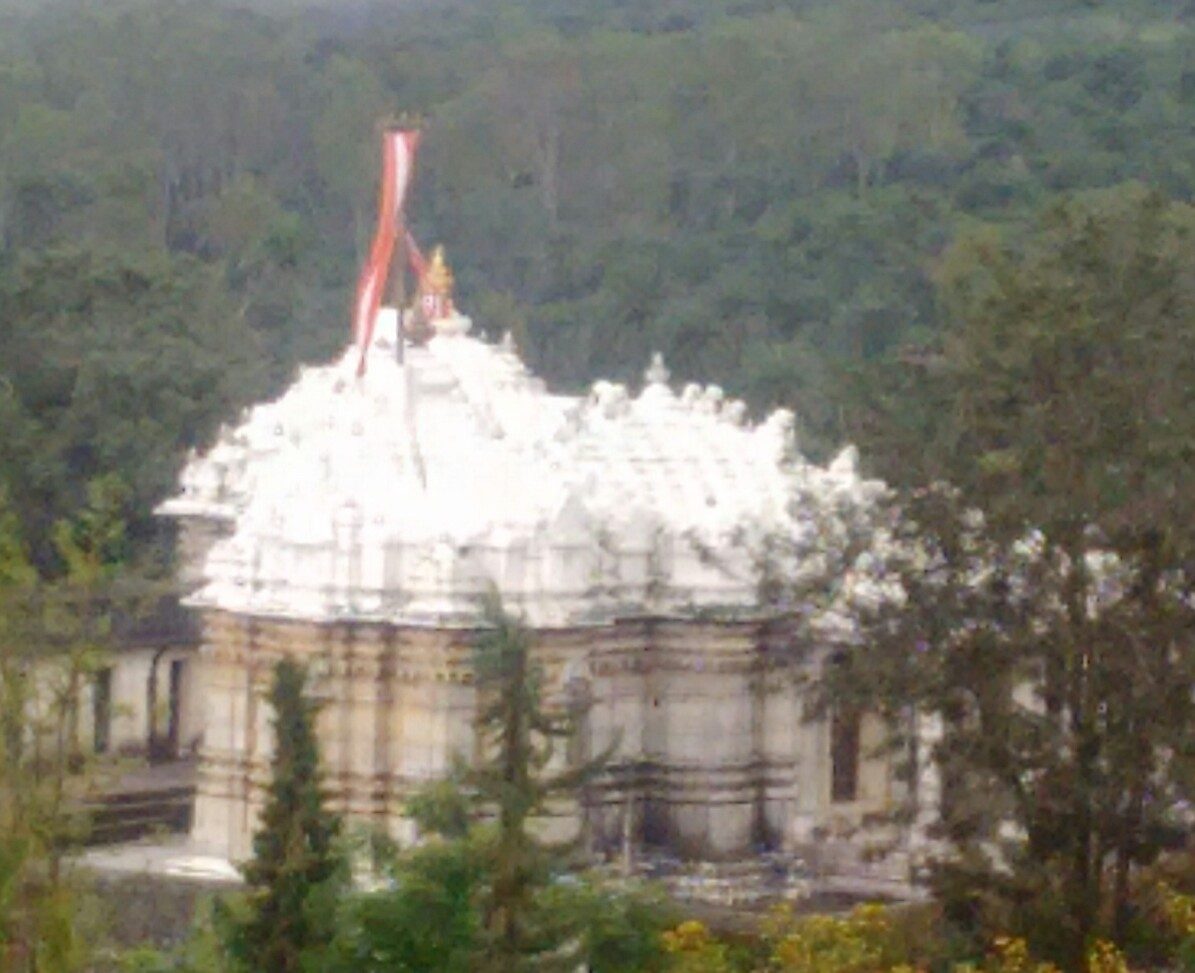
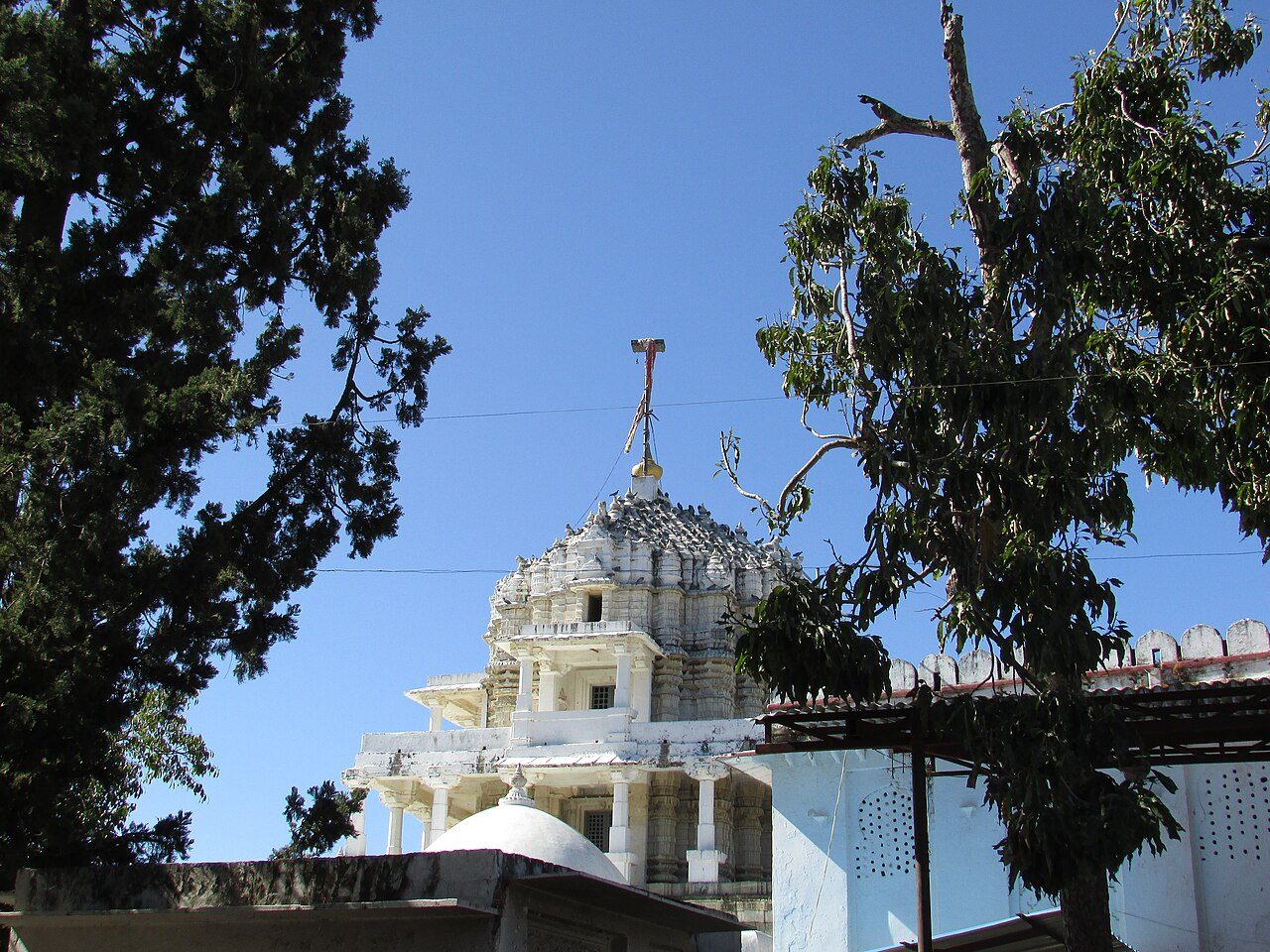
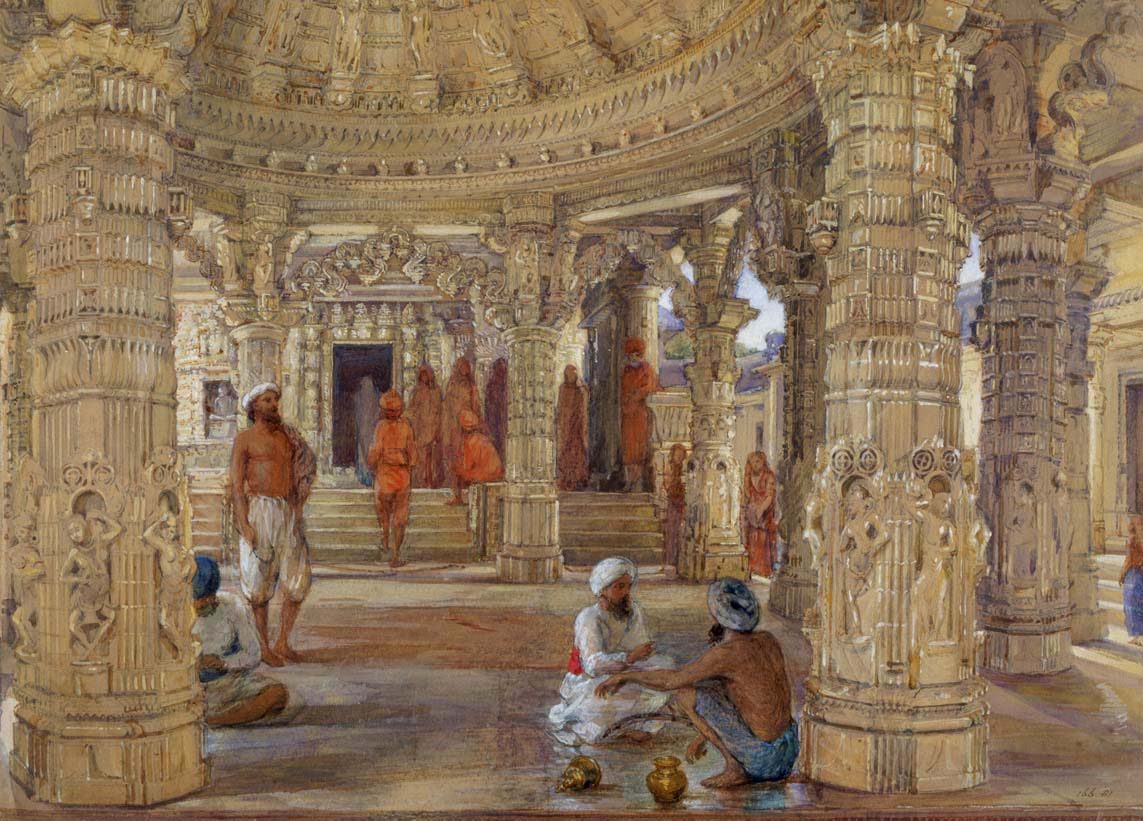
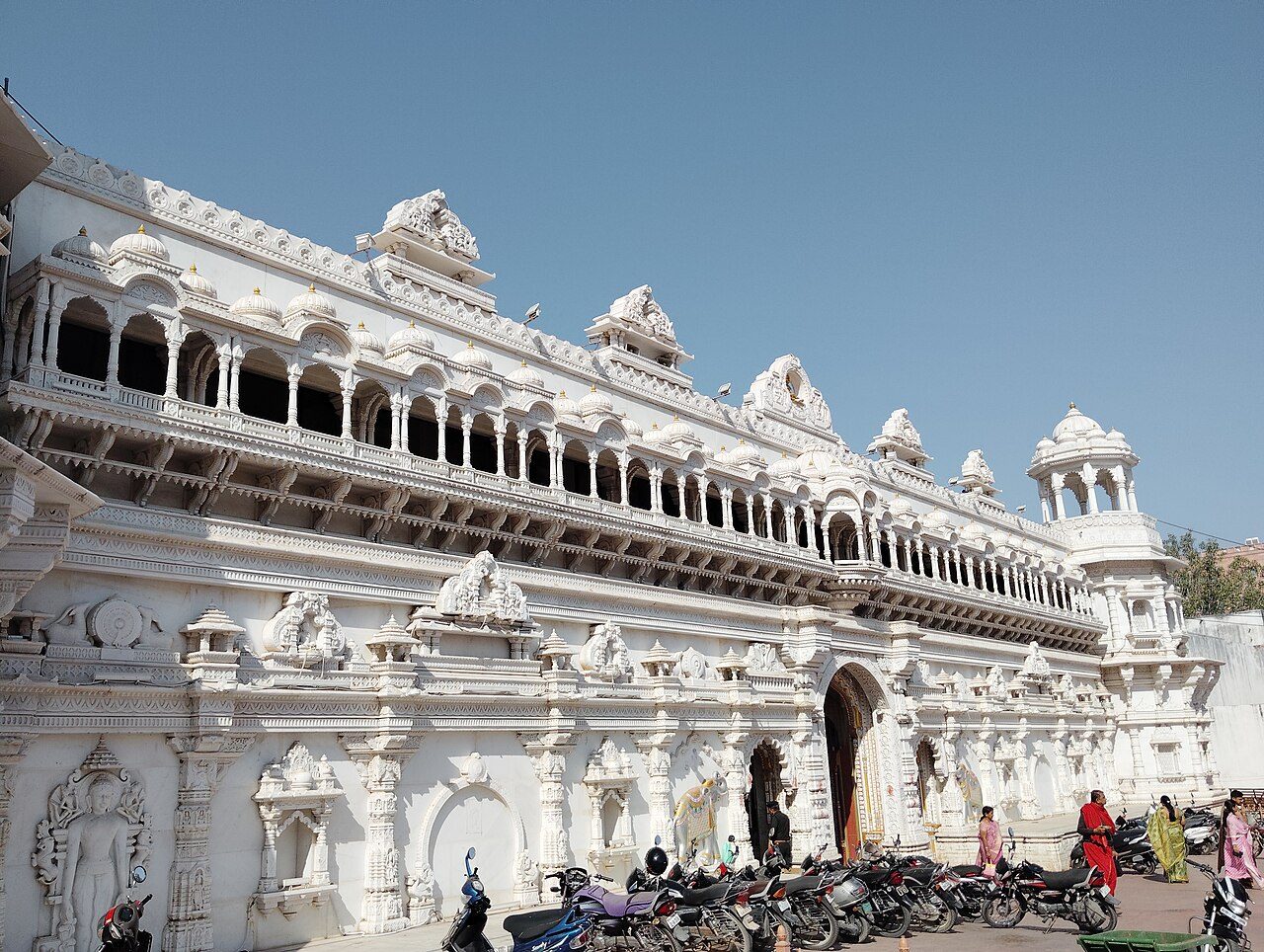
The Dilwara temples near Mount Abu are a group of Jain temples built between the 11th and 16th centuries, renowned for some of the finest marble carving in the world. The Vimal Vasahi, built in 1031, and the Luna Vasahi, built in 1230, have ceilings, pillars and doorways carved in astonishingly intricate detail. Photography is not allowed inside. The temples open to non-Jain visitors from midday.
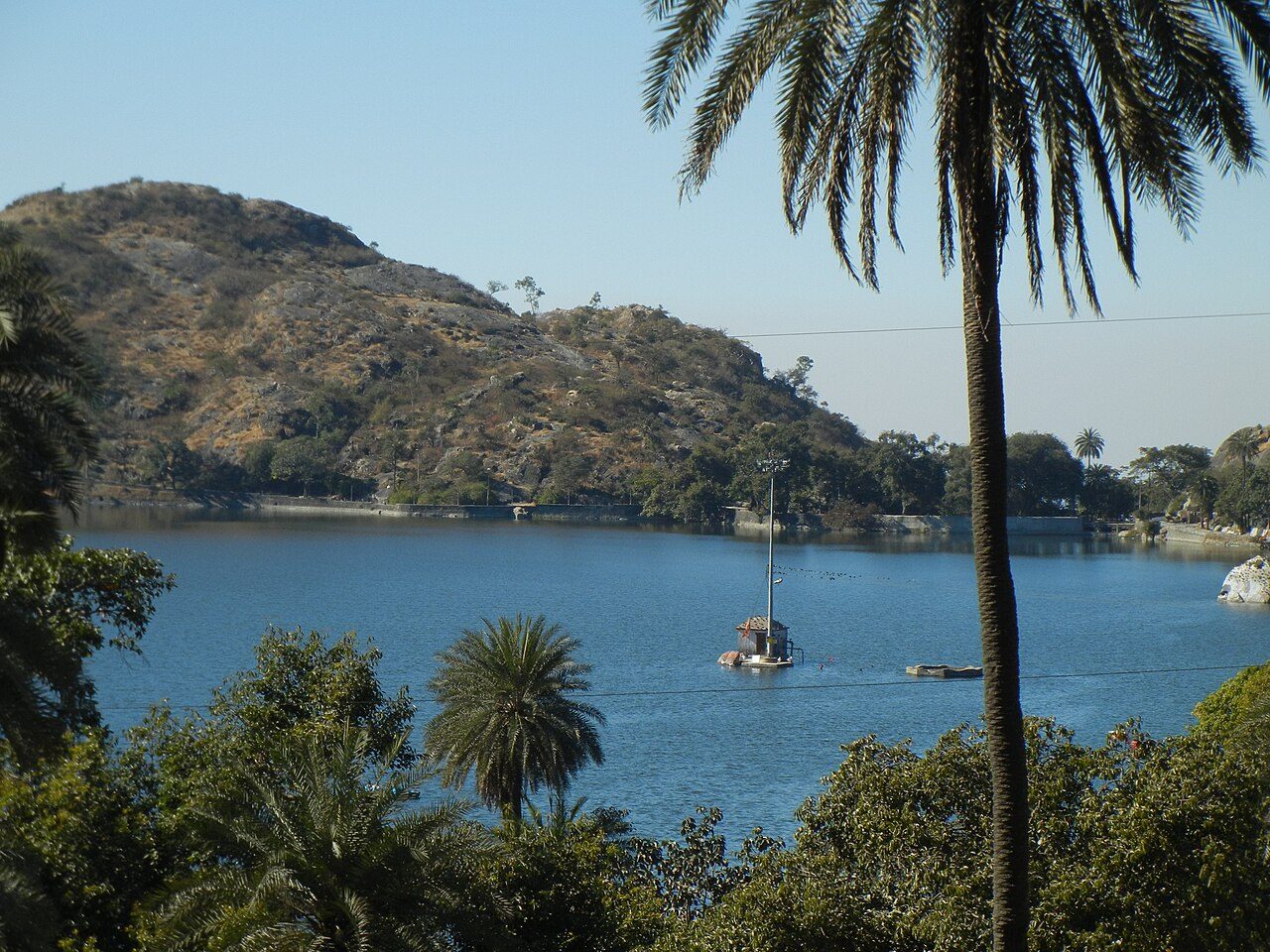
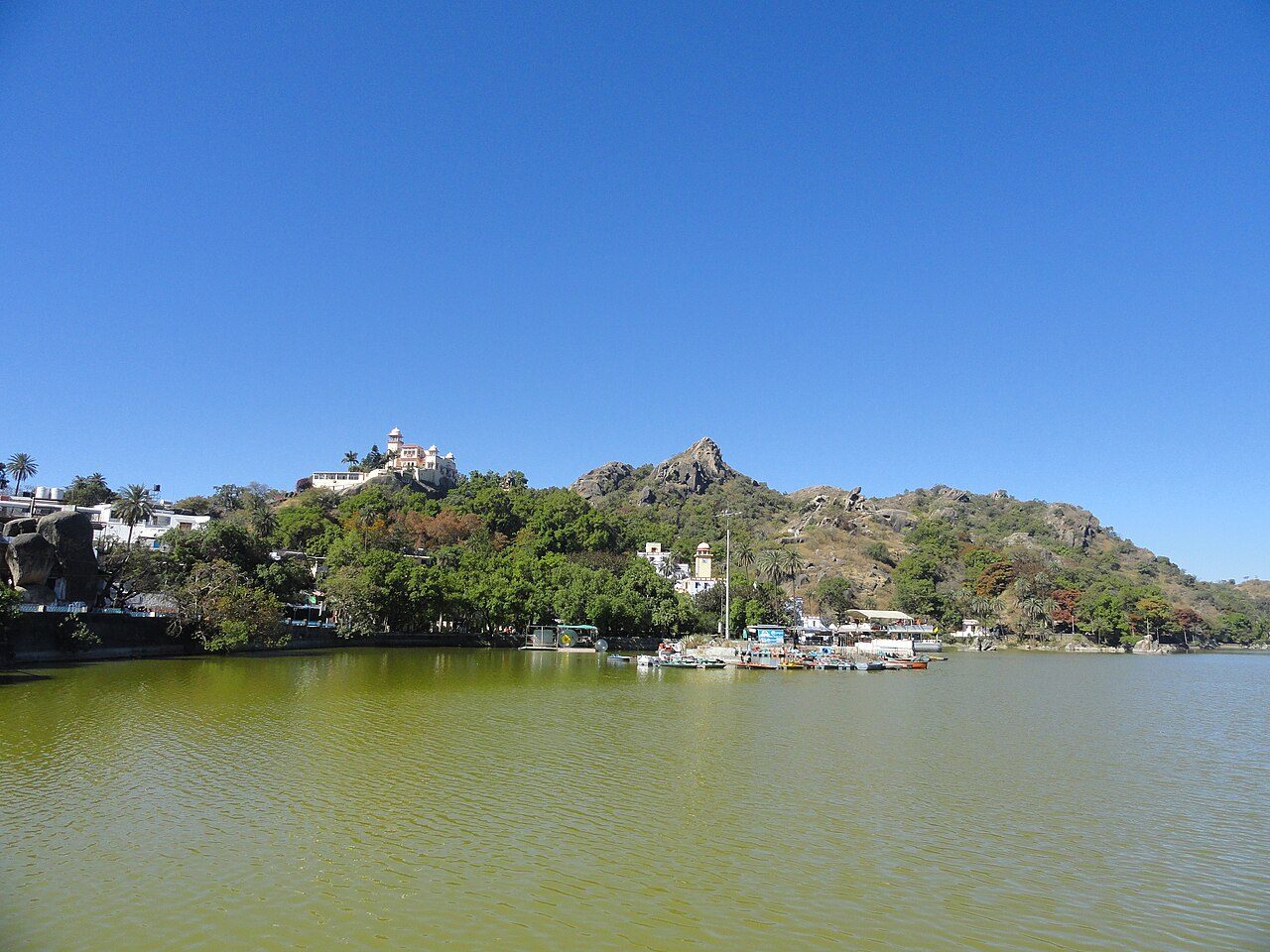
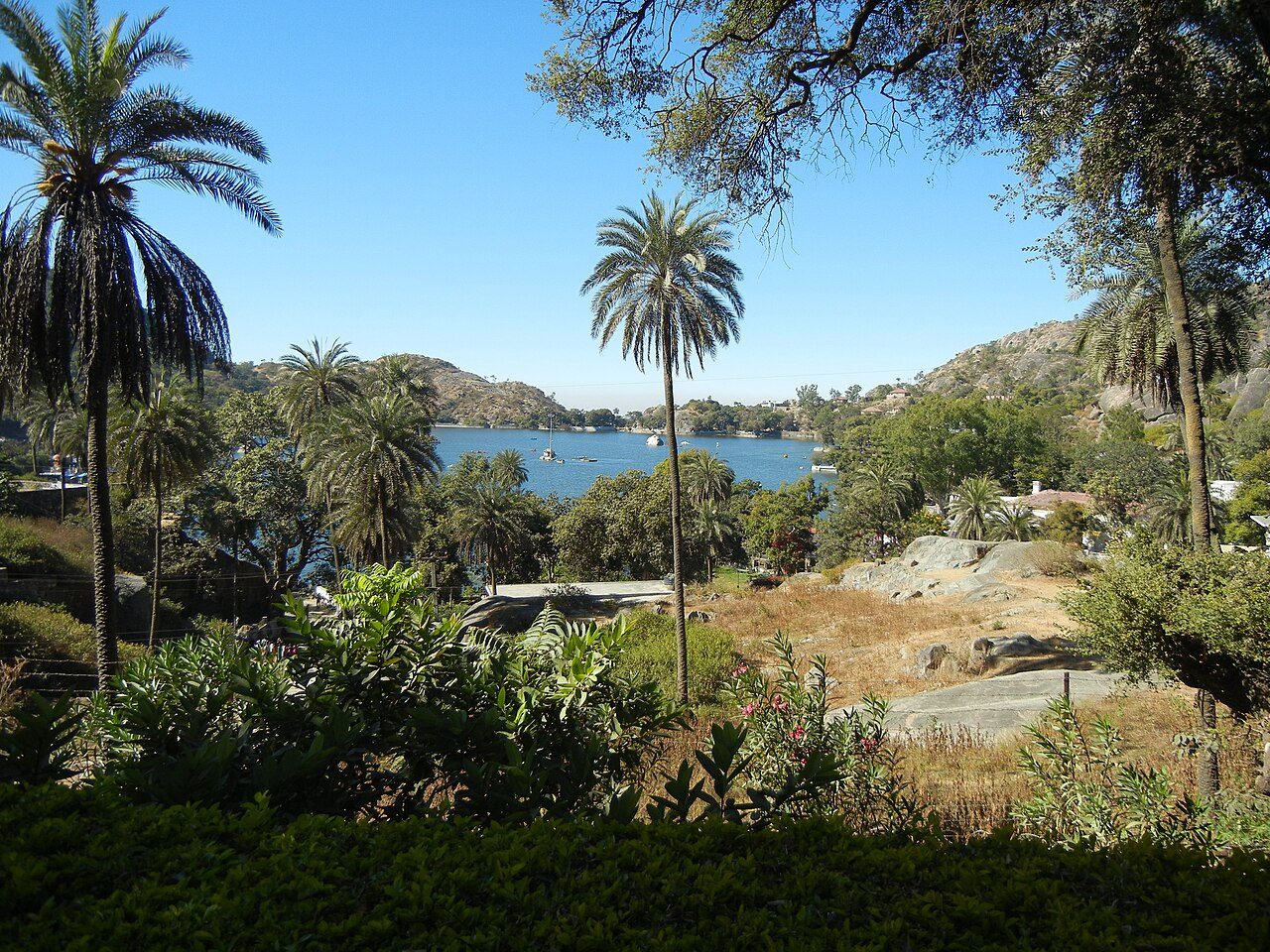
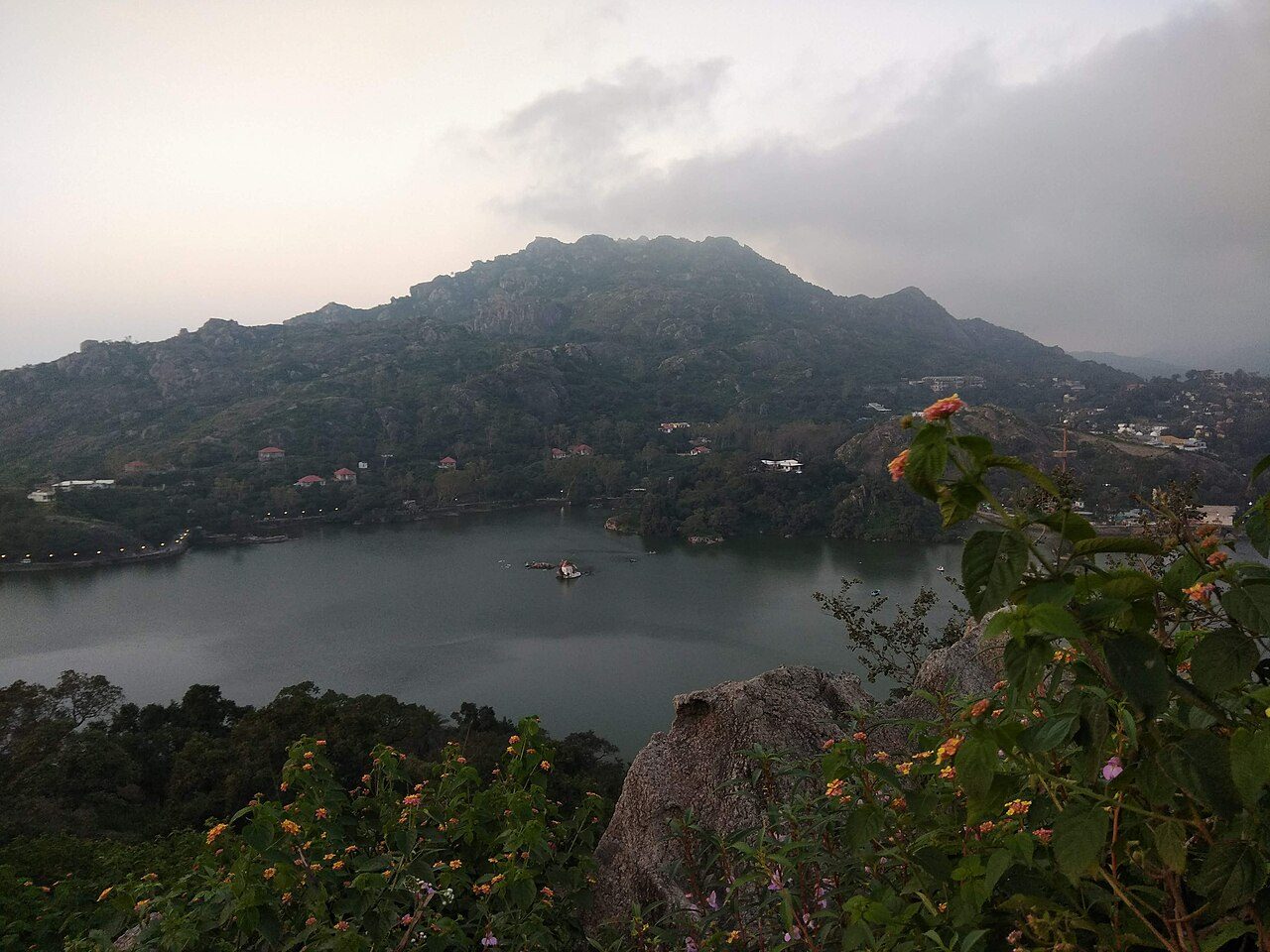
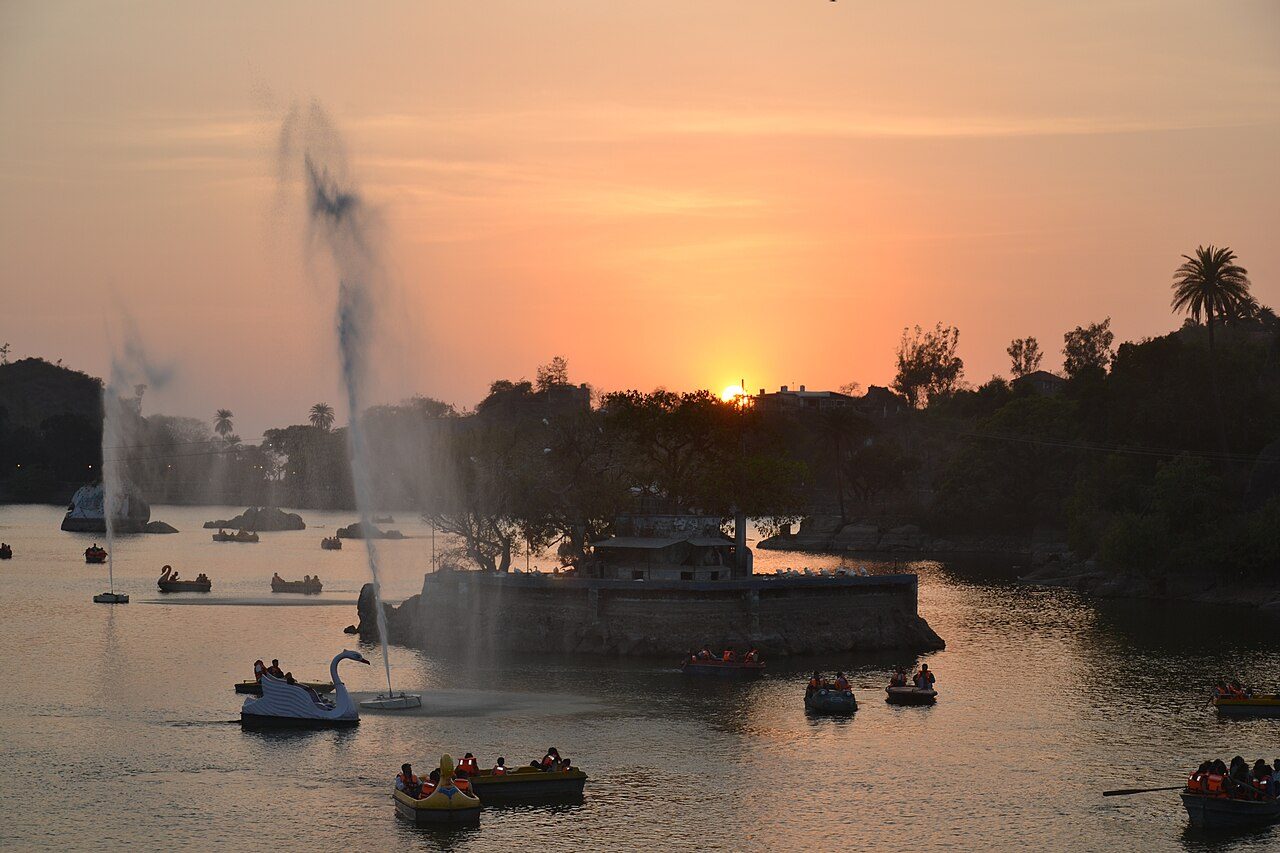
Nakki Lake lies at the heart of Mount Abu, Rajasthan's only hill station, at about 1,200 metres. Legend says it was dug by the gods with their fingernails. Ringed by hills and rock formations, it is the town's social centre, with boating, a lakeside walk and food stalls. Part of Mahatma Gandhi's ashes were immersed here in 1948, and Gandhi Ghat marks the place.
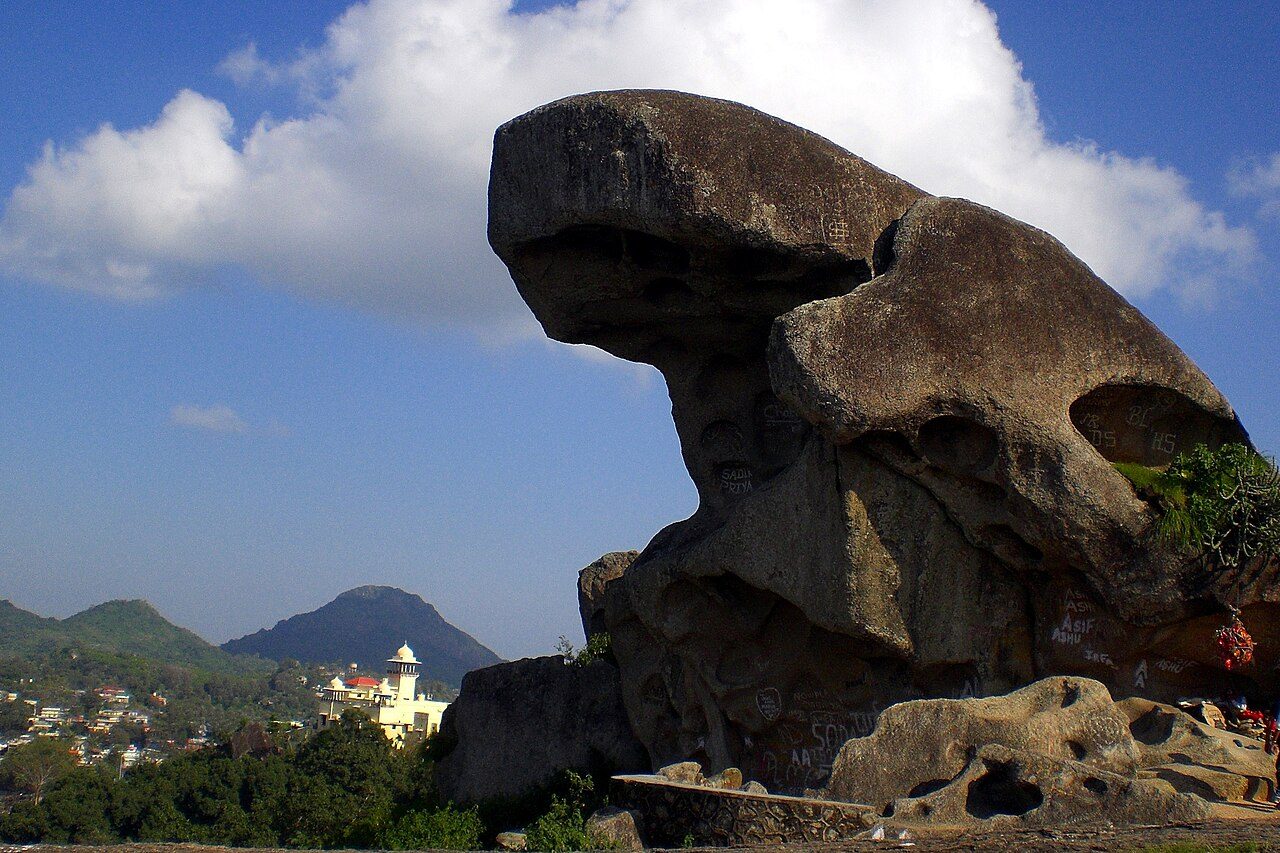
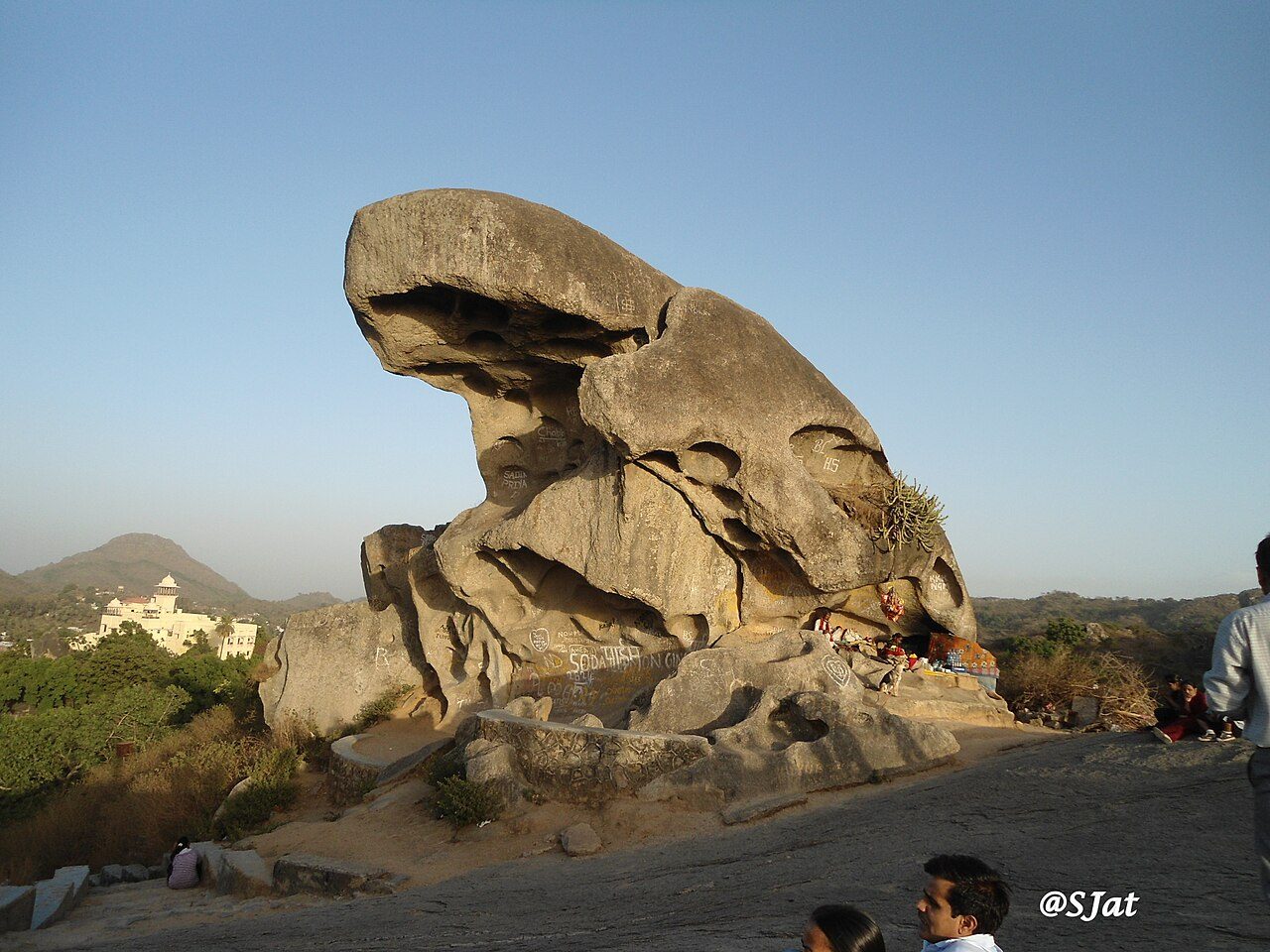
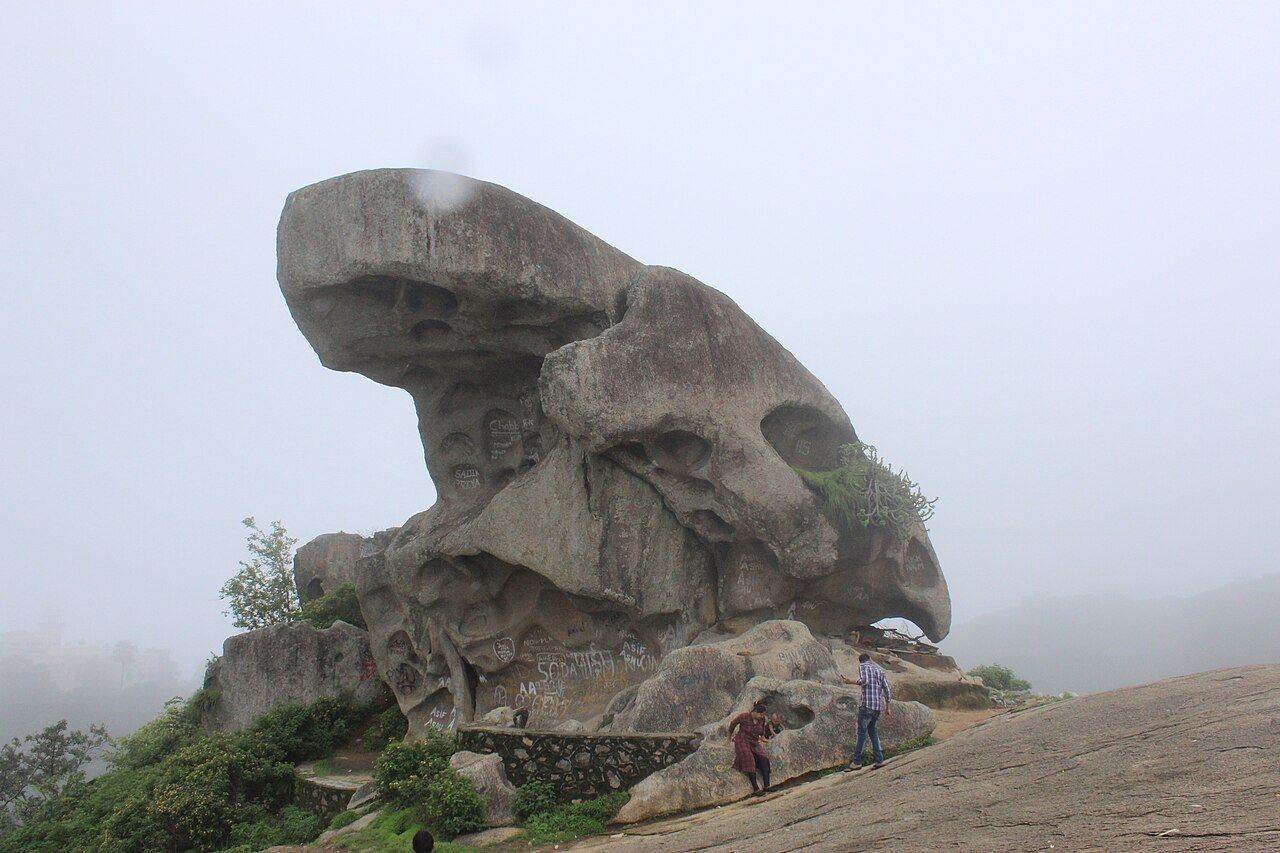
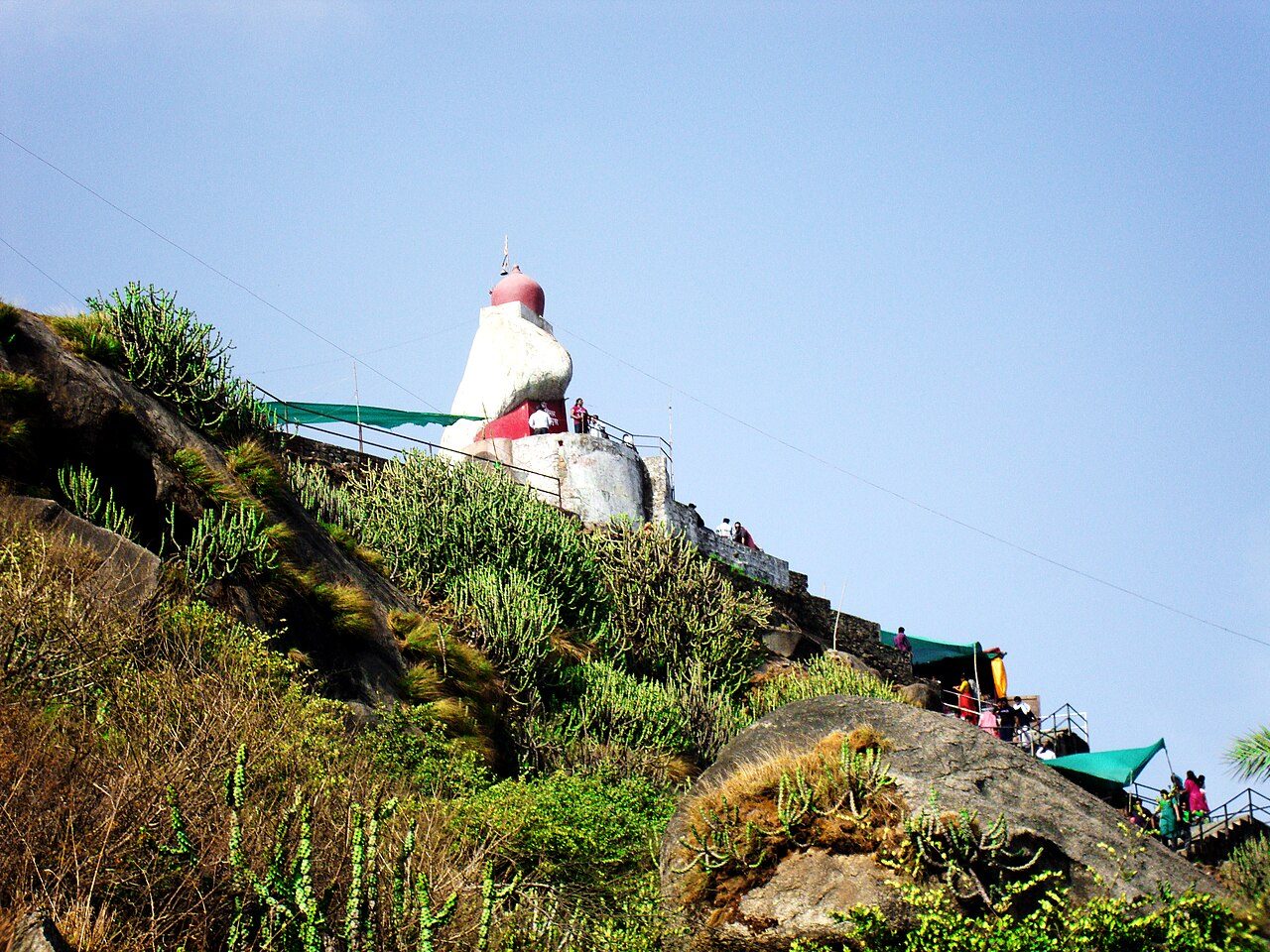
Toad Rock is a huge boulder perched on the hill above Nakki Lake in Mount Abu, shaped like a toad about to leap into the water. A short, fairly steep climb on steps and rock from the lakeside path leads up to it. From the top there are wide views of the lake, the town and the surrounding hills. It is one of several odd rock formations around the hill station.
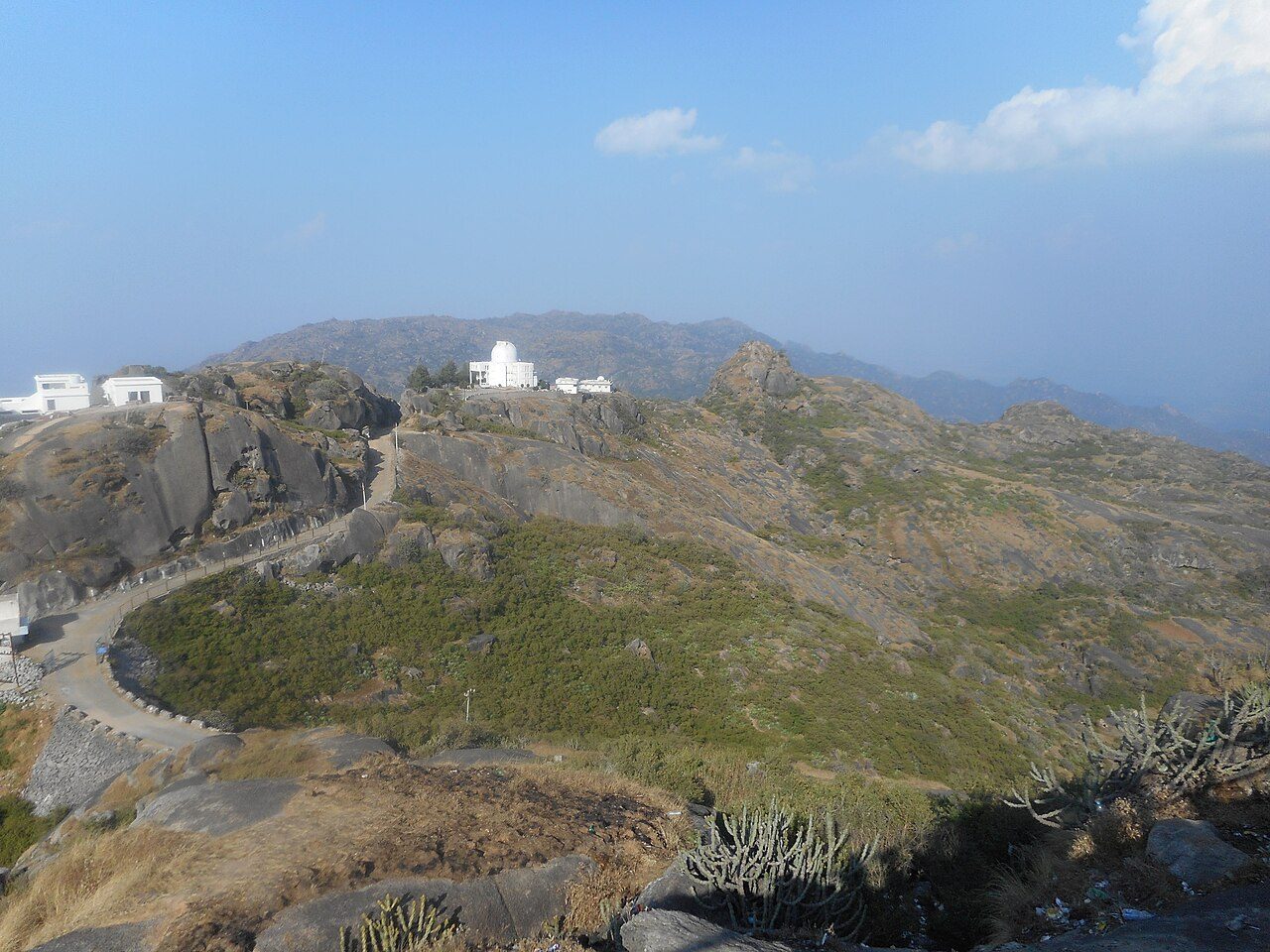
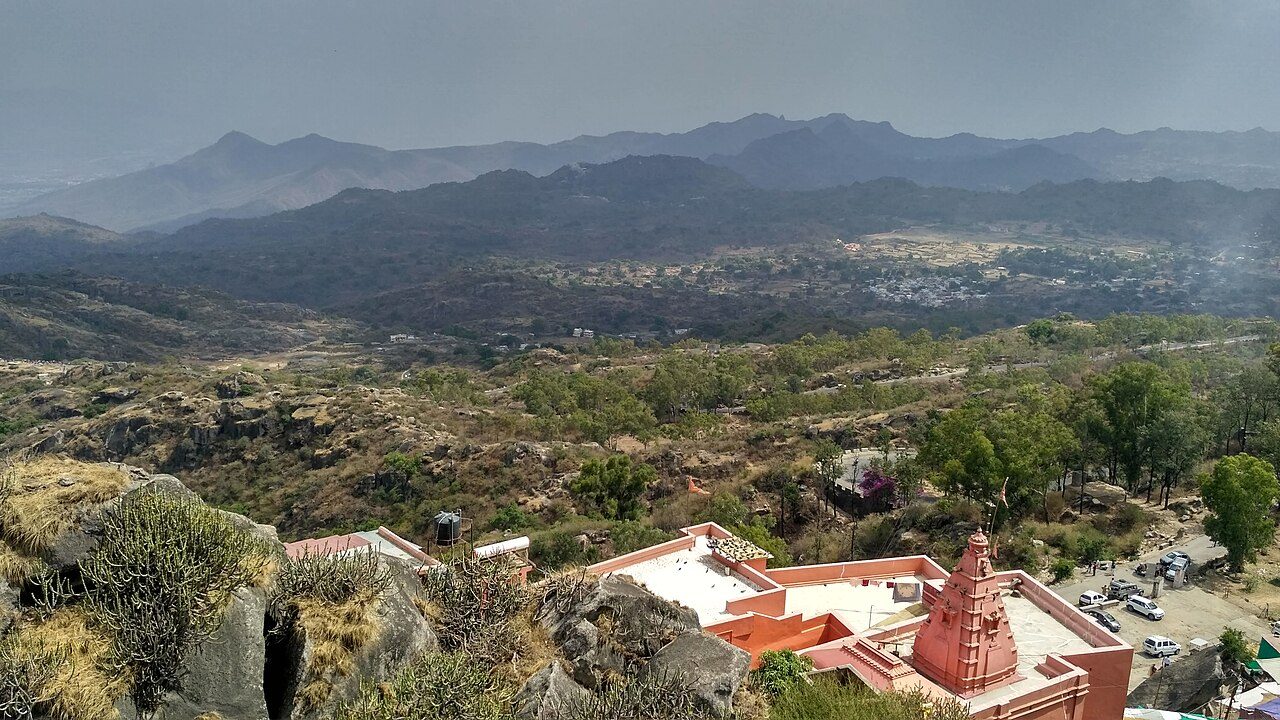
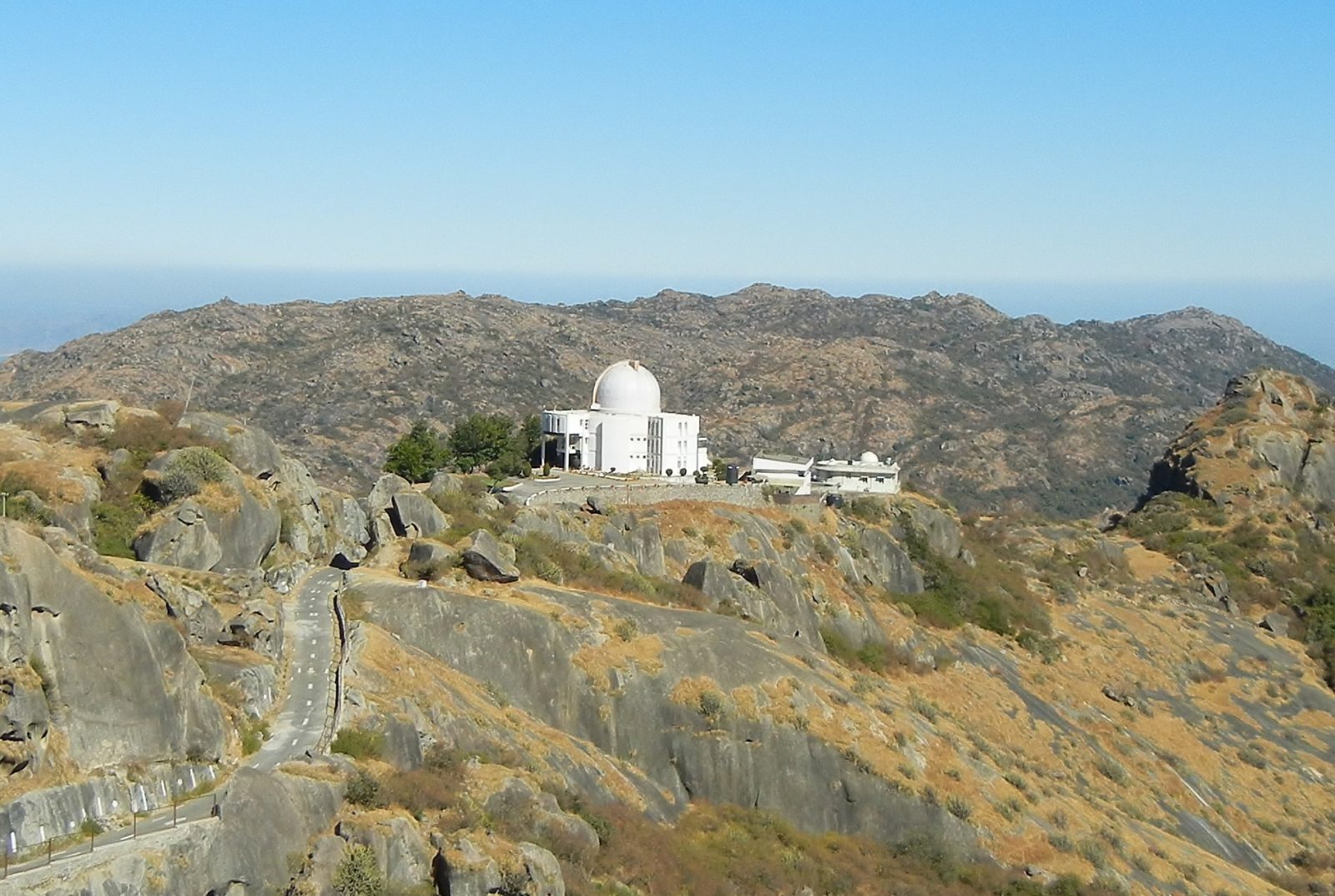
Guru Shikhar, at 1,722 metres, is the highest point of the Aravalli range and of Rajasthan. A cave temple at the summit is dedicated to Dattatreya, and a large brass bell hangs near the top of the steps. On a clear day the view reaches far across the hills and plains. It is about fifteen kilometres from Mount Abu town; mornings usually have the best visibility.
05
STOP 5 OF 9
Sundha Mata Temple
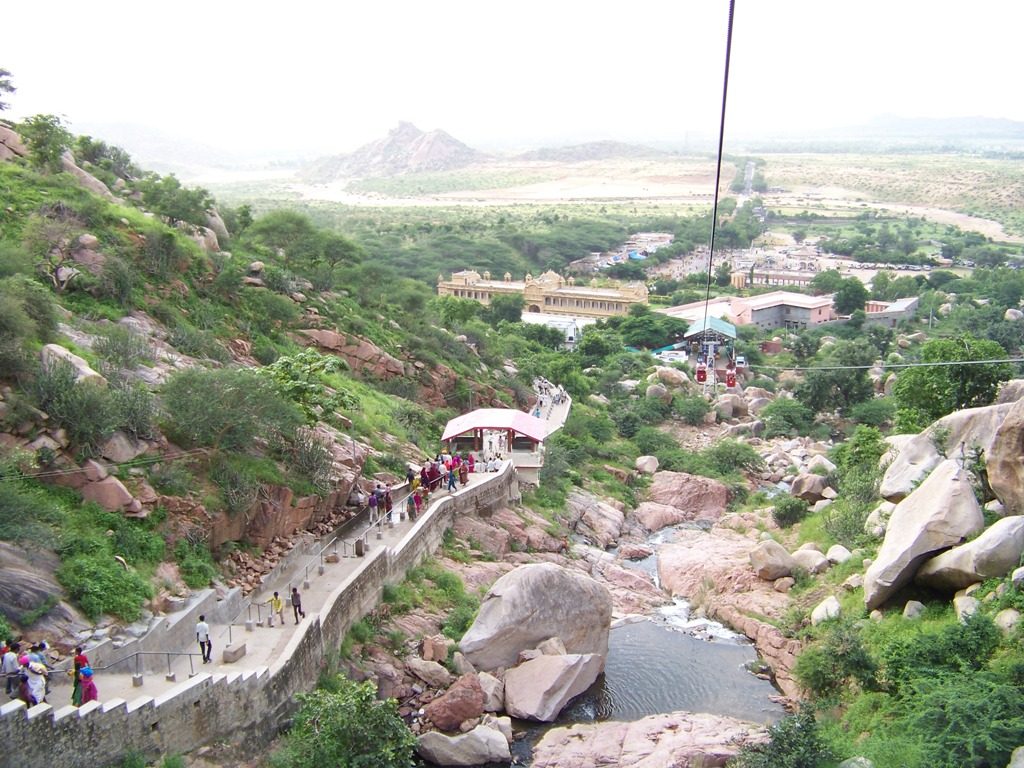
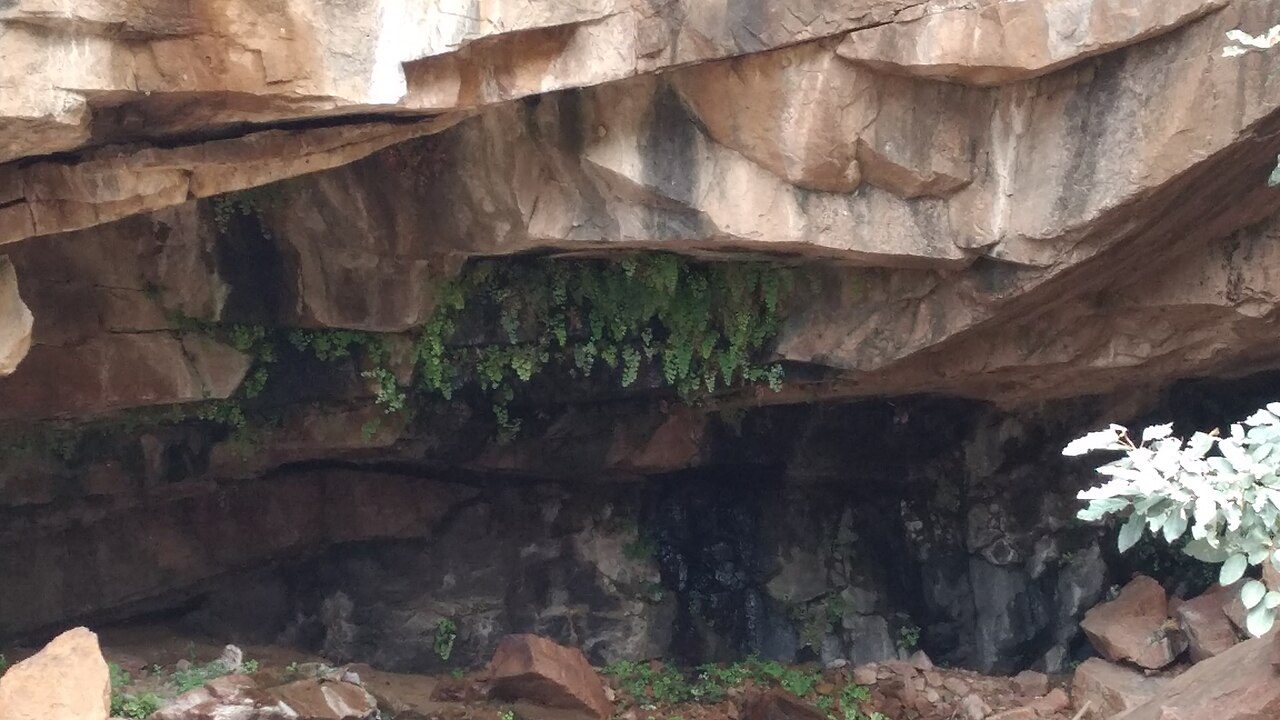
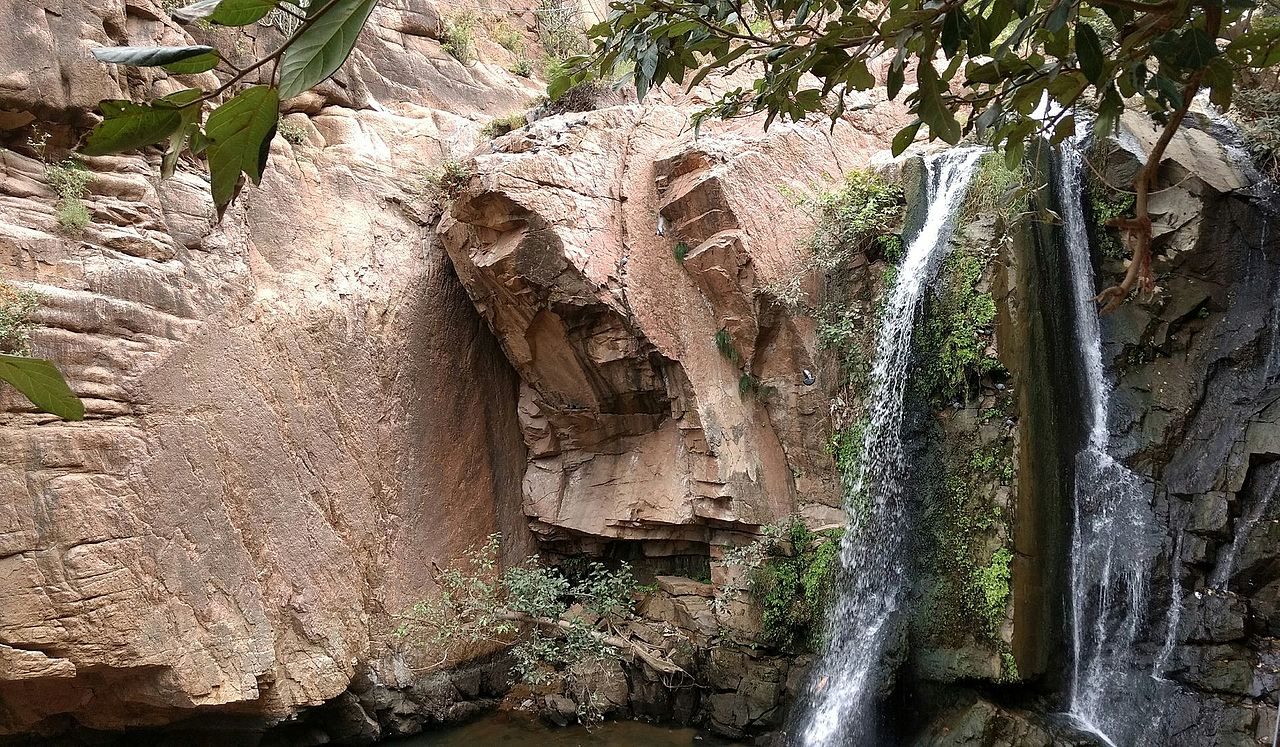
The Sundha Mata temple stands high on a hill in the Aravallis of Jalore district and is dedicated to Chamunda Devi. The white marble shrine, about 900 years old, is built against the rock, and inscriptions here are an important source for the history of the Chauhan rulers of Jalore. A ropeway carries pilgrims up, and a waterfall flows beside the path in the monsoon. Navratri is the busiest time.
06
STOP 6 OF 9
Nakoda Jain Temple
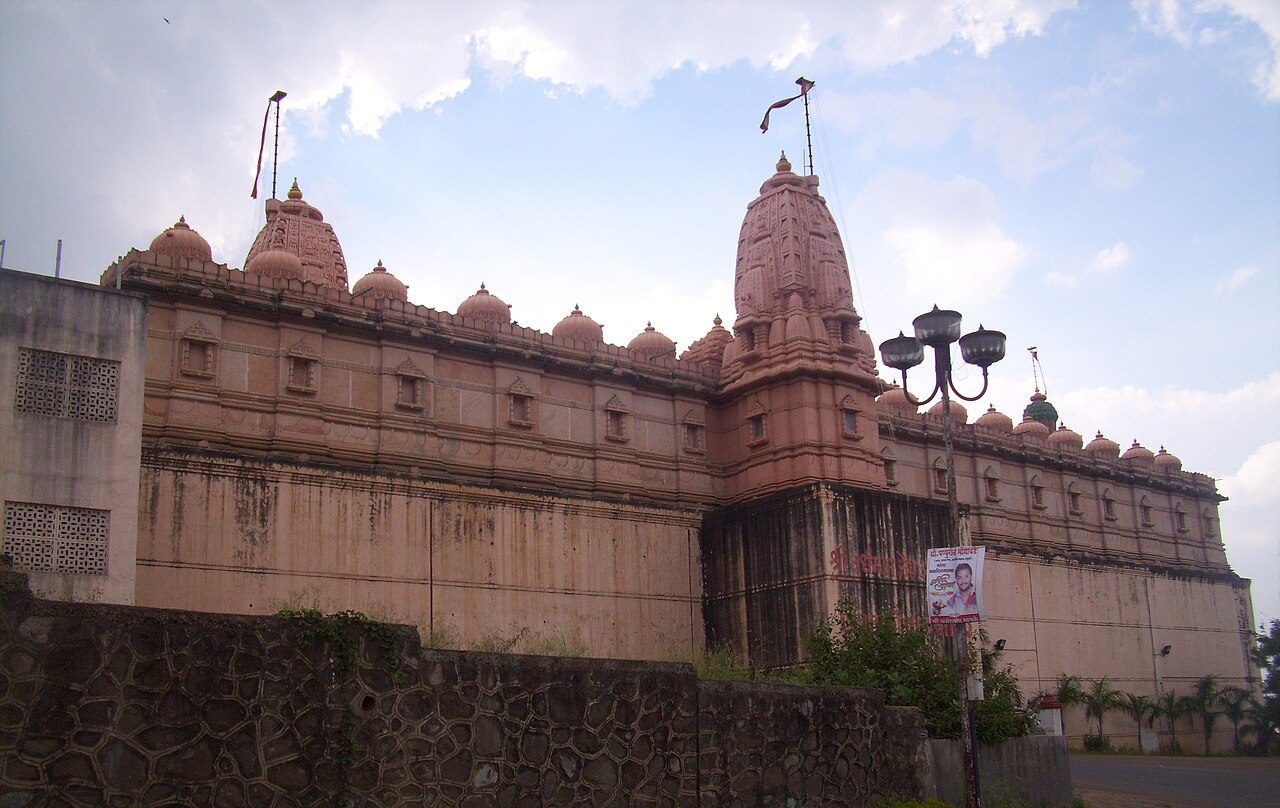
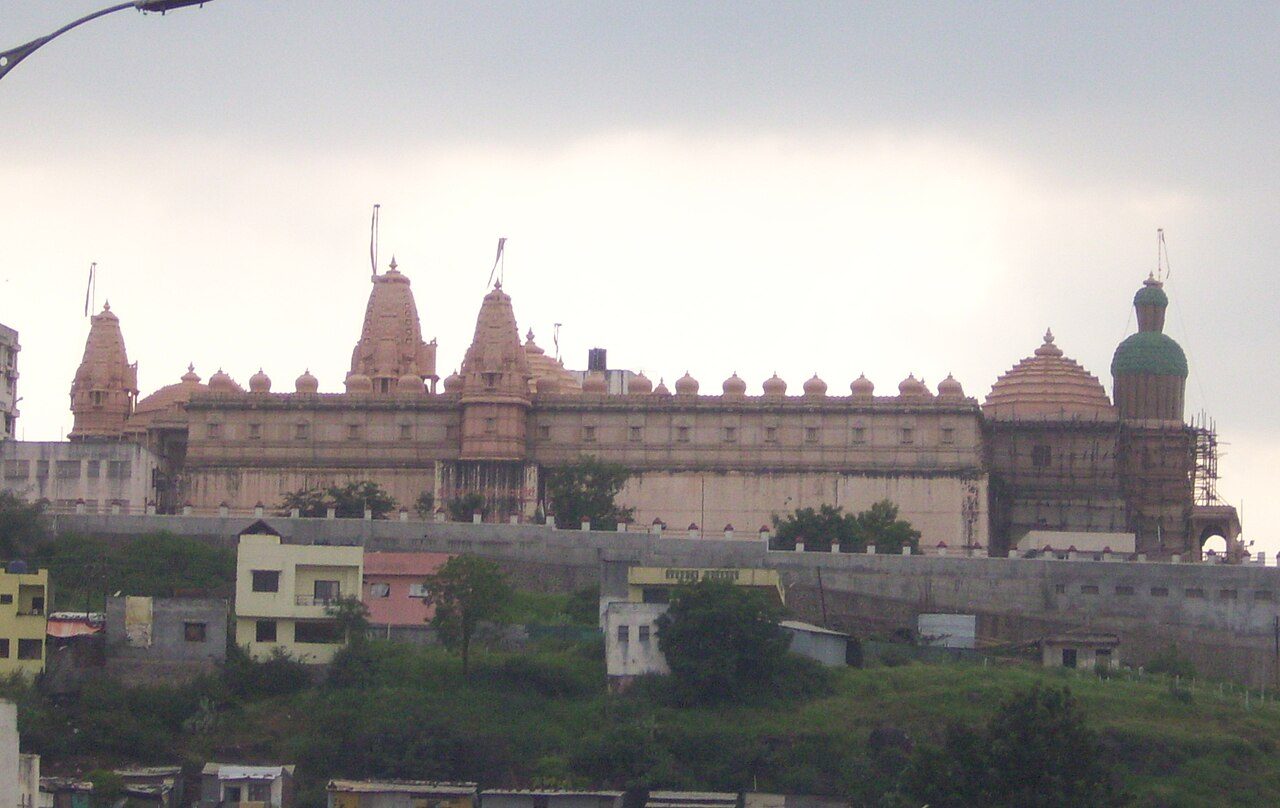
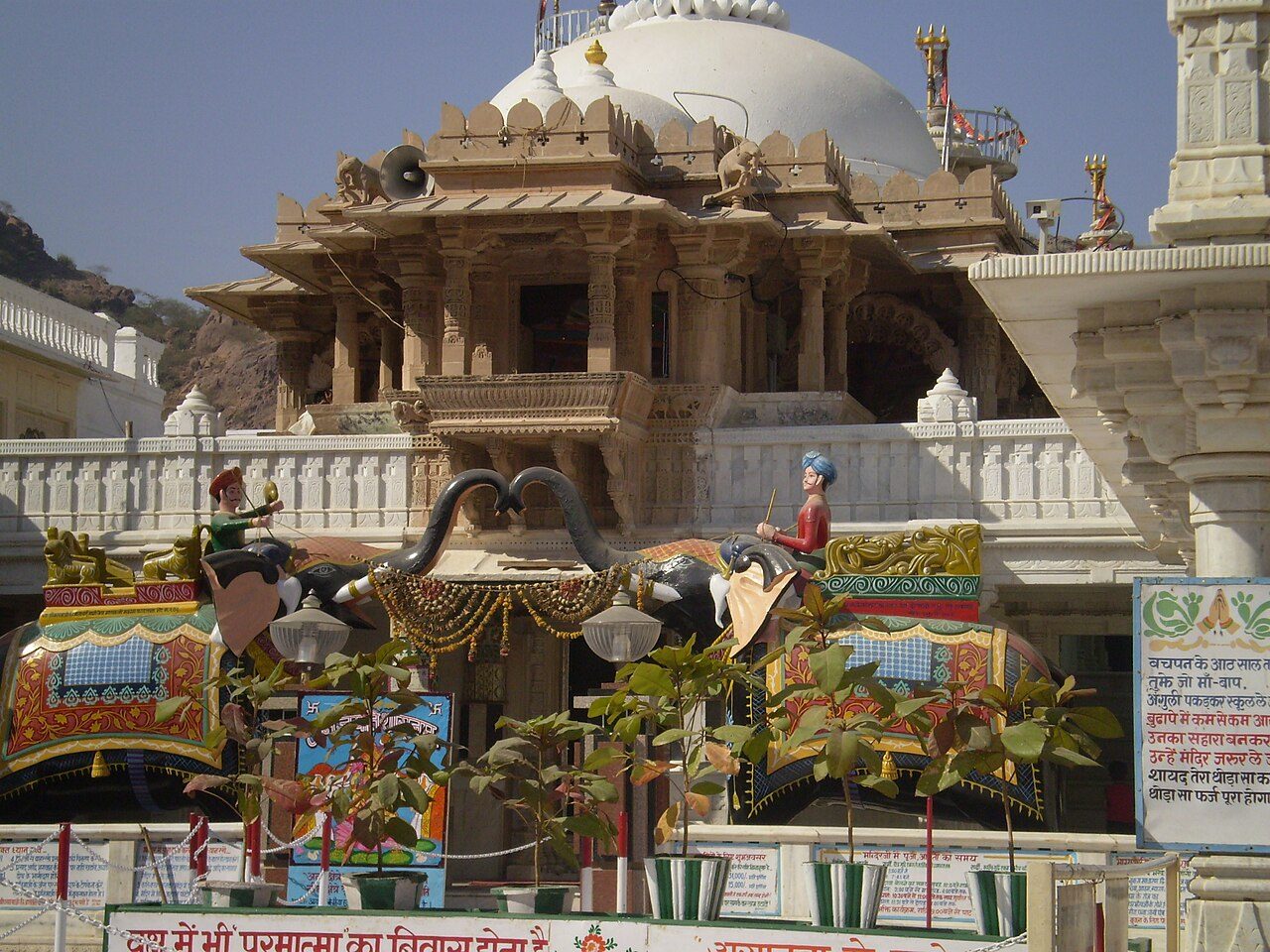
Nakoda is a major Jain pilgrimage site in the hills near Balotra. The main temple is dedicated to Parshvanatha, whose black stone image is said to have been installed here in the medieval period, and pilgrims also worship the guardian deity Nakoda Bhairav. The marble complex has finely carved halls and several subsidiary shrines. It is busiest at the fair on Paush Krishna Dashami.
07
STOP 7 OF 9
Kiradu Temples
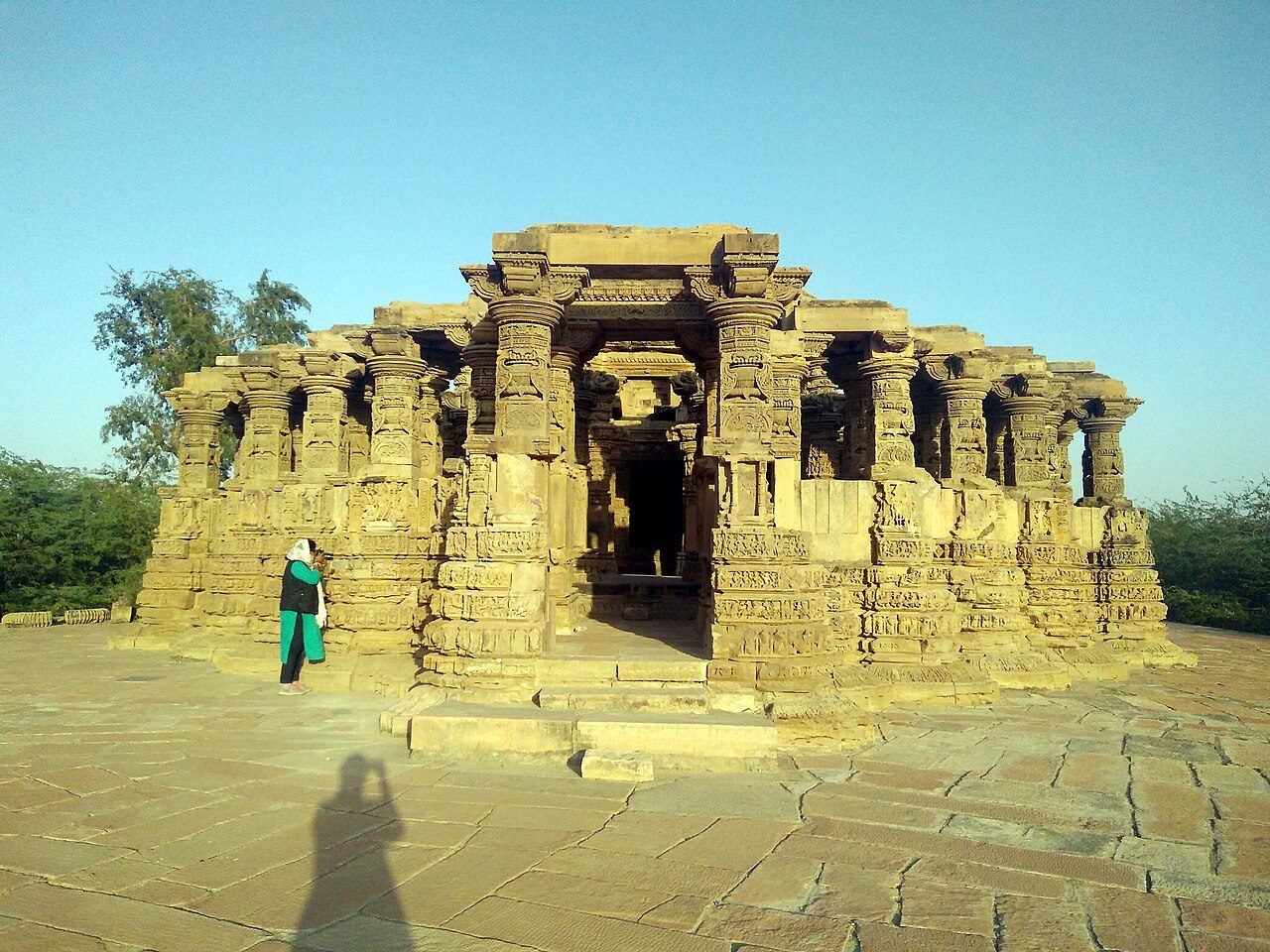
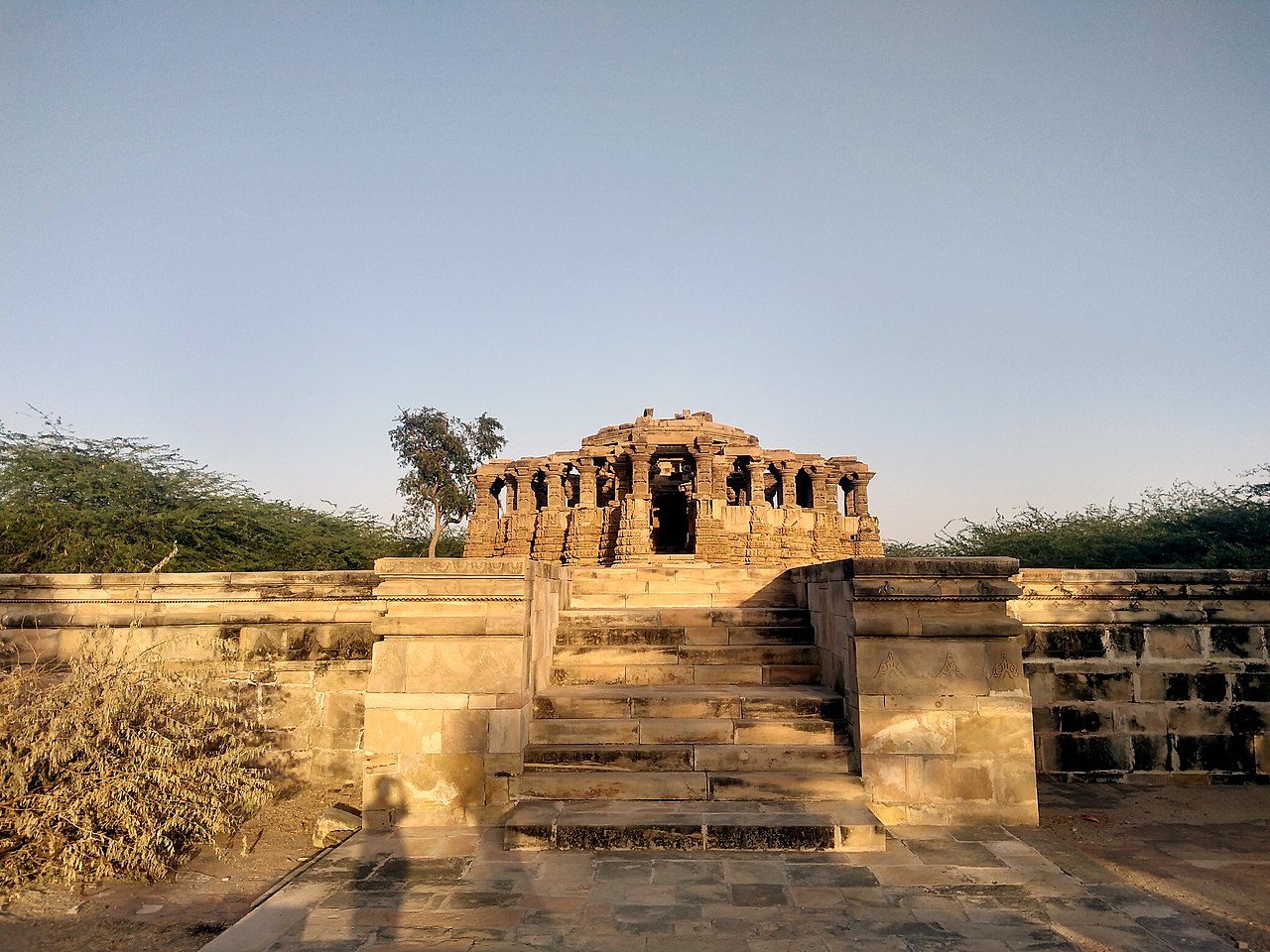
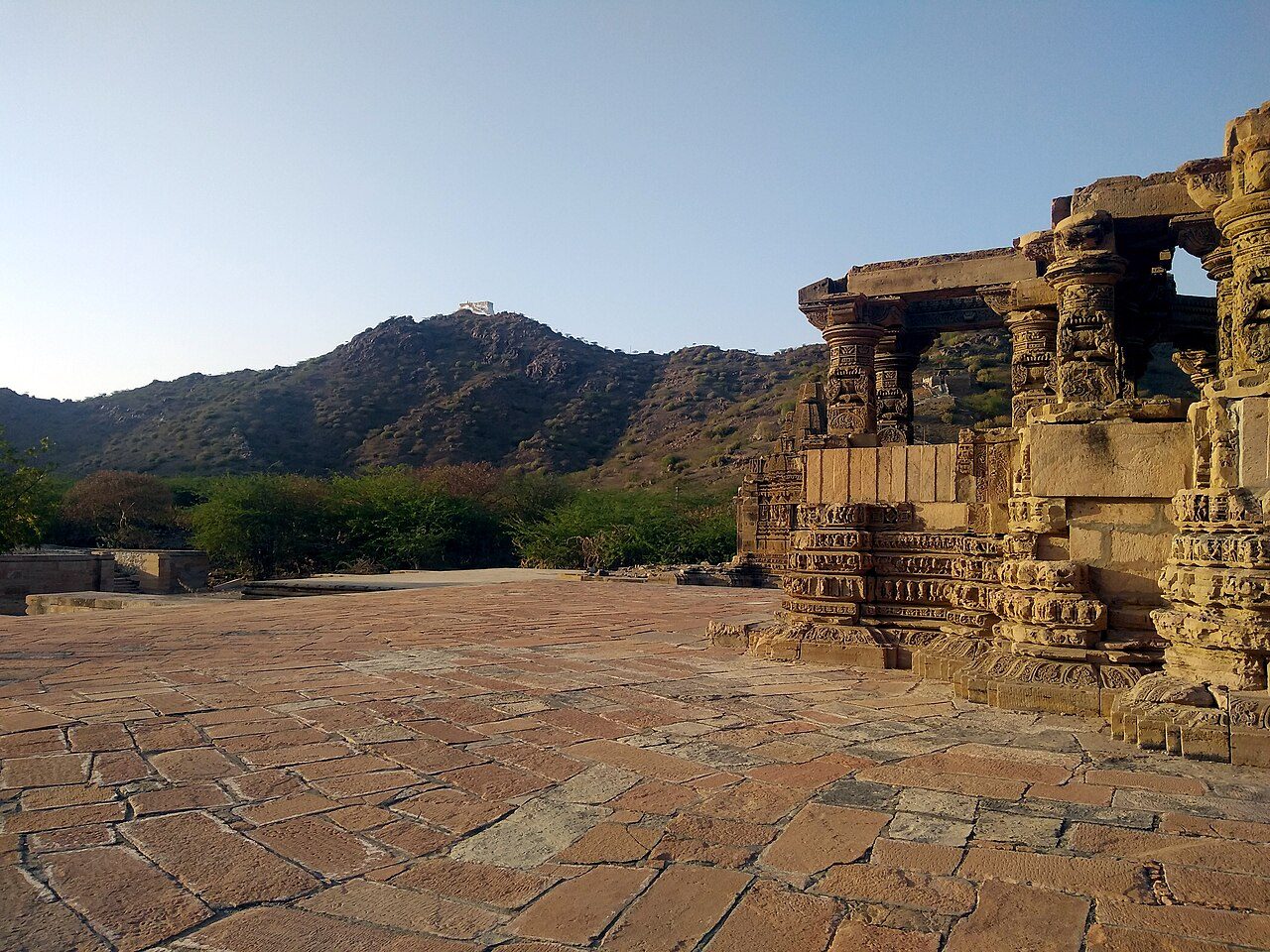
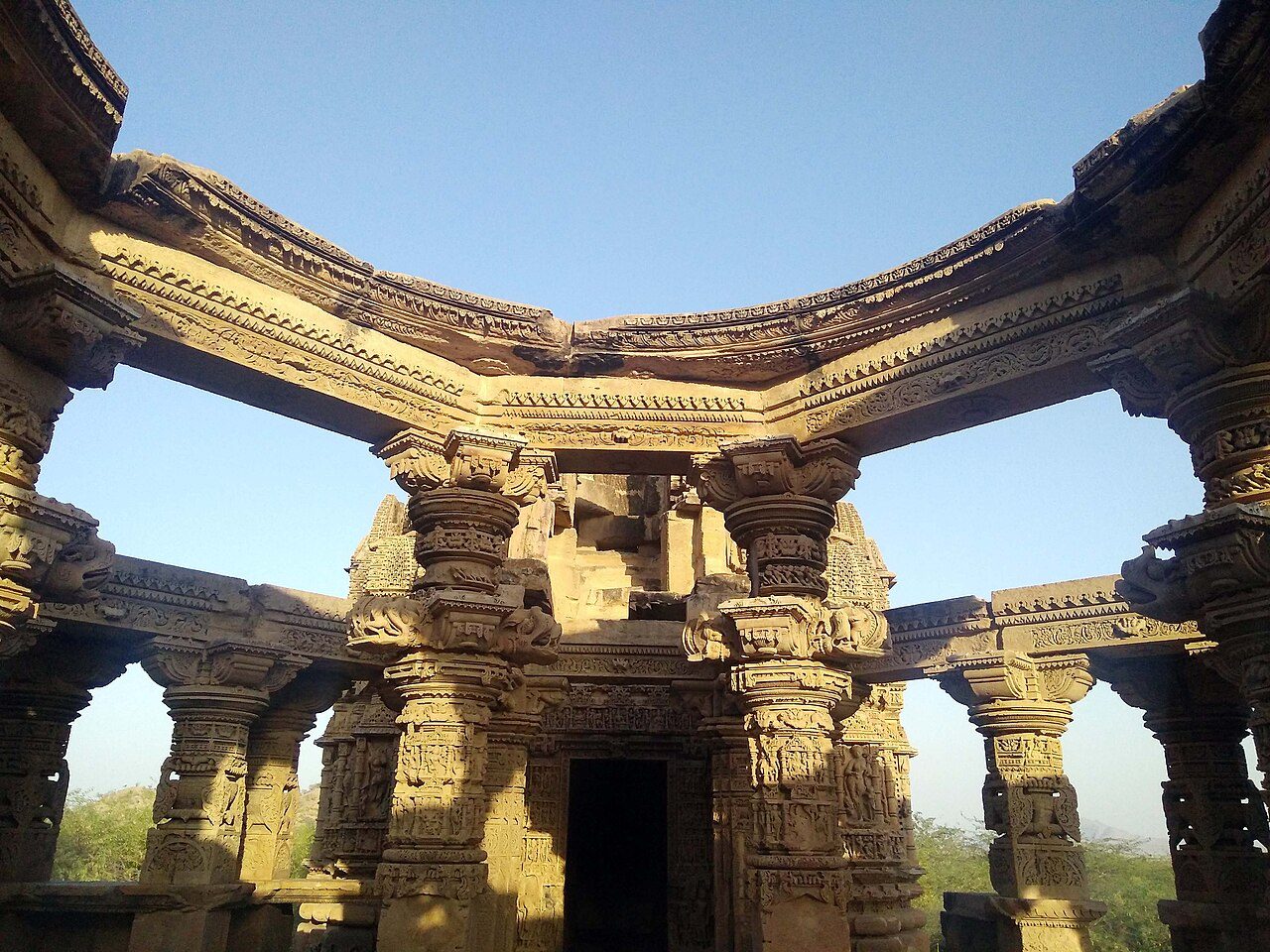
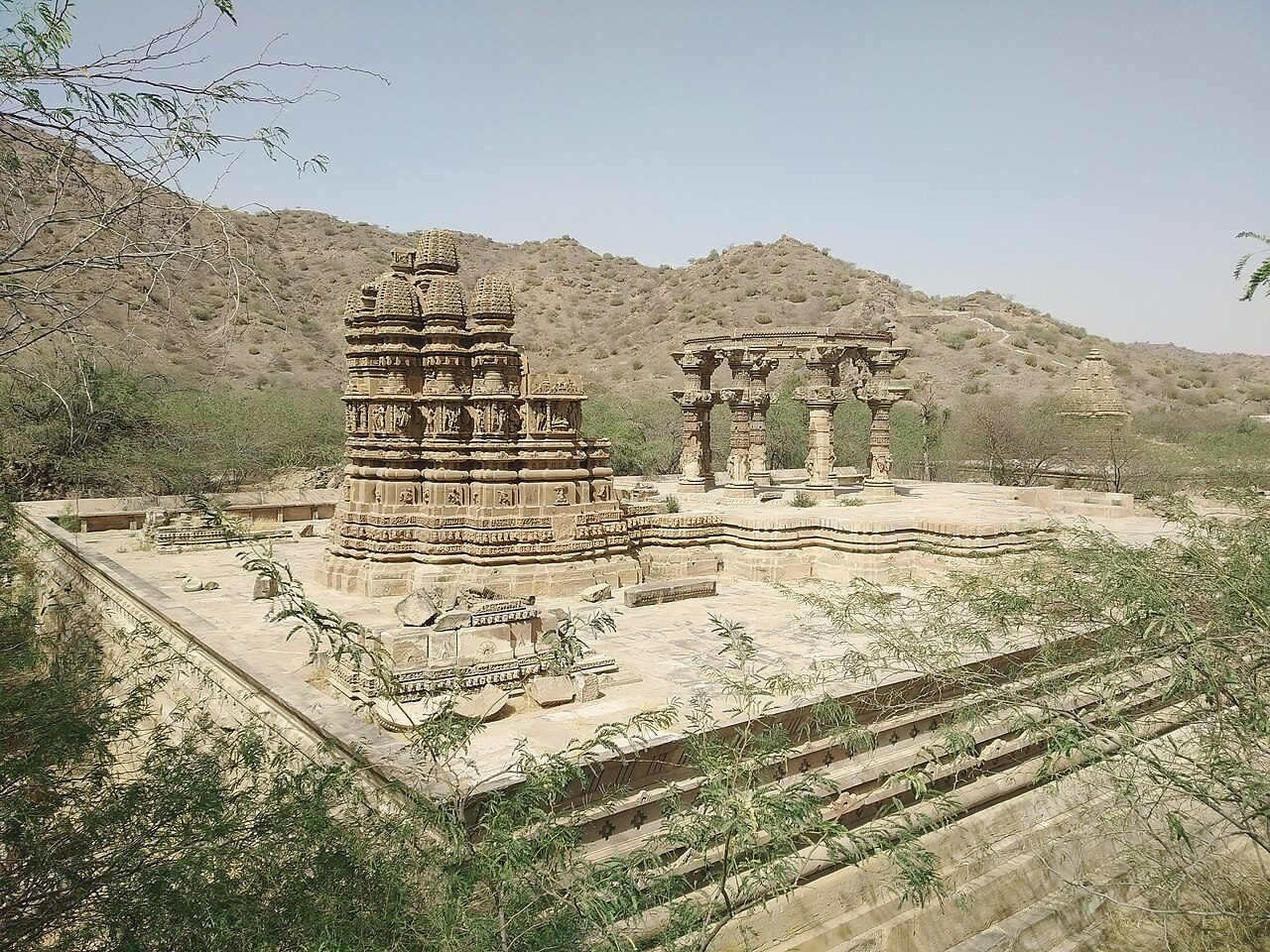
The Kiradu temples are a group of ruined temples near Barmer, built in the 11th and 12th centuries in the Maru-Gurjara style. Five survive, of which the Someshvara temple, dedicated to Shiva, is the best preserved, with a richly sculpted hall and tower. The remote desert setting and a local legend that no one should stay after dark keep visitors few. Carvings are best seen in morning light.
08
STOP 8 OF 9
Om Banna Temple
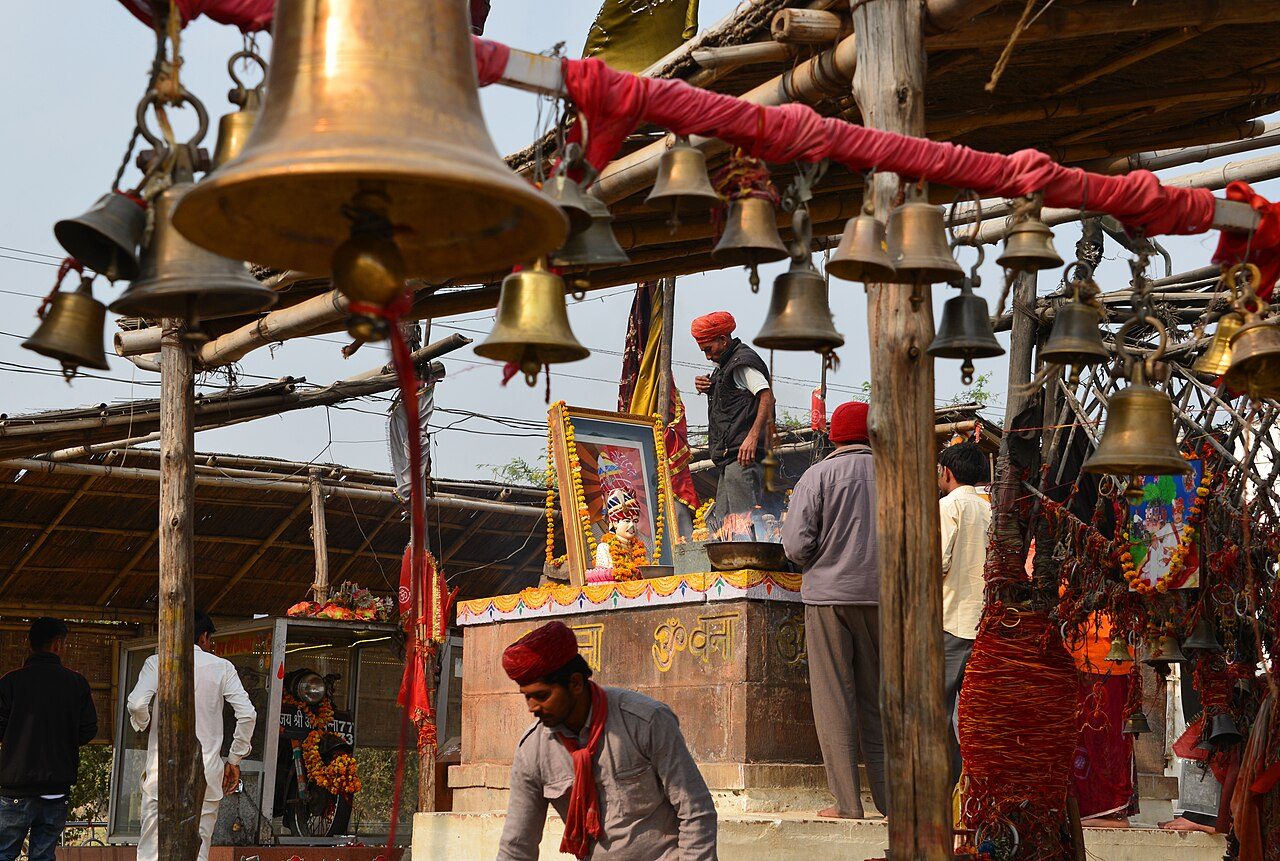
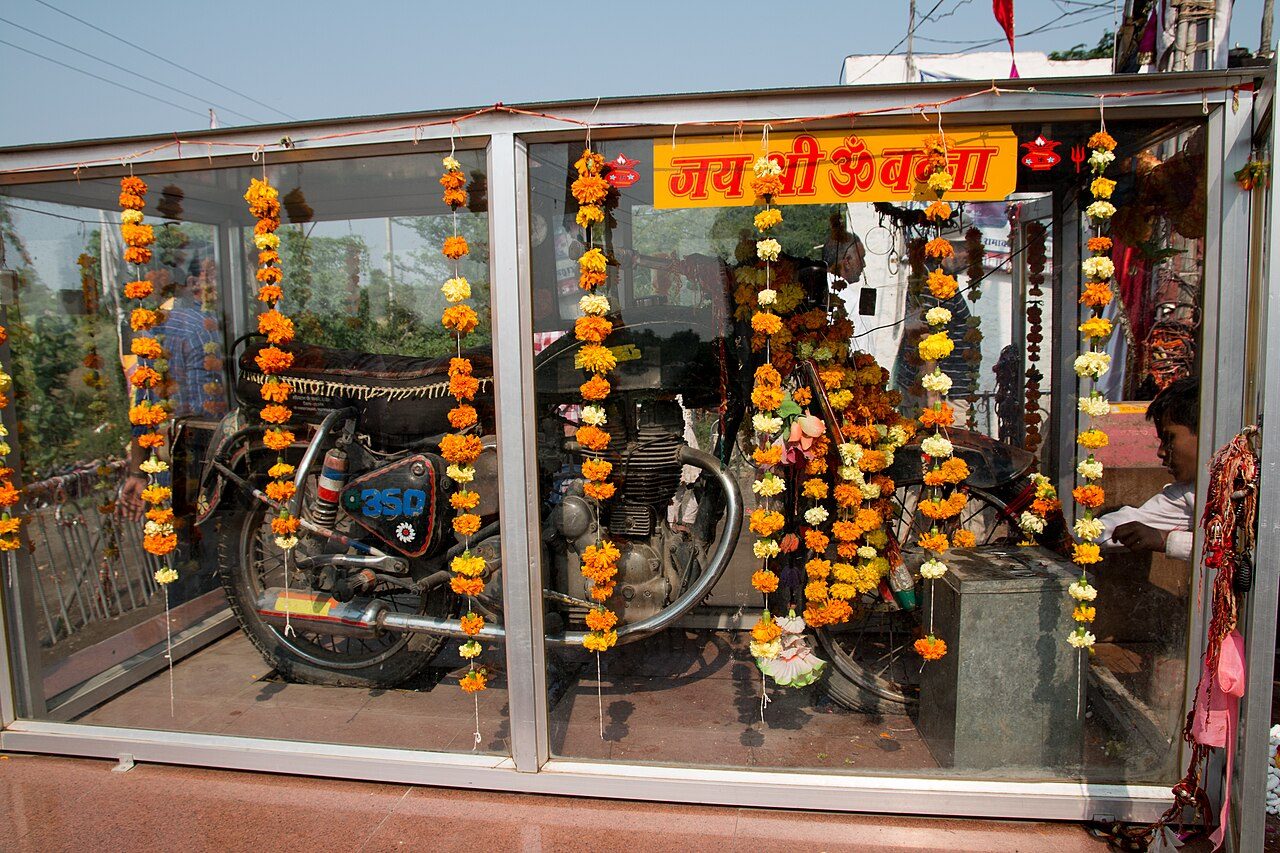
The Om Banna shrine, on the highway between Pali and Jodhpur, is devoted to a motorcycle. In 1988 Om Singh Rathore died here in a crash; according to local belief, his Royal Enfield Bullet kept returning to the spot after police took it away. Travellers now stop to pray for a safe journey, offering flowers and liquor at the garlanded bike, which is kept in a glass case.
09
STOP 9 OF 9 · LAST STOP
Jawai Dam
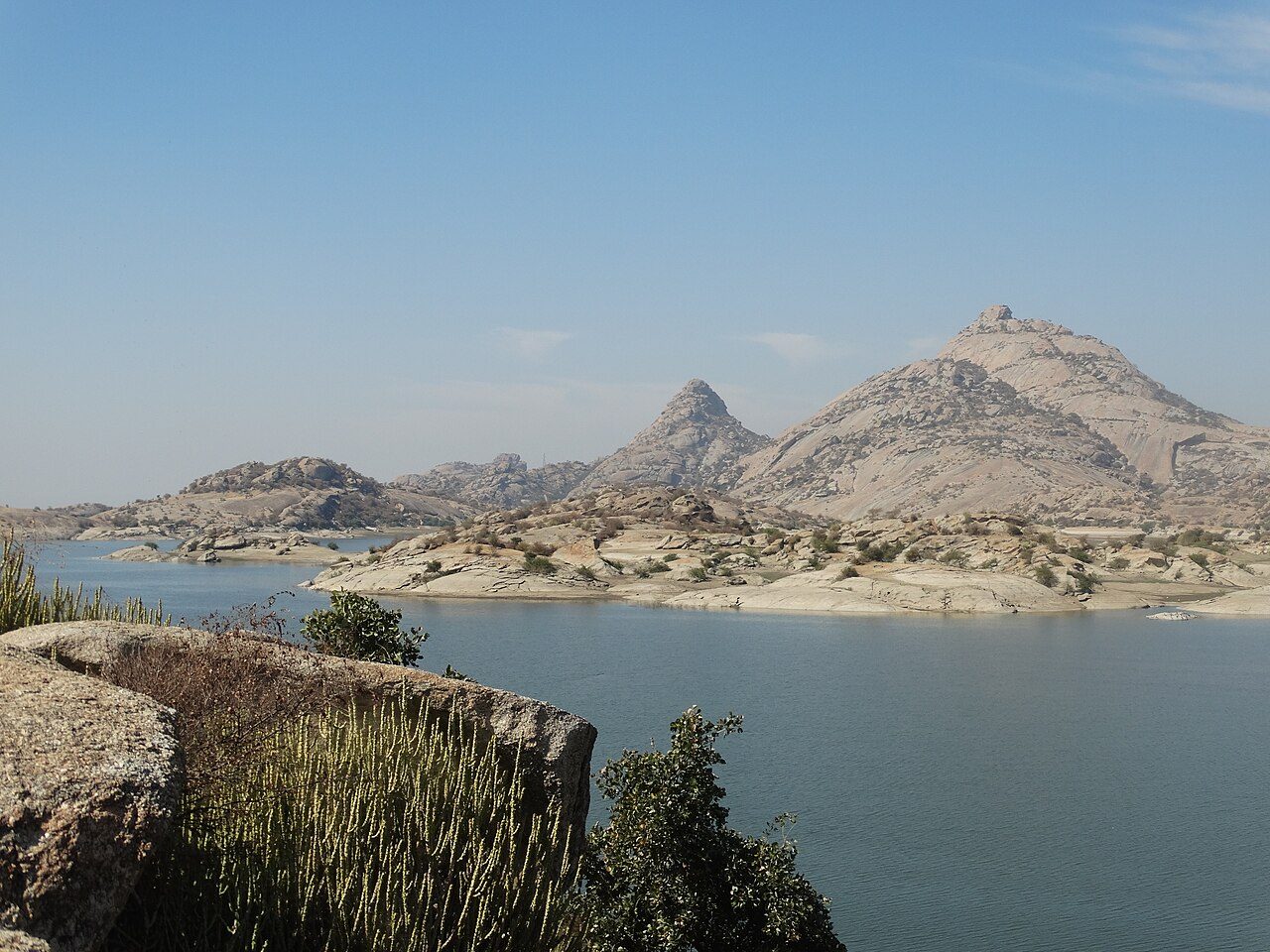
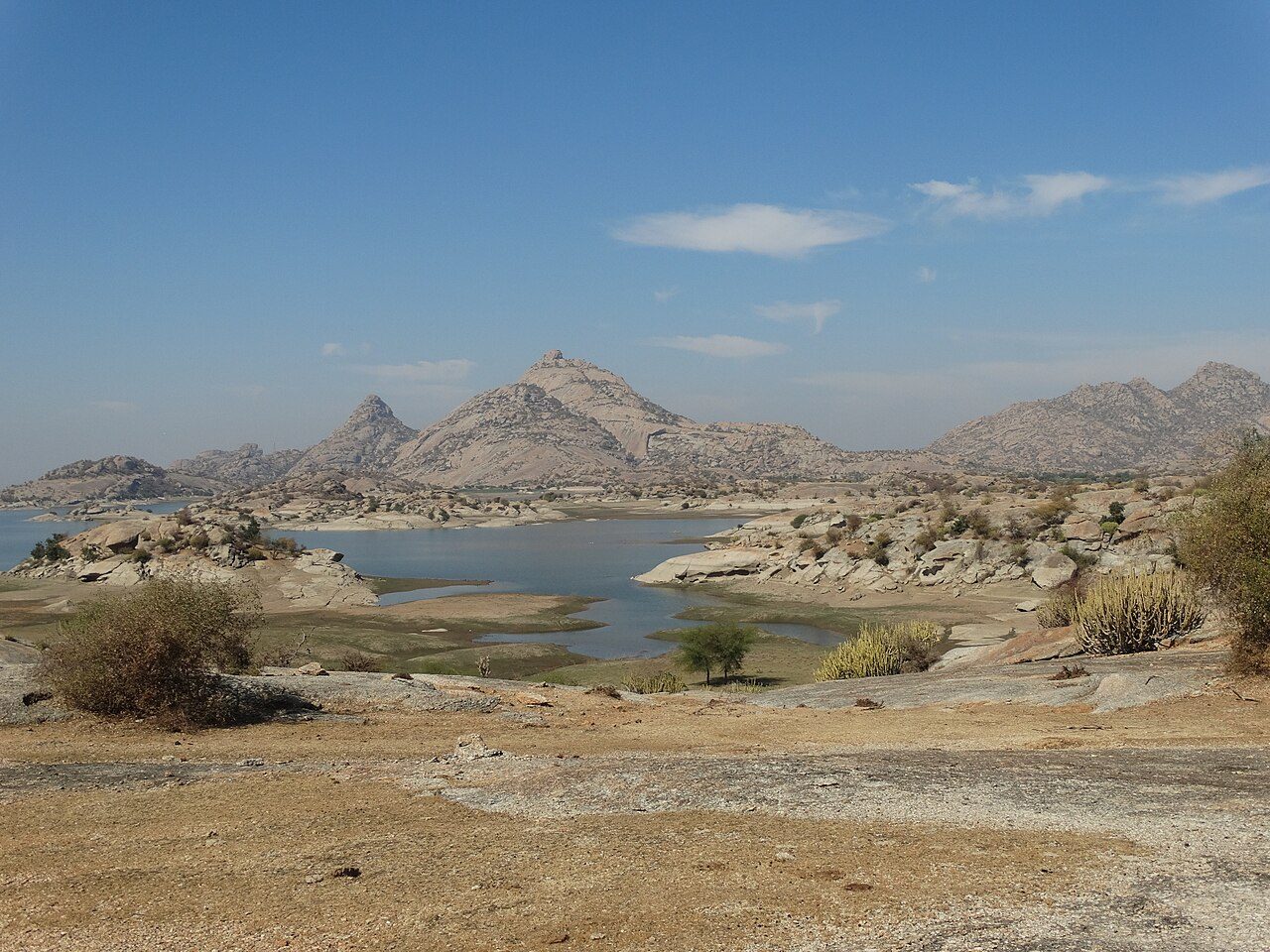
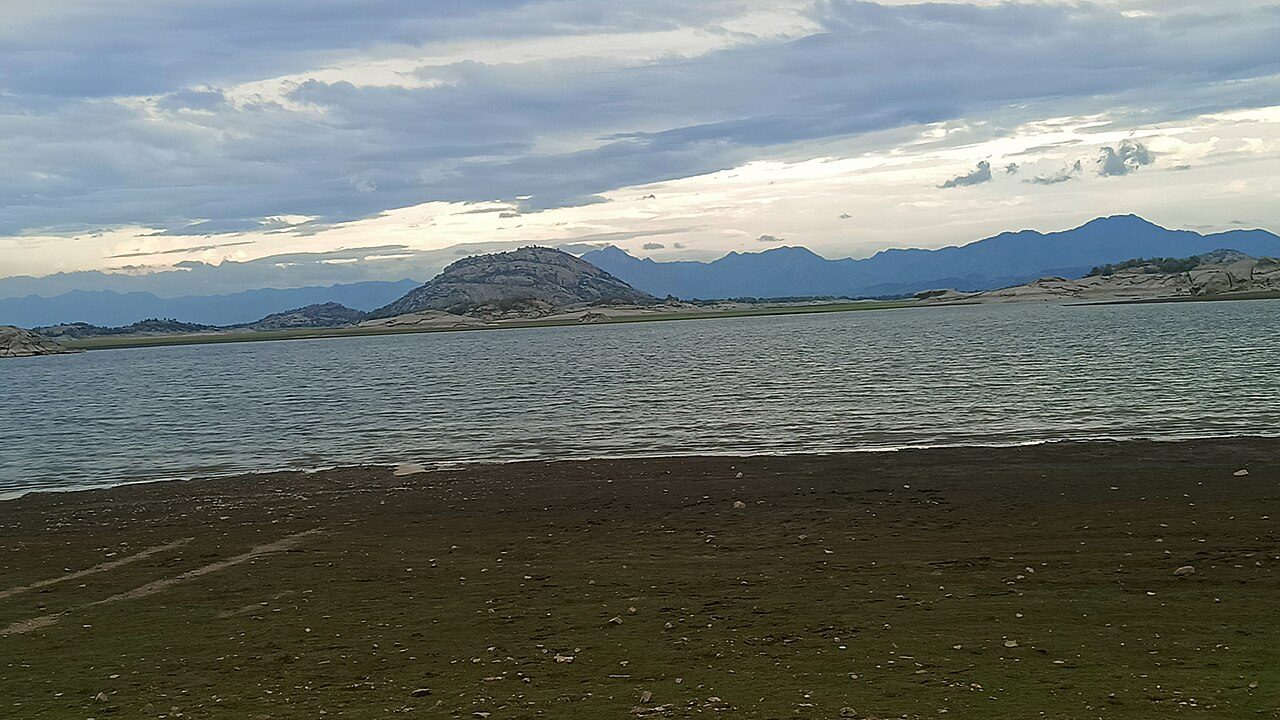
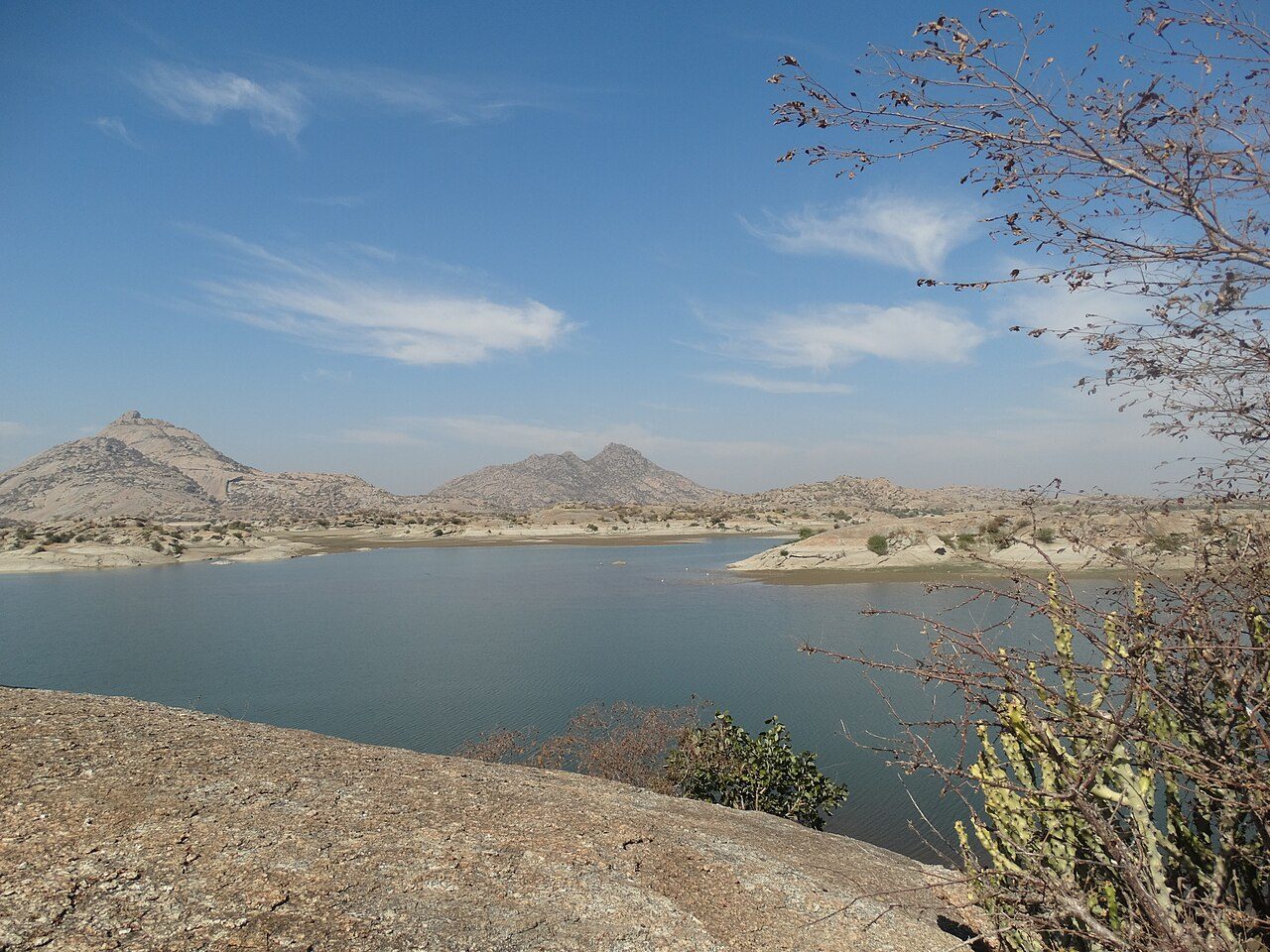
Jawai Dam, built across the Jawai river by Maharaja Umaid Singh and completed in 1957, forms the largest reservoir in western Rajasthan. The granite hills around it are known for leopards that live in caves close to villages and temples, and are often seen at dawn and dusk. The reservoir attracts crocodiles, flamingos, cranes and geese in winter. Safaris are run by local camps.
Seasons from 20 years of NASA POWER climate data.
 WaTrips